Library
Browse and search books
3,417 novels found
三百年的大融合:南北史演义(上)
Cai Dongfan
This book is a popular romance of the Northern and Southern Dynasties "Cai Dongfan Talks about the History of China", with a total of one hundred chapters in two volumes. From Liu Yu's usurpation of the Jin Dynasty to the rule of Yuanjia, from the Battle of Zhongli to the Rebellion of Hou Jing, from the reforms of Emperor Xiaowen to the Emperor Yang Jianjian, it wonderfully interprets the rise and fall of the Southern and Northern Dynasties in the past two hundred years. The author draws extensively from official history, occasionally from officials and wild officials, and his narrative is plain, smooth, and methodical; he makes self-evaluations and annotations, and his language is humorous and both reasonable and reasonable. Reading through this book, it is like a historical picture unfolding slowly before your eyes. Sometimes it is a fierce battle, sometimes it is gentle and affectionate, sometimes it is a dispute between countries, sometimes it is a game of loyalty and traitor... It makes people dizzy and full of emotions.
This book is a popular romance of the Northern and Southern Dynasties "Cai Dongfan Talks about the History of China", with a total of one hundred chapters in two volumes. From Liu Yu's usurpation of the Jin Dynasty to the rule of Yuanjia, from the Battle of Zhongli to the Rebellion of Hou Jing, from the reforms of Emperor Xiaowen to the Emperor Yang Jianjian, it wonderfully interprets the rise and fall of the Southern and Northern Dynasties in the past two hundred years. The author draws extensively from official history, occasionally from officials and wild officials, and his narrative is plain, smooth, and methodical; he makes self-evaluations and annotations, and his language is humorous and both reasonable and reasonable. Reading through this book, it is like a historical picture unfolding slowly before your eyes. Sometimes it is a fierce battle, sometimes it is gentle and affectionate, sometimes it is a dispute between countries, sometimes it is a game of loyalty and traitor... It makes people dizzy and full of emotions.
三百年的大融合:南北史演义(下)
Cai Dongfan
This book is a popular romance of the Northern and Southern Dynasties "Cai Dongfan Talks about the History of China", with a total of one hundred chapters in two volumes. From Liu Yu's usurpation of the Jin Dynasty to the rule of Yuanjia, from the Battle of Zhongli to the Rebellion of Hou Jing, from the reforms of Emperor Xiaowen to the Emperor Yang Jianjian, it wonderfully interprets the rise and fall of the Southern and Northern Dynasties in the past two hundred years. The author draws extensively from official history, occasionally from officials and wild officials, and his narrative is plain, smooth, and methodical; he makes self-evaluations and annotations, and his language is humorous and both reasonable and reasonable. Reading through this book, it is like a historical picture unfolding slowly before your eyes. Sometimes it is a fierce battle, sometimes it is gentle and affectionate, sometimes it is a dispute between countries, sometimes it is a game of loyalty and traitor... It makes people dizzy and full of emotions.
This book is a popular romance of the Northern and Southern Dynasties "Cai Dongfan Talks about the History of China", with a total of one hundred chapters in two volumes. From Liu Yu's usurpation of the Jin Dynasty to the rule of Yuanjia, from the Battle of Zhongli to the Rebellion of Hou Jing, from the reforms of Emperor Xiaowen to the Emperor Yang Jianjian, it wonderfully interprets the rise and fall of the Southern and Northern Dynasties in the past two hundred years. The author draws extensively from official history, occasionally from officials and wild officials, and his narrative is plain, smooth, and methodical; he makes self-evaluations and annotations, and his language is humorous and both reasonable and reasonable. Reading through this book, it is like a historical picture unfolding slowly before your eyes. Sometimes it is a fierce battle, sometimes it is gentle and affectionate, sometimes it is a dispute between countries, sometimes it is a game of loyalty and traitor... It makes people dizzy and full of emotions.
大汉王朝的复兴与三国乱世:后汉演义(上)
Cai Dongfan
This book is a popular romance of the Later Han Dynasty with the History of the Three Kingdoms, "Cai Dongfan Talks about the History of China", with a total of 100 chapters in two volumes. From the resurgence of Guangwu to the disaster of the Party's imprisonment, from the Battle of Guandu to the Battle of Chibi, from Cao Pi usurping the Han Dynasty to Sima Yan proclaiming the emperor, it wonderfully interprets the rise and fall of the Later Han Dynasty and the Three Kingdoms in the past 250 years. The author draws extensively from official history, occasionally from officials and wild officials, and his narrative is plain, smooth, and methodical; he makes self-evaluations and annotations, and his language is humorous and both reasonable and reasonable. Reading through this book, it is like a historical picture unfolding slowly before your eyes. Sometimes it is a fierce battle, sometimes it is gentle and affectionate, sometimes it is a dispute between countries, sometimes it is a game of loyalty and traitor... It makes people dizzy and full of emotions.
This book is a popular romance of the Later Han Dynasty with the History of the Three Kingdoms, "Cai Dongfan Talks about the History of China", with a total of 100 chapters in two volumes. From the resurgence of Guangwu to the disaster of the Party's imprisonment, from the Battle of Guandu to the Battle of Chibi, from Cao Pi usurping the Han Dynasty to Sima Yan proclaiming the emperor, it wonderfully interprets the rise and fall of the Later Han Dynasty and the Three Kingdoms in the past 250 years. The author draws extensively from official history, occasionally from officials and wild officials, and his narrative is plain, smooth, and methodical; he makes self-evaluations and annotations, and his language is humorous and both reasonable and reasonable. Reading through this book, it is like a historical picture unfolding slowly before your eyes. Sometimes it is a fierce battle, sometimes it is gentle and affectionate, sometimes it is a dispute between countries, sometimes it is a game of loyalty and traitor... It makes people dizzy and full of emotions.
大汉王朝的复兴与三国乱世:后汉演义(下)
Cai Dongfan
This book is a popular romance of the Later Han Dynasty with the History of the Three Kingdoms, "Cai Dongfan Talks about the History of China", with a total of 100 chapters in two volumes. From the resurgence of Guangwu to the disaster of the Party's imprisonment, from the Battle of Guandu to the Battle of Chibi, from Cao Pi usurping the Han Dynasty to Sima Yan proclaiming the emperor, it wonderfully interprets the rise and fall of the Later Han Dynasty and the Three Kingdoms in the past 250 years. The author draws extensively from official history, occasionally from officials and wild officials, and his narrative is plain, smooth, and methodical; he makes self-evaluations and annotations, and his language is humorous and both reasonable and reasonable. Reading through this book, it is like a historical picture unfolding slowly before your eyes. Sometimes it is a fierce battle, sometimes it is gentle and affectionate, sometimes it is a dispute between countries, sometimes it is a game of loyalty and traitor... It makes people dizzy and full of emotions.
This book is a popular romance of the Later Han Dynasty with the History of the Three Kingdoms, "Cai Dongfan Talks about the History of China", with a total of 100 chapters in two volumes. From the resurgence of Guangwu to the disaster of the Party's imprisonment, from the Battle of Guandu to the Battle of Chibi, from Cao Pi usurping the Han Dynasty to Sima Yan proclaiming the emperor, it wonderfully interprets the rise and fall of the Later Han Dynasty and the Three Kingdoms in the past 250 years. The author draws extensively from official history, occasionally from officials and wild officials, and his narrative is plain, smooth, and methodical; he makes self-evaluations and annotations, and his language is humorous and both reasonable and reasonable. Reading through this book, it is like a historical picture unfolding slowly before your eyes. Sometimes it is a fierce battle, sometimes it is gentle and affectionate, sometimes it is a dispute between countries, sometimes it is a game of loyalty and traitor... It makes people dizzy and full of emotions.
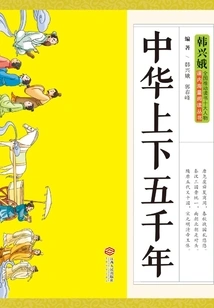
中华上下五千年(全集)
Han Xing'e Guo Chunfeng
"Five Thousand Years of China" is one of the earliest books used by teacher Han Xing'e in the teaching practice of "massive reading in class". The book is divided into three volumes: upper, middle and lower. In chronological order, it selects important figures and events in Chinese history. Relying on records in history books, it uses classical Chinese as a guide and vernacular stories to guide primary and middle school students to grasp the historical context, learn the essence of ancient Chinese, and enrich historical and cultural knowledge. This book organically integrates the study of classical Chinese with the study of historical knowledge, the dissemination of cultural knowledge, and the education of traditional virtues, allowing readers to acquire a vast amount of knowledge, shape character, and cultivate sentiment in a relaxed and happy reading process. This book is suitable for primary and secondary school students to read by themselves, for class reading, and for adults to read.
"Five Thousand Years of China" is one of the earliest books used by teacher Han Xing'e in the teaching practice of "massive reading in class". The book is divided into three volumes: upper, middle and lower. In chronological order, it selects important figures and events in Chinese history. Relying on records in history books, it uses classical Chinese as a guide and vernacular stories to guide primary and middle school students to grasp the historical context, learn the essence of ancient Chinese, and enrich historical and cultural knowledge. This book organically integrates the study of classical Chinese with the study of historical knowledge, the dissemination of cultural knowledge, and the education of traditional virtues, allowing readers to acquire a vast amount of knowledge, shape character, and cultivate sentiment in a relaxed and happy reading process. This book is suitable for primary and secondary school students to read by themselves, for class reading, and for adults to read.
秦汉史文存
Huang Jinyan
"History of the Qin and Han Dynasties" is a collection of essays composed of 22 articles. The book is roughly divided into four topics, which respectively discuss the social economy, officialdom, military system, and border defense issues in the Qin and Han Dynasties. It also includes several book reviews, book prefaces, and reviews and prospects of the research on the history of the Qin and Han Dynasties in China in the past thirty years. It also provides an overview of the documents and slips of the Qin and Han Dynasties.
"History of the Qin and Han Dynasties" is a collection of essays composed of 22 articles. The book is roughly divided into four topics, which respectively discuss the social economy, officialdom, military system, and border defense issues in the Qin and Han Dynasties. It also includes several book reviews, book prefaces, and reviews and prospects of the research on the history of the Qin and Han Dynasties in China in the past thirty years. It also provides an overview of the documents and slips of the Qin and Han Dynasties.
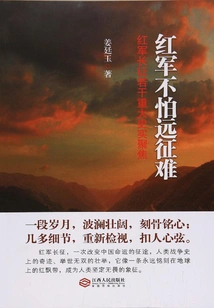
红军不怕远征难:红军长征若干重大史实聚焦
Jiang Tingyu
"The Red Army is Not Afraid of the Difficulties of the Expedition: Focus on Some Major Historical Facts of the Red Army's Long March" is a thematic documentary manuscript commemorating the 80th anniversary of the victory of the Long March and the 90th anniversary of the founding of the army. The whole book focuses on the historical facts that occurred during the Red Army's Long March that determined the fate of the Red Army or had a significant impact on the Red Army's victory in the Long March, such as major meetings on the Long March, important battles, important alliances, sacrificed heroes, and precious cultural relics, etc. Through the reproduction and focus of these major historical facts, the true history of the Red Army's Long March is vividly reproduced.
"The Red Army is Not Afraid of the Difficulties of the Expedition: Focus on Some Major Historical Facts of the Red Army's Long March" is a thematic documentary manuscript commemorating the 80th anniversary of the victory of the Long March and the 90th anniversary of the founding of the army. The whole book focuses on the historical facts that occurred during the Red Army's Long March that determined the fate of the Red Army or had a significant impact on the Red Army's victory in the Long March, such as major meetings on the Long March, important battles, important alliances, sacrificed heroes, and precious cultural relics, etc. Through the reproduction and focus of these major historical facts, the true history of the Red Army's Long March is vividly reproduced.
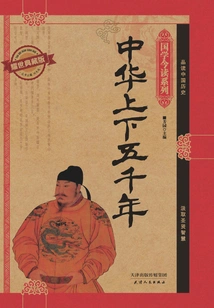
Five Thousand Years of China (yaoshi Collector's Edition) (chinese Studies Today's Reading Series)
History中华上下五千年(耀世典藏版)(国学今读系列)
Fong Yuan
The book "Five Thousand Years of China (Yaoshi Collector's Edition) (Chinese Studies Today Series)" edited by Fang Yuan is divided into six major chapters: the origin of China, the struggle for hegemony in the Central Plains, the unification of Kyushu, separation and integration, the changes in the universe, and the change of dynasties. It succinctly tells the basic context and development process of China's historical evolution, and provides readers with the historical knowledge they most want to know, need to know, and should know. At the same time, the book also has multiple knowledge sections such as "China Major Events", "World Major Events", and "Related Links". Among them, "Chinese Major Events" introduces major events in Chinese history in a chronological format, allowing readers to systematically grasp scattered historical information; "World Major Events" echoes "China Major Events" and systematically introduces major events in world history; "Related Links" briefly introduces knowledge in politics, economy, culture, science and technology and other fields related to the text content, reflecting the process of social development. All these contents can vividly reproduce the magnificence and changes of China's five thousand years of history, help readers understand history more deeply, draw insights from history, and increase and expand life experience.
The book "Five Thousand Years of China (Yaoshi Collector's Edition) (Chinese Studies Today Series)" edited by Fang Yuan is divided into six major chapters: the origin of China, the struggle for hegemony in the Central Plains, the unification of Kyushu, separation and integration, the changes in the universe, and the change of dynasties. It succinctly tells the basic context and development process of China's historical evolution, and provides readers with the historical knowledge they most want to know, need to know, and should know. At the same time, the book also has multiple knowledge sections such as "China Major Events", "World Major Events", and "Related Links". Among them, "Chinese Major Events" introduces major events in Chinese history in a chronological format, allowing readers to systematically grasp scattered historical information; "World Major Events" echoes "China Major Events" and systematically introduces major events in world history; "Related Links" briefly introduces knowledge in politics, economy, culture, science and technology and other fields related to the text content, reflecting the process of social development. All these contents can vividly reproduce the magnificence and changes of China's five thousand years of history, help readers understand history more deeply, draw insights from history, and increase and expand life experience.
用年表读懂中国历史(手绘插图版)
Li Guangxin
A minimalist general history of China, the best introductory book "Understanding Chinese History with Chronology" integrates the historical views of Lu Simian, Chen Yinke, Qian Mu, Huang Renyu and others, adopts the epistemology and methodology of the internationally popular new history, and draws on the biographical and chronological methods of traditional Chinese historiography to form a unique and concise general history of China. This book is positioned as a historical reference book suitable for students and the general public. It abandons obscurity and difficulty and strives to be easy to understand. It is a rare introductory historical book. The chronology is read in conjunction with historical events for easy inquiry. This book takes the chronology as the main axis, dating back to ancient times and down to modern times. It connects historical facts, figures, military politics, culture and art in each period, helping readers to understand the historical changes of various dynasties in China simply and quickly. This book also selects more than 300 important events and narrates them concisely so that readers can easily grasp these popular historical allusions. Through the chronology, each event can be easily found and the relevant history before and after its occurrence can be clearly understood. Exquisite hand-drawn illustrations, a combination of pictures and text, easy to read and easy to remember. This book uses hand-drawn illustrations to replace the ubiquitous historical pictures, avoiding the common phenomenon of similar illustrations in historical books, and bringing readers a new high-quality reading experience. The hand-drawn illustrations maintain the unity of style throughout the book, and are no longer a messy patchwork of various types of pictures from different periods. The layout design of the book is more exquisite, the combination of pictures and text is more accurate, and readers will naturally have a deeper understanding of history.
A minimalist general history of China, the best introductory book "Understanding Chinese History with Chronology" integrates the historical views of Lu Simian, Chen Yinke, Qian Mu, Huang Renyu and others, adopts the epistemology and methodology of the internationally popular new history, and draws on the biographical and chronological methods of traditional Chinese historiography to form a unique and concise general history of China. This book is positioned as a historical reference book suitable for students and the general public. It abandons obscurity and difficulty and strives to be easy to understand. It is a rare introductory historical book. The chronology is read in conjunction with historical events for easy inquiry. This book takes the chronology as the main axis, dating back to ancient times and down to modern times. It connects historical facts, figures, military politics, culture and art in each period, helping readers to understand the historical changes of various dynasties in China simply and quickly. This book also selects more than 300 important events and narrates them concisely so that readers can easily grasp these popular historical allusions. Through the chronology, each event can be easily found and the relevant history before and after its occurrence can be clearly understood. Exquisite hand-drawn illustrations, a combination of pictures and text, easy to read and easy to remember. This book uses hand-drawn illustrations to replace the ubiquitous historical pictures, avoiding the common phenomenon of similar illustrations in historical books, and bringing readers a new high-quality reading experience. The hand-drawn illustrations maintain the unity of style throughout the book, and are no longer a messy patchwork of various types of pictures from different periods. The layout design of the book is more exquisite, the combination of pictures and text is more accurate, and readers will naturally have a deeper understanding of history.
中国历史一本全(耀世典藏版)(悦读坊)
Malan
"The Complete History of China (Yaoshi Collector's Edition) (Yuedufang)" adopts the "complete history" style, draws on a wide range of materials, and integrates the three histories of official, unofficial and secret history. It is divided into three chapters: general history exposition, unofficial history tracking, and secret history exploration. It provides a multi-perspective and comprehensive interpretation of Chinese history. It not only provides readers with telescopes, microscopes, magnifying glasses and perspective lenses to understand history, but more importantly, it advocates a new way of observing history and thinking about history, giving readers a pair of insightful eyes to see through the fog and see through history.
"The Complete History of China (Yaoshi Collector's Edition) (Yuedufang)" adopts the "complete history" style, draws on a wide range of materials, and integrates the three histories of official, unofficial and secret history. It is divided into three chapters: general history exposition, unofficial history tracking, and secret history exploration. It provides a multi-perspective and comprehensive interpretation of Chinese history. It not only provides readers with telescopes, microscopes, magnifying glasses and perspective lenses to understand history, but more importantly, it advocates a new way of observing history and thinking about history, giving readers a pair of insightful eyes to see through the fog and see through history.
中国历史故事(超值彩图版)
Wang Caikui
China has a long and profound history. With so many characters and events, it is really not easy to tell them all to children; it is even more difficult to make them interested in watching, understanding and remembering. In this book, the editor does not copy official history matter-of-factly, but carefully selects various stories to tell to children from thousands of years of history including the Three Ancient Dynasties, the Spring and Autumn and Warring States, Qin and Han Dynasties, the Three Kingdoms, Two Jins, Southern and Northern Dynasties, Sui, Tang and Five Dynasties, Song, Yuan, Ming and Qing dynasties.
China has a long and profound history. With so many characters and events, it is really not easy to tell them all to children; it is even more difficult to make them interested in watching, understanding and remembering. In this book, the editor does not copy official history matter-of-factly, but carefully selects various stories to tell to children from thousands of years of history including the Three Ancient Dynasties, the Spring and Autumn and Warring States, Qin and Han Dynasties, the Three Kingdoms, Two Jins, Southern and Northern Dynasties, Sui, Tang and Five Dynasties, Song, Yuan, Ming and Qing dynasties.
中央红军转战泸州
Propaganda Department Of Luzhou Municipal Committee Of The Communist Party Of China Luzhou Municipal Archives Bureau
Luzhou is a famous city with a long history. It has had counties and counties since the Qin and Han Dynasties. However, the most influential events in the history of the Communist Party of China were two major events. The first is the Luzhou Uprising that broke out during the Great Revolution. Yun Daiying, an early propagandist of the Chinese Communist Party, came to Luzhou to sow the seeds of revolution. The local party organization of the Communist Party of China was established in Luzhou in 1926. The Luzhou Uprising that broke out in December of the same year was a large-scale military uprising that was actually led by the Communist Party of China to divide and disintegrate the warlord forces. It was also a heroic attempt by the Chinese Communists to independently control the armed forces. Second, the Central Red Army's Long March moved to Luzhou. In order to cooperate with the actions of the Red Army, the local party organization in Luzhou launched a series of armed struggles and established the Southern Sichuan guerrillas. The revolutionary struggle in Southern Sichuan reappeared in a magnificent situation. For the former, I did not do any special historical follow-up investigation; for the latter, I inspected the Long March route of the Central Red Army and visited Luzhou twice, the first time at the end of 2000 and the second time in January 2003. These two times combined, we did more than a week of practical inspections in Gulin County, Xuyong County and other places where Luzhou belongs. I have some understanding of the latter situation.
Luzhou is a famous city with a long history. It has had counties and counties since the Qin and Han Dynasties. However, the most influential events in the history of the Communist Party of China were two major events. The first is the Luzhou Uprising that broke out during the Great Revolution. Yun Daiying, an early propagandist of the Chinese Communist Party, came to Luzhou to sow the seeds of revolution. The local party organization of the Communist Party of China was established in Luzhou in 1926. The Luzhou Uprising that broke out in December of the same year was a large-scale military uprising that was actually led by the Communist Party of China to divide and disintegrate the warlord forces. It was also a heroic attempt by the Chinese Communists to independently control the armed forces. Second, the Central Red Army's Long March moved to Luzhou. In order to cooperate with the actions of the Red Army, the local party organization in Luzhou launched a series of armed struggles and established the Southern Sichuan guerrillas. The revolutionary struggle in Southern Sichuan reappeared in a magnificent situation. For the former, I did not do any special historical follow-up investigation; for the latter, I inspected the Long March route of the Central Red Army and visited Luzhou twice, the first time at the end of 2000 and the second time in January 2003. These two times combined, we did more than a week of practical inspections in Gulin County, Xuyong County and other places where Luzhou belongs. I have some understanding of the latter situation.
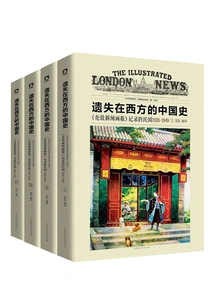
遗失在西方的中国史:《伦敦新闻画报》记录的民国1926 ~ 1949(全四册)
Compiled By Shen Hong
"The History of China Lost in the West: The Republic of China 1926-1949 Recorded by the Illustrated London News" is a new work in the "History of China Lost in the West" series by Professor Shen Hong. It contains nearly 3,000 precious photos + 1 million words + on-site reports by special reporters. It presents the original appearance of the Republic of China recorded by the "Illustrated London News". The book is divided into four volumes in chronological order: 1926-1929, 1930-1934, 1935-1938, and 1939-1949, which reproduces the historical memory of the Republic of China in the past twenty years.
"The History of China Lost in the West: The Republic of China 1926-1949 Recorded by the Illustrated London News" is a new work in the "History of China Lost in the West" series by Professor Shen Hong. It contains nearly 3,000 precious photos + 1 million words + on-site reports by special reporters. It presents the original appearance of the Republic of China recorded by the "Illustrated London News". The book is divided into four volumes in chronological order: 1926-1929, 1930-1934, 1935-1938, and 1939-1949, which reproduces the historical memory of the Republic of China in the past twenty years.
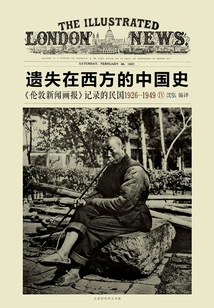
遗失在西方的中国史:《伦敦新闻画报》记录的民国1926 ~ 1949(第四册)
Compiled By Shen Hong
"The History of China Lost in the West: The Republic of China 1926-1949 Recorded by the Illustrated London News" is a new work in the "History of China Lost in the West" series by Professor Shen Hong. It contains nearly 3,000 precious photos + 1 million words + on-site reports by special reporters. It presents the original appearance of the Republic of China recorded by the "Illustrated London News". "Japanese Surrender" and "In a Country with Continuous Civil War: The Spread of Communism in China" - This volume mainly talks about the victory of the Anti-Japanese War and the victory of the People's Liberation War led by the Communist Party. As well as records of post-war people's style, culture, scenery, economy and other social conditions.
"The History of China Lost in the West: The Republic of China 1926-1949 Recorded by the Illustrated London News" is a new work in the "History of China Lost in the West" series by Professor Shen Hong. It contains nearly 3,000 precious photos + 1 million words + on-site reports by special reporters. It presents the original appearance of the Republic of China recorded by the "Illustrated London News". "Japanese Surrender" and "In a Country with Continuous Civil War: The Spread of Communism in China" - This volume mainly talks about the victory of the Anti-Japanese War and the victory of the People's Liberation War led by the Communist Party. As well as records of post-war people's style, culture, scenery, economy and other social conditions.
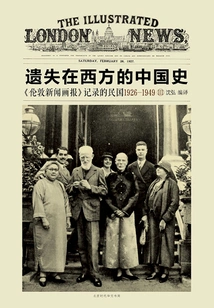
遗失在西方的中国史:《伦敦新闻画报》记录的民国1926 ~ 1949(第三册)
Compiled By Shen Hong
"The History of China Lost in the West: The Republic of China 1926-1949 Recorded by the Illustrated London News" is a new work in the "History of China Lost in the West" series by Professor Shen Hong. It contains nearly 3,000 precious photos + 1 million words + on-site reports by special reporters. It presents the original appearance of the Republic of China recorded by the "Illustrated London News". "China at War" - The Japanese invasion of China intensified, war broke out across the land of China, and the people lived in dire straits and suffered, showing the hardship of people's lives and the cruelty of war.
"The History of China Lost in the West: The Republic of China 1926-1949 Recorded by the Illustrated London News" is a new work in the "History of China Lost in the West" series by Professor Shen Hong. It contains nearly 3,000 precious photos + 1 million words + on-site reports by special reporters. It presents the original appearance of the Republic of China recorded by the "Illustrated London News". "China at War" - The Japanese invasion of China intensified, war broke out across the land of China, and the people lived in dire straits and suffered, showing the hardship of people's lives and the cruelty of war.
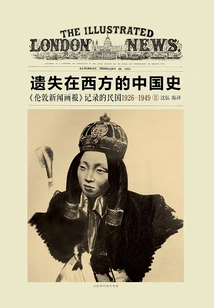
遗失在西方的中国史:《伦敦新闻画报》记录的民国1926 ~ 1949(第二册)
Compiled By Shen Hong
"The History of China Lost in the West: The Republic of China 1926-1949 Recorded by the Illustrated London News" is a new work in the "History of China Lost in the West" series by Professor Shen Hong. It contains nearly 3,000 precious photos + 1 million words + on-site reports by special reporters. It presents the original appearance of the Republic of China recorded by the "Illustrated London News". "Flying over the turbulent Northeast", "Japanese military operations in Shanghai" - this volume mainly records the Japanese invasion and military operations against China from 1920 to 1934. In addition, there are records of social life and folk customs at that time.
"The History of China Lost in the West: The Republic of China 1926-1949 Recorded by the Illustrated London News" is a new work in the "History of China Lost in the West" series by Professor Shen Hong. It contains nearly 3,000 precious photos + 1 million words + on-site reports by special reporters. It presents the original appearance of the Republic of China recorded by the "Illustrated London News". "Flying over the turbulent Northeast", "Japanese military operations in Shanghai" - this volume mainly records the Japanese invasion and military operations against China from 1920 to 1934. In addition, there are records of social life and folk customs at that time.
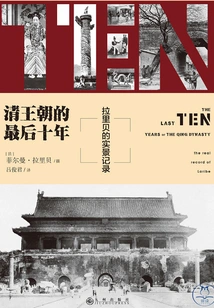
清王朝的最后十年:拉里贝的实景记录
(france) Firmin Laribé
"The Last Ten Years of the Qing Dynasty: Live Records of Laribey" is a collection of photographs taken by the author Laribey when he was responsible for security work in the French Legation. The shooting locations were mainly in Beijing and surrounding areas. These photos record various characters, furniture, clothing, dramas, buildings, streets, Buddhist stone carvings, etc. In China during the late Qing Dynasty from 1900 to 1910. Through these rare and precious historical materials, we can see a China that really existed a hundred years ago. These photos are not only the face of China at the end of the 19th century, but also a profile of China that has changed little over a longer time span, even in some aspects for thousands of years.
"The Last Ten Years of the Qing Dynasty: Live Records of Laribey" is a collection of photographs taken by the author Laribey when he was responsible for security work in the French Legation. The shooting locations were mainly in Beijing and surrounding areas. These photos record various characters, furniture, clothing, dramas, buildings, streets, Buddhist stone carvings, etc. In China during the late Qing Dynasty from 1900 to 1910. Through these rare and precious historical materials, we can see a China that really existed a hundred years ago. These photos are not only the face of China at the end of the 19th century, but also a profile of China that has changed little over a longer time span, even in some aspects for thousands of years.
先周历史文化新探
Yu Junde Yu Zupei Tian Shu
In the study of regional history in China, the study of northwest history plays an extremely important role. To promote the continuous deepening of the study of Chinese history, we must strengthen the study of regional history; and to improve the level of regional history research, we must also fully absorb the results of general history research. Only in this way can we enrich the content of Chinese history research and promote the in-depth development of Chinese history research. The Zhou Dynasty was the heyday of my country's slave society, and the etiquette system it initiated established the political and social life pattern of China for more than two thousand years. The rise of this dynasty went through the efforts of several generations of Zhou ancestors, including the founder of the Zhou clan, Ju Tao, the famous sage of Beibin, Gong Liu, the founder of the rise of Zhou Dao, etc. They developed the culture of the pre-Zhou and Zhou dynasties. This book uses the method of field investigation to make bold assumptions and careful verification. It combines documentary materials, historical relics and folk culture to make a more comprehensive investigation and demonstration of the political, economic, military and cultural activities of the Zhou people in the Qingyang area from three aspects: history, culture and language. The book is divided into twelve chapters. Chapters 1 to 8 are an explanation of the history of the Early Zhou Dynasty; Chapters 9 to 10 are a study of Bin culture in the folk customs of Longdong; Chapter 11 is an investigation of the language of the Early Zhou Dynasty. During the discussion of the book, the author also focused on actual investigation and research, not sticking to historical statements, giving a new interpretation of the historical documents of the Early Zhou Dynasty, and proposing new ideas for research methods on the history of the Early Zhou Dynasty.
In the study of regional history in China, the study of northwest history plays an extremely important role. To promote the continuous deepening of the study of Chinese history, we must strengthen the study of regional history; and to improve the level of regional history research, we must also fully absorb the results of general history research. Only in this way can we enrich the content of Chinese history research and promote the in-depth development of Chinese history research. The Zhou Dynasty was the heyday of my country's slave society, and the etiquette system it initiated established the political and social life pattern of China for more than two thousand years. The rise of this dynasty went through the efforts of several generations of Zhou ancestors, including the founder of the Zhou clan, Ju Tao, the famous sage of Beibin, Gong Liu, the founder of the rise of Zhou Dao, etc. They developed the culture of the pre-Zhou and Zhou dynasties. This book uses the method of field investigation to make bold assumptions and careful verification. It combines documentary materials, historical relics and folk culture to make a more comprehensive investigation and demonstration of the political, economic, military and cultural activities of the Zhou people in the Qingyang area from three aspects: history, culture and language. The book is divided into twelve chapters. Chapters 1 to 8 are an explanation of the history of the Early Zhou Dynasty; Chapters 9 to 10 are a study of Bin culture in the folk customs of Longdong; Chapter 11 is an investigation of the language of the Early Zhou Dynasty. During the discussion of the book, the author also focused on actual investigation and research, not sticking to historical statements, giving a new interpretation of the historical documents of the Early Zhou Dynasty, and proposing new ideas for research methods on the history of the Early Zhou Dynasty.
陕甘宁革命根据地史
Li Jianguo
The revolutionary struggle in the northwest is closely related to the introduction of various new trends of thought after the May 4th Movement. The introduction of various new trends of thought broke the isolation of northwest society and laid a certain ideological foundation for the revolutionary struggle. During the First Civil Revolutionary War, thanks to the cooperation between the Kuomintang and the Communist Party, and with the support of the National Revolutionary Army, the revolutionary movement in the Shaanxi-Gansu-Ningxia region achieved great development. After the Kuomintang Army betrayed the revolution and the Great Revolution failed, the northwest communists, under the leadership of the Communist Party of China, began an independent armed struggle. After years of bloody fighting, the Nanliang revolutionary regime was established in Longdong, Gansu Province in February 1934. It later gradually expanded to northern Shaanxi and northeastern Ningxia, forming the Shaanxi-Gansu-Ningxia Revolutionary Base. Although this base area was repeatedly "encircled and suppressed" by enemy forces, it continued to expand. Before the full-scale Anti-Japanese War broke out, the area of the base area expanded to approximately 130,000 square kilometers with a population of nearly 1.5 Million.
The revolutionary struggle in the northwest is closely related to the introduction of various new trends of thought after the May 4th Movement. The introduction of various new trends of thought broke the isolation of northwest society and laid a certain ideological foundation for the revolutionary struggle. During the First Civil Revolutionary War, thanks to the cooperation between the Kuomintang and the Communist Party, and with the support of the National Revolutionary Army, the revolutionary movement in the Shaanxi-Gansu-Ningxia region achieved great development. After the Kuomintang Army betrayed the revolution and the Great Revolution failed, the northwest communists, under the leadership of the Communist Party of China, began an independent armed struggle. After years of bloody fighting, the Nanliang revolutionary regime was established in Longdong, Gansu Province in February 1934. It later gradually expanded to northern Shaanxi and northeastern Ningxia, forming the Shaanxi-Gansu-Ningxia Revolutionary Base. Although this base area was repeatedly "encircled and suppressed" by enemy forces, it continued to expand. Before the full-scale Anti-Japanese War broke out, the area of the base area expanded to approximately 130,000 square kilometers with a population of nearly 1.5 Million.
Outline of Chinese History
History中国史纲
Zhang Yinlin
This book is the representative work of the famous historian Mr. Zhang Yinlin. It was completed on the eve of the Anti-Japanese War. It vividly tells the history of China from the Shang Dynasty to the Eastern Han Dynasty in a concise writing style, focusing on the social changes, ideological contributions and the personalities of important historical figures. This book is full of citations, the writing style is unrestrained, and it is rich in ideological connotation and theoretical depth. Many of its views are still of great value and reference to people today.
This book is the representative work of the famous historian Mr. Zhang Yinlin. It was completed on the eve of the Anti-Japanese War. It vividly tells the history of China from the Shang Dynasty to the Eastern Han Dynasty in a concise writing style, focusing on the social changes, ideological contributions and the personalities of important historical figures. This book is full of citations, the writing style is unrestrained, and it is rich in ideological connotation and theoretical depth. Many of its views are still of great value and reference to people today.
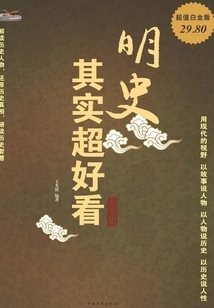
明史其实超好看大全集(超值白金版)
Wang Guangbo
Reading "History of the Ming Dynasty" we can see the life trajectory of Zhu Yuanzhang who rose from the bottom to become the king of the world. We can see the absurd life of an emperor who has not seen his courtiers for decades. We can see the story behind an empire's rise, decline, and prosperity. How this century-old dynasty rose, prospered, declined, and died. We mainly examine the official history, which is rich in content, both rational and interesting, and strives to outline a panoramic view of the Ming Dynasty.
Reading "History of the Ming Dynasty" we can see the life trajectory of Zhu Yuanzhang who rose from the bottom to become the king of the world. We can see the absurd life of an emperor who has not seen his courtiers for decades. We can see the story behind an empire's rise, decline, and prosperity. How this century-old dynasty rose, prospered, declined, and died. We mainly examine the official history, which is rich in content, both rational and interesting, and strives to outline a panoramic view of the Ming Dynasty.
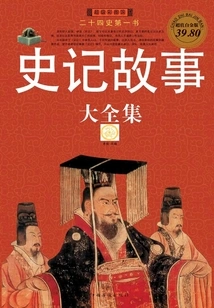
史记故事大全集(彩图超值白金版)
Qingwan
This book selects the most praised and essential chapters from the "Historical Records", including the chronology, family histories, and biographies, basically in chronological order, and interprets history in popular language.
This book selects the most praised and essential chapters from the "Historical Records", including the chronology, family histories, and biographies, basically in chronological order, and interprets history in popular language.
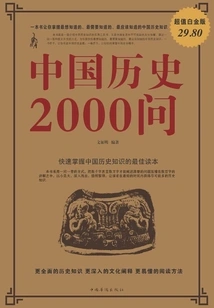
中国历史2000问(超值白金版)
Wen Zhengming
This book leads readers to understand the essence of culture and thought in five thousand years of Chinese history, to get to know the celebrities and lofty ideals of the past dynasties in Chinese history, and to unearth various processes that have disappeared in the dust of history. In the form of questions and answers, it covers everything from ancient times to the Qin, Han, Jin, Sui, Tang, Song, Yuan, Ming, and Qing Dynasties, and even the periods when multiple regimes existed side by side, such as the Three Kingdoms and the Five Hus and Sixteen Kingdoms.
This book leads readers to understand the essence of culture and thought in five thousand years of Chinese history, to get to know the celebrities and lofty ideals of the past dynasties in Chinese history, and to unearth various processes that have disappeared in the dust of history. In the form of questions and answers, it covers everything from ancient times to the Qin, Han, Jin, Sui, Tang, Song, Yuan, Ming, and Qing Dynasties, and even the periods when multiple regimes existed side by side, such as the Three Kingdoms and the Five Hus and Sixteen Kingdoms.
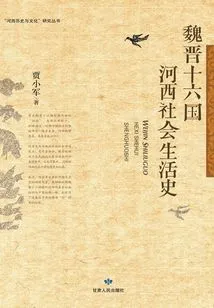
魏晋十六国河西社会生活史
Jia Xiaojun
During the Wei, Jin and Sixteen Kingdoms periods, various political powers and nationalities attacked each other, and wars continued. During this period, the Hexi region experienced the rule of Cao Wei, Western Jin, Qian Liang, Qian Qin, Hou Liang, Hou Qin, Southern Liang, Xiliang, and Northern Liang.
During the Wei, Jin and Sixteen Kingdoms periods, various political powers and nationalities attacked each other, and wars continued. During this period, the Hexi region experienced the rule of Cao Wei, Western Jin, Qian Liang, Qian Qin, Hou Liang, Hou Qin, Southern Liang, Xiliang, and Northern Liang.
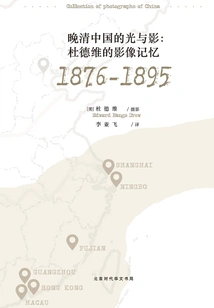
晚清中国的光与影:杜德维的影像记忆(1876-1895)
(us) Du Dewei
"Light and Shadow in Late Qing China: Du Dewei's Image Memory (1876-1895)" is a collection of photographs taken by the author during his tenure in China, recording the scenes in Beijing, Fujian, Jiangsu, Zhejiang, Shanghai, and Guangzhou from 1876 to 1895. These more than 230 photos record the characters, scenery, buildings, objects and even the author's family and friends in Taiwan, Hong Kong, Macau and other places. They record the coexistence of backwardness, decadence and change in the author's eyes. They are important real-life materials of the late Qing Dynasty. These photos are not only the face of China at the end of the 19th century, but also a profile of China that has changed little over a longer time span, even in some aspects for thousands of years. Through the probing eyes of Westerners, we see a China that really existed nearly 150 years ago, and we also see where today's China came from.
"Light and Shadow in Late Qing China: Du Dewei's Image Memory (1876-1895)" is a collection of photographs taken by the author during his tenure in China, recording the scenes in Beijing, Fujian, Jiangsu, Zhejiang, Shanghai, and Guangzhou from 1876 to 1895. These more than 230 photos record the characters, scenery, buildings, objects and even the author's family and friends in Taiwan, Hong Kong, Macau and other places. They record the coexistence of backwardness, decadence and change in the author's eyes. They are important real-life materials of the late Qing Dynasty. These photos are not only the face of China at the end of the 19th century, but also a profile of China that has changed little over a longer time span, even in some aspects for thousands of years. Through the probing eyes of Westerners, we see a China that really existed nearly 150 years ago, and we also see where today's China came from.
隋唐生活掠影
Bi Baokui
The whole book uses official history and some notebooks and novels as the main sources of information. On this basis, it makes selections and selections as the main material, and then uses the results of the author's many years of teaching and scientific research and a large number of poetry works as supplements to add flavor, so as to depict the true state of life of the people of the Sui and Tang Dynasties as much as possible. In this way, the historical data with the support and analysis of poetry and prose appear smart but not boring, and the content of poetry and prose with the support of historical data appears solid but not superficial.
The whole book uses official history and some notebooks and novels as the main sources of information. On this basis, it makes selections and selections as the main material, and then uses the results of the author's many years of teaching and scientific research and a large number of poetry works as supplements to add flavor, so as to depict the true state of life of the people of the Sui and Tang Dynasties as much as possible. In this way, the historical data with the support and analysis of poetry and prose appear smart but not boring, and the content of poetry and prose with the support of historical data appears solid but not superficial.
先秦穿越生存手册
Liu Fu
This book is based on classics such as "Spring and Autumn" and "Zuo Zhuan". It throws away the obscurity and restores the historical normality of the pre-Qin period in a relaxed and cheerful way. It not only tells the daily necessities of ordinary people's clothing, food, housing, transportation, weddings and funerals, but also tells the strange customs in society and the funny deeds of princes and nobles. Although the book "Pre-Qin Time Travel Survival Manual" is named "Time Travel", it is actually a popular historical reading book. It is not only rich in content and testable, but also very fresh, interesting and exploratory. I believe it can meet the reading needs of the majority of history lovers.
This book is based on classics such as "Spring and Autumn" and "Zuo Zhuan". It throws away the obscurity and restores the historical normality of the pre-Qin period in a relaxed and cheerful way. It not only tells the daily necessities of ordinary people's clothing, food, housing, transportation, weddings and funerals, but also tells the strange customs in society and the funny deeds of princes and nobles. Although the book "Pre-Qin Time Travel Survival Manual" is named "Time Travel", it is actually a popular historical reading book. It is not only rich in content and testable, but also very fresh, interesting and exploratory. I believe it can meet the reading needs of the majority of history lovers.
中华上下五千年世界上下五千年大全集
Zhai Wenming Yu Haidi
"Five Thousand Years of China" and "Five Thousand Years of the World" are classic historical books that are suitable for both refined and popular tastes and are suitable for all ages. They are deeply loved by readers for their unique style and rich knowledge. They are still selling well today and have become one of the most widely circulated historical books in my country. The book is arranged in chronological order and selects major events, influential figures, brilliant achievements, and splendid culture in Chinese and foreign history. It is divided into two parts. The first part covers the five thousand years of China, and the second part covers the five thousand years of the world. On the basis of ensuring the integrity and continuity of their respective histories, the book briefly outlines the basic context of historical evolution, vividly reproduces the magnificence and vicissitudes of human history, and helps readers grasp history from a macro perspective, get a glimpse of the leopard, and then speculate and appreciate the inherent laws of historical development. In terms of style and arrangement, this book focuses on the internal connections and logical sequences between historical events and characters; it also sets up "related links" to briefly introduce the historical background, involving politics, economy, culture, science and technology and other fields, effectively supplementing the main text, so that readers can understand the occurrence and development of historical events at a glance. Through the organic combination of comprehensive content, concise text, exquisite pictures, scientific style, brand-new design and other elements, this book explains Chinese and foreign history in an all-round, new perspective and multi-level, making this classic reading reach a new level in terms of authenticity, interest and inspiration. It helps readers draw insights from history, deepen and expand their life experience, so that they can have an in-depth understanding of history, feel and think about history from different angles and new levels.
"Five Thousand Years of China" and "Five Thousand Years of the World" are classic historical books that are suitable for both refined and popular tastes and are suitable for all ages. They are deeply loved by readers for their unique style and rich knowledge. They are still selling well today and have become one of the most widely circulated historical books in my country. The book is arranged in chronological order and selects major events, influential figures, brilliant achievements, and splendid culture in Chinese and foreign history. It is divided into two parts. The first part covers the five thousand years of China, and the second part covers the five thousand years of the world. On the basis of ensuring the integrity and continuity of their respective histories, the book briefly outlines the basic context of historical evolution, vividly reproduces the magnificence and vicissitudes of human history, and helps readers grasp history from a macro perspective, get a glimpse of the leopard, and then speculate and appreciate the inherent laws of historical development. In terms of style and arrangement, this book focuses on the internal connections and logical sequences between historical events and characters; it also sets up "related links" to briefly introduce the historical background, involving politics, economy, culture, science and technology and other fields, effectively supplementing the main text, so that readers can understand the occurrence and development of historical events at a glance. Through the organic combination of comprehensive content, concise text, exquisite pictures, scientific style, brand-new design and other elements, this book explains Chinese and foreign history in an all-round, new perspective and multi-level, making this classic reading reach a new level in terms of authenticity, interest and inspiration. It helps readers draw insights from history, deepen and expand their life experience, so that they can have an in-depth understanding of history, feel and think about history from different angles and new levels.
中华上下五千年 大全集
Yu Haidi Li Na
"The Complete Collection of Five Thousand Years of China" is a classic historical book that appeals to both refined and popular tastes and is suitable for all ages. Once it came out, it was deeply loved by readers because of its unique style and rich knowledge, and became one of the most widely circulated historical books in my country. "The Complete Collection of Five Thousand Years of China" uses a scientific style, comprehensive content, and a combination of pictures and texts to tell the five-thousand-year history of China in an all-round, new perspective, and at multiple levels, making this classic reading reach a new level in terms of authenticity, interest, and inspiration. At the same time, "The Complete Collection of Five Thousand Years of China" is arranged in chronological order and selects major events, influential figures, brilliant achievements, splendid culture and other contents. It is divided into seven chapters, including the origin of China, the struggle for hegemony in the Central Plains, and the unification of Kyushu, so that readers can draw insights from China's five thousand years of history and deepen and expand their life experiences. Concise and concise text, a variety of visual elements, a new perspective, a scientific style, combined with comprehensive and rich content, enable readers to have an in-depth understanding of history, feel and think about history from a new perspective and a new level.
"The Complete Collection of Five Thousand Years of China" is a classic historical book that appeals to both refined and popular tastes and is suitable for all ages. Once it came out, it was deeply loved by readers because of its unique style and rich knowledge, and became one of the most widely circulated historical books in my country. "The Complete Collection of Five Thousand Years of China" uses a scientific style, comprehensive content, and a combination of pictures and texts to tell the five-thousand-year history of China in an all-round, new perspective, and at multiple levels, making this classic reading reach a new level in terms of authenticity, interest, and inspiration. At the same time, "The Complete Collection of Five Thousand Years of China" is arranged in chronological order and selects major events, influential figures, brilliant achievements, splendid culture and other contents. It is divided into seven chapters, including the origin of China, the struggle for hegemony in the Central Plains, and the unification of Kyushu, so that readers can draw insights from China's five thousand years of history and deepen and expand their life experiences. Concise and concise text, a variety of visual elements, a new perspective, a scientific style, combined with comprehensive and rich content, enable readers to have an in-depth understanding of history, feel and think about history from a new perspective and a new level.
中国历史全知道
Xing Qunlin
In order to reflect the true face of Chinese history and allow readers to interpret history more scientifically and comprehensively, we have carefully compiled the book "Knowing All About Chinese History". This book adopts the "whole history" format and draws on a wide range of materials. It is divided into three parts: general history exposition, unofficial history tracking, and secret history exploration. It interprets Chinese history from multiple perspectives and in an all-round way. "General History Expo" selects major events, influential figures, brilliant achievements and splendid culture that have had a profound impact on the development of Chinese history, and connects the dots into lines to systematically and completely outline the development context of Chinese history, serving as the backbone of the book. "Unofficial History Tracking" observes history from the perspective of the people, collects the essence of ancient and modern unofficial histories, writes straightforwardly about the personalities, psychology, and anecdotes of emperors, generals, and ministers, deeply depicts the intrigues and intrigues of the ruling class, details the ugly inside stories and dirty tactics of politics and military affairs, and vividly reproduces the palace regulations and world affairs of the past dynasties. "Secret History Exploration" focuses on exploring hidden secrets, guiding readers to discover historical wisdom from the details, telling the history that was deliberately concealed by the rulers, the little-known historical insider information, and the history that historians dare not, are inconvenient to write, or are unwilling to write. These histories are often associated with major historical events, and are full of sharp and complex conflicts and interest entanglements. They are treacherous, mysterious and unpredictable. Concise and concise text, a variety of visual elements, a new perspective, scientific style, combined with comprehensive and rich content, provide readers with a way back to historical reality, integrating knowledge, readability, and appreciation.
In order to reflect the true face of Chinese history and allow readers to interpret history more scientifically and comprehensively, we have carefully compiled the book "Knowing All About Chinese History". This book adopts the "whole history" format and draws on a wide range of materials. It is divided into three parts: general history exposition, unofficial history tracking, and secret history exploration. It interprets Chinese history from multiple perspectives and in an all-round way. "General History Expo" selects major events, influential figures, brilliant achievements and splendid culture that have had a profound impact on the development of Chinese history, and connects the dots into lines to systematically and completely outline the development context of Chinese history, serving as the backbone of the book. "Unofficial History Tracking" observes history from the perspective of the people, collects the essence of ancient and modern unofficial histories, writes straightforwardly about the personalities, psychology, and anecdotes of emperors, generals, and ministers, deeply depicts the intrigues and intrigues of the ruling class, details the ugly inside stories and dirty tactics of politics and military affairs, and vividly reproduces the palace regulations and world affairs of the past dynasties. "Secret History Exploration" focuses on exploring hidden secrets, guiding readers to discover historical wisdom from the details, telling the history that was deliberately concealed by the rulers, the little-known historical insider information, and the history that historians dare not, are inconvenient to write, or are unwilling to write. These histories are often associated with major historical events, and are full of sharp and complex conflicts and interest entanglements. They are treacherous, mysterious and unpredictable. Concise and concise text, a variety of visual elements, a new perspective, scientific style, combined with comprehensive and rich content, provide readers with a way back to historical reality, integrating knowledge, readability, and appreciation.
说不尽的宋朝:君临天下
Di Fei Was Shocked
Ping Erli, opened Jingchu, encircled Huxiang, rolled up the Five Ridges, swallowed Bashu, swept the south of the Yangtze River, shook the east of the river, conquered Wu and Yue, and ended the troubled times of the Five Dynasties; released military power, cut down vassal towns, cultivated monarchical ethics, worked diligently in government affairs, promoted agriculture and science, cared for the people, punished corrupt officials, established rituals, and laid the foundation for peace in the two Song Dynasties. It provides a panoramic view of the history of the two Song Dynasties, deeply explores the source of the chaos, reveals the secrets of the rise and fall of dynasties, and reconstructs the misunderstood Song Dynasty.
Ping Erli, opened Jingchu, encircled Huxiang, rolled up the Five Ridges, swallowed Bashu, swept the south of the Yangtze River, shook the east of the river, conquered Wu and Yue, and ended the troubled times of the Five Dynasties; released military power, cut down vassal towns, cultivated monarchical ethics, worked diligently in government affairs, promoted agriculture and science, cared for the people, punished corrupt officials, established rituals, and laid the foundation for peace in the two Song Dynasties. It provides a panoramic view of the history of the two Song Dynasties, deeply explores the source of the chaos, reveals the secrets of the rise and fall of dynasties, and reconstructs the misunderstood Song Dynasty.
中华上下五千年(超值全彩白金版)
Editor-in-chief Wan Hua
In the 5,000-year history of China, countless heroic figures and countless admirable historical events have emerged. In order to help readers understand the process of Chinese history in a short period of time and enrich their knowledge reserves, Wan Hua and others carefully compiled this "Five Thousand Years of China". The book is divided into six major chapters: the origin of China, the struggle for hegemony in the Central Plains, the unification of Kyushu, separation and integration, changes in the world, and changes in dynasties. It succinctly describes the basic context and development process of China's historical evolution, and provides readers with the historical knowledge they most want to know, need to know, and should know.
In the 5,000-year history of China, countless heroic figures and countless admirable historical events have emerged. In order to help readers understand the process of Chinese history in a short period of time and enrich their knowledge reserves, Wan Hua and others carefully compiled this "Five Thousand Years of China". The book is divided into six major chapters: the origin of China, the struggle for hegemony in the Central Plains, the unification of Kyushu, separation and integration, changes in the world, and changes in dynasties. It succinctly describes the basic context and development process of China's historical evolution, and provides readers with the historical knowledge they most want to know, need to know, and should know.
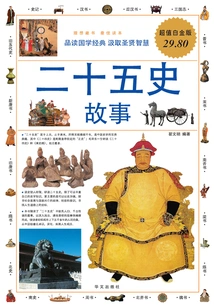
二十五史故事
Zhai Wenming
The Chinese nation has a fine tradition of faithfully recording history. This tradition has enabled our country to preserve a large amount of historical data during the development of civilization for thousands of years. The Twenty-Five Histories, which are the backbone of Chinese historiography, can be said to be a complete collection of Chinese history. Studying the Twenty-Five Histories can not only enrich historical knowledge, but more importantly, it can use history as a mirror to explore the laws, experiences and lessons of social development and the rise and fall of countries, and find the coordinates on the road of life. This book selects major historical events and important historical figures from China's 25 most important history books, and divides them into 25 chapters according to the chronological order of each history book. It explains Chinese history in an all-round, new perspective and at multiple levels, and brilliantly and concisely outlines the basic context and development process of China's historical evolution. The scientific and concise format, rich and exquisite pictures, design concepts that focus on traditional culture and modern aesthetics, and the organic combination of various visual elements help readers examine, feel, and think about history from a new perspective and level.
The Chinese nation has a fine tradition of faithfully recording history. This tradition has enabled our country to preserve a large amount of historical data during the development of civilization for thousands of years. The Twenty-Five Histories, which are the backbone of Chinese historiography, can be said to be a complete collection of Chinese history. Studying the Twenty-Five Histories can not only enrich historical knowledge, but more importantly, it can use history as a mirror to explore the laws, experiences and lessons of social development and the rise and fall of countries, and find the coordinates on the road of life. This book selects major historical events and important historical figures from China's 25 most important history books, and divides them into 25 chapters according to the chronological order of each history book. It explains Chinese history in an all-round, new perspective and at multiple levels, and brilliantly and concisely outlines the basic context and development process of China's historical evolution. The scientific and concise format, rich and exquisite pictures, design concepts that focus on traditional culture and modern aesthetics, and the organic combination of various visual elements help readers examine, feel, and think about history from a new perspective and level.
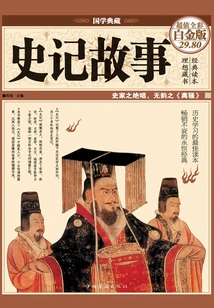
史记故事(超值全彩白金版)
Qingwan
"Historical Stories (Super Value Full-Color Platinum Edition)" contains more than a hundred exquisite illustrations, including portraits of celebrities, famous paintings from past dynasties, historical relics, etc. The combination of pictures and text complements each other, giving readers a strong visual experience and allowing them to fully enjoy the pleasure of reading. The scientific and concise format, rich and exquisite pictures, design concepts that focus on cultural heritage and modern aesthetics, and the organic combination of various visual elements help readers grasp the essence of "Historical Records" conveniently and quickly. It is an ideal book for learning Chinese history.
"Historical Stories (Super Value Full-Color Platinum Edition)" contains more than a hundred exquisite illustrations, including portraits of celebrities, famous paintings from past dynasties, historical relics, etc. The combination of pictures and text complements each other, giving readers a strong visual experience and allowing them to fully enjoy the pleasure of reading. The scientific and concise format, rich and exquisite pictures, design concepts that focus on cultural heritage and modern aesthetics, and the organic combination of various visual elements help readers grasp the essence of "Historical Records" conveniently and quickly. It is an ideal book for learning Chinese history.
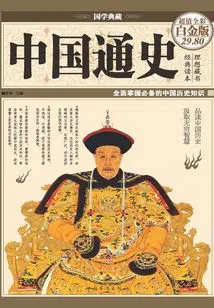
中国通史(超值全彩白金版)
Editor-in-chief Menghua
China is a great country with a splendid civilization history of five thousand years, full of vitality and vitality. Chinese civilization has a long history, and its history is full of twists and turns. The historical events and figures that have occurred during this period are complex and have many clues. This makes it difficult for many people to find a way to read history in real life, and they lack a clear understanding of the face of Chinese history. How to let readers clearly understand and comprehend history in a short period of time is the original intention of "General History of China" compiled by Menghua.
China is a great country with a splendid civilization history of five thousand years, full of vitality and vitality. Chinese civilization has a long history, and its history is full of twists and turns. The historical events and figures that have occurred during this period are complex and have many clues. This makes it difficult for many people to find a way to read history in real life, and they lack a clear understanding of the face of Chinese history. How to let readers clearly understand and comprehend history in a short period of time is the original intention of "General History of China" compiled by Menghua.
Chinese History
History中国大历史
Lu Simian
This book was originally titled "Self-Study and Practical Vernacular History of the Country". It was Mr. Lu Simian's first general history work. It was first published by the Shanghai Commercial Press in 1923 and has been reprinted many times. It was the most widely circulated general history of China during the Republic of China. The whole book is divided into five different periods according to the changes in Chinese history and society: ancient history, medieval history, modern history, modern history, and modern history. It describes in detail the history of China from ancient times to the eleventh year of the Republic of China. Different from previous national history books, Mr. Chengzhi abandoned cumbersome historical descriptions and only explained the key points of each period and dynasty. At the same time, he also analyzed some areas that are prone to misunderstandings and doubts through the records of different historical materials. He not only stated the historical facts, but more importantly, sorted out the context and clarified the cause and effect, so that readers can clearly understand the truth of the thousands of years of Chinese history. This book is a Chinese history book worth reading by every Chinese.
This book was originally titled "Self-Study and Practical Vernacular History of the Country". It was Mr. Lu Simian's first general history work. It was first published by the Shanghai Commercial Press in 1923 and has been reprinted many times. It was the most widely circulated general history of China during the Republic of China. The whole book is divided into five different periods according to the changes in Chinese history and society: ancient history, medieval history, modern history, modern history, and modern history. It describes in detail the history of China from ancient times to the eleventh year of the Republic of China. Different from previous national history books, Mr. Chengzhi abandoned cumbersome historical descriptions and only explained the key points of each period and dynasty. At the same time, he also analyzed some areas that are prone to misunderstandings and doubts through the records of different historical materials. He not only stated the historical facts, but more importantly, sorted out the context and clarified the cause and effect, so that readers can clearly understand the truth of the thousands of years of Chinese history. This book is a Chinese history book worth reading by every Chinese.
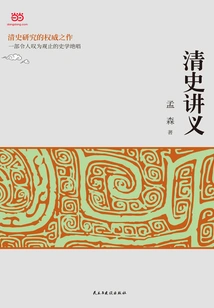
Qing History Lecture Notes
History清史讲义
Monson
This book was originally a lecture note given by Mr. Meng Sen when he was teaching at Peking University. It was originally a teaching material distributed internally to students at Peking University. It was later compiled and published by many publishing houses such as Zhonghua Book Company and has been used as a teaching material in various universities for a long time. The book is divided into two parts: the first part is a general introduction, which seems to be very short and talks in general terms, but it is the general guide of the whole article; the second part is divided into five parts: the founding of the country, consolidating the national foundation, prosperity, Jiandao Shouwen, and turning the crisis into peace. It provides a comprehensive review of the politics, economy, and culture of the Qing Dynasty for more than 200 years. The author uses the "Records of the Qing Dynasty" and "Manuscripts of the History of the Qing Dynasty" as the basis, as well as the Qing court archives and the "Records of the Korean Dynasty" and other rarely used historical materials to conduct research, reveal the original appearance of the Eight Banners system, and analyze many core issues in each period of the Qing Dynasty. The book is rich in content, clear in outline, and detailed in research. It has extremely high academic depth and has a profound influence in the field of Qing history research. It is one of the representative works of modern Qing history research.
This book was originally a lecture note given by Mr. Meng Sen when he was teaching at Peking University. It was originally a teaching material distributed internally to students at Peking University. It was later compiled and published by many publishing houses such as Zhonghua Book Company and has been used as a teaching material in various universities for a long time. The book is divided into two parts: the first part is a general introduction, which seems to be very short and talks in general terms, but it is the general guide of the whole article; the second part is divided into five parts: the founding of the country, consolidating the national foundation, prosperity, Jiandao Shouwen, and turning the crisis into peace. It provides a comprehensive review of the politics, economy, and culture of the Qing Dynasty for more than 200 years. The author uses the "Records of the Qing Dynasty" and "Manuscripts of the History of the Qing Dynasty" as the basis, as well as the Qing court archives and the "Records of the Korean Dynasty" and other rarely used historical materials to conduct research, reveal the original appearance of the Eight Banners system, and analyze many core issues in each period of the Qing Dynasty. The book is rich in content, clear in outline, and detailed in research. It has extremely high academic depth and has a profound influence in the field of Qing history research. It is one of the representative works of modern Qing history research.
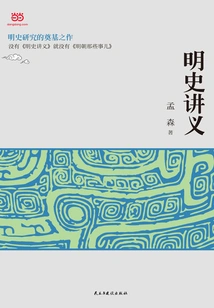
Ming History Lecture Notes
History明史讲义
Monson
"Lecture Notes on the History of the Ming Dynasty" was originally a lecture notes given by Mr. Meng Sen when he was teaching at Peking University. It was originally a teaching material distributed internally by Peking University for academic use. It was later compiled and published by many book publishing houses such as Zhonghua Book Company, and has been used as a teaching material in various universities for a long time. The book is divided into two parts: the first part is a general introduction, which is an outline and explanatory text; the second part is divided into seven parts: the founding of the country, Jingnan, seizing the door, discussing rites, the desolation of Wanli, Jiongjian of the chaos and fall of Tianchong and the Southern Ming Dynasty, and the chaos of the Southern Ming Dynasty. It reviews the historical facts of each period of the Ming Dynasty. The author uses the official history "History of the Ming Dynasty" as the basis, and uses private history and unofficial history notes as references to clarify many questions in the "History of the Ming Dynasty". This book is rich in content, clear in outline, and detailed in research. It has extremely high academic depth and has a profound influence in the field of Ming history research. It is one of the representative works of modern Ming history research.
"Lecture Notes on the History of the Ming Dynasty" was originally a lecture notes given by Mr. Meng Sen when he was teaching at Peking University. It was originally a teaching material distributed internally by Peking University for academic use. It was later compiled and published by many book publishing houses such as Zhonghua Book Company, and has been used as a teaching material in various universities for a long time. The book is divided into two parts: the first part is a general introduction, which is an outline and explanatory text; the second part is divided into seven parts: the founding of the country, Jingnan, seizing the door, discussing rites, the desolation of Wanli, Jiongjian of the chaos and fall of Tianchong and the Southern Ming Dynasty, and the chaos of the Southern Ming Dynasty. It reviews the historical facts of each period of the Ming Dynasty. The author uses the official history "History of the Ming Dynasty" as the basis, and uses private history and unofficial history notes as references to clarify many questions in the "History of the Ming Dynasty". This book is rich in content, clear in outline, and detailed in research. It has extremely high academic depth and has a profound influence in the field of Ming history research. It is one of the representative works of modern Ming history research.
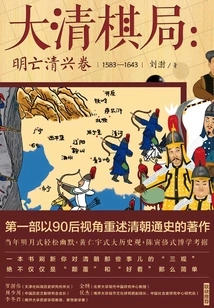
The Chess Game of the Qing Dynasty: the Fall of the Ming Dynasty and the Rise of the Qing Dynasty
History大清棋局:明亡清兴卷
Liu Shu
This book is China's first general history of the Qing Dynasty independently written by historians born in the 1990s and highly recognized by the academic community. The book records in detail the entire process of the political, economic, military, and social systems of the Qing Dynasty from their inception and construction to their peak, decline, and collapse. The book contains a large number of official historical records that ordinary readers have never heard of, and there are also a large number of legendary stories that ordinary readers have never seen. Everything has a basis and a source. All narratives are based on a large number of original materials such as "Records of the Qing Dynasty", "Records of the Korean Ri Dynasty", missionary records, and collected works of folk scholars and officials in the Ming and Qing Dynasties. This book narrates historical facts in the Ming Yue-style humorous and relaxed style, uses Huang Renyu's view of history as the overall structure, and uses Chen Yinke's erudite and rigorous textual research to ascertain the truth. It is a bridge between academic works and popular readings.
This book is China's first general history of the Qing Dynasty independently written by historians born in the 1990s and highly recognized by the academic community. The book records in detail the entire process of the political, economic, military, and social systems of the Qing Dynasty from their inception and construction to their peak, decline, and collapse. The book contains a large number of official historical records that ordinary readers have never heard of, and there are also a large number of legendary stories that ordinary readers have never seen. Everything has a basis and a source. All narratives are based on a large number of original materials such as "Records of the Qing Dynasty", "Records of the Korean Ri Dynasty", missionary records, and collected works of folk scholars and officials in the Ming and Qing Dynasties. This book narrates historical facts in the Ming Yue-style humorous and relaxed style, uses Huang Renyu's view of history as the overall structure, and uses Chen Yinke's erudite and rigorous textual research to ascertain the truth. It is a bridge between academic works and popular readings.
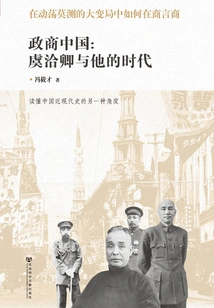
政商中国
Feng Xiaocai
This book is divided into six parts. From 1891 to 1945, it analyzes the relationship between Yu Qiaqing and the generations of governments he experienced one by one, describing how this cooperative relationship gradually strengthened and consolidated, became the "undercurrent" of modern China, and established an implicit "political structure". This relationship has also profoundly affected social, political and economic development, providing us with another angle to understand China's modern history.
This book is divided into six parts. From 1891 to 1945, it analyzes the relationship between Yu Qiaqing and the generations of governments he experienced one by one, describing how this cooperative relationship gradually strengthened and consolidated, became the "undercurrent" of modern China, and established an implicit "political structure". This relationship has also profoundly affected social, political and economic development, providing us with another angle to understand China's modern history.
Modern History of China
History中国近代史
Lu Simian
This book is a selected collection of Mr. Chengzhi's writings on modern Chinese history, including six parts: Lecture Notes on Modern Chinese History, Prehistory of Modern China, Overview of Chinese History in the Past Hundred Years, Supplement to the History of China in the Past Hundred Years, Supplement to the Cultural History of Modern China, and the Russo-Japanese War. Among them, only "The Russo-Japanese War" was published in a single volume by the Commercial Press in 1928. Although the six parts of the book were written in different periods, with overlaps, continuations, and ruptures, each part is an indispensable part of the overall history of modern China. What is particularly worth mentioning is that Mr. Seiyuki's purpose in writing these modern history works was to speak out and arouse everyone's spirit to further resist aggression. Mr. Wang's optimism and confidence in the destiny of the Chinese nation overflows from every line in the book, and his pure heart is particularly touching.
This book is a selected collection of Mr. Chengzhi's writings on modern Chinese history, including six parts: Lecture Notes on Modern Chinese History, Prehistory of Modern China, Overview of Chinese History in the Past Hundred Years, Supplement to the History of China in the Past Hundred Years, Supplement to the Cultural History of Modern China, and the Russo-Japanese War. Among them, only "The Russo-Japanese War" was published in a single volume by the Commercial Press in 1928. Although the six parts of the book were written in different periods, with overlaps, continuations, and ruptures, each part is an indispensable part of the overall history of modern China. What is particularly worth mentioning is that Mr. Seiyuki's purpose in writing these modern history works was to speak out and arouse everyone's spirit to further resist aggression. Mr. Wang's optimism and confidence in the destiny of the Chinese nation overflows from every line in the book, and his pure heart is particularly touching.
魏晋南北朝社会生活史
Zhu Dawei; Liu Chi; Liang Manta; Chen Yong
"History of Social Life in Ancient China: History of Social Life in the Wei, Jin, Southern and Northern Dynasties" starts from the historical background, class structure, grassroots political power and social organizations of the Wei, Jin, Southern and Northern Dynasties, and discusses various social strata and their secular life from the aspects of clothing, dietary customs, city palaces and gardens, marriages, funerals, religious beliefs, worship of ghosts and gods, and entertainment at that time.
"History of Social Life in Ancient China: History of Social Life in the Wei, Jin, Southern and Northern Dynasties" starts from the historical background, class structure, grassroots political power and social organizations of the Wei, Jin, Southern and Northern Dynasties, and discusses various social strata and their secular life from the aspects of clothing, dietary customs, city palaces and gardens, marriages, funerals, religious beliefs, worship of ghosts and gods, and entertainment at that time.
The Beginning and End of Major Decisions in the 30 Years of Reform and Opening up (1978-2008)
History改革开放30年重大决策始末(1978-2008)
Zhang Shengen Duanmu Tsinghua University
Based on the memories (or oral accounts) of many famous figures (parties), it reproduces the formation of several major decisions in the past 30 years of reform and opening up (including historical background, decision-makers' assessment of the situation, relevant important plots, and details) and their role and impact on the overall situation and process of reform and opening up. Praising the correct leadership and brilliant achievements of the three generations of central leadership collectives
Based on the memories (or oral accounts) of many famous figures (parties), it reproduces the formation of several major decisions in the past 30 years of reform and opening up (including historical background, decision-makers' assessment of the situation, relevant important plots, and details) and their role and impact on the overall situation and process of reform and opening up. Praising the correct leadership and brilliant achievements of the three generations of central leadership collectives
四川抗战史
Li Houqiang Hou Shuiping Et Al.
The manuscript comprehensively describes the history of Sichuan's Anti-Japanese War from the aspects of politics, economy, military, culture, society, education, diplomacy, etc., And describes Sichuan's important contributions to the Anti-Japanese War. On the basis of previous research results, we strive to absorb the latest results of academic research on the history of the Anti-Japanese War in recent years, and make breakthroughs. We strive to innovate in weak aspects such as cultural and educational development in the rear area, social ideological trends, people's livelihood, Sichuan ethnic minorities and the Anti-Japanese War.
The manuscript comprehensively describes the history of Sichuan's Anti-Japanese War from the aspects of politics, economy, military, culture, society, education, diplomacy, etc., And describes Sichuan's important contributions to the Anti-Japanese War. On the basis of previous research results, we strive to absorb the latest results of academic research on the history of the Anti-Japanese War in recent years, and make breakthroughs. We strive to innovate in weak aspects such as cultural and educational development in the rear area, social ideological trends, people's livelihood, Sichuan ethnic minorities and the Anti-Japanese War.
“大锅饭”:农村公共食堂始末
Luo Pinghan
This book was published by Guangxi People's Publishing House in 2001 and was reprinted twice. The whole book tells the story of how the People's Commune Canteen, a new thing, was born and developed. The author not only collected cases and events of large-scale public canteens across the country in content writing, but also collected official and authoritative historical materials. He told the beginning and end of the People's Commune Canteen in a comprehensive and detailed manner, and also evaluated public canteens objectively and fairly. It has been reviewed by Wenxuan Reading Room.
This book was published by Guangxi People's Publishing House in 2001 and was reprinted twice. The whole book tells the story of how the People's Commune Canteen, a new thing, was born and developed. The author not only collected cases and events of large-scale public canteens across the country in content writing, but also collected official and authoritative historical materials. He told the beginning and end of the People's Commune Canteen in a comprehensive and detailed manner, and also evaluated public canteens objectively and fairly. It has been reviewed by Wenxuan Reading Room.
毛泽东完胜蒋介石实录
Wang Xiangkun
This book mainly reflects the situation in which the Chinese revolution was about to win in 1949, centered on the complete defeat of the Kuomintang regime and the establishment of the People's Republic of China, the cooperation and competition between the Communist Party of China and the Kuomintang, and the two major powers, the United States and the Soviet Union. It describes the arduous process of the Communist Party of China leading the people of the country and finally realizing the dream of founding the country after 28 years of bloody struggle. This book takes 1949 as a cross-section, and the selected materials are relatively concentrated. It stands in the global context of 1949 to demonstrate the scientific decision-making of the Chinese Communists. Fascinating read. This book has undergone major topic selection and filing.
This book mainly reflects the situation in which the Chinese revolution was about to win in 1949, centered on the complete defeat of the Kuomintang regime and the establishment of the People's Republic of China, the cooperation and competition between the Communist Party of China and the Kuomintang, and the two major powers, the United States and the Soviet Union. It describes the arduous process of the Communist Party of China leading the people of the country and finally realizing the dream of founding the country after 28 years of bloody struggle. This book takes 1949 as a cross-section, and the selected materials are relatively concentrated. It stands in the global context of 1949 to demonstrate the scientific decision-making of the Chinese Communists. Fascinating read. This book has undergone major topic selection and filing.
\
崇明历代科名录
Xu Bing Zhu Hong
This book is based on the Chongming County Library's "Chongming Academic Quota" (late Qing Dynasty manuscript) and "Chongming County Academy Exam Questions List" (Republic of China manuscript), and systematically organizes the Chongming imperial examination list from the 36th year of Kangxi (1697) to the 31st year of Guangxu (1905) in the Qing Dynasty. It includes "Re-Copied Chongming Academic Quotation Narrative", "Chongming County Magistrate Ming Detailed", calendar subject list, and compiles the imperial examination information of Chongming figures in the Song, Yuan, Ming and Qing dynasties.
This book is based on the Chongming County Library's "Chongming Academic Quota" (late Qing Dynasty manuscript) and "Chongming County Academy Exam Questions List" (Republic of China manuscript), and systematically organizes the Chongming imperial examination list from the 36th year of Kangxi (1697) to the 31st year of Guangxu (1905) in the Qing Dynasty. It includes "Re-Copied Chongming Academic Quotation Narrative", "Chongming County Magistrate Ming Detailed", calendar subject list, and compiles the imperial examination information of Chongming figures in the Song, Yuan, Ming and Qing dynasties.
帝王家的那些事儿
Pray For Moxin
Marrying a wife should be Yin Lihua, this is the passionate "If you are the one" of Emperor Guangwu of the Han Dynasty; Xiao Lian's jade body is spread out all over the night, this is the last "Happy Tonight" of the Empress of the Northern Qi Dynasty; the bright night in Tianle Palace is the "artistic life" of Emperor Xuanzong of the Tang Dynasty; not loving the country and the lover, this is charity Hua VIII's "turn around and meet her"; emperors can also play ambiguity, and emperors can also love art; emperors can also be paranoid, and emperors can also play pranks; emperors are the most special ordinary people. If you want to understand their joys, anger, sorrows, and joys, please first be familiar with the things that happen around the emperors.
Marrying a wife should be Yin Lihua, this is the passionate "If you are the one" of Emperor Guangwu of the Han Dynasty; Xiao Lian's jade body is spread out all over the night, this is the last "Happy Tonight" of the Empress of the Northern Qi Dynasty; the bright night in Tianle Palace is the "artistic life" of Emperor Xuanzong of the Tang Dynasty; not loving the country and the lover, this is charity Hua VIII's "turn around and meet her"; emperors can also play ambiguity, and emperors can also love art; emperors can also be paranoid, and emperors can also play pranks; emperors are the most special ordinary people. If you want to understand their joys, anger, sorrows, and joys, please first be familiar with the things that happen around the emperors.