Library
Browse and search books
2,982 novels found
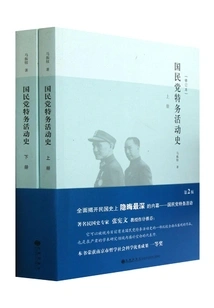
国民党特务活动史(上册)
Ma Zhendu
This book is divided into two volumes and is revised based on the first edition. It carefully sorts out and vividly describes the entire history of the activities of the Kuomintang spy organization in mainland China. The book uses a large number of original historical materials to comprehensively and objectively discuss the origin, development and activities of the Kuomintang's spy organization until its decline in the mainland after the victory of the Anti-Japanese War. The whole book integrates ideological, intellectual, interesting and documentary features, with rigorous and vivid writing style. It not only restores the true face of history, but also expands the scope of academic research on the history of the Republic of China.
This book is divided into two volumes and is revised based on the first edition. It carefully sorts out and vividly describes the entire history of the activities of the Kuomintang spy organization in mainland China. The book uses a large number of original historical materials to comprehensively and objectively discuss the origin, development and activities of the Kuomintang's spy organization until its decline in the mainland after the victory of the Anti-Japanese War. The whole book integrates ideological, intellectual, interesting and documentary features, with rigorous and vivid writing style. It not only restores the true face of history, but also expands the scope of academic research on the history of the Republic of China.
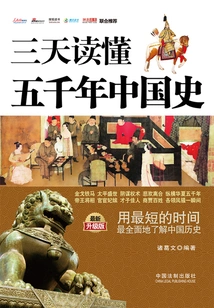
三天读懂五千年中国史
Zhuge Wen
This book is like a stage that is sometimes brilliant and sometimes dim and withered. On this stage, all kinds of emperors, generals, officials, concubines, and heroes appear one by one. From the ancient legend of the creation of Pangu to the abdication of the last emperor of the Qing Dynasty, various characters are either twisted and ferocious, corrupt, or complacent and heroic.
This book is like a stage that is sometimes brilliant and sometimes dim and withered. On this stage, all kinds of emperors, generals, officials, concubines, and heroes appear one by one. From the ancient legend of the creation of Pangu to the abdication of the last emperor of the Qing Dynasty, various characters are either twisted and ferocious, corrupt, or complacent and heroic.
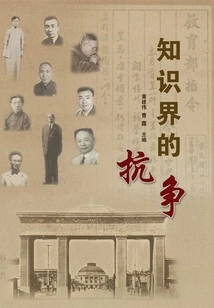
Intellectual Struggle
History知识界的抗争
Editor-in-chief Huang Jianwei
This book is a series of themed reports on "Resistance of the Intellectual Circle" planned by "Jiangnan Times" to commemorate the first "National Memorial Day". The book is divided into 11 themes: 1. The westward move of the National Central University; 2. Zhang Henshui founded the "Nanjing People's Daily" in turmoil; 3. The westward move of the National Central University; 4. The westward move of Nanjing Cultural Relics ; 5. Forestry master Chen Rong risked his death and entered the tiger's den; 6. Jinling Women's University moved westward; 7. Qi Zhaochang, the architect who stayed in Nanjing to protect the school's property; 8. Drum Tower Kindergarten moved westward; 9. The National College of Pharmacy was forced to move westward when it was founded; 10. The anti-Japanese war history of teachers and students of Nanjing School for the Blind and Mute; 11. The only Chinese doctor in Drum Tower Hospital. This topic is published as a theme. The 11 themes revolve around the resistance measures taken by Nanjing intellectuals in response to the Japanese invasion during the Anti-Japanese War. It combines storytelling and history into one book, and is highly readable.
This book is a series of themed reports on "Resistance of the Intellectual Circle" planned by "Jiangnan Times" to commemorate the first "National Memorial Day". The book is divided into 11 themes: 1. The westward move of the National Central University; 2. Zhang Henshui founded the "Nanjing People's Daily" in turmoil; 3. The westward move of the National Central University; 4. The westward move of Nanjing Cultural Relics ; 5. Forestry master Chen Rong risked his death and entered the tiger's den; 6. Jinling Women's University moved westward; 7. Qi Zhaochang, the architect who stayed in Nanjing to protect the school's property; 8. Drum Tower Kindergarten moved westward; 9. The National College of Pharmacy was forced to move westward when it was founded; 10. The anti-Japanese war history of teachers and students of Nanjing School for the Blind and Mute; 11. The only Chinese doctor in Drum Tower Hospital. This topic is published as a theme. The 11 themes revolve around the resistance measures taken by Nanjing intellectuals in response to the Japanese invasion during the Anti-Japanese War. It combines storytelling and history into one book, and is highly readable.
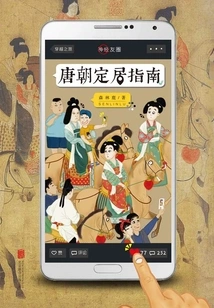
唐朝定居指南
Forest Deer
"A Guide to Settling in the Tang Dynasty" introduces many aspects of the Tang people's clothing, food, housing, transportation, language, entertainment, religion, festivals, social systems, etc. In a simple and humorous tone. It starts from the details and shows the social picture of the Tang Dynasty (mainly Chang'an in the early Tang Dynasty). This is not a time-travel novel. The "time-travel" in the title of the book is because the author's original intention of writing this book was that he could not bear the historical errors and omissions in the popular ancient time-travel dramas, so he used the "travel guide" as an irony and ridicule. The author assumes a situation, that is, if modern readers traveled to the Tang Dynasty, what would the real life of the Tang people they saw with their own eyes be like. The article provides a large number of historical details from ancient books, unearthed cultural relics, Dunhuang murals, as well as academic monographs and professional papers in this field. Although the language is humorous, the ridicule is moderate, the text is quoted from classics, and the content is rigorous. It is an excellent introductory book on the customs and history of the Tang Dynasty.
"A Guide to Settling in the Tang Dynasty" introduces many aspects of the Tang people's clothing, food, housing, transportation, language, entertainment, religion, festivals, social systems, etc. In a simple and humorous tone. It starts from the details and shows the social picture of the Tang Dynasty (mainly Chang'an in the early Tang Dynasty). This is not a time-travel novel. The "time-travel" in the title of the book is because the author's original intention of writing this book was that he could not bear the historical errors and omissions in the popular ancient time-travel dramas, so he used the "travel guide" as an irony and ridicule. The author assumes a situation, that is, if modern readers traveled to the Tang Dynasty, what would the real life of the Tang people they saw with their own eyes be like. The article provides a large number of historical details from ancient books, unearthed cultural relics, Dunhuang murals, as well as academic monographs and professional papers in this field. Although the language is humorous, the ridicule is moderate, the text is quoted from classics, and the content is rigorous. It is an excellent introductory book on the customs and history of the Tang Dynasty.
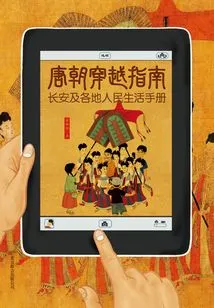
唐朝穿越指南:长安及各地人民生活手册
Forest Deer
If one day, you open your eyes and find that you have traveled to the Tang Dynasty - don't panic, come and pick up this "Guide to Traveling to the Tang Dynasty: A Handbook of People's Life in Chang'an and Other Places": first pass the language barrier, learn a few sentences of medieval Chinese and the national curses of the Tang Dynasty; then sneak into the government canteen to open a small stove, taste tea and drink. Remember, walking carelessly on the street like in time-travel novels and casually taking out a few taels of tattooed silver will be tragic. Household registration book and temporary residence permit must not be missing. You can join a tour group to visit the five most popular attractions in Chang'an City, visit a brothel, watch polo, and go hunting with leopards outdoors. You can also do as the locals do and celebrate the Dragon Boat Festival, Spring Festival, Chinese Valentine's Day and Chinese Valentine's Day like people from the Tang Dynasty. It's okay to be a little foreign, Christmas was already there in the Tang Dynasty! If you are lucky, you can be invited to someone else's home, sing karaoke, dance, have fun, and finally buy a house with a limited price covering an area of ten acres.
If one day, you open your eyes and find that you have traveled to the Tang Dynasty - don't panic, come and pick up this "Guide to Traveling to the Tang Dynasty: A Handbook of People's Life in Chang'an and Other Places": first pass the language barrier, learn a few sentences of medieval Chinese and the national curses of the Tang Dynasty; then sneak into the government canteen to open a small stove, taste tea and drink. Remember, walking carelessly on the street like in time-travel novels and casually taking out a few taels of tattooed silver will be tragic. Household registration book and temporary residence permit must not be missing. You can join a tour group to visit the five most popular attractions in Chang'an City, visit a brothel, watch polo, and go hunting with leopards outdoors. You can also do as the locals do and celebrate the Dragon Boat Festival, Spring Festival, Chinese Valentine's Day and Chinese Valentine's Day like people from the Tang Dynasty. It's okay to be a little foreign, Christmas was already there in the Tang Dynasty! If you are lucky, you can be invited to someone else's home, sing karaoke, dance, have fun, and finally buy a house with a limited price covering an area of ten acres.
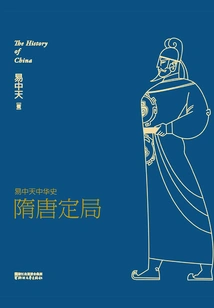
易中天中华史:隋唐定局
H
Emperor Yang of the Sui Dynasty opened the North-South Grand Canal, conquered Goguryeo three times, patrolled the Turks in the north, and built the city of Luoyang... Why did he achieve great achievements but only be remembered for thousands of years? Even when Emperor Yang was killed, even his wife, Queen Xiao, stood by and did not follow her husband to death like a certain confidante. Instead, she and the palace maid made a coffin out of bed boards and silently took care of the funeral of her husband who had been with him for thirty-five years. Emperor Taizong of the Tang Dynasty integrated the Hu and Han Dynasties and created the rule of Zhenguan, but it was not perfect as the world thought - killing brothers; forcing his own father; tampering with history and exaggerating... The imperial examination and the three provinces and six ministries were all new inventions of the political system of the Sui and Tang Dynasties. The new scholars who rode on horseback to visit famous flowers gradually became the main force of the imperial bureaucratic group; the three provinces and six ministries supported by this group created the new politics of the Tang, Song, Yuan, Ming and Qing dynasties.
Emperor Yang of the Sui Dynasty opened the North-South Grand Canal, conquered Goguryeo three times, patrolled the Turks in the north, and built the city of Luoyang... Why did he achieve great achievements but only be remembered for thousands of years? Even when Emperor Yang was killed, even his wife, Queen Xiao, stood by and did not follow her husband to death like a certain confidante. Instead, she and the palace maid made a coffin out of bed boards and silently took care of the funeral of her husband who had been with him for thirty-five years. Emperor Taizong of the Tang Dynasty integrated the Hu and Han Dynasties and created the rule of Zhenguan, but it was not perfect as the world thought - killing brothers; forcing his own father; tampering with history and exaggerating... The imperial examination and the three provinces and six ministries were all new inventions of the political system of the Sui and Tang Dynasties. The new scholars who rode on horseback to visit famous flowers gradually became the main force of the imperial bureaucratic group; the three provinces and six ministries supported by this group created the new politics of the Tang, Song, Yuan, Ming and Qing dynasties.
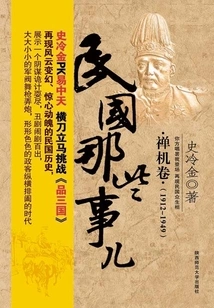
民国那些事儿:禅机卷(1912-1949)
J
In the mountains and rivers of the Republic of China, heroes compete. The characters and objects are diverse and charming. This is a turbulent and troubled time, with complex political affairs and turbulent situations. During this extraordinary period, many prominent figures appeared. During the Republic of China's internal and external troubles, they played their own special roles and influenced the history of the Republic of China in their own different ways. Those familiar or little-known stories interpret another "reality" of history for us, giving us a new perspective on the influential figures active in that era. Let us capture the historical truth of that time from the words and deeds of these influential figures and gain insight into the ups and downs of modern China.
In the mountains and rivers of the Republic of China, heroes compete. The characters and objects are diverse and charming. This is a turbulent and troubled time, with complex political affairs and turbulent situations. During this extraordinary period, many prominent figures appeared. During the Republic of China's internal and external troubles, they played their own special roles and influenced the history of the Republic of China in their own different ways. Those familiar or little-known stories interpret another "reality" of history for us, giving us a new perspective on the influential figures active in that era. Let us capture the historical truth of that time from the words and deeds of these influential figures and gain insight into the ups and downs of modern China.
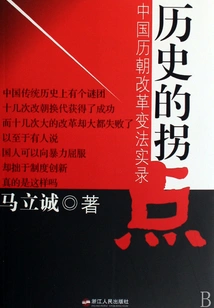
历史的拐点:中国历朝改革变法实录
Ma Licheng
The 13 wonderful stories in "The Turning Point of History" are suspenseful, thrilling, profound and have an impact to this day. These 13 stories unfold the 13 most influential reform processes in Chinese history like a fan, and compare the reforms in Chinese history with those in the West during the same period. This theme is unique and refreshing in the current "history craze".
The 13 wonderful stories in "The Turning Point of History" are suspenseful, thrilling, profound and have an impact to this day. These 13 stories unfold the 13 most influential reform processes in Chinese history like a fan, and compare the reforms in Chinese history with those in the West during the same period. This theme is unique and refreshing in the current "history craze".
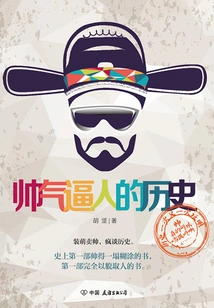
帅气逼人的历史
Hu Jian
How did the handsome men in Chinese history have different fates from other people? Pan An, Wei Jie, Nalan Rongruo, Sima Xiangru, Murong Chong, Dugu Xin, King Lanling, Han Zigao, Dong Xian... Behind every handsome name, there is a history that future generations will marvel at. This book writes about the life experiences of famous handsome guys in Chinese history in a playful and scolding style. It laughs and scolds and shows a different "history of handsome guys in China".
How did the handsome men in Chinese history have different fates from other people? Pan An, Wei Jie, Nalan Rongruo, Sima Xiangru, Murong Chong, Dugu Xin, King Lanling, Han Zigao, Dong Xian... Behind every handsome name, there is a history that future generations will marvel at. This book writes about the life experiences of famous handsome guys in Chinese history in a playful and scolding style. It laughs and scolds and shows a different "history of handsome guys in China".
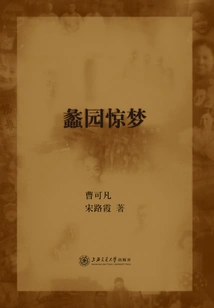
Liyuan Jingmeng
History蠡园惊梦
Cao Kefan Song Luxia
For the first time, TV host Cao Kefan disclosed the family's changes over the past century. With delicate, detailed and vivid writing, he described the joys and sorrows of five generations of a maritime business tycoon family, as well as the family's grudges and grudges with the Rong family and other influential business tycoons in modern Chinese history.
For the first time, TV host Cao Kefan disclosed the family's changes over the past century. With delicate, detailed and vivid writing, he described the joys and sorrows of five generations of a maritime business tycoon family, as well as the family's grudges and grudges with the Rong family and other influential business tycoons in modern Chinese history.
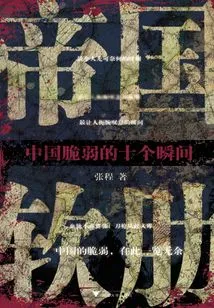
帝国软肋:中国脆弱的十个瞬间
I
No matter how powerful an empire is, it still has weaknesses that cannot be concealed. Don't think that the covenant represents equality and commitment. In many cases, it is a charity given by the strong and a concession made by the weak. In the confrontation of political interests, only the light of swords and the shadow of iron horses are the most real. The unequal alliances in Chinese history have exposed the weaknesses of various empires, weak diplomacy, unscrupulous aggressiveness, and secretive submission. This book will tell you about them all.
No matter how powerful an empire is, it still has weaknesses that cannot be concealed. Don't think that the covenant represents equality and commitment. In many cases, it is a charity given by the strong and a concession made by the weak. In the confrontation of political interests, only the light of swords and the shadow of iron horses are the most real. The unequal alliances in Chinese history have exposed the weaknesses of various empires, weak diplomacy, unscrupulous aggressiveness, and secretive submission. This book will tell you about them all.
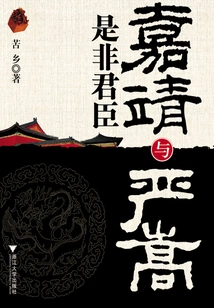
嘉靖与严嵩:是非君臣
Bitter Country
Emperor Jiajing is the most controversial emperor in the history of the Ming Dynasty. Some people rank him after Ming Taizu Zhu Yuanzhang and call him the second most accomplished emperor in the Ming Dynasty. Others say he is a coward and a tyrant. Yan Song was a notorious traitor in history. Later generations of scholars described him as useless. However, historians have been questioning him for hundreds of years, saying that he was not a traitor. What is going on with this pair of right and wrong kings and ministers?
Emperor Jiajing is the most controversial emperor in the history of the Ming Dynasty. Some people rank him after Ming Taizu Zhu Yuanzhang and call him the second most accomplished emperor in the Ming Dynasty. Others say he is a coward and a tyrant. Yan Song was a notorious traitor in history. Later generations of scholars described him as useless. However, historians have been questioning him for hundreds of years, saying that he was not a traitor. What is going on with this pair of right and wrong kings and ministers?
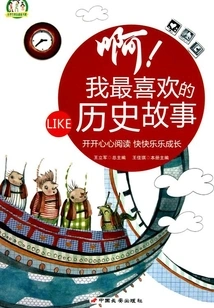
啊!我最喜欢的历史故事
Editor-in-chief Wang Jiaqi
Growth requires constant recollection of history. If a person wants to make progress, it is simply unimaginable without learning history. This book is written to help primary school students understand history, further expand their knowledge, and constantly improve themselves. The book carefully selects the most popular historical knowledge for primary school students and is suitable for primary school students to read by themselves. It strives to use vivid language and exquisite ideas to help primary school students understand history from multiple angles and levels. In terms of catalog arrangement, this book unfolds colorful historical pictures for primary school students in chronological order, so that primary school students can have a clear understanding of our country's history in a short period of time, understand the national justice and principles of life from historical figures and historical events, establish a correct world view, outlook on life and values, and improve self-cultivation.
Growth requires constant recollection of history. If a person wants to make progress, it is simply unimaginable without learning history. This book is written to help primary school students understand history, further expand their knowledge, and constantly improve themselves. The book carefully selects the most popular historical knowledge for primary school students and is suitable for primary school students to read by themselves. It strives to use vivid language and exquisite ideas to help primary school students understand history from multiple angles and levels. In terms of catalog arrangement, this book unfolds colorful historical pictures for primary school students in chronological order, so that primary school students can have a clear understanding of our country's history in a short period of time, understand the national justice and principles of life from historical figures and historical events, establish a correct world view, outlook on life and values, and improve self-cultivation.
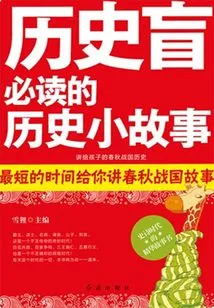
历史盲必读的历史小故事:讲给孩子的春秋战国历史
Editor-in-chief Xueli
This book condenses the voluminous historical classics into short stories and tells them to readers. It is highly interesting. It not only allows adults to be inspired by history while reading, but also attracts children's attention and stimulates endless imagination!
This book condenses the voluminous historical classics into short stories and tells them to readers. It is highly interesting. It not only allows adults to be inspired by history while reading, but also attracts children's attention and stimulates endless imagination!
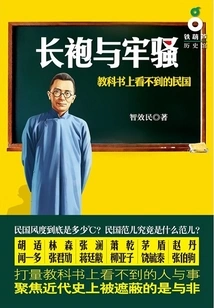
Robes and Grumbles
History长袍与牢骚
Zhi Xiaomin
The Republic of China was an era full of charm, but also a turbulent era. This book focuses on people and things that cannot be seen in ordinary textbooks, and the historical truth that is obscured and concealed. This book is divided into three parts. The previous section "Social Thought" introduced many little-known stories of Lin Sen, Zhang Lan, Zhang Junmai, Hu Shi and others. They are committed to promoting the transformation of modern China with sincerity and heart. The middle volume "Cultural Legends" tells the story of Cheng Shewo, Xia Yan, Liu Yazi, Zhang Boju and others' strong character and grace. The second part, "Changes of the Times," discusses the rough fate of physicist Rao Yutai, journalist Yang Gang, local gentleman Niu Youlan and others, which is thought-provoking and intriguing.
The Republic of China was an era full of charm, but also a turbulent era. This book focuses on people and things that cannot be seen in ordinary textbooks, and the historical truth that is obscured and concealed. This book is divided into three parts. The previous section "Social Thought" introduced many little-known stories of Lin Sen, Zhang Lan, Zhang Junmai, Hu Shi and others. They are committed to promoting the transformation of modern China with sincerity and heart. The middle volume "Cultural Legends" tells the story of Cheng Shewo, Xia Yan, Liu Yazi, Zhang Boju and others' strong character and grace. The second part, "Changes of the Times," discusses the rough fate of physicist Rao Yutai, journalist Yang Gang, local gentleman Niu Youlan and others, which is thought-provoking and intriguing.
O
其实我们一直活在春秋战国3
Longzhen
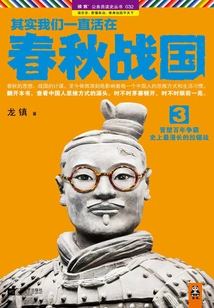
From 770 BC to 221 BC, during this period of 550 years, which later generations call the Spring and Autumn Period and the Warring States Period, unprecedented great figures and handed down classics emerged like a spurt: Confucius wrote "The Analects", Mencius wrote "Mencius", Laozi wrote "Tao Te Ching", Mozi wrote "Mozi", Sun Yat-sen University Zi wrote "The Art of War" by Sun Tzu, Gui Guzi wrote "Gui Guzi", Han Fei wrote "Han Feizi"... The contention of a hundred schools of thought laid the foundation of Chinese civilization, the Four Books and the Five Classics forged the values of later Chinese people, the Five Hegemons of the Spring and Autumn Period created a model of strategy, and the Seven Heroes of the Warring States Period constructed the framework of today's Chinese territory.
From 770 BC to 221 BC, during this period of 550 years, which later generations call the Spring and Autumn Period and the Warring States Period, unprecedented great figures and handed down classics emerged like a spurt: Confucius wrote "The Analects", Mencius wrote "Mencius", Laozi wrote "Tao Te Ching", Mozi wrote "Mozi", Sun Yat-sen University Zi wrote "The Art of War" by Sun Tzu, Gui Guzi wrote "Gui Guzi", Han Fei wrote "Han Feizi"... The contention of a hundred schools of thought laid the foundation of Chinese civilization, the Four Books and the Five Classics forged the values of later Chinese people, the Five Hegemons of the Spring and Autumn Period created a model of strategy, and the Seven Heroes of the Warring States Period constructed the framework of today's Chinese territory.
每天读一点世界战争史
Wang Ying Wang Shiyao
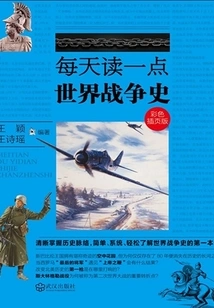
The germs of war have already emerged in primitive societies. Ancient human tribes would engage in brutal and violent fights in order to compete for food, land, population, resources, and property. When the primitive barbaric society went extinct and the dawn of the civilized era illuminated all mankind, wars unfolded in a more extreme manner on a global scale. In ancient times, the Middle Ages, modern society, and modern society, wars did not end with the expansion of civilization. On the contrary, they became more intense. Advanced weapons of mass destruction continued to upgrade until they threatened the survival security of mankind around the world.
The germs of war have already emerged in primitive societies. Ancient human tribes would engage in brutal and violent fights in order to compete for food, land, population, resources, and property. When the primitive barbaric society went extinct and the dawn of the civilized era illuminated all mankind, wars unfolded in a more extreme manner on a global scale. In ancient times, the Middle Ages, modern society, and modern society, wars did not end with the expansion of civilization. On the contrary, they became more intense. Advanced weapons of mass destruction continued to upgrade until they threatened the survival security of mankind around the world.
找寻真实的蒋介石:还原13个历史真相
Yang Tianshi
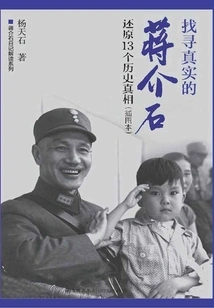
The main content of the book is divided into four parts: the Anti-Japanese War period, the negotiations between the Kuomintang and the Communist Party, post-war China, and the retreat to Taiwan. By quoting and studying Chiang Kai-shek's diary and other relevant materials, it conducts an in-depth and detailed analysis and explanation of the important events that Chiang Kai-shek personally experienced during the relevant historical period, and puts forward views and conclusions with academic value. Contents include: Suiyuan Anti-Japanese War and the change of Chiang Kai-shek's policy towards Japan, a supplementary account of Chiang Kai-shek and Germany's anti-Nazi underground activities, Chiang Kai-shek's efforts to regain the sovereignty of Xinjiang, why Chiang Kai-shek refused to sign the "Yan'an Agreement", before and after Chiang Kai-shek proposed that Hu Shi can run for president, and Chiang Kai-shek's gun The killing of Kong Xiangxi's cronies and their anti-corruption aspirations, the "tiger hunt" in Shanghai between Chiang Kai-shek and Chiang Ching-kuo, the sovereignty dispute between Chiang Kai-shek and the Diaoyu Islands, why Chen Jieru's memoirs were kept in dust for nearly thirty years, Chiang Kai-shek's plan to cooperate with the Soviet Union to counterattack the mainland, the relationship crisis between Chiang Kai-shek and Soong Meiling in his later years, etc.
The main content of the book is divided into four parts: the Anti-Japanese War period, the negotiations between the Kuomintang and the Communist Party, post-war China, and the retreat to Taiwan. By quoting and studying Chiang Kai-shek's diary and other relevant materials, it conducts an in-depth and detailed analysis and explanation of the important events that Chiang Kai-shek personally experienced during the relevant historical period, and puts forward views and conclusions with academic value. Contents include: Suiyuan Anti-Japanese War and the change of Chiang Kai-shek's policy towards Japan, a supplementary account of Chiang Kai-shek and Germany's anti-Nazi underground activities, Chiang Kai-shek's efforts to regain the sovereignty of Xinjiang, why Chiang Kai-shek refused to sign the "Yan'an Agreement", before and after Chiang Kai-shek proposed that Hu Shi can run for president, and Chiang Kai-shek's gun The killing of Kong Xiangxi's cronies and their anti-corruption aspirations, the "tiger hunt" in Shanghai between Chiang Kai-shek and Chiang Ching-kuo, the sovereignty dispute between Chiang Kai-shek and the Diaoyu Islands, why Chen Jieru's memoirs were kept in dust for nearly thirty years, Chiang Kai-shek's plan to cooperate with the Soviet Union to counterattack the mainland, the relationship crisis between Chiang Kai-shek and Soong Meiling in his later years, etc.
台湾史事解读
Chen Kongli
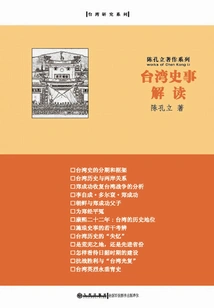
This book is a collection of Chen Kongli's monographs on Taiwan's historical events. It is divided into three parts. The first part is mainly about the historical perspective and method of Taiwan studies. It conducts an in-depth analysis of major issues in cross-Strait relations such as the periodization and framework of Taiwan history, the relationship between Taiwan history and cross-Strait relations, and the relationship between Taiwan culture and Chinese culture. It corrects some misunderstandings and puts forward unique insights. The second part puts forward views that are different from the general understanding of academic circles on some historical facts of early Taiwan and the early Qing Dynasty, such as "Yizhou" and "Yizhou", and the historical evaluation of Zheng Chenggong. The third part mainly focuses on the behavior of some people in Taiwan who deliberately create "historical amnesia". Based on specific historical facts, it provides a profound interpretation of Taiwan's history and irrefutably proves the inseparable relationship between Taiwan and the motherland.
This book is a collection of Chen Kongli's monographs on Taiwan's historical events. It is divided into three parts. The first part is mainly about the historical perspective and method of Taiwan studies. It conducts an in-depth analysis of major issues in cross-Strait relations such as the periodization and framework of Taiwan history, the relationship between Taiwan history and cross-Strait relations, and the relationship between Taiwan culture and Chinese culture. It corrects some misunderstandings and puts forward unique insights. The second part puts forward views that are different from the general understanding of academic circles on some historical facts of early Taiwan and the early Qing Dynasty, such as "Yizhou" and "Yizhou", and the historical evaluation of Zheng Chenggong. The third part mainly focuses on the behavior of some people in Taiwan who deliberately create "historical amnesia". Based on specific historical facts, it provides a profound interpretation of Taiwan's history and irrefutably proves the inseparable relationship between Taiwan and the motherland.
伟大帝王与他的帝国
Editorial Board Of "visual World·exploration And Discovery Series"
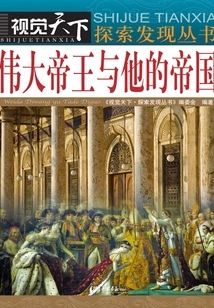
"The Great Emperor and His Empire" is compiled by the editorial board of the Visual World Encyclopedia Knowledge Series. "The Great Emperor and His Empire" uses concise length and beautiful words to explain the rise, expansion and decline of each empire to readers from a new perspective. It also introduces the politics, economy, culture and folk customs of each empire. This book not only highlights the interest, but also takes into account the systematicness and comprehensiveness of knowledge. It describes and illustrates complex scientific knowledge in concise and popular language, and explains the profound things in simple terms. It is equipped with a large number of pictures and schematics that match the text, making the layout more lively, reading more interesting, and learning easier. It enhances readers' understanding of various empires and inspires readers to have more thoughts and explorations.
"The Great Emperor and His Empire" is compiled by the editorial board of the Visual World Encyclopedia Knowledge Series. "The Great Emperor and His Empire" uses concise length and beautiful words to explain the rise, expansion and decline of each empire to readers from a new perspective. It also introduces the politics, economy, culture and folk customs of each empire. This book not only highlights the interest, but also takes into account the systematicness and comprehensiveness of knowledge. It describes and illustrates complex scientific knowledge in concise and popular language, and explains the profound things in simple terms. It is equipped with a large number of pictures and schematics that match the text, making the layout more lively, reading more interesting, and learning easier. It enhances readers' understanding of various empires and inspires readers to have more thoughts and explorations.
抗日援朝1592(下)
I
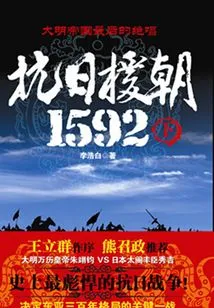
The most ferocious Anti-Japanese War in history, the last swan song of the Ming Empire! This was a key battle that determined the three-hundred-year pattern of East Asia. It was also the most beautiful war of resistance against Japan won by the Chinese. In the 20th year of Wanli in the Ming Dynasty (1592), the actual ruler of Japan, Toyotomi Hideyoshi, took advantage of the power of unifying Japan and brazenly launched an aggressive war against Korea and the Ming Dynasty. At the request of the Korean King Li Huo, the Wanli Emperor Zhu Yijun of the Ming Dynasty overcame various difficulties and resolutely sent the famous general Li Rusong to the east to fight against Japan and aid Korea. A bloody battle between aggression and counter-aggression began on the Korean Peninsula... This book reproduces this long-lasting and far-reaching history. The foundation laid by Toyotomi Hideyoshi, a generation of Japanese heroes, fell apart in this war and eventually fell into the hands of Tokugawa Ieyasu. The book describes the overt and covert struggles and power intrigues of the two heroes.
The most ferocious Anti-Japanese War in history, the last swan song of the Ming Empire! This was a key battle that determined the three-hundred-year pattern of East Asia. It was also the most beautiful war of resistance against Japan won by the Chinese. In the 20th year of Wanli in the Ming Dynasty (1592), the actual ruler of Japan, Toyotomi Hideyoshi, took advantage of the power of unifying Japan and brazenly launched an aggressive war against Korea and the Ming Dynasty. At the request of the Korean King Li Huo, the Wanli Emperor Zhu Yijun of the Ming Dynasty overcame various difficulties and resolutely sent the famous general Li Rusong to the east to fight against Japan and aid Korea. A bloody battle between aggression and counter-aggression began on the Korean Peninsula... This book reproduces this long-lasting and far-reaching history. The foundation laid by Toyotomi Hideyoshi, a generation of Japanese heroes, fell apart in this war and eventually fell into the hands of Tokugawa Ieyasu. The book describes the overt and covert struggles and power intrigues of the two heroes.
抗日援朝1592(上)
Li Haobai
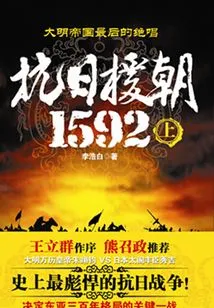
The most ferocious Anti-Japanese War in history, the last swan song of the Ming Empire! This was a key battle that determined the three-hundred-year pattern of East Asia. It was also the most beautiful war of resistance against Japan won by the Chinese. In the 20th year of Wanli in the Ming Dynasty (1592), the actual ruler of Japan, Toyotomi Hideyoshi, took advantage of the power of unifying Japan and brazenly launched an aggressive war against Korea and the Ming Dynasty. At the request of the Korean King Li Huo, the Wanli Emperor Zhu Yijun of the Ming Dynasty overcame various difficulties and resolutely sent the famous general Li Rusong to the east to fight against Japan and aid Korea. A bloody battle between aggression and counter-aggression began on the Korean Peninsula... This book reproduces this long-lasting and far-reaching history. The foundation laid by Toyotomi Hideyoshi, a generation of Japanese heroes, fell apart in this war and eventually fell into the hands of Tokugawa Ieyasu. The book describes the overt and covert struggles and power intrigues of the two heroes.
The most ferocious Anti-Japanese War in history, the last swan song of the Ming Empire! This was a key battle that determined the three-hundred-year pattern of East Asia. It was also the most beautiful war of resistance against Japan won by the Chinese. In the 20th year of Wanli in the Ming Dynasty (1592), the actual ruler of Japan, Toyotomi Hideyoshi, took advantage of the power of unifying Japan and brazenly launched an aggressive war against Korea and the Ming Dynasty. At the request of the Korean King Li Huo, the Wanli Emperor Zhu Yijun of the Ming Dynasty overcame various difficulties and resolutely sent the famous general Li Rusong to the east to fight against Japan and aid Korea. A bloody battle between aggression and counter-aggression began on the Korean Peninsula... This book reproduces this long-lasting and far-reaching history. The foundation laid by Toyotomi Hideyoshi, a generation of Japanese heroes, fell apart in this war and eventually fell into the hands of Tokugawa Ieyasu. The book describes the overt and covert struggles and power intrigues of the two heroes.
那些你不知道的历史文化趣闻
Compiled By Cao Jinhong
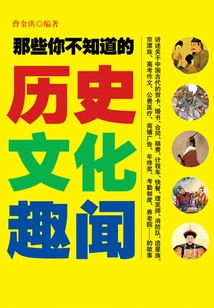
In the eyes of many people, Chinese studies are Confucius. Mencius's incomprehensible thoughts and the profound and profound wisdom of his ancestors are daunting. This book abandons those boring and difficult theories and restores an interesting world of Chinese studies, so that celebrities no longer condescend, allowing readers to understand the vivid ancient life and understand the secrets of the ancients... Do you want to know why Su Dongpo is said to be a "foodie"? Ever wonder where ice cream comes from? Want to know what ancient New Year films were like? This book uses interesting language to prepare a delicious feast of Chinese studies for you, allowing you to appreciate the different scenery of Chinese studies.
In the eyes of many people, Chinese studies are Confucius. Mencius's incomprehensible thoughts and the profound and profound wisdom of his ancestors are daunting. This book abandons those boring and difficult theories and restores an interesting world of Chinese studies, so that celebrities no longer condescend, allowing readers to understand the vivid ancient life and understand the secrets of the ancients... Do you want to know why Su Dongpo is said to be a "foodie"? Ever wonder where ice cream comes from? Want to know what ancient New Year films were like? This book uses interesting language to prepare a delicious feast of Chinese studies for you, allowing you to appreciate the different scenery of Chinese studies.
读史有心得
I
"Experiences from Reading History" analyzes history from various angles and has novel viewpoints. It is not blinded by certain historical conclusions and historical phenomena. It re-analyzes and sums up its own experiences realistically.
"Experiences from Reading History" analyzes history from various angles and has novel viewpoints. It is not blinded by certain historical conclusions and historical phenomena. It re-analyzes and sums up its own experiences realistically.
The Curse of History
History历史的魔咒
Wang Frame
This book is a popular history book that lists several relatively unified feudal dynasties in my country's history, starting from the Qin Dynasty. The first volume is Qin, Han, Sui, and Tang, and the second volume is Song, Yuan, Ming, and Qing. It introduces in detail the rise and fall of these dynasties, important historical events and historical figures, focusing on the founding kings and the lords who destroyed the country, and attempts to unearth the deep-seated reasons for the demise of a dynasty.
This book is a popular history book that lists several relatively unified feudal dynasties in my country's history, starting from the Qin Dynasty. The first volume is Qin, Han, Sui, and Tang, and the second volume is Song, Yuan, Ming, and Qing. It introduces in detail the rise and fall of these dynasties, important historical events and historical figures, focusing on the founding kings and the lords who destroyed the country, and attempts to unearth the deep-seated reasons for the demise of a dynasty.
李鸿章:甲午之殇
Chen Bin
The novel takes the Sino-Japanese Sino-Japanese War as the background and truly reproduces the Qing Dynasty's society, court, officialdom, diplomacy, war and other aspects before and after the war. The author unfolds a three-dimensional picture of the last dynasty around the protagonist Li Hongzhang with an emotional and compassionate feeling: the majestic Qing Empire is crumbling due to internal and external troubles, and the minister Li Hongzhang shoulders heavy responsibilities. On one hand, he is empress dowager Cixi's extravagant spending, and on the other hand, he is humiliating peace and land ceding indemnity after the defeat of China and Japan. He is caught in the middle and compromises, struggling to support the turbulent last dynasty...
The novel takes the Sino-Japanese Sino-Japanese War as the background and truly reproduces the Qing Dynasty's society, court, officialdom, diplomacy, war and other aspects before and after the war. The author unfolds a three-dimensional picture of the last dynasty around the protagonist Li Hongzhang with an emotional and compassionate feeling: the majestic Qing Empire is crumbling due to internal and external troubles, and the minister Li Hongzhang shoulders heavy responsibilities. On one hand, he is empress dowager Cixi's extravagant spending, and on the other hand, he is humiliating peace and land ceding indemnity after the defeat of China and Japan. He is caught in the middle and compromises, struggling to support the turbulent last dynasty...
较量:中国历史上36场以弱胜强的战争
Ma Yinchun
This book introduces the classic battles in Chinese history before 1840 in which the weak defeated the strong. Taking war as the entry point and the weak defeating the strong as the main line, it shows the thrilling war stories that took place on the land of China for thousands of years from the Western Zhou Dynasty to the Qing Dynasty.
This book introduces the classic battles in Chinese history before 1840 in which the weak defeated the strong. Taking war as the entry point and the weak defeating the strong as the main line, it shows the thrilling war stories that took place on the land of China for thousands of years from the Western Zhou Dynasty to the Qing Dynasty.
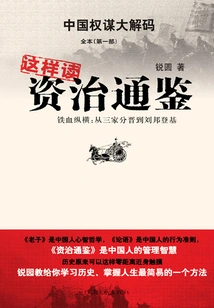
这样读资治通鉴(第1部)
Sharp Circle
Young students can also learn historical narratives that are different from those in the classroom. "Zi Zhi Tong Jian" is a big book that has always been placed on Mao Zedong's bedside. A big book that Mao Zedong read 17 times, "Zi Zhi Tong Jian" is the management wisdom of the Chinese people. Reading "Zi Zhi Tong Jian" in this way is the management wisdom for officials, the MBA textbook for entrepreneurs, and the behavioral guide for strivers.
Young students can also learn historical narratives that are different from those in the classroom. "Zi Zhi Tong Jian" is a big book that has always been placed on Mao Zedong's bedside. A big book that Mao Zedong read 17 times, "Zi Zhi Tong Jian" is the management wisdom of the Chinese people. Reading "Zi Zhi Tong Jian" in this way is the management wisdom for officials, the MBA textbook for entrepreneurs, and the behavioral guide for strivers.
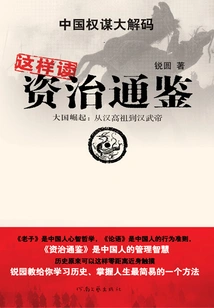
这样读资治通鉴(第2部)
Sharp Circle
Young students can also learn historical narratives that are different from those in the classroom. "Zi Zhi Tong Jian" is a big book that has always been placed on Mao Zedong's bedside. A big book that Mao Zedong read 17 times, "Zi Zhi Tong Jian" is the management wisdom of the Chinese people. Reading "Zi Zhi Tong Jian" in this way is the management wisdom for officials, the MBA textbook for entrepreneurs, and the behavioral guide for strivers.
Young students can also learn historical narratives that are different from those in the classroom. "Zi Zhi Tong Jian" is a big book that has always been placed on Mao Zedong's bedside. A big book that Mao Zedong read 17 times, "Zi Zhi Tong Jian" is the management wisdom of the Chinese people. Reading "Zi Zhi Tong Jian" in this way is the management wisdom for officials, the MBA textbook for entrepreneurs, and the behavioral guide for strivers.
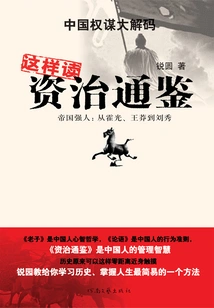
这样读资治通鉴(第3部)
Sharp Circle
Young students can also learn historical narratives that are different from those in the classroom. "Zi Zhi Tong Jian" is a big book that has always been placed on Mao Zedong's bedside. A big book that Mao Zedong read 17 times, "Zi Zhi Tong Jian" is the management wisdom of the Chinese people. Reading "Zi Zhi Tong Jian" in this way is the management wisdom for officials, the MBA textbook for entrepreneurs, and the behavioral guide for strivers.
Young students can also learn historical narratives that are different from those in the classroom. "Zi Zhi Tong Jian" is a big book that has always been placed on Mao Zedong's bedside. A big book that Mao Zedong read 17 times, "Zi Zhi Tong Jian" is the management wisdom of the Chinese people. Reading "Zi Zhi Tong Jian" in this way is the management wisdom for officials, the MBA textbook for entrepreneurs, and the behavioral guide for strivers.
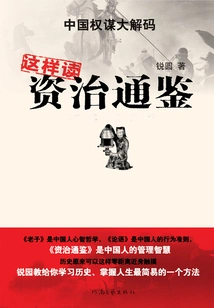
这样读资治通鉴(第4部)
Sharp Circle
Young students can also learn historical narratives that are different from those in the classroom. "Zi Zhi Tong Jian" is a big book that has always been placed on Mao Zedong's bedside. A big book that Mao Zedong read 17 times, "Zi Zhi Tong Jian" is the management wisdom of the Chinese people. Reading "Zi Zhi Tong Jian" in this way is the management wisdom for officials, the MBA textbook for entrepreneurs, and the behavioral guide for strivers.
Young students can also learn historical narratives that are different from those in the classroom. "Zi Zhi Tong Jian" is a big book that has always been placed on Mao Zedong's bedside. A big book that Mao Zedong read 17 times, "Zi Zhi Tong Jian" is the management wisdom of the Chinese people. Reading "Zi Zhi Tong Jian" in this way is the management wisdom for officials, the MBA textbook for entrepreneurs, and the behavioral guide for strivers.
这样读资治通鉴(第5部)
Sharp Circle
Young students can also learn historical narratives that are different from those in the classroom. "Zi Zhi Tong Jian" is a big book that has always been placed on Mao Zedong's bedside. A big book that Mao Zedong read 17 times, "Zi Zhi Tong Jian" is the management wisdom of the Chinese people. Reading "Zi Zhi Tong Jian" in this way is the management wisdom for officials, the MBA textbook for entrepreneurs, and the behavioral guide for strivers.
Young students can also learn historical narratives that are different from those in the classroom. "Zi Zhi Tong Jian" is a big book that has always been placed on Mao Zedong's bedside. A big book that Mao Zedong read 17 times, "Zi Zhi Tong Jian" is the management wisdom of the Chinese people. Reading "Zi Zhi Tong Jian" in this way is the management wisdom for officials, the MBA textbook for entrepreneurs, and the behavioral guide for strivers.
这样读资治通鉴(第6部)
Sharp Circle
Young students can also learn historical narratives that are different from those in the classroom. "Zi Zhi Tong Jian" is a big book that has always been placed on Mao Zedong's bedside. A big book that Mao Zedong read 17 times, "Zi Zhi Tong Jian" is the management wisdom of the Chinese people. Reading "Zi Zhi Tong Jian" in this way is the management wisdom for officials, the MBA textbook for entrepreneurs, and the behavioral guide for strivers.
Young students can also learn historical narratives that are different from those in the classroom. "Zi Zhi Tong Jian" is a big book that has always been placed on Mao Zedong's bedside. A big book that Mao Zedong read 17 times, "Zi Zhi Tong Jian" is the management wisdom of the Chinese people. Reading "Zi Zhi Tong Jian" in this way is the management wisdom for officials, the MBA textbook for entrepreneurs, and the behavioral guide for strivers.
三国那些人那些事:霸主卷
Chen Ci
This is a biographical work that allows you to touch the body temperature of historical figures. It is also the most attitudeful panoramic work on the history of the Three Kingdoms. "Romance of the Three Kingdoms" focuses on recording achievements, while "Romance of the Three Kingdoms" focuses on describing military achievements, both of which ignore the personality, psychology and life details of the overlords of the Three Kingdoms as ordinary people. "The No. 1 Person in the Three Kingdoms Interpreted by Human Nature" After years of in-depth research, Chen Ci has unearthed many historical details that historians have not paid attention to. From the perspective of human nature, he vividly reproduces the life courses of the Three Kingdoms overlords such as Cao Cao, Sun Quan, Liu Bei, Lu Bu, Yuan Shao, and Liu Biao, and restores a brand new history of the Three Kingdoms that is different from "Three Kingdoms" and "The Romance of the Three Kingdoms".
This is a biographical work that allows you to touch the body temperature of historical figures. It is also the most attitudeful panoramic work on the history of the Three Kingdoms. "Romance of the Three Kingdoms" focuses on recording achievements, while "Romance of the Three Kingdoms" focuses on describing military achievements, both of which ignore the personality, psychology and life details of the overlords of the Three Kingdoms as ordinary people. "The No. 1 Person in the Three Kingdoms Interpreted by Human Nature" After years of in-depth research, Chen Ci has unearthed many historical details that historians have not paid attention to. From the perspective of human nature, he vividly reproduces the life courses of the Three Kingdoms overlords such as Cao Cao, Sun Quan, Liu Bei, Lu Bu, Yuan Shao, and Liu Biao, and restores a brand new history of the Three Kingdoms that is different from "Three Kingdoms" and "The Romance of the Three Kingdoms".
Three Kingdoms Ct
History三国CT
Ancient Jinhai
"Three Kingdoms CT" talks about the Three Kingdoms, the heroes, bears, and wretches of the Three Kingdoms. In fact, it is mostly talking about itself, its own naivety, short-sightedness, its own intolerance, impetuousness, and its own hesitation and depression.
"Three Kingdoms CT" talks about the Three Kingdoms, the heroes, bears, and wretches of the Three Kingdoms. In fact, it is mostly talking about itself, its own naivety, short-sightedness, its own intolerance, impetuousness, and its own hesitation and depression.
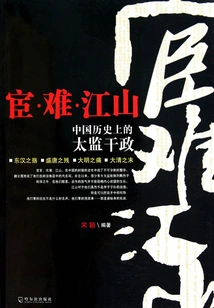
宦·难·江山
Song Ying
Tang Zhen, a native of the Qing Dynasty, once described eunuchs in "Qianshu": "Looking at them does not look like a human body, looking at them does not look like a human face, hearing them does not sound like a human voice, and observing them is not human." In his eyes, these eunuchs did not seem to belong to human beings, and they had bloated bodies. , Panting like animals, they looked like they had no human shape at all from a distance; their faces looked completely devoid of human features, and they looked neither male nor female and were extremely terrifying; their voices were not normal human voices, hoarse and high-pitched. The souls of these eunuchs are lonely and gloomy, and it is impossible to fathom their hearts with ordinary thoughts. They seem to have no human emotions at all. If Tang Zhen's words were too cruel, then at least he expressed the direct feelings of most people towards eunuchs.
Tang Zhen, a native of the Qing Dynasty, once described eunuchs in "Qianshu": "Looking at them does not look like a human body, looking at them does not look like a human face, hearing them does not sound like a human voice, and observing them is not human." In his eyes, these eunuchs did not seem to belong to human beings, and they had bloated bodies. , Panting like animals, they looked like they had no human shape at all from a distance; their faces looked completely devoid of human features, and they looked neither male nor female and were extremely terrifying; their voices were not normal human voices, hoarse and high-pitched. The souls of these eunuchs are lonely and gloomy, and it is impossible to fathom their hearts with ordinary thoughts. They seem to have no human emotions at all. If Tang Zhen's words were too cruel, then at least he expressed the direct feelings of most people towards eunuchs.
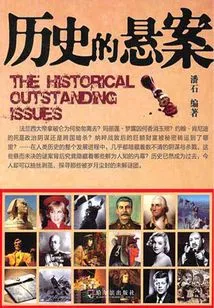
Historical Mystery
History历史的悬案
Pan Shi
Unsolved Mysteries in History Human society is always surging and advancing in ups and downs. History will never be obliterated by the passage of time, and those bizarre unsolved mysteries sealed in the years will also never be forgotten by future generations. Whether it's the mysterious deaths of celebrities or the unsolved mysteries of war, there seems to be a shocking secret hidden behind all the bizarre mysteries. "Historical Mysteries" will take you back to those historical moments, clear away the fog, and re-explore and pursue the truth of history.
Unsolved Mysteries in History Human society is always surging and advancing in ups and downs. History will never be obliterated by the passage of time, and those bizarre unsolved mysteries sealed in the years will also never be forgotten by future generations. Whether it's the mysterious deaths of celebrities or the unsolved mysteries of war, there seems to be a shocking secret hidden behind all the bizarre mysteries. "Historical Mysteries" will take you back to those historical moments, clear away the fog, and re-explore and pursue the truth of history.
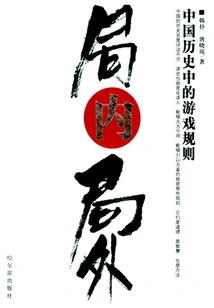
局内局外:中国历史中的游戏规则
Han Pu Tang Xiaolan
Through the study of Chinese history, this book discusses the two core clues of "protecting oneself and developing oneself" and "authority first", trying to clarify the rules of the interpersonal game of "inside and outside".
Through the study of Chinese history, this book discusses the two core clues of "protecting oneself and developing oneself" and "authority first", trying to clarify the rules of the interpersonal game of "inside and outside".
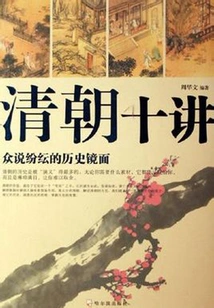
清朝十讲
Zhou Huawen
Speaking of the Qing Dynasty, the first thing people may think of is the Forbidden City (Forbidden City). The Forbidden City is divided into the outer court and the inner palace. However, state affairs and family affairs are mixed in the Forbidden City. This is also a unique phenomenon in the Forbidden City.
Speaking of the Qing Dynasty, the first thing people may think of is the Forbidden City (Forbidden City). The Forbidden City is divided into the outer court and the inner palace. However, state affairs and family affairs are mixed in the Forbidden City. This is also a unique phenomenon in the Forbidden City.
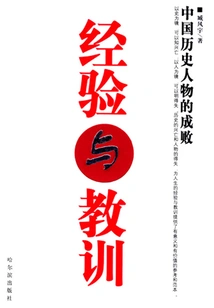
经验与教训:中国历史人物的成败
Zang Fengyu
Reading history makes people wise. Because those who know oneself are wise, those who know others are wise, and those who know the world are wise. Although the rights and wrongs and successes and failures of Chinese historical figures have become a thing of the past, we are still talking about them. It is their life methods and experiences that provide us with rich resources and an open vision for our lives.
Reading history makes people wise. Because those who know oneself are wise, those who know others are wise, and those who know the world are wise. Although the rights and wrongs and successes and failures of Chinese historical figures have become a thing of the past, we are still talking about them. It is their life methods and experiences that provide us with rich resources and an open vision for our lives.
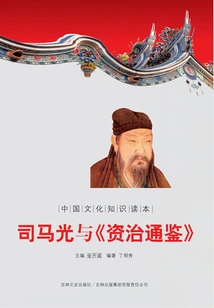
司马光与《资治通鉴》
Ding Mingxiu
"Sima Guang and \u003CZizhi Tongjian\u003E" edited by Ding Mingxiu is one of the series of books, which introduces the relevant contents of Sima Guang and "Zi Zhi Tongjian". The beautiful and vivid words, concise and popular language, and pictures and texts in "Sima Guang Yu\u003CZizhi Tongjian\u003E" comprehensively display to readers the key points of knowledge such as material culture, institutional culture, behavioral culture, and spiritual culture in Chinese culture. Bits and pieces of cultural knowledge are like stars, forming the splendid sky of Chinese culture. It can make a modest contribution to carrying forward China's five thousand years of excellent traditional culture, strengthening the unity of all ethnic groups, and building a socialist harmonious society.
"Sima Guang and \u003CZizhi Tongjian\u003E" edited by Ding Mingxiu is one of the series of books, which introduces the relevant contents of Sima Guang and "Zi Zhi Tongjian". The beautiful and vivid words, concise and popular language, and pictures and texts in "Sima Guang Yu\u003CZizhi Tongjian\u003E" comprehensively display to readers the key points of knowledge such as material culture, institutional culture, behavioral culture, and spiritual culture in Chinese culture. Bits and pieces of cultural knowledge are like stars, forming the splendid sky of Chinese culture. It can make a modest contribution to carrying forward China's five thousand years of excellent traditional culture, strengthening the unity of all ethnic groups, and building a socialist harmonious society.
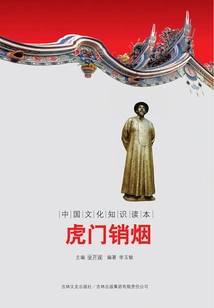
Humen Destroys Cigarettes
History虎门销烟
Editor-in-chief Jin Kaicheng
"The Smoking of Opium in Humen" edited by Li Yumin is one of the series of books, which introduces the relevant contents of the Smoking of Opium in Humen. The beautiful and vivid words, concise and popular language, and pictures and texts in "Stopping the Opium at Humen" comprehensively display to readers the key points of knowledge such as material culture, institutional culture, behavioral culture, and spiritual culture in Chinese culture. Bits and pieces of cultural knowledge are like stars, forming the splendid sky of Chinese culture. It can make a modest contribution to carrying forward China's five thousand years of excellent traditional culture, strengthening the unity of all ethnic groups, and building a socialist harmonious society.
"The Smoking of Opium in Humen" edited by Li Yumin is one of the series of books, which introduces the relevant contents of the Smoking of Opium in Humen. The beautiful and vivid words, concise and popular language, and pictures and texts in "Stopping the Opium at Humen" comprehensively display to readers the key points of knowledge such as material culture, institutional culture, behavioral culture, and spiritual culture in Chinese culture. Bits and pieces of cultural knowledge are like stars, forming the splendid sky of Chinese culture. It can make a modest contribution to carrying forward China's five thousand years of excellent traditional culture, strengthening the unity of all ethnic groups, and building a socialist harmonious society.
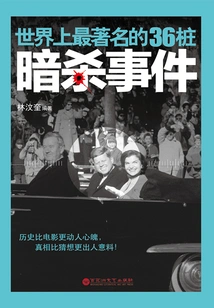
世界上最著名的36桩暗杀事件
Lin Wenkui
The selected assassinations are all the most famous in the world. The book tells the readers about each real and exciting assassination from several aspects such as the Mossad assassination machine, the American assassination mystery, failed assassinations, assassinated heads of state, assassinations during political changes, and assassination mysteries of the Republic of China.
The selected assassinations are all the most famous in the world. The book tells the readers about each real and exciting assassination from several aspects such as the Mossad assassination machine, the American assassination mystery, failed assassinations, assassinated heads of state, assassinations during political changes, and assassination mysteries of the Republic of China.
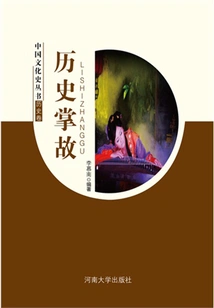
历史掌故(中国文化史丛书)
Editor-in-chief Li Munan
The Chinese nation is the oldest nation in the world, and the Chinese civilization is one of the oldest civilizations in the world. China has a written history of nearly 5,000 years. Starting from 841 BC, there has been no interruption in documented chronicles for nearly 3,000 years. This is unique in the long history of mankind. Among the four major ancient civilizations in the world, only China's history has always been passed down in an orderly manner and has never been interrupted.
The Chinese nation is the oldest nation in the world, and the Chinese civilization is one of the oldest civilizations in the world. China has a written history of nearly 5,000 years. Starting from 841 BC, there has been no interruption in documented chronicles for nearly 3,000 years. This is unique in the long history of mankind. Among the four major ancient civilizations in the world, only China's history has always been passed down in an orderly manner and has never been interrupted.
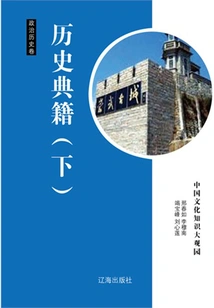
Historical Books (part 2)
History历史典籍(下)
Jie Baofeng Liu Xinlian Xing Chunru Li Munan
The Mysteries of History series, compiled by Jie Baofeng, Liu Xinlian, Xing Chunru, and Li Munan, consists of 32 volumes, which are used to explain the complexity of political struggles and reveal the most secretive parts of the long river of ancient history.
The Mysteries of History series, compiled by Jie Baofeng, Liu Xinlian, Xing Chunru, and Li Munan, consists of 32 volumes, which are used to explain the complexity of political struggles and reveal the most secretive parts of the long river of ancient history.

Harem Politics (part 1)
History后宫政治(上)
Jie Baofeng Liu Xinlian Xing Chunru Li Munan
The Mysteries of History series, compiled by Jie Baofeng, Liu Xinlian, Xing Chunru, and Li Munan, consists of 32 volumes, which are used to explain the complexity of political struggles and reveal the most secretive parts of the long river of ancient history.
The Mysteries of History series, compiled by Jie Baofeng, Liu Xinlian, Xing Chunru, and Li Munan, consists of 32 volumes, which are used to explain the complexity of political struggles and reveal the most secretive parts of the long river of ancient history.

宫廷政治(中国文化史丛书)
Editor-in-chief Li Munan
The Chinese nation is the oldest nation in the world, and the Chinese civilization is one of the oldest civilizations in the world. China has a written history of nearly 5,000 years. Starting from 841 BC, there has been no interruption in documented chronicles for nearly 3,000 years. This is unique in the long history of mankind. Among the four major ancient civilizations in the world, only China's history has always been passed down in an orderly manner and has never been interrupted.
The Chinese nation is the oldest nation in the world, and the Chinese civilization is one of the oldest civilizations in the world. China has a written history of nearly 5,000 years. Starting from 841 BC, there has been no interruption in documented chronicles for nearly 3,000 years. This is unique in the long history of mankind. Among the four major ancient civilizations in the world, only China's history has always been passed down in an orderly manner and has never been interrupted.
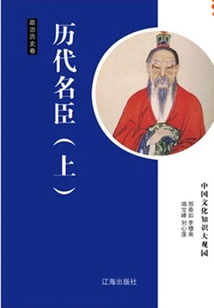
历代名臣(上)
Jie Baofeng Liu Xinlian Xing Chunru Li Munan
The Mysteries of History series, compiled by Jie Baofeng, Liu Xinlian, Xing Chunru, and Li Munan, consists of 32 volumes, which are used to explain the complexity of political struggles and reveal the most secretive parts of the long river of ancient history.
The Mysteries of History series, compiled by Jie Baofeng, Liu Xinlian, Xing Chunru, and Li Munan, consists of 32 volumes, which are used to explain the complexity of political struggles and reveal the most secretive parts of the long river of ancient history.