Library
Browse and search novels
8,194 novels found
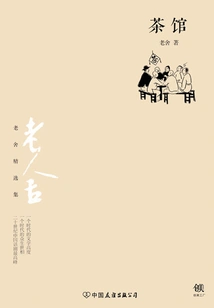
Teahouse (unabridged Classic Full Version)
General Fiction茶馆(无删节经典完整版)
Lao She
This book includes Lao She's famous plays "Teahouse" and "Longxugou" and more than a dozen classic essays. "Teahouse" is structured into three acts. It takes the rise and fall of a large teahouse called Yutai in old Beijing as the background, and shows the social landscape of Beijing and the life changes of different people from all walks of life in the nearly 50 years from the late Qing Dynasty to the Beiyang Warlord period and then to the victory of the Anti-Japanese War. Each scene depicts an era. People from all walks of life in Beijing, from all walks of life, come in and out of this big teahouse. The whole play shows a series of magnificent historical pictures, which vividly illustrates the inevitable demise of the old China and the inevitability of the birth of the new China.
This book includes Lao She's famous plays "Teahouse" and "Longxugou" and more than a dozen classic essays. "Teahouse" is structured into three acts. It takes the rise and fall of a large teahouse called Yutai in old Beijing as the background, and shows the social landscape of Beijing and the life changes of different people from all walks of life in the nearly 50 years from the late Qing Dynasty to the Beiyang Warlord period and then to the victory of the Anti-Japanese War. Each scene depicts an era. People from all walks of life in Beijing, from all walks of life, come in and out of this big teahouse. The whole play shows a series of magnificent historical pictures, which vividly illustrates the inevitable demise of the old China and the inevitability of the birth of the new China.
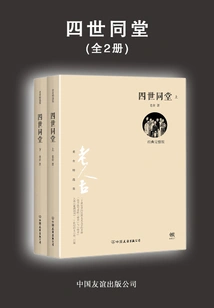
Four Generations under One Roof (two Volumes)
General Fiction四世同堂(全二册)
Lao She
"Four Generations Under One House" is divided into three parts: "Confusion", "Stealing Life" and "Famine", with nearly one million words. It is a long work among Lao She's works. It is also a work that takes a long time to write, consumes a lot of energy, and has a difficult completion process. The work is set in the enemy-occupied area of Beiping during the Anti-Japanese War, and describes the psychology and experiences of more than a dozen families and more than 100 people, centered on the four generations of the Qi family, in the "Little Sheep Circle" alley in Beijing during the eight years from the "July 7th Incident" in 1937 to the unconditional surrender of the Japanese invaders in 1945. With his profound and exquisite artistic skills and proficient novel skills, Lao She created a series of vivid artistic images such as Qi Laoren, Ruixuan, Da Chibao, Guan Xiaohe, etc., And presented a rich picture of life in Peiping.
"Four Generations Under One House" is divided into three parts: "Confusion", "Stealing Life" and "Famine", with nearly one million words. It is a long work among Lao She's works. It is also a work that takes a long time to write, consumes a lot of energy, and has a difficult completion process. The work is set in the enemy-occupied area of Beiping during the Anti-Japanese War, and describes the psychology and experiences of more than a dozen families and more than 100 people, centered on the four generations of the Qi family, in the "Little Sheep Circle" alley in Beijing during the eight years from the "July 7th Incident" in 1937 to the unconditional surrender of the Japanese invaders in 1945. With his profound and exquisite artistic skills and proficient novel skills, Lao She created a series of vivid artistic images such as Qi Laoren, Ruixuan, Da Chibao, Guan Xiaohe, etc., And presented a rich picture of life in Peiping.
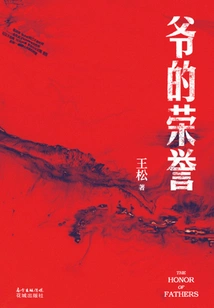
My Honor
General Fiction爷的荣誉
Wang Song
The novel spans one hundred and twenty years and tells the first-person story of the three grandfathers and brothers, each with their own different life paths. There are not only their emotional experiences, but also various legendary encounters. "My" grandfather was a progressive student who studied at Yenching University; my second grandfather had a bad temper and was fond of fighting; my third grandfather was a businessman who ran a shop for his family in Dashilan'er, Qianmen, Beijing, when he was young, and spent his entire life in the business world. The life story lines of the three brothers are sometimes intertwined and sometimes parallel. In the narrative of the novel, the century-old history of the Chinese nation, as well as the culture and various folk customs of the "Beijing, Tianjin, and Hebei" regions are slowly unfolded.
The novel spans one hundred and twenty years and tells the first-person story of the three grandfathers and brothers, each with their own different life paths. There are not only their emotional experiences, but also various legendary encounters. "My" grandfather was a progressive student who studied at Yenching University; my second grandfather had a bad temper and was fond of fighting; my third grandfather was a businessman who ran a shop for his family in Dashilan'er, Qianmen, Beijing, when he was young, and spent his entire life in the business world. The life story lines of the three brothers are sometimes intertwined and sometimes parallel. In the narrative of the novel, the century-old history of the Chinese nation, as well as the culture and various folk customs of the "Beijing, Tianjin, and Hebei" regions are slowly unfolded.
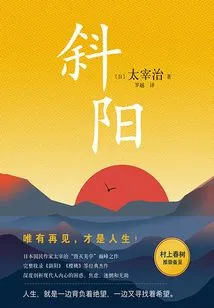
Setting Sun
General Fiction斜阳
(japan) Osamu Dazai
I pretended to be precocious and everyone said I was mature. I pretend to be lazy and everyone calls me lazy. I pretended that I couldn't write novels, and people said I couldn't write novels. I pretended to be a liar and people called me a liar. I show off and people say I am rich. I appear cold, and everyone says I am cold. When I am in great pain and moaning in sorrow, everyone says that I am moaning for no reason. ... The pinnacle of Osamu Dazai's "aesthetics of destruction". With a keen writing style, the author transcends the limitations of time and space and examines the survival dilemma and anxiety faced by people in modern society. Through "The Setting Sun", he tells the stories of those who disobey the fate of the times and records the voices that have existed, struggled, and worked hard but have never disappeared. These voices deserve to be listened to and respected by each of us.
I pretended to be precocious and everyone said I was mature. I pretend to be lazy and everyone calls me lazy. I pretended that I couldn't write novels, and people said I couldn't write novels. I pretended to be a liar and people called me a liar. I show off and people say I am rich. I appear cold, and everyone says I am cold. When I am in great pain and moaning in sorrow, everyone says that I am moaning for no reason. ... The pinnacle of Osamu Dazai's "aesthetics of destruction". With a keen writing style, the author transcends the limitations of time and space and examines the survival dilemma and anxiety faced by people in modern society. Through "The Setting Sun", he tells the stories of those who disobey the fate of the times and records the voices that have existed, struggled, and worked hard but have never disappeared. These voices deserve to be listened to and respected by each of us.

The Innocent Man (collection of Voltaire's Works)
General Fiction天真汉(伏尔泰作品集)
Voltaire
"The Innocent" is a masterpiece of Voltaire's late philosophical novels. This edition adopts Mr. Fu Lei's translation. The naive man lived in a tribe in Canada since he was a child. When he returned to France as an adult, he was incompatible with the hypocritical and cunning customs and was imprisoned in the Bastille. Here he met the Jansenist scholar Galton. The two became close friends in prison, and the naive man's understanding of the truth of the world was further enhanced. At the same time, the naive man's fiancée, Miss St. Ivo, succumbed to the powerful in order to save him, and finally died in grief and anger. The sincere feelings between the two moved the nobles, and the naive man was promoted by the nobles, "becoming an excellent officer, and gaining praise from gentlemen." This book also includes famous philosophical novels such as "White and Black" and "Yeno and Gaolan".
"The Innocent" is a masterpiece of Voltaire's late philosophical novels. This edition adopts Mr. Fu Lei's translation. The naive man lived in a tribe in Canada since he was a child. When he returned to France as an adult, he was incompatible with the hypocritical and cunning customs and was imprisoned in the Bastille. Here he met the Jansenist scholar Galton. The two became close friends in prison, and the naive man's understanding of the truth of the world was further enhanced. At the same time, the naive man's fiancée, Miss St. Ivo, succumbed to the powerful in order to save him, and finally died in grief and anger. The sincere feelings between the two moved the nobles, and the naive man was promoted by the nobles, "becoming an excellent officer, and gaining praise from gentlemen." This book also includes famous philosophical novels such as "White and Black" and "Yeno and Gaolan".

Candide (collection of Voltaire's Works)
General Fiction老实人(伏尔泰作品集)
Voltaire
"Candide", whose full name is "Candide or Optimism", is Voltaire's most famous philosophical novel. This edition adopts Mr. Fu Lei's translation. "Candide" tells a series of encounters of the protagonist, Candide. The protagonist "Candide" initially believed in the optimistic philosophy of his teacher Pangloss, that is, everything in this world is perfect. He was an illegitimate son adopted by a baron. Because he fell in love with the baron's daughter, he was kicked out of the house. From then on, he wandered around. He encountered various tortures and disasters along the way, and saw the indifference, frame-up, and superstition between people, but he still firmly believed in his perfect world view. Until he arrived in an El Dorado, where gold, jasper and precious stones were everywhere, and everyone lived a free, equal, happy and wealthy life. He finally slowly realized the cruelty and indifference of society, so he abandoned his previous philosophical thoughts and began to believe that life should achieve happiness through labor.
"Candide", whose full name is "Candide or Optimism", is Voltaire's most famous philosophical novel. This edition adopts Mr. Fu Lei's translation. "Candide" tells a series of encounters of the protagonist, Candide. The protagonist "Candide" initially believed in the optimistic philosophy of his teacher Pangloss, that is, everything in this world is perfect. He was an illegitimate son adopted by a baron. Because he fell in love with the baron's daughter, he was kicked out of the house. From then on, he wandered around. He encountered various tortures and disasters along the way, and saw the indifference, frame-up, and superstition between people, but he still firmly believed in his perfect world view. Until he arrived in an El Dorado, where gold, jasper and precious stones were everywhere, and everyone lived a free, equal, happy and wealthy life. He finally slowly realized the cruelty and indifference of society, so he abandoned his previous philosophical thoughts and began to believe that life should achieve happiness through labor.

Vatican Crypts (collected Works of Gide)
General Fiction梵蒂冈地窖(纪德文集)
H
"The Cellar of the Vatican" is one of Gide's most famous masterpieces. It is a satirical work that is both hilarious and meaningful. Gide himself called it a "silly play". The story takes place in 1891. Proteus, an Italian liar disguised as a priest and philosopher, easily convinced the Countess of Saint-Prince that the Roman Catholic Pope had been kidnapped and had been locked up in the Vatican crypt for three years. And sitting in the Pope's seat is a fake guy who looks like the Pope, recommended by several Freemasons. After being deceived by him, the countess wrote a check in the name of donating money to establish the crusade and save the pope... The protagonist Lafcadio called it a synonym for the world-famous "motivated behavior" hero.
"The Cellar of the Vatican" is one of Gide's most famous masterpieces. It is a satirical work that is both hilarious and meaningful. Gide himself called it a "silly play". The story takes place in 1891. Proteus, an Italian liar disguised as a priest and philosopher, easily convinced the Countess of Saint-Prince that the Roman Catholic Pope had been kidnapped and had been locked up in the Vatican crypt for three years. And sitting in the Pope's seat is a fake guy who looks like the Pope, recommended by several Freemasons. After being deceived by him, the countess wrote a check in the name of donating money to establish the crusade and save the pope... The protagonist Lafcadio called it a synonym for the world-famous "motivated behavior" hero.
The Counterfeiter (collected Works of Gide)
General Fiction伪币制造者(纪德文集)
(france) André Gide
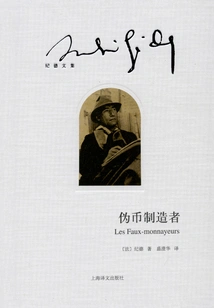
"The Counterfeiter" is Gide's last and only novel. It is the product of the most mature period of his thought and art. It can be said that it represents the highest and most comprehensive achievement of Gide as a thinker and artist. Several misguided children committed the crime of using counterfeit money. They kept groping in a society with sinking morals and lost values, but they kept getting lost, growing from youth to maturity. The work combines growth, ethics, psychology, "meta-fiction" and other styles, with profound and delicate thoughts, clear and exquisite writing, broad vision, and rich life content, which is a milestone in the history of literature.
"The Counterfeiter" is Gide's last and only novel. It is the product of the most mature period of his thought and art. It can be said that it represents the highest and most comprehensive achievement of Gide as a thinker and artist. Several misguided children committed the crime of using counterfeit money. They kept groping in a society with sinking morals and lost values, but they kept getting lost, growing from youth to maturity. The work combines growth, ethics, psychology, "meta-fiction" and other styles, with profound and delicate thoughts, clear and exquisite writing, broad vision, and rich life content, which is a milestone in the history of literature.

Zadig (collected Works of Voltaire)
General Fiction查第格(伏尔泰作品集)
Voltaire
"Zadig" contains several of Voltaire's early writings of philosophical novels, which are humorous and full of whimsical ideas. This edition adopts Mr. Fu Lei's translation. "Zadig" is set in the ancient East, full of mythology and exotic sentiments, and is composed of eighteen seemingly independent but interrelated stories. Through the tortuous life experience of the protagonist Zadig, readers are shown a wonderful realm full of philosophy but a blend of reality and reality. "Little Adult" tells the story of Little Adult, a young man from Sirius, who travels to Saturn and the Earth.
"Zadig" contains several of Voltaire's early writings of philosophical novels, which are humorous and full of whimsical ideas. This edition adopts Mr. Fu Lei's translation. "Zadig" is set in the ancient East, full of mythology and exotic sentiments, and is composed of eighteen seemingly independent but interrelated stories. Through the tortuous life experience of the protagonist Zadig, readers are shown a wonderful realm full of philosophy but a blend of reality and reality. "Little Adult" tells the story of Little Adult, a young man from Sirius, who travels to Saturn and the Earth.

Live and Remember
General Fiction活下去,并且要记住
(russia) V. Rasputin
"Live and Remember" is the masterpiece of Russian writer Valentin Rasputin, which won the 1977 Soviet State Prize. This novel tells the story that took place on the banks of the Angara River in Siberia in the last year of the Patriotic War. The soldier's husband, Andrei, was attached to his wife, family and peaceful rural life. On his way back to the front line after recovering from his injury, he escaped from the hospital and returned to his hometown. He hid in a barren mountain not far from the village. Risking possible legal sanctions from the country at any time, he met his wife Nasziona frequently and finally got his wife, who had been infertile for many years, pregnant. After a while, the villagers saw the flaw and fell into a desperate situation. Once, while being followed, Nasziona committed suicide by drowning herself in a river with mixed emotions of shame and despair...
"Live and Remember" is the masterpiece of Russian writer Valentin Rasputin, which won the 1977 Soviet State Prize. This novel tells the story that took place on the banks of the Angara River in Siberia in the last year of the Patriotic War. The soldier's husband, Andrei, was attached to his wife, family and peaceful rural life. On his way back to the front line after recovering from his injury, he escaped from the hospital and returned to his hometown. He hid in a barren mountain not far from the village. Risking possible legal sanctions from the country at any time, he met his wife Nasziona frequently and finally got his wife, who had been infertile for many years, pregnant. After a while, the villagers saw the flaw and fell into a desperate situation. Once, while being followed, Nasziona committed suicide by drowning herself in a river with mixed emotions of shame and despair...

Flowers And
General Fiction鲜花和
Chencun
"Flowers and" means "flowers and cow dung". The novel mainly talks about the relationship between men and women and family issues in daily life in the metropolis. The protagonist "I" is a laid-off male writer who is "at home". In the novel, he talks tirelessly about the city where he lives, his environment, things at home, his daughter, his live-in girlfriend, his nanny, and the various friends around him. He talks about his troubles and depression. , Anxiety and embarrassment, which undoubtedly expose the emotions of "midlife crisis" and "middle-class anxiety", as the author said in the "Postscript": "To commemorate our daily lives... The peaceful years, there are no legends, just daily life will kill our lives."
"Flowers and" means "flowers and cow dung". The novel mainly talks about the relationship between men and women and family issues in daily life in the metropolis. The protagonist "I" is a laid-off male writer who is "at home". In the novel, he talks tirelessly about the city where he lives, his environment, things at home, his daughter, his live-in girlfriend, his nanny, and the various friends around him. He talks about his troubles and depression. , Anxiety and embarrassment, which undoubtedly expose the emotions of "midlife crisis" and "middle-class anxiety", as the author said in the "Postscript": "To commemorate our daily lives... The peaceful years, there are no legends, just daily life will kill our lives."

Time in the Tree
General Fiction树上的时光
Ned Hayes
March, a 14-year-old boy, knows everything about trees. Given a choice, he wouldn't talk about anything but trees and would do nothing but climb them. Trees were his passion, but it was a passion that not everyone understood. Neighbors called the police because he was climbing trees, and the state threatened March's mother that if he continued to get hurt climbing trees, it would take away her custody rights. However, March still couldn't resist the temptation of the dense Pacific Northwest forest at his doorstep. One day, March desperately discovered that the huge "eagle tree" was going to be chopped down by developers. He decided to do whatever he could to save his beloved tree. He began to seek help from everyone around him, including relatives, classmates, and even the neighbor who looked sad all day long. He had to overcome his own psychological barriers to speaking in public and learn to communicate and cooperate with others. In the process of striving to transcend himself, March gradually sees his place in the world and realizes his connection with the world.
March, a 14-year-old boy, knows everything about trees. Given a choice, he wouldn't talk about anything but trees and would do nothing but climb them. Trees were his passion, but it was a passion that not everyone understood. Neighbors called the police because he was climbing trees, and the state threatened March's mother that if he continued to get hurt climbing trees, it would take away her custody rights. However, March still couldn't resist the temptation of the dense Pacific Northwest forest at his doorstep. One day, March desperately discovered that the huge "eagle tree" was going to be chopped down by developers. He decided to do whatever he could to save his beloved tree. He began to seek help from everyone around him, including relatives, classmates, and even the neighbor who looked sad all day long. He had to overcome his own psychological barriers to speaking in public and learn to communicate and cooperate with others. In the process of striving to transcend himself, March gradually sees his place in the world and realizes his connection with the world.
Diary of a Villain (collector's Edition)
General Fiction恶童日记(珍藏纪念版)
(hungary) Yagota Christoph
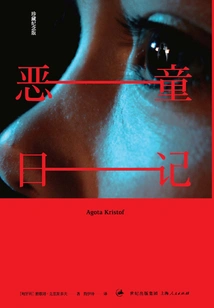
"Diary of a Villain": In a city occupied by foreign troops, due to food shortages, people's lives were difficult and difficult. A young woman had to take her twin sons to seek refuge with their mother who lived in the countryside. This "grandma" is not only illiterate, dirty, stingy, vicious, and even a murderer. The two brothers grew up in a difficult environment. In order to become stronger, they exercised their survival skills in various ways such as beating and scolding each other, going on hunger strikes, etc. Every day. They carefully recorded what happened every day in a large notebook. As the pages of the diary were opened, a cold nightmare-like fable gradually emerged. "Evidence of Two": The twins separated. One of them crossed the border into another country and the other stayed. The man who stayed was named Lucas. From then on, he lived alone. He is dedicated to helping those less fortunate around him. He took in Yasmina and his illegitimate son Mathias; he would bring food to the priest's house in the town for every meal; he tried to comfort Crola who was hanged because her husband was convicted of collaborating with the enemy; he listened to the stationery store owner Vito's long-standing dream of being a writer... However, in the context of war, behind these things, it points directly to the original primitive nature of human beings. The other twin brother, Klaus, brings a sudden turn of events to the entire narrative, almost overturning the original structure. "The Third Lie" Fifty years after separation, the twin brothers finally meet. After looking forward to each other for many years, the distance between them has not shortened because of the passage of time. In the narration of "Lucas" and "Klaus", the truth of that childhood is gradually revealed. What happened to each of them during the years of separation? From the entanglement in "Diary of a Villain" to "Two People's Evidence" to "The Third Lie", the truth is finally revealed.
"Diary of a Villain": In a city occupied by foreign troops, due to food shortages, people's lives were difficult and difficult. A young woman had to take her twin sons to seek refuge with their mother who lived in the countryside. This "grandma" is not only illiterate, dirty, stingy, vicious, and even a murderer. The two brothers grew up in a difficult environment. In order to become stronger, they exercised their survival skills in various ways such as beating and scolding each other, going on hunger strikes, etc. Every day. They carefully recorded what happened every day in a large notebook. As the pages of the diary were opened, a cold nightmare-like fable gradually emerged. "Evidence of Two": The twins separated. One of them crossed the border into another country and the other stayed. The man who stayed was named Lucas. From then on, he lived alone. He is dedicated to helping those less fortunate around him. He took in Yasmina and his illegitimate son Mathias; he would bring food to the priest's house in the town for every meal; he tried to comfort Crola who was hanged because her husband was convicted of collaborating with the enemy; he listened to the stationery store owner Vito's long-standing dream of being a writer... However, in the context of war, behind these things, it points directly to the original primitive nature of human beings. The other twin brother, Klaus, brings a sudden turn of events to the entire narrative, almost overturning the original structure. "The Third Lie" Fifty years after separation, the twin brothers finally meet. After looking forward to each other for many years, the distance between them has not shortened because of the passage of time. In the narration of "Lucas" and "Klaus", the truth of that childhood is gradually revealed. What happened to each of them during the years of separation? From the entanglement in "Diary of a Villain" to "Two People's Evidence" to "The Third Lie", the truth is finally revealed.
Rabbit Hole Girl
General Fiction兔子洞女孩
(mexico)jennifer Clemente
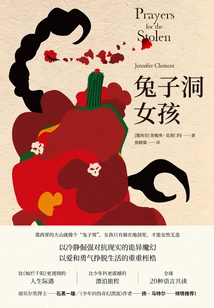
In the Mexican state of Guerrero, drug crimes are rampant. Men either join them or abandon their wives and children and smuggle themselves to the United States never to return. Girls here have lived under the shadow of being kidnapped and trafficked since birth. In order to protect their daughters, mothers will announce that their children are boys when they are born, and when the gender can no longer be hidden, they will try their best to make them look ugly and dig holes in their backyards for hiding. Her father left, her mother became depressed, and her best friend suffered a mental breakdown due to being kidnapped by a drug dealer. In such a helpless environment, Letty Day gradually grew into a calm, brave and precocious girl. Despite the dangers here and the difficulty of formal education, the beautiful nature of girls can still be seen in Letty Day and her friends. With any luck, they will all grow up. Finally, taking the opportunity to work as a nanny for a wealthy family in Acapulco, Letitia left the mountain village. She experienced a beautiful youthful love, but was falsely accused of being involved in a murder case and imprisoned. In prison, Letiday met all kinds of female prisoners. These women who were behind bars and committed shocking crimes were also victims of violence and drugs. At this moment, Letty Day is facing a more dangerous situation and a choice about the future...
In the Mexican state of Guerrero, drug crimes are rampant. Men either join them or abandon their wives and children and smuggle themselves to the United States never to return. Girls here have lived under the shadow of being kidnapped and trafficked since birth. In order to protect their daughters, mothers will announce that their children are boys when they are born, and when the gender can no longer be hidden, they will try their best to make them look ugly and dig holes in their backyards for hiding. Her father left, her mother became depressed, and her best friend suffered a mental breakdown due to being kidnapped by a drug dealer. In such a helpless environment, Letty Day gradually grew into a calm, brave and precocious girl. Despite the dangers here and the difficulty of formal education, the beautiful nature of girls can still be seen in Letty Day and her friends. With any luck, they will all grow up. Finally, taking the opportunity to work as a nanny for a wealthy family in Acapulco, Letitia left the mountain village. She experienced a beautiful youthful love, but was falsely accused of being involved in a murder case and imprisoned. In prison, Letiday met all kinds of female prisoners. These women who were behind bars and committed shocking crimes were also victims of violence and drugs. At this moment, Letty Day is facing a more dangerous situation and a choice about the future...
Leaf Skirt
General Fiction树叶裙
J
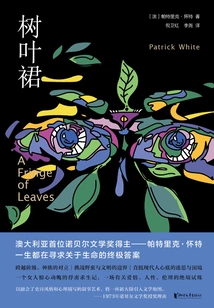
"Leaf Skirt" is a novel about female independence and adventure written from a female perspective by Australian writer Patrick White, winner of the 1973 Nobel Prize for Literature. A sailing ship traveling from Australia to England ran aground on the rocks. Passengers Ellen and her husband survived and drifted to an isolated island isolated from the civilized world. Her husband Austin died in a dispute with the local indigenous people, and Allen became a slave of the indigenous tribe. She climbed trees to catch rats, competed with dogs for food, and even ate human flesh, and was forced to adapt to a barbaric life. Finally, after embarking on an "Adam and Eve"-style escape with white fugitives, Ellen welcomed the dawn of her return to the civilized world. However, being at the crossroads between barbarism and civilization, she didn't know whether she was ready...
"Leaf Skirt" is a novel about female independence and adventure written from a female perspective by Australian writer Patrick White, winner of the 1973 Nobel Prize for Literature. A sailing ship traveling from Australia to England ran aground on the rocks. Passengers Ellen and her husband survived and drifted to an isolated island isolated from the civilized world. Her husband Austin died in a dispute with the local indigenous people, and Allen became a slave of the indigenous tribe. She climbed trees to catch rats, competed with dogs for food, and even ate human flesh, and was forced to adapt to a barbaric life. Finally, after embarking on an "Adam and Eve"-style escape with white fugitives, Ellen welcomed the dawn of her return to the civilized world. However, being at the crossroads between barbarism and civilization, she didn't know whether she was ready...
S
General Fictions
J
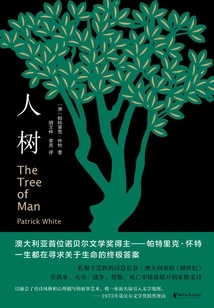
"The Man Tree" is the famous and representative work of Australian Nobel Prize winner Patrick White, known as "Australia's Creation". Through a detailed description of the lives of two generations of the Parker family, the novel shows the living conditions and mental outlook of the Australian pioneers, and conducts a profound discussion of human nature, interpersonal relationships and personal beliefs. Finally, in a jungle between heaven and earth that has never been reached by human footprints, a man came - Stan Parker. He cut down trees to build a shed, created a clearing, and went out to bring back a woman-Amy-to be his wife. They pioneered a business, had children, fell in love and were alienated. The lives of the Parker family-the stubborn and silent husband Stan, the fantasy wife Amy, the violent and unruly son Ray, the motivated and vain daughter Thelma-slowly unfolded in floods, fires, wars, alienation, betrayal, loneliness, death... Finally, the man found God in a mouthful of spit that he spat on the ground before he died. The wasteland he first reclaimed has become a suburb of Sydney. But at the end of the day, there are still trees out there. A teenager, the grandson of Stan and Amy, walks into the jungle to write a poem about life. "At the end of the day, there's no end."
"The Man Tree" is the famous and representative work of Australian Nobel Prize winner Patrick White, known as "Australia's Creation". Through a detailed description of the lives of two generations of the Parker family, the novel shows the living conditions and mental outlook of the Australian pioneers, and conducts a profound discussion of human nature, interpersonal relationships and personal beliefs. Finally, in a jungle between heaven and earth that has never been reached by human footprints, a man came - Stan Parker. He cut down trees to build a shed, created a clearing, and went out to bring back a woman-Amy-to be his wife. They pioneered a business, had children, fell in love and were alienated. The lives of the Parker family-the stubborn and silent husband Stan, the fantasy wife Amy, the violent and unruly son Ray, the motivated and vain daughter Thelma-slowly unfolded in floods, fires, wars, alienation, betrayal, loneliness, death... Finally, the man found God in a mouthful of spit that he spat on the ground before he died. The wasteland he first reclaimed has become a suburb of Sydney. But at the end of the day, there are still trees out there. A teenager, the grandson of Stan and Amy, walks into the jungle to write a poem about life. "At the end of the day, there's no end."
Get Out of the Ivory Tower
General Fiction走出象牙塔
Deng Qiangyuan
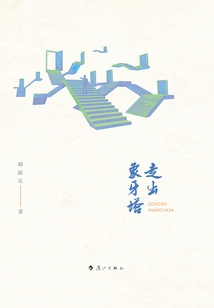
The novel "Out of the Ivory Tower" examines university campus life in the 1990s from the perspective of the protagonist Chen Yusheng, telling the story of college students' frustrations and ups and downs in learning, ideological confusion and persistence, emotional ignorance and beauty... It is the only way to grow up, and it is an unavoidable stage in life. The work not only reflects the "ego" of college students on campus, but also reflects the ups and downs of Chinese society in the 1990s. The work profoundly presents a prosperous era, such as the description of the "sea boom" and "business boom" scenes, the pursuit of the ascendant entertainment life at that time, and the eager thirst for knowledge... In fact, the work is intended to describe a classic period in the process of China's reform and opening up through the four-year college life of a group of college students. It is a commemoration of the past and a eulogy of the times.
The novel "Out of the Ivory Tower" examines university campus life in the 1990s from the perspective of the protagonist Chen Yusheng, telling the story of college students' frustrations and ups and downs in learning, ideological confusion and persistence, emotional ignorance and beauty... It is the only way to grow up, and it is an unavoidable stage in life. The work not only reflects the "ego" of college students on campus, but also reflects the ups and downs of Chinese society in the 1990s. The work profoundly presents a prosperous era, such as the description of the "sea boom" and "business boom" scenes, the pursuit of the ascendant entertainment life at that time, and the eager thirst for knowledge... In fact, the work is intended to describe a classic period in the process of China's reform and opening up through the four-year college life of a group of college students. It is a commemoration of the past and a eulogy of the times.

Pony Story
General Fiction小马的故事
Qin Suzhen
A female pony who grew up in the northeast. The northeast raised pony in her childhood and adolescence, giving her a strong and generous character. Xiao Ma's 30 years of living outside the country gave her the opportunity to distance herself from the culture that raised her. She wandered between men and women and was passionate about life. In the end, Xiao Ma died unexpectedly, leaving behind a posthumous manuscript. There are many fragments of memories lurking deep in Xiaoma's mind, occasionally coming to the surface. As the pony becomes an old pony, the meaning of these fragments gradually becomes clear. They are the pony's life, her life. Those life scenes, people and things that are gone forever, those ignorant questions as a child, the unforgettable worries in youth, those loving and being loved in adulthood, the sudden thoughts in maturity... Constitute her unique life experience, which is actually her unique life.
A female pony who grew up in the northeast. The northeast raised pony in her childhood and adolescence, giving her a strong and generous character. Xiao Ma's 30 years of living outside the country gave her the opportunity to distance herself from the culture that raised her. She wandered between men and women and was passionate about life. In the end, Xiao Ma died unexpectedly, leaving behind a posthumous manuscript. There are many fragments of memories lurking deep in Xiaoma's mind, occasionally coming to the surface. As the pony becomes an old pony, the meaning of these fragments gradually becomes clear. They are the pony's life, her life. Those life scenes, people and things that are gone forever, those ignorant questions as a child, the unforgettable worries in youth, those loving and being loved in adulthood, the sudden thoughts in maturity... Constitute her unique life experience, which is actually her unique life.
Ondaatje's Work Series: the English Patient
General Fiction翁达杰作品系列:英国病人
(add) Michael Ondaatje
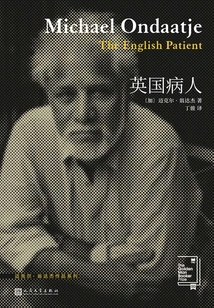
"The English Patient" is a masterpiece by the famous Canadian writer Michael Ondaatje. It won the British Booker Prize and the Canadian Governor General's Literary Award in 1992. The film of the same name adapted from it won the 26th Oscar for Best Picture, Best Director, Best Supporting Actress, and Best Cinematography. Michael Ondaatje uses lyrical and accurate writing to describe the fateful meeting of four sad people in an abandoned villa in Italy at the end of World War II. They stood in the shadow of the war, licking their painful memories, and walked towards each other cautiously, but they ended up separated. Hannah, who lost her father and children in the war and was exhausted physically and mentally, stubbornly took care of her last patient. She had a kind of Virgin-like sympathy for the three men in the villa. Caravaggio, who became a war hero because of his thieving skills and lost the thumbs of both hands, can only use morphine to reimagine his identity while pursuing the huge secrets of the British patients. Kip, an Indian soldier, is smart and alert. During the war, he relied on his outstanding bomb disposal skills to serve his mother country. After the war, he had enough of Europe and returned to Asia, where he had never been respected, to become a doctor. The British patient, whose whole body was burned, lay in bed all day long, wandering in Herodotus's "History". His life's adventure ended in a scandal and love murder, and that lost oasis, that woman, will forever become his own map.
"The English Patient" is a masterpiece by the famous Canadian writer Michael Ondaatje. It won the British Booker Prize and the Canadian Governor General's Literary Award in 1992. The film of the same name adapted from it won the 26th Oscar for Best Picture, Best Director, Best Supporting Actress, and Best Cinematography. Michael Ondaatje uses lyrical and accurate writing to describe the fateful meeting of four sad people in an abandoned villa in Italy at the end of World War II. They stood in the shadow of the war, licking their painful memories, and walked towards each other cautiously, but they ended up separated. Hannah, who lost her father and children in the war and was exhausted physically and mentally, stubbornly took care of her last patient. She had a kind of Virgin-like sympathy for the three men in the villa. Caravaggio, who became a war hero because of his thieving skills and lost the thumbs of both hands, can only use morphine to reimagine his identity while pursuing the huge secrets of the British patients. Kip, an Indian soldier, is smart and alert. During the war, he relied on his outstanding bomb disposal skills to serve his mother country. After the war, he had enough of Europe and returned to Asia, where he had never been respected, to become a doctor. The British patient, whose whole body was burned, lay in bed all day long, wandering in Herodotus's "History". His life's adventure ended in a scandal and love murder, and that lost oasis, that woman, will forever become his own map.
Victims (collected Works of Saul Bellow)
General Fiction受害者(索尔·贝娄作品集)
M
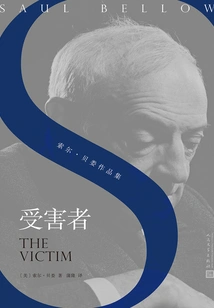
One of the representative works of the winner of the Nobel Prize for Literature, the National Book Award, and the Pulitzer Prize, it is a landmark work of American Jewish fiction. In a sense, we all seem to be "victims" of life, because life will never be what we want it to be... The story takes place in New York, the largest city in the United States, on a sultry midsummer. The protagonist, a Jewish young man, is under the tremendous pressure of modern urban life and powerlessly retreats into himself, trying to purify a spiritual morality from the ruthless material reality. The novel has a gloomy tone. Although it uses a third-person narrative technique, it is always the subjective perspective of the protagonist. What he sees and hears, his memories and thoughts, and his suffering, show an absurd and unreasonable modern world. "The Victim" is an excellent early work by Saul Bellow. It was published in 1947 and is known as "a milestone in American Jewish fiction." It is not only an allegorical novel against anti-Semitism, but also profoundly exposes the identity crisis and spiritual crisis of modern people.
One of the representative works of the winner of the Nobel Prize for Literature, the National Book Award, and the Pulitzer Prize, it is a landmark work of American Jewish fiction. In a sense, we all seem to be "victims" of life, because life will never be what we want it to be... The story takes place in New York, the largest city in the United States, on a sultry midsummer. The protagonist, a Jewish young man, is under the tremendous pressure of modern urban life and powerlessly retreats into himself, trying to purify a spiritual morality from the ruthless material reality. The novel has a gloomy tone. Although it uses a third-person narrative technique, it is always the subjective perspective of the protagonist. What he sees and hears, his memories and thoughts, and his suffering, show an absurd and unreasonable modern world. "The Victim" is an excellent early work by Saul Bellow. It was published in 1947 and is known as "a milestone in American Jewish fiction." It is not only an allegorical novel against anti-Semitism, but also profoundly exposes the identity crisis and spiritual crisis of modern people.
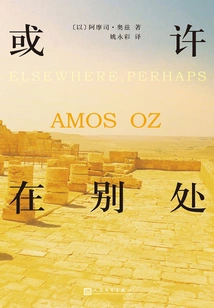
Maybe Somewhere Else
General Fiction或许在别处
(with) Amos Oz
"Perhaps Elsewhere" is Amos Oz's first novel. Based on personal experience, it unveils the mystery of "kibbutz" to readers. People live and work together in the kibbutz, even though they are on the border, and the sound of artillery fire can be clearly heard. Kibbutz entrusts the common dreams of Jews from different countries. However, life here is not peaceful. Love and passion, conflicts and misunderstandings, rumors and scandals set off storms from time to time, shaking everything built on idealism.
"Perhaps Elsewhere" is Amos Oz's first novel. Based on personal experience, it unveils the mystery of "kibbutz" to readers. People live and work together in the kibbutz, even though they are on the border, and the sound of artillery fire can be clearly heard. Kibbutz entrusts the common dreams of Jews from different countries. However, life here is not peaceful. Love and passion, conflicts and misunderstandings, rumors and scandals set off storms from time to time, shaking everything built on idealism.
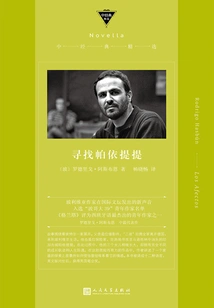
Looking for Paititi (chinese Classic Selection)
General Fiction寻找帕依提提(中经典精选)
(bolivia) Rodrigo Asbún
The story revolves around the Eitel family. His father was a photographer. After World War II, he and his family left Germany and came to live in Bolivia. He is also an explorer, feverishly searching for the lost Inca city of Paititi in the Amazon rainforest. During this process, his three daughters grew up one after another, but had completely different growth trajectories and life experiences. In this brief but powerful work, the author tells how one family's journey of discovery ultimately erodes the emotions that once sustained it. From the Amazon rainforest to the South American jungle where Che Guevara lived, he combined the characters' pursuit of their own life value with the grand background of the times, full of trembling and beauty.
The story revolves around the Eitel family. His father was a photographer. After World War II, he and his family left Germany and came to live in Bolivia. He is also an explorer, feverishly searching for the lost Inca city of Paititi in the Amazon rainforest. During this process, his three daughters grew up one after another, but had completely different growth trajectories and life experiences. In this brief but powerful work, the author tells how one family's journey of discovery ultimately erodes the emotions that once sustained it. From the Amazon rainforest to the South American jungle where Che Guevara lived, he combined the characters' pursuit of their own life value with the grand background of the times, full of trembling and beauty.

Ondaatje's Works Series: from Generation to Generation
General Fiction翁达杰作品系列:世代相传
(add) Michael Ondaatje
"Generations" is Ondaatje's biographical novel with a very special style. Using the journey back home in the late 1970s as a clue, the writer attempts to reach a childhood he does not understand and restore the trajectory of his parents' marriage failure and family decline. Mervyn Ondaatje, a rich man who was dissolute and contemptuous of the world, and a father who was good at self-destruction, ended up living a miserable life guarding a chicken farm on the mountain and died of cerebral hemorrhage caused by alcoholism. Wild and beautiful Doris, the dazzling champion at the masquerade ball, loved Tennyson and Yeats, and eventually fled to England alone, struggling to raise her children. The parents described by Ondaatje once had equally matched passion and sense of drama, but as Mervyn gradually destroyed his authority as a husband and father, the once noisy and legendary family also disintegrated in chaos. "Generations" is both a wishful search for a long-absent father and an affectionate gaze at a colonial era that has ended.
"Generations" is Ondaatje's biographical novel with a very special style. Using the journey back home in the late 1970s as a clue, the writer attempts to reach a childhood he does not understand and restore the trajectory of his parents' marriage failure and family decline. Mervyn Ondaatje, a rich man who was dissolute and contemptuous of the world, and a father who was good at self-destruction, ended up living a miserable life guarding a chicken farm on the mountain and died of cerebral hemorrhage caused by alcoholism. Wild and beautiful Doris, the dazzling champion at the masquerade ball, loved Tennyson and Yeats, and eventually fled to England alone, struggling to raise her children. The parents described by Ondaatje once had equally matched passion and sense of drama, but as Mervyn gradually destroyed his authority as a husband and father, the once noisy and legendary family also disintegrated in chaos. "Generations" is both a wishful search for a long-absent father and an affectionate gaze at a colonial era that has ended.

Sagan's Works Series: the Calm Storm
General Fiction萨冈作品系列:平静的风暴
I
No one except the hero and heroine of the scene knew any details of this shameless lust. "The Calm Storm" is Sagan's later work. The novel takes the stage back to France on the eve of the Revolution in the 19th century, and the protagonist Nicholas records his bitter love in the form of notes. Nicholas is a well-connected civil servant who has a crush on Countess Flora, who falls in love with the peasant poet Gilda. Nicholas was worried about Flora, worried that she would be harmed by gossip. But the real danger comes from the mysterious maid Malte, who possesses a fatal charm that no one can resist. In the aristocratic ball, all the high and low came on stage. The atmosphere of love, desire and freedom dominated the show on the eve of the storm of the Great Revolution.
No one except the hero and heroine of the scene knew any details of this shameless lust. "The Calm Storm" is Sagan's later work. The novel takes the stage back to France on the eve of the Revolution in the 19th century, and the protagonist Nicholas records his bitter love in the form of notes. Nicholas is a well-connected civil servant who has a crush on Countess Flora, who falls in love with the peasant poet Gilda. Nicholas was worried about Flora, worried that she would be harmed by gossip. But the real danger comes from the mysterious maid Malte, who possesses a fatal charm that no one can resist. In the aristocratic ball, all the high and low came on stage. The atmosphere of love, desire and freedom dominated the show on the eve of the storm of the Great Revolution.

Soul Brother
General Fiction灵魂兄弟
(france) Davide Diop
One morning during World War I, Captain Almon blew the whistle for the attack and the soldiers rushed out of the trenches, including Alpha Ndiaye and Madamba Diop. They came from Senegal and fought for France as indigenous soldiers. Just a few steps away from the trench, Madamba was hit by a shell and his death was witnessed by his more than a brother, Alpha. Alpha has since descended into madness, spreading violence and terror on the battlefield. Finally, the captain moved him to the rear. The tranquility at the rear kicks off memories of Africa. It is a world that has been lost and is about to wake up, the final and most brilliant resistance to the first massacre of the modern world.
One morning during World War I, Captain Almon blew the whistle for the attack and the soldiers rushed out of the trenches, including Alpha Ndiaye and Madamba Diop. They came from Senegal and fought for France as indigenous soldiers. Just a few steps away from the trench, Madamba was hit by a shell and his death was witnessed by his more than a brother, Alpha. Alpha has since descended into madness, spreading violence and terror on the battlefield. Finally, the captain moved him to the rear. The tranquility at the rear kicks off memories of Africa. It is a world that has been lost and is about to wake up, the final and most brilliant resistance to the first massacre of the modern world.
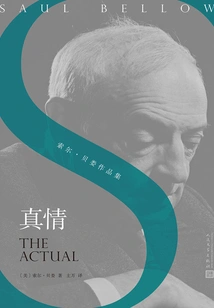
True Love (collection of Works by Saul Bellow)
General Fiction真情(索尔·贝娄作品集)
(us) Saul Bellow
Winner of the Nobel Prize in Literature, the National Book Award, and the Pulitzer Prize. "True Love" tells the half-century-long love affair of Jewish Harry Trellman in the form of personal memories. It reflects the identity anxiety of American Jews from the side and shows the living conditions of Jews under cultural colonization. "True Love" is a novella that Bellow unexpectedly published in 1997 after a serious illness at the age of eighty-two. Compared with previous works, this novel is ideologically more profound, permeated with a profound understanding of human nature and ultimate concern for human destiny. It touches on many major Western ideological themes in the late twentieth century - materialism, capitalism, existentialism, nihilism and postmodernism.
Winner of the Nobel Prize in Literature, the National Book Award, and the Pulitzer Prize. "True Love" tells the half-century-long love affair of Jewish Harry Trellman in the form of personal memories. It reflects the identity anxiety of American Jews from the side and shows the living conditions of Jews under cultural colonization. "True Love" is a novella that Bellow unexpectedly published in 1997 after a serious illness at the age of eighty-two. Compared with previous works, this novel is ideologically more profound, permeated with a profound understanding of human nature and ultimate concern for human destiny. It touches on many major Western ideological themes in the late twentieth century - materialism, capitalism, existentialism, nihilism and postmodernism.

Bad Beginning
General Fiction坏事开头
(west) Javier Marías
This is a novel by the Spanish writer Javier Marías. The title of the book is quoted from "Hamlet". After Hamlet mistakenly killed Polonius, the traitor behind the curtain, he said: "The misfortune has begun, and greater disasters are still coming." The story takes place in Madrid in 1980. The protagonist Juan is about to finish college and works as a personal assistant to the smash hit film director Muriel. Muriel is gentle, elegant and cautious in words and deeds. He is an irresistible idol in the minds of young people. Muriel has a doctor friend who has been involved in rumors recently. He asks Juan to help investigate, but as he gets closer to the truth, more mysteries are revealed. In this book, Marias takes us deep into the character's fascination, boldly exploring the ever-blurred lines of hatred, doubt, loyalty, trust, and the deceptions perpetrated on us by those we deeply influence.
This is a novel by the Spanish writer Javier Marías. The title of the book is quoted from "Hamlet". After Hamlet mistakenly killed Polonius, the traitor behind the curtain, he said: "The misfortune has begun, and greater disasters are still coming." The story takes place in Madrid in 1980. The protagonist Juan is about to finish college and works as a personal assistant to the smash hit film director Muriel. Muriel is gentle, elegant and cautious in words and deeds. He is an irresistible idol in the minds of young people. Muriel has a doctor friend who has been involved in rumors recently. He asks Juan to help investigate, but as he gets closer to the truth, more mysteries are revealed. In this book, Marias takes us deep into the character's fascination, boldly exploring the ever-blurred lines of hatred, doubt, loyalty, trust, and the deceptions perpetrated on us by those we deeply influence.
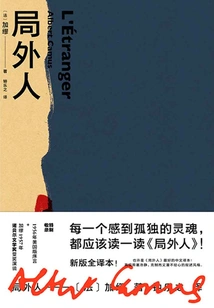
Outsider
General Fiction局外人
(french) Camus
The masterpiece of Camus, winner of the Nobel Prize for Literature in 1957, is an immortal masterpiece in the history of literature. An ordinary young employee lived in aimless inertia all day long. One day he was accused by the court of murder, but was eventually sentenced to death for "not crying at his mother's funeral." This book is based on a literal translation of the French text and contains it in its entirety without abridgement. It also corrects dozens of translation flaws and logical errors in other versions. It reproduces the calm, restrained and careless narrative style of the original work.
The masterpiece of Camus, winner of the Nobel Prize for Literature in 1957, is an immortal masterpiece in the history of literature. An ordinary young employee lived in aimless inertia all day long. One day he was accused by the court of murder, but was eventually sentenced to death for "not crying at his mother's funeral." This book is based on a literal translation of the French text and contains it in its entirety without abridgement. It also corrects dozens of translation flaws and logical errors in other versions. It reproduces the calm, restrained and careless narrative style of the original work.
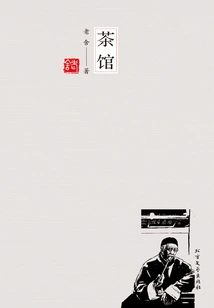
Teahouse
General Fiction茶馆
Lao She
The teahouse owner Wang Lifa wanted to make his father's teahouse prosperous, so he socialized in all directions, but the harsh reality made him often ridiculed and eventually swallowed up by the ruthless society; Qin Zhongyi, a national capitalist who often frequented teahouses, went from being ambitious to save the country through industry to going bankrupt; the bold Fourth Master Chang, a disciple of the Eight Banners, embarked on the road of self-reliance after the fall of the Qing Dynasty. The story in the play all takes place in a teahouse in Beijing. People come and go in the teahouse, and people of all colors and religions gather together. A big teahouse is like a small society. As a classic Chinese drama and one of Mr. Lao She's masterpieces, this book appropriately reflects the style of an era in concise language. Impressive and thought provoking.
The teahouse owner Wang Lifa wanted to make his father's teahouse prosperous, so he socialized in all directions, but the harsh reality made him often ridiculed and eventually swallowed up by the ruthless society; Qin Zhongyi, a national capitalist who often frequented teahouses, went from being ambitious to save the country through industry to going bankrupt; the bold Fourth Master Chang, a disciple of the Eight Banners, embarked on the road of self-reliance after the fall of the Qing Dynasty. The story in the play all takes place in a teahouse in Beijing. People come and go in the teahouse, and people of all colors and religions gather together. A big teahouse is like a small society. As a classic Chinese drama and one of Mr. Lao She's masterpieces, this book appropriately reflects the style of an era in concise language. Impressive and thought provoking.
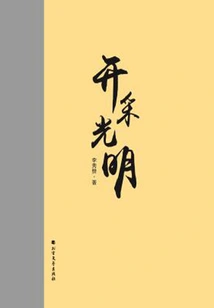
Mining the Light
General Fiction开采光明
Li Xiuzan
The novel tells the story of a series of stories that took place in the Guandong Mining Area when a provincial government working group headed by a national director of the Provincial Coal Mine Safety Supervision Bureau went deep into the Guandong Mining Area to carry out the work of shutting down wells and reducing production. The plot of the novel is twists and turns, the story is ups and downs, the story is about brave pursuit of truth and persistence in justice. By praising truth, goodness and beauty, and lashing out at falsehood, evil and ugliness, it tells readers the difficulties of shutting down wells and reducing production, especially the hardships of supervisory staff in renovating small wells. It also fully demonstrates the hardships of the new and old generations of mine workers who have made selfless contributions to the coal industry of the motherland.
The novel tells the story of a series of stories that took place in the Guandong Mining Area when a provincial government working group headed by a national director of the Provincial Coal Mine Safety Supervision Bureau went deep into the Guandong Mining Area to carry out the work of shutting down wells and reducing production. The plot of the novel is twists and turns, the story is ups and downs, the story is about brave pursuit of truth and persistence in justice. By praising truth, goodness and beauty, and lashing out at falsehood, evil and ugliness, it tells readers the difficulties of shutting down wells and reducing production, especially the hardships of supervisory staff in renovating small wells. It also fully demonstrates the hardships of the new and old generations of mine workers who have made selfless contributions to the coal industry of the motherland.
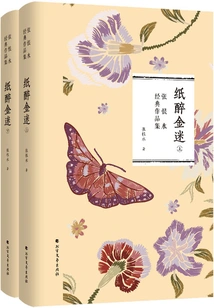
Lively and Luxurious
General Fiction纸醉金迷
Zhang Henshui
The story takes place in Chongqing, the capital of the Nationalist Government in 1945. Here are a group of dead people who were drunk and dreaming in the feasting and feasting. Everything revolves around money. Corruption of officials, speculation by businessmen and bankers, and women cheating with their lustful appearance are all the rage. The novel uses the clues of Wei Duanben, a young civil servant, and Tian Peizhi, a woman in trouble, who broke up after living together, and uses the opportunity of many characters to rush to buy gold savings certificates to make money from the national crisis, and unfolds a complicated story.
The story takes place in Chongqing, the capital of the Nationalist Government in 1945. Here are a group of dead people who were drunk and dreaming in the feasting and feasting. Everything revolves around money. Corruption of officials, speculation by businessmen and bankers, and women cheating with their lustful appearance are all the rage. The novel uses the clues of Wei Duanben, a young civil servant, and Tian Peizhi, a woman in trouble, who broke up after living together, and uses the opportunity of many characters to rush to buy gold savings certificates to make money from the national crisis, and unfolds a complicated story.
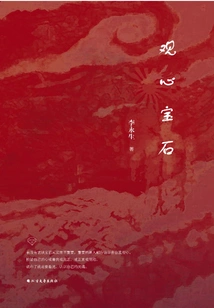
Mind-gazing Gems
General Fiction观心宝石
Li Yongsheng
This book is a full-length novel. It takes the growth process of several young people who entered university as the first group after the resumption of the college entrance examination as the main content. It uses a magical gemstone as a clue to connect a story that spans several social development periods. It not only reveals the joys and sorrows of the world, but also reveals the social landscape and people's spiritual outlook in different periods. The protagonist Lin Yang in the article is an idealist with a pure heart and quick thinking. After experiencing the process of resigned from a technical position to starting a successful business, he saw the complexity of officialdom and the ups and downs of human relationships. He resolutely gave up his career and went to a remote area to devote himself to education, and finally found the legendary "mind-gazing gem."
This book is a full-length novel. It takes the growth process of several young people who entered university as the first group after the resumption of the college entrance examination as the main content. It uses a magical gemstone as a clue to connect a story that spans several social development periods. It not only reveals the joys and sorrows of the world, but also reveals the social landscape and people's spiritual outlook in different periods. The protagonist Lin Yang in the article is an idealist with a pure heart and quick thinking. After experiencing the process of resigned from a technical position to starting a successful business, he saw the complexity of officialdom and the ups and downs of human relationships. He resolutely gave up his career and went to a remote area to devote himself to education, and finally found the legendary "mind-gazing gem."
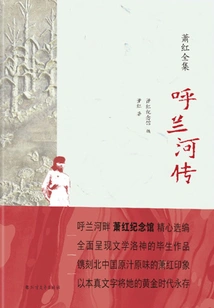
The Legend of Hulan River
General Fiction呼兰河传
Written By Xiao Hong, Compiled By Xiao Hong Memorial Hall
This book is a "memory" novel full of childlike innocence, poetic interest and inspiration written by Xiao Hong in Hong Kong in 1940. The author uses a relaxed and patrol-style artistic technique, uses the most naive and simple language, and uses the ups and downs of emotions as a context to write a biography of the small town of Hulan, and a biography of the life and death, joy and sorrow of various people here.
This book is a "memory" novel full of childlike innocence, poetic interest and inspiration written by Xiao Hong in Hong Kong in 1940. The author uses a relaxed and patrol-style artistic technique, uses the most naive and simple language, and uses the ups and downs of emotions as a context to write a biography of the small town of Hulan, and a biography of the life and death, joy and sorrow of various people here.
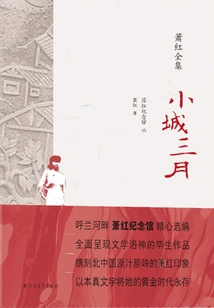
Small Town in March
General Fiction小城三月
Written By Xiao Hong, Compiled By Xiao Hong Memorial Hall
This book is one of Xiao Hong's masterpieces. She interprets the love of an era with her passionate pen, a beautiful and sad story. Nineteen-year-old beautiful Aunt Cui silently loves her elder brother, longing for a love that was impossible in that feudal and secular era, but she can only spend her life in various constraints until she dies. March arrives again, and only my eldest brother misses Aunt Cui.
This book is one of Xiao Hong's masterpieces. She interprets the love of an era with her passionate pen, a beautiful and sad story. Nineteen-year-old beautiful Aunt Cui silently loves her elder brother, longing for a love that was impossible in that feudal and secular era, but she can only spend her life in various constraints until she dies. March arrives again, and only my eldest brother misses Aunt Cui.
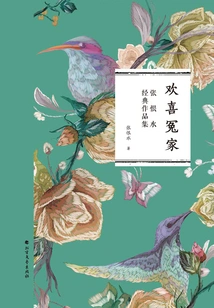
Rejoice in Enemies
General Fiction欢喜冤家
Zhang Henshui
Popular actress Bai Guiying was tired of her life as a performer and left the stage regardless of her mother's objections. Guiying gets to know Wang Yuhe and marries him despite the pressure from her mother. Yuhe lost his job and took Guiying back to his hometown in the countryside. Although the couple was cautious, they were still picked on by their brother and sister-in-law, so the couple had to return to Peiping with their newborn daughter and live temporarily in their own home. Bai Mu's contempt and disdain are evident in her words, which makes Yu He feel aggrieved and distressed. Forced by her livelihood, Guiying decided to return to the stage. Guiying returns to the world and has to socialize with the male guests who are favoring her. Misunderstandings between the couple are inevitable. Coupled with Bai Mu's constant sarcasm, Yuhe finally ran away from home, leaving Guiying devastated.
Popular actress Bai Guiying was tired of her life as a performer and left the stage regardless of her mother's objections. Guiying gets to know Wang Yuhe and marries him despite the pressure from her mother. Yuhe lost his job and took Guiying back to his hometown in the countryside. Although the couple was cautious, they were still picked on by their brother and sister-in-law, so the couple had to return to Peiping with their newborn daughter and live temporarily in their own home. Bai Mu's contempt and disdain are evident in her words, which makes Yu He feel aggrieved and distressed. Forced by her livelihood, Guiying decided to return to the stage. Guiying returns to the world and has to socialize with the male guests who are favoring her. Misunderstandings between the couple are inevitable. Coupled with Bai Mu's constant sarcasm, Yuhe finally ran away from home, leaving Guiying devastated.
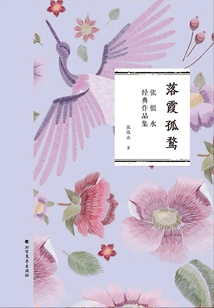
Solitary Duck in the Sunset
General Fiction落霞孤鹜
Zhang Henshui
In the early years of the Republic of China, Luoxia and Yuru were two miserable women who met in a nursing home. They were separated from their parents when they were young, and were sold by traffickers to work as servants in officials' families. They could not bear all kinds of abuse from wealthy families. Luoxia, who wanted to die, lost her mother in childhood. Yuru, who was bullied by her stepmother and regarded as a burden by her relatives, fell in love at first sight and became sisters with different surnames; but a trick of fate made them fall in love with the same outstanding man Jiang Qiuyu. It is this simple and unpretentious writing style that reached the realm of "natural and real". Therefore, after the novel was published, it was immediately adapted and made into a movie, starring the famous movie queen Hu Die.
In the early years of the Republic of China, Luoxia and Yuru were two miserable women who met in a nursing home. They were separated from their parents when they were young, and were sold by traffickers to work as servants in officials' families. They could not bear all kinds of abuse from wealthy families. Luoxia, who wanted to die, lost her mother in childhood. Yuru, who was bullied by her stepmother and regarded as a burden by her relatives, fell in love at first sight and became sisters with different surnames; but a trick of fate made them fall in love with the same outstanding man Jiang Qiuyu. It is this simple and unpretentious writing style that reached the realm of "natural and real". Therefore, after the novel was published, it was immediately adapted and made into a movie, starring the famous movie queen Hu Die.
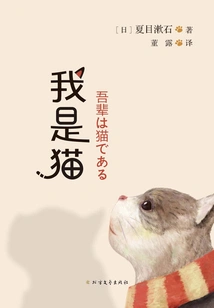
I Am a Cat
General Fiction我是猫
(japan) Natsume Soseki
"I Am a Cat" is Natsume Soseki's masterpiece, written from 1904 to September 1906. The author inherited the tradition of Japanese haiku literature and Western European satirical literature, using humorous and pungent satire techniques to expose and criticize the thoughts and lives of the Japanese petty and middle-class bourgeoisie at the beginning of the twentieth century. This work takes the cat of a poor teacher as the protagonist and observes human psychology from the cat's perspective. Taking the cat's vision as the axis, the structure is composed of episodic details and fragments, which has the prose characteristics of a novel; the language is both hard and soft, elegant and popular, and the sound and color are gorgeous. This is a cat who is good at thinking, knowledgeable, full of justice, and has a literary temperament, but he has never learned to catch mice until his death.
"I Am a Cat" is Natsume Soseki's masterpiece, written from 1904 to September 1906. The author inherited the tradition of Japanese haiku literature and Western European satirical literature, using humorous and pungent satire techniques to expose and criticize the thoughts and lives of the Japanese petty and middle-class bourgeoisie at the beginning of the twentieth century. This work takes the cat of a poor teacher as the protagonist and observes human psychology from the cat's perspective. Taking the cat's vision as the axis, the structure is composed of episodic details and fragments, which has the prose characteristics of a novel; the language is both hard and soft, elegant and popular, and the sound and color are gorgeous. This is a cat who is good at thinking, knowledgeable, full of justice, and has a literary temperament, but he has never learned to catch mice until his death.
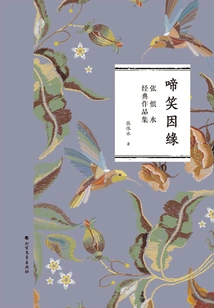
Cause of Laughter
General Fiction啼笑因缘
Zhang Henshui
Jiashu went to the Tianqiao to have fun and met Guan Shoufeng, who made a living as an entertainer. Shoufeng's female Xiugu even had a crush on Jiashu. However, Jia Shu and Feng Xi, a drummer, fell in love with each other, and Shu helped happy get rid of his singing career. Although the family tree is favored by the wealthy daughter Helena, she is still dedicated and loyal. Later, Feng Xi's third uncle, greedy for wealth, made happy get close to Marshal Liu, and Liu forced Xi to become his concubine. Marshal Liu threatened Feng Xi to become his concubine by killing the family tree, and happy agreed with tears in his eyes. Later, Shu and happy reunited, and their relationship was still unresolved. A private meeting was discovered by the commander, and happy was tortured into madness. Shoufeng and Xiugu took risks to help Shu rescue the dying Xi, and even killed the commander. Unfortunately, Shoufeng was also shot and died. Before his death, Xiugu was entrusted to Jiashu to take care of him.
Jiashu went to the Tianqiao to have fun and met Guan Shoufeng, who made a living as an entertainer. Shoufeng's female Xiugu even had a crush on Jiashu. However, Jia Shu and Feng Xi, a drummer, fell in love with each other, and Shu helped happy get rid of his singing career. Although the family tree is favored by the wealthy daughter Helena, she is still dedicated and loyal. Later, Feng Xi's third uncle, greedy for wealth, made happy get close to Marshal Liu, and Liu forced Xi to become his concubine. Marshal Liu threatened Feng Xi to become his concubine by killing the family tree, and happy agreed with tears in his eyes. Later, Shu and happy reunited, and their relationship was still unresolved. A private meeting was discovered by the commander, and happy was tortured into madness. Shoufeng and Xiugu took risks to help Shu rescue the dying Xi, and even killed the commander. Unfortunately, Shoufeng was also shot and died. Before his death, Xiugu was entrusted to Jiashu to take care of him.
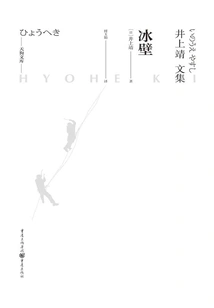
Ice Wall (tengu Bunko-collected Works of Yasushi Inoue)
General Fiction冰壁(天狗文库—井上靖文集)
I
The protagonist Uozu and his friend Kosaka made an appointment to go hiking together, but Kosaka fell off a cliff and died in front of Uojin. Uozu clearly saw that the accident was caused by the breaking of the climbing rope. Afterwards, there were many doubtful voices in the society. Because nylon rope manufacturers claim that nylon climbing ropes are strong and will never cause problems, and many people also support this assertion. Therefore, some people suspect that the problem lies in the technical level and that Kosaka and others used the climbing rope improperly. In addition, some people even suspected that Uozu cut the climbing rope to protect himself. Some even suspected that Kosaka committed suicide and cut the climbing rope. Since Kosaka's body has not yet been found, Uozu has been caught in the torrent of public opinion. Faced with speculation about whether Kosaka committed suicide, Uozu was the only one who always believed that his friend, as a mountaineer, would never commit suicide during mountain climbing. When it comes to relationships, Uozu knows that he shouldn't fall in love with Minako, who is already a wife and was once a friend's lover, but he is still involuntarily attracted to Minako. Before he climbed the mountain for the last time, he asked Minako to meet and pour out his feelings. At the same time, he also clearly told the other party that if he confessed, he would break up and never see each other again. He was determined to face his heart and climb to that mountain...
The protagonist Uozu and his friend Kosaka made an appointment to go hiking together, but Kosaka fell off a cliff and died in front of Uojin. Uozu clearly saw that the accident was caused by the breaking of the climbing rope. Afterwards, there were many doubtful voices in the society. Because nylon rope manufacturers claim that nylon climbing ropes are strong and will never cause problems, and many people also support this assertion. Therefore, some people suspect that the problem lies in the technical level and that Kosaka and others used the climbing rope improperly. In addition, some people even suspected that Uozu cut the climbing rope to protect himself. Some even suspected that Kosaka committed suicide and cut the climbing rope. Since Kosaka's body has not yet been found, Uozu has been caught in the torrent of public opinion. Faced with speculation about whether Kosaka committed suicide, Uozu was the only one who always believed that his friend, as a mountaineer, would never commit suicide during mountain climbing. When it comes to relationships, Uozu knows that he shouldn't fall in love with Minako, who is already a wife and was once a friend's lover, but he is still involuntarily attracted to Minako. Before he climbed the mountain for the last time, he asked Minako to meet and pour out his feelings. At the same time, he also clearly told the other party that if he confessed, he would break up and never see each other again. He was determined to face his heart and climb to that mountain...
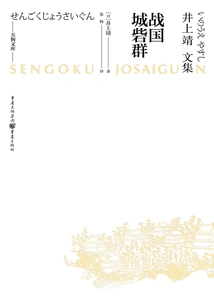
战国城砦群(天狗文库—井上靖文集)
(japan) Inoue Yasushi
After the demise of the Takeda family, Hayato Sakabe, who was originally a samurai of the Takeda family, came to serve as an official in the Akechi family, while his colleague Hyouta Todo joined the wild samurai group. On the other side, Ote Aranosuke, the Oda family's Hatamoto samurai, fell in love with Hayato's lover Chisato, but he also formed a fate with Hyouta's lover Miya. Among the love and hatred of these ordinary samurai, the biggest mystery in Japanese history, "The Incident at Honnoji Temple", has begun...
After the demise of the Takeda family, Hayato Sakabe, who was originally a samurai of the Takeda family, came to serve as an official in the Akechi family, while his colleague Hyouta Todo joined the wild samurai group. On the other side, Ote Aranosuke, the Oda family's Hatamoto samurai, fell in love with Hayato's lover Chisato, but he also formed a fate with Hyouta's lover Miya. Among the love and hatred of these ordinary samurai, the biggest mystery in Japanese history, "The Incident at Honnoji Temple", has begun...
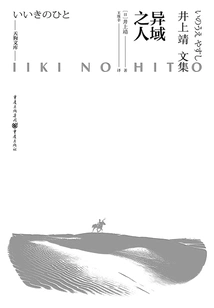
异域之人(天狗文库—井上靖文集)
H
"Man from a Foreign Land" tells the story of Ban Chao, a native of the Eastern Han Dynasty who dedicated most of his life to pacifying the Western Regions and finally returned to Luoyang in his later years. "Tears of Monk Xinghe" tells the story of the life and choices of monk Xinghe who studied in Japan in the 31st year of the Tang Dynasty. He finally returned to Japan, but because his mother tongue was unfamiliar, he was unable to teach others what he had learned. Including the above two novels, there are a total of eight short historical novels in this collection. Inoue Yasushi uses restrained and deep writing to depict the various situations of people living in the turbulent whirlpool of the times.
"Man from a Foreign Land" tells the story of Ban Chao, a native of the Eastern Han Dynasty who dedicated most of his life to pacifying the Western Regions and finally returned to Luoyang in his later years. "Tears of Monk Xinghe" tells the story of the life and choices of monk Xinghe who studied in Japan in the 31st year of the Tang Dynasty. He finally returned to Japan, but because his mother tongue was unfamiliar, he was unable to teach others what he had learned. Including the above two novels, there are a total of eight short historical novels in this collection. Inoue Yasushi uses restrained and deep writing to depict the various situations of people living in the turbulent whirlpool of the times.
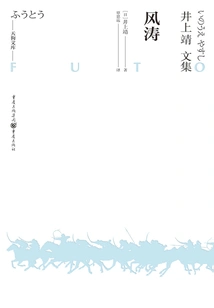
Feng Tao (tengu Bunko-collected Works of Yasushi Inoue)
General Fiction风涛(天狗文库—井上靖文集)
I
"Wind Wave" was created in 1963 and is based on the two failed battles of Mongolia to conquer Japan in the early Yuan Dynasty, namely the Battle of Wenyong and Hong'an. The story unfolds from the perspective of the King of Goryeo. After the Mongols conquered Goryeo, they wanted to use it as a springboard to conquer Japan, but they encountered obstacles. However, Kublai Khan did not give up, and he still did not hesitate to increase the burden on Goryeo and prepare for the Eastern Expedition. Goryeo went through two dynasties, Wonjong and King Chungryeol, and the whole country suffered from the Eastern Expedition. The surrounding fields are in ruins, and the people are in dire straits. However, the two Eastern Expeditions ended in failure, which finally put the Eastern Expedition on hold and allowed Goryeo to relieve itself of the heavy burden imposed by the Yuan Dynasty. Although the novel uses the era of these two battles as the historical background, it does not describe the battles themselves at all. All the ink is focused on the dealings between the King of Goryeo and his subjects and the Emperor Kublai Khan of the Yuan Dynasty, as well as the sufferings suffered by the Goryeo people. The title of the work comes from a sentence in the edict issued by Kublai Khan, the founder of the Yuan Dynasty, to the Goryeo Kingdom: "Don't use the danger of the storm as an excuse." Its purpose is to urge Goryeo not to shirk the responsibility of sending an envoy to Japan, but to assume the responsibility of being the vanguard of the invasion of Japan. The word "wind and wave" is also a key word that connects the whole text. It was wind and waves that stirred up in the sea between the envoys and the Japanese rulers. It was wind and waves that led to the destruction of the Yuan army in the Eastern Expedition. It was also wind and waves that the rulers of the Yuan Dynasty provoked many incidents against the kings and ministers of Goryeo. It can be said that the whole work is filled with waves of stormy waves.
"Wind Wave" was created in 1963 and is based on the two failed battles of Mongolia to conquer Japan in the early Yuan Dynasty, namely the Battle of Wenyong and Hong'an. The story unfolds from the perspective of the King of Goryeo. After the Mongols conquered Goryeo, they wanted to use it as a springboard to conquer Japan, but they encountered obstacles. However, Kublai Khan did not give up, and he still did not hesitate to increase the burden on Goryeo and prepare for the Eastern Expedition. Goryeo went through two dynasties, Wonjong and King Chungryeol, and the whole country suffered from the Eastern Expedition. The surrounding fields are in ruins, and the people are in dire straits. However, the two Eastern Expeditions ended in failure, which finally put the Eastern Expedition on hold and allowed Goryeo to relieve itself of the heavy burden imposed by the Yuan Dynasty. Although the novel uses the era of these two battles as the historical background, it does not describe the battles themselves at all. All the ink is focused on the dealings between the King of Goryeo and his subjects and the Emperor Kublai Khan of the Yuan Dynasty, as well as the sufferings suffered by the Goryeo people. The title of the work comes from a sentence in the edict issued by Kublai Khan, the founder of the Yuan Dynasty, to the Goryeo Kingdom: "Don't use the danger of the storm as an excuse." Its purpose is to urge Goryeo not to shirk the responsibility of sending an envoy to Japan, but to assume the responsibility of being the vanguard of the invasion of Japan. The word "wind and wave" is also a key word that connects the whole text. It was wind and waves that stirred up in the sea between the envoys and the Japanese rulers. It was wind and waves that led to the destruction of the Yuan army in the Eastern Expedition. It was also wind and waves that the rulers of the Yuan Dynasty provoked many incidents against the kings and ministers of Goryeo. It can be said that the whole work is filled with waves of stormy waves.
City singer Lover
General Fiction城市歌手的情人
Li Baizhong
The story is about the protagonist Wang Shunsheng who has just graduated from college and works as a clerk in a leather goods factory in Huadu, Guangzhou. He continues to have an unrequited love for his college classmate Qin Jun. He often expresses his longing by writing poems, songs and making phone calls. But Qin Jun always kept a calm distance from Wang Shunsheng. Mei Xiang, a female salesperson at the factory, fell in love with Wang Shunsheng, but was rejected by Wang Shunsheng. Later, when Mei Xiang went on a business trip, factory general manager Liu Shudi failed to seduce Wang Shunsheng and fired her. Wang Shunsheng then struggled to find a job in Guangzhou, and met Qin Jun by chance while working as a water delivery worker, but Qin Jun still refused Wang Shunsheng's confession. Later, Wang Shunsheng went to Shenzhen to apply for a job. Someone introduced a girl named Yuan Lin to be his girlfriend, but he refused. Qin Jun contacted Wang Shunsheng again because of family changes, but when the two met, they could not find the feeling of love they had before. Wang Shunsheng then went to Foshan to teach. When his career was on the rise, he got into trouble in the red light district and was expelled from the school. Mei Xiang resigned from Shanghai and returned to Guangzhou to save her love, but she suffered a blow. Wang Shunsheng returned to Guangzhou, but he didn't know who to turn to for emotional support. The story reflects the pursuit and confusion of young people who have just entered society in terms of career, love, etc. It is also a microcosm of the times at that time.
The story is about the protagonist Wang Shunsheng who has just graduated from college and works as a clerk in a leather goods factory in Huadu, Guangzhou. He continues to have an unrequited love for his college classmate Qin Jun. He often expresses his longing by writing poems, songs and making phone calls. But Qin Jun always kept a calm distance from Wang Shunsheng. Mei Xiang, a female salesperson at the factory, fell in love with Wang Shunsheng, but was rejected by Wang Shunsheng. Later, when Mei Xiang went on a business trip, factory general manager Liu Shudi failed to seduce Wang Shunsheng and fired her. Wang Shunsheng then struggled to find a job in Guangzhou, and met Qin Jun by chance while working as a water delivery worker, but Qin Jun still refused Wang Shunsheng's confession. Later, Wang Shunsheng went to Shenzhen to apply for a job. Someone introduced a girl named Yuan Lin to be his girlfriend, but he refused. Qin Jun contacted Wang Shunsheng again because of family changes, but when the two met, they could not find the feeling of love they had before. Wang Shunsheng then went to Foshan to teach. When his career was on the rise, he got into trouble in the red light district and was expelled from the school. Mei Xiang resigned from Shanghai and returned to Guangzhou to save her love, but she suffered a blow. Wang Shunsheng returned to Guangzhou, but he didn't know who to turn to for emotional support. The story reflects the pursuit and confusion of young people who have just entered society in terms of career, love, etc. It is also a microcosm of the times at that time.
Camel Xiangzi
General Fiction骆驼祥子
Lao She
Xiangzi came from the countryside and was determined to buy a car of his own. However, the car he bought with three years of hard-earned money was robbed by the warlord's rebels. The second time, before he could save enough money to buy a car, the money was extorted by Detective Sun. Then, Huniu's "love" for him brought hardships to him both physically and mentally. After Huniu died of dystocia, a car bought with Huniu's savings had to be sold to pay for Huniu's funeral. After many setbacks, and with the suicide of Xiaofuzi, the woman Xiangzi loved, the last spark of hope in Xiangzi's heart was finally blown out, and he gradually evolved from an honest rickshaw driver to a pure lumpen proletarian. Through this tragic artistic image, we can have a deeper understanding of the semi-feudal and semi-colonial old China and inspire people to understand the root cause of Xiangzi's tragedy.
Xiangzi came from the countryside and was determined to buy a car of his own. However, the car he bought with three years of hard-earned money was robbed by the warlord's rebels. The second time, before he could save enough money to buy a car, the money was extorted by Detective Sun. Then, Huniu's "love" for him brought hardships to him both physically and mentally. After Huniu died of dystocia, a car bought with Huniu's savings had to be sold to pay for Huniu's funeral. After many setbacks, and with the suicide of Xiaofuzi, the woman Xiangzi loved, the last spark of hope in Xiangzi's heart was finally blown out, and he gradually evolved from an honest rickshaw driver to a pure lumpen proletarian. Through this tragic artistic image, we can have a deeper understanding of the semi-feudal and semi-colonial old China and inspire people to understand the root cause of Xiangzi's tragedy.

Four Generations Living under One Roof
General Fiction四世同堂
Lao She
This book is divided into two volumes. It is a million-word novel written by the Chinese writer Lao She. The work is set in the occupied area of Peiping during the Anti-Japanese War. It describes the psychology and experiences of more than a dozen families and more than 100 people, centered on the four generations of the Qi family, in the "Little Sheep Circle" alley in Beijing. It reproduces the process of the people of Peiping from being confused and depressed, enduring humiliation and living in humiliation to gradually awakening and resisting under the brutal rule of the Japanese invaders. It praises their valuable national integrity as well as the Chinese nation's unyielding will to fight and determination to resist the war. The novel shows people's resistance and awakening during the Japanese invasion. The plot is described in detail, depicting the determination of the people of Peiping to resist the war under cruel oppression and promoting positive energy.
This book is divided into two volumes. It is a million-word novel written by the Chinese writer Lao She. The work is set in the occupied area of Peiping during the Anti-Japanese War. It describes the psychology and experiences of more than a dozen families and more than 100 people, centered on the four generations of the Qi family, in the "Little Sheep Circle" alley in Beijing. It reproduces the process of the people of Peiping from being confused and depressed, enduring humiliation and living in humiliation to gradually awakening and resisting under the brutal rule of the Japanese invaders. It praises their valuable national integrity as well as the Chinese nation's unyielding will to fight and determination to resist the war. The novel shows people's resistance and awakening during the Japanese invasion. The plot is described in detail, depicting the determination of the people of Peiping to resist the war under cruel oppression and promoting positive energy.
新世界:东南一隅剿匪记
Yang Shaoheng
In September 1949, on the eve of the liberation of Xiamen, enemy agent Lin Qing was ordered to sneak into a small county in southern Fujian and organize hidden spies in an attempt to create a rebellion in the rear and interfere with the People's Liberation Army's attack on Xiamen. Hou Chunsheng, a young Communist Party cadre who had just taken office, took it as his duty to save people. He bravely broke into the hospital for wounded soldiers abandoned by the enemy and used the new world to inspire the desperate wounded soldiers. At the critical moment, he rescued Lian Wenbiao, the leader of the independent regiment, and defeated the Huangsong rebellion instigated by Lin Qing; Hou Chunsheng rescued Lian Wenzheng, the brother of Lian Wenbiao who was suspected of being a spy, at gunpoint. The latter committed suicide and escaped from the front line when the Battle of Xiamen started. Hou Chunsheng assisted the county public security chief Zheng Yong to eliminate the Lin Qing gang. Xu Bicai, who was under suspicion, took a two-year-old boy, Carrot, to the mountain to teach. Hou Chunsheng sent Xu Bicai and the two boys away from the mountain on the occasion of a meeting in the county seat. However, Lian Wenbiao and Lin Qing were arrested for the rebellion. Hou Chunsheng escaped from Xiba and rushed to the county town. When the rebels launched a massive attack, he was trapped in the Confucian Temple. Eventually, Xu Bicai and her son were kidnapped by the bandits. Hou Chunsheng led the cadres of the fifth district to retreat to the third district. Together with Zheng Yong, he and Zheng Yong took advantage of the Lian bandits' attack on Jiaoshan to raid Beishan to transport food to relieve the county's spring famine. Unexpectedly, they were surrounded by the enemy in the Lian's Building. Zheng Yong and Hou Chunsheng led migrant workers to break out, but the little monkey was left in the room by mistake. Hou Chunsheng took the opportunity to go back to the building to save the child, and unexpectedly met Xu Bicai. In order to save the little monkey and the soldiers, Hou Chunsheng did not hesitate to lure the enemy with his own body, and was chased to the river and shot dead. He heard the sound of nature in his heart in the sound of gunfire, the laughter and singing of children in the new world. The migrant workers team, led by Zheng Yong, Liu Shengli and others, detoured around Jiaoshan and successfully broke through. Later, the rebel bandits were annihilated by the bandit suppression troops.
In September 1949, on the eve of the liberation of Xiamen, enemy agent Lin Qing was ordered to sneak into a small county in southern Fujian and organize hidden spies in an attempt to create a rebellion in the rear and interfere with the People's Liberation Army's attack on Xiamen. Hou Chunsheng, a young Communist Party cadre who had just taken office, took it as his duty to save people. He bravely broke into the hospital for wounded soldiers abandoned by the enemy and used the new world to inspire the desperate wounded soldiers. At the critical moment, he rescued Lian Wenbiao, the leader of the independent regiment, and defeated the Huangsong rebellion instigated by Lin Qing; Hou Chunsheng rescued Lian Wenzheng, the brother of Lian Wenbiao who was suspected of being a spy, at gunpoint. The latter committed suicide and escaped from the front line when the Battle of Xiamen started. Hou Chunsheng assisted the county public security chief Zheng Yong to eliminate the Lin Qing gang. Xu Bicai, who was under suspicion, took a two-year-old boy, Carrot, to the mountain to teach. Hou Chunsheng sent Xu Bicai and the two boys away from the mountain on the occasion of a meeting in the county seat. However, Lian Wenbiao and Lin Qing were arrested for the rebellion. Hou Chunsheng escaped from Xiba and rushed to the county town. When the rebels launched a massive attack, he was trapped in the Confucian Temple. Eventually, Xu Bicai and her son were kidnapped by the bandits. Hou Chunsheng led the cadres of the fifth district to retreat to the third district. Together with Zheng Yong, he and Zheng Yong took advantage of the Lian bandits' attack on Jiaoshan to raid Beishan to transport food to relieve the county's spring famine. Unexpectedly, they were surrounded by the enemy in the Lian's Building. Zheng Yong and Hou Chunsheng led migrant workers to break out, but the little monkey was left in the room by mistake. Hou Chunsheng took the opportunity to go back to the building to save the child, and unexpectedly met Xu Bicai. In order to save the little monkey and the soldiers, Hou Chunsheng did not hesitate to lure the enemy with his own body, and was chased to the river and shot dead. He heard the sound of nature in his heart in the sound of gunfire, the laughter and singing of children in the new world. The migrant workers team, led by Zheng Yong, Liu Shengli and others, detoured around Jiaoshan and successfully broke through. Later, the rebel bandits were annihilated by the bandit suppression troops.
The Complete Works of Wu Jianren: the Strange Current Situation Witnessed in Twenty Years
General Fiction吴趼人全集:二十年目睹之怪现状
(qing Dynasty) Wu Jianren
This book is an autobiographical novel written by Wu Jianren, a writer in the late Qing Dynasty. It is one of the four major condemnation novels in the late Qing Dynasty. The book takes the protagonist's "narrow escape" experience as the main clue, starting from his funeral for his father and ending with his failure in business. Through his "narrow escape" for twenty years, he describes the political situation, moral outlook, social customs and world affairs of China's increasingly colonized feudal society, and reveals the irreparable historical destiny of the late Qing Dynasty society and the feudal system. The whole book uses the first person to narrate the story, which is the first in the history of Chinese novels. The structure uses flashbacks, interludes and other methods, which provides a model for the creation of Chinese novels.
This book is an autobiographical novel written by Wu Jianren, a writer in the late Qing Dynasty. It is one of the four major condemnation novels in the late Qing Dynasty. The book takes the protagonist's "narrow escape" experience as the main clue, starting from his funeral for his father and ending with his failure in business. Through his "narrow escape" for twenty years, he describes the political situation, moral outlook, social customs and world affairs of China's increasingly colonized feudal society, and reveals the irreparable historical destiny of the late Qing Dynasty society and the feudal system. The whole book uses the first person to narrate the story, which is the first in the history of Chinese novels. The structure uses flashbacks, interludes and other methods, which provides a model for the creation of Chinese novels.
Sail
General Fiction扬帆
Ren Xiguang
The novel takes China's reform tide as the background, tells the story of the critical stage of state-owned enterprise reform, and describes the confusion, impetuosity, pessimism, anger, self-reliance, and self-improvement of a group of unemployed people; it also creates a new image of party workers as grassroots party committee secretaries; at the same time, it profoundly reveals the proposition of people-oriented and harmonious society, so that people under the heavy load of reform can realize how to wake up and rise up in the face of adversity, raise the sail of life, and explore the issues of soul and survival...
The novel takes China's reform tide as the background, tells the story of the critical stage of state-owned enterprise reform, and describes the confusion, impetuosity, pessimism, anger, self-reliance, and self-improvement of a group of unemployed people; it also creates a new image of party workers as grassroots party committee secretaries; at the same time, it profoundly reveals the proposition of people-oriented and harmonious society, so that people under the heavy load of reform can realize how to wake up and rise up in the face of adversity, raise the sail of life, and explore the issues of soul and survival...
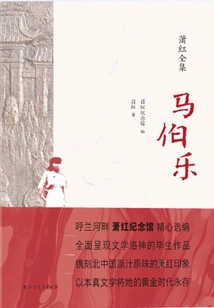
Marble
General Fiction马伯乐
Written By Xiao Hong, Compiled By Xiao Hong Memorial Hall
This book is a humorous and satirical novel written by Xiao Hong. The author uses a pungent brushwork to describe some numb-minded people of that era, represented by Marbole. They were bystanders of the times, timid, selfish, suspicious, and mediocre. The humorous and pungent tone pervading the book fully demonstrates the author's artistic talent on the other side.
This book is a humorous and satirical novel written by Xiao Hong. The author uses a pungent brushwork to describe some numb-minded people of that era, represented by Marbole. They were bystanders of the times, timid, selfish, suspicious, and mediocre. The humorous and pungent tone pervading the book fully demonstrates the author's artistic talent on the other side.

Face
General Fiction面孔
(uk) Cara Delevingne Ron Coleman
Four 16-year-old boys came together because of their love for music. While searching for the true meaning of their existence, they struggled to survive in a simple yet complex school environment. However, this difficult but beautiful life was shattered by Naomi's disappearance. Her disappearance is a mystery, not to mention the fact that she left behind a notebook filled with strange lyrics. Naomi, who seems innocent and sunny, has been hiding a dark secret? Why didn't I, who has always been the guardian of the band, find any clues before? Faced with irresolvable sadness, despair, and even fear, Rose chooses to play in the world, while Leo is trapped in dark emotions and cannot extricate himself. I decided to go on the road alone to find the truth. However, from the moment I took the step of searching, everything could never go back to the way it was before...
Four 16-year-old boys came together because of their love for music. While searching for the true meaning of their existence, they struggled to survive in a simple yet complex school environment. However, this difficult but beautiful life was shattered by Naomi's disappearance. Her disappearance is a mystery, not to mention the fact that she left behind a notebook filled with strange lyrics. Naomi, who seems innocent and sunny, has been hiding a dark secret? Why didn't I, who has always been the guardian of the band, find any clues before? Faced with irresolvable sadness, despair, and even fear, Rose chooses to play in the world, while Leo is trapped in dark emotions and cannot extricate himself. I decided to go on the road alone to find the truth. However, from the moment I took the step of searching, everything could never go back to the way it was before...