Library
Browse and search books
4,115 novels found
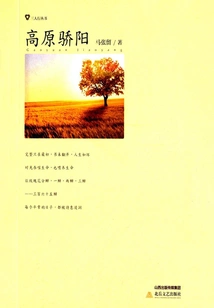
Plateau Sun
Literature高原骄阳
Ma Zhangliu
The article tells the story of the ages, knowing the gains and losses. This is a piece of living print, and the content it records is thoughts of flesh and blood. Those broken marks peeled off by the years turned into words and naturally flowed out. Thoughts are like a sea, words are just a drop of water, words can never be exhausted. The nerves are aching, and a paragraph of text pops up. It's not thinking hard, it's childbirth. Faith is expressed with life. What I weave is not a dream, but real wings. Life is precious and indifferent. Love the land like a wheat plant. Raise your head and get close to the sun; close your eyes and breathe freely. Once life is liberated and free, it will be worry-free, the Lord will be calm, enjoy a stable and comfortable state of mind, and gain true happiness and satisfaction.
The article tells the story of the ages, knowing the gains and losses. This is a piece of living print, and the content it records is thoughts of flesh and blood. Those broken marks peeled off by the years turned into words and naturally flowed out. Thoughts are like a sea, words are just a drop of water, words can never be exhausted. The nerves are aching, and a paragraph of text pops up. It's not thinking hard, it's childbirth. Faith is expressed with life. What I weave is not a dream, but real wings. Life is precious and indifferent. Love the land like a wheat plant. Raise your head and get close to the sun; close your eyes and breathe freely. Once life is liberated and free, it will be worry-free, the Lord will be calm, enjoy a stable and comfortable state of mind, and gain true happiness and satisfaction.
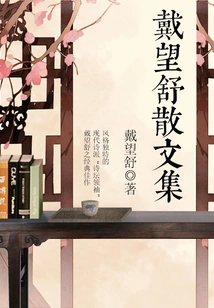
Dai Wangshu's Prose Collection
Literature戴望舒散文集
Dai Wangshu
In the late 1920s and early 1930s, Dai Wangshu was known as the "poetry leader" of the modern poetry school for his unique poems such as "Rain Lane". His poem "Rain Alley" shows the transition trend from the Crescent School to the modern school, and "My Memory" became the starting point of the modern school of poetry. As a poet deeply influenced by Chinese and Western literature and culture, Dai Wangshu's poems are based on melancholic emotions. The poems contain not only classical life feelings, but also expressions of human feelings such as pastoral nostalgia and pastoral feelings in Western poetry. They have the charm of Eastern and Western poetry. This collection of essays is a selection of his works, including his "Nightingale" and "My Traveling Companion".
In the late 1920s and early 1930s, Dai Wangshu was known as the "poetry leader" of the modern poetry school for his unique poems such as "Rain Lane". His poem "Rain Alley" shows the transition trend from the Crescent School to the modern school, and "My Memory" became the starting point of the modern school of poetry. As a poet deeply influenced by Chinese and Western literature and culture, Dai Wangshu's poems are based on melancholic emotions. The poems contain not only classical life feelings, but also expressions of human feelings such as pastoral nostalgia and pastoral feelings in Western poetry. They have the charm of Eastern and Western poetry. This collection of essays is a selection of his works, including his "Nightingale" and "My Traveling Companion".
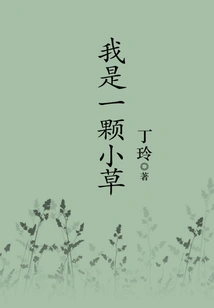
I Am a Grass
Literature我是一颗小草
Ding Ling
Like many modern writers, Ding Ling's later literary creation was dominated by prose creation. This genre is more suitable for people who have experienced vicissitudes of life to express their emotions. The language of his prose is natural, simple, vigorous and smooth. The author Ding Ling narrated her creation, her story and her deep feelings in "I am a Grass", showing Comrade Ding Ling's passionate inner world and personality charm, leaving a good impression and deep memory on the majority of literary youth. To enter Ding Ling's prose world, you must read her article "I am a Grass".
Like many modern writers, Ding Ling's later literary creation was dominated by prose creation. This genre is more suitable for people who have experienced vicissitudes of life to express their emotions. The language of his prose is natural, simple, vigorous and smooth. The author Ding Ling narrated her creation, her story and her deep feelings in "I am a Grass", showing Comrade Ding Ling's passionate inner world and personality charm, leaving a good impression and deep memory on the majority of literary youth. To enter Ding Ling's prose world, you must read her article "I am a Grass".
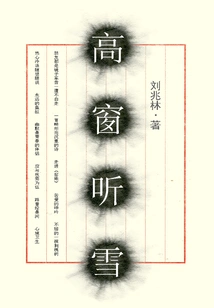
高窗听雪
Liu Zhaolin
This book is the work of the famous writer Liu Zhaolin. It is mainly a collection of hundreds of thousands of words of prose and essays written around the age of 40. It is also the author's first collection of essays. Liu Zhaolin is currently a member of the Presidium of the Chinese Writers Association and vice president of the Chinese Prose Society. There are more than 4 million words of novels and prose works such as "No Regrets" and "Ah, the Gunshots in the Sauron Valley". He has won the National Award for Outstanding Novels and Short Stories, the Bing Xin Prose Award, and the Cao Xueqin Novel Award. He is the winner of the National Special Contribution Expert Award.
This book is the work of the famous writer Liu Zhaolin. It is mainly a collection of hundreds of thousands of words of prose and essays written around the age of 40. It is also the author's first collection of essays. Liu Zhaolin is currently a member of the Presidium of the Chinese Writers Association and vice president of the Chinese Prose Society. There are more than 4 million words of novels and prose works such as "No Regrets" and "Ah, the Gunshots in the Sauron Valley". He has won the National Award for Outstanding Novels and Short Stories, the Bing Xin Prose Award, and the Cao Xueqin Novel Award. He is the winner of the National Special Contribution Expert Award.
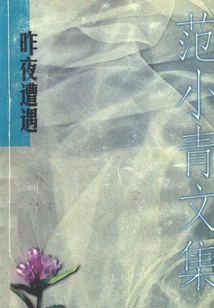
范小青文集3:昨夜遭遇
Fan Xiaoqing
Fan Xiaoqing is currently the chairman of the Jiangsu Provincial Writers Association and a member of the National Committee of the Chinese People's Political Consultative Conference. His works are mainly novels, as well as essays, TV scripts, etc. He has published nineteen novels, and his representative works include the novels "Lesbian", "Barefoot Doctor Wan Quanhe", "Incense", "My Name is Wangcun", etc. He has published more than 300 short and medium-sized novels, and his representative works include "Marrying into a Rich Family" and so on. The short story "A Brief History of Urban and Rural Areas" won the 4th Lu Xun Literature Award, and the novel "Urban Expression" won the 10th National Five One Project Award. He also won various awards such as the 3rd Chinese Novel Society Short Story Achievement Award. Many of his works have been translated abroad.
Fan Xiaoqing is currently the chairman of the Jiangsu Provincial Writers Association and a member of the National Committee of the Chinese People's Political Consultative Conference. His works are mainly novels, as well as essays, TV scripts, etc. He has published nineteen novels, and his representative works include the novels "Lesbian", "Barefoot Doctor Wan Quanhe", "Incense", "My Name is Wangcun", etc. He has published more than 300 short and medium-sized novels, and his representative works include "Marrying into a Rich Family" and so on. The short story "A Brief History of Urban and Rural Areas" won the 4th Lu Xun Literature Award, and the novel "Urban Expression" won the 10th National Five One Project Award. He also won various awards such as the 3rd Chinese Novel Society Short Story Achievement Award. Many of his works have been translated abroad.
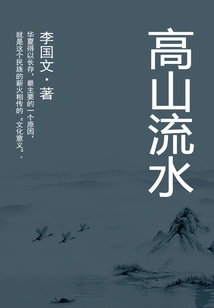
Mountains and Flowing Water
Literature高山流水
Li Guowen
This book is a collection of the author's essays. Throughout the thousands of years of Chinese history, there have been many disasters, including countless destructions and countless deaths, but each time, like a phoenix, it was reborn from the ashes. One of the most important reasons why China has not fallen and China has been able to survive forever is the "cultural significance" of this nation's legacy. The Chinese literati who maintain this "cultural significance" are the spiritual backbone that supports the Chinese people.
This book is a collection of the author's essays. Throughout the thousands of years of Chinese history, there have been many disasters, including countless destructions and countless deaths, but each time, like a phoenix, it was reborn from the ashes. One of the most important reasons why China has not fallen and China has been able to survive forever is the "cultural significance" of this nation's legacy. The Chinese literati who maintain this "cultural significance" are the spiritual backbone that supports the Chinese people.
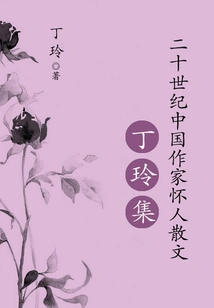
二十一世纪中国作家怀人散文:丁玲集
Ding Ling
This is a collection of Ding Ling's essays. The book includes the author's "Meeting to Lu Xun", "Mr. Lu Xun to Me", "Remembering Xiao Hong in the Wind and Rain", "Mourning Xuefeng", "Mourning Comrade Liu Zhiming", "Hu Yepin", "Mourning Comrade Mao Dun", "Mourning Jiang Feng", "Peng De "Sketch of Memories", "The Influence of Comrade Xiang Jingyu on Me", "Comrade Qu Qiubai I Know", "Marshal, I Miss You", Recalling Comrade Pan Hannian, "Recalling the Martyr Xuan Xiafu", "Recalling Mr. Shao Lizi", "In Memory of Comrade Bozhao" and many other works.
This is a collection of Ding Ling's essays. The book includes the author's "Meeting to Lu Xun", "Mr. Lu Xun to Me", "Remembering Xiao Hong in the Wind and Rain", "Mourning Xuefeng", "Mourning Comrade Liu Zhiming", "Hu Yepin", "Mourning Comrade Mao Dun", "Mourning Jiang Feng", "Peng De "Sketch of Memories", "The Influence of Comrade Xiang Jingyu on Me", "Comrade Qu Qiubai I Know", "Marshal, I Miss You", Recalling Comrade Pan Hannian, "Recalling the Martyr Xuan Xiafu", "Recalling Mr. Shao Lizi", "In Memory of Comrade Bozhao" and many other works.
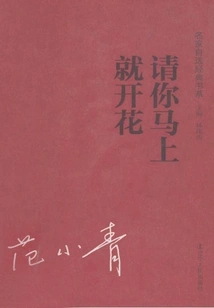
Please Bloom Immediately
Literature请你马上就开花
Fan Xiaoqing
This book is a self-selected collection of Fan Xiaoqing's works, including the novella "Why Are the Flowers So Red" and "Marrying into a Rich Family", short stories "Puzhuang Elementary School", "Roadside Stories", "Please Bloom Now", "Where I Lost You", essays "Plum Blossom Station", "Suzhou Alley", "Perceptions of Jiangnan", "Going to Tea", "Only Seeing the Yangtze River Skyline", etc. These works fully reflect Fan Xiaoqing's artistic pursuit of being loyal to life and higher than life, and have a strong flavor of life and strong Jiangnan customs.
This book is a self-selected collection of Fan Xiaoqing's works, including the novella "Why Are the Flowers So Red" and "Marrying into a Rich Family", short stories "Puzhuang Elementary School", "Roadside Stories", "Please Bloom Now", "Where I Lost You", essays "Plum Blossom Station", "Suzhou Alley", "Perceptions of Jiangnan", "Going to Tea", "Only Seeing the Yangtze River Skyline", etc. These works fully reflect Fan Xiaoqing's artistic pursuit of being loyal to life and higher than life, and have a strong flavor of life and strong Jiangnan customs.
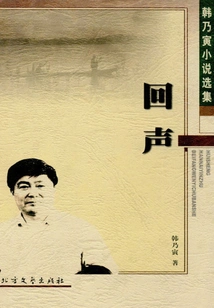
Echo
Literature回声
Han Naiyin
This is a collection of children's literature, including seven novels selected by the author, including "The Kite with a Broken String", "Arrow Baby", and "The Child Who Lost His Name".
This is a collection of children's literature, including seven novels selected by the author, including "The Kite with a Broken String", "Arrow Baby", and "The Child Who Lost His Name".
马建忠 邵作舟 陈虬卷(中国近代思想家文库)
Xue Yuqin Xu Zichao Lu Ye
This book contains representative works that reflect the thoughts of Ma Jianzhong, Shao Zuozhou and Chen Qiu. Ma Jianzhong's parts are respectively "Shi Kezhai's Notes", "Shi Kezhai's Notes", "Officials of the French Navy", "Legal Exploration", "Yi Xue Tong Compilation", etc., Aiming to show the author's trajectory of standing at the forefront of the times and seeking truth from the West for China's independence and prosperity, as well as his reform thoughts in politics, economy, diplomacy, military and other aspects. Shao Zuozhou's section includes his representative political work "Shao Shi's Warning", which is an in-depth criticism of the monarchy and bureaucracy, and is a representative of such works at the same time; "Gongzhifan", published for the first time, aims to open up the boundaries of nature, society and humanistic culture, and explore the axioms of all things. It is a philosophical book that needs to be interpreted in depth; "Eight Essays" is a masterpiece of essays that summarizes the history and techniques of ancient Chinese prose creation. Chen Qiu's part selects monographs such as "Records of Diagnosis of Zhelu", "Three Discussions on Peace", "Reviews on World Expo", "Reviews on Saving Time", "Records of Baoguo" and other monographs, as well as articles, letters, poems, etc., To show the author's contribution and feelings in improving society, saving the country, innovating education, carrying forward the tradition of traditional Chinese medicine, and benefiting the local area; "Records of Qiuzhi Society" shows the author's process of conducting social utopia experiments.
This book contains representative works that reflect the thoughts of Ma Jianzhong, Shao Zuozhou and Chen Qiu. Ma Jianzhong's parts are respectively "Shi Kezhai's Notes", "Shi Kezhai's Notes", "Officials of the French Navy", "Legal Exploration", "Yi Xue Tong Compilation", etc., Aiming to show the author's trajectory of standing at the forefront of the times and seeking truth from the West for China's independence and prosperity, as well as his reform thoughts in politics, economy, diplomacy, military and other aspects. Shao Zuozhou's section includes his representative political work "Shao Shi's Warning", which is an in-depth criticism of the monarchy and bureaucracy, and is a representative of such works at the same time; "Gongzhifan", published for the first time, aims to open up the boundaries of nature, society and humanistic culture, and explore the axioms of all things. It is a philosophical book that needs to be interpreted in depth; "Eight Essays" is a masterpiece of essays that summarizes the history and techniques of ancient Chinese prose creation. Chen Qiu's part selects monographs such as "Records of Diagnosis of Zhelu", "Three Discussions on Peace", "Reviews on World Expo", "Reviews on Saving Time", "Records of Baoguo" and other monographs, as well as articles, letters, poems, etc., To show the author's contribution and feelings in improving society, saving the country, innovating education, carrying forward the tradition of traditional Chinese medicine, and benefiting the local area; "Records of Qiuzhi Society" shows the author's process of conducting social utopia experiments.
Sound Among the Trees
Literature声在树间
Yu Lan
This book is a collection of essays close to the countryside. Every place in the village, every animal and plant, every character, and every story is the object of the author's description, including jujube groves, vineyards, watermelon fields, sunflowers, radish flowers, lentil flowers, wild ducks, wild ducks, hares, Er Men who runs the warm chicken business, the sister who ran away from home, the uncle who weaves bamboo baskets, steals mulberries, collects melons from the cellar, and brews his own wine... The author outlines the rural scenery with beautiful language and delicate writing style, and gives them warmth. While recalling the good times in the countryside, it also reveals the simple truth of rural life. "Sound in the Trees" is written after deep reflection on the living earth.
This book is a collection of essays close to the countryside. Every place in the village, every animal and plant, every character, and every story is the object of the author's description, including jujube groves, vineyards, watermelon fields, sunflowers, radish flowers, lentil flowers, wild ducks, wild ducks, hares, Er Men who runs the warm chicken business, the sister who ran away from home, the uncle who weaves bamboo baskets, steals mulberries, collects melons from the cellar, and brews his own wine... The author outlines the rural scenery with beautiful language and delicate writing style, and gives them warmth. While recalling the good times in the countryside, it also reveals the simple truth of rural life. "Sound in the Trees" is written after deep reflection on the living earth.
老师推荐的100篇美文:讲述爱情的真谛
Guo Hanzi Xu Fengxia
The world's literature is so vast that it is difficult for a person to cover everything in his lifetime. What's more, under the pressure of high school entrance examination and college entrance examination, how can students spend more time on reading? However, in the journey of life's growth, and in the teenage years when they can absorb the most knowledge and need the most nourishment, how can we not read these classics in human history? Based on this, this book invited more than a dozen outstanding teachers who are working on the education front to spend several years selecting 100 beautiful essays from excellent prose at all times and at home and abroad to form a collection. In this way, young readers can spend the least time and taste the most high-quality products. At the same time, each essay has three sections: "Introduction to the Author", "Reading and Understanding", and "Appreciation", striving to allow readers to appreciate the theme and artistic conception of the essay from different perspectives. Through this, readers' comprehensive quality, literary accomplishment, aesthetic level and taste in life can be improved, and a bridge of knowledge can be built for readers to lead a bright life.
The world's literature is so vast that it is difficult for a person to cover everything in his lifetime. What's more, under the pressure of high school entrance examination and college entrance examination, how can students spend more time on reading? However, in the journey of life's growth, and in the teenage years when they can absorb the most knowledge and need the most nourishment, how can we not read these classics in human history? Based on this, this book invited more than a dozen outstanding teachers who are working on the education front to spend several years selecting 100 beautiful essays from excellent prose at all times and at home and abroad to form a collection. In this way, young readers can spend the least time and taste the most high-quality products. At the same time, each essay has three sections: "Introduction to the Author", "Reading and Understanding", and "Appreciation", striving to allow readers to appreciate the theme and artistic conception of the essay from different perspectives. Through this, readers' comprehensive quality, literary accomplishment, aesthetic level and taste in life can be improved, and a bridge of knowledge can be built for readers to lead a bright life.
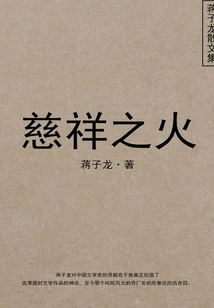
慈祥之火:蒋子龙散文集
Jiang Zilong
This book collects more than 30 prose and essays by Jiang Zilong.
This book collects more than 30 prose and essays by Jiang Zilong.
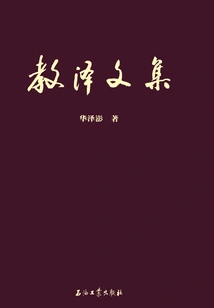
Collected Works of Jiao Ze
Literature教泽文集
Hua Zepeng
Spanning more than sixty years, the collection spans history, politics, economics, literature and art. The collection of 500,000 words embodies the hard work of Hua Lao's 85 histories. It is thick, broad yet refined, and is still precious.
Spanning more than sixty years, the collection spans history, politics, economics, literature and art. The collection of 500,000 words embodies the hard work of Hua Lao's 85 histories. It is thick, broad yet refined, and is still precious.
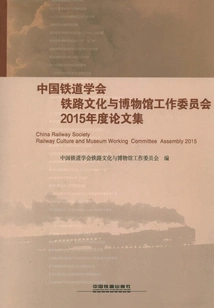
中国铁道学会铁路文化与博物馆工作委员会2015年度论文集
China Railway Society Railway Culture And Museum Working Committee
This book contains more than thirty papers written by practitioners in the railway museum industry. The content focuses on the exhibition display, social education, cultural relic protection, market development and railway history research in railway museums. It represents the overall level of academic research in railway museum units.
This book contains more than thirty papers written by practitioners in the railway museum industry. The content focuses on the exhibition display, social education, cultural relic protection, market development and railway history research in railway museums. It represents the overall level of academic research in railway museum units.
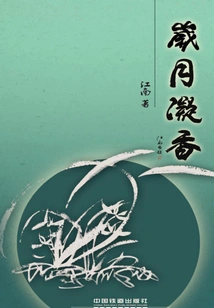
The Fragrance of Time
Literature岁月凝香
Jiangnan
This book is a collection of essays by Jiang Nan, a writer, poet, critic, calligrapher and painter. It includes literary works such as "The Past Is Too Bad to Look Back", "Happy Childhood", "Meeting Aunt for the First Time", "Getting into Trouble", "Goodbye Auntie", "First Love", and "Adding Worse to Worse".
This book is a collection of essays by Jiang Nan, a writer, poet, critic, calligrapher and painter. It includes literary works such as "The Past Is Too Bad to Look Back", "Happy Childhood", "Meeting Aunt for the First Time", "Getting into Trouble", "Goodbye Auntie", "First Love", and "Adding Worse to Worse".
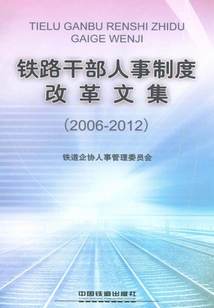
铁路干部人事制度改革文集(2006~2012)
Railway Enterprises Association Personnel Management Committee
This book is a collection of papers on railway personnel and talent work compiled by the Railway Enterprises Association Personnel Management Committee. The content includes thoughts and explorations on leadership team building, talent team building, professional and technical cadre work, grassroots party building work, etc. Written by personnel cadres from all railway bureaus from 2006 to 2012. It is informative.
This book is a collection of papers on railway personnel and talent work compiled by the Railway Enterprises Association Personnel Management Committee. The content includes thoughts and explorations on leadership team building, talent team building, professional and technical cadre work, grassroots party building work, etc. Written by personnel cadres from all railway bureaus from 2006 to 2012. It is informative.
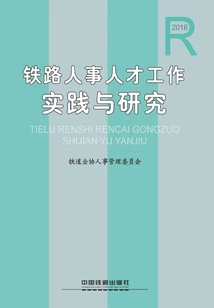
铁路人事人才工作实践与研究(2016)
Railway Enterprises Association Personnel Management Committee
This book is a collection of papers compiled by the Personnel Management Committee of the Railway Enterprises Association organized by personnel managers from 18 railway bureaus. It covers cadre and personnel system reform, talent team building, professional and technical cadre management, grassroots party building, comprehensive and other management, etc.
This book is a collection of papers compiled by the Personnel Management Committee of the Railway Enterprises Association organized by personnel managers from 18 railway bureaus. It covers cadre and personnel system reform, talent team building, professional and technical cadre management, grassroots party building, comprehensive and other management, etc.
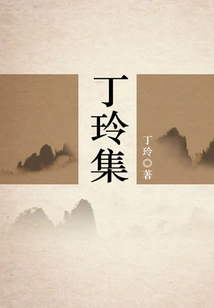
Ding Ling Ji
Literature丁玲集
Ding Ling
This collection selects the most representative novels, essays and other works written by Ding Ling from 1927 to 1982. The articles collected in this collection are arranged in the order of writing time, and the annotations are divided into title notes and text notes. The caption indicates which newspaper and periodical the article was originally published in, and the signature used when it was published. It was later compiled into anthologies. The annotations in the text are concise and concise. In order to avoid redundancy, no annotations will be added to content that will not cause reading difficulties. This collection is equipped with several pictures, including portraits of the author, photos of books and cultural relics, etc.
This collection selects the most representative novels, essays and other works written by Ding Ling from 1927 to 1982. The articles collected in this collection are arranged in the order of writing time, and the annotations are divided into title notes and text notes. The caption indicates which newspaper and periodical the article was originally published in, and the signature used when it was published. It was later compiled into anthologies. The annotations in the text are concise and concise. In order to avoid redundancy, no annotations will be added to content that will not cause reading difficulties. This collection is equipped with several pictures, including portraits of the author, photos of books and cultural relics, etc.
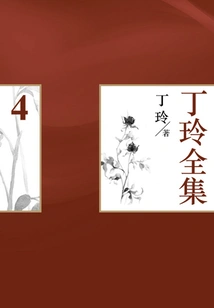
Ding Ling's Complete Works (4)
Literature丁玲全集(4)
Ding Ling
The complete collection is a comprehensive summary of Ding Ling's literary creation throughout her life. It contains 4.3 Million words of novels, plays, poems, essays, reviews, essays, speeches, memoirs, and essays written by her over the past sixty years, divided into twelve volumes. The first and second volumes are novels, the third volume is short stories, the fourth volume is short stories, poems, and plays, the fifth and sixth volumes are prose and essays, the seventh and eighth volumes are prose and miscellaneous thoughts, the ninth volume is preface and comments, the tenth volume is memoirs, the eleventh volume is family letters and diaries, and the twelfth volume is letters and chronology. A considerable number of letters and diaries in the collection were searched and published publicly for the first time.
The complete collection is a comprehensive summary of Ding Ling's literary creation throughout her life. It contains 4.3 Million words of novels, plays, poems, essays, reviews, essays, speeches, memoirs, and essays written by her over the past sixty years, divided into twelve volumes. The first and second volumes are novels, the third volume is short stories, the fourth volume is short stories, poems, and plays, the fifth and sixth volumes are prose and essays, the seventh and eighth volumes are prose and miscellaneous thoughts, the ninth volume is preface and comments, the tenth volume is memoirs, the eleventh volume is family letters and diaries, and the twelfth volume is letters and chronology. A considerable number of letters and diaries in the collection were searched and published publicly for the first time.
Ding Ling's Complete Works (8)
Literature丁玲全集(8)
Ding Ling
The complete collection is a comprehensive summary of Ding Ling's literary creation throughout her life. It contains 4.3 Million words of novels, plays, poems, essays, reviews, essays, speeches, memoirs, and essays written by her over the past sixty years, divided into twelve volumes. The first and second volumes are novels, the third volume is short stories, the fourth volume is short stories, poems, and plays, the fifth and sixth volumes are prose and essays, the seventh and eighth volumes are prose and miscellaneous thoughts, the ninth volume is preface and comments, the tenth volume is memoirs, the eleventh volume is family letters and diaries, and the twelfth volume is letters and chronology. A considerable number of letters and diaries in the collection were searched and published publicly for the first time.
The complete collection is a comprehensive summary of Ding Ling's literary creation throughout her life. It contains 4.3 Million words of novels, plays, poems, essays, reviews, essays, speeches, memoirs, and essays written by her over the past sixty years, divided into twelve volumes. The first and second volumes are novels, the third volume is short stories, the fourth volume is short stories, poems, and plays, the fifth and sixth volumes are prose and essays, the seventh and eighth volumes are prose and miscellaneous thoughts, the ninth volume is preface and comments, the tenth volume is memoirs, the eleventh volume is family letters and diaries, and the twelfth volume is letters and chronology. A considerable number of letters and diaries in the collection were searched and published publicly for the first time.
Ding Ling's Complete Works (10)
Literature丁玲全集(10)
Ding Ling
The complete collection is a comprehensive summary of Ding Ling's literary creation throughout her life. It contains 4.3 Million words of novels, plays, poems, essays, reviews, essays, speeches, memoirs, and essays written by her over the past sixty years, divided into twelve volumes. The first and second volumes are novels, the third volume is short stories, the fourth volume is short stories, poems, and plays, the fifth and sixth volumes are prose and essays, the seventh and eighth volumes are prose and miscellaneous thoughts, the ninth volume is preface and comments, the tenth volume is memoirs, the eleventh volume is family letters and diaries, and the twelfth volume is letters and chronology. A considerable number of letters and diaries in the collection were searched and published publicly for the first time.
The complete collection is a comprehensive summary of Ding Ling's literary creation throughout her life. It contains 4.3 Million words of novels, plays, poems, essays, reviews, essays, speeches, memoirs, and essays written by her over the past sixty years, divided into twelve volumes. The first and second volumes are novels, the third volume is short stories, the fourth volume is short stories, poems, and plays, the fifth and sixth volumes are prose and essays, the seventh and eighth volumes are prose and miscellaneous thoughts, the ninth volume is preface and comments, the tenth volume is memoirs, the eleventh volume is family letters and diaries, and the twelfth volume is letters and chronology. A considerable number of letters and diaries in the collection were searched and published publicly for the first time.
Ding Ling's Complete Works (6)
Literature丁玲全集(6)
Ding Ling
The complete collection is a comprehensive summary of Ding Ling's literary creation throughout her life. It contains 4.3 Million words of novels, plays, poems, essays, reviews, essays, speeches, memoirs, and essays written by her over the past sixty years, divided into twelve volumes. The first and second volumes are novels, the third volume is short stories, the fourth volume is short stories, poems, and plays, the fifth and sixth volumes are prose and essays, the seventh and eighth volumes are prose and miscellaneous thoughts, the ninth volume is preface and comments, the tenth volume is memoirs, the eleventh volume is family letters and diaries, and the twelfth volume is letters and chronology. A considerable number of letters and diaries in the collection were searched and published publicly for the first time.
The complete collection is a comprehensive summary of Ding Ling's literary creation throughout her life. It contains 4.3 Million words of novels, plays, poems, essays, reviews, essays, speeches, memoirs, and essays written by her over the past sixty years, divided into twelve volumes. The first and second volumes are novels, the third volume is short stories, the fourth volume is short stories, poems, and plays, the fifth and sixth volumes are prose and essays, the seventh and eighth volumes are prose and miscellaneous thoughts, the ninth volume is preface and comments, the tenth volume is memoirs, the eleventh volume is family letters and diaries, and the twelfth volume is letters and chronology. A considerable number of letters and diaries in the collection were searched and published publicly for the first time.
Ding Ling's Complete Works (5)
Literature丁玲全集(5)
Ding Ling
The complete collection is a comprehensive summary of Ding Ling's literary creation throughout her life. It contains 4.3 Million words of novels, plays, poems, essays, reviews, essays, speeches, memoirs, and essays written by her over the past sixty years, divided into twelve volumes. The first and second volumes are novels, the third volume is short stories, the fourth volume is short stories, poems, and plays, the fifth and sixth volumes are prose and essays, the seventh and eighth volumes are prose and miscellaneous thoughts, the ninth volume is preface and comments, the tenth volume is memoirs, the eleventh volume is family letters and diaries, and the twelfth volume is letters and chronology. A considerable number of letters and diaries in the collection were searched and published publicly for the first time.
The complete collection is a comprehensive summary of Ding Ling's literary creation throughout her life. It contains 4.3 Million words of novels, plays, poems, essays, reviews, essays, speeches, memoirs, and essays written by her over the past sixty years, divided into twelve volumes. The first and second volumes are novels, the third volume is short stories, the fourth volume is short stories, poems, and plays, the fifth and sixth volumes are prose and essays, the seventh and eighth volumes are prose and miscellaneous thoughts, the ninth volume is preface and comments, the tenth volume is memoirs, the eleventh volume is family letters and diaries, and the twelfth volume is letters and chronology. A considerable number of letters and diaries in the collection were searched and published publicly for the first time.
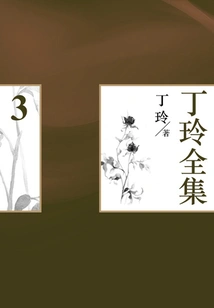
Ding Ling's Complete Works (3)
Literature丁玲全集(3)
Ding Ling
The complete collection is a comprehensive summary of Ding Ling's literary creation throughout her life. It contains 4.3 Million words of novels, plays, poems, essays, reviews, essays, speeches, memoirs, and essays written by her over the past sixty years, divided into twelve volumes. The first and second volumes are novels, the third volume is short stories, the fourth volume is short stories, poems, and plays, the fifth and sixth volumes are prose and essays, the seventh and eighth volumes are prose and miscellaneous thoughts, the ninth volume is preface and comments, the tenth volume is memoirs, the eleventh volume is family letters and diaries, and the twelfth volume is letters and chronology. A considerable number of letters and diaries in the collection were searched and published publicly for the first time.
The complete collection is a comprehensive summary of Ding Ling's literary creation throughout her life. It contains 4.3 Million words of novels, plays, poems, essays, reviews, essays, speeches, memoirs, and essays written by her over the past sixty years, divided into twelve volumes. The first and second volumes are novels, the third volume is short stories, the fourth volume is short stories, poems, and plays, the fifth and sixth volumes are prose and essays, the seventh and eighth volumes are prose and miscellaneous thoughts, the ninth volume is preface and comments, the tenth volume is memoirs, the eleventh volume is family letters and diaries, and the twelfth volume is letters and chronology. A considerable number of letters and diaries in the collection were searched and published publicly for the first time.
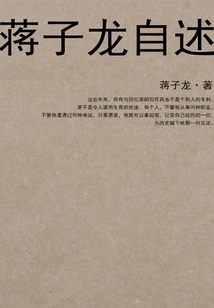
Jiang Zilong's Autobiography
Literature蒋子龙自述
Jiang Zilong
This book is a collection of essays. The book contains dozens of articles by Jiang Zilong about his family, creation, life and life insights.
This book is a collection of essays. The book contains dozens of articles by Jiang Zilong about his family, creation, life and life insights.
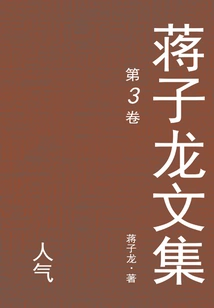
蒋子龙文集3:人气
Jiang Zilong
The novel takes the housing reform in a big city as the background and describes the intricate conflicts, entanglements and emotional twists and turns among all kinds of people, from the mayor to the common people, showing the battle between men and women, the battle for money, the battle for power, and the battle for interests. The author Jiang Zilong joined the Party in March 1972 and started working in August 1958. He has a technical secondary school degree and is an editor and reviewer. Jiang Zilong is the former vice chairman of the Chinese Writers Association, chairman of the Tianjin Writers Association, and vice chairman of the Tianjin Federation of Literary and Art Circles. As a famous writer and ambassador of Chinese culture, he has visited more than a dozen countries in Europe, America and Asia.
The novel takes the housing reform in a big city as the background and describes the intricate conflicts, entanglements and emotional twists and turns among all kinds of people, from the mayor to the common people, showing the battle between men and women, the battle for money, the battle for power, and the battle for interests. The author Jiang Zilong joined the Party in March 1972 and started working in August 1958. He has a technical secondary school degree and is an editor and reviewer. Jiang Zilong is the former vice chairman of the Chinese Writers Association, chairman of the Tianjin Writers Association, and vice chairman of the Tianjin Federation of Literary and Art Circles. As a famous writer and ambassador of Chinese culture, he has visited more than a dozen countries in Europe, America and Asia.
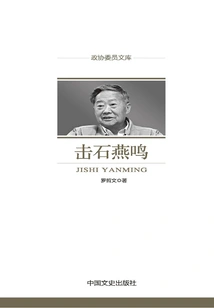
Hit Stone Yanming
Literature击石燕鸣
Luo Zhewen
This book is composed of relevant works of Mr. Luo Zhewen. The book is divided into five series - the Great Wall and Great Wall Studies, World Heritage and Application for World Heritage, History of Ancient Architecture, Protection of Historical and Cultural Cities, and Exploration of Garden Art. Mr. Luo traveled all over China, visited overseas, and inspected tens of thousands of cultural relics, especially ancient architectural remains. In addition to his investigation and research, he has written a series of academic papers and monographs exploring ancient Chinese architecture from multiple aspects and angles. It can be said that he has a long list of works and fruitful results! This book presents some of Mr. Luo Zhewen's research results from the perspectives of the Great Wall, World Heritage application, research on ancient architecture, protection of historical and cultural cities, and garden art.
This book is composed of relevant works of Mr. Luo Zhewen. The book is divided into five series - the Great Wall and Great Wall Studies, World Heritage and Application for World Heritage, History of Ancient Architecture, Protection of Historical and Cultural Cities, and Exploration of Garden Art. Mr. Luo traveled all over China, visited overseas, and inspected tens of thousands of cultural relics, especially ancient architectural remains. In addition to his investigation and research, he has written a series of academic papers and monographs exploring ancient Chinese architecture from multiple aspects and angles. It can be said that he has a long list of works and fruitful results! This book presents some of Mr. Luo Zhewen's research results from the perspectives of the Great Wall, World Heritage application, research on ancient architecture, protection of historical and cultural cities, and garden art.
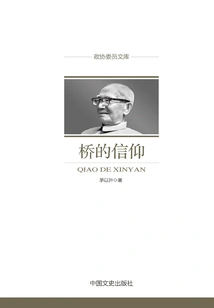
Bridge of Faith
Literature桥的信仰
Mao Yisheng
This book classifies and organizes representative articles including research reports, academic works, invited manuscripts and other aspects of Member Mao Yisheng's performance of duties in the CPPCC. As a popular reading to understand the life stories and thoughts of scientists, it is especially suitable for the public and students to read.
This book classifies and organizes representative articles including research reports, academic works, invited manuscripts and other aspects of Member Mao Yisheng's performance of duties in the CPPCC. As a popular reading to understand the life stories and thoughts of scientists, it is especially suitable for the public and students to read.
酒焰烧过的地方(酒文化卷)
Balji Yuanye
The Mongolian people like to drink wine. As a descendant of Genghis Khan, Baoerji Wilderness is wild and childlike, so this is the book. When the wine reaches the lips, all kinds of tastes can be said without words, without any fetters. The wine, thoughts, and words are like wild horses breaking through the formation, and the clouds pass over the mountain. His frankness and ease made various popular gimmicks look ridiculous, and then won the recognition of time. When the wine reaches the lips, the beauty of the world also makes people recall it endlessly. This book is a collection of essays.
The Mongolian people like to drink wine. As a descendant of Genghis Khan, Baoerji Wilderness is wild and childlike, so this is the book. When the wine reaches the lips, all kinds of tastes can be said without words, without any fetters. The wine, thoughts, and words are like wild horses breaking through the formation, and the clouds pass over the mountain. His frankness and ease made various popular gimmicks look ridiculous, and then won the recognition of time. When the wine reaches the lips, the beauty of the world also makes people recall it endlessly. This book is a collection of essays.
World Prose Classics·western Volume 9
Literature世界散文经典·西方卷9
Lou Zhaoming Editor-in-chief Tianbo
Human beings have created civilization and culture, and people live in civilization and culture. Civilization and culture also restrict people. Humans are cultural animals. If culture is removed from humans, or if humans lose the ability to create civilization and culture, humans will no longer be human beings. This is what distinguishes humans from animals. This anthology places our country's modern prose in the rise of modern literature during the May Fourth Movement. The May Fourth New Culture Movement is roughly equivalent to the Western Enlightenment Movement. Looking back at the development of Chinese prose in the past century, it is generally equivalent to the rise and fall of various schools of Western literature over the past three to four hundred years. To be more precise, the historical development of modern Western literature over the past three to four hundred years has been condensed into one century and selectively introduced, disseminated and completed. The first two major chapters of modern Western prose are equivalent to the first climax period of the development and prosperity of modern prose in my country from the May 4th to the 1930s; the prose creation in Taiwan from the 1960s to the 1980s can be regarded as the second prosperous period of modern prose in my country. From the second half of the 1980s, both the mainland and Taiwan have been or are keeping pace with the world in terms of prose accepting the achievements of human culture in this century. The ups and downs and bumpy journey of our country's modern prose in the past two centuries shows that it is almost a necessary prerequisite to regard the achievements of foreign culture and civilization as a kind of impact and catalyst for the development of our national culture. Lu Xun said that the prose of the "May Fourth" period was based on the emerging poetry and novels; Zhou Zuoren said that the modern prose of the "May Fourth" came from two sources, one is the tradition of Ming and Qing sketches, and the other is the spread of British sketches, which is the product of the fusion of the two. The world's prose classics include Eastern volumes and Western volumes.
Human beings have created civilization and culture, and people live in civilization and culture. Civilization and culture also restrict people. Humans are cultural animals. If culture is removed from humans, or if humans lose the ability to create civilization and culture, humans will no longer be human beings. This is what distinguishes humans from animals. This anthology places our country's modern prose in the rise of modern literature during the May Fourth Movement. The May Fourth New Culture Movement is roughly equivalent to the Western Enlightenment Movement. Looking back at the development of Chinese prose in the past century, it is generally equivalent to the rise and fall of various schools of Western literature over the past three to four hundred years. To be more precise, the historical development of modern Western literature over the past three to four hundred years has been condensed into one century and selectively introduced, disseminated and completed. The first two major chapters of modern Western prose are equivalent to the first climax period of the development and prosperity of modern prose in my country from the May 4th to the 1930s; the prose creation in Taiwan from the 1960s to the 1980s can be regarded as the second prosperous period of modern prose in my country. From the second half of the 1980s, both the mainland and Taiwan have been or are keeping pace with the world in terms of prose accepting the achievements of human culture in this century. The ups and downs and bumpy journey of our country's modern prose in the past two centuries shows that it is almost a necessary prerequisite to regard the achievements of foreign culture and civilization as a kind of impact and catalyst for the development of our national culture. Lu Xun said that the prose of the "May Fourth" period was based on the emerging poetry and novels; Zhou Zuoren said that the modern prose of the "May Fourth" came from two sources, one is the tradition of Ming and Qing sketches, and the other is the spread of British sketches, which is the product of the fusion of the two. The world's prose classics include Eastern volumes and Western volumes.
World Prose Classics·western Volume 4
Literature世界散文经典·西方卷4
Lou Zhaoming Editor-in-chief Tianbo
Human beings have created civilization and culture, and people live in civilization and culture. Civilization and culture also restrict people. Humans are cultural animals. If culture is removed from humans, or if humans lose the ability to create civilization and culture, humans will no longer be human beings. This is what distinguishes humans from animals. This anthology places our country's modern prose in the rise of modern literature during the May Fourth Movement. The May Fourth New Culture Movement is roughly equivalent to the Western Enlightenment Movement. Looking back at the development of Chinese prose in the past century, it is generally equivalent to the rise and fall of various schools of Western literature over the past three to four hundred years. To be more precise, the historical development of modern Western literature over the past three to four hundred years has been condensed into one century and selectively introduced, disseminated and completed. The first two major chapters of modern Western prose are equivalent to the first climax period of the development and prosperity of modern prose in my country from the May 4th to the 1930s; the prose creation in Taiwan from the 1960s to the 1980s can be regarded as the second prosperous period of modern prose in my country. From the second half of the 1980s, both the mainland and Taiwan have been or are keeping pace with the world in terms of prose accepting the achievements of human culture in this century. The ups and downs and bumpy journey of our country's modern prose in the past two centuries shows that it is almost a necessary prerequisite to regard the achievements of foreign culture and civilization as a kind of impact and catalyst for the development of our national culture. Lu Xun said that the prose of the "May Fourth" period was based on the emerging poetry and novels; Zhou Zuoren said that the modern prose of the "May Fourth" came from two sources, one is the tradition of Ming and Qing sketches, and the other is the spread of British sketches, which is the product of the fusion of the two. The world's prose classics include Eastern volumes and Western volumes.
Human beings have created civilization and culture, and people live in civilization and culture. Civilization and culture also restrict people. Humans are cultural animals. If culture is removed from humans, or if humans lose the ability to create civilization and culture, humans will no longer be human beings. This is what distinguishes humans from animals. This anthology places our country's modern prose in the rise of modern literature during the May Fourth Movement. The May Fourth New Culture Movement is roughly equivalent to the Western Enlightenment Movement. Looking back at the development of Chinese prose in the past century, it is generally equivalent to the rise and fall of various schools of Western literature over the past three to four hundred years. To be more precise, the historical development of modern Western literature over the past three to four hundred years has been condensed into one century and selectively introduced, disseminated and completed. The first two major chapters of modern Western prose are equivalent to the first climax period of the development and prosperity of modern prose in my country from the May 4th to the 1930s; the prose creation in Taiwan from the 1960s to the 1980s can be regarded as the second prosperous period of modern prose in my country. From the second half of the 1980s, both the mainland and Taiwan have been or are keeping pace with the world in terms of prose accepting the achievements of human culture in this century. The ups and downs and bumpy journey of our country's modern prose in the past two centuries shows that it is almost a necessary prerequisite to regard the achievements of foreign culture and civilization as a kind of impact and catalyst for the development of our national culture. Lu Xun said that the prose of the "May Fourth" period was based on the emerging poetry and novels; Zhou Zuoren said that the modern prose of the "May Fourth" came from two sources, one is the tradition of Ming and Qing sketches, and the other is the spread of British sketches, which is the product of the fusion of the two. The world's prose classics include Eastern volumes and Western volumes.
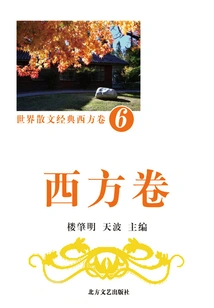
World Prose Classics·western Volume 6
Literature世界散文经典·西方卷6
Lou Zhaoming Editor-in-chief Tianbo
Human beings have created civilization and culture, and people live in civilization and culture. Civilization and culture also restrict people. Humans are cultural animals. If culture is removed from humans, or if humans lose the ability to create civilization and culture, humans will no longer be human beings. This is what distinguishes humans from animals. This anthology places our country's modern prose in the rise of modern literature during the May Fourth Movement. The May Fourth New Culture Movement is roughly equivalent to the Western Enlightenment Movement. Looking back at the development of Chinese prose in the past century, it is generally equivalent to the rise and fall of various schools of Western literature over the past three to four hundred years. To be more precise, the historical development of modern Western literature over the past three to four hundred years has been condensed into one century and selectively introduced, disseminated and completed. The first two major chapters of modern Western prose are equivalent to the first climax period of the development and prosperity of modern prose in my country from the May 4th to the 1930s; the prose creation in Taiwan from the 1960s to the 1980s can be regarded as the second prosperous period of modern prose in my country. From the second half of the 1980s, both the mainland and Taiwan have been or are keeping pace with the world in terms of prose accepting the achievements of human culture in this century. The ups and downs and bumpy journey of our country's modern prose in the past two centuries shows that it is almost a necessary prerequisite to regard the achievements of foreign culture and civilization as a kind of impact and catalyst for the development of our national culture. Lu Xun said that the prose of the "May Fourth" period was based on the emerging poetry and novels; Zhou Zuoren said that the modern prose of the "May Fourth" came from two sources, one is the tradition of Ming and Qing sketches, and the other is the spread of British sketches, which is the product of the fusion of the two. The world's prose classics include Eastern volumes and Western volumes.
Human beings have created civilization and culture, and people live in civilization and culture. Civilization and culture also restrict people. Humans are cultural animals. If culture is removed from humans, or if humans lose the ability to create civilization and culture, humans will no longer be human beings. This is what distinguishes humans from animals. This anthology places our country's modern prose in the rise of modern literature during the May Fourth Movement. The May Fourth New Culture Movement is roughly equivalent to the Western Enlightenment Movement. Looking back at the development of Chinese prose in the past century, it is generally equivalent to the rise and fall of various schools of Western literature over the past three to four hundred years. To be more precise, the historical development of modern Western literature over the past three to four hundred years has been condensed into one century and selectively introduced, disseminated and completed. The first two major chapters of modern Western prose are equivalent to the first climax period of the development and prosperity of modern prose in my country from the May 4th to the 1930s; the prose creation in Taiwan from the 1960s to the 1980s can be regarded as the second prosperous period of modern prose in my country. From the second half of the 1980s, both the mainland and Taiwan have been or are keeping pace with the world in terms of prose accepting the achievements of human culture in this century. The ups and downs and bumpy journey of our country's modern prose in the past two centuries shows that it is almost a necessary prerequisite to regard the achievements of foreign culture and civilization as a kind of impact and catalyst for the development of our national culture. Lu Xun said that the prose of the "May Fourth" period was based on the emerging poetry and novels; Zhou Zuoren said that the modern prose of the "May Fourth" came from two sources, one is the tradition of Ming and Qing sketches, and the other is the spread of British sketches, which is the product of the fusion of the two. The world's prose classics include Eastern volumes and Western volumes.
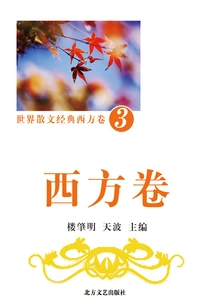
World Prose Classics·western Volume 3
Literature世界散文经典·西方卷3
Lou Zhaoming Editor-in-chief Tianbo
Human beings have created civilization and culture, and people live in civilization and culture. Civilization and culture also restrict people. Humans are cultural animals. If culture is removed from humans, or if humans lose the ability to create civilization and culture, humans will no longer be human beings. This is what distinguishes humans from animals. This anthology places our country's modern prose in the rise of modern literature during the May Fourth Movement. The May Fourth New Culture Movement is roughly equivalent to the Western Enlightenment Movement. Looking back at the development of Chinese prose in the past century, it is generally equivalent to the rise and fall of various schools of Western literature over the past three to four hundred years. To be more precise, the historical development of modern Western literature over the past three to four hundred years has been condensed into one century and selectively introduced, disseminated and completed. The first two major chapters of modern Western prose are equivalent to the first climax period of the development and prosperity of modern prose in my country from the May 4th to the 1930s; the prose creation in Taiwan from the 1960s to the 1980s can be regarded as the second prosperous period of modern prose in my country. From the second half of the 1980s, both the mainland and Taiwan have been or are keeping pace with the world in terms of prose accepting the achievements of human culture in this century. The ups and downs and bumpy journey of our country's modern prose in the past two centuries shows that it is almost a necessary prerequisite to regard the achievements of foreign culture and civilization as a kind of impact and catalyst for the development of our national culture. Lu Xun said that the prose of the "May Fourth" period was based on the emerging poetry and novels; Zhou Zuoren said that the modern prose of the "May Fourth" came from two sources, one is the tradition of Ming and Qing sketches, and the other is the spread of British sketches, which is the product of the fusion of the two. The world's prose classics include Eastern volumes and Western volumes.
Human beings have created civilization and culture, and people live in civilization and culture. Civilization and culture also restrict people. Humans are cultural animals. If culture is removed from humans, or if humans lose the ability to create civilization and culture, humans will no longer be human beings. This is what distinguishes humans from animals. This anthology places our country's modern prose in the rise of modern literature during the May Fourth Movement. The May Fourth New Culture Movement is roughly equivalent to the Western Enlightenment Movement. Looking back at the development of Chinese prose in the past century, it is generally equivalent to the rise and fall of various schools of Western literature over the past three to four hundred years. To be more precise, the historical development of modern Western literature over the past three to four hundred years has been condensed into one century and selectively introduced, disseminated and completed. The first two major chapters of modern Western prose are equivalent to the first climax period of the development and prosperity of modern prose in my country from the May 4th to the 1930s; the prose creation in Taiwan from the 1960s to the 1980s can be regarded as the second prosperous period of modern prose in my country. From the second half of the 1980s, both the mainland and Taiwan have been or are keeping pace with the world in terms of prose accepting the achievements of human culture in this century. The ups and downs and bumpy journey of our country's modern prose in the past two centuries shows that it is almost a necessary prerequisite to regard the achievements of foreign culture and civilization as a kind of impact and catalyst for the development of our national culture. Lu Xun said that the prose of the "May Fourth" period was based on the emerging poetry and novels; Zhou Zuoren said that the modern prose of the "May Fourth" came from two sources, one is the tradition of Ming and Qing sketches, and the other is the spread of British sketches, which is the product of the fusion of the two. The world's prose classics include Eastern volumes and Western volumes.
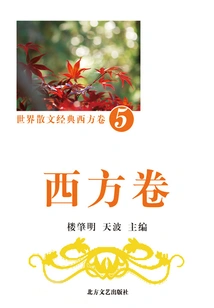
World Prose Classics·western Volume 5
Literature世界散文经典·西方卷5
Lou Zhaoming Editor-in-chief Tianbo
Human beings have created civilization and culture, and people live in civilization and culture. Civilization and culture also restrict people. Humans are cultural animals. If culture is removed from humans, or if humans lose the ability to create civilization and culture, humans will no longer be human beings. This is what distinguishes humans from animals. This anthology places our country's modern prose in the rise of modern literature during the May Fourth Movement. The May Fourth New Culture Movement is roughly equivalent to the Western Enlightenment Movement. Looking back at the development of Chinese prose in the past century, it is generally equivalent to the rise and fall of various schools of Western literature over the past three to four hundred years. To be more precise, the historical development of modern Western literature over the past three to four hundred years has been condensed into one century and selectively introduced, disseminated and completed. The first two major chapters of modern Western prose are equivalent to the first climax period of the development and prosperity of modern prose in my country from the May 4th to the 1930s; the prose creation in Taiwan from the 1960s to the 1980s can be regarded as the second prosperous period of modern prose in my country. From the second half of the 1980s, both the mainland and Taiwan have been or are keeping pace with the world in terms of prose accepting the achievements of human culture in this century. The ups and downs and bumpy journey of our country's modern prose in the past two centuries shows that it is almost a necessary prerequisite to regard the achievements of foreign culture and civilization as a kind of impact and catalyst for the development of our national culture. Lu Xun said that the prose of the "May Fourth" period was based on the emerging poetry and novels; Zhou Zuoren said that the modern prose of the "May Fourth" came from two sources, one is the tradition of Ming and Qing sketches, and the other is the spread of British sketches, which is the product of the fusion of the two. The world's prose classics include Eastern volumes and Western volumes.
Human beings have created civilization and culture, and people live in civilization and culture. Civilization and culture also restrict people. Humans are cultural animals. If culture is removed from humans, or if humans lose the ability to create civilization and culture, humans will no longer be human beings. This is what distinguishes humans from animals. This anthology places our country's modern prose in the rise of modern literature during the May Fourth Movement. The May Fourth New Culture Movement is roughly equivalent to the Western Enlightenment Movement. Looking back at the development of Chinese prose in the past century, it is generally equivalent to the rise and fall of various schools of Western literature over the past three to four hundred years. To be more precise, the historical development of modern Western literature over the past three to four hundred years has been condensed into one century and selectively introduced, disseminated and completed. The first two major chapters of modern Western prose are equivalent to the first climax period of the development and prosperity of modern prose in my country from the May 4th to the 1930s; the prose creation in Taiwan from the 1960s to the 1980s can be regarded as the second prosperous period of modern prose in my country. From the second half of the 1980s, both the mainland and Taiwan have been or are keeping pace with the world in terms of prose accepting the achievements of human culture in this century. The ups and downs and bumpy journey of our country's modern prose in the past two centuries shows that it is almost a necessary prerequisite to regard the achievements of foreign culture and civilization as a kind of impact and catalyst for the development of our national culture. Lu Xun said that the prose of the "May Fourth" period was based on the emerging poetry and novels; Zhou Zuoren said that the modern prose of the "May Fourth" came from two sources, one is the tradition of Ming and Qing sketches, and the other is the spread of British sketches, which is the product of the fusion of the two. The world's prose classics include Eastern volumes and Western volumes.
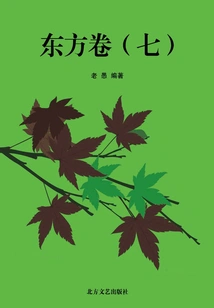
World Prose Classics·oriental Volume 7
Literature世界散文经典·东方卷7
Compiled By Lao Yu
Human beings have created civilization and culture, and people live in civilization and culture. Civilization and culture also restrict people. Humans are cultural animals. If culture is removed from humans, or if humans lose the ability to create civilization and culture, humans will no longer be human beings. This is what distinguishes humans from animals. This anthology places our country's modern prose in the rise of modern literature during the May Fourth Movement. The May Fourth New Culture Movement is roughly equivalent to the Western Enlightenment Movement. Looking back at the development of Chinese prose in the past century, it is generally equivalent to the rise and fall of various schools of Western literature over the past three to four hundred years. To be more precise, the historical development of modern Western literature over the past three to four hundred years has been condensed into one century and selectively introduced, disseminated and completed. The first two major chapters of modern Western prose are equivalent to the first climax period of the development and prosperity of modern prose in my country from the May 4th to the 1930s; the prose creation in Taiwan from the 1960s to the 1980s can be regarded as the second prosperous period of modern prose in my country. From the second half of the 1980s, both the mainland and Taiwan have been or are keeping pace with the world in terms of prose accepting the achievements of human culture in this century. The ups and downs and bumpy journey of our country's modern prose in the past two centuries shows that it is almost a necessary prerequisite to regard the achievements of foreign culture and civilization as a kind of impact and catalyst for the development of our national culture. Lu Xun said that the prose of the "May Fourth" period was based on the emerging poetry and novels; Zhou Zuoren said that the modern prose of the "May Fourth" came from two sources, one is the tradition of Ming and Qing sketches, and the other is the spread of British sketches, which is the product of the fusion of the two. The world's prose classics include Eastern volumes and Western volumes.
Human beings have created civilization and culture, and people live in civilization and culture. Civilization and culture also restrict people. Humans are cultural animals. If culture is removed from humans, or if humans lose the ability to create civilization and culture, humans will no longer be human beings. This is what distinguishes humans from animals. This anthology places our country's modern prose in the rise of modern literature during the May Fourth Movement. The May Fourth New Culture Movement is roughly equivalent to the Western Enlightenment Movement. Looking back at the development of Chinese prose in the past century, it is generally equivalent to the rise and fall of various schools of Western literature over the past three to four hundred years. To be more precise, the historical development of modern Western literature over the past three to four hundred years has been condensed into one century and selectively introduced, disseminated and completed. The first two major chapters of modern Western prose are equivalent to the first climax period of the development and prosperity of modern prose in my country from the May 4th to the 1930s; the prose creation in Taiwan from the 1960s to the 1980s can be regarded as the second prosperous period of modern prose in my country. From the second half of the 1980s, both the mainland and Taiwan have been or are keeping pace with the world in terms of prose accepting the achievements of human culture in this century. The ups and downs and bumpy journey of our country's modern prose in the past two centuries shows that it is almost a necessary prerequisite to regard the achievements of foreign culture and civilization as a kind of impact and catalyst for the development of our national culture. Lu Xun said that the prose of the "May Fourth" period was based on the emerging poetry and novels; Zhou Zuoren said that the modern prose of the "May Fourth" came from two sources, one is the tradition of Ming and Qing sketches, and the other is the spread of British sketches, which is the product of the fusion of the two. The world's prose classics include Eastern volumes and Western volumes.
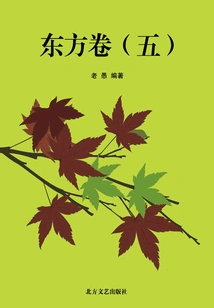
World Prose Classics·oriental Volume 5
Literature世界散文经典·东方卷5
Compiled By Lao Yu
Human beings have created civilization and culture, and people live in civilization and culture. Civilization and culture also restrict people. Humans are cultural animals. If culture is removed from humans, or if humans lose the ability to create civilization and culture, humans will no longer be human beings. This is what distinguishes humans from animals. This anthology places our country's modern prose in the rise of modern literature during the May Fourth Movement. The May Fourth New Culture Movement is roughly equivalent to the Western Enlightenment Movement. Looking back at the development of Chinese prose in the past century, it is generally equivalent to the rise and fall of various schools of Western literature over the past three to four hundred years. To be more precise, the historical development of modern Western literature over the past three to four hundred years has been condensed into one century and selectively introduced, disseminated and completed. The first two major chapters of modern Western prose are equivalent to the first climax period of the development and prosperity of modern prose in my country from the May 4th to the 1930s; the prose creation in Taiwan from the 1960s to the 1980s can be regarded as the second prosperous period of modern prose in my country. From the second half of the 1980s, both the mainland and Taiwan have been or are keeping pace with the world in terms of prose accepting the achievements of human culture in this century. The ups and downs and bumpy journey of our country's modern prose in the past two centuries shows that it is almost a necessary prerequisite to regard the achievements of foreign culture and civilization as a kind of impact and catalyst for the development of our national culture. Lu Xun said that the prose of the "May Fourth" period was based on the emerging poetry and novels; Zhou Zuoren said that the modern prose of the "May Fourth" came from two sources, one is the tradition of Ming and Qing sketches, and the other is the spread of British sketches, which is the product of the fusion of the two. The world's prose classics include Eastern volumes and Western volumes.
Human beings have created civilization and culture, and people live in civilization and culture. Civilization and culture also restrict people. Humans are cultural animals. If culture is removed from humans, or if humans lose the ability to create civilization and culture, humans will no longer be human beings. This is what distinguishes humans from animals. This anthology places our country's modern prose in the rise of modern literature during the May Fourth Movement. The May Fourth New Culture Movement is roughly equivalent to the Western Enlightenment Movement. Looking back at the development of Chinese prose in the past century, it is generally equivalent to the rise and fall of various schools of Western literature over the past three to four hundred years. To be more precise, the historical development of modern Western literature over the past three to four hundred years has been condensed into one century and selectively introduced, disseminated and completed. The first two major chapters of modern Western prose are equivalent to the first climax period of the development and prosperity of modern prose in my country from the May 4th to the 1930s; the prose creation in Taiwan from the 1960s to the 1980s can be regarded as the second prosperous period of modern prose in my country. From the second half of the 1980s, both the mainland and Taiwan have been or are keeping pace with the world in terms of prose accepting the achievements of human culture in this century. The ups and downs and bumpy journey of our country's modern prose in the past two centuries shows that it is almost a necessary prerequisite to regard the achievements of foreign culture and civilization as a kind of impact and catalyst for the development of our national culture. Lu Xun said that the prose of the "May Fourth" period was based on the emerging poetry and novels; Zhou Zuoren said that the modern prose of the "May Fourth" came from two sources, one is the tradition of Ming and Qing sketches, and the other is the spread of British sketches, which is the product of the fusion of the two. The world's prose classics include Eastern volumes and Western volumes.
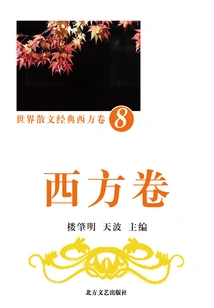
World Prose Classics·western Volume 8
Literature世界散文经典·西方卷8
Lou Zhaoming Editor-in-chief Tianbo
Human beings have created civilization and culture, and people live in civilization and culture. Civilization and culture also restrict people. Humans are cultural animals. If culture is removed from humans, or if humans lose the ability to create civilization and culture, humans will no longer be human beings. This is what distinguishes humans from animals. This anthology places our country's modern prose in the rise of modern literature during the May Fourth Movement. The May Fourth New Culture Movement is roughly equivalent to the Western Enlightenment Movement. Looking back at the development of Chinese prose in the past century, it is generally equivalent to the rise and fall of various schools of Western literature over the past three to four hundred years. To be more precise, the historical development of modern Western literature over the past three to four hundred years has been condensed into one century and selectively introduced, disseminated and completed. The first two major chapters of modern Western prose are equivalent to the first climax period of the development and prosperity of modern prose in my country from the May 4th to the 1930s; the prose creation in Taiwan from the 1960s to the 1980s can be regarded as the second prosperous period of modern prose in my country. From the second half of the 1980s, both the mainland and Taiwan have been or are keeping pace with the world in terms of prose accepting the achievements of human culture in this century. The ups and downs and bumpy journey of our country's modern prose in the past two centuries shows that it is almost a necessary prerequisite to regard the achievements of foreign culture and civilization as a kind of impact and catalyst for the development of our national culture. Lu Xun said that the prose of the "May Fourth" period was based on the emerging poetry and novels; Zhou Zuoren said that the modern prose of the "May Fourth" came from two sources, one is the tradition of Ming and Qing sketches, and the other is the spread of British sketches, which is the product of the fusion of the two. The world's prose classics include Eastern volumes and Western volumes.
Human beings have created civilization and culture, and people live in civilization and culture. Civilization and culture also restrict people. Humans are cultural animals. If culture is removed from humans, or if humans lose the ability to create civilization and culture, humans will no longer be human beings. This is what distinguishes humans from animals. This anthology places our country's modern prose in the rise of modern literature during the May Fourth Movement. The May Fourth New Culture Movement is roughly equivalent to the Western Enlightenment Movement. Looking back at the development of Chinese prose in the past century, it is generally equivalent to the rise and fall of various schools of Western literature over the past three to four hundred years. To be more precise, the historical development of modern Western literature over the past three to four hundred years has been condensed into one century and selectively introduced, disseminated and completed. The first two major chapters of modern Western prose are equivalent to the first climax period of the development and prosperity of modern prose in my country from the May 4th to the 1930s; the prose creation in Taiwan from the 1960s to the 1980s can be regarded as the second prosperous period of modern prose in my country. From the second half of the 1980s, both the mainland and Taiwan have been or are keeping pace with the world in terms of prose accepting the achievements of human culture in this century. The ups and downs and bumpy journey of our country's modern prose in the past two centuries shows that it is almost a necessary prerequisite to regard the achievements of foreign culture and civilization as a kind of impact and catalyst for the development of our national culture. Lu Xun said that the prose of the "May Fourth" period was based on the emerging poetry and novels; Zhou Zuoren said that the modern prose of the "May Fourth" came from two sources, one is the tradition of Ming and Qing sketches, and the other is the spread of British sketches, which is the product of the fusion of the two. The world's prose classics include Eastern volumes and Western volumes.
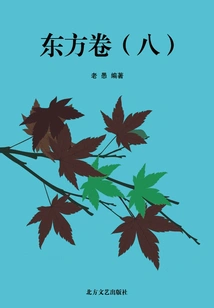
World Prose Classics·oriental Volume 8
Literature世界散文经典·东方卷8
Compiled By Lao Yu
Human beings have created civilization and culture, and people live in civilization and culture. Civilization and culture also restrict people. Humans are cultural animals. If culture is removed from humans, or if humans lose the ability to create civilization and culture, humans will no longer be human beings. This is what distinguishes humans from animals. This anthology places our country's modern prose in the rise of modern literature during the May Fourth Movement. The May Fourth New Culture Movement is roughly equivalent to the Western Enlightenment Movement. Looking back at the development of Chinese prose in the past century, it is generally equivalent to the rise and fall of various schools of Western literature over the past three to four hundred years. To be more precise, the historical development of modern Western literature over the past three to four hundred years has been condensed into one century and selectively introduced, disseminated and completed. The first two major chapters of modern Western prose are equivalent to the first climax period of the development and prosperity of modern prose in my country from the May 4th to the 1930s; the prose creation in Taiwan from the 1960s to the 1980s can be regarded as the second prosperous period of modern prose in my country. From the second half of the 1980s, both the mainland and Taiwan have been or are keeping pace with the world in terms of prose accepting the achievements of human culture in this century. The ups and downs and bumpy journey of our country's modern prose in the past two centuries shows that it is almost a necessary prerequisite to regard the achievements of foreign culture and civilization as a kind of impact and catalyst for the development of our national culture. Lu Xun said that the prose of the "May Fourth" period was based on the emerging poetry and novels; Zhou Zuoren said that the modern prose of the "May Fourth" came from two sources, one is the tradition of Ming and Qing sketches, and the other is the spread of British sketches, which is the product of the fusion of the two. The world's prose classics include Eastern volumes and Western volumes.
Human beings have created civilization and culture, and people live in civilization and culture. Civilization and culture also restrict people. Humans are cultural animals. If culture is removed from humans, or if humans lose the ability to create civilization and culture, humans will no longer be human beings. This is what distinguishes humans from animals. This anthology places our country's modern prose in the rise of modern literature during the May Fourth Movement. The May Fourth New Culture Movement is roughly equivalent to the Western Enlightenment Movement. Looking back at the development of Chinese prose in the past century, it is generally equivalent to the rise and fall of various schools of Western literature over the past three to four hundred years. To be more precise, the historical development of modern Western literature over the past three to four hundred years has been condensed into one century and selectively introduced, disseminated and completed. The first two major chapters of modern Western prose are equivalent to the first climax period of the development and prosperity of modern prose in my country from the May 4th to the 1930s; the prose creation in Taiwan from the 1960s to the 1980s can be regarded as the second prosperous period of modern prose in my country. From the second half of the 1980s, both the mainland and Taiwan have been or are keeping pace with the world in terms of prose accepting the achievements of human culture in this century. The ups and downs and bumpy journey of our country's modern prose in the past two centuries shows that it is almost a necessary prerequisite to regard the achievements of foreign culture and civilization as a kind of impact and catalyst for the development of our national culture. Lu Xun said that the prose of the "May Fourth" period was based on the emerging poetry and novels; Zhou Zuoren said that the modern prose of the "May Fourth" came from two sources, one is the tradition of Ming and Qing sketches, and the other is the spread of British sketches, which is the product of the fusion of the two. The world's prose classics include Eastern volumes and Western volumes.
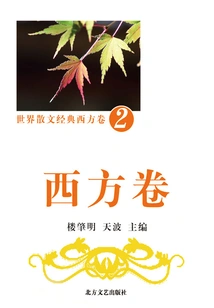
World Prose Classics·western Volume 2
Literature世界散文经典·西方卷2
Lou Zhaoming Editor-in-chief Tianbo
Human beings have created civilization and culture, and people live in civilization and culture. Civilization and culture also restrict people. Humans are cultural animals. If culture is removed from humans, or if humans lose the ability to create civilization and culture, humans will no longer be human beings. This is what distinguishes humans from animals. This anthology places our country's modern prose in the rise of modern literature during the May Fourth Movement. The May Fourth New Culture Movement is roughly equivalent to the Western Enlightenment Movement. Looking back at the development of Chinese prose in the past century, it is generally equivalent to the rise and fall of various schools of Western literature over the past three to four hundred years. To be more precise, the historical development of modern Western literature over the past three to four hundred years has been condensed into one century and selectively introduced, disseminated and completed. The first two major chapters of modern Western prose are equivalent to the first climax period of the development and prosperity of modern prose in my country from the May 4th to the 1930s; the prose creation in Taiwan from the 1960s to the 1980s can be regarded as the second prosperous period of modern prose in my country. From the second half of the 1980s, both the mainland and Taiwan have been or are keeping pace with the world in terms of prose accepting the achievements of human culture in this century. The ups and downs and bumpy journey of our country's modern prose in the past two centuries shows that it is almost a necessary prerequisite to regard the achievements of foreign culture and civilization as a kind of impact and catalyst for the development of our national culture. Lu Xun said that the prose of the "May Fourth" period was based on the emerging poetry and novels; Zhou Zuoren said that the modern prose of the "May Fourth" came from two sources, one is the tradition of Ming and Qing sketches, and the other is the spread of British sketches, which is the product of the fusion of the two. The world's prose classics include Eastern volumes and Western volumes.
Human beings have created civilization and culture, and people live in civilization and culture. Civilization and culture also restrict people. Humans are cultural animals. If culture is removed from humans, or if humans lose the ability to create civilization and culture, humans will no longer be human beings. This is what distinguishes humans from animals. This anthology places our country's modern prose in the rise of modern literature during the May Fourth Movement. The May Fourth New Culture Movement is roughly equivalent to the Western Enlightenment Movement. Looking back at the development of Chinese prose in the past century, it is generally equivalent to the rise and fall of various schools of Western literature over the past three to four hundred years. To be more precise, the historical development of modern Western literature over the past three to four hundred years has been condensed into one century and selectively introduced, disseminated and completed. The first two major chapters of modern Western prose are equivalent to the first climax period of the development and prosperity of modern prose in my country from the May 4th to the 1930s; the prose creation in Taiwan from the 1960s to the 1980s can be regarded as the second prosperous period of modern prose in my country. From the second half of the 1980s, both the mainland and Taiwan have been or are keeping pace with the world in terms of prose accepting the achievements of human culture in this century. The ups and downs and bumpy journey of our country's modern prose in the past two centuries shows that it is almost a necessary prerequisite to regard the achievements of foreign culture and civilization as a kind of impact and catalyst for the development of our national culture. Lu Xun said that the prose of the "May Fourth" period was based on the emerging poetry and novels; Zhou Zuoren said that the modern prose of the "May Fourth" came from two sources, one is the tradition of Ming and Qing sketches, and the other is the spread of British sketches, which is the product of the fusion of the two. The world's prose classics include Eastern volumes and Western volumes.
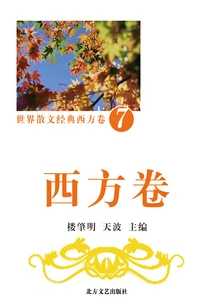
World Prose Classics·western Volume 7
Literature世界散文经典·西方卷7
Lou Zhaoming Editor-in-chief Tianbo
Human beings have created civilization and culture, and people live in civilization and culture. Civilization and culture also restrict people. Humans are cultural animals. If culture is removed from humans, or if humans lose the ability to create civilization and culture, humans will no longer be human beings. This is what distinguishes humans from animals. This anthology places our country's modern prose in the rise of modern literature during the May Fourth Movement. The May Fourth New Culture Movement is roughly equivalent to the Western Enlightenment Movement. Looking back at the development of Chinese prose in the past century, it is generally equivalent to the rise and fall of various schools of Western literature over the past three to four hundred years. To be more precise, the historical development of modern Western literature over the past three to four hundred years has been condensed into one century and selectively introduced, disseminated and completed. The first two major chapters of modern Western prose are equivalent to the first climax period of the development and prosperity of modern prose in my country from the May 4th to the 1930s; the prose creation in Taiwan from the 1960s to the 1980s can be regarded as the second prosperous period of modern prose in my country. From the second half of the 1980s, both the mainland and Taiwan have been or are keeping pace with the world in terms of prose accepting the achievements of human culture in this century. The ups and downs and bumpy journey of our country's modern prose in the past two centuries shows that it is almost a necessary prerequisite to regard the achievements of foreign culture and civilization as a kind of impact and catalyst for the development of our national culture. Lu Xun said that the prose of the "May Fourth" period was based on the emerging poetry and novels; Zhou Zuoren said that the modern prose of the "May Fourth" came from two sources, one is the tradition of Ming and Qing sketches, and the other is the spread of British sketches, which is the product of the fusion of the two. The world's prose classics include Eastern volumes and Western volumes.
Human beings have created civilization and culture, and people live in civilization and culture. Civilization and culture also restrict people. Humans are cultural animals. If culture is removed from humans, or if humans lose the ability to create civilization and culture, humans will no longer be human beings. This is what distinguishes humans from animals. This anthology places our country's modern prose in the rise of modern literature during the May Fourth Movement. The May Fourth New Culture Movement is roughly equivalent to the Western Enlightenment Movement. Looking back at the development of Chinese prose in the past century, it is generally equivalent to the rise and fall of various schools of Western literature over the past three to four hundred years. To be more precise, the historical development of modern Western literature over the past three to four hundred years has been condensed into one century and selectively introduced, disseminated and completed. The first two major chapters of modern Western prose are equivalent to the first climax period of the development and prosperity of modern prose in my country from the May 4th to the 1930s; the prose creation in Taiwan from the 1960s to the 1980s can be regarded as the second prosperous period of modern prose in my country. From the second half of the 1980s, both the mainland and Taiwan have been or are keeping pace with the world in terms of prose accepting the achievements of human culture in this century. The ups and downs and bumpy journey of our country's modern prose in the past two centuries shows that it is almost a necessary prerequisite to regard the achievements of foreign culture and civilization as a kind of impact and catalyst for the development of our national culture. Lu Xun said that the prose of the "May Fourth" period was based on the emerging poetry and novels; Zhou Zuoren said that the modern prose of the "May Fourth" came from two sources, one is the tradition of Ming and Qing sketches, and the other is the spread of British sketches, which is the product of the fusion of the two. The world's prose classics include Eastern volumes and Western volumes.
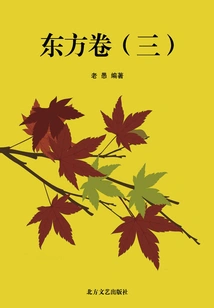
World Prose Classics·oriental Volume 3
Literature世界散文经典·东方卷3
Compiled By Lao Yu
Human beings have created civilization and culture, and people live in civilization and culture. Civilization and culture also restrict people. Humans are cultural animals. If culture is removed from humans, or if humans lose the ability to create civilization and culture, humans will no longer be human beings. This is what distinguishes humans from animals. This anthology places our country's modern prose in the rise of modern literature during the May Fourth Movement. The May Fourth New Culture Movement is roughly equivalent to the Western Enlightenment Movement. Looking back at the development of Chinese prose in the past century, it is generally equivalent to the rise and fall of various schools of Western literature over the past three to four hundred years. To be more precise, the historical development of modern Western literature over the past three to four hundred years has been condensed into one century and selectively introduced, disseminated and completed. The first two major chapters of modern Western prose are equivalent to the first climax period of the development and prosperity of modern prose in my country from the May 4th to the 1930s; the prose creation in Taiwan from the 1960s to the 1980s can be regarded as the second prosperous period of modern prose in my country. From the second half of the 1980s, both the mainland and Taiwan have been or are keeping pace with the world in terms of prose accepting the achievements of human culture in this century. The ups and downs and bumpy journey of our country's modern prose in the past two centuries shows that it is almost a necessary prerequisite to regard the achievements of foreign culture and civilization as a kind of impact and catalyst for the development of our national culture. Lu Xun said that the prose of the "May Fourth" period was based on the emerging poetry and novels; Zhou Zuoren said that the modern prose of the "May Fourth" came from two sources, one is the tradition of Ming and Qing sketches, and the other is the spread of British sketches, which is the product of the fusion of the two. The world's prose classics include Eastern volumes and Western volumes.
Human beings have created civilization and culture, and people live in civilization and culture. Civilization and culture also restrict people. Humans are cultural animals. If culture is removed from humans, or if humans lose the ability to create civilization and culture, humans will no longer be human beings. This is what distinguishes humans from animals. This anthology places our country's modern prose in the rise of modern literature during the May Fourth Movement. The May Fourth New Culture Movement is roughly equivalent to the Western Enlightenment Movement. Looking back at the development of Chinese prose in the past century, it is generally equivalent to the rise and fall of various schools of Western literature over the past three to four hundred years. To be more precise, the historical development of modern Western literature over the past three to four hundred years has been condensed into one century and selectively introduced, disseminated and completed. The first two major chapters of modern Western prose are equivalent to the first climax period of the development and prosperity of modern prose in my country from the May 4th to the 1930s; the prose creation in Taiwan from the 1960s to the 1980s can be regarded as the second prosperous period of modern prose in my country. From the second half of the 1980s, both the mainland and Taiwan have been or are keeping pace with the world in terms of prose accepting the achievements of human culture in this century. The ups and downs and bumpy journey of our country's modern prose in the past two centuries shows that it is almost a necessary prerequisite to regard the achievements of foreign culture and civilization as a kind of impact and catalyst for the development of our national culture. Lu Xun said that the prose of the "May Fourth" period was based on the emerging poetry and novels; Zhou Zuoren said that the modern prose of the "May Fourth" came from two sources, one is the tradition of Ming and Qing sketches, and the other is the spread of British sketches, which is the product of the fusion of the two. The world's prose classics include Eastern volumes and Western volumes.
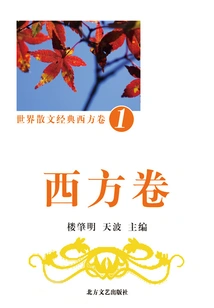
World Prose Classics·western Volume 1
Literature世界散文经典·西方卷1
Lou Zhaoming Editor-in-chief Tianbo
Human beings have created civilization and culture, and people live in civilization and culture. Civilization and culture also restrict people. Humans are cultural animals. If culture is removed from humans, or if humans lose the ability to create civilization and culture, humans will no longer be human beings. This is what distinguishes humans from animals. This anthology places our country's modern prose in the rise of modern literature during the May Fourth Movement. The May Fourth New Culture Movement is roughly equivalent to the Western Enlightenment Movement. Looking back at the development of Chinese prose in the past century, it is generally equivalent to the rise and fall of various schools of Western literature over the past three to four hundred years. To be more precise, the historical development of modern Western literature over the past three to four hundred years has been condensed into one century and selectively introduced, disseminated and completed. The first two major chapters of modern Western prose are equivalent to the first climax period of the development and prosperity of modern prose in my country from the May 4th to the 1930s; the prose creation in Taiwan from the 1960s to the 1980s can be regarded as the second prosperous period of modern prose in my country. From the second half of the 1980s, both the mainland and Taiwan have been or are keeping pace with the world in terms of prose accepting the achievements of human culture in this century. The ups and downs and bumpy journey of our country's modern prose in the past two centuries shows that it is almost a necessary prerequisite to regard the achievements of foreign culture and civilization as a kind of impact and catalyst for the development of our national culture. Lu Xun said that the prose of the "May Fourth" period was based on the emerging poetry and novels; Zhou Zuoren said that the modern prose of the "May Fourth" came from two sources, one is the tradition of Ming and Qing sketches, and the other is the spread of British sketches, which is the product of the fusion of the two. The world's prose classics include Eastern volumes and Western volumes.
Human beings have created civilization and culture, and people live in civilization and culture. Civilization and culture also restrict people. Humans are cultural animals. If culture is removed from humans, or if humans lose the ability to create civilization and culture, humans will no longer be human beings. This is what distinguishes humans from animals. This anthology places our country's modern prose in the rise of modern literature during the May Fourth Movement. The May Fourth New Culture Movement is roughly equivalent to the Western Enlightenment Movement. Looking back at the development of Chinese prose in the past century, it is generally equivalent to the rise and fall of various schools of Western literature over the past three to four hundred years. To be more precise, the historical development of modern Western literature over the past three to four hundred years has been condensed into one century and selectively introduced, disseminated and completed. The first two major chapters of modern Western prose are equivalent to the first climax period of the development and prosperity of modern prose in my country from the May 4th to the 1930s; the prose creation in Taiwan from the 1960s to the 1980s can be regarded as the second prosperous period of modern prose in my country. From the second half of the 1980s, both the mainland and Taiwan have been or are keeping pace with the world in terms of prose accepting the achievements of human culture in this century. The ups and downs and bumpy journey of our country's modern prose in the past two centuries shows that it is almost a necessary prerequisite to regard the achievements of foreign culture and civilization as a kind of impact and catalyst for the development of our national culture. Lu Xun said that the prose of the "May Fourth" period was based on the emerging poetry and novels; Zhou Zuoren said that the modern prose of the "May Fourth" came from two sources, one is the tradition of Ming and Qing sketches, and the other is the spread of British sketches, which is the product of the fusion of the two. The world's prose classics include Eastern volumes and Western volumes.
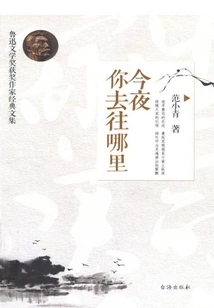
Where Are You Going Tonight
Literature今夜你去往哪里
Fan Xiaoqing
This is a set of short stories published by Fan Xiaoqing in recent years, which is a model of the combination of modern society and southern life. History and scenery are never separated from the crowd the writer is surrounded by, and there is no wishful thinking and no moaning of self-pity. Focusing on daily life and longing for normality, the writer writes about what she sees, hears and feels, authentically infiltrating her attitude towards life and understanding of all living beings.
This is a set of short stories published by Fan Xiaoqing in recent years, which is a model of the combination of modern society and southern life. History and scenery are never separated from the crowd the writer is surrounded by, and there is no wishful thinking and no moaning of self-pity. Focusing on daily life and longing for normality, the writer writes about what she sees, hears and feels, authentically infiltrating her attitude towards life and understanding of all living beings.
Love Must Be Happy: Meet the Best Self
Literature爱呀,一定要幸福:遇见最好的自己
Zhang Chu
"Love Must Be Happy (Meeting the Good Self)" is a collection of essays, divided into six parts, including: because you have no wings, you have to run with all your strength; the courage to dream; there is always a fall that makes us grow up instantly; when worries are gone, the heart becomes alive; do not dwell on the past, do not fear the future; do not forget the original intention, there is a beginning and an end. These words that have been circulated for hundreds of years have accumulated over time and have their own youth. When the heart is full of chaos and disputes, read it. When ripples appear in your heart, people will not be numb. The love in the book will warm us and the people around us.
"Love Must Be Happy (Meeting the Good Self)" is a collection of essays, divided into six parts, including: because you have no wings, you have to run with all your strength; the courage to dream; there is always a fall that makes us grow up instantly; when worries are gone, the heart becomes alive; do not dwell on the past, do not fear the future; do not forget the original intention, there is a beginning and an end. These words that have been circulated for hundreds of years have accumulated over time and have their own youth. When the heart is full of chaos and disputes, read it. When ripples appear in your heart, people will not be numb. The love in the book will warm us and the people around us.
爱呀,一定要幸福:最柔软的时光在路上
Zhang Chu
We don't know where we come from or where we are going, but when faced with the stories in "Love Must Be Happy: Soft Time on the Road", we seem to be able to hear the call from the depths of our souls, and start a space-time dialogue with the past and future, keeping people's minds away from turmoil. Just like the branches and leaves of a big tree, even if the wind and rain come, they are still full of green and live with confidence. It is the deep-rooted and leafy posture that life should have. "Love Must Be Happy: Soft Time on the Road" These words that have been circulated for hundreds of years have accumulated over time and have their own youth. When the heart is full of chaos and disputes, read it. When ripples appear in your heart, people will not be numb. The love in the book will warm us and the people around us. In fact, living is not only about loving ourselves fiercely, but also loving deeply all the people and things that are worthy of our devotion. A world with love is happy. The mind is at peace, and everything comes into the mind like a shallow clear spring. When the showers first stop. See everything in the world. This book is edited by Zhang Chu.
We don't know where we come from or where we are going, but when faced with the stories in "Love Must Be Happy: Soft Time on the Road", we seem to be able to hear the call from the depths of our souls, and start a space-time dialogue with the past and future, keeping people's minds away from turmoil. Just like the branches and leaves of a big tree, even if the wind and rain come, they are still full of green and live with confidence. It is the deep-rooted and leafy posture that life should have. "Love Must Be Happy: Soft Time on the Road" These words that have been circulated for hundreds of years have accumulated over time and have their own youth. When the heart is full of chaos and disputes, read it. When ripples appear in your heart, people will not be numb. The love in the book will warm us and the people around us. In fact, living is not only about loving ourselves fiercely, but also loving deeply all the people and things that are worthy of our devotion. A world with love is happy. The mind is at peace, and everything comes into the mind like a shallow clear spring. When the showers first stop. See everything in the world. This book is edited by Zhang Chu.
爱呀,一定要幸福:喜欢你,我变得无所畏惧
Zhang Chu
We don't know where we come from or where we are going, but when facing the stories in "Love Must Be Happy: I Become Fearless Like You", we seem to be able to hear the call from the depths of our souls, and start a space-time dialogue with the past and future, which can keep people's minds away from turmoil. Just like the branches and leaves of a big tree, even if the wind and rain come, they are still full of green and live with confidence. It is the deep-rooted and leafy posture that life should have. "Love must be happy (I become fearless when I like you)" These words have been circulated for hundreds of years. They have accumulated over the years and have their own youth. When the heart is full of chaos and disputes, read it. When ripples appear in your heart, people will not be numb. The love in the book will warm us and the people around us. In fact, living is not only about loving ourselves fiercely, but also loving deeply all the people and things that are worthy of our devotion. A world with love is happy. The mind is at peace, and everything comes into the mind like a shallow clear spring. When the showers first stop. See everything in the world. This book is edited by Zhang Chu.
We don't know where we come from or where we are going, but when facing the stories in "Love Must Be Happy: I Become Fearless Like You", we seem to be able to hear the call from the depths of our souls, and start a space-time dialogue with the past and future, which can keep people's minds away from turmoil. Just like the branches and leaves of a big tree, even if the wind and rain come, they are still full of green and live with confidence. It is the deep-rooted and leafy posture that life should have. "Love must be happy (I become fearless when I like you)" These words have been circulated for hundreds of years. They have accumulated over the years and have their own youth. When the heart is full of chaos and disputes, read it. When ripples appear in your heart, people will not be numb. The love in the book will warm us and the people around us. In fact, living is not only about loving ourselves fiercely, but also loving deeply all the people and things that are worthy of our devotion. A world with love is happy. The mind is at peace, and everything comes into the mind like a shallow clear spring. When the showers first stop. See everything in the world. This book is edited by Zhang Chu.
老师推荐的100篇美文:激励成功的智慧
Zhang Mengyue Guo Shiqi
The world's literature is so vast that it is difficult for a person to cover everything in his lifetime. What's more, how can students spend more time on reading under the pressure of mid-term control and college entrance examinations? However, as we grow up in life and are in the teenage years when we are most able to absorb knowledge and need the most nourishment, how can we not read these classics in human history? Based on this, this book invited more than a dozen outstanding teachers working on the education front to spend several years selecting 100 beautiful essays from ancient and modern Chinese and foreign prose to form a collection. In this way, young readers can spend the least time and taste the most high-quality products. At the same time, each essay has three sections: "Introduction to the Author", "Reading and Understanding", and "Appreciation", striving to allow readers to appreciate the theme and artistic conception of the essay from different perspectives. Pass
The world's literature is so vast that it is difficult for a person to cover everything in his lifetime. What's more, how can students spend more time on reading under the pressure of mid-term control and college entrance examinations? However, as we grow up in life and are in the teenage years when we are most able to absorb knowledge and need the most nourishment, how can we not read these classics in human history? Based on this, this book invited more than a dozen outstanding teachers working on the education front to spend several years selecting 100 beautiful essays from ancient and modern Chinese and foreign prose to form a collection. In this way, young readers can spend the least time and taste the most high-quality products. At the same time, each essay has three sections: "Introduction to the Author", "Reading and Understanding", and "Appreciation", striving to allow readers to appreciate the theme and artistic conception of the essay from different perspectives. Pass
There is an Autumn Cloud in the Distance
Literature远方有一抹秋天的云
Wang Zhiwei
Each beautiful article brings you a stream of wisdom. Wandering through it, you will experience the joy of reading and supreme aesthetic enjoyment. Here, the wisdom of famous masters guides us; the philosophies of famous masters inspire us, no matter whether we read it casually or read it carefully. You will gain spiritual edification and character sublimation from every bit of reading.
Each beautiful article brings you a stream of wisdom. Wandering through it, you will experience the joy of reading and supreme aesthetic enjoyment. Here, the wisdom of famous masters guides us; the philosophies of famous masters inspire us, no matter whether we read it casually or read it carefully. You will gain spiritual edification and character sublimation from every bit of reading.