Library
Browse and search books
2,982 novels found
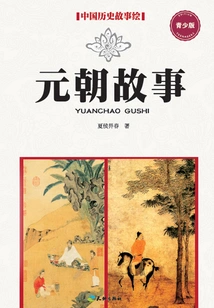
元朝故事(青少版)
Xiahou Gave Spring
The content of "Chinese Historical Story Painting" dates from ancient times to the late Qing Dynasty. The author selected people and events that were instructive during this long history and wrote a series of relaxed and interesting short stories. The book contains about 700 stories, which are coherent and take the development of Chinese history as the main line, starting from the ancient times. The major historical events and deeds of characters are basically all told, and the content is rich and thick. It is not only a collection of historical continuous stories, but also a large-scale general history of China, suitable for readers between the ages of nine and fourteen.
The content of "Chinese Historical Story Painting" dates from ancient times to the late Qing Dynasty. The author selected people and events that were instructive during this long history and wrote a series of relaxed and interesting short stories. The book contains about 700 stories, which are coherent and take the development of Chinese history as the main line, starting from the ancient times. The major historical events and deeds of characters are basically all told, and the content is rich and thick. It is not only a collection of historical continuous stories, but also a large-scale general history of China, suitable for readers between the ages of nine and fourteen.
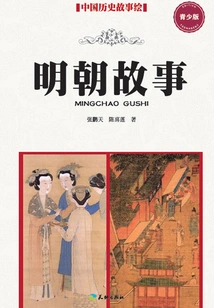
明朝故事(青少版)
Zhang Pengtian Chen Xilian
The content of "Chinese Historical Story Painting" dates from ancient times to the late Qing Dynasty. The author selected people and events that were instructive during this long history and wrote a series of relaxed and interesting short stories. The book contains about 700 stories, which are coherent and take the development of Chinese history as the main line, starting from the ancient times. The major historical events and deeds of characters are basically all told, and the content is rich and thick. It is not only a collection of historical continuous stories, but also a large-scale general history of China, suitable for readers between the ages of nine and fourteen.
The content of "Chinese Historical Story Painting" dates from ancient times to the late Qing Dynasty. The author selected people and events that were instructive during this long history and wrote a series of relaxed and interesting short stories. The book contains about 700 stories, which are coherent and take the development of Chinese history as the main line, starting from the ancient times. The major historical events and deeds of characters are basically all told, and the content is rich and thick. It is not only a collection of historical continuous stories, but also a large-scale general history of China, suitable for readers between the ages of nine and fourteen.
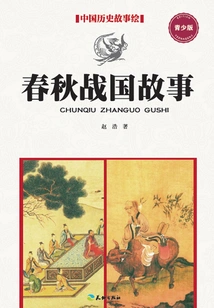
春秋战国故事(青少版)
Zhao Hao
The content of "Chinese Historical Story Painting" dates from ancient times to the late Qing Dynasty. The author selected people and events that were instructive during this long history and wrote a series of relaxed and interesting short stories. The book contains about 700 stories, which are coherent and take the development of Chinese history as the main line, starting from the ancient times. The major historical events and deeds of characters are basically all told, and the content is rich and thick. It is not only a collection of historical continuous stories, but also a large-scale general history of China, suitable for readers between the ages of nine and fourteen.
The content of "Chinese Historical Story Painting" dates from ancient times to the late Qing Dynasty. The author selected people and events that were instructive during this long history and wrote a series of relaxed and interesting short stories. The book contains about 700 stories, which are coherent and take the development of Chinese history as the main line, starting from the ancient times. The major historical events and deeds of characters are basically all told, and the content is rich and thick. It is not only a collection of historical continuous stories, but also a large-scale general history of China, suitable for readers between the ages of nine and fourteen.
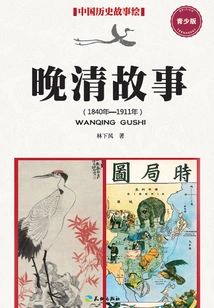
晚清故事(1840-1911)(青少版)
Lin Xiafeng
The content of "Chinese Historical Story Painting" dates from ancient times to the late Qing Dynasty. The author selected people and events that were instructive during this long history and wrote a series of relaxed and interesting short stories. The book contains about 700 stories, which are coherent and take the development of Chinese history as the main line, starting from the ancient times. The major historical events and deeds of characters are basically all told, and the content is rich and thick. It is not only a collection of historical continuous stories, but also a large-scale general history of China, suitable for readers between the ages of nine and fourteen.
The content of "Chinese Historical Story Painting" dates from ancient times to the late Qing Dynasty. The author selected people and events that were instructive during this long history and wrote a series of relaxed and interesting short stories. The book contains about 700 stories, which are coherent and take the development of Chinese history as the main line, starting from the ancient times. The major historical events and deeds of characters are basically all told, and the content is rich and thick. It is not only a collection of historical continuous stories, but also a large-scale general history of China, suitable for readers between the ages of nine and fourteen.
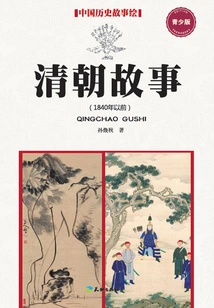
清朝故事(1840年以前)(青少版)
Sun Huanqiu
The content of "Chinese Historical Story Painting" dates from ancient times to the late Qing Dynasty. The author selected people and events that were instructive during this long history and wrote a series of relaxed and interesting short stories. The book contains about 700 stories, which are coherent and take the development of Chinese history as the main line, starting from the ancient times. The major historical events and deeds of characters are basically all told, and the content is rich and thick. It is not only a collection of historical continuous stories, but also a large-scale general history of China, suitable for readers between the ages of nine and fourteen.
The content of "Chinese Historical Story Painting" dates from ancient times to the late Qing Dynasty. The author selected people and events that were instructive during this long history and wrote a series of relaxed and interesting short stories. The book contains about 700 stories, which are coherent and take the development of Chinese history as the main line, starting from the ancient times. The major historical events and deeds of characters are basically all told, and the content is rich and thick. It is not only a collection of historical continuous stories, but also a large-scale general history of China, suitable for readers between the ages of nine and fourteen.
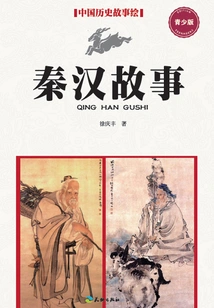
秦汉故事(青少版)
Xu Qingfeng
The content of "Chinese Historical Story Painting" dates from ancient times to the late Qing Dynasty. The author selected people and events that were instructive during this long history and wrote a series of relaxed and interesting short stories. The book contains about 700 stories, which are coherent and take the development of Chinese history as the main line, starting from the ancient times. The major historical events and deeds of characters are basically all told, and the content is rich and thick. It is not only a collection of historical continuous stories, but also a large-scale general history of China, suitable for readers between the ages of nine and fourteen.
The content of "Chinese Historical Story Painting" dates from ancient times to the late Qing Dynasty. The author selected people and events that were instructive during this long history and wrote a series of relaxed and interesting short stories. The book contains about 700 stories, which are coherent and take the development of Chinese history as the main line, starting from the ancient times. The major historical events and deeds of characters are basically all told, and the content is rich and thick. It is not only a collection of historical continuous stories, but also a large-scale general history of China, suitable for readers between the ages of nine and fourteen.
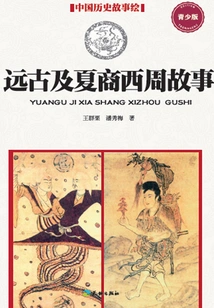
远古及夏商西周故事(青少版)
Wang Qunli Pan Xiumei
The content of "Chinese Historical Story Painting" dates from ancient times to the late Qing Dynasty. The author selected people and events that were instructive during this long history and wrote a series of relaxed and interesting short stories. The book contains about 700 stories, which are coherent and take the development of Chinese history as the main line, starting from the ancient times. The major historical events and deeds of characters are basically all told, and the content is rich and thick. It is not only a collection of historical continuous stories, but also a large-scale general history of China, suitable for readers between the ages of nine and fourteen.
The content of "Chinese Historical Story Painting" dates from ancient times to the late Qing Dynasty. The author selected people and events that were instructive during this long history and wrote a series of relaxed and interesting short stories. The book contains about 700 stories, which are coherent and take the development of Chinese history as the main line, starting from the ancient times. The major historical events and deeds of characters are basically all told, and the content is rich and thick. It is not only a collection of historical continuous stories, but also a large-scale general history of China, suitable for readers between the ages of nine and fourteen.
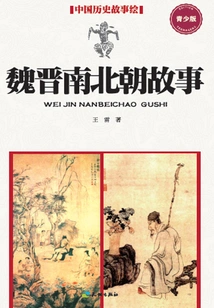
魏晋南北朝故事(青少版)
Wang Lei
The content of "Chinese Historical Story Painting" dates from ancient times to the late Qing Dynasty. The author selected people and events that were instructive during this long history and wrote a series of relaxed and interesting short stories. The book contains about 700 stories, which are coherent and take the development of Chinese history as the main line, starting from the ancient times. The major historical events and deeds of characters are basically all told, and the content is rich and thick. It is not only a collection of historical continuous stories, but also a large-scale general history of China, suitable for readers between the ages of nine and fourteen.
The content of "Chinese Historical Story Painting" dates from ancient times to the late Qing Dynasty. The author selected people and events that were instructive during this long history and wrote a series of relaxed and interesting short stories. The book contains about 700 stories, which are coherent and take the development of Chinese history as the main line, starting from the ancient times. The major historical events and deeds of characters are basically all told, and the content is rich and thick. It is not only a collection of historical continuous stories, but also a large-scale general history of China, suitable for readers between the ages of nine and fourteen.
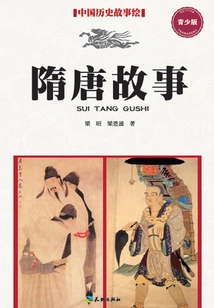
隋唐故事(青少版)
Liang Zhao Liang Enzi
The content of "Chinese Historical Story Painting" dates from ancient times to the late Qing Dynasty. The author selected people and events that were instructive during this long history and wrote a series of relaxed and interesting short stories. The book contains about 700 stories, which are coherent and take the development of Chinese history as the main line, starting from the ancient times. The major historical events and deeds of characters are basically all told, and the content is rich and thick. It is not only a collection of historical continuous stories, but also a large-scale general history of China, suitable for readers between the ages of nine and fourteen.
The content of "Chinese Historical Story Painting" dates from ancient times to the late Qing Dynasty. The author selected people and events that were instructive during this long history and wrote a series of relaxed and interesting short stories. The book contains about 700 stories, which are coherent and take the development of Chinese history as the main line, starting from the ancient times. The major historical events and deeds of characters are basically all told, and the content is rich and thick. It is not only a collection of historical continuous stories, but also a large-scale general history of China, suitable for readers between the ages of nine and fourteen.
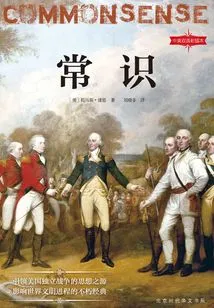
常识(中英双语彩插本)
Thomas Paine
"Common Sense" was published by Thomas Paine (1737-1809) in January 1776 under the signature of "an Englishman". The content is indeed, as the title says, all common sense, but this common sense is relevant to today. In January 1776, after the gunfire in Lexington, the shocking effect of "Common Sense" is unimaginable by today's people. It can be said that it was the publication that promoted the United States' independence from the British Empire. The publication of "Common Sense" profoundly exposed the dark and oppressive nature of Britain, which made many people finally make up their minds to break with the United Kingdom. It greatly encouraged American independence morale and established an independent United States of America. At the same time, it is also a must-read classic for contemporary young people.
"Common Sense" was published by Thomas Paine (1737-1809) in January 1776 under the signature of "an Englishman". The content is indeed, as the title says, all common sense, but this common sense is relevant to today. In January 1776, after the gunfire in Lexington, the shocking effect of "Common Sense" is unimaginable by today's people. It can be said that it was the publication that promoted the United States' independence from the British Empire. The publication of "Common Sense" profoundly exposed the dark and oppressive nature of Britain, which made many people finally make up their minds to break with the United Kingdom. It greatly encouraged American independence morale and established an independent United States of America. At the same time, it is also a must-read classic for contemporary young people.
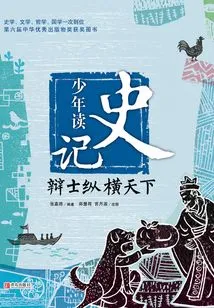
少年读史记:辩士纵横天下
Zhang Jiahua
This series of books is compiled by the famous Taiwanese writer Zhang Jiahua, who selects the stories of characters in "Historical Records", with a total of 60 articles. Mainly based on the relevant chapters of "Annals", "Aristocratic Family" and "Biographies" of "Historical Records", it selects the deeds of outstanding figures from Tang Yao to Emperor Wu of the Han Dynasty, including emperors, generals, sons of aristocratic families, counselors, educators, warriors, debaters, assassins, etc. The language is vivid, the text is smooth and concise, easy to understand, and has strong storytelling and readability.
This series of books is compiled by the famous Taiwanese writer Zhang Jiahua, who selects the stories of characters in "Historical Records", with a total of 60 articles. Mainly based on the relevant chapters of "Annals", "Aristocratic Family" and "Biographies" of "Historical Records", it selects the deeds of outstanding figures from Tang Yao to Emperor Wu of the Han Dynasty, including emperors, generals, sons of aristocratic families, counselors, educators, warriors, debaters, assassins, etc. The language is vivid, the text is smooth and concise, easy to understand, and has strong storytelling and readability.
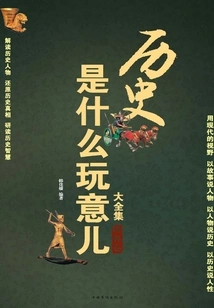
历史是什么玩意儿大全集·世界卷
Han Jiayuan
This book focuses on the three stages of ancient world history, modern history, and modern history. It takes chronological order as the axis and major events in various countries as sub-lines. It compiles an encyclopedia of world history for readers in a detailed manner. Although the time is broad, the context is clear, allowing readers to swim easily and smoothly in the ocean of world history.
This book focuses on the three stages of ancient world history, modern history, and modern history. It takes chronological order as the axis and major events in various countries as sub-lines. It compiles an encyclopedia of world history for readers in a detailed manner. Although the time is broad, the context is clear, allowing readers to swim easily and smoothly in the ocean of world history.
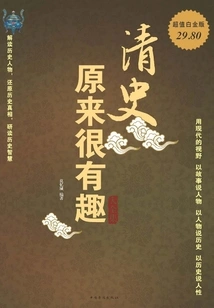
清史原来很有趣大全集(超值白金版)
Mo Yicheng
History is a mirror that reflects the glory of the past and illuminates the journey of the future. This book is based on official history and brings together the research essence of ancient and modern Chinese and foreign historical scholars. It is carefully absorbed and carefully crafted, traveling through more than 300 years of history, to show the true appearance of the twelve generations of emperors of the Qing Dynasty and the land of China under their rule.
History is a mirror that reflects the glory of the past and illuminates the journey of the future. This book is based on official history and brings together the research essence of ancient and modern Chinese and foreign historical scholars. It is carefully absorbed and carefully crafted, traveling through more than 300 years of history, to show the true appearance of the twelve generations of emperors of the Qing Dynasty and the land of China under their rule.
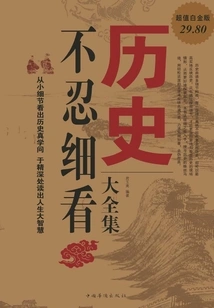
历史不忍细看大全集(超值白金版)
Jun Yuli
History cannot bear to be looked at carefully. If you look closely, there will be too many puzzles and unexpected answers. This book collects a large number of Chinese historical materials that have been forgotten, distorted, misunderstood and tampered with. It removes the false and retains the true, removes the rubbish and extracts the essence. It sweeps away the smoke and dust of history, presents the details of history, reveals the truth of history, allows you to understand the freshness and weight, warmth and cruelty of history. It guides you into the depths of history, watching the flow of thousands of years of traffic, and understanding the vicissitudes of the world.
History cannot bear to be looked at carefully. If you look closely, there will be too many puzzles and unexpected answers. This book collects a large number of Chinese historical materials that have been forgotten, distorted, misunderstood and tampered with. It removes the false and retains the true, removes the rubbish and extracts the essence. It sweeps away the smoke and dust of history, presents the details of history, reveals the truth of history, allows you to understand the freshness and weight, warmth and cruelty of history. It guides you into the depths of history, watching the flow of thousands of years of traffic, and understanding the vicissitudes of the world.
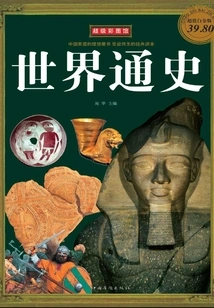
世界通史(彩图超值白金版)
Wanhua
This book adopts a general history style, in chronological order, and selects major events in world history. It presents readers with a three-dimensional and vivid world history through scientific style, smooth text, and exquisite pictures.
This book adopts a general history style, in chronological order, and selects major events in world history. It presents readers with a three-dimensional and vivid world history through scientific style, smooth text, and exquisite pictures.
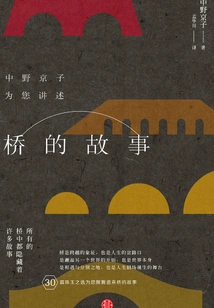
Bridge Story
History桥的故事
Nakano Kyoko
"The Story of Bridges" collects historical and humanistic stories behind bridges around the world. Using this as a clue, 30 bridges are told around the four themes of "strange", "surprise", "history" and "terrible". Some of these stories are about the bridge itself, as well as legends, myths, movies, paintings, etc. Caused by the bridge. The book introduces bridges that appear in the works of Mishima Yukio, Gogol, Renoir and others, as well as bridges in countless movies. But compared to the bridges in works of art, the real bridges in real life carry more forgotten history and amazing secrets. Various bridges quietly cross many rivers, silently telling many historical stories and displaying the cultural traditions of different countries.
"The Story of Bridges" collects historical and humanistic stories behind bridges around the world. Using this as a clue, 30 bridges are told around the four themes of "strange", "surprise", "history" and "terrible". Some of these stories are about the bridge itself, as well as legends, myths, movies, paintings, etc. Caused by the bridge. The book introduces bridges that appear in the works of Mishima Yukio, Gogol, Renoir and others, as well as bridges in countless movies. But compared to the bridges in works of art, the real bridges in real life carry more forgotten history and amazing secrets. Various bridges quietly cross many rivers, silently telling many historical stories and displaying the cultural traditions of different countries.
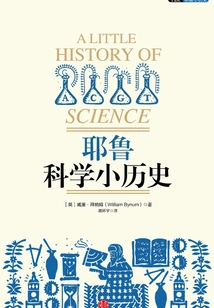
Yale Science Brief History
History耶鲁科学小历史
(uk) William Bynum
Following the publication in 2005 of E. H. Gombrich's "Little History of the World," translated from the 1935 German edition, Yale University Press has published a series of "Little Histories" covering many grand themes, including this science. Science is wonderful. It tells us about the infinite extension of space, the tiniest living things, the human body and the history of our planet. How to perceive the world and use its power is an eternal theme of science. From ancient Greek philosophers, to Einstein, Watson and Crick, to today's computer-assisted scientists, humans have been thinking, testing, experimenting and calculating, and sometimes making earth-shattering discoveries that help us understand the world and humanity itself from a completely new perspective. "A Little History of Science at Yale" is a fascinating book that tells the story of a great adventure: the history of science. It leads readers to observe the starry sky through telescopes and understand that the center of the universe is the sun, not the earth; it goes deep into the surface of the earth, compiles a periodic table of chemical elements, and introduces the physics of exploring electricity, gravity, and atomic structure; it describes in detail the scientific pursuit of discovering DNA molecules and opening up new prospects for exploration. By narrating the surprising personal stories of famous and unknown scientists, "A Little History of Yale Science" chronicles the scientific journey across the centuries. The fresh illustrations and warm and popular writing style make it a popular science book suitable for all ages.
Following the publication in 2005 of E. H. Gombrich's "Little History of the World," translated from the 1935 German edition, Yale University Press has published a series of "Little Histories" covering many grand themes, including this science. Science is wonderful. It tells us about the infinite extension of space, the tiniest living things, the human body and the history of our planet. How to perceive the world and use its power is an eternal theme of science. From ancient Greek philosophers, to Einstein, Watson and Crick, to today's computer-assisted scientists, humans have been thinking, testing, experimenting and calculating, and sometimes making earth-shattering discoveries that help us understand the world and humanity itself from a completely new perspective. "A Little History of Science at Yale" is a fascinating book that tells the story of a great adventure: the history of science. It leads readers to observe the starry sky through telescopes and understand that the center of the universe is the sun, not the earth; it goes deep into the surface of the earth, compiles a periodic table of chemical elements, and introduces the physics of exploring electricity, gravity, and atomic structure; it describes in detail the scientific pursuit of discovering DNA molecules and opening up new prospects for exploration. By narrating the surprising personal stories of famous and unknown scientists, "A Little History of Yale Science" chronicles the scientific journey across the centuries. The fresh illustrations and warm and popular writing style make it a popular science book suitable for all ages.
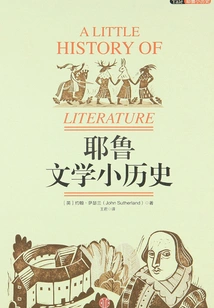
耶鲁文学小历史
W
Following the publication in 2005 of E. H. Gombrich's "Little History of the World," translated from the 1935 German edition, Yale University Press has published a series of "Little Histories" covering many grand themes, including this one. John Sutherland has conducted research, taught courses, and written books in nearly every field of literature. He had an infectious passion for books and reading, and wrote about his own life. Now he will take young readers "through the closet" and embark on a fun-filled journey across the glorious literary landscape. From Greek mythology to graphic novels, gain a profound understanding of how literature guides us and helps us understand the meaning of life. Sutherland introduces the great literary classics in a unique and irresistible way, making his guide breezy and inspiring, including Beowulf, Shakespeare, Don Quixote, Romanticism, Dickens, Moby-Dick, The Waste Land, Woolf, 1984, and more. In addition, he has added a number of rarely seen authors and works of his own choosing, including literary works often considered "not worthy of serious attention," from crude Anglo-Saxon jokes to "The Da Vinci Code." Successfully covering topics as diverse as censorship, narrative craft, self-publishing, taste, creativity, and madness, Sutherland demonstrates the richness and depth of his reading. For young readers, he provides an excellent guide to entertaining and educational literature that will serve as a guide for other readers with a rich reading experience.
Following the publication in 2005 of E. H. Gombrich's "Little History of the World," translated from the 1935 German edition, Yale University Press has published a series of "Little Histories" covering many grand themes, including this one. John Sutherland has conducted research, taught courses, and written books in nearly every field of literature. He had an infectious passion for books and reading, and wrote about his own life. Now he will take young readers "through the closet" and embark on a fun-filled journey across the glorious literary landscape. From Greek mythology to graphic novels, gain a profound understanding of how literature guides us and helps us understand the meaning of life. Sutherland introduces the great literary classics in a unique and irresistible way, making his guide breezy and inspiring, including Beowulf, Shakespeare, Don Quixote, Romanticism, Dickens, Moby-Dick, The Waste Land, Woolf, 1984, and more. In addition, he has added a number of rarely seen authors and works of his own choosing, including literary works often considered "not worthy of serious attention," from crude Anglo-Saxon jokes to "The Da Vinci Code." Successfully covering topics as diverse as censorship, narrative craft, self-publishing, taste, creativity, and madness, Sutherland demonstrates the richness and depth of his reading. For young readers, he provides an excellent guide to entertaining and educational literature that will serve as a guide for other readers with a rich reading experience.
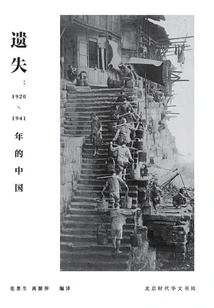
Lost: China 1920-1941
History遗失:1920-1941年的中国
Zhang Jingsheng Gao Yuanshen
"Lost: China 1920-1941" is a collection of old photos of various places in China from 1920 to 1941. The pictures and captions are all written by the photographer himself. It truly records China and the lifestyle of the Chinese people at that time. It is the most intuitive material for understanding Chinese history and culture. The photos in this book cover a wide range of subjects and cover a vast geographical area, covering Northeast China, North China, East China, the Three Gorges and Southwest regions. From local customs to urban scenes, they mainly objectively record humanities and society, and are both readable and historical. These seemingly cold but actually passionate pictures allow readers to intuitively understand Chinese society seventy or eighty years ago, and they can also feel the photographer's love and respect for the mountains, rivers and people there from the lines.
"Lost: China 1920-1941" is a collection of old photos of various places in China from 1920 to 1941. The pictures and captions are all written by the photographer himself. It truly records China and the lifestyle of the Chinese people at that time. It is the most intuitive material for understanding Chinese history and culture. The photos in this book cover a wide range of subjects and cover a vast geographical area, covering Northeast China, North China, East China, the Three Gorges and Southwest regions. From local customs to urban scenes, they mainly objectively record humanities and society, and are both readable and historical. These seemingly cold but actually passionate pictures allow readers to intuitively understand Chinese society seventy or eighty years ago, and they can also feel the photographer's love and respect for the mountains, rivers and people there from the lines.
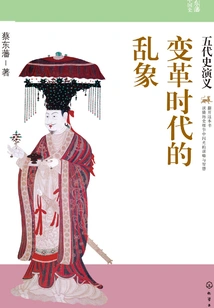
变革时代的乱象:五代史演义
Cai Dongfan
This book is a popular romance of the Five Dynasties in "Cai Dongfan Talks about Chinese History", with a total of sixty chapters. From Zhu Wen's usurpation of the Tang Dynasty to Zhao Kuangyin and Chen Qiao's mutiny, it wonderfully interprets the change of the Five Dynasties in fifty-three years. The author draws extensively from official history, occasionally from officials and wild officials, and his narrative is plain, smooth, and methodical; he makes self-evaluations and annotations, and his language is humorous and both reasonable and reasonable. Reading through this book, it is like a historical picture of the Five Dynasties unfolding slowly before your eyes. Sometimes it is a fierce battle, sometimes it is gentle and affectionate, sometimes it is a dispute between countries, sometimes it is a game of loyalty and traitor... It makes people dizzy and full of emotions.
This book is a popular romance of the Five Dynasties in "Cai Dongfan Talks about Chinese History", with a total of sixty chapters. From Zhu Wen's usurpation of the Tang Dynasty to Zhao Kuangyin and Chen Qiao's mutiny, it wonderfully interprets the change of the Five Dynasties in fifty-three years. The author draws extensively from official history, occasionally from officials and wild officials, and his narrative is plain, smooth, and methodical; he makes self-evaluations and annotations, and his language is humorous and both reasonable and reasonable. Reading through this book, it is like a historical picture of the Five Dynasties unfolding slowly before your eyes. Sometimes it is a fierce battle, sometimes it is gentle and affectionate, sometimes it is a dispute between countries, sometimes it is a game of loyalty and traitor... It makes people dizzy and full of emotions.
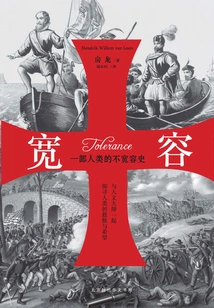
Tolerant
History宽容
Fanglong
"Tolerance" is a history of human "intolerance", a history of human sorrow, and a history of human struggle. Through a series of tragic experiences of famous historical figures who have influenced the world for more than 2,000 years, Fang Long analyzes the tragic journey that mankind has gone through in pursuit of the right to think, and reveals a truth that countless people have paid the price of blood and tears - only by tolerating different ideas can mankind achieve progress and liberation. From ancient Greece, the Middle Ages to the Enlightenment, Fanglong took great pains to write a history of European "ideological liberation" into a history of the struggle between tolerance and tyranny.
"Tolerance" is a history of human "intolerance", a history of human sorrow, and a history of human struggle. Through a series of tragic experiences of famous historical figures who have influenced the world for more than 2,000 years, Fang Long analyzes the tragic journey that mankind has gone through in pursuit of the right to think, and reveals a truth that countless people have paid the price of blood and tears - only by tolerating different ideas can mankind achieve progress and liberation. From ancient Greece, the Middle Ages to the Enlightenment, Fanglong took great pains to write a history of European "ideological liberation" into a history of the struggle between tolerance and tyranny.
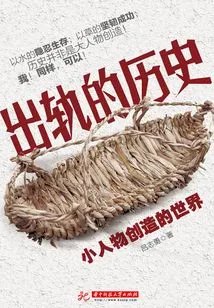
出轨的历史:小人物创造的世界
Lu Zhiyong
This book shows the main theme of "people should not belittle themselves, but should work hard to show their talents" through various small figures in history's various advancements in history. The little characters in this book seem as insignificant as us, but in fact they influence and even create history. For example, Huang Daopo, the cook who killed the emperor; such as Zhu Yuanzhang; but there are also people who really want to do good things and serve the country and the people, but in the end things go against their wishes, such as Ma Zhi who led the wolf into the house... History tells us: most of us will eventually be small people, but this cannot be an excuse for us to abandon our historical responsibilities, let alone a reason to harm history. Otherwise, history will spurn you for thousands of years; on the contrary, history will promote you for thousands of years.
This book shows the main theme of "people should not belittle themselves, but should work hard to show their talents" through various small figures in history's various advancements in history. The little characters in this book seem as insignificant as us, but in fact they influence and even create history. For example, Huang Daopo, the cook who killed the emperor; such as Zhu Yuanzhang; but there are also people who really want to do good things and serve the country and the people, but in the end things go against their wishes, such as Ma Zhi who led the wolf into the house... History tells us: most of us will eventually be small people, but this cannot be an excuse for us to abandon our historical responsibilities, let alone a reason to harm history. Otherwise, history will spurn you for thousands of years; on the contrary, history will promote you for thousands of years.
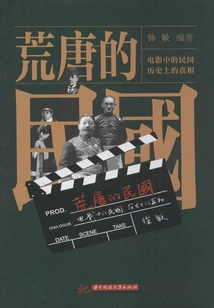
Absurd Republic of China
History荒唐的民国
Xu Min
The author of this book restores the true historical image of the Republic of China in the form of film reviews. Using the form of entertainment, solid historical data, and rigorous discussion, he effectively counterattacked and exposed the nonsense that "the Republic of China was the best era in the five thousand years of Chinese civilization development" and the so-called "Republic of China model."
The author of this book restores the true historical image of the Republic of China in the form of film reviews. Using the form of entertainment, solid historical data, and rigorous discussion, he effectively counterattacked and exposed the nonsense that "the Republic of China was the best era in the five thousand years of Chinese civilization development" and the so-called "Republic of China model."
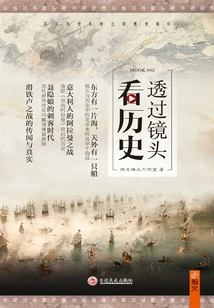
透过镜头看历史002
Zhiwen Fenghuo Studio
"There is a Sea in the East, and a Ship Beyond the Sky - The Beiyang Navy and the Sino-Japanese War of Sino-Japanese War through Lenses and History" comprehensively and thoroughly analyzes the gains and losses of the modern naval construction of China and Japan, and explains the process and results of the Sino-Japanese War from a professional perspective. "The Italians' Battle of Alamein - The History Behind the Movie "Battle of Alamein"" reproduces the ambition, struggle and tragedy of the Italians in the battle through film and text. The movie "The Assassin" is a costume movie based on the Tang legend "Nie Yinniang". "Nie Yinniang's Age of Assassins - The Legend of Tang Dynasty Rangers and the Separation of Wei Bo Fan Town" will detail the grand history of the legend of Tang Dynasty assassins and the separatist regime of Wei Bo vassal towns behind this movie. If you want to know how much exaggeration and joking there is in the Battle of Waterloo, and how much little-known historical truth there is, you might as well read the article "Rumors and Facts about the Battle of Waterloo".
"There is a Sea in the East, and a Ship Beyond the Sky - The Beiyang Navy and the Sino-Japanese War of Sino-Japanese War through Lenses and History" comprehensively and thoroughly analyzes the gains and losses of the modern naval construction of China and Japan, and explains the process and results of the Sino-Japanese War from a professional perspective. "The Italians' Battle of Alamein - The History Behind the Movie "Battle of Alamein"" reproduces the ambition, struggle and tragedy of the Italians in the battle through film and text. The movie "The Assassin" is a costume movie based on the Tang legend "Nie Yinniang". "Nie Yinniang's Age of Assassins - The Legend of Tang Dynasty Rangers and the Separation of Wei Bo Fan Town" will detail the grand history of the legend of Tang Dynasty assassins and the separatist regime of Wei Bo vassal towns behind this movie. If you want to know how much exaggeration and joking there is in the Battle of Waterloo, and how much little-known historical truth there is, you might as well read the article "Rumors and Facts about the Battle of Waterloo".
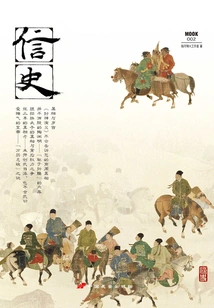
Trust History 002
History信史002
Zhiwen Fenghuo Studio
What is clearly written in history books does not necessarily mean history is believed. There are all kinds of motives behind historical events. History is wonderful, but at the same time it is confusing and confusing. To truly believe history, it must be logical, well-founded, justified, and able to withstand repeated scrutiny and verification. "History of Faith 002: Black History" is such a book that tells the true history that can withstand scrutiny and verification. The wonderful articles in this book include "Zodiac and Year", "The Unrestrained Tao Yuanming--The Inside Story of "Being Shameful at Bowing"", "The Truth about the Civet Cat Swapping the Crown Prince and the Power Struggle Behind It", etc.
What is clearly written in history books does not necessarily mean history is believed. There are all kinds of motives behind historical events. History is wonderful, but at the same time it is confusing and confusing. To truly believe history, it must be logical, well-founded, justified, and able to withstand repeated scrutiny and verification. "History of Faith 002: Black History" is such a book that tells the true history that can withstand scrutiny and verification. The wonderful articles in this book include "Zodiac and Year", "The Unrestrained Tao Yuanming--The Inside Story of "Being Shameful at Bowing"", "The Truth about the Civet Cat Swapping the Crown Prince and the Power Struggle Behind It", etc.
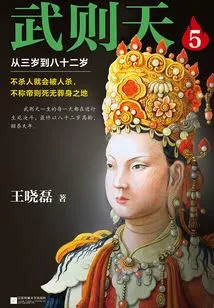
武则天5:从三岁到八十二岁
Wang Xiaolei
"Wu Zetian 5: From the Age of Three to Eighty-Two": The picture is so vivid that it makes an appearance! The work of Wang Xiaolei, the author of the long historical masterpiece "Despicable Saint: Cao Cao", is a masterpiece that exhausts all existing historical materials on Wu Zetian! Wu Zetian's sprint from the Queen Mother to the Empress starts from here! If fate refuses to create a great Wu Zetian, the great Wu Zetian will create her own destiny. In Wu Zetian's 82 years of life, she was on the verge of life and death every day, and she won every duel. In 31 BC, she was involved in a power struggle and fought for her life from a palace maid to the queen's throne; in 51 BC, she caused a bloody storm and used the queen's dragon robe to ensure her own safety. Every crisis that Wu Zetian faced was the cornerstone of her becoming the queen.
"Wu Zetian 5: From the Age of Three to Eighty-Two": The picture is so vivid that it makes an appearance! The work of Wang Xiaolei, the author of the long historical masterpiece "Despicable Saint: Cao Cao", is a masterpiece that exhausts all existing historical materials on Wu Zetian! Wu Zetian's sprint from the Queen Mother to the Empress starts from here! If fate refuses to create a great Wu Zetian, the great Wu Zetian will create her own destiny. In Wu Zetian's 82 years of life, she was on the verge of life and death every day, and she won every duel. In 31 BC, she was involved in a power struggle and fought for her life from a palace maid to the queen's throne; in 51 BC, she caused a bloody storm and used the queen's dragon robe to ensure her own safety. Every crisis that Wu Zetian faced was the cornerstone of her becoming the queen.
The Temperature of History: Looking for the Stories, Passion and True Temperament Behind History
History历史的温度:寻找历史背面的故事、热血和真性情
Zhang Wei
History is a kaleidoscope. Everyone sees it differently and sees it differently from every angle. Some people see cruelty, and some people see tenderness. Some people see killing, some people see redemption. Some people see others, and some people see themselves. Some people pretend to be true, and some people pretend to be true. A passage and a name in history books present unexpected faces in Zhang Wei's writing.
History is a kaleidoscope. Everyone sees it differently and sees it differently from every angle. Some people see cruelty, and some people see tenderness. Some people see killing, some people see redemption. Some people see others, and some people see themselves. Some people pretend to be true, and some people pretend to be true. A passage and a name in history books present unexpected faces in Zhang Wei's writing.
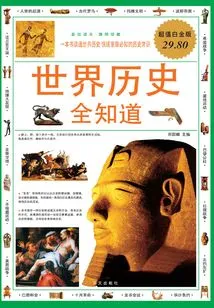
Know All About World History
History世界历史全知道
Xing Qunlin
"Knowing All World History (set of 4 volumes)" adopts the "whole history" system and draws on a wide range of materials. It is divided into three parts: general history of the world, unofficial history of the world, and secret history of the world. "General History of the World" selects major events, important figures, "brilliant achievements and splendid culture" that have had a profound impact on the development of world history, connecting the dots into lines to systematically and completely outline the development context of world history. "Unofficial History of the World" starts from Observing history from the perspective of the public, abandoning the view of traditional historiography that "it is only for the venerable, but for the sage", it adopts the essence of ancient and modern unofficial history, writes straightforwardly about the personalities, psychology, and anecdotes of emperors, generals, and ministers, and deeply depicts the intrigues and intrigues of the ruling class, in detail. It details the ugly inside stories and dirty tactics of politics and military affairs, and vividly reproduces the palace regulations and world affairs of various countries, allowing readers to clearly see civilization and the ugliness and weirdness behind it. "Secret History of the World" focuses on exploring hidden secrets and describing the deliberate intentions of rulers. The hidden and little-known history, as well as the history that historians are afraid, inconvenient or unwilling to write, guide readers to develop historical wisdom from the details. This book will help you uncover the mystery of history and discover the real and vivid historical truth.
"Knowing All World History (set of 4 volumes)" adopts the "whole history" system and draws on a wide range of materials. It is divided into three parts: general history of the world, unofficial history of the world, and secret history of the world. "General History of the World" selects major events, important figures, "brilliant achievements and splendid culture" that have had a profound impact on the development of world history, connecting the dots into lines to systematically and completely outline the development context of world history. "Unofficial History of the World" starts from Observing history from the perspective of the public, abandoning the view of traditional historiography that "it is only for the venerable, but for the sage", it adopts the essence of ancient and modern unofficial history, writes straightforwardly about the personalities, psychology, and anecdotes of emperors, generals, and ministers, and deeply depicts the intrigues and intrigues of the ruling class, in detail. It details the ugly inside stories and dirty tactics of politics and military affairs, and vividly reproduces the palace regulations and world affairs of various countries, allowing readers to clearly see civilization and the ugliness and weirdness behind it. "Secret History of the World" focuses on exploring hidden secrets and describing the deliberate intentions of rulers. The hidden and little-known history, as well as the history that historians are afraid, inconvenient or unwilling to write, guide readers to develop historical wisdom from the details. This book will help you uncover the mystery of history and discover the real and vivid historical truth.
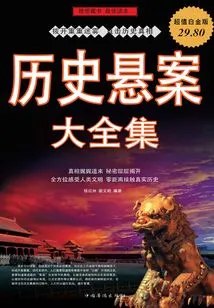
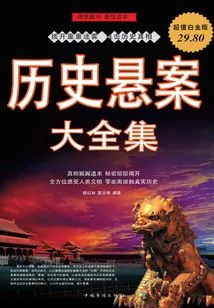
历史悬案大全集
Yang Honglin Zhai Wenming
This book is an excellent book that interprets the truth of historical details, reaching a new level in terms of authenticity, interest and enlightenment. By constructing a passage that returns to solemn history, the ins and outs of the unsolved case are displayed three-dimensionally. It objectively presents the popular views of experts and scholars in exploring the truth of history, interprets historical details from a modern perspective, inspires people to understand the bizarre phenomena that occur in real society, and strengthens the confidence to challenge the unknown world.
This book is an excellent book that interprets the truth of historical details, reaching a new level in terms of authenticity, interest and enlightenment. By constructing a passage that returns to solemn history, the ins and outs of the unsolved case are displayed three-dimensionally. It objectively presents the popular views of experts and scholars in exploring the truth of history, interprets historical details from a modern perspective, inspires people to understand the bizarre phenomena that occur in real society, and strengthens the confidence to challenge the unknown world.
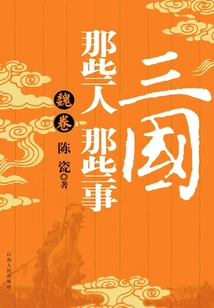
三国那些人那些事:魏卷
Chen Ci
Lifting the literary veil of "Romance of the Three Kingdoms", we will discover the other side of many misunderstood Three Kingdoms characters. This book is based on historical facts, sets up some fictitious scenes, interprets the heroes of the Three Kingdoms from a new perspective and in a modern style, removes the heroes of the Three Kingdoms from the romantic hero list in "The Romance of the Three Kingdoms", restores history, and returns to life. While enjoying the Three Kingdoms in a relaxed way, this book allows us to have a profound understanding of life, find the dreams of life from the Three Kingdoms, and find the truth of the Three Kingdoms from life.
Lifting the literary veil of "Romance of the Three Kingdoms", we will discover the other side of many misunderstood Three Kingdoms characters. This book is based on historical facts, sets up some fictitious scenes, interprets the heroes of the Three Kingdoms from a new perspective and in a modern style, removes the heroes of the Three Kingdoms from the romantic hero list in "The Romance of the Three Kingdoms", restores history, and returns to life. While enjoying the Three Kingdoms in a relaxed way, this book allows us to have a profound understanding of life, find the dreams of life from the Three Kingdoms, and find the truth of the Three Kingdoms from life.
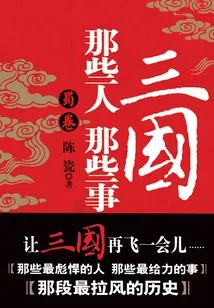
三国那些人那些事:蜀卷
Chen Ci
Are the three sworn brothers in Taoyuan a loyal iron brotherhood, or a superb emperor's ability to control people? Zhao Yun rescued Liu Chan alone among thousands of troops, but why was he still unable to be reused by Liu Bei? If Fazheng and Pang Tong survive, can Liu Bei unify the world? If Wei Yan's Ziwu Valley strategy had been adopted, would Zhuge Liang's Northern Expedition be successful? How did Zhuge Liang, the first man of Shu Han, treat his political rival Li Yan? During Jiang Wei's ninth Northern Expedition, was he the guarantee for the survival of the Shu Han, or was he the main cause of the Shu Han's demise? ... Among the Three Kingdoms, in the Shu Han Dynasty located in the southwest corner of China, the struggle of human nature is equally infinite. A mystery of human nature is waiting for us to explore.
Are the three sworn brothers in Taoyuan a loyal iron brotherhood, or a superb emperor's ability to control people? Zhao Yun rescued Liu Chan alone among thousands of troops, but why was he still unable to be reused by Liu Bei? If Fazheng and Pang Tong survive, can Liu Bei unify the world? If Wei Yan's Ziwu Valley strategy had been adopted, would Zhuge Liang's Northern Expedition be successful? How did Zhuge Liang, the first man of Shu Han, treat his political rival Li Yan? During Jiang Wei's ninth Northern Expedition, was he the guarantee for the survival of the Shu Han, or was he the main cause of the Shu Han's demise? ... Among the Three Kingdoms, in the Shu Han Dynasty located in the southwest corner of China, the struggle of human nature is equally infinite. A mystery of human nature is waiting for us to explore.
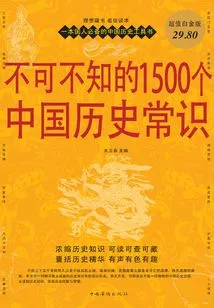
不可不知的1500个中国历史常识
Editor-in-chief Zhu Lichun
In order to help readers understand and master necessary Chinese historical knowledge more conveniently, easily and quickly, and lay a solid foundation for a successful life, the editor has carefully sorted out the complicated Chinese historical materials and selected the most important, practical and most interesting content for readers to launch this book. According to the order of historical development, this book divides Chinese history into several parts: "Ancient Civilization", "The Voice of Bells and Cauldrons", "Struggle for Hegemony", "Unification of Nine States", "Separation and Integration", "Golden Years", "Poverty and Weakness", "Ruling the World Immediately", "Reshaping Glory", "The Last Empire", "Democracy and Rebirth", covering various fields such as politics, military, economy, culture, science and technology, and nation. In order to make it easier for readers to read and master, this book simplifies the complex and presents all historical common sense in the form of entries within a rigorous scientific framework. In addition, the book is equipped with more than 300 exquisite pictures that closely match the text content, presenting the richness and splendor of Chinese history to readers more intuitively, truly, and three-dimensionally.
In order to help readers understand and master necessary Chinese historical knowledge more conveniently, easily and quickly, and lay a solid foundation for a successful life, the editor has carefully sorted out the complicated Chinese historical materials and selected the most important, practical and most interesting content for readers to launch this book. According to the order of historical development, this book divides Chinese history into several parts: "Ancient Civilization", "The Voice of Bells and Cauldrons", "Struggle for Hegemony", "Unification of Nine States", "Separation and Integration", "Golden Years", "Poverty and Weakness", "Ruling the World Immediately", "Reshaping Glory", "The Last Empire", "Democracy and Rebirth", covering various fields such as politics, military, economy, culture, science and technology, and nation. In order to make it easier for readers to read and master, this book simplifies the complex and presents all historical common sense in the form of entries within a rigorous scientific framework. In addition, the book is equipped with more than 300 exquisite pictures that closely match the text content, presenting the richness and splendor of Chinese history to readers more intuitively, truly, and three-dimensionally.
Historical Mystery
History历史悬案
Yang Honglin Zhai Wenming
This book collects more than 30 historical unsolved cases that have the greatest influence, the most research value and the most widespread attention in Chinese and foreign history. The content involves lost civilizations, imperial harems, cultural mysteries, mysterious treasures, etc. The content is rich and illustrated, which helps readers increase their knowledge and broaden their horizons.
This book collects more than 30 historical unsolved cases that have the greatest influence, the most research value and the most widespread attention in Chinese and foreign history. The content involves lost civilizations, imperial harems, cultural mysteries, mysterious treasures, etc. The content is rich and illustrated, which helps readers increase their knowledge and broaden their horizons.
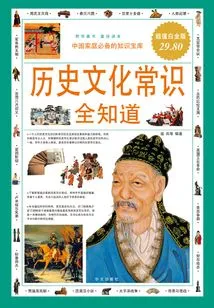
历史文化常识全知道
Chen Bing Et Al.
A person's historical and cultural knowledge and common sense are often a reflection of his comprehensive quality and ability. Understanding and mastering the necessary historical and cultural common sense is conducive to enriching knowledge reserves, improving personal qualities, and laying a solid foundation for a successful life. However, even professionals' knowledge of history and culture is only the tip of the iceberg of human history and culture. For most people, there are countless historical and cultural blind spots. In order to help readers understand and master necessary historical and cultural common sense more conveniently, easily and quickly, the editor made appropriate selections from the vast historical and cultural materials, selected the most interesting and practical content for readers, and launched "Knowing All Historical and Cultural Common Sense (Value Platinum Edition)". The book is divided into volumes such as Chinese history knowledge, world history knowledge, Chinese celebrity knowledge, world celebrity knowledge, Chinese military knowledge, world military knowledge, Chinese literature knowledge, and world literature knowledge. It takes history and culture as the main line, and uses a scientific style and a combination of pictures and texts. , Which introduces more than 2,000 pieces of historical and cultural knowledge by category, with detailed information, concise language, comprehensive content, and strong reference and guidance. It is not only an elite and convenient encyclopedia dictionary, but also an indispensable cultural snack in leisure life. With a book in hand, you can enjoy an unparalleled reading experience while swimming in the vast ocean of historical and cultural knowledge.
A person's historical and cultural knowledge and common sense are often a reflection of his comprehensive quality and ability. Understanding and mastering the necessary historical and cultural common sense is conducive to enriching knowledge reserves, improving personal qualities, and laying a solid foundation for a successful life. However, even professionals' knowledge of history and culture is only the tip of the iceberg of human history and culture. For most people, there are countless historical and cultural blind spots. In order to help readers understand and master necessary historical and cultural common sense more conveniently, easily and quickly, the editor made appropriate selections from the vast historical and cultural materials, selected the most interesting and practical content for readers, and launched "Knowing All Historical and Cultural Common Sense (Value Platinum Edition)". The book is divided into volumes such as Chinese history knowledge, world history knowledge, Chinese celebrity knowledge, world celebrity knowledge, Chinese military knowledge, world military knowledge, Chinese literature knowledge, and world literature knowledge. It takes history and culture as the main line, and uses a scientific style and a combination of pictures and texts. , Which introduces more than 2,000 pieces of historical and cultural knowledge by category, with detailed information, concise language, comprehensive content, and strong reference and guidance. It is not only an elite and convenient encyclopedia dictionary, but also an indispensable cultural snack in leisure life. With a book in hand, you can enjoy an unparalleled reading experience while swimming in the vast ocean of historical and cultural knowledge.
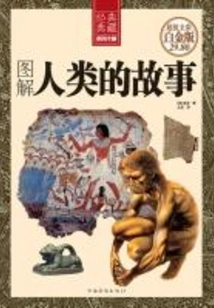
图解人类的故事(彩图精装)
Wen Si Fang Long
Fang Long, who is rich in knowledge, shows us the vast scroll of human history with his straightforward narration, humorous language and original ideas. Whether you are a person who knows nothing about history or an expert who is immersed in numerous tomes, you can get inspiration from it.
Fang Long, who is rich in knowledge, shows us the vast scroll of human history with his straightforward narration, humorous language and original ideas. Whether you are a person who knows nothing about history or an expert who is immersed in numerous tomes, you can get inspiration from it.
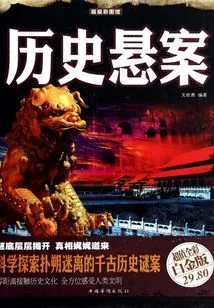
历史悬案(彩图精装)
Wen Ruoyu
History will never be forgotten because of the passage of time, and those bizarre and unsolved cases that have been sealed in the years will also not be forgotten by future generations. "Historical Mysteries (Super Value Full-Color Platinum Edition) (Essential)" compiled by Wen Ruoyu collects many influential historical mysteries, covering war mysteries, palace coups, celebrity deaths, cultural mysteries, mysterious treasures, etc. It uses case interpretation to three-dimensionally display the ins and outs of the unsolved cases, objectively presents the popular views of experts in exploring the historical truth, and interprets historical details from a modern perspective.
History will never be forgotten because of the passage of time, and those bizarre and unsolved cases that have been sealed in the years will also not be forgotten by future generations. "Historical Mysteries (Super Value Full-Color Platinum Edition) (Essential)" compiled by Wen Ruoyu collects many influential historical mysteries, covering war mysteries, palace coups, celebrity deaths, cultural mysteries, mysterious treasures, etc. It uses case interpretation to three-dimensionally display the ins and outs of the unsolved cases, objectively presents the popular views of experts in exploring the historical truth, and interprets historical details from a modern perspective.
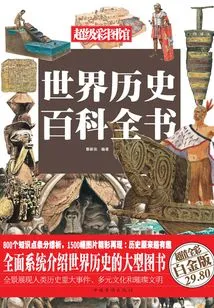
世界历史百科全书(超值全彩白金版)
Cai Xinmiao
The "Encyclopedia of World History" divides the long history of mankind into ten major chapters in chronological order: the dawn of civilization, the rise of empires, and the Dark Ages. Depending on the topic, readers can find specific information quickly and easily, while also clearly understanding the connection between a certain historical point and the past and future. At the beginning of each chapter, there is a sweeping map of the world, as well as a geographical overview of the main events of a specific historical period. The book then introduces important figures and important events that emerged in different periods, countries and regions. It also connects historical events through "knowledge links" and "chronology of major events", combining points and aspects to present a multi-dimensional historical picture. At the end of each chapter, the achievements in art, architecture and technology during this period are also summarized. This layout makes the "Encyclopedia of World History" form two coordinate axes. Readers can not only understand the development path of a certain country vertically, but also compare the situations of different countries in a certain period horizontally. The book is also equipped with colorful photographs, beautiful illustrations and maps reflecting different eras. The display of these precious materials has brought people closer to history and made history tangible.
The "Encyclopedia of World History" divides the long history of mankind into ten major chapters in chronological order: the dawn of civilization, the rise of empires, and the Dark Ages. Depending on the topic, readers can find specific information quickly and easily, while also clearly understanding the connection between a certain historical point and the past and future. At the beginning of each chapter, there is a sweeping map of the world, as well as a geographical overview of the main events of a specific historical period. The book then introduces important figures and important events that emerged in different periods, countries and regions. It also connects historical events through "knowledge links" and "chronology of major events", combining points and aspects to present a multi-dimensional historical picture. At the end of each chapter, the achievements in art, architecture and technology during this period are also summarized. This layout makes the "Encyclopedia of World History" form two coordinate axes. Readers can not only understand the development path of a certain country vertically, but also compare the situations of different countries in a certain period horizontally. The book is also equipped with colorful photographs, beautiful illustrations and maps reflecting different eras. The display of these precious materials has brought people closer to history and made history tangible.
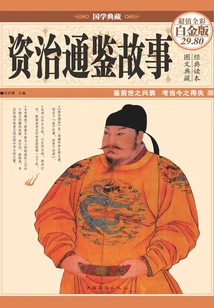
资治通鉴故事(彩图精装)
Wen Ruoyu
"Zizhi Tongjian Stories" is compiled by Wen Ruoyu. "Zizhi Tongjian Stories" enjoys the reputation of "unprecedented in ancient times with a vast collection of rich stories, a large body of work and a profound thinking." This "Collection of Zi Zhi Tongjian Stories" edited by Wen Ruoyu compiles the popular chapters in the original work and has been praised throughout the ages. It is compiled in a simple and easy-to-understand story style, so that readers can easily grasp its essence, draw insights from it, and deepen and expand life experience.
"Zizhi Tongjian Stories" is compiled by Wen Ruoyu. "Zizhi Tongjian Stories" enjoys the reputation of "unprecedented in ancient times with a vast collection of rich stories, a large body of work and a profound thinking." This "Collection of Zi Zhi Tongjian Stories" edited by Wen Ruoyu compiles the popular chapters in the original work and has been praised throughout the ages. It is compiled in a simple and easy-to-understand story style, so that readers can easily grasp its essence, draw insights from it, and deepen and expand life experience.
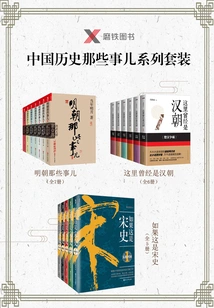
中国历史那些事儿系列套装
The Bright Moon Of That Year Looked Over The East Mountain And The Flowing Clouds In The Sky
"Those Things in the Ming Dynasty" and "Those Things in the Ming Dynasty (7 volumes in total)" are the only complete vernacular versions of the history of the Ming Dynasty so far. The best-selling history book since the 60th anniversary of the founding of New China. Won the best book in "Sina Book Ranking". The 19th National Book Expo's Golden Word-of-mouth Book List. In 2009, it ranked first among the top ten best-sellers in the Jinghua Book List. Readers' favorite 24 "Those Things in the Ming Dynasty" in 2009. Ranked among the top 10 Chinese libraries in terms of borrowing volume in 2010. "This Was Once the Han Dynasty (6 volumes in total)" "This Was Once the Han Dynasty" is a set of popular historical books that comprehensively interprets the history of the two Han Dynasties. It panoramically reproduces the rise and decline of the first prosperous dynasty in ancient China. "If This Is the History of the Song Dynasty (Full 5 Volumes)" starts from the legendary and controversial life of Song Taizu Zhao Kuangyin, and analyzes the establishment of the Song Dynasty and the historical puzzles in the early days of the empire. It weaves the replacement of each dynasty of China's Five Dynasties and Ten (Eleven) Kingdoms, every political dispute, and each historical mystery case one by one in a relaxed and humorous explanation. This makes a glorious history of the Song Dynasty that lasted for three hundred years, and can explain all the truth and get the true flavor in the course of conversation.
"Those Things in the Ming Dynasty" and "Those Things in the Ming Dynasty (7 volumes in total)" are the only complete vernacular versions of the history of the Ming Dynasty so far. The best-selling history book since the 60th anniversary of the founding of New China. Won the best book in "Sina Book Ranking". The 19th National Book Expo's Golden Word-of-mouth Book List. In 2009, it ranked first among the top ten best-sellers in the Jinghua Book List. Readers' favorite 24 "Those Things in the Ming Dynasty" in 2009. Ranked among the top 10 Chinese libraries in terms of borrowing volume in 2010. "This Was Once the Han Dynasty (6 volumes in total)" "This Was Once the Han Dynasty" is a set of popular historical books that comprehensively interprets the history of the two Han Dynasties. It panoramically reproduces the rise and decline of the first prosperous dynasty in ancient China. "If This Is the History of the Song Dynasty (Full 5 Volumes)" starts from the legendary and controversial life of Song Taizu Zhao Kuangyin, and analyzes the establishment of the Song Dynasty and the historical puzzles in the early days of the empire. It weaves the replacement of each dynasty of China's Five Dynasties and Ten (Eleven) Kingdoms, every political dispute, and each historical mystery case one by one in a relaxed and humorous explanation. This makes a glorious history of the Song Dynasty that lasted for three hundred years, and can explain all the truth and get the true flavor in the course of conversation.
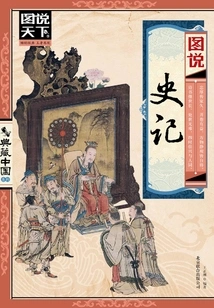
Historical Records with Illustrations (illustrations of the World. Collection of China Series)
History图说史记(图说天下.典藏中国系列)
Wang Zhenggang
The book "Illustrations of the World·Collection of China: Illustrations of Historical Records" is one of the "Illustrations of the World·Collection of China". "Illustrations of the World·Collection of China: Illustrations of Historical Records" is a selected and translated version of the historical classic "Historical Records". It is equipped with a large number of wonderful historical films and can be called a Chinese studies reading with both pictures and texts. The book is based on Sima Qian's original "Historical Records" and has selected more than 40 chapters for easy-to-understand translations. These selected historical contents, such as the Three Sovereigns and Five Emperors, the Confucius family, the biographies of Lian Po and Lin Xiangru, etc., Have always been popular among people, so they have been widely circulated. Nearly 200 pictures and landscape and figure paintings related to "Historical Records" are inserted into the book, which effectively improves the book's readability and artistic taste. "Illustrations of the World·Collection of China: Illustrations of Historical Records" has clear entries, easy-to-understand explanations, and exquisite pictures. It is a Chinese studies book suitable for the public to read.
The book "Illustrations of the World·Collection of China: Illustrations of Historical Records" is one of the "Illustrations of the World·Collection of China". "Illustrations of the World·Collection of China: Illustrations of Historical Records" is a selected and translated version of the historical classic "Historical Records". It is equipped with a large number of wonderful historical films and can be called a Chinese studies reading with both pictures and texts. The book is based on Sima Qian's original "Historical Records" and has selected more than 40 chapters for easy-to-understand translations. These selected historical contents, such as the Three Sovereigns and Five Emperors, the Confucius family, the biographies of Lian Po and Lin Xiangru, etc., Have always been popular among people, so they have been widely circulated. Nearly 200 pictures and landscape and figure paintings related to "Historical Records" are inserted into the book, which effectively improves the book's readability and artistic taste. "Illustrations of the World·Collection of China: Illustrations of Historical Records" has clear entries, easy-to-understand explanations, and exquisite pictures. It is a Chinese studies book suitable for the public to read.
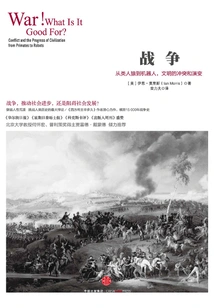
战争:从类人猿到机器人,文明的冲突和演变
(us) Morris Translated By Luan Lifu
This book covers history, archeology, anthropology, geography, evolutionary biology, as well as technology and military knowledge. It tells a gruesome but fascinating war story, covering 15,000 years of struggle and violence from apes to robots, from primitive societies to ancient civilizations, and then to the "American Empire."
This book covers history, archeology, anthropology, geography, evolutionary biology, as well as technology and military knowledge. It tells a gruesome but fascinating war story, covering 15,000 years of struggle and violence from apes to robots, from primitive societies to ancient civilizations, and then to the "American Empire."
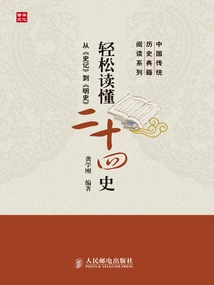
轻松读懂二十四史
Compiled By Gong Xuegang
The Twenty-Four Histories are the twenty-four historical books written by various dynasties in ancient my country and accepted as official history by successive generations. "Easy Reading of Twenty-Four Histories" takes the easy reading of history as the basic starting point, and selects some historical stories from these twenty-four official histories, such as the Battle of Baiju, the Battle of Mangshan, holding the emperor hostage to order the princes, visiting the thatched cottage three times, releasing military power over a glass of wine, an old cow licking its calf, talking about harming the country, dancing after hearing the chicken, etc. "Easy Reading of the Twenty-Four Histories" tells these historical stories in easy and lively vernacular, trying to arouse readers' interest in reading the Twenty-Four Histories in depth.
The Twenty-Four Histories are the twenty-four historical books written by various dynasties in ancient my country and accepted as official history by successive generations. "Easy Reading of Twenty-Four Histories" takes the easy reading of history as the basic starting point, and selects some historical stories from these twenty-four official histories, such as the Battle of Baiju, the Battle of Mangshan, holding the emperor hostage to order the princes, visiting the thatched cottage three times, releasing military power over a glass of wine, an old cow licking its calf, talking about harming the country, dancing after hearing the chicken, etc. "Easy Reading of the Twenty-Four Histories" tells these historical stories in easy and lively vernacular, trying to arouse readers' interest in reading the Twenty-Four Histories in depth.
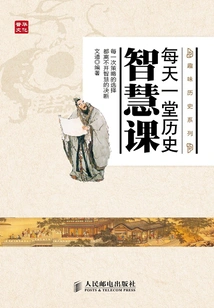
每天一堂历史智慧课
Compiled By Wen Dao
History is a huge treasure house of wisdom, leaving us with rich experiences and lessons that can be used for reference. Although "A History Wisdom Lesson Every Day" cannot fully exploit this treasure house, it does its best to select some wonderful historical stories from it to help readers better understand and understand history. The selected content of "A Historical Wisdom Lesson Every Day" focuses on politics, economy, military, diplomacy, management, strategy, etc., And uses a unique perspective to show readers the historical wisdom. "A History Wisdom Lesson Every Day" is suitable for civil servants, employees of enterprises and institutions, school students and history lovers.
History is a huge treasure house of wisdom, leaving us with rich experiences and lessons that can be used for reference. Although "A History Wisdom Lesson Every Day" cannot fully exploit this treasure house, it does its best to select some wonderful historical stories from it to help readers better understand and understand history. The selected content of "A Historical Wisdom Lesson Every Day" focuses on politics, economy, military, diplomacy, management, strategy, etc., And uses a unique perspective to show readers the historical wisdom. "A History Wisdom Lesson Every Day" is suitable for civil servants, employees of enterprises and institutions, school students and history lovers.
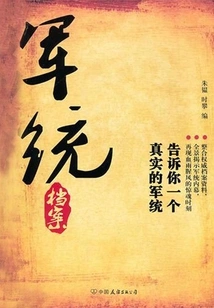
军统档案:告诉你一个真实的军统
Zhu Yun Shi Pan
The Bureau of Investigation and Statistics of the Military Commission of the Nationalist Government, referred to as the Military Commission, was established in January 1938. It is the most famous spy organization of Chiang Kai-shek and the Kuomintang. Its predecessors were the Secret Investigation Team of the Military Commission (established in 1927), the Fuxing Society Secret Service (established in April 1932), and the Second Division of the Investigation and Statistics Bureau of the Military Commission (established in 1937). The main person in charge was Dai Li. At its peak, the military reunification had more than 100,000 paramilitary personnel of various types, including nearly 50,000 special agents. Its influence penetrated into the Kuomintang's army, police, party and government agencies, education, culture, transportation agencies, and even consulates abroad, specializing in secret activities such as surveillance, kidnapping, arrests, and assassinations.
The Bureau of Investigation and Statistics of the Military Commission of the Nationalist Government, referred to as the Military Commission, was established in January 1938. It is the most famous spy organization of Chiang Kai-shek and the Kuomintang. Its predecessors were the Secret Investigation Team of the Military Commission (established in 1927), the Fuxing Society Secret Service (established in April 1932), and the Second Division of the Investigation and Statistics Bureau of the Military Commission (established in 1937). The main person in charge was Dai Li. At its peak, the military reunification had more than 100,000 paramilitary personnel of various types, including nearly 50,000 special agents. Its influence penetrated into the Kuomintang's army, police, party and government agencies, education, culture, transportation agencies, and even consulates abroad, specializing in secret activities such as surveillance, kidnapping, arrests, and assassinations.
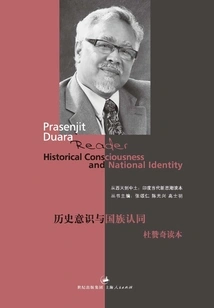
历史意识与国族认同:杜赞奇读本
Editor-in-chief Zhang Songren Chen Guangxing Gao Shiming
"Historical Consciousness and National Identity: Duara's Reader" contains five representative articles by Duara. Among them, the article "Redrawing Symbols: The Myth of Guandi" reveals the importance of myths and rituals as a means of communication in the imperial political system by studying the decline and destruction of the myth of Guandi and the historical transformation of China from the Qing Dynasty to the Communist Revolution; In the article "Critics of Modernity in China and India", by comparing the history of China and India, Duara examines another kind of discourse, the "lowercase" culture and civilization outside the context of the modernity-oriented, Western, Enlightenment history of civilization. Especially in the article "Historical Consciousness and National Identity," Duara focuses on examining how China transformed from a Confucian, imperial society into a modern nation-state, and what characteristics the Chinese empire possessed that contributed to its transformation compared with other non-Western societies.
"Historical Consciousness and National Identity: Duara's Reader" contains five representative articles by Duara. Among them, the article "Redrawing Symbols: The Myth of Guandi" reveals the importance of myths and rituals as a means of communication in the imperial political system by studying the decline and destruction of the myth of Guandi and the historical transformation of China from the Qing Dynasty to the Communist Revolution; In the article "Critics of Modernity in China and India", by comparing the history of China and India, Duara examines another kind of discourse, the "lowercase" culture and civilization outside the context of the modernity-oriented, Western, Enlightenment history of civilization. Especially in the article "Historical Consciousness and National Identity," Duara focuses on examining how China transformed from a Confucian, imperial society into a modern nation-state, and what characteristics the Chinese empire possessed that contributed to its transformation compared with other non-Western societies.
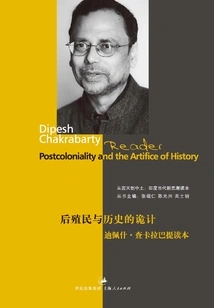
后殖民与历史的诡计:迪佩什·查卡拉巴提读本
Editor-in-chief Zhang Songren Chen Guangxing Gao Shiming
In the development process of Indian history and the formation of India's modern democratic system, how did the common people play their natural and potential "political" role? Starting from the concept of the magazine "Common People Studies" and related research, Chakrabarty elaborated on the above themes in five articles included in this collection.
In the development process of Indian history and the formation of India's modern democratic system, how did the common people play their natural and potential "political" role? Starting from the concept of the magazine "Common People Studies" and related research, Chakrabarty elaborated on the above themes in five articles included in this collection.
白话《史记》纪传故事精选
(han) Sima Qian Jiang Heng
"Historical Records" is both a historical work and a great literary work, creating a precedent for biographical literature in our country. The praise of ancient outstanding figures in "Historical Records" embodies the noble sentiments of the Chinese nation, and the exposure of ugly phenomena shows the spiritual quality of the Chinese nation's hatred of evil. This book selects the wonderful passages from the biographical part of "Historical Records" and introduces them to the majority of middle school students and farmers' bookstore readers in the form of vernacular.
"Historical Records" is both a historical work and a great literary work, creating a precedent for biographical literature in our country. The praise of ancient outstanding figures in "Historical Records" embodies the noble sentiments of the Chinese nation, and the exposure of ugly phenomena shows the spiritual quality of the Chinese nation's hatred of evil. This book selects the wonderful passages from the biographical part of "Historical Records" and introduces them to the majority of middle school students and farmers' bookstore readers in the form of vernacular.
白话二十四史故事精选
Chen Yonghan
The "Twenty-Four Histories" start from "Historical Records" and end with "History of Ming Dynasty" in total, which record the thousands of years of civilization of the Chinese nation. During this period, thousands of people passed by and countless events were experienced. The author selects the most representative people and the most vivid things from these countless people and things, and compiles nearly 150 historical stories for readers. By telling these historical stories, we promote truth, goodness and beauty, and oppose falsehood, ugliness and evil. The classification of the stories is: "Knowing people and doing them well is the way to success" (12), "Knowing your mistakes can correct your mistakes and be magnanimous" (12), "Benevolence and justice are worth a thousand pieces of gold, integrity is tradition" (25), "Be strict with yourself and be lenient with others" (16), "Strict legal system - a good way to govern the country" (16) 24), "Leave a name with your pen, and you will be scolded for doing nothing" (11), "Do evil and be infamy for thousands of years" (16), "Diligence and frugality are virtues" (11), "If you want to inflict crimes, there is no excuse" (11), "Clever and witty, a wise person in ancient times" (10). These stories are written in vernacular, easy to understand, lively and interesting, and can be easily read by readers.
The "Twenty-Four Histories" start from "Historical Records" and end with "History of Ming Dynasty" in total, which record the thousands of years of civilization of the Chinese nation. During this period, thousands of people passed by and countless events were experienced. The author selects the most representative people and the most vivid things from these countless people and things, and compiles nearly 150 historical stories for readers. By telling these historical stories, we promote truth, goodness and beauty, and oppose falsehood, ugliness and evil. The classification of the stories is: "Knowing people and doing them well is the way to success" (12), "Knowing your mistakes can correct your mistakes and be magnanimous" (12), "Benevolence and justice are worth a thousand pieces of gold, integrity is tradition" (25), "Be strict with yourself and be lenient with others" (16), "Strict legal system - a good way to govern the country" (16) 24), "Leave a name with your pen, and you will be scolded for doing nothing" (11), "Do evil and be infamy for thousands of years" (16), "Diligence and frugality are virtues" (11), "If you want to inflict crimes, there is no excuse" (11), "Clever and witty, a wise person in ancient times" (10). These stories are written in vernacular, easy to understand, lively and interesting, and can be easily read by readers.
煮茶话君王
Liu Li
"Being a talented person is truly unparalleled, but it is pitiful to be a king." Emperors in history can be roughly divided into three categories: the kings who founded the country, the kings who maintained the success, and the kings who destroyed the country. Through the discussion of the poems of seventeen emperors, "Tea Talk King" reveals to readers the ordinary feelings of the emperors who regarded themselves as emperors, as well as their rich lives outside official history.
"Being a talented person is truly unparalleled, but it is pitiful to be a king." Emperors in history can be roughly divided into three categories: the kings who founded the country, the kings who maintained the success, and the kings who destroyed the country. Through the discussion of the poems of seventeen emperors, "Tea Talk King" reveals to readers the ordinary feelings of the emperors who regarded themselves as emperors, as well as their rich lives outside official history.