Library
Browse and search books
4,115 novels found
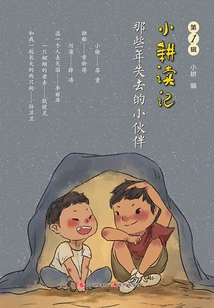
小耕读记(第1辑):那些年失去的小伙伴
Small Farming
This book is suitable for young readers aged 10-16 years old. "Xiao Geng Reading Notes" is a reading secret book for a "child" who is the incarnation of many editors, scholars and educators. Based on the theme of "Friends Lost Over the Years", this book collects classic short stories or essays by writers who have won national awards under this theme, including 6 works by 6 writers: Su Tong's "The Thief", Chang Xingang's "The Boat", Xue Tao's "River Bath", Li Liping's "Choose Someone to Go to Heaven", Yin Jianling's "The Aging of a Grasshopper", and Sun Weiwei's "Two Dogs That Grew Up with Me". The book is organized by theme, with "intensive reading" of each article in various ways such as "Private Reserves of Small Farmers", "I Bet You Don't Know", "On Cooking Wine", "Collection of Small Farmers", "Fruits of Time", etc., Allowing young readers to easily understand the writers and works in depth, making "writers" and "classics" no longer mysterious, and at the same time, it can guide young readers on how to write on the theme.
This book is suitable for young readers aged 10-16 years old. "Xiao Geng Reading Notes" is a reading secret book for a "child" who is the incarnation of many editors, scholars and educators. Based on the theme of "Friends Lost Over the Years", this book collects classic short stories or essays by writers who have won national awards under this theme, including 6 works by 6 writers: Su Tong's "The Thief", Chang Xingang's "The Boat", Xue Tao's "River Bath", Li Liping's "Choose Someone to Go to Heaven", Yin Jianling's "The Aging of a Grasshopper", and Sun Weiwei's "Two Dogs That Grew Up with Me". The book is organized by theme, with "intensive reading" of each article in various ways such as "Private Reserves of Small Farmers", "I Bet You Don't Know", "On Cooking Wine", "Collection of Small Farmers", "Fruits of Time", etc., Allowing young readers to easily understand the writers and works in depth, making "writers" and "classics" no longer mysterious, and at the same time, it can guide young readers on how to write on the theme.
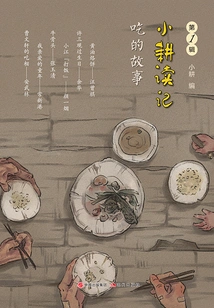
小耕读记(第1辑):吃的故事
Small Farming
This book is suitable for young readers aged 10-16 years old. "Xiao Geng Reading Notes" is a reading secret book for a "child" who is the incarnation of many editors, scholars and educators. This book follows the theme of "eating stories" and collects classic short stories or essays by writers who have won national awards under this theme, including 6 works by 6 writers: Wang Zengqi's "Butter Pancakes", Yu Hua's "Xu Sanguan's Birthday", Yan Yiyan's "Xiaojiang's "Beating", Zhang Yuqing's "Beef Bones", Chang Xingang's "My Dear Childhood", and An Wulin's "Cao Wenxuan's Eating Pictures". The book is organized by theme, with "intensive reading" of each article in various ways such as "Private Reserves of Small Farmers", "I Bet You Don't Know", "On Cooking Wine", "Collection of Small Farmers", "Fruits of Time", etc., Allowing young readers to easily understand the writers and works in depth, making "writers" and "classics" no longer mysterious, and at the same time, it can guide young readers on how to write on the theme.
This book is suitable for young readers aged 10-16 years old. "Xiao Geng Reading Notes" is a reading secret book for a "child" who is the incarnation of many editors, scholars and educators. This book follows the theme of "eating stories" and collects classic short stories or essays by writers who have won national awards under this theme, including 6 works by 6 writers: Wang Zengqi's "Butter Pancakes", Yu Hua's "Xu Sanguan's Birthday", Yan Yiyan's "Xiaojiang's "Beating", Zhang Yuqing's "Beef Bones", Chang Xingang's "My Dear Childhood", and An Wulin's "Cao Wenxuan's Eating Pictures". The book is organized by theme, with "intensive reading" of each article in various ways such as "Private Reserves of Small Farmers", "I Bet You Don't Know", "On Cooking Wine", "Collection of Small Farmers", "Fruits of Time", etc., Allowing young readers to easily understand the writers and works in depth, making "writers" and "classics" no longer mysterious, and at the same time, it can guide young readers on how to write on the theme.
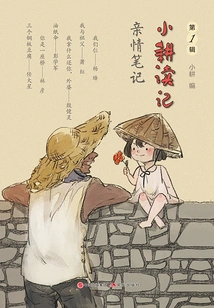
小耕读记(第1辑):亲情笔记
Small Farming
This book is suitable for young readers aged 10-16 years old. "Xiao Geng Reading Notes" is a reading secret book for a "child" who is the incarnation of many editors, scholars and educators. Based on the theme of "Family Notes", this book collects classic short stories or essays by writers who have won national awards under this theme, including 6 works by 6 writers: "The Three of Us" by Yang Jiang, "My Grandfather and Me" by Xiao Hong, "What can I give you back, Grandma" by Yin Jianling, "Oiled Paper Umbrella" by Peng Xuejun, "You Are a Bridge" by Lin Yan, and "Three Copper Plates of Tofu" by Ren Daxing. The book is organized by theme, with "intensive reading" of each article in various ways such as "Private Reserves of Small Farmers", "I Bet You Don't Know", "On Cooking Wine", "Collection of Small Farmers", "Fruits of Time", etc., Allowing young readers to easily understand the writers and works in depth, making "writers" and "classics" no longer mysterious, and at the same time, it can guide young readers on how to write on the theme.
This book is suitable for young readers aged 10-16 years old. "Xiao Geng Reading Notes" is a reading secret book for a "child" who is the incarnation of many editors, scholars and educators. Based on the theme of "Family Notes", this book collects classic short stories or essays by writers who have won national awards under this theme, including 6 works by 6 writers: "The Three of Us" by Yang Jiang, "My Grandfather and Me" by Xiao Hong, "What can I give you back, Grandma" by Yin Jianling, "Oiled Paper Umbrella" by Peng Xuejun, "You Are a Bridge" by Lin Yan, and "Three Copper Plates of Tofu" by Ren Daxing. The book is organized by theme, with "intensive reading" of each article in various ways such as "Private Reserves of Small Farmers", "I Bet You Don't Know", "On Cooking Wine", "Collection of Small Farmers", "Fruits of Time", etc., Allowing young readers to easily understand the writers and works in depth, making "writers" and "classics" no longer mysterious, and at the same time, it can guide young readers on how to write on the theme.
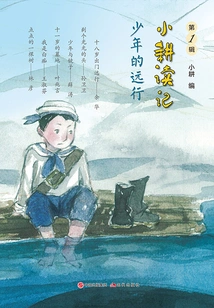
小耕读记(第1辑):少年的远行
Small Farming
This book is suitable for young readers aged 10-16 years old. "Xiao Geng Reading Notes" is a reading secret book for a "child" who is the incarnation of many editors, scholars and educators. Based on the theme of "Youth's Journey", this book collects classic short stories or essays by writers who have won national awards under this theme, including 6 works by 6 writers: Sun Weiwei's "Shaved Head", Yu Hua's "Traveling at the Age of Eighteen", Xue Tao's "Youth and the Mirror", Ye Zhaoyan's "The Cemetery of Eleven Years Old", Wang Shufen's "I Am an Idiot", and Lin Yan's "A Dotted Tree". The book is organized by theme, with "intensive reading" of each article in various ways such as "Private Reserves of Small Farmers", "I Bet You Don't Know", "On Cooking Wine", "Collection of Small Farmers", "Fruits of Time", etc., Allowing young readers to easily understand the writers and works in depth, making "writers" and "classics" no longer mysterious, and at the same time, it can guide young readers on how to write on the theme.
This book is suitable for young readers aged 10-16 years old. "Xiao Geng Reading Notes" is a reading secret book for a "child" who is the incarnation of many editors, scholars and educators. Based on the theme of "Youth's Journey", this book collects classic short stories or essays by writers who have won national awards under this theme, including 6 works by 6 writers: Sun Weiwei's "Shaved Head", Yu Hua's "Traveling at the Age of Eighteen", Xue Tao's "Youth and the Mirror", Ye Zhaoyan's "The Cemetery of Eleven Years Old", Wang Shufen's "I Am an Idiot", and Lin Yan's "A Dotted Tree". The book is organized by theme, with "intensive reading" of each article in various ways such as "Private Reserves of Small Farmers", "I Bet You Don't Know", "On Cooking Wine", "Collection of Small Farmers", "Fruits of Time", etc., Allowing young readers to easily understand the writers and works in depth, making "writers" and "classics" no longer mysterious, and at the same time, it can guide young readers on how to write on the theme.
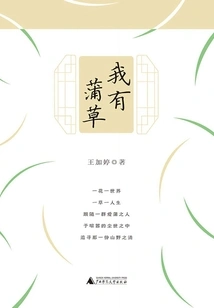
I Have Cattails
Literature我有蒲草
Wang Jiating
This book is a collection of essays about cattails. It uses delicate and rich text and exquisite pictures to show the long-standing culture of calamus, write about the various connections between cattails and life, sort out the artistic and literary materials about calamus at all times and at home and abroad, take stock of the past events of literati painters' love for cattails, and interview nearly ten people who love cattails today to present their living conditions. A small cattail, an elegant thing. The whole book is written around a grass, but what it highlights is a kind of life aesthetics represented by this grass: the simpler the heart, the happier the person.
This book is a collection of essays about cattails. It uses delicate and rich text and exquisite pictures to show the long-standing culture of calamus, write about the various connections between cattails and life, sort out the artistic and literary materials about calamus at all times and at home and abroad, take stock of the past events of literati painters' love for cattails, and interview nearly ten people who love cattails today to present their living conditions. A small cattail, an elegant thing. The whole book is written around a grass, but what it highlights is a kind of life aesthetics represented by this grass: the simpler the heart, the happier the person.
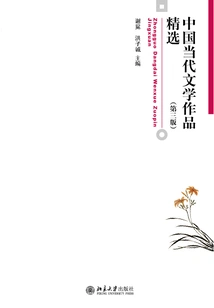
中国当代文学作品精选(第三版)
Xie Mian Hong Zicheng
This book is a revised version of our important textbook "Selected Chinese Contemporary Literary Works (Updated Edition)". This textbook has been used for 11 years since it was last revised in 2002, with more than 15,000 copies sold every year. However, many teachers who use it hope that the textbook selection and overall structure will be updated to adapt to current teaching requirements. In the third edition, some articles in the book have been deleted or adjusted, and some articles have been added, as well as some content after the 21st century, to better meet the current teaching needs.
This book is a revised version of our important textbook "Selected Chinese Contemporary Literary Works (Updated Edition)". This textbook has been used for 11 years since it was last revised in 2002, with more than 15,000 copies sold every year. However, many teachers who use it hope that the textbook selection and overall structure will be updated to adapt to current teaching requirements. In the third edition, some articles in the book have been deleted or adjusted, and some articles have been added, as well as some content after the 21st century, to better meet the current teaching needs.
See Mountain Flowers Again
Literature又见山花
Liu Naichun
The author's hometown is Wangzhuang, a rural area in Yukou, located on the east side of the Changyuan River in Zihongkou, Qi County. In the early days of liberation, the village was filled with more than 30 households and a population of more than 100 people. According to the old people, in the old society, more than a dozen people from the whole village broke through Guandong and passed through the west entrance. After they retired and returned to their hometowns one after another, they often told people some "nonsense", that is, they told some fairy tales, Shanxi merchant stories, martial arts stories and anti-Japanese stories.
The author's hometown is Wangzhuang, a rural area in Yukou, located on the east side of the Changyuan River in Zihongkou, Qi County. In the early days of liberation, the village was filled with more than 30 households and a population of more than 100 people. According to the old people, in the old society, more than a dozen people from the whole village broke through Guandong and passed through the west entrance. After they retired and returned to their hometowns one after another, they often told people some "nonsense", that is, they told some fairy tales, Shanxi merchant stories, martial arts stories and anti-Japanese stories.
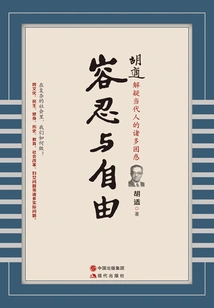
Hu Shi: Tolerance and Freedom
Literature胡适:容忍与自由
Hu Shi
"Hu Shi: Tolerance and Freedom" is the work of Mr. Hu Shi, one of the most famous cultural scholars in modern China. It contains 32 classic works of Mr. Hu Shi, covering many fields and practical issues such as culture, people's livelihood, self-cultivation, history, education, social reform, women's issues, etc. Let's see how Mr. Hu Shi answered the many confusions of contemporary people in his article sixty years ago... What should we do in a complex society?
"Hu Shi: Tolerance and Freedom" is the work of Mr. Hu Shi, one of the most famous cultural scholars in modern China. It contains 32 classic works of Mr. Hu Shi, covering many fields and practical issues such as culture, people's livelihood, self-cultivation, history, education, social reform, women's issues, etc. Let's see how Mr. Hu Shi answered the many confusions of contemporary people in his article sixty years ago... What should we do in a complex society?
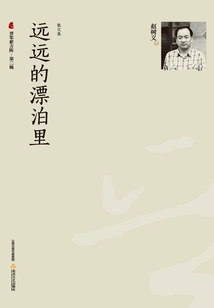
Wandering Far Away
Literature远远的漂泊里
Zhao Shuyi
"Wandering Far Away" is a collection of essays written by the author Zhao Shuyi. There are eight articles in the book, including narrative prose, lyrical prose, philosophical prose, etc. The author uses delicate and philosophical writing to fondly recall the people, objects, and things in his childhood memories. The deep-rooted nostalgia for his hometown flows in the author's writing. At the same time, the author's love for nature, pursuit of life, and sustenance for environmental protection are drawn from a wide range of materials, giving the book profound ideological, emotional and social content. This book has profound artistic conception and sincere emotions. Readers can gain rational thinking and spiritual comfort after reading it.
"Wandering Far Away" is a collection of essays written by the author Zhao Shuyi. There are eight articles in the book, including narrative prose, lyrical prose, philosophical prose, etc. The author uses delicate and philosophical writing to fondly recall the people, objects, and things in his childhood memories. The deep-rooted nostalgia for his hometown flows in the author's writing. At the same time, the author's love for nature, pursuit of life, and sustenance for environmental protection are drawn from a wide range of materials, giving the book profound ideological, emotional and social content. This book has profound artistic conception and sincere emotions. Readers can gain rational thinking and spiritual comfort after reading it.
Grow Together (part 2)
Literature一起成长(下)
Yang Rubing
It should be said that "Growing Together" by Yang Rubing is not an unexpected book, or it is not an unexpected listen. However, after a generation, if you want to listen, you can only listen to others if they tell you. Is it possible to listen casually? When I got the proof from Mr. Zhang Fa, he told me: Reading Yang Rubing's article, you couldn't help but worry for her. Who would a little girl meet when she went out so far alone without telling her parents? Where did you pass by? When did you leave and when did you come back? As she talked about things there, I picked it up and put it down. I just put it down and picked it up again. After reading the article, I breathed a sigh of relief.
It should be said that "Growing Together" by Yang Rubing is not an unexpected book, or it is not an unexpected listen. However, after a generation, if you want to listen, you can only listen to others if they tell you. Is it possible to listen casually? When I got the proof from Mr. Zhang Fa, he told me: Reading Yang Rubing's article, you couldn't help but worry for her. Who would a little girl meet when she went out so far alone without telling her parents? Where did you pass by? When did you leave and when did you come back? As she talked about things there, I picked it up and put it down. I just put it down and picked it up again. After reading the article, I breathed a sigh of relief.
Grow Together (part 1)
Literature一起成长(上)
Yang Rubing
It should be said that "Growing Together" by Yang Rubing is not an unexpected book, or it is not an unexpected listen. However, after a generation, if you want to listen, you can only listen to others if they tell you. Is it possible to listen casually? When I got the proof from Mr. Zhang Fa, he told me: Reading Yang Rubing's article, you couldn't help but worry for her. Who would a little girl meet when she went out so far alone without telling her parents? Where did you pass by? When did you leave and when did you come back? As she talked about things there, I picked it up and put it down. I just put it down and picked it up again. After reading the article, I breathed a sigh of relief.
It should be said that "Growing Together" by Yang Rubing is not an unexpected book, or it is not an unexpected listen. However, after a generation, if you want to listen, you can only listen to others if they tell you. Is it possible to listen casually? When I got the proof from Mr. Zhang Fa, he told me: Reading Yang Rubing's article, you couldn't help but worry for her. Who would a little girl meet when she went out so far alone without telling her parents? Where did you pass by? When did you leave and when did you come back? As she talked about things there, I picked it up and put it down. I just put it down and picked it up again. After reading the article, I breathed a sigh of relief.
Past Stories from My Hometown·episode 2
Literature故园往事·二集
Li Xinyu
This book is a companion volume to "Once Upon a Time in My Hometown Episode 1", which records the author's profound memories of various past events in his boyhood and the people around him. It consists of three parts: "blood relatives", "self" and "livelihood". Through simple, smooth, vivid and fresh words, it tells touching stories and expresses strong and sincere family affection and nostalgia. It's mind-blowing to read.
This book is a companion volume to "Once Upon a Time in My Hometown Episode 1", which records the author's profound memories of various past events in his boyhood and the people around him. It consists of three parts: "blood relatives", "self" and "livelihood". Through simple, smooth, vivid and fresh words, it tells touching stories and expresses strong and sincere family affection and nostalgia. It's mind-blowing to read.
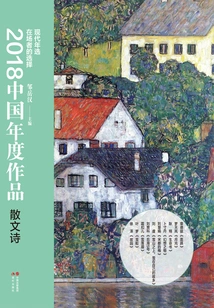
2018 China Annual Work·prose Poetry
Literature2018中国年度作品·散文诗
Editor-in-chief Zou Yuehan
This book is carefully compiled and selected by Chinese prose poetry selectors from nearly a hundred literary publications across the country. It has a broad perspective and aims to present a panoramic view of the achievements of prose poetry creation in 2018, and strives to select representative and influential works fairly and objectively. There are three major highlights of this book: (1) Selection of the best. Every year, the "Top Ten Works of the Year" that are readable and valuable for preservation are released; (2) Rich and colorful. In addition to the "Top Ten", there are more than ten columns such as "Short Works of the Year", "New and Cutting-Edge", "Country·Nostalgia·Nostalgia", "Love·Family·Friendship", "Nine Rivers and Mountains", "Oriental Charm" and "New Works by Famous Artists"; (3) Broad vision. There are as many as 200 selected authors, twice as many as other similar anthologies. It presents a panoramic view of the achievements of Chinese prose poetry creation in 2018. It can be said that you can see all the fine works in one volume.
This book is carefully compiled and selected by Chinese prose poetry selectors from nearly a hundred literary publications across the country. It has a broad perspective and aims to present a panoramic view of the achievements of prose poetry creation in 2018, and strives to select representative and influential works fairly and objectively. There are three major highlights of this book: (1) Selection of the best. Every year, the "Top Ten Works of the Year" that are readable and valuable for preservation are released; (2) Rich and colorful. In addition to the "Top Ten", there are more than ten columns such as "Short Works of the Year", "New and Cutting-Edge", "Country·Nostalgia·Nostalgia", "Love·Family·Friendship", "Nine Rivers and Mountains", "Oriental Charm" and "New Works by Famous Artists"; (3) Broad vision. There are as many as 200 selected authors, twice as many as other similar anthologies. It presents a panoramic view of the achievements of Chinese prose poetry creation in 2018. It can be said that you can see all the fine works in one volume.
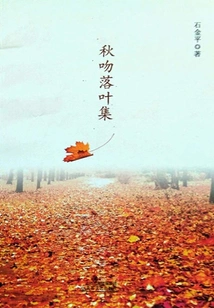
Autumn Kiss Fallen Leaves Collection
Literature秋吻落叶集
Shi Jinping
"Micro novels" are companions of "Weibo". They are uploaded and read on Weibo and can be regarded as the abbreviation of "Weibo novels". Micro-novel and the accompanying "micro-fairy tales" and "micro-fables" have initially formed the three faces of "micro-literature". Together with "WeChat" and "micro-movies", they have pushed the "big era" and "small era" into the "micro-era". After DIY became fashionable and penetrated into all aspects of life, "micro-novel", like "self-media", has also become a kind of "auto-fiction" and "auto-literature". As soon as this literary form appeared, it became a new fashion symbol and the new favorite of young people, together with its communication carrier network Weibo, its uploading and reading terminals mobile phones, iPads, laptops, etc.
"Micro novels" are companions of "Weibo". They are uploaded and read on Weibo and can be regarded as the abbreviation of "Weibo novels". Micro-novel and the accompanying "micro-fairy tales" and "micro-fables" have initially formed the three faces of "micro-literature". Together with "WeChat" and "micro-movies", they have pushed the "big era" and "small era" into the "micro-era". After DIY became fashionable and penetrated into all aspects of life, "micro-novel", like "self-media", has also become a kind of "auto-fiction" and "auto-literature". As soon as this literary form appeared, it became a new fashion symbol and the new favorite of young people, together with its communication carrier network Weibo, its uploading and reading terminals mobile phones, iPads, laptops, etc.
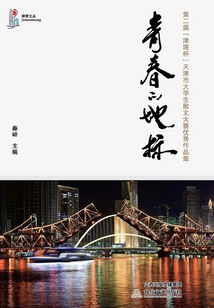
Landmark of Youth
Literature青春的地标
Editor-in-chief Qin Ling
"Micro novels" are companions of "Weibo". They are uploaded and read on Weibo and can be regarded as the abbreviation of "Weibo novels". Micro-novel and the accompanying "micro-fairy tales" and "micro-fables" have initially formed the three faces of "micro-literature". Together with "WeChat" and "micro-movies", they have pushed the "big era" and "small era" into the "micro-era".
"Micro novels" are companions of "Weibo". They are uploaded and read on Weibo and can be regarded as the abbreviation of "Weibo novels". Micro-novel and the accompanying "micro-fairy tales" and "micro-fables" have initially formed the three faces of "micro-literature". Together with "WeChat" and "micro-movies", they have pushed the "big era" and "small era" into the "micro-era".
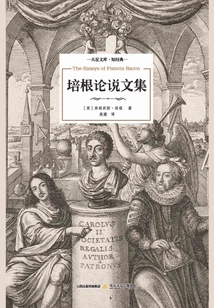
Bacon's Essays
Literature培根论说文集
I
"Collected Works of Bacon's Essays" collects Bacon's intermittent creations for twenty-eight years, covering all aspects of human life and emotions such as honor, wealth, love, fame, ambition, and friendship. Its incisive and rational insights and calm and majestic writing style make it an important work in the history of human literature and thought. It is also one of the most outstanding and widely circulated humanistic works to date.
"Collected Works of Bacon's Essays" collects Bacon's intermittent creations for twenty-eight years, covering all aspects of human life and emotions such as honor, wealth, love, fame, ambition, and friendship. Its incisive and rational insights and calm and majestic writing style make it an important work in the history of human literature and thought. It is also one of the most outstanding and widely circulated humanistic works to date.
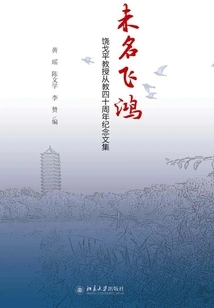
未名飞鸿:饶戈平教授从教四十周年纪念文集
Huang Yao Chen Wenxue Li Zan
This manuscript was compiled to commemorate the 40th anniversary of Professor Rao Geping, professor and doctoral supervisor of Peking University Law School. The book contains the essence of the research results of many outstanding students trained by Professor Rao Geping over the past 40 years. The content of the book has a wide perspective and comprehensively reflects Professor Rao Geping's fruitful achievements and various touching deeds of teaching and educating people in the past forty years. For Professor Rao Geping, "Peach and Plum Garden" is not a compliment or exaggeration, but a factual description. Professor Rao Geping has continued to improve on his academic path. While contributing to national construction, he has also provided a large number of outstanding talents to the motherland, thereby making great contributions to the country's Hong Kong, Macao and Taiwan undertakings.
This manuscript was compiled to commemorate the 40th anniversary of Professor Rao Geping, professor and doctoral supervisor of Peking University Law School. The book contains the essence of the research results of many outstanding students trained by Professor Rao Geping over the past 40 years. The content of the book has a wide perspective and comprehensively reflects Professor Rao Geping's fruitful achievements and various touching deeds of teaching and educating people in the past forty years. For Professor Rao Geping, "Peach and Plum Garden" is not a compliment or exaggeration, but a factual description. Professor Rao Geping has continued to improve on his academic path. While contributing to national construction, he has also provided a large number of outstanding talents to the motherland, thereby making great contributions to the country's Hong Kong, Macao and Taiwan undertakings.
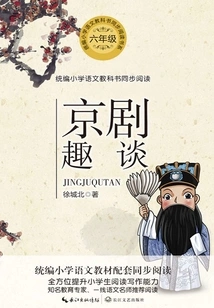
Fun Talk About Peking Opera
Literature京剧趣谈
Xuchengbei
"Interesting Talks about Peking Opera" is a collection of Xu Chengbei's essays. It takes Peking Opera as the starting point and selects articles written by Mr. Xu Chengbei, an expert on Peking Opera culture, for children on the popularization of Peking Opera, Beijing's food culture and city characteristics. Among them, "Interesting Talks about Peking Opera" was selected into the unified primary school Chinese textbook. Mr. Xu Chengbei vividly tells the basic knowledge of Peking Opera and interesting Liyuan stories in language full of Beijing flavor and humor. He integrates Beijing accent, Beijing flavor and Beijing rhyme. He uses the unique Peking Opera art and old Beijing customs to help young readers understand Peking Opera, stimulate their interest in the art of opera, and lead them to experience the charm of traditional culture.
"Interesting Talks about Peking Opera" is a collection of Xu Chengbei's essays. It takes Peking Opera as the starting point and selects articles written by Mr. Xu Chengbei, an expert on Peking Opera culture, for children on the popularization of Peking Opera, Beijing's food culture and city characteristics. Among them, "Interesting Talks about Peking Opera" was selected into the unified primary school Chinese textbook. Mr. Xu Chengbei vividly tells the basic knowledge of Peking Opera and interesting Liyuan stories in language full of Beijing flavor and humor. He integrates Beijing accent, Beijing flavor and Beijing rhyme. He uses the unique Peking Opera art and old Beijing customs to help young readers understand Peking Opera, stimulate their interest in the art of opera, and lead them to experience the charm of traditional culture.
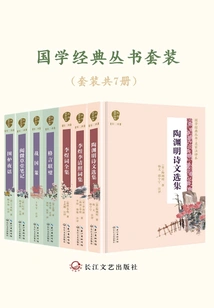
Chinese Classics Set 7 Volumes
Literature国学经典套装7册
(song Dynasty) Li Qingzhao Et Al.
Based on the principle of respecting and presenting the original classics, the Chinese Classics Series provides incisive and popular explanations, annotations and reviews of the classics, removing obstacles for modern readers, especially teenagers, to read Chinese classics. Familiarity with Chinese classics is the best choice for building young people's intelligence and moral character.
Based on the principle of respecting and presenting the original classics, the Chinese Classics Series provides incisive and popular explanations, annotations and reviews of the classics, removing obstacles for modern readers, especially teenagers, to read Chinese classics. Familiarity with Chinese classics is the best choice for building young people's intelligence and moral character.
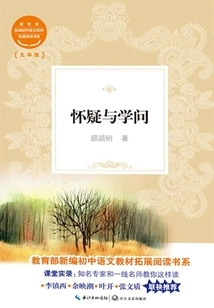
Doubt and Knowledge
Literature怀疑与学问
Gu Jiegang
This book is a collection of essays written by the famous scholar and historian Gu Jiegang. It not only includes essays on teaching young people how to aspire, read, study, etc., But also includes his essays on folk culture, myths and legends, historical deeds, etc. Among them, "Doubt and Knowledge" was selected into the Ministry of Education's new junior high school Chinese textbook. It integrates ideological, academic and interesting elements. It is a universal reading book suitable for primary and secondary school students and has a certain academic color.
This book is a collection of essays written by the famous scholar and historian Gu Jiegang. It not only includes essays on teaching young people how to aspire, read, study, etc., But also includes his essays on folk culture, myths and legends, historical deeds, etc. Among them, "Doubt and Knowledge" was selected into the Ministry of Education's new junior high school Chinese textbook. It integrates ideological, academic and interesting elements. It is a universal reading book suitable for primary and secondary school students and has a certain academic color.
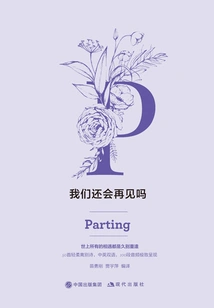
Will We See Each Other Again
Literature我们还会再见吗
Compiled By Miao Yonggang And Jia Yuping
Life is full of jokes and things are always unpredictable. Fate comes together and fate separates, parting is inevitable. This book selects 50 English farewell poems, including representative poems by famous poets such as John Donne, Robert Burns, Keats, Shelley, etc., With beautiful human voice recitation and unique artistic connotation design.
Life is full of jokes and things are always unpredictable. Fate comes together and fate separates, parting is inevitable. This book selects 50 English farewell poems, including representative poems by famous poets such as John Donne, Robert Burns, Keats, Shelley, etc., With beautiful human voice recitation and unique artistic connotation design.
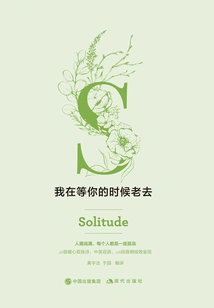
I'm Growing Old While Waiting for You
Literature我在等你的时候老去
Compiled By Huang Yujie And Yu Yuan
Everyone will encounter a time when they are bitten by loneliness and have no company. How to relieve worries? Read a poem. This book selects 58 English loneliness poems, including representative poems by famous poets such as Shelley, Wordsworth, Whitman, Carl Sandburg, etc., With beautiful human voice recitation and unique artistic connotation design.
Everyone will encounter a time when they are bitten by loneliness and have no company. How to relieve worries? Read a poem. This book selects 58 English loneliness poems, including representative poems by famous poets such as Shelley, Wordsworth, Whitman, Carl Sandburg, etc., With beautiful human voice recitation and unique artistic connotation design.
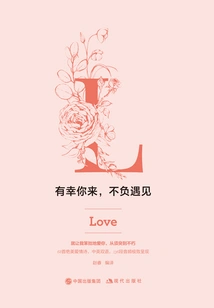
You Are Lucky Enough to Come and Meet Me
Literature有幸你来,不负遇见
Compiled By Zhao Rui
There are two indispensable things in life: poetry and love. This book selects 68 English love poems, including representative poems by famous poets such as Shelley, Yeats, Shakespeare, and Sarah Tisdale, with beautiful human voice recitation and unique artistic connotation design. Read the poems here when you suddenly think of someone.
There are two indispensable things in life: poetry and love. This book selects 68 English love poems, including representative poems by famous poets such as Shelley, Yeats, Shakespeare, and Sarah Tisdale, with beautiful human voice recitation and unique artistic connotation design. Read the poems here when you suddenly think of someone.
L
Literaturel
I
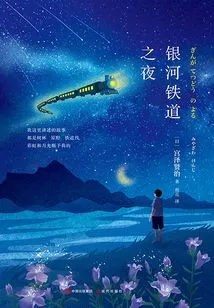
"Night on the Galaxy Railway" is a classic collection of works by "Japan's Hans Christian Andersen" Miyazawa Kenji. It selects one of Japan's well-known "poems that are not poems" "Braving the Wind and Rain", as well as "Night on the Galaxy Railway", "Takashu the Cellist", "Yellow Tomatoes" and "The Origin of the Deer Dance" "The Cat's Office", "Nighthawk Star", "The Fourth of Narcissus", "Yamanashi", "Twin Stars", "The Restaurant with Many Requests", "Crossing the Snowfield", "Fazemata Saburo", "Otsbell and the Elephant", "The Wild Goose", "The Biography of Gusco Budoli" and other 15 popular fairy tales. "Night on the Galaxy Railway" is one of the most representative works. The author revised the draft four times in eight years and was still processing and polishing it before the end of his life. It is called "the never-ending fairy tale". It tells the story of a poor young man named Giovanni who fell asleep on a hill on the night of the Galaxy Festival. In his dream, he and his friends boarded the Galaxy Railway train bound for heaven, embarking on a magnificent and romantic journey to the Milky Way. Kenji Miyazawa constructed a wonderful and colorful fairy tale world, using simple language to show his reflection on the harmonious coexistence between human beings and all things in nature, his concern for life and the universe, and his pursuit of happiness and ideals, etc. Miyazawa Kenji's will to be on the earth and toward the Milky Way, as well as his lifelong spirit of persistent and down-to-earth struggle for the happiness of all mankind, are conveyed through his words. Everyone who reads it sighs: When you are born as a human being, you must become such a person. Miyazawa Kenji's fairy tales are not just fairy tales, they are not only children's stories, but also fairy tales that "never end" and "always grow". No matter children or adults, they can read the profound meaning every time they read.
"Night on the Galaxy Railway" is a classic collection of works by "Japan's Hans Christian Andersen" Miyazawa Kenji. It selects one of Japan's well-known "poems that are not poems" "Braving the Wind and Rain", as well as "Night on the Galaxy Railway", "Takashu the Cellist", "Yellow Tomatoes" and "The Origin of the Deer Dance" "The Cat's Office", "Nighthawk Star", "The Fourth of Narcissus", "Yamanashi", "Twin Stars", "The Restaurant with Many Requests", "Crossing the Snowfield", "Fazemata Saburo", "Otsbell and the Elephant", "The Wild Goose", "The Biography of Gusco Budoli" and other 15 popular fairy tales. "Night on the Galaxy Railway" is one of the most representative works. The author revised the draft four times in eight years and was still processing and polishing it before the end of his life. It is called "the never-ending fairy tale". It tells the story of a poor young man named Giovanni who fell asleep on a hill on the night of the Galaxy Festival. In his dream, he and his friends boarded the Galaxy Railway train bound for heaven, embarking on a magnificent and romantic journey to the Milky Way. Kenji Miyazawa constructed a wonderful and colorful fairy tale world, using simple language to show his reflection on the harmonious coexistence between human beings and all things in nature, his concern for life and the universe, and his pursuit of happiness and ideals, etc. Miyazawa Kenji's will to be on the earth and toward the Milky Way, as well as his lifelong spirit of persistent and down-to-earth struggle for the happiness of all mankind, are conveyed through his words. Everyone who reads it sighs: When you are born as a human being, you must become such a person. Miyazawa Kenji's fairy tales are not just fairy tales, they are not only children's stories, but also fairy tales that "never end" and "always grow". No matter children or adults, they can read the profound meaning every time they read.
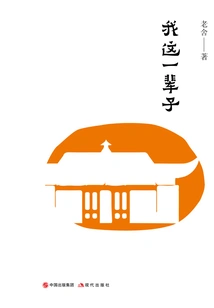
My Whole Life
Literature我这一辈子
Lao She
"My Life" selects Mr. Lao She's classic short stories and short stories, including "This Life", "Crescent Moon", "The Soul-Breaking Gun", "The Problem That Is Not a Problem", etc. Lao She's novels are good at describing the lives of citizens, especially the urban poor, allowing small characters to reflect the big times. Lao She's writing style is humorous and lively, and full of "Beijing flavor". Each vivid story describes the tragedy of the fate of that era, allowing people to see all kinds of world conditions through humor.
"My Life" selects Mr. Lao She's classic short stories and short stories, including "This Life", "Crescent Moon", "The Soul-Breaking Gun", "The Problem That Is Not a Problem", etc. Lao She's novels are good at describing the lives of citizens, especially the urban poor, allowing small characters to reflect the big times. Lao She's writing style is humorous and lively, and full of "Beijing flavor". Each vivid story describes the tragedy of the fate of that era, allowing people to see all kinds of world conditions through humor.
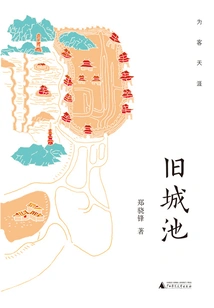
As a Guest, Tianya·old City
Literature为客天涯·旧城池
Zheng Xiaofeng
In the collection of essays "Old Cities", the author personally visited twelve ancient cities with their own characteristics, including Beijing, Jingzhou, Xi'an, Kaifeng, Qingzhou, Bozhou, Quanzhou, Ganzhou, Wenzhou, Huizhou, Songyang and Nong'an. He used typical historical figures, major events or important buildings as a medium to sort out their historical context and explore their respective cultural genes.
In the collection of essays "Old Cities", the author personally visited twelve ancient cities with their own characteristics, including Beijing, Jingzhou, Xi'an, Kaifeng, Qingzhou, Bozhou, Quanzhou, Ganzhou, Wenzhou, Huizhou, Songyang and Nong'an. He used typical historical figures, major events or important buildings as a medium to sort out their historical context and explore their respective cultural genes.
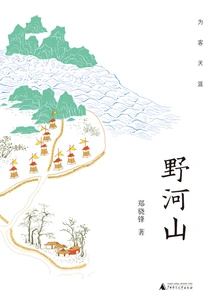
Visiting Tianya·yeheshan
Literature为客天涯·野河山
Zheng Xiaofeng
In the collection of essays "Wild Rivers and Mountains", the author selects twelve different types of monuments, including Qufu in Shandong, Zhouyuan in Shaanxi, Gaixia Ancient Battlefield, Yiwulu Mountain, Yanchi in Yuncheng, Jilong Mountain in Nanjing, Longmen Grottoes, Beijing-Hangzhou Canal, Donglin Academy in Wuxi, and Flower and Bird Island in Zhoushan, to explore the hidden and more vivid realities beyond the stylized orthodox official history narratives.
In the collection of essays "Wild Rivers and Mountains", the author selects twelve different types of monuments, including Qufu in Shandong, Zhouyuan in Shaanxi, Gaixia Ancient Battlefield, Yiwulu Mountain, Yanchi in Yuncheng, Jilong Mountain in Nanjing, Longmen Grottoes, Beijing-Hangzhou Canal, Donglin Academy in Wuxi, and Flower and Bird Island in Zhoushan, to explore the hidden and more vivid realities beyond the stylized orthodox official history narratives.
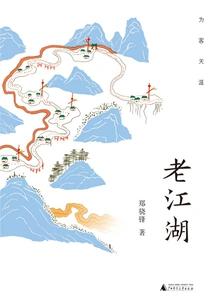
为客天涯·老江湖
Zheng Xiaofeng
In the collection of essays "Old Rivers and Lakes", the author explores cultural monuments with folk or reckless meanings such as Liangshan heroes, Shaoxing masters, fishermen with nine surnames, Budi scholars, Fujian and Jiangxi Hakkas, Xiangxi Miao people, Jiangnan miners, Silk Road monks, etc., Against the background of the Yangtze River, Jinghe River, Qiantang River, West Lake and other water systems.
In the collection of essays "Old Rivers and Lakes", the author explores cultural monuments with folk or reckless meanings such as Liangshan heroes, Shaoxing masters, fishermen with nine surnames, Budi scholars, Fujian and Jiangxi Hakkas, Xiangxi Miao people, Jiangnan miners, Silk Road monks, etc., Against the background of the Yangtze River, Jinghe River, Qiantang River, West Lake and other water systems.
One Person's Geography of Jiangnan
Literature一个人的江南地理
Xu Shuifa
This book is a collection of travel essays, including the author's fine travel articles about Zhejiang and surrounding provinces and cities in recent years. Many of them have been published in newspapers such as "Hundred Essays", "Cultural Monthly", "Zhejiang Writers", "Liaoning Prose", and "Jiangnan Travel News", and some articles have won awards in national essay contests. A benevolent person loves mountains, a wise person enjoys water. The author has gone from a simple tourist to an experiencer and thinker of beautiful scenery. With delicate and unique writing style, he describes the beautiful scenery of Jiangsu and Zhejiang mountains and rivers to readers, and expresses his immersive feelings, thoughts and understandings. Let readers follow the author to touch the pulse of Jiangnan scenery, feel the rhythm of Jiangnan humanities, travel around Jiangnan, get drunk in it, and appreciate a different kind of Jiangnan. This book is beautifully written and suitable for general reading.
This book is a collection of travel essays, including the author's fine travel articles about Zhejiang and surrounding provinces and cities in recent years. Many of them have been published in newspapers such as "Hundred Essays", "Cultural Monthly", "Zhejiang Writers", "Liaoning Prose", and "Jiangnan Travel News", and some articles have won awards in national essay contests. A benevolent person loves mountains, a wise person enjoys water. The author has gone from a simple tourist to an experiencer and thinker of beautiful scenery. With delicate and unique writing style, he describes the beautiful scenery of Jiangsu and Zhejiang mountains and rivers to readers, and expresses his immersive feelings, thoughts and understandings. Let readers follow the author to touch the pulse of Jiangnan scenery, feel the rhythm of Jiangnan humanities, travel around Jiangnan, get drunk in it, and appreciate a different kind of Jiangnan. This book is beautifully written and suitable for general reading.
If You Have a Heart, the World is Warm
Literature你若有心,尘世温暖
Ziwei
Those objects, things, sceneries, and people that make people feel emotional... The anthology is divided into six series: Series 1: Falling in love with the world of mortals - if you have the intention, there will be scenery everywhere. When Ji Er frowned - you may disagree with my point of view, but please defend the dignity of my words. Collection of Three Hearts and One Petal - The beauty of life lies in having love and care, being tied to each other, and having people who you can't live without or who you can't live without. Collection 4: The Show of Life - Even the poorest days can be tempered to create pearl-like brilliance. The fifth collection is lingering with words - spring breeze is elegant, autumn water articles. The spirit can last forever, and the words can be immortal. Episode 6: Looking at each other from afar - I first met you, it was like an old friend returning home.
Those objects, things, sceneries, and people that make people feel emotional... The anthology is divided into six series: Series 1: Falling in love with the world of mortals - if you have the intention, there will be scenery everywhere. When Ji Er frowned - you may disagree with my point of view, but please defend the dignity of my words. Collection of Three Hearts and One Petal - The beauty of life lies in having love and care, being tied to each other, and having people who you can't live without or who you can't live without. Collection 4: The Show of Life - Even the poorest days can be tempered to create pearl-like brilliance. The fifth collection is lingering with words - spring breeze is elegant, autumn water articles. The spirit can last forever, and the words can be immortal. Episode 6: Looking at each other from afar - I first met you, it was like an old friend returning home.
月光蝉声油菜花
Luo Economy
This is a collection of essays. The book is composed of two parts, the first part is barren mountains and ravines, and the second part is Shusheng Academy. This book uses prose form to smear the stories of distant childhood on the mountains and rivers of childhood. It is like a flowing painting. Time has dyed these paintings with a layer of mystery, just like the artistic conception in fairy tales. Through the vicissitudes of time, nostalgia has become so clear, spreading around like the rings of a tree. The characters in the work's story show specific characters in specific landscapes and stories.
This is a collection of essays. The book is composed of two parts, the first part is barren mountains and ravines, and the second part is Shusheng Academy. This book uses prose form to smear the stories of distant childhood on the mountains and rivers of childhood. It is like a flowing painting. Time has dyed these paintings with a layer of mystery, just like the artistic conception in fairy tales. Through the vicissitudes of time, nostalgia has become so clear, spreading around like the rings of a tree. The characters in the work's story show specific characters in specific landscapes and stories.
Fenghe Memories Travel
Literature风荷忆旅
Shen Yushen
This book is a collection of travel notes that promotes patriotism and conveys positive energy. The author uses passionate and heroic emotions, meaningful and beautiful writing to describe the beautiful scenery, local customs and broad vision, vivid and bright, flowing with the author's love for the motherland and praise for the great rivers and mountains. With rich materials, unique perspectives, and full emotions, the author has made a detailed description of many scenic spots and local characteristics. He is good at witty words and emphasizes rhymes, integrating knowledge, art, interest, thoughts and regional characteristics. All of them show strong visual shock and literary impact, and all reveal the author's confidence and pride in writing. It exudes a warm charm, making the quality and taste of the whole book complement each other, making it unique and powerful. The style of the work is sophisticated and solemn, the writing is elegant and unrestrained, the narrative and lyricism are combined, and it has profound cultural heritage and broad-minded and far-reaching artistic conception. It is a very literary and down-to-earth travelogue, full of the flavor of real life. The language is simple, the writing is smooth, the colors are colorful, and it is exquisite and gorgeous. It gives people the power of knowledge, the enjoyment of reading, the communication of emotions, and the true perception. It is unique and can be appreciated by both refined and popular people. It is suitable for public reading.
This book is a collection of travel notes that promotes patriotism and conveys positive energy. The author uses passionate and heroic emotions, meaningful and beautiful writing to describe the beautiful scenery, local customs and broad vision, vivid and bright, flowing with the author's love for the motherland and praise for the great rivers and mountains. With rich materials, unique perspectives, and full emotions, the author has made a detailed description of many scenic spots and local characteristics. He is good at witty words and emphasizes rhymes, integrating knowledge, art, interest, thoughts and regional characteristics. All of them show strong visual shock and literary impact, and all reveal the author's confidence and pride in writing. It exudes a warm charm, making the quality and taste of the whole book complement each other, making it unique and powerful. The style of the work is sophisticated and solemn, the writing is elegant and unrestrained, the narrative and lyricism are combined, and it has profound cultural heritage and broad-minded and far-reaching artistic conception. It is a very literary and down-to-earth travelogue, full of the flavor of real life. The language is simple, the writing is smooth, the colors are colorful, and it is exquisite and gorgeous. It gives people the power of knowledge, the enjoyment of reading, the communication of emotions, and the true perception. It is unique and can be appreciated by both refined and popular people. It is suitable for public reading.
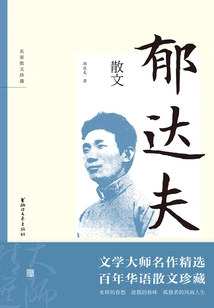
Yu Dafu's Prose
Literature郁达夫散文
Yu Dafu
"Yu Dafu's Prose" is divided into three volumes. The first volume, "A Different Kind of Loneliness", mainly includes Yu Dafu's autobiography and self-narrative prose, as well as commemorative articles in memory of old friends. Yu Dafu is world-famous for his "leftover" image. The prose selected in this collection delicately expresses Yu Dafu's wandering mentality and loneliness, and we can also see Yu Dafu's life trajectory. The second volume, "Handprints Everywhere," mainly includes Yu Dafu's travel notes and descriptions of scenes. Yu Dafu's travel notes play an important role in the creation of modern vernacular travel notes. The prose selected in this collection vividly shows what Yu Dafu saw, heard and felt while traveling in the South, North and even Southeast Asia. The third series of "Xianshu" mainly collects Yu Dafu's miscellaneous thoughts and essays discussing cultural or social issues. Yu Dafu was not only a writer, but also a scholar, a social activist, and a patriot. The essays selected in this collection reflect Yu Dafu's humorous, knowledgeable, and hateful side.
"Yu Dafu's Prose" is divided into three volumes. The first volume, "A Different Kind of Loneliness", mainly includes Yu Dafu's autobiography and self-narrative prose, as well as commemorative articles in memory of old friends. Yu Dafu is world-famous for his "leftover" image. The prose selected in this collection delicately expresses Yu Dafu's wandering mentality and loneliness, and we can also see Yu Dafu's life trajectory. The second volume, "Handprints Everywhere," mainly includes Yu Dafu's travel notes and descriptions of scenes. Yu Dafu's travel notes play an important role in the creation of modern vernacular travel notes. The prose selected in this collection vividly shows what Yu Dafu saw, heard and felt while traveling in the South, North and even Southeast Asia. The third series of "Xianshu" mainly collects Yu Dafu's miscellaneous thoughts and essays discussing cultural or social issues. Yu Dafu was not only a writer, but also a scholar, a social activist, and a patriot. The essays selected in this collection reflect Yu Dafu's humorous, knowledgeable, and hateful side.
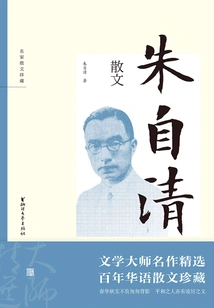
Zhu Ziqing's Prose
Literature朱自清散文
Zhu Ziqing
"Zhu Ziqing's Prose" is a collection of selected prose by Zhu Ziqing, a master of modern prose. Most of the articles included in this manuscript have been widely circulated, including some that have always been included in various Chinese textbooks as models of beautiful vernacular prose, such as "Spring", "Back View", "Moonlight over the Lotus Pond", etc. Zhu Ziqing worked hard on the use of language, which is vivid in its simplicity. In addition, he is very familiar with Chinese classical poetry, so he often picks it up and becomes an organic part of his works, which are full of strong Chinese characteristics. This book is divided into four volumes: "The Marks of Shoes Everywhere" which is a record of the Range Rover travels, "Moonlight over the Lotus Pond" which is a lyrical reminiscence of people, "Appreciating both the refined and the popular" which is a reflection on the world, and "The Price of Life" which is a commentary on current ills. In addition to some of Zhu Ziqing's well-known famous articles describing scenes and expressing emotions or recalling old friends, it also includes some relatively unknown articles by Zhu Ziqing that focus on social life, criticize current ills, and are rich in philosophy, allowing readers to have a more comprehensive understanding of the character of this master of prose and a democratic fighter.
"Zhu Ziqing's Prose" is a collection of selected prose by Zhu Ziqing, a master of modern prose. Most of the articles included in this manuscript have been widely circulated, including some that have always been included in various Chinese textbooks as models of beautiful vernacular prose, such as "Spring", "Back View", "Moonlight over the Lotus Pond", etc. Zhu Ziqing worked hard on the use of language, which is vivid in its simplicity. In addition, he is very familiar with Chinese classical poetry, so he often picks it up and becomes an organic part of his works, which are full of strong Chinese characteristics. This book is divided into four volumes: "The Marks of Shoes Everywhere" which is a record of the Range Rover travels, "Moonlight over the Lotus Pond" which is a lyrical reminiscence of people, "Appreciating both the refined and the popular" which is a reflection on the world, and "The Price of Life" which is a commentary on current ills. In addition to some of Zhu Ziqing's well-known famous articles describing scenes and expressing emotions or recalling old friends, it also includes some relatively unknown articles by Zhu Ziqing that focus on social life, criticize current ills, and are rich in philosophy, allowing readers to have a more comprehensive understanding of the character of this master of prose and a democratic fighter.
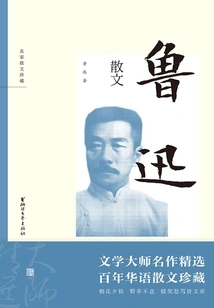
Lu Xun's Prose
Literature鲁迅散文
Lu Xun
This book carefully selects most of the articles from Mr. Lu Xun's collection of essays "Morning Blossoms Picked Up at Dusk" and "Weeds", and carefully browses through many miscellaneous essays in Mr. Lu Xun's other works. Carefully selected and compiled into this book "Lu Xun's Prose", the selected articles may recall the past, chat casually, reflect on oneself, discuss current affairs, or remember close friends. Most of them are representative works, such as "From Baicao Garden to Sanwei Bookstore", "Father's Illness", "Shadow's Farewell", "In Memory of Mr. Liu Hezhen", "Memory for Forgetting", etc. These works fully demonstrate Mr. Lu Xun's literary skills and rich life experience, and present to readers a true, wise, upright, and caring Lu Xun.
This book carefully selects most of the articles from Mr. Lu Xun's collection of essays "Morning Blossoms Picked Up at Dusk" and "Weeds", and carefully browses through many miscellaneous essays in Mr. Lu Xun's other works. Carefully selected and compiled into this book "Lu Xun's Prose", the selected articles may recall the past, chat casually, reflect on oneself, discuss current affairs, or remember close friends. Most of them are representative works, such as "From Baicao Garden to Sanwei Bookstore", "Father's Illness", "Shadow's Farewell", "In Memory of Mr. Liu Hezhen", "Memory for Forgetting", etc. These works fully demonstrate Mr. Lu Xun's literary skills and rich life experience, and present to readers a true, wise, upright, and caring Lu Xun.
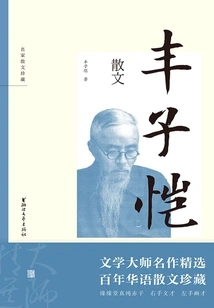
Feng Zikai's Prose
Literature丰子恺散文
Feng Zikai
Feng Zikai is a modern art educator, music educator, calligrapher and translator in my country. He is famous for his comics and prose creations that combine Chinese and Western painting methods and is deeply loved by generations of readers. "Feng Zikai's Prose" contains thirty-eight essays, divided into four series. The first volume, "To My Children," includes articles about the author's description of children and memories of childhood; the second volume, "Sheltering from the Rain in the Mountains," contains articles about the author's travel experiences; the third volume, "The Worker's Songs to Himself," contains articles about the author's miscellaneous feelings about life; and the fourth volume, "Essays and Comics," mainly includes articles about the author talking about essays, comics, music, and art. Feng Zikai's prose is like pieces of falling English, implying human sentiment.
Feng Zikai is a modern art educator, music educator, calligrapher and translator in my country. He is famous for his comics and prose creations that combine Chinese and Western painting methods and is deeply loved by generations of readers. "Feng Zikai's Prose" contains thirty-eight essays, divided into four series. The first volume, "To My Children," includes articles about the author's description of children and memories of childhood; the second volume, "Sheltering from the Rain in the Mountains," contains articles about the author's travel experiences; the third volume, "The Worker's Songs to Himself," contains articles about the author's miscellaneous feelings about life; and the fourth volume, "Essays and Comics," mainly includes articles about the author talking about essays, comics, music, and art. Feng Zikai's prose is like pieces of falling English, implying human sentiment.
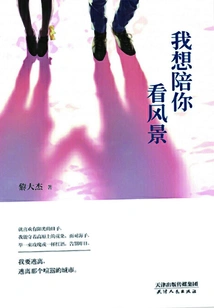
我想陪你看风景
Li Dajie
This book is divided into five volumes. The collected articles are centered on the place where the author lives, and then divided into four directions: southeast, northwest, and geographical location. They collect the author's insights after traveling to scenic spots across the country in recent years. The articles are fresh and natural, the writing is beautiful, and the poetic language is a major feature of the book, which is very readable. Each article has the author's unique perspective and personal experience, and is full of strong lyrical meaning and humanistic care. Attract readers' interest in reading, allow readers to appreciate the artistic conception of the article while reading, and release their souls. I believe that while you are reading the book, you will also be able to sublimate the beauty of the scenic spots on paper carefully constructed by the author. Suitable for people who are interested in literature and travel.
This book is divided into five volumes. The collected articles are centered on the place where the author lives, and then divided into four directions: southeast, northwest, and geographical location. They collect the author's insights after traveling to scenic spots across the country in recent years. The articles are fresh and natural, the writing is beautiful, and the poetic language is a major feature of the book, which is very readable. Each article has the author's unique perspective and personal experience, and is full of strong lyrical meaning and humanistic care. Attract readers' interest in reading, allow readers to appreciate the artistic conception of the article while reading, and release their souls. I believe that while you are reading the book, you will also be able to sublimate the beauty of the scenic spots on paper carefully constructed by the author. Suitable for people who are interested in literature and travel.
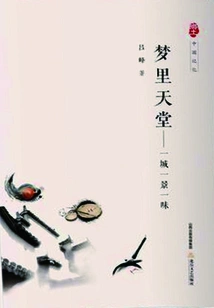
梦里天堂:一城一景一味
Lu Feng
This is a book about enjoying travel, recording a person's unique feelings about traveling with a bag on his back. With a camera and a wandering heart, the author walked and took photos, recording each wonderful moment and describing the state on the road. It is a tribute to time and life, and a kind of enjoyment that irons the soul. This book mainly talks about the famous mountains and rivers, ancient cities and capitals encountered during the journey, as well as the nostalgia for the past life, as well as the bits and pieces of the journey. Although it is not mature, it is a true reflection of the soul. The book is divided into five parts: Falling in love, dreaming of paradise, tracking predecessors, traveling through mountains and rivers, and eating everywhere, expressing the author's feelings about life. Along the way, we not only completed the position movement in the real world, but also carried out the ideological galloping in historical time and space.
This is a book about enjoying travel, recording a person's unique feelings about traveling with a bag on his back. With a camera and a wandering heart, the author walked and took photos, recording each wonderful moment and describing the state on the road. It is a tribute to time and life, and a kind of enjoyment that irons the soul. This book mainly talks about the famous mountains and rivers, ancient cities and capitals encountered during the journey, as well as the nostalgia for the past life, as well as the bits and pieces of the journey. Although it is not mature, it is a true reflection of the soul. The book is divided into five parts: Falling in love, dreaming of paradise, tracking predecessors, traveling through mountains and rivers, and eating everywhere, expressing the author's feelings about life. Along the way, we not only completed the position movement in the real world, but also carried out the ideological galloping in historical time and space.
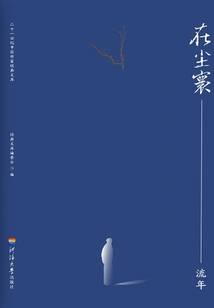
In This Mortal World, Fleeting Years
Literature在尘寰·流年
Classics Library Editorial Board
This series is a collection of prose, which selects the prose works of several famous contemporary writers and compiles them into a volume, striving to create a cultural series with great literary and aesthetic value. "Fleeing Time" collects several short stories about the world and the years, reflecting the true taste of life from the ordinary.
This series is a collection of prose, which selects the prose works of several famous contemporary writers and compiles them into a volume, striving to create a cultural series with great literary and aesthetic value. "Fleeing Time" collects several short stories about the world and the years, reflecting the true taste of life from the ordinary.
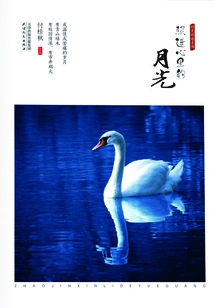
The Moonlight Shining into My Heart
Literature照进心里的月光
Fu Guiqiu
This book is a collection of essays, divided into four parts: nostalgia, life, family, and love. The book writes about the festivals in his hometown and his memories of the old house in his hometown... The author follows his thoughts and footsteps and slowly pours his thoughts into his pen, showing readers the folk customs, customs and sentiments of the Northeast region, and also expresses his unique insights into some special phenomena in current social life.
This book is a collection of essays, divided into four parts: nostalgia, life, family, and love. The book writes about the festivals in his hometown and his memories of the old house in his hometown... The author follows his thoughts and footsteps and slowly pours his thoughts into his pen, showing readers the folk customs, customs and sentiments of the Northeast region, and also expresses his unique insights into some special phenomena in current social life.
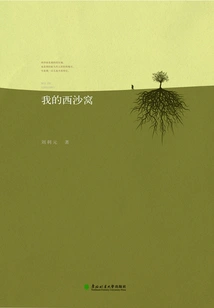
My Xishawo
Literature我的西沙窝
Liu Liyuan
There are three series of "My Xishawo": the first series: that country and that soil; the second series: that year and that month; the third series: that person and that thing. The author starts from his own hometown and records the memories and experiences he left when he was born and grew up in Xishawo, as well as the inseparable relationship between the author's grandfather, the author's father and the author's three generations and Xishawo. Although Xishawo is not the author's real hometown, but his grandfather fled there and then took root in Xishawo, Xishawo is the place where the author was raised, the place where the author grew up, and the author's roots. Let us accompany the author to recall every bit of Xishawo.
There are three series of "My Xishawo": the first series: that country and that soil; the second series: that year and that month; the third series: that person and that thing. The author starts from his own hometown and records the memories and experiences he left when he was born and grew up in Xishawo, as well as the inseparable relationship between the author's grandfather, the author's father and the author's three generations and Xishawo. Although Xishawo is not the author's real hometown, but his grandfather fled there and then took root in Xishawo, Xishawo is the place where the author was raised, the place where the author grew up, and the author's roots. Let us accompany the author to recall every bit of Xishawo.
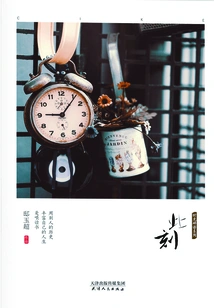
Now
Literature此刻
Di Yuchao
The book "Moment" contains 80 works, which are mainly reading essays recorded by the author while reading the masterpieces of modern and contemporary Chinese masters, and a small number of book-related life essays. Each work has a unique analysis, objective evaluation and reflection on important modern and contemporary literary works. This article has a very good guiding and inspiring effect on readers' correct understanding of famous works, and to a certain extent increases readers' interest in reading the original text. The work is short and concise, with beautiful words and a certain philosophical content, and is suitable for public reading.
The book "Moment" contains 80 works, which are mainly reading essays recorded by the author while reading the masterpieces of modern and contemporary Chinese masters, and a small number of book-related life essays. Each work has a unique analysis, objective evaluation and reflection on important modern and contemporary literary works. This article has a very good guiding and inspiring effect on readers' correct understanding of famous works, and to a certain extent increases readers' interest in reading the original text. The work is short and concise, with beautiful words and a certain philosophical content, and is suitable for public reading.
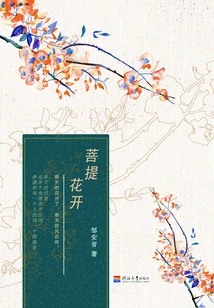
Bodhi Flower Blooms
Literature菩提花开
Zou Anyin
"Bodhi Blossoms" is divided into five series. It contains one of the elements of life: gold, wood, water, fire and earth. "Gold: maple leaves are red", "wood: spring hair of vegetation", "water: the best is like water", "fire: fireflies reflect snow" and "earth: spring light on grass". It is not only an inspirational model, but also an anatomy of the soul, an expression of emotions and a record of life. Use every plant, tree, object, and thing to record every detail of life, express the love in your heart, and understand the truth in it.
"Bodhi Blossoms" is divided into five series. It contains one of the elements of life: gold, wood, water, fire and earth. "Gold: maple leaves are red", "wood: spring hair of vegetation", "water: the best is like water", "fire: fireflies reflect snow" and "earth: spring light on grass". It is not only an inspirational model, but also an anatomy of the soul, an expression of emotions and a record of life. Use every plant, tree, object, and thing to record every detail of life, express the love in your heart, and understand the truth in it.
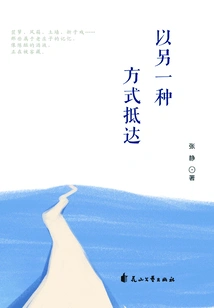
Arrive Another Way
Literature以另一种方式抵达
Zhang Jing
This book is a collection of local prose. In this book, the author not only writes about the benevolence and generosity of the traditional farming culture in the Guanzhong area, but also writes about the pure and gentle noble qualities of her ancestors and their tenacity to defy poverty and hardship, as well as the thinking, hesitation and confusion caused by the integration of urban and rural areas and the changes in people's ideological understanding, value orientation and lifestyle after people's lives become rich.
This book is a collection of local prose. In this book, the author not only writes about the benevolence and generosity of the traditional farming culture in the Guanzhong area, but also writes about the pure and gentle noble qualities of her ancestors and their tenacity to defy poverty and hardship, as well as the thinking, hesitation and confusion caused by the integration of urban and rural areas and the changes in people's ideological understanding, value orientation and lifestyle after people's lives become rich.
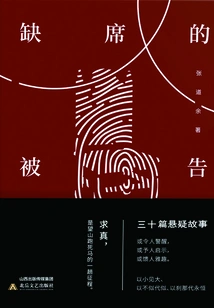
Absent Defendant
Literature缺席的被告
Zhang Daoyu
This is a subtle work selected by the author from many literary works he has created. Although Massachusetts is small, it has all five internal organs, and the small water droplets still reflect the vast world. It may wake others up, or provide inspiration, or provide them with elegance... The story is eloquently told, and the plot has ups and downs, which is fascinating and leaves readers unable to put it down.
This is a subtle work selected by the author from many literary works he has created. Although Massachusetts is small, it has all five internal organs, and the small water droplets still reflect the vast world. It may wake others up, or provide inspiration, or provide them with elegance... The story is eloquently told, and the plot has ups and downs, which is fascinating and leaves readers unable to put it down.
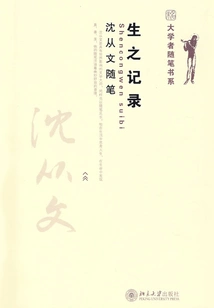
Records of Shen Congwen's Life
Literature沈从文生之记录
Shen Congwen
Shen Congwen is a literary master with worldwide influence and is also known for his essays. He thinks about life in life and discovers truth, goodness and beauty in life. His essays are full of subtle and relaxing artistic conception. This book is a collection of his works. "The Record of Life" collects Shen Congwen's many works and organizes them into three parts: life waves, legendary skills, and learning reality.
Shen Congwen is a literary master with worldwide influence and is also known for his essays. He thinks about life in life and discovers truth, goodness and beauty in life. His essays are full of subtle and relaxing artistic conception. This book is a collection of his works. "The Record of Life" collects Shen Congwen's many works and organizes them into three parts: life waves, legendary skills, and learning reality.
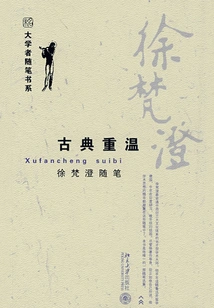
古典重温:徐梵澄随笔
Xu Fancheng
Xu Fancheng is a versatile academic master who understands the three major cultural systems of China, West and India. He followed Lu Xun in his early years and studied in Germany. He studied in India in his middle age and returned to his motherland in his later years. Although he wrote prolifically, as he himself said, the essence of his academic thoughts are concentrated in these essays. This book is his only anthology of essays. Xu Fancheng is a well-read scholar with profound ideological and academic attainments. He engaged in a wide range of topics throughout his life and wrote many translations, leaving behind precious academic wealth; his indifference to fame and fortune, his quiet and transcendent spirit, and his serious, persistent, and perseverant academic style are a model for our later scholars; his legendary life and academic experience in the Chinese translation of "Sanskrit Classics" and the spread of "Huazhang" are also a good story for contemporary Sino-Indian cultural exchanges and the integration of Chinese and Western thoughts. Although he wrote prolifically, as he himself said, the essence of his academic thoughts are concentrated in these essays. This book is his only anthology of essays.
Xu Fancheng is a versatile academic master who understands the three major cultural systems of China, West and India. He followed Lu Xun in his early years and studied in Germany. He studied in India in his middle age and returned to his motherland in his later years. Although he wrote prolifically, as he himself said, the essence of his academic thoughts are concentrated in these essays. This book is his only anthology of essays. Xu Fancheng is a well-read scholar with profound ideological and academic attainments. He engaged in a wide range of topics throughout his life and wrote many translations, leaving behind precious academic wealth; his indifference to fame and fortune, his quiet and transcendent spirit, and his serious, persistent, and perseverant academic style are a model for our later scholars; his legendary life and academic experience in the Chinese translation of "Sanskrit Classics" and the spread of "Huazhang" are also a good story for contemporary Sino-Indian cultural exchanges and the integration of Chinese and Western thoughts. Although he wrote prolifically, as he himself said, the essence of his academic thoughts are concentrated in these essays. This book is his only anthology of essays.
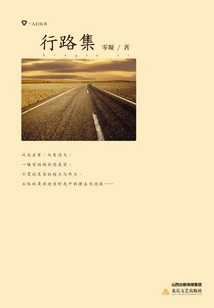
Travel Set
Literature行路集
Zero Condensation
Those years passed like this, and I seemed to see that childish child walking slowly, smiling in the wonderful piano music, playing in the dense old house, intoxicated in the drizzle, crying in the majestic cumulonimbus... The child grew up slowly, and the society gradually lost its tolerance for him, accompanied by a little helplessness and inexplicable sentimentality. The youthful years were radical in dreams and painful in throbbing, Struggling in tradition, shouting in anger... Fortunately, along the way, there are some people who accompany him by chance and because they have the same ideals... Literature and music, dreams and persistence, encounters and touches... The passion that bursts out in a moment often breaks through the confinement of reason, dancing freely inside and outside the wall, performing scenes of touching but ethereal persistence...
Those years passed like this, and I seemed to see that childish child walking slowly, smiling in the wonderful piano music, playing in the dense old house, intoxicated in the drizzle, crying in the majestic cumulonimbus... The child grew up slowly, and the society gradually lost its tolerance for him, accompanied by a little helplessness and inexplicable sentimentality. The youthful years were radical in dreams and painful in throbbing, Struggling in tradition, shouting in anger... Fortunately, along the way, there are some people who accompany him by chance and because they have the same ideals... Literature and music, dreams and persistence, encounters and touches... The passion that bursts out in a moment often breaks through the confinement of reason, dancing freely inside and outside the wall, performing scenes of touching but ethereal persistence...
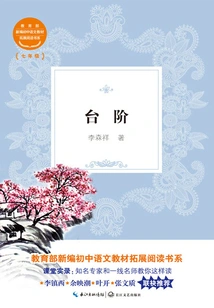
Steps
Literature台阶
Li Senxiang
"Stairs" is a collection of Li Senxiang's works, including more than ten novels and essays such as "Stairs", "Primary School Teacher", "Four or Five Families in Yancun", and "The Song of Building a Nest". Among them, "Stairs" was selected as a middle school Chinese textbook. These works mainly focus on rural life. The author uses concise and vivid language to create a series of images of ordinary people, reproducing the survival wisdom and most authentic emotions of Chinese farmers.
"Stairs" is a collection of Li Senxiang's works, including more than ten novels and essays such as "Stairs", "Primary School Teacher", "Four or Five Families in Yancun", and "The Song of Building a Nest". Among them, "Stairs" was selected as a middle school Chinese textbook. These works mainly focus on rural life. The author uses concise and vivid language to create a series of images of ordinary people, reproducing the survival wisdom and most authentic emotions of Chinese farmers.