Library
Browse and search books
2,982 novels found
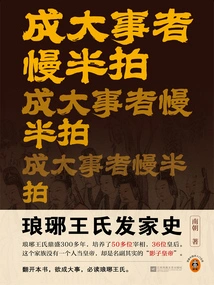
成大事者慢半拍
Southern Dynasties
If you want to achieve great things, first read Langya Wang Family. Langya Wang summed up the secret of her success as: speaking and doing things in a slow manner. This seems to go against common sense, because we always say that we should strike first to gain the upper hand, but the Langya Wang family has used wisdom passed down for thousands of years and bloody lessons to tell us: Those who achieve great things must be slow. The protagonist of this book, Director Wang, the founder of "The King and the Horse Share the World", is a chronic man. Facing the challenges from wealthy families such as Sima Family and Yingchuan Yu Family, he always let those who like to strike first to gain the upper hand to try and make mistakes, and then learn from their failures to reduce their own trial and error costs. In the end, he relied on this "slow-paced" wisdom to defeat all his contemporaries, making the Langya Wang family a powerful family that overpowered the imperial power and controlled the world behind the scenes. If you want to achieve small things and pursue small profits, you may have to strike first; but if you want to achieve big things and create a century-old foundation, you might as well wait a moment.
If you want to achieve great things, first read Langya Wang Family. Langya Wang summed up the secret of her success as: speaking and doing things in a slow manner. This seems to go against common sense, because we always say that we should strike first to gain the upper hand, but the Langya Wang family has used wisdom passed down for thousands of years and bloody lessons to tell us: Those who achieve great things must be slow. The protagonist of this book, Director Wang, the founder of "The King and the Horse Share the World", is a chronic man. Facing the challenges from wealthy families such as Sima Family and Yingchuan Yu Family, he always let those who like to strike first to gain the upper hand to try and make mistakes, and then learn from their failures to reduce their own trial and error costs. In the end, he relied on this "slow-paced" wisdom to defeat all his contemporaries, making the Langya Wang family a powerful family that overpowered the imperial power and controlled the world behind the scenes. If you want to achieve small things and pursue small profits, you may have to strike first; but if you want to achieve big things and create a century-old foundation, you might as well wait a moment.
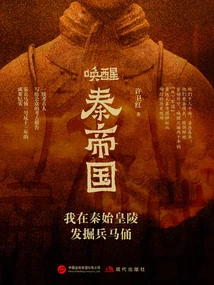
唤醒秦帝国:我在秦始皇陵发掘兵马俑
Xu Weihong
The third excavation of Pit No. 1 Of the Terracotta Warriors and Horses in the Mausoleum of the First Emperor of Qin began in 2009, with Xu Weihong serving as the team leader in the preliminary work. This work, which lasted for more than ten years, adopted the model of "conservation and excavation at the same time, exhibition and excavation at the same time", and added the concept of "telling good stories". Thus, this popular social science work about the history of the Qin Dynasty was produced. After seeing the Terracotta Warriors and Horses, you should also understand the Terracotta Warriors and Horses to lay a solid foundation for the cultural heritage of the Chinese nation. This book is based on the author's more than 30 years of archaeological experience in the Qin and Han Dynasties. It takes the third excavation of Pit No. 1 Of the Terracotta Warriors and Horses in the Mausoleum of the First Emperor of Qin as a clue. In the process of recording archaeological work methods and research reasoning, it guides the public to correctly interpret the historical information contained in the Terracotta Warriors and Horses, understand the true history of the Qin Empire, and complete a date that spans thousands of years.
The third excavation of Pit No. 1 Of the Terracotta Warriors and Horses in the Mausoleum of the First Emperor of Qin began in 2009, with Xu Weihong serving as the team leader in the preliminary work. This work, which lasted for more than ten years, adopted the model of "conservation and excavation at the same time, exhibition and excavation at the same time", and added the concept of "telling good stories". Thus, this popular social science work about the history of the Qin Dynasty was produced. After seeing the Terracotta Warriors and Horses, you should also understand the Terracotta Warriors and Horses to lay a solid foundation for the cultural heritage of the Chinese nation. This book is based on the author's more than 30 years of archaeological experience in the Qin and Han Dynasties. It takes the third excavation of Pit No. 1 Of the Terracotta Warriors and Horses in the Mausoleum of the First Emperor of Qin as a clue. In the process of recording archaeological work methods and research reasoning, it guides the public to correctly interpret the historical information contained in the Terracotta Warriors and Horses, understand the true history of the Qin Empire, and complete a date that spans thousands of years.
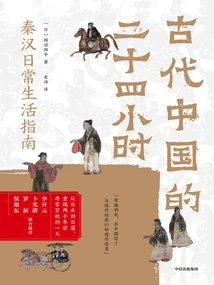
古代中国的二十四小时
(japan) Kakinuma Hinata
From sunrise to sunset, recreate the day of ordinary people two thousand years ago! This book combines a large number of unearthed slips and relevant contents in ancient Chinese classics to condense the daily life of the people of Qin and Han Dynasty into a twenty-four-hour record in a well-founded, informative and interesting way: from dressing up, eating breakfast, going to work, shopping, doing farm work, to falling in love, Raising children, getting drunk, quarreling, getting ready for bed after a busy day... Vividly reproduces the daily life of ordinary people in China at that time, from morning to evening, from work to rest, presenting a vivid panorama of life, leading readers to go back in time and wander through it.
From sunrise to sunset, recreate the day of ordinary people two thousand years ago! This book combines a large number of unearthed slips and relevant contents in ancient Chinese classics to condense the daily life of the people of Qin and Han Dynasty into a twenty-four-hour record in a well-founded, informative and interesting way: from dressing up, eating breakfast, going to work, shopping, doing farm work, to falling in love, Raising children, getting drunk, quarreling, getting ready for bed after a busy day... Vividly reproduces the daily life of ordinary people in China at that time, from morning to evening, from work to rest, presenting a vivid panorama of life, leading readers to go back in time and wander through it.
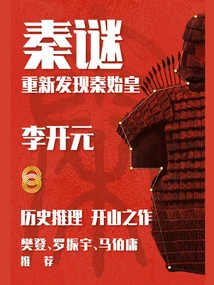
秦谜:重新发现秦始皇
Li Kaiyuan
The Qin Dynasty has a history of more than 2,000 years. Most of the historical materials have been lost, and many historical facts cannot be verified. But in "Qin Mystery: Rediscovering the First Emperor of Qin", Professor Li Kaiyuan is based on field surveys, unearthed cultural relics and archaeological discoveries, and combines the perspectives of history, archaeology, medicine and law. He uses criminal investigation techniques such as hanging wire tracking and mixed shuffling to boldly speculate and carefully verify, through the millennium of fog, to detect everything you are curious about about the First Emperor of Qin. It resurrects the history of the Qin Dynasty that has been seriously misunderstood, restores the Qin Shihuang who was demonized by history, and gives a comprehensive outline of the life experience, background, stance, political activities of Qin Shihuang and the characters around him, as well as the political network of the Qin Dynasty court, thus making the enigmatic history of the Qin Dynasty interesting and clear to the readers.
The Qin Dynasty has a history of more than 2,000 years. Most of the historical materials have been lost, and many historical facts cannot be verified. But in "Qin Mystery: Rediscovering the First Emperor of Qin", Professor Li Kaiyuan is based on field surveys, unearthed cultural relics and archaeological discoveries, and combines the perspectives of history, archaeology, medicine and law. He uses criminal investigation techniques such as hanging wire tracking and mixed shuffling to boldly speculate and carefully verify, through the millennium of fog, to detect everything you are curious about about the First Emperor of Qin. It resurrects the history of the Qin Dynasty that has been seriously misunderstood, restores the Qin Shihuang who was demonized by history, and gives a comprehensive outline of the life experience, background, stance, political activities of Qin Shihuang and the characters around him, as well as the political network of the Qin Dynasty court, thus making the enigmatic history of the Qin Dynasty interesting and clear to the readers.
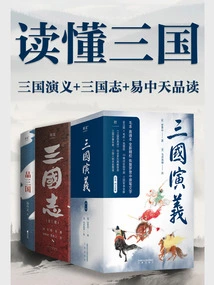
读懂三国:三国演义+三国志+易中天品读
(ming Dynasty) Written By Luo Guanzhong (qing Dynasty) Batch By Mao Zonggang And Others (western Jin Dynasty) Written By Chen Shou (southern Dynasties And Song Dynasty) Annotated By Pei Song Written By Yi Zhongtian
People who have read the Three Kingdoms may not really understand the Three Kingdoms! Why is Cao Cao known as "a capable minister in times of trouble and a traitor in troubled times"? What kind of power code is hidden in Zhuge Liang's "The Master's Guide"? There are multiple levels of game logic behind the Battle of Chibi? The Romance of the Three Kingdoms + the original text of the historical book + Yi Zhongtian's reading, this set will help you appreciate and understand the Three Kingdoms in detail.
People who have read the Three Kingdoms may not really understand the Three Kingdoms! Why is Cao Cao known as "a capable minister in times of trouble and a traitor in troubled times"? What kind of power code is hidden in Zhuge Liang's "The Master's Guide"? There are multiple levels of game logic behind the Battle of Chibi? The Romance of the Three Kingdoms + the original text of the historical book + Yi Zhongtian's reading, this set will help you appreciate and understand the Three Kingdoms in detail.
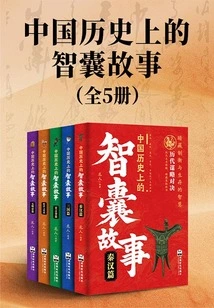
中国历史上的智囊故事(全5册)
Compiled By Dragon Man
This album brings together five masterpieces of think tank stories in Chinese history: "Qin and Han Chapter", "Three Kingdoms Chapter", "Sui, Tang and Five Dynasties Chapter", "Song, Liao and Jin Chapter" and "Yuan, Ming and Qing Chapter". The emperor's mind is unfathomable, the civil servants manage the government as if they are weighing their weight, the generals break the formation and the thunder cracks the sky, the counselors plan as if they are stargazing, and the wisdom of women is often hidden in the cracks of history - who is smarter? Let's look at the ups and downs of the storm.
This album brings together five masterpieces of think tank stories in Chinese history: "Qin and Han Chapter", "Three Kingdoms Chapter", "Sui, Tang and Five Dynasties Chapter", "Song, Liao and Jin Chapter" and "Yuan, Ming and Qing Chapter". The emperor's mind is unfathomable, the civil servants manage the government as if they are weighing their weight, the generals break the formation and the thunder cracks the sky, the counselors plan as if they are stargazing, and the wisdom of women is often hidden in the cracks of history - who is smarter? Let's look at the ups and downs of the storm.
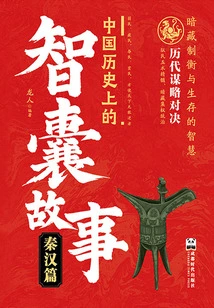
中国历史上的智囊故事:秦汉篇
Compiled By Dragon Man
The Qin and Han Dynasties are the collective name of the two unified dynasties, the Qin Dynasty and the Han Dynasty. From the time when Qin Shihuang unified China to when Emperor Xian of the Han Dynasty was forced to abdicate in Cao Pi, the Qin and Han Dynasties lasted for 421 years. Over the past four hundred years, the situation has been changing, and countless outstanding people have emerged. Qin Shihuang, who had made great contributions to the Three Sovereigns and Five Emperors, the "Three Heroes of the Early Han Dynasty" who assisted Liu Bang in creating the Han Dynasty, Dongfang Shuo, who controlled the emperor with jokes, Ban Chao, who recovered the Western Regions, and Deng Sui, who solved the crisis of the Eastern Han Dynasty... Whether they were emperors, generals or female counselors, they all used their wisdom and strategies to compose an enduring historical legend and inspire future generations.
The Qin and Han Dynasties are the collective name of the two unified dynasties, the Qin Dynasty and the Han Dynasty. From the time when Qin Shihuang unified China to when Emperor Xian of the Han Dynasty was forced to abdicate in Cao Pi, the Qin and Han Dynasties lasted for 421 years. Over the past four hundred years, the situation has been changing, and countless outstanding people have emerged. Qin Shihuang, who had made great contributions to the Three Sovereigns and Five Emperors, the "Three Heroes of the Early Han Dynasty" who assisted Liu Bang in creating the Han Dynasty, Dongfang Shuo, who controlled the emperor with jokes, Ban Chao, who recovered the Western Regions, and Deng Sui, who solved the crisis of the Eastern Han Dynasty... Whether they were emperors, generals or female counselors, they all used their wisdom and strategies to compose an enduring historical legend and inspire future generations.
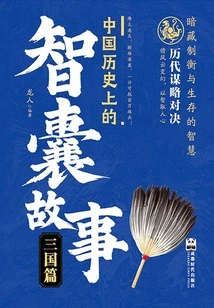
中国历史上的智囊故事:三国篇
Compiled By Dragon Man
"The general trend of the world is that if it divides for a long time, it will unite, and if it unites for a long time, it will divide." The Three Kingdoms, Two Jins, Southern and Northern Dynasties were the era of the most frequent regime changes in Chinese history. In 220 AD, Cao Pi proclaimed himself emperor. In 589 AD, the Sui Dynasty destroyed the Southern Dynasty Chen. In just 369 years, it experienced the Three Kingdoms period, the Western Jin period, the Eastern Jin Dynasty and the Sixteen Kingdoms period, and the Northern and Southern Dynasties period. Only 37 of them were unified. Heroes competed for hegemony, wars raged for years, and more than thirty dynasties, large and small, rose and fell. The culture of the Three Kingdoms, Two Jins, Southern and Northern Dynasties has been marked by division and separatism, but it still shines with dazzling light. From the princes and generals to the heroes and girls, living in the troubled times of the Wei, Jin, Southern and Northern Dynasties, if you want to settle down, you must have a wise man by your side. Their wisdom still shines brightly through the ages.
"The general trend of the world is that if it divides for a long time, it will unite, and if it unites for a long time, it will divide." The Three Kingdoms, Two Jins, Southern and Northern Dynasties were the era of the most frequent regime changes in Chinese history. In 220 AD, Cao Pi proclaimed himself emperor. In 589 AD, the Sui Dynasty destroyed the Southern Dynasty Chen. In just 369 years, it experienced the Three Kingdoms period, the Western Jin period, the Eastern Jin Dynasty and the Sixteen Kingdoms period, and the Northern and Southern Dynasties period. Only 37 of them were unified. Heroes competed for hegemony, wars raged for years, and more than thirty dynasties, large and small, rose and fell. The culture of the Three Kingdoms, Two Jins, Southern and Northern Dynasties has been marked by division and separatism, but it still shines with dazzling light. From the princes and generals to the heroes and girls, living in the troubled times of the Wei, Jin, Southern and Northern Dynasties, if you want to settle down, you must have a wise man by your side. Their wisdom still shines brightly through the ages.
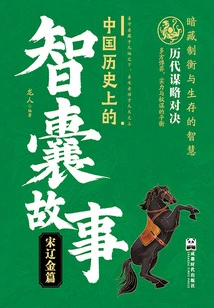
中国历史上的智囊故事:宋辽金篇
Compiled By Dragon Man
The Song, Liao and Jin Dynasties (960-1279) were a period when China's feudal economy turned from prosperity to decline. The feudal production method spread to distant frontiers, and over three hundred years, multiple coexisting national regimes emerged. The Song Dynasty reappeared in the prosperity of the Tang Dynasty, and the Liao Kingdom, the Jin Kingdom, and the Xixia Kingdom were short-lived and perished in the smoke of the war of aggression. The princes and princes determine the world with their great talents and broad strategies, the counselors make plans and travel in the rivers and lakes and temples, the military generals control the treacherous roads to level the four directions, the civil servants use their full knowledge to stabilize the country and benefit the people, and the women come up with good strategies and ingenious plans, all of which shine with the light of wisdom. It is beneficial to open the book, and if you read it carefully, you can also understand your own wisdom in life.
The Song, Liao and Jin Dynasties (960-1279) were a period when China's feudal economy turned from prosperity to decline. The feudal production method spread to distant frontiers, and over three hundred years, multiple coexisting national regimes emerged. The Song Dynasty reappeared in the prosperity of the Tang Dynasty, and the Liao Kingdom, the Jin Kingdom, and the Xixia Kingdom were short-lived and perished in the smoke of the war of aggression. The princes and princes determine the world with their great talents and broad strategies, the counselors make plans and travel in the rivers and lakes and temples, the military generals control the treacherous roads to level the four directions, the civil servants use their full knowledge to stabilize the country and benefit the people, and the women come up with good strategies and ingenious plans, all of which shine with the light of wisdom. It is beneficial to open the book, and if you read it carefully, you can also understand your own wisdom in life.
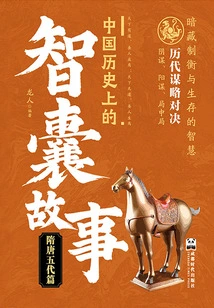
中国历史上的智囊故事:隋唐五代篇
Compiled By Dragon Man
From the establishment of the Sui Dynasty by Yang Jian in 581 AD to the fall of the Tang Dynasty in 907 AD, these 326 years were the famous Sui and Tang Dynasties in the history of our country. The Five Dynasties were the regimes that changed successively from the Later Liang, Later Tang, Later Jin, Later Han, and Later Wu Dynasties established after the fall of the Tang Dynasty in 907 AD until the establishment of the Northern Song Dynasty in 960 AD. The country experienced more than 70 years of turmoil. During these nearly four hundred years, there were times of peace and prosperity, as well as raging wars, and outstanding figures appeared one after another. Yang Jian, who ended the 400-year war, spoke out to remonstrate with Wei Zheng, Li Bi, who was dressed in white as prime minister, Su Dingfang, who destroyed the three kingdoms and opened up new territories, Wu Zetian, who ascended the throne as a woman... In the face of successive crises, they relied on their own wisdom to reverse the situation and contributed one legendary story after another.
From the establishment of the Sui Dynasty by Yang Jian in 581 AD to the fall of the Tang Dynasty in 907 AD, these 326 years were the famous Sui and Tang Dynasties in the history of our country. The Five Dynasties were the regimes that changed successively from the Later Liang, Later Tang, Later Jin, Later Han, and Later Wu Dynasties established after the fall of the Tang Dynasty in 907 AD until the establishment of the Northern Song Dynasty in 960 AD. The country experienced more than 70 years of turmoil. During these nearly four hundred years, there were times of peace and prosperity, as well as raging wars, and outstanding figures appeared one after another. Yang Jian, who ended the 400-year war, spoke out to remonstrate with Wei Zheng, Li Bi, who was dressed in white as prime minister, Su Dingfang, who destroyed the three kingdoms and opened up new territories, Wu Zetian, who ascended the throne as a woman... In the face of successive crises, they relied on their own wisdom to reverse the situation and contributed one legendary story after another.
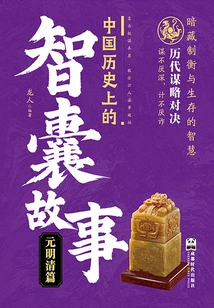
中国历史上的智囊故事:元明清篇
Compiled By Dragon Man
The Yuan Dynasty was the first unified dynasty established by ethnic minorities in Chinese history. In 1271 AD, Kublai Khan named the country Yuan. In 1368 AD, Zhu Yuanzhang established the Ming Dynasty and conquered most of the capital in the Northern Expedition, which lasted 98 years. It took 276 years in the Ming Dynasty from the founding of the Ming Dynasty by Zhu Yuanzhang to Li Zicheng's invasion of Beijing in 1644 and Emperor Chongzhen's suicide. The Qing Dynasty is generally considered to be the last feudal dynasty in China. It lasted for 296 years from the establishment of the Later Jin Dynasty by Nurhaci to the abdication of the last emperor Puyi in 1912 by Yuan Shikai. From the Yuan Dynasty to the Qing Dynasty, all aspects of Chinese society have undergone earth-shaking changes, and countless capable and wise men have stepped onto the stage of history and written their own stories with wisdom.
The Yuan Dynasty was the first unified dynasty established by ethnic minorities in Chinese history. In 1271 AD, Kublai Khan named the country Yuan. In 1368 AD, Zhu Yuanzhang established the Ming Dynasty and conquered most of the capital in the Northern Expedition, which lasted 98 years. It took 276 years in the Ming Dynasty from the founding of the Ming Dynasty by Zhu Yuanzhang to Li Zicheng's invasion of Beijing in 1644 and Emperor Chongzhen's suicide. The Qing Dynasty is generally considered to be the last feudal dynasty in China. It lasted for 296 years from the establishment of the Later Jin Dynasty by Nurhaci to the abdication of the last emperor Puyi in 1912 by Yuan Shikai. From the Yuan Dynasty to the Qing Dynasty, all aspects of Chinese society have undergone earth-shaking changes, and countless capable and wise men have stepped onto the stage of history and written their own stories with wisdom.
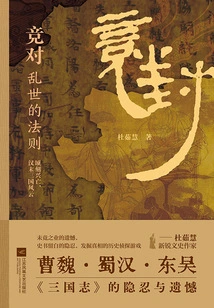
竞对:乱世的法则
Du Ruhui
This is a historical book. This book starts from Chen Shou's "Three Kingdoms", and on the basis of respecting historical materials, interprets the details in "Three Kingdoms" that are not easy to be discovered. The author combines the background of the times to explain Chen Shou's vague expressions in detail and explore the historical details. Competition, that is, rivals, the Three Kingdoms is the beginning of the next three hundred years of chaos. All forces come to power and compete for the world, and the people suffer. But there were also people with lofty ideals in that era who wanted to find a way out for the times. They are rivals and occasionally confidants. It is precisely because of the existence of "them", the existence of rivals and enemies, that this era becomes exciting. A major feature of this book is that it pays great attention to combining historical materials. For every dialogue and story of historical figures, the author will carefully mark the source and content of the original text, ensuring the readability and authoritativeness of the book. This book has a total of fifteen chapters, including famous figures that readers are familiar with, such as Cao Cao, Liu Bei, Sun Quan, Zhuge Liang... There are also relatively "niche" historical stories, such as Chapter 13, "The Flashy Case: Who tried to quietly seize the emperor's power to appoint personnel?" ", Readers can easily become interested in this book and learn new knowledge.
This is a historical book. This book starts from Chen Shou's "Three Kingdoms", and on the basis of respecting historical materials, interprets the details in "Three Kingdoms" that are not easy to be discovered. The author combines the background of the times to explain Chen Shou's vague expressions in detail and explore the historical details. Competition, that is, rivals, the Three Kingdoms is the beginning of the next three hundred years of chaos. All forces come to power and compete for the world, and the people suffer. But there were also people with lofty ideals in that era who wanted to find a way out for the times. They are rivals and occasionally confidants. It is precisely because of the existence of "them", the existence of rivals and enemies, that this era becomes exciting. A major feature of this book is that it pays great attention to combining historical materials. For every dialogue and story of historical figures, the author will carefully mark the source and content of the original text, ensuring the readability and authoritativeness of the book. This book has a total of fifteen chapters, including famous figures that readers are familiar with, such as Cao Cao, Liu Bei, Sun Quan, Zhuge Liang... There are also relatively "niche" historical stories, such as Chapter 13, "The Flashy Case: Who tried to quietly seize the emperor's power to appoint personnel?" ", Readers can easily become interested in this book and learn new knowledge.
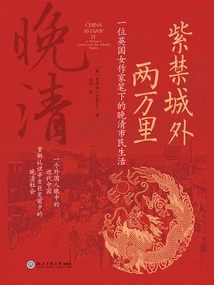
紫禁城外两万里:一位英国女作家笔下的晚清市民生活
(english) Luo Anyi
From 1907 to 1909, a little-known British female writer embarked on a grand tour in China. She recorded the Chinese society and Chinese people at that time from an outsider's perspective, and wrote 19 long letters to introduce her experiences and knowledge in this big Eastern country to friends in the UK. The first stop after landing in Shanghai was to Zhifu, Shandong, and she made full preparations for the next trip to China. Starting from Beijing, her trip officially started, heading to Wuhan via the Beijing-Hankow Railway, heading west to the Sichuan Basin, then to Hebei and Shanxi alone, then south to Nanjing, and returned to Shanghai via Hangzhou. This two-year journey was about 20,000 miles in total. In Luo Anyi's writing, the street vendors, the progressives who led the new trend, and the dignitaries at the time of the collapse of the Qing Dynasty all came to life on the page. On the eve of the Revolution of 1911, the traditional era was quietly disintegrating...
From 1907 to 1909, a little-known British female writer embarked on a grand tour in China. She recorded the Chinese society and Chinese people at that time from an outsider's perspective, and wrote 19 long letters to introduce her experiences and knowledge in this big Eastern country to friends in the UK. The first stop after landing in Shanghai was to Zhifu, Shandong, and she made full preparations for the next trip to China. Starting from Beijing, her trip officially started, heading to Wuhan via the Beijing-Hankow Railway, heading west to the Sichuan Basin, then to Hebei and Shanxi alone, then south to Nanjing, and returned to Shanghai via Hangzhou. This two-year journey was about 20,000 miles in total. In Luo Anyi's writing, the street vendors, the progressives who led the new trend, and the dignitaries at the time of the collapse of the Qing Dynasty all came to life on the page. On the eve of the Revolution of 1911, the traditional era was quietly disintegrating...
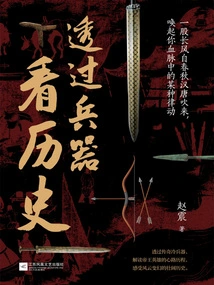
透过兵器看历史
Zhao Zhen
As an animation fan, you must be very familiar with famous swords such as Tianwen, Fei Gong, Yuanhong, and Juque in "Qin Shi Mingyue", but do you know what the famous ancient swords really looked like? As a lover of Chinese studies, you must be familiar with the deeds of Emperor Qin, Emperor Wu of Han, and Emperor Tang and Song Zu. But do you know why Jing Ke failed in his attempt to assassinate Qin? Why can't King Qin's sword be pulled out? What weapons does the unparalleled overlord Xiang Yu use? Our country has a history of thousands of years of cold weapon warfare, including some swords, spears, and halberds. Together with those legendary emperors and heroes, they changed history, were sung by poets, and spread in poetry. In the past, Bai Xiaosheng's "Weapon Book" written by Mr. Gu Long ranked the characters in the world, but after all, it was all fiction. This book selects the legendary cold weapons that actually existed in history from the poems of the past dynasties. While interpreting the poems, it also interprets the mental journey of the heroes and tells the magnificent history of the changes.
As an animation fan, you must be very familiar with famous swords such as Tianwen, Fei Gong, Yuanhong, and Juque in "Qin Shi Mingyue", but do you know what the famous ancient swords really looked like? As a lover of Chinese studies, you must be familiar with the deeds of Emperor Qin, Emperor Wu of Han, and Emperor Tang and Song Zu. But do you know why Jing Ke failed in his attempt to assassinate Qin? Why can't King Qin's sword be pulled out? What weapons does the unparalleled overlord Xiang Yu use? Our country has a history of thousands of years of cold weapon warfare, including some swords, spears, and halberds. Together with those legendary emperors and heroes, they changed history, were sung by poets, and spread in poetry. In the past, Bai Xiaosheng's "Weapon Book" written by Mr. Gu Long ranked the characters in the world, but after all, it was all fiction. This book selects the legendary cold weapons that actually existed in history from the poems of the past dynasties. While interpreting the poems, it also interprets the mental journey of the heroes and tells the magnificent history of the changes.
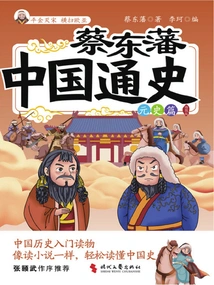
蔡东藩中国通史·元史篇(插图版)
Edited By Cai Dongfan And Li Ke
"Cai Dongfan's General History of China·Yuan History (Illustrated Edition)" is a youth version adapted from the famous novelist Cai Dongfan's "Yuanshi Romance". Through more than 90 stories and 100 illustrations, the book vividly tells the history from Temujin (Genghis Khan) unifying the Mongolian tribes, Kublai Khan naming the country Yuan, to Zhu Yuanzhang establishing the Ming Dynasty. The content includes literature, history, philosophy and other subjects. The writing language is vivid, fluent and simple, easy to understand, and has strong storytelling, readability and practical value for learning. The book draws exquisite pictures based on the scene design, uses cute and vivid comic images, and enriches the lively background atmosphere. It perfectly combines knowledge, entertainment and storytelling, allowing young readers to understand history and culture through fun reading, stimulate learning interests, and lay a foundation for the subject.
"Cai Dongfan's General History of China·Yuan History (Illustrated Edition)" is a youth version adapted from the famous novelist Cai Dongfan's "Yuanshi Romance". Through more than 90 stories and 100 illustrations, the book vividly tells the history from Temujin (Genghis Khan) unifying the Mongolian tribes, Kublai Khan naming the country Yuan, to Zhu Yuanzhang establishing the Ming Dynasty. The content includes literature, history, philosophy and other subjects. The writing language is vivid, fluent and simple, easy to understand, and has strong storytelling, readability and practical value for learning. The book draws exquisite pictures based on the scene design, uses cute and vivid comic images, and enriches the lively background atmosphere. It perfectly combines knowledge, entertainment and storytelling, allowing young readers to understand history and culture through fun reading, stimulate learning interests, and lay a foundation for the subject.
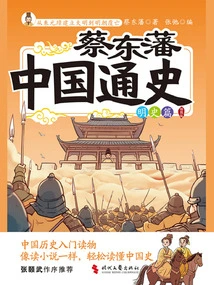
蔡东藩中国通史·明史篇(插图版)
Written By Cai Dongfan And Edited By Zhang Chi
"Cai Dongfan's General History of China: History of the Ming Dynasty (Illustrated Edition)" is a youth version adapted from the famous novelist Cai Dongfan's "Popular Romance of the Ming Dynasty". Through the description of the main historical events of the Ming Dynasty, the book better tells the development history of the Ming Dynasty for young people, and reveals the historical laws of the decline and fall of the Ming Dynasty, allowing people to understand the way to rejuvenate the country and the way to govern the country. The content covers literature, history, philosophy and other subjects. The writing language is vivid, smooth, concise, easy to understand, and has strong storytelling, readability and practical value for learning. The book draws exquisite pictures based on the scenes, uses cute and vivid comic images, and rich and lively background atmosphere to perfectly combine knowledge, entertainment and storytelling, allowing young people to understand history and culture through fun reading, stimulate their interest in learning, and lay a good foundation.
"Cai Dongfan's General History of China: History of the Ming Dynasty (Illustrated Edition)" is a youth version adapted from the famous novelist Cai Dongfan's "Popular Romance of the Ming Dynasty". Through the description of the main historical events of the Ming Dynasty, the book better tells the development history of the Ming Dynasty for young people, and reveals the historical laws of the decline and fall of the Ming Dynasty, allowing people to understand the way to rejuvenate the country and the way to govern the country. The content covers literature, history, philosophy and other subjects. The writing language is vivid, smooth, concise, easy to understand, and has strong storytelling, readability and practical value for learning. The book draws exquisite pictures based on the scenes, uses cute and vivid comic images, and rich and lively background atmosphere to perfectly combine knowledge, entertainment and storytelling, allowing young people to understand history and culture through fun reading, stimulate their interest in learning, and lay a good foundation.
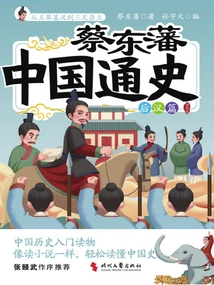
蔡东藩中国通史·后汉篇(插图版)
Written By Cai Dongfan And Edited By Sun Yutian
"Cai Dongfan's General History of China: Later Han Dynasty (Illustrated Edition)" is a youth version adapted from the famous novelist Cai Dongfan's "Popular Romance of the Later Han Dynasty". Through more than 80 stories and 100 illustrations, the book vividly tells the historical story of nearly 200 years from Wang Mang's usurpation of the Han Dynasty to the establishment of the Three Kingdoms. The content covers literature, history, philosophy and other subjects. The writing language is vivid, fluent and simple, easy to understand, and has strong storytelling, readability and practical value for learning. The book draws exquisite pictures based on the scene design, uses cute and vivid comic images, and enriches the lively background atmosphere. It perfectly combines knowledge, entertainment and storytelling, allowing young readers to understand history and culture through fun reading, stimulate learning interests, and lay a foundation for the subject.
"Cai Dongfan's General History of China: Later Han Dynasty (Illustrated Edition)" is a youth version adapted from the famous novelist Cai Dongfan's "Popular Romance of the Later Han Dynasty". Through more than 80 stories and 100 illustrations, the book vividly tells the historical story of nearly 200 years from Wang Mang's usurpation of the Han Dynasty to the establishment of the Three Kingdoms. The content covers literature, history, philosophy and other subjects. The writing language is vivid, fluent and simple, easy to understand, and has strong storytelling, readability and practical value for learning. The book draws exquisite pictures based on the scene design, uses cute and vivid comic images, and enriches the lively background atmosphere. It perfectly combines knowledge, entertainment and storytelling, allowing young readers to understand history and culture through fun reading, stimulate learning interests, and lay a foundation for the subject.
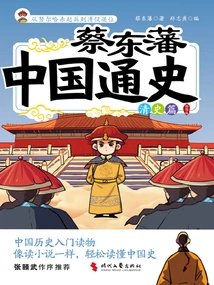
蔡东藩中国通史·清史篇(插图版)
Edited By Cai Dongfan And Zheng Zhiyong
"Cai Dongfan's General History of China: Qing History (Illustrated Edition)" is a youth edition adapted from the famous novelist Cai Dongfan's "Popular Romance of Qing History". Through more than 90 stories and nearly 100 illustrations, the book vividly tells the magnificent historical process of the Qing Dynasty in the past three hundred years from the rise of Nurhaci's Houjin in the Northeast, through the glory of the Kangxi and Qianlong dynasties, to the abdication of Emperor Xuantong, and its demise. The content covers literature, history, philosophy and other disciplines. The writing language is vivid, fluent and simple, easy to understand, and has strong storytelling, readability and practical value for learning. The book draws exquisite pictures based on the scene design, uses cute and vivid comic images, and enriches the lively background atmosphere. It perfectly combines knowledge, entertainment and storytelling, allowing young readers to understand history and culture through fun reading, stimulate learning interests, and lay a foundation for the subject.
"Cai Dongfan's General History of China: Qing History (Illustrated Edition)" is a youth edition adapted from the famous novelist Cai Dongfan's "Popular Romance of Qing History". Through more than 90 stories and nearly 100 illustrations, the book vividly tells the magnificent historical process of the Qing Dynasty in the past three hundred years from the rise of Nurhaci's Houjin in the Northeast, through the glory of the Kangxi and Qianlong dynasties, to the abdication of Emperor Xuantong, and its demise. The content covers literature, history, philosophy and other disciplines. The writing language is vivid, fluent and simple, easy to understand, and has strong storytelling, readability and practical value for learning. The book draws exquisite pictures based on the scene design, uses cute and vivid comic images, and enriches the lively background atmosphere. It perfectly combines knowledge, entertainment and storytelling, allowing young readers to understand history and culture through fun reading, stimulate learning interests, and lay a foundation for the subject.
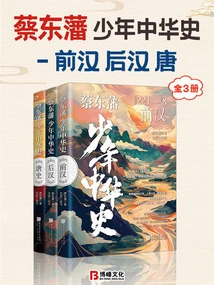
Cai Dongfan's Young History of China: Early Han, Later Han, and Tang Dynasties (3 Volumes in Total)
History蔡东藩少年中华史:前汉、后汉、唐(全3册)
Written By Cai Dongfan And Adapted By Wen Fei
The Han Dynasty and the Tang Dynasty were the two most powerful dynasties in Chinese history. The country name of the Han Dynasty has become the eternal name of a nation; the country name of the Tang Dynasty has become the code name for people from foreign lands to call the children of China. Reviving the glory of the Han and Tang Dynasties is the template and goal for the great rejuvenation of the Chinese nation. The three volumes of "Cai Dongfan's Young History of China", Han and Tang Dynasties, tell the story of a thousand years of history from the Western Han Dynasty to the Tang Dynasty. This thousand years was a great era of rapid rise of the Chinese nation. It is exciting to read. From this set of books, readers can understand: The Han Dynasty had the rule of Wenjing, and the Tang Dynasty had the rule of Zhenguan; the Han Dynasty had the prosperous age of Emperor Wu, and the Tang Dynasty had the prosperous age of Kaiyuan; the Han had Guangwu Zhongxing, and the Tang had Yuanhe Zhongxing; the Han had Lu Pheasant as the dynasty, and the Tang had the rule of heaven; the Han had Zhaojun leaving the fortress, and the Tang had the Wencheng made a marriage; in the Han Dynasty, there were flying swallows who were good at dancing; in the Tang Dynasty, there were noble concubines who were drunk; in the Han Dynasty, there were Wenji who were good at poetry; in the Tang Dynasty, there was Xue Tao who wrote notes;... You can find the answer to the origin of the confidence and heroism of the Chinese nation and the formation of arrogance and aggressiveness in the genes of Chinese children. You can find the answers in this set of books.
The Han Dynasty and the Tang Dynasty were the two most powerful dynasties in Chinese history. The country name of the Han Dynasty has become the eternal name of a nation; the country name of the Tang Dynasty has become the code name for people from foreign lands to call the children of China. Reviving the glory of the Han and Tang Dynasties is the template and goal for the great rejuvenation of the Chinese nation. The three volumes of "Cai Dongfan's Young History of China", Han and Tang Dynasties, tell the story of a thousand years of history from the Western Han Dynasty to the Tang Dynasty. This thousand years was a great era of rapid rise of the Chinese nation. It is exciting to read. From this set of books, readers can understand: The Han Dynasty had the rule of Wenjing, and the Tang Dynasty had the rule of Zhenguan; the Han Dynasty had the prosperous age of Emperor Wu, and the Tang Dynasty had the prosperous age of Kaiyuan; the Han had Guangwu Zhongxing, and the Tang had Yuanhe Zhongxing; the Han had Lu Pheasant as the dynasty, and the Tang had the rule of heaven; the Han had Zhaojun leaving the fortress, and the Tang had the Wencheng made a marriage; in the Han Dynasty, there were flying swallows who were good at dancing; in the Tang Dynasty, there were noble concubines who were drunk; in the Han Dynasty, there were Wenji who were good at poetry; in the Tang Dynasty, there was Xue Tao who wrote notes;... You can find the answer to the origin of the confidence and heroism of the Chinese nation and the formation of arrogance and aggressiveness in the genes of Chinese children. You can find the answers in this set of books.
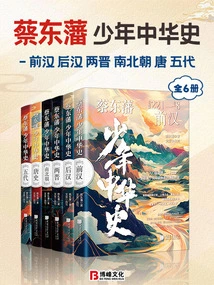
蔡东藩少年中华史:前汉、后汉、两晋、南北朝、唐、五代(全6册)
Written By Cai Dongfan And Adapted By Wen Fei
The Han Dynasty and the Tang Dynasty were the two most powerful dynasties in Chinese history. The country name of the Han Dynasty has become the eternal name of a nation; the country name of the Tang Dynasty has become the code name for people from foreign lands to call the children of China. Reviving the glory of the Han and Tang Dynasties is the template and goal for the great rejuvenation of the Chinese nation. The two Jin Dynasties, the Northern and Southern Dynasties and the Five Dynasties, which were in the middle of the history of the Han and Tang Dynasties, were the most turbulent eras in the history of the Chinese nation and the most miserable for the people. At that time, wars continued, the land of China was sinking, and the heroes and careerists from all walks of life came on stage... "Cai Dongfan's Young History of China" has six volumes of Han, Jin, Northern and Southern Dynasties, Tang and Five Dynasties, telling the thousand-year history from the Western Han Dynasty to the Five Dynasties. In this millennium, there have been heroic chapters of the rapid rise of the Chinese nation, but also dark memories of the land of China being in ruins and the people being in dire straits. Readers can understand the rise and fall of success and failure and see the historical truth clearly.
The Han Dynasty and the Tang Dynasty were the two most powerful dynasties in Chinese history. The country name of the Han Dynasty has become the eternal name of a nation; the country name of the Tang Dynasty has become the code name for people from foreign lands to call the children of China. Reviving the glory of the Han and Tang Dynasties is the template and goal for the great rejuvenation of the Chinese nation. The two Jin Dynasties, the Northern and Southern Dynasties and the Five Dynasties, which were in the middle of the history of the Han and Tang Dynasties, were the most turbulent eras in the history of the Chinese nation and the most miserable for the people. At that time, wars continued, the land of China was sinking, and the heroes and careerists from all walks of life came on stage... "Cai Dongfan's Young History of China" has six volumes of Han, Jin, Northern and Southern Dynasties, Tang and Five Dynasties, telling the thousand-year history from the Western Han Dynasty to the Five Dynasties. In this millennium, there have been heroic chapters of the rapid rise of the Chinese nation, but also dark memories of the land of China being in ruins and the people being in dire straits. Readers can understand the rise and fall of success and failure and see the historical truth clearly.
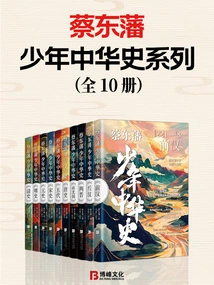
蔡东藩少年中华史系列(全10册)
Written By Cai Dongfan And Adapted By Wen Fei
"Popular Romance of Chinese Dynasties" is a well-known historical masterpiece. It has been popular at home and abroad for many years and has a high reputation. However, after years of reprints and revisions, there is only one missing version specifically for introductory history readers such as teenagers. "Cai Dongpan's Young History of China" is based on "Popular Romance of Chinese Dynasties" and narrates the historical process and stories of more than two thousand years from the Qin and Han Dynasties to the Qing Dynasty. It is a popular history book that has the pleasure of reading a novel. The new work refines and compiles the original work while maintaining the main line of historical logic, rewriting the old vernacular into modern vernacular, while retaining Mr. Cai Dongpan's important comments, views and the spirit of the original work, making it easier for young people to read, understand and remember. The whole series combines the depth and thinking of history with the fun and sentiment of novels, leading readers to span thousands of years and witness the magnificent historical evolution of Chinese civilization. It can be called an entry-level concise "Twenty-Four Histories".
"Popular Romance of Chinese Dynasties" is a well-known historical masterpiece. It has been popular at home and abroad for many years and has a high reputation. However, after years of reprints and revisions, there is only one missing version specifically for introductory history readers such as teenagers. "Cai Dongpan's Young History of China" is based on "Popular Romance of Chinese Dynasties" and narrates the historical process and stories of more than two thousand years from the Qin and Han Dynasties to the Qing Dynasty. It is a popular history book that has the pleasure of reading a novel. The new work refines and compiles the original work while maintaining the main line of historical logic, rewriting the old vernacular into modern vernacular, while retaining Mr. Cai Dongpan's important comments, views and the spirit of the original work, making it easier for young people to read, understand and remember. The whole series combines the depth and thinking of history with the fun and sentiment of novels, leading readers to span thousands of years and witness the magnificent historical evolution of Chinese civilization. It can be called an entry-level concise "Twenty-Four Histories".
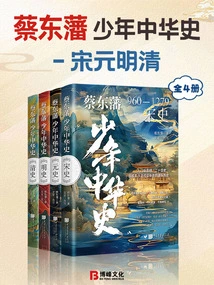
Cai Dongfan's Young History of China: Song, Yuan, Ming and Qing Dynasties (4 Volumes in Total)
History蔡东藩少年中华史:宋元明清(全4册)
Written By Cai Dongfan And Adapted By Wen Fei
The Song Dynasty had a prosperous culture that had never been seen before; the Yuan Dynasty had a vast territory and was rare in history; the Ming Dynasty rebuilt China and took the greatest credit; the Qing Dynasty established territory and integrated the nation; these are the beautiful memories left to the Chinese people by the 1,000-year history of the Song, Yuan, Ming and Qing Dynasties; The Song Dynasty had a weak military and was in a corner of peace; the Yuan Dynasty was aggressive and aggressive for less than a hundred years; the Ming Dynasty had constant party and political affairs and wasted national power; the Qing Dynasty was closed to the country and detached from the world; these are the profound lessons that the 1,000-year history of the Song, Yuan, Ming and Qing Dynasties brought to the Chinese nation. "Cai Dongfan Chinese History" Song, Yuan, Ming and Qing Dynasties set tells the wonderful historical stories from the Song Dynasty to the Qing Dynasty over the past thousand years. Through this book, we can see the rise, fall, success and failure, and cultural changes of China in the past thousand years.
The Song Dynasty had a prosperous culture that had never been seen before; the Yuan Dynasty had a vast territory and was rare in history; the Ming Dynasty rebuilt China and took the greatest credit; the Qing Dynasty established territory and integrated the nation; these are the beautiful memories left to the Chinese people by the 1,000-year history of the Song, Yuan, Ming and Qing Dynasties; The Song Dynasty had a weak military and was in a corner of peace; the Yuan Dynasty was aggressive and aggressive for less than a hundred years; the Ming Dynasty had constant party and political affairs and wasted national power; the Qing Dynasty was closed to the country and detached from the world; these are the profound lessons that the 1,000-year history of the Song, Yuan, Ming and Qing Dynasties brought to the Chinese nation. "Cai Dongfan Chinese History" Song, Yuan, Ming and Qing Dynasties set tells the wonderful historical stories from the Song Dynasty to the Qing Dynasty over the past thousand years. Through this book, we can see the rise, fall, success and failure, and cultural changes of China in the past thousand years.
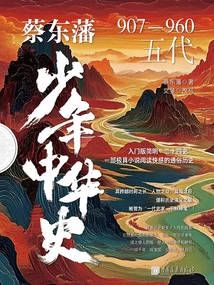
蔡东藩少年中华史:五代
Written By Cai Dongfan And Adapted By Wen Fei
"Cai Dongfan's Young Chinese History: Five Dynasties" tells the historical facts of the Five Dynasties (907-960), which lasted from the late Tang Dynasty to the early Song Dynasty. The book takes the changes of the Five Dynasties (Liang, Tang, Jin, Han, and Zhou) as the main line, and also describes the rise and fall of the Ten Kingdoms (Wu, Southern Tang, Wuyue, Chu, Fujian, Southern Han, Former Shu, Later Shu, Nanping, and Northern Han). The whole book uses the "romantic" writing method to connect historical facts. It is not only loyal to the official historical framework, but also incorporates folklore and author's comments, making it both academic and readable.
"Cai Dongfan's Young Chinese History: Five Dynasties" tells the historical facts of the Five Dynasties (907-960), which lasted from the late Tang Dynasty to the early Song Dynasty. The book takes the changes of the Five Dynasties (Liang, Tang, Jin, Han, and Zhou) as the main line, and also describes the rise and fall of the Ten Kingdoms (Wu, Southern Tang, Wuyue, Chu, Fujian, Southern Han, Former Shu, Later Shu, Nanping, and Northern Han). The whole book uses the "romantic" writing method to connect historical facts. It is not only loyal to the official historical framework, but also incorporates folklore and author's comments, making it both academic and readable.
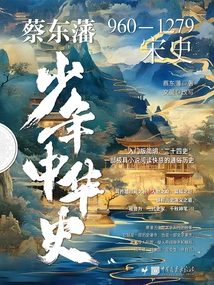
蔡东藩少年中华史:宋史
Written By Cai Dongfan And Adapted By Wen Fei
The history of the Song Dynasty (960-1279) described in "Cai Dongfan's Young History of China: History of the Song Dynasty" was a period of transformation for China's feudal society. The economy and culture were highly developed, but military weakness and political malpractices led to frequent foreign invasions. Its institutional innovation, cultural achievements and scientific and technological breakthroughs laid the foundation for future generations and can be called a splendid chapter of Chinese civilization.
The history of the Song Dynasty (960-1279) described in "Cai Dongfan's Young History of China: History of the Song Dynasty" was a period of transformation for China's feudal society. The economy and culture were highly developed, but military weakness and political malpractices led to frequent foreign invasions. Its institutional innovation, cultural achievements and scientific and technological breakthroughs laid the foundation for future generations and can be called a splendid chapter of Chinese civilization.
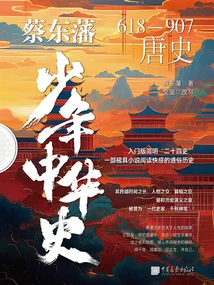
蔡东藩少年中华史:唐史
Written By Cai Dongfan And Adapted By Wen Fei
The history of the Tang Dynasty (618-907) described in "Cai Dongfan's Young History of China: History of the Tang Dynasty" was the peak and heyday of China's feudal society. Its economic prosperity, cultural prosperity, and openness to the outside world shaped the golden age of Chinese civilization. Although it fell into the dilemma of feudal separatism and eunuch dictatorship in the middle and later periods, its institutional innovation, cultural achievements and national integration left a precious legacy for future generations, which can be regarded as a milestone in the development of Chinese civilization.
The history of the Tang Dynasty (618-907) described in "Cai Dongfan's Young History of China: History of the Tang Dynasty" was the peak and heyday of China's feudal society. Its economic prosperity, cultural prosperity, and openness to the outside world shaped the golden age of Chinese civilization. Although it fell into the dilemma of feudal separatism and eunuch dictatorship in the middle and later periods, its institutional innovation, cultural achievements and national integration left a precious legacy for future generations, which can be regarded as a milestone in the development of Chinese civilization.
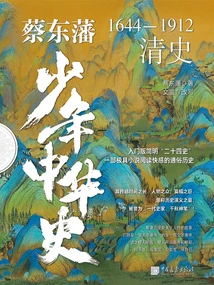
蔡东藩少年中华史:清史
Written By Cai Dongfan And Adapted By Wen Fei
"Cai Dongfan's Young History of China: A History of the Qing Dynasty" (1644-1912) is a masterpiece with both historical value and literary charm. It reproduces the rise and fall of the Qing Dynasty in easy-to-understand words. It is both a history textbook and a vivid literary work. For readers, reading this book can not only increase historical knowledge, but also draw wisdom and strength from it.
"Cai Dongfan's Young History of China: A History of the Qing Dynasty" (1644-1912) is a masterpiece with both historical value and literary charm. It reproduces the rise and fall of the Qing Dynasty in easy-to-understand words. It is both a history textbook and a vivid literary work. For readers, reading this book can not only increase historical knowledge, but also draw wisdom and strength from it.
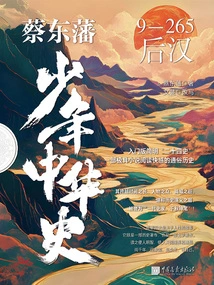
蔡东藩少年中华史:后汉
Written By Cai Dongfan And Adapted By Wen Fei
"Cai Dongfan's Young History of China: Later Han" tells the historical events of the Later Han (Eastern Han) (25-220 AD). The Later Han Dynasty was the unified Central Plains dynasty in Chinese history after the Western Han Dynasty. It was established by Liu Xiu, a clan member of the Western Han Dynasty. At the end of the New Dynasty (AD 23), the Green Forest Red Eyebrow Uprising broke out. Liu Xiu took advantage of the situation and proclaimed himself emperor in Wuchengmo, Qianqiu Pavilion (now Baixiang County, Hebei) in the year 25. He continued to use "Han" as the country's name, made Luoyang his capital, and was known as the Eastern Han Dynasty in history. Liu Xiu was Emperor Guangwu, the ancestor of the Han Dynasty, and his reign was known as the "Guangwu Zhongxing". The Later Han Dynasty was an important period in Chinese history that connected the past with the future. Its political system, economic achievements, cultural prosperity, and scientific and technological inventions had a profound impact on later generations. Although the late Han Dynasty fell into turmoil, its historical status cannot be ignored.
"Cai Dongfan's Young History of China: Later Han" tells the historical events of the Later Han (Eastern Han) (25-220 AD). The Later Han Dynasty was the unified Central Plains dynasty in Chinese history after the Western Han Dynasty. It was established by Liu Xiu, a clan member of the Western Han Dynasty. At the end of the New Dynasty (AD 23), the Green Forest Red Eyebrow Uprising broke out. Liu Xiu took advantage of the situation and proclaimed himself emperor in Wuchengmo, Qianqiu Pavilion (now Baixiang County, Hebei) in the year 25. He continued to use "Han" as the country's name, made Luoyang his capital, and was known as the Eastern Han Dynasty in history. Liu Xiu was Emperor Guangwu, the ancestor of the Han Dynasty, and his reign was known as the "Guangwu Zhongxing". The Later Han Dynasty was an important period in Chinese history that connected the past with the future. Its political system, economic achievements, cultural prosperity, and scientific and technological inventions had a profound impact on later generations. Although the late Han Dynasty fell into turmoil, its historical status cannot be ignored.
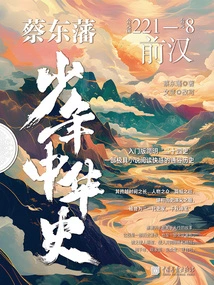
蔡东藩少年中华史:前汉
Written By Cai Dongfan And Adapted By Wen Fei
"Cai Dongfan's Young History of China: The Former Han Dynasty" tells the magnificent history of the Former Han Dynasty (Western Han Dynasty) from 202 BC to 8 AD. The Former Han Dynasty was the first long-term stable unified dynasty in Chinese history. Its political system, economic achievements, cultural prosperity and territorial expansion had a profound impact on later generations, and is known as one of the golden ages in Chinese history.
"Cai Dongfan's Young History of China: The Former Han Dynasty" tells the magnificent history of the Former Han Dynasty (Western Han Dynasty) from 202 BC to 8 AD. The Former Han Dynasty was the first long-term stable unified dynasty in Chinese history. Its political system, economic achievements, cultural prosperity and territorial expansion had a profound impact on later generations, and is known as one of the golden ages in Chinese history.
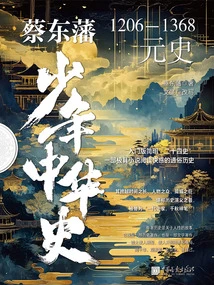
蔡东藩少年中华史:元史
Written By Cai Dongfan And Adapted By Wen Fei
"Cai Dongfan's Young History of China: History of the Yuan Dynasty" tells the magnificent history of the Yuan Dynasty from the establishment of the Mongolian regime by Genghis Khan in 1206 to the Ming army's capture of Dadu in 1368 and the demise of the Yuan Dynasty. The Yuan Dynasty was the most extensive territory in Chinese history and the first unified dynasty established by ethnic minorities. Its political system, culture, technology, and ethnic integration had a profound impact on later generations. However, the failure of national oppression, class conflicts, and military expansion eventually led to its collapse. The rise and fall of the Yuan Dynasty is not only the epitome of the collision between nomadic civilization and agricultural civilization, but also an important chapter in the pluralistic integration of Chinese civilization.
"Cai Dongfan's Young History of China: History of the Yuan Dynasty" tells the magnificent history of the Yuan Dynasty from the establishment of the Mongolian regime by Genghis Khan in 1206 to the Ming army's capture of Dadu in 1368 and the demise of the Yuan Dynasty. The Yuan Dynasty was the most extensive territory in Chinese history and the first unified dynasty established by ethnic minorities. Its political system, culture, technology, and ethnic integration had a profound impact on later generations. However, the failure of national oppression, class conflicts, and military expansion eventually led to its collapse. The rise and fall of the Yuan Dynasty is not only the epitome of the collision between nomadic civilization and agricultural civilization, but also an important chapter in the pluralistic integration of Chinese civilization.
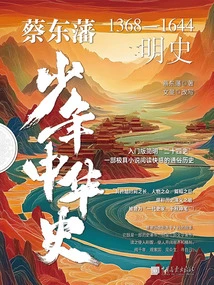
蔡东藩少年中华史:明史
Written By Cai Dongfan And Adapted By Wen Fei
"Cai Dongfan's Young History of China: History of the Ming Dynasty" tells the story of the rise and fall of the empire from the first year of Hongwu (1368) to the seventeenth year of Chongzhen (1644), a total of 276 years. This book reproduces the rise and fall of the Ming Dynasty in easy-to-understand words. It is both a history textbook and a vivid literary work. For readers, reading this book can not only increase historical knowledge, but also draw wisdom and strength from it.
"Cai Dongfan's Young History of China: History of the Ming Dynasty" tells the story of the rise and fall of the empire from the first year of Hongwu (1368) to the seventeenth year of Chongzhen (1644), a total of 276 years. This book reproduces the rise and fall of the Ming Dynasty in easy-to-understand words. It is both a history textbook and a vivid literary work. For readers, reading this book can not only increase historical knowledge, but also draw wisdom and strength from it.
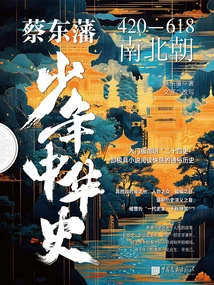
蔡东藩少年中华史:南北朝
Written By Cai Dongfan And Adapted By Wen Fei
"Cai Dongfan's Young History of China: Southern and Northern Dynasties" tells the tortuous historical events of the Northern and Southern Dynasties (420-589), a period of frequent regime changes, and explains the underlying logic of ethnic migration, cultural integration and institutional innovation at that time.
"Cai Dongfan's Young History of China: Southern and Northern Dynasties" tells the tortuous historical events of the Northern and Southern Dynasties (420-589), a period of frequent regime changes, and explains the underlying logic of ethnic migration, cultural integration and institutional innovation at that time.
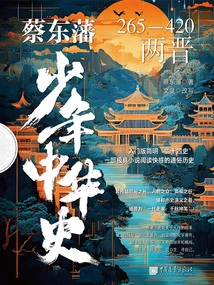
蔡东藩少年中华史:两晋
Written By Cai Dongfan And Adapted By Wen Fei
The history of the Two Jin Dynasties (265-420) narrated in "Cai Dongfan's Young Chinese History: The Two Jins" is an important period in Chinese history, divided into two stages: the Western Jin (265-316) and the Eastern Jin (317-420). It inherited the Three Kingdoms and started the Southern and Northern Dynasties. It was a critical period in Chinese history from unification to division and accelerated national integration. The two Jin Dynasties were a period of great turmoil and change in Chinese history. The brief unification of the Western Jin Dynasty failed to resolve internal conflicts, and was eventually destroyed by civil strife and foreign invasion. The Eastern Jin Dynasty settled in the south of the Yangtze River. Although it continued the Jin Dynasty, it never restored the Central Plains. However, this period was also an important stage of national integration and cultural exchange, laying the foundation for the unification of the Northern and Southern Dynasties and the Sui and Tang Dynasties.
The history of the Two Jin Dynasties (265-420) narrated in "Cai Dongfan's Young Chinese History: The Two Jins" is an important period in Chinese history, divided into two stages: the Western Jin (265-316) and the Eastern Jin (317-420). It inherited the Three Kingdoms and started the Southern and Northern Dynasties. It was a critical period in Chinese history from unification to division and accelerated national integration. The two Jin Dynasties were a period of great turmoil and change in Chinese history. The brief unification of the Western Jin Dynasty failed to resolve internal conflicts, and was eventually destroyed by civil strife and foreign invasion. The Eastern Jin Dynasty settled in the south of the Yangtze River. Although it continued the Jin Dynasty, it never restored the Central Plains. However, this period was also an important stage of national integration and cultural exchange, laying the foundation for the unification of the Northern and Southern Dynasties and the Sui and Tang Dynasties.
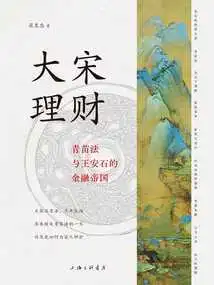
大宋理财:青苗法与王安石的金融帝国
Zhang Chengzhong
A Wang Anshi, a millennium of financial history - the core of Wang Anshi's reform is financial management, and the Qingmiao method is one of Wang Anshi's most important new financial management methods. The Green Miao Law was implemented for nearly half a century and had an important influence on the historical trend of the Northern Song Dynasty. Due to the implementation of the Green Seed Law, the political arena of the Northern Song Dynasty was seriously divided, forming a fierce and long-lasting struggle between the old and new parties until the fall of the Northern Song Dynasty. The fate of countless people has changed because of the Green Seeding Law. Su Shi was imprisoned for opposing the Qingmiao Law and other new laws. Sima Guang was still fighting to abolish the Qingmiao Law until the last moment of his life. Cai Jing successfully rose to power by restoring the Qingmiao Law and other new laws. The Northern Song Dynasty perished in the controversy over the Qingmiao Law. The founder of the Southern Song Dynasty, Emperor Gaozong declared that the Qingmiao Law would never be implemented. Zhu Xi reflected on the Qingmiao Law and implemented the Shecang Law, but still found himself in deep trouble... This book The book discusses the tortuous history of Qingmiao Fa's implementation, strike, resumption, and re-strike in the history of the Song Dynasty, as well as the historical fate of related figures. Through the eyes of Qingmiao, it gives a glimpse of the turbulent era. Starting from the actual operation of Qingmiao Law, and referring to the practical experience of agricultural finance at home and abroad in ancient and modern times, the book responds to the historical public case of whether Wang Anshi was a "financial prime minister" or a "gathering of powerful ministers."
A Wang Anshi, a millennium of financial history - the core of Wang Anshi's reform is financial management, and the Qingmiao method is one of Wang Anshi's most important new financial management methods. The Green Miao Law was implemented for nearly half a century and had an important influence on the historical trend of the Northern Song Dynasty. Due to the implementation of the Green Seed Law, the political arena of the Northern Song Dynasty was seriously divided, forming a fierce and long-lasting struggle between the old and new parties until the fall of the Northern Song Dynasty. The fate of countless people has changed because of the Green Seeding Law. Su Shi was imprisoned for opposing the Qingmiao Law and other new laws. Sima Guang was still fighting to abolish the Qingmiao Law until the last moment of his life. Cai Jing successfully rose to power by restoring the Qingmiao Law and other new laws. The Northern Song Dynasty perished in the controversy over the Qingmiao Law. The founder of the Southern Song Dynasty, Emperor Gaozong declared that the Qingmiao Law would never be implemented. Zhu Xi reflected on the Qingmiao Law and implemented the Shecang Law, but still found himself in deep trouble... This book The book discusses the tortuous history of Qingmiao Fa's implementation, strike, resumption, and re-strike in the history of the Song Dynasty, as well as the historical fate of related figures. Through the eyes of Qingmiao, it gives a glimpse of the turbulent era. Starting from the actual operation of Qingmiao Law, and referring to the practical experience of agricultural finance at home and abroad in ancient and modern times, the book responds to the historical public case of whether Wang Anshi was a "financial prime minister" or a "gathering of powerful ministers."
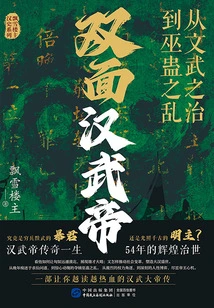
双面汉武帝:从文武之治到巫蛊之乱
The Owner Of Piaoxue
Liu Che was born into an imperial family and faced the battle for survival at a young age. After several twists and turns of duel, he finally ascended to the throne of the prince. After succeeding to the throne, he was ambitious. He first launched an unprecedented "ideological revolution" and used Confucianism as the theoretical foundation to maintain his rule; then he launched a "revolution by force", which put the Han Empire on a long journey of "destroying it even if it is far away". However, Liu Che's dream of hegemony was completely shattered as the "peerless twins" Li Guangli and Li Ling were defeated and surrendered to the Huns. This work is one of the best-selling author Piaoxue Louzhu's "Biography of the Three Emperors of the Han Dynasty" series, in which the legend of Liu Che's life is contained. Piaoxue Louzhu uses historical records as the blueprint, human nature as the core, and uses skillful and smooth writing to tell the story of the Han Emperor in thousands of twists and turns. The whole story is always like a blazing flame, exuding fascinating light and heat. This is a popular historical reading that can be enjoyed by both refined and popular people. It is both interesting and solid, and can also trigger thinking. It can lead readers to learn from history and learn the wisdom of life and work.
Liu Che was born into an imperial family and faced the battle for survival at a young age. After several twists and turns of duel, he finally ascended to the throne of the prince. After succeeding to the throne, he was ambitious. He first launched an unprecedented "ideological revolution" and used Confucianism as the theoretical foundation to maintain his rule; then he launched a "revolution by force", which put the Han Empire on a long journey of "destroying it even if it is far away". However, Liu Che's dream of hegemony was completely shattered as the "peerless twins" Li Guangli and Li Ling were defeated and surrendered to the Huns. This work is one of the best-selling author Piaoxue Louzhu's "Biography of the Three Emperors of the Han Dynasty" series, in which the legend of Liu Che's life is contained. Piaoxue Louzhu uses historical records as the blueprint, human nature as the core, and uses skillful and smooth writing to tell the story of the Han Emperor in thousands of twists and turns. The whole story is always like a blazing flame, exuding fascinating light and heat. This is a popular historical reading that can be enjoyed by both refined and popular people. It is both interesting and solid, and can also trigger thinking. It can lead readers to learn from history and learn the wisdom of life and work.
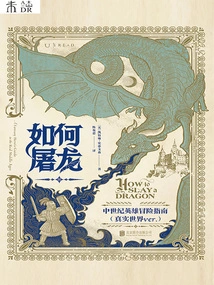
如何屠龙:中世纪英雄冒险指南
(us) Caitlin Stevenson
You were born in a small village and were suddenly chosen to slay a dragon. Are you at a loss? Don't worry, this "legendary" cheat book will teach you step by step how to pass the Middle Ages! You need to choose equipment suitable for combat, learn some self-defense magic or skills, and then find a mentor that suits you. You must learn to solve your own food and lodging problems during the adventure, but you must always be wary of cunning liars and vicious bandits. You can fight with the guy you don't like in the tavern, but remember not to get too close to the charming tavern hostess. You'll have to find a way to survive the long winter and sea monster attacks, but you'll also have to lend a helping hand when a fire breaks out. You should be able to read the signals on the beacon tower when the enemy is attacking, and you should also know how to entertain the enthusiastic guests who come to celebrate you after rescuing the princess. Caitlin Stevenson, a young scholar with a PhD in medieval history, uses lively language and vivid plots to create your own adventure story. From food, clothing, housing and transportation to social culture, from common people's fights to the battle for the throne, the real medieval period in history is waiting for you to explore in person and see its true face under its mysterious aura. Now, it's time to become a unique hero.
You were born in a small village and were suddenly chosen to slay a dragon. Are you at a loss? Don't worry, this "legendary" cheat book will teach you step by step how to pass the Middle Ages! You need to choose equipment suitable for combat, learn some self-defense magic or skills, and then find a mentor that suits you. You must learn to solve your own food and lodging problems during the adventure, but you must always be wary of cunning liars and vicious bandits. You can fight with the guy you don't like in the tavern, but remember not to get too close to the charming tavern hostess. You'll have to find a way to survive the long winter and sea monster attacks, but you'll also have to lend a helping hand when a fire breaks out. You should be able to read the signals on the beacon tower when the enemy is attacking, and you should also know how to entertain the enthusiastic guests who come to celebrate you after rescuing the princess. Caitlin Stevenson, a young scholar with a PhD in medieval history, uses lively language and vivid plots to create your own adventure story. From food, clothing, housing and transportation to social culture, from common people's fights to the battle for the throne, the real medieval period in history is waiting for you to explore in person and see its true face under its mysterious aura. Now, it's time to become a unique hero.
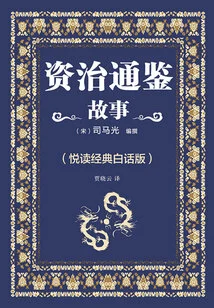
资治通鉴故事(悦读经典白话版)
(song Dynasty) Compiled By Sima Guang
"Yuedu Classics Vernacular Edition" selects ancient Chinese classics. The selected works have largely removed the classical Chinese color, while maintaining the integrity of the original structure. Annotations are added, which are more independent and detailed than ordinary annotations. It has the characteristics of "expanding reading of knowledge points". The entire series of books modernizes and popularizes classic works, making it understandable and easy for the public readers. "Zizhi Tongjian" was edited by Sima Guang of the Northern Song Dynasty. It records 1362 years of history from the Warring States to the Five Dynasties. It focuses on politics and military affairs. It provides emperors with reference for governing the country by "learning from the rise and fall of the past and examining the gains and losses of the present." As the first chronological general history of China, the book uses rigorous historical data analysis and concise narrative to systematically sort out the laws of governance in past dynasties. It has become a master of ancient historiography and political wisdom and has profoundly influenced the summary and application of historical experience in later generations.
"Yuedu Classics Vernacular Edition" selects ancient Chinese classics. The selected works have largely removed the classical Chinese color, while maintaining the integrity of the original structure. Annotations are added, which are more independent and detailed than ordinary annotations. It has the characteristics of "expanding reading of knowledge points". The entire series of books modernizes and popularizes classic works, making it understandable and easy for the public readers. "Zizhi Tongjian" was edited by Sima Guang of the Northern Song Dynasty. It records 1362 years of history from the Warring States to the Five Dynasties. It focuses on politics and military affairs. It provides emperors with reference for governing the country by "learning from the rise and fall of the past and examining the gains and losses of the present." As the first chronological general history of China, the book uses rigorous historical data analysis and concise narrative to systematically sort out the laws of governance in past dynasties. It has become a master of ancient historiography and political wisdom and has profoundly influenced the summary and application of historical experience in later generations.
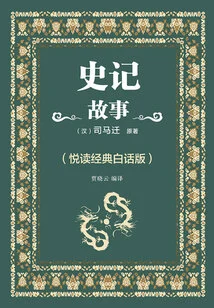
史记故事(悦读经典白话版)
(han) Original Work By Sima Qian
"Yuedu Classics Vernacular Edition" selects ancient Chinese classics. The selected works have largely removed the classical Chinese color, while maintaining the integrity of the original structure. Annotations are added, which are more independent and detailed than ordinary annotations. It has the characteristics of "expanding reading of knowledge points". The entire series of books modernizes and popularizes classic works, making it understandable and easy for the public readers. "Historical Records" was written by Sima Qian of the Western Han Dynasty. It is China's first biographical general history, recording the three thousand years of historical events from Emperor Huang to Emperor Wu of Han. The whole book is divided into chronicles, aristocratic families, and biographies. It shows historical changes with characters as the center. It has both literary and historical value. It is the first of its kind in the chronicle and biography style. It is known as "the swan song of historians and the unrhymed Li Sao".
"Yuedu Classics Vernacular Edition" selects ancient Chinese classics. The selected works have largely removed the classical Chinese color, while maintaining the integrity of the original structure. Annotations are added, which are more independent and detailed than ordinary annotations. It has the characteristics of "expanding reading of knowledge points". The entire series of books modernizes and popularizes classic works, making it understandable and easy for the public readers. "Historical Records" was written by Sima Qian of the Western Han Dynasty. It is China's first biographical general history, recording the three thousand years of historical events from Emperor Huang to Emperor Wu of Han. The whole book is divided into chronicles, aristocratic families, and biographies. It shows historical changes with characters as the center. It has both literary and historical value. It is the first of its kind in the chronicle and biography style. It is known as "the swan song of historians and the unrhymed Li Sao".
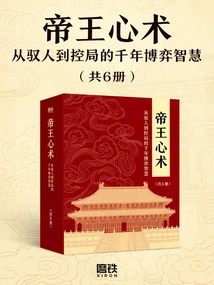
帝王心术:从驭人到控局的千年博弈智慧(共6册)
Du Lei Wu Feng Zhang Sanchi Qin Shilin Zhu Yaohui Li Jinhai
Revealing the secrets of the emperor's mind is closer to the truth than unofficial history. The set has six volumes in total, including "Kang, Yongzong and Qianlong: 100 Years of the Qing Dynasty", "Chongzhen: From the Efforts for Governance to the Divorce of People's Heart", "Zhao Kuangyin: From the Yellow Robe to the Alliance of the Golden Chamber", "Grassroots Counterattack: Zhu Yuanzhang", "People's Heart First: Liu Bang", "Mr. Yangmou: Cao Cao".
Revealing the secrets of the emperor's mind is closer to the truth than unofficial history. The set has six volumes in total, including "Kang, Yongzong and Qianlong: 100 Years of the Qing Dynasty", "Chongzhen: From the Efforts for Governance to the Divorce of People's Heart", "Zhao Kuangyin: From the Yellow Robe to the Alliance of the Golden Chamber", "Grassroots Counterattack: Zhu Yuanzhang", "People's Heart First: Liu Bang", "Mr. Yangmou: Cao Cao".
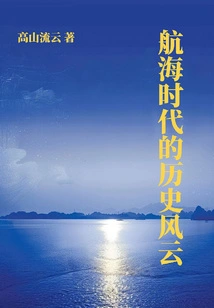
航海时代的历史风云
High Mountains And Flowing Clouds
The Age of Sail was an era in human history full of adventure and exploration. This book reviews the grandeur of the Age of Navigation and tells you the adventure stories of the navigators, their great geographical discoveries, and their profound impact on world history. From Columbus's discovery of the New World to Magellan's circumnavigation, from Vasco da Gama's journey to India to Zheng He's seven voyages to the Western Ocean, every voyage is full of challenges and opportunities. You will learn about the courage and wisdom of the navigators and feel their spirit of exploring the unknown world. At the same time, you will also realize the significant impact of the Age of Sail on world history. It promoted exchanges and integration between different civilizations, and promoted the development of the world economy and the process of globalization.
The Age of Sail was an era in human history full of adventure and exploration. This book reviews the grandeur of the Age of Navigation and tells you the adventure stories of the navigators, their great geographical discoveries, and their profound impact on world history. From Columbus's discovery of the New World to Magellan's circumnavigation, from Vasco da Gama's journey to India to Zheng He's seven voyages to the Western Ocean, every voyage is full of challenges and opportunities. You will learn about the courage and wisdom of the navigators and feel their spirit of exploring the unknown world. At the same time, you will also realize the significant impact of the Age of Sail on world history. It promoted exchanges and integration between different civilizations, and promoted the development of the world economy and the process of globalization.
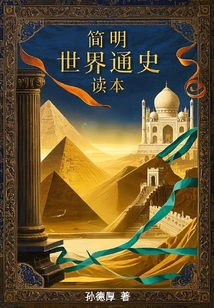
简明世界通史读本
Sun Dehou
A concise and clear world history reader, covering important historical events and development processes in various regions and countries around the world. Whether it is the European Renaissance or the ancient civilizations of Asia, you can find a clear introduction in this book, allowing you to quickly understand the full picture of world history.
A concise and clear world history reader, covering important historical events and development processes in various regions and countries around the world. Whether it is the European Renaissance or the ancient civilizations of Asia, you can find a clear introduction in this book, allowing you to quickly understand the full picture of world history.
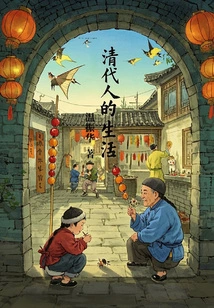
清代人的生活
Wen Zhenhua
"Life of People in the Qing Dynasty" vividly presents a panoramic view of the social landscape during the Qing Dynasty. The book details everything from the luxurious palace life of dignitaries to the fireworks of ordinary people, from the red tape of palace etiquette to the simple and diverse traditional folk customs. There are not only the poetry and wine of the literati, but also the hard work of the farmers and craftsmen. Through the text, readers seem to have traveled back to that era, experiencing first-hand the daily necessities, food, clothing, housing, transportation, entertainment and social activities, cultural beliefs and other aspects of the Qing Dynasty people, and deeply experiencing the colorful and unique life styles of that specific historical period.
"Life of People in the Qing Dynasty" vividly presents a panoramic view of the social landscape during the Qing Dynasty. The book details everything from the luxurious palace life of dignitaries to the fireworks of ordinary people, from the red tape of palace etiquette to the simple and diverse traditional folk customs. There are not only the poetry and wine of the literati, but also the hard work of the farmers and craftsmen. Through the text, readers seem to have traveled back to that era, experiencing first-hand the daily necessities, food, clothing, housing, transportation, entertainment and social activities, cultural beliefs and other aspects of the Qing Dynasty people, and deeply experiencing the colorful and unique life styles of that specific historical period.
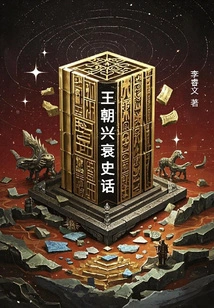
王朝兴衰史话
Li Ruiwen
The rise and fall of dynasties is one of the main themes of history. This book tells in detail the rise, prosperity and decline of each dynasty, revealing to you the reasons and patterns of the rise and fall of dynasties. You will learn how the founders of the dynasty created their foundations with courage and wisdom, how the rulers maintained prosperity during their heyday, and the various crises and challenges the dynasty faced in its decline. Through the analysis of the rise and fall of dynasties, you will have a deeper understanding of the laws of historical development, and at the same time, you will be able to draw lessons from them and provide reference for the development of modern society.
The rise and fall of dynasties is one of the main themes of history. This book tells in detail the rise, prosperity and decline of each dynasty, revealing to you the reasons and patterns of the rise and fall of dynasties. You will learn how the founders of the dynasty created their foundations with courage and wisdom, how the rulers maintained prosperity during their heyday, and the various crises and challenges the dynasty faced in its decline. Through the analysis of the rise and fall of dynasties, you will have a deeper understanding of the laws of historical development, and at the same time, you will be able to draw lessons from them and provide reference for the development of modern society.
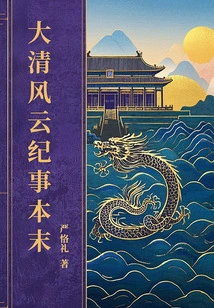
大清风云纪事本末
Yan Keli
This book takes you into the historical events of the Qing Dynasty. From the rise of Nurhachi, to the glory of Kangxi and Qianlong, to the decline and changes of the late Qing Dynasty. By telling the stories of emperors and generals, major historical events and changes in social landscape, it shows the rise and fall of the Qing Dynasty, the last feudal dynasty. In the waves of history, feel the changes and legends of that era.
This book takes you into the historical events of the Qing Dynasty. From the rise of Nurhachi, to the glory of Kangxi and Qianlong, to the decline and changes of the late Qing Dynasty. By telling the stories of emperors and generals, major historical events and changes in social landscape, it shows the rise and fall of the Qing Dynasty, the last feudal dynasty. In the waves of history, feel the changes and legends of that era.
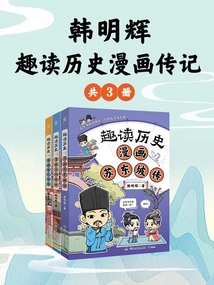
韩明辉趣读历史漫画传记(共3册)
Han Minghui
Interesting reading of history, a series of comics biographies, and a new work by Han Minghui, the author of the "History of China Hidden in Idioms" series of books! This series of books uses full-color comics to provide hilarious interpretations of Su Dongpo's biography, Wang Yangming's biography, and Zhu Yuanzhang's biography. Interesting and informative! A book takes you to a historical scene and allows you to immerse yourself in the wisdom and extraordinary life of historical figures! There are also sections such as the Mist Theater, Hall of Fame, Top Secret Archives, Exclusive News Station, and Knowledge Gas Station to expand traditional cultural knowledge from multiple angles!
Interesting reading of history, a series of comics biographies, and a new work by Han Minghui, the author of the "History of China Hidden in Idioms" series of books! This series of books uses full-color comics to provide hilarious interpretations of Su Dongpo's biography, Wang Yangming's biography, and Zhu Yuanzhang's biography. Interesting and informative! A book takes you to a historical scene and allows you to immerse yourself in the wisdom and extraordinary life of historical figures! There are also sections such as the Mist Theater, Hall of Fame, Top Secret Archives, Exclusive News Station, and Knowledge Gas Station to expand traditional cultural knowledge from multiple angles!
茶叶战争:茶运与国运
Zhou Chonglin Tai Junlin
The long-selling classic that has sold 400,000 copies has been newly revised; Zhou Chonglin, a well-known tea culture scholar, reviews the century-old industry history and interprets the story of Chinese tea! From the 17th to the 19th centuries, tea was inextricably linked to the fate of the four major countries: China, Britain, the United States, and India. The wars caused by tea, including the Sino-British Opium War, the First British War of Invasion of Tibet, and the American War of Independence, changed world history and also affected the shaping of the global economic landscape. "Why did the United Kingdom and the United States become rich and powerful because of tea, but the late Qing Dynasty declined because of tea?" Zhou Chonglin and Tai Junlin, well-known tea culture researchers, started from this question and combed and referenced hundreds of documents. They used detailed historical materials, objective records, and popular writing to restore the true history and reveal the profound reasons behind it layer by layer. It not only focuses on issues such as the Sino-British trade war, Sino-US relations, the right to speak about tea, and the frontiers of tea culture, but also panoramically displays the changes in the world's political and economic landscape, places tea in a macro historical context, interprets the politics, economy, and society of the late Qing Dynasty, and provides a deep insight into the entanglement between the tea movement and the national destiny. "Tea War" was first published in 2012 and was widely praised by readers. It sold 400,000 copies in 10 years. This edition has been fully revised and has added tens of thousands of words.
The long-selling classic that has sold 400,000 copies has been newly revised; Zhou Chonglin, a well-known tea culture scholar, reviews the century-old industry history and interprets the story of Chinese tea! From the 17th to the 19th centuries, tea was inextricably linked to the fate of the four major countries: China, Britain, the United States, and India. The wars caused by tea, including the Sino-British Opium War, the First British War of Invasion of Tibet, and the American War of Independence, changed world history and also affected the shaping of the global economic landscape. "Why did the United Kingdom and the United States become rich and powerful because of tea, but the late Qing Dynasty declined because of tea?" Zhou Chonglin and Tai Junlin, well-known tea culture researchers, started from this question and combed and referenced hundreds of documents. They used detailed historical materials, objective records, and popular writing to restore the true history and reveal the profound reasons behind it layer by layer. It not only focuses on issues such as the Sino-British trade war, Sino-US relations, the right to speak about tea, and the frontiers of tea culture, but also panoramically displays the changes in the world's political and economic landscape, places tea in a macro historical context, interprets the politics, economy, and society of the late Qing Dynasty, and provides a deep insight into the entanglement between the tea movement and the national destiny. "Tea War" was first published in 2012 and was widely praised by readers. It sold 400,000 copies in 10 years. This edition has been fully revised and has added tens of thousands of words.
北大历史讲座:国学大师写给普通读者的历史作品
Hu Shi Zhang Yinlin Et Al.
Peking University is a century-old prestigious university in China with a strong faculty and is an institution of higher learning. The book "Peking University History Lectures" includes famous Chinese masters Hu Shi, Fu Sinian, Zhang Yinlin, Liang Qichao, Lu Simian, Meng Sen, Miao Fenglin, Lei Haizong, and Cen Zhongmian. It stands at a new height and uses a rational point of view to explain history, such as Xia, Shang and Zhou, Spring and Autumn and Warring States, Qin and Song, Ming and Qing, and modern Chinese history. It seizes the turning point of Chinese history, and its penetrating and easy-to-understand writing style allows future generations to clearly understand the real events that happened thousands of years ago. On the basis of respecting historical facts, "Peking University History Lectures" uses the form of narrating historical events, uses speculative language, and uses a new vision and historical perspective to comprehensively and in-depth explore the successes and failures of China's rise and fall from multiple angles such as politics, economics, thought, religion, etc. It not only draws on past experience, but also points out the direction for the future and sounds the alarm. It is worth reading and savoring by every Chinese.
Peking University is a century-old prestigious university in China with a strong faculty and is an institution of higher learning. The book "Peking University History Lectures" includes famous Chinese masters Hu Shi, Fu Sinian, Zhang Yinlin, Liang Qichao, Lu Simian, Meng Sen, Miao Fenglin, Lei Haizong, and Cen Zhongmian. It stands at a new height and uses a rational point of view to explain history, such as Xia, Shang and Zhou, Spring and Autumn and Warring States, Qin and Song, Ming and Qing, and modern Chinese history. It seizes the turning point of Chinese history, and its penetrating and easy-to-understand writing style allows future generations to clearly understand the real events that happened thousands of years ago. On the basis of respecting historical facts, "Peking University History Lectures" uses the form of narrating historical events, uses speculative language, and uses a new vision and historical perspective to comprehensively and in-depth explore the successes and failures of China's rise and fall from multiple angles such as politics, economics, thought, religion, etc. It not only draws on past experience, but also points out the direction for the future and sounds the alarm. It is worth reading and savoring by every Chinese.
Saw Sanxingdui
History看见三星堆
Yuenan
Yue Nan, the author of "Traveling to the South and Returning to the North", has made a masterpiece after going to Sanxingdui for in-depth interviews many times! The archaeological records of Sanxingdui over the past century + the latest excavation results are fully disclosed! The book contains a large amount of precious historical materials + interviews with front-line archaeologists + real photos of the excavation site, allowing you to immersively touch the pulse of ancient Shu civilization! Panoramic collection of archaeological results from 1929 to 2024, exclusive disclosure of the latest discoveries in Pit No. 3 To Pit 8, and first-hand pictures of cultural relics that have never been released! Archeology professors from Peking University and Sichuan University jointly wrote the preface and highly recommended it! Sanxingdui in Guanghan, Sichuan, has always attracted the attention of the world with its unique cultural relics: magnificent and colorful jade artifacts, mysterious bronze masks, exquisite bronze sacred trees, shining golden scepters... All of these show the world the splendid and colorful ancient Shu civilization. This book uses vivid writing to reproduce the discovery and excavation process of Sanxingdui for nearly a hundred years from the 1920s to the present, the fierce game between relevant parties around Sanxingdui cultural relics, and the rich meaning and connotation behind the unearthed cultural relics. In the past two years, writer Yue Nan went to Sanxingdui again to conduct in-depth interviews, brilliantly interpreting the latest archaeological results of Pit No. 3 To No. 8, And striving to present a more three-dimensional and complete Sanxingdui to readers. Reading this book, you will understand the past and present life of Sanxingdui, and start a wonderful journey full of exploration!
Yue Nan, the author of "Traveling to the South and Returning to the North", has made a masterpiece after going to Sanxingdui for in-depth interviews many times! The archaeological records of Sanxingdui over the past century + the latest excavation results are fully disclosed! The book contains a large amount of precious historical materials + interviews with front-line archaeologists + real photos of the excavation site, allowing you to immersively touch the pulse of ancient Shu civilization! Panoramic collection of archaeological results from 1929 to 2024, exclusive disclosure of the latest discoveries in Pit No. 3 To Pit 8, and first-hand pictures of cultural relics that have never been released! Archeology professors from Peking University and Sichuan University jointly wrote the preface and highly recommended it! Sanxingdui in Guanghan, Sichuan, has always attracted the attention of the world with its unique cultural relics: magnificent and colorful jade artifacts, mysterious bronze masks, exquisite bronze sacred trees, shining golden scepters... All of these show the world the splendid and colorful ancient Shu civilization. This book uses vivid writing to reproduce the discovery and excavation process of Sanxingdui for nearly a hundred years from the 1920s to the present, the fierce game between relevant parties around Sanxingdui cultural relics, and the rich meaning and connotation behind the unearthed cultural relics. In the past two years, writer Yue Nan went to Sanxingdui again to conduct in-depth interviews, brilliantly interpreting the latest archaeological results of Pit No. 3 To No. 8, And striving to present a more three-dimensional and complete Sanxingdui to readers. Reading this book, you will understand the past and present life of Sanxingdui, and start a wonderful journey full of exploration!
Legend of Zhu Yuanzhang
History朱元璋传奇
Zhang Yiyi
Zhu Yuanzhang, the founding emperor of the Ming Dynasty. From Zhu Yuanzhang's poor background to the establishment of the Ming Dynasty, this book demonstrates his political strategy, military talent and governance philosophy.
Zhu Yuanzhang, the founding emperor of the Ming Dynasty. From Zhu Yuanzhang's poor background to the establishment of the Ming Dynasty, this book demonstrates his political strategy, military talent and governance philosophy.
元西域人华化考
Chen Yuan
This book is an early representative work by Mr. Chen Yuan, a leading historian in my country. It examines the gradual assimilation of the Western Regions people (Semu people) who entered the Central Plains in the Yuan Dynasty into the Central Plains culture from various aspects such as literature, Confucianism, Buddhism, art, etiquette and customs. It shows the priority and vitality of the Central Plains culture at that time. The book is rich in information, detailed in research, has high academic value, and is a classic of its generation.
This book is an early representative work by Mr. Chen Yuan, a leading historian in my country. It examines the gradual assimilation of the Western Regions people (Semu people) who entered the Central Plains in the Yuan Dynasty into the Central Plains culture from various aspects such as literature, Confucianism, Buddhism, art, etiquette and customs. It shows the priority and vitality of the Central Plains culture at that time. The book is rich in information, detailed in research, has high academic value, and is a classic of its generation.