Library
Browse and search books
653 novels found
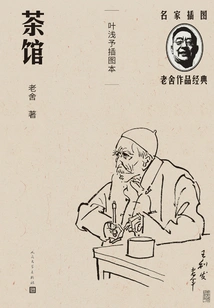
Tea House: Illustrated Book by Ye Qianyu
Literature茶馆:叶浅予插图本
Written By Lao She And Painted By Ye Qianyu
"Teahouse" is a masterpiece of Lao She's drama, and it is also a classic play often performed by the Beijing People's Art Theatre. This play was completed in 1957 and first performed by the Beijing People's Art Theater in 1958. It depicts the epitome of modern society and the times through a teahouse. Teahouse owner Wang Lifa's bleak management of the ancestral "Yutai Teahouse", although shrewd, tactful and hard-working, finally failed to prevent the decline, which reflected the trend of Chinese society from the side. This book is illustrated by Ye Qianyu.
"Teahouse" is a masterpiece of Lao She's drama, and it is also a classic play often performed by the Beijing People's Art Theatre. This play was completed in 1957 and first performed by the Beijing People's Art Theater in 1958. It depicts the epitome of modern society and the times through a teahouse. Teahouse owner Wang Lifa's bleak management of the ancestral "Yutai Teahouse", although shrewd, tactful and hard-working, finally failed to prevent the decline, which reflected the trend of Chinese society from the side. This book is illustrated by Ye Qianyu.
汪曾祺戏剧全编(全集)
Wang Zengqi
This book is divided into two volumes, and is based on the drama volume in "The Complete Works of Wang Zengqi". It includes Peking Opera, Kunqu Opera, opera musicals, comedy sketches, and film literature from 1957 to 1995, including "Fan Jin Zhongju" and "Shajiabang". It is the most complete collection of Wang Zengqi's drama creations at present. Each script has a caption, which clearly and concisely introduces the basic information of each script such as the time of publication, original publication, type of play, adaptation and collaborators. It is currently the most comprehensive and standardized rare book on Wang Zengqi's drama creations. This book is another new product after the publication of "The Complete Novels of Wang Zengqi", "The Complete Collection of Wang Zengqi's Prose", "The Complete Collection of Wang Zengqi's Poems" and "The Complete Collection of Wang Zengqi's Letters", to meet the needs of readers who love Wang Zengqi's dramas.
This book is divided into two volumes, and is based on the drama volume in "The Complete Works of Wang Zengqi". It includes Peking Opera, Kunqu Opera, opera musicals, comedy sketches, and film literature from 1957 to 1995, including "Fan Jin Zhongju" and "Shajiabang". It is the most complete collection of Wang Zengqi's drama creations at present. Each script has a caption, which clearly and concisely introduces the basic information of each script such as the time of publication, original publication, type of play, adaptation and collaborators. It is currently the most comprehensive and standardized rare book on Wang Zengqi's drama creations. This book is another new product after the publication of "The Complete Novels of Wang Zengqi", "The Complete Collection of Wang Zengqi's Prose", "The Complete Collection of Wang Zengqi's Poems" and "The Complete Collection of Wang Zengqi's Letters", to meet the needs of readers who love Wang Zengqi's dramas.
Cymbeline
Literature辛白林
G
"Cymbeline" was created between 1609 and 1610. It marks the last stage of Shakespeare's artistic career - the stage of legendary drama. The play mainly tells the story of King Cymbeline of England who mistakenly blamed his own daughter Imogen because he listened to his second wife's slander. Imogen's husband Posthumus Leonatos also doubted his wife's chastity because of being teased. In the end, Cymbeline defeated the Roman invaders with the help of his two sons, his daughter, and his son-in-law who were separated in his early years. At the end of the play, the father and son are reunited, and the daughter and son-in-law also resolve their misunderstanding and reunite.
"Cymbeline" was created between 1609 and 1610. It marks the last stage of Shakespeare's artistic career - the stage of legendary drama. The play mainly tells the story of King Cymbeline of England who mistakenly blamed his own daughter Imogen because he listened to his second wife's slander. Imogen's husband Posthumus Leonatos also doubted his wife's chastity because of being teased. In the end, Cymbeline defeated the Roman invaders with the help of his two sons, his daughter, and his son-in-law who were separated in his early years. At the end of the play, the father and son are reunited, and the daughter and son-in-law also resolve their misunderstanding and reunite.
Julius Caesar
Literature裘力斯·凯撒
G
The plot of "Julius Caesar" revolves around the struggle between two political parties in ancient Rome. In the play, Caesar is the representative of the autocratic faction. He has great achievements and strives to expand his own power, so it is inevitable to wear the imperial robe. However, the republicans headed by Cassius and others oppose personal dictatorship and attempt to eradicate Caesar's power. However, they are weak and weak, so they enlist the highly respected Brutus to participate in their actions. Led by Brutus, the Republicans assassinated Caesar. Afterwards, Caesar's confidant Antony incited the Roman people with passionate speeches, causing them to change their original intentions and turn against Brutus, and expelled Brutus and others from the city of Rome. Finally, under siege by the soldiers of Antony and others, Brutus committed suicide and the republic was destroyed.
The plot of "Julius Caesar" revolves around the struggle between two political parties in ancient Rome. In the play, Caesar is the representative of the autocratic faction. He has great achievements and strives to expand his own power, so it is inevitable to wear the imperial robe. However, the republicans headed by Cassius and others oppose personal dictatorship and attempt to eradicate Caesar's power. However, they are weak and weak, so they enlist the highly respected Brutus to participate in their actions. Led by Brutus, the Republicans assassinated Caesar. Afterwards, Caesar's confidant Antony incited the Roman people with passionate speeches, causing them to change their original intentions and turn against Brutus, and expelled Brutus and others from the city of Rome. Finally, under siege by the soldiers of Antony and others, Brutus committed suicide and the republic was destroyed.
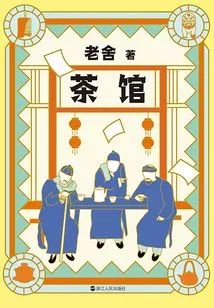
老舍典藏文集:茶馆(新版)
Lao She
Life is like a play sometimes, with moments of joy and moments of earth-shaking, if you work hard, you won't be kicked out. Accidents sometimes strike suddenly. We cannot choose our fate, but we can choose how to face problems. A small teahouse is a big society. Here, what you taste is not tea, but life.
Life is like a play sometimes, with moments of joy and moments of earth-shaking, if you work hard, you won't be kicked out. Accidents sometimes strike suddenly. We cannot choose our fate, but we can choose how to face problems. A small teahouse is a big society. Here, what you taste is not tea, but life.
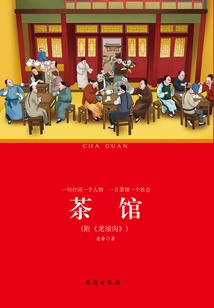
Teahouse
Literature茶馆
Lao She
"Teahouse" is the title of a Chinese drama, one of Mr. Lao She's masterpieces. The story in the play all takes place in a teahouse in Beijing. People come and go in the teahouse, and people of all colors and religions gather together. A big teahouse is like a small society. Mr. Lao She captured the characteristics of this scene and highly concentrated the fifty-seven main and secondary characters in the teahouse over a half-century time span, showing three periods after the failure of the Reform Movement of 1898 in the late Qing Dynasty, the period of the Beiyang warlord separatism in the early years of the Republic of China, and the eve of the fall of the Kuomintang regime. The modern life scenes summarize the sharp opposition and conflicts between various classes and forces in Chinese society, and reveal the historical destiny of semi-feudal and semi-colonial China. This play is also one of the classic plays of the Beijing People's Art Theater and was later adapted into a movie and TV series of the same name.
"Teahouse" is the title of a Chinese drama, one of Mr. Lao She's masterpieces. The story in the play all takes place in a teahouse in Beijing. People come and go in the teahouse, and people of all colors and religions gather together. A big teahouse is like a small society. Mr. Lao She captured the characteristics of this scene and highly concentrated the fifty-seven main and secondary characters in the teahouse over a half-century time span, showing three periods after the failure of the Reform Movement of 1898 in the late Qing Dynasty, the period of the Beiyang warlord separatism in the early years of the Republic of China, and the eve of the fall of the Kuomintang regime. The modern life scenes summarize the sharp opposition and conflicts between various classes and forces in Chinese society, and reveal the historical destiny of semi-feudal and semi-colonial China. This play is also one of the classic plays of the Beijing People's Art Theater and was later adapted into a movie and TV series of the same name.
Collected Works of Zhao Shuli: Jiao Yulu
Literature赵树理文集:焦裕禄
Zhao Shuli
"Jiao Yulu" is a collection of plays written by Zhao Shuli, and one of them, "Jiao Yulu", is taken as the title. This script collection includes six scripts by Zhao Shuli, including "Han Yuniang", "Wanxiang Tower", "Ten Mile Store" and "Jiao Yulu". These works were created from 1956 to 1966 and have far-reaching influence. "Jiao Yulu" is a script of the same name by Zhao Shuli, who watched the Jincheng County Theater Troupe rehearsing it and thought it deified Jiao Yulu in the play. So he went deep into Lankao and went to the masses to interview Jiao Yulu's deeds, and wrote the first three scenes. However, he finally stopped writing because of creative difficulties. Zhao Shuli started writing "Ten Mile Store" in June 1964. When the Shangdang Bangzi Theater Troupe took "Ten Mile Store" to participate in a modern theater performance in Taiyuan, it was criticized. Zhao Shuli had been involuntarily involved in the whirlpool of drama reform...
"Jiao Yulu" is a collection of plays written by Zhao Shuli, and one of them, "Jiao Yulu", is taken as the title. This script collection includes six scripts by Zhao Shuli, including "Han Yuniang", "Wanxiang Tower", "Ten Mile Store" and "Jiao Yulu". These works were created from 1956 to 1966 and have far-reaching influence. "Jiao Yulu" is a script of the same name by Zhao Shuli, who watched the Jincheng County Theater Troupe rehearsing it and thought it deified Jiao Yulu in the play. So he went deep into Lankao and went to the masses to interview Jiao Yulu's deeds, and wrote the first three scenes. However, he finally stopped writing because of creative difficulties. Zhao Shuli started writing "Ten Mile Store" in June 1964. When the Shangdang Bangzi Theater Troupe took "Ten Mile Store" to participate in a modern theater performance in Taiyuan, it was criticized. Zhao Shuli had been involuntarily involved in the whirlpool of drama reform...
南戏域外传播研究(精装)
(added) Shi Junshan, Etc.
Nan Opera is the earliest mature form of opera in China. It plays an important role in the history of Chinese opera and culture. It has also attracted the attention of scholars from outside the country, and Nan Opera has been spread outside the country. This book takes the overseas spread of Southern Opera as its object, focusing on exploring the latest achievements in research, translation, and adaptation of Southern Opera by overseas scholars, providing a uniquely valuable method and perspective for related domestic research.
Nan Opera is the earliest mature form of opera in China. It plays an important role in the history of Chinese opera and culture. It has also attracted the attention of scholars from outside the country, and Nan Opera has been spread outside the country. This book takes the overseas spread of Southern Opera as its object, focusing on exploring the latest achievements in research, translation, and adaptation of Southern Opera by overseas scholars, providing a uniquely valuable method and perspective for related domestic research.
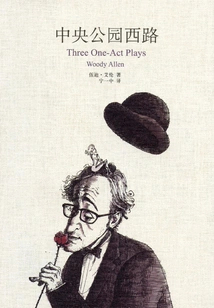
Central Park West
Literature中央公园西路
K
This book is a collection of Woody Allen's drama works published in 2003, including three works: "Riverside", "Old Saybrook" and "Central Park West". These three stories revolve around the phenomenon of marital infidelity, written in a relaxed and humorous way, full of insight and highly readable. The characters are typical New Yorkers who appear innocent at first but then run into unexpected trouble or become embroiled in scandal. The work continues Woody Allen's enduring creative theme: the protagonist constantly makes excuses for himself, covering up what he has done, and then inevitably falls into infidelity and deception. All dramatic elements are cleverly presented with the help of Woody Allen's impromptu and concise dialogue, making people laugh and think deeply at the same time.
This book is a collection of Woody Allen's drama works published in 2003, including three works: "Riverside", "Old Saybrook" and "Central Park West". These three stories revolve around the phenomenon of marital infidelity, written in a relaxed and humorous way, full of insight and highly readable. The characters are typical New Yorkers who appear innocent at first but then run into unexpected trouble or become embroiled in scandal. The work continues Woody Allen's enduring creative theme: the protagonist constantly makes excuses for himself, covering up what he has done, and then inevitably falls into infidelity and deception. All dramatic elements are cleverly presented with the help of Woody Allen's impromptu and concise dialogue, making people laugh and think deeply at the same time.
明清戏曲序跋纂笺1
Compiled By Guo Yingde And Li Zhiyuan
This book is compiled and annotated by Guo Yingde and Li Zhiyuan. It collects and compiles prefaces and postscripts of Ming and Qing opera literature, with more than 4,300 items, comprehensively presenting the complete appearance of Ming and Qing opera prefaces and postscripts. This book checks the source of the version as accurately as possible, selects an earlier and better version as the base, and adds collation and punctuation. It also provides detailed documentation on the time, people, events and other related matters related to the writing, publishing and dissemination of opera documents and their prefaces and postscripts. It examines the author's life story in depth and detail, and annotates the titles of relevant biographical documents. Providing rich and detailed literature to the academic community will help further explore the research on ancient Chinese opera literature, opera history and opera theory.
This book is compiled and annotated by Guo Yingde and Li Zhiyuan. It collects and compiles prefaces and postscripts of Ming and Qing opera literature, with more than 4,300 items, comprehensively presenting the complete appearance of Ming and Qing opera prefaces and postscripts. This book checks the source of the version as accurately as possible, selects an earlier and better version as the base, and adds collation and punctuation. It also provides detailed documentation on the time, people, events and other related matters related to the writing, publishing and dissemination of opera documents and their prefaces and postscripts. It examines the author's life story in depth and detail, and annotates the titles of relevant biographical documents. Providing rich and detailed literature to the academic community will help further explore the research on ancient Chinese opera literature, opera history and opera theory.
明清戏曲序跋纂笺3
Compiled By Guo Yingde And Li Zhiyuan
This book is compiled and annotated by Guo Yingde and Li Zhiyuan. It collects and compiles prefaces and postscripts of Ming and Qing opera literature, with more than 4,300 items, comprehensively presenting the complete appearance of Ming and Qing opera prefaces and postscripts. This book checks the source of the version as accurately as possible, selects an earlier and better version as the base, and adds collation and punctuation. It also provides detailed documentation on the time, people, events and other related matters related to the writing, publishing and dissemination of opera documents and their prefaces and postscripts. It examines the author's life story in depth and detail, and annotates the titles of relevant biographical documents. Providing rich and detailed literature to the academic community will help further explore the research on ancient Chinese opera literature, opera history and opera theory.
This book is compiled and annotated by Guo Yingde and Li Zhiyuan. It collects and compiles prefaces and postscripts of Ming and Qing opera literature, with more than 4,300 items, comprehensively presenting the complete appearance of Ming and Qing opera prefaces and postscripts. This book checks the source of the version as accurately as possible, selects an earlier and better version as the base, and adds collation and punctuation. It also provides detailed documentation on the time, people, events and other related matters related to the writing, publishing and dissemination of opera documents and their prefaces and postscripts. It examines the author's life story in depth and detail, and annotates the titles of relevant biographical documents. Providing rich and detailed literature to the academic community will help further explore the research on ancient Chinese opera literature, opera history and opera theory.
明清戏曲序跋纂笺4
Compiled By Guo Yingde And Li Zhiyuan
This book is compiled and annotated by Guo Yingde and Li Zhiyuan. It collects and compiles prefaces and postscripts of Ming and Qing opera literature, with more than 4,300 items, comprehensively presenting the complete appearance of Ming and Qing opera prefaces and postscripts. This book checks the source of the version as accurately as possible, selects an earlier and better version as the base, and adds collation and punctuation. It also provides detailed documentation on the time, people, events and other related matters related to the writing, publishing and dissemination of opera documents and their prefaces and postscripts. It examines the author's life story in depth and detail, and annotates the titles of relevant biographical documents. Providing rich and detailed literature to the academic community will help further explore the research on ancient Chinese opera literature, opera history and opera theory.
This book is compiled and annotated by Guo Yingde and Li Zhiyuan. It collects and compiles prefaces and postscripts of Ming and Qing opera literature, with more than 4,300 items, comprehensively presenting the complete appearance of Ming and Qing opera prefaces and postscripts. This book checks the source of the version as accurately as possible, selects an earlier and better version as the base, and adds collation and punctuation. It also provides detailed documentation on the time, people, events and other related matters related to the writing, publishing and dissemination of opera documents and their prefaces and postscripts. It examines the author's life story in depth and detail, and annotates the titles of relevant biographical documents. Providing rich and detailed literature to the academic community will help further explore the research on ancient Chinese opera literature, opera history and opera theory.
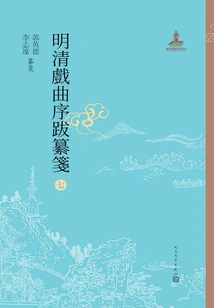
明清戏曲序跋纂笺7
Compiled By Guo Yingde And Li Zhiyuan
This book is compiled and annotated by Guo Yingde and Li Zhiyuan. It collects and compiles prefaces and postscripts of Ming and Qing opera literature, with more than 4,300 items, comprehensively presenting the complete appearance of Ming and Qing opera prefaces and postscripts. This book checks the source of the version as accurately as possible, selects an earlier and better version as the base, and adds collation and punctuation. It also provides detailed documentation on the time, people, events and other related matters related to the writing, publishing and dissemination of opera documents and their prefaces and postscripts. It examines the author's life story in depth and detail, and annotates the titles of relevant biographical documents. Providing rich and detailed literature to the academic community will help further explore the research on ancient Chinese opera literature, opera history and opera theory.
This book is compiled and annotated by Guo Yingde and Li Zhiyuan. It collects and compiles prefaces and postscripts of Ming and Qing opera literature, with more than 4,300 items, comprehensively presenting the complete appearance of Ming and Qing opera prefaces and postscripts. This book checks the source of the version as accurately as possible, selects an earlier and better version as the base, and adds collation and punctuation. It also provides detailed documentation on the time, people, events and other related matters related to the writing, publishing and dissemination of opera documents and their prefaces and postscripts. It examines the author's life story in depth and detail, and annotates the titles of relevant biographical documents. Providing rich and detailed literature to the academic community will help further explore the research on ancient Chinese opera literature, opera history and opera theory.
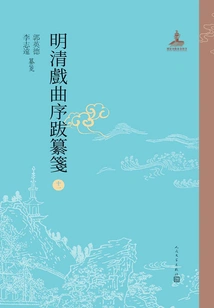
明清戏曲序跋纂笺11
Compiled By Guo Yingde And Li Zhiyuan
This book is compiled and annotated by Guo Yingde and Li Zhiyuan. It collects and compiles prefaces and postscripts of Ming and Qing opera literature, with more than 4,300 items, comprehensively presenting the complete appearance of Ming and Qing opera prefaces and postscripts. This book checks the source of the version as accurately as possible, selects an earlier and better version as the base, and adds collation and punctuation. It also provides detailed documentation on the time, people, events and other related matters related to the writing, publishing and dissemination of opera documents and their prefaces and postscripts. It examines the author's life story in depth and detail, and annotates the titles of relevant biographical documents. Providing rich and detailed literature to the academic community will help further explore the research on ancient Chinese opera literature, opera history and opera theory.
This book is compiled and annotated by Guo Yingde and Li Zhiyuan. It collects and compiles prefaces and postscripts of Ming and Qing opera literature, with more than 4,300 items, comprehensively presenting the complete appearance of Ming and Qing opera prefaces and postscripts. This book checks the source of the version as accurately as possible, selects an earlier and better version as the base, and adds collation and punctuation. It also provides detailed documentation on the time, people, events and other related matters related to the writing, publishing and dissemination of opera documents and their prefaces and postscripts. It examines the author's life story in depth and detail, and annotates the titles of relevant biographical documents. Providing rich and detailed literature to the academic community will help further explore the research on ancient Chinese opera literature, opera history and opera theory.
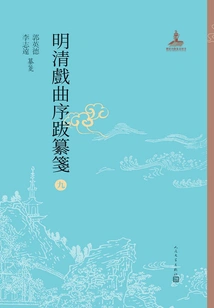
明清戏曲序跋纂笺9
Compiled By Guo Yingde And Li Zhiyuan
This book is compiled and annotated by Guo Yingde and Li Zhiyuan. It collects and compiles prefaces and postscripts of Ming and Qing opera literature, with more than 4,300 items, comprehensively presenting the complete appearance of Ming and Qing opera prefaces and postscripts. This book checks the source of the version as accurately as possible, selects an earlier and better version as the base, and adds collation and punctuation. It also provides detailed documentation on the time, people, events and other related matters related to the writing, publishing and dissemination of opera documents and their prefaces and postscripts. It examines the author's life story in depth and detail, and annotates the titles of relevant biographical documents. Providing rich and detailed literature to the academic community will help further explore the research on ancient Chinese opera literature, opera history and opera theory.
This book is compiled and annotated by Guo Yingde and Li Zhiyuan. It collects and compiles prefaces and postscripts of Ming and Qing opera literature, with more than 4,300 items, comprehensively presenting the complete appearance of Ming and Qing opera prefaces and postscripts. This book checks the source of the version as accurately as possible, selects an earlier and better version as the base, and adds collation and punctuation. It also provides detailed documentation on the time, people, events and other related matters related to the writing, publishing and dissemination of opera documents and their prefaces and postscripts. It examines the author's life story in depth and detail, and annotates the titles of relevant biographical documents. Providing rich and detailed literature to the academic community will help further explore the research on ancient Chinese opera literature, opera history and opera theory.
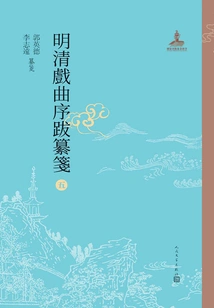
明清戏曲序跋纂笺5
Compiled By Guo Yingde And Li Zhiyuan
This book is compiled and annotated by Guo Yingde and Li Zhiyuan. It collects and compiles prefaces and postscripts of Ming and Qing opera literature, with more than 4,300 items, comprehensively presenting the complete appearance of Ming and Qing opera prefaces and postscripts. This book checks the source of the version as accurately as possible, selects an earlier and better version as the base, and adds collation and punctuation. It also provides detailed documentation on the time, people, events and other related matters related to the writing, publishing and dissemination of opera documents and their prefaces and postscripts. It examines the author's life story in depth and detail, and annotates the titles of relevant biographical documents. Providing rich and detailed literature to the academic community will help further explore the research on ancient Chinese opera literature, opera history and opera theory.
This book is compiled and annotated by Guo Yingde and Li Zhiyuan. It collects and compiles prefaces and postscripts of Ming and Qing opera literature, with more than 4,300 items, comprehensively presenting the complete appearance of Ming and Qing opera prefaces and postscripts. This book checks the source of the version as accurately as possible, selects an earlier and better version as the base, and adds collation and punctuation. It also provides detailed documentation on the time, people, events and other related matters related to the writing, publishing and dissemination of opera documents and their prefaces and postscripts. It examines the author's life story in depth and detail, and annotates the titles of relevant biographical documents. Providing rich and detailed literature to the academic community will help further explore the research on ancient Chinese opera literature, opera history and opera theory.
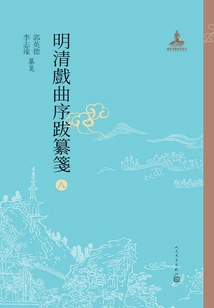
明清戏曲序跋纂笺8
Compiled By Guo Yingde And Li Zhiyuan
This book is compiled and annotated by Guo Yingde and Li Zhiyuan. It collects and compiles prefaces and postscripts of Ming and Qing opera literature, with more than 4,300 items, comprehensively presenting the complete appearance of Ming and Qing opera prefaces and postscripts. This book checks the source of the version as accurately as possible, selects an earlier and better version as the base, and adds collation and punctuation. It also provides detailed documentation on the time, people, events and other related matters related to the writing, publishing and dissemination of opera documents and their prefaces and postscripts. It examines the author's life story in depth and detail, and annotates the titles of relevant biographical documents. Providing rich and detailed literature to the academic community will help further explore the research on ancient Chinese opera literature, opera history and opera theory.
This book is compiled and annotated by Guo Yingde and Li Zhiyuan. It collects and compiles prefaces and postscripts of Ming and Qing opera literature, with more than 4,300 items, comprehensively presenting the complete appearance of Ming and Qing opera prefaces and postscripts. This book checks the source of the version as accurately as possible, selects an earlier and better version as the base, and adds collation and punctuation. It also provides detailed documentation on the time, people, events and other related matters related to the writing, publishing and dissemination of opera documents and their prefaces and postscripts. It examines the author's life story in depth and detail, and annotates the titles of relevant biographical documents. Providing rich and detailed literature to the academic community will help further explore the research on ancient Chinese opera literature, opera history and opera theory.
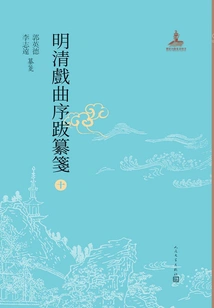
明清戏曲序跋纂笺10
Compiled By Guo Yingde And Li Zhiyuan
This book is compiled and annotated by Guo Yingde and Li Zhiyuan. It collects and compiles prefaces and postscripts of Ming and Qing opera literature, with more than 4,300 items, comprehensively presenting the complete appearance of Ming and Qing opera prefaces and postscripts. This book checks the source of the version as accurately as possible, selects an earlier and better version as the base, and adds collation and punctuation. It also provides detailed documentation on the time, people, events and other related matters related to the writing, publishing and dissemination of opera documents and their prefaces and postscripts. It examines the author's life story in depth and detail, and annotates the titles of relevant biographical documents. Providing rich and detailed literature to the academic community will help further explore the research on ancient Chinese opera literature, opera history and opera theory.
This book is compiled and annotated by Guo Yingde and Li Zhiyuan. It collects and compiles prefaces and postscripts of Ming and Qing opera literature, with more than 4,300 items, comprehensively presenting the complete appearance of Ming and Qing opera prefaces and postscripts. This book checks the source of the version as accurately as possible, selects an earlier and better version as the base, and adds collation and punctuation. It also provides detailed documentation on the time, people, events and other related matters related to the writing, publishing and dissemination of opera documents and their prefaces and postscripts. It examines the author's life story in depth and detail, and annotates the titles of relevant biographical documents. Providing rich and detailed literature to the academic community will help further explore the research on ancient Chinese opera literature, opera history and opera theory.
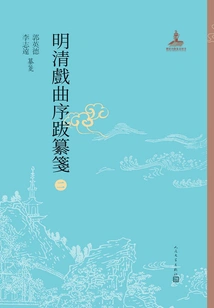
明清戏曲序跋纂笺2
Compiled By Guo Yingde And Li Zhiyuan
This book is compiled and annotated by Guo Yingde and Li Zhiyuan. It collects and compiles prefaces and postscripts of Ming and Qing opera literature, with more than 4,300 items, comprehensively presenting the complete appearance of Ming and Qing opera prefaces and postscripts. This book checks the source of the version as accurately as possible, selects an earlier and better version as the base, and adds collation and punctuation. It also provides detailed documentation on the time, people, events and other related matters related to the writing, publishing and dissemination of opera documents and their prefaces and postscripts. It examines the author's life story in depth and detail, and annotates the titles of relevant biographical documents. Providing rich and detailed literature to the academic community will help further explore the research on ancient Chinese opera literature, opera history and opera theory.
This book is compiled and annotated by Guo Yingde and Li Zhiyuan. It collects and compiles prefaces and postscripts of Ming and Qing opera literature, with more than 4,300 items, comprehensively presenting the complete appearance of Ming and Qing opera prefaces and postscripts. This book checks the source of the version as accurately as possible, selects an earlier and better version as the base, and adds collation and punctuation. It also provides detailed documentation on the time, people, events and other related matters related to the writing, publishing and dissemination of opera documents and their prefaces and postscripts. It examines the author's life story in depth and detail, and annotates the titles of relevant biographical documents. Providing rich and detailed literature to the academic community will help further explore the research on ancient Chinese opera literature, opera history and opera theory.
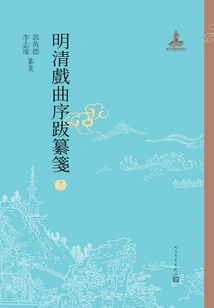
明清戏曲序跋纂笺12
Compiled By Guo Yingde And Li Zhiyuan
This book is compiled and annotated by Guo Yingde and Li Zhiyuan. It collects and compiles prefaces and postscripts of Ming and Qing opera literature, with more than 4,300 items, comprehensively presenting the complete appearance of Ming and Qing opera prefaces and postscripts. This book checks the source of the version as accurately as possible, selects an earlier and better version as the base, and adds collation and punctuation. It also provides detailed documentation on the time, people, events and other related matters related to the writing, publishing and dissemination of opera documents and their prefaces and postscripts. It examines the author's life story in depth and detail, and annotates the titles of relevant biographical documents. Providing rich and detailed literature to the academic community will help further explore the research on ancient Chinese opera literature, opera history and opera theory.
This book is compiled and annotated by Guo Yingde and Li Zhiyuan. It collects and compiles prefaces and postscripts of Ming and Qing opera literature, with more than 4,300 items, comprehensively presenting the complete appearance of Ming and Qing opera prefaces and postscripts. This book checks the source of the version as accurately as possible, selects an earlier and better version as the base, and adds collation and punctuation. It also provides detailed documentation on the time, people, events and other related matters related to the writing, publishing and dissemination of opera documents and their prefaces and postscripts. It examines the author's life story in depth and detail, and annotates the titles of relevant biographical documents. Providing rich and detailed literature to the academic community will help further explore the research on ancient Chinese opera literature, opera history and opera theory.
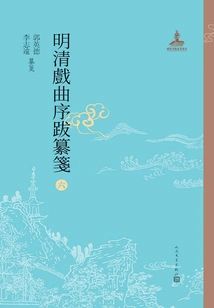
明清戏曲序跋纂笺6
Compiled By Guo Yingde And Li Zhiyuan
This book is compiled and annotated by Guo Yingde and Li Zhiyuan. It collects and compiles prefaces and postscripts of Ming and Qing opera literature, with more than 4,300 items, comprehensively presenting the complete appearance of Ming and Qing opera prefaces and postscripts. This book checks the source of the version as accurately as possible, selects an earlier and better version as the base, and adds collation and punctuation. It also provides detailed documentation on the time, people, events and other related matters related to the writing, publishing and dissemination of opera documents and their prefaces and postscripts. It examines the author's life story in depth and detail, and annotates the titles of relevant biographical documents. Providing rich and detailed literature to the academic community will help further explore the research on ancient Chinese opera literature, opera history and opera theory.
This book is compiled and annotated by Guo Yingde and Li Zhiyuan. It collects and compiles prefaces and postscripts of Ming and Qing opera literature, with more than 4,300 items, comprehensively presenting the complete appearance of Ming and Qing opera prefaces and postscripts. This book checks the source of the version as accurately as possible, selects an earlier and better version as the base, and adds collation and punctuation. It also provides detailed documentation on the time, people, events and other related matters related to the writing, publishing and dissemination of opera documents and their prefaces and postscripts. It examines the author's life story in depth and detail, and annotates the titles of relevant biographical documents. Providing rich and detailed literature to the academic community will help further explore the research on ancient Chinese opera literature, opera history and opera theory.
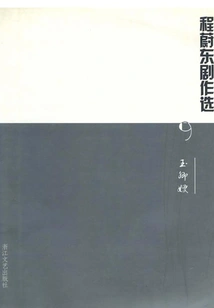
程蔚东剧作选9:玉卿嫂
Cheng Weidong
This book contains 10 of the author's representative TV drama scripts. "Selected Plays of Cheng Weidong" contains a total of 17 works, divided into 10 volumes. These works, the earliest were created in the mid-1980s, and the later were finalized in recent times, involve a variety of themes and fields. Some are based on major historical events and the process of social development, showing true temperament in the grandeur, and insights in subtle understandings; some are adapted from literary classics and movies to express feelings about the past. They provide a new interpretation of people's living environment and human nature in the past, as well as the inheritance and development of excellent literary traditions; some reflect the changes in ideological concepts and social consciousness since China's reform and opening up, and raise the issue of breaking through forbidden areas at the level of moral awareness and aesthetic ideals; other works use small insights to reproduce a moment in the long history. The author has devoted himself to the creation of film and television literature for many years, and has made various explorations and active creations for the development of film and television art.
This book contains 10 of the author's representative TV drama scripts. "Selected Plays of Cheng Weidong" contains a total of 17 works, divided into 10 volumes. These works, the earliest were created in the mid-1980s, and the later were finalized in recent times, involve a variety of themes and fields. Some are based on major historical events and the process of social development, showing true temperament in the grandeur, and insights in subtle understandings; some are adapted from literary classics and movies to express feelings about the past. They provide a new interpretation of people's living environment and human nature in the past, as well as the inheritance and development of excellent literary traditions; some reflect the changes in ideological concepts and social consciousness since China's reform and opening up, and raise the issue of breaking through forbidden areas at the level of moral awareness and aesthetic ideals; other works use small insights to reproduce a moment in the long history. The author has devoted himself to the creation of film and television literature for many years, and has made various explorations and active creations for the development of film and television art.
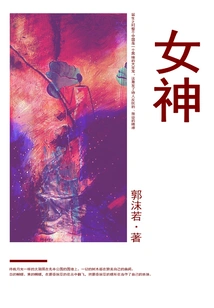
Goddess
Literature女神
Guo Moruo
"Goddess" is Guo Moruo's first collection of poems, and it is also the first new collection of poems in the history of modern Chinese literature that truly fully demonstrates modern consciousness and the spirit of the times in terms of ideological content and artistic form. "The Goddess" is full of deep hatred for the dark forces of society, expressing the poet's heroic spirit of criticizing the old world and creating a new world. The poet not only fiercely attacked the old things of the old world, but also criticized his own "old self" mercilessly. "The Goddess" is also permeated with the spirit of creation and renewed consciousness.
"Goddess" is Guo Moruo's first collection of poems, and it is also the first new collection of poems in the history of modern Chinese literature that truly fully demonstrates modern consciousness and the spirit of the times in terms of ideological content and artistic form. "The Goddess" is full of deep hatred for the dark forces of society, expressing the poet's heroic spirit of criticizing the old world and creating a new world. The poet not only fiercely attacked the old things of the old world, but also criticized his own "old self" mercilessly. "The Goddess" is also permeated with the spirit of creation and renewed consciousness.
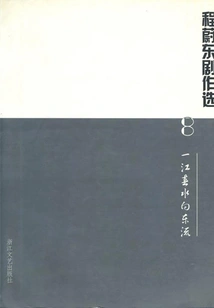
程蔚东剧作选8:一江春水向东流
Cheng Weidong
"Selected Plays of Cheng Weidong" contains a total of 17 works, divided into 10 volumes. The earliest of these works were created in the mid-1980s, and the later ones were finalized in recent times. They cover a variety of themes and fields. Some of them are based on major historical events and the process of social development. They reveal true temperament in the grandeur and insight in subtle understandings.
"Selected Plays of Cheng Weidong" contains a total of 17 works, divided into 10 volumes. The earliest of these works were created in the mid-1980s, and the later ones were finalized in recent times. They cover a variety of themes and fields. Some of them are based on major historical events and the process of social development. They reveal true temperament in the grandeur and insight in subtle understandings.
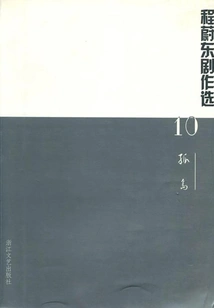
程蔚东剧作选10:孤岛
Cheng Weidong
This book contains 10 of the author's representative TV drama scripts. "Selected Plays of Cheng Weidong" contains a total of 17 works, divided into 10 volumes. These works, the earliest were created in the mid-1980s, and the later were finalized in recent times, involve a variety of themes and fields. Some are based on major historical events and the process of social development, showing true temperament in the grandeur, and insights in subtle understandings; some are adapted from literary classics and movies to express feelings about the past. They provide a new interpretation of people's living environment and human nature in the past, as well as the inheritance and development of excellent literary traditions; some reflect the changes in ideological concepts and social consciousness since China's reform and opening up, and raise the issue of breaking through forbidden areas at the level of moral awareness and aesthetic ideals; other works use small insights to reproduce a moment in the long history. The author has devoted himself to the creation of film and television literature for many years, and has made various explorations and active creations for the development of film and television art.
This book contains 10 of the author's representative TV drama scripts. "Selected Plays of Cheng Weidong" contains a total of 17 works, divided into 10 volumes. These works, the earliest were created in the mid-1980s, and the later were finalized in recent times, involve a variety of themes and fields. Some are based on major historical events and the process of social development, showing true temperament in the grandeur, and insights in subtle understandings; some are adapted from literary classics and movies to express feelings about the past. They provide a new interpretation of people's living environment and human nature in the past, as well as the inheritance and development of excellent literary traditions; some reflect the changes in ideological concepts and social consciousness since China's reform and opening up, and raise the issue of breaking through forbidden areas at the level of moral awareness and aesthetic ideals; other works use small insights to reproduce a moment in the long history. The author has devoted himself to the creation of film and television literature for many years, and has made various explorations and active creations for the development of film and television art.
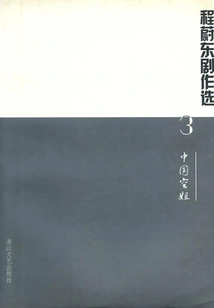
程蔚东剧作选3:中国空姐
Cheng Weidong
This book contains 10 of the author's representative TV drama scripts. "Selected Plays of Cheng Weidong" contains a total of 17 works, divided into 10 volumes. These works, the earliest were created in the mid-1980s, and the later were finalized in recent times, involve a variety of themes and fields. Some are based on major historical events and the process of social development, showing true temperament in the grandeur, and insights in subtle understandings; some are adapted from literary classics and movies to express feelings about the past. They provide a new interpretation of people's living environment and human nature in the past, as well as the inheritance and development of excellent literary traditions; some reflect the changes in ideological concepts and social consciousness since China's reform and opening up, and raise the issue of breaking through forbidden areas at the level of moral awareness and aesthetic ideals; other works use small insights to reproduce a moment in the long history. The author has devoted himself to the creation of film and television literature for many years, and has made various explorations and active creations for the development of film and television art.
This book contains 10 of the author's representative TV drama scripts. "Selected Plays of Cheng Weidong" contains a total of 17 works, divided into 10 volumes. These works, the earliest were created in the mid-1980s, and the later were finalized in recent times, involve a variety of themes and fields. Some are based on major historical events and the process of social development, showing true temperament in the grandeur, and insights in subtle understandings; some are adapted from literary classics and movies to express feelings about the past. They provide a new interpretation of people's living environment and human nature in the past, as well as the inheritance and development of excellent literary traditions; some reflect the changes in ideological concepts and social consciousness since China's reform and opening up, and raise the issue of breaking through forbidden areas at the level of moral awareness and aesthetic ideals; other works use small insights to reproduce a moment in the long history. The author has devoted himself to the creation of film and television literature for many years, and has made various explorations and active creations for the development of film and television art.
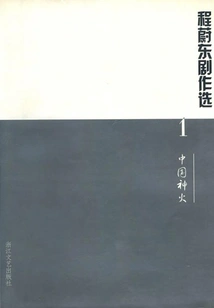
程蔚东剧作选1:中国神火
Cheng Weidong
"Selected Plays of Cheng Weidong" contains a total of 17 works, divided into 10 volumes. The earliest of these works were created in the mid-1980s, and the later ones were finalized in recent times. They cover a variety of themes and fields. Some of them are based on major historical events and the process of social development. They reveal true temperament in the grandeur and insight in subtle understandings.
"Selected Plays of Cheng Weidong" contains a total of 17 works, divided into 10 volumes. The earliest of these works were created in the mid-1980s, and the later ones were finalized in recent times. They cover a variety of themes and fields. Some of them are based on major historical events and the process of social development. They reveal true temperament in the grandeur and insight in subtle understandings.
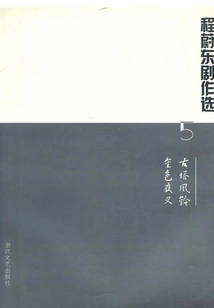
程蔚东剧作选5:古塔风铃 金色夜叉
Cheng Weidong
"Selected Plays of Cheng Weidong" contains a total of 17 works, divided into 10 volumes. The earliest of these works were created in the mid-1985s, and the later ones were finalized in the recent past. They involve a variety of themes and fields. Some of them are based on major historical events and the process of social development. They reveal true temperament in the grandeur and insight in subtle understandings.
"Selected Plays of Cheng Weidong" contains a total of 17 works, divided into 10 volumes. The earliest of these works were created in the mid-1985s, and the later ones were finalized in the recent past. They involve a variety of themes and fields. Some of them are based on major historical events and the process of social development. They reveal true temperament in the grandeur and insight in subtle understandings.
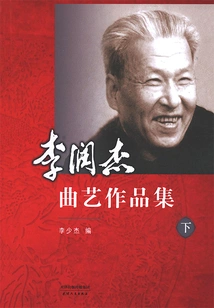
李润杰曲艺作品集(下)
Li Shaojie
The author Li Shaojie edited and compiled more than 80 Allegro calligraphy works created and performed by Mr. Li Runjie, a famous Allegro calligraphy performance artist, as well as 7 works of Xihe drum, cross talk, bamboo board calligraphy and other types of music created by Mr. Li Runjie. He also gave a concise and comprehensive introduction to the creative background of the work before each work. It has extremely high historical value and is also an excellent teaching material for those who learn Allegro calligraphy. The first volume mainly includes a brief introduction to the life of Mr. Li Runjie and the story-type works created and performed by Mr. Li Runjie, such as speeding cars to explode arms and robberies, etc. The second volume contains the hymn works composed and performed by Mr. Li Runjie, such as Singing the Front Line, Haihe River Hymn, etc.
The author Li Shaojie edited and compiled more than 80 Allegro calligraphy works created and performed by Mr. Li Runjie, a famous Allegro calligraphy performance artist, as well as 7 works of Xihe drum, cross talk, bamboo board calligraphy and other types of music created by Mr. Li Runjie. He also gave a concise and comprehensive introduction to the creative background of the work before each work. It has extremely high historical value and is also an excellent teaching material for those who learn Allegro calligraphy. The first volume mainly includes a brief introduction to the life of Mr. Li Runjie and the story-type works created and performed by Mr. Li Runjie, such as speeding cars to explode arms and robberies, etc. The second volume contains the hymn works composed and performed by Mr. Li Runjie, such as Singing the Front Line, Haihe River Hymn, etc.
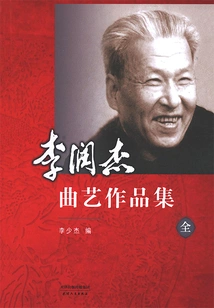
李润杰曲艺作品集(全集)
Li Shaojie
The author, Li Shaojie, edited and compiled more than 80 allegro calligraphy works created and performed by Mr. Li Runjie, a famous allegro calligraphy performance artist, as well as 6 works of Xihe drum, cross talk, bamboo board calligraphy and other types of music created by Mr. Li Runjie. He also gave a concise and comprehensive introduction to the creative background of the work before each work. It has extremely high historical value and is also an excellent teaching material for those who learn allegro calligraphy. The first volume mainly includes a brief introduction to the life of Mr. Li Runjie and the story-type works created and performed by Mr. Li Runjie, such as speeding cars to explode arms and robberies, etc. The second volume contains the hymn works composed and performed by Mr. Li Runjie, such as Singing the Front Line, Haihe River Hymn, etc.
The author, Li Shaojie, edited and compiled more than 80 allegro calligraphy works created and performed by Mr. Li Runjie, a famous allegro calligraphy performance artist, as well as 6 works of Xihe drum, cross talk, bamboo board calligraphy and other types of music created by Mr. Li Runjie. He also gave a concise and comprehensive introduction to the creative background of the work before each work. It has extremely high historical value and is also an excellent teaching material for those who learn allegro calligraphy. The first volume mainly includes a brief introduction to the life of Mr. Li Runjie and the story-type works created and performed by Mr. Li Runjie, such as speeding cars to explode arms and robberies, etc. The second volume contains the hymn works composed and performed by Mr. Li Runjie, such as Singing the Front Line, Haihe River Hymn, etc.
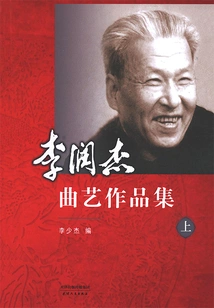
李润杰曲艺作品集(上)
Li Shaojie
The author, Li Shaojie, has edited and compiled more than 80 Allegro calligraphy works created and performed by the famous Allegro calligraphy performing artist Mr. Li Runjie, as well as 8 works of Xihe drum, cross talk, bamboo board calligraphy and other types of music created by Mr. Li Runjie. He also gave a concise and comprehensive introduction to the creative background of the work before each work. It has extremely high historical value and is also an excellent teaching material for those who learn Allegro calligraphy. The first volume mainly includes a brief introduction to the life of Mr. Li Runjie and the story-type works created and performed by Mr. Li Runjie, such as speeding cars to explode arms and robberies, etc. The second volume contains the hymn works composed and performed by Mr. Li Runjie, such as Singing the Front Line, Haihe River Hymn, etc.
The author, Li Shaojie, has edited and compiled more than 80 Allegro calligraphy works created and performed by the famous Allegro calligraphy performing artist Mr. Li Runjie, as well as 8 works of Xihe drum, cross talk, bamboo board calligraphy and other types of music created by Mr. Li Runjie. He also gave a concise and comprehensive introduction to the creative background of the work before each work. It has extremely high historical value and is also an excellent teaching material for those who learn Allegro calligraphy. The first volume mainly includes a brief introduction to the life of Mr. Li Runjie and the story-type works created and performed by Mr. Li Runjie, such as speeding cars to explode arms and robberies, etc. The second volume contains the hymn works composed and performed by Mr. Li Runjie, such as Singing the Front Line, Haihe River Hymn, etc.
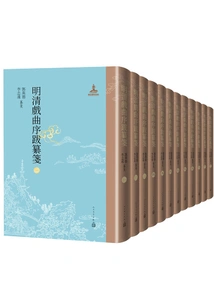
明清戏曲序跋纂笺(1-12册)
Compiled By Guo Yingde And Li Zhiyuan
This book is compiled and annotated by Guo Yingde and Li Zhiyuan. It collects and compiles prefaces and postscripts of Ming and Qing opera literature, with more than 4,300 items, comprehensively presenting the complete appearance of Ming and Qing opera prefaces and postscripts. This book checks the source of the version as accurately as possible, selects an earlier and better version as the base, and adds collation and punctuation. It also provides detailed documentation on the time, people, events and other related matters related to the writing, publishing and dissemination of opera documents and their prefaces and postscripts. It examines the author's life story in depth and detail, and annotates the titles of relevant biographical documents. Providing rich and detailed literature to the academic community will help further explore the research on ancient Chinese opera literature, opera history and opera theory.
This book is compiled and annotated by Guo Yingde and Li Zhiyuan. It collects and compiles prefaces and postscripts of Ming and Qing opera literature, with more than 4,300 items, comprehensively presenting the complete appearance of Ming and Qing opera prefaces and postscripts. This book checks the source of the version as accurately as possible, selects an earlier and better version as the base, and adds collation and punctuation. It also provides detailed documentation on the time, people, events and other related matters related to the writing, publishing and dissemination of opera documents and their prefaces and postscripts. It examines the author's life story in depth and detail, and annotates the titles of relevant biographical documents. Providing rich and detailed literature to the academic community will help further explore the research on ancient Chinese opera literature, opera history and opera theory.
程蔚东剧作选6:藏书人家 大爆炸 戴安澜将军 库房里的太阳 古桥遗风 浪漫黄昏
Cheng Weidong
"Selected Plays of Cheng Weidong" contains a total of 17 works, divided into 10 volumes. These works, the earliest were created in the mid-1980s, and the later were finalized in recent times, involve a variety of themes and fields. Some are based on major historical events and the process of social development, showing true temperament in the grandeur, and insights in subtle understandings; some are adapted from literary classics and movies to express feelings about the past. They provide a new interpretation of people's living environment and human nature in the past, as well as the inheritance and development of excellent literary traditions; some reflect the changes in ideological concepts and social consciousness since China's reform and opening up, and raise the issue of breaking through forbidden areas at the level of moral awareness and aesthetic ideals; other works use small insights to reproduce a moment in the long history. The author has devoted himself to the creation of film and television literature for many years, and has made various explorations and active creations for the development of film and television art.
"Selected Plays of Cheng Weidong" contains a total of 17 works, divided into 10 volumes. These works, the earliest were created in the mid-1980s, and the later were finalized in recent times, involve a variety of themes and fields. Some are based on major historical events and the process of social development, showing true temperament in the grandeur, and insights in subtle understandings; some are adapted from literary classics and movies to express feelings about the past. They provide a new interpretation of people's living environment and human nature in the past, as well as the inheritance and development of excellent literary traditions; some reflect the changes in ideological concepts and social consciousness since China's reform and opening up, and raise the issue of breaking through forbidden areas at the level of moral awareness and aesthetic ideals; other works use small insights to reproduce a moment in the long history. The author has devoted himself to the creation of film and television literature for many years, and has made various explorations and active creations for the development of film and television art.
程蔚东剧作选2:中国商人
Cheng Weidong
"Selected Plays of Cheng Weidong" contains a total of 17 works, divided into 10 volumes. The earliest of these works were created in the mid-1980s, and the later ones were finalized in recent times. They cover a variety of themes and fields. Some of them are based on major historical events and the process of social development. They reveal true temperament in the grandeur and insight in subtle understandings.
"Selected Plays of Cheng Weidong" contains a total of 17 works, divided into 10 volumes. The earliest of these works were created in the mid-1980s, and the later ones were finalized in recent times. They cover a variety of themes and fields. Some of them are based on major historical events and the process of social development. They reveal true temperament in the grandeur and insight in subtle understandings.
程蔚东剧作选7:子夜
Cheng Weidong
"Selected Plays of Cheng Weidong" contains a total of 17 works, divided into 10 volumes. The earliest of these works were created in the mid-1980s, and the later ones were finalized in recent times. They cover a variety of themes and fields. Some of them are based on major historical events and the process of social development. They reveal true temperament in the grandeur and insight in subtle understandings.
"Selected Plays of Cheng Weidong" contains a total of 17 works, divided into 10 volumes. The earliest of these works were created in the mid-1980s, and the later ones were finalized in recent times. They cover a variety of themes and fields. Some of them are based on major historical events and the process of social development. They reveal true temperament in the grandeur and insight in subtle understandings.
程蔚东剧作选4:春蚕·秋收·残冬 你为谁辩护
Cheng Weidong
"Selected Plays of Cheng Weidong" contains a total of 17 works, divided into 10 volumes. The earliest of these works were created in the mid-1980s, and the later ones were finalized in recent times. They cover a variety of themes and fields. Some of them are based on major historical events and the process of social development. They reveal true temperament in the grandeur and insight in subtle understandings.
"Selected Plays of Cheng Weidong" contains a total of 17 works, divided into 10 volumes. The earliest of these works were created in the mid-1980s, and the later ones were finalized in recent times. They cover a variety of themes and fields. Some of them are based on major historical events and the process of social development. They reveal true temperament in the grandeur and insight in subtle understandings.
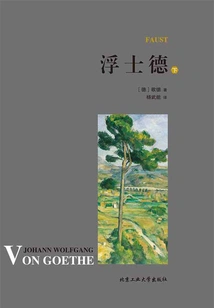
Faust (part 2)
Literature浮士德(下)
G
"Faust" is a long poetic tragedy that Goethe based on folklore and created with sixty years of hard work. It is called the crowning work of Enlightenment literature. It is also called the four major European classical literary masterpieces along with "Homer's Epic", "The Divine Comedy" and "Hamlet". In the book, in order to explore the meaning of life, Faust signed a contract with the devil Mephisto and exchanged his soul for youth. He pursued knowledge, love, beauty, and achievements, and finally realized that only those who strive for freedom and survival every day are worthy of enjoying freedom and survival.
"Faust" is a long poetic tragedy that Goethe based on folklore and created with sixty years of hard work. It is called the crowning work of Enlightenment literature. It is also called the four major European classical literary masterpieces along with "Homer's Epic", "The Divine Comedy" and "Hamlet". In the book, in order to explore the meaning of life, Faust signed a contract with the devil Mephisto and exchanged his soul for youth. He pursued knowledge, love, beauty, and achievements, and finally realized that only those who strive for freedom and survival every day are worthy of enjoying freedom and survival.
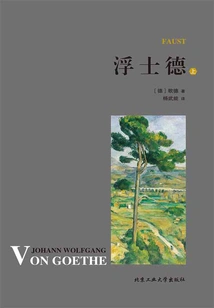
Faust (part 1)
Literature浮士德(上)
F
"Faust" is a long poetic tragedy that Goethe based on folklore and created with sixty years of hard work. It is called the crowning work of Enlightenment literature. It is also called the four major European classical literary masterpieces along with "Homer's Epic", "The Divine Comedy" and "Hamlet". In the book, in order to explore the meaning of life, Faust signed a contract with the devil Mephisto and exchanged his soul for youth. He pursued knowledge, love, beauty, and achievements, and finally realized that only those who strive for freedom and survival every day are worthy of enjoying freedom and survival.
"Faust" is a long poetic tragedy that Goethe based on folklore and created with sixty years of hard work. It is called the crowning work of Enlightenment literature. It is also called the four major European classical literary masterpieces along with "Homer's Epic", "The Divine Comedy" and "Hamlet". In the book, in order to explore the meaning of life, Faust signed a contract with the devil Mephisto and exchanged his soul for youth. He pursued knowledge, love, beauty, and achievements, and finally realized that only those who strive for freedom and survival every day are worthy of enjoying freedom and survival.
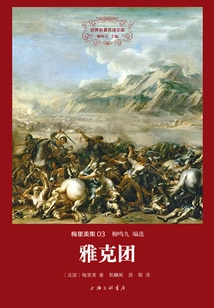
Jacques Group
Literature雅克团
I
"The Regiment of Jacques" is a play based on the famous "Regiment of Jacques" peasant uprising in France in the 14th century. The story of the script takes place in Baoaxi. The feudal lord Gilbert da Plemont was so cruel and brutal that the peasants couldn't bear it. Inspired and led by a monk named John, they staged an uprising. They captured Da Plemont's castle, killed the feudal lord, and achieved victory every step of the way. Due to the deception of the feudal rulers and the internal and external attacks of the British rogue army, the uprising failed. Faced with the disaster of failure, the peasant soldiers who lacked consciousness complained that Brother John had led them to a desperate situation and finally killed him. The main purpose of the play is to reveal the people's fighting spirit against the tyranny of feudal lords, to show the inevitability and rationality of the exploited and oppressed people's resistance under feudal violence, and to express obvious sympathy for the people's revolutionary actions.
"The Regiment of Jacques" is a play based on the famous "Regiment of Jacques" peasant uprising in France in the 14th century. The story of the script takes place in Baoaxi. The feudal lord Gilbert da Plemont was so cruel and brutal that the peasants couldn't bear it. Inspired and led by a monk named John, they staged an uprising. They captured Da Plemont's castle, killed the feudal lord, and achieved victory every step of the way. Due to the deception of the feudal rulers and the internal and external attacks of the British rogue army, the uprising failed. Faced with the disaster of failure, the peasant soldiers who lacked consciousness complained that Brother John had led them to a desperate situation and finally killed him. The main purpose of the play is to reveal the people's fighting spirit against the tyranny of feudal lords, to show the inevitability and rationality of the exploited and oppressed people's resistance under feudal violence, and to express obvious sympathy for the people's revolutionary actions.
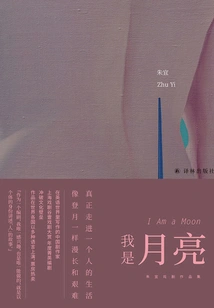
I Am the Moon
Literature我是月亮
Zhu Yi
This book contains six drama works created by Zhu Yi in recent years. It includes two long dramas, "I Am the Moon" and "Tromac", and four short dramas including "A Young and Healthy Giraffe at the Copenhagen Zoo was Euthanized" and "Car Accident". "I Am the Moon" is a work she created while she was a graduate student. It has toured many times at home and abroad in the past ten years. It has been well received by readers and has been a box office hit every time. Zhu Yi believes in the richness of the world and the complexity of people. She is good at capturing the tiny cracks in life, exploring those feelings that are difficult to classify, and discovering the real drama in daily life.
This book contains six drama works created by Zhu Yi in recent years. It includes two long dramas, "I Am the Moon" and "Tromac", and four short dramas including "A Young and Healthy Giraffe at the Copenhagen Zoo was Euthanized" and "Car Accident". "I Am the Moon" is a work she created while she was a graduate student. It has toured many times at home and abroad in the past ten years. It has been well received by readers and has been a box office hit every time. Zhu Yi believes in the richness of the world and the complexity of people. She is good at capturing the tiny cracks in life, exploring those feelings that are difficult to classify, and discovering the real drama in daily life.
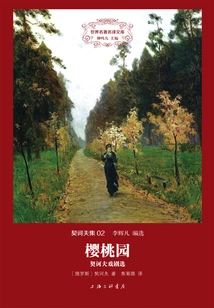
樱桃园:契诃夫戏剧选
I
This book is a selection of Chekhov's drama works, including "Ivanov", "The Seagull", "Uncle Vanya", "Three Sisters" and "The Cherry Orchard". Chekhov is both a master of short stories and a master of dramatic art. Script creation is an important part of Chekhov's literary creation. His creations revolutionized Russian dramatic art and had a great influence on 20th century drama. The works selected in this book are all Chekhov's drama masterpieces, reflecting the author's different styles of drama creation.
This book is a selection of Chekhov's drama works, including "Ivanov", "The Seagull", "Uncle Vanya", "Three Sisters" and "The Cherry Orchard". Chekhov is both a master of short stories and a master of dramatic art. Script creation is an important part of Chekhov's literary creation. His creations revolutionized Russian dramatic art and had a great influence on 20th century drama. The works selected in this book are all Chekhov's drama masterpieces, reflecting the author's different styles of drama creation.
哈姆莱特(世界十大文学名著)
H
"Hamlet" contains Shakespeare's four most famous tragedies: "Hamlet", "Othello", "King Lear" and "Macbeth". In order to avenge his father, Hamlet found that "the whole era was out of joint" and decided to take up the responsibility of "rearranging the world". The result was that his ambition was empty and he was unable to recover. Othello is an upright and honest man who trusts people but hates evil as much as he hates evil. He killed his wife and himself under the influence of an adulterer. In pursuit of the best and the most beautiful, he suffered evil retribution. King Lear lost his nature in the honor, pride, and self-confidence that power brought to him. He lost his role as a king and became an ordinary person. He could be equally or even greater, so he suffered a lot of pain. Macbeth was originally a meritorious hero with a kind and beautiful side in his character. However, driven by the temptation of the throne and ambition, he became a sinner who "went from blood to blood" and regretted nothing. The tragedies of these characters profoundly reveal the various social evils that have begun to appear during the period of primitive accumulation of capital, and show the irreconcilable contradiction between humanistic ideals and cruel reality, which has a high degree of general significance.
"Hamlet" contains Shakespeare's four most famous tragedies: "Hamlet", "Othello", "King Lear" and "Macbeth". In order to avenge his father, Hamlet found that "the whole era was out of joint" and decided to take up the responsibility of "rearranging the world". The result was that his ambition was empty and he was unable to recover. Othello is an upright and honest man who trusts people but hates evil as much as he hates evil. He killed his wife and himself under the influence of an adulterer. In pursuit of the best and the most beautiful, he suffered evil retribution. King Lear lost his nature in the honor, pride, and self-confidence that power brought to him. He lost his role as a king and became an ordinary person. He could be equally or even greater, so he suffered a lot of pain. Macbeth was originally a meritorious hero with a kind and beautiful side in his character. However, driven by the temptation of the throne and ambition, he became a sinner who "went from blood to blood" and regretted nothing. The tragedies of these characters profoundly reveal the various social evils that have begun to appear during the period of primitive accumulation of capital, and show the irreconcilable contradiction between humanistic ideals and cruel reality, which has a high degree of general significance.
History of Chinese Drama
Literature中国戏剧史
Yu Qiuyu
This book changes the usual way of writing traditional drama history. It is not limited to low-level academic work such as historical data review and repertoire collection. It gets rid of the shortcomings of replacing "historical knowledge" with "historical data". From the perspective of cultural anthropology, it connects the history of Chinese drama with the history of Chinese people's spiritual dynamics, and examines the psychology of a nation and an era group. Basically ask: Why do humans need drama? Why can't China produce dramas for so long? Why did the Yuan Dynasty become the golden age of Chinese drama? Why did the Ming Dynasty have performances that brought joy to the people again and again?
This book changes the usual way of writing traditional drama history. It is not limited to low-level academic work such as historical data review and repertoire collection. It gets rid of the shortcomings of replacing "historical knowledge" with "historical data". From the perspective of cultural anthropology, it connects the history of Chinese drama with the history of Chinese people's spiritual dynamics, and examines the psychology of a nation and an era group. Basically ask: Why do humans need drama? Why can't China produce dramas for so long? Why did the Yuan Dynasty become the golden age of Chinese drama? Why did the Ming Dynasty have performances that brought joy to the people again and again?
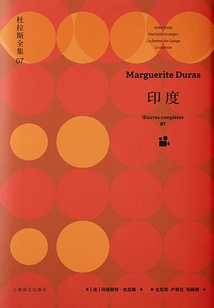
India (duras Complete Works 7)
Literature印度(杜拉斯全集7)
Marguerite Duras
This is a love story, this is not just a love story. "India: The Complete Works of Duras 7" is the seventh volume of "The Complete Works of Duras". It is named "India" and includes four representative film scripts created by Duras in the 1970s: "Song of India", "Nathalie Grande", "Ladies from the Ganges" and "Truck". "Song of India" is a play that established Duras's status as a film director. It was created in 1973. The story revolves around Anne-Marie Street, wife of the French Ambassador to India, and three friends around her. "Nathalie Grande" is Duras's transformational work as a film director. It was created in 1973 and was shot in Duras's residence in the same year. This is a work about women, with a very classical style. The appendix includes "Women of the Ganges" in the form of a screenplay for "Amour", which was filmed in Trouville-sur-Mer where Duras lived in the same year. "Truck" was created in 1977 and includes the film's script, shooting instructions and related conversations with Michel Poulter. Two characters, played by famous movie stars Gérard Depardieu and Duras, sit in a room with the doors and windows closed, and the conversation alternates between shots of trucks driving around Paris and stopping to offer rides, and verbal descriptions of a potential film alternating with images of what it might form.
This is a love story, this is not just a love story. "India: The Complete Works of Duras 7" is the seventh volume of "The Complete Works of Duras". It is named "India" and includes four representative film scripts created by Duras in the 1970s: "Song of India", "Nathalie Grande", "Ladies from the Ganges" and "Truck". "Song of India" is a play that established Duras's status as a film director. It was created in 1973. The story revolves around Anne-Marie Street, wife of the French Ambassador to India, and three friends around her. "Nathalie Grande" is Duras's transformational work as a film director. It was created in 1973 and was shot in Duras's residence in the same year. This is a work about women, with a very classical style. The appendix includes "Women of the Ganges" in the form of a screenplay for "Amour", which was filmed in Trouville-sur-Mer where Duras lived in the same year. "Truck" was created in 1977 and includes the film's script, shooting instructions and related conversations with Michel Poulter. Two characters, played by famous movie stars Gérard Depardieu and Duras, sit in a room with the doors and windows closed, and the conversation alternates between shots of trucks driving around Paris and stopping to offer rides, and verbal descriptions of a potential film alternating with images of what it might form.
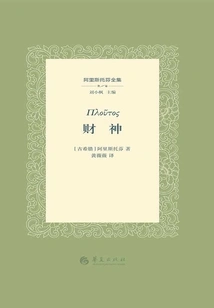
God of Wealth
Literature财神
P
This book is the first release of "The Complete Works of Aristophanes" re-translated and newly launched by Professor Liu Xiaofeng. The complete collection includes 11 existing comedies by Aristophanes and is planned to be released within two to three years. Each book is published in a single line and is not large in length. The format is designed to be small in 32 pages, suitable for carrying around, turning classics from "big bricks" into "little cutes", and entering everyone's pockets from libraries, so that everyone can rub shoulders with classics and nourish their mind. Mammon is actually Aristophanes' last work. The story tells the story of an ordinary farmer who, for personal purposes, went to the sun god Apollo to ask what kind of lifestyle his son should choose, because he discovered that living a righteous life would make him poorer and poorer, while an unjust life would make him richer and richer. The oracle indicated that he should closely follow the first person he met outside the temple and take him home. The farmer followed the literal meaning of the oracle and took the first blind beggar he met back home, only to find that the beggar was the God of Wealth... At the end of the story, the God of Wealth who restored his eyesight did not make all the righteous people rich, but made all the poor rich. However, some poor people also lived a lazy life of doing nothing after they became rich, and social order and ethics have not been well improved. In short, although the farmer succeeds at the end of the script, it actually confirms the God of Wealth's point of view: it is difficult to have both wealth and justice; it also proves the warning of the God of Poverty in the story: poverty (or lack) is the driving force for creating social wealth.
This book is the first release of "The Complete Works of Aristophanes" re-translated and newly launched by Professor Liu Xiaofeng. The complete collection includes 11 existing comedies by Aristophanes and is planned to be released within two to three years. Each book is published in a single line and is not large in length. The format is designed to be small in 32 pages, suitable for carrying around, turning classics from "big bricks" into "little cutes", and entering everyone's pockets from libraries, so that everyone can rub shoulders with classics and nourish their mind. Mammon is actually Aristophanes' last work. The story tells the story of an ordinary farmer who, for personal purposes, went to the sun god Apollo to ask what kind of lifestyle his son should choose, because he discovered that living a righteous life would make him poorer and poorer, while an unjust life would make him richer and richer. The oracle indicated that he should closely follow the first person he met outside the temple and take him home. The farmer followed the literal meaning of the oracle and took the first blind beggar he met back home, only to find that the beggar was the God of Wealth... At the end of the story, the God of Wealth who restored his eyesight did not make all the righteous people rich, but made all the poor rich. However, some poor people also lived a lazy life of doing nothing after they became rich, and social order and ethics have not been well improved. In short, although the farmer succeeds at the end of the script, it actually confirms the God of Wealth's point of view: it is difficult to have both wealth and justice; it also proves the warning of the God of Poverty in the story: poverty (or lack) is the driving force for creating social wealth.
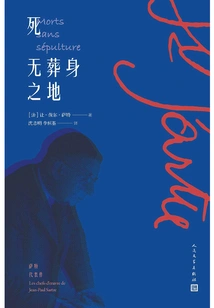
Death Without a Burial Place
Literature死无葬身之地
I
This book contains two of Sartre's most representative plays, "Death Without a Burial" and "Quarantine." "Death Without a Burial" is a play written by French writer Jean-Paul Sartre in 1946. It is Sartre's first play. Sartre successfully injected his existential philosophy into his realistic play "Death Without a Burial". This blend of realism and existentialism gives new meaning to core propositions such as the value of life, free choice, and responsibility for action, and brings vitality to existential literature.
This book contains two of Sartre's most representative plays, "Death Without a Burial" and "Quarantine." "Death Without a Burial" is a play written by French writer Jean-Paul Sartre in 1946. It is Sartre's first play. Sartre successfully injected his existential philosophy into his realistic play "Death Without a Burial". This blend of realism and existentialism gives new meaning to core propositions such as the value of life, free choice, and responsibility for action, and brings vitality to existential literature.
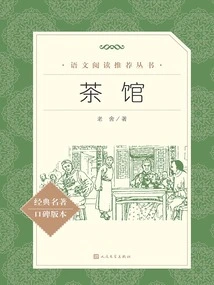
Teahouse
Literature茶馆
Lao She
"Teahouse" is a famous drama by Lao She and a classic of modern Chinese dramas. Through the Small World of Teahouses, it reflects a century of modern Chinese history and has both artistic and cognitive value. It is a must-read for middle school Chinese teaching. This new compilation adds another play by Lao She, "Longxugou". The content is continuous with "Teahouse" and artistically complements each other. At the same time, the "Introduction" written by Guo Juan in 2003 was revised.
"Teahouse" is a famous drama by Lao She and a classic of modern Chinese dramas. Through the Small World of Teahouses, it reflects a century of modern Chinese history and has both artistic and cognitive value. It is a must-read for middle school Chinese teaching. This new compilation adds another play by Lao She, "Longxugou". The content is continuous with "Teahouse" and artistically complements each other. At the same time, the "Introduction" written by Guo Juan in 2003 was revised.
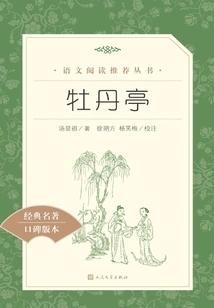
Peony Pavilion
Literature牡丹亭
(ming Dynasty) Written By Tang Xianzu, Edited By Xu Shuofang And Edited By Yang Xiaomei
"The Peony Pavilion" is a representative work of the Ming Dynasty playwright Tang Xianzu. It describes the love story of Du Liniang and Liu Mengmei's life and death. It is "thrilling, clever and always new", advocating the true love of "the living can die, and the dead can live". It is lingering, meaningful and touching. It is a masterpiece with the highest artistic achievement and greatest influence among ancient love dramas after "The Romance of the West Chamber".
"The Peony Pavilion" is a representative work of the Ming Dynasty playwright Tang Xianzu. It describes the love story of Du Liniang and Liu Mengmei's life and death. It is "thrilling, clever and always new", advocating the true love of "the living can die, and the dead can live". It is lingering, meaningful and touching. It is a masterpiece with the highest artistic achievement and greatest influence among ancient love dramas after "The Romance of the West Chamber".
Before Dawn (red Classic)
Literature黎明之前(红色经典)
Tian Han
This book is a collection of Tian Han's plays, including "Death of a Famous Actor", "Before Dawn", "Marco Bridge", "The Final Victory" and other plays. Tian Han is a reformer in the field of Chinese drama and has had a profound impact on the development of Chinese drama. On the one hand, his works exposed the oppression of people by society at that time, and on the other hand, they expressed people's thinking and pursuit of light. For example, his masterpiece "The Death of a Famous Actor" aims to reveal the social destiny of art. Through the experience of Peking Opera actor Liu Zhensheng, he criticized the pathological society that "cannot tolerate good things", and at the same time wrote about the power of positivity and struggle hidden in people's hearts. "Before Dawn" describes a progressive young brother and sister who resist the pressure of family and society, join the progressive revolution, and fight in the darkness before dawn.
This book is a collection of Tian Han's plays, including "Death of a Famous Actor", "Before Dawn", "Marco Bridge", "The Final Victory" and other plays. Tian Han is a reformer in the field of Chinese drama and has had a profound impact on the development of Chinese drama. On the one hand, his works exposed the oppression of people by society at that time, and on the other hand, they expressed people's thinking and pursuit of light. For example, his masterpiece "The Death of a Famous Actor" aims to reveal the social destiny of art. Through the experience of Peking Opera actor Liu Zhensheng, he criticized the pathological society that "cannot tolerate good things", and at the same time wrote about the power of positivity and struggle hidden in people's hearts. "Before Dawn" describes a progressive young brother and sister who resist the pressure of family and society, join the progressive revolution, and fight in the darkness before dawn.