Library
Browse and search books
2,169 novels found
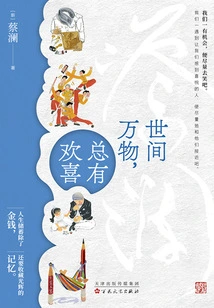
世间万物,总有欢喜
Cai Lam
"There is always joy in everything in the world" is a selection of essays about the wisdom of life by the 80-year-old "naughty boy" Cai Lam. There is no preaching like a father, and he can easily resolve all anxiety and confusion. His humor is open-minded and sharp, and his mental state is beautiful: Question: Sir, is it shameful to be content with the status quo? Answer: It is also a state. Question: At thirty-five, do you still have the right to step out of your comfort zone? Answer: Let's talk about it when I'm fifty. Question: Sir, what should I do if I always feel that I am terrible? Answer: Instead, I feel that I am very powerful. Question: Sir, what is considered a big deal? Answer: The sky is falling. Question: I would like to ask Mr. What is your definition of like? Answer: I just like it, it's so stupid. Opening an article at random is like entering a refuge, and you are instantly saved by words.
"There is always joy in everything in the world" is a selection of essays about the wisdom of life by the 80-year-old "naughty boy" Cai Lam. There is no preaching like a father, and he can easily resolve all anxiety and confusion. His humor is open-minded and sharp, and his mental state is beautiful: Question: Sir, is it shameful to be content with the status quo? Answer: It is also a state. Question: At thirty-five, do you still have the right to step out of your comfort zone? Answer: Let's talk about it when I'm fifty. Question: Sir, what should I do if I always feel that I am terrible? Answer: Instead, I feel that I am very powerful. Question: Sir, what is considered a big deal? Answer: The sky is falling. Question: I would like to ask Mr. What is your definition of like? Answer: I just like it, it's so stupid. Opening an article at random is like entering a refuge, and you are instantly saved by words.
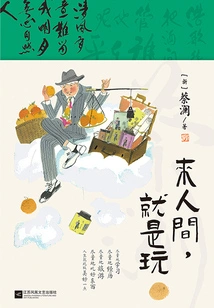
Come to the Human World Just to Play
Literature来人间,就是玩
Cai Lam
This book is a selection of interesting prose from the life of the 80-year-old "naughty boy" Cai Lan. It collects 60 classic essays written in different periods to show you how to have fun in ordinary life and be happier every day. The book contains both a person's list of fun and a global perspective: when you are upset, the best solution is to copy the "Heart Sutra". When you are depressed and boring, you might as well read Ming Dynasty sketches. It turns out that people can die like this! In Mexico, death is celebrated as a festival, and fireworks are set off at funerals to color any dull things and make them come alive, bringing happiness to them and themselves. Uncultured men and women should not speak more than a few sentences to them, and they should be spoken immediately... Cai Lam is known for his extensive knowledge and unique talent.
This book is a selection of interesting prose from the life of the 80-year-old "naughty boy" Cai Lan. It collects 60 classic essays written in different periods to show you how to have fun in ordinary life and be happier every day. The book contains both a person's list of fun and a global perspective: when you are upset, the best solution is to copy the "Heart Sutra". When you are depressed and boring, you might as well read Ming Dynasty sketches. It turns out that people can die like this! In Mexico, death is celebrated as a festival, and fireworks are set off at funerals to color any dull things and make them come alive, bringing happiness to them and themselves. Uncultured men and women should not speak more than a few sentences to them, and they should be spoken immediately... Cai Lam is known for his extensive knowledge and unique talent.
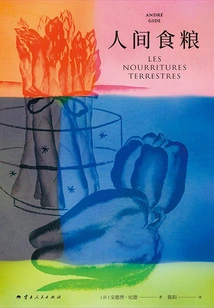
Food for the World (2025)
Literature人间食粮(2025)
H
"Les Nourritures Terrestres" (Les Nourritures Terrestres) is a prose novel published in 1897 by the French writer André Gide. It is written in the tone of a "teacher" preaching to his "disciples". Through a series of prose-like paragraphs, it tells readers the author's profound thinking on life and existence. The book does not have a specific storyline, but is more of a philosophical and emotional catharsis. The core content revolves around the love of life, the pursuit of freedom, and the praise of sensory experience. After the First World War, this book quickly became popular and became a pillow book for many young people. It influenced several generations and was regarded as "the Bible of the restless generation." It advocates abandoning the constraints that imprison human nature and pursuing personal freedom, sensual enjoyment and harmony with nature. This kind of thinking is highly consistent with the psychological needs of the younger generation in the current social environment, and can provide them with spiritual guidance to get rid of depression and find self-liberation.
"Les Nourritures Terrestres" (Les Nourritures Terrestres) is a prose novel published in 1897 by the French writer André Gide. It is written in the tone of a "teacher" preaching to his "disciples". Through a series of prose-like paragraphs, it tells readers the author's profound thinking on life and existence. The book does not have a specific storyline, but is more of a philosophical and emotional catharsis. The core content revolves around the love of life, the pursuit of freedom, and the praise of sensory experience. After the First World War, this book quickly became popular and became a pillow book for many young people. It influenced several generations and was regarded as "the Bible of the restless generation." It advocates abandoning the constraints that imprison human nature and pursuing personal freedom, sensual enjoyment and harmony with nature. This kind of thinking is highly consistent with the psychological needs of the younger generation in the current social environment, and can provide them with spiritual guidance to get rid of depression and find self-liberation.
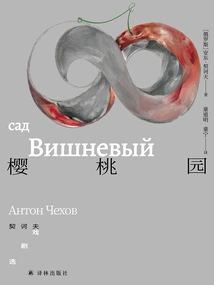
The Cherry Orchard: Selected Plays by Chekhov (the Man in the Box: the Collected Works of Chekhov)
Literature樱桃园:契诃夫戏剧选(套子里的人:契诃夫文集)
(russia) Anton Chekhov
The landowner is on the verge of bankruptcy and the cherry orchard will soon be auctioned off. The only rescue measure is to cut down all the cherry trees, build villas and collect rent. The landowner grew up here and was so attached to his homeland that he couldn't bear to cut down the cherry trees and was still reluctant to make up his mind. Eventually the cherry orchard was purchased by a former servant. The landowner's family left forever, living in a foreign land. At the end there is the sound of logging. This drama collection includes Chekhov's masterpieces "The Seagull", "Uncle Vanya", "Three Sisters", "The Cherry Orchard" and the one-act play "Swan Song". Chekhov's plays are more like prose. There is no conflict, no position, and no ending. The dialogue is ineffective, and the monologues tend to be arbitrary. The characters here are kind and noble, but they are all obsessed with fantasy, stumbling and becoming ridiculous in the rapidly changing life. But as long as they still exist, there is still hope for the world to get better, because among the cruel laws of nature, the most admirable thing is precisely "the survival of the weak."
The landowner is on the verge of bankruptcy and the cherry orchard will soon be auctioned off. The only rescue measure is to cut down all the cherry trees, build villas and collect rent. The landowner grew up here and was so attached to his homeland that he couldn't bear to cut down the cherry trees and was still reluctant to make up his mind. Eventually the cherry orchard was purchased by a former servant. The landowner's family left forever, living in a foreign land. At the end there is the sound of logging. This drama collection includes Chekhov's masterpieces "The Seagull", "Uncle Vanya", "Three Sisters", "The Cherry Orchard" and the one-act play "Swan Song". Chekhov's plays are more like prose. There is no conflict, no position, and no ending. The dialogue is ineffective, and the monologues tend to be arbitrary. The characters here are kind and noble, but they are all obsessed with fantasy, stumbling and becoming ridiculous in the rapidly changing life. But as long as they still exist, there is still hope for the world to get better, because among the cruel laws of nature, the most admirable thing is precisely "the survival of the weak."
Your Anton: Essays on Chekhov's Letters (the Man in the Box: the Collected Works of Chekhov)
Literature你的安东:契诃夫书信随笔(套子里的人:契诃夫文集)
H
A total of more than 300 Chekhov's letters and essays have been selected and translated. Chekhov was modest by nature, did not like to talk eloquently, and rarely wrote critical articles. However, his views on literature and art, his observation of the world, and his evaluation of celebrities of his time are all scattered in letters and essays. Chekhov rarely expressed emotion in his personal letters. Instead, he complained about trivial matters, complained about lack of money, and ridiculed himself like ordinary people. He was seriously ill all year round, but rarely showed sadness; he loved nature, liked sledding, and raised a meerkat; he made various plans, such as planting 60 cherry trees and 80 apple trees, and publishing 1,000 kinds of books. The essay part contains Chekhov's creative reflections, recording the moments of inspiration, from which the prototypes of many masterpieces can be seen. Philosophical and interesting, humorous and venomous.
A total of more than 300 Chekhov's letters and essays have been selected and translated. Chekhov was modest by nature, did not like to talk eloquently, and rarely wrote critical articles. However, his views on literature and art, his observation of the world, and his evaluation of celebrities of his time are all scattered in letters and essays. Chekhov rarely expressed emotion in his personal letters. Instead, he complained about trivial matters, complained about lack of money, and ridiculed himself like ordinary people. He was seriously ill all year round, but rarely showed sadness; he loved nature, liked sledding, and raised a meerkat; he made various plans, such as planting 60 cherry trees and 80 apple trees, and publishing 1,000 kinds of books. The essay part contains Chekhov's creative reflections, recording the moments of inspiration, from which the prototypes of many masterpieces can be seen. Philosophical and interesting, humorous and venomous.
萧红精品大全集
Xiao Hong
This is a large collection of essays that selects the best parts of Xiao Hong's literary works, aiming to show readers the unique talent and artistic charm of this outstanding female writer. This book carefully selects a number of Xiao Hong's representative works in different creative periods, with a total of more than 600,000 words. Including novels, short stories, prose, poetry and other genres. The book includes many classic but slightly less popular works, and also includes 42 letters to Xiao Jun. The novels included in the book, such as "The Field of Life and Death" and "The Story of Hulan River", are unique in the modern Chinese literary world with their profound tragic connotations and unique literary styles. The work not only reveals the social reality and the suffering life of the people in Northeast China, but also shows Xiao Hong's profound thinking about life, human nature and destiny. In terms of short stories and short stories, this book includes classics such as "March in a Small Town" and "Ox Cart". These works have won the love and praise of readers for their delicate emotional descriptions and profound social insights. The prose part includes chapters such as "Eternal Longing and Pursuit" and "Memory of Mr. Lu Xun". These works record Xiao Hong's personal experience, emotional world and deep memory of Lu Xun and other literary predecessors, showing Xiao Hong's sensitivity, delicacy and affection as a female writer. This book is not only a collection of literary works, but also an important document reflecting Xiao Hong's literary thoughts and artistic style. By reading this book, readers can have an in-depth understanding of Xiao Hong's literary achievements and creative characteristics, appreciate the social style and people's living conditions of that era described in her writings, and gain a more comprehensive understanding of this great female writer.
This is a large collection of essays that selects the best parts of Xiao Hong's literary works, aiming to show readers the unique talent and artistic charm of this outstanding female writer. This book carefully selects a number of Xiao Hong's representative works in different creative periods, with a total of more than 600,000 words. Including novels, short stories, prose, poetry and other genres. The book includes many classic but slightly less popular works, and also includes 42 letters to Xiao Jun. The novels included in the book, such as "The Field of Life and Death" and "The Story of Hulan River", are unique in the modern Chinese literary world with their profound tragic connotations and unique literary styles. The work not only reveals the social reality and the suffering life of the people in Northeast China, but also shows Xiao Hong's profound thinking about life, human nature and destiny. In terms of short stories and short stories, this book includes classics such as "March in a Small Town" and "Ox Cart". These works have won the love and praise of readers for their delicate emotional descriptions and profound social insights. The prose part includes chapters such as "Eternal Longing and Pursuit" and "Memory of Mr. Lu Xun". These works record Xiao Hong's personal experience, emotional world and deep memory of Lu Xun and other literary predecessors, showing Xiao Hong's sensitivity, delicacy and affection as a female writer. This book is not only a collection of literary works, but also an important document reflecting Xiao Hong's literary thoughts and artistic style. By reading this book, readers can have an in-depth understanding of Xiao Hong's literary achievements and creative characteristics, appreciate the social style and people's living conditions of that era described in her writings, and gain a more comprehensive understanding of this great female writer.
月下清荷檐下猫
Ji Xianlin
The fragrance of lotus is quiet, the shadows of snow cats flutter, and life is leisurely. Mr. Ji Xianlin realizes poetry in the ordinary life. He uses simple brushwork to show us the joyful and contemplative bits and pieces of the world.
The fragrance of lotus is quiet, the shadows of snow cats flutter, and life is leisurely. Mr. Ji Xianlin realizes poetry in the ordinary life. He uses simple brushwork to show us the joyful and contemplative bits and pieces of the world.
忆着烟村旧风景
Ji Xianlin
"Remembering the Old Scenery of Yancun" adopts the method of reminiscence, using the author's life experiences in childhood, adolescence, and old age as clues to tell readers about the author's century-old nostalgia hidden deep in his heart.
"Remembering the Old Scenery of Yancun" adopts the method of reminiscence, using the author's life experiences in childhood, adolescence, and old age as clues to tell readers about the author's century-old nostalgia hidden deep in his heart.
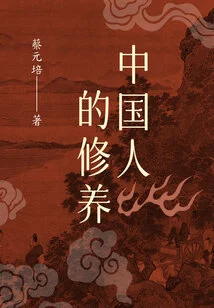
Chinese Culture
Literature中国人的修养
Cai Yuanpei
"Chinese Cultivation" is Cai Yuanpei's representative work on moral cultivation. It not only inherits the Chinese tradition of self-cultivation, but also combines Western educational concepts. It is a century-old classic book on moral practice. It mainly includes his most important representative works of moral thought, "Textbook of Self-cultivation in Middle School" and "Lecture Notes of Chinese Workers' School", as well as Cai Yuanpei's other scattered articles on moral cultivation, which reflects Cai Yuanpei's overall conception and deep concern for the moral literacy that modern Chinese people should have.
"Chinese Cultivation" is Cai Yuanpei's representative work on moral cultivation. It not only inherits the Chinese tradition of self-cultivation, but also combines Western educational concepts. It is a century-old classic book on moral practice. It mainly includes his most important representative works of moral thought, "Textbook of Self-cultivation in Middle School" and "Lecture Notes of Chinese Workers' School", as well as Cai Yuanpei's other scattered articles on moral cultivation, which reflects Cai Yuanpei's overall conception and deep concern for the moral literacy that modern Chinese people should have.
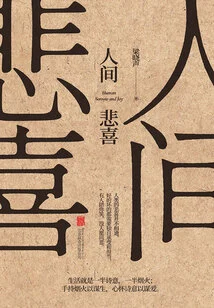
The Joys and Sorrows of the World
Literature人间悲喜
Liang Xiaosheng
"Sorrows and Joys in the World" is a collection of Liang Xiaosheng's essays. It is also a summary of Liang Xiaosheng's life wisdom and spiritual monologue over more than seventy years. The days are always singing softly in the breeze, and life is always calm and calm in the breeze. Suddenly I feel that in life, it seems that passers-by and returnees are the same role, whether it is bitter or joyful, the true meaning of life is to live a simple, contented and happy life. The meaning of life is to live a sincere, affectionate and gentle life. No matter what, we must try our best to be the best. The lover of light, the thoughtful person of life, the dreamer of distant places, follow the four seasons, have gentle feelings, be at peace with the situation, act with pity, and not only make themselves happy, but also make others happy. The words between the lines reveal Mr.'S thinking about human relations and world affairs, shining with the brilliant light that enlightens people's minds.
"Sorrows and Joys in the World" is a collection of Liang Xiaosheng's essays. It is also a summary of Liang Xiaosheng's life wisdom and spiritual monologue over more than seventy years. The days are always singing softly in the breeze, and life is always calm and calm in the breeze. Suddenly I feel that in life, it seems that passers-by and returnees are the same role, whether it is bitter or joyful, the true meaning of life is to live a simple, contented and happy life. The meaning of life is to live a sincere, affectionate and gentle life. No matter what, we must try our best to be the best. The lover of light, the thoughtful person of life, the dreamer of distant places, follow the four seasons, have gentle feelings, be at peace with the situation, act with pity, and not only make themselves happy, but also make others happy. The words between the lines reveal Mr.'S thinking about human relations and world affairs, shining with the brilliant light that enlightens people's minds.
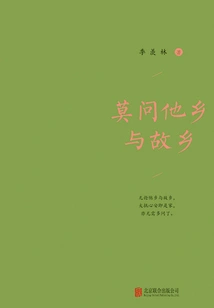
莫问他乡与故乡
Ji Xianlin
This book mainly tells the story of Ji Xianlin's ten years in Germany and half his life in Beijing, as well as his memories of his teachers and friends. After spending half my life in the capital, my hometown is truly lovely; after spending ten years in Germany, my foreign country has become my second home. Everything in my hometown is integrated into my bones and blood, and the wind and rain of a foreign country are also imprinted in my heart. No matter whether it is a foreign country or a hometown, most of the time, peace of mind is home, and there is no need to ask more.
This book mainly tells the story of Ji Xianlin's ten years in Germany and half his life in Beijing, as well as his memories of his teachers and friends. After spending half my life in the capital, my hometown is truly lovely; after spending ten years in Germany, my foreign country has become my second home. Everything in my hometown is integrated into my bones and blood, and the wind and rain of a foreign country are also imprinted in my heart. No matter whether it is a foreign country or a hometown, most of the time, peace of mind is home, and there is no need to ask more.
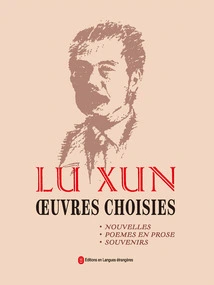
鲁迅选集·第一卷:小说、散文、散文诗(法文)
Lu Xun
"Selected Works of Lu Xun" (French version), a total of four volumes, selects Lu Xun's representative novels, essays, prose poems (Volume 1) and essays (Volume 2, 3, and 4) in chronological order. Essays are an important part of Lu Xun's works and have very high literary and artistic value. His essays integrate poetry and political criticism, reflecting Lu Xun's profound thoughts. The language is rich in connotation and the style is pungent and satirical, revealing the Chinese society at that time. The novels included in this book include "Diary of a Madman", "The True Story of Ah Q", the prose "Mr. Fujino", the prose poems "Autumn Night", "Passenger", etc. The collection of essays includes the famous articles "On the Fall of Leifeng Pagoda" and "In Memory of Liu Hezhen" from "Huagai Collection", "Huagai Collection Sequel" and "The Complete Collection". "Selected Works of Lu Xun" (Volume 1) includes Lu Xun's novels, prose and prose poems.
"Selected Works of Lu Xun" (French version), a total of four volumes, selects Lu Xun's representative novels, essays, prose poems (Volume 1) and essays (Volume 2, 3, and 4) in chronological order. Essays are an important part of Lu Xun's works and have very high literary and artistic value. His essays integrate poetry and political criticism, reflecting Lu Xun's profound thoughts. The language is rich in connotation and the style is pungent and satirical, revealing the Chinese society at that time. The novels included in this book include "Diary of a Madman", "The True Story of Ah Q", the prose "Mr. Fujino", the prose poems "Autumn Night", "Passenger", etc. The collection of essays includes the famous articles "On the Fall of Leifeng Pagoda" and "In Memory of Liu Hezhen" from "Huagai Collection", "Huagai Collection Sequel" and "The Complete Collection". "Selected Works of Lu Xun" (Volume 1) includes Lu Xun's novels, prose and prose poems.
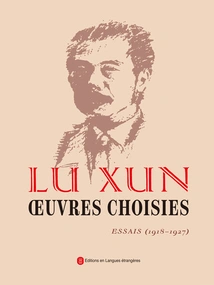
鲁迅选集·第二卷:杂文1918—1927(法文)
Lu Xun
"Selected Works of Lu Xun" (French version), a total of four volumes, selects Lu Xun's representative novels, essays, prose poems (Volume 1) and essays (Volume 2, 3, and 4) in chronological order. Essays are an important part of Lu Xun's works and have very high literary and artistic value. His essays integrate poetry and political criticism, reflecting Lu Xun's profound thoughts. The language is rich in connotation and the style is pungent and satirical, revealing the Chinese society at that time. The novels included in this book include "Diary of a Madman", "The True Story of Ah Q", the prose "Mr. Fujino", the prose poems "Autumn Night", "Passenger", etc. The collection of essays includes the famous articles "On the Fall of Leifeng Pagoda" and "In Memory of Liu Hezhen" from "Huagai Collection", "Huagai Collection Sequel" and "The Complete Collection". "Selected Works of Lu Xun" (Volume 2) collects Lu Xun's essays from 1918 to 1927.
"Selected Works of Lu Xun" (French version), a total of four volumes, selects Lu Xun's representative novels, essays, prose poems (Volume 1) and essays (Volume 2, 3, and 4) in chronological order. Essays are an important part of Lu Xun's works and have very high literary and artistic value. His essays integrate poetry and political criticism, reflecting Lu Xun's profound thoughts. The language is rich in connotation and the style is pungent and satirical, revealing the Chinese society at that time. The novels included in this book include "Diary of a Madman", "The True Story of Ah Q", the prose "Mr. Fujino", the prose poems "Autumn Night", "Passenger", etc. The collection of essays includes the famous articles "On the Fall of Leifeng Pagoda" and "In Memory of Liu Hezhen" from "Huagai Collection", "Huagai Collection Sequel" and "The Complete Collection". "Selected Works of Lu Xun" (Volume 2) collects Lu Xun's essays from 1918 to 1927.
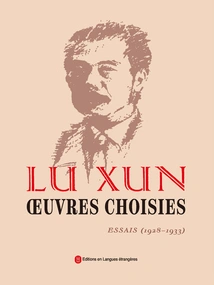
鲁迅选集·第三卷:杂文1928—1933(法文)
Lu Xun
"Selected Works of Lu Xun" (French version), a total of four volumes, selects Lu Xun's representative novels, essays, prose poems (Volume 1) and essays (Volume 2, 3, and 4) in chronological order. Essays are an important part of Lu Xun's works and have very high literary and artistic value. His essays integrate poetry and political criticism, reflecting Lu Xun's profound thoughts. The language is rich in connotation and the style is pungent and satirical, revealing the Chinese society at that time. The novels included in this book include "Diary of a Madman", "The True Story of Ah Q", the prose "Mr. Fujino", the prose poems "Autumn Night", "Passenger", etc. The collection of essays includes the famous articles "On the Fall of Leifeng Pagoda" and "In Memory of Liu Hezhen" from "Huagai Collection", "Huagai Collection Sequel" and "The Complete Collection". "Selected Works of Lu Xun" (Volume 3) collects Lu Xun's essays from 1928 to 1933.
"Selected Works of Lu Xun" (French version), a total of four volumes, selects Lu Xun's representative novels, essays, prose poems (Volume 1) and essays (Volume 2, 3, and 4) in chronological order. Essays are an important part of Lu Xun's works and have very high literary and artistic value. His essays integrate poetry and political criticism, reflecting Lu Xun's profound thoughts. The language is rich in connotation and the style is pungent and satirical, revealing the Chinese society at that time. The novels included in this book include "Diary of a Madman", "The True Story of Ah Q", the prose "Mr. Fujino", the prose poems "Autumn Night", "Passenger", etc. The collection of essays includes the famous articles "On the Fall of Leifeng Pagoda" and "In Memory of Liu Hezhen" from "Huagai Collection", "Huagai Collection Sequel" and "The Complete Collection". "Selected Works of Lu Xun" (Volume 3) collects Lu Xun's essays from 1928 to 1933.
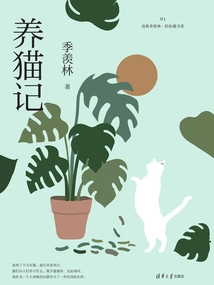
养猫记(读典季羡林·轻收藏书系01)
Ji Xianlin
The book "Raising Cats" contains Ji Xianlin's prose writing about animals, plants, and natural phenomena of rain and fog, including the famous articles "Oleander", "Lantana", "Charming Lotus in Qingtang", etc. Through Ji Lao's vivid brushwork, we can see the details of the interaction between Ji Lao and his beloved cat. The deep affection and nostalgia for his mother that Ji Lao imbues in his old dog at home can also be seen. We can also see the wonderful and powerful vitality contained in loofahs, lotus flowers, etc., Which embodies Ji Lao's delicate feelings that all things in his works are alive and can be held in his arms and pens.
The book "Raising Cats" contains Ji Xianlin's prose writing about animals, plants, and natural phenomena of rain and fog, including the famous articles "Oleander", "Lantana", "Charming Lotus in Qingtang", etc. Through Ji Lao's vivid brushwork, we can see the details of the interaction between Ji Lao and his beloved cat. The deep affection and nostalgia for his mother that Ji Lao imbues in his old dog at home can also be seen. We can also see the wonderful and powerful vitality contained in loofahs, lotus flowers, etc., Which embodies Ji Lao's delicate feelings that all things in his works are alive and can be held in his arms and pens.
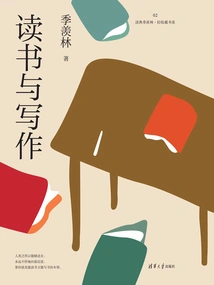
读书与写作(读典季羡林·轻收藏书系02)
Ji Xianlin
"Reading and Writing" contains Ji Xianlin's classic articles on the two topics of reading and writing. The reading section reflects Ji's preference for books and his admiration for reading through Ji's helpful explanations on opening books, his deep hatred of losing books, his debate on the essence and dross, and his analysis of traditional Chinese culture. The writing section contains Ji Lao's unique insights on writing, including the title, structure, style, etc. Of the article. His explanation of prose writing is particularly worthy of reference.
"Reading and Writing" contains Ji Xianlin's classic articles on the two topics of reading and writing. The reading section reflects Ji's preference for books and his admiration for reading through Ji's helpful explanations on opening books, his deep hatred of losing books, his debate on the essence and dross, and his analysis of traditional Chinese culture. The writing section contains Ji Lao's unique insights on writing, including the title, structure, style, etc. Of the article. His explanation of prose writing is particularly worthy of reference.
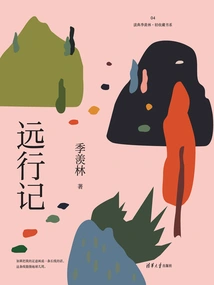
远行记(读典季羡林·轻收藏书系04)
Ji Xianlin
"Travel Notes" selects classic travel-related prose works written by Ji Xianlin, covering many natural and cultural scenic spots in China, Europe and Asia. In Ji Lao's works, there are the exquisite murals of Dunhuang, the wonders of Huangshan, the ethereal Penglai Pavilion, the soul-stirring live fish feast of Yanbian, as well as the exotic customs of Delhi, Mumbai, Yangon and other cities, as well as the unique taste of Europe. Through the eyes of words, you can travel around the world with Ji Lao and experience different customs and customs.
"Travel Notes" selects classic travel-related prose works written by Ji Xianlin, covering many natural and cultural scenic spots in China, Europe and Asia. In Ji Lao's works, there are the exquisite murals of Dunhuang, the wonders of Huangshan, the ethereal Penglai Pavilion, the soul-stirring live fish feast of Yanbian, as well as the exotic customs of Delhi, Mumbai, Yangon and other cities, as well as the unique taste of Europe. Through the eyes of words, you can travel around the world with Ji Lao and experience different customs and customs.
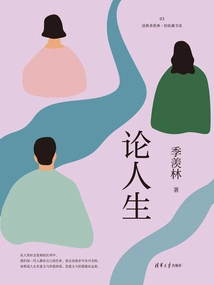
论人生(读典季羡林·轻收藏书系03)
Ji Xianlin
"Everyone's Classic Light Collection Series·Ji Xianlin Series of Books" consists of four volumes, with the themes of Cat Raising Notes, Travels, Theory of Life, Reading and Writing. The classic prose articles of Mr. Ji Xianlin under the corresponding themes are selected and compiled into a volume. Cat Raising Diary contains Ji Lao's articles about raising cats and describing other animals, plants, etc., Showing Ji Lao's interaction with animals, and the interest in life in Ji Lao's eyes that all things are animistic. Travel Notes includes Ji Lao's records of his travels to domestic tourist and cultural resorts and Eurasian countries. It follows Ji Lao's footsteps and presents the natural and cultural customs of different regions. On Life collects Ji Lao's classic articles on life themes and presents Ji Lao's life wisdom. On Reading and Writing is a collection of Ji Lao's classic articles on reading and writing, including recommended books, writing techniques, etc. The target readers of this book are young readers including urban young white-collar workers and college students.
"Everyone's Classic Light Collection Series·Ji Xianlin Series of Books" consists of four volumes, with the themes of Cat Raising Notes, Travels, Theory of Life, Reading and Writing. The classic prose articles of Mr. Ji Xianlin under the corresponding themes are selected and compiled into a volume. Cat Raising Diary contains Ji Lao's articles about raising cats and describing other animals, plants, etc., Showing Ji Lao's interaction with animals, and the interest in life in Ji Lao's eyes that all things are animistic. Travel Notes includes Ji Lao's records of his travels to domestic tourist and cultural resorts and Eurasian countries. It follows Ji Lao's footsteps and presents the natural and cultural customs of different regions. On Life collects Ji Lao's classic articles on life themes and presents Ji Lao's life wisdom. On Reading and Writing is a collection of Ji Lao's classic articles on reading and writing, including recommended books, writing techniques, etc. The target readers of this book are young readers including urban young white-collar workers and college students.
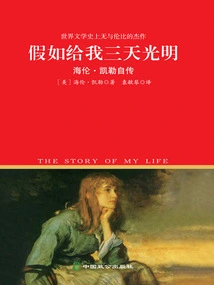
If You Give Me Three Days of Light
Literature假如给我三天光明
Helen Keller
The famous writer Mark Twain once said: "There were two great figures in the 19th century, one was Napoleon and the other was Helen Keller." Helen overcame physical obstacles that were unimaginable by ordinary people, and was admitted to Harvard University's Rabcliffe College. She became a blind and deaf-mute person who received a bachelor's degree in literature. Through her own efforts, she devoted her life to the cause of the disabled, established many charities, and won the Presidential Medal of Freedom, which represents the highest honor for American citizens. Her legendary experience of fighting against disease throughout her life and finally succeeding, as well as her glorious life of never giving up and persevering forge ahead, have been inspiring generations of young people. Helen not only used her actions to prove mankind's ability and courage to overcome diseases, but also wrote down her own experiences to provide valuable reference for the world. "The Story of My Life" is her debut novel completed in 1902 with the help of her teacher Anne Loliwen. The tenacious quality and perseverance shown in the book shocked every reader. Helen Keller wrote a total of 14 books in her life. "The Story of My Life" is her debut novel. The work immediately caused a sensation in the United States as soon as it was published, and was called "an unparalleled work in the history of world literature". It has been published in more than a hundred versions and has had a profound impact on the world. This book is compiled from Helen Keller's three books: "The Story of My Life", "Out of the Dark", and "Teacher" and the essay "If You Give Me Three Days of Light" published in the American "Atlantic Monthly". It provides a complete and systematic introduction to Helen Keller's rich, vivid, real and great life.
The famous writer Mark Twain once said: "There were two great figures in the 19th century, one was Napoleon and the other was Helen Keller." Helen overcame physical obstacles that were unimaginable by ordinary people, and was admitted to Harvard University's Rabcliffe College. She became a blind and deaf-mute person who received a bachelor's degree in literature. Through her own efforts, she devoted her life to the cause of the disabled, established many charities, and won the Presidential Medal of Freedom, which represents the highest honor for American citizens. Her legendary experience of fighting against disease throughout her life and finally succeeding, as well as her glorious life of never giving up and persevering forge ahead, have been inspiring generations of young people. Helen not only used her actions to prove mankind's ability and courage to overcome diseases, but also wrote down her own experiences to provide valuable reference for the world. "The Story of My Life" is her debut novel completed in 1902 with the help of her teacher Anne Loliwen. The tenacious quality and perseverance shown in the book shocked every reader. Helen Keller wrote a total of 14 books in her life. "The Story of My Life" is her debut novel. The work immediately caused a sensation in the United States as soon as it was published, and was called "an unparalleled work in the history of world literature". It has been published in more than a hundred versions and has had a profound impact on the world. This book is compiled from Helen Keller's three books: "The Story of My Life", "Out of the Dark", and "Teacher" and the essay "If You Give Me Three Days of Light" published in the American "Atlantic Monthly". It provides a complete and systematic introduction to Helen Keller's rich, vivid, real and great life.
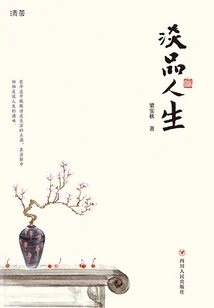
A Light Life
Literature淡品人生
Liang Shiqiu
Liang Shiqiu learned both Chinese and Western knowledge and kept writing all his life. He is especially famous at home and abroad for his prose creation. Whether it's daily necessities, rice, oil, salt, or romance, everything comes from the heart and comes out naturally. The writing style is elegant and concise, containing philosophy and humor. The book "Easy Life" selects classic works from his collection of works such as "Ya She Essays", "Ya She Talks about Eating", "Ya She Essays" and "Ya She Bei Zhu", and rearranges them to comprehensively reflect the outstanding style of Liang Shiqiu's prose, showing his witty, humorous and elegant writing style, and his life philosophy of laughing at life, enjoying life and entertaining himself.
Liang Shiqiu learned both Chinese and Western knowledge and kept writing all his life. He is especially famous at home and abroad for his prose creation. Whether it's daily necessities, rice, oil, salt, or romance, everything comes from the heart and comes out naturally. The writing style is elegant and concise, containing philosophy and humor. The book "Easy Life" selects classic works from his collection of works such as "Ya She Essays", "Ya She Talks about Eating", "Ya She Essays" and "Ya She Bei Zhu", and rearranges them to comprehensively reflect the outstanding style of Liang Shiqiu's prose, showing his witty, humorous and elegant writing style, and his life philosophy of laughing at life, enjoying life and entertaining himself.
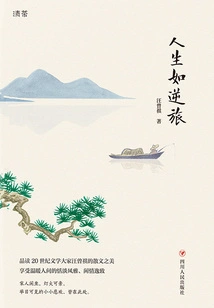
Life is Like a Journey Against the Odds
Literature人生如逆旅
Wang Zengqi
This book is a collection of Wang Zengqi's most well-known classic prose. The articles cover different themes such as "recording people's affairs, appreciating the scenery of the world, and cherishing life in books, as well as plants, trees, insects, fish, fruits, and food." This book expresses Mr. Wang Zengqi's praise of life, subtle observations, childhood memories, and nostalgia for characters in plain and vivid language, conveying very touching emotions.
This book is a collection of Wang Zengqi's most well-known classic prose. The articles cover different themes such as "recording people's affairs, appreciating the scenery of the world, and cherishing life in books, as well as plants, trees, insects, fish, fruits, and food." This book expresses Mr. Wang Zengqi's praise of life, subtle observations, childhood memories, and nostalgia for characters in plain and vivid language, conveying very touching emotions.
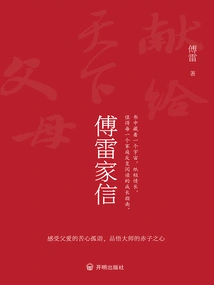
Fu Lei's Letter
Literature傅雷家信
Fu Lei
"Fu Lei's Family Letters" is a collection of letters written by Fu Lei to his son from the time Fu Cong left home to study music in 1954 until the death of Fu Lei and his wife in 1966. In the appendix, 10 letters written by Fu Lei's wife Zhu Meifu to Fu Lei are selected to supplement the letters between Fu Lei and his son. As a family letter, the words between the lines are full of his father's love and expectations for his son, as well as his noble emotions for the country and the world. In addition, Fu Lei also narrates his art knowledge and understanding of life, and talks about it without the slightest hint of preaching. It feels more cordial when he reads it, and his love for his son is beyond words. "Fu Lei's Family Letter" is not only a book about teaching children full of father's love, allowing readers to understand the difficulty of being a parent; it is also a book that improves artistic accomplishment, soaked in Fu Lei and Fu Cong's sincerity towards art. It is not only a profound portrayal of Fu Lei's generation of modern Chinese intellectuals; it is also a true microcosm of the family, country and society in that special era.
"Fu Lei's Family Letters" is a collection of letters written by Fu Lei to his son from the time Fu Cong left home to study music in 1954 until the death of Fu Lei and his wife in 1966. In the appendix, 10 letters written by Fu Lei's wife Zhu Meifu to Fu Lei are selected to supplement the letters between Fu Lei and his son. As a family letter, the words between the lines are full of his father's love and expectations for his son, as well as his noble emotions for the country and the world. In addition, Fu Lei also narrates his art knowledge and understanding of life, and talks about it without the slightest hint of preaching. It feels more cordial when he reads it, and his love for his son is beyond words. "Fu Lei's Family Letter" is not only a book about teaching children full of father's love, allowing readers to understand the difficulty of being a parent; it is also a book that improves artistic accomplishment, soaked in Fu Lei and Fu Cong's sincerity towards art. It is not only a profound portrayal of Fu Lei's generation of modern Chinese intellectuals; it is also a true microcosm of the family, country and society in that special era.
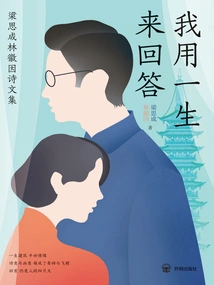
我用一生来回答:梁思成林徽因诗文集
Liang Sicheng Lin Huiyin
Selected dozens of classics handed down by the two masters Liang Sicheng and Lin Huiyin, whether they are architectural texts, poems, essays, or novels, you can find them all here! "Miscellaneous Records of Pingjiao Architectural Buildings", "Preliminary Survey of Ancient Buildings in Shanxi and Fen", "Mourning for Zhimo", "Ninety-nine Degrees", "You Are April in the World"... All the classic articles are included! An all-round display of the essence of the two masters' thoughts!
Selected dozens of classics handed down by the two masters Liang Sicheng and Lin Huiyin, whether they are architectural texts, poems, essays, or novels, you can find them all here! "Miscellaneous Records of Pingjiao Architectural Buildings", "Preliminary Survey of Ancient Buildings in Shanxi and Fen", "Mourning for Zhimo", "Ninety-nine Degrees", "You Are April in the World"... All the classic articles are included! An all-round display of the essence of the two masters' thoughts!
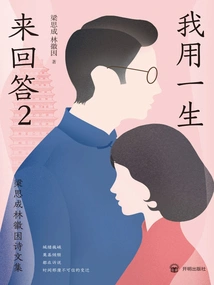
我用一生来回答2:梁思成林徽因诗文集
Liang Sicheng Lin Huiyin
Selected dozens of classics handed down by the two masters Liang Sicheng and Lin Huiyin, whether they are architectural texts, poems, essays, or novels, you can find them all here! "On Several Characteristics of Chinese Architecture", Introduction to "Principles of Qing Style Construction", "Preface to Ancient Architecture", "Laughter", "Kite" and other classic articles are all included! Further showcase the essence of the two masters' thoughts!
Selected dozens of classics handed down by the two masters Liang Sicheng and Lin Huiyin, whether they are architectural texts, poems, essays, or novels, you can find them all here! "On Several Characteristics of Chinese Architecture", Introduction to "Principles of Qing Style Construction", "Preface to Ancient Architecture", "Laughter", "Kite" and other classic articles are all included! Further showcase the essence of the two masters' thoughts!
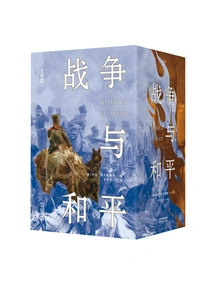
War and Peace (all Four Parts)
Literature战争与和平(全四部)
A N
Tolstoy used more than a million words to tell us what is the true happiness in life! "War and Peace" is a work by the great Russian writer Leo Tolstoy. By narrating major events in Russia from 1805 to 1820, including the Battle of Austerlitz, the French invasion of Russia, the Battle of Borodino, the Great Fire of Moscow, and the retreat of Napoleon's army, as well as the activities of the characters of the four aristocratic families, the story shows the universal human emotions and changes in destiny under the vast and changing social background. "War and Peace" is not only a description of a special historical episode, but also an encyclopedia of universal human living conditions and emotional genealogy. It has lasting charm and I believe that everyone who reads it can reflect on themselves.
Tolstoy used more than a million words to tell us what is the true happiness in life! "War and Peace" is a work by the great Russian writer Leo Tolstoy. By narrating major events in Russia from 1805 to 1820, including the Battle of Austerlitz, the French invasion of Russia, the Battle of Borodino, the Great Fire of Moscow, and the retreat of Napoleon's army, as well as the activities of the characters of the four aristocratic families, the story shows the universal human emotions and changes in destiny under the vast and changing social background. "War and Peace" is not only a description of a special historical episode, but also an encyclopedia of universal human living conditions and emotional genealogy. It has lasting charm and I believe that everyone who reads it can reflect on themselves.
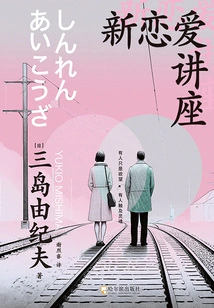
New Love Lecture
Literature新恋爱讲座
(japan) Mishima Yukio
Yukio Mishima's "New Love Lecture" is sharp, transparent, and has a very vicious vision; he often speaks clearly and unabashedly about the love between men and women. The reality is that it makes people hate how he can be so ruthless. However, one second you hated him, thinking that he was old-fashioned but stale, and that he had the true "daddy taste". The next second I fell in love with him, moved by his honest words about the subtleties of human nature. Sometimes you can't tell whether he is praising, scolding or alienating these various men and women in this world. Do you think he is a pure love warrior? Is it desireism? Is it the game world? However, the ending of his life story is that he died as a martyr, a vigorous interpretation of what is called "the aesthetics of ending"... Readers are invited to take part in the situation, capture Yoshimitsu Kataha here, face the lively and knowledgeable Mishima Yukio, and face his true appearance in love.
Yukio Mishima's "New Love Lecture" is sharp, transparent, and has a very vicious vision; he often speaks clearly and unabashedly about the love between men and women. The reality is that it makes people hate how he can be so ruthless. However, one second you hated him, thinking that he was old-fashioned but stale, and that he had the true "daddy taste". The next second I fell in love with him, moved by his honest words about the subtleties of human nature. Sometimes you can't tell whether he is praising, scolding or alienating these various men and women in this world. Do you think he is a pure love warrior? Is it desireism? Is it the game world? However, the ending of his life story is that he died as a martyr, a vigorous interpretation of what is called "the aesthetics of ending"... Readers are invited to take part in the situation, capture Yoshimitsu Kataha here, face the lively and knowledgeable Mishima Yukio, and face his true appearance in love.
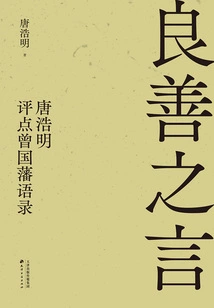
良善之言:唐浩明评点曾国藩语录
Tang Haoming
Understanding the sage Zeng Guofan is better than reading thousands of mediocre works. Zeng left tens of millions of words in ink in voluminous volumes with mixed contents. Where should we start to imitate him as a teacher and general, and learn from his meritorious deeds and virtues? Tang Haoming, an expert on Zeng Guofan, spent many years of hard work and published a six-volume series of "Tang Haoming Comments on Zeng Guofan". He selected Zeng Guofan's family letters, letters, memorials, quotations, poems, and diaries and commented on them, leading readers to get to know a Zeng Guofan who could be felt, lamented, and learned. "Good Words: Comments on Zeng Guofan's Quotations by Tang Haoming" selects a total of 269 maxims written by Zeng Guofan in various articles such as letters, family letters, and notes. It is divided into six chapters: "cultivation", "education", "organizing the family", "conduct", "politics" and "ruling the army". It reflects the essence of Zeng's wisdom in personal cultivation, family harmony, study and administration, military and military affairs, etc. It can also reflect Zeng's own self-requirements and expectations for reversing the degenerate atmosphere at that time and restoring the path of righteousness. It also reveals his personal charm that continues to this day.
Understanding the sage Zeng Guofan is better than reading thousands of mediocre works. Zeng left tens of millions of words in ink in voluminous volumes with mixed contents. Where should we start to imitate him as a teacher and general, and learn from his meritorious deeds and virtues? Tang Haoming, an expert on Zeng Guofan, spent many years of hard work and published a six-volume series of "Tang Haoming Comments on Zeng Guofan". He selected Zeng Guofan's family letters, letters, memorials, quotations, poems, and diaries and commented on them, leading readers to get to know a Zeng Guofan who could be felt, lamented, and learned. "Good Words: Comments on Zeng Guofan's Quotations by Tang Haoming" selects a total of 269 maxims written by Zeng Guofan in various articles such as letters, family letters, and notes. It is divided into six chapters: "cultivation", "education", "organizing the family", "conduct", "politics" and "ruling the army". It reflects the essence of Zeng's wisdom in personal cultivation, family harmony, study and administration, military and military affairs, etc. It can also reflect Zeng's own self-requirements and expectations for reversing the degenerate atmosphere at that time and restoring the path of righteousness. It also reveals his personal charm that continues to this day.
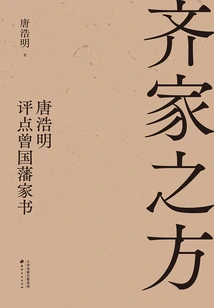
The Recipe for Harmonizing the Family: Tang Haoming Comments on Zeng Guofan's Family Letters
Literature齐家之方:唐浩明评点曾国藩家书
Tang Haoming
Understanding the sage Zeng Guofan is better than reading thousands of mediocre works. Zeng left tens of millions of words in ink in voluminous volumes with mixed contents. Where should we start to imitate him as a teacher and general, and learn from his meritorious deeds and virtues? Tang Haoming, an expert on Zeng Guofan, spent many years of hard work and published a six-volume series of "Tang Haoming Comments on Zeng Guofan". He selected Zeng Guofan's family letters, letters, memorials, quotations, poems, and diaries and commented on them, leading readers to get to know a Zeng Guofan who could be felt, lamented, and learned. "Recipes for Harmonizing the Family: Tang Haoming Comments on Zeng Guofan's Family Letters" selects 128 letters from the Zeng family letters that have survived for more than a thousand times for translation and commentary. Vertically, these more than 100 family letters run through Zeng's life; horizontally, the perspectives of comments are three-dimensional and diverse, involving many aspects such as Zeng's family background, education, personal connections, and historical background. The content is mainly comments, with the original text of the family letter attached. Each letter home touches on a topic and is a fresh way to understand Zeng. Family, society, workplace and officialdom, life and work, Zeng's lifelong wisdom is all there.
Understanding the sage Zeng Guofan is better than reading thousands of mediocre works. Zeng left tens of millions of words in ink in voluminous volumes with mixed contents. Where should we start to imitate him as a teacher and general, and learn from his meritorious deeds and virtues? Tang Haoming, an expert on Zeng Guofan, spent many years of hard work and published a six-volume series of "Tang Haoming Comments on Zeng Guofan". He selected Zeng Guofan's family letters, letters, memorials, quotations, poems, and diaries and commented on them, leading readers to get to know a Zeng Guofan who could be felt, lamented, and learned. "Recipes for Harmonizing the Family: Tang Haoming Comments on Zeng Guofan's Family Letters" selects 128 letters from the Zeng family letters that have survived for more than a thousand times for translation and commentary. Vertically, these more than 100 family letters run through Zeng's life; horizontally, the perspectives of comments are three-dimensional and diverse, involving many aspects such as Zeng's family background, education, personal connections, and historical background. The content is mainly comments, with the original text of the family letter attached. Each letter home touches on a topic and is a fresh way to understand Zeng. Family, society, workplace and officialdom, life and work, Zeng's lifelong wisdom is all there.
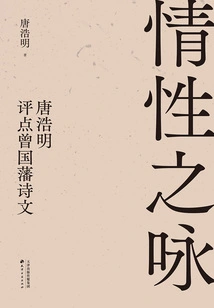
情性之咏:唐浩明评点曾国藩诗文
Tang Haoming
The value of Zeng Guofan's works is self-evident, but for today's readers, it is very difficult to read because of its large volume, complex content, and the writing is not in today's vernacular. In order to allow today's public readers to approach Zeng Guofan in an easy way, Tang Haoming wrote and published a series of books "Tang Haoming Comments on Zeng Guofan". There are six volumes in this series, including family letters, memorials, diaries, poems, letters and quotations. In each volume, Tang Haoming selects a part of the text for translation and commentary, helping readers to understand Zeng Guofan and the Wan Qing Dynasty from a close perspective, and to understand the living traditional Chinese culture. "Ode to Emotional Nature: Tang Haoming's Comments on Zeng Guofan's Essays" is one of them. The author selects 135 poems, two lines of words, 44 couplets, and 47 articles from the new edition of Zeng's complete collection, focusing on the writing background and the author's own understanding, and gives readers some comments, hoping to help readers read and appreciate Zeng's poems.
The value of Zeng Guofan's works is self-evident, but for today's readers, it is very difficult to read because of its large volume, complex content, and the writing is not in today's vernacular. In order to allow today's public readers to approach Zeng Guofan in an easy way, Tang Haoming wrote and published a series of books "Tang Haoming Comments on Zeng Guofan". There are six volumes in this series, including family letters, memorials, diaries, poems, letters and quotations. In each volume, Tang Haoming selects a part of the text for translation and commentary, helping readers to understand Zeng Guofan and the Wan Qing Dynasty from a close perspective, and to understand the living traditional Chinese culture. "Ode to Emotional Nature: Tang Haoming's Comments on Zeng Guofan's Essays" is one of them. The author selects 135 poems, two lines of words, 44 couplets, and 47 articles from the new edition of Zeng's complete collection, focusing on the writing background and the author's own understanding, and gives readers some comments, hoping to help readers read and appreciate Zeng's poems.
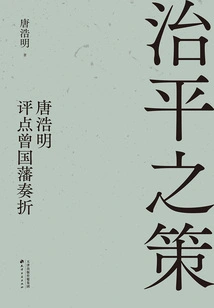
治平之策:唐浩明评点曾国藩奏折
Tang Haoming
Understanding the sage Zeng Guofan is better than reading thousands of mediocre works. Zeng left tens of millions of words in ink in voluminous volumes with mixed contents. Where should we start to imitate him as a teacher and general, and learn from his meritorious deeds and virtues? Tang Haoming, an expert on Zeng Guofan, spent many years of hard work and published a six-volume series of "Tang Haoming Comments on Zeng Guofan". He selected Zeng Guofan's family letters, letters, memorials, quotations, poems, and diaries and commented on them, leading readers to get to know a Zeng Guofan who could be felt, lamented, and learned. "Strategies for Peace: Tang Haoming Comments on Zeng Guofan's Memorials" selected 44 of the more than 2,000 memorials that have survived for translation and commentary. A memorial is a report written to the central government. Zeng Guofan, as an important minister in the late Qing Dynasty and a master of writing in the late Qing Dynasty, was in charge of military and political affairs. His memorial was so extraordinary that it was once hailed as the best memorial in the world. As a Han Chinese, the Zeng family was entrusted with important responsibilities by the Qing court in times of crisis; the Zeng family made immortal contributions in the desperate situation of the declining dynasty, and was finally able to retire with success. From this, we can see the complexity of the power system, and more importantly, Zeng's ingenious wisdom in dealing with people in a complex environment.
Understanding the sage Zeng Guofan is better than reading thousands of mediocre works. Zeng left tens of millions of words in ink in voluminous volumes with mixed contents. Where should we start to imitate him as a teacher and general, and learn from his meritorious deeds and virtues? Tang Haoming, an expert on Zeng Guofan, spent many years of hard work and published a six-volume series of "Tang Haoming Comments on Zeng Guofan". He selected Zeng Guofan's family letters, letters, memorials, quotations, poems, and diaries and commented on them, leading readers to get to know a Zeng Guofan who could be felt, lamented, and learned. "Strategies for Peace: Tang Haoming Comments on Zeng Guofan's Memorials" selected 44 of the more than 2,000 memorials that have survived for translation and commentary. A memorial is a report written to the central government. Zeng Guofan, as an important minister in the late Qing Dynasty and a master of writing in the late Qing Dynasty, was in charge of military and political affairs. His memorial was so extraordinary that it was once hailed as the best memorial in the world. As a Han Chinese, the Zeng family was entrusted with important responsibilities by the Qing court in times of crisis; the Zeng family made immortal contributions in the desperate situation of the declining dynasty, and was finally able to retire with success. From this, we can see the complexity of the power system, and more importantly, Zeng's ingenious wisdom in dealing with people in a complex environment.
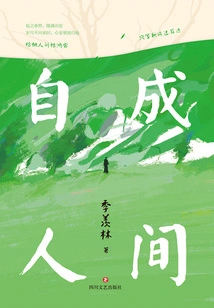
Self-adult Room
Literature自成人间
Ji Xianlin
Mr. Ji Xianlin has been in the long river of life and has experienced strong winds and waves, but he still remains calm in every situation; he is still calm and calm despite all the troubles in his heart; he always sticks to his spiritual world in the ups and downs of the world, and is not arrogant in good times and not afraid of adversity. This book aims to explain Ji Xianlin's philosophy of life and life wisdom. The article covers all aspects of Mr. Ji's life. It is a microcosm of his life experience and an inexhaustible spiritual treasure trove for future generations.
Mr. Ji Xianlin has been in the long river of life and has experienced strong winds and waves, but he still remains calm in every situation; he is still calm and calm despite all the troubles in his heart; he always sticks to his spiritual world in the ups and downs of the world, and is not arrogant in good times and not afraid of adversity. This book aims to explain Ji Xianlin's philosophy of life and life wisdom. The article covers all aspects of Mr. Ji's life. It is a microcosm of his life experience and an inexhaustible spiritual treasure trove for future generations.
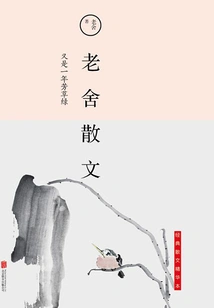
又是一年芳草绿:老舍散文
Lao She
Mr. Lao She's prose is unique among modern Chinese prose. From form to content, it is both elegant and popular, breaking through the narrow circle of intellectuals. This makes his works popular, popular, and rich in national color. This book carefully selects several classic essays by Mr. Lao She and classifies them accordingly according to their content and style characteristics, restoring the image of a warm, calm and approachable Mr. Lao She. This collection of essays is typical, exquisite, and highly readable. It is a pleasure to savor it carefully.
Mr. Lao She's prose is unique among modern Chinese prose. From form to content, it is both elegant and popular, breaking through the narrow circle of intellectuals. This makes his works popular, popular, and rich in national color. This book carefully selects several classic essays by Mr. Lao She and classifies them accordingly according to their content and style characteristics, restoring the image of a warm, calm and approachable Mr. Lao She. This collection of essays is typical, exquisite, and highly readable. It is a pleasure to savor it carefully.
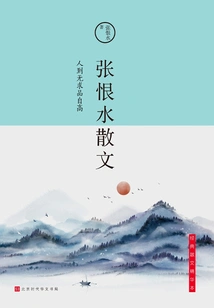
人到无求品自高:张恨水散文
Zhang Henshui
Zhang Henshui is a representative writer of the "Mandarin Duck and Butterfly School". He has always been overshadowed by his great reputation as a novelist. Not many prose has been published in the world, and few people in the world know about it. His prose works are filled with the beauty of poetry and painting, revealing a light, elegant and leisurely style. Reading these daily conversation-style works, one can clearly feel Zhang Henshui's deep sense of the vicissitudes of his family and country that resides in the ordinary alleys of the old city.
Zhang Henshui is a representative writer of the "Mandarin Duck and Butterfly School". He has always been overshadowed by his great reputation as a novelist. Not many prose has been published in the world, and few people in the world know about it. His prose works are filled with the beauty of poetry and painting, revealing a light, elegant and leisurely style. Reading these daily conversation-style works, one can clearly feel Zhang Henshui's deep sense of the vicissitudes of his family and country that resides in the ordinary alleys of the old city.
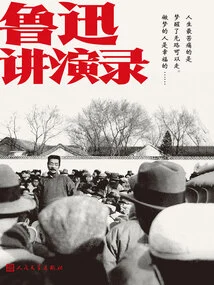
Lu Xun's Speeches
Literature鲁迅讲演录
Lu Xun
Lu Xun was a writer, thinker and outstanding speaker. Lu Xun adhered to the Enlightenment stance throughout his life and was committed to enabling Chinese youth to understand the world, avoid detours, and complete a decisive and creative life. This book contains 16 speeches by Lu Xun in the 1920s and 1930s. Each of them is popular and catchy, reflecting the passion of Lu Xun's speeches and the penetration of his language. Mr. Lu Xun was a man of profound knowledge. He often quoted from other sources in his speeches, turned stones into gold, and frequently made famous quotes. These speeches are still inspiring and thought-provoking when read today. The book is accompanied by precious photos of Lu Xun and attempts to apply modern technology, striving to give readers an immersive sense of the scene.
Lu Xun was a writer, thinker and outstanding speaker. Lu Xun adhered to the Enlightenment stance throughout his life and was committed to enabling Chinese youth to understand the world, avoid detours, and complete a decisive and creative life. This book contains 16 speeches by Lu Xun in the 1920s and 1930s. Each of them is popular and catchy, reflecting the passion of Lu Xun's speeches and the penetration of his language. Mr. Lu Xun was a man of profound knowledge. He often quoted from other sources in his speeches, turned stones into gold, and frequently made famous quotes. These speeches are still inspiring and thought-provoking when read today. The book is accompanied by precious photos of Lu Xun and attempts to apply modern technology, striving to give readers an immersive sense of the scene.
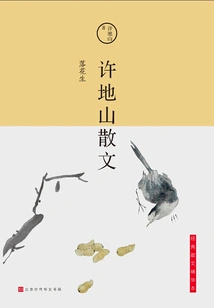
Xu Dishan's Prose: Peanuts
Literature许地山散文:落花生
Xu Dishan
As a pioneer of my country's New Culture Movement, Mr. Xu Dishan's works are not very rich, but they are unique and occupy a unique position in the history of modern literature in my country. His prose is in short form, rich in strange associations and profound philosophy of life, which brilliantly demonstrates the originality of his prose creation. This book contains Mr. Xu Dishan's classic representative works, such as "Peanuts", "Mask", "Tired Mother" and other famous works. The article is concise and timeless, simple and fresh, rich in philosophy, and rich in exotic colors. It is a must-have classic for middle school students and readers who like literature. It is a must-read, a product, and a collection. This collection of essays is classic, exquisite, and highly readable. It will be endless fun to savor carefully.
As a pioneer of my country's New Culture Movement, Mr. Xu Dishan's works are not very rich, but they are unique and occupy a unique position in the history of modern literature in my country. His prose is in short form, rich in strange associations and profound philosophy of life, which brilliantly demonstrates the originality of his prose creation. This book contains Mr. Xu Dishan's classic representative works, such as "Peanuts", "Mask", "Tired Mother" and other famous works. The article is concise and timeless, simple and fresh, rich in philosophy, and rich in exotic colors. It is a must-have classic for middle school students and readers who like literature. It is a must-read, a product, and a collection. This collection of essays is classic, exquisite, and highly readable. It will be endless fun to savor carefully.
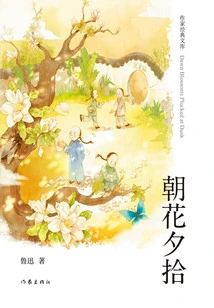
朝花夕拾(作家经典文库)
Lu Xun
This book not only contains the complete collection of "Morning Blossoms Plucked at Dusk", but also the collection of prose poems "Wild Grass". These works carry Lu Xun's emotional experience and growth process and are classics in modern Chinese prose. The collection of essays "Morning Blossoms Plucked at Dusk" is a collection of essays "copied from memory". It takes Lu Xun's life experience as a teenager as a clue, relatively completely records his life experience and ideological context from childhood to youth, and vividly depicts a picture of the social landscape of the late Qing Dynasty and the early Republic of China. The simple and kind-hearted A Chang, the erudite and upright private school teacher, the rigorous and serious Mr. Fujino, the passionate young man Fan Ainong, the "terrible and cute" impermanence... While creating characters with distinctive personalities, they also show the author's recollection of childhood experiences and thoughts after adulthood. The collection of prose poems "Wild Grass" contains twenty-three prose poems. These works contain the author's lifelong philosophy of life. The book uses tortuous and obscure symbolic techniques to express his disappointment and resentment towards reality. The writing style is profound and timeless, and the imagery is mysterious and beautiful. It is a classic of modern Chinese literature. It is also an important material for studying Mr. Lu Xun's thoughts.
This book not only contains the complete collection of "Morning Blossoms Plucked at Dusk", but also the collection of prose poems "Wild Grass". These works carry Lu Xun's emotional experience and growth process and are classics in modern Chinese prose. The collection of essays "Morning Blossoms Plucked at Dusk" is a collection of essays "copied from memory". It takes Lu Xun's life experience as a teenager as a clue, relatively completely records his life experience and ideological context from childhood to youth, and vividly depicts a picture of the social landscape of the late Qing Dynasty and the early Republic of China. The simple and kind-hearted A Chang, the erudite and upright private school teacher, the rigorous and serious Mr. Fujino, the passionate young man Fan Ainong, the "terrible and cute" impermanence... While creating characters with distinctive personalities, they also show the author's recollection of childhood experiences and thoughts after adulthood. The collection of prose poems "Wild Grass" contains twenty-three prose poems. These works contain the author's lifelong philosophy of life. The book uses tortuous and obscure symbolic techniques to express his disappointment and resentment towards reality. The writing style is profound and timeless, and the imagery is mysterious and beautiful. It is a classic of modern Chinese literature. It is also an important material for studying Mr. Lu Xun's thoughts.
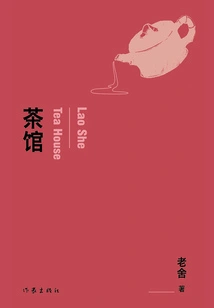
Teahouse
Literature茶馆
Lao She
This book is one of the representative works of Mr. Lao She, the "People's Artist", and a classic in the history of Chinese drama. The story in the play all takes place in a teahouse. People come and go in the teahouse, and people of all colors and religions gather together. A big teahouse is like a small society. Mr. Lao She captured the characteristics of this scene and highly condensed sixty or seventy main and secondary characters in a half-century time span into the teahouse, showing life scenes in three eras after the failure of the 1898 Coup in the late Qing Dynasty, the period of the Beiyang warlord separatism in the early years of the Republic of China, and the eve of the fall of the Kuomintang regime. It summarized the sharp opposition and conflicts between various classes and forces in Chinese society, and revealed the historical destiny of semi-feudal and semi-colonial China. This book also includes Lao She's classic masterpieces "Longxugou" and "My Life".
This book is one of the representative works of Mr. Lao She, the "People's Artist", and a classic in the history of Chinese drama. The story in the play all takes place in a teahouse. People come and go in the teahouse, and people of all colors and religions gather together. A big teahouse is like a small society. Mr. Lao She captured the characteristics of this scene and highly condensed sixty or seventy main and secondary characters in a half-century time span into the teahouse, showing life scenes in three eras after the failure of the 1898 Coup in the late Qing Dynasty, the period of the Beiyang warlord separatism in the early years of the Republic of China, and the eve of the fall of the Kuomintang regime. It summarized the sharp opposition and conflicts between various classes and forces in Chinese society, and revealed the historical destiny of semi-feudal and semi-colonial China. This book also includes Lao She's classic masterpieces "Longxugou" and "My Life".
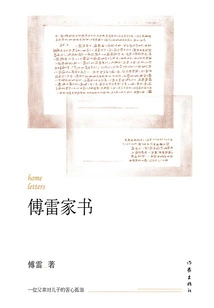
Fu Lei's Family Letter
Literature傅雷家书
Fu Lei
It contains more than 100 letters written by Fu Lei to his children. Fu Lei said this in his letter to Fu Cong: "Writing you a long and lengthy letter is not empty chatter or inexplicable gossip, but it has several functions. First, I do regard you as an opponent to discuss art and music; second, I really want to stimulate some of your young people's feelings, so that I can gain something as a father. Fresh nourishment can also be spread indirectly to other young people; thirdly, what you use to train you through communication is not only your writing, but especially your thoughts; fourthly, I want to be a wake-up call for you at all times and a 'faithful mirror', no matter in terms of life, in terms of life details, in terms of artistic accomplishment, or in terms of performance posture."
It contains more than 100 letters written by Fu Lei to his children. Fu Lei said this in his letter to Fu Cong: "Writing you a long and lengthy letter is not empty chatter or inexplicable gossip, but it has several functions. First, I do regard you as an opponent to discuss art and music; second, I really want to stimulate some of your young people's feelings, so that I can gain something as a father. Fresh nourishment can also be spread indirectly to other young people; thirdly, what you use to train you through communication is not only your writing, but especially your thoughts; fourthly, I want to be a wake-up call for you at all times and a 'faithful mirror', no matter in terms of life, in terms of life details, in terms of artistic accomplishment, or in terms of performance posture."
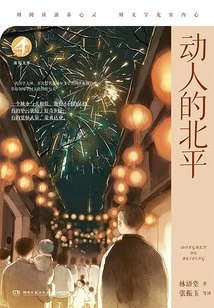
Moving Peiping
Literature动人的北平
Lin Yutang
A collection of classic works by Chinese writer Lin Yutang, a master of Chinese studies and nominated for the Nobel Prize for Literature many times. The book is divided into four volumes, namely: Let a Hundred Flowers Bloom, Picturesque Scenery, Unique Craftsmanship, and Life in the World. The language is natural and simple, and reading it is like talking to a master, which can give people the courage to face life and be themselves. This book is a good extracurricular reading book for primary and secondary schools, suitable for Chinese language learning. This book selects chapters suitable for young people to read, including "Moving Peking", "Celebrating New Year's Day in the Old Calendar" and many other chapters selected into Chinese textbooks. Young readers can appreciate everyone's elegance, enrich their hearts and improve their reading skills at the same time. They can also get a glimpse of the master's creative methods and improve their writing skills.
A collection of classic works by Chinese writer Lin Yutang, a master of Chinese studies and nominated for the Nobel Prize for Literature many times. The book is divided into four volumes, namely: Let a Hundred Flowers Bloom, Picturesque Scenery, Unique Craftsmanship, and Life in the World. The language is natural and simple, and reading it is like talking to a master, which can give people the courage to face life and be themselves. This book is a good extracurricular reading book for primary and secondary schools, suitable for Chinese language learning. This book selects chapters suitable for young people to read, including "Moving Peking", "Celebrating New Year's Day in the Old Calendar" and many other chapters selected into Chinese textbooks. Young readers can appreciate everyone's elegance, enrich their hearts and improve their reading skills at the same time. They can also get a glimpse of the master's creative methods and improve their writing skills.
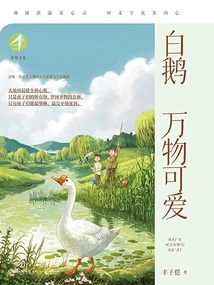
White Goose: Everything is Cute
Literature白鹅:万物可爱
Feng Zikai
A book of life wisdom by Feng Zikai, a literary master of the Republic of China. This book selects 28 classic essays by Mr. Feng Zikai, divided into five volumes with themes such as "Interest is the nourishment of life" and "Fortunately I am not alone in the mountains". It is also accompanied by many of Mr. Feng's paintings, showing the immortal charm of the master of art with both pictures and text. Authorized and revised by Feng Zikai's descendants, it authentically presents the deepest feelings written by a generation of literary masters. It contains many elegant and interesting illustrations drawn by Feng Zikai himself. With just a few strokes, he outlines a poetic artistic conception, which is deeply loved by readers. This book is a good extracurricular reading book for primary and secondary schools, suitable for Chinese language learning. It includes "White Goose", "Finger", "For My Children", "Bamboo Shadow", "Sending Exams", "Shelter in the Mountains" and many other classics selected into Chinese textbooks. Reading prose by famous writers will help children develop good character. The affirmation of human nature, the concept of love for everything in the world, and the hopeful and optimistic attitude towards life conveyed by Feng Zikai's writings are a good remedy for the anxiety and impetuousness of the current society. If you love, life will be lovely everywhere.
A book of life wisdom by Feng Zikai, a literary master of the Republic of China. This book selects 28 classic essays by Mr. Feng Zikai, divided into five volumes with themes such as "Interest is the nourishment of life" and "Fortunately I am not alone in the mountains". It is also accompanied by many of Mr. Feng's paintings, showing the immortal charm of the master of art with both pictures and text. Authorized and revised by Feng Zikai's descendants, it authentically presents the deepest feelings written by a generation of literary masters. It contains many elegant and interesting illustrations drawn by Feng Zikai himself. With just a few strokes, he outlines a poetic artistic conception, which is deeply loved by readers. This book is a good extracurricular reading book for primary and secondary schools, suitable for Chinese language learning. It includes "White Goose", "Finger", "For My Children", "Bamboo Shadow", "Sending Exams", "Shelter in the Mountains" and many other classics selected into Chinese textbooks. Reading prose by famous writers will help children develop good character. The affirmation of human nature, the concept of love for everything in the world, and the hopeful and optimistic attitude towards life conveyed by Feng Zikai's writings are a good remedy for the anxiety and impetuousness of the current society. If you love, life will be lovely everywhere.
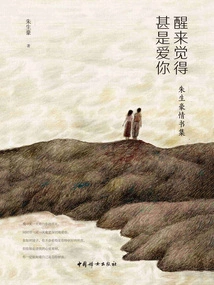
When I Wake up I Feel Like I Love You
Literature醒来觉得甚是爱你
Zhu Shenghao
Zhu Shenghao, formerly known as Zhu Wensen, also known as Wensheng, his scientific name is Senhao, and his pen names are Zhu Zhu, Zhu Sheng, etc., From Jiaxing, Zhejiang. From the time Zhu Shenghao met Song Qingru in 1933 until his untimely death in 1944, he wrote hundreds of love letters with sincere emotions and superb writing. This book is a collection of love letters from the famous Chinese poet and translator Zhu Shenghao. In these love letters, Zhu Shenghao never concealed his love for Song Qingru. He talked about everything from life ideals to poems and songs, and even trivial matters in daily life. Every word and sentence was full of life, interest, longing, and admiration. The true and pure love legend between Zhu Shenghao and Song Qingru is still moving when I read it. When I wake up, I feel that I really love you. Every word is full of the interest of life. Chew it carefully and it will fill your mouth with fragrance.
Zhu Shenghao, formerly known as Zhu Wensen, also known as Wensheng, his scientific name is Senhao, and his pen names are Zhu Zhu, Zhu Sheng, etc., From Jiaxing, Zhejiang. From the time Zhu Shenghao met Song Qingru in 1933 until his untimely death in 1944, he wrote hundreds of love letters with sincere emotions and superb writing. This book is a collection of love letters from the famous Chinese poet and translator Zhu Shenghao. In these love letters, Zhu Shenghao never concealed his love for Song Qingru. He talked about everything from life ideals to poems and songs, and even trivial matters in daily life. Every word and sentence was full of life, interest, longing, and admiration. The true and pure love legend between Zhu Shenghao and Song Qingru is still moving when I read it. When I wake up, I feel that I really love you. Every word is full of the interest of life. Chew it carefully and it will fill your mouth with fragrance.
赵元任全集(第12卷)
(british) Louis Gallar Et Al.
The twelfth volume of "The Complete Works of Zhao Yuanren" mainly compiles three literary translations of Zhao Yuanren: "Alice's Adventures in Wonderland" and "Walking into the Mirror" by the famous British writer Lewis Carroll, and the play "The Last Five Minutes" by the British writer A. A. Milne. "Alice's Adventures in Wonderland" and "Into the Mirror" are two world-famous children's literature works. It tells the story of Alice, a little British girl, who sleepwalks in the rabbit hole and the mirror world. The original author is Louis Gallar (1832-1891) from England, who was a pastor and arithmetic teacher by profession. These two works were originally fairy tales he compiled to tell the neighborhood children. However, since their publication in 1867, they have been loved by everyone from the Queen of England to the common people. After it spread to the United States, it caused great repercussions and spawned many adaptations. For young readers, the work is full of innocent whims, while for adult readers, there are poignant and profound social criticisms everywhere. The original text is concise, Mr. Zhao Yuanren's translation is wonderful, and his use of spoken Chinese and northern and southern dialects is amazing. "Alice's Adventures in Wonderland" was first published by the Commercial Press in 1922. "Walking into the Mirror" was originally translated in 1931. After the proof copy was printed in the Shanghai Commercial Press, it was unfortunately burned by the Japanese invaders. It was then re-translated many times by Mr. Zhao. In 1968, it was included as a textbook in "Readings in Chinese" and published in the United States. In 1988, with the consent of the translator during his lifetime, the Commercial Press published a combined version of the two works in English-Chinese format, and in 2002 they published separate volumes. This volume contains the 2002 single volume. Wonderful, the use of spoken Chinese and northern and southern dialects is amazing. "The Last Five Minutes" is a drama script written by Zhao Yuanren in Beijing spoken English based on the play The Camberley Triangle by British writer A. A. Milne. Some changes were made to the plot and it was renamed "The Last Five Minutes". He directed it himself, invited several Tsinghua students to perform, and performed it publicly in the old auditorium of Tsinghua University. He then wrote the script into a Chinese and Mandarin Romanized version, wrote the preface himself, and attached an academic paper "A Study of Beijing Intonation", which was published by Zhonghua Book Company in 1929. At that time, this book was not only a Mandarin (spoken) script for the drama, but also a reading material to promote Mandarin romaji. The academic paper on Beijing intonation attached at the back of the book was also the result of his language research. This volume contains the 1929 edition of Zhonghua Book Company.
The twelfth volume of "The Complete Works of Zhao Yuanren" mainly compiles three literary translations of Zhao Yuanren: "Alice's Adventures in Wonderland" and "Walking into the Mirror" by the famous British writer Lewis Carroll, and the play "The Last Five Minutes" by the British writer A. A. Milne. "Alice's Adventures in Wonderland" and "Into the Mirror" are two world-famous children's literature works. It tells the story of Alice, a little British girl, who sleepwalks in the rabbit hole and the mirror world. The original author is Louis Gallar (1832-1891) from England, who was a pastor and arithmetic teacher by profession. These two works were originally fairy tales he compiled to tell the neighborhood children. However, since their publication in 1867, they have been loved by everyone from the Queen of England to the common people. After it spread to the United States, it caused great repercussions and spawned many adaptations. For young readers, the work is full of innocent whims, while for adult readers, there are poignant and profound social criticisms everywhere. The original text is concise, Mr. Zhao Yuanren's translation is wonderful, and his use of spoken Chinese and northern and southern dialects is amazing. "Alice's Adventures in Wonderland" was first published by the Commercial Press in 1922. "Walking into the Mirror" was originally translated in 1931. After the proof copy was printed in the Shanghai Commercial Press, it was unfortunately burned by the Japanese invaders. It was then re-translated many times by Mr. Zhao. In 1968, it was included as a textbook in "Readings in Chinese" and published in the United States. In 1988, with the consent of the translator during his lifetime, the Commercial Press published a combined version of the two works in English-Chinese format, and in 2002 they published separate volumes. This volume contains the 2002 single volume. Wonderful, the use of spoken Chinese and northern and southern dialects is amazing. "The Last Five Minutes" is a drama script written by Zhao Yuanren in Beijing spoken English based on the play The Camberley Triangle by British writer A. A. Milne. Some changes were made to the plot and it was renamed "The Last Five Minutes". He directed it himself, invited several Tsinghua students to perform, and performed it publicly in the old auditorium of Tsinghua University. He then wrote the script into a Chinese and Mandarin Romanized version, wrote the preface himself, and attached an academic paper "A Study of Beijing Intonation", which was published by Zhonghua Book Company in 1929. At that time, this book was not only a Mandarin (spoken) script for the drama, but also a reading material to promote Mandarin romaji. The academic paper on Beijing intonation attached at the back of the book was also the result of his language research. This volume contains the 1929 edition of Zhonghua Book Company.
春鸟:国木田独步经典作品集
(japan) Kunikida Doppo
"In the final analysis, it is because I have never been able to understand life, and the lofty ambition weighed on me, making me extremely depressed." This book is a masterpiece of short stories by Kunikida Doppo, the pioneer of Japanese naturalistic literature, and includes 14 works including "Musashino", "Mr. Tomioka" and "The Sorrow of Painting". Kunikida's life was only thirty-seven years, and he wrote dozens of short stories and a large number of poems. He did not achieve worldly success for most of his lifetime, but he contracted tuberculosis and died hastily when his collection of novels "Destiny" had just begun to receive a lot of critical acclaim. Kunikida's regrets and images of ideals that are ultimately unfulfilled also permeate his works. In a changing era, the protagonist who cannot obtain anything can only "walk alone" in the mountains and forests, leaving himself in the rich nature on the outskirts of the city. This in turn has made Kunikida's vivid and unique style. After hundreds of years, his works still make people feel fresh and free when reading, conveying frankness in loneliness. In an era of rapid changes and abundant opportunities, Kunikida passively and actively kept a distance from the lively world, like a frustrated hermit and a wise philosopher. His changes in mentality facing the transitional era can still bring infinite resonance today.
"In the final analysis, it is because I have never been able to understand life, and the lofty ambition weighed on me, making me extremely depressed." This book is a masterpiece of short stories by Kunikida Doppo, the pioneer of Japanese naturalistic literature, and includes 14 works including "Musashino", "Mr. Tomioka" and "The Sorrow of Painting". Kunikida's life was only thirty-seven years, and he wrote dozens of short stories and a large number of poems. He did not achieve worldly success for most of his lifetime, but he contracted tuberculosis and died hastily when his collection of novels "Destiny" had just begun to receive a lot of critical acclaim. Kunikida's regrets and images of ideals that are ultimately unfulfilled also permeate his works. In a changing era, the protagonist who cannot obtain anything can only "walk alone" in the mountains and forests, leaving himself in the rich nature on the outskirts of the city. This in turn has made Kunikida's vivid and unique style. After hundreds of years, his works still make people feel fresh and free when reading, conveying frankness in loneliness. In an era of rapid changes and abundant opportunities, Kunikida passively and actively kept a distance from the lively world, like a frustrated hermit and a wise philosopher. His changes in mentality facing the transitional era can still bring infinite resonance today.
梅雨前后:永井荷风经典作品集
Nagai Kafeng
"I can finally move forward along the path I am sure of with peace of mind in the so-called filthy hell of the world." This book is a collection of novellas by Nagai Karikaze, a famous modern Japanese writer. It includes four novellas by Nagai Karikaze. Nagai Kafeng's works mostly feature geishas, dancers, cafe waitresses and other women who have fallen into love. He uses decadent brushwork to record the men and women who indulge in pleasure under the influence of the new era. His works always reveal the indescribable quality of emptiness. People are unable to place their own destiny in the gap between morality and desire, and they are unable to stop the entangled and collapsed relationship with others.
"I can finally move forward along the path I am sure of with peace of mind in the so-called filthy hell of the world." This book is a collection of novellas by Nagai Karikaze, a famous modern Japanese writer. It includes four novellas by Nagai Karikaze. Nagai Kafeng's works mostly feature geishas, dancers, cafe waitresses and other women who have fallen into love. He uses decadent brushwork to record the men and women who indulge in pleasure under the influence of the new era. His works always reveal the indescribable quality of emptiness. People are unable to place their own destiny in the gap between morality and desire, and they are unable to stop the entangled and collapsed relationship with others.
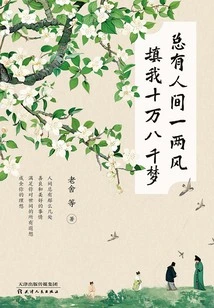
总有人间一两风 填我十万八千梦
Lao She Et Al.
This book selects a century-old selection of modern and contemporary Chinese literary classics, including 42 essential works by 18 well-known writers such as Lao She, Zhu Ziqing, Lu Xun, and Zhou Zuoren. Following in the footsteps of famous writers, we can taste everything in the world together, experience the tears of life, find inner strength in difficult situations, and become a warm person. This collection shows the style of famous artists from the aspects of bright daily life, lush years, lively world, strong emotions, vigorous life, etc., Interprets every bit of warmth and life attitude on the road of life, explores the touching moments that are ignored and forgotten in daily life, and allows people who are gradually lost in life to rediscover the beauty around them.
This book selects a century-old selection of modern and contemporary Chinese literary classics, including 42 essential works by 18 well-known writers such as Lao She, Zhu Ziqing, Lu Xun, and Zhou Zuoren. Following in the footsteps of famous writers, we can taste everything in the world together, experience the tears of life, find inner strength in difficult situations, and become a warm person. This collection shows the style of famous artists from the aspects of bright daily life, lush years, lively world, strong emotions, vigorous life, etc., Interprets every bit of warmth and life attitude on the road of life, explores the touching moments that are ignored and forgotten in daily life, and allows people who are gradually lost in life to rediscover the beauty around them.
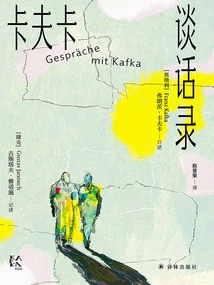
卡夫卡谈话录(卡夫卡精选集)
P
One spring day in 1920, Janosz, a young man who loved literature, was introduced to a colleague by his father. The tall, thin, middle-aged man with a wry smile in front of him was Kafka, the author of "The Metamorphosis". Over the next two years or so, the two formed a deep friendship and walked together on the streets of Prague. Their conversations were all-encompassing, including literature and art, life, ideological dilemmas, and life problems... The writer had a rare outlet for his emotions and thoughts, and the young man had a guide for his growth. This is a masterpiece comparable to "Goethe's Conversations". It truly records Kafka's life in his later years. His words directly reflect his true knowledge of everything in the world. A real Kafka with full emotion and three-dimensional image stands before his eyes.
One spring day in 1920, Janosz, a young man who loved literature, was introduced to a colleague by his father. The tall, thin, middle-aged man with a wry smile in front of him was Kafka, the author of "The Metamorphosis". Over the next two years or so, the two formed a deep friendship and walked together on the streets of Prague. Their conversations were all-encompassing, including literature and art, life, ideological dilemmas, and life problems... The writer had a rare outlet for his emotions and thoughts, and the young man had a guide for his growth. This is a masterpiece comparable to "Goethe's Conversations". It truly records Kafka's life in his later years. His words directly reflect his true knowledge of everything in the world. A real Kafka with full emotion and three-dimensional image stands before his eyes.
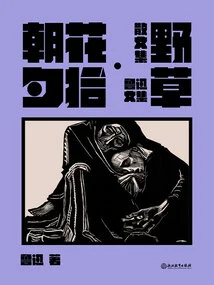
朝花夕拾·野草
Lu Xun
"Morning Blossoms Plucked at Dusk" is a collection of autobiographical essays by Lu Xun. It was originally called "Revisiting Old Things" and was first published in 1928. It includes 10 essays written by Lu Xun in 1926. They not only review Lu Xun's youth and boyhood, but also reflect the changes in Chinese society from the late Qing Dynasty to the Republic of China, as well as the touching traditional Chinese humanities and worldliness that flowed through them. "Wild Grass" was first published in 1927. It is Lu Xun's only collection of prose poems, including 23 works written from 1924 to 1926. Combining free-style poetry and prose poetry, these works are both free and casual, yet have the condensation of poetry, and are full of philosophical exploration of the meaning of life. Compared with "Picking Up Flowers in the Morning and Evening", Lu Xun's personal emotions in "Weeds" are stronger and deeper. "For my own sake, for the sake of friend and foe, man and beast, those whom I love and those whom I do not love, I hope for the swift death and decay of this wild grass."
"Morning Blossoms Plucked at Dusk" is a collection of autobiographical essays by Lu Xun. It was originally called "Revisiting Old Things" and was first published in 1928. It includes 10 essays written by Lu Xun in 1926. They not only review Lu Xun's youth and boyhood, but also reflect the changes in Chinese society from the late Qing Dynasty to the Republic of China, as well as the touching traditional Chinese humanities and worldliness that flowed through them. "Wild Grass" was first published in 1927. It is Lu Xun's only collection of prose poems, including 23 works written from 1924 to 1926. Combining free-style poetry and prose poetry, these works are both free and casual, yet have the condensation of poetry, and are full of philosophical exploration of the meaning of life. Compared with "Picking Up Flowers in the Morning and Evening", Lu Xun's personal emotions in "Weeds" are stronger and deeper. "For my own sake, for the sake of friend and foe, man and beast, those whom I love and those whom I do not love, I hope for the swift death and decay of this wild grass."
Zhang Jie's Prose (a Collection of Prose by Famous Modern and Contemporary Chinese Writers)
Literature张洁散文(中国现当代名家散文典藏)
Zhang Jie
Zhang Jie is one of the most important contemporary writers and a pioneer of literature in the new era. Her novels have twice won the Mao Dun Literature Award, proving her unique literary achievements among contemporary writers. In addition to her novels, her prose writing has also been a pioneer. "Picking Wheat Ears" and "Digging Shepherd's Purse" have become classic works of contemporary prose. This collection intends to select Zhang Jie's most representative prose works, including "picking wheat ears", "digging shepherd's purse", "for me, he has no end", "my graceful night", "my four seasons", "my boat", "mother's kitchen", "that year, I was twenty-three years old", "over there, the girl flying the kite", etc.
Zhang Jie is one of the most important contemporary writers and a pioneer of literature in the new era. Her novels have twice won the Mao Dun Literature Award, proving her unique literary achievements among contemporary writers. In addition to her novels, her prose writing has also been a pioneer. "Picking Wheat Ears" and "Digging Shepherd's Purse" have become classic works of contemporary prose. This collection intends to select Zhang Jie's most representative prose works, including "picking wheat ears", "digging shepherd's purse", "for me, he has no end", "my graceful night", "my four seasons", "my boat", "mother's kitchen", "that year, I was twenty-three years old", "over there, the girl flying the kite", etc.
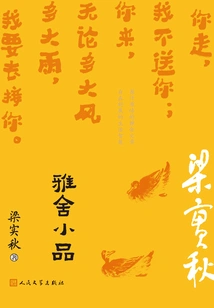
Yashe Sketch
Literature雅舍小品
Liang Shiqiu
"Yashe Sketch·Episode" is Liang Shiqiu's representative work. It is a series of sketches written by Liang Shiqiu when he lived in Chongqing Yashe. There are 4 episodes in the Yashe series, and this episode is the first. This collection contains 34 essays and 1 preface, written by Gong Yeya. Each essay in the book does not exceed 2,000 words, and they are all about trivial matters in life, such as shaking hands, haircuts, clothes, playing chess, writing, traveling, etc. You can pick them up at your fingertips and write them as you think, in an eclectic way. However, these articles are humorous, interesting, and natural. They are a mixture of all kinds of things in the world, making people laugh when they read them. "The Elegant House Sketch" is a masterpiece among sketches. Zhu Guangqian once said in a letter to Liang Shiqiu: "The contribution of "The Elegant House Sketch" to literature is greater than the work of translating Shakespeare."
"Yashe Sketch·Episode" is Liang Shiqiu's representative work. It is a series of sketches written by Liang Shiqiu when he lived in Chongqing Yashe. There are 4 episodes in the Yashe series, and this episode is the first. This collection contains 34 essays and 1 preface, written by Gong Yeya. Each essay in the book does not exceed 2,000 words, and they are all about trivial matters in life, such as shaking hands, haircuts, clothes, playing chess, writing, traveling, etc. You can pick them up at your fingertips and write them as you think, in an eclectic way. However, these articles are humorous, interesting, and natural. They are a mixture of all kinds of things in the world, making people laugh when they read them. "The Elegant House Sketch" is a masterpiece among sketches. Zhu Guangqian once said in a letter to Liang Shiqiu: "The contribution of "The Elegant House Sketch" to literature is greater than the work of translating Shakespeare."