Library
Browse and search books
1,055 novels found
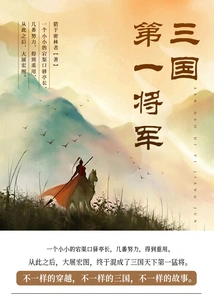
The First General of the Three Kingdoms (volume 6)
General Fiction三国第一将军(第6卷)
Hunter In The Jungle
Zhang Meng, the commander of a small Danqukou Post Pavilion, worked hard and was re-employed. From then on, he made great plans, surrendered Sima Yi, formed an alliance with the Western Qiang Kingdom, conquered Chang'an, moved the capital to Wei, took over Liangzhou, regained Luoyang... And finally became the most powerful general in the Three Kingdoms. Different time travel, different Three Kingdoms, different stories.
Zhang Meng, the commander of a small Danqukou Post Pavilion, worked hard and was re-employed. From then on, he made great plans, surrendered Sima Yi, formed an alliance with the Western Qiang Kingdom, conquered Chang'an, moved the capital to Wei, took over Liangzhou, regained Luoyang... And finally became the most powerful general in the Three Kingdoms. Different time travel, different Three Kingdoms, different stories.
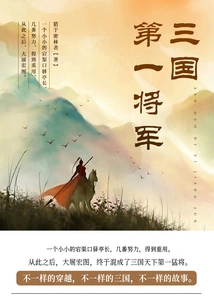
The First General of the Three Kingdoms (volume 4)
General Fiction三国第一将军(第4卷)
Hunter In The Jungle
Zhang Meng, the commander of a small Danqukou Post Pavilion, worked hard and was re-employed. From then on, he made great plans, surrendered Sima Yi, formed an alliance with the Western Qiang Kingdom, conquered Chang'an, moved the capital to Wei, took over Liangzhou, regained Luoyang... And finally became the most powerful general in the Three Kingdoms. Different time travel, different Three Kingdoms, different stories.
Zhang Meng, the commander of a small Danqukou Post Pavilion, worked hard and was re-employed. From then on, he made great plans, surrendered Sima Yi, formed an alliance with the Western Qiang Kingdom, conquered Chang'an, moved the capital to Wei, took over Liangzhou, regained Luoyang... And finally became the most powerful general in the Three Kingdoms. Different time travel, different Three Kingdoms, different stories.
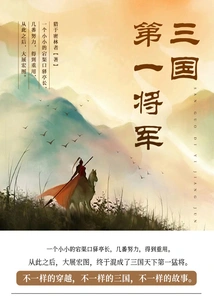
The First General of the Three Kingdoms (volume 5)
General Fiction三国第一将军(第5卷)
Hunter In The Jungle
Zhang Meng, the commander of a small Danqukou Post Pavilion, worked hard and was re-employed. From then on, he made great plans, surrendered Sima Yi, formed an alliance with the Western Qiang Kingdom, conquered Chang'an, moved the capital to Wei, took over Liangzhou, regained Luoyang... And finally became the most powerful general in the Three Kingdoms. Different time travel, different Three Kingdoms, different stories.
Zhang Meng, the commander of a small Danqukou Post Pavilion, worked hard and was re-employed. From then on, he made great plans, surrendered Sima Yi, formed an alliance with the Western Qiang Kingdom, conquered Chang'an, moved the capital to Wei, took over Liangzhou, regained Luoyang... And finally became the most powerful general in the Three Kingdoms. Different time travel, different Three Kingdoms, different stories.
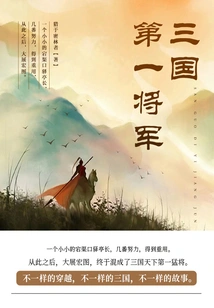
The First General of the Three Kingdoms (volume 3)
General Fiction三国第一将军(第3卷)
Hunter In The Jungle
Zhang Meng, the commander of a small Danqukou Post Pavilion, worked hard and was re-employed. From then on, he made great plans, surrendered Sima Yi, formed an alliance with the Western Qiang Kingdom, conquered Chang'an, moved the capital to Wei, took over Liangzhou, regained Luoyang... And finally became the most powerful general in the Three Kingdoms. Different time travel, different Three Kingdoms, different stories.
Zhang Meng, the commander of a small Danqukou Post Pavilion, worked hard and was re-employed. From then on, he made great plans, surrendered Sima Yi, formed an alliance with the Western Qiang Kingdom, conquered Chang'an, moved the capital to Wei, took over Liangzhou, regained Luoyang... And finally became the most powerful general in the Three Kingdoms. Different time travel, different Three Kingdoms, different stories.
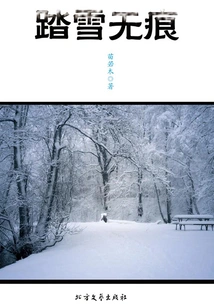
No Trace on the Snow
General Fiction踏雪无痕
Miao Ruomu
He is an evil knight, but he is caught between love and affection; he is a prodigal, but he has attracted the hearts of many beauties; he is a mysterious swordsman, but he is trapped by love after all.
He is an evil knight, but he is caught between love and affection; he is a prodigal, but he has attracted the hearts of many beauties; he is a mysterious swordsman, but he is trapped by love after all.
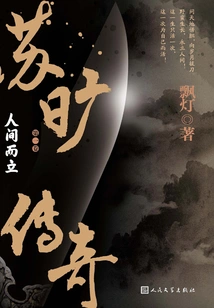
The Legend of Su Kuang (volume 1): Standing on Earth
General Fiction苏旷传奇(第一卷):人间而立
Floating Lanterns
Su Kuang was originally a member of the imperial court's arresting camp, but he wandered around the world because of the Hongshan case. After a lot of twists and turns, Master Tie Ao, the chief of Shenpu Camp, recruited another disciple - Feng Xueyuan. Su Kuang and Feng Xueyuan were involved in the butterfly murder case in Wangzui Village. Later, Su Kuang was brutally murdered in Shoumo Valley. His waist was broken, and he lost the most important foundation for a martial arts student. Later, with the help of Chu Suibo and Huang Jijiu, Su Kuang changed his destiny against the will of heaven and was reborn in Nirvana. However, he discovered that the power of the Yinsha Sect had penetrated deeply, and its tentacles had penetrated into the rivers, lakes and temples. In order to solve the mystery and rescue Chu Suibo, he did not hesitate to take risks, but did not want to get involved deeper... In this volume, the forces of all parties are entangled and conflicts emerge. Su Kuang also grows from a high-spirited young man to an indestructible Jianghu guest.
Su Kuang was originally a member of the imperial court's arresting camp, but he wandered around the world because of the Hongshan case. After a lot of twists and turns, Master Tie Ao, the chief of Shenpu Camp, recruited another disciple - Feng Xueyuan. Su Kuang and Feng Xueyuan were involved in the butterfly murder case in Wangzui Village. Later, Su Kuang was brutally murdered in Shoumo Valley. His waist was broken, and he lost the most important foundation for a martial arts student. Later, with the help of Chu Suibo and Huang Jijiu, Su Kuang changed his destiny against the will of heaven and was reborn in Nirvana. However, he discovered that the power of the Yinsha Sect had penetrated deeply, and its tentacles had penetrated into the rivers, lakes and temples. In order to solve the mystery and rescue Chu Suibo, he did not hesitate to take risks, but did not want to get involved deeper... In this volume, the forces of all parties are entangled and conflicts emerge. Su Kuang also grows from a high-spirited young man to an indestructible Jianghu guest.
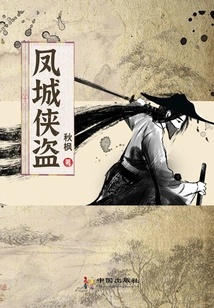
Fengcheng Rogue
General Fiction凤城侠盗
Autumn Maple
"The Knights of Fengcheng" mainly tells the story of the protagonist Xi Laoba's chivalrous behavior in Fengcheng (now Luotian County, Huanggang, Hubei). Xi Lao Ba uses his chivalrous heart to perform chivalrous acts in the arena, using the so-called "thieves" to balance social injustice and inequality. It is also Xi Lao Ba who uses his own personal power to try his best to save lives and heal the wounded, and does his best to protect and help the poor people at the bottom. It aims to encourage people in modern society to have a humanistic sentiment of being kind. It can let more readers know about Luotian's simple customs and chivalrous novels with strong historical and humanistic elements.
"The Knights of Fengcheng" mainly tells the story of the protagonist Xi Laoba's chivalrous behavior in Fengcheng (now Luotian County, Huanggang, Hubei). Xi Lao Ba uses his chivalrous heart to perform chivalrous acts in the arena, using the so-called "thieves" to balance social injustice and inequality. It is also Xi Lao Ba who uses his own personal power to try his best to save lives and heal the wounded, and does his best to protect and help the poor people at the bottom. It aims to encourage people in modern society to have a humanistic sentiment of being kind. It can let more readers know about Luotian's simple customs and chivalrous novels with strong historical and humanistic elements.
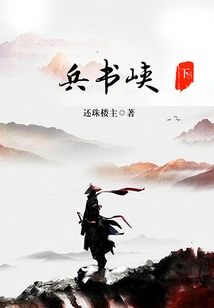
Bingshu Gorge (volume 2)
General Fiction兵书峡(下册)
The Owner Of Huanzhu
This book is a martial arts novel. In July 1949, the first to fourth volumes were published by Shanghai Zhengqi Book Company. The cover title of the first volume was titled "Continuing the Sea of Yun Yi Yi", and the second volume from the second volume onwards was titled "The Story of the Sea of Yun"; by 1950: the first and second volumes were published in July. Not finished yet.
This book is a martial arts novel. In July 1949, the first to fourth volumes were published by Shanghai Zhengqi Book Company. The cover title of the first volume was titled "Continuing the Sea of Yun Yi Yi", and the second volume from the second volume onwards was titled "The Story of the Sea of Yun"; by 1950: the first and second volumes were published in July. Not finished yet.
One-handed Beggar (part 1)
General Fiction独手丐(上)
The Owner Of Huanzhu
Martial arts novels. Volumes 1 to 12 of this book were published by Shanghai Yuanchang Press, and volumes 13 and 14 were published by Wu Xun Publishing House. The date of publication of volumes 1 to 3 is not printed. Volume 4 was published in April 1950, and volume 14 was published in May 1951. Complete.
Martial arts novels. Volumes 1 to 12 of this book were published by Shanghai Yuanchang Press, and volumes 13 and 14 were published by Wu Xun Publishing House. The date of publication of volumes 1 to 3 is not printed. Volume 4 was published in April 1950, and volume 14 was published in May 1951. Complete.
Bingshu Gorge (volume 1)
General Fiction兵书峡(上册)
The Owner Of Huanzhu
This book is a martial arts novel. In July 1949, the first to fourth volumes were published by Shanghai Zhengqi Book Company. The cover title of the first volume was titled "Continuing the Sea of Yun Yi Yi", and the second volume from the second volume onwards was titled "The Story of the Sea of Yun"; by 1950: the first and second volumes were published in July. Not finished yet.
This book is a martial arts novel. In July 1949, the first to fourth volumes were published by Shanghai Zhengqi Book Company. The cover title of the first volume was titled "Continuing the Sea of Yun Yi Yi", and the second volume from the second volume onwards was titled "The Story of the Sea of Yun"; by 1950: the first and second volumes were published in July. Not finished yet.
The Legend of Shushan Swordsman (episode 49)
General Fiction蜀山剑侠传(第四十九集)
The Owner Of Huanzhu
"The Legend of Shushan Swordsman" is a martial arts and mythological novel. The novel takes the Shushan Sect as the main righteous gang, and tells the story of the Shushan disciples' experiences in learning martial arts and slaying demons. It especially focuses on the disciples San Ying Er Yun, Qi Diao and the Four Great Disciples. These people are all disciples of the Shu Shan Sect. They are all very young. In the process of going out to practice, they continue to have adventures and gain success. He discovered many rare treasures, and his abilities became more and more powerful. Among them, Li Yingqiong (one of the three heroes) was the most important junior figure. It described in detail that she went from an ordinary woman to get the purple Ying sword of Changmei Zhenren through countless coincidences, subdued the divine eagle Buddha slave and the orangutan Yuan Xing, and ate many rare things. After seeing Zhu Guo, she got the Taiqing Divine Flame Douhuo left by her predecessors and the Dingzhu from the White-browed Monk. Finally, she also got a Jiazi skill from her close friend Sheng Gu in her previous life. In short, she finally became the most outstanding figure among the descendants of the Shushan Sect. Therefore, even the senior masters in the book marveled at her adventures. The stories of these juniors Taking the third Shushan Sword Fight as a clue, the book always explains that the great battle between good and evil will begin soon - the third Shushan Sword Fight. This sword fight is the final test between good and evil characters. All grievances are ended at this time. In the gaps between telling the story, Li Shoumin often slyly reveals the results of the sword fight.
"The Legend of Shushan Swordsman" is a martial arts and mythological novel. The novel takes the Shushan Sect as the main righteous gang, and tells the story of the Shushan disciples' experiences in learning martial arts and slaying demons. It especially focuses on the disciples San Ying Er Yun, Qi Diao and the Four Great Disciples. These people are all disciples of the Shu Shan Sect. They are all very young. In the process of going out to practice, they continue to have adventures and gain success. He discovered many rare treasures, and his abilities became more and more powerful. Among them, Li Yingqiong (one of the three heroes) was the most important junior figure. It described in detail that she went from an ordinary woman to get the purple Ying sword of Changmei Zhenren through countless coincidences, subdued the divine eagle Buddha slave and the orangutan Yuan Xing, and ate many rare things. After seeing Zhu Guo, she got the Taiqing Divine Flame Douhuo left by her predecessors and the Dingzhu from the White-browed Monk. Finally, she also got a Jiazi skill from her close friend Sheng Gu in her previous life. In short, she finally became the most outstanding figure among the descendants of the Shushan Sect. Therefore, even the senior masters in the book marveled at her adventures. The stories of these juniors Taking the third Shushan Sword Fight as a clue, the book always explains that the great battle between good and evil will begin soon - the third Shushan Sword Fight. This sword fight is the final test between good and evil characters. All grievances are ended at this time. In the gaps between telling the story, Li Shoumin often slyly reveals the results of the sword fight.
The Legend of Shushan Swordsman (episode 50)
General Fiction蜀山剑侠传(第五十集)
The Owner Of Huanzhu
"The Legend of Shushan Swordsman" is a martial arts and mythological novel. The novel takes the Shushan Sect as the main righteous gang, and tells the story of the Shushan disciples' experiences in learning martial arts and slaying demons. It especially focuses on the disciples San Ying Er Yun, Qi Diao and the Four Great Disciples. These people are all disciples of the Shu Shan Sect. They are all very young. In the process of going out to practice, they continue to have adventures and gain success. He discovered many rare treasures, and his abilities became more and more powerful. Among them, Li Yingqiong (one of the three heroes) was the most important junior figure. It described in detail that she went from an ordinary woman to get the purple Ying sword of Changmei Zhenren through countless coincidences, subdued the divine eagle Buddha slave and the orangutan Yuan Xing, and ate many rare things. After seeing Zhu Guo, she got the Taiqing Divine Flame Douhuo left by her predecessors and the Dingzhu from the White-browed Monk. Finally, she also got a Jiazi skill from her close friend Sheng Gu in her previous life. In short, she finally became the most outstanding figure among the descendants of the Shushan Sect. Therefore, even the senior masters in the book marveled at her adventures. The stories of these juniors Taking the third Shushan Sword Fight as a clue, the book always explains that the great battle between good and evil will begin soon - the third Shushan Sword Fight. This sword fight is the final test between good and evil characters. All grievances are ended at this time. In the gaps between telling the story, Li Shoumin often slyly reveals the results of the sword fight.
"The Legend of Shushan Swordsman" is a martial arts and mythological novel. The novel takes the Shushan Sect as the main righteous gang, and tells the story of the Shushan disciples' experiences in learning martial arts and slaying demons. It especially focuses on the disciples San Ying Er Yun, Qi Diao and the Four Great Disciples. These people are all disciples of the Shu Shan Sect. They are all very young. In the process of going out to practice, they continue to have adventures and gain success. He discovered many rare treasures, and his abilities became more and more powerful. Among them, Li Yingqiong (one of the three heroes) was the most important junior figure. It described in detail that she went from an ordinary woman to get the purple Ying sword of Changmei Zhenren through countless coincidences, subdued the divine eagle Buddha slave and the orangutan Yuan Xing, and ate many rare things. After seeing Zhu Guo, she got the Taiqing Divine Flame Douhuo left by her predecessors and the Dingzhu from the White-browed Monk. Finally, she also got a Jiazi skill from her close friend Sheng Gu in her previous life. In short, she finally became the most outstanding figure among the descendants of the Shushan Sect. Therefore, even the senior masters in the book marveled at her adventures. The stories of these juniors Taking the third Shushan Sword Fight as a clue, the book always explains that the great battle between good and evil will begin soon - the third Shushan Sword Fight. This sword fight is the final test between good and evil characters. All grievances are ended at this time. In the gaps between telling the story, Li Shoumin often slyly reveals the results of the sword fight.
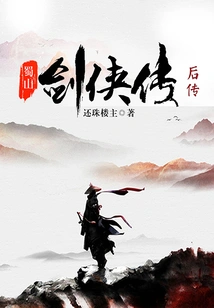
The Legend of Shushan Swordsman: Later Biography
General Fiction蜀山剑侠传·后传
The Owner Of Huanzhu
"The Legend of Shushan Swordsman: Later Biography" is a swordsman novel. The first volume was published by Shanghai Zhengqi Book Company in November 1948; the fifth volume was published in March 1949. Not finished yet. This book has been a prequel for fifty episodes. The original intention was that prices were high, the cost of the bookstore was extremely heavy, and the purchasing power of readers was weak, so the original plan was to end it temporarily. When paper and printers become cheaper in the future, I will continue to publish. Unexpectedly, when the news came out, readers sent letters and calls saying that the book was very long and had many threads, and it would be a pity not to finish it all.
"The Legend of Shushan Swordsman: Later Biography" is a swordsman novel. The first volume was published by Shanghai Zhengqi Book Company in November 1948; the fifth volume was published in March 1949. Not finished yet. This book has been a prequel for fifty episodes. The original intention was that prices were high, the cost of the bookstore was extremely heavy, and the purchasing power of readers was weak, so the original plan was to end it temporarily. When paper and printers become cheaper in the future, I will continue to publish. Unexpectedly, when the news came out, readers sent letters and calls saying that the book was very long and had many threads, and it would be a pity not to finish it all.
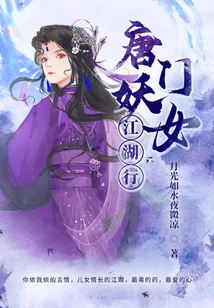
The Tang Sect Witch's Journey to the Jianghu
General Fiction唐门妖女江湖行
The Moonlight Is Like Water And The Night Is Slightly Cool
He is as gentle as jade, and his smile is harmless to humans and animals; she is gentle and kind, and her beauty is as delicate as the water. Everyone will praise them when they see them: What a beautiful couple. In fact, the truth is: Bah! What are you pretending to be, you bitch couple... You think this is a romance story between you and me, no! Do you think this is an anecdote about the passion of the world and the love between children? No! In fact, this is a bloody drama disguised as a time-travel martial arts drama... Fight whatever you want, fight whatever you want, isn't it good to go home and live happily?
He is as gentle as jade, and his smile is harmless to humans and animals; she is gentle and kind, and her beauty is as delicate as the water. Everyone will praise them when they see them: What a beautiful couple. In fact, the truth is: Bah! What are you pretending to be, you bitch couple... You think this is a romance story between you and me, no! Do you think this is an anecdote about the passion of the world and the love between children? No! In fact, this is a bloody drama disguised as a time-travel martial arts drama... Fight whatever you want, fight whatever you want, isn't it good to go home and live happily?
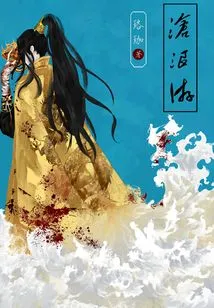
Canglangyou
General Fiction沧浪游
Luojia
The ill-fated idle prince Zheng Heng of the Qi and Song dynasties tracked down the assassin into Qianshan Academy, but unexpectedly and premeditatedly, he exchanged identities with Qianshan student Xu Zou; one was a quasi-emperor who shouldered the important responsibilities of the country, and the other was a cold-faced assassin who wanted to avenge the massacre of the city. They were both enemies and friends. The two men worked together to stir up trouble in the court. In the duel between good and evil with Empress Dowager Liu, the actual ruler of Qi and Song Dynasties, they gradually cleared away the fog, bravely solved unjust cases, outwitted traitors, and finally found out the truth about the massacre of the city ten years ago. Zheng Heng also grew up to become a wise king and revitalized the country. (Cover design: Fu You)
The ill-fated idle prince Zheng Heng of the Qi and Song dynasties tracked down the assassin into Qianshan Academy, but unexpectedly and premeditatedly, he exchanged identities with Qianshan student Xu Zou; one was a quasi-emperor who shouldered the important responsibilities of the country, and the other was a cold-faced assassin who wanted to avenge the massacre of the city. They were both enemies and friends. The two men worked together to stir up trouble in the court. In the duel between good and evil with Empress Dowager Liu, the actual ruler of Qi and Song Dynasties, they gradually cleared away the fog, bravely solved unjust cases, outwitted traitors, and finally found out the truth about the massacre of the city ten years ago. Zheng Heng also grew up to become a wise king and revitalized the country. (Cover design: Fu You)
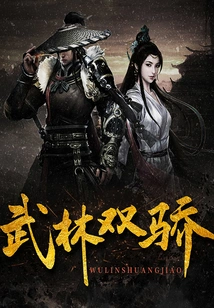
Wulin Shuangjiao
General Fiction武林双骄
Mr. Nanhai
In order to obtain the "Jasper Sword Manual", the superior swordsmanship passed down from the Yao family's ancestors, the Shen family's father and son did not hesitate to regret their marriage, break their contract, and break their promises. The owner of Piaoliu Villa, Yao Kun, the great swordsman of the Central Plains, and his wife were killed. Yao Yuting, Ming'er and his brother were in trouble, and were killed on the road. Fortunately, Xie Xinyuan, a disciple of the Diancang sect, came to help many times, and he did not hesitate to turn against his master Wang Zhengyang. Xie Xinyuan unexpectedly received the help of the White-browed Lady, and practiced the seven-star sword technique of his sect, and found the seven-star sword as a token of the sect in the tomb; Yao Yuting went through many hardships, obtained the jasper sword from the green pool of Jianfeng Mountain, and also practiced the jasper sword technique. With one sword and one sword, they traveled across the rivers and lakes, and the two fell in love with each other. Because Ming'er fell into the hands of the enemy, Xie Xinyuan and Yao Yuting went up the mountain to rescue their younger brother. They also saw through the treacherous plot of Wang Zhengyang and the Shen family's father and son, and launched a just battle on Cangcang Mountain. In troubled times, the Red Turban Rebellion, the Longhu Gang, the Lu Family Sword Sect, the Nine Sects and heroes from the Jianghu held a Yangzhou Alliance to help Zhu Yuanzhang win the Ming Dynasty!
In order to obtain the "Jasper Sword Manual", the superior swordsmanship passed down from the Yao family's ancestors, the Shen family's father and son did not hesitate to regret their marriage, break their contract, and break their promises. The owner of Piaoliu Villa, Yao Kun, the great swordsman of the Central Plains, and his wife were killed. Yao Yuting, Ming'er and his brother were in trouble, and were killed on the road. Fortunately, Xie Xinyuan, a disciple of the Diancang sect, came to help many times, and he did not hesitate to turn against his master Wang Zhengyang. Xie Xinyuan unexpectedly received the help of the White-browed Lady, and practiced the seven-star sword technique of his sect, and found the seven-star sword as a token of the sect in the tomb; Yao Yuting went through many hardships, obtained the jasper sword from the green pool of Jianfeng Mountain, and also practiced the jasper sword technique. With one sword and one sword, they traveled across the rivers and lakes, and the two fell in love with each other. Because Ming'er fell into the hands of the enemy, Xie Xinyuan and Yao Yuting went up the mountain to rescue their younger brother. They also saw through the treacherous plot of Wang Zhengyang and the Shen family's father and son, and launched a just battle on Cangcang Mountain. In troubled times, the Red Turban Rebellion, the Longhu Gang, the Lu Family Sword Sect, the Nine Sects and heroes from the Jianghu held a Yangzhou Alliance to help Zhu Yuanzhang win the Ming Dynasty!
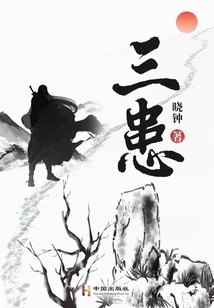
Three Troubles
General Fiction三患
Xiaozhong
The protagonists of "Three Troubles", Zhai Fang and Tang Qing, have been involved in a bizarre treasure hunt since childhood. The strange thing is that no one can tell clearly what this treasure is, what it can be used for, and how it has become the source of trouble in the world. The protagonist who is in the whirlpool of treasure hunting gradually understands what are the three troubles of the people, sees the three troubles of the princes, and even realizes the three troubles of the people. But he has always been confused, driven, explored, and grown by the "three troubles" of the Zhai people. The story is set against the background of the chaotic history of the pre-Qin Dynasty, and it describes in detail how the knights with the background of the Mohist family completed a seemingly impossible task logically after hundreds of years. The story vividly depicts a mysterious legend with ups and downs, thrilling, bizarre and rational plot, and inspires readers to think about the tenacious vitality of Chinese civilization. The story begins with a seemingly ordinary family, and uses a mysterious and bizarre treasure hunt as the main line to closely connect a series of characters and conflicts. These characters include the stubborn Ren Xia, the down-and-out strategist, the eloquent alchemist, the scheming politician, the ruthless wealthy man, the self-proclaimed harem, and the lover who will never give up on his promise of a thousand pieces of gold. Some of them are clever, some love poetry, some are good at martial arts, or some are knowledgeable. But they all cannot escape the shackles of human nature and history. They are all using their own methods to explore the meaning of life, pursuing their own ideals, and looking for an ideal social culture that allows people to live and work in peace and contentment. The story of "Three Troubles" is relatively long and is divided into a multi-part series according to the different environments and backgrounds in which the story takes place.
The protagonists of "Three Troubles", Zhai Fang and Tang Qing, have been involved in a bizarre treasure hunt since childhood. The strange thing is that no one can tell clearly what this treasure is, what it can be used for, and how it has become the source of trouble in the world. The protagonist who is in the whirlpool of treasure hunting gradually understands what are the three troubles of the people, sees the three troubles of the princes, and even realizes the three troubles of the people. But he has always been confused, driven, explored, and grown by the "three troubles" of the Zhai people. The story is set against the background of the chaotic history of the pre-Qin Dynasty, and it describes in detail how the knights with the background of the Mohist family completed a seemingly impossible task logically after hundreds of years. The story vividly depicts a mysterious legend with ups and downs, thrilling, bizarre and rational plot, and inspires readers to think about the tenacious vitality of Chinese civilization. The story begins with a seemingly ordinary family, and uses a mysterious and bizarre treasure hunt as the main line to closely connect a series of characters and conflicts. These characters include the stubborn Ren Xia, the down-and-out strategist, the eloquent alchemist, the scheming politician, the ruthless wealthy man, the self-proclaimed harem, and the lover who will never give up on his promise of a thousand pieces of gold. Some of them are clever, some love poetry, some are good at martial arts, or some are knowledgeable. But they all cannot escape the shackles of human nature and history. They are all using their own methods to explore the meaning of life, pursuing their own ideals, and looking for an ideal social culture that allows people to live and work in peace and contentment. The story of "Three Troubles" is relatively long and is divided into a multi-part series according to the different environments and backgrounds in which the story takes place.
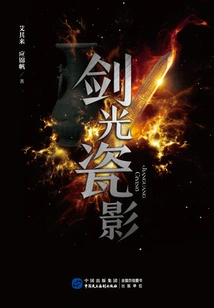
Sword Light Porcelain Shadow
General Fiction剑光瓷影
Ai Qilai Ying Jinfan
Members of the drafting group of the National Intangible Cultural Heritage Protection Law, accompanied by Zhou Changyu, the representative inheritor of the Longquan Sword Forging Technique Project, were visiting the Ancient Sword Hall of Zhejiang University Museum. Looking at the Yitian Sword, Lady Sword, Ningbi Sword, White Dragon Sword, and Golden Snake Sword placed in the cabinet, the ninety-year-old Zhou Changyu was full of thoughts, as if he had returned to the era when the mountains and rivers were broken.
Members of the drafting group of the National Intangible Cultural Heritage Protection Law, accompanied by Zhou Changyu, the representative inheritor of the Longquan Sword Forging Technique Project, were visiting the Ancient Sword Hall of Zhejiang University Museum. Looking at the Yitian Sword, Lady Sword, Ningbi Sword, White Dragon Sword, and Golden Snake Sword placed in the cabinet, the ninety-year-old Zhou Changyu was full of thoughts, as if he had returned to the era when the mountains and rivers were broken.
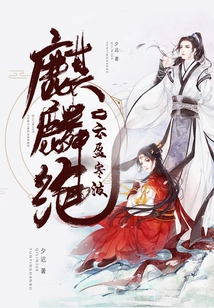
Qilinjue 1: Yunying Hanbo
General Fiction麒麟绝1:云盈寒波
Xichi
This book is a derivative work under the "Mowu" world view, with the core setting of ancient mechanism display. In order to find out the truth about the disappearance of his parents, Yue Zhaoting and his younger brother came to Shaoyong City after completing their studies and met Yu Qianying, a rich girl who was drifting away. Several people who thought they just met by chance ended up being closely connected. Yue Zhaoting and Yu Qianying gradually fell in love, but a sudden change broke their peaceful life. It turns out that everyone is a fragile pawn in this conspiracy that has been planned for more than ten years. Legendary magic weapon, dangerous secret mechanism, seven young men and women with different personalities, get to know each other in the light of swords and shadows, resist fate, and counterattack to grow.
This book is a derivative work under the "Mowu" world view, with the core setting of ancient mechanism display. In order to find out the truth about the disappearance of his parents, Yue Zhaoting and his younger brother came to Shaoyong City after completing their studies and met Yu Qianying, a rich girl who was drifting away. Several people who thought they just met by chance ended up being closely connected. Yue Zhaoting and Yu Qianying gradually fell in love, but a sudden change broke their peaceful life. It turns out that everyone is a fragile pawn in this conspiracy that has been planned for more than ten years. Legendary magic weapon, dangerous secret mechanism, seven young men and women with different personalities, get to know each other in the light of swords and shadows, resist fate, and counterattack to grow.
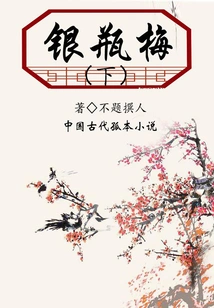
Yin Ping Mei (part 2)
General Fiction银瓶梅(下)
No Author Mentioned
"The Plum in the Silver Ping" was originally called "The Romance of the Lotus Ping", which tells the story of the knights who eliminated traitors, suppressed rebellions and took revenge during the reign of Emperor Xuanzong of the Tang Dynasty. This book is worth reading for readers interested in such topics. Suzhou Liu Fang's wife, Yan, was beautiful and virtuous. Pei Biao, the son of the Minister of War, took advantage of her and designed to frame Liu Fang for colluding with bandits, causing Liu Fang to die under torture. Yan escaped from home and was forced to take refuge in Erlong Mountain. Liu Fang abandoned her body in the wilderness, but was revived by her friend Chen Sheng with a lotus seed bottle. Pei Biao colluded with the traitors and plotted evil. Liu Fang's grievance finally reached Xuanzong. Liu Fang, Chen Sheng and others were ordered to suppress the traitorous party, and the Pei family, father and son, and party members were all killed. The novel describes the collusion between treacherous ministers and bandits, and the alliance between knights and loyal ministers, linking personal grievances and the safety of the country. The story is widely circulated among the people. The plot of the work is rich and the scene descriptions are extremely vivid. It has far-reaching influence and is well received. It is a classic work worth reading. The stories in the book are vivid and the language is concise and popular. The structural arrangement, character creation, and expression of thoughts and plots are all unique and unique. They are highly readable and suitable for recreational reading. The structure of the book is rigorous and dense; the events and characters written are as if they were there and the images are vivid. The writing is simple and interesting, with endless aftertaste, making it hard to put down after reading it.
"The Plum in the Silver Ping" was originally called "The Romance of the Lotus Ping", which tells the story of the knights who eliminated traitors, suppressed rebellions and took revenge during the reign of Emperor Xuanzong of the Tang Dynasty. This book is worth reading for readers interested in such topics. Suzhou Liu Fang's wife, Yan, was beautiful and virtuous. Pei Biao, the son of the Minister of War, took advantage of her and designed to frame Liu Fang for colluding with bandits, causing Liu Fang to die under torture. Yan escaped from home and was forced to take refuge in Erlong Mountain. Liu Fang abandoned her body in the wilderness, but was revived by her friend Chen Sheng with a lotus seed bottle. Pei Biao colluded with the traitors and plotted evil. Liu Fang's grievance finally reached Xuanzong. Liu Fang, Chen Sheng and others were ordered to suppress the traitorous party, and the Pei family, father and son, and party members were all killed. The novel describes the collusion between treacherous ministers and bandits, and the alliance between knights and loyal ministers, linking personal grievances and the safety of the country. The story is widely circulated among the people. The plot of the work is rich and the scene descriptions are extremely vivid. It has far-reaching influence and is well received. It is a classic work worth reading. The stories in the book are vivid and the language is concise and popular. The structural arrangement, character creation, and expression of thoughts and plots are all unique and unique. They are highly readable and suitable for recreational reading. The structure of the book is rigorous and dense; the events and characters written are as if they were there and the images are vivid. The writing is simple and interesting, with endless aftertaste, making it hard to put down after reading it.
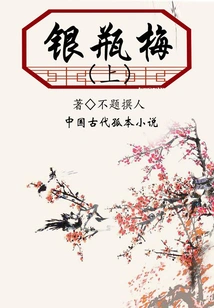
Yin Ping Mei (part 1)
General Fiction银瓶梅(上)
No Author Mentioned
"The Plum in the Silver Ping" was originally called "The Romance of the Lotus Ping", which tells the story of the knights who eliminated traitors, suppressed rebellions and took revenge during the reign of Emperor Xuanzong of the Tang Dynasty. This book is worth reading for readers interested in such topics. Suzhou Liu Fang's wife, Yan, was beautiful and virtuous. Pei Biao, the son of the Minister of War, took advantage of her and designed to frame Liu Fang for colluding with bandits, causing Liu Fang to die under torture. Yan escaped from home and was forced to take refuge in Erlong Mountain. Liu Fang abandoned her body in the wilderness, but was revived by her friend Chen Sheng with a lotus seed bottle. Pei Biao colluded with the traitors and plotted evil. Liu Fang's grievance finally reached Xuanzong. Liu Fang, Chen Sheng and others were ordered to suppress the traitorous party, and the Pei family, father and son, and party members were all killed. The novel describes the collusion between treacherous ministers and bandits, and the alliance between knights and loyal ministers, linking personal grievances and the safety of the country. The story is widely circulated among the people. The plot of the work is rich and the scene descriptions are extremely vivid. It has far-reaching influence and is well received. It is a classic work worth reading. The stories in the book are vivid and the language is concise and popular. The structural arrangement, character creation, and expression of thoughts and plots are all unique and unique. They are highly readable and suitable for recreational reading. The structure of the book is rigorous and dense; the events and characters written are as if they were there and the images are vivid. The writing is simple and interesting, with endless aftertaste, making it hard to put down after reading it.
"The Plum in the Silver Ping" was originally called "The Romance of the Lotus Ping", which tells the story of the knights who eliminated traitors, suppressed rebellions and took revenge during the reign of Emperor Xuanzong of the Tang Dynasty. This book is worth reading for readers interested in such topics. Suzhou Liu Fang's wife, Yan, was beautiful and virtuous. Pei Biao, the son of the Minister of War, took advantage of her and designed to frame Liu Fang for colluding with bandits, causing Liu Fang to die under torture. Yan escaped from home and was forced to take refuge in Erlong Mountain. Liu Fang abandoned her body in the wilderness, but was revived by her friend Chen Sheng with a lotus seed bottle. Pei Biao colluded with the traitors and plotted evil. Liu Fang's grievance finally reached Xuanzong. Liu Fang, Chen Sheng and others were ordered to suppress the traitorous party, and the Pei family, father and son, and party members were all killed. The novel describes the collusion between treacherous ministers and bandits, and the alliance between knights and loyal ministers, linking personal grievances and the safety of the country. The story is widely circulated among the people. The plot of the work is rich and the scene descriptions are extremely vivid. It has far-reaching influence and is well received. It is a classic work worth reading. The stories in the book are vivid and the language is concise and popular. The structural arrangement, character creation, and expression of thoughts and plots are all unique and unique. They are highly readable and suitable for recreational reading. The structure of the book is rigorous and dense; the events and characters written are as if they were there and the images are vivid. The writing is simple and interesting, with endless aftertaste, making it hard to put down after reading it.
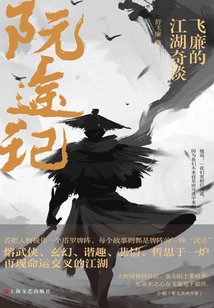
Ruan Tuji: Fei Lian's Strange Stories from the Jianghu
General Fiction阮途记:飞廉的江湖奇谈
Shu Feilian
The nine stories completely reproduce the scenes of the rivers and lakes in the late Northern Song Dynasty; they combine martial arts, fantasy, humor, tragedy, and philosophy to recreate the rivers and lakes with intertwined destinies. Zhao Wenshao mistakenly entered the den of bandits in Dongting and entered the world of martial arts by practicing unparalleled martial arts; Yuan An bid farewell to the Peach Blossom Spring and returned to the green forest of swords and swords; in the Dabie Mountains, Zhang Shu and Hei Donkey obtained the dragon-slaying knife related to the country; eight craftsmen in Yunmeng County, under the guidance of Sima Feilian, built a new Dragon Palace Ge Qing wanders in the Chongning Snow Tunnel, which is like a labyrinth of glass, not knowing how to visit the old rain and the old sword; Master Huineng is on Junshan Island, together with the Mulan Flower Demon, waiting calmly for their lovers on the Three Life Stones... Parting and reunion, chivalrous love and love, blood and tears, life and death, joy and sorrow. The sunny days of the Song Dynasty and the rivers, lakes and temples of China require knights to travel and experience, so as to understand the destiny and make choices.
The nine stories completely reproduce the scenes of the rivers and lakes in the late Northern Song Dynasty; they combine martial arts, fantasy, humor, tragedy, and philosophy to recreate the rivers and lakes with intertwined destinies. Zhao Wenshao mistakenly entered the den of bandits in Dongting and entered the world of martial arts by practicing unparalleled martial arts; Yuan An bid farewell to the Peach Blossom Spring and returned to the green forest of swords and swords; in the Dabie Mountains, Zhang Shu and Hei Donkey obtained the dragon-slaying knife related to the country; eight craftsmen in Yunmeng County, under the guidance of Sima Feilian, built a new Dragon Palace Ge Qing wanders in the Chongning Snow Tunnel, which is like a labyrinth of glass, not knowing how to visit the old rain and the old sword; Master Huineng is on Junshan Island, together with the Mulan Flower Demon, waiting calmly for their lovers on the Three Life Stones... Parting and reunion, chivalrous love and love, blood and tears, life and death, joy and sorrow. The sunny days of the Song Dynasty and the rivers, lakes and temples of China require knights to travel and experience, so as to understand the destiny and make choices.
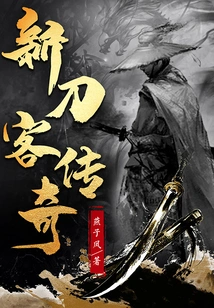
New Swordsman Legend
General Fiction新刀客传奇
Yan Zifeng
Chunyu Fu was a professional swordsman with extraordinary wisdom, courage and extraordinary courage. As he wandered around the world of martial arts, he later became sentimental due to his encounters with love, and developed three love affairs with Haiyan, Xueqian, and Yan Zifeng. Compose the joys and sorrows of the swordsman's life, and tell the story of the hero's dragon slaying.
Chunyu Fu was a professional swordsman with extraordinary wisdom, courage and extraordinary courage. As he wandered around the world of martial arts, he later became sentimental due to his encounters with love, and developed three love affairs with Haiyan, Xueqian, and Yan Zifeng. Compose the joys and sorrows of the swordsman's life, and tell the story of the hero's dragon slaying.
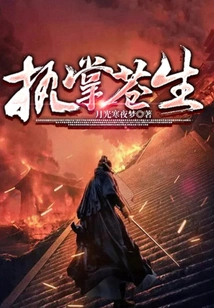
Take Charge of the People
General Fiction执掌苍生
Moonlight Cold Night Dream
All living beings are like chess pieces on this chessboard. Sometimes it's trivial, sometimes it makes a difference. Everyone is a chess piece, and how effective it can be depends on how the person who controls the game uses him. "If you want to transcend all this, you have to be the one in control! See how Shen Cangsheng messes up the world, everyone is a chess piece. One person decides the world's affairs!
All living beings are like chess pieces on this chessboard. Sometimes it's trivial, sometimes it makes a difference. Everyone is a chess piece, and how effective it can be depends on how the person who controls the game uses him. "If you want to transcend all this, you have to be the one in control! See how Shen Cangsheng messes up the world, everyone is a chess piece. One person decides the world's affairs!
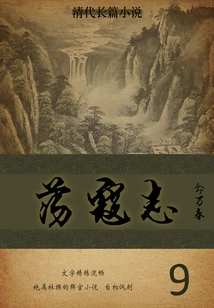
Novel of the Qing Dynasty: Danger to the Bandits (9)
General Fiction清代长篇小说:荡寇志(9)
Yu Wanchun
"Dang Kou Zhi" is a continuation of the Ming Dynasty novel "Water Margin" by the Chinese Qing Dynasty novelist Yu Wanchun, also known as "The Complete Story of the Water Margin" or "The Water Margin". It was drafted in the sixth year of Daoguang and written in the twenty-seventh year of Daoguang. There were "three changes to the draft" in the middle, which lasted for 22 years. Because the author lived in the era before the Taiping Rebellion, thieves were rampant in the country. The author felt that China was suffering from thieves at that time, so he hated thieves deeply, which inspired his creation. There are also opinions that "Dang Kou Zhi" is actually a work that uses "qubi" to praise "Water Margin". Yu Wanchun is a die-hard Water Margin fan. There is a lot of "self-irony" in "Dang Kou Zhi", and its main theme is actually the same as the version of "Water Margin" before it was cut in half. Yu Wanchun wrote "Dang Kou Zhi" on the surface to vilify the Liangshan heroes, but in fact he used "self-vilification" to praise "Water Margin".
"Dang Kou Zhi" is a continuation of the Ming Dynasty novel "Water Margin" by the Chinese Qing Dynasty novelist Yu Wanchun, also known as "The Complete Story of the Water Margin" or "The Water Margin". It was drafted in the sixth year of Daoguang and written in the twenty-seventh year of Daoguang. There were "three changes to the draft" in the middle, which lasted for 22 years. Because the author lived in the era before the Taiping Rebellion, thieves were rampant in the country. The author felt that China was suffering from thieves at that time, so he hated thieves deeply, which inspired his creation. There are also opinions that "Dang Kou Zhi" is actually a work that uses "qubi" to praise "Water Margin". Yu Wanchun is a die-hard Water Margin fan. There is a lot of "self-irony" in "Dang Kou Zhi", and its main theme is actually the same as the version of "Water Margin" before it was cut in half. Yu Wanchun wrote "Dang Kou Zhi" on the surface to vilify the Liangshan heroes, but in fact he used "self-vilification" to praise "Water Margin".
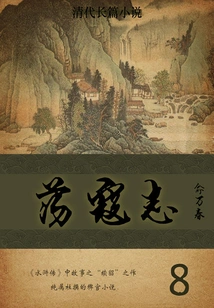
Novel of the Qing Dynasty: Fighting Against the Kou Zhi (8)
General Fiction清代长篇小说:荡寇志(8)
Yu Wanchun
"Dang Kou Zhi" is a continuation of the Ming Dynasty novel "Water Margin" by the Chinese Qing Dynasty novelist Yu Wanchun, also known as "The Complete Story of the Water Margin" or "The Water Margin". It was drafted in the sixth year of Daoguang and written in the twenty-seventh year of Daoguang. There were "three changes to the draft" in the middle, which lasted for 22 years. Because the author lived in the era before the Taiping Rebellion, thieves were rampant in the country. The author felt that China was suffering from thieves at that time, so he hated thieves deeply, which inspired his creation. There are also opinions that "Dang Kou Zhi" is actually a work that uses "qubi" to praise "Water Margin". Yu Wanchun is a die-hard Water Margin fan. There is a lot of "self-irony" in "Dang Kou Zhi", and its main theme is actually the same as the version of "Water Margin" before it was cut in half. Yu Wanchun wrote "Dang Kou Zhi" on the surface to vilify the Liangshan heroes, but in fact he used "self-vilification" to praise "Water Margin".
"Dang Kou Zhi" is a continuation of the Ming Dynasty novel "Water Margin" by the Chinese Qing Dynasty novelist Yu Wanchun, also known as "The Complete Story of the Water Margin" or "The Water Margin". It was drafted in the sixth year of Daoguang and written in the twenty-seventh year of Daoguang. There were "three changes to the draft" in the middle, which lasted for 22 years. Because the author lived in the era before the Taiping Rebellion, thieves were rampant in the country. The author felt that China was suffering from thieves at that time, so he hated thieves deeply, which inspired his creation. There are also opinions that "Dang Kou Zhi" is actually a work that uses "qubi" to praise "Water Margin". Yu Wanchun is a die-hard Water Margin fan. There is a lot of "self-irony" in "Dang Kou Zhi", and its main theme is actually the same as the version of "Water Margin" before it was cut in half. Yu Wanchun wrote "Dang Kou Zhi" on the surface to vilify the Liangshan heroes, but in fact he used "self-vilification" to praise "Water Margin".
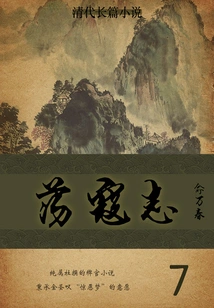
Novel of the Qing Dynasty: Fighting Against the Kou Zhi (7)
General Fiction清代长篇小说:荡寇志(7)
Yu Wanchun
"Dang Kou Zhi" is a continuation of the Ming Dynasty novel "Water Margin" by the Chinese Qing Dynasty novelist Yu Wanchun, also known as "The Complete Story of the Water Margin" or "The Water Margin". It was drafted in the sixth year of Daoguang and written in the twenty-seventh year of Daoguang. There were "three changes to the draft" in the middle, which lasted for 22 years. Because the author lived in the era before the Taiping Rebellion, thieves were rampant in the country. The author felt that China was suffering from thieves at that time, so he hated thieves deeply, which inspired his creation. There are also opinions that "Dang Kou Zhi" is actually a work that uses "qubi" to praise "Water Margin". Yu Wanchun is a die-hard Water Margin fan. There is a lot of "self-irony" in "Dang Kou Zhi", and its main theme is actually the same as the version of "Water Margin" before it was cut in half. Yu Wanchun wrote "Dang Kou Zhi" on the surface to vilify the Liangshan heroes, but in fact he used "self-vilification" to praise "Water Margin".
"Dang Kou Zhi" is a continuation of the Ming Dynasty novel "Water Margin" by the Chinese Qing Dynasty novelist Yu Wanchun, also known as "The Complete Story of the Water Margin" or "The Water Margin". It was drafted in the sixth year of Daoguang and written in the twenty-seventh year of Daoguang. There were "three changes to the draft" in the middle, which lasted for 22 years. Because the author lived in the era before the Taiping Rebellion, thieves were rampant in the country. The author felt that China was suffering from thieves at that time, so he hated thieves deeply, which inspired his creation. There are also opinions that "Dang Kou Zhi" is actually a work that uses "qubi" to praise "Water Margin". Yu Wanchun is a die-hard Water Margin fan. There is a lot of "self-irony" in "Dang Kou Zhi", and its main theme is actually the same as the version of "Water Margin" before it was cut in half. Yu Wanchun wrote "Dang Kou Zhi" on the surface to vilify the Liangshan heroes, but in fact he used "self-vilification" to praise "Water Margin".
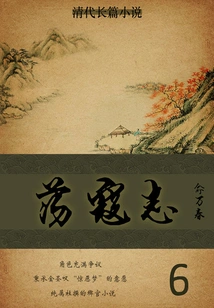
Novel of the Qing Dynasty: Danger to the Bandits (6)
General Fiction清代长篇小说:荡寇志(6)
Yu Wanchun
"Dang Kou Zhi" is a continuation of the Ming Dynasty novel "Water Margin" by the Chinese Qing Dynasty novelist Yu Wanchun, also known as "The Complete Story of the Water Margin" or "The Water Margin". It was drafted in the sixth year of Daoguang and written in the twenty-seventh year of Daoguang. There were "three changes to the draft" in the middle, which lasted for 22 years. Because the author lived in the era before the Taiping Rebellion, thieves were rampant in the country. The author felt that China was suffering from thieves at that time, so he hated thieves deeply, which inspired his creation. There are also opinions that "Dang Kou Zhi" is actually a work that uses "qubi" to praise "Water Margin". Yu Wanchun is a die-hard Water Margin fan. There is a lot of "self-irony" in "Dang Kou Zhi", and its main theme is actually the same as the version of "Water Margin" before it was cut in half. Yu Wanchun wrote "Dang Kou Zhi" on the surface to vilify the Liangshan heroes, but in fact he used "self-vilification" to praise "Water Margin".
"Dang Kou Zhi" is a continuation of the Ming Dynasty novel "Water Margin" by the Chinese Qing Dynasty novelist Yu Wanchun, also known as "The Complete Story of the Water Margin" or "The Water Margin". It was drafted in the sixth year of Daoguang and written in the twenty-seventh year of Daoguang. There were "three changes to the draft" in the middle, which lasted for 22 years. Because the author lived in the era before the Taiping Rebellion, thieves were rampant in the country. The author felt that China was suffering from thieves at that time, so he hated thieves deeply, which inspired his creation. There are also opinions that "Dang Kou Zhi" is actually a work that uses "qubi" to praise "Water Margin". Yu Wanchun is a die-hard Water Margin fan. There is a lot of "self-irony" in "Dang Kou Zhi", and its main theme is actually the same as the version of "Water Margin" before it was cut in half. Yu Wanchun wrote "Dang Kou Zhi" on the surface to vilify the Liangshan heroes, but in fact he used "self-vilification" to praise "Water Margin".
Novel of the Qing Dynasty: Fighting Against the Kou Zhi (5)
General Fiction清代长篇小说:荡寇志(5)
Yu Wanchun
"Dang Kou Zhi" is a continuation of the Ming Dynasty novel "Water Margin" by the Chinese Qing Dynasty novelist Yu Wanchun, also known as "The Complete Story of the Water Margin" or "The Water Margin". It was drafted in the sixth year of Daoguang and written in the twenty-seventh year of Daoguang. There were "three changes to the draft" in the middle, which lasted for 22 years. Because the author lived in the era before the Taiping Rebellion, thieves were rampant in the country. The author felt that China was suffering from thieves at that time, so he hated thieves deeply, which inspired his creation. There are also opinions that "Dang Kou Zhi" is actually a work that uses "qubi" to praise "Water Margin". Yu Wanchun is a die-hard Water Margin fan. There is a lot of "self-irony" in "Dang Kou Zhi", and its main theme is actually the same as the version of "Water Margin" before it was cut in half. Yu Wanchun wrote "Dang Kou Zhi" on the surface to vilify the Liangshan heroes, but in fact he used "self-vilification" to praise "Water Margin".
"Dang Kou Zhi" is a continuation of the Ming Dynasty novel "Water Margin" by the Chinese Qing Dynasty novelist Yu Wanchun, also known as "The Complete Story of the Water Margin" or "The Water Margin". It was drafted in the sixth year of Daoguang and written in the twenty-seventh year of Daoguang. There were "three changes to the draft" in the middle, which lasted for 22 years. Because the author lived in the era before the Taiping Rebellion, thieves were rampant in the country. The author felt that China was suffering from thieves at that time, so he hated thieves deeply, which inspired his creation. There are also opinions that "Dang Kou Zhi" is actually a work that uses "qubi" to praise "Water Margin". Yu Wanchun is a die-hard Water Margin fan. There is a lot of "self-irony" in "Dang Kou Zhi", and its main theme is actually the same as the version of "Water Margin" before it was cut in half. Yu Wanchun wrote "Dang Kou Zhi" on the surface to vilify the Liangshan heroes, but in fact he used "self-vilification" to praise "Water Margin".
Novel of the Qing Dynasty: Danger to the Bandits (3)
General Fiction清代长篇小说:荡寇志(3)
Yu Wanchun
"Dang Kou Zhi" is a continuation of the Ming Dynasty novel "Water Margin" by the Chinese Qing Dynasty novelist Yu Wanchun, also known as "The Complete Story of the Water Margin" or "The Water Margin". It was drafted in the sixth year of Daoguang and written in the twenty-seventh year of Daoguang. There were "three changes to the draft" in the middle, which lasted for 22 years. Because the author lived in the era before the Taiping Rebellion, thieves were rampant in the country. The author felt that China was suffering from thieves at that time, so he hated thieves deeply, which inspired his creation. There are also opinions that "Dang Kou Zhi" is actually a work that uses "qubi" to praise "Water Margin". Yu Wanchun is a die-hard Water Margin fan. There is a lot of "self-irony" in "Dang Kou Zhi", and its main theme is actually the same as the version of "Water Margin" before it was cut in half. Yu Wanchun wrote "Dang Kou Zhi" on the surface to vilify the Liangshan heroes, but in fact he used "self-vilification" to praise "Water Margin".
"Dang Kou Zhi" is a continuation of the Ming Dynasty novel "Water Margin" by the Chinese Qing Dynasty novelist Yu Wanchun, also known as "The Complete Story of the Water Margin" or "The Water Margin". It was drafted in the sixth year of Daoguang and written in the twenty-seventh year of Daoguang. There were "three changes to the draft" in the middle, which lasted for 22 years. Because the author lived in the era before the Taiping Rebellion, thieves were rampant in the country. The author felt that China was suffering from thieves at that time, so he hated thieves deeply, which inspired his creation. There are also opinions that "Dang Kou Zhi" is actually a work that uses "qubi" to praise "Water Margin". Yu Wanchun is a die-hard Water Margin fan. There is a lot of "self-irony" in "Dang Kou Zhi", and its main theme is actually the same as the version of "Water Margin" before it was cut in half. Yu Wanchun wrote "Dang Kou Zhi" on the surface to vilify the Liangshan heroes, but in fact he used "self-vilification" to praise "Water Margin".
Novel of the Qing Dynasty: Fighting Against the Kou Zhi (4)
General Fiction清代长篇小说:荡寇志(4)
Yu Wanchun
"Dang Kou Zhi" is a continuation of the Ming Dynasty novel "Water Margin" by the Chinese Qing Dynasty novelist Yu Wanchun, also known as "The Complete Story of the Water Margin" or "The Water Margin". It was drafted in the sixth year of Daoguang and written in the twenty-seventh year of Daoguang. There were "three changes to the draft" in the middle, which lasted for 22 years. Because the author lived in the era before the Taiping Rebellion, thieves were rampant in the country. The author felt that China was suffering from thieves at that time, so he hated thieves deeply, which inspired his creation. There are also opinions that "Dang Kou Zhi" is actually a work that uses "qubi" to praise "Water Margin". Yu Wanchun is a die-hard Water Margin fan. There is a lot of "self-irony" in "Dang Kou Zhi", and its main theme is actually the same as the version of "Water Margin" before it was cut in half. Yu Wanchun wrote "Dang Kou Zhi" on the surface to vilify the Liangshan heroes, but in fact he used "self-vilification" to praise "Water Margin".
"Dang Kou Zhi" is a continuation of the Ming Dynasty novel "Water Margin" by the Chinese Qing Dynasty novelist Yu Wanchun, also known as "The Complete Story of the Water Margin" or "The Water Margin". It was drafted in the sixth year of Daoguang and written in the twenty-seventh year of Daoguang. There were "three changes to the draft" in the middle, which lasted for 22 years. Because the author lived in the era before the Taiping Rebellion, thieves were rampant in the country. The author felt that China was suffering from thieves at that time, so he hated thieves deeply, which inspired his creation. There are also opinions that "Dang Kou Zhi" is actually a work that uses "qubi" to praise "Water Margin". Yu Wanchun is a die-hard Water Margin fan. There is a lot of "self-irony" in "Dang Kou Zhi", and its main theme is actually the same as the version of "Water Margin" before it was cut in half. Yu Wanchun wrote "Dang Kou Zhi" on the surface to vilify the Liangshan heroes, but in fact he used "self-vilification" to praise "Water Margin".
Novel of the Qing Dynasty: Fighting Against the Kou Zhi (2)
General Fiction清代长篇小说:荡寇志(2)
Yu Wanchun
"Dang Kou Zhi" is a continuation of the Ming Dynasty novel "Water Margin" by the Chinese Qing Dynasty novelist Yu Wanchun, also known as "The Complete Story of the Water Margin" or "The Water Margin". It was drafted in the sixth year of Daoguang and written in the twenty-seventh year of Daoguang. There were "three changes to the draft" in the middle, which lasted for 22 years. Because the author lived in the era before the Taiping Rebellion, thieves were rampant in the country. The author felt that China was suffering from thieves at that time, so he hated thieves deeply, which inspired his creation. There are also opinions that "Dang Kou Zhi" is actually a work that uses "qubi" to praise "Water Margin". Yu Wanchun is a die-hard Water Margin fan. There is a lot of "self-irony" in "Dang Kou Zhi", and its main theme is actually the same as the version of "Water Margin" before it was cut in half. Yu Wanchun wrote "Dang Kou Zhi" on the surface to vilify the Liangshan heroes, but in fact he used "self-vilification" to praise "Water Margin".
"Dang Kou Zhi" is a continuation of the Ming Dynasty novel "Water Margin" by the Chinese Qing Dynasty novelist Yu Wanchun, also known as "The Complete Story of the Water Margin" or "The Water Margin". It was drafted in the sixth year of Daoguang and written in the twenty-seventh year of Daoguang. There were "three changes to the draft" in the middle, which lasted for 22 years. Because the author lived in the era before the Taiping Rebellion, thieves were rampant in the country. The author felt that China was suffering from thieves at that time, so he hated thieves deeply, which inspired his creation. There are also opinions that "Dang Kou Zhi" is actually a work that uses "qubi" to praise "Water Margin". Yu Wanchun is a die-hard Water Margin fan. There is a lot of "self-irony" in "Dang Kou Zhi", and its main theme is actually the same as the version of "Water Margin" before it was cut in half. Yu Wanchun wrote "Dang Kou Zhi" on the surface to vilify the Liangshan heroes, but in fact he used "self-vilification" to praise "Water Margin".
Novel of the Qing Dynasty: Danger to the Bandits (13)
General Fiction清代长篇小说:荡寇志(13)
Yu Wanchun
"Dang Kou Zhi" is a continuation of the Ming Dynasty novel "Water Margin" by the Chinese Qing Dynasty novelist Yu Wanchun, also known as "The Complete Story of the Water Margin" or "The Water Margin". It was drafted in the sixth year of Daoguang and written in the twenty-seventh year of Daoguang. There were "three changes to the draft" in the middle, which lasted for 22 years. Because the author lived in the era before the Taiping Rebellion, thieves were rampant in the country. The author felt that China was suffering from thieves at that time, so he hated thieves deeply, which inspired his creation. There are also opinions that "Dang Kou Zhi" is actually a work that uses "qubi" to praise "Water Margin". Yu Wanchun is a die-hard Water Margin fan. There is a lot of "self-irony" in "Dang Kou Zhi", and its main theme is actually the same as the version of "Water Margin" before it was cut in half. Yu Wanchun wrote "Dang Kou Zhi" on the surface to vilify the Liangshan heroes, but in fact he used "self-vilification" to praise "Water Margin".
"Dang Kou Zhi" is a continuation of the Ming Dynasty novel "Water Margin" by the Chinese Qing Dynasty novelist Yu Wanchun, also known as "The Complete Story of the Water Margin" or "The Water Margin". It was drafted in the sixth year of Daoguang and written in the twenty-seventh year of Daoguang. There were "three changes to the draft" in the middle, which lasted for 22 years. Because the author lived in the era before the Taiping Rebellion, thieves were rampant in the country. The author felt that China was suffering from thieves at that time, so he hated thieves deeply, which inspired his creation. There are also opinions that "Dang Kou Zhi" is actually a work that uses "qubi" to praise "Water Margin". Yu Wanchun is a die-hard Water Margin fan. There is a lot of "self-irony" in "Dang Kou Zhi", and its main theme is actually the same as the version of "Water Margin" before it was cut in half. Yu Wanchun wrote "Dang Kou Zhi" on the surface to vilify the Liangshan heroes, but in fact he used "self-vilification" to praise "Water Margin".
Novel of the Qing Dynasty: Fighting Against the Kou Zhi (12)
General Fiction清代长篇小说:荡寇志(12)
Yu Wanchun
"Dang Kou Zhi" is a continuation of the Ming Dynasty novel "Water Margin" by the Chinese Qing Dynasty novelist Yu Wanchun, also known as "The Complete Story of the Water Margin" or "The Water Margin". It was drafted in the sixth year of Daoguang and written in the twenty-seventh year of Daoguang. There were "three changes to the draft" in the middle, which lasted for 22 years. Because the author lived in the era before the Taiping Rebellion, thieves were rampant in the country. The author felt that China was suffering from thieves at that time, so he hated thieves deeply, which inspired his creation. There are also opinions that "Dang Kou Zhi" is actually a work that uses "qubi" to praise "Water Margin". Yu Wanchun is a die-hard Water Margin fan. There is a lot of "self-irony" in "Dang Kou Zhi", and its main theme is actually the same as the version of "Water Margin" before it was cut in half. Yu Wanchun wrote "Dang Kou Zhi" on the surface to vilify the Liangshan heroes, but in fact he used "self-vilification" to praise "Water Margin".
"Dang Kou Zhi" is a continuation of the Ming Dynasty novel "Water Margin" by the Chinese Qing Dynasty novelist Yu Wanchun, also known as "The Complete Story of the Water Margin" or "The Water Margin". It was drafted in the sixth year of Daoguang and written in the twenty-seventh year of Daoguang. There were "three changes to the draft" in the middle, which lasted for 22 years. Because the author lived in the era before the Taiping Rebellion, thieves were rampant in the country. The author felt that China was suffering from thieves at that time, so he hated thieves deeply, which inspired his creation. There are also opinions that "Dang Kou Zhi" is actually a work that uses "qubi" to praise "Water Margin". Yu Wanchun is a die-hard Water Margin fan. There is a lot of "self-irony" in "Dang Kou Zhi", and its main theme is actually the same as the version of "Water Margin" before it was cut in half. Yu Wanchun wrote "Dang Kou Zhi" on the surface to vilify the Liangshan heroes, but in fact he used "self-vilification" to praise "Water Margin".
Novel of the Qing Dynasty: Fighting Against the Bandits (10)
General Fiction清代长篇小说:荡寇志(10)
Yu Wanchun
"Dang Kou Zhi" is a continuation of the Ming Dynasty novel "Water Margin" by the Chinese Qing Dynasty novelist Yu Wanchun, also known as "The Complete Story of the Water Margin" or "The Water Margin". It was drafted in the sixth year of Daoguang and written in the twenty-seventh year of Daoguang. There were "three changes to the draft" in the middle, which lasted for 22 years. Because the author lived in the era before the Taiping Rebellion, thieves were rampant in the country. The author felt that China was suffering from thieves at that time, so he hated thieves deeply, which inspired his creation. There are also opinions that "Dang Kou Zhi" is actually a work that uses "qubi" to praise "Water Margin". Yu Wanchun is a die-hard Water Margin fan. There is a lot of "self-irony" in "Dang Kou Zhi", and its main theme is actually the same as the version of "Water Margin" before it was cut in half. Yu Wanchun wrote "Dang Kou Zhi" on the surface to vilify the Liangshan heroes, but in fact he used "self-vilification" to praise "Water Margin".
"Dang Kou Zhi" is a continuation of the Ming Dynasty novel "Water Margin" by the Chinese Qing Dynasty novelist Yu Wanchun, also known as "The Complete Story of the Water Margin" or "The Water Margin". It was drafted in the sixth year of Daoguang and written in the twenty-seventh year of Daoguang. There were "three changes to the draft" in the middle, which lasted for 22 years. Because the author lived in the era before the Taiping Rebellion, thieves were rampant in the country. The author felt that China was suffering from thieves at that time, so he hated thieves deeply, which inspired his creation. There are also opinions that "Dang Kou Zhi" is actually a work that uses "qubi" to praise "Water Margin". Yu Wanchun is a die-hard Water Margin fan. There is a lot of "self-irony" in "Dang Kou Zhi", and its main theme is actually the same as the version of "Water Margin" before it was cut in half. Yu Wanchun wrote "Dang Kou Zhi" on the surface to vilify the Liangshan heroes, but in fact he used "self-vilification" to praise "Water Margin".
Novel of the Qing Dynasty: Fighting Against the Kou Zhi (11)
General Fiction清代长篇小说:荡寇志(11)
Yu Wanchun
"Dang Kou Zhi" is a continuation of the Ming Dynasty novel "Water Margin" by the Chinese Qing Dynasty novelist Yu Wanchun, also known as "The Complete Story of the Water Margin" or "The Water Margin". It was drafted in the sixth year of Daoguang and written in the twenty-seventh year of Daoguang. There were "three changes to the draft" in the middle, which lasted for 22 years. Because the author lived in the era before the Taiping Rebellion, thieves were rampant in the country. The author felt that China was suffering from thieves at that time, so he hated thieves deeply, which inspired his creation. There are also opinions that "Dang Kou Zhi" is actually a work that uses "qubi" to praise "Water Margin". Yu Wanchun is a die-hard Water Margin fan. There is a lot of "self-irony" in "Dang Kou Zhi", and its main theme is actually the same as the version of "Water Margin" before it was cut in half. Yu Wanchun wrote "Dang Kou Zhi" on the surface to vilify the Liangshan heroes, but in fact he used "self-vilification" to praise "Water Margin".
"Dang Kou Zhi" is a continuation of the Ming Dynasty novel "Water Margin" by the Chinese Qing Dynasty novelist Yu Wanchun, also known as "The Complete Story of the Water Margin" or "The Water Margin". It was drafted in the sixth year of Daoguang and written in the twenty-seventh year of Daoguang. There were "three changes to the draft" in the middle, which lasted for 22 years. Because the author lived in the era before the Taiping Rebellion, thieves were rampant in the country. The author felt that China was suffering from thieves at that time, so he hated thieves deeply, which inspired his creation. There are also opinions that "Dang Kou Zhi" is actually a work that uses "qubi" to praise "Water Margin". Yu Wanchun is a die-hard Water Margin fan. There is a lot of "self-irony" in "Dang Kou Zhi", and its main theme is actually the same as the version of "Water Margin" before it was cut in half. Yu Wanchun wrote "Dang Kou Zhi" on the surface to vilify the Liangshan heroes, but in fact he used "self-vilification" to praise "Water Margin".
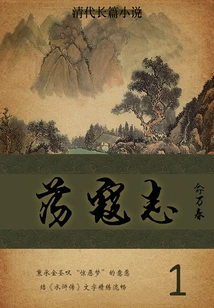
Novel of the Qing Dynasty: Danger to the Bandits (1)
General Fiction清代长篇小说:荡寇志(1)
Yu Wanchun
"Dang Kou Zhi" is a continuation of the Ming Dynasty novel "Water Margin" by the Chinese Qing Dynasty novelist Yu Wanchun, also known as "The Complete Story of the Water Margin" or "The Water Margin". It was drafted in the sixth year of Daoguang and written in the twenty-seventh year of Daoguang. There were "three changes to the draft" in the middle, which lasted for 22 years. Because the author lived in the era before the Taiping Rebellion, thieves were rampant in the country. The author felt that China was suffering from thieves at that time, so he hated thieves deeply, which inspired his creation. There are also opinions that "Dang Kou Zhi" is actually a work that uses "qubi" to praise "Water Margin". Yu Wanchun is a die-hard Water Margin fan. There is a lot of "self-irony" in "Dang Kou Zhi", and its main theme is actually the same as the version of "Water Margin" before it was cut in half. Yu Wanchun wrote "Dang Kou Zhi" on the surface to vilify the Liangshan heroes, but in fact he used "self-vilification" to praise "Water Margin".
"Dang Kou Zhi" is a continuation of the Ming Dynasty novel "Water Margin" by the Chinese Qing Dynasty novelist Yu Wanchun, also known as "The Complete Story of the Water Margin" or "The Water Margin". It was drafted in the sixth year of Daoguang and written in the twenty-seventh year of Daoguang. There were "three changes to the draft" in the middle, which lasted for 22 years. Because the author lived in the era before the Taiping Rebellion, thieves were rampant in the country. The author felt that China was suffering from thieves at that time, so he hated thieves deeply, which inspired his creation. There are also opinions that "Dang Kou Zhi" is actually a work that uses "qubi" to praise "Water Margin". Yu Wanchun is a die-hard Water Margin fan. There is a lot of "self-irony" in "Dang Kou Zhi", and its main theme is actually the same as the version of "Water Margin" before it was cut in half. Yu Wanchun wrote "Dang Kou Zhi" on the surface to vilify the Liangshan heroes, but in fact he used "self-vilification" to praise "Water Margin".
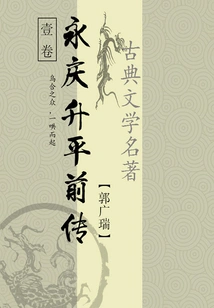
古典武侠小说:永庆升平前传(一)
Guo Guangrui
A book not to be missed by readers who like classic novels. The novel takes the suppression of the armed uprising of the Tiandihui Bagua Sect in the early Qing Dynasty as the main line. It clearly expresses the ideological and viewpoint of praising the peaceful and prosperous times of the Qing Dynasty and criticizing the peasant uprising. "The Prequel of Yongqing Shengping" mainly tells the story of heroes Ma Chenglong, Ma Mengtai and others who assisted the court in the search and suppression of the Tiandihui Bagua sect during the Kangxi period of the Qing Dynasty. It is written in the book that Bagua Cult organizations are spread across all provinces across the country. Its followers include villagers and lackeys as well as governors and officials. They are well-organized and extremely powerful. Ma Chenglong, Ma Mengtai and others joined the army and went through hardships and twists and turns, and gradually penetrated into the core of the Bagua Sect organization. Finally, they captured the leader alive and wiped out all the cult members. "Destroy the cult and bring peace to the world forever." The works not only reflected the turbulent aspects of the society of that era, but also left a glorious model and rich materials of martial arts novels for future generations, providing artistic description methods that can be used for reference. The use of typical language reflects the social and historical reality and depicts distinct characters.
A book not to be missed by readers who like classic novels. The novel takes the suppression of the armed uprising of the Tiandihui Bagua Sect in the early Qing Dynasty as the main line. It clearly expresses the ideological and viewpoint of praising the peaceful and prosperous times of the Qing Dynasty and criticizing the peasant uprising. "The Prequel of Yongqing Shengping" mainly tells the story of heroes Ma Chenglong, Ma Mengtai and others who assisted the court in the search and suppression of the Tiandihui Bagua sect during the Kangxi period of the Qing Dynasty. It is written in the book that Bagua Cult organizations are spread across all provinces across the country. Its followers include villagers and lackeys as well as governors and officials. They are well-organized and extremely powerful. Ma Chenglong, Ma Mengtai and others joined the army and went through hardships and twists and turns, and gradually penetrated into the core of the Bagua Sect organization. Finally, they captured the leader alive and wiped out all the cult members. "Destroy the cult and bring peace to the world forever." The works not only reflected the turbulent aspects of the society of that era, but also left a glorious model and rich materials of martial arts novels for future generations, providing artistic description methods that can be used for reference. The use of typical language reflects the social and historical reality and depicts distinct characters.
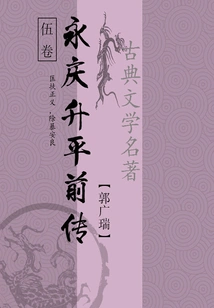
古典武侠小说:永庆升平前传(五)
Guo Guangrui
A book not to be missed by readers who like classic novels. The novel takes the suppression of the armed uprising of the Tiandihui Bagua Sect in the early Qing Dynasty as the main line. It clearly expresses the ideological and viewpoint of praising the peaceful and prosperous times of the Qing Dynasty and criticizing the peasant uprising. "The Prequel of Yongqing Shengping" mainly tells the story of heroes Ma Chenglong, Ma Mengtai and others who assisted the court in the search and suppression of the Tiandihui Bagua sect during the Kangxi period of the Qing Dynasty. It is written in the book that Bagua Cult organizations are spread across all provinces across the country. Its followers include villagers and lackeys as well as governors and officials. They are well-organized and extremely powerful. Ma Chenglong, Ma Mengtai and others joined the army and went through hardships and twists and turns, and gradually penetrated into the core of the Bagua Sect organization. Finally, they captured the leader alive and wiped out all the cult members. "Destroy the cult and bring peace to the world forever." The works not only reflected the turbulent aspects of the society of that era, but also left a glorious model and rich materials of martial arts novels for future generations, providing artistic description methods that can be used for reference. The use of typical language reflects the social and historical reality and depicts distinct characters.
A book not to be missed by readers who like classic novels. The novel takes the suppression of the armed uprising of the Tiandihui Bagua Sect in the early Qing Dynasty as the main line. It clearly expresses the ideological and viewpoint of praising the peaceful and prosperous times of the Qing Dynasty and criticizing the peasant uprising. "The Prequel of Yongqing Shengping" mainly tells the story of heroes Ma Chenglong, Ma Mengtai and others who assisted the court in the search and suppression of the Tiandihui Bagua sect during the Kangxi period of the Qing Dynasty. It is written in the book that Bagua Cult organizations are spread across all provinces across the country. Its followers include villagers and lackeys as well as governors and officials. They are well-organized and extremely powerful. Ma Chenglong, Ma Mengtai and others joined the army and went through hardships and twists and turns, and gradually penetrated into the core of the Bagua Sect organization. Finally, they captured the leader alive and wiped out all the cult members. "Destroy the cult and bring peace to the world forever." The works not only reflected the turbulent aspects of the society of that era, but also left a glorious model and rich materials of martial arts novels for future generations, providing artistic description methods that can be used for reference. The use of typical language reflects the social and historical reality and depicts distinct characters.
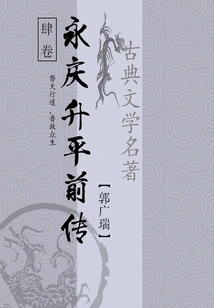
古典武侠小说:永庆升平前传(四)
Guo Guangrui
A book not to be missed by readers who like classic novels. The novel takes the suppression of the armed uprising of the Tiandihui Bagua Sect in the early Qing Dynasty as the main line. It clearly expresses the ideological and viewpoint of praising the peaceful and prosperous times of the Qing Dynasty and criticizing the peasant uprising. "The Prequel of Yongqing Shengping" mainly tells the story of heroes Ma Chenglong, Ma Mengtai and others who assisted the court in the search and suppression of the Tiandihui Bagua sect during the Kangxi period of the Qing Dynasty. It is written in the book that Bagua Cult organizations are spread across all provinces across the country. Its followers include villagers and lackeys as well as governors and officials. They are well-organized and extremely powerful. Ma Chenglong, Ma Mengtai and others joined the army and went through hardships and twists and turns, and gradually penetrated into the core of the Bagua Sect organization. Finally, they captured the leader alive and wiped out all the cult members. "Destroy the cult and bring peace to the world forever." The works not only reflected the turbulent aspects of the society of that era, but also left a glorious model and rich materials of martial arts novels for future generations, providing artistic description methods that can be used for reference. The use of typical language reflects the social and historical reality and depicts distinct characters.
A book not to be missed by readers who like classic novels. The novel takes the suppression of the armed uprising of the Tiandihui Bagua Sect in the early Qing Dynasty as the main line. It clearly expresses the ideological and viewpoint of praising the peaceful and prosperous times of the Qing Dynasty and criticizing the peasant uprising. "The Prequel of Yongqing Shengping" mainly tells the story of heroes Ma Chenglong, Ma Mengtai and others who assisted the court in the search and suppression of the Tiandihui Bagua sect during the Kangxi period of the Qing Dynasty. It is written in the book that Bagua Cult organizations are spread across all provinces across the country. Its followers include villagers and lackeys as well as governors and officials. They are well-organized and extremely powerful. Ma Chenglong, Ma Mengtai and others joined the army and went through hardships and twists and turns, and gradually penetrated into the core of the Bagua Sect organization. Finally, they captured the leader alive and wiped out all the cult members. "Destroy the cult and bring peace to the world forever." The works not only reflected the turbulent aspects of the society of that era, but also left a glorious model and rich materials of martial arts novels for future generations, providing artistic description methods that can be used for reference. The use of typical language reflects the social and historical reality and depicts distinct characters.
古典武侠小说:永庆升平前传(三)
Guo Guangrui
A book not to be missed by readers who like classic novels. The novel takes the suppression of the armed uprising of the Tiandihui Bagua Sect in the early Qing Dynasty as the main line. It clearly expresses the ideological and viewpoint of praising the peaceful and prosperous times of the Qing Dynasty and criticizing the peasant uprising. "The Prequel of Yongqing Shengping" mainly tells the story of heroes Ma Chenglong, Ma Mengtai and others who assisted the court in the search and suppression of the Tiandihui Bagua sect during the Kangxi period of the Qing Dynasty. It is written in the book that Bagua Cult organizations are spread across all provinces across the country. Its followers include villagers and lackeys as well as governors and officials. They are well-organized and extremely powerful. Ma Chenglong, Ma Mengtai and others joined the army and went through hardships and twists and turns, and gradually penetrated into the core of the Bagua Sect organization. Finally, they captured the leader alive and wiped out all the cult members. "Destroy the cult and bring peace to the world forever." The works not only reflected the turbulent aspects of the society of that era, but also left a glorious model and rich materials of martial arts novels for future generations, providing artistic description methods that can be used for reference. The use of typical language reflects the social and historical reality and depicts distinct characters.
A book not to be missed by readers who like classic novels. The novel takes the suppression of the armed uprising of the Tiandihui Bagua Sect in the early Qing Dynasty as the main line. It clearly expresses the ideological and viewpoint of praising the peaceful and prosperous times of the Qing Dynasty and criticizing the peasant uprising. "The Prequel of Yongqing Shengping" mainly tells the story of heroes Ma Chenglong, Ma Mengtai and others who assisted the court in the search and suppression of the Tiandihui Bagua sect during the Kangxi period of the Qing Dynasty. It is written in the book that Bagua Cult organizations are spread across all provinces across the country. Its followers include villagers and lackeys as well as governors and officials. They are well-organized and extremely powerful. Ma Chenglong, Ma Mengtai and others joined the army and went through hardships and twists and turns, and gradually penetrated into the core of the Bagua Sect organization. Finally, they captured the leader alive and wiped out all the cult members. "Destroy the cult and bring peace to the world forever." The works not only reflected the turbulent aspects of the society of that era, but also left a glorious model and rich materials of martial arts novels for future generations, providing artistic description methods that can be used for reference. The use of typical language reflects the social and historical reality and depicts distinct characters.
古典武侠小说:永庆升平前传(六)
Guo Guangrui
The novel takes the suppression of the armed uprising of the Tiandihui Bagua Sect in the early Qing Dynasty as the main line. It clearly expresses the ideological and viewpoint of praising the peaceful and prosperous times of the Qing Dynasty and criticizing the peasant uprising. "The Prequel of Yongqing Shengping" mainly tells the story of heroes Ma Chenglong, Ma Mengtai and others who assisted the court in the search and suppression of the Tiandihui Bagua sect during the Kangxi period of the Qing Dynasty. It is written in the book that Bagua Cult organizations are spread across all provinces across the country. Its followers include villagers and lackeys as well as governors and officials. They are well-organized and extremely powerful. Ma Chenglong, Ma Mengtai and others joined the army and went through hardships and twists and turns, and gradually penetrated into the core of the Bagua Sect organization. Finally, they captured the leader alive and wiped out all the cult members. "Destroy the cult and bring peace to the world forever." The works not only reflected the turbulent aspects of the society of that era, but also left a glorious model and rich materials of martial arts novels for future generations, providing artistic description methods that can be used for reference. The use of typical language reflects the social and historical reality and depicts distinct characters.
The novel takes the suppression of the armed uprising of the Tiandihui Bagua Sect in the early Qing Dynasty as the main line. It clearly expresses the ideological and viewpoint of praising the peaceful and prosperous times of the Qing Dynasty and criticizing the peasant uprising. "The Prequel of Yongqing Shengping" mainly tells the story of heroes Ma Chenglong, Ma Mengtai and others who assisted the court in the search and suppression of the Tiandihui Bagua sect during the Kangxi period of the Qing Dynasty. It is written in the book that Bagua Cult organizations are spread across all provinces across the country. Its followers include villagers and lackeys as well as governors and officials. They are well-organized and extremely powerful. Ma Chenglong, Ma Mengtai and others joined the army and went through hardships and twists and turns, and gradually penetrated into the core of the Bagua Sect organization. Finally, they captured the leader alive and wiped out all the cult members. "Destroy the cult and bring peace to the world forever." The works not only reflected the turbulent aspects of the society of that era, but also left a glorious model and rich materials of martial arts novels for future generations, providing artistic description methods that can be used for reference. The use of typical language reflects the social and historical reality and depicts distinct characters.
古典武侠小说:永庆升平前传(二)
Guo Guangrui
A book not to be missed by readers who like classic novels. The novel takes the suppression of the armed uprising of the Tiandihui Bagua Sect in the early Qing Dynasty as the main line. It clearly expresses the ideological and viewpoint of praising the peaceful and prosperous times of the Qing Dynasty and criticizing the peasant uprising. "The Prequel of Yongqing Shengping" mainly tells the story of heroes Ma Chenglong, Ma Mengtai and others who assisted the court in the search and suppression of the Tiandihui Bagua sect during the Kangxi period of the Qing Dynasty. It is written in the book that Bagua Cult organizations are spread across all provinces across the country. Its followers include villagers and lackeys as well as governors and officials. They are well-organized and extremely powerful. Ma Chenglong, Ma Mengtai and others joined the army and went through hardships and twists and turns, and gradually penetrated into the core of the Bagua Sect organization. Finally, they captured the leader alive and wiped out all the cult members. "Destroy the cult and bring peace to the world forever." The works not only reflected the turbulent aspects of the society of that era, but also left a glorious model and rich materials of martial arts novels for future generations, providing artistic description methods that can be used for reference. The use of typical language reflects the social and historical reality and depicts distinct characters.
A book not to be missed by readers who like classic novels. The novel takes the suppression of the armed uprising of the Tiandihui Bagua Sect in the early Qing Dynasty as the main line. It clearly expresses the ideological and viewpoint of praising the peaceful and prosperous times of the Qing Dynasty and criticizing the peasant uprising. "The Prequel of Yongqing Shengping" mainly tells the story of heroes Ma Chenglong, Ma Mengtai and others who assisted the court in the search and suppression of the Tiandihui Bagua sect during the Kangxi period of the Qing Dynasty. It is written in the book that Bagua Cult organizations are spread across all provinces across the country. Its followers include villagers and lackeys as well as governors and officials. They are well-organized and extremely powerful. Ma Chenglong, Ma Mengtai and others joined the army and went through hardships and twists and turns, and gradually penetrated into the core of the Bagua Sect organization. Finally, they captured the leader alive and wiped out all the cult members. "Destroy the cult and bring peace to the world forever." The works not only reflected the turbulent aspects of the society of that era, but also left a glorious model and rich materials of martial arts novels for future generations, providing artistic description methods that can be used for reference. The use of typical language reflects the social and historical reality and depicts distinct characters.
清代章回体小说:飞龙全传(3)
Wu Xu
"The Complete Legend of Feilong" is a long heroic legendary novel supplemented and adapted by Wu Xuan in the Qing Dynasty based on the old version of "The Legend of Feilong", with a total of sixty chapters. Flying dragon: By referring to the emperor, it means that he occupies a high position and dominates the world, just like a flying dragon in the sky. "Book of Changes: Qian Gua": "Nine Five: The flying dragon is in the sky, and you will see the adults." It mainly tells the story of Zhao Kuangyin resisting the ignorant emperor, performing chivalrous acts in the arena, making friends with heroes, and finally establishing the Song Dynasty. The book's narrative contains three truths and seven falsehoods, which to a certain extent preserves the rugged atmosphere of folk tales of history. It also forms an elegant style because of the adapter's elegant, tame and clear language. The descriptions of Shi Hongzhao, Guo Wei, Chai Rong, Zhao Kuangyin and others in this book have become important sources for "The Complete Biography of Feilong".
"The Complete Legend of Feilong" is a long heroic legendary novel supplemented and adapted by Wu Xuan in the Qing Dynasty based on the old version of "The Legend of Feilong", with a total of sixty chapters. Flying dragon: By referring to the emperor, it means that he occupies a high position and dominates the world, just like a flying dragon in the sky. "Book of Changes: Qian Gua": "Nine Five: The flying dragon is in the sky, and you will see the adults." It mainly tells the story of Zhao Kuangyin resisting the ignorant emperor, performing chivalrous acts in the arena, making friends with heroes, and finally establishing the Song Dynasty. The book's narrative contains three truths and seven falsehoods, which to a certain extent preserves the rugged atmosphere of folk tales of history. It also forms an elegant style because of the adapter's elegant, tame and clear language. The descriptions of Shi Hongzhao, Guo Wei, Chai Rong, Zhao Kuangyin and others in this book have become important sources for "The Complete Biography of Feilong".
清代章回体小说:飞龙全传(2)
Wu Xu
"The Complete Legend of Feilong" is a long heroic legendary novel supplemented and adapted by Wu Xuan in the Qing Dynasty based on the old version of "The Legend of Feilong", with a total of sixty chapters. Flying dragon: By referring to the emperor, it means that he occupies a high position and dominates the world, just like a flying dragon in the sky. "Book of Changes: Qian Gua": "Nine Five: The flying dragon is in the sky, and you will see the adults." It mainly tells the story of Zhao Kuangyin resisting the ignorant emperor, performing chivalrous acts in the arena, making friends with heroes, and finally establishing the Song Dynasty. The book's narrative contains three truths and seven falsehoods, which to a certain extent preserves the rugged atmosphere of folk tales of history. It also forms an elegant style because of the adapter's elegant, tame and clear language.
"The Complete Legend of Feilong" is a long heroic legendary novel supplemented and adapted by Wu Xuan in the Qing Dynasty based on the old version of "The Legend of Feilong", with a total of sixty chapters. Flying dragon: By referring to the emperor, it means that he occupies a high position and dominates the world, just like a flying dragon in the sky. "Book of Changes: Qian Gua": "Nine Five: The flying dragon is in the sky, and you will see the adults." It mainly tells the story of Zhao Kuangyin resisting the ignorant emperor, performing chivalrous acts in the arena, making friends with heroes, and finally establishing the Song Dynasty. The book's narrative contains three truths and seven falsehoods, which to a certain extent preserves the rugged atmosphere of folk tales of history. It also forms an elegant style because of the adapter's elegant, tame and clear language.
清代章回体小说:飞龙全传(1)
Wu Xu
"The Complete Legend of Feilong" is a long heroic legendary novel supplemented and adapted by Wu Xuan in the Qing Dynasty based on the old version of "The Legend of Feilong", with a total of sixty chapters. Flying dragon: By referring to the emperor, it means that he occupies a high position and dominates the world, just like a flying dragon in the sky. "Book of Changes: Qian Gua": "Nine Five: The flying dragon is in the sky, and you will see the adults." It mainly tells the story of Zhao Kuangyin resisting the ignorant emperor, performing chivalrous acts in the arena, making friends with heroes, and finally establishing the Song Dynasty. The book's narrative contains three truths and seven falsehoods, which to a certain extent preserves the rugged atmosphere of folk tales of history. It also forms an elegant style because of the adapter's elegant, tame and clear language.
"The Complete Legend of Feilong" is a long heroic legendary novel supplemented and adapted by Wu Xuan in the Qing Dynasty based on the old version of "The Legend of Feilong", with a total of sixty chapters. Flying dragon: By referring to the emperor, it means that he occupies a high position and dominates the world, just like a flying dragon in the sky. "Book of Changes: Qian Gua": "Nine Five: The flying dragon is in the sky, and you will see the adults." It mainly tells the story of Zhao Kuangyin resisting the ignorant emperor, performing chivalrous acts in the arena, making friends with heroes, and finally establishing the Song Dynasty. The book's narrative contains three truths and seven falsehoods, which to a certain extent preserves the rugged atmosphere of folk tales of history. It also forms an elegant style because of the adapter's elegant, tame and clear language.
Ancient Classic Novel: Legend of Swordsman
General Fiction古代经典小说:剑侠传
H
"The Legend of Swordsman" is generally believed to have been written by Wang Shizhen of the Ming Dynasty. It compiles thirty-three swordsman novels from the Tang and Song Dynasties and is an essential selection of ancient classical Chinese martial arts novels. Later, Ren Weichang (Ren Xiong) drew the Thirty-Three Swordsmen based on this book. This book is available in four-volume and one-volume editions, and is included in the series "Ancient and Modern Yishi", "Twenty-One Secretaries", "The Preliminary Collection of Collections", the re-edited "Shuo Yong", "Novel of the Five Dynasties", and "Collection of Tang Dynasties". This book is a relatively refined selection of ancient swordsman novels and has a profound influence on later literary creations.
"The Legend of Swordsman" is generally believed to have been written by Wang Shizhen of the Ming Dynasty. It compiles thirty-three swordsman novels from the Tang and Song Dynasties and is an essential selection of ancient classical Chinese martial arts novels. Later, Ren Weichang (Ren Xiong) drew the Thirty-Three Swordsmen based on this book. This book is available in four-volume and one-volume editions, and is included in the series "Ancient and Modern Yishi", "Twenty-One Secretaries", "The Preliminary Collection of Collections", the re-edited "Shuo Yong", "Novel of the Five Dynasties", and "Collection of Tang Dynasties". This book is a relatively refined selection of ancient swordsman novels and has a profound influence on later literary creations.
Chivalry Novels of the Qing Dynasty: the Complete Biography of the Swordsman and the Strange Among the Strange (2)
General Fiction清代侠义小说:剑侠奇中奇全传(2)
Anonymous
"The Complete Biography of Swordsman Pei Fengyuan", also known as "Zheng Chunyuan", "Qi Zhongqi", "New Edition of Three Heroes" and "The Complete Biography of Swordsman Pei Fengyuan", is a chivalrous vernacular novel that has been quite popular since the middle of the Qing Dynasty, with forty-eight chapters. It tells the story of Hao Luan, Bao Gang, Ma Jun and others who eradicated evil and served the country during the era of Emperor Ping of the Han Dynasty. The plot of the novel is ups and downs and exciting. It is a novel with excellent plot and writing. If the person is not surprising, then he will not pass it on, and if the event is not surprising, then he will not pass it on. If the person and his deeds are both strange, and if there is no wonderful writing to describe them, then they will not be passed on. Hao Bao and others act straightforwardly and are loyal to their emperor and friends. They are also strange people, strange things, and also strange writings. In the editor, Ma Jun is especially described in detail, how he got to know each other in prison and how he escaped Shuyuan from the trap. To eliminate danger, go straight into the tiger's den; to protect the king, go deep into the dragon's palace. He is the first person in the book, and also the first person among the knights throughout the ages. The title is "Zheng Chun Yuan", and it talks about Hao but not Bao Ma, which is the outline. Talking about Qixia but not Sun Pei is the opposite of the scenery. When the clouds gather and the moon rises, I lean on the railing and read it. Every time I hit the knot, it becomes clear, and I feel like I see jade butterflies coming and going in a vivid way. At that time, on the Wrong Day in the late spring of Jimao, Jisheng wrote the inscription on the west side of the photo tower.
"The Complete Biography of Swordsman Pei Fengyuan", also known as "Zheng Chunyuan", "Qi Zhongqi", "New Edition of Three Heroes" and "The Complete Biography of Swordsman Pei Fengyuan", is a chivalrous vernacular novel that has been quite popular since the middle of the Qing Dynasty, with forty-eight chapters. It tells the story of Hao Luan, Bao Gang, Ma Jun and others who eradicated evil and served the country during the era of Emperor Ping of the Han Dynasty. The plot of the novel is ups and downs and exciting. It is a novel with excellent plot and writing. If the person is not surprising, then he will not pass it on, and if the event is not surprising, then he will not pass it on. If the person and his deeds are both strange, and if there is no wonderful writing to describe them, then they will not be passed on. Hao Bao and others act straightforwardly and are loyal to their emperor and friends. They are also strange people, strange things, and also strange writings. In the editor, Ma Jun is especially described in detail, how he got to know each other in prison and how he escaped Shuyuan from the trap. To eliminate danger, go straight into the tiger's den; to protect the king, go deep into the dragon's palace. He is the first person in the book, and also the first person among the knights throughout the ages. The title is "Zheng Chun Yuan", and it talks about Hao but not Bao Ma, which is the outline. Talking about Qixia but not Sun Pei is the opposite of the scenery. When the clouds gather and the moon rises, I lean on the railing and read it. Every time I hit the knot, it becomes clear, and I feel like I see jade butterflies coming and going in a vivid way. At that time, on the Wrong Day in the late spring of Jimao, Jisheng wrote the inscription on the west side of the photo tower.
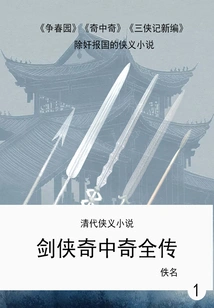
Chivalrous Novels of the Qing Dynasty: the Complete Biography of the Swordsman and the Strange Stranger (1)
General Fiction清代侠义小说:剑侠奇中奇全传(1)
Anonymous
"The Complete Biography of Swordsman Pei Fengyuan", also known as "Zheng Chunyuan", "Qi Zhongqi", "New Edition of Three Heroes" and "The Complete Biography of Swordsman Pei Fengyuan", is a chivalrous vernacular novel that has been quite popular since the middle of the Qing Dynasty, with forty-eight chapters. It tells the story of Hao Luan, Bao Gang, Ma Jun and others who eradicated evil and served the country during the era of Emperor Ping of the Han Dynasty. The plot of the novel is ups and downs and exciting. It is a novel with excellent plot and writing. If the person is not surprising, then he will not pass it on, and if the event is not surprising, then he will not pass it on. If the person and his deeds are both strange, and if there is no wonderful writing to describe them, then they will not be passed on. Hao Bao and others act straightforwardly and are loyal to their emperor and friends. They are also strange people, strange things, and also strange writings. In the editor, Ma Jun is especially described in detail, how he got to know each other in prison and how he escaped Shuyuan from the trap. To eliminate danger, go straight into the tiger's den; to protect the king, go deep into the dragon's palace. He is the first person in the book, and also the first person among the knights throughout the ages. The title is "Zheng Chun Yuan", and it talks about Hao but not Bao Ma, which is the outline. Talking about Qixia but not Sun Pei is the opposite of the scenery. When the clouds gather and the moon rises, I lean on the railing and read it. Every time I hit the knot, it becomes clear, and I feel like I see jade butterflies coming and going in a vivid way. At that time, on the Wrong Day in the late spring of Jimao, Jisheng wrote the inscription on the west side of the photo tower.
"The Complete Biography of Swordsman Pei Fengyuan", also known as "Zheng Chunyuan", "Qi Zhongqi", "New Edition of Three Heroes" and "The Complete Biography of Swordsman Pei Fengyuan", is a chivalrous vernacular novel that has been quite popular since the middle of the Qing Dynasty, with forty-eight chapters. It tells the story of Hao Luan, Bao Gang, Ma Jun and others who eradicated evil and served the country during the era of Emperor Ping of the Han Dynasty. The plot of the novel is ups and downs and exciting. It is a novel with excellent plot and writing. If the person is not surprising, then he will not pass it on, and if the event is not surprising, then he will not pass it on. If the person and his deeds are both strange, and if there is no wonderful writing to describe them, then they will not be passed on. Hao Bao and others act straightforwardly and are loyal to their emperor and friends. They are also strange people, strange things, and also strange writings. In the editor, Ma Jun is especially described in detail, how he got to know each other in prison and how he escaped Shuyuan from the trap. To eliminate danger, go straight into the tiger's den; to protect the king, go deep into the dragon's palace. He is the first person in the book, and also the first person among the knights throughout the ages. The title is "Zheng Chun Yuan", and it talks about Hao but not Bao Ma, which is the outline. Talking about Qixia but not Sun Pei is the opposite of the scenery. When the clouds gather and the moon rises, I lean on the railing and read it. Every time I hit the knot, it becomes clear, and I feel like I see jade butterflies coming and going in a vivid way. At that time, on the Wrong Day in the late spring of Jimao, Jisheng wrote the inscription on the west side of the photo tower.