Library
Browse and search books
2,982 novels found
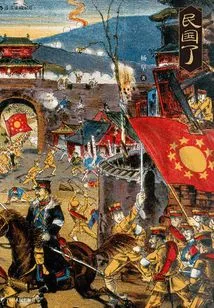
The Republic of China
History民国了
Yang Zao
This book covers the period from the Wuchang uprising to the abdication of the Qing emperor, focusing on the independence process of each province. The Revolution of 1911 did not happen overnight. The recovery of each province went through completely different processes. Some were bloody riots, and some were smooth transitions. Not all revolutionaries played a leading role. The author emphasizes returning to the historical scene and uses many specific figures to recreate the Revolution of 1911 as seen, heard and felt by the people of 1911. The materials are mostly newspaper reports, diaries, memoirs, etc. At that time. The author puts aside the macro significance and explores this important change in modern history from a micro perspective, presenting the overlooked and forgotten details.
This book covers the period from the Wuchang uprising to the abdication of the Qing emperor, focusing on the independence process of each province. The Revolution of 1911 did not happen overnight. The recovery of each province went through completely different processes. Some were bloody riots, and some were smooth transitions. Not all revolutionaries played a leading role. The author emphasizes returning to the historical scene and uses many specific figures to recreate the Revolution of 1911 as seen, heard and felt by the people of 1911. The materials are mostly newspaper reports, diaries, memoirs, etc. At that time. The author puts aside the macro significance and explores this important change in modern history from a micro perspective, presenting the overlooked and forgotten details.
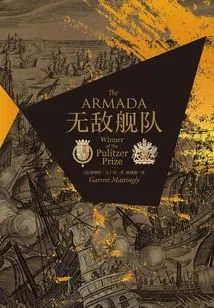
D
HistoryD
A
Against the background of the fierce struggle between Catholic and Protestant forces throughout Europe in the 16th century, this book provides a wonderful description of the famous naval battle between England and Spain in 1588. The author perfectly integrates rich knowledge, superb writing and exquisite layout, making this book still a classic work on this subject. The book begins with the execution of Mary Queen of Scots, and provides a wonderful account of the responses of England, Spain, France, the Netherlands, the Papal States and other forces. It clearly explains the complicated diplomatic relations and complex and delicate political situations of various countries, and finally focuses on the British warships. A series of naval battles between the fleet and the Spanish Armada in the English Channel, depicting such distinctive characters as Queen Elizabeth I of England, King Henry III of France, King Philip II of Spain, pirate Drake, and Commander-in-Chief of the Armada, the Duke of Sidonia.
Against the background of the fierce struggle between Catholic and Protestant forces throughout Europe in the 16th century, this book provides a wonderful description of the famous naval battle between England and Spain in 1588. The author perfectly integrates rich knowledge, superb writing and exquisite layout, making this book still a classic work on this subject. The book begins with the execution of Mary Queen of Scots, and provides a wonderful account of the responses of England, Spain, France, the Netherlands, the Papal States and other forces. It clearly explains the complicated diplomatic relations and complex and delicate political situations of various countries, and finally focuses on the British warships. A series of naval battles between the fleet and the Spanish Armada in the English Channel, depicting such distinctive characters as Queen Elizabeth I of England, King Henry III of France, King Philip II of Spain, pirate Drake, and Commander-in-Chief of the Armada, the Duke of Sidonia.
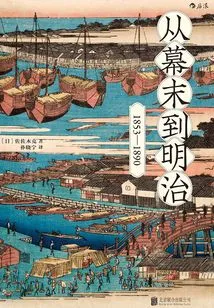
从幕末到明治:1853-1890
(japan) Sasaki
The modernization of Japan began in the Tokugawa era. The American Perry's arrival forced Japan to sign unequal treaties as a trigger, triggering struggles among the emperor, the imperial court, the shogunate, and various vassals. They were finally unified under the slogan of "Breaking Treaties and Expelling the Aliens." Through the efforts of Yoshida Shoin, Sakamoto Ryoma, Okubo Toshimichi and other far-sighted people, Japan explored its own path to rise, leading to the collapse of the shogunate and realizing the country's modernization transformation.
The modernization of Japan began in the Tokugawa era. The American Perry's arrival forced Japan to sign unequal treaties as a trigger, triggering struggles among the emperor, the imperial court, the shogunate, and various vassals. They were finally unified under the slogan of "Breaking Treaties and Expelling the Aliens." Through the efforts of Yoshida Shoin, Sakamoto Ryoma, Okubo Toshimichi and other far-sighted people, Japan explored its own path to rise, leading to the collapse of the shogunate and realizing the country's modernization transformation.
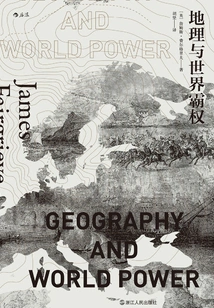
P
Historyp
Q
There is an intricate and inseparable relationship between history, geography and politics, which constitutes a major clue in the development of human history and has always attracted people's attention and thinking. In the context of the rise of political geography research in the early 20th century, the author clarified the context of world history with a systematic explanatory framework by introducing concepts such as "geographical conditions", "energy" and "dominance". From the perspective of geography and its relationship with history, the book explains the different development processes of various civilizations, nations and countries and the diverse characteristics they present. It emphasizes the role of geographical factors such as terrain, heat, moisture, vegetation, sea and land distribution, and focuses on analyzing their impact on population and ethnic groups, migration and colonization, war and politics, production and economy, knowledge and technology. Under the grand vision of the interweaving and interaction of geographical conditions and historical processes, it presents a unique and insightful history of the development of human civilization.
There is an intricate and inseparable relationship between history, geography and politics, which constitutes a major clue in the development of human history and has always attracted people's attention and thinking. In the context of the rise of political geography research in the early 20th century, the author clarified the context of world history with a systematic explanatory framework by introducing concepts such as "geographical conditions", "energy" and "dominance". From the perspective of geography and its relationship with history, the book explains the different development processes of various civilizations, nations and countries and the diverse characteristics they present. It emphasizes the role of geographical factors such as terrain, heat, moisture, vegetation, sea and land distribution, and focuses on analyzing their impact on population and ethnic groups, migration and colonization, war and politics, production and economy, knowledge and technology. Under the grand vision of the interweaving and interaction of geographical conditions and historical processes, it presents a unique and insightful history of the development of human civilization.
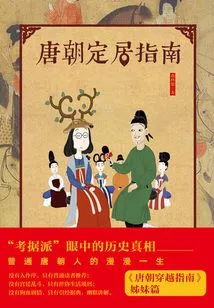
唐朝定居指南(新版)
Forest Deer
This book is a companion volume to "Tang Dynasty Travel Guide". In a simple and humorous style, it introduces many aspects of the Tang people's clothing, food, housing, transportation, language, entertainment, religion, festivals, social systems, etc., Starting from the details, showing the social picture of the Tang Dynasty (mainly Chang'an in the early Tang Dynasty). This is not a time-travel novel. It is intended to tell readers that they need to pay attention to some things when they travel to the Tang Dynasty and settle here. "Time Travel" is mentioned in the book because the author's original intention in writing this book was that he could not bear the historical errors and omissions in the popular ancient time travel dramas, so he used the word "Time Travel Guide" as an irony and ridicule. The author assumes a situation, that is, if modern readers traveled to the Tang Dynasty, what would the real life of the Tang people they saw with their own eyes be like.
This book is a companion volume to "Tang Dynasty Travel Guide". In a simple and humorous style, it introduces many aspects of the Tang people's clothing, food, housing, transportation, language, entertainment, religion, festivals, social systems, etc., Starting from the details, showing the social picture of the Tang Dynasty (mainly Chang'an in the early Tang Dynasty). This is not a time-travel novel. It is intended to tell readers that they need to pay attention to some things when they travel to the Tang Dynasty and settle here. "Time Travel" is mentioned in the book because the author's original intention in writing this book was that he could not bear the historical errors and omissions in the popular ancient time travel dramas, so he used the word "Time Travel Guide" as an irony and ridicule. The author assumes a situation, that is, if modern readers traveled to the Tang Dynasty, what would the real life of the Tang people they saw with their own eyes be like.
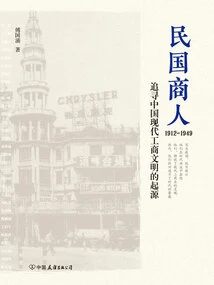
民国商人:1912-1949
Fu Guoyong
This is a work that traces the history of modern China's industry and commerce and the local tradition of Chinese entrepreneurship. From the perspective of a historical observer and recorder, the author uses plain language and a chronicle writing method to record in detail the emergence, development, glory and decline of China's modern industry and commerce during the historical period from 1912 to 1949. From the perspective of the industrialists as a whole, the author describes their role in that complex period. Situation and destiny, struggle and compromise, innovation and contribution in turbulent times: in just half a century, they created the local tradition of Chinese entrepreneurship, introduced advanced Western scientific management methods, promoted China's modernization process, and created an era of national industrial and commercial prosperity that was almost miraculous! They were no match for the torrent of history and eventually dissipated, but they left us with the most precious spiritual wealth and tradition.
This is a work that traces the history of modern China's industry and commerce and the local tradition of Chinese entrepreneurship. From the perspective of a historical observer and recorder, the author uses plain language and a chronicle writing method to record in detail the emergence, development, glory and decline of China's modern industry and commerce during the historical period from 1912 to 1949. From the perspective of the industrialists as a whole, the author describes their role in that complex period. Situation and destiny, struggle and compromise, innovation and contribution in turbulent times: in just half a century, they created the local tradition of Chinese entrepreneurship, introduced advanced Western scientific management methods, promoted China's modernization process, and created an era of national industrial and commercial prosperity that was almost miraculous! They were no match for the torrent of history and eventually dissipated, but they left us with the most precious spiritual wealth and tradition.
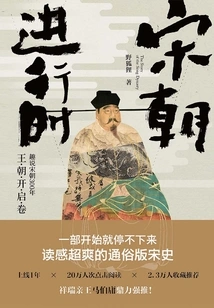
宋朝进行时:趣说宋朝300年(王朝开启卷)
Wild Fox
"The Progress of the Song Dynasty" (the opening volume of the dynasty) mainly tells the history of Song Taizu Zhao Kuangyin and Taizong Zhao Guangyi. During the turbulent period of the Five Dynasties and Ten Kingdoms, warlords separated themselves, society was in turmoil, and people's livelihood was in decline. Zhao Kuangyin was recruited into the army and grew into a powerful general in actual combat. After the Chenqiao Rebellion, Zhao Kuangyin wore a yellow robe and established the Song Dynasty. After that, Zhao Kuangyin mobilized troops to gradually eliminate various separatist regimes and began to promote changes in the political and military systems. Zhao Kuangyin died suddenly amidst the sound of candle shadow and axe, and his younger brother Zhao Guangyi succeeded to the throne. Song Taizong Zhao Guangyi wanted to establish a career that surpassed that of his elder brother, but he suffered disastrous defeats in two battles against the Liao Dynasty and was helpless in the face of the border troubles caused by the Dangxiang regime in the northwest. Internally, Zhao Guangyi used harsh means to eliminate threats while vigorously promoting civil rule. Characters such as the founding official Zhao Pu, the famous prime minister Kou Zhun, the capable minister Zhang Yong in governing Shu, the legendary general Yang Ye and other figures appeared one after another.
"The Progress of the Song Dynasty" (the opening volume of the dynasty) mainly tells the history of Song Taizu Zhao Kuangyin and Taizong Zhao Guangyi. During the turbulent period of the Five Dynasties and Ten Kingdoms, warlords separated themselves, society was in turmoil, and people's livelihood was in decline. Zhao Kuangyin was recruited into the army and grew into a powerful general in actual combat. After the Chenqiao Rebellion, Zhao Kuangyin wore a yellow robe and established the Song Dynasty. After that, Zhao Kuangyin mobilized troops to gradually eliminate various separatist regimes and began to promote changes in the political and military systems. Zhao Kuangyin died suddenly amidst the sound of candle shadow and axe, and his younger brother Zhao Guangyi succeeded to the throne. Song Taizong Zhao Guangyi wanted to establish a career that surpassed that of his elder brother, but he suffered disastrous defeats in two battles against the Liao Dynasty and was helpless in the face of the border troubles caused by the Dangxiang regime in the northwest. Internally, Zhao Guangyi used harsh means to eliminate threats while vigorously promoting civil rule. Characters such as the founding official Zhao Pu, the famous prime minister Kou Zhun, the capable minister Zhang Yong in governing Shu, the legendary general Yang Ye and other figures appeared one after another.
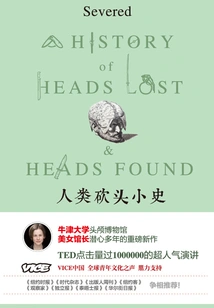
人类砍头小史
(uk) Francis Larson
The human head is a remarkable piece of work. The head alone controls four of the five senses, tightly surrounds the brain, and has the most expressive muscle group in the entire body.
The human head is a remarkable piece of work. The head alone controls four of the five senses, tightly surrounds the brain, and has the most expressive muscle group in the entire body.
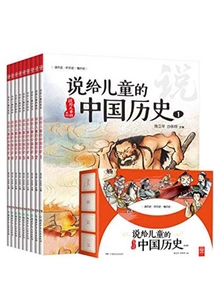
说给儿童的中国历史(全9册)
Editor-in-chief Chen Weiping Sha Yongling
This book is a set of history books suitable for children under 10 years old. It selects outstanding figures who influenced Chinese history from the beginning of Pangu to the end of the Qing Dynasty, including writers, artists, adventurers, inventors, and educators... It tells the wonderful deeds of these historical figures in a story-telling way to build a complete and clear outline of Chinese history for children. The accompanying audio stories in the book use the power of sound to bring history into children's lives before they are familiar with written symbols. The author Chen Weiping once wrote "Chinese History for Children" and "World History for Children", which received huge response after publication. Unexpectedly, more parents expressed their voices and expectations, hoping that their children could start to be exposed to history at a younger age. Therefore, the author planned the new work "Chinese History for Children", focusing on how to convey historical figures and events to children in the most effective and attractive way. In the process of children reading and listening to history, it creates an "immersive" atmosphere and a "simulated experience" feeling, and at the same time stimulates children's diversified thinking about history.
This book is a set of history books suitable for children under 10 years old. It selects outstanding figures who influenced Chinese history from the beginning of Pangu to the end of the Qing Dynasty, including writers, artists, adventurers, inventors, and educators... It tells the wonderful deeds of these historical figures in a story-telling way to build a complete and clear outline of Chinese history for children. The accompanying audio stories in the book use the power of sound to bring history into children's lives before they are familiar with written symbols. The author Chen Weiping once wrote "Chinese History for Children" and "World History for Children", which received huge response after publication. Unexpectedly, more parents expressed their voices and expectations, hoping that their children could start to be exposed to history at a younger age. Therefore, the author planned the new work "Chinese History for Children", focusing on how to convey historical figures and events to children in the most effective and attractive way. In the process of children reading and listening to history, it creates an "immersive" atmosphere and a "simulated experience" feeling, and at the same time stimulates children's diversified thinking about history.
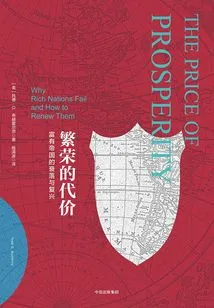
繁荣的代价:富有帝国的衰落与复兴
(u. S.) Todd G. Buchholz
Prosperous nations also fall apart. Is the fall of empires really inevitable? That's the view offered by Todd G. Buchholz, a renowned economist, hedge fund manager, and presidential adviser, in this insightful and contemporary book. The Price of Prosperity is both an economic history and an author's statement, revealing the economic, political, and cultural fissures that wealthy nations face, and explaining why, and suggesting that these vulnerabilities should be turned into sources of strength and the basis for national rejuvenation. To help readers understand how powerful nations are divided, Buchholz identifies five powerful but paradoxical forces of division that begin to undermine a country's harmony and stability after it achieves economic success. These include: declining fertility rates, globalized trade, rising debt burdens, disappearing work ethics and missing patriotism. Is the decline of empire inevitable? The answer is no. Can the United States and Europe rebuild the spirit of society? The answer is a resounding yes. "The Price of Prosperity" tells readers some inspiring stories of past leaders, including Turkey's founding father Mustafa Kemal Atatürk, Japan's Meiji Restoration leaders represented by Ryoma Sakamoto, and former Israeli Prime Minister "Iron Lady" Golda Meir, who all successfully turned around the country's chaotic situation at the time. It is not too late for us to overcome the current challenges and unite once again to defend the harmony and stability of the country and protect our future.
Prosperous nations also fall apart. Is the fall of empires really inevitable? That's the view offered by Todd G. Buchholz, a renowned economist, hedge fund manager, and presidential adviser, in this insightful and contemporary book. The Price of Prosperity is both an economic history and an author's statement, revealing the economic, political, and cultural fissures that wealthy nations face, and explaining why, and suggesting that these vulnerabilities should be turned into sources of strength and the basis for national rejuvenation. To help readers understand how powerful nations are divided, Buchholz identifies five powerful but paradoxical forces of division that begin to undermine a country's harmony and stability after it achieves economic success. These include: declining fertility rates, globalized trade, rising debt burdens, disappearing work ethics and missing patriotism. Is the decline of empire inevitable? The answer is no. Can the United States and Europe rebuild the spirit of society? The answer is a resounding yes. "The Price of Prosperity" tells readers some inspiring stories of past leaders, including Turkey's founding father Mustafa Kemal Atatürk, Japan's Meiji Restoration leaders represented by Ryoma Sakamoto, and former Israeli Prime Minister "Iron Lady" Golda Meir, who all successfully turned around the country's chaotic situation at the time. It is not too late for us to overcome the current challenges and unite once again to defend the harmony and stability of the country and protect our future.
中国情境下的创业投资模式研究
Feng Ziyang
This book introduces the comparative analysis of domestic and foreign venture capital, the study of the venture capital process in the context of transitional economy, the construction of venture capital models in the context of transitional economy, the comparative analysis of venture capital models in China's typical high-tech zones, a typical case - venture capital investment in Xi'an High-tech Zone, etc.
This book introduces the comparative analysis of domestic and foreign venture capital, the study of the venture capital process in the context of transitional economy, the construction of venture capital models in the context of transitional economy, the comparative analysis of venture capital models in China's typical high-tech zones, a typical case - venture capital investment in Xi'an High-tech Zone, etc.
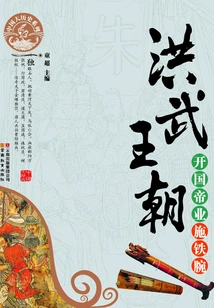
洪武王朝:开国帝业施铁腕
Tong Chao
Whether they are heroes who have emerged from the vicissitudes of life, or dynasties that have risen and fallen in thrilling turns, they have all been buried in the sand of history, leaving only lingering sounds that sing slowly in the faltering years. Among them is such a legendary hero. He made his fortune in Huaiyang commoners, created a new dynasty in the cracks of history, and used his politician's strategy and style to push this dynasty to its peak era. This dynasty was the Hongwu Dynasty.
Whether they are heroes who have emerged from the vicissitudes of life, or dynasties that have risen and fallen in thrilling turns, they have all been buried in the sand of history, leaving only lingering sounds that sing slowly in the faltering years. Among them is such a legendary hero. He made his fortune in Huaiyang commoners, created a new dynasty in the cracks of history, and used his politician's strategy and style to push this dynasty to its peak era. This dynasty was the Hongwu Dynasty.
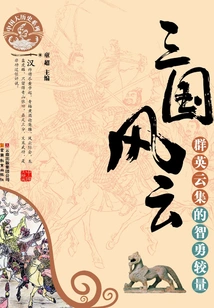
三国风云:群英云集的智勇较量
Tong Chao
The Three Kingdoms era was a time of great changes and great talents emerged in large numbers. This era actually began with the Yellow Turban Uprising at the end of the Eastern Han Dynasty. After that, various warlords divided states and counties and supported their own troops. Cao Cao threatened the emperor to disobey his subjects, Sun Quan separatized Jiangdong, and Liu Bei took control of Yizhou. After the Battle of Chibi, a three-legged situation was formed. In this era, talents in all fields can be described as a blowout. In the troubled times, not only politicians and military strategists such as Cao Cao, Liu Bei, Sun Quan, Zhou Yu, and Zhuge Liang emerged, but also outstanding talents such as Zhao Yun, Zhang Liao, Le Jin, Jiang Wei, and Deng Ai emerged; in science and technology, there were Ma Jun, Liu Wei, Hua Tuo, and Zhang Zhongjing; in literature and art, there were San Cao, the Seven Sons of Jian'an, etc. Times create heroes, and heroes create times. Talents from all walks of life met, battled wits and courage, and jointly wrote the magnificent Three Kingdoms era in Chinese history.
The Three Kingdoms era was a time of great changes and great talents emerged in large numbers. This era actually began with the Yellow Turban Uprising at the end of the Eastern Han Dynasty. After that, various warlords divided states and counties and supported their own troops. Cao Cao threatened the emperor to disobey his subjects, Sun Quan separatized Jiangdong, and Liu Bei took control of Yizhou. After the Battle of Chibi, a three-legged situation was formed. In this era, talents in all fields can be described as a blowout. In the troubled times, not only politicians and military strategists such as Cao Cao, Liu Bei, Sun Quan, Zhou Yu, and Zhuge Liang emerged, but also outstanding talents such as Zhao Yun, Zhang Liao, Le Jin, Jiang Wei, and Deng Ai emerged; in science and technology, there were Ma Jun, Liu Wei, Hua Tuo, and Zhang Zhongjing; in literature and art, there were San Cao, the Seven Sons of Jian'an, etc. Times create heroes, and heroes create times. Talents from all walks of life met, battled wits and courage, and jointly wrote the magnificent Three Kingdoms era in Chinese history.
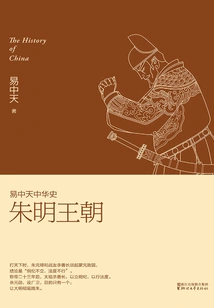
易中天中华史:朱明王朝
Yi Zhongtian
Not long after Zhu Yuanzhang became emperor, he overturned the table of traditional politics. Through a series of combined punches, he rebuilt the imperial system and changed the course of China. Zhu Di usurped the throne from his nephew and moved the capital to the border city of Beijing. His institutional design established the personality and characteristics of the entire Ming Dynasty. The Zhu Ming Dynasty was a dynasty with the surname Zhu through and through: the emperors were arbitrary and capricious; ministers were reduced to domestic slaves; literary prisons and eunuchs tyrannizing power emerged in endlessly; Jin Yiwei and the East-West Factory were all-pervasive. On the edge of imperial power, Jiangnan was prosperous and the people were charming. The prosperous towns are economically active and have given birth to diverse and novel market cultures. From temples to rivers and lakes, the Ming Dynasty is wonderful.
Not long after Zhu Yuanzhang became emperor, he overturned the table of traditional politics. Through a series of combined punches, he rebuilt the imperial system and changed the course of China. Zhu Di usurped the throne from his nephew and moved the capital to the border city of Beijing. His institutional design established the personality and characteristics of the entire Ming Dynasty. The Zhu Ming Dynasty was a dynasty with the surname Zhu through and through: the emperors were arbitrary and capricious; ministers were reduced to domestic slaves; literary prisons and eunuchs tyrannizing power emerged in endlessly; Jin Yiwei and the East-West Factory were all-pervasive. On the edge of imperial power, Jiangnan was prosperous and the people were charming. The prosperous towns are economically active and have given birth to diverse and novel market cultures. From temples to rivers and lakes, the Ming Dynasty is wonderful.
Struggle for Hegemony in the Spring and Autumn Period: the Zunwang's Banners Compete for Supremacy
History春秋争霸:尊王旗下争雄长
Tong Chao
The entire Spring and Autumn Period was a chaotic and turbulent era in Chinese history. The Zhou Dynasty moved eastward, and Wang Gang released the new crown prince. Ritual and music conquests came from the princes. Thirty-six kings were killed and fifty-two were destroyed. The five hegemons succeeded, respected the king and fought against the barbarians; the heroes stood side by side and raised their troops to fight fiercely. However, it was during this era that China's cultural and ideological development reached a new peak, with hundreds of flowers blooming, hundreds of schools of thought contending, talents springing up, and heroes emerging in large numbers. This is a contradictory era, and it is this contradiction that creates the glory of this era.
The entire Spring and Autumn Period was a chaotic and turbulent era in Chinese history. The Zhou Dynasty moved eastward, and Wang Gang released the new crown prince. Ritual and music conquests came from the princes. Thirty-six kings were killed and fifty-two were destroyed. The five hegemons succeeded, respected the king and fought against the barbarians; the heroes stood side by side and raised their troops to fight fiercely. However, it was during this era that China's cultural and ideological development reached a new peak, with hundreds of flowers blooming, hundreds of schools of thought contending, talents springing up, and heroes emerging in large numbers. This is a contradictory era, and it is this contradiction that creates the glory of this era.
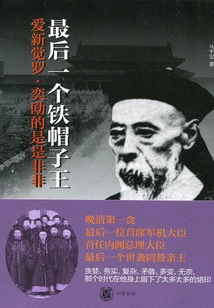
最后一个铁帽子王:爱新觉罗·奕劻的是是非非
Ma Pingan
As the chief military officer, prime minister of the cabinet, and a member of the royal family, Prince Yikuang of Qing was a key figure in the changes in Guangxuan's political situation. Since the 29th year of Guangxu (1903), almost all the domestic and foreign affairs of the Qing Dynasty were under his control. Because of his special status and influence in China's political arena in the 20th century, Yikuang's name is known to almost all Western countries. However, the research on Yikuang is still very weak so far. There are only sporadic discussions in the academic circle and lack of systematic results. The main reason is that Yi Kuang himself has no collected works and diaries handed down to the public, and the information is very scarce. Therefore, it is very difficult to study this character in depth.
As the chief military officer, prime minister of the cabinet, and a member of the royal family, Prince Yikuang of Qing was a key figure in the changes in Guangxuan's political situation. Since the 29th year of Guangxu (1903), almost all the domestic and foreign affairs of the Qing Dynasty were under his control. Because of his special status and influence in China's political arena in the 20th century, Yikuang's name is known to almost all Western countries. However, the research on Yikuang is still very weak so far. There are only sporadic discussions in the academic circle and lack of systematic results. The main reason is that Yi Kuang himself has no collected works and diaries handed down to the public, and the information is very scarce. Therefore, it is very difficult to study this character in depth.
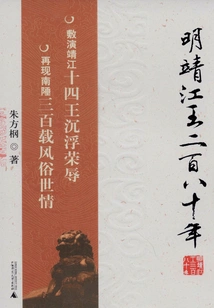
明靖江王二百八十年
Zhu Fang?
"The Two Hundred and Eighty Years of King Jingjiang in the Ming Dynasty" narrates the ups and downs of the fourteenth generation of King Jingjiang one by one in chronological order. The history of the Jingjiang vassal is also a microcosm of the history of the Ming Dynasty. Therefore, while the book narrates the history of Jingjiang vassal kings, it also penetrates the dynasty's rise and fall of the Ming Dynasty. The book describes various events in the Ming Dynasty and the Jingjiang Prince's Palace in the past three hundred years: major ones, including political, economic, cultural, national and other history; minor ones, such as articles, poems, calligraphy, paintings, stone carvings, crafts, winemaking, entertainment, etc.; At the same time, it intersperses with descriptions of Guilin's famous mountains and rivers, cultural relics and historic sites, as well as Guilin's worldly customs and customs of the Ming Dynasty.
"The Two Hundred and Eighty Years of King Jingjiang in the Ming Dynasty" narrates the ups and downs of the fourteenth generation of King Jingjiang one by one in chronological order. The history of the Jingjiang vassal is also a microcosm of the history of the Ming Dynasty. Therefore, while the book narrates the history of Jingjiang vassal kings, it also penetrates the dynasty's rise and fall of the Ming Dynasty. The book describes various events in the Ming Dynasty and the Jingjiang Prince's Palace in the past three hundred years: major ones, including political, economic, cultural, national and other history; minor ones, such as articles, poems, calligraphy, paintings, stone carvings, crafts, winemaking, entertainment, etc.; At the same time, it intersperses with descriptions of Guilin's famous mountains and rivers, cultural relics and historic sites, as well as Guilin's worldly customs and customs of the Ming Dynasty.
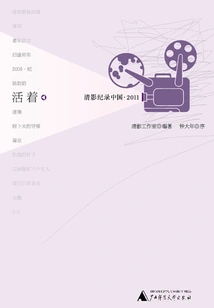
活着:清影纪录中国(2011)
Compiled By Qingying Studio
In our era, reality is far more exciting than fiction, and presenting reality is of far-reaching significance! The most outstanding documentary film and director in China at the moment, the flagship work "Alive" records the tragedy and comedy of human creation after the Wenchuan earthquake! Recommended by Yin Hong, Zhong Danian, Zhang Xianmin, Lu Yu, Jia Zhangke, Bai Yansong, Gu Changwei and Yang Lan! "Alive: Clear Shadows Record China? 2011" Is the third book in the Clear Shadows Record China series. It records all kinds of living people: more and more people are getting old, but they don't know how to support them; how is the inner uneasiness of monks practicing in high mountains different from us; couples who lost their children in the Wenchuan earthquake, try every means to have another child... Everywhere, life has its uneasiness and joy, can you see it?
In our era, reality is far more exciting than fiction, and presenting reality is of far-reaching significance! The most outstanding documentary film and director in China at the moment, the flagship work "Alive" records the tragedy and comedy of human creation after the Wenchuan earthquake! Recommended by Yin Hong, Zhong Danian, Zhang Xianmin, Lu Yu, Jia Zhangke, Bai Yansong, Gu Changwei and Yang Lan! "Alive: Clear Shadows Record China? 2011" Is the third book in the Clear Shadows Record China series. It records all kinds of living people: more and more people are getting old, but they don't know how to support them; how is the inner uneasiness of monks practicing in high mountains different from us; couples who lost their children in the Wenchuan earthquake, try every means to have another child... Everywhere, life has its uneasiness and joy, can you see it?
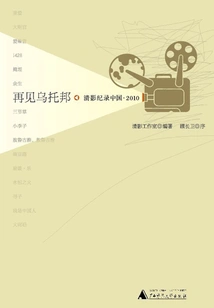
再见乌托邦:清影纪录中国(2010)
Compiled By Qingying Studio
In our era, reality is far more exciting than fiction, and presenting reality is of far-reaching significance. The best documentary works and directors in China at the moment, the main work "Goodbye Utopia" will take you to relive the lost Chinese rock music. Recommended by Yin Hong, Zhong Danian, Zhang Xianmin, Lu Yu, Jia Zhangke, Bai Yansong, Gu Changwei, Yang Lan! "Goodbye Utopia: Clear Shadows Record China? 2010" Is the second book in the Clear Shadows Record China series. Disasters and ideals coexist in this era. China's original rock musicians - Cui Jian, He Yong, Dou Wei, Zhang Chu - are drifting away; Beichuan after the earthquake; relatives lost in the crowds of big cities... People's own affairs are not trivial. Things you don't usually see are presented here.
In our era, reality is far more exciting than fiction, and presenting reality is of far-reaching significance. The best documentary works and directors in China at the moment, the main work "Goodbye Utopia" will take you to relive the lost Chinese rock music. Recommended by Yin Hong, Zhong Danian, Zhang Xianmin, Lu Yu, Jia Zhangke, Bai Yansong, Gu Changwei, Yang Lan! "Goodbye Utopia: Clear Shadows Record China? 2010" Is the second book in the Clear Shadows Record China series. Disasters and ideals coexist in this era. China's original rock musicians - Cui Jian, He Yong, Dou Wei, Zhang Chu - are drifting away; Beichuan after the earthquake; relatives lost in the crowds of big cities... People's own affairs are not trivial. Things you don't usually see are presented here.
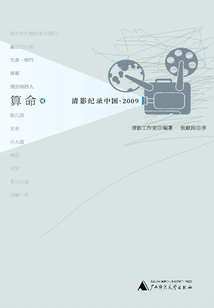
算命:清影纪录中国(2009)
Compiled By Qingying Studio
In our era, reality is far more exciting than fiction, and presenting reality is of far-reaching significance! The best documentary works and directors in China at the moment: the flagship work "Fortune Telling" shows the confusion and sophistication of the homeless society! Recommended by Yin Hong, Zhong Danian, Zhang Xianmin, Lu Yu, Jia Zhangke, Bai Yansong, Gu Changwei and Yang Lan! The "Qing Film Recording China" series of books is formed by Qing Film Studio based on its free video screening plan. It mainly focuses on interviews with documentary authors and also introduces the works. It strives to record every wonderful question and answer exchange between the director and the audience and carefully records and organizes it. It is currently the largest independent documentary director interview in China. "Fortune Telling: Recording China in Clear Shadows? 2009" Is the first book in this series. While showing the works and the author's thoughts to readers, it also shows the conflict between modernization and traditional folk customs, the social problems caused by economic development in our country in the past thirty years, especially in the process of rapid development in the past ten years, as well as many vivid individual lives, their stories and their destiny.
In our era, reality is far more exciting than fiction, and presenting reality is of far-reaching significance! The best documentary works and directors in China at the moment: the flagship work "Fortune Telling" shows the confusion and sophistication of the homeless society! Recommended by Yin Hong, Zhong Danian, Zhang Xianmin, Lu Yu, Jia Zhangke, Bai Yansong, Gu Changwei and Yang Lan! The "Qing Film Recording China" series of books is formed by Qing Film Studio based on its free video screening plan. It mainly focuses on interviews with documentary authors and also introduces the works. It strives to record every wonderful question and answer exchange between the director and the audience and carefully records and organizes it. It is currently the largest independent documentary director interview in China. "Fortune Telling: Recording China in Clear Shadows? 2009" Is the first book in this series. While showing the works and the author's thoughts to readers, it also shows the conflict between modernization and traditional folk customs, the social problems caused by economic development in our country in the past thirty years, especially in the process of rapid development in the past ten years, as well as many vivid individual lives, their stories and their destiny.
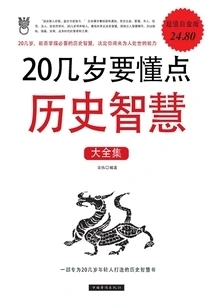
20几岁要懂点历史智慧大全集II
Song Wei
This book is a treasure trove of think tanks that collect political, military, economic, management, diplomacy, and life strategies in Chinese history. It is divided into six parts and guides readers to interpret vivid historical stories, unearth the essence of ancient wisdom, and integrate historical wisdom into our daily lives.
This book is a treasure trove of think tanks that collect political, military, economic, management, diplomacy, and life strategies in Chinese history. It is divided into six parts and guides readers to interpret vivid historical stories, unearth the essence of ancient wisdom, and integrate historical wisdom into our daily lives.
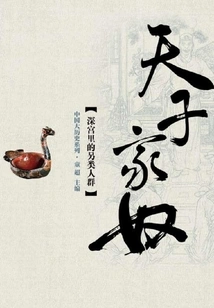
天子家奴:深宫里的另类人群
Tong Chao
This book selects and introduces many representative eunuchs from the Spring and Autumn Period to the end of the Qing Dynasty. It follows the principles of clear praise and criticism and objective commentary. It strives to use rich and detailed historical materials and vivid writing to show readers a picture of ancient Chinese eunuchs with different shapes and spirits. Let's go back to the confusing palace together, lift the veil of history, and explore those mysterious anecdotes of the past.
This book selects and introduces many representative eunuchs from the Spring and Autumn Period to the end of the Qing Dynasty. It follows the principles of clear praise and criticism and objective commentary. It strives to use rich and detailed historical materials and vivid writing to show readers a picture of ancient Chinese eunuchs with different shapes and spirits. Let's go back to the confusing palace together, lift the veil of history, and explore those mysterious anecdotes of the past.
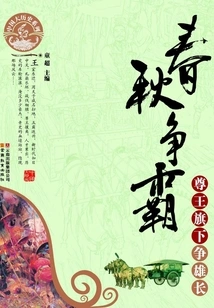
Struggle for Hegemony in the Spring and Autumn Period: the Zunwang's Banners Compete for Supremacy
History春秋争霸:尊王旗下争雄长
Tong Chao
A history of the Spring and Autumn Period begins with the migration of King Ping to the east and ends with the division of the three families into the Jin Dynasty. The history of more than two hundred years has been filled with too many wars, palace intrigues, and brotherly feuds... But this era of broken etiquette and thunderous cauldrons is also an era of cultural explosion and contention of a hundred schools of thought, an era full of heroism and strong enterprising spirit. The Spring and Autumn Period can be described as the "Axial Age" in the history of Chinese civilization, producing an inexhaustible feast of ideas and wisdom for future generations to enjoy.
A history of the Spring and Autumn Period begins with the migration of King Ping to the east and ends with the division of the three families into the Jin Dynasty. The history of more than two hundred years has been filled with too many wars, palace intrigues, and brotherly feuds... But this era of broken etiquette and thunderous cauldrons is also an era of cultural explosion and contention of a hundred schools of thought, an era full of heroism and strong enterprising spirit. The Spring and Autumn Period can be described as the "Axial Age" in the history of Chinese civilization, producing an inexhaustible feast of ideas and wisdom for future generations to enjoy.
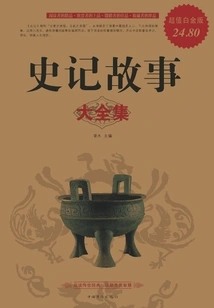
史记故事大全集
Aoki
This book selects more than 200 independent and complete stories from the original "Historical Records", organizes and compiles them in chronological order, and reinterprets them in the form of stories in modern language.
This book selects more than 200 independent and complete stories from the original "Historical Records", organizes and compiles them in chronological order, and reinterprets them in the form of stories in modern language.
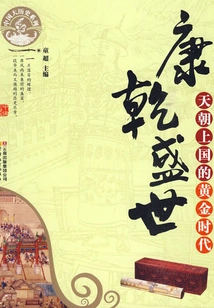
康乾盛世:天朝上国的黄金时代
Tong Chao
With the grace of the years, through the smoke and dust of history, a magnificent and magnificent picture slowly unfolds... The three dynasties of Kangxi, Yongzheng, and Qianlong for more than a hundred years used strong national power to create a prosperous market and a prosperous culture, radiating a magnificent light. The golden age of the Celestial Kingdom has arrived. This is an era of economic boom, an era of talent emerging in large numbers, an era of cultural explosion, and an era that triggers the endless imagination of future generations.
With the grace of the years, through the smoke and dust of history, a magnificent and magnificent picture slowly unfolds... The three dynasties of Kangxi, Yongzheng, and Qianlong for more than a hundred years used strong national power to create a prosperous market and a prosperous culture, radiating a magnificent light. The golden age of the Celestial Kingdom has arrived. This is an era of economic boom, an era of talent emerging in large numbers, an era of cultural explosion, and an era that triggers the endless imagination of future generations.
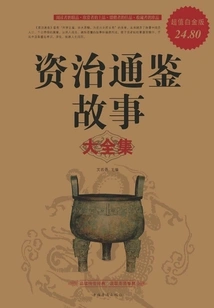
资治通鉴故事大全集
Wen Ruoyu
This book selects more than 200 independent and complete stories from the original book "Zi Zhi Tong Jian", organizes and compiles them in chronological order, and reinterprets them in modern language and story form.
This book selects more than 200 independent and complete stories from the original book "Zi Zhi Tong Jian", organizes and compiles them in chronological order, and reinterprets them in modern language and story form.
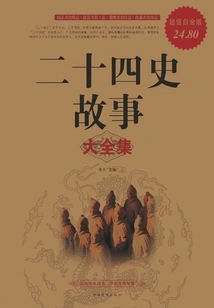
二十四史故事大全集
Aoki
This book selects 200 independent and complete stories from the original book of "Twenty-Four Histories", organizes and compiles them in chronological order, and reinterprets them in the form of stories in modern language.
This book selects 200 independent and complete stories from the original book of "Twenty-Four Histories", organizes and compiles them in chronological order, and reinterprets them in the form of stories in modern language.
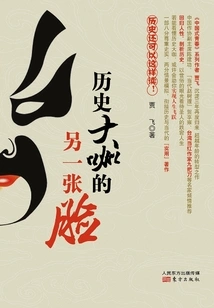
历史大咖的另一张脸
Jia Fei
This book conducts detailed research on the 12 most representative literary giants and the 12 most distinctive military generals in ancient China, and interprets them in the form of historical essays in vernacular Chinese. The stories in the book are interesting, humorous and highly representative. The full text is both easy to understand and profound. The book contains profound interpretations of literary giants such as Confucius, Zhuangzi, Li Bai, Du Fu, and Bai Juyi, as well as alternative descriptions of military generals such as Bai Qi, Wang Jian, Han Xin, and Yue Fei. From the Spring and Autumn and Warring States to the Tang, Song, Yuan, Ming and Qing dynasties, each representative has distinctive characteristics, and the heart-stirring stories behind these civil servants and generals emerge...
This book conducts detailed research on the 12 most representative literary giants and the 12 most distinctive military generals in ancient China, and interprets them in the form of historical essays in vernacular Chinese. The stories in the book are interesting, humorous and highly representative. The full text is both easy to understand and profound. The book contains profound interpretations of literary giants such as Confucius, Zhuangzi, Li Bai, Du Fu, and Bai Juyi, as well as alternative descriptions of military generals such as Bai Qi, Wang Jian, Han Xin, and Yue Fei. From the Spring and Autumn and Warring States to the Tang, Song, Yuan, Ming and Qing dynasties, each representative has distinctive characteristics, and the heart-stirring stories behind these civil servants and generals emerge...
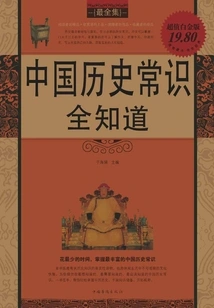
中国历史常识全知道
Yu Haidi
This book selects more than 1,000 pieces of the most representative, typical and influential common sense in Chinese history, including content from the prehistoric period, the pre-Qin period, the Republic of China and other historical periods. Help readers easily grasp the common sense of Chinese history.
This book selects more than 1,000 pieces of the most representative, typical and influential common sense in Chinese history, including content from the prehistoric period, the pre-Qin period, the Republic of China and other historical periods. Help readers easily grasp the common sense of Chinese history.
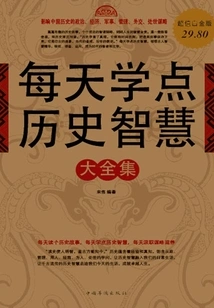
每天学点历史智慧大全集
Song Wei
This book is divided into six chapters. All excellent ancient wisdom stories are included as much as possible. It clearly and completely presents the whole picture of Chinese strategy culture from multiple angles. It is a popular book about historical wisdom with the aura of wisdom shining everywhere.
This book is divided into six chapters. All excellent ancient wisdom stories are included as much as possible. It clearly and completely presents the whole picture of Chinese strategy culture from multiple angles. It is a popular book about historical wisdom with the aura of wisdom shining everywhere.
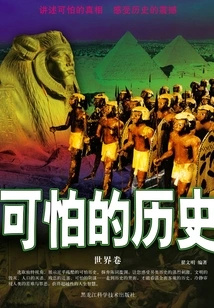
可怕的历史(世界卷)
Zhai Wenming
History is not only about development, progress and prosperity. Looking at the other side of history, we will find that history is so terrible and shocking. Nature is wreaking merciless harm to humans at any time: climate change destroys glorious civilizations, bones cover the fields after plagues, floods and earthquakes wreak havoc; in addition, humans have to endure the huge disasters they have brewed themselves: cruel and cruel wars, brutal massacres, and heartbreak. Crazy political and religious persecution, as well as ubiquitous violations and deceptions, and the vicious calculations of officialdom and love... Based on the reference of a large number of historical documents, archaeological data and the latest research results, this book uses calm writing and a unique perspective to show the almost cruel reality of history. By reading this book, you can not only fully understand the historical truth and accurately grasp the laws of history, but also gain unique historical insights and historical wisdom.
History is not only about development, progress and prosperity. Looking at the other side of history, we will find that history is so terrible and shocking. Nature is wreaking merciless harm to humans at any time: climate change destroys glorious civilizations, bones cover the fields after plagues, floods and earthquakes wreak havoc; in addition, humans have to endure the huge disasters they have brewed themselves: cruel and cruel wars, brutal massacres, and heartbreak. Crazy political and religious persecution, as well as ubiquitous violations and deceptions, and the vicious calculations of officialdom and love... Based on the reference of a large number of historical documents, archaeological data and the latest research results, this book uses calm writing and a unique perspective to show the almost cruel reality of history. By reading this book, you can not only fully understand the historical truth and accurately grasp the laws of history, but also gain unique historical insights and historical wisdom.
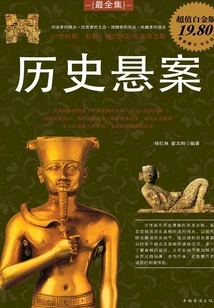
Historical Mystery
History历史悬案
Yang Honglin Zhai Wenming
This book collects the unsolved cases with the greatest influence, the most research value and the most attention in human history, covering politics, military, celebrities, culture and other aspects.
This book collects the unsolved cases with the greatest influence, the most research value and the most attention in human history, covering politics, military, celebrities, culture and other aspects.
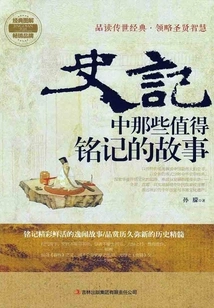
史记中那些值得铭记的故事
Sun Meng
"Historical Records" is the first biographical general history in Chinese history that Sima Qian, a historian of the Western Han Dynasty, worked hard and spent almost his whole life to complete. It not only records countless historical and cultural relics for future generations, but also releases Sima Qian's brilliant glory as a cultural master of a generation. His spirit of seeking truth from facts, progressive views on history, nation, and economics, as well as his outlook on life, values, literature, and aesthetics are all clearly and fully revealed in this big book.
"Historical Records" is the first biographical general history in Chinese history that Sima Qian, a historian of the Western Han Dynasty, worked hard and spent almost his whole life to complete. It not only records countless historical and cultural relics for future generations, but also releases Sima Qian's brilliant glory as a cultural master of a generation. His spirit of seeking truth from facts, progressive views on history, nation, and economics, as well as his outlook on life, values, literature, and aesthetics are all clearly and fully revealed in this big book.
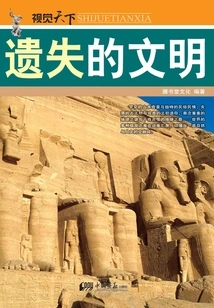
Lost Civilization
History遗失的文明
Shanshutang Culture
This book selects ancient Greece, ancient Egypt, the ancient Roman Empire, ancient Babylon, ancient India, Yama, Inca, Aztecs, Pompeii, and the ancient Loulan Kingdom and Jiaohe Ancient City in ancient China to analyze its history, social culture, art and other aspects.
This book selects ancient Greece, ancient Egypt, the ancient Roman Empire, ancient Babylon, ancient India, Yama, Inca, Aztecs, Pompeii, and the ancient Loulan Kingdom and Jiaohe Ancient City in ancient China to analyze its history, social culture, art and other aspects.
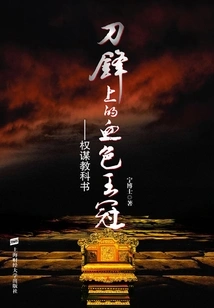
刀锋上的血色王冠:权谋教科书
Dr. Ning
A vivid textbook that reveals the machinations of Chinese officialdom in the past dynasties, a living and bloody official career, reveals the hidden rules of Chinese officialdom in past dynasties, and shows the transformation of human nature in officialdom. In history, the ups and downs of people's honor and disgrace, the luxury and decline of their country, are all closely related to their strategies and power. In a life-and-death struggle, those who are proficient in political power can often command the world and dominate the world; those who are clumsy in political power can often only allow themselves to be slaughtered and completely defeated.
A vivid textbook that reveals the machinations of Chinese officialdom in the past dynasties, a living and bloody official career, reveals the hidden rules of Chinese officialdom in past dynasties, and shows the transformation of human nature in officialdom. In history, the ups and downs of people's honor and disgrace, the luxury and decline of their country, are all closely related to their strategies and power. In a life-and-death struggle, those who are proficient in political power can often command the world and dominate the world; those who are clumsy in political power can often only allow themselves to be slaughtered and completely defeated.
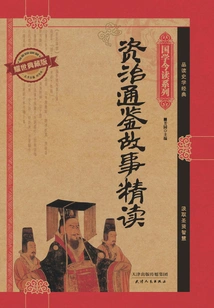
资治通鉴故事精读(耀世典藏版)(国学今读系列)
Fong Yuan
"Ziye Tongjian" is an unprecedented historical masterpiece compiled under the leadership of Sima Guang, a famous historian in the Northern Song Dynasty. It was named by Emperor Shenzong of the Song Dynasty because "in view of the past, it is qualified to govern Taoism." The book is voluminous, with a total of 294 volumes, recording a total of 1,362 years of history from the 23rd year of King Weilie of the Zhou Dynasty (403 BC) to the 6th year of Xiande of Emperor Shizong of the Later Zhou Dynasty (959 AD). The content is mainly about politics, military affairs and ethnic relations. It is mainly based on important historical facts, and also includes economic, cultural and historical figures evaluation. It is broad and profound, and understands the changes of ancient and modern times. It has the reputation of "unprecedented in the ancient times with a vast net of wealth, a large body of work and a fine mind". It has been favored by rulers and scholars of all ages, and is regarded as a must-read book. "Intensive Reading of Zizhi Tongjian Stories (Yaoshi Collector's Edition) (Chinese Studies Today Series)" edited by Fang Yuan selects the most praised of the original work: more than 500 independent and complete stories, organizes and compiles them in chronological order, and presents this masterpiece of Chinese civilization to readers in an all-round, new perspective and multi-level through scientific style and innovative form, striving to reach a new height in terms of authenticity, interest and inspiration. At the same time, the editor also carefully selected hundreds of pictures including photos of historical relics and relics, war diagrams, portraits of emperors and famous ministers, famous paintings of people from past dynasties, etc., To present the richness and splendor of Chinese history to readers more truly, intuitively and comprehensively.
"Ziye Tongjian" is an unprecedented historical masterpiece compiled under the leadership of Sima Guang, a famous historian in the Northern Song Dynasty. It was named by Emperor Shenzong of the Song Dynasty because "in view of the past, it is qualified to govern Taoism." The book is voluminous, with a total of 294 volumes, recording a total of 1,362 years of history from the 23rd year of King Weilie of the Zhou Dynasty (403 BC) to the 6th year of Xiande of Emperor Shizong of the Later Zhou Dynasty (959 AD). The content is mainly about politics, military affairs and ethnic relations. It is mainly based on important historical facts, and also includes economic, cultural and historical figures evaluation. It is broad and profound, and understands the changes of ancient and modern times. It has the reputation of "unprecedented in the ancient times with a vast net of wealth, a large body of work and a fine mind". It has been favored by rulers and scholars of all ages, and is regarded as a must-read book. "Intensive Reading of Zizhi Tongjian Stories (Yaoshi Collector's Edition) (Chinese Studies Today Series)" edited by Fang Yuan selects the most praised of the original work: more than 500 independent and complete stories, organizes and compiles them in chronological order, and presents this masterpiece of Chinese civilization to readers in an all-round, new perspective and multi-level through scientific style and innovative form, striving to reach a new height in terms of authenticity, interest and inspiration. At the same time, the editor also carefully selected hundreds of pictures including photos of historical relics and relics, war diagrams, portraits of emperors and famous ministers, famous paintings of people from past dynasties, etc., To present the richness and splendor of Chinese history to readers more truly, intuitively and comprehensively.
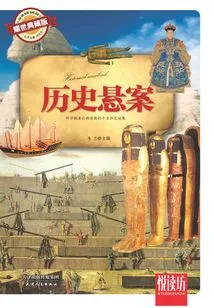
历史悬案(耀世典藏版)(悦读坊)
Malan
The book is divided into a world volume and a Chinese volume. It contains 48 historical unsolved cases that have the greatest influence, the most research value and the most widespread concern in history. It has a large capacity and a wide range of coverage. The various historical unsolved cases in the book are arranged in sequence according to the time of their occurrence. The method of case interpretation is used to analyze the various doubts behind these historical unsolved cases from multiple angles and in an all-round way. It objectively and scientifically analyzes their causes, characteristics and the progress of deciphering them, striving to provide readers with the most authoritative, richest and most comprehensive information about unsolved cases. The content involves magical pyramids, lost ancient civilizations, the life of emperors, war suspense, palace coups, deaths of celebrities, cultural mysteries, mysterious treasures, historical cases, etc. Each of these bizarre stories is both true and illusory, with ups and downs, and is fascinating.
The book is divided into a world volume and a Chinese volume. It contains 48 historical unsolved cases that have the greatest influence, the most research value and the most widespread concern in history. It has a large capacity and a wide range of coverage. The various historical unsolved cases in the book are arranged in sequence according to the time of their occurrence. The method of case interpretation is used to analyze the various doubts behind these historical unsolved cases from multiple angles and in an all-round way. It objectively and scientifically analyzes their causes, characteristics and the progress of deciphering them, striving to provide readers with the most authoritative, richest and most comprehensive information about unsolved cases. The content involves magical pyramids, lost ancient civilizations, the life of emperors, war suspense, palace coups, deaths of celebrities, cultural mysteries, mysterious treasures, historical cases, etc. Each of these bizarre stories is both true and illusory, with ups and downs, and is fascinating.
明朝那些事儿7:增补版
The Bright Moon
The seventh part of "Those Things in the Ming Dynasty" mainly tells the history of the 27 years from the Sino-Japanese War in the Wanli Period to the accession of Ming Xizong to the throne. During the Wanli period, there were internal and external troubles, Japanese and Korean invasions from outside, and rebellions from all over the country. The melee between daimyo in Japan was coming to an end, but they had great ambitions for the Ming Dynasty. Toyotomi Hideyoshi, Tokugawa Ieyasu and others all coveted the Ming Dynasty. From negotiations to war, the Ming Dynasty, which had always underestimated Japan, was caught off guard. Many famous generals came forward from the war, and the war with Japan also ended the life of Toyotomi Hideyoshi. There was no peace in the court either. The emergence of Shen Shixing opened a new political period. Twenty years after Zhang Juzheng's death, Shen Shixing took charge of Wanli alone. The enemies in front of him were Ding Jilü, Li Zhi, Jiang Dongzhi, Yang Keli... This was another bloody storm in the temple. But the turmoil during the Wanli period did not stop there. After that, there was the rebellion of the Donglin Party, the fight for concubines in the palace, the fight for the throne, and a eunuch named Wang An appeared on the historical stage of the Ming Dynasty.
The seventh part of "Those Things in the Ming Dynasty" mainly tells the history of the 27 years from the Sino-Japanese War in the Wanli Period to the accession of Ming Xizong to the throne. During the Wanli period, there were internal and external troubles, Japanese and Korean invasions from outside, and rebellions from all over the country. The melee between daimyo in Japan was coming to an end, but they had great ambitions for the Ming Dynasty. Toyotomi Hideyoshi, Tokugawa Ieyasu and others all coveted the Ming Dynasty. From negotiations to war, the Ming Dynasty, which had always underestimated Japan, was caught off guard. Many famous generals came forward from the war, and the war with Japan also ended the life of Toyotomi Hideyoshi. There was no peace in the court either. The emergence of Shen Shixing opened a new political period. Twenty years after Zhang Juzheng's death, Shen Shixing took charge of Wanli alone. The enemies in front of him were Ding Jilü, Li Zhi, Jiang Dongzhi, Yang Keli... This was another bloody storm in the temple. But the turmoil during the Wanli period did not stop there. After that, there was the rebellion of the Donglin Party, the fight for concubines in the palace, the fight for the throne, and a eunuch named Wang An appeared on the historical stage of the Ming Dynasty.
明朝那些事儿8:增补版
The Bright Moon
The eighth part of "Those Things in the Ming Dynasty" mainly tells the history of the past ten years from Emperor Xizong of Ming Dynasty to Emperor Chongzhen. After Tianqi succeeded to the throne, he ignored the government affairs and indulged in carpentry work. The entire empire was suffering from internal and external troubles and was lifeless: Internally, the Donglin Party took the opportunity to control the government, but internally the Qi, Chu, and Zhejiang factions still fought openly and secretly and enjoyed it. During this period, the eunuch Wei Zhongxian gradually became prosperous. He took advantage of Zhu Youxiao's mediocrity and gradually climbed up the political ladder by clinging to the emperor's wet nurse, the Hakka family. However, after Emperor Chongzhen succeeded to the throne, he liquidated the eunuch party. Wei Zhongxian was desperate and finally chose to kill himself. However, the entire empire was greatly damaged as a result. Externally, because Li Chengliang was troubled by raising tigers, Nurhachi took the opportunity to rise and unify the Later Jin Dynasty. In order to resist the Jin, defend the city, and seize the lost territory, under the leadership of the imperial master Sun Chengzong, Yuan Chonghuan grew from a scholar to a frontier general. However, just when he was about to display his ambition, a huge crisis had been brewing for a long time...
The eighth part of "Those Things in the Ming Dynasty" mainly tells the history of the past ten years from Emperor Xizong of Ming Dynasty to Emperor Chongzhen. After Tianqi succeeded to the throne, he ignored the government affairs and indulged in carpentry work. The entire empire was suffering from internal and external troubles and was lifeless: Internally, the Donglin Party took the opportunity to control the government, but internally the Qi, Chu, and Zhejiang factions still fought openly and secretly and enjoyed it. During this period, the eunuch Wei Zhongxian gradually became prosperous. He took advantage of Zhu Youxiao's mediocrity and gradually climbed up the political ladder by clinging to the emperor's wet nurse, the Hakka family. However, after Emperor Chongzhen succeeded to the throne, he liquidated the eunuch party. Wei Zhongxian was desperate and finally chose to kill himself. However, the entire empire was greatly damaged as a result. Externally, because Li Chengliang was troubled by raising tigers, Nurhachi took the opportunity to rise and unify the Later Jin Dynasty. In order to resist the Jin, defend the city, and seize the lost territory, under the leadership of the imperial master Sun Chengzong, Yuan Chonghuan grew from a scholar to a frontier general. However, just when he was about to display his ambition, a huge crisis had been brewing for a long time...
明朝那些事儿6:增补版
The Bright Moon
The sixth part of "Those Things in the Ming Dynasty" mainly tells the history of the Sino-Japanese War for nearly thirty years from the late Jiajing period to the Wanli period. Yan Song fell, and Xu Jie took over; Gao Gong stepped down, and Zhang Juzheng took over... The iron-clad cabinet, the flowing chief minister, and the conspiracy behind it, who is public and who is private? Jiajing died of illness and Longqing ascended the throne; Mu Zong withdrew and Shenzong came to power... In the hands of these three emperors, the Ming Empire, which lasted for more than 200 years, was prospering or deteriorating? How was the upright official Hai Rui made? Where did the Three Great Conquests of Wanli begin and how did they end? During the Wanli period, what was the result of resisting Japanese aggression and aiding Korea? Xu Jie, Yin Shidan, Li Chunfang, Gao Gong, Zhang Juzheng, Shen Shixing... Li Chengliang, Qi Jiguang, Wang Chonggu, Li Rusong, Wu Weizhong... In the empire, a storm is about to come, and civil servants and generals take turns going into battle, holding up the sky with one hand, trying to turn the tide. Change is the theme of the times.
The sixth part of "Those Things in the Ming Dynasty" mainly tells the history of the Sino-Japanese War for nearly thirty years from the late Jiajing period to the Wanli period. Yan Song fell, and Xu Jie took over; Gao Gong stepped down, and Zhang Juzheng took over... The iron-clad cabinet, the flowing chief minister, and the conspiracy behind it, who is public and who is private? Jiajing died of illness and Longqing ascended the throne; Mu Zong withdrew and Shenzong came to power... In the hands of these three emperors, the Ming Empire, which lasted for more than 200 years, was prospering or deteriorating? How was the upright official Hai Rui made? Where did the Three Great Conquests of Wanli begin and how did they end? During the Wanli period, what was the result of resisting Japanese aggression and aiding Korea? Xu Jie, Yin Shidan, Li Chunfang, Gao Gong, Zhang Juzheng, Shen Shixing... Li Chengliang, Qi Jiguang, Wang Chonggu, Li Rusong, Wu Weizhong... In the empire, a storm is about to come, and civil servants and generals take turns going into battle, holding up the sky with one hand, trying to turn the tide. Change is the theme of the times.
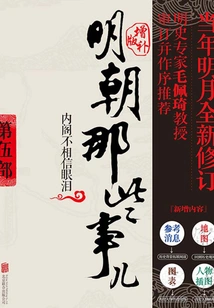
明朝那些事儿5:增补版
The Bright Moon
The fifth part of "Those Things in the Ming Dynasty" mainly tells the history of the middle and late Jiajing period. This volume unfolds a thrilling historical story around the political struggle in the cabinet between the famous traitor Yan Song of the Ming Dynasty and his opponents. This period of history spans more than 50 years from Yan Song's rise to power to his downfall. During this period, Xia Yan, who spoke out for justice, Xu Jie, who tolerated revenge, Lu Bing, who secretly betrayed the pearl, and Yan Shifan, who was treacherous and evil, appeared in turn, and Gao Gong and Zhang Juzheng also came to the fore. These political talents intertwined into a large network in the officialdom, fighting openly and secretly. The current emperor, Emperor Jiajing, was reduced from a king who manipulated his ministers into a tool for their ministers to manipulate power. Although there was no battlefield in the cabinet, there was secretly a bloody storm. The cabinet does not believe in tears, nor in absolute good and evil.
The fifth part of "Those Things in the Ming Dynasty" mainly tells the history of the middle and late Jiajing period. This volume unfolds a thrilling historical story around the political struggle in the cabinet between the famous traitor Yan Song of the Ming Dynasty and his opponents. This period of history spans more than 50 years from Yan Song's rise to power to his downfall. During this period, Xia Yan, who spoke out for justice, Xu Jie, who tolerated revenge, Lu Bing, who secretly betrayed the pearl, and Yan Shifan, who was treacherous and evil, appeared in turn, and Gao Gong and Zhang Juzheng also came to the fore. These political talents intertwined into a large network in the officialdom, fighting openly and secretly. The current emperor, Emperor Jiajing, was reduced from a king who manipulated his ministers into a tool for their ministers to manipulate power. Although there was no battlefield in the cabinet, there was secretly a bloody storm. The cabinet does not believe in tears, nor in absolute good and evil.
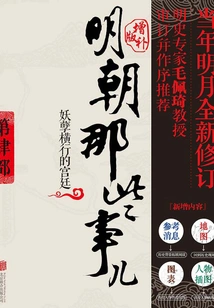
明朝那些事儿4:增补版
The Bright Moon
The fourth part of "Those Things in the Ming Dynasty" mainly tells the history of more than fifty years from Ming Xiaozong's succession to the Renyin Palace Incident. After Zhu Youtang ascended the throne after going through many hardships, he worked closely with virtuous ministers and distant villains, and worked hard to govern, and the political atmosphere in the court was completely renewed. With the assistance of Wang Shu, Ma Wensheng and others, the Ming Dynasty flourished and showed a rejuvenating atmosphere. Unfortunately, Xiaozong died young and was succeeded by his son Zhu Houzhao. This prodigal emperor, known for his playfulness, did not want to make progress and indulged in pleasure. The power of the government fell into the hands of Liu Jin and others, which turned a good empire into a mess and greatly damaged its vitality. Soon, King Ning, who had been planning for a long time, launched a rebellion and wanted to rule across the river from the imperial court. Fortunately, Wang Shouren, the most outstanding person in the Ming Dynasty, turned the tide and avoided a protracted internal strife. In response to this, Zhu Houzhao not only refused to repent, but intensified his efforts, traveling around in the name of personal expedition, and ultimately lost his life. After careful consideration by Yang Tinghe and others, Zhu Houcong, the son of the feudal lord, was promoted to the throne. Around the issue of the names of the biological parents, the famous "Great Etiquette" event broke out between the emperor and his ministers. In the end, Emperor Jiajing won and the imperial power was consolidated. At this moment, a strange change occurred in Renyin Palace, and the political situation of the entire empire began to become subtle...
The fourth part of "Those Things in the Ming Dynasty" mainly tells the history of more than fifty years from Ming Xiaozong's succession to the Renyin Palace Incident. After Zhu Youtang ascended the throne after going through many hardships, he worked closely with virtuous ministers and distant villains, and worked hard to govern, and the political atmosphere in the court was completely renewed. With the assistance of Wang Shu, Ma Wensheng and others, the Ming Dynasty flourished and showed a rejuvenating atmosphere. Unfortunately, Xiaozong died young and was succeeded by his son Zhu Houzhao. This prodigal emperor, known for his playfulness, did not want to make progress and indulged in pleasure. The power of the government fell into the hands of Liu Jin and others, which turned a good empire into a mess and greatly damaged its vitality. Soon, King Ning, who had been planning for a long time, launched a rebellion and wanted to rule across the river from the imperial court. Fortunately, Wang Shouren, the most outstanding person in the Ming Dynasty, turned the tide and avoided a protracted internal strife. In response to this, Zhu Houzhao not only refused to repent, but intensified his efforts, traveling around in the name of personal expedition, and ultimately lost his life. After careful consideration by Yang Tinghe and others, Zhu Houcong, the son of the feudal lord, was promoted to the throne. Around the issue of the names of the biological parents, the famous "Great Etiquette" event broke out between the emperor and his ministers. In the end, Emperor Jiajing won and the imperial power was consolidated. At this moment, a strange change occurred in Renyin Palace, and the political situation of the entire empire began to become subtle...
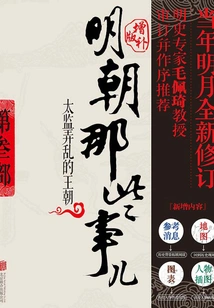
明朝那些事儿3:增补版
The Bright Moon
The third part of "Those Things in the Ming Dynasty" mainly tells the history of more than sixty years from the Hongxi period to the Chenghua period. After Zhu Di, the Ming Dynasty ushered in two wise emperors - Zhu Gaochi and his son Zhu Zhanji. They created a prosperous age of benevolence and xuanji that lasted for eleven years. The country's power increased and the country was peaceful. The rebellious prince Zhu Gaoxu could only end his unsuccessful rebellion as a clown. However, a violent storm is coming. An emperor who experienced the legendary life of emperor-prisoner-emperor, the appearance of a man who could be called the second strongest man in the Ming Dynasty, the chaos of the first authoritarian eunuch in the Ming Dynasty, the appalling civil engineering changes, and the antagonism between the emperor's brothers all made the events of this era more dazzling and full of ups and downs. During the Chenghua period, the emperor started a sibling relationship, and the ministers were divided into five major martial arts sects, which made the government of this dynasty extremely dark and full of flowers, chaotic and colorful...
The third part of "Those Things in the Ming Dynasty" mainly tells the history of more than sixty years from the Hongxi period to the Chenghua period. After Zhu Di, the Ming Dynasty ushered in two wise emperors - Zhu Gaochi and his son Zhu Zhanji. They created a prosperous age of benevolence and xuanji that lasted for eleven years. The country's power increased and the country was peaceful. The rebellious prince Zhu Gaoxu could only end his unsuccessful rebellion as a clown. However, a violent storm is coming. An emperor who experienced the legendary life of emperor-prisoner-emperor, the appearance of a man who could be called the second strongest man in the Ming Dynasty, the chaos of the first authoritarian eunuch in the Ming Dynasty, the appalling civil engineering changes, and the antagonism between the emperor's brothers all made the events of this era more dazzling and full of ups and downs. During the Chenghua period, the emperor started a sibling relationship, and the ministers were divided into five major martial arts sects, which made the government of this dynasty extremely dark and full of flowers, chaotic and colorful...
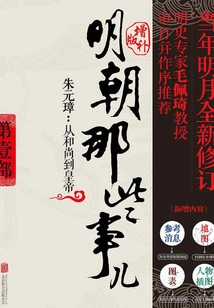
明朝那些事儿1:增补版
The Bright Moon
The first part of "Those Things in the Ming Dynasty" mainly tells the history of Zhu Yuanzhang's establishment and rule of the Ming Dynasty for seventy years. Zhu Yuanzhang was born in the chaotic times of the late Yuan Dynasty, and his parents died of famine. He started from abject poverty, with no background, no backing, and no support. He went through untold hardships and escaped death countless times, and finally established the surname Zhu. From a ragged beggar begging on the street, he became the supreme ruler of a huge empire. At the same time, there were countless powerful characters in Zhu Yuanzhang's era. Chen Youliang, Zhang Shicheng, and Wang Baobao were all outstanding figures of the generation. Zhu Yuanzhang used his astonishing military talent to defeat these enemies, almost with his bare hands, single-handedly established a huge empire with his own courage and determination, and used his infinite energy to design a set of institutional norms for the Ming Dynasty that was different from the past.
The first part of "Those Things in the Ming Dynasty" mainly tells the history of Zhu Yuanzhang's establishment and rule of the Ming Dynasty for seventy years. Zhu Yuanzhang was born in the chaotic times of the late Yuan Dynasty, and his parents died of famine. He started from abject poverty, with no background, no backing, and no support. He went through untold hardships and escaped death countless times, and finally established the surname Zhu. From a ragged beggar begging on the street, he became the supreme ruler of a huge empire. At the same time, there were countless powerful characters in Zhu Yuanzhang's era. Chen Youliang, Zhang Shicheng, and Wang Baobao were all outstanding figures of the generation. Zhu Yuanzhang used his astonishing military talent to defeat these enemies, almost with his bare hands, single-handedly established a huge empire with his own courage and determination, and used his infinite energy to design a set of institutional norms for the Ming Dynasty that was different from the past.
新物种爆炸:认知升级时代的新商业思维
Wu Sheng
The new species is a new form of meaning with Internet connection units as genes, algorithm systems as the backbone, data as cells, and scenes as the driving force. This book starts from the redefinition of business species. It is hoped that the keywords of business methods given can help innovators who are interested in becoming a new species to start fearlessly.
The new species is a new form of meaning with Internet connection units as genes, algorithm systems as the backbone, data as cells, and scenes as the driving force. This book starts from the redefinition of business species. It is hoped that the keywords of business methods given can help innovators who are interested in becoming a new species to start fearlessly.
唐朝穿越指南:长安及各地人民生活手册(新版)
Forest Deer
If one day, you open your eyes and find that you have traveled to the Tang Dynasty - don't panic, come and pick up this "Guide to Traveling to the Tang Dynasty: A Handbook of People's Life in Chang'an and Other Places": first pass the language barrier, learn a few sentences of medieval Chinese and the national curses of the Tang Dynasty; then sneak into the government canteen to open a small stove, taste tea and drink. Remember, walking carelessly on the street like in time-travel novels and casually taking out a few taels of tattooed silver will be tragic, and you must have a household registration book and a temporary residence permit. You can join a tour group to visit the five most popular attractions in Chang'an City, visit a brothel, watch polo, and go hunting with leopards outdoors. You can also do as the locals do and celebrate the Dragon Boat Festival, Spring Festival, Chinese Valentine's Day and Chinese Valentine's Day like people from the Tang Dynasty. It's okay to be a little foreign, Christmas was already there in the Tang Dynasty! If you are lucky, you can be invited to someone else's home, sing karaoke, dance, have fun, and finally buy a house with a limited price covering an area of ten acres. If you are a woman, this guide will enable you to master Chang'an's most fashionable clothing. If you take root and marry someone from the Tang Dynasty, you can also learn about the details of the wedding and various secrets about mistress fighting after marriage. If you are interested in getting involved in politics, this book also provides the salary, legal and political systems of civil servants in the Tang Dynasty for reference; whether you want to be a civil servant, a military general, or a student from a foreign country through time travel, the guide is ready for you. It's infinitely better to travel through time and live happily in the Tang Dynasty.
If one day, you open your eyes and find that you have traveled to the Tang Dynasty - don't panic, come and pick up this "Guide to Traveling to the Tang Dynasty: A Handbook of People's Life in Chang'an and Other Places": first pass the language barrier, learn a few sentences of medieval Chinese and the national curses of the Tang Dynasty; then sneak into the government canteen to open a small stove, taste tea and drink. Remember, walking carelessly on the street like in time-travel novels and casually taking out a few taels of tattooed silver will be tragic, and you must have a household registration book and a temporary residence permit. You can join a tour group to visit the five most popular attractions in Chang'an City, visit a brothel, watch polo, and go hunting with leopards outdoors. You can also do as the locals do and celebrate the Dragon Boat Festival, Spring Festival, Chinese Valentine's Day and Chinese Valentine's Day like people from the Tang Dynasty. It's okay to be a little foreign, Christmas was already there in the Tang Dynasty! If you are lucky, you can be invited to someone else's home, sing karaoke, dance, have fun, and finally buy a house with a limited price covering an area of ten acres. If you are a woman, this guide will enable you to master Chang'an's most fashionable clothing. If you take root and marry someone from the Tang Dynasty, you can also learn about the details of the wedding and various secrets about mistress fighting after marriage. If you are interested in getting involved in politics, this book also provides the salary, legal and political systems of civil servants in the Tang Dynasty for reference; whether you want to be a civil servant, a military general, or a student from a foreign country through time travel, the guide is ready for you. It's infinitely better to travel through time and live happily in the Tang Dynasty.
史记全鉴(耀世典藏版)(国学今读系列)
(western Han Dynasty) Written By Sima Qian And Edited By Fang Yuan
"Historical Records" was written by Sima Qian, a famous historian and writer during the Western Han Dynasty. It records the historical changes of more than 3,000 years from Xuanyuan to the Taichu reign of Emperor Wu of the Han Dynasty. It is large in scale and has a complete system, involving philosophy, politics, economics, literature, aesthetics, astronomy, geography and even medicine. It covers almost all the contents of early social activities in China and can be called an encyclopedia-like masterpiece. It is not only an important summary of pre-Qin culture, but also the first-hand information for future generations to understand the social, political and economic life of the early Western Han Dynasty. It can be called "the historian's swan song, the rhymeless Li Sao". To read Chinese history, you must read "The Complete Records of the Historian". However, with the passage of time, the original wonderful language of "Historical Records" has caused certain reading difficulties for contemporary people. Coupled with the vast length, it has affected ordinary readers' exploration of this huge treasure house. In order to help readers quickly grasp the essence of the original work, we have selected the most representative and exciting chapters and compiled them into this "Historical Records (Yaoshi Collector's Edition)", and drawn a large number of exquisite illustrations, striving to present the richness and splendor of Chinese history to readers more truly, intuitively and comprehensively, leading readers to transcend the distance of time and space, enter the glorious palace of history, and examine history, feel history and think about history from a new angle and new level. This book is edited by Fang Yuan.
"Historical Records" was written by Sima Qian, a famous historian and writer during the Western Han Dynasty. It records the historical changes of more than 3,000 years from Xuanyuan to the Taichu reign of Emperor Wu of the Han Dynasty. It is large in scale and has a complete system, involving philosophy, politics, economics, literature, aesthetics, astronomy, geography and even medicine. It covers almost all the contents of early social activities in China and can be called an encyclopedia-like masterpiece. It is not only an important summary of pre-Qin culture, but also the first-hand information for future generations to understand the social, political and economic life of the early Western Han Dynasty. It can be called "the historian's swan song, the rhymeless Li Sao". To read Chinese history, you must read "The Complete Records of the Historian". However, with the passage of time, the original wonderful language of "Historical Records" has caused certain reading difficulties for contemporary people. Coupled with the vast length, it has affected ordinary readers' exploration of this huge treasure house. In order to help readers quickly grasp the essence of the original work, we have selected the most representative and exciting chapters and compiled them into this "Historical Records (Yaoshi Collector's Edition)", and drawn a large number of exquisite illustrations, striving to present the richness and splendor of Chinese history to readers more truly, intuitively and comprehensively, leading readers to transcend the distance of time and space, enter the glorious palace of history, and examine history, feel history and think about history from a new angle and new level. This book is edited by Fang Yuan.
图说五千年中国史
Chi Mo Sharpening The Sword
History is a splendid gallery, and the five thousand years of Chinese history have built a colorful gallery of changing dynasties. Here there are ambitious emperors, virtuous ministers and generals who swear to defend justice to the death, talented literati, and charming women... The wheel of history has been moving forward for five thousand years, carrying countless joys and sorrows, partings and reunions, but the songs of joy and separation are still sung to this day. Let's see how the prosperous and troubled times in the millennium have interpreted our history.
History is a splendid gallery, and the five thousand years of Chinese history have built a colorful gallery of changing dynasties. Here there are ambitious emperors, virtuous ministers and generals who swear to defend justice to the death, talented literati, and charming women... The wheel of history has been moving forward for five thousand years, carrying countless joys and sorrows, partings and reunions, but the songs of joy and separation are still sung to this day. Let's see how the prosperous and troubled times in the millennium have interpreted our history.
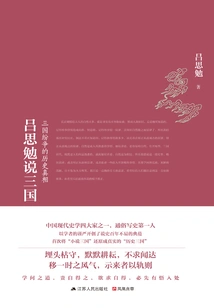
吕思勉说三国
Lu Simian
This book can be called one of the representative works of popular books compiled by historians. It consists of two parts: "The History of the Three Kingdoms" and "Theory of the History of the Three Kingdoms". Based on his profound historical knowledge, the author cites a large number of evidences from the "Three Kingdoms", "Three Kingdoms Notes" and other documents, sorts out the historical figures and events related to the Three Kingdoms, analyzes them in depth, and puts forward unique insights. This not only gives readers a lot of inspiration, but also sets an example for later generations of popular history tellers.
This book can be called one of the representative works of popular books compiled by historians. It consists of two parts: "The History of the Three Kingdoms" and "Theory of the History of the Three Kingdoms". Based on his profound historical knowledge, the author cites a large number of evidences from the "Three Kingdoms", "Three Kingdoms Notes" and other documents, sorts out the historical figures and events related to the Three Kingdoms, analyzes them in depth, and puts forward unique insights. This not only gives readers a lot of inspiration, but also sets an example for later generations of popular history tellers.