Library
Browse and search books
3,514 novels found
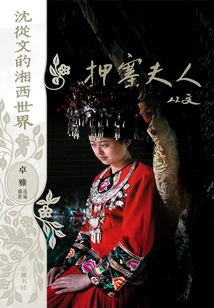
Shen Congwen's Xiangxi World: Mrs. Yazhai
General Fiction沈从文的湘西世界:押寨夫人
Shen Congwen
"Mrs. Ozhai" is suitable for readers and literature lovers who are interested in Xiangxi culture. The contents include: the relationship between my writing and water, the eternal Xiangxi and Shen Congwen, Mrs. Yazhai, the consultant, Huiming, the day before escape, three men and a woman, dusk, a boat, etc.
"Mrs. Ozhai" is suitable for readers and literature lovers who are interested in Xiangxi culture. The contents include: the relationship between my writing and water, the eternal Xiangxi and Shen Congwen, Mrs. Yazhai, the consultant, Huiming, the day before escape, three men and a woman, dusk, a boat, etc.
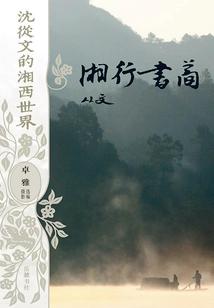
沈从文的湘西世界:湘行书简
Shen Congwen
"Xiang Travel Slips" is a collection of a large number of letters written by Mr. Shen Congwen to his wife Zhang Zhaohe on his newlywed return home to visit relatives in 1934. These letters and the illustrations attached to them were not published publicly during Shen Congwen's lifetime. They were compiled and edited into a book by Shen Huchu in 1991, and were first published by our publisher in May 1995. This time, it is accompanied by more than 100 photographs by Zhuo Ya and hand-drawn illustrations by Mr. Shen Congwen, with pictures and texts mixed together. It is one of the series of books "Shen Congwen's World in Western Hunan".
"Xiang Travel Slips" is a collection of a large number of letters written by Mr. Shen Congwen to his wife Zhang Zhaohe on his newlywed return home to visit relatives in 1934. These letters and the illustrations attached to them were not published publicly during Shen Congwen's lifetime. They were compiled and edited into a book by Shen Huchu in 1991, and were first published by our publisher in May 1995. This time, it is accompanied by more than 100 photographs by Zhuo Ya and hand-drawn illustrations by Mr. Shen Congwen, with pictures and texts mixed together. It is one of the series of books "Shen Congwen's World in Western Hunan".
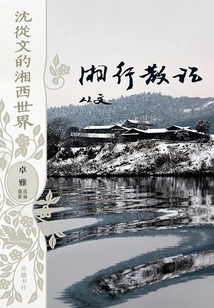
沈从文的湘西世界:湘行散记
Shen Congwen
"Prose Notes on a Journey to Hunan" is a set of essays written by Mr. Shen Congwen based on the people he met and the stories that happened during his journey to Hunan. There are 11 essays in total: "Taoyuan and Yuanzhou", "Night at Yahuwei", "A Passionate Sailor and a Passionate Mistress", etc. The text is simple and vivid, and the style is natural. It is accompanied by more than 100 Zoya photography photos, with pictures and text mixed together.
"Prose Notes on a Journey to Hunan" is a set of essays written by Mr. Shen Congwen based on the people he met and the stories that happened during his journey to Hunan. There are 11 essays in total: "Taoyuan and Yuanzhou", "Night at Yahuwei", "A Passionate Sailor and a Passionate Mistress", etc. The text is simple and vivid, and the style is natural. It is accompanied by more than 100 Zoya photography photos, with pictures and text mixed together.
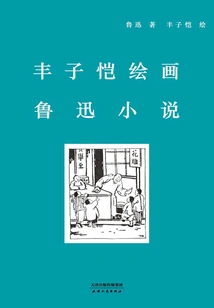
Feng Zikai's Paintings and Lu Xun's Novels
General Fiction丰子恺绘画鲁迅小说
Lu Xun Feng Zikai
"Lu Xun Novels Painted by Feng Zikai" is a collection of Lu Xun's novels illustrated by Feng Zikai. It includes nine of Lu Xun's classic novels (including "The True Story of Ah Q", "Blessing", "Kong Yiji", "Hometown", "Tomorrow", "Medicine", "Trouble", "Social Opera" and "White Light"), as well as a total of 194 illustrations specially drawn by Feng Zikai for these novels. Due to the similar living time and environment, Feng Zikai was able to have an extremely accurate grasp of the characters and story backgrounds in Lu Xun's novels; in addition, he also had an appropriate interpretation of the warmth and warmth of human relationships, the climate of the world, etc. In Lu Xun's writings. An in-depth "cooperation" between a generation of art masters and literary giants helps us better understand and grasp Lu Xun's novels.
"Lu Xun Novels Painted by Feng Zikai" is a collection of Lu Xun's novels illustrated by Feng Zikai. It includes nine of Lu Xun's classic novels (including "The True Story of Ah Q", "Blessing", "Kong Yiji", "Hometown", "Tomorrow", "Medicine", "Trouble", "Social Opera" and "White Light"), as well as a total of 194 illustrations specially drawn by Feng Zikai for these novels. Due to the similar living time and environment, Feng Zikai was able to have an extremely accurate grasp of the characters and story backgrounds in Lu Xun's novels; in addition, he also had an appropriate interpretation of the warmth and warmth of human relationships, the climate of the world, etc. In Lu Xun's writings. An in-depth "cooperation" between a generation of art masters and literary giants helps us better understand and grasp Lu Xun's novels.
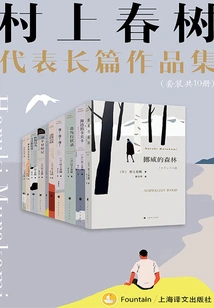
村上春树长篇代表作品集(共10册)
H
"Collection of Haruki Murakami's Representative Works" selects ten representative works of Haruki Murakami. In the newly revised Chinese version in 2018, Haruki Murakami wrote a preface for Chinese readers for the first time. This set includes "Norwegian Wood", "Kafka on the Shore", "Hear the Wind Sing", "Pinball 1973", "Sheep Hunt" and "Dance!" Dance! Dance! "South of the Border, West of the Sun", "The Journey of Strange Birds", "Sputnik Lovers", "The End of the World and Grim Wonderland", a total of ten volumes. Haruki Murakami, a famous modern Japanese writer, was born in Kyoto in 1949. He started writing at the age of 29. His first work, "Listen to the Wind Sing", won the Japan Newcomer Award. In 1987, his fifth novel "Norwegian Wood" was released in Japan and became a phenomenon-level best-seller, with tens of millions of copies sold worldwide, triggering the "Murakami Phenomenon". His works are widely known around the world and have won multiple world-class literary awards. He is also one of the writers with the highest reputation for the Nobel Prize in Literature over the years.
"Collection of Haruki Murakami's Representative Works" selects ten representative works of Haruki Murakami. In the newly revised Chinese version in 2018, Haruki Murakami wrote a preface for Chinese readers for the first time. This set includes "Norwegian Wood", "Kafka on the Shore", "Hear the Wind Sing", "Pinball 1973", "Sheep Hunt" and "Dance!" Dance! Dance! "South of the Border, West of the Sun", "The Journey of Strange Birds", "Sputnik Lovers", "The End of the World and Grim Wonderland", a total of ten volumes. Haruki Murakami, a famous modern Japanese writer, was born in Kyoto in 1949. He started writing at the age of 29. His first work, "Listen to the Wind Sing", won the Japan Newcomer Award. In 1987, his fifth novel "Norwegian Wood" was released in Japan and became a phenomenon-level best-seller, with tens of millions of copies sold worldwide, triggering the "Murakami Phenomenon". His works are widely known around the world and have won multiple world-class literary awards. He is also one of the writers with the highest reputation for the Nobel Prize in Literature over the years.
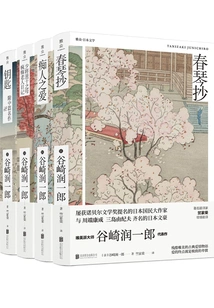
Master of Aesthetic Literature Series: Tanizaki Junichiro's Unrequited Romance Novel Set (complete Collection)
General Fiction唯美派文学大师系列:谷崎润一郎绝恋小说套装(全集)
H
Nominated for the Nobel Prize for Literature seven times in his life, this is the most complete collection of career masterpieces by Japanese aesthetic literary giant Junichiro Tanizaki.
Nominated for the Nobel Prize for Literature seven times in his life, this is the most complete collection of career masterpieces by Japanese aesthetic literary giant Junichiro Tanizaki.
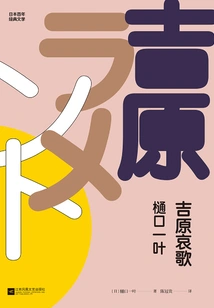
Yoshihara Elegy
General Fiction吉原哀歌
I
Everything in the world, whether it is in ruins or full of vitality, becomes a landscape in the eyes of Higuchi Kazuyo. A collection of short stories by the talented writer Higuchi Kazuyo, who has a reputation as "the last woman in ancient Japan", "Meiji Murasaki Shikibu" and "The Rebirth of Seishonagon", a short-lived flash in the modern Japanese literary world, includes "Childhood Sweethearts", which Yu Hua praised highly. A subtle love develops between Meidenli, the prostitute's sister who has just begun to fall in love, and Xinru, the monk's son. The story ends abruptly when both parties have a tacit understanding, but the cruel fate has been revealed.
Everything in the world, whether it is in ruins or full of vitality, becomes a landscape in the eyes of Higuchi Kazuyo. A collection of short stories by the talented writer Higuchi Kazuyo, who has a reputation as "the last woman in ancient Japan", "Meiji Murasaki Shikibu" and "The Rebirth of Seishonagon", a short-lived flash in the modern Japanese literary world, includes "Childhood Sweethearts", which Yu Hua praised highly. A subtle love develops between Meidenli, the prostitute's sister who has just begun to fall in love, and Xinru, the monk's son. The story ends abruptly when both parties have a tacit understanding, but the cruel fate has been revealed.
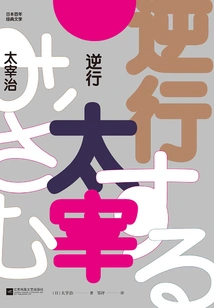
Retrograde
General Fiction逆行
G
A collection of short and medium-length stories by Japanese writer Osamu Dazai, which contains ten short and medium-length stories depicting the life of Osamu Dazai. It includes the famous work "Retrograde" by Dazai Osamu, which was shortlisted for the first Akutagawa Literature Prize. Includes a rare warm work in Dazai Osamu's writing career - "Romantic Lantern". This article changes from Dazai Osamu's previous depressing style and tells the story of the Irie brothers and sisters working together to create a new version of "Rape Rapunzel" vividly.
A collection of short and medium-length stories by Japanese writer Osamu Dazai, which contains ten short and medium-length stories depicting the life of Osamu Dazai. It includes the famous work "Retrograde" by Dazai Osamu, which was shortlisted for the first Akutagawa Literature Prize. Includes a rare warm work in Dazai Osamu's writing career - "Romantic Lantern". This article changes from Dazai Osamu's previous depressing style and tells the story of the Irie brothers and sisters working together to create a new version of "Rape Rapunzel" vividly.

Good Business Opening: Selected Short Stories by Lao She
General Fiction开市大吉:老舍短篇小说选
Lao She
This collection of short stories selects Lao She's works that are lean, vivid, full, full of dramatic conflicts and plot twists, highlighting Lao She's Beijing-style humor and his thinking on society as a people's artist. Each piece of work is memorable with just a few strokes! Each short story can correspond to a current hot issue and a typical character: Kaishi Daji - a charlatan who runs a hospital; Carrying a grandchild - a mother-in-law who refuses to give birth to a caesarean section; Resigning - an employee who fishes at work; Mr. Breeches - an unqualified train passenger; Lotus Eater - eating anything that makes the scenery look bad; Talkies - a weird thing in the cinema; Twenty Tips for Drama Audiences - a weird thing in the drama theater; Good People - self-deception The philanthropist; the caterpillar - marriage problems, neighborhood gossip; the hot bun - the so-called "taker" in emotional problems; the morning of the dog - the spiritual victory method; the rabbit - the darkness of the entertainment industry; the time-honored brand - the plight of traditional craftsmen; the soul-breaking gun - the lost martial arts; the iron cow and the sick duck - bureaucratic disease; the problem that is not a problem - institutional disease; a letter from home - the depression of intellectuals; the little wooden man - an interesting patriotic fairy tale.
This collection of short stories selects Lao She's works that are lean, vivid, full, full of dramatic conflicts and plot twists, highlighting Lao She's Beijing-style humor and his thinking on society as a people's artist. Each piece of work is memorable with just a few strokes! Each short story can correspond to a current hot issue and a typical character: Kaishi Daji - a charlatan who runs a hospital; Carrying a grandchild - a mother-in-law who refuses to give birth to a caesarean section; Resigning - an employee who fishes at work; Mr. Breeches - an unqualified train passenger; Lotus Eater - eating anything that makes the scenery look bad; Talkies - a weird thing in the cinema; Twenty Tips for Drama Audiences - a weird thing in the drama theater; Good People - self-deception The philanthropist; the caterpillar - marriage problems, neighborhood gossip; the hot bun - the so-called "taker" in emotional problems; the morning of the dog - the spiritual victory method; the rabbit - the darkness of the entertainment industry; the time-honored brand - the plight of traditional craftsmen; the soul-breaking gun - the lost martial arts; the iron cow and the sick duck - bureaucratic disease; the problem that is not a problem - institutional disease; a letter from home - the depression of intellectuals; the little wooden man - an interesting patriotic fairy tale.
T
Grass Harp (by Capote)
General Fiction草竖琴(卡波蒂作品)
I
The novel "Grass Harp" (1951) is one of the writer's representative short novels. It describes three strange protagonists - one is an orphan, and the other two are eccentric old ladies - who are troubled by the cruel real life in the American South. They tried all kinds of begging methods but were unable to survive. They had no choice but to leave the real world with fierce competition and endless places for people to live in seclusion in a tree house. This is a work in which the author creates early dreams and reality, fiction and truth, which embodies the tradition and color of early American southern literature.
The novel "Grass Harp" (1951) is one of the writer's representative short novels. It describes three strange protagonists - one is an orphan, and the other two are eccentric old ladies - who are troubled by the cruel real life in the American South. They tried all kinds of begging methods but were unable to survive. They had no choice but to leave the real world with fierce competition and endless places for people to live in seclusion in a tree house. This is a work in which the author creates early dreams and reality, fiction and truth, which embodies the tradition and color of early American southern literature.
卡波蒂短篇小说全集(卡波蒂作品)
J
"The Complete Collection of Capote's Short Stories" is a collection of Capote's short stories. It contains more than a dozen excellent short stories of different styles, which represents his highest literary achievement. Among them, "The Night Tree and Other Stories" describes the author's rural life in the southern United States during his childhood and adolescence; "Memories of a Christmas" describes his hope and joy of Christmas in his childhood. From these short works, we can appreciate the unique literary charm of a first-class novelist.
"The Complete Collection of Capote's Short Stories" is a collection of Capote's short stories. It contains more than a dozen excellent short stories of different styles, which represents his highest literary achievement. Among them, "The Night Tree and Other Stories" describes the author's rural life in the southern United States during his childhood and adolescence; "Memories of a Christmas" describes his hope and joy of Christmas in his childhood. From these short works, we can appreciate the unique literary charm of a first-class novelist.
Shchedrin's Works Collection (complete Collection)
General Fiction谢德林作品集(全集)
K
"Collection of Shchedrin's Works (Set of Volumes 1 and 2)" includes three important works of Shchedrin. "Collection of Shchedrin's Fairy Tales" includes all 32 fairy tales he wrote in his life. The basic ideological content of fairy tales is to satirize the viciousness, cowardice and hypocrisy of the ruling class and its minions. "The History of a City" uses grotesque and exaggerated techniques to depict the stories of successive mayors of the City of Fools and their people. "The Golovlev Family" is the author's masterpiece, which depicts the intrigues among the landlord family and their decadent and parasitic life of boredom.
"Collection of Shchedrin's Works (Set of Volumes 1 and 2)" includes three important works of Shchedrin. "Collection of Shchedrin's Fairy Tales" includes all 32 fairy tales he wrote in his life. The basic ideological content of fairy tales is to satirize the viciousness, cowardice and hypocrisy of the ruling class and its minions. "The History of a City" uses grotesque and exaggerated techniques to depict the stories of successive mayors of the City of Fools and their people. "The Golovlev Family" is the author's masterpiece, which depicts the intrigues among the landlord family and their decadent and parasitic life of boredom.
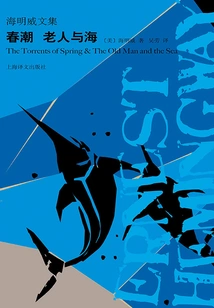
春潮 老人与海(海明威文集)
K
Hemingway's 120th anniversary edition. Hemingway's most outstanding novel and a milestone in the history of world literature. "Spring Tide" is Hemingway's only parody, which combines romanticism and naturalism. Fitzgerald praised it as "the most harmonious work in any book written by an American." The classic image of the old fisherman as a "tough guy" has infected generations of people - "A person can be destroyed, but he cannot be defeated." At the turn of winter and spring, a series of strange things happened in the northern mountain town of Michigan, which formed the interesting core plot of Hemingway's early novella "Spring Tide". "Spring Tide" is Hemingway's only parody, which combines romanticism and naturalism. It was praised by Fitzgerald as "the most harmonious work in the book written by an American." "The Old Man and the Sea" is the last novel published by Hemingway during his lifetime. It tells the story of an old fisherman's struggle with a big fish. It has a profound theme and won Hemingway the Pulitzer Prize in 1953. Due to the achievements of this book, Hemingway won the Nobel Prize for Literature in 1954. The "tough guy" image of the old fisherman created by the novel has infected generations of people. "A person can be destroyed, but he cannot be defeated." It has also been praised by readers all over the world and will last forever.
Hemingway's 120th anniversary edition. Hemingway's most outstanding novel and a milestone in the history of world literature. "Spring Tide" is Hemingway's only parody, which combines romanticism and naturalism. Fitzgerald praised it as "the most harmonious work in any book written by an American." The classic image of the old fisherman as a "tough guy" has infected generations of people - "A person can be destroyed, but he cannot be defeated." At the turn of winter and spring, a series of strange things happened in the northern mountain town of Michigan, which formed the interesting core plot of Hemingway's early novella "Spring Tide". "Spring Tide" is Hemingway's only parody, which combines romanticism and naturalism. It was praised by Fitzgerald as "the most harmonious work in the book written by an American." "The Old Man and the Sea" is the last novel published by Hemingway during his lifetime. It tells the story of an old fisherman's struggle with a big fish. It has a profound theme and won Hemingway the Pulitzer Prize in 1953. Due to the achievements of this book, Hemingway won the Nobel Prize for Literature in 1954. The "tough guy" image of the old fisherman created by the novel has infected generations of people. "A person can be destroyed, but he cannot be defeated." It has also been praised by readers all over the world and will last forever.
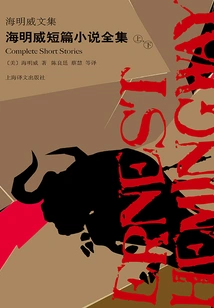
海明威短篇小说全集(海明威文集)
I
Hemingway's 120th anniversary edition. Hemingway can be said to be the most well-known writer in my country and the most loved by Chinese readers among all Nobel Prize winners in literature over the past century. It collects all of Hemingway's short stories with standardized classification and complete catalogue, focusing on the classics of Hemingway's creation of a generation of writing style and profound influence on later writers. Famous translators include Chen Liangting, Wu Lao, Cai Hui, Zhai Xiangjun, Lu Jin and other elite translators of the generation of British and American literature. The earliest and most enduring works that made Hemingway famous were his short stories that created a generation of writing style. His short stories are mainly declarative sentences, with precise descriptions and short dialogues, giving readers the most direct and vivid impression and influencing many modern and contemporary writers in the world. This book is divided into two volumes and contains all of Hemingway's short stories. The first volume contains the writer's first complete collection of short stories published in 1938, namely the "First Collection of 49 Stories", including famous works such as "The Snows of Kilimanjaro"; there are another 6 stories that are not included in the "First Collection of 49 Stories", and the works that obviously belong to the same period are placed in the "Appendix". The second volume includes short stories published in books and magazines after the "first series of 49" and previously unpublished novels, a total of 21 stories. There are another five articles in the appendix, which were not included in the original complete collection and were only discovered in the mid-1980s.
Hemingway's 120th anniversary edition. Hemingway can be said to be the most well-known writer in my country and the most loved by Chinese readers among all Nobel Prize winners in literature over the past century. It collects all of Hemingway's short stories with standardized classification and complete catalogue, focusing on the classics of Hemingway's creation of a generation of writing style and profound influence on later writers. Famous translators include Chen Liangting, Wu Lao, Cai Hui, Zhai Xiangjun, Lu Jin and other elite translators of the generation of British and American literature. The earliest and most enduring works that made Hemingway famous were his short stories that created a generation of writing style. His short stories are mainly declarative sentences, with precise descriptions and short dialogues, giving readers the most direct and vivid impression and influencing many modern and contemporary writers in the world. This book is divided into two volumes and contains all of Hemingway's short stories. The first volume contains the writer's first complete collection of short stories published in 1938, namely the "First Collection of 49 Stories", including famous works such as "The Snows of Kilimanjaro"; there are another 6 stories that are not included in the "First Collection of 49 Stories", and the works that obviously belong to the same period are placed in the "Appendix". The second volume includes short stories published in books and magazines after the "first series of 49" and previously unpublished novels, a total of 21 stories. There are another five articles in the appendix, which were not included in the original complete collection and were only discovered in the mid-1980s.
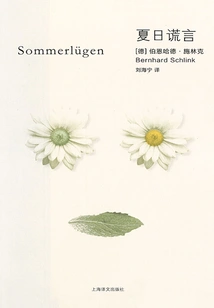
Summer Lies
General Fiction夏日谎言
(german) Bernhard Schlink
"Summer Lies" is a collection of seven short stories by Bernhard Schlink. A woman suddenly discovers that the meaning of life she has believed in for many years no longer exists. She begins to look for the person she loved as a student in an attempt to redeem her past decision. In order to truly understand his father, a son embarks on a journey to be with his father. A man suffering from an incurable disease arranges a summer vacation with his family to say his final farewell to life. A man is listening to a fellow passenger confessing his life on the plane, but he suspects that what he heard is just a bunch of lies... We live in lies from time to time, wandering between doubt and certainty. "Summer Lies" revolves around the key word "lie" and writes seven sad short stories.
"Summer Lies" is a collection of seven short stories by Bernhard Schlink. A woman suddenly discovers that the meaning of life she has believed in for many years no longer exists. She begins to look for the person she loved as a student in an attempt to redeem her past decision. In order to truly understand his father, a son embarks on a journey to be with his father. A man suffering from an incurable disease arranges a summer vacation with his family to say his final farewell to life. A man is listening to a fellow passenger confessing his life on the plane, but he suspects that what he heard is just a bunch of lies... We live in lies from time to time, wandering between doubt and certainty. "Summer Lies" revolves around the key word "lie" and writes seven sad short stories.
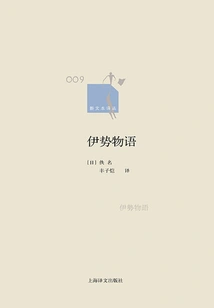
The Tale of Ise (new Text Translation Series)
General Fiction伊势物语(新文本译丛)
I
"The Tale of Ise" was translated by Feng Zikai and the author is unknown. The whole book includes "The Tale of Bamboo" and "The Tale of Ise". "The Tale of Bamboo" is the earliest Japanese literary work, and together with "The Tale of Ise" is called the pioneer of the Heian Dynasty literature. "The Tale of Bamboo" is also called "The Tale of Princess Kaguya", "Bamboo" means cutting bamboo. The story tells of a bamboo cutter who picked up a little girl in the heart of a bamboo and named her "Xizhu Kaguya-hime". Princess Kaguya grew into a graceful and beautiful girl in three months. Five nobles proposed to her. She promised to marry someone who could find her favorite treasure, but all the suitors failed. The emperor wanted to use his power to marry her by force, but he was rejected. Finally, Kaguya suddenly ascended to heaven in front of this group of bewildered ordinary people. "The Tale of Ise" came out around the same time as "The Tale of Bamboo". It is Japan's first "Uta Monogatari". "The Tale of Ise" mainly focuses on the waka written by Emperor Heijo's grandson Zaihara Yahei, plus some waka passed down orally, and at the same time lays out the background or original story of these waka. The whole article is composed of 125 chapters and 206 Japanese songs. There is no connection between the chapters. Each chapter is an independent chapter, which vaguely reveals the life experience of Hara Yehei.
"The Tale of Ise" was translated by Feng Zikai and the author is unknown. The whole book includes "The Tale of Bamboo" and "The Tale of Ise". "The Tale of Bamboo" is the earliest Japanese literary work, and together with "The Tale of Ise" is called the pioneer of the Heian Dynasty literature. "The Tale of Bamboo" is also called "The Tale of Princess Kaguya", "Bamboo" means cutting bamboo. The story tells of a bamboo cutter who picked up a little girl in the heart of a bamboo and named her "Xizhu Kaguya-hime". Princess Kaguya grew into a graceful and beautiful girl in three months. Five nobles proposed to her. She promised to marry someone who could find her favorite treasure, but all the suitors failed. The emperor wanted to use his power to marry her by force, but he was rejected. Finally, Kaguya suddenly ascended to heaven in front of this group of bewildered ordinary people. "The Tale of Ise" came out around the same time as "The Tale of Bamboo". It is Japan's first "Uta Monogatari". "The Tale of Ise" mainly focuses on the waka written by Emperor Heijo's grandson Zaihara Yahei, plus some waka passed down orally, and at the same time lays out the background or original story of these waka. The whole article is composed of 125 chapters and 206 Japanese songs. There is no connection between the chapters. Each chapter is an independent chapter, which vaguely reveals the life experience of Hara Yehei.
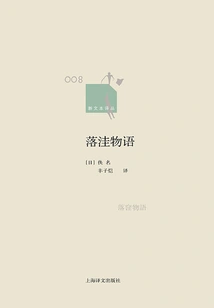
The Story of Luowa (new Text Translation Series)
General Fiction落洼物语(新文本译丛)
(japan) Anonymous
The writing date of "The Story of Luoka" is generally believed to be around the end of the tenth century. The author is unknown and is presumed to be a man of relatively low status. The story describes that the daughter of Minamoto Tadayori Nagoya was neglected by her stepmother and was forced to live in a low-lying house, known as "Lokaku". Luokawa met a major general, and they lived a happy life after marriage. The stepmother held a grudge and severely attacked the servant who had pulled the strings. After Tadayori Minamoto passed away, her stepmother completely lost power. The major general forgave her when he saw that his stepmother had repented. "The Story of Rakubo" completely adopts the creative method of classical realism and faithfully reflects a corner of aristocratic life. On the one hand, it promotes the idea of karma and retribution that good will be rewarded with good and evil will be rewarded with evil. On the other hand, it also proposes a new moral code and values for aristocratic society, highlighting the valuable spirit of loyalty to love.
The writing date of "The Story of Luoka" is generally believed to be around the end of the tenth century. The author is unknown and is presumed to be a man of relatively low status. The story describes that the daughter of Minamoto Tadayori Nagoya was neglected by her stepmother and was forced to live in a low-lying house, known as "Lokaku". Luokawa met a major general, and they lived a happy life after marriage. The stepmother held a grudge and severely attacked the servant who had pulled the strings. After Tadayori Minamoto passed away, her stepmother completely lost power. The major general forgave her when he saw that his stepmother had repented. "The Story of Rakubo" completely adopts the creative method of classical realism and faithfully reflects a corner of aristocratic life. On the one hand, it promotes the idea of karma and retribution that good will be rewarded with good and evil will be rewarded with evil. On the other hand, it also proposes a new moral code and values for aristocratic society, highlighting the valuable spirit of loyalty to love.
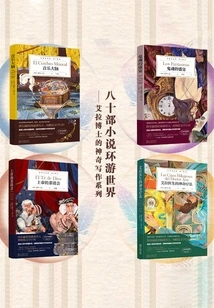
Eighty Novels Around the World: Dr. Ella's Magical Writing Series (set of 4 Volumes in Total)
General Fiction八十部小说环游世界:艾拉博士的神奇写作系列(套装共4册)
J
The direct descendant of Borges, Argentinian literary giant Cesar Ella devoted his efforts to create it; it has been shortlisted for the Booker International Prize and the Neustadt International Literature Prize, and is highly recommended by Roberto Bolaño, the author of "2666". "Musical Brain" is a collection of short stories by Argentinian writer Cesar Ella, which includes: "Musical Brain", "Picasso", "Brick Wall", "Shopping Cart", "Athena Magazine", "Dog" and "Two Men", as well as an introduction written by the translator Mr. Konyare himself. The stories in this collection of short stories are full of fantastic fantasies, and the plot trends exceed readers' expectations. They do not deliberately pursue the completeness of the stories, and often lack clear endings. In other words, the novel "Music Brain" actually provides readers with a huge space for imagination, and also weaves each story structure from another aspect to be fuller and fuller. "God's Tea Party" is a collection of short stories by Argentinian writer Cesar Ella. It is also a unique book in the "Cesar Ella Works Series", with a total of 60,000 words in the document. In addition to the masterpiece "God's Tea Party", this collection of novels also includes many other classics of Ella, such as "A Thousand Drops of Oil Paint", "The Plant Tree Bear in Arauco Park", "Poverty", "The Criminal and the Cartoonist", etc. "The Feast of Ghosts" is a novella by Argentinian writer Cesar Ella, and it is also a book in the "Cesar Ella Series". The novel is set in Chile and tells the story of a young girl, Patri, who receives an invitation from a group of ghosts and jumps from a high building to a banquet at midnight. "The Miracle Cure of Dr. Ella" is a collection of novellas by Argentinian writer Cesar Ella. It is also one of the "Cesar Ella Series". It contains three novellas in total: "The Miraculous Treatment of Dr. Ella", "Linden Tree" and "Fragments from the Alpine Diaries". These three stories all use a first-person narrative tone, a magical realism creative style, and a stream-of-consciousness narrative structure to tell some stories that happened around the protagonists.
The direct descendant of Borges, Argentinian literary giant Cesar Ella devoted his efforts to create it; it has been shortlisted for the Booker International Prize and the Neustadt International Literature Prize, and is highly recommended by Roberto Bolaño, the author of "2666". "Musical Brain" is a collection of short stories by Argentinian writer Cesar Ella, which includes: "Musical Brain", "Picasso", "Brick Wall", "Shopping Cart", "Athena Magazine", "Dog" and "Two Men", as well as an introduction written by the translator Mr. Konyare himself. The stories in this collection of short stories are full of fantastic fantasies, and the plot trends exceed readers' expectations. They do not deliberately pursue the completeness of the stories, and often lack clear endings. In other words, the novel "Music Brain" actually provides readers with a huge space for imagination, and also weaves each story structure from another aspect to be fuller and fuller. "God's Tea Party" is a collection of short stories by Argentinian writer Cesar Ella. It is also a unique book in the "Cesar Ella Works Series", with a total of 60,000 words in the document. In addition to the masterpiece "God's Tea Party", this collection of novels also includes many other classics of Ella, such as "A Thousand Drops of Oil Paint", "The Plant Tree Bear in Arauco Park", "Poverty", "The Criminal and the Cartoonist", etc. "The Feast of Ghosts" is a novella by Argentinian writer Cesar Ella, and it is also a book in the "Cesar Ella Series". The novel is set in Chile and tells the story of a young girl, Patri, who receives an invitation from a group of ghosts and jumps from a high building to a banquet at midnight. "The Miracle Cure of Dr. Ella" is a collection of novellas by Argentinian writer Cesar Ella. It is also one of the "Cesar Ella Series". It contains three novellas in total: "The Miraculous Treatment of Dr. Ella", "Linden Tree" and "Fragments from the Alpine Diaries". These three stories all use a first-person narrative tone, a magical realism creative style, and a stream-of-consciousness narrative structure to tell some stories that happened around the protagonists.
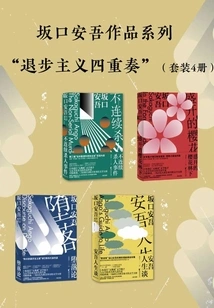
“退步主义四重奏”:坂口安吾系列(套装共4册)
(japan) Sakaguchi Ango
The first domestic publication of Sakaguchi Ango's works in a series format; the standard-bearer of the "rogue faction" as famous as Dazai Osamu, a literary master highly respected by Kawabata Yasunari and Mishima Yukio; the prototype character of Japan's super popular animation "Bungou Stray Dogs", and the original novel of the popular animation "Ao no Literary" series. A collection of masterpieces of weird novels by Sakaguchi Ango, the standard bearer of Japan's postwar "rogue faction". This book contains a total of 10 famous novels by Sakaguchi Ango, namely "Under the Blooming Cherry Blossoms", "Zen Monk", "Nagahime and the Ear Man", "Idle Mountain", "Shidai Nagon", 5 strange novels, "Dr. Wind", "Eye of Arrogance", "About Incomprehensible Broken Love", "Idiot" and "The Woman Who Washed the Green Ghost's Loincloth". These 10 novels cover various stages of Ango's creative career and basically show the overall style of his novel creation. In particular, "Under the Blooming Cherry Blossoms" is the representative novel, which revolves around the lives of bandits and stolen brides. The story is interesting and strange, with a cold and strange atmosphere. It has the characteristics of a storybook novel and can be called the masterpiece of Japanese ghost story-style storytellers. Among the weird novels, "The Idiot" is the most famous. After being published in 1946, it was praised as "a model of Japanese post-war literature". The novel centers on a man fleeing with a mad woman during the war, reflecting Japan's wartime suffering and the madness of the people. Sakaguchi Ango's masterpiece of Kaidan and Weibo novels profoundly expresses Japanese classical cruelty and aesthetics, as well as reflections on the relationship between men and women during the war. The weird plot setting reflects his unique view of human nature, and has become one of the most popular Japanese classic novels among readers. "On Degeneration" is the representative work of Sakaguchi Ango, the standard-bearer of Japan's postwar "rogue school" literature. In addition to "On Degeneration", this book also includes 16 representative essays, including "On Degeneration", "The Emperor's Short Essay", "On Decadent Literature", "On Youth", and "A Death Test on Dazai's Love", for a total of 17 articles. Through these critical articles that overturned Japan's old moral order, Sakaguchi Ango called for the postwar Japanese to liberate themselves from the moral principles established by the old system, return to their natural humanity, and "fall" from the false clouds to the human world. The "fall" Sakaguchi refers to is to shed all hypocrisy and "return to the state of real people." For this reason, Sakaguchi Ango was hailed as a "great regressor" by Japanese intellectual circles and literary critics with his "loser philosophy" ideological level. "Ango Life Story" is a collection of Sakaguchi Ango's classic crime stories. This book is divided into two parts: "An Wu Life Talk" and "My Outlook on Life". In "Anwu Life Talk", the author transforms into a "street talker" and uses the collected notes of criminals to vividly restore crime stories and attach wonderful comments and miscellaneous remarks. Through the restoration and analysis of a hot case in Japanese society at that time, it pointed out the crux and ideological problems of society at that time in a sharp and humorous manner, and criticized the darkness of human nature. "My Outlook on Life" contains eight of his current affairs essays, combining the social events happening around him to interpret the bizarre social and life situations at that time. "Ango Life Story" was published in a single volume in Japan from the 1960s to the 1980s. After that, it was out of print for more than 30 years. In February 2019, a Japanese publishing house republished it in a single volume. This book is the first translation and publication in China. It is of great significance for domestic readers of Sakaguchi Ango to learn more about the author's thoughts and the situation of Japanese society at that time. "Continuous Murder" is the only full-length mystery novel written by Ango Sakaguchi. It subverts common sense criminal methods and inner games, and solves the shocking conspiracy behind eight murder cases. It is an immortal masterpiece in the history of Japanese mystery novels. The author sets the background of the story in the summer of 1947. At the mountain villa of Utagawa Tamon, a large Japanese conglomerate at that time, there were more than 20 scholars, poets, writers, doctors, etc. Who came to spend the summer. The interpersonal relationships were complicated and entangled with love and hatred. After receiving the threatening letter, eight murders occurred one after another, and the Utagawa family was destroyed. Throughout the process, the author does not use the "alibi" and "impossible crime" routines commonly used in mystery novels. It is obvious that the crimes are committed continuously, but it makes people unable to see a consistent motive, and even cannot predict the next victim. But there is a shocking conspiracy behind these murders. When this mystery novel was first serialized, the author attached a "Challenge to Readers" at the end of each article, stating that whoever guessed the murderer would pay his royalties. Osamu Dazai also participated in the guessing of the murderer, but unfortunately the challenge failed. After the novel was officially published, it won the Novel Award at the 2nd Detective Writers Club Award (later renamed the "Mystery Writers Association Award") in the second month. It became a model work of Japan's postwar "honkaku" mystery novels and has been popular in Japan for more than half a century.
The first domestic publication of Sakaguchi Ango's works in a series format; the standard-bearer of the "rogue faction" as famous as Dazai Osamu, a literary master highly respected by Kawabata Yasunari and Mishima Yukio; the prototype character of Japan's super popular animation "Bungou Stray Dogs", and the original novel of the popular animation "Ao no Literary" series. A collection of masterpieces of weird novels by Sakaguchi Ango, the standard bearer of Japan's postwar "rogue faction". This book contains a total of 10 famous novels by Sakaguchi Ango, namely "Under the Blooming Cherry Blossoms", "Zen Monk", "Nagahime and the Ear Man", "Idle Mountain", "Shidai Nagon", 5 strange novels, "Dr. Wind", "Eye of Arrogance", "About Incomprehensible Broken Love", "Idiot" and "The Woman Who Washed the Green Ghost's Loincloth". These 10 novels cover various stages of Ango's creative career and basically show the overall style of his novel creation. In particular, "Under the Blooming Cherry Blossoms" is the representative novel, which revolves around the lives of bandits and stolen brides. The story is interesting and strange, with a cold and strange atmosphere. It has the characteristics of a storybook novel and can be called the masterpiece of Japanese ghost story-style storytellers. Among the weird novels, "The Idiot" is the most famous. After being published in 1946, it was praised as "a model of Japanese post-war literature". The novel centers on a man fleeing with a mad woman during the war, reflecting Japan's wartime suffering and the madness of the people. Sakaguchi Ango's masterpiece of Kaidan and Weibo novels profoundly expresses Japanese classical cruelty and aesthetics, as well as reflections on the relationship between men and women during the war. The weird plot setting reflects his unique view of human nature, and has become one of the most popular Japanese classic novels among readers. "On Degeneration" is the representative work of Sakaguchi Ango, the standard-bearer of Japan's postwar "rogue school" literature. In addition to "On Degeneration", this book also includes 16 representative essays, including "On Degeneration", "The Emperor's Short Essay", "On Decadent Literature", "On Youth", and "A Death Test on Dazai's Love", for a total of 17 articles. Through these critical articles that overturned Japan's old moral order, Sakaguchi Ango called for the postwar Japanese to liberate themselves from the moral principles established by the old system, return to their natural humanity, and "fall" from the false clouds to the human world. The "fall" Sakaguchi refers to is to shed all hypocrisy and "return to the state of real people." For this reason, Sakaguchi Ango was hailed as a "great regressor" by Japanese intellectual circles and literary critics with his "loser philosophy" ideological level. "Ango Life Story" is a collection of Sakaguchi Ango's classic crime stories. This book is divided into two parts: "An Wu Life Talk" and "My Outlook on Life". In "Anwu Life Talk", the author transforms into a "street talker" and uses the collected notes of criminals to vividly restore crime stories and attach wonderful comments and miscellaneous remarks. Through the restoration and analysis of a hot case in Japanese society at that time, it pointed out the crux and ideological problems of society at that time in a sharp and humorous manner, and criticized the darkness of human nature. "My Outlook on Life" contains eight of his current affairs essays, combining the social events happening around him to interpret the bizarre social and life situations at that time. "Ango Life Story" was published in a single volume in Japan from the 1960s to the 1980s. After that, it was out of print for more than 30 years. In February 2019, a Japanese publishing house republished it in a single volume. This book is the first translation and publication in China. It is of great significance for domestic readers of Sakaguchi Ango to learn more about the author's thoughts and the situation of Japanese society at that time. "Continuous Murder" is the only full-length mystery novel written by Ango Sakaguchi. It subverts common sense criminal methods and inner games, and solves the shocking conspiracy behind eight murder cases. It is an immortal masterpiece in the history of Japanese mystery novels. The author sets the background of the story in the summer of 1947. At the mountain villa of Utagawa Tamon, a large Japanese conglomerate at that time, there were more than 20 scholars, poets, writers, doctors, etc. Who came to spend the summer. The interpersonal relationships were complicated and entangled with love and hatred. After receiving the threatening letter, eight murders occurred one after another, and the Utagawa family was destroyed. Throughout the process, the author does not use the "alibi" and "impossible crime" routines commonly used in mystery novels. It is obvious that the crimes are committed continuously, but it makes people unable to see a consistent motive, and even cannot predict the next victim. But there is a shocking conspiracy behind these murders. When this mystery novel was first serialized, the author attached a "Challenge to Readers" at the end of each article, stating that whoever guessed the murderer would pay his royalties. Osamu Dazai also participated in the guessing of the murderer, but unfortunately the challenge failed. After the novel was officially published, it won the Novel Award at the 2nd Detective Writers Club Award (later renamed the "Mystery Writers Association Award") in the second month. It became a model work of Japan's postwar "honkaku" mystery novels and has been popular in Japan for more than half a century.
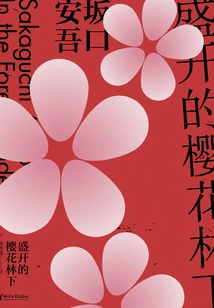
Blooming Cherry Blossom Forest
General Fiction盛开的樱花林下
(japan) Sakaguchi Ango
Sakaguchi Ango's Weidan: A collection of masterpieces of strange novels, a literary master as famous as Dazai Osamu. The prototype character of the popular Japanese anime "Bungou Stray Dogs", the original work of the Japanese anime "Ao no Literary" series, reproduces the eccentric and coquettish and feminine classical aesthetic extremes in Japanese Kaidan writing, the standard bearer of Japan's post-war "rogue school" literature, a Japanese literary giant highly praised by Kawabata Yasunari and Mishima Yukio. A collection of masterpieces of weird novels by Sakaguchi Ango, the standard bearer of Japan's postwar "rogue faction". This book contains a total of 10 famous novels by Sakaguchi Ango, namely "Under the Blooming Cherry Blossoms", "Zen Monk", "Nagahime and the Ear Man", "Idle Mountain", "Shidai Nagon", 5 strange novels, "Dr. Wind", "Eye of Arrogance", "About Incomprehensible Broken Love", "Idiot" and "The Woman Who Washed the Green Ghost's Loincloth". These 10 novels cover various stages of Ango's creative career and basically show the overall style of his novel creation. In particular, "Under the Blooming Cherry Blossoms" is the representative novel, which revolves around the lives of bandits and stolen brides. The story is interesting and strange, with a cold and strange atmosphere. It has the characteristics of a storybook novel and can be called the masterpiece of Japanese ghost story-style storytellers. Among the weird novels, "The Idiot" is the most famous. After being published in 1946, it was praised as "a model of Japanese post-war literature". The novel centers on a man fleeing with a mad woman during the war, reflecting Japan's wartime suffering and the madness of the people. Sakaguchi Ango's masterpiece of Kaidan and Weibo novels profoundly expresses Japanese classical cruelty and aesthetics, as well as reflections on the relationship between men and women during the war. The weird plot setting reflects his unique view of human nature, and has become one of the most popular Japanese classic novels among readers.
Sakaguchi Ango's Weidan: A collection of masterpieces of strange novels, a literary master as famous as Dazai Osamu. The prototype character of the popular Japanese anime "Bungou Stray Dogs", the original work of the Japanese anime "Ao no Literary" series, reproduces the eccentric and coquettish and feminine classical aesthetic extremes in Japanese Kaidan writing, the standard bearer of Japan's post-war "rogue school" literature, a Japanese literary giant highly praised by Kawabata Yasunari and Mishima Yukio. A collection of masterpieces of weird novels by Sakaguchi Ango, the standard bearer of Japan's postwar "rogue faction". This book contains a total of 10 famous novels by Sakaguchi Ango, namely "Under the Blooming Cherry Blossoms", "Zen Monk", "Nagahime and the Ear Man", "Idle Mountain", "Shidai Nagon", 5 strange novels, "Dr. Wind", "Eye of Arrogance", "About Incomprehensible Broken Love", "Idiot" and "The Woman Who Washed the Green Ghost's Loincloth". These 10 novels cover various stages of Ango's creative career and basically show the overall style of his novel creation. In particular, "Under the Blooming Cherry Blossoms" is the representative novel, which revolves around the lives of bandits and stolen brides. The story is interesting and strange, with a cold and strange atmosphere. It has the characteristics of a storybook novel and can be called the masterpiece of Japanese ghost story-style storytellers. Among the weird novels, "The Idiot" is the most famous. After being published in 1946, it was praised as "a model of Japanese post-war literature". The novel centers on a man fleeing with a mad woman during the war, reflecting Japan's wartime suffering and the madness of the people. Sakaguchi Ango's masterpiece of Kaidan and Weibo novels profoundly expresses Japanese classical cruelty and aesthetics, as well as reflections on the relationship between men and women during the war. The weird plot setting reflects his unique view of human nature, and has become one of the most popular Japanese classic novels among readers.
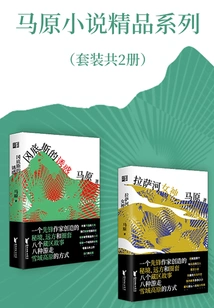
马原雪区小说精品系列(套装共2册)
Ma Yuan
A must-read classic of contemporary literature, the secret realm, distance and narrative trap created by a pioneering writer; Ma Yuan, the "Western Poison" of the Five Tigers in the literary world, writes about "the kind of life that Tibetans have lived for thousands of years" in a deeply spiritual language; 16 snowy area stories, 16 ways to travel on the snowy plateau; the light of inspiration from the snowy plateau plus the maze of strange and magnificent words. "The Temptation of Gangdise" is a collection of short stories and short stories written by the writer Ma Yuan when he lived in Tibet. Includes eight articles including "The Temptation of Gangdise", "Sailboats in the West Sea", "Impression of Mountains" and "Three Methods of Filing Paper Harriers". These novels revolve around the stories of "me" or "my" friends who are literary and art workers from the Mainland, or Tibetan friends on the snowy plateau: "I" and my friends were exploring savages, a poor man hunted bears alone, a little shepherd made a pilgrimage across the snowy mountains, and three old ladies who lived alone each carried their own mysterious past... Most of them were people who had become solitary due to twists and turns of fate or romantic feelings. They were characterized by loneliness and suffering, but they also burst out with amazing courage and perseverance from time to time. At the same time, these novels open up the boundaries of narrative and use the mysterious atmosphere of Tibet to construct a dreamlike narrative maze. "Lhasa River Goddess" contains eight short stories and short stories written by the famous writer Ma Yuan when he lived in Tibet, including "Fiction", "Lhasa River Goddess", "Himalaya Ancient Songs" and "Three Times of Life in Lhasa". The snowy plateaus in these novels are surrounded by everything ordinary and extraordinary: lepers live peacefully in the peach blossom garden, old hunters confide in silent mountains and forests, beggars in the bustling city carry anecdotes and secret treasures with them, young people trapped in daily trivial matters unknowingly walk into their fate... The writer walks along the Lhasa River, wandering between different stories, cleverly burying metaphors, and projecting a keen eye for continuous exploration of human nature.
A must-read classic of contemporary literature, the secret realm, distance and narrative trap created by a pioneering writer; Ma Yuan, the "Western Poison" of the Five Tigers in the literary world, writes about "the kind of life that Tibetans have lived for thousands of years" in a deeply spiritual language; 16 snowy area stories, 16 ways to travel on the snowy plateau; the light of inspiration from the snowy plateau plus the maze of strange and magnificent words. "The Temptation of Gangdise" is a collection of short stories and short stories written by the writer Ma Yuan when he lived in Tibet. Includes eight articles including "The Temptation of Gangdise", "Sailboats in the West Sea", "Impression of Mountains" and "Three Methods of Filing Paper Harriers". These novels revolve around the stories of "me" or "my" friends who are literary and art workers from the Mainland, or Tibetan friends on the snowy plateau: "I" and my friends were exploring savages, a poor man hunted bears alone, a little shepherd made a pilgrimage across the snowy mountains, and three old ladies who lived alone each carried their own mysterious past... Most of them were people who had become solitary due to twists and turns of fate or romantic feelings. They were characterized by loneliness and suffering, but they also burst out with amazing courage and perseverance from time to time. At the same time, these novels open up the boundaries of narrative and use the mysterious atmosphere of Tibet to construct a dreamlike narrative maze. "Lhasa River Goddess" contains eight short stories and short stories written by the famous writer Ma Yuan when he lived in Tibet, including "Fiction", "Lhasa River Goddess", "Himalaya Ancient Songs" and "Three Times of Life in Lhasa". The snowy plateaus in these novels are surrounded by everything ordinary and extraordinary: lepers live peacefully in the peach blossom garden, old hunters confide in silent mountains and forests, beggars in the bustling city carry anecdotes and secret treasures with them, young people trapped in daily trivial matters unknowingly walk into their fate... The writer walks along the Lhasa River, wandering between different stories, cleverly burying metaphors, and projecting a keen eye for continuous exploration of human nature.
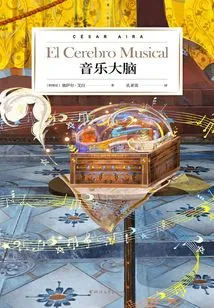
Musical Brain
General Fiction音乐大脑
J
The direct descendant of Borges, Argentinian literary giant Cesar Ella devoted his efforts to create it; it has been shortlisted for the Booker International Prize and the Neustadt International Literature Prize, and is highly recommended by Roberto Bolaño, the author of "2666". "Musical Brain" is a collection of short stories by Argentinian writer Cesar Ella, which includes: "Musical Brain", "Picasso", "Brick Wall", "Shopping Cart", "Athena Magazine", "Dog" and "Two Men", as well as an introduction written by the translator Mr. Konyare himself. The stories in this collection of short stories are full of fantastic fantasies, and the plot trends exceed readers' expectations. They do not deliberately pursue the completeness of the stories, and often lack clear endings. In other words, the novel "Music Brain" actually provides readers with a huge space for imagination, and also weaves each story structure from another aspect to be fuller and fuller.
The direct descendant of Borges, Argentinian literary giant Cesar Ella devoted his efforts to create it; it has been shortlisted for the Booker International Prize and the Neustadt International Literature Prize, and is highly recommended by Roberto Bolaño, the author of "2666". "Musical Brain" is a collection of short stories by Argentinian writer Cesar Ella, which includes: "Musical Brain", "Picasso", "Brick Wall", "Shopping Cart", "Athena Magazine", "Dog" and "Two Men", as well as an introduction written by the translator Mr. Konyare himself. The stories in this collection of short stories are full of fantastic fantasies, and the plot trends exceed readers' expectations. They do not deliberately pursue the completeness of the stories, and often lack clear endings. In other words, the novel "Music Brain" actually provides readers with a huge space for imagination, and also weaves each story structure from another aspect to be fuller and fuller.
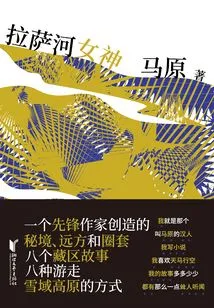
Lhasa River Goddess
General Fiction拉萨河女神
Ma Yuan
A must-read classic of contemporary literature, the secret realm, distance and narrative trap created by a pioneering writer; Ma Yuan, the "Western Poison" of the Five Tigers in the literary world, writes about "the kind of life that Tibetans have lived for thousands of years" in a deeply spiritual language, 8 stories in Tibetan areas, 8 ways to travel on the snowy plateau; the light of inspiration from the snowy plateau plus the maze of strange and magnificent words. "Lhasa River Goddess" contains eight short stories and short stories written by the famous writer Ma Yuan when he lived in Tibet, including "Fiction", "Lhasa River Goddess", "Himalaya Ancient Songs" and "Three Times of Life in Lhasa". The snowy plateaus in these novels are surrounded by everything ordinary and extraordinary: lepers live peacefully in the peach blossom garden, old hunters confide in silent mountains and forests, beggars in the bustling city carry anecdotes and secret treasures with them, young people trapped in daily trivial matters unknowingly walk into their fate... The writer walks along the Lhasa River, wandering between different stories, cleverly burying metaphors, and projecting a keen eye for continuous exploration of human nature.
A must-read classic of contemporary literature, the secret realm, distance and narrative trap created by a pioneering writer; Ma Yuan, the "Western Poison" of the Five Tigers in the literary world, writes about "the kind of life that Tibetans have lived for thousands of years" in a deeply spiritual language, 8 stories in Tibetan areas, 8 ways to travel on the snowy plateau; the light of inspiration from the snowy plateau plus the maze of strange and magnificent words. "Lhasa River Goddess" contains eight short stories and short stories written by the famous writer Ma Yuan when he lived in Tibet, including "Fiction", "Lhasa River Goddess", "Himalaya Ancient Songs" and "Three Times of Life in Lhasa". The snowy plateaus in these novels are surrounded by everything ordinary and extraordinary: lepers live peacefully in the peach blossom garden, old hunters confide in silent mountains and forests, beggars in the bustling city carry anecdotes and secret treasures with them, young people trapped in daily trivial matters unknowingly walk into their fate... The writer walks along the Lhasa River, wandering between different stories, cleverly burying metaphors, and projecting a keen eye for continuous exploration of human nature.
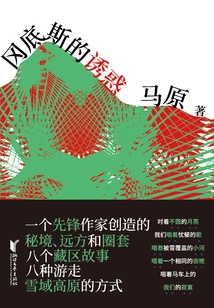
The Temptation of Gangdise
General Fiction冈底斯的诱惑
Ma Yuan
A must-read classic of contemporary literature, the secret realm, distance and narrative trap created by a pioneering writer; Ma Yuan, the "Western Poison" of the Five Tigers in the literary world, writes about "the kind of life that Tibetans have lived for thousands of years" in a deeply spiritual language, 8 stories in Tibetan areas, 8 ways to travel on the snowy plateau; the light of inspiration from the snowy plateau plus the maze of strange and magnificent words. "The Temptation of Gangdise" is a collection of short stories and short stories written by the writer Ma Yuan when he lived in Tibet. Includes eight articles including "The Temptation of Gangdise", "Sailboats in the West Sea", "Impression of Mountains" and "Three Methods of Filing Paper Harriers". These novels revolve around the stories of "me" or "my" friends who are literary and art workers from the Mainland, or Tibetan friends on the snowy plateau: "I" and my friends were exploring savages, a poor man hunted bears alone, a little shepherd made a pilgrimage across the snowy mountains, and three old ladies who lived alone each carried their own mysterious past... Most of them were people who had become solitary due to twists and turns of fate or romantic feelings. They were characterized by loneliness and suffering, but they also burst out with amazing courage and perseverance from time to time. At the same time, these novels open up the boundaries of narrative and use the mysterious atmosphere of Tibet to construct a dreamlike narrative maze.
A must-read classic of contemporary literature, the secret realm, distance and narrative trap created by a pioneering writer; Ma Yuan, the "Western Poison" of the Five Tigers in the literary world, writes about "the kind of life that Tibetans have lived for thousands of years" in a deeply spiritual language, 8 stories in Tibetan areas, 8 ways to travel on the snowy plateau; the light of inspiration from the snowy plateau plus the maze of strange and magnificent words. "The Temptation of Gangdise" is a collection of short stories and short stories written by the writer Ma Yuan when he lived in Tibet. Includes eight articles including "The Temptation of Gangdise", "Sailboats in the West Sea", "Impression of Mountains" and "Three Methods of Filing Paper Harriers". These novels revolve around the stories of "me" or "my" friends who are literary and art workers from the Mainland, or Tibetan friends on the snowy plateau: "I" and my friends were exploring savages, a poor man hunted bears alone, a little shepherd made a pilgrimage across the snowy mountains, and three old ladies who lived alone each carried their own mysterious past... Most of them were people who had become solitary due to twists and turns of fate or romantic feelings. They were characterized by loneliness and suffering, but they also burst out with amazing courage and perseverance from time to time. At the same time, these novels open up the boundaries of narrative and use the mysterious atmosphere of Tibet to construct a dreamlike narrative maze.
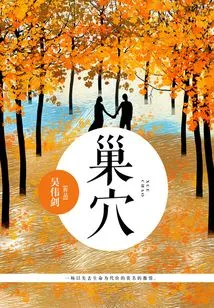
Nest
General Fiction巢穴
Wu Weijian
A song of destiny for newlyweds; a folk painting of the southern countryside; a postmodern mistake that was coincidental from the beginning; an inexplicable passion at the cost of losing one's life.
A song of destiny for newlyweds; a folk painting of the southern countryside; a postmodern mistake that was coincidental from the beginning; an inexplicable passion at the cost of losing one's life.
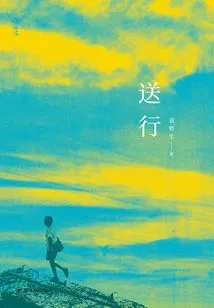
Send Off
General Fiction送行
Yuan Zhesheng
In 1995, Yuan Zhesheng published his first work, "Sheep Still on the Tree", which vaguely showed the style of his future novels. The "Part One" of this book comes from this work. In the "Part Two" literary review, we witness the secret relationship between novelists and other creators. In "Episode Three" and "Episode Four", Yuan Zhesheng wrote mature works such as "Hot Spring Bath" and "Remote Cry". From the beginning to the end, from Yuan Zhesheng's novels to his personal notes, we can witness the birth of a classic author.
In 1995, Yuan Zhesheng published his first work, "Sheep Still on the Tree", which vaguely showed the style of his future novels. The "Part One" of this book comes from this work. In the "Part Two" literary review, we witness the secret relationship between novelists and other creators. In "Episode Three" and "Episode Four", Yuan Zhesheng wrote mature works such as "Hot Spring Bath" and "Remote Cry". From the beginning to the end, from Yuan Zhesheng's novels to his personal notes, we can witness the birth of a classic author.
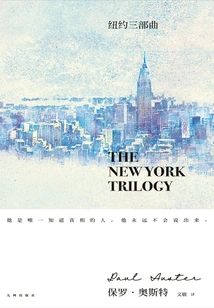
New York Trilogy
General Fiction纽约三部曲
H
The "New York Trilogy" consists of three interrelated atypical detective novels: "City of Glass", "Ghost" and "Locked House". Mystery novelist Quinn, pretending to be a detective named Paul Auster, accepted the commission to track the old Stillman who had just been released from prison, but invisibly inherited the old man's legacy-inventing a brand new language that corresponds to this broken world; Detective Blue was hired by White to monitor the writer Blake who lived across the street. During the day-to-day observation, he gradually turned himself into Blake's mirror image, and... I accidentally wrote the last autobiography for Blake; and "I" unexpectedly inherited the manuscript of my childhood friend Fanshawe, as well as his widow and son. The hot sales of Fanshawe's works made "I" both famous and wealthy, but the phantom of a happy life was soon broken by a note from "Fanshaw"... Writers and characters, reality and fiction, language and reality, are all constantly replacing each other, which can be called the ultimate password to unlock Auster's core.
The "New York Trilogy" consists of three interrelated atypical detective novels: "City of Glass", "Ghost" and "Locked House". Mystery novelist Quinn, pretending to be a detective named Paul Auster, accepted the commission to track the old Stillman who had just been released from prison, but invisibly inherited the old man's legacy-inventing a brand new language that corresponds to this broken world; Detective Blue was hired by White to monitor the writer Blake who lived across the street. During the day-to-day observation, he gradually turned himself into Blake's mirror image, and... I accidentally wrote the last autobiography for Blake; and "I" unexpectedly inherited the manuscript of my childhood friend Fanshawe, as well as his widow and son. The hot sales of Fanshawe's works made "I" both famous and wealthy, but the phantom of a happy life was soon broken by a note from "Fanshaw"... Writers and characters, reality and fiction, language and reality, are all constantly replacing each other, which can be called the ultimate password to unlock Auster's core.
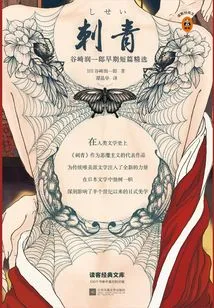
Tattoo
General Fiction刺青
H
After reading "Tattoo", I realized: I am not an alien, I am just different from you. A representative work of Japanese aestheticism literature and the budding work of demonic aesthetics! A Japanese aesthetic classic that profoundly influenced Ryunosuke Akutagawa, Yukio Mishima, and Yasunari Kawabata. Junichiro Tanizaki, a representative writer of modern Japanese literature, was nominated for the Nobel Prize for Literature 7 times in his life! The starting point of Tanizaki literature! Both Tanizaki himself and literary critics regard "Tattoo" as his true debut novel. The new hardcover collector's edition of "Tattoo" presents the literary world of Junichiro Tanizaki in a diverse way! Exclusive must-have reasons: (1) Select 14 short stories by Junichiro Tanizaki, covering all the author's short story masterpieces in the early stages of creation. (2) A brand-new translation by the well-known Japanese translator Tan Jinghua, with many short stories translated and introduced to China for the first time. (3) Specially included comics adapted from the story "Tattoo", allowing you to understand the story in a different way. (4) Includes the chronological chart of Junichiro Tanizaki, allowing you to understand Tanizaki's life in one picture. (5) Includes critical essays by the famous Japanese writer Karika Nagai, interpreting Tanizaki's early works from the perspective of the master.
After reading "Tattoo", I realized: I am not an alien, I am just different from you. A representative work of Japanese aestheticism literature and the budding work of demonic aesthetics! A Japanese aesthetic classic that profoundly influenced Ryunosuke Akutagawa, Yukio Mishima, and Yasunari Kawabata. Junichiro Tanizaki, a representative writer of modern Japanese literature, was nominated for the Nobel Prize for Literature 7 times in his life! The starting point of Tanizaki literature! Both Tanizaki himself and literary critics regard "Tattoo" as his true debut novel. The new hardcover collector's edition of "Tattoo" presents the literary world of Junichiro Tanizaki in a diverse way! Exclusive must-have reasons: (1) Select 14 short stories by Junichiro Tanizaki, covering all the author's short story masterpieces in the early stages of creation. (2) A brand-new translation by the well-known Japanese translator Tan Jinghua, with many short stories translated and introduced to China for the first time. (3) Specially included comics adapted from the story "Tattoo", allowing you to understand the story in a different way. (4) Includes the chronological chart of Junichiro Tanizaki, allowing you to understand Tanizaki's life in one picture. (5) Includes critical essays by the famous Japanese writer Karika Nagai, interpreting Tanizaki's early works from the perspective of the master.
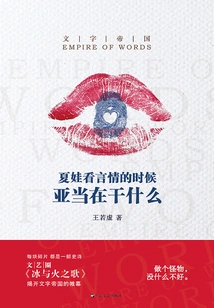
What Was Adam Doing While Eve Was Watching Romance?
General Fiction夏娃看言情的时候亚当在干什么
Wang Ruoxu
The first collection of short stories in the "Word Empire" series by Wang Ruoxu, executive editor of Zero Magazine. "Empire of Letters" is a series of stories that Wang Ruoxu began to conceive in 2010, with the cultural field as the background and telling the story of literary writers and lovers born in the 1970s to 1990s. The story mainly focuses on the literary publishing industry and extends to related fields such as film and television, painting, music, and Internet multimedia. What is described and written in this book are all unique to the era we live in. They are the phenomena and characteristics of the times in the ten years before and after the turn of the century.
The first collection of short stories in the "Word Empire" series by Wang Ruoxu, executive editor of Zero Magazine. "Empire of Letters" is a series of stories that Wang Ruoxu began to conceive in 2010, with the cultural field as the background and telling the story of literary writers and lovers born in the 1970s to 1990s. The story mainly focuses on the literary publishing industry and extends to related fields such as film and television, painting, music, and Internet multimedia. What is described and written in this book are all unique to the era we live in. They are the phenomena and characteristics of the times in the ten years before and after the turn of the century.
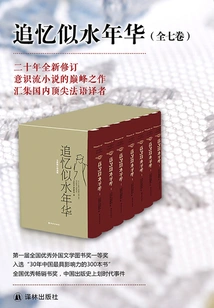
Memories of Lost Time (complete Collection)
General Fiction追忆似水年华(全集)
H
"In Search of Lost Time (seven volumes)" is recognized as a great work and the first of its kind in stream of consciousness novels. This is the only complete translation available in the three places across the Taiwan Strait. It was completed with the efforts of many first-class translators and was revised and republished on the occasion of the 20th anniversary of its publication. This Chinese translation of "In Search of Lost Time" won the "National Outstanding Bestseller Award" and the "First Prize of the First National Outstanding Foreign Literature Book Award", which is an important event in the history of Chinese publishing. The important value of Proust has been cherished by Chinese readers ever since. Proust's "In Search of Lost Time" reviews the past in the form of memories, including childhood memories, family life, first love and lost love, observations of historical events, as well as insights into art and understanding of time and space, etc. Time is the protagonist of this novel. The author uses wisdom and imagination to make time concrete, vivid and perfect. It is like a symphony composed of multiple themes, such as love, jealousy, death, memory, and time, sometimes overlapping and sometimes drifting apart. However, on a macro level, the entire work is integrated and has vigorous vitality. "In Search of Lost Time" is recognized as a new attempt in literary creation and the first of its kind in mainstream novels.
"In Search of Lost Time (seven volumes)" is recognized as a great work and the first of its kind in stream of consciousness novels. This is the only complete translation available in the three places across the Taiwan Strait. It was completed with the efforts of many first-class translators and was revised and republished on the occasion of the 20th anniversary of its publication. This Chinese translation of "In Search of Lost Time" won the "National Outstanding Bestseller Award" and the "First Prize of the First National Outstanding Foreign Literature Book Award", which is an important event in the history of Chinese publishing. The important value of Proust has been cherished by Chinese readers ever since. Proust's "In Search of Lost Time" reviews the past in the form of memories, including childhood memories, family life, first love and lost love, observations of historical events, as well as insights into art and understanding of time and space, etc. Time is the protagonist of this novel. The author uses wisdom and imagination to make time concrete, vivid and perfect. It is like a symphony composed of multiple themes, such as love, jealousy, death, memory, and time, sometimes overlapping and sometimes drifting apart. However, on a macro level, the entire work is integrated and has vigorous vitality. "In Search of Lost Time" is recognized as a new attempt in literary creation and the first of its kind in mainstream novels.
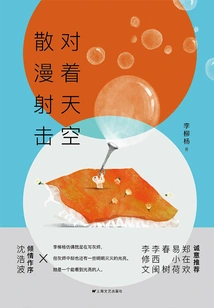
Shooting Randomly at the Sky
General Fiction对着天空散漫射击
Li Liuyang
The novel collection is divided into two parts: Part A, which is mainly short stories, and Part B, which is all short stories. In these short stories, there are both romantic fairy tale metaphors and profound observations of secular life. As Shen Haobo said in the preface: Liu Yang can use non-storytelling methods, non-fictional fiction, and non-constructive construction to reach the most original and unreasonable essential reality of life. Liu Yang This ability to write out the essence and a very simple narrative trick make the reality in her writing very moving, whether it leads to warmth, cold, or even more ashes; on the other hand, she often incorporates some of her own weird ideas into her stories, presenting a certain absurd effect. In this creative process, she did not turn the weird thoughts in her mind into a cute and quirky literature, but led to life, to the humble secular real life, thereby realizing an absurd and romantic confession to the world.
The novel collection is divided into two parts: Part A, which is mainly short stories, and Part B, which is all short stories. In these short stories, there are both romantic fairy tale metaphors and profound observations of secular life. As Shen Haobo said in the preface: Liu Yang can use non-storytelling methods, non-fictional fiction, and non-constructive construction to reach the most original and unreasonable essential reality of life. Liu Yang This ability to write out the essence and a very simple narrative trick make the reality in her writing very moving, whether it leads to warmth, cold, or even more ashes; on the other hand, she often incorporates some of her own weird ideas into her stories, presenting a certain absurd effect. In this creative process, she did not turn the weird thoughts in her mind into a cute and quirky literature, but led to life, to the humble secular real life, thereby realizing an absurd and romantic confession to the world.
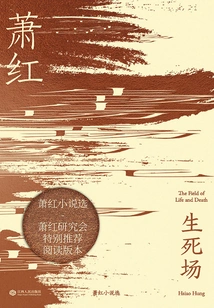
Field of Life and Death
General Fiction生死场
Xiao Hong
"The Field of Life and Death" is Xiao Hong's famous work and a classic of modern Chinese literature. The novel describes the grievances and resentments that occurred in a remote village on the outskirts of Harbin before and after the September 18th Incident. Lu Xun commented, "Instead of listening to me complain, it is better to see the scene of life and death." The lines in the book describe the Chinese people's struggle for life and death, and it is known as a classic text of the national spirit of an era. In addition, this edition selects six other representative classic novels written by Xiao Hong during his time in Chongqing and Hong Kong: "Hand", "Ox Cart", "Escape", "Under the Mountain", "Back Garden", "Northern China" and Xiao Hong's last novel "March in a Small Town". This book additionally includes the preface written by Lu Xun for the first edition of "The Field of Life and Death" to help readers better understand and understand the content of this book.
"The Field of Life and Death" is Xiao Hong's famous work and a classic of modern Chinese literature. The novel describes the grievances and resentments that occurred in a remote village on the outskirts of Harbin before and after the September 18th Incident. Lu Xun commented, "Instead of listening to me complain, it is better to see the scene of life and death." The lines in the book describe the Chinese people's struggle for life and death, and it is known as a classic text of the national spirit of an era. In addition, this edition selects six other representative classic novels written by Xiao Hong during his time in Chongqing and Hong Kong: "Hand", "Ox Cart", "Escape", "Under the Mountain", "Back Garden", "Northern China" and Xiao Hong's last novel "March in a Small Town". This book additionally includes the preface written by Lu Xun for the first edition of "The Field of Life and Death" to help readers better understand and understand the content of this book.
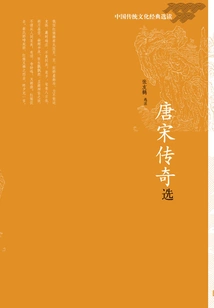
Selected Legends of Tang and Song Dynasties
General Fiction唐宋传奇选
Selected Notes By Zhang Youhe
Legends of the Tang and Song Dynasties specifically refer to the short stories of the Tang and Song Dynasties. They were developed, evolved and evolved on the basis of the novels of the Six Dynasties. There are some excellent works among them, such as "The Biography of the Prefect of Nanke" and "The Biography of Yingying". This book is annotated by Mr. Zhang Youhe and prefaced by Mr. Cheng Yizhong. The title is well-chosen, the edition is reliable, and the annotations are detailed. Each article is also accompanied by a title explanation and an introduction by the author. It is an excellent selected reading for understanding the general outline of the legends of the Tang and Song Dynasties.
Legends of the Tang and Song Dynasties specifically refer to the short stories of the Tang and Song Dynasties. They were developed, evolved and evolved on the basis of the novels of the Six Dynasties. There are some excellent works among them, such as "The Biography of the Prefect of Nanke" and "The Biography of Yingying". This book is annotated by Mr. Zhang Youhe and prefaced by Mr. Cheng Yizhong. The title is well-chosen, the edition is reliable, and the annotations are detailed. Each article is also accompanied by a title explanation and an introduction by the author. It is an excellent selected reading for understanding the general outline of the legends of the Tang and Song Dynasties.
D
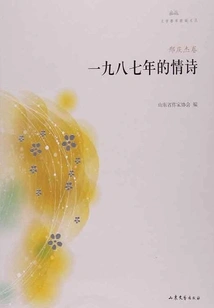
Love Poems of 1987
General Fiction一九八七年的情诗
Xing Qingjie
The novella "Love Poems of 1987" written by Xing Qingjie is about the love, resentment, entanglements and life experiences between "I", Xi Xiaojuan and Mai Hongyue. It comprehensively and fully completes the concentrated display of the emotions, psychology and destiny of young people in the 1980s. "1987" Is a specific year when a love story takes place, and "love poetry" is a universally popular romantic way of expressing love in that era, leading us into the passionate years of material poverty but spiritual wealth. The gap between urban and rural areas is not only reflected in all aspects of material life, but also in emotions, that is, in the inside and outside of psychological activities. Xi Xiaojuan's youthful and fashionable temperament inspired "me" to fall in love with her like a saint, while Mai Hongyue tempted "me" to surrender to her with her prominent family and abundant material resources. The former is the object of spiritual conversion, and the latter is the medium of material attachment. Their temptation to "I", a rural person, is also real. However, "I" is placed in such an era background, and the choices of fate for "I" are actually few and very narrow.
The novella "Love Poems of 1987" written by Xing Qingjie is about the love, resentment, entanglements and life experiences between "I", Xi Xiaojuan and Mai Hongyue. It comprehensively and fully completes the concentrated display of the emotions, psychology and destiny of young people in the 1980s. "1987" Is a specific year when a love story takes place, and "love poetry" is a universally popular romantic way of expressing love in that era, leading us into the passionate years of material poverty but spiritual wealth. The gap between urban and rural areas is not only reflected in all aspects of material life, but also in emotions, that is, in the inside and outside of psychological activities. Xi Xiaojuan's youthful and fashionable temperament inspired "me" to fall in love with her like a saint, while Mai Hongyue tempted "me" to surrender to her with her prominent family and abundant material resources. The former is the object of spiritual conversion, and the latter is the medium of material attachment. Their temptation to "I", a rural person, is also real. However, "I" is placed in such an era background, and the choices of fate for "I" are actually few and very narrow.
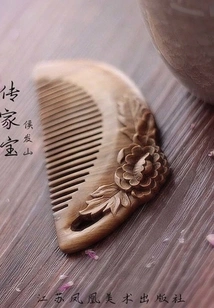
Family Heirloom
General Fiction传家宝
Hou Fashan
This book contains nearly 80 short novels. The author expresses what he sees with his eyes, what he hears with his ears, and what he understands in his heart. The five flavors are mixed. The language styles of the articles are very different, each with its own merits. Some are delicate and touching, such as "Heirloom" and "The Beggar"; some are wise and calm, such as "Family Tradition" and "The Big Player"; some are simple and sincere, such as "The White Horse Temple" and "The Locked King"; some are humorous, such as "The Guest" and "The Dinner Party". From it, we can understand the various forms of living beings and the myriad aspects of the world. To a certain extent, it provides a profound and unique interpretation of "articles are written from time to time". In this book, the author clearly demonstrates the brilliance of human nature without deliberately avoiding its weaknesses. Precisely because of the pursuit of complete presentation, the real sense of life comes to you. We feel the pain of others, enjoy the happiness of others, and worry about the sorrows of others. We are integrated with the works. The articles are full of life, and life also has the flavor of articles. After reading it carefully, you will feel not only the tension of the language itself, but also the charm of the details of life, and the impact that touches the soul.
This book contains nearly 80 short novels. The author expresses what he sees with his eyes, what he hears with his ears, and what he understands in his heart. The five flavors are mixed. The language styles of the articles are very different, each with its own merits. Some are delicate and touching, such as "Heirloom" and "The Beggar"; some are wise and calm, such as "Family Tradition" and "The Big Player"; some are simple and sincere, such as "The White Horse Temple" and "The Locked King"; some are humorous, such as "The Guest" and "The Dinner Party". From it, we can understand the various forms of living beings and the myriad aspects of the world. To a certain extent, it provides a profound and unique interpretation of "articles are written from time to time". In this book, the author clearly demonstrates the brilliance of human nature without deliberately avoiding its weaknesses. Precisely because of the pursuit of complete presentation, the real sense of life comes to you. We feel the pain of others, enjoy the happiness of others, and worry about the sorrows of others. We are integrated with the works. The articles are full of life, and life also has the flavor of articles. After reading it carefully, you will feel not only the tension of the language itself, but also the charm of the details of life, and the impact that touches the soul.
White Crow
General Fiction白鸦
Xing Qingjie
The author Xing Qingjie uses simple and unpretentious writing to tell the truth, goodness and beauty of the world from each warm and touching story. The plot is vivid, the writing style is humorous, the concept is novel, the plot is rigorous, and the ending is novel. Readers can capture a kind of wisdom, a kind of beauty, an intriguing scene and a kind of fresh thought in the novel from a point, a picture, a contrast, an admiration and a moment. "White Crow" contains more than 70 micro-fiction works, each of which is heart-wrenching.
The author Xing Qingjie uses simple and unpretentious writing to tell the truth, goodness and beauty of the world from each warm and touching story. The plot is vivid, the writing style is humorous, the concept is novel, the plot is rigorous, and the ending is novel. Readers can capture a kind of wisdom, a kind of beauty, an intriguing scene and a kind of fresh thought in the novel from a point, a picture, a contrast, an admiration and a moment. "White Crow" contains more than 70 micro-fiction works, each of which is heart-wrenching.
Soul-breaking Paradise Island
General Fiction魂断天堂岛
Xia Gang
This book contains a total of 45 legendary stories created over the years. It is divided into 6 chapters, namely ancient legend, detective legend, commoner legend, market legend, anti-fraud legend and overseas legend. The subject matter involves various fields that readers love, and on the basis of thrilling legends, it provides people with intelligent brain stimulation and enjoyment. Particularly recommended is Chapter 5. The fraud tactics of some film-stealing criminals are disclosed in the form of stories, so that readers can gain practical benefits without knowing it.
This book contains a total of 45 legendary stories created over the years. It is divided into 6 chapters, namely ancient legend, detective legend, commoner legend, market legend, anti-fraud legend and overseas legend. The subject matter involves various fields that readers love, and on the basis of thrilling legends, it provides people with intelligent brain stimulation and enjoyment. Particularly recommended is Chapter 5. The fraud tactics of some film-stealing criminals are disclosed in the form of stories, so that readers can gain practical benefits without knowing it.
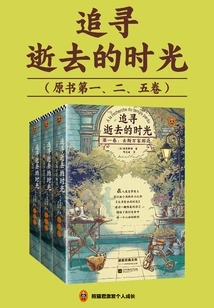
追寻逝去的时光(原书第一、二、五卷)
G
Open "Chasing the Lost Time" and return to the moment when the world suddenly became quiet! In the history of human literature, "In Search of Lost Time", the pioneer work of stream-of-consciousness novels, uses poetic and beautiful language to describe every heart-beating moment in our lives. Proust, the founder of stream-of-consciousness literature, opened a new stage of European literature in the 20th century with "In Search of Lost Time". Proust's ability to see through people's minds is unparalleled. I would rather read Proust and get bored than read other writers to relieve my boredom. --Maugham's classic translation by Zhou Kexi, the master of French translation, included in three volumes (the first volume, the second volume, and the fifth volume of the original book)! Comes with an original essence booklet and 18 original illustrations, allowing you to understand the beauty of "Chasing the Lost Time" in half an hour. It comes with a Paris story map from "In Search of Lost Time" to help readers enter the world in the text.
Open "Chasing the Lost Time" and return to the moment when the world suddenly became quiet! In the history of human literature, "In Search of Lost Time", the pioneer work of stream-of-consciousness novels, uses poetic and beautiful language to describe every heart-beating moment in our lives. Proust, the founder of stream-of-consciousness literature, opened a new stage of European literature in the 20th century with "In Search of Lost Time". Proust's ability to see through people's minds is unparalleled. I would rather read Proust and get bored than read other writers to relieve my boredom. --Maugham's classic translation by Zhou Kexi, the master of French translation, included in three volumes (the first volume, the second volume, and the fifth volume of the original book)! Comes with an original essence booklet and 18 original illustrations, allowing you to understand the beauty of "Chasing the Lost Time" in half an hour. It comes with a Paris story map from "In Search of Lost Time" to help readers enter the world in the text.
The Love of Children (li Er's Works Series)
General Fiction儿女情长(李洱作品系列)
Li Er
This book is a collection of short stories. This book contains sixteen classic short stories by Li Er, including "The Love of Sons and Daughters", "Up, Up, Up the Sedan", "Sister Lin", "Silent Night", "Stephen Is Here Again", and "Without a Trace". The collection of novels is a concentrated display of intellectual life. The novel continues Li Er's consistent humor and uses absurd writing style to show the miracles contained in daily life.
This book is a collection of short stories. This book contains sixteen classic short stories by Li Er, including "The Love of Sons and Daughters", "Up, Up, Up the Sedan", "Sister Lin", "Silent Night", "Stephen Is Here Again", and "Without a Trace". The collection of novels is a concentrated display of intellectual life. The novel continues Li Er's consistent humor and uses absurd writing style to show the miracles contained in daily life.
Commander Returns Home
General Fiction司令还乡
Xu Guixiang
"Commander Returns Home" is a new collection of short stories by Xu Guixiang, winner of the Mao Dun Literature Award and the People's Literature Award. The style of his works has always been majestic and majestic, and the details are infinitely close to the real state of the characters in decades of war and peace. The writing is full of "dirty" but real and lovable heroic images. This work includes four novels: "Three Feet of Cloth", "Literacy Class", "Flowers Blooming on the Flower Ridge" and "Commander Returns Home". The story unfolds in Qianjie, Qinghe and other places respectively. Sun Dazhu, Tian Qilu, Bi Qiqi, Jin Guangyou... These characters who came out of the war have both rough and brave sides, but also helpless and lamentable sides. In particular, the rectification of the name of "deserter" Bi Qiqi in "Flowers Blooming on the Flower Ridge" and the calm and silent observation of the late hero Qiao Daqiao in "The Commander Returns Home" even supplement the writing gaps in contemporary military literature.
"Commander Returns Home" is a new collection of short stories by Xu Guixiang, winner of the Mao Dun Literature Award and the People's Literature Award. The style of his works has always been majestic and majestic, and the details are infinitely close to the real state of the characters in decades of war and peace. The writing is full of "dirty" but real and lovable heroic images. This work includes four novels: "Three Feet of Cloth", "Literacy Class", "Flowers Blooming on the Flower Ridge" and "Commander Returns Home". The story unfolds in Qianjie, Qinghe and other places respectively. Sun Dazhu, Tian Qilu, Bi Qiqi, Jin Guangyou... These characters who came out of the war have both rough and brave sides, but also helpless and lamentable sides. In particular, the rectification of the name of "deserter" Bi Qiqi in "Flowers Blooming on the Flower Ridge" and the calm and silent observation of the late hero Qiao Daqiao in "The Commander Returns Home" even supplement the writing gaps in contemporary military literature.
There is Also This Operation
General Fiction还有这种操作
Ono Girl Learns To Complain About Chicken Wings For You Qiu Leiping And Others
This book is a collection of short stories. This book is a collection of light science fiction articles about urban life selected from the well-known brain story public account "Brain Storyboard". 26 Authors, 32 articles, 32 different stories, 32 kinds of delicate emotions, various text changes, the lost passenger plane, the resident pet cat in the coffee shop, the bar on the corner that only appears late at night, the neighbors who seem to have existed... Do you want to know their stories?
This book is a collection of short stories. This book is a collection of light science fiction articles about urban life selected from the well-known brain story public account "Brain Storyboard". 26 Authors, 32 articles, 32 different stories, 32 kinds of delicate emotions, various text changes, the lost passenger plane, the resident pet cat in the coffee shop, the bar on the corner that only appears late at night, the neighbors who seem to have existed... Do you want to know their stories?
2016 Chinese Short Story Rankings
General Fiction2016年中国短篇小说排行榜
Editor-in-chief He Shaojun
The contents of this book include "Multimeter", "Climbing the Wall", "White Night Photo Studio", "I Want You to Look Good", "Chinese Savage", "Informer", "Secret Scent", "Great Expectations", "Searching", etc.
The contents of this book include "Multimeter", "Climbing the Wall", "White Night Photo Studio", "I Want You to Look Good", "Chinese Savage", "Informer", "Secret Scent", "Great Expectations", "Searching", etc.
2016 Chinese Novella Rankings
General Fiction2016年中国中篇小说排行榜
Editor-in-chief Wang Qian
The content of this book includes "Goddess", "Turn up the lights", "Lighting Hall", "Thunder in the distance", "Aga's Dawn", "Walking Upright", "Kongselin Bathhouse" and "Father's Shotgun".
The content of this book includes "Goddess", "Turn up the lights", "Lighting Hall", "Thunder in the distance", "Aga's Dawn", "Walking Upright", "Kongselin Bathhouse" and "Father's Shotgun".
中国当代文学经典必读(1984短篇小说卷)
Editor-in-chief Wu Yiqin
This book selects more than 20 of the best short stories in 1984, including works by famous writers such as Shi Tiesheng, Lin Jinlan, Zhang Wei, Tie Ning, Lu Wenfu, Feng Jicai, Zhou Keqin, Zhang Jie, Shao Zhenguo, He Xiaolu, Jin He, Liang Xiaosheng, etc.
This book selects more than 20 of the best short stories in 1984, including works by famous writers such as Shi Tiesheng, Lin Jinlan, Zhang Wei, Tie Ning, Lu Wenfu, Feng Jicai, Zhou Keqin, Zhang Jie, Shao Zhenguo, He Xiaolu, Jin He, Liang Xiaosheng, etc.
中国当代文学经典必读(1984中篇小说卷)
Editor-in-chief Wu Yiqin
"Chinese Contemporary Literature Classics Must-Read·1984 Novella Volume" is one of our publisher's "Contemporary Literature Classics Must-Read" series. A total of several of the best novellas in 1984 were selected, including works by famous writers such as Acheng, Cong Weixi, and Feng Jicai. At the end of each novel, there are comments from professional literary critics, allowing readers to have a deeper understanding of the novel and making it endlessly memorable.
"Chinese Contemporary Literature Classics Must-Read·1984 Novella Volume" is one of our publisher's "Contemporary Literature Classics Must-Read" series. A total of several of the best novellas in 1984 were selected, including works by famous writers such as Acheng, Cong Weixi, and Feng Jicai. At the end of each novel, there are comments from professional literary critics, allowing readers to have a deeper understanding of the novel and making it endlessly memorable.
中国当代文学经典必读(1985短篇小说卷)
Editor-in-chief Wu Yiqin
This book selects more than 20 of the best short stories in 1985, including works by famous writers such as Shi Tiesheng, Acheng, Zhang Chengzhi, Han Shaogong, and Mo Yan. At the end of each novel, there are comments from professional literary critics, allowing readers to have a deeper understanding of the novel and making it endlessly memorable.
This book selects more than 20 of the best short stories in 1985, including works by famous writers such as Shi Tiesheng, Acheng, Zhang Chengzhi, Han Shaogong, and Mo Yan. At the end of each novel, there are comments from professional literary critics, allowing readers to have a deeper understanding of the novel and making it endlessly memorable.
中国当代文学经典必读(1983中篇小说卷)
Editor-in-chief Wu Yiqin
This book selects six of the best novellas in 1983, including: "The Gourmet", "The Red Shirt Without Buttons", "The Village Far Away", "The Charming Sea", and "There's a Blizzard Tonight".
This book selects six of the best novellas in 1983, including: "The Gourmet", "The Red Shirt Without Buttons", "The Village Far Away", "The Charming Sea", and "There's a Blizzard Tonight".