Library
Browse and search books
2,982 novels found
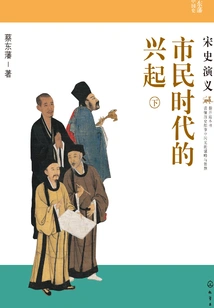
市民时代的兴起:宋史演义(下)
Cai Dongfan
This book is a popular romance of the Song Dynasty called "Cai Dongfan Talks about the History of China", with a total of one hundred chapters in two volumes. From the Chenqiao mutiny to Wang Anshi's reform, from the Jingkang disaster to Yue Fei's resistance to the Jin Dynasty, from Jia Sidao's rise to power to the collapse of Yashan, it wonderfully interprets the rise and fall of the Song Dynasty in three hundred and twenty years. The author draws extensively from official history, occasionally from officials and wild officials, and his narrative is plain, smooth, and methodical; he makes self-evaluations and annotations, and his language is humorous and both reasonable and reasonable. Reading through this book, it is like a historical picture of the Song Dynasty unfolding slowly before your eyes. Sometimes it is a fierce battle, sometimes it is gentle and affectionate, sometimes it is a dispute between countries, sometimes it is a game of loyalty and traitor... It makes people dizzy and full of emotions.
This book is a popular romance of the Song Dynasty called "Cai Dongfan Talks about the History of China", with a total of one hundred chapters in two volumes. From the Chenqiao mutiny to Wang Anshi's reform, from the Jingkang disaster to Yue Fei's resistance to the Jin Dynasty, from Jia Sidao's rise to power to the collapse of Yashan, it wonderfully interprets the rise and fall of the Song Dynasty in three hundred and twenty years. The author draws extensively from official history, occasionally from officials and wild officials, and his narrative is plain, smooth, and methodical; he makes self-evaluations and annotations, and his language is humorous and both reasonable and reasonable. Reading through this book, it is like a historical picture of the Song Dynasty unfolding slowly before your eyes. Sometimes it is a fierce battle, sometimes it is gentle and affectionate, sometimes it is a dispute between countries, sometimes it is a game of loyalty and traitor... It makes people dizzy and full of emotions.
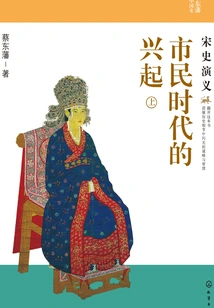
市民时代的兴起:宋史演义(上)
Cai Dongfan
This book is a popular romance of the Song Dynasty called "Cai Dongfan Talks about the History of China", with a total of one hundred chapters in two volumes. From the Chenqiao mutiny to Wang Anshi's reform, from the Jingkang disaster to Yue Fei's resistance to the Jin Dynasty, from Jia Sidao's rise to power to the collapse of Yashan, it wonderfully interprets the rise and fall of the Song Dynasty in three hundred and twenty years. The author draws extensively from official history, occasionally from officials and wild officials, and his narrative is plain, smooth, and methodical; he makes self-evaluations and annotations, and his language is humorous and both reasonable and reasonable. Reading through this book, it is like a historical picture of the Song Dynasty unfolding slowly before your eyes. Sometimes it is a fierce battle, sometimes it is gentle and affectionate, sometimes it is a dispute between countries, sometimes it is a game of loyalty and traitor... It makes people dizzy and full of emotions.
This book is a popular romance of the Song Dynasty called "Cai Dongfan Talks about the History of China", with a total of one hundred chapters in two volumes. From the Chenqiao mutiny to Wang Anshi's reform, from the Jingkang disaster to Yue Fei's resistance to the Jin Dynasty, from Jia Sidao's rise to power to the collapse of Yashan, it wonderfully interprets the rise and fall of the Song Dynasty in three hundred and twenty years. The author draws extensively from official history, occasionally from officials and wild officials, and his narrative is plain, smooth, and methodical; he makes self-evaluations and annotations, and his language is humorous and both reasonable and reasonable. Reading through this book, it is like a historical picture of the Song Dynasty unfolding slowly before your eyes. Sometimes it is a fierce battle, sometimes it is gentle and affectionate, sometimes it is a dispute between countries, sometimes it is a game of loyalty and traitor... It makes people dizzy and full of emotions.
《史记》中的爱恨情仇
Deng Qiang
What should be recorded in history? Is it to write down important people or important things? Great figures such as Yan Yuan, Qu Yuan, Tao Yuanming, and Su Wu have basically done nothing important in history, but they have played an important role in traditional Chinese culture. Naturally, they should be recorded. If there are no big things, remember trivial matters, even words and deeds. Let us enter "Historical Records" and follow Sima Qian to taste the love and hatred in it.
What should be recorded in history? Is it to write down important people or important things? Great figures such as Yan Yuan, Qu Yuan, Tao Yuanming, and Su Wu have basically done nothing important in history, but they have played an important role in traditional Chinese culture. Naturally, they should be recorded. If there are no big things, remember trivial matters, even words and deeds. Let us enter "Historical Records" and follow Sima Qian to taste the love and hatred in it.
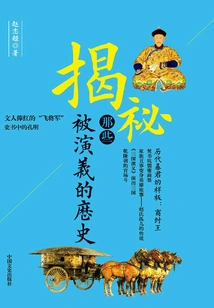
揭秘那些被演义的历史
Zhao Zhichao
In the thousands of years of history of the Chinese nation, there are too many familiar stories. However, are these beautiful legends that have been passed down for thousands of years real history? In fact, history can be "narrated", and reality can be fictionalized. The true face of history that we have always known is not what we know. Is King Zhou of Shang really a tyrant through the ages? What is the story of the Zhao orphans? Is Guan Yu qualified for the title of "Martial Saint"? Is Zhuge Liang really the wisest of all time? Are the generals of the Yang family as majestic as in the storytelling? Who is the traitor He Shen, Liu Yong or Ji Xiaolan? Our book aims to uncover those historical figures and events that have been distorted in the long-term circulation, return them to their original appearance in history, and further explore the reasons for these misunderstandings, so as to present the historical reality in front of people as much as possible and "rectify" these familiar historical events and historical figures.
In the thousands of years of history of the Chinese nation, there are too many familiar stories. However, are these beautiful legends that have been passed down for thousands of years real history? In fact, history can be "narrated", and reality can be fictionalized. The true face of history that we have always known is not what we know. Is King Zhou of Shang really a tyrant through the ages? What is the story of the Zhao orphans? Is Guan Yu qualified for the title of "Martial Saint"? Is Zhuge Liang really the wisest of all time? Are the generals of the Yang family as majestic as in the storytelling? Who is the traitor He Shen, Liu Yong or Ji Xiaolan? Our book aims to uncover those historical figures and events that have been distorted in the long-term circulation, return them to their original appearance in history, and further explore the reasons for these misunderstandings, so as to present the historical reality in front of people as much as possible and "rectify" these familiar historical events and historical figures.
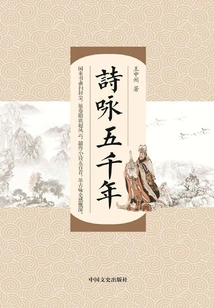
诗咏五千年
Wang Zhongzhou
China is a country with a long history, and most Chinese people tend to have an innate sense of history. China is also a country that values poetry. Almost everyone has had a period of poetic passion. A considerable number of Chinese people will maintain a strong poetic passion until their later years, and they will never tire of remembering the past and chanting the present. Therefore, there have been many popular epic poems in Chinese history. "Poetry Over Five Thousand Years" tells history in poems and explains it with short stories. It vividly explains the important historical allusions of China from ancient times to the present. There are more than 500 poems. It is a good popular book for learning history.
China is a country with a long history, and most Chinese people tend to have an innate sense of history. China is also a country that values poetry. Almost everyone has had a period of poetic passion. A considerable number of Chinese people will maintain a strong poetic passion until their later years, and they will never tire of remembering the past and chanting the present. Therefore, there have been many popular epic poems in Chinese history. "Poetry Over Five Thousand Years" tells history in poems and explains it with short stories. It vividly explains the important historical allusions of China from ancient times to the present. There are more than 500 poems. It is a good popular book for learning history.
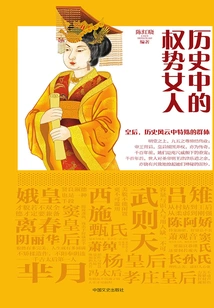
Powerful Women in History
History历史中的权势女人
Compiled By Chen Hongxiao
Queens are powerful women in history. Thousands of years ago, they were the favorites of their majestic and beautiful women, ranking first among the three palaces and six courtyards. If they were not stunningly beautiful, they must also be good at maneuvering, and their influence on feudal politics cannot be underestimated. Thousands of years later, the world not only talked about the Holy Emperor Ming Wang, but also lifted up their mysterious veil with great interest. As the center of the harem and the authority of women, after thousands of generations, they have become models and examples for future generations of women. This book collects the historical facts of more than 20 legendary empresses in history, ranging from China's most virtuous Empress Ehuang more than 4,000 years ago, to the peerlessly young Empress Xiaoxian Chun 200 to 300 years ago. It tells the story of their pursuit of love and power under the imperial court to make a living, and provides contemporary women with inspiration for "love" and "living".
Queens are powerful women in history. Thousands of years ago, they were the favorites of their majestic and beautiful women, ranking first among the three palaces and six courtyards. If they were not stunningly beautiful, they must also be good at maneuvering, and their influence on feudal politics cannot be underestimated. Thousands of years later, the world not only talked about the Holy Emperor Ming Wang, but also lifted up their mysterious veil with great interest. As the center of the harem and the authority of women, after thousands of generations, they have become models and examples for future generations of women. This book collects the historical facts of more than 20 legendary empresses in history, ranging from China's most virtuous Empress Ehuang more than 4,000 years ago, to the peerlessly young Empress Xiaoxian Chun 200 to 300 years ago. It tells the story of their pursuit of love and power under the imperial court to make a living, and provides contemporary women with inspiration for "love" and "living".
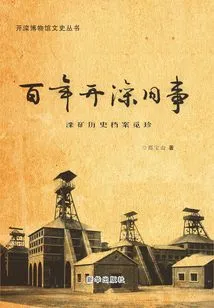
滦矿历史档案觅珍
Qie Baoshan
Literary Review Kailuan Museum and Kailuan National Mining Park, while enriching internal hardware facilities, strive to strengthen the rescue and excavation of corporate culture and corporate historical materials, providing a platform for research and understanding of Kailuan history, making the development of cultural and historical materials of Kailuan Museum deeper and broader, and stepping onto a new level. The publication of this book is not only the starting point for the successive publication of Kailuan Museum's literature and history series, but also a new step in exploration and attempt in the study of Kailuan literature and history. This is because the writing material of this book comes from Kailuan's century-old original archives that few people have read. It focuses on the Xuantong period in the early days of the construction of Luanzhou Coal Mine, one of the Kailuan and Luan mines, and discloses some century-old events that we did not know or knew in the past, including many of the most detailed details.
Literary Review Kailuan Museum and Kailuan National Mining Park, while enriching internal hardware facilities, strive to strengthen the rescue and excavation of corporate culture and corporate historical materials, providing a platform for research and understanding of Kailuan history, making the development of cultural and historical materials of Kailuan Museum deeper and broader, and stepping onto a new level. The publication of this book is not only the starting point for the successive publication of Kailuan Museum's literature and history series, but also a new step in exploration and attempt in the study of Kailuan literature and history. This is because the writing material of this book comes from Kailuan's century-old original archives that few people have read. It focuses on the Xuantong period in the early days of the construction of Luanzhou Coal Mine, one of the Kailuan and Luan mines, and discloses some century-old events that we did not know or knew in the past, including many of the most detailed details.
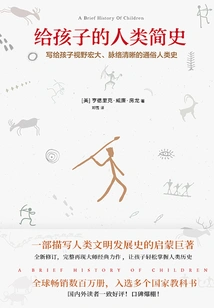
给孩子的人类简史
Fanglong
Who are we? Where do we come from? Where are we going? Hendrik Wilhelm Van Loon uses humorous and smooth writing style to narrate the complicated human history into an ups and downs and soul-stirring story.
Who are we? Where do we come from? Where are we going? Hendrik Wilhelm Van Loon uses humorous and smooth writing style to narrate the complicated human history into an ups and downs and soul-stirring story.
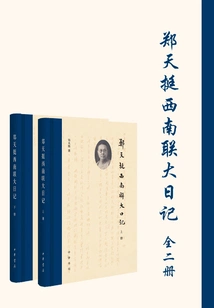
郑天挺西南联大日记(全二册)
Zheng Tian Is Holding On, Yu Guolin Is Correcting
Southwest Associated University was officially established in 1938 and closed on July 31, 1946. During the Anti-Japanese War, it continued teaching and research, preserved important academic resources, and trained a large number of future academic backbones. Mr. Zheng Tianting has been involved in this process from beginning to end. He was first appointed as a professor and has served as the general secretary since 1940, presiding over academic affairs, school affairs and other work. During this period, Mr. Zheng insisted on keeping a diary. His diary started on January 1, 1938 and ended on July 14, 1946. Zhongque was from May to December 1941, March 22 to April 10, 1943, and November 4 to December 31, 1945. Its start and end times are almost the same as those of Southwest Associated University. Among them, the period from May to December 1941 was recorded and lost accidentally, and the rest of the missing items were not recorded. Mr. Zheng holds important positions in Southwest Associated University, including the Director of Administration and the Deputy Director of the Institute of Liberal Arts of Peking University. It is conceivable that the various work and personnel affairs of the three schools of Premier Peking University, Tsinghua University and Nankai University are complicated and complicated, and the contradictions among them are difficult to deal with. Such as the application and allocation of funds, the construction and management of dormitories, the establishment and changes of positions, the placement and transfer of teaching staff, the recruitment and education of students... All of these issues must be dealt with one by one. At this time, Mr. Zheng showed his selfless enthusiasm and superhuman talents for education, making everything go smoothly. The achievements of Southwest Associated University are shining in the annals of history, and Mr. Zheng's management work is indispensable. As an important tool for Mr. Zheng to record affairs and sort out his thoughts, the diary unsurprisingly contains a large number of events and handling measures related to school affairs. Therefore, it is not an exaggeration to call it the school history material of Southwest Associated University.
Southwest Associated University was officially established in 1938 and closed on July 31, 1946. During the Anti-Japanese War, it continued teaching and research, preserved important academic resources, and trained a large number of future academic backbones. Mr. Zheng Tianting has been involved in this process from beginning to end. He was first appointed as a professor and has served as the general secretary since 1940, presiding over academic affairs, school affairs and other work. During this period, Mr. Zheng insisted on keeping a diary. His diary started on January 1, 1938 and ended on July 14, 1946. Zhongque was from May to December 1941, March 22 to April 10, 1943, and November 4 to December 31, 1945. Its start and end times are almost the same as those of Southwest Associated University. Among them, the period from May to December 1941 was recorded and lost accidentally, and the rest of the missing items were not recorded. Mr. Zheng holds important positions in Southwest Associated University, including the Director of Administration and the Deputy Director of the Institute of Liberal Arts of Peking University. It is conceivable that the various work and personnel affairs of the three schools of Premier Peking University, Tsinghua University and Nankai University are complicated and complicated, and the contradictions among them are difficult to deal with. Such as the application and allocation of funds, the construction and management of dormitories, the establishment and changes of positions, the placement and transfer of teaching staff, the recruitment and education of students... All of these issues must be dealt with one by one. At this time, Mr. Zheng showed his selfless enthusiasm and superhuman talents for education, making everything go smoothly. The achievements of Southwest Associated University are shining in the annals of history, and Mr. Zheng's management work is indispensable. As an important tool for Mr. Zheng to record affairs and sort out his thoughts, the diary unsurprisingly contains a large number of events and handling measures related to school affairs. Therefore, it is not an exaggeration to call it the school history material of Southwest Associated University.
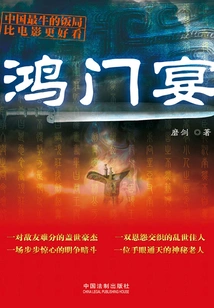
Hongmen Banquet
History鸿门宴
Sharpen Sword
Liu Bang's army approached the city, and Prince Qin Ying presented his seal to surrender. With the arrival of the coalition of princes led by Xiang Yu, the situation in Guanzhong became complicated and turbulent. Ziying was unwilling to let the Qin country perish. He secretly summoned the Northern Xinjiang regiment of the Qin army outside the pass in an attempt to counterattack Guanzhong; Xiang Yu and Liu Bang had many conflicts because of their competition for the rich and dangerous Guanzhong; there was also a mysterious and powerful force acting in secret, affecting the changes in the situation in Guanzhong. The person who controlled this force was Lu Gong, Lu Fei's father and Liu Bang's father-in-law. Lu Gong is unfathomable and has vast magical powers, and even Lu Pheasant doesn't know his secret life experience. Under Ziying's instigation and manipulation, the conflict between Liu and Xiang intensified. In order to quell the war, Liu Bang ventured to Hongmen, where Xiang Yu garrisoned troops, and the famous Hongmen Banquet began. Lu Gong helped to recapture Yu Ji, who was kidnapped by Ziying, and quelled the rebellion launched by Ziying's dead soldiers who were hiding among the people. Liu and Xiang thus eliminated their misunderstanding, and the Hongmen Banquet did not become Liu Bang's guillotine. In order to contain Liu Bang's powerful enemy, Xiang Yu enfeoffed him to Bashu. Lu Gong and Lu Pheasant returned to Guandong, preparing to coordinate Liu Bang's counterattack in Guanzhong and seize the world.
Liu Bang's army approached the city, and Prince Qin Ying presented his seal to surrender. With the arrival of the coalition of princes led by Xiang Yu, the situation in Guanzhong became complicated and turbulent. Ziying was unwilling to let the Qin country perish. He secretly summoned the Northern Xinjiang regiment of the Qin army outside the pass in an attempt to counterattack Guanzhong; Xiang Yu and Liu Bang had many conflicts because of their competition for the rich and dangerous Guanzhong; there was also a mysterious and powerful force acting in secret, affecting the changes in the situation in Guanzhong. The person who controlled this force was Lu Gong, Lu Fei's father and Liu Bang's father-in-law. Lu Gong is unfathomable and has vast magical powers, and even Lu Pheasant doesn't know his secret life experience. Under Ziying's instigation and manipulation, the conflict between Liu and Xiang intensified. In order to quell the war, Liu Bang ventured to Hongmen, where Xiang Yu garrisoned troops, and the famous Hongmen Banquet began. Lu Gong helped to recapture Yu Ji, who was kidnapped by Ziying, and quelled the rebellion launched by Ziying's dead soldiers who were hiding among the people. Liu and Xiang thus eliminated their misunderstanding, and the Hongmen Banquet did not become Liu Bang's guillotine. In order to contain Liu Bang's powerful enemy, Xiang Yu enfeoffed him to Bashu. Lu Gong and Lu Pheasant returned to Guandong, preparing to coordinate Liu Bang's counterattack in Guanzhong and seize the world.
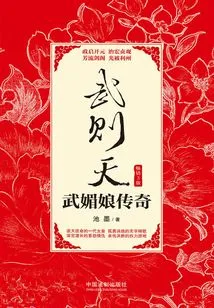
武则天:武媚娘传奇(畅销3版)
Chi Mo
Wu Zetian entered the palace at the age of 14. After 12 years of wasted time, at the age of 26, she was in Ganye Temple and could only worship the ancient Buddha. The plan in the beauty's heart made Li Zhi unbearably lovesick, which made Wu Zetian's life turn around. After entering the palace for the second time, Wu Zetian directed and acted in a thrilling, bloody and cruel power struggle: Zhaoyi, Queen, Queen of Heaven, came to power, changed Tang Dynasty to Zhou Dynasty, and the world was at peace... After 82 years, who can compare with her? How did Wu Zetian grow from a single-parent girl to a queen of a country, rule the world as a daughter, and make countless fans and courtiers bend their waists? Best-selling author Chi Mo will recreate the wonderful and thrilling power game of the prosperous Tang Dynasty for readers.
Wu Zetian entered the palace at the age of 14. After 12 years of wasted time, at the age of 26, she was in Ganye Temple and could only worship the ancient Buddha. The plan in the beauty's heart made Li Zhi unbearably lovesick, which made Wu Zetian's life turn around. After entering the palace for the second time, Wu Zetian directed and acted in a thrilling, bloody and cruel power struggle: Zhaoyi, Queen, Queen of Heaven, came to power, changed Tang Dynasty to Zhou Dynasty, and the world was at peace... After 82 years, who can compare with her? How did Wu Zetian grow from a single-parent girl to a queen of a country, rule the world as a daughter, and make countless fans and courtiers bend their waists? Best-selling author Chi Mo will recreate the wonderful and thrilling power game of the prosperous Tang Dynasty for readers.
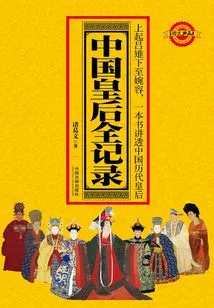
中国皇后全记录
Zhuge Wen
"Complete Records of Chinese Empresses" starts from Lu Fei, the wife of Liu Bang, the founding emperor of the Han Dynasty, and ends with Wanrong, the empress of the last emperor Puyi. It collects the biographies of the empresses of the past dynasties and compiles them into a volume, striving to allow readers to have an understanding of each famous empress and the microcosm they left in history. In order to meet the readers' needs for extensive reading, the author has specially compiled the stories of thirty concubines who have left a surprising glimpse in the long history, as a valuable gift to readers. Open this book, and the pictures painted by the concubines throughout their lives will be vividly displayed in front of you. The twists and turns of their entry into the palace, the means of survival, the ups and downs and tortures they experienced, the loneliness or glory they experienced, the good names or infamy they left behind, their same identities and different lives will all be vividly staged again in this book for the readers.
"Complete Records of Chinese Empresses" starts from Lu Fei, the wife of Liu Bang, the founding emperor of the Han Dynasty, and ends with Wanrong, the empress of the last emperor Puyi. It collects the biographies of the empresses of the past dynasties and compiles them into a volume, striving to allow readers to have an understanding of each famous empress and the microcosm they left in history. In order to meet the readers' needs for extensive reading, the author has specially compiled the stories of thirty concubines who have left a surprising glimpse in the long history, as a valuable gift to readers. Open this book, and the pictures painted by the concubines throughout their lives will be vividly displayed in front of you. The twists and turns of their entry into the palace, the means of survival, the ups and downs and tortures they experienced, the loneliness or glory they experienced, the good names or infamy they left behind, their same identities and different lives will all be vividly staged again in this book for the readers.
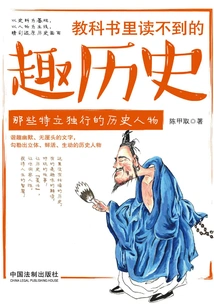
教科书里读不到的趣历史:那些特立独行的历史人物
Chen Jiaqi
This book carefully selects writers who have published in "Hundred Forums", "Literature and History Monthly", "Literature and History Expo", "Thinking and Wisdom", "Happy Chinese Studies", "Government Legal System", "Evening Post Wencui", Hong Kong's Ta Kung Pao, American "Overseas Chinese News", and "Xinmin" since 2011. There are 138 historical essays published in major newspapers across the country such as "Evening News", "Spring City Evening News" and "Examination News". They are divided into 10 series: emperors, politicians, literati, generals, celebrities, geeks, villains, madmen, beauties and beauties. The content aims to talk about history in a humorous way and make fun of the ancients. The writing language pays special attention to fun and conciseness. It uses humorous writing to briefly outline the embarrassing words and deeds of the ancients and the embarrassing things of celebrities, making people laugh and feel emotional at the same time.
This book carefully selects writers who have published in "Hundred Forums", "Literature and History Monthly", "Literature and History Expo", "Thinking and Wisdom", "Happy Chinese Studies", "Government Legal System", "Evening Post Wencui", Hong Kong's Ta Kung Pao, American "Overseas Chinese News", and "Xinmin" since 2011. There are 138 historical essays published in major newspapers across the country such as "Evening News", "Spring City Evening News" and "Examination News". They are divided into 10 series: emperors, politicians, literati, generals, celebrities, geeks, villains, madmen, beauties and beauties. The content aims to talk about history in a humorous way and make fun of the ancients. The writing language pays special attention to fun and conciseness. It uses humorous writing to briefly outline the embarrassing words and deeds of the ancients and the embarrassing things of celebrities, making people laugh and feel emotional at the same time.
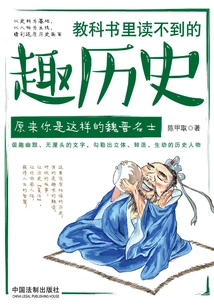
教科书里读不到的趣历史:原来你是这样的魏晋名士
Chen Jiaqi
This book carefully selects writers who have published in "Hundred Forums", "Literature and History Monthly", "Literature and History Expo", "Thinking and Wisdom", "Happy Chinese Studies", "Government and Legal System", "Evening News Essays", "Ta Kung Pao", the American "Overseas Chinese News", "Xinmin Evening News", There are 138 historical essays published in major newspapers across the country such as "Spring City Evening News" and "Examination News", divided into 10 series including emperors, politicians, literati, generals, celebrities, geeks, villains, madmen, beauties and beauties. The content aims to talk about history in a humorous way and make fun of the ancients. The writing language pays special attention to fun and conciseness. It uses humorous writing to briefly outline the embarrassing words and deeds of the ancients and the embarrassing things of celebrities, making people laugh and feel emotional at the same time.
This book carefully selects writers who have published in "Hundred Forums", "Literature and History Monthly", "Literature and History Expo", "Thinking and Wisdom", "Happy Chinese Studies", "Government and Legal System", "Evening News Essays", "Ta Kung Pao", the American "Overseas Chinese News", "Xinmin Evening News", There are 138 historical essays published in major newspapers across the country such as "Spring City Evening News" and "Examination News", divided into 10 series including emperors, politicians, literati, generals, celebrities, geeks, villains, madmen, beauties and beauties. The content aims to talk about history in a humorous way and make fun of the ancients. The writing language pays special attention to fun and conciseness. It uses humorous writing to briefly outline the embarrassing words and deeds of the ancients and the embarrassing things of celebrities, making people laugh and feel emotional at the same time.
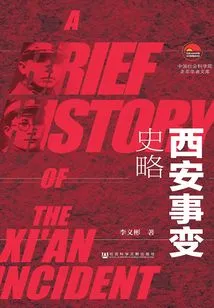
A Brief History of the Xi'an Incident (chinese Academy of Social Sciences Elderly Scholars Library)
History西安事变史略(中国社会科学院老年学者文库)
Li Yibin
This book closely focuses on the important historical event of the Xi'an Incident, using time as a clue to introduce in detail the background, process, and handling of the Xi'an Incident, as well as the conflicts and attitudes of the parties involved, and the impact of the incident. This book relies on detailed historical data to conduct a detailed analysis of all aspects of the Xi'an Incident, and strives to present a true and comprehensive Xi'an Incident to readers.
This book closely focuses on the important historical event of the Xi'an Incident, using time as a clue to introduce in detail the background, process, and handling of the Xi'an Incident, as well as the conflicts and attitudes of the parties involved, and the impact of the incident. This book relies on detailed historical data to conduct a detailed analysis of all aspects of the Xi'an Incident, and strives to present a true and comprehensive Xi'an Incident to readers.
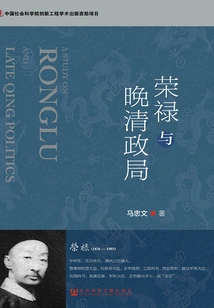
荣禄与晚清政局
Ma Zhongwen
From the outbreak of the Sino-Japanese War of 1894 to the rise of calls for a constitution in 1904, modern Chinese society experienced a critical turning point. In the past ten years, internal and external troubles were frequent, which led to fluctuations in the Qing court and political tides. During this period, Ronglu, a Manchu dignitary who was deeply trusted by Cixi, played an extremely important role. By studying and analyzing the complex performance of Ronglu during this period, this book is of great significance for understanding the political changes and trends of the late Qing Dynasty.
From the outbreak of the Sino-Japanese War of 1894 to the rise of calls for a constitution in 1904, modern Chinese society experienced a critical turning point. In the past ten years, internal and external troubles were frequent, which led to fluctuations in the Qing court and political tides. During this period, Ronglu, a Manchu dignitary who was deeply trusted by Cixi, played an extremely important role. By studying and analyzing the complex performance of Ronglu during this period, this book is of great significance for understanding the political changes and trends of the late Qing Dynasty.
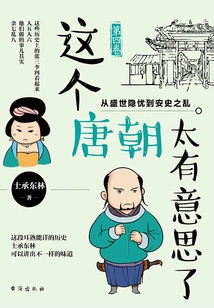
这个唐朝太有意思了(第四卷):从盛世隐忧到安史之乱
Shi Chengdonglin
"This Tang Dynasty is So Interesting" mainly tells some stories about the Tang Dynasty in the three hundred years from 607 to 907. It is based on official history and supplemented by unofficial historical papers. It takes the chronology and main tasks as the main line, and adopts the narrative form of novels and stand-up comics. It is a panoramic display of the lives of the twenty-first emperors of the Tang Dynasty, as well as civil servants, generals, and common people, as well as an explanation and evaluation of the political and economic system of the Tang Dynasty. It is a painstaking work that the author spent five years creating. It can also be regarded as a work that accurately talks about the history of the Tang Dynasty in vernacular. The fourth volume mainly covers the foreign wars during the Tianbao period, the political struggles between Li Linfu, Yang Guozhong, An Lushan and the Anshi Rebellion. The prosperous age of Kaiyuan pushed the prosperity and strength of the Tang Dynasty to the extreme, but it was inevitable that the prosperity would decline. The frequent foreign wars during the Tianbao period and the political struggles between Li Linfu, Yang Guozhong, and An Lushan eventually led to the Anshi Rebellion that destroyed everything. The famous generals Guo Ziyi and Li Guangbi came out at the right time to turn the tide and fight against the arrogant An Lushan and Shi Siming. Concubine Yang Guifei, Li Bai, and other legendary figures also shined with their unconcealable light in the transition from prosperous times to troubled times.
"This Tang Dynasty is So Interesting" mainly tells some stories about the Tang Dynasty in the three hundred years from 607 to 907. It is based on official history and supplemented by unofficial historical papers. It takes the chronology and main tasks as the main line, and adopts the narrative form of novels and stand-up comics. It is a panoramic display of the lives of the twenty-first emperors of the Tang Dynasty, as well as civil servants, generals, and common people, as well as an explanation and evaluation of the political and economic system of the Tang Dynasty. It is a painstaking work that the author spent five years creating. It can also be regarded as a work that accurately talks about the history of the Tang Dynasty in vernacular. The fourth volume mainly covers the foreign wars during the Tianbao period, the political struggles between Li Linfu, Yang Guozhong, An Lushan and the Anshi Rebellion. The prosperous age of Kaiyuan pushed the prosperity and strength of the Tang Dynasty to the extreme, but it was inevitable that the prosperity would decline. The frequent foreign wars during the Tianbao period and the political struggles between Li Linfu, Yang Guozhong, and An Lushan eventually led to the Anshi Rebellion that destroyed everything. The famous generals Guo Ziyi and Li Guangbi came out at the right time to turn the tide and fight against the arrogant An Lushan and Shi Siming. Concubine Yang Guifei, Li Bai, and other legendary figures also shined with their unconcealable light in the transition from prosperous times to troubled times.
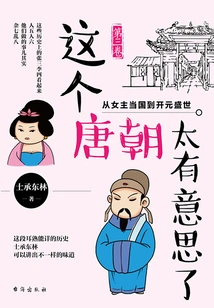
这个唐朝太有意思了(第三卷):从女主当国到开元盛世
Shi Chengdonglin
"This Tang Dynasty is So Interesting" mainly tells some stories about the Tang Dynasty in the three hundred years from 607 to 907. It is based on official history and supplemented by unofficial historical papers. It takes the chronology and main tasks as the main line, and adopts the narrative form of novels and stand-up comics. It is a panoramic display of the lives of the twenty-first emperors of the Tang Dynasty, as well as civil servants, generals, and common people, as well as an explanation and evaluation of the political and economic system of the Tang Dynasty. It is a painstaking work that the author spent five years creating. It can also be regarded as a work that accurately talks about the history of the Tang Dynasty in vernacular. This volume mainly focuses on Wu Zhao coming to power and establishing Wu Zhou, and Li Longji and others working hard to rebuild the Tang Dynasty and work hard to govern, creating the prosperous Kaiyuan era. Wu Meiniang went through many hardships and finally got rid of all her opponents and became a unique queen in Chinese history. How did she establish Wu Zhou step by step, and how did she govern this huge country? In the context of the world being controlled by Wu Zetian and her family, Li Tang's ministers headed by Di Renjie launched an unprecedented life-and-death game with cruel officials and the Wu family to save the seeds of reviving the Tang Dynasty.
"This Tang Dynasty is So Interesting" mainly tells some stories about the Tang Dynasty in the three hundred years from 607 to 907. It is based on official history and supplemented by unofficial historical papers. It takes the chronology and main tasks as the main line, and adopts the narrative form of novels and stand-up comics. It is a panoramic display of the lives of the twenty-first emperors of the Tang Dynasty, as well as civil servants, generals, and common people, as well as an explanation and evaluation of the political and economic system of the Tang Dynasty. It is a painstaking work that the author spent five years creating. It can also be regarded as a work that accurately talks about the history of the Tang Dynasty in vernacular. This volume mainly focuses on Wu Zhao coming to power and establishing Wu Zhou, and Li Longji and others working hard to rebuild the Tang Dynasty and work hard to govern, creating the prosperous Kaiyuan era. Wu Meiniang went through many hardships and finally got rid of all her opponents and became a unique queen in Chinese history. How did she establish Wu Zhou step by step, and how did she govern this huge country? In the context of the world being controlled by Wu Zetian and her family, Li Tang's ministers headed by Di Renjie launched an unprecedented life-and-death game with cruel officials and the Wu family to save the seeds of reviving the Tang Dynasty.
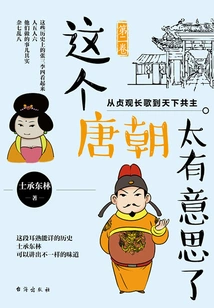
这个唐朝太有意思了(第二卷):从贞观长歌到天下共主
Shi Chengdonglin
"This Tang Dynasty is So Interesting" mainly tells some stories about the Tang Dynasty in the three hundred years from 607 to 907. It is based on official history and supplemented by unofficial historical papers. It takes the chronology and main tasks as the main line, and adopts the narrative form of novels and stand-up comics. It is a panoramic display of the lives of the twenty-first emperors of the Tang Dynasty, as well as civil servants, generals, and common people, as well as an explanation and evaluation of the political and economic system of the Tang Dynasty. It is a painstaking work that the author spent five years creating. It can also be regarded as a work that accurately talks about the history of the Tang Dynasty in vernacular. This volume mainly writes about the rule of Zhenguan and the wars between Tang Dynasty, Goguryeo and Japan. After the Xuanwumen Incident, Li Shimin started the great Zhenguan rule, and Wei Zheng and Changsun Wuji made their debuts to join in the peaceful and prosperous era. After the Han Dynasty, the great army of the Tang Dynasty once again marched into the Western Regions of Central Asia, White Mountains and Black Waters. They were commanded by all parties and praised the name of Tian Khan. Later, Tang Gaozong Li Zhi finally pushed the empire's territory to the extreme, and the situation in Northeast Asia, which had been turbulent since Emperor Yang of the Sui Dynasty, finally came to a clear conclusion. Liu Rengui defeated the Japanese and Baekje coalition forces at the Battle of Baijiangkou. The battle established hundreds of years of peace, and Japan, which coveted the mainland, became China's most loyal student. There are also unknown legendary stories such as Wang Xuance's mission to destroy an entire country by one man, Tang Xuanzang's journey to retrieve scriptures, etc., All in this second volume.
"This Tang Dynasty is So Interesting" mainly tells some stories about the Tang Dynasty in the three hundred years from 607 to 907. It is based on official history and supplemented by unofficial historical papers. It takes the chronology and main tasks as the main line, and adopts the narrative form of novels and stand-up comics. It is a panoramic display of the lives of the twenty-first emperors of the Tang Dynasty, as well as civil servants, generals, and common people, as well as an explanation and evaluation of the political and economic system of the Tang Dynasty. It is a painstaking work that the author spent five years creating. It can also be regarded as a work that accurately talks about the history of the Tang Dynasty in vernacular. This volume mainly writes about the rule of Zhenguan and the wars between Tang Dynasty, Goguryeo and Japan. After the Xuanwumen Incident, Li Shimin started the great Zhenguan rule, and Wei Zheng and Changsun Wuji made their debuts to join in the peaceful and prosperous era. After the Han Dynasty, the great army of the Tang Dynasty once again marched into the Western Regions of Central Asia, White Mountains and Black Waters. They were commanded by all parties and praised the name of Tian Khan. Later, Tang Gaozong Li Zhi finally pushed the empire's territory to the extreme, and the situation in Northeast Asia, which had been turbulent since Emperor Yang of the Sui Dynasty, finally came to a clear conclusion. Liu Rengui defeated the Japanese and Baekje coalition forces at the Battle of Baijiangkou. The battle established hundreds of years of peace, and Japan, which coveted the mainland, became China's most loyal student. There are also unknown legendary stories such as Wang Xuance's mission to destroy an entire country by one man, Tang Xuanzang's journey to retrieve scriptures, etc., All in this second volume.
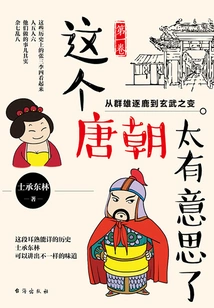
This Tang Dynasty is so Interesting (volume 1): from the War of Heroes to the Xuanwu Revolution
History这个唐朝太有意思了(第一卷):从群雄逐鹿到玄武之变
Shi Chengdonglin
"This Tang Dynasty is So Interesting" mainly tells some stories about the Tang Dynasty in the three hundred years from 607 to 907. It is based on official history and supplemented by unofficial historical papers. It takes the chronology and main tasks as the main line, and adopts the narrative form of novels and stand-up comics. It is a panoramic display of the lives of the twenty-first emperors of the Tang Dynasty, as well as civil servants, generals, and common people, as well as an explanation and evaluation of the political and economic system of the Tang Dynasty. It is a painstaking work that the author spent five years creating. It can also be regarded as a work that accurately talks about the history of the Tang Dynasty in vernacular. This volume begins with the birth of Emperor Gaozu Li Yuan of the Tang Dynasty and ends with the Xuanwu Gate Incident. It narrates the arduous founding process of the country by Li Yuan and his son, as the Sui Dynasty collapsed and the Tang Dynasty rose to prominence. Eighteen vassal kings were wiped out, sixty-four places of smoke and dust were wiped out, all the heroes of Wagang Village returned to their hearts, and the world was unified. Li Shimin fought against Wang Shichong and Dou Jiande, and the battle at Hulao Pass made the Xuanjia Army of the Tang Dynasty famous. Li Jing conquered the south and fought in the north, leveled the south of the Ling Dynasty, and settled the northern frontier. There are also the eternal mystery of the Xuanwu Gate Incident, and what is the truth about the struggle for the throne between the prince and the King of Qin. It's so treacherous and thrilling that people can't bear to put it down!
"This Tang Dynasty is So Interesting" mainly tells some stories about the Tang Dynasty in the three hundred years from 607 to 907. It is based on official history and supplemented by unofficial historical papers. It takes the chronology and main tasks as the main line, and adopts the narrative form of novels and stand-up comics. It is a panoramic display of the lives of the twenty-first emperors of the Tang Dynasty, as well as civil servants, generals, and common people, as well as an explanation and evaluation of the political and economic system of the Tang Dynasty. It is a painstaking work that the author spent five years creating. It can also be regarded as a work that accurately talks about the history of the Tang Dynasty in vernacular. This volume begins with the birth of Emperor Gaozu Li Yuan of the Tang Dynasty and ends with the Xuanwu Gate Incident. It narrates the arduous founding process of the country by Li Yuan and his son, as the Sui Dynasty collapsed and the Tang Dynasty rose to prominence. Eighteen vassal kings were wiped out, sixty-four places of smoke and dust were wiped out, all the heroes of Wagang Village returned to their hearts, and the world was unified. Li Shimin fought against Wang Shichong and Dou Jiande, and the battle at Hulao Pass made the Xuanjia Army of the Tang Dynasty famous. Li Jing conquered the south and fought in the north, leveled the south of the Ling Dynasty, and settled the northern frontier. There are also the eternal mystery of the Xuanwu Gate Incident, and what is the truth about the struggle for the throne between the prince and the King of Qin. It's so treacherous and thrilling that people can't bear to put it down!
Lao Tzu's Open Class
History老子公开课
Liu Yaling
Laozi is recognized as the ancestor of hundreds of schools of thought and the founder of ancient Chinese culture. Laozi's thoughts have had a huge and far-reaching impact on the history of thought, culture, and religion in China. He is known as the "Giant of the East" and "the first philosopher of China and the world." Laozi's thoughts are mainly reflected in the book "Laozi" (also known as "Tao Te Ching"). "Laozi" is a great work that has been studied by scholars of all ages for more than two thousand years. Although it has only 5,000 words, its content covers many fields such as philosophy, literature, aesthetics, sociology, ethics, and military science. It is like a subtle encyclopedia; more importantly, it has a complete system and constructs a simple, natural, and grand framework. It is known as the "King of All Scriptures."
Laozi is recognized as the ancestor of hundreds of schools of thought and the founder of ancient Chinese culture. Laozi's thoughts have had a huge and far-reaching impact on the history of thought, culture, and religion in China. He is known as the "Giant of the East" and "the first philosopher of China and the world." Laozi's thoughts are mainly reflected in the book "Laozi" (also known as "Tao Te Ching"). "Laozi" is a great work that has been studied by scholars of all ages for more than two thousand years. Although it has only 5,000 words, its content covers many fields such as philosophy, literature, aesthetics, sociology, ethics, and military science. It is like a subtle encyclopedia; more importantly, it has a complete system and constructs a simple, natural, and grand framework. It is known as the "King of All Scriptures."
Xunzi Open Class
History荀子公开课
Liu Yaling
Chinese traditional culture is extensive and profound and is the pride of the entire Chinese nation. Thousands of years ago, traditional culture flourished with hundreds of schools of thought contending. In the pre-Qin period, the old social system was about to disintegrate, and a new social order was still being explored. There were many different opinions in the world, and many schools of thought such as Confucianism, Taoism, Mohism, and Legalism were formed, among which Confucianism was particularly prominent. However, by the Warring States Period, it was clear that Confucian thought had failed to adapt to the development of society and was in decline. At this time, Mencius and Xunzi emerged one after another. Both of them studied under Confucius and took it as their own duty to inherit the Confucian orthodoxy and promote the Confucian spirit. In addition, Dong Zhongshu in the early Han Dynasty proposed "deposing hundreds of schools of thought and respecting Confucianism alone", which established the dominance of Confucianism in feudal society for more than two thousand years.
Chinese traditional culture is extensive and profound and is the pride of the entire Chinese nation. Thousands of years ago, traditional culture flourished with hundreds of schools of thought contending. In the pre-Qin period, the old social system was about to disintegrate, and a new social order was still being explored. There were many different opinions in the world, and many schools of thought such as Confucianism, Taoism, Mohism, and Legalism were formed, among which Confucianism was particularly prominent. However, by the Warring States Period, it was clear that Confucian thought had failed to adapt to the development of society and was in decline. At this time, Mencius and Xunzi emerged one after another. Both of them studied under Confucius and took it as their own duty to inherit the Confucian orthodoxy and promote the Confucian spirit. In addition, Dong Zhongshu in the early Han Dynasty proposed "deposing hundreds of schools of thought and respecting Confucianism alone", which established the dominance of Confucianism in feudal society for more than two thousand years.
The Fifth Start
History第五次开始
(us) Robert L. Kelly
"The Fifth Beginning" is an archaeologist who spent half his life's exploration and thinking to find a clear, easy-to-understand, and powerful cognitive tool for us. Using the "Five Beginnings" can refresh our understanding of the past, present, and future. As Professor Luo Xin from the Department of History at Peking University said: "Few archaeologists pay so thorough attention to the future, and even fewer scholars who pay attention to the future are so optimistic. Robert Kelly understands the present and touches the future by examining the entire past of mankind, demonstrating the great value of history." Condensing 6 million years into 280 pages, it is written specifically for ordinary readers and is as exciting as "A Brief History of Humanity". Amazing archaeological details, a sense of historical scene, and a strong sense of urgency are full of today's revelations for future archaeologists. This is a work that can help readers at multiple levels and in many fields: business people, managers, and ordinary white-collar workers: they can learn forward-looking macro insights from this book; government officials, government think tanks, and scholars of archaeology, anthropology, history, biology, and sociology: they can gain insights from this book. It is a broad vision and important reference for looking at history, judging the present, and predicting the future; college students and ordinary readers: not only can they follow the author, a super archaeological joker, on an archaeological adventure, but they can also get important inspiration from the book about archeology, anthropology, historical knowledge, and how to view the world.
"The Fifth Beginning" is an archaeologist who spent half his life's exploration and thinking to find a clear, easy-to-understand, and powerful cognitive tool for us. Using the "Five Beginnings" can refresh our understanding of the past, present, and future. As Professor Luo Xin from the Department of History at Peking University said: "Few archaeologists pay so thorough attention to the future, and even fewer scholars who pay attention to the future are so optimistic. Robert Kelly understands the present and touches the future by examining the entire past of mankind, demonstrating the great value of history." Condensing 6 million years into 280 pages, it is written specifically for ordinary readers and is as exciting as "A Brief History of Humanity". Amazing archaeological details, a sense of historical scene, and a strong sense of urgency are full of today's revelations for future archaeologists. This is a work that can help readers at multiple levels and in many fields: business people, managers, and ordinary white-collar workers: they can learn forward-looking macro insights from this book; government officials, government think tanks, and scholars of archaeology, anthropology, history, biology, and sociology: they can gain insights from this book. It is a broad vision and important reference for looking at history, judging the present, and predicting the future; college students and ordinary readers: not only can they follow the author, a super archaeological joker, on an archaeological adventure, but they can also get important inspiration from the book about archeology, anthropology, historical knowledge, and how to view the world.
听房龙讲人类的故事:人类简史
Fanglong
The book "Listen to Fanglong Tells the Story of Humanity: A Brief History of Humanity" has 64 chapters in total. The author tells it from the beginning of Hongmeng to the end of World War I. He narrates in detail any events and details that really affect the process of human civilization, recreating the majestic history of human development. The author uses concise and concise language to show the grand history of mankind, describes history from the perspective of human nature, and uses vivid and interesting language and hand-drawn illustrations to tell the difficult and difficult history of human development, making the book easy to understand and full of interest. Both ordinary readers and experts and scholars can get inspiration and pleasure from this book. This book was published in 1921 and has been reprinted many times. It is also the author's famous work.
The book "Listen to Fanglong Tells the Story of Humanity: A Brief History of Humanity" has 64 chapters in total. The author tells it from the beginning of Hongmeng to the end of World War I. He narrates in detail any events and details that really affect the process of human civilization, recreating the majestic history of human development. The author uses concise and concise language to show the grand history of mankind, describes history from the perspective of human nature, and uses vivid and interesting language and hand-drawn illustrations to tell the difficult and difficult history of human development, making the book easy to understand and full of interest. Both ordinary readers and experts and scholars can get inspiration and pleasure from this book. This book was published in 1921 and has been reprinted many times. It is also the author's famous work.
民国风度
Xu Baike
With independent judgment and poetic and low-pitched brushwork, he awakens a disappearing history and makes the blurred figure clearly perceptible. There was once such an era, and there were such a group of characters. They think the same way and live that way. They are not far away from us today, but the spirit, tradition, and character they protect, care about, and embody are already far away from us. Reading them, we feel as if we are in another world; touching history, we are often overwhelmed with greatness. The scholars during the Republic of China had very different demeanor, temperament, mind, knowledge and taste from today's scholars. Their personalities may be cunning, arrogant, crazy or crazy, but they never lose their character, humor or elegance. Basically, they are all guarded by the word "shi". All in all, they are a group of people who are not only "tough" but also "fun" and "interesting".
With independent judgment and poetic and low-pitched brushwork, he awakens a disappearing history and makes the blurred figure clearly perceptible. There was once such an era, and there were such a group of characters. They think the same way and live that way. They are not far away from us today, but the spirit, tradition, and character they protect, care about, and embody are already far away from us. Reading them, we feel as if we are in another world; touching history, we are often overwhelmed with greatness. The scholars during the Republic of China had very different demeanor, temperament, mind, knowledge and taste from today's scholars. Their personalities may be cunning, arrogant, crazy or crazy, but they never lose their character, humor or elegance. Basically, they are all guarded by the word "shi". All in all, they are a group of people who are not only "tough" but also "fun" and "interesting".
塑造世界的1001天(第2版)
(uk) Editor-in-chief Peter Furtado
This book is set on a grand historical stage, starting from the original starting point (prehistory, before the formation of the earth) to the twenty-first century, covering global events. The book contains the most significant historical events as well as some relatively trivial matters. The book shows 1001 days that build a certain "big picture". It's not a flowing, complete picture-in fact, it's more of a scatterplot than a framed painting-but it's clearly defined. If you try to connect the dots and find the patterns, you will understand how the world is shaped. Each article in the book is independent and presents the events, places, causes and results of that day within a limited space. The content covers politics, dynastic changes and wars, as well as culture, technology, science, and fleeting incidents.
This book is set on a grand historical stage, starting from the original starting point (prehistory, before the formation of the earth) to the twenty-first century, covering global events. The book contains the most significant historical events as well as some relatively trivial matters. The book shows 1001 days that build a certain "big picture". It's not a flowing, complete picture-in fact, it's more of a scatterplot than a framed painting-but it's clearly defined. If you try to connect the dots and find the patterns, you will understand how the world is shaped. Each article in the book is independent and presents the events, places, causes and results of that day within a limited space. The content covers politics, dynastic changes and wars, as well as culture, technology, science, and fleeting incidents.
明朝那些事儿9:增补版
The Bright Moon
The ninth part of "Those Things in the Ming Dynasty" mainly tells the history from the second year of Chongzhen to the sixteenth year of the Ming Dynasty. Outside the Liaodong Pass, even though Jinzhou-Ningyuan-Shanhai Pass are impregnable, they are still attacked repeatedly! In the six provinces of Zhili, disasters were frequent. Zhang Xianzhong, Li Zicheng, and the rebel armies were like ants, endlessly exterminated! Ministers of the Ming Dynasty, don't you work hard enough? Is the Chongzhen Dynasty about to run out of steam? The general trend of the world is that if we divide for a long time, we will unite, and if we unite for a long time, we will divide. After nearly 300 years of unification, the Ming Dynasty ushered in the last moment of its life. It was faced with internal and external troubles and constant disputes. The east wall was demolished to repair the west wall. In the end, it could not be demolished or repaired. Even though Chongzhen tried his best, it was difficult to turn things around. Forbidden City, Jingshan, small trees, the Ming Dynasty, looking back for the last time!
The ninth part of "Those Things in the Ming Dynasty" mainly tells the history from the second year of Chongzhen to the sixteenth year of the Ming Dynasty. Outside the Liaodong Pass, even though Jinzhou-Ningyuan-Shanhai Pass are impregnable, they are still attacked repeatedly! In the six provinces of Zhili, disasters were frequent. Zhang Xianzhong, Li Zicheng, and the rebel armies were like ants, endlessly exterminated! Ministers of the Ming Dynasty, don't you work hard enough? Is the Chongzhen Dynasty about to run out of steam? The general trend of the world is that if we divide for a long time, we will unite, and if we unite for a long time, we will divide. After nearly 300 years of unification, the Ming Dynasty ushered in the last moment of its life. It was faced with internal and external troubles and constant disputes. The east wall was demolished to repair the west wall. In the end, it could not be demolished or repaired. Even though Chongzhen tried his best, it was difficult to turn things around. Forbidden City, Jingshan, small trees, the Ming Dynasty, looking back for the last time!
From Silk to Silicon
History从丝绸到硅
(us) Jeffrey Garten
In "From Silk to Silicon", Jeffrey Garten has made a wonderful addition: he tells the story of 10 people who promoted the development of globalization in a very enlightening and interesting way, presenting a vivid picture of their lives and times - who they were, what they did, and how they did it. Finally, he explains how globalization has changed world history and how it will continue to affect our lives. They overcame various difficulties and obstacles, sailed in the current of their respective eras, and finally brought about breathtaking changes in the course of human history.
In "From Silk to Silicon", Jeffrey Garten has made a wonderful addition: he tells the story of 10 people who promoted the development of globalization in a very enlightening and interesting way, presenting a vivid picture of their lives and times - who they were, what they did, and how they did it. Finally, he explains how globalization has changed world history and how it will continue to affect our lives. They overcame various difficulties and obstacles, sailed in the current of their respective eras, and finally brought about breathtaking changes in the course of human history.
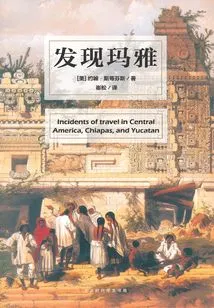
Discover Maya
History发现玛雅
(us) John Stephens
"Discovering the Maya" is a record of the American explorer Stephens and the British painter Gatherwood's investigation of the Mayan civilization sites in Central America. Stephens' narration and Frederick's painting brought the West's attention to the mysterious lost civilization of the Maya for the first time, and their work became the foundation for all subsequent Mayan civilization research. In the book, Stephens vividly describes how Gatherwood drew endlessly while wearing gloves; how two people walked into the vast jungles of Central America under the guidance of a guide and a rough, error-filled hand-drawn map; how he spent fifty dollars to buy the land where the Mayan ruins of Copan are located, with the whimsical hope of transporting it intact along the river to a museum in the United States; how to obtain government support for the expedition in a country suffering from civil war. The book is accompanied by several paintings by Gartherwood, which depict this important expedition in detail.
"Discovering the Maya" is a record of the American explorer Stephens and the British painter Gatherwood's investigation of the Mayan civilization sites in Central America. Stephens' narration and Frederick's painting brought the West's attention to the mysterious lost civilization of the Maya for the first time, and their work became the foundation for all subsequent Mayan civilization research. In the book, Stephens vividly describes how Gatherwood drew endlessly while wearing gloves; how two people walked into the vast jungles of Central America under the guidance of a guide and a rough, error-filled hand-drawn map; how he spent fifty dollars to buy the land where the Mayan ruins of Copan are located, with the whimsical hope of transporting it intact along the river to a museum in the United States; how to obtain government support for the expedition in a country suffering from civil war. The book is accompanied by several paintings by Gartherwood, which depict this important expedition in detail.
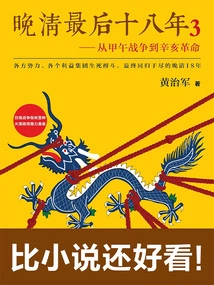
晚清最后十八年3:从甲午战争到辛亥革命
Huang Zhijun
Better than the novel! The Russo-Japanese War sounded the alarm, and there were many obstacles to the political reform of the Qing Dynasty! From the Sino-Japanese War of 1891 to the Revolution of 1911, various forces and interest groups fought life and death and finally perished together in the 18 years of the late Qing Dynasty. A Russo-Japanese War that took place in China completely stung the numb nerves of the late Qing Dynasty. Reform finally had to be pushed onto the fast track. The Manchu royal family and the powerful Yuan Shikai launched a desperate struggle for the leadership of reform. Regardless of whether they are Westernizers or reformers, conservatives or reformers, constitutionalists or revolutionaries, as long as they step into the center of power, they will without exception transform into a force - a vested interest group. Open this book and understand why the Reform Movement of 1898 turned into a coup of 1898, why Cixi bombarded the embassy first and then massacred the Boxers, why Yuan Shikai was both the promoter of reform and the key to the fall of the Qing Dynasty... See through the extremely clear logic of power behind the layers of strange historical fog.
Better than the novel! The Russo-Japanese War sounded the alarm, and there were many obstacles to the political reform of the Qing Dynasty! From the Sino-Japanese War of 1891 to the Revolution of 1911, various forces and interest groups fought life and death and finally perished together in the 18 years of the late Qing Dynasty. A Russo-Japanese War that took place in China completely stung the numb nerves of the late Qing Dynasty. Reform finally had to be pushed onto the fast track. The Manchu royal family and the powerful Yuan Shikai launched a desperate struggle for the leadership of reform. Regardless of whether they are Westernizers or reformers, conservatives or reformers, constitutionalists or revolutionaries, as long as they step into the center of power, they will without exception transform into a force - a vested interest group. Open this book and understand why the Reform Movement of 1898 turned into a coup of 1898, why Cixi bombarded the embassy first and then massacred the Boxers, why Yuan Shikai was both the promoter of reform and the key to the fall of the Qing Dynasty... See through the extremely clear logic of power behind the layers of strange historical fog.
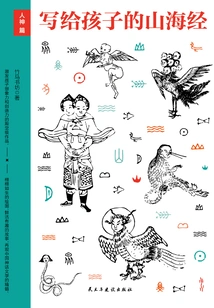
写给孩子的山海经:人神篇
Zhuma Bookstore
"The Classic of Mountains and Seas" is one of the important literary classics in ancient China and has a huge influence on later literary creation. There is a long list of people and works influenced by "The Classic of Mountains and Seas" in the history of Chinese literature. Influenced people: Zhuangzi, Qu Yuan, Tao Yuanming, Li Bai, Li He, Li Shangyin, Su Dongpo, Guan Hanqing, Wu Chengen, Cao Xueqin, Lu Xun, etc. Works influenced by: "Zhuangzi", "Li Sao", "Journey to the West", "Strange Stories from a Chinese Studio", "Notes from Yuewei Thatched Cottage", "Flowers in the Mirror", "A Dream of Red Mansions", etc. The images of gods, ghosts, monsters, spirits, gods, demons, and strange monks depicted in these books can be regarded as "treasure mines of Chinese mythological literature."
"The Classic of Mountains and Seas" is one of the important literary classics in ancient China and has a huge influence on later literary creation. There is a long list of people and works influenced by "The Classic of Mountains and Seas" in the history of Chinese literature. Influenced people: Zhuangzi, Qu Yuan, Tao Yuanming, Li Bai, Li He, Li Shangyin, Su Dongpo, Guan Hanqing, Wu Chengen, Cao Xueqin, Lu Xun, etc. Works influenced by: "Zhuangzi", "Li Sao", "Journey to the West", "Strange Stories from a Chinese Studio", "Notes from Yuewei Thatched Cottage", "Flowers in the Mirror", "A Dream of Red Mansions", etc. The images of gods, ghosts, monsters, spirits, gods, demons, and strange monks depicted in these books can be regarded as "treasure mines of Chinese mythological literature."
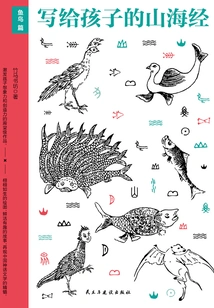
写给孩子的山海经:鱼鸟篇
Zhuma Bookstore
"The Classic of Mountains and Seas" is one of the important literary classics in ancient China and has a huge influence on later literary creation. There is a long list of people and works influenced by "The Classic of Mountains and Seas" in the history of Chinese literature. Influenced people: Zhuangzi, Qu Yuan, Tao Yuanming, Li Bai, Li He, Li Shangyin, Su Dongpo, Guan Hanqing, Wu Chengen, Cao Xueqin, Lu Xun, etc. Works influenced by: "Zhuangzi", "Li Sao", "Journey to the West", "Strange Stories from a Chinese Studio", "Notes from Yuewei Thatched Cottage", "Flowers in the Mirror", "A Dream of Red Mansions", etc. The images of gods, ghosts, monsters, spirits, gods, demons, and strange monks depicted in these books can be regarded as "treasure mines of Chinese mythological literature."
"The Classic of Mountains and Seas" is one of the important literary classics in ancient China and has a huge influence on later literary creation. There is a long list of people and works influenced by "The Classic of Mountains and Seas" in the history of Chinese literature. Influenced people: Zhuangzi, Qu Yuan, Tao Yuanming, Li Bai, Li He, Li Shangyin, Su Dongpo, Guan Hanqing, Wu Chengen, Cao Xueqin, Lu Xun, etc. Works influenced by: "Zhuangzi", "Li Sao", "Journey to the West", "Strange Stories from a Chinese Studio", "Notes from Yuewei Thatched Cottage", "Flowers in the Mirror", "A Dream of Red Mansions", etc. The images of gods, ghosts, monsters, spirits, gods, demons, and strange monks depicted in these books can be regarded as "treasure mines of Chinese mythological literature."
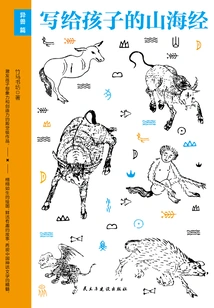
写给孩子的山海经:异兽篇
Zhuma Bookstore
"The Classic of Mountains and Seas" is one of the important literary classics in ancient China and has a huge influence on later literary creation. There is a long list of people and works influenced by "The Classic of Mountains and Seas" in the history of Chinese literature. Influenced people: Zhuangzi, Qu Yuan, Tao Yuanming, Li Bai, Li He, Li Shangyin, Su Dongpo, Guan Hanqing, Wu Chengen, Cao Xueqin, Lu Xun, etc. Works influenced by: "Zhuangzi", "Li Sao", "Journey to the West", "Strange Stories from a Chinese Studio", "Notes from Yuewei Thatched Cottage", "Flowers in the Mirror", "A Dream of Red Mansions", etc. The images of gods, ghosts, monsters, spirits, gods, demons, and strange monks depicted in these books can be regarded as "treasure mines of Chinese mythological literature."
"The Classic of Mountains and Seas" is one of the important literary classics in ancient China and has a huge influence on later literary creation. There is a long list of people and works influenced by "The Classic of Mountains and Seas" in the history of Chinese literature. Influenced people: Zhuangzi, Qu Yuan, Tao Yuanming, Li Bai, Li He, Li Shangyin, Su Dongpo, Guan Hanqing, Wu Chengen, Cao Xueqin, Lu Xun, etc. Works influenced by: "Zhuangzi", "Li Sao", "Journey to the West", "Strange Stories from a Chinese Studio", "Notes from Yuewei Thatched Cottage", "Flowers in the Mirror", "A Dream of Red Mansions", etc. The images of gods, ghosts, monsters, spirits, gods, demons, and strange monks depicted in these books can be regarded as "treasure mines of Chinese mythological literature."
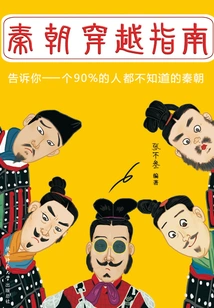
Qin Dynasty Travel Guide
History秦朝穿越指南
Zhang Busan
This popular book on the social life history of the Qin Dynasty is interesting and up-to-date, taking you through the Qin Empire and back to the era when Mi Yue lived, where you can experience the basic necessities of life, food, clothing, housing and transportation, and travel around the fields of agriculture, industry and commerce. The content in the book comes from historical records, unearthed slips, academic works and archaeological results. It neither repeats the old tune of the so-called "violent Qin" nor arbitrarily beautifies it. Solid materials + academic opinions + logical inferences = the Qin Dynasty in this book that 90% of people don't know about.
This popular book on the social life history of the Qin Dynasty is interesting and up-to-date, taking you through the Qin Empire and back to the era when Mi Yue lived, where you can experience the basic necessities of life, food, clothing, housing and transportation, and travel around the fields of agriculture, industry and commerce. The content in the book comes from historical records, unearthed slips, academic works and archaeological results. It neither repeats the old tune of the so-called "violent Qin" nor arbitrarily beautifies it. Solid materials + academic opinions + logical inferences = the Qin Dynasty in this book that 90% of people don't know about.
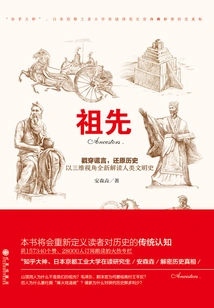
Ancestor
History祖先
An Senyao
"Zhihu Master" An Senyao completely interprets the history of human civilization from a three-dimensional perspective. This book will redefine readers' traditional understanding of history. Zhang Jiawei, Ma Qianpeng, Li Lei, Li Hao and others jointly recommended it. Zhihu has 167,340 likes and 28,000 subscribers. The popular column that is being read explains the development of the history of Chinese and Western civilizations from a geographical perspective and human genetic molecules.
"Zhihu Master" An Senyao completely interprets the history of human civilization from a three-dimensional perspective. This book will redefine readers' traditional understanding of history. Zhang Jiawei, Ma Qianpeng, Li Lei, Li Hao and others jointly recommended it. Zhihu has 167,340 likes and 28,000 subscribers. The popular column that is being read explains the development of the history of Chinese and Western civilizations from a geographical perspective and human genetic molecules.
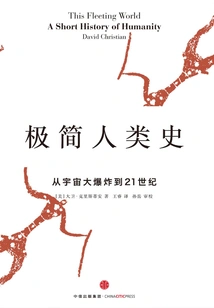
Minimalist Human History
History极简人类史
G
"This Fleeting World: AShort History of Humanity: From the Big Bang to the 21st Century" is a brief history of mankind with a grand vision and clear context. It tells the development trajectory of modern Homo sapiens in the past 100,000 years. Starting from the Big Bang, against the magnificent background of 13.8 Billion years of cosmic evolution, it overlooks the entire process of human history from scratch, and constructs a big picture of human history.
"This Fleeting World: AShort History of Humanity: From the Big Bang to the 21st Century" is a brief history of mankind with a grand vision and clear context. It tells the development trajectory of modern Homo sapiens in the past 100,000 years. Starting from the Big Bang, against the magnificent background of 13.8 Billion years of cosmic evolution, it overlooks the entire process of human history from scratch, and constructs a big picture of human history.
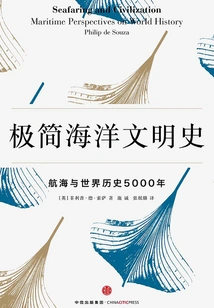
极简海洋史
(uk) Philippe De Sousa
"A Minimalist History of Marine Civilization: Navigation and 5,000 Years of World History" is a minimalist history of civilization from a marine perspective. It tells the story of how the ocean has influenced the process of civilization and shaped the modern world over the past 5,000 years according to the five themes of navigation, trade, empire, religion, food and health. The ocean has long been considered the fringe of civilization. Those who live near the sea are convinced that wealth and glory are hidden in the ocean, while those who live far inland dismiss the ocean as "meaningless waste, a desert of water."
"A Minimalist History of Marine Civilization: Navigation and 5,000 Years of World History" is a minimalist history of civilization from a marine perspective. It tells the story of how the ocean has influenced the process of civilization and shaped the modern world over the past 5,000 years according to the five themes of navigation, trade, empire, religion, food and health. The ocean has long been considered the fringe of civilization. Those who live near the sea are convinced that wealth and glory are hidden in the ocean, while those who live far inland dismiss the ocean as "meaningless waste, a desert of water."
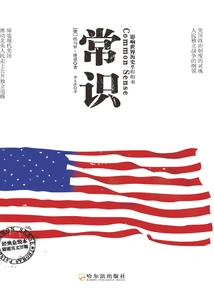
常识:影响世界历史里程的书
Thomas Paine
"Common Sense: A Book That Shaped Milestones in World History" is the soul of the American political system and the program of the People's War of Independence, which created the modern United States and pushed the people of North America to embark on the path of open independence. The historical significance of "Common Sense" in setting the people of North America on the road to open independence is immeasurable and unquestionable. More than 200 years later, it is still praised by countless historians. "Common Sense" was also used as the program of the North American People's War of Independence. Its ideas were later absorbed by the "Declaration of Independence" and became the soul of the American political system. It can be said that this book created modern America and was the first book to change the United States.
"Common Sense: A Book That Shaped Milestones in World History" is the soul of the American political system and the program of the People's War of Independence, which created the modern United States and pushed the people of North America to embark on the path of open independence. The historical significance of "Common Sense" in setting the people of North America on the road to open independence is immeasurable and unquestionable. More than 200 years later, it is still praised by countless historians. "Common Sense" was also used as the program of the North American People's War of Independence. Its ideas were later absorbed by the "Declaration of Independence" and became the soul of the American political system. It can be said that this book created modern America and was the first book to change the United States.
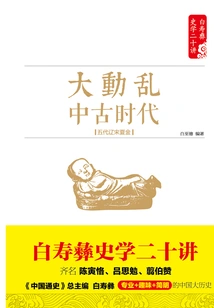
大动乱:中古时代(五代辽宋夏金)
Bai Zhide
This volume discusses the history of China from 906 AD to 1279 AD, which is the history of the Five Dynasties, Liao, Song, Xia and Jin periods. The status of this period in Chinese history has not been very high. Traditional historical views believe that this should be the second period of division in Chinese history after the Wei, Jin, Southern and Northern Dynasties. During this period of division, the cruel war and the suffering of the people left deep wounds in people's hearts. However, the "poor and weak" Song Dynasty also shone with the dazzling splendor of three of China's "four great inventions": the compass, gunpowder and printing. The emergence of the compass, gunpowder and printing promoted the great development of world civilization; Kaifeng in "Along the River During the Qingming Festival" was the most prosperous city in the world at that time. The Khitans and Jurchens on horseback are the entrepreneurs who built the capital in Beijing. In the description of "Medieval Era·Five Dynasties, Liao, Song, Xia and Jin Periods", we stand on the standpoint of national equality and reproduce the history of this period with a new vision and perspective.
This volume discusses the history of China from 906 AD to 1279 AD, which is the history of the Five Dynasties, Liao, Song, Xia and Jin periods. The status of this period in Chinese history has not been very high. Traditional historical views believe that this should be the second period of division in Chinese history after the Wei, Jin, Southern and Northern Dynasties. During this period of division, the cruel war and the suffering of the people left deep wounds in people's hearts. However, the "poor and weak" Song Dynasty also shone with the dazzling splendor of three of China's "four great inventions": the compass, gunpowder and printing. The emergence of the compass, gunpowder and printing promoted the great development of world civilization; Kaifeng in "Along the River During the Qingming Festival" was the most prosperous city in the world at that time. The Khitans and Jurchens on horseback are the entrepreneurs who built the capital in Beijing. In the description of "Medieval Era·Five Dynasties, Liao, Song, Xia and Jin Periods", we stand on the standpoint of national equality and reproduce the history of this period with a new vision and perspective.
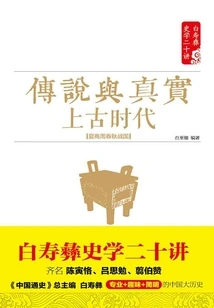
传说与真实:上古时代(夏商周春秋战国)
Bai Zhide
This book discusses the history of our country from the beginning of written records to the end of the Warring States Period. From the perspective of the sequence of historical development, it is roughly equivalent to the era of slavery mentioned in general historical writings. The history from Xia, Shang and Zhou to the Spring and Autumn Period and the Warring States Period is the history of the early formation and development of the Chinese nation, and it also discusses the process from a single nation to the unification of regional multi-ethnic groups.
This book discusses the history of our country from the beginning of written records to the end of the Warring States Period. From the perspective of the sequence of historical development, it is roughly equivalent to the era of slavery mentioned in general historical writings. The history from Xia, Shang and Zhou to the Spring and Autumn Period and the Warring States Period is the history of the early formation and development of the Chinese nation, and it also discusses the process from a single nation to the unification of regional multi-ethnic groups.
大融合:中古时代(元)
Bai Zhide
The Yuan Dynasty discussed in this volume is equivalent to the Chinese history from 1271 AD to 1368 AD. The Yuan Dynasty was a very important period in the history of the development of my country's unified multi-ethnic country. The vastness of its ruling territory, the number of ethnic groups, and the complexity and diversity of politics, economy, and culture were all unprecedented. This naturally brought about many questions about how to understand and evaluate it. Therefore, this volume should try to avoid cumbersome discussions and conclusions on these issues, but should focus on the analysis and induction of historical facts, striving to allow readers to gain a more appropriate understanding through a more comprehensive, sufficient and accurate examination of historical facts.
The Yuan Dynasty discussed in this volume is equivalent to the Chinese history from 1271 AD to 1368 AD. The Yuan Dynasty was a very important period in the history of the development of my country's unified multi-ethnic country. The vastness of its ruling territory, the number of ethnic groups, and the complexity and diversity of politics, economy, and culture were all unprecedented. This naturally brought about many questions about how to understand and evaluate it. Therefore, this volume should try to avoid cumbersome discussions and conclusions on these issues, but should focus on the analysis and induction of historical facts, striving to allow readers to gain a more appropriate understanding through a more comprehensive, sufficient and accurate examination of historical facts.
每天一堂趣味历史课
Literary
History has left us thousands of interesting events. Although "An Interesting History Lesson Every Day" cannot list them all, it tries its best to select some interesting stories and details to help readers better understand history. The content selected in "An Interesting History Lesson Every Day" not only includes thrilling and twisting stories such as dynasty changes, palace anecdotes, and military mysteries, but also includes some thousand-year-old mysteries such as missing antiquities and shocking injustices, as well as new examinations of historical materials and new historical evidence from those dusty years. The purpose of "An Interesting History Lesson Every Day" is to allow everyone who loves history and wants to understand history to gain different insights from these interesting readings.
History has left us thousands of interesting events. Although "An Interesting History Lesson Every Day" cannot list them all, it tries its best to select some interesting stories and details to help readers better understand history. The content selected in "An Interesting History Lesson Every Day" not only includes thrilling and twisting stories such as dynasty changes, palace anecdotes, and military mysteries, but also includes some thousand-year-old mysteries such as missing antiquities and shocking injustices, as well as new examinations of historical materials and new historical evidence from those dusty years. The purpose of "An Interesting History Lesson Every Day" is to allow everyone who loves history and wants to understand history to gain different insights from these interesting readings.
纵横家史话
Bai Lichao
After introducing the basic situation of the school of political strategists, this book mainly introduces the representatives of political strategists in three periods: Yan Ying and Zigong in the Spring and Autumn Period; Chunyu Kun, Su Qin, Zhang Yi, Gongsun Yan, Chen Zhen, Guo Wei, Cai Ze, Fan Ju, Lu Zhonglian, Mao Sui, Yu Qing, Xinling Jun, etc.; Sui He, Li Shiqi, Kuai Che, Lu Jia during the Chu and Han Dynasties were introduced one by one. The language of this book is concise and the story is strong. From it, readers can realize the diverse personality charm of my country's earliest diplomats; appreciate their wisdom of "turning their hands into clouds, and turning their hands into rain"; and feel their courage to "make the princes fearful when they are angry, and live in peace and the world is extinguished".
After introducing the basic situation of the school of political strategists, this book mainly introduces the representatives of political strategists in three periods: Yan Ying and Zigong in the Spring and Autumn Period; Chunyu Kun, Su Qin, Zhang Yi, Gongsun Yan, Chen Zhen, Guo Wei, Cai Ze, Fan Ju, Lu Zhonglian, Mao Sui, Yu Qing, Xinling Jun, etc.; Sui He, Li Shiqi, Kuai Che, Lu Jia during the Chu and Han Dynasties were introduced one by one. The language of this book is concise and the story is strong. From it, readers can realize the diverse personality charm of my country's earliest diplomats; appreciate their wisdom of "turning their hands into clouds, and turning their hands into rain"; and feel their courage to "make the princes fearful when they are angry, and live in peace and the world is extinguished".
Ocean and Civilization
History海洋与文明
(us)lincoln Payne
This book retells world history from the perspective of the ocean, revealing how people communicate and interact through oceans, rivers and lakes, as well as exchange and spread goods, products and culture. It aims to reveal that various groups, nations, countries and civilizations shape their own civilizations and history through waterways around the world. The author shows the connection between the rise and fall of civilization and the ocean, narrates the development of human navigation in a fascinating way, and composes an epic about the voyagers.
This book retells world history from the perspective of the ocean, revealing how people communicate and interact through oceans, rivers and lakes, as well as exchange and spread goods, products and culture. It aims to reveal that various groups, nations, countries and civilizations shape their own civilizations and history through waterways around the world. The author shows the connection between the rise and fall of civilization and the ocean, narrates the development of human navigation in a fascinating way, and composes an epic about the voyagers.
物语三千:复活平民的历史
Shen Jiguang Gao Ping
Let the old objects speak for themselves, and use black and white lenses to resurrect the disappearing rural society, an introduction by sociologist Fei Xiaotong's assistant. "Three Thousand Stories - Resurrecting the History of Common People" from the "Shen Jiguang·Fragments and Illustrated Series" of reviewing old images. From 2001 to 2004, Shen Jiguang set foot in ancient villages and towns in Yanzhao, Zhongzhou, Sanjin, Bashu and other places, focusing his camera on trivial objects closely related to ordinary people's lives, such as "daily necessities" such as trousers, sickles, shoehorns, tobacco bags, kerosene lamps, etc., And "labor tools" plows, rakes, hoes, picks, stone mills, rollers, etc., And took more than 1,200 pictures. This book selects more than 420 photos of old objects and 130,000 words of picture descriptions and essays to record a living form and lifestyle that cannot be reproduced.
Let the old objects speak for themselves, and use black and white lenses to resurrect the disappearing rural society, an introduction by sociologist Fei Xiaotong's assistant. "Three Thousand Stories - Resurrecting the History of Common People" from the "Shen Jiguang·Fragments and Illustrated Series" of reviewing old images. From 2001 to 2004, Shen Jiguang set foot in ancient villages and towns in Yanzhao, Zhongzhou, Sanjin, Bashu and other places, focusing his camera on trivial objects closely related to ordinary people's lives, such as "daily necessities" such as trousers, sickles, shoehorns, tobacco bags, kerosene lamps, etc., And "labor tools" plows, rakes, hoes, picks, stone mills, rollers, etc., And took more than 1,200 pictures. This book selects more than 420 photos of old objects and 130,000 words of picture descriptions and essays to record a living form and lifestyle that cannot be reproduced.
关键十六天:白崇禧将军与二二八
Bai Xianyong Liao Yanbo
Pai Hsien-yong reveals yet another major revelation about his father Bai Chongxi and Taiwan's history. Only with the truth can there be healing! The February 28th Incident in 1947 was the most tragic tragedy in modern Taiwan's history, and its impact and influence have not dissipated to this day. To some extent, it can be said that 228 is the starting point of contemporary Taiwan history. After the incident broke out, Bai Chongxi was dispatched by the Nationalist Government to Taiwan to express condolences, relieve pain, heal the wounds, soothe people's hearts, and quell the unrest. For 16 days, he played a crucial role. "The Crucial Sixteen Days" is about the famous writer Bai Xianyong, son of General Bai Chongxi, and the historian Liao Yanbo. They jointly visited the elderly, collected buried historical materials, and included about 70 historical photos to restore the historical facts of the critical sixteen days. This book adopts the attitude of "restoring the historical truth" and uses various archives, telegrams, letters, as well as diaries and oral interview records of relevant parties to reconstruct the causes and consequences of Bai Chongxi's order to go to Taiwan to express condolences. It tries to use each hour as a unit to closely observe these critical sixteen days of healing the pain.
Pai Hsien-yong reveals yet another major revelation about his father Bai Chongxi and Taiwan's history. Only with the truth can there be healing! The February 28th Incident in 1947 was the most tragic tragedy in modern Taiwan's history, and its impact and influence have not dissipated to this day. To some extent, it can be said that 228 is the starting point of contemporary Taiwan history. After the incident broke out, Bai Chongxi was dispatched by the Nationalist Government to Taiwan to express condolences, relieve pain, heal the wounds, soothe people's hearts, and quell the unrest. For 16 days, he played a crucial role. "The Crucial Sixteen Days" is about the famous writer Bai Xianyong, son of General Bai Chongxi, and the historian Liao Yanbo. They jointly visited the elderly, collected buried historical materials, and included about 70 historical photos to restore the historical facts of the critical sixteen days. This book adopts the attitude of "restoring the historical truth" and uses various archives, telegrams, letters, as well as diaries and oral interview records of relevant parties to reconstruct the causes and consequences of Bai Chongxi's order to go to Taiwan to express condolences. It tries to use each hour as a unit to closely observe these critical sixteen days of healing the pain.
Who Played the Ming Dynasty?
History是谁玩了大明王朝
Li Yuguang
This book is the first comprehensive work to systematically reveal the ten major mysteries between Zhu Di, the third emperor of the Ming Dynasty, and the demise of the Ming Dynasty more than two hundred years later. Starting from the birth of Zhu Di, ten clues related to the demise of the Ming Dynasty were gradually unfolded. First developed independently, then intertwined and interlocked, and finally all the clues came together in one place, destroying the Ming Dynasty in one fell swoop. The historical materials are mainly based on the official history "History of the Ming Dynasty", using the official history that people have read to death, to present a panoramic, three-dimensional and clue-based view of the demise of the Ming Dynasty from a new perspective that you have never heard of.
This book is the first comprehensive work to systematically reveal the ten major mysteries between Zhu Di, the third emperor of the Ming Dynasty, and the demise of the Ming Dynasty more than two hundred years later. Starting from the birth of Zhu Di, ten clues related to the demise of the Ming Dynasty were gradually unfolded. First developed independently, then intertwined and interlocked, and finally all the clues came together in one place, destroying the Ming Dynasty in one fell swoop. The historical materials are mainly based on the official history "History of the Ming Dynasty", using the official history that people have read to death, to present a panoramic, three-dimensional and clue-based view of the demise of the Ming Dynasty from a new perspective that you have never heard of.
An Overview of Asian History
History亚洲史概说
I
On the vast Asian continent, there are Chinese civilization in East Asia, West Asian civilization, Sanskrit civilization in India, and Japanese civilization. Various heterogeneous civilizations are connected through transportation links, compete with each other, and compensate for each other, thus unfolding a grand picture of the development and evolution of Asian history. From this, we can further understand the true history of all mankind. In the book, the author puts forward the "theory of West Asian civilizations flowing eastward" and opens up a new field of "Asian history", focusing on examining the transportation connections between civilizations. Through the transfer and changes of transportation lines, he reveals the historical trends of the rise and fall of civilizations and the evolution of the times.
On the vast Asian continent, there are Chinese civilization in East Asia, West Asian civilization, Sanskrit civilization in India, and Japanese civilization. Various heterogeneous civilizations are connected through transportation links, compete with each other, and compensate for each other, thus unfolding a grand picture of the development and evolution of Asian history. From this, we can further understand the true history of all mankind. In the book, the author puts forward the "theory of West Asian civilizations flowing eastward" and opens up a new field of "Asian history", focusing on examining the transportation connections between civilizations. Through the transfer and changes of transportation lines, he reveals the historical trends of the rise and fall of civilizations and the evolution of the times.
谁在世界的中央:古代中国的天下观
Liang Erping
"Who is at the Center of the World: Ancient China's View of the World" is a popular history book that tells how ancient Chinese ancestors viewed the world and formed a "view of the world" centered on China. The author focuses on ancient Chinese people's understanding of the world and the initial globalization process. In addition, it also analyzes the directional words in ancient Chinese characters, ancient natural meanings, the formation of the early Fang Kingdom, the later unification of the world, as well as transportation crossing and military defense lines... It tells the cultural origin of ancient China's view of the world; through the historical evolution from "the king in the world" to "the entry of Western missionaries into China", it depicts China and the world Through active and passive contact, we analyze the feudal dynasty's "shut down" response at the juncture of history, and the later "physical and practical" strategy of "learning from the barbarians to control the barbarians"; it shows the historical context of China being dragged step by step into the sad situation of being beaten, ceded territory, and paying reparations due to its misunderstanding of itself and its misjudgment of the world. From the perspective of human geography and in the form of cultural essays, this book integrates cultural reflection into the process of popularizing knowledge. It is actually a unique history of the growth of ancient China.
"Who is at the Center of the World: Ancient China's View of the World" is a popular history book that tells how ancient Chinese ancestors viewed the world and formed a "view of the world" centered on China. The author focuses on ancient Chinese people's understanding of the world and the initial globalization process. In addition, it also analyzes the directional words in ancient Chinese characters, ancient natural meanings, the formation of the early Fang Kingdom, the later unification of the world, as well as transportation crossing and military defense lines... It tells the cultural origin of ancient China's view of the world; through the historical evolution from "the king in the world" to "the entry of Western missionaries into China", it depicts China and the world Through active and passive contact, we analyze the feudal dynasty's "shut down" response at the juncture of history, and the later "physical and practical" strategy of "learning from the barbarians to control the barbarians"; it shows the historical context of China being dragged step by step into the sad situation of being beaten, ceded territory, and paying reparations due to its misunderstanding of itself and its misjudgment of the world. From the perspective of human geography and in the form of cultural essays, this book integrates cultural reflection into the process of popularizing knowledge. It is actually a unique history of the growth of ancient China.