Library
Browse and search books
2,823 novels found
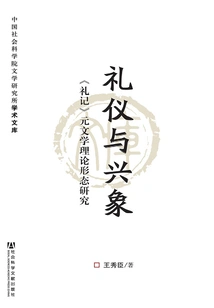
礼仪与兴象:《礼记》元文学理论形态研究
Wang Xiuchen
This book uses ritual and music culture as the research background, abstracts its literary tendencies and theoretical propositions from the political, ethical, moral, and religious interpretations of the "Book of Rites", analyzes the literary thought of "rituals and righteousness", finds concrete examples from the textual expressions of the "Book of Rites", restores the original theoretical form of literature displayed in the "Book of Rites" text, and thus reveals the intrinsic connection between rituals, classics and literary thought. This book takes the important categories of rituals and specific examples of ancient ritual activities as its research objects, and always maintains the basic view that traditional Chinese literary thought originated from Confucian classics, and that the evolution of Confucian classics determines the basic development direction of Chinese literary thought.
This book uses ritual and music culture as the research background, abstracts its literary tendencies and theoretical propositions from the political, ethical, moral, and religious interpretations of the "Book of Rites", analyzes the literary thought of "rituals and righteousness", finds concrete examples from the textual expressions of the "Book of Rites", restores the original theoretical form of literature displayed in the "Book of Rites" text, and thus reveals the intrinsic connection between rituals, classics and literary thought. This book takes the important categories of rituals and specific examples of ancient ritual activities as its research objects, and always maintains the basic view that traditional Chinese literary thought originated from Confucian classics, and that the evolution of Confucian classics determines the basic development direction of Chinese literary thought.
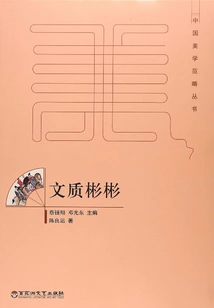
Gentle and Polite
Literature文质彬彬
Chen Liangyun
"Wen Zhi Bin Bin" is one of the "Chinese Aesthetic Category Series". The book is divided into two parts, which respectively examine the four concepts of "literature", "quality", "art" and "Tao" and the two most basic aesthetic categories in Chinese aesthetics, from the whole process of origin, development, inheritance and evolution, from micro to macro. It also discusses and evaluates from the fields of aesthetics, literature, plastic arts and other aspects, as well as philosophy, psychology, ethical concepts and other aspects. Theory of Academic System" and "History of Chinese Poetry Criticism".
"Wen Zhi Bin Bin" is one of the "Chinese Aesthetic Category Series". The book is divided into two parts, which respectively examine the four concepts of "literature", "quality", "art" and "Tao" and the two most basic aesthetic categories in Chinese aesthetics, from the whole process of origin, development, inheritance and evolution, from micro to macro. It also discusses and evaluates from the fields of aesthetics, literature, plastic arts and other aspects, as well as philosophy, psychology, ethical concepts and other aspects. Theory of Academic System" and "History of Chinese Poetry Criticism".
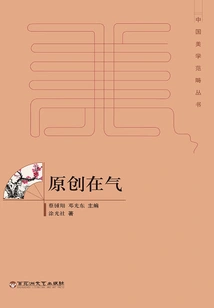
Original and Angry
Literature原创在气
Tu Guangshe
"Original in Qi" is one of the "Chinese Aesthetics Category Series". This book traces the formation and widespread use of the concept of "qi". It focuses on commenting on the theory of "Qi" in ancient Chinese literature, music, calligraphy, and painting; and interprets, sorts out, and summarizes the concept of Qi, a representative ancient aesthetic category.
"Original in Qi" is one of the "Chinese Aesthetics Category Series". This book traces the formation and widespread use of the concept of "qi". It focuses on commenting on the theory of "Qi" in ancient Chinese literature, music, calligraphy, and painting; and interprets, sorts out, and summarizes the concept of Qi, a representative ancient aesthetic category.
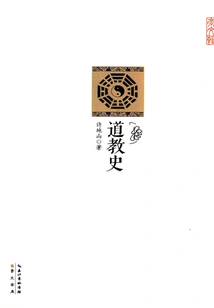
Chongwen Hall: History of Taoism
Literature崇文馆:道教史
Xu Dishan
"Chongwen Museum: A History of Taoism" is the first dedicated history of Taoism. Taking time as the warp and sect differentiation as the weft, it comprehensively and systematically introduces the history of the emergence, development and spread of Taoism. The time limit recorded in the book begins with the social conditions and ideological origins of the Qin and Han Dynasties before the emergence of Taoism, and ends with the spread of contemporary Taoism around the world. The recorded content involves the scriptures, doctrines, figures, religious systems, teaching positions, etc. Of Taoism and its various tribes, as well as Taoist festivals, etiquette, holy places, relics, architecture, literature, art, etc. While making a comprehensive survey of Taoism, the book also makes a profound analysis of the relationship between Taoism and ancient Chinese politics, society, economy, culture, and thought, and also puts forward many new insights into some important historical events and academic issues. "Chongwenkan: History of Taoism" explains the ideological origins of the formation of Taoism, which is basically the same as "Taoist Thought and Taoism", but it focuses more on the relationship between Taoist thought and Taoism. It more clearly reveals the main source of ideas for the formation of Taoism, and also points out the main origin of its behavioral system.
"Chongwen Museum: A History of Taoism" is the first dedicated history of Taoism. Taking time as the warp and sect differentiation as the weft, it comprehensively and systematically introduces the history of the emergence, development and spread of Taoism. The time limit recorded in the book begins with the social conditions and ideological origins of the Qin and Han Dynasties before the emergence of Taoism, and ends with the spread of contemporary Taoism around the world. The recorded content involves the scriptures, doctrines, figures, religious systems, teaching positions, etc. Of Taoism and its various tribes, as well as Taoist festivals, etiquette, holy places, relics, architecture, literature, art, etc. While making a comprehensive survey of Taoism, the book also makes a profound analysis of the relationship between Taoism and ancient Chinese politics, society, economy, culture, and thought, and also puts forward many new insights into some important historical events and academic issues. "Chongwenkan: History of Taoism" explains the ideological origins of the formation of Taoism, which is basically the same as "Taoist Thought and Taoism", but it focuses more on the relationship between Taoist thought and Taoism. It more clearly reveals the main source of ideas for the formation of Taoism, and also points out the main origin of its behavioral system.
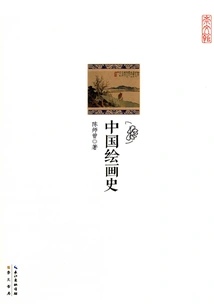
崇文馆:中国绘画史
Chen Shizeng
"History of Chinese Painting" divides the history of Chinese painting into three major stages - ancient history, from pre-Qin to Sui Dynasty; medieval history, from Tang to Yuan Dynasty; modern history, from Ming and Qing Dynasties. The author Chen Shizeng uses extremely concise words to not only outline and explain the styles of different eras, different regions, different schools and some representative painters in the history of Chinese painting, but also pays more attention to the inherent origin relationship in the development process of Chinese painting. As the author said: "The origin of calligraphy and painting has been clear and unified since ancient times."
"History of Chinese Painting" divides the history of Chinese painting into three major stages - ancient history, from pre-Qin to Sui Dynasty; medieval history, from Tang to Yuan Dynasty; modern history, from Ming and Qing Dynasties. The author Chen Shizeng uses extremely concise words to not only outline and explain the styles of different eras, different regions, different schools and some representative painters in the history of Chinese painting, but also pays more attention to the inherent origin relationship in the development process of Chinese painting. As the author said: "The origin of calligraphy and painting has been clear and unified since ancient times."
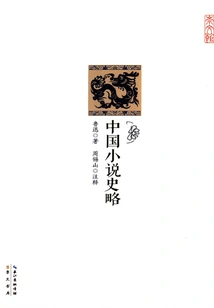
崇文馆:中国小说史略
Commentary By Lu Xun And Zhou Xishan
"Chongwenguan: A Brief History of Chinese Novels" is the first monograph on the history of Chinese novels compiled by Mr. Lu Xun. Describes the occurrence, development, and evolution of ancient Chinese novels, starting from myths and legends to condemning novels in the late Qing Dynasty. "Chongwenkan: A Brief History of Chinese Novel" is an important work that pioneered the modern process of Chinese literary research and is a general history of Chinese literature. Its method of combing literary history has had a profound impact on later generations' literary research and writing, and the book's focus on various genres of popular literature has been an important research direction after the rise of the May Fourth Movement, fully reflecting the perspective and characteristics of modern academic development.
"Chongwenguan: A Brief History of Chinese Novels" is the first monograph on the history of Chinese novels compiled by Mr. Lu Xun. Describes the occurrence, development, and evolution of ancient Chinese novels, starting from myths and legends to condemning novels in the late Qing Dynasty. "Chongwenkan: A Brief History of Chinese Novel" is an important work that pioneered the modern process of Chinese literary research and is a general history of Chinese literature. Its method of combing literary history has had a profound impact on later generations' literary research and writing, and the book's focus on various genres of popular literature has been an important research direction after the rise of the May Fourth Movement, fully reflecting the perspective and characteristics of modern academic development.
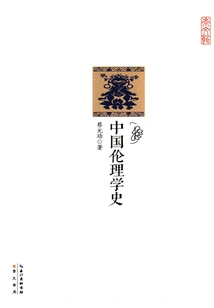
崇文馆:中国伦理学史
Cai Yuanpei
"Chongwen Museum: A History of Chinese Ethics" is the first academic work to systematically organize and study the occurrence, development and changes of ancient Chinese ethical thought. It is also one of Mr. Cai Yuanpei's representative theoretical works. The book divides the history of Chinese ethics into three eras, systematically introduces the important schools and main representatives of ethics in various historical periods in ancient my country, explains the key points, origins and development of each school of thought, and uses scientific methods to analyze their strengths and weaknesses. It provides important guidance and reference for the construction of modern Chinese ethics.
"Chongwen Museum: A History of Chinese Ethics" is the first academic work to systematically organize and study the occurrence, development and changes of ancient Chinese ethical thought. It is also one of Mr. Cai Yuanpei's representative theoretical works. The book divides the history of Chinese ethics into three eras, systematically introduces the important schools and main representatives of ethics in various historical periods in ancient my country, explains the key points, origins and development of each school of thought, and uses scientific methods to analyze their strengths and weaknesses. It provides important guidance and reference for the construction of modern Chinese ethics.
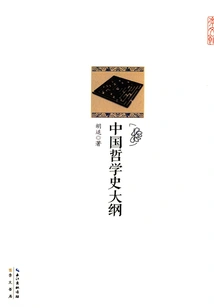
崇文馆:中国哲学史大纲
Hu Shi
"Chongwenguan: An Outline of the History of Chinese Philosophy" is the representative work of the academic research of Hu Shi, the master of Chinese studies, and laid a firm foundation for his establishment of a sect in modern Chinese academic circles. "Chongwenkan: An Outline of the History of Chinese Philosophy" is the first great work by Chinese scholars to systematically study the history of ancient Chinese philosophy using modern academic methods. It is also the first history of ancient Chinese philosophy written in modern China that systematically applies bourgeois perspectives and methods. It has epoch-making historical significance. It has not only widely influenced researchers and thinkers, but also enlightened the public's real life in many aspects.
"Chongwenguan: An Outline of the History of Chinese Philosophy" is the representative work of the academic research of Hu Shi, the master of Chinese studies, and laid a firm foundation for his establishment of a sect in modern Chinese academic circles. "Chongwenkan: An Outline of the History of Chinese Philosophy" is the first great work by Chinese scholars to systematically study the history of ancient Chinese philosophy using modern academic methods. It is also the first history of ancient Chinese philosophy written in modern China that systematically applies bourgeois perspectives and methods. It has epoch-making historical significance. It has not only widely influenced researchers and thinkers, but also enlightened the public's real life in many aspects.
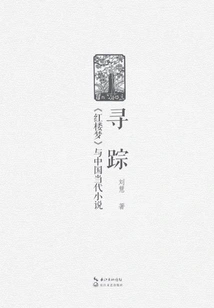
寻踪:《红楼梦》与中国当代小说
Liu Hui
The status of "A Dream of Red Mansions" in literary history cannot be surpassed so far. This book analyzes and elaborates on the influence of "A Dream of Red Mansions" and contemporary Chinese novels from various angles.
The status of "A Dream of Red Mansions" in literary history cannot be surpassed so far. This book analyzes and elaborates on the influence of "A Dream of Red Mansions" and contemporary Chinese novels from various angles.
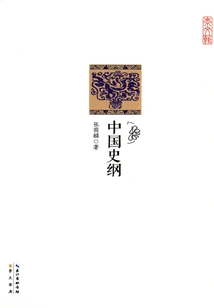
崇文馆:中国史纲
Zhang Yinlin
"Chongwenguan: An Outline of Chinese History" is the only work left by the author Zhang Yinlin in his short life, which shows the author's profound and keen insights and profound knowledge. "Chongwen Guan: An Outline of Chinese History" was written as a textbook for history teaching at that time (the first volume of "Chongwen Guan: An Outline of Chinese History"), so it is more lively and lively in form, easy to read and understand, not boring at all, but at the same time rich in ideological connotation and theoretical depth. Moreover, the author has emotion and respect for the history of the Chinese nation, so there is nothing shallow, empty, or exaggerated in the book. Many of the views and ideas in the book are still of great value and reference to people today.
"Chongwenguan: An Outline of Chinese History" is the only work left by the author Zhang Yinlin in his short life, which shows the author's profound and keen insights and profound knowledge. "Chongwen Guan: An Outline of Chinese History" was written as a textbook for history teaching at that time (the first volume of "Chongwen Guan: An Outline of Chinese History"), so it is more lively and lively in form, easy to read and understand, not boring at all, but at the same time rich in ideological connotation and theoretical depth. Moreover, the author has emotion and respect for the history of the Chinese nation, so there is nothing shallow, empty, or exaggerated in the book. Many of the views and ideas in the book are still of great value and reference to people today.
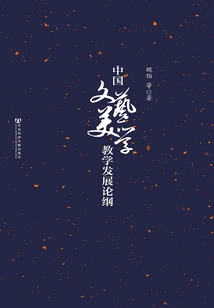
中国文艺美学教学发展论纲
Wei Yi Et Al.
This book collects and organizes historical materials on the teaching of literary aesthetics in higher education in my country from aspects such as the imported influence of Chinese literary aesthetics teaching and research, the occurrence and development of Chinese literary aesthetics, research on the history of Chinese literary aesthetics teaching, the "gains" and "losses" of Chinese literary aesthetics teaching, and the foresight of Chinese literary aesthetics. It focuses on subject development, teaching issues and famous teaching teachers, explores the trajectory of literary aesthetics and the teaching industry, maturity and development, and hints at the characteristics and teaching rules of the literary aesthetics discipline.
This book collects and organizes historical materials on the teaching of literary aesthetics in higher education in my country from aspects such as the imported influence of Chinese literary aesthetics teaching and research, the occurrence and development of Chinese literary aesthetics, research on the history of Chinese literary aesthetics teaching, the "gains" and "losses" of Chinese literary aesthetics teaching, and the foresight of Chinese literary aesthetics. It focuses on subject development, teaching issues and famous teaching teachers, explores the trajectory of literary aesthetics and the teaching industry, maturity and development, and hints at the characteristics and teaching rules of the literary aesthetics discipline.
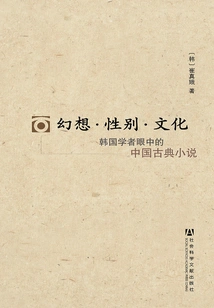
幻想·性别·文化:韩国学者眼中的中国古典小说
(korean) Choi Jin-a
For Korean scholars, what is the significance of studying Chinese classical novels? This is also a question that the author has been thinking about. Since ancient times, China has been both the source of culture and the closest cultural partner for South Korea. As a Korean scholar who studies Chinese classical novels, the author has been thinking about the cultural implications of Chinese classical novels, their influence and differences with Korean classical novels, and also the differences between them and Western classical novels.
For Korean scholars, what is the significance of studying Chinese classical novels? This is also a question that the author has been thinking about. Since ancient times, China has been both the source of culture and the closest cultural partner for South Korea. As a Korean scholar who studies Chinese classical novels, the author has been thinking about the cultural implications of Chinese classical novels, their influence and differences with Korean classical novels, and also the differences between them and Western classical novels.
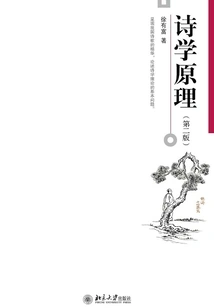
Principles of Poetics (second Edition)
Literature诗学原理(第二版)
Xu Youfu
This textbook was developed based on the author's teaching of the "Poetic Studies" course for the undergraduate major of the Chinese Department of Nanjing University. It provides a comprehensive and systematic discussion of the basic knowledge of poetry, as well as the content, form, creation methods and appreciation methods of poetry. The whole book is divided into seven chapters: the image of the poem, the emotion of the poem, the rhythm of the poem, the ambition of the poem, the rationale and interest of the poem, the artistic conception of the poem, and the conception of the poem. This book has the following characteristics. First, it constructs a new and complete theoretical system of poetry from content to form, from creation to appreciation. Such works have rarely been seen since Zhu Guangqian published "On Poetry" in 1942. The second is to avoid going from theory to theory when discussing, but to closely combine the elaboration of poetic theory with the analysis of poetic works. The poetic theories and poetic works cited are carefully selected. The third is to closely combine the elaboration of poetry theory with literature research. Everything will be based on the data. The sources of the cited data will be detailed and accurate, and efforts will be made to ensure that everything is well-founded. Fourth, we strive to be easy to understand, so we avoid tedious research throughout the article and pay full attention to the readability of the writing.
This textbook was developed based on the author's teaching of the "Poetic Studies" course for the undergraduate major of the Chinese Department of Nanjing University. It provides a comprehensive and systematic discussion of the basic knowledge of poetry, as well as the content, form, creation methods and appreciation methods of poetry. The whole book is divided into seven chapters: the image of the poem, the emotion of the poem, the rhythm of the poem, the ambition of the poem, the rationale and interest of the poem, the artistic conception of the poem, and the conception of the poem. This book has the following characteristics. First, it constructs a new and complete theoretical system of poetry from content to form, from creation to appreciation. Such works have rarely been seen since Zhu Guangqian published "On Poetry" in 1942. The second is to avoid going from theory to theory when discussing, but to closely combine the elaboration of poetic theory with the analysis of poetic works. The poetic theories and poetic works cited are carefully selected. The third is to closely combine the elaboration of poetry theory with literature research. Everything will be based on the data. The sources of the cited data will be detailed and accurate, and efforts will be made to ensure that everything is well-founded. Fourth, we strive to be easy to understand, so we avoid tedious research throughout the article and pay full attention to the readability of the writing.
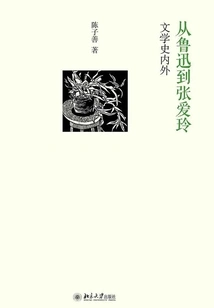
从鲁迅到张爱玲:文学史内外
Chen Zishan
In the field of modern Chinese literary history research, Mr. Chen Zishan is well-known for his excavation and textual research of historical materials. He has previously written "Drunken in the Spring Breeze: The Pursuit of Yu Dafu and Others", "Drunken in the Crescent Moon: The Discovery of Liang Shiqiu and Others", "A Congsuo of Zhang Ailing", etc. Most of the articles compiled in this book are his new historical discoveries in the field of research on Lu Xun, Hu Shi, Yu Dafu, Zhang Ailing and other writers in recent years. The book is divided into five parts, namely "Lu Xun and his literary friends", "Hu Shi, Xinyue and the Beijing School", "Zhang Ailing and her contemporary writers", "Old School" writers 23", "Preface and postscript and others". The author starts from the perspective of the interactions and correspondence between these writers and their contemporaries, starting from the details, verifying historical facts, analyzing documents, and depicting new scenes inside and outside literary history.
In the field of modern Chinese literary history research, Mr. Chen Zishan is well-known for his excavation and textual research of historical materials. He has previously written "Drunken in the Spring Breeze: The Pursuit of Yu Dafu and Others", "Drunken in the Crescent Moon: The Discovery of Liang Shiqiu and Others", "A Congsuo of Zhang Ailing", etc. Most of the articles compiled in this book are his new historical discoveries in the field of research on Lu Xun, Hu Shi, Yu Dafu, Zhang Ailing and other writers in recent years. The book is divided into five parts, namely "Lu Xun and his literary friends", "Hu Shi, Xinyue and the Beijing School", "Zhang Ailing and her contemporary writers", "Old School" writers 23", "Preface and postscript and others". The author starts from the perspective of the interactions and correspondence between these writers and their contemporaries, starting from the details, verifying historical facts, analyzing documents, and depicting new scenes inside and outside literary history.
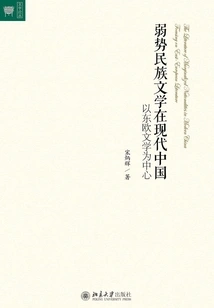
Literature of Disadvantaged Ethnic Groups in Modern China: Focusing on Eastern European Literature
Literature弱势民族文学在现代中国:以东欧文学为中心
Song Binghui
This book aims to systematically review the century-old history of Eastern European literature in China based on the subjective standpoint of modern Chinese literature, including the connotation of Eastern European literature from a Chinese perspective; the translation, research and influence of Eastern European literature in China over more than a century; case analysis of writers such as Kundera, Petofi, Fuchik, and Brecht; and the role of Esperanto in this specific Chinese and foreign context. Through analysis of the intermediary cultural functions in the relationship, etc., We will conduct research on "Eastern European literature" in the relationship between Chinese and foreign literature, with a view to revealing the constructive significance of Eastern European literature to modern Chinese literature in comparison with the relationship between Chinese and Western literature, thereby fully exploring the complex relationship between modern Chinese and foreign literary relations, the occurrence and transformation of Chinese literature and culture, and foreign resources.
This book aims to systematically review the century-old history of Eastern European literature in China based on the subjective standpoint of modern Chinese literature, including the connotation of Eastern European literature from a Chinese perspective; the translation, research and influence of Eastern European literature in China over more than a century; case analysis of writers such as Kundera, Petofi, Fuchik, and Brecht; and the role of Esperanto in this specific Chinese and foreign context. Through analysis of the intermediary cultural functions in the relationship, etc., We will conduct research on "Eastern European literature" in the relationship between Chinese and foreign literature, with a view to revealing the constructive significance of Eastern European literature to modern Chinese literature in comparison with the relationship between Chinese and Western literature, thereby fully exploring the complex relationship between modern Chinese and foreign literary relations, the occurrence and transformation of Chinese literature and culture, and foreign resources.
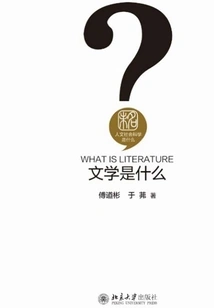
What is Literature
Literature文学是什么
Fu Daobin Yu Fu
The "Weiming·What are Humanities and Social Sciences" series is written by famous scholars from famous universities, aiming to improve the people's humanistic quality and popularize social science knowledge. Each book includes the background of the discipline, research objects, main representatives and ideas, achievements, value of the discipline and some cutting-edge issues in the development of the discipline to today. As a way of human existence, literature has varying degrees of connection with everyone's life. "What is Literature" concisely and smoothly presents readers with a condensed picture of the connotation and extension of literature from many aspects such as imitation and expression, literature as language art, beauty and truth, games and sermons, the relationship between content and form, writers' creation theory, literary genres, reception aesthetics, etc. It helps readers understand the topic "What is literature" in a short time, and is an excellent academic popular reading. This book is the hardcover version of "What is Literature" published by our company.
The "Weiming·What are Humanities and Social Sciences" series is written by famous scholars from famous universities, aiming to improve the people's humanistic quality and popularize social science knowledge. Each book includes the background of the discipline, research objects, main representatives and ideas, achievements, value of the discipline and some cutting-edge issues in the development of the discipline to today. As a way of human existence, literature has varying degrees of connection with everyone's life. "What is Literature" concisely and smoothly presents readers with a condensed picture of the connotation and extension of literature from many aspects such as imitation and expression, literature as language art, beauty and truth, games and sermons, the relationship between content and form, writers' creation theory, literary genres, reception aesthetics, etc. It helps readers understand the topic "What is literature" in a short time, and is an excellent academic popular reading. This book is the hardcover version of "What is Literature" published by our company.
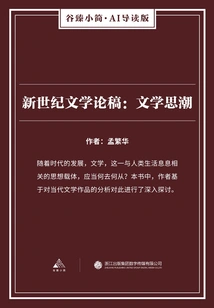
New Century Literature Essay: Literary Thoughts (gu Zhen's Briefs·ai Introduction Edition)
Literature新世纪文学论稿:文学思潮(谷臻小简·AI导读版)
Meng Fanhua
With the development of the times, where should literature, this ideological carrier closely related to human life, go? In this book, the author conducts an in-depth discussion on this based on the analysis of contemporary literary works.
With the development of the times, where should literature, this ideological carrier closely related to human life, go? In this book, the author conducts an in-depth discussion on this based on the analysis of contemporary literary works.
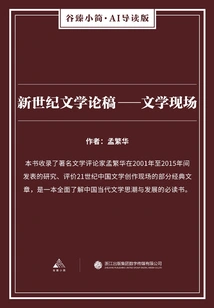
新世纪文学论稿:文学现场(谷臻小简·AI导读版)
Meng Fanhua
This book collects some of the classic articles published by the famous literary critic Meng Fanhua from 2001 to 2015 on the research and evaluation of the Chinese literary creation scene in the 21st century. It is a must-read for a comprehensive understanding of the ideological trends and development of contemporary Chinese literature.
This book collects some of the classic articles published by the famous literary critic Meng Fanhua from 2001 to 2015 on the research and evaluation of the Chinese literary creation scene in the 21st century. It is a must-read for a comprehensive understanding of the ideological trends and development of contemporary Chinese literature.
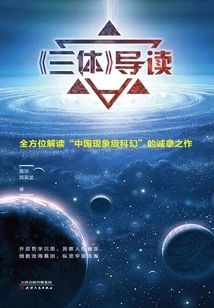
Introduction to "the Three-body Problem
Literature《三体》导读
Zhan Yan Lu Jiangbo
Some people saw the vicissitudes of life in "The Three-Body Problem", some people saw the unparalleled love in the "Three-Body Problem", some people saw the thought experiment in "The Three-Body Problem", and some people saw the brilliant starry sky in "The Three-Body Problem". There are a thousand ways to open "The Three-Body Problem" for a thousand readers, and this book will show you all of them! Whether you have read "The Three-Body Problem" or not, you may wish to open this book. If you are confused by the technical terms, please open this book. If you are confused by the emotional conflicts, please open this book...
Some people saw the vicissitudes of life in "The Three-Body Problem", some people saw the unparalleled love in the "Three-Body Problem", some people saw the thought experiment in "The Three-Body Problem", and some people saw the brilliant starry sky in "The Three-Body Problem". There are a thousand ways to open "The Three-Body Problem" for a thousand readers, and this book will show you all of them! Whether you have read "The Three-Body Problem" or not, you may wish to open this book. If you are confused by the technical terms, please open this book. If you are confused by the emotional conflicts, please open this book...
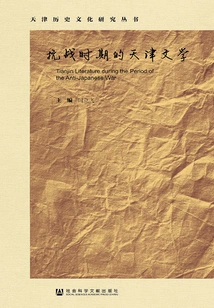
抗战时期的天津文学
Editor-in-chief Yan Lifei
Tianjin literature during the Anti-Japanese War is not only a basic component of literature in China's occupied areas, but also an indispensable and unavoidable part of the study of Tianjin literature. This book strives to explore the living conditions and mental state of Tianjin writers during the Anti-Japanese War, and strives to show the true appearance and reality of their creations. Through the compilation and excavation of historical materials, it was found that during the Anti-Japanese War period, which was the "all-black era of literature", Tianjin writers not only "devote themselves" or "lived" to literature, used literature to "express" personal emotions, or made a living from literature, but also made considerable achievements in some aspects. While inheriting the national literary tradition and preserving the modern literary context, they also promoted the development of literature.
Tianjin literature during the Anti-Japanese War is not only a basic component of literature in China's occupied areas, but also an indispensable and unavoidable part of the study of Tianjin literature. This book strives to explore the living conditions and mental state of Tianjin writers during the Anti-Japanese War, and strives to show the true appearance and reality of their creations. Through the compilation and excavation of historical materials, it was found that during the Anti-Japanese War period, which was the "all-black era of literature", Tianjin writers not only "devote themselves" or "lived" to literature, used literature to "express" personal emotions, or made a living from literature, but also made considerable achievements in some aspects. While inheriting the national literary tradition and preserving the modern literary context, they also promoted the development of literature.
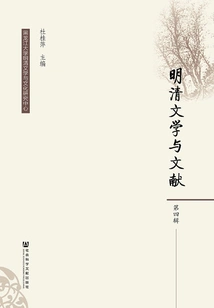
明清文学与文献(第4辑)
Editor-in-chief Du Guiping
"Ming and Qing Literature and Documents" is a professional academic journal sponsored by the Ming and Qing Literature and Culture Research Center of Heilongjiang University. The book focuses on the research results of Ming and Qing literature, documents and culture, and strives to present the cutting-edge trends and latest results of Ming and Qing literature research, reflecting the characteristics of this discipline.
"Ming and Qing Literature and Documents" is a professional academic journal sponsored by the Ming and Qing Literature and Culture Research Center of Heilongjiang University. The book focuses on the research results of Ming and Qing literature, documents and culture, and strives to present the cutting-edge trends and latest results of Ming and Qing literature research, reflecting the characteristics of this discipline.
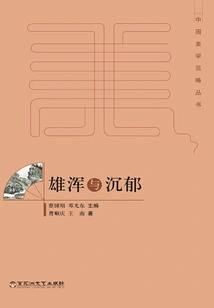
Vigorous and Melancholy
Literature雄浑与沉郁
Cao Shunqing Wang Nan
"Vigor and Melancholy" is one of the "Chinese Aesthetic Category Series". The first part of this book explains "vigorous", discusses its formation and development process, analyzes its relationship with related concepts, and compares its similarities and differences with Western "sublime"; the second part discusses "depression", first sorting out the generation and development of depression, making the conceptual connotation of depression clear, and through the study of model texts and the comparison of "depression", "frustration", "elegance" and other related categories, so that the aesthetic meaning and value of "depression" can be fully demonstrated as much as possible.
"Vigor and Melancholy" is one of the "Chinese Aesthetic Category Series". The first part of this book explains "vigorous", discusses its formation and development process, analyzes its relationship with related concepts, and compares its similarities and differences with Western "sublime"; the second part discusses "depression", first sorting out the generation and development of depression, making the conceptual connotation of depression clear, and through the study of model texts and the comparison of "depression", "frustration", "elegance" and other related categories, so that the aesthetic meaning and value of "depression" can be fully demonstrated as much as possible.
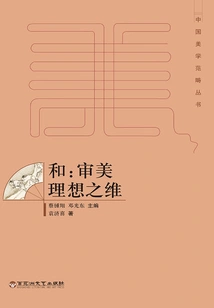
And: Dimensions of Aesthetic Ideals
Literature和:审美理想之维
Yuan Jixi
"Harmony" is an important category of Chinese aesthetics and is the aesthetic gathering of the Chinese national spirit. "Harmony" in the category of Chinese aesthetics has the meaning and function of encompassing all things and being inclusive. Its spiritual essence is to pursue the unity of life and art, and to pursue the harmony of beauty and goodness, emotion and reason, individual and society. As a dimension of classical aesthetic ideals, "harmony" has experienced development and evolution, and has been continuously enriched. In modern times, it has faced challenges and incorporated new aesthetic concepts.
"Harmony" is an important category of Chinese aesthetics and is the aesthetic gathering of the Chinese national spirit. "Harmony" in the category of Chinese aesthetics has the meaning and function of encompassing all things and being inclusive. Its spiritual essence is to pursue the unity of life and art, and to pursue the harmony of beauty and goodness, emotion and reason, individual and society. As a dimension of classical aesthetic ideals, "harmony" has experienced development and evolution, and has been continuously enriched. In modern times, it has faced challenges and incorporated new aesthetic concepts.
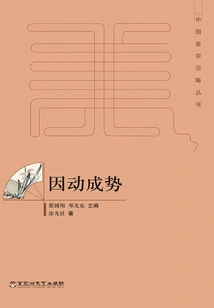
Momentum Due to Movement
Literature因动成势
Tu Guangshe
"Motion Creates Momentum" is one of the "Chinese Aesthetic Category Series". This book introduces the "shi" theory of the pre-Qin scholars and various ancient "arts" (music, dance, martial arts, Go, etc.); With detailed information and brief comments, it focuses on the achievements and evolution of the "shi" theory in the fields of Chinese calligraphy, painting, and literature. Finally, from the perspective of artistic dynamics, the connotation and aesthetic characteristics of the "shi" category are summarized, and its contemporary value is demonstrated.
"Motion Creates Momentum" is one of the "Chinese Aesthetic Category Series". This book introduces the "shi" theory of the pre-Qin scholars and various ancient "arts" (music, dance, martial arts, Go, etc.); With detailed information and brief comments, it focuses on the achievements and evolution of the "shi" theory in the fields of Chinese calligraphy, painting, and literature. Finally, from the perspective of artistic dynamics, the connotation and aesthetic characteristics of the "shi" category are summarized, and its contemporary value is demonstrated.
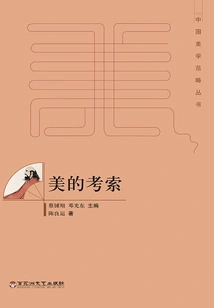
Beautiful Test
Literature美的考索
Chen Liangyun
"A Study of Beauty" is one of the "Chinese Aesthetic Category Series". The book is divided into three parts: the upper, middle and lower parts. The first part makes a relatively comprehensive and systematic examination of the important concept and category of "beauty" in Chinese aesthetic imagination from the process of its occurrence, formation and evolution. The middle part and the second part describe the different manifestations of aesthetic creation and acceptance of Confucianism, Taoism, Mohism, Legalism, Xuanxuan, and Buddhism in the fields of politics, society, personality, nature, art, etc., And make several comparative evaluations.
"A Study of Beauty" is one of the "Chinese Aesthetic Category Series". The book is divided into three parts: the upper, middle and lower parts. The first part makes a relatively comprehensive and systematic examination of the important concept and category of "beauty" in Chinese aesthetic imagination from the process of its occurrence, formation and evolution. The middle part and the second part describe the different manifestations of aesthetic creation and acceptance of Confucianism, Taoism, Mohism, Legalism, Xuanxuan, and Buddhism in the fields of politics, society, personality, nature, art, etc., And make several comparative evaluations.
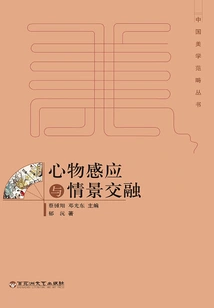
Mind-body Sensing and Scene Blending
Literature心物感应与情景交融
Yu Yuan
In Chinese classical aesthetics, "situation blending" and "mind-object resonance" are two important aesthetic propositions that intertwine and communicate with each other. "Mind-physical sensing" is the basis for realizing "situation blending". The low-level level of "situation blending" is scene combination, the high-level level is scene blending, and emotion has an ontological status in art. "Emotion" and "scenery" are integrated through various channels, which is the core of the categories of "image", "artistic conception" and "realm".
In Chinese classical aesthetics, "situation blending" and "mind-object resonance" are two important aesthetic propositions that intertwine and communicate with each other. "Mind-physical sensing" is the basis for realizing "situation blending". The low-level level of "situation blending" is scene combination, the high-level level is scene blending, and emotion has an ontological status in art. "Emotion" and "scenery" are integrated through various channels, which is the core of the categories of "image", "artistic conception" and "realm".
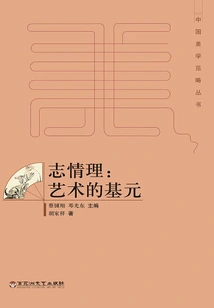
Zhiqingli: the Basic Element of Art
Literature志情理:艺术的基元
Hu Jiaxiang
"Zhi", "emotion" and "reason" are close to the so-called "knowledge", "emotion" and "intention" in the West. They constitute the three dimensions of subjectivity and are indispensable in aesthetic and artistic activities. This book comprehensively organizes the three categories of "ambition", "emotion" and "reason" in traditional Chinese aesthetics in the order of exploring the source - confirming the facts - revealing the details. The whole book is analytically analyzed, with practical arguments and occasional new insights. It not only fully occupies the historical data, but also analyzes it in depth, and better achieves the unity of history and logic.
"Zhi", "emotion" and "reason" are close to the so-called "knowledge", "emotion" and "intention" in the West. They constitute the three dimensions of subjectivity and are indispensable in aesthetic and artistic activities. This book comprehensively organizes the three categories of "ambition", "emotion" and "reason" in traditional Chinese aesthetics in the order of exploring the source - confirming the facts - revealing the details. The whole book is analytically analyzed, with practical arguments and occasional new insights. It not only fully occupies the historical data, but also analyzes it in depth, and better achieves the unity of history and logic.
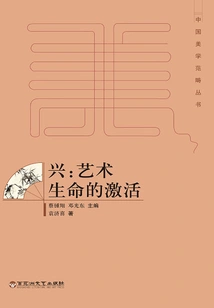
Xing: Activation of Artistic Life
Literature兴:艺术生命的激活
Yuan Jixi
"Xing: The Activation of Artistic Life", as one of the "Chinese Aesthetic Category Series", comprehensively and systematically discusses the historical status, development process, core ideas and spiritual essence of "Xing", an important category of Chinese aesthetics, in traditional Chinese aesthetics. This book is comprehensive in content, rigorous in structure, clear in organization, and has high scientific, systematic, theoretical and academic value. It provides practical information for the study of traditional Chinese aesthetics and can be used as a reference for scholars.
"Xing: The Activation of Artistic Life", as one of the "Chinese Aesthetic Category Series", comprehensively and systematically discusses the historical status, development process, core ideas and spiritual essence of "Xing", an important category of Chinese aesthetics, in traditional Chinese aesthetics. This book is comprehensive in content, rigorous in structure, clear in organization, and has high scientific, systematic, theoretical and academic value. It provides practical information for the study of traditional Chinese aesthetics and can be used as a reference for scholars.
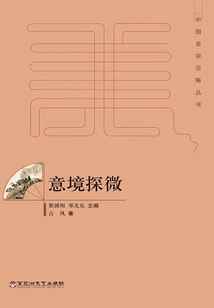
A Closer Look at Artistic Conception
Literature意境探微
Antiquity
"Exploration of Artistic Conception" is one of the "Chinese Aesthetic Category Series". From a broad academic perspective, this book reviews and summarizes the research results of "artistic conception" in the 20th century; grasps and integrates the theory of "artistic conception" in the historical context; conducts multi-level interpretations and explorations of difficult issues such as the connotation and essence of "artistic conception", and puts forward several new viewpoints. This is a comprehensive, forward-looking and innovative research monograph on "artistic conception".
"Exploration of Artistic Conception" is one of the "Chinese Aesthetic Category Series". From a broad academic perspective, this book reviews and summarizes the research results of "artistic conception" in the 20th century; grasps and integrates the theory of "artistic conception" in the historical context; conducts multi-level interpretations and explorations of difficult issues such as the connotation and essence of "artistic conception", and puts forward several new viewpoints. This is a comprehensive, forward-looking and innovative research monograph on "artistic conception".
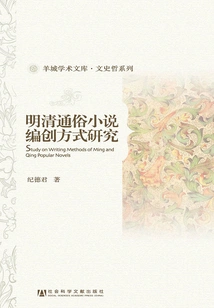
明清通俗小说编创方式研究
Ji Dejun
From the perspective of the interaction between creation, dissemination and acceptance, this book studies the specific influence of editors, bookshop owners, reviewers, and readers on the compilation and creation of popular novels in the Ming and Qing dynasties. On this basis, it examines the compilation and creation methods of several major types of popular novels in the Ming and Qing dynasties. Finally, it comprehensively explores the creation status, evolutionary trends and artistic rules of popular novels in the Ming and Qing dynasties.
From the perspective of the interaction between creation, dissemination and acceptance, this book studies the specific influence of editors, bookshop owners, reviewers, and readers on the compilation and creation of popular novels in the Ming and Qing dynasties. On this basis, it examines the compilation and creation methods of several major types of popular novels in the Ming and Qing dynasties. Finally, it comprehensively explores the creation status, evolutionary trends and artistic rules of popular novels in the Ming and Qing dynasties.
黄世仲小说创作研究
Ji Dejun Liang Dongli
Huang Shizhong was a famous newspaperman, revolutionary and propagandist in the late Qing Dynasty and the early Republic of China. He was also one of the most influential novelists in the history of Wan Qing's novels. This book conducts a comprehensive and in-depth study of his novel creation, covering Huang Shizhong's comparative consciousness and novel concepts, the relationship between his newspaper activities and novel creation, the creation of his representative work "The Romance of Hong Xiuquan", and the creation of recent novels. It also provides a relatively objective and comprehensive evaluation of the historical contribution of his novels.
Huang Shizhong was a famous newspaperman, revolutionary and propagandist in the late Qing Dynasty and the early Republic of China. He was also one of the most influential novelists in the history of Wan Qing's novels. This book conducts a comprehensive and in-depth study of his novel creation, covering Huang Shizhong's comparative consciousness and novel concepts, the relationship between his newspaper activities and novel creation, the creation of his representative work "The Romance of Hong Xiuquan", and the creation of recent novels. It also provides a relatively objective and comprehensive evaluation of the historical contribution of his novels.
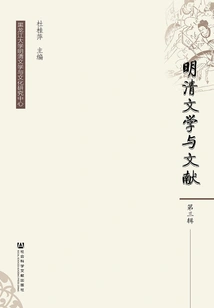
明清文学与文献(第三辑)
Editor-in-chief Du Guiping
"Ming and Qing Literature and Documents" is a professional academic journal sponsored by the Ming and Qing Literature and Culture Research Center of Heilongjiang University. The book focuses on the research results of Ming and Qing literature, documents and culture, and strives to present the cutting-edge trends and latest results of Ming and Qing literature research, reflecting the characteristics of this discipline.
"Ming and Qing Literature and Documents" is a professional academic journal sponsored by the Ming and Qing Literature and Culture Research Center of Heilongjiang University. The book focuses on the research results of Ming and Qing literature, documents and culture, and strives to present the cutting-edge trends and latest results of Ming and Qing literature research, reflecting the characteristics of this discipline.
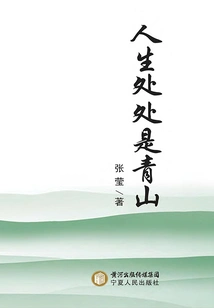
Life is Full of Green Hills
Literature人生处处是青山
Zhang Ying
In the past two or three years, towering towers and Guangsha have sprung up like bamboo shoots after rain at key national and autonomous region construction sites such as Ningxia Chemical Plant, Ningxia Cement Plant, Qingtongxia Aluminum Plant, Dawukou Power Plant, and Taixi Coal Washing Plant. They are majestic and towering into the sky, proudly displaying their own value and solemnly reporting to the people the glorious achievements of their builders, the youth commandos.
In the past two or three years, towering towers and Guangsha have sprung up like bamboo shoots after rain at key national and autonomous region construction sites such as Ningxia Chemical Plant, Ningxia Cement Plant, Qingtongxia Aluminum Plant, Dawukou Power Plant, and Taixi Coal Washing Plant. They are majestic and towering into the sky, proudly displaying their own value and solemnly reporting to the people the glorious achievements of their builders, the youth commandos.
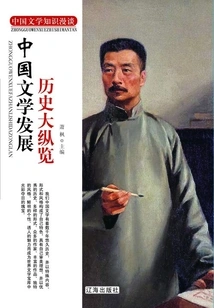
中国文学发展历史大纵览(中国文学知识漫谈)
Editor-in-chief Xiao Feng
"Chinese Literature Knowledge" mainly includes the development history of Chinese literature, ethnic and folk literature, Hong Kong and Taiwan literature, myths and legends, poetry and prose, sanqu and lyrics, novels and essays, fables and sketches, notes and travel notes, couplets and inscriptions, etc. It is highly literary, readable and informative. It is a good reading for our readers to understand Chinese literary works and improve their literary quality. It is also the best version for libraries at all levels to collect.
"Chinese Literature Knowledge" mainly includes the development history of Chinese literature, ethnic and folk literature, Hong Kong and Taiwan literature, myths and legends, poetry and prose, sanqu and lyrics, novels and essays, fables and sketches, notes and travel notes, couplets and inscriptions, etc. It is highly literary, readable and informative. It is a good reading for our readers to understand Chinese literary works and improve their literary quality. It is also the best version for libraries at all levels to collect.
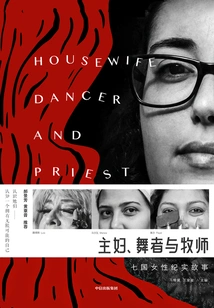
主妇、舞者与牧师:七国女性纪实故事
Mafengwo Editor-in-chief Wang Jiamin
Sweden\u002F Anna In 1969, when Anna was 18 years old, she decided to become a priest. "My mother was very supportive and said that if she could go back to this age, she would work hard to become a priest. My father accepted this decision and taught me how to preach." Cuba\u002F Luis "When I was 22 years old, I made up my mind to leave my hometown and work as a dancer in the capital, Old Havana. I never felt that I belonged in that town, and after I left, they would never laugh at me because I was gay. "Israel\u002F Dana "The society we live in always subconsciously defines women as a vulnerable group, and women are prone to a mentality of insecurity and seeking protection, but I have never felt that I have faced more setbacks and obstacles because of being a woman." Egypt\u002F Marwa worked as an English journalist after graduating from Marwa University, and her career achievements have become a good story in her hometown. However, Marva also has troubles as a working woman. During interviews, she encountered situations where "women are not allowed to enter" many times. France\u002F Gailla mentioned the topic of "female beauty". Gailla subconsciously took two steps back, not wanting to be consumed by such topics anymore. Japan\u002F Yuuki In the past ten years, Yuuki has devoted herself to her family, leaving little time and energy for herself. Today, Yuki calls herself a "part-time housewife" in India\u002F Perpel continued to create after getting married. She not only established an artistic calligraphy design website, but also taught Western calligraphy courses to children.
Sweden\u002F Anna In 1969, when Anna was 18 years old, she decided to become a priest. "My mother was very supportive and said that if she could go back to this age, she would work hard to become a priest. My father accepted this decision and taught me how to preach." Cuba\u002F Luis "When I was 22 years old, I made up my mind to leave my hometown and work as a dancer in the capital, Old Havana. I never felt that I belonged in that town, and after I left, they would never laugh at me because I was gay. "Israel\u002F Dana "The society we live in always subconsciously defines women as a vulnerable group, and women are prone to a mentality of insecurity and seeking protection, but I have never felt that I have faced more setbacks and obstacles because of being a woman." Egypt\u002F Marwa worked as an English journalist after graduating from Marwa University, and her career achievements have become a good story in her hometown. However, Marva also has troubles as a working woman. During interviews, she encountered situations where "women are not allowed to enter" many times. France\u002F Gailla mentioned the topic of "female beauty". Gailla subconsciously took two steps back, not wanting to be consumed by such topics anymore. Japan\u002F Yuuki In the past ten years, Yuuki has devoted herself to her family, leaving little time and energy for herself. Today, Yuki calls herself a "part-time housewife" in India\u002F Perpel continued to create after getting married. She not only established an artistic calligraphy design website, but also taught Western calligraphy courses to children.
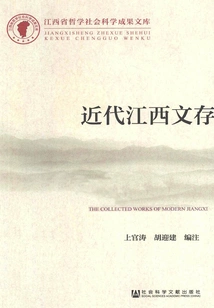
Modern Jiangxi Cultural Deposits
Literature近代江西文存
Editor's Notes By Shangguan Tao And Hu Ying
This book carefully collects and organizes 369 works by 40 modern Jiangxi writers in chronological order. The book focuses on the groups and schools of modern Jiangxi literary writers, highlighting important writers and taking into account small and medium-sized writers; it focuses on works of different styles and styles such as prose, argumentative essays, memorials, letters, inscriptions, prefaces and postscripts, and travel notes; it introduces the life and main achievements of each selected writer, and provides proofreading and brief notes on their works.
This book carefully collects and organizes 369 works by 40 modern Jiangxi writers in chronological order. The book focuses on the groups and schools of modern Jiangxi literary writers, highlighting important writers and taking into account small and medium-sized writers; it focuses on works of different styles and styles such as prose, argumentative essays, memorials, letters, inscriptions, prefaces and postscripts, and travel notes; it introduces the life and main achievements of each selected writer, and provides proofreading and brief notes on their works.
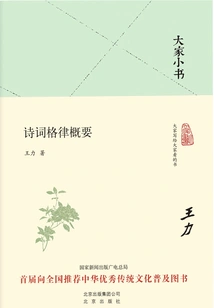
大家小书:诗词格律概要
Wang Li
This book is an academic popular classic written by the famous linguist Mr. Wang Li to facilitate readers' appreciation and creation of classical poetry. It tells the most basic knowledge of classical poetry rhythm. It not only summarizes the previous research results, but also introduces new ideas. It is both serious and scientific. It is a masterpiece refined by Mr. Wang Li on the basis of his research on poetry rhythm.
This book is an academic popular classic written by the famous linguist Mr. Wang Li to facilitate readers' appreciation and creation of classical poetry. It tells the most basic knowledge of classical poetry rhythm. It not only summarizes the previous research results, but also introduces new ideas. It is both serious and scientific. It is a masterpiece refined by Mr. Wang Li on the basis of his research on poetry rhythm.
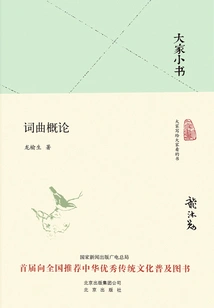
大家小书:词曲概论
Long Yusheng
"Introduction to Ci and Music" is divided into two parts. The first part discusses the origin, mainly discusses the characteristics, origin, development and evolution of Ci and Music, and evaluates the important writers and works of Tang and Song Ci, Yuan Opera, and Ming and Qing legends. The following part discusses French patterns, focusing on the important role of rhyme in lyrics and music, and clarifies the relationship between the arrangement of the four tones in the dictionary, the density of rhyme positions, and the conversion between tones and tones in expressing thoughts and feelings. "Introduction to Ci and Music" has detailed and profound elucidations on many issues and has unique insights. It has reference value and guiding significance for the study of the history of ci and music, phonology, and composition.
"Introduction to Ci and Music" is divided into two parts. The first part discusses the origin, mainly discusses the characteristics, origin, development and evolution of Ci and Music, and evaluates the important writers and works of Tang and Song Ci, Yuan Opera, and Ming and Qing legends. The following part discusses French patterns, focusing on the important role of rhyme in lyrics and music, and clarifies the relationship between the arrangement of the four tones in the dictionary, the density of rhyme positions, and the conversion between tones and tones in expressing thoughts and feelings. "Introduction to Ci and Music" has detailed and profound elucidations on many issues and has unique insights. It has reference value and guiding significance for the study of the history of ci and music, phonology, and composition.
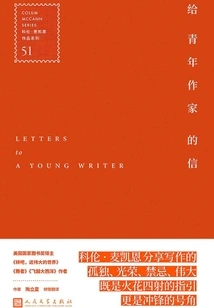
Letter to Young Writers
Literature给青年作家的信
(ireland)colum Mccain
This book is a collection of essays by National Book Award winner Colen McCain discussing writing and life. In this collection of wise, concise, charming and humorous letters, McCain draws on his many years of writing and teaching experience to share his writing experience in terms of writing techniques, writing habits, risks and pitfalls faced by writers, etc., While also conveying his profound thoughts on the theory of novel creation. McCain also draws on many other writers' wonderful explanations of writing to give readers direct and clear advice: such as constructing a background that best suits the task, such as constructing more dialogue. Although some of his conclusions are subjective, for those who are aspiring to write, these eloquent disciplines and admonitions are precious companions when facing the difficult and ambitious road of writing.
This book is a collection of essays by National Book Award winner Colen McCain discussing writing and life. In this collection of wise, concise, charming and humorous letters, McCain draws on his many years of writing and teaching experience to share his writing experience in terms of writing techniques, writing habits, risks and pitfalls faced by writers, etc., While also conveying his profound thoughts on the theory of novel creation. McCain also draws on many other writers' wonderful explanations of writing to give readers direct and clear advice: such as constructing a background that best suits the task, such as constructing more dialogue. Although some of his conclusions are subjective, for those who are aspiring to write, these eloquent disciplines and admonitions are precious companions when facing the difficult and ambitious road of writing.
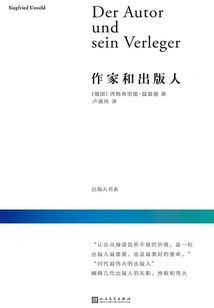
Writers and Publishers
Literature作家和出版人
(germany) Siegfried Unseld
In "Writers and Publishers", Unseld examines the writing and publishing history of German writers such as Hesse, Brecht, Rilke, and Walser, and vividly explains the tacit understanding, cooperation, conflicts, and misunderstandings between writers and publishers, and then explores the inherent "role conflict" of publishers, explaining the significance of literature to the times and the responsibilities of literary publishers. Unseld firmly believes in the educational and transformative mission of publishing. Publishers must abandon their preference for extremes and excess and act in a game of imagination and seriousness. Publishers both conform to and criticize trends, serving the "sacred commodity" (in Brechtian terms)-books. The essence of a publisher's work can be summarized as: always preparing for works, always preparing for writers, always preparing for the creativity in his works, and helping him achieve impact.
In "Writers and Publishers", Unseld examines the writing and publishing history of German writers such as Hesse, Brecht, Rilke, and Walser, and vividly explains the tacit understanding, cooperation, conflicts, and misunderstandings between writers and publishers, and then explores the inherent "role conflict" of publishers, explaining the significance of literature to the times and the responsibilities of literary publishers. Unseld firmly believes in the educational and transformative mission of publishing. Publishers must abandon their preference for extremes and excess and act in a game of imagination and seriousness. Publishers both conform to and criticize trends, serving the "sacred commodity" (in Brechtian terms)-books. The essence of a publisher's work can be summarized as: always preparing for works, always preparing for writers, always preparing for the creativity in his works, and helping him achieve impact.
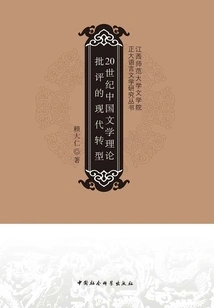
20世纪中国文学理论批评的现代转型
Lai Daren
This book takes an overall look at the modern transformation of Chinese literary theory criticism in the 20th century, describes the historical process of its modern transformation and development, sorts out and evaluates the most representative theoretical forms, grasps the main trends in the transformation and development of modern literary theory criticism, and examines the relationship between the construction of modern literary theory criticism forms and the changes and development requirements of the times. On this basis, this paper discusses the development trend of reform and transformation of literary theory criticism since the new era, as well as the problems faced by the innovative construction of contemporary literary theory criticism. Strive to use contemporary consciousness to observe history, observe reality from a historical perspective, and obtain academic enlightenment from the two-way reflection of history and contemporary nature.
This book takes an overall look at the modern transformation of Chinese literary theory criticism in the 20th century, describes the historical process of its modern transformation and development, sorts out and evaluates the most representative theoretical forms, grasps the main trends in the transformation and development of modern literary theory criticism, and examines the relationship between the construction of modern literary theory criticism forms and the changes and development requirements of the times. On this basis, this paper discusses the development trend of reform and transformation of literary theory criticism since the new era, as well as the problems faced by the innovative construction of contemporary literary theory criticism. Strive to use contemporary consciousness to observe history, observe reality from a historical perspective, and obtain academic enlightenment from the two-way reflection of history and contemporary nature.
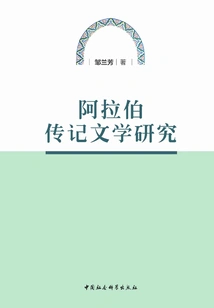
Arabic Biographical Literature Research
Literature阿拉伯传记文学研究
Zou Lanfang
The study of biographical literature is one of the core issues in contemporary humanities academic discussion. "A Study of Arab Biographical Literature" is the first monograph in China that systematically studies Arabic biographical literature. From the perspective of a Chinese scholar, the author clarifies the historical trajectory and general shape of the emergence, development, and evolution of Arab biography\u002F autobiographical literature, explores the overall representation and narrative style of this genre in the historical development process, especially in the modern and contemporary historical and cultural context, analyzes the similarities and differences between Arab biographical literature and Western biographical literature, as well as the cultural, political, religious, linguistic and other factors that cause differences, reflects the Arab national personality and Islamic cultural characteristics, and enriches the research dimension and perspective of biographical literature in China.
The study of biographical literature is one of the core issues in contemporary humanities academic discussion. "A Study of Arab Biographical Literature" is the first monograph in China that systematically studies Arabic biographical literature. From the perspective of a Chinese scholar, the author clarifies the historical trajectory and general shape of the emergence, development, and evolution of Arab biography\u002F autobiographical literature, explores the overall representation and narrative style of this genre in the historical development process, especially in the modern and contemporary historical and cultural context, analyzes the similarities and differences between Arab biographical literature and Western biographical literature, as well as the cultural, political, religious, linguistic and other factors that cause differences, reflects the Arab national personality and Islamic cultural characteristics, and enriches the research dimension and perspective of biographical literature in China.
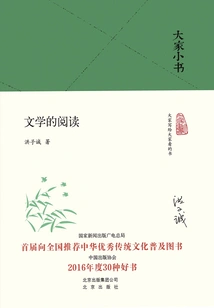
大家小书:文学的阅读
Hong Zicheng
The text in this book is mostly about Mr. Hong Zicheng's feelings after reading some writers' works, but it will extend to the discussion of Mr. Hong Zicheng's environment when reading the works, reading motivation, mood and methods; that is, the question of what kind of relationship the reader establishes with the person he is reading. This is also the reason for the title "Reading of Literature". The anthology includes teacher Hong Zicheng's reading of new poetry, such as Bei Dao, Niu Han, Shang Qin, Zhang Zao, Xu Shixu, Ji Xian, Liang Bingjun, Niu Han, Zhou Mengdie's poetry reading experience, as well as literature reading, such as Ba Jin, Chekhov, The Plague, etc.
The text in this book is mostly about Mr. Hong Zicheng's feelings after reading some writers' works, but it will extend to the discussion of Mr. Hong Zicheng's environment when reading the works, reading motivation, mood and methods; that is, the question of what kind of relationship the reader establishes with the person he is reading. This is also the reason for the title "Reading of Literature". The anthology includes teacher Hong Zicheng's reading of new poetry, such as Bei Dao, Niu Han, Shang Qin, Zhang Zao, Xu Shixu, Ji Xian, Liang Bingjun, Niu Han, Zhou Mengdie's poetry reading experience, as well as literature reading, such as Ba Jin, Chekhov, The Plague, etc.
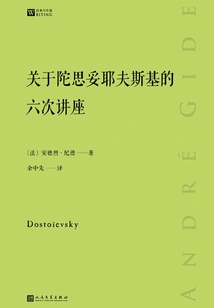
关于陀思妥耶夫斯基的六次讲座(经典写作课)
H
"Six Lectures on Dostoevsky" is a classic work on Dostoevsky by the famous French writer Andre Gide. This book is a collection of six lectures on Dosage Principe given by Gide in 1922. In this series of lectures, Gide's main focus was on how Dostoevsky's thoughts were expressed in a "literary" way. By interpreting Dostoevsky's letters and novel texts, he analyzed Dostoevsky's literary thoughts and artistic style layer by layer. He went deep into the inner world of Dosage and the characters he created, and discovered the main characteristics of Dossier's creations such as the mutual transformation of humility and arrogance and the duality of the characters' thoughts. Gide regarded Dosage as a genius novelist and "the greatest of all writers". His interpretation of Dosage brought a strong French reading experience and at the same time showed readers a healthy mental life. This is a spiritual communication between two great writers across time and space, and it is a precious document for studying Dostoevsky.
"Six Lectures on Dostoevsky" is a classic work on Dostoevsky by the famous French writer Andre Gide. This book is a collection of six lectures on Dosage Principe given by Gide in 1922. In this series of lectures, Gide's main focus was on how Dostoevsky's thoughts were expressed in a "literary" way. By interpreting Dostoevsky's letters and novel texts, he analyzed Dostoevsky's literary thoughts and artistic style layer by layer. He went deep into the inner world of Dosage and the characters he created, and discovered the main characteristics of Dossier's creations such as the mutual transformation of humility and arrogance and the duality of the characters' thoughts. Gide regarded Dosage as a genius novelist and "the greatest of all writers". His interpretation of Dosage brought a strong French reading experience and at the same time showed readers a healthy mental life. This is a spiritual communication between two great writers across time and space, and it is a precious document for studying Dostoevsky.
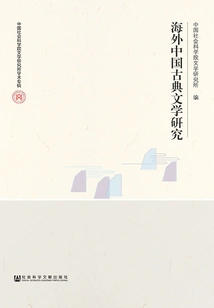
海外中国古典文学研究
Institute Of Literature, Chinese Academy Of Social Sciences
The study of Chinese classical literature is increasingly becoming an international knowledge. A large number of research results accumulated in the past and emerging from foreign academic circles have become an important part of the academic accumulation of classical literature research, which is enough to inspire us. The Department of Literature of the Chinese Academy of Social Sciences has consciously opened up the translation and review of foreign research results on Chinese classical literature, and held the first "Overseas Sinology Classics Review" forum in December 2013. The papers from this forum and the reviews of overseas works, academic history research, academic updates, and scholar interviews accumulated by scholars over the years are now compiled into a collection for the benefit of the academic community.
The study of Chinese classical literature is increasingly becoming an international knowledge. A large number of research results accumulated in the past and emerging from foreign academic circles have become an important part of the academic accumulation of classical literature research, which is enough to inspire us. The Department of Literature of the Chinese Academy of Social Sciences has consciously opened up the translation and review of foreign research results on Chinese classical literature, and held the first "Overseas Sinology Classics Review" forum in December 2013. The papers from this forum and the reviews of overseas works, academic history research, academic updates, and scholar interviews accumulated by scholars over the years are now compiled into a collection for the benefit of the academic community.
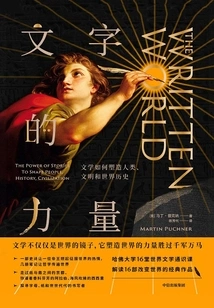
文字的力量:文学如何塑造人类、文明和世界历史
(us)martin Puchner
Literature is not just a mirror of the world, its power to shape the world is greater than thousands of armies. "The Power of Words" selects 16 particularly important classic works from more than 4,000 years of world literature, including "The Iliad", "The Bible", "The Tale of Genji", "One Thousand and One Nights", "The Communist Manifesto", and "Harry Potter", allowing us to see how words shape philosophy, religion, politics and civilization - a heroic legend that urged Alexander to continue Conquest, until the land under his rule was soaked in the color of that legend; the records of a few disobedient students made their teacher's teachings influence billions of people thousands of years later; a thin manifesto completely changed the pattern of the world... With these great works, empires rose and fell, civilizations rose and fell, and history was shaped by the hammer of words into what we see today.
Literature is not just a mirror of the world, its power to shape the world is greater than thousands of armies. "The Power of Words" selects 16 particularly important classic works from more than 4,000 years of world literature, including "The Iliad", "The Bible", "The Tale of Genji", "One Thousand and One Nights", "The Communist Manifesto", and "Harry Potter", allowing us to see how words shape philosophy, religion, politics and civilization - a heroic legend that urged Alexander to continue Conquest, until the land under his rule was soaked in the color of that legend; the records of a few disobedient students made their teacher's teachings influence billions of people thousands of years later; a thin manifesto completely changed the pattern of the world... With these great works, empires rose and fell, civilizations rose and fell, and history was shaped by the hammer of words into what we see today.
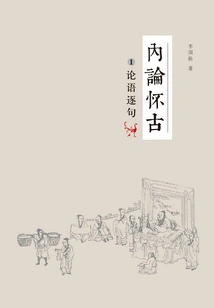
内论怀古:论语逐句
Li Guodong
The Analects of Confucius sentence by sentence is a collection of lectures specially organized and written based on the actual situation of modern society and specifically aimed at the characteristics of the contemporary people who study the Analects of Confucius who have a weak foundation in ancient Chinese and are afraid of learning classics. Suitable for ordinary people to study and use as a reference in life and work.
The Analects of Confucius sentence by sentence is a collection of lectures specially organized and written based on the actual situation of modern society and specifically aimed at the characteristics of the contemporary people who study the Analects of Confucius who have a weak foundation in ancient Chinese and are afraid of learning classics. Suitable for ordinary people to study and use as a reference in life and work.
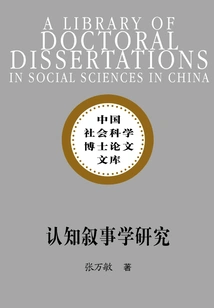
Cognitive Narratology Research
Literature认知叙事学研究
Zhang Wanmin
Cognitive narratology is an emerging interdisciplinary field that combines the concepts and methods of (classical) narratology with those of cognitive psychology, artificial intelligence, cognitive linguistics and other disciplines, aiming to construct a cognitive foundation for narrative processing. It re-examines the main issues of narratology from the perspective of studying readers' cognitive processes and interpretive psychological processes under the influence of textual clues, and attempts to solve the unresolved problems of classic narratology, injecting new vitality and vitality into narrative research that has fallen into silence. At present it has become the most vibrant branch of postclassical narratology. This article takes the psychological narratology of Botrussi and Dixon, the main representatives of the Western cognitive narratology empirical research school, as an example to study cognitive narratology, which is relatively cutting-edge and hot in the West, but is almost a deserted place in our country.
Cognitive narratology is an emerging interdisciplinary field that combines the concepts and methods of (classical) narratology with those of cognitive psychology, artificial intelligence, cognitive linguistics and other disciplines, aiming to construct a cognitive foundation for narrative processing. It re-examines the main issues of narratology from the perspective of studying readers' cognitive processes and interpretive psychological processes under the influence of textual clues, and attempts to solve the unresolved problems of classic narratology, injecting new vitality and vitality into narrative research that has fallen into silence. At present it has become the most vibrant branch of postclassical narratology. This article takes the psychological narratology of Botrussi and Dixon, the main representatives of the Western cognitive narratology empirical research school, as an example to study cognitive narratology, which is relatively cutting-edge and hot in the West, but is almost a deserted place in our country.
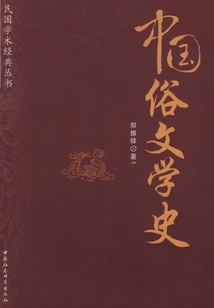
History of Chinese Popular Literature
Literature中国俗文学史
Zheng Zhenduo
"History of Chinese Popular Literature" discusses in the most concise and concise language the status and role of folk oral literature in the history of Chinese literature, its influence in folk customs and the value of its spread. This work is not only unparalleled in its possession of data, but also has its own unique viewpoint, which has never been published before, marking the mature period of his thoughts on folk literature and vulgar literature. This book can complement each other with Wang Guowei's "A Study of Operas of the Song and Yuan Dynasties" and Lu Xun's "A Brief History of Chinese Novels".
"History of Chinese Popular Literature" discusses in the most concise and concise language the status and role of folk oral literature in the history of Chinese literature, its influence in folk customs and the value of its spread. This work is not only unparalleled in its possession of data, but also has its own unique viewpoint, which has never been published before, marking the mature period of his thoughts on folk literature and vulgar literature. This book can complement each other with Wang Guowei's "A Study of Operas of the Song and Yuan Dynasties" and Lu Xun's "A Brief History of Chinese Novels".