Library
Browse and search books
17,591 novels found

K
General FictionK
H
Woolf's masterpiece, a fictional biography of a great androgynous soul, a feminist classic, and a shocking work about "The Second Sex" from a literary perspective. A strange book that influenced Marquez, Borges, and Janet Vincent. The story of "Orlando" begins in the Elizabethan era in the 16th century and ends in the "present day" when Woolf wrote in 1928, lasting four hundred years. Orlando was originally an aristocratic and beautiful boy, innocent and infatuated with poetry. He entered the court because he was favored by the queen. After King James ascends the throne, the Great Frost comes. Orlando encounters a Russian princess and falls in love, but suffers a double betrayal of literature and love. After a fire in Constantinople, Orlando became a woman and first mingled among the Gypsies, then returned to England and became a noble lady of high society. Entering the Victorian era, Orlando had no choice but to compromise with the spirit of the times in order to continue writing. At the end of the story, Orlando is already a prize-winning poet in the 20th century. She returns to the mansion that runs throughout the book and comes under the big oak tree to review her eternal pursuit of literature and poetry.
Woolf's masterpiece, a fictional biography of a great androgynous soul, a feminist classic, and a shocking work about "The Second Sex" from a literary perspective. A strange book that influenced Marquez, Borges, and Janet Vincent. The story of "Orlando" begins in the Elizabethan era in the 16th century and ends in the "present day" when Woolf wrote in 1928, lasting four hundred years. Orlando was originally an aristocratic and beautiful boy, innocent and infatuated with poetry. He entered the court because he was favored by the queen. After King James ascends the throne, the Great Frost comes. Orlando encounters a Russian princess and falls in love, but suffers a double betrayal of literature and love. After a fire in Constantinople, Orlando became a woman and first mingled among the Gypsies, then returned to England and became a noble lady of high society. Entering the Victorian era, Orlando had no choice but to compromise with the spirit of the times in order to continue writing. At the end of the story, Orlando is already a prize-winning poet in the 20th century. She returns to the mansion that runs throughout the book and comes under the big oak tree to review her eternal pursuit of literature and poetry.
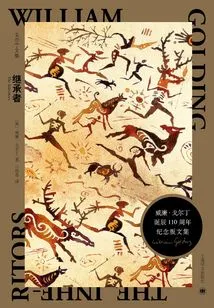
The Successors (collected Works of Golding)
General Fiction继承者(戈尔丁文集)
H
Golding, the winner of the Nobel Prize for Literature, is another masterpiece that explores the darkness of human nature after "Lord of the Flies". The subject matter of the novel focuses on primitive humans, using the perspective of prehistoric Neanderthals to witness the conflict between Neanderthals and Homo sapiens - a profound reflection on the inheritance of human civilization. Nobel Prize winner William Golding considers his most successful work to be even more profound in theme than "Lord of the Flies". The novel tells the story of the arrival of spring, when a small group of primitive Neanderthals returned to their familiar habitat as in previous years. But this year, strange things happened - mysterious sounds and smells, unexplainable acts of violence, and looming, unimaginable creatures hiding behind the leaves. These Neanderthals, their life or death was uncertain, their world hung in the balance. Through their eyes, the story explores the emergence of a new race - ourselves, Homo sapiens - and the catastrophe it brings to ancient races as its dominance continues to strengthen. At the end of the novel, Homo sapiens snatched away a Neanderthal baby, leaving a glimmer of hope that Neanderthals and Homo sapiens once thrived together. The great thing about "The Heirs" is that Golding created a language to express Neanderthals, leading readers to see everything from a Neanderthal perspective, enter the interior of a life, and experience its various senses. At the same time, Golding uses plain, cold and simple language to describe the most solemn cruelty and pain in the world. The progress of human civilization has to pay such a cruel, bloody and moral degradation price.
Golding, the winner of the Nobel Prize for Literature, is another masterpiece that explores the darkness of human nature after "Lord of the Flies". The subject matter of the novel focuses on primitive humans, using the perspective of prehistoric Neanderthals to witness the conflict between Neanderthals and Homo sapiens - a profound reflection on the inheritance of human civilization. Nobel Prize winner William Golding considers his most successful work to be even more profound in theme than "Lord of the Flies". The novel tells the story of the arrival of spring, when a small group of primitive Neanderthals returned to their familiar habitat as in previous years. But this year, strange things happened - mysterious sounds and smells, unexplainable acts of violence, and looming, unimaginable creatures hiding behind the leaves. These Neanderthals, their life or death was uncertain, their world hung in the balance. Through their eyes, the story explores the emergence of a new race - ourselves, Homo sapiens - and the catastrophe it brings to ancient races as its dominance continues to strengthen. At the end of the novel, Homo sapiens snatched away a Neanderthal baby, leaving a glimmer of hope that Neanderthals and Homo sapiens once thrived together. The great thing about "The Heirs" is that Golding created a language to express Neanderthals, leading readers to see everything from a Neanderthal perspective, enter the interior of a life, and experience its various senses. At the same time, Golding uses plain, cold and simple language to describe the most solemn cruelty and pain in the world. The progress of human civilization has to pay such a cruel, bloody and moral degradation price.
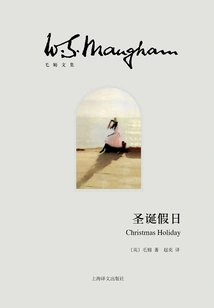
Christmas Holiday (collected Works of Maugham)
General Fiction圣诞假日(毛姆文集)
H
Maugham's masterpiece in the middle of his creative career is hailed as one of his best works, and was praised by Borges as "using a magical pen to fully exert his imagination and combination ability." When he was twenty-three years old, Charlie Mason went to Paris alone for the Christmas holiday, intending to have some fun. Introduced by his childhood friend Simon Fenimo, he met Lydia, a Russian girl with a bizarre and tragic life experience. Lydia's husband killed someone, but she chose to sell herself in a brothel to atone for her husband's sin. In the past few days when the two got together, Lydia explained a lot to Charlie, but he still couldn't understand her behavior. After returning to London, Charlie felt empty and lost. Only one thing happened to the Christmas holiday he had longed for: his world collapsed. "Christmas Vacation" is Maugham's masterpiece in the middle of his creative career and is known as one of his best works. The novel is extremely skillful in character creation. Concepts such as life, art, love, politics, and suffering are all cleverly integrated into the characters' personalities. As Borges said: "This book has many delicate descriptions of scenes and language. Maugham used a magical pen to fully exert his imagination and combination ability."
Maugham's masterpiece in the middle of his creative career is hailed as one of his best works, and was praised by Borges as "using a magical pen to fully exert his imagination and combination ability." When he was twenty-three years old, Charlie Mason went to Paris alone for the Christmas holiday, intending to have some fun. Introduced by his childhood friend Simon Fenimo, he met Lydia, a Russian girl with a bizarre and tragic life experience. Lydia's husband killed someone, but she chose to sell herself in a brothel to atone for her husband's sin. In the past few days when the two got together, Lydia explained a lot to Charlie, but he still couldn't understand her behavior. After returning to London, Charlie felt empty and lost. Only one thing happened to the Christmas holiday he had longed for: his world collapsed. "Christmas Vacation" is Maugham's masterpiece in the middle of his creative career and is known as one of his best works. The novel is extremely skillful in character creation. Concepts such as life, art, love, politics, and suffering are all cleverly integrated into the characters' personalities. As Borges said: "This book has many delicate descriptions of scenes and language. Maugham used a magical pen to fully exert his imagination and combination ability."

Girl, Woman, Other
General Fiction女孩,女人,其他
R
The 2019 Booker Prize-winning work, a talented and sharp-edged masterpiece of contemporary literary realism, has a stunning Chinese version. In a polyphonic way, it narrates the twelve very different adventurous lives of twelve British women who lived in different eras and had different skin colors, personalities and careers. "Girls, Women, Others" is the winning work of the 2019 British Booker Prize. It majesticly depicts a group portrait of black British women: from avant-garde playwrights, to serious and conservative school teachers, to non-binary social media celebrities, they are diverse and full of vitality. Their speeches are precise and dazzling, but they are often ignored by society. This book records all of this in a unique and progressive creative style. The strong realistic style, combined with free verse language, vividly outlines the survival difficulties faced by women in the past century, as well as their breathtaking courage and strength.
The 2019 Booker Prize-winning work, a talented and sharp-edged masterpiece of contemporary literary realism, has a stunning Chinese version. In a polyphonic way, it narrates the twelve very different adventurous lives of twelve British women who lived in different eras and had different skin colors, personalities and careers. "Girls, Women, Others" is the winning work of the 2019 British Booker Prize. It majesticly depicts a group portrait of black British women: from avant-garde playwrights, to serious and conservative school teachers, to non-binary social media celebrities, they are diverse and full of vitality. Their speeches are precise and dazzling, but they are often ignored by society. This book records all of this in a unique and progressive creative style. The strong realistic style, combined with free verse language, vividly outlines the survival difficulties faced by women in the past century, as well as their breathtaking courage and strength.

Living in a Corner (collected Works of Maugham)
General Fiction偏居一隅(毛姆文集)
(british) Maugham
A maritime novel full of passion, adventure and conspiracy, Dr. Sanders in "On the Chinese Screen" and Captain Nichols in "The Moon and Sixpence" meet at sea, creating a tragic comedy of human nature that is full of dangers. "What do you believe?" "You really want to know? I don't believe in anything, except myself and my experience. The world is made up of me, my thoughts, and my feelings; everything else is just fantasy." The characters in the novel are all kinds of strange, they just appear, take root and grow in your heart, and gradually acquire appropriate characteristics and place themselves in specific scenes. You think about them from time to time, and sometimes you become so obsessed with them that you can't think of anything else, and then you just write them out so they don't bother you anymore. --Maugham
A maritime novel full of passion, adventure and conspiracy, Dr. Sanders in "On the Chinese Screen" and Captain Nichols in "The Moon and Sixpence" meet at sea, creating a tragic comedy of human nature that is full of dangers. "What do you believe?" "You really want to know? I don't believe in anything, except myself and my experience. The world is made up of me, my thoughts, and my feelings; everything else is just fantasy." The characters in the novel are all kinds of strange, they just appear, take root and grow in your heart, and gradually acquire appropriate characteristics and place themselves in specific scenes. You think about them from time to time, and sometimes you become so obsessed with them that you can't think of anything else, and then you just write them out so they don't bother you anymore. --Maugham

普通读者(伍尔夫文集)
H
Woolf's selection of literary criticism is sharp and profound, and the words are full of interest and wisdom, giving people rich inspiration. Mr. Qu Shijing's classic translation, the new edition includes two newly translated excellent works, and is accompanied by the translator's long article "Virginia Woolf's Novel Theory". Woolf was not only accomplished in novel creation, but also a keen-eyed critic. This book is a selection of her literary criticism, including two volumes of "The Common Reader" and representative works from other anthologies. In these twenty wonderful articles, the author discusses her views on the works of famous writers such as Austen, Conrad, Hardy, Lawrence, Forster, etc. The writing style is sharp and profound, and the words are full of interest and wisdom, giving people rich enlightenment.
Woolf's selection of literary criticism is sharp and profound, and the words are full of interest and wisdom, giving people rich inspiration. Mr. Qu Shijing's classic translation, the new edition includes two newly translated excellent works, and is accompanied by the translator's long article "Virginia Woolf's Novel Theory". Woolf was not only accomplished in novel creation, but also a keen-eyed critic. This book is a selection of her literary criticism, including two volumes of "The Common Reader" and representative works from other anthologies. In these twenty wonderful articles, the author discusses her views on the works of famous writers such as Austen, Conrad, Hardy, Lawrence, Forster, etc. The writing style is sharp and profound, and the words are full of interest and wisdom, giving people rich enlightenment.

Don't Lose, Don't Forget (translation Classic)
General Fiction莫失莫忘(译文经典)
H
Nobel Prize winner Kazuo Ishiguro's most touching science fiction novel to date has been selected into Douban's top 10 science fiction novels! "1984" Is a film in the era of bioengineering. Through the memories of human clones and layers of suspense, it shows turbulent and powerful emotions and reflects on the meaning of life. "Never Lose, Never Forget" is one of the masterpieces of Kazuo Ishiguro, the winner of the 2017 Nobel Prize for Literature. In Hailsham School, deep in the English countryside, three good friends, Kathy, Ruth and Tommy, grew up here. They were carefully cared for by their tutors and received a good education in poetry and art. However, Hailsham, which seems like a paradise, hides many secrets. After the three Caseys grew up, they gradually discovered that the beautiful growth process in their memories was full of confusion and terrifying questions that could not be traced... "Don't Lose, Never Forget" is a science fiction novel with a dystopian color. It was shortlisted for the 2005 Booker Prize and the American Book Critics Circle Award. It was remade into a movie of the same name in 2010, starring British actress Keira Knightley. It was remade into a 10-episode Japanese drama in 2016, starring Haruka Ayase and Haruma Miura.
Nobel Prize winner Kazuo Ishiguro's most touching science fiction novel to date has been selected into Douban's top 10 science fiction novels! "1984" Is a film in the era of bioengineering. Through the memories of human clones and layers of suspense, it shows turbulent and powerful emotions and reflects on the meaning of life. "Never Lose, Never Forget" is one of the masterpieces of Kazuo Ishiguro, the winner of the 2017 Nobel Prize for Literature. In Hailsham School, deep in the English countryside, three good friends, Kathy, Ruth and Tommy, grew up here. They were carefully cared for by their tutors and received a good education in poetry and art. However, Hailsham, which seems like a paradise, hides many secrets. After the three Caseys grew up, they gradually discovered that the beautiful growth process in their memories was full of confusion and terrifying questions that could not be traced... "Don't Lose, Never Forget" is a science fiction novel with a dystopian color. It was shortlisted for the 2005 Booker Prize and the American Book Critics Circle Award. It was remade into a movie of the same name in 2010, starring British actress Keira Knightley. It was remade into a 10-episode Japanese drama in 2016, starring Haruka Ayase and Haruma Miura.

关于下北泽(吉本芭娜娜作品系列)
H
"About Shimokitazawa" is a companion piece to "Hey Shimokitazawa" ten years later. It contains nineteen life essays that heal the soul and describes the humane Shimokitazawa. "About Shimokitazawa" is a collection of essays by Banana Yoshimoto, which contains nineteen short essays. Banana Yoshimoto used her unique sensitivity and sensibility to talk about life in Shimokitazawa, while expressing her calm outlook on life and values. Shimokitazawa in Tokyo is one of the most popular neighborhoods in Japan among young people, but for Banana Yoshimoto, it is a place full of unforgettable memories. The author uses plain language to describe the opportunities and various stories of living in Shimokitazawa. The intertwining of life and memories allows readers to experience Shimokitazawa, which is different from their impressions and full of humaneness.
"About Shimokitazawa" is a companion piece to "Hey Shimokitazawa" ten years later. It contains nineteen life essays that heal the soul and describes the humane Shimokitazawa. "About Shimokitazawa" is a collection of essays by Banana Yoshimoto, which contains nineteen short essays. Banana Yoshimoto used her unique sensitivity and sensibility to talk about life in Shimokitazawa, while expressing her calm outlook on life and values. Shimokitazawa in Tokyo is one of the most popular neighborhoods in Japan among young people, but for Banana Yoshimoto, it is a place full of unforgettable memories. The author uses plain language to describe the opportunities and various stories of living in Shimokitazawa. The intertwining of life and memories allows readers to experience Shimokitazawa, which is different from their impressions and full of humaneness.

Golden Death (series by Junichiro Tanizaki)
General Fiction金色之死(谷崎润一郎作品系列)
H
Translated and published for the first time in the Chinese world, it is the ultimate embodiment of artistic supremacy, a lifelong pursuit of the beauty of the human body, and a gorgeous death that achieves true art! "Golden Death" is an early collection of representative short stories by Junichiro Tanizaki. Composed of two novels, "Killing A-yan" and "The Golden Death", "Killing A-yan" tells the story of a man and woman who eloped, Xinzhu and A-yan, living absurdly and discovering that violence can bring pleasure. Later, when A-yan fell in love with another girl, Xinzhu killed her. "Golden Death" tells the story of "my" boyhood friend Okamura, who pursues the beauty of the human body, creates art with living people in Hakone many years later, covers his body with gold foil, and dies suddenly at the moment when he reaches the peak of joy. These two works by Tanizaki Junichiro are shocking and depict the beauty of the senses. This is how he got the name of "Devil" in his early days. They attracted the attention of the literary world at that time. Mishima Yukio once said that he was greatly shocked after reading them.
Translated and published for the first time in the Chinese world, it is the ultimate embodiment of artistic supremacy, a lifelong pursuit of the beauty of the human body, and a gorgeous death that achieves true art! "Golden Death" is an early collection of representative short stories by Junichiro Tanizaki. Composed of two novels, "Killing A-yan" and "The Golden Death", "Killing A-yan" tells the story of a man and woman who eloped, Xinzhu and A-yan, living absurdly and discovering that violence can bring pleasure. Later, when A-yan fell in love with another girl, Xinzhu killed her. "Golden Death" tells the story of "my" boyhood friend Okamura, who pursues the beauty of the human body, creates art with living people in Hakone many years later, covers his body with gold foil, and dies suddenly at the moment when he reaches the peak of joy. These two works by Tanizaki Junichiro are shocking and depict the beauty of the senses. This is how he got the name of "Devil" in his early days. They attracted the attention of the literary world at that time. Mishima Yukio once said that he was greatly shocked after reading them.

Z
LiteratureZ
H
Woolf's famous work is the foundation of stream-of-consciousness novels. It has many innovations in subject matter, style and writing methods. Woolf created an eternal classic with her keen perception of the moment. "Mrs. Dalloway" was published in 1925 and is known as the foundation of the stream of consciousness novel. The novel describes a day in the life of the heroine Clarissa Dalloway, detailing her preparations for a dinner party held at home. However, what readers see is not just Mrs. Dalloway's activities in a day, but her temperament, her encounters, and her relationship with her family and friends. The characters' memories and the transformation of time and space are intertwined and interpenetrated, falling like raindrops in colorful colors, making us unconsciously empathize with each other, and the picture of Mrs. Dalloway's life is slowly unfolding before our eyes.
Woolf's famous work is the foundation of stream-of-consciousness novels. It has many innovations in subject matter, style and writing methods. Woolf created an eternal classic with her keen perception of the moment. "Mrs. Dalloway" was published in 1925 and is known as the foundation of the stream of consciousness novel. The novel describes a day in the life of the heroine Clarissa Dalloway, detailing her preparations for a dinner party held at home. However, what readers see is not just Mrs. Dalloway's activities in a day, but her temperament, her encounters, and her relationship with her family and friends. The characters' memories and the transformation of time and space are intertwined and interpenetrated, falling like raindrops in colorful colors, making us unconsciously empathize with each other, and the picture of Mrs. Dalloway's life is slowly unfolding before our eyes.

Ag
General Fictionag
H
Woolf's representative work is also a representative work of stream-of-consciousness writing. It has a profound impact on the history of literature. It uses rich and exquisite literary techniques and is full of artistic color. Mr. Qu Shijing's classic translation. "To the Lighthouse" is a work written by Woolf in 1927. It is a quasi-autobiographical stream-of-consciousness novel that has a profound influence on the history of literature. The novel describes the life of Professor Ramsay's family and a few close friends on vacation on a Scottish island after the First World War. In this novel with a very simple plot, the author explores the meaning of life and the nature of the self, pointing out that it is possible for the self to escape the clutches of the endless passage of time and survive forever despite the threat of death. The light at the top of the lighthouse symbolizes the light of Mrs. Ramsay's soul. This book's use of literary techniques is rich and exquisite. Whether it is psychological description, perspective switching, or stream of consciousness techniques, they are all full of artistic color and are amazing to read.
Woolf's representative work is also a representative work of stream-of-consciousness writing. It has a profound impact on the history of literature. It uses rich and exquisite literary techniques and is full of artistic color. Mr. Qu Shijing's classic translation. "To the Lighthouse" is a work written by Woolf in 1927. It is a quasi-autobiographical stream-of-consciousness novel that has a profound influence on the history of literature. The novel describes the life of Professor Ramsay's family and a few close friends on vacation on a Scottish island after the First World War. In this novel with a very simple plot, the author explores the meaning of life and the nature of the self, pointing out that it is possible for the self to escape the clutches of the endless passage of time and survive forever despite the threat of death. The light at the top of the lighthouse symbolizes the light of Mrs. Ramsay's soul. This book's use of literary techniques is rich and exquisite. Whether it is psychological description, perspective switching, or stream of consciousness techniques, they are all full of artistic color and are amazing to read.
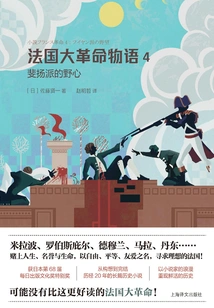
Story of the French Revolution 4: the Feuillant Ambition
General Fiction法国大革命物语4:斐扬派的野心
J
The winning work of Japan's 68th Mainichi Publication Culture Award Special Prize, with the rigor of a historian and the romance of a novelist, reproduces the turmoil of France in the 18th century. From conception to completion, it took 20 years for a full-length historical novel to read. There may be no more readable French Revolution than this! Mirabeau, Robespierre, Desmoulins, Marat, Danton... Risked their lives, reputations and lives to pursue the ideal France in the name of freedom, equality and friendship! The king's flight ended at Varennes. On June 25, 1791, Louis XVI and his family were "invited" back to Paris. From then on, the royal family lost the support of the people and lost its majesty. Disputes arose among the Jacobins over the handling of the escape. On July 16, the Constitutional Monarchists broke away from the Jacobin Club and established the Feillant Club. On July 17, thousands of citizens gathered in the Champ de Mars to petition for the deposed Louis XVI. The National Constituent Assembly, which was supposed to represent the French people, used force to disperse the gathering, leading to the tragedy of the massacre at the Champ de Mars. At the same time, the exiled nobles are taking action, European countries intend to interfere in the French Revolution, and war is about to break out. With internal differences over the direction of reform and constant external pressure on the French revolution, where will France go?
The winning work of Japan's 68th Mainichi Publication Culture Award Special Prize, with the rigor of a historian and the romance of a novelist, reproduces the turmoil of France in the 18th century. From conception to completion, it took 20 years for a full-length historical novel to read. There may be no more readable French Revolution than this! Mirabeau, Robespierre, Desmoulins, Marat, Danton... Risked their lives, reputations and lives to pursue the ideal France in the name of freedom, equality and friendship! The king's flight ended at Varennes. On June 25, 1791, Louis XVI and his family were "invited" back to Paris. From then on, the royal family lost the support of the people and lost its majesty. Disputes arose among the Jacobins over the handling of the escape. On July 16, the Constitutional Monarchists broke away from the Jacobin Club and established the Feillant Club. On July 17, thousands of citizens gathered in the Champ de Mars to petition for the deposed Louis XVI. The National Constituent Assembly, which was supposed to represent the French people, used force to disperse the gathering, leading to the tragedy of the massacre at the Champ de Mars. At the same time, the exiled nobles are taking action, European countries intend to interfere in the French Revolution, and war is about to break out. With internal differences over the direction of reform and constant external pressure on the French revolution, where will France go?

Spring Snow (work Series by Mishima Yukio)
General Fiction春雪(三岛由纪夫作品系列)
H
"I write every work as a posthumous work." Mishima Yukio's final posthumous work, Mishima's "dynastic love novel," was praised by Kawabata as "the sublimation of the author's brilliant talent." It is a love tragedy in the palace that is as fleeting as the snow in spring. It is a poignant love story between aristocratic young people during the Taisho period. Men and women who love each other are not recognized by society, and eventually part ways. This book describes the intricate love entanglement between Kiyoaki and Satoko during the Taisho period of Japan. Kiyoaki and Satoko, who were born into noble families, have been childhood sweethearts and have loved each other since childhood. However, Kiyoaki's admiration for Satoko was pregnant with an uneasy feeling. Satoko failed to grasp his feelings and had to accept the emperor's order and became engaged to Prince Harunori. At this time, Kiyoaki realized the unforgettable love for Satoko deep in his heart, and kept in touch with Satoko through his friend Honda, and courted Satoko. Satoko had a relationship with Kiyoaki in confusion. After Satoko became pregnant, her parents knew the truth and felt that the disaster was coming. So Satoko could only go to another place to have a secret abortion under the pressure of her family. After the abortion, Satoko saw through the mortal world and became a nun privately. Qingxian went to the temple in the snow to see Satoko, but Satoko declined, and passed away in depression at the age of twenty.
"I write every work as a posthumous work." Mishima Yukio's final posthumous work, Mishima's "dynastic love novel," was praised by Kawabata as "the sublimation of the author's brilliant talent." It is a love tragedy in the palace that is as fleeting as the snow in spring. It is a poignant love story between aristocratic young people during the Taisho period. Men and women who love each other are not recognized by society, and eventually part ways. This book describes the intricate love entanglement between Kiyoaki and Satoko during the Taisho period of Japan. Kiyoaki and Satoko, who were born into noble families, have been childhood sweethearts and have loved each other since childhood. However, Kiyoaki's admiration for Satoko was pregnant with an uneasy feeling. Satoko failed to grasp his feelings and had to accept the emperor's order and became engaged to Prince Harunori. At this time, Kiyoaki realized the unforgettable love for Satoko deep in his heart, and kept in touch with Satoko through his friend Honda, and courted Satoko. Satoko had a relationship with Kiyoaki in confusion. After Satoko became pregnant, her parents knew the truth and felt that the disaster was coming. So Satoko could only go to another place to have a secret abortion under the pressure of her family. After the abortion, Satoko saw through the mortal world and became a nun privately. Qingxian went to the temple in the snow to see Satoko, but Satoko declined, and passed away in depression at the age of twenty.

Key (series by Junichiro Tanizaki)
General Fiction钥匙(谷崎润一郎作品系列)
H
Junichiro Tanizaki's demonic aesthetic masterpiece, a key opens the door of desire, the secret and tortuous love relationship between the sexes, and the undercurrent of an oriental family... "The Key" is a masterpiece by Japanese writer Junichiro Tanizaki. The text is based on the diaries of a middle-aged couple. It is equivalent to a record of a couple's life from a dual perspective. The privacy, speculation, inducement, and secret fighting between the couple, through the four-corner relationship joined by the daughter and the prospective son-in-law, finally lead to the conspiratorial ending of the husband's death due to stimulation. This diary-style novel is a plot designed for desire written by Junichiro Tanizaki in the 1950s. It has become a classic work depicting human desires. It is unique in terms of subject matter, structure, and dramatic tension of novel art.
Junichiro Tanizaki's demonic aesthetic masterpiece, a key opens the door of desire, the secret and tortuous love relationship between the sexes, and the undercurrent of an oriental family... "The Key" is a masterpiece by Japanese writer Junichiro Tanizaki. The text is based on the diaries of a middle-aged couple. It is equivalent to a record of a couple's life from a dual perspective. The privacy, speculation, inducement, and secret fighting between the couple, through the four-corner relationship joined by the daughter and the prospective son-in-law, finally lead to the conspiratorial ending of the husband's death due to stimulation. This diary-style novel is a plot designed for desire written by Junichiro Tanizaki in the 1950s. It has become a classic work depicting human desires. It is unique in terms of subject matter, structure, and dramatic tension of novel art.

Heroes and Graves
General Fiction英雄与坟墓
Ae
The Argentine literary giant who rivaled Borges is the last Argentine peak in Latin America's "literary explosion"! The novel "Heroes and Graves" was first published in 1961 and was a milestone in the literary career of the famous Argentine writer Ernesto Salvatore. Salvatore wrote a lot of works throughout his life, but his novels only included the "Trilogy of Psychological Novels". The content of the three works ("The Tunnel", "The Hero and the Tomb" and "Abaddon the Destroyer") are nested in each other, and each of them can be called a classic. Among them, "The Hero and the Tomb" has the highest literary and artistic achievements. "Heroes and Graves" is hailed as the best Argentine novel of the 20th century and one of the greatest Spanish-language literary works of all time. It adopts a multi-line parallel narrative technique. In addition to the twists and turns of sadomasochism in which Alejandra and Martin met, fell in love, and fell in love with each other, the cruel struggle between General Lavalle and the dictator Rosas, and the tragic process of finally escaping to Bolivia, the book also intersperses the author's knowledge of literature, art, science, philosophy, psychology, etc., Showing the author's extensive reading interests and profound knowledge. The entire work is all-encompassing in content and intricate in structure, fully embodying the author's worldview and literary outlook, and has extremely high literary and artistic value.
The Argentine literary giant who rivaled Borges is the last Argentine peak in Latin America's "literary explosion"! The novel "Heroes and Graves" was first published in 1961 and was a milestone in the literary career of the famous Argentine writer Ernesto Salvatore. Salvatore wrote a lot of works throughout his life, but his novels only included the "Trilogy of Psychological Novels". The content of the three works ("The Tunnel", "The Hero and the Tomb" and "Abaddon the Destroyer") are nested in each other, and each of them can be called a classic. Among them, "The Hero and the Tomb" has the highest literary and artistic achievements. "Heroes and Graves" is hailed as the best Argentine novel of the 20th century and one of the greatest Spanish-language literary works of all time. It adopts a multi-line parallel narrative technique. In addition to the twists and turns of sadomasochism in which Alejandra and Martin met, fell in love, and fell in love with each other, the cruel struggle between General Lavalle and the dictator Rosas, and the tragic process of finally escaping to Bolivia, the book also intersperses the author's knowledge of literature, art, science, philosophy, psychology, etc., Showing the author's extensive reading interests and profound knowledge. The entire work is all-encompassing in content and intricate in structure, fully embodying the author's worldview and literary outlook, and has extremely high literary and artistic value.
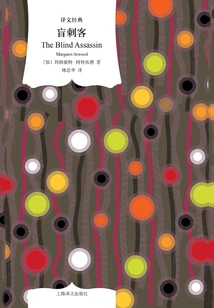
The Blind Assassin (translation Classic)
General Fiction盲刺客(译文经典)
H
Margaret Atwood, the author of "The Handmaid's Tale" is a representative work, and Ferrante, the author of "My Brilliant Girlfriend", recommends a must-read list for women. "The Blind Assassin" is Atwood's novel published in 2000. It was also her first work to win the Booker Prize. She had been shortlisted three times before and finally won the award for this book. The novel is grand in length, ingenious in conception, and skillful in writing techniques. It is a landmark work in which Atwood's personal creation has entered a mature stage. The novel tells the story of the different encounters of two women in the Chase family. Through layers of nested narratives, in the interweaving of fiction and reality, it gradually reveals the truth that has been obscured by memories. It also reveals the complex inner world of women in modern society and their very different moods when facing the male-dominated external world. At the same time, the writer uses these cyclical narrative voices to skillfully switch between a variety of seemingly disparate literary styles, boldly expanding the narrative mode of the novel, and constantly breaking through the boundaries of imagination. The novel's psychological and emotional descriptions of the characters are detailed and in-depth, and its narrative language is full of poetry and beauty. It is ultimately presented as a rare masterpiece.
Margaret Atwood, the author of "The Handmaid's Tale" is a representative work, and Ferrante, the author of "My Brilliant Girlfriend", recommends a must-read list for women. "The Blind Assassin" is Atwood's novel published in 2000. It was also her first work to win the Booker Prize. She had been shortlisted three times before and finally won the award for this book. The novel is grand in length, ingenious in conception, and skillful in writing techniques. It is a landmark work in which Atwood's personal creation has entered a mature stage. The novel tells the story of the different encounters of two women in the Chase family. Through layers of nested narratives, in the interweaving of fiction and reality, it gradually reveals the truth that has been obscured by memories. It also reveals the complex inner world of women in modern society and their very different moods when facing the male-dominated external world. At the same time, the writer uses these cyclical narrative voices to skillfully switch between a variety of seemingly disparate literary styles, boldly expanding the narrative mode of the novel, and constantly breaking through the boundaries of imagination. The novel's psychological and emotional descriptions of the characters are detailed and in-depth, and its narrative language is full of poetry and beauty. It is ultimately presented as a rare masterpiece.

Special Topics on Translation Documentary: True Crimes·volume 1 (set of 10 Volumes in Total)
Literature译文纪实特别专题:真实罪案·第一辑(套装共10册)
E
"Translation Documentary Special Topic: True Crimes Volume 1" is a set of 10 volumes, which includes a total of 10 crime documentary works in the first volume of the "Translation Documentary" sub-series "True Crime" of Shanghai Translation Publishing House's non-fiction ace book series, with an average score of 8.1 On Douban: "The Year of Evil", "Tokyo Vice", "Human Trade", "Criminal Defender", "Fabrication", "Lie", "The Erased Family", "Fatal Lover", "Top Unsolved Cases", "Heart" "The Detective", from street battlefields to court debates, from human body trafficking to domestic violence, from "witch hunt" unjust cases to the "perfect victim" theory, from investigative reporters' life-and-death records to FBI profilers' detailed analysis of the confrontation with the serial killer of the century... The truth is more than just curiosity. Here, we can see the persistence of the truth, the questioning of human nature, the exploration of justice, the respect for individuals, the loyalty to self, and the persistence of the bottom line.
"Translation Documentary Special Topic: True Crimes Volume 1" is a set of 10 volumes, which includes a total of 10 crime documentary works in the first volume of the "Translation Documentary" sub-series "True Crime" of Shanghai Translation Publishing House's non-fiction ace book series, with an average score of 8.1 On Douban: "The Year of Evil", "Tokyo Vice", "Human Trade", "Criminal Defender", "Fabrication", "Lie", "The Erased Family", "Fatal Lover", "Top Unsolved Cases", "Heart" "The Detective", from street battlefields to court debates, from human body trafficking to domestic violence, from "witch hunt" unjust cases to the "perfect victim" theory, from investigative reporters' life-and-death records to FBI profilers' detailed analysis of the confrontation with the serial killer of the century... The truth is more than just curiosity. Here, we can see the persistence of the truth, the questioning of human nature, the exploration of justice, the respect for individuals, the loyalty to self, and the persistence of the bottom line.

阿兰·德波顿作品全集(套装共14册)
H
Many confusions in life can be answered here. The world's best-selling author x lifestyle leader x speaker Alain de Botton has long been on the best-seller list in Europe and the United States. With an average Douban score of over 8.0, It captures the essence of philosophy, art, politics, and literature to relieve confusion in life, love, psychology, and work. This set includes "Love Notes", "Falling in Love with Romance", "Kiss and Tell", "Embracing the Lost Time", "The Comfort of Philosophy", "The Art of Travel", "Identity Anxiety", "The Charm of Boring", "The Architecture of Happiness", "Myths of Work", "Small Trips in the Airport", "Letter to Atheists", "The Turmoil of the News" and "The Evolution of Love", a total of 14 volumes.
Many confusions in life can be answered here. The world's best-selling author x lifestyle leader x speaker Alain de Botton has long been on the best-seller list in Europe and the United States. With an average Douban score of over 8.0, It captures the essence of philosophy, art, politics, and literature to relieve confusion in life, love, psychology, and work. This set includes "Love Notes", "Falling in Love with Romance", "Kiss and Tell", "Embracing the Lost Time", "The Comfort of Philosophy", "The Art of Travel", "Identity Anxiety", "The Charm of Boring", "The Architecture of Happiness", "Myths of Work", "Small Trips in the Airport", "Letter to Atheists", "The Turmoil of the News" and "The Evolution of Love", a total of 14 volumes.

大家写给大家的经典神话书系(套装共五册)
Aj
There are 5 volumes in the series, representing 5 brilliant civilizations of mankind. "Irish Celtic Myths (Master Illustrated Edition)": The ten classic Irish myths in this book unfold to us a grand picture of the human world and the alien world. We will follow Tuan to the uninhabited Ireland, witness the thrilling fight between the Fiona warriors and the witches, feel Finn's endless sorrow after losing his lover, and touch the ancient pulse of the Celtic nation. "Hawthorne's Greek Myths (Illustrated Edition of Color Prints)": A collection of two Greek mythology stories written by Hawthorne, the author of "The Scarlet Letter": the AWonder-Book for Boys and Girls in 1851 and the Tanglewood Tales published in 1853, two-in-one, including twelve popular classic Greek mythology stories. "The Legend of Nordic Viking Heroes (Master Illustrated Edition)": shows the ancient Nordic heroic era, with vivid characters and full of hope. The admiration of brave maritime plunder, the noble mind that values honor, and the loyal belief in love are things that flow in the blood of the Vikings. These raw, rough and resolute stories are worthy of tribute by people of every era. "Indian Mythical Stories (Classic Illustrated Edition)": In this book, a "storyteller" tells what happened when the world was first born, when people and animals lived in harmony and the earth was full of magical power. It reflects people's reverence for nature, yearning for people who dare to challenge nature, and respect for self-pursuit. From it, you can feel the unique cultural atmosphere of the Indians. "Japanese Myths and Legends (Goble's Illustrated Edition)": There is the familiar folk tale "Momotaro", which also tells the origin myth of Japan, and there are also legends similar to the Cowherd and the Weaver Girl, and the nine-tailed fox Daji. The story is filled with the sadness of lovers not being able to stay together, the sadness of things changing and people being different, and the detachment towards death, presenting a world that is more magnificent and wonderful than "Onmyoji".
There are 5 volumes in the series, representing 5 brilliant civilizations of mankind. "Irish Celtic Myths (Master Illustrated Edition)": The ten classic Irish myths in this book unfold to us a grand picture of the human world and the alien world. We will follow Tuan to the uninhabited Ireland, witness the thrilling fight between the Fiona warriors and the witches, feel Finn's endless sorrow after losing his lover, and touch the ancient pulse of the Celtic nation. "Hawthorne's Greek Myths (Illustrated Edition of Color Prints)": A collection of two Greek mythology stories written by Hawthorne, the author of "The Scarlet Letter": the AWonder-Book for Boys and Girls in 1851 and the Tanglewood Tales published in 1853, two-in-one, including twelve popular classic Greek mythology stories. "The Legend of Nordic Viking Heroes (Master Illustrated Edition)": shows the ancient Nordic heroic era, with vivid characters and full of hope. The admiration of brave maritime plunder, the noble mind that values honor, and the loyal belief in love are things that flow in the blood of the Vikings. These raw, rough and resolute stories are worthy of tribute by people of every era. "Indian Mythical Stories (Classic Illustrated Edition)": In this book, a "storyteller" tells what happened when the world was first born, when people and animals lived in harmony and the earth was full of magical power. It reflects people's reverence for nature, yearning for people who dare to challenge nature, and respect for self-pursuit. From it, you can feel the unique cultural atmosphere of the Indians. "Japanese Myths and Legends (Goble's Illustrated Edition)": There is the familiar folk tale "Momotaro", which also tells the origin myth of Japan, and there are also legends similar to the Cowherd and the Weaver Girl, and the nine-tailed fox Daji. The story is filled with the sadness of lovers not being able to stay together, the sadness of things changing and people being different, and the detachment towards death, presenting a world that is more magnificent and wonderful than "Onmyoji".
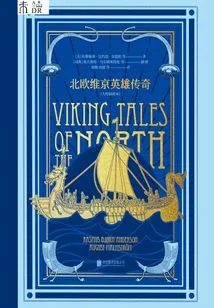
北欧维京英雄传奇(大师插图本)
A
"Saga" is a unique literature in the Nordic region. Most of these stories are Icelandic myths and heroic legends, Viking expeditions, etc., Which are full of romanticism. The North is bitterly cold, the sunshine is bleak, the air is crisp and fresh, and the snow-like waves lap at the towering cliffs and icebergs; while in the short summer, the sky is blue and the plants are lush. It is this environment with strong contrast between cold and warm that gave birth to the simple and moving Icelandic sagas. This book contains the two saga "Son of Wiggin, Thorstein Saga" and "Fridtjof Saga of the Warrior" and Tegnell's poem "Frittjof Saga", which are all extraordinary works of that era. The book shows the ancient Nordic heroic era, with vivid characters, never surrendering, full of hope, and the arrogance and recklessness of the Nordic nation. The admiration of brave maritime plunder, the noble mind that values honor, and the loyal belief in love are things that flow in the blood of the Vikings. These raw, rough and resolute stories are worthy of tribute by people of every era.
"Saga" is a unique literature in the Nordic region. Most of these stories are Icelandic myths and heroic legends, Viking expeditions, etc., Which are full of romanticism. The North is bitterly cold, the sunshine is bleak, the air is crisp and fresh, and the snow-like waves lap at the towering cliffs and icebergs; while in the short summer, the sky is blue and the plants are lush. It is this environment with strong contrast between cold and warm that gave birth to the simple and moving Icelandic sagas. This book contains the two saga "Son of Wiggin, Thorstein Saga" and "Fridtjof Saga of the Warrior" and Tegnell's poem "Frittjof Saga", which are all extraordinary works of that era. The book shows the ancient Nordic heroic era, with vivid characters, never surrendering, full of hope, and the arrogance and recklessness of the Nordic nation. The admiration of brave maritime plunder, the noble mind that values honor, and the loyal belief in love are things that flow in the blood of the Vikings. These raw, rough and resolute stories are worthy of tribute by people of every era.
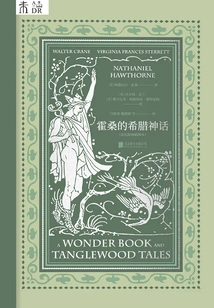
霍桑的希腊神话(套色版画插图本)
H
The Greek ancestors lived in an era where reality and fantasy could not be distinguished. In that era, every natural phenomenon was a god in human form, and every episode of life could be woven into a myth. As a romantic writer in the 19th century, Hawthorne added the color of the times to the dreams that were both real and illusory. He replaced moral education with humorous ridicule. During the conversation and laughter, he used the battle of dragon tooth warriors to insinuate the cannibalism of mankind. He used the victory of the dwarves to praise the unyielding courage, allowing the sunshine of joy and tranquility to shine into the hearts of readers. This book contains twelve popular classic stories such as "The Chimera, the Fire-Breathing Monster", "Medusa's Head", "The Golden Fleece", "Dragon Tooth Warrior" and "Three Golden Apples".
The Greek ancestors lived in an era where reality and fantasy could not be distinguished. In that era, every natural phenomenon was a god in human form, and every episode of life could be woven into a myth. As a romantic writer in the 19th century, Hawthorne added the color of the times to the dreams that were both real and illusory. He replaced moral education with humorous ridicule. During the conversation and laughter, he used the battle of dragon tooth warriors to insinuate the cannibalism of mankind. He used the victory of the dwarves to praise the unyielding courage, allowing the sunshine of joy and tranquility to shine into the hearts of readers. This book contains twelve popular classic stories such as "The Chimera, the Fire-Breathing Monster", "Medusa's Head", "The Golden Fleece", "Dragon Tooth Warrior" and "Three Golden Apples".
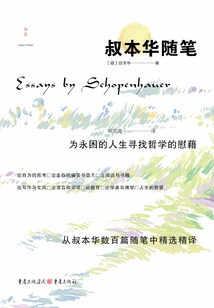
Schopenhauer's Essays
Literature叔本华随笔
H
This collection of essays are all independent chapters, and the topics discussed involve reading, thinking, writing, language learning, destiny, survival and many other aspects. The materials for these topics all come from our daily lives. Therefore, ordinary readers can also follow Schopenhauer's lead and start from familiar things to appreciate his grand vision. Schopenhauer's articles are meaningful and have clear views. "Their thinking points directly to the things themselves" and "We should think like great men and express like ordinary people" ("On Writing and Style"). Readers who have read Schopenhauer's work, whether they agree with Schopenhauer's views or not, will probably have no objection to this: Schopenhauer always practices his own views and expresses his thoughts objectively and clearly.
This collection of essays are all independent chapters, and the topics discussed involve reading, thinking, writing, language learning, destiny, survival and many other aspects. The materials for these topics all come from our daily lives. Therefore, ordinary readers can also follow Schopenhauer's lead and start from familiar things to appreciate his grand vision. Schopenhauer's articles are meaningful and have clear views. "Their thinking points directly to the things themselves" and "We should think like great men and express like ordinary people" ("On Writing and Style"). Readers who have read Schopenhauer's work, whether they agree with Schopenhauer's views or not, will probably have no objection to this: Schopenhauer always practices his own views and expresses his thoughts objectively and clearly.
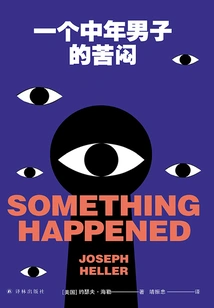
The Anguish of a Middle-aged Man (joseph Heller)
General Fiction一个中年男子的苦闷(约瑟夫·海勒作品)
H
Bob Slocum's life exemplifies the American Dream. He is a middle-level manager in a large company, a husband and father of three children in a middle-class family, living a prosperous life and having a steady stream of lovers. His life is stable and orderly, he follows the rules, and society demands that he be happy-or at least pretend to be. But the pretense is getting harder and harder. Slocum's heart was filled with unhappiness, which gradually deteriorated into desolation and fear, until one day, something happened.
Bob Slocum's life exemplifies the American Dream. He is a middle-level manager in a large company, a husband and father of three children in a middle-class family, living a prosperous life and having a steady stream of lovers. His life is stable and orderly, he follows the rules, and society demands that he be happy-or at least pretend to be. But the pretense is getting harder and harder. Slocum's heart was filled with unhappiness, which gradually deteriorated into desolation and fear, until one day, something happened.

Nietzsche's Essays
Literature尼采随笔
H
This book selects 36 polemical essays from Friedrich Nietzsche's many important works. The book opens with three classic articles by Nietzsche discussing educational issues: "On the Future of Our Educational Institutions", "Humanistic Education Begins with Strict Language Training" and "Three Measures of University Education". The rest of the book contains 33 exquisite expositions selected from important works such as "Thus Spoke Zarathustra", "Twilight of the Idols" and "Look, This Man". In the process of criticizing Christianity, Nietzsche focused on criticizing "pity". Nietzsche believes that great acts of kindness will not make people grateful, but will lead to revenge; if this small favor has not been forgotten, it will become a worm that is always gnawing; loving one's neighbor is a pathological good and the morality of the weak; the kindness of the strong should inspire people's unique personality of self-respect and self-improvement, and promote "healthy selfishness" in people. And "healthy selfishness" is the clean selfishness that overflows from the powerful soul. It takes all things into itself and then makes them ebb from the individual soul as a gift of love. Therefore, Nietzsche advocates that human beings should love distant people, love people in the future, love the beginning, and love ghosts.
This book selects 36 polemical essays from Friedrich Nietzsche's many important works. The book opens with three classic articles by Nietzsche discussing educational issues: "On the Future of Our Educational Institutions", "Humanistic Education Begins with Strict Language Training" and "Three Measures of University Education". The rest of the book contains 33 exquisite expositions selected from important works such as "Thus Spoke Zarathustra", "Twilight of the Idols" and "Look, This Man". In the process of criticizing Christianity, Nietzsche focused on criticizing "pity". Nietzsche believes that great acts of kindness will not make people grateful, but will lead to revenge; if this small favor has not been forgotten, it will become a worm that is always gnawing; loving one's neighbor is a pathological good and the morality of the weak; the kindness of the strong should inspire people's unique personality of self-respect and self-improvement, and promote "healthy selfishness" in people. And "healthy selfishness" is the clean selfishness that overflows from the powerful soul. It takes all things into itself and then makes them ebb from the individual soul as a gift of love. Therefore, Nietzsche advocates that human beings should love distant people, love people in the future, love the beginning, and love ghosts.
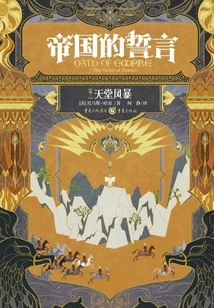
Oath of the Empire (volume 3): Storm in Heaven
General Fiction帝国的誓言(卷三):天堂风暴
(us) Thomas Hanan
In 622 AD, Emperor Heraclius's Eastern Roman army won a complete victory in the Third Battle of Issus. This eased the empire's decline against Persia. In 625 AD, Heraclius began to take advantage of the rivalry between the three enemy generals to make achievements, and used counterintuitive tactics to lure Shahrapula Gan and Shaheen to pursue him. In this time and space, in AD 624, the Arab army, vowing revenge, fought all the way and led the army to counterattack the Roman Empire; the Persian cavalry on the other side made a comeback with the help of the power of the evil god, beating the "Oath of the Empire" again and again, and cracks appeared in the original protection of the empire. At this time, Heraclius' condition became more and more serious, the power of the government and the opposition changed, and the Roman Empire was troubled internally and externally. And Prince Maxian, who fell into the abyss of magic, realized that he had fallen into the enemy's trap and became a pawn to break the empire's defense...
In 622 AD, Emperor Heraclius's Eastern Roman army won a complete victory in the Third Battle of Issus. This eased the empire's decline against Persia. In 625 AD, Heraclius began to take advantage of the rivalry between the three enemy generals to make achievements, and used counterintuitive tactics to lure Shahrapula Gan and Shaheen to pursue him. In this time and space, in AD 624, the Arab army, vowing revenge, fought all the way and led the army to counterattack the Roman Empire; the Persian cavalry on the other side made a comeback with the help of the power of the evil god, beating the "Oath of the Empire" again and again, and cracks appeared in the original protection of the empire. At this time, Heraclius' condition became more and more serious, the power of the government and the opposition changed, and the Roman Empire was troubled internally and externally. And Prince Maxian, who fell into the abyss of magic, realized that he had fallen into the enemy's trap and became a pawn to break the empire's defense...

W
General Fictionw
I
"Consciousness Uploading": After my consciousness was stolen, everything I loved deeply became my weakness. "Vault Safe": I woke up in someone else's body for the eight hundredth time. Today my name is John O'Leary. "Learn to Become Me": There is a little gem in my mind. It imitates me and learns from me until it becomes me one day. "Hundred Light Years Diary": The diary sent back from the future recorded all the details of today's date, except for the kiss. ... Science fiction is an art about "what if", and Greg takes "what if" to the extreme.
"Consciousness Uploading": After my consciousness was stolen, everything I loved deeply became my weakness. "Vault Safe": I woke up in someone else's body for the eight hundredth time. Today my name is John O'Leary. "Learn to Become Me": There is a little gem in my mind. It imitates me and learns from me until it becomes me one day. "Hundred Light Years Diary": The diary sent back from the future recorded all the details of today's date, except for the kiss. ... Science fiction is an art about "what if", and Greg takes "what if" to the extreme.
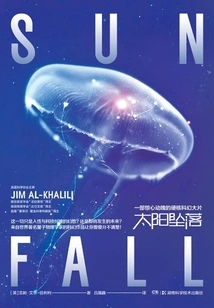
Sun Falls
General Fiction太阳坠落
(uk) Jim El-khalili
The most insightful science thriller of this century, a thrilling hardcore science fiction blockbuster. Is this all just an illusion of the entanglement of human nature and technology? Or the future that is about to happen? The science fiction work from the world-famous quantum physicist will make you confused! In 2041, time seems to be moving at a different speed. The Southern Lights appear in the north. An AI-231 flight crashes into the airport parking lot at a speed of more than 300 kilometers per hour. The earth's biosphere is about to be exposed to the radiation of space. There is not much time left for mankind... There are divergent opinions on the clear web and dark web social media, but politicians are actively downplaying this threat theory. Mark, a genius scientist suffering from depression, Celine, a lonely cyber hacker, and Sarah, a mainstream scientist involved in scandals, how can they peel away the cocoons from the Internet noise to outline the reliable truth? Escape or rescue? Do humans with cutting-edge technology still have hope of having the right to survive?
The most insightful science thriller of this century, a thrilling hardcore science fiction blockbuster. Is this all just an illusion of the entanglement of human nature and technology? Or the future that is about to happen? The science fiction work from the world-famous quantum physicist will make you confused! In 2041, time seems to be moving at a different speed. The Southern Lights appear in the north. An AI-231 flight crashes into the airport parking lot at a speed of more than 300 kilometers per hour. The earth's biosphere is about to be exposed to the radiation of space. There is not much time left for mankind... There are divergent opinions on the clear web and dark web social media, but politicians are actively downplaying this threat theory. Mark, a genius scientist suffering from depression, Celine, a lonely cyber hacker, and Sarah, a mainstream scientist involved in scandals, how can they peel away the cocoons from the Internet noise to outline the reliable truth? Escape or rescue? Do humans with cutting-edge technology still have hope of having the right to survive?

Monologue of Grandpa Deyi
General Fiction德一爷爷的独白
G
After 72-year-old grandfather Deyi retired, he lived alone in an apartment. He was a bit stubborn and would argue many times with the owner of the electrical appliance store over whether to buy a new TV. He is also very willful occasionally and will buy ingredients that he has never tried before and challenge himself to make new dishes. He is also willing to fight against his fading memory - who once affectionately called him "grandpa"? Are teenagers who don't go to school bad kids? Why do things that happened not long ago become distant in my memory? These seemingly trivial questions all require answers, because for him, nothing can be forgotten. Grandpa Deyi lives every day seriously, finds joy in ordinary life, and feels the warmth of the world from getting along with others.
After 72-year-old grandfather Deyi retired, he lived alone in an apartment. He was a bit stubborn and would argue many times with the owner of the electrical appliance store over whether to buy a new TV. He is also very willful occasionally and will buy ingredients that he has never tried before and challenge himself to make new dishes. He is also willing to fight against his fading memory - who once affectionately called him "grandpa"? Are teenagers who don't go to school bad kids? Why do things that happened not long ago become distant in my memory? These seemingly trivial questions all require answers, because for him, nothing can be forgotten. Grandpa Deyi lives every day seriously, finds joy in ordinary life, and feels the warmth of the world from getting along with others.
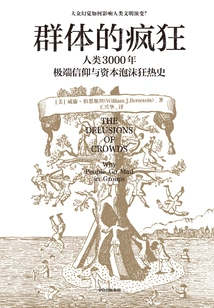
Group Madness
History群体的疯狂
O
The central question this book answers is how group decisions fail, and what happens when group decisions fail. In extreme cases, not only the group will go crazy, but the entire country will go crazy. "The Madness of Crowds" tells us that now we should explore the roots of fanaticism. Why did the Islamic State rise? How do religious beliefs shape human behavior? What influences U. S. Policy in the Middle East? What does doomsdayism have to do with the political polarization of American society? Why would a group of people chase a ridiculously overpriced investment from time to time? Why do people prefer stories to data and facts? Why are new concepts such as Bitcoin and the Metaverse making people crazy again? We can all find answers to the above questions that are closely related to our era in this book. Renowned historian and financial theorist William J. Bernstein combines advances in information technology, finance, and neuroscience to shed new light on the mass illusion. Beginning with the conquest of the Jews and ending with the rise of the Islamic State in the Middle East. In between, the book details various financial and religious fanaticisms over 3,000 years of human history, as well as the development of related neuroscience. Bernstein's chronicle of mass madness is as revealing of human nature as it is of historical significance.
The central question this book answers is how group decisions fail, and what happens when group decisions fail. In extreme cases, not only the group will go crazy, but the entire country will go crazy. "The Madness of Crowds" tells us that now we should explore the roots of fanaticism. Why did the Islamic State rise? How do religious beliefs shape human behavior? What influences U. S. Policy in the Middle East? What does doomsdayism have to do with the political polarization of American society? Why would a group of people chase a ridiculously overpriced investment from time to time? Why do people prefer stories to data and facts? Why are new concepts such as Bitcoin and the Metaverse making people crazy again? We can all find answers to the above questions that are closely related to our era in this book. Renowned historian and financial theorist William J. Bernstein combines advances in information technology, finance, and neuroscience to shed new light on the mass illusion. Beginning with the conquest of the Jews and ending with the rise of the Islamic State in the Middle East. In between, the book details various financial and religious fanaticisms over 3,000 years of human history, as well as the development of related neuroscience. Bernstein's chronicle of mass madness is as revealing of human nature as it is of historical significance.

My Happy Marriage (complete Collection)
General Fiction我的幸福婚姻(全集)
J
The most exciting and heart-warming Japanese style Cinderella story in winter 2021 tells the story of a girl who gradually gains love and happiness.
The most exciting and heart-warming Japanese style Cinderella story in winter 2021 tells the story of a girl who gradually gains love and happiness.

My Happy Marriage (4)
General Fiction我的幸福婚姻(四)
J
This is a story about a young girl who gradually gains love and happiness. After leaving the villa where Qingxia's parents lived, Mercer and his party embarked on their way home, but unexpectedly encountered the enemy leader Gan Shuizhi ambushing on the way. Gan Shui called Mercer "my daughter" and claimed that he would come to welcome Mercer in the future. In order to escape from Gan Shuizhi's clutches, Mercer lived a life of going to the alien spy team's duty station every day to receive protection. And the female soldier Kaoruko who was assigned as a personal guard to protect Mercer turned out to be Qingxia's former fiancée candidate. Seeing Qingxia and Xunzi enjoying themselves, Mercer was very distressed, but he also tried to open his heart and get along well with Xunzi. However, the person who is eyeing Mercer is always approaching her secretly...
This is a story about a young girl who gradually gains love and happiness. After leaving the villa where Qingxia's parents lived, Mercer and his party embarked on their way home, but unexpectedly encountered the enemy leader Gan Shuizhi ambushing on the way. Gan Shui called Mercer "my daughter" and claimed that he would come to welcome Mercer in the future. In order to escape from Gan Shuizhi's clutches, Mercer lived a life of going to the alien spy team's duty station every day to receive protection. And the female soldier Kaoruko who was assigned as a personal guard to protect Mercer turned out to be Qingxia's former fiancée candidate. Seeing Qingxia and Xunzi enjoying themselves, Mercer was very distressed, but he also tried to open his heart and get along well with Xunzi. However, the person who is eyeing Mercer is always approaching her secretly...

My Happy Marriage (5)
General Fiction我的幸福婚姻(五)
(japanese) Akumi Yagi
This is a story about a young girl who gradually gains love and happiness. Relying on Qingxia's powerful power, Mercer and others temporarily repelled the attack of the enemy leader Gan Shuizhi, but in the imperial capital, the power of Gan Shui's faction is expanding! Mercer and others were forced to stay in the palace of Prince Yaoren to prevent sudden enemy attacks. After sharing the joys and sorrows of life and death, Mercer finally recognized her feelings for Qingxia, but in the current chaotic situation, she was still confused. She was afraid that Qingxia's tenderness for her was not that strong of love, and that if she confessed her love rashly, she would lose even her current happiness. After the fierce battle, one night, Mercer and Qingxia reunited after a long absence. At Qingxia's suggestion, the two started a conversation with questions and answers. "Have you ever had the feeling of 'falling in love'?"
This is a story about a young girl who gradually gains love and happiness. Relying on Qingxia's powerful power, Mercer and others temporarily repelled the attack of the enemy leader Gan Shuizhi, but in the imperial capital, the power of Gan Shui's faction is expanding! Mercer and others were forced to stay in the palace of Prince Yaoren to prevent sudden enemy attacks. After sharing the joys and sorrows of life and death, Mercer finally recognized her feelings for Qingxia, but in the current chaotic situation, she was still confused. She was afraid that Qingxia's tenderness for her was not that strong of love, and that if she confessed her love rashly, she would lose even her current happiness. After the fierce battle, one night, Mercer and Qingxia reunited after a long absence. At Qingxia's suggestion, the two started a conversation with questions and answers. "Have you ever had the feeling of 'falling in love'?"

My Happy Marriage (3)
General Fiction我的幸福婚姻(三)
J
This is a story about a young girl who gradually gains love and happiness. In order to be worthy of Qingxia's position, Mercer decided to move forward, and the relationship between the two faced a new test. Invited by Qingxia's father, the two of them went to the villa where Qingxia's parents lived. There, Merco met Qingka's mother Fuyu for the first time, but Fuyu showed an attitude of never agreeing with Merce. In order to gain Fuyu's approval, Merco still tried to get close to Fuyu even if she was disliked. In order for Mercer to grow up smoothly, Qingxia silently protects Mercer who is working hard; with the guidance of others, the relationship between the two continues to heat up. Strange phenomena occurred in the village near the villa, and Qingxia was ordered to investigate. Unexpectedly, this was the beginning of a new incident...
This is a story about a young girl who gradually gains love and happiness. In order to be worthy of Qingxia's position, Mercer decided to move forward, and the relationship between the two faced a new test. Invited by Qingxia's father, the two of them went to the villa where Qingxia's parents lived. There, Merco met Qingka's mother Fuyu for the first time, but Fuyu showed an attitude of never agreeing with Merce. In order to gain Fuyu's approval, Merco still tried to get close to Fuyu even if she was disliked. In order for Mercer to grow up smoothly, Qingxia silently protects Mercer who is working hard; with the guidance of others, the relationship between the two continues to heat up. Strange phenomena occurred in the village near the villa, and Qingxia was ordered to investigate. Unexpectedly, this was the beginning of a new incident...

My Happy Marriage (2)
General Fiction我的幸福婚姻(二)
(japanese) Akumi Yagi
This is a story about a young girl who gradually gains love and happiness. Mercer, who grew up under the abuse of her stepmother, is engaged to Seika, a young soldier who is rumored to be extremely ruthless. Obviously everyone is not optimistic about this relationship, but Qingxia and Mercer were unknowingly moved by each other's tenderness and gradually fell in love. In order to catch up with the beautiful and powerful Qingxia, Mercer began to learn various skills that a lady of the house should have. In order to make a perfect appearance in the famous social circle at the banquet held two months later, Mercer worked tirelessly and enjoyed it. However, for some reason, nightmares came to torture her every night. Not wanting to cause trouble to others because of his own affairs, Mercer avoided talking about it, and finally collapsed due to insomnia and exhaustion. At the same time, an uninvited guest targeting Mercer also appeared. "Mercy is the meaning of my existence. Now that she has appeared, I must bring her back to me!" With such a declaration, Mercer was taken away from Qingxia. And Mercer's feelings for Qingxia were not conveyed due to various circumstances...
This is a story about a young girl who gradually gains love and happiness. Mercer, who grew up under the abuse of her stepmother, is engaged to Seika, a young soldier who is rumored to be extremely ruthless. Obviously everyone is not optimistic about this relationship, but Qingxia and Mercer were unknowingly moved by each other's tenderness and gradually fell in love. In order to catch up with the beautiful and powerful Qingxia, Mercer began to learn various skills that a lady of the house should have. In order to make a perfect appearance in the famous social circle at the banquet held two months later, Mercer worked tirelessly and enjoyed it. However, for some reason, nightmares came to torture her every night. Not wanting to cause trouble to others because of his own affairs, Mercer avoided talking about it, and finally collapsed due to insomnia and exhaustion. At the same time, an uninvited guest targeting Mercer also appeared. "Mercy is the meaning of my existence. Now that she has appeared, I must bring her back to me!" With such a declaration, Mercer was taken away from Qingxia. And Mercer's feelings for Qingxia were not conveyed due to various circumstances...

Four and a Half Stacks of Time Machine Blues
Youth Fiction四叠半时光机布鲁斯
G
In the midsummer Kyoto that turned into a flaming hell, the only air conditioner in the student apartment failed. The cause was that the monster's friend Ozu let water enter the remote control last night. How am I going to survive the rest of the heat? Just as I was discussing countermeasures with Akashi, the iceberg beauty whom I had a crush on, a rustic male student appeared in front of us and said that he had traveled through a time machine from the future twenty-five years later. So, a genius idea flashed in my mind - why not use a time machine to go back to yesterday and retrieve the remote control that has not been damaged? Facing Ozu and others who unscrupulously changed the world of yesterday, I had a premonition that the world was about to be destroyed.
In the midsummer Kyoto that turned into a flaming hell, the only air conditioner in the student apartment failed. The cause was that the monster's friend Ozu let water enter the remote control last night. How am I going to survive the rest of the heat? Just as I was discussing countermeasures with Akashi, the iceberg beauty whom I had a crush on, a rustic male student appeared in front of us and said that he had traveled through a time machine from the future twenty-five years later. So, a genius idea flashed in my mind - why not use a time machine to go back to yesterday and retrieve the remote control that has not been damaged? Facing Ozu and others who unscrupulously changed the world of yesterday, I had a premonition that the world was about to be destroyed.

Four-fold and a Half Myth Series
Youth Fiction四叠半神话大系
G
The protagonist "I" is a junior student at Kyoto University. I wholeheartedly look forward to being accompanied by a black-haired girl and living a wonderful rose-colored campus life. However, things went against expectations, relationships failed, bad friends were made, and good opportunities were missed. In the end, they always retreated into the small "four-and-a-half-story dormitory" and wasted two full years of college. "If I had made a new choice, would I have experienced a completely different kind of college life?" - This work starts from this proposition and uses a parallel time and space perspective to imagine what a different youth story would happen if the protagonist returns to his freshman year and chooses a club again.
The protagonist "I" is a junior student at Kyoto University. I wholeheartedly look forward to being accompanied by a black-haired girl and living a wonderful rose-colored campus life. However, things went against expectations, relationships failed, bad friends were made, and good opportunities were missed. In the end, they always retreated into the small "four-and-a-half-story dormitory" and wasted two full years of college. "If I had made a new choice, would I have experienced a completely different kind of college life?" - This work starts from this proposition and uses a parallel time and space perspective to imagine what a different youth story would happen if the protagonist returns to his freshman year and chooses a club again.

Life Butterfly
Light Novel命蝶
Writerzvtalv
Come to China Literature's website to read more of my works!
Come to China Literature's website to read more of my works!
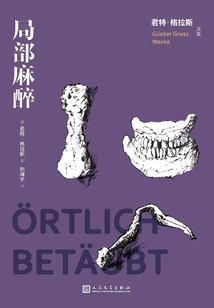
Local Anesthesia
General Fiction局部麻醉
H
"Local Anesthesia" is a novel by Glass. Eberhard Starusch, the former leader of the troublemaking gang in "The Tin Drum" and now a German and history teacher at a middle school in West Berlin, in 1967 collected information on a former Nazi general who attempted to use a sandbox to win the failed World War II after the war. But one thing was pressing for Starusch: One of his favorite students decided to burn his pet dog on one of Berlin's busiest streets to protest the U. S.'S use of napalm in the Vietnam War. Starusch tried to dissuade this move with self-righteous melancholy. Allowing a dentist to treat your teeth became the only symbol of progress: the only way to resist human pain was through local anesthesia.
"Local Anesthesia" is a novel by Glass. Eberhard Starusch, the former leader of the troublemaking gang in "The Tin Drum" and now a German and history teacher at a middle school in West Berlin, in 1967 collected information on a former Nazi general who attempted to use a sandbox to win the failed World War II after the war. But one thing was pressing for Starusch: One of his favorite students decided to burn his pet dog on one of Berlin's busiest streets to protest the U. S.'S use of napalm in the Vietnam War. Starusch tried to dissuade this move with self-righteous melancholy. Allowing a dentist to treat your teeth became the only symbol of progress: the only way to resist human pain was through local anesthesia.

心向原野:自然如何治愈了我
O
After Richard Mabey completed "Encyclopedia Britannica Plants", he reached the peak of his career. However, his personal life experience and emotional changes caused him to fall into a period of depression. With the help of friends, he moved to East Anglia and the vast wilderness of Norfolk, allowing him to return to nature, find the source of joy and inspiration from childhood, and rebuild his life. He is as acquainted with nature, its plants and its earth, as a scholar is acquainted with ideas and books. He can see the veins of the earth and appreciate the nature of the soil; he can recognize the songs of various birds and the signs of animals, and understand the secrets of each plant's flowering and nectar production. Richard Mabee's writing style is witty and elegant, sophisticated but not obscure. "Heart to the Wilderness" not only contains meticulous observations and rich knowledge of animals and plants, but also discusses history, literature, and philosophy. The language is poetic, touching, and full of philosophical thoughts. The Guardian commented on his work, "Just as the poet William Blake said: See the world in a grain of sand."
After Richard Mabey completed "Encyclopedia Britannica Plants", he reached the peak of his career. However, his personal life experience and emotional changes caused him to fall into a period of depression. With the help of friends, he moved to East Anglia and the vast wilderness of Norfolk, allowing him to return to nature, find the source of joy and inspiration from childhood, and rebuild his life. He is as acquainted with nature, its plants and its earth, as a scholar is acquainted with ideas and books. He can see the veins of the earth and appreciate the nature of the soil; he can recognize the songs of various birds and the signs of animals, and understand the secrets of each plant's flowering and nectar production. Richard Mabee's writing style is witty and elegant, sophisticated but not obscure. "Heart to the Wilderness" not only contains meticulous observations and rich knowledge of animals and plants, but also discusses history, literature, and philosophy. The language is poetic, touching, and full of philosophical thoughts. The Guardian commented on his work, "Just as the poet William Blake said: See the world in a grain of sand."
Bullock's Novel Writing Handbook
Literature布洛克小说写作手册
H
"Block's Novel Writing Handbook" is a must-read work based on Lawrence Block's most popular columns in "Author's Digest". It provides an in-depth look at the creative context and tells you what kind of profession the novel is and how to develop your writing skills. His suggestions are all based on experience, allowing writers to stay in the creative game, avoid pitfalls, and travel freely. Starting from analyzing the market, to how to demand oneself, "creative procrastination", to dealing with the disappointment and loneliness of rejected manuscripts, "Block's Novel School" is an invaluable practical guide, providing solid and feasible writing rules, allowing readers and writers to master the key to novel writing.
"Block's Novel Writing Handbook" is a must-read work based on Lawrence Block's most popular columns in "Author's Digest". It provides an in-depth look at the creative context and tells you what kind of profession the novel is and how to develop your writing skills. His suggestions are all based on experience, allowing writers to stay in the creative game, avoid pitfalls, and travel freely. Starting from analyzing the market, to how to demand oneself, "creative procrastination", to dealing with the disappointment and loneliness of rejected manuscripts, "Block's Novel School" is an invaluable practical guide, providing solid and feasible writing rules, allowing readers and writers to master the key to novel writing.
My Century
General Fiction我的世纪
J
"My Century" is Glass's masterpiece. The genre of the novel is unique and all-encompassing. From 1900 to 1999, there is a story every year. Different characters narrate the major historical events that occurred in Germany and other countries in the world over the past century from different perspectives, covering all aspects. The whole book travels through different time and space, intertwining reality and history. For example, the German emperor sent troops in 1900; the Battle of Flanders in World War I in 1914; Hitler came to power in 1933; the 1936 Berlin Olympics; Germany invaded Poland in 1939 and the Second World War broke out; the German army retreated in 1944; Brandt knelt in front of the Polish Jewish grave in 1970; the Gulf War in 1991; the birth of Dolly the cloned sheep in 1997, etc., Showing a panoramic view of Germany for a century.
"My Century" is Glass's masterpiece. The genre of the novel is unique and all-encompassing. From 1900 to 1999, there is a story every year. Different characters narrate the major historical events that occurred in Germany and other countries in the world over the past century from different perspectives, covering all aspects. The whole book travels through different time and space, intertwining reality and history. For example, the German emperor sent troops in 1900; the Battle of Flanders in World War I in 1914; Hitler came to power in 1933; the 1936 Berlin Olympics; Germany invaded Poland in 1939 and the Second World War broke out; the German army retreated in 1944; Brandt knelt in front of the Polish Jewish grave in 1970; the Gulf War in 1991; the birth of Dolly the cloned sheep in 1997, etc., Showing a panoramic view of Germany for a century.
Camus Trilogy: the Plague
General Fiction加缪三部曲:鼠疫
H
"The Plague" is a fable novel that describes a plague disaster that occurred in a small town called Oran in North Africa, and the process of people's resistance to the plague. Camus uses a third-person perspective throughout the novel to depict various social pictures of life and death struggles during the epidemic. He ends the novel with a short-lived victory, clarifying that the pathological social phenomenon has led to the long-term presence of plague in human life. The exclamation issued by the work is not an accusation but a beautiful expectation, a metaphor for people's choices and struggles in the face of absurd situations. Camus deeply hopes that social viruses like the plague can disappear forever, freeing mankind from these senseless disasters. True redemption is not victory after a fight, but the ability to find the strength to live and peace of mind in suffering.
"The Plague" is a fable novel that describes a plague disaster that occurred in a small town called Oran in North Africa, and the process of people's resistance to the plague. Camus uses a third-person perspective throughout the novel to depict various social pictures of life and death struggles during the epidemic. He ends the novel with a short-lived victory, clarifying that the pathological social phenomenon has led to the long-term presence of plague in human life. The exclamation issued by the work is not an accusation but a beautiful expectation, a metaphor for people's choices and struggles in the face of absurd situations. Camus deeply hopes that social viruses like the plague can disappear forever, freeing mankind from these senseless disasters. True redemption is not victory after a fight, but the ability to find the strength to live and peace of mind in suffering.
J
General Fictionj
H
No matter how painful things are, as long as you move in the ideal direction, you will be closer to happiness step by step. It tells the story of a poor and lonely boy who traveled across the Milky Way by train with his friends in his dream. The author constructs a prosperous galactic world with his magical writing. A boy named Joe Bonny fell asleep on the hill one day. In his sleep, he boarded a galactic railway train bound for the Kingdom of Heaven, and came to the Kingdom of Heaven with his favorite boy in the class, Cumberella. However, when he woke up, he found that it was just a dream...
No matter how painful things are, as long as you move in the ideal direction, you will be closer to happiness step by step. It tells the story of a poor and lonely boy who traveled across the Milky Way by train with his friends in his dream. The author constructs a prosperous galactic world with his magical writing. A boy named Joe Bonny fell asleep on the hill one day. In his sleep, he boarded a galactic railway train bound for the Kingdom of Heaven, and came to the Kingdom of Heaven with his favorite boy in the class, Cumberella. However, when he woke up, he found that it was just a dream...
伟大的共存:改变人类历史的8个动物伙伴
S
Dogs, horses, cows, pigs, donkeys, goats, sheep, camels, these 8 animals are no stranger to us. They often appear around us, in various works, and even on our dining tables. But did you know that they are not only human food, tools and cute pets, but also have a profound impact on the entire human history. Around 15,000 BC, some wolves that often scavenged for leftovers around human settlements integrated deeply into human society and became the first animals domesticated by humans-dogs. Over the next 10,000 years, pigs, goats, sheep, cattle, donkeys, horses and camels entered human society. But in industrial society, everything changed. Except for dogs, which continue to be favored by humans, donkeys and camels have long been forgotten, horses linger in niche sports, and pigs, cattle, and sheep are only regarded as meat for large-scale production. Living creatures have turned into cold numbers, and the once intimate relationships have become callous, mercenary, and insensitive. This book combines the research results of history, archaeology, anthropology, climatology, biology and other disciplines, breaks the anthropocentric narrative, and presents a grand historical picture of "humans domesticated animals, and animals changed humans".
Dogs, horses, cows, pigs, donkeys, goats, sheep, camels, these 8 animals are no stranger to us. They often appear around us, in various works, and even on our dining tables. But did you know that they are not only human food, tools and cute pets, but also have a profound impact on the entire human history. Around 15,000 BC, some wolves that often scavenged for leftovers around human settlements integrated deeply into human society and became the first animals domesticated by humans-dogs. Over the next 10,000 years, pigs, goats, sheep, cattle, donkeys, horses and camels entered human society. But in industrial society, everything changed. Except for dogs, which continue to be favored by humans, donkeys and camels have long been forgotten, horses linger in niche sports, and pigs, cattle, and sheep are only regarded as meat for large-scale production. Living creatures have turned into cold numbers, and the once intimate relationships have become callous, mercenary, and insensitive. This book combines the research results of history, archaeology, anthropology, climatology, biology and other disciplines, breaks the anthropocentric narrative, and presents a grand historical picture of "humans domesticated animals, and animals changed humans".

War and Peace (4 Volumes in Total)
General Fiction战争与和平(共4卷)
Bm
"War and Peace" is one of Tolstoy's representative works. The novel centers on the Russo-French War of 1812, takes the experiences of the four nobles at that time as the main line, intersects "war" and "peace", and praises the patriotic enthusiasm and heroism shown by the Russian people in the war. It is an epic masterpiece and "the greatest work of world literature in the 19th century."
"War and Peace" is one of Tolstoy's representative works. The novel centers on the Russo-French War of 1812, takes the experiences of the four nobles at that time as the main line, intersects "war" and "peace", and praises the patriotic enthusiasm and heroism shown by the Russian people in the war. It is an epic masterpiece and "the greatest work of world literature in the 19th century."

Bear Bravely Enters Another World 2
General Fiction熊熊勇闯异世界2
(japanese) Xiong Minano, Written By 029 Paintings
Destroy the Goblin King, harvest tigers and wolves, and easily deal with the gangsters who cause trouble in the guild... Yuna, a beautiful adventurer with "cheating ability", was promoted from F level to D level, and earned the title of "Bloody Bear"! Wearing a cute bear toy suit, riding a bear summoned beast, and working hard to defeat monsters and level up, Yuna is completely a celebrity in the city! At this time, the lord Lord Foshu Rossai asked her to name... The second part of the invincible bear girl's adventure story in another world! This book is the second volume in the series of novels "Bear Bears Bravely Enter a Different World".
Destroy the Goblin King, harvest tigers and wolves, and easily deal with the gangsters who cause trouble in the guild... Yuna, a beautiful adventurer with "cheating ability", was promoted from F level to D level, and earned the title of "Bloody Bear"! Wearing a cute bear toy suit, riding a bear summoned beast, and working hard to defeat monsters and level up, Yuna is completely a celebrity in the city! At this time, the lord Lord Foshu Rossai asked her to name... The second part of the invincible bear girl's adventure story in another world! This book is the second volume in the series of novels "Bear Bears Bravely Enter a Different World".

Q
General Fictionq
J
A literary classic that transcends time and space, Woolf's soul mate and legendary writer Vita writes life lessons for all women, novel version of "A Room of One's Own". It is never too late for women to realize their self-awakening, self-liberation and self-worth. During his lifetime, Lord Slane served as the Governor-General of India and the British Prime Minister, and was a major figure in British politics. After his death, the outside world thought that his eighty-eight-year-old widow would continue to be a well-behaved and decent "vase" and gradually wither in grief. But Mrs. Slane, contrary to everyone's expectations, ignored the self-righteous arrangements of her children, moved to a rented house in Hampstead, and started living an independent life. There, she regained the freedom she longed for and met some special companions. During the conversation with them, she recalled her ambitions when she was young, and slowly discovered how much she had sacrificed in the past years in order to live up to others' so-called expectations...
A literary classic that transcends time and space, Woolf's soul mate and legendary writer Vita writes life lessons for all women, novel version of "A Room of One's Own". It is never too late for women to realize their self-awakening, self-liberation and self-worth. During his lifetime, Lord Slane served as the Governor-General of India and the British Prime Minister, and was a major figure in British politics. After his death, the outside world thought that his eighty-eight-year-old widow would continue to be a well-behaved and decent "vase" and gradually wither in grief. But Mrs. Slane, contrary to everyone's expectations, ignored the self-righteous arrangements of her children, moved to a rented house in Hampstead, and started living an independent life. There, she regained the freedom she longed for and met some special companions. During the conversation with them, she recalled her ambitions when she was young, and slowly discovered how much she had sacrificed in the past years in order to live up to others' so-called expectations...

V
General Fictionv
J
Winner of the Hugo Award and the Nebula Award for science fiction, this collection of novels by the Chinese-American science fiction writer Yukun Liu includes a total of fourteen stunning works including the Hugo Award-winning short story "Sorrow of Things", the Nebula Award-nominated short stories "The Killing Algorithm" and "Book Glimpses", as well as the original film and television works "Arc" and "The Message". The author develops his own unique sci-fi temperament by connecting the East and the West, and skillfully integrates Eastern history and culture into his creations. His calm and soothing stories always contain an enlightening core, and he finds his unique entry point between the grand narrative and individual destiny. It is full of vast contemplation of the starry sky and concern for the value of human beings.
Winner of the Hugo Award and the Nebula Award for science fiction, this collection of novels by the Chinese-American science fiction writer Yukun Liu includes a total of fourteen stunning works including the Hugo Award-winning short story "Sorrow of Things", the Nebula Award-nominated short stories "The Killing Algorithm" and "Book Glimpses", as well as the original film and television works "Arc" and "The Message". The author develops his own unique sci-fi temperament by connecting the East and the West, and skillfully integrates Eastern history and culture into his creations. His calm and soothing stories always contain an enlightening core, and he finds his unique entry point between the grand narrative and individual destiny. It is full of vast contemplation of the starry sky and concern for the value of human beings.

Selected Collection of Liu Yukun's Science Fiction Novels (set of 2 Volumes in Total)
General Fiction刘宇昆科幻小说精选集(套装共2册)
L
Winner of the Hugo Award and the Nebula Award for science fiction, this is a collection of selected novels by the Chinese-American science fiction writer Yukun Liu. Twenty-nine stories weave fifteen smokey science fiction dreams, including the Hugo Award-winning short story "Sorrow of Things", the Nebula Award shortlisted short "Killing Algorithm" and "Book Glimpses", Japan's Nebula Award for the best overseas short story "Happy Hunting", and original film and television works "Arc" and "Message", etc.
Winner of the Hugo Award and the Nebula Award for science fiction, this is a collection of selected novels by the Chinese-American science fiction writer Yukun Liu. Twenty-nine stories weave fifteen smokey science fiction dreams, including the Hugo Award-winning short story "Sorrow of Things", the Nebula Award shortlisted short "Killing Algorithm" and "Book Glimpses", Japan's Nebula Award for the best overseas short story "Happy Hunting", and original film and television works "Arc" and "Message", etc.