Library
Browse and search books
4,115 novels found
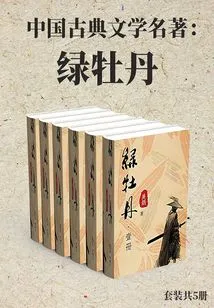
中国古典文学名著:绿牡丹(套装共5册)
Wu Bing
Seeing that her affair was discovered by Luo Hongxun, He made a complaint first and told the drunken Ren Zhengqian that Luo Hongxun was teasing her. After Ren Zhengqian heard this, he was furious and chased Luo Hongxun through the streets with a sword. Luo Hongxun escaped. The next day, accompanied by his mother, he knelt down at the door and explained the situation to Ren Zhengqian. Because of this incident, Ren Zhengqian and Luo Hongxun were separated from each other. So Luo Hongxun bid farewell to Ren Zhengqian and returned home with his coffin. When Wang Lun saw Luo Hongxun leaving, he discussed with He Shilai to take He Shilai to the palace under the guise of his wife, and the two hung out every day. Luo Hongxun met Hua Zhenfang on his way back to his hometown and heard about Ren Zhengqian. Hua Zhenfang wanted to marry her daughter to Luo Hongxun. Thinking that Luo Hongxun had been wronged this time, she decided to go to Ren Zhengqian and tell him the truth. On the one hand, she could save Ren Zhengqian, and on the other hand, she could also use this to impress Luo Hongxun so that she could talk to him as a matchmaker...
Seeing that her affair was discovered by Luo Hongxun, He made a complaint first and told the drunken Ren Zhengqian that Luo Hongxun was teasing her. After Ren Zhengqian heard this, he was furious and chased Luo Hongxun through the streets with a sword. Luo Hongxun escaped. The next day, accompanied by his mother, he knelt down at the door and explained the situation to Ren Zhengqian. Because of this incident, Ren Zhengqian and Luo Hongxun were separated from each other. So Luo Hongxun bid farewell to Ren Zhengqian and returned home with his coffin. When Wang Lun saw Luo Hongxun leaving, he discussed with He Shilai to take He Shilai to the palace under the guise of his wife, and the two hung out every day. Luo Hongxun met Hua Zhenfang on his way back to his hometown and heard about Ren Zhengqian. Hua Zhenfang wanted to marry her daughter to Luo Hongxun. Thinking that Luo Hongxun had been wronged this time, she decided to go to Ren Zhengqian and tell him the truth. On the one hand, she could save Ren Zhengqian, and on the other hand, she could also use this to impress Luo Hongxun so that she could talk to him as a matchmaker...
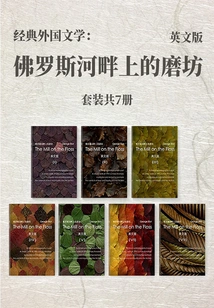
Classic Foreign Literature: the Mill on the Floss (english Version) (set of 7 Volumes in Total)
Literature经典外国文学:佛罗斯河畔上的磨坊(英文版)(套装共7册)
George Eliot
George Eliot's novel The Mill on the Floss, orginally published in 1860 as three volumes. Maggie Tulliver is the protagonist and the story begins when she is 9 years old. Maggie Tulliver's entire life has been spent in the shadow of Dorlcote Mill on the River Floss with her beloved older brother, Tom. The Mill on the Floss is the story of Maggie Tulliver's search for love, and acceptance by her family and community, and of her need for intellectual and spiritual growth. Her relationship with her older brother Tom, and her romantic relationships with Philip Wakem and with Stephen Guest constitute the most significant narrative threads. Misunderstood Maggie Tulliver is torn. Her rebellious and passionate nature demands expression, while her provincial kin and community expect self-denial. Based closely on the author's own life, Maggie's story explores the conflicts of love and loyalty and the friction between desire and moral responsibility. A classic work of 19th century literature, \
George Eliot's novel The Mill on the Floss, orginally published in 1860 as three volumes. Maggie Tulliver is the protagonist and the story begins when she is 9 years old. Maggie Tulliver's entire life has been spent in the shadow of Dorlcote Mill on the River Floss with her beloved older brother, Tom. The Mill on the Floss is the story of Maggie Tulliver's search for love, and acceptance by her family and community, and of her need for intellectual and spiritual growth. Her relationship with her older brother Tom, and her romantic relationships with Philip Wakem and with Stephen Guest constitute the most significant narrative threads. Misunderstood Maggie Tulliver is torn. Her rebellious and passionate nature demands expression, while her provincial kin and community expect self-denial. Based closely on the author's own life, Maggie's story explores the conflicts of love and loyalty and the friction between desire and moral responsibility. A classic work of 19th century literature, \
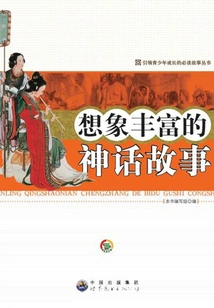
Imaginative Fairy Tales
Literature想象丰富的神话故事
This Book Writing Team
Based on the needs of teenagers, this book selects ancient Chinese and Western myths and stories, which not only embody the great spirit of not being afraid of difficulties and violence, but also embody the wisdom, ideals, loves and hatreds of the ancient people. The stories are beautiful, touching, and highly readable.
Based on the needs of teenagers, this book selects ancient Chinese and Western myths and stories, which not only embody the great spirit of not being afraid of difficulties and violence, but also embody the wisdom, ideals, loves and hatreds of the ancient people. The stories are beautiful, touching, and highly readable.
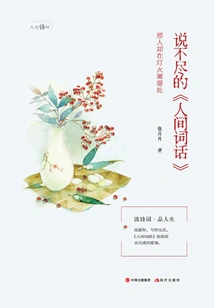
Endless "human Words
Literature说不尽的《人间词话》
Zhang Xiaoxiao
Starting from "love", the 24 love poems in "Human Words" are analyzed to restore the sadness, hatred and indifference of women in those unfulfilled loves. The book appreciates 24 well-known poems, gives a vivid and interesting narration of the author's legendary experience, depicts the images of many vivid writers, and reveals the silent and rich emotional world behind the words. Love is a personal matter. Many people say that love is relative, so there is an oath of "If you never leave me, I will depend on you for life and death." But if you think about it carefully, the logic of this seemingly vigorous oath is "I can only do it if you do it." It is extremely childish and ridiculous. So, if "you" can't do it anymore, should "I" still persist? Whether you can do it or not, I will stick to my love. This is the realm mentioned in "Human Words", "Looking back suddenly, that person is in the dim light". Furthermore, there is a lot of love in life, such as secret love, unrequited love, nostalgia, and infatuation. After all, it is a private emotion belonging to one person. My love, my love for you, what does it have to do with you?
Starting from "love", the 24 love poems in "Human Words" are analyzed to restore the sadness, hatred and indifference of women in those unfulfilled loves. The book appreciates 24 well-known poems, gives a vivid and interesting narration of the author's legendary experience, depicts the images of many vivid writers, and reveals the silent and rich emotional world behind the words. Love is a personal matter. Many people say that love is relative, so there is an oath of "If you never leave me, I will depend on you for life and death." But if you think about it carefully, the logic of this seemingly vigorous oath is "I can only do it if you do it." It is extremely childish and ridiculous. So, if "you" can't do it anymore, should "I" still persist? Whether you can do it or not, I will stick to my love. This is the realm mentioned in "Human Words", "Looking back suddenly, that person is in the dim light". Furthermore, there is a lot of love in life, such as secret love, unrequited love, nostalgia, and infatuation. After all, it is a private emotion belonging to one person. My love, my love for you, what does it have to do with you?
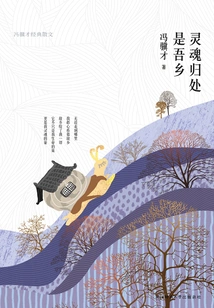
灵魂归处是吾乡:冯骥才经典散文
Feng Jicai
This book is a new work by Mr. Feng Jicai, a master of prose. He describes the four seasons, and spring is the first to be smelled; he recalls the past, and everyone is a rich man of time in childhood; he is nostalgic for his hometown, Tianjin is the nest of my soul, and home is the only place in the world where I can be undefended; he Traveling in foreign lands, experiencing a different kind of Western civilization, cherishing history is to protect its original appearance; he rescues heritage, and works hard today for the memories of tomorrow... He writes real life with warm writing style, and gives it to everyone who seeks peace of mind in this world.
This book is a new work by Mr. Feng Jicai, a master of prose. He describes the four seasons, and spring is the first to be smelled; he recalls the past, and everyone is a rich man of time in childhood; he is nostalgic for his hometown, Tianjin is the nest of my soul, and home is the only place in the world where I can be undefended; he Traveling in foreign lands, experiencing a different kind of Western civilization, cherishing history is to protect its original appearance; he rescues heritage, and works hard today for the memories of tomorrow... He writes real life with warm writing style, and gives it to everyone who seeks peace of mind in this world.
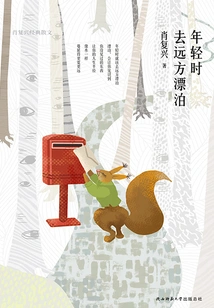
年轻时去远方漂泊:肖复兴经典散文
Xiao Fuxing
This book is a collection of prose by the famous contemporary writer Xiao Fuxing. It includes Xiao Fuxing's latest works and prose classics from different periods. Divided into four major chapters, it fully demonstrates the full scope of Xiao Fuxing's prose, covering his experiences of growing up, studying, going to the countryside, and making friends. The book not only contains memories of the past, but also contains insights into family, friendship, and life. It is popular, clear, and thought-provoking. Reading slowly and savoring it carefully, you seem to have entered the author's inner world, feeling the joy and sorrow of the world with him, and experiencing his deep nostalgia, light helplessness, deep love and touch.
This book is a collection of prose by the famous contemporary writer Xiao Fuxing. It includes Xiao Fuxing's latest works and prose classics from different periods. Divided into four major chapters, it fully demonstrates the full scope of Xiao Fuxing's prose, covering his experiences of growing up, studying, going to the countryside, and making friends. The book not only contains memories of the past, but also contains insights into family, friendship, and life. It is popular, clear, and thought-provoking. Reading slowly and savoring it carefully, you seem to have entered the author's inner world, feeling the joy and sorrow of the world with him, and experiencing his deep nostalgia, light helplessness, deep love and touch.
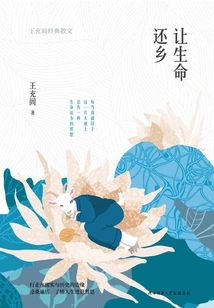
让生命还乡:王充闾经典散文
Wang Chonglu
This book is a collection of essays by Mr. Wang Chonglu, a master of cultural essays. It contains more than forty of his representative works, divided into two parts: "Shadows in the Heart" (life essays) and "Historical Inquiries" (cultural essays). It includes famous essays such as "The Joy of Returning Home", "A Life in the Misty Rain" and "Taibai Mistaken Me". It includes thoughts on the journey, an introduction to life, recollections of the past, questioning and reflection on history, etc. These prose works are written elegantly and calmly, with profound and far-reaching connotations. They lead history and tradition to modern times, lead to the depths of human nature, and are thought-provoking.
This book is a collection of essays by Mr. Wang Chonglu, a master of cultural essays. It contains more than forty of his representative works, divided into two parts: "Shadows in the Heart" (life essays) and "Historical Inquiries" (cultural essays). It includes famous essays such as "The Joy of Returning Home", "A Life in the Misty Rain" and "Taibai Mistaken Me". It includes thoughts on the journey, an introduction to life, recollections of the past, questioning and reflection on history, etc. These prose works are written elegantly and calmly, with profound and far-reaching connotations. They lead history and tradition to modern times, lead to the depths of human nature, and are thought-provoking.
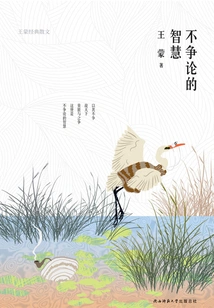
不争论的智慧:王蒙经典散文
Wang Meng
This book is a new classic prose work by the famous writer and literary master Mr. Wang Meng. It collects more than 60 representative works created by him in different periods, including nostalgia, recalling the past, travel, reading, society, history, literature and many other aspects. It comprehensively reflects the artistic achievements of the author's prose creation - smooth language, surging poetry, optimistic attitude, keen observation of the world and profound thinking about current affairs.
This book is a new classic prose work by the famous writer and literary master Mr. Wang Meng. It collects more than 60 representative works created by him in different periods, including nostalgia, recalling the past, travel, reading, society, history, literature and many other aspects. It comprehensively reflects the artistic achievements of the author's prose creation - smooth language, surging poetry, optimistic attitude, keen observation of the world and profound thinking about current affairs.
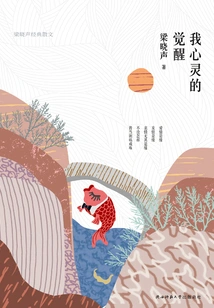
我心灵的觉醒:梁晓声经典散文
Liang Xiaosheng
This book contains Liang Xiaosheng's classic prose essays on personal growth and thoughts on the value of life. Liang Xiaosheng's writing is sincere, melancholy, profound, heroic, and full of profound humanistic care. Here there is the sharp side of the idealist - using words to question the conscience of society and exploring the pulse of the times; there is also the warm, emotional and simple side - using delicate brushwork to write about the mother's love, the father's age, the brotherhood between brothers and sisters, and the perception of life... It includes the selected The People's Education Press textbook, and the famous article "Mother's Love" read aloud by the author in CCTV's "Reader" column, and some other works (excerpts) have been included in Hong Kong primary school Chinese textbooks, many universities' Chinese language textbooks, humanities textbooks of a university in the United States, and Japan's national compulsory Chinese language teaching textbooks.
This book contains Liang Xiaosheng's classic prose essays on personal growth and thoughts on the value of life. Liang Xiaosheng's writing is sincere, melancholy, profound, heroic, and full of profound humanistic care. Here there is the sharp side of the idealist - using words to question the conscience of society and exploring the pulse of the times; there is also the warm, emotional and simple side - using delicate brushwork to write about the mother's love, the father's age, the brotherhood between brothers and sisters, and the perception of life... It includes the selected The People's Education Press textbook, and the famous article "Mother's Love" read aloud by the author in CCTV's "Reader" column, and some other works (excerpts) have been included in Hong Kong primary school Chinese textbooks, many universities' Chinese language textbooks, humanities textbooks of a university in the United States, and Japan's national compulsory Chinese language teaching textbooks.
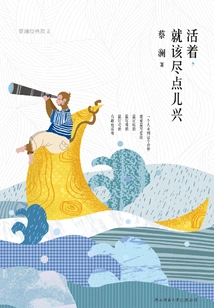
活着,就该尽点儿兴:蔡澜经典散文
Cai Lam
This is a book on life aesthetics written by Mr. Chua Lam for everyone. In the book, he talks about wine, tea, flowers, cats, men, women, love, reading, travel, food, things he likes to do, the meaning of life... Everything. The writing is true and pure, lively and interesting, ranging from hundreds of words to more than a thousand words. It may seem loose and trivial, but in fact it contains deep wisdom and ingenuity. It often contains new insights and captures the essence of Ming and Qing essays. It is a genre of its own. It makes people feel refreshing, and at the same time, they deeply feel Cai Lam's love for life and positive and optimistic attitude towards life.
This is a book on life aesthetics written by Mr. Chua Lam for everyone. In the book, he talks about wine, tea, flowers, cats, men, women, love, reading, travel, food, things he likes to do, the meaning of life... Everything. The writing is true and pure, lively and interesting, ranging from hundreds of words to more than a thousand words. It may seem loose and trivial, but in fact it contains deep wisdom and ingenuity. It often contains new insights and captures the essence of Ming and Qing essays. It is a genre of its own. It makes people feel refreshing, and at the same time, they deeply feel Cai Lam's love for life and positive and optimistic attitude towards life.
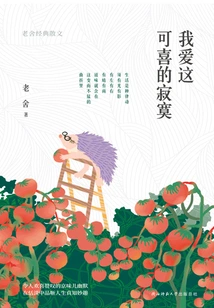
我爱这可喜的寂寞:老舍经典散文
Lao She
This book is a collection of essays by the famous writer Lao She. As a master of humor and language in the history of modern and contemporary literature, Lao She's prose works have unique language charm. This book contains more than 60 representative works, which are divided into six major chapters: "Boundless Scenery, Four Seasons," "Live as You Like," "Loneliness is a Blessing," "Humor in the Bone," "Old Friends Are Never Far Away," and "Big Comments." It also includes "Cat", "Winter in Jinan" and other must-read chapters for the new Chinese language curriculum for primary and secondary schools, as well as the famous "Master Zongyue" recited on the "Reader" program, etc. This book may describe cultural landscapes and natural scenery, or capture the details of daily life and family life, or express condolences and inner emotions for teachers and friends, or introduce his own creative experience and works. It is run through Lao She's consistent humorous style, allowing people to savor life in a light and humorous way.
This book is a collection of essays by the famous writer Lao She. As a master of humor and language in the history of modern and contemporary literature, Lao She's prose works have unique language charm. This book contains more than 60 representative works, which are divided into six major chapters: "Boundless Scenery, Four Seasons," "Live as You Like," "Loneliness is a Blessing," "Humor in the Bone," "Old Friends Are Never Far Away," and "Big Comments." It also includes "Cat", "Winter in Jinan" and other must-read chapters for the new Chinese language curriculum for primary and secondary schools, as well as the famous "Master Zongyue" recited on the "Reader" program, etc. This book may describe cultural landscapes and natural scenery, or capture the details of daily life and family life, or express condolences and inner emotions for teachers and friends, or introduce his own creative experience and works. It is run through Lao She's consistent humorous style, allowing people to savor life in a light and humorous way.
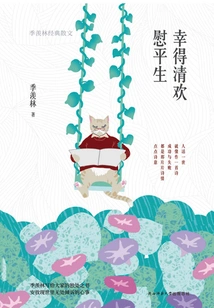
幸得清欢慰平生:季羡林经典散文
Ji Xianlin
This book is a classic collection of prose by Mr. Ji Xianlin, which collects his representative works at different life stages and creative periods, describing his perceptions of life, nature, hometown, and loneliness. There are chapters that record leisure and fun, as well as profound reflections on history and social rationality. This is a book about solitude written for everyone, answering questions and providing guidance for contemporary young people. Ji Xianlin's prose is humorous, sincere, simple and natural. It is sincere, elegant and rigorous, but also has a slow and relaxed mood. It is unique among modern and contemporary prose writers.
This book is a classic collection of prose by Mr. Ji Xianlin, which collects his representative works at different life stages and creative periods, describing his perceptions of life, nature, hometown, and loneliness. There are chapters that record leisure and fun, as well as profound reflections on history and social rationality. This is a book about solitude written for everyone, answering questions and providing guidance for contemporary young people. Ji Xianlin's prose is humorous, sincere, simple and natural. It is sincere, elegant and rigorous, but also has a slow and relaxed mood. It is unique among modern and contemporary prose writers.
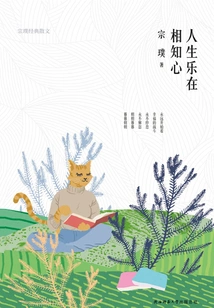
人生乐在相知心:宗璞经典散文
Zong Pu
This book is a collection of essays by Zong Pu, a master of prose. It includes Zong Pu's representative works in different creative periods, such as "Shadow on the Lake Tower", "Purple Wisteria Waterfall" (selected into middle school textbooks), "Shu Dang Yi Yi", "A Dream of Red Mansions" and other famous articles. Especially the part about family love, the writing is delicate and touching; Yu Yanyuan's memories, insights into daily life, and experiences during travel are also important contents of this book. The writing is vivid and delicate, the language is elegant and simple, and the artistic conception is profound and far-reaching. It represents the distinctive style and outstanding achievements of Zong Pu's prose, and also presents the characteristics of Zong Pu's works in various periods and the changes in his thoughts and emotions.
This book is a collection of essays by Zong Pu, a master of prose. It includes Zong Pu's representative works in different creative periods, such as "Shadow on the Lake Tower", "Purple Wisteria Waterfall" (selected into middle school textbooks), "Shu Dang Yi Yi", "A Dream of Red Mansions" and other famous articles. Especially the part about family love, the writing is delicate and touching; Yu Yanyuan's memories, insights into daily life, and experiences during travel are also important contents of this book. The writing is vivid and delicate, the language is elegant and simple, and the artistic conception is profound and far-reaching. It represents the distinctive style and outstanding achievements of Zong Pu's prose, and also presents the characteristics of Zong Pu's works in various periods and the changes in his thoughts and emotions.
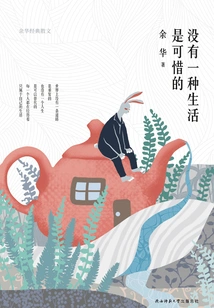
没有一种生活是可惜的:余华经典散文
Yu Hua
If Yu Hua's novels are world-renowned great works, then his prose more fully embodies his artistic thoughts and is closest to Yu Hua in real life. This book is a collection of Yu Hua's prose works. It is divided into three major chapters: "A Memory Returns", "Literature·Music·Travel" and "Living to Tell", which includes recollections and reflections on past events, unique insights into literature and music, what is seen, heard and felt during travel, as well as reflections on society and history as a whole. As Yu Hua said: "This is my writing, starting from the daily life of Chinese people, passing through politics, history, economy, society, sports, culture, emotion, desire, privacy, etc., And then returning to the daily life of Chinese people."
If Yu Hua's novels are world-renowned great works, then his prose more fully embodies his artistic thoughts and is closest to Yu Hua in real life. This book is a collection of Yu Hua's prose works. It is divided into three major chapters: "A Memory Returns", "Literature·Music·Travel" and "Living to Tell", which includes recollections and reflections on past events, unique insights into literature and music, what is seen, heard and felt during travel, as well as reflections on society and history as a whole. As Yu Hua said: "This is my writing, starting from the daily life of Chinese people, passing through politics, history, economy, society, sports, culture, emotion, desire, privacy, etc., And then returning to the daily life of Chinese people."
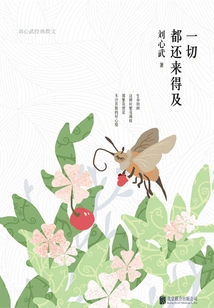
一切都还来得及:刘心武经典散文
Liu Xinwu
This book is a collection of essays by the famous writer Liu Xinwu, which Liu Xinwu personally edited, selected and revised. His works are characterized by attention to reality, reflect the pulse of the times, are profound in meaning, and are full of human beauty and human beauty. This book selects various representative works of his in prose and essays, and incorporates the latest texts; including the natural interest type "Wild Mint" and "Long-kissed Bee", the family type type "When I Return, Thousands of Houses Are Lighted Up", "Prickly Heat on Father's Back", the life philosophy type "Everything is Still Too Late", "Adjust the Color of Your Life", the nostalgic type "Bing Xin·Mother·Hongdou", "Wang Xiaobo, can you come for a drink tonight?" "" And other chapters comprehensively demonstrate Liu Xinwu's artistic achievements in prose creation for more than half a century.
This book is a collection of essays by the famous writer Liu Xinwu, which Liu Xinwu personally edited, selected and revised. His works are characterized by attention to reality, reflect the pulse of the times, are profound in meaning, and are full of human beauty and human beauty. This book selects various representative works of his in prose and essays, and incorporates the latest texts; including the natural interest type "Wild Mint" and "Long-kissed Bee", the family type type "When I Return, Thousands of Houses Are Lighted Up", "Prickly Heat on Father's Back", the life philosophy type "Everything is Still Too Late", "Adjust the Color of Your Life", the nostalgic type "Bing Xin·Mother·Hongdou", "Wang Xiaobo, can you come for a drink tonight?" "" And other chapters comprehensively demonstrate Liu Xinwu's artistic achievements in prose creation for more than half a century.
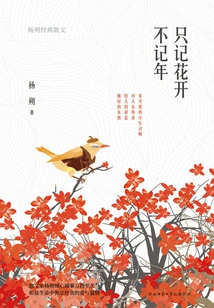
只记花开不记年:杨朔经典散文
Yang Shuo
This book is the work of Yang Shuo, a famous prose writer. It collects more than 50 representative prose pieces from different creative periods of the author, divided into five series according to different categories, including famous pieces such as "Lychee Honey", "Snow Waves" and "Fragrant Mountain Red Leaves". The author creatively inherits the advantages of traditional Chinese prose, and reaches the realm of poetry by expressing feelings about things and blending things and myself. The structure is exquisite, the language is fresh and concise, and the flavor of the times is strong. A prominent feature of Yang Shuo's prose is "searching for the artistic conception of poetry". He is good at extracting moving poetic meaning from ordinary things, expresses his ambitions through objects, expresses his emotions through scenes, and flashes the style of the times in the artistic conception of poetry. The structure of Yang Shuo's prose is exquisite. At first glance, it is often confusing because of the clouds. But after the twists and turns, the winding path leads to a quiet place, suddenly revealing a new world, and the ending is full of meanings and is thought-provoking. This work allows readers to feel the essence of Yang Shuo's prose and feel the charm of traditional Chinese prose.
This book is the work of Yang Shuo, a famous prose writer. It collects more than 50 representative prose pieces from different creative periods of the author, divided into five series according to different categories, including famous pieces such as "Lychee Honey", "Snow Waves" and "Fragrant Mountain Red Leaves". The author creatively inherits the advantages of traditional Chinese prose, and reaches the realm of poetry by expressing feelings about things and blending things and myself. The structure is exquisite, the language is fresh and concise, and the flavor of the times is strong. A prominent feature of Yang Shuo's prose is "searching for the artistic conception of poetry". He is good at extracting moving poetic meaning from ordinary things, expresses his ambitions through objects, expresses his emotions through scenes, and flashes the style of the times in the artistic conception of poetry. The structure of Yang Shuo's prose is exquisite. At first glance, it is often confusing because of the clouds. But after the twists and turns, the winding path leads to a quiet place, suddenly revealing a new world, and the ending is full of meanings and is thought-provoking. This work allows readers to feel the essence of Yang Shuo's prose and feel the charm of traditional Chinese prose.
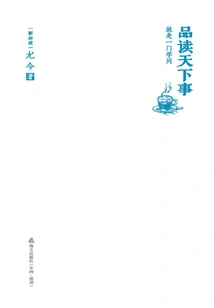
品读天下事:放是一门学问
S
This book is a collection of short essays. The theme of the book is "things", and through thought-provoking small incidents, it tells readers that "if we pay attention to everything and care about everything, we will be surprised and surprised to find that the world is always trying to help us grow and mature in its own unique way." Each article in the book is preceded by the central sentence of the article, and at the end of the article is the inspiration gained from reading the article.
This book is a collection of short essays. The theme of the book is "things", and through thought-provoking small incidents, it tells readers that "if we pay attention to everything and care about everything, we will be surprised and surprised to find that the world is always trying to help us grow and mature in its own unique way." Each article in the book is preceded by the central sentence of the article, and at the end of the article is the inspiration gained from reading the article.
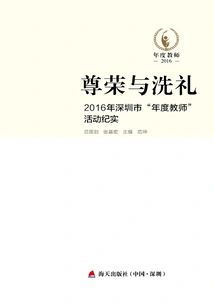
尊荣与洗礼:2016年深圳市“年度教师”系列活动纪实
Fan Kun
This book is a record of the "Teacher of the Year" series of activities in Shenzhen in 2016, including the story of the year - My story is about you; the annual walk: a group of people, ten thousand miles; the annual message: a spring rain in Shenzhen; the annual interview: the dream pursued, the benchmark of reality; the wonderful defense of the "Teacher of the Year" finals of Shenzhen Basic Education System in 2016; and the defense questions of the 2016 Teacher of the Year Selection Finals. Teacher of the Year is the core force of education, providing innovative driving force for urban development. This book does not violate publishing laws and regulations, the content is noble, and it spreads teacher ethics; the work is in-depth and is the accumulation and precipitation of Shenzhen education.
This book is a record of the "Teacher of the Year" series of activities in Shenzhen in 2016, including the story of the year - My story is about you; the annual walk: a group of people, ten thousand miles; the annual message: a spring rain in Shenzhen; the annual interview: the dream pursued, the benchmark of reality; the wonderful defense of the "Teacher of the Year" finals of Shenzhen Basic Education System in 2016; and the defense questions of the 2016 Teacher of the Year Selection Finals. Teacher of the Year is the core force of education, providing innovative driving force for urban development. This book does not violate publishing laws and regulations, the content is noble, and it spreads teacher ethics; the work is in-depth and is the accumulation and precipitation of Shenzhen education.
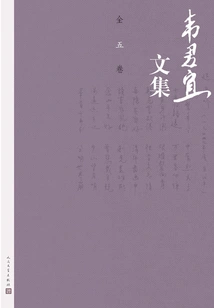
韦君宜文集(全5册)
Wei Junyi
Wei Junyi (1917-2002), writer and publisher. The collection is divided into five volumes, including novels, short stories, essays and memoirs, poetry, editor's notes, diaries, etc. Among them, the published works include "Mother and Son", "Record of Pain", "Lusha's Road", "Farewell Biography of Veteran Cadres", "Old Dreams Are Hard to Warm", "Collection of Women", "The Years Go by", "State of the Motherland", "Dreams of Prosperity at Sea", "What I Say to Young People", "Footprints of Progress", "Notes of an Old Editor". Unpublished works include diaries, work notes, poems and articles in the Tsinghua University Journal.
Wei Junyi (1917-2002), writer and publisher. The collection is divided into five volumes, including novels, short stories, essays and memoirs, poetry, editor's notes, diaries, etc. Among them, the published works include "Mother and Son", "Record of Pain", "Lusha's Road", "Farewell Biography of Veteran Cadres", "Old Dreams Are Hard to Warm", "Collection of Women", "The Years Go by", "State of the Motherland", "Dreams of Prosperity at Sea", "What I Say to Young People", "Footprints of Progress", "Notes of an Old Editor". Unpublished works include diaries, work notes, poems and articles in the Tsinghua University Journal.
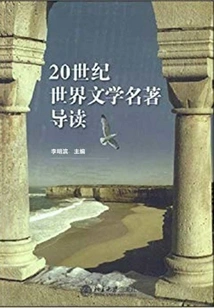
20世纪世界文学名著导读
Li Mingbin
"Introduction to 20th Century World Literature Masterpieces" excerpts from Romain Rolland's "John Christophe", Heller's "The Peeper", Eliot's "The Waste Land", Rabindranath Tagore's "Gitanjali" and other works are introduced.
"Introduction to 20th Century World Literature Masterpieces" excerpts from Romain Rolland's "John Christophe", Heller's "The Peeper", Eliot's "The Waste Land", Rabindranath Tagore's "Gitanjali" and other works are introduced.
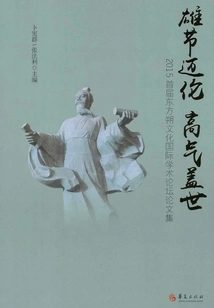
雄节迈伦 高气盖世:2015首届东方朔文化国际学术论坛论文集
Editor-in-chief Bu Xianqun Zhang Fali
In May 2015, nearly forty scholars from more than twenty universities and scientific research institutions at home and abroad gathered in Lingcheng District, Dezhou City, the hometown of Dongfang Shuo, which has beautiful scenery, beautiful folk customs and profound historical heritage. They participated in the "First International Academic Forum on Dongfang Shuo Culture" co-sponsored by the China Qin and Han History Research Association, the Dezhou Lingcheng District Committee of the Communist Party of China, the Lingcheng District People's Government, and the Dezhou Dongfang Shuo Research Association. In the history of the China Qin and Han History Research Association, this is the largest academic conference on the historical celebrity Dongfang Shuo. This book, the research result of this conference, will surely play an important and far-reaching role in promoting the study of Dongfang Shuo and the exploration of Dongfang Shuo's historical resources in Lingcheng District.
In May 2015, nearly forty scholars from more than twenty universities and scientific research institutions at home and abroad gathered in Lingcheng District, Dezhou City, the hometown of Dongfang Shuo, which has beautiful scenery, beautiful folk customs and profound historical heritage. They participated in the "First International Academic Forum on Dongfang Shuo Culture" co-sponsored by the China Qin and Han History Research Association, the Dezhou Lingcheng District Committee of the Communist Party of China, the Lingcheng District People's Government, and the Dezhou Dongfang Shuo Research Association. In the history of the China Qin and Han History Research Association, this is the largest academic conference on the historical celebrity Dongfang Shuo. This book, the research result of this conference, will surely play an important and far-reaching role in promoting the study of Dongfang Shuo and the exploration of Dongfang Shuo's historical resources in Lingcheng District.
Dai Wangshu's Collection
Literature戴望舒精品集
Written By Dai Wangshu And Edited By The Editorial Board Of This Series
Dai Wangshu was a well-known writer, poet, and translator during the Republic of China. This book contains many of his representative works, from which we can see his famous style.
Dai Wangshu was a well-known writer, poet, and translator during the Republic of China. This book contains many of his representative works, from which we can see his famous style.
Wen Yiduo's Collection
Literature闻一多精品集
Written By Wen Yiduo And Edited By The Editorial Board Of This Series
Wen Yiduo is a great modern Chinese patriot, a staunch democracy fighter, an early leader of the China Democratic League, a close friend of the Communist Party of China, a poet, a scholar, a democracy fighter, and a representative poet of the Crescent Party. This book contains the most representative masterpieces of his works.
Wen Yiduo is a great modern Chinese patriot, a staunch democracy fighter, an early leader of the China Democratic League, a close friend of the Communist Party of China, a poet, a scholar, a democracy fighter, and a representative poet of the Crescent Party. This book contains the most representative masterpieces of his works.
Shi Pingmei's Collection of Fine Works
Literature石评梅精品集
Written By Shi Pingmei Edited By The Editorial Board Of This Series
Shi Pingmei was one of the talented women of the Republic of China, but she died young. This book collects many of her representative works to allow readers to appreciate the style of Shi Pingmei's works.
Shi Pingmei was one of the talented women of the Republic of China, but she died young. This book collects many of her representative works to allow readers to appreciate the style of Shi Pingmei's works.
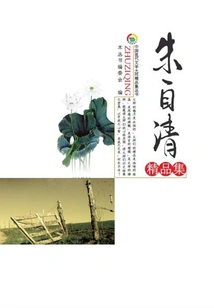
Zhu Ziqing's Collection
Literature朱自清精品集
Written By Zhu Ziqing Edited By The Editorial Board Of This Series
Zhu Ziqing's prose is recognized as a model for modern prose and modern Chinese. His humanistic character shows the integrity and clarity of Chinese intellectuals. Zhu Ziqing combines classical and modern, classical Chinese and spoken language, emotion and philosophy, meaning and rhetoric to an almost perfect state. In Zhu Ziqing's prose, the rhetorical function of Chinese is brought into full play without feeling cumbersome and cumbersome. It is a model of beautiful vernacular prose. Zhu Ziqing was poor and sick before his death, but he resolutely refused to receive "relief food" from the United States. Mao Zedong commented: "Zhu Ziqing was seriously ill and would rather starve to death than receive relief food from the United States... We should write a tribute to Wen Yiduo and Zhu Ziqing. They showed the heroic spirit of our nation." This book selects most of Zhu Ziqing's works and basically reflects the author's thoughts and artistic charm.
Zhu Ziqing's prose is recognized as a model for modern prose and modern Chinese. His humanistic character shows the integrity and clarity of Chinese intellectuals. Zhu Ziqing combines classical and modern, classical Chinese and spoken language, emotion and philosophy, meaning and rhetoric to an almost perfect state. In Zhu Ziqing's prose, the rhetorical function of Chinese is brought into full play without feeling cumbersome and cumbersome. It is a model of beautiful vernacular prose. Zhu Ziqing was poor and sick before his death, but he resolutely refused to receive "relief food" from the United States. Mao Zedong commented: "Zhu Ziqing was seriously ill and would rather starve to death than receive relief food from the United States... We should write a tribute to Wen Yiduo and Zhu Ziqing. They showed the heroic spirit of our nation." This book selects most of Zhu Ziqing's works and basically reflects the author's thoughts and artistic charm.
Panxiji
Literature盼兮集
Hu Kangmei
This book is a collection of poems by the calligrapher Hu Kangmei. It mainly selects works from the author's previously published poetry collections and recent poems. Some of the works are accompanied by the author's calligraphy for appreciation. The whole book is divided into four parts: Good Time, Sheng Ping Le, Zhe Dan Gui, and Tasha Xing. It contains creations in the form of quatrains, rhymed poems, lyrics, etc., Including both life and ambition.
This book is a collection of poems by the calligrapher Hu Kangmei. It mainly selects works from the author's previously published poetry collections and recent poems. Some of the works are accompanied by the author's calligraphy for appreciation. The whole book is divided into four parts: Good Time, Sheng Ping Le, Zhe Dan Gui, and Tasha Xing. It contains creations in the form of quatrains, rhymed poems, lyrics, etc., Including both life and ambition.
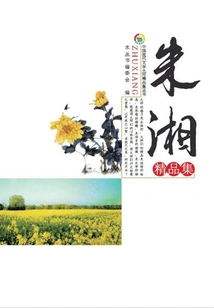
Zhu Xiang's Collection
Literature朱湘精品集
The Editorial Board Of This Series
Zhu Xiang's poems have perfect form, neat composition and harmonious rhythm. He has made useful explorations into the rhythm of new poetry. He is the poet who pays most attention to formal beauty among the Crescent School. Zhu Xiang's prose attaches great importance to the creation of artistic conception, and reasoning prose and narrative prose also have their own characteristics. This book selects most of Zhu Xiang's works, from which readers can appreciate the author's thoughts and artistic talent.
Zhu Xiang's poems have perfect form, neat composition and harmonious rhythm. He has made useful explorations into the rhythm of new poetry. He is the poet who pays most attention to formal beauty among the Crescent School. Zhu Xiang's prose attaches great importance to the creation of artistic conception, and reasoning prose and narrative prose also have their own characteristics. This book selects most of Zhu Xiang's works, from which readers can appreciate the author's thoughts and artistic talent.
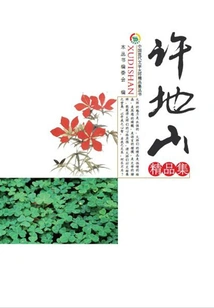
Xu Dishan Collection
Literature许地山精品集
Written By Xu Dishan And Edited By The Editorial Board Of This Series
Xu Dishan is the most unique among the writers of the Literary Research Association. His creations have literary value that cannot be repeated or replaced by others. His works have a distinct religious flavor. He is a religious scholar, so when he pays attention to "human problems", he often looks for answers from religion, which has a strong speculative color of religious philosophy. This constitutes the important spiritual quality of Xu Dishan's works. The text of Xu Dishan's works is fresh, thus covering up the original tragic color of the works. His dominant tendency is to enter the world with a transcendent spirit, using the appearance of a weak person to contain the core of a strong person. This constitutes Xu Dishan's unique Eastern cultural and philosophical spirit. This book selects most of Xu Dishan's works, from which readers can appreciate the charming style written by the literary master.
Xu Dishan is the most unique among the writers of the Literary Research Association. His creations have literary value that cannot be repeated or replaced by others. His works have a distinct religious flavor. He is a religious scholar, so when he pays attention to "human problems", he often looks for answers from religion, which has a strong speculative color of religious philosophy. This constitutes the important spiritual quality of Xu Dishan's works. The text of Xu Dishan's works is fresh, thus covering up the original tragic color of the works. His dominant tendency is to enter the world with a transcendent spirit, using the appearance of a weak person to contain the core of a strong person. This constitutes Xu Dishan's unique Eastern cultural and philosophical spirit. This book selects most of Xu Dishan's works, from which readers can appreciate the charming style written by the literary master.
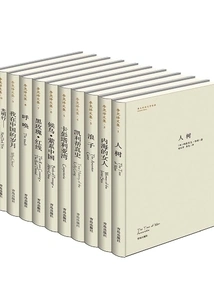
李尧译文集(套装共10册)
(australia) Patrick White, Thomas Keneally, Etc.
"Collection of Translated Works by Li Yao" (ten volumes) is a collection of Australian literary classics translated by Mr. Li Yao, a famous translator and recipient of the Australian Medal of Excellence. This book covers Australia's Nobel Prize for Literature, the Miles Franklin Prize, the Booker Prize and many other award-winning works, including "The Man Tree" by Australian Nobel Prize winner Patrick White, and the original author of "Schindler's List" Thomas Keneally's "The Woman of the Inner Sea", "The Calling" by Colleen McCullough, the author of "The Thorn Birds", "The True History of the Kelly Gang" by Peter Carey, the two-time Booker Prize winner, and some award-winning works related to China. The authors are well-known and the works are highly readable.
"Collection of Translated Works by Li Yao" (ten volumes) is a collection of Australian literary classics translated by Mr. Li Yao, a famous translator and recipient of the Australian Medal of Excellence. This book covers Australia's Nobel Prize for Literature, the Miles Franklin Prize, the Booker Prize and many other award-winning works, including "The Man Tree" by Australian Nobel Prize winner Patrick White, and the original author of "Schindler's List" Thomas Keneally's "The Woman of the Inner Sea", "The Calling" by Colleen McCullough, the author of "The Thorn Birds", "The True History of the Kelly Gang" by Peter Carey, the two-time Booker Prize winner, and some award-winning works related to China. The authors are well-known and the works are highly readable.
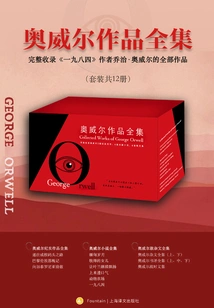
奥威尔作品全集(套装共12册)
George Orwell
Complete collection of all works by George Orwell, author of "1984". George Orwell (1903-1950) was a great British humanitarian writer, journalist and social critic. His handed down works "1984" and "Animal Farm" are popular and timeless, and he is known as "the cold conscience of a generation of British people". Orwell is one of the most thought-provoking and vivid essayists of the 20th century. He is famous for his extraordinary energy and uncompromising language, using pen and paper to fight against the prejudices of his time. This complete collection includes all the fictional and non-fiction works created by Orwell in his life, including "Down and Out in Paris and London", "The Road to Wigan Pier", "Homage to Catalonia", "The Burmese Years", "The Vicar's Daughter" and "Jean Ye". "The Orchid Keeps Flying", "Come Up for Breath", "Animal Farm", "1984", "Orwell's Complete Essays", "Orwell's Complete Book Reviews" and "Orwell's Wartime Works" are composed of twelve volumes, which are published in the form of exquisite letter sets.
Complete collection of all works by George Orwell, author of "1984". George Orwell (1903-1950) was a great British humanitarian writer, journalist and social critic. His handed down works "1984" and "Animal Farm" are popular and timeless, and he is known as "the cold conscience of a generation of British people". Orwell is one of the most thought-provoking and vivid essayists of the 20th century. He is famous for his extraordinary energy and uncompromising language, using pen and paper to fight against the prejudices of his time. This complete collection includes all the fictional and non-fiction works created by Orwell in his life, including "Down and Out in Paris and London", "The Road to Wigan Pier", "Homage to Catalonia", "The Burmese Years", "The Vicar's Daughter" and "Jean Ye". "The Orchid Keeps Flying", "Come Up for Breath", "Animal Farm", "1984", "Orwell's Complete Essays", "Orwell's Complete Book Reviews" and "Orwell's Wartime Works" are composed of twelve volumes, which are published in the form of exquisite letter sets.
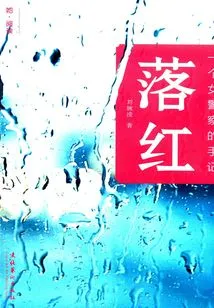
Luohong
Literature落红
Liu Wanying
This book contains more than ten literary works such as short stories, documentary literature, and essays: "It's Better to Go Back", "Unbalanced Memories", "Maternity Ward", "Musk Rain", etc.
This book contains more than ten literary works such as short stories, documentary literature, and essays: "It's Better to Go Back", "Unbalanced Memories", "Maternity Ward", "Musk Rain", etc.
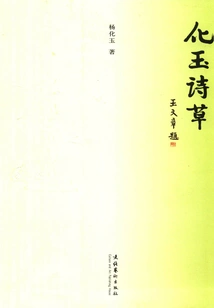
Jade Poetry Grass
Literature化玉诗草
Yang Huayu
Yang Huayu's poems have a broad vision and diverse themes. They are easy to read and sincere and touching. The related images of hometown and childhood occupy a very important position in the poems. This book contains hundreds of ancient poems, lyrics, and modern poems written by the author over the past 30 years. Yang Huayu's poems have a broad vision, diverse themes and forms, including seven-character and five-character ancient styles, Chinese haiku, long and short sentences, and new poems. The content of Yang Huayu's poems includes recording events and memories, observing sights and travels, describing objects and describing history, praising the present and recalling the past, and various feelings about life and all phenomena in the world. The spark of youth, the simple nature, the inner feelings, the indomitable faith; the deep love for the homeland, the true love for friends, the passion for life, the enthusiasm for work; what you see in your dreams, what you think on the pillow, the sweetness and bitterness of life, the joys and sorrows in your heart, the twists and turns of the road... Every little bit is collected into a chapter.
Yang Huayu's poems have a broad vision and diverse themes. They are easy to read and sincere and touching. The related images of hometown and childhood occupy a very important position in the poems. This book contains hundreds of ancient poems, lyrics, and modern poems written by the author over the past 30 years. Yang Huayu's poems have a broad vision, diverse themes and forms, including seven-character and five-character ancient styles, Chinese haiku, long and short sentences, and new poems. The content of Yang Huayu's poems includes recording events and memories, observing sights and travels, describing objects and describing history, praising the present and recalling the past, and various feelings about life and all phenomena in the world. The spark of youth, the simple nature, the inner feelings, the indomitable faith; the deep love for the homeland, the true love for friends, the passion for life, the enthusiasm for work; what you see in your dreams, what you think on the pillow, the sweetness and bitterness of life, the joys and sorrows in your heart, the twists and turns of the road... Every little bit is collected into a chapter.
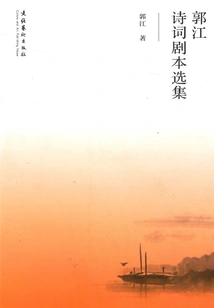
Selected Poems and Scripts by Guo Jiang
Literature郭江诗词剧本选集
Guo Jiang
Guo Jiang's life experience was very bumpy. He served as a soldier in the Heilongjiang Production and Construction Corps, a steel worker in the Linfen Steel Plant, and then fulfilled his dream of being a choreographer at the Linfen Pu Theater. He finally worked at the "China Peking Opera" magazine until his retirement.
Guo Jiang's life experience was very bumpy. He served as a soldier in the Heilongjiang Production and Construction Corps, a steel worker in the Linfen Steel Plant, and then fulfilled his dream of being a choreographer at the Linfen Pu Theater. He finally worked at the "China Peking Opera" magazine until his retirement.
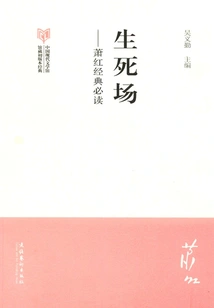
萧红经典必读:生死场
Editor-in-chief Wu Yiqin
"The First Edition Classic Collection of the Museum of Modern Literature in China: The Field of Life and Death: A Must-Read Classic by Xiao Hong" is a classic masterpiece handed down from generation to generation by Xiao Hong. It provides a thorough and profound interpretation of the ancient issue of human nature and human survival. This kind of thinking about life's survival and death exceeds that of most writers of the same generation. Lu Xun called it a picture that "sees through the back of the paper" of "the northern people's tenacity for life and struggle for death." In addition, "First Edition Classics Collection of the Museum of Modern Literature - Field of Life and Death: Xiao Hong's Classics Must-Read" also includes Xiao Hong's other short stories and prose works.
"The First Edition Classic Collection of the Museum of Modern Literature in China: The Field of Life and Death: A Must-Read Classic by Xiao Hong" is a classic masterpiece handed down from generation to generation by Xiao Hong. It provides a thorough and profound interpretation of the ancient issue of human nature and human survival. This kind of thinking about life's survival and death exceeds that of most writers of the same generation. Lu Xun called it a picture that "sees through the back of the paper" of "the northern people's tenacity for life and struggle for death." In addition, "First Edition Classics Collection of the Museum of Modern Literature - Field of Life and Death: Xiao Hong's Classics Must-Read" also includes Xiao Hong's other short stories and prose works.
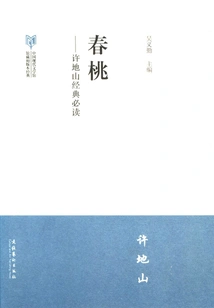
Xu Dishan's Classic Must-read: Chuntao
Literature许地山经典必读:春桃
Editor-in-chief Wu Yiqin
This book is one of the series of "First Edition Classics Collection of the Museum of Modern Literature in China". It selects and compiles the best works of Xu Dishan's prose, novels and academic research, from which you can appreciate the charming style of the literary master's writings.
This book is one of the series of "First Edition Classics Collection of the Museum of Modern Literature in China". It selects and compiles the best works of Xu Dishan's prose, novels and academic research, from which you can appreciate the charming style of the literary master's writings.
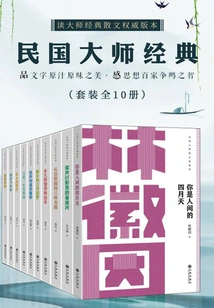
民国大师经典全10册
Lao She Xiao Hong Zhu Ziqing Et Al.
During the Republic of China period, when Chinese and Western cultures collided and old and new ideas alternated, literary masters emerged who created countless excellent prose, poetry, novels and other literary works. Among them, the prose works of ten masters such as Lu Xun, Hu Shi, Zhou Zuoren, Lin Huiyin, Zhu Ziqing, Xiao Hong, Lao She, Xu Zhimo, Yu Dafu and Fu Lei are particularly outstanding. Each has its own style. They are famous at that time and have been passed down to this day, and are regarded as classics. "Selected Prose Collection of Masters of the Republic of China" selects excellent works from the classics. You can read Lu Xun's tenderness in his cold eyebrows, Hu Shi's sensitive confusion in his broad-mindedness, Zhou Zuoren's sharpness in his plainness and harmony, Lin Huiyin's concern for his family and country in his freshness and beauty, Zhu The refinement and simplicity in the splendor and spirituality of Zi Qing, the tenacity and self-control in Xiao Hong's delicate melancholy, the profound irony in Lao She's relaxed humor, the wise philosophy in Xu Zhimo's aesthetic romance, the clear and frankness in Yu Dafu's melancholy and sadness, and Fu Lei's innocent feelings in his calmness.
During the Republic of China period, when Chinese and Western cultures collided and old and new ideas alternated, literary masters emerged who created countless excellent prose, poetry, novels and other literary works. Among them, the prose works of ten masters such as Lu Xun, Hu Shi, Zhou Zuoren, Lin Huiyin, Zhu Ziqing, Xiao Hong, Lao She, Xu Zhimo, Yu Dafu and Fu Lei are particularly outstanding. Each has its own style. They are famous at that time and have been passed down to this day, and are regarded as classics. "Selected Prose Collection of Masters of the Republic of China" selects excellent works from the classics. You can read Lu Xun's tenderness in his cold eyebrows, Hu Shi's sensitive confusion in his broad-mindedness, Zhou Zuoren's sharpness in his plainness and harmony, Lin Huiyin's concern for his family and country in his freshness and beauty, Zhu The refinement and simplicity in the splendor and spirituality of Zi Qing, the tenacity and self-control in Xiao Hong's delicate melancholy, the profound irony in Lao She's relaxed humor, the wise philosophy in Xu Zhimo's aesthetic romance, the clear and frankness in Yu Dafu's melancholy and sadness, and Fu Lei's innocent feelings in his calmness.
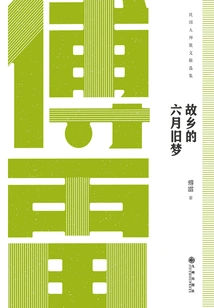
民国大师经典丛书:故乡的六月旧梦:傅雷散文集
Fu Lei
Fu Lei's "Old Dreams in Hometown in June" Fu Lei is known for his honest and elegant translation. He is not only famous for his translations, but also for many master-level proses that are as good as the translations. In order to showcase the multi-faceted charm of Fu Lei's prose, this collection selects 43 masterpieces of the author's prose from each period, including "In a Dream", "A Scene in Memories", "Wandering in the Luxembourg Gardens", "Impressions on Reading a Play", "On Zhang Ailing's Novels" "Modern French Literary Thoughts" and other quiet and profound philosophical commentary works, as well as "Parting Dreams", "Dedicating Mother on the Way to Singapore", "Huai Yiren", "We Have Lost Our Support - Mourning for Zhang Xian" and other masterpieces full of innocent feelings. By reading this book, you can fully understand the author's prose style, life thoughts, and even the style of the times.
Fu Lei's "Old Dreams in Hometown in June" Fu Lei is known for his honest and elegant translation. He is not only famous for his translations, but also for many master-level proses that are as good as the translations. In order to showcase the multi-faceted charm of Fu Lei's prose, this collection selects 43 masterpieces of the author's prose from each period, including "In a Dream", "A Scene in Memories", "Wandering in the Luxembourg Gardens", "Impressions on Reading a Play", "On Zhang Ailing's Novels" "Modern French Literary Thoughts" and other quiet and profound philosophical commentary works, as well as "Parting Dreams", "Dedicating Mother on the Way to Singapore", "Huai Yiren", "We Have Lost Our Support - Mourning for Zhang Xian" and other masterpieces full of innocent feelings. By reading this book, you can fully understand the author's prose style, life thoughts, and even the style of the times.
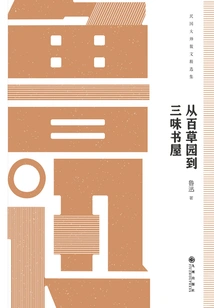
Classics Series of Masters of the Republic of China: from Baicao Garden to Sanwei Bookstore: Lu Xun
Literature民国大师经典丛书:从百草园到三味书屋:鲁迅
Lu Xun
Introduction: Lu Xun is known for his cold-faced and spear-throwing prose, but he is not only a warrior who uses his pen as a sword, but his prose also contains tenderness and tenderness. This collection is based on "The Complete Works of Lu Xun" compiled by the Lu Xun Memorial Committee and published by Shanghai Fushe in 1938. It also refers to "The Complete Works of Lu Xun" edited by Lu Xun's son Zhou Haiying, and selects 81 representative prose works of the author in various periods. Not only "For Forgetting" "Remembrance", "Usageism", "Flowerless Roses", "What Happened to Nora After She Left", "The Art of Two Clowns" and other gun-throwing articles, as well as works full of tenderness and tenderness such as "From Baicao Garden to Sanwei Bookstore", "Kite", "Autumn Night", "Hope", ""This Is Also Life"...". By reading this book, you can fully understand the author's prose style, life thoughts, and even the style of the times.
Introduction: Lu Xun is known for his cold-faced and spear-throwing prose, but he is not only a warrior who uses his pen as a sword, but his prose also contains tenderness and tenderness. This collection is based on "The Complete Works of Lu Xun" compiled by the Lu Xun Memorial Committee and published by Shanghai Fushe in 1938. It also refers to "The Complete Works of Lu Xun" edited by Lu Xun's son Zhou Haiying, and selects 81 representative prose works of the author in various periods. Not only "For Forgetting" "Remembrance", "Usageism", "Flowerless Roses", "What Happened to Nora After She Left", "The Art of Two Clowns" and other gun-throwing articles, as well as works full of tenderness and tenderness such as "From Baicao Garden to Sanwei Bookstore", "Kite", "Autumn Night", "Hope", ""This Is Also Life"...". By reading this book, you can fully understand the author's prose style, life thoughts, and even the style of the times.
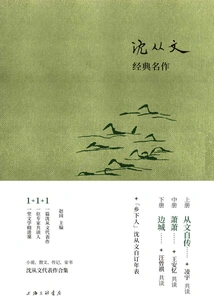
沈从文经典名作(上中下套装3册)
Written By Shen Congwen And Edited By Zhao Yuan
What makes this book "Shen Congwen's Classic Masterpieces" unique is not just a set of pastoral, original and complete collections of Shen Congwen's masterpieces (including novels, essays, biographies, family letters and cultural relic research, etc.) That adopt the first edition of the Republic of China, all chapters are polished. For many years, it has been based on Shen Congwen's own way of "taking things seriously"), and it also lies in the way we share it today, that is, the "1+1+1" classic reading plan, a representative work of Shen Congwen, an expert reading together, and a literary improvement class...
What makes this book "Shen Congwen's Classic Masterpieces" unique is not just a set of pastoral, original and complete collections of Shen Congwen's masterpieces (including novels, essays, biographies, family letters and cultural relic research, etc.) That adopt the first edition of the Republic of China, all chapters are polished. For many years, it has been based on Shen Congwen's own way of "taking things seriously"), and it also lies in the way we share it today, that is, the "1+1+1" classic reading plan, a representative work of Shen Congwen, an expert reading together, and a literary improvement class...
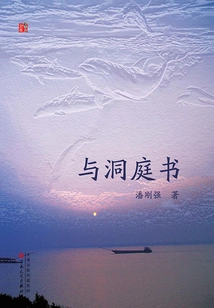
And Dongting Book
Literature与洞庭书
Pan Gangqiang
"Book with Dongting" is a collection of scenery about the plants and animals in the Dongting Lake Wetland. The author Pan Gangqiang is a member of the Chinese Writers Association and the vice chairman of the Yueyang Writers Association of Hunan Province. Member of the Standing Committee of the 5th, 6th and 7th CPPCC Hunan Province Yueyang Municipal Committee and Director of the Economic and Technological Committee. Cooperating with the World Wildlife Fund (WWF) and the East Dongting Lake National Nature Reserve Administration, it undertakes topics such as Dongting Lake Wetland, eco-tourism and finless porpoise protection. He was born and raised here, and the various intersections with plants and animals make beauty and moving coexist; at the same time, this place also has a cultural heritage passed down from Qu Yuan and Du Fu to the present day. In the land of Wenchang, the author also writes about the origin and development of the culture that has existed here for thousands of years. He describes it from multiple angles. The text is simple, beautiful and truly moving. From a perspective with the characteristics of looking straight up, he records the intimate dialogue between the towers, islands, lakes, fish and birds, and opens the poetic album of aquatic elves.
"Book with Dongting" is a collection of scenery about the plants and animals in the Dongting Lake Wetland. The author Pan Gangqiang is a member of the Chinese Writers Association and the vice chairman of the Yueyang Writers Association of Hunan Province. Member of the Standing Committee of the 5th, 6th and 7th CPPCC Hunan Province Yueyang Municipal Committee and Director of the Economic and Technological Committee. Cooperating with the World Wildlife Fund (WWF) and the East Dongting Lake National Nature Reserve Administration, it undertakes topics such as Dongting Lake Wetland, eco-tourism and finless porpoise protection. He was born and raised here, and the various intersections with plants and animals make beauty and moving coexist; at the same time, this place also has a cultural heritage passed down from Qu Yuan and Du Fu to the present day. In the land of Wenchang, the author also writes about the origin and development of the culture that has existed here for thousands of years. He describes it from multiple angles. The text is simple, beautiful and truly moving. From a perspective with the characteristics of looking straight up, he records the intimate dialogue between the towers, islands, lakes, fish and birds, and opens the poetic album of aquatic elves.
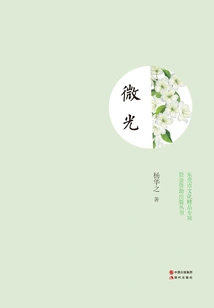
Shimmer
Literature微光
Yang Huazhi
This is a collection of monologues that express wandering, nostalgia, and the true feelings between man and nature. Wandering without losing the true nature of the heart, looking back and full of helplessness in reality, being surrounded by mountains and rivers and always cherishing the Zen feeling of "the unity of nature and man". The author uses his own language flavor and rhythm to focus on the low and weak things, and integrates painting and music into the text, making a valuable attempt to inherit the tradition of poetry and open up the unknown of new poetry.
This is a collection of monologues that express wandering, nostalgia, and the true feelings between man and nature. Wandering without losing the true nature of the heart, looking back and full of helplessness in reality, being surrounded by mountains and rivers and always cherishing the Zen feeling of "the unity of nature and man". The author uses his own language flavor and rhythm to focus on the low and weak things, and integrates painting and music into the text, making a valuable attempt to inherit the tradition of poetry and open up the unknown of new poetry.
沈从文经典名作:萧萧(中册)
Written By Shen Congwen And Edited By Zhao Yuan
What makes this book "Shen Congwen's Classic Masterpieces" unique is not just a set of pastoral, original and complete collections of Shen Congwen's masterpieces (including novels, essays, biographies, family letters and cultural relic research, etc.) That adopt the first edition of the Republic of China, all chapters are polished. For many years, it has been based on Shen Congwen's own way of "taking things seriously"), and it also lies in the way we share it today, that is, the "1+1+1" classic reading plan, a representative work of Shen Congwen, an expert reading together, and a literary improvement class...
What makes this book "Shen Congwen's Classic Masterpieces" unique is not just a set of pastoral, original and complete collections of Shen Congwen's masterpieces (including novels, essays, biographies, family letters and cultural relic research, etc.) That adopt the first edition of the Republic of China, all chapters are polished. For many years, it has been based on Shen Congwen's own way of "taking things seriously"), and it also lies in the way we share it today, that is, the "1+1+1" classic reading plan, a representative work of Shen Congwen, an expert reading together, and a literary improvement class...
沈从文经典名作:边城(下册)
Written By Shen Congwen And Edited By Zhao Yuan
What makes this book "Shen Congwen's Classic Masterpieces" unique is not just a set of pastoral, original and complete collections of Shen Congwen's masterpieces (including novels, essays, biographies, family letters and cultural relic research, etc.) That adopt the first edition of the Republic of China, all chapters are polished. For many years, it has been based on Shen Congwen's own way of "taking things seriously"), and it also lies in the way we share it today, that is, the "1+1+1" classic reading plan, a representative work of Shen Congwen, an expert reading together, and a literary improvement class...
What makes this book "Shen Congwen's Classic Masterpieces" unique is not just a set of pastoral, original and complete collections of Shen Congwen's masterpieces (including novels, essays, biographies, family letters and cultural relic research, etc.) That adopt the first edition of the Republic of China, all chapters are polished. For many years, it has been based on Shen Congwen's own way of "taking things seriously"), and it also lies in the way we share it today, that is, the "1+1+1" classic reading plan, a representative work of Shen Congwen, an expert reading together, and a literary improvement class...
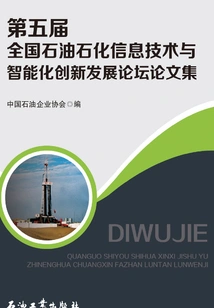
第五届全国石油石化信息技术与智能化创新发展论坛论文集
China Petroleum Enterprises Association
Focusing on the theme of "improving the informatization level of petroleum and petrochemical enterprises, realizing intelligent production and management, and promoting high-quality development of the petroleum and petrochemical industry", this book contains a total of 280 papers from the Fifth National Petroleum and Petrochemical Information Technology and Intelligent Innovation and Development Forum. The selected papers range from theory to practice, with novel themes and rich content. They comprehensively demonstrate the latest cutting-edge technologies and application results of information technology and intelligence in petroleum and petrochemical enterprises, and jointly discuss the future development trends, opportunities and challenges of information technology. This book is suitable for managers and employees of petroleum companies, as well as teachers and students of petroleum colleges.
Focusing on the theme of "improving the informatization level of petroleum and petrochemical enterprises, realizing intelligent production and management, and promoting high-quality development of the petroleum and petrochemical industry", this book contains a total of 280 papers from the Fifth National Petroleum and Petrochemical Information Technology and Intelligent Innovation and Development Forum. The selected papers range from theory to practice, with novel themes and rich content. They comprehensively demonstrate the latest cutting-edge technologies and application results of information technology and intelligence in petroleum and petrochemical enterprises, and jointly discuss the future development trends, opportunities and challenges of information technology. This book is suitable for managers and employees of petroleum companies, as well as teachers and students of petroleum colleges.
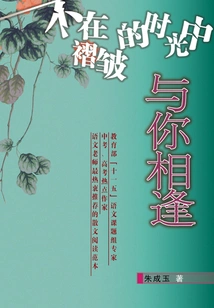
I Won't Meet You in the Folds of Time
Literature不在褶皱的时光中与你相逢
Zhu Chengyu
In this life, who has not done something that makes him regret? Those regrets often come out at a certain moment, crawling into your heart like a worm, making you extremely sad. It is these regrets that make you know how to cherish, cherish your loved ones and friends around you, and cherish everything, even the scenery that passes you by. Knowing how to repent will make the rest of your life richer in calcium. This is a collection of stories about soul repentance. Through each story of missing or regret, a piece of greenery emerges in the increasingly numb soul. This regret is reclaiming the desolation in our hearts inch by inch.
In this life, who has not done something that makes him regret? Those regrets often come out at a certain moment, crawling into your heart like a worm, making you extremely sad. It is these regrets that make you know how to cherish, cherish your loved ones and friends around you, and cherish everything, even the scenery that passes you by. Knowing how to repent will make the rest of your life richer in calcium. This is a collection of stories about soul repentance. Through each story of missing or regret, a piece of greenery emerges in the increasingly numb soul. This regret is reclaiming the desolation in our hearts inch by inch.
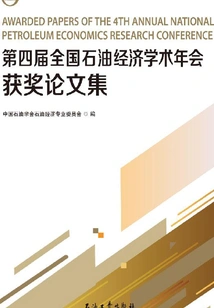
第四届全国石油经济学术年会获奖论文集
Petroleum Economics Professional Committee Of China Petroleum Society
This book collects award-winning papers from the 4th National Petroleum Economics Academic Annual Conference with the theme of "Innovating Institutional Mechanisms to Stimulate Vitality and Power". It reflects the analysis and thinking of petroleum economists on relevant issues from the aspects of research on the reform and development of the oil and gas industry, research and practice on management innovation of petroleum and petrochemical enterprises to implement "slimming and fitness, improving quality and efficiency", and research on the benefit development strategies of oil and gas field enterprises under low oil prices. This book can provide a reference for governments, industries, enterprises and research institutions to understand the focus and hot issues of oil and gas economics, and promote the exchange and sharing of oil economic research results.
This book collects award-winning papers from the 4th National Petroleum Economics Academic Annual Conference with the theme of "Innovating Institutional Mechanisms to Stimulate Vitality and Power". It reflects the analysis and thinking of petroleum economists on relevant issues from the aspects of research on the reform and development of the oil and gas industry, research and practice on management innovation of petroleum and petrochemical enterprises to implement "slimming and fitness, improving quality and efficiency", and research on the benefit development strategies of oil and gas field enterprises under low oil prices. This book can provide a reference for governments, industries, enterprises and research institutions to understand the focus and hot issues of oil and gas economics, and promote the exchange and sharing of oil economic research results.
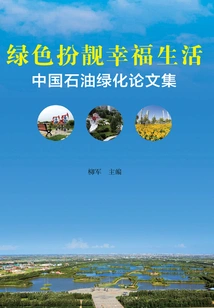
绿色扮靓幸福生活:中国石油绿化论文集
Liu Jun
This book contains more than 20 award-winning papers from the greening paper collection and selection activities organized by the China Petroleum Greening Committee Office, including the exploration of oilfield greening construction models and the application of greening technology. This book has extensive content and strong pertinence. It has both certain academic value and strong practical guidance significance. It can be read and referenced by managers and technicians of petroleum and petrochemical greening systems.
This book contains more than 20 award-winning papers from the greening paper collection and selection activities organized by the China Petroleum Greening Committee Office, including the exploration of oilfield greening construction models and the application of greening technology. This book has extensive content and strong pertinence. It has both certain academic value and strong practical guidance significance. It can be read and referenced by managers and technicians of petroleum and petrochemical greening systems.
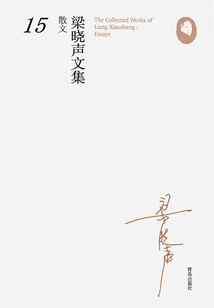
梁晓声文集·散文15
Liang Xiaosheng
"Collected Works of Liang Xiaosheng·Prose" collects as much as possible all the prose works created by Liang Xiaosheng so far. These works penetrate the changes in social history, the transfer of customs and human feelings, and the introspection of the human soul. They epically depict the panorama of the times from different angles and levels, and discuss many social hot issues.
"Collected Works of Liang Xiaosheng·Prose" collects as much as possible all the prose works created by Liang Xiaosheng so far. These works penetrate the changes in social history, the transfer of customs and human feelings, and the introspection of the human soul. They epically depict the panorama of the times from different angles and levels, and discuss many social hot issues.
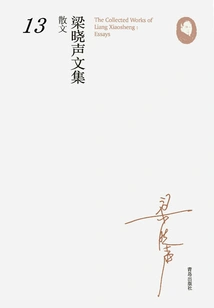
梁晓声文集·散文13
Liang Xiaosheng
"Collected Works of Liang Xiaosheng·Prose" collects as much as possible all the prose works created by Liang Xiaosheng so far. These works penetrate the changes in social history, the transfer of customs and human feelings, and the introspection of the human soul. They epically depict the panorama of the times from different angles and levels, and discuss many social hot issues.
"Collected Works of Liang Xiaosheng·Prose" collects as much as possible all the prose works created by Liang Xiaosheng so far. These works penetrate the changes in social history, the transfer of customs and human feelings, and the introspection of the human soul. They epically depict the panorama of the times from different angles and levels, and discuss many social hot issues.