Library
Browse and search books
2,982 novels found
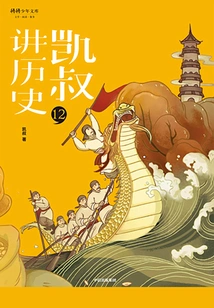
“凯叔讲历史”系列·第二辑·12宋辽金(上)
Uncle Kai
"Uncle Kai Tells History" originated from the audio program "Uncle Kai Tells History" which has sold over 100,000 yuan on the "Uncle Kai Storytelling" app listened to by millions of users. The complete set of books is divided into two volumes. This is the second volume of "Uncle Kai Tells History", which contains 114 historical stories from 7 dynasties from the Southern and Northern Dynasties to the late Qing Dynasty. It is intended to express the traditional Chinese wisdom of governing the country and dealing with people through historical stories, that is, "read the taste of history and gain energy for life."
"Uncle Kai Tells History" originated from the audio program "Uncle Kai Tells History" which has sold over 100,000 yuan on the "Uncle Kai Storytelling" app listened to by millions of users. The complete set of books is divided into two volumes. This is the second volume of "Uncle Kai Tells History", which contains 114 historical stories from 7 dynasties from the Southern and Northern Dynasties to the late Qing Dynasty. It is intended to express the traditional Chinese wisdom of governing the country and dealing with people through historical stories, that is, "read the taste of history and gain energy for life."
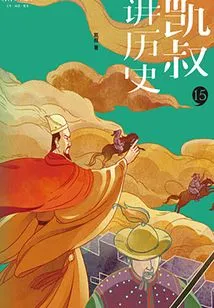
“凯叔讲历史”系列·第二辑·15明(上)
Uncle Kai
"Uncle Kai Tells History" originated from the audio program "Uncle Kai Tells History" which has sold over 100,000 yuan on the "Uncle Kai Storytelling" app listened to by millions of users. The complete set of books is divided into two volumes. This is the second volume of "Uncle Kai Tells History", which contains 114 historical stories from 7 dynasties from the Southern and Northern Dynasties to the late Qing Dynasty. It is intended to express the traditional Chinese wisdom of governing the country and dealing with people through historical stories, that is, "read the taste of history and gain energy for life."
"Uncle Kai Tells History" originated from the audio program "Uncle Kai Tells History" which has sold over 100,000 yuan on the "Uncle Kai Storytelling" app listened to by millions of users. The complete set of books is divided into two volumes. This is the second volume of "Uncle Kai Tells History", which contains 114 historical stories from 7 dynasties from the Southern and Northern Dynasties to the late Qing Dynasty. It is intended to express the traditional Chinese wisdom of governing the country and dealing with people through historical stories, that is, "read the taste of history and gain energy for life."
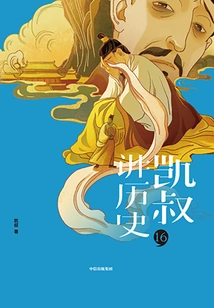
“凯叔讲历史”系列·第二辑·16明(下)
Uncle Kai
"Uncle Kai Tells History" originated from the audio program "Uncle Kai Tells History" which has sold over 100,000 yuan on the "Uncle Kai Storytelling" app listened to by millions of users. The complete set of books is divided into two volumes. This is the second volume of "Uncle Kai Tells History", which contains 114 historical stories from 7 dynasties from the Southern and Northern Dynasties to the late Qing Dynasty. It is intended to express the traditional Chinese wisdom of governing the country and dealing with people through historical stories, that is, "read the taste of history and gain energy for life."
"Uncle Kai Tells History" originated from the audio program "Uncle Kai Tells History" which has sold over 100,000 yuan on the "Uncle Kai Storytelling" app listened to by millions of users. The complete set of books is divided into two volumes. This is the second volume of "Uncle Kai Tells History", which contains 114 historical stories from 7 dynasties from the Southern and Northern Dynasties to the late Qing Dynasty. It is intended to express the traditional Chinese wisdom of governing the country and dealing with people through historical stories, that is, "read the taste of history and gain energy for life."
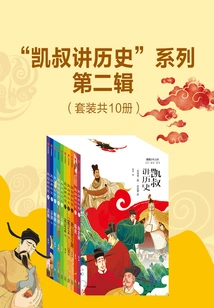
“凯叔讲历史”系列·第二辑(套装共10册)
Uncle Kai
"Uncle Kai Tells History" originated from the audio program "Uncle Kai Tells History" which has sold over 100,000 yuan on the "Uncle Kai Storytelling" app listened to by millions of users. The complete set of books is divided into two volumes. This is the second volume of "Uncle Kai Tells History", which contains 114 historical stories from 7 dynasties from the Southern and Northern Dynasties to the late Qing Dynasty. It is intended to express the traditional Chinese wisdom of governing the country and dealing with people through historical stories, that is, "read the taste of history and gain energy for life."
"Uncle Kai Tells History" originated from the audio program "Uncle Kai Tells History" which has sold over 100,000 yuan on the "Uncle Kai Storytelling" app listened to by millions of users. The complete set of books is divided into two volumes. This is the second volume of "Uncle Kai Tells History", which contains 114 historical stories from 7 dynasties from the Southern and Northern Dynasties to the late Qing Dynasty. It is intended to express the traditional Chinese wisdom of governing the country and dealing with people through historical stories, that is, "read the taste of history and gain energy for life."
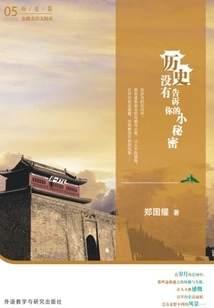
历史没有告诉你的小秘密:历史卷
Zheng Guoyao
The contents of "The Little Secrets History Doesn't Tell You: History Volume" are all history-related essays, involving many historical figures and events. The author uses a unique perspective to show the world the unknown side of history. Taking into account both knowledge and interest, it aims to allow readers to gain something while reading happily. Let students experience rich feelings, feel the joy of reading, climb to spiritual heights, and choose a broader and richer life. The wind, smoke and dust that are gradually passing away make people sigh with emotion. When you open the window of history, you will always find unexpected scenery...
The contents of "The Little Secrets History Doesn't Tell You: History Volume" are all history-related essays, involving many historical figures and events. The author uses a unique perspective to show the world the unknown side of history. Taking into account both knowledge and interest, it aims to allow readers to gain something while reading happily. Let students experience rich feelings, feel the joy of reading, climb to spiritual heights, and choose a broader and richer life. The wind, smoke and dust that are gradually passing away make people sigh with emotion. When you open the window of history, you will always find unexpected scenery...
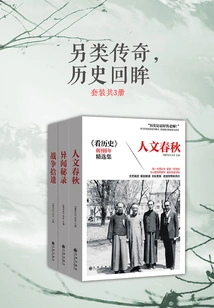
另类传奇,历史回眸(套装共3册)
Editor-in-chief Of "looking At History" Magazine
"Looking at History" has accumulated a large number of excellent articles in the eight years since its publication. These articles often publish many new viewpoints based on the exploration of new historical materials, allowing readers to gain new feelings and be inspired by new things. The editorial department of the magazine selects the best from thousands of manuscripts and assembles them based on different themes. This set includes: "Humanistic Spring and Autumn", "Secret Records of Strange Stories", and "War Supplements".
"Looking at History" has accumulated a large number of excellent articles in the eight years since its publication. These articles often publish many new viewpoints based on the exploration of new historical materials, allowing readers to gain new feelings and be inspired by new things. The editorial department of the magazine selects the best from thousands of manuscripts and assembles them based on different themes. This set includes: "Humanistic Spring and Autumn", "Secret Records of Strange Stories", and "War Supplements".
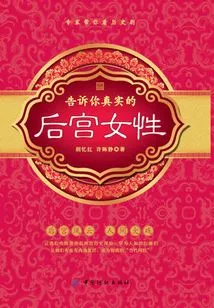
告诉你真实的后宫女性
Hu Yihong Xu Chenjing
What was the real "Mi Yue" like in history? What kind of life did the historical prototype of the fictional character "Nihuang" have? Did the Empress Dowager Xiaozhuang really marry Dorgon? Is Concubine Zhen considered a patriotic concubine? Is Ruyi really Qianlong's beloved queen? "Tell You the Real Harem Women" has a serious discussion on such issues, rigorous verification, and uses authoritative historical data as the basis to restore the original historical appearance of Mi Yue and other 19 harem women in popular film and television dramas. It tells their real life stories in humorous writing and analyzes the most influential plots in the film and television dramas, helping viewers and readers to distinguish historical truth from artistic creation, so as to objectively understand historical figures. On this basis, this book also shows the beautiful side of women's emotions in the harem, allowing people to see the emotional world beyond "palace fighting".
What was the real "Mi Yue" like in history? What kind of life did the historical prototype of the fictional character "Nihuang" have? Did the Empress Dowager Xiaozhuang really marry Dorgon? Is Concubine Zhen considered a patriotic concubine? Is Ruyi really Qianlong's beloved queen? "Tell You the Real Harem Women" has a serious discussion on such issues, rigorous verification, and uses authoritative historical data as the basis to restore the original historical appearance of Mi Yue and other 19 harem women in popular film and television dramas. It tells their real life stories in humorous writing and analyzes the most influential plots in the film and television dramas, helping viewers and readers to distinguish historical truth from artistic creation, so as to objectively understand historical figures. On this basis, this book also shows the beautiful side of women's emotions in the harem, allowing people to see the emotional world beyond "palace fighting".
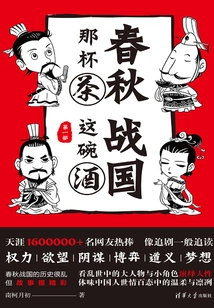
春秋那杯茶,战国这碗酒(第一部)
The First Month Of Nanke
This series of books is divided into four parts, telling the wonderful historical stories that happened during the Spring and Autumn Period and the Warring States Period in chronological order. This book is the first part. The historical materials in this book are all derived from official history, and use modern language to write about the people and events of the Spring and Autumn and Warring States periods. Whether they are emperors, nobles or unknown people, every character shows the character of the Spring and Autumn and Warring States periods. Readers can feel the social scene and human emotions at that time, and can also taste the warmth and warmth of the world and the way of life from the games between people and between countries. The writing of this book is relaxed and humorous, and the language is very lens-like. Reading it gives you the feeling of "chasing a drama", making readers unable to put down the book and marveling at it. It is a leisure read suitable for all ages.
This series of books is divided into four parts, telling the wonderful historical stories that happened during the Spring and Autumn Period and the Warring States Period in chronological order. This book is the first part. The historical materials in this book are all derived from official history, and use modern language to write about the people and events of the Spring and Autumn and Warring States periods. Whether they are emperors, nobles or unknown people, every character shows the character of the Spring and Autumn and Warring States periods. Readers can feel the social scene and human emotions at that time, and can also taste the warmth and warmth of the world and the way of life from the games between people and between countries. The writing of this book is relaxed and humorous, and the language is very lens-like. Reading it gives you the feeling of "chasing a drama", making readers unable to put down the book and marveling at it. It is a leisure read suitable for all ages.
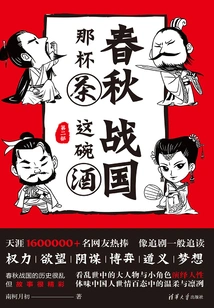
春秋那杯茶,战国这碗酒(第二部)
The First Month Of Nanke
This series of books is divided into four parts, telling the wonderful historical stories that happened during the Spring and Autumn Period and the Warring States Period in chronological order. This book is the first part. The historical materials in this book are all derived from official history, and use modern language to write about the people and events of the Spring and Autumn and Warring States periods. Whether they are emperors, nobles or unknown people, every character shows the character of the Spring and Autumn and Warring States periods. Readers can feel the social scene and human emotions at that time, and can also taste the warmth and warmth of the world and the way of life from the games between people and between countries. The writing of this book is relaxed and humorous, and the language is very lens-like. Reading it gives you the feeling of "chasing a drama", making readers unable to put down the book and marveling at it. It is a leisure read suitable for all ages.
This series of books is divided into four parts, telling the wonderful historical stories that happened during the Spring and Autumn Period and the Warring States Period in chronological order. This book is the first part. The historical materials in this book are all derived from official history, and use modern language to write about the people and events of the Spring and Autumn and Warring States periods. Whether they are emperors, nobles or unknown people, every character shows the character of the Spring and Autumn and Warring States periods. Readers can feel the social scene and human emotions at that time, and can also taste the warmth and warmth of the world and the way of life from the games between people and between countries. The writing of this book is relaxed and humorous, and the language is very lens-like. Reading it gives you the feeling of "chasing a drama", making readers unable to put down the book and marveling at it. It is a leisure read suitable for all ages.
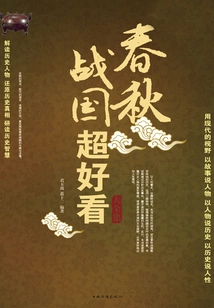
春秋战国超好看大全集
Jun Yuli, Edited By Xiao Twelve
This is an era of rapid changes, the sun and moon fighting under the storm, and a page of history filled with exclamation marks.
This is an era of rapid changes, the sun and moon fighting under the storm, and a page of history filled with exclamation marks.
Beiyang Fleet
History北洋舰队
Qi Qizhang
There have always been a lot of books describing the Sino-Japanese War of 1894 or the Beiyang Fleet, but if you need one, you can understand the whole history in a short time without losing the macro analysis. This book would be a great choice. This book takes time development as the main line, systematically introducing the entire process of the Beiyang Fleet from its creation to its destruction, including its creation, organization and training, bases and strength, two naval battles and final destruction.
There have always been a lot of books describing the Sino-Japanese War of 1894 or the Beiyang Fleet, but if you need one, you can understand the whole history in a short time without losing the macro analysis. This book would be a great choice. This book takes time development as the main line, systematically introducing the entire process of the Beiyang Fleet from its creation to its destruction, including its creation, organization and training, bases and strength, two naval battles and final destruction.
铁道游击队史
Cui Xinming Si Aihua
Railway Guerrilla became a household name due to the novel of the same name by the famous writer Liu Zhixia. The historical railway guerrillas were a small anti-Japanese armed force fighting on the Lunan railway line. Starting from historical data, this book divides the establishment, consolidation, growth, and upgrading of the railway guerrillas into four important periods: the establishment of an "intelligence station", the establishment of a "railway team", the incorporation into the "Southern Shandong Independent Detachment", and the restoration of the "Southern Shandong Railway Brigade". It truly records the development history of the railway guerrillas. The role, status, historical achievements and reasons for the development and growth of the railway guerrillas in the Shandong Anti-Japanese War were analyzed. The development and struggle process of the railway guerrillas reflect the important position of the anti-Japanese armed forces led by the Communist Party of China in the Anti-Japanese War.
Railway Guerrilla became a household name due to the novel of the same name by the famous writer Liu Zhixia. The historical railway guerrillas were a small anti-Japanese armed force fighting on the Lunan railway line. Starting from historical data, this book divides the establishment, consolidation, growth, and upgrading of the railway guerrillas into four important periods: the establishment of an "intelligence station", the establishment of a "railway team", the incorporation into the "Southern Shandong Independent Detachment", and the restoration of the "Southern Shandong Railway Brigade". It truly records the development history of the railway guerrillas. The role, status, historical achievements and reasons for the development and growth of the railway guerrillas in the Shandong Anti-Japanese War were analyzed. The development and struggle process of the railway guerrillas reflect the important position of the anti-Japanese armed forces led by the Communist Party of China in the Anti-Japanese War.
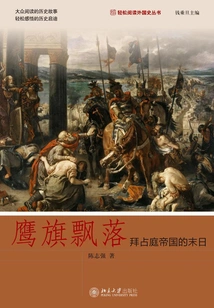
鹰旗飘落:拜占庭帝国的末日
Chen Zhiqiang
The Byzantine Empire was a thousand-year empire spanning three continents of Asia, Europe, and Africa. It was the oldest monarchy in ancient and medieval Europe. Its political economy and culture had a major impact on the world at that time. This book records the history of the thousand-year empire of Byzantium, which faced internal and external troubles for more than two hundred years from the 13th to the 15th century, and gradually declined and eventually collapsed in the form of vivid writing and rich pictures and texts. It contains vivid descriptions of the Crusades, the Arabs' maritime military operations, etc., As well as a wonderful presentation of Byzantine art and culture, which is worth reading.
The Byzantine Empire was a thousand-year empire spanning three continents of Asia, Europe, and Africa. It was the oldest monarchy in ancient and medieval Europe. Its political economy and culture had a major impact on the world at that time. This book records the history of the thousand-year empire of Byzantium, which faced internal and external troubles for more than two hundred years from the 13th to the 15th century, and gradually declined and eventually collapsed in the form of vivid writing and rich pictures and texts. It contains vivid descriptions of the Crusades, the Arabs' maritime military operations, etc., As well as a wonderful presentation of Byzantine art and culture, which is worth reading.
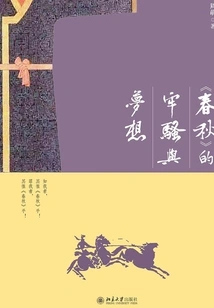
《春秋》的牢骚与梦想
Zhou Meng
"Complaints and Dreams of Spring and Autumn" is an introductory book that guides people to appreciate Confucian classics. By interpreting "Spring and Autumn", one of the Five Classics, it allows everyone to re-appreciate the special era of Spring and Autumn and appreciate the special history book "Spring and Autumn". Returning to the original classics is an important way to study knowledge and cultivate one's moral character. By reading this book, people will not only have a relatively comprehensive understanding of the "Spring and Autumn" classics themselves, but also be able to draw inferences from one example and gradually understand the method of quietly reading other classics. They will continue to develop from several levels such as the study of words and sentences, the analysis of meanings, and the understanding of meanings. They will master basic reading methods, cultivate good reading habits, and lay good humanistic qualities for their own study and work.
"Complaints and Dreams of Spring and Autumn" is an introductory book that guides people to appreciate Confucian classics. By interpreting "Spring and Autumn", one of the Five Classics, it allows everyone to re-appreciate the special era of Spring and Autumn and appreciate the special history book "Spring and Autumn". Returning to the original classics is an important way to study knowledge and cultivate one's moral character. By reading this book, people will not only have a relatively comprehensive understanding of the "Spring and Autumn" classics themselves, but also be able to draw inferences from one example and gradually understand the method of quietly reading other classics. They will continue to develop from several levels such as the study of words and sentences, the analysis of meanings, and the understanding of meanings. They will master basic reading methods, cultivate good reading habits, and lay good humanistic qualities for their own study and work.
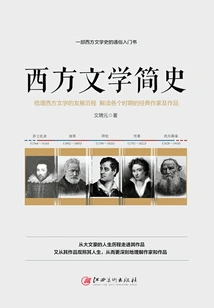
西方文学简史
Wen Pinyuan
"A Brief History of Western Literature" starts from the classics in the history of Western literature and tells the development process of Western literature from the ancient Greek period to the early 20th century. It includes personal biographies of great writers who have had a profound impact on Western literature and even world literature, as well as appreciation of their representative literature, allowing readers to understand the personal experiences of great writers and appreciate their works. The selected works are small and large, so you can not only read the wonderful words in them, but also understand the whole work. The language of the book is concise and concise, and the content is easy to understand. It is an introductory book to the history of Western literature.
"A Brief History of Western Literature" starts from the classics in the history of Western literature and tells the development process of Western literature from the ancient Greek period to the early 20th century. It includes personal biographies of great writers who have had a profound impact on Western literature and even world literature, as well as appreciation of their representative literature, allowing readers to understand the personal experiences of great writers and appreciate their works. The selected works are small and large, so you can not only read the wonderful words in them, but also understand the whole work. The language of the book is concise and concise, and the content is easy to understand. It is an introductory book to the history of Western literature.
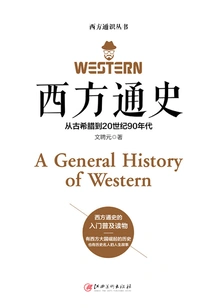
General History of the West
History西方通史
Wen Pinyuan
The book "General History of the West" tells the history of the West from ancient Greece to the 1990s in a story-telling way, mainly including the history of ancient Greece and ancient Rome, the history of the Middle Ages and the Renaissance, as well as the history of several major Western countries today, such as the United States, Britain, Germany, France, Russia, and Italy. It not only tells the main historical events, but also tells the life stories of famous people in history, such as Alexander, Caesar, Octavian, Napoleon, Churchill, etc. Not only can you understand the historical development of these countries, but you can also understand the lives of great people in the history of these countries. It can be said to be an introductory book to understanding the West. Thrilling events, magnificent scenes, figures who influenced the course of Western history, and little-known interesting stories and details make us feel like we are traveling through a time tunnel and feel the character and pulse of the West. The writing style of the book is beautiful and smooth, humorous and fascinating.
The book "General History of the West" tells the history of the West from ancient Greece to the 1990s in a story-telling way, mainly including the history of ancient Greece and ancient Rome, the history of the Middle Ages and the Renaissance, as well as the history of several major Western countries today, such as the United States, Britain, Germany, France, Russia, and Italy. It not only tells the main historical events, but also tells the life stories of famous people in history, such as Alexander, Caesar, Octavian, Napoleon, Churchill, etc. Not only can you understand the historical development of these countries, but you can also understand the lives of great people in the history of these countries. It can be said to be an introductory book to understanding the West. Thrilling events, magnificent scenes, figures who influenced the course of Western history, and little-known interesting stories and details make us feel like we are traveling through a time tunnel and feel the character and pulse of the West. The writing style of the book is beautiful and smooth, humorous and fascinating.
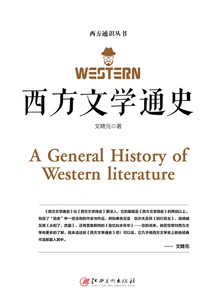
西方文学通史
Wen Pinyuan
In "A General History of Western Literature", the author tells in the form of storytelling the lives and works of literary giants who had a profound impact on Western literature and even world literature from the ancient Greek period to the early 19th century. To condense their works, that is, to use concise language to describe the content of the entire work, while retaining the particularly exciting dialogue or plot in the original work. In addition, the language style is also as close to the original work as possible. In this way, readers can not only understand the entire work, but also read the wonderful words in it. It can be said to be a popular literature book.
In "A General History of Western Literature", the author tells in the form of storytelling the lives and works of literary giants who had a profound impact on Western literature and even world literature from the ancient Greek period to the early 19th century. To condense their works, that is, to use concise language to describe the content of the entire work, while retaining the particularly exciting dialogue or plot in the original work. In addition, the language style is also as close to the original work as possible. In this way, readers can not only understand the entire work, but also read the wonderful words in it. It can be said to be a popular literature book.
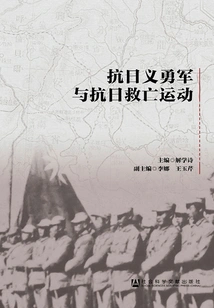
抗日义勇军与抗日救亡运动
Editor-in-chief Of Interpretation Poetry
Over the years, the author has collected and sorted out the historical materials of the Volunteer Army, and has mastered a number of precious archives and documents that remain of several large-scale anti-Japanese armed groups in the three provinces of Heilongjiang, Jilin, and Liaoning. The author comprehensively uses these original historical materials to analyze and understand the issue of the Anti-Japanese Volunteer Army in the historical torrent of China's Anti-Japanese War and the anti-Japanese national salvation, in order to clarify the nature, status and role of the Volunteer Army in the history of the Anti-Japanese War, to promote the great national spirit of "unity and struggle" of the Anti-Japanese Volunteer Army, and to contribute to the study of the Anti-Japanese Volunteer Army issue.
Over the years, the author has collected and sorted out the historical materials of the Volunteer Army, and has mastered a number of precious archives and documents that remain of several large-scale anti-Japanese armed groups in the three provinces of Heilongjiang, Jilin, and Liaoning. The author comprehensively uses these original historical materials to analyze and understand the issue of the Anti-Japanese Volunteer Army in the historical torrent of China's Anti-Japanese War and the anti-Japanese national salvation, in order to clarify the nature, status and role of the Volunteer Army in the history of the Anti-Japanese War, to promote the great national spirit of "unity and struggle" of the Anti-Japanese Volunteer Army, and to contribute to the study of the Anti-Japanese Volunteer Army issue.
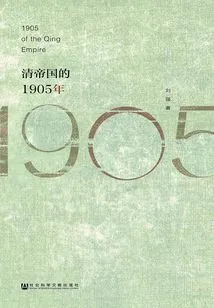
1905 in the Qing Empire
History清帝国的1905年
Liu Qiang
Many events occurred in 1905, such as the end of the Russo-Japanese War, the boycott of American goods, the abolition of the civil service examination and the establishment of schools, and the establishment of the Tongmenghui by revolutionaries. The author believes that these seemingly independent events more or less, directly or indirectly, promoted the most important event of that year - the Qing court sent five ministers abroad to inspect constitutional government. The Qing Empire finally began to try to reform the most important and fundamental ancestral law-the autocratic monarchy. This was of epoch-making significance in Chinese history. The author proposes that China in 1905 was "moving towards constitutionalism" rather than having already "moved towards constitutionalism".
Many events occurred in 1905, such as the end of the Russo-Japanese War, the boycott of American goods, the abolition of the civil service examination and the establishment of schools, and the establishment of the Tongmenghui by revolutionaries. The author believes that these seemingly independent events more or less, directly or indirectly, promoted the most important event of that year - the Qing court sent five ministers abroad to inspect constitutional government. The Qing Empire finally began to try to reform the most important and fundamental ancestral law-the autocratic monarchy. This was of epoch-making significance in Chinese history. The author proposes that China in 1905 was "moving towards constitutionalism" rather than having already "moved towards constitutionalism".
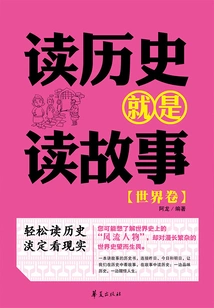
读历史就是读故事(世界卷)
Aaron
Stories are a microcosm of history, a window to culture, and a mirror to peer into national personality. Each vivid character and each true historical event are precious cultural wealth left to us by our ancestors. This book is a popular reading book on world history. It outlines the outline of world history in the most concise words and vividly presents the major events and influential figures in world history. Each historical event is presented in the form of a story, presenting the vast world history in front of readers in a simple and easy-to-understand way. It integrates scientificity, knowledge, and interest, so that readers can obtain historical knowledge in a relaxed and pleasant manner, absorb rich life wisdom, learn how to correctly deal with complicated things, and thus embark on the road to success.
Stories are a microcosm of history, a window to culture, and a mirror to peer into national personality. Each vivid character and each true historical event are precious cultural wealth left to us by our ancestors. This book is a popular reading book on world history. It outlines the outline of world history in the most concise words and vividly presents the major events and influential figures in world history. Each historical event is presented in the form of a story, presenting the vast world history in front of readers in a simple and easy-to-understand way. It integrates scientificity, knowledge, and interest, so that readers can obtain historical knowledge in a relaxed and pleasant manner, absorb rich life wisdom, learn how to correctly deal with complicated things, and thus embark on the road to success.
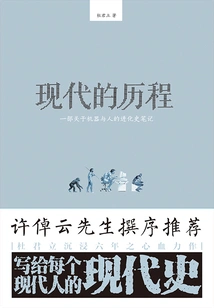
现代的历程:一部关于机器与人的进化史笔记
Du Junli
What is ancient times? What is modern? How did the world we live in now come to be? How is our life different from that of our ancestors? So, please follow this book and follow the trajectory of machines and gears, back to past lives, back to ancient times, and back to history. From the bows and arrows of the Stone Age to the wheels of the Bronze Age, humans began their journey from tools to machines. When humans discovered time and tamed it, humans were eventually tamed by time; language differentiates humans from animals, but words reveal the secrets of God. Clocks and printing presses became the most mysterious metaphors about machines and modern times. Clocks create time, printed books eliminate time. The arrival of the printed book gave rise to the Renaissance, the Reformation, the Scientific Revolution, and the Enlightenment. Starting 200 years ago, textile machines and steam engines opened the door to the industrial age for us. Trains and ships broke down the boundaries of space. The Celestial Empire declined, and the United States became a model of a modern country. War unleashed human fanaticism, but humans were ruthlessly slaughtered by machines. Electric lights eliminate night, telephones eliminate space, and the Internet brings humans into a digital global village. From cars to computers, humans have shaped machines according to their own imagination, and at the same time reshaped humans themselves, making humans more and more like machines until they are replaced by machines. This is modern times.
What is ancient times? What is modern? How did the world we live in now come to be? How is our life different from that of our ancestors? So, please follow this book and follow the trajectory of machines and gears, back to past lives, back to ancient times, and back to history. From the bows and arrows of the Stone Age to the wheels of the Bronze Age, humans began their journey from tools to machines. When humans discovered time and tamed it, humans were eventually tamed by time; language differentiates humans from animals, but words reveal the secrets of God. Clocks and printing presses became the most mysterious metaphors about machines and modern times. Clocks create time, printed books eliminate time. The arrival of the printed book gave rise to the Renaissance, the Reformation, the Scientific Revolution, and the Enlightenment. Starting 200 years ago, textile machines and steam engines opened the door to the industrial age for us. Trains and ships broke down the boundaries of space. The Celestial Empire declined, and the United States became a model of a modern country. War unleashed human fanaticism, but humans were ruthlessly slaughtered by machines. Electric lights eliminate night, telephones eliminate space, and the Internet brings humans into a digital global village. From cars to computers, humans have shaped machines according to their own imagination, and at the same time reshaped humans themselves, making humans more and more like machines until they are replaced by machines. This is modern times.
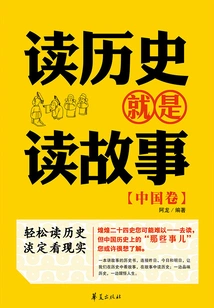
读历史就是读故事(中国卷)
Aaron
Stories are a microcosm of history, a window to culture, and a mirror to peer into national personality. Each vivid character and each true historical event are precious cultural wealth left to us by our ancestors. This book is a popular reading book on Chinese history. It uses time as the sequence and events as clues to tell the major historical events and important figures in thousands of years in a popular and concise way. Each historical event is presented in the form of a story, presenting the vast Chinese history in front of readers in a simple and easy-to-understand way, integrating scientificity, knowledge, and interest, allowing readers to acquire historical knowledge in a relaxed and pleasant manner, absorb rich life wisdom, learn how to correctly deal with complicated matters, and thus embark on the road to success.
Stories are a microcosm of history, a window to culture, and a mirror to peer into national personality. Each vivid character and each true historical event are precious cultural wealth left to us by our ancestors. This book is a popular reading book on Chinese history. It uses time as the sequence and events as clues to tell the major historical events and important figures in thousands of years in a popular and concise way. Each historical event is presented in the form of a story, presenting the vast Chinese history in front of readers in a simple and easy-to-understand way, integrating scientificity, knowledge, and interest, allowing readers to acquire historical knowledge in a relaxed and pleasant manner, absorb rich life wisdom, learn how to correctly deal with complicated matters, and thus embark on the road to success.
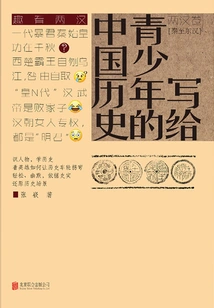
写给青少年的中国历史(两汉卷):秦至东汉
Zhang Xin
This set of books is designed to help teenagers easily understand Chinese history. The selection of materials is mainly historical events, as well as some interesting histories full of topical points. The narrative is simple and vivid, making teenagers interested in reading. The content is combined with classroom teaching for primary and secondary students, making it a good historical supplementary reading. This book is a volume of the Han Dynasty. The author uses a relaxed style to lead young readers into the historical scene, personally experience the vicissitudes of the Han Dynasty for four hundred years, and reproduce the ups and downs of the Han Dynasty. The content of the book covers politics, military, diplomacy, culture, science and technology, etc. It not only restores the reality of history and the vividness of characters for young readers, presenting a vivid picture of the two Han Dynasties, but also leads young people to understand ancient Chinese history in many aspects, learn relevant knowledge, and be inspired by it. An interesting look at the Han Dynasty: Will the tyrant Qin Shihuang's achievements last forever? The overlord of Western Chu committed suicide in Wujiang River, is it his own fault? Did Emperor Wu of the Han Dynasty lose his family for three generations? Women in the Han Dynasty had exclusive power, and they were all "wise kings"?
This set of books is designed to help teenagers easily understand Chinese history. The selection of materials is mainly historical events, as well as some interesting histories full of topical points. The narrative is simple and vivid, making teenagers interested in reading. The content is combined with classroom teaching for primary and secondary students, making it a good historical supplementary reading. This book is a volume of the Han Dynasty. The author uses a relaxed style to lead young readers into the historical scene, personally experience the vicissitudes of the Han Dynasty for four hundred years, and reproduce the ups and downs of the Han Dynasty. The content of the book covers politics, military, diplomacy, culture, science and technology, etc. It not only restores the reality of history and the vividness of characters for young readers, presenting a vivid picture of the two Han Dynasties, but also leads young people to understand ancient Chinese history in many aspects, learn relevant knowledge, and be inspired by it. An interesting look at the Han Dynasty: Will the tyrant Qin Shihuang's achievements last forever? The overlord of Western Chu committed suicide in Wujiang River, is it his own fault? Did Emperor Wu of the Han Dynasty lose his family for three generations? Women in the Han Dynasty had exclusive power, and they were all "wise kings"?
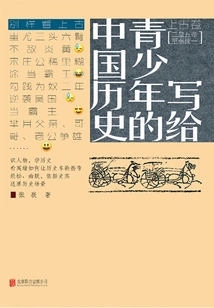
写给青少年的中国历史(上古卷):三皇五帝至秦统一
Zhang Xin
This set of books is designed to help teenagers easily understand Chinese history. The selection of materials is mainly historical events, as well as some interesting histories full of topical points. The narrative is simple and vivid, making teenagers interested in reading. The content is combined with classroom teaching for primary and secondary students, making it a good historical supplementary reading. This book is an ancient volume. The author tells the story from the creation of the world by Pangu, the early rise of Xia, Shang and Zhou to the unification of the six kingdoms by Qin. In a relaxed style, he tells young readers about the early formation of the Chinese nation in ancient times, as well as the various ideas, culture, scientific and technological achievements, institutional evolution, wars and practical activities of the ancient people that emerged during the formation and development process. It reflects the long history and profoundness of Chinese history and culture. A different look at the ancient times: Chi You was defeated by Yan and Huang with only three heads and six arms; Duke Zhuang of Song became the overlord in a confused way; Gou Jian was a slave for three years and then counterattacked Soochow and became the overlord; Mi Yue's father, brother, and husband fought for supremacy...
This set of books is designed to help teenagers easily understand Chinese history. The selection of materials is mainly historical events, as well as some interesting histories full of topical points. The narrative is simple and vivid, making teenagers interested in reading. The content is combined with classroom teaching for primary and secondary students, making it a good historical supplementary reading. This book is an ancient volume. The author tells the story from the creation of the world by Pangu, the early rise of Xia, Shang and Zhou to the unification of the six kingdoms by Qin. In a relaxed style, he tells young readers about the early formation of the Chinese nation in ancient times, as well as the various ideas, culture, scientific and technological achievements, institutional evolution, wars and practical activities of the ancient people that emerged during the formation and development process. It reflects the long history and profoundness of Chinese history and culture. A different look at the ancient times: Chi You was defeated by Yan and Huang with only three heads and six arms; Duke Zhuang of Song became the overlord in a confused way; Gou Jian was a slave for three years and then counterattacked Soochow and became the overlord; Mi Yue's father, brother, and husband fought for supremacy...
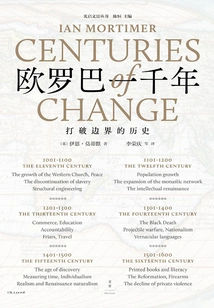
欧罗巴一千年:打破边界的历史
(uk) Ian Mortimer
"A Thousand Years of Europa" is a comprehensive review of the basic social features, political and economic development, science and technology education and other aspects of Europe from the 11th to the 20th century by Ian Mortimer, who has a PhD in Literature from the University of Exeter and a MA in Archives from University College London. The author focuses on the changes that occurred in each century compared with the previous century, thus highlighting the subjective initiative of Europeans in historical development. This is a journey about exploration, invention, revolution and upheaval. Professor Mortimer talks about the ten people and fifty major events that changed human life. Is the advent of computers more important than education for all? Is abolishing slavery more important than inventing the computer? Or is the discovery of the American continent most important? Is it the emergence of mobile phones, frozen food, contraceptive methods, clocks, guns, and printed books that change human life?
"A Thousand Years of Europa" is a comprehensive review of the basic social features, political and economic development, science and technology education and other aspects of Europe from the 11th to the 20th century by Ian Mortimer, who has a PhD in Literature from the University of Exeter and a MA in Archives from University College London. The author focuses on the changes that occurred in each century compared with the previous century, thus highlighting the subjective initiative of Europeans in historical development. This is a journey about exploration, invention, revolution and upheaval. Professor Mortimer talks about the ten people and fifty major events that changed human life. Is the advent of computers more important than education for all? Is abolishing slavery more important than inventing the computer? Or is the discovery of the American continent most important? Is it the emergence of mobile phones, frozen food, contraceptive methods, clocks, guns, and printed books that change human life?
跟着孔子游列国
Zhang Ruifeng Et Al.
This book belongs to one of the "Visible History" series. It takes Confucius's travels around the world, a major event in China's cultural, political and ideological history, as a clue. It combines the visible monuments with real history and takes readers back to the historical and cultural road that Confucius once walked. Through this travel route, readers can appreciate clues to the origin of Chinese Confucian culture and realize the profound impression it has brought to later generations.
This book belongs to one of the "Visible History" series. It takes Confucius's travels around the world, a major event in China's cultural, political and ideological history, as a clue. It combines the visible monuments with real history and takes readers back to the historical and cultural road that Confucius once walked. Through this travel route, readers can appreciate clues to the origin of Chinese Confucian culture and realize the profound impression it has brought to later generations.
改变世界的100个条约(下)(破解人类未解之谜)
Edited By Godan Qian Shu
There will always be different treaties behind a war to bring the war to an imperfect end. And among the many treaties in these many wars, which ones have affected the world and changed the entire development direction of the world? "100 Treaties That Changed the World" identifies the 100 treaties that have had the most profound impact on the world from many treaties, allowing the essence of history to be revealed again.
There will always be different treaties behind a war to bring the war to an imperfect end. And among the many treaties in these many wars, which ones have affected the world and changed the entire development direction of the world? "100 Treaties That Changed the World" identifies the 100 treaties that have had the most profound impact on the world from many treaties, allowing the essence of history to be revealed again.
改变世界的100个条约(上)(破解人类文明之谜)
Edited By Godan Qian Shu
There will always be different treaties behind a war to bring the war to an imperfect end. And among the many treaties in these many wars, which ones have affected the world and changed the entire development direction of the world? "100 Treaties That Changed the World" identifies the 100 treaties that have had the most profound impact on the world from many treaties, allowing the essence of history to be revealed again.
There will always be different treaties behind a war to bring the war to an imperfect end. And among the many treaties in these many wars, which ones have affected the world and changed the entire development direction of the world? "100 Treaties That Changed the World" identifies the 100 treaties that have had the most profound impact on the world from many treaties, allowing the essence of history to be revealed again.
名人与轶闻历史纵横谈(中国历史纵横谈)
Editor-in-chief Xiao Feng
It intuitively introduces the historical development process, coupled with in-depth text narration, and comprehensively introduces the history of Chinese civilization. The content covers politics, military, economy, culture, diplomacy, science and technology, law, religion, art and other fields. It is highly systematic, informative and readable. It is not only a reading material for readers to learn Chinese historical knowledge, but also a treasured version for libraries at all levels.
It intuitively introduces the historical development process, coupled with in-depth text narration, and comprehensively introduces the history of Chinese civilization. The content covers politics, military, economy, culture, diplomacy, science and technology, law, religion, art and other fields. It is highly systematic, informative and readable. It is not only a reading material for readers to learn Chinese historical knowledge, but also a treasured version for libraries at all levels.
惊撼世界的100场战争(上)(破解人类文明之谜)
Edited By Godan Qian Shu
The history of mankind is both a gorgeous necklace and a magnificent work. In this beauty and magnificence, the smoke of war is always indispensable, and the desolation and tragedy brought by war are always indispensable. "100 War that Shocked the World" once again presents one hundred thrilling wars in ancient and modern times, both at home and abroad, before us.
The history of mankind is both a gorgeous necklace and a magnificent work. In this beauty and magnificence, the smoke of war is always indispensable, and the desolation and tragedy brought by war are always indispensable. "100 War that Shocked the World" once again presents one hundred thrilling wars in ancient and modern times, both at home and abroad, before us.
政治与社会历史纵横谈(中国历史纵横谈)
Editor-in-chief Xiao Feng
It intuitively introduces the historical development process, coupled with in-depth text narration, and comprehensively introduces the history of Chinese civilization. The content covers politics, military, economy, culture, diplomacy, science and technology, law, religion, art and other fields. It is highly systematic, informative and readable. It is not only a reading material for readers to learn Chinese historical knowledge, but also a treasured version for libraries at all levels.
It intuitively introduces the historical development process, coupled with in-depth text narration, and comprehensively introduces the history of Chinese civilization. The content covers politics, military, economy, culture, diplomacy, science and technology, law, religion, art and other fields. It is highly systematic, informative and readable. It is not only a reading material for readers to learn Chinese historical knowledge, but also a treasured version for libraries at all levels.
朝代与官署历史纵横谈(中国历史纵横谈)
Editor-in-chief Xiao Feng
It intuitively introduces the historical development process, coupled with in-depth text narration, and comprehensively introduces the history of Chinese civilization. The content covers politics, military, economy, culture, diplomacy, science and technology, law, religion, art and other fields. It is highly systematic, informative and readable. It is not only a reading material for readers to learn Chinese historical knowledge, but also a treasured version for libraries at all levels.
It intuitively introduces the historical development process, coupled with in-depth text narration, and comprehensively introduces the history of Chinese civilization. The content covers politics, military, economy, culture, diplomacy, science and technology, law, religion, art and other fields. It is highly systematic, informative and readable. It is not only a reading material for readers to learn Chinese historical knowledge, but also a treasured version for libraries at all levels.
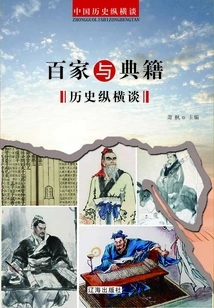
百家与典籍历史纵横谈(中国历史纵横谈)
Editor-in-chief Xiao Feng
It intuitively introduces the historical development process, coupled with in-depth text narration, and comprehensively introduces the history of Chinese civilization. The content covers politics, military, economy, culture, diplomacy, science and technology, law, religion, art and other fields. It is highly systematic, informative and readable. It is not only a reading material for readers to learn Chinese historical knowledge, but also a treasured version for libraries at all levels.
It intuitively introduces the historical development process, coupled with in-depth text narration, and comprehensively introduces the history of Chinese civilization. The content covers politics, military, economy, culture, diplomacy, science and technology, law, religion, art and other fields. It is highly systematic, informative and readable. It is not only a reading material for readers to learn Chinese historical knowledge, but also a treasured version for libraries at all levels.
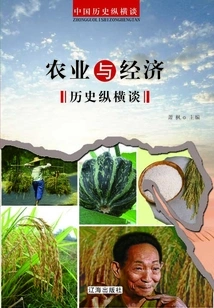
农业与经济历史纵横谈(中国历史纵横谈)
Editor-in-chief Xiao Feng
It intuitively introduces the historical development process, coupled with in-depth text narration, and comprehensively introduces the history of Chinese civilization. The content covers politics, military, economy, culture, diplomacy, science and technology, law, religion, art and other fields. It is highly systematic, informative and readable. It is not only a reading material for readers to learn Chinese historical knowledge, but also a treasured version for libraries at all levels.
It intuitively introduces the historical development process, coupled with in-depth text narration, and comprehensively introduces the history of Chinese civilization. The content covers politics, military, economy, culture, diplomacy, science and technology, law, religion, art and other fields. It is highly systematic, informative and readable. It is not only a reading material for readers to learn Chinese historical knowledge, but also a treasured version for libraries at all levels.
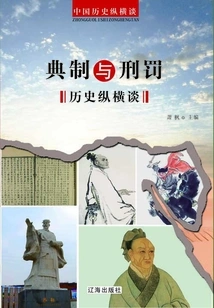
A Long Talk on the History of Legal System and Punishment (a Long Talk on the History of China)
History典制与刑罚历史纵横谈(中国历史纵横谈)
Editor-in-chief Xiao Feng
It intuitively introduces the historical development process, coupled with in-depth text narration, and comprehensively introduces the history of Chinese civilization. The content covers politics, military, economy, culture, diplomacy, science and technology, law, religion, art and other fields. It is highly systematic, informative and readable. It is not only a reading material for readers to learn Chinese historical knowledge, but also a treasured version for libraries at all levels.
It intuitively introduces the historical development process, coupled with in-depth text narration, and comprehensively introduces the history of Chinese civilization. The content covers politics, military, economy, culture, diplomacy, science and technology, law, religion, art and other fields. It is highly systematic, informative and readable. It is not only a reading material for readers to learn Chinese historical knowledge, but also a treasured version for libraries at all levels.
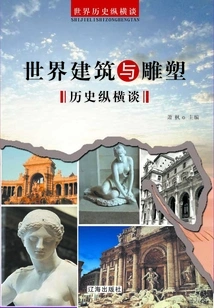
A Talk on the History of World Architecture and Sculpture (a Talk on the History of the World)
History世界建筑与雕塑历史纵横谈(世界历史纵横谈)
Editor-in-chief Xiao Feng
This set of books uses vivid words to reproduce the magnificent picture of the world historical process. It can be called a concise encyclopedia that runs through the entire world history, connecting all the treasures of human development. With its glorious immortal value and long-lasting charm, it has become a good-looking and popular world history book. It is highly systematic, informative and readable. It is not only a reading book for readers to learn world history knowledge, but also a treasured version in libraries at all levels.
This set of books uses vivid words to reproduce the magnificent picture of the world historical process. It can be called a concise encyclopedia that runs through the entire world history, connecting all the treasures of human development. With its glorious immortal value and long-lasting charm, it has become a good-looking and popular world history book. It is highly systematic, informative and readable. It is not only a reading book for readers to learn world history knowledge, but also a treasured version in libraries at all levels.
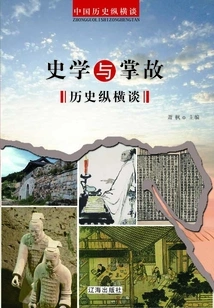
史学与掌故历史纵横谈(中国历史纵横谈)
Editor-in-chief Xiao Feng
It intuitively introduces the historical development process, coupled with in-depth text narration, and comprehensively introduces the history of Chinese civilization. The content covers politics, military, economy, culture, diplomacy, science and technology, law, religion, art and other fields. It is highly systematic, informative and readable. It is not only a reading material for readers to learn Chinese historical knowledge, but also a treasured version for libraries at all levels.
It intuitively introduces the historical development process, coupled with in-depth text narration, and comprehensively introduces the history of Chinese civilization. The content covers politics, military, economy, culture, diplomacy, science and technology, law, religion, art and other fields. It is highly systematic, informative and readable. It is not only a reading material for readers to learn Chinese historical knowledge, but also a treasured version for libraries at all levels.
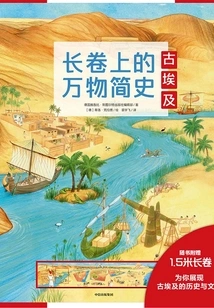
长卷上的万物简史:古埃及
Written By The Editorial Department Of Jacobi Stewart Publishers, Germany (germany) Illustrated By Thilo Clapp
"A Brief History of Everything on the Scroll: Ancient Egypt" will restore various historical scenes, take us through time and space, and experience the mysterious civilization of ancient Egypt. This book shows us the symbiotic civilization, unique religious culture and living customs of ancient Egypt and the Nile River with pictures and texts. How did the ancient Egyptians live by water? What does the Holy Book look like? What was the process of building the pyramids? How are mummies made? Open this book and let's have an adventure along the Nile River that is both real and imaginary!
"A Brief History of Everything on the Scroll: Ancient Egypt" will restore various historical scenes, take us through time and space, and experience the mysterious civilization of ancient Egypt. This book shows us the symbiotic civilization, unique religious culture and living customs of ancient Egypt and the Nile River with pictures and texts. How did the ancient Egyptians live by water? What does the Holy Book look like? What was the process of building the pyramids? How are mummies made? Open this book and let's have an adventure along the Nile River that is both real and imaginary!
影响世界的100个演说(上)(破解人类文明之谜)
Edited By Godan Qian Shu
This book provides a panoramic scan of major historical events in the world over thousands of years, and comprehensively explains the true process of world history. It extracts the essence from the vast historical library, gathers classics, and analyzes and introduces major events that have occurred in history by category, opening a historical window for readers. Let readers enjoy the fun of knowledge while reading and feel the reality of history and the greatness of the speaker personally.
This book provides a panoramic scan of major historical events in the world over thousands of years, and comprehensively explains the true process of world history. It extracts the essence from the vast historical library, gathers classics, and analyzes and introduces major events that have occurred in history by category, opening a historical window for readers. Let readers enjoy the fun of knowledge while reading and feel the reality of history and the greatness of the speaker personally.
惊撼世界的100场战争(下)(破解人类文明之谜)
Edited By Godan Qian Shu
The history of mankind is both a gorgeous necklace and a magnificent work. In this beauty and magnificence, the smoke of war is always indispensable, and the desolation and tragedy brought by war are always indispensable. "101 War that Shocked the World" once again presents one hundred thrilling wars at home and abroad in front of us.
The history of mankind is both a gorgeous necklace and a magnificent work. In this beauty and magnificence, the smoke of war is always indispensable, and the desolation and tragedy brought by war are always indispensable. "101 War that Shocked the World" once again presents one hundred thrilling wars at home and abroad in front of us.
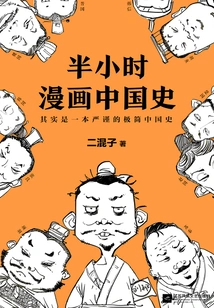
半小时漫画中国史(全新修订版)
Bastard
In fact, it is a rigorous and minimalist history of China! The founder of "Hunziyue" with 2 million fans has launched a new historical work! The "Stone Historical Drama" column under the "Hunter Day" official account has an average of 300,000 reads, and a cumulative read count of up to 100 million times. Zhang Quanling, a former famous CCTV host and mentor of the popular online TV series "Qi Pa Shuo", highly recommends it. Reading a comic for half an hour will tell you about three thousand years of history. The context is so clear that you can memorize it after reading it. It takes a while to straighten out the general history of China. There are historical jokes on every page, which will make you laugh every three seconds. Just through hand-drawings and jokes, Erhuizi has drawn out a clear historical context: the Spring and Autumn Period and the Warring States Period are like a class, the Great Qin Dynasty is like a class, the Great Qin Dynasty has three major battles, the Wei and Jin Dynasties are full of weird things, the Southern and Northern Dynasties are rich in prodigal sons, the Tang Dynasty has a cool national style... And while you are laughing your abs, you have unknowingly understood the history.
In fact, it is a rigorous and minimalist history of China! The founder of "Hunziyue" with 2 million fans has launched a new historical work! The "Stone Historical Drama" column under the "Hunter Day" official account has an average of 300,000 reads, and a cumulative read count of up to 100 million times. Zhang Quanling, a former famous CCTV host and mentor of the popular online TV series "Qi Pa Shuo", highly recommends it. Reading a comic for half an hour will tell you about three thousand years of history. The context is so clear that you can memorize it after reading it. It takes a while to straighten out the general history of China. There are historical jokes on every page, which will make you laugh every three seconds. Just through hand-drawings and jokes, Erhuizi has drawn out a clear historical context: the Spring and Autumn Period and the Warring States Period are like a class, the Great Qin Dynasty is like a class, the Great Qin Dynasty has three major battles, the Wei and Jin Dynasties are full of weird things, the Southern and Northern Dynasties are rich in prodigal sons, the Tang Dynasty has a cool national style... And while you are laughing your abs, you have unknowingly understood the history.
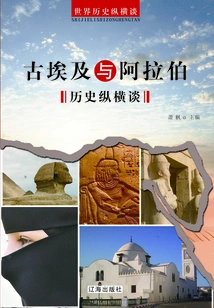
古埃及与阿拉伯历史纵横谈(世界历史纵横谈)
Editor-in-chief Xiao Feng
This set of books uses vivid words to reproduce the magnificent picture of the world historical process. It can be called a concise encyclopedia that runs through the entire world history, connecting all the treasures of human development. With its glorious immortal value and long-lasting charm, it has become a good-looking and popular world history book. It is highly systematic, informative and readable. It is not only a reading book for readers to learn world history knowledge, but also a treasured version in libraries at all levels.
This set of books uses vivid words to reproduce the magnificent picture of the world historical process. It can be called a concise encyclopedia that runs through the entire world history, connecting all the treasures of human development. With its glorious immortal value and long-lasting charm, it has become a good-looking and popular world history book. It is highly systematic, informative and readable. It is not only a reading book for readers to learn world history knowledge, but also a treasured version in libraries at all levels.
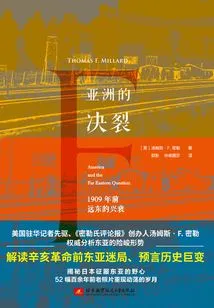
Asia's Breakup
History亚洲的决裂
(u. S.) Thomas F. Miller
Thomas F. Miller was a pioneer American journalist in China and the founder of the Miller Review. "The Break of Asia: The Rise and Fall of the Far East Before 1909" is a comprehensive and profound observation of the situation in the Far East faced by China in the early 20th century by the famous American Far East journalist Thomas F. Miller. It is a re-examination of the new stage of the Far East issue from an American perspective, including Japan's policies and trends, the situation in China, and the interests of the United States on related issues. It analyzes Japan's economic, political, diplomatic, and military conditions and policies at that time, the facts and effects of Japan's invasion of Korea and Manchuria, China's reform movement and modern industry, the political and social conditions and geographical advantages of the Philippines, and the impact of the United States on the situation in the Pacific. It also predicts, to a certain extent, the collapse of the late Qing Dynasty, the rupture of East Asia, Japan's full-scale invasion of China and other major historical events, leading people to rethink China's modernization process.
Thomas F. Miller was a pioneer American journalist in China and the founder of the Miller Review. "The Break of Asia: The Rise and Fall of the Far East Before 1909" is a comprehensive and profound observation of the situation in the Far East faced by China in the early 20th century by the famous American Far East journalist Thomas F. Miller. It is a re-examination of the new stage of the Far East issue from an American perspective, including Japan's policies and trends, the situation in China, and the interests of the United States on related issues. It analyzes Japan's economic, political, diplomatic, and military conditions and policies at that time, the facts and effects of Japan's invasion of Korea and Manchuria, China's reform movement and modern industry, the political and social conditions and geographical advantages of the Philippines, and the impact of the United States on the situation in the Pacific. It also predicts, to a certain extent, the collapse of the late Qing Dynasty, the rupture of East Asia, Japan's full-scale invasion of China and other major historical events, leading people to rethink China's modernization process.
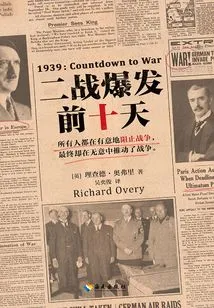
二战爆发前十天
Z
Could World War II actually be avoided? Everyone is intentionally preventing the war, but unintentionally promoting it! Immerse yourself in the thrilling and unexpected events on the eve of World War II! See how leaders of various countries missed the key opportunity to avoid World War II! An important scholar of modern British history and winner of four prestigious historical awards, he vividly interprets the thrilling and fierce game between the leaders of Britain, France and Germany on the eve of World War II and the erratic historical trend. Why did Hitler abandon his planned attack on Poland on August 26, 1939? Why was the chance of reconciliation between Germany and the West once in the hands of a Swedish businessman? Why did Britain's pre-war ultimatum to Germany not specify a date for reply? Why did Britain and France delay declaring war on Germany two days after the blitz against Poland? This unusually sober, concise and persuasive work tells the story of the highly dramatic pre-war years from the signing of the Soviet-German Pact to the declaration of war by Britain and France on Germany within ten days.
Could World War II actually be avoided? Everyone is intentionally preventing the war, but unintentionally promoting it! Immerse yourself in the thrilling and unexpected events on the eve of World War II! See how leaders of various countries missed the key opportunity to avoid World War II! An important scholar of modern British history and winner of four prestigious historical awards, he vividly interprets the thrilling and fierce game between the leaders of Britain, France and Germany on the eve of World War II and the erratic historical trend. Why did Hitler abandon his planned attack on Poland on August 26, 1939? Why was the chance of reconciliation between Germany and the West once in the hands of a Swedish businessman? Why did Britain's pre-war ultimatum to Germany not specify a date for reply? Why did Britain and France delay declaring war on Germany two days after the blitz against Poland? This unusually sober, concise and persuasive work tells the story of the highly dramatic pre-war years from the signing of the Soviet-German Pact to the declaration of war by Britain and France on Germany within ten days.
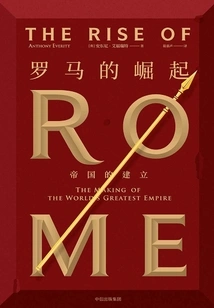
罗马的崛起:帝国的建立
(uk) Anthony Everett
Rome was once one of the largest empires in the ancient world. As a huge political entity in human history, it once encompassed most of Europe and turned the Mediterranean into the inner lake of the empire. As the cornerstone of Western civilization, its political system, laws, and military ideas have influenced today. The civilization genes of most modern Western countries can be traced back to ancient Rome. The founding fathers of the United States used the Roman Republic as the founding concept of the country. The residents of the ancient Mediterranean were both afraid of Rome's invincible force and admired Rome's exquisite and elegant civilization system. From a small city on the Tiber River to a territory spanning three continents, the spirit of the Roman nation has engraved the country's rise: they considered themselves the rebirth of Troy and the descendants of Achilles, and their belief in revenge rooted in the myth of the nation's origin urged them to devote all they had to conquering Greece. Old enemies; the Romans admired the virtues of bravery and just laws, and sought glory and spread it to every colony and ally; but they were also flexible, pragmatic and self-interested, turning enemies into friends, and would not refuse to add embellishments to oracles as an excuse to launch just wars. Taking legends-stories-history as the axis, borrowing the pen and ink of the Romans to write about the origin of the expansion of the Roman Empire, and looking for the eternal source of the Roman spirit.
Rome was once one of the largest empires in the ancient world. As a huge political entity in human history, it once encompassed most of Europe and turned the Mediterranean into the inner lake of the empire. As the cornerstone of Western civilization, its political system, laws, and military ideas have influenced today. The civilization genes of most modern Western countries can be traced back to ancient Rome. The founding fathers of the United States used the Roman Republic as the founding concept of the country. The residents of the ancient Mediterranean were both afraid of Rome's invincible force and admired Rome's exquisite and elegant civilization system. From a small city on the Tiber River to a territory spanning three continents, the spirit of the Roman nation has engraved the country's rise: they considered themselves the rebirth of Troy and the descendants of Achilles, and their belief in revenge rooted in the myth of the nation's origin urged them to devote all they had to conquering Greece. Old enemies; the Romans admired the virtues of bravery and just laws, and sought glory and spread it to every colony and ally; but they were also flexible, pragmatic and self-interested, turning enemies into friends, and would not refuse to add embellishments to oracles as an excuse to launch just wars. Taking legends-stories-history as the axis, borrowing the pen and ink of the Romans to write about the origin of the expansion of the Roman Empire, and looking for the eternal source of the Roman spirit.
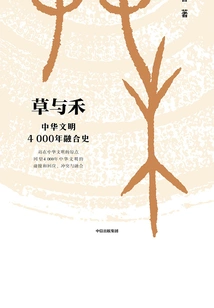
草与禾:中华文明4000年融合史
Boeing
This is a history of the evolution of Chinese civilization that spans more than 4,000 years. More than 4,000 years ago, dots of prehistoric culture appeared on the land of China. They passed through the Shang, Zhou, Qin and Han, the Three Kingdoms and Jin Dynasty, to the Tang, Song, Yuan, Ming and Qing Dynasties, and also passed through the Xiongnu, Xianbei, Rouran Turks, Uighurs, Khitans, and Jurchen Mongolia, until they reached the unified Qing Dynasty. How did ancient people from the north and south of the Yangtze River, and inside and outside the Great Wall, break through the barriers of language, religion, and customs, understand and learn from each other, and ultimately shape China? Where do "the world of grass" and "the world of grass" refer? What's the difference? Why do the marriage and tribute strategies of multiple dynasties fail from time to time? What do the nomads think about it? Why do the Xiongnu Dragon Courts keep moving? Why did the Northern Wei Dynasty, founded by the Xianbei people, insist on moving its capital to Luoyang? Is the Anlushan rebellion the result of the game between the various forces in the grassland? The emperor of the Jin Dynasty would also be beaten by his ministers, who was the master of whom? Was China's "Ren and Du two meridians" connected by the Grand Canal? This book observes from multiple angles the thousands of years of collision, interaction, and integration process between Chinese civilization and steppe civilization, which have had a huge impact on the direction of Chinese history. It particularly emphasizes how the two civilizations coordinated themselves, how they responded to each other, how they chose the direction of civilization development, how they continued to evolve, and finally merged into the dazzling Chinese civilization. This is a grand Chinese historical work that allows us to have a deeper understanding of where we come from, and thereby better understand the country, nation and future.
This is a history of the evolution of Chinese civilization that spans more than 4,000 years. More than 4,000 years ago, dots of prehistoric culture appeared on the land of China. They passed through the Shang, Zhou, Qin and Han, the Three Kingdoms and Jin Dynasty, to the Tang, Song, Yuan, Ming and Qing Dynasties, and also passed through the Xiongnu, Xianbei, Rouran Turks, Uighurs, Khitans, and Jurchen Mongolia, until they reached the unified Qing Dynasty. How did ancient people from the north and south of the Yangtze River, and inside and outside the Great Wall, break through the barriers of language, religion, and customs, understand and learn from each other, and ultimately shape China? Where do "the world of grass" and "the world of grass" refer? What's the difference? Why do the marriage and tribute strategies of multiple dynasties fail from time to time? What do the nomads think about it? Why do the Xiongnu Dragon Courts keep moving? Why did the Northern Wei Dynasty, founded by the Xianbei people, insist on moving its capital to Luoyang? Is the Anlushan rebellion the result of the game between the various forces in the grassland? The emperor of the Jin Dynasty would also be beaten by his ministers, who was the master of whom? Was China's "Ren and Du two meridians" connected by the Grand Canal? This book observes from multiple angles the thousands of years of collision, interaction, and integration process between Chinese civilization and steppe civilization, which have had a huge impact on the direction of Chinese history. It particularly emphasizes how the two civilizations coordinated themselves, how they responded to each other, how they chose the direction of civilization development, how they continued to evolve, and finally merged into the dazzling Chinese civilization. This is a grand Chinese historical work that allows us to have a deeper understanding of where we come from, and thereby better understand the country, nation and future.
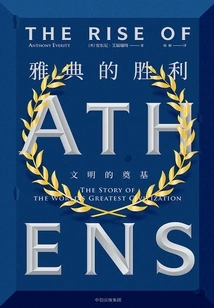
雅典的胜利:文明的奠基
(uk) Anthony Everett
The city-state of Athens gave birth to the origin of democratic politics, achieved trade and naval supremacy on the Aegean Sea, and settled down as an academy of classical culture. It is located in a corner of the Mediterranean world, with a population of only about 200,000, but it has left amazing innovations in every field of human civilization. The genius of the Athenians was cunning, ambitious, and unruly, and their enthusiasm drove the establishment and glory of Athens: the outstanding naval admiral Themistocles, who led the Greeks to defeat the Persian invaders; the eloquent Athenian consul, who was unparalleled among politicians; the wise Alcibiades, who betrayed several times during the Peloponnesian War, and finally died under the arrows of an assassin. Looking beyond the city-state of Athens, Sparta was highly disciplined and warlike, which was completely opposite to the Athenians who advocated pleasure. The Persian Empire was vast and competed with the Athenians for the Greek city-states along the coast of Asia Minor. The three powers entangled and intertwined, war turned into peace, and then war broke out again. Until Athens' national power declined and it was taken over by Alexander, it became a symbol of civilization in the Western world and the spiritual home of Westerners with its principles of freedom and philosophical ideas. This is the story of a small country changing the world. The Athenians seized the opportunity in the collision of classical civilization and crowned themselves with genius and free ideas.
The city-state of Athens gave birth to the origin of democratic politics, achieved trade and naval supremacy on the Aegean Sea, and settled down as an academy of classical culture. It is located in a corner of the Mediterranean world, with a population of only about 200,000, but it has left amazing innovations in every field of human civilization. The genius of the Athenians was cunning, ambitious, and unruly, and their enthusiasm drove the establishment and glory of Athens: the outstanding naval admiral Themistocles, who led the Greeks to defeat the Persian invaders; the eloquent Athenian consul, who was unparalleled among politicians; the wise Alcibiades, who betrayed several times during the Peloponnesian War, and finally died under the arrows of an assassin. Looking beyond the city-state of Athens, Sparta was highly disciplined and warlike, which was completely opposite to the Athenians who advocated pleasure. The Persian Empire was vast and competed with the Athenians for the Greek city-states along the coast of Asia Minor. The three powers entangled and intertwined, war turned into peace, and then war broke out again. Until Athens' national power declined and it was taken over by Alexander, it became a symbol of civilization in the Western world and the spiritual home of Westerners with its principles of freedom and philosophical ideas. This is the story of a small country changing the world. The Athenians seized the opportunity in the collision of classical civilization and crowned themselves with genius and free ideas.
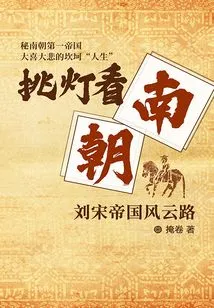
挑灯看南朝
Cover Up
This is an empire built by gamblers, a dynasty that overturned the historical pattern, and an era that emphasizes killing everyone. There is a fierce collision between the orthodox Han Dynasty and the Xianbei cavalry. There are countless anti-kings and rebellious officials and traitors. There are intrigues and weird power struggles. "Watching the Southern Dynasties" gives you a panoramic representation of the rise and fall of the Liu Song Empire, and reveals the bumpy "life" of the Southern Dynasty Empire's joys and sorrows.
This is an empire built by gamblers, a dynasty that overturned the historical pattern, and an era that emphasizes killing everyone. There is a fierce collision between the orthodox Han Dynasty and the Xianbei cavalry. There are countless anti-kings and rebellious officials and traitors. There are intrigues and weird power struggles. "Watching the Southern Dynasties" gives you a panoramic representation of the rise and fall of the Liu Song Empire, and reveals the bumpy "life" of the Southern Dynasty Empire's joys and sorrows.
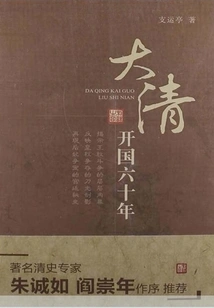
大清开国六十年
Zhiyunting
The author of "Sixty Years since the Founding of the Qing Dynasty" used his years of research, compilation and editing of official historical materials, Manchu archives and local historical materials of the early Qing Dynasty since he served as the director of the Shenyang Palace Museum to record in detail some little-known historical stories and palace events that took place in the late Ming and early Qing dynasties. The secret history of the imperial court truly reveals the inside story of the military, political and royal power struggles during the period from Nurhaci to Fulin. It reflects the swords and swords fighting for the kingship, Khanship and imperial power of the ethnic minorities in the early Qing Dynasty. It reproduces the promiscuous life in the harem of the ethnic minority dynasty and the competition for favor among the concubines, and solves the mysteries one after another.
The author of "Sixty Years since the Founding of the Qing Dynasty" used his years of research, compilation and editing of official historical materials, Manchu archives and local historical materials of the early Qing Dynasty since he served as the director of the Shenyang Palace Museum to record in detail some little-known historical stories and palace events that took place in the late Ming and early Qing dynasties. The secret history of the imperial court truly reveals the inside story of the military, political and royal power struggles during the period from Nurhaci to Fulin. It reflects the swords and swords fighting for the kingship, Khanship and imperial power of the ethnic minorities in the early Qing Dynasty. It reproduces the promiscuous life in the harem of the ethnic minority dynasty and the competition for favor among the concubines, and solves the mysteries one after another.