Library
Browse and search books
2,273 novels found
Emperor Kangxi: Yu Yu Cheng Xiang
General Fiction康熙大帝:玉宇呈祥
I
"Jade Yu Cheng Xiang" is the third volume of "Emperor Kangxi", which shows Kangxi's literary, Taoist and military strategies in unifying China and governing the country and the people. After quelling the rebellion of the "Three Feudatories", Kangxi went to Bianliang in person to inspect the Yellow River, looking for ministers capable of river management and smoothing water transportation; he appointed good generals to conquer Taiwan from the east; he opened a erudite and Hongci department to ease ethnic conflicts; he visited Jinling in the south. , Worship Taizu of the Ming Dynasty, unite the elders of the former Ming Dynasty; receive loyal advice, rectify the administration of officials, and punish corrupt officials; promote filial piety and perform dramas; patrol Shengjing in the north to form an alliance with the kings of Eastern Mongolia; conquer Galdan in the west to complete the great cause of unifying China.
"Jade Yu Cheng Xiang" is the third volume of "Emperor Kangxi", which shows Kangxi's literary, Taoist and military strategies in unifying China and governing the country and the people. After quelling the rebellion of the "Three Feudatories", Kangxi went to Bianliang in person to inspect the Yellow River, looking for ministers capable of river management and smoothing water transportation; he appointed good generals to conquer Taiwan from the east; he opened a erudite and Hongci department to ease ethnic conflicts; he visited Jinling in the south. , Worship Taizu of the Ming Dynasty, unite the elders of the former Ming Dynasty; receive loyal advice, rectify the administration of officials, and punish corrupt officials; promote filial piety and perform dramas; patrol Shengjing in the north to form an alliance with the kings of Eastern Mongolia; conquer Galdan in the west to complete the great cause of unifying China.
Emperor Kangxi: Storm and Rain
General Fiction康熙大帝:惊风密雨
I
"Jingfeng Miyu" is the second volume of "Emperor Kangxi". It describes Kangxi's foresight and talent in putting down the rebellion of the "Three Feudatories". After the wise capture of Obei, Kangxi personally took charge of the affairs of the court, and there was relative stability within the court. However, the domestic situation was still very dangerous and full of crises; there was the separatist regime of the Three Feudatories in the south headed by Wu Sangui, and there was a mutiny by Wang Fuchen's subordinates in the northwest. Yang Qilong, who pretended to be the third prince of Zhu in the Central Plains, gathered people to make trouble again, and colluded with the eunuchs in the harem to cooperate secretly. Before withdrawing from the feudal vassal, Kangxi, with the assistance of a group of civil servants and generals, made careful military, political, and financial arrangements, and successively smashed the corrupt forces' spy wars and honey traps. After a life-and-death struggle with swords and swords, he finally defeated Wu Sangui's rebellion and safeguarded the unity of the country.
"Jingfeng Miyu" is the second volume of "Emperor Kangxi". It describes Kangxi's foresight and talent in putting down the rebellion of the "Three Feudatories". After the wise capture of Obei, Kangxi personally took charge of the affairs of the court, and there was relative stability within the court. However, the domestic situation was still very dangerous and full of crises; there was the separatist regime of the Three Feudatories in the south headed by Wu Sangui, and there was a mutiny by Wang Fuchen's subordinates in the northwest. Yang Qilong, who pretended to be the third prince of Zhu in the Central Plains, gathered people to make trouble again, and colluded with the eunuchs in the harem to cooperate secretly. Before withdrawing from the feudal vassal, Kangxi, with the assistance of a group of civil servants and generals, made careful military, political, and financial arrangements, and successively smashed the corrupt forces' spy wars and honey traps. After a life-and-death struggle with swords and swords, he finally defeated Wu Sangui's rebellion and safeguarded the unity of the country.
Emperor Kangxi: Chaos and Xiaoqiang
General Fiction康熙大帝:乱起萧墙
February River
"Chaos in the Xiaoqiang" is the fourth volume of "Emperor Kangxi". It focuses on the selection of the crown prince by Kangxi and the conflicts among the princes competing for the crown prince. There were many bad policies in Kangxi's later years. For example, officials were corrupt and perverted the law, and unjust cases occurred repeatedly; relatives and veterans of the imperial family borrowed money from the treasury, resulting in a national treasury deficit; land taxes were uneven and land was highly concentrated. Kangxi sent people to clean up and rectify many times, but because the crown prince Yin was cowardly and incompetent, greedy and promiscuous, ignorant of government affairs, and busy with party disputes, he had to give up halfway. Kangxi was very dissatisfied with this and had to depose him, then establish him again, establish him again, and then depose him. The princes took the opportunity to cause chaos, formed cliques, and competed to become the crown prince, which caused a feud among the brothers. Kangxi later simply "released the deer in the Central Plains" and allowed them to compete with each other. The fourth prince Yin had always been mean to others and was known as the "cold-faced king". Due to the guidance of counselor Wu Sidao, he had outstanding political achievements in eradicating bad governance and was selected by Kangxi. Kangxi issued a condemnation edict: the fourth prince who was passed down would be the future Emperor Yongzheng.
"Chaos in the Xiaoqiang" is the fourth volume of "Emperor Kangxi". It focuses on the selection of the crown prince by Kangxi and the conflicts among the princes competing for the crown prince. There were many bad policies in Kangxi's later years. For example, officials were corrupt and perverted the law, and unjust cases occurred repeatedly; relatives and veterans of the imperial family borrowed money from the treasury, resulting in a national treasury deficit; land taxes were uneven and land was highly concentrated. Kangxi sent people to clean up and rectify many times, but because the crown prince Yin was cowardly and incompetent, greedy and promiscuous, ignorant of government affairs, and busy with party disputes, he had to give up halfway. Kangxi was very dissatisfied with this and had to depose him, then establish him again, establish him again, and then depose him. The princes took the opportunity to cause chaos, formed cliques, and competed to become the crown prince, which caused a feud among the brothers. Kangxi later simply "released the deer in the Central Plains" and allowed them to compete with each other. The fourth prince Yin had always been mean to others and was known as the "cold-faced king". Due to the guidance of counselor Wu Sidao, he had outstanding political achievements in eradicating bad governance and was selected by Kangxi. Kangxi issued a condemnation edict: the fourth prince who was passed down would be the future Emperor Yongzheng.
Goodbye King Guo
General Fiction再见虢王
Xie Liming Xie Lizhong
The whole book takes Confucianism, Buddhism and Taoism as the main line, explains the profound influence of traditional Chinese culture on the ancient town and even the entire country for thousands of years, and brilliantly demonstrates the people of the ancient town's sincere watch and love for the Chinese national culture.
The whole book takes Confucianism, Buddhism and Taoism as the main line, explains the profound influence of traditional Chinese culture on the ancient town and even the entire country for thousands of years, and brilliantly demonstrates the people of the ancient town's sincere watch and love for the Chinese national culture.
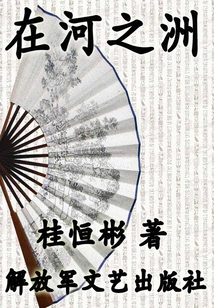
In River Island
General Fiction在河之洲
Gui Hengbin
The novel combines fiction and reality, adopts a beaded composite chapter structure, uses plain and low-key language to present the rapid changes in contemporary Chinese society, and observes the collision and transfer of values in historical time and space. The whole book is full of sentiments about the simple emotions, the shape of desire, and the joys and sorrows of existence. In the work, the emotional entanglements and ideological conflicts between the two generations, such as the armed police hero Han Lin, the ace public security director Mu Tianyun, the junior public security frontiers Mu Xiaoyun, Han Xue, and Haiou, the harmonious society's Hai Mama, Bailian, Chunlan, and the transformed human nature of Han Yue, Arrogant Duck, Chen Lianqing, and the old sea monster are all displayed vividly and vividly, making people's lives unforgettable.
The novel combines fiction and reality, adopts a beaded composite chapter structure, uses plain and low-key language to present the rapid changes in contemporary Chinese society, and observes the collision and transfer of values in historical time and space. The whole book is full of sentiments about the simple emotions, the shape of desire, and the joys and sorrows of existence. In the work, the emotional entanglements and ideological conflicts between the two generations, such as the armed police hero Han Lin, the ace public security director Mu Tianyun, the junior public security frontiers Mu Xiaoyun, Han Xue, and Haiou, the harmonious society's Hai Mama, Bailian, Chunlan, and the transformed human nature of Han Yue, Arrogant Duck, Chen Lianqing, and the old sea monster are all displayed vividly and vividly, making people's lives unforgettable.
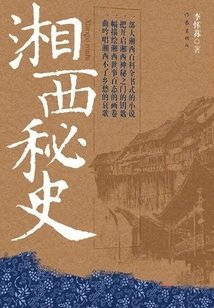
Secret History of Western Hunan
General Fiction湘西秘史
Li Huaisun
A novel in the style of a great encyclopedia of Xiangxi, a key to the mysterious door of Xiangxi, a picture depicting the various situations in Xiangxi, and an elegiac song that sings the nostalgia of Xiangxi. At the end of the Qing Dynasty, Puyang Town, the most prosperous water dock in Western Hunan in the past, was going downhill. The two main merchants of the thirty-six shops in the west of Puyang Town, the Zhang family and the Liu family, were also gradually declining. Zhang Fuli, the son of the Zhang family, and Liu Jinlian, the daughter of the Liu family, had arranged a baby marriage, but Zhang Fuli's cheating on the spot angered Liu Jinlian, and the feud between the two began... This novel is used as the main line to describe the late Qing Dynasty. The picture of life in Yepuyang Town for nearly half a century, and the branches, leaves and vines derived from it, cover almost all aspects of social life in Western Hunan during this period, showing you a mysterious and real Xiangxi a hundred years ago. There are so many things in the world, thousands of threads, strange customs, and colorful...
A novel in the style of a great encyclopedia of Xiangxi, a key to the mysterious door of Xiangxi, a picture depicting the various situations in Xiangxi, and an elegiac song that sings the nostalgia of Xiangxi. At the end of the Qing Dynasty, Puyang Town, the most prosperous water dock in Western Hunan in the past, was going downhill. The two main merchants of the thirty-six shops in the west of Puyang Town, the Zhang family and the Liu family, were also gradually declining. Zhang Fuli, the son of the Zhang family, and Liu Jinlian, the daughter of the Liu family, had arranged a baby marriage, but Zhang Fuli's cheating on the spot angered Liu Jinlian, and the feud between the two began... This novel is used as the main line to describe the late Qing Dynasty. The picture of life in Yepuyang Town for nearly half a century, and the branches, leaves and vines derived from it, cover almost all aspects of social life in Western Hunan during this period, showing you a mysterious and real Xiangxi a hundred years ago. There are so many things in the world, thousands of threads, strange customs, and colorful...
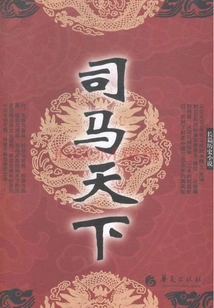
Sima Tianxia
General Fiction司马天下
Wang Zhanjun
The fundamental inside story and reasons for the change of dynasties in ancient China may be condensed into the more than one hundred years of the Jin Dynasty. From 260 AD when Sima Zhao killed the Wei lord and "received Zen", to 420 AD when Liu Yu forced Emperor Gong of the Eastern Jin Dynasty to "take the Zen throne", from Cao Wei to the two Jin Dynasties, from Sima to Liu Song, the 160-year cycle of usurpation reflects the 2,000-plus years of feudal China. Royal family and royal family, traitors and virtuous people, intrigues and bloodshed, weirdness and clarity, the historical traces and cultural logic of the Sima family's domination of the world are vividly and vividly displayed in this wonderful novel...
The fundamental inside story and reasons for the change of dynasties in ancient China may be condensed into the more than one hundred years of the Jin Dynasty. From 260 AD when Sima Zhao killed the Wei lord and "received Zen", to 420 AD when Liu Yu forced Emperor Gong of the Eastern Jin Dynasty to "take the Zen throne", from Cao Wei to the two Jin Dynasties, from Sima to Liu Song, the 160-year cycle of usurpation reflects the 2,000-plus years of feudal China. Royal family and royal family, traitors and virtuous people, intrigues and bloodshed, weirdness and clarity, the historical traces and cultural logic of the Sima family's domination of the world are vividly and vividly displayed in this wonderful novel...
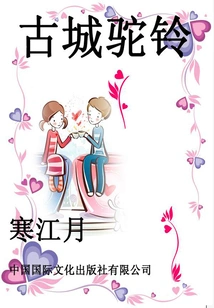
Ancient City Camel Bell
General Fiction古城驼铃
Hanjiangyue
The novel mainly tells the story of the fate of Zhou Yibo, Zhou Yibo, Zhou Yibo, the son of Zhou Zhu, who lived in a slum since childhood, Huang Shanyun, the ill-fated niece of Yan Tailing, and other people of the same age from middle school to college. The students' academic, life and emotional experiences; it truthfully shows the mental state of the fifth-year medical students in an ancient city who struggled and cried out in unprecedented times. The novel reflects the changes of the times and reflects that the destiny of the family, the destiny of the individual and the destiny of the country are closely connected. Building a modern country with democracy and the rule of law is the only way for historical development.
The novel mainly tells the story of the fate of Zhou Yibo, Zhou Yibo, Zhou Yibo, the son of Zhou Zhu, who lived in a slum since childhood, Huang Shanyun, the ill-fated niece of Yan Tailing, and other people of the same age from middle school to college. The students' academic, life and emotional experiences; it truthfully shows the mental state of the fifth-year medical students in an ancient city who struggled and cried out in unprecedented times. The novel reflects the changes of the times and reflects that the destiny of the family, the destiny of the individual and the destiny of the country are closely connected. Building a modern country with democracy and the rule of law is the only way for historical development.
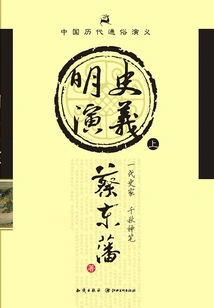
中国历代通俗演义:明史演义(上)
Cai Dongfan
"The Romance of the Ming Dynasty" is one of the "Popular Romance of Chinese Dynasties". It tells the historical events and various characters of the Ming Dynasty. The story is full of ups and downs and exciting. It is a classic book for history lovers and literature lovers. This book tells the history from "The first chapter: Revealing the outline of history and establishing the sect's clarification; He took refuge in a dry road and became a monk" to "The fiftieth chapter: Looking for a beautiful woman and luckily meeting a singer, and he directly remonstrated with the official and killed him". On the fourth day of the first lunar month in 1368, Zhu Yuanzhang ascended the throne in Yingtian, which is today's Nanjing. His reign was named Hongwu and his country was named Ming. At this point, the Yuan Dynasty perished. Zhu Yuanzhang's series of actions after establishing the Ming Dynasty have always been criticized by many: killing meritorious officials, deposing prime ministers, establishing secret spy organizations, etc. Taizu died, and then there was the rule of Renxuan, Hongzhi Zhongxing, Longqing New Deal...
"The Romance of the Ming Dynasty" is one of the "Popular Romance of Chinese Dynasties". It tells the historical events and various characters of the Ming Dynasty. The story is full of ups and downs and exciting. It is a classic book for history lovers and literature lovers. This book tells the history from "The first chapter: Revealing the outline of history and establishing the sect's clarification; He took refuge in a dry road and became a monk" to "The fiftieth chapter: Looking for a beautiful woman and luckily meeting a singer, and he directly remonstrated with the official and killed him". On the fourth day of the first lunar month in 1368, Zhu Yuanzhang ascended the throne in Yingtian, which is today's Nanjing. His reign was named Hongwu and his country was named Ming. At this point, the Yuan Dynasty perished. Zhu Yuanzhang's series of actions after establishing the Ming Dynasty have always been criticized by many: killing meritorious officials, deposing prime ministers, establishing secret spy organizations, etc. Taizu died, and then there was the rule of Renxuan, Hongzhi Zhongxing, Longqing New Deal...
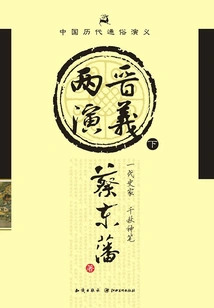
中国历代通俗演义:两晋演义(下)
Cai Dongfan
"The Romance of the Two Jin Dynasties" begins with Sima Yan's dynasty in the Wei Dynasty and ends with Liu Yu's dynasty in the Jin Dynasty, with a total of one hundred chapters. It truly reproduces the split situation of the Five Hus and Sixteen Kingdoms during the decline of the Han Dynasty in the Central Plains and the exchanges and integration among the ethnic minorities. This book tells the history from "Chapter 51: Punishing the Nizi, setting fire to the corpse, blaming the patient for resisting Yan Ji's remonstrance" to "Chapter 100: Recruiting bandits to invade the Qin Pass, then losing the throne, and forcing the Zen position of Jin Zuo to end". The land of Shenzhou is sinking, the bronze camels are thorny, the two masters are captured, and they are drinking in Di Ting. It is nothing more than the internal affairs that are not in line. Fortunately, in the battle of Feishui, Fu Qin was defeated and half of the country was saved. The monarchs and ministers of the Eastern Jin Dynasty became arrogant even if they had a slight victory. Arrogance led to laziness and no improvement. So they usurped each other and caused troubles and chaos, and eventually the country was destroyed...
"The Romance of the Two Jin Dynasties" begins with Sima Yan's dynasty in the Wei Dynasty and ends with Liu Yu's dynasty in the Jin Dynasty, with a total of one hundred chapters. It truly reproduces the split situation of the Five Hus and Sixteen Kingdoms during the decline of the Han Dynasty in the Central Plains and the exchanges and integration among the ethnic minorities. This book tells the history from "Chapter 51: Punishing the Nizi, setting fire to the corpse, blaming the patient for resisting Yan Ji's remonstrance" to "Chapter 100: Recruiting bandits to invade the Qin Pass, then losing the throne, and forcing the Zen position of Jin Zuo to end". The land of Shenzhou is sinking, the bronze camels are thorny, the two masters are captured, and they are drinking in Di Ting. It is nothing more than the internal affairs that are not in line. Fortunately, in the battle of Feishui, Fu Qin was defeated and half of the country was saved. The monarchs and ministers of the Eastern Jin Dynasty became arrogant even if they had a slight victory. Arrogance led to laziness and no improvement. So they usurped each other and caused troubles and chaos, and eventually the country was destroyed...
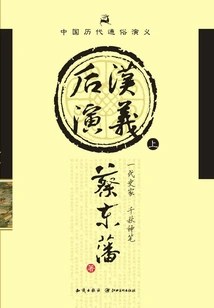
中国历代通俗演义:后汉演义(上)
Cai Dongfan
This book tells the history from "The first chapter: Fake fortune seals and cake sellers, Jinglian sitting in the school bookstore" to "The fiftieth chapter: The conspirators punished the Liang family, and Li Yun was killed unjustly due to jealousy and loyalty." Liu Xiu, a clan member of the Han Dynasty, gradually grew stronger in the struggle against Wang Mang, and eventually re-established the Han Dynasty Ancestral Temple. Emperor Guangwu Liu Xiu ignored past mistakes and took over the power himself, and tried his best to prevent external influence from interfering with the government. Under his hard work, the Han Dynasty was in a state of resurgence. Emperor Ming was particularly paternal, and Emperor Zhang's initial administration was impressive; after he was reunited with the emperor, the affairs of the country deteriorated day by day, with relatives and eunuchs fighting, and the power of the Han Dynasty once again fell into the struggle between relatives and eunuchs...
This book tells the history from "The first chapter: Fake fortune seals and cake sellers, Jinglian sitting in the school bookstore" to "The fiftieth chapter: The conspirators punished the Liang family, and Li Yun was killed unjustly due to jealousy and loyalty." Liu Xiu, a clan member of the Han Dynasty, gradually grew stronger in the struggle against Wang Mang, and eventually re-established the Han Dynasty Ancestral Temple. Emperor Guangwu Liu Xiu ignored past mistakes and took over the power himself, and tried his best to prevent external influence from interfering with the government. Under his hard work, the Han Dynasty was in a state of resurgence. Emperor Ming was particularly paternal, and Emperor Zhang's initial administration was impressive; after he was reunited with the emperor, the affairs of the country deteriorated day by day, with relatives and eunuchs fighting, and the power of the Han Dynasty once again fell into the struggle between relatives and eunuchs...
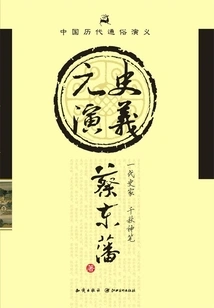
中国历代通俗演义:元史演义
Cai Dongfan
This book tells the history from "The first chapter, when a widow becomes pregnant with a white light, and a beauty's strange son is robbed to get his wife" to the "sixtieth chapter, when a group of bandits defeat Mingzu and ascend to the throne, and Emperor Shun flees, the history of the Yuan Dynasty comes to an end". The Mongolian tribe was originally the Shiwei branch of the Tang Dynasty. They lived in northern China, made a living by hunting, and formed their own tribe. He first served as the commander of the Jin State, and when Temujin was born, he took charge of all Mongolian tribes and developed his power. The Mongolian cavalry then went west to conquer Europe and soon went south to destroy the Jin Dynasty and invade the Song Dynasty. After the fall of the Southern Song Dynasty and the devastation of the Central Plains by the Mongol Khan, one emperor and one courtier actually served as the emperor of China for eighty-nine years. This is truly a first in history! Little did they know that the Mongols were cruel in character, harsh in their treatment of the people, and the world was exhausted. They actually provoked countless civil uprisings, and one Zhu Yuanzhang emerged and took away every life in the Yuan Dynasty...
This book tells the history from "The first chapter, when a widow becomes pregnant with a white light, and a beauty's strange son is robbed to get his wife" to the "sixtieth chapter, when a group of bandits defeat Mingzu and ascend to the throne, and Emperor Shun flees, the history of the Yuan Dynasty comes to an end". The Mongolian tribe was originally the Shiwei branch of the Tang Dynasty. They lived in northern China, made a living by hunting, and formed their own tribe. He first served as the commander of the Jin State, and when Temujin was born, he took charge of all Mongolian tribes and developed his power. The Mongolian cavalry then went west to conquer Europe and soon went south to destroy the Jin Dynasty and invade the Song Dynasty. After the fall of the Southern Song Dynasty and the devastation of the Central Plains by the Mongol Khan, one emperor and one courtier actually served as the emperor of China for eighty-nine years. This is truly a first in history! Little did they know that the Mongols were cruel in character, harsh in their treatment of the people, and the world was exhausted. They actually provoked countless civil uprisings, and one Zhu Yuanzhang emerged and took away every life in the Yuan Dynasty...
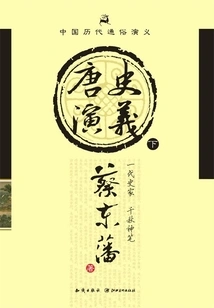
中国历代通俗演义:唐史演义(下)
Cai Dongfan
This book tells the history from "Chapter 51, when Brother Shuhan lost his master at Tongguan and his concubine Yang Guifei died in Mawei" to "Chapter 100, when Zhu Quanzhong went to kill Emperor Zhaoxuan and moved to the country to conquer the Tang Dynasty". The Anshi Rebellion broke out, and Emperor Xuanzong of the Tang Dynasty left hastily west. It narrates the subsequent events from the rise to decline of the Tang Dynasty until Zhu and Wen usurped the Tang Dynasty. It focuses on explaining the three major historical lessons of the decline of the Tang Dynasty: the eunuch disaster (i. E., The eunuchs were good at governing and hijacking the emperor) and the vassal disaster (i. E., Warlords fought in a melee, separated one side, and finally usurped the central power). The prosperity of the Tang Dynasty finally fell, and the fundamental problem was solved. It was actually the promiscuity in the palace that caused all kinds of negative consequences...
This book tells the history from "Chapter 51, when Brother Shuhan lost his master at Tongguan and his concubine Yang Guifei died in Mawei" to "Chapter 100, when Zhu Quanzhong went to kill Emperor Zhaoxuan and moved to the country to conquer the Tang Dynasty". The Anshi Rebellion broke out, and Emperor Xuanzong of the Tang Dynasty left hastily west. It narrates the subsequent events from the rise to decline of the Tang Dynasty until Zhu and Wen usurped the Tang Dynasty. It focuses on explaining the three major historical lessons of the decline of the Tang Dynasty: the eunuch disaster (i. E., The eunuchs were good at governing and hijacking the emperor) and the vassal disaster (i. E., Warlords fought in a melee, separated one side, and finally usurped the central power). The prosperity of the Tang Dynasty finally fell, and the fundamental problem was solved. It was actually the promiscuity in the palace that caused all kinds of negative consequences...
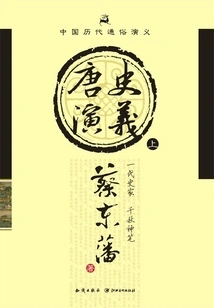
中国历代通俗演义:唐史演义(上)
Cai Dongfan
This book tells the history from "The first review of Longxing's opening of the editor's talk about choosing seeds to serve the banquet to earn money for the Tang Dynasty" to "the fiftieth chapter: Chen Zhen, the boy of Qinzhenglou, and Fan Yang suppressed the rebellion of Hu Gou". At the founding of the Tang Dynasty, the society was prosperous and prosperous, the emperor was revered as the Heavenly Khan, and the early events from prosperity to decline due to the An-Shi Rebellion focused on explaining one of the three major historical lessons - the role of women's troubles (i. E., Palace promiscuity) in the historical evolution of the Tang Dynasty. The book has a relatively detailed description of major events such as the Li family's father and son's defeat of all the heroes, the Xuanwu Gate Incident, Wu Zetian's proclaimed emperor, and the Anshi Rebellion...
This book tells the history from "The first review of Longxing's opening of the editor's talk about choosing seeds to serve the banquet to earn money for the Tang Dynasty" to "the fiftieth chapter: Chen Zhen, the boy of Qinzhenglou, and Fan Yang suppressed the rebellion of Hu Gou". At the founding of the Tang Dynasty, the society was prosperous and prosperous, the emperor was revered as the Heavenly Khan, and the early events from prosperity to decline due to the An-Shi Rebellion focused on explaining one of the three major historical lessons - the role of women's troubles (i. E., Palace promiscuity) in the historical evolution of the Tang Dynasty. The book has a relatively detailed description of major events such as the Li family's father and son's defeat of all the heroes, the Xuanwu Gate Incident, Wu Zetian's proclaimed emperor, and the Anshi Rebellion...
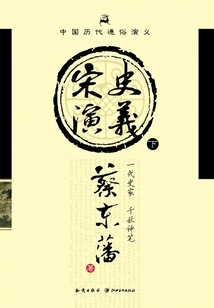
中国历代通俗演义:宋史演义(下)
Cai Dongfan
This book tells the history from "Chapter 51: Cleverly squeezing out and poisoning the auxiliary ministers, and happily recruiting Lai Zai to return to the foreign race" to "Chapter 100: Supporting the two kings to survive the end of the game, overthrowing the two palaces and crossing the ocean". When the Northern Song Dynasty was dying, the royal family Kang Wang Zhaogou, with the help of a group of civil and military ministers, crossed the Yangtze River south to continue the Song Dynasty ancestral temple. However, the Southern Song Dynasty court remained in peace, and under the control of a group of treacherous ministers, designed to frame the generals who resisted the Jin Dynasty, and finally repeated the mistakes of the Northern Song Dynasty. As the Mongolian army advanced step by step, the three emperors were either captured, died on the way to escape, or were buried in the sea...
This book tells the history from "Chapter 51: Cleverly squeezing out and poisoning the auxiliary ministers, and happily recruiting Lai Zai to return to the foreign race" to "Chapter 100: Supporting the two kings to survive the end of the game, overthrowing the two palaces and crossing the ocean". When the Northern Song Dynasty was dying, the royal family Kang Wang Zhaogou, with the help of a group of civil and military ministers, crossed the Yangtze River south to continue the Song Dynasty ancestral temple. However, the Southern Song Dynasty court remained in peace, and under the control of a group of treacherous ministers, designed to frame the generals who resisted the Jin Dynasty, and finally repeated the mistakes of the Northern Song Dynasty. As the Mongolian army advanced step by step, the three emperors were either captured, died on the way to escape, or were buried in the sea...
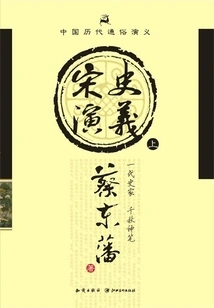
中国历代通俗演义:宋史演义(上)
Cai Dongfan
This book tells the history from "the first chapter: the birth of the magical child from Heluo, and the return of Hu Shi to see Zhi wandering away from home" to the "fiftieth chapter, the enshrinement of Zhu Meng's mission, and the restoration of Cai Jing's prime ministership with Austrian aid". Zhao Kuangyin, who was born as a warrior, took advantage of the opportunity of being in charge of the young country to create a mutiny in Chenqiao. He wore a yellow robe and then staged a scene of drinking wine to release his military power, which consolidated the Zhao family's regime. The country was gradually becoming unified, martial arts was practiced, and culture was cultivated. The economy and culture of the Song Dynasty made more brilliant achievements. However, Liao, Jin, and Xia successively emerged in the north, and Huayi fought repeatedly. The Song Dynasty was so weak that it was difficult to recover, and the reforms initiated by Shenzong and Wang Anshi ended in failure. Deceived by some treacherous ministers who wanted to restore the new law, the two emperors of the Northern Song Dynasty were both taken prisoner and eventually perished...
This book tells the history from "the first chapter: the birth of the magical child from Heluo, and the return of Hu Shi to see Zhi wandering away from home" to the "fiftieth chapter, the enshrinement of Zhu Meng's mission, and the restoration of Cai Jing's prime ministership with Austrian aid". Zhao Kuangyin, who was born as a warrior, took advantage of the opportunity of being in charge of the young country to create a mutiny in Chenqiao. He wore a yellow robe and then staged a scene of drinking wine to release his military power, which consolidated the Zhao family's regime. The country was gradually becoming unified, martial arts was practiced, and culture was cultivated. The economy and culture of the Song Dynasty made more brilliant achievements. However, Liao, Jin, and Xia successively emerged in the north, and Huayi fought repeatedly. The Song Dynasty was so weak that it was difficult to recover, and the reforms initiated by Shenzong and Wang Anshi ended in failure. Deceived by some treacherous ministers who wanted to restore the new law, the two emperors of the Northern Song Dynasty were both taken prisoner and eventually perished...
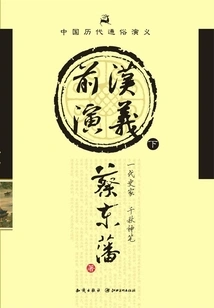
中国历代通俗演义:前汉演义(下)
Cai Dongfan
The dynasties described in "The Romance of the Former Han Dynasty" include the Qin and the Western Han Dynasty, starting from the birth of King Yingzheng of Qin to the usurpation of the Western Han Dynasty by Wang Mang, a total of two and a half centuries. The book describes in detail the tyranny of the Qin Dynasty, the conflict between Chu and Han, and the expansion of territory by Emperor Wu of the Han Dynasty. It also teases Emperor Qin and Han Wu who wanted to become immortals, and reveals Wang Mang's insidiousness and cunning. "The Romance of the Former Han Dynasty" better describes the appearance of the early unified feudal empire. This book tells the history from "The 51st chapter, when Lao Lang's official convict Yan saved Wei Shang, and Xian Cheng impeached Deng Tong," to the "100th chapter, when King Mang, who stole the country's power, killed the emperor, and surrendered the imperial seal to the Yuan Dynasty to restore the clan." From the first prosperous period of the feudal dynasty, the "Government of Wenjing" to the Rebellion of the Seven Kingdoms, from the pursuit of the Xiongnu in the Han Dynasty to the north to Zhang Qian's passage to the Western Regions, from Zhaojun's departure to the power of his relatives in the late Western Han Dynasty, to Wang Mang's usurpation of the dynasty, the history is laid out one by one...
The dynasties described in "The Romance of the Former Han Dynasty" include the Qin and the Western Han Dynasty, starting from the birth of King Yingzheng of Qin to the usurpation of the Western Han Dynasty by Wang Mang, a total of two and a half centuries. The book describes in detail the tyranny of the Qin Dynasty, the conflict between Chu and Han, and the expansion of territory by Emperor Wu of the Han Dynasty. It also teases Emperor Qin and Han Wu who wanted to become immortals, and reveals Wang Mang's insidiousness and cunning. "The Romance of the Former Han Dynasty" better describes the appearance of the early unified feudal empire. This book tells the history from "The 51st chapter, when Lao Lang's official convict Yan saved Wei Shang, and Xian Cheng impeached Deng Tong," to the "100th chapter, when King Mang, who stole the country's power, killed the emperor, and surrendered the imperial seal to the Yuan Dynasty to restore the clan." From the first prosperous period of the feudal dynasty, the "Government of Wenjing" to the Rebellion of the Seven Kingdoms, from the pursuit of the Xiongnu in the Han Dynasty to the north to Zhang Qian's passage to the Western Regions, from Zhaojun's departure to the power of his relatives in the late Western Han Dynasty, to Wang Mang's usurpation of the dynasty, the history is laid out one by one...
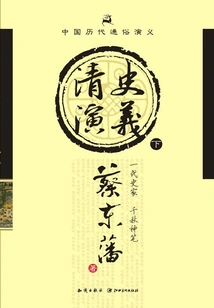
中国历代通俗演义:清史演义(下)
Cai Dongfan
This book tells the history from "The 51st Chapter, Lin Zhijun generously inspected the division, Qi Zhongtang's mediocrity harmed the country" to "The 100th Chapter, President Sun Wen was elected to take office, and Qing Zuo abdicated the throne and ended". After the heyday of Kangxi and Qianlong, the Qing Dynasty began to decline again. The foreign ships in the West had strong guns and guns, and repeatedly invaded the country. The great powers ceded territory today and paid indemnity tomorrow. The domestic Taiping Rebellion, Boxer Rebellion, etc. Tired the Qing Dynasty monarchs and ministers to focus on one thing and the other, and the country's power gradually declined. Until Wuchang launched an attack, all provinces responded, and the Qing Dynasty was overthrown...
This book tells the history from "The 51st Chapter, Lin Zhijun generously inspected the division, Qi Zhongtang's mediocrity harmed the country" to "The 100th Chapter, President Sun Wen was elected to take office, and Qing Zuo abdicated the throne and ended". After the heyday of Kangxi and Qianlong, the Qing Dynasty began to decline again. The foreign ships in the West had strong guns and guns, and repeatedly invaded the country. The great powers ceded territory today and paid indemnity tomorrow. The domestic Taiping Rebellion, Boxer Rebellion, etc. Tired the Qing Dynasty monarchs and ministers to focus on one thing and the other, and the country's power gradually declined. Until Wuchang launched an attack, all provinces responded, and the Qing Dynasty was overthrown...
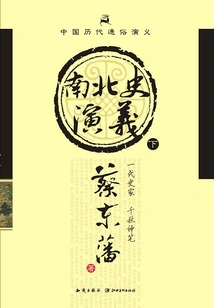
Popular Romance of Chinese Dynasties: Romance of Northern and Southern History (part 2)
General Fiction中国历代通俗演义:南北史演义(下)
Cai Dongfan
This book tells the history from "Chapter 51: The battle with Han Ling destroys the army of his disciples and they enter the Luo Palace to have sex" to "Chapter 100: Killing the faint king and killing all the Sui family, and the murderous young master Yang's death". During the Northern and Southern Dynasties, several dynasties coexisted for decades, and finally they were merged into the Zhou Dynasty. Two-tenths of the Jiangnan region was almost entirely owned by the Northern Zhou Dynasty. Prime Minister Yang Jian usurped the Zhou Dynasty, regained Jiangnan, established the Sui Dynasty, and ended the Sui Dynasty's demise. The establishment of the Sui Dynasty unified China, which had been severely divided for more than 170 years. The history of the Southern and Northern Dynasties came to an end when Emperor Yang of the Sui Dynasty was dissolute and immoral, and the Sui Dynasty fell. The relationship between the father and son of the Yang family is not like that of a real person who governs the world. Although they rely on a moment of luck, they are on the verge of going north and south. After all, it is easy to rise and fall...
This book tells the history from "Chapter 51: The battle with Han Ling destroys the army of his disciples and they enter the Luo Palace to have sex" to "Chapter 100: Killing the faint king and killing all the Sui family, and the murderous young master Yang's death". During the Northern and Southern Dynasties, several dynasties coexisted for decades, and finally they were merged into the Zhou Dynasty. Two-tenths of the Jiangnan region was almost entirely owned by the Northern Zhou Dynasty. Prime Minister Yang Jian usurped the Zhou Dynasty, regained Jiangnan, established the Sui Dynasty, and ended the Sui Dynasty's demise. The establishment of the Sui Dynasty unified China, which had been severely divided for more than 170 years. The history of the Southern and Northern Dynasties came to an end when Emperor Yang of the Sui Dynasty was dissolute and immoral, and the Sui Dynasty fell. The relationship between the father and son of the Yang family is not like that of a real person who governs the world. Although they rely on a moment of luck, they are on the verge of going north and south. After all, it is easy to rise and fall...
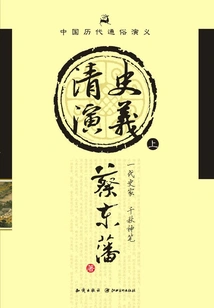
中国历代通俗演义:清史演义(上)
Cai Dongfan
This book tells the history from "the first chapter looking back on the past and talking about life experience, recounting the past dynasties and detailing the origins" to "the fiftieth chapter: the girl who drank poison became a suspect, and the burning of opium caused wars at home and abroad". As far back as the Zhao and Song Dynasties, after the Jin State was destroyed, the surviving Jurchen clan fled to the northeast and hid on the seashore. Taking the meaning of "residents under Changbai Mountain", they named themselves the "Aixinjueluo Clan" and established the Manchukuo Kingdom, so the whole family was renamed "Manchu". After hundreds of years and several generations, a man of outstanding wisdom and bravery emerged from the clan. Through the conquests of him and his next generation, he finally took control of the Central Plains from outside the customs, established political power, and the country was named Qing. Under the rule of his successors, the last flourishing age of feudal society appeared...
This book tells the history from "the first chapter looking back on the past and talking about life experience, recounting the past dynasties and detailing the origins" to "the fiftieth chapter: the girl who drank poison became a suspect, and the burning of opium caused wars at home and abroad". As far back as the Zhao and Song Dynasties, after the Jin State was destroyed, the surviving Jurchen clan fled to the northeast and hid on the seashore. Taking the meaning of "residents under Changbai Mountain", they named themselves the "Aixinjueluo Clan" and established the Manchukuo Kingdom, so the whole family was renamed "Manchu". After hundreds of years and several generations, a man of outstanding wisdom and bravery emerged from the clan. Through the conquests of him and his next generation, he finally took control of the Central Plains from outside the customs, established political power, and the country was named Qing. Under the rule of his successors, the last flourishing age of feudal society appeared...
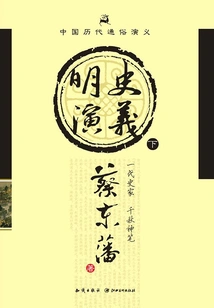
中国历代通俗演义:明史演义(下)
Cai Dongfan
"The Romance of the Ming Dynasty" is one of the "Popular Romance of Chinese Dynasties". It tells the historical events and various characters of the Ming Dynasty. The story is full of ups and downs and exciting. It is a classic book for history lovers and literature lovers. This book tells the history from "Chapter 51: The bandit Ning Fan conspired to rebel, Xie Feng feasted and the envoy was executed" to "Chapter 100: The Qing army begged for foreign aid to quell the chaos, ending with half of the history of the Ming Dynasty overturned". With rich and detailed historical materials and vivid writing style, the author tells us about the history of more than 150 years in the middle and late Ming Dynasty, including the northern captives and the southern Japanese, the party struggle in Donglin, the rise of the Jianzhou Jurchens, Zheng He's voyages to the West, and the emergence of capitalism...
"The Romance of the Ming Dynasty" is one of the "Popular Romance of Chinese Dynasties". It tells the historical events and various characters of the Ming Dynasty. The story is full of ups and downs and exciting. It is a classic book for history lovers and literature lovers. This book tells the history from "Chapter 51: The bandit Ning Fan conspired to rebel, Xie Feng feasted and the envoy was executed" to "Chapter 100: The Qing army begged for foreign aid to quell the chaos, ending with half of the history of the Ming Dynasty overturned". With rich and detailed historical materials and vivid writing style, the author tells us about the history of more than 150 years in the middle and late Ming Dynasty, including the northern captives and the southern Japanese, the party struggle in Donglin, the rise of the Jianzhou Jurchens, Zheng He's voyages to the West, and the emergence of capitalism...
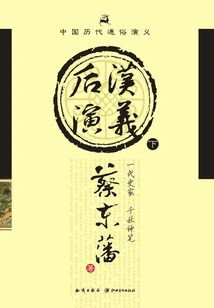
中国历代通俗演义:后汉演义(下)
Cai Dongfan
For the convenience of writing, the author merges the history of the Three Kingdoms period into the history of the Later Han Dynasty. This book tells the history from "Chapter 51: Receiving a penny from an honest official to move to an official position, impeaching a group of eunuchs and eunuchs such as Fu Que" to "Chapter 100: Losing the absolute sacrifice of the Han clan in Shu, usurping Wei Zuo and establishing the foundation of the Jin Dynasty". After Emperor Huan, relatives and eunuchs took over power. There are many changes, starting with the era of war between chaotic parties, followed by the era of disputes in Fangzhen, and finally the era of competition among the Three Kingdoms: Cao Cao, Yuan Shao, Yuan Shu, Qi Bei, Sun Quan and other heroes vying for hegemony...
For the convenience of writing, the author merges the history of the Three Kingdoms period into the history of the Later Han Dynasty. This book tells the history from "Chapter 51: Receiving a penny from an honest official to move to an official position, impeaching a group of eunuchs and eunuchs such as Fu Que" to "Chapter 100: Losing the absolute sacrifice of the Han clan in Shu, usurping Wei Zuo and establishing the foundation of the Jin Dynasty". After Emperor Huan, relatives and eunuchs took over power. There are many changes, starting with the era of war between chaotic parties, followed by the era of disputes in Fangzhen, and finally the era of competition among the Three Kingdoms: Cao Cao, Yuan Shao, Yuan Shu, Qi Bei, Sun Quan and other heroes vying for hegemony...
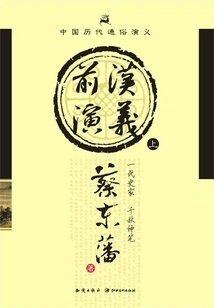
中国历代通俗演义:前汉演义(上)
Cai Dongfan
The dynasties described in "The Romance of the Former Han Dynasty" include the Qin and the Western Han Dynasty, starting from the birth of King Yingzheng of Qin to the usurpation of the Western Han Dynasty by Wang Mang, a total of two and a half centuries. The book describes in detail the tyranny of the Qin Dynasty, the conflict between Chu and Han, and the expansion of territory by Emperor Wu of the Han Dynasty. It also teases Emperor Qin and Han Wu who wanted to become immortals, and reveals Wang Mang's insidiousness and cunning. "The Romance of the Former Han Dynasty" better describes the appearance of the early unified feudal empire. For the convenience of writing, the author incorporates the short history of the Qin Dynasty into the history of the Han Dynasty. The history of this book starts from "In the first chapter, the trick is to present a beautiful concubine and use Li Daitao to marry the prostitute" to "In the fiftieth chapter, Zhongxing talks about treason and surrendering to the imperial court, and Ti Yingnu writes a letter to atone for her father's sins". From the mystery of Qin Shihuang's life experience to Qin's unification of the six kingdoms, from the tyranny of the Qin Dynasty to the death of Qin Li II, from the dispute between Chu and Han to the establishment of the Han Dynasty by Emperor Gaozu, from the feudal princes and honors awarded by Emperor Gaozu at the beginning of the founding of the Han Dynasty to Empress Lu's arbitrary killing of heroes, the history is laid out one by one...
The dynasties described in "The Romance of the Former Han Dynasty" include the Qin and the Western Han Dynasty, starting from the birth of King Yingzheng of Qin to the usurpation of the Western Han Dynasty by Wang Mang, a total of two and a half centuries. The book describes in detail the tyranny of the Qin Dynasty, the conflict between Chu and Han, and the expansion of territory by Emperor Wu of the Han Dynasty. It also teases Emperor Qin and Han Wu who wanted to become immortals, and reveals Wang Mang's insidiousness and cunning. "The Romance of the Former Han Dynasty" better describes the appearance of the early unified feudal empire. For the convenience of writing, the author incorporates the short history of the Qin Dynasty into the history of the Han Dynasty. The history of this book starts from "In the first chapter, the trick is to present a beautiful concubine and use Li Daitao to marry the prostitute" to "In the fiftieth chapter, Zhongxing talks about treason and surrendering to the imperial court, and Ti Yingnu writes a letter to atone for her father's sins". From the mystery of Qin Shihuang's life experience to Qin's unification of the six kingdoms, from the tyranny of the Qin Dynasty to the death of Qin Li II, from the dispute between Chu and Han to the establishment of the Han Dynasty by Emperor Gaozu, from the feudal princes and honors awarded by Emperor Gaozu at the beginning of the founding of the Han Dynasty to Empress Lu's arbitrary killing of heroes, the history is laid out one by one...
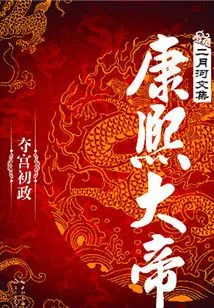
Emperor Kangxi: Seizing the Palace and First Administration
General Fiction康熙大帝:夺宫初政
February River
"Seizing the Palace" is the first volume of "Emperor Kangxi". It describes the story of Kangxi, who came to the throne at the age of eight, and fought against the conspiracy of the auxiliary minister Aobai group to usurp the throne in an extremely dangerous political environment. Kangxi was extremely intelligent when he was young. He once became a disciple of Wu Ciyou, a failed candidate, and learned the skills of feudal governance. With the support and help of the Empress Dowager Xiaozhuang and his maid Sumala Gu, Kangxi united a group of middle- and lower-class landowners and intellectuals who had gone bankrupt in the enclosure to form a pro-imperial defense force. After many battles, he finally captured Obei out of his wits at the age of fifteen, consolidating the imperial power and laying a good political foundation for the revitalization of the Qing Dynasty.
"Seizing the Palace" is the first volume of "Emperor Kangxi". It describes the story of Kangxi, who came to the throne at the age of eight, and fought against the conspiracy of the auxiliary minister Aobai group to usurp the throne in an extremely dangerous political environment. Kangxi was extremely intelligent when he was young. He once became a disciple of Wu Ciyou, a failed candidate, and learned the skills of feudal governance. With the support and help of the Empress Dowager Xiaozhuang and his maid Sumala Gu, Kangxi united a group of middle- and lower-class landowners and intellectuals who had gone bankrupt in the enclosure to form a pro-imperial defense force. After many battles, he finally captured Obei out of his wits at the age of fifteen, consolidating the imperial power and laying a good political foundation for the revitalization of the Qing Dynasty.
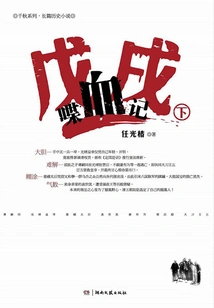
Bloodshed of 1898 (part 2)
General Fiction戊戌喋血记(下)
Ren Guangchun
In 1898, the Manchu Qing Dynasty was in turmoil. Forced by internal and external troubles, the young Emperor Guangxu boldly promulgated the "Edict to establish the country" and determined to reform. Tan Sitong, as a pillar of the country, came to Beijing to respond to the imperial edict... This is by far the longest historical novel with the most extensive length, the most complete historical materials, and the most detailed narrative describing the Reform Movement of 1898. It reproduces all the major events that happened in the decadent dynasty in the short year of 1898: the Sino-Japanese naval battle, the letter to the public, the strong society, the Hundred Days Reform, the Boxer Rebellion, the invasion of the Eight-Power Allied Forces, the exile of the powerful, and the uprising of the independent army. It has created a large number of flesh-and-blood and lifelike historical figures, adding endless brilliance to the art gallery of Chinese literature! Tan Sitong and others shed blood in Caishikou, and the reform and reform ultimately failed. However, Tan Sitong's deafening shouts of "Today in China, we have never heard of anyone who shed blood due to the reform, and this is why this country is not prosperous. If there are, please start with the same heir", which has been stirring up all the people with lofty ideals for a hundred years.
In 1898, the Manchu Qing Dynasty was in turmoil. Forced by internal and external troubles, the young Emperor Guangxu boldly promulgated the "Edict to establish the country" and determined to reform. Tan Sitong, as a pillar of the country, came to Beijing to respond to the imperial edict... This is by far the longest historical novel with the most extensive length, the most complete historical materials, and the most detailed narrative describing the Reform Movement of 1898. It reproduces all the major events that happened in the decadent dynasty in the short year of 1898: the Sino-Japanese naval battle, the letter to the public, the strong society, the Hundred Days Reform, the Boxer Rebellion, the invasion of the Eight-Power Allied Forces, the exile of the powerful, and the uprising of the independent army. It has created a large number of flesh-and-blood and lifelike historical figures, adding endless brilliance to the art gallery of Chinese literature! Tan Sitong and others shed blood in Caishikou, and the reform and reform ultimately failed. However, Tan Sitong's deafening shouts of "Today in China, we have never heard of anyone who shed blood due to the reform, and this is why this country is not prosperous. If there are, please start with the same heir", which has been stirring up all the people with lofty ideals for a hundred years.
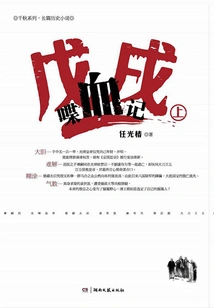
Bloodshed of 1898 (part 1)
General Fiction戊戌喋血记(上)
Ren Guangchun
In 1898, the Manchu Qing Dynasty was in turmoil. Forced by internal and external troubles, the young Emperor Guangxu boldly promulgated the "Edict to establish the country" and determined to reform. Tan Sitong, as a pillar of the country, came to Beijing to respond to the imperial edict... This is by far the longest historical novel with the most extensive length, the most complete historical materials, and the most detailed narrative describing the Reform Movement of 1898. It reproduces all the major events that happened in the decadent dynasty in the short year of 1898: the Sino-Japanese naval battle, the letter to the public, the strong society, the Hundred Days Reform, the Boxer Rebellion, the invasion of the Eight-Power Allied Forces, the exile of the powerful, and the uprising of the independent army. It has created a large number of flesh-and-blood and lifelike historical figures, adding endless brilliance to the art gallery of Chinese literature! Tan Sitong and others shed blood in Caishikou, and the reform and reform ultimately failed. However, Tan Sitong's deafening shouts of "Today in China, we have never heard of anyone who shed blood due to the reform, and this is why this country is not prosperous. If there are, please start with the same heir", which has been stirring up all the people with lofty ideals for a hundred years.
In 1898, the Manchu Qing Dynasty was in turmoil. Forced by internal and external troubles, the young Emperor Guangxu boldly promulgated the "Edict to establish the country" and determined to reform. Tan Sitong, as a pillar of the country, came to Beijing to respond to the imperial edict... This is by far the longest historical novel with the most extensive length, the most complete historical materials, and the most detailed narrative describing the Reform Movement of 1898. It reproduces all the major events that happened in the decadent dynasty in the short year of 1898: the Sino-Japanese naval battle, the letter to the public, the strong society, the Hundred Days Reform, the Boxer Rebellion, the invasion of the Eight-Power Allied Forces, the exile of the powerful, and the uprising of the independent army. It has created a large number of flesh-and-blood and lifelike historical figures, adding endless brilliance to the art gallery of Chinese literature! Tan Sitong and others shed blood in Caishikou, and the reform and reform ultimately failed. However, Tan Sitong's deafening shouts of "Today in China, we have never heard of anyone who shed blood due to the reform, and this is why this country is not prosperous. If there are, please start with the same heir", which has been stirring up all the people with lofty ideals for a hundred years.
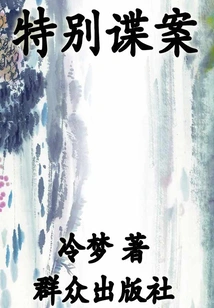
Special Espionage Case
General Fiction特别谍案
Cold Dream
The novel truly describes that more than two years before the birth of the Republic, the CCP's "Lu Chu Intelligence Group" used "mysterious radio waves" to pierce the hazy sky in the northwest, forcefully gouging out Hu Zongnan's heart, and locking Ma Bufang's throat! However, the unknown heroes unexpectedly suffered half a century of unfair injustice after the founding of the People's Republic of China...
The novel truly describes that more than two years before the birth of the Republic, the CCP's "Lu Chu Intelligence Group" used "mysterious radio waves" to pierce the hazy sky in the northwest, forcefully gouging out Hu Zongnan's heart, and locking Ma Bufang's throat! However, the unknown heroes unexpectedly suffered half a century of unfair injustice after the founding of the People's Republic of China...
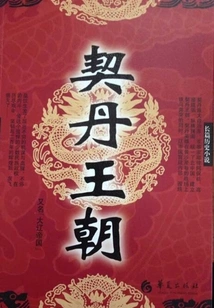
Khitan Dynasty
General Fiction契丹王朝
Wang Zhanjun
A minority political power was born out of nowhere, and its cavalry has been running for more than 200 years. Politicians, military strategists, and strategists have emerged one after another. Who can look down upon it? Yelu Abaoji, a great statesman and military strategist of the Khitan tribe, unified northern China and established the Khitan dynasty with his high-ranking and strategic control. While the Khitan heroes were galloping on the battlefield of Huang Shaomanjuan, endless intrigues and bloodshed were happening around the throne within the Liao Empire court. Continuous internal fighting caused this powerful ethnic minority regime to vanish into ashes after going through hardships, tenacity and two hundred years of glory...
A minority political power was born out of nowhere, and its cavalry has been running for more than 200 years. Politicians, military strategists, and strategists have emerged one after another. Who can look down upon it? Yelu Abaoji, a great statesman and military strategist of the Khitan tribe, unified northern China and established the Khitan dynasty with his high-ranking and strategic control. While the Khitan heroes were galloping on the battlefield of Huang Shaomanjuan, endless intrigues and bloodshed were happening around the throne within the Liao Empire court. Continuous internal fighting caused this powerful ethnic minority regime to vanish into ashes after going through hardships, tenacity and two hundred years of glory...
Ogiang Village
General Fiction荻港村
Gu Yan
The novel reflects rural life in Huzhou, Zhejiang. From the flashback in 2003 to 1918, you can have a panoramic view of the changes over the past century. As an important figure throughout the book, the centenarian has a distinctive personality and a rough life. He is a revolutionary with ideals and blood, but he is not a hero. He suffered a lot, but he tried to be positive. The author focuses on portraying this character, and then reflects many characters with different personalities from him. The language is fluent and vivid, with a classical, beautiful, elegant and leisurely language and writing style.
The novel reflects rural life in Huzhou, Zhejiang. From the flashback in 2003 to 1918, you can have a panoramic view of the changes over the past century. As an important figure throughout the book, the centenarian has a distinctive personality and a rough life. He is a revolutionary with ideals and blood, but he is not a hero. He suffered a lot, but he tried to be positive. The author focuses on portraying this character, and then reflects many characters with different personalities from him. The language is fluent and vivid, with a classical, beautiful, elegant and leisurely language and writing style.
Storm of 1911
General Fiction辛亥风云
Gu Yan
The Revolution of 1911 seemed to succeed overnight, but do you know how many vigorous uprisings ended in bloodshed before that? After that, how many people with lofty ideals shed blood on the battlefield or were imprisoned in order to defend the democratic republic? "The Revolution of 1911" written by Gu Yan uses the form of a novel to narrate the historical stories that happened in the twenty years before and after the Revolution of 1911. Shen Hongqing, the protagonist of "The Revolution of 1911", participated in the Liberation Meeting and went to the National Disaster with Qiu Jin and Xu Xilin; he participated in the Tongmeng Meeting and raised the flag of righteousness with Sun Yat-sen, Zhang Jingjiang and others. He saw the victory of the Revolution of 1911, but he did not see China's future. Where is China going? He was very confused... Wu Aixiang, Shen Hongqing's wife, a beautiful traditional Jiangnan woman. As a newlywed, with her husband far away, how will she protect herself in the face of her mother-in-law's tyranny? How will she respond to the "invasion" of new women into the family? How will she maintain her status in the Shen family in the face of marriage change?
The Revolution of 1911 seemed to succeed overnight, but do you know how many vigorous uprisings ended in bloodshed before that? After that, how many people with lofty ideals shed blood on the battlefield or were imprisoned in order to defend the democratic republic? "The Revolution of 1911" written by Gu Yan uses the form of a novel to narrate the historical stories that happened in the twenty years before and after the Revolution of 1911. Shen Hongqing, the protagonist of "The Revolution of 1911", participated in the Liberation Meeting and went to the National Disaster with Qiu Jin and Xu Xilin; he participated in the Tongmeng Meeting and raised the flag of righteousness with Sun Yat-sen, Zhang Jingjiang and others. He saw the victory of the Revolution of 1911, but he did not see China's future. Where is China going? He was very confused... Wu Aixiang, Shen Hongqing's wife, a beautiful traditional Jiangnan woman. As a newlywed, with her husband far away, how will she protect herself in the face of her mother-in-law's tyranny? How will she respond to the "invasion" of new women into the family? How will she maintain her status in the Shen family in the face of marriage change?
The Moon is as Bright as Frost
General Fiction明月如霜
Shui Weiyuan
Watching the fire from the other side, killing someone with a borrowed knife; hiding a knife in a smile, fishing in troubled waters. Counter-intentional plan, continuous plan; take the plan as it comes. One is a thoughtful female craftsman, and the other is a young vassal king who hides his secrets. When conspiracy encounters calculation, who is more skilled?
Watching the fire from the other side, killing someone with a borrowed knife; hiding a knife in a smile, fishing in troubled waters. Counter-intentional plan, continuous plan; take the plan as it comes. One is a thoughtful female craftsman, and the other is a young vassal king who hides his secrets. When conspiracy encounters calculation, who is more skilled?
Family Archives
General Fiction家族档案
Huangping
"Family Archives" reflects the life-and-death love experience of Lu Dingyi and Tang Yizhen (the author's grandmother), and eulogizes Tang Yizhen's dedication to revolutionary ideals, unyielding character, and heroic devotion; it also narrates a touching family archives of the Tang family in Wuhan.
"Family Archives" reflects the life-and-death love experience of Lu Dingyi and Tang Yizhen (the author's grandmother), and eulogizes Tang Yizhen's dedication to revolutionary ideals, unyielding character, and heroic devotion; it also narrates a touching family archives of the Tang family in Wuhan.
Accompany the Building
General Fiction陪楼
Yuan Yaqin
"Paid Building" reveals the turmoil during the fall of Gulangyu Island and the violent storms during the Anti-Japanese War. It integrates the Chinese Maid Rescue Mission, the fall of Xiamen, the Gulangyu Island Incident, the Xiamen Mid-Autumn Cake Betting and other historical cultures, and presents a century-old panoramic view of Xiamen. It takes the life of the maid Axiu as the main line and tells the story of the joys and sorrows, emotional destiny and feelings of family and country of the little people. It opens a window into Xiamen's century-old history from a unique perspective, and also It fully demonstrates the charm of Gulangyu's blend of Chinese and Western cultures. The novel is filled with a gentle Gulangyu sentiment that does not follow the flowing water but the wind. The novel "Peilou" is a novel with the local characteristics of southern Fujian. The story takes place in Gulangyu in the 1930s. It integrates the history and culture of the Chinese Maid Rescue Mission, the fall of Xiamen, the Gulangyu Incident, and the Xiamen Mid-Autumn Cake Betting, presenting a century-old panoramic view of Xiamen.
"Paid Building" reveals the turmoil during the fall of Gulangyu Island and the violent storms during the Anti-Japanese War. It integrates the Chinese Maid Rescue Mission, the fall of Xiamen, the Gulangyu Island Incident, the Xiamen Mid-Autumn Cake Betting and other historical cultures, and presents a century-old panoramic view of Xiamen. It takes the life of the maid Axiu as the main line and tells the story of the joys and sorrows, emotional destiny and feelings of family and country of the little people. It opens a window into Xiamen's century-old history from a unique perspective, and also It fully demonstrates the charm of Gulangyu's blend of Chinese and Western cultures. The novel is filled with a gentle Gulangyu sentiment that does not follow the flowing water but the wind. The novel "Peilou" is a novel with the local characteristics of southern Fujian. The story takes place in Gulangyu in the 1930s. It integrates the history and culture of the Chinese Maid Rescue Mission, the fall of Xiamen, the Gulangyu Incident, and the Xiamen Mid-Autumn Cake Betting, presenting a century-old panoramic view of Xiamen.
Fatal Order of 1898
General Fiction戊戌追杀令
Liu Jingtang Huang Hanchang
Zhang Jing and Yang Rui were on duty at the military aircraft office. The eunuch Achang suddenly rushed over and whispered in his ear: "The emperor declares your audience!" After hearing this, Yang Rui couldn't help being startled, the emperor wants to see me? He looked at the sky from the window and saw that it was almost midnight. Based on his intuition, he felt that summoning him at this time must mean that the emperor had something important to do! ... This book is co-edited by Liu Jingtang, a member of the Chinese Writers Association, and Huang Hanchang, a member of the Hubei Provincial Writers Association. It tells the story of the Reform Movement of 1898 in the late Qing Dynasty.
Zhang Jing and Yang Rui were on duty at the military aircraft office. The eunuch Achang suddenly rushed over and whispered in his ear: "The emperor declares your audience!" After hearing this, Yang Rui couldn't help being startled, the emperor wants to see me? He looked at the sky from the window and saw that it was almost midnight. Based on his intuition, he felt that summoning him at this time must mean that the emperor had something important to do! ... This book is co-edited by Liu Jingtang, a member of the Chinese Writers Association, and Huang Hanchang, a member of the Hubei Provincial Writers Association. It tells the story of the Reform Movement of 1898 in the late Qing Dynasty.
Talk About the Complete Biography of Yue
General Fiction说岳全传
Money Lottery
"The Complete Story of Yue Fei" was written by Qian Cai, a Qing Dynasty novelist. It tells the story of Yue Fei, the anti-gold hero in the Southern Song Dynasty, from learning martial arts as a child to going out to fight the enemy, becoming a marshal, and finally being recalled by twelve gold medals and unjustly dying in Feng Boting. The book enthusiastically praises Yue Fei and his Yue family's patriotic spirit of loyally resisting the enemy and protecting the country, and denounces Qin Hui and other powerful traitors for their shameless behavior of surrendering to the country and killing loyal people. It also highlights Yue Fei's glorious image of bravery, resourcefulness, loyalty, filial piety, justice, and loyalty to the country.
"The Complete Story of Yue Fei" was written by Qian Cai, a Qing Dynasty novelist. It tells the story of Yue Fei, the anti-gold hero in the Southern Song Dynasty, from learning martial arts as a child to going out to fight the enemy, becoming a marshal, and finally being recalled by twelve gold medals and unjustly dying in Feng Boting. The book enthusiastically praises Yue Fei and his Yue family's patriotic spirit of loyally resisting the enemy and protecting the country, and denounces Qin Hui and other powerful traitors for their shameless behavior of surrendering to the country and killing loyal people. It also highlights Yue Fei's glorious image of bravery, resourcefulness, loyalty, filial piety, justice, and loyalty to the country.
Qing Dynasty First Product
General Fiction大清一品
Zhang Jun
Dou Guangnai's ups and downs in the political arena of the Qing Dynasty allows you to understand the political arena from a high-ranking official's perspective; it allows you to examine the treacherous changes in Qing Dynasty society two hundred years ago from a new perspective, and takes you into a more realistic and thorough official world of the Qing Dynasty.
Dou Guangnai's ups and downs in the political arena of the Qing Dynasty allows you to understand the political arena from a high-ranking official's perspective; it allows you to examine the treacherous changes in Qing Dynasty society two hundred years ago from a new perspective, and takes you into a more realistic and thorough official world of the Qing Dynasty.
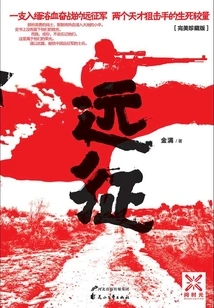
Expedition
General Fiction远征
Jin Man
Seventy years ago, there was a group of Chinese people in Myanmar. They are ordinary people who have no lofty ideals and do not understand "patriotism". They may be forced to make a living, or they may be doing it for a few dollars of military pay. Therefore, they will act like soldiers and snatch the spoils of war. However, at a time of national calamity and national crisis, this group of people fought on the front line without hesitation. They fought bloody battles. They had no heroic words and never considered themselves heroes, but they dyed the army flag red with blood. They carried out the first active attack by the Chinese army and realized a strategic counterattack. Their brotherhood and comradeship make people cry. They kill Japanese invaders and Japanese pirates heartily. They are not for vain "glory", but only to protect their relatives and land. Their sacrifices were extraordinary, their defeats were extraordinary, and their victories were even more extraordinary. They are the little-known heroes who went to Burma to fight against Japan during the Anti-Japanese War - the Chinese Expeditionary Force.
Seventy years ago, there was a group of Chinese people in Myanmar. They are ordinary people who have no lofty ideals and do not understand "patriotism". They may be forced to make a living, or they may be doing it for a few dollars of military pay. Therefore, they will act like soldiers and snatch the spoils of war. However, at a time of national calamity and national crisis, this group of people fought on the front line without hesitation. They fought bloody battles. They had no heroic words and never considered themselves heroes, but they dyed the army flag red with blood. They carried out the first active attack by the Chinese army and realized a strategic counterattack. Their brotherhood and comradeship make people cry. They kill Japanese invaders and Japanese pirates heartily. They are not for vain "glory", but only to protect their relatives and land. Their sacrifices were extraordinary, their defeats were extraordinary, and their victories were even more extraordinary. They are the little-known heroes who went to Burma to fight against Japan during the Anti-Japanese War - the Chinese Expeditionary Force.
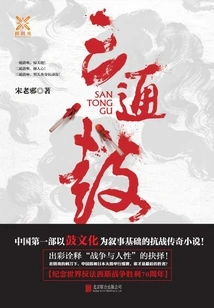
Three-way Drum
General Fiction三通鼓
K
Gu is a person, an upright Chinese! The drum head is the extremely tough yellow skin of us Chinese! Drumsticks are the strong bones of us Chinese people! The paint on the drum is the bright red blood of us Chinese people! The sound of drums is the soul of our Chinese nation, the descendants of Yan and Huang! When foreign enemies invade, relatives are separated, and the three-tone drum sounds, the hot-blooded man resolutely steps onto the battlefield of beacon smoke, galloping thousands of miles across the country, and defends his family and country with his cold sword and drum horn!
Gu is a person, an upright Chinese! The drum head is the extremely tough yellow skin of us Chinese! Drumsticks are the strong bones of us Chinese people! The paint on the drum is the bright red blood of us Chinese people! The sound of drums is the soul of our Chinese nation, the descendants of Yan and Huang! When foreign enemies invade, relatives are separated, and the three-tone drum sounds, the hot-blooded man resolutely steps onto the battlefield of beacon smoke, galloping thousands of miles across the country, and defends his family and country with his cold sword and drum horn!
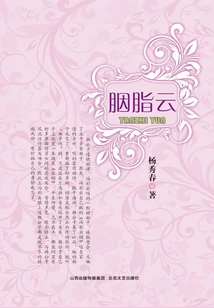
Rouge Cloud
General Fiction胭脂云
Yang Xiuchun
The richness of history and the tenderness of women complement each other, just like the majesty of Qikou Mountain and the softness of water. The fusion of the iron-blooded hero's bones and the love between his children and his children, and the resulting story of a long march is a romantic legend in history. Stopping and looking back in such a scroll, the worldly heart gradually fades away, the nostalgia for the past becomes leisurely, and some events in the dust are resurrected in the elegant ancient charm.
The richness of history and the tenderness of women complement each other, just like the majesty of Qikou Mountain and the softness of water. The fusion of the iron-blooded hero's bones and the love between his children and his children, and the resulting story of a long march is a romantic legend in history. Stopping and looking back in such a scroll, the worldly heart gradually fades away, the nostalgia for the past becomes leisurely, and some events in the dust are resurrected in the elegant ancient charm.
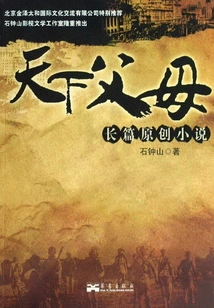
Parents in the World
General Fiction天下父母
Shizhongshan
Underground traffic officer Yang Tiehan was entrusted by the organization to take care of the three orphans of martyrs and sent them to the anti-Japanese base area. However, the underground party organization was suddenly destroyed. Yang Tiehan lost contact with the organization. Without financial support and reliance, all the responsibility for taking care of the three children fell on his shoulders. After experiencing the War of Resistance Against Japan, the War of Liberation, and the War to Resist U. S. Aggression and Aid Korea, day after day, year after year. Yang Tiehan kept looking for the party organization and the parents of his children. The difficulties of survival and the harassment by enemy agents never made him give up. The entrustment of his comrades and the expectations of his parents also made him face a difficult choice between two families and two women. The book is full of ups and downs and grand scenes, which brilliantly demonstrates the tenacity and loyalty of the Communists and is deeply touching. Tear-jerking, this is a new masterpiece that Shi Zhongshan has devoted the most to in recent years.
Underground traffic officer Yang Tiehan was entrusted by the organization to take care of the three orphans of martyrs and sent them to the anti-Japanese base area. However, the underground party organization was suddenly destroyed. Yang Tiehan lost contact with the organization. Without financial support and reliance, all the responsibility for taking care of the three children fell on his shoulders. After experiencing the War of Resistance Against Japan, the War of Liberation, and the War to Resist U. S. Aggression and Aid Korea, day after day, year after year. Yang Tiehan kept looking for the party organization and the parents of his children. The difficulties of survival and the harassment by enemy agents never made him give up. The entrustment of his comrades and the expectations of his parents also made him face a difficult choice between two families and two women. The book is full of ups and downs and grand scenes, which brilliantly demonstrates the tenacity and loyalty of the Communists and is deeply touching. Tear-jerking, this is a new masterpiece that Shi Zhongshan has devoted the most to in recent years.
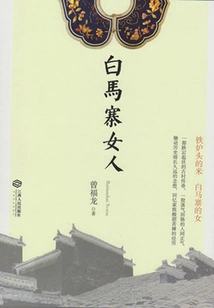
Baima Village Woman
General Fiction白马寨女人
Zeng Fulong
In my previous impression, Fengcheng Baima Village was an ancient village with 64 alleyways, more than 100 residential buildings with a history of 300 to 400 years, and a fragrant spring well. It was once named the "Dishi Mansion" by the emperor of the Ming Dynasty. It has many old archways, lintels, and pillars that are typical of the Ming and Qing Dynasties. Therefore, it has attracted many tourists to visit in recent years. After reading Mr. Zeng Fulong's novel "The Women of Baima Village", I seemed to see various people from the old days wearing mandarin jackets, wearing flower feathers, carrying sedans, and riding tall horses. They were in direct contact with the people of today's era. Passing by, traveling through time and space, greeting each other, and then exchanging business ideas, competing in martial arts, or facing their lovers affectionately... The entire Baima Village comes alive against the backdrop of this unique cultural atmosphere.
In my previous impression, Fengcheng Baima Village was an ancient village with 64 alleyways, more than 100 residential buildings with a history of 300 to 400 years, and a fragrant spring well. It was once named the "Dishi Mansion" by the emperor of the Ming Dynasty. It has many old archways, lintels, and pillars that are typical of the Ming and Qing Dynasties. Therefore, it has attracted many tourists to visit in recent years. After reading Mr. Zeng Fulong's novel "The Women of Baima Village", I seemed to see various people from the old days wearing mandarin jackets, wearing flower feathers, carrying sedans, and riding tall horses. They were in direct contact with the people of today's era. Passing by, traveling through time and space, greeting each other, and then exchanging business ideas, competing in martial arts, or facing their lovers affectionately... The entire Baima Village comes alive against the backdrop of this unique cultural atmosphere.
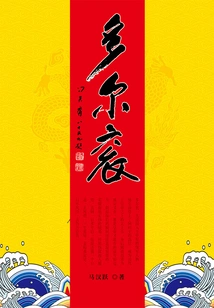
Dorgon
General Fiction多尔衮
Ma Hanyue
Dorgon, the leading figure in the Qing Dynasty's occupation of the Central Plains. During his lifetime, he ascended to the high position of King Ama and became the Supreme Emperor above the emperor; after his death, he was posthumously honored as Emperor Chengzong Yi, which was a temple title and posthumous title that only an emperor could have. But the most glorious moments are often the shortest, and glory is quickly destroyed like his magnificent tomb. It was not until more than a hundred years later that Qianlong gave him justice. As the saying goes, "The honor and disgrace of a life cannot be determined by closing the coffin; a hundred years of ups and downs can only preserve the truth by removing the false."
Dorgon, the leading figure in the Qing Dynasty's occupation of the Central Plains. During his lifetime, he ascended to the high position of King Ama and became the Supreme Emperor above the emperor; after his death, he was posthumously honored as Emperor Chengzong Yi, which was a temple title and posthumous title that only an emperor could have. But the most glorious moments are often the shortest, and glory is quickly destroyed like his magnificent tomb. It was not until more than a hundred years later that Qianlong gave him justice. As the saying goes, "The honor and disgrace of a life cannot be determined by closing the coffin; a hundred years of ups and downs can only preserve the truth by removing the false."
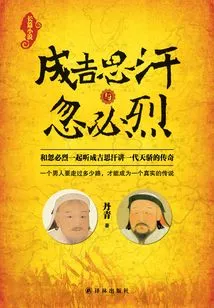
Genghis Khan and Kublai Khan
General Fiction成吉思汗与忽必烈
Painting
This book uses the first person "I" as the perspective of the story, that is, Kublai Khan is used as the puller of the novel, leading him into the distant prairie. In Kublai Khan's narration, he reviews the legendary life of Genghis Khan, the mythical hero of the steppe and a generation of genius, who fought against the army in that magnificent era, interspersed with the ups and downs of the Mongolian Yuan Dynasty from its establishment to its expansion and the ups and downs of the famous Golden Family.
This book uses the first person "I" as the perspective of the story, that is, Kublai Khan is used as the puller of the novel, leading him into the distant prairie. In Kublai Khan's narration, he reviews the legendary life of Genghis Khan, the mythical hero of the steppe and a generation of genius, who fought against the army in that magnificent era, interspersed with the ups and downs of the Mongolian Yuan Dynasty from its establishment to its expansion and the ups and downs of the famous Golden Family.
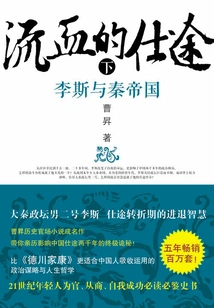
A Bloody Career: Li Si and the Qin Empire (part 2)
General Fiction流血的仕途:李斯与秦帝国(下)
Cao Sheng
"The Bleeding Official Career" unfolds the historical grandeur of the warring states period in a solemn and harmonious way, depicting the twists and turns and legendary life of Li Si, the first prime minister in the history, in the political arena of the Qin Dynasty. In this era of numerous heroes, in order to realize his self-worth and achieve his career ideal, Li Si was cautious and low-key but risked beheading again and again. He tangled with the most powerful boss in history, Qin Shihuang, and dealt with dangerous politicians such as Lu Buwei and Lao Ai, his rivals who dominated the world. He suppressed and gathered momentum for many years, and finally emerged as the second male lead in the Qin Dynasty.
"The Bleeding Official Career" unfolds the historical grandeur of the warring states period in a solemn and harmonious way, depicting the twists and turns and legendary life of Li Si, the first prime minister in the history, in the political arena of the Qin Dynasty. In this era of numerous heroes, in order to realize his self-worth and achieve his career ideal, Li Si was cautious and low-key but risked beheading again and again. He tangled with the most powerful boss in history, Qin Shihuang, and dealt with dangerous politicians such as Lu Buwei and Lao Ai, his rivals who dominated the world. He suppressed and gathered momentum for many years, and finally emerged as the second male lead in the Qin Dynasty.
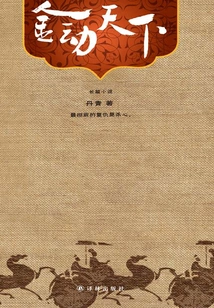
Jin Moves the World
General Fiction金动天下
Painting
During the Qin Dynasty, siblings Dan Ning and Dan Xiao were separated due to the war. Dan Ning worked in the palace. In order to repay Lu Buwei's life-saving kindness, she ventured out of the palace to help Lu Buwei cure strange diseases. Therefore, Lu Buwei fell in love with him and took him as his wife. However, she never gave up looking for her younger brother Dan Xiao. Dan Xiao was lonely. He first worked in a wine shop and fell in love with Li Shiying, the daughter of the wine shop owner. Then he went to Xianyang to open a jade house. He also had constant love-hate entanglements with the courtesan Lian Yutong and the swordsmith's granddaughter Yu Qingyin (Yu Ji)... After reuniting with Dan Ning, Dan Xiao felt sorry for what happened to his sister, so he wanted to take revenge on Lu Buwei and Ying Zheng. The current situation shaped Dan Xiao's fate. His ambition and talent prompted him to strategize behind the scenes and use the power of money to build his army, which became a serious problem for Prince Yingzheng. The people of Xianyang City praised Danxiao as "Master Jin", but no one knew his true identity.
During the Qin Dynasty, siblings Dan Ning and Dan Xiao were separated due to the war. Dan Ning worked in the palace. In order to repay Lu Buwei's life-saving kindness, she ventured out of the palace to help Lu Buwei cure strange diseases. Therefore, Lu Buwei fell in love with him and took him as his wife. However, she never gave up looking for her younger brother Dan Xiao. Dan Xiao was lonely. He first worked in a wine shop and fell in love with Li Shiying, the daughter of the wine shop owner. Then he went to Xianyang to open a jade house. He also had constant love-hate entanglements with the courtesan Lian Yutong and the swordsmith's granddaughter Yu Qingyin (Yu Ji)... After reuniting with Dan Ning, Dan Xiao felt sorry for what happened to his sister, so he wanted to take revenge on Lu Buwei and Ying Zheng. The current situation shaped Dan Xiao's fate. His ambition and talent prompted him to strategize behind the scenes and use the power of money to build his army, which became a serious problem for Prince Yingzheng. The people of Xianyang City praised Danxiao as "Master Jin", but no one knew his true identity.
Sky Island
General Fiction空岛
Yu Qiuyu
"Sky Island", to borrow what Mr. Yu Qiuyu wrote in the inscription: "I wrote a suspense mystery novel in a historical documentary style." It seems that two expressions that are far apart, but they present us with a perfect fusion.
"Sky Island", to borrow what Mr. Yu Qiuyu wrote in the inscription: "I wrote a suspense mystery novel in a historical documentary style." It seems that two expressions that are far apart, but they present us with a perfect fusion.
Looking East
General Fiction东望
Anlida
When I took the manuscript of "Looking East" home, I didn't even have time to take a breath. Immediately afterwards, my friends took me to Yulin, where the smoke is straight in the desert and the sun sets over the long river. They stayed there for a month. To be honest, I like the open and desolate feeling of Saibei. It allows me to travel through the sand and dust of history, hear the collision of gold and iron horses and the neighing of iron horses, and appreciate the heroic spirit of swallowing mountains and rivers on the battlefield and the tragic and solemn sight of death. After returning from northern Shaanxi, I was still busy with things, but the manuscript "Looking East" was always in my mind. In desperation, I had no choice but to urge my wife to read it first. Half a month later, my wife excitedly told me that she had finished reading "Looking East". It was one of the few good books among the many manuscripts she had read in recent years. Then it suddenly occurred to me that my friend, the critic Li Xing, had also read this book and also gave it a high rating, saying that this book not only had unique material and twists and turns in the story, but also had distinctive characters, rich imagination, and the potential to win awards.
When I took the manuscript of "Looking East" home, I didn't even have time to take a breath. Immediately afterwards, my friends took me to Yulin, where the smoke is straight in the desert and the sun sets over the long river. They stayed there for a month. To be honest, I like the open and desolate feeling of Saibei. It allows me to travel through the sand and dust of history, hear the collision of gold and iron horses and the neighing of iron horses, and appreciate the heroic spirit of swallowing mountains and rivers on the battlefield and the tragic and solemn sight of death. After returning from northern Shaanxi, I was still busy with things, but the manuscript "Looking East" was always in my mind. In desperation, I had no choice but to urge my wife to read it first. Half a month later, my wife excitedly told me that she had finished reading "Looking East". It was one of the few good books among the many manuscripts she had read in recent years. Then it suddenly occurred to me that my friend, the critic Li Xing, had also read this book and also gave it a high rating, saying that this book not only had unique material and twists and turns in the story, but also had distinctive characters, rich imagination, and the potential to win awards.
Father and Son Duo Ban Chao and Ban Yong (western Region Beacon Fire Series of Novels)
General Fiction父子双雄班超班勇(西域烽燧系列小说)
Boy Horse
Ban Chao used his martial arts skills to pass the three life-threatening levels and won the honor of going to the Western Regions. With his great wisdom and bravery, he annihilated the millions of troops of the Northern Huns and unified the Western Regions. Ban Yong, who inherited his father's legacy, used a stunning trick to kill the powerful enemies of the Northern Huns who counterattacked, and took control of the situation in the Western Region. The novel is full of near-death dangers and the tragic sentiment of outsmarting evil.
Ban Chao used his martial arts skills to pass the three life-threatening levels and won the honor of going to the Western Regions. With his great wisdom and bravery, he annihilated the millions of troops of the Northern Huns and unified the Western Regions. Ban Yong, who inherited his father's legacy, used a stunning trick to kill the powerful enemies of the Northern Huns who counterattacked, and took control of the situation in the Western Region. The novel is full of near-death dangers and the tragic sentiment of outsmarting evil.
Tale of Ten Cities
General Fiction十城记
Anna Song
The novel "Tales of Ten Cities" takes the century-old history of modern Tianjin as its broad background and takes the emotional entanglements of three generations of Chinese, Jewish and Japanese families as its main line. It tells the story of Tianjin people and Jews working together for a hundred years of survival and struggle, and promotes the indomitable national spirit and profound humanitarian sentiment of the Chinese nation. The work uses "Ten Cities" as profound meanings and symbols, and uses the two clues of the Tianjin Jewish Ghetto and the "Pufferfish Project" to develop the story and shape the characters. It uses abundant regional cultural charm and beautiful prose to highlight the aesthetic personality of the female writer. It is a novel with novel themes and unique style.
The novel "Tales of Ten Cities" takes the century-old history of modern Tianjin as its broad background and takes the emotional entanglements of three generations of Chinese, Jewish and Japanese families as its main line. It tells the story of Tianjin people and Jews working together for a hundred years of survival and struggle, and promotes the indomitable national spirit and profound humanitarian sentiment of the Chinese nation. The work uses "Ten Cities" as profound meanings and symbols, and uses the two clues of the Tianjin Jewish Ghetto and the "Pufferfish Project" to develop the story and shape the characters. It uses abundant regional cultural charm and beautiful prose to highlight the aesthetic personality of the female writer. It is a novel with novel themes and unique style.