Library
Browse and search books
3,417 novels found
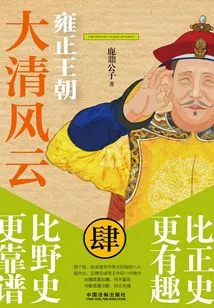
大清风云4:雍正王朝
Mr. Lu Ding
This book introduces the story of how the fourth elder brother Yinzhen became the emperor, and how he governed the country after becoming the emperor. In Yongzheng, the duality is very obvious. In terms of governing the country, he was a wise emperor, especially in the area of official administration. Among the two thousand years of feudal dynasties in China, Yongzheng was one of the best. Many of his reforms pushed the rule of the Qing Dynasty to its peak, such as the establishment of the military aircraft office, the implementation of the system of sharing the land with the land, and the implementation of the system of returning waste to the public and raising honest silver... The decline of the late Kangxi period was reversed in the hands of Yongzheng, and the vitality of the Qing Dynasty also continued to rise in the hands of Yongzheng. But when it came to dealing with the opposition, Yongzheng was very cruel and had absolutely no room for mercy. His younger brother Yinyin was one of the Eight Kings' Party, and the two great heroes were Nian Gengyao and Long Keduo.
This book introduces the story of how the fourth elder brother Yinzhen became the emperor, and how he governed the country after becoming the emperor. In Yongzheng, the duality is very obvious. In terms of governing the country, he was a wise emperor, especially in the area of official administration. Among the two thousand years of feudal dynasties in China, Yongzheng was one of the best. Many of his reforms pushed the rule of the Qing Dynasty to its peak, such as the establishment of the military aircraft office, the implementation of the system of sharing the land with the land, and the implementation of the system of returning waste to the public and raising honest silver... The decline of the late Kangxi period was reversed in the hands of Yongzheng, and the vitality of the Qing Dynasty also continued to rise in the hands of Yongzheng. But when it came to dealing with the opposition, Yongzheng was very cruel and had absolutely no room for mercy. His younger brother Yinyin was one of the Eight Kings' Party, and the two great heroes were Nian Gengyao and Long Keduo.
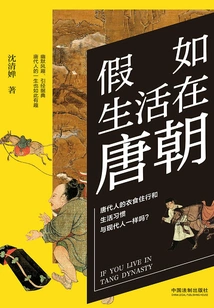
假如生活在唐朝
Shen Qingchan
The Tang Dynasty was an open dynasty, with countless foreigners settling here; the Tang Dynasty was also a conservative dynasty, with strict curfews enforced at night. If you want to understand the life style of people in the Tang Dynasty, you have to read the vast historical books. The text of this book is clear and detailed, and the language is humorous. It provides you with an all-round and multi-angle presentation of the daily necessities, food, clothing, housing, transportation, happiness, anger, sorrow, and joy of the princes, nobles, and ordinary people in the Tang Dynasty. This book strives to restore a more realistic Tang Dynasty in as relaxed a language as possible based on rigorous research.
The Tang Dynasty was an open dynasty, with countless foreigners settling here; the Tang Dynasty was also a conservative dynasty, with strict curfews enforced at night. If you want to understand the life style of people in the Tang Dynasty, you have to read the vast historical books. The text of this book is clear and detailed, and the language is humorous. It provides you with an all-round and multi-angle presentation of the daily necessities, food, clothing, housing, transportation, happiness, anger, sorrow, and joy of the princes, nobles, and ordinary people in the Tang Dynasty. This book strives to restore a more realistic Tang Dynasty in as relaxed a language as possible based on rigorous research.
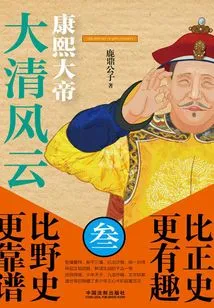
大清风云3:康熙大帝
Mr. Lu Ding
The history of the Qing Dynasty spans nearly three hundred years. During these three hundred years, weird things, strange things, tragedies, and hateful things happened one after another. Every three hundred years is wonderful, every year has strong taste, and every year has lingering emotions of joy, anger, love, and hate. The entire three hundred years of the Qing Dynasty encompassed almost all the extreme aspects of human nature. Three hundred years of endless love and hate. Kangxi's governance and diplomacy were nothing more than using Confucianism externally and Huang Lao internally, so he was able to get rid of Obai without anyone noticing, put down the rebellion of the Three Feudatories, regain Taiwan, pacify Junggar, and repel the invasion of Tsarist Russia... Throughout the Qing Dynasty, the art of emperors reached its peak in the hands of Kangxi.
The history of the Qing Dynasty spans nearly three hundred years. During these three hundred years, weird things, strange things, tragedies, and hateful things happened one after another. Every three hundred years is wonderful, every year has strong taste, and every year has lingering emotions of joy, anger, love, and hate. The entire three hundred years of the Qing Dynasty encompassed almost all the extreme aspects of human nature. Three hundred years of endless love and hate. Kangxi's governance and diplomacy were nothing more than using Confucianism externally and Huang Lao internally, so he was able to get rid of Obai without anyone noticing, put down the rebellion of the Three Feudatories, regain Taiwan, pacify Junggar, and repel the invasion of Tsarist Russia... Throughout the Qing Dynasty, the art of emperors reached its peak in the hands of Kangxi.
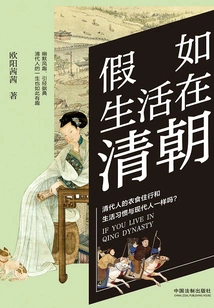
假如生活在清朝
Ouyang Qianqian
If you want to choose the most well-known feudal dynasty, the answer must be the Qing Dynasty. Countless Qing palace dramas have shown us too much love and hatred, but the details of the daily necessities of life of the Qing Dynasty people are not clear enough. The text of this book is clear and detailed, and the language is humorous. It shows you the daily necessities, food, clothing, housing, transportation, joys, sorrows, and joys of the princes, nobles, and ordinary people in the Qing Dynasty in an all-round and multi-angle way. This book strives to restore a more realistic Qing Dynasty in as relaxed a language as possible based on rigorous research. --"Gertrude"
If you want to choose the most well-known feudal dynasty, the answer must be the Qing Dynasty. Countless Qing palace dramas have shown us too much love and hatred, but the details of the daily necessities of life of the Qing Dynasty people are not clear enough. The text of this book is clear and detailed, and the language is humorous. It shows you the daily necessities, food, clothing, housing, transportation, joys, sorrows, and joys of the princes, nobles, and ordinary people in the Qing Dynasty in an all-round and multi-angle way. This book strives to restore a more realistic Qing Dynasty in as relaxed a language as possible based on rigorous research. --"Gertrude"
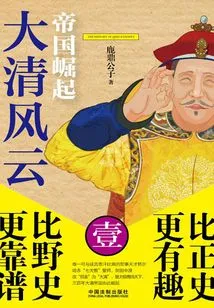
大清风云1:帝国崛起
Mr. Lu Ding
The history of the Qing Dynasty spans nearly three hundred years. During these three hundred years, weird things, strange things, tragedies, and hateful things happened one after another. Every three hundred years is wonderful, every year has strong taste, and every year has lingering emotions of joy, anger, love, and hate. The entire three hundred years of the Qing Dynasty encompassed almost all the extreme aspects of human nature. Three hundred years of endless love and hate. Nurhachi established Houjin with thirteen armored cavalry, leaving countless corpses behind him. He eventually fell under the city of Ningyuan, in the hands of an unknown scholar Yuan Chonghuan, and died in depression. This is the greatest irony of God for a violent conqueror. Subsequently, the Nurhachi disciples began to fight with each other in a battle of wits and courage, and finally Huang Taiji became the boss through strategy. Huang Taiji spent his whole life fighting against the Ming Dynasty. After his sudden death, the rule of the Qing Dynasty fell into crisis. The dispute between Dorgon and Hauge finally favored Shunzhi. After Dorgon led the Qing army into the customs, he became the regent of the emperor's father, wielding the military and political power of the country in one hand, and Shunzhi was completely ignored. At this time, the lives of Xiaozhuang, Shunzi, mother and son were in danger at any time. At this critical moment, Xiaozhuang sacrificed his life to protect the Qing Dynasty, stabilized Dorgon, and finally allowed the Qing Dynasty to escape this disaster.
The history of the Qing Dynasty spans nearly three hundred years. During these three hundred years, weird things, strange things, tragedies, and hateful things happened one after another. Every three hundred years is wonderful, every year has strong taste, and every year has lingering emotions of joy, anger, love, and hate. The entire three hundred years of the Qing Dynasty encompassed almost all the extreme aspects of human nature. Three hundred years of endless love and hate. Nurhachi established Houjin with thirteen armored cavalry, leaving countless corpses behind him. He eventually fell under the city of Ningyuan, in the hands of an unknown scholar Yuan Chonghuan, and died in depression. This is the greatest irony of God for a violent conqueror. Subsequently, the Nurhachi disciples began to fight with each other in a battle of wits and courage, and finally Huang Taiji became the boss through strategy. Huang Taiji spent his whole life fighting against the Ming Dynasty. After his sudden death, the rule of the Qing Dynasty fell into crisis. The dispute between Dorgon and Hauge finally favored Shunzhi. After Dorgon led the Qing army into the customs, he became the regent of the emperor's father, wielding the military and political power of the country in one hand, and Shunzhi was completely ignored. At this time, the lives of Xiaozhuang, Shunzi, mother and son were in danger at any time. At this critical moment, Xiaozhuang sacrificed his life to protect the Qing Dynasty, stabilized Dorgon, and finally allowed the Qing Dynasty to escape this disaster.
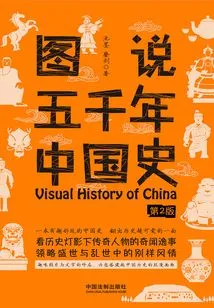
图说五千年中国史(第2版)
Chi Mo Sharpening The Sword
History is a splendid gallery, and the five thousand years of Chinese history have built a colorful gallery of changing dynasties. Here there are ambitious emperors, virtuous ministers and generals who swear to defend justice to the death, talented literati, and charming women... The wheel of history has been moving forward for five thousand years, carrying countless joys and sorrows, partings and reunions, but the songs of joy and separation are still sung to this day. Let's see how the prosperous and troubled times in the millennium have interpreted our history.
History is a splendid gallery, and the five thousand years of Chinese history have built a colorful gallery of changing dynasties. Here there are ambitious emperors, virtuous ministers and generals who swear to defend justice to the death, talented literati, and charming women... The wheel of history has been moving forward for five thousand years, carrying countless joys and sorrows, partings and reunions, but the songs of joy and separation are still sung to this day. Let's see how the prosperous and troubled times in the millennium have interpreted our history.
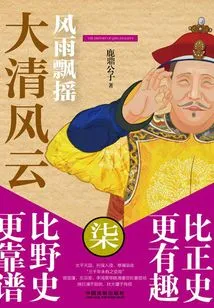
大清风云7:风雨飘摇
Mr. Lu Ding
This book introduces the turbulent Qing Dynasty during the Xianfeng period. Emperor Xianfeng took over the power of the Qing Empire amidst the turmoil. He also wanted to achieve something, but unfortunately, bad luck. On one side, there were internal worries of the Taiping Heavenly Kingdom, and on the other side, there were external threats from the great powers. The Second Opium War pushed the unlucky emperor into a tragic situation where he was attacked from both sides. The treasury was empty, and his ministers failed to live up to expectations. Tianjin fell, Beijing fell, and the Old Summer Palace was burned to the ground... After his death, he handed over the government to a smart woman, who later became the Empress Dowager Cixi.
This book introduces the turbulent Qing Dynasty during the Xianfeng period. Emperor Xianfeng took over the power of the Qing Empire amidst the turmoil. He also wanted to achieve something, but unfortunately, bad luck. On one side, there were internal worries of the Taiping Heavenly Kingdom, and on the other side, there were external threats from the great powers. The Second Opium War pushed the unlucky emperor into a tragic situation where he was attacked from both sides. The treasury was empty, and his ministers failed to live up to expectations. Tianjin fell, Beijing fell, and the Old Summer Palace was burned to the ground... After his death, he handed over the government to a smart woman, who later became the Empress Dowager Cixi.
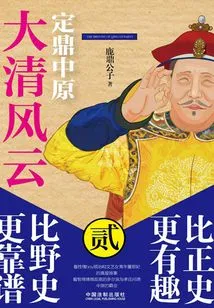
大清风云2:定鼎中原
Mr. Lu Ding
Xiaozhuang was a woman with great political wisdom. She accompanied Dorgon like a fierce tiger, observing Dorgon's behavior at any time and satisfying Dorgon's desires. She always mentioned Dorgon's title to that of the emperor's father and regent, thus avoiding Dorgon's ambition to kill the king and become self-reliant. Because of the words "Emperor Father and Regent", Qing history has left another major unsolved case: Did the Empress Dowager Xiaozhuang marry Dorgon? This unsolved case has yet to be concluded. However, judging from the conflict between Shunzhi and Xiaozhuang, the relationship between Xiaozhuang and Dorgon deeply hurt Shunzhi's young heart. Therefore, after Shunzhi took charge, he always opposed his mother. Xiaozhuang was not an easy man, and he made things difficult for Shunzhi's favored concubine Dong E. Finally, Dong E died young, and Shunzhi soon contracted smallpox. He and Dong E became a pair of short-lived mandarin ducks, and they flew to heaven together. Shunzhi's life was a tragedy. Living under the shadow of Dorgon for a long time made him physically and mentally distorted. Since then, he has been unable to find a balance between body and mind. In the end, he failed to become a monk and died short-lived. It was a misfortune for him to be born into an imperial family.
Xiaozhuang was a woman with great political wisdom. She accompanied Dorgon like a fierce tiger, observing Dorgon's behavior at any time and satisfying Dorgon's desires. She always mentioned Dorgon's title to that of the emperor's father and regent, thus avoiding Dorgon's ambition to kill the king and become self-reliant. Because of the words "Emperor Father and Regent", Qing history has left another major unsolved case: Did the Empress Dowager Xiaozhuang marry Dorgon? This unsolved case has yet to be concluded. However, judging from the conflict between Shunzhi and Xiaozhuang, the relationship between Xiaozhuang and Dorgon deeply hurt Shunzhi's young heart. Therefore, after Shunzhi took charge, he always opposed his mother. Xiaozhuang was not an easy man, and he made things difficult for Shunzhi's favored concubine Dong E. Finally, Dong E died young, and Shunzhi soon contracted smallpox. He and Dong E became a pair of short-lived mandarin ducks, and they flew to heaven together. Shunzhi's life was a tragedy. Living under the shadow of Dorgon for a long time made him physically and mentally distorted. Since then, he has been unable to find a balance between body and mind. In the end, he failed to become a monk and died short-lived. It was a misfortune for him to be born into an imperial family.
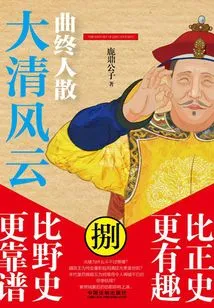
大清风云8:曲终人散
Mr. Lu Ding
The last gasp of the Eastern dynasty under the great changes in the world, the struggle of the declining empire in the midst of devastation is lamentable. The emperor who desperately seeks change, the patriots who are not afraid of bloodshed, and the resisting people who do not bow to the invaders jointly compose the last magnificent elegiac song in the afterglow of the feudal empire. Guangxu, who sought change alone, the "Six Gentlemen of 1898" who died generously, and Sun Yat-sen, who overthrew the imperial system, all used their own methods to save the land of China that was already riddled with holes.
The last gasp of the Eastern dynasty under the great changes in the world, the struggle of the declining empire in the midst of devastation is lamentable. The emperor who desperately seeks change, the patriots who are not afraid of bloodshed, and the resisting people who do not bow to the invaders jointly compose the last magnificent elegiac song in the afterglow of the feudal empire. Guangxu, who sought change alone, the "Six Gentlemen of 1898" who died generously, and Sun Yat-sen, who overthrew the imperial system, all used their own methods to save the land of China that was already riddled with holes.
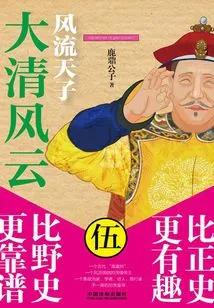
大清风云5:风流天子
Mr. Lu Ding
Qianlong was such an emperor, in whom good and evil, righteousness and evil were brought to the extreme. Everyone knows that Qianlong was a romantic emperor, which may have something to do with his six romantic encounters in the south of the Yangtze River. However, Qianlong's true face was not a romantic emperor, but a ruthless emperor who was arbitrary and ruthless. Qianlong's cruelty and fierce methods were also among the best among the emperors of the Qing Dynasty, and this was particularly evident in the Literary Prison.
Qianlong was such an emperor, in whom good and evil, righteousness and evil were brought to the extreme. Everyone knows that Qianlong was a romantic emperor, which may have something to do with his six romantic encounters in the south of the Yangtze River. However, Qianlong's true face was not a romantic emperor, but a ruthless emperor who was arbitrary and ruthless. Qianlong's cruelty and fierce methods were also among the best among the emperors of the Qing Dynasty, and this was particularly evident in the Literary Prison.
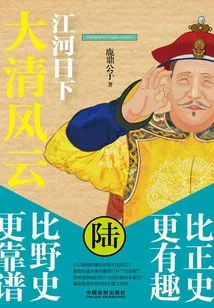
大清风云6:江河日下
Mr. Lu Ding
The political code of the Qing Dynasty's transition from prosperity to decline, the turning point of the decline of China's last feudal dynasty, uprisings and quelling chaos. The heyday of Kangxi and Qianlong was only a hundred years old. Peasant uprisings, Yao people uprisings, and Zhanggeer's Xinjiang rebellion had gradually emptied the Qing Dynasty's treasury; repeated assassinations made Jiaqing feel helpless after reflection; how could Daoguang, who had experienced the loss of power and humiliating the country's alliance, be regarded as a relatively blessed emperor... The Qing Empire, which was in the stage of disintegration from its prosperous age, was doomed.
The political code of the Qing Dynasty's transition from prosperity to decline, the turning point of the decline of China's last feudal dynasty, uprisings and quelling chaos. The heyday of Kangxi and Qianlong was only a hundred years old. Peasant uprisings, Yao people uprisings, and Zhanggeer's Xinjiang rebellion had gradually emptied the Qing Dynasty's treasury; repeated assassinations made Jiaqing feel helpless after reflection; how could Daoguang, who had experienced the loss of power and humiliating the country's alliance, be regarded as a relatively blessed emperor... The Qing Empire, which was in the stage of disintegration from its prosperous age, was doomed.
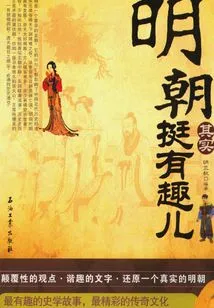
明朝其实挺有趣儿
Nalanqiu
The Ming Dynasty was the decline of China's feudal society. The social atmosphere began to become conservative and decadent due to the influence of Cheng-Zhu Neo-Confucianism. However, this did not affect the origin of romantic love. In the history of nearly three hundred years, from the court to the people, nobles such as the emperor's relatives, champion scholars, as well as ordinary literati and knights, there have been one love story after another that can be written down, showing a soul-stirring and ups and downs of love. It is this picture that makes the history of the Ming Dynasty more interesting and vivid. Why was a dynasty whose economic and military technological levels were at the top of its time, and a country that had produced humanistic ideas and modern science, be destroyed on the eve of entering modern civilization? What causes this result? Let us open "The Ming Dynasty is actually quite interesting" and explore the truth about the Ming Dynasty together! "The Ming Dynasty is actually quite interesting" is edited by Na Lanqiu.
The Ming Dynasty was the decline of China's feudal society. The social atmosphere began to become conservative and decadent due to the influence of Cheng-Zhu Neo-Confucianism. However, this did not affect the origin of romantic love. In the history of nearly three hundred years, from the court to the people, nobles such as the emperor's relatives, champion scholars, as well as ordinary literati and knights, there have been one love story after another that can be written down, showing a soul-stirring and ups and downs of love. It is this picture that makes the history of the Ming Dynasty more interesting and vivid. Why was a dynasty whose economic and military technological levels were at the top of its time, and a country that had produced humanistic ideas and modern science, be destroyed on the eve of entering modern civilization? What causes this result? Let us open "The Ming Dynasty is actually quite interesting" and explore the truth about the Ming Dynasty together! "The Ming Dynasty is actually quite interesting" is edited by Na Lanqiu.
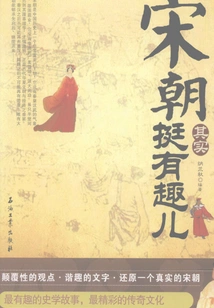
宋朝其实挺有趣儿
Nalanqiu
In the long history, the Song Dynasty experienced the mist and rain of the previous dynasties. It transformed into a butterfly, even with half of its wings broken, it was still charming and dancing gracefully. Later generations all praised it as a prosperous age of cultural excellence and the pinnacle of economic development. However, the Song Dynasty is one of the few confusing dynasties in Chinese history. Its richness, complexity and contradictions constitute its complicated history. The Song Dynasty was a weak but developed dynasty. During its more than three hundred years of history, scenes of fighting and killing, reform and conservatism, moderation and decline were staged...
In the long history, the Song Dynasty experienced the mist and rain of the previous dynasties. It transformed into a butterfly, even with half of its wings broken, it was still charming and dancing gracefully. Later generations all praised it as a prosperous age of cultural excellence and the pinnacle of economic development. However, the Song Dynasty is one of the few confusing dynasties in Chinese history. Its richness, complexity and contradictions constitute its complicated history. The Song Dynasty was a weak but developed dynasty. During its more than three hundred years of history, scenes of fighting and killing, reform and conservatism, moderation and decline were staged...
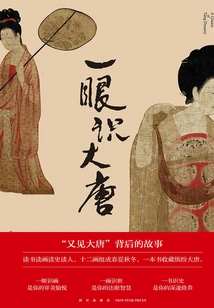
一眼识大唐
Liu Chuanming
This book provides readers with an in-depth interpretation of 12 ancient Chinese paintings and calligraphy related to the Tang Dynasty, from the content of the works to the artistic aesthetics to the background of the times and extended associations, providing readers with a new aesthetic way of reading paintings. Help contemporary people to get out of the misunderstanding of appreciation of Chinese art classics that they often turn a blind eye to, see without knowing, and turn a blind eye to. It also provides a vivid and intuitive cognitive way to interpret the Tang Dynasty, the most powerful country in history. With a professional eye on art history, the author leads readers to carefully read the humanistic connotations of the picture information and calligraphy content. Send out things that no one has ever done before, see things that no one has seen before. Many new, valuable and interesting perspectives were put forward. The author has a broad vision, rich associations, and the writing is both ancient and new. It is a good book that combines personalized comments with beautiful style.
This book provides readers with an in-depth interpretation of 12 ancient Chinese paintings and calligraphy related to the Tang Dynasty, from the content of the works to the artistic aesthetics to the background of the times and extended associations, providing readers with a new aesthetic way of reading paintings. Help contemporary people to get out of the misunderstanding of appreciation of Chinese art classics that they often turn a blind eye to, see without knowing, and turn a blind eye to. It also provides a vivid and intuitive cognitive way to interpret the Tang Dynasty, the most powerful country in history. With a professional eye on art history, the author leads readers to carefully read the humanistic connotations of the picture information and calligraphy content. Send out things that no one has ever done before, see things that no one has seen before. Many new, valuable and interesting perspectives were put forward. The author has a broad vision, rich associations, and the writing is both ancient and new. It is a good book that combines personalized comments with beautiful style.
清代中国与世界
Dai Yi
This book is included in "The Treaty of Nerchinsk between China and Russia in 1689", "China and the World in the 18th Century·Introduction Volume", and "Beiyang Navy". "The Sino-Russian Treaty of Nerchinsk in 1689" was written in the 1970s. It conducted detailed research on Sino-Russian (Sino-Soviet) border disputes, negotiation situations, treaty texts, etc., And provided a large amount of strong evidence for the Sino-Soviet border negotiations at that time. "China and the World in the 18th Century" is divided into 9 volumes. This book takes an overall view and provides a panoramic discussion of the history of China in the 18th century. It pioneered "the study and comparison of Chinese history in the context of world development, and changed the habit of separating and isolating the study of Chinese history and world history." It has global academic influence. "Beiyang Navy" was first published in 1963. It is one of the "Chinese History Series" edited by Mr. Wu Han. It introduces the history of the Beiyang Navy in concise and concise words. This reprint has been revised by Mr. Dai Yi.
This book is included in "The Treaty of Nerchinsk between China and Russia in 1689", "China and the World in the 18th Century·Introduction Volume", and "Beiyang Navy". "The Sino-Russian Treaty of Nerchinsk in 1689" was written in the 1970s. It conducted detailed research on Sino-Russian (Sino-Soviet) border disputes, negotiation situations, treaty texts, etc., And provided a large amount of strong evidence for the Sino-Soviet border negotiations at that time. "China and the World in the 18th Century" is divided into 9 volumes. This book takes an overall view and provides a panoramic discussion of the history of China in the 18th century. It pioneered "the study and comparison of Chinese history in the context of world development, and changed the habit of separating and isolating the study of Chinese history and world history." It has global academic influence. "Beiyang Navy" was first published in 1963. It is one of the "Chinese History Series" edited by Mr. Wu Han. It introduces the history of the Beiyang Navy in concise and concise words. This reprint has been revised by Mr. Dai Yi.
国事续述
Chen Jinhua
Through the author's personal experience, this book tells about some important events that have occurred in the country since the 1970s, such as a review of the establishment of the socialist market economic system, the historical process of Baosteel's development and growth, and the establishment of China Petrochemical Corporation by making good use of domestic oil resources. Through the review of these historical events, many insightful insights have been put forward. The publication of this book is of great significance for people to understand the development process of the party and the country since the reform and opening up, and for publicizing the glorious achievements of our country's reform and opening up.
Through the author's personal experience, this book tells about some important events that have occurred in the country since the 1970s, such as a review of the establishment of the socialist market economic system, the historical process of Baosteel's development and growth, and the establishment of China Petrochemical Corporation by making good use of domestic oil resources. Through the review of these historical events, many insightful insights have been put forward. The publication of this book is of great significance for people to understand the development process of the party and the country since the reform and opening up, and for publicizing the glorious achievements of our country's reform and opening up.
清前期史
Dai Yi
This book is a collection of articles written by Mr. Dai Yi on the history of the early Qing Dynasty over the years, including nearly 40 articles including "Three Hundred and Sixty Years of the Naming of the Manchus" and "Wu, Anhui, Yang, and Zhejiang-Four Schools of Textual Research in the Qing Dynasty". The content involves the politics, military, culture and other fields of the early Qing Dynasty. It is a representative article of Mr. Dai Yi's lifelong research on Qing history.
This book is a collection of articles written by Mr. Dai Yi on the history of the early Qing Dynasty over the years, including nearly 40 articles including "Three Hundred and Sixty Years of the Naming of the Manchus" and "Wu, Anhui, Yang, and Zhejiang-Four Schools of Textual Research in the Qing Dynasty". The content involves the politics, military, culture and other fields of the early Qing Dynasty. It is a representative article of Mr. Dai Yi's lifelong research on Qing history.
清后期史
Dai Yi
This book is a collection of the essence of Mr. Dai Yi's many years of research on modern history. It includes 50 articles such as "On the Land Acquisition System in the Celestial Empire", "Bourgeois Enlightenment Thoughts Before the Reform Movement of 1898", "Lessons of the Revolution of 1818 and the Choice of Socialism". The contents cover important historical events such as the Taiping Heavenly Kingdom, the Boxer Rebellion, the Revolution of 1918 and the Reform Movement of 1898, and cover all aspects of modern social changes in China.
This book is a collection of the essence of Mr. Dai Yi's many years of research on modern history. It includes 50 articles such as "On the Land Acquisition System in the Celestial Empire", "Bourgeois Enlightenment Thoughts Before the Reform Movement of 1898", "Lessons of the Revolution of 1818 and the Choice of Socialism". The contents cover important historical events such as the Taiping Heavenly Kingdom, the Boxer Rebellion, the Revolution of 1918 and the Reform Movement of 1898, and cover all aspects of modern social changes in China.
清史编务
Dai Yi
This book is a chronological work record of the newly revised "History of the Qing Dynasty" presided over by Mr. Dai Yi as the director of the National Qing History Compilation Committee. It faithfully records the process of the Qing History compilation project from the initiative and design, the launch of the project, the writing of the first draft, review and revision, to the integration and finalization. Among them, except for a small amount of content that has been published publicly in different forms, most of the content is publicly disclosed for the first time.
This book is a chronological work record of the newly revised "History of the Qing Dynasty" presided over by Mr. Dai Yi as the director of the National Qing History Compilation Committee. It faithfully records the process of the Qing History compilation project from the initiative and design, the launch of the project, the writing of the first draft, review and revision, to the integration and finalization. Among them, except for a small amount of content that has been published publicly in different forms, most of the content is publicly disclosed for the first time.
张大可讲《史记》
Zhang Dake
"Historical Records" is a fundamental book that everyone must read among the fine works of traditional Chinese culture and Chinese studies. It has an inexhaustible source of ideas, nurtures the growth of one generation after another, and has an unparalleled cohesive effect. The author of this book can be regarded as an authority in the field of "Historical Records" in China. The content selects some wonderful passages in "Historical Records" and explains and analyzes them in popular language. The text is easy to understand and the language style is lively. It is an introductory history book suitable for public readers.
"Historical Records" is a fundamental book that everyone must read among the fine works of traditional Chinese culture and Chinese studies. It has an inexhaustible source of ideas, nurtures the growth of one generation after another, and has an unparalleled cohesive effect. The author of this book can be regarded as an authority in the field of "Historical Records" in China. The content selects some wonderful passages in "Historical Records" and explains and analyzes them in popular language. The text is easy to understand and the language style is lively. It is an introductory history book suitable for public readers.
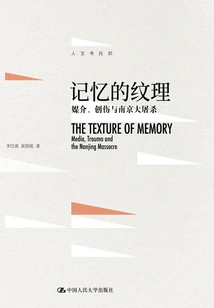
记忆的纹理:媒介、创伤与南京大屠杀
Li Hongtao Huang Shunming
As the first book in China to study the collective memory of the Nanjing Massacre, this book uses history as its warp and different media scenes as its weft to deeply explore the process of trauma construction and memory shaping of the Nanjing Massacre, revealing how state power, local memory communities, and mass media jointly shape the memory politics and memory culture of the Nanjing Massacre in contemporary China. With the analytical framework of cultural trauma theory as the core, this book traces the construction process of the traumatic narrative of the Nanjing Massacre in mainstream media, its diffusion and reproduction in memorial halls and online public memorial activities, and the narrative challenges faced in cyberspace. Although this book takes "media" as its core, it does not limit itself to the investigation of static "texts" and "symbols". Instead, it strives to reveal the production and reproduction of trauma narratives, the generation of media commemorative spaces, and the practice of memory on the media stage and in memory places.
As the first book in China to study the collective memory of the Nanjing Massacre, this book uses history as its warp and different media scenes as its weft to deeply explore the process of trauma construction and memory shaping of the Nanjing Massacre, revealing how state power, local memory communities, and mass media jointly shape the memory politics and memory culture of the Nanjing Massacre in contemporary China. With the analytical framework of cultural trauma theory as the core, this book traces the construction process of the traumatic narrative of the Nanjing Massacre in mainstream media, its diffusion and reproduction in memorial halls and online public memorial activities, and the narrative challenges faced in cyberspace. Although this book takes "media" as its core, it does not limit itself to the investigation of static "texts" and "symbols". Instead, it strives to reveal the production and reproduction of trauma narratives, the generation of media commemorative spaces, and the practice of memory on the media stage and in memory places.
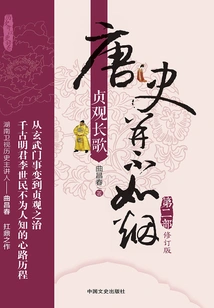
唐史并不如烟(第二部 修订版):贞观长歌
Qu Changchun
"The History of the Tang Dynasty is Not Like Smoke" tells the history of the Tang Dynasty in a relaxed and humorous way. This is the second volume. Starting from Li Shimin's suppression of domestic rebellion and launching the Xuanwu Gate Rebellion, it describes in detail the glory of the Zhenguan Dynasty. In Li Shimin's court, civil servants ruled the world, and military generals made meritorious deeds. Fang Xuanling, Du Ruhui, Li Jing, Yuchi Jingde and other good ministers wrote immortal legends. They conquered the Eastern Turks in the west and destroyed the country of Tuyuhun. Although there were personal conquests of Goguryeo that ended in an anticlimax, and princes vying for the throne with swords and swords, these did not detract from the rule of Zhenguan as an eternal prosperous era, and the lofty status of Tang Taizong as an eternal wise king in Chinese history.
"The History of the Tang Dynasty is Not Like Smoke" tells the history of the Tang Dynasty in a relaxed and humorous way. This is the second volume. Starting from Li Shimin's suppression of domestic rebellion and launching the Xuanwu Gate Rebellion, it describes in detail the glory of the Zhenguan Dynasty. In Li Shimin's court, civil servants ruled the world, and military generals made meritorious deeds. Fang Xuanling, Du Ruhui, Li Jing, Yuchi Jingde and other good ministers wrote immortal legends. They conquered the Eastern Turks in the west and destroyed the country of Tuyuhun. Although there were personal conquests of Goguryeo that ended in an anticlimax, and princes vying for the throne with swords and swords, these did not detract from the rule of Zhenguan as an eternal prosperous era, and the lofty status of Tang Taizong as an eternal wise king in Chinese history.
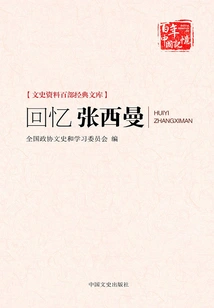
Remembering Zhang Ximan
History回忆张西曼
Cppcc National Committee On Culture, History And Study
Zhang Ximan (1895-1949), also known as Bailu, male, was born in Changsha, Hunan. A disseminator of early Marxism in China, president and editor-in-chief of the magazine "Democracy and Science", and one of the founders of the Jiusan Society. A famous left-wing member of the Kuomintang, a progressive social activist, an old friend of the Communist Party of China, a staunch patriot and a national hero who heroically devoted himself to the anti-Japanese movement in modern Chinese history. This book is a collection of Zhang Ximan's memories and commemorative articles by his relatives and friends. It also includes Zhang Ximan's literary works and related research on him by later generations. It is a precious material for understanding Zhang Ximan's life, looking back on the historical years, and feeling his patriotic enthusiasm.
Zhang Ximan (1895-1949), also known as Bailu, male, was born in Changsha, Hunan. A disseminator of early Marxism in China, president and editor-in-chief of the magazine "Democracy and Science", and one of the founders of the Jiusan Society. A famous left-wing member of the Kuomintang, a progressive social activist, an old friend of the Communist Party of China, a staunch patriot and a national hero who heroically devoted himself to the anti-Japanese movement in modern Chinese history. This book is a collection of Zhang Ximan's memories and commemorative articles by his relatives and friends. It also includes Zhang Ximan's literary works and related research on him by later generations. It is a precious material for understanding Zhang Ximan's life, looking back on the historical years, and feeling his patriotic enthusiasm.
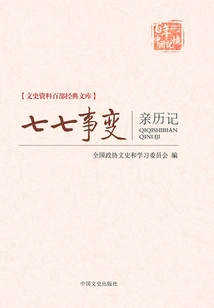
七七事变亲历记
Cppcc National Committee On Culture, History And Study
This book is a personal record of the July 7th Incident of the Anti-Japanese War by a former Kuomintang general. The original title of this book is "The July 7th Incident", and the book series is called "Front Battlefield: The Personal Experience of the Former Kuomintang Generals in the Anti-Japanese War". It was published by our publishing house in January 2013 with the original ISBN978-7-5034-3698-7. Now, at the request of the National Committee on Literature, History and Study of the Chinese People's Political Consultative Conference, the book has been included in the "Hundred Classic Library of Literary and Historical Materials" series and has been republished. Only the format has been redesigned, and the content has not been changed. Hereby explain. The anti-invasion gunfire at Marco Polo Bridge sounded the clarion call for the Chinese nation to resist Japan, and thus launched the great anti-Japanese national liberation war. This book includes the July 7th Incident and the resistance of the garrison troops, the Anti-Japanese War at Pingjin Road, the Anti-Japanese War at Pingsui Road, the Anti-Japanese War at Pinghan Road, and the Anti-Japanese War at Jinpu Road.
This book is a personal record of the July 7th Incident of the Anti-Japanese War by a former Kuomintang general. The original title of this book is "The July 7th Incident", and the book series is called "Front Battlefield: The Personal Experience of the Former Kuomintang Generals in the Anti-Japanese War". It was published by our publishing house in January 2013 with the original ISBN978-7-5034-3698-7. Now, at the request of the National Committee on Literature, History and Study of the Chinese People's Political Consultative Conference, the book has been included in the "Hundred Classic Library of Literary and Historical Materials" series and has been republished. Only the format has been redesigned, and the content has not been changed. Hereby explain. The anti-invasion gunfire at Marco Polo Bridge sounded the clarion call for the Chinese nation to resist Japan, and thus launched the great anti-Japanese national liberation war. This book includes the July 7th Incident and the resistance of the garrison troops, the Anti-Japanese War at Pingjin Road, the Anti-Japanese War at Pingsui Road, the Anti-Japanese War at Pinghan Road, and the Anti-Japanese War at Jinpu Road.
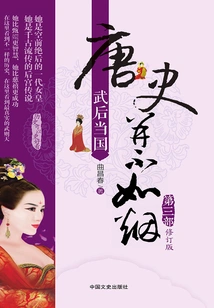
唐史并不如烟(第三部 修订版):武后当国
Qu Changchun
"The History of the Tang Dynasty is Not Like Smoke" tells the history of the Tang Dynasty in a relaxed and humorous way. This book is the third volume and mainly tells the historical events of Wu Zetian's period. From a humble talent in the palace, to the green lanterns and yellow scrolls in the Ganye Temple, to the empress who ruled the world, Wu Zetian used her wisdom and skills to compose the epic of a woman, and created achievements that were unprecedented and unprecedented: she was a talented and strategic king. During her reign, she carried out imperial examinations, severely damaged the family, and wiped out border troubles. She seemed to have the "Legacy of Zhenguan"; she was a chilling master of power and tactics. She reuses cruel officials, implicates innocent people, even her own flesh and blood, and plays with the government affairs at her fingertips; she is also a Wu Mei Niang with the feelings of a girl. Her opponent says, "You are jealous at the beginning, and you won't let anyone with your eyebrows; you can hide your sleeves." "Slanderous, foxy can confuse the Lord" contrasted with her beauty, which was enough to make her feel happy... Thousands of years have passed by, and now only the wordless monument in front of the Qianling Mausoleum is left standing silently, with merits and demerits open to anyone to comment. The book's writing style is natural, the style is bright, the language is interesting and concise, and the plot is relaxed and moderate. After revision, it becomes more grand and meaningful, showing a very superb ability to control historical materials.
"The History of the Tang Dynasty is Not Like Smoke" tells the history of the Tang Dynasty in a relaxed and humorous way. This book is the third volume and mainly tells the historical events of Wu Zetian's period. From a humble talent in the palace, to the green lanterns and yellow scrolls in the Ganye Temple, to the empress who ruled the world, Wu Zetian used her wisdom and skills to compose the epic of a woman, and created achievements that were unprecedented and unprecedented: she was a talented and strategic king. During her reign, she carried out imperial examinations, severely damaged the family, and wiped out border troubles. She seemed to have the "Legacy of Zhenguan"; she was a chilling master of power and tactics. She reuses cruel officials, implicates innocent people, even her own flesh and blood, and plays with the government affairs at her fingertips; she is also a Wu Mei Niang with the feelings of a girl. Her opponent says, "You are jealous at the beginning, and you won't let anyone with your eyebrows; you can hide your sleeves." "Slanderous, foxy can confuse the Lord" contrasted with her beauty, which was enough to make her feel happy... Thousands of years have passed by, and now only the wordless monument in front of the Qianling Mausoleum is left standing silently, with merits and demerits open to anyone to comment. The book's writing style is natural, the style is bright, the language is interesting and concise, and the plot is relaxed and moderate. After revision, it becomes more grand and meaningful, showing a very superb ability to control historical materials.
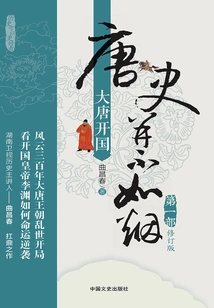
唐史并不如烟(第一部 修订版):大唐开国
Qu Changchun
"The History of the Tang Dynasty is Not Like Smoke" tells the history of the Tang Dynasty in a relaxed and humorous way, and this book is the first one. The coveted prosperous age of the Tang Dynasty started with the seemingly useless Li Yuan. In front of him was Yang Guang, Emperor Yang Guang of Sui Dynasty, a model of tyrants through the ages; behind him was Li Shimin, Emperor Taizong of the Tang Dynasty, a wise emperor who ruled the world through the ages. Caught between "infamous for eternity" and "famous for eternity", Li Yuan is doomed to be lonely. However, it was he, the young nephew of Empress Dugu of the Sui Dynasty, who was called the old lady by his cousin Yang Guangmiao, who became the gravedigger of the Sui Dynasty. In the chaotic times of the late Sui Dynasty, Li Yuan was not the first to rise up, nor was he the strongest, but he was the one who had the last laugh in victory. With his strong and low-key fierce style, he opened the wounds of the Sui Dynasty. He led the men of the Li family in Jinyang to raise troops, marched into Shanxi, fought fiercely in Luoyang, and decisively fought in Hulao... Fighting against invincible opponents in the world, he finally laid the grand blueprint for the Tang Dynasty for three hundred years.
"The History of the Tang Dynasty is Not Like Smoke" tells the history of the Tang Dynasty in a relaxed and humorous way, and this book is the first one. The coveted prosperous age of the Tang Dynasty started with the seemingly useless Li Yuan. In front of him was Yang Guang, Emperor Yang Guang of Sui Dynasty, a model of tyrants through the ages; behind him was Li Shimin, Emperor Taizong of the Tang Dynasty, a wise emperor who ruled the world through the ages. Caught between "infamous for eternity" and "famous for eternity", Li Yuan is doomed to be lonely. However, it was he, the young nephew of Empress Dugu of the Sui Dynasty, who was called the old lady by his cousin Yang Guangmiao, who became the gravedigger of the Sui Dynasty. In the chaotic times of the late Sui Dynasty, Li Yuan was not the first to rise up, nor was he the strongest, but he was the one who had the last laugh in victory. With his strong and low-key fierce style, he opened the wounds of the Sui Dynasty. He led the men of the Li family in Jinyang to raise troops, marched into Shanxi, fought fiercely in Luoyang, and decisively fought in Hulao... Fighting against invincible opponents in the world, he finally laid the grand blueprint for the Tang Dynasty for three hundred years.
闽浙赣抗战亲历记
Cppcc National Committee On Culture, History And Study
This book is a personal record of the former Kuomintang general's experience of the War of Resistance Against Japanese Aggression in the three provinces of Fujian, Zhejiang, and Jiangxi. The original title of this book is "The Anti-Japanese War in Fujian, Zhejiang and Jiangxi", and the book series is called "Front Battlefield: The Personal Experience of the Former Kuomintang Generals in the Anti-Japanese War". It was published by our publishing house in January 2013. The original book number is ISBN978-7-5034-3699-4. Now, at the request of the National Committee on Literature, History and Study of the Chinese People's Political Consultative Conference, the book has been included in the "Hundred Classics Library of Literary and Historical Materials" series and has been republished. Only the format has been redesigned, and the content has not been changed. Hereby explain. The Fujian-Zhejiang-Jiangxi War of Resistance refers to various battles fought in the three provinces (regions) of Fujian, Zhejiang, and Jiangxi during the Anti-Japanese War. From the beginning of September 1937, when the Japanese invading army bombarded Xiamen, to the announcement of surrender in August 1945, this book covers the Fujian Sea War, the Battle of Nanchang, the Battle of Shanggao, the Battle of Zhejiang and Jiangxi, and various battles in Zhejiang Province during the Anti-Japanese War.
This book is a personal record of the former Kuomintang general's experience of the War of Resistance Against Japanese Aggression in the three provinces of Fujian, Zhejiang, and Jiangxi. The original title of this book is "The Anti-Japanese War in Fujian, Zhejiang and Jiangxi", and the book series is called "Front Battlefield: The Personal Experience of the Former Kuomintang Generals in the Anti-Japanese War". It was published by our publishing house in January 2013. The original book number is ISBN978-7-5034-3699-4. Now, at the request of the National Committee on Literature, History and Study of the Chinese People's Political Consultative Conference, the book has been included in the "Hundred Classics Library of Literary and Historical Materials" series and has been republished. Only the format has been redesigned, and the content has not been changed. Hereby explain. The Fujian-Zhejiang-Jiangxi War of Resistance refers to various battles fought in the three provinces (regions) of Fujian, Zhejiang, and Jiangxi during the Anti-Japanese War. From the beginning of September 1937, when the Japanese invading army bombarded Xiamen, to the announcement of surrender in August 1945, this book covers the Fujian Sea War, the Battle of Nanchang, the Battle of Shanggao, the Battle of Zhejiang and Jiangxi, and various battles in Zhejiang Province during the Anti-Japanese War.
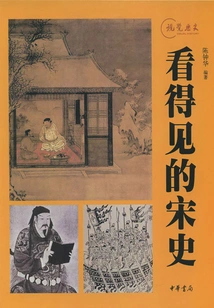
看得见的宋史:视觉历史
Chen Zhonghua
This book is a "visual history of the Song Dynasty". It first sorts out the political changes of the Song Dynasty in chronological order, and then introduces the social life, literary history, artistic creation, philosophy and religion, science and technology, military warfare, diplomacy and foreign trade of the Song Dynasty by topic. It uses pictures with text descriptions to present readers with a true historical picture of the Song Dynasty.
This book is a "visual history of the Song Dynasty". It first sorts out the political changes of the Song Dynasty in chronological order, and then introduces the social life, literary history, artistic creation, philosophy and religion, science and technology, military warfare, diplomacy and foreign trade of the Song Dynasty by topic. It uses pictures with text descriptions to present readers with a true historical picture of the Song Dynasty.
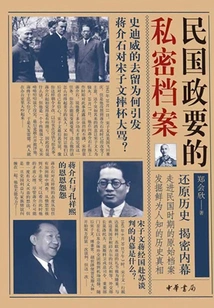
民国政要的私密档案
Zheng Huixin
The author of this book has been engaged in research on the history of the Republic of China and the archives of the Republic of China for a long time. The records in the book are based on historical archives and diaries of Republic of China figures in the Mainland, Taiwan, Hong Kong, the United States and other places. It reveals the truth about some important events during the Republic of China, such as the evidence that Kong Xiangxi was suspected of embezzling US dollar bonds, Song Ziwen's ups and downs in officialdom, Chiang Kai-shek's attitude and change after learning the contents of the Yalta Agreement, and the reasons for the assassination of Tang Shaoyi, the first prime minister of the Republic of China. In addition, this book quotes the diaries and telegrams of many political figures of the Republic of China, such as Chiang Kai-shek, to reveal the inner world of the political figures of the Republic of China and some unknown historical truths. Although this book is not a traditional academic study, the historical data it is based on are solid, credible and fascinating.
The author of this book has been engaged in research on the history of the Republic of China and the archives of the Republic of China for a long time. The records in the book are based on historical archives and diaries of Republic of China figures in the Mainland, Taiwan, Hong Kong, the United States and other places. It reveals the truth about some important events during the Republic of China, such as the evidence that Kong Xiangxi was suspected of embezzling US dollar bonds, Song Ziwen's ups and downs in officialdom, Chiang Kai-shek's attitude and change after learning the contents of the Yalta Agreement, and the reasons for the assassination of Tang Shaoyi, the first prime minister of the Republic of China. In addition, this book quotes the diaries and telegrams of many political figures of the Republic of China, such as Chiang Kai-shek, to reveal the inner world of the political figures of the Republic of China and some unknown historical truths. Although this book is not a traditional academic study, the historical data it is based on are solid, credible and fascinating.
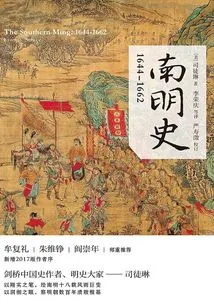
南明史:1644—1662
(us) Situ Lin
The purpose of "History of the Southern Ming Dynasty: 1644-1662" is to answer the question "Why did the Ming Dynasty perish?" Starting from this, the author Situ Lin discusses the root causes of the defeat reflected in the 18-year historical process after the fall of the hereditary monarchy in the Ming Dynasty. Through a large amount of historical data, the book mainly attributes the reason for the decline of the Ming Dynasty from strength to weakness as "the inability to achieve unity and coordination between civil and military affairs" and "the ministers were in a dilemma on how to serve as the emperor's assistants." The author also notes that the above two points were not the only two reasons that led to the demise of the Ming Dynasty. Modern economic changes were also one of the reasons. However, the failure to resist external forces caused by internal conflicts in the court was still the main reason for the demise of the Ming Dynasty. The root of this internal conflict was laid by Emperor Zhu Yuanzhang when he designed the bureaucracy from the beginning. As time goes by, partisan disputes within the civil service, the combat effectiveness of foreign military attachés become mediocre, internal and external troubles, and the building will collapse.
The purpose of "History of the Southern Ming Dynasty: 1644-1662" is to answer the question "Why did the Ming Dynasty perish?" Starting from this, the author Situ Lin discusses the root causes of the defeat reflected in the 18-year historical process after the fall of the hereditary monarchy in the Ming Dynasty. Through a large amount of historical data, the book mainly attributes the reason for the decline of the Ming Dynasty from strength to weakness as "the inability to achieve unity and coordination between civil and military affairs" and "the ministers were in a dilemma on how to serve as the emperor's assistants." The author also notes that the above two points were not the only two reasons that led to the demise of the Ming Dynasty. Modern economic changes were also one of the reasons. However, the failure to resist external forces caused by internal conflicts in the court was still the main reason for the demise of the Ming Dynasty. The root of this internal conflict was laid by Emperor Zhu Yuanzhang when he designed the bureaucracy from the beginning. As time goes by, partisan disputes within the civil service, the combat effectiveness of foreign military attachés become mediocre, internal and external troubles, and the building will collapse.
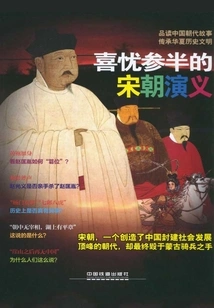
喜忧参半的宋朝演义
"always Pay Attention" Editorial Board
This book tells the story of the Song Dynasty's three hundred years of magnificent history, full of contradictions and entanglements. There are praises for the highly civilized politics and cultural ecology of the Song Dynasty, interpretations and criticisms of its military and diplomatic failures, and even more reflections on the vicissitudes of its rise and fall.
This book tells the story of the Song Dynasty's three hundred years of magnificent history, full of contradictions and entanglements. There are praises for the highly civilized politics and cultural ecology of the Song Dynasty, interpretations and criticisms of its military and diplomatic failures, and even more reflections on the vicissitudes of its rise and fall.
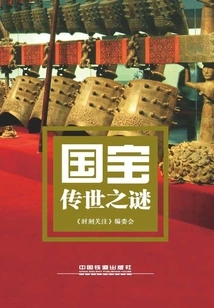
国宝传世之谜
"always Pay Attention" Editorial Board
The handed down national treasures selected in this book include their discovery process, historical background, collection, circulation and identification, and are accompanied by exquisite pictures. Through these mottled treasures, you will enter the blurred past years and understand the vicissitudes and changes of history.
The handed down national treasures selected in this book include their discovery process, historical background, collection, circulation and identification, and are accompanied by exquisite pictures. Through these mottled treasures, you will enter the blurred past years and understand the vicissitudes and changes of history.
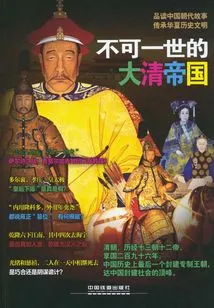
The Mighty Qing Empire
History不可一世的大清帝国
"always Pay Attention" Editorial Board
This book uses the chronological order of historical events as the main clue, and uses vivid words to explain to readers the philosophical survival wisdom in the Qing court.
This book uses the chronological order of historical events as the main clue, and uses vivid words to explain to readers the philosophical survival wisdom in the Qing court.
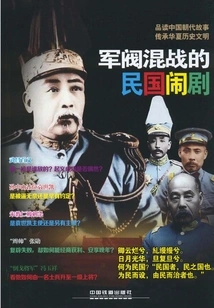
军阀混战的民国闹剧
"always Pay Attention" Editorial Board
This book tells the story of the characters and customs during the Republic of China, and restores to readers an intuitive and close-to-life history of the Republic of China. At the same time, it uses real historical stories as the baseline and uses concise and concise language to tell the story.
This book tells the story of the characters and customs during the Republic of China, and restores to readers an intuitive and close-to-life history of the Republic of China. At the same time, it uses real historical stories as the baseline and uses concise and concise language to tell the story.
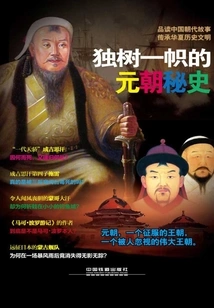
独树一帜的元朝秘史
"always Pay Attention" Editorial Board
This book tells the story of the Yuan Dynasty's short history full of contradictions and entanglements in a vertical and horizontal way. The content covers all aspects of politics, economy, military, art, science and technology and social life during the Yuan Dynasty.
This book tells the story of the Yuan Dynasty's short history full of contradictions and entanglements in a vertical and horizontal way. The content covers all aspects of politics, economy, military, art, science and technology and social life during the Yuan Dynasty.
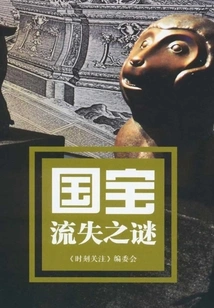
国宝流失之谜
"always Pay Attention" Editorial Board
The book is divided into nine chapters, including: The Pain of a Great Country - The Mystery of the Loss of Peking Man Skull Fossils, The Headless Horseman - The Mystery of the Pan Fang Rei, The Royal Treasure - The Mystery of the National Jade Seal, The Burning Garden - The Mystery of the Twelve Zodiac Bronze Beast Heads, etc.
The book is divided into nine chapters, including: The Pain of a Great Country - The Mystery of the Loss of Peking Man Skull Fossils, The Headless Horseman - The Mystery of the Pan Fang Rei, The Royal Treasure - The Mystery of the National Jade Seal, The Burning Garden - The Mystery of the Twelve Zodiac Bronze Beast Heads, etc.
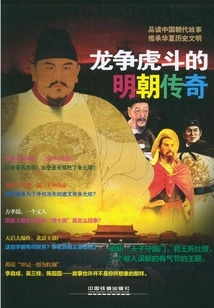
龙争虎斗的明朝传奇
"always Pay Attention" Editorial Board
This book is based on historical data, takes characters and specific time as the main line, and uses grand and passionate pen and ink to paint a magnificent historical picture. It provides readers with a panoramic view of the fate of a large number of emperors' concubines, princes, dignitaries and small figures with distinctive personalities that are ready to be revealed.
This book is based on historical data, takes characters and specific time as the main line, and uses grand and passionate pen and ink to paint a magnificent historical picture. It provides readers with a panoramic view of the fate of a large number of emperors' concubines, princes, dignitaries and small figures with distinctive personalities that are ready to be revealed.
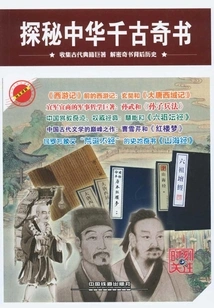
探秘中华千古奇书
"always Pay Attention" Editorial Board
The content of this book mainly includes the introduction and influence of the book, as well as the background of the book, the author's life story, etc., Presenting the value and significance of each book in an all-round and three-dimensional way.
The content of this book mainly includes the introduction and influence of the book, as well as the background of the book, the author's life story, etc., Presenting the value and significance of each book in an all-round and three-dimensional way.
洋务自强
Zhang Ming
This book is the third volume in Zhang Ming's series of retellings of China's modern history. It is richly illustrated with text and vivid explanations. The theme is the Westernization Movement. It shows the Qing government's process of actively learning from the West in economy and technology after experiencing the lessons of the two Opium Wars and the economic difficulties of suppressing the Taiping Rebellion. It also analyzes why Tongzhi ZTE failed to solve a large number of political and social problems.
This book is the third volume in Zhang Ming's series of retellings of China's modern history. It is richly illustrated with text and vivid explanations. The theme is the Westernization Movement. It shows the Qing government's process of actively learning from the West in economy and technology after experiencing the lessons of the two Opium Wars and the economic difficulties of suppressing the Taiping Rebellion. It also analyzes why Tongzhi ZTE failed to solve a large number of political and social problems.
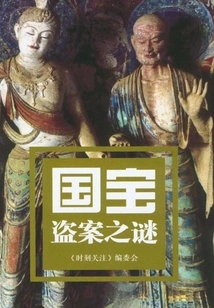
国宝盗案之谜
"always Pay Attention" Editorial Board
This book selects precious old and new pictures, and through the pursuit of multiple national treasure theft cases, aims to awaken the world on how to sum up experience, learn lessons, and strengthen the protection and inheritance of cultural relics, thereby making efforts for the early return of China's stolen cultural relics.
This book selects precious old and new pictures, and through the pursuit of multiple national treasure theft cases, aims to awaken the world on how to sum up experience, learn lessons, and strengthen the protection and inheritance of cultural relics, thereby making efforts for the early return of China's stolen cultural relics.
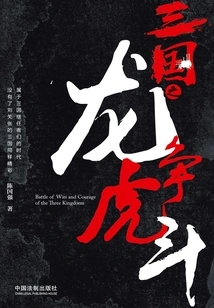
三国之龙争虎斗
Chen Guoqiang
This book is a popular book on the history of the Three Kingdoms written by the author for the majority of fans of the history of the Three Kingdoms. It focuses on the important historical events and historical figures from the establishment of the Three Kingdoms in 220 AD to the destruction of Wu and the unification of the south by Jin in 280 AD, involving politics, military, economy, culture and other aspects, allowing readers to quickly have a systematic and comprehensive understanding of the Three Kingdoms period. Respecting historical truth is a major feature of this set of books. It truly restores the true appearance, thoughts and styles of historical figures such as Cao Cao, Sun Quan, Zhuge Liang, and Sima Yi, and summarizes the strategies and wisdom of the figures during the Three Kingdoms period for future generations to learn from.
This book is a popular book on the history of the Three Kingdoms written by the author for the majority of fans of the history of the Three Kingdoms. It focuses on the important historical events and historical figures from the establishment of the Three Kingdoms in 220 AD to the destruction of Wu and the unification of the south by Jin in 280 AD, involving politics, military, economy, culture and other aspects, allowing readers to quickly have a systematic and comprehensive understanding of the Three Kingdoms period. Respecting historical truth is a major feature of this set of books. It truly restores the true appearance, thoughts and styles of historical figures such as Cao Cao, Sun Quan, Zhuge Liang, and Sima Yi, and summarizes the strategies and wisdom of the figures during the Three Kingdoms period for future generations to learn from.
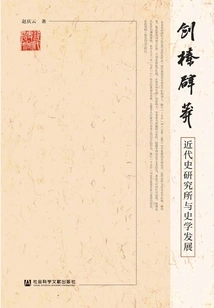
创榛辟莽:近代史研究所与史学发展
Zhao Qingyun
This book starts from the Institute of Modern History of the Chinese Academy of Sciences, a historical institution with profound significance, and explores the specific development of history during the "Seventeen Years" (1949-1966). The Institute of Modern History is in the same line as the Yan'an Historical Institution. It is also the first national historical institution after the founding of New China and has profound and broad influence at home and abroad. This book focuses on excavating relevant historical materials, going beyond simple historical text research, returning to the time and space context of the time, sorting out the origins of modern history institutes, combining scholars' "learning" with their "practices" to examine, presenting scholars' actual actions between politics and academics, showing the rich and complex development of history during the "Seventeen Years", and on this basis, examining the reasons for its gains and losses.
This book starts from the Institute of Modern History of the Chinese Academy of Sciences, a historical institution with profound significance, and explores the specific development of history during the "Seventeen Years" (1949-1966). The Institute of Modern History is in the same line as the Yan'an Historical Institution. It is also the first national historical institution after the founding of New China and has profound and broad influence at home and abroad. This book focuses on excavating relevant historical materials, going beyond simple historical text research, returning to the time and space context of the time, sorting out the origins of modern history institutes, combining scholars' "learning" with their "practices" to examine, presenting scholars' actual actions between politics and academics, showing the rich and complex development of history during the "Seventeen Years", and on this basis, examining the reasons for its gains and losses.
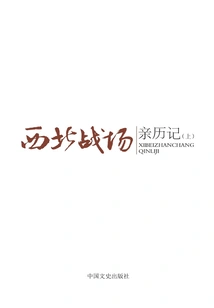
西北战场亲历记(上)
National Committee Of The Chinese People's Political Consultative Conference, Cultural And History Office, Etc.
The northwest battlefield is one of the main battlefields of the Chinese People's Liberation War, covering five provinces and autonomous regions: Shaanxi, Gansu, Ningxia, Qinghai, and Xinjiang, covering an area of more than 3.2 Million square kilometers, accounting for about one-third of my country's total area. The victory or defeat in the northwest battlefield is directly related to the process of the Liberation War. This book is divided into nine chapters, divided according to time and region, and contains hundreds of thousands of words of personal memories of dozens of former Kuomintang generals, presenting readers with a different perspective of the Northwest battlefield.
The northwest battlefield is one of the main battlefields of the Chinese People's Liberation War, covering five provinces and autonomous regions: Shaanxi, Gansu, Ningxia, Qinghai, and Xinjiang, covering an area of more than 3.2 Million square kilometers, accounting for about one-third of my country's total area. The victory or defeat in the northwest battlefield is directly related to the process of the Liberation War. This book is divided into nine chapters, divided according to time and region, and contains hundreds of thousands of words of personal memories of dozens of former Kuomintang generals, presenting readers with a different perspective of the Northwest battlefield.
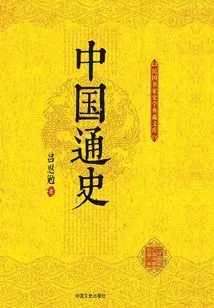
中国通史(上下册)(民国名家史学典藏文库)
Lu Simian
Lu Simian (1884-1957), whose courtesy name was Chengzhi, was born in a scholarly family in Changzhou, Jiangsu Province. He was educated by his parents and teachers when he was young, and entered the county school at the age of 15. In his early years, he taught at Changzhou Xishan Primary School and Changzhou Fuzhong School. Among his students were Qian Mu and Zhao Yuanren who later became great writers and historians. After 1926, he taught at Guanghua University for a long time, and after liberation, he served as a professor at East China Normal University. He read widely, focused on comprehensive research, and paid attention to integration. He wrote two general histories of China, four chronological histories, and five specialized histories in his lifetime. In addition, he has a large number of historical notes that are well-known in the field of history, totaling more than 10 million words. "History of the Country in Vernacular", "History of Pre-Qin", "History of Qin and Han", "History of Two Jin and Southern and Northern Dynasties", "History of Sui, Tang and Five Dynasties" and "Notes on Reading History by Lu Simian" are Mr. Lu's most representative historical works.
Lu Simian (1884-1957), whose courtesy name was Chengzhi, was born in a scholarly family in Changzhou, Jiangsu Province. He was educated by his parents and teachers when he was young, and entered the county school at the age of 15. In his early years, he taught at Changzhou Xishan Primary School and Changzhou Fuzhong School. Among his students were Qian Mu and Zhao Yuanren who later became great writers and historians. After 1926, he taught at Guanghua University for a long time, and after liberation, he served as a professor at East China Normal University. He read widely, focused on comprehensive research, and paid attention to integration. He wrote two general histories of China, four chronological histories, and five specialized histories in his lifetime. In addition, he has a large number of historical notes that are well-known in the field of history, totaling more than 10 million words. "History of the Country in Vernacular", "History of Pre-Qin", "History of Qin and Han", "History of Two Jin and Southern and Northern Dynasties", "History of Sui, Tang and Five Dynasties" and "Notes on Reading History by Lu Simian" are Mr. Lu's most representative historical works.
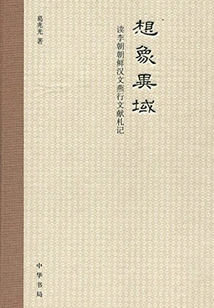
想象异域:读李朝朝鲜汉文燕行文献札记
Ge Zhaoguang
There are many interesting anecdotes and lost history in the Yanxing documents of Chaoshan, many of which are rarely seen in Chinese historical materials. The author was greatly shocked when reading these historical materials, because in the Yanxing documents, for them, "China" was not only a celestial country that was once the source of civilization, but also a place that had become "Huayi metamorphosis" and was full of "smells and odors". In a complicated state of mind, they watched China at close range and recorded various phenomena that they found unusual. Driven by the emotion of imagining the tragedy of a foreign land, Li Daitao stiffly summoned the souls of the Ming Dynasty and searched for all the strange current situations of the Qing Empire. This seems to allow us to re-examine East Asia and China in modern times, re-examine the cultural history of East Asia and China, and rethink issues such as Asia and China, nation and identity, ethnic group and territory, etc.
There are many interesting anecdotes and lost history in the Yanxing documents of Chaoshan, many of which are rarely seen in Chinese historical materials. The author was greatly shocked when reading these historical materials, because in the Yanxing documents, for them, "China" was not only a celestial country that was once the source of civilization, but also a place that had become "Huayi metamorphosis" and was full of "smells and odors". In a complicated state of mind, they watched China at close range and recorded various phenomena that they found unusual. Driven by the emotion of imagining the tragedy of a foreign land, Li Daitao stiffly summoned the souls of the Ming Dynasty and searched for all the strange current situations of the Qing Empire. This seems to allow us to re-examine East Asia and China in modern times, re-examine the cultural history of East Asia and China, and rethink issues such as Asia and China, nation and identity, ethnic group and territory, etc.
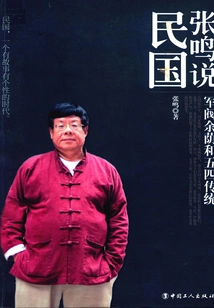
张鸣说民国:军阀余荫和五四传统
Zhang Ming
This book is divided into four parts: current affairs, martial arts, literature, and markets. It involves the politics, people's livelihood, and culture of the Republic of China, and covers all aspects of life in the Republic of China: both the snow in the spring and the people in the Lower Riba. It can be called a comprehensive map of life in the Republic of China. All aspects of life in the Republic of China were revived through Zhang Ming's spicy pen, allowing readers to return to the Republic of China with Zhang Ming's writing. The author Zhang Ming has a rich life experience. He has been to the countryside, joined a team, worked in various industries, and even worked as a veterinarian from his resume, which is very different from ordinary literati. Perhaps because of this, the author does not have the pedantic spirit of a scholar in an ivory tower. His writing style is lively, spicy, and sharp, which is a strong taste in writing and can easily attract readers' attention. This may be one of the reasons why Zhang Ming's works are so popular.
This book is divided into four parts: current affairs, martial arts, literature, and markets. It involves the politics, people's livelihood, and culture of the Republic of China, and covers all aspects of life in the Republic of China: both the snow in the spring and the people in the Lower Riba. It can be called a comprehensive map of life in the Republic of China. All aspects of life in the Republic of China were revived through Zhang Ming's spicy pen, allowing readers to return to the Republic of China with Zhang Ming's writing. The author Zhang Ming has a rich life experience. He has been to the countryside, joined a team, worked in various industries, and even worked as a veterinarian from his resume, which is very different from ordinary literati. Perhaps because of this, the author does not have the pedantic spirit of a scholar in an ivory tower. His writing style is lively, spicy, and sharp, which is a strong taste in writing and can easily attract readers' attention. This may be one of the reasons why Zhang Ming's works are so popular.
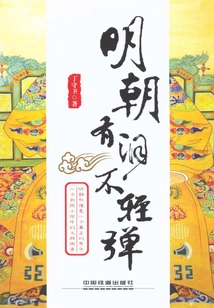
明朝有泪不轻弹
Dingweiwei
As we all know, the Ming Dynasty was filled with too much hostility. Whether it was Ming Taizu Zhu Yuanzhang and Ming Chengzu Zhu Di in the early days of the founding of the People's Republic of China, or Ming Xi Zong Zhu Youxiao and Ming Sizong Zhu Youjian in the late Ming Dynasty, their hands were all stained with too much blood. And some other emperors, such as Zhengde Emperor Zhu Houzhao, Jiajing Emperor Zhu Houcong, Wanli Emperor Zhu Yijun, etc., Were almost all weak or mediocre emperors. Because of this, the Ming Dynasty has never been very good in the impression of future generations, and the impression given by the emperor of the Ming Dynasty is even worse. But reading the history of Ming Dynasty carefully, I always feel that Ming Dynasty is like a real man, a knight-errant who is full of killing but rarely treacherous and sinful in martial arts novels. It's a pity that such a man and such a knight is short-tempered and at the end of his road. People can't help but have mixed feelings about it and sigh.
As we all know, the Ming Dynasty was filled with too much hostility. Whether it was Ming Taizu Zhu Yuanzhang and Ming Chengzu Zhu Di in the early days of the founding of the People's Republic of China, or Ming Xi Zong Zhu Youxiao and Ming Sizong Zhu Youjian in the late Ming Dynasty, their hands were all stained with too much blood. And some other emperors, such as Zhengde Emperor Zhu Houzhao, Jiajing Emperor Zhu Houcong, Wanli Emperor Zhu Yijun, etc., Were almost all weak or mediocre emperors. Because of this, the Ming Dynasty has never been very good in the impression of future generations, and the impression given by the emperor of the Ming Dynasty is even worse. But reading the history of Ming Dynasty carefully, I always feel that Ming Dynasty is like a real man, a knight-errant who is full of killing but rarely treacherous and sinful in martial arts novels. It's a pity that such a man and such a knight is short-tempered and at the end of his road. People can't help but have mixed feelings about it and sigh.
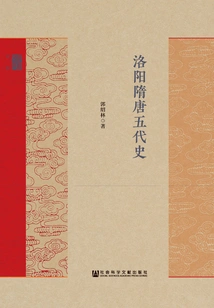
洛阳隋唐五代史
Guo Shaolin
During the Sui, Tang and Five Dynasties, Luoyang developed to a new peak. During this period, Luoyang was connected to the rest of the world. Leaders, envoys, merchants, monks, overseas students, and sailors from surrounding ethnic groups moved, settled, and were buried here. Here there is a gathering of people, bright stars, prosperous economy and exquisite craftsmanship. Through detailed historical materials and rich historical pictures, this book shows us the overall history of Luoyang during the Sui, Tang and Five Dynasties. The content involves the politics, economy, culture, science, religion, art, education and imperial examinations, administration, architecture, folk customs and other aspects at that time. It is an excellent trustworthy history for studying the history of Luoyang at that time.
During the Sui, Tang and Five Dynasties, Luoyang developed to a new peak. During this period, Luoyang was connected to the rest of the world. Leaders, envoys, merchants, monks, overseas students, and sailors from surrounding ethnic groups moved, settled, and were buried here. Here there is a gathering of people, bright stars, prosperous economy and exquisite craftsmanship. Through detailed historical materials and rich historical pictures, this book shows us the overall history of Luoyang during the Sui, Tang and Five Dynasties. The content involves the politics, economy, culture, science, religion, art, education and imperial examinations, administration, architecture, folk customs and other aspects at that time. It is an excellent trustworthy history for studying the history of Luoyang at that time.
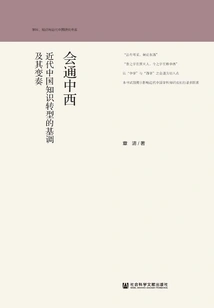
会通中西:近代中国知识转型的基调及其变奏
Zhang Qing
The growth of subject knowledge in modern China constitutes a part of cultural migration on a global scale and has profoundly affected the direction of Chinese history. The central purpose of this book is to review the tone and variations of knowledge transformation in modern China by taking the connection between "Middle School" and "Western Learning" in the context of cultural exchanges between China and foreign countries as an entry point. Focusing on the "historical dimension", this book roughly outlines the historical context of the growth of modern subject knowledge, and is also committed to examining the factors that have affected the growth of subject knowledge in China.
The growth of subject knowledge in modern China constitutes a part of cultural migration on a global scale and has profoundly affected the direction of Chinese history. The central purpose of this book is to review the tone and variations of knowledge transformation in modern China by taking the connection between "Middle School" and "Western Learning" in the context of cultural exchanges between China and foreign countries as an entry point. Focusing on the "historical dimension", this book roughly outlines the historical context of the growth of modern subject knowledge, and is also committed to examining the factors that have affected the growth of subject knowledge in China.