Library
Browse and search books
513 novels found
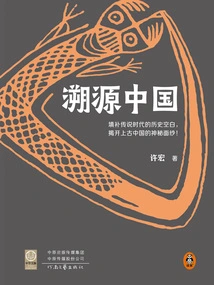
Traceability to China
History溯源中国
Xu Hong
How did the civilization of the Central Plains rise? In the millennium after about 3500 BC, many areas in the Yellow River Basin and Yangtze River Basin were still full of states. It was an era when "the sky was full of stars". By around 1800 BC, the Erlitou civilization absorbed elements of civilization from various regions in a very short period of time, and finally emerged, ushering in a new era of dynastic civilization. Did Yao, Shun, and Yu exist? The era of Yao, Shun and Yu is not traceable in archeology. The pottery temple culture found in Linfen in southern Shanxi is rich in ritual utensils and has a complex social structure. This highly developed but not hegemonic culture reminds scholars of the "gentle" Yao and Shun eras before the Xia Dynasty. So, what does the author himself think? Is Sanxingdui culture an alien civilization? There are rumors that Sanxingdui culture is an alien civilization. However, the author of this book points out that the existing physical evidence cannot prove this. The bronze ritual vessels of the Central Plains culture and the golden staff culture of the West intersect here. It is the collision of multiple cultural factors that jointly shape the wonderful and mysterious cultural characteristics of Sanxingdui. Open this book and let us follow the footsteps of Xu Hong, the former captain of the Erlitou Archaeological Team, explore the historical gaps in the legendary era, and uncover the mystery of ancient China!
How did the civilization of the Central Plains rise? In the millennium after about 3500 BC, many areas in the Yellow River Basin and Yangtze River Basin were still full of states. It was an era when "the sky was full of stars". By around 1800 BC, the Erlitou civilization absorbed elements of civilization from various regions in a very short period of time, and finally emerged, ushering in a new era of dynastic civilization. Did Yao, Shun, and Yu exist? The era of Yao, Shun and Yu is not traceable in archeology. The pottery temple culture found in Linfen in southern Shanxi is rich in ritual utensils and has a complex social structure. This highly developed but not hegemonic culture reminds scholars of the "gentle" Yao and Shun eras before the Xia Dynasty. So, what does the author himself think? Is Sanxingdui culture an alien civilization? There are rumors that Sanxingdui culture is an alien civilization. However, the author of this book points out that the existing physical evidence cannot prove this. The bronze ritual vessels of the Central Plains culture and the golden staff culture of the West intersect here. It is the collision of multiple cultural factors that jointly shape the wonderful and mysterious cultural characteristics of Sanxingdui. Open this book and let us follow the footsteps of Xu Hong, the former captain of the Erlitou Archaeological Team, explore the historical gaps in the legendary era, and uncover the mystery of ancient China!
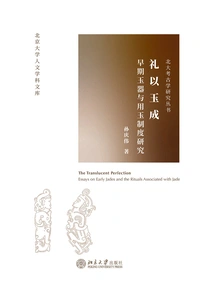
礼以玉成:早期玉器与用玉制度研究
Sun Qingwei
Jade was an important status symbol in the pre-Qin period, and the use of jade was an important part of the etiquette system at that time. This book brings together the author's many years of research results on jade articles and jade-using systems in prehistory and the Xia, Shang and Zhou dynasties. It is divided into four themes: "Jade Discrimination", "Jade Use", "Jade Burial" and "Jade History". From the three dimensions of handed down documents, unearthed documents and archaeological materials, it makes an in-depth comprehensive investigation of jade articles and jade culture at that time, hoping to reveal the ritual traditions and political and cultural connotations contained in early Chinese jade articles.
Jade was an important status symbol in the pre-Qin period, and the use of jade was an important part of the etiquette system at that time. This book brings together the author's many years of research results on jade articles and jade-using systems in prehistory and the Xia, Shang and Zhou dynasties. It is divided into four themes: "Jade Discrimination", "Jade Use", "Jade Burial" and "Jade History". From the three dimensions of handed down documents, unearthed documents and archaeological materials, it makes an in-depth comprehensive investigation of jade articles and jade culture at that time, hoping to reveal the ritual traditions and political and cultural connotations contained in early Chinese jade articles.
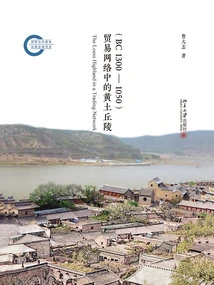
贸易网络中的黄土丘陵(BC1300-1050)
Cao Dazhi
Since the 20th century, hundreds of exquisite bronzes from the late Shang period have been unearthed in the barren loess hilly areas. Starting from this issue, this book uses first-hand materials to deeply analyze the local society of the Loess Hills; studies the origin of bronzes; and analyzes the cross-regional interaction between the Loess Hills, the North China Plain, the Guanzhong Basin, and the Mongolian grassland. Compared with the developed civilization of the Central Plains, the Loess Hills was a simpler frontier society, but with its favorable geographical location, it served as a hub for cross-regional connections. This book observes social changes from the perspective of socio-economics and ancient trade, and provides a systematic explanation for understanding the growth of civilization in the Central Plains, the development of northern border societies such as the Loess Hills, and the long-distance exchanges between China and Mongolia in the Bronze Age.
Since the 20th century, hundreds of exquisite bronzes from the late Shang period have been unearthed in the barren loess hilly areas. Starting from this issue, this book uses first-hand materials to deeply analyze the local society of the Loess Hills; studies the origin of bronzes; and analyzes the cross-regional interaction between the Loess Hills, the North China Plain, the Guanzhong Basin, and the Mongolian grassland. Compared with the developed civilization of the Central Plains, the Loess Hills was a simpler frontier society, but with its favorable geographical location, it served as a hub for cross-regional connections. This book observes social changes from the perspective of socio-economics and ancient trade, and provides a systematic explanation for understanding the growth of civilization in the Central Plains, the development of northern border societies such as the Loess Hills, and the long-distance exchanges between China and Mongolia in the Bronze Age.
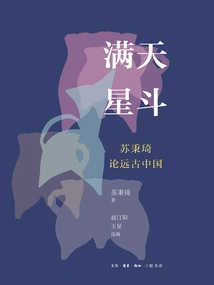
满天星斗:苏秉琦论远古中国
Written By Su Bingqi, Edited By Zhao Tingyang And Wang Xing
"A Sky Full of Stars: Su Bingqi on Ancient China" is written by Zhao Tingyang, a philosopher and researcher at the Institute of Philosophy of the Chinese Academy of Social Sciences, and Wang Xing, the former chief writer of Sanlian Life Weekly. Focusing on the explanatory model of "A Sky Full of Stars" proposed by Mr. Su Bingqi, and combining their respective academic knowledge and expertise in philosophy and humanities, they selected wonderful works that fit the theme from Mr. Su Bingqi's numerous research results, providing convenience for readers to appreciate the essence of Mr. Su's archaeological achievements. Through the editor's careful arrangement, Mr. Su Bingqi's article in the book first discusses the origin of Chinese civilization from a macro perspective, and at the same time outlines the origins, characteristics and development principles of several major regional cultures, and introduces some basic principles and methods in the archaeological practice of dividing and defining cultural regions. Mr. Su Bingqi's classic works such as "A Study of Wa Ke" are included in it. This book uses Mr. Su Bingqi's achievements in archaeology as a solid foundation and entry point to lead readers to explore the wonderful and diverse ancient China.
"A Sky Full of Stars: Su Bingqi on Ancient China" is written by Zhao Tingyang, a philosopher and researcher at the Institute of Philosophy of the Chinese Academy of Social Sciences, and Wang Xing, the former chief writer of Sanlian Life Weekly. Focusing on the explanatory model of "A Sky Full of Stars" proposed by Mr. Su Bingqi, and combining their respective academic knowledge and expertise in philosophy and humanities, they selected wonderful works that fit the theme from Mr. Su Bingqi's numerous research results, providing convenience for readers to appreciate the essence of Mr. Su's archaeological achievements. Through the editor's careful arrangement, Mr. Su Bingqi's article in the book first discusses the origin of Chinese civilization from a macro perspective, and at the same time outlines the origins, characteristics and development principles of several major regional cultures, and introduces some basic principles and methods in the archaeological practice of dividing and defining cultural regions. Mr. Su Bingqi's classic works such as "A Study of Wa Ke" are included in it. This book uses Mr. Su Bingqi's achievements in archaeology as a solid foundation and entry point to lead readers to explore the wonderful and diverse ancient China.
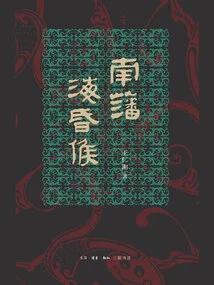
Nanfan Haihunhou
History南藩海昏侯
Wang Renxiang
"Nanfan Haihunhou" is a public archaeological work. The author continues to pay attention to the excavation and results release of Haihunhou's tomb. His research combines historical documentary records with unearthed cultural relics, and combines unearthed cultural relics with historical and cultural traditions. In reading, readers can not only understand the history of Haihunhou and the mid-Western Han Dynasty where he lived, but also learn about many material cultural traditions of ancient China (jades, bronzes, currency, food) and the world of ancient Chinese beliefs through unearthed cultural relics. Liu He's personal experience runs through the author's different research units, and various details of his life are also clearly presented to readers.
"Nanfan Haihunhou" is a public archaeological work. The author continues to pay attention to the excavation and results release of Haihunhou's tomb. His research combines historical documentary records with unearthed cultural relics, and combines unearthed cultural relics with historical and cultural traditions. In reading, readers can not only understand the history of Haihunhou and the mid-Western Han Dynasty where he lived, but also learn about many material cultural traditions of ancient China (jades, bronzes, currency, food) and the world of ancient Chinese beliefs through unearthed cultural relics. Liu He's personal experience runs through the author's different research units, and various details of his life are also clearly presented to readers.
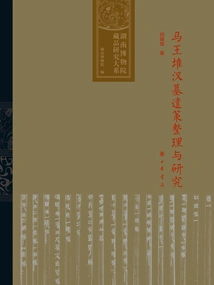
Collection and Research on the Mawangdui Han Tombs (department of Collection Research, Hunan Museum)
History马王堆汉墓遣策整理与研究(湖南博物院藏品研究大系)
Zheng Shubin
In the early 1970s, the Mawangdui Han Tomb was excavated. A large number of dispatch slips were unearthed from tombs No. 1, 2 And 3. The dispatch plan is a list of the items to be buried. This manuscript focuses on the excavation of the Mawangdui Han tomb. The first chapter collects the previous official records and carefully analyzes them. The second and third chapters correspond to the burial objects and burial aids, comprehensively organize them, and put forward new analysis and viewpoints. Chapter 4 is "Research on the Restoration of the Brief Sequence of Tomb No. 3". This book is a hardcover 8 format book with 300,000 words. The interior is printed in four colors with exquisite illustrations. It has important reference value for the professional research on Mawangdui Han Tomb literature.
In the early 1970s, the Mawangdui Han Tomb was excavated. A large number of dispatch slips were unearthed from tombs No. 1, 2 And 3. The dispatch plan is a list of the items to be buried. This manuscript focuses on the excavation of the Mawangdui Han tomb. The first chapter collects the previous official records and carefully analyzes them. The second and third chapters correspond to the burial objects and burial aids, comprehensively organize them, and put forward new analysis and viewpoints. Chapter 4 is "Research on the Restoration of the Brief Sequence of Tomb No. 3". This book is a hardcover 8 format book with 300,000 words. The interior is printed in four colors with exquisite illustrations. It has important reference value for the professional research on Mawangdui Han Tomb literature.
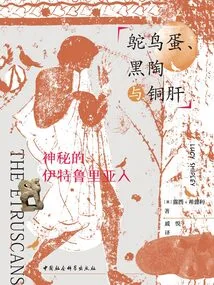
鸵鸟蛋、黑陶与铜肝:神秘的伊特鲁里亚人
(uk) Lucy Shipley
The famous Etruscans once established a powerful and influential civilization in ancient Italy. However, they are often misunderstood and regarded as a strange and unknown nation, and their language and culture have basically disappeared. Lucy Shipley's new history of the Etruscans offers readers a different picture: a people who maintained trade with Greece, promoted the development of Roman civilization, inspired Renaissance artists and promoters of the Romantic period, and still have a profound influence on the modern world. This book describes the process of Etruscan artifacts from their creation to their use, loss, discovery, and reshaping. From the shrouds of Egyptian mummies in fashionable salons to the spare time activities of members of the Bonaparte family, this book takes us on a fascinating journey; it uses Etruscan archeology to show us many magical and interesting places. The author combines history with the latest archaeological evidence to provide a unique perspective on this mysterious civilization, revealing what answers we now know and how many questions remain to be explored.
The famous Etruscans once established a powerful and influential civilization in ancient Italy. However, they are often misunderstood and regarded as a strange and unknown nation, and their language and culture have basically disappeared. Lucy Shipley's new history of the Etruscans offers readers a different picture: a people who maintained trade with Greece, promoted the development of Roman civilization, inspired Renaissance artists and promoters of the Romantic period, and still have a profound influence on the modern world. This book describes the process of Etruscan artifacts from their creation to their use, loss, discovery, and reshaping. From the shrouds of Egyptian mummies in fashionable salons to the spare time activities of members of the Bonaparte family, this book takes us on a fascinating journey; it uses Etruscan archeology to show us many magical and interesting places. The author combines history with the latest archaeological evidence to provide a unique perspective on this mysterious civilization, revealing what answers we now know and how many questions remain to be explored.
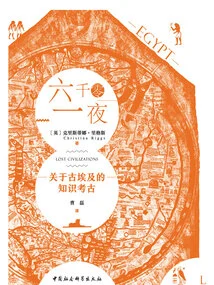
六千零一夜:关于古埃及的知识考古
(uk) Christina Riggs
From the perspective of knowledge archeology, "Six Thousand and One Nights" tells the story of the construction and evolution of ancient Egypt as "knowledge" in the Eastern and Western contexts over the past 6,000 years. From the Moon God and the Book of the Dead to the figurines on Freud's desk; from the Nile River and Tutankhamun's tomb to the pyramid-shaped casino in Las Vegas; from temple monuments and British "adventurers" to singer Rihanna's tattoo of the goddess Isis; from historical materials Cleopatra and Caesar in novels, Cleopatra in oil paintings and Hollywood movies... The author analyzes the different attitudes and purposes of the narrators or protagonists behind the colorful stories about Egypt, and leads readers to understand ancient Egypt beyond the pyramids. The archeology of knowledge is one of the cutting-edge topics in contemporary Western thought, and this book is a concentrated presentation and application of these latest ideological achievements. By reading this book, readers will not only reshape the impression of Egypt in their minds, but also learn a new way of thinking about problems and understanding the world.
From the perspective of knowledge archeology, "Six Thousand and One Nights" tells the story of the construction and evolution of ancient Egypt as "knowledge" in the Eastern and Western contexts over the past 6,000 years. From the Moon God and the Book of the Dead to the figurines on Freud's desk; from the Nile River and Tutankhamun's tomb to the pyramid-shaped casino in Las Vegas; from temple monuments and British "adventurers" to singer Rihanna's tattoo of the goddess Isis; from historical materials Cleopatra and Caesar in novels, Cleopatra in oil paintings and Hollywood movies... The author analyzes the different attitudes and purposes of the narrators or protagonists behind the colorful stories about Egypt, and leads readers to understand ancient Egypt beyond the pyramids. The archeology of knowledge is one of the cutting-edge topics in contemporary Western thought, and this book is a concentrated presentation and application of these latest ideological achievements. By reading this book, readers will not only reshape the impression of Egypt in their minds, but also learn a new way of thinking about problems and understanding the world.
楔形传说:被“建构”的苏美尔
(uk) Paul Collins
Around 3500 BC to 2000 BC, the Sumerians created the world's oldest civilization on the fertile impact plains of southern Iraq. The Sumerians were the originators of many major inventions such as cities, writing, and the wheel. The ancient world belonging to the Sumerians was like a mirror, shining on our urban life and civilized world today. The question is, are the Sumerians and their world that we imagine in our minds the history that really happened objectively? Paul Collins, the author of this book, reveals how over the past 150 years, scholars from various countries have used various archaeological documents unearthed from Iraq and Syria to construct a set of "knowledge" about the Sumerians. Whether in the past or now, the Sumerians have never been simply "forgotten" by us, just as they have never been simply "discovered". Each "discovery" was simply a reconstruction of the Sumerians by those who tried to "discover" them using the materials at their disposal. From ancient times to the present, this construction has been repeated many times.
Around 3500 BC to 2000 BC, the Sumerians created the world's oldest civilization on the fertile impact plains of southern Iraq. The Sumerians were the originators of many major inventions such as cities, writing, and the wheel. The ancient world belonging to the Sumerians was like a mirror, shining on our urban life and civilized world today. The question is, are the Sumerians and their world that we imagine in our minds the history that really happened objectively? Paul Collins, the author of this book, reveals how over the past 150 years, scholars from various countries have used various archaeological documents unearthed from Iraq and Syria to construct a set of "knowledge" about the Sumerians. Whether in the past or now, the Sumerians have never been simply "forgotten" by us, just as they have never been simply "discovered". Each "discovery" was simply a reconstruction of the Sumerians by those who tried to "discover" them using the materials at their disposal. From ancient times to the present, this construction has been repeated many times.
石学蠡探(山东大学中文专刊)
Ye Guoliang
Lithology, that is, "lithology" in "epigraphy", is the study and application of stone inscriptions. Mr. Ye Guoliang has followed the tradition of thousands of miles and received the inheritance of Kong Decheng. He has been studying stone studies for many years and has made many achievements. Mr. Ye believes that stone science can be divided into two branches. The first is "Kulu", which summarizes the general rules for writing epitaphs and combines etiquette and customs systems, the history of tablets, etc., Which is the way to study epigraphy; the second is "textual research", which uses stone carving materials to correct classics and history, which is of great benefit to the study of classics, reading history, and studying ancient society. The two serve each other and cannot be neglected. This book is a co-editing of Mr. Ye Guoliang's "Shi Xue Li Exploration" and "Shi Xue Continuing Exploration". It discusses in depth the examples of official inscriptions "Ti Zun" on the tombstones of officials in the Eastern Han Dynasty, which is different from the "Ti Zun" since the Tang and Song Dynasties; the reasons for the different texts between the stone editions and the handed down engraving editions, how to cross-check and the purpose of cross-checking; how to verify the inscriptions of the deceased surname; the similarities and differences between the inscriptions on Han Yu's inscriptions and those of his predecessors and their impact on later generations, etc. A detailed textual research was conducted on many inscriptions from the Eastern Han Dynasty to the Qing Dynasty, involving studies in classics, official positions, canons, literature, biography and other related fields. It also reviews the twelve works summarizing stone examples from the Yuan, Ming and Qing dynasties, which is of academic historical significance. The book is carefully researched, and the examples are comprehensive, which will surely inspire those who are new to epigraphy and specialized researchers. For this publication, the entire book has been revised and revised based on a photocopy of the Taipei Daan Publishing House edition.
Lithology, that is, "lithology" in "epigraphy", is the study and application of stone inscriptions. Mr. Ye Guoliang has followed the tradition of thousands of miles and received the inheritance of Kong Decheng. He has been studying stone studies for many years and has made many achievements. Mr. Ye believes that stone science can be divided into two branches. The first is "Kulu", which summarizes the general rules for writing epitaphs and combines etiquette and customs systems, the history of tablets, etc., Which is the way to study epigraphy; the second is "textual research", which uses stone carving materials to correct classics and history, which is of great benefit to the study of classics, reading history, and studying ancient society. The two serve each other and cannot be neglected. This book is a co-editing of Mr. Ye Guoliang's "Shi Xue Li Exploration" and "Shi Xue Continuing Exploration". It discusses in depth the examples of official inscriptions "Ti Zun" on the tombstones of officials in the Eastern Han Dynasty, which is different from the "Ti Zun" since the Tang and Song Dynasties; the reasons for the different texts between the stone editions and the handed down engraving editions, how to cross-check and the purpose of cross-checking; how to verify the inscriptions of the deceased surname; the similarities and differences between the inscriptions on Han Yu's inscriptions and those of his predecessors and their impact on later generations, etc. A detailed textual research was conducted on many inscriptions from the Eastern Han Dynasty to the Qing Dynasty, involving studies in classics, official positions, canons, literature, biography and other related fields. It also reviews the twelve works summarizing stone examples from the Yuan, Ming and Qing dynasties, which is of academic historical significance. The book is carefully researched, and the examples are comprehensive, which will surely inspire those who are new to epigraphy and specialized researchers. For this publication, the entire book has been revised and revised based on a photocopy of the Taipei Daan Publishing House edition.
从考古看中国
National Office Of Philosophy And Social Sciences
"Looking at China through Archeology" is a popular reading that comprehensively summarizes a century of archaeological achievements and showcases the glory of Chinese civilization. The whole book is divided into two parts: pluralism and integration and historical data inheritance. Created by the National Office of Philosophy and Social Sciences, many well-known archaeological experts and scholars were invited to jointly create it. It concisely introduces archaeological hotspots such as Sanxingdui, Jinsha, Liangzhu Ancient City, Haihunhou Tomb, Oracle Bone Inscriptions, and Bronze Inscriptions with pictures and texts. The content and value of unearthed documents such as the Chinese Bamboo Slips, Tsinghua Bamboo Slips, Suihudi Han Bamboo Slips, and Dunhuang Han Bamboo Slips comprehensively reflect the diverse and integrated pattern of Chinese civilization, its time-honored concepts and glorious achievements, and demonstrate the significant contribution of Chinese civilization to world civilization.
"Looking at China through Archeology" is a popular reading that comprehensively summarizes a century of archaeological achievements and showcases the glory of Chinese civilization. The whole book is divided into two parts: pluralism and integration and historical data inheritance. Created by the National Office of Philosophy and Social Sciences, many well-known archaeological experts and scholars were invited to jointly create it. It concisely introduces archaeological hotspots such as Sanxingdui, Jinsha, Liangzhu Ancient City, Haihunhou Tomb, Oracle Bone Inscriptions, and Bronze Inscriptions with pictures and texts. The content and value of unearthed documents such as the Chinese Bamboo Slips, Tsinghua Bamboo Slips, Suihudi Han Bamboo Slips, and Dunhuang Han Bamboo Slips comprehensively reflect the diverse and integrated pattern of Chinese civilization, its time-honored concepts and glorious achievements, and demonstrate the significant contribution of Chinese civilization to world civilization.
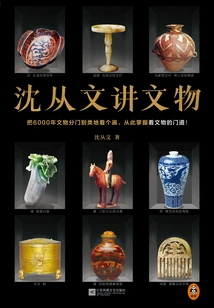
沈从文讲文物
Shen Congwen
Shen Congwen is a pioneer in the study of cultural relics in China. He has made pioneering achievements in many fields of cultural relics research, which condensed Shen Congwen's efforts throughout the second half of his life. "Shen Congwen Lectures on Cultural Relics" selects 30 articles on cultural relics by Shen Congwen. It introduces the appreciation knowledge, processing techniques, historical allusions, and research methods of jade, ceramics, lacquerware, colored glaze and other cultural relics by category. It allows you to read through 6,000 years of cultural relics in different categories, and then master the art of viewing cultural relics! "Shen Congwen Lectures on Cultural Relics" contains nearly 200 full-color pictures of cultural relics. Not only does it include Shen Congwen's speech "I am a very superstitious person about cultural relics", and Mr. Shen talks about how he studies cultural relics; it also includes an introduction by Professor Zhang Xinxin, the author of "The Second Half of Shen Congwen's Life" to help readers better understand the secrets behind cultural relics. Open this book and understand the secrets behind jade, ceramics, lacquerware, colored glaze and other cultural relics!
Shen Congwen is a pioneer in the study of cultural relics in China. He has made pioneering achievements in many fields of cultural relics research, which condensed Shen Congwen's efforts throughout the second half of his life. "Shen Congwen Lectures on Cultural Relics" selects 30 articles on cultural relics by Shen Congwen. It introduces the appreciation knowledge, processing techniques, historical allusions, and research methods of jade, ceramics, lacquerware, colored glaze and other cultural relics by category. It allows you to read through 6,000 years of cultural relics in different categories, and then master the art of viewing cultural relics! "Shen Congwen Lectures on Cultural Relics" contains nearly 200 full-color pictures of cultural relics. Not only does it include Shen Congwen's speech "I am a very superstitious person about cultural relics", and Mr. Shen talks about how he studies cultural relics; it also includes an introduction by Professor Zhang Xinxin, the author of "The Second Half of Shen Congwen's Life" to help readers better understand the secrets behind cultural relics. Open this book and understand the secrets behind jade, ceramics, lacquerware, colored glaze and other cultural relics!
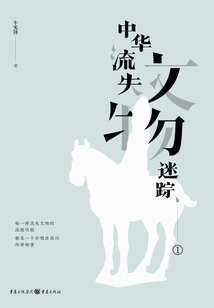
中华流失文物迷踪1
Niu Xianfeng
This book "China's Lost Cultural Relics and Mysterious Traces 1" is the first volume in the series "China's Lost Cultural Relics and Mysterious Traces". It explains the ins and outs of my country's lost cultural relics through special topics. "China's Lost Cultural Relics 1" is divided into four themes, namely "The Catastrophe of the Old Summer Palace", "Twilight in the Forbidden City", "On the Long Ancient Road" and "From Yungang to Longmen". This book is highly informative, with pictures and texts, sorting out the past and present of China's lost cultural relics, and tracking the loss. Because the author is an eyewitness to some events, it is very interesting to talk about, allowing readers to have an immersive experience, making it highly readable. The book details the creation, circulation, and collection of precious cultural relics, and tracks their loss. It involves a lot of cultural and historical knowledge, which can be beneficial to readers. This book's exploration and pursuit of China's lost cultural relics is the preservation of the Chinese nation's own culture and the maintenance of its national roots. The whole book is full of strong patriotic sentiments.
This book "China's Lost Cultural Relics and Mysterious Traces 1" is the first volume in the series "China's Lost Cultural Relics and Mysterious Traces". It explains the ins and outs of my country's lost cultural relics through special topics. "China's Lost Cultural Relics 1" is divided into four themes, namely "The Catastrophe of the Old Summer Palace", "Twilight in the Forbidden City", "On the Long Ancient Road" and "From Yungang to Longmen". This book is highly informative, with pictures and texts, sorting out the past and present of China's lost cultural relics, and tracking the loss. Because the author is an eyewitness to some events, it is very interesting to talk about, allowing readers to have an immersive experience, making it highly readable. The book details the creation, circulation, and collection of precious cultural relics, and tracks their loss. It involves a lot of cultural and historical knowledge, which can be beneficial to readers. This book's exploration and pursuit of China's lost cultural relics is the preservation of the Chinese nation's own culture and the maintenance of its national roots. The whole book is full of strong patriotic sentiments.
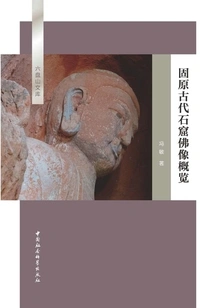
固原古代石窟佛像概览
Feng Min
The manuscript combines historical documents with ancient Buddhist grotto remains and archaeological data in the Guyuan area. Based on a comprehensive review of the ancient grottoes and Buddhist statues in Guyuan, it integrates the basic historical facts of Sino-Western cultural exchanges in Guyuan and focuses on exploring the general appearance, characteristics and Buddhist art of the ancient grottoes in Guyuan.
The manuscript combines historical documents with ancient Buddhist grotto remains and archaeological data in the Guyuan area. Based on a comprehensive review of the ancient grottoes and Buddhist statues in Guyuan, it integrates the basic historical facts of Sino-Western cultural exchanges in Guyuan and focuses on exploring the general appearance, characteristics and Buddhist art of the ancient grottoes in Guyuan.
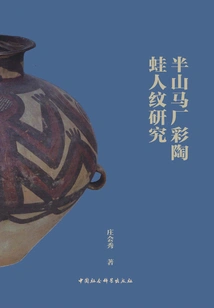
半山马厂彩陶蛙人纹研究
Zhuang Huixiu
The frogman pattern is a characteristic decoration of painted pottery from the Banshan Machang period. The academic community has paid close attention to its name and connotation for a long time, and has formed different academic opinions. Based on the combing of the currently published images of frog-human patterns on the Mid-Levels Machang painted pottery and related research results, this book focuses on the relevant characteristics of prehistoric art embodied in them. Based on the collected data, it analyzes the composition, combination, cultural connotation, and artistic origin of the images of frog-human patterns on the Mid-Levels Machang painted pottery, and explores its artistic characteristics.
The frogman pattern is a characteristic decoration of painted pottery from the Banshan Machang period. The academic community has paid close attention to its name and connotation for a long time, and has formed different academic opinions. Based on the combing of the currently published images of frog-human patterns on the Mid-Levels Machang painted pottery and related research results, this book focuses on the relevant characteristics of prehistoric art embodied in them. Based on the collected data, it analyzes the composition, combination, cultural connotation, and artistic origin of the images of frog-human patterns on the Mid-Levels Machang painted pottery, and explores its artistic characteristics.
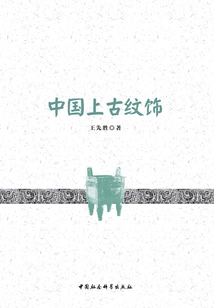
Ancient Chinese Ornaments
History中国上古纹饰
Wang Xiansheng
This book is an informative and exploratory reading about ancient Chinese (Xia, Shang, Zhou, Qin and Han Dynasty) decorations. It mainly involves bronze decorations, pottery decorations, jade decorations, lacquer decorations, Han Dynasty portraits, etc. It also touches on a few special vessel types, relics, and the origin and relationship between ancient decorations and ancient decorations. Strive to introduce and interpret ancient patterns more systematically and focus on the methodology and coherence with ancient patterns. This book preliminarily reveals that ancient astronomy, calendar, basic knowledge of Yi studies and related ideas and concepts, and religious beliefs are not only the themes and main contents expressed by ancient ornaments (decoration design serves and is subject to these themes and main contents), but also the main source and composition of the spiritual culture of ancient society. The origin and connotation of the most representative images or cultural phenomena in ancient times such as dragons, Tai Chi diagrams, Bagua; Bingfeng, Taotie patterns, and cloud patterns were discussed. This book is mainly intended for readers with a college education or above. It can be used as a textbook or teaching reference for related majors in colleges and universities, general education, and traditional cultural education. It can also be used as a reference for professional researchers and enthusiasts.
This book is an informative and exploratory reading about ancient Chinese (Xia, Shang, Zhou, Qin and Han Dynasty) decorations. It mainly involves bronze decorations, pottery decorations, jade decorations, lacquer decorations, Han Dynasty portraits, etc. It also touches on a few special vessel types, relics, and the origin and relationship between ancient decorations and ancient decorations. Strive to introduce and interpret ancient patterns more systematically and focus on the methodology and coherence with ancient patterns. This book preliminarily reveals that ancient astronomy, calendar, basic knowledge of Yi studies and related ideas and concepts, and religious beliefs are not only the themes and main contents expressed by ancient ornaments (decoration design serves and is subject to these themes and main contents), but also the main source and composition of the spiritual culture of ancient society. The origin and connotation of the most representative images or cultural phenomena in ancient times such as dragons, Tai Chi diagrams, Bagua; Bingfeng, Taotie patterns, and cloud patterns were discussed. This book is mainly intended for readers with a college education or above. It can be used as a textbook or teaching reference for related majors in colleges and universities, general education, and traditional cultural education. It can also be used as a reference for professional researchers and enthusiasts.
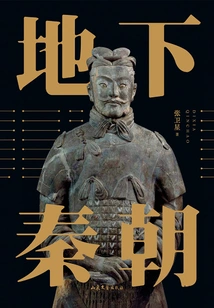
Underground Qin Dynasty
History地下秦朝
Zhang Weixing
Guanzhong Plain, northern foothills of Lishan Mountain. It took 700,000 people and 38 years to build the Mausoleum of Emperor Qin. This is a mausoleum: a huge seal, a nine-story high platform, with astronomy on top and geography on the bottom. This is an empire: walls, roads, mercury rivers, rare treasures, and an army of terracotta warriors and horses ready to fight. This is also an archaeological site: aerial remote sensing and scientific and technological geophysical exploration are used in it, and generations of archaeologists have continued to work hard to splice armored Qin warriors and restore the appearance of the original emperor. An underground Qin Dynasty that shocked the world is sealed here, and there are more unsolved mysteries yet to be discovered.
Guanzhong Plain, northern foothills of Lishan Mountain. It took 700,000 people and 38 years to build the Mausoleum of Emperor Qin. This is a mausoleum: a huge seal, a nine-story high platform, with astronomy on top and geography on the bottom. This is an empire: walls, roads, mercury rivers, rare treasures, and an army of terracotta warriors and horses ready to fight. This is also an archaeological site: aerial remote sensing and scientific and technological geophysical exploration are used in it, and generations of archaeologists have continued to work hard to splice armored Qin warriors and restore the appearance of the original emperor. An underground Qin Dynasty that shocked the world is sealed here, and there are more unsolved mysteries yet to be discovered.
海岱考古与早期文明
Yan Shengdong
This book uses new archaeological discoveries and the latest academic research results, and refers to historical documents to discuss the detailed characteristics and specific processes of early civilization and social development in the Haidai region (or Dongfang region, Qilu region, and Dongyi cultural region) with Shandong Province as the core from an archaeological perspective. The main content of this book has the following five aspects. First, as one of the diverse origins of Chinese civilization, the prehistoric civilization development characteristics of the Haidai region are outstanding and the social development model is also unique. Second, the Haidai region played a unique role in the formation and development of early Chinese civilization. Third, the characteristics of the prehistoric social and cultural development of the Haidai region are analyzed from specific aspects such as the production of ancient writing, social stratification, gender division of labor, the production and control of jade articles for nobles, salt production and regional social development. The fourth is the development of the Xia and Shang civilization by the Dongyi ethnic groups. The fifth is the development process of Yin and Shang culture in the Haidai area. It is emphasized that in the late Shang Dynasty, the Yin and Shang culture and power retreated on a large scale in the west, north and south, but the most stable development was in the east, where settlements The population increased sharply, and the cultural outlook was most closely related to the Yin Shang culture, but had no contact with the Dongyi culture, forming a binary opposition. The feudal states with the surnames Ji, Jiang, Zhou, and Si in the eastern region of the Zhou Dynasty were all located in the distribution area of the late Shang culture. These became the foundation of early Qilu culture.
This book uses new archaeological discoveries and the latest academic research results, and refers to historical documents to discuss the detailed characteristics and specific processes of early civilization and social development in the Haidai region (or Dongfang region, Qilu region, and Dongyi cultural region) with Shandong Province as the core from an archaeological perspective. The main content of this book has the following five aspects. First, as one of the diverse origins of Chinese civilization, the prehistoric civilization development characteristics of the Haidai region are outstanding and the social development model is also unique. Second, the Haidai region played a unique role in the formation and development of early Chinese civilization. Third, the characteristics of the prehistoric social and cultural development of the Haidai region are analyzed from specific aspects such as the production of ancient writing, social stratification, gender division of labor, the production and control of jade articles for nobles, salt production and regional social development. The fourth is the development of the Xia and Shang civilization by the Dongyi ethnic groups. The fifth is the development process of Yin and Shang culture in the Haidai area. It is emphasized that in the late Shang Dynasty, the Yin and Shang culture and power retreated on a large scale in the west, north and south, but the most stable development was in the east, where settlements The population increased sharply, and the cultural outlook was most closely related to the Yin Shang culture, but had no contact with the Dongyi culture, forming a binary opposition. The feudal states with the surnames Ji, Jiang, Zhou, and Si in the eastern region of the Zhou Dynasty were all located in the distribution area of the late Shang culture. These became the foundation of early Qilu culture.
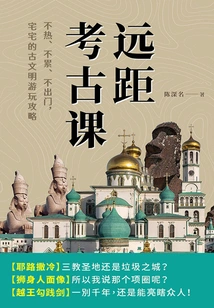
远距考古课:不热、不累、不出门,宅宅的古文明游玩攻略
Chen Shenming
This book uses Asia, Africa, Europe, and America as dividing points to give vivid and vivid explanations of major archaeological discoveries in the world, striving to re-create historical civilizations and reinterpret ancient legends. How did the palace of Knossos, which hid a man-eating monster, be destroyed by earthquakes and monstrous floods overnight? Does the Maya civilization deep in the rainforest reveal its astonishing astronomical calendar and its unknown connection with alien planets? Why is Pharaoh Tutankhamen who died mysteriously, buried with wreaths, and cursed for thousands of years, so sad and terrifying? These miracles of civilization are the last songs in the long history. Even after long and cruel years, even if they are forgotten for thousands of years, when they are discovered again, they are still so bright and amazing. And as long as archaeological excavations are used as a basis, these once confusing pasts will no longer be mysterious. Through science, we can re-read the thoughts of our ancestors, gain insights into developed ancient civilizations, and gain spiritual pleasure and wealth of knowledge!
This book uses Asia, Africa, Europe, and America as dividing points to give vivid and vivid explanations of major archaeological discoveries in the world, striving to re-create historical civilizations and reinterpret ancient legends. How did the palace of Knossos, which hid a man-eating monster, be destroyed by earthquakes and monstrous floods overnight? Does the Maya civilization deep in the rainforest reveal its astonishing astronomical calendar and its unknown connection with alien planets? Why is Pharaoh Tutankhamen who died mysteriously, buried with wreaths, and cursed for thousands of years, so sad and terrifying? These miracles of civilization are the last songs in the long history. Even after long and cruel years, even if they are forgotten for thousands of years, when they are discovered again, they are still so bright and amazing. And as long as archaeological excavations are used as a basis, these once confusing pasts will no longer be mysterious. Through science, we can re-read the thoughts of our ancestors, gain insights into developed ancient civilizations, and gain spiritual pleasure and wealth of knowledge!
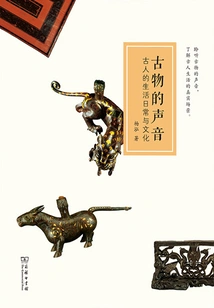
古物的声音:古人的生活日常与文化
Yang Hong
"The Voice of Antiquities: Daily Life and Culture of the Ancients" uses ancient relics discovered by Chinese archaeologists as specimens to restore the daily customs, daily furniture and related daily etiquette of ancient Chinese social life. As an archaeologist who has worked hard for more than fifty days, the author combines historical documents, peels off the cocoons, interprets them carefully, and uses vivid and rigorous writing to help us enter the museum, listen to the singing of archaeological specimens, and understand the inherent historical and cultural accumulation and charm of the ancient objects.
"The Voice of Antiquities: Daily Life and Culture of the Ancients" uses ancient relics discovered by Chinese archaeologists as specimens to restore the daily customs, daily furniture and related daily etiquette of ancient Chinese social life. As an archaeologist who has worked hard for more than fifty days, the author combines historical documents, peels off the cocoons, interprets them carefully, and uses vivid and rigorous writing to help us enter the museum, listen to the singing of archaeological specimens, and understand the inherent historical and cultural accumulation and charm of the ancient objects.
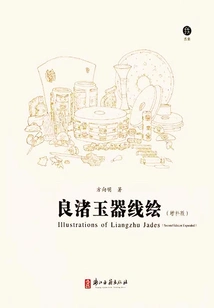
良渚玉器线绘(增补版)
Clear Direction
"Line Painting of Liangzhu Jade" uses line painting, a professional and traditional archaeological technique, to display Liangzhu jade from multiple angles, from the highest-ranking "King Cong" in Liangzhu, to the scepter symbolizing divine and royal power, to the unique headdresses, necklaces, and daily necessities of the Liangzhu people. The famous archaeologist and "the first person in Zhejiang archaeological line drawing" has a clear direction. He uses exquisite line drawing to allow us to clearly see and understand the Liangzhu jade and the blurred patterns on the jade that have been eroded by 5,000 years: four or five lines are carved within 1 mm. The fine details of the strips are revealed, allowing readers to appreciate the artistic achievements of Liangzhu civilizations and at the same time, through imaging, truly clear away the fog of Liangzhu civilization, truly understand Liangzhu, and understand the Liangzhu kingdom, Liangzhu jades, and Liangzhu art.
"Line Painting of Liangzhu Jade" uses line painting, a professional and traditional archaeological technique, to display Liangzhu jade from multiple angles, from the highest-ranking "King Cong" in Liangzhu, to the scepter symbolizing divine and royal power, to the unique headdresses, necklaces, and daily necessities of the Liangzhu people. The famous archaeologist and "the first person in Zhejiang archaeological line drawing" has a clear direction. He uses exquisite line drawing to allow us to clearly see and understand the Liangzhu jade and the blurred patterns on the jade that have been eroded by 5,000 years: four or five lines are carved within 1 mm. The fine details of the strips are revealed, allowing readers to appreciate the artistic achievements of Liangzhu civilizations and at the same time, through imaging, truly clear away the fog of Liangzhu civilization, truly understand Liangzhu, and understand the Liangzhu kingdom, Liangzhu jades, and Liangzhu art.
考古浙江:万年背后的故事
Ma Li
In order to reflect the achievements of cultural relics and archaeology in Zhejiang Province since the founding of New China, this book uses 26 articles to review and describe the people and events in Zhejiang archaeology. It vividly demonstrates the specific processes of many important archaeological developments in Zhejiang Province. A series of major archaeological activities in Zhejiang include the archaeological excavation of Shangshan Culture, the archaeological excavation of Jingtoushan Site in Yuyao, the archaeological excavation of Kuahuqiao Culture, the archaeological excavation of Hemudu Culture, the archeology of Liangzhu Ancient City, the archaeological excavation of Yinshan King's Tomb, the archaeological excavation of Song Liuling Tomb, the archaeological excavation of Wuyue Kingdom, the archaeological excavation of Shanglin Lake, the archaeological excavation of Wang Yangming's former residence, the archaeological excavation of Lanruo Temple, etc. These archaeological discoveries may prove the 5,000-year history of Chinese civilization, or correct errors in historical records. Of great significance. It is a model for building archeology with Chinese characteristics, Chinese style, and Chinese style.
In order to reflect the achievements of cultural relics and archaeology in Zhejiang Province since the founding of New China, this book uses 26 articles to review and describe the people and events in Zhejiang archaeology. It vividly demonstrates the specific processes of many important archaeological developments in Zhejiang Province. A series of major archaeological activities in Zhejiang include the archaeological excavation of Shangshan Culture, the archaeological excavation of Jingtoushan Site in Yuyao, the archaeological excavation of Kuahuqiao Culture, the archaeological excavation of Hemudu Culture, the archeology of Liangzhu Ancient City, the archaeological excavation of Yinshan King's Tomb, the archaeological excavation of Song Liuling Tomb, the archaeological excavation of Wuyue Kingdom, the archaeological excavation of Shanglin Lake, the archaeological excavation of Wang Yangming's former residence, the archaeological excavation of Lanruo Temple, etc. These archaeological discoveries may prove the 5,000-year history of Chinese civilization, or correct errors in historical records. Of great significance. It is a model for building archeology with Chinese characteristics, Chinese style, and Chinese style.
Watching Kunlun
History守望昆仑
Wang Renxiang
This book is an archaeological diary that records what was seen, heard, and thought during archaeological excavations on the "Third Pole" Qinghai-Tibet Plateau. As a popular book reflecting the archeology of the Qinghai-Tibet Plateau, the author uses more than ten essays and many intuitive physical pictures and vivid line drawings to present the first-hand field materials obtained during archaeological excavations in a simple and easy-to-understand manner. The pictures and texts are popular, vivid and vivid. It vividly and truly records his discoveries and feelings during the excavation of prehistoric cultural sites represented by the Qugong Site in Lhasa, Tibet and the Minhe Lajia Site in Qinghai. It also displays the long and profound history and culture and the splendid ancient civilization on the snow-covered plateau.
This book is an archaeological diary that records what was seen, heard, and thought during archaeological excavations on the "Third Pole" Qinghai-Tibet Plateau. As a popular book reflecting the archeology of the Qinghai-Tibet Plateau, the author uses more than ten essays and many intuitive physical pictures and vivid line drawings to present the first-hand field materials obtained during archaeological excavations in a simple and easy-to-understand manner. The pictures and texts are popular, vivid and vivid. It vividly and truly records his discoveries and feelings during the excavation of prehistoric cultural sites represented by the Qugong Site in Lhasa, Tibet and the Minhe Lajia Site in Qinghai. It also displays the long and profound history and culture and the splendid ancient civilization on the snow-covered plateau.
在故宫寻找苏东坡
Zhu Yong
This book combines the art collections of the three main dynasties of the Song, Yuan and Ming dynasties collected by the Forbidden City, including calligraphy, painting and people, and connects Su Dongpo's different life encounters at different life stages. The torrent of the times and the details of the characters blend with each other in the book. It not only presents all the trajectories of Su Dongpo's life, but also writes the spiritual and cultural landscape of the entire Song Dynasty.
This book combines the art collections of the three main dynasties of the Song, Yuan and Ming dynasties collected by the Forbidden City, including calligraphy, painting and people, and connects Su Dongpo's different life encounters at different life stages. The torrent of the times and the details of the characters blend with each other in the book. It not only presents all the trajectories of Su Dongpo's life, but also writes the spiritual and cultural landscape of the entire Song Dynasty.
荥阳小胡村商周墓地(国家社科基金后期资助项目)
Henan Provincial Institute Of Cultural Relics And Archeology
This book systematically compiles the excavation data and basic research results of 58 late Shang tombs and 64 Zhou Dynasty tombs (2 Western Zhou tombs and 62 Eastern Zhou tombs) in Xiaohu Village Cemetery in Xingyang. Xiaohu Village Cemetery is located in the northeast of Xiaohu Village, Guangwu Town, Xingyang City, Henan Province, about 5 kilometers north of the Yellow River. The 58 late Shang tombs were all rectangular earth pit tombs with vertical pits, and a total of 405 relics were unearthed, including 154 bronzes. The 64 Zhou Dynasty tombs were all earth pit tombs with vertical pits, and a total of 217 relics were unearthed, mainly pottery. The information obtained from the archaeological excavation of Xiaohu Village Cemetery in Xingyang has important academic value for the study of funeral customs, ethnic origins and related historical and geographical issues in the late Shang Dynasty and Eastern Zhou Dynasty. Researchers from the Henan Provincial Institute of Cultural Relics and Archaeology carefully drew the general plan of the cemetery, more than 200 plane and section views of the tombs and unearthed artifacts, and took more than 400 pictures of the unearthed cultural relics and the excavation site, vividly and intuitively reproducing the Shang and Zhou cemeteries in Xiaohu Village, Xingyang and the unearthed cultural relics.
This book systematically compiles the excavation data and basic research results of 58 late Shang tombs and 64 Zhou Dynasty tombs (2 Western Zhou tombs and 62 Eastern Zhou tombs) in Xiaohu Village Cemetery in Xingyang. Xiaohu Village Cemetery is located in the northeast of Xiaohu Village, Guangwu Town, Xingyang City, Henan Province, about 5 kilometers north of the Yellow River. The 58 late Shang tombs were all rectangular earth pit tombs with vertical pits, and a total of 405 relics were unearthed, including 154 bronzes. The 64 Zhou Dynasty tombs were all earth pit tombs with vertical pits, and a total of 217 relics were unearthed, mainly pottery. The information obtained from the archaeological excavation of Xiaohu Village Cemetery in Xingyang has important academic value for the study of funeral customs, ethnic origins and related historical and geographical issues in the late Shang Dynasty and Eastern Zhou Dynasty. Researchers from the Henan Provincial Institute of Cultural Relics and Archaeology carefully drew the general plan of the cemetery, more than 200 plane and section views of the tombs and unearthed artifacts, and took more than 400 pictures of the unearthed cultural relics and the excavation site, vividly and intuitively reproducing the Shang and Zhou cemeteries in Xiaohu Village, Xingyang and the unearthed cultural relics.
考古学集刊(第23集)
Editor-in-chief Zhu Yanshi
This book covers archaeological surveys and excavations of Pre-Qin sites, Neolithic tombs, Warring States Chu tombs, Tang Dynasty tombs, and kiln sites in the Ming and Qing Dynasties; stone tool traces, the origin of bells, small and medium-sized cities in the Central Plains of the Shang Dynasty, bow-shaped tools and drilling wood for fire, Han Dynasty lanterns, copper belts unearthed from Eastern Jin tombs, and the Five Dynasties adjacent to the West Rock in Zizhong, Sichuan Special research on the Great Statue Cave of King Salmonella; analysis and discussion of the function of white clay from the Spring and Autumn Tomb No. 1 In Shuangdun, Bengbu, Anhui; new archaeological discoveries in the Alepiti site in Jaffna, Sri Lanka in 2018; and an article on the analysis and experiment of the micropore technology of the turquoise tools unearthed from the Jiahu site, in order to promote related research.
This book covers archaeological surveys and excavations of Pre-Qin sites, Neolithic tombs, Warring States Chu tombs, Tang Dynasty tombs, and kiln sites in the Ming and Qing Dynasties; stone tool traces, the origin of bells, small and medium-sized cities in the Central Plains of the Shang Dynasty, bow-shaped tools and drilling wood for fire, Han Dynasty lanterns, copper belts unearthed from Eastern Jin tombs, and the Five Dynasties adjacent to the West Rock in Zizhong, Sichuan Special research on the Great Statue Cave of King Salmonella; analysis and discussion of the function of white clay from the Spring and Autumn Tomb No. 1 In Shuangdun, Bengbu, Anhui; new archaeological discoveries in the Alepiti site in Jaffna, Sri Lanka in 2018; and an article on the analysis and experiment of the micropore technology of the turquoise tools unearthed from the Jiahu site, in order to promote related research.
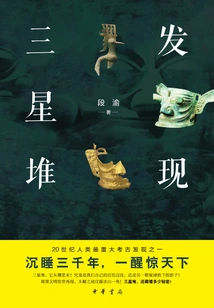
Discover Sanxingdui
History发现三星堆
Duan Yu
This book is a popular reading that scientifically and systematically reflects the research results of the Sanxingdui culture, the ancient civilization center of the upper reaches of the Yangtze River. The book is printed in four colors and contains more than 600 color pictures. It shows the connotation of Sanxingdui civilization in a simple and easy-to-understand way with both pictures and text. The book discusses in detail the economic aspects of Sanxingdui civilization such as agriculture, handicrafts, cities, transportation, trade and other aspects from Sanxingdui: the reappearance of civilization, theocracy and civilization, the operating system of theocratic government, ancient Shu civilization, Xia and Shang civilization and the civilization in the middle reaches of the Yangtze River, ancient Shu civilization and ancient Eurasian civilization, and the Southern Silk Road: ancient Sino-Indian transportation and the spread of Chinese silk to the west. It also conducts a comparative study of Sanxingdui civilization and civilizations in the Central Plains and other regions, as well as ancient civilizations in West Asia. This book expresses profound academic research results in easy-to-understand language. It is both academically advanced and popular. It comprehensively and systematically introduces the mysterious ancient Shu civilization in a scientific and intellectual way of expression, and provides interesting scientific explanations for various unsolved mysteries surrounding the Sanxingdui civilization.
This book is a popular reading that scientifically and systematically reflects the research results of the Sanxingdui culture, the ancient civilization center of the upper reaches of the Yangtze River. The book is printed in four colors and contains more than 600 color pictures. It shows the connotation of Sanxingdui civilization in a simple and easy-to-understand way with both pictures and text. The book discusses in detail the economic aspects of Sanxingdui civilization such as agriculture, handicrafts, cities, transportation, trade and other aspects from Sanxingdui: the reappearance of civilization, theocracy and civilization, the operating system of theocratic government, ancient Shu civilization, Xia and Shang civilization and the civilization in the middle reaches of the Yangtze River, ancient Shu civilization and ancient Eurasian civilization, and the Southern Silk Road: ancient Sino-Indian transportation and the spread of Chinese silk to the west. It also conducts a comparative study of Sanxingdui civilization and civilizations in the Central Plains and other regions, as well as ancient civilizations in West Asia. This book expresses profound academic research results in easy-to-understand language. It is both academically advanced and popular. It comprehensively and systematically introduces the mysterious ancient Shu civilization in a scientific and intellectual way of expression, and provides interesting scientific explanations for various unsolved mysteries surrounding the Sanxingdui civilization.
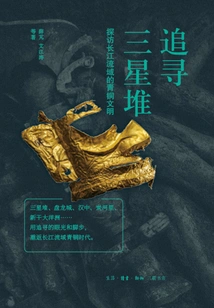
追寻三星堆:探访长江流域的青铜文明
Xue Peng Et Al.
"Chasing Sanxingdui" takes the Sanxingdui ruins as the starting point and core, visits and pursues the ruins of the Bronze Civilization in the Yangtze River Basin, and thus leads us into Sanxingdui and its era. Divided into two parts, the first part "The Most Beautiful Sanxingdui" takes Sanxingdui as the axis, telling the myths and legends of the ancient Shu Kingdom, the research history of Ge Weihan, the Baodun Ruins and the Jinsha Ruins related to it, focusing on the archaeological discoveries of Pit No. 3 To No. 8 Newly excavated in 2020-2021; the second part extends from Sanxingdui to the bronzes in the Yangtze River Basin Civilization, interviews with sites such as Panlongcheng, Hanzhong, Tanheli, Xingan Oceania, etc. The book brings together reporters' interviews and interviews with scholars such as Li Boqian, Sun Hua, Shi Jinsong, and introduction of background information on the sites involved. From the different perspectives of reporters and scholars, Sanxingdui and its era are fully revealed.
"Chasing Sanxingdui" takes the Sanxingdui ruins as the starting point and core, visits and pursues the ruins of the Bronze Civilization in the Yangtze River Basin, and thus leads us into Sanxingdui and its era. Divided into two parts, the first part "The Most Beautiful Sanxingdui" takes Sanxingdui as the axis, telling the myths and legends of the ancient Shu Kingdom, the research history of Ge Weihan, the Baodun Ruins and the Jinsha Ruins related to it, focusing on the archaeological discoveries of Pit No. 3 To No. 8 Newly excavated in 2020-2021; the second part extends from Sanxingdui to the bronzes in the Yangtze River Basin Civilization, interviews with sites such as Panlongcheng, Hanzhong, Tanheli, Xingan Oceania, etc. The book brings together reporters' interviews and interviews with scholars such as Li Boqian, Sun Hua, Shi Jinsong, and introduction of background information on the sites involved. From the different perspectives of reporters and scholars, Sanxingdui and its era are fully revealed.
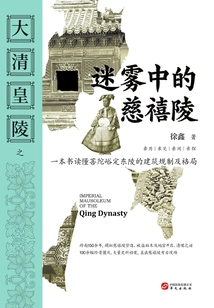
大清皇陵之迷雾中的慈禧陵
Xu Xin
The author of this book, Mr. Xu Xin, grew up in Malanyu Town at the foot of the Eastern Tombs of the Qing Dynasty. He worked in the Eastern Tombs of the Qing Dynasty as an adult. As a tomb keeper, his familiarity with the tombs of the Qing Dynasty is unparalleled. Who is the real tomb robber in the Tanglin Robbery? How did Cixi select a Feng Shui location for her mausoleum? What's the secret behind the construction of the underground palace of Cixi's Mausoleum? Why is Cixi's Mausoleum said to be more luxurious than the Forbidden City? What kind of disturbance happened when the underground palace of Cixi Mausoleum was opened? What is the current status of the cleanup of the underground palace of Cixi's Mausoleum and Cixi's remains? On the basis of previous research, the author relied on the vast archives and historical materials of China's First Historical Archives and the National Library, read a large number of Qing Dynasty historical books and Qing people's notes, conducted many on-site surveys of the tombs of the Eastern Tomb of the Qing Dynasty, visited many tomb-guarding bannermen, and obtained many first-hand precious materials. The author researched and identified various historical mysteries one by one, and it took many years to write it. The content of this book is as true and detailed as possible, and is accompanied by a large number of precious pictures, trying to bring readers back to the first scene of all the events in the Cixi Mausoleum.
The author of this book, Mr. Xu Xin, grew up in Malanyu Town at the foot of the Eastern Tombs of the Qing Dynasty. He worked in the Eastern Tombs of the Qing Dynasty as an adult. As a tomb keeper, his familiarity with the tombs of the Qing Dynasty is unparalleled. Who is the real tomb robber in the Tanglin Robbery? How did Cixi select a Feng Shui location for her mausoleum? What's the secret behind the construction of the underground palace of Cixi's Mausoleum? Why is Cixi's Mausoleum said to be more luxurious than the Forbidden City? What kind of disturbance happened when the underground palace of Cixi Mausoleum was opened? What is the current status of the cleanup of the underground palace of Cixi's Mausoleum and Cixi's remains? On the basis of previous research, the author relied on the vast archives and historical materials of China's First Historical Archives and the National Library, read a large number of Qing Dynasty historical books and Qing people's notes, conducted many on-site surveys of the tombs of the Eastern Tomb of the Qing Dynasty, visited many tomb-guarding bannermen, and obtained many first-hand precious materials. The author researched and identified various historical mysteries one by one, and it took many years to write it. The content of this book is as true and detailed as possible, and is accompanied by a large number of precious pictures, trying to bring readers back to the first scene of all the events in the Cixi Mausoleum.
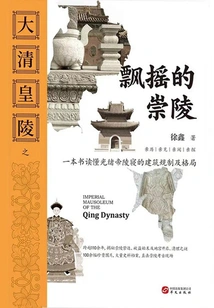
大清皇陵之飘摇的崇陵
Xu Xin
On November 14, 1908, Emperor Guangxu, who had been under house arrest for ten years in the Qing Empire, died in pain. According to folklore, he was murdered. What is the truth? Why didn't Emperor Guangxu build his own mausoleum during his lifetime? Why did Emperor Guangxu's mausoleum become the only stolen emperor's mausoleum among the mausoleums of Western Qing Dynasty? What unsolved mysteries were discovered during the cleaning of Emperor Guangxu's underground palace? On the basis of previous research, Xu Xin, the author of this manuscript, relied on the vast archives and historical materials of the First Historical Archives of China and the National Library, read a large number of Qing Dynasty historical books and Qing people's notes, and used his geographical advantages to lead readers to deeply contact the dust-covered historical truth, uncover historical mysteries, and restore an objective and true historical original appearance.
On November 14, 1908, Emperor Guangxu, who had been under house arrest for ten years in the Qing Empire, died in pain. According to folklore, he was murdered. What is the truth? Why didn't Emperor Guangxu build his own mausoleum during his lifetime? Why did Emperor Guangxu's mausoleum become the only stolen emperor's mausoleum among the mausoleums of Western Qing Dynasty? What unsolved mysteries were discovered during the cleaning of Emperor Guangxu's underground palace? On the basis of previous research, Xu Xin, the author of this manuscript, relied on the vast archives and historical materials of the First Historical Archives of China and the National Library, read a large number of Qing Dynasty historical books and Qing people's notes, and used his geographical advantages to lead readers to deeply contact the dust-covered historical truth, uncover historical mysteries, and restore an objective and true historical original appearance.
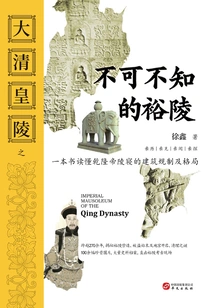
大清皇陵之不可不知的裕陵
Xu Xin
The author of this book, Mr. Xu Xin, grew up in Malanyu Town at the foot of the Eastern Tombs of the Qing Dynasty. He worked in the Eastern Tombs of the Qing Dynasty as an adult. As a tomb keeper, his familiarity with the tombs of the Qing Dynasty is unparalleled. This manuscript is based on the Qing palace archives, coupled with the author's own geographical advantages, and uses popular writing to introduce in detail the historical reasons for the location of the Qing Dynasty's imperial mausoleums and the construction regulations and layout characteristics of Emperor Qianlong's Yuling Mausoleum. At the same time, through the causes and consequences of the theft of the Eastern Tombs of the Qing Dynasty and the tragic situation of the Eastern Tombs of the Qing Dynasty after the theft, the opening of the Yuling Tombs Underground Palace is publicly introduced to people in a recorded way, showing many little-known behind-the-scenes scenes, and accompanied by a large number of precious photos, bringing people who are eager to understand the truth of the mystery of the Yuling Tombs to the archaeological site of that year.
The author of this book, Mr. Xu Xin, grew up in Malanyu Town at the foot of the Eastern Tombs of the Qing Dynasty. He worked in the Eastern Tombs of the Qing Dynasty as an adult. As a tomb keeper, his familiarity with the tombs of the Qing Dynasty is unparalleled. This manuscript is based on the Qing palace archives, coupled with the author's own geographical advantages, and uses popular writing to introduce in detail the historical reasons for the location of the Qing Dynasty's imperial mausoleums and the construction regulations and layout characteristics of Emperor Qianlong's Yuling Mausoleum. At the same time, through the causes and consequences of the theft of the Eastern Tombs of the Qing Dynasty and the tragic situation of the Eastern Tombs of the Qing Dynasty after the theft, the opening of the Yuling Tombs Underground Palace is publicly introduced to people in a recorded way, showing many little-known behind-the-scenes scenes, and accompanied by a large number of precious photos, bringing people who are eager to understand the truth of the mystery of the Yuling Tombs to the archaeological site of that year.
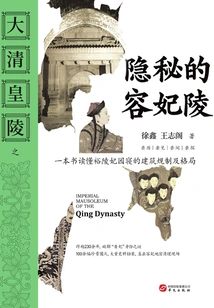
大清皇陵之隐密的容妃陵
Xu Xin Wang Zhige
The manuscript "The Secret Mausoleum of Concubine Rong of the Qing Dynasty" is based on the computer restoration of the skull of Concubine Rong. By introducing the garden tomb where "Concubine Xiang" was buried and the discovery of the stolen mouth, as well as the portrait of Concubine Xiang in history, it opened up the relationship between Concubine Xiang and Concubine Rong of the Qing Dynasty. It used this as a clue to introduce the opening, cleaning and research process of Concubine Rong's underground palace. At the same time, the author uses his own unique environment and uses Qing palace archives as a basis to clearly and completely introduce the funeral system of concubines in the Qing Dynasty and the regulatory characteristics of their mausoleums. The manuscript contains more than 100 precious pictures. The author takes advantage of his unique environment and uses the Qing palace archives as a basis to clearly and completely introduce the funeral system of the concubines of the Qing Dynasty and the regulatory characteristics of the mausoleums.
The manuscript "The Secret Mausoleum of Concubine Rong of the Qing Dynasty" is based on the computer restoration of the skull of Concubine Rong. By introducing the garden tomb where "Concubine Xiang" was buried and the discovery of the stolen mouth, as well as the portrait of Concubine Xiang in history, it opened up the relationship between Concubine Xiang and Concubine Rong of the Qing Dynasty. It used this as a clue to introduce the opening, cleaning and research process of Concubine Rong's underground palace. At the same time, the author uses his own unique environment and uses Qing palace archives as a basis to clearly and completely introduce the funeral system of concubines in the Qing Dynasty and the regulatory characteristics of their mausoleums. The manuscript contains more than 100 precious pictures. The author takes advantage of his unique environment and uses the Qing palace archives as a basis to clearly and completely introduce the funeral system of the concubines of the Qing Dynasty and the regulatory characteristics of the mausoleums.
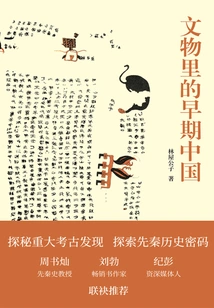
文物里的早期中国
Mr. Linwu
The written cultural relics from the Pre-Qin and Qin-Han dynasties mainly include oracle bones, bronzes, bamboo slips, silk scripts, Han portrait stones, pottery, jades, gold and silverware, etc. Among them, the most distinctive ones are oracle bones and bronzes from the Shang and Zhou dynasties, bamboo slips and silk books from the Warring States, Qin and Han dynasties, and Han portraits and masonry. The 34 types of cultural relics selected in this book mainly come from these five categories. The book uses simple and easy-to-understand words to popularize interesting and informative historical knowledge to the public. It aims to popularize historical knowledge that ordinary people do not know and subvert historical historical knowledge that ordinary people know.
The written cultural relics from the Pre-Qin and Qin-Han dynasties mainly include oracle bones, bronzes, bamboo slips, silk scripts, Han portrait stones, pottery, jades, gold and silverware, etc. Among them, the most distinctive ones are oracle bones and bronzes from the Shang and Zhou dynasties, bamboo slips and silk books from the Warring States, Qin and Han dynasties, and Han portraits and masonry. The 34 types of cultural relics selected in this book mainly come from these five categories. The book uses simple and easy-to-understand words to popularize interesting and informative historical knowledge to the public. It aims to popularize historical knowledge that ordinary people do not know and subvert historical historical knowledge that ordinary people know.
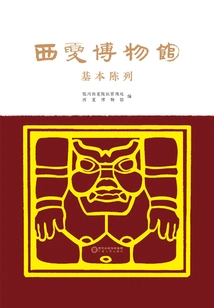
西夏博物馆基本陈列
Yinchuan Xixialing District Management Office
This book introduces the overview of the Xixia Museum, the preface hall, the Xixia Territory Model Hall, the Xixia History Hall, the Xixia Social and Economic Hall, the Xixia Cultural Hall, the Xixia Miniature Model Hall, the Xixia Mausoleum Unearthed Cultural Relics Exhibition Hall, etc.
This book introduces the overview of the Xixia Museum, the preface hall, the Xixia Territory Model Hall, the Xixia History Hall, the Xixia Social and Economic Hall, the Xixia Cultural Hall, the Xixia Miniature Model Hall, the Xixia Mausoleum Unearthed Cultural Relics Exhibition Hall, etc.
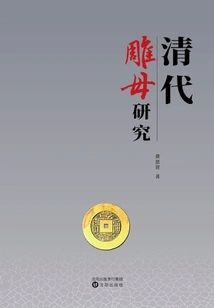
清代雕母研究
Huang Sixian
"Research on Diaomu Money in the Qing Dynasty" is a book that introduces the Qing Dynasty Diaomu Money and the study of Diaomu Money. The author has been collecting ancient coins for 40 years. At first, he only bought some ordinary items from antique shops in Chinatowns in the United States. More than 30 years ago, he bought more than a dozen gold coins from Mr. Kann's collection. Later, he bought some blank cloth and gold-stitched knives from the collection of Howard Gibbs. By chance, he acquired all the Spitzer collections at the University of Michigan. Few people know about the author's collection of carved mothers. He published the article "Discussion of the Eagle Mother" more than ten years ago, but later became involved in official duties and disappeared from the world. Now the 40 years of research on carving mother collection, nearly a hundred carving mothers and some rare coins are made public. The content of "Research on Diaomu in the Qing Dynasty" mainly includes related research experience in the collection, identification and forgery identification of Diaomu, the difference between Diaomu and Mumo, detailed discussion of Diaomu, research on the Chinese money system, special research on several Diaomu coins, and appreciation of the collection of 73 Diaomu coins.
"Research on Diaomu Money in the Qing Dynasty" is a book that introduces the Qing Dynasty Diaomu Money and the study of Diaomu Money. The author has been collecting ancient coins for 40 years. At first, he only bought some ordinary items from antique shops in Chinatowns in the United States. More than 30 years ago, he bought more than a dozen gold coins from Mr. Kann's collection. Later, he bought some blank cloth and gold-stitched knives from the collection of Howard Gibbs. By chance, he acquired all the Spitzer collections at the University of Michigan. Few people know about the author's collection of carved mothers. He published the article "Discussion of the Eagle Mother" more than ten years ago, but later became involved in official duties and disappeared from the world. Now the 40 years of research on carving mother collection, nearly a hundred carving mothers and some rare coins are made public. The content of "Research on Diaomu in the Qing Dynasty" mainly includes related research experience in the collection, identification and forgery identification of Diaomu, the difference between Diaomu and Mumo, detailed discussion of Diaomu, research on the Chinese money system, special research on several Diaomu coins, and appreciation of the collection of 73 Diaomu coins.
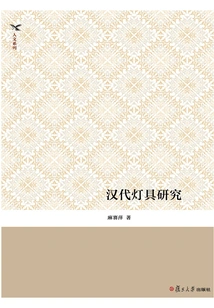
汉代灯具研究
Ma Saiping
"Research on Lamps of the Han Dynasty" defines the concept and standards of "lamps" and the main methods of identifying lamps. It adopts the archaeological typology method, uses comparison and classification methods, borrows charts and other forms, and takes the lamps of the Han Dynasty currently unearthed in China as objects. A comprehensive study of the social phenomena reflected in the production, distribution, consumption, and disposal processes of lamps in the Han Dynasty was conducted. On the basis of a comprehensive analysis of the life course of lamps production, use, circulation, rise and fall, and even abandonment, the importance of ancient cultural relics to today's society was emphasized.
"Research on Lamps of the Han Dynasty" defines the concept and standards of "lamps" and the main methods of identifying lamps. It adopts the archaeological typology method, uses comparison and classification methods, borrows charts and other forms, and takes the lamps of the Han Dynasty currently unearthed in China as objects. A comprehensive study of the social phenomena reflected in the production, distribution, consumption, and disposal processes of lamps in the Han Dynasty was conducted. On the basis of a comprehensive analysis of the life course of lamps production, use, circulation, rise and fall, and even abandonment, the importance of ancient cultural relics to today's society was emphasized.
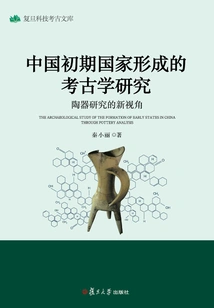
Archaeological Study of Early State Formation in China: a New Perspective on Pottery Research
History中国初期国家形成的考古学研究:陶器研究的新视角
Qin Xiaoli
Regarding the archaeological research on the formation process of China's early state, traditional research methods are mostly based on the cultural types of pottery and relevant historical materials of the Xia and Shang (Yin) dynasties recorded in documents after the Warring States period. However, due to the emergence of a large amount of field archaeological data, analyzing basic data from an archaeological perspective and using unique archaeological methods can correct the credibility of historical records and avoid the limitations of a single research method. The author of this book divides various regions in the Erlitou and Erligang cultural periods into six major regions based on pottery styles. He uses quantitative analysis methods to calculate the overall changing trend of the composition ratio of each pottery system in each site, and uses these data to analyze the changes in pottery styles in time and space, so as to explain the dynamic relationship between regions in the formation period of the country.
Regarding the archaeological research on the formation process of China's early state, traditional research methods are mostly based on the cultural types of pottery and relevant historical materials of the Xia and Shang (Yin) dynasties recorded in documents after the Warring States period. However, due to the emergence of a large amount of field archaeological data, analyzing basic data from an archaeological perspective and using unique archaeological methods can correct the credibility of historical records and avoid the limitations of a single research method. The author of this book divides various regions in the Erlitou and Erligang cultural periods into six major regions based on pottery styles. He uses quantitative analysis methods to calculate the overall changing trend of the composition ratio of each pottery system in each site, and uses these data to analyze the changes in pottery styles in time and space, so as to explain the dynamic relationship between regions in the formation period of the country.
Let Cultural Relics Speak
History让文物说话
Editor-in-chief Tang Haibo
This book selects more than 50 cultural relics buildings in Ningbo city. Each place uses about 1,500 words to describe its historical evolution, existing status, cultural relic value, cultural status, etc., And is accompanied by corresponding exquisite pictures. It is a book that can help readers understand the old city of Ningbo very intuitively, and is a culture, cultural relics and travel book. The author has been engaged in cultural relics work for more than 10 years and is very familiar with the cultural relics buildings in the city. Therefore, this book is both professional and popular, and explains it in simple terms. It includes Ningbo landmark buildings such as Tianyi Pavilion, Baiyun Village, Tianfeng Pagoda, City God Temple, Qianye Guild Hall, etc. It will help readers understand the past and present of Ningbo's cultural relics buildings and improve people's awareness of cultural relics protection.
This book selects more than 50 cultural relics buildings in Ningbo city. Each place uses about 1,500 words to describe its historical evolution, existing status, cultural relic value, cultural status, etc., And is accompanied by corresponding exquisite pictures. It is a book that can help readers understand the old city of Ningbo very intuitively, and is a culture, cultural relics and travel book. The author has been engaged in cultural relics work for more than 10 years and is very familiar with the cultural relics buildings in the city. Therefore, this book is both professional and popular, and explains it in simple terms. It includes Ningbo landmark buildings such as Tianyi Pavilion, Baiyun Village, Tianfeng Pagoda, City God Temple, Qianye Guild Hall, etc. It will help readers understand the past and present of Ningbo's cultural relics buildings and improve people's awareness of cultural relics protection.
国之祀典:清代宁波府孔庙祭祀礼乐器
Ningbo Museum
Confucius is the master of ancient Chinese cultural thoughts. Worshiping Confucius is a commemorative activity to respect, admire and commemorate the sage Confucius. The ceremony for worshiping Confucius has a complete set of rituals, using the ritual vessels and musical instruments as clues to show today's people the solemn and solemn ritual procedures, which is a very good starting point. This book presents to today's people the musical instruments for the Confucius Temple made in Ningbo during the Qing Dynasty collected by the Ningbo Museum, thereby recreating the ritualistic ceremony and promoting the Chinese nation's traditional spirit of attaching importance to culture and education and respecting teachers.
Confucius is the master of ancient Chinese cultural thoughts. Worshiping Confucius is a commemorative activity to respect, admire and commemorate the sage Confucius. The ceremony for worshiping Confucius has a complete set of rituals, using the ritual vessels and musical instruments as clues to show today's people the solemn and solemn ritual procedures, which is a very good starting point. This book presents to today's people the musical instruments for the Confucius Temple made in Ningbo during the Qing Dynasty collected by the Ningbo Museum, thereby recreating the ritualistic ceremony and promoting the Chinese nation's traditional spirit of attaching importance to culture and education and respecting teachers.
延安石窟碑刻题记汇编
Yan'an Cultural Relics Research Institute
The "Compilation of Inscriptions and Inscriptions on the Yan'an Grottoes" is based on a comprehensive survey of 367 grottoes in the Yan'an area. It conducts detailed and scientific surveying, photography, rubbings and written records of the contents of the inscriptions and inscriptions in the grottoes. Through this investigation, a total of more than 2,000 inscriptions and more than 200 inscriptions from past dynasties were discovered, most of which were officially announced for the first time and have extremely high academic value. This book provides a comprehensive introduction to the shape, location, size, rubbings, photos, recordings and other information of these inscriptions by county. Through the study of the inscriptions, we can further understand the characteristics of the Yan'an Grottoes in the past dynasties and the development process of skilled craftsmen in northern Shaanxi, strengthen readers' research on the history and culture of Yan'an, and reflect the inheritance of the art and craftsmen of the Yan'an Grottoes.
The "Compilation of Inscriptions and Inscriptions on the Yan'an Grottoes" is based on a comprehensive survey of 367 grottoes in the Yan'an area. It conducts detailed and scientific surveying, photography, rubbings and written records of the contents of the inscriptions and inscriptions in the grottoes. Through this investigation, a total of more than 2,000 inscriptions and more than 200 inscriptions from past dynasties were discovered, most of which were officially announced for the first time and have extremely high academic value. This book provides a comprehensive introduction to the shape, location, size, rubbings, photos, recordings and other information of these inscriptions by county. Through the study of the inscriptions, we can further understand the characteristics of the Yan'an Grottoes in the past dynasties and the development process of skilled craftsmen in northern Shaanxi, strengthen readers' research on the history and culture of Yan'an, and reflect the inheritance of the art and craftsmen of the Yan'an Grottoes.
中国古钱币赏鉴:崇宁通宝版式详解
Compiled By Guo Zhendong
Chongning Tongbao is an era coin cast by Zhao Ji, Emperor Huizong of the Song Dynasty, during the Chongning period (1102-1106). This book collects more than 500 formats of Chongning Tongbao, supplemented by about 700 high-definition color photos, and introduces each format in detail. The first chapter introduces the terminology of Chongning Tongbao format, the second chapter introduces the small flat coin format of Chongning Tongbao, and the third to seventh chapters introduce the various formats of Chongning Tongbao folding ten coins. This book introduces Chongning Tongbao in a systematic, comprehensive, organized and detailed manner. After reading it carefully, coin enthusiasts will not only be able to understand the format, but also judge the format and market value of Chongning Tongbao by analogy.
Chongning Tongbao is an era coin cast by Zhao Ji, Emperor Huizong of the Song Dynasty, during the Chongning period (1102-1106). This book collects more than 500 formats of Chongning Tongbao, supplemented by about 700 high-definition color photos, and introduces each format in detail. The first chapter introduces the terminology of Chongning Tongbao format, the second chapter introduces the small flat coin format of Chongning Tongbao, and the third to seventh chapters introduce the various formats of Chongning Tongbao folding ten coins. This book introduces Chongning Tongbao in a systematic, comprehensive, organized and detailed manner. After reading it carefully, coin enthusiasts will not only be able to understand the format, but also judge the format and market value of Chongning Tongbao by analogy.
来自文物的声音(英文)
Zhang Yuting
This book contains the English explanations written by the author for various cultural relics in the Ningxia Museum. It is divided into two parts: the general history of Ningxia from prehistory to the Qing Dynasty and Ningxia rock paintings. The two parts are completely designed and typed according to the visiting order of the Ningxia General History Exhibition Hall and the Ningxia Rock Painting Exhibition Hall of the Ningxia Museum, allowing readers to have a preliminary understanding of the history and characteristics of Ningxia.
This book contains the English explanations written by the author for various cultural relics in the Ningxia Museum. It is divided into two parts: the general history of Ningxia from prehistory to the Qing Dynasty and Ningxia rock paintings. The two parts are completely designed and typed according to the visiting order of the Ningxia General History Exhibition Hall and the Ningxia Rock Painting Exhibition Hall of the Ningxia Museum, allowing readers to have a preliminary understanding of the history and characteristics of Ningxia.
考古中国:15位考古学家说上下五千年
Xu Hong Et Al.
"Archaeology of China: 15 Archaeologists Talk About Five Thousand Years" is a general reading that presents 5,000 years of Chinese civilization from an archaeological perspective. 15 Major sites representing Chinese civilization are selected, including Yinxu, Sanxingdui, Liangzhu, Qin Shihuang's Mausoleum, Nanhai No. 1, The Great Wall, etc., Covering cities, mausoleums, underwater, plateaus, deserts, kiln sites and many other scenes, involving politics, religion, military, science and technology, industry, agriculture, architecture, transportation, water conservancy and other aspects of rich historical and cultural information, presented in full color. Archaeologists wonderfully told their personal archaeological stories and vividly explained the great construction, great exchanges and great dreams of Chinese civilization behind the archaeological discoveries. Each article is accompanied by some archaeological knowledge, which can be understood even with no basic knowledge. The whole book is organized according to the time of archaeological discoveries, from 1921 to 2020, paying tribute to the centenary of Chinese archeology and Chinese archaeologists.
"Archaeology of China: 15 Archaeologists Talk About Five Thousand Years" is a general reading that presents 5,000 years of Chinese civilization from an archaeological perspective. 15 Major sites representing Chinese civilization are selected, including Yinxu, Sanxingdui, Liangzhu, Qin Shihuang's Mausoleum, Nanhai No. 1, The Great Wall, etc., Covering cities, mausoleums, underwater, plateaus, deserts, kiln sites and many other scenes, involving politics, religion, military, science and technology, industry, agriculture, architecture, transportation, water conservancy and other aspects of rich historical and cultural information, presented in full color. Archaeologists wonderfully told their personal archaeological stories and vividly explained the great construction, great exchanges and great dreams of Chinese civilization behind the archaeological discoveries. Each article is accompanied by some archaeological knowledge, which can be understood even with no basic knowledge. The whole book is organized according to the time of archaeological discoveries, from 1921 to 2020, paying tribute to the centenary of Chinese archeology and Chinese archaeologists.
拂去尘沙:丝绸之路新疆段的历史印迹
Wang Se
After entering Xinjiang, the world-famous ancient Silk Road was divided into three routes with the Tianshan Mountains as the boundary: the southern route, the middle route and the northern route. From the initial prosperity of the southern route, to the later rise of the central route, and then to the smooth flow of the northern route, the Silk Road left a deep imprint on the north and south of the Tianshan Mountains in Xinjiang. This book takes the three lines of the Xinjiang section of the Silk Road as its main body. With a professional vision and popular writing style, it carefully and meticulously reports on the key cultural relics and archaeological sites on the three lines in recent years, showing readers the new discoveries and results of Xinjiang's cultural relics and archaeology. The new progress in cultural relics and archeology in Xinjiang has solved many controversial problems and historical mysteries in history. It has provided historical facts and evidence for the concept that "Xinjiang has been an integral part of China since ancient times" that the country has always emphasized. It has also provided many Chinese voices in related research fields and strengthened our Chinese voice.
After entering Xinjiang, the world-famous ancient Silk Road was divided into three routes with the Tianshan Mountains as the boundary: the southern route, the middle route and the northern route. From the initial prosperity of the southern route, to the later rise of the central route, and then to the smooth flow of the northern route, the Silk Road left a deep imprint on the north and south of the Tianshan Mountains in Xinjiang. This book takes the three lines of the Xinjiang section of the Silk Road as its main body. With a professional vision and popular writing style, it carefully and meticulously reports on the key cultural relics and archaeological sites on the three lines in recent years, showing readers the new discoveries and results of Xinjiang's cultural relics and archaeology. The new progress in cultural relics and archeology in Xinjiang has solved many controversial problems and historical mysteries in history. It has provided historical facts and evidence for the concept that "Xinjiang has been an integral part of China since ancient times" that the country has always emphasized. It has also provided many Chinese voices in related research fields and strengthened our Chinese voice.
丝路明珠 大唐故宫:法门寺博物馆
Shaanxi Provincial Cultural Relics Bureau
This book is based on the existing display of Famen Temple Museum, in the order of time and space, based on history, using objects to describe history, and introduces the historical origins of Famen Temple, treasures in the collection, etc. With pictures and texts. It describes in detail the Buddhist holy relics of Famen Temple, the palace cultural relics of the Tang Dynasty, the structure and layout of the underground palace, as well as the research results and far-reaching influence on Chinese tea culture, incense culture, secret color porcelain, and glazed ware. Entering the Famen Temple Museum, the cultural relics can awaken the dusty historical memories. The distant Silk Road promoted the exchange and mutual learning of ancient civilizations, feel the glorious achievements of the Tang Dynasty's openness, tolerance, prosperity and civilization, and further enhance national pride and cultural confidence.
This book is based on the existing display of Famen Temple Museum, in the order of time and space, based on history, using objects to describe history, and introduces the historical origins of Famen Temple, treasures in the collection, etc. With pictures and texts. It describes in detail the Buddhist holy relics of Famen Temple, the palace cultural relics of the Tang Dynasty, the structure and layout of the underground palace, as well as the research results and far-reaching influence on Chinese tea culture, incense culture, secret color porcelain, and glazed ware. Entering the Famen Temple Museum, the cultural relics can awaken the dusty historical memories. The distant Silk Road promoted the exchange and mutual learning of ancient civilizations, feel the glorious achievements of the Tang Dynasty's openness, tolerance, prosperity and civilization, and further enhance national pride and cultural confidence.
千年帝都 文武盛地:西安博物院
Shaanxi Provincial Cultural Relics Bureau
This book mainly uses the collection of Xi'an Museum as a link, and uses the timeline of prehistory, Zhou, Qin, Han, Tang, and modern times as the compilation logic. It adopts the form of illustrated narrative and uses three chapters of the historical and geographical overview of ancient Chang'an, the past and present of the Small Wild Goose Pagoda, and the ancient capital civilization of Xi'an. Enter Xi'an Museum, learn about the bloodline of Chinese civilization through cultural relics, open the door to time, realize spiritual exchanges between today's people and the ancients, find the spiritual capital deep in the minds of every Chinese, feel the glory and charm of Chang'an, the ancient capital of 13 dynasties, draw strength from it, enhance cultural confidence, and help everyone's Chinese dream.
This book mainly uses the collection of Xi'an Museum as a link, and uses the timeline of prehistory, Zhou, Qin, Han, Tang, and modern times as the compilation logic. It adopts the form of illustrated narrative and uses three chapters of the historical and geographical overview of ancient Chang'an, the past and present of the Small Wild Goose Pagoda, and the ancient capital civilization of Xi'an. Enter Xi'an Museum, learn about the bloodline of Chinese civilization through cultural relics, open the door to time, realize spiritual exchanges between today's people and the ancients, find the spiritual capital deep in the minds of every Chinese, feel the glory and charm of Chang'an, the ancient capital of 13 dynasties, draw strength from it, enhance cultural confidence, and help everyone's Chinese dream.
革命圣地 红色记忆:延安革命纪念馆
Shaanxi Provincial Cultural Relics Bureau
This book includes six chapters: the revolutionary center, the mainstay, the red heart, the trend of the times, the spiritual home, and the victory flag. It selects nearly a hundred historical photos and charts, uses time as the warp and events as the latitude, and uses pictures and descriptions to describe the thirteen-year revolutionary history of the Party Central Committee in Yan'an. Enter the Yan'an Revolution Memorial Hall, review the red memories of the past glorious years, feel the spiritual holy land of the Chinese Communists, follow the footsteps of the revolutionary martyrs, spread revolutionary culture, inherit the red gene, carry forward the Yan'an spirit, cultivate and practice the core socialist values, and move towards the bright road of the great rejuvenation of the Chinese nation.
This book includes six chapters: the revolutionary center, the mainstay, the red heart, the trend of the times, the spiritual home, and the victory flag. It selects nearly a hundred historical photos and charts, uses time as the warp and events as the latitude, and uses pictures and descriptions to describe the thirteen-year revolutionary history of the Party Central Committee in Yan'an. Enter the Yan'an Revolution Memorial Hall, review the red memories of the past glorious years, feel the spiritual holy land of the Chinese Communists, follow the footsteps of the revolutionary martyrs, spread revolutionary culture, inherit the red gene, carry forward the Yan'an spirit, cultivate and practice the core socialist values, and move towards the bright road of the great rejuvenation of the Chinese nation.
汉台聚珍 大汉源脉:汉中市博物馆
Shaanxi Provincial Cultural Relics Bureau
Hantai Gathered Treasures Origin of the Han Dynasty: Hanzhong City Museum, this book includes three chapters: Ancient Rhythm of the Tianhan Dynasty - Exhibition of Hanzhong Historical Cultural Relics, Vicissitudes of Ancient Roads - Baoxiedao Stone Gate and its Cliff Carvings, and Land of Longxing - Three Sites of the Western Han Dynasty. It selects nearly a hundred photos, uses time as the longitude, and events as the latitude. It uses pictures and descriptions to tell the stories behind the cultural relics and connects the development process of Hanzhong for thousands of years. Enter the Hanzhong Municipal Museum to appreciate the long history behind Chinese treasures and experience the unique Hanshui civilization where the north and south merge.
Hantai Gathered Treasures Origin of the Han Dynasty: Hanzhong City Museum, this book includes three chapters: Ancient Rhythm of the Tianhan Dynasty - Exhibition of Hanzhong Historical Cultural Relics, Vicissitudes of Ancient Roads - Baoxiedao Stone Gate and its Cliff Carvings, and Land of Longxing - Three Sites of the Western Han Dynasty. It selects nearly a hundred photos, uses time as the longitude, and events as the latitude. It uses pictures and descriptions to tell the stories behind the cultural relics and connects the development process of Hanzhong for thousands of years. Enter the Hanzhong Municipal Museum to appreciate the long history behind Chinese treasures and experience the unique Hanshui civilization where the north and south merge.
秦风楚韵 多元荟萃:安康博物馆
Shaanxi Provincial Cultural Relics Bureau
Qin Feng Chu Yun Diversified Collection: Ankang Museum, based on the Ankang Museum display exhibition, thematically presents the humanistic and natural panorama of Ankang. Taking the historical era as the context, combining Ankang's major historical nodes, major events, and characteristic exhibits, it displays the overview of Ankang's ancient humanities; it displays the rich natural resources in Ankang based on characteristic resources; it reflects the important process of Ankang's construction and development and the collection of characteristic cultural relics through the "Ankang Third Front Construction Process Exhibition" and "Ankang Museum Collection Characteristic Calligraphy and Painting Exhibition".
Qin Feng Chu Yun Diversified Collection: Ankang Museum, based on the Ankang Museum display exhibition, thematically presents the humanistic and natural panorama of Ankang. Taking the historical era as the context, combining Ankang's major historical nodes, major events, and characteristic exhibits, it displays the overview of Ankang's ancient humanities; it displays the rich natural resources in Ankang based on characteristic resources; it reflects the important process of Ankang's construction and development and the collection of characteristic cultural relics through the "Ankang Third Front Construction Process Exhibition" and "Ankang Museum Collection Characteristic Calligraphy and Painting Exhibition".