Library
Browse and search books
311 novels found
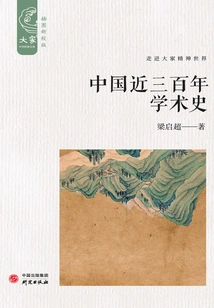
中国近三百年学术史
Liang Qichao
"China's Academic History in the Past Three Hundred Years" is one of the masterpieces of the famous scholar Liang Qichao. It was originally the lecture notes of Liang Qichao's lectures on the academic history of China in the past three hundred years at Tsinghua University from the autumn of 1923 to the spring and summer of 1924. The book was divided into sixteen lectures. The content of this book describes the evolution of Chinese academics since the Ming and Qing Dynasties. It is intertwined and has complex levels. It uses issues to describe history, characters (schools) to describe history, and disciplines to describe history. It consists of three major sections: the history of social ideological trends, the history of schools, and the history of disciplines. The book consists of sixteen topics, which can be divided into three parts: Topics 1 to 4 are the first part, which mainly discusses the academic changes and political influence in the Qing Dynasty, and reveals the political reasons for the tortuous academic development in the Qing Dynasty. Topics five to twelve constitute the second part, which summarizes the scholarship in the Qing Dynasty, mainly before the mid-Qing Dynasty. Special Topics 5 to 11 discuss in detail several important schools from the early Qing Dynasty to the mid-Qing Dynasty in the form of schools and academic cases, including representative figures, academic achievements, scholarly experience and methods, making the academic history before the mid-Qing Dynasty clearly visible; Special Topic 12 also introduces other famous non-mainstream academic figures in the early Qing Dynasty and their achievements who influenced the later development of Qing Dynasty studies under the title "Remnants of the Waves of Learning in the Early Qing Dynasty". Brief Commentary on Shaohe; Topics 13 to 16, titled "The Total Achievements of Qing Dynasty Scholars in Collating Old Learning", provide a comprehensive discussion of Qing Dynasty academics such as Confucian classics and its related derivatives such as elementary school, collation, forgery identification, compilation, and other representative figures and academic achievements; historiography and its related derivatives such as local chronicles, geography, and genealogy, representative figures and achievements; and achievements of representative figures in calendar calculation and other natural sciences. Starting from the main characteristics of the academic history of "distinguishing academic chapters and examining the origins" of academic history, he made a more detailed discussion of the academic origins, representatives, sources of instruction, main achievements and academic gains and losses of various schools in different periods of the Qing Dynasty, and comprehensively and in-depth summarized the academic achievements of the Qing Dynasty.
"China's Academic History in the Past Three Hundred Years" is one of the masterpieces of the famous scholar Liang Qichao. It was originally the lecture notes of Liang Qichao's lectures on the academic history of China in the past three hundred years at Tsinghua University from the autumn of 1923 to the spring and summer of 1924. The book was divided into sixteen lectures. The content of this book describes the evolution of Chinese academics since the Ming and Qing Dynasties. It is intertwined and has complex levels. It uses issues to describe history, characters (schools) to describe history, and disciplines to describe history. It consists of three major sections: the history of social ideological trends, the history of schools, and the history of disciplines. The book consists of sixteen topics, which can be divided into three parts: Topics 1 to 4 are the first part, which mainly discusses the academic changes and political influence in the Qing Dynasty, and reveals the political reasons for the tortuous academic development in the Qing Dynasty. Topics five to twelve constitute the second part, which summarizes the scholarship in the Qing Dynasty, mainly before the mid-Qing Dynasty. Special Topics 5 to 11 discuss in detail several important schools from the early Qing Dynasty to the mid-Qing Dynasty in the form of schools and academic cases, including representative figures, academic achievements, scholarly experience and methods, making the academic history before the mid-Qing Dynasty clearly visible; Special Topic 12 also introduces other famous non-mainstream academic figures in the early Qing Dynasty and their achievements who influenced the later development of Qing Dynasty studies under the title "Remnants of the Waves of Learning in the Early Qing Dynasty". Brief Commentary on Shaohe; Topics 13 to 16, titled "The Total Achievements of Qing Dynasty Scholars in Collating Old Learning", provide a comprehensive discussion of Qing Dynasty academics such as Confucian classics and its related derivatives such as elementary school, collation, forgery identification, compilation, and other representative figures and academic achievements; historiography and its related derivatives such as local chronicles, geography, and genealogy, representative figures and achievements; and achievements of representative figures in calendar calculation and other natural sciences. Starting from the main characteristics of the academic history of "distinguishing academic chapters and examining the origins" of academic history, he made a more detailed discussion of the academic origins, representatives, sources of instruction, main achievements and academic gains and losses of various schools in different periods of the Qing Dynasty, and comprehensively and in-depth summarized the academic achievements of the Qing Dynasty.
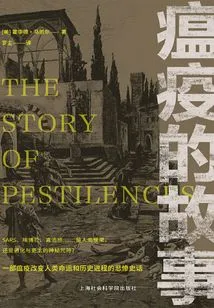
瘟疫的故事:精美图文本
(u. S.) Howard Macell
This book is an easy-to-understand medical history that integrates anthropology, civilization history, medical thought, medical conditions, doctor figures, folklore and the history of human disasters. It tells the history of plague and the spiritual history of mankind's fight against plague. It comprehensively recalls the characteristics and processes of various plagues that humans have faced from ancient times to contemporary times, profoundly reveals the relationship between the progress of medicine, the power of viruses, and the evolution of civilization. It provides a blueprint for humans to understand the true face of plagues and provides reference experience for preventing and controlling plagues. History has proven that eras without plague are rare. Humanity has always been accompanied by plague. In other words, plague is a part of human life and an opponent that human beings will always have to fight against. The work of Howard Macell proves the assertion of Pasteur, the father of virology: "The laws of plague and death are always imagining new means of destruction, while the laws of peace, work, and health are always seeking new ways to save mankind from plague.
This book is an easy-to-understand medical history that integrates anthropology, civilization history, medical thought, medical conditions, doctor figures, folklore and the history of human disasters. It tells the history of plague and the spiritual history of mankind's fight against plague. It comprehensively recalls the characteristics and processes of various plagues that humans have faced from ancient times to contemporary times, profoundly reveals the relationship between the progress of medicine, the power of viruses, and the evolution of civilization. It provides a blueprint for humans to understand the true face of plagues and provides reference experience for preventing and controlling plagues. History has proven that eras without plague are rare. Humanity has always been accompanied by plague. In other words, plague is a part of human life and an opponent that human beings will always have to fight against. The work of Howard Macell proves the assertion of Pasteur, the father of virology: "The laws of plague and death are always imagining new means of destruction, while the laws of peace, work, and health are always seeking new ways to save mankind from plague.
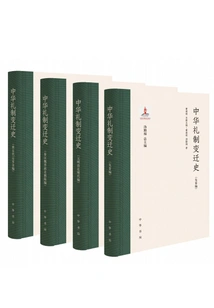
中华礼制变迁史(全四册)
Chief Editor Tang Qinfu
This book is the final result of the first major national social science project on rituals, "Research on the Changes of Chinese Ritual Systems and Their Modern Values." It is a systematic review and summary of the changes in ritual systems from pre-Qin to modern times. It is divided into four volumes: the pre-Qin edition, the Qin, Han, Wei, Jin, Southern and Northern Dynasties and Sui dynasties, the Tang, Five Dynasties, Liao, Song, and Jin editions, and the Yuan, Ming, and Qing modern editions. For the first time, this book divides the changes in traditional Chinese rituals before 1949 into: the pre-ritual period, the kingdom ritual period (Haidai Dawenkou-Longshan Culture Period), the royal ritual period (from Xia, Shang and Zhou to the Warring States Period) and the centralized ritual period (it can also be called the imperial ritual period, from the unification of Qin to 1949); each period is further divided into several stages, and the basic context and major changes in rituals in each ritual development period are systematically summarized and investigated. On the premise of discussing the basic clues and situations of the changes in etiquette in various periods, this book selects some connected etiquette forms with important research value for in-depth study to reveal certain laws and characteristics of the changes in traditional Chinese etiquette. It also shows the characteristics and changes of etiquette in different periods. The relationship with power institutions, the relationship between ritual changes and social and political groups, the relationship between ritual changes and ideas (religions), the relationship between ritual changes and ethnic groups, the relationship between ritual changes and extraterritorial (foreign) influence, the relationship between ritual transformation and the evolution of social nature, the intrinsic value and significance of traditional Chinese rituals, etc.
This book is the final result of the first major national social science project on rituals, "Research on the Changes of Chinese Ritual Systems and Their Modern Values." It is a systematic review and summary of the changes in ritual systems from pre-Qin to modern times. It is divided into four volumes: the pre-Qin edition, the Qin, Han, Wei, Jin, Southern and Northern Dynasties and Sui dynasties, the Tang, Five Dynasties, Liao, Song, and Jin editions, and the Yuan, Ming, and Qing modern editions. For the first time, this book divides the changes in traditional Chinese rituals before 1949 into: the pre-ritual period, the kingdom ritual period (Haidai Dawenkou-Longshan Culture Period), the royal ritual period (from Xia, Shang and Zhou to the Warring States Period) and the centralized ritual period (it can also be called the imperial ritual period, from the unification of Qin to 1949); each period is further divided into several stages, and the basic context and major changes in rituals in each ritual development period are systematically summarized and investigated. On the premise of discussing the basic clues and situations of the changes in etiquette in various periods, this book selects some connected etiquette forms with important research value for in-depth study to reveal certain laws and characteristics of the changes in traditional Chinese etiquette. It also shows the characteristics and changes of etiquette in different periods. The relationship with power institutions, the relationship between ritual changes and social and political groups, the relationship between ritual changes and ideas (religions), the relationship between ritual changes and ethnic groups, the relationship between ritual changes and extraterritorial (foreign) influence, the relationship between ritual transformation and the evolution of social nature, the intrinsic value and significance of traditional Chinese rituals, etc.
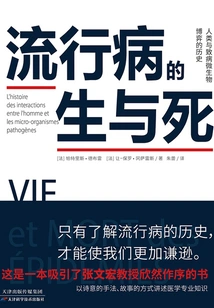
Epidemic Life and Death
History流行病的生与死
(france) Patrice Debray Et Al.
From tuberculosis, which has plagued mankind since the Neolithic Age, to the Black Death, which was comparable to nuclear war in the past, from COVID-19, which is constantly "escalating and mutating", to monkeypox, a "close relative" of smallpox... Whether you admit it or not, the epidemic of infectious diseases has become a part of human history. The author of this book reviews major infectious disease outbreaks in human history such as plague, tuberculosis, Ebola, AIDS, and SARS, introduces their origin, development, demise, and historical impact on mankind, and demonstrates the transformation of mankind from ignorance in history to scientific epidemic prevention in modern times. Humans once thought that infectious diseases could be eliminated by relying on vaccination and the use of antibiotics, but new epidemics have repeatedly proved to humans that infectious diseases will always coexist with humans.
From tuberculosis, which has plagued mankind since the Neolithic Age, to the Black Death, which was comparable to nuclear war in the past, from COVID-19, which is constantly "escalating and mutating", to monkeypox, a "close relative" of smallpox... Whether you admit it or not, the epidemic of infectious diseases has become a part of human history. The author of this book reviews major infectious disease outbreaks in human history such as plague, tuberculosis, Ebola, AIDS, and SARS, introduces their origin, development, demise, and historical impact on mankind, and demonstrates the transformation of mankind from ignorance in history to scientific epidemic prevention in modern times. Humans once thought that infectious diseases could be eliminated by relying on vaccination and the use of antibiotics, but new epidemics have repeatedly proved to humans that infectious diseases will always coexist with humans.
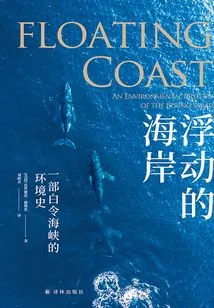
浮动的海岸:一部白令海峡的环境史
(us) Bathsheba Demuth
The Floating Coast is the first comprehensive history of the Bering Strait, the Arctic land and sea from Russia to Canada. Since the 19th century, mankind has embarked on a very modern ideological experiment in the extreme north of Beringia. By telling the history of Beringia's animal and mineral resources, the author reveals how humans have transformed the ecological wealth of this remote area into economic growth and national strength for more than 150 years. As a groundbreaking work about the relationship between human development and Arctic ecology, "The Floating Coast" breaks away from familiar environmental history narratives and re-examines the neglected landscape of Beringia from a fresh perspective. In this book, Demuth tells us a profound and fascinating story based on his own experience of living with local people, as well as interviews with local people and related archives, revealing the dynamic changes and unforeseen consequences that humankind's huge needs and ambitions have brought and will continue to bring to this resource-limited planet. Like many environmental historians, Demuth no longer agrees with the view put forward by the British historian Collingwood in the 1930s that nature and humans must have different histories in the face of humanity's impact on the earth system. In Demuth's writings, nature and human history are intertwined. Human beings and their concepts interact with non-human parts such as regions, animals, plants, and mineral resources.
The Floating Coast is the first comprehensive history of the Bering Strait, the Arctic land and sea from Russia to Canada. Since the 19th century, mankind has embarked on a very modern ideological experiment in the extreme north of Beringia. By telling the history of Beringia's animal and mineral resources, the author reveals how humans have transformed the ecological wealth of this remote area into economic growth and national strength for more than 150 years. As a groundbreaking work about the relationship between human development and Arctic ecology, "The Floating Coast" breaks away from familiar environmental history narratives and re-examines the neglected landscape of Beringia from a fresh perspective. In this book, Demuth tells us a profound and fascinating story based on his own experience of living with local people, as well as interviews with local people and related archives, revealing the dynamic changes and unforeseen consequences that humankind's huge needs and ambitions have brought and will continue to bring to this resource-limited planet. Like many environmental historians, Demuth no longer agrees with the view put forward by the British historian Collingwood in the 1930s that nature and humans must have different histories in the face of humanity's impact on the earth system. In Demuth's writings, nature and human history are intertwined. Human beings and their concepts interact with non-human parts such as regions, animals, plants, and mineral resources.
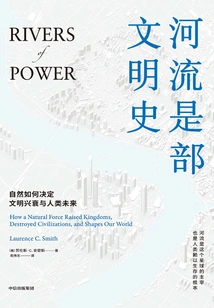
河流是部文明史
(u. S.) Lawrence C. Smith
Rivers have had an impact on the course of civilization beyond our imagination. Rivers are the arteries of ancient civilizations, and almost all of mankind's splendid civilizational heritage is inseparable from the nourishment of rivers. On the one hand, rivers provided water resources and means of transportation, making reproduction and communication possible for early humans. After the development of civilization, they promoted agriculture, industry, and trade, provided new energy, and provided impetus for social prosperity. On the other hand, as a natural resource and barrier, rivers can not only serve as national boundaries, but can even give rise to national cultural identities. River management is also widely involved in social political and economic issues, and has had a profound impact on population migration, lifestyle, social structure, etc. Today, with climate change and urban development, our relationship with nature is changing, and there are undercurrents of opportunities and crises in the rivers on which human beings depend. Lawrence C. Smith is a scientist who has long been concerned about human hydrological environment and has a deep understanding of the eternal but underappreciated relationship between rivers and human society. In this book, he explores the familiar and unfamiliar waters with his broad strokes, traces the development of human history and social changes, and tells the intricate relationship between rivers as a natural force and human society.
Rivers have had an impact on the course of civilization beyond our imagination. Rivers are the arteries of ancient civilizations, and almost all of mankind's splendid civilizational heritage is inseparable from the nourishment of rivers. On the one hand, rivers provided water resources and means of transportation, making reproduction and communication possible for early humans. After the development of civilization, they promoted agriculture, industry, and trade, provided new energy, and provided impetus for social prosperity. On the other hand, as a natural resource and barrier, rivers can not only serve as national boundaries, but can even give rise to national cultural identities. River management is also widely involved in social political and economic issues, and has had a profound impact on population migration, lifestyle, social structure, etc. Today, with climate change and urban development, our relationship with nature is changing, and there are undercurrents of opportunities and crises in the rivers on which human beings depend. Lawrence C. Smith is a scientist who has long been concerned about human hydrological environment and has a deep understanding of the eternal but underappreciated relationship between rivers and human society. In this book, he explores the familiar and unfamiliar waters with his broad strokes, traces the development of human history and social changes, and tells the intricate relationship between rivers as a natural force and human society.
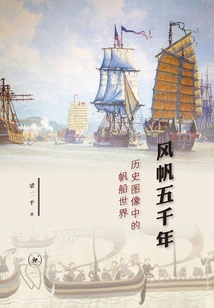
风帆五千年:历史图像中的帆船世界
Liang Erping
As an ancient water vehicle, sailing boats have witnessed people's struggle to "discover" the ocean and conquer nature. "Smooth sailing" expresses people's simplest wishes for thousands of years, and also proves the unruly nature of the ocean. The birth of sailing boats promoted the ocean to become an important stage for human activities. It can be said that sailing ships opened the maritime age of mankind and wrote the history of mankind. Five thousand years of sailing history tells the story of people and sailing ships on the ocean.
As an ancient water vehicle, sailing boats have witnessed people's struggle to "discover" the ocean and conquer nature. "Smooth sailing" expresses people's simplest wishes for thousands of years, and also proves the unruly nature of the ocean. The birth of sailing boats promoted the ocean to become an important stage for human activities. It can be said that sailing ships opened the maritime age of mankind and wrote the history of mankind. Five thousand years of sailing history tells the story of people and sailing ships on the ocean.
History of Chinese Phonetics
History汉语语音史
Wang Li
This book provides a detailed overview of the development history of Chinese phonetics and introduces some basic knowledge of the history of Chinese phonetics. The whole book is divided into three parts: introduction, phonology through the ages, and the development rules of phonetics. In the introduction, the author discusses the four basic aspects of knowledge required to study the history of Chinese phonetics. In the phonology of past dynasties, the development and changes of phonology from pre-Qin to modern times are sorted out, and a phonetic development table of past dynasties is provided. Finally, in the law of speech development, four main ways of speech development are summarized.
This book provides a detailed overview of the development history of Chinese phonetics and introduces some basic knowledge of the history of Chinese phonetics. The whole book is divided into three parts: introduction, phonology through the ages, and the development rules of phonetics. In the introduction, the author discusses the four basic aspects of knowledge required to study the history of Chinese phonetics. In the phonology of past dynasties, the development and changes of phonology from pre-Qin to modern times are sorted out, and a phonetic development table of past dynasties is provided. Finally, in the law of speech development, four main ways of speech development are summarized.
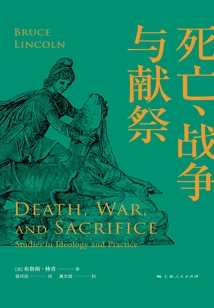
Death, War and Sacrifice
History死亡、战争与献祭
(us) Bruce Lincoln
As an internationally renowned classic book, the author uses etymology, semantics and other disciplines as tools to examine the literary and historical texts, vocabulary, myths, rituals, social organizational structures, legal procedures and material remains of ancient India, Iran, Greece, Rome, Celtic, Germanic and other peoples. At the same time, it elucidates the Indo-European people's behavior on war and sacrifice and the view of life and death it implies; discusses the layout of death and funerals in Indo-European mythology, and debates conflicting views; it points out that it is not a common language or a common ancestry, but a common social structure and a common historical situation that produce the Indo-European people's common mythology and religious beliefs, and determine the way they live and the way they die.
As an internationally renowned classic book, the author uses etymology, semantics and other disciplines as tools to examine the literary and historical texts, vocabulary, myths, rituals, social organizational structures, legal procedures and material remains of ancient India, Iran, Greece, Rome, Celtic, Germanic and other peoples. At the same time, it elucidates the Indo-European people's behavior on war and sacrifice and the view of life and death it implies; discusses the layout of death and funerals in Indo-European mythology, and debates conflicting views; it points out that it is not a common language or a common ancestry, but a common social structure and a common historical situation that produce the Indo-European people's common mythology and religious beliefs, and determine the way they live and the way they die.
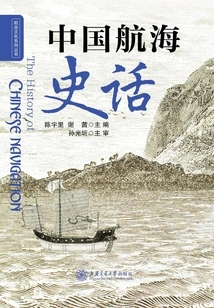
Chinese Maritime History
History中国航海史话
Chen Yuli Editor-in-chief Xie Qian
Based on the characteristics of maritime activities, this book explores the changes of maritime activities in Chinese history and its impact on Chinese society from the two dimensions of maritime technology and maritime humanities in chronological order. This book introduces in detail the changes in China's maritime technology such as shipbuilding, navigation technology, and navigation support, and traces the development of maritime civilization in China such as maritime culture, maritime organizations, maritime personnel, maritime education, and maritime concepts. This book aims to enable readers to further understand the "gene" of navigation in Chinese civilization and to clarify the historical foundation and realistic necessity for China to build a maritime power in the new era. This book "renarrates" China's maritime history based on historical facts. It can be used as a textbook for navigation, shipping, marine science and other related majors in colleges and universities and a teaching reference book for professional teachers. It can also be used as a basic book for readers to understand Chinese navigation.
Based on the characteristics of maritime activities, this book explores the changes of maritime activities in Chinese history and its impact on Chinese society from the two dimensions of maritime technology and maritime humanities in chronological order. This book introduces in detail the changes in China's maritime technology such as shipbuilding, navigation technology, and navigation support, and traces the development of maritime civilization in China such as maritime culture, maritime organizations, maritime personnel, maritime education, and maritime concepts. This book aims to enable readers to further understand the "gene" of navigation in Chinese civilization and to clarify the historical foundation and realistic necessity for China to build a maritime power in the new era. This book "renarrates" China's maritime history based on historical facts. It can be used as a textbook for navigation, shipping, marine science and other related majors in colleges and universities and a teaching reference book for professional teachers. It can also be used as a basic book for readers to understand Chinese navigation.
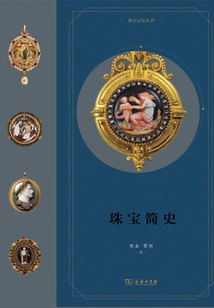
A Brief History of Jewelry
History珠宝简史
Shi Yong He Bei
"A Brief History of Jewelry" follows the general development of the history of human civilization and art, and outlines a complete picture of the development of jewelry in the nearly 5,000-year history from the Mesopotamian civilization around 3,000 BC to the 1970s. This book is divided into three chapters, thirteen chapters, with clear levels. It comprehensively discusses the history of jewelry from "points", "lines" and "surfaces": "surface" refers to the historical main line of jewelry development over the past 5,000 years; "line" refers to the aesthetic characteristics of jewelry craftsmanship in each period, and focuses on several special techniques, such as enamel, granulation technology, gold craftsmanship, relief gemstones, etc.; "Points" refers to the aesthetic characteristics of specific crafts in each period, as well as the jewelry masters and representative works of that period. The three intersperse and guide each other, composing a climax and orderly jewelry movement.
"A Brief History of Jewelry" follows the general development of the history of human civilization and art, and outlines a complete picture of the development of jewelry in the nearly 5,000-year history from the Mesopotamian civilization around 3,000 BC to the 1970s. This book is divided into three chapters, thirteen chapters, with clear levels. It comprehensively discusses the history of jewelry from "points", "lines" and "surfaces": "surface" refers to the historical main line of jewelry development over the past 5,000 years; "line" refers to the aesthetic characteristics of jewelry craftsmanship in each period, and focuses on several special techniques, such as enamel, granulation technology, gold craftsmanship, relief gemstones, etc.; "Points" refers to the aesthetic characteristics of specific crafts in each period, as well as the jewelry masters and representative works of that period. The three intersperse and guide each other, composing a climax and orderly jewelry movement.
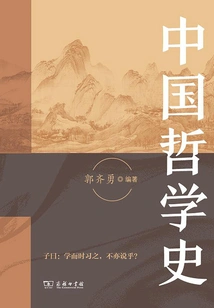
中国哲学史
Compiled By Guo Qiyong
This book embodies Professor Guo Qiyong's experience in teaching and research for more than thirty years, and reflects the common endeavors and accumulation of generations of scholars over the past century since the discipline of Chinese philosophy was established. The book systematically introduces the development history of Chinese philosophy, with special emphasis on elucidating representative philosophical classics and philosophers' thoughts, fully revealing the characteristics of Chinese philosophical wisdom that are different from Western philosophy and its modern value. This book proposes a four-stage division of the history of Chinese philosophy; it deletes the tedious textual research and historical background parts, and goes straight to the philosophical theme, using this to select trends of thought and representative figures, highlight the key points and key points of their philosophical thoughts, focus on the big and let go of the small, accurately grasp the relevant categories and propositions, objectively comment on the contributions and limitations of each school, and talk about it. We strive to explain each issue thoroughly, and do not focus on one issue here and there, so that we cannot talk clearly; we focus on strengthening the plain understanding and corresponding interpretation of the most representative original classics and characters' thoughts, and strive to analyze the connotation and characteristics of Chinese philosophy, especially the difference with Western philosophy, and avoid wearing boots and hats, and cutting feet to fit shoes.
This book embodies Professor Guo Qiyong's experience in teaching and research for more than thirty years, and reflects the common endeavors and accumulation of generations of scholars over the past century since the discipline of Chinese philosophy was established. The book systematically introduces the development history of Chinese philosophy, with special emphasis on elucidating representative philosophical classics and philosophers' thoughts, fully revealing the characteristics of Chinese philosophical wisdom that are different from Western philosophy and its modern value. This book proposes a four-stage division of the history of Chinese philosophy; it deletes the tedious textual research and historical background parts, and goes straight to the philosophical theme, using this to select trends of thought and representative figures, highlight the key points and key points of their philosophical thoughts, focus on the big and let go of the small, accurately grasp the relevant categories and propositions, objectively comment on the contributions and limitations of each school, and talk about it. We strive to explain each issue thoroughly, and do not focus on one issue here and there, so that we cannot talk clearly; we focus on strengthening the plain understanding and corresponding interpretation of the most representative original classics and characters' thoughts, and strive to analyze the connotation and characteristics of Chinese philosophy, especially the difference with Western philosophy, and avoid wearing boots and hats, and cutting feet to fit shoes.
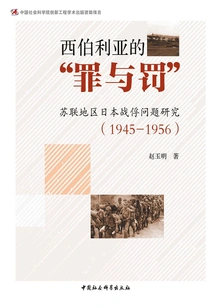
西伯利亚的“罪与罚”:苏联地区日本战俘问题研究:1945—1956
Zhao Yuming
From September 1945 to April 1946, the Soviet Union actually transferred more than 500,000 Japanese prisoners of war from the above-mentioned areas and the northern part of the Korean Peninsula to various parts of the Soviet Union to engage in various forms of labor utilization such as log collection, mineral extraction, and railway and road construction labor. From the end of 1946, the Soviet Union began to repatriate Japanese prisoners of war one after another. It was not until the two countries signed the "Soviet-Japanese Joint Declaration" in 1956 and normalized relations that the repatriation of Japanese prisoners of war was basically completed. During this period, the repatriation of Japanese prisoners of war went through two stages: the early stage of concentrated repatriation and the later stage of concentrated repatriation. The issue of Japanese prisoners of war in the Soviet Union is an important issue in the history of post-war Soviet-Japanese relations. The resulting debate between the Soviet and Japanese governments, private citizens, and the international community has never ended. This article uses the declassified archives of the Soviet Union, the latest research results of Russian and Japanese academic circles, the memoirs of Japanese prisoners of war in the Soviet area, and interviews with the parties, etc. To conduct a systematic study and combing of the postwar Soviet government's entry into the Soviet Union, regional distribution, daily management, ideological and political education, labor utilization, and repatriation of Japanese prisoners of war.
From September 1945 to April 1946, the Soviet Union actually transferred more than 500,000 Japanese prisoners of war from the above-mentioned areas and the northern part of the Korean Peninsula to various parts of the Soviet Union to engage in various forms of labor utilization such as log collection, mineral extraction, and railway and road construction labor. From the end of 1946, the Soviet Union began to repatriate Japanese prisoners of war one after another. It was not until the two countries signed the "Soviet-Japanese Joint Declaration" in 1956 and normalized relations that the repatriation of Japanese prisoners of war was basically completed. During this period, the repatriation of Japanese prisoners of war went through two stages: the early stage of concentrated repatriation and the later stage of concentrated repatriation. The issue of Japanese prisoners of war in the Soviet Union is an important issue in the history of post-war Soviet-Japanese relations. The resulting debate between the Soviet and Japanese governments, private citizens, and the international community has never ended. This article uses the declassified archives of the Soviet Union, the latest research results of Russian and Japanese academic circles, the memoirs of Japanese prisoners of war in the Soviet area, and interviews with the parties, etc. To conduct a systematic study and combing of the postwar Soviet government's entry into the Soviet Union, regional distribution, daily management, ideological and political education, labor utilization, and repatriation of Japanese prisoners of war.
欧洲文学史(全2册)
Editor-in-chief Yang Zhouhan Wu Dayuan Zhao Luorui
This book briefly describes the history of the development of European literature from ancient Greece to the Russian Revolution of 1917, and provides some basic knowledge to readers, especially college students. The book is divided into eight chapters. Each chapter describes the outline of European literature in a period and is closely related to the history and ideological trends at that time. Each chapter also describes the literary development of several countries during this period, focusing on representative writers and works, thus forming the characteristics of this book as a literary history.
This book briefly describes the history of the development of European literature from ancient Greece to the Russian Revolution of 1917, and provides some basic knowledge to readers, especially college students. The book is divided into eight chapters. Each chapter describes the outline of European literature in a period and is closely related to the history and ideological trends at that time. Each chapter also describes the literary development of several countries during this period, focusing on representative writers and works, thus forming the characteristics of this book as a literary history.
明清文学与文献(第九辑)
Du Guiping Editor-in-chief Chen Caixun
"Ming and Qing Literature and Documents" is a professional academic journal sponsored by the Ming and Qing Literature and Culture Research Center of Heilongjiang University. The book focuses on the research results of Ming and Qing literature, documents and culture, and strives to present the cutting-edge trends and latest results of Ming and Qing literature research, reflecting the characteristics of this discipline.
"Ming and Qing Literature and Documents" is a professional academic journal sponsored by the Ming and Qing Literature and Culture Research Center of Heilongjiang University. The book focuses on the research results of Ming and Qing literature, documents and culture, and strives to present the cutting-edge trends and latest results of Ming and Qing literature research, reflecting the characteristics of this discipline.
阿拉伯研究论丛(总第10期)
Hou Yuxiang Editor-in-chief Wu Sike
"Arab Studies Series" is a collection of Arab studies sponsored by the Arab Studies Center of Beijing International Studies University, the regional and national research base of the Ministry of Education. The content focuses on the politics, economy, society, culture and diplomacy of Arab countries. Based on the Arab Studies Forum, this journal selects academic papers published by scholars at the forum and compiles them into a volume to benefit the accumulation of domestic Arab studies.
"Arab Studies Series" is a collection of Arab studies sponsored by the Arab Studies Center of Beijing International Studies University, the regional and national research base of the Ministry of Education. The content focuses on the politics, economy, society, culture and diplomacy of Arab countries. Based on the Arab Studies Forum, this journal selects academic papers published by scholars at the forum and compiles them into a volume to benefit the accumulation of domestic Arab studies.
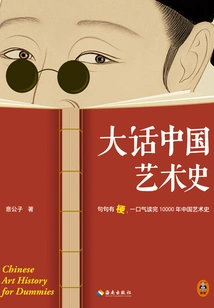
大话中国艺术史
Mr. Yi
This book starts from the pottery of primitive society, and covers many unique Chinese art forms such as pottery, jade, bronze, cursive script, running script, landscape painting, gongbi painting, etc. It spans multiple periods such as Qin, Han, Tang, Song, Yuan, Ming, Qing, and modern times. Yi Gongzi uses her unique perspective and takes time as the context of her writing. Through familiar art treasures, she connects this magnificent and criss-crossing artistic history. With concise, vivid and humorous language and rich and exquisite pictures, she leads readers to re-understand the development of Chinese art, appreciate the spiritual connotation of Chinese art, and feel the unique artistic color of this land of China.
This book starts from the pottery of primitive society, and covers many unique Chinese art forms such as pottery, jade, bronze, cursive script, running script, landscape painting, gongbi painting, etc. It spans multiple periods such as Qin, Han, Tang, Song, Yuan, Ming, Qing, and modern times. Yi Gongzi uses her unique perspective and takes time as the context of her writing. Through familiar art treasures, she connects this magnificent and criss-crossing artistic history. With concise, vivid and humorous language and rich and exquisite pictures, she leads readers to re-understand the development of Chinese art, appreciate the spiritual connotation of Chinese art, and feel the unique artistic color of this land of China.
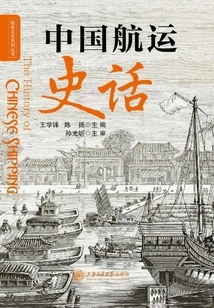
China Shipping History
History中国航运史话
Wang Xuefeng Editor-in-chief Chen Yang
This book focuses on the transformation process experienced by China's shipping industry in modern times since 1840, using key events in time series as an entry point to introduce in detail the rise and evolution of China's ports, the development of ports and international shipping centers, changes in maritime routes, the thorny road of inland shipping, the mark of the times in the development of the shipping industry, changes in shipping enterprise systems, changes in shipping systems, and the development of shipping policies. The content of the book is organized to enable readers to understand the difficulties and obstacles that the country has faced from standing up to becoming rich and strong through the mirror of "shipping", and to experience the turbulent years that the party has led the Chinese nation through. This book can be used for classroom teaching of general humanities courses in colleges and universities, and can also be used as a textbook for shipping management, transportation, logistics management, port management and other related majors, as well as a teaching reference book for professional teachers. At the same time, this book can also be used to learn shipping knowledge for professional groups engaged in economic management.
This book focuses on the transformation process experienced by China's shipping industry in modern times since 1840, using key events in time series as an entry point to introduce in detail the rise and evolution of China's ports, the development of ports and international shipping centers, changes in maritime routes, the thorny road of inland shipping, the mark of the times in the development of the shipping industry, changes in shipping enterprise systems, changes in shipping systems, and the development of shipping policies. The content of the book is organized to enable readers to understand the difficulties and obstacles that the country has faced from standing up to becoming rich and strong through the mirror of "shipping", and to experience the turbulent years that the party has led the Chinese nation through. This book can be used for classroom teaching of general humanities courses in colleges and universities, and can also be used as a textbook for shipping management, transportation, logistics management, port management and other related majors, as well as a teaching reference book for professional teachers. At the same time, this book can also be used to learn shipping knowledge for professional groups engaged in economic management.
中国农药七十年发展录
Editor-in-chief Gu Xudong
This book carefully collects and organizes more than 50 articles. According to the four themes of "Glorious History", "Precious Memories", "Famous Figures" and "Enterprise Style", it systematically outlines pesticide research and development, industrial development, system construction, standard formulation, safety and environmental protection, promotion and application, international trade, intellectual property and other aspects. It contains It contains a microcosm of the development of the pesticide industry, the growth experiences and unforgettable memories of famous experts, entrepreneurial stories of entrepreneurs, etc.; In addition, it has also edited and compiled the "Seventy Years of Development of China's Pesticides", which basically covers the various historical stages of China's pesticide development and important events in the 70 years since the founding of the People's Republic of China. This book has high value for historical data research and learning and exchange, and can be consulted, referenced and collected by relevant government departments, pesticide research institutes, colleges and universities, pesticide production and operation enterprises, pesticide promotion and application departments, libraries and other units as well as readers.
This book carefully collects and organizes more than 50 articles. According to the four themes of "Glorious History", "Precious Memories", "Famous Figures" and "Enterprise Style", it systematically outlines pesticide research and development, industrial development, system construction, standard formulation, safety and environmental protection, promotion and application, international trade, intellectual property and other aspects. It contains It contains a microcosm of the development of the pesticide industry, the growth experiences and unforgettable memories of famous experts, entrepreneurial stories of entrepreneurs, etc.; In addition, it has also edited and compiled the "Seventy Years of Development of China's Pesticides", which basically covers the various historical stages of China's pesticide development and important events in the 70 years since the founding of the People's Republic of China. This book has high value for historical data research and learning and exchange, and can be consulted, referenced and collected by relevant government departments, pesticide research institutes, colleges and universities, pesticide production and operation enterprises, pesticide promotion and application departments, libraries and other units as well as readers.
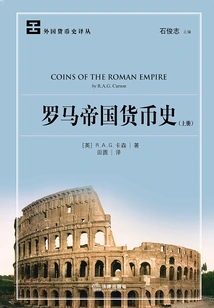
罗马帝国货币史(上册)
(english) R. A. G. Carson
This book is a monograph on the monetary history of the Roman Empire. The whole book is divided into two parts. The first part introduces the currency issuance, minting system and coin characteristics of the Roman Empire in various historical periods from 29 BC to 498 AD in chronological order. The second part discusses the metal resources, mints, coin production system and other issues of Roman Empire coinage according to the theme.
This book is a monograph on the monetary history of the Roman Empire. The whole book is divided into two parts. The first part introduces the currency issuance, minting system and coin characteristics of the Roman Empire in various historical periods from 29 BC to 498 AD in chronological order. The second part discusses the metal resources, mints, coin production system and other issues of Roman Empire coinage according to the theme.
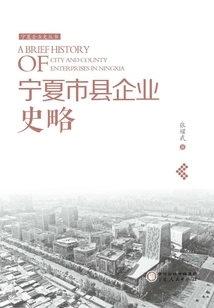
宁夏市县企业史略
Zhang Yaowu
In order to welcome the 70th anniversary of the People's Republic of China, researcher Duan Qinglin, deputy president of the Ningxia Academy of Social Sciences, planned and organized the compilation of the "Ningxia Enterprise History Series". In 2016, with project funding from the Ningxia Academy of Social Sciences, the author undertook the compilation of the book "History of Enterprises in Ningxia Cities and Counties". During the writing process of this book, the Political Research Office of the Party Committee of the Autonomous Region, the State-owned Assets Supervision and Administration Commission of the Autonomous Region, the Development and Reform Commission of the Autonomous Region, the Industry and Information Technology Department of the Autonomous Region, the Statistics Bureau of the Autonomous Region, the Statistics Bureau of the Five Municipalities and the Local Chronicles Office provided a large amount of historical data. Shi Rong, an associate professor and Ph. D. At the School of Economics and Management of Ningxia University, Zhang Huaizhi, a fourth-level researcher at the Civil Affairs Department of the Autonomous Region, and others did a lot of data compilation and related writing work.
In order to welcome the 70th anniversary of the People's Republic of China, researcher Duan Qinglin, deputy president of the Ningxia Academy of Social Sciences, planned and organized the compilation of the "Ningxia Enterprise History Series". In 2016, with project funding from the Ningxia Academy of Social Sciences, the author undertook the compilation of the book "History of Enterprises in Ningxia Cities and Counties". During the writing process of this book, the Political Research Office of the Party Committee of the Autonomous Region, the State-owned Assets Supervision and Administration Commission of the Autonomous Region, the Development and Reform Commission of the Autonomous Region, the Industry and Information Technology Department of the Autonomous Region, the Statistics Bureau of the Autonomous Region, the Statistics Bureau of the Five Municipalities and the Local Chronicles Office provided a large amount of historical data. Shi Rong, an associate professor and Ph. D. At the School of Economics and Management of Ningxia University, Zhang Huaizhi, a fourth-level researcher at the Civil Affairs Department of the Autonomous Region, and others did a lot of data compilation and related writing work.
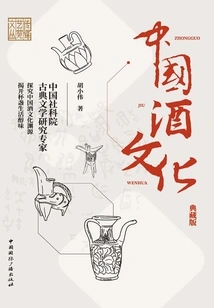
中国酒文化(典藏版)
Hu Xiaowei
In the long process of historical and cultural development, wine has gradually acquired cultural connotations. This book mainly introduces the origin of wine, the virtues of wine, wine as a ritual, "Book of Changes" and wine, seventeen paragraphs of wine, the nine tastes of wine, the confusion of wine, wine stars and wine, Yanzi's allegory, etc. Wine is an important communication medium. From national ceremonies to summer solstice gatherings of relatives and friends, wine is indispensable. Objectively speaking, wine has made a great contribution to Chinese culture. This book systematically and comprehensively introduces the history of wine, and at the same time, it also reflects the rich history of folk life. It can be used as a research reference by experts, and can also be used by drinking friends and interested people to increase their knowledge and improve their cultivation.
In the long process of historical and cultural development, wine has gradually acquired cultural connotations. This book mainly introduces the origin of wine, the virtues of wine, wine as a ritual, "Book of Changes" and wine, seventeen paragraphs of wine, the nine tastes of wine, the confusion of wine, wine stars and wine, Yanzi's allegory, etc. Wine is an important communication medium. From national ceremonies to summer solstice gatherings of relatives and friends, wine is indispensable. Objectively speaking, wine has made a great contribution to Chinese culture. This book systematically and comprehensively introduces the history of wine, and at the same time, it also reflects the rich history of folk life. It can be used as a research reference by experts, and can also be used by drinking friends and interested people to increase their knowledge and improve their cultivation.
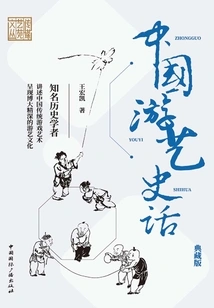
中国游艺史话(典藏版)
Wang Hongkai
The history of Chinese entertainment. Chinese people understand the meaning of life and the art of living. Entertainment contains an extraordinary and joyful philosophy of life. It is unique and elegant, exquisite, full of vitality and fun, and embodies the optimistic spirit of the Chinese nation. The Chinese have created many entertainment projects such as Go, Xiangqi, Cuju, Chui Wan, Mahjong, kites, jigsaw puzzle, Jiu Lian Lian, Jiu Ling, etc., Which have been passed down from generation to generation and are passed down endlessly. This book extracts some of the most dazzling pearls from the treasure house of ancient entertainment and narrates the lovely and touching stories in the history of Chinese entertainment.
The history of Chinese entertainment. Chinese people understand the meaning of life and the art of living. Entertainment contains an extraordinary and joyful philosophy of life. It is unique and elegant, exquisite, full of vitality and fun, and embodies the optimistic spirit of the Chinese nation. The Chinese have created many entertainment projects such as Go, Xiangqi, Cuju, Chui Wan, Mahjong, kites, jigsaw puzzle, Jiu Lian Lian, Jiu Ling, etc., Which have been passed down from generation to generation and are passed down endlessly. This book extracts some of the most dazzling pearls from the treasure house of ancient entertainment and narrates the lovely and touching stories in the history of Chinese entertainment.
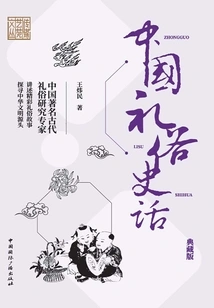
中国礼俗史话(典藏版)
Wang Weimin
China is an ancient civilization with a long history. In the long historical process, the Chinese nation has created material civilization and spiritual civilization that are rare in the world with its strong will and outstanding wisdom. Etiquette norms constitute the norms of people's daily lives and occupy a core position in Chinese civilization. Therefore, our country has always been known as the "Land of Etiquette" in the world. Once etiquette and customs are formed, they have invisible moral power, become the standard for people to judge right and wrong, play the role of unwritten law, and have a profound impact on society. Today, it is still of great significance to study and summarize traditional etiquette and inherit it critically.
China is an ancient civilization with a long history. In the long historical process, the Chinese nation has created material civilization and spiritual civilization that are rare in the world with its strong will and outstanding wisdom. Etiquette norms constitute the norms of people's daily lives and occupy a core position in Chinese civilization. Therefore, our country has always been known as the "Land of Etiquette" in the world. Once etiquette and customs are formed, they have invisible moral power, become the standard for people to judge right and wrong, play the role of unwritten law, and have a profound impact on society. Today, it is still of great significance to study and summarize traditional etiquette and inherit it critically.
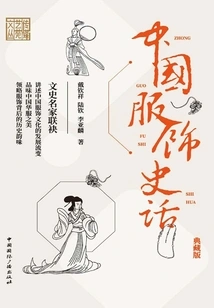
中国服饰史话(典藏版)
Dai Qinxiang Lu Qin Li Yalin
Wearing history on one's body, from "clothes with hair and skin peeling off" to "embroidered clothes to shine in the late spring", clothing has developed from the initial purpose of covering the body and keeping out the cold to a pursuit of beauty, or a symbol of power and status. Throughout the 5,000-year history of the Chinese nation, the rich social connotations of politics, economy, ethnicity, and culture in each historical period will be reflected in people's daily attire. Clothing has become an important code for us to interpret the evolution and development of the Chinese nation. This book uses easy-to-understand language and pictures to allow readers to wander into the gorgeous and magnificent history of Chinese clothing.
Wearing history on one's body, from "clothes with hair and skin peeling off" to "embroidered clothes to shine in the late spring", clothing has developed from the initial purpose of covering the body and keeping out the cold to a pursuit of beauty, or a symbol of power and status. Throughout the 5,000-year history of the Chinese nation, the rich social connotations of politics, economy, ethnicity, and culture in each historical period will be reflected in people's daily attire. Clothing has become an important code for us to interpret the evolution and development of the Chinese nation. This book uses easy-to-understand language and pictures to allow readers to wander into the gorgeous and magnificent history of Chinese clothing.
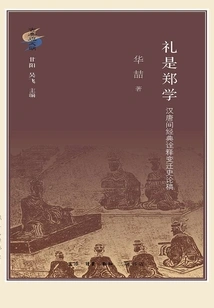
礼是郑学:汉唐间经典诠释变迁史论稿(古典与文明)
Hua Zhe
The theory that "rituals are Zheng Xue" comes from Kong Yingda Shu in "Book of Rites and Justice". The author uses this as a basic method to understand the classics and analyze the classics. He reorganizes the development of the interpretation of classics in Han and Tang Dynasties, and proposes that the tradition of classics in Han and Tang Dynasties was built around how to understand Zheng and Xuan. This book uses clear language to lead readers into the thinking world of ancient Confucian scholars, tracing back the development of Confucian classics in the past five hundred years from the founding of Zheng Xuan's study to the compilation of the "Five Classics of Justice" in the Tang Dynasty. The book focuses on Zheng Xuan's theory and later scholars' questioning, criticism, adjustment, distortion, and return of Zheng Xuan. It explores the evolutionary relationship and academic features from the content of the scripture itself, and puts forward many refreshing conclusions for readers.
The theory that "rituals are Zheng Xue" comes from Kong Yingda Shu in "Book of Rites and Justice". The author uses this as a basic method to understand the classics and analyze the classics. He reorganizes the development of the interpretation of classics in Han and Tang Dynasties, and proposes that the tradition of classics in Han and Tang Dynasties was built around how to understand Zheng and Xuan. This book uses clear language to lead readers into the thinking world of ancient Confucian scholars, tracing back the development of Confucian classics in the past five hundred years from the founding of Zheng Xuan's study to the compilation of the "Five Classics of Justice" in the Tang Dynasty. The book focuses on Zheng Xuan's theory and later scholars' questioning, criticism, adjustment, distortion, and return of Zheng Xuan. It explores the evolutionary relationship and academic features from the content of the scripture itself, and puts forward many refreshing conclusions for readers.
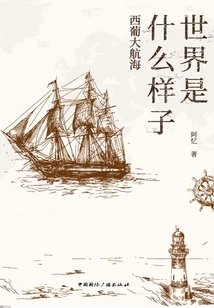
世界是什么样子:西葡大航海
A Yi
The Great Navigation brought to the world the land and islands that had been hidden in every corner of the earth for thousands of years, allowing mankind to truly understand what the world really looks like. Before the Great Navigation, human beings only knew the local areas where they lived. It was the great navigators who opened the first curtain of globalization. With a sword in one hand and a pen in the other, they grabbed huge amounts of wealth while painting a complete picture of the world. The mission of this book is mainly to outline and describe the early years of the Age of Discovery - the Spanish-Portuguese Exploration Period, also known as the period of geographical discovery. It was a particularly critical period that changed the destiny of the earth and mankind. The curtain of the world picture slowly opens...
The Great Navigation brought to the world the land and islands that had been hidden in every corner of the earth for thousands of years, allowing mankind to truly understand what the world really looks like. Before the Great Navigation, human beings only knew the local areas where they lived. It was the great navigators who opened the first curtain of globalization. With a sword in one hand and a pen in the other, they grabbed huge amounts of wealth while painting a complete picture of the world. The mission of this book is mainly to outline and describe the early years of the Age of Discovery - the Spanish-Portuguese Exploration Period, also known as the period of geographical discovery. It was a particularly critical period that changed the destiny of the earth and mankind. The curtain of the world picture slowly opens...
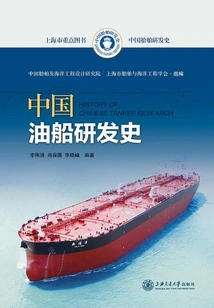
中国油船研发史
Compiled By Li Gangqiang, Shang Baoguo And Li Xiaofeng
This book is one of the "History of Chinese Ship Development" series. It takes oil tankers, one of the world's three largest cargo ships, as the research object. It focuses on describing world oil transportation and the development of oil tankers, the types and typical characteristics of oil tankers, special systems for oil tankers, the research and development history of my country's oil tankers, my country's typical oil tankers, the enterprising R&D and design team, and future oil tanker research and development trends. This book is not only a science and technology book for college students and teenagers to understand the history of China's oil tanker research and development, but also a professional book for scientific and technical personnel engaged in oil tanker research and development.
This book is one of the "History of Chinese Ship Development" series. It takes oil tankers, one of the world's three largest cargo ships, as the research object. It focuses on describing world oil transportation and the development of oil tankers, the types and typical characteristics of oil tankers, special systems for oil tankers, the research and development history of my country's oil tankers, my country's typical oil tankers, the enterprising R&D and design team, and future oil tanker research and development trends. This book is not only a science and technology book for college students and teenagers to understand the history of China's oil tanker research and development, but also a professional book for scientific and technical personnel engaged in oil tanker research and development.
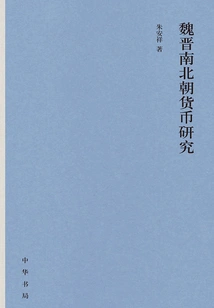
魏晋南北朝货币研究(精装)
Zhu Anxiang
This book selects four meso-level aspects, including currency casting and issuance, monetary policy, currency circulation and monetary thought, as research perspectives to conduct a multi-angle and all-round comprehensive investigation of currency issues in the Wei, Jin, Southern and Northern Dynasties. While deeply analyzing specific issues such as the historical origins, morphological characteristics, and circulation rules of a certain period or even a certain currency, it also attempts to combine it with the historical environment behind it to further reveal the currency development process and its evolution rules for nearly four centuries in the Wei, Jin, Southern and Northern Dynasties, and finally present a relatively complete and three-dimensional history of currency development.
This book selects four meso-level aspects, including currency casting and issuance, monetary policy, currency circulation and monetary thought, as research perspectives to conduct a multi-angle and all-round comprehensive investigation of currency issues in the Wei, Jin, Southern and Northern Dynasties. While deeply analyzing specific issues such as the historical origins, morphological characteristics, and circulation rules of a certain period or even a certain currency, it also attempts to combine it with the historical environment behind it to further reveal the currency development process and its evolution rules for nearly four centuries in the Wei, Jin, Southern and Northern Dynasties, and finally present a relatively complete and three-dimensional history of currency development.
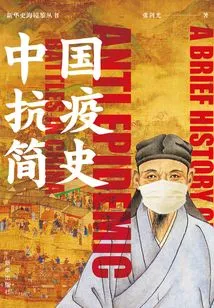
中国抗疫简史
Zhang Jianguang
This book combs the history, experience and ideas of epidemic prevention and control from the pre-Qin Dynasty to the late Qing Dynasty, and summarizes the national spirit of staying in the same boat and being tenacious. Three thousand years of anti-epidemic history shows that China is a country that is brave and good at fighting epidemics and has a tradition of defeating various infectious diseases. Today, with the continuous advancement of science and technology, as long as we exert our wisdom and potential, are not afraid of disasters, and carry forward the tenacious national spirit formed by the Chinese nation in the fight against epidemics, we will surely defeat various epidemics, and our nation will continue to thrive and develop.
This book combs the history, experience and ideas of epidemic prevention and control from the pre-Qin Dynasty to the late Qing Dynasty, and summarizes the national spirit of staying in the same boat and being tenacious. Three thousand years of anti-epidemic history shows that China is a country that is brave and good at fighting epidemics and has a tradition of defeating various infectious diseases. Today, with the continuous advancement of science and technology, as long as we exert our wisdom and potential, are not afraid of disasters, and carry forward the tenacious national spirit formed by the Chinese nation in the fight against epidemics, we will surely defeat various epidemics, and our nation will continue to thrive and develop.
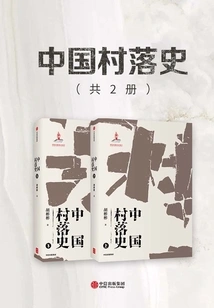
中国村落史(共2册)
Hu Binbin
Traditional China is a "rural society". In such a civilizational structure, traditional villages dotted across the land of China have been the basic production units and social organizations of the Chinese people for a long time. They are the basic structure that nurtures Chinese culture. They are also a long-lasting and culturally representative space-time location in China's vast territory and long historical evolution. Cultivating the organizational structure, traditional wisdom, and cultural concepts derived from traditional villages is an important component of Chinese civilization. It still profoundly affects the social life and national temperament of modern Chinese people, and constitutes the internal characteristics and external form of an extremely strong and rich and diverse national culture. In modern China, where urbanization is advancing at a rapid pace, traditional villages are facing an existential crisis of rapidly disappearing. Therefore, rescue excavation and research on existing traditional villages and their cultural relics are of incomparable cultural value. The author of this book has visited more than 5,000 traditional villages in China over the past few decades and accumulated a large amount of field investigation data. Through the compilation and discussion of new materials and the citation and exploration of historical documents and classics, this book wanders through the past and present, from the origin of civilization to modern China. It completely presents and in-depth explains the evolution and development of traditional Chinese villages from a grand historical perspective. It tells the characteristics of traditional villages in different periods, their cultural significance and their interactive influence with the background of the times and social systems. Behind the hierarchical historical elaboration and the analytical citations, the panoramic appearance of traditional Chinese villages emerges vividly on the page.
Traditional China is a "rural society". In such a civilizational structure, traditional villages dotted across the land of China have been the basic production units and social organizations of the Chinese people for a long time. They are the basic structure that nurtures Chinese culture. They are also a long-lasting and culturally representative space-time location in China's vast territory and long historical evolution. Cultivating the organizational structure, traditional wisdom, and cultural concepts derived from traditional villages is an important component of Chinese civilization. It still profoundly affects the social life and national temperament of modern Chinese people, and constitutes the internal characteristics and external form of an extremely strong and rich and diverse national culture. In modern China, where urbanization is advancing at a rapid pace, traditional villages are facing an existential crisis of rapidly disappearing. Therefore, rescue excavation and research on existing traditional villages and their cultural relics are of incomparable cultural value. The author of this book has visited more than 5,000 traditional villages in China over the past few decades and accumulated a large amount of field investigation data. Through the compilation and discussion of new materials and the citation and exploration of historical documents and classics, this book wanders through the past and present, from the origin of civilization to modern China. It completely presents and in-depth explains the evolution and development of traditional Chinese villages from a grand historical perspective. It tells the characteristics of traditional villages in different periods, their cultural significance and their interactive influence with the background of the times and social systems. Behind the hierarchical historical elaboration and the analytical citations, the panoramic appearance of traditional Chinese villages emerges vividly on the page.
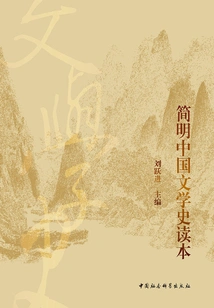
简明中国文学史读本
Editor-in-chief Liu Yuejin
"A Concise Chinese Literary History Reader" is another academic popular science work for general readers carefully created by China Social Sciences Press after the successful launch of "A Concise Chinese History Reader" and "A Concise World History Reader". In its conception, this reader fully embodies the concept of "big scholars write small books" Features: All front-line researchers from the Institute of Literature of the Chinese Academy of Social Sciences are invited to try their best to show readers the basic development of Chinese literature in simple and easy-to-understand language. It covers the development of literature from ancient times to before the founding of the People's Republic of China in more than 800 pages. With one copy in hand, you can learn about the important figures and representative works in the history of Chinese literature. This book is highly readable and has positive significance in promoting high-end academics to the general public. The book is divided into nine parts, starting from the pre-Qin period in 1949. The authors are mainly young and middle-aged key scholars from the Institute of Literature, and teachers from universities are also invited to participate. It has two main features: one is that it reflects the latest research results, and the other is that it reflects the literature of multiple ethnic groups and different classes. It took two years to complete.
"A Concise Chinese Literary History Reader" is another academic popular science work for general readers carefully created by China Social Sciences Press after the successful launch of "A Concise Chinese History Reader" and "A Concise World History Reader". In its conception, this reader fully embodies the concept of "big scholars write small books" Features: All front-line researchers from the Institute of Literature of the Chinese Academy of Social Sciences are invited to try their best to show readers the basic development of Chinese literature in simple and easy-to-understand language. It covers the development of literature from ancient times to before the founding of the People's Republic of China in more than 800 pages. With one copy in hand, you can learn about the important figures and representative works in the history of Chinese literature. This book is highly readable and has positive significance in promoting high-end academics to the general public. The book is divided into nine parts, starting from the pre-Qin period in 1949. The authors are mainly young and middle-aged key scholars from the Institute of Literature, and teachers from universities are also invited to participate. It has two main features: one is that it reflects the latest research results, and the other is that it reflects the literature of multiple ethnic groups and different classes. It took two years to complete.
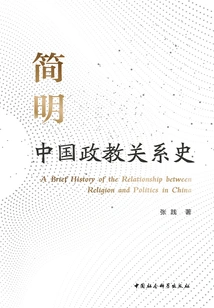
简明中国政教关系史
Zhang Jian
This book is compressed on the basis of the first and second volumes of the author's "History of Political-Religious Relations in Ancient China". A concise and concise systematic introduction to the relationship between politics and religion in China from ancient times to modern times. The first chapter, the introduction, points out the interaction mechanism between religion and politics based on a comprehensive study of the world's political-religious relations, and explains the differences between China's political-religious relations and the West. The next eight chapters introduce the relationship between politics and religion in China's past dynasties one by one, not only explaining the interactive influence of religion and politics, but also systematically introducing the pros and cons of religious management policies of past dynasties. The last chapter systematically studies the historical characteristics of China's political-religious relations and the lessons learned from religious management. "State-religious relations" is a concept imported from modern times, which is very different from China's historical process. The characteristic of this book is that it strives to study China's historical data realistically under the guidance of Marxism, find the essential attributes of China's political-religious relations, and establish a theory of political-religious relations with Chinese characteristics.
This book is compressed on the basis of the first and second volumes of the author's "History of Political-Religious Relations in Ancient China". A concise and concise systematic introduction to the relationship between politics and religion in China from ancient times to modern times. The first chapter, the introduction, points out the interaction mechanism between religion and politics based on a comprehensive study of the world's political-religious relations, and explains the differences between China's political-religious relations and the West. The next eight chapters introduce the relationship between politics and religion in China's past dynasties one by one, not only explaining the interactive influence of religion and politics, but also systematically introducing the pros and cons of religious management policies of past dynasties. The last chapter systematically studies the historical characteristics of China's political-religious relations and the lessons learned from religious management. "State-religious relations" is a concept imported from modern times, which is very different from China's historical process. The characteristic of this book is that it strives to study China's historical data realistically under the guidance of Marxism, find the essential attributes of China's political-religious relations, and establish a theory of political-religious relations with Chinese characteristics.
当代中国小说批评史
Cheng Guangwei
This book divides the 70-year historical process of contemporary Chinese novels into the first stage from 1949 to 1976, the second stage from 1977 to 1991, and the third stage from 1992 to 2019. The traditional history of novel criticism usually adopts the "historical theory" historical view and analysis model. This model is certainly historical and persuasive, but it can also easily suppress the uniqueness of the history of novel criticism, and it is especially easy to ignore the subjectivity of criticism and the extremely vivid and rich details. The characteristic of this book is that it wants to highlight the history of contemporary novel criticism from the comprehensive "big history" and put all the weight of theoretical thinking and narrative on it. Through the narration and analysis of the activities and practices of different "novel criticism circles" in each period, the "criticism circle"'s overall thinking on the "history of novels" is demonstrated. This book intends to use the process of the "novel criticism circle"'s penetration and intervention into the history of contemporary novels as an overall clue to connect the relationship between criticism and novels. It also views this connection as how critics who fully demonstrate their critical subjectivity fine-tune their relationship with big history in a "literary way" and reconstruct "the history of contemporary novels" as we know it today through critical concepts and practices.
This book divides the 70-year historical process of contemporary Chinese novels into the first stage from 1949 to 1976, the second stage from 1977 to 1991, and the third stage from 1992 to 2019. The traditional history of novel criticism usually adopts the "historical theory" historical view and analysis model. This model is certainly historical and persuasive, but it can also easily suppress the uniqueness of the history of novel criticism, and it is especially easy to ignore the subjectivity of criticism and the extremely vivid and rich details. The characteristic of this book is that it wants to highlight the history of contemporary novel criticism from the comprehensive "big history" and put all the weight of theoretical thinking and narrative on it. Through the narration and analysis of the activities and practices of different "novel criticism circles" in each period, the "criticism circle"'s overall thinking on the "history of novels" is demonstrated. This book intends to use the process of the "novel criticism circle"'s penetration and intervention into the history of contemporary novels as an overall clue to connect the relationship between criticism and novels. It also views this connection as how critics who fully demonstrate their critical subjectivity fine-tune their relationship with big history in a "literary way" and reconstruct "the history of contemporary novels" as we know it today through critical concepts and practices.
当代中国外国文学批评史
Wang Ning
This book is a monograph that comprehensively reviews and evaluates the development history of foreign literary criticism in China since the founding of the People's Republic of China. It is divided into seven parts according to the time period involved: a historical review of modern foreign literary criticism in China; the sinicization of Marxist literary theory; a discussion about the critics; the debate on modernist literature; the debate and criticism of postmodernism and foreign literary criticism since the 21st century. Different from previous histories of literary criticism, the author of this book has a broad international vision, trying to place China's foreign literary criticism in the context of world literature and its theoretical criticism, and consciously compare China's foreign literary criticism with international literary theory criticism, thereby highlighting the characteristics and internationality of China's foreign literary criticism. In addition, this book is problem-oriented and uses historical theory to systematically explore China's foreign literary criticism in the context of world literature and literary theory.
This book is a monograph that comprehensively reviews and evaluates the development history of foreign literary criticism in China since the founding of the People's Republic of China. It is divided into seven parts according to the time period involved: a historical review of modern foreign literary criticism in China; the sinicization of Marxist literary theory; a discussion about the critics; the debate on modernist literature; the debate and criticism of postmodernism and foreign literary criticism since the 21st century. Different from previous histories of literary criticism, the author of this book has a broad international vision, trying to place China's foreign literary criticism in the context of world literature and its theoretical criticism, and consciously compare China's foreign literary criticism with international literary theory criticism, thereby highlighting the characteristics and internationality of China's foreign literary criticism. In addition, this book is problem-oriented and uses historical theory to systematically explore China's foreign literary criticism in the context of world literature and literary theory.
当代中国文艺政策发展史
Wang Jie Shi Ran
"Contemporary Chinese literature and art policy" is a new topic. In China, literary and art policy is the main way of interconnection between literary theory, literary thought, literary creation and cultural governance, and it is also an important intermediate link. Historical research on the adjustment and change process of literary and art policies helps to explain the direct and complex connection between the creation and development of contemporary Chinese literature and art and social life. As one of the "History of Contemporary Chinese Literary Criticism" series, this book starts from the perspective of the history of criticism and systematically analyzes the realization of literary policy and literary aesthetic theory in specific literary and artistic work links. It attempts to theorize the practice of contemporary Chinese literary creation and literary policy, thereby promoting the revival of contemporary Chinese aesthetics and literary theory.
"Contemporary Chinese literature and art policy" is a new topic. In China, literary and art policy is the main way of interconnection between literary theory, literary thought, literary creation and cultural governance, and it is also an important intermediate link. Historical research on the adjustment and change process of literary and art policies helps to explain the direct and complex connection between the creation and development of contemporary Chinese literature and art and social life. As one of the "History of Contemporary Chinese Literary Criticism" series, this book starts from the perspective of the history of criticism and systematically analyzes the realization of literary policy and literary aesthetic theory in specific literary and artistic work links. It attempts to theorize the practice of contemporary Chinese literary creation and literary policy, thereby promoting the revival of contemporary Chinese aesthetics and literary theory.
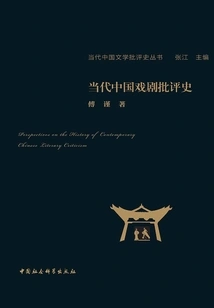
当代中国戏剧批评史
Fu Jin
The research object of "Research on the History of Contemporary Chinese Drama Criticism" is Chinese drama criticism from 1949 to 2019. Based on the process of historical development, this book outlines the 70-year development of Chinese drama criticism during this period. Through this research, it reveals the generation and evolution of contemporary Chinese drama criticism discourse, and elaborates on the interactive relationship between drama criticism, the development of contemporary Chinese drama, and drama creation and performance. This book is one of the series "History of Contemporary Chinese Literary Criticism". This book is the first monograph to systematically study and present the situation of drama criticism in contemporary China in the past 70 years. It is a good reference book for the majority of drama researchers and learners.
The research object of "Research on the History of Contemporary Chinese Drama Criticism" is Chinese drama criticism from 1949 to 2019. Based on the process of historical development, this book outlines the 70-year development of Chinese drama criticism during this period. Through this research, it reveals the generation and evolution of contemporary Chinese drama criticism discourse, and elaborates on the interactive relationship between drama criticism, the development of contemporary Chinese drama, and drama creation and performance. This book is one of the series "History of Contemporary Chinese Literary Criticism". This book is the first monograph to systematically study and present the situation of drama criticism in contemporary China in the past 70 years. It is a good reference book for the majority of drama researchers and learners.
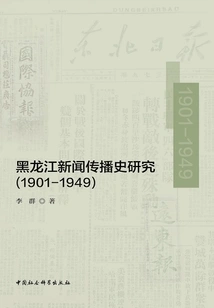
黑龙江新闻传播史研究(1901—1949)
Li Qun
The Heilongjiang region is one of the regions with a larger scale of journalism development in modern China and has distinctive local characteristics. The Heilongjiang region has published newspapers and periodicals in more than 20 languages. In addition to the well-known Tsarist Russian Far Eastern Newspaper, Jewish-run newspapers have far-reaching influence in the Jewish world and even the world. This is also the birthplace of China's modern broadcasting industry. According to statistics, from 1901 to before liberation in 1949, there were nearly 400 newspapers and 5 radio stations in Heilongjiang. These resource achievements have become an important foundation for the people's journalism under the leadership of the Communist Party of China. This book strives to systematically explore the development of the newspaper and broadcasting industries in Heilongjiang. Taking Harbin as the main research object, it systematically explores the role of Heilongjiang's journalism in the historical development of the modern Northeastern region and the international struggle in Northeast Asia. In the design of the overall research framework, this article focuses more on case studies while summarizing the overall situation.
The Heilongjiang region is one of the regions with a larger scale of journalism development in modern China and has distinctive local characteristics. The Heilongjiang region has published newspapers and periodicals in more than 20 languages. In addition to the well-known Tsarist Russian Far Eastern Newspaper, Jewish-run newspapers have far-reaching influence in the Jewish world and even the world. This is also the birthplace of China's modern broadcasting industry. According to statistics, from 1901 to before liberation in 1949, there were nearly 400 newspapers and 5 radio stations in Heilongjiang. These resource achievements have become an important foundation for the people's journalism under the leadership of the Communist Party of China. This book strives to systematically explore the development of the newspaper and broadcasting industries in Heilongjiang. Taking Harbin as the main research object, it systematically explores the role of Heilongjiang's journalism in the historical development of the modern Northeastern region and the international struggle in Northeast Asia. In the design of the overall research framework, this article focuses more on case studies while summarizing the overall situation.
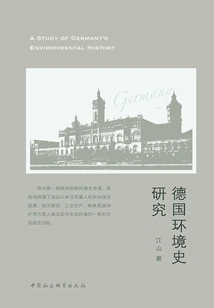
德国环境史研究
Country
This book systematically sorts out how the production practices of the Germanic people have affected the changes in the natural environment since ancient times, and how the changed natural environment has affected the Germanic people's lifestyle, social evolution and historical process. In particular, the content of German industrial pollution is the focus of this study. It is completely different from the history of American wilderness and the history of Japanese disasters, and has become the most unique and academic research content. In addition, its religious environmental history, forest environmental history, Nazi environmental history, marine environmental history and East German environmental history are also distinctive research highlights. As a world industrial power, this book provides a systematic summary of Germany's many environmental governance experiences, and also provides an in-depth analysis and discussion of its historical lessons. I believe that this study can provide useful reference for enriching my country's research on world environmental history and the construction of national ecological civilization.
This book systematically sorts out how the production practices of the Germanic people have affected the changes in the natural environment since ancient times, and how the changed natural environment has affected the Germanic people's lifestyle, social evolution and historical process. In particular, the content of German industrial pollution is the focus of this study. It is completely different from the history of American wilderness and the history of Japanese disasters, and has become the most unique and academic research content. In addition, its religious environmental history, forest environmental history, Nazi environmental history, marine environmental history and East German environmental history are also distinctive research highlights. As a world industrial power, this book provides a systematic summary of Germany's many environmental governance experiences, and also provides an in-depth analysis and discussion of its historical lessons. I believe that this study can provide useful reference for enriching my country's research on world environmental history and the construction of national ecological civilization.
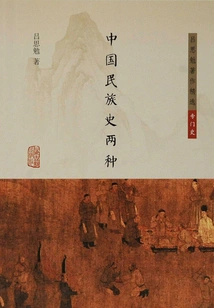
中国民族史两种
Lu Simian
"History of Nationalities" provides a systematic description of the twelve major ethnic groups in Chinese history, including the Han, Xiongnu, Xianbei, and Dingling, with detailed textual research, and a detailed examination of their residence, ethnic groups, systems, and historical status; "History of Ethnic Evolution" takes a macro perspective The book conceptually outlines the origin and formation of the Chinese nation, the exchanges and integration of various ethnic groups, the trauma suffered by the Chinese nation in modern times, the problems it faces, and the road to revival, etc. The text is easy to read and absorbs the ethnological theories at home and abroad at that time. It is a popular reading for students.
"History of Nationalities" provides a systematic description of the twelve major ethnic groups in Chinese history, including the Han, Xiongnu, Xianbei, and Dingling, with detailed textual research, and a detailed examination of their residence, ethnic groups, systems, and historical status; "History of Ethnic Evolution" takes a macro perspective The book conceptually outlines the origin and formation of the Chinese nation, the exchanges and integration of various ethnic groups, the trauma suffered by the Chinese nation in modern times, the problems it faces, and the road to revival, etc. The text is easy to read and absorbs the ethnological theories at home and abroad at that time. It is a popular reading for students.
中古官修史体制的运作与演进(中古中国知识·信仰·制度研究书系)
Nie Mengmeng
This book discusses the development of the official history-writing system during the Han, Wei, Southern and Northern Dynasties. The official history compilation system refers to a set of data collection, sorting, and compilation mechanisms guaranteed by the system and the establishment of relevant officials. It is the connection between government affairs operations and compilation operations. This book looks at this issue from two perspectives. The first is how to organize historical sources. The system of official history compilation corresponds specific government operations with certain parts of biographical history to ensure the availability of materials for historical books. The book discusses three cases: biographies of the four barbarian states and the tribute paid by Fanyi, biographies of filial piety and filial piety, and awards of loyalty and martyrs, and general biographies of clan kings and officials and posthumous titles and funerals. The second is how to process and compile. Although the official history compilation system has the ultimate goal of compiling chronicles and biographies, its continued operation requires the cooperation of multiple genres.
This book discusses the development of the official history-writing system during the Han, Wei, Southern and Northern Dynasties. The official history compilation system refers to a set of data collection, sorting, and compilation mechanisms guaranteed by the system and the establishment of relevant officials. It is the connection between government affairs operations and compilation operations. This book looks at this issue from two perspectives. The first is how to organize historical sources. The system of official history compilation corresponds specific government operations with certain parts of biographical history to ensure the availability of materials for historical books. The book discusses three cases: biographies of the four barbarian states and the tribute paid by Fanyi, biographies of filial piety and filial piety, and awards of loyalty and martyrs, and general biographies of clan kings and officials and posthumous titles and funerals. The second is how to process and compile. Although the official history compilation system has the ultimate goal of compiling chronicles and biographies, its continued operation requires the cooperation of multiple genres.
Chinese Social History
History中国社会史
Lu Simian
"Chinese Social History" is one of Mr. Lu's important historical treatises. The book takes eighteen topics such as agriculture, industry, commerce, property, and coins as its warp and time as its latitude. It provides an in-depth and systematic summary of the important social and economic systems and political systems in my country's history. It has always been an important reference monograph for studying and researching ancient Chinese laws and regulations. Most of the various aspects of social culture and systems discussed in it range from ancient society to the Republic of China, that is, the modern era when the author lived and wrote. It has the characteristics of linking ancient and modern times, tracing its origins, and detailing its evolution.
"Chinese Social History" is one of Mr. Lu's important historical treatises. The book takes eighteen topics such as agriculture, industry, commerce, property, and coins as its warp and time as its latitude. It provides an in-depth and systematic summary of the important social and economic systems and political systems in my country's history. It has always been an important reference monograph for studying and researching ancient Chinese laws and regulations. Most of the various aspects of social culture and systems discussed in it range from ancient society to the Republic of China, that is, the modern era when the author lived and wrote. It has the characteristics of linking ancient and modern times, tracing its origins, and detailing its evolution.
礼观乐史:人文视野下的中华礼乐文明
Lin Daxiong
This book is a collection of speeches related to the courses taught by Associate Professor Lin Daxiong of the China Conservatory of Music. The authors of each article in the book (i. E., The speakers of each lecture) are well-known experts in domestic music history and etiquette research. They have elaborated on the role of music in Chinese history and the relationship between the two from multiple perspectives.
This book is a collection of speeches related to the courses taught by Associate Professor Lin Daxiong of the China Conservatory of Music. The authors of each article in the book (i. E., The speakers of each lecture) are well-known experts in domestic music history and etiquette research. They have elaborated on the role of music in Chinese history and the relationship between the two from multiple perspectives.
Public Health History
History公共卫生史
(usa) George Rosen
From the ancient origins of epidemiology to the rise of occupational health, maternal and infant health care, and nutrition, from the birth of population statistics to the first national health survey, the first local health administration system, and the founding of the first international health organization, George Rosen, a leading figure in health sciences and a pioneer in the social history of medicine, details the major milestones in the history of public health, showing the history of health in the context of politics, economics, science, and thought, and telling a story about setbacks and progress, confusion, and struggle. "History of Public Health" connects the past and present, trying to find the necessary conditions for public health progress from history, so as to point out the future direction.
From the ancient origins of epidemiology to the rise of occupational health, maternal and infant health care, and nutrition, from the birth of population statistics to the first national health survey, the first local health administration system, and the founding of the first international health organization, George Rosen, a leading figure in health sciences and a pioneer in the social history of medicine, details the major milestones in the history of public health, showing the history of health in the context of politics, economics, science, and thought, and telling a story about setbacks and progress, confusion, and struggle. "History of Public Health" connects the past and present, trying to find the necessary conditions for public health progress from history, so as to point out the future direction.
中国文化思想史九种(全二册)
Lu Simian
"Nine Types of Chinese Cultural and Ideological History" collects Mr. Lu Simian's treatises on the history of Chinese cultural and ideological history, totaling nine types: "Medical Records Zhijin", "Summary of Classics", "Jingzi's Answers", "Six Lectures on the History of Chinese Culture", "Outline of Neo-Confucianism", "Introduction to Pre-Qin Academics", "Interpretation of Datong", "History of Chinese Social Changes", and "Ten Lectures on the History of Chinese Political Thought". Its broad coverage fully reflects the characteristics of Mr. "Broadcom". However, in addition to "broad communication", there is also "subtlety". In "Nine Types", there are many places where he is proficient in text reading, collation and exegesis, and there is no shortage of Mr. Wang's unique insights.
"Nine Types of Chinese Cultural and Ideological History" collects Mr. Lu Simian's treatises on the history of Chinese cultural and ideological history, totaling nine types: "Medical Records Zhijin", "Summary of Classics", "Jingzi's Answers", "Six Lectures on the History of Chinese Culture", "Outline of Neo-Confucianism", "Introduction to Pre-Qin Academics", "Interpretation of Datong", "History of Chinese Social Changes", and "Ten Lectures on the History of Chinese Political Thought". Its broad coverage fully reflects the characteristics of Mr. "Broadcom". However, in addition to "broad communication", there is also "subtlety". In "Nine Types", there are many places where he is proficient in text reading, collation and exegesis, and there is no shortage of Mr. Wang's unique insights.
从马政到财政:明代中后期太仆寺的财政功能和影响
Liu Liping
This book mainly studies the emergence of the financial function of Taipu Temple in the middle and late Ming Dynasty and its impact on national finance. Taipu Temple has always been the central administrative agency that manages the country's horse administration. However, starting from the middle and late Ming Dynasty, under the background of the change of taxes and levies into silver, the horse administration's taxes and levies also started the process of converting them into silver. The horse households, horse pastures and horses in the northern and southern Zhili and some horse-raising prefectures and counties in Henan and Shandong under the jurisdiction of Taipus Temple in the two capitals were increasingly converted into silver income of Taipus Temple. As a result, Taipus Temple gradually became a money and grain yamen, and a Changying Treasury was built to specifically manage the storage and receipts of silver. Since the middle of the Ming Dynasty, with the deterioration of the royal family's finances and the national finances, the large amount of silver surplus in the Changying Treasury was regarded by the court as a life-saving straw to alleviate various financial crises. As a result, Taipu Temple was increasingly involved in the national finances and became a part of the central financial management system. It exerted a huge financial function and had an important impact on the financial management and alleviation of financial crises in the late Ming Dynasty. This book uses a large number of first-hand historical materials, collects thousands of data, and uses mathematical statistics and other methods to conduct rigorous analysis and demonstration of the views in the book. The conclusions are clear and reliable. It is the first monograph to date to systematically study the Ming Dynasty's horse politics from a financial perspective.
This book mainly studies the emergence of the financial function of Taipu Temple in the middle and late Ming Dynasty and its impact on national finance. Taipu Temple has always been the central administrative agency that manages the country's horse administration. However, starting from the middle and late Ming Dynasty, under the background of the change of taxes and levies into silver, the horse administration's taxes and levies also started the process of converting them into silver. The horse households, horse pastures and horses in the northern and southern Zhili and some horse-raising prefectures and counties in Henan and Shandong under the jurisdiction of Taipus Temple in the two capitals were increasingly converted into silver income of Taipus Temple. As a result, Taipus Temple gradually became a money and grain yamen, and a Changying Treasury was built to specifically manage the storage and receipts of silver. Since the middle of the Ming Dynasty, with the deterioration of the royal family's finances and the national finances, the large amount of silver surplus in the Changying Treasury was regarded by the court as a life-saving straw to alleviate various financial crises. As a result, Taipu Temple was increasingly involved in the national finances and became a part of the central financial management system. It exerted a huge financial function and had an important impact on the financial management and alleviation of financial crises in the late Ming Dynasty. This book uses a large number of first-hand historical materials, collects thousands of data, and uses mathematical statistics and other methods to conduct rigorous analysis and demonstration of the views in the book. The conclusions are clear and reliable. It is the first monograph to date to systematically study the Ming Dynasty's horse politics from a financial perspective.
General History of Chinese Science and Technology: Textiles, Cooking, Musical Instruments, Alchemy
History中国科技通史:纺织、烹饪、乐器、炼丹
Editor-in-chief Jiang Xiaoyuan
Sericulture is an important skill created by the working people in ancient China. Silk fiber is China's most distinctive textile raw material. The names of fabrics such as silk, satin, brocade, and silk are distinguished by their silk weave structure. Ancient Chinese astronomical instruments can be divided into four categories: measuring instruments, such as equatorial mounts, armillary spheres, simplified spheres, etc.; Timing instruments, such as chronometers, sundials, cleats, etc.; Demonstration instruments, such as armillary spheres, sky-covering spheres, etc.; Comprehensive astronomical instruments, such as armillary spheres, water-operated telescopes, etc. Alchemy first originated in China, sprouted in the Warring States Period, and occurred in the Qin and Han Dynasties. It later developed increasingly with the support of Taoism and the tolerance of the imperial court, and reached its peak in the Tang Dynasty.
Sericulture is an important skill created by the working people in ancient China. Silk fiber is China's most distinctive textile raw material. The names of fabrics such as silk, satin, brocade, and silk are distinguished by their silk weave structure. Ancient Chinese astronomical instruments can be divided into four categories: measuring instruments, such as equatorial mounts, armillary spheres, simplified spheres, etc.; Timing instruments, such as chronometers, sundials, cleats, etc.; Demonstration instruments, such as armillary spheres, sky-covering spheres, etc.; Comprehensive astronomical instruments, such as armillary spheres, water-operated telescopes, etc. Alchemy first originated in China, sprouted in the Warring States Period, and occurred in the Qin and Han Dynasties. It later developed increasingly with the support of Taoism and the tolerance of the imperial court, and reached its peak in the Tang Dynasty.
中国科技通史:四大发明与天学、地学
Editor-in-chief Jiang Xiaoyuan
Astronomy is the earliest science in human history. Ancient Chinese astronomy is often called Tianxue. There are three main theories about "Heaven": Gaitian theory, Huntian theory and Xuanye theory. The main purpose of astronomy is to "observe and tell time", that is, to determine the seasons through astronomical observations and guide people in production and ritual activities. Therefore, China has retained the longest and most detailed astronomical records in the world. The "round sky and square place" view of the earth and the "Great Kyushu" world view are two ways of understanding world geography in ancient China. From the "round sky and square place" view of the earth, an extremely important concept of "earth" is derived. It had a significant impact on the location of the ancient capital, the formation of certain mentality of the Chinese people, and even the name of the country.
Astronomy is the earliest science in human history. Ancient Chinese astronomy is often called Tianxue. There are three main theories about "Heaven": Gaitian theory, Huntian theory and Xuanye theory. The main purpose of astronomy is to "observe and tell time", that is, to determine the seasons through astronomical observations and guide people in production and ritual activities. Therefore, China has retained the longest and most detailed astronomical records in the world. The "round sky and square place" view of the earth and the "Great Kyushu" world view are two ways of understanding world geography in ancient China. From the "round sky and square place" view of the earth, an extremely important concept of "earth" is derived. It had a significant impact on the location of the ancient capital, the formation of certain mentality of the Chinese people, and even the name of the country.
中国科技通史:医学、算学、博物学
Editor-in-chief Jiang Xiaoyuan
Chinese medicine first emerged from witch doctors. During the Spring and Autumn Period and the Warring States Period, witch doctors and doctors were separated, and a systematic medical knowledge system was gradually formed. Medical classics represented by the Huangdi Neijing and Treatise on Febrile Diseases and Miscellaneous Diseases were produced. The development of medicine is inseparable from drugs. "The Study of Materia Medica" is the traditional Chinese pharmacology, among which the "Compendium of Materia Medica" written by Li Shizhen in the Ming Dynasty is the most well-known to the public. In addition to being used in astronomy and calendars, ancient Chinese arithmetic is also related to practical matters such as land measurement, map surveying, tax calculation, and water conservancy project construction. The "Ten Books on Arithmetic" represented by "Nine Chapters on Arithmetic" are the great crystallization of ancient Chinese mathematical thought from the Han Dynasty to the Tang Dynasty. During the Song, Jin and Yuan dynasties, outstanding mathematicians such as Qin Jiushao, Li Ye, Yang Hui and Zhu Shijie pushed traditional Chinese arithmetic theory to a climax.
Chinese medicine first emerged from witch doctors. During the Spring and Autumn Period and the Warring States Period, witch doctors and doctors were separated, and a systematic medical knowledge system was gradually formed. Medical classics represented by the Huangdi Neijing and Treatise on Febrile Diseases and Miscellaneous Diseases were produced. The development of medicine is inseparable from drugs. "The Study of Materia Medica" is the traditional Chinese pharmacology, among which the "Compendium of Materia Medica" written by Li Shizhen in the Ming Dynasty is the most well-known to the public. In addition to being used in astronomy and calendars, ancient Chinese arithmetic is also related to practical matters such as land measurement, map surveying, tax calculation, and water conservancy project construction. The "Ten Books on Arithmetic" represented by "Nine Chapters on Arithmetic" are the great crystallization of ancient Chinese mathematical thought from the Han Dynasty to the Tang Dynasty. During the Song, Jin and Yuan dynasties, outstanding mathematicians such as Qin Jiushao, Li Ye, Yang Hui and Zhu Shijie pushed traditional Chinese arithmetic theory to a climax.