Library
Browse and search books
2,037 novels found
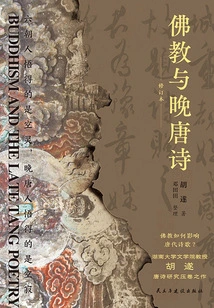
Buddhism and Late Tang Poetry
Literature佛教与晚唐诗
Written By Hu Sui And Compiled By Deng Tiantian
This book is Professor Hu Sui's masterpiece on the study of late Tang poetry. This book describes the relationship between the five types of late Tang Dynasty poems: nostalgic poems, nostalgic poems, seclusion poems, Zen poems, and reward poems, and Buddhism. It then puts forward the influence of Buddhism on the survival, history, reality, spirit, and personality of the late Tang poets, and comprehensively displays the bumpy life of the late Tang poets who "were vain of their vast talents and never had the ambition to open up their minds in life." At the same time, from multiple perspectives such as sentimentality of survival, reflection on history, avoidance of reality, spiritual conversion, and personality assertion, a more specific discussion was made on the influence and penetration of Buddhism on late Tang poetry, a literary phenomenon.
This book is Professor Hu Sui's masterpiece on the study of late Tang poetry. This book describes the relationship between the five types of late Tang Dynasty poems: nostalgic poems, nostalgic poems, seclusion poems, Zen poems, and reward poems, and Buddhism. It then puts forward the influence of Buddhism on the survival, history, reality, spirit, and personality of the late Tang poets, and comprehensively displays the bumpy life of the late Tang poets who "were vain of their vast talents and never had the ambition to open up their minds in life." At the same time, from multiple perspectives such as sentimentality of survival, reflection on history, avoidance of reality, spiritual conversion, and personality assertion, a more specific discussion was made on the influence and penetration of Buddhism on late Tang poetry, a literary phenomenon.
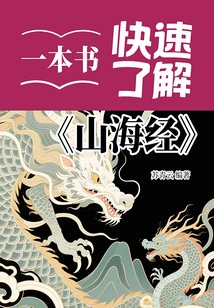
一本书快速了解《山海经》
Compiled By Su Qingyun
This book leads readers to explore the bizarre and fascinating world of "The Classic of Mountains and Seas", the most wonderful book in ancient China. The book uses a popular and clear writing style to systematically reveal the mystery of its creation and its documentary value; it guides the mountains, rivers, monsters, rare treasures and exotic products recorded in the "Book of Mountains"; it explores the overseas countries, ancient myths and heroic legends in the "Book of Seas" and "The Classic of Wilderness"; it also deeply analyzes its complex genealogy of gods, strange and strange beasts, and its profound nourishment for later generations of literature and art. This book is designed to help you quickly and comprehensively grasp the essence of this unique book and appreciate the extraordinary imagination and unique cosmic beliefs of the Chinese ancestors.
This book leads readers to explore the bizarre and fascinating world of "The Classic of Mountains and Seas", the most wonderful book in ancient China. The book uses a popular and clear writing style to systematically reveal the mystery of its creation and its documentary value; it guides the mountains, rivers, monsters, rare treasures and exotic products recorded in the "Book of Mountains"; it explores the overseas countries, ancient myths and heroic legends in the "Book of Seas" and "The Classic of Wilderness"; it also deeply analyzes its complex genealogy of gods, strange and strange beasts, and its profound nourishment for later generations of literature and art. This book is designed to help you quickly and comprehensively grasp the essence of this unique book and appreciate the extraordinary imagination and unique cosmic beliefs of the Chinese ancestors.
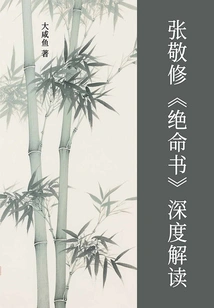
张敬修《绝命书》深度解读
Big Salted Fish
This work compiles the original text and vernacular translation of "The Book of Death", with expanded knowledge points, aiming to make this heavy suicide note easier to understand for contemporary readers. Zhang Jingxiu's "Book of Death" is an extremely miserable page of text. It is not only a personal tragedy, but also a precious historical testimony - revealing the details of the storm of liquidation after the death of Zhang Juzheng, the first minister of Wanli, including the false accusations of the Liao vassal, the cruelty of officials, and the involvement with the tacit approval of the Wanli Emperor. It shows the trampling of law and morality by power in the politics of the late Ming Dynasty. It provides an in-depth analysis of the internal logic of the judiciary being reduced to a political tool, as well as the insignificance and fragility of individuals under the crushing power of a huge system. The handwriting has been handed down to this day, which is painful to read and a constant wake-up call.
This work compiles the original text and vernacular translation of "The Book of Death", with expanded knowledge points, aiming to make this heavy suicide note easier to understand for contemporary readers. Zhang Jingxiu's "Book of Death" is an extremely miserable page of text. It is not only a personal tragedy, but also a precious historical testimony - revealing the details of the storm of liquidation after the death of Zhang Juzheng, the first minister of Wanli, including the false accusations of the Liao vassal, the cruelty of officials, and the involvement with the tacit approval of the Wanli Emperor. It shows the trampling of law and morality by power in the politics of the late Ming Dynasty. It provides an in-depth analysis of the internal logic of the judiciary being reduced to a political tool, as well as the insignificance and fragility of individuals under the crushing power of a huge system. The handwriting has been handed down to this day, which is painful to read and a constant wake-up call.
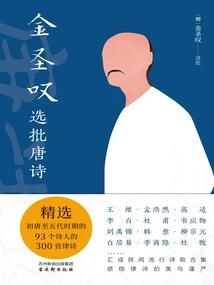
金圣叹选批唐诗
(ming Dynasty) Jin Shengtan's Selections
This book selects 300 Tang Dynasty rhymed poems approved by Jin Shengtan, covering many poems by different poets from the early Tang Dynasty to the Five Dynasties. Some of them hit the point, or they use the theme to explore the true feelings that the poets wanted to express. It has great reference value for appreciating and studying Tang poetry. We hope that readers can get to know more unknown poets and experience the various flavors of Tang poetry from the works selected and reviewed by Jin Shengtan!
This book selects 300 Tang Dynasty rhymed poems approved by Jin Shengtan, covering many poems by different poets from the early Tang Dynasty to the Five Dynasties. Some of them hit the point, or they use the theme to explore the true feelings that the poets wanted to express. It has great reference value for appreciating and studying Tang poetry. We hope that readers can get to know more unknown poets and experience the various flavors of Tang poetry from the works selected and reviewed by Jin Shengtan!

一本书读懂《克林索尔的最后夏天》
Where Is An?
"Klingsor's Last Summer" is like a self-portrait painted with fiery colors and broken brushstrokes. In the last days of his life, the painter Klingsor walked on the edge of madness and sobriety, painting the canvas with strong colors and deconstructing himself in alcohol and poetry. Hesse used delicate brushstrokes to interweave the ecstasy of artistic creation with the fear of approaching death, showing the artist's ultimate pursuit of eternity and nothingness. Those splendid and distorted images and gibbering monologues are not only Klingsor's cry against nothingness, but also Hesse's profound inquiry into the nature of life. In the summer when despair and splendor intertwine, they leave behind a soul-shaking life poem.
"Klingsor's Last Summer" is like a self-portrait painted with fiery colors and broken brushstrokes. In the last days of his life, the painter Klingsor walked on the edge of madness and sobriety, painting the canvas with strong colors and deconstructing himself in alcohol and poetry. Hesse used delicate brushstrokes to interweave the ecstasy of artistic creation with the fear of approaching death, showing the artist's ultimate pursuit of eternity and nothingness. Those splendid and distorted images and gibbering monologues are not only Klingsor's cry against nothingness, but also Hesse's profound inquiry into the nature of life. In the summer when despair and splendor intertwine, they leave behind a soul-shaking life poem.
A Book to Understand "human Words
Literature一本书读懂《人间词话》
Cao Nan
From the earth-shattering "realm theory" to the dazzling inheritance of thousands of years of elegance; from the misunderstood "three realms of life" to the secret resonance with contemporary literature and art, this book spans a hundred years and has always used its unique charm to penetrate the fog of history and illuminate our pursuit of the beauty of poetry and the realm of life. It is not only the key to Chinese classical aesthetics, but also a spiritual bridge connecting ancient and modern times and integrating China and the West. It continues to exude eternal light throughout the years.
From the earth-shattering "realm theory" to the dazzling inheritance of thousands of years of elegance; from the misunderstood "three realms of life" to the secret resonance with contemporary literature and art, this book spans a hundred years and has always used its unique charm to penetrate the fog of history and illuminate our pursuit of the beauty of poetry and the realm of life. It is not only the key to Chinese classical aesthetics, but also a spiritual bridge connecting ancient and modern times and integrating China and the West. It continues to exude eternal light throughout the years.
Read "the Blue Side" with a Book
Literature一本书读懂《天蓝色的彼岸》
Compiled By Zhang Yu
This book helps you understand the healing masterpiece "The Blue Side". Follow the soul journey of little Harry after his unexpected death, explore his earthly attachment and unfulfilled wishes, and witness how he learned to let go and say goodbye, and fly to the peaceful "blue shore". Seven articles briefly analyze the gentle philosophy and artistic charm of the original work on life and death, love and memory... To help you understand the essence and comfort of this life education classic.
This book helps you understand the healing masterpiece "The Blue Side". Follow the soul journey of little Harry after his unexpected death, explore his earthly attachment and unfulfilled wishes, and witness how he learned to let go and say goodbye, and fly to the peaceful "blue shore". Seven articles briefly analyze the gentle philosophy and artistic charm of the original work on life and death, love and memory... To help you understand the essence and comfort of this life education classic.
一本书读懂《夏日走过山间》
Du Wei
This masterpiece, transformed from a cattle herding ledger, outlines the soul of mountains and rivers with poetic touches, reveals ecological mysteries with scientific observation, and conceals a soul-shaking wilderness practice. It is not only an environmental prophecy that spans a century, but also a healing guide for modern people to fight anxiety. When the hustle and bustle of the city makes people feel lost, the alpine meadows and bright starry skies in the book always remind us that only by returning to nature can we find inner peace and the answer to life.
This masterpiece, transformed from a cattle herding ledger, outlines the soul of mountains and rivers with poetic touches, reveals ecological mysteries with scientific observation, and conceals a soul-shaking wilderness practice. It is not only an environmental prophecy that spans a century, but also a healing guide for modern people to fight anxiety. When the hustle and bustle of the city makes people feel lost, the alpine meadows and bright starry skies in the book always remind us that only by returning to nature can we find inner peace and the answer to life.

一本书读懂《一间自己的房间》
Lin Xiaoman
"A Room of One's Own" is like a beam of light that penetrates the fog of history. Virginia Woolf uses poetry and speculation to reveal the roots of women's creative difficulties and puts forward the survival philosophy of "a room and a salary of 500 pounds a year." From breaking the shackles of gender to defending spiritual freedom, from reshaping literary discourse to guiding life choices, this work spans a century and has always been a spiritual beacon for women to find themselves and fight against definition. It not only rewrote the history of women's writing, but also taught us that everyone should have the space to think independently and write their own life chapter in an unfettered world.
"A Room of One's Own" is like a beam of light that penetrates the fog of history. Virginia Woolf uses poetry and speculation to reveal the roots of women's creative difficulties and puts forward the survival philosophy of "a room and a salary of 500 pounds a year." From breaking the shackles of gender to defending spiritual freedom, from reshaping literary discourse to guiding life choices, this work spans a century and has always been a spiritual beacon for women to find themselves and fight against definition. It not only rewrote the history of women's writing, but also taught us that everyone should have the space to think independently and write their own life chapter in an unfettered world.
一本书读懂《中国历代政治得失》
Luo Qingyou
Closing "China's Political Gains and Losses in the Past Dynasties" is like walking through a long political journey spanning a thousand years. With the coldness and warmth of a historian, Mr. Qian Mu dismantled the myth of the label "feudal autocracy", allowing us to see the wisdom of checks and balances of the Prime Minister's Office in the Han Dynasty, the exquisite design of the three provinces and six ministries in the Tang Dynasty, and also faced the dilemma of the rigidity of the Ming and Qing systems. Those dusty institutional codes are not only the exploration of the ancients to govern the country, but they are also making ripples in the present - from the selection of civil servants to grassroots governance, from power checks and balances to cultural inheritance, history has never gone far. This work is not only a review of the past, but also a bright mirror that reflects the eternal proposition of the rise and fall of systems and the game of human nature.
Closing "China's Political Gains and Losses in the Past Dynasties" is like walking through a long political journey spanning a thousand years. With the coldness and warmth of a historian, Mr. Qian Mu dismantled the myth of the label "feudal autocracy", allowing us to see the wisdom of checks and balances of the Prime Minister's Office in the Han Dynasty, the exquisite design of the three provinces and six ministries in the Tang Dynasty, and also faced the dilemma of the rigidity of the Ming and Qing systems. Those dusty institutional codes are not only the exploration of the ancients to govern the country, but they are also making ripples in the present - from the selection of civil servants to grassroots governance, from power checks and balances to cultural inheritance, history has never gone far. This work is not only a review of the past, but also a bright mirror that reflects the eternal proposition of the rise and fall of systems and the game of human nature.
Wukong's Final Battle
Literature悟空的终极之战
A Gong
"Wukong's Ultimate Battle" provides an in-depth analysis of the most terrifying and exciting plots of Shituoling and Shituo Kingdom in "Journey to the West". The author points out that the importance of this section lies in the monster's superior strength and profound background, and Taibai Jinxing's advance warning shows that it must pass the "graduation test". The three demons, the green lion, the white elephant, and the roc, have a close relationship with the Buddhist world and heaven, implying that this is not an ordinary demon causing trouble, but a test set by high-level officials. The Lion and Camel Kingdom was described as a bloody place completely ruled by demons, devouring its citizens and presenting an unprecedented horrific scene. Sun Wukong encountered an unprecedented setback here, and was so frightened that he even needed Tathagata Buddha to personally come forward to conquer Dapeng. The high-level intervention not only revealed Dapeng's special life experience, but also foreshadowed the success of the Buddhist scripture-seeking team, and everything was under the control of Buddhism.
"Wukong's Ultimate Battle" provides an in-depth analysis of the most terrifying and exciting plots of Shituoling and Shituo Kingdom in "Journey to the West". The author points out that the importance of this section lies in the monster's superior strength and profound background, and Taibai Jinxing's advance warning shows that it must pass the "graduation test". The three demons, the green lion, the white elephant, and the roc, have a close relationship with the Buddhist world and heaven, implying that this is not an ordinary demon causing trouble, but a test set by high-level officials. The Lion and Camel Kingdom was described as a bloody place completely ruled by demons, devouring its citizens and presenting an unprecedented horrific scene. Sun Wukong encountered an unprecedented setback here, and was so frightened that he even needed Tathagata Buddha to personally come forward to conquer Dapeng. The high-level intervention not only revealed Dapeng's special life experience, but also foreshadowed the success of the Buddhist scripture-seeking team, and everything was under the control of Buddhism.
Wukong Has Grown Up
Literature悟空长大了耶
A Gong
The work deeply analyzes the "real and fake Monkey King" incident in "Journey to the West" and believes that it reflects the intensification of the conflict between master and disciple and the growth of Sun Wukong. The author points out that this plot is a turning point in which Sun Wukong gradually gets rid of his recklessness and irritability after being expelled many times, and becomes more mature, steady, decent and humane. He explores the possibility that the false Wukong is a clone of Sun Wukong's "two minds", and suggests that Guanyin Bodhisattva and Tathagata Buddha played subtle roles in it. In addition, the text also uses the story of the Flame Mountain and the Sacrifice Kingdom to show that in the confrontation with monsters such as the Bull Demon King and the Nine-Headed Insect, Sun Wukong's principles of life, communication methods and even his understanding of faith have been significantly improved, and his image has finally become closer to that of a "high monk". The writing is hearty and hearty, and the viewpoint is quite novel.
The work deeply analyzes the "real and fake Monkey King" incident in "Journey to the West" and believes that it reflects the intensification of the conflict between master and disciple and the growth of Sun Wukong. The author points out that this plot is a turning point in which Sun Wukong gradually gets rid of his recklessness and irritability after being expelled many times, and becomes more mature, steady, decent and humane. He explores the possibility that the false Wukong is a clone of Sun Wukong's "two minds", and suggests that Guanyin Bodhisattva and Tathagata Buddha played subtle roles in it. In addition, the text also uses the story of the Flame Mountain and the Sacrifice Kingdom to show that in the confrontation with monsters such as the Bull Demon King and the Nine-Headed Insect, Sun Wukong's principles of life, communication methods and even his understanding of faith have been significantly improved, and his image has finally become closer to that of a "high monk". The writing is hearty and hearty, and the viewpoint is quite novel.
闪开,猴王来啦
A Gong
The work provides an in-depth analysis of the famous "Journey to the West", boldly questions Wu Chengen's authorship, and proposes that Feng Bao, the great eunuch of the Ming Dynasty, might be the real author. Through careful interpretation and analysis, the author points out that the image of Sun Wukong is consistent with the characteristics of eunuchs, such as his "castrated man" setting, as well as the many subtle allusions to Feng Bao's life and his relationship with Emperor Jiajing and the government in the book, especially the many clues found in the "Shidetang version", which support this novel view. In addition, the author A Gong also ranked and analyzed the strength of the immortals and Buddhas in "Journey to the West", and concluded that Taishang Laojun is the most powerful one in the book, believing that his status and ability are far above Tathagata Buddha. The writing is interesting and well worth reading.
The work provides an in-depth analysis of the famous "Journey to the West", boldly questions Wu Chengen's authorship, and proposes that Feng Bao, the great eunuch of the Ming Dynasty, might be the real author. Through careful interpretation and analysis, the author points out that the image of Sun Wukong is consistent with the characteristics of eunuchs, such as his "castrated man" setting, as well as the many subtle allusions to Feng Bao's life and his relationship with Emperor Jiajing and the government in the book, especially the many clues found in the "Shidetang version", which support this novel view. In addition, the author A Gong also ranked and analyzed the strength of the immortals and Buddhas in "Journey to the West", and concluded that Taishang Laojun is the most powerful one in the book, believing that his status and ability are far above Tathagata Buddha. The writing is interesting and well worth reading.
Poetic and Picturesque Red House
Literature诗情画意品红楼
Compiled By Zhai Haichao
This book is the author's latest masterpiece after "Poetry and Paintings in Red Mansions" published by Beijing Publishing House in January 2021. It consists of three parts: the artistic charm of "Dream of Red Mansions", the main scenes (100) of "Dream of Red Mansions", and the main characters (100) of "Dream of Red Mansions". The book consists of 216 articles, each of which contains three parts: poetry, pictures and text criticism. There are a total of 433 poems, 259 illustrations and 216 text criticisms. The poems and text reviews are all new works by the authors in recent years, and are the crystallization of their experiences and achievements in studying "A Dream of Red Mansions" for many years. The illustrations section mainly selects works by famous painters from the Qing Dynasty, with a small number of line drawings by the author. This book is compiled by Zhai Haichao, and nearly 30 Hong Kong scholars and poetry enthusiasts and experts from more than ten provinces and cities participated in its creation. Professor Zhao Jianzhong, vice president of the Chinese Society of Dream of Red Mansions, wrote the preface and recommended it.
This book is the author's latest masterpiece after "Poetry and Paintings in Red Mansions" published by Beijing Publishing House in January 2021. It consists of three parts: the artistic charm of "Dream of Red Mansions", the main scenes (100) of "Dream of Red Mansions", and the main characters (100) of "Dream of Red Mansions". The book consists of 216 articles, each of which contains three parts: poetry, pictures and text criticism. There are a total of 433 poems, 259 illustrations and 216 text criticisms. The poems and text reviews are all new works by the authors in recent years, and are the crystallization of their experiences and achievements in studying "A Dream of Red Mansions" for many years. The illustrations section mainly selects works by famous painters from the Qing Dynasty, with a small number of line drawings by the author. This book is compiled by Zhai Haichao, and nearly 30 Hong Kong scholars and poetry enthusiasts and experts from more than ten provinces and cities participated in its creation. Professor Zhao Jianzhong, vice president of the Chinese Society of Dream of Red Mansions, wrote the preface and recommended it.
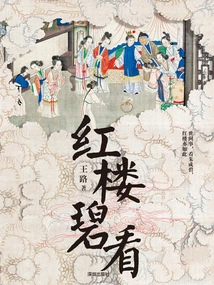
Red Mansion and Blue View
Literature红楼碧看
Wang Lu
The twists and turns of the character's inner emotions cannot be directly reflected on paper because they are too subtle, but by studying the character's words and deeds and trying to figure out the character's personality and experiences, you can discover some little-known things. Some questions that seem to have a clear conclusion, when you carefully look for clues in the text, you may find another interpretation hidden behind it. Some details that are not noticed by readers can also be answered by interpreting the poems and allusions sentence by sentence. This book explores the points in "Dream of Red Mansions" that are less noticed by readers, starting from the details of the text, reorganizing the story and character relationships, and examining some minor characters that are rarely noticed. You will find that "Dream of Red Mansions" is like a book you have never read before. This book is not only about writing about Red Mansions, but also about human feelings. It is not only about writing about human feelings, but also about sharing with readers the perspectives and methods of reading and observing the world. Readers' comments are like taking the Chinese language class you fell in love with all over again, with hints of details and excellent works everywhere.
The twists and turns of the character's inner emotions cannot be directly reflected on paper because they are too subtle, but by studying the character's words and deeds and trying to figure out the character's personality and experiences, you can discover some little-known things. Some questions that seem to have a clear conclusion, when you carefully look for clues in the text, you may find another interpretation hidden behind it. Some details that are not noticed by readers can also be answered by interpreting the poems and allusions sentence by sentence. This book explores the points in "Dream of Red Mansions" that are less noticed by readers, starting from the details of the text, reorganizing the story and character relationships, and examining some minor characters that are rarely noticed. You will find that "Dream of Red Mansions" is like a book you have never read before. This book is not only about writing about Red Mansions, but also about human feelings. It is not only about writing about human feelings, but also about sharing with readers the perspectives and methods of reading and observing the world. Readers' comments are like taking the Chinese language class you fell in love with all over again, with hints of details and excellent works everywhere.
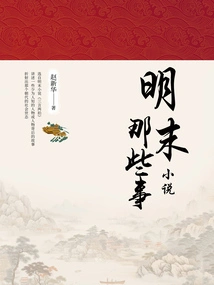
明末小说那些事
Zhao Xinhua
The material is selected from the late Ming Dynasty novel "Three Words and Two Pauses", from which some well-known characters or the stories behind them are selected and told to reflect the social state of that dynasty and give readers some inspiration.
The material is selected from the late Ming Dynasty novel "Three Words and Two Pauses", from which some well-known characters or the stories behind them are selected and told to reflect the social state of that dynasty and give readers some inspiration.
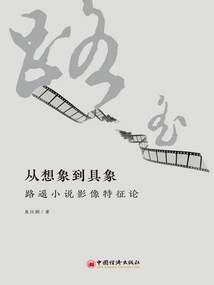
从想象到具象:路遥小说影像特征论
Jiao Shigang
This book comprehensively and systematically summarizes the essential core and artistic value of Lu Yao's video works through the visual text and historical analysis of Lu Yao's works. As a giant of contemporary Chinese literature, Lu Yao's novels are highly literary and attractive, winning him a wide readership. The contemporary nature, universality and huge power of humanistic compassion of Lu Yao's works have inspired countless lower-class Chinese people who shuttle between urban and rural areas. Lu Yao's novels, due to their strong historical concern and the charm of traditional moral character, continue to adapt to the needs of new people and society in the tide of the times. This book comprehensively and systematically summarizes the essential core and artistic value of Lu Yao's video works through the visual text and historical analysis of Lu Yao's works.
This book comprehensively and systematically summarizes the essential core and artistic value of Lu Yao's video works through the visual text and historical analysis of Lu Yao's works. As a giant of contemporary Chinese literature, Lu Yao's novels are highly literary and attractive, winning him a wide readership. The contemporary nature, universality and huge power of humanistic compassion of Lu Yao's works have inspired countless lower-class Chinese people who shuttle between urban and rural areas. Lu Yao's novels, due to their strong historical concern and the charm of traditional moral character, continue to adapt to the needs of new people and society in the tide of the times. This book comprehensively and systematically summarizes the essential core and artistic value of Lu Yao's video works through the visual text and historical analysis of Lu Yao's works.
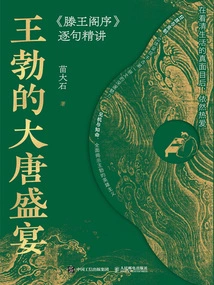
王勃的大唐盛宴:《滕王阁序》逐句精讲
Miao Dashi
Wang Bo's "Preface to Prince Teng's Pavilion" is known as "the first parallel prose of all time" and has a profound influence on later literary creation. The author conducts a detailed interpretation of "Preface to Prince Teng's Pavilion" at three levels. The first level is the interpretation of the literal meaning; the second level is the discussion of the historical background and the textual research of various allusions; the third level is the interpretation of the ancient cultural common sense and classical Chinese knowledge involved in the article. From this, readers can not only understand the multi-layered meanings of "Preface to Prince Teng's Pavilion" three-dimensionally, but also draw inferences from one instance and master the general methods and principles of classical Chinese reading. Wang Bo's outlook on life and philosophy expressed in the article will also bring profound inspiration to readers. This book is an appreciation reading for traditional culture lovers learning classical Chinese. It can also help primary and middle school students master the common sense and reading methods of classical Chinese.
Wang Bo's "Preface to Prince Teng's Pavilion" is known as "the first parallel prose of all time" and has a profound influence on later literary creation. The author conducts a detailed interpretation of "Preface to Prince Teng's Pavilion" at three levels. The first level is the interpretation of the literal meaning; the second level is the discussion of the historical background and the textual research of various allusions; the third level is the interpretation of the ancient cultural common sense and classical Chinese knowledge involved in the article. From this, readers can not only understand the multi-layered meanings of "Preface to Prince Teng's Pavilion" three-dimensionally, but also draw inferences from one instance and master the general methods and principles of classical Chinese reading. Wang Bo's outlook on life and philosophy expressed in the article will also bring profound inspiration to readers. This book is an appreciation reading for traditional culture lovers learning classical Chinese. It can also help primary and middle school students master the common sense and reading methods of classical Chinese.
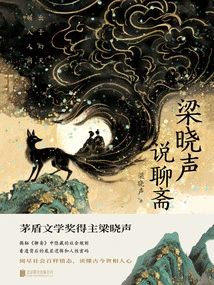
Liang Xiaosheng Talks About Liaozhai
Literature梁晓声说聊斋
Liang Xiaosheng
This book is a cultural essay by the famous writer Liang Xiaosheng interpreting "Liao Zhai". In this book, the author makes a wonderful analysis of the textual characteristics, literary value, characters, story characteristics, etc. Of "Liao Zhai". From the metaphorical text and content clues of "Liao Zhai", he looks for the clues of history, analyzes the various moods of Chinese society at that time, and captures and depicts the sorrows, joys, and sorrows of Chinese people, especially Chinese literati, as well as the desires buried deep in their hearts. And conducted in-depth exploration from the perspective of human nature and morality. It can be said that it is a very interesting, humanistic and thoughtful work that evaluates the characteristics of Chinese culture from a micro perspective. In addition, the book is appended with a number of short stories written by the author in the style of "Liao Zhai", named "Liao Zhai New Edition". It complements the story of "Liao Zhai" and forms an interesting contrast.
This book is a cultural essay by the famous writer Liang Xiaosheng interpreting "Liao Zhai". In this book, the author makes a wonderful analysis of the textual characteristics, literary value, characters, story characteristics, etc. Of "Liao Zhai". From the metaphorical text and content clues of "Liao Zhai", he looks for the clues of history, analyzes the various moods of Chinese society at that time, and captures and depicts the sorrows, joys, and sorrows of Chinese people, especially Chinese literati, as well as the desires buried deep in their hearts. And conducted in-depth exploration from the perspective of human nature and morality. It can be said that it is a very interesting, humanistic and thoughtful work that evaluates the characteristics of Chinese culture from a micro perspective. In addition, the book is appended with a number of short stories written by the author in the style of "Liao Zhai", named "Liao Zhai New Edition". It complements the story of "Liao Zhai" and forms an interesting contrast.
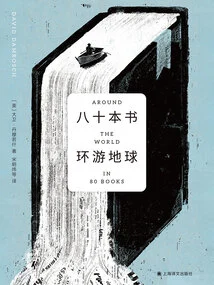
Eighty Books Around the World
Literature八十本书环游地球
(u. S.) David Damouros
This book is 80 literature lessons from Harvard University professor David Damouros, who uses 80 world literature classics to complete a global trip. Professor David Demuroche imitated Captain Fogg in Verne's "Around the World in Eighty Days", but the starting point became his home study, and the means of transportation were books. With the inspiration brought by a book every day, he started from London, passing through Paris, Cairo, Jerusalem, Calcutta, Kyoto, Shanghai, North and South America, until he returned to London; from Woolf, Dee Gens, Dante, Calvino, Wole Soyinka, and then to Wu Cheng'en, Lu Xun, Zhang Ailing, Mo Yan, Bei Dao, Mishima Yukio, Marquez and Olga Tolkachuk... "Around the World in Eighty Books" builds a paper palace for human memory, taking readers to a wider world with the humanistic power of burning the lamp in times of crisis.
This book is 80 literature lessons from Harvard University professor David Damouros, who uses 80 world literature classics to complete a global trip. Professor David Demuroche imitated Captain Fogg in Verne's "Around the World in Eighty Days", but the starting point became his home study, and the means of transportation were books. With the inspiration brought by a book every day, he started from London, passing through Paris, Cairo, Jerusalem, Calcutta, Kyoto, Shanghai, North and South America, until he returned to London; from Woolf, Dee Gens, Dante, Calvino, Wole Soyinka, and then to Wu Cheng'en, Lu Xun, Zhang Ailing, Mo Yan, Bei Dao, Mishima Yukio, Marquez and Olga Tolkachuk... "Around the World in Eighty Books" builds a paper palace for human memory, taking readers to a wider world with the humanistic power of burning the lamp in times of crisis.
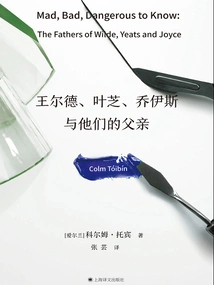
Wilde, Yeats, Joyce and Their Fathers
Literature王尔德、叶芝、乔伊斯与他们的父亲
(ireland) Colm Tobin
This book is a collection of literary criticism. Collects the manuscript of Colm Tóibín's lecture at Emory University, which was published in the London Review of Books. Tóibín offers an up-close and illuminating interpretative study of Irish culture, history, and literature through the lives and works of three men-William Wilde, John Butler Yeats, and John Stanislaus Joyce-and their intricate and far-reaching relationships with their complex sons. Through the stories of these three fathers and sons, Tóibín narrates the Irish resistance to British cultural hegemony, the birth of modern Irish cultural identity, and the outstanding contributions made by these complex and outstanding authors to the literary world.
This book is a collection of literary criticism. Collects the manuscript of Colm Tóibín's lecture at Emory University, which was published in the London Review of Books. Tóibín offers an up-close and illuminating interpretative study of Irish culture, history, and literature through the lives and works of three men-William Wilde, John Butler Yeats, and John Stanislaus Joyce-and their intricate and far-reaching relationships with their complex sons. Through the stories of these three fathers and sons, Tóibín narrates the Irish resistance to British cultural hegemony, the birth of modern Irish cultural identity, and the outstanding contributions made by these complex and outstanding authors to the literary world.
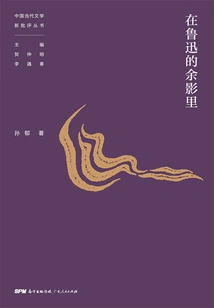
In the Remaining Shadow of Lu Xun (new Criticism Series of Contemporary Chinese Literature)
Literature在鲁迅的余影里(中国当代文学新批评丛书)
Sun Yu
This book takes the works of famous writers influenced by Lu Xun as examples, examines the historical changes of modern and contemporary literature, tracks the hot topics of the times in modern and contemporary literature, and directly faces the existing problems of modern and contemporary literature, providing a reference for contemporary Chinese literature to reflect on itself. Although the emphasis of each chapter in the book is different, they are all related to the Lu Xun tradition in modern and contemporary Chinese literature. The views are fair, the discussion is appropriate, the text is plain, and the text is highly readable. It is an excellent literary criticism work that can withstand scrutiny and testing.
This book takes the works of famous writers influenced by Lu Xun as examples, examines the historical changes of modern and contemporary literature, tracks the hot topics of the times in modern and contemporary literature, and directly faces the existing problems of modern and contemporary literature, providing a reference for contemporary Chinese literature to reflect on itself. Although the emphasis of each chapter in the book is different, they are all related to the Lu Xun tradition in modern and contemporary Chinese literature. The views are fair, the discussion is appropriate, the text is plain, and the text is highly readable. It is an excellent literary criticism work that can withstand scrutiny and testing.
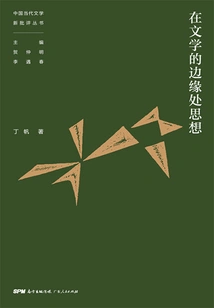
Thoughts at the Margins of Literature (new Criticism Series of Contemporary Chinese Literature)
Literature在文学的边缘处思想(中国当代文学新批评丛书)
Ding Fan
This book is a collection of literary criticism essays by Mr. Ding Fan. The articles in the first series are mainly analysis and discussion of Soviet literature and literary criticism, while the second series are discussions of modern and contemporary Chinese writers, works and literary criticism. The author advocates using the method of Marxist critical philosophy to conduct literary criticism, using this as a criterion, and points out and analyzes the existing problems and deficiencies of literary criticism in our country.
This book is a collection of literary criticism essays by Mr. Ding Fan. The articles in the first series are mainly analysis and discussion of Soviet literature and literary criticism, while the second series are discussions of modern and contemporary Chinese writers, works and literary criticism. The author advocates using the method of Marxist critical philosophy to conduct literary criticism, using this as a criterion, and points out and analyzes the existing problems and deficiencies of literary criticism in our country.
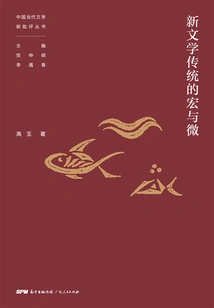
新文学传统的宏与微(中国当代文学新批评丛书)
Gao Yu
This book is divided into two parts: the first part mainly reflects on the history of modern Chinese literature, involving some major theoretical issues such as literary history methods, literary history theories, literary history boundaries, literary history writing, etc. It puts forward views such as "centered view" and "character theory", and analyzes the popular "aesthetic centralism" and "writer's works". The second volume mainly reflects on the issues of modern and contemporary literary criticism, and puts forward its own views on "academic criticism", "writer criticism" and "deviant criticism", etc., Involving specific issues such as academic consciousness, academic norms, academic debates, and academic rationalization.
This book is divided into two parts: the first part mainly reflects on the history of modern Chinese literature, involving some major theoretical issues such as literary history methods, literary history theories, literary history boundaries, literary history writing, etc. It puts forward views such as "centered view" and "character theory", and analyzes the popular "aesthetic centralism" and "writer's works". The second volume mainly reflects on the issues of modern and contemporary literary criticism, and puts forward its own views on "academic criticism", "writer criticism" and "deviant criticism", etc., Involving specific issues such as academic consciousness, academic norms, academic debates, and academic rationalization.

A Set of Books to Understand the Classics of World Literature and History (set of 34 Volumes)
Literature一套书读懂世界文史经典(套装34册)
Fu Huaiyu Su Bai Et Al.
"A Set of Books to Understand the Classics of World Literature and History (Set of 34 Volumes)" is a collection of the essence of many classic works in the field of world literature and history, including "One Book to Understand Disqualification in the World", "One Book to Understand the Little Prince", "One Book to Understand One Hundred Years of Solitude", "One Book to Understand Biography" and "One Book to Understand Six Chapters of a Floating Life". These books span different eras and cultural backgrounds, from the profound analysis of Japanese literature to the innocent enlightenment of French fairy tales; from the magnificent imagination of Latin American magical realism, to the essence of wisdom in ancient Chinese psychology, to the delicate depiction of the lives of literati in the Ming and Qing dynasties. Each book contains rich ideological connotations and literary value. Through this set of books, readers can easily overcome language and cultural barriers, quickly appreciate the unique charm of these world literature and history classics, broaden their horizons, and deepen their understanding of human nature, society, and culture.
"A Set of Books to Understand the Classics of World Literature and History (Set of 34 Volumes)" is a collection of the essence of many classic works in the field of world literature and history, including "One Book to Understand Disqualification in the World", "One Book to Understand the Little Prince", "One Book to Understand One Hundred Years of Solitude", "One Book to Understand Biography" and "One Book to Understand Six Chapters of a Floating Life". These books span different eras and cultural backgrounds, from the profound analysis of Japanese literature to the innocent enlightenment of French fairy tales; from the magnificent imagination of Latin American magical realism, to the essence of wisdom in ancient Chinese psychology, to the delicate depiction of the lives of literati in the Ming and Qing dynasties. Each book contains rich ideological connotations and literary value. Through this set of books, readers can easily overcome language and cultural barriers, quickly appreciate the unique charm of these world literature and history classics, broaden their horizons, and deepen their understanding of human nature, society, and culture.
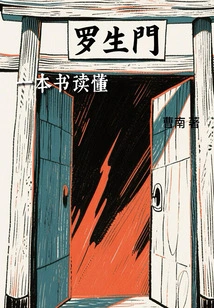
Read "rashomon" in One Book
Literature一本书读懂《罗生门》
Cao Nan
Since its birth, "Rashomon" has transcended the boundaries of black and white film and literature with its profound questioning of human nature, becoming an eternal art classic. This book analyzes this immortal work from multiple dimensions, explores its creative process from film and television to literature, and uncovers the puzzle of lies and truth intertwined under multiple narratives. The book cuts through the perspective of the bottom, showing how the dilemma of survival tears apart the moral defense, and condenses the dark side of human nature into a shocking fable; it also analyzes Ryunosuke Akutagawa's sharp criticism of the nature of human nature with nihilism as the blade. At the same time, compare the adaptation game between movies and literature, and interpret how light, shadow and text reshape philosophical propositions. This book also deeply explores the code of cross-cultural communication of "Rashomon" and reveals the underlying reasons why it has become a common spiritual symbol in the world. Based on the contemporary era, combined with the information fog and collective dilemma in the Internet age, this article explores the new form of the "Rashomon phenomenon" in social media and public opinion, providing profound inspiration and thinking paths for understanding the myth of truth and the dilemma of human nature in modern society.
Since its birth, "Rashomon" has transcended the boundaries of black and white film and literature with its profound questioning of human nature, becoming an eternal art classic. This book analyzes this immortal work from multiple dimensions, explores its creative process from film and television to literature, and uncovers the puzzle of lies and truth intertwined under multiple narratives. The book cuts through the perspective of the bottom, showing how the dilemma of survival tears apart the moral defense, and condenses the dark side of human nature into a shocking fable; it also analyzes Ryunosuke Akutagawa's sharp criticism of the nature of human nature with nihilism as the blade. At the same time, compare the adaptation game between movies and literature, and interpret how light, shadow and text reshape philosophical propositions. This book also deeply explores the code of cross-cultural communication of "Rashomon" and reveals the underlying reasons why it has become a common spiritual symbol in the world. Based on the contemporary era, combined with the information fog and collective dilemma in the Internet age, this article explores the new form of the "Rashomon phenomenon" in social media and public opinion, providing profound inspiration and thinking paths for understanding the myth of truth and the dilemma of human nature in modern society.

Read "lolita" in One Book
Literature一本书读懂《洛丽塔》
Shi Xiaokai
From a controversial and banned book when it was published to a world-renowned literary classic, "Lolita" has left a mark in the history of literature with its subversive narrative and profound discussion of human nature. This book analyzes this legendary work, reveals its process of overcoming numerous obstacles and counterattacking to become a global bestseller, and interprets the literary value and ideological core behind the controversy. From the perspective of psychology and sociology, the book dismantles the game of power and desire in Humbert and Lolita's forbidden love; decodes Nabokov's exquisite stream-of-consciousness narrative, parody techniques and word games, and shows how literary magic wraps up cruel reality. At the same time, this book tracks the cross-border evolution of "Lolita" from a literary symbol to a pop culture phenomenon, breaks the public's stereotypes about it, and restores the gender and power issues behind the character. It breaks away from moral criticism, focuses on the fate of the characters and the plight of human nature, and reveals its deep significance as a great tragedy of the 20th century. Based on the current situation, combined with social hot spots, it explores the enlightenment of "Lolita" on modern intimacy, child protection and other issues, and guides readers to re-examine this classic in the midst of controversy and thinking.
From a controversial and banned book when it was published to a world-renowned literary classic, "Lolita" has left a mark in the history of literature with its subversive narrative and profound discussion of human nature. This book analyzes this legendary work, reveals its process of overcoming numerous obstacles and counterattacking to become a global bestseller, and interprets the literary value and ideological core behind the controversy. From the perspective of psychology and sociology, the book dismantles the game of power and desire in Humbert and Lolita's forbidden love; decodes Nabokov's exquisite stream-of-consciousness narrative, parody techniques and word games, and shows how literary magic wraps up cruel reality. At the same time, this book tracks the cross-border evolution of "Lolita" from a literary symbol to a pop culture phenomenon, breaks the public's stereotypes about it, and restores the gender and power issues behind the character. It breaks away from moral criticism, focuses on the fate of the characters and the plight of human nature, and reveals its deep significance as a great tragedy of the 20th century. Based on the current situation, combined with social hot spots, it explores the enlightenment of "Lolita" on modern intimacy, child protection and other issues, and guides readers to re-examine this classic in the midst of controversy and thinking.
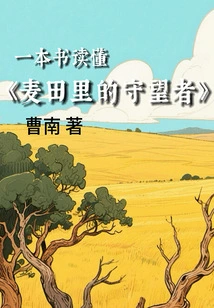
一本书读懂《麦田里的守望者》
Cao Nan
"The Catcher in the Rye" touches the hearts of the times with its rebellious attitude and has become a youth bible spanning more than sixty years. This book deconstructs this literary classic, uncovers the code of spiritual awakening behind the protagonist Holden's "Beat" appearance, and analyzes his pungent criticism of the "pretense" of the adult world. The book deciphers the philosophical metaphors of images such as red hunting hats, ducks, and museums, and explores the existential care and redemptive ideals behind the concept of "The Catcher in the Rye." At the same time, it focuses on Salinger's unique narrative style full of swear words and slang, demonstrating his revolutionary breakthrough in traditional literature with the aesthetics of linguistic violence. This book also interprets the mystery of the work's long-lasting bestseller from the perspective of psychology and publishing phenomenology, and reveals the common spiritual dilemma and emotional resonance of teenagers in different eras. Based on contemporary times, combined with the common alienation anxiety of modern people, it explores how Holden's spiritual escape reflects the spiritual dilemma of current society, providing readers with profound enlightenment on self-understanding and fighting against nothingness.
"The Catcher in the Rye" touches the hearts of the times with its rebellious attitude and has become a youth bible spanning more than sixty years. This book deconstructs this literary classic, uncovers the code of spiritual awakening behind the protagonist Holden's "Beat" appearance, and analyzes his pungent criticism of the "pretense" of the adult world. The book deciphers the philosophical metaphors of images such as red hunting hats, ducks, and museums, and explores the existential care and redemptive ideals behind the concept of "The Catcher in the Rye." At the same time, it focuses on Salinger's unique narrative style full of swear words and slang, demonstrating his revolutionary breakthrough in traditional literature with the aesthetics of linguistic violence. This book also interprets the mystery of the work's long-lasting bestseller from the perspective of psychology and publishing phenomenology, and reveals the common spiritual dilemma and emotional resonance of teenagers in different eras. Based on contemporary times, combined with the common alienation anxiety of modern people, it explores how Holden's spiritual escape reflects the spiritual dilemma of current society, providing readers with profound enlightenment on self-understanding and fighting against nothingness.
Read "gone with the Wind" in One Book
Literature一本书读懂《飘》
Su Bai
"Gone with the Wind" takes the Civil War as the grand background, creating a literary monument that spans time and space. This book analyzes this legendary work from multiple dimensions, starting from Margaret Mitchell's creation era, and reveals how the fall of Atlanta reflected the dramatic turning point in American history. The book depicts Scarlett's transformation from a delicate girl to a powerful woman in troubled times, showing women's awakening to break through the shackles of tradition; it analyzes Rhett Butler's affection and loneliness under his cynicism, and his pungent criticism of hypocritical aristocrats. Through the metaphor of Tara Manor, it reveals the collapse and reconstruction of civilization carried by land and memory, and deconstructs the dilemma of human nature in complex emotional entanglements. At the same time, it focuses on the trauma caused by the war and social reconstruction, and explores the reshaping of collective memory. Combining contemporary perspectives and from the perspectives of feminism, racial issues, etc., It explains the multiple meanings and eternal value of "Gone with the Wind" that continue to resonate in modern society.
"Gone with the Wind" takes the Civil War as the grand background, creating a literary monument that spans time and space. This book analyzes this legendary work from multiple dimensions, starting from Margaret Mitchell's creation era, and reveals how the fall of Atlanta reflected the dramatic turning point in American history. The book depicts Scarlett's transformation from a delicate girl to a powerful woman in troubled times, showing women's awakening to break through the shackles of tradition; it analyzes Rhett Butler's affection and loneliness under his cynicism, and his pungent criticism of hypocritical aristocrats. Through the metaphor of Tara Manor, it reveals the collapse and reconstruction of civilization carried by land and memory, and deconstructs the dilemma of human nature in complex emotional entanglements. At the same time, it focuses on the trauma caused by the war and social reconstruction, and explores the reshaping of collective memory. Combining contemporary perspectives and from the perspectives of feminism, racial issues, etc., It explains the multiple meanings and eternal value of "Gone with the Wind" that continue to resonate in modern society.

Read "guns, Germs and Steel" in One Book
Literature一本书读懂《枪炮、细菌与钢铁》
Compiled By Zhang Zhijie
This book focuses on the "environmental determinism" proposed by Jared Diamond and attempts to decipher why Eurasian civilization has dominated history. The book uses "geographic endowment" as the key to reveal how natural factors such as the domestication of animals and plants, and the direction of the continental axis quietly rewrote human destiny, eventually evolving into the conquest of civilization by guns, germs, and steel. By comparing the rise and fall of civilizations across continents, the author subverts the perception of racial superiority and attributes historical events such as the Spanish conquest of the Inca Empire to the deep accumulation of ecological resources. At the same time, the author combines the perspectives of biology, geography, and anthropology to demonstrate the invisible shaping power of the environment on the spread of technology, political forms, and even the evolution of pathogens. This Pulitzer Prize-winning work provides a macro-narrative framework that spans tens of thousands of years for understanding differences among civilizations.
This book focuses on the "environmental determinism" proposed by Jared Diamond and attempts to decipher why Eurasian civilization has dominated history. The book uses "geographic endowment" as the key to reveal how natural factors such as the domestication of animals and plants, and the direction of the continental axis quietly rewrote human destiny, eventually evolving into the conquest of civilization by guns, germs, and steel. By comparing the rise and fall of civilizations across continents, the author subverts the perception of racial superiority and attributes historical events such as the Spanish conquest of the Inca Empire to the deep accumulation of ecological resources. At the same time, the author combines the perspectives of biology, geography, and anthropology to demonstrate the invisible shaping power of the environment on the spread of technology, political forms, and even the evolution of pathogens. This Pulitzer Prize-winning work provides a macro-narrative framework that spans tens of thousands of years for understanding differences among civilizations.
A Book to Understand "human Grass
Literature一本书读懂《人间草木》
Compiled By Cao Nan
How to find the "true flavor" and "leisure" of life in the hustle and bustle of the world? "One Book to Understand" invites you to join Wang Zengqi's literary feast. This book uses Wang Zengqi's dilute, gentle and delicate writing style to panoramically display his "memory of local customs on the tip of the tongue" and the way of gourmet food, to the natural interest and spirituality of all things "vegetations and trees have their own heart", to the "human feelings and worldliness" and warmth of ordinary people in the market, as well as his wisdom of "taking things easy" and "giving a little warmth" in the ordinary. Help you quickly and deeply appreciate the essence of this "life writer"'s prose and his immortal human touch.
How to find the "true flavor" and "leisure" of life in the hustle and bustle of the world? "One Book to Understand" invites you to join Wang Zengqi's literary feast. This book uses Wang Zengqi's dilute, gentle and delicate writing style to panoramically display his "memory of local customs on the tip of the tongue" and the way of gourmet food, to the natural interest and spirituality of all things "vegetations and trees have their own heart", to the "human feelings and worldliness" and warmth of ordinary people in the market, as well as his wisdom of "taking things easy" and "giving a little warmth" in the ordinary. Help you quickly and deeply appreciate the essence of this "life writer"'s prose and his immortal human touch.
One Book to Understand "the Scholars
Literature一本书读懂《儒林外史》
Compiled By Shu Ping
The various behaviors of all living beings under the curse of the imperial examination, the bitterness and absurdity in the field of fame! This book invites you to appreciate Wu Jingzi's immortal satirical scroll. With exquisite narrative art and satirical writing style, this book fully reproduces the madness of Fan Jinzhongju, the hypocrisy of Yan Gongsheng, and the perseverance of "true Confucianism" such as Du Shaoqing. An in-depth analysis of his profound criticism of the imperial examination system and the alienation of "famous religion", as well as his unique art of "cautious speech and cold eyes". Help you quickly and thoroughly understand the essence, social value and lasting warning significance of this classic work.
The various behaviors of all living beings under the curse of the imperial examination, the bitterness and absurdity in the field of fame! This book invites you to appreciate Wu Jingzi's immortal satirical scroll. With exquisite narrative art and satirical writing style, this book fully reproduces the madness of Fan Jinzhongju, the hypocrisy of Yan Gongsheng, and the perseverance of "true Confucianism" such as Du Shaoqing. An in-depth analysis of his profound criticism of the imperial examination system and the alienation of "famous religion", as well as his unique art of "cautious speech and cold eyes". Help you quickly and thoroughly understand the essence, social value and lasting warning significance of this classic work.
一本书读懂《生命中不能承受之轻》
Shi Xiaokai
Born under the haze of political repression, Milan Kundera's "The Unbearable Lightness of Being" survived the fate of being banned and eventually became an immortal monument to existentialist literature in the 20th century. This book interprets this work from multiple perspectives and reveals how it touches the soul of the times with its philosophical speculation and literary charm. The book analyzes core propositions such as "light" and "heavy", "kitsch" and "the debate between soul and body", showing the author's profound insight into the plight of human existence; it also dismantles the emotional confusion of the four protagonists including Thomas and Theresa, and presents the fierce collision of different values in the tide of the times. Combined with the historical background of the "Prague Spring", it reveals how the novel uses private narratives to reflect the collective trauma under totalitarian rule, and explores the eternal game of freedom and confinement. At the same time, it rectifies the name of the highly controversial Sabina and restores her rebel spiritual core. This book also breaks down the unique narrative structure and philosophical monologue of the novel, showing the perfect blend of literature and thought. Based on the 21st century, combined with the spiritual dilemma of the social media era, the work explores the profound enlightenment of contemporary people on how to deal with love, freedom and responsibility, and finds an anchor point of existence for people who are lost in the flood of information.
Born under the haze of political repression, Milan Kundera's "The Unbearable Lightness of Being" survived the fate of being banned and eventually became an immortal monument to existentialist literature in the 20th century. This book interprets this work from multiple perspectives and reveals how it touches the soul of the times with its philosophical speculation and literary charm. The book analyzes core propositions such as "light" and "heavy", "kitsch" and "the debate between soul and body", showing the author's profound insight into the plight of human existence; it also dismantles the emotional confusion of the four protagonists including Thomas and Theresa, and presents the fierce collision of different values in the tide of the times. Combined with the historical background of the "Prague Spring", it reveals how the novel uses private narratives to reflect the collective trauma under totalitarian rule, and explores the eternal game of freedom and confinement. At the same time, it rectifies the name of the highly controversial Sabina and restores her rebel spiritual core. This book also breaks down the unique narrative structure and philosophical monologue of the novel, showing the perfect blend of literature and thought. Based on the 21st century, combined with the spiritual dilemma of the social media era, the work explores the profound enlightenment of contemporary people on how to deal with love, freedom and responsibility, and finds an anchor point of existence for people who are lost in the flood of information.
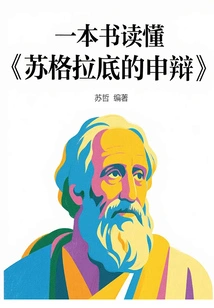
Read "socrates' Apology" in One Book
Literature一本书读懂《苏格拉底的申辩》
Compiled By Su Zhe
How did Socrates defend philosophy with his life in the dock in Athens? This book provides you with an in-depth reconstruction of this great trial in the history of thought. With an exquisite writing style full of reflection and respect, this book reproduces his calm defense when faced with the accusations of "corrupting youth" and "impiety", explains his "oracle mission" and "gadfly" spirit, and his determination to adhere to the "unexamined life" in the choice of life and death. Help you quickly and thoroughly understand the immortal wisdom and martyrdom of this founder of Western philosophy.
How did Socrates defend philosophy with his life in the dock in Athens? This book provides you with an in-depth reconstruction of this great trial in the history of thought. With an exquisite writing style full of reflection and respect, this book reproduces his calm defense when faced with the accusations of "corrupting youth" and "impiety", explains his "oracle mission" and "gadfly" spirit, and his determination to adhere to the "unexamined life" in the choice of life and death. Help you quickly and thoroughly understand the immortal wisdom and martyrdom of this founder of Western philosophy.

Read "walden Pond" in One Book
Literature一本书读懂《瓦尔登湖》
Compiled By Deng Xiaoyun
Tired of life and longing for spiritual "breathing" and "awakening"? This book is a soul guide you shouldn't miss. With poetic and profound writing, this book leads you into Thoreau's lakeside world, and realizes his "economic" wisdom, the freedom of simple life, the inspiration of the four seasons of nature, the power of solitude and reading, and the pursuit of "higher laws." It will not only help you fully understand this century-old classic, but also enlighten you on how to reshape your life in an impetuous era, find inner peace and authenticity, and live a broad and meaningful life.
Tired of life and longing for spiritual "breathing" and "awakening"? This book is a soul guide you shouldn't miss. With poetic and profound writing, this book leads you into Thoreau's lakeside world, and realizes his "economic" wisdom, the freedom of simple life, the inspiration of the four seasons of nature, the power of solitude and reading, and the pursuit of "higher laws." It will not only help you fully understand this century-old classic, but also enlighten you on how to reshape your life in an impetuous era, find inner peace and authenticity, and live a broad and meaningful life.

Read "the Myth of Sisyphus" in One Book
Literature一本书读懂《西西弗神话》
Qu Xin
In an era when nihilism is spreading, Albert Camus's "The Myth of Sisyphus" is like an enlightening philosophical antidote. This book analyzes Camus's creative context, revealing how he responded to the dilemmas of the times with keen insight and refined the philosophy of absurdity into a spiritual banner against nothingness. The book dismantles the core proposition of "absurdity" layer by layer, interprets the eternal contradiction between the irrationality of the world and human beings' pursuit of meaning, and re-endows Sisyphus's hard work of pushing a stone up a mountain with modern connotations of freedom and resistance. By exploring Camus's thoughts on existential dilemmas, it demonstrates his philosophical decision to refuse to commit suicide to escape absurdity and instead demonstrate the power of life through action. At the same time, combined with Camus's artistic practice, it analyzes how literature and drama construct meaning in absurdity. This book also focuses on contemporary life, from workplace anxiety to the impact of artificial intelligence, providing profound inspiration and action guidance for modern people to maintain their passion for life and rebuild spiritual beliefs in an uncertain world.
In an era when nihilism is spreading, Albert Camus's "The Myth of Sisyphus" is like an enlightening philosophical antidote. This book analyzes Camus's creative context, revealing how he responded to the dilemmas of the times with keen insight and refined the philosophy of absurdity into a spiritual banner against nothingness. The book dismantles the core proposition of "absurdity" layer by layer, interprets the eternal contradiction between the irrationality of the world and human beings' pursuit of meaning, and re-endows Sisyphus's hard work of pushing a stone up a mountain with modern connotations of freedom and resistance. By exploring Camus's thoughts on existential dilemmas, it demonstrates his philosophical decision to refuse to commit suicide to escape absurdity and instead demonstrate the power of life through action. At the same time, combined with Camus's artistic practice, it analyzes how literature and drama construct meaning in absurdity. This book also focuses on contemporary life, from workplace anxiety to the impact of artificial intelligence, providing profound inspiration and action guidance for modern people to maintain their passion for life and rebuild spiritual beliefs in an uncertain world.
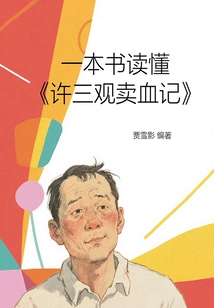
一本书读懂《许三观卖血记》
Compiled By Jia Xueying
Why did Xu Sanguan "sell blood" again and again? This book explains Yu Hua's contemporary classic for you. This book analyzes the tenacity and warmth of maintaining the family with blood in the absurd years, and shows the extraordinary power of little people to "live". Help you quickly understand its profound meaning and the joys and sorrows of the times.
Why did Xu Sanguan "sell blood" again and again? This book explains Yu Hua's contemporary classic for you. This book analyzes the tenacity and warmth of maintaining the family with blood in the absurd years, and shows the extraordinary power of little people to "live". Help you quickly understand its profound meaning and the joys and sorrows of the times.
一本书读懂《喧哗与骚动》
Qu Xin
This book analyzes the literary charm and contemporary value of Faulkner's classic "The Sound and the Fury". Starting from the labyrinth of deconstructed narratives, it presents a picture of the decline of southern society with a broken mirror image; focusing on characters such as Quentin, Benjy and Jason, it reveals the abyss of human nature behind the family tragedy. The book explores how non-linear narrative breaks traditional time logic and uses memory fragments to reconstruct the reading experience; through Katie's fate and the collapse of the Compson family, it plays an elegy for the spirit of the southern aristocracy. At the same time, the role of the black maid Dilsey is explored to show her significance as a glimmer of humanity and a redemptive force in a chaotic world. The book traces the work's journey from avant-garde experiment to literary monument, explains its eternal value, and combines it with the contemporary context to interpret the forward-looking revelation of this work on the modern spiritual dilemma, highlighting its irreplaceable literary status.
This book analyzes the literary charm and contemporary value of Faulkner's classic "The Sound and the Fury". Starting from the labyrinth of deconstructed narratives, it presents a picture of the decline of southern society with a broken mirror image; focusing on characters such as Quentin, Benjy and Jason, it reveals the abyss of human nature behind the family tragedy. The book explores how non-linear narrative breaks traditional time logic and uses memory fragments to reconstruct the reading experience; through Katie's fate and the collapse of the Compson family, it plays an elegy for the spirit of the southern aristocracy. At the same time, the role of the black maid Dilsey is explored to show her significance as a glimmer of humanity and a redemptive force in a chaotic world. The book traces the work's journey from avant-garde experiment to literary monument, explains its eternal value, and combines it with the contemporary context to interpret the forward-looking revelation of this work on the modern spiritual dilemma, highlighting its irreplaceable literary status.
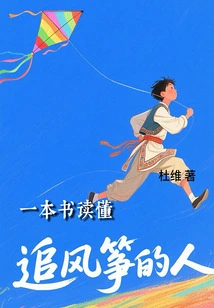
Read "the Kite Runner" in One Book
Literature一本书读懂《追风筝的人》
Du Wei
This book analyzes the spiritual core and creative context of "The Kite Runner" from a unique perspective. Beginning with the decoding of the human redemption code that has touched people's hearts for 20 years, it focuses on the tearing and repair of the friendship between Amir and Hassan, and interprets the philosophy of hope and struggle carried by kites against the backdrop of war-torn Kabul. The book compares different father images and explores the redemption gene across generations; combined with readers' resonance points, it analyzes why the story makes people cry. It also corrects common misunderstandings and reveals the deep and shocking truth of the text. Finally, the author Hosseini's creative transformation process from a doctor to a literary giant is presented, allowing readers to appreciate the charm of classic works and the stories behind their creation from multiple angles.
This book analyzes the spiritual core and creative context of "The Kite Runner" from a unique perspective. Beginning with the decoding of the human redemption code that has touched people's hearts for 20 years, it focuses on the tearing and repair of the friendship between Amir and Hassan, and interprets the philosophy of hope and struggle carried by kites against the backdrop of war-torn Kabul. The book compares different father images and explores the redemption gene across generations; combined with readers' resonance points, it analyzes why the story makes people cry. It also corrects common misunderstandings and reveals the deep and shocking truth of the text. Finally, the author Hosseini's creative transformation process from a doctor to a literary giant is presented, allowing readers to appreciate the charm of classic works and the stories behind their creation from multiple angles.
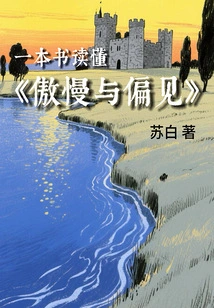
Read "pride and Prejudice" in One Book
Literature一本书读懂《傲慢与偏见》
Su Bai
This book reveals the classic charm and contemporary value of "Pride and Prejudice" spanning two hundred years from multiple dimensions. By tracing the creative process of Jane Austen, we analyze the birth code of this literary hit; with "Pride" and "Prejudice" as the core, we dismantle the conflicts and dramatic tension of the story, and dig into the emotional logic behind the love game between Elizabeth and Darcy. The book outlines the social picture of 19th century Britain in a delicate way, showing various social classes through the living room, salon and manor life; comparing the marriage and love choices of six couples in the book, it reflects the dilemma of choice between marriage and love of modern people. At the same time, we correct common misunderstandings of the work and explore its hidden feminist ideas. Finally, we explore the underlying reasons why this classic continues to resonate over the years, demonstrating its enduring literary vitality and practical significance.
This book reveals the classic charm and contemporary value of "Pride and Prejudice" spanning two hundred years from multiple dimensions. By tracing the creative process of Jane Austen, we analyze the birth code of this literary hit; with "Pride" and "Prejudice" as the core, we dismantle the conflicts and dramatic tension of the story, and dig into the emotional logic behind the love game between Elizabeth and Darcy. The book outlines the social picture of 19th century Britain in a delicate way, showing various social classes through the living room, salon and manor life; comparing the marriage and love choices of six couples in the book, it reflects the dilemma of choice between marriage and love of modern people. At the same time, we correct common misunderstandings of the work and explore its hidden feminist ideas. Finally, we explore the underlying reasons why this classic continues to resonate over the years, demonstrating its enduring literary vitality and practical significance.
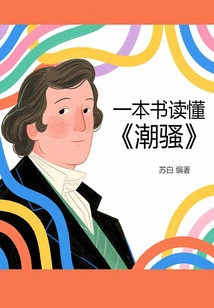
Read "chao Sao" in One Book
Literature一本书读懂《潮骚》
Compiled By Su Bai
What kind of pure and touching love pastoral is performed on the Song Island where the sea breeze and the sound of tide intertwine? This book provides you with an in-depth interpretation of this unique masterpiece of pure beauty by Yukio Mishima. With Mishima-style clarity and poetic writing, this book leads you into the love world of fisherman Shinji and pearl-diver Hatsue, and witnesses how they win the blessing of the "Poseidon" with their courage and virtue in the test of nature and human nature. It profoundly explains its praise of original vitality, pure love and traditional values, helping you quickly and comprehensively appreciate the freshness and timelessness of this "literary anomaly".
What kind of pure and touching love pastoral is performed on the Song Island where the sea breeze and the sound of tide intertwine? This book provides you with an in-depth interpretation of this unique masterpiece of pure beauty by Yukio Mishima. With Mishima-style clarity and poetic writing, this book leads you into the love world of fisherman Shinji and pearl-diver Hatsue, and witnesses how they win the blessing of the "Poseidon" with their courage and virtue in the test of nature and human nature. It profoundly explains its praise of original vitality, pure love and traditional values, helping you quickly and comprehensively appreciate the freshness and timelessness of this "literary anomaly".
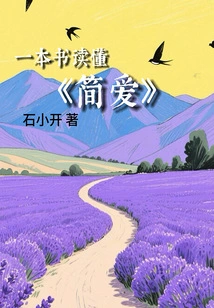
Read "jane Eyre" in One Book
Literature一本书读懂《简爱》
Shi Xiaokai
This book deeply explores the literary value and contemporary significance of "Jane Eyre" and decodes the timeless charm of this classic. Taking the awakening of Jane Eyre's rebellious soul as the context, it shows the difficult journey of women in the 19th century to break through the shackles of fate, and analyzes the spiritual tempering they experienced in the process from the orphanage to Thornfield Manor. The book focuses on the fiery yet restrained emotional game between Jane Eyre and Rochester, revealing the tension and struggle in their relationship. It uses the fog of Gothic narrative to interpret the work's hidden criticism of class issues in the Victorian era. Explore the meaning of modernity contained in Jane Eyre's declaration of "I am my own master" and the moral dilemma of religion and humanity she faced in front of St. John. It finally explains the spiritual value of "Jane Eyre" across the centuries and shows its far-reaching influence as an eternal guide to women's growth.
This book deeply explores the literary value and contemporary significance of "Jane Eyre" and decodes the timeless charm of this classic. Taking the awakening of Jane Eyre's rebellious soul as the context, it shows the difficult journey of women in the 19th century to break through the shackles of fate, and analyzes the spiritual tempering they experienced in the process from the orphanage to Thornfield Manor. The book focuses on the fiery yet restrained emotional game between Jane Eyre and Rochester, revealing the tension and struggle in their relationship. It uses the fog of Gothic narrative to interpret the work's hidden criticism of class issues in the Victorian era. Explore the meaning of modernity contained in Jane Eyre's declaration of "I am my own master" and the moral dilemma of religion and humanity she faced in front of St. John. It finally explains the spiritual value of "Jane Eyre" across the centuries and shows its far-reaching influence as an eternal guide to women's growth.
一本书读懂《诫子书》
Compiled By Zhang Qiu
In the troubled times of the Three Kingdoms when the five-foot-long crude oil lamp was about to be exhausted and the army was ruthless, Zhuge Liang wrote the "Book of Commandments" of less than a hundred words. This family motto left to the youngest son condenses the ultimate wisdom of his life: "Quietness is used to cultivate one's moral character, and frugality is used to cultivate virtue. Without indifference, one cannot have clear ambitions, and without tranquility, one cannot reach far." This book systematically dismantles the philosophical veins behind these 86 words. From "Still Waters and Deep Flows" to decipher the code of determination in troubled times, and "Frugal Virtue and Endurance" to reveal the philosophy of life in the materialistic era, to "Indifferent and Clear Aspirations" to guide the anchor point of aspirations, and "Tranquil and Far-reaching" to pave the accessible path, progressing step by step. A more in-depth analysis of the achievement rules of the triple spiral of "Learning·Talent·Ambition", and a "time alarm" to warn against the danger of desolation in life. Combining real cases spanning thousands of years, including Zhuge Liang himself, Tao Yuanming, Fan Zhongyan, Li Hang, Wang Yangming, Yan Zhenqing, and Liang Sicheng, this book not only restores the tempering of classics in the flames of history, but also turns its wisdom into a beacon that illuminates contemporary anxiety and confusion-in the midst of information overload and material desires, how to regain a peaceful and pure land deep in the soul, clarify life aspirations with indifference, and finally live out a life that is sober, firm, and full of inner depth.
In the troubled times of the Three Kingdoms when the five-foot-long crude oil lamp was about to be exhausted and the army was ruthless, Zhuge Liang wrote the "Book of Commandments" of less than a hundred words. This family motto left to the youngest son condenses the ultimate wisdom of his life: "Quietness is used to cultivate one's moral character, and frugality is used to cultivate virtue. Without indifference, one cannot have clear ambitions, and without tranquility, one cannot reach far." This book systematically dismantles the philosophical veins behind these 86 words. From "Still Waters and Deep Flows" to decipher the code of determination in troubled times, and "Frugal Virtue and Endurance" to reveal the philosophy of life in the materialistic era, to "Indifferent and Clear Aspirations" to guide the anchor point of aspirations, and "Tranquil and Far-reaching" to pave the accessible path, progressing step by step. A more in-depth analysis of the achievement rules of the triple spiral of "Learning·Talent·Ambition", and a "time alarm" to warn against the danger of desolation in life. Combining real cases spanning thousands of years, including Zhuge Liang himself, Tao Yuanming, Fan Zhongyan, Li Hang, Wang Yangming, Yan Zhenqing, and Liang Sicheng, this book not only restores the tempering of classics in the flames of history, but also turns its wisdom into a beacon that illuminates contemporary anxiety and confusion-in the midst of information overload and material desires, how to regain a peaceful and pure land deep in the soul, clarify life aspirations with indifference, and finally live out a life that is sober, firm, and full of inner depth.
Read "the Thorn Birds" in One Book
Literature一本书读懂《荆棘鸟》
Du Wei
This book analyzes the literary charm and spiritual connotation of "The Thorn Birds" and deciphers the reasons why this classic tragedy remains timeless. Starting from "The Bloody Thorn", it reveals the core of tragedy under the intertwining of fate and faith; focusing on the forbidden love of Ralph and Meggie, it shows how the fierce collision between ideal and reality tears apart human nature. The book uses Drogheda Manor as a microcosm to show women's survival dilemma and road to breakthrough under the shackles of tradition; it criticizes the suppression and devouring of individual souls by the religious clergy system. Through the rise and fall of the Cleary family, interpret a hidden fable of power, desire and struggle. Explore the origins of the emotional resonance of "The Thorn Birds" spanning half a century, explore its eternal themes of love and pain, and combine it with the contemporary context to explain the inspiration of the "Thorn Bird Spirit" to modern people's pursuit of the meaning of life amid contradictions and obsessions.
This book analyzes the literary charm and spiritual connotation of "The Thorn Birds" and deciphers the reasons why this classic tragedy remains timeless. Starting from "The Bloody Thorn", it reveals the core of tragedy under the intertwining of fate and faith; focusing on the forbidden love of Ralph and Meggie, it shows how the fierce collision between ideal and reality tears apart human nature. The book uses Drogheda Manor as a microcosm to show women's survival dilemma and road to breakthrough under the shackles of tradition; it criticizes the suppression and devouring of individual souls by the religious clergy system. Through the rise and fall of the Cleary family, interpret a hidden fable of power, desire and struggle. Explore the origins of the emotional resonance of "The Thorn Birds" spanning half a century, explore its eternal themes of love and pain, and combine it with the contemporary context to explain the inspiration of the "Thorn Bird Spirit" to modern people's pursuit of the meaning of life amid contradictions and obsessions.
Read "the Outsider" in One Book
Literature一本书读懂《局外人》
Su Bai
This book analyzes the creative context and ideological core of Camus' classic "The Stranger" and decodes its eternal value as a breakthrough work in the spirit of the absurd era. Starting from tracing the birth background of the work, it shows how Camus used words to attack the essence of existence in turbulent times; by dismantling the reality and absurdity under the surface of Meursault's "indifference", it unearths the philosophical implications behind five key details. The book uses Meursault's trial and execution as metaphors to reveal society's discipline of heterogeneous individuals; it interprets the existential codes carried by images such as sunshine and beaches, and analyzes how the conflicts between "outsiders" and "social people" reflect the modern spiritual dilemma. At the same time, the misunderstanding of the work is corrected and the rebellious nature of absurd philosophy is explained. Finally, combined with the contemporary context, the author explores the profound enlightenment of "The Outsider" on modern people facing absurdity and seeking the meaning of existence.
This book analyzes the creative context and ideological core of Camus' classic "The Stranger" and decodes its eternal value as a breakthrough work in the spirit of the absurd era. Starting from tracing the birth background of the work, it shows how Camus used words to attack the essence of existence in turbulent times; by dismantling the reality and absurdity under the surface of Meursault's "indifference", it unearths the philosophical implications behind five key details. The book uses Meursault's trial and execution as metaphors to reveal society's discipline of heterogeneous individuals; it interprets the existential codes carried by images such as sunshine and beaches, and analyzes how the conflicts between "outsiders" and "social people" reflect the modern spiritual dilemma. At the same time, the misunderstanding of the work is corrected and the rebellious nature of absurd philosophy is explained. Finally, combined with the contemporary context, the author explores the profound enlightenment of "The Outsider" on modern people facing absurdity and seeking the meaning of existence.
一本书读懂《卡拉马佐夫兄弟》
Shi Xiaokai
Dostoyevsky's "The Brothers Karamazov" is like a prism, refracting the most complex spectrum of human nature. This book analyzes this literary masterpiece from a multi-dimensional perspective. It starts by tearing apart the genetic map of the Karamazov family and explores how fatal factors such as vanity, greed and desire drive the fate of the characters. The book focuses on the dark philosophy of Ivan Karamazov, showing its fierce impact on the belief system; it launches ethical speculation around the parricide case, revealing the potential moral dilemmas and responsibility torture in everyone's heart. By analyzing the classic passages of "The Grand Inquisitor", it deconstructs the eternal game between faith and freedom, while depicting characters such as Alyosha and Zosima to show the light of redemption of human nature in its darkest moments. This book also decodes the metaphorical code of "a grain of wheat" in the book and explores the philosophy of life contained in it. Based on the 21st century, combined with the spiritual crisis of modern society, this article explores the new contemporary manifestations of "Karamazov Syndrome" and explains how this century-old work provides profound inspiration and spiritual guidance for modern people to understand themselves and fight against nothingness.
Dostoyevsky's "The Brothers Karamazov" is like a prism, refracting the most complex spectrum of human nature. This book analyzes this literary masterpiece from a multi-dimensional perspective. It starts by tearing apart the genetic map of the Karamazov family and explores how fatal factors such as vanity, greed and desire drive the fate of the characters. The book focuses on the dark philosophy of Ivan Karamazov, showing its fierce impact on the belief system; it launches ethical speculation around the parricide case, revealing the potential moral dilemmas and responsibility torture in everyone's heart. By analyzing the classic passages of "The Grand Inquisitor", it deconstructs the eternal game between faith and freedom, while depicting characters such as Alyosha and Zosima to show the light of redemption of human nature in its darkest moments. This book also decodes the metaphorical code of "a grain of wheat" in the book and explores the philosophy of life contained in it. Based on the 21st century, combined with the spiritual crisis of modern society, this article explores the new contemporary manifestations of "Karamazov Syndrome" and explains how this century-old work provides profound inspiration and spiritual guidance for modern people to understand themselves and fight against nothingness.

Read "sophie's World" in One Book
Literature一本书读懂《苏菲的世界》
Compiled By Ding Zhe
"Who are you?" "Where does the world come from?" The mysterious letter sets off the girl Sophie's philosophical journey! This book provides you with a panoramic interpretation of this wise novel that is popular all over the world. With clear and fascinating writing, this book clearly combs the context of Western philosophy from ancient Greece to existentialism, and simultaneously reveals the fantastic destiny and ultimate inquiry of Sophie and her mentor Albert as "people in the book". This is not only an interesting history of philosophy, but also a profound enlightenment about reality, fiction and the meaning of life, helping you easily grasp its essence and rekindle your curiosity about the world.
"Who are you?" "Where does the world come from?" The mysterious letter sets off the girl Sophie's philosophical journey! This book provides you with a panoramic interpretation of this wise novel that is popular all over the world. With clear and fascinating writing, this book clearly combs the context of Western philosophy from ancient Greece to existentialism, and simultaneously reveals the fantastic destiny and ultimate inquiry of Sophie and her mentor Albert as "people in the book". This is not only an interesting history of philosophy, but also a profound enlightenment about reality, fiction and the meaning of life, helping you easily grasp its essence and rekindle your curiosity about the world.
A Book to Understand "russian China
Literature一本书读懂《乡土中国》
Compiled By Yi An
Do you long for a key that opens the door to understanding the mysteries of the deep structure of Chinese society? "One Book to Understand" was born for this purpose. With the clear and warm writing style of Mr. Fei Xiaotong, this book systematically interprets this sociological classic for you: from how "native nature" shapes life, to the complex network of human relations under the "different order pattern", to the operational wisdom of "ritual order" and "litigation-free" society, and its profound repercussions on the current transformation and cultural inheritance of China. Let you quickly and thoroughly grasp the essence of his thoughts, gain insight into the cultural genes that have remained unchanged for thousands of years, and re-understand the soul of the land beneath our feet.
Do you long for a key that opens the door to understanding the mysteries of the deep structure of Chinese society? "One Book to Understand" was born for this purpose. With the clear and warm writing style of Mr. Fei Xiaotong, this book systematically interprets this sociological classic for you: from how "native nature" shapes life, to the complex network of human relations under the "different order pattern", to the operational wisdom of "ritual order" and "litigation-free" society, and its profound repercussions on the current transformation and cultural inheritance of China. Let you quickly and thoroughly grasp the essence of his thoughts, gain insight into the cultural genes that have remained unchanged for thousands of years, and re-understand the soul of the land beneath our feet.
Read "war and Peace" in One Book
Literature一本书读懂《战争与和平》
Compiled By Qu Xin
How to truly understand Tolstoy's all-encompassing epic "War and Peace"? This book lights the way for you. With vivid and epic writing, this book guides you through the grand scenes of "peace" and the flames of "war" in Russia in the 19th century, deeply interprets the search and growth of immortal souls such as Pierre, Andrei, and Natasha in the torrent of love, ideals, and history, and analyzes Toon's profound philosophy about people, history, and "the meaning of life." Help you quickly and comprehensively appreciate the magnificence and eternity of this "Encyclopedia of Life".
How to truly understand Tolstoy's all-encompassing epic "War and Peace"? This book lights the way for you. With vivid and epic writing, this book guides you through the grand scenes of "peace" and the flames of "war" in Russia in the 19th century, deeply interprets the search and growth of immortal souls such as Pierre, Andrei, and Natasha in the torrent of love, ideals, and history, and analyzes Toon's profound philosophy about people, history, and "the meaning of life." Help you quickly and comprehensively appreciate the magnificence and eternity of this "Encyclopedia of Life".