Library
Browse and search books
394 novels found
Jinxiangting Stealing Department
General Fiction锦香亭 偷部
Li Yu
There are many flowers in Shangyuan, and in the early spring in the imperial capital, people are looking for greenery and fragrance. The painted bridge is filled with smoke and willows, and the warblers and swallows compete. Looking at the pink and white plums, the warm spring breeze fills my eyes with time. There is a swing frame, a beautiful woman is laughing, and the carved wall is faintly visible. A place where kings and grandsons enjoy themselves, with golden saddles and silver cups, and jade and Yao cups. Gradually, drinking and singing, we passed Hengtang again. There are also people admiring flowers and birds, and the poets look at them carefully. Where the soul disappears, on the moon above the building, the scent of horseshoes returns.
There are many flowers in Shangyuan, and in the early spring in the imperial capital, people are looking for greenery and fragrance. The painted bridge is filled with smoke and willows, and the warblers and swallows compete. Looking at the pink and white plums, the warm spring breeze fills my eyes with time. There is a swing frame, a beautiful woman is laughing, and the carved wall is faintly visible. A place where kings and grandsons enjoy themselves, with golden saddles and silver cups, and jade and Yao cups. Gradually, drinking and singing, we passed Hengtang again. There are also people admiring flowers and birds, and the poets look at them carefully. Where the soul disappears, on the moon above the building, the scent of horseshoes returns.
Water Margin
General Fiction水浒新传
Zhang Henshui
The sequel to Jin Shengtan's cut-down version of "Water Margin" (seventy chapters). It tells the story of the Liangshan heroes who gathered together to help the imperial court fight against the Jin Kingdom.
The sequel to Jin Shengtan's cut-down version of "Water Margin" (seventy chapters). It tells the story of the Liangshan heroes who gathered together to help the imperial court fight against the Jin Kingdom.
Rebirth
General Fiction再生缘
(qing Dynasty) Chen Duansheng
Chen Duansheng, a talented woman from the Qing Dynasty, wrote a masterpiece of tanci, which uses seven-character rhythmic language to form a long narrative poem. The story tells that the great scholar Meng Shiyuan had a daughter, Meng Lijun, who was unparalleled in talent and beauty. She was betrothed to Huangfu Shaohua, the son of Huangfu Jing, the governor of Yunnan. Kui Bi, the son of the patriarch Liu Jie, wanted to marry Li Jun but failed, so he tried every possible means to frame the Meng and Huangfu families. Lijun absconded in men's clothing, and later changed her name to donate to the proctor to take the exam. She won three yuan in a row, and was appointed as the Minister of the Ministry of War. Because she recommended Shaohua, who was highly skilled in martial arts, to resist the foreign invaders, she won a great victory. Shaohua was crowned king, and Lijun was also ranked three. Her father and brother, Weng and her son-in-law, were ministers in the same palace, but Lijun refused to recognize him. Finally, her identity was exposed due to drunkenness. Lijun was in a state of panic and vomited blood. The emperor learned that he wanted to force her into the palace and become a concubine. Lijun was furious and faced a dilemma. The original work was discontinued at this point, and was later continued by the female poet Liang Desheng and her husband Xu Zongyan in three volumes, describing Lijun's confession. The queen and Huangfu's family begged for mercy to save Lijun from death. The queen mother even recognized Lijun as a moth girl and named her Princess Baohe. She and Liang Suhua returned to Shaohua and became the royal princess.
Chen Duansheng, a talented woman from the Qing Dynasty, wrote a masterpiece of tanci, which uses seven-character rhythmic language to form a long narrative poem. The story tells that the great scholar Meng Shiyuan had a daughter, Meng Lijun, who was unparalleled in talent and beauty. She was betrothed to Huangfu Shaohua, the son of Huangfu Jing, the governor of Yunnan. Kui Bi, the son of the patriarch Liu Jie, wanted to marry Li Jun but failed, so he tried every possible means to frame the Meng and Huangfu families. Lijun absconded in men's clothing, and later changed her name to donate to the proctor to take the exam. She won three yuan in a row, and was appointed as the Minister of the Ministry of War. Because she recommended Shaohua, who was highly skilled in martial arts, to resist the foreign invaders, she won a great victory. Shaohua was crowned king, and Lijun was also ranked three. Her father and brother, Weng and her son-in-law, were ministers in the same palace, but Lijun refused to recognize him. Finally, her identity was exposed due to drunkenness. Lijun was in a state of panic and vomited blood. The emperor learned that he wanted to force her into the palace and become a concubine. Lijun was furious and faced a dilemma. The original work was discontinued at this point, and was later continued by the female poet Liang Desheng and her husband Xu Zongyan in three volumes, describing Lijun's confession. The queen and Huangfu's family begged for mercy to save Lijun from death. The queen mother even recognized Lijun as a moth girl and named her Princess Baohe. She and Liang Suhua returned to Shaohua and became the royal princess.
唐祝文周四杰传(唐伯虎三笑姻缘)
Cheng Zhanlu
A representative work of the "Mandarin Duck and Butterfly School" of the Republic of China. With humorous writing style, it tells the folk legend of the "Three Smiles Marriage" of the Wu sect scholar Tang Yin (Tang Bohu), as well as the interesting deeds of the other three talents (Zhu Zhishan, Wen Zhengming, Zhou Wenbin). In particular, the book describes two stuttering young masters in Washington. Their speech is not accurate and their words are extremely ridiculous, which makes people laugh. Hong Kong Great Wall Pictures' "Three Smiles" and comedy films such as Stephen Chow's "Tang Bohu Spots Autumn Fragrance" have all obtained material from this work.
A representative work of the "Mandarin Duck and Butterfly School" of the Republic of China. With humorous writing style, it tells the folk legend of the "Three Smiles Marriage" of the Wu sect scholar Tang Yin (Tang Bohu), as well as the interesting deeds of the other three talents (Zhu Zhishan, Wen Zhengming, Zhou Wenbin). In particular, the book describes two stuttering young masters in Washington. Their speech is not accurate and their words are extremely ridiculous, which makes people laugh. Hong Kong Great Wall Pictures' "Three Smiles" and comedy films such as Stephen Chow's "Tang Bohu Spots Autumn Fragrance" have all obtained material from this work.
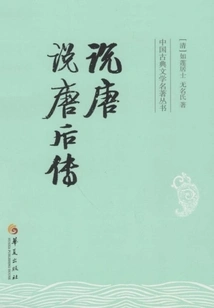
说唐·说唐后传
(qing Dynasty) Rulian Layman Anonymous
The main contents of "Chinese Classical Literature Masterpiece Series: Talking about the Tang Dynasty and Later Biography of the Tang Dynasty" include: fighting against the Qin Yi Tuogu in Jinan, destroying the Chen Kingdom, Li Yuan killed the beauty, plotting to bribe the Jin king in the East Palace, rebelling against Luo Yi in Yanshan and raising troops, creating rumors and Li Yuan to avoid disaster, serving as a horse Kuai Shubao as a servant, Qin Qiong in Lintong Mountain coming to the rescue, Tang Gong in Chengfu Temple gave birth to a son, Qin Shubao sold his horse on the road, Shan Xiongxin lost his soulmate, etc.
The main contents of "Chinese Classical Literature Masterpiece Series: Talking about the Tang Dynasty and Later Biography of the Tang Dynasty" include: fighting against the Qin Yi Tuogu in Jinan, destroying the Chen Kingdom, Li Yuan killed the beauty, plotting to bribe the Jin king in the East Palace, rebelling against Luo Yi in Yanshan and raising troops, creating rumors and Li Yuan to avoid disaster, serving as a horse Kuai Shubao as a servant, Qin Qiong in Lintong Mountain coming to the rescue, Tang Gong in Chengfu Temple gave birth to a son, Qin Shubao sold his horse on the road, Shan Xiongxin lost his soulmate, etc.
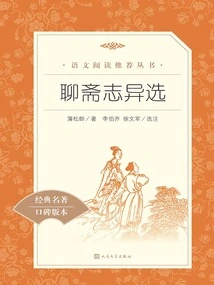
Strange Selections from Liaozhaizhi
General Fiction聊斋志异选
(qing Dynasty) Pu Songling
"Strange Stories from a Chinese Studio" is a famous collection of short stories in classical Chinese in ancient my country. The content is mixed, but it mainly satirizes the imperial examinations, feudal maladministration and praises the free love between men and women. The image of the flower demon and fox charm created by it is particularly vivid and touching. The author is known for his concise writing, accurate summary, and compact narrative. The "Complete New Notes on Strange Tales from a Chinese Studio" published by our company has now become a popular product and is reprinted almost every year. This anthology is equipped with illustrations, and the selections are all recognized as the best.
"Strange Stories from a Chinese Studio" is a famous collection of short stories in classical Chinese in ancient my country. The content is mixed, but it mainly satirizes the imperial examinations, feudal maladministration and praises the free love between men and women. The image of the flower demon and fox charm created by it is particularly vivid and touching. The author is known for his concise writing, accurate summary, and compact narrative. The "Complete New Notes on Strange Tales from a Chinese Studio" published by our company has now become a popular product and is reprinted almost every year. This anthology is equipped with illustrations, and the selections are all recognized as the best.
M
General FictionM
H
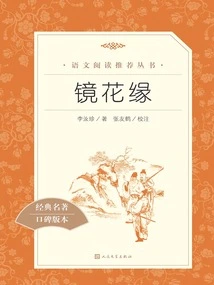
A novel from the Qing Dynasty, with 100 chapters in total. It uses rich imagination and humorous style to show all kinds of world phenomena. It prominently depicts women's talents and embodies the idea of respecting women's rights. The most significant thing about literary history is that it uses fantastic writing techniques to reveal various customs and moral depravity in human society, and embodies thinking about social issues, which is of practical significance.
A novel from the Qing Dynasty, with 100 chapters in total. It uses rich imagination and humorous style to show all kinds of world phenomena. It prominently depicts women's talents and embodies the idea of respecting women's rights. The most significant thing about literary history is that it uses fantastic writing techniques to reveal various customs and moral depravity in human society, and embodies thinking about social issues, which is of practical significance.
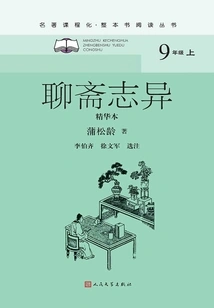
Strange Tales from a Chinese Studio (essence Edition)
General Fiction聊斋志异(精华本)
(qing Dynasty) By Pu Songling, Li Boqi, And Xu Wenjun's Selected Notes
"Strange Stories from a Chinese Studio" is a collection of short stories in classical Chinese from the Qing Dynasty that is well-known at home and abroad. Pu Songling used his concise and vivid writing style and romantic and unrestrained imagination to create nearly 500 bizarre stories about humans, ghosts, foxes and demons, creating a large number of bizarre artistic images and becoming a representative work of Chinese classical Chinese novels. There are many editions of "Strange Stories from a Chinese Studio". Among them, "New Annotations from a Chinese Studio" edited by Mr. Zhu Qikai (People's Literature Publishing House, October 1989 edition) has a relatively complete collection and rigorous editing. Mr. Li Boqi also participated in the annotation work, so it is used as this book. From the original version, nearly fifty chapters that can be regarded as artistic masterpieces were selected, supplemented by accurate annotations; People's Literature Publishing House also selected exquisite illustrations from "Detailed Notes on Strange Pictures and Odes of Strange Stories from a Chinese Studio" published during the Guangxu period, with both pictures and text, perfectly showing the style of the original work. With this volume in hand, readers can enter the beautiful artistic world of flower demons and foxes created by Pu Songling, appreciate the crossing of emotions and thoughts between real life and fantasy imagination, and appreciate the elegant, concise and vivid expressive power of classical Chinese.
"Strange Stories from a Chinese Studio" is a collection of short stories in classical Chinese from the Qing Dynasty that is well-known at home and abroad. Pu Songling used his concise and vivid writing style and romantic and unrestrained imagination to create nearly 500 bizarre stories about humans, ghosts, foxes and demons, creating a large number of bizarre artistic images and becoming a representative work of Chinese classical Chinese novels. There are many editions of "Strange Stories from a Chinese Studio". Among them, "New Annotations from a Chinese Studio" edited by Mr. Zhu Qikai (People's Literature Publishing House, October 1989 edition) has a relatively complete collection and rigorous editing. Mr. Li Boqi also participated in the annotation work, so it is used as this book. From the original version, nearly fifty chapters that can be regarded as artistic masterpieces were selected, supplemented by accurate annotations; People's Literature Publishing House also selected exquisite illustrations from "Detailed Notes on Strange Pictures and Odes of Strange Stories from a Chinese Studio" published during the Guangxu period, with both pictures and text, perfectly showing the style of the original work. With this volume in hand, readers can enter the beautiful artistic world of flower demons and foxes created by Pu Songling, appreciate the crossing of emotions and thoughts between real life and fantasy imagination, and appreciate the elegant, concise and vivid expressive power of classical Chinese.
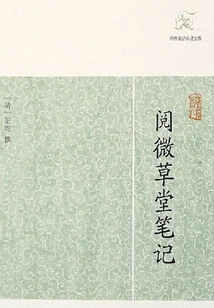
Yuewei Thatched Cottage Notes (a Comprehensive View of Notes and Novels from Past Dynasties)
General Fiction阅微草堂笔记(历代笔记小说大观)
H
This book is a short fantasy novel in classical Chinese written in the form of notes by Qing Jiyun. It mainly collects and compiles various folk stories about foxes, ghosts and gods, karma and retribution, admonishing good and punishing evil, etc. That were circulated at that time, or strange anecdotes that have been heard personally.
This book is a short fantasy novel in classical Chinese written in the form of notes by Qing Jiyun. It mainly collects and compiles various folk stories about foxes, ghosts and gods, karma and retribution, admonishing good and punishing evil, etc. That were circulated at that time, or strange anecdotes that have been heard personally.
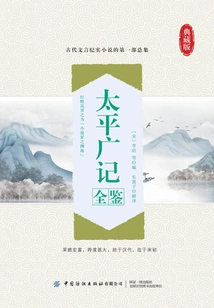
Taiping Guangji Quanjian
General Fiction太平广记全鉴
(song Dynasty) Compiled By Li Fang Et Al. Interpreted By Dong Lizi
"Taiping Guangji" is a collection of ancient Chinese novels written during the Taiping and Xingguo period of the Northern Song Dynasty (976-984). It contains about 7,000 novels from the pre-Qin Dynasty to the early Northern Song Dynasty. The content of these works is mainly based on legends and legends, recording or narrating anecdotes one by one through concise and concise words.
"Taiping Guangji" is a collection of ancient Chinese novels written during the Taiping and Xingguo period of the Northern Song Dynasty (976-984). It contains about 7,000 novels from the pre-Qin Dynasty to the early Northern Song Dynasty. The content of these works is mainly based on legends and legends, recording or narrating anecdotes one by one through concise and concise words.
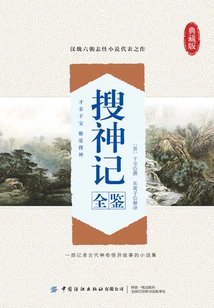
Sou Shen Ji Quan Jian
General Fiction搜神记全鉴
Chi Shuangming
"Sou Shen Ji" was written by the historian Qian Bao in the early Eastern Jin Dynasty. It has 20 existing volumes and contains more than 400 stories, large and small. It mainly compiles stories about ghosts and gods, as well as some trivia and a lot of folklore. Most of them are short in length, simple in plot, fantasy in conception, and full of romanticism. They are directly influenced by "The Biography of Emperor Mu" and "The Classic of Mountains and Seas". It represents the achievements of Chinese fantasy novels.
"Sou Shen Ji" was written by the historian Qian Bao in the early Eastern Jin Dynasty. It has 20 existing volumes and contains more than 400 stories, large and small. It mainly compiles stories about ghosts and gods, as well as some trivia and a lot of folklore. Most of them are short in length, simple in plot, fantasy in conception, and full of romanticism. They are directly influenced by "The Biography of Emperor Mu" and "The Classic of Mountains and Seas". It represents the achievements of Chinese fantasy novels.
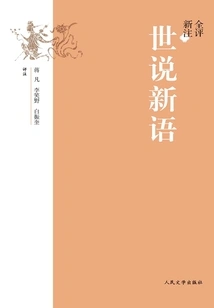
全评新注世说新语
Commentary By Jiang Fan, Li Xiaoye, And Bai Zhenkui
"Shishuoxinyu" is a famous book that records the affairs of scholars in the Wei and Jin Dynasties. The characters recorded in it have vivid images, meaningful language, often witty sayings, full of humor, unique wisdom and philosophy, and deep and meaningful life laments. They have been highly sought after and loved by readers of all generations. This book is compiled based on the precious Dong Bian edition of the Song Dynasty that has been circulated to Japan, and is equipped with precise and concise annotations and commentary with a modern perspective. It is very suitable for today's readers to study and read this book.
"Shishuoxinyu" is a famous book that records the affairs of scholars in the Wei and Jin Dynasties. The characters recorded in it have vivid images, meaningful language, often witty sayings, full of humor, unique wisdom and philosophy, and deep and meaningful life laments. They have been highly sought after and loved by readers of all generations. This book is compiled based on the precious Dong Bian edition of the Song Dynasty that has been circulated to Japan, and is equipped with precise and concise annotations and commentary with a modern perspective. It is very suitable for today's readers to study and read this book.
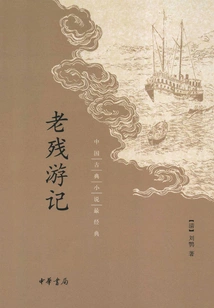
Lao Can's Travels (the Most Classic Chinese Classical Novel)
General Fiction老残游记(中国古典小说最经典)
Liu E
"The Travels of Lao Can" is one of the four "condemnation novels" in the late Qing Dynasty. It is a "crying" work by the author Liu E who laments the fate of the country and hopes to awaken the people and save the world. The novel takes the travels of Fang Langzhong and Lao Can as the main line, and conducts in-depth exploration of social contradictions. In particular, it directly denounces upright officials who harm the country and harms the people. It points out that sometimes the stupidity of upright officials is no better than corrupt officials. The criticism of the officialdom of the Qing court is pertinent to the current ills and has a unique insight. In terms of narrative, the novel has achieved a transformation from storyteller narrative to writer narrative, embodying superb descriptive skills and bringing late Qing novels to a new realm.
"The Travels of Lao Can" is one of the four "condemnation novels" in the late Qing Dynasty. It is a "crying" work by the author Liu E who laments the fate of the country and hopes to awaken the people and save the world. The novel takes the travels of Fang Langzhong and Lao Can as the main line, and conducts in-depth exploration of social contradictions. In particular, it directly denounces upright officials who harm the country and harms the people. It points out that sometimes the stupidity of upright officials is no better than corrupt officials. The criticism of the officialdom of the Qing court is pertinent to the current ills and has a unique insight. In terms of narrative, the novel has achieved a transformation from storyteller narrative to writer narrative, embodying superb descriptive skills and bringing late Qing novels to a new realm.
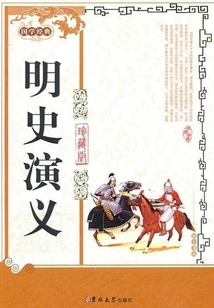
Romance of Ming Dynasty
General Fiction明史演义
Cai Dongfan
This book, "Popular Romance of Ming History", has a total of one hundred chapters. It took 276 years from the founding of the country by the civilian emperor Zhu Yuanzhang to the death of Sizong in the Ming Dynasty. Zhu Yuanzhang rose to the occasion, and within a few years he expelled Emperor Yuan and unified China. He finally drove the foreigners out of China, but he was afraid of constant harassment, so he had to build the Great Wall high and thick. It was only at this time that Zheng He, who made seven voyages to the West, appeared, bringing with him the highest technology at the time and a huge fleet to greatly promote the power of the Ming Empire. The writing style of the book is smooth and the story is vivid.
This book, "Popular Romance of Ming History", has a total of one hundred chapters. It took 276 years from the founding of the country by the civilian emperor Zhu Yuanzhang to the death of Sizong in the Ming Dynasty. Zhu Yuanzhang rose to the occasion, and within a few years he expelled Emperor Yuan and unified China. He finally drove the foreigners out of China, but he was afraid of constant harassment, so he had to build the Great Wall high and thick. It was only at this time that Zheng He, who made seven voyages to the West, appeared, bringing with him the highest technology at the time and a huge fleet to greatly promote the power of the Ming Empire. The writing style of the book is smooth and the story is vivid.
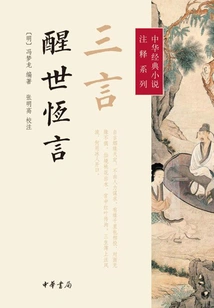
Three Words·eternal Words to Awaken the World (annotation Series of Chinese Classic Novels)
General Fiction三言·醒世恒言(中华经典小说注释系列)
G
"Three Words" is the collective name of "Mingyan", "Words to Warn the World" and "Everlasting Words to Awaken the World" compiled by the famous Ming Dynasty writer Feng Menglong. It is also collectively known as "Sanyan Erpai" together with "Erpai" written by the famous Ming Dynasty writer Ling Shuchu. It enjoys a high status in the history of Chinese literature and is as famous as the "Four Great Classics" and "Jin Ping Mei". "Eternal Words to Awaken the World", compiled by Feng Menglong in the late Ming Dynasty, is one of the collections of ancient vernacular short stories. Together with the previous "Essays to Tell the World" and "Words to Warning the World", it is collectively known as the "Three Words". Among the "Three Words", it is the most widely circulated, influential and most talked about. The themes may come from folklore, historical biographies and novels of the Tang and Song Dynasties, and the editors have many creative elements. "Eternal Words for Awakening the World" shows some new characteristics in terms of content and themes. For example, "Shi Runze Meets Friends at the Beach", which expresses the prosperity of urban and rural industry and commerce in the late Ming Dynasty, is the most famous one; "The Oil Seller Monopolizes the Oiran" and "Su Xiaomei's Groom in Three Difficulties" and other chapters have created new characters with new ideas and new morals, with a distinct mark of the times. In terms of art, it is more mature, the characters are full and vivid, the personalities are distinct, and the plot design is more compact and clever, showing the author's ingenuity. Colloquial and life-oriented literary language is used more skillfully and naturally, showing various styles that may be subtle, funny, exciting, or sad.
"Three Words" is the collective name of "Mingyan", "Words to Warn the World" and "Everlasting Words to Awaken the World" compiled by the famous Ming Dynasty writer Feng Menglong. It is also collectively known as "Sanyan Erpai" together with "Erpai" written by the famous Ming Dynasty writer Ling Shuchu. It enjoys a high status in the history of Chinese literature and is as famous as the "Four Great Classics" and "Jin Ping Mei". "Eternal Words to Awaken the World", compiled by Feng Menglong in the late Ming Dynasty, is one of the collections of ancient vernacular short stories. Together with the previous "Essays to Tell the World" and "Words to Warning the World", it is collectively known as the "Three Words". Among the "Three Words", it is the most widely circulated, influential and most talked about. The themes may come from folklore, historical biographies and novels of the Tang and Song Dynasties, and the editors have many creative elements. "Eternal Words for Awakening the World" shows some new characteristics in terms of content and themes. For example, "Shi Runze Meets Friends at the Beach", which expresses the prosperity of urban and rural industry and commerce in the late Ming Dynasty, is the most famous one; "The Oil Seller Monopolizes the Oiran" and "Su Xiaomei's Groom in Three Difficulties" and other chapters have created new characters with new ideas and new morals, with a distinct mark of the times. In terms of art, it is more mature, the characters are full and vivid, the personalities are distinct, and the plot design is more compact and clever, showing the author's ingenuity. Colloquial and life-oriented literary language is used more skillfully and naturally, showing various styles that may be subtle, funny, exciting, or sad.
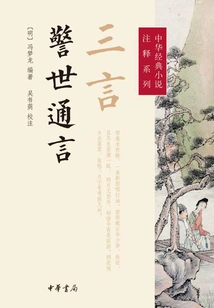
三言·警世通言(中华经典小说注释系列)
G
"Three Words" is the collective name of "Mingyan", "Words to Warn the World" and "Everlasting Words to Awaken the World" compiled by the famous Ming Dynasty writer Feng Menglong. It is also collectively known as "Sanyan Erpai" together with "Erpai" written by the famous Ming Dynasty writer Ling Shuchu. It enjoys a high status in the history of Chinese literature and is as famous as the "Four Great Classics" and "Jin Ping Mei". "Warning Words" is the second of "Three Words" by Feng Menglong, a famous popular writer in the Ming Dynasty. It is the most popular story-telling novel with the theme of marriage and love. The profound ideological connotation and superb artistic skills displayed are refreshing. What is particularly valuable is that the book has created a number of images of women with distinctive personalities, which have strong artistic appeal. "Du Shiniang Sinks the Treasure Chest in Anger" is the representative work of this book, which is perfect both ideologically and artistically. This time we asked relevant experts to annotate the noun system, dialect titles at that time, and uncommon words in the book to facilitate readers' reading and understanding.
"Three Words" is the collective name of "Mingyan", "Words to Warn the World" and "Everlasting Words to Awaken the World" compiled by the famous Ming Dynasty writer Feng Menglong. It is also collectively known as "Sanyan Erpai" together with "Erpai" written by the famous Ming Dynasty writer Ling Shuchu. It enjoys a high status in the history of Chinese literature and is as famous as the "Four Great Classics" and "Jin Ping Mei". "Warning Words" is the second of "Three Words" by Feng Menglong, a famous popular writer in the Ming Dynasty. It is the most popular story-telling novel with the theme of marriage and love. The profound ideological connotation and superb artistic skills displayed are refreshing. What is particularly valuable is that the book has created a number of images of women with distinctive personalities, which have strong artistic appeal. "Du Shiniang Sinks the Treasure Chest in Anger" is the representative work of this book, which is perfect both ideologically and artistically. This time we asked relevant experts to annotate the noun system, dialect titles at that time, and uncommon words in the book to facilitate readers' reading and understanding.
三言·喻世明言(中华经典小说注释系列)
G
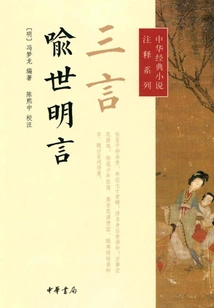
"Three Words" is the collective name of "Mingyan", "Words to Warn the World" and "Everlasting Words to Awaken the World" compiled by the famous Ming Dynasty writer Feng Menglong. It is also collectively known as "Sanyan Erpai" together with "Erpai" written by the famous Ming Dynasty writer Ling Shuchu. It enjoys a high status in the history of Chinese literature and is as famous as the "Four Great Classics" and "Jin Ping Mei". "Yu Shi Ming Yan" is the first part of "Three Words", consisting of forty volumes and forty kinds of scripts. The themes are wide-ranging, depicting the true face of urban citizen life, and mainly embodying the thoughts, aspirations and moral standards of the citizen class. Among them, "Brother Jiang Xing Meets Again in Pearl Shirt", "Shen Xiaoxia Meets as a Teacher", "Teng Dayin's Ghost Seizes Household Property", "Jade Slave Beats the Lover with a Stick" and "Song Sigong Makes a Trouble with the Soul-Confining Zhang" are all excellent works that have long been famous. The annotated version of Mr. Chen Xizhong published this time corrects the errors in the previous annotated version, makes detailed annotations on poems, allusions, historical facts, difficult words, etc., And pays attention to citing ancient novels such as "Water Margin" and "Jin Ping Mei" as examples and comparisons. It is an excellent text that is both convenient for readers to read and has collection value.
"Three Words" is the collective name of "Mingyan", "Words to Warn the World" and "Everlasting Words to Awaken the World" compiled by the famous Ming Dynasty writer Feng Menglong. It is also collectively known as "Sanyan Erpai" together with "Erpai" written by the famous Ming Dynasty writer Ling Shuchu. It enjoys a high status in the history of Chinese literature and is as famous as the "Four Great Classics" and "Jin Ping Mei". "Yu Shi Ming Yan" is the first part of "Three Words", consisting of forty volumes and forty kinds of scripts. The themes are wide-ranging, depicting the true face of urban citizen life, and mainly embodying the thoughts, aspirations and moral standards of the citizen class. Among them, "Brother Jiang Xing Meets Again in Pearl Shirt", "Shen Xiaoxia Meets as a Teacher", "Teng Dayin's Ghost Seizes Household Property", "Jade Slave Beats the Lover with a Stick" and "Song Sigong Makes a Trouble with the Soul-Confining Zhang" are all excellent works that have long been famous. The annotated version of Mr. Chen Xizhong published this time corrects the errors in the previous annotated version, makes detailed annotations on poems, allusions, historical facts, difficult words, etc., And pays attention to citing ancient novels such as "Water Margin" and "Jin Ping Mei" as examples and comparisons. It is an excellent text that is both convenient for readers to read and has collection value.
Classics for Children: Journey to the West
General Fiction少儿读经典:西游记
Childlike Illustrations
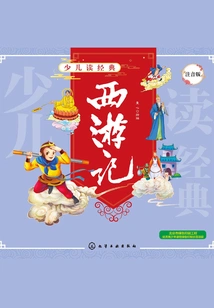
Tell classic stories about traditional Chinese culture in a way that children aged 3-6 years old would love to hear; refine the storyline and get familiar with the four classics in an easy-to-understand and interesting story; the exquisite illustrations are presented in all directions, allowing children to be immersed in the reading, helping to cultivate their sense of picture and imagination; the phonetic version allows children to learn while reading, fall in love with reading from an early age, and read independently!
Tell classic stories about traditional Chinese culture in a way that children aged 3-6 years old would love to hear; refine the storyline and get familiar with the four classics in an easy-to-understand and interesting story; the exquisite illustrations are presented in all directions, allowing children to be immersed in the reading, helping to cultivate their sense of picture and imagination; the phonetic version allows children to learn while reading, fall in love with reading from an early age, and read independently!
全本聊斋志异
I
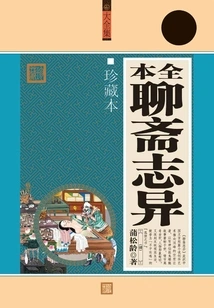
This book is the new version of "Strange Stories from a Chinese Studio", which not only restores the original appearance as much as possible, but also strives to be suitable for today's readers. It is accompanied by more than 300 widely circulated embroidery illustrations, adding to its artistic appeal.
This book is the new version of "Strange Stories from a Chinese Studio", which not only restores the original appearance as much as possible, but also strives to be suitable for today's readers. It is accompanied by more than 300 widely circulated embroidery illustrations, adding to its artistic appeal.
Journey to the West Supplement
General Fiction西游补
(ming) Dong Shuo, Zhao Hongjuan, Zhu Ruida's Proofreading
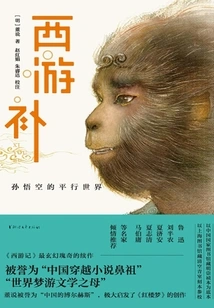
The story follows Monk Tang and his disciples after they passed through the Flame Mountain. Sun Xingzhe became a vegetarian, was fascinated by the mackerel spirit, and crashed into the "Qingqing World" created by the monster who called himself Little Moon King. Sun Xingzhe ran back and forth and explored up and down in order to find Qin Shihuang's borrowed Shan Duozi, and also to find the whereabouts of his master Tang Seng, but he fell into the "Ten Thousand Mirrors Pavilion". He entered the "world of the ancients" through the mirror on the balcony, and later entered the "world of the future". He suddenly transformed into a poppy, dealing with the overlord of Chu, trying to find out where Qin Shihuang lived; suddenly he became the King of Yama, sitting in court to judge and execute Qin Hui, and worshiped Yue Fei as his third master. Then, he jumped out of the mirror and had many experiences in the palace of Xiaoyue King and the "Qingqing World". Finally, Sun Walker woke up after being called by the Master of the Void; when he came out of the false world of "Qingqing World" and walked back to the old mountain road, he happened to see the mackerel spirit who wanted to eat Tang Monk had turned into a little monk and was teasing Tang Monk.
The story follows Monk Tang and his disciples after they passed through the Flame Mountain. Sun Xingzhe became a vegetarian, was fascinated by the mackerel spirit, and crashed into the "Qingqing World" created by the monster who called himself Little Moon King. Sun Xingzhe ran back and forth and explored up and down in order to find Qin Shihuang's borrowed Shan Duozi, and also to find the whereabouts of his master Tang Seng, but he fell into the "Ten Thousand Mirrors Pavilion". He entered the "world of the ancients" through the mirror on the balcony, and later entered the "world of the future". He suddenly transformed into a poppy, dealing with the overlord of Chu, trying to find out where Qin Shihuang lived; suddenly he became the King of Yama, sitting in court to judge and execute Qin Hui, and worshiped Yue Fei as his third master. Then, he jumped out of the mirror and had many experiences in the palace of Xiaoyue King and the "Qingqing World". Finally, Sun Walker woke up after being called by the Master of the Void; when he came out of the false world of "Qingqing World" and walked back to the old mountain road, he happened to see the mackerel spirit who wanted to eat Tang Monk had turned into a little monk and was teasing Tang Monk.
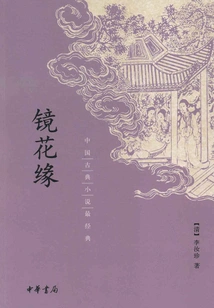
镜花缘(中国古典小说最经典)
H
Li Ruzhen, a novelist of the Qing Dynasty, used her magical and humorous creative techniques to draw inspiration from classics, and created a hundred-chapter novel about gods and demons called "Flowers in the Mirror". It is a Chinese classical novel that is as bright as "Journey to the West", "Feng Shen Bang", and "Strange Stories from a Chinese Studio" and is rich in mythology and romantic fantasy. The book consists of twenty volumes and consists of two parts. The first half describes the story of Tang Ao, Duo Jiugong and others traveling overseas by boat, including their experiences in the "Daughter Country", "Junzi Country", "Intestinal Country" and other countries. The second half tells the story of Wu Zetian's imperial examination to select talented girls, Tang Xiaoshan, who was entrusted by Baihua Fairy, and one hundred talented girls entrusted by other flower fairies who passed the exam and made a difference in the court. This time, experts were invited to proofread and edit the original Suzhou edition.
Li Ruzhen, a novelist of the Qing Dynasty, used her magical and humorous creative techniques to draw inspiration from classics, and created a hundred-chapter novel about gods and demons called "Flowers in the Mirror". It is a Chinese classical novel that is as bright as "Journey to the West", "Feng Shen Bang", and "Strange Stories from a Chinese Studio" and is rich in mythology and romantic fantasy. The book consists of twenty volumes and consists of two parts. The first half describes the story of Tang Ao, Duo Jiugong and others traveling overseas by boat, including their experiences in the "Daughter Country", "Junzi Country", "Intestinal Country" and other countries. The second half tells the story of Wu Zetian's imperial examination to select talented girls, Tang Xiaoshan, who was entrusted by Baihua Fairy, and one hundred talented girls entrusted by other flower fairies who passed the exam and made a difference in the court. This time, experts were invited to proofread and edit the original Suzhou edition.
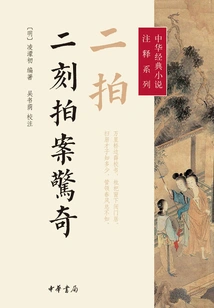
二拍·二刻拍案惊奇(中华经典小说注释系列)
H
"Er Pai" is the collective name of "The Surprise at the First Moment" and "The Surprise at the Second Moment" written by the famous writer Ling Shuchu of the Ming Dynasty. It is also collectively known as "San Yan Er Pai" with "San Yan" compiled by the famous Ming Dynasty writer Feng Menglong. It enjoys a high status in the history of Chinese literature and is as famous as the "Four Great Classics" and "The Plum in the Golden Vase". "The Surprise at the Second Moment" is a collection of narrative novels written by Ling Shuchu of the Ming Dynasty. Together with "The Surprise at the First Moment", it is collectively known as "Er Pai". It is the last volume of the "Three Words and Two Pai" series and is also one of the important representative works of ancient short stories in my country. The creative purpose of "Surprise at the Second Moment" is the same as "Surprise at the First Moment", which is to comprehensively reflect the social life of the civil class in the late Ming Dynasty. Its content mainly includes the following aspects: 1. Expressing love, marriage and sexual relations; 2. Expressing the thoughts and behaviors of feudal officials; 3. Expressing the life of businessmen and their ideological world. The book is complex and rich in ideological content, and there are some superstitious and obscene chapters that were criticized by later generations of critics. But overall, the book reflects the new ideas and concepts of the emerging citizen class to a certain extent. The traditional morality it advocates also has undeniable healthy elements, and the mainstream is still relatively good.
"Er Pai" is the collective name of "The Surprise at the First Moment" and "The Surprise at the Second Moment" written by the famous writer Ling Shuchu of the Ming Dynasty. It is also collectively known as "San Yan Er Pai" with "San Yan" compiled by the famous Ming Dynasty writer Feng Menglong. It enjoys a high status in the history of Chinese literature and is as famous as the "Four Great Classics" and "The Plum in the Golden Vase". "The Surprise at the Second Moment" is a collection of narrative novels written by Ling Shuchu of the Ming Dynasty. Together with "The Surprise at the First Moment", it is collectively known as "Er Pai". It is the last volume of the "Three Words and Two Pai" series and is also one of the important representative works of ancient short stories in my country. The creative purpose of "Surprise at the Second Moment" is the same as "Surprise at the First Moment", which is to comprehensively reflect the social life of the civil class in the late Ming Dynasty. Its content mainly includes the following aspects: 1. Expressing love, marriage and sexual relations; 2. Expressing the thoughts and behaviors of feudal officials; 3. Expressing the life of businessmen and their ideological world. The book is complex and rich in ideological content, and there are some superstitious and obscene chapters that were criticized by later generations of critics. But overall, the book reflects the new ideas and concepts of the emerging citizen class to a certain extent. The traditional morality it advocates also has undeniable healthy elements, and the mainstream is still relatively good.
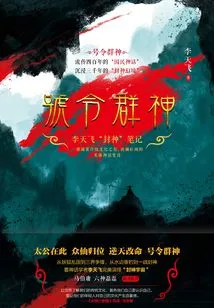
Commanding the Gods: Li Tianfei's Notes on "becoming a God
General Fiction号令群神:李天飞“封神”笔记
Li Tianfei
"Li Tianfei's Interpretation of "The Romance of the Gods"" is a work of interpretation of classic literature written by the author Li Tianfei. Starting from the various gods in "The Romance of the Gods" and other classics, it tells their past, present and legendary stories in popular and interesting language, subverting your understanding of the "World of the Fengshen" and It strives to construct a "biography of immortals" that belongs to contemporary people; it also includes textual research and refutation of various folk legends, etc., Striving to clear up the source and tell a complete and credible mythological history for readers; and conduct in-depth thinking on human beings, culture and society in the long history and literary works.
"Li Tianfei's Interpretation of "The Romance of the Gods"" is a work of interpretation of classic literature written by the author Li Tianfei. Starting from the various gods in "The Romance of the Gods" and other classics, it tells their past, present and legendary stories in popular and interesting language, subverting your understanding of the "World of the Fengshen" and It strives to construct a "biography of immortals" that belongs to contemporary people; it also includes textual research and refutation of various folk legends, etc., Striving to clear up the source and tell a complete and credible mythological history for readers; and conduct in-depth thinking on human beings, culture and society in the long history and literary works.
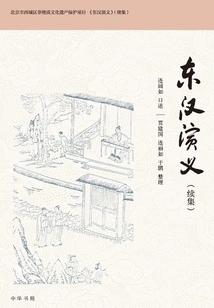
Romance of the Eastern Han Dynasty (sequel)
General Fiction东汉演义(续集)
Oral Narration By Lian Kuoru, Compiled By Jia Jianguo, Lian Liru And Yu Peng
"The Romance of the Eastern Han Dynasty" is the representative work of Mr. Lian Kuoru, a master of storytelling. It mainly tells the story of the founder of the Han Dynasty, Liu Xiu, who led thirty-six Yuntai generals to attack Mang after Wang Mang usurped the throne at the end of the Western Han Dynasty. This publication is the complete version of "The Romance of the Eastern Han Dynasty". With the help of Mr. Yu Peng of the National Library, "Continuing the Eastern Han Dynasty" which was serialized in "Drama News" was discovered (serialized from February 1 to September 18, 1941) and was compiled by Jia Jianguo, Lian Liru, and Yu Peng. One hundred thousand words have been added to the book, and "The Romance of the Eastern Han Dynasty" is presented completely for the first time.
"The Romance of the Eastern Han Dynasty" is the representative work of Mr. Lian Kuoru, a master of storytelling. It mainly tells the story of the founder of the Han Dynasty, Liu Xiu, who led thirty-six Yuntai generals to attack Mang after Wang Mang usurped the throne at the end of the Western Han Dynasty. This publication is the complete version of "The Romance of the Eastern Han Dynasty". With the help of Mr. Yu Peng of the National Library, "Continuing the Eastern Han Dynasty" which was serialized in "Drama News" was discovered (serialized from February 1 to September 18, 1941) and was compiled by Jia Jianguo, Lian Liru, and Yu Peng. One hundred thousand words have been added to the book, and "The Romance of the Eastern Han Dynasty" is presented completely for the first time.
Ad
General Fictionad
H
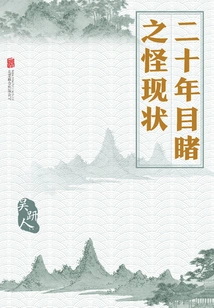
"The Strange Current Situation Witnessed in Twenty Years", written by Wu Jianren, is an autobiographical work and one of the four major condemnation novels in the late Qing Dynasty. Taking the protagonist's experience as the main clue, it begins with him attending the funeral for his father and ends with his failure in business. Through the experiences and knowledge of the twenty years of "narrow escapes", it reflects the social reality from before and after the Sino-French War in the 10th year of Guangxu (1884) to the early twentieth century, and exposes the corruption and depravity of the ruling class during the general collapse of feudal society. In addition to the officialdom, it also writes about shopping malls and foreign markets, objectively revealing the darkness of the entire feudal society and its inevitable demise.
"The Strange Current Situation Witnessed in Twenty Years", written by Wu Jianren, is an autobiographical work and one of the four major condemnation novels in the late Qing Dynasty. Taking the protagonist's experience as the main clue, it begins with him attending the funeral for his father and ends with his failure in business. Through the experiences and knowledge of the twenty years of "narrow escapes", it reflects the social reality from before and after the Sino-French War in the 10th year of Guangxu (1884) to the early twentieth century, and exposes the corruption and depravity of the ruling class during the general collapse of feudal society. In addition to the officialdom, it also writes about shopping malls and foreign markets, objectively revealing the darkness of the entire feudal society and its inevitable demise.
Four Condemnation Novels of the Late Qing Dynasty
General Fiction晚清四大谴责小说
Liu E Li Boyuan Wu Jianren Zeng Pu
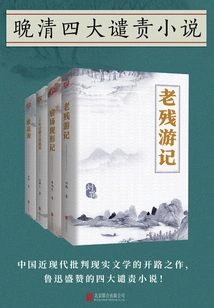
Including: 4 books: "Old Can's Travels", "Official Appearance", "Strange Current Situation Witnessed in Twenty Years", and "Nie Haihua". "Lao Can's Travels" is a work handed down from generation to generation that is highly praised by Hu Shi, Wang Guowei, Lin Yutang and others. The novel takes the travels of a quack doctor as the main line, and humorously depicts the social beings in a specific environment. The opening chapter uses symbolic writing to point out the subtle relationship between individuals and times, and then goes on to write about the scenery of Daming Lake, Wang Xiaoyu's storytelling, the hatred of honest officials, a strange case, the frozen Yellow River, love and enlightenment... It has the fantasy of worldly novels, the insights of psychological novels, and the passion of martial arts novels. Some people think that its chapters are like bricks and tiles of Qin and Han Dynasties. They look exquisite individually, but together they do not make a full story. But if you read the content carefully, you will find that the beauty of it is that it is unconventional, written in a willful and unrestrained way. The innovative descriptions of sights and sounds are still textbook level today. "The Appearance of Officialdom" The secrets of officialdom have always been kept secret until the publication of this book: from the dignitaries in the capital, ministers, censors, imperial envoys, to local leaders, state officials, prefects, county magistrates, and even the grassroots officials Yan Si , all kinds of people from the original officialdom of China's feudal dynasty appear in person, the strange changes in front of and behind the scenes, the strategies and details of promotion are exposed to the world for the first time. It is true, wonderful, complex, and profound, and it is amazing to read. When the book came out, it immediately caused a shock in the officialdom and the court was furious. It is said that the Empress Dowager Cixi continued to read it, and the regent personally ordered the murder of the author Li Baojia... As a must-read classic for understanding officialdom, this book has been best-selling for hundreds of years and has remained popular for a long time. In 1999, it topped the list of Chinese novels in the 20th century. "The Strange Current Situation Witnessed in Twenty Years", written by Wu Jianren, is an autobiographical work and one of the four major condemnation novels in the late Qing Dynasty. Taking the protagonist's experience as the main clue, it begins with him attending the funeral for his father and ends with his failure in business. Through the experiences and knowledge of the twenty years of "narrow escapes", it reflects the social reality from before and after the Sino-French War in the 10th year of Guangxu (1884) to the early twentieth century, and exposes the corruption and depravity of the ruling class during the general collapse of feudal society. In addition to the officialdom, it also writes about shopping malls and foreign markets, objectively revealing the darkness of the entire feudal society and its inevitable demise. "Nie Hai Hua" is one of the four major condemnation novels in the late Qing Dynasty. The whole book takes the experiences of Suzhou champion Jingou and the famous prostitute Fu Caiyun as the main line, showing the historical changes in China's social, political and cultural life from the early years of Tongzhi in the Qing Dynasty to the 30 years of the Sino-Japanese War of 1898. It has a strong spirit of the times and has certain political significance. The publication of this book caused a sensation in the literary world in the early 20th century. It was reprinted more than ten times in a short period of time and sold about 100,000 copies, setting a unique record.
Including: 4 books: "Old Can's Travels", "Official Appearance", "Strange Current Situation Witnessed in Twenty Years", and "Nie Haihua". "Lao Can's Travels" is a work handed down from generation to generation that is highly praised by Hu Shi, Wang Guowei, Lin Yutang and others. The novel takes the travels of a quack doctor as the main line, and humorously depicts the social beings in a specific environment. The opening chapter uses symbolic writing to point out the subtle relationship between individuals and times, and then goes on to write about the scenery of Daming Lake, Wang Xiaoyu's storytelling, the hatred of honest officials, a strange case, the frozen Yellow River, love and enlightenment... It has the fantasy of worldly novels, the insights of psychological novels, and the passion of martial arts novels. Some people think that its chapters are like bricks and tiles of Qin and Han Dynasties. They look exquisite individually, but together they do not make a full story. But if you read the content carefully, you will find that the beauty of it is that it is unconventional, written in a willful and unrestrained way. The innovative descriptions of sights and sounds are still textbook level today. "The Appearance of Officialdom" The secrets of officialdom have always been kept secret until the publication of this book: from the dignitaries in the capital, ministers, censors, imperial envoys, to local leaders, state officials, prefects, county magistrates, and even the grassroots officials Yan Si , all kinds of people from the original officialdom of China's feudal dynasty appear in person, the strange changes in front of and behind the scenes, the strategies and details of promotion are exposed to the world for the first time. It is true, wonderful, complex, and profound, and it is amazing to read. When the book came out, it immediately caused a shock in the officialdom and the court was furious. It is said that the Empress Dowager Cixi continued to read it, and the regent personally ordered the murder of the author Li Baojia... As a must-read classic for understanding officialdom, this book has been best-selling for hundreds of years and has remained popular for a long time. In 1999, it topped the list of Chinese novels in the 20th century. "The Strange Current Situation Witnessed in Twenty Years", written by Wu Jianren, is an autobiographical work and one of the four major condemnation novels in the late Qing Dynasty. Taking the protagonist's experience as the main clue, it begins with him attending the funeral for his father and ends with his failure in business. Through the experiences and knowledge of the twenty years of "narrow escapes", it reflects the social reality from before and after the Sino-French War in the 10th year of Guangxu (1884) to the early twentieth century, and exposes the corruption and depravity of the ruling class during the general collapse of feudal society. In addition to the officialdom, it also writes about shopping malls and foreign markets, objectively revealing the darkness of the entire feudal society and its inevitable demise. "Nie Hai Hua" is one of the four major condemnation novels in the late Qing Dynasty. The whole book takes the experiences of Suzhou champion Jingou and the famous prostitute Fu Caiyun as the main line, showing the historical changes in China's social, political and cultural life from the early years of Tongzhi in the Qing Dynasty to the 30 years of the Sino-Japanese War of 1898. It has a strong spirit of the times and has certain political significance. The publication of this book caused a sensation in the literary world in the early 20th century. It was reprinted more than ten times in a short period of time and sold about 100,000 copies, setting a unique record.
Lao Can's Travels
General Fiction老残游记
Written By Liu E, Edited By Chen Xianghe, Annotated By Dai Hongsen
"Lao Can's Travels" is a novel written by Liu E in his later years. It was published in 1906. The book uses Lao Can's travels and experiences to attack the darkness of officialdom at that time and expose the true face of so-called upright officials. It was first serialized in the semi-monthly "Xiu Xiang Novel" and later in "Tianjin Daily News". Among similar novels in the late Qing Dynasty, it has higher artistic achievements.
"Lao Can's Travels" is a novel written by Liu E in his later years. It was published in 1906. The book uses Lao Can's travels and experiences to attack the darkness of officialdom at that time and expose the true face of so-called upright officials. It was first serialized in the semi-monthly "Xiu Xiang Novel" and later in "Tianjin Daily News". Among similar novels in the late Qing Dynasty, it has higher artistic achievements.
Niehaihua
General Fiction孽海花
X
"The Flower of Evil" is one of the four major condemnation novels of the late Qing Dynasty that appeared almost at the same time as "The Appearance of Officialdom", "The Strange Current Situation I Witnessed in Twenty Years" and "Old Can's Travels". The book takes the marriage life story of the number one scholar Jin Wenqing (alluding to Hong Jun) and the famous courtesan Fu Caiyun (alluding to Zhao Caiyun) as the main plot line. It cuts and refines the profiles of important historical events and related anecdotes in the past thirty years into a chapter, reflecting the political and cultural changes in the specific historical stage from the middle of Tongzhi to the late Guangxu of the late Qing Dynasty.
"The Flower of Evil" is one of the four major condemnation novels of the late Qing Dynasty that appeared almost at the same time as "The Appearance of Officialdom", "The Strange Current Situation I Witnessed in Twenty Years" and "Old Can's Travels". The book takes the marriage life story of the number one scholar Jin Wenqing (alluding to Hong Jun) and the famous courtesan Fu Caiyun (alluding to Zhao Caiyun) as the main plot line. It cuts and refines the profiles of important historical events and related anecdotes in the past thirty years into a chapter, reflecting the political and cultural changes in the specific historical stage from the middle of Tongzhi to the late Guangxu of the late Qing Dynasty.
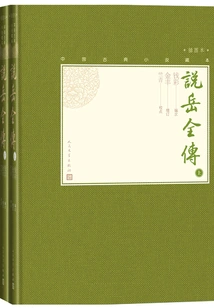
A Complete Biography of Yue Yue (2 Volumes in Total)
General Fiction说岳全传(全2册)
(qing Dynasty) Qian Cai (qing Dynasty) Jin Feng Added The Zhu Qing Campus
The full name of "Shuo Yue Quan Zhuan" is "Updated Jingzhong Romance Shuo Yue Quan Zhuan", with a total of eighty chapters. This book mainly uses Yue Fei's life story recorded in official history as the story frame, draws on the content of Yue Fei's stories in folklore, rap skills, and dramas as material, and fictionalizes a large number of plots and details, making the novel more vivid, colorful and fascinating than other works with similar themes. The author of the novel deliberately preserved the stylistic characteristics of the storybook novel, and the narrative language is colloquial and vivid; the switching between each episode is based on key plot points, highlighting the art of speaking; the overall concept and specific plot design are deeply influenced by "The Romance of the Three Kingdoms" and "Water Margin".
The full name of "Shuo Yue Quan Zhuan" is "Updated Jingzhong Romance Shuo Yue Quan Zhuan", with a total of eighty chapters. This book mainly uses Yue Fei's life story recorded in official history as the story frame, draws on the content of Yue Fei's stories in folklore, rap skills, and dramas as material, and fictionalizes a large number of plots and details, making the novel more vivid, colorful and fascinating than other works with similar themes. The author of the novel deliberately preserved the stylistic characteristics of the storybook novel, and the narrative language is colloquial and vivid; the switching between each episode is based on key plot points, highlighting the art of speaking; the overall concept and specific plot design are deeply influenced by "The Romance of the Three Kingdoms" and "Water Margin".
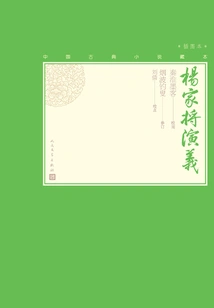
Romance of the Yang Family
General Fiction杨家将演义
(ming Dynasty) Qinhuai Poets, Edited By Yanbo Diaosou, Proofread By Qinhuai Poets, Edited By Yanbo Diaosou, Edited By Liu Qian
The story of the generals of the Yang family is one of the most widely circulated heroic legends in our country. "The Romance of the Generals of the Yang Family" is a novel about the generals of the Yang family compiled by the Ming Dynasty. It describes the deeds of Yang Ye, Yang Yanzhao, Yang Zongbao and other generations of the Yang family who served the country loyally and bravely. The novel is based on historical facts, interspersed with some folklore, and combines fiction with reality. The content is vivid, the plot is twists and turns, and the characters are lifelike, making it deeply loved by readers of all generations.
The story of the generals of the Yang family is one of the most widely circulated heroic legends in our country. "The Romance of the Generals of the Yang Family" is a novel about the generals of the Yang family compiled by the Ming Dynasty. It describes the deeds of Yang Ye, Yang Yanzhao, Yang Zongbao and other generations of the Yang family who served the country loyally and bravely. The novel is based on historical facts, interspersed with some folklore, and combines fiction with reality. The content is vivid, the plot is twists and turns, and the characters are lifelike, making it deeply loved by readers of all generations.
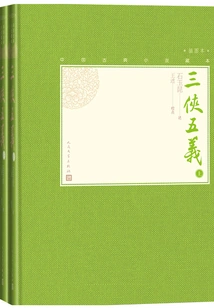
Three Heroes and Five Righteousness (2 Volumes in Total)
General Fiction三侠五义(全2册)
(qing Dynasty) Shi Yukunshu, Wang Shu, Proofreading
"Three Heroes and Five Righteousness" is a classic of the classic chivalrous koan novel, and can be called the originator of Chinese martial arts novels; at the same time, it is the first martial arts novel with real significance in China. The novel tells the story of Bao Zheng, during the reign of Renzong in the Northern Song Dynasty, who, with the help of many chivalrous men, tried strange cases, vindicated unjust cases, and how the chivalrous men eradicated violence and performed chivalrous acts of justice. The book creates an image of a selfless and upright official who is not afraid of power.
"Three Heroes and Five Righteousness" is a classic of the classic chivalrous koan novel, and can be called the originator of Chinese martial arts novels; at the same time, it is the first martial arts novel with real significance in China. The novel tells the story of Bao Zheng, during the reign of Renzong in the Northern Song Dynasty, who, with the help of many chivalrous men, tried strange cases, vindicated unjust cases, and how the chivalrous men eradicated violence and performed chivalrous acts of justice. The book creates an image of a selfless and upright official who is not afraid of power.
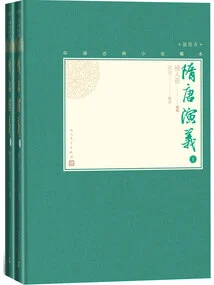
Romance of the Sui and Tang Dynasties (2 Volumes in Total)
General Fiction隋唐演义(全2册)
(qing Dynasty) Chu People Were Compiled And Edited By Hou Hui
"The Romance of the Sui and Tang Dynasties" is written from the Sui Dynasty's attack on Chen to the death of Emperor Ming of the Tang Dynasty. The story spans about 180 years. However, it is detailed in detail and omitted later. It occupied 66 chapters in the first 40 years and only 34 chapters in the next 130 years. The book contains many characters and numerous events, which can be roughly divided into two aspects: first, describing the vigorous resistance struggles and glorious chivalrous characters of heroes in troubled times such as Qin Qiong, Shan Xiongxin, Cheng Yaojin, Xu Shiji, Li Mi, Dou Jiande, etc. 2. Describe the palace stories of the queens and concubines of the Sui and Tang dynasties, especially Emperor Yang of the Sui Dynasty, Wu Zetian, and Emperor Ming of the Tang Dynasty.
"The Romance of the Sui and Tang Dynasties" is written from the Sui Dynasty's attack on Chen to the death of Emperor Ming of the Tang Dynasty. The story spans about 180 years. However, it is detailed in detail and omitted later. It occupied 66 chapters in the first 40 years and only 34 chapters in the next 130 years. The book contains many characters and numerous events, which can be roughly divided into two aspects: first, describing the vigorous resistance struggles and glorious chivalrous characters of heroes in troubled times such as Qin Qiong, Shan Xiongxin, Cheng Yaojin, Xu Shiji, Li Mi, Dou Jiande, etc. 2. Describe the palace stories of the queens and concubines of the Sui and Tang dynasties, especially Emperor Yang of the Sui Dynasty, Wu Zetian, and Emperor Ming of the Tang Dynasty.
The Scholars
General Fiction儒林外史
(qing Dynasty) Written By Wu Jingzi, Edited And Annotated By Zhang Huijian, Illustrated By Cheng Shimao
"The Scholars" was written by Wu Jingzi in the Qing Dynasty. Fifty-six chapters. It depicts people's different expressions of "fame and wealth" with realism, and deeply criticizes and ridicules the corruption of officials at that time, the shortcomings of imperial examinations, the hypocrisy of etiquette, etc.; At the same time, it passionately praises the protection of human nature by a few characters by insisting on themselves. This book represents the peak of ancient Chinese satirical novels. It creates an example of using novels to directly evaluate real life. This book is edited and annotated by Zhang Huijian, and the annotations are precise and helpful for modern readers to read and understand the social overview of the Qing Dynasty.
"The Scholars" was written by Wu Jingzi in the Qing Dynasty. Fifty-six chapters. It depicts people's different expressions of "fame and wealth" with realism, and deeply criticizes and ridicules the corruption of officials at that time, the shortcomings of imperial examinations, the hypocrisy of etiquette, etc.; At the same time, it passionately praises the protection of human nature by a few characters by insisting on themselves. This book represents the peak of ancient Chinese satirical novels. It creates an example of using novels to directly evaluate real life. This book is edited and annotated by Zhang Huijian, and the annotations are precise and helpful for modern readers to read and understand the social overview of the Qing Dynasty.
The Romance of the Gods (2 Volumes in Total)
General Fiction封神演义(全2册)
Xu Zhonglin
"The Romance of the Gods" is one of the representative novels about gods and demons in the Ming Dynasty. It is mainly based on the history of Jiang Ziya assisting the Zhou Dynasty (King Wen of Zhou and King Wu of Zhou) in the crusade against Shang Zhou. It describes the story of the gods represented by Yuanshi Tianzun of Yuxu Palace and the leader of Tongtian of Biyou Palace representing the interception of the teachings. The immortals fight wits and courage, break the formation and kill the generals to become gods. This inclusion into the collection of Chinese classical novels in hardcover form makes up for the lack of ordinary hardcover editions of classical novels currently available in our publisher, and the overall set is conducive to large-scale distribution.
"The Romance of the Gods" is one of the representative novels about gods and demons in the Ming Dynasty. It is mainly based on the history of Jiang Ziya assisting the Zhou Dynasty (King Wen of Zhou and King Wu of Zhou) in the crusade against Shang Zhou. It describes the story of the gods represented by Yuanshi Tianzun of Yuxu Palace and the leader of Tongtian of Biyou Palace representing the interception of the teachings. The immortals fight wits and courage, break the formation and kill the generals to become gods. This inclusion into the collection of Chinese classical novels in hardcover form makes up for the lack of ordinary hardcover editions of classical novels currently available in our publisher, and the overall set is conducive to large-scale distribution.
东周列国志(全3册)
(ming Dynasty) Edited By Feng Menglong And Edited By Huang Jun
This book is based on the revised commentary by Cai Yuanfang of the Qing Dynasty. It is carefully revised from the edition published by Feng Menglong of the Ming Dynasty, correcting errors, annotating ancient place names, official positions, famous objects, dates, laws and regulations, and customs. It also compiles a name index comparison table of characters' synonyms, official positions, and kinship relationships. It is the most complete reading version of "Chronicles of the States of the Eastern Zhou Dynasty".
This book is based on the revised commentary by Cai Yuanfang of the Qing Dynasty. It is carefully revised from the edition published by Feng Menglong of the Ming Dynasty, correcting errors, annotating ancient place names, official positions, famous objects, dates, laws and regulations, and customs. It also compiles a name index comparison table of characters' synonyms, official positions, and kinship relationships. It is the most complete reading version of "Chronicles of the States of the Eastern Zhou Dynasty".
全本新注聊斋志异(全4册)
(qing Dynasty) Written By Pu Songling, Edited By Zhu Qikai, Edited By Zhu Qikai And Others
This series is a reorganization of resources. It is planned to be based on the recently published "Illustrated Collection Series of Ancient Chinese Novels" (11 types), "Chinese Heroes Series" (6 types), "Four Condemnation Novels" (4 types), and "Four Kinds of Qing Dynasty Novels" (4 types). It is planned to be compiled into an overall series, which basically covers the most widely circulated and best-selling varieties of Chinese classical novels. The hardcover format makes up for the lack of ordinary hardcover editions of classical novels currently available in our publisher, and the overall set is conducive to large-scale distribution.
This series is a reorganization of resources. It is planned to be based on the recently published "Illustrated Collection Series of Ancient Chinese Novels" (11 types), "Chinese Heroes Series" (6 types), "Four Condemnation Novels" (4 types), and "Four Kinds of Qing Dynasty Novels" (4 types). It is planned to be compiled into an overall series, which basically covers the most widely circulated and best-selling varieties of Chinese classical novels. The hardcover format makes up for the lack of ordinary hardcover editions of classical novels currently available in our publisher, and the overall set is conducive to large-scale distribution.
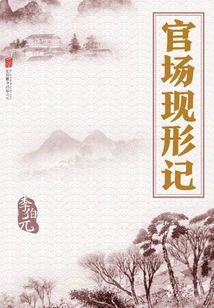
The Appearance of Officialdom
General Fiction官场现形记
Li Boyuan
The secrets of officialdom have always been kept secret until this book was published: from the dignitaries in the capital, ministers, censors, and imperial envoys, to local leaders, state officials, prefects, county magistrates, and even grassroots officials, all kinds of people from the original officialdom of China's feudal dynasty appeared on the scene. The strange changes in front of and behind the scenes, and the strategies and details of promotions were exposed to the world for the first time. It is true, wonderful, complex, and profound, and it is amazing to read. When the book came out, it immediately caused a shock in the officialdom and the court was furious. It is said that the Empress Dowager Cixi continued to read it, and the regent personally ordered the murder of the author Li Baojia... As a must-read classic for understanding officialdom, this book has been best-selling for hundreds of years and has remained popular for a long time. In 1999, it topped the list of Chinese novels in the 20th century.
The secrets of officialdom have always been kept secret until this book was published: from the dignitaries in the capital, ministers, censors, and imperial envoys, to local leaders, state officials, prefects, county magistrates, and even grassroots officials, all kinds of people from the original officialdom of China's feudal dynasty appeared on the scene. The strange changes in front of and behind the scenes, and the strategies and details of promotions were exposed to the world for the first time. It is true, wonderful, complex, and profound, and it is amazing to read. When the book came out, it immediately caused a shock in the officialdom and the court was furious. It is said that the Empress Dowager Cixi continued to read it, and the regent personally ordered the murder of the author Li Baojia... As a must-read classic for understanding officialdom, this book has been best-selling for hundreds of years and has remained popular for a long time. In 1999, it topped the list of Chinese novels in the 20th century.
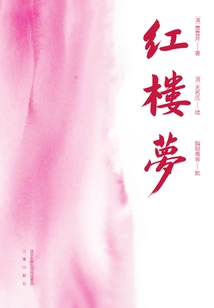
A Dream of Red Mansions (2020 Edition·full 3 Volumes)
General Fiction红楼梦(2020版·全3册)
J
Great classic works often have rich room for interpretation, and different readers have their own interpretations. The same is true for "A Dream of Red Mansions". As an unsurpassed classic in the history of Chinese novels, it is difficult to be simply summarized. "A Dream of Red Mansions" can be said to be a coming-of-age novel, but also a book of enlightenment with philosophical meaning and "enlightenment through emotion". The book describes the four major families of Jia, Shi, Wang, and Xue, which once prospered, but eventually disappeared. Each character has his own destiny. This is a family history that changes from prosperity to decline, and a wonderful group portrait. It is interspersed with the marriage and love emotions of Jia Baoyu, Lin Daiyu, and Xue Baochai. The twists and turns are difficult to describe in detail. It seems to be another love novel with detailed descriptions. At the same time, events such as relationships, weddings and funerals, managing the family and governing the country, etc., Emerge one after another. From this point of view, it is another novel about worldly affairs.
Great classic works often have rich room for interpretation, and different readers have their own interpretations. The same is true for "A Dream of Red Mansions". As an unsurpassed classic in the history of Chinese novels, it is difficult to be simply summarized. "A Dream of Red Mansions" can be said to be a coming-of-age novel, but also a book of enlightenment with philosophical meaning and "enlightenment through emotion". The book describes the four major families of Jia, Shi, Wang, and Xue, which once prospered, but eventually disappeared. Each character has his own destiny. This is a family history that changes from prosperity to decline, and a wonderful group portrait. It is interspersed with the marriage and love emotions of Jia Baoyu, Lin Daiyu, and Xue Baochai. The twists and turns are difficult to describe in detail. It seems to be another love novel with detailed descriptions. At the same time, events such as relationships, weddings and funerals, managing the family and governing the country, etc., Emerge one after another. From this point of view, it is another novel about worldly affairs.
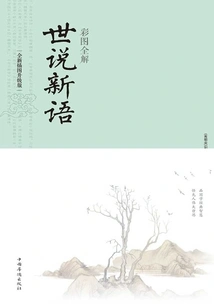
彩图全解世说新语
H
This book looks at the society of two thousand years ago from the perspective of modern people, explores the subtle details, and provides creative interpretations of the anecdotes of celebrities in the Wei and Jin Dynasties recorded in "Shishuoxinyu". Through the interesting details of some people and some things, readers can appreciate the charm of that era while also giving deep inspiration to their own hearts.
This book looks at the society of two thousand years ago from the perspective of modern people, explores the subtle details, and provides creative interpretations of the anecdotes of celebrities in the Wei and Jin Dynasties recorded in "Shishuoxinyu". Through the interesting details of some people and some things, readers can appreciate the charm of that era while also giving deep inspiration to their own hearts.
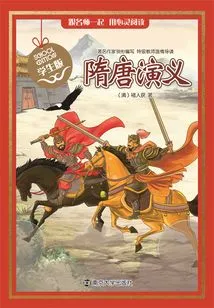
L
General Fictionl
I
This book is a long historical romance novel of the Qing Dynasty, with a total of one hundred chapters and 665,000 words. It is a novel with dual characteristics of heroic legend and historical romance. Taking the peasant uprising at the end of the Sui Dynasty as the background of the story, it tells a historical romance about the fall of the Sui Dynasty and the establishment of the Tang Dynasty, recreating that historical era with great changes and numerous heroes.
This book is a long historical romance novel of the Qing Dynasty, with a total of one hundred chapters and 665,000 words. It is a novel with dual characteristics of heroic legend and historical romance. Taking the peasant uprising at the end of the Sui Dynasty as the background of the story, it tells a historical romance about the fall of the Sui Dynasty and the establishment of the Tang Dynasty, recreating that historical era with great changes and numerous heroes.
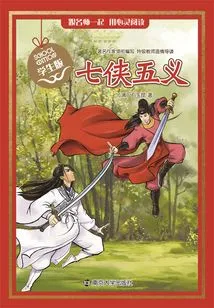
Seven Heroes and Five Righteousness
General Fiction七侠五义
Shi Yukun
This book describes the deeds of the virtuous minister Bao Zheng, explains how the "Five Rats" joined Bao Zheng, and how Bao Zheng and the knights promoted young upright officials, impeached and punished powerful traitors and corrupt officials. It also tells the story of Wang Yi cutting off the gang members of the King of Xiangyang and exploring the conspiracy of the King of Xiangyang.
This book describes the deeds of the virtuous minister Bao Zheng, explains how the "Five Rats" joined Bao Zheng, and how Bao Zheng and the knights promoted young upright officials, impeached and punished powerful traitors and corrupt officials. It also tells the story of Wang Yi cutting off the gang members of the King of Xiangyang and exploring the conspiracy of the King of Xiangyang.
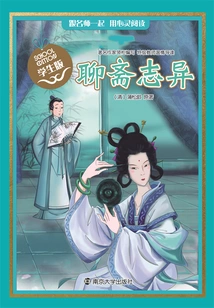
Strange Stories from a Chinese Studio
General Fiction聊斋志异
(qing Dynasty) Original Work By Pu Songling
"Strange Stories from a Chinese Studio", referred to as "Liao Zhai" and commonly known as "The Legend of the Ghost Fox", is a collection of short stories in classical Chinese written by Pu Songling, a famous novelist in the Qing Dynasty of China. There are 491 short stories in the book. The subject matter is very wide, the content is extremely rich, and the artistic achievement is very high. The work has successfully shaped many artistic models, with vivid and vivid characters, twists and turns of the story, rigorous and ingenious structural layout, concise writing style and delicate description. It can be called the pinnacle of Chinese classical short stories.
"Strange Stories from a Chinese Studio", referred to as "Liao Zhai" and commonly known as "The Legend of the Ghost Fox", is a collection of short stories in classical Chinese written by Pu Songling, a famous novelist in the Qing Dynasty of China. There are 491 short stories in the book. The subject matter is very wide, the content is extremely rich, and the artistic achievement is very high. The work has successfully shaped many artistic models, with vivid and vivid characters, twists and turns of the story, rigorous and ingenious structural layout, concise writing style and delicate description. It can be called the pinnacle of Chinese classical short stories.
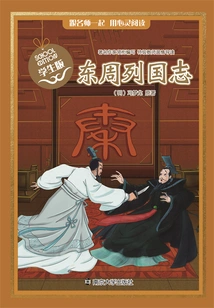
Chronicles of the Eastern Zhou Dynasties
General Fiction东周列国志
(ming Dynasty) Feng Menglong
This book is a famous long historical novel. As early as the Yuan Dynasty, there were some vernacular versions of stories about the "States". During the Jiajing and Longqing periods of the Ming Dynasty, Yu Shaoyu compiled a "Biography of the Nations". In the late Ming Dynasty, Feng Menglong revised and polished the "Biography of the Nations" based on the historical biographies, and it became the "New Chronicles of the Nations" with 108 chapters. During the Qianlong period of the Qing Dynasty, Cai Yuanfang revised the book and named it "Records of the Countries of the Eastern Zhou Dynasty".
This book is a famous long historical novel. As early as the Yuan Dynasty, there were some vernacular versions of stories about the "States". During the Jiajing and Longqing periods of the Ming Dynasty, Yu Shaoyu compiled a "Biography of the Nations". In the late Ming Dynasty, Feng Menglong revised and polished the "Biography of the Nations" based on the historical biographies, and it became the "New Chronicles of the Nations" with 108 chapters. During the Qianlong period of the Qing Dynasty, Cai Yuanfang revised the book and named it "Records of the Countries of the Eastern Zhou Dynasty".
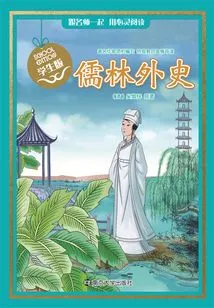
The Scholars
General Fiction儒林外史
(qing Dynasty) Original Work By Wu Jingzi
This book is a chapter novel written by Wu Jingzi, a novelist in the Qing Dynasty. The book has a total of fifty-six chapters (note: some people think that the last chapter was not written by Wu Jingzi), about 400,000 words, and describes nearly two hundred characters. The novel is set in the Ming Dynasty, and actually reflects the fame and life of scholars under the imperial examination system during the Kangxi and Qianlong periods. The author's successful portrayal of the feudal literati living in the last days of feudalism and the imperial examination system, as well as his vivid depiction of cannibalistic imperial examinations, ethics and corruption, made the novel a model of ancient Chinese satirical literature, and also made the author Wu Jingzi one of the outstanding critical realist writers in the history of Chinese literature.
This book is a chapter novel written by Wu Jingzi, a novelist in the Qing Dynasty. The book has a total of fifty-six chapters (note: some people think that the last chapter was not written by Wu Jingzi), about 400,000 words, and describes nearly two hundred characters. The novel is set in the Ming Dynasty, and actually reflects the fame and life of scholars under the imperial examination system during the Kangxi and Qianlong periods. The author's successful portrayal of the feudal literati living in the last days of feudalism and the imperial examination system, as well as his vivid depiction of cannibalistic imperial examinations, ethics and corruption, made the novel a model of ancient Chinese satirical literature, and also made the author Wu Jingzi one of the outstanding critical realist writers in the history of Chinese literature.
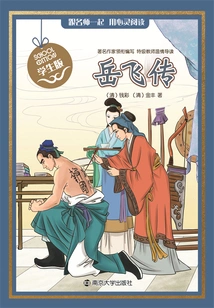
Yue Fei's Biography
General Fiction岳飞传
(qing) Qiancai (qing) Jinfeng
This book is a heroic romance novel with a certain historical romance color based on the story of Yue Fei's resistance to the Jin Dynasty. The whole book is re-edited on the basis of folk raps, operas and novels about Yue Fei since the Yuan and Ming Dynasties. It is the most accomplished novel in the "Speaking of Yue Fei" series. The eighty chapters of "The Complete Biography of Yue Fei" are naturally divided into two relatively independent parts: the first sixty-one chapters are about Yue Fei's "hero spectrum" and "entrepreneurial history"; the last nineteen chapters are about the story after Yue Fei's death - Yue Fei was redressed and was posthumously named "King Jingzhong Wu Mu". This book is adapted from "The Complete Biography of Shuo Yue".
This book is a heroic romance novel with a certain historical romance color based on the story of Yue Fei's resistance to the Jin Dynasty. The whole book is re-edited on the basis of folk raps, operas and novels about Yue Fei since the Yuan and Ming Dynasties. It is the most accomplished novel in the "Speaking of Yue Fei" series. The eighty chapters of "The Complete Biography of Yue Fei" are naturally divided into two relatively independent parts: the first sixty-one chapters are about Yue Fei's "hero spectrum" and "entrepreneurial history"; the last nineteen chapters are about the story after Yue Fei's death - Yue Fei was redressed and was posthumously named "King Jingzhong Wu Mu". This book is adapted from "The Complete Biography of Shuo Yue".
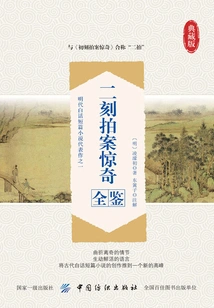
二刻拍案惊奇全鉴
H
The famous writer Ling Shuchu of the Ming Dynasty wrote "Surprise at the First Moment" and "Surprise at the Second Moment", which are collectively referred to as "Er Pai". These two popular books contain a total of seventy-eight short stories and one drama. They describe many fascinating stories in the form of "parallel scripts" that are popular among the people, such as a businessman becoming rich due to bad luck. Scholars rose from poverty to fame; honest officials solved cases like gods, corrupt officials bent the law like tigers; villains engaged in adultery and lawsuits, and swindlers engaged in intrigues; how young people pursued faithful love, and how feudal ethics created marital tragedies. The language is simple and concise; the plot is twists and turns, confusing, yet reasonable; the characters' inner characterizations are meticulous and the artistic images are lifelike, making it well worth reading.
The famous writer Ling Shuchu of the Ming Dynasty wrote "Surprise at the First Moment" and "Surprise at the Second Moment", which are collectively referred to as "Er Pai". These two popular books contain a total of seventy-eight short stories and one drama. They describe many fascinating stories in the form of "parallel scripts" that are popular among the people, such as a businessman becoming rich due to bad luck. Scholars rose from poverty to fame; honest officials solved cases like gods, corrupt officials bent the law like tigers; villains engaged in adultery and lawsuits, and swindlers engaged in intrigues; how young people pursued faithful love, and how feudal ethics created marital tragedies. The language is simple and concise; the plot is twists and turns, confusing, yet reasonable; the characters' inner characterizations are meticulous and the artistic images are lifelike, making it well worth reading.
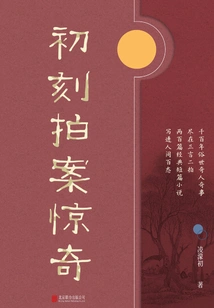
Youjian Library: Surprised at the First Moment of Filming
General Fiction有间文库:初刻拍案惊奇
(ming Dynasty) Ling Shuchu
"The Surprise at the First Moment" is a collection of Chinese novels written by Ling Shuchu in the late Ming Dynasty. The contents of the books are very complex, and their ideological tendencies are also different. They mainly include works that describe the thoughts, actions, fate of businessmen, and works that describe marriage and love. Although most of the story themes come from the writings of previous generations, after Ling's re-creation, they express the social reality and atmosphere of the times in the late Ming Dynasty, and are imbued with Ling's own ideas and cynical resentment.
"The Surprise at the First Moment" is a collection of Chinese novels written by Ling Shuchu in the late Ming Dynasty. The contents of the books are very complex, and their ideological tendencies are also different. They mainly include works that describe the thoughts, actions, fate of businessmen, and works that describe marriage and love. Although most of the story themes come from the writings of previous generations, after Ling's re-creation, they express the social reality and atmosphere of the times in the late Ming Dynasty, and are imbued with Ling's own ideas and cynical resentment.
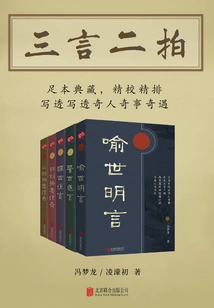
Youjian Library: Three Words and Two Shots
General Fiction有间文库:三言二拍
(ming Dynasty) Feng Menglong Ling Shuchu
"Three Words and Two Patterns" has a total of 200 classic short stories in vernacular, which completely encompasses the essence of short stories in vernacular from the Song, Yuan and Ming dynasties. Each story in the book is independent, exciting and ups and downs, such as the White Snake who forever holds down the Leifeng Pagoda, Du Shiniang who sank his treasure chest in anger, and Yu Boya who dropped his piano to say goodbye. Classic stories that are familiar to Chinese people, such as the bosom friend, are all derived from the "three words and two beats"; "Three words and two beats" are also derived from the "three words and two beats"; "Three words and two beats" are also derived from "Three words and two beats"; "It is difficult to be a master without suffering", "It is difficult to draw a dragon or a tiger, but it is difficult to draw a skeleton, and you know people and their faces but not their hearts".
"Three Words and Two Patterns" has a total of 200 classic short stories in vernacular, which completely encompasses the essence of short stories in vernacular from the Song, Yuan and Ming dynasties. Each story in the book is independent, exciting and ups and downs, such as the White Snake who forever holds down the Leifeng Pagoda, Du Shiniang who sank his treasure chest in anger, and Yu Boya who dropped his piano to say goodbye. Classic stories that are familiar to Chinese people, such as the bosom friend, are all derived from the "three words and two beats"; "Three words and two beats" are also derived from the "three words and two beats"; "Three words and two beats" are also derived from "Three words and two beats"; "It is difficult to be a master without suffering", "It is difficult to draw a dragon or a tiger, but it is difficult to draw a skeleton, and you know people and their faces but not their hearts".
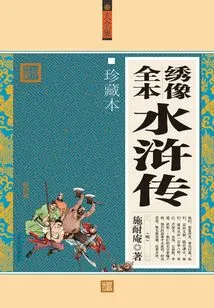
Embroidery Like Water Margin
General Fiction绣像水浒传
(ming) Shi Naiyan
"Water Margin", also known as "Water Margin of Loyalty and Righteousness", is one of the earliest full-length novels written in Chinese literature. It is listed as one of the four great classics in ancient China along with "The Romance of the Three Kingdoms", "Journey to the West" and "A Dream of Red Mansions". It takes the Songjiang Uprising that occurred in the late Northern Song Dynasty as its theme, vividly tells the process and results of the uprising in pure vernacular, and successfully creates the image of a large number of heroes and heroes, becoming a glorious example of ancient heroic legends. When Jin Shengtan, a famous literary critic in the early Qing Dynasty, evaluated traditional classics, he once ranked "Water Margin" with "Zhuangzi", "Li Sao", "Historical Records", Du Fu's poems and "The Romance of the West Chamber", and called it "The Book of Six Talents", which shows its high artistic achievements.
"Water Margin", also known as "Water Margin of Loyalty and Righteousness", is one of the earliest full-length novels written in Chinese literature. It is listed as one of the four great classics in ancient China along with "The Romance of the Three Kingdoms", "Journey to the West" and "A Dream of Red Mansions". It takes the Songjiang Uprising that occurred in the late Northern Song Dynasty as its theme, vividly tells the process and results of the uprising in pure vernacular, and successfully creates the image of a large number of heroes and heroes, becoming a glorious example of ancient heroic legends. When Jin Shengtan, a famous literary critic in the early Qing Dynasty, evaluated traditional classics, he once ranked "Water Margin" with "Zhuangzi", "Li Sao", "Historical Records", Du Fu's poems and "The Romance of the West Chamber", and called it "The Book of Six Talents", which shows its high artistic achievements.