Library
Browse and search books
1,508 novels found
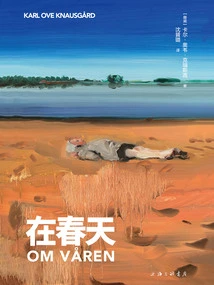
In Spring
Literature在春天
G
Karl Ove Knausgaard, a master of contemporary literature and a genius of observation and introspection, has created the third volume of a tetralogy based on the four seasons. Knausgaard's four-part literary project with the theme of the four seasons takes on a completely different shape in the new "In Spring". This time he abandoned all writing gimmicks or designs, and looked at his family and life completely as a father, recording for his newly born daughter a world she still knew nothing about - what kind of expectations she lived in her mother's belly, what hardships she had encountered with her mother, how her arrival healed the trauma in the family, and what kind of busy and tiring day she experienced under the care of her father not long after she came to this world. "In Spring" is another concentrated expression of Knausgaard's sensitive, honest, and speculative writing style. It is also the most emotionally rich part of the tetralogy. He reflects on his relationship with the world in trivial daily affairs, telling his newborn daughter what the bond between man and the world is, and at the same time leading us to rediscover the meaning of human existence in the world.
Karl Ove Knausgaard, a master of contemporary literature and a genius of observation and introspection, has created the third volume of a tetralogy based on the four seasons. Knausgaard's four-part literary project with the theme of the four seasons takes on a completely different shape in the new "In Spring". This time he abandoned all writing gimmicks or designs, and looked at his family and life completely as a father, recording for his newly born daughter a world she still knew nothing about - what kind of expectations she lived in her mother's belly, what hardships she had encountered with her mother, how her arrival healed the trauma in the family, and what kind of busy and tiring day she experienced under the care of her father not long after she came to this world. "In Spring" is another concentrated expression of Knausgaard's sensitive, honest, and speculative writing style. It is also the most emotionally rich part of the tetralogy. He reflects on his relationship with the world in trivial daily affairs, telling his newborn daughter what the bond between man and the world is, and at the same time leading us to rediscover the meaning of human existence in the world.
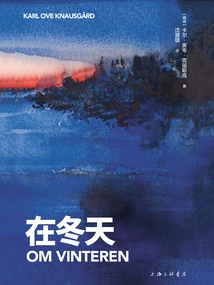
In Winter
Literature在冬天
G
Karl Ove Knausgaard, a master of contemporary literature and a genius of observation and introspection, has created the second volume of a tetralogy based on the four seasons. In preparation for the arrival of new life, Knausgaard looked at our world with the fresh eyes of a first sight, incorporating daily musings into letters to his unborn daughter. With his unique and sensitive brushstrokes, he carefully outlines themes such as the moon, water, chaos, owls, and birthdays. He completely sets aside our usual perceptions and gives new meaning to these familiar, everyday things. New life is about to come, but the earth is still in hibernation, waiting for the weather to warm up and all things to revive. Knausgaard's writing is precise, beautiful and full of compassion. He writes about the world we know well, but it is very different from our daily cognition. This is the true face of the world from another perspective: both banal and magnificent.
Karl Ove Knausgaard, a master of contemporary literature and a genius of observation and introspection, has created the second volume of a tetralogy based on the four seasons. In preparation for the arrival of new life, Knausgaard looked at our world with the fresh eyes of a first sight, incorporating daily musings into letters to his unborn daughter. With his unique and sensitive brushstrokes, he carefully outlines themes such as the moon, water, chaos, owls, and birthdays. He completely sets aside our usual perceptions and gives new meaning to these familiar, everyday things. New life is about to come, but the earth is still in hibernation, waiting for the weather to warm up and all things to revive. Knausgaard's writing is precise, beautiful and full of compassion. He writes about the world we know well, but it is very different from our daily cognition. This is the true face of the world from another perspective: both banal and magnificent.
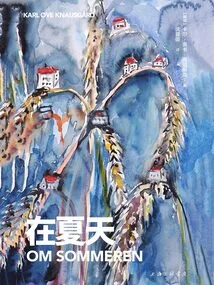
In Summer
Literature在夏天
G
Karl Ove Knausgaard, a master of contemporary literature and a genius of observation and introspection, is the final volume of the Four Seasons Literary Creation Plan. In order to complete the final work of this four-season series, Knausgaard collected from everyone around him their impressions of summer: ice cubes, lawns, currants, barbecues, butterflies, ice cream... He vividly interpreted them and once again showed us a world in a literary sense. These reflections are interspersed with the diary recording the growth of my daughter and the daily life of the family, just like the stars that adorn our common night sky. With broad strokes and intimate and sincere emotional expressions, Knausgaard re-excavates his childhood memories and reflects on his relationship with his father, family and even the world. This cleverly echoes the first three volumes and evokes our resonance with the world in all the detailed descriptions.
Karl Ove Knausgaard, a master of contemporary literature and a genius of observation and introspection, is the final volume of the Four Seasons Literary Creation Plan. In order to complete the final work of this four-season series, Knausgaard collected from everyone around him their impressions of summer: ice cubes, lawns, currants, barbecues, butterflies, ice cream... He vividly interpreted them and once again showed us a world in a literary sense. These reflections are interspersed with the diary recording the growth of my daughter and the daily life of the family, just like the stars that adorn our common night sky. With broad strokes and intimate and sincere emotional expressions, Knausgaard re-excavates his childhood memories and reflects on his relationship with his father, family and even the world. This cleverly echoes the first three volumes and evokes our resonance with the world in all the detailed descriptions.
S
Literatures
J
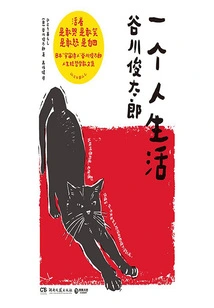
To live is to dare to cry, dare to laugh, dare to be angry and be free. And living alone is an attitude towards life. A person's life is not to be completely alone, but to talk more freely with oneself, friends and the world. "Living Alone" is the work of Japanese soul poet Shuntaro Tanikawa when he was in his late seventies. During this period, he experienced the death of his father, the birth of his grandson, the separation of his friends, and began to live alone. Through Shuntaro Tanigawa, we can see the ideal of a person's life: passion, loneliness, elegance and freedom. He defends a person's life, using delicate and Zen-like writing to record those mood swings that are easily obscured by daily trivial matters and difficult to capture. Starting from the trivial and ordinary daily necessities such as food, clothing, housing and transportation, he writes letters, eats, listens to concerts, and writes poems, describing his understanding of family, friendship, and love, and talks about life, death, and aesthetics wisely and generously. Life is difficult to describe in one sentence, but the author tells everything frankly, creating this collection of essays full of light philosophy on life. Everyone needs a space of their own, where a free soul lives.
To live is to dare to cry, dare to laugh, dare to be angry and be free. And living alone is an attitude towards life. A person's life is not to be completely alone, but to talk more freely with oneself, friends and the world. "Living Alone" is the work of Japanese soul poet Shuntaro Tanikawa when he was in his late seventies. During this period, he experienced the death of his father, the birth of his grandson, the separation of his friends, and began to live alone. Through Shuntaro Tanigawa, we can see the ideal of a person's life: passion, loneliness, elegance and freedom. He defends a person's life, using delicate and Zen-like writing to record those mood swings that are easily obscured by daily trivial matters and difficult to capture. Starting from the trivial and ordinary daily necessities such as food, clothing, housing and transportation, he writes letters, eats, listens to concerts, and writes poems, describing his understanding of family, friendship, and love, and talks about life, death, and aesthetics wisely and generously. Life is difficult to describe in one sentence, but the author tells everything frankly, creating this collection of essays full of light philosophy on life. Everyone needs a space of their own, where a free soul lives.
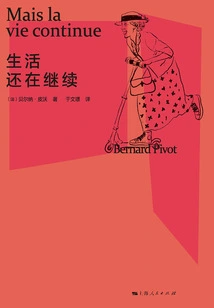
Life Goes On
Literature生活还在继续
(france) Bernard Pivot
We all grow old. When you were busy working when you were young, did you understand your parents' weird tempers? When you get older and worry about your health, do you accept your new self? Bernard Pivot tells the story of the life of an octogenarian through his protagonist Guillaume Jules. Before his retirement, Guillaume was the editor-in-chief and owner of a French publishing house. After his retirement, he bid farewell to his busy life and became one of the "young Parisians in their prime years." They travel and chat together, fight mental decline and complain about illness together. Guillaume fell in love with Manon, who was 18 years younger than him, but still lived alone; Septu was about to marry Raphael, but died of the new coronavirus; the Gailmilons always bickered and quarreled, but the Blazic couple were gentle, quiet and cautious; Nona, who was in her nineties, was the spiritual leader of the team - elegant, wise and quirky. The happiness of small groups, the panic of information islands, the joy of childhood memories, the intoxication of slow life... Through diary-like friendly, relaxed and humorous words, the author presents the optimism and wisdom of old age. Although he is over eighty, life goes on...
We all grow old. When you were busy working when you were young, did you understand your parents' weird tempers? When you get older and worry about your health, do you accept your new self? Bernard Pivot tells the story of the life of an octogenarian through his protagonist Guillaume Jules. Before his retirement, Guillaume was the editor-in-chief and owner of a French publishing house. After his retirement, he bid farewell to his busy life and became one of the "young Parisians in their prime years." They travel and chat together, fight mental decline and complain about illness together. Guillaume fell in love with Manon, who was 18 years younger than him, but still lived alone; Septu was about to marry Raphael, but died of the new coronavirus; the Gailmilons always bickered and quarreled, but the Blazic couple were gentle, quiet and cautious; Nona, who was in her nineties, was the spiritual leader of the team - elegant, wise and quirky. The happiness of small groups, the panic of information islands, the joy of childhood memories, the intoxication of slow life... Through diary-like friendly, relaxed and humorous words, the author presents the optimism and wisdom of old age. Although he is over eighty, life goes on...
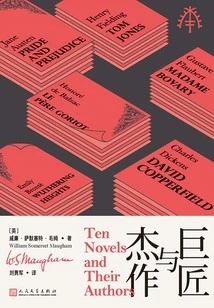
Masters and Masterpieces
Literature巨匠与杰作
H
"Masters and Masterpieces: Maugham's Literary Afternoon Tea" is a collection of essays by the famous British writer Maugham about reading, famous writers, and famous works. In the article, Maugham talks about his views on reading and writing in his usual calm and humorous style, narrates the lives and writing experiences of famous writers, and also talks about Maugham's private views on reading, writing, and various literary genres. It is full of interesting quotes. This book can be used as a popular reading to understand the history of Western literature, famous writers and famous works, and it can also be used as a supplement when readers read famous works themselves. With the help of Maugham's critical yet warm vision, they can gain more gains and thoughts. Since its first publication, this book has been widely welcomed by readers around the world and has become the only choice for readers to understand literary classics, world literary giants and Maugham. The translation of this book is the exclusive copyright and is the latest Maugham translation by the young translator Liu Yongjun. The translator has devoted himself to translation and research on Maugham for many years and has become one of the representative Maugham translators in China and recognized by readers. It authentically presents the wisdom and humor of Maugham's works and is highly readable.
"Masters and Masterpieces: Maugham's Literary Afternoon Tea" is a collection of essays by the famous British writer Maugham about reading, famous writers, and famous works. In the article, Maugham talks about his views on reading and writing in his usual calm and humorous style, narrates the lives and writing experiences of famous writers, and also talks about Maugham's private views on reading, writing, and various literary genres. It is full of interesting quotes. This book can be used as a popular reading to understand the history of Western literature, famous writers and famous works, and it can also be used as a supplement when readers read famous works themselves. With the help of Maugham's critical yet warm vision, they can gain more gains and thoughts. Since its first publication, this book has been widely welcomed by readers around the world and has become the only choice for readers to understand literary classics, world literary giants and Maugham. The translation of this book is the exclusive copyright and is the latest Maugham translation by the young translator Liu Yongjun. The translator has devoted himself to translation and research on Maugham for many years and has become one of the representative Maugham translators in China and recognized by readers. It authentically presents the wisdom and humor of Maugham's works and is highly readable.
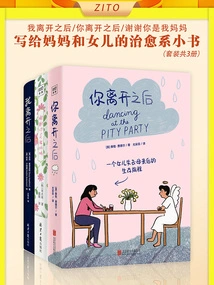
写给妈妈和女儿的治愈系小书(套装共3册)
(us) Tyler Feder
"After You're Gone": This book is a memoir written by illustrator Taylor Feder to her mother. The book contains the warm memories of Taylor's time with her mother since she was a child, as well as the heartbreaking trivial details of her mother's journey from cancer to death. "After I'm Gone": The "Guide to the Death of Mom" drawn by the illustrator's daughter Hallie together with her mother, giving her step-by-step guidance on how to spend the days without her mother. "Thank You for Being My Mom": This book records the author's reflections on the extremely ordinary daily life he spent with his mother after her mother passed away due to illness. It takes the lovely mother and herself as the protagonists and writes a wish list of things he wants to do with his mother, which only belongs to the two of them.
"After You're Gone": This book is a memoir written by illustrator Taylor Feder to her mother. The book contains the warm memories of Taylor's time with her mother since she was a child, as well as the heartbreaking trivial details of her mother's journey from cancer to death. "After I'm Gone": The "Guide to the Death of Mom" drawn by the illustrator's daughter Hallie together with her mother, giving her step-by-step guidance on how to spend the days without her mother. "Thank You for Being My Mom": This book records the author's reflections on the extremely ordinary daily life he spent with his mother after her mother passed away due to illness. It takes the lovely mother and herself as the protagonists and writes a wish list of things he wants to do with his mother, which only belongs to the two of them.
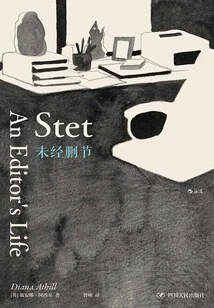
Unabridged
Literature未经删节
L
In this book, we follow Asir into the world of these literary giants of the post-World War II generation. The book is mainly divided into two parts: the first part tells the story of Asier's experience working in the BBC News Department after graduating from Oxford University, and then met the publisher Andre Deutsch, and together they founded the legendary independent publishing house-Andre Deutsch Press. With her unique wit and rare candid prose style, she recounts every detail of her fifty-year long publishing career; the second part focuses on recalling her interactions with six authors, including Naipaul and Jane Rhys, detailing the experiences and character traits of these authors. It is a real and interesting anecdote about famous people, and a valuable contribution to literature.
In this book, we follow Asir into the world of these literary giants of the post-World War II generation. The book is mainly divided into two parts: the first part tells the story of Asier's experience working in the BBC News Department after graduating from Oxford University, and then met the publisher Andre Deutsch, and together they founded the legendary independent publishing house-Andre Deutsch Press. With her unique wit and rare candid prose style, she recounts every detail of her fifty-year long publishing career; the second part focuses on recalling her interactions with six authors, including Naipaul and Jane Rhys, detailing the experiences and character traits of these authors. It is a real and interesting anecdote about famous people, and a valuable contribution to literature.
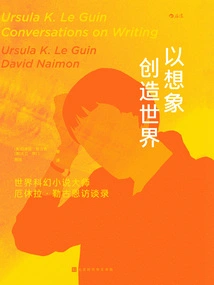
Create the World with Imagination
Literature以想象创造世界
(u. S.) Ursula Leguin Et Al.
In her later years, Ursula Le Guin and David Naimen collaborated to bring readers this wonderful interview. In three special dialogues on novels, poetry, essays, and literary criticism, this book clearly demonstrates Le Guin's creative ideas and literary perspectives. In the interview, Ursula Le Guin was sincere and candid. She praised the works of writers such as Woolf, Tolstoy, Saramago, and Tolkien. She also did not shy away from talking about her differences with Margaret Atwood and some serious literary writers. She offered writing advice to young writers and criticized literary and social issues such as the suppression of imagination and the neglect of works by female writers. The co-production with the interviewer allows this interview to reflect the light of Le Guin's thoughts and illuminate the path to ideal writing for future generations.
In her later years, Ursula Le Guin and David Naimen collaborated to bring readers this wonderful interview. In three special dialogues on novels, poetry, essays, and literary criticism, this book clearly demonstrates Le Guin's creative ideas and literary perspectives. In the interview, Ursula Le Guin was sincere and candid. She praised the works of writers such as Woolf, Tolstoy, Saramago, and Tolkien. She also did not shy away from talking about her differences with Margaret Atwood and some serious literary writers. She offered writing advice to young writers and criticized literary and social issues such as the suppression of imagination and the neglect of works by female writers. The co-production with the interviewer allows this interview to reflect the light of Le Guin's thoughts and illuminate the path to ideal writing for future generations.
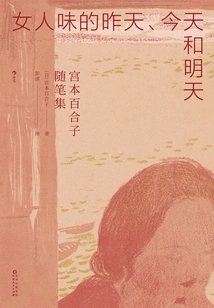
女人味的昨天今天和明天:宫本百合子随笔集
J
The precious and precise advice greatly promotes the ideological reform of Asian women. "Feminine Yesterday, Today and Tomorrow: Essays of Yuriko Miyamoto" belongs to the "Yuriko Miyamoto Works Series" produced by Houlang. The progressive Japanese female writer Yuriko Miyamoto had a profound female awakening after the baptism of marriage. On the one hand, she wrote her life experiences in "The Escaped Nobuko" and "The Courtyard of Forked Paths". On the other hand, she advocated equal rights for men and women and equality for everyone. In articles such as "The Fall of History - A Brief Discussion on Ogai, Soseki and Kafu's Views on Women", "Women's History - Based on Literature", "Human Marriage - The Morality of Marriage", "Clothes and Women's Life - For Whom", through the analysis of ancient and modern literary and artistic works and social development backgrounds, we deeply examine the changes in women's status, and urge women to step out of the family, join society and create their own future. Even now in the twenty-first century, these ideas ring true. Yuriko Miyamoto's passionate life of rejecting decadence is a history of modern Japanese women's struggle. She promoted women's liberation, encouraged rural women to participate in literary creation and social movements, and truly spent her whole life practicing what kind of person they wanted to be, not just what kind of woman they were.
The precious and precise advice greatly promotes the ideological reform of Asian women. "Feminine Yesterday, Today and Tomorrow: Essays of Yuriko Miyamoto" belongs to the "Yuriko Miyamoto Works Series" produced by Houlang. The progressive Japanese female writer Yuriko Miyamoto had a profound female awakening after the baptism of marriage. On the one hand, she wrote her life experiences in "The Escaped Nobuko" and "The Courtyard of Forked Paths". On the other hand, she advocated equal rights for men and women and equality for everyone. In articles such as "The Fall of History - A Brief Discussion on Ogai, Soseki and Kafu's Views on Women", "Women's History - Based on Literature", "Human Marriage - The Morality of Marriage", "Clothes and Women's Life - For Whom", through the analysis of ancient and modern literary and artistic works and social development backgrounds, we deeply examine the changes in women's status, and urge women to step out of the family, join society and create their own future. Even now in the twenty-first century, these ideas ring true. Yuriko Miyamoto's passionate life of rejecting decadence is a history of modern Japanese women's struggle. She promoted women's liberation, encouraged rural women to participate in literary creation and social movements, and truly spent her whole life practicing what kind of person they wanted to be, not just what kind of woman they were.
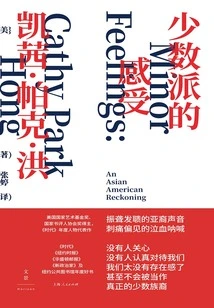
Minority Feelings
Literature少数派的感受
(us) Cathy Parker Hong
The National Book Critics Circle Award-winning work was shortlisted for the Pulitzer Prize. The author became Time's Person of the Year with this book. It is a deafening Asian voice and a tearful cry that stings prejudice. Always more diligent than those around them, yet always in depression; parents being scolded by white people like children; feeling ashamed for not being able to speak authentic English... Korean-American writer Cathy Parker Hong started from small incidents and deeply analyzed a series of emotions that Asian Americans feel every day, such as shame, paranoia, melancholy, self-doubt, etc., Calling them "minority feelings." These feelings reflect important issues such as the living conditions of Asian Americans, the myth of the model minority, personal political identity dilemmas and racial consciousness. Combining genres such as autobiography, essays and cultural criticism, it is a sharp criticism of contemporary American literature, contemporary art, Hollywood and social movements, subverting tradition and full of witticisms that make every page worth underlining.
The National Book Critics Circle Award-winning work was shortlisted for the Pulitzer Prize. The author became Time's Person of the Year with this book. It is a deafening Asian voice and a tearful cry that stings prejudice. Always more diligent than those around them, yet always in depression; parents being scolded by white people like children; feeling ashamed for not being able to speak authentic English... Korean-American writer Cathy Parker Hong started from small incidents and deeply analyzed a series of emotions that Asian Americans feel every day, such as shame, paranoia, melancholy, self-doubt, etc., Calling them "minority feelings." These feelings reflect important issues such as the living conditions of Asian Americans, the myth of the model minority, personal political identity dilemmas and racial consciousness. Combining genres such as autobiography, essays and cultural criticism, it is a sharp criticism of contemporary American literature, contemporary art, Hollywood and social movements, subverting tradition and full of witticisms that make every page worth underlining.
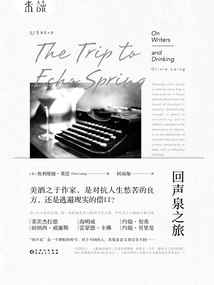
Echo Springs Tour
Literature回声泉之旅
(uk) Olivia Lane
"Along the River" and "Lonely City" author Olivia Lane is another masterpiece. Tells the story of six literary men and wine: Fitzgerald, Hemingway, Tennessee Williams, John Cheever, John Berryman and Raymond Carver. The author embarks on a journey to visit the footsteps of alcoholic writers, passing through New York, New Orleans, Key West, and then to Port Angeles, leading us to explore the close relationship between alcohol and inspiration in the legendary lives of these six writers.
"Along the River" and "Lonely City" author Olivia Lane is another masterpiece. Tells the story of six literary men and wine: Fitzgerald, Hemingway, Tennessee Williams, John Cheever, John Berryman and Raymond Carver. The author embarks on a journey to visit the footsteps of alcoholic writers, passing through New York, New Orleans, Key West, and then to Port Angeles, leading us to explore the close relationship between alcohol and inspiration in the legendary lives of these six writers.
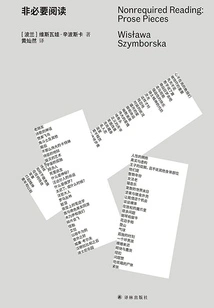
Non-essential Reading
Literature非必要阅读
(poland) Wislawa Szymborska
Polish poet Szymborska is known for her profound insights into human nature. She is also a wise and profound essayist, a humorous critic, and a friendly and gentle reading mentor. She has been a columnist for decades, reviewing a variety of books under the modest title "Non-Essential Reading," compiled into this honest reading diary. The prose collected here is anything but ordinary and on par with her best poetry. In ninety-six short articles, Szymborska talks about fashion, cooking, home furnishing, opera, literature, history, music, etc., Which are full of interest in life and insights. It teaches us how to love life, how to treat reading well, and how to closely connect reading with life.
Polish poet Szymborska is known for her profound insights into human nature. She is also a wise and profound essayist, a humorous critic, and a friendly and gentle reading mentor. She has been a columnist for decades, reviewing a variety of books under the modest title "Non-Essential Reading," compiled into this honest reading diary. The prose collected here is anything but ordinary and on par with her best poetry. In ninety-six short articles, Szymborska talks about fashion, cooking, home furnishing, opera, literature, history, music, etc., Which are full of interest in life and insights. It teaches us how to love life, how to treat reading well, and how to closely connect reading with life.
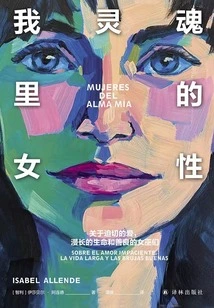
The Woman in My Soul (allende's Works)
Literature我灵魂里的女性(阿连德作品)
(chile) Isabel Allende
"I became a feminist when I was in kindergarten." Seeing his mother, who had been abandoned by her father, raising three young children alone without a job and being "pointed at" by others, Allende was determined to fight for the life that her mother could not have. As she approaches the age of 80, she writes down her life experiences and thoughts in a book, reminisces about three passionate marriages, talks about the inconveniences and new knowledge of aging, and denounces gender violence in a patriarchal society, in order to pay tribute to "those lovely and great women" in her life: mothers who challenge social rules, young artists who embody a rebellious spirit, unknown women who suffer violence but maintain dignity and courage... What nourishes the souls of all women? To feel safe, valued, gender equal, in control of your body and your life, and most importantly: have the courage to love and be loved.
"I became a feminist when I was in kindergarten." Seeing his mother, who had been abandoned by her father, raising three young children alone without a job and being "pointed at" by others, Allende was determined to fight for the life that her mother could not have. As she approaches the age of 80, she writes down her life experiences and thoughts in a book, reminisces about three passionate marriages, talks about the inconveniences and new knowledge of aging, and denounces gender violence in a patriarchal society, in order to pay tribute to "those lovely and great women" in her life: mothers who challenge social rules, young artists who embody a rebellious spirit, unknown women who suffer violence but maintain dignity and courage... What nourishes the souls of all women? To feel safe, valued, gender equal, in control of your body and your life, and most importantly: have the courage to love and be loved.
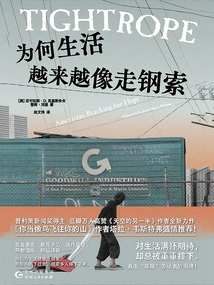
为何生活越来越像走钢索
(u. S.) Nicholas D. Christopher Et Al.
The children I grew up with believed that their world would be better than their parents'! But these once happy children ended up dead, dead, dead, dead. Did they not work hard enough? What is the reason that makes their hopes for the future gradually shattered? Our old friend Clayton spoke candidly about his ordeal, but sadly, he died before the book was completed. In trouble they are no worse than their parents. In fact, most of them are better educated. But what is shocking is that this misfortune is not an isolated case: for many people, life has become more and more like walking on a tightrope... But there is a popular criticism in society to complain about those people's laziness, irresponsibility and self-destructive behavior. To this end, we returned to our hometown of Yamhill and visited all 50 states and 1 District across the country to learn more about the experiences of the people I grew up with, to explore the reasons why tens of millions of people have experienced the loss of jobs, dignity, hope, and lives, and to point out how we can do better. A direct look at the life experiences of the childhood friends who grew up with the author, and reflect on the reasons behind their tragic fate - from the government to society, let us see the plight of the bottom workers and how to protect the hope and dignity of ordinary people.
The children I grew up with believed that their world would be better than their parents'! But these once happy children ended up dead, dead, dead, dead. Did they not work hard enough? What is the reason that makes their hopes for the future gradually shattered? Our old friend Clayton spoke candidly about his ordeal, but sadly, he died before the book was completed. In trouble they are no worse than their parents. In fact, most of them are better educated. But what is shocking is that this misfortune is not an isolated case: for many people, life has become more and more like walking on a tightrope... But there is a popular criticism in society to complain about those people's laziness, irresponsibility and self-destructive behavior. To this end, we returned to our hometown of Yamhill and visited all 50 states and 1 District across the country to learn more about the experiences of the people I grew up with, to explore the reasons why tens of millions of people have experienced the loss of jobs, dignity, hope, and lives, and to point out how we can do better. A direct look at the life experiences of the childhood friends who grew up with the author, and reflect on the reasons behind their tragic fate - from the government to society, let us see the plight of the bottom workers and how to protect the hope and dignity of ordinary people.

Park Chan-wook's Montage (2024 Version)
Literature朴赞郁的蒙太奇(2024版)
(korean) Park Chan-wook
"Park Chan-wook's Montage" is Park Chan-wook's first collection of personal essays. It collects the director's articles and film notes from 1997 to 2005, showing a real and interesting Park Chan-wook who is completely different from the movie style. This book records the birth process and creative concepts of important films such as "Joint Security Area", "I Want Revenge", "Oldboy" and "Dear Gold". The director's views on the world, his thoughts on common phenomena, and his analysis of classic movies all sparkle with unique wisdom. The first is personality, and the second is personality. Personality is above all else.
"Park Chan-wook's Montage" is Park Chan-wook's first collection of personal essays. It collects the director's articles and film notes from 1997 to 2005, showing a real and interesting Park Chan-wook who is completely different from the movie style. This book records the birth process and creative concepts of important films such as "Joint Security Area", "I Want Revenge", "Oldboy" and "Dear Gold". The director's views on the world, his thoughts on common phenomena, and his analysis of classic movies all sparkle with unique wisdom. The first is personality, and the second is personality. Personality is above all else.
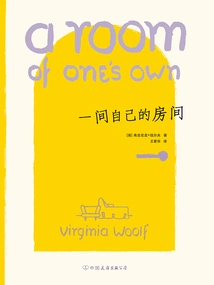
U
Literatureu
H
This book is an article written by Woolf based on two lectures entitled "Women and Novel" she gave at Cambridge University. Later, she greatly revised and expanded it, and finally wrote the famous feminist masterpiece "A House of One's Own". With a humorous style and plentiful quotations, this book tells the story of the plight of women's survival in a male-dominated society, the historical prejudice against women, and the impact of women's poverty on creation. Woolf encouraged women to break the cage in their minds, actively strive for independent economic power and social status, think independently, live freely, give full play to their female advantages and achieve themselves.
This book is an article written by Woolf based on two lectures entitled "Women and Novel" she gave at Cambridge University. Later, she greatly revised and expanded it, and finally wrote the famous feminist masterpiece "A House of One's Own". With a humorous style and plentiful quotations, this book tells the story of the plight of women's survival in a male-dominated society, the historical prejudice against women, and the impact of women's poverty on creation. Woolf encouraged women to break the cage in their minds, actively strive for independent economic power and social status, think independently, live freely, give full play to their female advantages and achieve themselves.
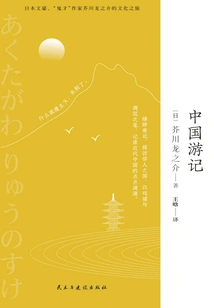
China Travel Notes
Literature中国游记
I
"Travel Notes on China" is a record of what the Japanese writer Ryunosuke Akutagawa wrote after his visit to China. In 1921, Ryunosuke Akutagawa, then 29 years old, visited China as a reporter. After returning to China, he recorded the social customs and sentiments of China at that time. In addition, he also left records of his conversations with historical celebrities such as Zhang Binglin and Li Renjie, which are precious materials that show the style of modern China and understand the history of Sino-Japanese exchanges.
"Travel Notes on China" is a record of what the Japanese writer Ryunosuke Akutagawa wrote after his visit to China. In 1921, Ryunosuke Akutagawa, then 29 years old, visited China as a reporter. After returning to China, he recorded the social customs and sentiments of China at that time. In addition, he also left records of his conversations with historical celebrities such as Zhang Binglin and Li Renjie, which are precious materials that show the style of modern China and understand the history of Sino-Japanese exchanges.
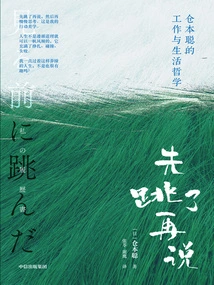
先跳了再说:仓本聪的工作与生活哲学
(japan) Satoshi Kuramoto
Let's jump first and talk later! After the end of the road, there is infinite vastness. Satoshi Kuramoto, a Japanese national treasure screenwriter who is nearly 90 years old, looked back on where he came from and wrote this unreservedly passionate book about life. "Love in the North", "Your Respect, Father", "Tender Moments", "Courtyard of the Wind"... Satoshi Kuramoto's plays are full of praise for life, praise of the land, and the incomparable cherishment of the friendship between people. Living in the northern land, he was deeply shocked by the sounds of Furano at night, the smell of abandoned houses buried under heavy snow, the paw prints left by good-tempered bears on tree trunks, and the survival wisdom of pioneers. He understood that "trees stand by their roots, but the roots are not visible to people." He believed that thinking must "start from zero altitude" and that wisdom is more important than knowledge. Be it drama or life, if you have nothing, you have to build it from scratch. There is nothing to be afraid of.
Let's jump first and talk later! After the end of the road, there is infinite vastness. Satoshi Kuramoto, a Japanese national treasure screenwriter who is nearly 90 years old, looked back on where he came from and wrote this unreservedly passionate book about life. "Love in the North", "Your Respect, Father", "Tender Moments", "Courtyard of the Wind"... Satoshi Kuramoto's plays are full of praise for life, praise of the land, and the incomparable cherishment of the friendship between people. Living in the northern land, he was deeply shocked by the sounds of Furano at night, the smell of abandoned houses buried under heavy snow, the paw prints left by good-tempered bears on tree trunks, and the survival wisdom of pioneers. He understood that "trees stand by their roots, but the roots are not visible to people." He believed that thinking must "start from zero altitude" and that wisdom is more important than knowledge. Be it drama or life, if you have nothing, you have to build it from scratch. There is nothing to be afraid of.
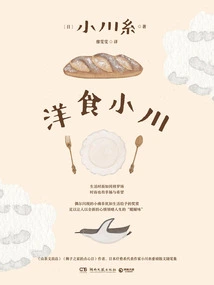
Western Food Ogawa
Literature洋食小川
H
Gentle and unpretentious, Ogawa Ito tells her daily life in more than 50 essays. She is both a writer and a lifer. Being able to spend every day calmly and peacefully is such a hard-won life. Please remember this rare happiness. There are some burdens to bear in life, some of which cannot be easily told to others, some of which make oneself regretful, and some which make oneself feel guilty. Surviving is by no means a simple matter. Many times it doesn't work out. For a whole day, without deliberately doing anything special, just because of the food, singing, dancing, silence, and talking and laughing, my heart will be filled to the top and extremely happy. Life is slowly managed along these small blessings. Take off the burden on your shoulders and see the scenery that you couldn't see if you were just trying to be brave. Living life as usual is the most powerful resistance to the cruel world.
Gentle and unpretentious, Ogawa Ito tells her daily life in more than 50 essays. She is both a writer and a lifer. Being able to spend every day calmly and peacefully is such a hard-won life. Please remember this rare happiness. There are some burdens to bear in life, some of which cannot be easily told to others, some of which make oneself regretful, and some which make oneself feel guilty. Surviving is by no means a simple matter. Many times it doesn't work out. For a whole day, without deliberately doing anything special, just because of the food, singing, dancing, silence, and talking and laughing, my heart will be filled to the top and extremely happy. Life is slowly managed along these small blessings. Take off the burden on your shoulders and see the scenery that you couldn't see if you were just trying to be brave. Living life as usual is the most powerful resistance to the cruel world.
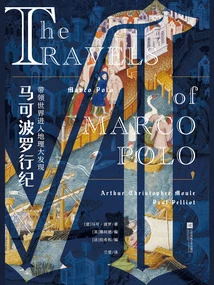
Marco Polo's Travels
Literature马可波罗行纪
(italian) Written By Marco Polo (english) Edited By Muad Et Al.
"The Travels of Marco Polo" is the most famous travelogue in human history. Marco Polo was the first person in the history of the world to report China's vast territory and abundant resources to Europeans. This book records his journey from Venice to China in the 13th century through the overland Silk Road. In the book, Marco Polo praised China's prosperity; developed industry and commerce, bustling markets, gorgeous and cheap silk brocades, magnificent capitals, perfect and convenient post road transportation, widely circulated banknotes, etc. It made everyone who read this book infinitely fascinated by the East, opened up the craze of world geographical discoveries, and completely changed mankind's imagination of the world. "The Travels of Marco Polo" has been translated into many European languages. For Europe, which was closed on the eve of the Renaissance, this is not just a travelogue, but an enlightenment work.
"The Travels of Marco Polo" is the most famous travelogue in human history. Marco Polo was the first person in the history of the world to report China's vast territory and abundant resources to Europeans. This book records his journey from Venice to China in the 13th century through the overland Silk Road. In the book, Marco Polo praised China's prosperity; developed industry and commerce, bustling markets, gorgeous and cheap silk brocades, magnificent capitals, perfect and convenient post road transportation, widely circulated banknotes, etc. It made everyone who read this book infinitely fascinated by the East, opened up the craze of world geographical discoveries, and completely changed mankind's imagination of the world. "The Travels of Marco Polo" has been translated into many European languages. For Europe, which was closed on the eve of the Renaissance, this is not just a travelogue, but an enlightenment work.
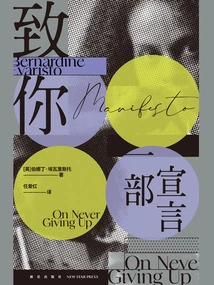
To You: a Manifesto
Literature致你:一部宣言
(uk) Bernardine Evaristo
"Life is a never-ending adventure." A new masterpiece from the Booker Prize winner and author of "Girls, Women and Others"! A powerful statement that breaks through the obstacles of race, class, gender, etc., Fights against the mainstream, and never gives up. An affectionate confession of the bottom black women, an ode to courage and rebellion. In 2019, Bernadine Evaristo won the Booker Prize, becoming the first black woman to win the award in fifty years. This year, she is 60 years old. He has been engaged in creation for forty years. "To You: A Manifesto" is a boldly personal account of this journey. From a childhood when she was racially profiled by neighbors, priests and even white family members, to a youth who painted the entire room blood red, stuffed her luggage into garbage bags, and constantly moved between temporary accommodations, from a poet who relied on odd jobs to make a living without publishing any works, to founding the first British black female theater troupe, becoming a writer, theater producer, and activist... She has been resisting mainstream society and making writing her top priority. In the end, she built a room of her own. By looking back on the experience of resistance as a mulatto and as a lower-class female, the author explores issues such as race, class, gender, and aging from a very powerful perspective. The book contains both writing about life and writing experiences, as well as observations on class, racism and sexism. In short, this is both a wonderful memoir and an epic written for women, especially marginalized groups and ethnic minorities. It is an ode to courage and determination, full of resistance, wildness, creativity and adventure, which not only gives us strength, but also gives us a wake-up call.
"Life is a never-ending adventure." A new masterpiece from the Booker Prize winner and author of "Girls, Women and Others"! A powerful statement that breaks through the obstacles of race, class, gender, etc., Fights against the mainstream, and never gives up. An affectionate confession of the bottom black women, an ode to courage and rebellion. In 2019, Bernadine Evaristo won the Booker Prize, becoming the first black woman to win the award in fifty years. This year, she is 60 years old. He has been engaged in creation for forty years. "To You: A Manifesto" is a boldly personal account of this journey. From a childhood when she was racially profiled by neighbors, priests and even white family members, to a youth who painted the entire room blood red, stuffed her luggage into garbage bags, and constantly moved between temporary accommodations, from a poet who relied on odd jobs to make a living without publishing any works, to founding the first British black female theater troupe, becoming a writer, theater producer, and activist... She has been resisting mainstream society and making writing her top priority. In the end, she built a room of her own. By looking back on the experience of resistance as a mulatto and as a lower-class female, the author explores issues such as race, class, gender, and aging from a very powerful perspective. The book contains both writing about life and writing experiences, as well as observations on class, racism and sexism. In short, this is both a wonderful memoir and an epic written for women, especially marginalized groups and ethnic minorities. It is an ode to courage and determination, full of resistance, wildness, creativity and adventure, which not only gives us strength, but also gives us a wake-up call.
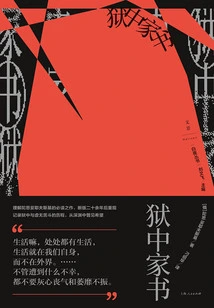
Letters from Prison (white Night Series)
Literature狱中家书(白夜丛书)
G
In April 1849, Dostoevsky was arrested and sentenced to death in December of the same year. Before execution, his sentence was changed to four years of hard labor and then exiled to the army. The letters he wrote to his elder brother and younger brother in prison describe his life in prison, especially the last letter, which describes his psychological state when he was on the verge of death. These letters record his initial exploration of the limits of the human mind. Even in the most severe desperate situation, he did not lose his strong will to write, and almost relied on writing to support his entire existence. Dostoevsky also published many articles in newspapers. In his prose, as in his novels, Dostoevsky appears as an irreplaceable spiritual phenomenon. They are not only must-read texts for us to understand this literary giant, but also profoundly reveal many fundamental characteristics of modern people's lives and consciousness.
In April 1849, Dostoevsky was arrested and sentenced to death in December of the same year. Before execution, his sentence was changed to four years of hard labor and then exiled to the army. The letters he wrote to his elder brother and younger brother in prison describe his life in prison, especially the last letter, which describes his psychological state when he was on the verge of death. These letters record his initial exploration of the limits of the human mind. Even in the most severe desperate situation, he did not lose his strong will to write, and almost relied on writing to support his entire existence. Dostoevsky also published many articles in newspapers. In his prose, as in his novels, Dostoevsky appears as an irreplaceable spiritual phenomenon. They are not only must-read texts for us to understand this literary giant, but also profoundly reveal many fundamental characteristics of modern people's lives and consciousness.
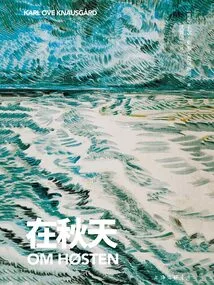
In Autumn
Literature在秋天
G
Karl Ove Knausgaard, a master of contemporary literature and a genius of observation and introspection, has created the first volume of a tetralogy based on the four seasons. The book begins with a letter written by Knausgaard to his unborn daughter, telling her what there is to look forward to in the world. Every day after that, Knausgaard would write an article, describing the world of matter and nature with precision and intensity. He describes the family's daily life in the Swedish countryside with keen insight and mobilizes his own childhood memories to open up a precious and uniquely tender perspective on family relationships. The sun, wasps, jellyfish, eyes, lice - all everyday objects are the material of his art, whether grand or small. This is a personal encyclopedia from chewing gum to stars. Knausgaard uses his meticulous observation to show us how vast, wonderful and full of unknowns this world is.
Karl Ove Knausgaard, a master of contemporary literature and a genius of observation and introspection, has created the first volume of a tetralogy based on the four seasons. The book begins with a letter written by Knausgaard to his unborn daughter, telling her what there is to look forward to in the world. Every day after that, Knausgaard would write an article, describing the world of matter and nature with precision and intensity. He describes the family's daily life in the Swedish countryside with keen insight and mobilizes his own childhood memories to open up a precious and uniquely tender perspective on family relationships. The sun, wasps, jellyfish, eyes, lice - all everyday objects are the material of his art, whether grand or small. This is a personal encyclopedia from chewing gum to stars. Knausgaard uses his meticulous observation to show us how vast, wonderful and full of unknowns this world is.
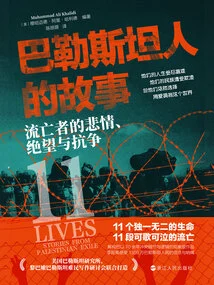
巴勒斯坦人的故事:流亡者的悲情、绝望与抗争
(us) Compiled By Muhammad Ali Khalid
A phenomenal work that deconstructs the details and logic of the century-old Palestinian-Israeli conflict. The behind-the-scenes story of the perennial war in the Gaza Strip. Co-produced by the American Palestine Institute and the Lebanese Palestinian Refugee Writing Workshop. 11 Unique lives, 11 evocative exiles. The faith and cry of the 13.5 Million Palestinian people. This is an autobiographical work that highly restores the real life of Palestinian refugees in Lebanon. Since 1948, war and occupation have forced countless Palestinians to leave their homes and land and struggle to survive in foreign lands. However, despite suffering in life and bullying as a nation, the Palestinians did not sink and complain. Instead, they yearned for a better world, actively fought and lived happily. This book contains autobiographical essays written by 11 Palestinian refugees living in Lebanon. They use their real experiences to express their thoughts and feelings about life, nation and the decades-long conflict between Palestine and Israel. They use their own personal writing style to show the spiritual outlook of ordinary Palestinians in the context of the Palestinian-Israeli conflict and make their own voices heard. Among the 11 articles, there are perceptions of life, memories of childhood, narration of history from another perspective, and stories of happy pasts with family members. The writing is beautiful and moving, and is filled with optimism. It is a unique work that accuses war, eulogizes peace and the glory of humanity, and is also a document that truly records history.
A phenomenal work that deconstructs the details and logic of the century-old Palestinian-Israeli conflict. The behind-the-scenes story of the perennial war in the Gaza Strip. Co-produced by the American Palestine Institute and the Lebanese Palestinian Refugee Writing Workshop. 11 Unique lives, 11 evocative exiles. The faith and cry of the 13.5 Million Palestinian people. This is an autobiographical work that highly restores the real life of Palestinian refugees in Lebanon. Since 1948, war and occupation have forced countless Palestinians to leave their homes and land and struggle to survive in foreign lands. However, despite suffering in life and bullying as a nation, the Palestinians did not sink and complain. Instead, they yearned for a better world, actively fought and lived happily. This book contains autobiographical essays written by 11 Palestinian refugees living in Lebanon. They use their real experiences to express their thoughts and feelings about life, nation and the decades-long conflict between Palestine and Israel. They use their own personal writing style to show the spiritual outlook of ordinary Palestinians in the context of the Palestinian-Israeli conflict and make their own voices heard. Among the 11 articles, there are perceptions of life, memories of childhood, narration of history from another perspective, and stories of happy pasts with family members. The writing is beautiful and moving, and is filled with optimism. It is a unique work that accuses war, eulogizes peace and the glory of humanity, and is also a document that truly records history.
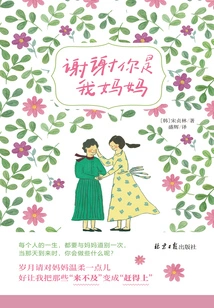
Thank You for Being My Mom
Literature谢谢你是我妈妈
(korean) Song Zhenlin
Everyone has to say goodbye to his mother countless times in his life. You can't keep putting off things you want to do with your mother. What will you do until the last time? The relationship between a mother and her daughter is a special existence that transcends any family relationship. Mother and daughter are each other's only avatars, sharing the joys and sorrows of life, life philosophy, life wisdom and other ordinary daily trivial matters. Mother can always bring her daughter the warmth like spring. As long as she is with her, every day will be a happy spring day. This book records the author's reflections on the extremely ordinary daily life he spent with his mother after her mother passed away due to illness. If you want to create memories with your mother or daughter but don't know what to do, why not start by reading this book together, discover some sources of inspiration from ordinary little things, and create memories with your mother to your heart's content.
Everyone has to say goodbye to his mother countless times in his life. You can't keep putting off things you want to do with your mother. What will you do until the last time? The relationship between a mother and her daughter is a special existence that transcends any family relationship. Mother and daughter are each other's only avatars, sharing the joys and sorrows of life, life philosophy, life wisdom and other ordinary daily trivial matters. Mother can always bring her daughter the warmth like spring. As long as she is with her, every day will be a happy spring day. This book records the author's reflections on the extremely ordinary daily life he spent with his mother after her mother passed away due to illness. If you want to create memories with your mother or daughter but don't know what to do, why not start by reading this book together, discover some sources of inspiration from ordinary little things, and create memories with your mother to your heart's content.
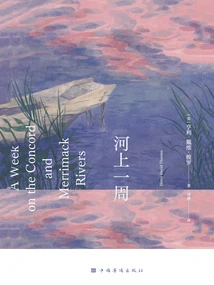
C
LiteratureC
H
In the summer of 1839, Thoreau and his brother sailed on the river for two weeks in a homemade boat. In 1842, his brother died of illness. In memory of his deceased brother, Thoreau wrote "A Week on the River." In this book, Thoreau condensed his two-week journey into one week, with one chapter per day, describing the flowers, birds, insects, fish, mountains and rivers he observed, as well as his thoughts on topics such as religion, poetry, and history. In nature, Thoreau tried to get rid of the mundane disturbances, transcend the boundaries of time, and find inner peace.
In the summer of 1839, Thoreau and his brother sailed on the river for two weeks in a homemade boat. In 1842, his brother died of illness. In memory of his deceased brother, Thoreau wrote "A Week on the River." In this book, Thoreau condensed his two-week journey into one week, with one chapter per day, describing the flowers, birds, insects, fish, mountains and rivers he observed, as well as his thoughts on topics such as religion, poetry, and history. In nature, Thoreau tried to get rid of the mundane disturbances, transcend the boundaries of time, and find inner peace.
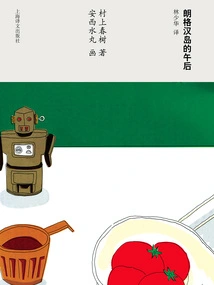
Afternoon on Langerhan Island
Literature朗格汉岛的午后
(japanese) Haruki Murakami, Paintings By Anzai Mizumaru
The popular phrase "little luck" was born in this book. "Afternoon on Langerhan Island" is a collection of essays composed of 25 short essays, each with a color illustration, in the same format as "Midnight Spider Monkey". The content includes the author's own interesting life stories and whimsical thoughts. For example, he loved to watch female high school students in class from the hotel window. He always put toothpaste on the comb to brush his teeth. He liked drawing maps and collecting men's underwear. When he wanted to break 10,000-yuan bills to pay change, he always bought a box of shaving cream. When he first got married, he was so poor that he didn't even have a clock, so he had to go to a cigarette shop 500 meters away to check the time, etc. In addition, there are unique views on various aspects of society. The writing throughout the book is lively and humorous.
The popular phrase "little luck" was born in this book. "Afternoon on Langerhan Island" is a collection of essays composed of 25 short essays, each with a color illustration, in the same format as "Midnight Spider Monkey". The content includes the author's own interesting life stories and whimsical thoughts. For example, he loved to watch female high school students in class from the hotel window. He always put toothpaste on the comb to brush his teeth. He liked drawing maps and collecting men's underwear. When he wanted to break 10,000-yuan bills to pay change, he always bought a box of shaving cream. When he first got married, he was so poor that he didn't even have a clock, so he had to go to a cigarette shop 500 meters away to check the time, etc. In addition, there are unique views on various aspects of society. The writing throughout the book is lively and humorous.
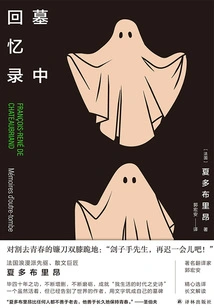
Memoirs from the Grave
Literature墓中回忆录
(france) Chateaubriand
"Memoirs from the Grave" is the memoirs of Chateaubriand, the pioneer of French Romanticism. In the book, the author comprehensively reviews his turbulent life, describes childhood memories, expresses literary opinions, and gives wonderful descriptions of important social events at that time, such as the French Revolution, forming "the epic of the era in which I lived." "Memoirs from the Grave" not only has the scale of an epic, but also has the spirit and spirit of an epic. Chateaubriand is not telling his personal story. His pain, his joy, his melancholy, his passion, and his contemplation are all displayed against the grand historical background of France, Europe, and even the world, with a far-reaching and profound sense of time and space.
"Memoirs from the Grave" is the memoirs of Chateaubriand, the pioneer of French Romanticism. In the book, the author comprehensively reviews his turbulent life, describes childhood memories, expresses literary opinions, and gives wonderful descriptions of important social events at that time, such as the French Revolution, forming "the epic of the era in which I lived." "Memoirs from the Grave" not only has the scale of an epic, but also has the spirit and spirit of an epic. Chateaubriand is not telling his personal story. His pain, his joy, his melancholy, his passion, and his contemplation are all displayed against the grand historical background of France, Europe, and even the world, with a far-reaching and profound sense of time and space.
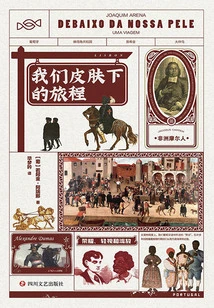
The Journey under Our Skin
Literature我们皮肤下的旅程
(portugal) Joaquim Arena
The living conditions of African ethnic groups in the post-Discovery era, and the difficult history of black people exploring their identity. A narrative non-fiction work that mixes prose, travel notes and other styles. Honorable mention winner of the 2016 Vasco Graca Mora National Journalism Award. This book consists of two journeys. On the one hand, in order to fulfill the promise to my friends, "I" came to the Alentejo region of Portugal, along the course of the Sado River, to trace the traces of black slaves thriving in this area since the 18th century; on the other hand, the death of my stepfather brought "I" back to Lisbon, where I had been away for many years. Scenes of familiar scenes evoked "my" childhood memories as a mixed-race child... Skin color and race are literature The eternal theme of the work, "The Journey Under Our Skin" uses a dual-line narrative technique, mixing novels, essays, travel notes, biographies and other literary styles. It cleverly combines the experiences during the journey with the survival history of Africans in Portugal and even Europe after the Age of Discovery, uncovering that forgotten history and exploring the profound topic of how the black community gained identity in the white world.
The living conditions of African ethnic groups in the post-Discovery era, and the difficult history of black people exploring their identity. A narrative non-fiction work that mixes prose, travel notes and other styles. Honorable mention winner of the 2016 Vasco Graca Mora National Journalism Award. This book consists of two journeys. On the one hand, in order to fulfill the promise to my friends, "I" came to the Alentejo region of Portugal, along the course of the Sado River, to trace the traces of black slaves thriving in this area since the 18th century; on the other hand, the death of my stepfather brought "I" back to Lisbon, where I had been away for many years. Scenes of familiar scenes evoked "my" childhood memories as a mixed-race child... Skin color and race are literature The eternal theme of the work, "The Journey Under Our Skin" uses a dual-line narrative technique, mixing novels, essays, travel notes, biographies and other literary styles. It cleverly combines the experiences during the journey with the survival history of Africans in Portugal and even Europe after the Age of Discovery, uncovering that forgotten history and exploring the profound topic of how the black community gained identity in the white world.
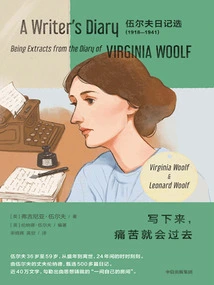
写下来,痛苦就会过去:伍尔夫日记选(1918—1941)
H
Virginia Woolf's diaries written over twenty-four years, including more than five hundred private murmurs of nights and days. "Perhaps I will not become 'famous' or 'great,' but I will continue to take risks, continue to change, broaden my horizons, refuse to be trampled on by others, and refuse to stick to the rules. The important thing is to release myself and find my own space without restriction." This book is a diary selection compiled by Virginia Woolf's husband, Leonard Woolf, and collects the precious diaries belonging to Woolf during the twenty-four years from 1918 to 1941. We can see how she walked through the thorns. As a female writer, her creations were almost as much denigrated as praised. On one side, she said, "I can write whatever I want," and on the other side, "I searched hard to find my own name in articles and reviews."
Virginia Woolf's diaries written over twenty-four years, including more than five hundred private murmurs of nights and days. "Perhaps I will not become 'famous' or 'great,' but I will continue to take risks, continue to change, broaden my horizons, refuse to be trampled on by others, and refuse to stick to the rules. The important thing is to release myself and find my own space without restriction." This book is a diary selection compiled by Virginia Woolf's husband, Leonard Woolf, and collects the precious diaries belonging to Woolf during the twenty-four years from 1918 to 1941. We can see how she walked through the thorns. As a female writer, her creations were almost as much denigrated as praised. On one side, she said, "I can write whatever I want," and on the other side, "I searched hard to find my own name in articles and reviews."
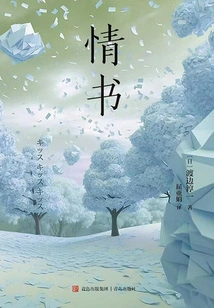
Love Letter
Literature情书
H
This book mainly collects love letters from Japan's literary giants and talents during the Meiji, Taisho and Showa periods, including love letters from Akutagawa Ryunosuke, Tanizaki Junichiro, Dazai Osamu and others. The author conducts detailed analysis and interpretation of these love letters, and truly tells the stories behind them, revealing another side of the lives of literary giants. A more comprehensive, objective, three-dimensional and true image of the literary giants and talents emerges vividly on the paper, and their lives are also vividly reflected in every word of the love letter.
This book mainly collects love letters from Japan's literary giants and talents during the Meiji, Taisho and Showa periods, including love letters from Akutagawa Ryunosuke, Tanizaki Junichiro, Dazai Osamu and others. The author conducts detailed analysis and interpretation of these love letters, and truly tells the stories behind them, revealing another side of the lives of literary giants. A more comprehensive, objective, three-dimensional and true image of the literary giants and talents emerges vividly on the paper, and their lives are also vividly reflected in every word of the love letter.
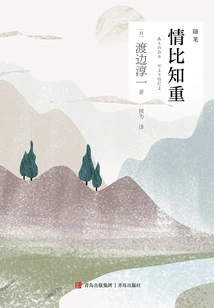
Love is More Important Than Knowledge
Literature情比知重
H
This book is a collection of many essays written by Jun Watanabe during his lifetime. Watanabe uses his consistently unique writing style to present his life insights and life reflections experienced in society in the form of essays to present a broad world of empathy to readers. His humor is accompanied by serious life reflections. In Watanabe's article description, people should take everything that happens in life seriously: they feel beauty when they see beautiful things, and feel sad when they hear sad melodies; they laugh when they are happy, and their eyes are wet with tears when they are lonely; they hate ugly things and sympathize with pitiful things. All in all, in life, we should correctly understand the beauty of human birth and the sadness of aging and death. We should feel the joy, anger, sorrow and joy naturally and express them candidly.
This book is a collection of many essays written by Jun Watanabe during his lifetime. Watanabe uses his consistently unique writing style to present his life insights and life reflections experienced in society in the form of essays to present a broad world of empathy to readers. His humor is accompanied by serious life reflections. In Watanabe's article description, people should take everything that happens in life seriously: they feel beauty when they see beautiful things, and feel sad when they hear sad melodies; they laugh when they are happy, and their eyes are wet with tears when they are lonely; they hate ugly things and sympathize with pitiful things. All in all, in life, we should correctly understand the beauty of human birth and the sadness of aging and death. We should feel the joy, anger, sorrow and joy naturally and express them candidly.
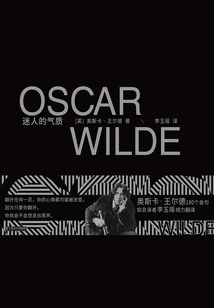
Charming Temperament
Literature迷人的气质
H
Turn any page and your mood may be changed. Because as soon as you open it, you will laugh unconsciously. This is "Charming Temperament". This book is a book of golden quotes, which selects 180 golden quotes by Oscar Wilde and was translated by the famous translator Li Yuyao. The selected sentences are all the essence of Oscar Wilde's writing, humorous and interesting, making people laugh. Behind these short and exquisite maxims, Wilde has a charming temperament of his own.
Turn any page and your mood may be changed. Because as soon as you open it, you will laugh unconsciously. This is "Charming Temperament". This book is a book of golden quotes, which selects 180 golden quotes by Oscar Wilde and was translated by the famous translator Li Yuyao. The selected sentences are all the essence of Oscar Wilde's writing, humorous and interesting, making people laugh. Behind these short and exquisite maxims, Wilde has a charming temperament of his own.
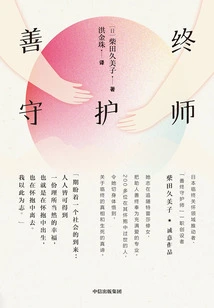
Guardian of Good Death
Literature善终守护师
(japan) Kumiko Shibata
A good beginning and a good end is a saying often said by the Chinese, which also expresses our vision for the end of life. But can everyone say goodbye properly at the end of their lives? Can we take the initiative to choose to leave with dignity and dignity? There is a group of people who act before entering the mortuary, warm the departing life with their own arms, and help those in need to extend the meaning of life at the death scene. Such people are hospice guardians. The position of "Hospice Guardian" was created by Kumiko Shibata, who promoted the development of hospice care in Japan. She once made the mistake of committing suicide, broke up her marriage twice, and suffered from cancer three times. The sharp turn in her life led her to embark on the path of protecting the dying. She aspired to follow Mother Teresa and regard helping people in hospice as a profession full of love. The more than two hundred people who passed away in Kumiko Shibata's arms made her realize firsthand the truth about dying and the true meaning of life and death. This book records the touching death scenes and insights she witnessed, helping us think about humanity and dignity from life to death, and hopes that we can find our own answers to the final chapter of life.
A good beginning and a good end is a saying often said by the Chinese, which also expresses our vision for the end of life. But can everyone say goodbye properly at the end of their lives? Can we take the initiative to choose to leave with dignity and dignity? There is a group of people who act before entering the mortuary, warm the departing life with their own arms, and help those in need to extend the meaning of life at the death scene. Such people are hospice guardians. The position of "Hospice Guardian" was created by Kumiko Shibata, who promoted the development of hospice care in Japan. She once made the mistake of committing suicide, broke up her marriage twice, and suffered from cancer three times. The sharp turn in her life led her to embark on the path of protecting the dying. She aspired to follow Mother Teresa and regard helping people in hospice as a profession full of love. The more than two hundred people who passed away in Kumiko Shibata's arms made her realize firsthand the truth about dying and the true meaning of life and death. This book records the touching death scenes and insights she witnessed, helping us think about humanity and dignity from life to death, and hopes that we can find our own answers to the final chapter of life.
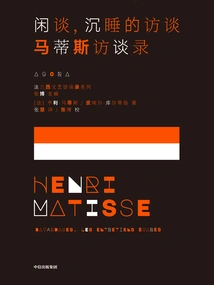
Chatting, Sleeping Interviews: Interviews with Matisse (french Literature and Art Interview Series)
Literature闲谈,沉睡的访谈:马蒂斯访谈录(法兰西文艺访谈录系列)
(france) Henri Matisse Et Al.
The Sleeping Interview is sealed in the archives of the Getty Research Institute. It is a manuscript of a long conversation that took place in Lyon and Nice in 1941 between the art critic Pierre Courtion and Henri Matisse. About people and places: his early life in Bohemia in Paris, his attempts to break through the academic tradition, his interactions with art dealers and collectors, his thoughts on craftsmanship, his travels in search of light and color... All emerge in Matisse's narrative, as vividly as the colors in his paintings. In casual conversation, Matisse was casual and sincere. Uncut and uncircumcised. The interview traces the creative career of the Fauvist master, and Matisse's decision to be buried forever, as he realized that "shape cannot be described. We cannot use words to create an equivalent"...
The Sleeping Interview is sealed in the archives of the Getty Research Institute. It is a manuscript of a long conversation that took place in Lyon and Nice in 1941 between the art critic Pierre Courtion and Henri Matisse. About people and places: his early life in Bohemia in Paris, his attempts to break through the academic tradition, his interactions with art dealers and collectors, his thoughts on craftsmanship, his travels in search of light and color... All emerge in Matisse's narrative, as vividly as the colors in his paintings. In casual conversation, Matisse was casual and sincere. Uncut and uncircumcised. The interview traces the creative career of the Fauvist master, and Matisse's decision to be buried forever, as he realized that "shape cannot be described. We cannot use words to create an equivalent"...
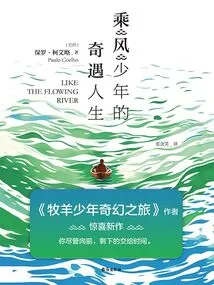
乘风少年的奇遇人生
(brazil) Paulo Coelho
The book of life of Brazilian national treasure writer Paulo Coelho. Combining the author's personal experiences, philosophical thoughts, and insights over many years, each story is like a gem, highly allegorical and philosophical, helping confused people find the meaning of life. When I was fifteen years old, I said to my mother: "I want to be a writer." "But have you ever seen a writer in life? Have you seen any writer in person?" "No, I have only seen it in photos." "If you don't know what a writer is, how can you really want to be a writer?" In order to answer my mother's question, I embarked on a path of exploration...
The book of life of Brazilian national treasure writer Paulo Coelho. Combining the author's personal experiences, philosophical thoughts, and insights over many years, each story is like a gem, highly allegorical and philosophical, helping confused people find the meaning of life. When I was fifteen years old, I said to my mother: "I want to be a writer." "But have you ever seen a writer in life? Have you seen any writer in person?" "No, I have only seen it in photos." "If you don't know what a writer is, how can you really want to be a writer?" In order to answer my mother's question, I embarked on a path of exploration...
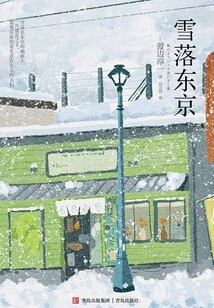
Snow Falls in Tokyo
Literature雪落东京
H
"Snow Falls in Tokyo" shows the author's concentrated observation and thinking about Japanese society over about three years, covering aspects such as natural scenery, social culture, medical care, living customs and creative experience. There are surprises and anxiety about environmental changes, concerns and warnings about the fragility of urban functions, criticism and thinking about hot social issues, and at the same time, heartfelt warnings about these issues.
"Snow Falls in Tokyo" shows the author's concentrated observation and thinking about Japanese society over about three years, covering aspects such as natural scenery, social culture, medical care, living customs and creative experience. There are surprises and anxiety about environmental changes, concerns and warnings about the fragility of urban functions, criticism and thinking about hot social issues, and at the same time, heartfelt warnings about these issues.
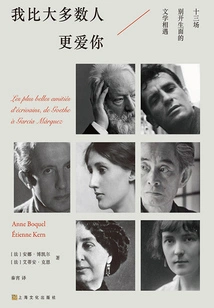
我比大多数人更爱你:十三场别开生面的文学相遇
(france) Anna Beaucaire Et Al.
The literary world is not only filled with backstabbing, calculations and insults, but also warmth, tacit understanding and bonds. The words "I love you" or "I love you" were said by Turgenev to Tolstoy, George Sand to Flaubert, René Charles to Eluard, Kerouac to Ginsberg. The octogenarian Goethe still kept Schiller's skull in his study; Wordsworth was the "know thyself" oracle to Coleridge, proving that he was not a poet; for Mansfield and Woolf, there was a kind of jealousy that was the opposite of infatuation and admiration; and Mishima Yukio, Kawabata Yasunari held him in the palm of his hand. The "Hand of God" in the heart; Senghor and Césaire were determined to fight to promote the black spirit... These stories between writers are both beautiful and sad: beautiful because they started from accidents and confirmed the power of love and friendship; sad because they all ended in "extreme neglect"...
The literary world is not only filled with backstabbing, calculations and insults, but also warmth, tacit understanding and bonds. The words "I love you" or "I love you" were said by Turgenev to Tolstoy, George Sand to Flaubert, René Charles to Eluard, Kerouac to Ginsberg. The octogenarian Goethe still kept Schiller's skull in his study; Wordsworth was the "know thyself" oracle to Coleridge, proving that he was not a poet; for Mansfield and Woolf, there was a kind of jealousy that was the opposite of infatuation and admiration; and Mishima Yukio, Kawabata Yasunari held him in the palm of his hand. The "Hand of God" in the heart; Senghor and Césaire were determined to fight to promote the black spirit... These stories between writers are both beautiful and sad: beautiful because they started from accidents and confirmed the power of love and friendship; sad because they all ended in "extreme neglect"...
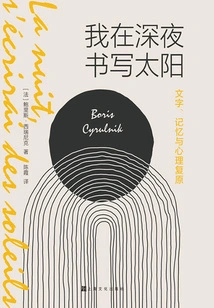
我在深夜书写太阳:文字、记忆与心理复原
(france) Boris Sirenik
For each of us, life is always full of trauma and stress, some of which are innate - such as abandonment, and some are acquired - such as disasters, which destroy what should have been a plain but beautiful life. In "I Write the Sun in the Night", Boris Sirenik analyzes the traumatic experiences and creative practices of iconic "alternative" literati such as Jean Genet, Romain Garry, and Louis Althusser, and then demonstrates that in order to get out of a person's siege, it is necessary to carry out "recovery" practice, that is, conscious emotional fiction and memory sublimation (especially imagination and writing), so as to repair the broken self and embrace a thousand brilliant suns.
For each of us, life is always full of trauma and stress, some of which are innate - such as abandonment, and some are acquired - such as disasters, which destroy what should have been a plain but beautiful life. In "I Write the Sun in the Night", Boris Sirenik analyzes the traumatic experiences and creative practices of iconic "alternative" literati such as Jean Genet, Romain Garry, and Louis Althusser, and then demonstrates that in order to get out of a person's siege, it is necessary to carry out "recovery" practice, that is, conscious emotional fiction and memory sublimation (especially imagination and writing), so as to repair the broken self and embrace a thousand brilliant suns.
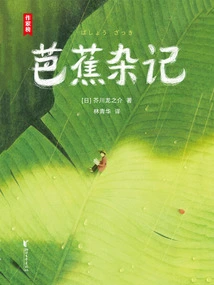
Ikb
LiteraturebM
I
"Basho Miscellaneous Notes" is an enlightening collection of essays. It is a profound insight into the world and life left by Ryunosuke Akutagawa in his short 35-year life, including "Basho Miscellaneous Notes", "Continuation of Basho Miscellaneous Notes", "Reminiscence", "Meat" "Bone Tea", "Things About Books" and "Words from Gnomes" are 6 essays, covering Akutagawa's recollections of life, subtle insights into ordinary things and literature and art... Open this book, release your inner pressure, and may your life be calm.
"Basho Miscellaneous Notes" is an enlightening collection of essays. It is a profound insight into the world and life left by Ryunosuke Akutagawa in his short 35-year life, including "Basho Miscellaneous Notes", "Continuation of Basho Miscellaneous Notes", "Reminiscence", "Meat" "Bone Tea", "Things About Books" and "Words from Gnomes" are 6 essays, covering Akutagawa's recollections of life, subtle insights into ordinary things and literature and art... Open this book, release your inner pressure, and may your life be calm.
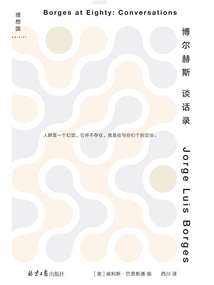
Borges' Conversations (2023 Edition)
Literature博尔赫斯谈话录(2023版)
(us) Willis Barnstone
Jorge Luis Borges (1899-1986), a world-renowned Argentine poet, writer, and translator. The father of Spanish-American literature, his creative style is profound, erudite and unique. He is especially famous for his labyrinth-like conception that blends reality with fiction to achieve mystery. He has a significant influence on contemporary literary creation and literary criticism around the world. In 1976, Borges participated in a series of conversations about his life and work at Indiana University. In the spring of 1980, he returned to Indiana as Professor Paden and spent a month there. He also visited Chicago, New York and Boston, walking and talking along the way. This book is a collection of interviews conducted during these two trips to the United States, with a total of eleven conversations involving Borges's many views on the times, religion, philosophy, literature and writing. Borges's character and conversation are at least as meaningful and witty as his works. During the last decades of his life, he traveled widely dictating poems, fables, and stories. In his travels and chats, he developed a special oral literature. The ubiquitous themes in Borges's works and the mature thoughts of his octogenarian are intertwined and shining in these eleven conversations, giving people a glimpse into the soul of this literary giant. "Borges Conversations" is a poetic collaboration between three poets, Borges, Barnstone and Nishikawa, that spans time, space and language. Nishikawa began translating and introducing Borges in the 1980s, and re-edited and refined the translation twenty years later; the editor Barnstone's new "Postscript" re-evaluated Borges's literary legacy. This book is a newly revised commemorative edition in 2023.
Jorge Luis Borges (1899-1986), a world-renowned Argentine poet, writer, and translator. The father of Spanish-American literature, his creative style is profound, erudite and unique. He is especially famous for his labyrinth-like conception that blends reality with fiction to achieve mystery. He has a significant influence on contemporary literary creation and literary criticism around the world. In 1976, Borges participated in a series of conversations about his life and work at Indiana University. In the spring of 1980, he returned to Indiana as Professor Paden and spent a month there. He also visited Chicago, New York and Boston, walking and talking along the way. This book is a collection of interviews conducted during these two trips to the United States, with a total of eleven conversations involving Borges's many views on the times, religion, philosophy, literature and writing. Borges's character and conversation are at least as meaningful and witty as his works. During the last decades of his life, he traveled widely dictating poems, fables, and stories. In his travels and chats, he developed a special oral literature. The ubiquitous themes in Borges's works and the mature thoughts of his octogenarian are intertwined and shining in these eleven conversations, giving people a glimpse into the soul of this literary giant. "Borges Conversations" is a poetic collaboration between three poets, Borges, Barnstone and Nishikawa, that spans time, space and language. Nishikawa began translating and introducing Borges in the 1980s, and re-edited and refined the translation twenty years later; the editor Barnstone's new "Postscript" re-evaluated Borges's literary legacy. This book is a newly revised commemorative edition in 2023.
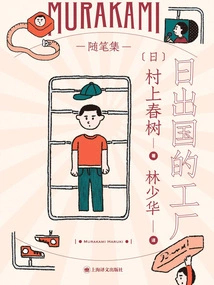
Factory in Sunrise Country
Literature日出国的工厂
(japan) Haruki Murakami
It is rare to see an essay with a unique "Japanese flavor" among Haruki Murakami's works. "Adventures in the Wig Factory" is one of the inspirations for "The Journey of Strange Birds". "The Factory in the Land of the Rising Sun" is a collection of essays by Haruki Murakami,\
It is rare to see an essay with a unique "Japanese flavor" among Haruki Murakami's works. "Adventures in the Wig Factory" is one of the inspirations for "The Journey of Strange Birds". "The Factory in the Land of the Rising Sun" is a collection of essays by Haruki Murakami,\
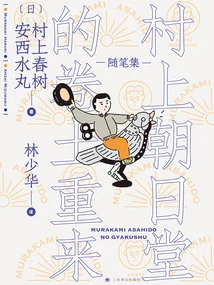
村上朝日堂的卷土重来(村上朝日堂系列)
J
An excellent three-dimensional portrait of Haruki Murakami - What kind of person is the real Haruki Murakami? There are real answers here. One of the "Murakami Asahido Series", 51 articles in total. There are 52 illustrations of Anxi Shuiwan. 1. Murakami's family situation, hobbies and habits, early life and creation, interesting anecdotes after becoming famous, etc. 2. Murakami's views and discussions on social issues, such as elections, popular reading, middle age, health, movies, music, etc. Murakami combines his own personal experience with various aspects of the world, and combines narratives and discussions. He is original, humorous, lively, friendly, casual, authentic and credible, reflecting Haruki Murakami's unique unrestrained and whimsical style.
An excellent three-dimensional portrait of Haruki Murakami - What kind of person is the real Haruki Murakami? There are real answers here. One of the "Murakami Asahido Series", 51 articles in total. There are 52 illustrations of Anxi Shuiwan. 1. Murakami's family situation, hobbies and habits, early life and creation, interesting anecdotes after becoming famous, etc. 2. Murakami's views and discussions on social issues, such as elections, popular reading, middle age, health, movies, music, etc. Murakami combines his own personal experience with various aspects of the world, and combines narratives and discussions. He is original, humorous, lively, friendly, casual, authentic and credible, reflecting Haruki Murakami's unique unrestrained and whimsical style.
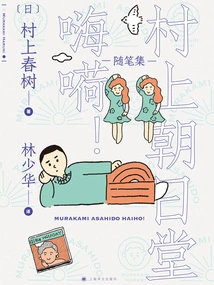
村上朝日堂 嗨嗬!(村上朝日堂系列)
(japan) Haruki Murakami
An excellent three-dimensional portrait of Haruki Murakami - What kind of person is the real Haruki Murakami? There are real answers here. One of the "Murakami Asahido Series", 30 articles in total. There are 10 illustrations of Anxi Shuiwan. 1. Haruki Murakami's personal hobbies and habits, such as zodiac signs, when he will end his youth, why he is impatient, what kind of dream lover he has, how he was obsessed with playing pinball machines when he was young, etc. 2. Murakami's various views and discussions on social issues, such as poverty, fame, learning foreign languages, taxis, banks, service industries, advertising, schools, jazz, opera, etc. Each text is short, insightful, humorous and vivid, reflecting Haruki Murakami's unique unrestrained and whimsical style.
An excellent three-dimensional portrait of Haruki Murakami - What kind of person is the real Haruki Murakami? There are real answers here. One of the "Murakami Asahido Series", 30 articles in total. There are 10 illustrations of Anxi Shuiwan. 1. Haruki Murakami's personal hobbies and habits, such as zodiac signs, when he will end his youth, why he is impatient, what kind of dream lover he has, how he was obsessed with playing pinball machines when he was young, etc. 2. Murakami's various views and discussions on social issues, such as poverty, fame, learning foreign languages, taxis, banks, service industries, advertising, schools, jazz, opera, etc. Each text is short, insightful, humorous and vivid, reflecting Haruki Murakami's unique unrestrained and whimsical style.
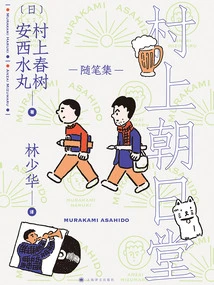
村上朝日堂(村上朝日堂系列)
J
He has been in the literary world for many years with his unique style. What kind of person is Murakami in real life? This has great 3D images and real answers. The first book of the "Murakami Asahido Series", with a total of 92 chapters. There are 95 illustrations of Anxi Shuiwan. 1. Murakami's hobbies and habits, interesting stories about celebrities he met, etc. 2. Murakami's views and discussions on social issues, such as marriage, travel, movies, music, etc. 3. Murakami's interesting discoveries in daily trivial matters, such as books, diet, insects, etc. Murakami combines personal experience with various aspects of the world, and combines narratives and discussions. He is original, humorous, lively, friendly, casual, authentic and credible, reflecting Haruki Murakami's unique unrestrained and whimsical style.
He has been in the literary world for many years with his unique style. What kind of person is Murakami in real life? This has great 3D images and real answers. The first book of the "Murakami Asahido Series", with a total of 92 chapters. There are 95 illustrations of Anxi Shuiwan. 1. Murakami's hobbies and habits, interesting stories about celebrities he met, etc. 2. Murakami's views and discussions on social issues, such as marriage, travel, movies, music, etc. 3. Murakami's interesting discoveries in daily trivial matters, such as books, diet, insects, etc. Murakami combines personal experience with various aspects of the world, and combines narratives and discussions. He is original, humorous, lively, friendly, casual, authentic and credible, reflecting Haruki Murakami's unique unrestrained and whimsical style.
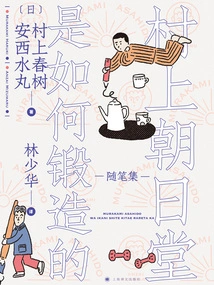
村上朝日堂是如何锻造的(村上朝日堂系列)
(japan) Haruki Murakami Anzai Mizumaru
He has been in the literary world for many years with his unique style. What kind of person is Murakami in real life? This has great 3D images and real answers. One of the "Murakami Asahido Series", 56 articles in total. There are 61 illustrations of Anxi Shuiwan. 1. Murakami criticizes and discusses some abnormal and peculiar social phenomena in Japan. The former is such as the corporal punishment of students in schools, the proliferation of information in newspapers, the boring slogans, the emphasis on science and the neglect of literature, and the high prices of goods. The latter is such as love hotels competing to use weird names, housewives doing housework naked, etc. 2. Murakami puts forward praise and criticism on some cultural phenomena, involving many aspects such as literature, movies, music, dictionaries, translations, advertisements, and pornographic books. 3. Murakami talks about his daily life, such as diet, travel, long-distance running, making friends, raising cats, etc.; Talks about life experiences, such as the dangers of conditioned reflexes, how to protect oneself, how to complain, etc.; Talks about anecdotes, such as the troubles after becoming famous, lightning-fast encounters, hair loss, etc.; And his own fantasies, such as floating in the air, etc., Reflecting "Murakami in life" from multiple perspectives. Each chapter in the book is written in different ways, reflecting Murakami's typical style of humor, liveliness, casualness, unrestraint, and whimsy. It is highly readable, but it also contains sharp criticism, profound insights, and deep condolences, which demonstrates Murakami's multi-faceted writing talents.
He has been in the literary world for many years with his unique style. What kind of person is Murakami in real life? This has great 3D images and real answers. One of the "Murakami Asahido Series", 56 articles in total. There are 61 illustrations of Anxi Shuiwan. 1. Murakami criticizes and discusses some abnormal and peculiar social phenomena in Japan. The former is such as the corporal punishment of students in schools, the proliferation of information in newspapers, the boring slogans, the emphasis on science and the neglect of literature, and the high prices of goods. The latter is such as love hotels competing to use weird names, housewives doing housework naked, etc. 2. Murakami puts forward praise and criticism on some cultural phenomena, involving many aspects such as literature, movies, music, dictionaries, translations, advertisements, and pornographic books. 3. Murakami talks about his daily life, such as diet, travel, long-distance running, making friends, raising cats, etc.; Talks about life experiences, such as the dangers of conditioned reflexes, how to protect oneself, how to complain, etc.; Talks about anecdotes, such as the troubles after becoming famous, lightning-fast encounters, hair loss, etc.; And his own fantasies, such as floating in the air, etc., Reflecting "Murakami in life" from multiple perspectives. Each chapter in the book is written in different ways, reflecting Murakami's typical style of humor, liveliness, casualness, unrestraint, and whimsy. It is highly readable, but it also contains sharp criticism, profound insights, and deep condolences, which demonstrates Murakami's multi-faceted writing talents.
猎人笔记 A Sportsmens Sketches(双语译林)
Turgenev
"Hunter's Notes" is Turgenev's famous work. It is a collection of essays that describes Russian rural life in the mid-19th century through the hunting activities of hunters. With Turgenev's graceful narration, the natural scenery of Russia, the customs and habits of the Russian people, the bullying of farmers by landlords, and the kindness, simplicity and wisdom of farmers slowly flow out in front of us like lyrical songs, converging into a symphonic poem with a touch of sadness.
"Hunter's Notes" is Turgenev's famous work. It is a collection of essays that describes Russian rural life in the mid-19th century through the hunting activities of hunters. With Turgenev's graceful narration, the natural scenery of Russia, the customs and habits of the Russian people, the bullying of farmers by landlords, and the kindness, simplicity and wisdom of farmers slowly flow out in front of us like lyrical songs, converging into a symphonic poem with a touch of sadness.
最美的决定:E.B.怀特书信集(译文随笔)
S
A chronological autobiography written on stationery and notes by "the most beloved American writer", an immortal love letter from the author of "Charlotte's Web" and "This Is New York" to life, nature, his wife and The New Yorker. This book carefully selects hundreds of letters from E. B. White's life in chronological order. Like White's other works, they enjoy a high status in literary history. Many chapters in this book are not only of great historical value for studying the history of White himself and the American cultural world represented by The New Yorker magazine, but they are also beautifully written and humorous, making them unforgettable White-style essays. This is no ordinary collection of letters. Through careful arrangement and White's irreplaceable writing style, this book has in fact become White's only chronological and autobiographical essay collection.
A chronological autobiography written on stationery and notes by "the most beloved American writer", an immortal love letter from the author of "Charlotte's Web" and "This Is New York" to life, nature, his wife and The New Yorker. This book carefully selects hundreds of letters from E. B. White's life in chronological order. Like White's other works, they enjoy a high status in literary history. Many chapters in this book are not only of great historical value for studying the history of White himself and the American cultural world represented by The New Yorker magazine, but they are also beautifully written and humorous, making them unforgettable White-style essays. This is no ordinary collection of letters. Through careful arrangement and White's irreplaceable writing style, this book has in fact become White's only chronological and autobiographical essay collection.