Library
Browse and search books
2,273 novels found
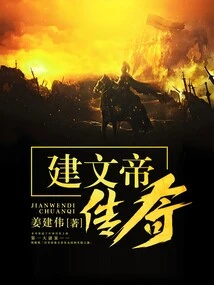
Legend of Emperor Jianwen
General Fiction建文帝传奇
Jiang Jianwei
It tells the story of the biggest mystery in Chinese history, the disappearance of Zhu Yunwen, the second emperor of the Ming Dynasty.
It tells the story of the biggest mystery in Chinese history, the disappearance of Zhu Yunwen, the second emperor of the Ming Dynasty.
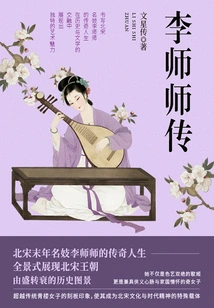
Biography of Master Li (span Biography Library)
General Fiction李师师传(跨度传记文库)
Wen Xing Zhuan
"The Biography of Li Shishi" takes the legendary life of Li Shishi, a famous courtesan in the late Northern Song Dynasty as the main line. Through her ups and downs of fate, it panoramically shows the historical picture of the Northern Song Dynasty from prosperity to decline, as well as the life style of the literati and elegant people in the tiled houses. Li Shishi was originally the daughter of a dyer in Bianjing. After losing her father at the age of four, she was adopted by a prostitute. With her natural beauty and extraordinary talent, she became a famous singer in the capital. The book details her emotional entanglements with Song Huizong Zhao Ji, poet Zhou Bangyan, and "Water Margin" character Yan Qing. Her secret love affair with Song Huizong reflected the emperor's extravagance and the corruption of the government; her close friendship with Zhou Bangyan revealed the romance behind the graceful style of Song poetry; and her chivalrous interaction with Yan Qing added to the legendary color. The intertwining of these multiple emotional clues not only shows Li Shishi's struggle between power, talent and world, but also outlines the complex social relationship network in the late Northern Song Dynasty. The work breaks through the traditional stereotype of brothel women and places Li Shishi at the intersection of official culture, civilian culture, literati culture and martial arts culture. She is not only a peerless beauty in the romance field, but also a strange woman with both a chivalrous heart and feelings for her family and country. Before the Jingkang Incident, she donated the gold and silver given by Huizong to pay for the anti-Jin army; when the city was destroyed, her integrity in denounced the traitor Zhang Bangchang was touching. This three-dimensional shaping made Li Shishi's image transcend a simple beauty label and become a special carrier of the culture and spirit of the times in the Northern Song Dynasty. The author spent nearly two years reviewing nearly a million words of historical materials to find a balance between unofficial legends and literary imagination. The book not only contains rigorous textual research from documents such as "Tokyo Menghualu" and "Li Shishi's Biography", but also incorporates folk narratives from popular literature such as "Water Margin" to vividly restore the prosperity and decline of Bianjing City. Through Li Shishi's perspective, readers can get a glimpse of the political corruption of the Huizong Dynasty of Song Dynasty, the elegant taste of literati, and the suffering of the Li people during the Jingkang Incident. This combination of historical reality and artistic fiction makes the novel a unique text for interpreting the social culture of the Northern Song Dynasty.
"The Biography of Li Shishi" takes the legendary life of Li Shishi, a famous courtesan in the late Northern Song Dynasty as the main line. Through her ups and downs of fate, it panoramically shows the historical picture of the Northern Song Dynasty from prosperity to decline, as well as the life style of the literati and elegant people in the tiled houses. Li Shishi was originally the daughter of a dyer in Bianjing. After losing her father at the age of four, she was adopted by a prostitute. With her natural beauty and extraordinary talent, she became a famous singer in the capital. The book details her emotional entanglements with Song Huizong Zhao Ji, poet Zhou Bangyan, and "Water Margin" character Yan Qing. Her secret love affair with Song Huizong reflected the emperor's extravagance and the corruption of the government; her close friendship with Zhou Bangyan revealed the romance behind the graceful style of Song poetry; and her chivalrous interaction with Yan Qing added to the legendary color. The intertwining of these multiple emotional clues not only shows Li Shishi's struggle between power, talent and world, but also outlines the complex social relationship network in the late Northern Song Dynasty. The work breaks through the traditional stereotype of brothel women and places Li Shishi at the intersection of official culture, civilian culture, literati culture and martial arts culture. She is not only a peerless beauty in the romance field, but also a strange woman with both a chivalrous heart and feelings for her family and country. Before the Jingkang Incident, she donated the gold and silver given by Huizong to pay for the anti-Jin army; when the city was destroyed, her integrity in denounced the traitor Zhang Bangchang was touching. This three-dimensional shaping made Li Shishi's image transcend a simple beauty label and become a special carrier of the culture and spirit of the times in the Northern Song Dynasty. The author spent nearly two years reviewing nearly a million words of historical materials to find a balance between unofficial legends and literary imagination. The book not only contains rigorous textual research from documents such as "Tokyo Menghualu" and "Li Shishi's Biography", but also incorporates folk narratives from popular literature such as "Water Margin" to vividly restore the prosperity and decline of Bianjing City. Through Li Shishi's perspective, readers can get a glimpse of the political corruption of the Huizong Dynasty of Song Dynasty, the elegant taste of literati, and the suffering of the Li people during the Jingkang Incident. This combination of historical reality and artistic fiction makes the novel a unique text for interpreting the social culture of the Northern Song Dynasty.
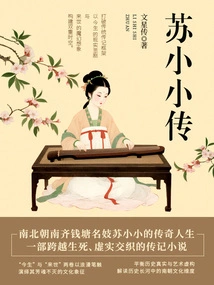
Su Xiaoxiao Biography (span Biography Library)
General Fiction苏小小传(跨度传记文库)
Wen Xing Zhuan
"The Biography of Su Xiaoxiao" takes the legendary life of Su Xiaoxiao, a famous prostitute in Qiantang of the Southern Qi Dynasty during the Northern and Southern Dynasties as the core, and integrates historical research and literary imagination to construct a biographical novel that spans life and death and interweaves fiction and reality. The whole book is divided into two volumes: "This Life" and "The Afterlife". It is faithful to the tragic background of Su Xiaoxiao's death, and also interprets the cultural symbol of her immortal soul in a romantic way. The chapter in this life begins with Su Xiaoxiao, whose parents died when he was young and moved to the Xiling Bridge. It depicts how he became a famous poet in Jiangnan with his talent, intelligence and poetic talent. The book focuses on her love affair with Ruan Yu, the prime minister's son: the two fell in love at first sight when they met on a chariot and a green horse, and they were engaged in a private life but were forced to separate due to family prejudice. Ruan Yu was deceived by his father into returning home to marry another man. Su Xiaoxiao fell ill in lovesickness, but before his death, he still helped the down-and-out scholar Bao Ren to take the exam, showing his chivalrous heart. The author uses the "Qiantang Su Xiaoge" in "New Odes of Yutai" as a clue and integrates the classic image of "the concubine rides on the oil-walled chariot and the man rides on the green horse" into the narrative, which not only restores the historical context, but also gives the story a poetic flavor. The book details the life of Goulanwashe and the gathering scenes of Southern Dynasties literati, such as Su Xiaoxiao and Meng Lang's Plum Blossom Poetry Recital, which not only highlights their talents, but also satirizes the arty elegance of the powerful. The afterlife chapter breaks through the framework of reality and uses magical writing to continue the "reincarnation" of Su Xiaoxiao's ghost in different eras: she fell in love with Tang Dynasty poet Li He and Song Dynasty scholar Sima Caizhong across time and space, and finally transformed into a West Lake Narcissus. This design sublimates Su Xiaoxiao from a historical figure into a cultural symbol, echoing the imagination of literati in the past dynasties about her as the "Chinese version of La Traviata". Through the words of Su Xiaoxiao, the author expresses the emotion that "what is lost is momentary, but what is gained is eternal", and uses the tragedy of his early death to explore the philosophical proposition of eternity and ephemerality. The work strikes a delicate balance between historical reality and artistic fiction: on the one hand, it refers to documents such as "Yuefu Guangti" and "Dream of the West Lake" to restore the customs and customs of Qiantang in the Southern Qi Dynasty; on the other hand, it uses story-telling legends such as "Xiling Yunji" to enhance the drama of the story. Su Xiaoxiao's image is shaped as a "unity of talent and character" - she not only sings out the resentment of "the bright moon shines on every night, and suffers from the white clouds every morning" after Ruan Yu's betrayal, but also shows the transparency of "people know each other, the most valuable thing is knowing the heart" when supporting Bao Ren. This multi-dimensional portrayal enables her to transcend the stereotype of a traditional brothel woman and become a symbol of the times with both a free spirit and feelings of family and country. The book also deeply reveals the class contradictions in Southern Dynasty society: the Ruan Yu family's family background prejudice and Qian Wancai's bullying are in sharp contrast to Su Xiaoxiao's declaration that "I would rather make a living as a singing prostitute, with a free body and a clean heart." The introduction of the background of the Jingkang Incident (although Su Xiaoxiao is a figure in the Southern Qi Dynasty) connects personal destiny with the current of the times, giving the story a sense of historical depth. The author uses an elegant and simple language style to delicately describe the landscape and humanistic customs of the West Lake, making the novel a unique text that interprets the culture of the Southern Dynasties and the relationship between scholars and prostitutes. "The Biography of Su Xiaoxiao" not only presents the tragedy of Su Xiaoxiao as a historical figure, but also explores his eternal charm as a cultural symbol through a narrative that interweaves fiction and reality. This writing technique of placing individual destiny in a grand historical and cultural context makes it a work of both literary value and ideological depth.
"The Biography of Su Xiaoxiao" takes the legendary life of Su Xiaoxiao, a famous prostitute in Qiantang of the Southern Qi Dynasty during the Northern and Southern Dynasties as the core, and integrates historical research and literary imagination to construct a biographical novel that spans life and death and interweaves fiction and reality. The whole book is divided into two volumes: "This Life" and "The Afterlife". It is faithful to the tragic background of Su Xiaoxiao's death, and also interprets the cultural symbol of her immortal soul in a romantic way. The chapter in this life begins with Su Xiaoxiao, whose parents died when he was young and moved to the Xiling Bridge. It depicts how he became a famous poet in Jiangnan with his talent, intelligence and poetic talent. The book focuses on her love affair with Ruan Yu, the prime minister's son: the two fell in love at first sight when they met on a chariot and a green horse, and they were engaged in a private life but were forced to separate due to family prejudice. Ruan Yu was deceived by his father into returning home to marry another man. Su Xiaoxiao fell ill in lovesickness, but before his death, he still helped the down-and-out scholar Bao Ren to take the exam, showing his chivalrous heart. The author uses the "Qiantang Su Xiaoge" in "New Odes of Yutai" as a clue and integrates the classic image of "the concubine rides on the oil-walled chariot and the man rides on the green horse" into the narrative, which not only restores the historical context, but also gives the story a poetic flavor. The book details the life of Goulanwashe and the gathering scenes of Southern Dynasties literati, such as Su Xiaoxiao and Meng Lang's Plum Blossom Poetry Recital, which not only highlights their talents, but also satirizes the arty elegance of the powerful. The afterlife chapter breaks through the framework of reality and uses magical writing to continue the "reincarnation" of Su Xiaoxiao's ghost in different eras: she fell in love with Tang Dynasty poet Li He and Song Dynasty scholar Sima Caizhong across time and space, and finally transformed into a West Lake Narcissus. This design sublimates Su Xiaoxiao from a historical figure into a cultural symbol, echoing the imagination of literati in the past dynasties about her as the "Chinese version of La Traviata". Through the words of Su Xiaoxiao, the author expresses the emotion that "what is lost is momentary, but what is gained is eternal", and uses the tragedy of his early death to explore the philosophical proposition of eternity and ephemerality. The work strikes a delicate balance between historical reality and artistic fiction: on the one hand, it refers to documents such as "Yuefu Guangti" and "Dream of the West Lake" to restore the customs and customs of Qiantang in the Southern Qi Dynasty; on the other hand, it uses story-telling legends such as "Xiling Yunji" to enhance the drama of the story. Su Xiaoxiao's image is shaped as a "unity of talent and character" - she not only sings out the resentment of "the bright moon shines on every night, and suffers from the white clouds every morning" after Ruan Yu's betrayal, but also shows the transparency of "people know each other, the most valuable thing is knowing the heart" when supporting Bao Ren. This multi-dimensional portrayal enables her to transcend the stereotype of a traditional brothel woman and become a symbol of the times with both a free spirit and feelings of family and country. The book also deeply reveals the class contradictions in Southern Dynasty society: the Ruan Yu family's family background prejudice and Qian Wancai's bullying are in sharp contrast to Su Xiaoxiao's declaration that "I would rather make a living as a singing prostitute, with a free body and a clean heart." The introduction of the background of the Jingkang Incident (although Su Xiaoxiao is a figure in the Southern Qi Dynasty) connects personal destiny with the current of the times, giving the story a sense of historical depth. The author uses an elegant and simple language style to delicately describe the landscape and humanistic customs of the West Lake, making the novel a unique text that interprets the culture of the Southern Dynasties and the relationship between scholars and prostitutes. "The Biography of Su Xiaoxiao" not only presents the tragedy of Su Xiaoxiao as a historical figure, but also explores his eternal charm as a cultural symbol through a narrative that interweaves fiction and reality. This writing technique of placing individual destiny in a grand historical and cultural context makes it a work of both literary value and ideological depth.
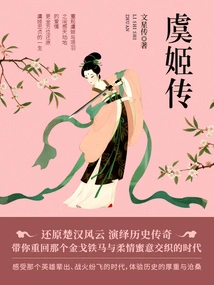
The Biography of Yu Ji (span Biography Library)
General Fiction虞姬传(跨度传记文库)
Wen Xing Zhuan
"The Biography of Yu Ji" goes deep into the tumultuous years of the Chu-Han conflict, and vividly presents the image of Yu Ji before readers. In the book, the author cleverly connects the available historical facts of Yu Ji with a large number of folk legends, not only recreating the earth-shattering love between her and Xiang Yu, but also fully restoring the life of this loyal woman. Yu Ji, as the confidante of Xiang Yu, the overlord of Western Chu, resolutely chose to walk side by side with Xiang Yu in that era of raging wars and heroes. From their heartbeat when they first met to their persistence in fighting together, their love has gone through countless ups and downs. The book details Xiang Yu's heroism during the Battle of Julu, and Yu Ji's figure boosting the morale of the Chu army from behind is equally unforgettable. In her own way, she injects strength into her lover and the Chu army. With the fall of the Qin Dynasty, the conflict between Chu and Han began, and the situation gradually turned against Xiang Yu. In the desperate situation of being "embattled on all sides", in Xiang Yu's tent, the song "Gaixia Song" is full of the hero's helplessness and deep concern for Yu Ji. And Yu Ji, in order to let Xiang Yu have no worries, resolutely drew her sword and committed suicide, interpreting her loyalty to love with her life. The tragic scene of "Farewell My Concubine" was frozen and became an eternal song. This work is not only a personal biography of Yu Ji, but also a vivid display of the social style and war situations of the Chu and Han Dynasties. Through rich details and delicate descriptions, the novel takes readers back to the era of conflict and tenderness, to feel the deep friendship between Yu Ji and Xiang Yu, and to appreciate the weight and vicissitudes of history.
"The Biography of Yu Ji" goes deep into the tumultuous years of the Chu-Han conflict, and vividly presents the image of Yu Ji before readers. In the book, the author cleverly connects the available historical facts of Yu Ji with a large number of folk legends, not only recreating the earth-shattering love between her and Xiang Yu, but also fully restoring the life of this loyal woman. Yu Ji, as the confidante of Xiang Yu, the overlord of Western Chu, resolutely chose to walk side by side with Xiang Yu in that era of raging wars and heroes. From their heartbeat when they first met to their persistence in fighting together, their love has gone through countless ups and downs. The book details Xiang Yu's heroism during the Battle of Julu, and Yu Ji's figure boosting the morale of the Chu army from behind is equally unforgettable. In her own way, she injects strength into her lover and the Chu army. With the fall of the Qin Dynasty, the conflict between Chu and Han began, and the situation gradually turned against Xiang Yu. In the desperate situation of being "embattled on all sides", in Xiang Yu's tent, the song "Gaixia Song" is full of the hero's helplessness and deep concern for Yu Ji. And Yu Ji, in order to let Xiang Yu have no worries, resolutely drew her sword and committed suicide, interpreting her loyalty to love with her life. The tragic scene of "Farewell My Concubine" was frozen and became an eternal song. This work is not only a personal biography of Yu Ji, but also a vivid display of the social style and war situations of the Chu and Han Dynasties. Through rich details and delicate descriptions, the novel takes readers back to the era of conflict and tenderness, to feel the deep friendship between Yu Ji and Xiang Yu, and to appreciate the weight and vicissitudes of history.
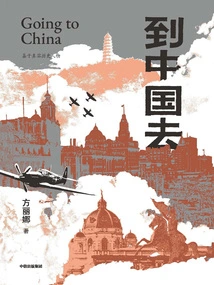
Go to China
General Fiction到中国去
Fang Lina
The novel is adapted from real historical events and tells the story of Austrian Jewish doctors Rosenfeld and Richard Faure, who escaped Nazi persecution during World War II. With the help of Chinese diplomat He Fengshan, they fled from Vienna to Shanghai, and then went to the Soviet area to join the revolution. They treated the wounded of the New Fourth Army in Yancheng, established health schools in Yan'an, developed penicillin, and fought side by side with the Chinese Communist Party. They were known as the "Bethune of Austria". With a broad vision, a large number of vivid details, and an emphasis on the perspective of international friends, the novel reproduces the arduous struggle and sacrifice of the Chinese people in the world anti-fascist war. It also reflects the personal growth and the power of unity in the historical torrent.
The novel is adapted from real historical events and tells the story of Austrian Jewish doctors Rosenfeld and Richard Faure, who escaped Nazi persecution during World War II. With the help of Chinese diplomat He Fengshan, they fled from Vienna to Shanghai, and then went to the Soviet area to join the revolution. They treated the wounded of the New Fourth Army in Yancheng, established health schools in Yan'an, developed penicillin, and fought side by side with the Chinese Communist Party. They were known as the "Bethune of Austria". With a broad vision, a large number of vivid details, and an emphasis on the perspective of international friends, the novel reproduces the arduous struggle and sacrifice of the Chinese people in the world anti-fascist war. It also reflects the personal growth and the power of unity in the historical torrent.
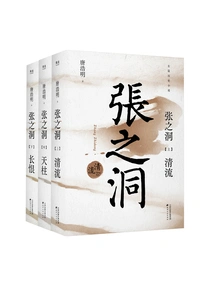
Zhang Zhidong
General Fiction张之洞
Tang Haoming
The final work of Tang Haoming's long historical novel "The Late Qing Trilogy" creates a vivid image of Zhang Zhidong, the highest example among Chinese intellectuals who adheres to traditional Confucian culture while striving to mend the sky and save the country amid the conflict between Chinese and Western civilizations. Zhang Zhidong worked hard for most of his life to make China prosperous and powerful, but until the day he died, he did not see the shadow of the country's prosperity. The work won the 2nd Yao Xueyin Historical Novel Award and the 9th "Five Ones" Selected Works Award of the Central Propaganda Department. It has been sold for more than 20 years and is widely loved.
The final work of Tang Haoming's long historical novel "The Late Qing Trilogy" creates a vivid image of Zhang Zhidong, the highest example among Chinese intellectuals who adheres to traditional Confucian culture while striving to mend the sky and save the country amid the conflict between Chinese and Western civilizations. Zhang Zhidong worked hard for most of his life to make China prosperous and powerful, but until the day he died, he did not see the shadow of the country's prosperity. The work won the 2nd Yao Xueyin Historical Novel Award and the 9th "Five Ones" Selected Works Award of the Central Propaganda Department. It has been sold for more than 20 years and is widely loved.
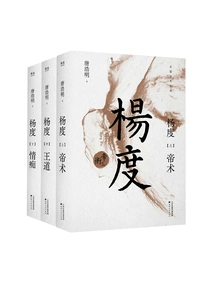
Yang Du
General Fiction杨度
Tang Haoming
The second part of Tang Haoming's long historical novel "Late Qing Trilogy" tells in great detail the legendary life of Yang Du, a talented man in the late Qing Dynasty. When he was proud, he worked hard to become an official and was passionate about fame and fortune. When he was frustrated, he fled to his village, fled to Buddhism, and pretended to be at ease. The image of a character who combines an outstanding talent from the past, a romantic celebrity, a pioneer of constitutional government, and a "remnant of the imperial system" appeared on the paper. His works have won the 3rd National Book Award and the 10th China Book Award. It has been sold for thirty years and is widely loved.
The second part of Tang Haoming's long historical novel "Late Qing Trilogy" tells in great detail the legendary life of Yang Du, a talented man in the late Qing Dynasty. When he was proud, he worked hard to become an official and was passionate about fame and fortune. When he was frustrated, he fled to his village, fled to Buddhism, and pretended to be at ease. The image of a character who combines an outstanding talent from the past, a romantic celebrity, a pioneer of constitutional government, and a "remnant of the imperial system" appeared on the paper. His works have won the 3rd National Book Award and the 10th China Book Award. It has been sold for thirty years and is widely loved.
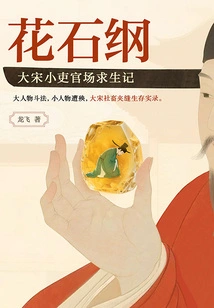
The Gang of Flowers and Stones: a Story of Survival in the Officialdom of a Small Official in the Song Dynasty
General Fiction花石纲:大宋小吏官场求生记
Long Fei
[Historical novels + Social animals of the Song Dynasty + Survival in the cracks] The big people fight, the little people suffer, the real record of the social animals of the Song Dynasty surviving in the cracks. Promotion is blocked, shortcuts turn into dead ends... A journey of treasure presentation with a near-death experience. A single thought by the superior can be a disaster for the inferior. Li Su, an eighth-grade official, is an incorruptible official and his livelihood is in embarrassment. Once when the family moved the grave, they accidentally got an auspicious amber with the words "Peace in the World". A small official was smug and wanted to get promoted and get a raise in salary by offering auspicious gifts, but he got involved in a fight with the big shots. Is it a shortcut to great success, or is it a murderous plot with hidden agendas? If the little official who has reached a dead end wants to survive, he must cut off the livelihood of others... The building is about to collapse, and the undercurrent is surging; he mistakenly becomes a chess piece and enters the game in a thrilling way.
[Historical novels + Social animals of the Song Dynasty + Survival in the cracks] The big people fight, the little people suffer, the real record of the social animals of the Song Dynasty surviving in the cracks. Promotion is blocked, shortcuts turn into dead ends... A journey of treasure presentation with a near-death experience. A single thought by the superior can be a disaster for the inferior. Li Su, an eighth-grade official, is an incorruptible official and his livelihood is in embarrassment. Once when the family moved the grave, they accidentally got an auspicious amber with the words "Peace in the World". A small official was smug and wanted to get promoted and get a raise in salary by offering auspicious gifts, but he got involved in a fight with the big shots. Is it a shortcut to great success, or is it a murderous plot with hidden agendas? If the little official who has reached a dead end wants to survive, he must cut off the livelihood of others... The building is about to collapse, and the undercurrent is surging; he mistakenly becomes a chess piece and enters the game in a thrilling way.
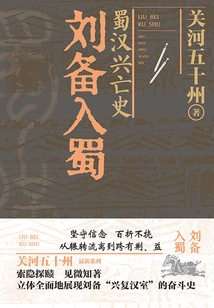
History of the Rise and Fall of Shu Han: Liu Bei Enters Shu
General Fiction蜀汉兴亡史:刘备入蜀
Guanhe Fifty States
"The History of the Rise and Fall of the Shu Han Trilogy" is a new work by the popular historical novelist Guan He Shizhou. The three books are respectively titled "Liu Bei Enters Shu", "Battle in Jingzhou" and "Zhuge's Northern Expedition". This volume "Liu Bei Enters Shu" mainly intercepts the historical events from Liu Bei's raising of troops to seizing Bashu and forming a tripartite confrontation with Cao Wei and Sun Wu. Sekigawa Ishu is a writer who knows how to tell stories. His works are based on official history, and he can make reasonable narratives. From time to time, he adds reasonable and subtle comments. At the same time, he can vividly and popularly create historical stories and characters in a writing style that meets the reading tastes of contemporary public readers. For the public readers, in addition to understanding the historical details, it also has a lyrical and inspirational effect.
"The History of the Rise and Fall of the Shu Han Trilogy" is a new work by the popular historical novelist Guan He Shizhou. The three books are respectively titled "Liu Bei Enters Shu", "Battle in Jingzhou" and "Zhuge's Northern Expedition". This volume "Liu Bei Enters Shu" mainly intercepts the historical events from Liu Bei's raising of troops to seizing Bashu and forming a tripartite confrontation with Cao Wei and Sun Wu. Sekigawa Ishu is a writer who knows how to tell stories. His works are based on official history, and he can make reasonable narratives. From time to time, he adds reasonable and subtle comments. At the same time, he can vividly and popularly create historical stories and characters in a writing style that meets the reading tastes of contemporary public readers. For the public readers, in addition to understanding the historical details, it also has a lyrical and inspirational effect.
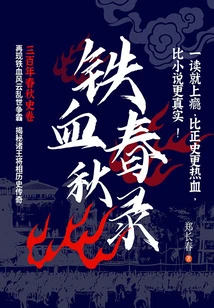
The Iron-blooded Spring and Autumn Annals
General Fiction铁血春秋录
Zheng Changchun
"Iron-blooded Spring and Autumn Records" is based on the historical events and heroes of the Spring and Autumn Period. It uses magnificent pen and ink to panoramically record the legendary stories of the "Five Hegemons of the Spring and Autumn Period" of Qi Huan Gong, Song Xianggong, Jin Wen Gong, Qin Mu Gong, and Chu Zhuang King. The writer Zheng Changchun used historical facts as the background to integrate the flesh-and-blood princes, generals, ministers, traffickers and footmen into the magnificent era of change. He used vivid and interesting language to describe the fate and conflicts of the complex characters vividly. He melted historical materials into the novel, cut the story between historical facts, and danced on the double-row keyboard of documentary and fiction, playing a soul-stirring literary movement. As a long historical novel, "Iron Blood Spring and Autumn Records" reflects the epic narrative structure of the work. Brushing away the dust of history and recreating the war-torn years and the vying for hegemony career is to restore a true history, and also to let this history bloom with the power to warn the world.
"Iron-blooded Spring and Autumn Records" is based on the historical events and heroes of the Spring and Autumn Period. It uses magnificent pen and ink to panoramically record the legendary stories of the "Five Hegemons of the Spring and Autumn Period" of Qi Huan Gong, Song Xianggong, Jin Wen Gong, Qin Mu Gong, and Chu Zhuang King. The writer Zheng Changchun used historical facts as the background to integrate the flesh-and-blood princes, generals, ministers, traffickers and footmen into the magnificent era of change. He used vivid and interesting language to describe the fate and conflicts of the complex characters vividly. He melted historical materials into the novel, cut the story between historical facts, and danced on the double-row keyboard of documentary and fiction, playing a soul-stirring literary movement. As a long historical novel, "Iron Blood Spring and Autumn Records" reflects the epic narrative structure of the work. Brushing away the dust of history and recreating the war-torn years and the vying for hegemony career is to restore a true history, and also to let this history bloom with the power to warn the world.
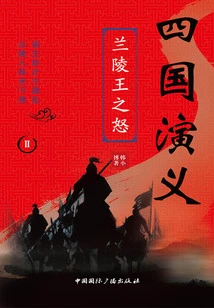
Romance of the Four Kingdoms Ii: the Wrath of King Lanling
General Fiction四国演义Ⅱ:兰陵王之怒
Han Xiaobo
This book tells the historical story of the Southern and Northern Dynasties, with Emperor Xiao Kui of the Western Liang Dynasty and Gao Changgong, Prince of Lanling County of the Northern Qi Dynasty as the protagonists. The author arranges two clues: one line outlines the struggle between the old and new forces in the political situation of the Northern Qi Dynasty and the historical destiny of the Northern Qi Dynasty that gradually declined in this internal struggle; the other line describes the wonderful story of Xiao Kui's mediation struggle with the suzerain state of the Northern Zhou Dynasty for the country and his subjects after he succeeded to the throne. Facing a powerful enemy and an emperor who just wants to escape in peace, can Gao Changgong, who is dedicated to saving the country, defeat more with less and protect the last glory of the Gao family? As the chess player behind the scenes, how much will Xiao Kui win or lose in this war and conspiracy?
This book tells the historical story of the Southern and Northern Dynasties, with Emperor Xiao Kui of the Western Liang Dynasty and Gao Changgong, Prince of Lanling County of the Northern Qi Dynasty as the protagonists. The author arranges two clues: one line outlines the struggle between the old and new forces in the political situation of the Northern Qi Dynasty and the historical destiny of the Northern Qi Dynasty that gradually declined in this internal struggle; the other line describes the wonderful story of Xiao Kui's mediation struggle with the suzerain state of the Northern Zhou Dynasty for the country and his subjects after he succeeded to the throne. Facing a powerful enemy and an emperor who just wants to escape in peace, can Gao Changgong, who is dedicated to saving the country, defeat more with less and protect the last glory of the Gao family? As the chess player behind the scenes, how much will Xiao Kui win or lose in this war and conspiracy?
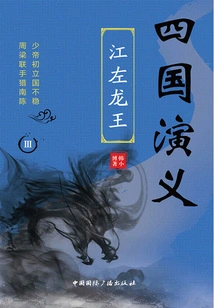
四国演义Ⅲ:江左龙王
Han Xiaobo
This book tells the historical story of the Southern and Northern Dynasties, with the Western Liang Emperor Xiao Kui and the famous Southern Chen general Han Zigao as the protagonists. Chen Xu, the younger brother of Emperor Chen Qian of the Southern Chen Dynasty, took advantage of Chen Qian's death to step onto the stage of history and became the "Yuwen protector" of the Chen state. However, the loyal minister Han Zigao tried to eliminate Chen Xu and help the young master. Can Han Zigao, who is dedicated to his own affairs, turn the tide? When the navy was first established and the political situation in Nanchen was in turmoil, Xiao Kui united with the Northern Zhou Dynasty to annex Nanchen. Can Xiao Kui get what he wants in this long-planned battle to destroy Chen in Xiliang?
This book tells the historical story of the Southern and Northern Dynasties, with the Western Liang Emperor Xiao Kui and the famous Southern Chen general Han Zigao as the protagonists. Chen Xu, the younger brother of Emperor Chen Qian of the Southern Chen Dynasty, took advantage of Chen Qian's death to step onto the stage of history and became the "Yuwen protector" of the Chen state. However, the loyal minister Han Zigao tried to eliminate Chen Xu and help the young master. Can Han Zigao, who is dedicated to his own affairs, turn the tide? When the navy was first established and the political situation in Nanchen was in turmoil, Xiao Kui united with the Northern Zhou Dynasty to annex Nanchen. Can Xiao Kui get what he wants in this long-planned battle to destroy Chen in Xiliang?
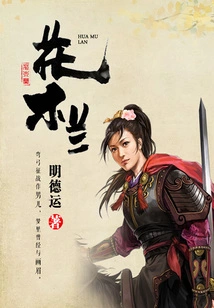
Mulan
General Fiction花木兰
Ming De Yun
Taking the famous heroine Hua Mulan in ancient China as the protagonist, it is a legendary novel based on the true folk legend of Hua Mulan in Huangpi, Hubei Province, based on the collection of a large number of folk materials, folklore and historical records from all over the country.
Taking the famous heroine Hua Mulan in ancient China as the protagonist, it is a legendary novel based on the true folk legend of Hua Mulan in Huangpi, Hubei Province, based on the collection of a large number of folk materials, folklore and historical records from all over the country.
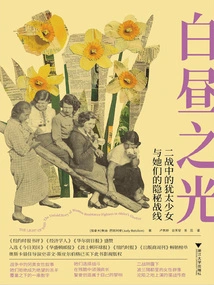
白昼之光:二战中的犹太少女与她们的隐秘战线
(add) Judy Batalian
In the form of a documentary novel, this book tells the story of the secret resistance actions of a group of girls in the Jewish ghettos in Poland during World War II. The author collected and researched a large number of personal memoirs, newspaper reports, photos and other evidence materials to piece together a micro-history of women's participation in the war that has not been discovered by the world. She uses a 15-year-old small-town girl Rennia as a clue character, and through her perspective, she shows readers the social scene in Poland during World War II. Thanks to his natural blond hair and his childhood Polish education, Renja disguised himself as an Aryan and traveled through different cities with the help of forged documents, transporting food, publications, intelligence, and even pistols and ammunition, and wrote a thrilling espionage legend in the occupied land. The book also describes more outstanding female images: intelligence agents who are good at disguise, guerrillas who charge into battle, nurses who save lives... This secret and true story tells the courage, friendship and tenacious spirit of women in war, and is full of inspirational power.
In the form of a documentary novel, this book tells the story of the secret resistance actions of a group of girls in the Jewish ghettos in Poland during World War II. The author collected and researched a large number of personal memoirs, newspaper reports, photos and other evidence materials to piece together a micro-history of women's participation in the war that has not been discovered by the world. She uses a 15-year-old small-town girl Rennia as a clue character, and through her perspective, she shows readers the social scene in Poland during World War II. Thanks to his natural blond hair and his childhood Polish education, Renja disguised himself as an Aryan and traveled through different cities with the help of forged documents, transporting food, publications, intelligence, and even pistols and ammunition, and wrote a thrilling espionage legend in the occupied land. The book also describes more outstanding female images: intelligence agents who are good at disguise, guerrillas who charge into battle, nurses who save lives... This secret and true story tells the courage, friendship and tenacious spirit of women in war, and is full of inspirational power.
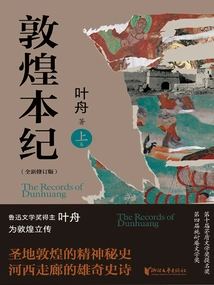
The Chronicle of Dunhuang (part 1)
General Fiction敦煌本纪(上)
Ye Zhou
"The Chronicles of Dunhuang" is the first domestic novel that is a biography of Dunhuang written by Lu Xun Literature Award winner Ye Zhou. It was nominated for the 10th Mao Dun Literature Award. The novel takes the ancient city of Shazhou in Dunhuang at the end of the Qing Dynasty and the beginning of the Republic of China as the starting point of the narrative, takes the Mogao Grottoes as the high ground of belief, and uses the rise and fall of the three major local families as clues to describe a series of thrilling life and death legends in Dunhuang. It also outlines the turbulent era of the early twentieth century and the millennium history of the Hexi Corridor. The novel combines classical poetry and Western slang, shuttles between fiction and imagination, and uses vivid and concise line drawing language and a powerful and smooth narrative style to create more than a hundred lifelike characters. The innocent children of the common people, the setting sun in the Buddhist caves, and the gods of birds and beasts can all be seen. The joys and sorrows, the ups and downs of the world, the kindness and loyalty have their own destiny. The author uses this to explore the mystery of the scriptures in Mogao Grottoes, inquire about the past and present of Dunhuang, and answer the sacred question "Why China" in a million words.
"The Chronicles of Dunhuang" is the first domestic novel that is a biography of Dunhuang written by Lu Xun Literature Award winner Ye Zhou. It was nominated for the 10th Mao Dun Literature Award. The novel takes the ancient city of Shazhou in Dunhuang at the end of the Qing Dynasty and the beginning of the Republic of China as the starting point of the narrative, takes the Mogao Grottoes as the high ground of belief, and uses the rise and fall of the three major local families as clues to describe a series of thrilling life and death legends in Dunhuang. It also outlines the turbulent era of the early twentieth century and the millennium history of the Hexi Corridor. The novel combines classical poetry and Western slang, shuttles between fiction and imagination, and uses vivid and concise line drawing language and a powerful and smooth narrative style to create more than a hundred lifelike characters. The innocent children of the common people, the setting sun in the Buddhist caves, and the gods of birds and beasts can all be seen. The joys and sorrows, the ups and downs of the world, the kindness and loyalty have their own destiny. The author uses this to explore the mystery of the scriptures in Mogao Grottoes, inquire about the past and present of Dunhuang, and answer the sacred question "Why China" in a million words.
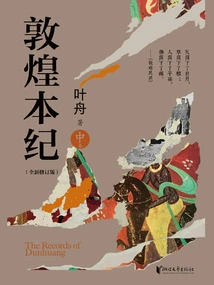
The Chronicle of Dunhuang (part 2)
General Fiction敦煌本纪(中)
Ye Zhou
"The Chronicles of Dunhuang" is the first domestic novel that is a biography of Dunhuang written by Lu Xun Literature Award winner Ye Zhou. It was nominated for the 10th Mao Dun Literature Award. The novel takes the ancient city of Shazhou in Dunhuang at the end of the Qing Dynasty and the beginning of the Republic of China as the starting point of the narrative, takes the Mogao Grottoes as the high ground of belief, and uses the rise and fall of the three major local families as clues to describe a series of thrilling life and death legends in Dunhuang. It also outlines the turbulent era of the early twentieth century and the millennium history of the Hexi Corridor. The novel combines classical poetry and Western slang, shuttles between fiction and imagination, and uses vivid and concise line drawing language and a powerful and smooth narrative style to create more than a hundred lifelike characters. The innocent children of the common people, the setting sun in the Buddhist caves, and the gods of birds and beasts can all be seen. The joys and sorrows, the ups and downs of the world, the kindness and loyalty have their own destiny. The author uses this to explore the mystery of the scriptures in Mogao Grottoes, inquire about the past and present of Dunhuang, and answer the sacred question "Why China" in a million words.
"The Chronicles of Dunhuang" is the first domestic novel that is a biography of Dunhuang written by Lu Xun Literature Award winner Ye Zhou. It was nominated for the 10th Mao Dun Literature Award. The novel takes the ancient city of Shazhou in Dunhuang at the end of the Qing Dynasty and the beginning of the Republic of China as the starting point of the narrative, takes the Mogao Grottoes as the high ground of belief, and uses the rise and fall of the three major local families as clues to describe a series of thrilling life and death legends in Dunhuang. It also outlines the turbulent era of the early twentieth century and the millennium history of the Hexi Corridor. The novel combines classical poetry and Western slang, shuttles between fiction and imagination, and uses vivid and concise line drawing language and a powerful and smooth narrative style to create more than a hundred lifelike characters. The innocent children of the common people, the setting sun in the Buddhist caves, and the gods of birds and beasts can all be seen. The joys and sorrows, the ups and downs of the world, the kindness and loyalty have their own destiny. The author uses this to explore the mystery of the scriptures in Mogao Grottoes, inquire about the past and present of Dunhuang, and answer the sacred question "Why China" in a million words.
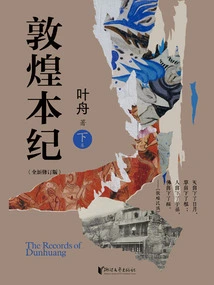
The Chronicle of Dunhuang (part 2)
General Fiction敦煌本纪(下)
Ye Zhou
"The Chronicles of Dunhuang" is the first domestic novel that is a biography of Dunhuang written by Lu Xun Literature Award winner Ye Zhou. It was nominated for the 10th Mao Dun Literature Award. The novel takes the ancient city of Shazhou in Dunhuang at the end of the Qing Dynasty and the beginning of the Republic of China as the starting point of the narrative, takes the Mogao Grottoes as the high ground of belief, and uses the rise and fall of the three major local families as clues to describe a series of thrilling life and death legends in Dunhuang. It also outlines the turbulent era of the early twentieth century and the millennium history of the Hexi Corridor. The novel combines classical poetry and Western slang, shuttles between fiction and imagination, and uses vivid and concise line drawing language and a powerful and smooth narrative style to create more than a hundred lifelike characters. The innocent children of the common people, the setting sun in the Buddhist caves, and the gods of birds and beasts can all be seen. The joys and sorrows, the ups and downs of the world, the kindness and loyalty have their own destiny. The author uses this to explore the mystery of the scriptures in Mogao Grottoes, inquire about the past and present of Dunhuang, and answer the sacred question "Why China" in a million words.
"The Chronicles of Dunhuang" is the first domestic novel that is a biography of Dunhuang written by Lu Xun Literature Award winner Ye Zhou. It was nominated for the 10th Mao Dun Literature Award. The novel takes the ancient city of Shazhou in Dunhuang at the end of the Qing Dynasty and the beginning of the Republic of China as the starting point of the narrative, takes the Mogao Grottoes as the high ground of belief, and uses the rise and fall of the three major local families as clues to describe a series of thrilling life and death legends in Dunhuang. It also outlines the turbulent era of the early twentieth century and the millennium history of the Hexi Corridor. The novel combines classical poetry and Western slang, shuttles between fiction and imagination, and uses vivid and concise line drawing language and a powerful and smooth narrative style to create more than a hundred lifelike characters. The innocent children of the common people, the setting sun in the Buddhist caves, and the gods of birds and beasts can all be seen. The joys and sorrows, the ups and downs of the world, the kindness and loyalty have their own destiny. The author uses this to explore the mystery of the scriptures in Mogao Grottoes, inquire about the past and present of Dunhuang, and answer the sacred question "Why China" in a million words.
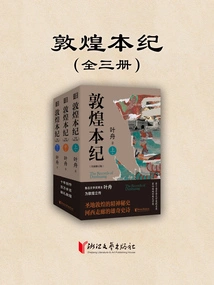
Dunhuang Chronicles (three Volumes)
General Fiction敦煌本纪(全三册)
Ye Zhou
"The Chronicles of Dunhuang" is the first domestic novel that is a biography of Dunhuang written by Lu Xun Literature Award winner Ye Zhou. It was nominated for the 10th Mao Dun Literature Award. The novel takes the ancient city of Shazhou in Dunhuang at the end of the Qing Dynasty and the beginning of the Republic of China as the starting point of the narrative, takes the Mogao Grottoes as the high ground of belief, and uses the rise and fall of the three major local families as clues to describe a series of thrilling life and death legends in Dunhuang. It also outlines the turbulent era of the early twentieth century and the millennium history of the Hexi Corridor. The novel combines classical poetry and Western slang, shuttles between fiction and imagination, and uses vivid and concise line drawing language and a powerful and smooth narrative style to create more than a hundred lifelike characters. The innocent children of the common people, the setting sun in the Buddhist caves, and the gods of birds and beasts can all be seen. The joys and sorrows, the ups and downs of the world, the kindness and loyalty have their own destiny. The author uses this to explore the mystery of the scriptures in Mogao Grottoes, inquire about the past and present of Dunhuang, and answer the sacred question "Why China" in a million words.
"The Chronicles of Dunhuang" is the first domestic novel that is a biography of Dunhuang written by Lu Xun Literature Award winner Ye Zhou. It was nominated for the 10th Mao Dun Literature Award. The novel takes the ancient city of Shazhou in Dunhuang at the end of the Qing Dynasty and the beginning of the Republic of China as the starting point of the narrative, takes the Mogao Grottoes as the high ground of belief, and uses the rise and fall of the three major local families as clues to describe a series of thrilling life and death legends in Dunhuang. It also outlines the turbulent era of the early twentieth century and the millennium history of the Hexi Corridor. The novel combines classical poetry and Western slang, shuttles between fiction and imagination, and uses vivid and concise line drawing language and a powerful and smooth narrative style to create more than a hundred lifelike characters. The innocent children of the common people, the setting sun in the Buddhist caves, and the gods of birds and beasts can all be seen. The joys and sorrows, the ups and downs of the world, the kindness and loyalty have their own destiny. The author uses this to explore the mystery of the scriptures in Mogao Grottoes, inquire about the past and present of Dunhuang, and answer the sacred question "Why China" in a million words.
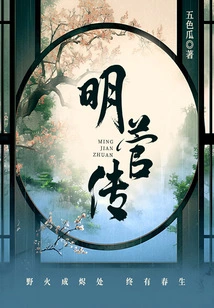
Biography of Ming Suga
General Fiction明菅传
Five-color Melon
In the thirteenth year of the Republic of China, Ming Jian transformed from a country girl selling fish to the third lady of the Wen family. Cheongsam, rickshaw, gramophone and "New Youth"; Huaicheng, Hong Kong, Shanghai, Peking and Kunming. The collision of new and old, the blending of East and West. The tide of the times is rolling in, and she doesn't want to be a drifter, she just wants to be a leader.
In the thirteenth year of the Republic of China, Ming Jian transformed from a country girl selling fish to the third lady of the Wen family. Cheongsam, rickshaw, gramophone and "New Youth"; Huaicheng, Hong Kong, Shanghai, Peking and Kunming. The collision of new and old, the blending of East and West. The tide of the times is rolling in, and she doesn't want to be a drifter, she just wants to be a leader.
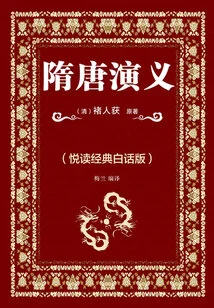
隋唐演义(悦读经典白话版)
(qing Dynasty) Original Work By Chu Renhuo
"Yuedu Classics Vernacular Edition" selects ancient Chinese classics. The selected works have largely removed the classical Chinese color, while maintaining the integrity of the original structure. Annotations are added, which are more independent and detailed than ordinary annotations. It has the characteristics of "expanding reading of knowledge points". The entire series of books modernizes and popularizes classic works, making it understandable and easy for the public readers. "The Romance of the Sui and Tang Dynasties" is a long chapter-length novel with dual characteristics of heroic legend and historical romance written by Chu Renhuo, a writer in the late Ming and early Qing dynasties. When it was written, Lu Xun believed that it was written in the 14th year of Kangxi (1675). The earliest preserved printed version is the Sixue Thatched Cottage edition in the 34th year of Kangxi (1695). The novel tells the story of the heroic legend of the heroes of the late Sui Dynasty who gathered together to rebel against the Sui Dynasty and revitalize the Tang Dynasty. The story of Emperor Yang of the Sui Dynasty, who killed his father and usurped power, and destroyed the country with debauchery, and the story of Tang Taizong Li Shimin's recruitment of anti-Sui heroes, the Xuanwu clan who killed his brother to seize power, and the martial arts and martial arts that created the prosperous age of the Tang Dynasty.
"Yuedu Classics Vernacular Edition" selects ancient Chinese classics. The selected works have largely removed the classical Chinese color, while maintaining the integrity of the original structure. Annotations are added, which are more independent and detailed than ordinary annotations. It has the characteristics of "expanding reading of knowledge points". The entire series of books modernizes and popularizes classic works, making it understandable and easy for the public readers. "The Romance of the Sui and Tang Dynasties" is a long chapter-length novel with dual characteristics of heroic legend and historical romance written by Chu Renhuo, a writer in the late Ming and early Qing dynasties. When it was written, Lu Xun believed that it was written in the 14th year of Kangxi (1675). The earliest preserved printed version is the Sixue Thatched Cottage edition in the 34th year of Kangxi (1695). The novel tells the story of the heroic legend of the heroes of the late Sui Dynasty who gathered together to rebel against the Sui Dynasty and revitalize the Tang Dynasty. The story of Emperor Yang of the Sui Dynasty, who killed his father and usurped power, and destroyed the country with debauchery, and the story of Tang Taizong Li Shimin's recruitment of anti-Sui heroes, the Xuanwu clan who killed his brother to seize power, and the martial arts and martial arts that created the prosperous age of the Tang Dynasty.
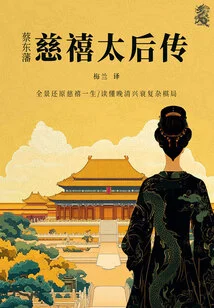
Cai Dongfan: the Biography of Empress Dowager Cixi
General Fiction蔡东藩:慈禧太后传
Cai Dongfan
Detailed historical materials are used to show the life of Empress Dowager Cixi from a beautiful girl to a powerful person. The book focuses on key events such as his behind-the-curtain administration, the 1898 Coup, and the Boxer Rebellion, depicting his Machiavellian tactics and conservative rigidity, and revealing the historical trajectory of his rule that accelerated the decline of the Qing Dynasty. With vivid writing style, both literary and historical criticism, it is an important popular reading for studying the politics of the late Qing Dynasty.
Detailed historical materials are used to show the life of Empress Dowager Cixi from a beautiful girl to a powerful person. The book focuses on key events such as his behind-the-curtain administration, the 1898 Coup, and the Boxer Rebellion, depicting his Machiavellian tactics and conservative rigidity, and revealing the historical trajectory of his rule that accelerated the decline of the Qing Dynasty. With vivid writing style, both literary and historical criticism, it is an important popular reading for studying the politics of the late Qing Dynasty.
后汉通俗演义:附三国(全二册)
Cai Dongfan
This book tells the story of two and a half centuries starting from Wang Mang's new dynasty, ending with the demise of Shu Han and Cao Wei, and the founding of the Jin Dynasty. Pay special attention to the rise and fall of dynasties. Wang Mang's hypocrisy is deeply exposed. Guangwu Zhongxing, the Eastern Han Dynasty's civil and martial arts once achieved brilliant achievements. However, due to the family system of the feudal dynasty, the succeeding emperors were fatuous and promiscuous, their relatives interfered in politics, the eunuchs were rampant, and the warlords were rampant, which eventually led to the fall of the empire and the people suffered from wars. Most of the materials cited in the book come from official history, with detailed descriptions of major events and important figures.
This book tells the story of two and a half centuries starting from Wang Mang's new dynasty, ending with the demise of Shu Han and Cao Wei, and the founding of the Jin Dynasty. Pay special attention to the rise and fall of dynasties. Wang Mang's hypocrisy is deeply exposed. Guangwu Zhongxing, the Eastern Han Dynasty's civil and martial arts once achieved brilliant achievements. However, due to the family system of the feudal dynasty, the succeeding emperors were fatuous and promiscuous, their relatives interfered in politics, the eunuchs were rampant, and the warlords were rampant, which eventually led to the fall of the empire and the people suffered from wars. Most of the materials cited in the book come from official history, with detailed descriptions of major events and important figures.
后汉通俗演义:附三国(上)
Cai Dongfan
This book tells the story of two and a half centuries starting from Wang Mang's new dynasty, ending with the demise of Shu Han and Cao Wei, and the founding of the Jin Dynasty. Pay special attention to the rise and fall of dynasties. Wang Mang's hypocrisy is deeply exposed. Guangwu Zhongxing, the Eastern Han Dynasty's civil and martial arts once achieved brilliant achievements. However, due to the family system of the feudal dynasty, the succeeding emperors were fatuous and promiscuous, their relatives interfered in politics, the eunuchs were rampant, and the warlords were rampant, which eventually led to the fall of the empire and the people suffered from wars. Most of the materials cited in the book come from official history, with detailed descriptions of major events and important figures.
This book tells the story of two and a half centuries starting from Wang Mang's new dynasty, ending with the demise of Shu Han and Cao Wei, and the founding of the Jin Dynasty. Pay special attention to the rise and fall of dynasties. Wang Mang's hypocrisy is deeply exposed. Guangwu Zhongxing, the Eastern Han Dynasty's civil and martial arts once achieved brilliant achievements. However, due to the family system of the feudal dynasty, the succeeding emperors were fatuous and promiscuous, their relatives interfered in politics, the eunuchs were rampant, and the warlords were rampant, which eventually led to the fall of the empire and the people suffered from wars. Most of the materials cited in the book come from official history, with detailed descriptions of major events and important figures.
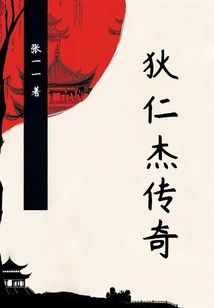
The Legend of Detective Dee
General Fiction狄仁杰传奇
Zhang Yiyi
Di Renjie, Prime Minister of the Tang Dynasty. This book describes Di Renjie's ability to solve cases like a god, his loyalty to the emperor and his patriotism, as well as his important role on the political stage of the Tang Dynasty.
Di Renjie, Prime Minister of the Tang Dynasty. This book describes Di Renjie's ability to solve cases like a god, his loyalty to the emperor and his patriotism, as well as his important role on the political stage of the Tang Dynasty.
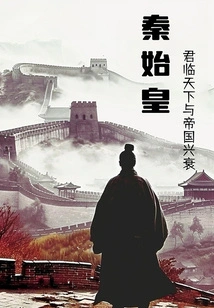
Qin Shihuang: Rulership and the Rise and Fall of Empires
General Fiction秦始皇:君临天下与帝国兴衰
Northeast Digital Media Editorial Room
This book takes Qin Shihuang as the main line and tells about his many actions after unifying the six kingdoms, including his eastern tour, seeking immortality, and the Northern Expedition against the Xiongnu. It shows the power struggle in the palace and the process of the empire from prosperity to decline, presenting a magnificent historical picture full of lessons.
This book takes Qin Shihuang as the main line and tells about his many actions after unifying the six kingdoms, including his eastern tour, seeking immortality, and the Northern Expedition against the Xiongnu. It shows the power struggle in the palace and the process of the empire from prosperity to decline, presenting a magnificent historical picture full of lessons.
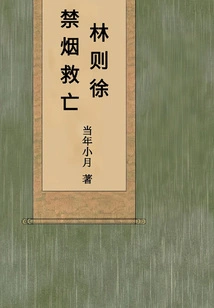
Lin Zexu: Ban Smoking to Save the Nation
General Fiction林则徐:禁烟救亡
That Year Xiaoyue
Lin Zexu was a politician, thinker and national hero during the Qing Dynasty. He advocated the strict ban on opium, led the opium eradication in Humen, and defended the dignity of the country and the interests of the nation. At the same time, he also actively advocated learning advanced Western technology and was the first person in modern China to open his eyes to the world. This book introduces Lin Zexu's life story, anti-smoking movement and his ideological propositions, showing his national integrity and patriotic spirit.
Lin Zexu was a politician, thinker and national hero during the Qing Dynasty. He advocated the strict ban on opium, led the opium eradication in Humen, and defended the dignity of the country and the interests of the nation. At the same time, he also actively advocated learning advanced Western technology and was the first person in modern China to open his eyes to the world. This book introduces Lin Zexu's life story, anti-smoking movement and his ideological propositions, showing his national integrity and patriotic spirit.
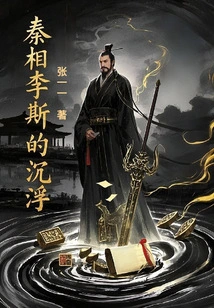
The Ups and Downs of Qin Xiang Li Si
General Fiction秦相李斯的沉浮
Zhang Yiyi
Li Si, Prime Minister of Qin Dynasty. It tells the story of Li Si's journey from a humble official to a powerful man, and analyzes his role in the unification and construction of the Qin Dynasty, as well as the thoughts brought about by his final tragic ending.
Li Si, Prime Minister of Qin Dynasty. It tells the story of Li Si's journey from a humble official to a powerful man, and analyzes his role in the unification and construction of the Qin Dynasty, as well as the thoughts brought about by his final tragic ending.
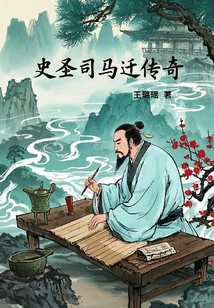
Legend of Sima Qian
General Fiction史圣司马迁传奇
Wang Luyao
Sima Qian was a historian and litterateur in the Western Han Dynasty. His "Historical Records" was China's first biographical general history and was known as "the swan song of historians and the rhymeless "Li Sao"". This book tells the story of Sima Qian's life experience, the process of writing "Historical Records" and his historical thoughts, showing his perseverance and outstanding historical achievements.
Sima Qian was a historian and litterateur in the Western Han Dynasty. His "Historical Records" was China's first biographical general history and was known as "the swan song of historians and the rhymeless "Li Sao"". This book tells the story of Sima Qian's life experience, the process of writing "Historical Records" and his historical thoughts, showing his perseverance and outstanding historical achievements.
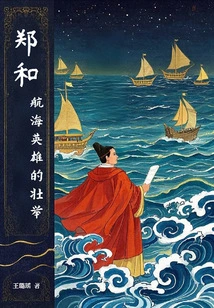
Zheng He: the Feats of a Navigating Hero
General Fiction郑和:航海英雄的壮举
Wang Luyao
Zheng He, a navigator of the Ming Dynasty. It tells the story of Zheng He's seven voyages to the Western Ocean, demonstrating his leadership, navigation skills and significant contribution to Sino-foreign exchanges.
Zheng He, a navigator of the Ming Dynasty. It tells the story of Zheng He's seven voyages to the Western Ocean, demonstrating his leadership, navigation skills and significant contribution to Sino-foreign exchanges.
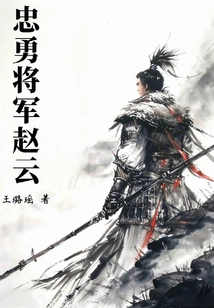
Loyal and Brave General Zhao Yun
General Fiction忠勇将军赵云
Wang Luyao
Zhao Yun was a famous general of the Shu Han Dynasty during the Three Kingdoms period. He was highly skilled in martial arts, loyal and brave. He followed Liu Bei for many years and made great military exploits. From riding the savior alone on Changbanpo to following Zhuge Liang in the Northern Expedition, Zhao Yun showed his bravery and fearlessness in every battle. This book tells about Zhao Yun's military career, moral character, and his status and role in the Shu Han regime.
Zhao Yun was a famous general of the Shu Han Dynasty during the Three Kingdoms period. He was highly skilled in martial arts, loyal and brave. He followed Liu Bei for many years and made great military exploits. From riding the savior alone on Changbanpo to following Zhuge Liang in the Northern Expedition, Zhao Yun showed his bravery and fearlessness in every battle. This book tells about Zhao Yun's military career, moral character, and his status and role in the Shu Han regime.
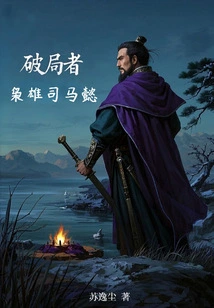
The Breaker: the Hero Sima Yi
General Fiction破局者:枭雄司马懿
Su Yichen
"The Tie-Breaker-The Hero Sima Yi" shows Sima Yi's magnificent life. Sima Yi was born in an aristocratic family in Hanoi County. He was forced into an official position by Cao Cao in his early years. Later, he assisted Cao Pi in ascending the throne and became a powerful official in Cao Wei. He captured Mengda in the south, resisted Zhuge in the west, and Ping Gongsun in the east, showing his outstanding military talents. In the power struggle with Cao Shuang, Sima Yi launched the Gaopingling coup, killed Cao Shuang and his party members, and monopolized the government, laying the foundation for the Sima clan to usurp the Wei Dynasty and establish the Jin Dynasty. This book uses delicate writing to analyze Sima Yi's wisdom and tactics, allowing readers to see the image of a generation of heroes who gradually rose up and finally controlled the current situation in troubled times by relying on forbearance, strategy and courage.
"The Tie-Breaker-The Hero Sima Yi" shows Sima Yi's magnificent life. Sima Yi was born in an aristocratic family in Hanoi County. He was forced into an official position by Cao Cao in his early years. Later, he assisted Cao Pi in ascending the throne and became a powerful official in Cao Wei. He captured Mengda in the south, resisted Zhuge in the west, and Ping Gongsun in the east, showing his outstanding military talents. In the power struggle with Cao Shuang, Sima Yi launched the Gaopingling coup, killed Cao Shuang and his party members, and monopolized the government, laying the foundation for the Sima clan to usurp the Wei Dynasty and establish the Jin Dynasty. This book uses delicate writing to analyze Sima Yi's wisdom and tactics, allowing readers to see the image of a generation of heroes who gradually rose up and finally controlled the current situation in troubled times by relying on forbearance, strategy and courage.
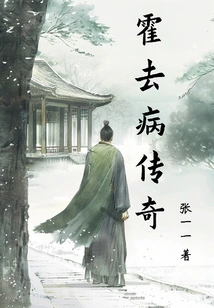
The Legend of Huo Qubing
General Fiction霍去病传奇
Zhang Yiyi
Huo Qubing, a famous general in the Western Han Dynasty. This book shows how Huo Qubing became famous as a young boy and fought against the Huns many times, highlighting his military talent and courageous character.
Huo Qubing, a famous general in the Western Han Dynasty. This book shows how Huo Qubing became famous as a young boy and fought against the Huns many times, highlighting his military talent and courageous character.
Popular Romance of the Republic of China (three Volumes)
General Fiction民国通俗演义(全三册)
Cai Dongfan
Beginning in 1916, Cai Dongfan spent ten years completing "Popular Romance of Chinese Dynasties". In the form of a chapter-style historical romance novel, he recorded the major historical events and important historical figures that occurred in China during the 2166 years from Qin Shihuang to the Republic of China (1920). "Popular Romance of the Republic of China: Popular Romance of the Republic of China (Set Volume 1, 2)" is one of them. The whole book reproduces the history of the Republic of China in the form of chapter novels, describing in detail the beginning and end of major historical events such as the Revolution of 1911, Sun Yat-sen's resignation, Yuan Shikai's proclaimed emperor, Cai E's attack on Yuan, Zhang Xun's restoration, the May Fourth Movement, and Sun Yat-sen's reorganization of the Kuomintang.
Beginning in 1916, Cai Dongfan spent ten years completing "Popular Romance of Chinese Dynasties". In the form of a chapter-style historical romance novel, he recorded the major historical events and important historical figures that occurred in China during the 2166 years from Qin Shihuang to the Republic of China (1920). "Popular Romance of the Republic of China: Popular Romance of the Republic of China (Set Volume 1, 2)" is one of them. The whole book reproduces the history of the Republic of China in the form of chapter novels, describing in detail the beginning and end of major historical events such as the Revolution of 1911, Sun Yat-sen's resignation, Yuan Shikai's proclaimed emperor, Cai E's attack on Yuan, Zhang Xun's restoration, the May Fourth Movement, and Sun Yat-sen's reorganization of the Kuomintang.
Popular Romance of Tang History (part 1)
General Fiction唐史通俗演义(上)
Cai Dongfan
"Popular Romance of Tang History (Volume 1)" tells us the history of the Tang Dynasty in a simple and easy-to-understand way: the ancestors of the Li family were able to preserve their strength in the chaotic situation at the end of the Sui Dynasty and conquered the world in one fell swoop. Taizong Li Shimin is well known for the establishment of the Tang Empire. He successfully obtained the throne despite weak opposition and initiated the rule of Zhenguan. Later, the empress Wu Zetian continued the empire's prosperity. Tang Xuanzong's Kaiyuan Tianbao Reign followed immediately, and the empire dominated all corners of the world in the land of Middle-Earth. After the Anshi Rebellion, the Tang Empire began to decline. The separatist rule of vassal towns, the exclusive power of eunuchs, and crony warfare became the cancer of Tang Dynasty politics. Eunuchs controlled the fate of this crumbling empire. While the central characters inadvertently escaped from history, in order to end the war, the opposition forces were legalized on the spot. Coupled with the disobedient warlords of the feudal towns, the empire happened to be very aware of the current affairs and muddle along. During a long period of calm contemplation, the out-of-control empire also had reverie to cheer up, but in the end it could not be restored.
"Popular Romance of Tang History (Volume 1)" tells us the history of the Tang Dynasty in a simple and easy-to-understand way: the ancestors of the Li family were able to preserve their strength in the chaotic situation at the end of the Sui Dynasty and conquered the world in one fell swoop. Taizong Li Shimin is well known for the establishment of the Tang Empire. He successfully obtained the throne despite weak opposition and initiated the rule of Zhenguan. Later, the empress Wu Zetian continued the empire's prosperity. Tang Xuanzong's Kaiyuan Tianbao Reign followed immediately, and the empire dominated all corners of the world in the land of Middle-Earth. After the Anshi Rebellion, the Tang Empire began to decline. The separatist rule of vassal towns, the exclusive power of eunuchs, and crony warfare became the cancer of Tang Dynasty politics. Eunuchs controlled the fate of this crumbling empire. While the central characters inadvertently escaped from history, in order to end the war, the opposition forces were legalized on the spot. Coupled with the disobedient warlords of the feudal towns, the empire happened to be very aware of the current affairs and muddle along. During a long period of calm contemplation, the out-of-control empire also had reverie to cheer up, but in the end it could not be restored.
Popular Romance of the Two Jin Dynasties (part 1)
General Fiction两晋通俗演义(上)
Cai Dongfan
The author summarizes the 156-year history of the two Jin Dynasties as a history of internal strife and external humiliation, as a lesson for today. This book is rich in content, elegant in language, self-evaluating and annotating, and is both rational and interesting. It can be regarded as a classic of popular history. It retains the preface, lineage diagram, Mr. Cai Dongfan's own annotations, included batches and subsequent batches. Promote an authentic reading experience.
The author summarizes the 156-year history of the two Jin Dynasties as a history of internal strife and external humiliation, as a lesson for today. This book is rich in content, elegant in language, self-evaluating and annotating, and is both rational and interesting. It can be regarded as a classic of popular history. It retains the preface, lineage diagram, Mr. Cai Dongfan's own annotations, included batches and subsequent batches. Promote an authentic reading experience.
Popular Romance of Qing History (part 1)
General Fiction清史通俗演义(上)
Cai Dongfan
The content of this book begins with the Jurchen aristocrat Nurhaci establishing the Later Jin regime, Huang Taiji changing the name of the country to Qing, the Qing founder establishing his capital in Beijing and unifying China, and ending with the overthrow of the Qing Dynasty by the Xinke Revolution. The author compiled the major historical events of the Qing Dynasty in the past three hundred years into a hundred chapters of popular romance, which reflects the historical situation of the Qing Dynasty to a certain extent and has a reference value for readers to understand the history of the Qing Dynasty.
The content of this book begins with the Jurchen aristocrat Nurhaci establishing the Later Jin regime, Huang Taiji changing the name of the country to Qing, the Qing founder establishing his capital in Beijing and unifying China, and ending with the overthrow of the Qing Dynasty by the Xinke Revolution. The author compiled the major historical events of the Qing Dynasty in the past three hundred years into a hundred chapters of popular romance, which reflects the historical situation of the Qing Dynasty to a certain extent and has a reference value for readers to understand the history of the Qing Dynasty.
Popular Romance of the Former Han Dynasty (part 1)
General Fiction前汉通俗演义(上)
Cai Dongfan
"Popular Romance of the Former Han Dynasty (Part 1 and 2 of the Embroidered Portrait Edition)" is one of a series of long historical novels created by Cai Dongfan during the Republic of China under the guidance of the idea of "Romance to save the country". It describes a period of history from the late Qin Dynasty when heroes competed for power, from Liu Bang's founding of the Han Dynasty to Wang Mang's compilation of the Han Dynasty. This is a masterpiece of romance with official history as its backbone and anecdotes as its weft, with a special style and self-commentary. The writing style of the book is friendly and natural, and easy to understand. The dynasties described in this book include Qin and Western Han. From the origin of Qin King Yingzheng to the usurpation of the Western Han Dynasty by Wang Mang, there were two and a half centuries. The book describes in detail the tyranny of the Qin Dynasty, the conflict between Chu and Han, and the expansion of territory by Emperor Wu of the Han Dynasty. It also teases Emperor Qin and Han Wu who wanted to become immortals, and reveals Wang Mang's insidiousness and cunning. The whole book gives a good picture of the early days of the unified feudal empire.
"Popular Romance of the Former Han Dynasty (Part 1 and 2 of the Embroidered Portrait Edition)" is one of a series of long historical novels created by Cai Dongfan during the Republic of China under the guidance of the idea of "Romance to save the country". It describes a period of history from the late Qin Dynasty when heroes competed for power, from Liu Bang's founding of the Han Dynasty to Wang Mang's compilation of the Han Dynasty. This is a masterpiece of romance with official history as its backbone and anecdotes as its weft, with a special style and self-commentary. The writing style of the book is friendly and natural, and easy to understand. The dynasties described in this book include Qin and Western Han. From the origin of Qin King Yingzheng to the usurpation of the Western Han Dynasty by Wang Mang, there were two and a half centuries. The book describes in detail the tyranny of the Qin Dynasty, the conflict between Chu and Han, and the expansion of territory by Emperor Wu of the Han Dynasty. It also teases Emperor Qin and Han Wu who wanted to become immortals, and reveals Wang Mang's insidiousness and cunning. The whole book gives a good picture of the early days of the unified feudal empire.
Popular Romance of Ming History (part 1)
General Fiction明史通俗演义(上)
Cai Dongfan
This book starts from "exposing the outline of history, opening up the sect and clarifying the true meaning, taking refuge in a monk's life" to "begging for foreign aid for the Qing army to quell chaos and end up destroying half of the history of the Ming Dynasty". One hundred volumes of works cover 276 years of Ming Dynasty history. The author highly portrays the all-powerful historical figures of the Ming Dynasty, such as Zhu Yuanzhang who rose to the occasion, Zheng He who made seven voyages to the West, and Wei Zhongxian who tortured Zhongliang and finally got his due end. The book is written fluently and the story is vivid. It is a masterpiece for those who study the history of the Ming Dynasty.
This book starts from "exposing the outline of history, opening up the sect and clarifying the true meaning, taking refuge in a monk's life" to "begging for foreign aid for the Qing army to quell chaos and end up destroying half of the history of the Ming Dynasty". One hundred volumes of works cover 276 years of Ming Dynasty history. The author highly portrays the all-powerful historical figures of the Ming Dynasty, such as Zhu Yuanzhang who rose to the occasion, Zheng He who made seven voyages to the West, and Wei Zhongxian who tortured Zhongliang and finally got his due end. The book is written fluently and the story is vivid. It is a masterpiece for those who study the history of the Ming Dynasty.
Popular Romance of Song Dynasty (part 1)
General Fiction宋史通俗演义(上)
Cai Dongfan
"Popular Romance of Song History": Chen Qiao's mutiny, wearing yellow robes, opened the curtain of the 320 years of the Song Dynasty. Dynasties change, the rise and fall of the ages, who is in charge of the ups and downs? I would not dare to say that everything about the rise and fall of chaos, the good and evil, and the good and evil has been dealt with in detail, but in the grand scheme of things, it has been revealed one by one without any omissions. In addition, the officials and the gangsters are recruited together, and those who trust and have the ability to win must be selected to write in the book.
"Popular Romance of Song History": Chen Qiao's mutiny, wearing yellow robes, opened the curtain of the 320 years of the Song Dynasty. Dynasties change, the rise and fall of the ages, who is in charge of the ups and downs? I would not dare to say that everything about the rise and fall of chaos, the good and evil, and the good and evil has been dealt with in detail, but in the grand scheme of things, it has been revealed one by one without any omissions. In addition, the officials and the gangsters are recruited together, and those who trust and have the ability to win must be selected to write in the book.
Popular Romance of the Republic of China (part 1)
General Fiction民国通俗演义(上)
Cai Dongfan
Beginning in 1916, Cai Dongfan spent ten years completing "Popular Romance of Chinese Dynasties". In the form of a chapter-style historical romance novel, he recorded the major historical events and important historical figures that occurred in China during the 2166 years from Qin Shihuang to the Republic of China (1920). "Popular Romance of the Republic of China: Popular Romance of the Republic of China (Set Volume 1, 2)" is one of them. The whole book reproduces the history of the Republic of China in the form of chapter novels, describing in detail the beginning and end of major historical events such as the Revolution of 1911, Sun Yat-sen's resignation, Yuan Shikai's proclaimed emperor, Cai E's attack on Yuan, Zhang Xun's restoration, the May Fourth Movement, and Sun Yat-sen's reorganization of the Kuomintang.
Beginning in 1916, Cai Dongfan spent ten years completing "Popular Romance of Chinese Dynasties". In the form of a chapter-style historical romance novel, he recorded the major historical events and important historical figures that occurred in China during the 2166 years from Qin Shihuang to the Republic of China (1920). "Popular Romance of the Republic of China: Popular Romance of the Republic of China (Set Volume 1, 2)" is one of them. The whole book reproduces the history of the Republic of China in the form of chapter novels, describing in detail the beginning and end of major historical events such as the Revolution of 1911, Sun Yat-sen's resignation, Yuan Shikai's proclaimed emperor, Cai E's attack on Yuan, Zhang Xun's restoration, the May Fourth Movement, and Sun Yat-sen's reorganization of the Kuomintang.
五代史通俗演义(绣像本)
Cai Dongfan
"Popular Romance of the History of the Five Dynasties (Embroidered Edition)" is a vast and easy-to-understand general history of China. It is also a historical and literary masterpiece that popularizes knowledge of traditional Chinese history and culture. It has strong historical value, cultural value, collection value and gift value.
"Popular Romance of the History of the Five Dynasties (Embroidered Edition)" is a vast and easy-to-understand general history of China. It is also a historical and literary masterpiece that popularizes knowledge of traditional Chinese history and culture. It has strong historical value, cultural value, collection value and gift value.
Popular Romance of Song Dynasty (part 2)
General Fiction宋史通俗演义(下)
Cai Dongfan
"Popular Romance of Song History": Chen Qiao's mutiny, wearing yellow robes, opened the curtain of the 320 years of the Song Dynasty. Dynasties change, the rise and fall of the ages, who is in charge of the ups and downs? I would not dare to say that everything about the rise and fall of chaos, the good and evil, and the good and evil has been dealt with in detail, but in the grand scheme of things, it has been revealed one by one without any omissions. In addition, the officials and the gangsters are recruited together, and those who trust and have the ability to win must be selected to write in the book.
"Popular Romance of Song History": Chen Qiao's mutiny, wearing yellow robes, opened the curtain of the 320 years of the Song Dynasty. Dynasties change, the rise and fall of the ages, who is in charge of the ups and downs? I would not dare to say that everything about the rise and fall of chaos, the good and evil, and the good and evil has been dealt with in detail, but in the grand scheme of things, it has been revealed one by one without any omissions. In addition, the officials and the gangsters are recruited together, and those who trust and have the ability to win must be selected to write in the book.
Popular Romance of the Yuan Dynasty
General Fiction元史通俗演义
Cai Dongfan
This book narrates about 160 years of history from the establishment of the Mongol Empire by Temujin, to the renaming of the Yuan Dynasty by Kublai Khan, and the demise of the Yuan Dynasty. It focuses on recording major historical events such as the rise of Mongolia, Genghis Khan's Western Expedition, Ogedai's destruction of the Jin Dynasty, Kublai Khan's unification of the country, the Red Turban Uprising, and Zhu Yuanzhang's Northern Expedition.
This book narrates about 160 years of history from the establishment of the Mongol Empire by Temujin, to the renaming of the Yuan Dynasty by Kublai Khan, and the demise of the Yuan Dynasty. It focuses on recording major historical events such as the rise of Mongolia, Genghis Khan's Western Expedition, Ogedai's destruction of the Jin Dynasty, Kublai Khan's unification of the country, the Red Turban Uprising, and Zhu Yuanzhang's Northern Expedition.
Popular Romance of Qing History (part 2)
General Fiction清史通俗演义(下)
Cai Dongfan
The content of this book begins with the Jurchen aristocrat Nurhaci establishing the Later Jin regime, Huang Taiji changing the name of the country to Qing, the Qing founder establishing his capital in Beijing and unifying China, and ending with the overthrow of the Qing Dynasty by the Xinke Revolution. The author compiled the major historical events of the Qing Dynasty in the past three hundred years into a hundred chapters of popular romance, which reflects the historical situation of the Qing Dynasty to a certain extent and has a reference value for readers to understand the history of the Qing Dynasty.
The content of this book begins with the Jurchen aristocrat Nurhaci establishing the Later Jin regime, Huang Taiji changing the name of the country to Qing, the Qing founder establishing his capital in Beijing and unifying China, and ending with the overthrow of the Qing Dynasty by the Xinke Revolution. The author compiled the major historical events of the Qing Dynasty in the past three hundred years into a hundred chapters of popular romance, which reflects the historical situation of the Qing Dynasty to a certain extent and has a reference value for readers to understand the history of the Qing Dynasty.
Popular Romance of the Two Jin Dynasties (part 2)
General Fiction两晋通俗演义(下)
Cai Dongfan
The author summarizes the 156-year history of the two Jin Dynasties as a history of internal strife and external humiliation, as a lesson for today. This book is rich in content, elegant in language, self-evaluating and annotating, and is both rational and interesting. It can be regarded as a classic of popular history. It retains the preface, lineage diagram, Mr. Cai Dongfan's own annotations, included batches and subsequent batches. Promote an authentic reading experience.
The author summarizes the 156-year history of the two Jin Dynasties as a history of internal strife and external humiliation, as a lesson for today. This book is rich in content, elegant in language, self-evaluating and annotating, and is both rational and interesting. It can be regarded as a classic of popular history. It retains the preface, lineage diagram, Mr. Cai Dongfan's own annotations, included batches and subsequent batches. Promote an authentic reading experience.
Popular Romance of the Former Han Dynasty (part 2)
General Fiction前汉通俗演义(下)
Cai Dongfan
"Popular Romance of the Former Han Dynasty (Part 1 and 2 of the Embroidered Portrait Edition)" is one of a series of long historical novels created by Cai Dongfan during the Republic of China under the guidance of the idea of "Romance to save the country". It describes a period of history from the late Qin Dynasty when heroes competed for power, from Liu Bang's founding of the Han Dynasty to Wang Mang's compilation of the Han Dynasty. This is a masterpiece of romance with official history as its backbone and anecdotes as its weft, with a special style and self-commentary. The writing style of the book is friendly and natural, and easy to understand. The dynasties described in this book include Qin and Western Han. From the origin of Qin King Yingzheng to the usurpation of the Western Han Dynasty by Wang Mang, there were two and a half centuries. The book describes in detail the tyranny of the Qin Dynasty, the conflict between Chu and Han, and the expansion of territory by Emperor Wu of the Han Dynasty. It also teases Emperor Qin and Han Wu who wanted to become immortals, and reveals Wang Mang's insidiousness and cunning. The whole book gives a good picture of the early days of the unified feudal empire.
"Popular Romance of the Former Han Dynasty (Part 1 and 2 of the Embroidered Portrait Edition)" is one of a series of long historical novels created by Cai Dongfan during the Republic of China under the guidance of the idea of "Romance to save the country". It describes a period of history from the late Qin Dynasty when heroes competed for power, from Liu Bang's founding of the Han Dynasty to Wang Mang's compilation of the Han Dynasty. This is a masterpiece of romance with official history as its backbone and anecdotes as its weft, with a special style and self-commentary. The writing style of the book is friendly and natural, and easy to understand. The dynasties described in this book include Qin and Western Han. From the origin of Qin King Yingzheng to the usurpation of the Western Han Dynasty by Wang Mang, there were two and a half centuries. The book describes in detail the tyranny of the Qin Dynasty, the conflict between Chu and Han, and the expansion of territory by Emperor Wu of the Han Dynasty. It also teases Emperor Qin and Han Wu who wanted to become immortals, and reveals Wang Mang's insidiousness and cunning. The whole book gives a good picture of the early days of the unified feudal empire.
后汉通俗演义:附三国(下)
Cai Dongfan
This book tells the story of two and a half centuries starting from Wang Mang's new dynasty, ending with the demise of Shu Han and Cao Wei, and the founding of the Jin Dynasty. Pay special attention to the rise and fall of dynasties. Wang Mang's hypocrisy is deeply exposed. Guangwu Zhongxing, the Eastern Han Dynasty's civil and martial arts once achieved brilliant achievements. However, due to the family system of the feudal dynasty, the succeeding emperors were fatuous and promiscuous, their relatives interfered in politics, the eunuchs were rampant, and the warlords were rampant, which eventually led to the fall of the empire and the people suffered from wars. Most of the materials cited in the book come from official history, with detailed descriptions of major events and important figures.
This book tells the story of two and a half centuries starting from Wang Mang's new dynasty, ending with the demise of Shu Han and Cao Wei, and the founding of the Jin Dynasty. Pay special attention to the rise and fall of dynasties. Wang Mang's hypocrisy is deeply exposed. Guangwu Zhongxing, the Eastern Han Dynasty's civil and martial arts once achieved brilliant achievements. However, due to the family system of the feudal dynasty, the succeeding emperors were fatuous and promiscuous, their relatives interfered in politics, the eunuchs were rampant, and the warlords were rampant, which eventually led to the fall of the empire and the people suffered from wars. Most of the materials cited in the book come from official history, with detailed descriptions of major events and important figures.
Popular Romance of Ming History (part 2)
General Fiction明史通俗演义(下)
Cai Dongfan
This book starts from "exposing the outline of history, opening up the sect and clarifying the true meaning, taking refuge in a monk's life" to "begging for foreign aid for the Qing army to quell chaos and end up destroying half of the history of the Ming Dynasty". One hundred volumes of works cover 276 years of Ming Dynasty history. The author highly portrays the all-powerful historical figures of the Ming Dynasty, such as Zhu Yuanzhang who rose to the occasion, Zheng He who made seven voyages to the West, and Wei Zhongxian who tortured Zhongliang and finally got his due end. The book is written fluently and the story is vivid. It is a masterpiece for those who study the history of the Ming Dynasty.
This book starts from "exposing the outline of history, opening up the sect and clarifying the true meaning, taking refuge in a monk's life" to "begging for foreign aid for the Qing army to quell chaos and end up destroying half of the history of the Ming Dynasty". One hundred volumes of works cover 276 years of Ming Dynasty history. The author highly portrays the all-powerful historical figures of the Ming Dynasty, such as Zhu Yuanzhang who rose to the occasion, Zheng He who made seven voyages to the West, and Wei Zhongxian who tortured Zhongliang and finally got his due end. The book is written fluently and the story is vivid. It is a masterpiece for those who study the history of the Ming Dynasty.
Popular Romance of the Republic of China (part 2)
General Fiction民国通俗演义(中)
Cai Dongfan
Beginning in 1916, Cai Dongfan spent ten years completing "Popular Romance of Chinese Dynasties". In the form of a chapter-style historical romance novel, he recorded the major historical events and important historical figures that occurred in China during the 2166 years from Qin Shihuang to the Republic of China (1920). "Popular Romance of the Republic of China: Popular Romance of the Republic of China (Set Volume 1, 2)" is one of them. The whole book reproduces the history of the Republic of China in the form of chapter novels, describing in detail the beginning and end of major historical events such as the Revolution of 1911, Sun Yat-sen's resignation, Yuan Shikai's proclaimed emperor, Cai E's attack on Yuan, Zhang Xun's restoration, the May Fourth Movement, and Sun Yat-sen's reorganization of the Kuomintang.
Beginning in 1916, Cai Dongfan spent ten years completing "Popular Romance of Chinese Dynasties". In the form of a chapter-style historical romance novel, he recorded the major historical events and important historical figures that occurred in China during the 2166 years from Qin Shihuang to the Republic of China (1920). "Popular Romance of the Republic of China: Popular Romance of the Republic of China (Set Volume 1, 2)" is one of them. The whole book reproduces the history of the Republic of China in the form of chapter novels, describing in detail the beginning and end of major historical events such as the Revolution of 1911, Sun Yat-sen's resignation, Yuan Shikai's proclaimed emperor, Cai E's attack on Yuan, Zhang Xun's restoration, the May Fourth Movement, and Sun Yat-sen's reorganization of the Kuomintang.