Library
Browse and search books
2,982 novels found
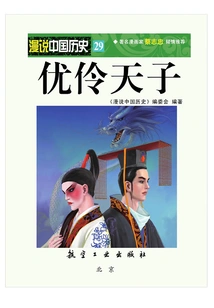
漫说中国历史29:优伶天子
Editorial Board Of "command About Chinese History"
This series of books presents Chinese civilization in the form of comics that teenagers love to read, presenting readers with a magnificent historical picture. This volume of books tells the story of famous historical figures and historical stories such as the Emperor Youling, Xiao Taizong Tang Xuanzong, the Manlu Incident, and the Niu-Li Party Controversy. Around the comic stories, four columns are used to introduce related historical monuments and traditional culture. The content of each column is rich and colorful and cleverly matched, echoing before and after, and forming a system of its own. Each column uses a large number of exquisite high-definition on-site pictures, making the text introduction more intuitive, more vivid, and easier to understand. It can be said that the pictures and texts are both beautiful and pleasing to the eye.
This series of books presents Chinese civilization in the form of comics that teenagers love to read, presenting readers with a magnificent historical picture. This volume of books tells the story of famous historical figures and historical stories such as the Emperor Youling, Xiao Taizong Tang Xuanzong, the Manlu Incident, and the Niu-Li Party Controversy. Around the comic stories, four columns are used to introduce related historical monuments and traditional culture. The content of each column is rich and colorful and cleverly matched, echoing before and after, and forming a system of its own. Each column uses a large number of exquisite high-definition on-site pictures, making the text introduction more intuitive, more vivid, and easier to understand. It can be said that the pictures and texts are both beautiful and pleasing to the eye.
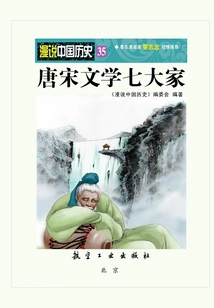
漫说中国历史35:唐宋文学七大家
Editorial Board Of "command About Chinese History"
This series of books presents Chinese civilization in the form of comics that teenagers love to read, presenting readers with a magnificent historical picture. This book tells the story of famous historical figures and historical stories such as Ouyang Xiu, the drunkard, Han Yu admonishing Buddha's bones, Liu Zongyuan planting willows, etc. Around the comic stories, four columns are used to introduce related historical monuments and traditional culture. The content of each column is rich and colorful and cleverly matched, echoing before and after, and forming a system of its own. Each column uses a large number of exquisite high-definition on-site pictures, making the text introduction more intuitive, more vivid, and easier to understand. It can be said that the pictures and texts are both beautiful and pleasing to the eye.
This series of books presents Chinese civilization in the form of comics that teenagers love to read, presenting readers with a magnificent historical picture. This book tells the story of famous historical figures and historical stories such as Ouyang Xiu, the drunkard, Han Yu admonishing Buddha's bones, Liu Zongyuan planting willows, etc. Around the comic stories, four columns are used to introduce related historical monuments and traditional culture. The content of each column is rich and colorful and cleverly matched, echoing before and after, and forming a system of its own. Each column uses a large number of exquisite high-definition on-site pictures, making the text introduction more intuitive, more vivid, and easier to understand. It can be said that the pictures and texts are both beautiful and pleasing to the eye.
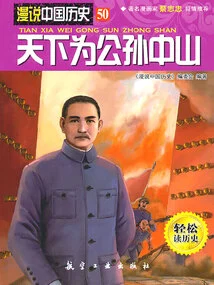
漫说中国历史50:天下为公孙中山
Editorial Board Of "command About Chinese History"
This series of books presents Chinese civilization in the form of comics that teenagers love to read, presenting readers with a magnificent historical picture. This volume of books introduces famous historical figures and stories such as the Heroine of Jianhu Lake, the Last Emperor, Sun Yat-sen, and the Blue Blood Yellow Flower. Around the comic stories, four columns are used to introduce related historical monuments and traditional culture. The content of each column is rich and colorful and cleverly matched, echoing before and after, and forming a system of its own. Each column uses a large number of exquisite high-definition on-site pictures, making the text introduction more intuitive, more vivid, and easier to understand. It can be said that the pictures and texts are both beautiful and pleasing to the eye.
This series of books presents Chinese civilization in the form of comics that teenagers love to read, presenting readers with a magnificent historical picture. This volume of books introduces famous historical figures and stories such as the Heroine of Jianhu Lake, the Last Emperor, Sun Yat-sen, and the Blue Blood Yellow Flower. Around the comic stories, four columns are used to introduce related historical monuments and traditional culture. The content of each column is rich and colorful and cleverly matched, echoing before and after, and forming a system of its own. Each column uses a large number of exquisite high-definition on-site pictures, making the text introduction more intuitive, more vivid, and easier to understand. It can be said that the pictures and texts are both beautiful and pleasing to the eye.
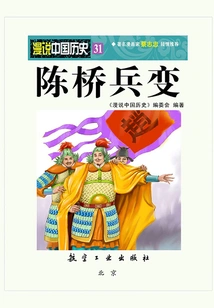
漫说中国历史31:陈桥兵变
Editorial Board Of "command About Chinese History"
This volume tells the story of famous historical figures and stories such as Madam Huarui, The Hate of the Southern Tang Dynasty, and the Chenqiao Mutiny. In addition, some historical monuments and traditional culture are introduced.
This volume tells the story of famous historical figures and stories such as Madam Huarui, The Hate of the Southern Tang Dynasty, and the Chenqiao Mutiny. In addition, some historical monuments and traditional culture are introduced.
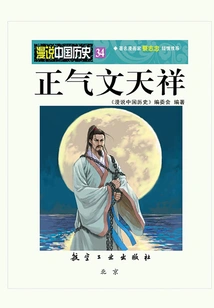
漫说中国历史34:正气文天祥
Editorial Board Of "command About Chinese History"
This series of books presents Chinese civilization in the form of comics that teenagers love to read, presenting readers with a magnificent historical picture. This book tells the famous historical stories and historical figures such as Jingkang's shame, Jingkang's loyal Yue Fei, Jia Sidao's harm to the country, Zhengqi Wen Tianxiang, etc. Around the comic stories, four columns are used to introduce related historical monuments and traditional culture. The content of each column is rich and colorful and cleverly matched, echoing before and after, and forming a system of its own. Each column uses a large number of exquisite high-definition on-site pictures, making the text introduction more intuitive, more vivid, and easier to understand. It can be said that the pictures and texts are both beautiful and pleasing to the eye.
This series of books presents Chinese civilization in the form of comics that teenagers love to read, presenting readers with a magnificent historical picture. This book tells the famous historical stories and historical figures such as Jingkang's shame, Jingkang's loyal Yue Fei, Jia Sidao's harm to the country, Zhengqi Wen Tianxiang, etc. Around the comic stories, four columns are used to introduce related historical monuments and traditional culture. The content of each column is rich and colorful and cleverly matched, echoing before and after, and forming a system of its own. Each column uses a large number of exquisite high-definition on-site pictures, making the text introduction more intuitive, more vivid, and easier to understand. It can be said that the pictures and texts are both beautiful and pleasing to the eye.
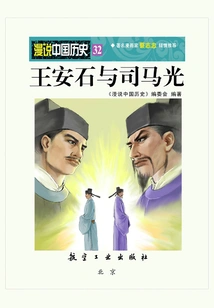
漫说中国历史32:王安石与司马光
Editorial Board Of "command About Chinese History"
This series of books presents Chinese civilization in the form of comics that teenagers love to read, presenting readers with a magnificent historical picture. This book tells famous historical stories and historical figures such as the Alliance of Tan Yuan, the legendary prime minister Kou Zhun, the invincible general Yang Ye, Wang Anshi and Sima Guang. Around the comic stories, four columns are used to introduce related historical monuments and traditional culture. The content of each column is rich and colorful and cleverly matched, echoing before and after, and forming a system of its own. Each column uses a large number of exquisite high-definition on-site pictures, making the text introduction more intuitive, more vivid, and easier to understand. It can be said that the pictures and texts are both beautiful and pleasing to the eye.
This series of books presents Chinese civilization in the form of comics that teenagers love to read, presenting readers with a magnificent historical picture. This book tells famous historical stories and historical figures such as the Alliance of Tan Yuan, the legendary prime minister Kou Zhun, the invincible general Yang Ye, Wang Anshi and Sima Guang. Around the comic stories, four columns are used to introduce related historical monuments and traditional culture. The content of each column is rich and colorful and cleverly matched, echoing before and after, and forming a system of its own. Each column uses a large number of exquisite high-definition on-site pictures, making the text introduction more intuitive, more vivid, and easier to understand. It can be said that the pictures and texts are both beautiful and pleasing to the eye.
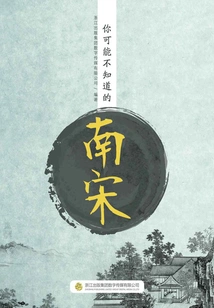
你可能不知道的南宋
Compiled By Zhejiang Publishing Group Digital Media Co., Ltd.
The Southern Song Dynasty is a remarkable period in Chinese history. During this period, ancient Chinese civilization reached its peak after thousands of years of evolution. The capital, Lin'an, was the leading metropolis in the world at that time, with a population of more than 1.5 Million at its peak. The city had developed to a high level of civilization comparable to modern capitals in Western Europe. The whole book comprehensively displays various knowledge points about the Southern Song Dynasty that we have never known from aspects such as social system, famous figures, economic conditions, festival customs and other aspects. Especially in terms of people's daily life, art, entertainment, institutions, crafts and technology, China was the world's leading country at that time, and it was proud enough to think that the rest of the world was a foreign country. Indeed, the Southern Song Dynasty is a nostalgic era and a yearning era.
The Southern Song Dynasty is a remarkable period in Chinese history. During this period, ancient Chinese civilization reached its peak after thousands of years of evolution. The capital, Lin'an, was the leading metropolis in the world at that time, with a population of more than 1.5 Million at its peak. The city had developed to a high level of civilization comparable to modern capitals in Western Europe. The whole book comprehensively displays various knowledge points about the Southern Song Dynasty that we have never known from aspects such as social system, famous figures, economic conditions, festival customs and other aspects. Especially in terms of people's daily life, art, entertainment, institutions, crafts and technology, China was the world's leading country at that time, and it was proud enough to think that the rest of the world was a foreign country. Indeed, the Southern Song Dynasty is a nostalgic era and a yearning era.
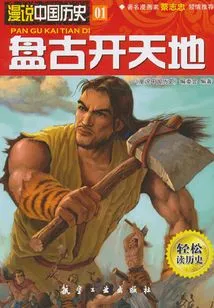
Pangu Opened the World
History盘古开天地
Editorial Board Of "command About Chinese History"
This volume of books tells famous historical stories such as Pangu created the world, the legend of Nushu, Hou Yi shooting the sun, and Shen Nong tasting a hundred herbs. Around the comic stories, four columns are used to introduce related historical monuments and traditional culture. This series of books presents Chinese civilization in the form of comics that teenagers love to read, presenting readers with a magnificent historical picture. This volume of books tells famous historical stories such as Pangu created the world, the legend of Nushu, Hou Yi shooting the sun, and Shen Nong tasting a hundred herbs. Around the comic stories, four columns are used to introduce related historical monuments and traditional culture. The content of each column is rich and colorful and cleverly matched, echoing before and after, and forming a system of its own. Each column uses a large number of exquisite high-definition on-site pictures, making the text introduction more intuitive, more vivid, and easier to understand. It can be said that the pictures and texts are both beautiful and pleasing to the eye.
This volume of books tells famous historical stories such as Pangu created the world, the legend of Nushu, Hou Yi shooting the sun, and Shen Nong tasting a hundred herbs. Around the comic stories, four columns are used to introduce related historical monuments and traditional culture. This series of books presents Chinese civilization in the form of comics that teenagers love to read, presenting readers with a magnificent historical picture. This volume of books tells famous historical stories such as Pangu created the world, the legend of Nushu, Hou Yi shooting the sun, and Shen Nong tasting a hundred herbs. Around the comic stories, four columns are used to introduce related historical monuments and traditional culture. The content of each column is rich and colorful and cleverly matched, echoing before and after, and forming a system of its own. Each column uses a large number of exquisite high-definition on-site pictures, making the text introduction more intuitive, more vivid, and easier to understand. It can be said that the pictures and texts are both beautiful and pleasing to the eye.
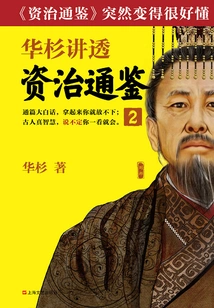
华杉讲透《资治通鉴》2
Huashan
"Zi Zhi Tong Jian" suddenly became very easy to understand! From Liu Bang to Emperor Wu of the Han Dynasty, see how the Western Han Dynasty became stronger step by step! The whole article is written in plain language, and you won't be able to put it down once you pick it up. The ancients were so wise that you might understand it as soon as you read it. "Zizhi Tongjian" is written from the Warring States Period to the Five Dynasties and Ten Kingdoms, vividly showing the living people and stories in the 1362-year history of 16 dynasties. It can be said to be the "big data" and "super case collection" of China's political and cultural heritage. Open this book and read "Zi Zhi Tong Jian" with gusto like a novel! Explain thoroughly the wisdom in "Zi Zhi Tong Jian" that is really useful to ordinary people in the 21st century - people will know it after reading it once, and they will be able to use it after reading it. Best-selling author Hua Shan's new masterpiece! This book uses "plain language throughout" to allow you to easily understand the story of "Zizhi Tongjian", and uses profound "Hua Shan's thorough" comments to help you understand the ancient wisdom behind history.
"Zi Zhi Tong Jian" suddenly became very easy to understand! From Liu Bang to Emperor Wu of the Han Dynasty, see how the Western Han Dynasty became stronger step by step! The whole article is written in plain language, and you won't be able to put it down once you pick it up. The ancients were so wise that you might understand it as soon as you read it. "Zizhi Tongjian" is written from the Warring States Period to the Five Dynasties and Ten Kingdoms, vividly showing the living people and stories in the 1362-year history of 16 dynasties. It can be said to be the "big data" and "super case collection" of China's political and cultural heritage. Open this book and read "Zi Zhi Tong Jian" with gusto like a novel! Explain thoroughly the wisdom in "Zi Zhi Tong Jian" that is really useful to ordinary people in the 21st century - people will know it after reading it once, and they will be able to use it after reading it. Best-selling author Hua Shan's new masterpiece! This book uses "plain language throughout" to allow you to easily understand the story of "Zizhi Tongjian", and uses profound "Hua Shan's thorough" comments to help you understand the ancient wisdom behind history.
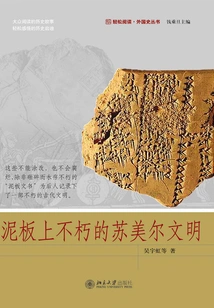
泥板上不朽的苏美尔文明
Wu Yuhong Et Al.
The Mesopotamian civilization and the Chinese and Egyptian civilizations that originated in southern Iraq today can be called the three earliest civilizations in the ancient world. Around 3000 BC, the Sumerians who migrated from outside to the arid and rainless areas of southern Iraq began to use river water to irrigate farmland and invented the world's earliest writing - cuneiform - in production, thus creating a group of mankind's earliest city-states and the splendid Sumerian civilization. Under the influence of the Sumerians, the local Semitic people in the Mesopotamia joined the stage of civilization history and successively established the splendid Mesopotamian civilization side by side with the Sumerians. Subsequently, the Sumerians dissolved into the Samites. This book describes the great achievements of Mesopotamia civilization from the aspects of archeology, writing, history, literature, economy and law, so that domestic readers can have a basic perceptual and rational understanding of an unfamiliar ancient foreign civilization.
The Mesopotamian civilization and the Chinese and Egyptian civilizations that originated in southern Iraq today can be called the three earliest civilizations in the ancient world. Around 3000 BC, the Sumerians who migrated from outside to the arid and rainless areas of southern Iraq began to use river water to irrigate farmland and invented the world's earliest writing - cuneiform - in production, thus creating a group of mankind's earliest city-states and the splendid Sumerian civilization. Under the influence of the Sumerians, the local Semitic people in the Mesopotamia joined the stage of civilization history and successively established the splendid Mesopotamian civilization side by side with the Sumerians. Subsequently, the Sumerians dissolved into the Samites. This book describes the great achievements of Mesopotamia civilization from the aspects of archeology, writing, history, literature, economy and law, so that domestic readers can have a basic perceptual and rational understanding of an unfamiliar ancient foreign civilization.
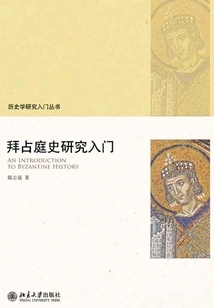
拜占庭史研究入门
Chen Zhiqiang
This book is intended to provide an introductory guide for readers who are interested in studying or understanding the history of Byzantium. It first outlines the basic context of Byzantine history; then it comprehensively introduces the available original materials; it also provides an overview of the domestic and foreign academic history and research results of this research field; it also briefly introduces key research topics. In order to facilitate readers to further expand their reading, this book is also accompanied by academic resources, keywords and recommended reading literature.
This book is intended to provide an introductory guide for readers who are interested in studying or understanding the history of Byzantium. It first outlines the basic context of Byzantine history; then it comprehensively introduces the available original materials; it also provides an overview of the domestic and foreign academic history and research results of this research field; it also briefly introduces key research topics. In order to facilitate readers to further expand their reading, this book is also accompanied by academic resources, keywords and recommended reading literature.
状元全录(上)
Editor-in-chief Wen Ming Zhang Lin
China is a huge country with a splendid civilization history of five thousand years and full of vitality and vitality. The Chinese nation has long been standing in the east of the world, and has continued for hundreds of generations.
China is a huge country with a splendid civilization history of five thousand years and full of vitality and vitality. The Chinese nation has long been standing in the east of the world, and has continued for hundreds of generations.
逸趣名人(下)
Editor-in-chief Wen Ming Zhang Lin
China is a huge country with a splendid civilization history of five thousand years and full of vitality and vitality. The Chinese nation has long been standing in the east of the world, and has continued for hundreds of generations.
China is a huge country with a splendid civilization history of five thousand years and full of vitality and vitality. The Chinese nation has long been standing in the east of the world, and has continued for hundreds of generations.
逸趣名人(上)
Editor-in-chief Wen Ming Zhang Lin
China is a huge country with a splendid civilization history of five thousand years and full of vitality and vitality. The Chinese nation has long been standing in the east of the world, and has continued for hundreds of generations.
China is a huge country with a splendid civilization history of five thousand years and full of vitality and vitality. The Chinese nation has long been standing in the east of the world, and has continued for hundreds of generations.
优伶春秋(下)
Editor-in-chief Wen Ming Zhang Lin
China is a huge country with a splendid civilization history of five thousand years and full of vitality and vitality. The Chinese nation has long been standing in the east of the world, and has continued for hundreds of generations.
China is a huge country with a splendid civilization history of five thousand years and full of vitality and vitality. The Chinese nation has long been standing in the east of the world, and has continued for hundreds of generations.
优伶春秋(上)
Editor-in-chief Wen Ming Zhang Lin
China is a huge country with a splendid civilization history of five thousand years and full of vitality and vitality. The Chinese nation has long been standing in the east of the world, and has continued for hundreds of generations.
China is a huge country with a splendid civilization history of five thousand years and full of vitality and vitality. The Chinese nation has long been standing in the east of the world, and has continued for hundreds of generations.
状元全录(下)
Editor-in-chief Wen Ming Zhang Lin
China is a huge country with a splendid civilization history of five thousand years and full of vitality and vitality. The Chinese nation has long been standing in the east of the world, and has continued for hundreds of generations.
China is a huge country with a splendid civilization history of five thousand years and full of vitality and vitality. The Chinese nation has long been standing in the east of the world, and has continued for hundreds of generations.
Thousand-year Property Market: Ancient People's Plan for Starting a Family with Peace of Mind
History千年楼市:古人安心成家方案
Li Kaizhou
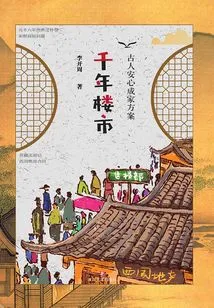
Mencius said: Those who have constant wealth have perseverance. From the Western Zhou Dynasty to the Republic of China, the problem of housing has always existed. It is an existential issue that everyone from the prime minister to the common people cannot escape and loves and hates. Li Kaizhou set a precedent. He combed historical materials from various ancient house deeds, land deeds, lease documents, local chronicles, notes, and epitaphs, and performed tedious conversions. Finally, he combined the ancient real estate market and ancient times in a language that is easy to understand today. People's home life is presented one by one, telling the public about land prices in the Western Zhou Dynasty, housing prices in the Han Dynasty, home buying tips in the Tang Dynasty, house buying procedures in the Song Dynasty, housing policies in the Yuan Dynasty, decoration plans in the Ming Dynasty, and how home buyers in the Qing Dynasty took out loans. The manuscript is a collection of historical sketches about the development and changes of the real estate industry. It has a unique perspective, a certain degree of textual research, and rich sources of historical materials. It is a very interesting book that can be read after dinner.
Mencius said: Those who have constant wealth have perseverance. From the Western Zhou Dynasty to the Republic of China, the problem of housing has always existed. It is an existential issue that everyone from the prime minister to the common people cannot escape and loves and hates. Li Kaizhou set a precedent. He combed historical materials from various ancient house deeds, land deeds, lease documents, local chronicles, notes, and epitaphs, and performed tedious conversions. Finally, he combined the ancient real estate market and ancient times in a language that is easy to understand today. People's home life is presented one by one, telling the public about land prices in the Western Zhou Dynasty, housing prices in the Han Dynasty, home buying tips in the Tang Dynasty, house buying procedures in the Song Dynasty, housing policies in the Yuan Dynasty, decoration plans in the Ming Dynasty, and how home buyers in the Qing Dynasty took out loans. The manuscript is a collection of historical sketches about the development and changes of the real estate industry. It has a unique perspective, a certain degree of textual research, and rich sources of historical materials. It is a very interesting book that can be read after dinner.
图说东京审判
Shanghai Jiao Tong University Tokyo Trial Research Center
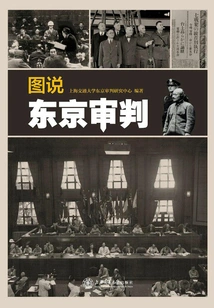
In order of theme and time, this book uses more than 200 original pictures and archival photos, as well as brief text to describe the trial process, important trial events, trial highlights, and subsequent impact of the Far East International Military Trial held in Tokyo from 1946 to 1948 to punish Japan for its war crimes in modern times.
In order of theme and time, this book uses more than 200 original pictures and archival photos, as well as brief text to describe the trial process, important trial events, trial highlights, and subsequent impact of the Far East International Military Trial held in Tokyo from 1946 to 1948 to punish Japan for its war crimes in modern times.
谈闲说怪(下)
Editor-in-chief Wen Ming Zhang Lin
China is a huge country with a splendid civilization history of five thousand years and full of vitality and vitality. The Chinese nation has long been standing in the east of the world, and has continued for hundreds of generations.
China is a huge country with a splendid civilization history of five thousand years and full of vitality and vitality. The Chinese nation has long been standing in the east of the world, and has continued for hundreds of generations.
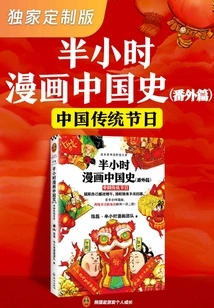
半小时漫画中国史番外篇:中国传统节日(独家定制版)
Chen Lei·half Hour Comics Team
[Exclusive first release on WeChat Reading, exclusive customized version] Qu Yuan himself celebrated the Dragon Boat Festival, and there was no need to sweep the tomb during the Qingming Festival. After reading the comic for half an hour, the origins of traditional festivals are instantly clear! "Half-Hour Comic History of China (Extra Chapter): Traditional Chinese Festivals" is a brand new work launched by Chen Lei (second bastard), the pioneer of comic-style science popularization with 7 million fans on the Internet, and his team after "Half-Hour Comic History of China" and "Half-Hour Comic History of the World"! Every page is filled with knowledge points and jokes, which will make you laugh every three seconds. While laughing your abs out, you will instantly understand the true origin of traditional Chinese festivals. Qu Yuan actually celebrated the Dragon Boat Festival himself; the history of the Spring Festival is actually only more than 100 years; the Lantern Festival was actually Valentine's Day in ancient times; the Cowherd and the Weaver Girl actually had nothing to do with each other; the Qingming Festival was actually quite joyful for the ancients... Behind the origins of traditional festivals are actually various ancient Chinese knowledge: history, religion, astronomy, geography, climate, calendar, etc. It allows you to understand the traditional Chinese culture and the ancient wisdom of our ancestors while understanding the origin of the festival. Did you know? Qu Yuan himself celebrated the Dragon Boat Festival! Read the comic for half an hour and understand the true origins of traditional Chinese festivals in seconds!
[Exclusive first release on WeChat Reading, exclusive customized version] Qu Yuan himself celebrated the Dragon Boat Festival, and there was no need to sweep the tomb during the Qingming Festival. After reading the comic for half an hour, the origins of traditional festivals are instantly clear! "Half-Hour Comic History of China (Extra Chapter): Traditional Chinese Festivals" is a brand new work launched by Chen Lei (second bastard), the pioneer of comic-style science popularization with 7 million fans on the Internet, and his team after "Half-Hour Comic History of China" and "Half-Hour Comic History of the World"! Every page is filled with knowledge points and jokes, which will make you laugh every three seconds. While laughing your abs out, you will instantly understand the true origin of traditional Chinese festivals. Qu Yuan actually celebrated the Dragon Boat Festival himself; the history of the Spring Festival is actually only more than 100 years; the Lantern Festival was actually Valentine's Day in ancient times; the Cowherd and the Weaver Girl actually had nothing to do with each other; the Qingming Festival was actually quite joyful for the ancients... Behind the origins of traditional festivals are actually various ancient Chinese knowledge: history, religion, astronomy, geography, climate, calendar, etc. It allows you to understand the traditional Chinese culture and the ancient wisdom of our ancestors while understanding the origin of the festival. Did you know? Qu Yuan himself celebrated the Dragon Boat Festival! Read the comic for half an hour and understand the true origins of traditional Chinese festivals in seconds!
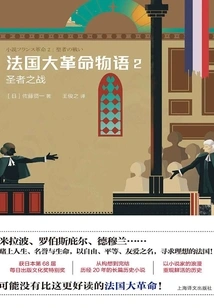
法国大革命物语2:圣者之战
J
In order to solve France's financial crisis, Bishop Talleyrand of Autun proposed a bill to nationalize clergy assets. Representatives of the first estate clergy were strongly dissatisfied and tried to use the Roman Church to prevent the issue from passing. On the other side, Lafayette, the "Hero of Two Worlds" who participated in the American Revolutionary War, firmly held military power in his hands and controlled parliamentary decisions through his own influence. At the same time, Mirabeau and Robespierre, who were like-minded on the road to revolution, gradually parted ways. Desmoulins, who led the people to storm the Bastille, had doubts about his mission in the French Revolution. With the clergy class in front of them resisting to the end, and General Lafayette with his hands covering the sky behind him, the revolution is struggling to make progress, and where will the fate of France go...
In order to solve France's financial crisis, Bishop Talleyrand of Autun proposed a bill to nationalize clergy assets. Representatives of the first estate clergy were strongly dissatisfied and tried to use the Roman Church to prevent the issue from passing. On the other side, Lafayette, the "Hero of Two Worlds" who participated in the American Revolutionary War, firmly held military power in his hands and controlled parliamentary decisions through his own influence. At the same time, Mirabeau and Robespierre, who were like-minded on the road to revolution, gradually parted ways. Desmoulins, who led the people to storm the Bastille, had doubts about his mission in the French Revolution. With the clergy class in front of them resisting to the end, and General Lafayette with his hands covering the sky behind him, the revolution is struggling to make progress, and where will the fate of France go...
美国人:民主的历程
J
The volume "Americans: The Journey of Democracy" narrates the history of the United States from before and after the Civil War to the 1960s. The all-round rise of modern America in terms of economy, political system, and ideology and culture is detailed and vividly described in this book.
The volume "Americans: The Journey of Democracy" narrates the history of the United States from before and after the Civil War to the 1960s. The all-round rise of modern America in terms of economy, political system, and ideology and culture is detailed and vividly described in this book.
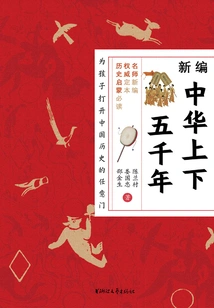
新编中华上下五千年
Chen Lancun Lou Guozhong Shao Jinsheng
"The New Five Thousand Years of China" is a popular Chinese history book written by a famous teacher for primary and secondary school students, teachers and parents. From the Three Sovereigns and Five Emperors in ancient times to the 5,000-year history of the founding of the People's Republic of China, a hundred historical stories that primary and secondary school students should know are selected, supplemented by supplementary knowledge points such as "Knowledge Gas Stations". In the interesting stories, young readers are led to learn the life wisdom of saints and sages, experience the splendid and magnificent Chinese civilization, and provide guidance for efficient and beneficial extracurricular reading.
"The New Five Thousand Years of China" is a popular Chinese history book written by a famous teacher for primary and secondary school students, teachers and parents. From the Three Sovereigns and Five Emperors in ancient times to the 5,000-year history of the founding of the People's Republic of China, a hundred historical stories that primary and secondary school students should know are selected, supplemented by supplementary knowledge points such as "Knowledge Gas Stations". In the interesting stories, young readers are led to learn the life wisdom of saints and sages, experience the splendid and magnificent Chinese civilization, and provide guidance for efficient and beneficial extracurricular reading.
简明中国古代史
Zhang Chuanxi
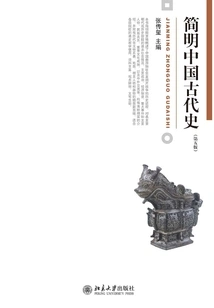
This book is an ancient Chinese history textbook with relatively simple content and wider application. It concisely summarizes the basic laws of ancient social development in China from primitive society to the eve of the Sino-British Opium War in the Qing Dynasty, as well as the basic features of society in the past dynasties, the main political and economic systems, major historical events, major historical figures, ethnic relations, important cultural achievements, etc. The point of view is clear, the content is specific, and the writing is easy to understand. For the convenience of reading, the content of the book is divided into several parts, chapters, sections, headings, sub-headings, etc., With titles for each, making it clear at a glance. The book is accompanied by 32 tables of emperors (kings) from past dynasties, 52 maps, and 123 illustrations, with both pictures and texts. This book is suitable for "General History of China" courses in ordinary colleges and universities, TV universities, adult colleges and universities. It is also suitable for self-study by history enthusiasts.
This book is an ancient Chinese history textbook with relatively simple content and wider application. It concisely summarizes the basic laws of ancient social development in China from primitive society to the eve of the Sino-British Opium War in the Qing Dynasty, as well as the basic features of society in the past dynasties, the main political and economic systems, major historical events, major historical figures, ethnic relations, important cultural achievements, etc. The point of view is clear, the content is specific, and the writing is easy to understand. For the convenience of reading, the content of the book is divided into several parts, chapters, sections, headings, sub-headings, etc., With titles for each, making it clear at a glance. The book is accompanied by 32 tables of emperors (kings) from past dynasties, 52 maps, and 123 illustrations, with both pictures and texts. This book is suitable for "General History of China" courses in ordinary colleges and universities, TV universities, adult colleges and universities. It is also suitable for self-study by history enthusiasts.
原来你是这样的宋朝2
Wu Gou
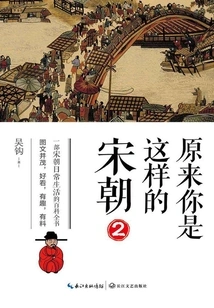
This book is the sequel to "So You Are Like This Song Dynasty" by Wu Gou, a famous literary and historical expert. It includes "What programs did the people of the Song Dynasty perform at the "Spring Festival Gala"", "Elegant and vulgar Song Dynasty Style", and "How did the people of the Song Dynasty get married?" "And other works. The style of Wu Gou's works is a clever fusion of historical documents and current popular terms, with a unique perspective, rich selection of materials, and lively and vivid language. Wu Gou is often able to discover some unique things from historical materials and express them accurately in popular language, which is quite enjoyable to read. In addition, the book contains dozens of ancient paintings, with both pictures and texts, trying to present readers with an interesting picture of daily life in the Song Dynasty.
This book is the sequel to "So You Are Like This Song Dynasty" by Wu Gou, a famous literary and historical expert. It includes "What programs did the people of the Song Dynasty perform at the "Spring Festival Gala"", "Elegant and vulgar Song Dynasty Style", and "How did the people of the Song Dynasty get married?" "And other works. The style of Wu Gou's works is a clever fusion of historical documents and current popular terms, with a unique perspective, rich selection of materials, and lively and vivid language. Wu Gou is often able to discover some unique things from historical materials and express them accurately in popular language, which is quite enjoyable to read. In addition, the book contains dozens of ancient paintings, with both pictures and texts, trying to present readers with an interesting picture of daily life in the Song Dynasty.
汉朝原来是这样
Get Drunk In Junshan
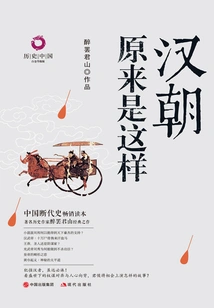
"Historical China (Platinum Upgraded Edition)" is a best-selling book on the chronological history of China, an encyclopedia-style popular history book, and classic masterpieces by many famous writers in the history writing world today, including Wang Jueren, Zuiba Junshan, Jin Manlou, Jiang Lang, Zhang Cheng... With exciting and rich content and a different narrative perspective, it depicts flesh-and-blood history, reveals the long-misunderstood and unexpected historical truth, and interprets true human nature from it. It can be said that everything that happens today has corresponding clues and references in history. Chu and Han fought for hegemony, and the heroes came to an end; Yan and Liu founded the country, and the world was unified! A great nation has a name since then: Han. This book describes the outbreak of the Chu-Han War in 206 BC to the fall of the Eastern Han Dynasty in 220 AD. The politics, military, economy, and culture of the Han Dynasty are presented to readers one by one in the form of historical scrolls. How did Liu Bang go from commoner to anti-Qin hero? With women in charge of the country, the emperor in Queen Lu's era was actually a fake? Is the "Rebellion of the Seven Kingdoms" a power reshuffle? One hundred thousand bones in exchange for a bloody BMW? Who is to blame for the witchcraft disaster that caused rivers of blood? Is Zhaojun indispensable for his coming out of the fortress? Who was the romantic emperor who died in Gentle Township? Falling into the "sleeve-cutting habit" and even giving up the throne? Is Wang Mang a saint or a conspirator? When the Eastern Han Dynasty was founded, only Emperor Guangwu Liu Xiuyun crowned hundreds of kings? The young emperor Liu Zhao seized power through a coup. Who were the supporters behind it? In the dark age and the prison of the Party, the countdown to the end of the Eastern Han Dynasty has entered? The rule of Wenjing and Mingzhang, the prosperous age of Hanwu and Yongyuan; hundreds of schools of thought were deposed and Confucianism was respected only; the Silk Road's prestige spread far and wide; the barbarians were pushed away to expand the soil and the stones were carved; those who offended the powerful Han Dynasty would be punished no matter how far away they were! The 410-year reign of the Han Dynasty spanned from the peasant war at the end of Qin to the deposed Emperor Xian of the Han Dynasty, from the Red Eyebrow Army to the Yellow Turban Army, from the Huns to the Qiang people, and from the power of relatives to the power of eunuchs. The once prosperous empire finally collapsed. Based on rich historical materials, with vivid language and rigorous historical attitude, this book truly restores the longest-lived feudal dynasty in Chinese history after the Qin Dynasty. Watch the kings and generals in the prosperous times perform scenes of historical dramas of power chess and people's disapproval.
"Historical China (Platinum Upgraded Edition)" is a best-selling book on the chronological history of China, an encyclopedia-style popular history book, and classic masterpieces by many famous writers in the history writing world today, including Wang Jueren, Zuiba Junshan, Jin Manlou, Jiang Lang, Zhang Cheng... With exciting and rich content and a different narrative perspective, it depicts flesh-and-blood history, reveals the long-misunderstood and unexpected historical truth, and interprets true human nature from it. It can be said that everything that happens today has corresponding clues and references in history. Chu and Han fought for hegemony, and the heroes came to an end; Yan and Liu founded the country, and the world was unified! A great nation has a name since then: Han. This book describes the outbreak of the Chu-Han War in 206 BC to the fall of the Eastern Han Dynasty in 220 AD. The politics, military, economy, and culture of the Han Dynasty are presented to readers one by one in the form of historical scrolls. How did Liu Bang go from commoner to anti-Qin hero? With women in charge of the country, the emperor in Queen Lu's era was actually a fake? Is the "Rebellion of the Seven Kingdoms" a power reshuffle? One hundred thousand bones in exchange for a bloody BMW? Who is to blame for the witchcraft disaster that caused rivers of blood? Is Zhaojun indispensable for his coming out of the fortress? Who was the romantic emperor who died in Gentle Township? Falling into the "sleeve-cutting habit" and even giving up the throne? Is Wang Mang a saint or a conspirator? When the Eastern Han Dynasty was founded, only Emperor Guangwu Liu Xiuyun crowned hundreds of kings? The young emperor Liu Zhao seized power through a coup. Who were the supporters behind it? In the dark age and the prison of the Party, the countdown to the end of the Eastern Han Dynasty has entered? The rule of Wenjing and Mingzhang, the prosperous age of Hanwu and Yongyuan; hundreds of schools of thought were deposed and Confucianism was respected only; the Silk Road's prestige spread far and wide; the barbarians were pushed away to expand the soil and the stones were carved; those who offended the powerful Han Dynasty would be punished no matter how far away they were! The 410-year reign of the Han Dynasty spanned from the peasant war at the end of Qin to the deposed Emperor Xian of the Han Dynasty, from the Red Eyebrow Army to the Yellow Turban Army, from the Huns to the Qiang people, and from the power of relatives to the power of eunuchs. The once prosperous empire finally collapsed. Based on rich historical materials, with vivid language and rigorous historical attitude, this book truly restores the longest-lived feudal dynasty in Chinese history after the Qin Dynasty. Watch the kings and generals in the prosperous times perform scenes of historical dramas of power chess and people's disapproval.
我的春秋我做主之最后的霸主(共2册)
Begonia Qilu
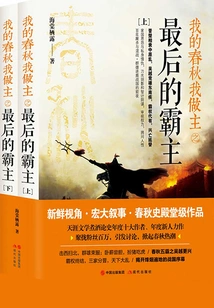
The "My Spring and Autumn Period, I Make the Decision" series presents a panoramic view of the feudal kingdoms competing for hegemony in the "Spring and Autumn Era" from a brand-new perspective. In the first half of the Eastern Zhou Dynasty, the vassal states competed for hegemony. The states of Lu, Qi, Song, Jin, Chu, Zheng, Cao, Chen, Wei, Yan, Qin, Cai, Wu, Yue, etc. Entangled, collided, contained, and formed alliances with each other, jointly interpreting an era that was bloody and turbulent, but also full of the vitality of Chinese culture. Based on historical materials, the author takes the feudal princes' struggle for hegemony as the main line, with the "Five Hegemons" as the center, and uses popular and friendly words and rich writing styles to examine, narrate and evaluate the geographical pattern, cultural landscape and political evolution of the "Spring and Autumn Period" from multiple angles. This book is the fourth volume, "The Last Overlord", which mainly describes the process of Wu and Yue's struggle for hegemony against the background of the decline of the old hegemony of Jin and Chu. As the traditional ethics further collapsed, the dictatorship of the great officials seized power, and civil strife broke out among the princes of the Central Plains. The hegemony gradually disappeared, and the Wu and Yue countries in the southeast rose one after another. King Helu of Wu reused Sun Wu and his military officials to rectify the military and political affairs, build waterways to boost the military, and the country's strength advanced rapidly. In the Battle of Baiju, the Wu army directly attacked the capital of Ying, and its soldiers dug up graves and whipped corpses. In the Battle of Xiali, Helu fell into the hands of the Yue army because he underestimated the enemy. His son, King Fucha of Wu, was determined to take revenge. After defeating the Vietnamese army in the Battle of Fujiao, Helu counterattacked Kuaiji. He could have killed the Yue King Gou Jian, but instead allowed the tiger to cause trouble. After Gou Jian was lucky enough to escape, he worked hard on the firewood and relied heavily on Fan Li and Wenzhong. After ten years of gathering together and ten years of lessons, the Yue Kingdom became prosperous. Fu Chai was so pleased with his achievements that he went to Xian and Ren. After attacking Chu and invading Vietnam, he continued to repair rivers and canals. He sent his troops north, surrendered to Lu and attacked Qi. He competed with Huangchi of Jin for hegemony. While spreading the country's prestige to the four realms, it also caused serious internal diseases that were difficult to resolve. Gou Jian took advantage of the situation and took advantage of the opportunity of Fucha Kong's expedition to stay in Huangchi to raid the capital of Wu. In one fell swoop, he reversed Wu's weakening situation and finally put Wu to death through constant attacks. Taking advantage of the power of Wu, Gou Jian took control of Jiangdong, and found his own way to give full play to Yue's advantage in controlling the sea. He took advantage of the convenient coastal areas and abandoned the inland areas of Jianghuai. He used kindness and power to win the final honor of overlord in the Spring and Autumn Period. However, the Qing clan of Jin State was in power and attacked and killed each other. After the three clans of Zhao, Wei and Han were wiped out, their intentions were still unfinished. Eventually, the three clans were divided into Jin and the world was in disorder. Chinese history entered the Warring States Period.
The "My Spring and Autumn Period, I Make the Decision" series presents a panoramic view of the feudal kingdoms competing for hegemony in the "Spring and Autumn Era" from a brand-new perspective. In the first half of the Eastern Zhou Dynasty, the vassal states competed for hegemony. The states of Lu, Qi, Song, Jin, Chu, Zheng, Cao, Chen, Wei, Yan, Qin, Cai, Wu, Yue, etc. Entangled, collided, contained, and formed alliances with each other, jointly interpreting an era that was bloody and turbulent, but also full of the vitality of Chinese culture. Based on historical materials, the author takes the feudal princes' struggle for hegemony as the main line, with the "Five Hegemons" as the center, and uses popular and friendly words and rich writing styles to examine, narrate and evaluate the geographical pattern, cultural landscape and political evolution of the "Spring and Autumn Period" from multiple angles. This book is the fourth volume, "The Last Overlord", which mainly describes the process of Wu and Yue's struggle for hegemony against the background of the decline of the old hegemony of Jin and Chu. As the traditional ethics further collapsed, the dictatorship of the great officials seized power, and civil strife broke out among the princes of the Central Plains. The hegemony gradually disappeared, and the Wu and Yue countries in the southeast rose one after another. King Helu of Wu reused Sun Wu and his military officials to rectify the military and political affairs, build waterways to boost the military, and the country's strength advanced rapidly. In the Battle of Baiju, the Wu army directly attacked the capital of Ying, and its soldiers dug up graves and whipped corpses. In the Battle of Xiali, Helu fell into the hands of the Yue army because he underestimated the enemy. His son, King Fucha of Wu, was determined to take revenge. After defeating the Vietnamese army in the Battle of Fujiao, Helu counterattacked Kuaiji. He could have killed the Yue King Gou Jian, but instead allowed the tiger to cause trouble. After Gou Jian was lucky enough to escape, he worked hard on the firewood and relied heavily on Fan Li and Wenzhong. After ten years of gathering together and ten years of lessons, the Yue Kingdom became prosperous. Fu Chai was so pleased with his achievements that he went to Xian and Ren. After attacking Chu and invading Vietnam, he continued to repair rivers and canals. He sent his troops north, surrendered to Lu and attacked Qi. He competed with Huangchi of Jin for hegemony. While spreading the country's prestige to the four realms, it also caused serious internal diseases that were difficult to resolve. Gou Jian took advantage of the situation and took advantage of the opportunity of Fucha Kong's expedition to stay in Huangchi to raid the capital of Wu. In one fell swoop, he reversed Wu's weakening situation and finally put Wu to death through constant attacks. Taking advantage of the power of Wu, Gou Jian took control of Jiangdong, and found his own way to give full play to Yue's advantage in controlling the sea. He took advantage of the convenient coastal areas and abandoned the inland areas of Jianghuai. He used kindness and power to win the final honor of overlord in the Spring and Autumn Period. However, the Qing clan of Jin State was in power and attacked and killed each other. After the three clans of Zhao, Wei and Han were wiped out, their intentions were still unfinished. Eventually, the three clans were divided into Jin and the world was in disorder. Chinese history entered the Warring States Period.
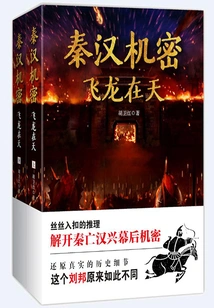
秦汉机密:飞龙在天
Hu Weihong
Some people say: History is a little girl who can be dressed up by others. "Dressing up" is to cater to a certain need. Whether you are clean or ugly when you are born, it is all artistic creation, not the original appearance. Liu Bang, as the founder of the Han nation and culture and one of the founders of the centralized system, is an unavoidable figure, and his historical image will inevitably be "dressed up" in various ways. Beautifying him or vilifying him is nothing more than a reflection of the "screenwriter's" own inner image. How much it has to do with the real Liu Bang is highly questionable. What does Liu Bang look like? My long-standing curiosity was my motivation for writing this book. I tried to clean off the pastel paint on Liu Bang's face bit by bit to restore his true image. There are several basic facts that determine the direction of Liu Bang's life. The clearer they are, the smaller the space for "dressing up", and the easier it is to see Liu Bang's true feelings... We know that Xiang Yu is a young man in trouble, a nobleman who has been delayed. He was born into a family of generals, and his grandfather was Xiang Yan (279 BC - 223 BC), a famous general of Chu State. Unfortunately, with the demise of the Chu State, the Xiang family became civilians...
Some people say: History is a little girl who can be dressed up by others. "Dressing up" is to cater to a certain need. Whether you are clean or ugly when you are born, it is all artistic creation, not the original appearance. Liu Bang, as the founder of the Han nation and culture and one of the founders of the centralized system, is an unavoidable figure, and his historical image will inevitably be "dressed up" in various ways. Beautifying him or vilifying him is nothing more than a reflection of the "screenwriter's" own inner image. How much it has to do with the real Liu Bang is highly questionable. What does Liu Bang look like? My long-standing curiosity was my motivation for writing this book. I tried to clean off the pastel paint on Liu Bang's face bit by bit to restore his true image. There are several basic facts that determine the direction of Liu Bang's life. The clearer they are, the smaller the space for "dressing up", and the easier it is to see Liu Bang's true feelings... We know that Xiang Yu is a young man in trouble, a nobleman who has been delayed. He was born into a family of generals, and his grandfather was Xiang Yan (279 BC - 223 BC), a famous general of Chu State. Unfortunately, with the demise of the Chu State, the Xiang family became civilians...
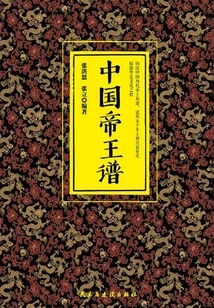
Chinese Imperial Genealogy
History中国帝王谱
Zhang Hongen Compiled By Zhang Li
This book is divided into three parts, which are categorized from each dynasty of China, the ancient Western Regions and ancient Central and North Asia. The Gregorian calendar is the main way to record time. For some important times, when the end of the summer calendar and the Gregorian calendar span two calendar years, the Gregorian calendar and the summer calendar are recorded at the same time. In addition, although myths and legends are not true history, they have been integrated into "culture" and most myths and legends are hazy and beautiful. Their historical role and historical value cannot be denied or obliterated because they are untrue, so this book also records them as they are.
This book is divided into three parts, which are categorized from each dynasty of China, the ancient Western Regions and ancient Central and North Asia. The Gregorian calendar is the main way to record time. For some important times, when the end of the summer calendar and the Gregorian calendar span two calendar years, the Gregorian calendar and the summer calendar are recorded at the same time. In addition, although myths and legends are not true history, they have been integrated into "culture" and most myths and legends are hazy and beautiful. Their historical role and historical value cannot be denied or obliterated because they are untrue, so this book also records them as they are.
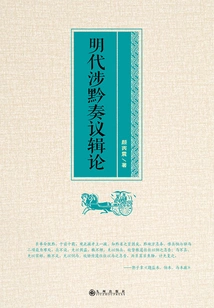
明代涉黔奏议辑论
Yan Bingzhen
This book compiles and conducts preliminary research on the contents related to Guizhou in the memorials of Ming Dynasty officials. These memorials involve all aspects of Guizhou's politics, economy, military, culture, ethnicity, etc., And are of great historical value for studying the local history of Guizhou in the Ming Dynasty. The general part expounds the historical value of these memorials as a whole; the compilation part classifies these memorials related to Guizhou according to special topics, and interprets and analyzes these memorials.
This book compiles and conducts preliminary research on the contents related to Guizhou in the memorials of Ming Dynasty officials. These memorials involve all aspects of Guizhou's politics, economy, military, culture, ethnicity, etc., And are of great historical value for studying the local history of Guizhou in the Ming Dynasty. The general part expounds the historical value of these memorials as a whole; the compilation part classifies these memorials related to Guizhou according to special topics, and interprets and analyzes these memorials.
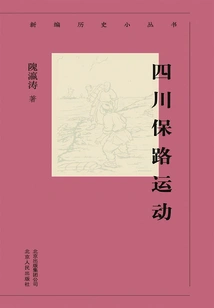
新编历史小丛书:四川保路运动
Wei Yingtao
This book describes the road protection movement in Sichuan. The people of Sichuan built their own railways. The Qing government, under pressure from imperialism, wanted to take back the right of way. The people of Sichuan rose up in resistance. The massive and massive Sichuan Road Protection Movement also dealt a heavy blow to the rule of imperialism and its lackeys, the Qing Dynasty, in China, greatly inspired the fighting spirit of the bourgeois revolutionaries, directly led to the outbreak of the Revolution of 1911, and made immortal contributions to China's bourgeois democratic revolution.
This book describes the road protection movement in Sichuan. The people of Sichuan built their own railways. The Qing government, under pressure from imperialism, wanted to take back the right of way. The people of Sichuan rose up in resistance. The massive and massive Sichuan Road Protection Movement also dealt a heavy blow to the rule of imperialism and its lackeys, the Qing Dynasty, in China, greatly inspired the fighting spirit of the bourgeois revolutionaries, directly led to the outbreak of the Revolution of 1911, and made immortal contributions to China's bourgeois democratic revolution.
新编历史小丛书:仰韶文化
An Zhimin
"Yangshao Culture" introduces in popular language what Yangshao culture is, the villages and buildings, production activities, handicraft development, culture and art, tomb customs and other contents of Yangshao culture, and paints a picture of the life of people in Yangshao culture, allowing readers to understand how humans lived seven or eight thousand years ago. This book is based on archaeological data from before the 1960s.
"Yangshao Culture" introduces in popular language what Yangshao culture is, the villages and buildings, production activities, handicraft development, culture and art, tomb customs and other contents of Yangshao culture, and paints a picture of the life of people in Yangshao culture, allowing readers to understand how humans lived seven or eight thousand years ago. This book is based on archaeological data from before the 1960s.
新编历史小丛书:王祯和《农书》
Wan Guoding
"Wang Zhen and the Farming Book" is a popular historical knowledge book written by Wan Guoding. It mainly introduces Wang Zhen, an agriculturist of the Yuan Dynasty in my country, and his farming books (hereinafter referred to as Wang Zhen's "Nongshu"). Mr. Wan Guoding is a famous agricultural historian in my country, one of the main founders of the Chinese agricultural history discipline, and the first director of the Chinese Agricultural Heritage Research Office. He has devoted his life to the collection and arrangement of agricultural history materials, the research of ancient agricultural books and agricultural history. This book concisely introduces Wang Zhen's life, the summary and characteristics of "Wang Zhen Nong Shu", and the three important parts of "Wang Zhen Nong Shu".
"Wang Zhen and the Farming Book" is a popular historical knowledge book written by Wan Guoding. It mainly introduces Wang Zhen, an agriculturist of the Yuan Dynasty in my country, and his farming books (hereinafter referred to as Wang Zhen's "Nongshu"). Mr. Wan Guoding is a famous agricultural historian in my country, one of the main founders of the Chinese agricultural history discipline, and the first director of the Chinese Agricultural Heritage Research Office. He has devoted his life to the collection and arrangement of agricultural history materials, the research of ancient agricultural books and agricultural history. This book concisely introduces Wang Zhen's life, the summary and characteristics of "Wang Zhen Nong Shu", and the three important parts of "Wang Zhen Nong Shu".
新编历史小丛书:长城史话
Luo Zhewen
In 1985, Luo Zhewen participated in the application for the Convention for the Protection of World Cultural and Natural Heritage, making the Great Wall one of the protected world cultural heritages. "History of the Great Wall" systematically introduces the Great Wall during the Qin Shihuang period, the Great Wall after the Qin Dynasty and the Ming Dynasty according to different historical periods. It explains the use and structure of the Great Wall, how it was built, and finally lists several important Great Wall ruins. It provides readers with a good reference for a comprehensive understanding of the Great Wall.
In 1985, Luo Zhewen participated in the application for the Convention for the Protection of World Cultural and Natural Heritage, making the Great Wall one of the protected world cultural heritages. "History of the Great Wall" systematically introduces the Great Wall during the Qin Shihuang period, the Great Wall after the Qin Dynasty and the Ming Dynasty according to different historical periods. It explains the use and structure of the Great Wall, how it was built, and finally lists several important Great Wall ruins. It provides readers with a good reference for a comprehensive understanding of the Great Wall.
新编历史小丛书:郭守敬
Bo Shuren
Guo Shoujing, a famous scientist in the Yuan Dynasty, has made significant achievements in the fields of science and technology such as astronomy and calendar, astronomical instrument manufacturing and water conservancy engineering. This book discusses his historical background and family origins, discusses his scientific thoughts and methods that value scientific practice and the application of mathematics, pursues the unity of practice and theory, and pursues the realization of comprehensive benefits.
Guo Shoujing, a famous scientist in the Yuan Dynasty, has made significant achievements in the fields of science and technology such as astronomy and calendar, astronomical instrument manufacturing and water conservancy engineering. This book discusses his historical background and family origins, discusses his scientific thoughts and methods that value scientific practice and the application of mathematics, pursues the unity of practice and theory, and pursues the realization of comprehensive benefits.
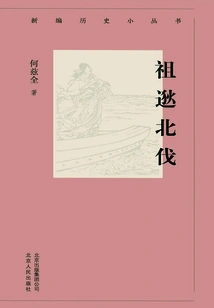
新编历史小丛书:祖逖北伐
He Ziquan
Zu Ti, whose courtesy name was Shiya, was from Fanyangqiu County (now Laishui County, Hebei Province). Born into a noble family, he served as the chief administrator of Sizhou in the Western Jin Dynasty. On the eve of the great chaos, with the ambition of serving the country, he was very concerned about the deteriorating political situation. Hearing the rooster crow in the middle of the night, he got up and went outdoors, drew his sword and danced, leaving behind a good story of "dancing after hearing the rooster". "Zu Ti's Northern Expedition" is about the Northern Expedition led by Zu Ti in the early Eastern Jin Dynasty. Zu Ti once regained a large area of land south of the Yellow River, but due to civil strife in the imperial court, the Northern Expedition failed after his death. Zu Ti was also a general who was extremely loved by the people.
Zu Ti, whose courtesy name was Shiya, was from Fanyangqiu County (now Laishui County, Hebei Province). Born into a noble family, he served as the chief administrator of Sizhou in the Western Jin Dynasty. On the eve of the great chaos, with the ambition of serving the country, he was very concerned about the deteriorating political situation. Hearing the rooster crow in the middle of the night, he got up and went outdoors, drew his sword and danced, leaving behind a good story of "dancing after hearing the rooster". "Zu Ti's Northern Expedition" is about the Northern Expedition led by Zu Ti in the early Eastern Jin Dynasty. Zu Ti once regained a large area of land south of the Yellow River, but due to civil strife in the imperial court, the Northern Expedition failed after his death. Zu Ti was also a general who was extremely loved by the people.
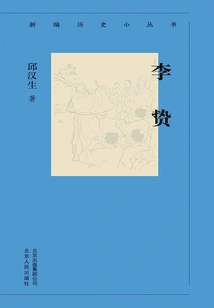
New History Series: Li Zhi
History新编历史小丛书:李贽
Qiu Hansheng
Starting from the ideological background of Taizhou School, it introduces the ideological background of Li Zhi, a thinker in the late Ming Dynasty, and then systematically introduces Li Zhi's life story from childhood to old age, vividly introducing Li Zhi's life of fighting against feudal rulers and his works. It introduces Li Zhi's anti-Taoist thoughts and reveals the progressive nature of Li Zhi's thoughts.
Starting from the ideological background of Taizhou School, it introduces the ideological background of Li Zhi, a thinker in the late Ming Dynasty, and then systematically introduces Li Zhi's life story from childhood to old age, vividly introducing Li Zhi's life of fighting against feudal rulers and his works. It introduces Li Zhi's anti-Taoist thoughts and reveals the progressive nature of Li Zhi's thoughts.
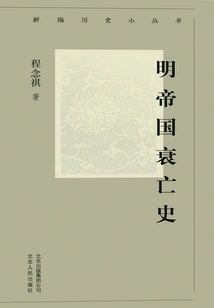
新编历史小丛书:明帝国衰亡史
Cheng Nianchu
The author combed the relevant historical materials in detail, focusing on various political, economic, institutional, external relations and other aspects of the late Ming Dynasty, focusing on analyzing and describing the relationship between the various forces in the court. Through the analysis of historical facts, he discussed in detail how the once powerful Ming Dynasty gradually declined amidst various intricate relationships and numerous contradictions, until it was destroyed by the peasant uprising. The author's exposition is dense and rigorous, the writing style is concise, and the writing is lucid. It is both academic and informative and very suitable for reading.
The author combed the relevant historical materials in detail, focusing on various political, economic, institutional, external relations and other aspects of the late Ming Dynasty, focusing on analyzing and describing the relationship between the various forces in the court. Through the analysis of historical facts, he discussed in detail how the once powerful Ming Dynasty gradually declined amidst various intricate relationships and numerous contradictions, until it was destroyed by the peasant uprising. The author's exposition is dense and rigorous, the writing style is concise, and the writing is lucid. It is both academic and informative and very suitable for reading.
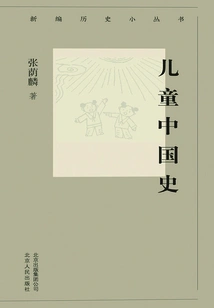
新编历史小丛书:儿童中国史
Zhang Yinlin
This book is a concise history of China written by Zhang Yinlin. It uses simple words and is concise and concise. It can also outline the outline of Chinese history and clearly explain major historical events. It shows the author's high degree of historical accomplishment and generalization ability. It is a very classic reading. Now it is included in the "New History Series", hoping that more readers can read the classic.
This book is a concise history of China written by Zhang Yinlin. It uses simple words and is concise and concise. It can also outline the outline of Chinese history and clearly explain major historical events. It shows the author's high degree of historical accomplishment and generalization ability. It is a very classic reading. Now it is included in the "New History Series", hoping that more readers can read the classic.
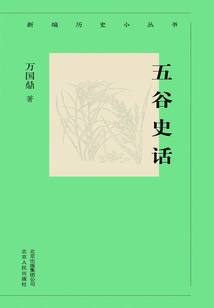
新编历史小丛书:五谷史话
Wan Guoding
Mr. Wan Guoding's two classics are combined into one. "History of Five Grains" mainly introduces some phenomena and laws of grains, ancient and modern grains, rice, wheat, corn, sweet potatoes, sorghum and other grain crops, as well as ancient and modern changes. "Wang Zhen and Nong Shu" introduces Wang Zhen's life, the summary and characteristics of Wang Zhen's "Nong Shu", and the three important components of Wang Zhen's "Nong Shu".
Mr. Wan Guoding's two classics are combined into one. "History of Five Grains" mainly introduces some phenomena and laws of grains, ancient and modern grains, rice, wheat, corn, sweet potatoes, sorghum and other grain crops, as well as ancient and modern changes. "Wang Zhen and Nong Shu" introduces Wang Zhen's life, the summary and characteristics of Wang Zhen's "Nong Shu", and the three important components of Wang Zhen's "Nong Shu".
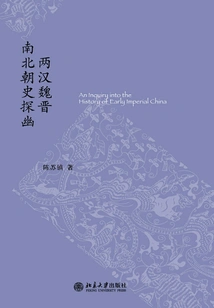
两汉魏晋南北朝史探幽
Chensu Town
The articles collected in "Exploring the History of the Han, Wei, Jin, Southern and Northern Dynasties" are the author's main works published over the past 20 years. The content covers the political history, institutional history and ideological history of the Han, Wei, Jin and Southern and Northern Dynasties. The discussion focuses on issues such as the "Spring and Autumn" study of the Han Dynasty, the politics of the Eastern Han Dynasty, the kingdom and feudal system of the Western Han Dynasty, and the scattered official system of the Southern and Northern Dynasties. The author approaches the fields of political history, institutional history and intellectual history from the perspective of political culture. He not only focuses on the excavation and verification of historical facts, but also strives to explore the deep connections between various fields. Therefore, his articles are not only innovative in viewpoints and conclusions, but also innovative in research ideas and methods.
The articles collected in "Exploring the History of the Han, Wei, Jin, Southern and Northern Dynasties" are the author's main works published over the past 20 years. The content covers the political history, institutional history and ideological history of the Han, Wei, Jin and Southern and Northern Dynasties. The discussion focuses on issues such as the "Spring and Autumn" study of the Han Dynasty, the politics of the Eastern Han Dynasty, the kingdom and feudal system of the Western Han Dynasty, and the scattered official system of the Southern and Northern Dynasties. The author approaches the fields of political history, institutional history and intellectual history from the perspective of political culture. He not only focuses on the excavation and verification of historical facts, but also strives to explore the deep connections between various fields. Therefore, his articles are not only innovative in viewpoints and conclusions, but also innovative in research ideas and methods.
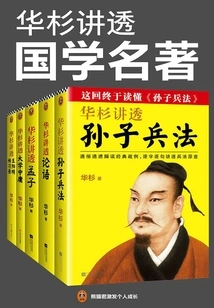
华杉讲透国学名著
Huashan
This time I finally understood "The Art of War", "The Analects of Confucius", "Mencius", "The Doctrine of the Doctrine" and "The Record of Legend"! The original meaning of five Chinese classics is explained word for word, without any knowledge of classical Chinese, allowing you to understand the wisdom of Chinese history! A collection of five classic masterpieces by best-selling author Hua Shan! The author of this book, Hua Shan, has studied Confucianism for more than thirty years and "The Art of War" by Sun Tzu for twenty years. He has already understood the original meaning of these classics, and can combine the views of many sages and great Confucians in history to explain each sentence thoroughly in a language that is easy for modern people to understand. And in view of people's common misunderstanding of Chinese classics, a correct explanation and analysis was given. After opening this set of books, you can read "The Art of War", "The Analects of Confucius", "Mencius", "The Doctrine of the Great Learning" and "Traditional Records" without even the slightest knowledge of ancient Chinese literature, and comprehend the wisdom of Chinese history!
This time I finally understood "The Art of War", "The Analects of Confucius", "Mencius", "The Doctrine of the Doctrine" and "The Record of Legend"! The original meaning of five Chinese classics is explained word for word, without any knowledge of classical Chinese, allowing you to understand the wisdom of Chinese history! A collection of five classic masterpieces by best-selling author Hua Shan! The author of this book, Hua Shan, has studied Confucianism for more than thirty years and "The Art of War" by Sun Tzu for twenty years. He has already understood the original meaning of these classics, and can combine the views of many sages and great Confucians in history to explain each sentence thoroughly in a language that is easy for modern people to understand. And in view of people's common misunderstanding of Chinese classics, a correct explanation and analysis was given. After opening this set of books, you can read "The Art of War", "The Analects of Confucius", "Mencius", "The Doctrine of the Great Learning" and "Traditional Records" without even the slightest knowledge of ancient Chinese literature, and comprehend the wisdom of Chinese history!
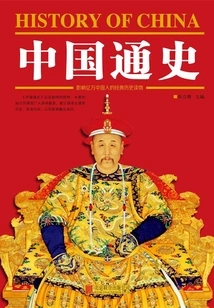
General History of China
History中国通史
Editor-in-chief Zhu Lichun
Reading history can gain experience and true knowledge, and you can learn from the past. "General History of China (Essence)" edited by Zhu Lichun organically combines the important events, important figures, splendid culture, etc. In Chinese history in the form of concise entries, and narrates the five thousand years of Chinese civilization, allowing you to easily wander along the historical corridor, increase your knowledge, and broaden your horizons after intense study and work.
Reading history can gain experience and true knowledge, and you can learn from the past. "General History of China (Essence)" edited by Zhu Lichun organically combines the important events, important figures, splendid culture, etc. In Chinese history in the form of concise entries, and narrates the five thousand years of Chinese civilization, allowing you to easily wander along the historical corridor, increase your knowledge, and broaden your horizons after intense study and work.
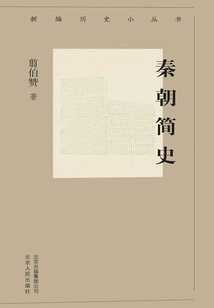
新编历史小丛书:秦朝简史
Jian Bozan
Through the discussion of the famous historian Jian Bozan, this book outlines the process of the Qin Dynasty from its establishment to the unification of the six countries and the establishment of the empire until the Chen Sheng and Wu Guang uprising, when all the heroes came together and the Qin Empire fell. Jian Lao's narration is concise and the historical facts are explained in a simple and easy-to-understand manner. He analyzes the Qin Dynasty from its initial establishment to its gradual strength, then to the merger of six countries, the collapse of the Qin Empire and other historical events. He fully uses the method of Marxist historical materialism. It is still a model work of historical research today.
Through the discussion of the famous historian Jian Bozan, this book outlines the process of the Qin Dynasty from its establishment to the unification of the six countries and the establishment of the empire until the Chen Sheng and Wu Guang uprising, when all the heroes came together and the Qin Empire fell. Jian Lao's narration is concise and the historical facts are explained in a simple and easy-to-understand manner. He analyzes the Qin Dynasty from its initial establishment to its gradual strength, then to the merger of six countries, the collapse of the Qin Empire and other historical events. He fully uses the method of Marxist historical materialism. It is still a model work of historical research today.
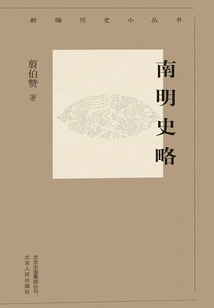
新编历史小丛书:南明史略
Jian Bozan
The Nanming Dynasty (1644-1683) was a series of regimes established in the south by the Ming Dynasty clan after Li Zicheng entered Beijing and Chongzhen committed suicide. It went through four emperors and one supervising the country. In the seventeenth year of Chongzhen (1644), Li Zicheng's rebel army captured Beijing, and Emperor Chongzhen Zhu Youjian hanged himself in Meishan. The Qing army entered the Central Plains, and most of the Ming Dynasty's royal family and civil and military ministers fled to the south. They also occupied half of the country south of the Huaihe River to resist the Qing army, including the Hongguang regime, the King of Lu's supervision, the Longwu regime, the Shaowu regime, the Yongli regime, and the Ming and Zheng dynasties. Jian Lao's "A Brief History of the Southern Ming Dynasty" combed the relevant historical materials in detail and restored this period of history.
The Nanming Dynasty (1644-1683) was a series of regimes established in the south by the Ming Dynasty clan after Li Zicheng entered Beijing and Chongzhen committed suicide. It went through four emperors and one supervising the country. In the seventeenth year of Chongzhen (1644), Li Zicheng's rebel army captured Beijing, and Emperor Chongzhen Zhu Youjian hanged himself in Meishan. The Qing army entered the Central Plains, and most of the Ming Dynasty's royal family and civil and military ministers fled to the south. They also occupied half of the country south of the Huaihe River to resist the Qing army, including the Hongguang regime, the King of Lu's supervision, the Longwu regime, the Shaowu regime, the Yongli regime, and the Ming and Zheng dynasties. Jian Lao's "A Brief History of the Southern Ming Dynasty" combed the relevant historical materials in detail and restored this period of history.
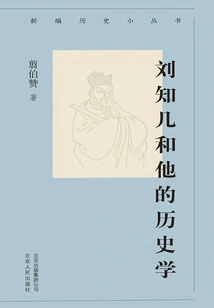
新编历史小丛书:刘知几和他的历史学
Jian Bozan
Liu Zhiji (661-721), courtesy name Zixuan, was a native of Pengcheng (today's Xuzhou, Jiangsu Province). He was an important historian in ancient China. He was the author of "Shi Tong" and co-authored eighty volumes of "Tang Shu", "Records of Empress Wu", "Records of Zhongzong", etc. Jianlao's book "Liu Zhiji and His History" introduces Liu Zhiji's life, his main academic thoughts, and his influence on later generations in detail. The discussion is rigorous, the writing is clear, and it is both informative and readable.
Liu Zhiji (661-721), courtesy name Zixuan, was a native of Pengcheng (today's Xuzhou, Jiangsu Province). He was an important historian in ancient China. He was the author of "Shi Tong" and co-authored eighty volumes of "Tang Shu", "Records of Empress Wu", "Records of Zhongzong", etc. Jianlao's book "Liu Zhiji and His History" introduces Liu Zhiji's life, his main academic thoughts, and his influence on later generations in detail. The discussion is rigorous, the writing is clear, and it is both informative and readable.
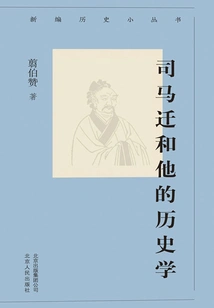
新编历史小丛书:司马迁和他的历史学
Jian Bozan
This book is a study of Sima Qian written by the famous historian Jian Bozan. Sima Qian is the author of China's first general history, "Shiji", and there are many studies on his life and history. This book introduces Sima Qian's life in detail, focusing on Sima Qian's academic views on history, the formation of his academic views, their embodiment in "Historical Records", and the evaluation of Sima Qian and his history. Jian Lao's analysis is thorough and interlocking, and the narrative is simple and clear. It has professional knowledge and is very suitable for public reading.
This book is a study of Sima Qian written by the famous historian Jian Bozan. Sima Qian is the author of China's first general history, "Shiji", and there are many studies on his life and history. This book introduces Sima Qian's life in detail, focusing on Sima Qian's academic views on history, the formation of his academic views, their embodiment in "Historical Records", and the evaluation of Sima Qian and his history. Jian Lao's analysis is thorough and interlocking, and the narrative is simple and clear. It has professional knowledge and is very suitable for public reading.
Haiyan's Story 1788
History海晏的故事1788
Nineteenth Year Of Zhenguan
In the late years of Qianlong's reign, the Dashui Fa was idle most of the time because many of its institutions were in disrepair. Haiyan climbed up and down the Old Summer Palace almost every day to maintain the equipment that had been in disrepair. In early autumn, the French advance delegation in Beijing set off from Xishiku to Guangzhou. Haiyan traveled with the delegation as a translator and attendant. From the Old Summer Palace to the Seine River, driven by fate, they met in Paris and experienced the turbulent and soul-stirring years in French history. This gorgeous and tragic symphony of life is being played by four people. And our story begins with a diary that was burned in the charcoal fire...
In the late years of Qianlong's reign, the Dashui Fa was idle most of the time because many of its institutions were in disrepair. Haiyan climbed up and down the Old Summer Palace almost every day to maintain the equipment that had been in disrepair. In early autumn, the French advance delegation in Beijing set off from Xishiku to Guangzhou. Haiyan traveled with the delegation as a translator and attendant. From the Old Summer Palace to the Seine River, driven by fate, they met in Paris and experienced the turbulent and soul-stirring years in French history. This gorgeous and tragic symphony of life is being played by four people. And our story begins with a diary that was burned in the charcoal fire...