Library
Browse and search books
2,273 novels found
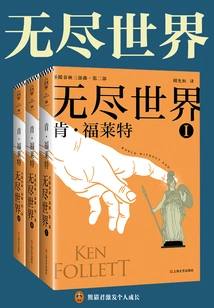
Endless World (all 3 Volumes)
General Fiction无尽世界(全3册)
H
European and American readers spend an average of three nights reading it! "Fall of Giants" author Ken Follett's landmark masterpiece, the sequel to "Temple Spring and Autumn", the second part of the medieval trilogy, best-selling in 15 languages in various countries! This novel lets everyone know that we have the ability to transcend the mundane and touch the eternal. England, fourteenth century, an old era is about to end, and a new era is about to come. In Wangqiao Town, the descendants of architects have their own troubles. Behind the pain of growing up are the pains of an era: the Renaissance, church architecture, royal power struggles, the Black Death, church conflicts... Where will their fate go?
European and American readers spend an average of three nights reading it! "Fall of Giants" author Ken Follett's landmark masterpiece, the sequel to "Temple Spring and Autumn", the second part of the medieval trilogy, best-selling in 15 languages in various countries! This novel lets everyone know that we have the ability to transcend the mundane and touch the eternal. England, fourteenth century, an old era is about to end, and a new era is about to come. In Wangqiao Town, the descendants of architects have their own troubles. Behind the pain of growing up are the pains of an era: the Renaissance, church architecture, royal power struggles, the Black Death, church conflicts... Where will their fate go?
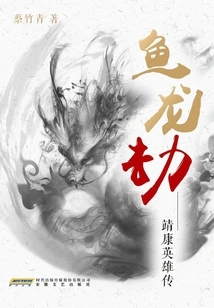
Fish and Dragon Catastrophe: the Legend of Jingkang Heroes
General Fiction鱼龙劫:靖康英雄传
Cai Zhuqing
The novel revolves around the Jingkang Incident, and vividly describes the changes of dynasties, the magnificent tide of the times, the confrontation between the armies, the battles between the armed forces and the iron horses, the intrigues, the battles between loyalties and traitors in the temples, the strange and strange things, the intrigues and deceit. The turbulence of the world, and the heroic deeds of many people in the world who fought bravely and bravely against the scum of the martial arts and the ferocious aliens for the sake of the safety of the country and the nation. In addition, there are also descriptions of unswerving, poignant and graceful love. The historical elements in the novel are strong, and the occurrence and development of the main events basically follow historical reality. Important figures such as Huizong and Qinzong of the Northern Song Dynasty, Emperor Gaozong of the Southern Song Dynasty Zhao Gou, Li Gang, Zong Ze, Cai Jing, Li Bangyan, and Marshal Wanyan Zongwang of the East Route Army of the Jin Kingdom are all vividly represented in the book.
The novel revolves around the Jingkang Incident, and vividly describes the changes of dynasties, the magnificent tide of the times, the confrontation between the armies, the battles between the armed forces and the iron horses, the intrigues, the battles between loyalties and traitors in the temples, the strange and strange things, the intrigues and deceit. The turbulence of the world, and the heroic deeds of many people in the world who fought bravely and bravely against the scum of the martial arts and the ferocious aliens for the sake of the safety of the country and the nation. In addition, there are also descriptions of unswerving, poignant and graceful love. The historical elements in the novel are strong, and the occurrence and development of the main events basically follow historical reality. Important figures such as Huizong and Qinzong of the Northern Song Dynasty, Emperor Gaozong of the Southern Song Dynasty Zhao Gou, Li Gang, Zong Ze, Cai Jing, Li Bangyan, and Marshal Wanyan Zongwang of the East Route Army of the Jin Kingdom are all vividly represented in the book.
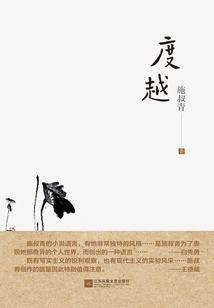
Du Yue
General Fiction度越
Shi Shuqing
The protagonist comes to the ancient city of Nanjing to resolve love affairs and engages in research on the Buddhist art of the Six Dynasties. Parallel to this contemporary story is the story of the Wei and Jin Dynasties. Zhu Ji, a "student who writes scriptures", was born in a poor family. He was ordained many times and his Dharma name was Jisheng. Jisheng's originally pure spiritual practice was disturbed by his chance encounter with Yanhong, a singing prostitute who had fled. At the same time, he came to Jiankang (today's Nanjing) to study Taoism and propagate Buddhism, but he was fascinated by the literary talents of the Jiangnan scholars at that time. Ji Sheng and Yan Hong performed a scene of love and hatred.
The protagonist comes to the ancient city of Nanjing to resolve love affairs and engages in research on the Buddhist art of the Six Dynasties. Parallel to this contemporary story is the story of the Wei and Jin Dynasties. Zhu Ji, a "student who writes scriptures", was born in a poor family. He was ordained many times and his Dharma name was Jisheng. Jisheng's originally pure spiritual practice was disturbed by his chance encounter with Yanhong, a singing prostitute who had fled. At the same time, he came to Jiankang (today's Nanjing) to study Taoism and propagate Buddhism, but he was fascinated by the literary talents of the Jiangnan scholars at that time. Ji Sheng and Yan Hong performed a scene of love and hatred.
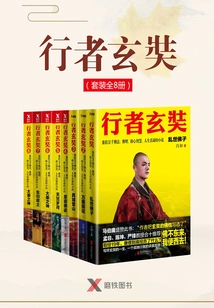
The Traveler Xuanzang (set of 8 Volumes)
General Fiction行者玄奘(套装8册)
Chang Ru
A novel that covers thousands of Buddhist principles in the world, highly recommended by Meng Fei, Chen Kun, Ma Boyong, Yan Feng, and Hu Ziwei. Write down Xuanzang's life, a lonely traveler's journey of seeking truth! Xuanzang, commonly known as Chen Yi, was born in an official family in Guanzhong. In the eighth year of the great cause, the imperial court issued an order to ordain fourteen monks in Luoyang. Eleven-year-old Chen Yi used his own way to get the opportunity and was ordained as a novice monk, with the Buddhist name Xuanzang. At the end of the Sui Dynasty, all heroes came together, and famine spread in Luoyang, which was at the cusp of the storm. Nine out of ten houses were empty. Xuanzang began to study all over the world, worshiped famous teachers, and became a famous young monk. At the same time, he also accumulated more and more confusions and questions. When no one could answer his questions, Xuanzang set his sights on Tianzhu. 17 Years, 56 countries, 110 cities, 1,335 volumes of scriptures, 50,000 miles = Xuanzang's westward journey. The emerging Tang Dynasty, the Turks on horseback, the mysterious Central Asia, and India where diverse ideas collide... Are revealed in the journey of a lonely traveler like Xuanzang seeking truth, which has become the greatest adventure in the history of human hiking.
A novel that covers thousands of Buddhist principles in the world, highly recommended by Meng Fei, Chen Kun, Ma Boyong, Yan Feng, and Hu Ziwei. Write down Xuanzang's life, a lonely traveler's journey of seeking truth! Xuanzang, commonly known as Chen Yi, was born in an official family in Guanzhong. In the eighth year of the great cause, the imperial court issued an order to ordain fourteen monks in Luoyang. Eleven-year-old Chen Yi used his own way to get the opportunity and was ordained as a novice monk, with the Buddhist name Xuanzang. At the end of the Sui Dynasty, all heroes came together, and famine spread in Luoyang, which was at the cusp of the storm. Nine out of ten houses were empty. Xuanzang began to study all over the world, worshiped famous teachers, and became a famous young monk. At the same time, he also accumulated more and more confusions and questions. When no one could answer his questions, Xuanzang set his sights on Tianzhu. 17 Years, 56 countries, 110 cities, 1,335 volumes of scriptures, 50,000 miles = Xuanzang's westward journey. The emerging Tang Dynasty, the Turks on horseback, the mysterious Central Asia, and India where diverse ideas collide... Are revealed in the journey of a lonely traveler like Xuanzang seeking truth, which has become the greatest adventure in the history of human hiking.
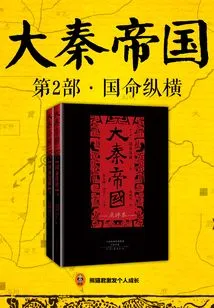
The Qin Empire (part 2): the Fate of the Country is at Stake
General Fiction大秦帝国(第2部):国命纵横
Written By Sun Haohui, Xie Youshun And Hu Chuanji's Comments
The original work of the popular CCTV drama "The Qin Empire" and a best-selling historical novel! Interpretation by a well-known professor from Sun Yat-sen University, citing history and discussing the present, helping readers gain a deeper understanding of history. Nan Huaijin and Er Erhe are recommended! He was selected for the "Five One Project" Award of the Central Propaganda Department and nominated for the 8th Mao Dun Literature Award. An apocalypse of social elites, showing the inner wisdom of how to deal with people; an encyclopedia of human nature, promoting the spirit of vigilance and strong survival; a great struggle in the world, clarifying the country's strategy for dealing with the world. "The Great Qin Empire" is a majestic five million words, vigorously unfolding the history of the rise of the seven kingdoms in the late Warring States Period, and depicting the ups and downs of the Warring States Period and the rise and fall of empires in the past two hundred years.
The original work of the popular CCTV drama "The Qin Empire" and a best-selling historical novel! Interpretation by a well-known professor from Sun Yat-sen University, citing history and discussing the present, helping readers gain a deeper understanding of history. Nan Huaijin and Er Erhe are recommended! He was selected for the "Five One Project" Award of the Central Propaganda Department and nominated for the 8th Mao Dun Literature Award. An apocalypse of social elites, showing the inner wisdom of how to deal with people; an encyclopedia of human nature, promoting the spirit of vigilance and strong survival; a great struggle in the world, clarifying the country's strategy for dealing with the world. "The Great Qin Empire" is a majestic five million words, vigorously unfolding the history of the rise of the seven kingdoms in the late Warring States Period, and depicting the ups and downs of the Warring States Period and the rise and fall of empires in the past two hundred years.
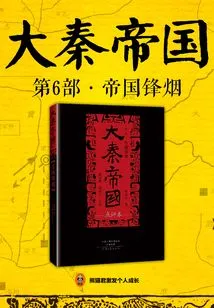
The Qin Empire (part 6): Imperial Beacon
General Fiction大秦帝国(第6部):帝国烽烟
Written By Sun Haohui, Xie Youshun And Hu Chuanji's Comments
The original work of the popular CCTV drama "The Qin Empire" and a best-selling historical novel! Interpretation by a well-known professor from Sun Yat-sen University, citing history and discussing the present, helping readers gain a deeper understanding of history. Nan Huaijin and Er Erhe are recommended! He was selected for the "Five One Project" Award of the Central Propaganda Department and nominated for the 8th Mao Dun Literature Award. An apocalypse of social elites, showing the inner wisdom of how to deal with people; an encyclopedia of human nature, promoting the spirit of vigilance and strong survival; a great struggle in the world, clarifying the country's strategy for dealing with the world. "The Great Qin Empire" is a majestic five million words, vigorously unfolding the history of the rise of the seven kingdoms in the late Warring States Period, and depicting the ups and downs of the Warring States Period and the rise and fall of empires in the past two hundred years.
The original work of the popular CCTV drama "The Qin Empire" and a best-selling historical novel! Interpretation by a well-known professor from Sun Yat-sen University, citing history and discussing the present, helping readers gain a deeper understanding of history. Nan Huaijin and Er Erhe are recommended! He was selected for the "Five One Project" Award of the Central Propaganda Department and nominated for the 8th Mao Dun Literature Award. An apocalypse of social elites, showing the inner wisdom of how to deal with people; an encyclopedia of human nature, promoting the spirit of vigilance and strong survival; a great struggle in the world, clarifying the country's strategy for dealing with the world. "The Great Qin Empire" is a majestic five million words, vigorously unfolding the history of the rise of the seven kingdoms in the late Warring States Period, and depicting the ups and downs of the Warring States Period and the rise and fall of empires in the past two hundred years.
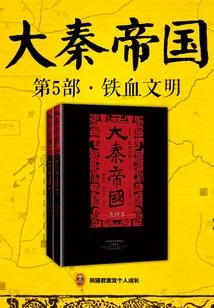
The Qin Empire (part 5): Iron-blooded Civilization
General Fiction大秦帝国(第5部):铁血文明
Written By Sun Haohui, Xie Youshun And Hu Chuanji's Comments
The original work of the popular CCTV drama "The Qin Empire" and a best-selling historical novel! Interpretation by a well-known professor from Sun Yat-sen University, citing history and discussing the present, helping readers gain a deeper understanding of history. Nan Huaijin and Er Erhe are recommended! He was selected for the "Five One Project" Award of the Central Propaganda Department and nominated for the 8th Mao Dun Literature Award. An apocalypse of social elites, showing the inner wisdom of how to deal with people; an encyclopedia of human nature, promoting the spirit of vigilance and strong survival; a great struggle in the world, clarifying the country's strategy for dealing with the world. "The Great Qin Empire" is a majestic five million words, vigorously unfolding the history of the rise of the seven kingdoms in the late Warring States Period, and depicting the ups and downs of the Warring States Period and the rise and fall of empires in the past two hundred years.
The original work of the popular CCTV drama "The Qin Empire" and a best-selling historical novel! Interpretation by a well-known professor from Sun Yat-sen University, citing history and discussing the present, helping readers gain a deeper understanding of history. Nan Huaijin and Er Erhe are recommended! He was selected for the "Five One Project" Award of the Central Propaganda Department and nominated for the 8th Mao Dun Literature Award. An apocalypse of social elites, showing the inner wisdom of how to deal with people; an encyclopedia of human nature, promoting the spirit of vigilance and strong survival; a great struggle in the world, clarifying the country's strategy for dealing with the world. "The Great Qin Empire" is a majestic five million words, vigorously unfolding the history of the rise of the seven kingdoms in the late Warring States Period, and depicting the ups and downs of the Warring States Period and the rise and fall of empires in the past two hundred years.
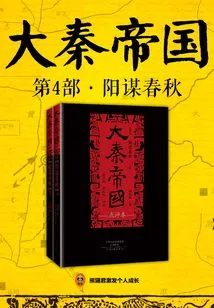
The Qin Empire (part 4): the Spring and Autumn Period
General Fiction大秦帝国(第4部):阳谋春秋
Written By Sun Haohui, Xie Youshun And Hu Chuanji's Comments
The original work of the popular CCTV drama "The Qin Empire" and a best-selling historical novel! Interpretation by a well-known professor from Sun Yat-sen University, citing history and discussing the present, helping readers gain a deeper understanding of history. Nan Huaijin and Er Erhe are recommended! He was selected for the "Five One Project" Award of the Central Propaganda Department and nominated for the 8th Mao Dun Literature Award. An apocalypse of social elites, showing the inner wisdom of how to deal with people; an encyclopedia of human nature, promoting the spirit of vigilance and strong survival; a great struggle in the world, clarifying the country's strategy for dealing with the world. "The Great Qin Empire" is a majestic five million words, vigorously unfolding the history of the rise of the seven kingdoms in the late Warring States Period, and depicting the ups and downs of the Warring States Period and the rise and fall of empires in the past two hundred years.
The original work of the popular CCTV drama "The Qin Empire" and a best-selling historical novel! Interpretation by a well-known professor from Sun Yat-sen University, citing history and discussing the present, helping readers gain a deeper understanding of history. Nan Huaijin and Er Erhe are recommended! He was selected for the "Five One Project" Award of the Central Propaganda Department and nominated for the 8th Mao Dun Literature Award. An apocalypse of social elites, showing the inner wisdom of how to deal with people; an encyclopedia of human nature, promoting the spirit of vigilance and strong survival; a great struggle in the world, clarifying the country's strategy for dealing with the world. "The Great Qin Empire" is a majestic five million words, vigorously unfolding the history of the rise of the seven kingdoms in the late Warring States Period, and depicting the ups and downs of the Warring States Period and the rise and fall of empires in the past two hundred years.
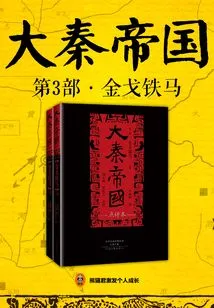
The Qin Empire (part 3): the Iron Horse
General Fiction大秦帝国(第3部):金戈铁马
Written By Sun Haohui, Xie Youshun And Hu Chuanji's Comments
The original work of the popular CCTV drama "The Qin Empire" and a best-selling historical novel! Interpretation by a well-known professor from Sun Yat-sen University, citing history and discussing the present, helping readers gain a deeper understanding of history. Nan Huaijin and Er Erhe are recommended! He was selected for the "Five One Project" Award of the Central Propaganda Department and nominated for the 8th Mao Dun Literature Award. An apocalypse of social elites, showing the inner wisdom of how to deal with people; an encyclopedia of human nature, promoting the spirit of vigilance and strong survival; a great struggle in the world, clarifying the country's strategy for dealing with the world. "The Great Qin Empire" is a majestic five million words, vigorously unfolding the history of the rise of the seven kingdoms in the late Warring States Period, and depicting the ups and downs of the Warring States Period and the rise and fall of empires in the past two hundred years.
The original work of the popular CCTV drama "The Qin Empire" and a best-selling historical novel! Interpretation by a well-known professor from Sun Yat-sen University, citing history and discussing the present, helping readers gain a deeper understanding of history. Nan Huaijin and Er Erhe are recommended! He was selected for the "Five One Project" Award of the Central Propaganda Department and nominated for the 8th Mao Dun Literature Award. An apocalypse of social elites, showing the inner wisdom of how to deal with people; an encyclopedia of human nature, promoting the spirit of vigilance and strong survival; a great struggle in the world, clarifying the country's strategy for dealing with the world. "The Great Qin Empire" is a majestic five million words, vigorously unfolding the history of the rise of the seven kingdoms in the late Warring States Period, and depicting the ups and downs of the Warring States Period and the rise and fall of empires in the past two hundred years.
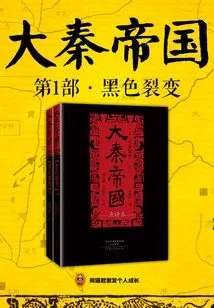
The Qin Empire (part 1): Black Fission
General Fiction大秦帝国(第1部):黑色裂变
Written By Sun Haohui, Xie Youshun And Hu Chuanji's Comments
The original work of the popular CCTV drama "The Qin Empire" and a best-selling historical novel! Interpretation by a well-known professor from Sun Yat-sen University, citing history and discussing the present, helping readers gain a deeper understanding of history. Nan Huaijin and Er Erhe are recommended! He was selected for the "Five One Project" Award of the Central Propaganda Department and nominated for the 8th Mao Dun Literature Award. An apocalypse of social elites, showing the inner wisdom of how to deal with people; an encyclopedia of human nature, promoting the spirit of vigilance and strong survival; a great struggle in the world, clarifying the country's strategy for dealing with the world. "The Great Qin Empire" is a majestic five million words, vigorously unfolding the history of the rise of the seven kingdoms in the late Warring States Period, and depicting the ups and downs of the Warring States Period and the rise and fall of empires in the past two hundred years.
The original work of the popular CCTV drama "The Qin Empire" and a best-selling historical novel! Interpretation by a well-known professor from Sun Yat-sen University, citing history and discussing the present, helping readers gain a deeper understanding of history. Nan Huaijin and Er Erhe are recommended! He was selected for the "Five One Project" Award of the Central Propaganda Department and nominated for the 8th Mao Dun Literature Award. An apocalypse of social elites, showing the inner wisdom of how to deal with people; an encyclopedia of human nature, promoting the spirit of vigilance and strong survival; a great struggle in the world, clarifying the country's strategy for dealing with the world. "The Great Qin Empire" is a majestic five million words, vigorously unfolding the history of the rise of the seven kingdoms in the late Warring States Period, and depicting the ups and downs of the Warring States Period and the rise and fall of empires in the past two hundred years.
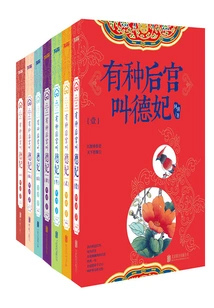
有种后宫叫德妃(精修版)
Asuo
At the beginning of the story of "A Kind of Harem Called Virtuous Concubine" (Set), Lan Qi was just an inconspicuous little palace maid, serving her master conscientiously, never dreaming of the day when she would fly on a branch. During that heavy rain, Xuan Ye's sad figure for his deceased wife remained in her heart. Many times, many things have their own arrangements. In order to protect her master, Wu Yalanqi did not hesitate to frame the current Long Live Master. The angry Kangxi wanted this little palace maid to sleep with him by name out of revenge, and directly named her Chang Zai. The young emperor just wanted to scare this little palace maid who knew nothing about heaven and earth. Unexpectedly, those eyes full of kindness and gentleness penetrated deeply into his heart. Facing the emperor's question, Wu Yalanqi said to the emperor: "You can even shoulder the country, so taking the blame once is nothing." From then on, she began her long and tumultuous journey to the harem.
At the beginning of the story of "A Kind of Harem Called Virtuous Concubine" (Set), Lan Qi was just an inconspicuous little palace maid, serving her master conscientiously, never dreaming of the day when she would fly on a branch. During that heavy rain, Xuan Ye's sad figure for his deceased wife remained in her heart. Many times, many things have their own arrangements. In order to protect her master, Wu Yalanqi did not hesitate to frame the current Long Live Master. The angry Kangxi wanted this little palace maid to sleep with him by name out of revenge, and directly named her Chang Zai. The young emperor just wanted to scare this little palace maid who knew nothing about heaven and earth. Unexpectedly, those eyes full of kindness and gentleness penetrated deeply into his heart. Facing the emperor's question, Wu Yalanqi said to the emperor: "You can even shoulder the country, so taking the blame once is nothing." From then on, she began her long and tumultuous journey to the harem.
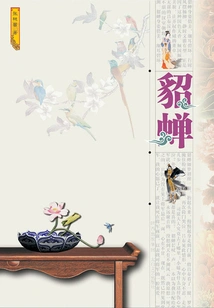
Diao Chan
General Fiction貂蝉
Zhang Yanqian
Diao Chan is mentioned everywhere in my hometown, and every poem has a new rhyme. Due to the endless potential of cultural resources, the Mizhi County Party Committee and County Government have proposed the strategic goal of building a "famous cultural tourism county in northern Shaanxi". On the basis of building tourist attractions such as Li Zicheng's Palace, Yangjiagou Revolutionary Site, Jiang's Manor, etc., They attach great importance to exploring new and rich "celebrity culture," resources. Taking Diao Chan as the theme and integrating the folk characteristics of northern Shaanxi, in Liujiagu, where Diao Chan grew up, they strive to build Diao Chan's characteristic tourism project - Diao Chan Villa.
Diao Chan is mentioned everywhere in my hometown, and every poem has a new rhyme. Due to the endless potential of cultural resources, the Mizhi County Party Committee and County Government have proposed the strategic goal of building a "famous cultural tourism county in northern Shaanxi". On the basis of building tourist attractions such as Li Zicheng's Palace, Yangjiagou Revolutionary Site, Jiang's Manor, etc., They attach great importance to exploring new and rich "celebrity culture," resources. Taking Diao Chan as the theme and integrating the folk characteristics of northern Shaanxi, in Liujiagu, where Diao Chan grew up, they strive to build Diao Chan's characteristic tourism project - Diao Chan Villa.
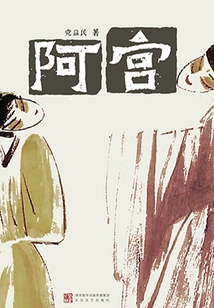
A Gong
General Fiction阿宫
Dang Yimin
The work is set against the background of the grand and long history of Guanzhong and spans two thousand years of history and humanity in Guanzhong. With a sad and wild style, a unique narrative style and an exploratory structure, the work depicts the various life styles of folk opera artists in the historical changes, as well as the living styles and spiritual pursuits of ordinary artists. It reproduces the elegant and graceful artistic charm of A Gong's accent. It's like the "Along the River During Qingming Festival" folk painting in the Weibei region, and also like the ukiyo-e paintings by folk artists in Guanzhong!
The work is set against the background of the grand and long history of Guanzhong and spans two thousand years of history and humanity in Guanzhong. With a sad and wild style, a unique narrative style and an exploratory structure, the work depicts the various life styles of folk opera artists in the historical changes, as well as the living styles and spiritual pursuits of ordinary artists. It reproduces the elegant and graceful artistic charm of A Gong's accent. It's like the "Along the River During Qingming Festival" folk painting in the Weibei region, and also like the ukiyo-e paintings by folk artists in Guanzhong!
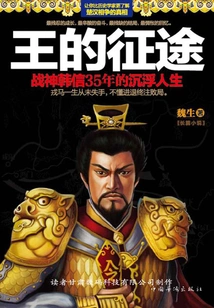
King's Journey
General Fiction王的征途
Wei Sheng
This book records Han Xin's life story in vivid words, not only about Han Xin's literary and military skills, but also about his attitude towards others and life; not only about his misfortune and success, but also about his favor and loss of favor. Han Xin's winning military tactics, military and administrative policies, his unique outlook on life, philosophy of life, cultural literacy and personality, etc., Are all brilliantly reflected in the book. More than two thousand years of time have come and gone. Although the story ends, life does not end. The most incomplete ending, the most bitter struggle, the cruelest growth, and the most melancholy memories are soaked in the writings of history. Han Xin's two tears turned into dew that came as expected every day, like billions of bright eyes, reading the various annotations made by later generations on his vocabulary.
This book records Han Xin's life story in vivid words, not only about Han Xin's literary and military skills, but also about his attitude towards others and life; not only about his misfortune and success, but also about his favor and loss of favor. Han Xin's winning military tactics, military and administrative policies, his unique outlook on life, philosophy of life, cultural literacy and personality, etc., Are all brilliantly reflected in the book. More than two thousand years of time have come and gone. Although the story ends, life does not end. The most incomplete ending, the most bitter struggle, the cruelest growth, and the most melancholy memories are soaked in the writings of history. Han Xin's two tears turned into dew that came as expected every day, like billions of bright eyes, reading the various annotations made by later generations on his vocabulary.
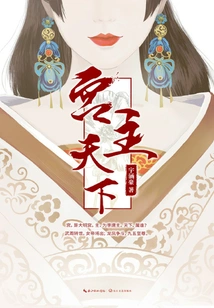
The Palace Rules the World
General Fiction宫主天下
Yu Hanhao
This is a long historical novel set in the Tang Dynasty. The fight between women is inherently cruel, but the fight between women for desire is even more cruel. The fights between women in this book have already escaped the palace and extended outside the palace walls and into the former court. During the prosperous period of the Tang Dynasty, the struggle between the Rouge Empire and the Rouge Empire also escalated from competing for love, glory and wealth to the supreme imperial power. This book takes the Tang Dynasty as the historical background and tells the story of Princess Taiping's plan for supreme imperial power after the Shenlong Coup. She pushed Li Xian and Li Dan to sit on the throne, and elected Li Longji as the prince to ascend the throne. The former aunt and nephew teamed up and suddenly became enemies, fighting for power and conspiracy. Inside and outside the palace, countless mysteries are intertwined in the light of swords and blood, and a series of bizarre stories, intrigues, and intrigues are revealed in the open and hidden arrows. Everything that Princess Taiping worked hard for was actually made into wedding clothes for others, and she ultimately wasted her life in this unrequited struggle.
This is a long historical novel set in the Tang Dynasty. The fight between women is inherently cruel, but the fight between women for desire is even more cruel. The fights between women in this book have already escaped the palace and extended outside the palace walls and into the former court. During the prosperous period of the Tang Dynasty, the struggle between the Rouge Empire and the Rouge Empire also escalated from competing for love, glory and wealth to the supreme imperial power. This book takes the Tang Dynasty as the historical background and tells the story of Princess Taiping's plan for supreme imperial power after the Shenlong Coup. She pushed Li Xian and Li Dan to sit on the throne, and elected Li Longji as the prince to ascend the throne. The former aunt and nephew teamed up and suddenly became enemies, fighting for power and conspiracy. Inside and outside the palace, countless mysteries are intertwined in the light of swords and blood, and a series of bizarre stories, intrigues, and intrigues are revealed in the open and hidden arrows. Everything that Princess Taiping worked hard for was actually made into wedding clothes for others, and she ultimately wasted her life in this unrequited struggle.
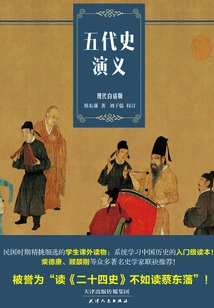
Romance of the Five Dynasties
General Fiction五代史演义
Cai Dongfan
"The Romance of the Five Dynasties" is part of the Five Dynasties and Ten Kingdoms series in Cai Dongfan's "Popular Romance of Chinese History" series. "The Romance of the Five Dynasties" has a total of sixty chapters, which truly reproduces the rule of the game of regime change that "the one with strong soldiers and horses will be the emperor" under the situation of division and turmoil. What Cai Dongfan describes in his writings is not only the chaotic chaos of this period, but also aims to reveal its roots and connect it with the social reality of the warlords' melee in the early years of the Republic of China from the perspective of historians. This is a lesson from the mistakes made before. Cai Dongfan takes official history as the classic and anecdotes as the weft. "History of the Five Dynasties" is relaxed and relaxed, self-criticizing and self-evaluating, full of wit and humor. It integrates literary and historical nature. It can be used not only as a general leisure reading, but also as a reference book for history lovers. In addition, this edition has specially translated part of the original work into vernacular, making it more suitable for young people to read than other editions.
"The Romance of the Five Dynasties" is part of the Five Dynasties and Ten Kingdoms series in Cai Dongfan's "Popular Romance of Chinese History" series. "The Romance of the Five Dynasties" has a total of sixty chapters, which truly reproduces the rule of the game of regime change that "the one with strong soldiers and horses will be the emperor" under the situation of division and turmoil. What Cai Dongfan describes in his writings is not only the chaotic chaos of this period, but also aims to reveal its roots and connect it with the social reality of the warlords' melee in the early years of the Republic of China from the perspective of historians. This is a lesson from the mistakes made before. Cai Dongfan takes official history as the classic and anecdotes as the weft. "History of the Five Dynasties" is relaxed and relaxed, self-criticizing and self-evaluating, full of wit and humor. It integrates literary and historical nature. It can be used not only as a general leisure reading, but also as a reference book for history lovers. In addition, this edition has specially translated part of the original work into vernacular, making it more suitable for young people to read than other editions.
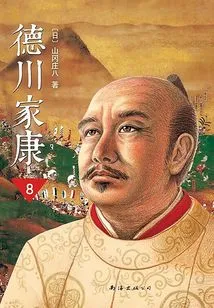
Tokugawa Ieyasu (new Edition) 8: the Return of the Hero
General Fiction德川家康(新版)8:枭雄归尘
(japan) Yamaoka Shohachi
The Japanese version of "The Romance of the Three Kingdoms" is a "three-in-one" book of history, power, and business. It is a must-read book for government and business leaders! A book that the Prime Minister of Japan requires cabinet members to read, a book that Konosuke Matsushita, the God of Management, requires Panasonic cadres to study, a book that the U. S. Ambassador to Japan believes must be read first to understand and surpass Japan, and a book that Korean media rated as "the most valuable classical book that affects Korean CEOs." Former U. S. Ambassador to Japan Lai Shihe said: "Every Japanese is a Tokugawa Ieyasu. To understand Japan and surpass Japan, you must first understand Tokugawa Ieyasu." Who is Tokugawa Ieyasu? Tokugawa Ieyasu ended more than a hundred years of war in Japan, created three hundred years of peace and prosperity, and established Japan in a complete sense. "Tokugawa Ieyasu" vigorously unfolds the history of the emergence of Oda Nobunaga, Takeda Shingen, Toyotomi Hideyoshi, Tokugawa Ieyasu and other heroes in the middle and late Warring States Period of Japan.
The Japanese version of "The Romance of the Three Kingdoms" is a "three-in-one" book of history, power, and business. It is a must-read book for government and business leaders! A book that the Prime Minister of Japan requires cabinet members to read, a book that Konosuke Matsushita, the God of Management, requires Panasonic cadres to study, a book that the U. S. Ambassador to Japan believes must be read first to understand and surpass Japan, and a book that Korean media rated as "the most valuable classical book that affects Korean CEOs." Former U. S. Ambassador to Japan Lai Shihe said: "Every Japanese is a Tokugawa Ieyasu. To understand Japan and surpass Japan, you must first understand Tokugawa Ieyasu." Who is Tokugawa Ieyasu? Tokugawa Ieyasu ended more than a hundred years of war in Japan, created three hundred years of peace and prosperity, and established Japan in a complete sense. "Tokugawa Ieyasu" vigorously unfolds the history of the emergence of Oda Nobunaga, Takeda Shingen, Toyotomi Hideyoshi, Tokugawa Ieyasu and other heroes in the middle and late Warring States Period of Japan.
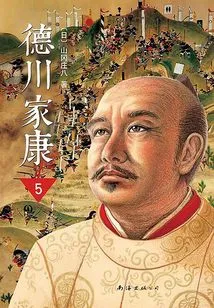
Tokugawa Ieyasu (new Version) 5: Enter the Dragon
General Fiction德川家康(新版)5:龙争虎斗
(japan) Yamaoka Shohachi
The Japanese version of "The Romance of the Three Kingdoms" is a "three-in-one" book of history, power, and business. It is a must-read book for government and business leaders! A book that the Prime Minister of Japan requires cabinet members to read, a book that Konosuke Matsushita, the God of Management, requires Panasonic cadres to study, a book that the U. S. Ambassador to Japan believes must be read first to understand and surpass Japan, and a book that Korean media rated as "the most valuable classical book that affects Korean CEOs." Former U. S. Ambassador to Japan Lai Shihe said: "Every Japanese is a Tokugawa Ieyasu. To understand Japan and surpass Japan, you must first understand Tokugawa Ieyasu." Who is Tokugawa Ieyasu? Tokugawa Ieyasu ended more than a hundred years of war in Japan, created three hundred years of peace and prosperity, and established Japan in a complete sense. "Tokugawa Ieyasu" vigorously unfolds the history of the emergence of Oda Nobunaga, Takeda Shingen, Toyotomi Hideyoshi, Tokugawa Ieyasu and other heroes in the middle and late Warring States Period of Japan.
The Japanese version of "The Romance of the Three Kingdoms" is a "three-in-one" book of history, power, and business. It is a must-read book for government and business leaders! A book that the Prime Minister of Japan requires cabinet members to read, a book that Konosuke Matsushita, the God of Management, requires Panasonic cadres to study, a book that the U. S. Ambassador to Japan believes must be read first to understand and surpass Japan, and a book that Korean media rated as "the most valuable classical book that affects Korean CEOs." Former U. S. Ambassador to Japan Lai Shihe said: "Every Japanese is a Tokugawa Ieyasu. To understand Japan and surpass Japan, you must first understand Tokugawa Ieyasu." Who is Tokugawa Ieyasu? Tokugawa Ieyasu ended more than a hundred years of war in Japan, created three hundred years of peace and prosperity, and established Japan in a complete sense. "Tokugawa Ieyasu" vigorously unfolds the history of the emergence of Oda Nobunaga, Takeda Shingen, Toyotomi Hideyoshi, Tokugawa Ieyasu and other heroes in the middle and late Warring States Period of Japan.
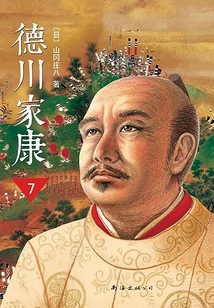
德川家康(新版)7:南征北战
(japan) Yamaoka Shohachi
The Japanese version of "The Romance of the Three Kingdoms" is a "three-in-one" book of history, power, and business. It is a must-read book for government and business leaders! A book that the Prime Minister of Japan requires cabinet members to read, a book that Konosuke Matsushita, the God of Management, requires Panasonic cadres to study, a book that the U. S. Ambassador to Japan believes must be read first to understand and surpass Japan, and a book that Korean media rated as "the most valuable classical book that affects Korean CEOs." Former U. S. Ambassador to Japan Lai Shihe said: "Every Japanese is a Tokugawa Ieyasu. To understand Japan and surpass Japan, you must first understand Tokugawa Ieyasu." Who is Tokugawa Ieyasu? Tokugawa Ieyasu ended more than a hundred years of war in Japan, created three hundred years of peace and prosperity, and established Japan in a complete sense. "Tokugawa Ieyasu" vigorously unfolds the history of the emergence of Oda Nobunaga, Takeda Shingen, Toyotomi Hideyoshi, Tokugawa Ieyasu and other heroes in the middle and late Warring States Period of Japan.
The Japanese version of "The Romance of the Three Kingdoms" is a "three-in-one" book of history, power, and business. It is a must-read book for government and business leaders! A book that the Prime Minister of Japan requires cabinet members to read, a book that Konosuke Matsushita, the God of Management, requires Panasonic cadres to study, a book that the U. S. Ambassador to Japan believes must be read first to understand and surpass Japan, and a book that Korean media rated as "the most valuable classical book that affects Korean CEOs." Former U. S. Ambassador to Japan Lai Shihe said: "Every Japanese is a Tokugawa Ieyasu. To understand Japan and surpass Japan, you must first understand Tokugawa Ieyasu." Who is Tokugawa Ieyasu? Tokugawa Ieyasu ended more than a hundred years of war in Japan, created three hundred years of peace and prosperity, and established Japan in a complete sense. "Tokugawa Ieyasu" vigorously unfolds the history of the emergence of Oda Nobunaga, Takeda Shingen, Toyotomi Hideyoshi, Tokugawa Ieyasu and other heroes in the middle and late Warring States Period of Japan.
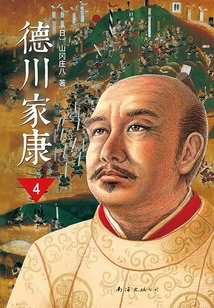
Tokugawa Ieyasu (new Version) 4: Mutiny at Honnoji Temple
General Fiction德川家康(新版)4:兵变本能寺
(japan) Yamaoka Shohachi
The Japanese version of "The Romance of the Three Kingdoms" is a "three-in-one" book of history, power, and business. It is a must-read book for government and business leaders! A book that the Prime Minister of Japan requires cabinet members to read, a book that Konosuke Matsushita, the God of Management, requires Panasonic cadres to study, a book that the U. S. Ambassador to Japan believes must be read first to understand and surpass Japan, and a book that Korean media rated as "the most valuable classical book that affects Korean CEOs." Former U. S. Ambassador to Japan Lai Shihe said: "Every Japanese is a Tokugawa Ieyasu. To understand Japan and surpass Japan, you must first understand Tokugawa Ieyasu." Who is Tokugawa Ieyasu? Tokugawa Ieyasu ended more than a hundred years of war in Japan, created three hundred years of peace and prosperity, and established Japan in a complete sense. "Tokugawa Ieyasu" vigorously unfolds the history of the emergence of Oda Nobunaga, Takeda Shingen, Toyotomi Hideyoshi, Tokugawa Ieyasu and other heroes in the middle and late Warring States Period of Japan.
The Japanese version of "The Romance of the Three Kingdoms" is a "three-in-one" book of history, power, and business. It is a must-read book for government and business leaders! A book that the Prime Minister of Japan requires cabinet members to read, a book that Konosuke Matsushita, the God of Management, requires Panasonic cadres to study, a book that the U. S. Ambassador to Japan believes must be read first to understand and surpass Japan, and a book that Korean media rated as "the most valuable classical book that affects Korean CEOs." Former U. S. Ambassador to Japan Lai Shihe said: "Every Japanese is a Tokugawa Ieyasu. To understand Japan and surpass Japan, you must first understand Tokugawa Ieyasu." Who is Tokugawa Ieyasu? Tokugawa Ieyasu ended more than a hundred years of war in Japan, created three hundred years of peace and prosperity, and established Japan in a complete sense. "Tokugawa Ieyasu" vigorously unfolds the history of the emergence of Oda Nobunaga, Takeda Shingen, Toyotomi Hideyoshi, Tokugawa Ieyasu and other heroes in the middle and late Warring States Period of Japan.
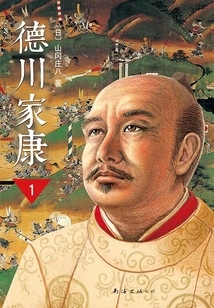
德川家康(新版)1:乱世孤主
(japan) Yamaoka Shohachi
The Japanese version of "The Romance of the Three Kingdoms" is a "three-in-one" book of history, power, and business. It is a must-read book for government and business leaders! A book that the Prime Minister of Japan requires cabinet members to read, a book that Konosuke Matsushita, the God of Management, requires Panasonic cadres to study, a book that the U. S. Ambassador to Japan believes must be read first to understand and surpass Japan, and a book that Korean media rated as "the most valuable classical book that affects Korean CEOs." Former U. S. Ambassador to Japan Lai Shihe said: "Every Japanese is a Tokugawa Ieyasu. To understand Japan and surpass Japan, you must first understand Tokugawa Ieyasu." Who is Tokugawa Ieyasu? Tokugawa Ieyasu ended more than a hundred years of war in Japan, created three hundred years of peace and prosperity, and established Japan in a complete sense. "Tokugawa Ieyasu" vigorously unfolds the history of the emergence of Oda Nobunaga, Takeda Shingen, Toyotomi Hideyoshi, Tokugawa Ieyasu and other heroes in the middle and late Warring States Period of Japan.
The Japanese version of "The Romance of the Three Kingdoms" is a "three-in-one" book of history, power, and business. It is a must-read book for government and business leaders! A book that the Prime Minister of Japan requires cabinet members to read, a book that Konosuke Matsushita, the God of Management, requires Panasonic cadres to study, a book that the U. S. Ambassador to Japan believes must be read first to understand and surpass Japan, and a book that Korean media rated as "the most valuable classical book that affects Korean CEOs." Former U. S. Ambassador to Japan Lai Shihe said: "Every Japanese is a Tokugawa Ieyasu. To understand Japan and surpass Japan, you must first understand Tokugawa Ieyasu." Who is Tokugawa Ieyasu? Tokugawa Ieyasu ended more than a hundred years of war in Japan, created three hundred years of peace and prosperity, and established Japan in a complete sense. "Tokugawa Ieyasu" vigorously unfolds the history of the emergence of Oda Nobunaga, Takeda Shingen, Toyotomi Hideyoshi, Tokugawa Ieyasu and other heroes in the middle and late Warring States Period of Japan.
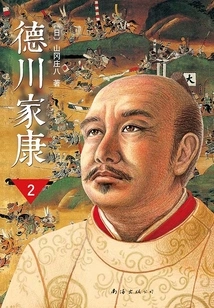
Tokugawa Ieyasu (new Version) 2: the Rise of Mikawa
General Fiction德川家康(新版)2:崛起三河
(japan) Yamaoka Shohachi
The Japanese version of "The Romance of the Three Kingdoms" is a "three-in-one" book of history, power, and business. It is a must-read book for government and business leaders! A book that the Prime Minister of Japan requires cabinet members to read, a book that Konosuke Matsushita, the God of Management, requires Panasonic cadres to study, a book that the U. S. Ambassador to Japan believes must be read first to understand and surpass Japan, and a book that Korean media rated as "the most valuable classical book that affects Korean CEOs." Former U. S. Ambassador to Japan Lai Shihe said: "Every Japanese is a Tokugawa Ieyasu. To understand Japan and surpass Japan, you must first understand Tokugawa Ieyasu." Who is Tokugawa Ieyasu? Tokugawa Ieyasu ended more than a hundred years of war in Japan, created three hundred years of peace and prosperity, and established Japan in a complete sense. "Tokugawa Ieyasu" vigorously unfolds the history of the emergence of Oda Nobunaga, Takeda Shingen, Toyotomi Hideyoshi, Tokugawa Ieyasu and other heroes in the middle and late Warring States Period of Japan.
The Japanese version of "The Romance of the Three Kingdoms" is a "three-in-one" book of history, power, and business. It is a must-read book for government and business leaders! A book that the Prime Minister of Japan requires cabinet members to read, a book that Konosuke Matsushita, the God of Management, requires Panasonic cadres to study, a book that the U. S. Ambassador to Japan believes must be read first to understand and surpass Japan, and a book that Korean media rated as "the most valuable classical book that affects Korean CEOs." Former U. S. Ambassador to Japan Lai Shihe said: "Every Japanese is a Tokugawa Ieyasu. To understand Japan and surpass Japan, you must first understand Tokugawa Ieyasu." Who is Tokugawa Ieyasu? Tokugawa Ieyasu ended more than a hundred years of war in Japan, created three hundred years of peace and prosperity, and established Japan in a complete sense. "Tokugawa Ieyasu" vigorously unfolds the history of the emergence of Oda Nobunaga, Takeda Shingen, Toyotomi Hideyoshi, Tokugawa Ieyasu and other heroes in the middle and late Warring States Period of Japan.
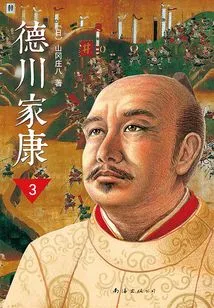
Tokugawa Ieyasu (new Version) 3: Tenkabubu
General Fiction德川家康(新版)3:天下布武
(japan) Yamaoka Shohachi
The Japanese version of "The Romance of the Three Kingdoms" is a "three-in-one" book of history, power, and business. It is a must-read book for government and business leaders! A book that the Prime Minister of Japan requires cabinet members to read, a book that Konosuke Matsushita, the God of Management, requires Panasonic cadres to study, a book that the U. S. Ambassador to Japan believes must be read first to understand and surpass Japan, and a book that Korean media rated as "the most valuable classical book that affects Korean CEOs." Former U. S. Ambassador to Japan Lai Shihe said: "Every Japanese is a Tokugawa Ieyasu. To understand Japan and surpass Japan, you must first understand Tokugawa Ieyasu." Who is Tokugawa Ieyasu? Tokugawa Ieyasu ended more than a hundred years of war in Japan, created three hundred years of peace and prosperity, and established Japan in a complete sense. "Tokugawa Ieyasu" vigorously unfolds the history of the emergence of Oda Nobunaga, Takeda Shingen, Toyotomi Hideyoshi, Tokugawa Ieyasu and other heroes in the middle and late Warring States Period of Japan.
The Japanese version of "The Romance of the Three Kingdoms" is a "three-in-one" book of history, power, and business. It is a must-read book for government and business leaders! A book that the Prime Minister of Japan requires cabinet members to read, a book that Konosuke Matsushita, the God of Management, requires Panasonic cadres to study, a book that the U. S. Ambassador to Japan believes must be read first to understand and surpass Japan, and a book that Korean media rated as "the most valuable classical book that affects Korean CEOs." Former U. S. Ambassador to Japan Lai Shihe said: "Every Japanese is a Tokugawa Ieyasu. To understand Japan and surpass Japan, you must first understand Tokugawa Ieyasu." Who is Tokugawa Ieyasu? Tokugawa Ieyasu ended more than a hundred years of war in Japan, created three hundred years of peace and prosperity, and established Japan in a complete sense. "Tokugawa Ieyasu" vigorously unfolds the history of the emergence of Oda Nobunaga, Takeda Shingen, Toyotomi Hideyoshi, Tokugawa Ieyasu and other heroes in the middle and late Warring States Period of Japan.
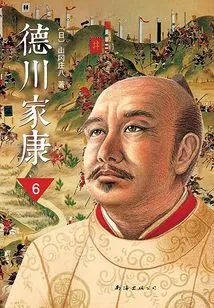
Tokugawa Ieyasu (new Edition) 6: the Two Heroes Strike Out
General Fiction德川家康(新版)6:双雄罢兵
(japan) Yamaoka Shohachi
The Japanese version of "The Romance of the Three Kingdoms" is a "three-in-one" book of history, power, and business. It is a must-read book for government and business leaders! A book that the Prime Minister of Japan requires cabinet members to read, a book that Konosuke Matsushita, the God of Management, requires Panasonic cadres to study, a book that the U. S. Ambassador to Japan believes must be read first to understand and surpass Japan, and a book that Korean media rated as "the most valuable classical book that affects Korean CEOs." Former U. S. Ambassador to Japan Lai Shihe said: "Every Japanese is a Tokugawa Ieyasu. To understand Japan and surpass Japan, you must first understand Tokugawa Ieyasu." Who is Tokugawa Ieyasu? Tokugawa Ieyasu ended more than a hundred years of war in Japan, created three hundred years of peace and prosperity, and established Japan in a complete sense. "Tokugawa Ieyasu" vigorously unfolds the history of the emergence of Oda Nobunaga, Takeda Shingen, Toyotomi Hideyoshi, Tokugawa Ieyasu and other heroes in the middle and late Warring States Period of Japan.
The Japanese version of "The Romance of the Three Kingdoms" is a "three-in-one" book of history, power, and business. It is a must-read book for government and business leaders! A book that the Prime Minister of Japan requires cabinet members to read, a book that Konosuke Matsushita, the God of Management, requires Panasonic cadres to study, a book that the U. S. Ambassador to Japan believes must be read first to understand and surpass Japan, and a book that Korean media rated as "the most valuable classical book that affects Korean CEOs." Former U. S. Ambassador to Japan Lai Shihe said: "Every Japanese is a Tokugawa Ieyasu. To understand Japan and surpass Japan, you must first understand Tokugawa Ieyasu." Who is Tokugawa Ieyasu? Tokugawa Ieyasu ended more than a hundred years of war in Japan, created three hundred years of peace and prosperity, and established Japan in a complete sense. "Tokugawa Ieyasu" vigorously unfolds the history of the emergence of Oda Nobunaga, Takeda Shingen, Toyotomi Hideyoshi, Tokugawa Ieyasu and other heroes in the middle and late Warring States Period of Japan.
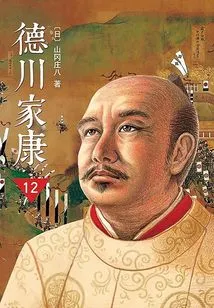
Tokugawa Ieyasu (new Edition) 12: Osaka Storm
General Fiction德川家康(新版)12:大坂风云
(japan) Yamaoka Shohachi
The Japanese version of "The Romance of the Three Kingdoms" is a "three-in-one" book of history, power, and business. It is a must-read book for government and business leaders! A book that the Prime Minister of Japan requires cabinet members to read, a book that Konosuke Matsushita, the God of Management, requires Panasonic cadres to study, a book that the U. S. Ambassador to Japan believes must be read first to understand and surpass Japan, and a book that Korean media rated as "the most valuable classical book that affects Korean CEOs." Former U. S. Ambassador to Japan Lai Shihe said: "Every Japanese is a Tokugawa Ieyasu. To understand Japan and surpass Japan, you must first understand Tokugawa Ieyasu." Who is Tokugawa Ieyasu? Tokugawa Ieyasu ended more than a hundred years of war in Japan, created three hundred years of peace and prosperity, and established Japan in a complete sense. "Tokugawa Ieyasu" vigorously unfolds the history of the emergence of Oda Nobunaga, Takeda Shingen, Toyotomi Hideyoshi, Tokugawa Ieyasu and other heroes in the middle and late Warring States Period of Japan.
The Japanese version of "The Romance of the Three Kingdoms" is a "three-in-one" book of history, power, and business. It is a must-read book for government and business leaders! A book that the Prime Minister of Japan requires cabinet members to read, a book that Konosuke Matsushita, the God of Management, requires Panasonic cadres to study, a book that the U. S. Ambassador to Japan believes must be read first to understand and surpass Japan, and a book that Korean media rated as "the most valuable classical book that affects Korean CEOs." Former U. S. Ambassador to Japan Lai Shihe said: "Every Japanese is a Tokugawa Ieyasu. To understand Japan and surpass Japan, you must first understand Tokugawa Ieyasu." Who is Tokugawa Ieyasu? Tokugawa Ieyasu ended more than a hundred years of war in Japan, created three hundred years of peace and prosperity, and established Japan in a complete sense. "Tokugawa Ieyasu" vigorously unfolds the history of the emergence of Oda Nobunaga, Takeda Shingen, Toyotomi Hideyoshi, Tokugawa Ieyasu and other heroes in the middle and late Warring States Period of Japan.
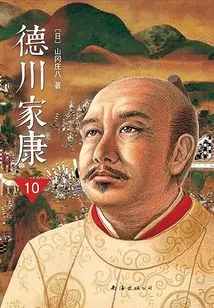
Tokugawa Ieyasu (new Edition) 10: Shogun
General Fiction德川家康(新版)10:幕府将军
(japan) Yamaoka Shohachi
The Japanese version of "The Romance of the Three Kingdoms" is a "three-in-one" book of history, power, and business. It is a must-read book for government and business leaders! A book that the Prime Minister of Japan requires cabinet members to read, a book that Konosuke Matsushita, the God of Management, requires Panasonic cadres to study, a book that the U. S. Ambassador to Japan believes must be read first to understand and surpass Japan, and a book that Korean media rated as "the most valuable classical book that affects Korean CEOs." Former U. S. Ambassador to Japan Lai Shihe said: "Every Japanese is a Tokugawa Ieyasu. To understand Japan and surpass Japan, you must first understand Tokugawa Ieyasu." Who is Tokugawa Ieyasu? Tokugawa Ieyasu ended more than a hundred years of war in Japan, created three hundred years of peace and prosperity, and established Japan in a complete sense. "Tokugawa Ieyasu" vigorously unfolds the history of the emergence of Oda Nobunaga, Takeda Shingen, Toyotomi Hideyoshi, Tokugawa Ieyasu and other heroes in the middle and late Warring States Period of Japan.
The Japanese version of "The Romance of the Three Kingdoms" is a "three-in-one" book of history, power, and business. It is a must-read book for government and business leaders! A book that the Prime Minister of Japan requires cabinet members to read, a book that Konosuke Matsushita, the God of Management, requires Panasonic cadres to study, a book that the U. S. Ambassador to Japan believes must be read first to understand and surpass Japan, and a book that Korean media rated as "the most valuable classical book that affects Korean CEOs." Former U. S. Ambassador to Japan Lai Shihe said: "Every Japanese is a Tokugawa Ieyasu. To understand Japan and surpass Japan, you must first understand Tokugawa Ieyasu." Who is Tokugawa Ieyasu? Tokugawa Ieyasu ended more than a hundred years of war in Japan, created three hundred years of peace and prosperity, and established Japan in a complete sense. "Tokugawa Ieyasu" vigorously unfolds the history of the emergence of Oda Nobunaga, Takeda Shingen, Toyotomi Hideyoshi, Tokugawa Ieyasu and other heroes in the middle and late Warring States Period of Japan.
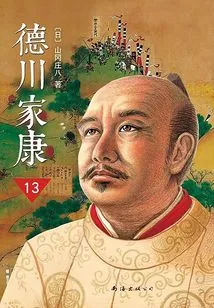
Tokugawa Ieyasu (new Edition) 13: Sunset over the Long River
General Fiction德川家康(新版)13:长河落日
(japan) Yamaoka Shohachi
The Japanese version of "The Romance of the Three Kingdoms" is a "three-in-one" book of history, power, and business. It is a must-read book for government and business leaders! A book that the Prime Minister of Japan requires cabinet members to read, a book that Konosuke Matsushita, the God of Management, requires Panasonic cadres to study, a book that the U. S. Ambassador to Japan believes must be read first to understand and surpass Japan, and a book that Korean media rated as "the most valuable classical book that affects Korean CEOs." Former U. S. Ambassador to Japan Lai Shihe said: "Every Japanese is a Tokugawa Ieyasu. To understand Japan and surpass Japan, you must first understand Tokugawa Ieyasu." Who is Tokugawa Ieyasu? Tokugawa Ieyasu ended more than a hundred years of war in Japan, created three hundred years of peace and prosperity, and established Japan in a complete sense. "Tokugawa Ieyasu" vigorously unfolds the history of the emergence of Oda Nobunaga, Takeda Shingen, Toyotomi Hideyoshi, Tokugawa Ieyasu and other heroes in the middle and late Warring States Period of Japan.
The Japanese version of "The Romance of the Three Kingdoms" is a "three-in-one" book of history, power, and business. It is a must-read book for government and business leaders! A book that the Prime Minister of Japan requires cabinet members to read, a book that Konosuke Matsushita, the God of Management, requires Panasonic cadres to study, a book that the U. S. Ambassador to Japan believes must be read first to understand and surpass Japan, and a book that Korean media rated as "the most valuable classical book that affects Korean CEOs." Former U. S. Ambassador to Japan Lai Shihe said: "Every Japanese is a Tokugawa Ieyasu. To understand Japan and surpass Japan, you must first understand Tokugawa Ieyasu." Who is Tokugawa Ieyasu? Tokugawa Ieyasu ended more than a hundred years of war in Japan, created three hundred years of peace and prosperity, and established Japan in a complete sense. "Tokugawa Ieyasu" vigorously unfolds the history of the emergence of Oda Nobunaga, Takeda Shingen, Toyotomi Hideyoshi, Tokugawa Ieyasu and other heroes in the middle and late Warring States Period of Japan.
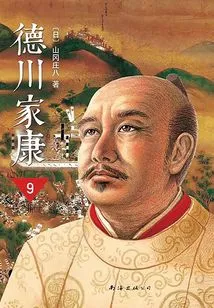
Tokugawa Ieyasu (new Version) 9: the Battle of Sekigahara
General Fiction德川家康(新版)9:关原合战
(japan) Yamaoka Shohachi
The Japanese version of "The Romance of the Three Kingdoms" is a "three-in-one" book of history, power, and business. It is a must-read book for government and business leaders! A book that the Prime Minister of Japan requires cabinet members to read, a book that Konosuke Matsushita, the God of Management, requires Panasonic cadres to study, a book that the U. S. Ambassador to Japan believes must be read first to understand and surpass Japan, and a book that Korean media rated as "the most valuable classical book that affects Korean CEOs." Former U. S. Ambassador to Japan Lai Shihe said: "Every Japanese is a Tokugawa Ieyasu. To understand Japan and surpass Japan, you must first understand Tokugawa Ieyasu." Who is Tokugawa Ieyasu? Tokugawa Ieyasu ended more than a hundred years of war in Japan, created three hundred years of peace and prosperity, and established Japan in a complete sense. "Tokugawa Ieyasu" vigorously unfolds the history of the emergence of Oda Nobunaga, Takeda Shingen, Toyotomi Hideyoshi, Tokugawa Ieyasu and other heroes in the middle and late Warring States Period of Japan.
The Japanese version of "The Romance of the Three Kingdoms" is a "three-in-one" book of history, power, and business. It is a must-read book for government and business leaders! A book that the Prime Minister of Japan requires cabinet members to read, a book that Konosuke Matsushita, the God of Management, requires Panasonic cadres to study, a book that the U. S. Ambassador to Japan believes must be read first to understand and surpass Japan, and a book that Korean media rated as "the most valuable classical book that affects Korean CEOs." Former U. S. Ambassador to Japan Lai Shihe said: "Every Japanese is a Tokugawa Ieyasu. To understand Japan and surpass Japan, you must first understand Tokugawa Ieyasu." Who is Tokugawa Ieyasu? Tokugawa Ieyasu ended more than a hundred years of war in Japan, created three hundred years of peace and prosperity, and established Japan in a complete sense. "Tokugawa Ieyasu" vigorously unfolds the history of the emergence of Oda Nobunaga, Takeda Shingen, Toyotomi Hideyoshi, Tokugawa Ieyasu and other heroes in the middle and late Warring States Period of Japan.
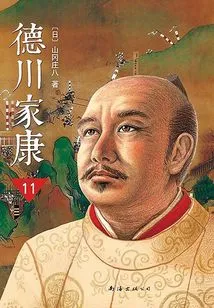
Tokugawa Ieyasu (new Edition) 11: the Invincible King
General Fiction德川家康(新版)11:王道无敌
(japan) Yamaoka Shohachi
The Japanese version of "The Romance of the Three Kingdoms" is a "three-in-one" book of history, power, and business. It is a must-read book for government and business leaders! A book that the Prime Minister of Japan requires cabinet members to read, a book that Konosuke Matsushita, the God of Management, requires Panasonic cadres to study, a book that the U. S. Ambassador to Japan believes must be read first to understand and surpass Japan, and a book that Korean media rated as "the most valuable classical book that affects Korean CEOs." Former U. S. Ambassador to Japan Lai Shihe said: "Every Japanese is a Tokugawa Ieyasu. To understand Japan and surpass Japan, you must first understand Tokugawa Ieyasu." Who is Tokugawa Ieyasu? Tokugawa Ieyasu ended more than a hundred years of war in Japan, created three hundred years of peace and prosperity, and established Japan in a complete sense. "Tokugawa Ieyasu" vigorously unfolds the history of the emergence of Oda Nobunaga, Takeda Shingen, Toyotomi Hideyoshi, Tokugawa Ieyasu and other heroes in the middle and late Warring States Period of Japan.
The Japanese version of "The Romance of the Three Kingdoms" is a "three-in-one" book of history, power, and business. It is a must-read book for government and business leaders! A book that the Prime Minister of Japan requires cabinet members to read, a book that Konosuke Matsushita, the God of Management, requires Panasonic cadres to study, a book that the U. S. Ambassador to Japan believes must be read first to understand and surpass Japan, and a book that Korean media rated as "the most valuable classical book that affects Korean CEOs." Former U. S. Ambassador to Japan Lai Shihe said: "Every Japanese is a Tokugawa Ieyasu. To understand Japan and surpass Japan, you must first understand Tokugawa Ieyasu." Who is Tokugawa Ieyasu? Tokugawa Ieyasu ended more than a hundred years of war in Japan, created three hundred years of peace and prosperity, and established Japan in a complete sense. "Tokugawa Ieyasu" vigorously unfolds the history of the emergence of Oda Nobunaga, Takeda Shingen, Toyotomi Hideyoshi, Tokugawa Ieyasu and other heroes in the middle and late Warring States Period of Japan.
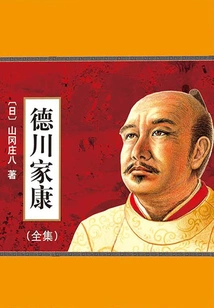
Tokugawa Ieyasu (complete Works)
General Fiction德川家康(全集)
(japan) Yamaoka Shohachi
The Japanese version of "The Romance of the Three Kingdoms" is a "three-in-one" book of history, power, and business. It is a must-read book for government and business leaders! A book that the Prime Minister of Japan requires cabinet members to read, a book that Konosuke Matsushita, the God of Management, requires Panasonic cadres to study, a book that the U. S. Ambassador to Japan believes must be read first to understand and surpass Japan, and a book that Korean media rated as "the most valuable classical book that affects Korean CEOs." Former U. S. Ambassador to Japan Lai Shihe said: "Every Japanese is a Tokugawa Ieyasu. To understand Japan and surpass Japan, you must first understand Tokugawa Ieyasu." Who is Tokugawa Ieyasu? Tokugawa Ieyasu ended more than a hundred years of war in Japan, created three hundred years of peace and prosperity, and established Japan in a complete sense. "Tokugawa Ieyasu" vigorously unfolds the history of the emergence of Oda Nobunaga, Takeda Shingen, Toyotomi Hideyoshi, Tokugawa Ieyasu and other heroes in the middle and late Warring States Period of Japan.
The Japanese version of "The Romance of the Three Kingdoms" is a "three-in-one" book of history, power, and business. It is a must-read book for government and business leaders! A book that the Prime Minister of Japan requires cabinet members to read, a book that Konosuke Matsushita, the God of Management, requires Panasonic cadres to study, a book that the U. S. Ambassador to Japan believes must be read first to understand and surpass Japan, and a book that Korean media rated as "the most valuable classical book that affects Korean CEOs." Former U. S. Ambassador to Japan Lai Shihe said: "Every Japanese is a Tokugawa Ieyasu. To understand Japan and surpass Japan, you must first understand Tokugawa Ieyasu." Who is Tokugawa Ieyasu? Tokugawa Ieyasu ended more than a hundred years of war in Japan, created three hundred years of peace and prosperity, and established Japan in a complete sense. "Tokugawa Ieyasu" vigorously unfolds the history of the emergence of Oda Nobunaga, Takeda Shingen, Toyotomi Hideyoshi, Tokugawa Ieyasu and other heroes in the middle and late Warring States Period of Japan.
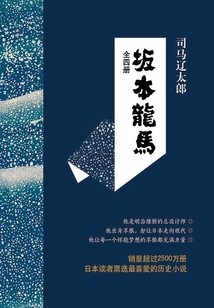
Sakamoto Ryoma (complete Works)
General Fiction坂本龙马(全集)
J
In the mid-19th century, both China and Japan were invaded by foreign powers, and China began to decline. However, Japan became strong and prosperous from this, and one person played a key role in it. He is Ryoma Sakamoto. He comes from a humble background, but is full of curiosity about the world. In the end, he led a group of people with dreams and opened the door to the Meiji Restoration. He is called "the chief architect of Japan's modernization"! "Sakamoto Ryoma" and "Tokugawa Ieyasu" are both called "Japan's two major historical novels". They are the NO.1 Favorite historical novels voted by Japanese readers. They are the books that profoundly influenced Son Masayoshi's life and the legendary life of "Chief Architect of the Meiji Restoration" Sakamoto Ryoma. Japanese writer Ryotaro Shiba's long historical novel describes the life of Sakamoto Ryoma, the chief architect of the Meiji Restoration who changed Japan's destiny.
In the mid-19th century, both China and Japan were invaded by foreign powers, and China began to decline. However, Japan became strong and prosperous from this, and one person played a key role in it. He is Ryoma Sakamoto. He comes from a humble background, but is full of curiosity about the world. In the end, he led a group of people with dreams and opened the door to the Meiji Restoration. He is called "the chief architect of Japan's modernization"! "Sakamoto Ryoma" and "Tokugawa Ieyasu" are both called "Japan's two major historical novels". They are the NO.1 Favorite historical novels voted by Japanese readers. They are the books that profoundly influenced Son Masayoshi's life and the legendary life of "Chief Architect of the Meiji Restoration" Sakamoto Ryoma. Japanese writer Ryotaro Shiba's long historical novel describes the life of Sakamoto Ryoma, the chief architect of the Meiji Restoration who changed Japan's destiny.
Q
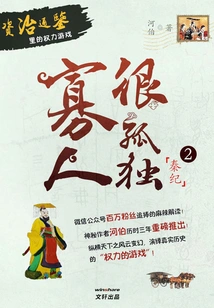
I Am Lonely: Qin Ji 2
General Fiction寡人很孤独:秦纪2
He Bo
Sima Guang, who compiled "Zi Zhi Tong Jian" (Zi Zhi Tong Jian) "when the day is short of power and then uses the night", can be called an epic masterpiece. Focusing on the theme of "controlling chaos", which is a concern of the ruling class, Guang Ge brings thousands of years of history to life on the page, making it a fascinating and fascinating read. As someone commented: "This is an indispensable book in the world, and it is also a book that scholars must read." Of course, some people will say that "Tongjian" is a large book written in classical Chinese after all, and it is not "advancing with the times". It is quite laborious to read, and it really does not meet the reading interests of the people of the time. What's more, nowadays, there are numerous romance works with historical themes. To understand the history of Qin, you can read "The Great Qin Empire", to see the prince's succession, you can read "Langya Bang", to learn intrigues and intrigues, you can read "The Legend of Zhen Huan", and so on... These works can educate and entertain, making it easy for people to read and gain something at the same time. Don't they have the best of both worlds and complement each other?
Sima Guang, who compiled "Zi Zhi Tong Jian" (Zi Zhi Tong Jian) "when the day is short of power and then uses the night", can be called an epic masterpiece. Focusing on the theme of "controlling chaos", which is a concern of the ruling class, Guang Ge brings thousands of years of history to life on the page, making it a fascinating and fascinating read. As someone commented: "This is an indispensable book in the world, and it is also a book that scholars must read." Of course, some people will say that "Tongjian" is a large book written in classical Chinese after all, and it is not "advancing with the times". It is quite laborious to read, and it really does not meet the reading interests of the people of the time. What's more, nowadays, there are numerous romance works with historical themes. To understand the history of Qin, you can read "The Great Qin Empire", to see the prince's succession, you can read "Langya Bang", to learn intrigues and intrigues, you can read "The Legend of Zhen Huan", and so on... These works can educate and entertain, making it easy for people to read and gain something at the same time. Don't they have the best of both worlds and complement each other?
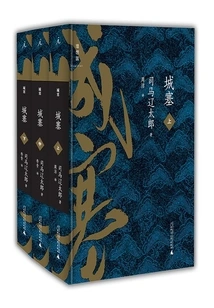
Castle (complete Collection)
General Fiction城塞(全集)
J
After the Battle of Sekigahara, the Tokugawa family took control of the world. Since the death of Toyotomi Hideyoshi, the Toyotomi family has gradually declined, and now it is like a trapped animal. The Tokugawa family deliberately planned to wipe out the power of the Toyotomi family in one fell swoop. The protagonist of the novel, Kanbei Obata, enters Osaka as a spy for the Tokugawa family. Hideyori, the young lord of the Toyotomi family, is controlled by his mother and her group of maids, and has strong hostility towards the Tokugawa family. Under the deliberate provocation and arrangement of the Tokugawa family, Toyotomi declared war on Tokugawa. Ronin from all over the country who were dissatisfied with the Tokugawa family gathered in Osaka Castle, and there were many famous generals and warriors who were accustomed to fighting. The two torrents of history finally met here, pushing the various characters involved to the forefront.
After the Battle of Sekigahara, the Tokugawa family took control of the world. Since the death of Toyotomi Hideyoshi, the Toyotomi family has gradually declined, and now it is like a trapped animal. The Tokugawa family deliberately planned to wipe out the power of the Toyotomi family in one fell swoop. The protagonist of the novel, Kanbei Obata, enters Osaka as a spy for the Tokugawa family. Hideyori, the young lord of the Toyotomi family, is controlled by his mother and her group of maids, and has strong hostility towards the Tokugawa family. Under the deliberate provocation and arrangement of the Tokugawa family, Toyotomi declared war on Tokugawa. Ronin from all over the country who were dissatisfied with the Tokugawa family gathered in Osaka Castle, and there were many famous generals and warriors who were accustomed to fighting. The two torrents of history finally met here, pushing the various characters involved to the forefront.
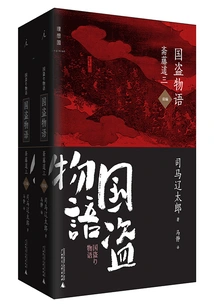
National Robbery Story· Saito Michizan (complete Works)
General Fiction国盗物语·斋藤道三(全集)
(japan) Shima Ryotaro
The winning work of the 14th Kan Kikuchi Prize in Japan. Ryotaro Shiba, a master of historical novels, has been the most popular writer in Japan for nine consecutive years. The perfect embodiment of Japan's Warring States period of "lower overcoming superior", the path of stealing the country by the warring states hero Saito Michizan. What is the Warring States Period? The following grams are on top. Bloodline, family background, class... The old rules are broken, and the times are calling for new heroes. Preface: It tells the story of Shokuro Matsunami in the early Warring States period, who was known as the "smartest Buddhist monk" in Miaokakuji Temple. He became enlightened and grew his hair and returned to secular life. He used a trick to obtain a huge fortune from Kyoto oil merchant Naraya. After careful and meticulous investigation, he decided to use Mino Country as the starting point of "stealing the country"! The prologue describes how Saito Michizan, a revolutionary son of the Warring States Period, bravely and resourcefully transformed from a ronin into a confidant of Toki Yorigi, the leader of the Mino Kingdom, in his youth. The author opens a magnificent historical chapter with his unique historical perspective and insight.
The winning work of the 14th Kan Kikuchi Prize in Japan. Ryotaro Shiba, a master of historical novels, has been the most popular writer in Japan for nine consecutive years. The perfect embodiment of Japan's Warring States period of "lower overcoming superior", the path of stealing the country by the warring states hero Saito Michizan. What is the Warring States Period? The following grams are on top. Bloodline, family background, class... The old rules are broken, and the times are calling for new heroes. Preface: It tells the story of Shokuro Matsunami in the early Warring States period, who was known as the "smartest Buddhist monk" in Miaokakuji Temple. He became enlightened and grew his hair and returned to secular life. He used a trick to obtain a huge fortune from Kyoto oil merchant Naraya. After careful and meticulous investigation, he decided to use Mino Country as the starting point of "stealing the country"! The prologue describes how Saito Michizan, a revolutionary son of the Warring States Period, bravely and resourcefully transformed from a ronin into a confidant of Toki Yorigi, the leader of the Mino Kingdom, in his youth. The author opens a magnificent historical chapter with his unique historical perspective and insight.
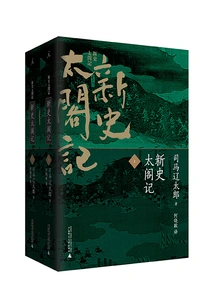
The New History of Taige (complete Collection)
General Fiction新史太阁记(全集)
J
Ryotaro Shima, Japan's most popular historical novelist, tells the legendary life of Toyotomi Hideyoshi, the most outstanding man in the Warring States Period. Toyotomi Hideyoshi, who was born in a humble family and suffered many hardships as a young man, was appreciated by Oda Nobunaga and made great achievements in the troubled times of the Warring States Period. Mogu's "One Night Castle", Kanazaki's retreat battle, Tottori Castle due to food shortages, and Takamatsu Castle's water attack. China counterattacked to quell Mitsuhide's rebellion; it fought a decisive battle on Mount Saigare, wiping out the Katsu family's forces; it appeased Maori and showed gentleness to Ieyasu, finally ending the Warring States period, unifying Japan, and accomplishing its great cause of dominating the world.
Ryotaro Shima, Japan's most popular historical novelist, tells the legendary life of Toyotomi Hideyoshi, the most outstanding man in the Warring States Period. Toyotomi Hideyoshi, who was born in a humble family and suffered many hardships as a young man, was appreciated by Oda Nobunaga and made great achievements in the troubled times of the Warring States Period. Mogu's "One Night Castle", Kanazaki's retreat battle, Tottori Castle due to food shortages, and Takamatsu Castle's water attack. China counterattacked to quell Mitsuhide's rebellion; it fought a decisive battle on Mount Saigare, wiping out the Katsu family's forces; it appeased Maori and showed gentleness to Ieyasu, finally ending the Warring States period, unifying Japan, and accomplishing its great cause of dominating the world.
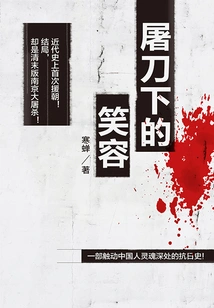
The Smile under the Butcher's Knife
General Fiction屠刀下的笑容
Chilling
This is a forgotten but equally tragic history of the Anti-Japanese War. This is a history of the Anti-Japanese War that is not recorded in textbooks, but is more real and heartbreaking. This is a history of anti-Japanese war that subverts the traditional view of history and tries to answer why China has no shortage of traitors! Yue Dong, who has a cowardly personality, lives on the edge of the knife in order to marry Zuo Xinlan, the daughter of the famous general Zuo Guigui. When Japan invaded Korea, the Qing government rushed to aid Korea. Xinlan, who hopes that her husband will become a dragon, decides to run away on the wedding night in order to enable Yue Dong to embark on a journey. However, what made Yue Dong change from greed for life and fear of death to sacrificing his life for righteousness was not the baptism of war or the brutality of the Japanese army, but the smile of the subjugated slave under the butcher's knife!
This is a forgotten but equally tragic history of the Anti-Japanese War. This is a history of the Anti-Japanese War that is not recorded in textbooks, but is more real and heartbreaking. This is a history of anti-Japanese war that subverts the traditional view of history and tries to answer why China has no shortage of traitors! Yue Dong, who has a cowardly personality, lives on the edge of the knife in order to marry Zuo Xinlan, the daughter of the famous general Zuo Guigui. When Japan invaded Korea, the Qing government rushed to aid Korea. Xinlan, who hopes that her husband will become a dragon, decides to run away on the wedding night in order to enable Yue Dong to embark on a journey. However, what made Yue Dong change from greed for life and fear of death to sacrificing his life for righteousness was not the baptism of war or the brutality of the Japanese army, but the smile of the subjugated slave under the butcher's knife!
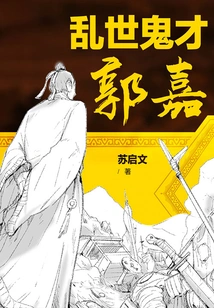
Genius in Troubled Times: Guo Jia
General Fiction乱世鬼才:郭嘉
Su Qiwen
Guo Jia, a counselor in the late Eastern Han Dynasty, lost both his parents when he was young. He grew up with his grandfather when he was young. He was supported by his fellow villagers in his studies and achieved outstanding results. In the process of helping a fellow villager solve a haunted house, he met a mute woman named Lan Yue and took her in with him. Although he lived in seclusion in the mountains and forests as an adult, he made friends with many heroes and looked forward to fulfilling his grand ambitions. Later, he took refuge with Yuan Shao and stayed there for dozens of days. He saw clearly that Yuan Shao was not the master of the Ming Dynasty and left angrily. After that, he lived in seclusion for six years, during which he married Lan Yue. In the first year of Jian'an, his friend Xun Yu introduced Guo Jia to Cao Cao. Guo Jia's informality and straightforward personality were appreciated by Cao Cao, while Cao Cao's practicality and informality were also convinced by Guo Jia. Later, Guo Jia helped Cao Cao defeat Zhang Xiu and Lu Bu successively, and then defeated Yuan Shao in Guandu. In the process, the two gradually changed from monarchs and ministers to confidants. In the end, Guo Jia helped Cao Cao unify the north, but he died of a serious illness on the way back from the Wuhuan expedition. Cao Cao was heartbroken.
Guo Jia, a counselor in the late Eastern Han Dynasty, lost both his parents when he was young. He grew up with his grandfather when he was young. He was supported by his fellow villagers in his studies and achieved outstanding results. In the process of helping a fellow villager solve a haunted house, he met a mute woman named Lan Yue and took her in with him. Although he lived in seclusion in the mountains and forests as an adult, he made friends with many heroes and looked forward to fulfilling his grand ambitions. Later, he took refuge with Yuan Shao and stayed there for dozens of days. He saw clearly that Yuan Shao was not the master of the Ming Dynasty and left angrily. After that, he lived in seclusion for six years, during which he married Lan Yue. In the first year of Jian'an, his friend Xun Yu introduced Guo Jia to Cao Cao. Guo Jia's informality and straightforward personality were appreciated by Cao Cao, while Cao Cao's practicality and informality were also convinced by Guo Jia. Later, Guo Jia helped Cao Cao defeat Zhang Xiu and Lu Bu successively, and then defeated Yuan Shao in Guandu. In the process, the two gradually changed from monarchs and ministers to confidants. In the end, Guo Jia helped Cao Cao unify the north, but he died of a serious illness on the way back from the Wuhuan expedition. Cao Cao was heartbroken.
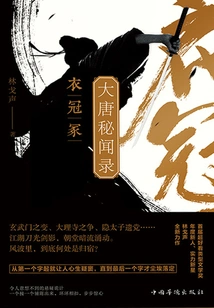
Secret Records of the Tang Dynasty: Tomb of Clothes
General Fiction大唐秘闻录:衣冠冢
Ringo Sound
Are you living in the foreshadowing of fate, or are you living in the illusion of avoiding fate? Some questions cannot be asked. Once you ask them, you will break the shackles of time and space and touch the essence of the world. Ye Zhiqiu was originally a proud policeman from Dali Temple, with all his abilities, but on a stormy evening in the distant Tang Dynasty, he caught a glimpse of three murderous intentions hanging above his head: a piece of snow, a cloud and a lamp.
Are you living in the foreshadowing of fate, or are you living in the illusion of avoiding fate? Some questions cannot be asked. Once you ask them, you will break the shackles of time and space and touch the essence of the world. Ye Zhiqiu was originally a proud policeman from Dali Temple, with all his abilities, but on a stormy evening in the distant Tang Dynasty, he caught a glimpse of three murderous intentions hanging above his head: a piece of snow, a cloud and a lamp.
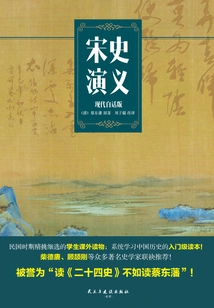
The Romance of Song Dynasty (modern Vernacular Version)
General Fiction宋史演义(现代白话版)
Cai Dongfan
Cai Dongfan advocated that "the writing should not be fictitious, but the language should follow the popular". The "Popular Romance of the Dynasties" he compiled is easy to understand, clear as words, coupled with a rigorous academic attitude, extensive citations, detailed literature and history, and authenticity and reliability, making this set of "Popular Romance of the Dynasties" deeply loved by readers. It is both historical and interesting, and can be called a classic work of popular history. "The Romance of the Song Dynasty" is the Song Dynasty part of the "Popular Romance of the Dynasties". It introduces the history of more than 300 years from the end of the Five Dynasties and the Ten Kingdoms, when Zhao Kuangyin and Chen Qiao rebelled to create the Song Dynasty, to the Yuan soldiers' massive invasion of the south and the demise of the Song Dynasty. During this period, the political, economic, military and other aspects of the two Song Dynasties were vividly described in the form of character romances. The stories of the emperors of the two Song dynasties and many famous ministers and generals unfold one after another. The characters are rich, the priorities are clear, and the stories are vivid. It is difficult to put down the book when reading.
Cai Dongfan advocated that "the writing should not be fictitious, but the language should follow the popular". The "Popular Romance of the Dynasties" he compiled is easy to understand, clear as words, coupled with a rigorous academic attitude, extensive citations, detailed literature and history, and authenticity and reliability, making this set of "Popular Romance of the Dynasties" deeply loved by readers. It is both historical and interesting, and can be called a classic work of popular history. "The Romance of the Song Dynasty" is the Song Dynasty part of the "Popular Romance of the Dynasties". It introduces the history of more than 300 years from the end of the Five Dynasties and the Ten Kingdoms, when Zhao Kuangyin and Chen Qiao rebelled to create the Song Dynasty, to the Yuan soldiers' massive invasion of the south and the demise of the Song Dynasty. During this period, the political, economic, military and other aspects of the two Song Dynasties were vividly described in the form of character romances. The stories of the emperors of the two Song dynasties and many famous ministers and generals unfold one after another. The characters are rich, the priorities are clear, and the stories are vivid. It is difficult to put down the book when reading.
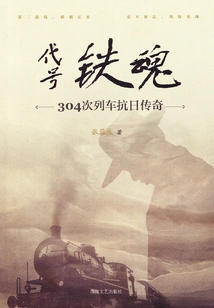
Codename Iron Soul
General Fiction代号铁魂
Zhang Rongsheng
I remember that day was the early winter of 2007. At night, a stack of old diaries was placed in front of me. At first, I was still smoking a cigarette and casually browsing the pages, which were already yellowed and the handwriting was not clear. But after I read a few pages, I found that I was deeply attracted by the words in these diaries, and scenes full of gunpowder smoke appeared in front of my eyes...
I remember that day was the early winter of 2007. At night, a stack of old diaries was placed in front of me. At first, I was still smoking a cigarette and casually browsing the pages, which were already yellowed and the handwriting was not clear. But after I read a few pages, I found that I was deeply attracted by the words in these diaries, and scenes full of gunpowder smoke appeared in front of my eyes...
Chu Xingjian Zhan Ji 3: Love and Hate
General Fiction楚星箭战纪3:爱恨
Su Yiping
In the seventh century BC, King Xiong Xi of Chu was usurped from the throne by his brother Xiong Hui. His prince survived the catastrophe. After going around, he met the stranger Dongguan Qingyang and adopted him as his adopted son, so he got the surname Dongguan. When he was sixteen years old, the prince's adoptive parents were killed by the men of Dou Ziyu, a powerful figure in Chu State. The Dongguan Brigade, determined to take revenge, came to Yingdu, the largest city in Chu State, and was accidentally involved in an unreasonable disaster...
In the seventh century BC, King Xiong Xi of Chu was usurped from the throne by his brother Xiong Hui. His prince survived the catastrophe. After going around, he met the stranger Dongguan Qingyang and adopted him as his adopted son, so he got the surname Dongguan. When he was sixteen years old, the prince's adoptive parents were killed by the men of Dou Ziyu, a powerful figure in Chu State. The Dongguan Brigade, determined to take revenge, came to Yingdu, the largest city in Chu State, and was accidentally involved in an unreasonable disaster...
Chu Xingjian Zhan Ji 2: Qicheng
General Fiction楚星箭战纪2:奇城
Su Yiping
In the seventh century BC, King Xiong Xi of Chu was usurped from the throne by his brother Xiong Hui. His prince survived the catastrophe. After going around, he met the stranger Dongguan Qingyang and adopted him as his adopted son, so he got the surname Dongguan. When he was sixteen years old, the prince's adoptive parents were killed by the men of Dou Ziyu, a powerful figure in Chu State. The Dongguan Brigade, determined to take revenge, came to Yingdu, the largest city in Chu State, and was accidentally involved in an unreasonable disaster...
In the seventh century BC, King Xiong Xi of Chu was usurped from the throne by his brother Xiong Hui. His prince survived the catastrophe. After going around, he met the stranger Dongguan Qingyang and adopted him as his adopted son, so he got the surname Dongguan. When he was sixteen years old, the prince's adoptive parents were killed by the men of Dou Ziyu, a powerful figure in Chu State. The Dongguan Brigade, determined to take revenge, came to Yingdu, the largest city in Chu State, and was accidentally involved in an unreasonable disaster...
Chu Xingjian Zhan Ji 5: Dragon Palace
General Fiction楚星箭战纪5:龙宫
Su Yiping
In the seventh century BC, King Xiong Xi of Chu was usurped from the throne by his brother Xiong Hui. His prince survived the catastrophe. After going around, he met the stranger Dongguan Qingyang and adopted him as his adopted son, so he got the surname Dongguan. When he was sixteen years old, the prince's adoptive parents were killed by the men of Dou Ziyu, a powerful figure in Chu State. The Dongguan Brigade, determined to take revenge, came to Yingdu, the largest city in Chu State, and was accidentally involved in an unreasonable disaster...
In the seventh century BC, King Xiong Xi of Chu was usurped from the throne by his brother Xiong Hui. His prince survived the catastrophe. After going around, he met the stranger Dongguan Qingyang and adopted him as his adopted son, so he got the surname Dongguan. When he was sixteen years old, the prince's adoptive parents were killed by the men of Dou Ziyu, a powerful figure in Chu State. The Dongguan Brigade, determined to take revenge, came to Yingdu, the largest city in Chu State, and was accidentally involved in an unreasonable disaster...
Chu Xing Arrow War Chronicles 4: King Zhuang
General Fiction楚星箭战纪4:庄王
Su Yiping
In the seventh century BC, King Xiong Xi of Chu was usurped from the throne by his brother Xiong Hui. His prince survived the catastrophe. After going around, he met the stranger Dongguan Qingyang and adopted him as his adopted son, so he got the surname Dongguan. When he was sixteen years old, the prince's adoptive parents were killed by the men of Dou Ziyu, a powerful figure in Chu State. The Dongguan Brigade, determined to take revenge, came to Yingdu, the largest city in Chu State, and was accidentally involved in an unreasonable disaster...
In the seventh century BC, King Xiong Xi of Chu was usurped from the throne by his brother Xiong Hui. His prince survived the catastrophe. After going around, he met the stranger Dongguan Qingyang and adopted him as his adopted son, so he got the surname Dongguan. When he was sixteen years old, the prince's adoptive parents were killed by the men of Dou Ziyu, a powerful figure in Chu State. The Dongguan Brigade, determined to take revenge, came to Yingdu, the largest city in Chu State, and was accidentally involved in an unreasonable disaster...
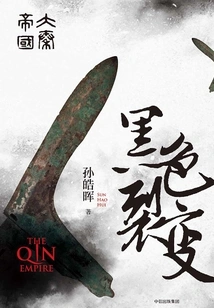
Qin Empire: Black Fission
General Fiction大秦帝国:黑色裂变
Sun Haohui
In 362 BC, after the Battle of Shaoliang, Duke Xian of Qin was killed by a poisoned arrow. The 21-year-old Qin Xiaogong Ying Quliang was ordered to succeed the king when he was in danger. At that time, the six countries despised Qin and tried to divide it. Qin Xiaogong wrote in blood that the country was humiliated and asked for virtuous people from all countries. The young scholar Wei Yang entered Qin and convinced Qin Xiaogong with the Legalist theory of strengthening the country. When he moved to Lixin, Xingji and his official office, Qin's reform shocked the world. The political hero and Mohist family wanted to kill the tyrant and the powerful ministers, so Duke Xiao of Qin came to Shennong Mountain to debate the state affairs. There was a melee among the countries, and the powerful neighbor Wei suddenly weakened, and Qin took advantage of the situation to regain Hexi. Wei Yang was granted the title of Shangjun. Qin Xiaogong died of illness due to overwork, and the old family took the opportunity to fight back. Shang Yang chose to protect the law with all his heart...
In 362 BC, after the Battle of Shaoliang, Duke Xian of Qin was killed by a poisoned arrow. The 21-year-old Qin Xiaogong Ying Quliang was ordered to succeed the king when he was in danger. At that time, the six countries despised Qin and tried to divide it. Qin Xiaogong wrote in blood that the country was humiliated and asked for virtuous people from all countries. The young scholar Wei Yang entered Qin and convinced Qin Xiaogong with the Legalist theory of strengthening the country. When he moved to Lixin, Xingji and his official office, Qin's reform shocked the world. The political hero and Mohist family wanted to kill the tyrant and the powerful ministers, so Duke Xiao of Qin came to Shennong Mountain to debate the state affairs. There was a melee among the countries, and the powerful neighbor Wei suddenly weakened, and Qin took advantage of the situation to regain Hexi. Wei Yang was granted the title of Shangjun. Qin Xiaogong died of illness due to overwork, and the old family took the opportunity to fight back. Shang Yang chose to protect the law with all his heart...
Confucius Family
General Fiction孔子世家
(us) Ma Ju
The novel tells the story of Confucius and his students, portraying an image of Confucius who wanted to be active and yet still be humane. It describes the stories of ancient people based on the psychology of modern people. The novel is not divorced from the reality of historical stories, but also contains the thoughts and logic of modern people. The two are mixed together, both solemn and humorous, unique and has a great influence overseas. Wealth and honor are what everyone pursues, and benevolent and righteous people are no exception. Although a benevolent and righteous man does not have to be wealthy, he does not have to be wealthy either. A benevolent person may not be able to be rich, and a rich person may not be benevolent. Anyone who worries about gain will worry about losing after gaining something. To attribute the success or failure of a matter to God's will actually means that one is not sure of human plans. There is no certainty in human plans, which actually means that there are many chances of failure. The so-called "serve the king with loyalty" only means that one day he is a minister of a certain king, and one day he should serve the certain king with loyalty. It does not mean that if you are a subject of a certain king for one day, you can only be a subject of a certain king for the rest of your life. Besides, how can I remain loyal to you now that I have discovered that I am not in harmony with you?
The novel tells the story of Confucius and his students, portraying an image of Confucius who wanted to be active and yet still be humane. It describes the stories of ancient people based on the psychology of modern people. The novel is not divorced from the reality of historical stories, but also contains the thoughts and logic of modern people. The two are mixed together, both solemn and humorous, unique and has a great influence overseas. Wealth and honor are what everyone pursues, and benevolent and righteous people are no exception. Although a benevolent and righteous man does not have to be wealthy, he does not have to be wealthy either. A benevolent person may not be able to be rich, and a rich person may not be benevolent. Anyone who worries about gain will worry about losing after gaining something. To attribute the success or failure of a matter to God's will actually means that one is not sure of human plans. There is no certainty in human plans, which actually means that there are many chances of failure. The so-called "serve the king with loyalty" only means that one day he is a minister of a certain king, and one day he should serve the certain king with loyalty. It does not mean that if you are a subject of a certain king for one day, you can only be a subject of a certain king for the rest of your life. Besides, how can I remain loyal to you now that I have discovered that I am not in harmony with you?
Records of Xuanwumen
General Fiction玄武门实录
(us) Ma Ju
The novel tells the story of the Xuanwumen incident by Emperor Taizong Li Shimin of the Tang Dynasty. The main line of writing is the period from the third day of June in the ninth year of Takeori to Li Shimin's ascension to the throne. There are a lot of narrations about the characters' lives and the history of the Tang Dynasty. The language is plain but vivid and humorous. The most exciting thing is the psychological description of the characters and the logical reasoning. The author's point of view is unique and the article is very readable. Many people mistakenly believe that no one can be friends with villains. In fact, when you really need help, the people you can count on are friends with villains rather than friends with gentlemen. Anyone who is kind to someone will inevitably not think that he or she is trusted by someone, and anyone who thinks that he or she is trusted by someone will rarely fail to do his or her best for someone. It turns out that what seemed like an earth-shattering palace coup was actually just like a bandit's robbery of homes and houses, with the ultimate goal being nothing more than wealth and death.
The novel tells the story of the Xuanwumen incident by Emperor Taizong Li Shimin of the Tang Dynasty. The main line of writing is the period from the third day of June in the ninth year of Takeori to Li Shimin's ascension to the throne. There are a lot of narrations about the characters' lives and the history of the Tang Dynasty. The language is plain but vivid and humorous. The most exciting thing is the psychological description of the characters and the logical reasoning. The author's point of view is unique and the article is very readable. Many people mistakenly believe that no one can be friends with villains. In fact, when you really need help, the people you can count on are friends with villains rather than friends with gentlemen. Anyone who is kind to someone will inevitably not think that he or she is trusted by someone, and anyone who thinks that he or she is trusted by someone will rarely fail to do his or her best for someone. It turns out that what seemed like an earth-shattering palace coup was actually just like a bandit's robbery of homes and houses, with the ultimate goal being nothing more than wealth and death.
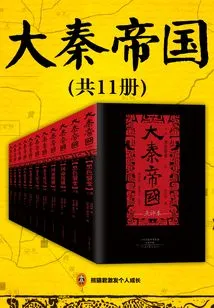
The Qin Empire (11 Volumes in Total)
General Fiction大秦帝国(共11册)
Sun Haohui
Only by reading the review version can you truly understand "The Qin Empire"! The original work of the popular CCTV drama "The Qin Empire", recommended by Nan Huaijin and Er Yuehe. Comments by famous critics will explain the meaning and mystery of "The Qin Empire" from multiple angles. The Warring States version of "The Rise of the Great Powers" has benefited contemporary Chinese people a lot, clarifying the basic aspects of national civilization, demonstrating the inherent wisdom in dealing with people, and promoting a broad-minded and unrestrained attitude towards life. "The Empire of Qin" is a multi-volume long historical novel, with six volumes and eleven volumes. The writer Sun Haohui completed the work in sixteen years and created five million words. This work is very different in artistic quality from popular historical novels. With the artistic courage and historical vision to be the first in the world, the author clearly declares his view of the history of the Qin Dynasty: "The Qin Empire is the true source of Chinese civilization" and "I have a sacred worship of the Qin Empire."
Only by reading the review version can you truly understand "The Qin Empire"! The original work of the popular CCTV drama "The Qin Empire", recommended by Nan Huaijin and Er Yuehe. Comments by famous critics will explain the meaning and mystery of "The Qin Empire" from multiple angles. The Warring States version of "The Rise of the Great Powers" has benefited contemporary Chinese people a lot, clarifying the basic aspects of national civilization, demonstrating the inherent wisdom in dealing with people, and promoting a broad-minded and unrestrained attitude towards life. "The Empire of Qin" is a multi-volume long historical novel, with six volumes and eleven volumes. The writer Sun Haohui completed the work in sixteen years and created five million words. This work is very different in artistic quality from popular historical novels. With the artistic courage and historical vision to be the first in the world, the author clearly declares his view of the history of the Qin Dynasty: "The Qin Empire is the true source of Chinese civilization" and "I have a sacred worship of the Qin Empire."