Library
Browse and search books
2,982 novels found
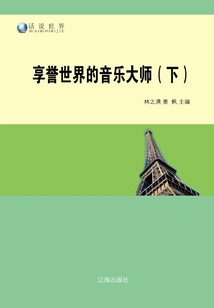
享誉世界的音乐大师(下)
Lin Zhiman Xiao Feng
History is to humanity as a whole what memory is to each of us, explaining what we do now, why we do it, and how we did it in the past. Therefore whoever wants to understand the world must know its history.
History is to humanity as a whole what memory is to each of us, explaining what we do now, why we do it, and how we did it in the past. Therefore whoever wants to understand the world must know its history.
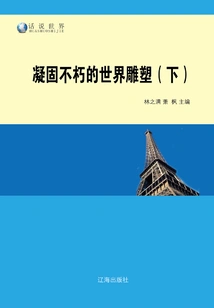
凝固不朽的世界雕塑(下)
Lin Zhiman Xiao Feng
History is to humanity as a whole what memory is to each of us, explaining what we do now, why we do it, and how we did it in the past. Therefore whoever wants to understand the world must know its history.
History is to humanity as a whole what memory is to each of us, explaining what we do now, why we do it, and how we did it in the past. Therefore whoever wants to understand the world must know its history.
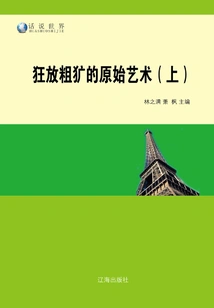
狂放粗犷的原始艺术(上)
Lin Zhiman Xiao Feng
History is to humanity as a whole what memory is to each of us, explaining what we do now, why we do it, and how we did it in the past. Therefore whoever wants to understand the world must know its history.
History is to humanity as a whole what memory is to each of us, explaining what we do now, why we do it, and how we did it in the past. Therefore whoever wants to understand the world must know its history.
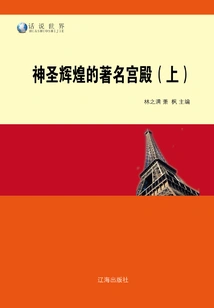
神圣辉煌的著名宫殿(上)
Lin Zhiman Xiao Feng
History is to humanity as a whole what memory is to each of us, explaining what we do now, why we do it, and how we did it in the past. Therefore whoever wants to understand the world must know its history.
History is to humanity as a whole what memory is to each of us, explaining what we do now, why we do it, and how we did it in the past. Therefore whoever wants to understand the world must know its history.
精华荟萃的世界教育(上)
Lin Zhiman Xiao Feng
History is to humanity as a whole what memory is to each of us, explaining what we do now, why we do it, and how we did it in the past. Therefore whoever wants to understand the world must know its history.
History is to humanity as a whole what memory is to each of us, explaining what we do now, why we do it, and how we did it in the past. Therefore whoever wants to understand the world must know its history.
鬼斧神工的世界建筑(下)
Lin Zhiman Xiao Feng
History is to humanity as a whole what memory is to each of us, explaining what we do now, why we do it, and how we did it in the past. Therefore whoever wants to understand the world must know its history.
History is to humanity as a whole what memory is to each of us, explaining what we do now, why we do it, and how we did it in the past. Therefore whoever wants to understand the world must know its history.
美轮美奂的美术经典(上)
Lin Zhiman Xiao Feng
History is to humanity as a whole what memory is to each of us, explaining what we do now, why we do it, and how we did it in the past. Therefore whoever wants to understand the world must know its history.
History is to humanity as a whole what memory is to each of us, explaining what we do now, why we do it, and how we did it in the past. Therefore whoever wants to understand the world must know its history.
妙笔生花的世界绘画(上)
Lin Zhiman Xiao Feng
History is to humanity as a whole what memory is to each of us, explaining what we do now, why we do it, and how we did it in the past. Therefore whoever wants to understand the world must know its history.
History is to humanity as a whole what memory is to each of us, explaining what we do now, why we do it, and how we did it in the past. Therefore whoever wants to understand the world must know its history.
光怪陆离的世界民俗(上)
Lin Zhiman Xiao Feng
History is to humanity as a whole what memory is to each of us, explaining what we do now, why we do it, and how we did it in the past. Therefore whoever wants to understand the world must know its history.
History is to humanity as a whole what memory is to each of us, explaining what we do now, why we do it, and how we did it in the past. Therefore whoever wants to understand the world must know its history.
卓尔不群的世界思想(上)
Lin Zhiman Xiao Feng
History is to humanity as a whole what memory is to each of us, explaining what we do now, why we do it, and how we did it in the past. Therefore whoever wants to understand the world must know its history.
History is to humanity as a whole what memory is to each of us, explaining what we do now, why we do it, and how we did it in the past. Therefore whoever wants to understand the world must know its history.
光怪陆离的世界民俗(下)
Lin Zhiman Xiao Feng
History is to humanity as a whole what memory is to each of us, explaining what we do now, why we do it, and how we did it in the past. Therefore whoever wants to understand the world must know its history.
History is to humanity as a whole what memory is to each of us, explaining what we do now, why we do it, and how we did it in the past. Therefore whoever wants to understand the world must know its history.
口耳相传的艺术典故(下)
Lin Zhiman Xiao Feng
History is to humanity as a whole what memory is to each of us, explaining what we do now, why we do it, and how we did it in the past. Therefore whoever wants to understand the world must know its history.
History is to humanity as a whole what memory is to each of us, explaining what we do now, why we do it, and how we did it in the past. Therefore whoever wants to understand the world must know its history.
独领风骚的工艺美术(下)
Lin Zhiman Xiao Feng
History is to humanity as a whole what memory is to each of us, explaining what we do now, why we do it, and how we did it in the past. Therefore whoever wants to understand the world must know its history.
History is to humanity as a whole what memory is to each of us, explaining what we do now, why we do it, and how we did it in the past. Therefore whoever wants to understand the world must know its history.
凝固不朽的世界雕塑(上)
Lin Zhiman Xiao Feng
History is to humanity as a whole what memory is to each of us, explaining what we do now, why we do it, and how we did it in the past. Therefore whoever wants to understand the world must know its history.
History is to humanity as a whole what memory is to each of us, explaining what we do now, why we do it, and how we did it in the past. Therefore whoever wants to understand the world must know its history.
妙笔生花的世界绘画(下)
Lin Zhiman Xiao Feng
History is to humanity as a whole what memory is to each of us, explaining what we do now, why we do it, and how we did it in the past. Therefore whoever wants to understand the world must know its history.
History is to humanity as a whole what memory is to each of us, explaining what we do now, why we do it, and how we did it in the past. Therefore whoever wants to understand the world must know its history.
美轮美奂的美术经典(下)
Lin Zhiman Xiao Feng
History is to humanity as a whole what memory is to each of us, explaining what we do now, why we do it, and how we did it in the past. Therefore whoever wants to understand the world must know its history.
History is to humanity as a whole what memory is to each of us, explaining what we do now, why we do it, and how we did it in the past. Therefore whoever wants to understand the world must know its history.
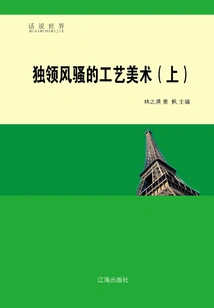
独领风骚的工艺美术(上)
Lin Zhiman Xiao Feng
History is to humanity as a whole what memory is to each of us, explaining what we do now, why we do it, and how we did it in the past. Therefore whoever wants to understand the world must know its history.
History is to humanity as a whole what memory is to each of us, explaining what we do now, why we do it, and how we did it in the past. Therefore whoever wants to understand the world must know its history.
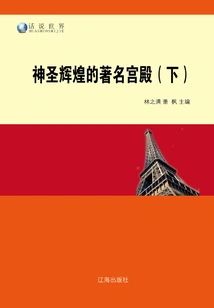
神圣辉煌的著名宫殿(下)
Lin Zhiman Xiao Feng
History is to humanity as a whole what memory is to each of us, explaining what we do now, why we do it, and how we did it in the past. Therefore whoever wants to understand the world must know its history.
History is to humanity as a whole what memory is to each of us, explaining what we do now, why we do it, and how we did it in the past. Therefore whoever wants to understand the world must know its history.
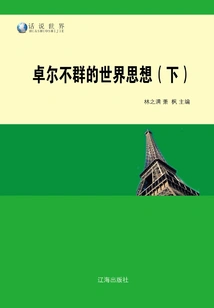
卓尔不群的世界思想(下)
Lin Zhiman Xiao Feng
History is to humanity as a whole what memory is to each of us, explaining what we do now, why we do it, and how we did it in the past. Therefore whoever wants to understand the world must know its history.
History is to humanity as a whole what memory is to each of us, explaining what we do now, why we do it, and how we did it in the past. Therefore whoever wants to understand the world must know its history.
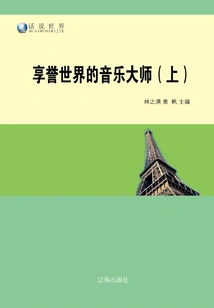
享誉世界的音乐大师(上)
Lin Zhiman Xiao Feng
History is to humanity as a whole what memory is to each of us, explaining what we do now, why we do it, and how we did it in the past. Therefore whoever wants to understand the world must know its history.
History is to humanity as a whole what memory is to each of us, explaining what we do now, why we do it, and how we did it in the past. Therefore whoever wants to understand the world must know its history.
口耳相传的艺术典故(上)
Lin Zhiman Xiao Feng
History is to humanity as a whole what memory is to each of us, explaining what we do now, why we do it, and how we did it in the past. Therefore whoever wants to understand the world must know its history.
History is to humanity as a whole what memory is to each of us, explaining what we do now, why we do it, and how we did it in the past. Therefore whoever wants to understand the world must know its history.
精华荟萃的世界教育(下)
Lin Zhiman Xiao Feng
History is to humanity as a whole what memory is to each of us, explaining what we do now, why we do it, and how we did it in the past. Therefore whoever wants to understand the world must know its history.
History is to humanity as a whole what memory is to each of us, explaining what we do now, why we do it, and how we did it in the past. Therefore whoever wants to understand the world must know its history.
狂放粗犷的原始艺术(下)
Lin Zhiman Xiao Feng
History is to humanity as a whole what memory is to each of us, explaining what we do now, why we do it, and how we did it in the past. Therefore whoever wants to understand the world must know its history.
History is to humanity as a whole what memory is to each of us, explaining what we do now, why we do it, and how we did it in the past. Therefore whoever wants to understand the world must know its history.
识宋:他们的宋朝(华文通史)
Sun Jian
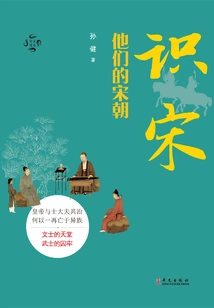
Song Dynasty - Some people say that this is another period of the Three Kingdoms, and some people say that this is the reappearance of the history of the Southern and Northern Dynasties. The "Khan of Heaven" was no longer glorious, and the Song Dynasty, which regarded itself as orthodox, died twice at the hands of foreigners. Song Taizu, Song Taizong, Kou Zhun, Di Qing, Wang Anshi, Song Huizong, Song Gaozong, Song Xiaozong, Zhu Xi, Shi Miyuan, and Jia Sidao are all vivid characters and systems that combine together to reveal the factors that influenced the historical trend of the two Song Dynasties for more than 300 years in terms of the form of imperial power, the politics of scholar-bureaucrats, the national policy of promoting culture and suppressing military affairs, and the interaction between internal affairs and diplomacy.
Song Dynasty - Some people say that this is another period of the Three Kingdoms, and some people say that this is the reappearance of the history of the Southern and Northern Dynasties. The "Khan of Heaven" was no longer glorious, and the Song Dynasty, which regarded itself as orthodox, died twice at the hands of foreigners. Song Taizu, Song Taizong, Kou Zhun, Di Qing, Wang Anshi, Song Huizong, Song Gaozong, Song Xiaozong, Zhu Xi, Shi Miyuan, and Jia Sidao are all vivid characters and systems that combine together to reveal the factors that influenced the historical trend of the two Song Dynasties for more than 300 years in terms of the form of imperial power, the politics of scholar-bureaucrats, the national policy of promoting culture and suppressing military affairs, and the interaction between internal affairs and diplomacy.
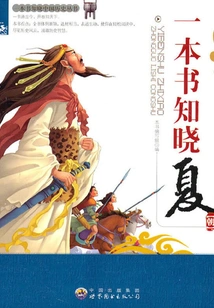
一本书知晓夏朝
This Book Writing Team
The Xia Dynasty was the first hereditary dynasty recorded in Chinese history books. Although it was just a backward slave country, its contribution was indelible and it pioneered civilization. This book is a book about the history of the Xia Dynasty. I hope readers can savor the scenes, chew on the historical stories, and gain some understanding and gain.
The Xia Dynasty was the first hereditary dynasty recorded in Chinese history books. Although it was just a backward slave country, its contribution was indelible and it pioneered civilization. This book is a book about the history of the Xia Dynasty. I hope readers can savor the scenes, chew on the historical stories, and gain some understanding and gain.
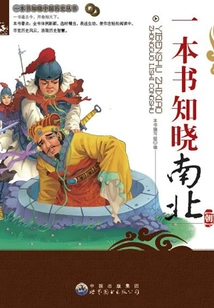
一本书知晓南北朝
This Book Writing Team
The Three Kingdoms, Two Jins, Southern and Northern Dynasties was the second great turmoil in Chinese history, and the Southern and Northern Dynasties were already in the later stages of this turbulent time. This book is about the history of the Southern and Northern Dynasties. I hope readers can savor the scenes, chew on the historical stories, and gain some understanding and gain.
The Three Kingdoms, Two Jins, Southern and Northern Dynasties was the second great turmoil in Chinese history, and the Southern and Northern Dynasties were already in the later stages of this turbulent time. This book is about the history of the Southern and Northern Dynasties. I hope readers can savor the scenes, chew on the historical stories, and gain some understanding and gain.
Agricultural System (part 2)
History农业制度(下)
Xing Chunru Li Munan Jie Baofeng Liu Xinlian
The Chinese nation is the oldest nation in the world, and the Chinese civilization is one of the oldest civilizations in the world. China's written history is nearly 5,000 years old. Starting from 841 BC, there have been almost 3,000 years of documented chronicles, which is unique in the long history of mankind. Among the four major ancient civilizations in the world, only China's history has always been passed down in an orderly manner and has never been interrupted.
The Chinese nation is the oldest nation in the world, and the Chinese civilization is one of the oldest civilizations in the world. China's written history is nearly 5,000 years old. Starting from 841 BC, there have been almost 3,000 years of documented chronicles, which is unique in the long history of mankind. Among the four major ancient civilizations in the world, only China's history has always been passed down in an orderly manner and has never been interrupted.
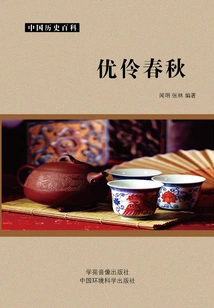
Actor Spring and Autumn
History优伶春秋
Wen Ming Zhang Lin
China is a huge country with a splendid civilization history of five thousand years and full of vitality and vitality. The Chinese nation has long been standing in the east of the world, and has continued for hundreds of generations.
China is a huge country with a splendid civilization history of five thousand years and full of vitality and vitality. The Chinese nation has long been standing in the east of the world, and has continued for hundreds of generations.
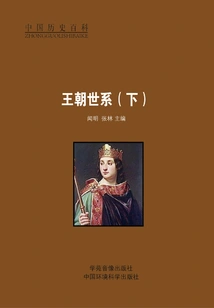
Dynastic Lineage (part 2)
History王朝世系(下)
Wen Ming Zhang Lin
China is a huge country with a splendid civilization history of five thousand years and full of vitality and vitality. The Chinese nation has long been standing in the east of the world, and has continued for hundreds of generations.
China is a huge country with a splendid civilization history of five thousand years and full of vitality and vitality. The Chinese nation has long been standing in the east of the world, and has continued for hundreds of generations.
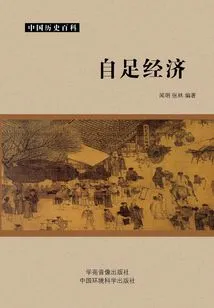
Self-sufficiency Economy
History自足经济
Wen Ming Zhang Lin
China is a huge country with a splendid civilization history of five thousand years and full of vitality and vitality. The Chinese nation has long been standing in the east of the world, and has continued for hundreds of generations.
China is a huge country with a splendid civilization history of five thousand years and full of vitality and vitality. The Chinese nation has long been standing in the east of the world, and has continued for hundreds of generations.
文明历程(上)
Wen Ming Zhang Lin
China is a huge country with a splendid civilization history of five thousand years and full of vitality and vitality. The Chinese nation has long been standing in the east of the world, and has continued for hundreds of generations.
China is a huge country with a splendid civilization history of five thousand years and full of vitality and vitality. The Chinese nation has long been standing in the east of the world, and has continued for hundreds of generations.
文明历程(下)
Wen Ming Zhang Lin
China is a huge country with a splendid civilization history of five thousand years and full of vitality and vitality. The Chinese nation has long been standing in the east of the world, and has continued for hundreds of generations.
China is a huge country with a splendid civilization history of five thousand years and full of vitality and vitality. The Chinese nation has long been standing in the east of the world, and has continued for hundreds of generations.
皇权刑律(下)
Wen Ming Zhang Lin
China is a huge country with a splendid civilization history of five thousand years and full of vitality and vitality. The Chinese nation has long been standing in the east of the world, and has continued for hundreds of generations.
China is a huge country with a splendid civilization history of five thousand years and full of vitality and vitality. The Chinese nation has long been standing in the east of the world, and has continued for hundreds of generations.
赫赫天朝(上)
Wen Ming Zhang Lin
China is a huge country with a splendid civilization history of five thousand years and full of vitality and vitality. The Chinese nation has long been standing in the east of the world, and has continued for hundreds of generations.
China is a huge country with a splendid civilization history of five thousand years and full of vitality and vitality. The Chinese nation has long been standing in the east of the world, and has continued for hundreds of generations.
Agricultural System (part 1)
History农业制度(上)
Xing Chunru Li Munan Jie Baofeng Liu Xinlian
The Chinese nation is the oldest nation in the world, and the Chinese civilization is one of the oldest civilizations in the world. China's written history is nearly 5,000 years old. Starting from 841 BC, there have been almost 3,000 years of documented chronicles, which is unique in the long history of mankind. Among the four major ancient civilizations in the world, only China's history has always been passed down in an orderly manner and has never been interrupted.
The Chinese nation is the oldest nation in the world, and the Chinese civilization is one of the oldest civilizations in the world. China's written history is nearly 5,000 years old. Starting from 841 BC, there have been almost 3,000 years of documented chronicles, which is unique in the long history of mankind. Among the four major ancient civilizations in the world, only China's history has always been passed down in an orderly manner and has never been interrupted.
千年重农(上)
Wen Ming Zhang Lin
China is a huge country with a splendid civilization history of five thousand years and full of vitality and vitality. The Chinese nation has long been standing in the east of the world, and has continued for hundreds of generations.
China is a huge country with a splendid civilization history of five thousand years and full of vitality and vitality. The Chinese nation has long been standing in the east of the world, and has continued for hundreds of generations.
官称衙署(下)
Wen Ming Zhang Lin
China is a huge country with a splendid civilization history of five thousand years and full of vitality and vitality. The Chinese nation has long been standing in the east of the world, and has continued for hundreds of generations.
China is a huge country with a splendid civilization history of five thousand years and full of vitality and vitality. The Chinese nation has long been standing in the east of the world, and has continued for hundreds of generations.
官称衙署(上)
Wen Ming Zhang Lin
China is a huge country with a splendid civilization history of five thousand years and full of vitality and vitality. The Chinese nation has long been standing in the east of the world, and has continued for hundreds of generations.
China is a huge country with a splendid civilization history of five thousand years and full of vitality and vitality. The Chinese nation has long been standing in the east of the world, and has continued for hundreds of generations.
赫赫天朝(下)
Wen Ming Zhang Lin
China is a huge country with a splendid civilization history of five thousand years and full of vitality and vitality. The Chinese nation has long been standing in the east of the world, and has continued for hundreds of generations.
China is a huge country with a splendid civilization history of five thousand years and full of vitality and vitality. The Chinese nation has long been standing in the east of the world, and has continued for hundreds of generations.
千年重农(下)
Wen Ming Zhang Lin
China is a huge country with a splendid civilization history of five thousand years and full of vitality and vitality. The Chinese nation has long been standing in the east of the world, and has continued for hundreds of generations.
China is a huge country with a splendid civilization history of five thousand years and full of vitality and vitality. The Chinese nation has long been standing in the east of the world, and has continued for hundreds of generations.
考选科举(下)
Wen Ming Zhang Lin
China is a huge country with a splendid civilization history of five thousand years and full of vitality and vitality. The Chinese nation has long been standing in the east of the world, and has continued for hundreds of generations.
China is a huge country with a splendid civilization history of five thousand years and full of vitality and vitality. The Chinese nation has long been standing in the east of the world, and has continued for hundreds of generations.
Imperial Power Code (part 1)
History皇权典制(上)
Wen Ming Zhang Lin
China is a huge country with a splendid civilization history of five thousand years and full of vitality and vitality. The Chinese nation has long been standing in the east of the world, and has continued for hundreds of generations.
China is a huge country with a splendid civilization history of five thousand years and full of vitality and vitality. The Chinese nation has long been standing in the east of the world, and has continued for hundreds of generations.
Imperial Power Code (part 2)
History皇权典制(下)
Wen Ming Zhang Lin
China is a huge country with a splendid civilization history of five thousand years and full of vitality and vitality. The Chinese nation has long been standing in the east of the world, and has continued for hundreds of generations.
China is a huge country with a splendid civilization history of five thousand years and full of vitality and vitality. The Chinese nation has long been standing in the east of the world, and has continued for hundreds of generations.
皇权刑律(上)
Wen Ming Zhang Lin
China is a huge country with a splendid civilization history of five thousand years and full of vitality and vitality. The Chinese nation has long been standing in the east of the world, and has continued for hundreds of generations.
China is a huge country with a splendid civilization history of five thousand years and full of vitality and vitality. The Chinese nation has long been standing in the east of the world, and has continued for hundreds of generations.
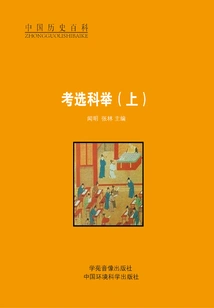
考选科举(上)
Wen Ming Zhang Lin
China is a huge country with a splendid civilization history of five thousand years and full of vitality and vitality. The Chinese nation has long been standing in the east of the world, and has continued for hundreds of generations.
China is a huge country with a splendid civilization history of five thousand years and full of vitality and vitality. The Chinese nation has long been standing in the east of the world, and has continued for hundreds of generations.
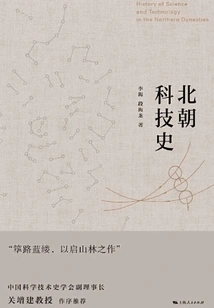
北朝科技史
Li Hai Duan Hailong
The Northern Dynasties (386-581 AD) is the general name for the five dynasties that existed in the north of my country between the Eastern Jin Dynasty and the Sui and Tang Dynasties, including the Northern Wei, Eastern Wei, Western Wei, Northern Qi and Northern Zhou. The Eastern Wei and Western Wei were split from the Northern Wei. After the Eastern Wei, there was the Northern Qi, and after the Western Wei, there was the Northern Zhou. The Northern Wei's unification of the north ended nearly 150 years of chaos in the Central Plains and laid the foundation for the subsequent unification of the Sui and Tang Dynasties. The Tuoba Tribe of Xianbei founded the Northern Wei Dynasty, and brought nomadic people into the Central Plains. They learned from the Central Plains culture, incorporated it, and made great progress and breakthroughs in science and technology. On the one hand, the science and technology of the Northern Dynasties inherited and developed the system formed since the Qin and Han Dynasties. On the other hand, it absorbed the scientific and technological knowledge from foreign cultures represented by Buddhism and integrated it into the Chinese science and technology system. It achieved considerable development and major breakthroughs in many fields such as astronomy, earth science, agriculture, medicine, architecture and mechanical technology. The scientific and technological achievements of the Northern Dynasties not only enriched the ancient Chinese scientific and technological system, but also improved the scientific and technological level, and ultimately perfected and developed traditional Chinese science and technology. The science and technology of the Northern Dynasties and the science and technology of the Southern Dynasties complemented each other and played an important role in inheriting and developing the ancient Chinese science and technology system.
The Northern Dynasties (386-581 AD) is the general name for the five dynasties that existed in the north of my country between the Eastern Jin Dynasty and the Sui and Tang Dynasties, including the Northern Wei, Eastern Wei, Western Wei, Northern Qi and Northern Zhou. The Eastern Wei and Western Wei were split from the Northern Wei. After the Eastern Wei, there was the Northern Qi, and after the Western Wei, there was the Northern Zhou. The Northern Wei's unification of the north ended nearly 150 years of chaos in the Central Plains and laid the foundation for the subsequent unification of the Sui and Tang Dynasties. The Tuoba Tribe of Xianbei founded the Northern Wei Dynasty, and brought nomadic people into the Central Plains. They learned from the Central Plains culture, incorporated it, and made great progress and breakthroughs in science and technology. On the one hand, the science and technology of the Northern Dynasties inherited and developed the system formed since the Qin and Han Dynasties. On the other hand, it absorbed the scientific and technological knowledge from foreign cultures represented by Buddhism and integrated it into the Chinese science and technology system. It achieved considerable development and major breakthroughs in many fields such as astronomy, earth science, agriculture, medicine, architecture and mechanical technology. The scientific and technological achievements of the Northern Dynasties not only enriched the ancient Chinese scientific and technological system, but also improved the scientific and technological level, and ultimately perfected and developed traditional Chinese science and technology. The science and technology of the Northern Dynasties and the science and technology of the Southern Dynasties complemented each other and played an important role in inheriting and developing the ancient Chinese science and technology system.
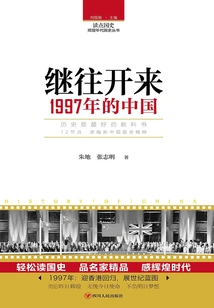
小说,小说网,最新热门小说-QQ阅读_阅文集团旗下网站
Zhu Di Zhang Zhiming
"Reading National History: The National History Series of the Glory Era" selects 12 landmark years that have produced major turning points in the history of the Republic or caused accelerated social development. One book is published for each year. It describes the major historical events that occurred in this year with vivid writing and detailed information, describes its economic and political development and social features, and discusses its important position in the 65-year development of New China.
"Reading National History: The National History Series of the Glory Era" selects 12 landmark years that have produced major turning points in the history of the Republic or caused accelerated social development. One book is published for each year. It describes the major historical events that occurred in this year with vivid writing and detailed information, describes its economic and political development and social features, and discusses its important position in the 65-year development of New China.
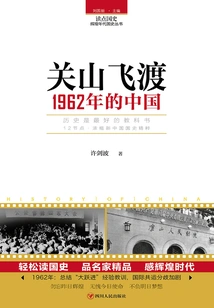
关山飞渡:1962年的中国
Xu Jianbo
From 1957 to 1966, it was a decade of comprehensive construction of socialism in our country, and it was also a decade of development of both right and wrong tendencies. The correct aspect is that the adjustment of the national economy has achieved great results. After five years of adjustment, the period after 1962 became one of the better periods of economic development in the Republic. The science, technology and defense industry represented by "two bombs and one satellite" have also made great progress. "A large part of the material and technical foundation on which we rely for modernization was built during this period" ("Resolution on Certain Historical Issues of the Party since the Founding of the People's Republic of China"). The errors were concentrated in the further development of class struggle theory, which ultimately led to the "Cultural Revolution", a national disaster. The two are contradictory to each other, but the contradiction has been controlled within a certain range for the time being. The complexity of history shows us a tortuous development trajectory.
From 1957 to 1966, it was a decade of comprehensive construction of socialism in our country, and it was also a decade of development of both right and wrong tendencies. The correct aspect is that the adjustment of the national economy has achieved great results. After five years of adjustment, the period after 1962 became one of the better periods of economic development in the Republic. The science, technology and defense industry represented by "two bombs and one satellite" have also made great progress. "A large part of the material and technical foundation on which we rely for modernization was built during this period" ("Resolution on Certain Historical Issues of the Party since the Founding of the People's Republic of China"). The errors were concentrated in the further development of class struggle theory, which ultimately led to the "Cultural Revolution", a national disaster. The two are contradictory to each other, but the contradiction has been controlled within a certain range for the time being. The complexity of history shows us a tortuous development trajectory.
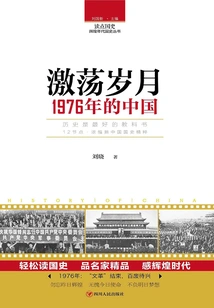
激荡岁月:1976年的中国
Liu Xiao
"Reading National History: The National History Series of the Glory Era" selects 12 landmark years that have produced major turning points in the history of the Republic or caused accelerated social development. One book is published for each year. It describes the major historical events that occurred in this year with vivid writing and detailed information, describes its economic and political development and social features, and discusses its important position in the 65-year development of New China.
"Reading National History: The National History Series of the Glory Era" selects 12 landmark years that have produced major turning points in the history of the Republic or caused accelerated social development. One book is published for each year. It describes the major historical events that occurred in this year with vivid writing and detailed information, describes its economic and political development and social features, and discusses its important position in the 65-year development of New China.