Library
Browse and search books
2,169 novels found
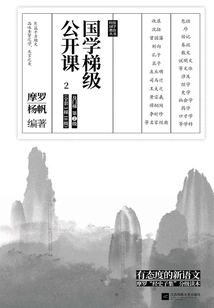
Chinese Studies Ladder Open Class 2
Literature国学梯级公开课2
Compiled By Moro Yang Fan
"Chinese Studies Cascade Open Course 2" is compiled by the famous Chinese studies expert Moro with 12 years of front-line teaching experience. It includes Shen Kuo, Zeng Guofan, Liu Xiang, Confucius, Mencius, Zuo Qiuming, Sima Qian, Classics by famous writers such as Wang Fuzhi, Huang Zongxi, Tan Sitong, and Li Shizhen cover prefaces, biographies, memorials, essays, expository essays and other literary styles, involving classics, history, sociology, pharmacy, eloquence, military and other disciplines. Among them, "Zuo Zhuan" selects a chapter by Shu Sun Bao on the theory of "three immortals". The historical anthology contains stories about Guan Bao's friendship and Guan Zhong's assistance to Duke Huan of Qi in dominating the princes. The supplementary texts are selected from "Manuscripts of the History of the Qing Dynasty", Kang Youwei's "Letter on the Bus" and Ji Xiaolan's "Notes from the Yuewei Cottage".
"Chinese Studies Cascade Open Course 2" is compiled by the famous Chinese studies expert Moro with 12 years of front-line teaching experience. It includes Shen Kuo, Zeng Guofan, Liu Xiang, Confucius, Mencius, Zuo Qiuming, Sima Qian, Classics by famous writers such as Wang Fuzhi, Huang Zongxi, Tan Sitong, and Li Shizhen cover prefaces, biographies, memorials, essays, expository essays and other literary styles, involving classics, history, sociology, pharmacy, eloquence, military and other disciplines. Among them, "Zuo Zhuan" selects a chapter by Shu Sun Bao on the theory of "three immortals". The historical anthology contains stories about Guan Bao's friendship and Guan Zhong's assistance to Duke Huan of Qi in dominating the princes. The supplementary texts are selected from "Manuscripts of the History of the Qing Dynasty", Kang Youwei's "Letter on the Bus" and Ji Xiaolan's "Notes from the Yuewei Cottage".
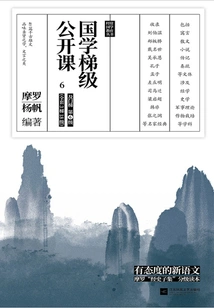
Chinese Studies Ladder Open Class 6
Literature国学梯级公开课6
Compiled By Moro Yang Fan
"Chinese Studies Graded Open Course 6" collects classics from Liu Bowen, Zheng Banqiao, Dai Mingshi, Wu Chengen, Confucius, Mencius, Zuo Qiuming, Sima Qian, Liang Qichao, Qi Jiguang, Zhang Zhidong, and other famous writers. It includes fables, policy essays, essays, novels, biographies, expository essays, memorials and other literary styles, involving classics, history, painting theory, military theory, calendar and other subjects. Among them, the collection of articles "Du Wulang, a Taoist Man" writes about a farmer who is pure in heart and desires, lives in poverty and is happy with morality. "Xian Zhen's Suicidal Charge" describes the helplessness of the world. "Vice Text" is mainly about stories, mainly selected from "History of the Song Dynasty", Liu Bowen's "Yu Ion", and Pu Songling's "Strange Stories from a Chinese Studio".
"Chinese Studies Graded Open Course 6" collects classics from Liu Bowen, Zheng Banqiao, Dai Mingshi, Wu Chengen, Confucius, Mencius, Zuo Qiuming, Sima Qian, Liang Qichao, Qi Jiguang, Zhang Zhidong, and other famous writers. It includes fables, policy essays, essays, novels, biographies, expository essays, memorials and other literary styles, involving classics, history, painting theory, military theory, calendar and other subjects. Among them, the collection of articles "Du Wulang, a Taoist Man" writes about a farmer who is pure in heart and desires, lives in poverty and is happy with morality. "Xian Zhen's Suicidal Charge" describes the helplessness of the world. "Vice Text" is mainly about stories, mainly selected from "History of the Song Dynasty", Liu Bowen's "Yu Ion", and Pu Songling's "Strange Stories from a Chinese Studio".
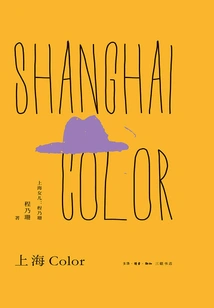
Shanghaicolor
Literature上海Color
Cheng Naishan
"Shanghai Daughter: Cheng Naishan" is a collection of essays commemorating the 5th anniversary of the death of the writer Cheng Naishan. It includes 4 volumes of "Shanghai Color", "Shanghai Memory", "Shanghai Lady" and "Shanghai Taste". It selects the classic works that devoted much attention to Shanghai culture during his 30-year creative career, leaving behind portraits of Shanghai's Koehler accent, alley memories, female silhouettes and tongue-in-cheek scenes. This book selects their works that focus on depicting the life style and aesthetic taste of the old Shanghai elite, thus sketching the unique charm of the old Kele culture in the Shanghai style culture.
"Shanghai Daughter: Cheng Naishan" is a collection of essays commemorating the 5th anniversary of the death of the writer Cheng Naishan. It includes 4 volumes of "Shanghai Color", "Shanghai Memory", "Shanghai Lady" and "Shanghai Taste". It selects the classic works that devoted much attention to Shanghai culture during his 30-year creative career, leaving behind portraits of Shanghai's Koehler accent, alley memories, female silhouettes and tongue-in-cheek scenes. This book selects their works that focus on depicting the life style and aesthetic taste of the old Shanghai elite, thus sketching the unique charm of the old Kele culture in the Shanghai style culture.
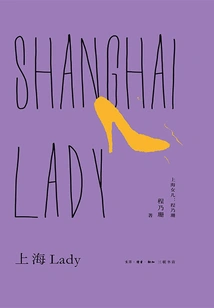
Shanghai Lady
Literature上海Lady
Cheng Naishan
"Shanghai Daughter: Cheng Naishan" is a collection of essays commemorating the 5th anniversary of the death of the writer Cheng Naishan. It includes 4 volumes of "Shanghai Color", "Shanghai Memory", "Shanghai Lady" and "Shanghai Taste". It selects the classic works that devoted much attention to Shanghai culture during his 30-year creative career, leaving behind portraits of Shanghai's Koehler accent, alley memories, female silhouettes and tongue-in-cheek scenes. This book selects their works that focus on depicting the life style and aesthetic taste of the old Shanghai elite, thus sketching the unique charm of the old Kele culture in the Shanghai style culture.
"Shanghai Daughter: Cheng Naishan" is a collection of essays commemorating the 5th anniversary of the death of the writer Cheng Naishan. It includes 4 volumes of "Shanghai Color", "Shanghai Memory", "Shanghai Lady" and "Shanghai Taste". It selects the classic works that devoted much attention to Shanghai culture during his 30-year creative career, leaving behind portraits of Shanghai's Koehler accent, alley memories, female silhouettes and tongue-in-cheek scenes. This book selects their works that focus on depicting the life style and aesthetic taste of the old Shanghai elite, thus sketching the unique charm of the old Kele culture in the Shanghai style culture.
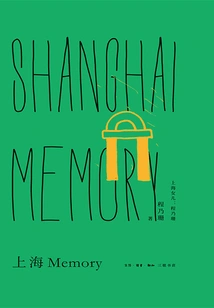
Shanghaimemory
Literature上海Memory
Cheng Naishan
"Shanghai Daughter: Cheng Naishan" is a collection of essays commemorating the 5th anniversary of the death of the writer Cheng Naishan. It includes 4 volumes of "Shanghai Color", "Shanghai Memory", "Shanghai Lady" and "Shanghai Taste". It selects the classic works that devoted much attention to Shanghai culture during his 30-year creative career, leaving behind portraits of Shanghai's Koehler accent, alley memories, female silhouettes and tongue-in-cheek scenes. This book selects their works that focus on depicting the life style and aesthetic taste of the old Shanghai elite, thus sketching the unique charm of the old Kele culture in the Shanghai style culture.
"Shanghai Daughter: Cheng Naishan" is a collection of essays commemorating the 5th anniversary of the death of the writer Cheng Naishan. It includes 4 volumes of "Shanghai Color", "Shanghai Memory", "Shanghai Lady" and "Shanghai Taste". It selects the classic works that devoted much attention to Shanghai culture during his 30-year creative career, leaving behind portraits of Shanghai's Koehler accent, alley memories, female silhouettes and tongue-in-cheek scenes. This book selects their works that focus on depicting the life style and aesthetic taste of the old Shanghai elite, thus sketching the unique charm of the old Kele culture in the Shanghai style culture.
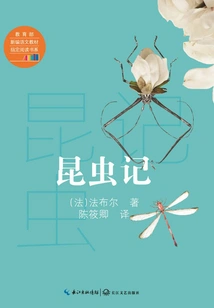
Insect Diary
Literature昆虫记
(french) Fabre
"Insect Diary" is a scientific masterpiece about the habits and behavior of insects written by French entomologist Fabre. It is also a literary classic integrating knowledge, philosophy and interest. It uses human nature to observe the insect world, and uses the colorful life of insects to express life insights. Every line is filled with profound humanistic care. This book has been nominated for the Nobel Prize in Literature and is known as the "Epic of Insects". It has been translated into more than 60 languages and has been a popular book for more than 100 years since its publication.
"Insect Diary" is a scientific masterpiece about the habits and behavior of insects written by French entomologist Fabre. It is also a literary classic integrating knowledge, philosophy and interest. It uses human nature to observe the insect world, and uses the colorful life of insects to express life insights. Every line is filled with profound humanistic care. This book has been nominated for the Nobel Prize in Literature and is known as the "Epic of Insects". It has been translated into more than 60 languages and has been a popular book for more than 100 years since its publication.
K
Literaturek
H
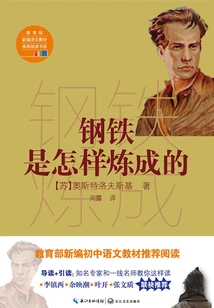
"How the Steel Was Tempered" is a semi-autobiographical novel that shines with lofty idealism. The novel successfully creates the image of Paul Korchagin, a proletarian hero. It shows Paul Korchagin's life and emotional world with vivid and life-rich language and shocking spiritual power, and has become a literary classic that inspires generations of young people in China.
"How the Steel Was Tempered" is a semi-autobiographical novel that shines with lofty idealism. The novel successfully creates the image of Paul Korchagin, a proletarian hero. It shows Paul Korchagin's life and emotional world with vivid and life-rich language and shocking spiritual power, and has become a literary classic that inspires generations of young people in China.
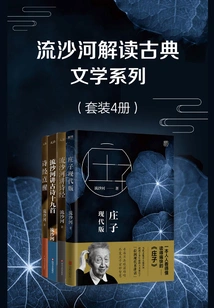
流沙河解读古典文学系列(套装4册)
Liusha River
A series of classical literature interpretation books that everyone can understand and enjoy reading. Liushahe, a contemporary cultural wonder, has brought the ancients from thousands of years ago "to speak in the modern age." The strange book is no longer difficult to read, and you can fully appreciate the mysterious wisdom of the ancients. It is a great book for popularizing traditional culture written by everyone. It is humorous and can be easily read by teenagers, college students and traditional culture lovers. The set contains four Liushahe classic works, including "Modern Edition of Zhuangzi", "Liushahe Lectures on the Book of Songs", "Liushahe Lectures on Nineteen Ancient Poems" and "The Book of Songs Awakening".
A series of classical literature interpretation books that everyone can understand and enjoy reading. Liushahe, a contemporary cultural wonder, has brought the ancients from thousands of years ago "to speak in the modern age." The strange book is no longer difficult to read, and you can fully appreciate the mysterious wisdom of the ancients. It is a great book for popularizing traditional culture written by everyone. It is humorous and can be easily read by teenagers, college students and traditional culture lovers. The set contains four Liushahe classic works, including "Modern Edition of Zhuangzi", "Liushahe Lectures on the Book of Songs", "Liushahe Lectures on Nineteen Ancient Poems" and "The Book of Songs Awakening".
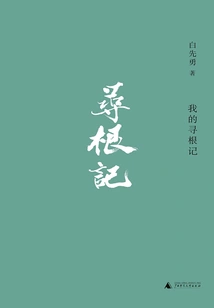
My Root Search
Literature我的寻根记
Bai Xianyong
"My Search for Roots" is a highly representative collection of Bai Xianyong's classic works. It embraces a nostalgia for literature and his hometown, and displays Bai Xianyong's personal literary, artistic trajectory and life course. The works are divided into three series: the first series of novels, a total of 8 novels, including "Sister-in-law Yuqing", "Lonely Seventeen Years Old" and "Resentment of the Exalted Immortal", as well as the latest work "Silent" which won the Yu Dafu Literary Award Night", every chapter is a masterpiece; the second series of essays has a total of 9 essays, including "The Tree Is Like This", "Star Cafe" and "The Sixth Finger", etc., Which are full of nostalgia and family affection; the third series of reviews has a total of 6 essays, including "Three Chapters of Dialogue with Xi Song" and "Grand View of the Red Chamber".
"My Search for Roots" is a highly representative collection of Bai Xianyong's classic works. It embraces a nostalgia for literature and his hometown, and displays Bai Xianyong's personal literary, artistic trajectory and life course. The works are divided into three series: the first series of novels, a total of 8 novels, including "Sister-in-law Yuqing", "Lonely Seventeen Years Old" and "Resentment of the Exalted Immortal", as well as the latest work "Silent" which won the Yu Dafu Literary Award Night", every chapter is a masterpiece; the second series of essays has a total of 9 essays, including "The Tree Is Like This", "Star Cafe" and "The Sixth Finger", etc., Which are full of nostalgia and family affection; the third series of reviews has a total of 6 essays, including "Three Chapters of Dialogue with Xi Song" and "Grand View of the Red Chamber".
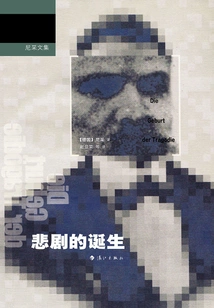
U
Literatureu
I
In the book, Nietzsche created the important concepts of "Apollinian spirit" and "Dionysian spirit", using this as an entry point to reinterpret ancient Greek culture with a unique perspective and wise language, and then explore the origin, essence and function of art and even the meaning of life. Nietzsche believed that the art of Apollo (Apollo) is manifested in sculptures and epics, which is a dream art; the art of Dionysus (Dionysus) is manifested in music, which is the art of drunkenness. Greek tragedy originated from the chorus of Dionysian sacrifices and was the product of the fusion of "Apollinian spirit" and "Dionysian spirit". Nietzsche regarded the "Dionysian spirit" as the fundamental foundation of Greek art, that is, "the affirmation of life... The will to life that rejoices in the endlessness of its vitality." He believes that when Greek tragedy reached its peak, the enemy that caused its demise also emerged, that is, the critical spirit of Greek Enlightenment philosophy represented by Socrates. Greek tragedy "died to destruction" in the opposition between Dionysus and Socrates, but Nietzsche predicted that the "Dionysian spirit" will surely reappear, and a new tragic era will surely come.
In the book, Nietzsche created the important concepts of "Apollinian spirit" and "Dionysian spirit", using this as an entry point to reinterpret ancient Greek culture with a unique perspective and wise language, and then explore the origin, essence and function of art and even the meaning of life. Nietzsche believed that the art of Apollo (Apollo) is manifested in sculptures and epics, which is a dream art; the art of Dionysus (Dionysus) is manifested in music, which is the art of drunkenness. Greek tragedy originated from the chorus of Dionysian sacrifices and was the product of the fusion of "Apollinian spirit" and "Dionysian spirit". Nietzsche regarded the "Dionysian spirit" as the fundamental foundation of Greek art, that is, "the affirmation of life... The will to life that rejoices in the endlessness of its vitality." He believes that when Greek tragedy reached its peak, the enemy that caused its demise also emerged, that is, the critical spirit of Greek Enlightenment philosophy represented by Socrates. Greek tragedy "died to destruction" in the opposition between Dionysus and Socrates, but Nietzsche predicted that the "Dionysian spirit" will surely reappear, and a new tragic era will surely come.
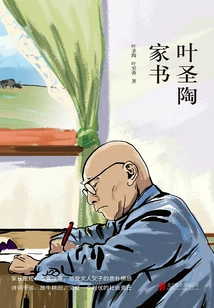
Ye Shengtao's Family Letter
Literature叶圣陶家书
Ye Shengtao Ye Zhishan
This book collects hundreds of letters between Ye Shengtao and his son Ye Zhishan from Beijing to Huangchuan Cadre School from 1969 to 1972. In 1969, Ye Zhishan went to Huangchuan Cadre School in Henan Province with the Central Committee of the Youth League. Father and son exchanged letters thousands of miles apart. By 1972, Ye Zhishan returned to Beijing. It took three years and eight months to exchange hundreds of letters home. In these family letters, there are not only daily greetings from parents, but also discussions and exchanges between father and son on literary creation, social current affairs, family education and many other aspects. The records of social life at that time in family letters can also be regarded as true historical materials looking back at that special era.
This book collects hundreds of letters between Ye Shengtao and his son Ye Zhishan from Beijing to Huangchuan Cadre School from 1969 to 1972. In 1969, Ye Zhishan went to Huangchuan Cadre School in Henan Province with the Central Committee of the Youth League. Father and son exchanged letters thousands of miles apart. By 1972, Ye Zhishan returned to Beijing. It took three years and eight months to exchange hundreds of letters home. In these family letters, there are not only daily greetings from parents, but also discussions and exchanges between father and son on literary creation, social current affairs, family education and many other aspects. The records of social life at that time in family letters can also be regarded as true historical materials looking back at that special era.
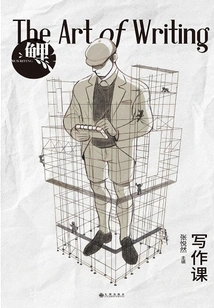
Carp·writing Class
Literature鲤·写作课
Zhang Yueran
"Carp·Writing Lesson" is a book of faith for literary youth. We respectfully invite some explorers of contemporary literature to talk in this book about the things that matter to them when they create. Tang Nuo, Zhang Dinghao, Shuang Xuetao, and Chen Wei started from their own experiences and shared their experiences in language, reading, and self-training. Yan Ge, who is at the forefront of the Western literary scene, sends us back information from there; Qian Jianan's translation of the Iowa Writers' Workshop director's article on creative writing courses provides an inside perspective on this legendary project. Sheng Yun, a writer for English publications such as the London Review of Books, talked about the key points when writing non-fiction works for foreign media; Hong Kong writer Chen Haoji, who has brought Chinese mystery writing to the top again, and famous domestic science fiction writer Fei Deuterium shared their respective experiences in the field of genre writing. McEwan was interviewed by Huang Yuning, his translator and editor in China, detailing his creative process and providing advice on how to transition from writing short stories to full-length novels. In this book, the final volume of the "Anonymous Writer Project" is grandly unveiled, and the names of the contestants who were kept secret in the two volumes of "Carp Anonymous Writer" and "Carp Time Capsule" are also announced, bringing a perfect end to this literary competition that aims to "return to the origin of writing, only looking at the works, not the writers."
"Carp·Writing Lesson" is a book of faith for literary youth. We respectfully invite some explorers of contemporary literature to talk in this book about the things that matter to them when they create. Tang Nuo, Zhang Dinghao, Shuang Xuetao, and Chen Wei started from their own experiences and shared their experiences in language, reading, and self-training. Yan Ge, who is at the forefront of the Western literary scene, sends us back information from there; Qian Jianan's translation of the Iowa Writers' Workshop director's article on creative writing courses provides an inside perspective on this legendary project. Sheng Yun, a writer for English publications such as the London Review of Books, talked about the key points when writing non-fiction works for foreign media; Hong Kong writer Chen Haoji, who has brought Chinese mystery writing to the top again, and famous domestic science fiction writer Fei Deuterium shared their respective experiences in the field of genre writing. McEwan was interviewed by Huang Yuning, his translator and editor in China, detailing his creative process and providing advice on how to transition from writing short stories to full-length novels. In this book, the final volume of the "Anonymous Writer Project" is grandly unveiled, and the names of the contestants who were kept secret in the two volumes of "Carp Anonymous Writer" and "Carp Time Capsule" are also announced, bringing a perfect end to this literary competition that aims to "return to the origin of writing, only looking at the works, not the writers."
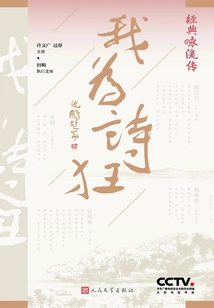
经典咏流传:我为诗狂
Xu Wenguang Editor-in-chief Guo Tong
"Classic Chant and Spread: I'm Crazy about Poetry" is one of the series of books from the CCTV program of the same name, "Classic Chant and Spread". It is specially created for the elderly. The layout is clear, the font is large, and it is easy to read. 110 Poems (including all the chapters in the program) are selected, supplemented by simple and clear comments. In addition, with professional announcer's recitation demonstration and AR technology, you can watch the program video by scanning the picture. The binding is exquisite and it is a fine book suitable for children to buy as gifts for their parents.
"Classic Chant and Spread: I'm Crazy about Poetry" is one of the series of books from the CCTV program of the same name, "Classic Chant and Spread". It is specially created for the elderly. The layout is clear, the font is large, and it is easy to read. 110 Poems (including all the chapters in the program) are selected, supplemented by simple and clear comments. In addition, with professional announcer's recitation demonstration and AR technology, you can watch the program video by scanning the picture. The binding is exquisite and it is a fine book suitable for children to buy as gifts for their parents.
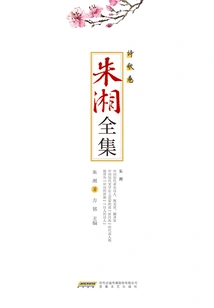
朱湘全集·诗歌卷
Written By Zhu Xiang And Edited By Fang Ming
The poetry volume includes Zhu Xiang's first poetry collection "Summer" published in 1925 (published by the Commercial Press), as well as the subsequent "Cao Mang Collection" (1927, published by Kaiming Bookstore), "Shimen Collection" (1934, published by the Commercial Press), and "Yongyan Collection" (1936, published by Times Bookstore). Zhu Xiang's poems pay attention to metrical form, have profound classical cultural heritage, skilled skills, delicate expression techniques, and beautiful and elegant charm. From this volume, readers can comprehensively and deeply appreciate the artistic beauty of Zhu Xiang's poems.
The poetry volume includes Zhu Xiang's first poetry collection "Summer" published in 1925 (published by the Commercial Press), as well as the subsequent "Cao Mang Collection" (1927, published by Kaiming Bookstore), "Shimen Collection" (1934, published by the Commercial Press), and "Yongyan Collection" (1936, published by Times Bookstore). Zhu Xiang's poems pay attention to metrical form, have profound classical cultural heritage, skilled skills, delicate expression techniques, and beautiful and elegant charm. From this volume, readers can comprehensively and deeply appreciate the artistic beauty of Zhu Xiang's poems.
R
LiteratureR
G
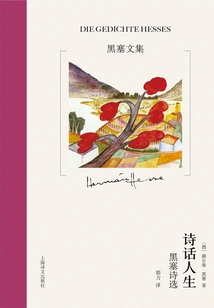
"The last knight of German Romanticism" and winner of the Nobel Prize for Literature, Hesse's new 10-volume anthology, translated by famous writers, includes novels, short and medium-length works, poetry, prose, fairy tales and paintings, comprehensively displaying Hesse's creative career. Hesse's literary career began and ended with poetry creation; his first collection of poems, "Romantic Songs," collected his poetry creation since the age of 15, and his last poem, "The Rattling of Broken Branches," was completed the day before his death. During the nearly 70 years of Hesse's poetry career, he composed about 1,400 poems, of which more than 800 were edited by him into 15 poetry anthologies. Hesse's poems are deeply loved by the German people. His poems are pure and touching, and each chapter expresses his true feelings. Not only is his language delicate and euphemistic, concise and simple, but his style is also particularly fresh, natural and smooth. "Poetry Talks about Life - Selected Poems of Hesse" selects 275 excellent poems from 15 collections of Hesse's poems and publishes them in five parts: "Youth", "Youth", "Middle-aged", "Old Age" and "Old Age". It fully presents the essence of Hesse's poetry creation.
"The last knight of German Romanticism" and winner of the Nobel Prize for Literature, Hesse's new 10-volume anthology, translated by famous writers, includes novels, short and medium-length works, poetry, prose, fairy tales and paintings, comprehensively displaying Hesse's creative career. Hesse's literary career began and ended with poetry creation; his first collection of poems, "Romantic Songs," collected his poetry creation since the age of 15, and his last poem, "The Rattling of Broken Branches," was completed the day before his death. During the nearly 70 years of Hesse's poetry career, he composed about 1,400 poems, of which more than 800 were edited by him into 15 poetry anthologies. Hesse's poems are deeply loved by the German people. His poems are pure and touching, and each chapter expresses his true feelings. Not only is his language delicate and euphemistic, concise and simple, but his style is also particularly fresh, natural and smooth. "Poetry Talks about Life - Selected Poems of Hesse" selects 275 excellent poems from 15 collections of Hesse's poems and publishes them in five parts: "Youth", "Youth", "Middle-aged", "Old Age" and "Old Age". It fully presents the essence of Hesse's poetry creation.
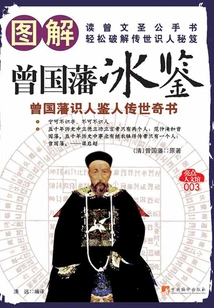
图解曾国藩冰鉴:识人鉴人传世奇书
Original Work By Zeng Guofan
"Illustrated Ice Mirror of Zeng Guofan" mainly tells about another unknown knowledge of Zeng Guofan. Some people say that only one of the thirteen sets of knowledge of Zeng Guofan, a famous official in the resurgence of the Qing Dynasty, has been handed down, and that is "Zeng Guofan's Family Letter". In fact, there are two sets handed down. The other set is Zeng Guofan's knowledge of people - the book "Bingjian". The term "Bingjian" means using ice as a mirror to observe everything clearly and know the face and heart, and proposes various methods and approaches to identify talents. Zeng Guofan's art of observing people is different from traditional customs. It emphasizes spirit and form, emphasizes the ordinary and distinguishes it with the strange, emphasizes etiquette and guides it with the technique, judges people based on their appearance, picks people up based on their gods, grasps the essence of people from the static, and observes the fate of people from the dynamic. Later, the book "History of the Rise and Fall of the Chiang Dynasty" said: Zeng Guofan wrote the book "Bingjian" and was a great master of Qi and physiognomy. It is said that when Jiang Weiguo was the president of the Armed Forces University, the book "Bingjian" was designated as an important reference book for students.
"Illustrated Ice Mirror of Zeng Guofan" mainly tells about another unknown knowledge of Zeng Guofan. Some people say that only one of the thirteen sets of knowledge of Zeng Guofan, a famous official in the resurgence of the Qing Dynasty, has been handed down, and that is "Zeng Guofan's Family Letter". In fact, there are two sets handed down. The other set is Zeng Guofan's knowledge of people - the book "Bingjian". The term "Bingjian" means using ice as a mirror to observe everything clearly and know the face and heart, and proposes various methods and approaches to identify talents. Zeng Guofan's art of observing people is different from traditional customs. It emphasizes spirit and form, emphasizes the ordinary and distinguishes it with the strange, emphasizes etiquette and guides it with the technique, judges people based on their appearance, picks people up based on their gods, grasps the essence of people from the static, and observes the fate of people from the dynamic. Later, the book "History of the Rise and Fall of the Chiang Dynasty" said: Zeng Guofan wrote the book "Bingjian" and was a great master of Qi and physiognomy. It is said that when Jiang Weiguo was the president of the Armed Forces University, the book "Bingjian" was designated as an important reference book for students.
L
Literaturel
H
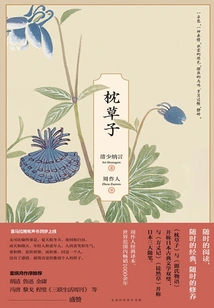
"Pillow" is a collection of essays written by Seishonagon, a female writer during the Heian period in Japan, and has been handed down for thousands of years. "Pillow" and "The Tale of Genji" are both regarded as the two masterpieces of Japanese classical literature; together with "The Book of the Hojo" and "The Tale of Turancao", they are also regarded as Japan's three major essays. The content of "Pillow" can be roughly divided into three categories: first, clustering. List things such as "pleasant", "rare", "unfortunate", "elegant", "cute", "visible" and other things, following the same category, but expanded, and including mountains, rivers, vegetation, some beautiful and some ugly, quite subtle; the second is a diary. After the death of Queen Dingzi, during the years when Qing Shao Nayan left the palace, he recalled the old events in the palace and was deeply moved, so he wrote them down. The third is his reflections. Plants, trees, insects and fish, the changing seasons, old people and acquaintances, and the things seen in the palace all arouse Qing Shao Nayan's emotions and emotions.
"Pillow" is a collection of essays written by Seishonagon, a female writer during the Heian period in Japan, and has been handed down for thousands of years. "Pillow" and "The Tale of Genji" are both regarded as the two masterpieces of Japanese classical literature; together with "The Book of the Hojo" and "The Tale of Turancao", they are also regarded as Japan's three major essays. The content of "Pillow" can be roughly divided into three categories: first, clustering. List things such as "pleasant", "rare", "unfortunate", "elegant", "cute", "visible" and other things, following the same category, but expanded, and including mountains, rivers, vegetation, some beautiful and some ugly, quite subtle; the second is a diary. After the death of Queen Dingzi, during the years when Qing Shao Nayan left the palace, he recalled the old events in the palace and was deeply moved, so he wrote them down. The third is his reflections. Plants, trees, insects and fish, the changing seasons, old people and acquaintances, and the things seen in the palace all arouse Qing Shao Nayan's emotions and emotions.
Leisure is Life
Literature闲暇处才是生活
Liang Shiqiu
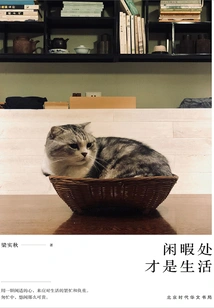
Use a leisurely heart to cope with the busyness and burden of life; use a tolerant heart to bear the trivialities of daily human relations. Life is never smooth sailing, so we have to be open-minded and see through. Marriage and family are not arbitrary and capricious. We must know how to take a step back to gain a brighter future. "Leisure is Life" selects Liang Shiqiu's most classic prose masterpieces. Liang Shiqiu said: The highest ideal of mankind should be that everyone can have leisure, and besides necessary work, he can also have leisure to be a human being, have leisure to do human work, and enjoy human life. There is a kind of magic in Liang Shiqiu's writing. At first glance, it seems very plain. In fact, every word has its purpose. It talks about very simple truths, but the simpler the truth, the more difficult it is to understand it.
Use a leisurely heart to cope with the busyness and burden of life; use a tolerant heart to bear the trivialities of daily human relations. Life is never smooth sailing, so we have to be open-minded and see through. Marriage and family are not arbitrary and capricious. We must know how to take a step back to gain a brighter future. "Leisure is Life" selects Liang Shiqiu's most classic prose masterpieces. Liang Shiqiu said: The highest ideal of mankind should be that everyone can have leisure, and besides necessary work, he can also have leisure to be a human being, have leisure to do human work, and enjoy human life. There is a kind of magic in Liang Shiqiu's writing. At first glance, it seems very plain. In fact, every word has its purpose. It talks about very simple truths, but the simpler the truth, the more difficult it is to understand it.
I Used to Be Cute Too
Literature从前的我也很可爱啊
I
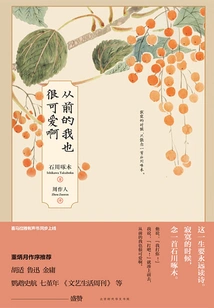
When I am lonely, I can only recite one song, Ishikawa Takuboku. Ishikawa Takuboku is a talented poet. His poems have clear sadness and bright cuteness. Reading a poem by Ishikawa Takuboku, one can read the gentle loneliness and feel the faint loveliness. "I Was Cute Too" contains three short collections by Ishikawa Takuboku, including "A Handful of Sand", "Sad Toys", "Mails and Whistles", and an article about his own journey of poetry creation, "Edible Poems". Ishikawa Takuboku said: "In short, songs will never perish. Because of this, we can satisfy the heart of cherishing life for a moment." Ishikawa Takuboku's short songs are all about daily feelings and personal experiences, so they are the most empathetic. "To satisfy the heart of cherishing life for a moment", this is Ishikawa Takuboku's feeling about poetry, and it is also our feeling towards Ishikawa Takuboku's poetry.
When I am lonely, I can only recite one song, Ishikawa Takuboku. Ishikawa Takuboku is a talented poet. His poems have clear sadness and bright cuteness. Reading a poem by Ishikawa Takuboku, one can read the gentle loneliness and feel the faint loveliness. "I Was Cute Too" contains three short collections by Ishikawa Takuboku, including "A Handful of Sand", "Sad Toys", "Mails and Whistles", and an article about his own journey of poetry creation, "Edible Poems". Ishikawa Takuboku said: "In short, songs will never perish. Because of this, we can satisfy the heart of cherishing life for a moment." Ishikawa Takuboku's short songs are all about daily feelings and personal experiences, so they are the most empathetic. "To satisfy the heart of cherishing life for a moment", this is Ishikawa Takuboku's feeling about poetry, and it is also our feeling towards Ishikawa Takuboku's poetry.
My Limited Life
Literature我这有限的一生
Zhou Zuoren
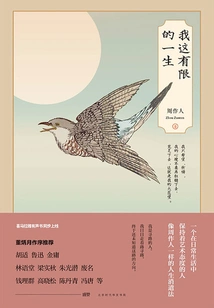
Zhou Zuoren said that his ideal was just an ordinary and real life, and he disliked anything that was fanatical or vain, whether good or evil. Zhou Zuoren longed for leisure in his heart-heating a bowl over a charcoal fire, drinking tea, and chatting with friends-but these were just fantasies after all. He said to himself: His mind was unfocused, like expired shochu, with no flavor at all. Zhou Zuoren calls himself the Kucha Old Man, the owner of "Kucha Temple", but he has a bitter view of his life full of hesitation and helplessness. He regards everything as floating clouds and lives happily, just hoping that his state of mind will no longer be rough and desolate. "My Limited Life" selects dozens of articles by Zhou Zuoren, including memories of the days of freedom and relaxation, observations on the suffering of life, and analysis of one's own thoughts and destiny. Zhou Zuoren wears the clothes of moderation and plain clothes, and has his own way of entertainment in the bitter life.
Zhou Zuoren said that his ideal was just an ordinary and real life, and he disliked anything that was fanatical or vain, whether good or evil. Zhou Zuoren longed for leisure in his heart-heating a bowl over a charcoal fire, drinking tea, and chatting with friends-but these were just fantasies after all. He said to himself: His mind was unfocused, like expired shochu, with no flavor at all. Zhou Zuoren calls himself the Kucha Old Man, the owner of "Kucha Temple", but he has a bitter view of his life full of hesitation and helplessness. He regards everything as floating clouds and lives happily, just hoping that his state of mind will no longer be rough and desolate. "My Limited Life" selects dozens of articles by Zhou Zuoren, including memories of the days of freedom and relaxation, observations on the suffering of life, and analysis of one's own thoughts and destiny. Zhou Zuoren wears the clothes of moderation and plain clothes, and has his own way of entertainment in the bitter life.
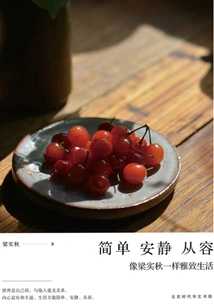
简单 安静 从容:像梁实秋一样雅致生活
Liang Shiqiu
The best life is to be with everything you like, and the most elegant life is to live a slower life. Never give up the pursuit of a better life, and complete a complex life with a simple and beautiful life. "Simple, Quiet and Calm: Living Elegantly Like Liang Shiqiu" collects Liang Shiqiu's most lifelike and life-like prose. The essays are all ordinary things, such as reading, watching theater, drinking tea, drinking, traveling, and talking about food. These small daily things reveal Mr. Liang Shiqiu's contented, self-entertaining, open-minded and elegant mood. And these simple, elegant and richly connotative words reveal his great wisdom about life and life, which are worthy of our careful reading.
The best life is to be with everything you like, and the most elegant life is to live a slower life. Never give up the pursuit of a better life, and complete a complex life with a simple and beautiful life. "Simple, Quiet and Calm: Living Elegantly Like Liang Shiqiu" collects Liang Shiqiu's most lifelike and life-like prose. The essays are all ordinary things, such as reading, watching theater, drinking tea, drinking, traveling, and talking about food. These small daily things reveal Mr. Liang Shiqiu's contented, self-entertaining, open-minded and elegant mood. And these simple, elegant and richly connotative words reveal his great wisdom about life and life, which are worthy of our careful reading.
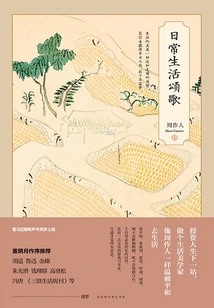
Ode to Everyday Life
Literature日常生活颂歌
Zhou Zuoren
Life is interesting only when you watch the sunset, watch the autumn river, see flowers, listen to the rain, smell the fragrance, drink wine that doesn't satisfy your thirst, eat snacks that don't fill you up, and have some useless games and pleasures in addition to the daily necessities. Zhou Zuoren said that one should treat life as an art and live subtly and beautifully. "Ode to Daily Life" is the essence of Zhou Zuoren's leisurely style of writing. Drinking tea, enjoying the rain and talking about the sky, hometown delicacies, local customs, and every indescribable plant, tree, insect, and fish in the world are all full of long-lasting affection and meaning in his writing. Whether Zhou Zuoren talks about food or things, the important thing is not the things he talks about, but the leisurely and leisurely way he treats life at this time. The beauty of life is an almost useless leisure. May you also have half a day of leisure, which is worth ten years of mortal dreams.
Life is interesting only when you watch the sunset, watch the autumn river, see flowers, listen to the rain, smell the fragrance, drink wine that doesn't satisfy your thirst, eat snacks that don't fill you up, and have some useless games and pleasures in addition to the daily necessities. Zhou Zuoren said that one should treat life as an art and live subtly and beautifully. "Ode to Daily Life" is the essence of Zhou Zuoren's leisurely style of writing. Drinking tea, enjoying the rain and talking about the sky, hometown delicacies, local customs, and every indescribable plant, tree, insect, and fish in the world are all full of long-lasting affection and meaning in his writing. Whether Zhou Zuoren talks about food or things, the important thing is not the things he talks about, but the leisurely and leisurely way he treats life at this time. The beauty of life is an almost useless leisure. May you also have half a day of leisure, which is worth ten years of mortal dreams.
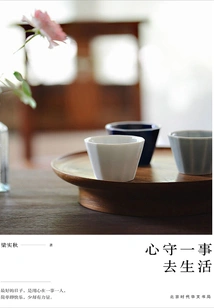
Live with One Thing in Mind
Literature心守一事去生活
Liang Shiqiu
Only when you give life artistic conception can life give you scenery. If the heart is simple, the world will be simple, and happiness will grow; if the heart is free, life will be free, and there will be happiness wherever you go. Like Liang Shiqiu, keep one thing in mind, live a simple and elegant life. Follow your heart, be spontaneous, follow the circumstances, be plain, free, and happy. "Living with One Thing in Mind" contains Liang Shiqiu's most classic prose masterpieces, and is a selected collection of Liang Shiqiu's representative prose "Elegant House Essays" series. Raising fish and flowers, reading and writing, listening to operas and drinking tea, traveling and sightseeing, etc., These small daily things reveal Mr. Liang Shiqiu's self-satisfied, open-minded and elegant state of mind; we can see his simple mind and leisurely and contented life state.
Only when you give life artistic conception can life give you scenery. If the heart is simple, the world will be simple, and happiness will grow; if the heart is free, life will be free, and there will be happiness wherever you go. Like Liang Shiqiu, keep one thing in mind, live a simple and elegant life. Follow your heart, be spontaneous, follow the circumstances, be plain, free, and happy. "Living with One Thing in Mind" contains Liang Shiqiu's most classic prose masterpieces, and is a selected collection of Liang Shiqiu's representative prose "Elegant House Essays" series. Raising fish and flowers, reading and writing, listening to operas and drinking tea, traveling and sightseeing, etc., These small daily things reveal Mr. Liang Shiqiu's self-satisfied, open-minded and elegant state of mind; we can see his simple mind and leisurely and contented life state.
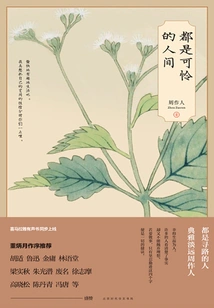
They Are All Pitiful Human Beings
Literature都是可怜的人间
Zhou Zuoren
Zhou Zuoren said, "I am lucky to be born as a human being." He also said, "Many people see the facts clearly but cannot abandon their ideals, so they are just bored." However, despite his disappointment, he still believed that "knowing yourself is not easy, but I still want to work hard." Articles such as "What I Can Do", "One of the Dreams", "The Uselessness of Lessons" and "Useless Feelings" were selected from "They Are All Poor Humans". Everyone in this world is pitiful. Zhou Zuoren is a "pessimist with ideals", but he still firmly believes that "if you want to do something, the four words of perseverance and diligence are the shortcut to everything."
Zhou Zuoren said, "I am lucky to be born as a human being." He also said, "Many people see the facts clearly but cannot abandon their ideals, so they are just bored." However, despite his disappointment, he still believed that "knowing yourself is not easy, but I still want to work hard." Articles such as "What I Can Do", "One of the Dreams", "The Uselessness of Lessons" and "Useless Feelings" were selected from "They Are All Poor Humans". Everyone in this world is pitiful. Zhou Zuoren is a "pessimist with ideals", but he still firmly believes that "if you want to do something, the four words of perseverance and diligence are the shortcut to everything."
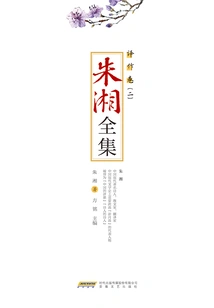
朱湘全集·译作卷(二)
Written By Zhu Xiang And Edited By Fang Ming
Translation Volume (II) contains "Guava Collection" translated by Zhu Xiang (1936, published by The Commercial Press). Zhu Xiang's translation focuses on phonology and rhythm, and is characterized by expressing his unique insights into the original work without departing from the artistic conception of the original poem. This volume of translation works fully demonstrates Zhu Xiang's profound translation skills and beautiful translation art.
Translation Volume (II) contains "Guava Collection" translated by Zhu Xiang (1936, published by The Commercial Press). Zhu Xiang's translation focuses on phonology and rhythm, and is characterized by expressing his unique insights into the original work without departing from the artistic conception of the original poem. This volume of translation works fully demonstrates Zhu Xiang's profound translation skills and beautiful translation art.
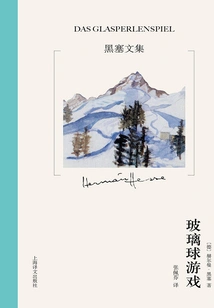
玻璃球游戏(黑塞文集)
(germany) Hermann Hesse
"The last knight of German Romanticism" and winner of the Nobel Prize for Literature, Hesse's new 10-volume anthology, translated by famous writers, includes novels, short and medium-length works, poetry, prose, fairy tales and paintings, comprehensively displaying Hesse's creative career. The novel tells a story: In a future world, the glass bead game has become a symbol system evolved from music and mathematics, and is all human knowledge and spiritual wealth. Knecht was an orphan who was raised by a religious group. He was talented and intelligent. With his outstanding talents and superior organizational skills, he continued to rise in this elite group until he reached the top of the group and became a master of the glass bead game. But as he grew older, he gradually became dissatisfied with this isolated spiritual kingdom and felt that it was impossible to contribute to the people in this kind of ivory tower. So he came to the real world and tried to use education to improve the entire world. However, before his career was completed, he unfortunately drowned while swimming. "The Glass Bead Game" is the crystallization of the spiritual experience of the elderly Hesse looking back on his life. The work was written from 1931 to 1934, almost simultaneously with Hitler's rise to power and his demise. The author's goals are clear: "The first is to build a spiritual space that resists poisoning to protect my survival, and the second is to express the spiritual thoughts of rebelling against barbaric forces." After twelve years of hard work, the author used almost all literary means: poetry, aphorisms, letters, biographies, theories, etc., Which can be said to be everything in this novel, and various themes are both integrated and relatively independent in the book.
"The last knight of German Romanticism" and winner of the Nobel Prize for Literature, Hesse's new 10-volume anthology, translated by famous writers, includes novels, short and medium-length works, poetry, prose, fairy tales and paintings, comprehensively displaying Hesse's creative career. The novel tells a story: In a future world, the glass bead game has become a symbol system evolved from music and mathematics, and is all human knowledge and spiritual wealth. Knecht was an orphan who was raised by a religious group. He was talented and intelligent. With his outstanding talents and superior organizational skills, he continued to rise in this elite group until he reached the top of the group and became a master of the glass bead game. But as he grew older, he gradually became dissatisfied with this isolated spiritual kingdom and felt that it was impossible to contribute to the people in this kind of ivory tower. So he came to the real world and tried to use education to improve the entire world. However, before his career was completed, he unfortunately drowned while swimming. "The Glass Bead Game" is the crystallization of the spiritual experience of the elderly Hesse looking back on his life. The work was written from 1931 to 1934, almost simultaneously with Hitler's rise to power and his demise. The author's goals are clear: "The first is to build a spiritual space that resists poisoning to protect my survival, and the second is to express the spiritual thoughts of rebelling against barbaric forces." After twelve years of hard work, the author used almost all literary means: poetry, aphorisms, letters, biographies, theories, etc., Which can be said to be everything in this novel, and various themes are both integrated and relatively independent in the book.
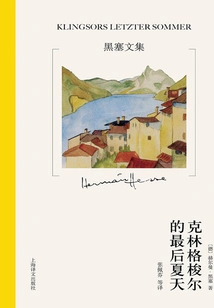
克林格梭尔的最后夏天(黑塞文集)
G
"The last knight of German Romanticism" and winner of the Nobel Prize for Literature, Hesse's new 10-volume anthology, translated by famous writers, includes novels, short and medium-length works, poetry, prose, fairy tales and paintings, comprehensively displaying Hesse's creative career. "The Last Summer of Klingelsauer" contains a total of 11 short and medium-length works by Hesse: "The Mind of a Child", "Klein and Wagner", "Inside and Outside", "The Last Summer of Klingelsauer", "A Foreign City in the South", "Coyote", "Souvenir", "Meeting the Poet", "Revelation on Housewarming", "My Biography" and "Interrupted Classes". "The Last Summer of Klingershal" is a novella written by Hesse in 1919. At that time, the First World War had just ended, and the world had not yet recovered from the chaos. Tens of millions of soldiers, prisoners of war, and people returned to the freedom that they both yearned for and feared from years of rigid and unified obedience. Some young people were dragged away by the war in their childhood and now "return", but must face a completely unfamiliar reality. For "old people" like Hesse, those worldviews that were once highly recognized have become ridiculous and ridiculous things of the past. Everything becomes suspicious and disturbing. In such a summer, a farewell summer, a day full of power and light, temptation and charm, filled with southern sunshine and the aroma of wine, the painter Klingsor transformed into Li Taibai, roamed, drank and debated with his friends Du Fu, Louis and the Armenian astrologer. Finally, at the end of summer, I used up all the fuel in my life to complete the final painting.
"The last knight of German Romanticism" and winner of the Nobel Prize for Literature, Hesse's new 10-volume anthology, translated by famous writers, includes novels, short and medium-length works, poetry, prose, fairy tales and paintings, comprehensively displaying Hesse's creative career. "The Last Summer of Klingelsauer" contains a total of 11 short and medium-length works by Hesse: "The Mind of a Child", "Klein and Wagner", "Inside and Outside", "The Last Summer of Klingelsauer", "A Foreign City in the South", "Coyote", "Souvenir", "Meeting the Poet", "Revelation on Housewarming", "My Biography" and "Interrupted Classes". "The Last Summer of Klingershal" is a novella written by Hesse in 1919. At that time, the First World War had just ended, and the world had not yet recovered from the chaos. Tens of millions of soldiers, prisoners of war, and people returned to the freedom that they both yearned for and feared from years of rigid and unified obedience. Some young people were dragged away by the war in their childhood and now "return", but must face a completely unfamiliar reality. For "old people" like Hesse, those worldviews that were once highly recognized have become ridiculous and ridiculous things of the past. Everything becomes suspicious and disturbing. In such a summer, a farewell summer, a day full of power and light, temptation and charm, filled with southern sunshine and the aroma of wine, the painter Klingsor transformed into Li Taibai, roamed, drank and debated with his friends Du Fu, Louis and the Armenian astrologer. Finally, at the end of summer, I used up all the fuel in my life to complete the final painting.
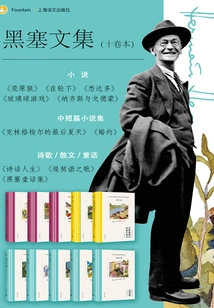
黑塞文集(全10卷)
G
"The last knight of German Romanticism" and winner of the Nobel Prize for Literature, Hesse's new 10-volume anthology, translated by famous writers, includes novels, short and medium-length works, poetry, prose, fairy tales and paintings, comprehensively displaying Hesse's creative career. This anthology has 10 volumes in total, including "Under the Wheel", "Siddhartha", "Steppenwolf", "Natchez and Goldmund", "The Glass Bead Game", "Engagement", "The Last Summer of Klingershal", "Life in Poetry", "Song of Ticino" and "Hesse's Fairy Tales".
"The last knight of German Romanticism" and winner of the Nobel Prize for Literature, Hesse's new 10-volume anthology, translated by famous writers, includes novels, short and medium-length works, poetry, prose, fairy tales and paintings, comprehensively displaying Hesse's creative career. This anthology has 10 volumes in total, including "Under the Wheel", "Siddhartha", "Steppenwolf", "Natchez and Goldmund", "The Glass Bead Game", "Engagement", "The Last Summer of Klingershal", "Life in Poetry", "Song of Ticino" and "Hesse's Fairy Tales".
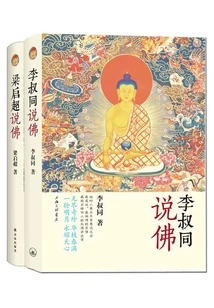
李叔同说佛+梁启超说佛(全集)
Li Shutong Liang Qichao
Liang Qichao's Talk about Buddhism: A brief account of the rise and fall of Chinese Buddhism Appendix 1, 2, 3, 4, 5 Appendices: A list of important events in Buddhism The beginning of Buddhism Saying that there is no self. A brief survey on the development of Buddhist teachings in China by Chinese students from abroad. A brief survey on the development of Buddhist psychology in China 1,500 years ago. Li Shutong's preface to Buddhism in the "Biography of Xuanzang" compiled by China Academy One day at Chengtian Temple in Quanzhou, he gave a lecture to the young monks.) 1. The Buddha swept the floor by himself. 2. The Buddha washed himself. Seeing a doctor on his own. 5. The Buddha cut clothes for his disciples. 6. The Buddha threaded needles for an old bhikkhu. 7. The Buddha asked a monk to teach him how to change his habits (Guiyou taught it at Miaoshi Temple in Xiamen in the first month of the lunar calendar). Lecture) Discussing the method of writing 1235 Those who hold the precept of eating out of season should pay attention to the general meaning of the Buddhist Dharma during the noon hour (lectured at Qibao Temple in Zhangzhou on June 19th, Wuyin) Summary of Legal Studies (lectured in Quanzhou in November Yihai A Brief Explanation of the Ten Questions of Buddhism at the Chengtian Temple Ritual Dharma Assembly (Lectured at the Jindun Ancestral Hall in Anhai on October 6, 1996) 1. Buddhism is not superstition 2. Buddhism is not religion 3. Buddhism is not philosophy 4. Buddhism 5. Buddhism is not world-weary. 6. Buddhism is not unsuitable for the prosperity of the country. 7. Buddhism is not capable of annihilating species. 8. Buddhism is not abandonment of charity. 9. Buddhism is not about profit. 10. Buddhism is not empty talk to destroy the world. Approximate sects of Buddhism (taught on October 7, 1999 at Jindun Ancestral Hall, Anhai) 1. Vinaya sect (also known as Nanshan sect) 2. Kushe sect 3. Chengshi sect 4. Sanlun sect (also known as Xing sect) , also known as Kongzong) 5. Faxiang sect (also known as Ci'en sect, also known as Youzong) 6. Tiantai sect (also known as Fahua sect) 7. Huayan sect (also known as Xianshou sect) 8. Zen sect 9. Tantra (also known as Tantric sect) Shingon Sect) 10. Preliminary study of Pure Land Buddhism (Lectured at Anhai Jindun Ancestral Hall on October 8th, Wuyin) 1. Karma in the Three Lifetimes 2. Simple Practice Methods of Good and Evil Karma Buddhism (Lectured on April 16th, Jimao) Lectured at the Taoyuan Hall in Yongchun, written by Li Fangyuan) 1. Believe deeply in cause and effect 2. Develop bodhicitta 3. Specialize in practicing the Pure Land and respect the Three Treasures (lectured at Kaiyuan Temple in Quanzhou on May 5th) 1. Respect the Buddha (brief list) A few things that ordinary people should pay attention to) 2. Respect for the Dharma (a few things that ordinary people should pay attention to) 3. Respect for monks (a few things that ordinary people should pay attention to) Encourage people to listen to the bell and recite the Buddhist scriptures. The Wanshouyan Buddha Hall is opened. The speech (in the eighth month of Jiaxu) was written by Master Xingchang to explain the main ideas of the Pure Land Dharma (lectured by Renshen at Miaoshi Temple in Xiamen in October), and he generally advised the Jingzong Taoists to practice and recite the Ksitigarbha Sutra (the birthday of Gengchen Ksitigarbha is in Lectured in Yongchun) Jingzong Inquiry and Discrimination (lectured at Wanshouyan in February Yihai) A brief record of the Medicine Master Tathagata Dharma School (lectured in Qingchen Hall, Quanzhou in July Wuyin) A brief account of the practice rituals of the Medicine Master Tathagata (lectured in Guangzhou, Quanzhou in February Jimao) Lectured at the Ming Temple) 1. Respect 2. Praise 3. Make offerings 4. Recite sutras 5. Hold the name 6. Recite mantras 7. Dedicate and make vows Medicine Master Tathagata Dharma (lectured at Yongchun Puji Temple in April of Jimao) 1. Maintain worldly laws 2. Assist with the precepts 3. Decide to be born in the west 4. Quickly achieve Buddhahood Lectures from Kaiyuan Ci'er Academy in Quanzhou (February of Wuyin) Chapter 1 of the introductory steps of reading, reciting and studying the Huayan Sutra written by the Buddha on the "Impermanence Sutra" Read Chapter 2 Study and briefly describe the great virtues of Master Yin Guang (taught at Tanlin Fulin Temple in Quanzhou) 1. Briefly describe the life of the master 2. Briefly describe the four aspects of great virtues in the dream of ten years in southern Fujian (Lectured by Ding Chou on February 16th at the Buddhist Yangzheng Academy of Nanputuo Temple) The last □□① (Lectured at the Buddhist Yangzhengyuan of Nanputuo Temple on November 14th of Wuyin) Lectured at the Alumni Association of the College) The end of life (lectured at Miaoshi Temple in Xiamen in December of the Renshen year) Preface: When you are seriously ill, when you are dying, and on the day after your death, you recommend death and other matters. Please initiate a hospice support meeting. Conclusion Appendix 1: Collection of Wan Qing. Appendix 2: Aphorisms: Knowledge category, preservation category, persistence category, Dun category, service category, handling category, Huiji category, contrarian category
Liang Qichao's Talk about Buddhism: A brief account of the rise and fall of Chinese Buddhism Appendix 1, 2, 3, 4, 5 Appendices: A list of important events in Buddhism The beginning of Buddhism Saying that there is no self. A brief survey on the development of Buddhist teachings in China by Chinese students from abroad. A brief survey on the development of Buddhist psychology in China 1,500 years ago. Li Shutong's preface to Buddhism in the "Biography of Xuanzang" compiled by China Academy One day at Chengtian Temple in Quanzhou, he gave a lecture to the young monks.) 1. The Buddha swept the floor by himself. 2. The Buddha washed himself. Seeing a doctor on his own. 5. The Buddha cut clothes for his disciples. 6. The Buddha threaded needles for an old bhikkhu. 7. The Buddha asked a monk to teach him how to change his habits (Guiyou taught it at Miaoshi Temple in Xiamen in the first month of the lunar calendar). Lecture) Discussing the method of writing 1235 Those who hold the precept of eating out of season should pay attention to the general meaning of the Buddhist Dharma during the noon hour (lectured at Qibao Temple in Zhangzhou on June 19th, Wuyin) Summary of Legal Studies (lectured in Quanzhou in November Yihai A Brief Explanation of the Ten Questions of Buddhism at the Chengtian Temple Ritual Dharma Assembly (Lectured at the Jindun Ancestral Hall in Anhai on October 6, 1996) 1. Buddhism is not superstition 2. Buddhism is not religion 3. Buddhism is not philosophy 4. Buddhism 5. Buddhism is not world-weary. 6. Buddhism is not unsuitable for the prosperity of the country. 7. Buddhism is not capable of annihilating species. 8. Buddhism is not abandonment of charity. 9. Buddhism is not about profit. 10. Buddhism is not empty talk to destroy the world. Approximate sects of Buddhism (taught on October 7, 1999 at Jindun Ancestral Hall, Anhai) 1. Vinaya sect (also known as Nanshan sect) 2. Kushe sect 3. Chengshi sect 4. Sanlun sect (also known as Xing sect) , also known as Kongzong) 5. Faxiang sect (also known as Ci'en sect, also known as Youzong) 6. Tiantai sect (also known as Fahua sect) 7. Huayan sect (also known as Xianshou sect) 8. Zen sect 9. Tantra (also known as Tantric sect) Shingon Sect) 10. Preliminary study of Pure Land Buddhism (Lectured at Anhai Jindun Ancestral Hall on October 8th, Wuyin) 1. Karma in the Three Lifetimes 2. Simple Practice Methods of Good and Evil Karma Buddhism (Lectured on April 16th, Jimao) Lectured at the Taoyuan Hall in Yongchun, written by Li Fangyuan) 1. Believe deeply in cause and effect 2. Develop bodhicitta 3. Specialize in practicing the Pure Land and respect the Three Treasures (lectured at Kaiyuan Temple in Quanzhou on May 5th) 1. Respect the Buddha (brief list) A few things that ordinary people should pay attention to) 2. Respect for the Dharma (a few things that ordinary people should pay attention to) 3. Respect for monks (a few things that ordinary people should pay attention to) Encourage people to listen to the bell and recite the Buddhist scriptures. The Wanshouyan Buddha Hall is opened. The speech (in the eighth month of Jiaxu) was written by Master Xingchang to explain the main ideas of the Pure Land Dharma (lectured by Renshen at Miaoshi Temple in Xiamen in October), and he generally advised the Jingzong Taoists to practice and recite the Ksitigarbha Sutra (the birthday of Gengchen Ksitigarbha is in Lectured in Yongchun) Jingzong Inquiry and Discrimination (lectured at Wanshouyan in February Yihai) A brief record of the Medicine Master Tathagata Dharma School (lectured in Qingchen Hall, Quanzhou in July Wuyin) A brief account of the practice rituals of the Medicine Master Tathagata (lectured in Guangzhou, Quanzhou in February Jimao) Lectured at the Ming Temple) 1. Respect 2. Praise 3. Make offerings 4. Recite sutras 5. Hold the name 6. Recite mantras 7. Dedicate and make vows Medicine Master Tathagata Dharma (lectured at Yongchun Puji Temple in April of Jimao) 1. Maintain worldly laws 2. Assist with the precepts 3. Decide to be born in the west 4. Quickly achieve Buddhahood Lectures from Kaiyuan Ci'er Academy in Quanzhou (February of Wuyin) Chapter 1 of the introductory steps of reading, reciting and studying the Huayan Sutra written by the Buddha on the "Impermanence Sutra" Read Chapter 2 Study and briefly describe the great virtues of Master Yin Guang (taught at Tanlin Fulin Temple in Quanzhou) 1. Briefly describe the life of the master 2. Briefly describe the four aspects of great virtues in the dream of ten years in southern Fujian (Lectured by Ding Chou on February 16th at the Buddhist Yangzheng Academy of Nanputuo Temple) The last □□① (Lectured at the Buddhist Yangzhengyuan of Nanputuo Temple on November 14th of Wuyin) Lectured at the Alumni Association of the College) The end of life (lectured at Miaoshi Temple in Xiamen in December of the Renshen year) Preface: When you are seriously ill, when you are dying, and on the day after your death, you recommend death and other matters. Please initiate a hospice support meeting. Conclusion Appendix 1: Collection of Wan Qing. Appendix 2: Aphorisms: Knowledge category, preservation category, persistence category, Dun category, service category, handling category, Huiji category, contrarian category
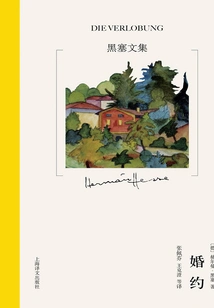
Engagement (collected Works of Hesse)
Literature婚约(黑塞文集)
G
"The last knight of German Romanticism" and winner of the Nobel Prize for Literature, Hesse's new 10-volume anthology, translated by famous writers, includes novels, short and medium-length works, poetry, prose, fairy tales and paintings, comprehensively displaying Hesse's creative career. Hesse's creative career lasted for 70 years, and his works cover a wide range. In addition to novels such as "Under the Wheel", "Steppenwolf", "Narziss and Goldmund", and "The Glass Bead Game", Hesse has never stopped writing short and medium stories. Hesse is good at using symbolic artistic techniques to reflect the deep sting caused by the outside world to the human soul from the spiritual and psychological aspects, so that the inner meaning of the work can be condensed and sublimated. The 26 short stories and short stories collected in the book "The Engagement" are all the best of Hesse's works. They reflect the author's characteristics and styles in different creative periods in the early, middle and late periods. They are of great help and inspiration to us to fully understand Hesse and his creative thoughts and art.
"The last knight of German Romanticism" and winner of the Nobel Prize for Literature, Hesse's new 10-volume anthology, translated by famous writers, includes novels, short and medium-length works, poetry, prose, fairy tales and paintings, comprehensively displaying Hesse's creative career. Hesse's creative career lasted for 70 years, and his works cover a wide range. In addition to novels such as "Under the Wheel", "Steppenwolf", "Narziss and Goldmund", and "The Glass Bead Game", Hesse has never stopped writing short and medium stories. Hesse is good at using symbolic artistic techniques to reflect the deep sting caused by the outside world to the human soul from the spiritual and psychological aspects, so that the inner meaning of the work can be condensed and sublimated. The 26 short stories and short stories collected in the book "The Engagement" are all the best of Hesse's works. They reflect the author's characteristics and styles in different creative periods in the early, middle and late periods. They are of great help and inspiration to us to fully understand Hesse and his creative thoughts and art.
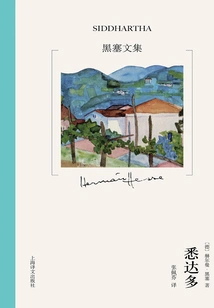
Siddhartha (Collected Works of Hesse)
Literature悉达多(黑塞文集)
(germany) Hermann Hesse
"The last knight of German Romanticism" and winner of the Nobel Prize for Literature, Hesse's new 10-volume anthology, translated by famous writers, includes novels, short and medium-length works, poetry, prose, fairy tales and paintings, comprehensively displaying Hesse's creative career. "Siddhartha" contains three of Hesse's famous novellas, namely "Siddhartha", "Gertrude" and "Knolp". "Gertrude" tells the story of a love triangle between two extremely talented musicians and a beautiful young woman, hinting at the theme of the novel: the male protagonist is frustrated in love, but it promotes his artistic creation. "Knulp" was called by Hesse\
"The last knight of German Romanticism" and winner of the Nobel Prize for Literature, Hesse's new 10-volume anthology, translated by famous writers, includes novels, short and medium-length works, poetry, prose, fairy tales and paintings, comprehensively displaying Hesse's creative career. "Siddhartha" contains three of Hesse's famous novellas, namely "Siddhartha", "Gertrude" and "Knolp". "Gertrude" tells the story of a love triangle between two extremely talented musicians and a beautiful young woman, hinting at the theme of the novel: the male protagonist is frustrated in love, but it promotes his artistic creation. "Knulp" was called by Hesse\
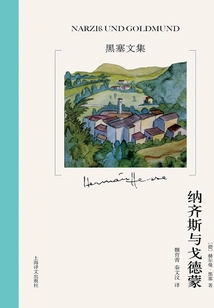
X
LiteratureX
G
"The last knight of German Romanticism" and winner of the Nobel Prize for Literature, Hesse's new 10-volume anthology, translated by famous writers, includes novels, short and medium-length works, poetry, prose, fairy tales and paintings, comprehensively displaying Hesse's creative career. The novel "Natchez and Goldmund" is Hesse's masterpiece published in 1930. It describes the life experiences of a pair of friends who represent rational asceticism and erotic sensual hedonism. The young novice monk Narcissus in the monastery is extremely talented and is deeply loved by Dean Daniel. The new student Goldmund was obsessed with secular life. Although they became friends, Goldmund ignored Narcissus' rational preaching and secretly went to the village to have a tryst with the girl. Then he escaped from the monastery and wandered around, experiencing joy and hardship. His wanderings made him gradually mature, but he was later sentenced to death for falling in love with the governor's mistress. Narcissus, who became the abbot of the monastery, rescued him from prison and let him specialize in sculpture. Goldmund went out to march again, and fell seriously ill on the way. Narcissus expressed his friendship to him before his death, making him die happily. The novel expresses the conflict between two different human natures and achieves harmonious unity in the process of exploring ideals; some critics call it "a beautiful Faust variation that combines knowledge and love."
"The last knight of German Romanticism" and winner of the Nobel Prize for Literature, Hesse's new 10-volume anthology, translated by famous writers, includes novels, short and medium-length works, poetry, prose, fairy tales and paintings, comprehensively displaying Hesse's creative career. The novel "Natchez and Goldmund" is Hesse's masterpiece published in 1930. It describes the life experiences of a pair of friends who represent rational asceticism and erotic sensual hedonism. The young novice monk Narcissus in the monastery is extremely talented and is deeply loved by Dean Daniel. The new student Goldmund was obsessed with secular life. Although they became friends, Goldmund ignored Narcissus' rational preaching and secretly went to the village to have a tryst with the girl. Then he escaped from the monastery and wandered around, experiencing joy and hardship. His wanderings made him gradually mature, but he was later sentenced to death for falling in love with the governor's mistress. Narcissus, who became the abbot of the monastery, rescued him from prison and let him specialize in sculpture. Goldmund went out to march again, and fell seriously ill on the way. Narcissus expressed his friendship to him before his death, making him die happily. The novel expresses the conflict between two different human natures and achieves harmonious unity in the process of exploring ideals; some critics call it "a beautiful Faust variation that combines knowledge and love."
S
LiteratureS
G
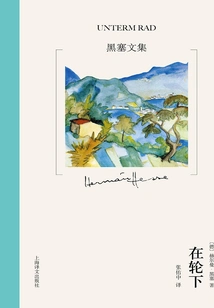
"The last knight of German Romanticism" and winner of the Nobel Prize for Literature, Hesse's new 10-volume anthology, translated by famous writers, includes novels, short and medium-length works, poetry, prose, fairy tales and paintings, comprehensively displaying Hesse's creative career. "Under the Wheel" is Hesse's early work. The story narrated in the novel is: the protagonist Hans has been extremely intelligent, diligent and studious since he was a child, and is regarded as a child prodigy by everyone. He was sent to a seminary to study. Influenced by his extended family and society, he was eager for fame and studied hard in an isolated school without any free time. His physical and mental health was damaged. His classmate Herman is stubborn by nature, despises fame and is not tolerated by the school; but Hans feels that only Herman is his confidant. Hans worked too hard, became physically weak, and his grades dropped; the school blamed Hermann for this. Hermann was expelled from school, and Hans felt even more lonely. He was scolded by teachers and ridiculed by classmates from time to time. Later, he suffered from neurasthenia, which made him unable to continue his studies and had to return to his hometown to work as a fitter to make a living. Social discrimination and frustration in life made him feel as if he had fallen under a ruthless and huge wheel. This is a novel that indicts the old education system in Germany and is considered to be highly autobiographical.
"The last knight of German Romanticism" and winner of the Nobel Prize for Literature, Hesse's new 10-volume anthology, translated by famous writers, includes novels, short and medium-length works, poetry, prose, fairy tales and paintings, comprehensively displaying Hesse's creative career. "Under the Wheel" is Hesse's early work. The story narrated in the novel is: the protagonist Hans has been extremely intelligent, diligent and studious since he was a child, and is regarded as a child prodigy by everyone. He was sent to a seminary to study. Influenced by his extended family and society, he was eager for fame and studied hard in an isolated school without any free time. His physical and mental health was damaged. His classmate Herman is stubborn by nature, despises fame and is not tolerated by the school; but Hans feels that only Herman is his confidant. Hans worked too hard, became physically weak, and his grades dropped; the school blamed Hermann for this. Hermann was expelled from school, and Hans felt even more lonely. He was scolded by teachers and ridiculed by classmates from time to time. Later, he suffered from neurasthenia, which made him unable to continue his studies and had to return to his hometown to work as a fitter to make a living. Social discrimination and frustration in life made him feel as if he had fallen under a ruthless and huge wheel. This is a novel that indicts the old education system in Germany and is considered to be highly autobiographical.
崩溃(菲茨杰拉德文集2016)
H
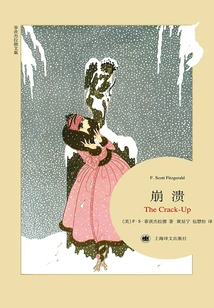
Fitzgerald is the most outstanding and popular writer in the United States in the 20th century. 2016 Coincides with the 120th anniversary of the author's birth. Shanghai Translation has launched a new edition of the collection, which is more comprehensive and detailed than Fitzgerald's works in the market. This is the fifth volume of Fitzgerald's collected works. It discloses Fitzgerald's essays and letters for the first time, showing a portrait of the famous writers and literary figures of the Jazz Age. It acutely and accurately summarizes the spirit of the "Jazz Age" and reveals the essence of New York, an international metropolis. "Echoes of the Jazz Age" and "My Lost City" keenly and accurately summarize the spirit of that "Jazz Age". Especially for those of us living in this era, some of the descriptions may even make us feel a little bit sympathetic. Although we have never had the opportunity to experience such an era of shocking wealth, we know very clearly what "young people are exhausted both mentally and physically early - they live a difficult and exhausted life at the age of twenty-one, and no one contributes anything." Something new..." He revealed the essence of New York as a model of a modern cosmopolitan city: "... Behind the vast amount of entertainment that the city pours into the country, there are just many people who are both lost and lonely. The world of movie actors is similar to our own world in that it is in New York, but it is not New York. It has almost no self and no core..."
Fitzgerald is the most outstanding and popular writer in the United States in the 20th century. 2016 Coincides with the 120th anniversary of the author's birth. Shanghai Translation has launched a new edition of the collection, which is more comprehensive and detailed than Fitzgerald's works in the market. This is the fifth volume of Fitzgerald's collected works. It discloses Fitzgerald's essays and letters for the first time, showing a portrait of the famous writers and literary figures of the Jazz Age. It acutely and accurately summarizes the spirit of the "Jazz Age" and reveals the essence of New York, an international metropolis. "Echoes of the Jazz Age" and "My Lost City" keenly and accurately summarize the spirit of that "Jazz Age". Especially for those of us living in this era, some of the descriptions may even make us feel a little bit sympathetic. Although we have never had the opportunity to experience such an era of shocking wealth, we know very clearly what "young people are exhausted both mentally and physically early - they live a difficult and exhausted life at the age of twenty-one, and no one contributes anything." Something new..." He revealed the essence of New York as a model of a modern cosmopolitan city: "... Behind the vast amount of entertainment that the city pours into the country, there are just many people who are both lost and lonely. The world of movie actors is similar to our own world in that it is in New York, but it is not New York. It has almost no self and no core..."
中国文学大师经典必读(套装100册)
Editor-in-chief Xiao Feng
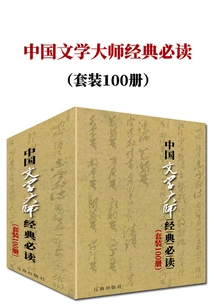
Mainly includes Lu Xun, Zheng Zhenduo, Yu Dafu, Xu Zhimo, Zhu Ziqing, Lu Yan, Liang Yuchun, Xu Dishan, Xiao Hong, Qu Qiubai, Wen Yiduo, Miao Chongqun, Mu Shiying, Qiu Dongping, Teng Gu, Jiang Guangci, Ye Zi, Liu Bannong, Zou Taofen, Li Shutong, Su Manshu, Zhu Xiang, Rou Shi, Lu Yin, Dai Wangshu, Zhang Yiping, Qian Xuantong, Peng Jiahuang, Liu Yunruo, Hong Lingfei, Shi Pingmei, Xia Zunzun, Hu Yepin, etc. His one hundred influential works include poems, essays, essays, reviews, long, medium and short stories, and dramas. Most of these works of different genres are based on real life. They are realistic depictions of the struggle against imperialism, feudalism and other social life at that time. They are the most important representative works in the history of modern literature and have landmark significance.
Mainly includes Lu Xun, Zheng Zhenduo, Yu Dafu, Xu Zhimo, Zhu Ziqing, Lu Yan, Liang Yuchun, Xu Dishan, Xiao Hong, Qu Qiubai, Wen Yiduo, Miao Chongqun, Mu Shiying, Qiu Dongping, Teng Gu, Jiang Guangci, Ye Zi, Liu Bannong, Zou Taofen, Li Shutong, Su Manshu, Zhu Xiang, Rou Shi, Lu Yin, Dai Wangshu, Zhang Yiping, Qian Xuantong, Peng Jiahuang, Liu Yunruo, Hong Lingfei, Shi Pingmei, Xia Zunzun, Hu Yepin, etc. His one hundred influential works include poems, essays, essays, reviews, long, medium and short stories, and dramas. Most of these works of different genres are based on real life. They are realistic depictions of the struggle against imperialism, feudalism and other social life at that time. They are the most important representative works in the history of modern literature and have landmark significance.
He Junwen's Notes
Literature贺俊文手记
He Junwen
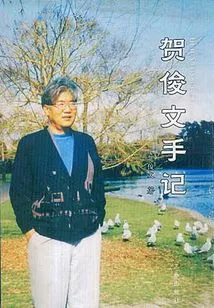
This book is composed of four parts: the first part recalls hometown; the second part is in New Zealand; the third part is a summary of news gathering and writing experience; the fourth part is preface, comments and others.
This book is composed of four parts: the first part recalls hometown; the second part is in New Zealand; the third part is a summary of news gathering and writing experience; the fourth part is preface, comments and others.
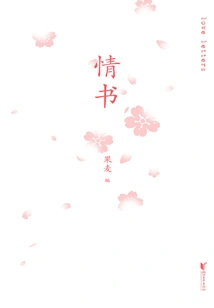
Love Letter
Literature情书
Guomai
There are both well-known stories from famous people and true confessions from ordinary people. This book selects 66 love letters and love poems from celebrities and ordinary people at home and abroad, both ancient and modern. The authors include Lu Xun, Zhu Shenghao, Napoleon, Marx, Freud, Mr. And Mrs. Curie, etc., As well as young writers such as Haisang and Liu Mowen, as well as many ordinary netizens. It covers a variety of expressions in relationships: courtship or farewell, pouring out love or telling farewell; pre-marital vows or last words; household chores and noble feelings... Murmuring love words, heartfelt words, and so on.
There are both well-known stories from famous people and true confessions from ordinary people. This book selects 66 love letters and love poems from celebrities and ordinary people at home and abroad, both ancient and modern. The authors include Lu Xun, Zhu Shenghao, Napoleon, Marx, Freud, Mr. And Mrs. Curie, etc., As well as young writers such as Haisang and Liu Mowen, as well as many ordinary netizens. It covers a variety of expressions in relationships: courtship or farewell, pouring out love or telling farewell; pre-marital vows or last words; household chores and noble feelings... Murmuring love words, heartfelt words, and so on.
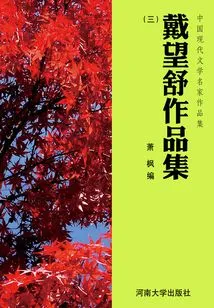
中国现代文学名家作品集:戴望舒作品集(三)
Xiao Feng
The biggest reason why Dai Wangshu is famous in literature is the excellent poetry he wrote. In the late 1920s and early 1930s, he himself was called the "Poetry Circle" of the modern poetry school because of his unique style of poetry. In 1927, his poem "Rain Alley" showed the transition trend from Crescent School to Modernism, and "My Memory" created in 1929 became the starting point of modern poetry. The melancholy in Dai Wangshu's poems is the starting point, and the poems contain a classical sense of life. Dai Wangshu's love poems are obviously influenced by the poets of the late Tang Dynasty in expressing the privacy of love and using female images when expressing love. In a sense, it can even be said to be a modern interpretation of the lovesickness theme of Wen and Li's poems. At the same time, love has become one of the main contents of the poet's life experience, which reflects the modernity of Dai Wangshu's poetry. To sum up, Dai Wangshu's love experience is modern, his love characteristics are modern, but the form of expression he gives is classical and traditional.
The biggest reason why Dai Wangshu is famous in literature is the excellent poetry he wrote. In the late 1920s and early 1930s, he himself was called the "Poetry Circle" of the modern poetry school because of his unique style of poetry. In 1927, his poem "Rain Alley" showed the transition trend from Crescent School to Modernism, and "My Memory" created in 1929 became the starting point of modern poetry. The melancholy in Dai Wangshu's poems is the starting point, and the poems contain a classical sense of life. Dai Wangshu's love poems are obviously influenced by the poets of the late Tang Dynasty in expressing the privacy of love and using female images when expressing love. In a sense, it can even be said to be a modern interpretation of the lovesickness theme of Wen and Li's poems. At the same time, love has become one of the main contents of the poet's life experience, which reflects the modernity of Dai Wangshu's poetry. To sum up, Dai Wangshu's love experience is modern, his love characteristics are modern, but the form of expression he gives is classical and traditional.
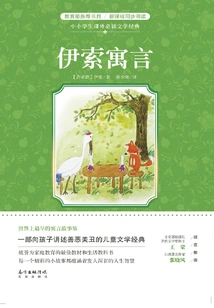
K
Literaturek
H
"Aesop's Fables" is an important part of ancient Greek literature. Most of the characters in the book are anthropomorphic animals, ordinary people and gods. The author uses vivid stories to tell certain thoughts, moral consciousness or life experiences, so that readers can get corresponding education. These stories are short in length but have profound meanings. Some teach people to be upright and diligent; some advise people not to be proud and not to lie; some explain that things should be done according to rules and within one's ability; and many reflect various profound life principles such as the strong are cruel but are often defeated by the weak.
"Aesop's Fables" is an important part of ancient Greek literature. Most of the characters in the book are anthropomorphic animals, ordinary people and gods. The author uses vivid stories to tell certain thoughts, moral consciousness or life experiences, so that readers can get corresponding education. These stories are short in length but have profound meanings. Some teach people to be upright and diligent; some advise people not to be proud and not to lie; some explain that things should be done according to rules and within one's ability; and many reflect various profound life principles such as the strong are cruel but are often defeated by the weak.
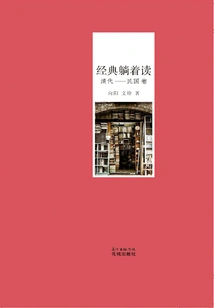
经典躺着读(清代—民国卷)
Xiang Yang Wenzhen
"Classics Lying Down and Reading" (Qing Dynasty-Republic of China Volume) is an excellent guide to the history of Chinese literature. It sorted out the development of Chinese literature from the Qing Dynasty to the Republic of China. The book is divided into two stages. The first is Chinese classical literature, which ends with masterpieces such as "A Dream of Red Mansions", "Six Chapters of a Floating Life" and "The Peach Blossom Fan". The second stage is Chinese modern and contemporary literature starting from Lu Xun's works, which are introduced in chronological order. Shao interpreted Ku Yuzhai's prose, Guo's poems, Cao Yu's plays, and novels by Shen Congwen, Xiao Hong, and Zhang Ailing. He concluded with "Beyond the Siege" written by Qian Zhongshu, covering 19 writers and their representative works that influenced the enlightenment and development of modern and contemporary Chinese literature.
"Classics Lying Down and Reading" (Qing Dynasty-Republic of China Volume) is an excellent guide to the history of Chinese literature. It sorted out the development of Chinese literature from the Qing Dynasty to the Republic of China. The book is divided into two stages. The first is Chinese classical literature, which ends with masterpieces such as "A Dream of Red Mansions", "Six Chapters of a Floating Life" and "The Peach Blossom Fan". The second stage is Chinese modern and contemporary literature starting from Lu Xun's works, which are introduced in chronological order. Shao interpreted Ku Yuzhai's prose, Guo's poems, Cao Yu's plays, and novels by Shen Congwen, Xiao Hong, and Zhang Ailing. He concluded with "Beyond the Siege" written by Qian Zhongshu, covering 19 writers and their representative works that influenced the enlightenment and development of modern and contemporary Chinese literature.
经典躺着读(先秦—元明卷)
Xiang Yang Wenzhen
The whole book narrates and analyzes important works that influenced the history of ancient Chinese literature from the pre-Qin to the Ming dynasty, from the romantic songs of men and women in the Book of Songs to Lao Zhuang in the pre-Qin Dynasty, Li Bai, Du Fu and Bai Juyi in the Tang Dynasty, Wang Anshi and Su Dongpo in the Song Dynasty, to The Romance of the Three Kingdoms, Water Margin, and Plum in the Golden Vase. And other novels, ending with "The Peony Pavilion" in which Tang Xianzu reached the peak of Chinese classical drama. Thirty-one articles either focus on the author or on the works, showing the different postures of ancient Chinese culture and literati, and showing the self-improvement process of ancient Chinese literature "from spontaneous to conscious".
The whole book narrates and analyzes important works that influenced the history of ancient Chinese literature from the pre-Qin to the Ming dynasty, from the romantic songs of men and women in the Book of Songs to Lao Zhuang in the pre-Qin Dynasty, Li Bai, Du Fu and Bai Juyi in the Tang Dynasty, Wang Anshi and Su Dongpo in the Song Dynasty, to The Romance of the Three Kingdoms, Water Margin, and Plum in the Golden Vase. And other novels, ending with "The Peony Pavilion" in which Tang Xianzu reached the peak of Chinese classical drama. Thirty-one articles either focus on the author or on the works, showing the different postures of ancient Chinese culture and literati, and showing the self-improvement process of ancient Chinese literature "from spontaneous to conscious".
Carnegie's Happiness Advice to Women
Literature卡耐基写给女人的幸福忠告
Carnegie
As a great adult educator and master of interpersonal relationships, Dale Carnegie created a complete system of adult education methods that are both simple and easy to operate and quickly successful. These methods were created and developed by him using the knowledge of psychology to explore and analyze the common psychological characteristics of human beings. He founded 2,000 adult education institutions all over the world, which have helped millions of people build a more energetic and higher-quality life.
As a great adult educator and master of interpersonal relationships, Dale Carnegie created a complete system of adult education methods that are both simple and easy to operate and quickly successful. These methods were created and developed by him using the knowledge of psychology to explore and analyze the common psychological characteristics of human beings. He founded 2,000 adult education institutions all over the world, which have helped millions of people build a more energetic and higher-quality life.
Nanxiang Thirty-six Village
Literature南乡三十六村
Feng Jicai
This is one of the five books in the "New Collection of Feng Jicai's Prose" series. It carefully selects chapters on "field investigation" from a large number of Feng Jicai's prose works. There is also a relevant photo of the author (inset at the front) and 12 illustrations. In terms of design, it can be described as a colorful version compared to the previous "New Edition of Ji Xianlin's Prose", with both pictures and texts complementing each other.
This is one of the five books in the "New Collection of Feng Jicai's Prose" series. It carefully selects chapters on "field investigation" from a large number of Feng Jicai's prose works. There is also a relevant photo of the author (inset at the front) and 12 illustrations. In terms of design, it can be described as a colorful version compared to the previous "New Edition of Ji Xianlin's Prose", with both pictures and texts complementing each other.
中国现代文学名家作品集:戴望舒作品集(二)
Xiao Feng
The biggest reason why Dai Wangshu is famous in literature is the excellent poetry he wrote. In the late 1920s and early 1930s, he himself was called the "Poetry Circle" of the modern poetry school because of his unique style of poetry. In 1927, his poem "Rain Alley" showed the transition trend from Crescent School to Modernism, and "My Memory" created in 1929 became the starting point of modern poetry. The melancholy in Dai Wangshu's poems is the starting point, and the poems contain a classical sense of life. Dai Wangshu's love poems are obviously influenced by the poets of the late Tang Dynasty in expressing the privacy of love and using female images when expressing love. In a sense, it can even be said to be a modern interpretation of the lovesickness theme of Wen and Li's poems. At the same time, love has become one of the main contents of the poet's life experience, which reflects the modernity of Dai Wangshu's poetry. To sum up, Dai Wangshu's love experience is modern, his love characteristics are modern, but the form of expression he gives is classical and traditional.
The biggest reason why Dai Wangshu is famous in literature is the excellent poetry he wrote. In the late 1920s and early 1930s, he himself was called the "Poetry Circle" of the modern poetry school because of his unique style of poetry. In 1927, his poem "Rain Alley" showed the transition trend from Crescent School to Modernism, and "My Memory" created in 1929 became the starting point of modern poetry. The melancholy in Dai Wangshu's poems is the starting point, and the poems contain a classical sense of life. Dai Wangshu's love poems are obviously influenced by the poets of the late Tang Dynasty in expressing the privacy of love and using female images when expressing love. In a sense, it can even be said to be a modern interpretation of the lovesickness theme of Wen and Li's poems. At the same time, love has become one of the main contents of the poet's life experience, which reflects the modernity of Dai Wangshu's poetry. To sum up, Dai Wangshu's love experience is modern, his love characteristics are modern, but the form of expression he gives is classical and traditional.
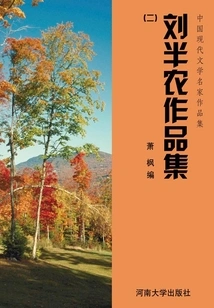
中国现代文学名家作品集:刘半农作品集(二)
Xiao Feng
This article mainly includes scolding blind literary historians, reprinting the preface to "He Dian", discussing "Jing Nu" with Mr. Gu Jiegang, and writing prefaces to Qian Xuantong and Wang Zhizhang's "Tune to the Original".
This article mainly includes scolding blind literary historians, reprinting the preface to "He Dian", discussing "Jing Nu" with Mr. Gu Jiegang, and writing prefaces to Qian Xuantong and Wang Zhizhang's "Tune to the Original".
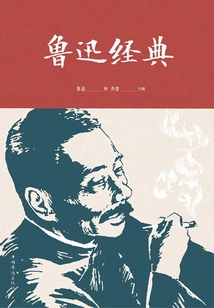
Lu Xun Classics
Literature鲁迅经典
Written By Lu Xun And Edited By Qiao Chu
Lu Xun was a great Chinese writer and thinker in the 20th century. He created a large number of works throughout his life, with various genres and changing styles. His novels have profound themes, dignified language, and timeless characters. His prose is graceful, full of interest, and full of warm feelings; his poetry is broad, profound, melancholy and angry, beating the pulse of the times; his essays are sharp, meticulous, penetrating, and hearty to read. "Lu Xun Classics" condenses the essence of Lu Xun's creations in various periods and represents the higher achievement of Lu Xun's creations. These works fully demonstrate Mr. Lu Xun's tenacity and distinctive personality, and are full of the power of thought. Reading these works can not only stimulate thinking and cultivate sentiment, but also absorb the wisdom of life, obtain spiritual enlightenment, and improve humanistic qualities.
Lu Xun was a great Chinese writer and thinker in the 20th century. He created a large number of works throughout his life, with various genres and changing styles. His novels have profound themes, dignified language, and timeless characters. His prose is graceful, full of interest, and full of warm feelings; his poetry is broad, profound, melancholy and angry, beating the pulse of the times; his essays are sharp, meticulous, penetrating, and hearty to read. "Lu Xun Classics" condenses the essence of Lu Xun's creations in various periods and represents the higher achievement of Lu Xun's creations. These works fully demonstrate Mr. Lu Xun's tenacity and distinctive personality, and are full of the power of thought. Reading these works can not only stimulate thinking and cultivate sentiment, but also absorb the wisdom of life, obtain spiritual enlightenment, and improve humanistic qualities.
中国中古文学史讲义(插图版)
Liu Shipei
This book is a lecture note given by Liu Shipei, a famous scholar in the late Qing Dynasty and a professor at Peking University. It discusses the changes in literature between the Han and Wei dynasties and the Wei and Jin Dynasties. It outlines the literature of Song, Qi, Liang, and Chen. It evaluates the pros and cons of each school's articles, praises the rhyme of algae, emphasizes beautiful writing, strictly distinguishes the difference between "wen" and "pen", strives for the orthodoxy of Sheng Ou's writing, and provides detailed and accurate comments. This book has a unique research perspective on the literature of the Han, Wei and Six Dynasties, and has set an example in the teaching and research of literary history. It is a pioneering work in the field of modern and contemporary medieval literary history research.
This book is a lecture note given by Liu Shipei, a famous scholar in the late Qing Dynasty and a professor at Peking University. It discusses the changes in literature between the Han and Wei dynasties and the Wei and Jin Dynasties. It outlines the literature of Song, Qi, Liang, and Chen. It evaluates the pros and cons of each school's articles, praises the rhyme of algae, emphasizes beautiful writing, strictly distinguishes the difference between "wen" and "pen", strives for the orthodoxy of Sheng Ou's writing, and provides detailed and accurate comments. This book has a unique research perspective on the literature of the Han, Wei and Six Dynasties, and has set an example in the teaching and research of literary history. It is a pioneering work in the field of modern and contemporary medieval literary history research.
Nine Pieces of Snow
Literature九篇雪
Li Juan
Li Juan, the winner of the People's Literature Award and the Lu Xun Literature Award, is a stunning and famous work in the literary world. It has been a best-seller for nearly 20 years and is highly recommended by Liu Liangcheng and Li Jingze! "When I wrote these words, I was deeply in love with a person, and my love and desire for him permeated the lines." It writes the story of Li Juan's life in the Altay grassland of Xinjiang as a girl, yarding the village, setting up tents, doing business, driving cattle, and herding. Sheep, looking for sparrows, living in the mountains, walking in the Gobi desert, carrying water, eating and catching meat... Groups of daily scenes show the unknown aspects of life in Altay to the world. It is a mesmerizing pastoral of the Western Regions that hides the primitive wildness. Even in difficult and desperate places, bright fruits will be produced. When we leave there, what we are thinking about is how to come back better - this book is like Li Juan's personal souvenir album, retaining the true images of her girlhood full of strange hope, and also playing the prelude to her rich and beautiful literary world.
Li Juan, the winner of the People's Literature Award and the Lu Xun Literature Award, is a stunning and famous work in the literary world. It has been a best-seller for nearly 20 years and is highly recommended by Liu Liangcheng and Li Jingze! "When I wrote these words, I was deeply in love with a person, and my love and desire for him permeated the lines." It writes the story of Li Juan's life in the Altay grassland of Xinjiang as a girl, yarding the village, setting up tents, doing business, driving cattle, and herding. Sheep, looking for sparrows, living in the mountains, walking in the Gobi desert, carrying water, eating and catching meat... Groups of daily scenes show the unknown aspects of life in Altay to the world. It is a mesmerizing pastoral of the Western Regions that hides the primitive wildness. Even in difficult and desperate places, bright fruits will be produced. When we leave there, what we are thinking about is how to come back better - this book is like Li Juan's personal souvenir album, retaining the true images of her girlhood full of strange hope, and also playing the prelude to her rich and beautiful literary world.
Ramses Pentalogy 4: the Queen's Love
Literature拉美西斯五部曲4:皇后之爱
(france) Christian Jacques
"The Queen's Love": After winning the Battle of Kadesh, Ramses decided to adopt a peace negotiation strategy, hoping to bring peace and prosperity to Egypt and Hittites. In Ramesses' life, in addition to war, there was also his love for the great queen. The pharaoh decided to give Nefertari the greatest gift-to build two temples in Abu Simbel to symbolize their eternal love. At this time, Moses returned to Egypt and asked to lead the Hebrews out. Ramses did not want to destroy the old friendship, but for the country and the people, this war was unavoidable.
"The Queen's Love": After winning the Battle of Kadesh, Ramses decided to adopt a peace negotiation strategy, hoping to bring peace and prosperity to Egypt and Hittites. In Ramesses' life, in addition to war, there was also his love for the great queen. The pharaoh decided to give Nefertari the greatest gift-to build two temples in Abu Simbel to symbolize their eternal love. At this time, Moses returned to Egypt and asked to lead the Hebrews out. Ramses did not want to destroy the old friendship, but for the country and the people, this war was unavoidable.