Library
Browse and search books
3,417 novels found
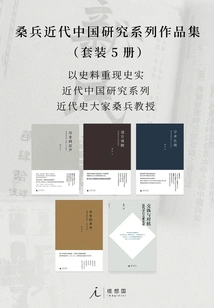
桑兵近代中国研究系列作品集(套装5册)
Sang Bing
This collection of Sang Bing's works includes the following 5 works: 1. "Original Sound of History: "Republic" and "Traitors" in the Qing Dynasty and the Republic of China" - a must-read to deeply understand the social transformation of modern China and re-understand the history of 1911. 2. "The Rising Sun: The Abdication of the Qing Emperor and the Acceptance of the Qing Dynasty" - restores the historical process from "imperialism" to "republic" and understands the critical period of the late Qing Dynasty and the Republic of China. A masterpiece of modern history. 3. "Academic Jianghu: Scholars and Academic Style in the Late Qing Dynasty and the Republic of China" - dispels today's false imagination of scholars in the Republic of China and restores the original appearance of scholarship in the late Qing Dynasty and the Republic of China. 4. "The True Color of History: Politics, Society and Culture in the Late Qing Dynasty and the Republic of China" - presents the true nature of historical events and the original intention of the predecessors, and re-understands the late Qing Dynasty and the Republic of China. 5. "Exchange and Confrontation: A History of Sino-Japanese Relations in Modern Times" - Understanding the transformation of modern China in exchanges and confrontations is a book that cannot be bypassed in understanding Sino-Japanese relations.
This collection of Sang Bing's works includes the following 5 works: 1. "Original Sound of History: "Republic" and "Traitors" in the Qing Dynasty and the Republic of China" - a must-read to deeply understand the social transformation of modern China and re-understand the history of 1911. 2. "The Rising Sun: The Abdication of the Qing Emperor and the Acceptance of the Qing Dynasty" - restores the historical process from "imperialism" to "republic" and understands the critical period of the late Qing Dynasty and the Republic of China. A masterpiece of modern history. 3. "Academic Jianghu: Scholars and Academic Style in the Late Qing Dynasty and the Republic of China" - dispels today's false imagination of scholars in the Republic of China and restores the original appearance of scholarship in the late Qing Dynasty and the Republic of China. 4. "The True Color of History: Politics, Society and Culture in the Late Qing Dynasty and the Republic of China" - presents the true nature of historical events and the original intention of the predecessors, and re-understands the late Qing Dynasty and the Republic of China. 5. "Exchange and Confrontation: A History of Sino-Japanese Relations in Modern Times" - Understanding the transformation of modern China in exchanges and confrontations is a book that cannot be bypassed in understanding Sino-Japanese relations.
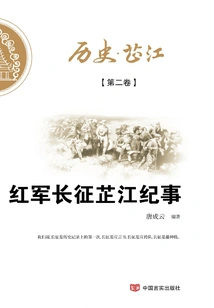
红军长征芷江纪事
Tang Chengyun
History is a spiritual treasure, but of course, the premise is that it must exist in the current life with distinctive dynamics.
History is a spiritual treasure, but of course, the premise is that it must exist in the current life with distinctive dynamics.
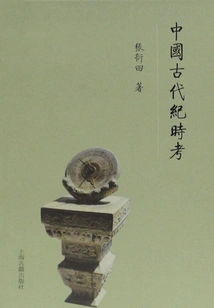
中国古代纪时考
Zhang Yantian
This book provides an in-depth and easy-to-understand examination of ancient Chinese methods of recording years, months, days, and times and their evolution.
This book provides an in-depth and easy-to-understand examination of ancient Chinese methods of recording years, months, days, and times and their evolution.
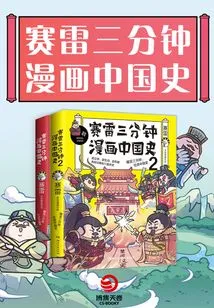
赛雷三分钟漫画中国史(共2册)
Saire
"Sailei's Three Minutes Comic History of China" is the latest comic history work of "Sailei's Three Minutes", the leading self-media encyclopedia. Chinese history is a history that every Chinese should understand. The first volume of "Sai Lei Comics Chinese History" covers the six time periods of Xia, Shang, Zhou, Spring and Autumn, Warring States and Qin. The second volume covers the three major and well-known historical periods of the Western Han Dynasty, the Eastern Han Dynasty and the Three Kingdoms. What is very outstanding about it is that it uses the humorous style of Sai Lei comics to tell Chinese history according to chronological clues, allowing readers to understand the development of Chinese history while laughing. This is a comic book about Chinese history that you will want to recommend to people around you after reading it.
"Sailei's Three Minutes Comic History of China" is the latest comic history work of "Sailei's Three Minutes", the leading self-media encyclopedia. Chinese history is a history that every Chinese should understand. The first volume of "Sai Lei Comics Chinese History" covers the six time periods of Xia, Shang, Zhou, Spring and Autumn, Warring States and Qin. The second volume covers the three major and well-known historical periods of the Western Han Dynasty, the Eastern Han Dynasty and the Three Kingdoms. What is very outstanding about it is that it uses the humorous style of Sai Lei comics to tell Chinese history according to chronological clues, allowing readers to understand the development of Chinese history while laughing. This is a comic book about Chinese history that you will want to recommend to people around you after reading it.
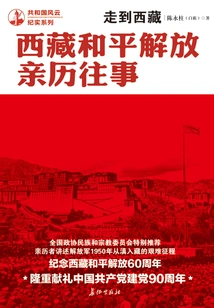
Walk to Tibet
History走到西藏
Chen Yongzhu
"Going to Tibet: Personal Experience of the Peaceful Liberation of Tibet" is a good book that promotes advanced culture and has important practical significance in educating us to become qualified border guards. "Going to Tibet: Personal Experience of the Peaceful Liberation of Tibet" is also a documentary work about marching from Yunnan to Tibet. The author, Chen Yongzhu, was a 15-year-old Red Army soldier. In order to save the Tibetan people from the fire and water, he resolutely followed the 14th Army's supply regiment of the People's Liberation Army to cross the Meili Snow Mountains, fly over the Nujiang Grand Canyon, drill into the primeval forests, and step into the swamps... He was not afraid of bloodshed and sacrifice, and after untold hardships, finally reached Tibet. They created a miracle in the world's military history, and at the same time left us with the spirit of old Tibet that is particularly able to endure hardship, endure hardship, and fight. All the hard work and miracles created by this team are aimed at realizing the Party Central Committee's strategic plan to peacefully liberate Tibet.
"Going to Tibet: Personal Experience of the Peaceful Liberation of Tibet" is a good book that promotes advanced culture and has important practical significance in educating us to become qualified border guards. "Going to Tibet: Personal Experience of the Peaceful Liberation of Tibet" is also a documentary work about marching from Yunnan to Tibet. The author, Chen Yongzhu, was a 15-year-old Red Army soldier. In order to save the Tibetan people from the fire and water, he resolutely followed the 14th Army's supply regiment of the People's Liberation Army to cross the Meili Snow Mountains, fly over the Nujiang Grand Canyon, drill into the primeval forests, and step into the swamps... He was not afraid of bloodshed and sacrifice, and after untold hardships, finally reached Tibet. They created a miracle in the world's military history, and at the same time left us with the spirit of old Tibet that is particularly able to endure hardship, endure hardship, and fight. All the hard work and miracles created by this team are aimed at realizing the Party Central Committee's strategic plan to peacefully liberate Tibet.
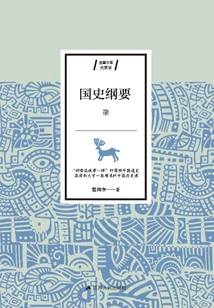
Outline of National History
History国史纲要
Lei Haizong
"Outline of National History" was originally the lecture notes given by Mr. Lei Haizong on the general history of China at Tsinghua University and Southwest Associated University in the 1930s. It describes the historical changes in China from prehistoric times to modern times (1912) from many aspects such as politics, military, economy, culture, etc. It conducts a concise yet detailed analysis of important historical events during this period, and systematically and clearly sorts out the historical context of my country's dynasty changes and chaos cycles from ancient times to the present. The language of this book is popular, the logic is rigorous, and the views are authoritative. It is the first of its kind and a trend. Reading it makes people suddenly enlightened.
"Outline of National History" was originally the lecture notes given by Mr. Lei Haizong on the general history of China at Tsinghua University and Southwest Associated University in the 1930s. It describes the historical changes in China from prehistoric times to modern times (1912) from many aspects such as politics, military, economy, culture, etc. It conducts a concise yet detailed analysis of important historical events during this period, and systematically and clearly sorts out the historical context of my country's dynasty changes and chaos cycles from ancient times to the present. The language of this book is popular, the logic is rigorous, and the views are authoritative. It is the first of its kind and a trend. Reading it makes people suddenly enlightened.
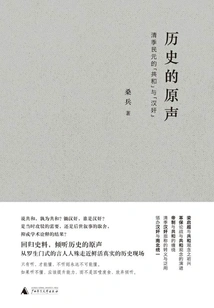
历史的原声:清季民元的“共和”与“汉奸”
Sang Bing
This book is divided into two parts. The first part re-examines existing research and text history, narrates the evolution of "republic" in modern China during the Qing Dynasty and the Republic of China, and conducts conceptual history research using "republic" as a noun and as an object. The second part, based on previous research, takes the trope and use of the term "traitor" during the Xinhai period as the theme, further combs historical materials, reconstructs historical events, presents the historical truth and development process as completely as possible, and then grasps related concepts and their evolution based on historical facts.
This book is divided into two parts. The first part re-examines existing research and text history, narrates the evolution of "republic" in modern China during the Qing Dynasty and the Republic of China, and conducts conceptual history research using "republic" as a noun and as an object. The second part, based on previous research, takes the trope and use of the term "traitor" during the Xinhai period as the theme, further combs historical materials, reconstructs historical events, presents the historical truth and development process as completely as possible, and then grasps related concepts and their evolution based on historical facts.
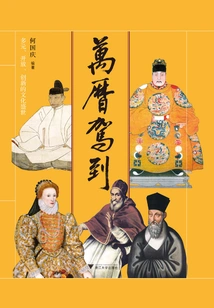
万历驾到:多元、开放、创新的文化盛世
He Guoqing
It is generally believed that the late Ming Dynasty was a dark era, and Emperor Wanli was fatuous and did not go to court for thirty years. However, in the process of collecting Ming Dynasty calligraphy and paintings, the author found that there were many talents during the Wanli period and the prosperity of civilization was comparable to the Western Renaissance. So he started to study the late Ming culture from the collection and put forward a different historical perspective. In the sixteenth century, European missionaries came to China during the Ming Dynasty and marveled that such a "utopia" existed in the world. Foreigners are full of praise for Ming Dynasty China's government system, economy, transportation, urban planning, and people's polite, clean, civilized, and modest character traits. During the Wanli period, the world's civilized culture flourished, and its cultural achievements and influence were far beyond comparison with other eras. "The days of philosophers are far away, but the models are long gone." Following the biographies of Sima Qian's "Historical Records", this book uses real works and stories close to life to present the life wisdom of the masters of the Ming Dynasty. Through precious calligraphy and paintings, we can see with our own eyes the ink marks of these wise men and admire their grace. Together, they created an era of civilization, prosperity, innovation, and openness. Their profound impact on Chinese culture, and even the cultures of other countries around the world, is worthy of our study and respect.
It is generally believed that the late Ming Dynasty was a dark era, and Emperor Wanli was fatuous and did not go to court for thirty years. However, in the process of collecting Ming Dynasty calligraphy and paintings, the author found that there were many talents during the Wanli period and the prosperity of civilization was comparable to the Western Renaissance. So he started to study the late Ming culture from the collection and put forward a different historical perspective. In the sixteenth century, European missionaries came to China during the Ming Dynasty and marveled that such a "utopia" existed in the world. Foreigners are full of praise for Ming Dynasty China's government system, economy, transportation, urban planning, and people's polite, clean, civilized, and modest character traits. During the Wanli period, the world's civilized culture flourished, and its cultural achievements and influence were far beyond comparison with other eras. "The days of philosophers are far away, but the models are long gone." Following the biographies of Sima Qian's "Historical Records", this book uses real works and stories close to life to present the life wisdom of the masters of the Ming Dynasty. Through precious calligraphy and paintings, we can see with our own eyes the ink marks of these wise men and admire their grace. Together, they created an era of civilization, prosperity, innovation, and openness. Their profound impact on Chinese culture, and even the cultures of other countries around the world, is worthy of our study and respect.
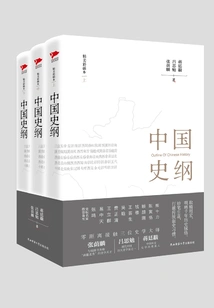
Outline of Chinese History
History中国史纲
Zhang Yinlin Lu Simian Jiang Tingfu
This book is based on Zhang Yinlin's "Outline of Chinese History", Lu Simian's "Chinese History" and Jiang Tingfu's "Modern History of China", taking their strengths and integrating them. Chapter 1 to Chapter 12, Section 1 of this book are written by Zhang Yinlin; Chapter 12, Section 2 to Chapter 19, Section 1, Chapter 22, Section 3 to Section 9, Chapter 24, Section 2 to Section 12, are written by Lu Simian; Chapter 19, Section 2 to Chapter 22, Section 2, and Chapter 24, Section 1 are written by Jiang Tingfu. To this day, the depth and breadth of the works of these three historians still far exceeds that of some history majors today, and they are rare good books for understanding Chinese history.
This book is based on Zhang Yinlin's "Outline of Chinese History", Lu Simian's "Chinese History" and Jiang Tingfu's "Modern History of China", taking their strengths and integrating them. Chapter 1 to Chapter 12, Section 1 of this book are written by Zhang Yinlin; Chapter 12, Section 2 to Chapter 19, Section 1, Chapter 22, Section 3 to Section 9, Chapter 24, Section 2 to Section 12, are written by Lu Simian; Chapter 19, Section 2 to Chapter 22, Section 2, and Chapter 24, Section 1 are written by Jiang Tingfu. To this day, the depth and breadth of the works of these three historians still far exceeds that of some history majors today, and they are rare good books for understanding Chinese history.
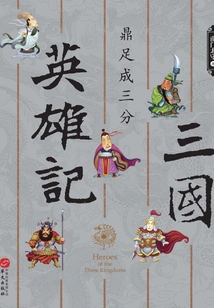
三国英雄记·鼎足成三分
Nanmen Prefect
This book reinterprets that century-old history with the theme of "heroes". It tells readers about the historical events that have occurred in the order of time. It not only pays attention to the process of history itself, but also pays attention to the laws under the appearance of history. It explores why winners succeed and why losers fail. It rectifies the origins of many people and things that are prone to deviations in understanding, promotes and criticizes, narrates and reflects, and reproduces that period of history from a new perspective. In people's minds, the "Three Kingdoms" is a broad concept. It cannot only be understood as the 60 years from the founding of Cao Wei (220 years) to the fall of Sun Wu (280 years). It should also include a period at the end of the Han Dynasty. The book starts from 180 years before the Yellow Turban Uprising and ends in 280 years, which is exactly 100 years, so it is called "One Hundred Years of the Three Kingdoms at the End of the Han Dynasty".
This book reinterprets that century-old history with the theme of "heroes". It tells readers about the historical events that have occurred in the order of time. It not only pays attention to the process of history itself, but also pays attention to the laws under the appearance of history. It explores why winners succeed and why losers fail. It rectifies the origins of many people and things that are prone to deviations in understanding, promotes and criticizes, narrates and reflects, and reproduces that period of history from a new perspective. In people's minds, the "Three Kingdoms" is a broad concept. It cannot only be understood as the 60 years from the founding of Cao Wei (220 years) to the fall of Sun Wu (280 years). It should also include a period at the end of the Han Dynasty. The book starts from 180 years before the Yellow Turban Uprising and ends in 280 years, which is exactly 100 years, so it is called "One Hundred Years of the Three Kingdoms at the End of the Han Dynasty".
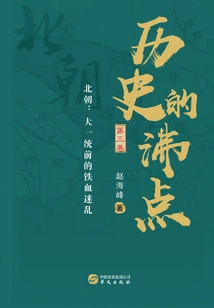
历史的沸点(第三卷)
Zhao Haifeng
The Southern and Northern Dynasties are an important period in ancient Chinese history that connects the past and the future. Compared with the Southern Dynasties, the history of the Northern Dynasties is confusing and complicated, which makes readers daunted. But it was at this historical stage that the northern land achieved an unprecedented integration of various ethnic groups. The huge power gathered from this finally promoted the Sui Dynasty to achieve great unification and laid the foundation for the prosperity of the Tang Dynasty, which changed the direction of history to a certain extent. This book takes eight representative figures from the Northern Dynasties as the protagonists, supplemented by nearly a thousand supporting characters, and connects the nearly two hundred years of history of the Northern Dynasties in a clear thread. In the end, these protagonists and supporting characters together form a magnificent picture of the Northern Dynasties. The author continues the style of the "Boiling Point of History" series of books. With vivid and easy-to-understand language, fascinating plots, and unique analysis, he panoramically displays thrilling historical scenes, taking readers into the depths of that iron-blooded and confusing history.
The Southern and Northern Dynasties are an important period in ancient Chinese history that connects the past and the future. Compared with the Southern Dynasties, the history of the Northern Dynasties is confusing and complicated, which makes readers daunted. But it was at this historical stage that the northern land achieved an unprecedented integration of various ethnic groups. The huge power gathered from this finally promoted the Sui Dynasty to achieve great unification and laid the foundation for the prosperity of the Tang Dynasty, which changed the direction of history to a certain extent. This book takes eight representative figures from the Northern Dynasties as the protagonists, supplemented by nearly a thousand supporting characters, and connects the nearly two hundred years of history of the Northern Dynasties in a clear thread. In the end, these protagonists and supporting characters together form a magnificent picture of the Northern Dynasties. The author continues the style of the "Boiling Point of History" series of books. With vivid and easy-to-understand language, fascinating plots, and unique analysis, he panoramically displays thrilling historical scenes, taking readers into the depths of that iron-blooded and confusing history.
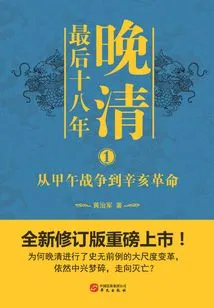
晚清最后十八年1
Huang Zhijun
This book is the first volume in a series of the same name. It begins with Yuan Shikai's deeds on the eve of the Sino-Japanese Sino-Japanese Sino-Japanese War of 1894, and ends with the failure of the Reform Movement of 1898 in October 1898, when Cixi seized power and China reached a crossroads in history. After the disastrous defeat of the Sino-Japanese War, the Westernizationist Li Hongzhang lost power, and the reformist Kang Youwei came to power. However, the attempt to strengthen the country by reform ended in a palace coup. The original intention of learning from the West unknowingly became a tool for careerists. Reform was the consensus, the biggest benefit cake of the late Qing Dynasty, and it was also the duel ground of factional politics. Whether it is the Empress Dowager Cixi, Yuan Shikai, Li Hongzhang, royalists, Manchu dignitaries, or pro-Western forces and reformists, everyone is involved and takes turns to appear. Regardless of whether they are Westernizers or reformers, conservatives or reformers, constitutionalists or revolutionaries, as long as they step into the center of power, they will without exception be transformed into a force - a vested interest group. The self-rescue reform ultimately paved the way for the changes in the late Qing Dynasty in which various forces and interest groups fought life and death and eventually perished together.
This book is the first volume in a series of the same name. It begins with Yuan Shikai's deeds on the eve of the Sino-Japanese Sino-Japanese Sino-Japanese War of 1894, and ends with the failure of the Reform Movement of 1898 in October 1898, when Cixi seized power and China reached a crossroads in history. After the disastrous defeat of the Sino-Japanese War, the Westernizationist Li Hongzhang lost power, and the reformist Kang Youwei came to power. However, the attempt to strengthen the country by reform ended in a palace coup. The original intention of learning from the West unknowingly became a tool for careerists. Reform was the consensus, the biggest benefit cake of the late Qing Dynasty, and it was also the duel ground of factional politics. Whether it is the Empress Dowager Cixi, Yuan Shikai, Li Hongzhang, royalists, Manchu dignitaries, or pro-Western forces and reformists, everyone is involved and takes turns to appear. Regardless of whether they are Westernizers or reformers, conservatives or reformers, constitutionalists or revolutionaries, as long as they step into the center of power, they will without exception be transformed into a force - a vested interest group. The self-rescue reform ultimately paved the way for the changes in the late Qing Dynasty in which various forces and interest groups fought life and death and eventually perished together.
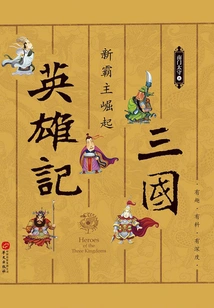
三国英雄记·新霸主崛起
Nanmen Prefect
This book reinterprets that century-old history with the theme of "heroes". It tells readers about the historical events that have occurred in the order of time. It not only pays attention to the process of history itself, but also pays attention to the laws under the appearance of history. It explores why winners succeed and why losers fail. It rectifies the origins of many people and things that are prone to deviations in understanding, promotes and criticizes, narrates and reflects, and reproduces that period of history from a new perspective. In people's minds, the "Three Kingdoms" is a broad concept. It cannot only be understood as the 60 years from the founding of Cao Wei (220 years) to the fall of Sun Wu (280 years). It should also include a period at the end of the Han Dynasty. The book starts from 180 years before the Yellow Turban Uprising and ends in 280 years, which is exactly 100 years, so it is called "One Hundred Years of the Three Kingdoms at the End of the Han Dynasty".
This book reinterprets that century-old history with the theme of "heroes". It tells readers about the historical events that have occurred in the order of time. It not only pays attention to the process of history itself, but also pays attention to the laws under the appearance of history. It explores why winners succeed and why losers fail. It rectifies the origins of many people and things that are prone to deviations in understanding, promotes and criticizes, narrates and reflects, and reproduces that period of history from a new perspective. In people's minds, the "Three Kingdoms" is a broad concept. It cannot only be understood as the 60 years from the founding of Cao Wei (220 years) to the fall of Sun Wu (280 years). It should also include a period at the end of the Han Dynasty. The book starts from 180 years before the Yellow Turban Uprising and ends in 280 years, which is exactly 100 years, so it is called "One Hundred Years of the Three Kingdoms at the End of the Han Dynasty".
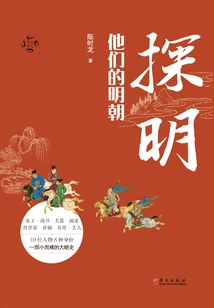
探明:他们的明朝(华文通史)
Chen Shilong
This book selects and interprets ten figures from the Ming Dynasty, including Zhu Yuanzhang, Zhu Di, Hu Xi, Wang Zhi, and Tang Yin. Their life stories are used to connect a history of the Ming Dynasty. Through the description of the characters' survival trajectories, the analysis of their motivations, and the exploration of the impact of their behaviors, it deeply presents the changes in the politics, economy, thought, culture, military, people's livelihood and other aspects of the Ming Dynasty. These ten figures participated in the social evolution of the entire Ming Dynasty for 276 years, and their ups and downs reflected the rise and fall of the Ming Dynasty. After understanding these ten characters, you can understand the operating logic of the entire Ming Dynasty.
This book selects and interprets ten figures from the Ming Dynasty, including Zhu Yuanzhang, Zhu Di, Hu Xi, Wang Zhi, and Tang Yin. Their life stories are used to connect a history of the Ming Dynasty. Through the description of the characters' survival trajectories, the analysis of their motivations, and the exploration of the impact of their behaviors, it deeply presents the changes in the politics, economy, thought, culture, military, people's livelihood and other aspects of the Ming Dynasty. These ten figures participated in the social evolution of the entire Ming Dynasty for 276 years, and their ups and downs reflected the rise and fall of the Ming Dynasty. After understanding these ten characters, you can understand the operating logic of the entire Ming Dynasty.
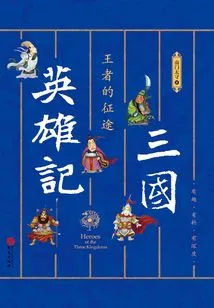
三国英雄记·王者的征途
Nanmen Prefect
This book reinterprets that century-old history with the theme of "heroes". It tells readers about the historical events that have occurred in the order of time. It not only pays attention to the process of history itself, but also pays attention to the laws under the appearance of history. It explores why winners succeed and why losers fail. It rectifies the origins of many people and things that are prone to deviations in understanding, promotes and criticizes, narrates and reflects, and reproduces that period of history from a new perspective. In people's minds, the "Three Kingdoms" is a broad concept. It cannot only be understood as the 60 years from the founding of Cao Wei (220 years) to the fall of Sun Wu (280 years). It should also include a period at the end of the Han Dynasty. The book starts from 180 years before the Yellow Turban Uprising and ends in 280 years, which is exactly 100 years, so it is called "One Hundred Years of the Three Kingdoms at the End of the Han Dynasty".
This book reinterprets that century-old history with the theme of "heroes". It tells readers about the historical events that have occurred in the order of time. It not only pays attention to the process of history itself, but also pays attention to the laws under the appearance of history. It explores why winners succeed and why losers fail. It rectifies the origins of many people and things that are prone to deviations in understanding, promotes and criticizes, narrates and reflects, and reproduces that period of history from a new perspective. In people's minds, the "Three Kingdoms" is a broad concept. It cannot only be understood as the 60 years from the founding of Cao Wei (220 years) to the fall of Sun Wu (280 years). It should also include a period at the end of the Han Dynasty. The book starts from 180 years before the Yellow Turban Uprising and ends in 280 years, which is exactly 100 years, so it is called "One Hundred Years of the Three Kingdoms at the End of the Han Dynasty".
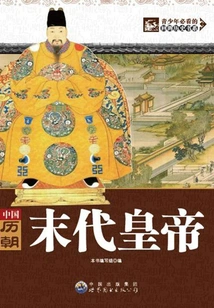
The Last Emperor of China
History中国历朝末代皇帝
This Book Writing Team
In short and concise language, this book reveals to readers the little-known and suspenseful stories of the last emperors of the past dynasties, leading readers into the long-gone years and understanding the great changes in history. It is a good teaching material for learning history and cherishing the future.
In short and concise language, this book reveals to readers the little-known and suspenseful stories of the last emperors of the past dynasties, leading readers into the long-gone years and understanding the great changes in history. It is a good teaching material for learning history and cherishing the future.
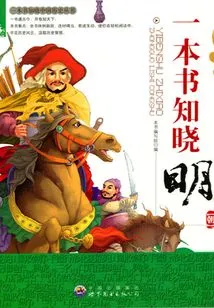
一本书知晓明朝
This Book Writing Team
The politics, economy, and culture of the Ming Dynasty are worthy of our deep recollection. Only by taking history as a mirror can we know the ups and downs and understand the truth. This book is a book about the history of the Ming Dynasty. I hope readers can appreciate the situations, chew on the historical stories, and gain some understanding and gain.
The politics, economy, and culture of the Ming Dynasty are worthy of our deep recollection. Only by taking history as a mirror can we know the ups and downs and understand the truth. This book is a book about the history of the Ming Dynasty. I hope readers can appreciate the situations, chew on the historical stories, and gain some understanding and gain.
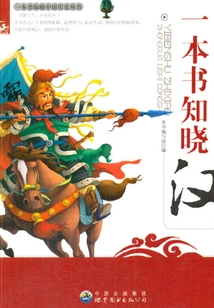
一本书知晓汉朝
This Book Writing Team
This book attempts to explore the causes and opportunities for the rise and fall of the Chinese nation through a review and reflection of important events and figures during the hundreds of years of the Han Dynasty. The book tells history as a story and knowledge as storytelling, allowing readers to gain knowledge and increase wisdom in a relaxed and enjoyable way.
This book attempts to explore the causes and opportunities for the rise and fall of the Chinese nation through a review and reflection of important events and figures during the hundreds of years of the Han Dynasty. The book tells history as a story and knowledge as storytelling, allowing readers to gain knowledge and increase wisdom in a relaxed and enjoyable way.
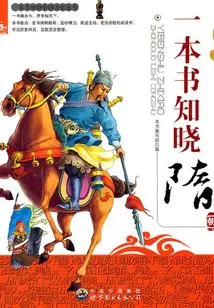
一本书知晓隋朝
This Book Writing Team
The Sui Dynasty was one of the greatest dynasties in Chinese history. It ended more than 200 years of division between north and south China. Although short-lived, its prosperity and openness were unprecedented. This book is about the history of the Sui Dynasty. I hope readers can savor the scenes, chew on the historical stories, and gain some understanding and gain.
The Sui Dynasty was one of the greatest dynasties in Chinese history. It ended more than 200 years of division between north and south China. Although short-lived, its prosperity and openness were unprecedented. This book is about the history of the Sui Dynasty. I hope readers can savor the scenes, chew on the historical stories, and gain some understanding and gain.
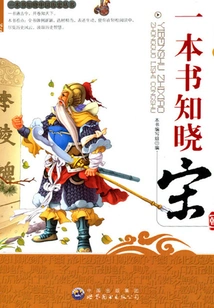
一本书知晓宋朝
This Book Writing Team
The history of the Song Dynasty is divided into two periods, the Northern Song Dynasty and the Southern Song Dynasty, which lasted a total of 320 years. This book introduces the Song Dynasty, an era of cultural heyday, in detail, allowing readers to understand history, understand history, and gain knowledge and inspiration from it.
The history of the Song Dynasty is divided into two periods, the Northern Song Dynasty and the Southern Song Dynasty, which lasted a total of 320 years. This book introduces the Song Dynasty, an era of cultural heyday, in detail, allowing readers to understand history, understand history, and gain knowledge and inspiration from it.
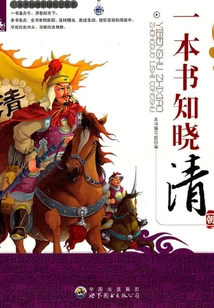
一本书知晓清朝
This Book Writing Team
The Qing Dynasty was the last feudal dynasty in Chinese history. Historically, its establishment laid the foundation for our country's current territory. It recovered Taiwan, unified Xinjiang, and established the territory of modern China. This book is about the history of the Qing Dynasty. I hope readers can appreciate the situations, chew on the historical stories, and gain some understanding and gain.
The Qing Dynasty was the last feudal dynasty in Chinese history. Historically, its establishment laid the foundation for our country's current territory. It recovered Taiwan, unified Xinjiang, and established the territory of modern China. This book is about the history of the Qing Dynasty. I hope readers can appreciate the situations, chew on the historical stories, and gain some understanding and gain.
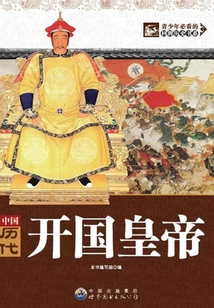
Founding Emperors of China
History中国历代开国皇帝
This Book Writing Team
In easy-to-understand language, this book reveals to readers the little-known and suspenseful stories of China's founding emperors. It leads readers into the long-gone years and comprehends the great changes in history. It is a good teaching material for learning history and cherishing the future.
In easy-to-understand language, this book reveals to readers the little-known and suspenseful stories of China's founding emperors. It leads readers into the long-gone years and comprehends the great changes in history. It is a good teaching material for learning history and cherishing the future.
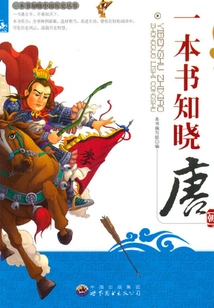
一本书知晓唐朝
This Book Writing Team
The rule of the Tang Dynasty was the most complex and changeable in Chinese history. It went to destruction in the cycle of stability and turmoil; the Tang Dynasty was a dynasty that coexisted with peace and turmoil, and with prosperity and decline. This book is a book about the history of the Tang Dynasty. I hope readers can savor the scenes, chew on the historical stories, and gain some understanding and gain.
The rule of the Tang Dynasty was the most complex and changeable in Chinese history. It went to destruction in the cycle of stability and turmoil; the Tang Dynasty was a dynasty that coexisted with peace and turmoil, and with prosperity and decline. This book is a book about the history of the Tang Dynasty. I hope readers can savor the scenes, chew on the historical stories, and gain some understanding and gain.
Historical Boiling Point
History历史的沸点
Zhao Haifeng
This book tells the story of the nearly 500 years of ancient Chinese history from the Qin's destruction of the Six Kingdoms to the return of the Three Kingdoms to the Jin. It takes the historical development process as the main line, focuses on major historical events and historical figures, and uses 35 chapters to narrate the history of the Qin and Han Three Kingdoms. This book not only contains the rise and fall of dynasties, but also the ups and downs of characters, as well as the author's thoughts. It is intended to make the seemingly cold history full of warmth, allowing readers to delve into the scenes of 500 years of history, see clearly the context of historical development, explore the relationship between individuals and the times, and gain enlightenment and thinking.
This book tells the story of the nearly 500 years of ancient Chinese history from the Qin's destruction of the Six Kingdoms to the return of the Three Kingdoms to the Jin. It takes the historical development process as the main line, focuses on major historical events and historical figures, and uses 35 chapters to narrate the history of the Qin and Han Three Kingdoms. This book not only contains the rise and fall of dynasties, but also the ups and downs of characters, as well as the author's thoughts. It is intended to make the seemingly cold history full of warmth, allowing readers to delve into the scenes of 500 years of history, see clearly the context of historical development, explore the relationship between individuals and the times, and gain enlightenment and thinking.
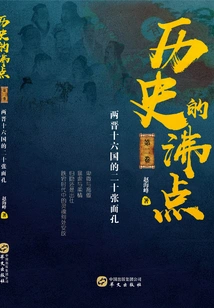
历史的沸点(第二卷)
Zhao Haifeng
The two Jin Dynasties were an iron-blooded era in ancient Chinese history and an era full of legends. During the ups and downs of the chaotic carnival, except for the brief unification of the Western Jin Dynasty, for the rest of the time, the land of China fell into fragmentation, swords and swords, and dynasties changed frequently and dizzyingly. Times create heroes, and heroes appear on stage one after another, showing their heroism and tragedy, promoting the first great national integration in Chinese history. Masters emerged from troubled times, and each celebrity lived a carefree and unrestrained life, writing about their romance and interest, ushering in a cultural peak with extremely liberated thoughts and particularly flamboyant personalities.
The two Jin Dynasties were an iron-blooded era in ancient Chinese history and an era full of legends. During the ups and downs of the chaotic carnival, except for the brief unification of the Western Jin Dynasty, for the rest of the time, the land of China fell into fragmentation, swords and swords, and dynasties changed frequently and dizzyingly. Times create heroes, and heroes appear on stage one after another, showing their heroism and tragedy, promoting the first great national integration in Chinese history. Masters emerged from troubled times, and each celebrity lived a carefree and unrestrained life, writing about their romance and interest, ushering in a cultural peak with extremely liberated thoughts and particularly flamboyant personalities.
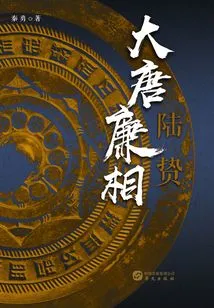
大唐廉相陆贽
Qin Yong
In the fourth year of Jianzhong (783), the "Jingyuan Mutiny" broke out in Chang'an, and Tang Dezong fled to Fengtian. History seemed to be repeating the "Anshi Rebellion"... Hanlin scholar Lu Zhi followed Tang Dezong, tried his best to turn the tide and conquer Chang'an. How could he put down the "Rebellion of Four Kings and Two Emperors" with an "Edict of Sin"? How can a generation of "rescuing the internal ministers of the time" rebuild the country of the Tang Dynasty? He served as the minister of the Ministry of War and served as the minister of imperial examination. He selected scholars through the ranking list and promoted Han Yu, Li Jiang, Ouyang Zhan, Liu Yuxi and other outstanding figures from all over the world, creating the "Dragon and Tiger Ranking" in the history of the imperial examination. He became the prime minister at the age of thirty-eight. , Reform and govern, and open up the imperial destiny of "Zhenyuan Zhongxing"... However, how can a generation of famous prime ministers who "I live up to the emperor and my subordinates live up to what I have learned" compete with the intrigues of Prime Minister Dou Shen, treacherous minister Pei Yanling, and eunuch Dou Wenchang? Why are you involved in the struggle for the throne between King Shu Li Yi's group and Prince Li Song's group? He was demoted to Zhongzhou and "frozen" for ten years by Emperor Dezong of the Tang Dynasty. Was he afraid that he would join forces with Wei Gao, the military governor of Xichuan, to control the world? Or is it to keep this "great weapon of the Tang Dynasty" in cold storage to assist the stroke prince who will succeed the emperor in the future? This is the only full-length historical novel with Lu Zhi as the protagonist so far. It uses an in-depth political perspective and insightful historian's writing style to panoramically reproduce the legendary life of a generation of politicians, writers, and political commentators who were literary and military, loyal to the country, and honest to the people.
In the fourth year of Jianzhong (783), the "Jingyuan Mutiny" broke out in Chang'an, and Tang Dezong fled to Fengtian. History seemed to be repeating the "Anshi Rebellion"... Hanlin scholar Lu Zhi followed Tang Dezong, tried his best to turn the tide and conquer Chang'an. How could he put down the "Rebellion of Four Kings and Two Emperors" with an "Edict of Sin"? How can a generation of "rescuing the internal ministers of the time" rebuild the country of the Tang Dynasty? He served as the minister of the Ministry of War and served as the minister of imperial examination. He selected scholars through the ranking list and promoted Han Yu, Li Jiang, Ouyang Zhan, Liu Yuxi and other outstanding figures from all over the world, creating the "Dragon and Tiger Ranking" in the history of the imperial examination. He became the prime minister at the age of thirty-eight. , Reform and govern, and open up the imperial destiny of "Zhenyuan Zhongxing"... However, how can a generation of famous prime ministers who "I live up to the emperor and my subordinates live up to what I have learned" compete with the intrigues of Prime Minister Dou Shen, treacherous minister Pei Yanling, and eunuch Dou Wenchang? Why are you involved in the struggle for the throne between King Shu Li Yi's group and Prince Li Song's group? He was demoted to Zhongzhou and "frozen" for ten years by Emperor Dezong of the Tang Dynasty. Was he afraid that he would join forces with Wei Gao, the military governor of Xichuan, to control the world? Or is it to keep this "great weapon of the Tang Dynasty" in cold storage to assist the stroke prince who will succeed the emperor in the future? This is the only full-length historical novel with Lu Zhi as the protagonist so far. It uses an in-depth political perspective and insightful historian's writing style to panoramically reproduce the legendary life of a generation of politicians, writers, and political commentators who were literary and military, loyal to the country, and honest to the people.
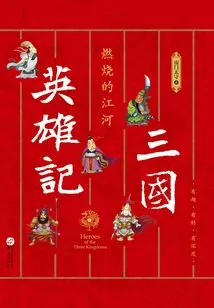
三国英雄记·燃烧的江河
Nanmen Prefect
This book reinterprets that century-old history with the theme of "heroes". It tells readers about the historical events that have occurred in the order of time. It not only pays attention to the process of history itself, but also pays attention to the laws under the appearance of history. It explores why winners succeed and why losers fail. It rectifies the origins of many people and things that are prone to deviations in understanding, promotes and criticizes, narrates and reflects, and reproduces that period of history from a new perspective. In people's minds, the "Three Kingdoms" is a broad concept. It cannot only be understood as the 60 years from the founding of Cao Wei (220 years) to the fall of Sun Wu (280 years). It should also include a period at the end of the Han Dynasty. The book starts from 180 years before the Yellow Turban Uprising and ends in 280 years, which is exactly 100 years, so it is called "One Hundred Years of the Three Kingdoms at the End of the Han Dynasty".
This book reinterprets that century-old history with the theme of "heroes". It tells readers about the historical events that have occurred in the order of time. It not only pays attention to the process of history itself, but also pays attention to the laws under the appearance of history. It explores why winners succeed and why losers fail. It rectifies the origins of many people and things that are prone to deviations in understanding, promotes and criticizes, narrates and reflects, and reproduces that period of history from a new perspective. In people's minds, the "Three Kingdoms" is a broad concept. It cannot only be understood as the 60 years from the founding of Cao Wei (220 years) to the fall of Sun Wu (280 years). It should also include a period at the end of the Han Dynasty. The book starts from 180 years before the Yellow Turban Uprising and ends in 280 years, which is exactly 100 years, so it is called "One Hundred Years of the Three Kingdoms at the End of the Han Dynasty".
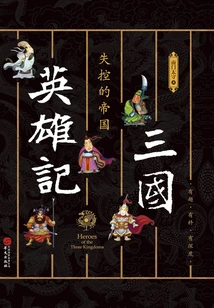
三国英雄记·失控的帝国
Nanmen Prefect
This book reinterprets that century-old history with the theme of "heroes". It tells readers about the historical events that have occurred in the order of time. It not only pays attention to the process of history itself, but also pays attention to the laws under the appearance of history. It explores why winners succeed and why losers fail. It rectifies the origins of many people and things that are prone to deviations in understanding, promotes and criticizes, narrates and reflects, and reproduces that period of history from a new perspective. In people's minds, the "Three Kingdoms" is a broad concept. It cannot only be understood as the 60 years from the founding of Cao Wei (220 years) to the fall of Sun Wu (280 years). It should also include a period at the end of the Han Dynasty. The book starts from 180 years before the Yellow Turban Uprising and ends in 280 years, which is exactly 100 years, so it is called "One Hundred Years of the Three Kingdoms at the End of the Han Dynasty".
This book reinterprets that century-old history with the theme of "heroes". It tells readers about the historical events that have occurred in the order of time. It not only pays attention to the process of history itself, but also pays attention to the laws under the appearance of history. It explores why winners succeed and why losers fail. It rectifies the origins of many people and things that are prone to deviations in understanding, promotes and criticizes, narrates and reflects, and reproduces that period of history from a new perspective. In people's minds, the "Three Kingdoms" is a broad concept. It cannot only be understood as the 60 years from the founding of Cao Wei (220 years) to the fall of Sun Wu (280 years). It should also include a period at the end of the Han Dynasty. The book starts from 180 years before the Yellow Turban Uprising and ends in 280 years, which is exactly 100 years, so it is called "One Hundred Years of the Three Kingdoms at the End of the Han Dynasty".
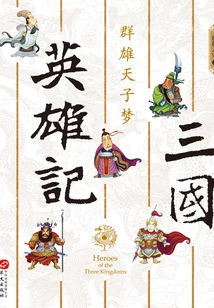
三国英雄记·群雄天子梦
Nanmen Prefect
This book reinterprets that century-old history with the theme of "heroes". It tells readers about the historical events that have occurred in the order of time. It not only pays attention to the process of history itself, but also pays attention to the laws under the appearance of history. It explores why winners succeed and why losers fail. It rectifies the origins of many people and things that are prone to deviations in understanding, promotes and criticizes, narrates and reflects, and reproduces that period of history from a new perspective. In people's minds, the "Three Kingdoms" is a broad concept. It cannot only be understood as the 60 years from the founding of Cao Wei (220 years) to the fall of Sun Wu (280 years). It should also include a period at the end of the Han Dynasty. The book starts from 180 years before the Yellow Turban Uprising and ends in 280 years, which is exactly 100 years, so it is called "One Hundred Years of the Three Kingdoms at the End of the Han Dynasty".
This book reinterprets that century-old history with the theme of "heroes". It tells readers about the historical events that have occurred in the order of time. It not only pays attention to the process of history itself, but also pays attention to the laws under the appearance of history. It explores why winners succeed and why losers fail. It rectifies the origins of many people and things that are prone to deviations in understanding, promotes and criticizes, narrates and reflects, and reproduces that period of history from a new perspective. In people's minds, the "Three Kingdoms" is a broad concept. It cannot only be understood as the 60 years from the founding of Cao Wei (220 years) to the fall of Sun Wu (280 years). It should also include a period at the end of the Han Dynasty. The book starts from 180 years before the Yellow Turban Uprising and ends in 280 years, which is exactly 100 years, so it is called "One Hundred Years of the Three Kingdoms at the End of the Han Dynasty".
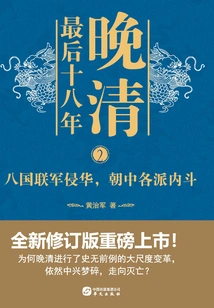
晚清最后十八年2
Huang Zhijun
After the disastrous defeat of the Sino-Japanese War, the Westernizationist Li Hongzhang lost power, and the reformist Kang Youwei came to power. However, the reform effort ended in a palace coup, and the original intention of learning from the West unknowingly became a tool for careerists. Reform is the consensus, the biggest profit cake of the late Qing Dynasty, and a duel ground for factional politics. Whether it is the Empress Dowager Cixi, the royalists, the Manchu dignitaries, or the pro-Western forces and the Boxers, everyone is involved in it and takes turns to appear. In the end, the Eight-Power Allied Forces came to Beijing under the guise of protecting the embassy. The turbulent and chaotic situation of the Qing Dynasty was finally reshuffled, with some people being eliminated and others taking over.
After the disastrous defeat of the Sino-Japanese War, the Westernizationist Li Hongzhang lost power, and the reformist Kang Youwei came to power. However, the reform effort ended in a palace coup, and the original intention of learning from the West unknowingly became a tool for careerists. Reform is the consensus, the biggest profit cake of the late Qing Dynasty, and a duel ground for factional politics. Whether it is the Empress Dowager Cixi, the royalists, the Manchu dignitaries, or the pro-Western forces and the Boxers, everyone is involved in it and takes turns to appear. In the end, the Eight-Power Allied Forces came to Beijing under the guise of protecting the embassy. The turbulent and chaotic situation of the Qing Dynasty was finally reshuffled, with some people being eliminated and others taking over.
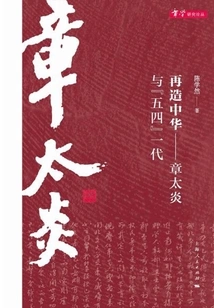
再造中华:章太炎与“五四”一代
Chen Xueran
"Reconstructing China" points out that whether he advocated "Chinese Studies" in the late Qing Dynasty to "exclude Manchu", persisted in writing ancient Chinese characters to the exclusion of vernacular Chinese throughout his life, or advocated "provincial autonomy" in his later years and criticized "ancient historical analysis" for following the Japanese, all reflected Zhang Taiyan's grand ideals and efforts to safeguard the uniqueness and independence of the nation and rebuild China. The book's analysis of Zhang Taiyan's insistence on writing ancient texts and ancient characters, the combing of the relationship between "Ancient History" and Japanese academic circles and Zhang Taiyan's criticism, Zhang Taiyan's thoughts and activities in the Federation of Provincial Autonomy Movement, the alienation of the relationship between Lu Xun and Zhang Taiyan, and various criticisms of Naishi, all have certain merits in filling in the gaps or overturning, and have very high academic value.
"Reconstructing China" points out that whether he advocated "Chinese Studies" in the late Qing Dynasty to "exclude Manchu", persisted in writing ancient Chinese characters to the exclusion of vernacular Chinese throughout his life, or advocated "provincial autonomy" in his later years and criticized "ancient historical analysis" for following the Japanese, all reflected Zhang Taiyan's grand ideals and efforts to safeguard the uniqueness and independence of the nation and rebuild China. The book's analysis of Zhang Taiyan's insistence on writing ancient texts and ancient characters, the combing of the relationship between "Ancient History" and Japanese academic circles and Zhang Taiyan's criticism, Zhang Taiyan's thoughts and activities in the Federation of Provincial Autonomy Movement, the alienation of the relationship between Lu Xun and Zhang Taiyan, and various criticisms of Naishi, all have certain merits in filling in the gaps or overturning, and have very high academic value.
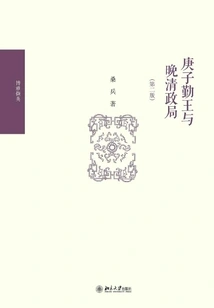
庚子勤王与晚清政局(第二版)
Sang Bing
This book provides a detailed explanation of the issue of King Gengzi Qin from multiple angles. It deeply analyzes the intricate relationships among the various factions seeking to reform, as well as overseas Chinese, foreign forces in China, local governors, and secret societies. It confirms that Kang Youwei led the royalist movement. The historical role of the Society in the important event of the political situation of the late Qing Dynasty was the "King Geng Zi Qin". It described in detail the organizational status, activity process and results of the Loyalist Society, and comprehensively and vividly explained the profound impact of the "King Geng Zi Qin" movement on the changes in the political situation of the late Qing Dynasty.
This book provides a detailed explanation of the issue of King Gengzi Qin from multiple angles. It deeply analyzes the intricate relationships among the various factions seeking to reform, as well as overseas Chinese, foreign forces in China, local governors, and secret societies. It confirms that Kang Youwei led the royalist movement. The historical role of the Society in the important event of the political situation of the late Qing Dynasty was the "King Geng Zi Qin". It described in detail the organizational status, activity process and results of the Loyalist Society, and comprehensively and vividly explained the profound impact of the "King Geng Zi Qin" movement on the changes in the political situation of the late Qing Dynasty.
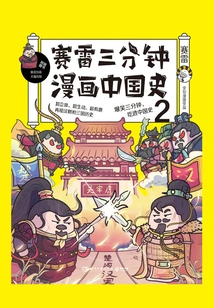
赛雷三分钟漫画中国史.2
Saire
"Sailei's Three Minutes Comic History of China 2" is the latest comic history work of "Sailei's Three Minutes", the leading self-media encyclopedia. Chinese history is a history that every Chinese must understand. The second volume of "Chinese History of Sai Lei Comics" covers three major and well-known historical periods, namely the Western Han Dynasty, the Eastern Han Dynasty and the Three Kingdoms. Its most outstanding feature is that it uses the humorous style of Sai Lei Comics to tell the history of China according to time clues, allowing readers to understand the development of Chinese history while laughing. This is a comic book about Chinese history that you will want to recommend to people around you after reading it.
"Sailei's Three Minutes Comic History of China 2" is the latest comic history work of "Sailei's Three Minutes", the leading self-media encyclopedia. Chinese history is a history that every Chinese must understand. The second volume of "Chinese History of Sai Lei Comics" covers three major and well-known historical periods, namely the Western Han Dynasty, the Eastern Han Dynasty and the Three Kingdoms. Its most outstanding feature is that it uses the humorous style of Sai Lei Comics to tell the history of China according to time clues, allowing readers to understand the development of Chinese history while laughing. This is a comic book about Chinese history that you will want to recommend to people around you after reading it.
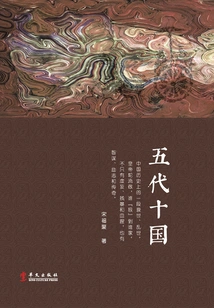
五代十国
Song Fuju
What a history this is! The "Five Dynasties" followed each other, with a history of fifty-three years, more than ten changes in the throne, and endless aftershocks; the "Ten Kingdoms" either rose up or coexisted, and sometimes became emperors and sometimes kings. The soldiers are the grass-headed kings. The warlords from all walks of life are militaristic and murderous, vying to claim the emperor and hegemony. The throne is not stable, and the struggle for succession arises. In a short period of time, the country is destroyed, and the world laughs. Morals are corrupt, and shameless, such as the "son emperor" Shi Jingtang, has been infamy for thousands of years... Only the Zhou Dynasty began to have a good atmosphere, then the Chenqiao mutiny, and finally he was replaced by the Zhao and Song Dynasties. The country was gradually unified, and the chaos moved towards great rule.
What a history this is! The "Five Dynasties" followed each other, with a history of fifty-three years, more than ten changes in the throne, and endless aftershocks; the "Ten Kingdoms" either rose up or coexisted, and sometimes became emperors and sometimes kings. The soldiers are the grass-headed kings. The warlords from all walks of life are militaristic and murderous, vying to claim the emperor and hegemony. The throne is not stable, and the struggle for succession arises. In a short period of time, the country is destroyed, and the world laughs. Morals are corrupt, and shameless, such as the "son emperor" Shi Jingtang, has been infamy for thousands of years... Only the Zhou Dynasty began to have a good atmosphere, then the Chenqiao mutiny, and finally he was replaced by the Zhao and Song Dynasties. The country was gradually unified, and the chaos moved towards great rule.
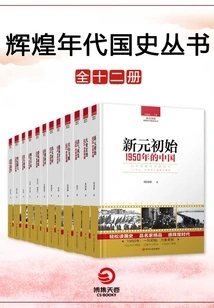
辉煌年代:国史丛书(全12册)
Liu Guoxin, Wu Wu, Xu Jianguo, Liu Xiao, Sun Dali, Etc.
"Reading National History: The National History Series of the Glory Era" selects 12 landmark years that have produced major turning points in the history of the Republic or caused accelerated social development. One book is published for each year. It describes the major historical events that occurred in this year with vivid writing and detailed information, describes its economic and political development and social features, and discusses its important position in the 65-year development of New China. There are 12 volumes in the series, which are: "Reading Points of National History: National History Series in the Glory Years: The Beginning of the New Yuan Dynasty - China in 1950" "Reading Points of National History: National History Series in the Glory Years: Great Aspirations - China in 1954" "Reading Points of National History: National History Series in the Glory Years: High-spirited - China in 1956" "Reading Points of National History: National History Series in the Glory Years: Flying Over the Mountains - China in 1962" "Reading Points in National History: National History Series in the Glory Years: Turbulent Years - China in 1976" "Reading Points in National History: National History Series in the Glory Years: The Great Turning Point - 197 "China in 8 Years" "Reading Some National History: The Glory Era National History Series: Spring Tide Surges - China in 1984" "Reading Some National History: The Glory Era National History Series: Facing the Wind and Breaking the Waves - China in 1992" "Reading Some National History: The Glory Era National History Series: Carrying on the Past and Forging into the Future - 1997 "China" "Reading Some National History: National History Series in Glory Era: United as One - China in 2003" "Reading Some National History: National History Series in Glory Era: Olympic Takeoff - China in 2008" "Reading Some National History: National History Series in Glory Era: Building Dreams and Glory - China in 2013"
"Reading National History: The National History Series of the Glory Era" selects 12 landmark years that have produced major turning points in the history of the Republic or caused accelerated social development. One book is published for each year. It describes the major historical events that occurred in this year with vivid writing and detailed information, describes its economic and political development and social features, and discusses its important position in the 65-year development of New China. There are 12 volumes in the series, which are: "Reading Points of National History: National History Series in the Glory Years: The Beginning of the New Yuan Dynasty - China in 1950" "Reading Points of National History: National History Series in the Glory Years: Great Aspirations - China in 1954" "Reading Points of National History: National History Series in the Glory Years: High-spirited - China in 1956" "Reading Points of National History: National History Series in the Glory Years: Flying Over the Mountains - China in 1962" "Reading Points in National History: National History Series in the Glory Years: Turbulent Years - China in 1976" "Reading Points in National History: National History Series in the Glory Years: The Great Turning Point - 197 "China in 8 Years" "Reading Some National History: The Glory Era National History Series: Spring Tide Surges - China in 1984" "Reading Some National History: The Glory Era National History Series: Facing the Wind and Breaking the Waves - China in 1992" "Reading Some National History: The Glory Era National History Series: Carrying on the Past and Forging into the Future - 1997 "China" "Reading Some National History: National History Series in Glory Era: United as One - China in 2003" "Reading Some National History: National History Series in Glory Era: Olympic Takeoff - China in 2008" "Reading Some National History: National History Series in Glory Era: Building Dreams and Glory - China in 2013"
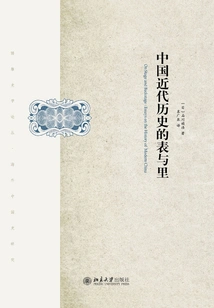
中国近代历史的表与里
P
This book contains 15 papers written by Ishikawa Masahiro to examine the historical facts of modern China, focusing on two issues: first, the nationalist thought in the late Qing Dynasty and the early Republic of China; second, the national revolution in the 1920s. Based on a large amount of historical materials, the author cleverly raises questions and provides rigorous arguments, which reflects his practical and realistic scholarly style. For example, the tracing of the concept of the "Sleeping Lion" image in the late Qing Dynasty, the interpretation of the popularity of the "Yellow Emperor" symbol, and the research on the "Chinese and dogs are not allowed to enter" notice board have all been carefully examined and solid conclusions have been drawn. The publication of this book will help promote domestic research and arouse the interest of general history lovers. This book has not yet been published in Japanese. A few of the collected papers have been translated into Chinese and published, and the author has revised them this time. For other original works published in Japanese or English, the author grants copyright free of charge. Just pay the translation fee.
This book contains 15 papers written by Ishikawa Masahiro to examine the historical facts of modern China, focusing on two issues: first, the nationalist thought in the late Qing Dynasty and the early Republic of China; second, the national revolution in the 1920s. Based on a large amount of historical materials, the author cleverly raises questions and provides rigorous arguments, which reflects his practical and realistic scholarly style. For example, the tracing of the concept of the "Sleeping Lion" image in the late Qing Dynasty, the interpretation of the popularity of the "Yellow Emperor" symbol, and the research on the "Chinese and dogs are not allowed to enter" notice board have all been carefully examined and solid conclusions have been drawn. The publication of this book will help promote domestic research and arouse the interest of general history lovers. This book has not yet been published in Japanese. A few of the collected papers have been translated into Chinese and published, and the author has revised them this time. For other original works published in Japanese or English, the author grants copyright free of charge. Just pay the translation fee.
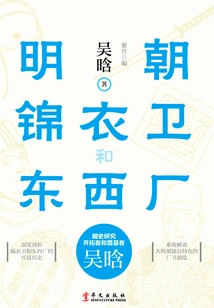
明朝锦衣卫和东西厂
Wu Han
Why do people get so creepy when mentioning Jinyiwei and Dongxi Factory? What kind of mysterious organizations are Jinyiwei and Dongxi Factory? What shady things are they doing in the shadows? Why do some people say that the Ming Dynasty died due to the poison of factory guards? What role did factory guards play in the rise and fall of the Ming Dynasty? ... In order to give readers a more systematic and comprehensive understanding of the factory guard system of the Ming Dynasty, we have compiled this book "The Imperial Guard and the East-West Factory of the Ming Dynasty". The book contains most of Mr. Wu Han's works on the factory sanitation system, and organizes the chapters based on the origin, creation, rise, and decline of the factory sanitation system. It systematically and in detail explains the history, characteristics, functions, and hazards of the Jinyiwei, Dongxi Factory and other secret service agencies, giving you an insight into the factory sanitation system of the Ming Dynasty in one book! In order to facilitate everyone's reading, this publication has carried out rigorous collation work on the ancient book quotations involved in the work, and annotated some rare words and phrases, striving to present the master's works more perfectly in front of readers.
Why do people get so creepy when mentioning Jinyiwei and Dongxi Factory? What kind of mysterious organizations are Jinyiwei and Dongxi Factory? What shady things are they doing in the shadows? Why do some people say that the Ming Dynasty died due to the poison of factory guards? What role did factory guards play in the rise and fall of the Ming Dynasty? ... In order to give readers a more systematic and comprehensive understanding of the factory guard system of the Ming Dynasty, we have compiled this book "The Imperial Guard and the East-West Factory of the Ming Dynasty". The book contains most of Mr. Wu Han's works on the factory sanitation system, and organizes the chapters based on the origin, creation, rise, and decline of the factory sanitation system. It systematically and in detail explains the history, characteristics, functions, and hazards of the Jinyiwei, Dongxi Factory and other secret service agencies, giving you an insight into the factory sanitation system of the Ming Dynasty in one book! In order to facilitate everyone's reading, this publication has carried out rigorous collation work on the ancient book quotations involved in the work, and annotated some rare words and phrases, striving to present the master's works more perfectly in front of readers.
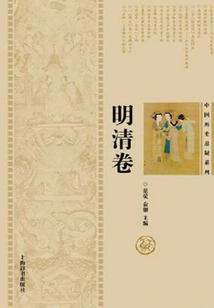
中国历史悬疑系列·明清卷
Fan Ying Yu Gang
The Chinese historical suspense series builds the framework of this book series with five major clues: Pre-Qin, Qin, Han, Wei, Jin, Southern and Northern Dynasties, Sui, Tang and Five Dynasties, Song, Yuan, Ming and Qing. It explores Chinese history from a new perspective. Based on a large number of documentary materials and archaeological discoveries, combined with research results, it starts from the aspects of emperors, harems, politics, military, celebrities, religion, culture, technology, etc., And deeply describes, analyzes and deciphers major historical mysteries. It reflects the changes and richness of history; at the same time, through the organic combination of concise style, concise text, novel layout, exquisite pictures and other visual elements, it presents the historical doubts and mysteries that people are interested in three-dimensionally, leading readers to get rid of the fog and enter the wonderful and mysterious world, so that people can enjoy the pleasure of reading and learn historical knowledge while gaining a broader cultural vision, aesthetic enjoyment and imagination space.
The Chinese historical suspense series builds the framework of this book series with five major clues: Pre-Qin, Qin, Han, Wei, Jin, Southern and Northern Dynasties, Sui, Tang and Five Dynasties, Song, Yuan, Ming and Qing. It explores Chinese history from a new perspective. Based on a large number of documentary materials and archaeological discoveries, combined with research results, it starts from the aspects of emperors, harems, politics, military, celebrities, religion, culture, technology, etc., And deeply describes, analyzes and deciphers major historical mysteries. It reflects the changes and richness of history; at the same time, through the organic combination of concise style, concise text, novel layout, exquisite pictures and other visual elements, it presents the historical doubts and mysteries that people are interested in three-dimensionally, leading readers to get rid of the fog and enter the wonderful and mysterious world, so that people can enjoy the pleasure of reading and learn historical knowledge while gaining a broader cultural vision, aesthetic enjoyment and imagination space.
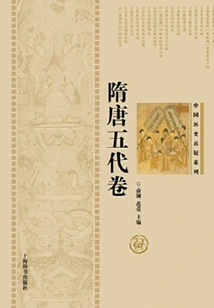
中国历史悬疑系列·隋唐五代卷
Yu Gang Fan Ying
The 99 articles selected in "Chinese Historical Suspense Series Sui, Tang and Five Dynasties Volume" cover various aspects of historical mysteries in the Sui, Tang and Five Dynasties periods, ranging from the doubts about the name of the Sui Dynasty, the existence of the Daughter Kingdom, the mystery of Wu Zetian's coinage, to whether men in the Tang Dynasty were "henpecked". Based on a large amount of literature and archaeological results, the author combines the latest research results to conduct an in-depth analysis of these mysteries to help readers clarify their thinking and understand the historical truth. Some mysteries are due to the limited information currently available. Although direct answers cannot yet be obtained, the author also lists and analyzes the various opinions formed on the research on this issue. On the one hand, it summarizes the previous research results, and on the other hand, it also inspires the ideas of follow-up people. This book has concise text, rich pictures and text, and is highly readable.
The 99 articles selected in "Chinese Historical Suspense Series Sui, Tang and Five Dynasties Volume" cover various aspects of historical mysteries in the Sui, Tang and Five Dynasties periods, ranging from the doubts about the name of the Sui Dynasty, the existence of the Daughter Kingdom, the mystery of Wu Zetian's coinage, to whether men in the Tang Dynasty were "henpecked". Based on a large amount of literature and archaeological results, the author combines the latest research results to conduct an in-depth analysis of these mysteries to help readers clarify their thinking and understand the historical truth. Some mysteries are due to the limited information currently available. Although direct answers cannot yet be obtained, the author also lists and analyzes the various opinions formed on the research on this issue. On the one hand, it summarizes the previous research results, and on the other hand, it also inspires the ideas of follow-up people. This book has concise text, rich pictures and text, and is highly readable.
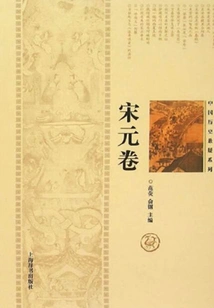
中国历史悬疑系列·宋元卷
Fan Ying Yu Gang
The "Chinese Historical Mysteries Series (Song and Yuan Volume)" written by Fan Ying and Yu Gang has selected 91 articles, covering various aspects of historical mysteries in the Song and Yuan Dynasties, ranging from the Chenqiao Mutiny, the mystery of Song Renzong's biological mother, the authenticity of "Along the River During the Qingming Festival" to the authenticity of "City of Light". Based on a large amount of literature and archaeological results, the author combines the latest research results to conduct an in-depth analysis of these mysteries to help readers clarify their thinking and understand the historical truth.
The "Chinese Historical Mysteries Series (Song and Yuan Volume)" written by Fan Ying and Yu Gang has selected 91 articles, covering various aspects of historical mysteries in the Song and Yuan Dynasties, ranging from the Chenqiao Mutiny, the mystery of Song Renzong's biological mother, the authenticity of "Along the River During the Qingming Festival" to the authenticity of "City of Light". Based on a large amount of literature and archaeological results, the author combines the latest research results to conduct an in-depth analysis of these mysteries to help readers clarify their thinking and understand the historical truth.
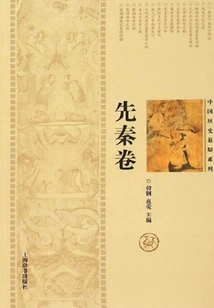
中国历史悬疑系列·先秦卷
Yu Gang Fan Ying
The "Chinese Historical Mystery Series (Pre-Qin Volume)" compiled by Fan Ying and Yu Gang contains 98 articles, covering various aspects of historical mysteries in the Pre-Qin period, ranging from the origin of mankind, the Three Sovereigns and Five Emperors to the Kingdom of Bitongue and the death of Shang Yang. Based on a large amount of literature and archaeological results, the author combines the latest research results to conduct an in-depth analysis of these mysteries to help readers clarify their thinking and understand the historical truth. Some mysteries are due to the limited data currently available. Although direct answers cannot yet be obtained, the author also lists and analyzes the various opinions formed on the research on this issue. On the one hand, it summarizes the previous research results, and on the other hand, it also inspires the ideas of follow-up people. This book has concise text, rich pictures and text, and is highly readable.
The "Chinese Historical Mystery Series (Pre-Qin Volume)" compiled by Fan Ying and Yu Gang contains 98 articles, covering various aspects of historical mysteries in the Pre-Qin period, ranging from the origin of mankind, the Three Sovereigns and Five Emperors to the Kingdom of Bitongue and the death of Shang Yang. Based on a large amount of literature and archaeological results, the author combines the latest research results to conduct an in-depth analysis of these mysteries to help readers clarify their thinking and understand the historical truth. Some mysteries are due to the limited data currently available. Although direct answers cannot yet be obtained, the author also lists and analyzes the various opinions formed on the research on this issue. On the one hand, it summarizes the previous research results, and on the other hand, it also inspires the ideas of follow-up people. This book has concise text, rich pictures and text, and is highly readable.
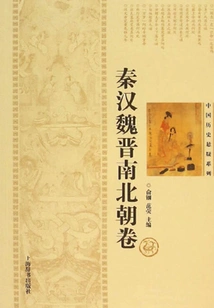
Chinese Historical Suspense Series·qin, Han, Wei, Jin, Southern and Northern Dynasties Volume
History中国历史悬疑系列·秦汉魏晋南北朝卷
Yu Gang Fan Ying
The selected articles in "Chinese Historical Mystery Series (Qin, Han, Wei, Jin, Southern and Northern Dynasties Volume)" written by Fan Ying and Yu Gang cover all aspects of historical mysteries in the Qin, Han, Wei, Jin, Southern and Northern Dynasties, ranging from the birth of Qin Shihuang, the mystery of Xu Fu, and the mystery of Wu Guang's death. Based on a large amount of literature and archaeological results, the author combines the latest research results to conduct an in-depth analysis of these mysteries to help readers clarify their thinking and understand the historical truth. Some mysteries are due to the limited information currently available. Although direct answers cannot yet be obtained, the author also lists and analyzes the various opinions formed on the research on this issue. On the one hand, it summarizes the previous research results, and on the other hand, it also inspires the ideas of follow-up people. This book has concise text, rich pictures and text, and is highly readable.
The selected articles in "Chinese Historical Mystery Series (Qin, Han, Wei, Jin, Southern and Northern Dynasties Volume)" written by Fan Ying and Yu Gang cover all aspects of historical mysteries in the Qin, Han, Wei, Jin, Southern and Northern Dynasties, ranging from the birth of Qin Shihuang, the mystery of Xu Fu, and the mystery of Wu Guang's death. Based on a large amount of literature and archaeological results, the author combines the latest research results to conduct an in-depth analysis of these mysteries to help readers clarify their thinking and understand the historical truth. Some mysteries are due to the limited information currently available. Although direct answers cannot yet be obtained, the author also lists and analyzes the various opinions formed on the research on this issue. On the one hand, it summarizes the previous research results, and on the other hand, it also inspires the ideas of follow-up people. This book has concise text, rich pictures and text, and is highly readable.
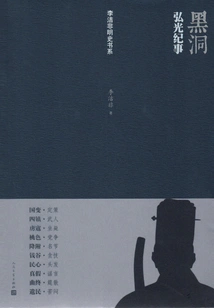
黑洞:弘光纪事
Li Jiefei
The author has devoted himself to writing during the Hongguang Dynasty in the late Ming Dynasty in the past two years. "Black Hole: Chronicles of Hongguang" has ten special topics. The characters in this book include the last emperor Zhu Yousong, Hongguang Councilor Shi Kefa, Zuo Maodi who was called "Su Wu of the Ming Dynasty", Zuo Liangyu who caused the disintegration of the Southern Ming Dynasty with a mutiny, Ruan Dacheng who was the root of Nanjing's troubles, the depressed youthful rebel group along the Qinhuai River, and the great thinker Huang Zong Xi, the young genius Xia Wanchun, the legendary storyteller Liu Jingting, Xu Fang, a typical example of the "remnant phenomenon", etc... Their identities involve emperors, warriors, scholar-bureaucrats, students, prostitutes, entertainers, scholars, hermits, and rebels, covering many levels of society at that time.
The author has devoted himself to writing during the Hongguang Dynasty in the late Ming Dynasty in the past two years. "Black Hole: Chronicles of Hongguang" has ten special topics. The characters in this book include the last emperor Zhu Yousong, Hongguang Councilor Shi Kefa, Zuo Maodi who was called "Su Wu of the Ming Dynasty", Zuo Liangyu who caused the disintegration of the Southern Ming Dynasty with a mutiny, Ruan Dacheng who was the root of Nanjing's troubles, the depressed youthful rebel group along the Qinhuai River, and the great thinker Huang Zong Xi, the young genius Xia Wanchun, the legendary storyteller Liu Jingting, Xu Fang, a typical example of the "remnant phenomenon", etc... Their identities involve emperors, warriors, scholar-bureaucrats, students, prostitutes, entertainers, scholars, hermits, and rebels, covering many levels of society at that time.
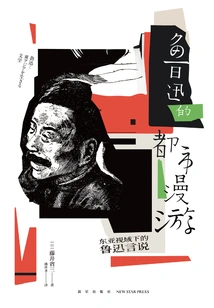
鲁迅的都市漫游:东亚视域的鲁迅言说
W
This is a critical biography that retraces Lu Xun's life from the experience and perspective of traveling through East Asian cities. This book is dedicated to describing Lu Xun as a modern urban lifer who loved Hollywood movies, and explores how his works became common modern classics in East Asia and were accepted by East Asian readers. On the one hand, it focuses on Lu Xun's urban "roaming". Lu Xun spent his life in Nanjing, Tokyo, Sendai, Beijing, and Shanghai. Using a cross-cultural perspective, the author pays attention to the internal consistency between East Asia's focus on European and American new trends and the establishment of modern countries in the early 20th century and Lu Xun's personal practice. He grasps the consistency between Lu Xun's literary creation and the themes of the times, and looks at modern China from Lu Xun's perspective. On the other hand, on the basis of the above, we will further expand and deepen it, and use the method of comparative literature to explore Lu Xun's reception in Japan and even East Asia. This study of East Asia's "modern classics" is an excellent example of looking at China from outside the region.
This is a critical biography that retraces Lu Xun's life from the experience and perspective of traveling through East Asian cities. This book is dedicated to describing Lu Xun as a modern urban lifer who loved Hollywood movies, and explores how his works became common modern classics in East Asia and were accepted by East Asian readers. On the one hand, it focuses on Lu Xun's urban "roaming". Lu Xun spent his life in Nanjing, Tokyo, Sendai, Beijing, and Shanghai. Using a cross-cultural perspective, the author pays attention to the internal consistency between East Asia's focus on European and American new trends and the establishment of modern countries in the early 20th century and Lu Xun's personal practice. He grasps the consistency between Lu Xun's literary creation and the themes of the times, and looks at modern China from Lu Xun's perspective. On the other hand, on the basis of the above, we will further expand and deepen it, and use the method of comparative literature to explore Lu Xun's reception in Japan and even East Asia. This study of East Asia's "modern classics" is an excellent example of looking at China from outside the region.
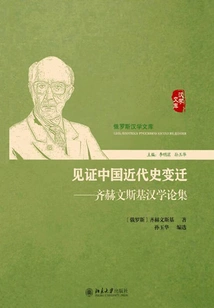
见证中国近代史变迁:齐赫文斯基汉学论集
(russia) Chikhvinsky
Russian Sinology has a long history and profound accumulation. This book collects the most representative and essential parts of the life writings of the famous Russian sinologist Academician Tikhvinsky and hopes to give Chinese readers, especially relevant professionals, a macro and specific understanding of his academic achievements, scholarly attitudes and school style. This book compiles and translates Tikhvinsky's foundational works in studying different stages of Chinese modern history, and shows the impact of his research methods, detailed historical materials and explanatory views on the study of Russian Sinology and the study of our country's modern history. This book is a volume in the "Russian Sinology Library" series, which has published the "Catalogue of Russian Sinology Works in the National Collection".
Russian Sinology has a long history and profound accumulation. This book collects the most representative and essential parts of the life writings of the famous Russian sinologist Academician Tikhvinsky and hopes to give Chinese readers, especially relevant professionals, a macro and specific understanding of his academic achievements, scholarly attitudes and school style. This book compiles and translates Tikhvinsky's foundational works in studying different stages of Chinese modern history, and shows the impact of his research methods, detailed historical materials and explanatory views on the study of Russian Sinology and the study of our country's modern history. This book is a volume in the "Russian Sinology Library" series, which has published the "Catalogue of Russian Sinology Works in the National Collection".
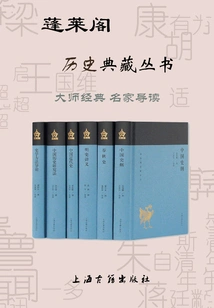
蓬莱阁历史典藏
Zhang Yinlin Tong Shuye Meng Sen Et Al.
This part of the series covers six historical masterpieces. The authors are all modern and contemporary historians with profound academic abilities. Therefore, these works date back to the Spring and Autumn Period and end with the Republic of China. They include chronological history and general history. Although the content and style are different, they are all rigorous in research, wonderful in exposition, and each has its own expertise. In addition, the historical methodology of Liang and Fu led the revolution of new history at the theoretical level. It can be regarded as the foundation of the modern historical discipline and affects the research path of Chinese history to this day.
This part of the series covers six historical masterpieces. The authors are all modern and contemporary historians with profound academic abilities. Therefore, these works date back to the Spring and Autumn Period and end with the Republic of China. They include chronological history and general history. Although the content and style are different, they are all rigorous in research, wonderful in exposition, and each has its own expertise. In addition, the historical methodology of Liang and Fu led the revolution of new history at the theoretical level. It can be regarded as the foundation of the modern historical discipline and affects the research path of Chinese history to this day.
格物致知
Guo Xiaoxia
This book is one of the "Chinese Excellent Traditional Culture Popularization Series" (overseas edition), called "Studying Things to Learn". Its main content reflects the achievements and contributions made by ancient China in science and technology, economy and trade, transportation and communications, medicine and health, recreation and entertainment, etc. To human society. It reflects the breadth, depth and richness of Chinese traditional culture. Ancient China was a leader in many fields at that time, and many inventions and creations spread to other parts of the world, promoting social progress and making significant contributions to the progress of human civilization. This book has six chapters in total, with complete content, reasonable structure, standardized language, and clear description. In many chapters, this book presents the achievements of ancient China or famous historical figures in many aspects in the form of narrative stories. The form is vivid and rich, which can arouse great interest in reading.
This book is one of the "Chinese Excellent Traditional Culture Popularization Series" (overseas edition), called "Studying Things to Learn". Its main content reflects the achievements and contributions made by ancient China in science and technology, economy and trade, transportation and communications, medicine and health, recreation and entertainment, etc. To human society. It reflects the breadth, depth and richness of Chinese traditional culture. Ancient China was a leader in many fields at that time, and many inventions and creations spread to other parts of the world, promoting social progress and making significant contributions to the progress of human civilization. This book has six chapters in total, with complete content, reasonable structure, standardized language, and clear description. In many chapters, this book presents the achievements of ancient China or famous historical figures in many aspects in the form of narrative stories. The form is vivid and rich, which can arouse great interest in reading.
从“异域”到“旧疆”:宋至清贵州西北部地区的制度、开发与认同(九色鹿系列)
Wen Chunlai
China has maintained a unified system for a long time, which is a unique phenomenon in the history of human civilization and one of the fundamental issues in the study of Chinese history. This book examines the historical process of the two major Yi monarchs, Shuixi and Wusa, gradually integrating into the unified dynastic order from the Song Dynasty to the middle of the Qing Dynasty, and then extracts the analytical model of "foreign territory" - "jisu" - "Xinjiang" - "old territory" from China's own historical experience and discourse, to understand the development process of dynasty China in the south, and to discover the subjectivity of the non-Han people, so as to reveal the complex historical aspects obscured by the grand narrative of "dynasty-centered view".
China has maintained a unified system for a long time, which is a unique phenomenon in the history of human civilization and one of the fundamental issues in the study of Chinese history. This book examines the historical process of the two major Yi monarchs, Shuixi and Wusa, gradually integrating into the unified dynastic order from the Song Dynasty to the middle of the Qing Dynasty, and then extracts the analytical model of "foreign territory" - "jisu" - "Xinjiang" - "old territory" from China's own historical experience and discourse, to understand the development process of dynasty China in the south, and to discover the subjectivity of the non-Han people, so as to reveal the complex historical aspects obscured by the grand narrative of "dynasty-centered view".
故宫五十年
Na Zhiliang
Beginning with the renaming of the Forbidden City to the Palace Museum in 1925, the Forbidden City began its nearly 50 years of turmoil. Many important historical events such as the inventory and cataloging of cultural relics, the evacuation of national treasures to the rear, overseas exhibitions of cultural relics, and the transportation of fine cultural relics to Taiwan have occurred. Especially during the Anti-Japanese War, millions of national treasures were transported from south to north, west to east and back in the flames of war. Amidst the displacement and displacement, the cultural relics and cultural traditions of the Forbidden City not only were not severed, but were continued and reborn, which can be called a historical miracle. This book is a faithful record of the 50-year history of the Forbidden City. It also selects 45 photos of history and cultural relics, striving to give a panoramic view of the fate of the Forbidden City and its cultural relics in the context of the times.
Beginning with the renaming of the Forbidden City to the Palace Museum in 1925, the Forbidden City began its nearly 50 years of turmoil. Many important historical events such as the inventory and cataloging of cultural relics, the evacuation of national treasures to the rear, overseas exhibitions of cultural relics, and the transportation of fine cultural relics to Taiwan have occurred. Especially during the Anti-Japanese War, millions of national treasures were transported from south to north, west to east and back in the flames of war. Amidst the displacement and displacement, the cultural relics and cultural traditions of the Forbidden City not only were not severed, but were continued and reborn, which can be called a historical miracle. This book is a faithful record of the 50-year history of the Forbidden City. It also selects 45 photos of history and cultural relics, striving to give a panoramic view of the fate of the Forbidden City and its cultural relics in the context of the times.