Library
Browse and search books
2,273 novels found
春秋战国:一段你应了解的历史(五)(千种豆瓣高分原创作品·品历史)
Thatched Cottage Xiaosheng
I am not "Those Things in the Ming Dynasty", nor am I "The Qin Empire"! The work is Chapter 5 of Volume 1 of "Spring and Autumn and Warring States: A History You Should Know": Qin Mugong, the overlord of Xirong. This work begins with the establishment of the Qin State and tells the story of how the heroic and kind-hearted Qin Mugong sought talents with an open mind, and finally developed the Qin State into a powerful country in the west after going through many setbacks. This series is divided into five volumes, the Spring and Autumn Overlord Volume, the Zhao State Volume, the Qi State Volume, the Qin State Volume and the Zhuzi Baijia Volume. In an easy-to-understand way, it will take you through the magnificent history of more than 500 years of the Spring and Autumn Period and the Warring States Period, and experience the wonderful lives of heroes. The history of the Spring and Autumn Period and the Warring States Period is both familiar and unfamiliar to us ordinary people. What is familiar is that there were familiar historical figures in that era, such as Gou Jian and Qu Yuan; what is unfamiliar is that that era is too far away from us, and the stories and background of this period of history are almost blank to us. Although it is very far away and unfamiliar, the history of the Spring and Autumn Period and the Warring States Period is the period of history that we should most understand and learn from. China's thousands of years of feudal culture and national culture originated here. It is the "childhood" of our Chinese culture and has profoundly influenced the politics, thought and culture of our Chinese people. A humble boy born in the 1980s, an advertising man born in the 1980s, a history buff, and an internet writer. To create this work, I read no less than 30 historical books and screened out errors in many historical materials from the Spring and Autumn and Warring States periods to ensure the rigor and accuracy of the work.
I am not "Those Things in the Ming Dynasty", nor am I "The Qin Empire"! The work is Chapter 5 of Volume 1 of "Spring and Autumn and Warring States: A History You Should Know": Qin Mugong, the overlord of Xirong. This work begins with the establishment of the Qin State and tells the story of how the heroic and kind-hearted Qin Mugong sought talents with an open mind, and finally developed the Qin State into a powerful country in the west after going through many setbacks. This series is divided into five volumes, the Spring and Autumn Overlord Volume, the Zhao State Volume, the Qi State Volume, the Qin State Volume and the Zhuzi Baijia Volume. In an easy-to-understand way, it will take you through the magnificent history of more than 500 years of the Spring and Autumn Period and the Warring States Period, and experience the wonderful lives of heroes. The history of the Spring and Autumn Period and the Warring States Period is both familiar and unfamiliar to us ordinary people. What is familiar is that there were familiar historical figures in that era, such as Gou Jian and Qu Yuan; what is unfamiliar is that that era is too far away from us, and the stories and background of this period of history are almost blank to us. Although it is very far away and unfamiliar, the history of the Spring and Autumn Period and the Warring States Period is the period of history that we should most understand and learn from. China's thousands of years of feudal culture and national culture originated here. It is the "childhood" of our Chinese culture and has profoundly influenced the politics, thought and culture of our Chinese people. A humble boy born in the 1980s, an advertising man born in the 1980s, a history buff, and an internet writer. To create this work, I read no less than 30 historical books and screened out errors in many historical materials from the Spring and Autumn and Warring States periods to ensure the rigor and accuracy of the work.
春秋战国:一段你应了解的历史(三)(千种豆瓣高分原创作品·品历史)
Thatched Cottage Xiaosheng
I am not "Those Things in the Ming Dynasty", nor am I "The Qin Empire"! The work is "Spring and Autumn and Warring States: A History You Should Know" Volume 1, Chapter 3: The false "overlord" Song Xianggong. This work begins with the establishment of the Song Dynasty and tells the story of the "nerdy" Song Xianggong who overestimated his capabilities and competed with King Chu Cheng for hegemony, and was ultimately defeated and died because of his adherence to the old rules. This series is divided into five volumes, the Spring and Autumn Overlord Volume, the Zhao State Volume, the Qi State Volume, the Qin State Volume and the Zhuzi Baijia Volume. In an easy-to-understand way, it will take you through the magnificent history of more than 500 years of the Spring and Autumn Period and the Warring States Period, and experience the wonderful lives of heroes. The history of the Spring and Autumn Period and the Warring States Period is both familiar and unfamiliar to us ordinary people. What is familiar is that there were familiar historical figures in that era, such as Gou Jian and Qu Yuan; what is unfamiliar is that that era is too far away from us, and the stories and background of this period of history are almost blank to us. Although it is very far away and unfamiliar, the history of the Spring and Autumn Period and the Warring States Period is the period of history that we should most understand and learn from. China's thousands of years of feudal culture and national culture originated here. It is the "childhood" of our Chinese culture and has profoundly influenced the politics, thought and culture of our Chinese people. A humble boy born in the 1980s, an advertising man born in the 1980s, a history buff, and an internet writer. To create this work, I read no less than 30 historical books and screened out errors in many historical materials from the Spring and Autumn and Warring States periods to ensure the rigor and accuracy of the work.
I am not "Those Things in the Ming Dynasty", nor am I "The Qin Empire"! The work is "Spring and Autumn and Warring States: A History You Should Know" Volume 1, Chapter 3: The false "overlord" Song Xianggong. This work begins with the establishment of the Song Dynasty and tells the story of the "nerdy" Song Xianggong who overestimated his capabilities and competed with King Chu Cheng for hegemony, and was ultimately defeated and died because of his adherence to the old rules. This series is divided into five volumes, the Spring and Autumn Overlord Volume, the Zhao State Volume, the Qi State Volume, the Qin State Volume and the Zhuzi Baijia Volume. In an easy-to-understand way, it will take you through the magnificent history of more than 500 years of the Spring and Autumn Period and the Warring States Period, and experience the wonderful lives of heroes. The history of the Spring and Autumn Period and the Warring States Period is both familiar and unfamiliar to us ordinary people. What is familiar is that there were familiar historical figures in that era, such as Gou Jian and Qu Yuan; what is unfamiliar is that that era is too far away from us, and the stories and background of this period of history are almost blank to us. Although it is very far away and unfamiliar, the history of the Spring and Autumn Period and the Warring States Period is the period of history that we should most understand and learn from. China's thousands of years of feudal culture and national culture originated here. It is the "childhood" of our Chinese culture and has profoundly influenced the politics, thought and culture of our Chinese people. A humble boy born in the 1980s, an advertising man born in the 1980s, a history buff, and an internet writer. To create this work, I read no less than 30 historical books and screened out errors in many historical materials from the Spring and Autumn and Warring States periods to ensure the rigor and accuracy of the work.
春秋战国:一段你应了解的历史(十七)(千种豆瓣高分原创作品·品历史)
Thatched Cottage Xiaosheng
I am not "Those Things in the Ming Dynasty", nor am I "The Qin Empire"! The work is Chapter 5 of Volume 3 of "Spring and Autumn and Warring States: A History You Should Know": Patriot Tian Dan. This chapter tells the story of Tian Dan, who was originally just a small figure, who stepped forward during the national crisis and turned the tide to regain the motherland. This series is divided into five volumes, the Spring and Autumn Overlord Volume, the Zhao State Volume, the Qi State Volume, the Qin State Volume and the Zhuzi Baijia Volume. In an easy-to-understand way, it will take you through the magnificent history of more than 500 years of the Spring and Autumn Period and the Warring States Period, and experience the wonderful lives of heroes. The history of the Spring and Autumn Period and the Warring States Period is both familiar and unfamiliar to us ordinary people. What is familiar is that there were familiar historical figures in that era, such as Gou Jian and Qu Yuan; what is unfamiliar is that that era is too far away from us, and the stories and background of this period of history are almost blank to us. Although it is very far away and unfamiliar, the history of the Spring and Autumn Period and the Warring States Period is the period of history that we should most understand and learn from. China's thousands of years of feudal culture and national culture originated here. It is the "childhood" of our Chinese culture and has profoundly influenced the politics, thought and culture of our Chinese people.
I am not "Those Things in the Ming Dynasty", nor am I "The Qin Empire"! The work is Chapter 5 of Volume 3 of "Spring and Autumn and Warring States: A History You Should Know": Patriot Tian Dan. This chapter tells the story of Tian Dan, who was originally just a small figure, who stepped forward during the national crisis and turned the tide to regain the motherland. This series is divided into five volumes, the Spring and Autumn Overlord Volume, the Zhao State Volume, the Qi State Volume, the Qin State Volume and the Zhuzi Baijia Volume. In an easy-to-understand way, it will take you through the magnificent history of more than 500 years of the Spring and Autumn Period and the Warring States Period, and experience the wonderful lives of heroes. The history of the Spring and Autumn Period and the Warring States Period is both familiar and unfamiliar to us ordinary people. What is familiar is that there were familiar historical figures in that era, such as Gou Jian and Qu Yuan; what is unfamiliar is that that era is too far away from us, and the stories and background of this period of history are almost blank to us. Although it is very far away and unfamiliar, the history of the Spring and Autumn Period and the Warring States Period is the period of history that we should most understand and learn from. China's thousands of years of feudal culture and national culture originated here. It is the "childhood" of our Chinese culture and has profoundly influenced the politics, thought and culture of our Chinese people.
春秋战国:一段你应了解的历史(十六)(千种豆瓣高分原创作品·品历史)
Thatched Cottage Xiaosheng
I am not "Those Things in the Ming Dynasty", nor am I "The Qin Empire"! The work is Chapter 4 of Volume 3 of "Spring and Autumn and Warring States: A History You Should Know": The number one spy Su Qin. This chapter tells about Su Qin from a personal point of view, which is completely different from what is recorded in traditional history books. Su Qin used his identity as a political strategist as a cover to secretly carry out espionage missions to undermine Qi's internal affairs and diplomacy, and helped Yan complete its revenge on Qi. This series is divided into five volumes, the Spring and Autumn Overlord Volume, the Zhao State Volume, the Qi State Volume, the Qin State Volume and the Zhuzi Baijia Volume. In an easy-to-understand way, it will take you through the magnificent history of more than 500 years of the Spring and Autumn Period and the Warring States Period, and experience the wonderful lives of heroes. The history of the Spring and Autumn Period and the Warring States Period is both familiar and unfamiliar to us ordinary people. What is familiar is that there were familiar historical figures in that era, such as Gou Jian and Qu Yuan; what is unfamiliar is that that era is too far away from us, and the stories and background of this period of history are almost blank to us. Although it is very far away and unfamiliar, the history of the Spring and Autumn Period and the Warring States Period is the period of history that we should most understand and learn from. China's thousands of years of feudal culture and national culture originated here. It is the "childhood" of our Chinese culture and has profoundly influenced the politics, thought and culture of our Chinese people.
I am not "Those Things in the Ming Dynasty", nor am I "The Qin Empire"! The work is Chapter 4 of Volume 3 of "Spring and Autumn and Warring States: A History You Should Know": The number one spy Su Qin. This chapter tells about Su Qin from a personal point of view, which is completely different from what is recorded in traditional history books. Su Qin used his identity as a political strategist as a cover to secretly carry out espionage missions to undermine Qi's internal affairs and diplomacy, and helped Yan complete its revenge on Qi. This series is divided into five volumes, the Spring and Autumn Overlord Volume, the Zhao State Volume, the Qi State Volume, the Qin State Volume and the Zhuzi Baijia Volume. In an easy-to-understand way, it will take you through the magnificent history of more than 500 years of the Spring and Autumn Period and the Warring States Period, and experience the wonderful lives of heroes. The history of the Spring and Autumn Period and the Warring States Period is both familiar and unfamiliar to us ordinary people. What is familiar is that there were familiar historical figures in that era, such as Gou Jian and Qu Yuan; what is unfamiliar is that that era is too far away from us, and the stories and background of this period of history are almost blank to us. Although it is very far away and unfamiliar, the history of the Spring and Autumn Period and the Warring States Period is the period of history that we should most understand and learn from. China's thousands of years of feudal culture and national culture originated here. It is the "childhood" of our Chinese culture and has profoundly influenced the politics, thought and culture of our Chinese people.
春秋战国:一段你应了解的历史(十二)(千种豆瓣高分原创作品·品历史)
Thatched Cottage Xiaosheng
I am not "Those Things in the Ming Dynasty", nor am I "The Qin Empire"! The work is Chapter 4 of Volume 2 of "Spring and Autumn and Warring States: A History You Should Know": The Great Hero King Zhao Wuling. This chapter begins with the dilemma of being bullied in the early days of the Zhao Kingdom. It tells the story of the young King Wuling of Zhao who was determined to reform and made the Zhao Kingdom stronger through riding and shooting in Hufu. This series is divided into five volumes, the Spring and Autumn Overlord Volume, the Zhao State Volume, the Qi State Volume, the Qin State Volume and the Zhuzi Baijia Volume. In an easy-to-understand way, it will take you through the magnificent history of more than 500 years of the Spring and Autumn Period and the Warring States Period, and experience the wonderful lives of heroes. The history of the Spring and Autumn Period and the Warring States Period is both familiar and unfamiliar to us ordinary people. What is familiar is that there were familiar historical figures in that era, such as Gou Jian and Qu Yuan; what is unfamiliar is that that era is too far away from us, and the stories and background of this period of history are almost blank to us. Although it is very far away and unfamiliar, the history of the Spring and Autumn Period and the Warring States Period is the period of history that we should most understand and learn from. China's thousands of years of feudal culture and national culture originated here. It is the "childhood" of our Chinese culture and has profoundly influenced the politics, thought and culture of our Chinese people. A humble boy born in the 1980s, an advertising man born in the 1980s, a history buff, and an internet writer. To create this work, I read no less than 30 historical books and screened out errors in many historical materials from the Spring and Autumn and Warring States periods to ensure the rigor and accuracy of the work.
I am not "Those Things in the Ming Dynasty", nor am I "The Qin Empire"! The work is Chapter 4 of Volume 2 of "Spring and Autumn and Warring States: A History You Should Know": The Great Hero King Zhao Wuling. This chapter begins with the dilemma of being bullied in the early days of the Zhao Kingdom. It tells the story of the young King Wuling of Zhao who was determined to reform and made the Zhao Kingdom stronger through riding and shooting in Hufu. This series is divided into five volumes, the Spring and Autumn Overlord Volume, the Zhao State Volume, the Qi State Volume, the Qin State Volume and the Zhuzi Baijia Volume. In an easy-to-understand way, it will take you through the magnificent history of more than 500 years of the Spring and Autumn Period and the Warring States Period, and experience the wonderful lives of heroes. The history of the Spring and Autumn Period and the Warring States Period is both familiar and unfamiliar to us ordinary people. What is familiar is that there were familiar historical figures in that era, such as Gou Jian and Qu Yuan; what is unfamiliar is that that era is too far away from us, and the stories and background of this period of history are almost blank to us. Although it is very far away and unfamiliar, the history of the Spring and Autumn Period and the Warring States Period is the period of history that we should most understand and learn from. China's thousands of years of feudal culture and national culture originated here. It is the "childhood" of our Chinese culture and has profoundly influenced the politics, thought and culture of our Chinese people. A humble boy born in the 1980s, an advertising man born in the 1980s, a history buff, and an internet writer. To create this work, I read no less than 30 historical books and screened out errors in many historical materials from the Spring and Autumn and Warring States periods to ensure the rigor and accuracy of the work.
Chen Shunchen Talks About Historical Records: the Emperor's Career and the Common People's Family
General Fiction陈舜臣说史记:帝王业与百姓家
H
The work is based on the historical facts recorded in "Historical Records" and focuses on major events or figures in the historical process. It tells the historical changes from the Shang Dynasty to the Han Dynasty and the rise and fall of royal power. It panoramically reproduces a series of historical stories such as King Wu's fight against Zhou, Wu and Yue's struggle for hegemony, Qu Yuan's throwing himself into the river, joining Zonglianheng, Jing Ke's assassination of the King of Qin, the conflict between Chu and Han, and Sima Qian's enduring humiliation in writing historical records. It presents a magnificent historical picture.
The work is based on the historical facts recorded in "Historical Records" and focuses on major events or figures in the historical process. It tells the historical changes from the Shang Dynasty to the Han Dynasty and the rise and fall of royal power. It panoramically reproduces a series of historical stories such as King Wu's fight against Zhou, Wu and Yue's struggle for hegemony, Qu Yuan's throwing himself into the river, joining Zonglianheng, Jing Ke's assassination of the King of Qin, the conflict between Chu and Han, and Sima Qian's enduring humiliation in writing historical records. It presents a magnificent historical picture.
Ah
General Fictionah
H
The work uses the first-person voice and takes the experience of a person known as "Nine Deaths" as the main line. It records what he has seen, heard, and felt over the past 20 years, and outlines more than 200 "strange situations." In the work, the various characters that the protagonist has come into contact with for 20 years are divided into three categories: one is snakes, insects, rats and ants, the other is jackals, tigers and leopards, and the third is monsters and monsters, thus showing the dark reality of the late Qing Dynasty society from around the Sino-French War in the tenth year of Guangxu (1884) to around the thirty-first year of Guangxu (1905).
The work uses the first-person voice and takes the experience of a person known as "Nine Deaths" as the main line. It records what he has seen, heard, and felt over the past 20 years, and outlines more than 200 "strange situations." In the work, the various characters that the protagonist has come into contact with for 20 years are divided into three categories: one is snakes, insects, rats and ants, the other is jackals, tigers and leopards, and the third is monsters and monsters, thus showing the dark reality of the late Qing Dynasty society from around the Sino-French War in the tenth year of Guangxu (1884) to around the thirty-first year of Guangxu (1905).
H
General FictionH
H
The whole book takes history as its backbone, characters and events as its latitude, and the "marriage between two generations" of Emperor Yang of the Sui Dynasty, Zhu Gui'er, Emperor Ming of the Tang Dynasty, and Yang Yuhuan as the general framework. From the beginning of Emperor Wen of the Sui Dynasty when he launched an army to attack Chen, to the death of Emperor Ming of the Tang Dynasty in Sichuan, it records the history of the Sui and Tang Dynasties for more than 170 years. Its main content consists of three parts: the first is the palace story of the late Sui Dynasty with Emperor Yang and Zhu Gui'er as the central characters; the second is the story of the "heroes of troubled times" such as Qin Qiong, Shan Xiongxin, and Cheng Yaojin who rebelled against the Sui Dynasty; the third is the palace story of the Tang Dynasty before and after the "Anshi Rebellion" with Emperor Ming of Tang and Concubine Yang as the central characters.
The whole book takes history as its backbone, characters and events as its latitude, and the "marriage between two generations" of Emperor Yang of the Sui Dynasty, Zhu Gui'er, Emperor Ming of the Tang Dynasty, and Yang Yuhuan as the general framework. From the beginning of Emperor Wen of the Sui Dynasty when he launched an army to attack Chen, to the death of Emperor Ming of the Tang Dynasty in Sichuan, it records the history of the Sui and Tang Dynasties for more than 170 years. Its main content consists of three parts: the first is the palace story of the late Sui Dynasty with Emperor Yang and Zhu Gui'er as the central characters; the second is the story of the "heroes of troubled times" such as Qin Qiong, Shan Xiongxin, and Cheng Yaojin who rebelled against the Sui Dynasty; the third is the palace story of the Tang Dynasty before and after the "Anshi Rebellion" with Emperor Ming of Tang and Concubine Yang as the central characters.
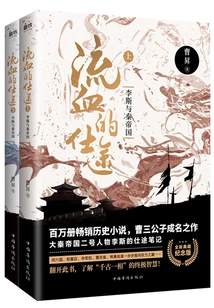
A Bloody Career: Li Si and the Qin Empire (2 Volumes in Total, Commemorative Edition)
General Fiction流血的仕途:李斯与秦帝国(全2册纪念版)
Cao Sheng
In that era when heroes emerged in large numbers, Li Si, a commoner, came to Xianyang alone in order to realize his own value and achieve his career aspirations, and eventually became a celebrity in front of King Yingzheng of Qin. He was cautious and low-key but risked beheading time and time again, entangled with Qin Shihuang, the most powerful ruler of the empire in history, and dealt with powerful rivals Lu Buwei and Lao Ai. He had been hiding and building momentum for many years, and finally emerged as the second male figure in the Qin Dynasty's political arena. "The Bleeding Official Career" unfolds the historical grandeur of the warring states in the late Warring States period in a solemn and harmonious way, depicting Li Si's twists and turns and legendary life. The book is filled with wisdom, strategies, scheming, and mysteries, which is frightening to read.
In that era when heroes emerged in large numbers, Li Si, a commoner, came to Xianyang alone in order to realize his own value and achieve his career aspirations, and eventually became a celebrity in front of King Yingzheng of Qin. He was cautious and low-key but risked beheading time and time again, entangled with Qin Shihuang, the most powerful ruler of the empire in history, and dealt with powerful rivals Lu Buwei and Lao Ai. He had been hiding and building momentum for many years, and finally emerged as the second male figure in the Qin Dynasty's political arena. "The Bleeding Official Career" unfolds the historical grandeur of the warring states in the late Warring States period in a solemn and harmonious way, depicting Li Si's twists and turns and legendary life. The book is filled with wisdom, strategies, scheming, and mysteries, which is frightening to read.
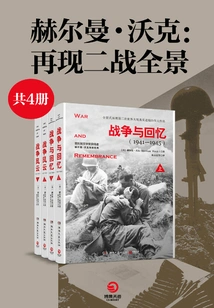
赫尔曼·沃克:二战全景系列(共4册)
Herman Walker
Top of the list of war literature, recommended by authoritative media! The Pulitzer Prize winner's epic masterpiece! "War and Memories" (1941-1945) and its companion piece "War Storm" (1939-1941) use novels to show the panoramic view of the Second World War. It radiates from the family of U. S. Naval officer Victor Henry and depicts a true and magnificent picture of a large-scale world war. There are many characters in the book, ranging from Roosevelt, Churchill, Hitler, the top leaders of the warring countries, to ordinary soldiers and ordinary people. The story begins with the German invasion of Poland in 1939 and the outbreak of World War II, and ends with Japan's surrender in 1945 and the end of the war, involving most major battlefields and important events.
Top of the list of war literature, recommended by authoritative media! The Pulitzer Prize winner's epic masterpiece! "War and Memories" (1941-1945) and its companion piece "War Storm" (1939-1941) use novels to show the panoramic view of the Second World War. It radiates from the family of U. S. Naval officer Victor Henry and depicts a true and magnificent picture of a large-scale world war. There are many characters in the book, ranging from Roosevelt, Churchill, Hitler, the top leaders of the warring countries, to ordinary soldiers and ordinary people. The story begins with the German invasion of Poland in 1939 and the outbreak of World War II, and ends with Japan's surrender in 1945 and the end of the war, involving most major battlefields and important events.
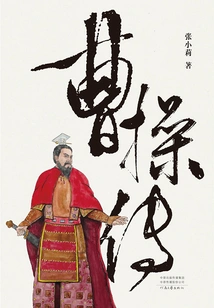
Biography of Cao Cao
General Fiction曹操传
Zhang Xiaoli
The famous writer Yue Erhe strongly recommends it; this is an official history about Cao Cao; it clears away the fog of history, breaks the stereotypes, and restores a flesh-and-blood Cao Cao. A politician who cares about the world and possesses literary and military skills, a tenderhearted and talented writer, and a true hero who is lonely at heart and dares to act.
The famous writer Yue Erhe strongly recommends it; this is an official history about Cao Cao; it clears away the fog of history, breaks the stereotypes, and restores a flesh-and-blood Cao Cao. A politician who cares about the world and possesses literary and military skills, a tenderhearted and talented writer, and a true hero who is lonely at heart and dares to act.
Popular Romance of the Former Han Dynasty (popular Romance of Cai Dongfan in the Past Dynasties)
General Fiction前汉通俗演义(蔡东藩历朝通俗演义)
Cai Dongfan
"Popular Romance of the Former Han Dynasty" is one of the series of books "Popular Romance of Cai Dongfan Dynasties". It narrates the nearly 270 years of history from the birth of Qin Shihuang Yingzheng to Wang Mang's usurpation of the Han Dynasty. The book has plain viewpoints, rich content, methodical exposition, elegant language, self-evaluation and self-annotation, and is both rational and interesting. It can be regarded as a classic of popular history. The book draws its material cautiously, mainly focusing on trustworthy history and side by side with unofficial histories. It is an introductory book for understanding relevant history.
"Popular Romance of the Former Han Dynasty" is one of the series of books "Popular Romance of Cai Dongfan Dynasties". It narrates the nearly 270 years of history from the birth of Qin Shihuang Yingzheng to Wang Mang's usurpation of the Han Dynasty. The book has plain viewpoints, rich content, methodical exposition, elegant language, self-evaluation and self-annotation, and is both rational and interesting. It can be regarded as a classic of popular history. The book draws its material cautiously, mainly focusing on trustworthy history and side by side with unofficial histories. It is an introductory book for understanding relevant history.
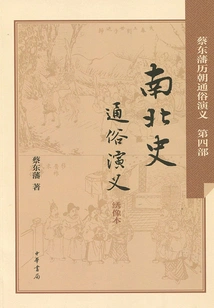
Popular Romance of Northern and Southern History (popular Romance of Cai Dongfan's Past Dynasties)
General Fiction南北史通俗演义(蔡东藩历朝通俗演义)
Cai Dongfan
"Popular Romance of Northern and Southern History" is one of the series of books "Popular Romance of Cai Dongfan Dynasties". It describes the split and confrontation situation during the 170 years of the Southern and Northern Dynasties when "rebellious ministers and traitors filled the world". Following the old example of Li Yanshou of the Tang Dynasty, Song, Qi, Liang, and Chen were classified as Southern History, and Wei, Qi, Zhou, and Sui were Northern History. The writing is a parallel narration of the history of the north and the south, without praising the emperors or omitting the shining points of the little people. The content is rich, the discussion is objective, and the comments and annotations are particularly interesting. It can be called a classic of popular history.
"Popular Romance of Northern and Southern History" is one of the series of books "Popular Romance of Cai Dongfan Dynasties". It describes the split and confrontation situation during the 170 years of the Southern and Northern Dynasties when "rebellious ministers and traitors filled the world". Following the old example of Li Yanshou of the Tang Dynasty, Song, Qi, Liang, and Chen were classified as Southern History, and Wei, Qi, Zhou, and Sui were Northern History. The writing is a parallel narration of the history of the north and the south, without praising the emperors or omitting the shining points of the little people. The content is rich, the discussion is objective, and the comments and annotations are particularly interesting. It can be called a classic of popular history.
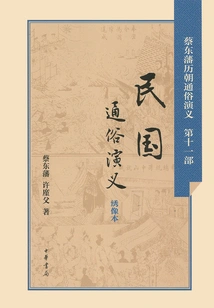
Popular Romance of the Republic of China (cai Dongfan's Popular Romance of the Past Dynasties)
General Fiction民国通俗演义(蔡东藩历朝通俗演义)
Cai Dongfan Xu Genfu
"Popular Romance of the Republic of China" is one of the series of books "Popular Romance of Cai Dongfan's Past Dynasties". It narrates the historical events of more than ten years from the establishment of the Republic of China to 1924 when Sun Yat-sen pledged to fight for the Northern Expedition, including the Revolution of 1911, Yuan Shikai's proclaimed emperor, Cai E's attack on Yuan, Zhang Xun's restoration, the May Fourth Movement, Sun Yat-sen's reorganization of the Kuomintang and other major historical events. The last forty chapters were continued by Xu Genfu, which also continued the characteristics of Cai's work. The book is rich in content and has detailed narratives. It "borrows the genre of the Shuo Department to write about the contemporary situation". It is an essential reading for understanding the history of the early Republic of China.
"Popular Romance of the Republic of China" is one of the series of books "Popular Romance of Cai Dongfan's Past Dynasties". It narrates the historical events of more than ten years from the establishment of the Republic of China to 1924 when Sun Yat-sen pledged to fight for the Northern Expedition, including the Revolution of 1911, Yuan Shikai's proclaimed emperor, Cai E's attack on Yuan, Zhang Xun's restoration, the May Fourth Movement, Sun Yat-sen's reorganization of the Kuomintang and other major historical events. The last forty chapters were continued by Xu Genfu, which also continued the characteristics of Cai's work. The book is rich in content and has detailed narratives. It "borrows the genre of the Shuo Department to write about the contemporary situation". It is an essential reading for understanding the history of the early Republic of China.
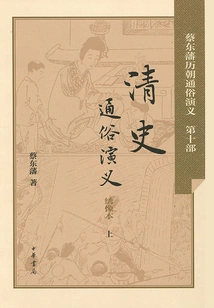
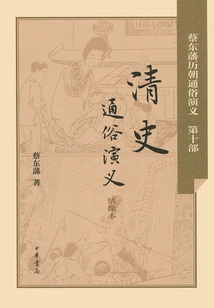
清史通俗演义(蔡东藩历朝通俗演义)
Cai Dongfan
"Popular Romance of Qing History" is one of the series of books "Popular Romance of Cai Dongfan's Past Dynasties", which tells the history of the Qing Dynasty from the founding of Manchuria to the Revolution of 1911 for nearly three hundred years. The author summarizes the lessons and laws of history from the chaos, rise and fall, praises virtuous ministers, famous generals, and national heroes, and lashes out at the arrogance and mediocrity of rulers. While telling history, the author also expressed his deep worries and deep expectations for the future of the nation and country, and expressed his own progressive thoughts. "Popular Romance of Qing History" focuses on the authentic history and collects unconventional history. It draws materials carefully, discusses methodically, uses elegant and clean language, and combines both theory and interest. It can be regarded as a classic of popular history and an introductory book for understanding the history of the Qing Dynasty.
"Popular Romance of Qing History" is one of the series of books "Popular Romance of Cai Dongfan's Past Dynasties", which tells the history of the Qing Dynasty from the founding of Manchuria to the Revolution of 1911 for nearly three hundred years. The author summarizes the lessons and laws of history from the chaos, rise and fall, praises virtuous ministers, famous generals, and national heroes, and lashes out at the arrogance and mediocrity of rulers. While telling history, the author also expressed his deep worries and deep expectations for the future of the nation and country, and expressed his own progressive thoughts. "Popular Romance of Qing History" focuses on the authentic history and collects unconventional history. It draws materials carefully, discusses methodically, uses elegant and clean language, and combines both theory and interest. It can be regarded as a classic of popular history and an introductory book for understanding the history of the Qing Dynasty.
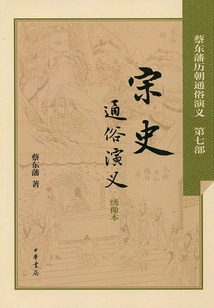
宋史通俗演义(蔡东藩历朝通俗演义)
Cai Dongfan
"Popular Romance of Song History" is one of the series of books "Popular Romance of Cai Dongfan Dynasties". It narrates the history of the Song Dynasty from its founding to its demise during the 320 years of the Song Dynasty and its 18 emperors. The author draws extensively from official history and occasionally from officials and wild officials, and his narrative is plain, smooth, and methodical. He makes self-evaluations and notes, and his language is humorous and full of both emotion and reason. The author's true temperament can be seen in the text. Reading through this book, it is like a historical picture of the Song Dynasty slowly unfolding before your eyes. Sometimes it is a fierce battle, sometimes it is gentle and affectionate, sometimes it is a dispute between countries, sometimes it is a game of loyalty and traitor... It makes people dizzy and full of emotions. If you are interested in the history of the Song Dynasty, then "Popular Romance of the History of the Song Dynasty" is your first choice for introductory popular reading.
"Popular Romance of Song History" is one of the series of books "Popular Romance of Cai Dongfan Dynasties". It narrates the history of the Song Dynasty from its founding to its demise during the 320 years of the Song Dynasty and its 18 emperors. The author draws extensively from official history and occasionally from officials and wild officials, and his narrative is plain, smooth, and methodical. He makes self-evaluations and notes, and his language is humorous and full of both emotion and reason. The author's true temperament can be seen in the text. Reading through this book, it is like a historical picture of the Song Dynasty slowly unfolding before your eyes. Sometimes it is a fierce battle, sometimes it is gentle and affectionate, sometimes it is a dispute between countries, sometimes it is a game of loyalty and traitor... It makes people dizzy and full of emotions. If you are interested in the history of the Song Dynasty, then "Popular Romance of the History of the Song Dynasty" is your first choice for introductory popular reading.
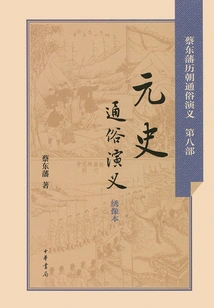
元史通俗演义(蔡东藩历朝通俗演义)
Cai Dongfan
"Popular Romance of Yuan History" is one of the series of books "Popular Romance of Cai Dongfan Dynasties". It describes the ups and downs and exciting history of the Yuan Dynasty for nearly 100 years, and can be regarded as a classic of popular history. The book draws its material carefully, mainly focusing on historical facts and supplementing unofficial historical records. It is an introductory book for understanding the history of the Yuan Dynasty.
"Popular Romance of Yuan History" is one of the series of books "Popular Romance of Cai Dongfan Dynasties". It describes the ups and downs and exciting history of the Yuan Dynasty for nearly 100 years, and can be regarded as a classic of popular history. The book draws its material carefully, mainly focusing on historical facts and supplementing unofficial historical records. It is an introductory book for understanding the history of the Yuan Dynasty.
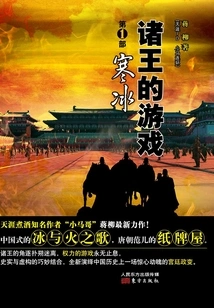
Game of Kings (part 1: Ice)
General Fiction诸王的游戏(第1部:寒冰)
Jiang Liu
In the early years of the Tang Dynasty, the battles among the kings intensified. The prince recruited Wei Zheng and frequently devised clever schemes to consolidate his position as heir apparent. King Qin made a secret plan and peeked into the East Palace. The king of Qi has attached himself to the crown prince, but his true intentions are hard to guess. The emperor reconciled left and right to prevent the kings from killing each other. At the same time, Empress Xiao fled to the Turks after her death in the Sui Dynasty. Together with Princess Yicheng of the Sui Dynasty, she led the Turkic army to invade the south, intending to destroy the Tang Dynasty and restore the Sui Dynasty. Suddenly, many forces came on stage one after another, kicking off the Xuanwu Gate mutiny.
In the early years of the Tang Dynasty, the battles among the kings intensified. The prince recruited Wei Zheng and frequently devised clever schemes to consolidate his position as heir apparent. King Qin made a secret plan and peeked into the East Palace. The king of Qi has attached himself to the crown prince, but his true intentions are hard to guess. The emperor reconciled left and right to prevent the kings from killing each other. At the same time, Empress Xiao fled to the Turks after her death in the Sui Dynasty. Together with Princess Yicheng of the Sui Dynasty, she led the Turkic army to invade the south, intending to destroy the Tang Dynasty and restore the Sui Dynasty. Suddenly, many forces came on stage one after another, kicking off the Xuanwu Gate mutiny.
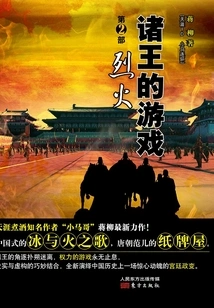
Game of Kings (part 2: Fire)
General Fiction诸王的游戏(第2部:烈火)
Jiang Liu
The King of Qin returned victoriously, only to find that his military exploits had become a burden. Prince Li Jiancheng relied on Wei Zheng to gradually take control of the situation, and he was just a stone's throw away from the throne, but the last step was often the most difficult. King Qi actively planned and tried to complete the impossible task. Emperor Li Yuan of the Tang Dynasty reconciled and fell into a dilemma of indecision. The situation in Chang'an is at stake, and the Turks are also in danger. The feud between the Turkic Khans has become established, and Empress Xiao Yicheng has his own agenda. Mixed with desire and instinct, everyone inevitably rushes towards the final outcome.
The King of Qin returned victoriously, only to find that his military exploits had become a burden. Prince Li Jiancheng relied on Wei Zheng to gradually take control of the situation, and he was just a stone's throw away from the throne, but the last step was often the most difficult. King Qi actively planned and tried to complete the impossible task. Emperor Li Yuan of the Tang Dynasty reconciled and fell into a dilemma of indecision. The situation in Chang'an is at stake, and the Turks are also in danger. The feud between the Turkic Khans has become established, and Empress Xiao Yicheng has his own agenda. Mixed with desire and instinct, everyone inevitably rushes towards the final outcome.
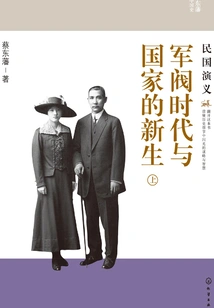
The Age of Warlords and the Rebirth of the Country: Romance of the Republic of China (part 1)
General Fiction军阀时代与国家的新生:民国演义(上)
Cai Dongfan
This book is a popular romance of the Republic of China, "Cai Dongfan Talks about the History of China", with a total of 160 chapters in the first, middle and second volumes. From the Revolution of 1911 and Yuan's proclaiming the emperor, to Cai E's rebellion against Yuan and Zhang Xun's restoration, to the May Fourth Movement and Sun Yat-sen's reorganization of the Kuomintang, it wonderfully interprets the historical events of more than ten years from the establishment of the Republic of China to 1924, when Sun Yat-sen pledged to fight for the Northern Expedition. The author draws extensively from official history, occasionally from officials and wild officials, and his narrative is plain, smooth, and methodical; he makes self-evaluations and annotations, and his language is humorous and both reasonable and reasonable. The last forty chapters were continued by Xu Genfu, which also continued the characteristics of Cai Dongfan's writings. Reading through this book, it is like a historical picture of the early years of the Republic of China slowly unfolding in front of you. Sometimes it is a fierce battle, sometimes it is gentle and affectionate, sometimes it is a dispute between warlords, sometimes it is a game of loyalty and traitor... It makes people dizzy and full of emotions.
This book is a popular romance of the Republic of China, "Cai Dongfan Talks about the History of China", with a total of 160 chapters in the first, middle and second volumes. From the Revolution of 1911 and Yuan's proclaiming the emperor, to Cai E's rebellion against Yuan and Zhang Xun's restoration, to the May Fourth Movement and Sun Yat-sen's reorganization of the Kuomintang, it wonderfully interprets the historical events of more than ten years from the establishment of the Republic of China to 1924, when Sun Yat-sen pledged to fight for the Northern Expedition. The author draws extensively from official history, occasionally from officials and wild officials, and his narrative is plain, smooth, and methodical; he makes self-evaluations and annotations, and his language is humorous and both reasonable and reasonable. The last forty chapters were continued by Xu Genfu, which also continued the characteristics of Cai Dongfan's writings. Reading through this book, it is like a historical picture of the early years of the Republic of China slowly unfolding in front of you. Sometimes it is a fierce battle, sometimes it is gentle and affectionate, sometimes it is a dispute between warlords, sometimes it is a game of loyalty and traitor... It makes people dizzy and full of emotions.
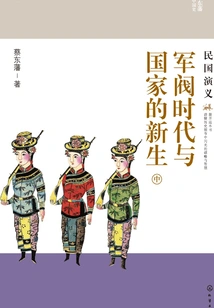
The Age of Warlords and the Rebirth of the Country: Romance of the Republic of China (part 2)
General Fiction军阀时代与国家的新生:民国演义(中)
Cai Dongfan
This book is a popular romance of the Republic of China, "Cai Dongfan Talks about the History of China", with a total of 160 chapters in the first, middle and second volumes. From the Revolution of 1911 and Yuan's proclaiming the emperor, to Cai E's rebellion against Yuan and Zhang Xun's restoration, to the May Fourth Movement and Sun Yat-sen's reorganization of the Kuomintang, it wonderfully interprets the historical events of more than ten years from the establishment of the Republic of China to 1924, when Sun Yat-sen pledged to fight for the Northern Expedition. The author draws extensively from official history, occasionally from officials and wild officials, and his narrative is plain, smooth, and methodical; he makes self-evaluations and annotations, and his language is humorous and both reasonable and reasonable. The last forty chapters were continued by Xu Genfu, which also continued the characteristics of Cai Dongfan's writings. Reading through this book, it is like a historical picture of the early years of the Republic of China slowly unfolding in front of you. Sometimes it is a fierce battle, sometimes it is gentle and affectionate, sometimes it is a dispute between warlords, sometimes it is a game of loyalty and traitor... It makes people dizzy and full of emotions.
This book is a popular romance of the Republic of China, "Cai Dongfan Talks about the History of China", with a total of 160 chapters in the first, middle and second volumes. From the Revolution of 1911 and Yuan's proclaiming the emperor, to Cai E's rebellion against Yuan and Zhang Xun's restoration, to the May Fourth Movement and Sun Yat-sen's reorganization of the Kuomintang, it wonderfully interprets the historical events of more than ten years from the establishment of the Republic of China to 1924, when Sun Yat-sen pledged to fight for the Northern Expedition. The author draws extensively from official history, occasionally from officials and wild officials, and his narrative is plain, smooth, and methodical; he makes self-evaluations and annotations, and his language is humorous and both reasonable and reasonable. The last forty chapters were continued by Xu Genfu, which also continued the characteristics of Cai Dongfan's writings. Reading through this book, it is like a historical picture of the early years of the Republic of China slowly unfolding in front of you. Sometimes it is a fierce battle, sometimes it is gentle and affectionate, sometimes it is a dispute between warlords, sometimes it is a game of loyalty and traitor... It makes people dizzy and full of emotions.
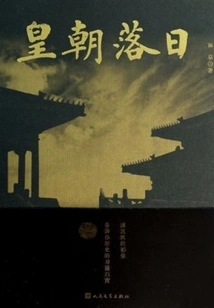
Dynasty Sunset
General Fiction皇朝落日
Lin Jing
This book exposes more than 400 photos from the Qing palace's secret collections, spanning the period from the late Qing Dynasty to the early Republic of China. It is supplemented by vivid descriptions of these images and an in-depth interpretation of the Qing palace's collection of photos. With vivid images and unique text, it shows people the Qing Dynasty in an all-round and three-dimensional way, or it can be said to be the reflection of the decline of the entire feudal society in the long history.
This book exposes more than 400 photos from the Qing palace's secret collections, spanning the period from the late Qing Dynasty to the early Republic of China. It is supplemented by vivid descriptions of these images and an in-depth interpretation of the Qing palace's collection of photos. With vivid images and unique text, it shows people the Qing Dynasty in an all-round and three-dimensional way, or it can be said to be the reflection of the decline of the entire feudal society in the long history.
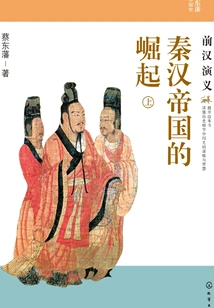
秦汉帝国的崛起:前汉演义(上)
Cai Dongfan
This book is a popular historical romance of the Qin and pre-Han Dynasty, "Cai Dongfan Talks about Chinese History", with a total of 100 chapters in two volumes. From the unification of China by Qin Shihuang, the conflict between Chu and Han, to the establishment of the Western Han Dynasty, the rule of Wenjing, to the chaos of the Seven Kingdoms, the prosperity of Han Dynasty, and finally the dictatorship of foreign relatives and the usurpation of the Han Dynasty by Wang Mang, it brilliantly interprets the rise and fall of the Qin and Han Dynasty in the past 270 years, and reproduces the historical picture of divisions, mergers, and chaos during this period. The author draws extensively from official history, occasionally from officials and wild officials, and his narrative is plain, smooth, and methodical; he makes self-evaluations and annotations, and his language is humorous and both reasonable and reasonable. Reading through this book, it is like a historical picture of the Qin and Han dynasties slowly unfolding in front of you. Sometimes it is a fierce battle, sometimes it is gentle and affectionate, sometimes it is a dispute between countries, sometimes it is a game of loyalty and traitor... It makes people dizzy and full of emotions.
This book is a popular historical romance of the Qin and pre-Han Dynasty, "Cai Dongfan Talks about Chinese History", with a total of 100 chapters in two volumes. From the unification of China by Qin Shihuang, the conflict between Chu and Han, to the establishment of the Western Han Dynasty, the rule of Wenjing, to the chaos of the Seven Kingdoms, the prosperity of Han Dynasty, and finally the dictatorship of foreign relatives and the usurpation of the Han Dynasty by Wang Mang, it brilliantly interprets the rise and fall of the Qin and Han Dynasty in the past 270 years, and reproduces the historical picture of divisions, mergers, and chaos during this period. The author draws extensively from official history, occasionally from officials and wild officials, and his narrative is plain, smooth, and methodical; he makes self-evaluations and annotations, and his language is humorous and both reasonable and reasonable. Reading through this book, it is like a historical picture of the Qin and Han dynasties slowly unfolding in front of you. Sometimes it is a fierce battle, sometimes it is gentle and affectionate, sometimes it is a dispute between countries, sometimes it is a game of loyalty and traitor... It makes people dizzy and full of emotions.
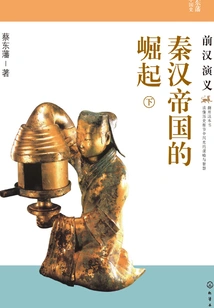
秦汉帝国的崛起:前汉演义(下)
Cai Dongfan
This book is a popular historical romance of the Qin and pre-Han Dynasty, "Cai Dongfan Talks about Chinese History", with a total of 100 chapters in two volumes. From the unification of China by Qin Shihuang, the conflict between Chu and Han, to the establishment of the Western Han Dynasty, the rule of Wenjing, to the chaos of the Seven Kingdoms, the prosperity of Han Dynasty, and finally the dictatorship of foreign relatives and the usurpation of the Han Dynasty by Wang Mang, it brilliantly interprets the rise and fall of the Qin and Han Dynasty in the past 270 years, and reproduces the historical picture of divisions, mergers, and chaos during this period. The author draws extensively from official history, occasionally from officials and wild officials, and his narrative is plain, smooth, and methodical; he makes self-evaluations and annotations, and his language is humorous and both reasonable and reasonable. Reading through this book, it is like a historical picture of the Qin and Han dynasties slowly unfolding in front of you. Sometimes it is a fierce battle, sometimes it is gentle and affectionate, sometimes it is a dispute between countries, sometimes it is a game of loyalty and traitor... It makes people dizzy and full of emotions.
This book is a popular historical romance of the Qin and pre-Han Dynasty, "Cai Dongfan Talks about Chinese History", with a total of 100 chapters in two volumes. From the unification of China by Qin Shihuang, the conflict between Chu and Han, to the establishment of the Western Han Dynasty, the rule of Wenjing, to the chaos of the Seven Kingdoms, the prosperity of Han Dynasty, and finally the dictatorship of foreign relatives and the usurpation of the Han Dynasty by Wang Mang, it brilliantly interprets the rise and fall of the Qin and Han Dynasty in the past 270 years, and reproduces the historical picture of divisions, mergers, and chaos during this period. The author draws extensively from official history, occasionally from officials and wild officials, and his narrative is plain, smooth, and methodical; he makes self-evaluations and annotations, and his language is humorous and both reasonable and reasonable. Reading through this book, it is like a historical picture of the Qin and Han dynasties slowly unfolding in front of you. Sometimes it is a fierce battle, sometimes it is gentle and affectionate, sometimes it is a dispute between countries, sometimes it is a game of loyalty and traitor... It makes people dizzy and full of emotions.
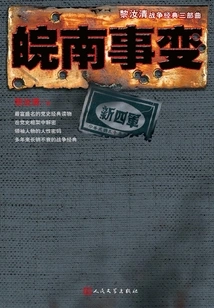
Wannan Incident
General Fiction皖南事变
Li Ruqing
This book takes as clues the process of the Wannan Incident from January 4 to January 14, 1941, and is supported by real historical materials and historical details. It comprehensively reflects the true face of this historical event. At the same time, the book directly faces the contradiction between the leaders of the New Fourth Army, Xiang Ying and Shi Ting, without being ostentatious or pretentious. The book won the first prize of the East China Literary and Art Book Award in 1988 and the second Jin Guoce Book Gold Key Award. It has been a long-selling book since its publication.
This book takes as clues the process of the Wannan Incident from January 4 to January 14, 1941, and is supported by real historical materials and historical details. It comprehensively reflects the true face of this historical event. At the same time, the book directly faces the contradiction between the leaders of the New Fourth Army, Xiang Ying and Shi Ting, without being ostentatious or pretentious. The book won the first prize of the East China Literary and Art Book Award in 1988 and the second Jin Guoce Book Gold Key Award. It has been a long-selling book since its publication.
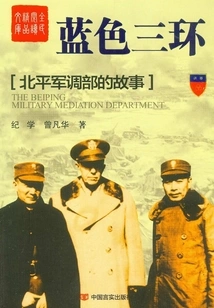
Blue Three Rings
General Fiction蓝色三环
Ji Xue Zeng Fanhua
The giant wheel of war left a deep mark on China's history in the first half of the 20th century. In the desperate struggle between light and darkness, rebirth and corruption, the Chinese people, represented by the Communist Party of China, finally won the victory. The ancient Chinese land was reborn in the baptism of blood and fire. This colorful, majestic and historical drama will provide people today with lessons and enlightenment about war, history, and the survival and development path of the Chinese nation. The Chinese Revolutionary Struggle Reportage Series strives to truly reflect all the major battles, battles, historical figures and events in this historical period, and to express the historical destiny and social changes of classes, nations and individuals in a profound way. The blend of grand war pictures, profound historical philosophy, all-round artistic perspective and magnificent and solemn beauty constitute the characteristics of this series of books.
The giant wheel of war left a deep mark on China's history in the first half of the 20th century. In the desperate struggle between light and darkness, rebirth and corruption, the Chinese people, represented by the Communist Party of China, finally won the victory. The ancient Chinese land was reborn in the baptism of blood and fire. This colorful, majestic and historical drama will provide people today with lessons and enlightenment about war, history, and the survival and development path of the Chinese nation. The Chinese Revolutionary Struggle Reportage Series strives to truly reflect all the major battles, battles, historical figures and events in this historical period, and to express the historical destiny and social changes of classes, nations and individuals in a profound way. The blend of grand war pictures, profound historical philosophy, all-round artistic perspective and magnificent and solemn beauty constitute the characteristics of this series of books.
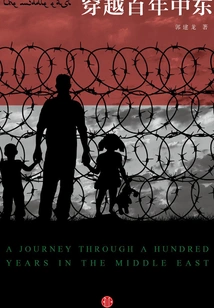
Traveling Through the Middle East for a Century
General Fiction穿越百年中东
Guo Jianlong
The starting point of the modern Middle East problem was the collapse of the Ottoman Turkish Empire after World War I. Before World War I, almost the entire Middle East was under the wings of the Ottoman Empire. With the collapse of the empire, a series of Arab states were established. However, due to the political immaturity, economic imbalance, and frequent religious conflicts of the newly-established country, disputes have continued for nearly a hundred years. This book uses a wandering and research method to discuss the ins and outs of the centuries-old disputes in the Middle East. Taking the historical context as a guide, the book summarizes the Middle East issues into several major topics and divides them into chapters, interspersed with the author's on-site observations, and reproduces the centuries-old contradictions and conflicts in the Middle East in the form of stories.
The starting point of the modern Middle East problem was the collapse of the Ottoman Turkish Empire after World War I. Before World War I, almost the entire Middle East was under the wings of the Ottoman Empire. With the collapse of the empire, a series of Arab states were established. However, due to the political immaturity, economic imbalance, and frequent religious conflicts of the newly-established country, disputes have continued for nearly a hundred years. This book uses a wandering and research method to discuss the ins and outs of the centuries-old disputes in the Middle East. Taking the historical context as a guide, the book summarizes the Middle East issues into several major topics and divides them into chapters, interspersed with the author's on-site observations, and reproduces the centuries-old contradictions and conflicts in the Middle East in the form of stories.
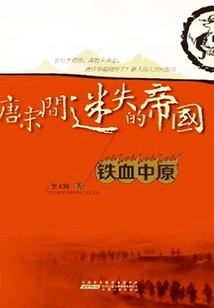
唐宋间迷失的帝国3:铁血中原
Kuiwen Pavilion
"The Lost Empire of the Tang and Song Dynasties 3: Iron-Blooded Central Plains" is a wonderful novel that understands the twists and turns of the history of the Five Dynasties and Ten Kingdoms and the various characters; an empire that is lost, torn apart, and withered industries; a history of troubled times and conflicts; Mr. Kui Wenge once again presents a masterpiece of historical interpretation, telling the wars and disputes of the Five Dynasties and Ten Kingdoms between the prosperous Tang, Long and Song Dynasties, and spectacularly presenting a period of great historical changes.
"The Lost Empire of the Tang and Song Dynasties 3: Iron-Blooded Central Plains" is a wonderful novel that understands the twists and turns of the history of the Five Dynasties and Ten Kingdoms and the various characters; an empire that is lost, torn apart, and withered industries; a history of troubled times and conflicts; Mr. Kui Wenge once again presents a masterpiece of historical interpretation, telling the wars and disputes of the Five Dynasties and Ten Kingdoms between the prosperous Tang, Long and Song Dynasties, and spectacularly presenting a period of great historical changes.
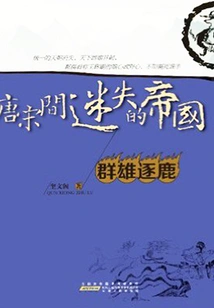
唐宋间迷失的帝国2:群雄逐鹿
Kuiwen Pavilion
"The Lost Empire of the Tang and Song Dynasties 2: Heroes of the Heroes" moves vertically and horizontally, narrates major events in the broad context, and reproduces the weight and vicissitudes of history; it interrogates the characters' choices in the great changes, and analyzes the wandering and perseverance of human nature between moral interests and life and death. The twists and turns of the story stimulate every nerve of the person; the ups and downs of the fate of the characters make people unable to help but sigh; the narrative style, both solemn and humorous, keeps readers entertained; the vivid and profound theories are thought-provoking and enlightening. Let us follow the author's unique writing style and walk into that exciting era together.
"The Lost Empire of the Tang and Song Dynasties 2: Heroes of the Heroes" moves vertically and horizontally, narrates major events in the broad context, and reproduces the weight and vicissitudes of history; it interrogates the characters' choices in the great changes, and analyzes the wandering and perseverance of human nature between moral interests and life and death. The twists and turns of the story stimulate every nerve of the person; the ups and downs of the fate of the characters make people unable to help but sigh; the narrative style, both solemn and humorous, keeps readers entertained; the vivid and profound theories are thought-provoking and enlightening. Let us follow the author's unique writing style and walk into that exciting era together.
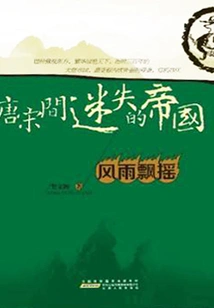
唐宋间迷失的帝国1:风雨摇摆
Kuiwen Pavilion
"The Lost Empire in the Tang and Song Dynasties 1: Precarious" is divided into five volumes: Precarious, Heroes Competing, Iron-Blooded Central Plains, Snow on Thousand Mountains, and Turning the Tide. It tells the historical story of the continuous transformation, reconstruction, and alienation of various social elements and energies after the collapse of the Tang Empire, which was at its peak. "The Lost Empire between the Tang and Song Dynasties 1: Precarious" has a magnificent background, ups and downs of the plot, twists and turns of the characters' fate, and vivid and humorous language.
"The Lost Empire in the Tang and Song Dynasties 1: Precarious" is divided into five volumes: Precarious, Heroes Competing, Iron-Blooded Central Plains, Snow on Thousand Mountains, and Turning the Tide. It tells the historical story of the continuous transformation, reconstruction, and alienation of various social elements and energies after the collapse of the Tang Empire, which was at its peak. "The Lost Empire between the Tang and Song Dynasties 1: Precarious" has a magnificent background, ups and downs of the plot, twists and turns of the characters' fate, and vivid and humorous language.
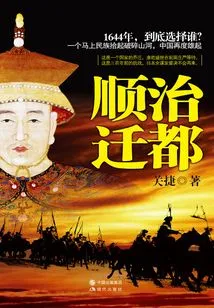
Shunzhi Moved the Capital
General Fiction顺治迁都
Guan Jie
In August 1644, the Qing government moved its capital to the Central Plains. In Hunchun, imperial guard An Chong'a rescued a Japanese shipwrecked businessman from the sword. According to the order, An Chong'a escorted them to Beijing with the army that moved the capital. The kings of the Ming and Tang Dynasties murdered Japanese people many times in order to achieve the plan of killing with borrowed knives. Tokugawa Keiko saves the day from danger many times, and the daughter-in-law plots a romantic love affair. Emperor Shunzhi issued an edict, ordering An Chong'a to escort Japanese guests back to China. Farewell, Tokugawa Keiko burst into tears. An Chong'a said in surprise, "Miss, I knew you were a spy..."
In August 1644, the Qing government moved its capital to the Central Plains. In Hunchun, imperial guard An Chong'a rescued a Japanese shipwrecked businessman from the sword. According to the order, An Chong'a escorted them to Beijing with the army that moved the capital. The kings of the Ming and Tang Dynasties murdered Japanese people many times in order to achieve the plan of killing with borrowed knives. Tokugawa Keiko saves the day from danger many times, and the daughter-in-law plots a romantic love affair. Emperor Shunzhi issued an edict, ordering An Chong'a to escort Japanese guests back to China. Farewell, Tokugawa Keiko burst into tears. An Chong'a said in surprise, "Miss, I knew you were a spy..."
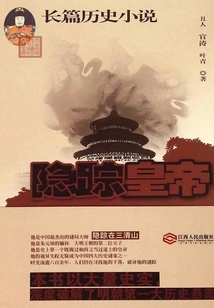
The Hidden Emperor
General Fiction隐踪皇帝
Ugly Man Guan Tao Ye Qing
"The Hidden Emperor" is a long historical novel that deeply reveals the mystery of the disappearance of Zhu Yunwen, Emperor Jianwen of the Ming Dynasty. Throughout the history of Chinese emperors, no emperor has disappeared without a trace for later generations. Only the disappearance of Emperor Jianwen has become an eternal mystery. The author of "The Hidden Emperor" finally solved this ancient mystery after years of research. The novel was written from the time of Emperor Jianwen's boyhood until the emperor's immortal spirit finally disappeared in Sanqing Mountain. The work is divided into twenty-three chapters and consists of three parts. The first part describes the history of the imperial power struggle between Zhu Di and Emperor Jianwen; the second part reveals Emperor Jianwen's experience of hiding in the jungle of monks and Taoists after his escape; the third part deciphers the mysteries of how Emperor Jianwen fled to Sanqing Mountain in his later years, transformed into an abbot Taoist priest, built a Taoist mausoleum, and finally found his resting place. The language of the work is fluent, the story is suspenseful, and the plot is ups and downs. It is filled with the atmosphere of Taoism, Buddhism, Confucianism and hermit culture.
"The Hidden Emperor" is a long historical novel that deeply reveals the mystery of the disappearance of Zhu Yunwen, Emperor Jianwen of the Ming Dynasty. Throughout the history of Chinese emperors, no emperor has disappeared without a trace for later generations. Only the disappearance of Emperor Jianwen has become an eternal mystery. The author of "The Hidden Emperor" finally solved this ancient mystery after years of research. The novel was written from the time of Emperor Jianwen's boyhood until the emperor's immortal spirit finally disappeared in Sanqing Mountain. The work is divided into twenty-three chapters and consists of three parts. The first part describes the history of the imperial power struggle between Zhu Di and Emperor Jianwen; the second part reveals Emperor Jianwen's experience of hiding in the jungle of monks and Taoists after his escape; the third part deciphers the mysteries of how Emperor Jianwen fled to Sanqing Mountain in his later years, transformed into an abbot Taoist priest, built a Taoist mausoleum, and finally found his resting place. The language of the work is fluent, the story is suspenseful, and the plot is ups and downs. It is filled with the atmosphere of Taoism, Buddhism, Confucianism and hermit culture.
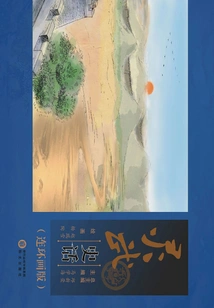
Lingwu History: Comic Book Edition
General Fiction灵武史话:连环画版
Editor-in-chief Ma Xuehai Zhao Ruixue Yang Tao
This book is based on historical facts, uses comic strips, and uses a large number of interesting narrative stories to tell the history of Lingwu City from the development of Mengtian County in the Qin and Han Dynasties to the construction of New Lingwu.
This book is based on historical facts, uses comic strips, and uses a large number of interesting narrative stories to tell the history of Lingwu City from the development of Mengtian County in the Qin and Han Dynasties to the construction of New Lingwu.
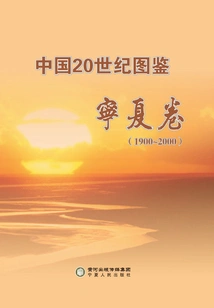
中国20世纪图鉴.宁夏卷:1900-2000
Ningxia Archives Bureau Ningxia Archives Society
This book reflects the history of Ningxia for more than 100 years, including an overview of Ningxia's history, the evolution of Ningxia's administrative divisions, the activities of the Communist Party of China in Ningxia, Ma Hongkui's activities in Ningxia, the liberation of Ningxia, all Ningxia congresses, all Ningxia People's Congresses, all previous party and central leaders in Ningxia, and Ningxia's brilliant achievements in various fields such as industry, agriculture, transportation, and education.
This book reflects the history of Ningxia for more than 100 years, including an overview of Ningxia's history, the evolution of Ningxia's administrative divisions, the activities of the Communist Party of China in Ningxia, Ma Hongkui's activities in Ningxia, the liberation of Ningxia, all Ningxia congresses, all Ningxia People's Congresses, all previous party and central leaders in Ningxia, and Ningxia's brilliant achievements in various fields such as industry, agriculture, transportation, and education.
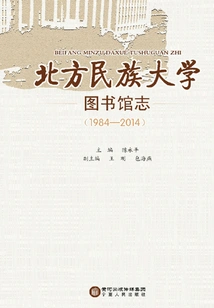
北方民族大学图书馆志:1984~2014)
Chen Yongping
The Library of Northern University for Nationalities was founded in 1984. In September 2004, on the occasion of the 20th anniversary of the founding of the school, the new library was completed and put into use. With a construction area of 24,961 square meters, it is a landmark building of the school and an ideal place for more than 20,000 teachers and students in the school to obtain learning resources. The library of Northern University for Nationalities has advanced equipment and a large scale, making it the largest library in the northwest. The content of this book is detailed and the text is easy to understand. Reading it will give readers a different experience.
The Library of Northern University for Nationalities was founded in 1984. In September 2004, on the occasion of the 20th anniversary of the founding of the school, the new library was completed and put into use. With a construction area of 24,961 square meters, it is a landmark building of the school and an ideal place for more than 20,000 teachers and students in the school to obtain learning resources. The library of Northern University for Nationalities has advanced equipment and a large scale, making it the largest library in the northwest. The content of this book is detailed and the text is easy to understand. Reading it will give readers a different experience.
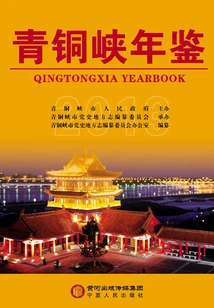
Qingtongxia Yearbook.2013
General Fiction青铜峡年鉴.2013
Qingtongxia City Party History And Local Chronicles Compilation Committee Office
This book is an introduction to Qingtongxia. Through reading, readers can learn more about Qingtongxia. It is also a good book on geography, economy, investment and tourism.
This book is an introduction to Qingtongxia. Through reading, readers can learn more about Qingtongxia. It is also a good book on geography, economy, investment and tourism.
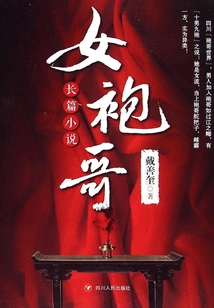
Nvpao Brother
General Fiction女袍哥
Dai Shankui
This book is a historical novel. The story takes place at the end of the Qing Dynasty and the beginning of the Republic of China. The Bai family went bankrupt due to opium smoking. His granddaughter Bai He hated opium deeply and was extremely dissatisfied with the warlords and gangsters who oppressed the common people, so she led A group of nuns fight against the strong, help the weak, rob the rich and give to the poor. They advocate "opposing the opium trade and not being the sick men of East Asia" and engage in a bloody fight with all forces. The relationships between the characters are complex and intertwined, and the plot has ups and downs. The story is also interspersed with the love between the heroine and her daughter, which enriches the character image and also demonstrates the enterprising spirit of the Chinese nation in its endless struggle to achieve national rejuvenation.
This book is a historical novel. The story takes place at the end of the Qing Dynasty and the beginning of the Republic of China. The Bai family went bankrupt due to opium smoking. His granddaughter Bai He hated opium deeply and was extremely dissatisfied with the warlords and gangsters who oppressed the common people, so she led A group of nuns fight against the strong, help the weak, rob the rich and give to the poor. They advocate "opposing the opium trade and not being the sick men of East Asia" and engage in a bloody fight with all forces. The relationships between the characters are complex and intertwined, and the plot has ups and downs. The story is also interspersed with the love between the heroine and her daughter, which enriches the character image and also demonstrates the enterprising spirit of the Chinese nation in its endless struggle to achieve national rejuvenation.
Chinese Historical Romance. Spring and Autumn Period and Warring States Period: Heroes Struggle for Hegemony
General Fiction中国历史演义.春秋战国篇:群雄争霸
Liang Xia Et Al.
It is one of the Chinese historical romance series. In the form of storytelling, the footprints of the formation and development of the Chinese nation are vividly and truly reproduced. The chronology of this book begins with King Ping of Zhou moving eastward and ends with the establishment of the Qin Dynasty. This series of books is especially suitable for young readers.
It is one of the Chinese historical romance series. In the form of storytelling, the footprints of the formation and development of the Chinese nation are vividly and truly reproduced. The chronology of this book begins with King Ping of Zhou moving eastward and ends with the establishment of the Qin Dynasty. This series of books is especially suitable for young readers.
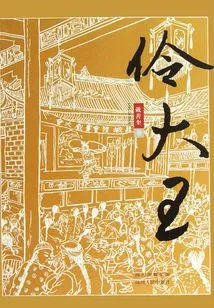
King Ling
General Fiction伶大王
Dai Shankui
The "Sanqing Hui" in Chengdu's acting community is the most important Sichuan Opera actor group. As an important intangible cultural heritage, Sichuan Opera has no full-length novel to describe its history and main characters. The book is based on Kang Zilin, a master of Sichuan Opera and known as the "Sage of Opera", Cao Heiwa, who is famous throughout Sichuan and known as "King Cao", and several famous actors who have made outstanding contributions to the formation and development of Sichuan Opera. They interpret their performances from the late Qing Dynasty to the Republic of China. The arduous beach life in the early years, the legendary experience of becoming famous, and the struggle against dark forces revealed the creation of the "Five Races Republic-style" artist group, and also showed their unusual emotional entanglements and unattainable drama.
The "Sanqing Hui" in Chengdu's acting community is the most important Sichuan Opera actor group. As an important intangible cultural heritage, Sichuan Opera has no full-length novel to describe its history and main characters. The book is based on Kang Zilin, a master of Sichuan Opera and known as the "Sage of Opera", Cao Heiwa, who is famous throughout Sichuan and known as "King Cao", and several famous actors who have made outstanding contributions to the formation and development of Sichuan Opera. They interpret their performances from the late Qing Dynasty to the Republic of China. The arduous beach life in the early years, the legendary experience of becoming famous, and the struggle against dark forces revealed the creation of the "Five Races Republic-style" artist group, and also showed their unusual emotional entanglements and unattainable drama.
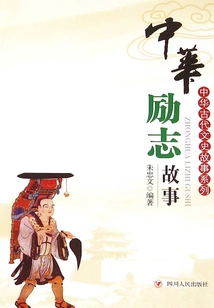
中华古代文史故事系列:中华励志故事
Zhu Zhongwen
In the vast ocean of life, is there an unchanging beacon? In the desert wilderness of career, is there a solid path? There are many shining names in the long history: Wang Xizhi, Su Shi, Li Shizhen, Confucius, Sima Qian... Among them are literary masters, medical masters, scientific leaders, and ideological giants... This book selects famous names in Chinese history. In the inspirational stories of people, not only can we deeply feel the hardships of celebrities, but we can also truly realize that when facing celebrities, there are so many shortcuts to be found, so many tricks to learn, and so many experiences to draw from.
In the vast ocean of life, is there an unchanging beacon? In the desert wilderness of career, is there a solid path? There are many shining names in the long history: Wang Xizhi, Su Shi, Li Shizhen, Confucius, Sima Qian... Among them are literary masters, medical masters, scientific leaders, and ideological giants... This book selects famous names in Chinese history. In the inspirational stories of people, not only can we deeply feel the hardships of celebrities, but we can also truly realize that when facing celebrities, there are so many shortcuts to be found, so many tricks to learn, and so many experiences to draw from.
Chinese Historical Romance. Sui and Tang Dynasties: Spring and Autumn Period of the Tang Dynasty
General Fiction中国历史演义.隋唐篇:大唐春秋
Lausanne
It is one of the Chinese historical romance series. In the form of storytelling, the footprints of the formation and development of the Chinese nation are vividly and truly reproduced. The chronology of this book begins with the Wagang Army uprising at the end of the Sui Dynasty and ends with the fall of the Tang Dynasty. This series of books is especially suitable for young readers.
It is one of the Chinese historical romance series. In the form of storytelling, the footprints of the formation and development of the Chinese nation are vividly and truly reproduced. The chronology of this book begins with the Wagang Army uprising at the end of the Sui Dynasty and ends with the fall of the Tang Dynasty. This series of books is especially suitable for young readers.
中国历史演义.上古篇:文明曙光
Wuzhi People Tang Wu
It is one of the Chinese historical romance series. In the form of storytelling, the footprints of the formation and development of the Chinese nation are vividly and truly reproduced. The chronology of this book begins with the Three Sovereigns and Five Emperors and ends with King Ping of Zhou moving eastward. This series of books is especially suitable for young readers.
It is one of the Chinese historical romance series. In the form of storytelling, the footprints of the formation and development of the Chinese nation are vividly and truly reproduced. The chronology of this book begins with the Three Sovereigns and Five Emperors and ends with King Ping of Zhou moving eastward. This series of books is especially suitable for young readers.
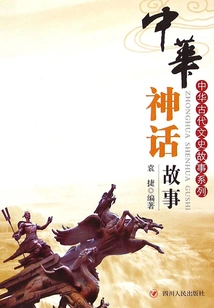
中华古代文史故事系列:中华神话故事
Yuan Jie
The five thousand years of Chinese civilization have left behind many popular classic myths and stories. Nuwa creates human beings, carves boats and seeks swords, Su Wu shepherds sheep, beauty traps, weeping in a new pavilion, cutting off hair to replace the head, Mao Sui recommends himself... These stories travel through history, are passed down from generation to generation, and remain timeless. They highlight the traditional virtues of the Chinese nation and condense many principles and wisdom of life and work. At the same time, they are also a window to carry forward China's excellent traditional culture and reveal the complicated historical changes.
The five thousand years of Chinese civilization have left behind many popular classic myths and stories. Nuwa creates human beings, carves boats and seeks swords, Su Wu shepherds sheep, beauty traps, weeping in a new pavilion, cutting off hair to replace the head, Mao Sui recommends himself... These stories travel through history, are passed down from generation to generation, and remain timeless. They highlight the traditional virtues of the Chinese nation and condense many principles and wisdom of life and work. At the same time, they are also a window to carry forward China's excellent traditional culture and reveal the complicated historical changes.
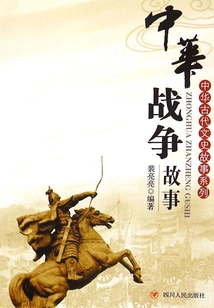
中华古代文史故事系列:中华战争故事
Pei Liangliang
The historical development process of ancient Chinese society has always been intertwined with peace and war. This book selects important battles in Chinese history in the form of stories. In addition to telling the role they played at that time, it also pays more attention to people's performance in wars. It introduces readers to the wisdom, courage and talents displayed by our ancestors in these battles, to understand their political strategies and military ideas, and to understand the national integrity and patriotic sentiments they embodied and promoted in the war.
The historical development process of ancient Chinese society has always been intertwined with peace and war. This book selects important battles in Chinese history in the form of stories. In addition to telling the role they played at that time, it also pays more attention to people's performance in wars. It introduces readers to the wisdom, courage and talents displayed by our ancestors in these battles, to understand their political strategies and military ideas, and to understand the national integrity and patriotic sentiments they embodied and promoted in the war.
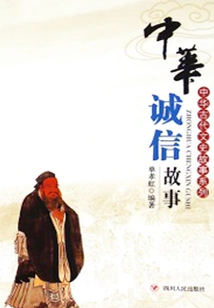
中华古代文史故事系列:中华诚信故事
Shan Xiaohong
Ethics are an important part of traditional culture. The traditional ethics and morals of the Chinese nation are very rich in content, and those parts that embody national wisdom, reflect the interests of the people, and conform to the trend of progress have been continuously accumulated and sublimated in the course of history, and have become the traditional virtues of the Chinese nation. Chinese traditional virtues are the most vital spiritual core of Chinese culture, the basic principles for the survival and development of Chinese people from generation to generation, and the precious ideological support for the Chinese nation to stand on its own among the nations of the world. This book contains many stories that demonstrate integrity in Chinese history.
Ethics are an important part of traditional culture. The traditional ethics and morals of the Chinese nation are very rich in content, and those parts that embody national wisdom, reflect the interests of the people, and conform to the trend of progress have been continuously accumulated and sublimated in the course of history, and have become the traditional virtues of the Chinese nation. Chinese traditional virtues are the most vital spiritual core of Chinese culture, the basic principles for the survival and development of Chinese people from generation to generation, and the precious ideological support for the Chinese nation to stand on its own among the nations of the world. This book contains many stories that demonstrate integrity in Chinese history.
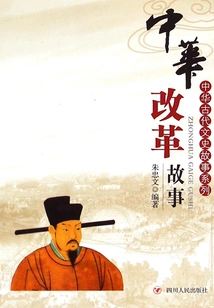
中华古代文史故事系列:中华改革故事
Zhu Zhongwen
Reform was called bianfa in ancient China. Its origins can be traced back to the Legalist thought among hundreds of schools of thought in the pre-Qin period. From Shang Yang's reform in the Qin Dynasty to Emperor Xiaowen's reform in the Northern Wei Dynasty, from Wang Anshi's reform in the Northern Song Dynasty to Zhang Juzheng's reform in the Ming Dynasty, and then to the Reform Movement of 1898 in the late Qing Dynasty. Looking at ancient Chinese history, most of the successful reforms that truly brought development and future to the country occurred before the Sui and Tang Dynasties before Confucianism became hegemonic. However, when Confucianism became the era of academic hegemony, all reforms failed, and the fate of the reformers was tragic. The ancient Chinese reform stories collected in this book are records of those inspiring or tragic times.
Reform was called bianfa in ancient China. Its origins can be traced back to the Legalist thought among hundreds of schools of thought in the pre-Qin period. From Shang Yang's reform in the Qin Dynasty to Emperor Xiaowen's reform in the Northern Wei Dynasty, from Wang Anshi's reform in the Northern Song Dynasty to Zhang Juzheng's reform in the Ming Dynasty, and then to the Reform Movement of 1898 in the late Qing Dynasty. Looking at ancient Chinese history, most of the successful reforms that truly brought development and future to the country occurred before the Sui and Tang Dynasties before Confucianism became hegemonic. However, when Confucianism became the era of academic hegemony, all reforms failed, and the fate of the reformers was tragic. The ancient Chinese reform stories collected in this book are records of those inspiring or tragic times.
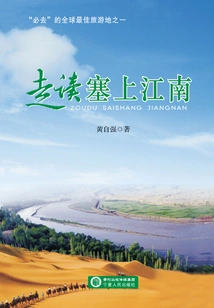
Day Reading on Jiangnan
General Fiction走读塞上江南
Huang Ziqiang
In 2013, the United States' "New York Times" selected 46 "must-visit" world's best tourist destinations, and the Ningxia Sichuan River in the south of the Yangtze River ranked 20th. Why did Ningxia Sichuan become the world's best tourist destination, and where did the confidence come from for Jiangnan to win this crown? Let us walk into this green land together and savor it together.
In 2013, the United States' "New York Times" selected 46 "must-visit" world's best tourist destinations, and the Ningxia Sichuan River in the south of the Yangtze River ranked 20th. Why did Ningxia Sichuan become the world's best tourist destination, and where did the confidence come from for Jiangnan to win this crown? Let us walk into this green land together and savor it together.
Chinese National Identity Theory
General Fiction中华民族认同论
Xu Jieshun Liu Bingqing Luo Shujie
Facing the trend of globalization, in order to enhance the cohesion and creativity of the Chinese nation, in understanding and interpreting Mr. Fei Xiaotong\
Facing the trend of globalization, in order to enhance the cohesion and creativity of the Chinese nation, in understanding and interpreting Mr. Fei Xiaotong\
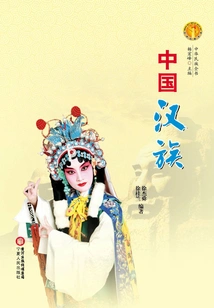
Chinese Han
General Fiction中国汉族
Xu Jieshun Xu Guilan
This book is one of the 57 volumes of the "Chinese National Culture Series". The Han nationality is introduced in detail from the aspects of national profile, material culture, folk culture, social culture, belief culture, contribution to the great motherland, spiritual temperament, cultural inheritance, inter-ethnic inheritance, inter-ethnic exchanges, cultural development vision, influential cultural figures, important contributions, etc. Each chapter is accompanied by exquisite pictures, both pictures and texts, making it a popular book for people to understand the Han people.
This book is one of the 57 volumes of the "Chinese National Culture Series". The Han nationality is introduced in detail from the aspects of national profile, material culture, folk culture, social culture, belief culture, contribution to the great motherland, spiritual temperament, cultural inheritance, inter-ethnic inheritance, inter-ethnic exchanges, cultural development vision, influential cultural figures, important contributions, etc. Each chapter is accompanied by exquisite pictures, both pictures and texts, making it a popular book for people to understand the Han people.