Library
Browse and search books
6,953 novels found
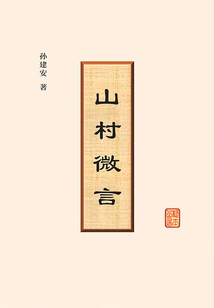
Shancun Weiyan
Literature山村微言
Sun Jian'an
This book is a collection of essays written by the author over the years. It contains insights from reading and life, as well as insights from experience and lessons. It does not ask readers to accept opinions on the topic. It only hopes to arouse the interest of exploration, pursue a deeper and more correct understanding, and act more effectively and rationally. Each article is roughly divided according to the topic content. The numbers before the subtitles are serial numbers for easy reference, and the writing time is indicated in parentheses at the end of the article. This book is like chatting, and chatting is all over the world.
This book is a collection of essays written by the author over the years. It contains insights from reading and life, as well as insights from experience and lessons. It does not ask readers to accept opinions on the topic. It only hopes to arouse the interest of exploration, pursue a deeper and more correct understanding, and act more effectively and rationally. Each article is roughly divided according to the topic content. The numbers before the subtitles are serial numbers for easy reference, and the writing time is indicated in parentheses at the end of the article. This book is like chatting, and chatting is all over the world.
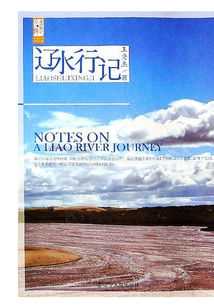
Travels in Liao River
Literature辽水行记
Wang Xiujie
"Liao River Travel Notes" is the product of the author's travels along the sources of Liaoning River, Daling River, Daliao River and Yalu River in recent years. The author traveled long distances, visited the field in person, and worked hard to investigate the actual situation of the Liao River Basin, explore cultural relics, collect historical documents, and take photos carefully, and finally formed this collection of essays. The author aims to find cultural evidence and support for the extensive and profound "Liaohe Civilization" and contribute to the promotion of Liaoning's regional history and culture.
"Liao River Travel Notes" is the product of the author's travels along the sources of Liaoning River, Daling River, Daliao River and Yalu River in recent years. The author traveled long distances, visited the field in person, and worked hard to investigate the actual situation of the Liao River Basin, explore cultural relics, collect historical documents, and take photos carefully, and finally formed this collection of essays. The author aims to find cultural evidence and support for the extensive and profound "Liaohe Civilization" and contribute to the promotion of Liaoning's regional history and culture.
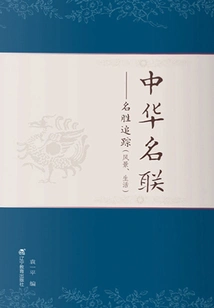
中华名联:名胜追踪(风景、生活)
Yuan Yiping
The author himself is a scholar who loves couplets and traveling. He has traveled to scenic spots across the country for decades, collected couplets of famous places, carefully studied them, and reflected the artistic charm of different couplets by region and category. It is a good book for couplet lovers and learners to study and study.
The author himself is a scholar who loves couplets and traveling. He has traveled to scenic spots across the country for decades, collected couplets of famous places, carefully studied them, and reflected the artistic charm of different couplets by region and category. It is a good book for couplet lovers and learners to study and study.
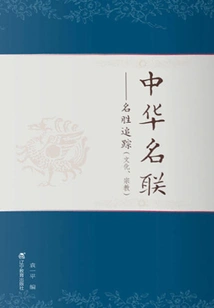
中华名联:名胜追踪(文化、宗教)
Yuan Yiping
This book can inherit the cultural tradition of the motherland and inspire people's patriotism and feelings. It has a large amount of information and is highly literary, artistic, appreciative, and entertaining. For thousands of years, couplets have won people's favor with their unique artistic charm. This book analyzes and appreciates couplets from cultural and religious aspects according to regions. From a literary and artistic point of view, it is a rare and good book.
This book can inherit the cultural tradition of the motherland and inspire people's patriotism and feelings. It has a large amount of information and is highly literary, artistic, appreciative, and entertaining. For thousands of years, couplets have won people's favor with their unique artistic charm. This book analyzes and appreciates couplets from cultural and religious aspects according to regions. From a literary and artistic point of view, it is a rare and good book.
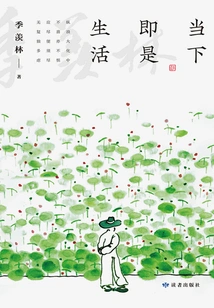
The Moment is Life
Literature当下即是生活
Ji Xianlin
Ji Xianlin's 98-year life history explains to us how to live this attitude towards life? One of the tenets throughout his life is not to leave the past behind, not to welcome the future, and live in the present. Therefore, although his life is not perfect, it is very full, and he lives freely, calmly and calmly. This book selects Ji Xianlin's prose on human life, explaining from five aspects how a person lives in the present and how to face the beauty that should be in life.
Ji Xianlin's 98-year life history explains to us how to live this attitude towards life? One of the tenets throughout his life is not to leave the past behind, not to welcome the future, and live in the present. Therefore, although his life is not perfect, it is very full, and he lives freely, calmly and calmly. This book selects Ji Xianlin's prose on human life, explaining from five aspects how a person lives in the present and how to face the beauty that should be in life.
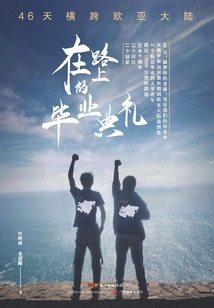
在路上的毕业典礼:46天横跨欧亚大陆
Ye Qiuyu Zhu Chaolong
The two authors are young people who graduated from famous universities at home and abroad. They were faced with many life choices when they graduated from nearby universities, but they chose to experience a wonderful journey across Eurasia first, turning their former daydreams into reality step by step. This is his first book to record his dream of traveling around the world, and it is also a youth memorial book for everyone. This trip across the Eurasian continent lasted 46 days, spanning 12 time zones, passing through 11 countries and more than 50 cities. They tried every means, such as taking trains, carpooling, walking, hitchhiking, riding bicycles, etc., To complete their budget trip. Their visas were torn when entering Russia, they fell completely on the ice of Lake Baikal, and got up at 4 a. M. In St. Petersburg to watch the night view... Along the way, they experienced all kinds of unexpected surprises and twists and turns, laughing and crying, and finally reached the finish line. There are countless wonderful stories worth sharing. You may find them absurd or exaggerated, but you may gain something from them after listening to them.
The two authors are young people who graduated from famous universities at home and abroad. They were faced with many life choices when they graduated from nearby universities, but they chose to experience a wonderful journey across Eurasia first, turning their former daydreams into reality step by step. This is his first book to record his dream of traveling around the world, and it is also a youth memorial book for everyone. This trip across the Eurasian continent lasted 46 days, spanning 12 time zones, passing through 11 countries and more than 50 cities. They tried every means, such as taking trains, carpooling, walking, hitchhiking, riding bicycles, etc., To complete their budget trip. Their visas were torn when entering Russia, they fell completely on the ice of Lake Baikal, and got up at 4 a. M. In St. Petersburg to watch the night view... Along the way, they experienced all kinds of unexpected surprises and twists and turns, laughing and crying, and finally reached the finish line. There are countless wonderful stories worth sharing. You may find them absurd or exaggerated, but you may gain something from them after listening to them.
The Story of Houhe
Literature后河的故事
Li Liangsu
Another masterpiece released by natural literature writer Li Liangsu after "Kunlun World" and "Legends of Animals on the Qinghai-Tibet Plateau". Houhe is a river born in the Ice Age. Nowadays, in people's eyes, it is not only a river in the physical sense, but also a river with human nature, a place for spiritual sustenance, and a strong blood relationship. What flows in it is no longer water, but history, culture, stories, and legends in the world. Through the author's simple, natural and leisurely writing style, people's impetuous hearts can be relaxed, quiet and soothed.
Another masterpiece released by natural literature writer Li Liangsu after "Kunlun World" and "Legends of Animals on the Qinghai-Tibet Plateau". Houhe is a river born in the Ice Age. Nowadays, in people's eyes, it is not only a river in the physical sense, but also a river with human nature, a place for spiritual sustenance, and a strong blood relationship. What flows in it is no longer water, but history, culture, stories, and legends in the world. Through the author's simple, natural and leisurely writing style, people's impetuous hearts can be relaxed, quiet and soothed.
Remember
Literature记得
Yemang
This book collects many of the author's essays, mainly describing the author's life and experiences in that mighty era and in the new era. These mainly include: childhood experiences, my parents and family, the feeling of returning to my childhood place, etc. The content of the work is all-encompassing and rich in emotion, and the portrayal of the emotions between the three generations is particularly outstanding.
This book collects many of the author's essays, mainly describing the author's life and experiences in that mighty era and in the new era. These mainly include: childhood experiences, my parents and family, the feeling of returning to my childhood place, etc. The content of the work is all-encompassing and rich in emotion, and the portrayal of the emotions between the three generations is particularly outstanding.
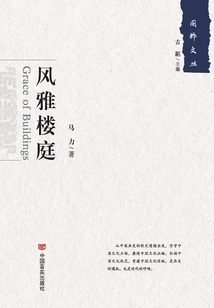
Fengya Louting
Literature风雅楼庭
Horsepower
Chinese-style architecture is the crystallization of the wisdom of the Chinese people, contains rich traditional cultural connotations of the Chinese nation, and has extremely high practical and ornamental value. Among them, "lou", "pavilion", "ge", "table", "garden", "temple" and "bridge" are typical representatives of Chinese-style architecture. Ma Li became acquainted with the travel media, and the myriad sights of famous buildings and scenic spots are both in his mind and in his writing style. In "Fengya Pavilion", Ma Li recorded his visits to various buildings such as Orchid Pavilion, Yanshui Pavilion, Yellow Crane Tower, Tengwang Pavilion, Shanhaiguan, Diaoyu City, Xingyuan, Shaolin Temple, Mogao Grottoes, Zhaozhou Bridge and other buildings. Pavilions and pavilions have gained new vitality in his words due to thousands of years of historical accumulation, and the history and culture behind them are shining brightly.
Chinese-style architecture is the crystallization of the wisdom of the Chinese people, contains rich traditional cultural connotations of the Chinese nation, and has extremely high practical and ornamental value. Among them, "lou", "pavilion", "ge", "table", "garden", "temple" and "bridge" are typical representatives of Chinese-style architecture. Ma Li became acquainted with the travel media, and the myriad sights of famous buildings and scenic spots are both in his mind and in his writing style. In "Fengya Pavilion", Ma Li recorded his visits to various buildings such as Orchid Pavilion, Yanshui Pavilion, Yellow Crane Tower, Tengwang Pavilion, Shanhaiguan, Diaoyu City, Xingyuan, Shaolin Temple, Mogao Grottoes, Zhaozhou Bridge and other buildings. Pavilions and pavilions have gained new vitality in his words due to thousands of years of historical accumulation, and the history and culture behind them are shining brightly.
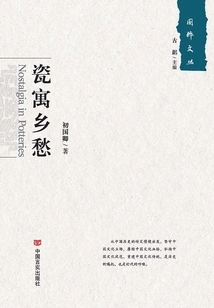
Nostalgia in Porcelain House
Literature瓷寓乡愁
Chu Guoqing
The development history of ceramics is an important part of the history of Chinese civilization. As one of the four ancient civilizations, China has made outstanding contributions to the progress and development of human society. Among them, the invention and development of ceramics have unique significance. Chu Guoqing has devoted himself to cultural research and cultural relic collection all year round, and is especially familiar with the history of ceramics. He is known as the "iconic figure in the collection and research of light crimson colored porcelain" in China. In "Nostalgia in Porcelain", he uses the lofty, vague, smart and elegant theme of nostalgia, and embodies this ethereal and subtle emotion like cooking smoke in tangible ceramics, in the elegant life state and beautiful writing in dialogue with the utensils.
The development history of ceramics is an important part of the history of Chinese civilization. As one of the four ancient civilizations, China has made outstanding contributions to the progress and development of human society. Among them, the invention and development of ceramics have unique significance. Chu Guoqing has devoted himself to cultural research and cultural relic collection all year round, and is especially familiar with the history of ceramics. He is known as the "iconic figure in the collection and research of light crimson colored porcelain" in China. In "Nostalgia in Porcelain", he uses the lofty, vague, smart and elegant theme of nostalgia, and embodies this ethereal and subtle emotion like cooking smoke in tangible ceramics, in the elegant life state and beautiful writing in dialogue with the utensils.
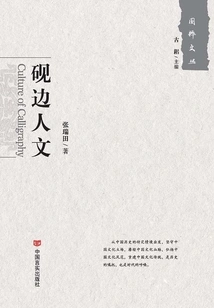
Inkstone Humanities
Literature砚边人文
Zhang Ruitian
Chinese calligraphy is an ancient art of writing Chinese characters. It has evolved from oracle bone inscriptions, stone drum inscriptions, and bronze inscriptions (Zhongding inscriptions) to large seal script, small seal script, official script, and finally cursive script, regular script, and running script that were finalized in the Eastern Han, Wei, and Jin Dynasties. Calligraphy has always exuded the charm of art. Zhang Ruitian is both a calligrapher and a calligraphy connoisseur. He combines rich calligraphy practice with profound calligraphy appreciation skills to conduct an in-depth exploration of the creation and development history of calligraphy. The inkstone humanities are fully displayed in the book.
Chinese calligraphy is an ancient art of writing Chinese characters. It has evolved from oracle bone inscriptions, stone drum inscriptions, and bronze inscriptions (Zhongding inscriptions) to large seal script, small seal script, official script, and finally cursive script, regular script, and running script that were finalized in the Eastern Han, Wei, and Jin Dynasties. Calligraphy has always exuded the charm of art. Zhang Ruitian is both a calligrapher and a calligraphy connoisseur. He combines rich calligraphy practice with profound calligraphy appreciation skills to conduct an in-depth exploration of the creation and development history of calligraphy. The inkstone humanities are fully displayed in the book.
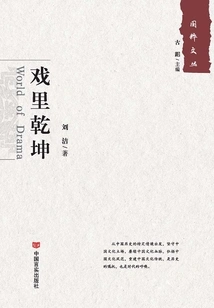
The Universe in the Play
Literature戏里乾坤
Liu Jie
Chinese classical opera is an important part of Chinese national culture. Its artistically charming performance form has been loved by people of all ages. Moreover, it also occupies a unique position in the world theater world. Together with ancient Greek tragicomedy and Indian Sanskrit drama, it is known as the world's three major ancient dramas. Liu Jie cherishes her love for Chinese opera and explores the secrets and wonders in the script, never to return. In "The Story of Heaven and Earth", Liu Jie carefully selected dozens of classic texts from the forest of classical operas, such as "The Legend of the White Snake", "Beheading Qin Ying", "Dragon and Phoenix Present", "Female Consort", "Liang Shanbo and Zhu Yingtai", etc., And based on her understanding of the classic texts Some new thoughts and insights, using an interesting, light-hearted and cheerful tone, take us into the stage of Chinese classical opera. The classic characters and familiar scenes on the stage seem to come alive before our eyes.
Chinese classical opera is an important part of Chinese national culture. Its artistically charming performance form has been loved by people of all ages. Moreover, it also occupies a unique position in the world theater world. Together with ancient Greek tragicomedy and Indian Sanskrit drama, it is known as the world's three major ancient dramas. Liu Jie cherishes her love for Chinese opera and explores the secrets and wonders in the script, never to return. In "The Story of Heaven and Earth", Liu Jie carefully selected dozens of classic texts from the forest of classical operas, such as "The Legend of the White Snake", "Beheading Qin Ying", "Dragon and Phoenix Present", "Female Consort", "Liang Shanbo and Zhu Yingtai", etc., And based on her understanding of the classic texts Some new thoughts and insights, using an interesting, light-hearted and cheerful tone, take us into the stage of Chinese classical opera. The classic characters and familiar scenes on the stage seem to come alive before our eyes.
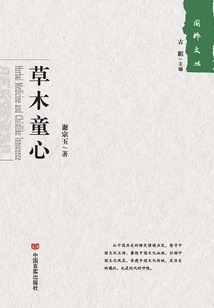
Childlike Innocence of Grass and Trees
Literature草木童心
Xie Zongyu
Chinese medicine has a long history of origin, is extensive and profound, and is well-known at home and abroad. Chinese medicine, Chinese Peking Opera, Chinese martial arts, and Chinese calligraphy are collectively known as the "four quintessences of China" among the people. Our country has the mythical story of "Shennong tasted a hundred herbs" since ancient times. It can be seen that Chinese herbal medicine is an important part of Chinese medical culture and carries the cultural essence of traditional Chinese medicine. Xie Zongyu loves his hometown. He suddenly woke up in the nostalgia of his childhood and hometown, and smelled the fragrance of herbs and medicines floating everywhere in his memory. The plants and flowers in his hometown bloomed in his innocent childhood, and also grew and multiplied again in his lively words. The spirituality of grass and trees is the best medicine to heal the spirit and body of the people. In the words of "Childlike Heart of Grass and Trees", we can see some kind of inheritance of the Chinese nation.
Chinese medicine has a long history of origin, is extensive and profound, and is well-known at home and abroad. Chinese medicine, Chinese Peking Opera, Chinese martial arts, and Chinese calligraphy are collectively known as the "four quintessences of China" among the people. Our country has the mythical story of "Shennong tasted a hundred herbs" since ancient times. It can be seen that Chinese herbal medicine is an important part of Chinese medical culture and carries the cultural essence of traditional Chinese medicine. Xie Zongyu loves his hometown. He suddenly woke up in the nostalgia of his childhood and hometown, and smelled the fragrance of herbs and medicines floating everywhere in his memory. The plants and flowers in his hometown bloomed in his innocent childhood, and also grew and multiplied again in his lively words. The spirituality of grass and trees is the best medicine to heal the spirit and body of the people. In the words of "Childlike Heart of Grass and Trees", we can see some kind of inheritance of the Chinese nation.
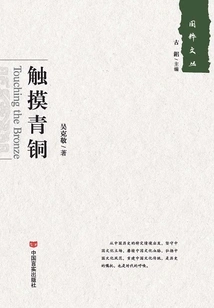
Touch Bronze
Literature触摸青铜
Wu Kejing
Ancient Chinese bronzes enjoy a high reputation in the world and have extremely high cultural and artistic value. They represent the superb technology and culture of China's bronze development for more than 4,000 years. Wu Kejing is an experienced bronze ware researcher. He is full of deep feelings and enthusiasm for bronze ware. He has recorded the unknown stories of more than 20 bronze ware such as Xiaochen Biaoxi Zun, Siyang Fangzun, Pan Tianquan Fang Lei, and Stepmother Wu Fang Ding. His "touch" of bronze allows us to suddenly see the rich history behind the bronze.
Ancient Chinese bronzes enjoy a high reputation in the world and have extremely high cultural and artistic value. They represent the superb technology and culture of China's bronze development for more than 4,000 years. Wu Kejing is an experienced bronze ware researcher. He is full of deep feelings and enthusiasm for bronze ware. He has recorded the unknown stories of more than 20 bronze ware such as Xiaochen Biaoxi Zun, Siyang Fangzun, Pan Tianquan Fang Lei, and Stepmother Wu Fang Ding. His "touch" of bronze allows us to suddenly see the rich history behind the bronze.
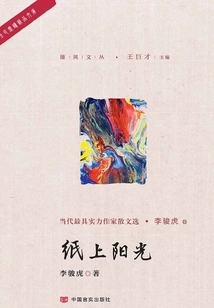
Sunshine on Paper
Literature纸上阳光
Li Junhu
"Sunshine on Paper" is a collection of essays by writer Li Junhu. It is divided into three volumes: "On paper, it is shallow", "Sunshine shines brighter than all lamps", and "To our eternal literary heart". "On paper, you don't realize it is shallow" is mainly the author's reflections on ancient times, and talks about some thoughts and feelings about the civilization sites he has visited. "The sun shines brighter than all the lamps" is the author's summary and emotion of his growth experience. "To our eternal literary heart" is the author's summary of the literary creation over the years. "Sunshine on Paper" is a book of time soaked in unique spiritual light. The long-lasting old events, the exploration and examination of history and culture, the light cultural nostalgia and the inquiry about where life will eventually go, the water-like words reveal a common emotional experience shared by everyone. The prose comes from life, is unpretentious, real and touching.
"Sunshine on Paper" is a collection of essays by writer Li Junhu. It is divided into three volumes: "On paper, it is shallow", "Sunshine shines brighter than all lamps", and "To our eternal literary heart". "On paper, you don't realize it is shallow" is mainly the author's reflections on ancient times, and talks about some thoughts and feelings about the civilization sites he has visited. "The sun shines brighter than all the lamps" is the author's summary and emotion of his growth experience. "To our eternal literary heart" is the author's summary of the literary creation over the years. "Sunshine on Paper" is a book of time soaked in unique spiritual light. The long-lasting old events, the exploration and examination of history and culture, the light cultural nostalgia and the inquiry about where life will eventually go, the water-like words reveal a common emotional experience shared by everyone. The prose comes from life, is unpretentious, real and touching.
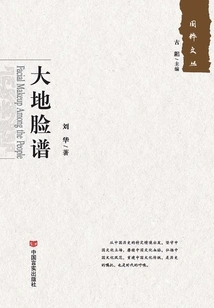
Dadi Facebook
Literature大地脸谱
Liu Hua
The Chinese nation has attached great importance to "rituals" since ancient times. Ceremonies are held on every important festival or occasion. The emperor worships heaven at the top, and the people worship ancestors at the bottom. Different worship ceremonies are held on different occasions and are still popular today. Liu Hua has been engaged in field investigation and theoretical exploration of folk art and folk customs for many years. He has not only discovered many materials, but also accumulated many writings. "Face of the Earth" tells the story of various folk festival rituals of praying for blessings, worshiping ancestors and worshiping gods. It takes us into the ceremony site to experience folk customs and beliefs in unique music and dance, and to discover the unique spiritual power of traditional culture.
The Chinese nation has attached great importance to "rituals" since ancient times. Ceremonies are held on every important festival or occasion. The emperor worships heaven at the top, and the people worship ancestors at the bottom. Different worship ceremonies are held on different occasions and are still popular today. Liu Hua has been engaged in field investigation and theoretical exploration of folk art and folk customs for many years. He has not only discovered many materials, but also accumulated many writings. "Face of the Earth" tells the story of various folk festival rituals of praying for blessings, worshiping ancestors and worshiping gods. It takes us into the ceremony site to experience folk customs and beliefs in unique music and dance, and to discover the unique spiritual power of traditional culture.
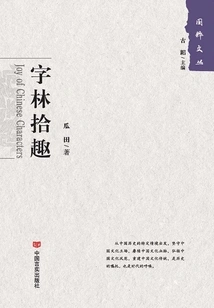
Zi Lin Shiqu
Literature字林拾趣
Melon Field
According to research, the history of Chinese writing has been more than 3,600 years since the emergence of oracle bone inscriptions. The cultural essence carried by writing is not only reflected in the historical events it records, but its emergence and development itself are the best witnesses of the long history of the traditional culture of the Chinese nation. Guatian is passionate about the study of Chinese characters, and chewing words is his interest and pursuit. "Collection of Words in the Lin" is divided into four parts: "Talk about Words Outside the Door", "World in Words", "Chinese Letters" and "Miscellaneous Notes on Translation", with a total of more than 60 articles. In these articles, we can learn the knowledge of language and characters, and appreciate the fun of chewing words. Many in the book Articles such as "When Chinese Characters Meet Computers", "Oracle Bones in the Eyes of a Layman", "Can Respirable Particulate Matter Be Inhaled or Not", "Hello" and Greetings in Chinese", "Is Daughter-in-law and Wife the Same Thing", etc., Are both enjoyable and thought-provoking to read.
According to research, the history of Chinese writing has been more than 3,600 years since the emergence of oracle bone inscriptions. The cultural essence carried by writing is not only reflected in the historical events it records, but its emergence and development itself are the best witnesses of the long history of the traditional culture of the Chinese nation. Guatian is passionate about the study of Chinese characters, and chewing words is his interest and pursuit. "Collection of Words in the Lin" is divided into four parts: "Talk about Words Outside the Door", "World in Words", "Chinese Letters" and "Miscellaneous Notes on Translation", with a total of more than 60 articles. In these articles, we can learn the knowledge of language and characters, and appreciate the fun of chewing words. Many in the book Articles such as "When Chinese Characters Meet Computers", "Oracle Bones in the Eyes of a Layman", "Can Respirable Particulate Matter Be Inhaled or Not", "Hello" and Greetings in Chinese", "Is Daughter-in-law and Wife the Same Thing", etc., Are both enjoyable and thought-provoking to read.
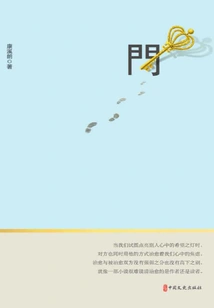
Door
Literature门
Kang Xilang
This book is mainly about what the author saw and heard when he participated in charity activities such as poverty alleviation and education support, as well as some of his own insights through education support. It reflects the changes in his mental process and inner growth in this series of charity activities. Through the frequent contact with some people who come to Beijing to work and start up businesses around the living radius, the author feels that these people who serve Beijingers (such as door-to-door scrap collectors, SF Express guys, take-out guys, etc.) Have their own enthusiasm for Beijing, the changes in understanding brought about by coming to a big city, and the difficulty of struggling in the process of pursuing dreams and yearning for a better life. By describing the growth stories of three generations of family members and some of their empathic thoughts about what they saw, heard and felt during the period of material scarcity in the past, it reflects the changes in life in the new era and the importance of poverty alleviation. At the same time, through contact with children in poor mountain villages, they feel the importance of education and show the pursuit of life dreams by people in different situations.
This book is mainly about what the author saw and heard when he participated in charity activities such as poverty alleviation and education support, as well as some of his own insights through education support. It reflects the changes in his mental process and inner growth in this series of charity activities. Through the frequent contact with some people who come to Beijing to work and start up businesses around the living radius, the author feels that these people who serve Beijingers (such as door-to-door scrap collectors, SF Express guys, take-out guys, etc.) Have their own enthusiasm for Beijing, the changes in understanding brought about by coming to a big city, and the difficulty of struggling in the process of pursuing dreams and yearning for a better life. By describing the growth stories of three generations of family members and some of their empathic thoughts about what they saw, heard and felt during the period of material scarcity in the past, it reflects the changes in life in the new era and the importance of poverty alleviation. At the same time, through contact with children in poor mountain villages, they feel the importance of education and show the pursuit of life dreams by people in different situations.
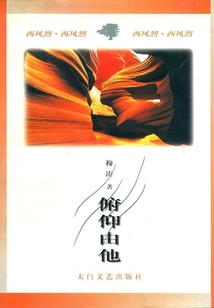
Pitch by Him
Literature俯仰由他
Mu Tao
"Pitching to Him" is an early prose work by Mr. Mu Tao, the author of the 6th Lu Xun Literature Prize.
"Pitching to Him" is an early prose work by Mr. Mu Tao, the author of the 6th Lu Xun Literature Prize.
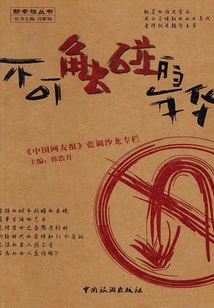
Untouchable Years
Literature不可碰触的年华
Han Haoyue
The historical blank of innocence, the gray and dark seventies, love is hanging with a hook, the impetuous and charming night in the city, the art of simple living, the investigation of men and women in crisis, love and 11 freckles in the Internet age, I don't love men who are not astringent, and it is more difficult to marry a woman who buys a house.
The historical blank of innocence, the gray and dark seventies, love is hanging with a hook, the impetuous and charming night in the city, the art of simple living, the investigation of men and women in crisis, love and 11 freckles in the Internet age, I don't love men who are not astringent, and it is more difficult to marry a woman who buys a house.
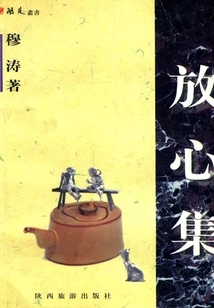
Rest Assured Set
Literature放心集
Mu Tao
This book is an early prose work by Mr. Mu Tao, the author of the 6th Lu Xun Literature Prize. Well worth a visit.
This book is an early prose work by Mr. Mu Tao, the author of the 6th Lu Xun Literature Prize. Well worth a visit.
Prose Observation
Literature散文观察
Mu Tao
Prose cannot be written with water, but with ink, the thicker the better. In the author's opinion, there are two ways to study prose: one is taken by academics and literary theorists. This is the main way, which is to do academic research. The other path is taken by editors. Although it is somewhat distant from learning and scholarship, it is still a broad path. For example, prose is about grain, wheat, rice, or corn. Academicians and literary theorists study it in granaries and seed breeding centers. The editor did research in the fields, on the threshing floor, and even in the market. Therefore, the "grain" in the eyes of the editor may not have been dried thoroughly, may contain chaff, and may still retain the noise of the market, but one thing is more precious, this is first-hand information.
Prose cannot be written with water, but with ink, the thicker the better. In the author's opinion, there are two ways to study prose: one is taken by academics and literary theorists. This is the main way, which is to do academic research. The other path is taken by editors. Although it is somewhat distant from learning and scholarship, it is still a broad path. For example, prose is about grain, wheat, rice, or corn. Academicians and literary theorists study it in granaries and seed breeding centers. The editor did research in the fields, on the threshing floor, and even in the market. Therefore, the "grain" in the eyes of the editor may not have been dried thoroughly, may contain chaff, and may still retain the noise of the market, but one thing is more precious, this is first-hand information.
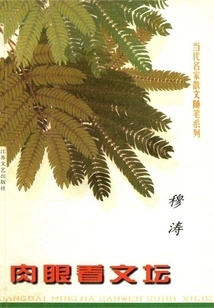
肉眼看文坛
Mu Tao
"Looking at the Literary World with the Naked Eye" is an early prose work written by Mr. Mu Tao, the author of the 6th Lu Xun Literature Prize, in which he criticized some literary and artistic phenomena of that year.
"Looking at the Literary World with the Naked Eye" is an early prose work written by Mr. Mu Tao, the author of the 6th Lu Xun Literature Prize, in which he criticized some literary and artistic phenomena of that year.
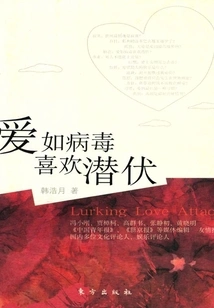
爱如病毒,喜欢潜伏
Han Haoyue
The content of this book is divided into two categories: one is emotional essays with story elements, and the other is gender commentary with unique viewpoints and humor. The content focuses on topics such as "love", "gender", "men and women" and "family", with a straightforward but charming interpretation. The author has a cautiously optimistic attitude towards love and marriage, but most of his views and tendencies fall behind the traditional understanding. Behind the rational and transparent words, there is a warm atmosphere.
The content of this book is divided into two categories: one is emotional essays with story elements, and the other is gender commentary with unique viewpoints and humor. The content focuses on topics such as "love", "gender", "men and women" and "family", with a straightforward but charming interpretation. The author has a cautiously optimistic attitude towards love and marriage, but most of his views and tendencies fall behind the traditional understanding. Behind the rational and transparent words, there is a warm atmosphere.
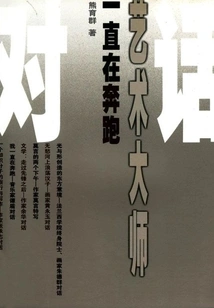
一直在奔跑:艺术大师对话
Xiong Yuqun
This book is a dialogue between art masters. The content is rich, thought-provoking and well worth watching.
This book is a dialogue between art masters. The content is rich, thought-provoking and well worth watching.
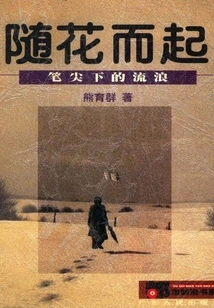
随花而起:笔尖下的流浪
Xiong Yuqun
The author traveled far and wide and wrote this collection of essays with the theme of wandering life with his true feelings that have never been extinguished. This is a work of personal writing, full of spirituality and intelligence.
The author traveled far and wide and wrote this collection of essays with the theme of wandering life with his true feelings that have never been extinguished. This is a work of personal writing, full of spirituality and intelligence.
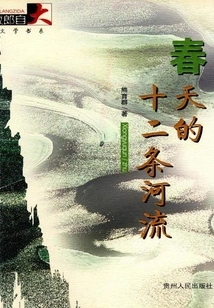
Twelve Rivers of Spring
Literature春天的十二条河流
Xiong Yuqun
This book is a collection of essays. The work uses a unique vision to carry out in-depth humanistic thinking on the scenery and objects seen while walking in Lingnan and Southwest China.
This book is a collection of essays. The work uses a unique vision to carry out in-depth humanistic thinking on the scenery and objects seen while walking in Lingnan and Southwest China.
Your Amorous Feelings in My Eyes
Literature你的风情我的眼
Jiang Limin
This book is a new prose book by writer Jiang Limin. His prose essays are characterized by freshness, naturalness, and unique insight. This is the result of his insistence on paying attention to reality, writing sincerely, and seeing people's true feelings. The "Yun", "Temperament", "Random Talk" and "Xingyin" articles selected in this book reveal the author's self and soul, chant his personality and special knowledge, are full of deep feelings and righteousness, and are readable and durable.
This book is a new prose book by writer Jiang Limin. His prose essays are characterized by freshness, naturalness, and unique insight. This is the result of his insistence on paying attention to reality, writing sincerely, and seeing people's true feelings. The "Yun", "Temperament", "Random Talk" and "Xingyin" articles selected in this book reveal the author's self and soul, chant his personality and special knowledge, are full of deep feelings and righteousness, and are readable and durable.
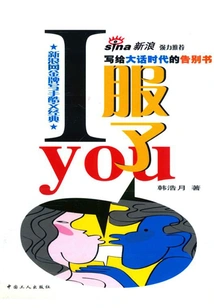
I'm Convinced You
LiteratureI服了You
Han Haoyue
A good man is like a cup of hot coffee. I am interested in you, but you are not interested in me. Look at those purebred gentlemen. Their parents will not accept gifts this year... Fashion is like a pair of torn woolen pants. Internet writer, how much does your pig head cost per pound? There are bitches everywhere. When a man with a coquettish "lower body" is tender, the world becomes feverish. Don't borrow money from me. What kind of dish is "fainting"? In fact, I am very bad. I love "haha". I am not "55..." Brother, your brother didn't have money at that time. The girl who seduced me.
A good man is like a cup of hot coffee. I am interested in you, but you are not interested in me. Look at those purebred gentlemen. Their parents will not accept gifts this year... Fashion is like a pair of torn woolen pants. Internet writer, how much does your pig head cost per pound? There are bitches everywhere. When a man with a coquettish "lower body" is tender, the world becomes feverish. Don't borrow money from me. What kind of dish is "fainting"? In fact, I am very bad. I love "haha". I am not "55..." Brother, your brother didn't have money at that time. The girl who seduced me.
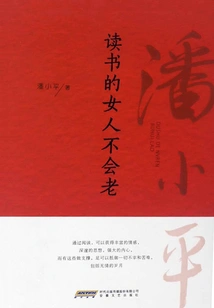
Women Who Study Never Grow Old
Literature读书的女人不会老
Pan Xiaoping
"Women who read never grow old" is a collection of essays by Pan Xiaoping, a famous writer in our province. The whole book is divided into seven parts: "Modern Housewives", "Scholar's Rumblings", "The World Talks About Money", "Best-Seller Talk", "The Literary World" and "Outside the Circle". From the daily necessities of daily life to the elegance and customs of calligraphy and painting in studying and studying, the author picks them up and talks about them eloquently. Her profound academic background and humanistic reserve endow the author with a unique literati temperament and writing skills; while her straightforward "feminine" style of doing things makes her writing and thoughts full of personality.
"Women who read never grow old" is a collection of essays by Pan Xiaoping, a famous writer in our province. The whole book is divided into seven parts: "Modern Housewives", "Scholar's Rumblings", "The World Talks About Money", "Best-Seller Talk", "The Literary World" and "Outside the Circle". From the daily necessities of daily life to the elegance and customs of calligraphy and painting in studying and studying, the author picks them up and talks about them eloquently. Her profound academic background and humanistic reserve endow the author with a unique literati temperament and writing skills; while her straightforward "feminine" style of doing things makes her writing and thoughts full of personality.
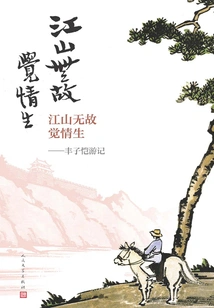
江山无故觉情生:丰子恺游记
Feng Zikai
Mr. Feng Zikai's writings and paintings are a masterpiece. This book is a derivative of the exchanges with his family during the editing process of Feng Zikai's collection. The manuscripts are a collection of prose chapters and wonderful paintings from Feng Zikai's travels, and are compiled into a book. The book touches on the great rivers and mountains of the motherland. Feng Zikai's writing is full of fun and unique flavor. It is accompanied by corresponding cartoons and has a far-reaching artistic conception. Write about Huangshan, old Shanghai, Jingdezhen, Lushan, Hangzhou, Yangzhou, the Forbidden City and other places. With a unique discernment, follow Feng Zikai's footsteps, travel all over the green mountains, and cultivate your mind. The writing explores history and uses close-range metaphors, often making a big difference out of the small, with an extravagant flavor; the painting is unique and witty, with subtle emotions and full of interesting writing. Painting people's feet are marked by clogs everywhere, carrying all the romances of the past and present on one shoulder. Well worth reading.
Mr. Feng Zikai's writings and paintings are a masterpiece. This book is a derivative of the exchanges with his family during the editing process of Feng Zikai's collection. The manuscripts are a collection of prose chapters and wonderful paintings from Feng Zikai's travels, and are compiled into a book. The book touches on the great rivers and mountains of the motherland. Feng Zikai's writing is full of fun and unique flavor. It is accompanied by corresponding cartoons and has a far-reaching artistic conception. Write about Huangshan, old Shanghai, Jingdezhen, Lushan, Hangzhou, Yangzhou, the Forbidden City and other places. With a unique discernment, follow Feng Zikai's footsteps, travel all over the green mountains, and cultivate your mind. The writing explores history and uses close-range metaphors, often making a big difference out of the small, with an extravagant flavor; the painting is unique and witty, with subtle emotions and full of interesting writing. Painting people's feet are marked by clogs everywhere, carrying all the romances of the past and present on one shoulder. Well worth reading.
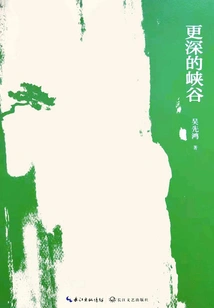
Deeper Canyons
Literature更深的峡谷
Wu Xianhong
This book is first of all a semi-autobiographical work, using poetry to condense the author's life records of more than twenty years; in addition, the important spiritual essence of this book is the deep concern for "people". This is true whether you are writing about disadvantaged groups, writing about all aspects of society, or imagining history, thinking about philosophy and beliefs. The works are not sorted by time, but roughly by content. The language is relatively popular and fluent, and the reading has charm, depth and strength. Although it does not have advanced literary skills, it is quite rich in thought.
This book is first of all a semi-autobiographical work, using poetry to condense the author's life records of more than twenty years; in addition, the important spiritual essence of this book is the deep concern for "people". This is true whether you are writing about disadvantaged groups, writing about all aspects of society, or imagining history, thinking about philosophy and beliefs. The works are not sorted by time, but roughly by content. The language is relatively popular and fluent, and the reading has charm, depth and strength. Although it does not have advanced literary skills, it is quite rich in thought.
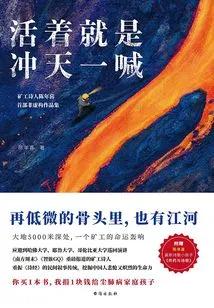
To Live is to Shout to the Sky
Literature活着就是冲天一喊
Chen Nianxi
As a tunnel blaster, Chen Nianxi dived to a depth of 5,000 meters in the earth, blasting open mountains with explosives and pickaxes, and chiseling out gold, silver, copper, iron, and nickel. Along with him were Wang Er, Decheng, Xiao Zhazi and others who had the same low fate. Later, some people ran into a cloud of blood mist in the explosion, and some were cut in half by the air waves. Only he was relatively lucky, leaving only a dislocated cervical spine, pneumoconiosis, and a deaf right ear. Opening "To Live is to Shout to the Sky", these tragic and blazing lives will appear in front of you one by one. Hard work, unpredictable life and death, every story is as hard and black as the stones Chen Nianxi knocked down deep in the mine.
As a tunnel blaster, Chen Nianxi dived to a depth of 5,000 meters in the earth, blasting open mountains with explosives and pickaxes, and chiseling out gold, silver, copper, iron, and nickel. Along with him were Wang Er, Decheng, Xiao Zhazi and others who had the same low fate. Later, some people ran into a cloud of blood mist in the explosion, and some were cut in half by the air waves. Only he was relatively lucky, leaving only a dislocated cervical spine, pneumoconiosis, and a deaf right ear. Opening "To Live is to Shout to the Sky", these tragic and blazing lives will appear in front of you one by one. Hard work, unpredictable life and death, every story is as hard and black as the stones Chen Nianxi knocked down deep in the mine.
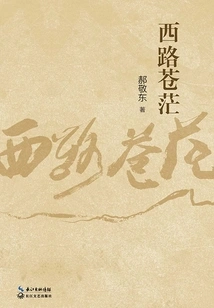
The Road to the West is Vast
Literature西路苍茫
Hao Jingdong
"The Vast West Road" contains not only passionate praise for the great rivers and mountains of the motherland, but also true nostalgia for the homeland of life. Whether he is describing the mountains and rivers of his motherland, things in his hometown, or his childhood memories, the author vividly depicts the magnificent landscapes in various parts of the motherland and his feelings about the vicissitudes of the countryside with tense brushstrokes, line drawing techniques, honest narratives, and delicate expressions.
"The Vast West Road" contains not only passionate praise for the great rivers and mountains of the motherland, but also true nostalgia for the homeland of life. Whether he is describing the mountains and rivers of his motherland, things in his hometown, or his childhood memories, the author vividly depicts the magnificent landscapes in various parts of the motherland and his feelings about the vicissitudes of the countryside with tense brushstrokes, line drawing techniques, honest narratives, and delicate expressions.
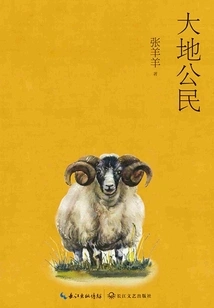
大地公民(张羊羊动物散文新作)
Zhang Yangyang
"Citizens of the Earth" is a new collection of essays by Jiangsu writer Zhang Yangyang after "Letters from Grass and Trees". This book is a collection of works about insects and beasts. This book is written fluently and has high aesthetic value. The book selects 52 common plants in daily life, such as sheep, foxes, turtles, frogs, snakes, camels, hares, pigeons, hoopoe, ants, snails, etc. The author uses delicate writing to recreate an animal world full of life, poetic space and authenticity for readers.
"Citizens of the Earth" is a new collection of essays by Jiangsu writer Zhang Yangyang after "Letters from Grass and Trees". This book is a collection of works about insects and beasts. This book is written fluently and has high aesthetic value. The book selects 52 common plants in daily life, such as sheep, foxes, turtles, frogs, snakes, camels, hares, pigeons, hoopoe, ants, snails, etc. The author uses delicate writing to recreate an animal world full of life, poetic space and authenticity for readers.
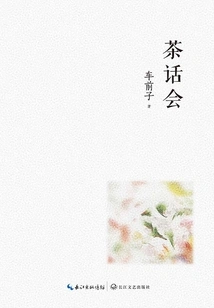
Tea Party
Literature茶话会
Plantago
"Tea Party" is a collection of essays by the famous poet and painter Plantago. The book is divided into two volumes. The first volume includes articles related to "drinking tea" such as "Memories of Tea", "Five Notes on the Meaning of Tea", "Good Things Come in Pairs", "Steamed Green Idle Brushwork", "Jasmine Tea", etc. The second volume includes articles related to "poems and words" such as "Chengnan Singing" and "Album Night". "Tea Party" presents us with various aspects and aspects of the world of literati, and has high artistic and literary value.
"Tea Party" is a collection of essays by the famous poet and painter Plantago. The book is divided into two volumes. The first volume includes articles related to "drinking tea" such as "Memories of Tea", "Five Notes on the Meaning of Tea", "Good Things Come in Pairs", "Steamed Green Idle Brushwork", "Jasmine Tea", etc. The second volume includes articles related to "poems and words" such as "Chengnan Singing" and "Album Night". "Tea Party" presents us with various aspects and aspects of the world of literati, and has high artistic and literary value.
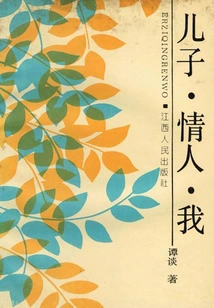
Son·lover·me
Literature儿子·情人·我
Tan Tan
Whether in the military camp in southern Xinjiang or on my journey beyond the Great Wall, I often dream of my hometown. Hometown is really like a huge magnet, firmly attracting the hearts of wanderers from far away.
Whether in the military camp in southern Xinjiang or on my journey beyond the Great Wall, I often dream of my hometown. Hometown is really like a huge magnet, firmly attracting the hearts of wanderers from far away.
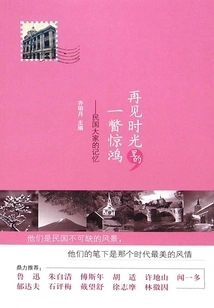
A Glimpse of Jinghong in the Time of Goodbye: the Memories of Everyone in the Republic of China
Literature再见时光里的一瞥惊鸿:民国大家的记忆
Editor-in-chief Qi Mingyue
This book selects various prose articles by modern literary masters and compiles them into a collection. The content is mainly divided into six parts: the first part is leisurely and beautiful, mainly focusing on some local characteristics, scenery and customs; the second part is a snapshot of the old times, including your old memories and some impressive things you have seen and heard; the third part is leisurely and elegant, mainly based on personal interests and hobbies and some very interesting life records. The fourth part is about seeing things and reflecting on them, and expressing thoughts and feelings through objects and emotions, scenery and emotions; the fifth part is about reminiscing about old friends, through everyone's eyes, to understand the sincerity of people in that era and the deep friendship that strengthened each other; the last part is about the traces of travel, the scenery, customs and customs of foreign countries, and the author's own feelings. These six parts show almost all aspects of people's lives during that period, which can be called a chronicle of the Republic of China.
This book selects various prose articles by modern literary masters and compiles them into a collection. The content is mainly divided into six parts: the first part is leisurely and beautiful, mainly focusing on some local characteristics, scenery and customs; the second part is a snapshot of the old times, including your old memories and some impressive things you have seen and heard; the third part is leisurely and elegant, mainly based on personal interests and hobbies and some very interesting life records. The fourth part is about seeing things and reflecting on them, and expressing thoughts and feelings through objects and emotions, scenery and emotions; the fifth part is about reminiscing about old friends, through everyone's eyes, to understand the sincerity of people in that era and the deep friendship that strengthened each other; the last part is about the traces of travel, the scenery, customs and customs of foreign countries, and the author's own feelings. These six parts show almost all aspects of people's lives during that period, which can be called a chronicle of the Republic of China.
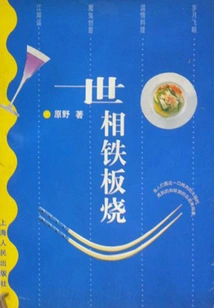
Shixiang Teppanyaki
Literature世相铁板烧
Wilderness
When I first opened the bottle, the smell in the bottle was unpleasant, noisy and harsh, like a beauty who hasn't rinsed her teeth after getting up. Connoisseurs say to let the wine "breathe". Breathing is not limited to red wine, it is breathed by all vegetation, and it is at its peak at midnight.
When I first opened the bottle, the smell in the bottle was unpleasant, noisy and harsh, like a beauty who hasn't rinsed her teeth after getting up. Connoisseurs say to let the wine "breathe". Breathing is not limited to red wine, it is breathed by all vegetation, and it is at its peak at midnight.
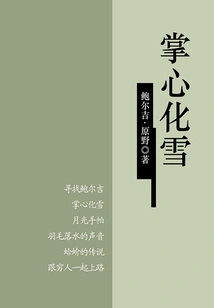
Snow Melts in the Palm of Your Hand
Literature掌心化雪
Balji Yuanye
Parents, neighbors, children, wind, grass, glass, matches, seeds, birds, breath, doves, wolves...
Parents, neighbors, children, wind, grass, glass, matches, seeds, birds, breath, doves, wolves...
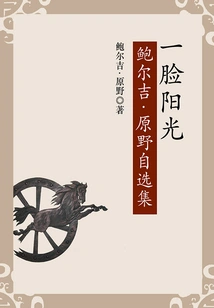
一脸阳光:鲍尔吉·原野自选集
Balji Yuanye
What I feel about writing is having something to say. These are good words. As far as personal creation is concerned, I interpret "good words" as simplicity and simplicity. This means lowering your attitude as a human being, experiencing life humbly and truly, feeling the kindness and optimism revealed by ordinary workers in difficulties, without being pretentious, monstrous, or arrogant. I believe that readers will understand everything. Say the words plainly and simply, when they are obviously sincere. Under this literary value orientation, oneself is not important, and even the external form of literature is not important. What matters is life, including the destiny of the country and the nation, and the prospects of the common people of the country. This determines the goodness of the content of the work. And simplicity itself is beauty. Those peasants who stood on the mountain ridges and sang folk songs did not put any makeup on them, nor did they include anything they did not understand in their lyrics and music. But folk songs are often the most moving works of art.
What I feel about writing is having something to say. These are good words. As far as personal creation is concerned, I interpret "good words" as simplicity and simplicity. This means lowering your attitude as a human being, experiencing life humbly and truly, feeling the kindness and optimism revealed by ordinary workers in difficulties, without being pretentious, monstrous, or arrogant. I believe that readers will understand everything. Say the words plainly and simply, when they are obviously sincere. Under this literary value orientation, oneself is not important, and even the external form of literature is not important. What matters is life, including the destiny of the country and the nation, and the prospects of the common people of the country. This determines the goodness of the content of the work. And simplicity itself is beauty. Those peasants who stood on the mountain ridges and sang folk songs did not put any makeup on them, nor did they include anything they did not understand in their lyrics and music. But folk songs are often the most moving works of art.
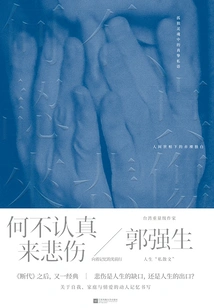
Why Not Be Sad Seriously
Literature何不认真来悲伤
Guo Qiangsheng
When the deep love sparkles and the inescapable mood is as joyful as yesterday, the originally warm family starts a tearing showdown amidst the complicated oppression and entanglements: the brother who has traveled far away, the mother who passed away suddenly, who suffered from Alzheimer's disease in his later years, and who was He defrauded his father of all his money, and he began a period of unstoppable traveling between places... This is a very personal sacrifice by Guo Qiangsheng to himself, loneliness, native family, and love, recording the pains and marks, struggles and difficulties in the vicissitudes of life. Because of his candid and selfless self-disclosure, he not only wrote fifty years of stories in one year, but even dried them in the sun and left them with stains, which moved people's hearts and lungs invisibly. A few words can crush the pain and exude a gentle atmosphere in the deep brushwork.
When the deep love sparkles and the inescapable mood is as joyful as yesterday, the originally warm family starts a tearing showdown amidst the complicated oppression and entanglements: the brother who has traveled far away, the mother who passed away suddenly, who suffered from Alzheimer's disease in his later years, and who was He defrauded his father of all his money, and he began a period of unstoppable traveling between places... This is a very personal sacrifice by Guo Qiangsheng to himself, loneliness, native family, and love, recording the pains and marks, struggles and difficulties in the vicissitudes of life. Because of his candid and selfless self-disclosure, he not only wrote fifty years of stories in one year, but even dried them in the sun and left them with stains, which moved people's hearts and lungs invisibly. A few words can crush the pain and exude a gentle atmosphere in the deep brushwork.
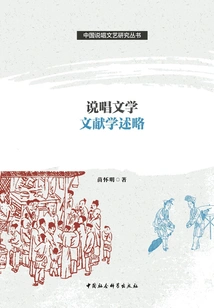
说唱文学文献学述略
Miao Huaiming
The manuscript takes the literature research on ancient Chinese rap literature since the 20th century as the object of discussion, and provides a comprehensive and in-depth review and summary of the research status and academic achievements in this field for more than a hundred years. The first part combs and summarizes the research process of Chinese rap literature literature since the 20th century from a vertical aspect, divides the research process of more than one hundred years into five historical stages, and discusses the important results and research characteristics of each stage. The research on Chinese rap literature literature in Hong Kong, Taiwan and overseas regions is examined separately due to the special circumstances. The second part summarizes and analyzes the results of research on ancient Chinese rap literature since the 20th century from a horizontal perspective. It is divided into Dunhuang rap literature, Zhugongdiao, Tanci, Baojuan, Zidi Shu, storytelling and rap literature chronicles for detailed and in-depth investigation respectively.
The manuscript takes the literature research on ancient Chinese rap literature since the 20th century as the object of discussion, and provides a comprehensive and in-depth review and summary of the research status and academic achievements in this field for more than a hundred years. The first part combs and summarizes the research process of Chinese rap literature literature since the 20th century from a vertical aspect, divides the research process of more than one hundred years into five historical stages, and discusses the important results and research characteristics of each stage. The research on Chinese rap literature literature in Hong Kong, Taiwan and overseas regions is examined separately due to the special circumstances. The second part summarizes and analyzes the results of research on ancient Chinese rap literature since the 20th century from a horizontal perspective. It is divided into Dunhuang rap literature, Zhugongdiao, Tanci, Baojuan, Zidi Shu, storytelling and rap literature chronicles for detailed and in-depth investigation respectively.
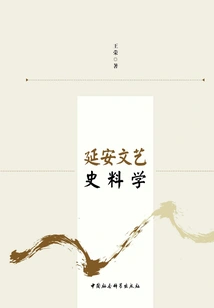
Yan'an Literature and Art History
Literature延安文艺史料学
Wang Rong
Guided by Marxist theoretical methods, this book draws on and absorbs specific theoretical methods of traditional literary and artistic literature and historiography, and uses multidisciplinary knowledge and technical means to conduct comprehensive collection, excavation, and systematic research on the sources, distribution, historical changes, and value utilization of Yan'an's literary and artistic literature and historical materials. It is expected that through the systematic compilation and research of Yan'an literature and art documents and historical materials, it can provide authentic and reliable documentary and historical material services and utilization for the study of Yan'an literature and art, and make up for the weaknesses or deficiencies in the collection and research of relevant documents in the process of Yan'an literature and art research. In this way, while promoting and deepening the academic research on modern and contemporary Chinese literature and its revolutionary literature and art, we will also explore and construct the historical research on literature and art in Yan'an with its own characteristics, as well as the disciplinary system and academic discourse of Yan'an literature and art research.
Guided by Marxist theoretical methods, this book draws on and absorbs specific theoretical methods of traditional literary and artistic literature and historiography, and uses multidisciplinary knowledge and technical means to conduct comprehensive collection, excavation, and systematic research on the sources, distribution, historical changes, and value utilization of Yan'an's literary and artistic literature and historical materials. It is expected that through the systematic compilation and research of Yan'an literature and art documents and historical materials, it can provide authentic and reliable documentary and historical material services and utilization for the study of Yan'an literature and art, and make up for the weaknesses or deficiencies in the collection and research of relevant documents in the process of Yan'an literature and art research. In this way, while promoting and deepening the academic research on modern and contemporary Chinese literature and its revolutionary literature and art, we will also explore and construct the historical research on literature and art in Yan'an with its own characteristics, as well as the disciplinary system and academic discourse of Yan'an literature and art research.
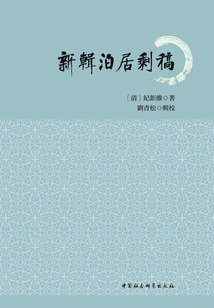
新輯泊居剩稿
(qing Dynasty) Written By Ji Juwei Edited By Liu Qingsong
Ji Juwei (1848-1920), a native of Xianxian County, Zhili Province, the fifth grandson of Ji Xiaolan, was a famous scholar in the late Qing Dynasty and the early Republic of China. Ji Juwei's "The Leftover Manuscripts of Boju" has two versions. One is the "The Leftover Manuscripts of Boju" compiled by his sons-in-law Wang Luanxiang and Liu Zongyi after his death, and published in the 14th year of the Republic of China (1925). The second is Liu Zongyi's unified version of "Boju's Left Manuscripts" and "Boju's Left Manuscripts" and "Continuation of Boju's Left Manuscripts", published in the 31st year of the Republic of China (1942). There are only more than 20 poems and a few essays, totaling only 20,000 words. In this compilation, in addition to re-punctuating and organizing the original materials, various lost texts were also recorded, totaling about 100,000 words. These lost articles include Ji Juwei's scattered poems and essays. In particular, more than 130 kinds of Ji Juwei's manuscripts have been added to the collection of Ji Juwei's son-in-law Wang Luanxiang's grandson (Duan Wei). The contents of the lost articles include a large number of remarks by scholars such as Zhang Zhidong, Duan Fang, Liang Dingfen, Shen Zengzhi, Wang Kangnian, Wang Luanxiang, etc., Involving various academies in Wuchang, the 1898 Coup of 18, Wuchang Uprising, Zhang Xun's restoration, etc., And have important historical value. Various notes in the appendix of this book record Ji Juwei's remarks and anecdotes, hoping to give readers a more comprehensive understanding of the spiritual realm of this northern great Confucian.
Ji Juwei (1848-1920), a native of Xianxian County, Zhili Province, the fifth grandson of Ji Xiaolan, was a famous scholar in the late Qing Dynasty and the early Republic of China. Ji Juwei's "The Leftover Manuscripts of Boju" has two versions. One is the "The Leftover Manuscripts of Boju" compiled by his sons-in-law Wang Luanxiang and Liu Zongyi after his death, and published in the 14th year of the Republic of China (1925). The second is Liu Zongyi's unified version of "Boju's Left Manuscripts" and "Boju's Left Manuscripts" and "Continuation of Boju's Left Manuscripts", published in the 31st year of the Republic of China (1942). There are only more than 20 poems and a few essays, totaling only 20,000 words. In this compilation, in addition to re-punctuating and organizing the original materials, various lost texts were also recorded, totaling about 100,000 words. These lost articles include Ji Juwei's scattered poems and essays. In particular, more than 130 kinds of Ji Juwei's manuscripts have been added to the collection of Ji Juwei's son-in-law Wang Luanxiang's grandson (Duan Wei). The contents of the lost articles include a large number of remarks by scholars such as Zhang Zhidong, Duan Fang, Liang Dingfen, Shen Zengzhi, Wang Kangnian, Wang Luanxiang, etc., Involving various academies in Wuchang, the 1898 Coup of 18, Wuchang Uprising, Zhang Xun's restoration, etc., And have important historical value. Various notes in the appendix of this book record Ji Juwei's remarks and anecdotes, hoping to give readers a more comprehensive understanding of the spiritual realm of this northern great Confucian.
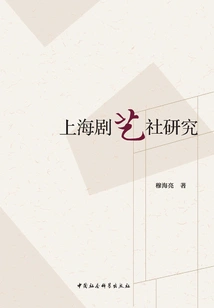
Research on Shanghai Drama Society
Literature上海剧艺社研究
Mu Hailiang
The Shanghai Drama Society (1938-1941, 1946-1948) was a progressive professional theater troupe directly led by the Communist Party of China. It was a banner of Shanghai's theater movement during the isolation period and after the war, and it also occupies a unique position in the history of Chinese drama. This book is the first concentrated, in-depth, and systematic study of the Shanghai Theater Society, and has academic significance to fill the gaps. The book has a total of 400,000 words and is divided into three parts (a total of 12 chapters). It explores the characteristics, achievements and historical limitations of the Shanghai Theater Society from three aspects: theater organization, repertoire construction and stage art. Based on specific and in-depth case studies, this book comprehensively uses the research methods of drama, history, and sociology, and takes this unique and typical theater troupe as the starting point to conduct a three-dimensional examination and multi-dimensional interpretation of the artistic composition, internal and external relationships, and production system of the dialogue drama, thereby exploring and revealing the cultural logic and historical motivations of the development, differentiation, maturity, and variation of modern drama from a new perspective. This has reference value in academic theory and methodology for future theater troupe research and even drama history research. The "Appendix" at the back of the book contains a detailed chronology of the Shanghai Theater Arts Society's activities, a list of performances, etc., Which not only supports the main text, but also has important historical value in itself.
The Shanghai Drama Society (1938-1941, 1946-1948) was a progressive professional theater troupe directly led by the Communist Party of China. It was a banner of Shanghai's theater movement during the isolation period and after the war, and it also occupies a unique position in the history of Chinese drama. This book is the first concentrated, in-depth, and systematic study of the Shanghai Theater Society, and has academic significance to fill the gaps. The book has a total of 400,000 words and is divided into three parts (a total of 12 chapters). It explores the characteristics, achievements and historical limitations of the Shanghai Theater Society from three aspects: theater organization, repertoire construction and stage art. Based on specific and in-depth case studies, this book comprehensively uses the research methods of drama, history, and sociology, and takes this unique and typical theater troupe as the starting point to conduct a three-dimensional examination and multi-dimensional interpretation of the artistic composition, internal and external relationships, and production system of the dialogue drama, thereby exploring and revealing the cultural logic and historical motivations of the development, differentiation, maturity, and variation of modern drama from a new perspective. This has reference value in academic theory and methodology for future theater troupe research and even drama history research. The "Appendix" at the back of the book contains a detailed chronology of the Shanghai Theater Arts Society's activities, a list of performances, etc., Which not only supports the main text, but also has important historical value in itself.
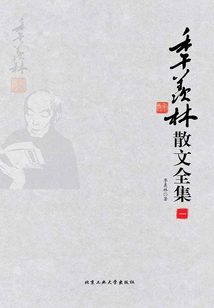
季羡林散文全集(第一册)
Ji Xianlin
This book contains all of Ji Xianlin's prose works, including all the first three volumes of "The Complete Works of Ji Xianlin" published by Foreign Language Research Press, plus two additional parts. One part is some articles provided by Ji Cheng that are not collected in the complete collection, and some articles in "Miscellaneous Memories of the Cowshed". A total of 4 volumes.
This book contains all of Ji Xianlin's prose works, including all the first three volumes of "The Complete Works of Ji Xianlin" published by Foreign Language Research Press, plus two additional parts. One part is some articles provided by Ji Cheng that are not collected in the complete collection, and some articles in "Miscellaneous Memories of the Cowshed". A total of 4 volumes.
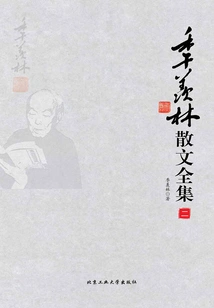
季羡林散文全集(第二册)
Ji Xianlin
This book contains all of Ji Xianlin's prose works, including all the first three volumes of "The Complete Works of Ji Xianlin" published by Foreign Language Research Press, plus two additional parts. One part is some articles provided by Ji Cheng that are not collected in the complete collection, and some articles in "Miscellaneous Memories of the Cowshed". A total of 4 volumes.
This book contains all of Ji Xianlin's prose works, including all the first three volumes of "The Complete Works of Ji Xianlin" published by Foreign Language Research Press, plus two additional parts. One part is some articles provided by Ji Cheng that are not collected in the complete collection, and some articles in "Miscellaneous Memories of the Cowshed". A total of 4 volumes.
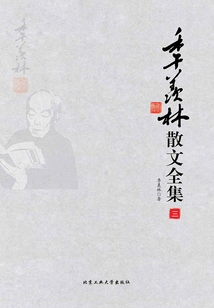
季羡林散文全集(第三册)
Ji Xianlin
This book contains all of Ji Xianlin's prose works, including all the first three volumes of "The Complete Works of Ji Xianlin" published by Foreign Language Research Press, plus two additional parts. One part is some articles provided by Ji Cheng that are not collected in the complete collection, and some articles in "Miscellaneous Memories of the Cowshed". A total of 4 volumes.
This book contains all of Ji Xianlin's prose works, including all the first three volumes of "The Complete Works of Ji Xianlin" published by Foreign Language Research Press, plus two additional parts. One part is some articles provided by Ji Cheng that are not collected in the complete collection, and some articles in "Miscellaneous Memories of the Cowshed". A total of 4 volumes.