Library
Browse and search books
2,982 novels found
第二次世界大战实录·战将篇(四)
Groom
This set of books includes the leaders, marshals, generals, heroes, culprits, warriors, heroes, puppets, spies, etc. Of the Second World War. It is majestic in time and space, very historical, informative, authoritative and authentic, and is appropriately illustrated with pictures and texts. It is of great reading and collection value. It is a complete summary and grand commemoration of the Second World War.
This set of books includes the leaders, marshals, generals, heroes, culprits, warriors, heroes, puppets, spies, etc. Of the Second World War. It is majestic in time and space, very historical, informative, authoritative and authentic, and is appropriately illustrated with pictures and texts. It is of great reading and collection value. It is a complete summary and grand commemoration of the Second World War.
第二次世界大战实录·战将篇(二)
Groom
This set of books includes the leaders, marshals, generals, heroes, culprits, warriors, heroes, puppets, spies, etc. Of the Second World War. It is majestic in time and space, very historical, informative, authoritative and authentic, and is appropriately illustrated with pictures and texts. It is of great reading and collection value. It is a complete summary and grand commemoration of the Second World War.
This set of books includes the leaders, marshals, generals, heroes, culprits, warriors, heroes, puppets, spies, etc. Of the Second World War. It is majestic in time and space, very historical, informative, authoritative and authentic, and is appropriately illustrated with pictures and texts. It is of great reading and collection value. It is a complete summary and grand commemoration of the Second World War.
第二次世界大战实录·战史篇(三)
Groom
This manuscript is the "War History Chapter" of "Records of World War II", including air battles, naval battles, land battles, etc. The manuscript of this book spans time and space and is magnificent. Very historical, informative, authoritative and authentic. With detailed facts and rich pictures and texts, it has reading and collection value. It is a summary and grand commemoration of the Second World War.
This manuscript is the "War History Chapter" of "Records of World War II", including air battles, naval battles, land battles, etc. The manuscript of this book spans time and space and is magnificent. Very historical, informative, authoritative and authentic. With detailed facts and rich pictures and texts, it has reading and collection value. It is a summary and grand commemoration of the Second World War.
第二次世界大战实录·战史篇(四)
Groom
This manuscript is the "War History Chapter" of "Records of World War II", including air battles, naval battles, land battles, etc. The manuscript of this book spans time and space and is magnificent. Very historical, informative, authoritative and authentic. With detailed facts and rich pictures and texts, it has reading and collection value. It is a summary and grand commemoration of the Second World War.
This manuscript is the "War History Chapter" of "Records of World War II", including air battles, naval battles, land battles, etc. The manuscript of this book spans time and space and is magnificent. Very historical, informative, authoritative and authentic. With detailed facts and rich pictures and texts, it has reading and collection value. It is a summary and grand commemoration of the Second World War.
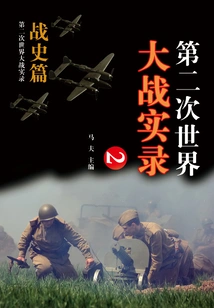
第二次世界大战实录·战史篇(二)
Groom
This manuscript is the "War History Chapter" of "Records of World War II", including air battles, naval battles, land battles, etc. The manuscript of this book spans time and space and is magnificent. Very historical, informative, authoritative and authentic. With detailed facts and rich pictures and texts, it has reading and collection value. It is a summary and grand commemoration of the Second World War.
This manuscript is the "War History Chapter" of "Records of World War II", including air battles, naval battles, land battles, etc. The manuscript of this book spans time and space and is magnificent. Very historical, informative, authoritative and authentic. With detailed facts and rich pictures and texts, it has reading and collection value. It is a summary and grand commemoration of the Second World War.
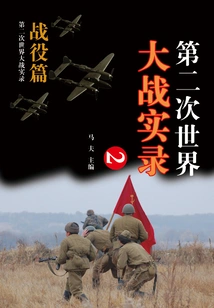
第二次世界大战实录·战役篇(二)
Groom
This book combines domestic and foreign research results and declassified materials, under the guidance of relevant experts and departments, and takes the historical process of World War II as a clue. It runs through the main historical periods, major battlefields, and major military and political figures of the World War, and presents a panoramic view of the magnificent picture of World War II. It mainly includes four parts: the first part is the "war history", including the origin background, prologue, full development, stalemate turning point, final outcome, etc.; The second part is the "battlefield chapter", including the European battlefield, the Atlantic battlefield, the Asian battlefield, the Pacific battlefield, the African battlefield, etc.; The third part is the "campaign chapter", including air battles, naval battles, land battles; the fourth part is the "warrior chapter", including leaders, marshals, generals, heroes, culprits, warriors, heroes, puppets, spies, etc.
This book combines domestic and foreign research results and declassified materials, under the guidance of relevant experts and departments, and takes the historical process of World War II as a clue. It runs through the main historical periods, major battlefields, and major military and political figures of the World War, and presents a panoramic view of the magnificent picture of World War II. It mainly includes four parts: the first part is the "war history", including the origin background, prologue, full development, stalemate turning point, final outcome, etc.; The second part is the "battlefield chapter", including the European battlefield, the Atlantic battlefield, the Asian battlefield, the Pacific battlefield, the African battlefield, etc.; The third part is the "campaign chapter", including air battles, naval battles, land battles; the fourth part is the "warrior chapter", including leaders, marshals, generals, heroes, culprits, warriors, heroes, puppets, spies, etc.
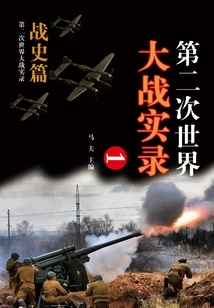
第二次世界大战实录·战史篇(一)
Groom
This manuscript is the "War History Chapter" of "Records of World War II", including air battles, naval battles, land battles, etc. The manuscript of this book spans time and space and is magnificent. Very historical, informative, authoritative and authentic. With detailed facts and rich pictures and texts, it has reading and collection value. It is a summary and grand commemoration of the Second World War.
This manuscript is the "War History Chapter" of "Records of World War II", including air battles, naval battles, land battles, etc. The manuscript of this book spans time and space and is magnificent. Very historical, informative, authoritative and authentic. With detailed facts and rich pictures and texts, it has reading and collection value. It is a summary and grand commemoration of the Second World War.
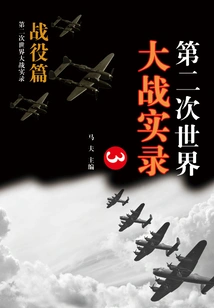
第二次世界大战实录·战役篇(三)
Groom
This book combines domestic and foreign research results and declassified materials, under the guidance of relevant experts and departments, and takes the historical process of World War II as a clue. It runs through the main historical periods, major battlefields, and major military and political figures of the World War, and presents a panoramic view of the magnificent picture of World War II. It mainly includes four parts: the first part is the "war history", including the origin background, prologue, full development, stalemate turning point, final outcome, etc.; The second part is the "battlefield chapter", including the European battlefield, the Atlantic battlefield, the Asian battlefield, the Pacific battlefield, the African battlefield, etc.; The third part is the "campaign chapter", including air battles, naval battles, land battles; the fourth part is the "warrior chapter", including leaders, marshals, generals, heroes, culprits, warriors, heroes, puppets, spies, etc.
This book combines domestic and foreign research results and declassified materials, under the guidance of relevant experts and departments, and takes the historical process of World War II as a clue. It runs through the main historical periods, major battlefields, and major military and political figures of the World War, and presents a panoramic view of the magnificent picture of World War II. It mainly includes four parts: the first part is the "war history", including the origin background, prologue, full development, stalemate turning point, final outcome, etc.; The second part is the "battlefield chapter", including the European battlefield, the Atlantic battlefield, the Asian battlefield, the Pacific battlefield, the African battlefield, etc.; The third part is the "campaign chapter", including air battles, naval battles, land battles; the fourth part is the "warrior chapter", including leaders, marshals, generals, heroes, culprits, warriors, heroes, puppets, spies, etc.
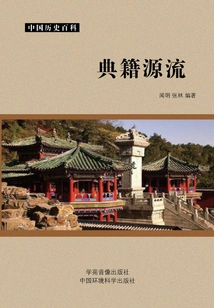
Origin of Classics
History典籍源流
Wen Ming Zhang Lin
China is a huge country with a splendid civilization history of five thousand years and full of vitality and vitality. The Chinese nation has long been standing in the east of the world, and has continued for hundreds of generations.
China is a huge country with a splendid civilization history of five thousand years and full of vitality and vitality. The Chinese nation has long been standing in the east of the world, and has continued for hundreds of generations.
Important Events (part 2)
History大事录要(下)
Wen Ming Zhang Lin
China is a huge country with a splendid civilization history of five thousand years and full of vitality and vitality. The Chinese nation has long been standing in the east of the world, and has continued for hundreds of generations.
China is a huge country with a splendid civilization history of five thousand years and full of vitality and vitality. The Chinese nation has long been standing in the east of the world, and has continued for hundreds of generations.
Important Events (part 1)
History大事录要(上)
Wen Ming Zhang Lin
China is a huge country with a splendid civilization history of five thousand years and full of vitality and vitality. The Chinese nation has long been standing in the east of the world, and has continued for hundreds of generations.
China is a huge country with a splendid civilization history of five thousand years and full of vitality and vitality. The Chinese nation has long been standing in the east of the world, and has continued for hundreds of generations.
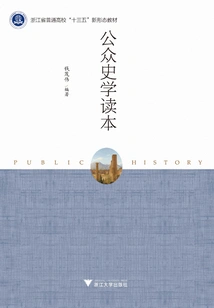
Public History Reader
History公众史学读本
Qian Maowei
There are 16 lectures in the book, and the logical arrangement is as follows: The first lecture is the introduction. Lectures 2 to 10 are contemporary public history records. We first talk about process and history, emphasizing that contemporary public processes must be transformed into textual history. Then we will think about it in three major aspects. First, the expansion of writing objects, from big people to small people, involves the three structural units of small people: personal history, family history, and community history. The second is the expansion of the participating groups, from a small group to the public, from agents to self-care. The third is the expansion of participation methods, from traditional documents to oral histories, videographies, and documentaries. Lectures 11 and 12 are about public cultural heritage, involving public historical archives and cultural heritage protection. Lectures 13 to 16 are popular history, involving the production and consumption of three major aspects: popular books, historical films and TV dramas, experts' popular history lectures, and public popular history writing. The format of each part consists of four parts: summary, classroom, selected articles, and practice. Breakthroughs in the compilation of Chinese public history textbooks, breakthroughs in the compilation style of textbooks, and breakthroughs in the concept of textbook construction. From textbooks to readers, from reading-based readers to seminar-based readers, it has adapted to the new normal of inquiry-based teaching. It fully meets the requirements for the construction of new forms of teaching materials and is therefore worthy of compilation and publication.
There are 16 lectures in the book, and the logical arrangement is as follows: The first lecture is the introduction. Lectures 2 to 10 are contemporary public history records. We first talk about process and history, emphasizing that contemporary public processes must be transformed into textual history. Then we will think about it in three major aspects. First, the expansion of writing objects, from big people to small people, involves the three structural units of small people: personal history, family history, and community history. The second is the expansion of the participating groups, from a small group to the public, from agents to self-care. The third is the expansion of participation methods, from traditional documents to oral histories, videographies, and documentaries. Lectures 11 and 12 are about public cultural heritage, involving public historical archives and cultural heritage protection. Lectures 13 to 16 are popular history, involving the production and consumption of three major aspects: popular books, historical films and TV dramas, experts' popular history lectures, and public popular history writing. The format of each part consists of four parts: summary, classroom, selected articles, and practice. Breakthroughs in the compilation of Chinese public history textbooks, breakthroughs in the compilation style of textbooks, and breakthroughs in the concept of textbook construction. From textbooks to readers, from reading-based readers to seminar-based readers, it has adapted to the new normal of inquiry-based teaching. It fully meets the requirements for the construction of new forms of teaching materials and is therefore worthy of compilation and publication.
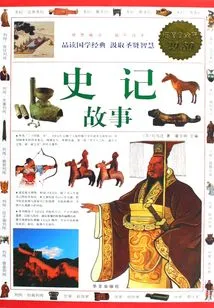
Historical Records Stories
History史记故事
Sima Qian Zhai Wenming
"Historical Records" was written by Sima Qian, a famous historian and writer during the Western Han Dynasty. It records the historical changes of more than 3,000 years from Xuanyuan to the Taichu reign of Emperor Wu of the Han Dynasty. It is large in scale and has a complete system. It involves philosophy, politics, economics, literature, aesthetics, astronomy, geography and even medical divination. It covers almost all the contents of social activities in various historical periods. It can be called an encyclopedia-like masterpiece. Studying "Historical Records" can not only enrich historical knowledge, but more importantly, you can use history as a mirror to explore the laws, experiences and lessons of social development and the rise and fall of countries, and find the coordinates on the road of life. This book selects the most praised and essential chapters from the "Historical Records", including the current era, family members, and biographies, and translates them accurately in chronological order, interpreting the original work in an all-round, new perspective, and at multiple levels. The concise and vivid text, scientific and concise style, rich and exquisite pictures, design concepts that focus on traditional culture and modern aesthetics, and the organic combination of various visual elements help readers examine, feel, and think about history from a new perspective and new level.
"Historical Records" was written by Sima Qian, a famous historian and writer during the Western Han Dynasty. It records the historical changes of more than 3,000 years from Xuanyuan to the Taichu reign of Emperor Wu of the Han Dynasty. It is large in scale and has a complete system. It involves philosophy, politics, economics, literature, aesthetics, astronomy, geography and even medical divination. It covers almost all the contents of social activities in various historical periods. It can be called an encyclopedia-like masterpiece. Studying "Historical Records" can not only enrich historical knowledge, but more importantly, you can use history as a mirror to explore the laws, experiences and lessons of social development and the rise and fall of countries, and find the coordinates on the road of life. This book selects the most praised and essential chapters from the "Historical Records", including the current era, family members, and biographies, and translates them accurately in chronological order, interpreting the original work in an all-round, new perspective, and at multiple levels. The concise and vivid text, scientific and concise style, rich and exquisite pictures, design concepts that focus on traditional culture and modern aesthetics, and the organic combination of various visual elements help readers examine, feel, and think about history from a new perspective and new level.
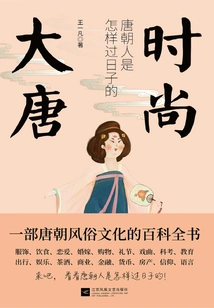
Fashion Datang
History时尚大唐
Wang Yifan
Get up early in the morning, sit in front of the makeup mirror, pick up a powder puff to apply foundation, then apply blush, then draw willow-leaf eyebrows, and then apply lipstick... A beautiful day has begun again; if you are bored at work, go to the "foreign bar" to order a bottle of "foreign wine" and enjoy it Enjoy a "Hu Xuan Dance" and be as happy as a fairy; on a whim, a woman can dress up as a man and swagger through the market, her heroic appearance is unrivaled; or else she can wear low-cut clothes and lead the fashion trend, and now I am a big star; what should I do if I am hungry? Ju Sheng Nu, Imperial Concubine Red, and Royal Yellow Queen Mother Rice were quickly placed in front of me; Qifu Cake, Jin Ling Zhi, and Shengjin Duck Flower Soup Cake were all prepared and waiting for me... It is not unfair to say that I am a foodie; what should I do if the couple can't live together anymore? Then let's get divorced. I went to the government to get a divorce certificate, parted ways, lived happily together, and a marriage ended like this. I wanted to be a developer and build a high-rise building, but the government stipulated that I could only build villas and couldn't decorate them too luxuriously. Who would it bother me if I had money... Do you think this is a plot in a modern urban drama? Wrong, this is actually the daily life of people in the Tang Dynasty. Many popular fashions that we modern people play are actually leftovers from the Tang Dynasty people. This book reproduces the actual living conditions of the Tang Dynasty court and people from aspects such as food, clothing, marriage and love, residence, religion, culture and education, medical care, travel and shopping, and shows a three-dimensional scene of the daily life of the Tang Dynasty people.
Get up early in the morning, sit in front of the makeup mirror, pick up a powder puff to apply foundation, then apply blush, then draw willow-leaf eyebrows, and then apply lipstick... A beautiful day has begun again; if you are bored at work, go to the "foreign bar" to order a bottle of "foreign wine" and enjoy it Enjoy a "Hu Xuan Dance" and be as happy as a fairy; on a whim, a woman can dress up as a man and swagger through the market, her heroic appearance is unrivaled; or else she can wear low-cut clothes and lead the fashion trend, and now I am a big star; what should I do if I am hungry? Ju Sheng Nu, Imperial Concubine Red, and Royal Yellow Queen Mother Rice were quickly placed in front of me; Qifu Cake, Jin Ling Zhi, and Shengjin Duck Flower Soup Cake were all prepared and waiting for me... It is not unfair to say that I am a foodie; what should I do if the couple can't live together anymore? Then let's get divorced. I went to the government to get a divorce certificate, parted ways, lived happily together, and a marriage ended like this. I wanted to be a developer and build a high-rise building, but the government stipulated that I could only build villas and couldn't decorate them too luxuriously. Who would it bother me if I had money... Do you think this is a plot in a modern urban drama? Wrong, this is actually the daily life of people in the Tang Dynasty. Many popular fashions that we modern people play are actually leftovers from the Tang Dynasty people. This book reproduces the actual living conditions of the Tang Dynasty court and people from aspects such as food, clothing, marriage and love, residence, religion, culture and education, medical care, travel and shopping, and shows a three-dimensional scene of the daily life of the Tang Dynasty people.
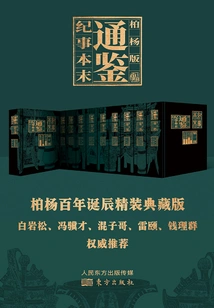
通鉴纪事本末(套装共19册)
Bo Yang
Editor's recommendation: 177 events were written in more than 1,300 years of history. Read the tome "Zi Zhi Tong Jian". Taking the "Tongjian" incident as the theme, Bo Yang wrote "Bo Yang's Edition of Tongjian Chronicles", with creative interpretation, refinement, development and extension, and new perspectives and perspectives. The historical materials are comprehensive and the academic style is rigorous. The whole book adopts the AD chronology, and notes the modern names and official names of ancient places and modern translations. It also adds maps by hand, making it suitable for contemporary readers. Compared with "Bo Yang's Vernacular Edition of Zizhi Tongjian", this book breaks the constraints of time and makes it easier for readers to accurately grasp the beginning and end of events. Throughout the book, you can have a panoramic view of the historical events of more than 1,300 years. Authoritative recommendations by Bai Yansong, Feng Jicai, Hun Zige, Lei Yi, Qian Liqun, and Chen Xiaoming. Content introduction: "Bo Yang's Edition of Tongjian Chronicles" (19 volumes in total) is a chronicle-style history book based on "Bo Yang's Vernacular Edition of Zizhi Tongjian" by the writer Mr. Bo Yang, who re-cut and adapted 1362 historical materials from 403 BC to AD 959 into 177 major events. Beginning in 1983, Bo Yang spent 10 years translating "Zi Zhi Tong Jian" into modern vernacular and compiled the chronicle "Bo Yang's Vernacular Edition of Zi Zhi Tong Jian". Due to the limitations of chronicles, which are confusing and complex, it is difficult to grasp the causes and consequences of historical events. Therefore, Mr. Boyang used Yuan Shu's method of compiling "Tongjian Chronicles", based on "Bo Yang's Vernacular Edition of Zizhi Tongjian", and took the "Tongjian" incident as the theme, re-cut and adapted it according to its causes and consequences, and completely recorded 177 major historical events, and compiled "Bo Yang's Vernacular Edition of Tongjian Chronicles" (19 volumes in total). "Boyang Edition of Tongjian Chronicles" retains features such as the AD chronology, modern annotations of place names, modern translations of official names, and additional maps drawn by the author himself. It continues the author's sharp and sophisticated writing style and independent and unruly academic style. Compared with "Bo Yang's Vernacular Edition of Zizhi Tongjian", it is more convenient for contemporary readers to accurately grasp the whole story of the incident. About the author: Bai Yang (1920-2008), a native of Huixian County, Henan Province. A contemporary Chinese writer who was once listed as one of the "Taiwan's Top Ten Best-Selling Writers". Since the 1950s, he has been engaged in novel creation under the name Guo Yidong, which is the beginning of his writing career. In the 1960s, he wrote essays for Taiwan's Zili Evening News and Gonglunbao under the pen name Bo Yang. He was considered the greatest essayist after Lu Xun. On March 7, 1968, he was arrested for the "Popeye" incident and was not released until April 1, 1977. Starting in 1983, he spent ten years translating Sima Guang's "Zizhi Tongjian", breaking the previous patent that only senior intellectuals could read "Tongjian", and using modern terminology for annotation, giving the obscure ancient humanities masterpiece a new modern look. His creative career can be roughly divided into ten years of novels, ten years of essays, ten years of history, and ten years of "Tongjian". He wrote a lot in his life. His works include a wide range of genres, including novels, essays, poems, reportage, historical works, etc. Representative works: "Bo Yang's Vernacular Version of Zizhi Tongjian", "Bo Yang's Version of Zizhi Tongjian's Chronicles", "The Ugly Chinese" and "Outline of Chinese History".
Editor's recommendation: 177 events were written in more than 1,300 years of history. Read the tome "Zi Zhi Tong Jian". Taking the "Tongjian" incident as the theme, Bo Yang wrote "Bo Yang's Edition of Tongjian Chronicles", with creative interpretation, refinement, development and extension, and new perspectives and perspectives. The historical materials are comprehensive and the academic style is rigorous. The whole book adopts the AD chronology, and notes the modern names and official names of ancient places and modern translations. It also adds maps by hand, making it suitable for contemporary readers. Compared with "Bo Yang's Vernacular Edition of Zizhi Tongjian", this book breaks the constraints of time and makes it easier for readers to accurately grasp the beginning and end of events. Throughout the book, you can have a panoramic view of the historical events of more than 1,300 years. Authoritative recommendations by Bai Yansong, Feng Jicai, Hun Zige, Lei Yi, Qian Liqun, and Chen Xiaoming. Content introduction: "Bo Yang's Edition of Tongjian Chronicles" (19 volumes in total) is a chronicle-style history book based on "Bo Yang's Vernacular Edition of Zizhi Tongjian" by the writer Mr. Bo Yang, who re-cut and adapted 1362 historical materials from 403 BC to AD 959 into 177 major events. Beginning in 1983, Bo Yang spent 10 years translating "Zi Zhi Tong Jian" into modern vernacular and compiled the chronicle "Bo Yang's Vernacular Edition of Zi Zhi Tong Jian". Due to the limitations of chronicles, which are confusing and complex, it is difficult to grasp the causes and consequences of historical events. Therefore, Mr. Boyang used Yuan Shu's method of compiling "Tongjian Chronicles", based on "Bo Yang's Vernacular Edition of Zizhi Tongjian", and took the "Tongjian" incident as the theme, re-cut and adapted it according to its causes and consequences, and completely recorded 177 major historical events, and compiled "Bo Yang's Vernacular Edition of Tongjian Chronicles" (19 volumes in total). "Boyang Edition of Tongjian Chronicles" retains features such as the AD chronology, modern annotations of place names, modern translations of official names, and additional maps drawn by the author himself. It continues the author's sharp and sophisticated writing style and independent and unruly academic style. Compared with "Bo Yang's Vernacular Edition of Zizhi Tongjian", it is more convenient for contemporary readers to accurately grasp the whole story of the incident. About the author: Bai Yang (1920-2008), a native of Huixian County, Henan Province. A contemporary Chinese writer who was once listed as one of the "Taiwan's Top Ten Best-Selling Writers". Since the 1950s, he has been engaged in novel creation under the name Guo Yidong, which is the beginning of his writing career. In the 1960s, he wrote essays for Taiwan's Zili Evening News and Gonglunbao under the pen name Bo Yang. He was considered the greatest essayist after Lu Xun. On March 7, 1968, he was arrested for the "Popeye" incident and was not released until April 1, 1977. Starting in 1983, he spent ten years translating Sima Guang's "Zizhi Tongjian", breaking the previous patent that only senior intellectuals could read "Tongjian", and using modern terminology for annotation, giving the obscure ancient humanities masterpiece a new modern look. His creative career can be roughly divided into ten years of novels, ten years of essays, ten years of history, and ten years of "Tongjian". He wrote a lot in his life. His works include a wide range of genres, including novels, essays, poems, reportage, historical works, etc. Representative works: "Bo Yang's Vernacular Version of Zizhi Tongjian", "Bo Yang's Version of Zizhi Tongjian's Chronicles", "The Ugly Chinese" and "Outline of Chinese History".
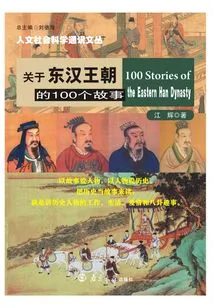
关于东汉王朝的100个故事
Jiang Hui
The Eastern Han Dynasty was an important stage in Chinese history and culture. The reason why our nation is called Han, and why our official philosophy for 2000 years is Confucianism, originated from the Han Dynasty. This book explains the important figures and historical events of the Eastern Han Dynasty in the form of stories. It is highly readable, with pictures and texts. It is a must-read for understanding the Eastern Han Dynasty and Han culture.
The Eastern Han Dynasty was an important stage in Chinese history and culture. The reason why our nation is called Han, and why our official philosophy for 2000 years is Confucianism, originated from the Han Dynasty. This book explains the important figures and historical events of the Eastern Han Dynasty in the form of stories. It is highly readable, with pictures and texts. It is a must-read for understanding the Eastern Han Dynasty and Han culture.
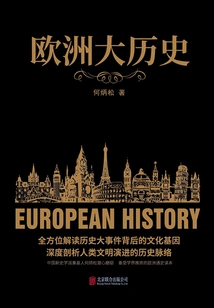
欧洲大历史(新华先锋黑金系列)
He Bingsong
"European History" is compiled from the lecture notes given by historian He Bingsong at Peking University. The author is based on the classic works of American historians Robinson and Beard, integrating Chinese and Western historical theories. After careful tailoring and arrangement, it presents the development of European politics, economy, culture and other aspects from the fifth century AD to the early twentieth century. The book is clearly organized and rich in content, making it easier for us to explore the footprints of European history and gain insight into the connection between the past, present and future.
"European History" is compiled from the lecture notes given by historian He Bingsong at Peking University. The author is based on the classic works of American historians Robinson and Beard, integrating Chinese and Western historical theories. After careful tailoring and arrangement, it presents the development of European politics, economy, culture and other aspects from the fifth century AD to the early twentieth century. The book is clearly organized and rich in content, making it easier for us to explore the footprints of European history and gain insight into the connection between the past, present and future.
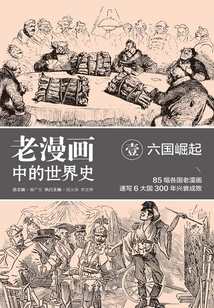
老漫画中的世界史壹:六国崛起
Zhou Yibao Wu Guanglun Et Al.
This book is arranged in chronological order, focusing on the main content of the modernization path of the Six Nations in middle school history textbooks. It carefully selects famous cartoons in history and provides concise explanations, which has intuitive and concise explanation power. After the main text, there are also questions and reference answers, which meet the requirements of middle school history education. Can be used as a teaching aid. This book explains the rise and fall of the six countries of Britain, France, Germany, Japan and Russia from the 17th to the 19th centuries in the form of a casual discussion by interpreting 85 political cartoons of the time.
This book is arranged in chronological order, focusing on the main content of the modernization path of the Six Nations in middle school history textbooks. It carefully selects famous cartoons in history and provides concise explanations, which has intuitive and concise explanation power. After the main text, there are also questions and reference answers, which meet the requirements of middle school history education. Can be used as a teaching aid. This book explains the rise and fall of the six countries of Britain, France, Germany, Japan and Russia from the 17th to the 19th centuries in the form of a casual discussion by interpreting 85 political cartoons of the time.
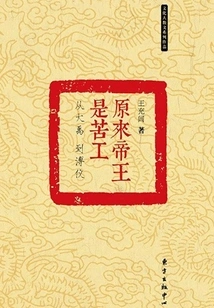
原来帝王是苦工
Wang Chonglu
This book tells the story of more than 20 emperors in Chinese history. Through a large number of historical details, it resurrects the most intriguing things and reveals various paradoxes of history: Qin Shihuang wanted to pursue boundless desires with a boundless life, but had to return to the finite all the time; Liu Bang, the emperor of the Han Dynasty, was China's first "common man rises" "He who rises up to conquer the world", his success reveals the contradiction between merit and morality; Fushun is the origin of the Qing Dynasty's 300-year-old foundation, but the last emperor Puyi finally appeared as a prisoner in the hometown of Longxing... The whole book focuses on the individual spiritual world, emphasizing the exploration of moments, sensibility, edges and their meanings. The content is engaging and thought-provoking.
This book tells the story of more than 20 emperors in Chinese history. Through a large number of historical details, it resurrects the most intriguing things and reveals various paradoxes of history: Qin Shihuang wanted to pursue boundless desires with a boundless life, but had to return to the finite all the time; Liu Bang, the emperor of the Han Dynasty, was China's first "common man rises" "He who rises up to conquer the world", his success reveals the contradiction between merit and morality; Fushun is the origin of the Qing Dynasty's 300-year-old foundation, but the last emperor Puyi finally appeared as a prisoner in the hometown of Longxing... The whole book focuses on the individual spiritual world, emphasizing the exploration of moments, sensibility, edges and their meanings. The content is engaging and thought-provoking.
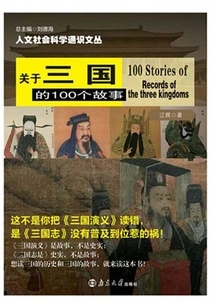
关于三国的100个故事
Jiang Hui
This book belongs to the general collection of humanities and social sciences. Based on the "Three Kingdoms", this book tells 100 of the most exciting stories about the history of the Three Kingdoms, such as the Battle of Chibi, the Battle of Guandu, etc. These stories are different from the historical imagination stories in "The Romance of the Three Kingdoms". They are clear, credible, vivid and literary, and are conducive to the popularization of history.
This book belongs to the general collection of humanities and social sciences. Based on the "Three Kingdoms", this book tells 100 of the most exciting stories about the history of the Three Kingdoms, such as the Battle of Chibi, the Battle of Guandu, etc. These stories are different from the historical imagination stories in "The Romance of the Three Kingdoms". They are clear, credible, vivid and literary, and are conducive to the popularization of history.
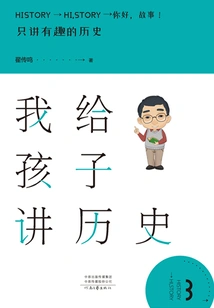
我给孩子讲历史3
Zhai Chuanming
The content of this book is to tell stories and historical stories. The story is not based on historical events, but on historical figures. People tell history and people tell stories. The author intends to use the story as the conclusion and the time as the line to record and tell the history, to identify the merits and demerits of the characters, and to distinguish between the true and the false, good and evil. The main purpose is to guide children to be inspired by history, to be a smart and good person, to let history shine into reality, and to let wisdom penetrate into thoughts.
The content of this book is to tell stories and historical stories. The story is not based on historical events, but on historical figures. People tell history and people tell stories. The author intends to use the story as the conclusion and the time as the line to record and tell the history, to identify the merits and demerits of the characters, and to distinguish between the true and the false, good and evil. The main purpose is to guide children to be inspired by history, to be a smart and good person, to let history shine into reality, and to let wisdom penetrate into thoughts.
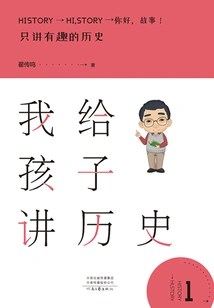
我给孩子讲历史1
Zhai Chuanming
The content of this book is to tell stories and historical stories. The story is not based on historical events, but on historical figures. People tell history and people tell stories. The author intends to use the story as the conclusion and the time as the line to record and tell the history, to identify the merits and demerits of the characters, and to distinguish between the true and the false, good and evil. The main purpose is to guide children to be inspired by history, to be a smart and good person, to let history shine into reality, and to let wisdom penetrate into thoughts.
The content of this book is to tell stories and historical stories. The story is not based on historical events, but on historical figures. People tell history and people tell stories. The author intends to use the story as the conclusion and the time as the line to record and tell the history, to identify the merits and demerits of the characters, and to distinguish between the true and the false, good and evil. The main purpose is to guide children to be inspired by history, to be a smart and good person, to let history shine into reality, and to let wisdom penetrate into thoughts.
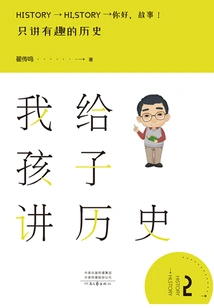
我给孩子讲历史2
Zhai Chuanming
The content of this book is to tell stories and historical stories. The story is not based on historical events, but on historical figures. People tell history and people tell stories. The author intends to use the story as the conclusion and the time as the line to record and tell the history, to identify the merits and demerits of the characters, and to distinguish between the true and the false, good and evil. The main purpose is to guide children to be inspired by history, to be a smart and good person, to let history shine into reality, and to let wisdom penetrate into thoughts.
The content of this book is to tell stories and historical stories. The story is not based on historical events, but on historical figures. People tell history and people tell stories. The author intends to use the story as the conclusion and the time as the line to record and tell the history, to identify the merits and demerits of the characters, and to distinguish between the true and the false, good and evil. The main purpose is to guide children to be inspired by history, to be a smart and good person, to let history shine into reality, and to let wisdom penetrate into thoughts.
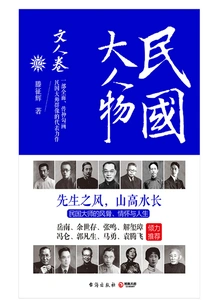
民国大人物·文人卷
Teng Zhenghui
This book is the second part of the series "Big Shots of the Republic of China" and tells the story of the past and the ups and downs of life of the great masters of the Republic of China. The characters written about include well-known figures in literature, thought, academic and other fields during the Republic of China, including Lu Xun, Gu Hongming, Wang Guowei, Chen Yinke, Qian Mu, Wu Mi, Fu Sinian, Zhang Henshui, Shen Congwen, Qian Zhongshu, Lin Huiyin, Zhang Ailing and other 61 people. The author uses the "paragraph style" writing method that he is good at, selecting the most important nodes and the most representative stories in each character's life, and using a vivid pen to outline the character's personality traits and changes in destiny, supplemented by precious old photos of the Republic of China. It is real, perceptible, easy to read, interesting, and credible. It restores the true character of the characters and focuses on expressing the character and feelings of the literati living in the great era. It aims to draw an exquisite group portrait of the masters of the Republic of China.
This book is the second part of the series "Big Shots of the Republic of China" and tells the story of the past and the ups and downs of life of the great masters of the Republic of China. The characters written about include well-known figures in literature, thought, academic and other fields during the Republic of China, including Lu Xun, Gu Hongming, Wang Guowei, Chen Yinke, Qian Mu, Wu Mi, Fu Sinian, Zhang Henshui, Shen Congwen, Qian Zhongshu, Lin Huiyin, Zhang Ailing and other 61 people. The author uses the "paragraph style" writing method that he is good at, selecting the most important nodes and the most representative stories in each character's life, and using a vivid pen to outline the character's personality traits and changes in destiny, supplemented by precious old photos of the Republic of China. It is real, perceptible, easy to read, interesting, and credible. It restores the true character of the characters and focuses on expressing the character and feelings of the literati living in the great era. It aims to draw an exquisite group portrait of the masters of the Republic of China.
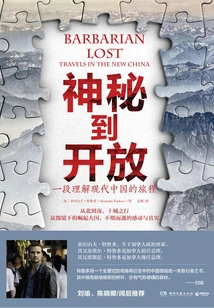
神秘到开放:一段理解现代中国的旅程
(add) Alexander Trudeau
This memoir details Alexander? What Trudeau has seen, heard, thought and felt in China in recent years includes visits to cities and villages, visits to enterprises and factories, interviews with scholars, lawyers, media people, artists and urban and rural residents from the north and south. He enthusiastically and rigorously explores the intertwined imprints of the mysterious China that only exists in his reading and memory and the real China after its rapid rise, and explores how the people on this land make China increasingly powerful. Along the way, the secrets revealed by every interviewee the author meets are detailed and true, and it is these gripping truths that surprise and shock people, making them cry for the sincere and unguarded emotions.
This memoir details Alexander? What Trudeau has seen, heard, thought and felt in China in recent years includes visits to cities and villages, visits to enterprises and factories, interviews with scholars, lawyers, media people, artists and urban and rural residents from the north and south. He enthusiastically and rigorously explores the intertwined imprints of the mysterious China that only exists in his reading and memory and the real China after its rapid rise, and explores how the people on this land make China increasingly powerful. Along the way, the secrets revealed by every interviewee the author meets are detailed and true, and it is these gripping truths that surprise and shock people, making them cry for the sincere and unguarded emotions.
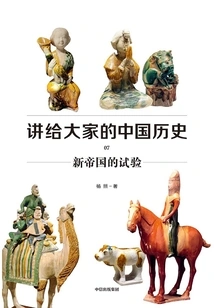
讲给大家的中国历史07:新帝国的试验
Yang Zhao
The "Chinese History for Everyone" series is a brand-new general history of China. It does not introduce readers to dry historical events and knowledge points, but explores the deep logic behind Chinese history and provides a new set of cognitive methods for understanding Chinese history. The series consists of 4 volumes and 13 volumes, presenting a panoramic view of the evolution of "China", a unique and tenacious life entity. Volume 7, "The Experiment of the New Empire," focuses on the "strongly divided character of medieval history" and leads everyone to re-examine the history of the Sui and Tang dynasties - under the appearance of unity, it is difficult to conceal the essence of division. You will see: Although everyone is accustomed to comparing "Han and Tang", there are actually huge differences between the two dynasties; The Tang Dynasty is not a consistent era, and all aspects can be divided into four stages: the Early Tang, the High Tang, the Middle Tang, and the Late Tang; Wu Zetian gathered many capable ministers around her. Did these ministers accept that there could be a female emperor? Tang poetry is difficult to write. Why were there so many poets and good poems in the Tang Dynasty? What does reading poetry, learning poetry, and writing poetry mean to literati? During the Sui and Tang Dynasties, Buddhism was further sinicized, and "Chinese Buddhism" with unique characteristics emerged...
The "Chinese History for Everyone" series is a brand-new general history of China. It does not introduce readers to dry historical events and knowledge points, but explores the deep logic behind Chinese history and provides a new set of cognitive methods for understanding Chinese history. The series consists of 4 volumes and 13 volumes, presenting a panoramic view of the evolution of "China", a unique and tenacious life entity. Volume 7, "The Experiment of the New Empire," focuses on the "strongly divided character of medieval history" and leads everyone to re-examine the history of the Sui and Tang dynasties - under the appearance of unity, it is difficult to conceal the essence of division. You will see: Although everyone is accustomed to comparing "Han and Tang", there are actually huge differences between the two dynasties; The Tang Dynasty is not a consistent era, and all aspects can be divided into four stages: the Early Tang, the High Tang, the Middle Tang, and the Late Tang; Wu Zetian gathered many capable ministers around her. Did these ministers accept that there could be a female emperor? Tang poetry is difficult to write. Why were there so many poets and good poems in the Tang Dynasty? What does reading poetry, learning poetry, and writing poetry mean to literati? During the Sui and Tang Dynasties, Buddhism was further sinicized, and "Chinese Buddhism" with unique characteristics emerged...
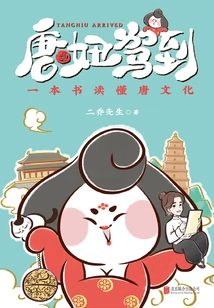
唐妞驾到:一本书读懂唐文化
Mr. Erqiao
Cartoonist Er Qiao drew a lovely portrait of a lady figurine from the Tang Dynasty. Unexpectedly, it came to life and called him daddy, which frightened him. It turns out that this little girl came from the Tang Dynasty, but she only had fragmentary memories of the history of the Tang Dynasty. Er Qiao named her Tang Niu, and the two of them called her father and daughter from then on. Tang Niu brought a lot of happiness to Er Qiao's life, but at the same time she brought a lot of trouble. Helpless, Er Qiao decided to send her back to the Tang Dynasty. So, he took Tang Niu to search for everything related to the Tang Dynasty, hoping to find the "time and space tunnel" that could send Tang Niu back to the Tang Dynasty. No one expected that Tang Niu would uncover one mystery after another of the Tang Dynasty: How did women in the Tang Dynasty wear makeup? What does Datang's World Shopping Center look like? What's the secret behind Tang Dynasty women's noodle dishes? How did Emperor Xuanzong of the Tang Dynasty keep lychees fresh? What is the story behind "Mountains and rivers in different lands, wind and moon in the same sky"? ...
Cartoonist Er Qiao drew a lovely portrait of a lady figurine from the Tang Dynasty. Unexpectedly, it came to life and called him daddy, which frightened him. It turns out that this little girl came from the Tang Dynasty, but she only had fragmentary memories of the history of the Tang Dynasty. Er Qiao named her Tang Niu, and the two of them called her father and daughter from then on. Tang Niu brought a lot of happiness to Er Qiao's life, but at the same time she brought a lot of trouble. Helpless, Er Qiao decided to send her back to the Tang Dynasty. So, he took Tang Niu to search for everything related to the Tang Dynasty, hoping to find the "time and space tunnel" that could send Tang Niu back to the Tang Dynasty. No one expected that Tang Niu would uncover one mystery after another of the Tang Dynasty: How did women in the Tang Dynasty wear makeup? What does Datang's World Shopping Center look like? What's the secret behind Tang Dynasty women's noodle dishes? How did Emperor Xuanzong of the Tang Dynasty keep lychees fresh? What is the story behind "Mountains and rivers in different lands, wind and moon in the same sky"? ...
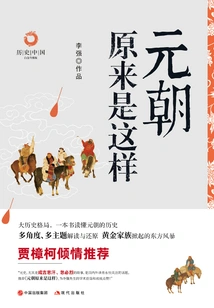
元朝原来是这样(白金升级版)
Li Qiang
A historical classic that provides a panoramic interpretation of the Yuan Dynasty, the most extensive dynasty in ancient China! Armed with gold and iron, they conquered the west and east, and fought in the south and north. The Yuan Dynasty completed the reunification of multi-ethnic countries; from Taizu Temujin, Genghis Khan and Taizong Ogedai to Xianzong Mengge and Shizu Kublai Khan, the Golden Family set off a storm in the East and shook the Eurasian continent. Military genius and nomadic cavalry, through more than half a century of Chinese-style "Norman Conquest", started an extremely powerful dynasty in human history. This book examines historical materials and pays attention to details, elucidating the origin and whereabouts of the Yuan Dynasty, deciphering the Yuan Dynasty's successes and failures, its economy and culture, and revealing the unique historical laws by which various ethnic groups have jointly created and developed Chinese civilization throughout the ages.
A historical classic that provides a panoramic interpretation of the Yuan Dynasty, the most extensive dynasty in ancient China! Armed with gold and iron, they conquered the west and east, and fought in the south and north. The Yuan Dynasty completed the reunification of multi-ethnic countries; from Taizu Temujin, Genghis Khan and Taizong Ogedai to Xianzong Mengge and Shizu Kublai Khan, the Golden Family set off a storm in the East and shook the Eurasian continent. Military genius and nomadic cavalry, through more than half a century of Chinese-style "Norman Conquest", started an extremely powerful dynasty in human history. This book examines historical materials and pays attention to details, elucidating the origin and whereabouts of the Yuan Dynasty, deciphering the Yuan Dynasty's successes and failures, its economy and culture, and revealing the unique historical laws by which various ethnic groups have jointly created and developed Chinese civilization throughout the ages.
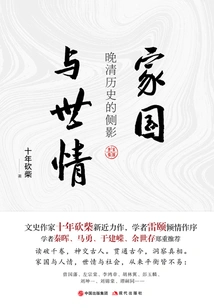
家国与世情:晚清历史的侧影
Ten Years Of Cutting Firewood
"Family, Country and World: A Profile of the History of the Late Qing Dynasty" is a recent masterpiece written by a famous literary and historical writer who has been chopping firewood for ten years. Under the framework of the great history of the late Qing Dynasty, this book starts from the two dimensions of family, country and world conditions, and presents many historical details of many civil servants and generals such as Zeng Guofan, Zuo Zongtang, Li Hongzhang, Hu Linyi, Peng Yulin, Liu Kunyi, etc. It also extends to the friends and staff around them to see the history and society at that time, deeply explores the influence and influence of family, country and world conditions on history, and deeply analyzes the fate of the late Qing Dynasty and the historical truth of personal destiny. This book not only writes about the famous officials of the late Qing Dynasty, such as Zeng, Zuo, and Li, but also writes about many "alternative figures" at important moments in the history of the late Qing Dynasty, such as Yu Xian, Lian Wenchong, Qi Ying, etc. These people have more or less feelings about their family and country, but they are unable to save the decline of the dynasty. Some people's inner sense of moral superiority actually harms their family and country. The author focuses on the interpersonal interactions of historical figures, carefully observes and objectively examines those people and things in history, and uses each historical figure and historical event to try to restore the historical path of how the late Qing Dynasty declined step by step, unlocking the root causes and puzzles of the end of the Qing Dynasty.
"Family, Country and World: A Profile of the History of the Late Qing Dynasty" is a recent masterpiece written by a famous literary and historical writer who has been chopping firewood for ten years. Under the framework of the great history of the late Qing Dynasty, this book starts from the two dimensions of family, country and world conditions, and presents many historical details of many civil servants and generals such as Zeng Guofan, Zuo Zongtang, Li Hongzhang, Hu Linyi, Peng Yulin, Liu Kunyi, etc. It also extends to the friends and staff around them to see the history and society at that time, deeply explores the influence and influence of family, country and world conditions on history, and deeply analyzes the fate of the late Qing Dynasty and the historical truth of personal destiny. This book not only writes about the famous officials of the late Qing Dynasty, such as Zeng, Zuo, and Li, but also writes about many "alternative figures" at important moments in the history of the late Qing Dynasty, such as Yu Xian, Lian Wenchong, Qi Ying, etc. These people have more or less feelings about their family and country, but they are unable to save the decline of the dynasty. Some people's inner sense of moral superiority actually harms their family and country. The author focuses on the interpersonal interactions of historical figures, carefully observes and objectively examines those people and things in history, and uses each historical figure and historical event to try to restore the historical path of how the late Qing Dynasty declined step by step, unlocking the root causes and puzzles of the end of the Qing Dynasty.
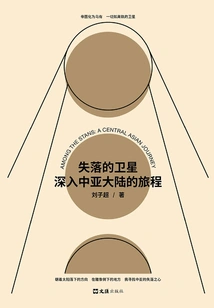
失落的卫星 : 深入中亚大陆的旅程
Liu Zichao
Over the past nine years, writer Liu Zichao has traveled deep into the hinterland of Asia several times, to the mysterious neighboring countries - Uzbekistan, Kazakhstan, Kyrgyzstan, Tajikistan and Turkmenistan - in this land at the edge of the world and between the great powers, embarking on a journey of searching between the past and the future. Along the way, he meets all kinds of people, wandering between hope and frustration, freedom and loss. Everything is like a deorbiting satellite, ambiguous and lost, full of vitality, loneliness and struggle. We are right next door, but we don't realize it - until the trip starts, until we open this book.
Over the past nine years, writer Liu Zichao has traveled deep into the hinterland of Asia several times, to the mysterious neighboring countries - Uzbekistan, Kazakhstan, Kyrgyzstan, Tajikistan and Turkmenistan - in this land at the edge of the world and between the great powers, embarking on a journey of searching between the past and the future. Along the way, he meets all kinds of people, wandering between hope and frustration, freedom and loss. Everything is like a deorbiting satellite, ambiguous and lost, full of vitality, loneliness and struggle. We are right next door, but we don't realize it - until the trip starts, until we open this book.
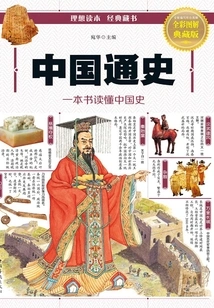
General History of China
History中国通史
Wanhua
China is a great country with a splendid civilization history of five thousand years, full of vitality and vitality. Chinese civilization has a long history, and its history is full of twists and turns. The historical events and figures that have occurred during this period are complex and have many clues. It is not easy to grasp the development process of Chinese history as a whole. In order to help readers understand the process of Chinese history in a short period of time and enrich their knowledge reserves, we have carefully compiled this "General History of China". In chronological order, it is divided into six major chapters: the origin of China, the struggle for hegemony in the Central Plains, the unification of Kyushu, separation and integration, the changes in the universe, and the change of dynasties. It outlines the historical evolution of China in a splendid and concise manner. It systematically introduces the current major events, influential figures, brilliant achievements, splendid culture and other content in Chinese history, striving to reach a new height in terms of authenticity, interest and enlightenment, and interprets Chinese history from multiple aspects, new perspectives and multiple levels through scientific format and innovative format. This book also carefully selects hundreds of pictures with a wide range of content and rich expressions, including unearthed cultural relics, historical relics, war diagrams, celebrity portraits, etc., Which complement and interpret the text content, making readers feel as if they are in a real three-dimensional history museum, and have a more intuitive understanding of Chinese history.
China is a great country with a splendid civilization history of five thousand years, full of vitality and vitality. Chinese civilization has a long history, and its history is full of twists and turns. The historical events and figures that have occurred during this period are complex and have many clues. It is not easy to grasp the development process of Chinese history as a whole. In order to help readers understand the process of Chinese history in a short period of time and enrich their knowledge reserves, we have carefully compiled this "General History of China". In chronological order, it is divided into six major chapters: the origin of China, the struggle for hegemony in the Central Plains, the unification of Kyushu, separation and integration, the changes in the universe, and the change of dynasties. It outlines the historical evolution of China in a splendid and concise manner. It systematically introduces the current major events, influential figures, brilliant achievements, splendid culture and other content in Chinese history, striving to reach a new height in terms of authenticity, interest and enlightenment, and interprets Chinese history from multiple aspects, new perspectives and multiple levels through scientific format and innovative format. This book also carefully selects hundreds of pictures with a wide range of content and rich expressions, including unearthed cultural relics, historical relics, war diagrams, celebrity portraits, etc., Which complement and interpret the text content, making readers feel as if they are in a real three-dimensional history museum, and have a more intuitive understanding of Chinese history.
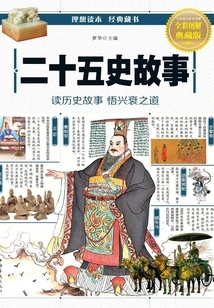
二十五史故事
Menghua
This book is divided into 25 chapters. It selects major historical events and important historical figures from 25 historical books. It is divided into chapters according to the chronological order of each history book. It comprehensively and innovatively explains Chinese history. It outlines the basic context and development process of Chinese history brilliantly and concisely, so that readers can easily read history and think about history from a new perspective.
This book is divided into 25 chapters. It selects major historical events and important historical figures from 25 historical books. It is divided into chapters according to the chronological order of each history book. It comprehensively and innovatively explains Chinese history. It outlines the basic context and development process of Chinese history brilliantly and concisely, so that readers can easily read history and think about history from a new perspective.
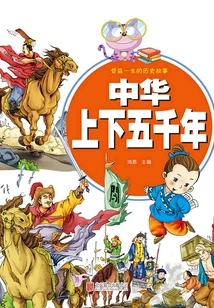
Five Thousand Years of China
History中华上下五千年
Hong En
China has a long history, which includes both prosperity and glory, as well as twists and turns and hardships. The accumulation of history has created today's splendid modern civilization. By studying and understanding past history, we can experience the wisdom of survival.
China has a long history, which includes both prosperity and glory, as well as twists and turns and hardships. The accumulation of history has created today's splendid modern civilization. By studying and understanding past history, we can experience the wisdom of survival.
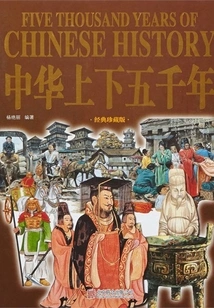
中华上下五千年大全集
Yang Yanli
From the first call of ancient civilization, Chinese history has gone through a long and thought-provoking process of five thousand years. During this period, there have been prosperity and glory, but also twists and turns. The accumulation of past history has created today's splendid modern civilization. By studying and understanding Chinese history, people can appreciate the wisdom of survival from the rise and fall of dynasties, and understand the true meaning of life from the experiences of all-powerful historical figures.
From the first call of ancient civilization, Chinese history has gone through a long and thought-provoking process of five thousand years. During this period, there have been prosperity and glory, but also twists and turns. The accumulation of past history has created today's splendid modern civilization. By studying and understanding Chinese history, people can appreciate the wisdom of survival from the rise and fall of dynasties, and understand the true meaning of life from the experiences of all-powerful historical figures.
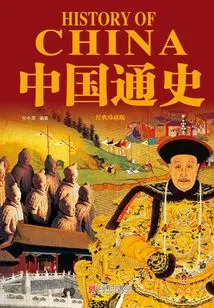
General History of China
History中国通史
Ren Zhongyuan
The world-famous litterateur Cervantes said: "History breeds truth; it can compete with time and preserve the past; it is a sign of the past, a warning for the present, and a lesson for future generations." History, as a mirror, records the success and failure, prosperity and decline, glory and sorrow, alternation and renewal of human society, and also foreshadows the future of mankind.
The world-famous litterateur Cervantes said: "History breeds truth; it can compete with time and preserve the past; it is a sign of the past, a warning for the present, and a lesson for future generations." History, as a mirror, records the success and failure, prosperity and decline, glory and sorrow, alternation and renewal of human society, and also foreshadows the future of mankind.
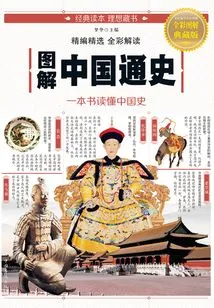
图解中国通史
Menghua
This book also carefully selects hundreds of pictures with a wide range of content and rich expressions, including unearthed cultural relics, historical relics, war diagrams, celebrity portraits, etc., Which complement and interpret the text content, making readers feel as if they are in a real three-dimensional history museum, and have a more intuitive understanding of Chinese history. Simple and concise text, coupled with diverse images, create a three-dimensional and intuitive reading space, allowing readers to enjoy the dual enjoyment of pictures and text. The characters and events selected in this book, on the basis of ensuring the reliability of historical materials, strive to be easy to understand and lively. It restores the historical truth through easy-to-understand words, without making jokes or spoofing. It is suitable for general readers who want to quickly understand Chinese history. History contains experience and true knowledge. Here, we use a book to interpret Chinese history, presenting vivid historical figures and rich multiculturalism to readers. By reading this book, readers can understand the process of human historical development in a relaxed and enjoyable way, increase their knowledge and courage, improve their historical accomplishment, and then better grasp the present and look forward to the future with a global mind and historical perspective.
This book also carefully selects hundreds of pictures with a wide range of content and rich expressions, including unearthed cultural relics, historical relics, war diagrams, celebrity portraits, etc., Which complement and interpret the text content, making readers feel as if they are in a real three-dimensional history museum, and have a more intuitive understanding of Chinese history. Simple and concise text, coupled with diverse images, create a three-dimensional and intuitive reading space, allowing readers to enjoy the dual enjoyment of pictures and text. The characters and events selected in this book, on the basis of ensuring the reliability of historical materials, strive to be easy to understand and lively. It restores the historical truth through easy-to-understand words, without making jokes or spoofing. It is suitable for general readers who want to quickly understand Chinese history. History contains experience and true knowledge. Here, we use a book to interpret Chinese history, presenting vivid historical figures and rich multiculturalism to readers. By reading this book, readers can understand the process of human historical development in a relaxed and enjoyable way, increase their knowledge and courage, improve their historical accomplishment, and then better grasp the present and look forward to the future with a global mind and historical perspective.
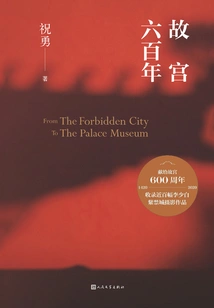
故宫六百年(独家定制版)
Zhu Yong
[Exclusively published on WeChat Reading, exclusive customized version] This book uses the spatial order of the Forbidden City's architecture as the abscissa and the chronological order of the Forbidden City's history as the ordinate. It reflects the history and cultural connotation of the Forbidden City in a three-dimensional and panoramic manner, and reviews the six hundred years of the Forbidden City's history. , Revealing the historical significance of Beijing as the capital, showing the great achievements of Chinese civilization in palace architecture, gardens, paintings, reading and collections, etc., While criticizing the dark cruelty of feudal imperial power, and revealing the historical inevitability of Chinese history moving towards democracy and self-reliance in the 20th century.
[Exclusively published on WeChat Reading, exclusive customized version] This book uses the spatial order of the Forbidden City's architecture as the abscissa and the chronological order of the Forbidden City's history as the ordinate. It reflects the history and cultural connotation of the Forbidden City in a three-dimensional and panoramic manner, and reviews the six hundred years of the Forbidden City's history. , Revealing the historical significance of Beijing as the capital, showing the great achievements of Chinese civilization in palace architecture, gardens, paintings, reading and collections, etc., While criticizing the dark cruelty of feudal imperial power, and revealing the historical inevitability of Chinese history moving towards democracy and self-reliance in the 20th century.
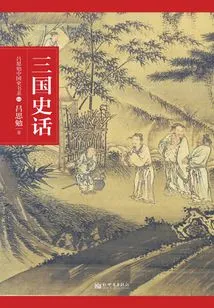
三国史话
Lu Simian
This book is the only popular historical work written by the historian Mr. Lu Simian during his lifetime. Based on rich historical knowledge, the author makes a detailed distinction between the characters, events, wars and geographical environment that existed in the history of the Three Kingdoms and were shaped in the literature of the Three Kingdoms from the perspective of literature and history. He also conducts in-depth analysis of many major historical issues and puts forward many valuable insights. Mr. Lu's history writing focuses on the comprehensive study of society and he is the most comprehensive. He often comments on history with a unique eye. Therefore, this book has become an important reference for Mr. Yi Zhongtian's review of the Three Kingdoms. Target audience: readers who admire Mr. Lu Simian's rigorous academic spirit, history enthusiasts, fans of "The Romance of the Three Kingdoms" and senior researchers.
This book is the only popular historical work written by the historian Mr. Lu Simian during his lifetime. Based on rich historical knowledge, the author makes a detailed distinction between the characters, events, wars and geographical environment that existed in the history of the Three Kingdoms and were shaped in the literature of the Three Kingdoms from the perspective of literature and history. He also conducts in-depth analysis of many major historical issues and puts forward many valuable insights. Mr. Lu's history writing focuses on the comprehensive study of society and he is the most comprehensive. He often comments on history with a unique eye. Therefore, this book has become an important reference for Mr. Yi Zhongtian's review of the Three Kingdoms. Target audience: readers who admire Mr. Lu Simian's rigorous academic spirit, history enthusiasts, fans of "The Romance of the Three Kingdoms" and senior researchers.
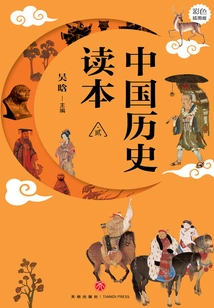
Chinese History Reader·2
History中国历史读本·贰
Editor-in-chief Wu Han
"Chinese History Reader" is a historical encyclopedia written for teenagers by Wu Han, a master of history, and it provides a panoramic view of thousands of years of Chinese civilization as an excellent popular reading book. History, culture, Chinese studies, literature, calligraphy, painting, politics, all in one step! It contains important events, common knowledge of literature and history, regulations and systems, cultural life, historical figures, idioms and stories, etc., With exquisite color illustrations to reproduce historical scenes. It is a must-read classic for young people to learn Chinese history and traditional culture, improve their self-cultivation, and absorb experience and wisdom in dealing with the world.
"Chinese History Reader" is a historical encyclopedia written for teenagers by Wu Han, a master of history, and it provides a panoramic view of thousands of years of Chinese civilization as an excellent popular reading book. History, culture, Chinese studies, literature, calligraphy, painting, politics, all in one step! It contains important events, common knowledge of literature and history, regulations and systems, cultural life, historical figures, idioms and stories, etc., With exquisite color illustrations to reproduce historical scenes. It is a must-read classic for young people to learn Chinese history and traditional culture, improve their self-cultivation, and absorb experience and wisdom in dealing with the world.
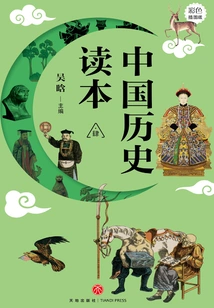
Chinese History Reader·4
History中国历史读本·肆
Editor-in-chief Wu Han
"Chinese History Reader" is a historical encyclopedia written for teenagers by Wu Han, a master of history, and it provides a panoramic view of thousands of years of Chinese civilization as an excellent popular reading book. History, culture, Chinese studies, literature, calligraphy, painting, politics, all in one step! It contains important events, common knowledge of literature and history, regulations and systems, cultural life, historical figures, idioms and stories, etc., With exquisite color illustrations to reproduce historical scenes. It is a must-read classic for young people to learn Chinese history and traditional culture, improve their self-cultivation, and absorb experience and wisdom in dealing with the world.
"Chinese History Reader" is a historical encyclopedia written for teenagers by Wu Han, a master of history, and it provides a panoramic view of thousands of years of Chinese civilization as an excellent popular reading book. History, culture, Chinese studies, literature, calligraphy, painting, politics, all in one step! It contains important events, common knowledge of literature and history, regulations and systems, cultural life, historical figures, idioms and stories, etc., With exquisite color illustrations to reproduce historical scenes. It is a must-read classic for young people to learn Chinese history and traditional culture, improve their self-cultivation, and absorb experience and wisdom in dealing with the world.
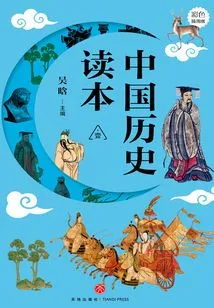
Chinese History Reader 1
History中国历史读本·壹
Editor-in-chief Wu Han
"Chinese History Reader" is a historical encyclopedia written for teenagers by Wu Han, a master of history, and it provides a panoramic view of thousands of years of Chinese civilization as an excellent popular reading book. History, culture, Chinese studies, literature, calligraphy, painting, politics, all in one step! It contains important events, common knowledge of literature and history, regulations and systems, cultural life, historical figures, idioms and stories, etc., With exquisite color illustrations to reproduce historical scenes. It is a must-read classic for young people to learn Chinese history and traditional culture, improve their self-cultivation, and absorb experience and wisdom in dealing with the world.
"Chinese History Reader" is a historical encyclopedia written for teenagers by Wu Han, a master of history, and it provides a panoramic view of thousands of years of Chinese civilization as an excellent popular reading book. History, culture, Chinese studies, literature, calligraphy, painting, politics, all in one step! It contains important events, common knowledge of literature and history, regulations and systems, cultural life, historical figures, idioms and stories, etc., With exquisite color illustrations to reproduce historical scenes. It is a must-read classic for young people to learn Chinese history and traditional culture, improve their self-cultivation, and absorb experience and wisdom in dealing with the world.
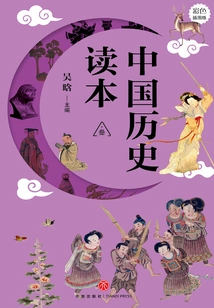
Chinese History Reader 3
History中国历史读本·叁
Editor-in-chief Wu Han
"Chinese History Reader" is a historical encyclopedia written for teenagers by Wu Han, a master of history, and it provides a panoramic view of thousands of years of Chinese civilization as an excellent popular reading book. History, culture, Chinese studies, literature, calligraphy, painting, politics, all in one step! It contains important events, common knowledge of literature and history, regulations and systems, cultural life, historical figures, idioms and stories, etc., With exquisite color illustrations to reproduce historical scenes. It is a must-read classic for young people to learn Chinese history and traditional culture, improve their self-cultivation, and absorb experience and wisdom in dealing with the world.
"Chinese History Reader" is a historical encyclopedia written for teenagers by Wu Han, a master of history, and it provides a panoramic view of thousands of years of Chinese civilization as an excellent popular reading book. History, culture, Chinese studies, literature, calligraphy, painting, politics, all in one step! It contains important events, common knowledge of literature and history, regulations and systems, cultural life, historical figures, idioms and stories, etc., With exquisite color illustrations to reproduce historical scenes. It is a must-read classic for young people to learn Chinese history and traditional culture, improve their self-cultivation, and absorb experience and wisdom in dealing with the world.
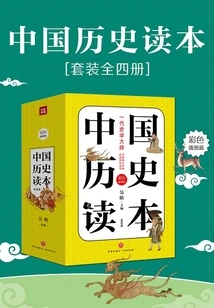
中国历史读本(全四册)
Editor-in-chief Wu Han
"Chinese History Reader" is a historical encyclopedia written for teenagers by Wu Han, a master of history, and it provides a panoramic view of thousands of years of Chinese civilization as an excellent popular reading book. History, culture, Chinese studies, literature, calligraphy, painting, politics, all in one step! It contains important events, common knowledge of literature and history, regulations and systems, cultural life, historical figures, idioms and stories, etc., With exquisite color illustrations to reproduce historical scenes. It is a must-read classic for young people to learn Chinese history and traditional culture, improve their self-cultivation, and absorb experience and wisdom in dealing with the world.
"Chinese History Reader" is a historical encyclopedia written for teenagers by Wu Han, a master of history, and it provides a panoramic view of thousands of years of Chinese civilization as an excellent popular reading book. History, culture, Chinese studies, literature, calligraphy, painting, politics, all in one step! It contains important events, common knowledge of literature and history, regulations and systems, cultural life, historical figures, idioms and stories, etc., With exquisite color illustrations to reproduce historical scenes. It is a must-read classic for young people to learn Chinese history and traditional culture, improve their self-cultivation, and absorb experience and wisdom in dealing with the world.
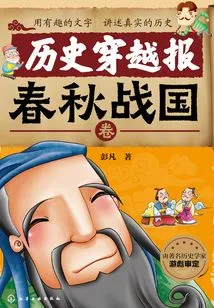
历史穿越报:春秋战国卷
Peng Fan
"Historical Time Travel Report" has 10 volumes in total, including "Historical Time Travel Newspaper - Xia, Shang and Western Zhou Volume", "Historical Time Travel Newspaper - Spring and Autumn Period and Warring States Volume", "History Time Travel Newspaper - Qin and Han Dynasty Volume", "History Time Travel Newspaper - Three Kingdoms, Two Jins, Southern and Northern Dynasties Volume", "History Time Travel Newspaper - Sui and Tang Dynasties Volume", "History Time Travel Newspaper - Volume of Five Dynasties and Ten Kingdoms", "History Time Travel Newspaper - Volume of Five Dynasties and Ten Kingdoms", "Historical Time Travel Newspaper - Volume of Yuan Dynasty", "Historical Time Travel Report - Ming Dynasty Volume", "Historical Time Travel Report - Qing Dynasty Volume". There are war reports and world affairs passed down by the ancients, allowing children to understand the process of history and the changes of the times; there are gossip news unearthed by reporters, with lively and vivid content; there are folk opinions collected by correspondents, so readers can listen to the voices of the ancients; interviews with historical celebrities, allowing readers to learn more about the powerful figures in history; there are also a large number of illustrations and funny cartoons... The content is rich, colorful, lively and interesting. Opening this book is like traveling back in time to the mysterious and distant Spring and Autumn and Warring States periods, laughing and sharing the same fate with the ancients, and witnessing China's historical development and dynasty changes; it is novel, interesting, humorous and unique, making it a must-have reading for primary school students and junior high school students during the holidays.
"Historical Time Travel Report" has 10 volumes in total, including "Historical Time Travel Newspaper - Xia, Shang and Western Zhou Volume", "Historical Time Travel Newspaper - Spring and Autumn Period and Warring States Volume", "History Time Travel Newspaper - Qin and Han Dynasty Volume", "History Time Travel Newspaper - Three Kingdoms, Two Jins, Southern and Northern Dynasties Volume", "History Time Travel Newspaper - Sui and Tang Dynasties Volume", "History Time Travel Newspaper - Volume of Five Dynasties and Ten Kingdoms", "History Time Travel Newspaper - Volume of Five Dynasties and Ten Kingdoms", "Historical Time Travel Newspaper - Volume of Yuan Dynasty", "Historical Time Travel Report - Ming Dynasty Volume", "Historical Time Travel Report - Qing Dynasty Volume". There are war reports and world affairs passed down by the ancients, allowing children to understand the process of history and the changes of the times; there are gossip news unearthed by reporters, with lively and vivid content; there are folk opinions collected by correspondents, so readers can listen to the voices of the ancients; interviews with historical celebrities, allowing readers to learn more about the powerful figures in history; there are also a large number of illustrations and funny cartoons... The content is rich, colorful, lively and interesting. Opening this book is like traveling back in time to the mysterious and distant Spring and Autumn and Warring States periods, laughing and sharing the same fate with the ancients, and witnessing China's historical development and dynasty changes; it is novel, interesting, humorous and unique, making it a must-have reading for primary school students and junior high school students during the holidays.
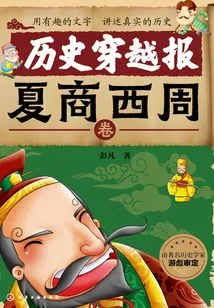
历史穿越报:夏商西周卷
Peng Fan
"Historical Time Travel Report" has 10 volumes in total, including "Historical Time Travel Newspaper - Xia, Shang and Western Zhou Volume", "Historical Time Travel Newspaper - Spring and Autumn Period and Warring States Volume", "History Time Travel Newspaper - Qin and Han Dynasty Volume", "History Time Travel Newspaper - Three Kingdoms, Two Jins, Southern and Northern Dynasties Volume", "History Time Travel Newspaper - Sui and Tang Dynasties Volume", "History Time Travel Newspaper - Volume of Five Dynasties and Ten Kingdoms", "History Time Travel Newspaper - Volume of Five Dynasties and Ten Kingdoms", "Historical Time Travel Newspaper - Volume of Yuan Dynasty", "Historical Time Travel Report - Ming Dynasty Volume", "Historical Time Travel Report - Qing Dynasty Volume". There are war reports and world affairs passed down by the ancients, allowing children to understand the process of history and the changes of the times; there are gossip news unearthed by reporters, with lively and vivid content; there are folk opinions collected by correspondents, so readers can listen to the voices of the ancients; interviews with historical celebrities, allowing readers to learn more about the powerful figures in history; there are also a large number of illustrations and funny cartoons... The content is rich, colorful, lively and interesting. Opening this book is like traveling to the mysterious and distant Xia, Shang and Western Zhou dynasties, laughing and sharing the same fate with the ancients, and witnessing the historical development and dynasty changes of China with your own eyes; it is novel, interesting, humorous and unique, and is a must-have reading for primary school students and junior high school students during the holidays.
"Historical Time Travel Report" has 10 volumes in total, including "Historical Time Travel Newspaper - Xia, Shang and Western Zhou Volume", "Historical Time Travel Newspaper - Spring and Autumn Period and Warring States Volume", "History Time Travel Newspaper - Qin and Han Dynasty Volume", "History Time Travel Newspaper - Three Kingdoms, Two Jins, Southern and Northern Dynasties Volume", "History Time Travel Newspaper - Sui and Tang Dynasties Volume", "History Time Travel Newspaper - Volume of Five Dynasties and Ten Kingdoms", "History Time Travel Newspaper - Volume of Five Dynasties and Ten Kingdoms", "Historical Time Travel Newspaper - Volume of Yuan Dynasty", "Historical Time Travel Report - Ming Dynasty Volume", "Historical Time Travel Report - Qing Dynasty Volume". There are war reports and world affairs passed down by the ancients, allowing children to understand the process of history and the changes of the times; there are gossip news unearthed by reporters, with lively and vivid content; there are folk opinions collected by correspondents, so readers can listen to the voices of the ancients; interviews with historical celebrities, allowing readers to learn more about the powerful figures in history; there are also a large number of illustrations and funny cartoons... The content is rich, colorful, lively and interesting. Opening this book is like traveling to the mysterious and distant Xia, Shang and Western Zhou dynasties, laughing and sharing the same fate with the ancients, and witnessing the historical development and dynasty changes of China with your own eyes; it is novel, interesting, humorous and unique, and is a must-have reading for primary school students and junior high school students during the holidays.
上古神话演义(第四卷):鼎定九州
Zhong Yulong
The four-volume series "Ancient Mythology" is a popular reading book on ancient history written by literary and historian Zhong Yulong. This volume tells the story of Yu's extraordinary experiences during his overseas tours, the gathering of immortals when Yu traveled to Kunlun, the grand scene of the coming of all the countries from all over the world, the construction of the Nine Cauldrons by Yu after Shun, and the ascension of Emperor Qi after the death of the immortals Yu. Many of these stories have been passed down to this day, such as Kuafu Chasing the Sun, Qigong Speeding Car, Yu Zhu Jiuding, etc.
The four-volume series "Ancient Mythology" is a popular reading book on ancient history written by literary and historian Zhong Yulong. This volume tells the story of Yu's extraordinary experiences during his overseas tours, the gathering of immortals when Yu traveled to Kunlun, the grand scene of the coming of all the countries from all over the world, the construction of the Nine Cauldrons by Yu after Shun, and the ascension of Emperor Qi after the death of the immortals Yu. Many of these stories have been passed down to this day, such as Kuafu Chasing the Sun, Qigong Speeding Car, Yu Zhu Jiuding, etc.
上古神话演义(第三卷):封山观海
Zhong Yulong
The four-volume series "Ancient Mythology" is a popular reading book on ancient history written by literary and historian Zhong Yulong. This volume tells the story of how Emperor Yao ordered Yu to succeed his father in controlling floods. Yu led his people to cut mountains and rivers, build embankments when encountering depressions, dredge waterways, divert floodwaters into the sea, and finally dredge nine rivers. Yu devoted himself to water control, worked tirelessly, and passed through the house three times without entering, finally eliminating the flood. The four-volume series "Ancient Mythology" is a popular reading book on ancient history written by literary and historian Zhong Yulong. The book took ten years to create and was published in 1936. This four-volume work, with a total of 160 chapters, was well received by critics when it was published, comparable to "Feng Shen Bang" and "Journey to the West". It was a set of extracurricular readings for primary and middle school students at that time to enhance their Chinese literacy.
The four-volume series "Ancient Mythology" is a popular reading book on ancient history written by literary and historian Zhong Yulong. This volume tells the story of how Emperor Yao ordered Yu to succeed his father in controlling floods. Yu led his people to cut mountains and rivers, build embankments when encountering depressions, dredge waterways, divert floodwaters into the sea, and finally dredge nine rivers. Yu devoted himself to water control, worked tirelessly, and passed through the house three times without entering, finally eliminating the flood. The four-volume series "Ancient Mythology" is a popular reading book on ancient history written by literary and historian Zhong Yulong. The book took ten years to create and was published in 1936. This four-volume work, with a total of 160 chapters, was well received by critics when it was published, comparable to "Feng Shen Bang" and "Journey to the West". It was a set of extracurricular readings for primary and middle school students at that time to enhance their Chinese literacy.
上古神话演义(第二卷):五星出东方
Zhong Yulong
The four-volume series "Ancient Mythology" is a popular reading book on ancient history written by literary and historian Zhong Yulong. This volume tells the stories of Emperor Yao's patrols in the south and west, looking for sages to pass on the throne, the birth of Shun, and the cultivation of people in the Nine Farms of Lishan. Many of these stories have been passed down to this day, such as Meng shooting Yi, Chang'e flying to the moon, Hou Yi shooting the sun, Gonggong harnessing the Yellow River, Gun stealing the soil, Xu You composing songs, Chaofu washing ears, Cangjie coining characters, Shun plowing Mount Li, etc.
The four-volume series "Ancient Mythology" is a popular reading book on ancient history written by literary and historian Zhong Yulong. This volume tells the stories of Emperor Yao's patrols in the south and west, looking for sages to pass on the throne, the birth of Shun, and the cultivation of people in the Nine Farms of Lishan. Many of these stories have been passed down to this day, such as Meng shooting Yi, Chang'e flying to the moon, Hou Yi shooting the sun, Gonggong harnessing the Yellow River, Gun stealing the soil, Xu You composing songs, Chaofu washing ears, Cangjie coining characters, Shun plowing Mount Li, etc.
上古神话演义(第一卷):文明神迹
Zhong Yulong
The four-volume series "Ancient Mythology" is a popular reading book on ancient history written by literary and historian Zhong Yulong. This volume tells the history of the three generations of Emperor Ku, Emperor Zhi, and Emperor Yao, from Shaohao's birth in Qiongsang, Emperor Ku's assistant Zhuan Xu to Emperor Yao's teacher Yin Shou, who recommended Xu You and other four sages. Many of these stories have been passed down to this day, such as Gonggong's domination of Kyushu, Nuwa's making of stones to mend the sky, Gonggong's touching of Mount Buzhou, Houji's birth being abandoned three times, and the battle between Huangdi and Chiyou, etc.
The four-volume series "Ancient Mythology" is a popular reading book on ancient history written by literary and historian Zhong Yulong. This volume tells the history of the three generations of Emperor Ku, Emperor Zhi, and Emperor Yao, from Shaohao's birth in Qiongsang, Emperor Ku's assistant Zhuan Xu to Emperor Yao's teacher Yin Shou, who recommended Xu You and other four sages. Many of these stories have been passed down to this day, such as Gonggong's domination of Kyushu, Nuwa's making of stones to mend the sky, Gonggong's touching of Mount Buzhou, Houji's birth being abandoned three times, and the battle between Huangdi and Chiyou, etc.