Library
Browse and search books
2,169 novels found
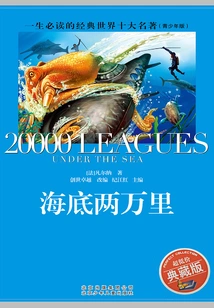
一生必读的世界十大名著:海底两万里(青少年版)
H
By tracking "sea monsters", this book depicts magical underwater worlds for us. There are underwater plains, underwater forests, underwater cemeteries, pearl worlds, sunken continents and ancient castles... Of course, in addition, the novel also shows us a variety of confusing and magical fish worlds. At the same time, Verne also used his magical pen to set up many thrilling scenes for us, making the whole novel ups and downs and exciting.
By tracking "sea monsters", this book depicts magical underwater worlds for us. There are underwater plains, underwater forests, underwater cemeteries, pearl worlds, sunken continents and ancient castles... Of course, in addition, the novel also shows us a variety of confusing and magical fish worlds. At the same time, Verne also used his magical pen to set up many thrilling scenes for us, making the whole novel ups and downs and exciting.
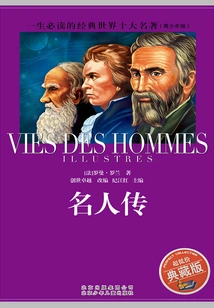
一生必读的世界十大名著:名人传(青少年版)
H
"Classics that must be read in a lifetime: Top Ten Classics in the World: Biographies of Celebrities for Teenagers" is a classic among the world's biographical literary works. It is three manuscripts depicting the human soul, and three hymns to heroes composed with passionate words: Beethoven - a deaf musician, a man tricked by fate, a hero who exchanges pain for joy; Michelangelo - a melancholic patient, a workaholic who gives life to rocks, a hero who enjoys pain and abandons joy; Tolstoy - an old man who ran away from home, a hero who broke the peace of life to appease his conscience. Different life experiences create the same success and glory. It inspires us: people must have the courage to face the misfortunes and sufferings of life and not give in to difficulties and pain. In order to better express the content and be closer to the reading habits of young readers, "Classics that must be read in a lifetime: Top Ten Classics in the World: Biographies of Celebrities for Teenagers (Super Low Price Collector's Edition)" has been carefully rewritten on the basis of retaining the basic content and text style characteristics of the original work, and has drawn hand-drawn illustrations that delicately express the text content. The combination of exquisite text and exquisite paintings will help young readers have a deeper and unique understanding of the contents of "The Biography of Celebrities".
"Classics that must be read in a lifetime: Top Ten Classics in the World: Biographies of Celebrities for Teenagers" is a classic among the world's biographical literary works. It is three manuscripts depicting the human soul, and three hymns to heroes composed with passionate words: Beethoven - a deaf musician, a man tricked by fate, a hero who exchanges pain for joy; Michelangelo - a melancholic patient, a workaholic who gives life to rocks, a hero who enjoys pain and abandons joy; Tolstoy - an old man who ran away from home, a hero who broke the peace of life to appease his conscience. Different life experiences create the same success and glory. It inspires us: people must have the courage to face the misfortunes and sufferings of life and not give in to difficulties and pain. In order to better express the content and be closer to the reading habits of young readers, "Classics that must be read in a lifetime: Top Ten Classics in the World: Biographies of Celebrities for Teenagers (Super Low Price Collector's Edition)" has been carefully rewritten on the basis of retaining the basic content and text style characteristics of the original work, and has drawn hand-drawn illustrations that delicately express the text content. The combination of exquisite text and exquisite paintings will help young readers have a deeper and unique understanding of the contents of "The Biography of Celebrities".
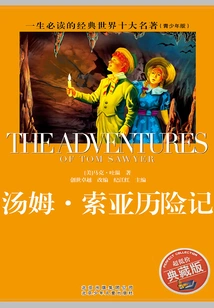
一生必读的世界十大名著:汤姆索亚历险记(青少年版)
G
This is a song about the growth of an ignorant boy, with a thrilling and ups and downs storyline that sparkles with dreams of vast seas and sky. The upholding of justice and the power of emotion deeply touched the hearts of the children. Three naughty boys mustered up the courage to paddle a raft away from home and go camping on an isolated island. The ever-flowing river records the footprints of the boys' growth. The boys' flying courage and ambition, as well as their twists and turns and thrilling treasure hunting adventure, together constitute this silent, tense and gripping novel.
This is a song about the growth of an ignorant boy, with a thrilling and ups and downs storyline that sparkles with dreams of vast seas and sky. The upholding of justice and the power of emotion deeply touched the hearts of the children. Three naughty boys mustered up the courage to paddle a raft away from home and go camping on an isolated island. The ever-flowing river records the footprints of the boys' growth. The boys' flying courage and ambition, as well as their twists and turns and thrilling treasure hunting adventure, together constitute this silent, tense and gripping novel.
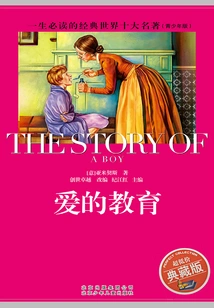
一生必读的世界十大名著:爱的教育(青少年版)
(italian) Amicis
This book is a great work that has moved hundreds of millions of readers around the world. It uses the form of a diary to tell people touching stories from the perspective and tone of a fourth-grade child, Amway. The book is carefully adapted on the basis of the original work, and is accompanied by exquisite illustrations, showing such an ideal world to children and their parents. Classics are not afraid of time. Although it has been more than a hundred years, this "Education of Love" still shines with dazzling light, guiding everyone who reads it to feel the fragrance of the soul.
This book is a great work that has moved hundreds of millions of readers around the world. It uses the form of a diary to tell people touching stories from the perspective and tone of a fourth-grade child, Amway. The book is carefully adapted on the basis of the original work, and is accompanied by exquisite illustrations, showing such an ideal world to children and their parents. Classics are not afraid of time. Although it has been more than a hundred years, this "Education of Love" still shines with dazzling light, guiding everyone who reads it to feel the fragrance of the soul.
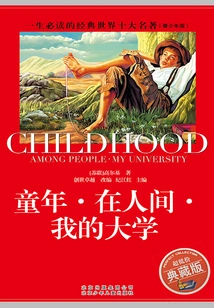
一生必读的世界十大名著:童年·在人间·我的大学(青少年版)
H
"Childhood", "In the World", and "My University" are the famous autobiographical trilogy of novels by Soviet writer Gorky. Through the description of his life and destiny in childhood, adolescence and youth, the author shows the growth process of a progressive young man before the Russian October Revolution. Alyosha, this world classic literary image, has remained in people's hearts for a long time and always inspired people to strive for a better tomorrow!
"Childhood", "In the World", and "My University" are the famous autobiographical trilogy of novels by Soviet writer Gorky. Through the description of his life and destiny in childhood, adolescence and youth, the author shows the growth process of a progressive young man before the Russian October Revolution. Alyosha, this world classic literary image, has remained in people's hearts for a long time and always inspired people to strive for a better tomorrow!
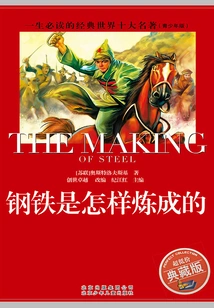
一生必读的世界十大名著:钢铁是怎样炼成的(青少年版)
H
"How the Steel Was Tempered" is an excellent novel written by the Soviet writer Nikolai Ostrovsky with strong perseverance and spent three years writing it under the harsh conditions of total paralysis and blindness. The protagonist of the novel, Paul Korchagin, is a stubborn and aggressive young man. In the wave of revolution, he gradually grows into a strong communist fighter. He was tested again and again in the war and endured the great pain caused by disability and blindness. In the process, he also wavered, but after a fierce ideological struggle, he finally defeated himself and picked up a new weapon-literary creation.
"How the Steel Was Tempered" is an excellent novel written by the Soviet writer Nikolai Ostrovsky with strong perseverance and spent three years writing it under the harsh conditions of total paralysis and blindness. The protagonist of the novel, Paul Korchagin, is a stubborn and aggressive young man. In the wave of revolution, he gradually grows into a strong communist fighter. He was tested again and again in the war and endured the great pain caused by disability and blindness. In the process, he also wavered, but after a fierce ideological struggle, he finally defeated himself and picked up a new weapon-literary creation.
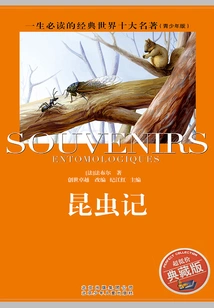
The World's Top Ten Masterpieces That You Must Read in Your Lifetime: Insects (youth Edition)
Literature一生必读的世界十大名著:昆虫记(青少年版)
H
The music of life composed by insects, ordinary citizens of nature. This is a work about insects written by French entomologist Fabre based on his lifelong experience and achievements in insect research. He observes the nature of insects with human nature, and uses a prose style to truly record the instincts, habits, labor, fertility, death, etc. Of various insects in the book. It is permeated with the author's care and awe for life, and reflects the author's meticulous and tireless scientific exploration spirit.
The music of life composed by insects, ordinary citizens of nature. This is a work about insects written by French entomologist Fabre based on his lifelong experience and achievements in insect research. He observes the nature of insects with human nature, and uses a prose style to truly record the instincts, habits, labor, fertility, death, etc. Of various insects in the book. It is permeated with the author's care and awe for life, and reflects the author's meticulous and tireless scientific exploration spirit.
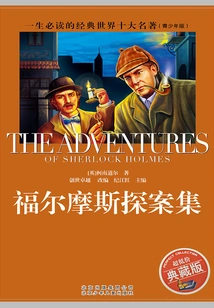
一生必读的世界十大名著:福尔摩斯探案集(青少年版)
(uk) Conan Doyle
The Sherlock Holmes series is the most exciting detective novels and is also a popular and outstanding work in the world literary world. The protagonist Sherlock Holmes created by the author is a master of Western detective science. He is calm, brave, intelligent, and has amazing observation skills. His rigorous reasoning skills and mature personality charm eclipse the protagonists of other detective novels. Each of his crime-solving stories has become an eternal classic that is difficult to surpass.
The Sherlock Holmes series is the most exciting detective novels and is also a popular and outstanding work in the world literary world. The protagonist Sherlock Holmes created by the author is a master of Western detective science. He is calm, brave, intelligent, and has amazing observation skills. His rigorous reasoning skills and mature personality charm eclipse the protagonists of other detective novels. Each of his crime-solving stories has become an eternal classic that is difficult to surpass.
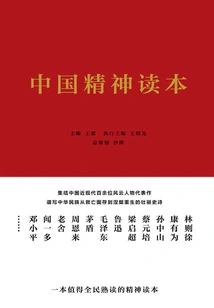
Chinese Spiritual Reader
Literature中国精神读本
Wang Meng Editor-in-chief Wang Shaoguang
From the Opium War in the late Qing Dynasty to the reform and opening up of New China, the Chinese people have experienced an unprecedented spiritual nirvana. The tempering of iron and blood not only forged the bones and muscles, but also established the Chinese people's unyielding spirit and became a great source of confidence in contemporary China's path and culture. This book selects famous Chinese classics from over a hundred years ago to show readers the magnificent history of China's spiritual evolution: how China, which once had "thousands of horses quivering in silence to study the pitiable things", "changed the world" and once again stood among the nations of the world; and how it united as one and embarked on the road of socialism with a bright future!
From the Opium War in the late Qing Dynasty to the reform and opening up of New China, the Chinese people have experienced an unprecedented spiritual nirvana. The tempering of iron and blood not only forged the bones and muscles, but also established the Chinese people's unyielding spirit and became a great source of confidence in contemporary China's path and culture. This book selects famous Chinese classics from over a hundred years ago to show readers the magnificent history of China's spiritual evolution: how China, which once had "thousands of horses quivering in silence to study the pitiable things", "changed the world" and once again stood among the nations of the world; and how it united as one and embarked on the road of socialism with a bright future!
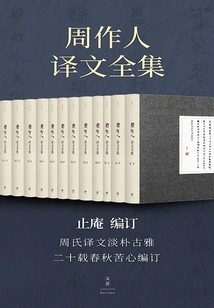
Complete Translations of Zhou Zuoren
Literature周作人译文全集
Edited By Zhi'an
"The Complete Works of Translations by Zhou Zuoren" consists of twelve volumes, compiling all of Zhou Zuoren's works that have been translated from foreign languages into Chinese. Among them, volumes one to five are translations of ancient Greek; volumes six to nine are translations of Japanese; volumes ten to eleven are mainly translations of English and Esperanto; and volume twelfth are translations of works in classical Chinese. Zhou Zuoren's translation is simple and elegant, with detailed and insightful annotations. He is proficient in ancient Greek, Japanese, English and other foreign languages. He pursues a literal translation style. He is also a master of prose and can always convey the meaning of the original work perfectly and freely. Most of his translations are classics of world literature, such as the tragedies of Euripides, the dialogues of Lugianus, "The Kojiki", "Pillows", Japanese kyōga and "Comical Edition", etc., Which have extremely high aesthetic taste and foreign literature research value. At the same time, the annotations added by Zhou Zuoren account for a large proportion of the translation, which can be regarded as an important research result on relevant foreign literature and cultural issues. His lifelong stay outside the mainstream discourse system and orthodox way of thinking ensures that these annotations are not limited by the times and have enduring value.
"The Complete Works of Translations by Zhou Zuoren" consists of twelve volumes, compiling all of Zhou Zuoren's works that have been translated from foreign languages into Chinese. Among them, volumes one to five are translations of ancient Greek; volumes six to nine are translations of Japanese; volumes ten to eleven are mainly translations of English and Esperanto; and volume twelfth are translations of works in classical Chinese. Zhou Zuoren's translation is simple and elegant, with detailed and insightful annotations. He is proficient in ancient Greek, Japanese, English and other foreign languages. He pursues a literal translation style. He is also a master of prose and can always convey the meaning of the original work perfectly and freely. Most of his translations are classics of world literature, such as the tragedies of Euripides, the dialogues of Lugianus, "The Kojiki", "Pillows", Japanese kyōga and "Comical Edition", etc., Which have extremely high aesthetic taste and foreign literature research value. At the same time, the annotations added by Zhou Zuoren account for a large proportion of the translation, which can be regarded as an important research result on relevant foreign literature and cultural issues. His lifelong stay outside the mainstream discourse system and orthodox way of thinking ensures that these annotations are not limited by the times and have enduring value.
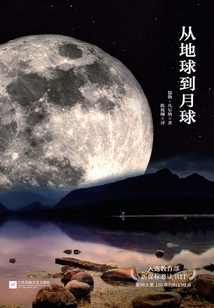
Af
Literatureaf
G
Shebabycon of the Baltimore City Cannon Club proposed firing a cannon ball to the moon to establish a link between the Earth and the moon. Barbicane, Michel Ardan and Captain Nicholl overcame various difficulties and finally set off on a cannonball. But the cannonball did not land on the moon, but instead orbited the moon 2,800 miles away. According to observations from the Cambridge Observatory, there are only two possibilities. The moon's gravity conquered the cannonball and the three travelers finally reached their destination. The other possibility is that the cannonball was bound to a fixed orbit and orbited the moon forever.
Shebabycon of the Baltimore City Cannon Club proposed firing a cannon ball to the moon to establish a link between the Earth and the moon. Barbicane, Michel Ardan and Captain Nicholl overcame various difficulties and finally set off on a cannonball. But the cannonball did not land on the moon, but instead orbited the moon 2,800 miles away. According to observations from the Cambridge Observatory, there are only two possibilities. The moon's gravity conquered the cannonball and the three travelers finally reached their destination. The other possibility is that the cannonball was bound to a fixed orbit and orbited the moon forever.
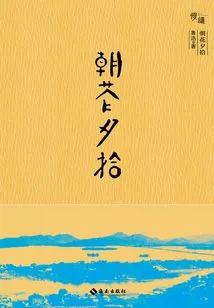
朝花夕拾
Lu Xun
"Morning Blossoms Plucked at Dusk" is Lu Xun's only collection of retrospective essays. "Chao" means morning, here refers to the early years, "Xi" means evening, here refers to the old age. The title of the book means flowers that bloom in the morning and collected in the evening. This refers to Mr. Lu Xun's memories of the people and events in his childhood, boyhood, and youth in his later years.
"Morning Blossoms Plucked at Dusk" is Lu Xun's only collection of retrospective essays. "Chao" means morning, here refers to the early years, "Xi" means evening, here refers to the old age. The title of the book means flowers that bloom in the morning and collected in the evening. This refers to Mr. Lu Xun's memories of the people and events in his childhood, boyhood, and youth in his later years.
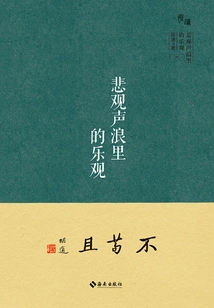
Optimism Amid Pessimism
Literature悲观声浪里的乐观
Hu Shi
Hu Shi was deeply influenced by Huxley and Dewey. He advocated liberalism throughout his life and was the pioneer of Chinese liberalism. Throughout his life, he advocated the academic method of "bold assumptions and careful verification" and "must prove his words", as well as the way of life of "working seriously and being a serious person". Tolerance and freedom were the two main themes in Hu Shi's life, which lasted throughout his life, creating a multi-faceted Hu Shi. Hu Shi did not advocate the inaction of the Eastern sages. He believes that life is about struggle, and even in a desperate situation, one must be optimistic and confident. You can be confident step by step and regard every progress as a huge hope. This is Hu Shi's optimism about life. He always carries hope in his heart. Optimism amidst the pessimism is exactly the spirit we need most in this era.
Hu Shi was deeply influenced by Huxley and Dewey. He advocated liberalism throughout his life and was the pioneer of Chinese liberalism. Throughout his life, he advocated the academic method of "bold assumptions and careful verification" and "must prove his words", as well as the way of life of "working seriously and being a serious person". Tolerance and freedom were the two main themes in Hu Shi's life, which lasted throughout his life, creating a multi-faceted Hu Shi. Hu Shi did not advocate the inaction of the Eastern sages. He believes that life is about struggle, and even in a desperate situation, one must be optimistic and confident. You can be confident step by step and regard every progress as a huge hope. This is Hu Shi's optimism about life. He always carries hope in his heart. Optimism amidst the pessimism is exactly the spirit we need most in this era.
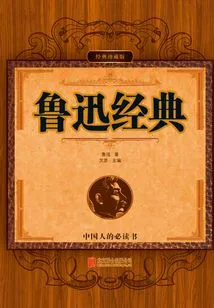
Lu Xun Classics
Literature鲁迅经典
Delete Translator
Lu Xun was China's greatest writer and thinker in the 20th century. His original name was Zhou Zhangshou, with the courtesy name Hencai, and later he was renamed Shuren. In his youth, he was influenced by the theory of evolution, Nietzsche's philosophy of the Superman and Tolstoy's thought of philanthropy. In 1902, he went to Japan to study. He originally studied medicine at Sendai Medical College. However, because of a film, he realized that just being a doctor could not save the Chinese people, so he gave up medicine and followed literature, trying to change the national spirit with literature. In 1918, he published his first vernacular novel "Diary of a Madman", which pointed directly at the "ethical ethics of cannibalism" and issued the first clarion call to march towards feudal society. Since then, he has excavated and analyzed the souls of the people of his nation with extremely profound thoughts and profound words, and with highly generalized artistic techniques, he has created many classic characters with the bad character of the people, and conducted a profound reflection on the spirit of the Chinese people.
Lu Xun was China's greatest writer and thinker in the 20th century. His original name was Zhou Zhangshou, with the courtesy name Hencai, and later he was renamed Shuren. In his youth, he was influenced by the theory of evolution, Nietzsche's philosophy of the Superman and Tolstoy's thought of philanthropy. In 1902, he went to Japan to study. He originally studied medicine at Sendai Medical College. However, because of a film, he realized that just being a doctor could not save the Chinese people, so he gave up medicine and followed literature, trying to change the national spirit with literature. In 1918, he published his first vernacular novel "Diary of a Madman", which pointed directly at the "ethical ethics of cannibalism" and issued the first clarion call to march towards feudal society. Since then, he has excavated and analyzed the souls of the people of his nation with extremely profound thoughts and profound words, and with highly generalized artistic techniques, he has created many classic characters with the bad character of the people, and conducted a profound reflection on the spirit of the Chinese people.
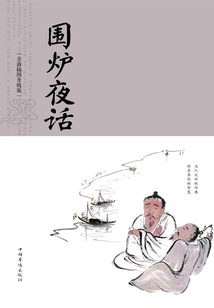
Night Talk Around the Fire
Literature围炉夜话
Wang Yongbin
This book focuses on the three aspects of establishing morality, establishing one's character, and establishing one's career. It carefully compiles and translates more than 200 words in the original work "Night Talk around the Lu" that are rich in life philosophy and behavioral standards. Although they are all in a few words, and the structural level is not so clear and concise, it can be said that "a few words are important", the connotation is extremely profound, and the thoughts running through the beginning and end have broad educational significance. In addition, the book also blends various emotions such as lashing, guidance, satire, and exhortation into one pot, and uses exquisite language to express profound philosophy, which makes people have endless aftertaste and gain a lot from reading it. "Wailu Night Talk", a popular Confucian book, is a famous literary criticism work in the Ming and Qing Dynasties. It evaluates and discusses the anecdotes, people, events, articles, etc. In the literary world at that time and before. The author imagines a situation in which he hugs the stove in winter and makes friends to talk about literature and art, making the language of this book friendly, natural and easy to read.
This book focuses on the three aspects of establishing morality, establishing one's character, and establishing one's career. It carefully compiles and translates more than 200 words in the original work "Night Talk around the Lu" that are rich in life philosophy and behavioral standards. Although they are all in a few words, and the structural level is not so clear and concise, it can be said that "a few words are important", the connotation is extremely profound, and the thoughts running through the beginning and end have broad educational significance. In addition, the book also blends various emotions such as lashing, guidance, satire, and exhortation into one pot, and uses exquisite language to express profound philosophy, which makes people have endless aftertaste and gain a lot from reading it. "Wailu Night Talk", a popular Confucian book, is a famous literary criticism work in the Ming and Qing Dynasties. It evaluates and discusses the anecdotes, people, events, articles, etc. In the literary world at that time and before. The author imagines a situation in which he hugs the stove in winter and makes friends to talk about literature and art, making the language of this book friendly, natural and easy to read.
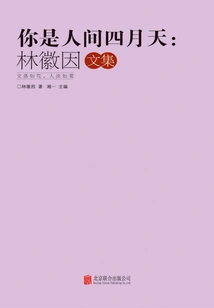
你是人间四月天:林徽因文集
Written By Xiangyi Editor-in-chief
Women in the world are diverse and beautiful. I only enjoy her, as sad and beautiful as poetry.
Women in the world are diverse and beautiful. I only enjoy her, as sad and beautiful as poetry.
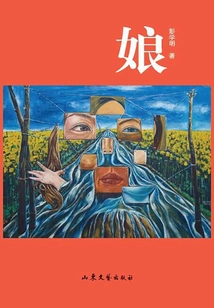
Mother
Literature娘
Peng Xueming
"Mother" is the latest prose work by Peng Xueming, a famous writer in our province. Peng Xueming used his proficient prose style to fondly recall in the first person the painful years from his childhood until his mother's death, when his mother sacrificed everything for her children and endured all her blood and tears. Forced by life, the mother and her children remarried twice. But in order to protect her son's growth, the mother resolutely decided to divorce and never marry again. She raised the whole family by herself with iron-like hard work. During this period, she experienced numerous hardships such as being on the verge of paralysis and having her son repeat the college entrance examination three times. However, with the spirit of hard work and sacrifice unique to Chinese women, the mother supported her son all the way out of the mountains without any regrets. With the most sincere and simple emotions, the author composes a tragic song of maternal love that touches the heavens and the earth. The deep maternal love touches the heart. And this kind of heartache and sincere confession of dissecting the heart of a child who wants to take care of him but cannot be loved will undoubtedly arouse strong resonance among ordinary readers. The most warm and touching tribute to family love in 2012, the most shocking motherly love classic at the beginning of the century, we are still young, but they are old. Youth will pass, but maternal love will last forever. Peng Xueming's long prose "Mother" has smooth and touching language. By restoring the farm life and the real human world in the mountains of western Hunan, he lovingly praises his mother and composes a tragic song of maternal love that touches the world. For the fast-paced modern urban crowd, this kind of writing with original regional characteristics is particularly fresh and unique, and allows people to appreciate the simple customs and folk customs in the mountains of western Hunan. The affectionate tribute to the common emotion of mankind - selfless maternal love, and the recollection of mothers suffering for their children and struggling to make a living in reality are touching and deeply moving. This noble emotion common to mankind will undoubtedly arouse strong resonance among readers.
"Mother" is the latest prose work by Peng Xueming, a famous writer in our province. Peng Xueming used his proficient prose style to fondly recall in the first person the painful years from his childhood until his mother's death, when his mother sacrificed everything for her children and endured all her blood and tears. Forced by life, the mother and her children remarried twice. But in order to protect her son's growth, the mother resolutely decided to divorce and never marry again. She raised the whole family by herself with iron-like hard work. During this period, she experienced numerous hardships such as being on the verge of paralysis and having her son repeat the college entrance examination three times. However, with the spirit of hard work and sacrifice unique to Chinese women, the mother supported her son all the way out of the mountains without any regrets. With the most sincere and simple emotions, the author composes a tragic song of maternal love that touches the heavens and the earth. The deep maternal love touches the heart. And this kind of heartache and sincere confession of dissecting the heart of a child who wants to take care of him but cannot be loved will undoubtedly arouse strong resonance among ordinary readers. The most warm and touching tribute to family love in 2012, the most shocking motherly love classic at the beginning of the century, we are still young, but they are old. Youth will pass, but maternal love will last forever. Peng Xueming's long prose "Mother" has smooth and touching language. By restoring the farm life and the real human world in the mountains of western Hunan, he lovingly praises his mother and composes a tragic song of maternal love that touches the world. For the fast-paced modern urban crowd, this kind of writing with original regional characteristics is particularly fresh and unique, and allows people to appreciate the simple customs and folk customs in the mountains of western Hunan. The affectionate tribute to the common emotion of mankind - selfless maternal love, and the recollection of mothers suffering for their children and struggling to make a living in reality are touching and deeply moving. This noble emotion common to mankind will undoubtedly arouse strong resonance among readers.
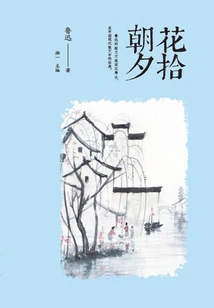
朝花夕拾
Lu Xun
As a "note of memories", this collection reflects the author Lu Xun's teenage life in many aspects, and vividly reflects the formation of his character and interests. The first seven chapters reflect his childhood life in his family and private school in Shaoxing, and the last three chapters describe his journey from his hometown to Nanjing, to Japan to study, and then back to China to teach. They reveal all the ugly and irrational phenomena in semi-feudal and semi-colonial society. They also reflect the difficult journey of aspiring young intellectuals in seeking light in the dark night of old China, and express the author's nostalgia for his former relatives, friends, and teachers. The anthology is mainly narrative, full of strong lyrical flavor, often mixed with discussion, so that lyricism, narrative and discussion are integrated into one, beautiful, harmonious, simple and touching. The works are poetic and picturesque, interspersed with humor and allegory from time to time; the images are vivid, the style is clear, and they have strong appeal.
As a "note of memories", this collection reflects the author Lu Xun's teenage life in many aspects, and vividly reflects the formation of his character and interests. The first seven chapters reflect his childhood life in his family and private school in Shaoxing, and the last three chapters describe his journey from his hometown to Nanjing, to Japan to study, and then back to China to teach. They reveal all the ugly and irrational phenomena in semi-feudal and semi-colonial society. They also reflect the difficult journey of aspiring young intellectuals in seeking light in the dark night of old China, and express the author's nostalgia for his former relatives, friends, and teachers. The anthology is mainly narrative, full of strong lyrical flavor, often mixed with discussion, so that lyricism, narrative and discussion are integrated into one, beautiful, harmonious, simple and touching. The works are poetic and picturesque, interspersed with humor and allegory from time to time; the images are vivid, the style is clear, and they have strong appeal.
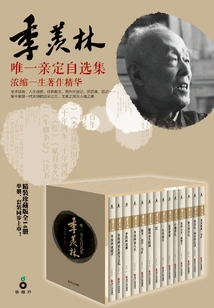
Ji Xianlin's Only Self-ordered Anthology (collector's Edition) (set of 14 Volumes in Total)
Literature季羡林唯一亲定自选集(珍藏版)(套装共14册)
Ji Xianlin
This book is a self-selected collection by Ji Xianlin. It is a collection of works that the author personally compiled and selected while he was recuperating in the hospital in his later years. The anthology collects the author's representative works at various stages of life, covering a variety of genres such as prose, essays, travel notes, memoirs, diaries, academic writings, etc. It embodies Ji Lao's academic ambition, writing style and personality beauty. The total 14 volumes include: "Ji Xianlin Talks about Chinese Studies", "Ji Xianlin Talks about Eastern and Western Culture", "Ji Xianlin Talks about Buddhism", "Ji Xianlin Talks about Life", "Reading, Scholarship and Writing", "Eternal Regret", "Red", "A Lifelong Journey", "Imprints of the Other Shore", "Miscellaneous Memories of the Cowshed", "My Heart is a Mirror", "Ivory Tower Diary", "Memories: Memoirs of Teachers and Friends" and "A Hundred Years of Ups and Downs".
This book is a self-selected collection by Ji Xianlin. It is a collection of works that the author personally compiled and selected while he was recuperating in the hospital in his later years. The anthology collects the author's representative works at various stages of life, covering a variety of genres such as prose, essays, travel notes, memoirs, diaries, academic writings, etc. It embodies Ji Lao's academic ambition, writing style and personality beauty. The total 14 volumes include: "Ji Xianlin Talks about Chinese Studies", "Ji Xianlin Talks about Eastern and Western Culture", "Ji Xianlin Talks about Buddhism", "Ji Xianlin Talks about Life", "Reading, Scholarship and Writing", "Eternal Regret", "Red", "A Lifelong Journey", "Imprints of the Other Shore", "Miscellaneous Memories of the Cowshed", "My Heart is a Mirror", "Ivory Tower Diary", "Memories: Memoirs of Teachers and Friends" and "A Hundred Years of Ups and Downs".
朝花夕拾
Lu Xun, Editor-in-chief Of Xiangyi
Lu Xun is one of the greatest writers in China in the 20th century and an important literary master. His works have the power to transcend the times. They not only had a positive impact on the society at that time, especially young people, and promoted people's efforts to change China's backwardness, but also pointed out the direction for people in modern society, turning confusion into self-confidence and guiding young people towards the light. Many of his works have been selected into Chinese textbooks for primary and secondary schools and have had a profound impact on the language and literature of New China. Overseas, Lu Xun's influence was also huge. His works have been translated into more than 50 languages including English, Japanese, Russian, Spanish, French, German, Arabic, and Esperanto, and are widely circulated around the world and have many readers.
Lu Xun is one of the greatest writers in China in the 20th century and an important literary master. His works have the power to transcend the times. They not only had a positive impact on the society at that time, especially young people, and promoted people's efforts to change China's backwardness, but also pointed out the direction for people in modern society, turning confusion into self-confidence and guiding young people towards the light. Many of his works have been selected into Chinese textbooks for primary and secondary schools and have had a profound impact on the language and literature of New China. Overseas, Lu Xun's influence was also huge. His works have been translated into more than 50 languages including English, Japanese, Russian, Spanish, French, German, Arabic, and Esperanto, and are widely circulated around the world and have many readers.
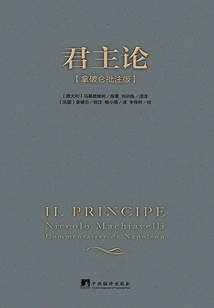
君主论(拿破仑批注版)
(italy) Machiavelli
On June 18, 1815, someone discovered some books and documents in Napoleon Bonaparte's carriage, including a manuscript... What is surprising is that this manuscript is not only a new translation of "The Prince", but also has comments written by Bonaparte on the margins. These comments cover the multiple periods when he served as a general, consul, emperor, and even when he was exiled on the island of Elba. Bonaparte's different commentaries are closely related to different social situations and political situations, and together they form a very valuable review, allowing one to discern without prejudice which of Machiavelli's words were addressed to the "new prince" and which to others... The essence of Machiavelli's thought will be presented in this edition of ours. This book adopts the authoritative English version of "The Prince" and the French text of Napoleon's annotations. The two translations are compared and compared to show in detail the different contents of Napoleon's annotations to "The Prince" in the four periods of general, consul, emperor, and exile. It helps people deepen their understanding of "The Prince" and Napoleon. It is a "governed book" particularly cherished by Western political circles.
On June 18, 1815, someone discovered some books and documents in Napoleon Bonaparte's carriage, including a manuscript... What is surprising is that this manuscript is not only a new translation of "The Prince", but also has comments written by Bonaparte on the margins. These comments cover the multiple periods when he served as a general, consul, emperor, and even when he was exiled on the island of Elba. Bonaparte's different commentaries are closely related to different social situations and political situations, and together they form a very valuable review, allowing one to discern without prejudice which of Machiavelli's words were addressed to the "new prince" and which to others... The essence of Machiavelli's thought will be presented in this edition of ours. This book adopts the authoritative English version of "The Prince" and the French text of Napoleon's annotations. The two translations are compared and compared to show in detail the different contents of Napoleon's annotations to "The Prince" in the four periods of general, consul, emperor, and exile. It helps people deepen their understanding of "The Prince" and Napoleon. It is a "governed book" particularly cherished by Western political circles.
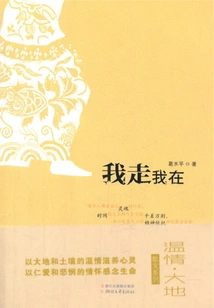
I'm Leaving, I'm Here
Literature我走我在
Ge Level
"I Walk, I Am" is a collection of essays by Ge Shuijing. Life doesn't matter whether it's old or new, it's just a kind of flow and a kind of scenery. When you see it, you must exhaust these feelings and reveal the vital things in it that penetrate into today and even the future era. "I Walk, I Am" is associated with the disappearance of rivers and villages and the loss of folk customs, folk customs and ancient crafts and utensils. While feeling the history of Qinhe River and comprehending the culture of Qinhe River Basin, it records the civilization of Qinhe River full of regional characteristics in the mutual stimulation of geography and humanities, and deeply thinks about social issues such as ecological environment, regional culture, folk customs and etiquette.
"I Walk, I Am" is a collection of essays by Ge Shuijing. Life doesn't matter whether it's old or new, it's just a kind of flow and a kind of scenery. When you see it, you must exhaust these feelings and reveal the vital things in it that penetrate into today and even the future era. "I Walk, I Am" is associated with the disappearance of rivers and villages and the loss of folk customs, folk customs and ancient crafts and utensils. While feeling the history of Qinhe River and comprehending the culture of Qinhe River Basin, it records the civilization of Qinhe River full of regional characteristics in the mutual stimulation of geography and humanities, and deeply thinks about social issues such as ecological environment, regional culture, folk customs and etiquette.
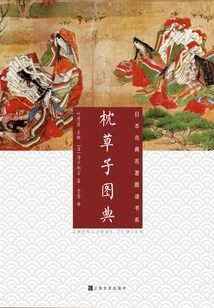
枕草子图典(日本古典名著图读书系)
H
"Pillow Grass" is rich in content, covering the seasons and tastes of the four seasons, the etiquette in the palace, Buddhist affairs and personnel, the natural scenes of the capital's landscapes, flowers and birds, vegetation, sun, moon and stars, as well as the various figures of the palace masters. These are vividly depicted by the "Eakimaki" painter, which brings the refined beauty to the extreme, showing the beauty of palace life represented in "Pillow Grass" and the ideal beauty envisioned by the author.
"Pillow Grass" is rich in content, covering the seasons and tastes of the four seasons, the etiquette in the palace, Buddhist affairs and personnel, the natural scenes of the capital's landscapes, flowers and birds, vegetation, sun, moon and stars, as well as the various figures of the palace masters. These are vividly depicted by the "Eakimaki" painter, which brings the refined beauty to the extreme, showing the beauty of palace life represented in "Pillow Grass" and the ideal beauty envisioned by the author.
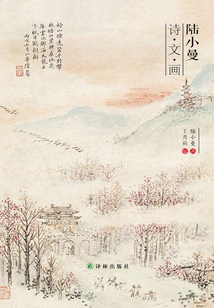
陆小曼:诗·文·画
Lu Xiaoman
"Lu Xiaoman Poetry, Literature, and Painting" contains the written works and paintings of Lu Xiaoman, a talented woman from the Republic of China. Lu Xiaoman studied painting under Liu Haisu, Chen Banding, He Tianjian and other famous painters. In his later years, he was recruited as a professional painter at the Shanghai Chinese Painting Academy and joined the Shanghai Artists Association. He participated in the first and second national art exhibitions of New China; he has a profound foundation in classical Chinese and solid writing skills, and is excellent in both poetry and prose. This book displays his achievements in poetry, literature and painting as comprehensively as possible.
"Lu Xiaoman Poetry, Literature, and Painting" contains the written works and paintings of Lu Xiaoman, a talented woman from the Republic of China. Lu Xiaoman studied painting under Liu Haisu, Chen Banding, He Tianjian and other famous painters. In his later years, he was recruited as a professional painter at the Shanghai Chinese Painting Academy and joined the Shanghai Artists Association. He participated in the first and second national art exhibitions of New China; he has a profound foundation in classical Chinese and solid writing skills, and is excellent in both poetry and prose. This book displays his achievements in poetry, literature and painting as comprehensively as possible.
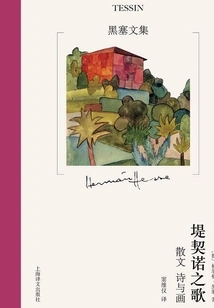
Am
Literatuream
G
"The last knight of German Romanticism" and winner of the Nobel Prize for Literature, Hesse's new 10-volume anthology, translated by famous writers, includes novels, short and medium-length works, poetry, prose, fairy tales and paintings, comprehensively displaying Hesse's creative career. "Song of Ticino" can be said to be the essence of Hesse's works. It is a collection of prose and poetry. It is also the author's induction, summary and interpretation of the artistic concepts, creative methods and philosophical thoughts of all his previous works. It is regarded by many experts and scholars as a key to Hesse's thought. The book is equipped with more than 30 watercolor paintings and pen drawings drawn by the author himself, which adds the finishing touch to the work.
"The last knight of German Romanticism" and winner of the Nobel Prize for Literature, Hesse's new 10-volume anthology, translated by famous writers, includes novels, short and medium-length works, poetry, prose, fairy tales and paintings, comprehensively displaying Hesse's creative career. "Song of Ticino" can be said to be the essence of Hesse's works. It is a collection of prose and poetry. It is also the author's induction, summary and interpretation of the artistic concepts, creative methods and philosophical thoughts of all his previous works. It is regarded by many experts and scholars as a key to Hesse's thought. The book is equipped with more than 30 watercolor paintings and pen drawings drawn by the author himself, which adds the finishing touch to the work.
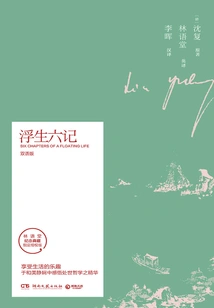
浮生六记(双语版)
Shen Fu
"Six Chapters of a Floating Life" is an autobiographical prose written by Shen Fu of the Qing Dynasty in the 13th year of Jiaqing (1808). Because he uses true words to describe true feelings without any deliberate pretense, he is completely natural and unique, reaching the realm of "joy but not obscenity, sadness but not sadness". He is highly praised by later generations of literati and has been passed down to this day and has become a classic.
"Six Chapters of a Floating Life" is an autobiographical prose written by Shen Fu of the Qing Dynasty in the 13th year of Jiaqing (1808). Because he uses true words to describe true feelings without any deliberate pretense, he is completely natural and unique, reaching the realm of "joy but not obscenity, sadness but not sadness". He is highly praised by later generations of literati and has been passed down to this day and has become a classic.
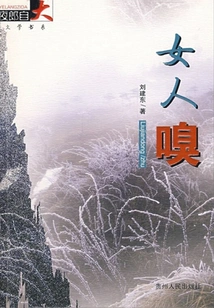
女人嗅(夜郎自大文学书系)
Liu Jiandong
This series of books mainly consists of novels and essays. The selected works are all outstanding works by China's current powerful writers. Currently, Jiang Zilong's "World's Gossip", Liu Liangcheng's "Dust on the Horizon", Guan Renshan's "Power Confrontation", Ouyang Qiansen's "Not Love Time", Jing Ge's "Panic", etc. Have been published. For example, the romance of "Twelve Rivers of Spring", the erudition of "Words of Resurrection", the sadness of "The Window Opened by Life", the grand cultural vision of "Hakka", the analysis of folk culture of "Face"... Are all written with their own characteristics. This book collects the classic works of the famous contemporary writer Liu Jiandong. The works are rich in content, exquisite in conception, and exquisite in writing. They reflect the author's thoughts and feelings from different angles, fully demonstrate his profound writing skills and unique writing style, and are highly artistic and readable. They are very worthy of appreciation.
This series of books mainly consists of novels and essays. The selected works are all outstanding works by China's current powerful writers. Currently, Jiang Zilong's "World's Gossip", Liu Liangcheng's "Dust on the Horizon", Guan Renshan's "Power Confrontation", Ouyang Qiansen's "Not Love Time", Jing Ge's "Panic", etc. Have been published. For example, the romance of "Twelve Rivers of Spring", the erudition of "Words of Resurrection", the sadness of "The Window Opened by Life", the grand cultural vision of "Hakka", the analysis of folk culture of "Face"... Are all written with their own characteristics. This book collects the classic works of the famous contemporary writer Liu Jiandong. The works are rich in content, exquisite in conception, and exquisite in writing. They reflect the author's thoughts and feelings from different angles, fully demonstrate his profound writing skills and unique writing style, and are highly artistic and readable. They are very worthy of appreciation.
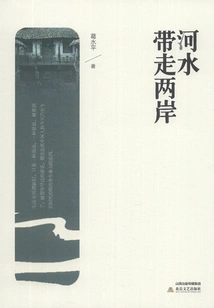
The River Takes Away Both Sides
Literature河水带走两岸
Ge Level
"The River Takes Both Sides Away" is divided into four volumes. The main content includes: Qinhe gave me the sound of nature, water lives outside the water, there is something special in the ordinary, the temple ridge higher than the earth, the streets in the bustling depths, the wind blows the crafts into heaven, etc.
"The River Takes Both Sides Away" is divided into four volumes. The main content includes: Qinhe gave me the sound of nature, water lives outside the water, there is something special in the ordinary, the temple ridge higher than the earth, the streets in the bustling depths, the wind blows the crafts into heaven, etc.
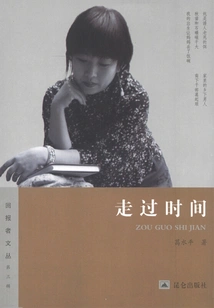
Time Passes
Literature走过时间
Ge Level
"The Returner Series" is a set of books with unique creativity, rich content, and exquisite printing; writers unreservedly present to us one of their most emotional songs of art; literary self-narratives, life images, and influential short and medium-sized novels are integrated together; the whisper of returning to readers, relatives, and society, and the gift of literature is enough to inspire and infect anyone who has a perception of life and words. "Through Time" is one of the volumes. "Walking Through Time" takes the author Ge Shuihui's life, emotions and literary insights, integrates his personal images from childhood to adulthood, and pictures related to literary creation, plus the author's excellent short and medium-sized stories, forming a "business card" book with characteristics of the author, which has become a good teacher and helpful friend for the majority of literary youths.
"The Returner Series" is a set of books with unique creativity, rich content, and exquisite printing; writers unreservedly present to us one of their most emotional songs of art; literary self-narratives, life images, and influential short and medium-sized novels are integrated together; the whisper of returning to readers, relatives, and society, and the gift of literature is enough to inspire and infect anyone who has a perception of life and words. "Through Time" is one of the volumes. "Walking Through Time" takes the author Ge Shuihui's life, emotions and literary insights, integrates his personal images from childhood to adulthood, and pictures related to literary creation, plus the author's excellent short and medium-sized stories, forming a "business card" book with characteristics of the author, which has become a good teacher and helpful friend for the majority of literary youths.
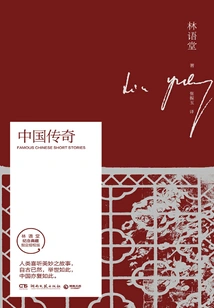
Chinese Legend
Literature中国传奇
Lin Yutang
"Chinese Legends" is Lin Yutang's typical masterpiece introducing Chinese traditional culture to the West. The book contains 20 masterpieces of ancient Chinese short stories, divided into six categories according to the nature of the novel content: mystery and adventure, love, ghosts, satire, fantasy and humor, and fairy tales. The purpose of these short stories is to describe human nature, to the point, to deepen readers' understanding of life, to arouse compassion, and to give readers a sense of pleasure.
"Chinese Legends" is Lin Yutang's typical masterpiece introducing Chinese traditional culture to the West. The book contains 20 masterpieces of ancient Chinese short stories, divided into six categories according to the nature of the novel content: mystery and adventure, love, ghosts, satire, fantasy and humor, and fairy tales. The purpose of these short stories is to describe human nature, to the point, to deepen readers' understanding of life, to arouse compassion, and to give readers a sense of pleasure.
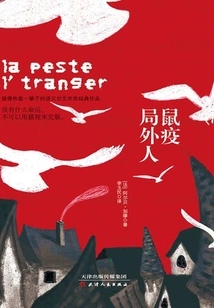
鼠疫·局外人(诺贝尔文学奖作品)
(french) Camus
This book collects the two most famous novels of the literary master Camus, "The Plague" and "The Stranger". "The Plague" is one of Camus's most important masterpieces. It describes the story of a large number of people represented by the protagonist Dr. Rieux who struggled to fight against the plague after an outbreak of plague in a city called Oran in North Africa. "The Stranger" is Camus' famous work. It can be called one of the most epoch-making novels in the Western literary world in the 20th century. The "Outsider" has thus become one of the most classic characters in Western literature (philosophy).
This book collects the two most famous novels of the literary master Camus, "The Plague" and "The Stranger". "The Plague" is one of Camus's most important masterpieces. It describes the story of a large number of people represented by the protagonist Dr. Rieux who struggled to fight against the plague after an outbreak of plague in a city called Oran in North Africa. "The Stranger" is Camus' famous work. It can be called one of the most epoch-making novels in the Western literary world in the 20th century. The "Outsider" has thus become one of the most classic characters in Western literature (philosophy).
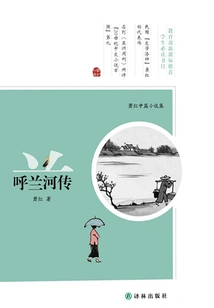
萧红中篇小说集:呼兰河传
Xiao Hong
This book contains two novels by Xiao Hong. "The Field of Life and Death" is a classic novel by Xiao Hong. It describes the grudges and grudges that happened in a remote village near Harbin before and after the September 18th Incident, as well as the story of the villagers' resistance to Japan. The lines describe the Chinese people's tenacity in life and struggle in death. It provides a thorough and profound interpretation of the ancient issue of human nature and human survival, and the thinking in it exceeds that of most writers of the time. "The Story of Hulan River" is his autobiographical novel. It reproduces the life in the Northeastern countryside during his childhood in a candid and delicate style. It does not set clues throughout the book, nor does it have a complete storyline or central character. It just tells the people, things and things in the small town. There are darkness, backwardness, ignorance, the dark side of human nature, old customs and habits, but also brightness, freshness, beauty, and the original ecology of rural life. She has injected more other things into the novel, and it is these things that can arouse the resonance of readers more generally, thus giving the work a longer vitality.
This book contains two novels by Xiao Hong. "The Field of Life and Death" is a classic novel by Xiao Hong. It describes the grudges and grudges that happened in a remote village near Harbin before and after the September 18th Incident, as well as the story of the villagers' resistance to Japan. The lines describe the Chinese people's tenacity in life and struggle in death. It provides a thorough and profound interpretation of the ancient issue of human nature and human survival, and the thinking in it exceeds that of most writers of the time. "The Story of Hulan River" is his autobiographical novel. It reproduces the life in the Northeastern countryside during his childhood in a candid and delicate style. It does not set clues throughout the book, nor does it have a complete storyline or central character. It just tells the people, things and things in the small town. There are darkness, backwardness, ignorance, the dark side of human nature, old customs and habits, but also brightness, freshness, beauty, and the original ecology of rural life. She has injected more other things into the novel, and it is these things that can arouse the resonance of readers more generally, thus giving the work a longer vitality.
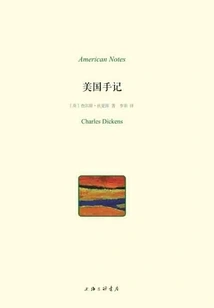
American Notes
Literature美国手记
H
"American Notes" is a travelogue rich in literary and historical value. From the beginning of January to the end of June 1842, Dickens, his wife and friends conducted a six-month visit to the United States. They visited not only international metropolises such as Washington, New York, Philadelphia, and Boston, but also some little-known small towns at the time such as Cincinnati, Hartford, Worcester, and West Point. He wrote down what he saw, heard and felt at that time in this travelogue. This travelogue is a rare reference for examining the customs and customs of American society in the 19th century.
"American Notes" is a travelogue rich in literary and historical value. From the beginning of January to the end of June 1842, Dickens, his wife and friends conducted a six-month visit to the United States. They visited not only international metropolises such as Washington, New York, Philadelphia, and Boston, but also some little-known small towns at the time such as Cincinnati, Hartford, Worcester, and West Point. He wrote down what he saw, heard and felt at that time in this travelogue. This travelogue is a rare reference for examining the customs and customs of American society in the 19th century.
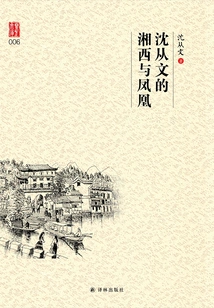
沈从文的湘西与凤凰(壹力文库)
Shen Congwen
"Shen Congwen's Xiangxi and Phoenix" selects some representative essays about western Hunan and Phoenix by the modern writer Shen Congwen, covering some wonderful passages in his "Xiang Travels", and also selects a small number of his excellent prose works in other periods, in order to comprehensively present Shen Congwen's prose creation achievements.
"Shen Congwen's Xiangxi and Phoenix" selects some representative essays about western Hunan and Phoenix by the modern writer Shen Congwen, covering some wonderful passages in his "Xiang Travels", and also selects a small number of his excellent prose works in other periods, in order to comprehensively present Shen Congwen's prose creation achievements.
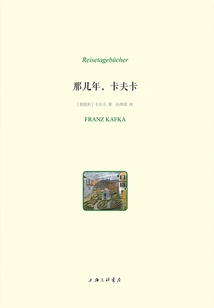
During Those Years, Kafka
Literature那几年,卡夫卡
Kafka
This book contains Kafka's four travel diaries: the part in North Bohemia from January to February 1911 and the part in Vienna in September 1913 were written alone. From August to September 1911 and June to July 1912, Kafka and his close friend Brod agreed to travel together and write diaries on the same theme. Therefore, this book not only contains Kafka's diaries of these two trips, but the appendix also contains parallel diaries of Brod and Kafka. The two writers described the natural and cultural landscapes they saw during their travels from different angles, as well as their respective views and feelings. Their works highlighted each other, confirmed each other, complemented each other, and complemented each other. They are unique yet thought-provoking. Looking at it today, this book not only reflects the artistic taste and unique insights of the great writer, but also has a very valuable reference value for studying the customs and customs of various parts of Europe in the early 20th century.
This book contains Kafka's four travel diaries: the part in North Bohemia from January to February 1911 and the part in Vienna in September 1913 were written alone. From August to September 1911 and June to July 1912, Kafka and his close friend Brod agreed to travel together and write diaries on the same theme. Therefore, this book not only contains Kafka's diaries of these two trips, but the appendix also contains parallel diaries of Brod and Kafka. The two writers described the natural and cultural landscapes they saw during their travels from different angles, as well as their respective views and feelings. Their works highlighted each other, confirmed each other, complemented each other, and complemented each other. They are unique yet thought-provoking. Looking at it today, this book not only reflects the artistic taste and unique insights of the great writer, but also has a very valuable reference value for studying the customs and customs of various parts of Europe in the early 20th century.
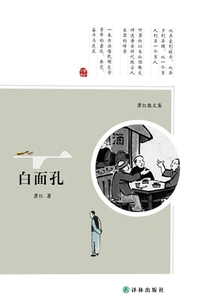
Xiao Hong's Prose Collection: White Face
Literature萧红散文集:白面孔
Xiao Hong
This book is a collection of Xiao Hong's essays. There are "The Embellishment of the Sky", "When My Grandfather Died", "Lonely Life", etc., Including almost all the articles in the 1936 edition of "Business Street" and the 1940 edition of "Xiao Hong's Essays". It also includes Xiao Hong's essays in memory of Lu Xun, such as "Mr. Lu Xun in Memory". "Only prose is the true face of life." As Kundera said, prose describes real life. In this collection of essays, you can see Xiao Hong herself in the fireworks of the world. She and Xiao Jun lived together in Shangshi Street. They had no way to ask for help, were hungry and cold, couldn't afford firewood in the middle of winter, and didn't even have money to drink a cup of hot juice. She even wanted to steal the bread hanging on the door of the opposite house several times a night. They worked as tutors, painted movie theater billboards, went to group activities to eat and drink, wandered around, quarreled, and lay on the floor crying when they were drunk. When they reluctantly published a collection of works, they were banned, and the fear of being arrested by the Japanese military police tortured them. "White Face" is a true portrayal of the fearful state of Xiao Hong and left-wing literary and art radicals during this period.
This book is a collection of Xiao Hong's essays. There are "The Embellishment of the Sky", "When My Grandfather Died", "Lonely Life", etc., Including almost all the articles in the 1936 edition of "Business Street" and the 1940 edition of "Xiao Hong's Essays". It also includes Xiao Hong's essays in memory of Lu Xun, such as "Mr. Lu Xun in Memory". "Only prose is the true face of life." As Kundera said, prose describes real life. In this collection of essays, you can see Xiao Hong herself in the fireworks of the world. She and Xiao Jun lived together in Shangshi Street. They had no way to ask for help, were hungry and cold, couldn't afford firewood in the middle of winter, and didn't even have money to drink a cup of hot juice. She even wanted to steal the bread hanging on the door of the opposite house several times a night. They worked as tutors, painted movie theater billboards, went to group activities to eat and drink, wandered around, quarreled, and lay on the floor crying when they were drunk. When they reluctantly published a collection of works, they were banned, and the fear of being arrested by the Japanese military police tortured them. "White Face" is a true portrayal of the fearful state of Xiao Hong and left-wing literary and art radicals during this period.
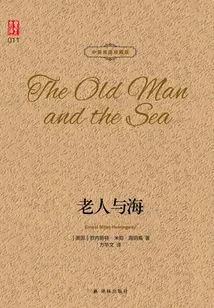
老人与海(壹力文库中英双语珍藏版)
M
"The Old Man and the Sea" is Hemingway's masterpiece, winning the Pulitzer Prize and the Nobel Prize for Literature. This book tells the story of Santiago, an old Cuban fisherman, fighting a big fish. It creates a typical tough guy image in the history of literature and promotes the fighting spirit of not being afraid of hardships and not succumbing to fate.
"The Old Man and the Sea" is Hemingway's masterpiece, winning the Pulitzer Prize and the Nobel Prize for Literature. This book tells the story of Santiago, an old Cuban fisherman, fighting a big fish. It creates a typical tough guy image in the history of literature and promotes the fighting spirit of not being afraid of hardships and not succumbing to fate.
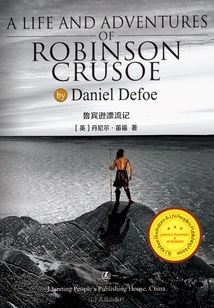
Robinson Crusoe (english Version)
Literature鲁滨逊漂流记(英文版)
I
Defoe's masterpiece, a famous British writer in the 19th century, has been recognized as a classic of world literature more than a hundred years after its publication and is a must-have in Western spiritual and cultural life. This version has become a classic version of the English translation. The content of the story includes: the first part, the three voyages after running away from home; the second part, the fourth time going to sea and living on a desert island; the third part, various encounters after returning to England.
Defoe's masterpiece, a famous British writer in the 19th century, has been recognized as a classic of world literature more than a hundred years after its publication and is a must-have in Western spiritual and cultural life. This version has become a classic version of the English translation. The content of the story includes: the first part, the three voyages after running away from home; the second part, the fourth time going to sea and living on a desert island; the third part, various encounters after returning to England.
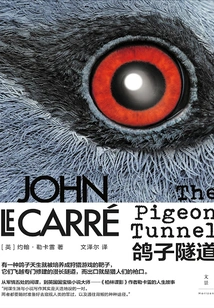
Pigeon Tunnel
Literature鸽子隧道
H
After serving in MI5 and MI6, he shocked the literary world when he first tried writing. This is the only memoir of Le Carré, the British national treasure novel master. It records nearly forty unforgettable episodes in his life and reproduces the dual identity and multiple selves of a great writer. He witnessed cruel war and cold-blooded killings; he hid in trenches with war reporters, bullets flying past his ears; he interviewed terrorists in prison, but was silenced by the other party; he witnessed the society before and after the great changes in the Soviet Union, and was filled with emotion; he witnessed the moment when Brodsky won the Nobel Prize, and also experienced the frustration of film master Fritz Lang; he wrote about the alienated and difficult family relationship between his father, a liar, and himself, and pondered the similarities and differences between spies and writers. "Evasion and deception were essential weapons in my childhood. As teenagers, we were all spies of sorts, but I was already a retired veteran. When the intelligence world embraced me, it felt like coming home."
After serving in MI5 and MI6, he shocked the literary world when he first tried writing. This is the only memoir of Le Carré, the British national treasure novel master. It records nearly forty unforgettable episodes in his life and reproduces the dual identity and multiple selves of a great writer. He witnessed cruel war and cold-blooded killings; he hid in trenches with war reporters, bullets flying past his ears; he interviewed terrorists in prison, but was silenced by the other party; he witnessed the society before and after the great changes in the Soviet Union, and was filled with emotion; he witnessed the moment when Brodsky won the Nobel Prize, and also experienced the frustration of film master Fritz Lang; he wrote about the alienated and difficult family relationship between his father, a liar, and himself, and pondered the similarities and differences between spies and writers. "Evasion and deception were essential weapons in my childhood. As teenagers, we were all spies of sorts, but I was already a retired veteran. When the intelligence world embraced me, it felt like coming home."
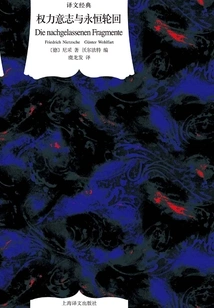
权力意志与永恒轮回(译文经典)
(germany) Nietzsche
Nietzsche is a controversial philosopher who is widely known but little known in China. He has unique life experiences and ideological characteristics. He is a university professor, but he denies the work of other professors who are dedicated to education; he is a philosopher, but he opposes with great vigor the philosophies that appeared before him; he refutes the tradition, but at the same time he becomes a part of the tradition. Editor Günter Wolfrat is an internationally renowned expert on Nietzsche. He selected and compiled this work from the 5,000 pages of Nietzsche's posthumous manuscripts from Volumes 7 to 13 of the KSA Edition (KSA), not according to system, but strictly according to chronology. The first principle of the selection is to pay special attention to passages in Nietzsche's philosophy involving keywords such as "will", "will to power", "eternal recurrence" and "nihilism"; important figures that Nietzsche came into contact with in his life, such as Schopenhauer and Wagner; and issues that Nietzsche often thought about, such as ancient Greek and Roman culture, Christianity, art and morality. The second principle of selection is to strive for objectivity and even present a critical reading perspective. Reading this philosophical manuscript is like appreciating "the diary written by an intellectual." Wolfart's findings from studying Nietzsche's thoughts are also attached. Reading this book allows us to see the truest Nietzsche, and it also enables us to understand Nietzsche's "experimental philosophy" spirit concretely, intuitively, and without restraint. It is an excellent book for beginners and researchers of Nietzsche's philosophy.
Nietzsche is a controversial philosopher who is widely known but little known in China. He has unique life experiences and ideological characteristics. He is a university professor, but he denies the work of other professors who are dedicated to education; he is a philosopher, but he opposes with great vigor the philosophies that appeared before him; he refutes the tradition, but at the same time he becomes a part of the tradition. Editor Günter Wolfrat is an internationally renowned expert on Nietzsche. He selected and compiled this work from the 5,000 pages of Nietzsche's posthumous manuscripts from Volumes 7 to 13 of the KSA Edition (KSA), not according to system, but strictly according to chronology. The first principle of the selection is to pay special attention to passages in Nietzsche's philosophy involving keywords such as "will", "will to power", "eternal recurrence" and "nihilism"; important figures that Nietzsche came into contact with in his life, such as Schopenhauer and Wagner; and issues that Nietzsche often thought about, such as ancient Greek and Roman culture, Christianity, art and morality. The second principle of selection is to strive for objectivity and even present a critical reading perspective. Reading this philosophical manuscript is like appreciating "the diary written by an intellectual." Wolfart's findings from studying Nietzsche's thoughts are also attached. Reading this book allows us to see the truest Nietzsche, and it also enables us to understand Nietzsche's "experimental philosophy" spirit concretely, intuitively, and without restraint. It is an excellent book for beginners and researchers of Nietzsche's philosophy.
C
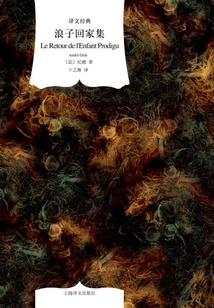
浪子回家集(译文经典)
H
"The Collection of the Prodigal Son Returns Home" has six texts in total: Narith's Explanation, Love Experiment, El-Aqian, Philocdande, Bai Shapei, and The Prodigal Son's Return. It is like a prose poem, a novel, and a drama, but the author collectively calls it a "monograph" (Traités). The translator, Mr. Bian Zhilin, feels that the translation as "explanation" is not satisfactory. The materials of the six texts are all taken from myths, legends or fables in Greece and the Bible, and the symbols are interpreted with symbols. There are books in books and paintings within paintings, layered and full of meanings. They fully reflect the unique aesthetic, artistic, religious and moral views of Gide, the most complex literary master of the 20th century. Each of the six texts has its own emphasis but complements each other. It can be regarded as Gide's most artistic spiritual autobiography.
"The Collection of the Prodigal Son Returns Home" has six texts in total: Narith's Explanation, Love Experiment, El-Aqian, Philocdande, Bai Shapei, and The Prodigal Son's Return. It is like a prose poem, a novel, and a drama, but the author collectively calls it a "monograph" (Traités). The translator, Mr. Bian Zhilin, feels that the translation as "explanation" is not satisfactory. The materials of the six texts are all taken from myths, legends or fables in Greece and the Bible, and the symbols are interpreted with symbols. There are books in books and paintings within paintings, layered and full of meanings. They fully reflect the unique aesthetic, artistic, religious and moral views of Gide, the most complex literary master of the 20th century. Each of the six texts has its own emphasis but complements each other. It can be regarded as Gide's most artistic spiritual autobiography.
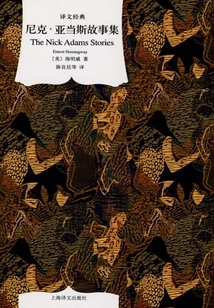
Nick Adams Stories (translated Classics)
Literature尼克·亚当斯故事集(译文经典)
I
Nick Adams is one of the male protagonists in many of Hemingway's short stories. This unforgettable character grew from a child to an adolescent, a soldier, a demobilized soldier, a writer and a father - a process that paralleled the events in Hemingway's own life and clearly emerged as the first of a long series of incarnations of himself in Hemingway's works. All the male protagonists who appeared in Hemingway's novels later had Nick's history. This book contains a total of 24 articles, which is the first time that they have been collected and published in a single volume.
Nick Adams is one of the male protagonists in many of Hemingway's short stories. This unforgettable character grew from a child to an adolescent, a soldier, a demobilized soldier, a writer and a father - a process that paralleled the events in Hemingway's own life and clearly emerged as the first of a long series of incarnations of himself in Hemingway's works. All the male protagonists who appeared in Hemingway's novels later had Nick's history. This book contains a total of 24 articles, which is the first time that they have been collected and published in a single volume.
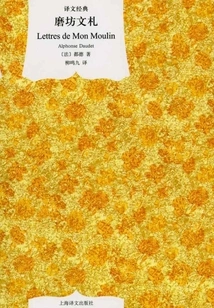
Mo Fang Wen Zha (translated Classics)
Literature磨坊文札(译文经典)
J
Dude is full of affectionate and nostalgic tenderness, and uses simple brushstrokes and clear tones to depict beautiful and moving scenes of Provence: the quiet mountains and forests under the scorching sun in the south, the fields covered with grapes and olives, the charming starry sky on the Luberon Mountains, the wind mills all over the hills, the fireworks on the wheat field during the festival, the women's bodies The golden cross and lace dress, the crisp sound of mule bells on the road, and Daudet's famous mill that looks like a big butterfly resting on a green hill... All these pictures with a strong southern color are in the local scenery gallery of French literature, and they will always have artistic vitality with their elegant style and profound charm.
Dude is full of affectionate and nostalgic tenderness, and uses simple brushstrokes and clear tones to depict beautiful and moving scenes of Provence: the quiet mountains and forests under the scorching sun in the south, the fields covered with grapes and olives, the charming starry sky on the Luberon Mountains, the wind mills all over the hills, the fireworks on the wheat field during the festival, the women's bodies The golden cross and lace dress, the crisp sound of mule bells on the road, and Daudet's famous mill that looks like a big butterfly resting on a green hill... All these pictures with a strong southern color are in the local scenery gallery of French literature, and they will always have artistic vitality with their elegant style and profound charm.
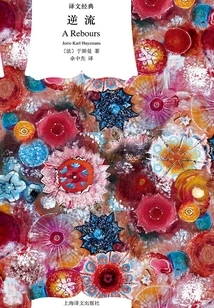
Countercurrent (translation Classic)
Literature逆流(译文经典)
(france)jolys Carl Huysmans
Desseinte was tired of the hypocrisy and exaggeration of Paris, so he took refuge in the small town of Fontenay and lived a solitary life. He decorated his residence according to his personal aesthetics and taste, immersed himself in the spiritual and material world he created, and resisted the trends of the world. Each chapter revolves around a theme, involving paintings, gems, flowers, literature, etc. Huysmanns interpreted his decadent aesthetics through the mouth of this anti-heroic protagonist, severed the connection with naturalistic literature, and established its status as a cult classic in the 19th century. Oscar Wilde called Countercurrent a "book overflowing with venom."
Desseinte was tired of the hypocrisy and exaggeration of Paris, so he took refuge in the small town of Fontenay and lived a solitary life. He decorated his residence according to his personal aesthetics and taste, immersed himself in the spiritual and material world he created, and resisted the trends of the world. Each chapter revolves around a theme, involving paintings, gems, flowers, literature, etc. Huysmanns interpreted his decadent aesthetics through the mouth of this anti-heroic protagonist, severed the connection with naturalistic literature, and established its status as a cult classic in the 19th century. Oscar Wilde called Countercurrent a "book overflowing with venom."
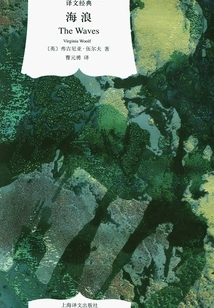
Waves (translation Classic)
Literature海浪(译文经典)
H
"The Waves" is Woolf's work at the peak of her creative power and was published in 1931. This highly poetic, abstract and stylized experimental work does not have a story in the strict sense, but is more like a musical work composed of nine movements: each introduction is an exquisite prose poem, using the ebb and flow of the sun and waves to correspond to the ups and downs of life; following each introduction are the momentary inner monologues of six highly formalized characters without surnames in their respective life stages - from childhood, studenthood, youth, middle age to old age. The introduction and the main text map each other, opening up unprecedented and nuanced channels for the readers' senses, and getting closer to the essence of life, time, consciousness and feeling to the maximum extent. This is a work that occupies an important position in modern literature and palaces. To this day, it still stirs our souls with its exquisite text structure and poetic style.
"The Waves" is Woolf's work at the peak of her creative power and was published in 1931. This highly poetic, abstract and stylized experimental work does not have a story in the strict sense, but is more like a musical work composed of nine movements: each introduction is an exquisite prose poem, using the ebb and flow of the sun and waves to correspond to the ups and downs of life; following each introduction are the momentary inner monologues of six highly formalized characters without surnames in their respective life stages - from childhood, studenthood, youth, middle age to old age. The introduction and the main text map each other, opening up unprecedented and nuanced channels for the readers' senses, and getting closer to the essence of life, time, consciousness and feeling to the maximum extent. This is a work that occupies an important position in modern literature and palaces. To this day, it still stirs our souls with its exquisite text structure and poetic style.
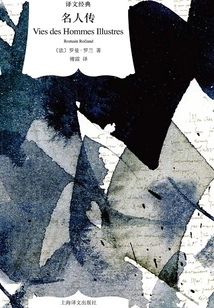
名人传(译文经典)
H
In 1903, the famous French writer Romain Rolland was deeply aware of the dullness and decline of European culture at that time. In order to let the world "breathe the breath of heroes", he began to use words to compose a majestic symphony of life: "The Life of Beethoven", "The Life of Michelangelo" and "The Life of Tolstoy" - these are the three works included in this book. Three geniuses who created the greatest art masters fought endlessly on the journey of life's troubles and difficulties.
In 1903, the famous French writer Romain Rolland was deeply aware of the dullness and decline of European culture at that time. In order to let the world "breathe the breath of heroes", he began to use words to compose a majestic symphony of life: "The Life of Beethoven", "The Life of Michelangelo" and "The Life of Tolstoy" - these are the three works included in this book. Three geniuses who created the greatest art masters fought endlessly on the journey of life's troubles and difficulties.
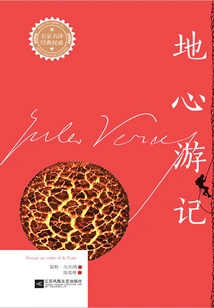
V
Literaturev
G
Professor Lidenbrock accidentally obtained an ancient book from hundreds of years ago. There was a piece of parchment sandwiched in the book. After many layers of interpretation, the professor discovered that the alchemist Saknusem had traveled to the center of the earth. Professor Lidenbrock decided to take his nephew Axel on the same trip. They set out from Hamburg, Germany, and after arriving in Iceland, they asked a guide, Hans, to accompany them. Following the clues in the ancient book, the three people descended from the Snæfellsjökull crater in Iceland. After three months of travel, they experienced difficulties and obstacles such as water shortage, getting lost, and storms. Finally, due to the impact of rock flows, they returned to the ground from another crater on the island of Sdrombli in northern Sicily in the Mediterranean Sea. Only then did they realize that they had traveled four thousand miles underground.
Professor Lidenbrock accidentally obtained an ancient book from hundreds of years ago. There was a piece of parchment sandwiched in the book. After many layers of interpretation, the professor discovered that the alchemist Saknusem had traveled to the center of the earth. Professor Lidenbrock decided to take his nephew Axel on the same trip. They set out from Hamburg, Germany, and after arriving in Iceland, they asked a guide, Hans, to accompany them. Following the clues in the ancient book, the three people descended from the Snæfellsjökull crater in Iceland. After three months of travel, they experienced difficulties and obstacles such as water shortage, getting lost, and storms. Finally, due to the impact of rock flows, they returned to the ground from another crater on the island of Sdrombli in northern Sicily in the Mediterranean Sea. Only then did they realize that they had traveled four thousand miles underground.
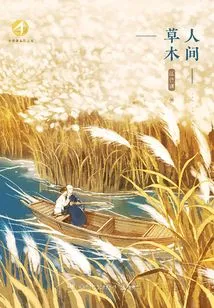
Human Vegetation
Literature人间草木
Wang Zengqi
This is a collection of Mr. Wang Zengqi's works suitable for young people to read. The book is divided into four volumes, namely: Plants and Plants in the World, Food and Delicious Food, Old Friends and Current Affairs, and Savoring Life. Under each volume, classic and beautiful articles suitable for teenagers to read from Mr. Wang Zengqi's works are selected, including "Rain in Kunming", "Grape Moon Order" and many other articles selected into the new Chinese textbooks compiled by the Ministry of Education. And accompanied by beautiful illustrations. Young readers can appreciate everyone's elegance, enrich their hearts and improve their reading skills at the same time. They can also get a glimpse of the master's creative methods and improve their writing skills.
This is a collection of Mr. Wang Zengqi's works suitable for young people to read. The book is divided into four volumes, namely: Plants and Plants in the World, Food and Delicious Food, Old Friends and Current Affairs, and Savoring Life. Under each volume, classic and beautiful articles suitable for teenagers to read from Mr. Wang Zengqi's works are selected, including "Rain in Kunming", "Grape Moon Order" and many other articles selected into the new Chinese textbooks compiled by the Ministry of Education. And accompanied by beautiful illustrations. Young readers can appreciate everyone's elegance, enrich their hearts and improve their reading skills at the same time. They can also get a glimpse of the master's creative methods and improve their writing skills.