Library
Browse and search books
115 novels found
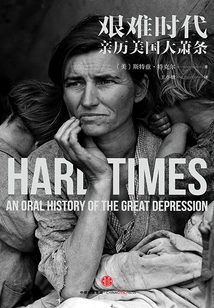
艰难时代:亲历美国大萧条
(us) Stetz Terkel
On October 24, 1929, "Black Thursday", the U. S. Stock market plummeted. The U. S. And global economies have since entered a long Great Depression. For millions of people, life has become a struggle for food, clothing and shelter. There is widespread insecurity that affects everyone from the poor to the rich. Pulitzer Prize winner Sturtz Terkel interviewed hundreds of people from various industries and classes, from New Deal officials and business tycoons to farmers and workers. He used first-hand information to reflect how the Great Depression affected people's lives and how the hard days of that year are still memorable today. Turkel's works established a sustained, broad, bottom-up civilian history for the United States, and he himself became a symbol of the city of Chicago and the collective memory of generations of Americans.
On October 24, 1929, "Black Thursday", the U. S. Stock market plummeted. The U. S. And global economies have since entered a long Great Depression. For millions of people, life has become a struggle for food, clothing and shelter. There is widespread insecurity that affects everyone from the poor to the rich. Pulitzer Prize winner Sturtz Terkel interviewed hundreds of people from various industries and classes, from New Deal officials and business tycoons to farmers and workers. He used first-hand information to reflect how the Great Depression affected people's lives and how the hard days of that year are still memorable today. Turkel's works established a sustained, broad, bottom-up civilian history for the United States, and he himself became a symbol of the city of Chicago and the collective memory of generations of Americans.
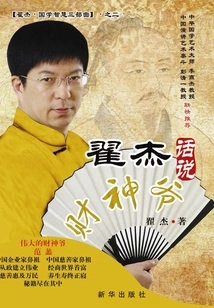
翟杰话说财神爷
Zhai Jie
This book tells the story of Fan Li, a Chinese business sage, his business wisdom and business war cases. From the invention of China's first steelyard, which introduced "fairness" as a basic rule of business into the shopping mall; to the pioneering of entrepreneurs to establish charitable foundations, and the earliest business model of charity business; from Fan Li's three times of gathering wealth to three times of dispersing wealth, it was discussed that businessmen do not rely on "treachery" to seek profits, but rely on hard work, integrity, vision, and wisdom to gradually establish their own virtuous cycle and long-term business system. It also criticizes the current phenomenon of commercial corruption that seeks profits through illegal means. At the same time, the book also contains examples of Professor Zhai Jie flexibly using Fan Li's business wisdom to win many business wars, allowing readers to further apply the theoretical knowledge they have learned to real life. The full text is presented in a story-telling manner, making it easy to understand.
This book tells the story of Fan Li, a Chinese business sage, his business wisdom and business war cases. From the invention of China's first steelyard, which introduced "fairness" as a basic rule of business into the shopping mall; to the pioneering of entrepreneurs to establish charitable foundations, and the earliest business model of charity business; from Fan Li's three times of gathering wealth to three times of dispersing wealth, it was discussed that businessmen do not rely on "treachery" to seek profits, but rely on hard work, integrity, vision, and wisdom to gradually establish their own virtuous cycle and long-term business system. It also criticizes the current phenomenon of commercial corruption that seeks profits through illegal means. At the same time, the book also contains examples of Professor Zhai Jie flexibly using Fan Li's business wisdom to win many business wars, allowing readers to further apply the theoretical knowledge they have learned to real life. The full text is presented in a story-telling manner, making it easy to understand.
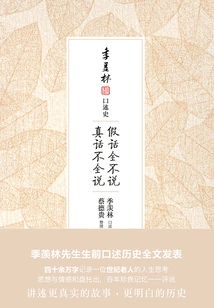
Tell No Lies, Tell No Truth
History假话全不说,真话不全说
Orally Narrated By Ji Xianlin And Edited By Cai Degui
In order to review his century-long life and give the world a final explanation, Mr. Ji Xianlin invited Professor Cai Degui to assist him in the oral history work, and to tell his life experience systematically, comprehensively, objectively and truly. The version of this book almost keeps Mr. Ji Xianlin's conversation as it is, except for some repeated content that has been deleted. It tells the details of getting along with his aunt and wife Peng Dehua in his family life, his interactions with Irmgard during his stay in Germany, and his interactions with several secretaries that attracted great attention. What you know, what you don't know, what you want to know, and what you haven't thought of are all in it.
In order to review his century-long life and give the world a final explanation, Mr. Ji Xianlin invited Professor Cai Degui to assist him in the oral history work, and to tell his life experience systematically, comprehensively, objectively and truly. The version of this book almost keeps Mr. Ji Xianlin's conversation as it is, except for some repeated content that has been deleted. It tells the details of getting along with his aunt and wife Peng Dehua in his family life, his interactions with Irmgard during his stay in Germany, and his interactions with several secretaries that attracted great attention. What you know, what you don't know, what you want to know, and what you haven't thought of are all in it.
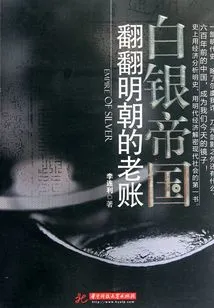
白银帝国:翻翻明朝的老账
Li Lianli
Silver Empire: Overturning the Ming Dynasty's Old Accounts starts with the Ming Dynasty's economic policies, especially its monetary policy, and tells the story of the Ming Dynasty's politics, economy, military, and culture. Thus, it tells the story of why the Ming Dynasty, which was the world's largest economic, military, and cultural power at that time, failed. This book is a fill-in-the-blank book, with a unique approach both in terms of content and writing style. Similar books only discuss the history of the Ming Dynasty from a political and military perspective, while the basic economics of politics and military are rarely touched upon. This book explains the history of the subjugation of the Ming Dynasty from the perspective of economic history, which is more essential. This book truly promotes historical value and brings certain reference value to China today.
Silver Empire: Overturning the Ming Dynasty's Old Accounts starts with the Ming Dynasty's economic policies, especially its monetary policy, and tells the story of the Ming Dynasty's politics, economy, military, and culture. Thus, it tells the story of why the Ming Dynasty, which was the world's largest economic, military, and cultural power at that time, failed. This book is a fill-in-the-blank book, with a unique approach both in terms of content and writing style. Similar books only discuss the history of the Ming Dynasty from a political and military perspective, while the basic economics of politics and military are rarely touched upon. This book explains the history of the subjugation of the Ming Dynasty from the perspective of economic history, which is more essential. This book truly promotes historical value and brings certain reference value to China today.
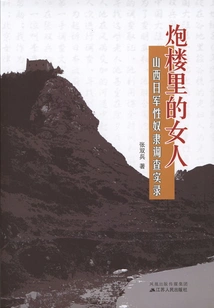
炮楼里的女人:山西日军性奴隶调查实录
Zhang Shuangbing
Zhang Shuangbing was born in Yu County, Shanxi Province in 1953. Entered the workforce in 1971. In 1982, he served as the president of Wuhe Literary Society and began to investigate the crimes of burning, killing and looting in Shanxi during the Japanese invasion of China, as well as the living conditions of the war victims before and after the war. In July 1992, the organization organized seven victims to request compensation of US$100,000 each from the Japanese government. In 1995, five victims of the organization pushed the Japanese government into the dock. In July 1996, he went to a Japanese court with two victims for the first time to accuse the crimes of Japanese militarism, and made some progress. At present, we still insist on walking on the path of justice to obtain compensation from the Japanese government for war victims.
Zhang Shuangbing was born in Yu County, Shanxi Province in 1953. Entered the workforce in 1971. In 1982, he served as the president of Wuhe Literary Society and began to investigate the crimes of burning, killing and looting in Shanxi during the Japanese invasion of China, as well as the living conditions of the war victims before and after the war. In July 1992, the organization organized seven victims to request compensation of US$100,000 each from the Japanese government. In 1995, five victims of the organization pushed the Japanese government into the dock. In July 1996, he went to a Japanese court with two victims for the first time to accuse the crimes of Japanese militarism, and made some progress. At present, we still insist on walking on the path of justice to obtain compensation from the Japanese government for war victims.
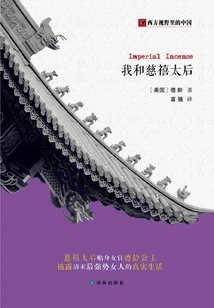
Empress Dowager Cixi and I
History我和慈禧太后
De Ling
"The Empress Dowager Cixi and Me" is a memoir written in English by Chinese-American De Ling. The book adopts the perspective of Western culture and tells in detail the actual life in the Qing court she observed while serving the Empress Dowager Cixi, including Cixi's diet, daily life, clothing, words and deeds, and her experience of traveling by train, etc. The characters involved include Emperor Guangxu, the empress, Li Lianying, Yuan Shikai and other officials, and some palace secrets of major historical events are mentioned. It has both literary interest and historical value. Compared with the currently popular harem novels and harem film and television dramas, this book is true and comprehensive, rich in content and highly readable.
"The Empress Dowager Cixi and Me" is a memoir written in English by Chinese-American De Ling. The book adopts the perspective of Western culture and tells in detail the actual life in the Qing court she observed while serving the Empress Dowager Cixi, including Cixi's diet, daily life, clothing, words and deeds, and her experience of traveling by train, etc. The characters involved include Emperor Guangxu, the empress, Li Lianying, Yuan Shikai and other officials, and some palace secrets of major historical events are mentioned. It has both literary interest and historical value. Compared with the currently popular harem novels and harem film and television dramas, this book is true and comprehensive, rich in content and highly readable.
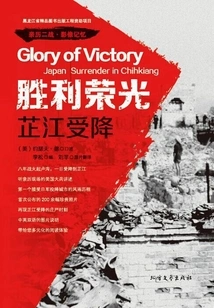
胜利荣光:芷江受降
Li Song
This book uses more than 200 photos as its basis and the oral narratives of American officer Joseph De and Chinese soldiers and civilians as its weft. It comprehensively, multi-perspectively and meticulously displays the military activities and daily life of the Sino-US Allied Forces in Zhijiang, Hunan during the Anti-Japanese War. The content includes the historical scenes of the Japanese surrender in Zhijiang, the U. S. Military's communication work in Zhijiang, Zhijiang's customs and more. It not only has the seriousness and solemnity of major historical events, but also has the interest and life-oriented personal perspective. From the macro to the micro, it comprehensively displays all aspects of Zhijiang's anti-war culture.
This book uses more than 200 photos as its basis and the oral narratives of American officer Joseph De and Chinese soldiers and civilians as its weft. It comprehensively, multi-perspectively and meticulously displays the military activities and daily life of the Sino-US Allied Forces in Zhijiang, Hunan during the Anti-Japanese War. The content includes the historical scenes of the Japanese surrender in Zhijiang, the U. S. Military's communication work in Zhijiang, Zhijiang's customs and more. It not only has the seriousness and solemnity of major historical events, but also has the interest and life-oriented personal perspective. From the macro to the micro, it comprehensively displays all aspects of Zhijiang's anti-war culture.
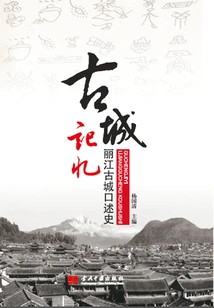
古城记忆:丽江古城口述史
Editor-in-chief Yang Guoqing
This is an ancient city that still survives today, and many Naxi residents still live in it. Many historical and cultural relics, intangible cultural heritage and folk culture are preserved in the ancient city. Entering the ancient city, in addition to seeing the well-preserved material cultural heritage such as stone roads, residential buildings, ancient bridges, ancient temples, three-eye wells, ancient streets, ancient lanes, shops, water systems, rivers, mountains, gardens, and handicraft workshops, you can also feel the intangible cultural heritage such as Dongba scriptures, pictographs, ancient rock paintings, murals, white sand music, cave music, ethnic dances, ethnic festivals, ethnic costumes, folk customs, etc. Here, people can also experience the excellent cultural spirit of the Naxi people, such as the harmonious thinking, harmonious attitudes, harmonious behaviors, and harmonious ways that the Naxi people have always adhered to, which fully embody the harmonious cultural spirit of mutual tolerance, coexistence, and co-prosperity between man and nature, man and society, various ethnic groups, and multiple religions.
This is an ancient city that still survives today, and many Naxi residents still live in it. Many historical and cultural relics, intangible cultural heritage and folk culture are preserved in the ancient city. Entering the ancient city, in addition to seeing the well-preserved material cultural heritage such as stone roads, residential buildings, ancient bridges, ancient temples, three-eye wells, ancient streets, ancient lanes, shops, water systems, rivers, mountains, gardens, and handicraft workshops, you can also feel the intangible cultural heritage such as Dongba scriptures, pictographs, ancient rock paintings, murals, white sand music, cave music, ethnic dances, ethnic festivals, ethnic costumes, folk customs, etc. Here, people can also experience the excellent cultural spirit of the Naxi people, such as the harmonious thinking, harmonious attitudes, harmonious behaviors, and harmonious ways that the Naxi people have always adhered to, which fully embody the harmonious cultural spirit of mutual tolerance, coexistence, and co-prosperity between man and nature, man and society, various ethnic groups, and multiple religions.
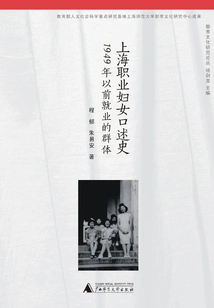
上海职业妇女口述史:1949年以前就业的群体
Cheng Yu Zhu Yian
In traditional societies, women have become a voiceless group, and oral history research is one of the new methods that has emerged in recent years. The author of this book conducted interviews with 19 Shanghai professional women who had work experience before and after liberation, recorded their personal careers and marriage and family life, understood the changes that took place in them in the two eras, and explored the relationship between the times, society and individuals. The interviews included in the book have representative occupations, including old revolutionaries who have worked underground and ordinary workers; teachers, nurses and accountants, as well as small traders and domestic workers. Shanghai was once a big textile city, and female textile workers accounted for a large proportion. They were both foster workers and child workers, workers in private factories and foreign-owned enterprises, and also included famous labor models after liberation. Their narratives cover all aspects of society, not only providing historical materials for women's history, but also providing precious circumstantial evidence for Shanghai's industrial history and Shanghai's social history.
In traditional societies, women have become a voiceless group, and oral history research is one of the new methods that has emerged in recent years. The author of this book conducted interviews with 19 Shanghai professional women who had work experience before and after liberation, recorded their personal careers and marriage and family life, understood the changes that took place in them in the two eras, and explored the relationship between the times, society and individuals. The interviews included in the book have representative occupations, including old revolutionaries who have worked underground and ordinary workers; teachers, nurses and accountants, as well as small traders and domestic workers. Shanghai was once a big textile city, and female textile workers accounted for a large proportion. They were both foster workers and child workers, workers in private factories and foreign-owned enterprises, and also included famous labor models after liberation. Their narratives cover all aspects of society, not only providing historical materials for women's history, but also providing precious circumstantial evidence for Shanghai's industrial history and Shanghai's social history.
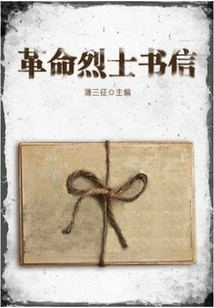
革命烈士书信
Bo Sanzheng
This book contains a large number of letters from revolutionary martyrs. There is a passage in which Gao Junyu and Shi Pingmei met in 1921. After a period of interaction, they went from knowing each other to falling in love, and their relationship was very deep. During their relationship, they often wrote letters to express their ideals and pursuits in life. This letter is a reply written by Gao Junyu to Shi Pingmei. With the ambition to change the world and a positive outlook on life, the author encourages his girlfriends and young people to bravely pursue the light. In addition to this "Letter to Shi Pingmei", the book also includes a total of 73 letters, such as "Letter to Pei Qingxian's nephew-in-law and beloved brother", "Letter to Ming Shi (1927)", "Letter to Xiong Zhusheng before his death".
This book contains a large number of letters from revolutionary martyrs. There is a passage in which Gao Junyu and Shi Pingmei met in 1921. After a period of interaction, they went from knowing each other to falling in love, and their relationship was very deep. During their relationship, they often wrote letters to express their ideals and pursuits in life. This letter is a reply written by Gao Junyu to Shi Pingmei. With the ambition to change the world and a positive outlook on life, the author encourages his girlfriends and young people to bravely pursue the light. In addition to this "Letter to Shi Pingmei", the book also includes a total of 73 letters, such as "Letter to Pei Qingxian's nephew-in-law and beloved brother", "Letter to Ming Shi (1927)", "Letter to Xiong Zhusheng before his death".
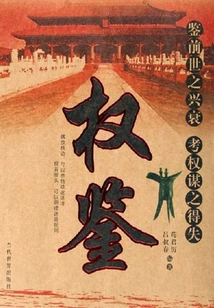
Authorization
History权鉴
Lu Shuchun Gou Junli
A book of power can reflect the rise and fall of the past life, and examine the gains and losses of power strategies. Put it down on your pillow, you can understand the misguided path, and put it on your desk, you can understand the rules of advance and retreat. This book collects a large amount of historical materials and quotes from others to summarize the major journeys of historical figures seeking power. It not only reveals the ugly faces of traitors and traitors, but also shows the good intentions of loyal ministers and righteous men.
A book of power can reflect the rise and fall of the past life, and examine the gains and losses of power strategies. Put it down on your pillow, you can understand the misguided path, and put it on your desk, you can understand the rules of advance and retreat. This book collects a large amount of historical materials and quotes from others to summarize the major journeys of historical figures seeking power. It not only reveals the ugly faces of traitors and traitors, but also shows the good intentions of loyal ministers and righteous men.
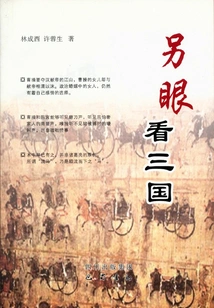
另眼看三国
Lin Chengxi Xu Rongsheng
This book covers political marriages during the Three Kingdoms period, what happened to "Three Concessions to Xuzhou", the story of Baidi City Tuogu, and the "empty city strategy". It studies many allusions in famous works from a novel and modern perspective.
This book covers political marriages during the Three Kingdoms period, what happened to "Three Concessions to Xuzhou", the story of Baidi City Tuogu, and the "empty city strategy". It studies many allusions in famous works from a novel and modern perspective.
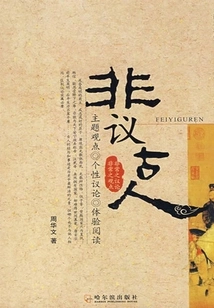
Criticize the Ancients
History非议古人
Zhou Huawen
Mr. Bo Yang said that China has the longest history and the most history books, but the Chinese people are also the most ignorant about history! The "criticism" of the ancients is no longer about distant and vague ancients, but real and close to life in the modern language environment. The side of the ancients that is not taken seriously or the characteristics that cannot be ignored is our attempt to discover and reproduce the true experiences of the ancients, and it is also an entrance to explore history and life.
Mr. Bo Yang said that China has the longest history and the most history books, but the Chinese people are also the most ignorant about history! The "criticism" of the ancients is no longer about distant and vague ancients, but real and close to life in the modern language environment. The side of the ancients that is not taken seriously or the characteristics that cannot be ignored is our attempt to discover and reproduce the true experiences of the ancients, and it is also an entrance to explore history and life.
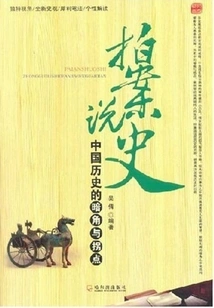
拍案说史:中国历史的暗角与拐点
Wu Qian
The reason why history has become the focus of everyone's attention is because it has left us with countless shining points, which reappear on the historical stage with striking similarities. These bright spots, big or small, are dark corners and turning points with different styles in history. They are still important topics for people to talk about after dinner. Vignetting is a quantitative change in historical development, while an inflection point is a qualitative change. If you look at history from a high perspective, you will find that the energy of quantitative change may be very small, but over time, qualitative change will occur. Therefore, turning points in history are always accompanied by great changes in the country, either development or destruction. The survival trajectories of the ancients all prove these truths, and they also use the dark corners and turning points of personal experience to warn future generations. In the long river of history, dynasties fall one after another and emperors rise from generation to generation. The dark corners and turning points of history are the most eye-catching and thought-provoking historical moments in the process of prosperity and decline.
The reason why history has become the focus of everyone's attention is because it has left us with countless shining points, which reappear on the historical stage with striking similarities. These bright spots, big or small, are dark corners and turning points with different styles in history. They are still important topics for people to talk about after dinner. Vignetting is a quantitative change in historical development, while an inflection point is a qualitative change. If you look at history from a high perspective, you will find that the energy of quantitative change may be very small, but over time, qualitative change will occur. Therefore, turning points in history are always accompanied by great changes in the country, either development or destruction. The survival trajectories of the ancients all prove these truths, and they also use the dark corners and turning points of personal experience to warn future generations. In the long river of history, dynasties fall one after another and emperors rise from generation to generation. The dark corners and turning points of history are the most eye-catching and thought-provoking historical moments in the process of prosperity and decline.
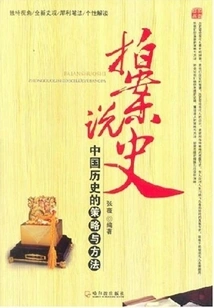
拍案说史:中国历史的策略与方法
Zhang Wei
What is history? History is like a multi-act interrelated drama that unfolds over thousands of years. Everyone can use historical materials and reprocess them. If historical events are considered in a specific time and space context, history will show various patterns like a kaleidoscope. The reason why history has become a sample for later generations to study is because it has left us many clues of wisdom. These clues are strategies and methods in history; these classic strategies and methods are still the source of wisdom for modern people. Strategy is the course of action, and method is the execution plan. They are all responses generated under specific thinking. In the same situation, different people often choose different coping methods precisely because they have different thinking. The ancients used their experiences to continuously verify these principles, and also used their strategies and methods to leave success or failure cases one after another.
What is history? History is like a multi-act interrelated drama that unfolds over thousands of years. Everyone can use historical materials and reprocess them. If historical events are considered in a specific time and space context, history will show various patterns like a kaleidoscope. The reason why history has become a sample for later generations to study is because it has left us many clues of wisdom. These clues are strategies and methods in history; these classic strategies and methods are still the source of wisdom for modern people. Strategy is the course of action, and method is the execution plan. They are all responses generated under specific thinking. In the same situation, different people often choose different coping methods precisely because they have different thinking. The ancients used their experiences to continuously verify these principles, and also used their strategies and methods to leave success or failure cases one after another.
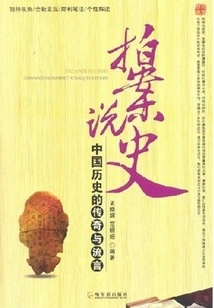
拍案说史:中国历史的传奇与流言
Meng Xiaohui Fan Mingji
"Telling History: Legends and Rumors in Chinese History" is a conversation by the fire; rumors are a whisper between the mouth and ears. Legends and rumors are vivid stories circulating in the streets. Just as life cannot be without freedom and passion, legends and rumors are two necessary condiments in life. They make our lives colorful and colorful. Legends and rumors have never been traditional themes in history, but as a way to experience and witness history, they more or less imprinted the major historical changes at that time. Don't underestimate the historical role of legends and rumors. Although it is difficult for us to distinguish between true and false, and although history cannot be reproduced, what is imprinted on legends and rumors is the most profound aspect of history. All historical figures and all historical events have been faithfully recorded in legends and rumors. These wonderful relics may be heroic, poignant, romantic, or sentimental.
"Telling History: Legends and Rumors in Chinese History" is a conversation by the fire; rumors are a whisper between the mouth and ears. Legends and rumors are vivid stories circulating in the streets. Just as life cannot be without freedom and passion, legends and rumors are two necessary condiments in life. They make our lives colorful and colorful. Legends and rumors have never been traditional themes in history, but as a way to experience and witness history, they more or less imprinted the major historical changes at that time. Don't underestimate the historical role of legends and rumors. Although it is difficult for us to distinguish between true and false, and although history cannot be reproduced, what is imprinted on legends and rumors is the most profound aspect of history. All historical figures and all historical events have been faithfully recorded in legends and rumors. These wonderful relics may be heroic, poignant, romantic, or sentimental.
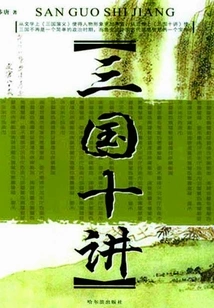
三国十讲
Han Tang
Within the scope of discussion in popular culture, the "Three Kingdoms" is just a gathering place for a group of outstanding talents. Without those talents, there would be no Three Kingdoms in their eyes. The real Three Kingdoms are a period of time, a history, and a common destiny. This book not only contains the "Three Kingdoms" under people's habitual thinking, but also objectively explains the real Three Kingdoms era, so that the original fruits of history and the deduced juice drinks can remain in our memory!
Within the scope of discussion in popular culture, the "Three Kingdoms" is just a gathering place for a group of outstanding talents. Without those talents, there would be no Three Kingdoms in their eyes. The real Three Kingdoms are a period of time, a history, and a common destiny. This book not only contains the "Three Kingdoms" under people's habitual thinking, but also objectively explains the real Three Kingdoms era, so that the original fruits of history and the deduced juice drinks can remain in our memory!