Library
Browse and search books
521 novels found
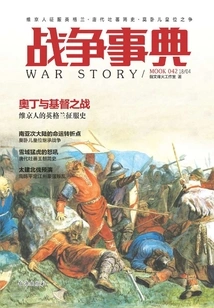
War Chronicles 042
Military战争事典042
Zhiwen Fenghuo Studio
This book consists of "The Battle between Odin and Christ: The History of the Viking Conquest of England", "The Turning Point in the Destiny of the South Asian Subcontinent: The War of Succession to the Mughal Throne", "The Roar of Tigers in the Snowy Land: A Brief History of the Tubo Dynasty in the Tang Dynasty", "Preview of the Taijian Northern Expedition: Nanchen pacified the powerful rebellion in Jiangzhou". It reviews the battles between the Anglo-Saxons and the Vikings in the British Isles thousands of years ago; it tells the fortune, rise, strength and decline of Tubo; it reproduces the battle for the throne that broke out between the four sons of Shah Jahan, the fifth emperor of the Mughal Empire, in the late reign of Shah Jahan; it narrates the process of Emperor Chen Wen of the Southern Dynasty pacifying the four powerful local forces of Yuzhang Xiong Tanlang, Linchuan Zhou Di, Dongyang Liuyi, and Jin'an Chen Bao.
This book consists of "The Battle between Odin and Christ: The History of the Viking Conquest of England", "The Turning Point in the Destiny of the South Asian Subcontinent: The War of Succession to the Mughal Throne", "The Roar of Tigers in the Snowy Land: A Brief History of the Tubo Dynasty in the Tang Dynasty", "Preview of the Taijian Northern Expedition: Nanchen pacified the powerful rebellion in Jiangzhou". It reviews the battles between the Anglo-Saxons and the Vikings in the British Isles thousands of years ago; it tells the fortune, rise, strength and decline of Tubo; it reproduces the battle for the throne that broke out between the four sons of Shah Jahan, the fifth emperor of the Mughal Empire, in the late reign of Shah Jahan; it narrates the process of Emperor Chen Wen of the Southern Dynasty pacifying the four powerful local forces of Yuzhang Xiong Tanlang, Linchuan Zhou Di, Dongyang Liuyi, and Jin'an Chen Bao.
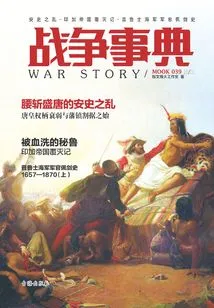
War Chronicles 039
Military战争事典039
Zhiwen Fenghuo Studio
This book consists of "The Anshi Rebellion that cut into half the prosperous Tang Dynasty: The decline of the power of the Tang emperor and the beginning of the separatism of vassal towns", "Peru was washed in blood: the fall of the Inca Empire" and "The History of the Sword of Prussian Naval Officers 1657-1870 (Part 1)". It tells the history and war stories of three different periods. First, the Anshi Rebellion, which lasted for seven years and two months, not only cut into half the prosperity of the Tang Dynasty, but also opened the curtain on the separatist rule of vassal towns in the middle and late Tang Dynasty, providing a breeding ground for the eunuchs to have exclusive power. In this earth-shaking change, who is loyal, who is traitorous, and who benefits? Secondly, what kind of collision will occur when tens of millions of Incas living in the Bronze Age encounter more than a hundred Spanish colonists entering the Fire Age? Describe in detail how greedy colonists plundered the Inca Empire and conquered this ancient country. Thirdly, the establishment of the Prussian Navy can be traced back to the 17th century, but the standard naval officer sword appeared in 1849. Starting from the many details of the saber, it describes the situation of the officers of the Prussian Navy before the establishment of the German Empire in 1871.
This book consists of "The Anshi Rebellion that cut into half the prosperous Tang Dynasty: The decline of the power of the Tang emperor and the beginning of the separatism of vassal towns", "Peru was washed in blood: the fall of the Inca Empire" and "The History of the Sword of Prussian Naval Officers 1657-1870 (Part 1)". It tells the history and war stories of three different periods. First, the Anshi Rebellion, which lasted for seven years and two months, not only cut into half the prosperity of the Tang Dynasty, but also opened the curtain on the separatist rule of vassal towns in the middle and late Tang Dynasty, providing a breeding ground for the eunuchs to have exclusive power. In this earth-shaking change, who is loyal, who is traitorous, and who benefits? Secondly, what kind of collision will occur when tens of millions of Incas living in the Bronze Age encounter more than a hundred Spanish colonists entering the Fire Age? Describe in detail how greedy colonists plundered the Inca Empire and conquered this ancient country. Thirdly, the establishment of the Prussian Navy can be traced back to the 17th century, but the standard naval officer sword appeared in 1849. Starting from the many details of the saber, it describes the situation of the officers of the Prussian Navy before the establishment of the German Empire in 1871.
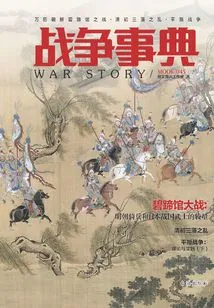
War Chronicles 045
Military战争事典045
Zhiwen Fenghuo Studio
This book consists of "The Battle of Bi Tiguan: The Contest between the Ming Dynasty Cavalry and the Japanese Warring States Samurai", "The Rebellion of the Three Feudatories in the Early Qing Dynasty" and "Counterinsurgency War: Theory and Practice (Part 2)". It clarifies the various controversies surrounding the controversial Battle of Byokjeokwan in the Wanli Korean War due to major differences in historical materials between China, Japan and Korea. This is a mysterious battle that took place at Byokjeokwan in the northwest of the Korean capital. The author refers to many first-hand accounts. Materials; sorted out the beginning and end of the San Francisco Rebellion initiated by King Wu Sangui of Pingxi, King Shang Kexi of Pingnan, and King Geng Jingzhong of Jingnan in the early Qing Dynasty; introduced the relevant theories and rules of counter-insurgency war by Gelula, the master of the French counter-insurgency school.
This book consists of "The Battle of Bi Tiguan: The Contest between the Ming Dynasty Cavalry and the Japanese Warring States Samurai", "The Rebellion of the Three Feudatories in the Early Qing Dynasty" and "Counterinsurgency War: Theory and Practice (Part 2)". It clarifies the various controversies surrounding the controversial Battle of Byokjeokwan in the Wanli Korean War due to major differences in historical materials between China, Japan and Korea. This is a mysterious battle that took place at Byokjeokwan in the northwest of the Korean capital. The author refers to many first-hand accounts. Materials; sorted out the beginning and end of the San Francisco Rebellion initiated by King Wu Sangui of Pingxi, King Shang Kexi of Pingnan, and King Geng Jingzhong of Jingnan in the early Qing Dynasty; introduced the relevant theories and rules of counter-insurgency war by Gelula, the master of the French counter-insurgency school.
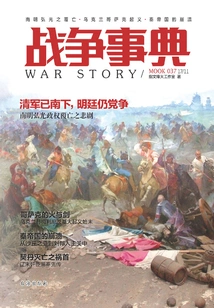
War Codex 037 (revised Edition)
Military战争事典037(修订版)
Zhiwen Fenghuo Studio
This book consists of "The Qing Army has gone south, but the Ming court is still fighting with the party: the tragedy of the fall of the Hongguang regime in the Southern Ming Dynasty", "The Fire and Sword of the Cossacks: The beginning and end of the Khmelnytsky Uprising in Ukraine", "The Collapse of the Qin Empire: From the Change of Sand Dunes to Liu Bang's entry into Guanzhong", "The Culprit of the Khitan's Destruction: The Biography of the traitor Xiao Fengxian in the late Liao Dynasty". After Emperor Chongzhen hanged himself in 1644, the Nanjing government supported the Fu Wang Zhu Yousong as emperor and established the Hongguang regime to resist the Qing army from the south. However, the cruel party politics and internal strife soon brought it to a complete defeat. What drove these people to start cruel internal fighting before the crisis of national subjugation? A great uprising broke out from 1648 to 1654, involving countless Cossacks and fighting for freedom. However, this uprising that changed the political landscape of Eastern Europe only allowed the Cossacks to briefly escape from the rule of the Polish-Lithuanian Commonwealth; soon, they would fall into another yoke - Russia! This was the Khmelnytsky Uprising; after the death of the First Emperor, the Qin Empire fell apart in just four years. From Chen Sheng and Wu Guang's uprising to Liu Bang's entry into Guanzhong, I will tell you about a period of war in which a great power passed away and heroes competed for power. In addition to the Tianzuo Emperor Yelu Yanxi, the powerful minister Xiao Fengxian also ruined the foundation of the Liao Dynasty for more than 200 years! Combining various historical materials, we will show you a treacherous Khitan official who is close to historical facts.
This book consists of "The Qing Army has gone south, but the Ming court is still fighting with the party: the tragedy of the fall of the Hongguang regime in the Southern Ming Dynasty", "The Fire and Sword of the Cossacks: The beginning and end of the Khmelnytsky Uprising in Ukraine", "The Collapse of the Qin Empire: From the Change of Sand Dunes to Liu Bang's entry into Guanzhong", "The Culprit of the Khitan's Destruction: The Biography of the traitor Xiao Fengxian in the late Liao Dynasty". After Emperor Chongzhen hanged himself in 1644, the Nanjing government supported the Fu Wang Zhu Yousong as emperor and established the Hongguang regime to resist the Qing army from the south. However, the cruel party politics and internal strife soon brought it to a complete defeat. What drove these people to start cruel internal fighting before the crisis of national subjugation? A great uprising broke out from 1648 to 1654, involving countless Cossacks and fighting for freedom. However, this uprising that changed the political landscape of Eastern Europe only allowed the Cossacks to briefly escape from the rule of the Polish-Lithuanian Commonwealth; soon, they would fall into another yoke - Russia! This was the Khmelnytsky Uprising; after the death of the First Emperor, the Qin Empire fell apart in just four years. From Chen Sheng and Wu Guang's uprising to Liu Bang's entry into Guanzhong, I will tell you about a period of war in which a great power passed away and heroes competed for power. In addition to the Tianzuo Emperor Yelu Yanxi, the powerful minister Xiao Fengxian also ruined the foundation of the Liao Dynasty for more than 200 years! Combining various historical materials, we will show you a treacherous Khitan official who is close to historical facts.
War Chronicles 038
Military战争事典038
Zhiwen Fenghuo Studio
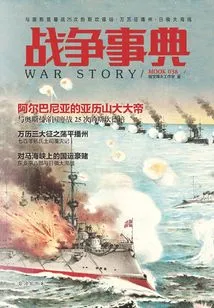
This book consists of "Alexander the Great of Albania: Skanderbeg, which fought 25 fierce battles with the Ottoman Empire", "The Three Great Conquests of Wanli: The Destruction of the Yang Family Chieftain in 700 Years" and "The Gambling on the National Destiny on the Tsushima Strait: Togo Heihachiro and the Great War between Japan and Russia". This book reviews the establishment of Albanian principalities and the formation of alliances in the Middle Ages, and introduces how Skanderbeg, who had served in the Ottoman army, escaped back to Albania and organized an army to fight against the Ottoman Empire. In addition, this book tells the story of the last of the "Three Great Conquests of Wanli" - the Battle of Bozhou, sorting out the rise, rebellion and defeat of the Yang chieftains who ruled Bozhou for 725 years; it also describes the battle at sea between the Japanese Combined Fleet and Tsarist Russia's First and Second Pacific Fleets in the Russo-Japanese War, as well as the expedition of the Second Pacific Fleet.
This book consists of "Alexander the Great of Albania: Skanderbeg, which fought 25 fierce battles with the Ottoman Empire", "The Three Great Conquests of Wanli: The Destruction of the Yang Family Chieftain in 700 Years" and "The Gambling on the National Destiny on the Tsushima Strait: Togo Heihachiro and the Great War between Japan and Russia". This book reviews the establishment of Albanian principalities and the formation of alliances in the Middle Ages, and introduces how Skanderbeg, who had served in the Ottoman army, escaped back to Albania and organized an army to fight against the Ottoman Empire. In addition, this book tells the story of the last of the "Three Great Conquests of Wanli" - the Battle of Bozhou, sorting out the rise, rebellion and defeat of the Yang chieftains who ruled Bozhou for 725 years; it also describes the battle at sea between the Japanese Combined Fleet and Tsarist Russia's First and Second Pacific Fleets in the Russo-Japanese War, as well as the expedition of the Second Pacific Fleet.
War Chronicles 041
Military战争事典041
Zhiwen Fenghuo Studio
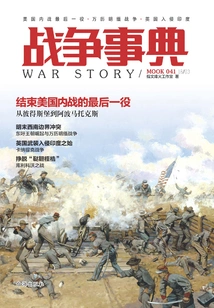
This book consists of "The Last Battle that Ended the American Civil War: From Petersburg to Appomattox", "The Southwest Border Conflict in the Late Ming Dynasty: The Rise of the Toungoo Dynasty and the Wanli-Ming Burma War", "The Beginning of the British Armed Invasion of India: the Carnatic War" and "Breaking Free from the "Tatar Shackles": The Battle of Kulikovo". In the final stage of the American Civil War, the Battle of Petersburg-Appomattox, the Union Army defeated the Confederate Army and won the final victory. The formations and specific performances of both sides will be explained to you one by one; from the Jiajing to Wanli years, the Toungoo dynasty of Myanmar continued to encroach on the southwestern border of the Ming Dynasty. However, it was not until the 11th year of Wanli that the Burmese army invaded in large numbers, and the Ming Dynasty officially sent troops to resist. Sort out the beginning and end of the Burmese War and the changes in the southwestern frontier; detail how Britain defeated its competitor France through three Carnatic Wars in the 18th century, and finally made India a vassal, grabbing colonial interests; reproduce one of the battles in medieval Europe - the Battle of Kulikovo, and learn how Moscow broke free from the "Tatar shackles" and defeated the Golden Horde riding on its head.
This book consists of "The Last Battle that Ended the American Civil War: From Petersburg to Appomattox", "The Southwest Border Conflict in the Late Ming Dynasty: The Rise of the Toungoo Dynasty and the Wanli-Ming Burma War", "The Beginning of the British Armed Invasion of India: the Carnatic War" and "Breaking Free from the "Tatar Shackles": The Battle of Kulikovo". In the final stage of the American Civil War, the Battle of Petersburg-Appomattox, the Union Army defeated the Confederate Army and won the final victory. The formations and specific performances of both sides will be explained to you one by one; from the Jiajing to Wanli years, the Toungoo dynasty of Myanmar continued to encroach on the southwestern border of the Ming Dynasty. However, it was not until the 11th year of Wanli that the Burmese army invaded in large numbers, and the Ming Dynasty officially sent troops to resist. Sort out the beginning and end of the Burmese War and the changes in the southwestern frontier; detail how Britain defeated its competitor France through three Carnatic Wars in the 18th century, and finally made India a vassal, grabbing colonial interests; reproduce one of the battles in medieval Europe - the Battle of Kulikovo, and learn how Moscow broke free from the "Tatar shackles" and defeated the Golden Horde riding on its head.
War Chronicles 036
Military战争事典036
Zhiwen Fenghuo Studio
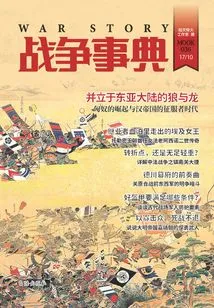
This book consists of "Wolves and Dragons Standing Side by Side in East Asia: The Rise of the Huns and the Age of Conquerors of the Han Empire", "The Queen of Egypt Walking Out of a Pool of Blood of Her Successors: The Legend of Arsinoe II, the First Female Pharaoh of the Ptolemaic Dynasty" and "The Turning Point is Still Insignificant: A Detailed Explanation of the Sino-French War". "The Great Victory of Zhennanguan", "The Prelude to the Tokugawa Shogunate: The Overt and Covert Struggle between the East and West Armies before the Sekigahara War", "What Conditions Should Good Armor Meet: Talking about the Protection Elements of Soldiers on Ancient Battlefields", "To Defeat the Many with the Outnumbered and Fight to the Death: Talking about the Brave Warriors of the Jiajing Dynasty of the Ming Empire". This book tells the story of the rise of the Xiongnu and the wars and peace between the Han Empire and surrounding regimes; reviews the legendary life of the female pharaoh Arsinoe II of the Ptolemaic Dynasty; sorts out the causes, consequences and specific processes of the Battle of Zhennanguan; analyzes the layout preparations and outpost battles of the Eastern and Western armies before the Battle of Guanyuan; explains the major elements of good armor in ancient warfare; introduces the Jiajing Dynasty's warriors who defeated more with less, as well as the system of You and Qi soldiers.
This book consists of "Wolves and Dragons Standing Side by Side in East Asia: The Rise of the Huns and the Age of Conquerors of the Han Empire", "The Queen of Egypt Walking Out of a Pool of Blood of Her Successors: The Legend of Arsinoe II, the First Female Pharaoh of the Ptolemaic Dynasty" and "The Turning Point is Still Insignificant: A Detailed Explanation of the Sino-French War". "The Great Victory of Zhennanguan", "The Prelude to the Tokugawa Shogunate: The Overt and Covert Struggle between the East and West Armies before the Sekigahara War", "What Conditions Should Good Armor Meet: Talking about the Protection Elements of Soldiers on Ancient Battlefields", "To Defeat the Many with the Outnumbered and Fight to the Death: Talking about the Brave Warriors of the Jiajing Dynasty of the Ming Empire". This book tells the story of the rise of the Xiongnu and the wars and peace between the Han Empire and surrounding regimes; reviews the legendary life of the female pharaoh Arsinoe II of the Ptolemaic Dynasty; sorts out the causes, consequences and specific processes of the Battle of Zhennanguan; analyzes the layout preparations and outpost battles of the Eastern and Western armies before the Battle of Guanyuan; explains the major elements of good armor in ancient warfare; introduces the Jiajing Dynasty's warriors who defeated more with less, as well as the system of You and Qi soldiers.
War Chronicles 044
Military战争事典044
Zhiwen Fenghuo Studio
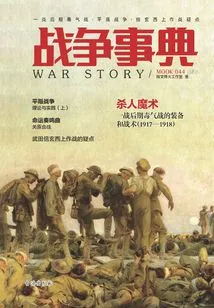
This book consists of "The Magic of Killing: Equipment and Tactics of Gas Warfare in the Late First World War (1917-1918)", "Counterinsurgency War: Theory and Practice (Part 1)", "Sonata of Destiny: The Battle of Sekigahara" and "Suspicious Points of Takeda Shingen's Battle to the West". It reviews the poison gas attacks of the British and German troops in the late World War I, as well as their protective equipment, and summarizes the gas warfare tactics of World War I; introduces the relevant theories and laws of rebellion and counter-insurgency warfare; describes the attack and defense, strategy and conspiracy, personal life and death concerns, and family interest and justice of the East and West armies in the Battle of Sekigahara; discusses the historical questions related to Takeda Shingen's campaign to the west, and clarifies some rumors.
This book consists of "The Magic of Killing: Equipment and Tactics of Gas Warfare in the Late First World War (1917-1918)", "Counterinsurgency War: Theory and Practice (Part 1)", "Sonata of Destiny: The Battle of Sekigahara" and "Suspicious Points of Takeda Shingen's Battle to the West". It reviews the poison gas attacks of the British and German troops in the late World War I, as well as their protective equipment, and summarizes the gas warfare tactics of World War I; introduces the relevant theories and laws of rebellion and counter-insurgency warfare; describes the attack and defense, strategy and conspiracy, personal life and death concerns, and family interest and justice of the East and West armies in the Battle of Sekigahara; discusses the historical questions related to Takeda Shingen's campaign to the west, and clarifies some rumors.
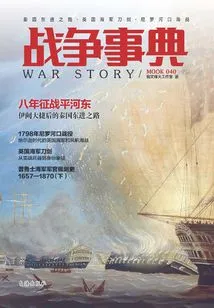
War Chronicles 040
Military战争事典040
Zhiwen Fenghuo Studio
This book consists of "Eight Years' Campaign to Pinghedong: Qin's Eastward Advancement after the Great Victory at Yique", "The Battle of the Nile Estuary in 1798: The British Navy and Sail Battles in Nelson's Era", "British Naval Swords: From Actual Weapons to Status Symbols" and "The History of Prussian Naval Officers' Swords 1657-1870 (Part 2)". Reviewing the various wars launched by the Qin State to annex Hanoi and Hedong after the victory of Yique, the three generals Bai Qi, Wei Ran, and Sima Cuo joined forces and used military diplomacy together. After eight years, they finally occupied a large base area on the north bank of the Yellow River; it records the British fleet led by Nelson and the French fleet led by Napoleon in 1798. The battle at the mouth of the Nile is introduced, and the characteristics and related knowledge of sailing naval warfare are introduced; the transformation of the British naval sword from a practical weapon to a ceremonial instrument and a symbol of honor is described; finally, starting from the many details of the saber, it describes the situation of the officers of the Prussian Navy before the establishment of the Second German Empire in 1871.
This book consists of "Eight Years' Campaign to Pinghedong: Qin's Eastward Advancement after the Great Victory at Yique", "The Battle of the Nile Estuary in 1798: The British Navy and Sail Battles in Nelson's Era", "British Naval Swords: From Actual Weapons to Status Symbols" and "The History of Prussian Naval Officers' Swords 1657-1870 (Part 2)". Reviewing the various wars launched by the Qin State to annex Hanoi and Hedong after the victory of Yique, the three generals Bai Qi, Wei Ran, and Sima Cuo joined forces and used military diplomacy together. After eight years, they finally occupied a large base area on the north bank of the Yellow River; it records the British fleet led by Nelson and the French fleet led by Napoleon in 1798. The battle at the mouth of the Nile is introduced, and the characteristics and related knowledge of sailing naval warfare are introduced; the transformation of the British naval sword from a practical weapon to a ceremonial instrument and a symbol of honor is described; finally, starting from the many details of the saber, it describes the situation of the officers of the Prussian Navy before the establishment of the Second German Empire in 1871.
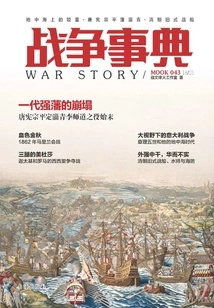
War Chronicles 043
Military战争事典043
Zhiwen Fenghuo Studio
This book consists of "The Italian War in a Big Perspective: Charles V and His Mediterranean Era", "The Collapse of a Powerful Domain: The Beginning and End of Emperor Xianzong's Campaign to Defeat Li Shidao in Ziqing", "The Bloody Golden Autumn: The Battle of Maryland in 1862", "The Three-Legged Medusa: The Battle for Sicily between Carthage and Rome", "Strong on the outside but flashy on the inside: Old-style warships, navy and coastal defense of the Qing Dynasty". It details the great ambitions of King Charles V of Spain in the 16th century. During his tenure, he not only launched a war to seize Italy with King Francois I of France, but also had a contest with Ottoman Sultan Suleiman I in the Mediterranean. After the Anshi Rebellion was settled, the vassal system became Another thorny issue in the Tang Dynasty, the Ziqing Rebellion was one of them. Looking back at Tang Xianzong's split and collapse of the Ziqing Li family that had dominated Qilu for nearly sixty years; during the American Civil War, the North and the South fought for Maryland, and the appalling and bloody "One-Day Battle" - the Battle of Antietam - broke out. Explain the battle that prompted Lincoln to declare the Emancipation Proclamation; recreate the First Punic War that broke out between ancient Rome and Carthage over Sicily. After this battle, Rome replaced Carthage as the untouchable power in the Mediterranean; systematically sort out the old warships, navy and coastal defenses of the Qing Dynasty to outline the general level of the Qing Dynasty's navy and answer why it was unable to play its due role in the Opium War.
This book consists of "The Italian War in a Big Perspective: Charles V and His Mediterranean Era", "The Collapse of a Powerful Domain: The Beginning and End of Emperor Xianzong's Campaign to Defeat Li Shidao in Ziqing", "The Bloody Golden Autumn: The Battle of Maryland in 1862", "The Three-Legged Medusa: The Battle for Sicily between Carthage and Rome", "Strong on the outside but flashy on the inside: Old-style warships, navy and coastal defense of the Qing Dynasty". It details the great ambitions of King Charles V of Spain in the 16th century. During his tenure, he not only launched a war to seize Italy with King Francois I of France, but also had a contest with Ottoman Sultan Suleiman I in the Mediterranean. After the Anshi Rebellion was settled, the vassal system became Another thorny issue in the Tang Dynasty, the Ziqing Rebellion was one of them. Looking back at Tang Xianzong's split and collapse of the Ziqing Li family that had dominated Qilu for nearly sixty years; during the American Civil War, the North and the South fought for Maryland, and the appalling and bloody "One-Day Battle" - the Battle of Antietam - broke out. Explain the battle that prompted Lincoln to declare the Emancipation Proclamation; recreate the First Punic War that broke out between ancient Rome and Carthage over Sicily. After this battle, Rome replaced Carthage as the untouchable power in the Mediterranean; systematically sort out the old warships, navy and coastal defenses of the Qing Dynasty to outline the general level of the Qing Dynasty's navy and answer why it was unable to play its due role in the Opium War.
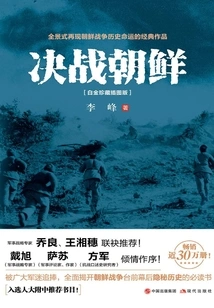
Decisive Battle Against Korea
Military决战朝鲜
Li Feng
General Qiao Liang and Professor Wang Xiangsui jointly recommended! Dai Xu, Sassou and Fang Jun wrote the preface with great affection! Popular among military fans, it is a must-read that fully reveals the hidden history behind the scenes of the Korean War. This book is a classic work that reproduces the historical fate of the Korean War in a panoramic manner. It records and analyzes the causes of the Korean War, the decision-making process, the five battles, the Panmunjom armistice negotiations and other major events with magnificent momentum, concise language, and multi-dimensional perspectives. It includes the pre-war international and domestic situation, important battle conditions, the decision-making process of the generals on both sides, and the "military gods" who emerged in this war, shaping a large number of characters with distinctive personalities. At the same time, this book comprehensively reveals many historical truths behind the scenes of the Korean War through detailed historical materials, such as the competition between the top leadership of China, the United States, the Soviet Union and North Korea, the truth about the Korean People's Army's southern expedition, the truth about China's dispatch of troops to North Korea, the true comparison of the combat power of China and the United States, the inside story of the Soviet Union's military aid to China and the air force's participation in the war, the true situation of volunteers' prisoners of war, the Panmunjom negotiation process, etc. It dispels various myths and misunderstandings about the Korean War. It is very real and brilliant. This book has been praised by military fans as the highest-quality work on the Korean War in China and has sold nearly 300,000 copies. Based on the original wonderful content, this edition has added more than a hundred historical photos of the Korean War, giving readers a strong sense of immersion.
General Qiao Liang and Professor Wang Xiangsui jointly recommended! Dai Xu, Sassou and Fang Jun wrote the preface with great affection! Popular among military fans, it is a must-read that fully reveals the hidden history behind the scenes of the Korean War. This book is a classic work that reproduces the historical fate of the Korean War in a panoramic manner. It records and analyzes the causes of the Korean War, the decision-making process, the five battles, the Panmunjom armistice negotiations and other major events with magnificent momentum, concise language, and multi-dimensional perspectives. It includes the pre-war international and domestic situation, important battle conditions, the decision-making process of the generals on both sides, and the "military gods" who emerged in this war, shaping a large number of characters with distinctive personalities. At the same time, this book comprehensively reveals many historical truths behind the scenes of the Korean War through detailed historical materials, such as the competition between the top leadership of China, the United States, the Soviet Union and North Korea, the truth about the Korean People's Army's southern expedition, the truth about China's dispatch of troops to North Korea, the true comparison of the combat power of China and the United States, the inside story of the Soviet Union's military aid to China and the air force's participation in the war, the true situation of volunteers' prisoners of war, the Panmunjom negotiation process, etc. It dispels various myths and misunderstandings about the Korean War. It is very real and brilliant. This book has been praised by military fans as the highest-quality work on the Korean War in China and has sold nearly 300,000 copies. Based on the original wonderful content, this edition has added more than a hundred historical photos of the Korean War, giving readers a strong sense of immersion.
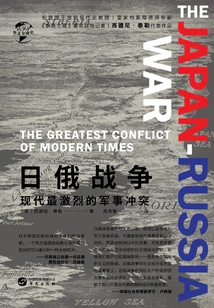
日俄战争:现代最激烈的军事冲突
(uk) Sidney Taylor
"The Russo-Japanese War: Fierce Modern Military Conflict" is the crystallization of Sidney Taylor's "life" that went deep into the Russo-Japanese battlefield. After the Russo-Japanese War, he relied on his own battlefield interviews and photography, extensively collected the battlefield diaries and recall articles of officers from the Japanese Empire and Russia who participated in the war, and studied the battle reports of the Japanese and Russian armies. He eliminated the false and retained the true, which took six years to write. It records in detail the background of the outbreak of the Russo-Japanese War, the diplomatic game between the great powers in the Far East, the two battlefields on land and sea, previous battles, as well as the intervention of other major powers and the entire process of the Japan-Russia peace negotiation. The book's detailed records, objective narrative, fair comments, and novel conclusions are obvious to all. It was hailed by The Times as "an important work in interpreting the situation in the Far East."
"The Russo-Japanese War: Fierce Modern Military Conflict" is the crystallization of Sidney Taylor's "life" that went deep into the Russo-Japanese battlefield. After the Russo-Japanese War, he relied on his own battlefield interviews and photography, extensively collected the battlefield diaries and recall articles of officers from the Japanese Empire and Russia who participated in the war, and studied the battle reports of the Japanese and Russian armies. He eliminated the false and retained the true, which took six years to write. It records in detail the background of the outbreak of the Russo-Japanese War, the diplomatic game between the great powers in the Far East, the two battlefields on land and sea, previous battles, as well as the intervention of other major powers and the entire process of the Japan-Russia peace negotiation. The book's detailed records, objective narrative, fair comments, and novel conclusions are obvious to all. It was hailed by The Times as "an important work in interpreting the situation in the Far East."
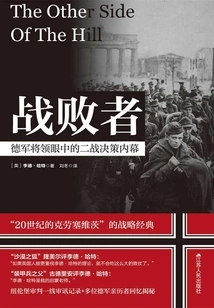
The Defeated: the Inside Story of World War Ii Decision-making Through the Eyes of a German General
Military战败者:德军将领眼中的二战决策内幕
H
Starting from the perspective of the German generals in World War II, this book combines the author's first-hand interrogation records obtained during the Nuremberg review process and the memories of high-level German military witnesses. It provides a comprehensive review of the major historical events from the rise to the fall of the Nazis and the major decisions and gains and losses made by the German army in World War II. It also combines the author's unique military theoretical thoughts to conduct critical research on major battles. It is not only a precious classic of World War II history, but also a classic of military strategic theory.
Starting from the perspective of the German generals in World War II, this book combines the author's first-hand interrogation records obtained during the Nuremberg review process and the memories of high-level German military witnesses. It provides a comprehensive review of the major historical events from the rise to the fall of the Nazis and the major decisions and gains and losses made by the German army in World War II. It also combines the author's unique military theoretical thoughts to conduct critical research on major battles. It is not only a precious classic of World War II history, but also a classic of military strategic theory.

第二次世界大战非洲战场:大漠厮杀
Editor-in-chief Li Biao
Before September 1939, the world's anti-fascist resistance movements, such as China's Anti-Japanese War and Ethiopia's Anti-Italian War, had begun. On September 1, 1939, Germany invaded Poland, declaring the official start of the world's anti-fascist war. On September 2, 1945, Japan surrendered to the Allies, indicating a complete victory in the world's great anti-fascist war.
Before September 1939, the world's anti-fascist resistance movements, such as China's Anti-Japanese War and Ethiopia's Anti-Italian War, had begun. On September 1, 1939, Germany invaded Poland, declaring the official start of the world's anti-fascist war. On September 2, 1945, Japan surrendered to the Allies, indicating a complete victory in the world's great anti-fascist war.
第二次世界大战太平洋战场:血海翻腾
Editor-in-chief Li Biao
Before September 1939, the world's anti-fascist resistance movements, such as China's Anti-Japanese War and Ethiopia's Anti-Italian War, had begun. On September 1, 1939, Germany invaded Poland, declaring the official start of the world's anti-fascist war. On September 2, 1945, Japan surrendered to the Allies, indicating a complete victory in the world's great anti-fascist war.
Before September 1939, the world's anti-fascist resistance movements, such as China's Anti-Japanese War and Ethiopia's Anti-Italian War, had begun. On September 1, 1939, Germany invaded Poland, declaring the official start of the world's anti-fascist war. On September 2, 1945, Japan surrendered to the Allies, indicating a complete victory in the world's great anti-fascist war.
第二次世界大战特殊陆战:喋血尘埃
Editor-in-chief Li Biao
Before September 1939, the world's anti-fascist resistance movements, such as China's Anti-Japanese War and Ethiopia's Anti-Italian War, had begun. On September 1, 1939, Germany invaded Poland, declaring the official start of the world's anti-fascist war. On September 2, 1945, Japan surrendered to the Allies, indicating a complete victory in the world's great anti-fascist war.
Before September 1939, the world's anti-fascist resistance movements, such as China's Anti-Japanese War and Ethiopia's Anti-Italian War, had begun. On September 1, 1939, Germany invaded Poland, declaring the official start of the world's anti-fascist war. On September 2, 1945, Japan surrendered to the Allies, indicating a complete victory in the world's great anti-fascist war.
第二次世界大战著名空战:轰雷狂飚
Editor-in-chief Li Biao
Before September 1939, the world's anti-fascist resistance movements, such as China's Anti-Japanese War and Ethiopia's Anti-Italian War, had begun. On September 1, 1939, Germany invaded Poland, declaring the official start of the world's anti-fascist war. On September 2, 1945, Japan surrendered to the Allies, indicating a complete victory in the world's great anti-fascist war.
Before September 1939, the world's anti-fascist resistance movements, such as China's Anti-Japanese War and Ethiopia's Anti-Italian War, had begun. On September 1, 1939, Germany invaded Poland, declaring the official start of the world's anti-fascist war. On September 2, 1945, Japan surrendered to the Allies, indicating a complete victory in the world's great anti-fascist war.
第二次世界大战经典海战:海天绞杀
Editor-in-chief Li Biao
Before September 1939, the world's anti-fascist resistance movements, such as China's Anti-Japanese War and Ethiopia's Anti-Italian War, had begun. On September 1, 1939, Germany invaded Poland, declaring the official start of the world's anti-fascist war. On September 2, 1945, Japan surrendered to the Allies, indicating a complete victory in the world's great anti-fascist war.
Before September 1939, the world's anti-fascist resistance movements, such as China's Anti-Japanese War and Ethiopia's Anti-Italian War, had begun. On September 1, 1939, Germany invaded Poland, declaring the official start of the world's anti-fascist war. On September 2, 1945, Japan surrendered to the Allies, indicating a complete victory in the world's great anti-fascist war.
第二次世界大战欧洲战场:闪击鏖战
Editor-in-chief Li Biao
Before September 1939, the world's anti-fascist resistance movements, such as China's Anti-Japanese War and Ethiopia's Anti-Italian War, had begun. On September 1, 1939, Germany invaded Poland, declaring the official start of the world's anti-fascist war. On September 2, 1945, Japan surrendered to the Allies, indicating a complete victory in the world's great anti-fascist war.
Before September 1939, the world's anti-fascist resistance movements, such as China's Anti-Japanese War and Ethiopia's Anti-Italian War, had begun. On September 1, 1939, Germany invaded Poland, declaring the official start of the world's anti-fascist war. On September 2, 1945, Japan surrendered to the Allies, indicating a complete victory in the world's great anti-fascist war.
第二次世界大战盟国秘密:内幕真相
Editor-in-chief Li Biao
Before September 1939, the world's anti-fascist resistance movements, such as China's Anti-Japanese War and Ethiopia's Anti-Italian War, had begun. On September 1, 1939, Germany invaded Poland, declaring the official start of the world's anti-fascist war. On September 2, 1945, Japan surrendered to the Allies, indicating a complete victory in the world's great anti-fascist war.
Before September 1939, the world's anti-fascist resistance movements, such as China's Anti-Japanese War and Ethiopia's Anti-Italian War, had begun. On September 1, 1939, Germany invaded Poland, declaring the official start of the world's anti-fascist war. On September 2, 1945, Japan surrendered to the Allies, indicating a complete victory in the world's great anti-fascist war.
第二次世界大战纳粹阴谋:揭露骗局
Editor-in-chief Li Biao
Before September 1939, the world's anti-fascist resistance movements, such as China's Anti-Japanese War and Ethiopia's Anti-Italian War, had begun. On September 1, 1939, Germany invaded Poland, declaring the official start of the world's anti-fascist war. On September 2, 1945, Japan surrendered to the Allies, indicating a complete victory in the world's great anti-fascist war.
Before September 1939, the world's anti-fascist resistance movements, such as China's Anti-Japanese War and Ethiopia's Anti-Italian War, had begun. On September 1, 1939, Germany invaded Poland, declaring the official start of the world's anti-fascist war. On September 2, 1945, Japan surrendered to the Allies, indicating a complete victory in the world's great anti-fascist war.
小说,小说网,最新热门小说-QQ阅读_阅文集团旗下网站
Editor-in-chief Li Biao
Before September 1939, the world's anti-fascist resistance movements, such as China's Anti-Japanese War and Ethiopia's Anti-Italian War, had begun. On September 1, 1939, Germany invaded Poland, declaring the official start of the world's anti-fascist war. On September 2, 1945, Japan surrendered to the Allies, indicating a complete victory in the world's great anti-fascist war.
Before September 1939, the world's anti-fascist resistance movements, such as China's Anti-Japanese War and Ethiopia's Anti-Italian War, had begun. On September 1, 1939, Germany invaded Poland, declaring the official start of the world's anti-fascist war. On September 2, 1945, Japan surrendered to the Allies, indicating a complete victory in the world's great anti-fascist war.
第二次世界大战枭雄:亡命暴徒
Editor-in-chief Li Biao
Before September 1939, the world's anti-fascist resistance movements, such as China's Anti-Japanese War and Ethiopia's Anti-Italian War, had begun. On September 1, 1939, Germany invaded Poland, declaring the official start of the world's anti-fascist war. On September 2, 1945, Japan surrendered to the Allies, indicating a complete victory in the world's great anti-fascist war.
Before September 1939, the world's anti-fascist resistance movements, such as China's Anti-Japanese War and Ethiopia's Anti-Italian War, had begun. On September 1, 1939, Germany invaded Poland, declaring the official start of the world's anti-fascist war. On September 2, 1945, Japan surrendered to the Allies, indicating a complete victory in the world's great anti-fascist war.
四大野战军征战纪事:中国人民解放军第一、第二、第三、第四野战军征战全记录
Chen Feng
The four major field armies of the Chinese People's Liberation Army are steel armies that intimidate the enemy. They rose up in bloody battles and grew up in the smoke of the People's Liberation War. The four field armies are four lions, galloping across the land of China, invincible, marching triumphantly, and unstoppable. They are an invincible force. All powerful opponents dissipate like wind and clouds in front of them.
The four major field armies of the Chinese People's Liberation Army are steel armies that intimidate the enemy. They rose up in bloody battles and grew up in the smoke of the People's Liberation War. The four field armies are four lions, galloping across the land of China, invincible, marching triumphantly, and unstoppable. They are an invincible force. All powerful opponents dissipate like wind and clouds in front of them.
第二次世界大战英雄:铁胆勇士
Editor-in-chief Li Biao
Before September 1939, the world's anti-fascist resistance movements, such as China's Anti-Japanese War and Ethiopia's Anti-Italian War, had begun. On September 1, 1939, Germany invaded Poland, declaring the official start of the world's anti-fascist war. On September 2, 1945, Japan surrendered to the Allies, indicating a complete victory in the world's great anti-fascist war.
Before September 1939, the world's anti-fascist resistance movements, such as China's Anti-Japanese War and Ethiopia's Anti-Italian War, had begun. On September 1, 1939, Germany invaded Poland, declaring the official start of the world's anti-fascist war. On September 2, 1945, Japan surrendered to the Allies, indicating a complete victory in the world's great anti-fascist war.
第二次世界大战全面展开:横扫欧非
Editor-in-chief Li Biao
Before September 1939, the world's anti-fascist resistance movements, such as China's Anti-Japanese War and Ethiopia's Anti-Italian War, had begun. On September 1, 1939, Germany invaded Poland, declaring the official start of the world's anti-fascist war. On September 2, 1945, Japan surrendered to the Allies, indicating a complete victory in the world's great anti-fascist war.
Before September 1939, the world's anti-fascist resistance movements, such as China's Anti-Japanese War and Ethiopia's Anti-Italian War, had begun. On September 1, 1939, Germany invaded Poland, declaring the official start of the world's anti-fascist war. On September 2, 1945, Japan surrendered to the Allies, indicating a complete victory in the world's great anti-fascist war.
第二次世界大战起源背景:瓜分世界
Editor-in-chief Li Biao
Before September 1939, the world's anti-fascist resistance movements, such as China's Anti-Japanese War and Ethiopia's Anti-Italian War, had begun. On September 1, 1939, Germany invaded Poland, declaring the official start of the world's anti-fascist war. On September 2, 1945, Japan surrendered to the Allies, indicating a complete victory in the world's great anti-fascist war.
Before September 1939, the world's anti-fascist resistance movements, such as China's Anti-Japanese War and Ethiopia's Anti-Italian War, had begun. On September 1, 1939, Germany invaded Poland, declaring the official start of the world's anti-fascist war. On September 2, 1945, Japan surrendered to the Allies, indicating a complete victory in the world's great anti-fascist war.
A Turning Point in the Stalemate in World War Ii: Soviet Union and Germany Fighting for the Throne
Military第二次世界大战相持转折:苏德争锋
Editor-in-chief Li Biao
Before September 1939, the world's anti-fascist resistance movements, such as China's Anti-Japanese War and Ethiopia's Anti-Italian War, had begun. On September 1, 1939, Germany invaded Poland, declaring the official start of the world's anti-fascist war. On September 2, 1945, Japan surrendered to the Allies, indicating a complete victory in the world's great anti-fascist war.
Before September 1939, the world's anti-fascist resistance movements, such as China's Anti-Japanese War and Ethiopia's Anti-Italian War, had begun. On September 1, 1939, Germany invaded Poland, declaring the official start of the world's anti-fascist war. On September 2, 1945, Japan surrendered to the Allies, indicating a complete victory in the world's great anti-fascist war.
第二次世界大战亚洲战场:地狱决斗
Editor-in-chief Li Biao
Before September 1939, the world's anti-fascist resistance movements, such as China's Anti-Japanese War and Ethiopia's Anti-Italian War, had begun. On September 1, 1939, Germany invaded Poland, declaring the official start of the world's anti-fascist war. On September 2, 1945, Japan surrendered to the Allies, indicating a complete victory in the world's great anti-fascist war.
Before September 1939, the world's anti-fascist resistance movements, such as China's Anti-Japanese War and Ethiopia's Anti-Italian War, had begun. On September 1, 1939, Germany invaded Poland, declaring the official start of the world's anti-fascist war. On September 2, 1945, Japan surrendered to the Allies, indicating a complete victory in the world's great anti-fascist war.
第二次世界大战最后结局:全面进攻
Editor-in-chief Li Biao
Before September 1939, the world's anti-fascist resistance movements, such as China's Anti-Japanese War and Ethiopia's Anti-Italian War, had begun. On September 1, 1939, Germany invaded Poland, declaring the official start of the world's anti-fascist war. On September 2, 1945, Japan surrendered to the Allies, indicating a complete victory in the world's great anti-fascist war.
Before September 1939, the world's anti-fascist resistance movements, such as China's Anti-Japanese War and Ethiopia's Anti-Italian War, had begun. On September 1, 1939, Germany invaded Poland, declaring the official start of the world's anti-fascist war. On September 2, 1945, Japan surrendered to the Allies, indicating a complete victory in the world's great anti-fascist war.
诸神的黄昏:1944—1945,从莱特湾战役到日本投降
I
After the Battle of the Philippine Sea in June 1944, the Allies took the absolute initiative in the Pacific War. In order to reduce casualties and achieve a quick victory, the Americans racked their brains, but the Japanese army only considered how to "die with honor." Driven by the mentality of "serving the country for seven lives", starting from the Battle of Leyte Gulf, the Japanese army began to implement various forms of "Banzai Charge". Whether it is the special attack force represented by the "Kamikaze" or the maritime giants "Musashi" and "Yamato", they are all on the road of no return. The Japanese media glorified each tragic defeat into a great victory. After Tokyo suffered an air raid that killed more than 100,000 people, it only emphasized that the imperial palace was intact and the emperor was safe and sound. The Japanese government requires people to show their "Yamato soul" and make greater sacrifices for the country. Even women and children were trained to fight with bamboo spears, preparing "100 million pieces of jade". In Manila, the Japanese soldiers, who knew they were about to be destroyed, showed the darkest side of human nature and committed countless atrocities. As the last volume of the "Pacific War Trilogy", "Twilight of the Gods: 1944-1945, from the Battle of Leyte Gulf to Japan's Surrender" continues the characteristics of the first two volumes, vividly restoring the thrilling scenes at the end of the war, and leading readers into the decision-making places in Washington and Tokyo to appreciate the major strategic and diplomatic decisions made by the heads of all parties. It not only brings a perfect conclusion to this landmark work, but also pushes military history writing to a new peak.
After the Battle of the Philippine Sea in June 1944, the Allies took the absolute initiative in the Pacific War. In order to reduce casualties and achieve a quick victory, the Americans racked their brains, but the Japanese army only considered how to "die with honor." Driven by the mentality of "serving the country for seven lives", starting from the Battle of Leyte Gulf, the Japanese army began to implement various forms of "Banzai Charge". Whether it is the special attack force represented by the "Kamikaze" or the maritime giants "Musashi" and "Yamato", they are all on the road of no return. The Japanese media glorified each tragic defeat into a great victory. After Tokyo suffered an air raid that killed more than 100,000 people, it only emphasized that the imperial palace was intact and the emperor was safe and sound. The Japanese government requires people to show their "Yamato soul" and make greater sacrifices for the country. Even women and children were trained to fight with bamboo spears, preparing "100 million pieces of jade". In Manila, the Japanese soldiers, who knew they were about to be destroyed, showed the darkest side of human nature and committed countless atrocities. As the last volume of the "Pacific War Trilogy", "Twilight of the Gods: 1944-1945, from the Battle of Leyte Gulf to Japan's Surrender" continues the characteristics of the first two volumes, vividly restoring the thrilling scenes at the end of the war, and leading readers into the decision-making places in Washington and Tokyo to appreciate the major strategic and diplomatic decisions made by the heads of all parties. It not only brings a perfect conclusion to this landmark work, but also pushes military history writing to a new peak.
南宋沙场
Chen Shengli
This book is a concise military history of the Southern Song Dynasty. The characteristics of this book are: first, adhering to the concept of "history is more than just one party", it integrates the war history of the Southern Song Dynasty into the macro perspective of the Mongolian world conquest, reveals the arduous struggle of the soldiers and people of the Southern Song Dynasty against the Jin and the Mongolia, and contradicts the traditional view that the Southern Song Dynasty was a peaceful, cowardly, and capitulationist king. The second is to adhere to the concept of "taking history as a mirror" to conduct in-depth research and study on the reasons for Mongolia's victory, as well as the lessons of the Southern Song Dynasty, Jin Dynasty, and Xixia's wars; the third is to adhere to the concept of "history is in the details" and describe in detail the Battle of Shunchang, the Battle of De'an, the Battle of Yehuling, the Battle of Qizhou, and Sanfeng The process of key and typical battles such as the Battle of Shan, the Battle of Caizhou, the Battle of Diaoyu City, and the Battle of Xiangyang, as well as tactics such as field battles, formation battles, cavalry battles, infantry battles, water battles, and city offensive and defensive battles, enable readers to have an overall understanding of the military successes and failures of the Song, Mongolia, and Jinxia, and to go deep into the war scenes and grasp Fourth, adhering to the traditional historical concept of "people-centered", it focuses on introducing and evaluating key figures such as Genghis Khan, Kublai Khan, Jin Aizong, Song Lizong, Han Zhouzhou, Shi Miyuan, Mu Huali, Li Quan, Shi Songzhi, Meng Gong, A Shu, Boyan, Liu Zheng, Lu Wenhuan, etc. This book is suitable for the general public, students, history lovers, and military enthusiasts.
This book is a concise military history of the Southern Song Dynasty. The characteristics of this book are: first, adhering to the concept of "history is more than just one party", it integrates the war history of the Southern Song Dynasty into the macro perspective of the Mongolian world conquest, reveals the arduous struggle of the soldiers and people of the Southern Song Dynasty against the Jin and the Mongolia, and contradicts the traditional view that the Southern Song Dynasty was a peaceful, cowardly, and capitulationist king. The second is to adhere to the concept of "taking history as a mirror" to conduct in-depth research and study on the reasons for Mongolia's victory, as well as the lessons of the Southern Song Dynasty, Jin Dynasty, and Xixia's wars; the third is to adhere to the concept of "history is in the details" and describe in detail the Battle of Shunchang, the Battle of De'an, the Battle of Yehuling, the Battle of Qizhou, and Sanfeng The process of key and typical battles such as the Battle of Shan, the Battle of Caizhou, the Battle of Diaoyu City, and the Battle of Xiangyang, as well as tactics such as field battles, formation battles, cavalry battles, infantry battles, water battles, and city offensive and defensive battles, enable readers to have an overall understanding of the military successes and failures of the Song, Mongolia, and Jinxia, and to go deep into the war scenes and grasp Fourth, adhering to the traditional historical concept of "people-centered", it focuses on introducing and evaluating key figures such as Genghis Khan, Kublai Khan, Jin Aizong, Song Lizong, Han Zhouzhou, Shi Miyuan, Mu Huali, Li Quan, Shi Songzhi, Meng Gong, A Shu, Boyan, Liu Zheng, Lu Wenhuan, etc. This book is suitable for the general public, students, history lovers, and military enthusiasts.
二战史:呲骨豺狼
Editor-in-chief Li Biao
This book combines the latest research results and the latest declassified information at home and abroad. Under the guidance of relevant experts and departments, this book takes the historical process of World War II as a clue and runs through the main historical periods, major battlefield battles and major military and political figures of the World War. It presents a panoramic view of the magnificent picture of World War II.
This book combines the latest research results and the latest declassified information at home and abroad. Under the guidance of relevant experts and departments, this book takes the historical process of World War II as a clue and runs through the main historical periods, major battlefield battles and major military and political figures of the World War. It presents a panoramic view of the magnificent picture of World War II.
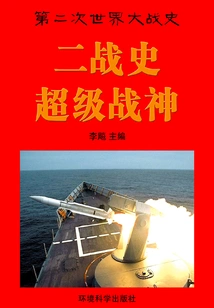
二战史:超级战神
Editor-in-chief Li Biao
This book combines the latest research results and the latest declassified information at home and abroad. Under the guidance of relevant experts and departments, this book takes the historical process of World War II as a clue and runs through the main historical periods, major battlefield battles and major military and political figures of the World War. It presents a panoramic view of the magnificent picture of World War II.
This book combines the latest research results and the latest declassified information at home and abroad. Under the guidance of relevant experts and departments, this book takes the historical process of World War II as a clue and runs through the main historical periods, major battlefield battles and major military and political figures of the World War. It presents a panoramic view of the magnificent picture of World War II.
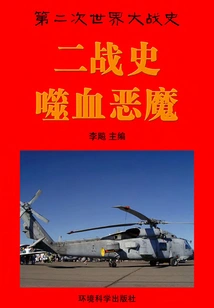
二战史:噬血恶魔
Editor-in-chief Li Biao
This book combines the latest research results and the latest declassified information at home and abroad. Under the guidance of relevant experts and departments, this book takes the historical process of World War II as a clue and runs through the main historical periods, major battlefield battles and major military and political figures of the World War. It presents a panoramic view of the magnificent picture of World War II.
This book combines the latest research results and the latest declassified information at home and abroad. Under the guidance of relevant experts and departments, this book takes the historical process of World War II as a clue and runs through the main historical periods, major battlefield battles and major military and political figures of the World War. It presents a panoramic view of the magnificent picture of World War II.
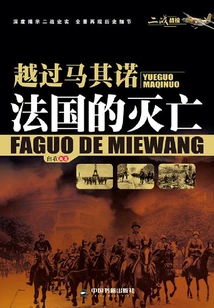
越过马其诺:法国的灭亡
Written In White
This book has seven chapters in total, including: All Quiet on the Western Front, Yellow Plan, The Western Front in the Shadows, Crossing the Meuse River, Going Deep into the Heart of France, Dunkirk in the Soul, Crossing the Maginot, etc.
This book has seven chapters in total, including: All Quiet on the Western Front, Yellow Plan, The Western Front in the Shadows, Crossing the Meuse River, Going Deep into the Heart of France, Dunkirk in the Soul, Crossing the Maginot, etc.
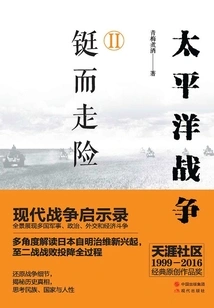
Pacific War Ii: Taking Risks
Military太平洋战争Ⅱ:铤而走险
Green Plum Wine
The "Pacific War" series of books gives a panoramic account of the Pacific War fought across the Pacific, Indian Ocean and East Asia from 1941 to 1945 by Japan, the main member of the Axis Powers, and the Allied Powers such as the United States and Britain during World War II. It completely presents the entire process of the rise and fall of Japanese militarism. It provides an in-depth analysis of the causes and consequences of the Pacific War, and displays the military, political, diplomatic and economic struggles between the Axis Powers and the Allies from multiple angles. This series of books reveals many historical facts, with vivid and tortuous plots; the author writes fluently, quotes from classics, has a clear context, and has incisive personal insights into events and characters. This book is the second part of the "Pacific War" series, "Taking Risk". It mainly tells the story of the Battle of Nomonhan, the signing of the "Triple Alliance Treaty" by Germany, Italy and Japan, and the failure of the peace talks between the United States and Japan.
The "Pacific War" series of books gives a panoramic account of the Pacific War fought across the Pacific, Indian Ocean and East Asia from 1941 to 1945 by Japan, the main member of the Axis Powers, and the Allied Powers such as the United States and Britain during World War II. It completely presents the entire process of the rise and fall of Japanese militarism. It provides an in-depth analysis of the causes and consequences of the Pacific War, and displays the military, political, diplomatic and economic struggles between the Axis Powers and the Allies from multiple angles. This series of books reveals many historical facts, with vivid and tortuous plots; the author writes fluently, quotes from classics, has a clear context, and has incisive personal insights into events and characters. This book is the second part of the "Pacific War" series, "Taking Risk". It mainly tells the story of the Battle of Nomonhan, the signing of the "Triple Alliance Treaty" by Germany, Italy and Japan, and the failure of the peace talks between the United States and Japan.
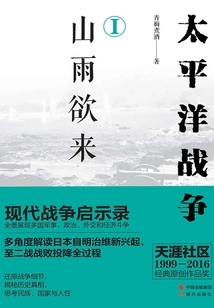
Pacific War I: Storm is Coming
Military太平洋战争Ⅰ:山雨欲来
Green Plum Wine
The "Pacific War" series of books gives a panoramic account of the Pacific War fought across the Pacific, Indian Ocean and East Asia from 1941 to 1945 by Japan, the main member of the Axis Powers, and the Allies such as the United States and Britain during World War II. It completely presents the entire process of the rise and fall of Japanese militarism, in-depth analysis of the causes and consequences of the Pacific War, and displays the military, political, diplomatic and economic struggles between the Axis Powers and the Allies from multiple angles. This series of books reveals many historical facts, with vivid and tortuous plots; the author writes fluently, quotes from classics, has a clear context, and has incisive personal insights into events and characters. This book is the first part of the "Pacific War" series "The Storm is Coming". It mainly tells the rise of militarism in Japan after the Meiji Restoration, as well as the Sino-Japanese Sino-Japanese War of 1894-1894, the Russo-Japanese War, and the Chinese Anti-Japanese War.
The "Pacific War" series of books gives a panoramic account of the Pacific War fought across the Pacific, Indian Ocean and East Asia from 1941 to 1945 by Japan, the main member of the Axis Powers, and the Allies such as the United States and Britain during World War II. It completely presents the entire process of the rise and fall of Japanese militarism, in-depth analysis of the causes and consequences of the Pacific War, and displays the military, political, diplomatic and economic struggles between the Axis Powers and the Allies from multiple angles. This series of books reveals many historical facts, with vivid and tortuous plots; the author writes fluently, quotes from classics, has a clear context, and has incisive personal insights into events and characters. This book is the first part of the "Pacific War" series "The Storm is Coming". It mainly tells the rise of militarism in Japan after the Meiji Restoration, as well as the Sino-Japanese Sino-Japanese War of 1894-1894, the Russo-Japanese War, and the Chinese Anti-Japanese War.
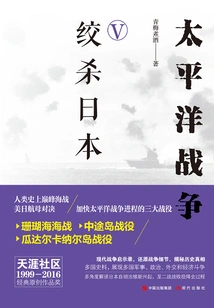
太平洋战争Ⅴ:绞杀日本
Green Plum Wine
The "Pacific War" series tells the panoramic story of the Pacific War in the Pacific, Indian Ocean and East Asia from 1941 to 1945 between Japan, the main member of the Axis Powers, and the United States, Britain and other Allied Powers in World War II. It completely presents the entire process from the rise to the fall of Japanese militarism, in-depth analysis of the causes and consequences of the Pacific War, and displays the military, political, diplomatic and economic struggles between the Axis Powers and the Allies from multiple angles. The author writes fluently, has a clear context, quotes scriptures, restores historical facts, and has insightful insights into events and characters. The war scenes in the book are grand and the process is delicate; the characters are full-bodied and have outstanding personalities; the plot is thrilling and gripping. This book is the fifth volume in the "Pacific War" series, "Strangulation of Japan", which mainly describes the three major battles that accelerated the process of the Pacific War: the Battle of the Coral Sea, the Battle of Midway, and the Battle of Guadalcanal.
The "Pacific War" series tells the panoramic story of the Pacific War in the Pacific, Indian Ocean and East Asia from 1941 to 1945 between Japan, the main member of the Axis Powers, and the United States, Britain and other Allied Powers in World War II. It completely presents the entire process from the rise to the fall of Japanese militarism, in-depth analysis of the causes and consequences of the Pacific War, and displays the military, political, diplomatic and economic struggles between the Axis Powers and the Allies from multiple angles. The author writes fluently, has a clear context, quotes scriptures, restores historical facts, and has insightful insights into events and characters. The war scenes in the book are grand and the process is delicate; the characters are full-bodied and have outstanding personalities; the plot is thrilling and gripping. This book is the fifth volume in the "Pacific War" series, "Strangulation of Japan", which mainly describes the three major battles that accelerated the process of the Pacific War: the Battle of the Coral Sea, the Battle of Midway, and the Battle of Guadalcanal.
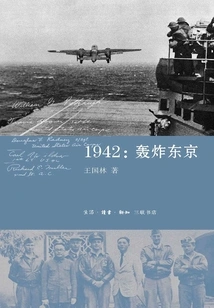
1942: Bombing of Tokyo
Military1942:轰炸东京
Wang Guolin
This book narrates this major historical event that "changed the course of World War II". It is divided into several parts such as the preparation before the bombing, the process of the bombing, and the impact after the bombing. It has detailed records of the experience of each crew and each pilot, and also describes the resulting rescue by China, the revenge of the Japanese army, and the acknowledgment of the United States. The first bombing of Tokyo affected the course of the Pacific War, which was of great significance and involved the four countries of the United States, Japan, China and Russia. This book combines the previously little-known details of how the United States planned this operation with the materials collected in Chinese archives for the first time, combines them, discloses them, and presents them to readers, recreating this thrilling operation.
This book narrates this major historical event that "changed the course of World War II". It is divided into several parts such as the preparation before the bombing, the process of the bombing, and the impact after the bombing. It has detailed records of the experience of each crew and each pilot, and also describes the resulting rescue by China, the revenge of the Japanese army, and the acknowledgment of the United States. The first bombing of Tokyo affected the course of the Pacific War, which was of great significance and involved the four countries of the United States, Japan, China and Russia. This book combines the previously little-known details of how the United States planned this operation with the materials collected in Chinese archives for the first time, combines them, discloses them, and presents them to readers, recreating this thrilling operation.

天下为公:解放战争纵横谈
Ye Yingpeng
This book closely analyzes and comments on the fundamental interests of the Party, the Communist Party and the people, and explains that the victory of the Communist Party is the inevitable result of historical development and the result of historical choices. This book covers the fields of history, philosophy, psychology and other fields. While explaining many historical issues in a simple and easy-to-understand way, it also enlightens people's world view, outlook on life and values.
This book closely analyzes and comments on the fundamental interests of the Party, the Communist Party and the people, and explains that the victory of the Communist Party is the inevitable result of historical development and the result of historical choices. This book covers the fields of history, philosophy, psychology and other fields. While explaining many historical issues in a simple and easy-to-understand way, it also enlightens people's world view, outlook on life and values.
国民党军事制度史(套装上下册)
Liu Fenghan
"History of the Kuomintang's Military System (Set of Volumes 1 and 2)" contains eleven chapters including the Army, Air Force, Navy, Logistics, Provincial Army and Security Forces, Police and Gendarmerie. It traces the KMT's national defense policy, military system, and the organization and evolution of the central and local forces at different historical stages and makes a detailed study. Especially the parts about garrison, military police, logistics and security forces are even more groundbreaking. This manuscript also goes to considerable lengths to introduce a series of adjustments and evolutions in military organization and weapons equipment in the face of changes in cross-Strait relations after the Kuomintang troops withdrew from Taiwan.
"History of the Kuomintang's Military System (Set of Volumes 1 and 2)" contains eleven chapters including the Army, Air Force, Navy, Logistics, Provincial Army and Security Forces, Police and Gendarmerie. It traces the KMT's national defense policy, military system, and the organization and evolution of the central and local forces at different historical stages and makes a detailed study. Especially the parts about garrison, military police, logistics and security forces are even more groundbreaking. This manuscript also goes to considerable lengths to introduce a series of adjustments and evolutions in military organization and weapons equipment in the face of changes in cross-Strait relations after the Kuomintang troops withdrew from Taiwan.
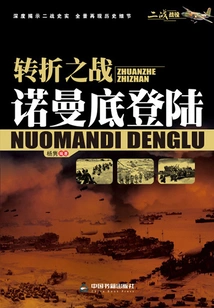
转折之战:诺曼底登陆
Compiled By Yang Jun
This book mainly takes the brewing, planning, organization, preparation and implementation of the Normandy landings as the main line, telling readers a panoramic view of this turning battle that opened up the second battlefield in World War II.
This book mainly takes the brewing, planning, organization, preparation and implementation of the Normandy landings as the main line, telling readers a panoramic view of this turning battle that opened up the second battlefield in World War II.
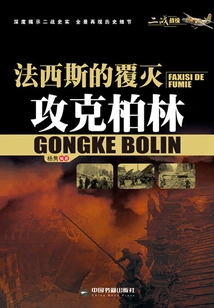
法西斯的覆灭:攻克柏林
Compiled By Yang Jun
The book has nine chapters in total, including: the fierce battle on the Western Front, from the Vistula to the Oder, political wrestling, the Battle of the Rhine, the Soviet rear clearing, the target of Berlin, breaking through the Oder-Neisse defense line, the siege of the German capital, the last battle in Europe, etc.
The book has nine chapters in total, including: the fierce battle on the Western Front, from the Vistula to the Oder, political wrestling, the Battle of the Rhine, the Soviet rear clearing, the target of Berlin, breaking through the Oder-Neisse defense line, the siege of the German capital, the last battle in Europe, etc.
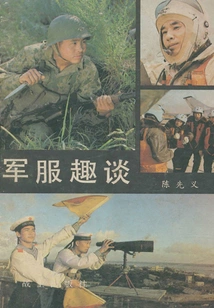
军服趣谈(军事科技知识普及丛书)
Chen Xianyi
The Military Science and Technology Knowledge Popularization Series is a popular historical reading about the development of military science and technology. The author compiled and integrated the results of many years of study and research on military science and technology and weapons and equipment during the process of preparing to build the China Military Museum.
The Military Science and Technology Knowledge Popularization Series is a popular historical reading about the development of military science and technology. The author compiled and integrated the results of many years of study and research on military science and technology and weapons and equipment during the process of preparing to build the China Military Museum.
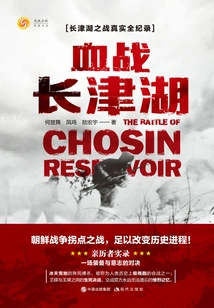
血战长津湖
He Chuwu Feng Ming Lu Hongyu
The Battle of Changjin Lake was an extremely important battle in the War to Resist US Aggression and Aid Korea. It can be called a turning point in history. It was a decisive battle in which the ace troops of China and the United States changed the course of history. More than 70 years ago, the Ninth Corps of the Chinese People's Volunteer Army, wearing thin cotton clothes, fought a 28-day battle with the US ace division, the 1st Marine Division, in the severe cold of Changjin Lake at nearly minus 40 degrees. The cruelty of the battle exceeded the imagination of all combatants, and the battle of weapons and tactics eventually evolved into a desperate struggle of willpower on both sides. This war has become a tragic memory that Chinese and American soldiers will never forget, and a classic example that has caused many sighs and sighs in the history of war. This book faithfully records the bloody battle of the Volunteer Army at Changjin Lake. A large number of battle plots and rich battlefield details come from the oral accounts of veteran volunteers who participated in the war and the memories of the US military. It is authentic, credible and shocking. They are witnesses of history.
The Battle of Changjin Lake was an extremely important battle in the War to Resist US Aggression and Aid Korea. It can be called a turning point in history. It was a decisive battle in which the ace troops of China and the United States changed the course of history. More than 70 years ago, the Ninth Corps of the Chinese People's Volunteer Army, wearing thin cotton clothes, fought a 28-day battle with the US ace division, the 1st Marine Division, in the severe cold of Changjin Lake at nearly minus 40 degrees. The cruelty of the battle exceeded the imagination of all combatants, and the battle of weapons and tactics eventually evolved into a desperate struggle of willpower on both sides. This war has become a tragic memory that Chinese and American soldiers will never forget, and a classic example that has caused many sighs and sighs in the history of war. This book faithfully records the bloody battle of the Volunteer Army at Changjin Lake. A large number of battle plots and rich battlefield details come from the oral accounts of veteran volunteers who participated in the war and the memories of the US military. It is authentic, credible and shocking. They are witnesses of history.

日伪对河南沦陷区的统治
Xie Xiaopeng Et Al.
"Japanese and Puppet Rule in the Occupied Areas of Henan" is one of the series "Special Studies on the Anti-Japanese War" edited by Zhang Xianwen and Zhu Qingbao. On the basis of reviewing the formation process of Henan's occupied areas and the establishment and evolution of Japanese and puppet organizations at all levels, this book focuses on a comprehensive and in-depth investigation of the actual situation of Japanese and puppet rule in Henan; then, by analyzing the society of Henan's occupied areas under Japanese and puppet rule, it explores the truth and essence of Japanese and puppet rule in China's occupied areas; by sorting out the anti-Japanese struggle in Henan's occupied areas, it demonstrates the fragility and instability of Japanese and puppet rule. "Japanese and Puppet Rule in the Occupied Areas of Henan" has rich historical materials and clear arguments. It has important academic value for the research on topics related to the Anti-Japanese War.
"Japanese and Puppet Rule in the Occupied Areas of Henan" is one of the series "Special Studies on the Anti-Japanese War" edited by Zhang Xianwen and Zhu Qingbao. On the basis of reviewing the formation process of Henan's occupied areas and the establishment and evolution of Japanese and puppet organizations at all levels, this book focuses on a comprehensive and in-depth investigation of the actual situation of Japanese and puppet rule in Henan; then, by analyzing the society of Henan's occupied areas under Japanese and puppet rule, it explores the truth and essence of Japanese and puppet rule in China's occupied areas; by sorting out the anti-Japanese struggle in Henan's occupied areas, it demonstrates the fragility and instability of Japanese and puppet rule. "Japanese and Puppet Rule in the Occupied Areas of Henan" has rich historical materials and clear arguments. It has important academic value for the research on topics related to the Anti-Japanese War.
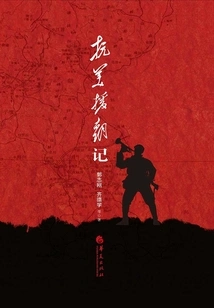
抗美援朝记
Guo Zhigang Qi Dexue Et Al.
"Resisting U. S. Aggression and Aiding Korea" is a popular reading devoted by Chinese military history experts. It is of great significance for people to correctly understand and evaluate the history of the War to Resist U. S. Aggression and Aid Korea and to carry forward the great spirit of Resisting U. S. Aggression and Aid Korea. Based on the precious historical archives in his possession, the author objectively reproduces the major decisions and deployments to resist U. S. Aggression and aid Korea, and reproduces the strategic thinking, commanding art and noble style of the older generation of proletarian revolutionaries and military strategists such as Mao Zedong, Zhou Enlai, and Peng Dehuai in plain writing. Fan, reproduced the war miracle created by the Chinese People's Volunteer Army officers and soldiers with their heroic spirit of not fearing powerful enemies and daring to fight to win, and reproduced the heroic group portraits of the volunteer officers and soldiers and the touching deeds of the people across the country fully supporting the most lovable people, all for the front line and for victory.
"Resisting U. S. Aggression and Aiding Korea" is a popular reading devoted by Chinese military history experts. It is of great significance for people to correctly understand and evaluate the history of the War to Resist U. S. Aggression and Aid Korea and to carry forward the great spirit of Resisting U. S. Aggression and Aid Korea. Based on the precious historical archives in his possession, the author objectively reproduces the major decisions and deployments to resist U. S. Aggression and aid Korea, and reproduces the strategic thinking, commanding art and noble style of the older generation of proletarian revolutionaries and military strategists such as Mao Zedong, Zhou Enlai, and Peng Dehuai in plain writing. Fan, reproduced the war miracle created by the Chinese People's Volunteer Army officers and soldiers with their heroic spirit of not fearing powerful enemies and daring to fight to win, and reproduced the heroic group portraits of the volunteer officers and soldiers and the touching deeds of the people across the country fully supporting the most lovable people, all for the front line and for victory.
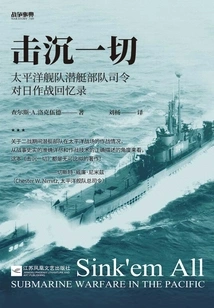
战争事典059:击沉一切:太平洋舰队潜艇部队司令对日作战回忆录
(uk) Charles A. Lockwood
This book provides a complete and detailed description of the Pacific War and submarine warfare from 1942 to 1945. From "lone wolf tactics" to large-scale joint operations with the surface fleet, this "silent fleet" has achieved remarkable results. In the book, author Lockwood tells many real-life stories of submarine commanders as they carried out tasks such as transporting supplies, searching and rescuing personnel, reconnaissance of enemy-occupied islands, secret infiltration, and breaking through enemy mine barriers in waterways. These stories come from during maritime patrols or from the captains' own living rooms. A large number of vivid details add real footnotes to the text in the book, and the humanity and kindness revealed between the lines are also refreshing and enjoyable. In addition, the author also describes in detail the flaws of the new generation of submarines at that time, the setbacks suffered in combat and the improvement process of torpedoes.
This book provides a complete and detailed description of the Pacific War and submarine warfare from 1942 to 1945. From "lone wolf tactics" to large-scale joint operations with the surface fleet, this "silent fleet" has achieved remarkable results. In the book, author Lockwood tells many real-life stories of submarine commanders as they carried out tasks such as transporting supplies, searching and rescuing personnel, reconnaissance of enemy-occupied islands, secret infiltration, and breaking through enemy mine barriers in waterways. These stories come from during maritime patrols or from the captains' own living rooms. A large number of vivid details add real footnotes to the text in the book, and the humanity and kindness revealed between the lines are also refreshing and enjoyable. In addition, the author also describes in detail the flaws of the new generation of submarines at that time, the setbacks suffered in combat and the improvement process of torpedoes.