Library
Browse and search books
499 novels found
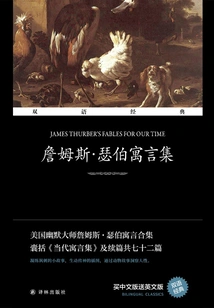
詹姆斯·瑟伯寓言集 James Thurber’s Fables for Our Time(双语经典)
(us) James Thurber
"James Thurber's Fables" is a Chinese-English bilingual book, including "Contemporary Fables" written by James Thurber in 1940 and "Contemporary Fables" (continuation) in 1956. These two humorous fables can be said to be one of James Thurber's outstanding works. The style is very concise and the human weakness is insightful and unsparing. In addition to adapting some ancient fables, Thurber also added his own original stories. In addition, the book also contains Thurber's own handwritten illustrations, which are both rich in pictures and text. His brushes can extremely accurately capture and project the subtle changes in the characters' psychology, fully demonstrating his outstanding individual perception and imagination.
"James Thurber's Fables" is a Chinese-English bilingual book, including "Contemporary Fables" written by James Thurber in 1940 and "Contemporary Fables" (continuation) in 1956. These two humorous fables can be said to be one of James Thurber's outstanding works. The style is very concise and the human weakness is insightful and unsparing. In addition to adapting some ancient fables, Thurber also added his own original stories. In addition, the book also contains Thurber's own handwritten illustrations, which are both rich in pictures and text. His brushes can extremely accurately capture and project the subtle changes in the characters' psychology, fully demonstrating his outstanding individual perception and imagination.
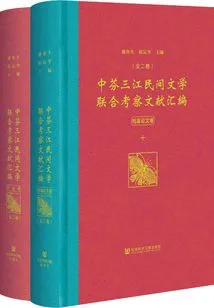
中芬三江民间文学联合考察文献汇编(全2卷)
Pan Lusheng Editor-in-chief Qiu Yunhua
In 1986, with the support of UNESCO, the Chinese Folk Literature and Art Research Association (the predecessor of the Chinese Folk Literature and Artists Association) and the Finnish folk literature and art circles jointly launched a month-long field trip to folk literature and art in the Sanjiang area of Guangxi. This inspection activity received high attention from the international academic community and achieved significant results, demonstrating the ideological spirit and academic style of the folk literature and art circles in New China. This book is a compilation of the results, documents and materials of this field trip, divided into two volumes. The first volume is the "Archival Papers Volume" and the second volume is the "Works Volume".
In 1986, with the support of UNESCO, the Chinese Folk Literature and Art Research Association (the predecessor of the Chinese Folk Literature and Artists Association) and the Finnish folk literature and art circles jointly launched a month-long field trip to folk literature and art in the Sanjiang area of Guangxi. This inspection activity received high attention from the international academic community and achieved significant results, demonstrating the ideological spirit and academic style of the folk literature and art circles in New China. This book is a compilation of the results, documents and materials of this field trip, divided into two volumes. The first volume is the "Archival Papers Volume" and the second volume is the "Works Volume".
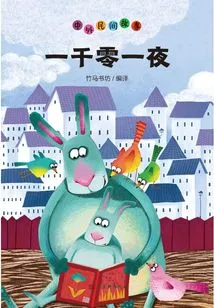
One Thousand and One Nights
Literature一千零一夜
Compiled By Zhuma Bookstore
"One Thousand and One Nights", also known as "Arabian Nights" and "Arabian Nights", is a collection of Arabic folk tales, full of magical imagination and highly romantic. The stories included in the book originate from folk tales passed down orally by folk rap artists in ancient Middle Eastern countries and the Arab region. The content involves ancient Egyptian civilization, Mesopotamia civilization, ancient Indian civilization and ancient Persian civilization. The more famous stories include "The Story of the Hunchback", "Aladdin and the Magic Lamp", "Alibaba and the Forty Thieves", "The Adventures of Sinbad", "The Story of the Fisherman and the Devil" and so on. The stories in the book use realistic expression techniques to describe the sufferings of the people of that era, reflect their dissatisfaction with real life, and praise and praise those brave, smart, and adventurous people. It is a classic book suitable for everyone to read.
"One Thousand and One Nights", also known as "Arabian Nights" and "Arabian Nights", is a collection of Arabic folk tales, full of magical imagination and highly romantic. The stories included in the book originate from folk tales passed down orally by folk rap artists in ancient Middle Eastern countries and the Arab region. The content involves ancient Egyptian civilization, Mesopotamia civilization, ancient Indian civilization and ancient Persian civilization. The more famous stories include "The Story of the Hunchback", "Aladdin and the Magic Lamp", "Alibaba and the Forty Thieves", "The Adventures of Sinbad", "The Story of the Fisherman and the Devil" and so on. The stories in the book use realistic expression techniques to describe the sufferings of the people of that era, reflect their dissatisfaction with real life, and praise and praise those brave, smart, and adventurous people. It is a classic book suitable for everyone to read.
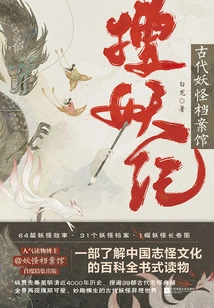
Monster Search: Ancient Monster Archives
Literature搜妖记:古代妖怪档案馆
White Dragon
Someone said: "There are weird and weird monsters in the world, and some of them are cute and cute." Are ghost and fox stories only charming and gorgeous or spooky and scary? Have you ever been frightened by the squeaky tiger aunt eating people's fingers when you were young? As you grow older, will you be frightened by the ghosts in the movie and become too scared to go to the toilet alone? It's time to put aside the stereotypes about ancient monsters! It turns out that the vixen clan also has a strict assessment and promotion system... It turns out that the most virtuous fox in Ji Xiaolan's works looks like this... It turns out that not all dragons are heroic and not short of money... It turns out that ancient coins can also become spirits... It turns out that the Lord of Hell, who is good at solving cases, likes to eat "CP"... It turns out that Thor's hammer can also fall... Three thousand worlds, humans, monsters, ghosts and gods, these three worlds are like a cauldron, in which love, hate, hatred and one or two interesting things are boiled.
Someone said: "There are weird and weird monsters in the world, and some of them are cute and cute." Are ghost and fox stories only charming and gorgeous or spooky and scary? Have you ever been frightened by the squeaky tiger aunt eating people's fingers when you were young? As you grow older, will you be frightened by the ghosts in the movie and become too scared to go to the toilet alone? It's time to put aside the stereotypes about ancient monsters! It turns out that the vixen clan also has a strict assessment and promotion system... It turns out that the most virtuous fox in Ji Xiaolan's works looks like this... It turns out that not all dragons are heroic and not short of money... It turns out that ancient coins can also become spirits... It turns out that the Lord of Hell, who is good at solving cases, likes to eat "CP"... It turns out that Thor's hammer can also fall... Three thousand worlds, humans, monsters, ghosts and gods, these three worlds are like a cauldron, in which love, hate, hatred and one or two interesting things are boiled.
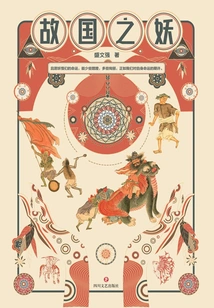
The Demon of Homeland
Literature故国之妖
Sheng Wenqiang
"Monsters of the Motherland" is a collection of anecdotes about ancient Chinese legends. It describes ancient Chinese monsters, including their names and habits, and there are images as evidence. Collecting long-standing anecdotes about monsters is similar to a jigsaw puzzle, in which the overall shape is restored from the broken fragments. The world of monsters is its own system, a transcendence of daily life and an allegory of daily life. His writing connects and contrasts the distant and strange ancient world with our lives today. It is a new way for us to understand and define tradition. It is also a new exploration on the road of writing.
"Monsters of the Motherland" is a collection of anecdotes about ancient Chinese legends. It describes ancient Chinese monsters, including their names and habits, and there are images as evidence. Collecting long-standing anecdotes about monsters is similar to a jigsaw puzzle, in which the overall shape is restored from the broken fragments. The world of monsters is its own system, a transcendence of daily life and an allegory of daily life. His writing connects and contrasts the distant and strange ancient world with our lives today. It is a new way for us to understand and define tradition. It is also a new exploration on the road of writing.
一千零一夜(经典世界名著)
Arabic Folktales
"One Thousand and One Nights" is a famous collection of ancient Arabic folk tales, known as "the most magnificent monument" in the creation of world folk literature. Legend has it that in ancient times, there was a kingdom of Sasan on the islands of ancient Arabia. King Shanruyar was cruel and jealous by nature. He killed the queen because of her misbehavior. After that, he married a girl every day and killed her the next morning as revenge. In order to save the innocent woman, Scheherazade, the daughter of the prime minister, voluntarily married the king and attracted the king by telling stories. She told the most exciting part every night. It was just dawn and the king couldn't bear to kill her, so he allowed her to continue telling the story the next night. Her story has been told for one thousand and one nights, and the king was finally moved and grew old together with her. What kind of touching story will it be?
"One Thousand and One Nights" is a famous collection of ancient Arabic folk tales, known as "the most magnificent monument" in the creation of world folk literature. Legend has it that in ancient times, there was a kingdom of Sasan on the islands of ancient Arabia. King Shanruyar was cruel and jealous by nature. He killed the queen because of her misbehavior. After that, he married a girl every day and killed her the next morning as revenge. In order to save the innocent woman, Scheherazade, the daughter of the prime minister, voluntarily married the king and attracted the king by telling stories. She told the most exciting part every night. It was just dawn and the king couldn't bear to kill her, so he allowed her to continue telling the story the next night. Her story has been told for one thousand and one nights, and the king was finally moved and grew old together with her. What kind of touching story will it be?
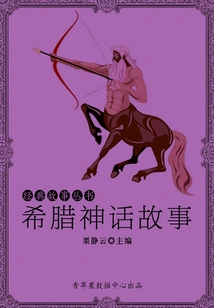
希腊神话故事(经典故事丛书)
Editor-in-chief Li Jingyun
This book selects the most widely spread, influential and representative stories from ancient Greek mythology, including heroic legends, classic stories of adventure, exploration, self-discovery and personal victory. Through lively and concise language, suspenseful plot settings, and a smooth and rigorous logical structure, it presents readers with a magnificent picture of ancient Greek mythology. It leads readers into the palace of Greek mythology, appreciates its artistic charm, and then enlightens the mind, cultivates temperament, and creates a pure holy land for their own lives.
This book selects the most widely spread, influential and representative stories from ancient Greek mythology, including heroic legends, classic stories of adventure, exploration, self-discovery and personal victory. Through lively and concise language, suspenseful plot settings, and a smooth and rigorous logical structure, it presents readers with a magnificent picture of ancient Greek mythology. It leads readers into the palace of Greek mythology, appreciates its artistic charm, and then enlightens the mind, cultivates temperament, and creates a pure holy land for their own lives.
Smokey Past Events
Literature烟云往事
Wang Xuewen
History is a mirror. Only by not forgetting the original can we open up the future. Looking back on the past and taking stock of life, there are both smooth roads and bumpy roads. Every step requires hard work and an indomitable spirit to move forward and keep moving forward. Start cautiously, be consistent, live every day with a positive attitude, do everything well in a down-to-earth manner, and strive to realize the dream of the great rejuvenation of the Chinese nation!
History is a mirror. Only by not forgetting the original can we open up the future. Looking back on the past and taking stock of life, there are both smooth roads and bumpy roads. Every step requires hard work and an indomitable spirit to move forward and keep moving forward. Start cautiously, be consistent, live every day with a positive attitude, do everything well in a down-to-earth manner, and strive to realize the dream of the great rejuvenation of the Chinese nation!
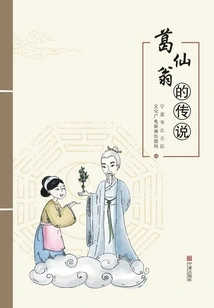
The Legend of Ge Xianweng
Literature葛仙翁的传说
Ningbo Beilun District Culture, Radio, Television, Press And Publication Bureau
This book collects touching legends about Ge Hong who used medicine to cure diseases, punished rape and eliminated evil for the people during his alchemy period at Lingfeng. Some of these legends praise Ge Hong's kindness and filial piety, some praise Ge Hong's noble character of suppressing evil and promoting good, some praise Ge Hong's noble medical ethics and miraculous medical skills, and some exaggerate Ge Hong's supreme prestige and unique charm. They not only reflect the wisdom and creativity of the working people, but also demonstrate the people's yearning for justice, equality, friendship and happiness. They are a rich cultural heritage left to us by our predecessors.
This book collects touching legends about Ge Hong who used medicine to cure diseases, punished rape and eliminated evil for the people during his alchemy period at Lingfeng. Some of these legends praise Ge Hong's kindness and filial piety, some praise Ge Hong's noble character of suppressing evil and promoting good, some praise Ge Hong's noble medical ethics and miraculous medical skills, and some exaggerate Ge Hong's supreme prestige and unique charm. They not only reflect the wisdom and creativity of the working people, but also demonstrate the people's yearning for justice, equality, friendship and happiness. They are a rich cultural heritage left to us by our predecessors.
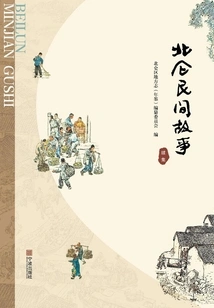
Beilun Folktales (sequel)
Literature北仑民间故事(续集)
Compiled By Beilun District Local Chronicles (yearbook) Compilation Committee
Beilun has a long history, and its cultural heritage has been passed down for thousands of years. It has vast plains, intersecting river networks, and stretching mountains and seas. It is known as "four mountains, one land and one water". The book carefully selects more than 150 folk tales that are well-known and widely circulated in Beilun, divided into seven themes, including beautiful mountains and rivers, legends of characters, acts of kindness and filial piety, temple anecdotes, place names and Taoist names, life stories and old sayings. In this book, the author has written thousands of years of prosperity into more than a hundred interesting stories. Whether it is history, geography, food, seasons, worldly relations, family affairs, urban flavor, etc., You can find them all here. Reading this book will take you to appreciate the world of fireworks connecting Hong Kong and the world.
Beilun has a long history, and its cultural heritage has been passed down for thousands of years. It has vast plains, intersecting river networks, and stretching mountains and seas. It is known as "four mountains, one land and one water". The book carefully selects more than 150 folk tales that are well-known and widely circulated in Beilun, divided into seven themes, including beautiful mountains and rivers, legends of characters, acts of kindness and filial piety, temple anecdotes, place names and Taoist names, life stories and old sayings. In this book, the author has written thousands of years of prosperity into more than a hundred interesting stories. Whether it is history, geography, food, seasons, worldly relations, family affairs, urban flavor, etc., You can find them all here. Reading this book will take you to appreciate the world of fireworks connecting Hong Kong and the world.
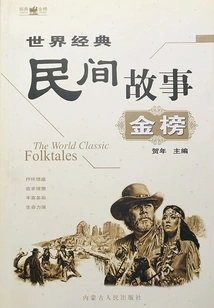
Gold List of World Classic Folktales
Literature世界经典民间故事金榜
New Year Editor-in-chief
This book collects the most classic, distinctive and fascinating foreign masterpieces in recent hundreds of years and compiles them into the "Gold List of Classic Folktales in the World" for the enjoyment of readers.
This book collects the most classic, distinctive and fascinating foreign masterpieces in recent hundreds of years and compiles them into the "Gold List of Classic Folktales in the World" for the enjoyment of readers.
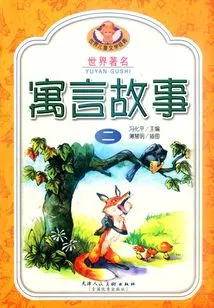
World Famous Fables (2)
Literature世界著名寓言故事(二)
Editor-in-chief Feng Huaping
Tian Rao was a minister of Duke Ai of Lu. He was always diligent and hardworking, but Duke Ai of Lu never seemed to notice his hard work, and Tian Rao was not reused for many years.
Tian Rao was a minister of Duke Ai of Lu. He was always diligent and hardworking, but Duke Ai of Lu never seemed to notice his hard work, and Tian Rao was not reused for many years.
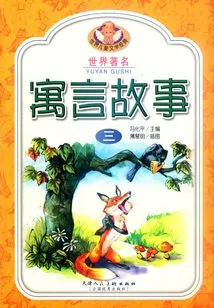
World Famous Fables (3)
Literature世界著名寓言故事(三)
Editor-in-chief Feng Huaping
Once upon a time, there was a family in a village. There are three people in this family, and the couple has one child.
Once upon a time, there was a family in a village. There are three people in this family, and the couple has one child.
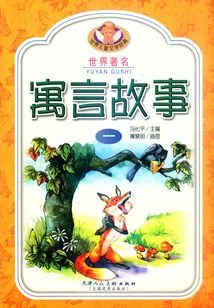
World Famous Fables (1)
Literature世界著名寓言故事(一)
Editor-in-chief Feng Huaping
Wumazi has always disagreed with Mozi's views of "universal love" and "non-aggression", and the two often quarreled over this matter. One day, Wumazi was angry with Mozi again: "You advocate 'universal love', but so far no one has benefited; I oppose 'universal love', and no one has suffered misfortune so far. Since neither approach has produced any consequences, why do you only think that you are right, but always oppose me?"
Wumazi has always disagreed with Mozi's views of "universal love" and "non-aggression", and the two often quarreled over this matter. One day, Wumazi was angry with Mozi again: "You advocate 'universal love', but so far no one has benefited; I oppose 'universal love', and no one has suffered misfortune so far. Since neither approach has produced any consequences, why do you only think that you are right, but always oppose me?"
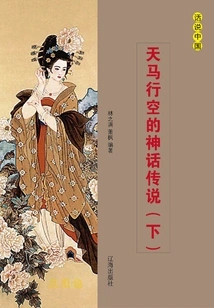
天马行空的神话传说(下册)
Lin Zhiman Editor-in-chief Xiao Feng
The "Speaking of China" series puts the glory and setbacks, unity and division, progress and regression, war and peace, justice and evil of the Chinese nation in the dialectical process of the unity of opposites, and displays them one by one.
The "Speaking of China" series puts the glory and setbacks, unity and division, progress and regression, war and peace, justice and evil of the Chinese nation in the dialectical process of the unity of opposites, and displays them one by one.
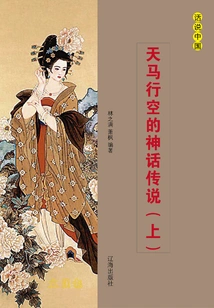
天马行空的神话传说(上册)
Lin Zhiman Editor-in-chief Xiao Feng
The "Speaking of China" series puts the glory and setbacks, unity and division, progress and regression, war and peace, justice and evil of the Chinese nation in the dialectical process of the unity of opposites, and displays them one by one.
The "Speaking of China" series puts the glory and setbacks, unity and division, progress and regression, war and peace, justice and evil of the Chinese nation in the dialectical process of the unity of opposites, and displays them one by one.
Idiom Stories (third Series)
Literature成语故事(第三辑)
Editor-in-chief Hu Yuanbin
Ban Chao was the youngest son of Ban Biao, a famous historian in the Western Han Dynasty, and the younger brother of Ban Gu, the compiler of "Hanshu". He has been ambitious since he was a child. Although he does not pay attention to grooming his appearance or pay attention to details, he is very filial to his elders and often does menial and tiring work at home. He is good at debating and has read various books and classics.
Ban Chao was the youngest son of Ban Biao, a famous historian in the Western Han Dynasty, and the younger brother of Ban Gu, the compiler of "Hanshu". He has been ambitious since he was a child. Although he does not pay attention to grooming his appearance or pay attention to details, he is very filial to his elders and often does menial and tiring work at home. He is good at debating and has read various books and classics.
Ancient Chinese Fables (volume 5)
Literature中国古代寓言故事(第五辑)
Editor-in-chief Wang Qingrui
This book aims to use simple and vivid language to tell ancient Chinese fables, enthusiastically praise the truth, goodness and beauty, and sarcastically expose the hypocrisy, evil and ugliness with deep hatred. It is intended to enable every reader to truly understand the true meaning of the fables.
This book aims to use simple and vivid language to tell ancient Chinese fables, enthusiastically praise the truth, goodness and beauty, and sarcastically expose the hypocrisy, evil and ugliness with deep hatred. It is intended to enable every reader to truly understand the true meaning of the fables.
Ancient Chinese Fables (fourth Series)
Literature中国古代寓言故事(第四辑)
Editor-in-chief Wang Qingrui
This book aims to use simple and vivid language to tell ancient Chinese fables, enthusiastically praise the truth, goodness and beauty, and sarcastically expose the hypocrisy, evil and ugliness with deep hatred. It is intended to enable every reader to truly understand the true meaning of the fables.
This book aims to use simple and vivid language to tell ancient Chinese fables, enthusiastically praise the truth, goodness and beauty, and sarcastically expose the hypocrisy, evil and ugliness with deep hatred. It is intended to enable every reader to truly understand the true meaning of the fables.
Ancient Chinese Fables (part 3)
Literature中国古代寓言故事(第三辑)
Editor-in-chief Wang Qingrui
This book aims to use simple and vivid language to tell ancient Chinese fables, enthusiastically praise the truth, goodness and beauty, and sarcastically expose the hypocrisy, evil and ugliness with deep hatred. It is intended to enable every reader to truly understand the true meaning of the fables.
This book aims to use simple and vivid language to tell ancient Chinese fables, enthusiastically praise the truth, goodness and beauty, and sarcastically expose the hypocrisy, evil and ugliness with deep hatred. It is intended to enable every reader to truly understand the true meaning of the fables.
Ancient Chinese Fables (second Series)
Literature中国古代寓言故事(第二辑)
Editor-in-chief Wang Qingrui
This book aims to use simple and vivid language to tell ancient Chinese fables, enthusiastically praise the truth, goodness and beauty, and sarcastically expose the hypocrisy, evil and ugliness with deep hatred. It is intended to enable every reader to truly understand the true meaning of the fables.
This book aims to use simple and vivid language to tell ancient Chinese fables, enthusiastically praise the truth, goodness and beauty, and sarcastically expose the hypocrisy, evil and ugliness with deep hatred. It is intended to enable every reader to truly understand the true meaning of the fables.
民间经典文学:八仙过海(下)
Anonymous
The story about the Eight Immortals crossing the sea can be said to be a Taoist mythology that is widely circulated among Chinese people and is known to almost everyone, young and old. An immortal invited the Eight Immortals to attend a banquet and view peonies at his place. When they returned, they were blocked by the Dragon King of the East China Sea. As a result, the two parties and their allies were divided into two groups and started a battle of skills. In the end, the Eight Immortals and their friends each took out their own magic weapons, won, and successfully crossed the sea. Regarding the Eight Immortals, it has also undergone a certain evolution. For example, "Journey to the East" written by Wu Yuantai stereotypes the image of the Eight Immortals in Shangdong, which is generally recognized by the common people, because these eight characters represent eight different images: male, female, old, young, rich, noble, poor, and humble. These characters were originally mortals, and each of them had shortcomings: Han Zhongli was topless, Lu Dongbin was frivolous, Tieguai Li was alcoholic, etc., But they all accumulated good deeds and became true immortals in the end. Folk operas, stage performances, and Eight Immortals board performances influenced by the story of the Eight Immortals have been passed down to this day.
The story about the Eight Immortals crossing the sea can be said to be a Taoist mythology that is widely circulated among Chinese people and is known to almost everyone, young and old. An immortal invited the Eight Immortals to attend a banquet and view peonies at his place. When they returned, they were blocked by the Dragon King of the East China Sea. As a result, the two parties and their allies were divided into two groups and started a battle of skills. In the end, the Eight Immortals and their friends each took out their own magic weapons, won, and successfully crossed the sea. Regarding the Eight Immortals, it has also undergone a certain evolution. For example, "Journey to the East" written by Wu Yuantai stereotypes the image of the Eight Immortals in Shangdong, which is generally recognized by the common people, because these eight characters represent eight different images: male, female, old, young, rich, noble, poor, and humble. These characters were originally mortals, and each of them had shortcomings: Han Zhongli was topless, Lu Dongbin was frivolous, Tieguai Li was alcoholic, etc., But they all accumulated good deeds and became true immortals in the end. Folk operas, stage performances, and Eight Immortals board performances influenced by the story of the Eight Immortals have been passed down to this day.
民间经典文学:八仙过海(中)
Anonymous
The story about the Eight Immortals crossing the sea can be said to be a Taoist mythology that is widely circulated among Chinese people and is known to almost everyone, young and old. An immortal invited the Eight Immortals to attend a banquet and view peonies at his place. When they returned, they were blocked by the Dragon King of the East China Sea. As a result, the two parties and their allies were divided into two groups and started a battle of skills. In the end, the Eight Immortals and their friends each took out their own magic weapons, won, and successfully crossed the sea. Regarding the Eight Immortals, it has also undergone a certain evolution. For example, "Journey to the East" written by Wu Yuantai stereotypes the image of the Eight Immortals in Shangdong, which is generally recognized by the common people, because these eight characters represent eight different images: male, female, old, young, rich, noble, poor, and humble. These characters were originally mortals, and each of them had shortcomings: Han Zhongli was topless, Lu Dongbin was frivolous, Tieguai Li was alcoholic, etc., But they all accumulated good deeds and became true immortals in the end. Folk operas, stage performances, and Eight Immortals board performances influenced by the story of the Eight Immortals have been passed down to this day.
The story about the Eight Immortals crossing the sea can be said to be a Taoist mythology that is widely circulated among Chinese people and is known to almost everyone, young and old. An immortal invited the Eight Immortals to attend a banquet and view peonies at his place. When they returned, they were blocked by the Dragon King of the East China Sea. As a result, the two parties and their allies were divided into two groups and started a battle of skills. In the end, the Eight Immortals and their friends each took out their own magic weapons, won, and successfully crossed the sea. Regarding the Eight Immortals, it has also undergone a certain evolution. For example, "Journey to the East" written by Wu Yuantai stereotypes the image of the Eight Immortals in Shangdong, which is generally recognized by the common people, because these eight characters represent eight different images: male, female, old, young, rich, noble, poor, and humble. These characters were originally mortals, and each of them had shortcomings: Han Zhongli was topless, Lu Dongbin was frivolous, Tieguai Li was alcoholic, etc., But they all accumulated good deeds and became true immortals in the end. Folk operas, stage performances, and Eight Immortals board performances influenced by the story of the Eight Immortals have been passed down to this day.
民间经典文学:八仙过海(上)
Anonymous
The story about the Eight Immortals crossing the sea can be said to be a Taoist mythology that is widely circulated among Chinese people and is known to almost everyone, young and old. An immortal invited the Eight Immortals to attend a banquet and view peonies at his place. When they returned, they were blocked by the Dragon King of the East China Sea. As a result, the two parties and their allies were divided into two groups and started a battle of skills. In the end, the Eight Immortals and their friends each took out their own magic weapons, won, and successfully crossed the sea. Regarding the Eight Immortals, it has also undergone a certain evolution. For example, "Journey to the East" written by Wu Yuantai stereotypes the image of the Eight Immortals in Shangdong, which is generally recognized by the common people, because these eight characters represent eight different images: male, female, old, young, rich, noble, poor, and humble. These characters were originally mortals, and each of them had shortcomings: Han Zhongli was topless, Lu Dongbin was frivolous, Tieguai Li was alcoholic, etc., But they all accumulated good deeds and became true immortals in the end. Folk operas, stage performances, and Eight Immortals board performances influenced by the story of the Eight Immortals have been passed down to this day.
The story about the Eight Immortals crossing the sea can be said to be a Taoist mythology that is widely circulated among Chinese people and is known to almost everyone, young and old. An immortal invited the Eight Immortals to attend a banquet and view peonies at his place. When they returned, they were blocked by the Dragon King of the East China Sea. As a result, the two parties and their allies were divided into two groups and started a battle of skills. In the end, the Eight Immortals and their friends each took out their own magic weapons, won, and successfully crossed the sea. Regarding the Eight Immortals, it has also undergone a certain evolution. For example, "Journey to the East" written by Wu Yuantai stereotypes the image of the Eight Immortals in Shangdong, which is generally recognized by the common people, because these eight characters represent eight different images: male, female, old, young, rich, noble, poor, and humble. These characters were originally mortals, and each of them had shortcomings: Han Zhongli was topless, Lu Dongbin was frivolous, Tieguai Li was alcoholic, etc., But they all accumulated good deeds and became true immortals in the end. Folk operas, stage performances, and Eight Immortals board performances influenced by the story of the Eight Immortals have been passed down to this day.
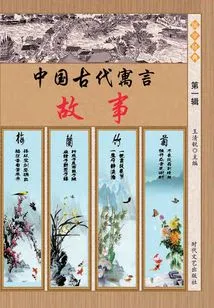
Ancient Chinese Fables (volume 1)
Literature中国古代寓言故事(第一辑)
Editor-in-chief Wang Qingrui
Wumazi has always disagreed with Mozi's views of "universal love" and "non-aggression", and the two often quarreled over this. One day, Wumazi was angry with Mozi again: "You advocate 'universal love', but so far no one has benefited; I oppose 'universal love', and similarly, so far no one has suffered misfortune because of it.
Wumazi has always disagreed with Mozi's views of "universal love" and "non-aggression", and the two often quarreled over this. One day, Wumazi was angry with Mozi again: "You advocate 'universal love', but so far no one has benefited; I oppose 'universal love', and similarly, so far no one has suffered misfortune because of it.
Idiom Stories (volume 5)
Literature成语故事(第五辑)
Editor-in-chief Hu Yuanbin
The idioms in "Idiom Stories" are selected from a large number of idioms used by people in daily life. These stories are written in vivid language and easy to understand, which can help readers understand history and learn knowledge.
The idioms in "Idiom Stories" are selected from a large number of idioms used by people in daily life. These stories are written in vivid language and easy to understand, which can help readers understand history and learn knowledge.
Idiom Stories (volume 1)
Literature成语故事(第一辑)
Editor-in-chief Hu Yuanbin
The idioms in "Idiom Stories" are selected from a large number of idioms used by people in daily life. These stories are written in vivid language and easy to understand, which can help readers understand history and learn knowledge.
The idioms in "Idiom Stories" are selected from a large number of idioms used by people in daily life. These stories are written in vivid language and easy to understand, which can help readers understand history and learn knowledge.
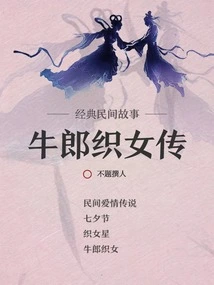
经典民间故事:牛郎织女传
No Author Mentioned
"The Legend of the Cowherd and the Weaver Girl", the full name of which is "The Newly Engraved Full Image of the Legend of the Cowherd and the Weaver Girl", is inscribed by the scholar Lin Taiyi and compiled by Zhu Mingshi, with 57 chapters in four volumes. Each piece has a four-character title, which is "The Newly Engraved Whole Image of the Cowherd and the Weaver Girl". There is an engraving of Yu Chengzhang from the Immortal Source in Wanli. The text lists the names of each section in the four volumes in detail. A famous Chinese folk tale is one of the four major folk love legends in China (the other three are "The Legend of the White Snake", "Meng Jiangnu Crying at the Great Wall" and "Liang Shanbo and Zhu Yingtai"). It is derived from the star names of Altair and Vega. The festival related to this legend is the Chinese Valentine's Day. The book revolves around four parts: the Jade Emperor's marriage, the dismissal and demotion, the Ox Girl's atonement, and the reunion in the accurate version. It tells the story that the Emperor of Heaven appreciated the diligence of the Weaver Girl and Altair in "weaving tapestry" and "herding cattle", and specially granted the marriage to the two. This story has been passed down through the ages and has enduring charm.
"The Legend of the Cowherd and the Weaver Girl", the full name of which is "The Newly Engraved Full Image of the Legend of the Cowherd and the Weaver Girl", is inscribed by the scholar Lin Taiyi and compiled by Zhu Mingshi, with 57 chapters in four volumes. Each piece has a four-character title, which is "The Newly Engraved Whole Image of the Cowherd and the Weaver Girl". There is an engraving of Yu Chengzhang from the Immortal Source in Wanli. The text lists the names of each section in the four volumes in detail. A famous Chinese folk tale is one of the four major folk love legends in China (the other three are "The Legend of the White Snake", "Meng Jiangnu Crying at the Great Wall" and "Liang Shanbo and Zhu Yingtai"). It is derived from the star names of Altair and Vega. The festival related to this legend is the Chinese Valentine's Day. The book revolves around four parts: the Jade Emperor's marriage, the dismissal and demotion, the Ox Girl's atonement, and the reunion in the accurate version. It tells the story that the Emperor of Heaven appreciated the diligence of the Weaver Girl and Altair in "weaving tapestry" and "herding cattle", and specially granted the marriage to the two. This story has been passed down through the ages and has enduring charm.
H
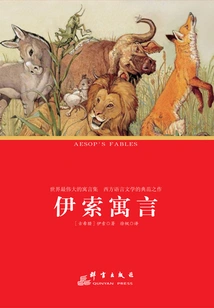
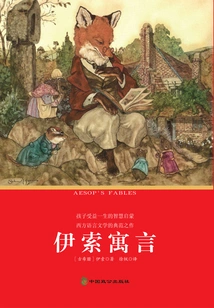
Aesop's Fables
Literature伊索寓言
(ancient Greece) Aesop
"Aesop's Fables" is composed of thought-provoking fables and is an ancient and precious collection of fables. It not only absorbs the essence of Western folk literature, but also brings together the wisdom of ordinary people. The short stories in the book have ups and downs, endless aftertaste, contain profound truths, exude the light of wisdom, and profoundly influence the outlook on life and values of generations of readers.
"Aesop's Fables" is composed of thought-provoking fables and is an ancient and precious collection of fables. It not only absorbs the essence of Western folk literature, but also brings together the wisdom of ordinary people. The short stories in the book have ups and downs, endless aftertaste, contain profound truths, exude the light of wisdom, and profoundly influence the outlook on life and values of generations of readers.
J
Literaturej
K
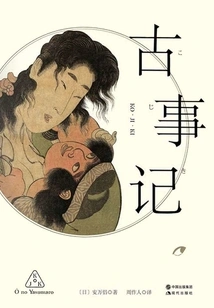
"Kojiki" is the first written classic in Japanese history and one of the earliest existing Japanese literary works. The content is to record some ancient legends and stories. The text and content are deeply influenced by India and China, and can be regarded as the origin of Japanese national mythology. Zhou Zuoren's translation is the best in China.
"Kojiki" is the first written classic in Japanese history and one of the earliest existing Japanese literary works. The content is to record some ancient legends and stories. The text and content are deeply influenced by India and China, and can be regarded as the origin of Japanese national mythology. Zhou Zuoren's translation is the best in China.
Folktales
Literature民间故事
Yezi
Once upon a time, there was Zhujiazhuang in Shangyu County, Zhejiang Province. Zhu Yuanwai in the village has a daughter named Yingtai. When she was seventeen or eighteen years old, Zhu Yingtai was like a hibiscus, extremely pretty and loved by everyone. The rules of the Zhu family are very strict, and Yingtai can only stay in the boudoir every day. Although he is accompanied by the clever and lovely maid Yin Xin, he still feels very depressed and depressed. She wished she could become a man and see how wonderful the outside world was.
Once upon a time, there was Zhujiazhuang in Shangyu County, Zhejiang Province. Zhu Yuanwai in the village has a daughter named Yingtai. When she was seventeen or eighteen years old, Zhu Yingtai was like a hibiscus, extremely pretty and loved by everyone. The rules of the Zhu family are very strict, and Yingtai can only stay in the boudoir every day. Although he is accompanied by the clever and lovely maid Yin Xin, he still feels very depressed and depressed. She wished she could become a man and see how wonderful the outside world was.
The Beast King and the Beautiful Girl
Literature兽王与美少女
Yezi
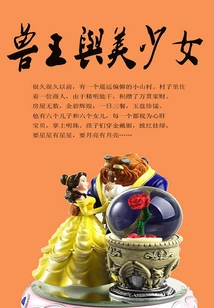
A long time ago, there was a remote mountain village. There lived a businessman in the village. Because of his shrewdness and ability, he accumulated tens of thousands of dollars. There are countless houses, splendid and resplendent; three meals a day are served on jade plates. He has six sons and six daughters, each of whom is regarded as the darling of his heart and the apple of his eye. Children wear gold, silver, red and green. They want stars to have stars and the moon to have moon...
A long time ago, there was a remote mountain village. There lived a businessman in the village. Because of his shrewdness and ability, he accumulated tens of thousands of dollars. There are countless houses, splendid and resplendent; three meals a day are served on jade plates. He has six sons and six daughters, each of whom is regarded as the darling of his heart and the apple of his eye. Children wear gold, silver, red and green. They want stars to have stars and the moon to have moon...
Four Gifts
Literature四件礼物
Yezi
Once upon a time, at the foot of a mountain in Ireland, there lived a young man named Silen. His father died in an accident at the bottom of the sea, leaving Silun and his frail mother to depend on each other and live a life of misery and poverty. Their only treasure is a strong and tall horse. This is the only property left to them by Silun's father. Although Silun did his best and worked diligently to earn money, the family still could not afford three meals a day. Silun was so worried that he couldn't sleep well every day and didn't know how to support himself and his mother.
Once upon a time, at the foot of a mountain in Ireland, there lived a young man named Silen. His father died in an accident at the bottom of the sea, leaving Silun and his frail mother to depend on each other and live a life of misery and poverty. Their only treasure is a strong and tall horse. This is the only property left to them by Silun's father. Although Silun did his best and worked diligently to earn money, the family still could not afford three meals a day. Silun was so worried that he couldn't sleep well every day and didn't know how to support himself and his mother.
一千零一夜故事大全
Compiled By Li Dandan
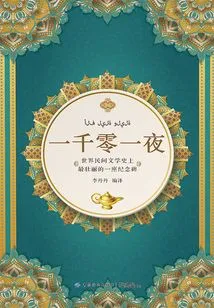
"One Thousand and One Nights", also translated as "Arabian Nights", is a famous collection of ancient Arabic folk tales. It is one of the most vital and famous works in the world, with the largest number of readers and the greatest influence. With rich themes, the work vividly depicts the vast social life in medieval Arabia. The main ideological contents include praising human wisdom and bravery, reflecting the longing of the working people for a better life, praising the loyalty of young men and women to love, describing the struggle of good people against evil forces and their indomitable spirit, exposing the dark corruption of society, and condemning the ignorance and immorality of the ruling class. The works are voluminous, large-scale, rich in content and all-inclusive, so they are known as "the most magnificent monument" in the history of world folk literature. On the basis of being faithful to the original work, this work has carefully selected and compiled major famous stories, including "Alibaba and the Forty Thieves", "The Story of the Caliph", "The Fisherman's Story", "Aladdin and the Magic Lamp", "The Voyage of Sinbad", etc. It is highly readable, artistic and story-telling, and is very worthy of reading and collecting by readers.
"One Thousand and One Nights", also translated as "Arabian Nights", is a famous collection of ancient Arabic folk tales. It is one of the most vital and famous works in the world, with the largest number of readers and the greatest influence. With rich themes, the work vividly depicts the vast social life in medieval Arabia. The main ideological contents include praising human wisdom and bravery, reflecting the longing of the working people for a better life, praising the loyalty of young men and women to love, describing the struggle of good people against evil forces and their indomitable spirit, exposing the dark corruption of society, and condemning the ignorance and immorality of the ruling class. The works are voluminous, large-scale, rich in content and all-inclusive, so they are known as "the most magnificent monument" in the history of world folk literature. On the basis of being faithful to the original work, this work has carefully selected and compiled major famous stories, including "Alibaba and the Forty Thieves", "The Story of the Caliph", "The Fisherman's Story", "Aladdin and the Magic Lamp", "The Voyage of Sinbad", etc. It is highly readable, artistic and story-telling, and is very worthy of reading and collecting by readers.
Dapeng Garuda
Literature大鹏金翅鸟
Yezi
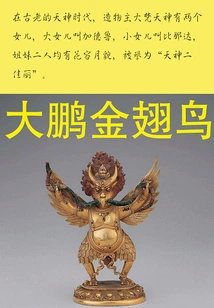
In the ancient age of gods, the creator God Brahma had two daughters. The eldest daughter was named Gadru and the younger daughter was named Binada. Both sisters had beautiful faces and were known as the "two beauties of the gods". Later, Brahma God betrothed the two girls to his right-hand man, the Taoist Immortal Jia Yebo. Jayepo was extremely happy to have two beautiful wives. He showed favors to them separately and asked them to express their wishes.
In the ancient age of gods, the creator God Brahma had two daughters. The eldest daughter was named Gadru and the younger daughter was named Binada. Both sisters had beautiful faces and were known as the "two beauties of the gods". Later, Brahma God betrothed the two girls to his right-hand man, the Taoist Immortal Jia Yebo. Jayepo was extremely happy to have two beautiful wives. He showed favors to them separately and asked them to express their wishes.
Witch's Reward
Literature女巫的报酬
Oxen And Horses
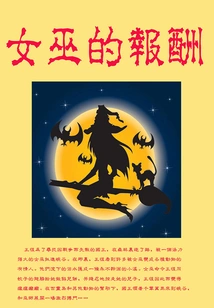
In order to find the king who was separated due to the war, the queen lost her way in the forest and was captured by a powerful witch into a canyon. There, the queen saw many lovers who had been transformed by witches into various animals. The tears they shed form a stream that never dries up. The witch ordered the queen to make pies with mosquito wings and cruelly took away her son. The queen became crazy because of this. With the help of larks and other animals, the king led thousands of troops to the canyon and started a fierce fight with the wizard...
In order to find the king who was separated due to the war, the queen lost her way in the forest and was captured by a powerful witch into a canyon. There, the queen saw many lovers who had been transformed by witches into various animals. The tears they shed form a stream that never dries up. The witch ordered the queen to make pies with mosquito wings and cruelly took away her son. The queen became crazy because of this. With the help of larks and other animals, the king led thousands of troops to the canyon and started a fierce fight with the wizard...
Sea Dragon King Marries Wife
Literature海龙王娶妻
Yezi
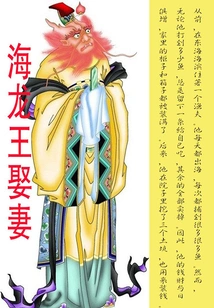
Time flies, and fifteen years go by in a blink of an eye. The three girls have grown up. They all have beautiful faces, especially Crystal. She has a slim body and graceful figure; her blond hair is shawl like a waterfall; a pair of blue eyes, like shining autumn waves; bright red lips, white teeth, a peach-like face, an oval face, and a pair of charming smiles on her cheeks. She is really indescribable charm!
Time flies, and fifteen years go by in a blink of an eye. The three girls have grown up. They all have beautiful faces, especially Crystal. She has a slim body and graceful figure; her blond hair is shawl like a waterfall; a pair of blue eyes, like shining autumn waves; bright red lips, white teeth, a peach-like face, an oval face, and a pair of charming smiles on her cheeks. She is really indescribable charm!
渔郎与美人鱼的爱恨情仇
Marco Pino
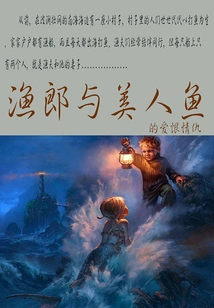
Once upon a time, there was a small village on the coast of the magnificent South China Sea. People in the village made a living by fishing for generations. Every household has a fishing boat, and they go out to sea to fish every day. Fishermen often travel together, but there are only two people in each boat, the fisherman and his wife. According to the custom, everyone sings to each other while fishing.
Once upon a time, there was a small village on the coast of the magnificent South China Sea. People in the village made a living by fishing for generations. Every household has a fishing boat, and they go out to sea to fish every day. Fishermen often travel together, but there are only two people in each boat, the fisherman and his wife. According to the custom, everyone sings to each other while fishing.
Fisherman, Devil and Banshee
Literature渔夫、魔鬼和女妖
Yezi
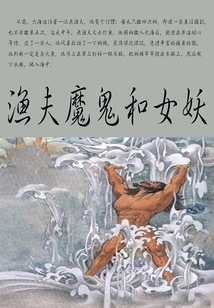
Once upon a time, there lived an old fisherman by the sea. He has a habit of casting his net only four times a day. Even if a fish is not caught, it will not be cast a fifth time. At noon that day, the old fisherman went fishing again. After he cast the net into the sea, he sat on the shore and waited patiently. After a while, he tried to pull the net rope and felt it was very heavy. With his rich fishing experience, he judged that it must be a big fish. He immediately nailed a wooden stake on the shore, tied the net rope tightly to the wooden stake, then took off his clothes and jumped into the sea.
Once upon a time, there lived an old fisherman by the sea. He has a habit of casting his net only four times a day. Even if a fish is not caught, it will not be cast a fifth time. At noon that day, the old fisherman went fishing again. After he cast the net into the sea, he sat on the shore and waited patiently. After a while, he tried to pull the net rope and felt it was very heavy. With his rich fishing experience, he judged that it must be a big fish. He immediately nailed a wooden stake on the shore, tied the net rope tightly to the wooden stake, then took off his clothes and jumped into the sea.
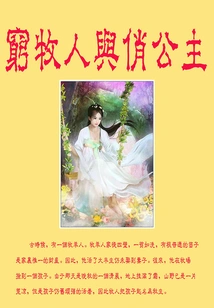
穷牧人与俏公主
Yezi
In ancient times, there was a shepherd. The shepherd's family was destitute and destitute, with an ordinary flute as their only property. Therefore, he lived most of his life without marrying a wife. Later, he picked up a child in the pasture. Because it was a late autumn morning, the ground was covered with frost, and the mountains were desolate, but the child was still alive and well, so the shepherd named the child Qiu Sheng.
In ancient times, there was a shepherd. The shepherd's family was destitute and destitute, with an ordinary flute as their only property. Therefore, he lived most of his life without marrying a wife. Later, he picked up a child in the pasture. Because it was a late autumn morning, the ground was covered with frost, and the mountains were desolate, but the child was still alive and well, so the shepherd named the child Qiu Sheng.
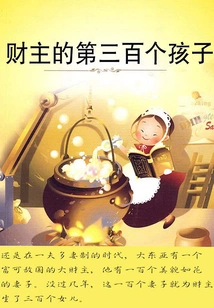
The Rich Man's 300th Child
Literature财主的第三百个孩子
Yezi
In the era of polygamy, there was a wealthy man in Greater East Asia who was extremely wealthy. He had a hundred beautiful and beautiful wives. Within a few years, these one hundred wives gave birth to three hundred daughters for the rich man.
In the era of polygamy, there was a wealthy man in Greater East Asia who was extremely wealthy. He had a hundred beautiful and beautiful wives. Within a few years, these one hundred wives gave birth to three hundred daughters for the rich man.
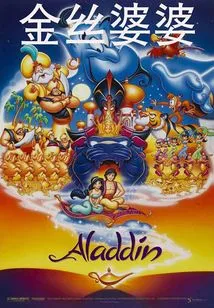
Golden Silk Mother-in-law
Literature金丝婆婆
Oxen And Horses
The old witch Golden Silk Granny robbed ten beautiful princesses and forced them to weave golden silk clothes with the stolen gold. In order to pursue freedom and happiness, the tortured princess Chi Xin escaped from the golden palace of Granny Jinsi with the help of her lover Orion. The old witch was furious and used witchcraft to turn Blazing Heart into a daffodil.
The old witch Golden Silk Granny robbed ten beautiful princesses and forced them to weave golden silk clothes with the stolen gold. In order to pursue freedom and happiness, the tortured princess Chi Xin escaped from the golden palace of Granny Jinsi with the help of her lover Orion. The old witch was furious and used witchcraft to turn Blazing Heart into a daffodil.
Arabic Mythology
Literature阿拉伯神话
Li Yong
A long time ago, there was a beautiful and magical country. The supreme ruler here is a queen. The queen is naturally beautiful, with icy muscles and jade bones, bright eyes and white teeth, and black hair like a waterfall. Not only is she beautiful, but she is kind-hearted and the wisest. Under her careful management, the country is peaceful and the people are safe, the weather is smooth, the people live and work in peace and contentment, and there are prosperous scenes everywhere.
A long time ago, there was a beautiful and magical country. The supreme ruler here is a queen. The queen is naturally beautiful, with icy muscles and jade bones, bright eyes and white teeth, and black hair like a waterfall. Not only is she beautiful, but she is kind-hearted and the wisest. Under her careful management, the country is peaceful and the people are safe, the weather is smooth, the people live and work in peace and contentment, and there are prosperous scenes everywhere.
Cannibal Witch
Literature食人女巫
Oxen And Horses
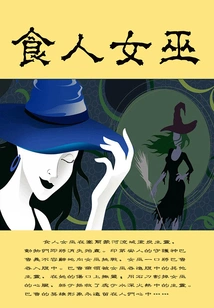
The cannibal witch is killing all the creatures in the Selmon River Basin, and the animals are about to disappear. Balu, the patron saint of the Indians, challenged the witch without hesitation, and the witch swallowed Balu in one gulp. Balu led other creatures swallowed by the witch to sprinkle salt on her wounds; he used a stone knife to cut out the witch's heart, finally saving the creatures in dire straits. Balu's heroic image will always remain in people's hearts...
The cannibal witch is killing all the creatures in the Selmon River Basin, and the animals are about to disappear. Balu, the patron saint of the Indians, challenged the witch without hesitation, and the witch swallowed Balu in one gulp. Balu led other creatures swallowed by the witch to sprinkle salt on her wounds; he used a stone knife to cut out the witch's heart, finally saving the creatures in dire straits. Balu's heroic image will always remain in people's hearts...
Zola Wits the Witch
Literature锁拉智斗女巫
Oxen And Horses
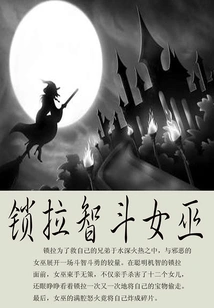
In order to save his brother from dire straits, Suo La started a battle of wits and courage with the evil witch. In front of the smart and witty Suo La, the witch was helpless. Not only did she kill her twelve daughters with her own hands, but she also watched Suo La steal her treasures again and again. Finally, the witch was so full of rage that she blew herself to pieces.
In order to save his brother from dire straits, Suo La started a battle of wits and courage with the evil witch. In front of the smart and witty Suo La, the witch was helpless. Not only did she kill her twelve daughters with her own hands, but she also watched Suo La steal her treasures again and again. Finally, the witch was so full of rage that she blew herself to pieces.
Selections of Yulin Folk Literature
Literature玉林民间文学选粹
Yulin Federation Of Literary And Art Circles
This book is a selected collection of Yulin folk literature. The book takes Yulin as the regional scope and covers five major categories: stories, ballads, proverbs, dramas, and couplets. The works reflect the unique lifestyle, thoughts and feelings, life attitudes, customs, and aesthetic consciousness formed in the Yulin area over thousands of years. It is rich in content and has regional characteristics.
This book is a selected collection of Yulin folk literature. The book takes Yulin as the regional scope and covers five major categories: stories, ballads, proverbs, dramas, and couplets. The works reflect the unique lifestyle, thoughts and feelings, life attitudes, customs, and aesthetic consciousness formed in the Yulin area over thousands of years. It is rich in content and has regional characteristics.
A New Compilation of Mulao Folk Tales
Literature仫佬族民间故事新编
He Yongqiang Editor-in-chief Yang Chongbo
The folk stories of the Mulao people are short, concise, vivid, touching, and rich in philosophy. They all contain a mentality of yearning for beauty and pursuing happiness, and have a strong cultural color of the Mulao people. Most of these stories were passed down orally from ancient folk and have been widely circulated for thousands of years. In the 1970s, the famous Mulao writer Bao Yutang organized cultural figures from Luocheng to conduct field surveys, interviewed folk artists, and collected and compiled a large number of folktales. After careful selection, he edited and published the first "Collection of Mulao Folktales". Since then, Mulao folktales have been officially recorded in the history of Chinese folktales in the form of written records. This book is selected from the "Collection of Mulao Folktales" and folktales in recent years. It carries the excellent traditional culture of the Mulao people and contains the essence of national culture. Through it, you can appreciate the unique charm of Chinese folk literature.
The folk stories of the Mulao people are short, concise, vivid, touching, and rich in philosophy. They all contain a mentality of yearning for beauty and pursuing happiness, and have a strong cultural color of the Mulao people. Most of these stories were passed down orally from ancient folk and have been widely circulated for thousands of years. In the 1970s, the famous Mulao writer Bao Yutang organized cultural figures from Luocheng to conduct field surveys, interviewed folk artists, and collected and compiled a large number of folktales. After careful selection, he edited and published the first "Collection of Mulao Folktales". Since then, Mulao folktales have been officially recorded in the history of Chinese folktales in the form of written records. This book is selected from the "Collection of Mulao Folktales" and folktales in recent years. It carries the excellent traditional culture of the Mulao people and contains the essence of national culture. Through it, you can appreciate the unique charm of Chinese folk literature.
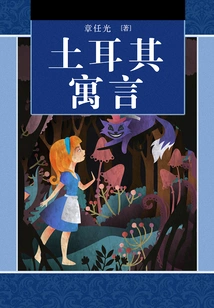
Turkish Fable
Literature土耳其寓言
Zhang Renguang
Extracurricular readings during the Republic of China period. This book is a collection of Turkish fables. Each fable is short, concise, philosophical and educational.
Extracurricular readings during the Republic of China period. This book is a collection of Turkish fables. Each fable is short, concise, philosophical and educational.