Library
Browse and search books
255 novels found
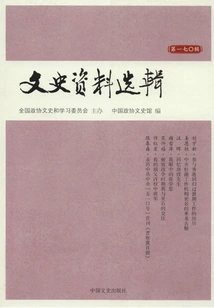
文史资料选辑(第一七零辑)
Chinese People's Political Consultative Conference Museum Of Culture And History
"Selected Collection of Cultural and Historical Materials" was initiated in 1959 by Comrade Zhou Enlai's personal initiative and initiated by the Cultural and Historical Materials Research Committee of the National Committee of the Chinese People's Political Consultative Conference. It is an album of historical materials that vividly records the magnificent historical process of Chinese society since the Reform Movement of 1898, featuring "personal experience, personal sighting and personal hearing" of the parties involved. In this collection, there are memories of Wang Zuhu, a former director of the Engine Administration Bureau of the Ministry of Aviation Industry and director of the China Light Gas Turbine Development Center, who witnessed the independent research and development of new China's aircraft engines; memories of Yu Fang's growth experience, member of the 12th National Committee of the Chinese People's Political Consultative Conference and anchor of China People's Broadcasting Station's "News and Newspaper Digest"; Liang Qiuchuan's memories of the literary interactions between his father Haoran and Ye Shengtao. These precious historical materials reveal many little-known inside stories, helping readers understand the ins and outs of many historical events.
"Selected Collection of Cultural and Historical Materials" was initiated in 1959 by Comrade Zhou Enlai's personal initiative and initiated by the Cultural and Historical Materials Research Committee of the National Committee of the Chinese People's Political Consultative Conference. It is an album of historical materials that vividly records the magnificent historical process of Chinese society since the Reform Movement of 1898, featuring "personal experience, personal sighting and personal hearing" of the parties involved. In this collection, there are memories of Wang Zuhu, a former director of the Engine Administration Bureau of the Ministry of Aviation Industry and director of the China Light Gas Turbine Development Center, who witnessed the independent research and development of new China's aircraft engines; memories of Yu Fang's growth experience, member of the 12th National Committee of the Chinese People's Political Consultative Conference and anchor of China People's Broadcasting Station's "News and Newspaper Digest"; Liang Qiuchuan's memories of the literary interactions between his father Haoran and Ye Shengtao. These precious historical materials reveal many little-known inside stories, helping readers understand the ins and outs of many historical events.
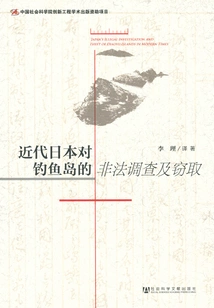
近代日本对钓鱼岛的非法调查及窃取
Translated By Li Li
Historical data proves that the Diaoyutai Islands are an integral part of China's territory. After the Meiji Restoration, Japan repeatedly attempted to incorporate it into its territory. In 1885, through on-the-spot investigation, Japan learned that the Diaoyutai Islands were rich in iron ore resources and were considered "precious islands", so they wanted to incorporate them into their territory. However, they were frightened by the strength of the Qing government and did not dare to implement it. In 1900, he once again wanted to establish a national standard on the Diaoyu Islands, but in the end he gave up. In 1895, Japan took advantage of the Sino-Japanese War and without passing the Qing government, in the form of a "cabinet resolution", the Diaoyu Islands and other islands were forcibly placed under the jurisdiction of Okinawa County, secretly stealing China's Diaoyu Tai Islands. The author of this book, Li Li, is an associate researcher at the Taiwan Research Office of the Institute of Modern History, Chinese Academy of Social Sciences. He has been engaged in research on Taiwan history for a long time. During his academic exchange in Japan, he read a large number of Japanese archives. This book is the important information compiled by the author after consulting a large number of archives.
Historical data proves that the Diaoyutai Islands are an integral part of China's territory. After the Meiji Restoration, Japan repeatedly attempted to incorporate it into its territory. In 1885, through on-the-spot investigation, Japan learned that the Diaoyutai Islands were rich in iron ore resources and were considered "precious islands", so they wanted to incorporate them into their territory. However, they were frightened by the strength of the Qing government and did not dare to implement it. In 1900, he once again wanted to establish a national standard on the Diaoyu Islands, but in the end he gave up. In 1895, Japan took advantage of the Sino-Japanese War and without passing the Qing government, in the form of a "cabinet resolution", the Diaoyu Islands and other islands were forcibly placed under the jurisdiction of Okinawa County, secretly stealing China's Diaoyu Tai Islands. The author of this book, Li Li, is an associate researcher at the Taiwan Research Office of the Institute of Modern History, Chinese Academy of Social Sciences. He has been engaged in research on Taiwan history for a long time. During his academic exchange in Japan, he read a large number of Japanese archives. This book is the important information compiled by the author after consulting a large number of archives.
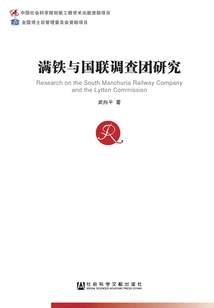
满铁与国联调查团研究
Wu Xiangping
This book mainly starts from the perspective of the relationship between the Manchurian Railway and the League of Nations investigation team. It focuses on the activities of the Manchurian Railway during the period when the League of Nations investigation team came to China to investigate after the September 18th Incident. Based on the analysis and organization of a large number of Japanese original archives, it combines the international background and Japan at that time. Domestic environment, comprehensively analyze and explain the purpose of Manchurian Railway's activities during the League of Nations investigation team's visit to China, and clarify the role of Manchurian Railway in the process from the outbreak of the September 18th Incident to the publication of the League of Nations investigation report, and then reveal the status and role of Manchurian Railway in Japan's war of aggression against China.
This book mainly starts from the perspective of the relationship between the Manchurian Railway and the League of Nations investigation team. It focuses on the activities of the Manchurian Railway during the period when the League of Nations investigation team came to China to investigate after the September 18th Incident. Based on the analysis and organization of a large number of Japanese original archives, it combines the international background and Japan at that time. Domestic environment, comprehensively analyze and explain the purpose of Manchurian Railway's activities during the League of Nations investigation team's visit to China, and clarify the role of Manchurian Railway in the process from the outbreak of the September 18th Incident to the publication of the League of Nations investigation report, and then reveal the status and role of Manchurian Railway in Japan's war of aggression against China.
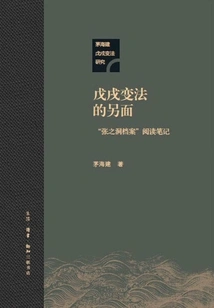
戊戌变法的另面:“张之洞档案”阅读笔记
Mao Haijian
From the systematic reading of the "Zhang Zhidong Archives", the author has prominently felt that this batch of historical materials provides modern people with a new perspective on observing the Reform Movement of 1898: Zhang Zhidong and Chen Baozhen's group were one of the political factions within the Qing government at that time, and they were also groups advocating reform. From the "archives", it can be seen that Zhang Zhidong's group and major political figures held a repulsive and even hostile attitude towards Kang and Liang. It seems that we can understand many aspects of the whole process of the reform in a multi-dimensional way, and can roughly speculate on the political prospects of Kang and Liang's faction. Previous research on the Reform Movement of 1898 often centered on the claims of Kang and Liang, but the materials in the "Archives" from outside Kang and Liang allow researchers to view this reform movement from a standpoint other than Kang and Liang. This batch of "archival" materials is large in quantity and highly accurate. Many of them were high-level secrets at the time. They can refine historical details that were vague in the past, especially some key content at critical moments in history.
From the systematic reading of the "Zhang Zhidong Archives", the author has prominently felt that this batch of historical materials provides modern people with a new perspective on observing the Reform Movement of 1898: Zhang Zhidong and Chen Baozhen's group were one of the political factions within the Qing government at that time, and they were also groups advocating reform. From the "archives", it can be seen that Zhang Zhidong's group and major political figures held a repulsive and even hostile attitude towards Kang and Liang. It seems that we can understand many aspects of the whole process of the reform in a multi-dimensional way, and can roughly speculate on the political prospects of Kang and Liang's faction. Previous research on the Reform Movement of 1898 often centered on the claims of Kang and Liang, but the materials in the "Archives" from outside Kang and Liang allow researchers to view this reform movement from a standpoint other than Kang and Liang. This batch of "archival" materials is large in quantity and highly accurate. Many of them were high-level secrets at the time. They can refine historical details that were vague in the past, especially some key content at critical moments in history.
黄易友朋往来书札辑考
Written By Xue Longchun
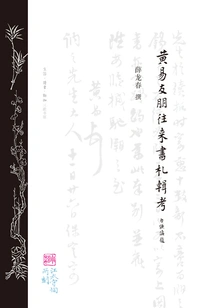
Huang Yi is a key figure in Qing Dynasty epigraphy and art history. For most of that time, he served in the Jining Canal Office and served as a staff member to the river governor. In August 1786, when passing through Jiaxiang, Shandong, he discovered the famous Wu Temple and rebuilt it on the spot. This was a landmark event in Qianjia epigraphy. Huang Yi's collection of epigraphy and stone rubbings was the largest at that time. He contributed a large number of fine rubbings and old rubbings to the academic world. "Xiao Penglai Pavilion Epigraphy and Stone Inscriptions" can be regarded as an epitome. As one of the "Four Masters of Xiling", his official calligraphy, seal cutting and paintings were also famous at that time. Friends often regretted not getting his calligraphy, paintings and seals. This book compiles more than 660 letters and correspondence between Huang Yi and friends from the collections of public museums and libraries, Qing Dynasty epigraphic works, various publications, auction catalogs at home and abroad, and private collections. Those who corresponded with Huang Yi include academic elites from the Qiang-Jia period such as Wang Chang, Qian Daxin, Weng Fanggang, Qian Yu, Yan Changming, Sun Xingyan, Hong Liangji, Wu Yi, Guifu, Ruan Yuan and Qu Zhongrong. Literary elites such as Yuan Mei, Yao Nai, Tao Liang, Liang Tongshu, Luo Pin, Dong Xun, Deng Shiru, Yi Bingshou, Xi Gang, Qian Yong, as well as local officials, staff and civilian scholars scattered throughout the country. By examining the time, place, characters, and events involved in the letters, those vanished historical scenes and characters' mentality become clear and vivid, and the connections between the large number of letters also make the fragmented information more organized. These are of great significance to our understanding of the social environment of the Qianjia period, the operation of the epigraphy community, the advancement of epigraphy scholarship, and artistic entertainment activities.
Huang Yi is a key figure in Qing Dynasty epigraphy and art history. For most of that time, he served in the Jining Canal Office and served as a staff member to the river governor. In August 1786, when passing through Jiaxiang, Shandong, he discovered the famous Wu Temple and rebuilt it on the spot. This was a landmark event in Qianjia epigraphy. Huang Yi's collection of epigraphy and stone rubbings was the largest at that time. He contributed a large number of fine rubbings and old rubbings to the academic world. "Xiao Penglai Pavilion Epigraphy and Stone Inscriptions" can be regarded as an epitome. As one of the "Four Masters of Xiling", his official calligraphy, seal cutting and paintings were also famous at that time. Friends often regretted not getting his calligraphy, paintings and seals. This book compiles more than 660 letters and correspondence between Huang Yi and friends from the collections of public museums and libraries, Qing Dynasty epigraphic works, various publications, auction catalogs at home and abroad, and private collections. Those who corresponded with Huang Yi include academic elites from the Qiang-Jia period such as Wang Chang, Qian Daxin, Weng Fanggang, Qian Yu, Yan Changming, Sun Xingyan, Hong Liangji, Wu Yi, Guifu, Ruan Yuan and Qu Zhongrong. Literary elites such as Yuan Mei, Yao Nai, Tao Liang, Liang Tongshu, Luo Pin, Dong Xun, Deng Shiru, Yi Bingshou, Xi Gang, Qian Yong, as well as local officials, staff and civilian scholars scattered throughout the country. By examining the time, place, characters, and events involved in the letters, those vanished historical scenes and characters' mentality become clear and vivid, and the connections between the large number of letters also make the fragmented information more organized. These are of great significance to our understanding of the social environment of the Qianjia period, the operation of the epigraphy community, the advancement of epigraphy scholarship, and artistic entertainment activities.
Letters from Zeng Xi
History曾熙书札
Compiled By Zeng Yingsan
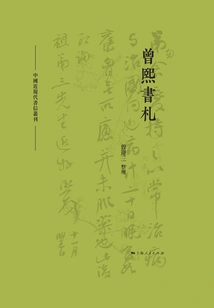
Private letters are a record of interpersonal interactions. Because of their privacy, they are often less scrupulous and can reveal a large number of unknown secrets. As a kind of historical material, it can restore a large number of historical details and subtleties. Important letters can even rewrite historical narratives. In recent years, it has attracted special attention from the academic community. Zeng Xi is a famous educator, artist, and patriot in my country. He plays an important role in the history of modern culture, education, and art. Most of the original letters collected in this book come from the collection of Mr. Zeng Yingsan, Zeng Xi's great-grandson. In the process of collecting and sorting out Zeng Xi's letters, Mr. Zeng Yingsan went to various public collection units and private collectors to check out relevant letters and materials, and the collection was completed to the current scale. This book contains about 150,000 words and contains more than 100 letters written by Zeng Xi to his friends. The letters collected in this book involve a large number of famous figures in modern history, such as Wu Changshuo, Ding Lijun, Duan Fang, Zhou Mengpo, Pang Yuanji, Li Ruiqing, Tan Yankai, Ma Zonghuo, Zhang Daqian and more than 60 people in total. They are rich in content and of great historical value. The organizer, Mr. Zeng Yingsan, has devoted himself to the organization and research of family documents for many years. He co-authored the "Zeng Xi Chronicles" and made necessary annotations on the characters and events related to the letters collected in this book, which makes the book more valuable and more helpful for researchers and readers.
Private letters are a record of interpersonal interactions. Because of their privacy, they are often less scrupulous and can reveal a large number of unknown secrets. As a kind of historical material, it can restore a large number of historical details and subtleties. Important letters can even rewrite historical narratives. In recent years, it has attracted special attention from the academic community. Zeng Xi is a famous educator, artist, and patriot in my country. He plays an important role in the history of modern culture, education, and art. Most of the original letters collected in this book come from the collection of Mr. Zeng Yingsan, Zeng Xi's great-grandson. In the process of collecting and sorting out Zeng Xi's letters, Mr. Zeng Yingsan went to various public collection units and private collectors to check out relevant letters and materials, and the collection was completed to the current scale. This book contains about 150,000 words and contains more than 100 letters written by Zeng Xi to his friends. The letters collected in this book involve a large number of famous figures in modern history, such as Wu Changshuo, Ding Lijun, Duan Fang, Zhou Mengpo, Pang Yuanji, Li Ruiqing, Tan Yankai, Ma Zonghuo, Zhang Daqian and more than 60 people in total. They are rich in content and of great historical value. The organizer, Mr. Zeng Yingsan, has devoted himself to the organization and research of family documents for many years. He co-authored the "Zeng Xi Chronicles" and made necessary annotations on the characters and events related to the letters collected in this book, which makes the book more valuable and more helpful for researchers and readers.
History of Tianyige Painting
History天一阁画史
Tong Jiemei's Paintings Written By Wang Hongxing
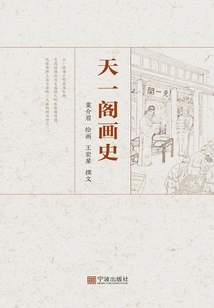
This is a popular book that reflects the historical facts of Tianyige in the form of comic strips. Tianyige was founded during the Jiajing period of the Ming Dynasty and has a history of more than 450 years. It is the earliest existing private library in my country and a magical treasure house of documents and materials. Fan Qin, the founder of Tianyi Pavilion, was a warrior in the first half of his life. In his later years, he became an outstanding book collector and experienced ups and downs in his life. In the form of comic strips, this book vividly displays the main historical facts of the development of Tianyige and the long-lasting cultural context of its collection, allowing readers to have a comprehensive and general understanding of Tianyige.
This is a popular book that reflects the historical facts of Tianyige in the form of comic strips. Tianyige was founded during the Jiajing period of the Ming Dynasty and has a history of more than 450 years. It is the earliest existing private library in my country and a magical treasure house of documents and materials. Fan Qin, the founder of Tianyi Pavilion, was a warrior in the first half of his life. In his later years, he became an outstanding book collector and experienced ups and downs in his life. In the form of comic strips, this book vividly displays the main historical facts of the development of Tianyige and the long-lasting cultural context of its collection, allowing readers to have a comprehensive and general understanding of Tianyige.
文化软权力视野下的家谱研究:以明清安徽泾县朱氏系列家谱为样本
Zhang Aihua
In the power structure of traditional Chinese rural society, hard power with imperial power as the core mainly extended to the county level, which provided space for the gentry and elders below the county level to rely on cultural soft power to achieve social integration. However, rural society is based on families of blood communities as the basic social unit. These families often compete fiercely with each other for limited local resources. This competition is reflected at the cultural level, making family trees a text carrier that reflects the two contradictory forces of cultural integration and cultural separation. Currently, China is building cultural soft power, but problems of cultural competition and conflict may also arise. Therefore, the issues of cultural integration and cultural separation studied in this book based on genealogy have certain historical reference significance for the current construction of cultural soft power.
In the power structure of traditional Chinese rural society, hard power with imperial power as the core mainly extended to the county level, which provided space for the gentry and elders below the county level to rely on cultural soft power to achieve social integration. However, rural society is based on families of blood communities as the basic social unit. These families often compete fiercely with each other for limited local resources. This competition is reflected at the cultural level, making family trees a text carrier that reflects the two contradictory forces of cultural integration and cultural separation. Currently, China is building cultural soft power, but problems of cultural competition and conflict may also arise. Therefore, the issues of cultural integration and cultural separation studied in this book based on genealogy have certain historical reference significance for the current construction of cultural soft power.
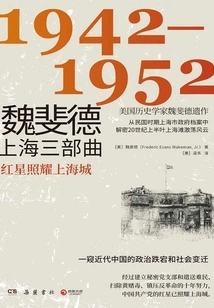
魏斐德上海三部曲:1942—1952
I
This book tells the story of the establishment of secret party branches and other underground activities carried out by the Chinese Communist Party in Shanghai from the Japanese occupation of the Shanghai Concession in 1942 until the entire War of Liberation. As well as a series of transformation campaigns carried out by the people's power on Shanghai's municipal administration, police system and the entire society in the early days of Shanghai's liberation - such as closing down the underground black market, cracking down on the opium trade, suppressing counterrevolutionaries, deporting refugees, reforming prostitutes, dancers and drug addicts, etc. It was also the new regime's governance of big cities. Why did the Kuomintang fail but the Communist Party succeeded? The author gives his own unique analysis.
This book tells the story of the establishment of secret party branches and other underground activities carried out by the Chinese Communist Party in Shanghai from the Japanese occupation of the Shanghai Concession in 1942 until the entire War of Liberation. As well as a series of transformation campaigns carried out by the people's power on Shanghai's municipal administration, police system and the entire society in the early days of Shanghai's liberation - such as closing down the underground black market, cracking down on the opium trade, suppressing counterrevolutionaries, deporting refugees, reforming prostitutes, dancers and drug addicts, etc. It was also the new regime's governance of big cities. Why did the Kuomintang fail but the Communist Party succeeded? The author gives his own unique analysis.
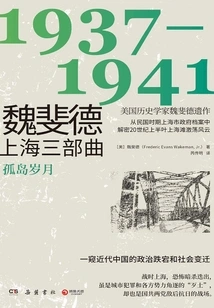
魏斐德上海三部曲:1937—1941
I
This book vividly reproduces the political and social situation of Shanghai as an "isolated island" from the 1937 Songhu Battle to the end of 1941 before the outbreak of the "Pearl Harbor Incident". It involves the anti-Japanese activities of the Kuomintang's "Blue Clothes Society" in Shanghai, the assassinations of pro-Japanese elements by the "military reunification", the bloody revenge of the Japanese puppets, the reign of terror of the Wang puppet regime, the ugly social phenomena in the "bad soil" area in western Shanghai, etc... With a unique perspective and informative materials, the book reproduces the entangled struggles and bloody storms of various forces in Shanghai's "isolated island" period.
This book vividly reproduces the political and social situation of Shanghai as an "isolated island" from the 1937 Songhu Battle to the end of 1941 before the outbreak of the "Pearl Harbor Incident". It involves the anti-Japanese activities of the Kuomintang's "Blue Clothes Society" in Shanghai, the assassinations of pro-Japanese elements by the "military reunification", the bloody revenge of the Japanese puppets, the reign of terror of the Wang puppet regime, the ugly social phenomena in the "bad soil" area in western Shanghai, etc... With a unique perspective and informative materials, the book reproduces the entangled struggles and bloody storms of various forces in Shanghai's "isolated island" period.
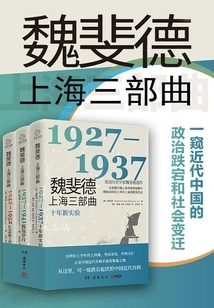
魏斐德上海三部曲(全集)
I
This book systematically describes the process by which the Kuomintang government relied on police force to achieve initial rule over Shanghai from 1927 to 1937, and clarifies many historical issues during this decade: such as the relationship between the central system and local forces; the role of secret organizations and criminal groups in corroding party and government agencies; The evolution of Shanghai's political organization under the pressure of invasion and occupation, etc... "Wilfield's Shanghai Trilogy: 1937-1941": This book vividly reproduces the political and social situation of Shanghai as an "isolated island" from the 1937 Songhu Battle to the outbreak of the "Pearl Harbor Incident" at the end of 1941. It involves the anti-Japanese activities of the Kuomintang's "Blue Clothes Society" in Shanghai, the assassinations of pro-Japanese elements by the "military reunification", the bloody revenge of the Japanese puppets, the reign of terror of the Wang puppet regime, the ugly social phenomena in the "bad soil" area in western Shanghai, etc... With a unique perspective and informative materials, the book reproduces the entangled struggles and bloody storms of various forces in Shanghai's "isolated island" period. "Wilfield's Shanghai Trilogy: 1942-1952": This book tells the story of the establishment of secret party branches and other underground activities carried out by the Chinese Communist Party in Shanghai from the Japanese occupation of the Shanghai Concession in 1942 until the entire War of Liberation. As well as a series of transformation campaigns carried out by the people's power on Shanghai's municipal administration, police system and the entire society in the early days of Shanghai's liberation - such as closing the underground black market and cracking down on the opium trade; suppressing counterrevolutionaries, deporting refugees, reforming prostitutes, dancers and drug addicts, etc.
This book systematically describes the process by which the Kuomintang government relied on police force to achieve initial rule over Shanghai from 1927 to 1937, and clarifies many historical issues during this decade: such as the relationship between the central system and local forces; the role of secret organizations and criminal groups in corroding party and government agencies; The evolution of Shanghai's political organization under the pressure of invasion and occupation, etc... "Wilfield's Shanghai Trilogy: 1937-1941": This book vividly reproduces the political and social situation of Shanghai as an "isolated island" from the 1937 Songhu Battle to the outbreak of the "Pearl Harbor Incident" at the end of 1941. It involves the anti-Japanese activities of the Kuomintang's "Blue Clothes Society" in Shanghai, the assassinations of pro-Japanese elements by the "military reunification", the bloody revenge of the Japanese puppets, the reign of terror of the Wang puppet regime, the ugly social phenomena in the "bad soil" area in western Shanghai, etc... With a unique perspective and informative materials, the book reproduces the entangled struggles and bloody storms of various forces in Shanghai's "isolated island" period. "Wilfield's Shanghai Trilogy: 1942-1952": This book tells the story of the establishment of secret party branches and other underground activities carried out by the Chinese Communist Party in Shanghai from the Japanese occupation of the Shanghai Concession in 1942 until the entire War of Liberation. As well as a series of transformation campaigns carried out by the people's power on Shanghai's municipal administration, police system and the entire society in the early days of Shanghai's liberation - such as closing the underground black market and cracking down on the opium trade; suppressing counterrevolutionaries, deporting refugees, reforming prostitutes, dancers and drug addicts, etc.
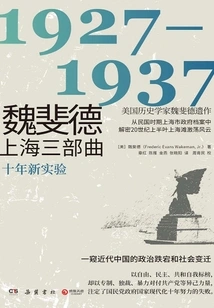
魏斐德上海三部曲:1927—1937
I
This book systematically describes the initial rule of Shanghai by the Kuomintang government relying on police force from 1927 to 1937, and clarifies many historical issues during this decade: such as the relationship between the central system and local forces; the role of secret organizations and criminal groups in corroding state institutions; the evolution of Shanghai's political organization under the pressure of the Japanese invasion and occupation, etc... The changes in Shanghai's municipal and police affairs are organically combined with the general political background of China at that time, which reflects the macro vision of a historian.
This book systematically describes the initial rule of Shanghai by the Kuomintang government relying on police force from 1927 to 1937, and clarifies many historical issues during this decade: such as the relationship between the central system and local forces; the role of secret organizations and criminal groups in corroding state institutions; the evolution of Shanghai's political organization under the pressure of the Japanese invasion and occupation, etc... The changes in Shanghai's municipal and police affairs are organically combined with the general political background of China at that time, which reflects the macro vision of a historian.
欧洲与德国新挑战
Jiang Feng
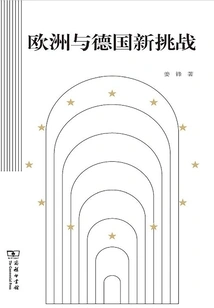
The book is divided into three parts: "Europe and Germany's Internal Challenges", "Europe and Germany's External Relations" and "China-Europe and China-Germany Relations". The book covers many current hot events such as the refugee crisis, German elections, France's "yellow vest" movement, Britain's "Brexit", European and American trade frictions, etc. It also provides suggestions for the future development of Germany and even Europe as well as the challenges that China-Europe and China-Germany relations may face. This book collects some of the author's commentary articles on German and European issues as well as Sino-German and Sino-European relations that have been published since 2014 in newspapers such as Global Times, Jiefang Daily, Wenhui Po, and World Knowledge, as well as on websites such as Observer. Com. Now published in a volume, we hope to present readers with a multi-faceted and in-depth observation perspective, expressing the author's knowledge and understanding of Europe, Germany, as well as China-Germany, and China-Europe relations.
The book is divided into three parts: "Europe and Germany's Internal Challenges", "Europe and Germany's External Relations" and "China-Europe and China-Germany Relations". The book covers many current hot events such as the refugee crisis, German elections, France's "yellow vest" movement, Britain's "Brexit", European and American trade frictions, etc. It also provides suggestions for the future development of Germany and even Europe as well as the challenges that China-Europe and China-Germany relations may face. This book collects some of the author's commentary articles on German and European issues as well as Sino-German and Sino-European relations that have been published since 2014 in newspapers such as Global Times, Jiefang Daily, Wenhui Po, and World Knowledge, as well as on websites such as Observer. Com. Now published in a volume, we hope to present readers with a multi-faceted and in-depth observation perspective, expressing the author's knowledge and understanding of Europe, Germany, as well as China-Germany, and China-Europe relations.
The History of Tuibeitu
History推背图的历史
Zhaojiasaburo
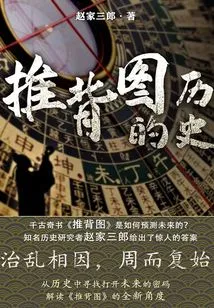
"Tuibei Tu" has long been considered a historical prophetic book. There are a lot of rumors and interpretations surrounding it, but its appearance is becoming more and more confusing. However, from a scientific perspective, the author of this book analyzed the sixty hexagrams of "Tui Bei Tu" and combined with the major historical events in China since the Tang Dynasty, and concluded that "Tui Bei Tu" is not a prophecy, but conveys a historical view that "ruling and chaos are caused by each other, and the cycle begins again": where there are gentlemen, there will be villains. For people, where there is justice there is evil, where there is prosperity there is chaos, where there is strength there is weakness, where there is peace there is war, where there is unity there is chaos, where there is political enlightenment there is poverty for the people... This view of history that is still full of warnings to people today is the greatest value of the existence of "Tuibei Tu".
"Tuibei Tu" has long been considered a historical prophetic book. There are a lot of rumors and interpretations surrounding it, but its appearance is becoming more and more confusing. However, from a scientific perspective, the author of this book analyzed the sixty hexagrams of "Tui Bei Tu" and combined with the major historical events in China since the Tang Dynasty, and concluded that "Tui Bei Tu" is not a prophecy, but conveys a historical view that "ruling and chaos are caused by each other, and the cycle begins again": where there are gentlemen, there will be villains. For people, where there is justice there is evil, where there is prosperity there is chaos, where there is strength there is weakness, where there is peace there is war, where there is unity there is chaos, where there is political enlightenment there is poverty for the people... This view of history that is still full of warnings to people today is the greatest value of the existence of "Tuibei Tu".
《澳门宪报》中文公告与近代澳门社会(1850-1911)
Xu Lili
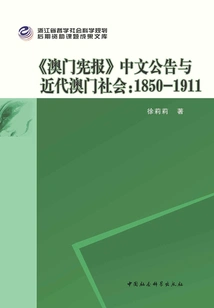
This book was included in the 2018 Zhejiang Provincial Late-stage Funding Project. This book systematically excavates the Chinese announcements published in the "Macau Gazette" and uses historical data to prove that the "Macau Gazette" opened the first official newspaper announcement in modern my country, and has one of the most important announcements in Chinese newspapers and periodicals in my country. There are many "first" historical facts, such as the earliest publication of gaming and monopoly announcements (1851), shipping schedule announcements (1854), overseas recruitment announcements (1856), bilingual newspaper announcements (1879), etc. These announcements not only present a multi-faceted picture of modern Macao's politics, economy, culture and social life, but also assist the modern Macao government in social governance and promote the transformation of Macao people, mainly Chinese, into modern and urbanized life.
This book was included in the 2018 Zhejiang Provincial Late-stage Funding Project. This book systematically excavates the Chinese announcements published in the "Macau Gazette" and uses historical data to prove that the "Macau Gazette" opened the first official newspaper announcement in modern my country, and has one of the most important announcements in Chinese newspapers and periodicals in my country. There are many "first" historical facts, such as the earliest publication of gaming and monopoly announcements (1851), shipping schedule announcements (1854), overseas recruitment announcements (1856), bilingual newspaper announcements (1879), etc. These announcements not only present a multi-faceted picture of modern Macao's politics, economy, culture and social life, but also assist the modern Macao government in social governance and promote the transformation of Macao people, mainly Chinese, into modern and urbanized life.
《宋会要辑稿》法律史料辑录(上下册)
Edited By Hu Xingdong, Cai Yan, Tang Guochang And Others
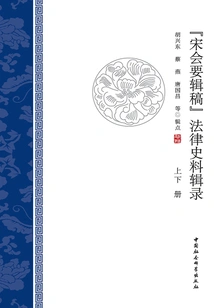
"Song Hui Yao Collection" is the most original material that has been preserved to comprehensively reflect the political, economic, legal and other institutional history and legal history of the Song Dynasty. It is the core historical material for studying the legal history of the Song Dynasty. However, due to the large content of "Song Hui Yao Collection", it cannot be used well by those who study legal history. This book comprehensively compiles the legal historical materials in "Song Huiyao Collection", making it the core material for studying the legal history of the Song Dynasty. The compilation and publication of this book will promote the overall legal changes, legislative changes, and judicial activities in the Song Dynasty. In order to preserve the original appearance, this book is classified according to the system of the original book, and the page numbers in the original version and the page numbers in the proofread version are also indicated. In addition, appropriate revisions were made where obvious errors were found during the compilation.
"Song Hui Yao Collection" is the most original material that has been preserved to comprehensively reflect the political, economic, legal and other institutional history and legal history of the Song Dynasty. It is the core historical material for studying the legal history of the Song Dynasty. However, due to the large content of "Song Hui Yao Collection", it cannot be used well by those who study legal history. This book comprehensively compiles the legal historical materials in "Song Huiyao Collection", making it the core material for studying the legal history of the Song Dynasty. The compilation and publication of this book will promote the overall legal changes, legislative changes, and judicial activities in the Song Dynasty. In order to preserve the original appearance, this book is classified according to the system of the original book, and the page numbers in the original version and the page numbers in the proofread version are also indicated. In addition, appropriate revisions were made where obvious errors were found during the compilation.
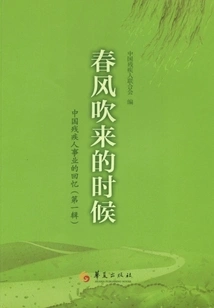
春风吹来的时候(第1辑)
China Disabled Persons' Federation
In order to further promote the humanitarian spirit, review the glorious history of the development of the cause of disabled people in China, and preserve a rich and valuable historical data and information for the development of the cause, the Party Committee and Council of the China Disabled Persons' Federation decided to collect literature and materials and edit and publish the "When the Spring Breeze Blows" series of books. The Party Group and Council of the China Disabled Persons' Federation attach great importance to the solicitation and publication work, and require the editors of the series to reflect the historical inheritance and development trajectory of the cause of disabled people with Chinese characteristics, as well as the imprint of the times during the reform and opening up that disabled people and their organizations have followed the trend, integrated into the overall situation, and continued to innovate and evolve.
In order to further promote the humanitarian spirit, review the glorious history of the development of the cause of disabled people in China, and preserve a rich and valuable historical data and information for the development of the cause, the Party Committee and Council of the China Disabled Persons' Federation decided to collect literature and materials and edit and publish the "When the Spring Breeze Blows" series of books. The Party Group and Council of the China Disabled Persons' Federation attach great importance to the solicitation and publication work, and require the editors of the series to reflect the historical inheritance and development trajectory of the cause of disabled people with Chinese characteristics, as well as the imprint of the times during the reform and opening up that disabled people and their organizations have followed the trend, integrated into the overall situation, and continued to innovate and evolve.
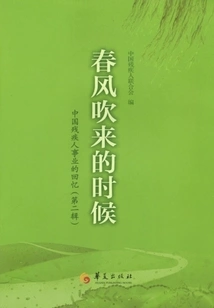
春风吹来的时候(第2辑)
China Disabled Persons' Federation
In order to further promote the humanitarian spirit, review the glorious history of the development of the cause of disabled people in China, and preserve a rich and valuable historical data and information for the development of the cause, the Party Committee and Council of the China Disabled Persons' Federation decided to collect literature and materials and edit and publish the "When the Spring Breeze Blows" series of books. The Party Group and Council of the China Disabled Persons' Federation attach great importance to the solicitation and publication work, and require the editors of the series to reflect the historical inheritance and development trajectory of the cause of disabled people with Chinese characteristics, as well as the imprint of the times during the reform and opening up that disabled people and their organizations have followed the trend, integrated into the overall situation, and continued to innovate and evolve.
In order to further promote the humanitarian spirit, review the glorious history of the development of the cause of disabled people in China, and preserve a rich and valuable historical data and information for the development of the cause, the Party Committee and Council of the China Disabled Persons' Federation decided to collect literature and materials and edit and publish the "When the Spring Breeze Blows" series of books. The Party Group and Council of the China Disabled Persons' Federation attach great importance to the solicitation and publication work, and require the editors of the series to reflect the historical inheritance and development trajectory of the cause of disabled people with Chinese characteristics, as well as the imprint of the times during the reform and opening up that disabled people and their organizations have followed the trend, integrated into the overall situation, and continued to innovate and evolve.
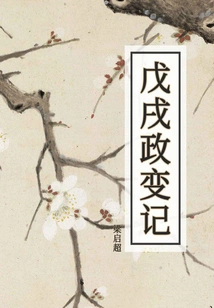
戊戌政变记
Liang Qichao
"Records of the 1898 Revolution" written by Liang Qichao is a very distinctive chronicle-style history book. The author integrated the dialectical understanding of traditional chronicle-style history books into the writing of "Records of the 1898 Revolution". In terms of compilation thought, the author has established a relatively systematic and rigorous guiding ideology, that is, establishing a "historical site group" to expand the scope of recording of the chronicle and strengthening the logical connection between events; establishing "using the method of biography to transform the chronicle", emphasizing the role of great men in the chronicle; attaching importance to historical theory, and clarifying the author's views and opinions on the historical process. The compilation practice of "Record of the 1898 Revolution" shows that it is a representative work of the transition from traditional chronicle style to modern style.
"Records of the 1898 Revolution" written by Liang Qichao is a very distinctive chronicle-style history book. The author integrated the dialectical understanding of traditional chronicle-style history books into the writing of "Records of the 1898 Revolution". In terms of compilation thought, the author has established a relatively systematic and rigorous guiding ideology, that is, establishing a "historical site group" to expand the scope of recording of the chronicle and strengthening the logical connection between events; establishing "using the method of biography to transform the chronicle", emphasizing the role of great men in the chronicle; attaching importance to historical theory, and clarifying the author's views and opinions on the historical process. The compilation practice of "Record of the 1898 Revolution" shows that it is a representative work of the transition from traditional chronicle style to modern style.
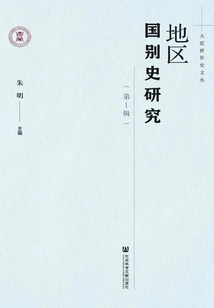
地区国别史研究(第1辑)
Zhu Ming
"Research on Regional and National History" (Volume 1) is one of the collective achievements of the World History Discipline of the Department of History at East China Normal University. In terms of national history, there is German history and Russian history; in terms of regional history, there is the history of Mediterranean civilization; in terms of cross-regional aspects, there is global history as a link of connection and a new perspective. In this volume, the newly integrated Mediterranean civilization circle revolves around the ancient and medieval history around the Mediterranean. German history and Russian history are two research fields with profound traditions and academic connections. This volume is also the result of East China Normal University's integration of European history into world history. It aims to explore further breakthroughs and developments while reviewing and sorting out previous research results.
"Research on Regional and National History" (Volume 1) is one of the collective achievements of the World History Discipline of the Department of History at East China Normal University. In terms of national history, there is German history and Russian history; in terms of regional history, there is the history of Mediterranean civilization; in terms of cross-regional aspects, there is global history as a link of connection and a new perspective. In this volume, the newly integrated Mediterranean civilization circle revolves around the ancient and medieval history around the Mediterranean. German history and Russian history are two research fields with profound traditions and academic connections. This volume is also the result of East China Normal University's integration of European history into world history. It aims to explore further breakthroughs and developments while reviewing and sorting out previous research results.
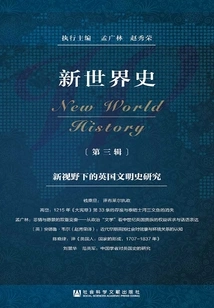
新世界史(第三辑):新视野下的英国文明史研究
Meng Guanglin Zhao Xiurong
"New World History" is a collection sponsored by the School of History at Renmin University of China. It is guided by Marxism and strives to work hard on the interpretation of new materials, the application of new theories and new methods, and the exploration of new perspectives. Each issue sets different research themes, with "special research" "Research", "Historical Materials and Selected Translations of Treatises", "Academic Trends", "History Reading Notes", "Interviews with Famous Experts", "Round Table Discussion" and other columns comprehensively display the new results of Chinese world history research and contribute to the construction of world history research with Chinese characteristics and characteristics of the times. This is the third volume of this book, which discusses the theme of "Research on the History of British Civilization from a New Perspective".
"New World History" is a collection sponsored by the School of History at Renmin University of China. It is guided by Marxism and strives to work hard on the interpretation of new materials, the application of new theories and new methods, and the exploration of new perspectives. Each issue sets different research themes, with "special research" "Research", "Historical Materials and Selected Translations of Treatises", "Academic Trends", "History Reading Notes", "Interviews with Famous Experts", "Round Table Discussion" and other columns comprehensively display the new results of Chinese world history research and contribute to the construction of world history research with Chinese characteristics and characteristics of the times. This is the third volume of this book, which discusses the theme of "Research on the History of British Civilization from a New Perspective".
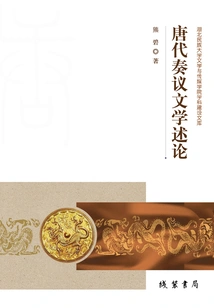
唐代奏议文学述论
Xiong Bi
This book examines the memorials of the Tang Dynasty based on the macro-literary perspective, comprehensively discusses the stylistic characteristics and artistic style of the memorials of the Tang Dynasty from a macro perspective of literary history, and objectively evaluates the status and value of the memorials of the Tang Dynasty in the history of Chinese literature.
This book examines the memorials of the Tang Dynasty based on the macro-literary perspective, comprehensively discusses the stylistic characteristics and artistic style of the memorials of the Tang Dynasty from a macro perspective of literary history, and objectively evaluates the status and value of the memorials of the Tang Dynasty in the history of Chinese literature.
杨文公谈苑·后山谈丛
(song Dynasty) Yang Yi, Written By Chen Shidao, Li Yumin, Li Weiguo School
"Yang Wengong Tan Yuan" was dictated by Yang Yi of the Song Dynasty, recorded by Huang Jian, compiled by Song Xiang, and edited by Li Yumin. The author is highly knowledgeable and well-informed, and the recorded content is all-encompassing, focusing mainly on human affairs and poetry, as well as science and technology, religion, art, laws and regulations, economy, folk customs, etc. In particular, it contains a large number of Song poetry, which is of great reference value. This book was lost by the end of the Ming Dynasty. The compiler re-edited it based on "Shuo Yong", "Facts of the Song Dynasty", "Shi Jiyuan", "Zhenghe Materia Medica" and other books, and obtained a total of 234 articles and more than 70,000 words. "Houshan Tan Cong" was written by Chen Shidao of the Song Dynasty and edited by Li Weiguo. The six volumes of the book contain the most inscriptions on the historical figures of the Northern Song Dynasty. There are also many records on calligraphy and painting, pen, ink, paper and inkstone, water conservancy and farming, Buddhist Taoism and even anecdotes. The "Shiyuan Series" was used as the base, and other editions were used for the proofreading.
"Yang Wengong Tan Yuan" was dictated by Yang Yi of the Song Dynasty, recorded by Huang Jian, compiled by Song Xiang, and edited by Li Yumin. The author is highly knowledgeable and well-informed, and the recorded content is all-encompassing, focusing mainly on human affairs and poetry, as well as science and technology, religion, art, laws and regulations, economy, folk customs, etc. In particular, it contains a large number of Song poetry, which is of great reference value. This book was lost by the end of the Ming Dynasty. The compiler re-edited it based on "Shuo Yong", "Facts of the Song Dynasty", "Shi Jiyuan", "Zhenghe Materia Medica" and other books, and obtained a total of 234 articles and more than 70,000 words. "Houshan Tan Cong" was written by Chen Shidao of the Song Dynasty and edited by Li Weiguo. The six volumes of the book contain the most inscriptions on the historical figures of the Northern Song Dynasty. There are also many records on calligraphy and painting, pen, ink, paper and inkstone, water conservancy and farming, Buddhist Taoism and even anecdotes. The "Shiyuan Series" was used as the base, and other editions were used for the proofreading.
Shishi·hou Zhenlu
History麈史·侯鲭录
(song Dynasty) Wang Dechen, Zhao Lingchou, Yu Zongxian, Fu Chengxian
"Shi Shi" was written by Wang Dechen of the Song Dynasty and edited by Yu Zongxian. This book is "particularly relevant to the system and historical monuments of the time", and records a large number of people, geography, and customs in the Anlu area. It is written with a serious attitude, claiming to be "a true record of the husband", and has preserved a large number of first-hand literary and historical materials. This book is of great reference value for studying the laws and regulations, the history and culture of the Anlu region, and the literary history of the Tang and Song Dynasties. This book is based on the Zhiquzhai edition, and is proofread by the Hanfenlou edition, the Shiyanzhai Qin's collection, and the Qing Dynasty's remaining manuscripts. It is also edited by the "Shuo Zhai" edition and various other notebooks, classics, and history books. "Hou Zeluo" was written by Zhao Lingju of the Song Dynasty and edited by Fu Cheng. What is recorded in the book focuses on poetry and poetry theory, such as anecdotes of literati, interesting stories about poetry, or poetry skills, allusions to famous things, etc.
"Shi Shi" was written by Wang Dechen of the Song Dynasty and edited by Yu Zongxian. This book is "particularly relevant to the system and historical monuments of the time", and records a large number of people, geography, and customs in the Anlu area. It is written with a serious attitude, claiming to be "a true record of the husband", and has preserved a large number of first-hand literary and historical materials. This book is of great reference value for studying the laws and regulations, the history and culture of the Anlu region, and the literary history of the Tang and Song Dynasties. This book is based on the Zhiquzhai edition, and is proofread by the Hanfenlou edition, the Shiyanzhai Qin's collection, and the Qing Dynasty's remaining manuscripts. It is also edited by the "Shuo Zhai" edition and various other notebooks, classics, and history books. "Hou Zeluo" was written by Zhao Lingju of the Song Dynasty and edited by Fu Cheng. What is recorded in the book focuses on poetry and poetry theory, such as anecdotes of literati, interesting stories about poetry, or poetry skills, allusions to famous things, etc.
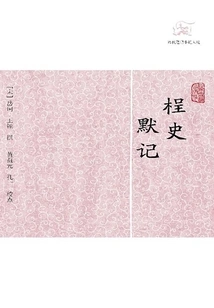
History·moji
History桯史·默记
(song Dynasty) Yue Ke, Wang Zhi, Huang Yiyuan, Kong Yixiaodian
"Historical Records" is a collection of historical records written by Yue Ke over time about his experiences during the two Song dynasties. The book contains a total of 140 articles, covering the political gains and losses of the two Song dynasties, anecdotes of the southern crossing, poems and essays by wise men, worldly jokes, prophecies, and ghosts, etc. Most of the records recorded in this book "Mo Ji" are miscellaneous affairs between the government and the public during the late Five Dynasties and the Northern Song Dynasty. The author is quite familiar with anecdotes, and many of the records are credible, and contain content rarely found in other books.
"Historical Records" is a collection of historical records written by Yue Ke over time about his experiences during the two Song dynasties. The book contains a total of 140 articles, covering the political gains and losses of the two Song dynasties, anecdotes of the southern crossing, poems and essays by wise men, worldly jokes, prophecies, and ghosts, etc. Most of the records recorded in this book "Mo Ji" are miscellaneous affairs between the government and the public during the late Five Dynasties and the Northern Song Dynasty. The author is quite familiar with anecdotes, and many of the records are credible, and contain content rarely found in other books.
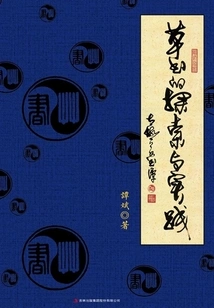
草书的探索与实践
Tan Bin
Cursive script is the simplest style of writing in my country. The author of this book has a reverence for cursive script, with the attitude of "laughing at the ink of thousands of years, bowing down and being a slave of cursive script". From a philosophical perspective, he analyzes and explains in a simple and in-depth manner from ten aspects of cursive script aesthetics, theory, sex theory, emotion theory, meaning theory, force theory, law theory, rhythm theory, rhyme theory, and landscape theory. It understands the yin and yang of cursive script, uses softness to overcome hardness, and Tao follows nature. In order to promote Chinese culture, explore the aesthetic laws of cursive script, and contribute to the glorious edifice of cursive script theory, so that cursive script learners can learn more about reading, reading, and writing, and improve the overall level of cursive script aesthetic literacy.
Cursive script is the simplest style of writing in my country. The author of this book has a reverence for cursive script, with the attitude of "laughing at the ink of thousands of years, bowing down and being a slave of cursive script". From a philosophical perspective, he analyzes and explains in a simple and in-depth manner from ten aspects of cursive script aesthetics, theory, sex theory, emotion theory, meaning theory, force theory, law theory, rhythm theory, rhyme theory, and landscape theory. It understands the yin and yang of cursive script, uses softness to overcome hardness, and Tao follows nature. In order to promote Chinese culture, explore the aesthetic laws of cursive script, and contribute to the glorious edifice of cursive script theory, so that cursive script learners can learn more about reading, reading, and writing, and improve the overall level of cursive script aesthetic literacy.
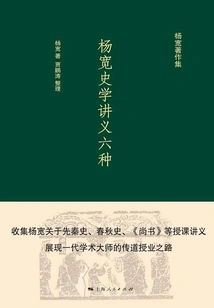
杨宽史学讲义六种
Written By Yang Kuan And Compiled By Jia Pengtao
This book is part of the second volume of the "Collection of Yang Kuan's Works". It mainly collects 6 types of lecture notes that Mr. Yang Kuan gave to students when he taught in different periods, namely lecture notes on pre-Qin history, lecture notes on "Shang Shu", lecture notes on Spring and Autumn History, lecture notes on historical research methods, lecture notes on Chinese antiquities, and lecture notes on the outline of historical teaching methods. The six types of lecture notes reveal Mr. Yang Kuan's academic breadth. In many places in the lecture notes, Mr. Yang Kuan's unique but highly explanatory academic views can even be displayed. From today's perspective, these lecture notes are undoubtedly a supplement to Mr. Yang Kuan's well-known achievements such as "Chronicle of Historical Materials of the Warring States Period" and "History of the Ancient Tomb System". They are of great academic and research value. The six lecture notes that make up this book were originally hidden in major libraries, so they have not been known to the public for a long time. These six types of lecture notes are manuscripts. The original manuscripts have traces of Mr. Yang Kuan's personal corrections to Tu Yi, and they also show Mr. Yang Kuan's academic evolution in different periods.
This book is part of the second volume of the "Collection of Yang Kuan's Works". It mainly collects 6 types of lecture notes that Mr. Yang Kuan gave to students when he taught in different periods, namely lecture notes on pre-Qin history, lecture notes on "Shang Shu", lecture notes on Spring and Autumn History, lecture notes on historical research methods, lecture notes on Chinese antiquities, and lecture notes on the outline of historical teaching methods. The six types of lecture notes reveal Mr. Yang Kuan's academic breadth. In many places in the lecture notes, Mr. Yang Kuan's unique but highly explanatory academic views can even be displayed. From today's perspective, these lecture notes are undoubtedly a supplement to Mr. Yang Kuan's well-known achievements such as "Chronicle of Historical Materials of the Warring States Period" and "History of the Ancient Tomb System". They are of great academic and research value. The six lecture notes that make up this book were originally hidden in major libraries, so they have not been known to the public for a long time. These six types of lecture notes are manuscripts. The original manuscripts have traces of Mr. Yang Kuan's personal corrections to Tu Yi, and they also show Mr. Yang Kuan's academic evolution in different periods.
Xie Fangwencun
History谢方文存
Xie Fang
This book is a collection of Mr. Xie Fang's personal essays compiled and reviewed by Zhonghua Book Company. It contains the author's articles on the study of Sino-foreign communication history over the years, reflecting Mr. Xie's academic achievements.
This book is a collection of Mr. Xie Fang's personal essays compiled and reviewed by Zhonghua Book Company. It contains the author's articles on the study of Sino-foreign communication history over the years, reflecting Mr. Xie's academic achievements.
郁贤皓先生八十华诞纪念文集
Zhang Caimin
Mr. Yu Xianhao, a professor at Nanjing Normal University, has been teaching and researching for decades. He is famous all over the world, has rich works and outstanding achievements. As he celebrates his 80th birthday today, friends and disciples in the academic community have compiled this collection of academic papers to commemorate it. A total of forty-two articles are collected, and the last appendix is "A Study of Mr. Yu Xianhao", which is used as a reference for understanding Mr. Yu Xianhao.
Mr. Yu Xianhao, a professor at Nanjing Normal University, has been teaching and researching for decades. He is famous all over the world, has rich works and outstanding achievements. As he celebrates his 80th birthday today, friends and disciples in the academic community have compiled this collection of academic papers to commemorate it. A total of forty-two articles are collected, and the last appendix is "A Study of Mr. Yu Xianhao", which is used as a reference for understanding Mr. Yu Xianhao.
China's "special Workers": the Reality of the Japanese Army's Slavery of Prisoners of War Labor
History中国“特殊工人”:日军奴役战俘劳工实态
Interpretation Of Poetry By Li Binggang
The outstanding feature of Japan's prisoner-of-war policy was its brutality. On the basis of showing its brutality, this book analyzes in five chapters the enslavement of about 200,000 prisoner of war laborers in military projects and coal and iron enterprises. The Japanese aggressors mainly implemented "military suppression" of prisoner-of-war workers, and the prisoner-of-war workers mainly launched a special anti-Japanese front by escaping, rioting, etc. In the course of long-term research, the author of this book collected and preserved a number of archival documents from the Kwantung Army Gendarmerie and the Manchurian Railway, as well as a large number of oral materials from prisoner-of-war laborers. These are not only the basis for the author's research, but also displayed as an appendix at the end of the book for readers' reference.
The outstanding feature of Japan's prisoner-of-war policy was its brutality. On the basis of showing its brutality, this book analyzes in five chapters the enslavement of about 200,000 prisoner of war laborers in military projects and coal and iron enterprises. The Japanese aggressors mainly implemented "military suppression" of prisoner-of-war workers, and the prisoner-of-war workers mainly launched a special anti-Japanese front by escaping, rioting, etc. In the course of long-term research, the author of this book collected and preserved a number of archival documents from the Kwantung Army Gendarmerie and the Manchurian Railway, as well as a large number of oral materials from prisoner-of-war laborers. These are not only the basis for the author's research, but also displayed as an appendix at the end of the book for readers' reference.
关东军满铁与伪满洲国的建立
Editor-in-chief Of Interpretation Poetry
This book draws on a large number of archives about Manchukuo's participation in the creation of the Puppet Manchukuo State, including the original records of Manchukuo Railway personnel planning to establish the puppet regime of the Puppet Manchukuo State, as well as the original documents and telegrams drafted for the Puppet Manchukuo State. It proposes that the creation of the Puppet Manchukuo State is not a simple matter of Puyi and others taking office. It is closely related to the invaders' siege of cities and territories, collusion and contradictions with surrender factions, and the internal differences and unification process of the invaders. In this process, Mantetsu is not in a supporting role. Giving such a political positioning to Manchuria's aggressive behavior is not intended to share the responsibility for aggression, but to overcome the long-standing one-sided tendency in Sino-Japanese historical research to emphasize military and political affairs over other aspects.
This book draws on a large number of archives about Manchukuo's participation in the creation of the Puppet Manchukuo State, including the original records of Manchukuo Railway personnel planning to establish the puppet regime of the Puppet Manchukuo State, as well as the original documents and telegrams drafted for the Puppet Manchukuo State. It proposes that the creation of the Puppet Manchukuo State is not a simple matter of Puyi and others taking office. It is closely related to the invaders' siege of cities and territories, collusion and contradictions with surrender factions, and the internal differences and unification process of the invaders. In this process, Mantetsu is not in a supporting role. Giving such a political positioning to Manchuria's aggressive behavior is not intended to share the responsibility for aggression, but to overcome the long-standing one-sided tendency in Sino-Japanese historical research to emphasize military and political affairs over other aspects.
美国所藏容闳文献初编
Compiled By Wu Yixiong And Yun Wenjie
This book is a compilation of Yong Hong's documents collected by Yale University, Rong Hong's 1902 diary, and selections of Yong Hong's handwriting. It is the result of the "Compilation and Research of Yong Hong's Documents Collection at Yale University" project. It specifically includes 13 letters sent by Rong Hong to friends from all walks of life. Letters, eight letters from Rong Hong to Wei Sanwei, selected messages exchanged between Rong Hong and his classmates from the class of 1854 at Yale University, diaries from January 1, 1902 to November 29, 1902, and 37 pages of Rong Hong's handwriting. The publication of this book provides valuable original information for academic research on Rong Hong.
This book is a compilation of Yong Hong's documents collected by Yale University, Rong Hong's 1902 diary, and selections of Yong Hong's handwriting. It is the result of the "Compilation and Research of Yong Hong's Documents Collection at Yale University" project. It specifically includes 13 letters sent by Rong Hong to friends from all walks of life. Letters, eight letters from Rong Hong to Wei Sanwei, selected messages exchanged between Rong Hong and his classmates from the class of 1854 at Yale University, diaries from January 1, 1902 to November 29, 1902, and 37 pages of Rong Hong's handwriting. The publication of this book provides valuable original information for academic research on Rong Hong.
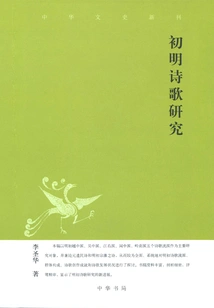
初明诗歌研究(中华文史新刊)
Li Shenghua
This manuscript takes the five poetry schools of the Yue Zhong School, the Wuzhong School, the Jiangyou School, the Minzhong School, and the Lingnan School as the main research objects, and also discusses the poems of the Yuan survivors and the poems of the sects and vassals in the early Ming Dynasty, thus making a more comprehensive and systematic discussion of the poetry schools, group composition, poetry creation achievements, and poetry development of the early Ming Dynasty. The manuscript is rich in information, detailed in analysis, and meticulous in evaluation, showing new progress in the study of poetry in the early Ming Dynasty.
This manuscript takes the five poetry schools of the Yue Zhong School, the Wuzhong School, the Jiangyou School, the Minzhong School, and the Lingnan School as the main research objects, and also discusses the poems of the Yuan survivors and the poems of the sects and vassals in the early Ming Dynasty, thus making a more comprehensive and systematic discussion of the poetry schools, group composition, poetry creation achievements, and poetry development of the early Ming Dynasty. The manuscript is rich in information, detailed in analysis, and meticulous in evaluation, showing new progress in the study of poetry in the early Ming Dynasty.
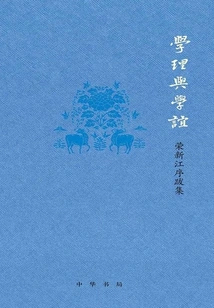
Academic Theory and Academic Friendship: Collection of Preface and Postscripts by Rong Xinjiang
History学理与学谊:荣新江序跋集
Rong Xinjiang
"Academic Theory and Academic Friendship - Rong Xinjiang's Collection of Prefaces and Postscripts" is divided into upper and lower parts. The upper part is the preface and postscript written for other people's works, and the lower part is the preface and postscript of his own work. The content involves Dunhuang Tubo studies, Sui and Tang history, history of Sino-foreign relations, history of the Western Regions and other fields. The preface and postscript mostly summarize the development process of the subject, analyze the development direction, express the friendship with the author, and evaluate the contribution of the work, embodying the author's in-depth exploration and thinking in related research fields.
"Academic Theory and Academic Friendship - Rong Xinjiang's Collection of Prefaces and Postscripts" is divided into upper and lower parts. The upper part is the preface and postscript written for other people's works, and the lower part is the preface and postscript of his own work. The content involves Dunhuang Tubo studies, Sui and Tang history, history of Sino-foreign relations, history of the Western Regions and other fields. The preface and postscript mostly summarize the development process of the subject, analyze the development direction, express the friendship with the author, and evaluate the contribution of the work, embodying the author's in-depth exploration and thinking in related research fields.
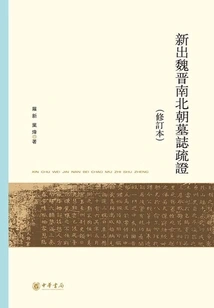
New Evidence on Epitaphs from the Wei, Jin, Southern and Northern Dynasties (revised Edition)
History新出魏晋南北朝墓志疏证(修订本)
Luo Xin Ye Wei
This book contains newly published epitaphs from the Wei, Jin, Southern and Northern Dynasties between the 1950s and the end of 2003. The epitaphs date from the beginning of the Three Kingdoms to the end of the Yang and Sui Dynasties (220-618). They are all those that have not been included in Zhao Wanli's "Collection of Epitaphs of Han, Wei, Southern and Northern Dynasties" (Science Press, 1956 edition) and Zhao Chao's "Collection of Epitaphs of Han, Wei, Southern and Northern Dynasties" (Tianjin Ancient Books Publishing House, 1992 edition). The whole book is divided into five parts: Wei, Jin, Sixteen Kingdoms, Southern Dynasties, Northern Wei, Eastern Wei and Northern Qi, Western Wei, Northern Zhou, and Sui. Each part is arranged in order according to the burial date of the deceased. The epitaph first lists the text, and then attaches sparse evidence, indicating the sources of the rubbings and reference texts, introducing the existing research results, and briefly researching and explaining the historical events involved in the epitaph.
This book contains newly published epitaphs from the Wei, Jin, Southern and Northern Dynasties between the 1950s and the end of 2003. The epitaphs date from the beginning of the Three Kingdoms to the end of the Yang and Sui Dynasties (220-618). They are all those that have not been included in Zhao Wanli's "Collection of Epitaphs of Han, Wei, Southern and Northern Dynasties" (Science Press, 1956 edition) and Zhao Chao's "Collection of Epitaphs of Han, Wei, Southern and Northern Dynasties" (Tianjin Ancient Books Publishing House, 1992 edition). The whole book is divided into five parts: Wei, Jin, Sixteen Kingdoms, Southern Dynasties, Northern Wei, Eastern Wei and Northern Qi, Western Wei, Northern Zhou, and Sui. Each part is arranged in order according to the burial date of the deceased. The epitaph first lists the text, and then attaches sparse evidence, indicating the sources of the rubbings and reference texts, introducing the existing research results, and briefly researching and explaining the historical events involved in the epitaph.
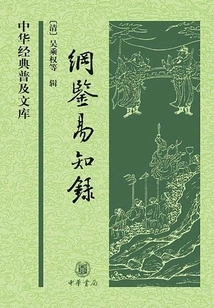
纲鉴易知录·全2册(中华经典普及文库)
(qing Dynasty) Wu Chengquan Et Al.
This book is a general history of China compiled by Wu Chengquan, a scholar from Shanyin, Zhejiang Province, and his friends Zhou Zhijiong and Zhou Zhican during the Kangxi period of the Qing Dynasty. Wu Chengquan and others thought that "Zi Zhi Tong Jian" was "too complicated to be memorized in its entirety", so they decided to compile a history book with a moderate length and a moderate amount of complexity and simplicity. The time span of "Gang Jian Yizhi Lu" spans from the ancient myths and legends to the Ming Dynasty. It organizes an outline of historical materials according to a determined style, directly narrates the historical facts of the past dynasties under the "gang", and forms a consistent chronological time clue under the guidance of a specific orthodox view. For people in the middle and late Qing Dynasty, it is a fairly complete, clear and easy-to-read general history of China.
This book is a general history of China compiled by Wu Chengquan, a scholar from Shanyin, Zhejiang Province, and his friends Zhou Zhijiong and Zhou Zhican during the Kangxi period of the Qing Dynasty. Wu Chengquan and others thought that "Zi Zhi Tong Jian" was "too complicated to be memorized in its entirety", so they decided to compile a history book with a moderate length and a moderate amount of complexity and simplicity. The time span of "Gang Jian Yizhi Lu" spans from the ancient myths and legends to the Ming Dynasty. It organizes an outline of historical materials according to a determined style, directly narrates the historical facts of the past dynasties under the "gang", and forms a consistent chronological time clue under the guidance of a specific orthodox view. For people in the middle and late Qing Dynasty, it is a fairly complete, clear and easy-to-read general history of China.
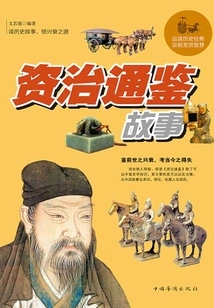
Zizhi Tongjian Story
History资治通鉴故事
Compiled By Wen Ruoyu
"Zi Zhi Tong Jian" is a rare chronological historical work organized and compiled by the famous historian Sima Guang in the Northern Song Dynasty. It was named by Song Shenzong personally because "in view of the past events, it is qualified to govern Taoism". Sima Guang loved history since he was a child and "never tired of reading". He has repeatedly felt that the historical books of the past dynasties are complicated, and most of them except "Historical Records" are chronological histories, which are inconvenient to refer to, making it difficult for people who study history. At the same time, in order to provide reference for feudal rulers, he decided to compile a book. It is a history book that is "lengthy and lengthy, with a summary of secrets, the rise and fall of a country and a country, and the shared interests of the people. Good things can be used as laws, and bad things can be used as warnings." It is determined that the purpose of this book is to "learn from the rise and fall of the past, examine the gains and losses of the present, praise the good and guard the evil, and choose what is right and discard what is wrong." In the third year of Song Yingzong's reign (1066), he submitted "Tongzhi", which records the history of the Warring States and Qin Dynasties, to the imperial court. It was appreciated and ordered to set up a bureau to continue the compilation. Song Shenzong once listened to Sima Guangjin's reading of the manuscript and wrote a preface to the book to show his encouragement. In the seventh year of Yuanfeng (AD 1084), the book was completed, which took 19 years.
"Zi Zhi Tong Jian" is a rare chronological historical work organized and compiled by the famous historian Sima Guang in the Northern Song Dynasty. It was named by Song Shenzong personally because "in view of the past events, it is qualified to govern Taoism". Sima Guang loved history since he was a child and "never tired of reading". He has repeatedly felt that the historical books of the past dynasties are complicated, and most of them except "Historical Records" are chronological histories, which are inconvenient to refer to, making it difficult for people who study history. At the same time, in order to provide reference for feudal rulers, he decided to compile a book. It is a history book that is "lengthy and lengthy, with a summary of secrets, the rise and fall of a country and a country, and the shared interests of the people. Good things can be used as laws, and bad things can be used as warnings." It is determined that the purpose of this book is to "learn from the rise and fall of the past, examine the gains and losses of the present, praise the good and guard the evil, and choose what is right and discard what is wrong." In the third year of Song Yingzong's reign (1066), he submitted "Tongzhi", which records the history of the Warring States and Qin Dynasties, to the imperial court. It was appreciated and ordered to set up a bureau to continue the compilation. Song Shenzong once listened to Sima Guangjin's reading of the manuscript and wrote a preface to the book to show his encouragement. In the seventh year of Yuanfeng (AD 1084), the book was completed, which took 19 years.
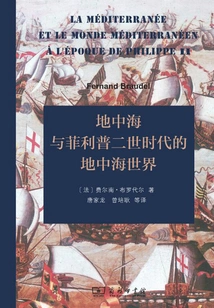
地中海与菲利普二世时代的地中海世界
(france) Fernand Braudel
Fernand Braudel is the second generation leader and master of the French Annales historical school. His famous work is "The Mediterranean and the Mediterranean World in the Age of Philip II". This book is divided into three parts: The first part describes in detail the mountains, plateaus, plains, coasts, islands, climate, cities, transportation, etc. In the Mediterranean region. The theme is to explain the dialectical relationship between geography and history, space and time. The second part systematically studies the economic and social conditions of the Mediterranean region in the 16th century. The third part describes in detail the process of the two empires of Spain and Türkiye competing for hegemony in the Mediterranean.
Fernand Braudel is the second generation leader and master of the French Annales historical school. His famous work is "The Mediterranean and the Mediterranean World in the Age of Philip II". This book is divided into three parts: The first part describes in detail the mountains, plateaus, plains, coasts, islands, climate, cities, transportation, etc. In the Mediterranean region. The theme is to explain the dialectical relationship between geography and history, space and time. The second part systematically studies the economic and social conditions of the Mediterranean region in the 16th century. The third part describes in detail the process of the two empires of Spain and Türkiye competing for hegemony in the Mediterranean.
东北流亡文学史料与研究丛书·《鲁迅研究月刊》东北流亡文学史料研究汇编
Wang Xia
"Lu Xun Research Monthly's Compilation of Historical Materials on Northeastern Exile Literature" is a compilation of historical materials on Northeastern exile literature edited by Wang Xia in recent years. It is also one of the historical materials volumes of the "Historical Materials and Research Series on Northeastern Exile Literature" edited by Zhang Fugui. Due to space limitations, the editor selected relevant research materials published in "Lu Xun Research Monthly" from 1988 to 2019. The book has about 210,000 words, including "The Dead Are Gone" by Xiao Hong, ""Baiyun Yuan is Light" by Chen Shuyu, "My Interaction with Mr. Lu Xun" by Xiao Yun, "Xiao Jun's Diary·Walking Collection" by Xiao Jun, and "Mu Mutian and Peng Hui in the Left Alliance Period" by Mu Lili, etc. Because the articles included in this book have all been published in magazines, the overall quality of the manuscript is high, and it has important historical and research value for the study of Northeastern exile literature.
"Lu Xun Research Monthly's Compilation of Historical Materials on Northeastern Exile Literature" is a compilation of historical materials on Northeastern exile literature edited by Wang Xia in recent years. It is also one of the historical materials volumes of the "Historical Materials and Research Series on Northeastern Exile Literature" edited by Zhang Fugui. Due to space limitations, the editor selected relevant research materials published in "Lu Xun Research Monthly" from 1988 to 2019. The book has about 210,000 words, including "The Dead Are Gone" by Xiao Hong, ""Baiyun Yuan is Light" by Chen Shuyu, "My Interaction with Mr. Lu Xun" by Xiao Yun, "Xiao Jun's Diary·Walking Collection" by Xiao Jun, and "Mu Mutian and Peng Hui in the Left Alliance Period" by Mu Lili, etc. Because the articles included in this book have all been published in magazines, the overall quality of the manuscript is high, and it has important historical and research value for the study of Northeastern exile literature.
历史之谜:一个经济学的答案
Hua Shuo
Economics is the science that studies human behavior. History is the behavior and phenomena of people in the past, so it is also within the scope of economics research. This book uses the principles and logic of economics to interpret historical events and historical mysteries. The writing is the same as the author's published works, trying to be relaxed and readable but not lacking in depth. The book consists of more than ten articles, such as "The Origin of Clothes: Why do humans wear clothes?" ""No marriage between people with the same surname": Why can't people with the same surname intermarry? "Wives and concubines in groups: Why did the ancients insist on "monogamy"? >><<Huang Daopo's Favor: Why do Shanghai women have high family status? "Different Interpretations of "Benevolence": What exactly does Confucius' "Benevolence" mean? "Strange "law": Why did "backward civilization" conquer "advanced civilization"? "Public Land and Private Land: Did the "Well Field System" Exist in Chinese History? "Wait.
Economics is the science that studies human behavior. History is the behavior and phenomena of people in the past, so it is also within the scope of economics research. This book uses the principles and logic of economics to interpret historical events and historical mysteries. The writing is the same as the author's published works, trying to be relaxed and readable but not lacking in depth. The book consists of more than ten articles, such as "The Origin of Clothes: Why do humans wear clothes?" ""No marriage between people with the same surname": Why can't people with the same surname intermarry? "Wives and concubines in groups: Why did the ancients insist on "monogamy"? >><<Huang Daopo's Favor: Why do Shanghai women have high family status? "Different Interpretations of "Benevolence": What exactly does Confucius' "Benevolence" mean? "Strange "law": Why did "backward civilization" conquer "advanced civilization"? "Public Land and Private Land: Did the "Well Field System" Exist in Chinese History? "Wait.
Tokyo Dreams
History东京梦华录
Translation And Annotation By Yang Chunqiao
"Tokyo Menghua Lu", written by Meng Yuanlao of the Song Dynasty. This book takes the form of notes and records all aspects of Bianliang in Tokyo during the Northern Song Dynasty, mainly during the Zhenghe and Xuanhe reigns of Emperor Huizong, from the construction of the capital city gates, the main river bridges to the palace buildings, from the location of official offices inside and outside the imperial city to the main streets and shops in the city, from court ceremonies such as court gatherings and suburban festivals to folk customs such as weddings and childbirth. , Covering almost everything from food and daily life to seasonal events, from singing and dancing to various street scenes, depicting Bianliang, Tokyo, the most prosperous city in the first half of the 11th century. From it, you can feel the prosperous urban economy and rich urban life of the Song Dynasty. It is an important historical document for studying the urban economy and culture of the Northern Song Dynasty. Meng Yuanlao, the author of "Tokyo Menghua Lu", was a survivor of the Northern Song Dynasty. This book was written in the 17th year of Shaoxing in the Southern Song Dynasty, which was the 20th year after the fall of the Northern Song Dynasty. Therefore, the book also used the description of the prosperous and prosperous times to express his feelings of regret. Therefore, under the special background of the Southern Song Dynasty, when the Southern Song Dynasty settled in a corner of the Yangtze River and then perished at the hands of the Mongolian cavalry, it aroused the emotional resonance of the people who had subjugated their country. It appeared in the middle and late Southern Song Dynasty. His "Old Man's Records of West Lake" and "Records of Capital City", as well as "Old Martial Arts" and "Mengliang Lu" which recalled the capital Lin'an after the fall of the Song Dynasty, are all similar in style, technique and content. Academic circles often name these works "Meng Hua Ti". Even until the late Ming Dynasty, Zhang Dai's "Tao'an Dream Memories" and "West Lake Meng Xun" can still be regarded as the remnants of "Tokyo Meng Hua Lu". Therefore, from this perspective, "Tokyo Menghualu" can be regarded as a pioneering work. Underneath the surface narrative of "Dream Hua Ti" in "Tokyo Meng Hua Lu", there are also hidden historical events that Meng Yuanlao witnessed during the Huizong Dynasty for more than 20 years. For example, the description of Tokyo's tall and majestic city walls implies that Huizong adopted Cai Jing's opinions to renovate the outer city. He changed Taizu's zigzag city wall to be straight on all sides, which greatly reduced its defensive function. When the Jin soldiers attacked the city during the Jingkang period, because of its straightness, the entire city wall was crumbling with one shot. For example, in the description of court ceremonies such as the Zhengdan court meeting and the sacrifice to heaven in the southern suburbs, there are hints that Huizong reformed the ritual music, made a new "Dasheng music", rebuilt a new three-story round hill for worshiping the sky (Qingcheng Zhai Palace), and promulgated the "Zhenghe Five Rites and New Rituals", which quite meant that he claimed to be a holy king. It is this combination of surface and underlying narratives that "Tokyo Dreams" explores the reason why the centuries-old prosperity of the Northern Song Dynasty turned into a dream once war broke out.
"Tokyo Menghua Lu", written by Meng Yuanlao of the Song Dynasty. This book takes the form of notes and records all aspects of Bianliang in Tokyo during the Northern Song Dynasty, mainly during the Zhenghe and Xuanhe reigns of Emperor Huizong, from the construction of the capital city gates, the main river bridges to the palace buildings, from the location of official offices inside and outside the imperial city to the main streets and shops in the city, from court ceremonies such as court gatherings and suburban festivals to folk customs such as weddings and childbirth. , Covering almost everything from food and daily life to seasonal events, from singing and dancing to various street scenes, depicting Bianliang, Tokyo, the most prosperous city in the first half of the 11th century. From it, you can feel the prosperous urban economy and rich urban life of the Song Dynasty. It is an important historical document for studying the urban economy and culture of the Northern Song Dynasty. Meng Yuanlao, the author of "Tokyo Menghua Lu", was a survivor of the Northern Song Dynasty. This book was written in the 17th year of Shaoxing in the Southern Song Dynasty, which was the 20th year after the fall of the Northern Song Dynasty. Therefore, the book also used the description of the prosperous and prosperous times to express his feelings of regret. Therefore, under the special background of the Southern Song Dynasty, when the Southern Song Dynasty settled in a corner of the Yangtze River and then perished at the hands of the Mongolian cavalry, it aroused the emotional resonance of the people who had subjugated their country. It appeared in the middle and late Southern Song Dynasty. His "Old Man's Records of West Lake" and "Records of Capital City", as well as "Old Martial Arts" and "Mengliang Lu" which recalled the capital Lin'an after the fall of the Song Dynasty, are all similar in style, technique and content. Academic circles often name these works "Meng Hua Ti". Even until the late Ming Dynasty, Zhang Dai's "Tao'an Dream Memories" and "West Lake Meng Xun" can still be regarded as the remnants of "Tokyo Meng Hua Lu". Therefore, from this perspective, "Tokyo Menghualu" can be regarded as a pioneering work. Underneath the surface narrative of "Dream Hua Ti" in "Tokyo Meng Hua Lu", there are also hidden historical events that Meng Yuanlao witnessed during the Huizong Dynasty for more than 20 years. For example, the description of Tokyo's tall and majestic city walls implies that Huizong adopted Cai Jing's opinions to renovate the outer city. He changed Taizu's zigzag city wall to be straight on all sides, which greatly reduced its defensive function. When the Jin soldiers attacked the city during the Jingkang period, because of its straightness, the entire city wall was crumbling with one shot. For example, in the description of court ceremonies such as the Zhengdan court meeting and the sacrifice to heaven in the southern suburbs, there are hints that Huizong reformed the ritual music, made a new "Dasheng music", rebuilt a new three-story round hill for worshiping the sky (Qingcheng Zhai Palace), and promulgated the "Zhenghe Five Rites and New Rituals", which quite meant that he claimed to be a holy king. It is this combination of surface and underlying narratives that "Tokyo Dreams" explores the reason why the centuries-old prosperity of the Northern Song Dynasty turned into a dream once war broke out.
史记·第三辑
Sima Qian
"Historical Records" is a biographical history book written by Sima Qian, a famous historian in the Western Han Dynasty. It is the first biographical general history in Chinese history and is listed as the first of the Twenty-Four Histories. The whole book records about three thousand years of history from the legendary Yellow Emperor to Emperor Wu of the Han Dynasty. It is known as "the swansong of historians and the unrhymed "Li Sao"".
"Historical Records" is a biographical history book written by Sima Qian, a famous historian in the Western Han Dynasty. It is the first biographical general history in Chinese history and is listed as the first of the Twenty-Four Histories. The whole book records about three thousand years of history from the legendary Yellow Emperor to Emperor Wu of the Han Dynasty. It is known as "the swansong of historians and the unrhymed "Li Sao"".
史记·第一辑
Sima Qian
"Historical Records" is a biographical history book written by Sima Qian, a famous historian in the Western Han Dynasty. It is the first biographical general history in Chinese history and is listed as the first of the Twenty-Four Histories. The whole book records about three thousand years of history from the legendary Yellow Emperor to Emperor Wu of the Han Dynasty. It is known as "the swansong of historians and the unrhymed "Li Sao"".
"Historical Records" is a biographical history book written by Sima Qian, a famous historian in the Western Han Dynasty. It is the first biographical general history in Chinese history and is listed as the first of the Twenty-Four Histories. The whole book records about three thousand years of history from the legendary Yellow Emperor to Emperor Wu of the Han Dynasty. It is known as "the swansong of historians and the unrhymed "Li Sao"".
史记·第二辑
Sima Qian
"Historical Records" is a biographical history book written by Sima Qian, a famous historian in the Western Han Dynasty. It is the first biographical general history in Chinese history and is listed as the first of the Twenty-Four Histories. The whole book records about three thousand years of history from the legendary Yellow Emperor to Emperor Wu of the Han Dynasty. It is known as "the swansong of historians and the unrhymed "Li Sao"".
"Historical Records" is a biographical history book written by Sima Qian, a famous historian in the Western Han Dynasty. It is the first biographical general history in Chinese history and is listed as the first of the Twenty-Four Histories. The whole book records about three thousand years of history from the legendary Yellow Emperor to Emperor Wu of the Han Dynasty. It is known as "the swansong of historians and the unrhymed "Li Sao"".
史记·第五辑
Sima Qian
"Historical Records" is a biographical history book written by Sima Qian, a famous historian in the Western Han Dynasty. It is the first biographical general history in Chinese history and is listed as the first of the Twenty-Four Histories. The whole book records about three thousand years of history from the legendary Yellow Emperor to Emperor Wu of the Han Dynasty. It is known as "the swansong of historians and the unrhymed "Li Sao"".
"Historical Records" is a biographical history book written by Sima Qian, a famous historian in the Western Han Dynasty. It is the first biographical general history in Chinese history and is listed as the first of the Twenty-Four Histories. The whole book records about three thousand years of history from the legendary Yellow Emperor to Emperor Wu of the Han Dynasty. It is known as "the swansong of historians and the unrhymed "Li Sao"".
Vernacular Zizhi Tongjian
History白话资治通鉴
(northern Song Dynasty) Sima Guangzhu Editor-in-chief Zhang Hongru
"In view of the past, I am qualified to govern", covering the sixteen dynasties, 1362. "Zizhi Tongjian" has been a set of classic reading materials for understanding and studying ancient Chinese history since it was written. The book is a chronological general history that narrates historical events in chronological order, with clear priorities and clear context. It focuses on politics, military and ethnic relations, as well as economic, cultural and historical figures evaluation, so as to show the history of emperors and ministers in the past dynasties in managing chaos, success or failure, and safety. As a historical reference, it also narrates the lives and struggles of people of all ethnic groups, and warns future generations by describing the policies of the ruling class that are related to the rise and fall of the country and the rise and fall of the nation. Editor-in-chief Zhang Hongru hired professional scholars and history professors from Peking University, Renmin University of China, and the Chinese Academy of Social Sciences to carefully translate and create a new version of "Baihua Zizhi Tongjian" that is suitable for current readers.
"In view of the past, I am qualified to govern", covering the sixteen dynasties, 1362. "Zizhi Tongjian" has been a set of classic reading materials for understanding and studying ancient Chinese history since it was written. The book is a chronological general history that narrates historical events in chronological order, with clear priorities and clear context. It focuses on politics, military and ethnic relations, as well as economic, cultural and historical figures evaluation, so as to show the history of emperors and ministers in the past dynasties in managing chaos, success or failure, and safety. As a historical reference, it also narrates the lives and struggles of people of all ethnic groups, and warns future generations by describing the policies of the ruling class that are related to the rise and fall of the country and the rise and fall of the nation. Editor-in-chief Zhang Hongru hired professional scholars and history professors from Peking University, Renmin University of China, and the Chinese Academy of Social Sciences to carefully translate and create a new version of "Baihua Zizhi Tongjian" that is suitable for current readers.
Explore "orientalism
History探索“东方学”
Zeng Qingying Zeng Qiong
In today's era of economic globalization and cultural diversification, the concept of the East has multiple attributes and meanings. A proper understanding of the East is the basis for cultural dialogue between the East and the West, a bridge for cultural communication between the East and the West, and is of vital significance to the healthy development of the world's cultural ecology. The research in this book provides in-depth thinking on Eastern studies from multiple dimensions such as methodology, history, material culture, literature, and interdisciplinary, focusing on different fields such as China, South Asia, Southeast Asia, West Asia, and North Africa.
In today's era of economic globalization and cultural diversification, the concept of the East has multiple attributes and meanings. A proper understanding of the East is the basis for cultural dialogue between the East and the West, a bridge for cultural communication between the East and the West, and is of vital significance to the healthy development of the world's cultural ecology. The research in this book provides in-depth thinking on Eastern studies from multiple dimensions such as methodology, history, material culture, literature, and interdisciplinary, focusing on different fields such as China, South Asia, Southeast Asia, West Asia, and North Africa.
风骨:从京师大学堂到老北大
Xiao Dongfa Li Yun Shen Hong
This book tells the history of the old Peking University from the establishment of the Capital University by the lofty ideals of the 1898 Reform Movement in 1898 to 1949. It uses a large number of detailed historical materials to tell readers how Peking University persisted in running a school and held high the banner of democracy and science in those turbulent years. This book takes time as the axis to capture touching pictures as well as iconic and interesting people and events, and contains many precious historical pictures and documents. The book either quotes quotations from famous teachers, or contains short prefaces and monographs. It is carefully arranged to show the spirit of Peking University in the form of discussion and narrative, pictures and texts, and outlines the proud character of Peking University people who are constantly striving for self-improvement.
This book tells the history of the old Peking University from the establishment of the Capital University by the lofty ideals of the 1898 Reform Movement in 1898 to 1949. It uses a large number of detailed historical materials to tell readers how Peking University persisted in running a school and held high the banner of democracy and science in those turbulent years. This book takes time as the axis to capture touching pictures as well as iconic and interesting people and events, and contains many precious historical pictures and documents. The book either quotes quotations from famous teachers, or contains short prefaces and monographs. It is carefully arranged to show the spirit of Peking University in the form of discussion and narrative, pictures and texts, and outlines the proud character of Peking University people who are constantly striving for self-improvement.
北京大学中文系百年图史:1910-2010
Wen Rumin
This book is a graphic book about the history of the Chinese Department of Peking University. While tracing the written history of the Chinese Department of Peking University, it also has a large number of pictures of historical events and rich and specific information. The writing method of connecting the entire history of the Chinese Department with events and characters also has a new angle and vision.
This book is a graphic book about the history of the Chinese Department of Peking University. While tracing the written history of the Chinese Department of Peking University, it also has a large number of pictures of historical events and rich and specific information. The writing method of connecting the entire history of the Chinese Department with events and characters also has a new angle and vision.