Library
Browse and search books
2,982 novels found
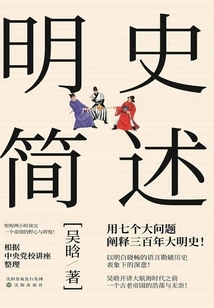
明史简述
Wu Han
Here, there are many historical facts that will subvert your cognition: If the capital had not been moved to Beijing, the history of the Ming Dynasty after Ming Yingzong would have ceased to exist? Zhu Wan, the anti-Japanese hero, discovered before his death that "no one in the imperial court knew anything about the Japanese"? The "eight governors" in Peking Opera are actually just the little "sesame officials" of the seventh rank? Here, you only need two hours to master the 300-year history of the Ming Dynasty: the founding of the capital in Nanjing, the move of the capital to Beijing, the resistance against the Mongols and the Japanese, the Donglin Party struggle, the founding of the Jurchens, Zheng He's expedition to the sea, and the emergence of capitalism: master the answers to the seven major questions, and you will have mastered the basic context of the entire 300 years of the Ming Dynasty! In just two hours, you can follow the master and step into the palace of Ming history research, saying goodbye to superficial curiosity!
Here, there are many historical facts that will subvert your cognition: If the capital had not been moved to Beijing, the history of the Ming Dynasty after Ming Yingzong would have ceased to exist? Zhu Wan, the anti-Japanese hero, discovered before his death that "no one in the imperial court knew anything about the Japanese"? The "eight governors" in Peking Opera are actually just the little "sesame officials" of the seventh rank? Here, you only need two hours to master the 300-year history of the Ming Dynasty: the founding of the capital in Nanjing, the move of the capital to Beijing, the resistance against the Mongols and the Japanese, the Donglin Party struggle, the founding of the Jurchens, Zheng He's expedition to the sea, and the emergence of capitalism: master the answers to the seven major questions, and you will have mastered the basic context of the entire 300 years of the Ming Dynasty! In just two hours, you can follow the master and step into the palace of Ming history research, saying goodbye to superficial curiosity!
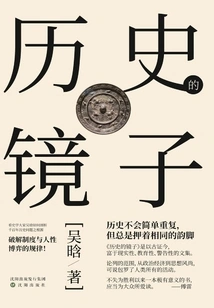
Mirror of History
History历史的镜子
Wu Han
In "Mirror of History", there are many historical facts that subvert your cognition: Emperor Ling of the Han Dynasty took the lead in selling a lawsuit with an empty price of five million and regretted too little; Di Qing, who had great military exploits, eventually died under the criticism of the court officials; in the Ming Dynasty, people talked about factory guards, but some people pretended to be factory guards and committed robbery... In "Mirror of History", you can learn the true method of reading history: How should history be read? Wu Han, a master of a generation, transformed the traditional "historical theory" style with a new historian's thinking, and revealed to you with a sharp pen: reading history is by no means a simple pursuit of novelties, but to explore the commonalities between history and reality under the layer of historical materials, and to find the direction that guides us!
In "Mirror of History", there are many historical facts that subvert your cognition: Emperor Ling of the Han Dynasty took the lead in selling a lawsuit with an empty price of five million and regretted too little; Di Qing, who had great military exploits, eventually died under the criticism of the court officials; in the Ming Dynasty, people talked about factory guards, but some people pretended to be factory guards and committed robbery... In "Mirror of History", you can learn the true method of reading history: How should history be read? Wu Han, a master of a generation, transformed the traditional "historical theory" style with a new historian's thinking, and revealed to you with a sharp pen: reading history is by no means a simple pursuit of novelties, but to explore the commonalities between history and reality under the layer of historical materials, and to find the direction that guides us!
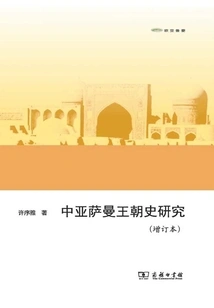
中亚萨曼王朝史研究(增订本)
Xu Xuya
This book belongs to the national "Eighth Five-Year Plan" planning project ("Central Asian History Research"). Starting from mastering basic foreign language historical materials, the author reveals the historical process of the rise, development and decline of the Samanid dynasty, reproduces the true appearance of the historical development of Central Asia from the 9th to the 10th century from various levels such as politics, economy, culture, and ethnicity, and explores the characteristics and laws of the development of oasis-type feudal society. This book creatively explores the historical stages, political systems and characteristics of the ruling system of the Samanid dynasty; it reproduces the social and economic life of Central Asia during the rule of the Samanid dynasty from aspects such as the development of the feudal land ownership system, the taxation system, the currency system, the development of agriculture and handicrafts, and the development of commerce and trade; the author also explores the Samanid dynasty and the Caliphate, the Bouyeh regime The relationship between the Samanid Dynasty, the Karakhanid Dynasty and the Ghaznavid Dynasty, and the exchanges between the Samanid Dynasty and China; discussed the splendid Islamic-Persian culture during the Samanid Dynasty, and the achievements of Arab-Islamic geology and history; deeply discussed the Islamicization process and Turkicization process in Central Asia, and conducted a detailed examination of the historical facts of the rise and fall of the Samanid Dynasty, and the status and role of the Turks in the Samanid Dynasty. This book fills the gap in domestic research on the history of Central Asia from the 9th to the 10th century.
This book belongs to the national "Eighth Five-Year Plan" planning project ("Central Asian History Research"). Starting from mastering basic foreign language historical materials, the author reveals the historical process of the rise, development and decline of the Samanid dynasty, reproduces the true appearance of the historical development of Central Asia from the 9th to the 10th century from various levels such as politics, economy, culture, and ethnicity, and explores the characteristics and laws of the development of oasis-type feudal society. This book creatively explores the historical stages, political systems and characteristics of the ruling system of the Samanid dynasty; it reproduces the social and economic life of Central Asia during the rule of the Samanid dynasty from aspects such as the development of the feudal land ownership system, the taxation system, the currency system, the development of agriculture and handicrafts, and the development of commerce and trade; the author also explores the Samanid dynasty and the Caliphate, the Bouyeh regime The relationship between the Samanid Dynasty, the Karakhanid Dynasty and the Ghaznavid Dynasty, and the exchanges between the Samanid Dynasty and China; discussed the splendid Islamic-Persian culture during the Samanid Dynasty, and the achievements of Arab-Islamic geology and history; deeply discussed the Islamicization process and Turkicization process in Central Asia, and conducted a detailed examination of the historical facts of the rise and fall of the Samanid Dynasty, and the status and role of the Turks in the Samanid Dynasty. This book fills the gap in domestic research on the history of Central Asia from the 9th to the 10th century.
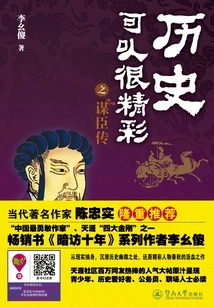
历史可以很精彩之谋臣传
Li Yaosha
This book introduces the stories of Jiang Shang, Guan Zhong, Wu Zixu, Shang Yang, Le Yi, Li Si, Zhang Liang, Guo Jia, Zhuge Liang, Sima Yi, Xie Zi, Wang Meng, Zhao Pu, Liu Ji and Zeng Guofan.
This book introduces the stories of Jiang Shang, Guan Zhong, Wu Zixu, Shang Yang, Le Yi, Li Si, Zhang Liang, Guo Jia, Zhuge Liang, Sima Yi, Xie Zi, Wang Meng, Zhao Pu, Liu Ji and Zeng Guofan.
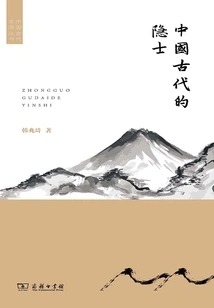
Ancient Chinese Hermit
History中国古代的隐士
Han Zhaoqi
"Hermits in Ancient China" focuses on the cultural phenomenon of ancient hermits, comprehensively discusses the origin of hermits, types of hermits, the relationship between hermits and politics, hermits' material and spiritual lives, hermits and health preservation, etc., And reveals the deep historical and cultural reasons for the emergence of the cultural symbol of hermits.
"Hermits in Ancient China" focuses on the cultural phenomenon of ancient hermits, comprehensively discusses the origin of hermits, types of hermits, the relationship between hermits and politics, hermits' material and spiritual lives, hermits and health preservation, etc., And reveals the deep historical and cultural reasons for the emergence of the cultural symbol of hermits.
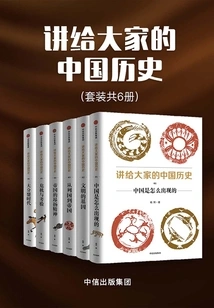
讲给大家的中国历史(套装共6册)
Yang Zhao
The "Chinese History for Everyone" series examines China's historical trajectory for thousands of years from the Neolithic Age to the end of the Qing Dynasty. It makes full use of the fruitful achievements of history and archaeology in the past century, and uses a wide range of social structures, social ideological trends, literature and art, and people's lives as entry points to present to ordinary readers one by one new knowledge and new methods that have been shelved in the academic ivory tower. This series of content breaks away from the traditional view of historical cognition, uses new materials, new results, and new writing methods to find the neglected historical logic, clear away the layers of fog, and return to the common sense of Chinese history.
The "Chinese History for Everyone" series examines China's historical trajectory for thousands of years from the Neolithic Age to the end of the Qing Dynasty. It makes full use of the fruitful achievements of history and archaeology in the past century, and uses a wide range of social structures, social ideological trends, literature and art, and people's lives as entry points to present to ordinary readers one by one new knowledge and new methods that have been shelved in the academic ivory tower. This series of content breaks away from the traditional view of historical cognition, uses new materials, new results, and new writing methods to find the neglected historical logic, clear away the layers of fog, and return to the common sense of Chinese history.
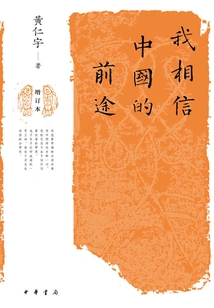
我相信中国的前途(增订本)
Huang Renyu
This book collects a series of speeches on the theme of Chinese history and development by Chinese-American historian Mr. Huang Renyu. It can be said to be the crystallization of Mr. Huang Renyu's academic thinking in his later years. Mr. Huang used his unique long-term and broad-scope view of history to examine China's historical process over the past century and explore China's path to modernization. This reflects the wisdom and conscience of a historian and is very inspiring.
This book collects a series of speeches on the theme of Chinese history and development by Chinese-American historian Mr. Huang Renyu. It can be said to be the crystallization of Mr. Huang Renyu's academic thinking in his later years. Mr. Huang used his unique long-term and broad-scope view of history to examine China's historical process over the past century and explore China's path to modernization. This reflects the wisdom and conscience of a historian and is very inspiring.
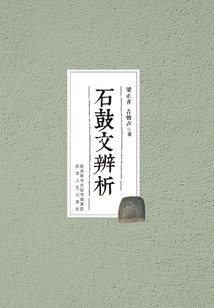
Analysis of Shiguwen
History石鼓文辨析
Liang Zhengqi Ji Chaosheng
The stone drum is a national treasure-level cultural relic in ancient my country. There have been hundreds of research papers (articles) on it, but there are still differences on many issues. This book is written in three parts. The first part is "Overview". This article briefly introduces the time and place of the discovery of the stone drum, its circulation, migration, and protection processes, as well as the main rubbings, engravings, and seals that have been circulated. It also analyzes issues such as the time when the original drum was damaged. The second part "Analysis" is the focus of this book. This paper mainly conducts an in-depth examination of the issue of the production date of Shigu inscriptions. From aspects such as the consistency between the content of Shigu inscriptions and the historical facts of Qin Wengong, the characteristics of the times of Shigu inscriptions, the relationship between Shigu poems and Qin Feng Xiaoya in the Book of Songs, etc., It is determined that Shigu was composed some time after the 19th year of Qin Wengong. The third part introduces the cultural value of Shiguwen. It mainly introduces calligraphers who have been nourished by Shiguwen and become famous writers. The purpose is to provide reference materials for the calligraphy community to learn Shiguwen. This book is of positive significance in promoting the research and study of Shiguwen and promoting Chinese traditional culture.
The stone drum is a national treasure-level cultural relic in ancient my country. There have been hundreds of research papers (articles) on it, but there are still differences on many issues. This book is written in three parts. The first part is "Overview". This article briefly introduces the time and place of the discovery of the stone drum, its circulation, migration, and protection processes, as well as the main rubbings, engravings, and seals that have been circulated. It also analyzes issues such as the time when the original drum was damaged. The second part "Analysis" is the focus of this book. This paper mainly conducts an in-depth examination of the issue of the production date of Shigu inscriptions. From aspects such as the consistency between the content of Shigu inscriptions and the historical facts of Qin Wengong, the characteristics of the times of Shigu inscriptions, the relationship between Shigu poems and Qin Feng Xiaoya in the Book of Songs, etc., It is determined that Shigu was composed some time after the 19th year of Qin Wengong. The third part introduces the cultural value of Shiguwen. It mainly introduces calligraphers who have been nourished by Shiguwen and become famous writers. The purpose is to provide reference materials for the calligraphy community to learn Shiguwen. This book is of positive significance in promoting the research and study of Shiguwen and promoting Chinese traditional culture.
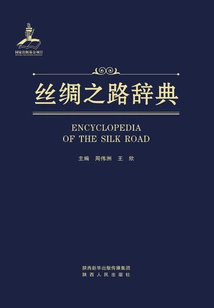
Silk Road Dictionary
History丝绸之路辞典
Zhou Weizhou Wang Xin
This book is a project funded by the National Publishing Fund. The book mainly focuses on the Silk Road in the narrow sense (the so-called "Desert Road" and "Prairie Road"), and also covers the Maritime Silk Road and the Southwest (Southern) Silk Road in the broad sense. A total of more than 12,000 "words" or "things" entries about the Silk Road were collected. According to its types, it is divided into fifteen parts: road traffic, geographical environment, political districts and towns, politics and military, economy and trade, culture and science and technology, ethnic religions, cultural relics and historic sites, dialects and customs, Silk Road figures, Maritime Silk Road, Southwest Silk Road, Silk Road documents, Silk Road research, Silk Road Today, etc. It absorbs the latest research results and archaeological discoveries about the Silk Road at home and abroad, and systematically integrates a large number of data. It is a comprehensive reference book that comprehensively reflects the research results of the Silk Road.
This book is a project funded by the National Publishing Fund. The book mainly focuses on the Silk Road in the narrow sense (the so-called "Desert Road" and "Prairie Road"), and also covers the Maritime Silk Road and the Southwest (Southern) Silk Road in the broad sense. A total of more than 12,000 "words" or "things" entries about the Silk Road were collected. According to its types, it is divided into fifteen parts: road traffic, geographical environment, political districts and towns, politics and military, economy and trade, culture and science and technology, ethnic religions, cultural relics and historic sites, dialects and customs, Silk Road figures, Maritime Silk Road, Southwest Silk Road, Silk Road documents, Silk Road research, Silk Road Today, etc. It absorbs the latest research results and archaeological discoveries about the Silk Road at home and abroad, and systematically integrates a large number of data. It is a comprehensive reference book that comprehensively reflects the research results of the Silk Road.
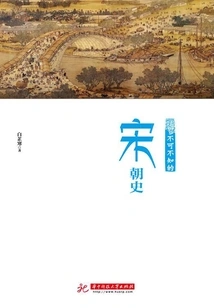
不可不知的宋朝史
Bai Zhihan
The Song Dynasty was powerful. The prosperity of urban culture, the dazzling Song poetry, the prosperity of scholar culture, and the surge of science and technology culture all added infinite grace to Chinese civilization. The Song Dynasty was also a "weak Song", with weak armaments, frequent wars, shrinking land area, and weak diplomacy. This book begins with the Emperor Taizu of the Song Dynasty wearing a yellow robe, to the beginning of the great chaos that ended the Five Dynasties and Ten Kingdoms in the Song Dynasty, and then to the disgrace of Jingkang and the Southern Song Dynasty entered the stage of history, and finally lost its country. Among them are political intrigues, economic prosperity, cultural prosperity, and technological development. There are also changes of ownership of the country, the emperor's vassalage and tribute, and the displacement of the people. It comprehensively displays the development picture of the Song Dynasty for more than 300 years.
The Song Dynasty was powerful. The prosperity of urban culture, the dazzling Song poetry, the prosperity of scholar culture, and the surge of science and technology culture all added infinite grace to Chinese civilization. The Song Dynasty was also a "weak Song", with weak armaments, frequent wars, shrinking land area, and weak diplomacy. This book begins with the Emperor Taizu of the Song Dynasty wearing a yellow robe, to the beginning of the great chaos that ended the Five Dynasties and Ten Kingdoms in the Song Dynasty, and then to the disgrace of Jingkang and the Southern Song Dynasty entered the stage of history, and finally lost its country. Among them are political intrigues, economic prosperity, cultural prosperity, and technological development. There are also changes of ownership of the country, the emperor's vassalage and tribute, and the displacement of the people. It comprehensively displays the development picture of the Song Dynasty for more than 300 years.
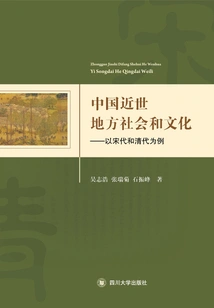
中国近世地方社会和文化:以宋代和清代为例
Wu Zhihao Zhang Ruiju Shi Zhenfeng
The research object of this book is local society and culture in modern China, taking the Song Dynasty and the Qing Dynasty as examples. The reasons for choosing the Song Dynasty and the Qing Dynasty are as follows. Many commentators regard the Song Dynasty as the beginning of modern China. The more influential one is Naito Honan's "Tang and Song Transformation Theory", which believes that the Song Dynasty began to transform from an aristocratic society into a civilian society, resulting in many changes that were very different from the previous generations. The Qing Dynasty can be regarded as the end of modern China. In terms of time, this book chooses the Song Dynasty and the Qing Dynasty, and in terms of space, it chooses parts of today's Sichuan and Fujian. The research content is the local activities of local gentry, family tombs, and family contracts.
The research object of this book is local society and culture in modern China, taking the Song Dynasty and the Qing Dynasty as examples. The reasons for choosing the Song Dynasty and the Qing Dynasty are as follows. Many commentators regard the Song Dynasty as the beginning of modern China. The more influential one is Naito Honan's "Tang and Song Transformation Theory", which believes that the Song Dynasty began to transform from an aristocratic society into a civilian society, resulting in many changes that were very different from the previous generations. The Qing Dynasty can be regarded as the end of modern China. In terms of time, this book chooses the Song Dynasty and the Qing Dynasty, and in terms of space, it chooses parts of today's Sichuan and Fujian. The research content is the local activities of local gentry, family tombs, and family contracts.
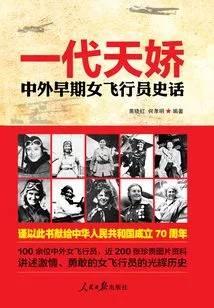
一代天娇:中外早期女飞行员史话
Miao Xiaohong He Xiaoming
This book mainly describes the situation of early female pilots at home and abroad. The book is divided into Chinese and foreign chapters. The Chinese chapter describes the first batch of domestically trained female pilots and a large number of patriotic female pilots. The foreign chapter describes the female flying pioneers in various countries and the role played by female pilots in aviation during World War II. The manuscript is highly historical and has reference significance for studying the historical development of female pilots.
This book mainly describes the situation of early female pilots at home and abroad. The book is divided into Chinese and foreign chapters. The Chinese chapter describes the first batch of domestically trained female pilots and a large number of patriotic female pilots. The foreign chapter describes the female flying pioneers in various countries and the role played by female pilots in aviation during World War II. The manuscript is highly historical and has reference significance for studying the historical development of female pilots.
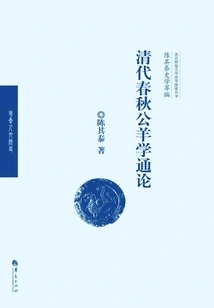
清代春秋公羊学通论
Chen Qitai
Mr. Chen Qitai was taught by Mr. Liu Jie, a disciple of Chen Yinke, and Mr. Bai Shouyi, a master historian. He mainly worked in the fields of pre-Qin and Han history, Qing Dynasty and modern academic history, and 20th century Chinese history. "Chen Qitai Historiography" is the culmination of more than thirty years of diligent scholarship. "Chen Qitai's Collection of Historiography" has a total of nine volumes and about 3 million words, including "Meditations on Academic History", "History and Chinese Cultural Tradition", "History Compilation and National Spirit", "History and National Spirit", "General Theory of Gongyang Studies in the Spring and Autumn Period of Qing Dynasty", "The Course of Modern Chinese Historiography", "Rebuilding the Monument - Ban Gu and "Hanshu"", "Critical Biography of Liang Qichao" and "Critical Biography of Fan Wenlan's Academic Thoughts". The whole book has important academic value, and contains many insights and major innovations. "Collection of Chen Qitai's Historiography" is a response to the needs of the times. Mr. Chen Qitai's works increase our understanding of the rich connotations of China's excellent cultural traditions by more accurately evaluating the achievements of outstanding historians and historical works, and help us gain a deeper understanding of the centripetal force, cohesion and great creativity of Chinese culture. Mr. Chen Qitai is full of enthusiasm, and his pure heart for the nation and country can be seen in every line. This kind of family and country sentiment is the legacy of the traditional Chinese spirit of outstanding scholars.
Mr. Chen Qitai was taught by Mr. Liu Jie, a disciple of Chen Yinke, and Mr. Bai Shouyi, a master historian. He mainly worked in the fields of pre-Qin and Han history, Qing Dynasty and modern academic history, and 20th century Chinese history. "Chen Qitai Historiography" is the culmination of more than thirty years of diligent scholarship. "Chen Qitai's Collection of Historiography" has a total of nine volumes and about 3 million words, including "Meditations on Academic History", "History and Chinese Cultural Tradition", "History Compilation and National Spirit", "History and National Spirit", "General Theory of Gongyang Studies in the Spring and Autumn Period of Qing Dynasty", "The Course of Modern Chinese Historiography", "Rebuilding the Monument - Ban Gu and "Hanshu"", "Critical Biography of Liang Qichao" and "Critical Biography of Fan Wenlan's Academic Thoughts". The whole book has important academic value, and contains many insights and major innovations. "Collection of Chen Qitai's Historiography" is a response to the needs of the times. Mr. Chen Qitai's works increase our understanding of the rich connotations of China's excellent cultural traditions by more accurately evaluating the achievements of outstanding historians and historical works, and help us gain a deeper understanding of the centripetal force, cohesion and great creativity of Chinese culture. Mr. Chen Qitai is full of enthusiasm, and his pure heart for the nation and country can be seen in every line. This kind of family and country sentiment is the legacy of the traditional Chinese spirit of outstanding scholars.
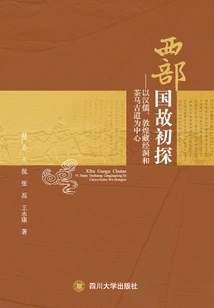
西部国故初探:以汉儒、敦煌藏经洞和茶马古道为中心
Zhao Guangzhi Zhang Lei Wang Kan Wang Yongkang
The west mentioned in this book is geographically centered on the western region of China. Guoku means the country's inherent culture, indicating that the content described in this book focuses on excellent traditional culture. The geographical scope of the activities of the "national heritage" (Confucianism, Dunhuang documents and the Ancient Tea Horse Road during the period of Emperor Wu of the Han Dynasty) covered in the book: Han Chang'an, Dunhuang, and Southwest China, all belong to the western region. This book will be divided into four chapters to discuss the relationship between Confucianism and Confucianism during the period of Emperor Wu of the Han Dynasty, the study of Dunhuang posthumous writings, the arrangement and cataloging of Dunhuang posthumous writings, and the spread of multiculturalism in the context of the "tea-horse trade".
The west mentioned in this book is geographically centered on the western region of China. Guoku means the country's inherent culture, indicating that the content described in this book focuses on excellent traditional culture. The geographical scope of the activities of the "national heritage" (Confucianism, Dunhuang documents and the Ancient Tea Horse Road during the period of Emperor Wu of the Han Dynasty) covered in the book: Han Chang'an, Dunhuang, and Southwest China, all belong to the western region. This book will be divided into four chapters to discuss the relationship between Confucianism and Confucianism during the period of Emperor Wu of the Han Dynasty, the study of Dunhuang posthumous writings, the arrangement and cataloging of Dunhuang posthumous writings, and the spread of multiculturalism in the context of the "tea-horse trade".
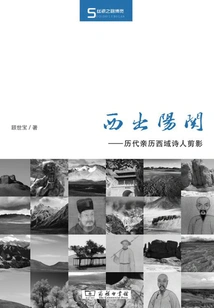
西出阳关:历代亲历西域诗人剪影
Gu Shibao
This book mainly tells the stories of ancient Chinese poets who experienced the Western Regions, their reasons for going to the Western Regions, their experiences along the way, and their poetic works. Due to the scenery and environment of the westward journey, these poems have a simple style and have the power to travel through time and space and shock history.
This book mainly tells the stories of ancient Chinese poets who experienced the Western Regions, their reasons for going to the Western Regions, their experiences along the way, and their poetic works. Due to the scenery and environment of the westward journey, these poems have a simple style and have the power to travel through time and space and shock history.
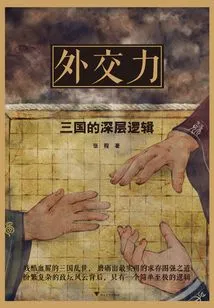
外交力:三国的深层逻辑
Zhang Cheng
In the troubled times of the Three Kingdoms, where the heroes are divided, how can the strong become bigger and bigger, and finally achieve unified hegemony with an overwhelming advantage? How can the weak avoid war and avoid the strong, and grow up in the cracks without being eliminated? What does the strength of the heroes of the Three Kingdoms depend on? This book takes a unique approach, using modern diplomatic theory to interpret the history of the Three Kingdoms, and attempts to reconstruct the magnificent history of the Three Kingdoms from the perspective of diplomatic strategy. In the author's opinion, the entire history of the Three Kingdoms is a history of evolution in an offensive and defensive battle of off-site strategies. Both Cao Cao and Liu Bei were at a disadvantage in the initial stage, but they eventually managed to divide the world into three parts with their excellent diplomatic strategies. The changes in the territory of the Three Kingdoms mainly rely on not force or battlefield strategy, but a grand diplomatic strategy with a more ambitious pattern.
In the troubled times of the Three Kingdoms, where the heroes are divided, how can the strong become bigger and bigger, and finally achieve unified hegemony with an overwhelming advantage? How can the weak avoid war and avoid the strong, and grow up in the cracks without being eliminated? What does the strength of the heroes of the Three Kingdoms depend on? This book takes a unique approach, using modern diplomatic theory to interpret the history of the Three Kingdoms, and attempts to reconstruct the magnificent history of the Three Kingdoms from the perspective of diplomatic strategy. In the author's opinion, the entire history of the Three Kingdoms is a history of evolution in an offensive and defensive battle of off-site strategies. Both Cao Cao and Liu Bei were at a disadvantage in the initial stage, but they eventually managed to divide the world into three parts with their excellent diplomatic strategies. The changes in the territory of the Three Kingdoms mainly rely on not force or battlefield strategy, but a grand diplomatic strategy with a more ambitious pattern.

伊斯兰教的摇篮:阿拉伯(下)
Wen Ming Peng Pingping
The Arab historians collectively refer to the historical stage of the Arabs before the birth of Islam, that is, the era of the Prophet Muhammad before the Quran was revealed to the Arabs, as the "Age of Ignorance." The famous Arab historian Hiti further divided the "age of ignorance" into two concepts: broad sense and narrow sense. The broad concept refers to the birth of the ancestor Adam to the time when Muhammad was "ordered" to be a prophet; the narrow concept refers to the 100 years before the rise of Islam.
The Arab historians collectively refer to the historical stage of the Arabs before the birth of Islam, that is, the era of the Prophet Muhammad before the Quran was revealed to the Arabs, as the "Age of Ignorance." The famous Arab historian Hiti further divided the "age of ignorance" into two concepts: broad sense and narrow sense. The broad concept refers to the birth of the ancestor Adam to the time when Muhammad was "ordered" to be a prophet; the narrow concept refers to the 100 years before the rise of Islam.
疑案寻踪(上)
Wen Ming Zhang Lin
China is a huge country with a splendid civilization history of five thousand years and full of vitality and vitality. The Chinese nation has long been standing in the east of the world, and has continued for hundreds of generations.
China is a huge country with a splendid civilization history of five thousand years and full of vitality and vitality. The Chinese nation has long been standing in the east of the world, and has continued for hundreds of generations.

伊斯兰教的摇篮:阿拉伯(上)
Wen Ming Peng Pingping
The Arab historians collectively refer to the historical stage of the Arabs before the birth of Islam, that is, the era of the Prophet Muhammad before the Quran was revealed to the Arabs, as the "Age of Ignorance." The famous Arab historian Hiti further divided the "age of ignorance" into two concepts: broad sense and narrow sense. The broad concept refers to the birth of the ancestor Adam to the time when Muhammad was "ordered" to be a prophet; the narrow concept refers to the 100 years before the rise of Islam.
The Arab historians collectively refer to the historical stage of the Arabs before the birth of Islam, that is, the era of the Prophet Muhammad before the Quran was revealed to the Arabs, as the "Age of Ignorance." The famous Arab historian Hiti further divided the "age of ignorance" into two concepts: broad sense and narrow sense. The broad concept refers to the birth of the ancestor Adam to the time when Muhammad was "ordered" to be a prophet; the narrow concept refers to the 100 years before the rise of Islam.
光耀美洲的的印第安文明(上)
Lin Zhiman Xiao Feng
History is to humanity as a whole what memory is to each of us, explaining what we do now, why we do it, and how we did it in the past. Therefore whoever wants to understand the world must know its history.
History is to humanity as a whole what memory is to each of us, explaining what we do now, why we do it, and how we did it in the past. Therefore whoever wants to understand the world must know its history.
源远流长的世界古代史(下)
Lin Zhiman Xiao Feng
History is to humanity as a whole what memory is to each of us, explaining what we do now, why we do it, and how we did it in the past. Therefore whoever wants to understand the world must know its history.
History is to humanity as a whole what memory is to each of us, explaining what we do now, why we do it, and how we did it in the past. Therefore whoever wants to understand the world must know its history.
浪漫优雅的古巴比伦文明(下)
Lin Zhiman Xiao Feng
History is to humanity as a whole what memory is to each of us, explaining what we do now, why we do it, and how we did it in the past. Therefore whoever wants to understand the world must know its history.
History is to humanity as a whole what memory is to each of us, explaining what we do now, why we do it, and how we did it in the past. Therefore whoever wants to understand the world must know its history.
夕阳辉映的拜占庭文明(上)
Lin Zhiman Xiao Feng
History is to humanity as a whole what memory is to each of us, explaining what we do now, why we do it, and how we did it in the past. Therefore whoever wants to understand the world must know its history.
History is to humanity as a whole what memory is to each of us, explaining what we do now, why we do it, and how we did it in the past. Therefore whoever wants to understand the world must know its history.
尼罗河畔的古埃及文明(下)
Lin Zhiman Xiao Feng
Where there is ancient civilization, there must be water, but it does not mean that where there is water, there must be ancient civilization. In the history of the development of human civilization, many ethnic groups located in areas with abundant rainfall and many rivers and lakes have often made mediocre contributions to human civilization.
Where there is ancient civilization, there must be water, but it does not mean that where there is water, there must be ancient civilization. In the history of the development of human civilization, many ethnic groups located in areas with abundant rainfall and many rivers and lakes have often made mediocre contributions to human civilization.
辉煌灿烂的世界中古史(上)
Lin Zhiman Xiao Feng
History is to humanity as a whole what memory is to each of us, explaining what we do now, why we do it, and how we did it in the past. Therefore whoever wants to understand the world must know its history.
History is to humanity as a whole what memory is to each of us, explaining what we do now, why we do it, and how we did it in the past. Therefore whoever wants to understand the world must know its history.
响彻天籁的世界音乐(下)
Lin Zhiman Xiao Feng
History is to humanity as a whole what memory is to each of us, explaining what we do now, why we do it, and how we did it in the past. Therefore whoever wants to understand the world must know its history.
History is to humanity as a whole what memory is to each of us, explaining what we do now, why we do it, and how we did it in the past. Therefore whoever wants to understand the world must know its history.
高贵典雅的古希腊文明(下)
Lin Zhiman Xiao Feng
History is to humanity as a whole what memory is to each of us, explaining what we do now, why we do it, and how we did it in the past. Therefore whoever wants to understand the world must know its history.
History is to humanity as a whole what memory is to each of us, explaining what we do now, why we do it, and how we did it in the past. Therefore whoever wants to understand the world must know its history.
流光溢彩的世界古典史(上)
Lin Zhiman Xiao Feng
The geographical scope of ancient Greece included the Greek Peninsula, many islands in the Aegean Sea and the Ionian Sea, and the western coastal areas of the Asia Minor Peninsula. It was slightly larger than the area under the jurisdiction of the modern Greek Republic.
The geographical scope of ancient Greece included the Greek Peninsula, many islands in the Aegean Sea and the Ionian Sea, and the western coastal areas of the Asia Minor Peninsula. It was slightly larger than the area under the jurisdiction of the modern Greek Republic.
浪漫优雅的古巴比伦文明(上)
Lin Zhiman Xiao Feng
History is to humanity as a whole what memory is to each of us, explaining what we do now, why we do it, and how we did it in the past. Therefore whoever wants to understand the world must know its history.
History is to humanity as a whole what memory is to each of us, explaining what we do now, why we do it, and how we did it in the past. Therefore whoever wants to understand the world must know its history.
光耀美洲的的印第安文明(下)
Lin Zhiman Xiao Feng
History is to humanity as a whole what memory is to each of us, explaining what we do now, why we do it, and how we did it in the past. Therefore whoever wants to understand the world must know its history.
History is to humanity as a whole what memory is to each of us, explaining what we do now, why we do it, and how we did it in the past. Therefore whoever wants to understand the world must know its history.
血泪交织的希伯莱文明(上)
Lin Zhiman Xiao Feng
The uniqueness of Hebrew civilization and the uniqueness of the Hebrew nation are closely linked. In a general sense of national origin, the Hebrew nation is a member of the ethnic groups in the two river basins of the Mesopotamian plain. Abraham, the patriarch of the Hebrews, was born in this area.
The uniqueness of Hebrew civilization and the uniqueness of the Hebrew nation are closely linked. In a general sense of national origin, the Hebrew nation is a member of the ethnic groups in the two river basins of the Mesopotamian plain. Abraham, the patriarch of the Hebrews, was born in this area.
包罗万象的古罗马文明(下)
Lin Zhiman Xiao Feng
History is to humanity as a whole what memory is to each of us, explaining what we do now, why we do it, and how we did it in the past. Therefore whoever wants to understand the world must know its history.
History is to humanity as a whole what memory is to each of us, explaining what we do now, why we do it, and how we did it in the past. Therefore whoever wants to understand the world must know its history.
浑厚深沉的古印度文明(上)
Lin Zhiman Xiao Feng
History is to humanity as a whole what memory is to each of us, explaining what we do now, why we do it, and how we did it in the past. Therefore whoever wants to understand the world must know its history.
History is to humanity as a whole what memory is to each of us, explaining what we do now, why we do it, and how we did it in the past. Therefore whoever wants to understand the world must know its history.
浑厚深沉的古印度文明(下)
Lin Zhiman Xiao Feng
History is to humanity as a whole what memory is to each of us, explaining what we do now, why we do it, and how we did it in the past. Therefore whoever wants to understand the world must know its history.
History is to humanity as a whole what memory is to each of us, explaining what we do now, why we do it, and how we did it in the past. Therefore whoever wants to understand the world must know its history.
尼罗河畔的古埃及文明(上)
Lin Zhiman Xiao Feng
Where there is ancient civilization, there must be water, but it does not mean that where there is water, there must be ancient civilization. In the history of the development of human civilization, many ethnic groups located in areas with abundant rainfall and many rivers and lakes have often made mediocre contributions to human civilization.
Where there is ancient civilization, there must be water, but it does not mean that where there is water, there must be ancient civilization. In the history of the development of human civilization, many ethnic groups located in areas with abundant rainfall and many rivers and lakes have often made mediocre contributions to human civilization.
血泪交织的希伯莱文明(下)
Lin Zhiman Xiao Feng
The uniqueness of Hebrew civilization and the uniqueness of the Hebrew nation are closely linked. In a general sense of national origin, the Hebrew nation is a member of the ethnic groups in the two river basins of the Mesopotamian plain. Abraham, the patriarch of the Hebrews, was born in this area.
The uniqueness of Hebrew civilization and the uniqueness of the Hebrew nation are closely linked. In a general sense of national origin, the Hebrew nation is a member of the ethnic groups in the two river basins of the Mesopotamian plain. Abraham, the patriarch of the Hebrews, was born in this area.
源远流长的世界古代史(上)
Lin Zhiman Xiao Feng
History is to humanity as a whole what memory is to each of us, explaining what we do now, why we do it, and how we did it in the past. Therefore whoever wants to understand the world must know its history.
History is to humanity as a whole what memory is to each of us, explaining what we do now, why we do it, and how we did it in the past. Therefore whoever wants to understand the world must know its history.
震惊中外的历史大事件(上)
Lin Zhiman Xiao Feng
There are two major writing systems in the world today: one is alphabetic writing based on Western civilization, and the other is Chinese characters based on Chinese civilization. However, in our real life, alphabetic writing occupies an important position because of its advantages of being simple to learn and easy to use. Whether Chinese or foreigners are learning Chinese, it will be much easier after introducing pinyin. Looking around us, whether it is query, retrieval, arrangement, or printing, we basically use alphabetic characters. So it can be said that the alphabetic writing system is one of the greatest inventions left to us by ancient humans.
There are two major writing systems in the world today: one is alphabetic writing based on Western civilization, and the other is Chinese characters based on Chinese civilization. However, in our real life, alphabetic writing occupies an important position because of its advantages of being simple to learn and easy to use. Whether Chinese or foreigners are learning Chinese, it will be much easier after introducing pinyin. Looking around us, whether it is query, retrieval, arrangement, or printing, we basically use alphabetic characters. So it can be said that the alphabetic writing system is one of the greatest inventions left to us by ancient humans.
传宗布教的的阿拉伯文明(下)
Lin Zhiman Xiao Feng
History is to humanity as a whole what memory is to each of us, explaining what we do now, why we do it, and how we did it in the past. Therefore whoever wants to understand the world must know its history.
History is to humanity as a whole what memory is to each of us, explaining what we do now, why we do it, and how we did it in the past. Therefore whoever wants to understand the world must know its history.
鬼斧神工的世界建筑(上)
Lin Zhiman Xiao Feng
History is to humanity as a whole what memory is to each of us, explaining what we do now, why we do it, and how we did it in the past. Therefore whoever wants to understand the world must know its history.
History is to humanity as a whole what memory is to each of us, explaining what we do now, why we do it, and how we did it in the past. Therefore whoever wants to understand the world must know its history.
传宗布教的的阿拉伯文明(上)
Lin Zhiman Xiao Feng
History is to humanity as a whole what memory is to each of us, explaining what we do now, why we do it, and how we did it in the past. Therefore whoever wants to understand the world must know its history.
History is to humanity as a whole what memory is to each of us, explaining what we do now, why we do it, and how we did it in the past. Therefore whoever wants to understand the world must know its history.
高贵典雅的古希腊文明(上)
Lin Zhiman Xiao Feng
History is to humanity as a whole what memory is to each of us, explaining what we do now, why we do it, and how we did it in the past. Therefore whoever wants to understand the world must know its history.
History is to humanity as a whole what memory is to each of us, explaining what we do now, why we do it, and how we did it in the past. Therefore whoever wants to understand the world must know its history.
震惊中外的历史大事件(下)
Lin Zhiman Xiao Feng
There are two major writing systems in the world today: one is alphabetic writing based on Western civilization, and the other is Chinese characters based on Chinese civilization. However, in our real life, alphabetic writing occupies an important position because of its advantages of being simple to learn and easy to use. Whether Chinese or foreigners are learning Chinese, it will be much easier after introducing pinyin. Looking around us, whether it is query, retrieval, arrangement, or printing, we basically use alphabetic characters. So it can be said that the alphabetic writing system is one of the greatest inventions left to us by ancient humans.
There are two major writing systems in the world today: one is alphabetic writing based on Western civilization, and the other is Chinese characters based on Chinese civilization. However, in our real life, alphabetic writing occupies an important position because of its advantages of being simple to learn and easy to use. Whether Chinese or foreigners are learning Chinese, it will be much easier after introducing pinyin. Looking around us, whether it is query, retrieval, arrangement, or printing, we basically use alphabetic characters. So it can be said that the alphabetic writing system is one of the greatest inventions left to us by ancient humans.
夕阳辉映的拜占庭文明(下)
Lin Zhiman Xiao Feng
History is to humanity as a whole what memory is to each of us, explaining what we do now, why we do it, and how we did it in the past. Therefore whoever wants to understand the world must know its history.
History is to humanity as a whole what memory is to each of us, explaining what we do now, why we do it, and how we did it in the past. Therefore whoever wants to understand the world must know its history.
流光溢彩的世界古典史(下)
Lin Zhiman Xiao Feng
The geographical scope of ancient Greece included the Greek Peninsula, many islands in the Aegean Sea and the Ionian Sea, and the western coastal areas of the Asia Minor Peninsula. It was slightly larger than the area under the jurisdiction of the modern Greek Republic.
The geographical scope of ancient Greece included the Greek Peninsula, many islands in the Aegean Sea and the Ionian Sea, and the western coastal areas of the Asia Minor Peninsula. It was slightly larger than the area under the jurisdiction of the modern Greek Republic.
响彻天籁的世界音乐(上)
Lin Zhiman Xiao Feng
History is to humanity as a whole what memory is to each of us, explaining what we do now, why we do it, and how we did it in the past. Therefore whoever wants to understand the world must know its history.
History is to humanity as a whole what memory is to each of us, explaining what we do now, why we do it, and how we did it in the past. Therefore whoever wants to understand the world must know its history.

包罗万象的古罗马文明(上)
Lin Zhiman Xiao Feng
History is to humanity as a whole what memory is to each of us, explaining what we do now, why we do it, and how we did it in the past. Therefore whoever wants to understand the world must know its history.
History is to humanity as a whole what memory is to each of us, explaining what we do now, why we do it, and how we did it in the past. Therefore whoever wants to understand the world must know its history.
第二次世界大战实录·战役篇(四)
Groom
This book combines domestic and foreign research results and declassified materials, under the guidance of relevant experts and departments, and takes the historical process of World War II as a clue. It runs through the main historical periods, major battlefields, and major military and political figures of the World War, and presents a panoramic view of the magnificent picture of World War II. It mainly includes four parts: the first part is the "war history", including the origin background, prologue, full development, stalemate turning point, final outcome, etc.; The second part is the "battlefield chapter", including the European battlefield, the Atlantic battlefield, the Asian battlefield, the Pacific battlefield, the African battlefield, etc.; The third part is the "campaign chapter", including air battles, naval battles, land battles; the fourth part is the "warrior chapter", including leaders, marshals, generals, heroes, culprits, warriors, heroes, puppets, spies, etc.
This book combines domestic and foreign research results and declassified materials, under the guidance of relevant experts and departments, and takes the historical process of World War II as a clue. It runs through the main historical periods, major battlefields, and major military and political figures of the World War, and presents a panoramic view of the magnificent picture of World War II. It mainly includes four parts: the first part is the "war history", including the origin background, prologue, full development, stalemate turning point, final outcome, etc.; The second part is the "battlefield chapter", including the European battlefield, the Atlantic battlefield, the Asian battlefield, the Pacific battlefield, the African battlefield, etc.; The third part is the "campaign chapter", including air battles, naval battles, land battles; the fourth part is the "warrior chapter", including leaders, marshals, generals, heroes, culprits, warriors, heroes, puppets, spies, etc.
第二次世界大战实录·战役篇(一)
Groom
This book combines domestic and foreign research results and declassified materials, under the guidance of relevant experts and departments, and takes the historical process of World War II as a clue. It runs through the main historical periods, major battlefields, and major military and political figures of the World War, and presents a panoramic view of the magnificent picture of World War II. It mainly includes four parts: the first part is the "war history", including the origin background, prologue, full development, stalemate turning point, final outcome, etc.; The second part is the "battlefield chapter", including the European battlefield, the Atlantic battlefield, the Asian battlefield, the Pacific battlefield, the African battlefield, etc.; The third part is the "campaign chapter", including air battles, naval battles, land battles; the fourth part is the "warrior chapter", including leaders, marshals, generals, heroes, culprits, warriors, heroes, puppets, spies, etc.
This book combines domestic and foreign research results and declassified materials, under the guidance of relevant experts and departments, and takes the historical process of World War II as a clue. It runs through the main historical periods, major battlefields, and major military and political figures of the World War, and presents a panoramic view of the magnificent picture of World War II. It mainly includes four parts: the first part is the "war history", including the origin background, prologue, full development, stalemate turning point, final outcome, etc.; The second part is the "battlefield chapter", including the European battlefield, the Atlantic battlefield, the Asian battlefield, the Pacific battlefield, the African battlefield, etc.; The third part is the "campaign chapter", including air battles, naval battles, land battles; the fourth part is the "warrior chapter", including leaders, marshals, generals, heroes, culprits, warriors, heroes, puppets, spies, etc.