Library
Browse and search books
2,273 novels found
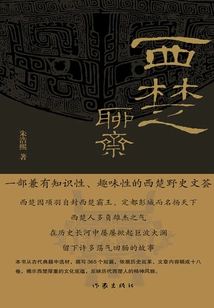
Western Chu Liaozhai
General Fiction西楚聊斋
Zhu Haoxi
"Liao Zhai of Western Chu" is an informative and interesting collection of wild history stories of Western Chu. Western Chu became famous all over the world because Xiang Yu proclaimed himself the overlord of Western Chu and made Pengcheng his capital. This is the hometown of Liu Bang, the founder of the Han Dynasty, an important source of Han culture, and an ancient battlefield that military strategists of all ages must have fought for. The people of Western Chu were so heroic that they repeatedly made huge waves in the long history, leaving behind endless soul-stirring stories. The author spent ten years in the Spring and Autumn Period, reading thousands of unofficial records and notebook novels, tracing back to the source, exploring the hidden meanings, using the technique of line drawing, simple writing style, and concise words to select materials from ancient classics and write 365 short stories, revealing the richness of the Western Chu region. The heavy and diverse historical and cultural heritage reflects the spiritual outlook of the people of Western Chu throughout the ages. It has important enlightenment and reference significance for the excavated national cultural heritage to help people, especially young people, understand the history of Western Chu and promote the passing on of traditional national virtues.
"Liao Zhai of Western Chu" is an informative and interesting collection of wild history stories of Western Chu. Western Chu became famous all over the world because Xiang Yu proclaimed himself the overlord of Western Chu and made Pengcheng his capital. This is the hometown of Liu Bang, the founder of the Han Dynasty, an important source of Han culture, and an ancient battlefield that military strategists of all ages must have fought for. The people of Western Chu were so heroic that they repeatedly made huge waves in the long history, leaving behind endless soul-stirring stories. The author spent ten years in the Spring and Autumn Period, reading thousands of unofficial records and notebook novels, tracing back to the source, exploring the hidden meanings, using the technique of line drawing, simple writing style, and concise words to select materials from ancient classics and write 365 short stories, revealing the richness of the Western Chu region. The heavy and diverse historical and cultural heritage reflects the spiritual outlook of the people of Western Chu throughout the ages. It has important enlightenment and reference significance for the excavated national cultural heritage to help people, especially young people, understand the history of Western Chu and promote the passing on of traditional national virtues.
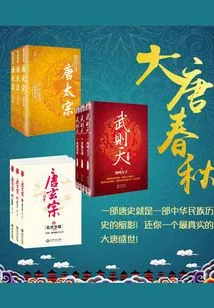
大唐春秋(全册)
Zhao Yang Yang Huanting
Taizong of the Tang Dynasty (three volumes) strives to restore the true appearance of history. The war scenes are majestic and impassioned, the power struggles are touching, the characters are lifelike and vivid, the local customs are vivid and close to the Tang Dynasty, and the descriptions of the artifacts are exquisite and breathtaking. The book "Wu Zetian" begins with Wu Mei entering the palace and Emperor Taizong's death. Through her emergence in the harem battles, her steps on the road to power, her unstoppable dominance over the world, her majesty and domineering power in the Wu Zhou dynasty, and her open-minded wisdom in the game of life and death, it describes the complex and rich emotional life of a generation of empresses, her wise strategies for running the country and the world, and her rebellious and lonely extraordinary life, recreating the thrilling power situation of the Tang Dynasty. Life has ups and downs, love and hatred, but no one can control the fate of the strong. "Xuanzong of the Tang Dynasty" is a magnificent and colorful imperial entrepreneurial plan, a splendid and colorful historical picture of the Kaiyuan Dynasty. The rise and fall of the dynasty, the struggle for the throne, the love in the court, the bloodthirsty conspiracy, the repeated mutinies... It is so exciting that it is dizzying.
Taizong of the Tang Dynasty (three volumes) strives to restore the true appearance of history. The war scenes are majestic and impassioned, the power struggles are touching, the characters are lifelike and vivid, the local customs are vivid and close to the Tang Dynasty, and the descriptions of the artifacts are exquisite and breathtaking. The book "Wu Zetian" begins with Wu Mei entering the palace and Emperor Taizong's death. Through her emergence in the harem battles, her steps on the road to power, her unstoppable dominance over the world, her majesty and domineering power in the Wu Zhou dynasty, and her open-minded wisdom in the game of life and death, it describes the complex and rich emotional life of a generation of empresses, her wise strategies for running the country and the world, and her rebellious and lonely extraordinary life, recreating the thrilling power situation of the Tang Dynasty. Life has ups and downs, love and hatred, but no one can control the fate of the strong. "Xuanzong of the Tang Dynasty" is a magnificent and colorful imperial entrepreneurial plan, a splendid and colorful historical picture of the Kaiyuan Dynasty. The rise and fall of the dynasty, the struggle for the throne, the love in the court, the bloodthirsty conspiracy, the repeated mutinies... It is so exciting that it is dizzying.
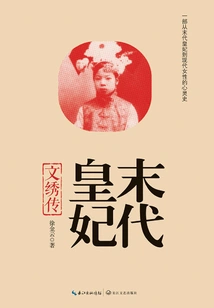
The Last Imperial Concubine: the Biography of Wenxiu
General Fiction末代皇妃:文绣传
Xu Jinyun
This book is a historical novel about Wenxiu, the concubine of the last emperor Puyi. The whole book tells the story of Wenxiu's ups and downs and legendary life. At the end of the Qing Dynasty, when the building was about to collapse and the situation was turbulent, Gege, an aristocratic family, was selected into the palace and became the imperial concubine because of a photo. After experiencing various setbacks and tribulations in life, she resolutely divorced the last emperor Puyi, returned to the identity of an ordinary woman, and lived out her life. The intertwining of historical events and the true nature of children, thoughts of family and country, and love and hatred constitute the greatest feature of this book.
This book is a historical novel about Wenxiu, the concubine of the last emperor Puyi. The whole book tells the story of Wenxiu's ups and downs and legendary life. At the end of the Qing Dynasty, when the building was about to collapse and the situation was turbulent, Gege, an aristocratic family, was selected into the palace and became the imperial concubine because of a photo. After experiencing various setbacks and tribulations in life, she resolutely divorced the last emperor Puyi, returned to the identity of an ordinary woman, and lived out her life. The intertwining of historical events and the true nature of children, thoughts of family and country, and love and hatred constitute the greatest feature of this book.
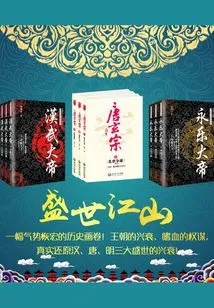
The King of Prosperity (full Volume)
General Fiction盛世江山(全册)
Yang Huanting Zhao Yang Yun Shi
"Emperor Wu of the Han Dynasty (Set of 3 volumes)" begins with Liu Che's childhood. He succeeds to the throne through risks and seizes power; he uses talents to reform, respects the king and repels the barbarians; he fights against the Xiongnu and goes on an envoy to the Western Regions; he uses witchcraft to cause chaos and reveals his sins to the people. The major events revolve around the contradictions of peace and war, rule and chaos, loyalty and betrayal, life and death, gain and loss, love and hatred, showing readers the ups and downs of Emperor Wu of the Han Dynasty and the era of changing times and the emergence of heroes in large numbers. During this period, there were overt and covert struggles in the palace, and the spectacular scene of the Han Empire fighting in all directions and fighting with iron horses. "The yellow sand will wear golden armor in a hundred battles, and Loulan will never be returned until it is broken!" The work resists foreign invasion, the majestic war scenes, the heroic and passionate feelings of the soldiers, and the grandeur of the prosperous age that dominates the world will all be vividly displayed in this work. Er Yuehe and Xiong Zhaozheng jointly recommended it. It describes Li Longji's roller coaster-like life with thick ink and vivid colors, and depicts the emotional journey of Emperor Ming of Tang Dynasty in three aspects. This is a magnificent and colorful imperial entrepreneurial plan, a splendid and colorful historical picture of the Kaiyuan Dynasty. The rise and fall of the dynasty, the struggle for the throne, the love in the court, the bloodthirsty conspiracy, the repeated mutinies... It is so exciting that it is dizzying.
"Emperor Wu of the Han Dynasty (Set of 3 volumes)" begins with Liu Che's childhood. He succeeds to the throne through risks and seizes power; he uses talents to reform, respects the king and repels the barbarians; he fights against the Xiongnu and goes on an envoy to the Western Regions; he uses witchcraft to cause chaos and reveals his sins to the people. The major events revolve around the contradictions of peace and war, rule and chaos, loyalty and betrayal, life and death, gain and loss, love and hatred, showing readers the ups and downs of Emperor Wu of the Han Dynasty and the era of changing times and the emergence of heroes in large numbers. During this period, there were overt and covert struggles in the palace, and the spectacular scene of the Han Empire fighting in all directions and fighting with iron horses. "The yellow sand will wear golden armor in a hundred battles, and Loulan will never be returned until it is broken!" The work resists foreign invasion, the majestic war scenes, the heroic and passionate feelings of the soldiers, and the grandeur of the prosperous age that dominates the world will all be vividly displayed in this work. Er Yuehe and Xiong Zhaozheng jointly recommended it. It describes Li Longji's roller coaster-like life with thick ink and vivid colors, and depicts the emotional journey of Emperor Ming of Tang Dynasty in three aspects. This is a magnificent and colorful imperial entrepreneurial plan, a splendid and colorful historical picture of the Kaiyuan Dynasty. The rise and fall of the dynasty, the struggle for the throne, the love in the court, the bloodthirsty conspiracy, the repeated mutinies... It is so exciting that it is dizzying.
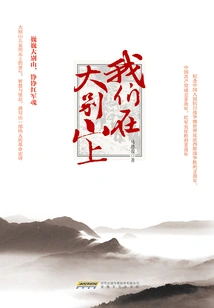
We Are on Dabie Mountain
General Fiction我们在大别山上
Ma Dejun
This book is a novel written to commemorate the 95th anniversary of the founding of the Communist Party of China and the 80th anniversary of the victory of the Red Army's Long March. It panoramically shows the glorious and arduous revolutionary process of the 28th Red Army persisting in guerrilla warfare in the Dabie Mountains under extremely difficult conditions after the Long March began, and rushed to the front line of the Anti-Japanese War after the outbreak of the Anti-Japanese War. The manuscript is divided into two volumes. The first volume mainly tells the story of how the 28th Red Army persisted in guerrilla warfare in the Dabie Mountains under extremely difficult conditions after the Long March began, contained the main force of the enemy, supported the main force of the Red Army in the Long March, and repeatedly smashed the Kuomintang army's "encirclement and suppression" efforts. The second volume of Heroic Deeds mainly tells the story of the outbreak of the Anti-Japanese War, the peace talks between the Kuomintang and the Communist Party, and the heroic battles of the Fourth and Fifth Detachments of the New Fourth Army, which were established on the basis of the 28th Red Army and fought against the Japanese invaders. With 600,000 words and two volumes, the book comprehensively and three-dimensionally displays the lofty revolutionary ideals, the spirit of hard work and the touching feelings of love for hometown and people of the Dabie Mountain Red Army in a specific historical period.
This book is a novel written to commemorate the 95th anniversary of the founding of the Communist Party of China and the 80th anniversary of the victory of the Red Army's Long March. It panoramically shows the glorious and arduous revolutionary process of the 28th Red Army persisting in guerrilla warfare in the Dabie Mountains under extremely difficult conditions after the Long March began, and rushed to the front line of the Anti-Japanese War after the outbreak of the Anti-Japanese War. The manuscript is divided into two volumes. The first volume mainly tells the story of how the 28th Red Army persisted in guerrilla warfare in the Dabie Mountains under extremely difficult conditions after the Long March began, contained the main force of the enemy, supported the main force of the Red Army in the Long March, and repeatedly smashed the Kuomintang army's "encirclement and suppression" efforts. The second volume of Heroic Deeds mainly tells the story of the outbreak of the Anti-Japanese War, the peace talks between the Kuomintang and the Communist Party, and the heroic battles of the Fourth and Fifth Detachments of the New Fourth Army, which were established on the basis of the 28th Red Army and fought against the Japanese invaders. With 600,000 words and two volumes, the book comprehensively and three-dimensionally displays the lofty revolutionary ideals, the spirit of hard work and the touching feelings of love for hometown and people of the Dabie Mountain Red Army in a specific historical period.
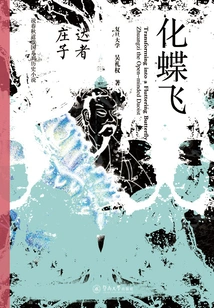
Turning into a Butterfly and Flying: the Master Zhuangzi
General Fiction化蝶飞:达者庄子
Wu Liquan
"Flying Butterflies: The Master Zhuangzi" is a full-length historical novel. The novel is based on the life of Zhuang Zhou (i. E. Zhuang Zi) recorded in the "Historical Records: Biography of Lao Zhuang, Shen Han" by Sima Qian of Han Dynasty and the book "Zhuang Zi" written by Zhuang Zhou and his disciples. It relies on the major historical events of the Warring States Period and the activities of representatives of various schools of thought. It vividly presents the image of Zhuang Zhou, a representative figure of Taoism in the Warring States Period, against a broad historical background. The novel takes Zhuang Zhou's several travel activities as the main line and focuses on Zhuang Zhou's daily life. Through the countless life difficulties Zhuang Zhou encountered throughout his life and the theoretical dialogue between Zhuang Zhou and his disciples, it vividly presents Zhuang Zhou's philosophical thoughts in the evolution of the vivid storyline, expresses Zhuang Zhou's joys, sorrows, and joys, and reveals the reasons for the formation of Zhuang Zhou's philosophical thoughts. Thus, Zhuang Zhou, a Taoist representative figure who has been ambiguous and mysterious in his thoughts for thousands of years, is presented in a literary image for the first time. The novel makes creative efforts in the balance between history and literature. The Zhuang Zhou in the novel is both the Zhuang Zhou of history and the Zhuang Zhou of literature; He is a unique literary image and a living mortal. The novel has nearly 600,000 words and is divided into seven chapters, namely: Chapter 1 "In the World", Chapter 2 "Excluding Confucianism and Mohism", Chapter 3 "Ying the Emperor", Chapter 4 "The Great Way of the Body", Chapter 5 "Qiu Ten Thousand Things", Chapter 6 "Let Nature Be", and Chapter 7 "Happy Wandering". Each chapter has five sections, each centered on a story. As the plot progresses, the narrative contents of the five sections are integrated into one, thus naturally presenting one of Zhuangzi's main ideas and highlighting his characters.
"Flying Butterflies: The Master Zhuangzi" is a full-length historical novel. The novel is based on the life of Zhuang Zhou (i. E. Zhuang Zi) recorded in the "Historical Records: Biography of Lao Zhuang, Shen Han" by Sima Qian of Han Dynasty and the book "Zhuang Zi" written by Zhuang Zhou and his disciples. It relies on the major historical events of the Warring States Period and the activities of representatives of various schools of thought. It vividly presents the image of Zhuang Zhou, a representative figure of Taoism in the Warring States Period, against a broad historical background. The novel takes Zhuang Zhou's several travel activities as the main line and focuses on Zhuang Zhou's daily life. Through the countless life difficulties Zhuang Zhou encountered throughout his life and the theoretical dialogue between Zhuang Zhou and his disciples, it vividly presents Zhuang Zhou's philosophical thoughts in the evolution of the vivid storyline, expresses Zhuang Zhou's joys, sorrows, and joys, and reveals the reasons for the formation of Zhuang Zhou's philosophical thoughts. Thus, Zhuang Zhou, a Taoist representative figure who has been ambiguous and mysterious in his thoughts for thousands of years, is presented in a literary image for the first time. The novel makes creative efforts in the balance between history and literature. The Zhuang Zhou in the novel is both the Zhuang Zhou of history and the Zhuang Zhou of literature; He is a unique literary image and a living mortal. The novel has nearly 600,000 words and is divided into seven chapters, namely: Chapter 1 "In the World", Chapter 2 "Excluding Confucianism and Mohism", Chapter 3 "Ying the Emperor", Chapter 4 "The Great Way of the Body", Chapter 5 "Qiu Ten Thousand Things", Chapter 6 "Let Nature Be", and Chapter 7 "Happy Wandering". Each chapter has five sections, each centered on a story. As the plot progresses, the narrative contents of the five sections are integrated into one, thus naturally presenting one of Zhuangzi's main ideas and highlighting his characters.
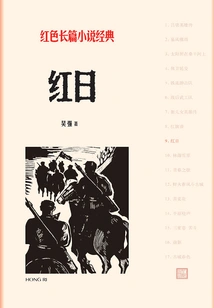
Red Sun
General Fiction红日
Wu Qiang
"Red Sun" is a novel with the theme of the Liberation War. The story begins with the Kuomintang's ace reorganized 74th Division's second attack on our army's Lianshuicheng in the late autumn of 1946, until it was completely annihilated by our army in 1947. The book mainly takes the Battle of Menglianggu as the background, describes the thrilling war scenes, and portrays the images of our army's senior commanders and numerous soldiers.
"Red Sun" is a novel with the theme of the Liberation War. The story begins with the Kuomintang's ace reorganized 74th Division's second attack on our army's Lianshuicheng in the late autumn of 1946, until it was completely annihilated by our army in 1947. The book mainly takes the Battle of Menglianggu as the background, describes the thrilling war scenes, and portrays the images of our army's senior commanders and numerous soldiers.
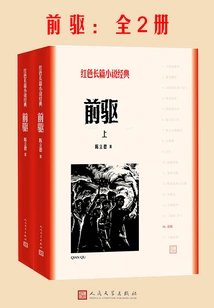
Pioneer (2 Volumes in Total)
General Fiction前驱(全2册)
Chen Lide
In contemporary literature, there are only a handful of works like "Pioneer" that describe the Communists during the Great Revolution. "Pioneer" is by no means a filler work, it has the classic elements of revolutionary novels. This book describes the struggle and life story of the armed forces led by the Communist Party of China in 1926-27, with Communist Party members and Communist Youth League members as the backbone, during the Northern Expedition. It focuses on the glorious images of several communist soldiers and company and battalion commanders, and details the growth process of the protagonist, the young company commander Wan Xianting. At the same time, it reveals Chiang Kai-shek's conspiracy to usurp revolutionary leadership and the desperate struggle of Beiyang warlord Wu Peifu.
In contemporary literature, there are only a handful of works like "Pioneer" that describe the Communists during the Great Revolution. "Pioneer" is by no means a filler work, it has the classic elements of revolutionary novels. This book describes the struggle and life story of the armed forces led by the Communist Party of China in 1926-27, with Communist Party members and Communist Youth League members as the backbone, during the Northern Expedition. It focuses on the glorious images of several communist soldiers and company and battalion commanders, and details the growth process of the protagonist, the young company commander Wan Xianting. At the same time, it reveals Chiang Kai-shek's conspiracy to usurp revolutionary leadership and the desperate struggle of Beiyang warlord Wu Peifu.
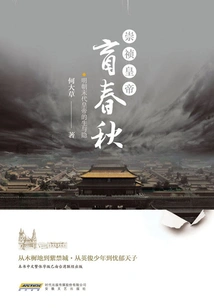
Emperor Chongzhen·blind Spring and Autumn Period
General Fiction崇祯皇帝·盲春秋
He Dacao
American Sinologist Yuwen Changan (Stephen King) obtained a incomplete manuscript from his 90-year-old uncle and monk Simon. It was brought back to Europe from China by missionaries more than two hundred years ago and is secretly hidden in the Paoletta Monastery in Portugal. Yuwen Changan invited He Dacao, a Chinese writer who is proficient in history, to decipher, revise and organize it together. After twelve years of research, the contents of the manuscript were finally restored: From the ruins of the Ming Empire, missionaries rescued a girl whose eyes were burned out. After hiding her name for forty-five years, she finally spoke. She claimed to be Zhu Zhu, the illegitimate daughter of Emperor Chongzhen, and dictated a secret history of the late Ming Dynasty to the young historian Ji Liuqi. The late Ming Dynasty was a mysterious era, and Chongzhen was the most mysterious and tragic last emperor. The politics are dark and terrifying, but the culture is dazzling, and the situation inside and outside the Forbidden City is turbulent. Chongzhen ascended the throne at the age of seventeen. He was endowed with great talent but had bad luck. From the perspective of her daughter, Zhu Zhu presents the story of her father's capture of Wei Zhongxian in the royal garden, the secret meeting with Li Zicheng in Fahua Temple, the black cat disaster in the palace, and the resurrection of the late emperor's relics... The details are vivid and thrilling, revealing the inside story of the collapse of the empire. The story is engaging, both readable and profound. The language is especially beautiful and colorful, and it is integrated with the times, stories and characters, forming a rich and sad elegy.
American Sinologist Yuwen Changan (Stephen King) obtained a incomplete manuscript from his 90-year-old uncle and monk Simon. It was brought back to Europe from China by missionaries more than two hundred years ago and is secretly hidden in the Paoletta Monastery in Portugal. Yuwen Changan invited He Dacao, a Chinese writer who is proficient in history, to decipher, revise and organize it together. After twelve years of research, the contents of the manuscript were finally restored: From the ruins of the Ming Empire, missionaries rescued a girl whose eyes were burned out. After hiding her name for forty-five years, she finally spoke. She claimed to be Zhu Zhu, the illegitimate daughter of Emperor Chongzhen, and dictated a secret history of the late Ming Dynasty to the young historian Ji Liuqi. The late Ming Dynasty was a mysterious era, and Chongzhen was the most mysterious and tragic last emperor. The politics are dark and terrifying, but the culture is dazzling, and the situation inside and outside the Forbidden City is turbulent. Chongzhen ascended the throne at the age of seventeen. He was endowed with great talent but had bad luck. From the perspective of her daughter, Zhu Zhu presents the story of her father's capture of Wei Zhongxian in the royal garden, the secret meeting with Li Zicheng in Fahua Temple, the black cat disaster in the palace, and the resurrection of the late emperor's relics... The details are vivid and thrilling, revealing the inside story of the collapse of the empire. The story is engaging, both readable and profound. The language is especially beautiful and colorful, and it is integrated with the times, stories and characters, forming a rich and sad elegy.
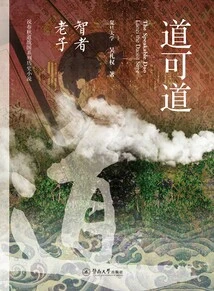
Dao Can Dao
General Fiction道可道
Wu Liquan
This book is one of the "series of historical novels about the Spring and Autumn Period and the Warring States Period" written by Professor Wu Liquan of Fudan University. With a profound foundation in literature and history, the author uses the way of life dialogue between Lao Dan and his disciples to live in seclusion and practice or go out to roam, to more completely explain Laozi's "speculative philosophy" of abandoning wisdom, wandering in nothingness, being pure, letting nature take its course, and doing nothing without doing anything, and clearly creates the image of Lao Dan, a wise man who has simple views and wanders in the great "Tao". At the same time, it connects Confucius, Zhou Gong and other Spring and Autumn figures and their allusions that are familiar to readers, with hundreds of thousands of words, creating a Chinese-style "One Thousand and One Nights". On the surface, this book is a novel about pre-Qin historical figures. In essence, it is an excellent book that promotes traditional Chinese culture and comprehensively displays the essence of various schools of thought.
This book is one of the "series of historical novels about the Spring and Autumn Period and the Warring States Period" written by Professor Wu Liquan of Fudan University. With a profound foundation in literature and history, the author uses the way of life dialogue between Lao Dan and his disciples to live in seclusion and practice or go out to roam, to more completely explain Laozi's "speculative philosophy" of abandoning wisdom, wandering in nothingness, being pure, letting nature take its course, and doing nothing without doing anything, and clearly creates the image of Lao Dan, a wise man who has simple views and wanders in the great "Tao". At the same time, it connects Confucius, Zhou Gong and other Spring and Autumn figures and their allusions that are familiar to readers, with hundreds of thousands of words, creating a Chinese-style "One Thousand and One Nights". On the surface, this book is a novel about pre-Qin historical figures. In essence, it is an excellent book that promotes traditional Chinese culture and comprehensively displays the essence of various schools of thought.
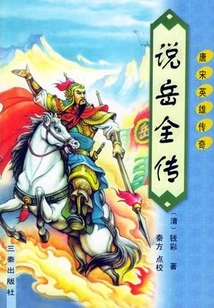
Talk About the Complete Biography of Yue
General Fiction说岳全传
Money Lottery
It is a heroic romance novel with a certain historical romance color based on the story of Yue Fei's resistance to the Jin Dynasty. The struggle between loyalists and traitors was written against the special historical background of the Southern Song Dynasty, when the founding of the country was not stable and the Jin soldiers invaded the Central Plains in large numbers. Yue Fei and other patriotic generals advocated the war of resistance and regaining lost territory; while the powerful and traitorous group headed by Qin Hui advocated treason and peace. Therefore. Patriotism and treason, resistance and surrender have become the specific contents of the struggle between loyalty and traitor reflected in the works.
It is a heroic romance novel with a certain historical romance color based on the story of Yue Fei's resistance to the Jin Dynasty. The struggle between loyalists and traitors was written against the special historical background of the Southern Song Dynasty, when the founding of the country was not stable and the Jin soldiers invaded the Central Plains in large numbers. Yue Fei and other patriotic generals advocated the war of resistance and regaining lost territory; while the powerful and traitorous group headed by Qin Hui advocated treason and peace. Therefore. Patriotism and treason, resistance and surrender have become the specific contents of the struggle between loyalty and traitor reflected in the works.
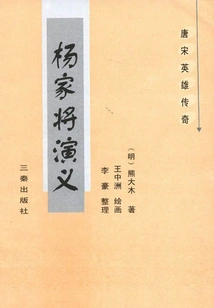
Romance of the Yang Family
General Fiction杨家将演义
Xiong Damu
"The Romance of the Generals of the Yang Family" focuses on the heroic deeds of four generations of the Yang family in resisting foreign invasion. It begins with Yang Ye being imprisoned and martyrdom for his country by hitting the Li Ling Monument, and ends with the Twelve Widows conquering the West and triumphing over the enemy. It is full of high-spirited patriotic passion and praises the heroism of the Yang family generals who fought one after another and regarded death as if they were home. In particular, the twelve widows inherited the legacy and led the troops on the expedition, which is deeply touching. However, a loyal family was framed by treacherous ministers in every possible way, which is thought-provoking. It is not a historical novel, and many of the main plots are undocumented by history. Instead, it is full of strong coloring of gods and monsters. This traditional piece has been widely circulated, especially in storytelling, drum writing and other genres.
"The Romance of the Generals of the Yang Family" focuses on the heroic deeds of four generations of the Yang family in resisting foreign invasion. It begins with Yang Ye being imprisoned and martyrdom for his country by hitting the Li Ling Monument, and ends with the Twelve Widows conquering the West and triumphing over the enemy. It is full of high-spirited patriotic passion and praises the heroism of the Yang family generals who fought one after another and regarded death as if they were home. In particular, the twelve widows inherited the legacy and led the troops on the expedition, which is deeply touching. However, a loyal family was framed by treacherous ministers in every possible way, which is thought-provoking. It is not a historical novel, and many of the main plots are undocumented by history. Instead, it is full of strong coloring of gods and monsters. This traditional piece has been widely circulated, especially in storytelling, drum writing and other genres.
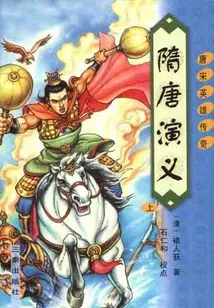
Romance of the Sui and Tang Dynasties (part 1)
General Fiction隋唐演义(上篇)
(qing Dynasty) Chu Renhuo
"The Romance of the Sui and Tang Dynasties" is a long vernacular historical romance novel of the Qing Dynasty. It is a novel with the dual nature of heroic legend and historical romance. Taking the peasant uprising at the end of the Sui Dynasty as the background of the story, it tells a historical romance about the fall of the Sui Dynasty and the establishment of the Tang Dynasty. The characters in the novel have distinctive personalities and the storyline is popular. The classic passages in it are timeless.
"The Romance of the Sui and Tang Dynasties" is a long vernacular historical romance novel of the Qing Dynasty. It is a novel with the dual nature of heroic legend and historical romance. Taking the peasant uprising at the end of the Sui Dynasty as the background of the story, it tells a historical romance about the fall of the Sui Dynasty and the establishment of the Tang Dynasty. The characters in the novel have distinctive personalities and the storyline is popular. The classic passages in it are timeless.
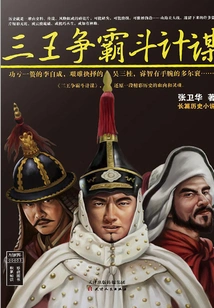
Three Kings Fighting Strategy
General Fiction三王争霸斗计谋
Zhang Weihua
Emperor Chongzhen, who was diligent but caught up with the decline of the Ming Dynasty, was faced with internal and external difficulties. Wu Sangui, who was guarding the border in Shanhaiguan, and his 40,000 elite soldiers were recruited. Wu Sangui originally wanted to fight back from Shanhaiguan to the capital to rescue him and achieve great feats. At this time, Beijing had been captured by Li Zicheng. Wu Sangui was furious when he learned that his father in the capital had been imprisoned and his beloved wife had been snatched away. Regardless of the crisis of his family and country, he succumbed to the foreigners and asked Dorgon, the commander of the Qing army, to send troops to destroy Chuang. From then on, the life-and-death battle of wits between Dorgon, Wu Sangui and Li Zicheng began. Dorgon had long been determined to win the Ming Dynasty, and Wu Sangui's request for help was a golden opportunity for him; Li Zicheng had known that Wu Sangui was brave and good at fighting, and often defeated more with less, so he wanted to recruit him into his group; Wu Sangui first wanted to go to the capital to rescue him, and then he wanted to use the Qing troops to destroy Chuang and take back his beloved wife Chen Yuanyuan, but he was afraid that the Qing troops would enter the pass and get involved in the Central Plains, and the consequences would be disastrous. Amid various conflicts, the resourceful strategist Dorgon took advantage of the bloody battle between Wu Sangui and Li Zicheng to send troops to drive away King Chuang. He also sent Wu Sangui to Yunnan to guard the border, and established the Qing Dynasty in the prosperous capital of Beijing that lasted for 300 years.
Emperor Chongzhen, who was diligent but caught up with the decline of the Ming Dynasty, was faced with internal and external difficulties. Wu Sangui, who was guarding the border in Shanhaiguan, and his 40,000 elite soldiers were recruited. Wu Sangui originally wanted to fight back from Shanhaiguan to the capital to rescue him and achieve great feats. At this time, Beijing had been captured by Li Zicheng. Wu Sangui was furious when he learned that his father in the capital had been imprisoned and his beloved wife had been snatched away. Regardless of the crisis of his family and country, he succumbed to the foreigners and asked Dorgon, the commander of the Qing army, to send troops to destroy Chuang. From then on, the life-and-death battle of wits between Dorgon, Wu Sangui and Li Zicheng began. Dorgon had long been determined to win the Ming Dynasty, and Wu Sangui's request for help was a golden opportunity for him; Li Zicheng had known that Wu Sangui was brave and good at fighting, and often defeated more with less, so he wanted to recruit him into his group; Wu Sangui first wanted to go to the capital to rescue him, and then he wanted to use the Qing troops to destroy Chuang and take back his beloved wife Chen Yuanyuan, but he was afraid that the Qing troops would enter the pass and get involved in the Central Plains, and the consequences would be disastrous. Amid various conflicts, the resourceful strategist Dorgon took advantage of the bloody battle between Wu Sangui and Li Zicheng to send troops to drive away King Chuang. He also sent Wu Sangui to Yunnan to guard the border, and established the Qing Dynasty in the prosperous capital of Beijing that lasted for 300 years.
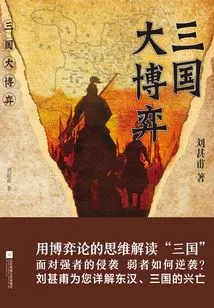
Three Kingdoms Game
General Fiction三国大博弈
Liu Shifu
"The Great Game of the Three Kingdoms" is a historical novel with scholar-bureaucrats as the main description object. It is more detailed, more elegant, more generous and broader than "The Romance of the Three Kingdoms". The author uses full enthusiasm and precise pen and ink to vividly describe the style of scholar-bureaucrats and their huge role in the formation of the Three Kingdoms. The whole story is based on countless ingenious schemes and tragic and awe-inspiring characters, fully demonstrating the character and character of the scholar-bureaucrats. Although there are many people involved in the matter, it does not lose its uniqueness and individuality. In terms of description and interpretation of major historical events, it is even more original and innovative, and its broad vision can be said to be unconclusive and unique; compared with such works as "Three Kingdoms", "Zi Zhi Tong Jian", "Huayang Guo Zhi" and other works, its portraits of scholar-bureaucrats are fuller and more approachable; in terms of character evaluation and event analysis, it can be said to be contrary to various historical stereotypes, and new things can be found everywhere. The work always takes a strong sense of responsibility and responsibility as the value orientation, fully demonstrating the huge influence of intellectuals on world affairs and current situations. They all take the country and the nation as their own responsibilities, adhere to justice, be stubborn in integrity, and are not kitsch or disagreeable. They perform scenes of magnificent and intense life dramas that are endlessly touching. While restoring historical facts, this work reinterprets all events and people involved in them. Its profoundness and accuracy have transcended "The Romance of the Three Kingdoms" and has a strong classic quality; its complex plot and smooth story provide extremely full possibilities for adaptation and realization. Today, when justice and conscience are being lost day by day, and intellectuals are gradually reduced to spokespersons of interest groups, this work not only provides the most serious warning, but will also play an immeasurable role in the reconstruction of social values.
"The Great Game of the Three Kingdoms" is a historical novel with scholar-bureaucrats as the main description object. It is more detailed, more elegant, more generous and broader than "The Romance of the Three Kingdoms". The author uses full enthusiasm and precise pen and ink to vividly describe the style of scholar-bureaucrats and their huge role in the formation of the Three Kingdoms. The whole story is based on countless ingenious schemes and tragic and awe-inspiring characters, fully demonstrating the character and character of the scholar-bureaucrats. Although there are many people involved in the matter, it does not lose its uniqueness and individuality. In terms of description and interpretation of major historical events, it is even more original and innovative, and its broad vision can be said to be unconclusive and unique; compared with such works as "Three Kingdoms", "Zi Zhi Tong Jian", "Huayang Guo Zhi" and other works, its portraits of scholar-bureaucrats are fuller and more approachable; in terms of character evaluation and event analysis, it can be said to be contrary to various historical stereotypes, and new things can be found everywhere. The work always takes a strong sense of responsibility and responsibility as the value orientation, fully demonstrating the huge influence of intellectuals on world affairs and current situations. They all take the country and the nation as their own responsibilities, adhere to justice, be stubborn in integrity, and are not kitsch or disagreeable. They perform scenes of magnificent and intense life dramas that are endlessly touching. While restoring historical facts, this work reinterprets all events and people involved in them. Its profoundness and accuracy have transcended "The Romance of the Three Kingdoms" and has a strong classic quality; its complex plot and smooth story provide extremely full possibilities for adaptation and realization. Today, when justice and conscience are being lost day by day, and intellectuals are gradually reduced to spokespersons of interest groups, this work not only provides the most serious warning, but will also play an immeasurable role in the reconstruction of social values.
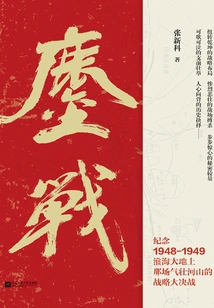
Fierce Battle
General Fiction鏖战
Zhang Xinke
"Fierce Battle" is a masterpiece of a novel that comprehensively reflects the Battle of Huaihai. From the end of 1948 to the beginning of 1949, the two major field armies of East China and the Central Plains launched a massive strategic attack on the Kuomintang troops in a vast area centered on Xuzhou, starting from Haizhou in the east, Shangqiu in the west, Lincheng in the north, and Huaihe River in the south. This was the Huaihai Campaign with the largest scale, heaviest casualties, the most complex war situation, and the most far-reaching political impact among the "three major battles" in which both sides participated. The novel "Fierce Battle" focuses on the magnificent story of how under the unified leadership of Mao Zedong, the Party Central Committee and the Central Military Commission, the Huaihai Campaign General Front Committee Liu Bocheng, Chen Yi, Deng Xiaoping, Su Yu, Tan Zhenlin and other senior commanders of our party planned the strategy, and the 600,000-strong army used the momentum of the storm to encircle and annihilate the 800,000-strong army of the Kuomintang's Xuzhou "Suppression General". It reproduces the stormy smoke and clouds of great history, not only vividly depicts the head-on confrontation between the two armies, but also vividly depicts the struggle on the hidden front, shaping the witty heroes such as Yang Yunfeng, the director of the Huaye Enemy Industry Department, Cai Yunmiao, Guo Guangyu, and Li Wanli. It features brave characters, grand and spectacular scenes, thrilling and confusing plots, and endless suspense; the work also leaves a vivid record of the selfless dedication of front-support migrant workers represented by Yang Yunlin and Qingshan, interpreting the profound connotation of the People's War. The work stirs up the righteousness of the world and shows the inevitable history. It is epic, legendary, documentary and speculative; it has a blend of strength and heat; it has realistic details, ups and downs of the plot, and a magnificent style. It can be called a landmark novel that panoramically describes the Huaihai Campaign.
"Fierce Battle" is a masterpiece of a novel that comprehensively reflects the Battle of Huaihai. From the end of 1948 to the beginning of 1949, the two major field armies of East China and the Central Plains launched a massive strategic attack on the Kuomintang troops in a vast area centered on Xuzhou, starting from Haizhou in the east, Shangqiu in the west, Lincheng in the north, and Huaihe River in the south. This was the Huaihai Campaign with the largest scale, heaviest casualties, the most complex war situation, and the most far-reaching political impact among the "three major battles" in which both sides participated. The novel "Fierce Battle" focuses on the magnificent story of how under the unified leadership of Mao Zedong, the Party Central Committee and the Central Military Commission, the Huaihai Campaign General Front Committee Liu Bocheng, Chen Yi, Deng Xiaoping, Su Yu, Tan Zhenlin and other senior commanders of our party planned the strategy, and the 600,000-strong army used the momentum of the storm to encircle and annihilate the 800,000-strong army of the Kuomintang's Xuzhou "Suppression General". It reproduces the stormy smoke and clouds of great history, not only vividly depicts the head-on confrontation between the two armies, but also vividly depicts the struggle on the hidden front, shaping the witty heroes such as Yang Yunfeng, the director of the Huaye Enemy Industry Department, Cai Yunmiao, Guo Guangyu, and Li Wanli. It features brave characters, grand and spectacular scenes, thrilling and confusing plots, and endless suspense; the work also leaves a vivid record of the selfless dedication of front-support migrant workers represented by Yang Yunlin and Qingshan, interpreting the profound connotation of the People's War. The work stirs up the righteousness of the world and shows the inevitable history. It is epic, legendary, documentary and speculative; it has a blend of strength and heat; it has realistic details, ups and downs of the plot, and a magnificent style. It can be called a landmark novel that panoramically describes the Huaihai Campaign.
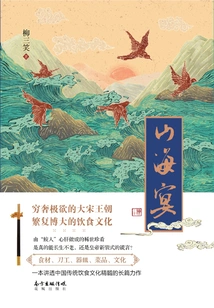
Mountain and Sea Feast
General Fiction山海宴
Liu Sanxiao
Lively, fragrant, beautiful and delicious. This was the last feast of the Northern Song Dynasty. This is a golden age for chefs to compete for glory. Emperor Weizong of the Song Dynasty was greedy for food and held a competition among hundreds of chefs every five years. The chef who won the first place would receive a golden knife given by the emperor, and at the same time, he could realize a wish. Hangzhou chef Su Mu vows to win the championship for the love of his childhood sweetheart. By some strange combination of circumstances, he was selected into the dining room of Prince Ping's Mansion, where he experienced all kinds of outstanding skills in the three branches of catering. This book depicts an unheard-of ancient world of chefs, comprehensively demonstrating the complex and extensive essence of Chinese food culture in terms of ingredients, knife skills, utensils, dishes, color, aroma, etc. The glutton is like a tiger, and the chef is a slave. Behind the seemingly peaceful cooking competition, there is the greed of people, and the undercurrents of various forces in the Northern Song Dynasty are surging and about to explode. And when Su Mu defeated the four great chefs in the capital and faced the final choice, his heart began to waver...
Lively, fragrant, beautiful and delicious. This was the last feast of the Northern Song Dynasty. This is a golden age for chefs to compete for glory. Emperor Weizong of the Song Dynasty was greedy for food and held a competition among hundreds of chefs every five years. The chef who won the first place would receive a golden knife given by the emperor, and at the same time, he could realize a wish. Hangzhou chef Su Mu vows to win the championship for the love of his childhood sweetheart. By some strange combination of circumstances, he was selected into the dining room of Prince Ping's Mansion, where he experienced all kinds of outstanding skills in the three branches of catering. This book depicts an unheard-of ancient world of chefs, comprehensively demonstrating the complex and extensive essence of Chinese food culture in terms of ingredients, knife skills, utensils, dishes, color, aroma, etc. The glutton is like a tiger, and the chef is a slave. Behind the seemingly peaceful cooking competition, there is the greed of people, and the undercurrents of various forces in the Northern Song Dynasty are surging and about to explode. And when Su Mu defeated the four great chefs in the capital and faced the final choice, his heart began to waver...
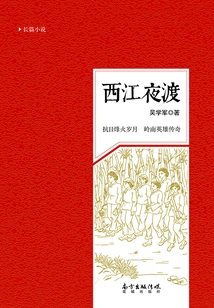
Xijiang Night Ferry
General Fiction西江夜渡
Wu Xuejun
This book is a themed reading to commemorate the 70th anniversary of the victory of the Anti-Fascist War. It describes the story of six girls from the Red Cotton Action Team who embarked on the anti-Japanese battlefield during the outbreak of the Japanese invasion of China. It not only shows the numerous crimes committed by the Japanese invaders from all aspects, but also shows a picture of the life of the people in the Pearl River Delta at that time. A notable feature of the novel is that it is based on the historical and cultural attractions in Nanhai, Foshan, Lingnan Water Town, such as Foshan Town Hongsheng Martial Arts Hall, "Zhongyi Township Archway", and "Fenning Ancient Road" , Jiujiang Wu Family Courtyard, Jiujiang Yanqiao Village, Jiujiang Dawotang Village, Shunde West Sea, Anti-Japanese Martyrs Memorial Cemetery, Daliang No. 1 Pier, Daliang Baolin Temple, etc. Slowly unfold the story, and deeply dig out the local historical and cultural deposits in the context of the Anti-Japanese War story.
This book is a themed reading to commemorate the 70th anniversary of the victory of the Anti-Fascist War. It describes the story of six girls from the Red Cotton Action Team who embarked on the anti-Japanese battlefield during the outbreak of the Japanese invasion of China. It not only shows the numerous crimes committed by the Japanese invaders from all aspects, but also shows a picture of the life of the people in the Pearl River Delta at that time. A notable feature of the novel is that it is based on the historical and cultural attractions in Nanhai, Foshan, Lingnan Water Town, such as Foshan Town Hongsheng Martial Arts Hall, "Zhongyi Township Archway", and "Fenning Ancient Road" , Jiujiang Wu Family Courtyard, Jiujiang Yanqiao Village, Jiujiang Dawotang Village, Shunde West Sea, Anti-Japanese Martyrs Memorial Cemetery, Daliang No. 1 Pier, Daliang Baolin Temple, etc. Slowly unfold the story, and deeply dig out the local historical and cultural deposits in the context of the Anti-Japanese War story.
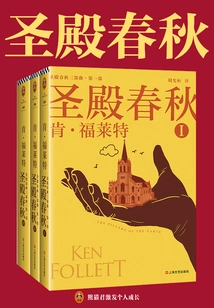
Temple Spring and Autumn (three Volumes)
General Fiction圣殿春秋(全三册)
H
Half the world is reading all night long! The first part of Ken Follett's "Medieval Trilogy", author of "The Fall of Giants", a novel that brings the history of the Middle Ages to life! BBC Readers' Choice Novel of the Year, and recommended by talk show queen Oprah's Book Club, its reputation has spread all over the world. The British drama adaptation of the same name stars Oscar winner "Freckles". Twelfth century England. A poor builder wanted only to build a beautiful cathedral. After many twists and turns, he finally encountered an opportunity. But the construction process of a cathedral is a struggle between various forces: the church, the nobility, the royal family, "witches"... The construction of the church has been repeatedly interfered with. Every sound has the potential to make or destroy him.
Half the world is reading all night long! The first part of Ken Follett's "Medieval Trilogy", author of "The Fall of Giants", a novel that brings the history of the Middle Ages to life! BBC Readers' Choice Novel of the Year, and recommended by talk show queen Oprah's Book Club, its reputation has spread all over the world. The British drama adaptation of the same name stars Oscar winner "Freckles". Twelfth century England. A poor builder wanted only to build a beautiful cathedral. After many twists and turns, he finally encountered an opportunity. But the construction process of a cathedral is a struggle between various forces: the church, the nobility, the royal family, "witches"... The construction of the church has been repeatedly interfered with. Every sound has the potential to make or destroy him.
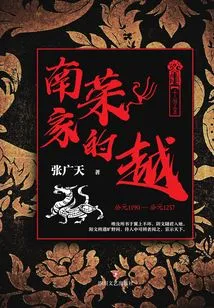
Yue from the Nanrong Family
General Fiction南荣家的越
Zhang Guangtian
Someone flew by with one wing but could not see his body, carrying a book to me. The wings were stretched out straight without any bend, and they were perched on the edge of the pool in the garden. The sunlight cast its shadow on the water. The white feathers are clear, with words on the feathers, one page for each feather; the front and back are orderly, the layers are overlapping, and the chapters and chapters are clear. My friend Mr. Wu Tongkui studied yin and yang and knew about the vegetation, birds and beasts, and the things between gods and ghosts in the heaven and earth. He said: "This is a book of souls. When a person dies, the stretched Qi becomes a god, and the bent Qi becomes a ghost. The ghosts have grievances and have nowhere to extend, so they often send messages to Yu. Wings spread and wave feathers can extend grievances. And feathers, bird literature. In the old days, there were literary dances, so-called literary dancers, holding feathers. Showing reverie. When the bird flaps its feathers, its wings capture the thoughts and feelings floating around. The yin and yang words convey the world, and the ghosts return to the earth. All ghosts return to the earth after their grievances are over, so they break off their wings and wander into the world. "
Someone flew by with one wing but could not see his body, carrying a book to me. The wings were stretched out straight without any bend, and they were perched on the edge of the pool in the garden. The sunlight cast its shadow on the water. The white feathers are clear, with words on the feathers, one page for each feather; the front and back are orderly, the layers are overlapping, and the chapters and chapters are clear. My friend Mr. Wu Tongkui studied yin and yang and knew about the vegetation, birds and beasts, and the things between gods and ghosts in the heaven and earth. He said: "This is a book of souls. When a person dies, the stretched Qi becomes a god, and the bent Qi becomes a ghost. The ghosts have grievances and have nowhere to extend, so they often send messages to Yu. Wings spread and wave feathers can extend grievances. And feathers, bird literature. In the old days, there were literary dances, so-called literary dancers, holding feathers. Showing reverie. When the bird flaps its feathers, its wings capture the thoughts and feelings floating around. The yin and yang words convey the world, and the ghosts return to the earth. All ghosts return to the earth after their grievances are over, so they break off their wings and wander into the world. "
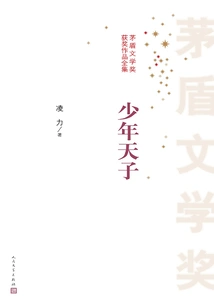
Young Emperor
General Fiction少年天子
Ling Li
"The Young Emperor" is the masterpiece of writer Ling Li. It is a long historical novel depicting Shunzhi, the first emperor after the Qing Dynasty entered the customs. Facing the severe situation during the revolution between Ming and Qing Dynasties, Shunzhi worked hard to govern and strive for change; however, he was constantly obstructed by the conservative forces of the court. Shunzhi was able to calligraphy and painting, was sentimental, and devoted himself to the pursuit of love and marriage that conformed to his wishes; but the emperor's love and marriage involved the struggle for palace power, and Shunzhi's actions in this regard also caused a series of sharp contradictions between love and hate, life and death.
"The Young Emperor" is the masterpiece of writer Ling Li. It is a long historical novel depicting Shunzhi, the first emperor after the Qing Dynasty entered the customs. Facing the severe situation during the revolution between Ming and Qing Dynasties, Shunzhi worked hard to govern and strive for change; however, he was constantly obstructed by the conservative forces of the court. Shunzhi was able to calligraphy and painting, was sentimental, and devoted himself to the pursuit of love and marriage that conformed to his wishes; but the emperor's love and marriage involved the struggle for palace power, and Shunzhi's actions in this regard also caused a series of sharp contradictions between love and hate, life and death.
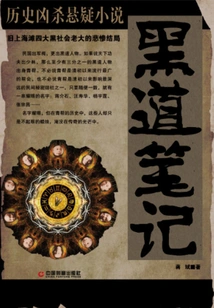
Underworld Notes
General Fiction黑道笔记
Compiled By Jiang Bin
The Republic of China produced warlords and even more underworld figures. If the world's kung fu comes from Shaolin, then at least one-third of the underworld figures come from the Youth Gang. It does not need to be said that the Qinggang is the most popular gang since the early Qing Dynasty, nor that it is one of the most far-reaching private secret societies since the early Qing Dynasty. If you just count them casually, there is a string of dazzling names: Chiang Kai-shek, Wang Shouhua, Yang Yuting, Zhang Zongchang... This book vividly reproduces the life trajectories of the above-mentioned four underworld bosses and their respective tragic endings for readers in the style of a novel.
The Republic of China produced warlords and even more underworld figures. If the world's kung fu comes from Shaolin, then at least one-third of the underworld figures come from the Youth Gang. It does not need to be said that the Qinggang is the most popular gang since the early Qing Dynasty, nor that it is one of the most far-reaching private secret societies since the early Qing Dynasty. If you just count them casually, there is a string of dazzling names: Chiang Kai-shek, Wang Shouhua, Yang Yuting, Zhang Zongchang... This book vividly reproduces the life trajectories of the above-mentioned four underworld bosses and their respective tragic endings for readers in the style of a novel.
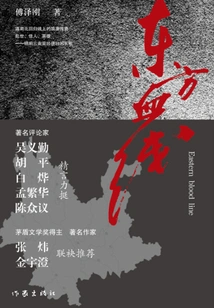
Eastern Bloodline
General Fiction东方血线
Fu Zegang
On September 27, 1825, the first train invented by Stephenson ran for the first time in the wilderness of Stockton, England. The speed and convenience it brought amazed people. Since then, the Western powers have been eager to extend railways to every corner of the world in order to control the world. As early as 1885, the Qing government was forced to sign the "Sino-French Peace Treaty" with France and proposed to build a railway in Yunnan, China. In 1895, China failed in the Sino-Japanese War of 1895. The Qing government was forced to sign the humiliating Treaty of Shimonoseki with Japan. Chinese territory was ceded and occupied. Seeing that Japan had gained too much, Western powers intervened and demanded rewards from China for "meritful intervention." In the 24th year of the reign of Emperor Guangxu, that is, in 1898, Banlu, the French minister to China, received instructions from the French government. On March 13, he submitted a note to the Prime Minister's Yamen of the Qing government, requesting the construction of the Yunnan-Vietnam Railway, and warned: If he does not agree, he will send ships to take action...
On September 27, 1825, the first train invented by Stephenson ran for the first time in the wilderness of Stockton, England. The speed and convenience it brought amazed people. Since then, the Western powers have been eager to extend railways to every corner of the world in order to control the world. As early as 1885, the Qing government was forced to sign the "Sino-French Peace Treaty" with France and proposed to build a railway in Yunnan, China. In 1895, China failed in the Sino-Japanese War of 1895. The Qing government was forced to sign the humiliating Treaty of Shimonoseki with Japan. Chinese territory was ceded and occupied. Seeing that Japan had gained too much, Western powers intervened and demanded rewards from China for "meritful intervention." In the 24th year of the reign of Emperor Guangxu, that is, in 1898, Banlu, the French minister to China, received instructions from the French government. On March 13, he submitted a note to the Prime Minister's Yamen of the Qing government, requesting the construction of the Yunnan-Vietnam Railway, and warned: If he does not agree, he will send ships to take action...
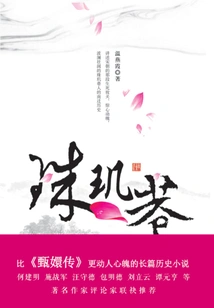
Zhuji Lane
General Fiction珠玑巷
Wen Yanxia
"Zhuji Lane" is a full-length fantasy historical novel that takes Zhuji Lane as the starting point and the "reborn person" Luo Weilin's memories of her life as a noble concubine in her past lives as the starting point. The author Wen Yanxia combines detailed historical materials and spreads the wings of imagination. Through the two lines of history and reality, she vividly tells the life-and-death, thrilling and magnificent southward migration history of Zhuji Lane people in the Song Dynasty more than 800 years ago, as well as the past and present lives of the protagonists, through the two lines of history and reality, from the first-person and third-person perspectives.
"Zhuji Lane" is a full-length fantasy historical novel that takes Zhuji Lane as the starting point and the "reborn person" Luo Weilin's memories of her life as a noble concubine in her past lives as the starting point. The author Wen Yanxia combines detailed historical materials and spreads the wings of imagination. Through the two lines of history and reality, she vividly tells the life-and-death, thrilling and magnificent southward migration history of Zhuji Lane people in the Song Dynasty more than 800 years ago, as well as the past and present lives of the protagonists, through the two lines of history and reality, from the first-person and third-person perspectives.
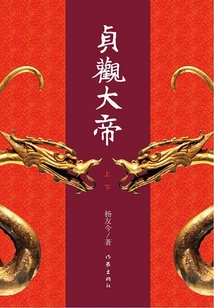
Emperor Zhenguan
General Fiction贞观大帝
Yang Youjin
"Emperor Zhenguan" is based on a series of literary and political achievements by Li Shimin after he seized the throne, with realism as the keynote, and a variety of creative techniques of modernism and postmodernism. It observes history from a new perspective and angle. The historical situation and ideological connotation blend and interact. The style is novel and unique. Typical images such as Li Shimin are vivid and artistically appealing. It is a new type of historical novel with historical and literary value.
"Emperor Zhenguan" is based on a series of literary and political achievements by Li Shimin after he seized the throne, with realism as the keynote, and a variety of creative techniques of modernism and postmodernism. It observes history from a new perspective and angle. The historical situation and ideological connotation blend and interact. The style is novel and unique. Typical images such as Li Shimin are vivid and artistically appealing. It is a new type of historical novel with historical and literary value.
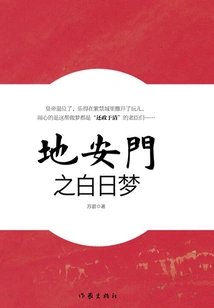
Daydream of Di'anmen
General Fiction地安门之白日梦
Sule
In the third year of Xuantong in the Qing Dynasty, Empress Dowager Longyu issued the emperor's abdication edict at the imperial meeting, and the Qing Dynasty was over. Yuan Shikai organized the Provisional Republican Government of the Republic of China and transformed it from the Prime Minister of the Qing Empire to the Provisional President. Since then, China's political arena has begun a chaotic situation in which five horses are exchanged for six sheep.
In the third year of Xuantong in the Qing Dynasty, Empress Dowager Longyu issued the emperor's abdication edict at the imperial meeting, and the Qing Dynasty was over. Yuan Shikai organized the Provisional Republican Government of the Republic of China and transformed it from the Prime Minister of the Qing Empire to the Provisional President. Since then, China's political arena has begun a chaotic situation in which five horses are exchanged for six sheep.
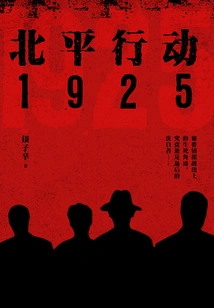
Operation Peking 1925
General Fiction北平行动1925
Yinzixin
The story takes place in 1925, during the first cooperation between the Kuomintang and the Communist Party. The National Revolutionary Army actively prepared for the Northern Expedition to overthrow the Beiyang government. Chen Jikun, a Communist Party member lurking in Peking, received information that the Japanese army had provided the Beiyang government with a batch of sophisticated weapons. Once the Beiyang government uses these weapons, it will cause a devastating blow to the National Revolutionary Army on the frontal battlefield... After receiving the information, the top brass of the National Revolutionary Army attached great importance to it and appointed "Head Harvester" Battalion Commander Zhao Chengyou to form a special team to secretly sneak into Peiping to eliminate Japanese spies at designated locations. This operation was code-named: 1925...
The story takes place in 1925, during the first cooperation between the Kuomintang and the Communist Party. The National Revolutionary Army actively prepared for the Northern Expedition to overthrow the Beiyang government. Chen Jikun, a Communist Party member lurking in Peking, received information that the Japanese army had provided the Beiyang government with a batch of sophisticated weapons. Once the Beiyang government uses these weapons, it will cause a devastating blow to the National Revolutionary Army on the frontal battlefield... After receiving the information, the top brass of the National Revolutionary Army attached great importance to it and appointed "Head Harvester" Battalion Commander Zhao Chengyou to form a special team to secretly sneak into Peiping to eliminate Japanese spies at designated locations. This operation was code-named: 1925...
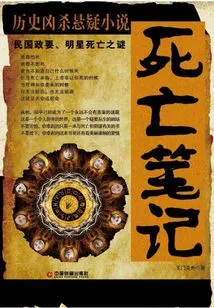
Death Note: the Mystery of the Deaths of Political Figures and Celebrities in the Republic of China
General Fiction死亡笔记:民国政要、明星死亡之谜
Outside Yumen Pass
It cuts through the fog of history to interpret the confusing and shocking secrets layer by layer, and once again restores the five major death moments during the Republic of China. It tells you what kind of dangers or disasters the five heavyweights of the Republic of China, Zhang Zuolin, Zhang Zongchang, Ruan Lingyu, Wang Yaqiao, and Dai Li, encountered in the last moments of their lives, which caused the pointer of life to come to an abrupt end. It's their story, but it affects our lives. What should we do to make ourselves a master, and what should we do to prevent ourselves from suddenly falling into an abyss of darkness at the peak of our lives.
It cuts through the fog of history to interpret the confusing and shocking secrets layer by layer, and once again restores the five major death moments during the Republic of China. It tells you what kind of dangers or disasters the five heavyweights of the Republic of China, Zhang Zuolin, Zhang Zongchang, Ruan Lingyu, Wang Yaqiao, and Dai Li, encountered in the last moments of their lives, which caused the pointer of life to come to an abrupt end. It's their story, but it affects our lives. What should we do to make ourselves a master, and what should we do to prevent ourselves from suddenly falling into an abyss of darkness at the peak of our lives.
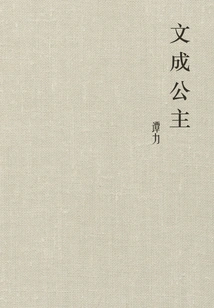
Princess Wencheng
General Fiction文成公主
Tan Li
At the beginning of the seventh century AD, during the Zhenguan period of Emperor Taizong of the Tang Dynasty, he advocated using martial arts to cultivate literature, light punishments and poor taxation, and exchanges with friendly countries. Tubo Songtsen Gampo wanted to marry Tang Dynasty and sent envoys to propose marriage to Tang Dynasty. Songtsen Gampo proposed marriage by force but was rejected by Emperor Taizong again, so he sent his confidant Ludongzan to Chang'an to apologize and propose marriage. Li Xueyan, the daughter of Li Daozong, the Minister of Rites of the Tang Dynasty and the king of Jiangxia County, was a lively and intelligent lady. Tang Taizong selected the princess from among the many daughters of the clan. He took a fancy to Xueyan at first sight and named her "Princess Wencheng" to marry into Tubo. Princess Wencheng and her entourage went through many difficulties and dangers, and the convoy was loaded with rich dowries and a life-size statue of Sakyamuni Buddha at the age of 12, and headed for Tubo.
At the beginning of the seventh century AD, during the Zhenguan period of Emperor Taizong of the Tang Dynasty, he advocated using martial arts to cultivate literature, light punishments and poor taxation, and exchanges with friendly countries. Tubo Songtsen Gampo wanted to marry Tang Dynasty and sent envoys to propose marriage to Tang Dynasty. Songtsen Gampo proposed marriage by force but was rejected by Emperor Taizong again, so he sent his confidant Ludongzan to Chang'an to apologize and propose marriage. Li Xueyan, the daughter of Li Daozong, the Minister of Rites of the Tang Dynasty and the king of Jiangxia County, was a lively and intelligent lady. Tang Taizong selected the princess from among the many daughters of the clan. He took a fancy to Xueyan at first sight and named her "Princess Wencheng" to marry into Tubo. Princess Wencheng and her entourage went through many difficulties and dangers, and the convoy was loaded with rich dowries and a life-size statue of Sakyamuni Buddha at the age of 12, and headed for Tubo.
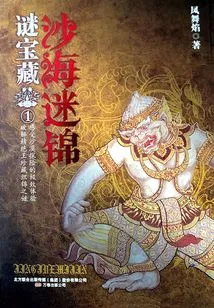
沙海迷锦(谜宝藏系列之一)
Fengwuyan
The stone pile tombs in Sandaohaizi, Qinghe, and the mysterious crop circles actually have the same pattern. Does the so-called 'Axial Age' really exist in the world? In the Altai Mountains, Darwin's theory of biological evolution was challenged unprecedentedly. The deer stone is carved with a pattern of a deer flying in the air. Some say it is the belief of the Scythians, while others say it is a true portrayal of a deer being hunted. So, who is the real deer hunter? What secrets do the Scythians, a nation that worships gold, hide in the Valley of the Kings? Are there really "one-eyed people" in the world? Why does this legendary ancient race appear in a large number of prehistoric rock paintings? What's even more incredible is that according to legend, the One-Eyed Man lives in the Altai Mountains in the far north of Xinjiang, but why do ancient rock paintings engraved with the image of the One-Eyed Man appear in the mysterious Lop Nur?
The stone pile tombs in Sandaohaizi, Qinghe, and the mysterious crop circles actually have the same pattern. Does the so-called 'Axial Age' really exist in the world? In the Altai Mountains, Darwin's theory of biological evolution was challenged unprecedentedly. The deer stone is carved with a pattern of a deer flying in the air. Some say it is the belief of the Scythians, while others say it is a true portrayal of a deer being hunted. So, who is the real deer hunter? What secrets do the Scythians, a nation that worships gold, hide in the Valley of the Kings? Are there really "one-eyed people" in the world? Why does this legendary ancient race appear in a large number of prehistoric rock paintings? What's even more incredible is that according to legend, the One-Eyed Man lives in the Altai Mountains in the far north of Xinjiang, but why do ancient rock paintings engraved with the image of the One-Eyed Man appear in the mysterious Lop Nur?
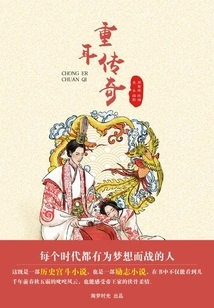
Legend of Chong'er
General Fiction重耳传奇
Screenplay By Li Zhuo, Adapted By Zhou Bihui
One of the Five Hegemons of the Spring and Autumn Period, Chong'er, Duke Wen of Jin, had read poetry and books since he was a child. He was modest and studious, and loved the people around him. Many talented people were willing to follow him. Duke Wen of Jin, Chong'er, was patriotic, talented, and had many ways to govern the country, but he was ostracized and framed by the traitors in the DPRK. Li Ji planned to make Xi Qi the crown prince, so she framed the current prince Shen Sheng. After the prince Shen Sheng hanged himself, Li Ji framed Chong'er and Yi Wu, and Chong'er and Yi Wu had no choice but to escape. Because the two young masters left without saying goodbye, Duke Xian of Jin thought that they had a conspiracy, so he sent envoy Boluan to attack them. Chong'er was forced into exile for more than ten years. During his exile, Chong'er was hunted down many times, forcing him to constantly travel among the vassal states. During this period, he experienced the ups and downs of the world, but at the same time he also had a deep understanding of the people's sentiments. After taking power, Chong'er paid attention to people's livelihood, insisted on upholding benevolent government, and treated other vassal states with sincerity and kindness. In the end, Chong'er was able to return to his country. After he came to power, Chong'er inspired and strengthened the country, carefully planned governance, and benefited the people. The people lived and worked in peace and contentment, and the world was stable and peaceful. His literary and martial arts skills were revealed to future generations, and they were prominent for thousands of years, and finally dominated the Central Plains.
One of the Five Hegemons of the Spring and Autumn Period, Chong'er, Duke Wen of Jin, had read poetry and books since he was a child. He was modest and studious, and loved the people around him. Many talented people were willing to follow him. Duke Wen of Jin, Chong'er, was patriotic, talented, and had many ways to govern the country, but he was ostracized and framed by the traitors in the DPRK. Li Ji planned to make Xi Qi the crown prince, so she framed the current prince Shen Sheng. After the prince Shen Sheng hanged himself, Li Ji framed Chong'er and Yi Wu, and Chong'er and Yi Wu had no choice but to escape. Because the two young masters left without saying goodbye, Duke Xian of Jin thought that they had a conspiracy, so he sent envoy Boluan to attack them. Chong'er was forced into exile for more than ten years. During his exile, Chong'er was hunted down many times, forcing him to constantly travel among the vassal states. During this period, he experienced the ups and downs of the world, but at the same time he also had a deep understanding of the people's sentiments. After taking power, Chong'er paid attention to people's livelihood, insisted on upholding benevolent government, and treated other vassal states with sincerity and kindness. In the end, Chong'er was able to return to his country. After he came to power, Chong'er inspired and strengthened the country, carefully planned governance, and benefited the people. The people lived and worked in peace and contentment, and the world was stable and peaceful. His literary and martial arts skills were revealed to future generations, and they were prominent for thousands of years, and finally dominated the Central Plains.
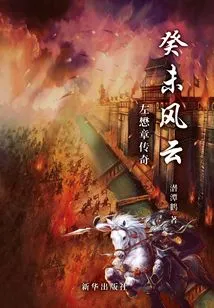
Guiwei Fengyun: the Legend of Zuo Maozhang
General Fiction癸未风云:左懋章传奇
Qiantan Crane
In the 16th year of Chongzhen in the Ming Dynasty (1643, the Guiwei year of the lunar calendar), tens of thousands of Qing troops ravaged Shandong and advanced to Laiyang. Under the leadership of Chen Xianji, the magistrate of Laiyang, and Zuo Maozhang, the leader of the four major families in Laiyang (Zhang, Zhao, Zuo and Song), an unprecedented resistance began. Although they were eventually outnumbered and the city was destroyed, the national righteousness of resisting foreign aggression and defending the city and protecting the family demonstrated in the struggle against the Qing Dynasty was commendable. From Zuo Maozhang's victory in the school competition, leading Zuo's tigers to prepare for war, and cleverly setting up an ambush to thwart Aguda's first siege, to actively preparing for the second anti-Qing war, going deep into the tiger's den to explore the enemy's situation, boosting morale and swearing to resist the enemy, and heroic sacrifice in a life-and-death struggle, the novel vividly reproduces Zuo Maozhang's fearless spirit of both wisdom and courage and the courage to sacrifice, and the soul-stirring scene of Laiyang people's resistance to the Qing 370 years ago.
In the 16th year of Chongzhen in the Ming Dynasty (1643, the Guiwei year of the lunar calendar), tens of thousands of Qing troops ravaged Shandong and advanced to Laiyang. Under the leadership of Chen Xianji, the magistrate of Laiyang, and Zuo Maozhang, the leader of the four major families in Laiyang (Zhang, Zhao, Zuo and Song), an unprecedented resistance began. Although they were eventually outnumbered and the city was destroyed, the national righteousness of resisting foreign aggression and defending the city and protecting the family demonstrated in the struggle against the Qing Dynasty was commendable. From Zuo Maozhang's victory in the school competition, leading Zuo's tigers to prepare for war, and cleverly setting up an ambush to thwart Aguda's first siege, to actively preparing for the second anti-Qing war, going deep into the tiger's den to explore the enemy's situation, boosting morale and swearing to resist the enemy, and heroic sacrifice in a life-and-death struggle, the novel vividly reproduces Zuo Maozhang's fearless spirit of both wisdom and courage and the courage to sacrifice, and the soul-stirring scene of Laiyang people's resistance to the Qing 370 years ago.
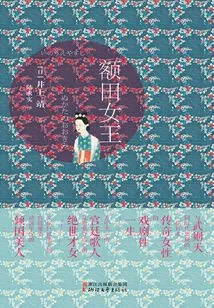
Queen Eda
General Fiction额田女王
H
"Queen Oda" is a full-length historical novel written by Yasushi Inoue, a giant of Japanese literature in the 20th century. This work is translated and published for the first time. This is also a historical novel written by Yasushi Inoue, following "Yang Guifei", which was set in the eighth-century Tang Dynasty palace. It is set in the seventh-century Japanese palace and features a legendary Japanese aristocratic woman as the protagonist. Queen Oda, the only waka composer in the "Man'yoshu", Japan's earliest poetry collection, not only left behind twelve waka that have been praised for thousands of years, but also had a tortuous life, and had touching romances with two princes of the Yamato court. These two princes were the later Emperors Tenchi and Tenmu. Dahua reform, dispatching envoys to the Tang Dynasty, moving the capital several times, sending troops to the peninsula, defeating the Baicunjiang River, and the Renshen Rebellion, the historical trend is rolling forward. The life experience of Queen Etian, like Concubine Yang Guifei of the Tang Dynasty who lived slightly later than her, has aroused endless reveries in later generations.
"Queen Oda" is a full-length historical novel written by Yasushi Inoue, a giant of Japanese literature in the 20th century. This work is translated and published for the first time. This is also a historical novel written by Yasushi Inoue, following "Yang Guifei", which was set in the eighth-century Tang Dynasty palace. It is set in the seventh-century Japanese palace and features a legendary Japanese aristocratic woman as the protagonist. Queen Oda, the only waka composer in the "Man'yoshu", Japan's earliest poetry collection, not only left behind twelve waka that have been praised for thousands of years, but also had a tortuous life, and had touching romances with two princes of the Yamato court. These two princes were the later Emperors Tenchi and Tenmu. Dahua reform, dispatching envoys to the Tang Dynasty, moving the capital several times, sending troops to the peninsula, defeating the Baicunjiang River, and the Renshen Rebellion, the historical trend is rolling forward. The life experience of Queen Etian, like Concubine Yang Guifei of the Tang Dynasty who lived slightly later than her, has aroused endless reveries in later generations.
Resurrect History
General Fiction让历史复活
Xiong Zhaozheng
Zhang Juzheng, the chief minister of the Ming Dynasty, brought contemporary writer Xiong Zhaozheng into history, and the novel "Zhang Juzheng" brought the author into the literary world. Xiong Zhaozheng's speeches have profound cultural heritage, talking about the past and the present, both vertically and horizontally. He has always stubbornly believed that reviving history so that people today can examine the present from the distant past and gain insight into the future is not only the responsibility of historians, but also the responsibility of writers.
Zhang Juzheng, the chief minister of the Ming Dynasty, brought contemporary writer Xiong Zhaozheng into history, and the novel "Zhang Juzheng" brought the author into the literary world. Xiong Zhaozheng's speeches have profound cultural heritage, talking about the past and the present, both vertically and horizontally. He has always stubbornly believed that reviving history so that people today can examine the present from the distant past and gain insight into the future is not only the responsibility of historians, but also the responsibility of writers.
中国历代通俗演义:民国演义(中)
Cai Dongfan
"The Romance of the Republic of China" records the beginning and end of major historical events such as the Revolution of 1911, Sun Yat-sen's resignation, Yuan Shikai's proclaimed emperor, Cai E's rebellion against Yuan, Zhang Xun's restoration, the May Fourth Movement, Sun Yat-sen's reorganization of the Kuomintang, and other major historical events. This book tells the history from "Chapter 57: Yunnan Province declares independence, Fengzeyuan discusses military affairs" to "Chapter 111: Prime Minister Xu Jin conspires to banquet on behalf of King Li's dissident officials". Yuan Shikai usurped power and stole the country, which aroused the indignation of the people across the country. A large number of patriots rose up and many provinces declared independence. The treasury of the Republic of China was in short supply, so the government had no choice but to borrow heavily from foreign countries, which led to foreign interference in internal affairs. The people were even more miserable. Warlords increasingly interfered in politics, causing harm to the country and making the people miserable...
"The Romance of the Republic of China" records the beginning and end of major historical events such as the Revolution of 1911, Sun Yat-sen's resignation, Yuan Shikai's proclaimed emperor, Cai E's rebellion against Yuan, Zhang Xun's restoration, the May Fourth Movement, Sun Yat-sen's reorganization of the Kuomintang, and other major historical events. This book tells the history from "Chapter 57: Yunnan Province declares independence, Fengzeyuan discusses military affairs" to "Chapter 111: Prime Minister Xu Jin conspires to banquet on behalf of King Li's dissident officials". Yuan Shikai usurped power and stole the country, which aroused the indignation of the people across the country. A large number of patriots rose up and many provinces declared independence. The treasury of the Republic of China was in short supply, so the government had no choice but to borrow heavily from foreign countries, which led to foreign interference in internal affairs. The people were even more miserable. Warlords increasingly interfered in politics, causing harm to the country and making the people miserable...
中国历代通俗演义:民国演义(下)
Cai Dongfan
"The Romance of the Republic of China" records the beginning and end of major historical events such as the Revolution of 1911, Sun Yat-sen's resignation, Yuan Shikai's proclaimed emperor, Cai E's campaign against Yuan, Zhang Xun's restoration, the May Fourth Movement, Sun Yat-sen's reorganization of the Kuomintang, and other major historical events. This book tells the history from "Chapter 12: The consul officer transferred the fleet to the special area and submitted a submission" to "Chapter 160: Raising military pay and restoring the law of donating officers, the end result should rely on American soldiers." The government of the Republic of China was extremely corrupt, resulting in a mess of domestic and foreign affairs. Warlords and factions were proliferating, and each caused trouble. Officials frequently take leave of absence and resign, one party sings while the other takes the stage, the North and the South are divided, each has his own right and each is not his own, the beans are fried, and only the people feel pity for them...
"The Romance of the Republic of China" records the beginning and end of major historical events such as the Revolution of 1911, Sun Yat-sen's resignation, Yuan Shikai's proclaimed emperor, Cai E's campaign against Yuan, Zhang Xun's restoration, the May Fourth Movement, Sun Yat-sen's reorganization of the Kuomintang, and other major historical events. This book tells the history from "Chapter 12: The consul officer transferred the fleet to the special area and submitted a submission" to "Chapter 160: Raising military pay and restoring the law of donating officers, the end result should rely on American soldiers." The government of the Republic of China was extremely corrupt, resulting in a mess of domestic and foreign affairs. Warlords and factions were proliferating, and each caused trouble. Officials frequently take leave of absence and resign, one party sings while the other takes the stage, the North and the South are divided, each has his own right and each is not his own, the beans are fried, and only the people feel pity for them...
中国历代通俗演义:民国演义(上)
Cai Dongfan
"The Romance of the Republic of China" records the beginning and end of major historical events such as the Revolution of 1911, Sun Yat-sen's resignation, Yuan Shikai's proclaimed emperor, Cai E's campaign against Yuan, Zhang Xun's restoration, the May Fourth Movement, Sun Yat-sen's reorganization of the Kuomintang, and other major historical events. This book tells the history from "the first chapter, revealing the outline of the whole book, and taking advantage of the great changes to come back" to "the fifty-sixth chapter, bribing the inner court to host the grand ceremony, marrying the palace and marrying the eldest female official". The opening chapter reveals the outline of the book, recalling the Revolution of 1911. The people of the country thought that they would overthrow the Qing Dynasty, eradicate autocracy forever, and then enjoy the happiness of republic. However, it has not yet been achieved. Yuan Shikai violated the constitution, broke the National Assembly, signed a treaty that was humiliating and humiliating the country, and was obsessed with the imperial system. He finally took the fruits of the victory of the Revolution of 1911 as his own, and became a sinner of the country, spurned by his countrymen...
"The Romance of the Republic of China" records the beginning and end of major historical events such as the Revolution of 1911, Sun Yat-sen's resignation, Yuan Shikai's proclaimed emperor, Cai E's campaign against Yuan, Zhang Xun's restoration, the May Fourth Movement, Sun Yat-sen's reorganization of the Kuomintang, and other major historical events. This book tells the history from "the first chapter, revealing the outline of the whole book, and taking advantage of the great changes to come back" to "the fifty-sixth chapter, bribing the inner court to host the grand ceremony, marrying the palace and marrying the eldest female official". The opening chapter reveals the outline of the book, recalling the Revolution of 1911. The people of the country thought that they would overthrow the Qing Dynasty, eradicate autocracy forever, and then enjoy the happiness of republic. However, it has not yet been achieved. Yuan Shikai violated the constitution, broke the National Assembly, signed a treaty that was humiliating and humiliating the country, and was obsessed with the imperial system. He finally took the fruits of the victory of the Revolution of 1911 as his own, and became a sinner of the country, spurned by his countrymen...
If Love is Reborn: Siege 1947
General Fiction若爱重生:围城1947
Nalan Xiang Weiyang
Director Zhao Baogang strongly recommended it, Mr. Chen Zhongshi wrote the inscription, and famous literary critics Wang Zhongsheng and Bai Ye, famous scholars Zhang Junan and Sassou, and "The Pretender" screenwriter Zhang Yong all praised it. The second part in the series of the espionage emotional masterpiece "Love Is Reborn" further eulogizes the greatness and dedication of workers on the hidden front. Xinbaoyuan Film and Television team acquired the film and television adaptation rights of the "Love Reborn" series at a sky-high price. The related investment will reach "100 million" level, striving to reproduce the original appearance of the work and create an annual drama.
Director Zhao Baogang strongly recommended it, Mr. Chen Zhongshi wrote the inscription, and famous literary critics Wang Zhongsheng and Bai Ye, famous scholars Zhang Junan and Sassou, and "The Pretender" screenwriter Zhang Yong all praised it. The second part in the series of the espionage emotional masterpiece "Love Is Reborn" further eulogizes the greatness and dedication of workers on the hidden front. Xinbaoyuan Film and Television team acquired the film and television adaptation rights of the "Love Reborn" series at a sky-high price. The related investment will reach "100 million" level, striving to reproduce the original appearance of the work and create an annual drama.
If Love is Reborn: the Fragrance of the Other Shore
General Fiction若爱重生:彼岸芬芳
Nalan Xiang Weiyang
Director Zhao Baogang strongly recommended it, Mr. Chen Zhongshi wrote the inscription, famous literary critics Wang Zhongsheng and Bai Ye, famous scholars Zhang Junan and Sassou, and "The Pretender" screenwriter Zhang Yong all praised it; this is the finale of the spy war emotional masterpiece "Love is Reborn" series, focusing on recording the soul mate's oath, sticking to love like a rock for fifty years, and further praising the greatness and dedication of workers on the hidden front. "Hero" is a shining title that contains fearlessness and selflessness. What is a "hero"? Those who are willing to sacrifice everything for the benefit of their country and people. Their contributions should be remembered by history and by this country and nation!
Director Zhao Baogang strongly recommended it, Mr. Chen Zhongshi wrote the inscription, famous literary critics Wang Zhongsheng and Bai Ye, famous scholars Zhang Junan and Sassou, and "The Pretender" screenwriter Zhang Yong all praised it; this is the finale of the spy war emotional masterpiece "Love is Reborn" series, focusing on recording the soul mate's oath, sticking to love like a rock for fifty years, and further praising the greatness and dedication of workers on the hidden front. "Hero" is a shining title that contains fearlessness and selflessness. What is a "hero"? Those who are willing to sacrifice everything for the benefit of their country and people. Their contributions should be remembered by history and by this country and nation!
If Love is Reborn: Zhou Xuan 1946
General Fiction若爱重生:周旋1946
Nalan Xiang Weiyang
Life and death amidst the spies, love and hate in the world of mortals! The first spy war masterpiece in China that analyzes the emotional world of red agents from a female perspective! Mr. Chen Zhongshi happily wrote the inscription and recommended it! The author relies on a large number of historical facts to depict the story of the secret war between the enemy and our camps in a very detailed and soul-stirring way. The protagonist Jiang Jingzhou is a red spy who has been lurking in the Kuomintang army for a long time. He has been through life and death, and has been in desperate situations several times, but he has saved the day with his wit and bravery. It vividly reproduces the revolutionaries' faith, pursuit and iron-blooded tenderness in the cruel struggle environment.
Life and death amidst the spies, love and hate in the world of mortals! The first spy war masterpiece in China that analyzes the emotional world of red agents from a female perspective! Mr. Chen Zhongshi happily wrote the inscription and recommended it! The author relies on a large number of historical facts to depict the story of the secret war between the enemy and our camps in a very detailed and soul-stirring way. The protagonist Jiang Jingzhou is a red spy who has been lurking in the Kuomintang army for a long time. He has been through life and death, and has been in desperate situations several times, but he has saved the day with his wit and bravery. It vividly reproduces the revolutionaries' faith, pursuit and iron-blooded tenderness in the cruel struggle environment.
The King of Money in the Qing Dynasty 3: Human Relations Are Also Business Opportunities
General Fiction大清钱王3:人情亦商机
Xiao Sheng
After the outbreak of the Opium War, foreign ideas continued to pour in. The country was weak but business was prosperous. Hu Xueyan, Qiao Zhiyong, Sheng Xuanhuai and other giant businessmen in the late Qing Dynasty entered the historical stage. However, among the many businessmen, no one could compare with him. He was praised by Li Hongzhang as the treasury of the Qing court, called the King of Money by the common people, and was listed by Time Magazine as the fourth richest man in the world at the end of the 19th century. He was the first poinsettia-top businessman in Chinese history - Wang Chi. He started by carrying goods on a pole and selling them, and then organized a caravan in troubled times. On China's ancient Tea Horse Road, he used his wit and bravery to create a world between Sichuan and Yunnan. In dealing with the relationship between government and business, he adheres to the rule of "what officials want, businessmen have nothing to retreat". In the business field, he also adheres to the concept of "I take when others give up, and I give when others take away". Although he is in troubled times, he is like a fish in water, involved in all walks of life, and has gained traction in both political and business circles. Eventually he became a generation of "money king".
After the outbreak of the Opium War, foreign ideas continued to pour in. The country was weak but business was prosperous. Hu Xueyan, Qiao Zhiyong, Sheng Xuanhuai and other giant businessmen in the late Qing Dynasty entered the historical stage. However, among the many businessmen, no one could compare with him. He was praised by Li Hongzhang as the treasury of the Qing court, called the King of Money by the common people, and was listed by Time Magazine as the fourth richest man in the world at the end of the 19th century. He was the first poinsettia-top businessman in Chinese history - Wang Chi. He started by carrying goods on a pole and selling them, and then organized a caravan in troubled times. On China's ancient Tea Horse Road, he used his wit and bravery to create a world between Sichuan and Yunnan. In dealing with the relationship between government and business, he adheres to the rule of "what officials want, businessmen have nothing to retreat". In the business field, he also adheres to the concept of "I take when others give up, and I give when others take away". Although he is in troubled times, he is like a fish in water, involved in all walks of life, and has gained traction in both political and business circles. Eventually he became a generation of "money king".
大清钱王4:资本大博弈
Xiao Sheng
After the outbreak of the Opium War, foreign ideas continued to pour in. The country was weak but business was prosperous. Hu Xueyan, Qiao Zhiyong, Sheng Xuanhuai and other giant businessmen in the late Qing Dynasty entered the historical stage. However, among the many businessmen, no one could compare with him. He was praised by Li Hongzhang as the treasury of the Qing court, called the King of Money by the common people, and was listed by Time Magazine as the fourth richest man in the world at the end of the 19th century. He was the first poinsettia-top businessman in Chinese history - Wang Chi. He started by carrying goods on a pole and selling them, and then organized a caravan in troubled times. On China's ancient Tea Horse Road, he used his wit and bravery to create a world between Sichuan and Yunnan. In dealing with the relationship between government and business, he adheres to the rule of "what officials want, businessmen have nothing to retreat". In the business field, he also adheres to the concept of "I take when others give up, and I give when others take away". Although he is in troubled times, he is like a fish in water, involved in all walks of life, and has gained traction in both political and business circles. Eventually he became a generation of "money king".
After the outbreak of the Opium War, foreign ideas continued to pour in. The country was weak but business was prosperous. Hu Xueyan, Qiao Zhiyong, Sheng Xuanhuai and other giant businessmen in the late Qing Dynasty entered the historical stage. However, among the many businessmen, no one could compare with him. He was praised by Li Hongzhang as the treasury of the Qing court, called the King of Money by the common people, and was listed by Time Magazine as the fourth richest man in the world at the end of the 19th century. He was the first poinsettia-top businessman in Chinese history - Wang Chi. He started by carrying goods on a pole and selling them, and then organized a caravan in troubled times. On China's ancient Tea Horse Road, he used his wit and bravery to create a world between Sichuan and Yunnan. In dealing with the relationship between government and business, he adheres to the rule of "what officials want, businessmen have nothing to retreat". In the business field, he also adheres to the concept of "I take when others give up, and I give when others take away". Although he is in troubled times, he is like a fish in water, involved in all walks of life, and has gained traction in both political and business circles. Eventually he became a generation of "money king".
大清钱王2:时局即生意
Xiao Sheng
After the outbreak of the Opium War, foreign ideas continued to pour in. The country was weak but business was prosperous. Hu Xueyan, Qiao Zhiyong, Sheng Xuanhuai and other giant businessmen in the late Qing Dynasty entered the historical stage. However, among the many businessmen, no one could compare with him. He was praised by Li Hongzhang as the treasury of the Qing court, called the King of Money by the common people, and was listed by Time Magazine as the fourth richest man in the world at the end of the 19th century. He was the first poinsettia-top businessman in Chinese history - Wang Chi. He started by carrying goods on a pole and selling them, and then organized a caravan in troubled times. On China's ancient Tea Horse Road, he used his wit and bravery to create a world between Sichuan and Yunnan. In dealing with the relationship between government and business, he adheres to the rule of "what officials want, businessmen have nothing to retreat". In the business field, he also adheres to the concept of "I take when others give up, and I give when others take away". Although he is in troubled times, he is like a fish in water, involved in all walks of life, and has gained traction in both political and business circles. Eventually he became a generation of "money king".
After the outbreak of the Opium War, foreign ideas continued to pour in. The country was weak but business was prosperous. Hu Xueyan, Qiao Zhiyong, Sheng Xuanhuai and other giant businessmen in the late Qing Dynasty entered the historical stage. However, among the many businessmen, no one could compare with him. He was praised by Li Hongzhang as the treasury of the Qing court, called the King of Money by the common people, and was listed by Time Magazine as the fourth richest man in the world at the end of the 19th century. He was the first poinsettia-top businessman in Chinese history - Wang Chi. He started by carrying goods on a pole and selling them, and then organized a caravan in troubled times. On China's ancient Tea Horse Road, he used his wit and bravery to create a world between Sichuan and Yunnan. In dealing with the relationship between government and business, he adheres to the rule of "what officials want, businessmen have nothing to retreat". In the business field, he also adheres to the concept of "I take when others give up, and I give when others take away". Although he is in troubled times, he is like a fish in water, involved in all walks of life, and has gained traction in both political and business circles. Eventually he became a generation of "money king".
大清钱王1:草根的进阶
Xiao Sheng
After the outbreak of the Opium War, foreign ideas continued to pour in. The country was weak but business was prosperous. Hu Xueyan, Qiao Zhiyong, Sheng Xuanhuai and other giant businessmen in the late Qing Dynasty entered the historical stage. However, among the many businessmen, no one could compare with him. He was praised by Li Hongzhang as the treasury of the Qing court, called the King of Money by the common people, and was listed by Time Magazine as the fourth richest man in the world at the end of the 19th century. He was the first poinsettia-top businessman in Chinese history - Wang Chi. He started by carrying goods on a pole and selling them, and then organized a caravan in troubled times. On China's ancient Tea Horse Road, he used his wit and bravery to create a world between Sichuan and Yunnan. In dealing with the relationship between government and business, he adheres to the rule of "what officials want, businessmen have nothing to retreat". In the business field, he also adheres to the concept of "I take when others give up, and I give when others take away". Although he is in troubled times, he is like a fish in water, involved in all walks of life, and has gained traction in both political and business circles. Eventually he became a generation of "money king".
After the outbreak of the Opium War, foreign ideas continued to pour in. The country was weak but business was prosperous. Hu Xueyan, Qiao Zhiyong, Sheng Xuanhuai and other giant businessmen in the late Qing Dynasty entered the historical stage. However, among the many businessmen, no one could compare with him. He was praised by Li Hongzhang as the treasury of the Qing court, called the King of Money by the common people, and was listed by Time Magazine as the fourth richest man in the world at the end of the 19th century. He was the first poinsettia-top businessman in Chinese history - Wang Chi. He started by carrying goods on a pole and selling them, and then organized a caravan in troubled times. On China's ancient Tea Horse Road, he used his wit and bravery to create a world between Sichuan and Yunnan. In dealing with the relationship between government and business, he adheres to the rule of "what officials want, businessmen have nothing to retreat". In the business field, he also adheres to the concept of "I take when others give up, and I give when others take away". Although he is in troubled times, he is like a fish in water, involved in all walks of life, and has gained traction in both political and business circles. Eventually he became a generation of "money king".
Lu Pheasant's War
General Fiction吕雉的战争
White Crystal
This book captures some of the most dramatic and critical moments in the life of Empress Lü of the Han Dynasty in history, and focuses on portraying them in just one day. It also uses multiple artistic expression techniques such as montage and stream of consciousness to give the entire work a tragic yet poignant tone. By stripping off the glitzy coat of Empress Lu of the Han Dynasty, she writes about a woman's soul, the history of the spiritual growth of a woman who has grown into a "ruling country", and the spiritual history of a "big woman" who has grown, matured and achieved in a unique male climate. In the delicate and euphemistic writing style, the author adds a large number of hearty and rough descriptions of large scenes, with a novel and unique perspective, completing his new artistic attempt, which is highly artistic and readable.
This book captures some of the most dramatic and critical moments in the life of Empress Lü of the Han Dynasty in history, and focuses on portraying them in just one day. It also uses multiple artistic expression techniques such as montage and stream of consciousness to give the entire work a tragic yet poignant tone. By stripping off the glitzy coat of Empress Lu of the Han Dynasty, she writes about a woman's soul, the history of the spiritual growth of a woman who has grown into a "ruling country", and the spiritual history of a "big woman" who has grown, matured and achieved in a unique male climate. In the delicate and euphemistic writing style, the author adds a large number of hearty and rough descriptions of large scenes, with a novel and unique perspective, completing his new artistic attempt, which is highly artistic and readable.
Empress Villa
General Fiction娘娘山庄
Miao Tingkuan
In February 23 AD, newly married Liu Xiu was assigned by Emperor Liu Xuan to go to Hebei to appease the officials and people. During this period, Wang Lang proclaimed himself emperor in Handan and rebelled. Liu Xiu was defeated and fled to Nangong. In times of crisis, Geng, a wealthy man from Julu, came to his aid and suggested that Liu Xiu marry Guo Shengtong, the niece of the real king Liu Yang, and use Liu Yang's power to eradicate the king. In April 24 AD, Liu Xiu married Guo Shengtong. In May of the following year, he led his army to eliminate Wang Lang and pacify Hebei. In June, he proclaimed himself emperor in Baixiang, founded the Han Dynasty, and took the reign name Jianwu. In October of that year, Liu Xiu sent someone to bring his sister Liu Huang, sister Liu Boji, and his first wife Yin Lihua who lived in Nanyang to Zhending to reunite with Guo Shengtong. After the reunion, the Yin family discovered that Liu Yang had the intention to rebel. Liu Xiu moved his wife, sister and son to a secluded villa in the southwest mountainous area of Neiqiu County to prevent any unexpected accidents. During the period when the four sisters lived in seclusion in the villa, they pretended to be village girls, fought bandits, became acting kings, built temples, killed rebels, eradicated violence, and stabilized the countryside, performing many thrilling, twists and sweet stories. After the capital Luoyang was pacified, they moved to the capital. When Guo Shengtong's sister-in-law walked out of the villa, the mountain people who came after hearing the news realized that the current queen, prince and princess lived here. The mountain people knelt down and worshiped on the ground, shouting "Long live the mountain." So later generations built a grandma's temple to commemorate her, and someone who cared about it on the rolling stone used by Queen Guo carved the words "Liu Xiu's third year" and it remains famous to this day.
In February 23 AD, newly married Liu Xiu was assigned by Emperor Liu Xuan to go to Hebei to appease the officials and people. During this period, Wang Lang proclaimed himself emperor in Handan and rebelled. Liu Xiu was defeated and fled to Nangong. In times of crisis, Geng, a wealthy man from Julu, came to his aid and suggested that Liu Xiu marry Guo Shengtong, the niece of the real king Liu Yang, and use Liu Yang's power to eradicate the king. In April 24 AD, Liu Xiu married Guo Shengtong. In May of the following year, he led his army to eliminate Wang Lang and pacify Hebei. In June, he proclaimed himself emperor in Baixiang, founded the Han Dynasty, and took the reign name Jianwu. In October of that year, Liu Xiu sent someone to bring his sister Liu Huang, sister Liu Boji, and his first wife Yin Lihua who lived in Nanyang to Zhending to reunite with Guo Shengtong. After the reunion, the Yin family discovered that Liu Yang had the intention to rebel. Liu Xiu moved his wife, sister and son to a secluded villa in the southwest mountainous area of Neiqiu County to prevent any unexpected accidents. During the period when the four sisters lived in seclusion in the villa, they pretended to be village girls, fought bandits, became acting kings, built temples, killed rebels, eradicated violence, and stabilized the countryside, performing many thrilling, twists and sweet stories. After the capital Luoyang was pacified, they moved to the capital. When Guo Shengtong's sister-in-law walked out of the villa, the mountain people who came after hearing the news realized that the current queen, prince and princess lived here. The mountain people knelt down and worshiped on the ground, shouting "Long live the mountain." So later generations built a grandma's temple to commemorate her, and someone who cared about it on the rolling stone used by Queen Guo carved the words "Liu Xiu's third year" and it remains famous to this day.
The Romance of China's Most Promising Emperor: Genghis Khan
General Fiction中国最有作为皇帝演义:元太祖成吉思汗
Cai Dongfan
The "Romances of China's Most Promising Emperors" series of books selects eight most promising emperors in Chinese history from the "Popular Romance of Chinese Dynasties" written by Mr. Cai Dongfan (based on the 1935 Huiwentang printed version, retaining the author's annotations) and compiles them into a book. This series of books has both historical and literary qualities. It "takes official history as the basis and strives for certainty; it uses anecdotes as the weft and does not make false accusations." Readers can not only read history but also appreciate legendary stories, which is the best of both worlds. This book is one of them. This book tells the life of Genghis Khan, Taizu of the Yuan Dynasty, including his childhood experiences, the war of the Thirteen Wings, the unification of the tribes, the rise and expansion, the enfeoffment of households, the model of Khwarazm and his death. Temujin was one of the greatest organizers and military strategists in history. His glorious achievements in politics and on the battlefield were few that could match him before the twentieth century.
The "Romances of China's Most Promising Emperors" series of books selects eight most promising emperors in Chinese history from the "Popular Romance of Chinese Dynasties" written by Mr. Cai Dongfan (based on the 1935 Huiwentang printed version, retaining the author's annotations) and compiles them into a book. This series of books has both historical and literary qualities. It "takes official history as the basis and strives for certainty; it uses anecdotes as the weft and does not make false accusations." Readers can not only read history but also appreciate legendary stories, which is the best of both worlds. This book is one of them. This book tells the life of Genghis Khan, Taizu of the Yuan Dynasty, including his childhood experiences, the war of the Thirteen Wings, the unification of the tribes, the rise and expansion, the enfeoffment of households, the model of Khwarazm and his death. Temujin was one of the greatest organizers and military strategists in history. His glorious achievements in politics and on the battlefield were few that could match him before the twentieth century.
The Romance of China's Most Promising Emperor: Li Shimin, Emperor Taizong of the Tang Dynasty
General Fiction中国最有作为皇帝演义:唐太宗李世民
Cai Dongfan
The "Romances of China's Most Promising Emperors" series of books selects eight most promising emperors in Chinese history from the "Popular Romance of Chinese Dynasties" written by Mr. Cai Dongfan (based on the 1935 Huiwentang printed version, retaining the author's annotations) and compiles them into a book. This series of books has both historical and literary qualities. It "takes official history as the basis and strives for certainty; it uses anecdotes as the weft and does not make false accusations." Readers can not only read history but also appreciate legendary stories, which is the best of both worlds. This book is one of them, with a total of twenty-three chapters. It tells the life of Emperor Taizong Li Shimin of the Tang Dynasty, from his father and son's revolt, stationing in Chang'an, the domination of the Tang Dynasty, the rule of Zhenguan, the emperor's education of his son, and his death due to illness. Taizong Li Shimin is well known for the establishment of the Tang Empire. He successfully obtained the throne despite weak opposition and initiated the rule of Zhenguan.
The "Romances of China's Most Promising Emperors" series of books selects eight most promising emperors in Chinese history from the "Popular Romance of Chinese Dynasties" written by Mr. Cai Dongfan (based on the 1935 Huiwentang printed version, retaining the author's annotations) and compiles them into a book. This series of books has both historical and literary qualities. It "takes official history as the basis and strives for certainty; it uses anecdotes as the weft and does not make false accusations." Readers can not only read history but also appreciate legendary stories, which is the best of both worlds. This book is one of them, with a total of twenty-three chapters. It tells the life of Emperor Taizong Li Shimin of the Tang Dynasty, from his father and son's revolt, stationing in Chang'an, the domination of the Tang Dynasty, the rule of Zhenguan, the emperor's education of his son, and his death due to illness. Taizong Li Shimin is well known for the establishment of the Tang Empire. He successfully obtained the throne despite weak opposition and initiated the rule of Zhenguan.
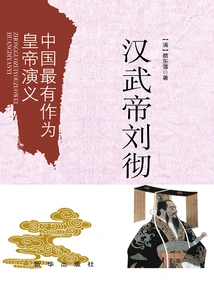
The Romance of China's Most Promising Emperor: Liu Che, Emperor Wu of the Han Dynasty
General Fiction中国最有作为皇帝演义:汉武帝刘彻
Cai Dongfan
The "Romances of China's Most Promising Emperors" series of books selects eight most promising emperors in Chinese history from the "Popular Romance of Chinese Dynasties" written by Mr. Cai Dongfan (based on the 1935 Huiwentang printed version, retaining the author's annotations) and compiles them into a book. This series of books has both historical and literary qualities. It "takes official history as the basis and strives for certainty; it uses anecdotes as the weft and does not make false accusations." Readers can not only read history but also appreciate legendary stories, which is the best of both worlds. This book is one of them, with a total of twenty-two chapters. It tells the story of the young hero Liu Che, the Han Dynasty Emperor Liu Che, in the prosperous era of Hanwu, including his early experiences, his domination of the world, the disaster of witchcraft, Luntai sinner, Tuogu Huoguang and other histories. Emperor Wu of the Han Dynasty ushered in the most prosperous period of the Western Han Dynasty and was the first development peak of China's feudal dynasty. His governance made the Han Dynasty the most powerful country in the world at that time. His achievements had a profound impact on the course of Chinese history and the subsequent development of the Western Han Dynasty.
The "Romances of China's Most Promising Emperors" series of books selects eight most promising emperors in Chinese history from the "Popular Romance of Chinese Dynasties" written by Mr. Cai Dongfan (based on the 1935 Huiwentang printed version, retaining the author's annotations) and compiles them into a book. This series of books has both historical and literary qualities. It "takes official history as the basis and strives for certainty; it uses anecdotes as the weft and does not make false accusations." Readers can not only read history but also appreciate legendary stories, which is the best of both worlds. This book is one of them, with a total of twenty-two chapters. It tells the story of the young hero Liu Che, the Han Dynasty Emperor Liu Che, in the prosperous era of Hanwu, including his early experiences, his domination of the world, the disaster of witchcraft, Luntai sinner, Tuogu Huoguang and other histories. Emperor Wu of the Han Dynasty ushered in the most prosperous period of the Western Han Dynasty and was the first development peak of China's feudal dynasty. His governance made the Han Dynasty the most powerful country in the world at that time. His achievements had a profound impact on the course of Chinese history and the subsequent development of the Western Han Dynasty.