Library
Browse and search books
2,472 novels found
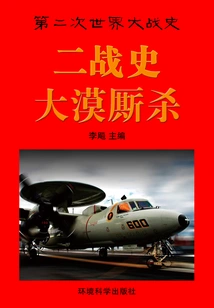
二战史·大漠厮杀(第二次世界大战史)
Editor-in-chief Li Biao
The content of this book includes the Battle of East Africa, the Battle of Libya, Germany's dispatch of troops to North Africa, the Sahara Rush, the invincibility of the Devil's Army, the obstruction of Tobruk, the failure of the "Tomahawk" plan, the "Crusaders", the launch of the counterattack, the return to Brega Port, the carbine return, Rommel's success, the Battle of Aleman, the Battle of Halfa Mountain, the "Speed Foot Plan", the implementation of the "Supercharged" combat plan, and the entire Line collapse, Tunisia campaign, "Torch" plan, beach landing, capture of Tunisia, battle for supply lines in North Africa, Operation "Ironclad", stranglehold on North Africa's "throat", "Cornerstone" escort campaign, attack on North Africa's supply lines, bloody Anzio, "Cobblestone" operation, Allied forces missed opportunities leading to tragedy, bloody resistance, "fish" that slipped through the net, breakthrough of "Gustav" line of defense, etc.
The content of this book includes the Battle of East Africa, the Battle of Libya, Germany's dispatch of troops to North Africa, the Sahara Rush, the invincibility of the Devil's Army, the obstruction of Tobruk, the failure of the "Tomahawk" plan, the "Crusaders", the launch of the counterattack, the return to Brega Port, the carbine return, Rommel's success, the Battle of Aleman, the Battle of Halfa Mountain, the "Speed Foot Plan", the implementation of the "Supercharged" combat plan, and the entire Line collapse, Tunisia campaign, "Torch" plan, beach landing, capture of Tunisia, battle for supply lines in North Africa, Operation "Ironclad", stranglehold on North Africa's "throat", "Cornerstone" escort campaign, attack on North Africa's supply lines, bloody Anzio, "Cobblestone" operation, Allied forces missed opportunities leading to tragedy, bloody resistance, "fish" that slipped through the net, breakthrough of "Gustav" line of defense, etc.
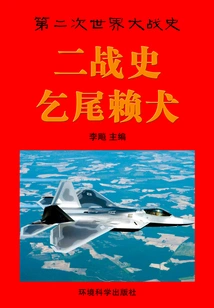
二战史·乞尾赖犬(第二次世界大战史)
Editor-in-chief Li Biao
The contents of this book include the humiliating treaty with the "armistice carriage", the establishment of a puppet regime, the launch of rebellion, the armed intervention of Germany and Italy, the cunning and rational Franco, "I would rather have three or four teeth pulled out", political stars with no achievements, surrendering to Hitler, luring the wolf into the house, Pierre Laval, the shameful life, the signing of the Rome Convention, Franco-Italian negotiations and the Ethiopian issue, the contents of the Rome Agreement, from the Communist Party to the Kuomintang, etc.
The contents of this book include the humiliating treaty with the "armistice carriage", the establishment of a puppet regime, the launch of rebellion, the armed intervention of Germany and Italy, the cunning and rational Franco, "I would rather have three or four teeth pulled out", political stars with no achievements, surrendering to Hitler, luring the wolf into the house, Pierre Laval, the shameful life, the signing of the Rome Convention, Franco-Italian negotiations and the Ethiopian issue, the contents of the Rome Agreement, from the Communist Party to the Kuomintang, etc.
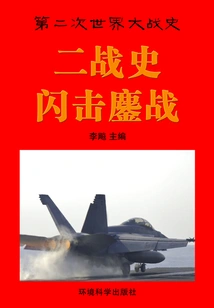
二战史·闪击鏖战(第二次世界大战史)
Editor-in-chief Li Biao
The contents of this book include the release of the "Mercury Project", the German army's multi-pronged preparations, determination to win, the destruction of the levee by ant nests, the confrontation between the fleet and the air force, the successful retreat, the "Barbarossa" plan to capture the Soviet Union, the surprise attack, the capture of the Soviet Union, the defense of Leningrad, the Battle of Leningrad, the invasion of the city, the starvation siege method, the opening of the "Road of Life", and finally The subsequent victory, the defense of Moscow, the smooth implementation of the "Typhoon" plan, all the people in Moscow, the Red Square military parade, the right time and the right place, the Moscow counteroffensive, the defense of Stalingrad, the siege of Stalingrad, Zhukov's order in danger, the transition to counterattack, the encirclement and annihilation of the enemy's 64th Group Army, the Battle of Kursk, the German army's super preparations, the Soviet army was ready and waiting.
The contents of this book include the release of the "Mercury Project", the German army's multi-pronged preparations, determination to win, the destruction of the levee by ant nests, the confrontation between the fleet and the air force, the successful retreat, the "Barbarossa" plan to capture the Soviet Union, the surprise attack, the capture of the Soviet Union, the defense of Leningrad, the Battle of Leningrad, the invasion of the city, the starvation siege method, the opening of the "Road of Life", and finally The subsequent victory, the defense of Moscow, the smooth implementation of the "Typhoon" plan, all the people in Moscow, the Red Square military parade, the right time and the right place, the Moscow counteroffensive, the defense of Stalingrad, the siege of Stalingrad, Zhukov's order in danger, the transition to counterattack, the encirclement and annihilation of the enemy's 64th Group Army, the Battle of Kursk, the German army's super preparations, the Soviet army was ready and waiting.
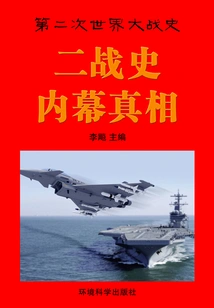
二战史·内幕真相(第二次世界大战史)
Editor-in-chief Li Biao
The contents of this book include the massive transfer of 7 billion treasures, the "mess" of the new prime minister, the "Operation Torpedo" plan, Churchill's good luck, the death of Isoroku Yamamoto, the tragic interception of the "hero" of the empire, "Operation Revenge", who is the hero who shot down Yamamoto, the unprecedented nuclear program, letters from scientists, extraordinary confidentiality work, whether Heisenberg was working for the Nazis, loyal and brave secret agents, and paying attention to Einstein. Stan, why the United States dropped the atomic bomb, the testimony of an American pilot, did the United States drop gasoline bombs on Japan, crossing the highest peak in the world, helpless choices, harsh flight conditions, huge costs, immortal achievements, who was allowed to capture Berlin, sudden changes in combat routes, the Supreme Commander's favorable favor, the smuggling of hundreds of missiles, surprising discoveries, secret smuggling, why the British and American governments did not save the Jews, etc.
The contents of this book include the massive transfer of 7 billion treasures, the "mess" of the new prime minister, the "Operation Torpedo" plan, Churchill's good luck, the death of Isoroku Yamamoto, the tragic interception of the "hero" of the empire, "Operation Revenge", who is the hero who shot down Yamamoto, the unprecedented nuclear program, letters from scientists, extraordinary confidentiality work, whether Heisenberg was working for the Nazis, loyal and brave secret agents, and paying attention to Einstein. Stan, why the United States dropped the atomic bomb, the testimony of an American pilot, did the United States drop gasoline bombs on Japan, crossing the highest peak in the world, helpless choices, harsh flight conditions, huge costs, immortal achievements, who was allowed to capture Berlin, sudden changes in combat routes, the Supreme Commander's favorable favor, the smuggling of hundreds of missiles, surprising discoveries, secret smuggling, why the British and American governments did not save the Jews, etc.
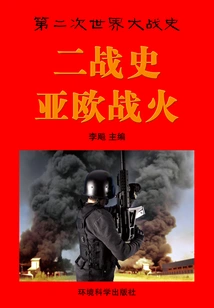
二战史·亚欧战火(第二次世界大战史)
Editor-in-chief Li Biao
The content of this book includes the formation of fascist totalitarian rule, the establishment of the Nazi German regime, the establishment of the Japanese fascist regime, the formation and establishment of Spanish fascism, the international pattern on the eve of World War II, the British appeasement diplomacy, the isolationism of the United States, the passive defense of France, the socialist Soviet Union in the 1930s, the second cooperation between the Kuomintang and the Communist Party, the International Disarmament Conference, the signing of the Montreux Convention, and the first start of Japanese fascism. The beginning of the war, the Japanese invasion of Northeast China, Japan's concocting the puppet Manchukuo, the resolution of the League of Nations, the launch and unfolding of Japan's all-out war of aggression against China, the war between Germany and Italy in Europe and Africa, Italy's invasion of Ethiopia, Italy's occupation of Albania, Italy's threat to France, the German army's advance into the Rhineland, Nazi Germany's annexation of Austria, the bloodless conquest of the Czech Republic, Germany's occupation of Memel, Germany's creation of the Danzig crisis, Germany's creation of international crises, etc.
The content of this book includes the formation of fascist totalitarian rule, the establishment of the Nazi German regime, the establishment of the Japanese fascist regime, the formation and establishment of Spanish fascism, the international pattern on the eve of World War II, the British appeasement diplomacy, the isolationism of the United States, the passive defense of France, the socialist Soviet Union in the 1930s, the second cooperation between the Kuomintang and the Communist Party, the International Disarmament Conference, the signing of the Montreux Convention, and the first start of Japanese fascism. The beginning of the war, the Japanese invasion of Northeast China, Japan's concocting the puppet Manchukuo, the resolution of the League of Nations, the launch and unfolding of Japan's all-out war of aggression against China, the war between Germany and Italy in Europe and Africa, Italy's invasion of Ethiopia, Italy's occupation of Albania, Italy's threat to France, the German army's advance into the Rhineland, Nazi Germany's annexation of Austria, the bloodless conquest of the Czech Republic, Germany's occupation of Memel, Germany's creation of the Danzig crisis, Germany's creation of international crises, etc.
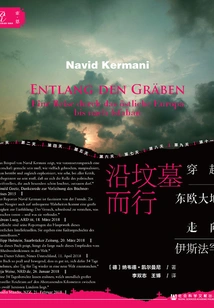
沿坟墓而行:穿越东欧大地走向伊斯法罕(索恩丛书)
(germany) Naveed Kelmani
This book tells the story of the forgotten land of Central and Eastern Europe and listens to the voices of the people who are making history there. There is a vast land stretching from the east of Germany, across Russia and to the Near East. It always feels strange to people. It has been torn apart by frequent wars and disasters. Navid Keermany trekked along the trenches that are now reappearing in Europe: from his home city of Cologne east to the Balkans and south over the Caucasus to his parents' hometown of Isfahan. His unmistakable sensitivity for meaningful details led him to write in his diaries about forgotten places where people are now making history.
This book tells the story of the forgotten land of Central and Eastern Europe and listens to the voices of the people who are making history there. There is a vast land stretching from the east of Germany, across Russia and to the Near East. It always feels strange to people. It has been torn apart by frequent wars and disasters. Navid Keermany trekked along the trenches that are now reappearing in Europe: from his home city of Cologne east to the Balkans and south over the Caucasus to his parents' hometown of Isfahan. His unmistakable sensitivity for meaningful details led him to write in his diaries about forgotten places where people are now making history.
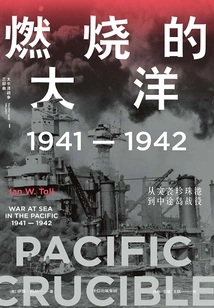
燃烧的大洋:1941—1942,从突袭珍珠港到中途岛战役
I
In the early morning of December 7, 1941, Honolulu residents who were accustomed to military exercises woke up to the noisy sound of artillery fire as usual. They did not realize that a magnificent symphony that staked the fate of the country had already been played... The arrogant Japan declared an undeclared war on the United States. The two giant ships of Pearl Harbor soared into flames, and the unsinkable legend disappeared into the towering black smoke. The Japanese army then became overwhelming. The overwhelming sun flag became the messenger of death on the vast ocean, and the Japanese soldiers were regarded as monsters by their opponents, leaving behind the myth of invincibility. However, the Japanese army's "Victory Disease" gave the US military an opportunity. The Japanese fleet tried to lure the main force of the U. S. Military into a trap and annihilate it in one fell swoop, completely unaware that the movement had been grasped by the U. S. Military. In the end, all the participating aircraft carriers were buried at the bottom of the sea at Midway Island, and the strategic initiative was handed over to others. From Pearl Harbor to Midway, unprecedented fierce naval battles shook the foundations of the participating nations. The battle situation in these six months not only determined the direction of the Pacific War, but also affected the entire situation of World War II. If the balance of history moves even a little bit, the world we know will be completely different. "The Burning Ocean" writes about the gripping initial stage of the Pacific War. From it, we can not only appreciate the strategizing behind Roosevelt and Churchill's chatting and laughing, Yamamoto Isoroku's arrogant gamble, but also the despair of the pilots who narrowly escaped death when faced with the relics of their fallen comrades, and the despair of the fleet commander when he received unfavorable information just after issuing an order. When we rise and fall with the characters in the book, history is no longer out of reach.
In the early morning of December 7, 1941, Honolulu residents who were accustomed to military exercises woke up to the noisy sound of artillery fire as usual. They did not realize that a magnificent symphony that staked the fate of the country had already been played... The arrogant Japan declared an undeclared war on the United States. The two giant ships of Pearl Harbor soared into flames, and the unsinkable legend disappeared into the towering black smoke. The Japanese army then became overwhelming. The overwhelming sun flag became the messenger of death on the vast ocean, and the Japanese soldiers were regarded as monsters by their opponents, leaving behind the myth of invincibility. However, the Japanese army's "Victory Disease" gave the US military an opportunity. The Japanese fleet tried to lure the main force of the U. S. Military into a trap and annihilate it in one fell swoop, completely unaware that the movement had been grasped by the U. S. Military. In the end, all the participating aircraft carriers were buried at the bottom of the sea at Midway Island, and the strategic initiative was handed over to others. From Pearl Harbor to Midway, unprecedented fierce naval battles shook the foundations of the participating nations. The battle situation in these six months not only determined the direction of the Pacific War, but also affected the entire situation of World War II. If the balance of history moves even a little bit, the world we know will be completely different. "The Burning Ocean" writes about the gripping initial stage of the Pacific War. From it, we can not only appreciate the strategizing behind Roosevelt and Churchill's chatting and laughing, Yamamoto Isoroku's arrogant gamble, but also the despair of the pilots who narrowly escaped death when faced with the relics of their fallen comrades, and the despair of the fleet commander when he received unfavorable information just after issuing an order. When we rise and fall with the characters in the book, history is no longer out of reach.
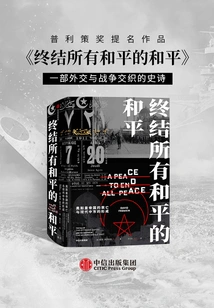
The Peace to End All Peaces: the Fall of the Ottoman Empire and the Making of the Modern Middle East
History终结所有和平的和平:奥斯曼帝国的衰亡与现代中东的形成
(us) David Fromkin
The Middle East, a strategic location in today's world, is also a place of dispute. Wars, religious conflicts, terrorism, intervention by major powers, and ethnic confrontations... Have been taking place on this land in turn over the past 100 years. All of these can be traced back to a series of arrangements and decisions made by major powers such as Britain, France and Russia during and after World War I. Before the outbreak of the First World War, the Ottoman Empire, a great empire that once pointed its troops directly at Vienna, had declined. Most of its territory in Europe was lost, and Egypt, which was nominally part of the empire, became a British vassal. The ambitious British Consul General in Egypt, the Earl of Kitchener, has set out to seek more interests in the Middle East. After the war broke out, the Ottoman Empire joined the Allied Powers led by Germany and fought against the Allied Powers such as Britain, France, and Russia. The Allies did not take this old empire seriously and thought they could defeat it quickly. In 1915, Britain and France launched the Gallipoli Campaign in an attempt to directly capture the Ottoman capital Istanbul. However, the entire war turned into a trench battle that lasted for more than 250 days, and finally ended with the withdrawal of British and French troops. During the war, the British government, seeing no hope of victory, adjusted its Middle East policy. The War Secretary, Earl Kitchener, who led British Middle East policy, sent his subordinate Mark Sykes to negotiate with France and Russia. The three parties secretly reached the "Sykes-Picot Agreement", which roughly divided the three countries' spheres of influence in the Middle East. At the same time, the British government actively supported the rulers of Mecca in launching the Arab Revolt in an attempt to disintegrate the Ottoman Empire from within. At the end of 1916, Lloyd George became the new British Prime Minister. He adopted a more active offensive policy in the Middle East. In less than two years, the British army successively captured Baghdad, Jerusalem and Damascus. In October 1918, the Ottoman Empire was defeated and surrendered. After the First World War, Winston Churchill became the "chief architect" of solutions to the Middle East problem. However, the solution to the Middle East issue is fraught with difficulties. Unrest against British and French rule broke out in many places, and the contradictions between Britain, France, and Russia emerged again. The United States, Italy, Greece and other countries also had to get involved. More importantly, after experiencing the bloody "World War I", the people of Western countries were more eager to recuperate and had no interest in imperialist expansion. In 1922, a series of solutions to the Middle East issue were difficult to come up with. Britain and France forcibly transplanted the Western political system to the Middle East and delineated the borders for the countries in the Middle East without taking into account the local political realities and the demands of the people. The seeds of strife have been sown. The solution that the great powers claimed would bring peace to the Middle East became "the peace to end all peaces."
The Middle East, a strategic location in today's world, is also a place of dispute. Wars, religious conflicts, terrorism, intervention by major powers, and ethnic confrontations... Have been taking place on this land in turn over the past 100 years. All of these can be traced back to a series of arrangements and decisions made by major powers such as Britain, France and Russia during and after World War I. Before the outbreak of the First World War, the Ottoman Empire, a great empire that once pointed its troops directly at Vienna, had declined. Most of its territory in Europe was lost, and Egypt, which was nominally part of the empire, became a British vassal. The ambitious British Consul General in Egypt, the Earl of Kitchener, has set out to seek more interests in the Middle East. After the war broke out, the Ottoman Empire joined the Allied Powers led by Germany and fought against the Allied Powers such as Britain, France, and Russia. The Allies did not take this old empire seriously and thought they could defeat it quickly. In 1915, Britain and France launched the Gallipoli Campaign in an attempt to directly capture the Ottoman capital Istanbul. However, the entire war turned into a trench battle that lasted for more than 250 days, and finally ended with the withdrawal of British and French troops. During the war, the British government, seeing no hope of victory, adjusted its Middle East policy. The War Secretary, Earl Kitchener, who led British Middle East policy, sent his subordinate Mark Sykes to negotiate with France and Russia. The three parties secretly reached the "Sykes-Picot Agreement", which roughly divided the three countries' spheres of influence in the Middle East. At the same time, the British government actively supported the rulers of Mecca in launching the Arab Revolt in an attempt to disintegrate the Ottoman Empire from within. At the end of 1916, Lloyd George became the new British Prime Minister. He adopted a more active offensive policy in the Middle East. In less than two years, the British army successively captured Baghdad, Jerusalem and Damascus. In October 1918, the Ottoman Empire was defeated and surrendered. After the First World War, Winston Churchill became the "chief architect" of solutions to the Middle East problem. However, the solution to the Middle East issue is fraught with difficulties. Unrest against British and French rule broke out in many places, and the contradictions between Britain, France, and Russia emerged again. The United States, Italy, Greece and other countries also had to get involved. More importantly, after experiencing the bloody "World War I", the people of Western countries were more eager to recuperate and had no interest in imperialist expansion. In 1922, a series of solutions to the Middle East issue were difficult to come up with. Britain and France forcibly transplanted the Western political system to the Middle East and delineated the borders for the countries in the Middle East without taking into account the local political realities and the demands of the people. The seeds of strife have been sown. The solution that the great powers claimed would bring peace to the Middle East became "the peace to end all peaces."
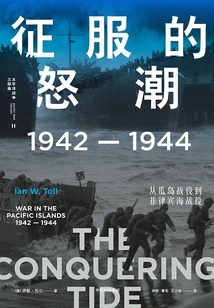
The Fury of Conquest: 1942-1944, from the Battle of Guadalcanal to the Battle of the Philippine Sea
History征服的怒潮:1942—1944,从瓜岛战役到菲律宾海战役
I
In early June 1942, the Japanese army, which was eager to win, suffered heavy losses in the Battle of Midway, and its desire for a quick victory was completely shattered. The Pacific War has since turned into a protracted war of attrition. After the Allied forces sounded the clarion call for counterattack, the beautiful Pacific islands, from the Solomon Islands, the Gilbert Islands to the Marshall Islands, all turned into blood-filled Shura fields. In order to seize these strategic locations, the Allied forces launched a large-scale amphibious landing battle unprecedented in history. In "Rage of Conquest", Ian Toll pointedly pointed out that the United States gradually gained an overwhelming advantage at this stage by virtue of its strong and stable resource supply, military output and logistical support, and by the end of the war it was a sure win. However, Japan's domestic and military forces continue to promote and beautify "Jade Sui", requiring troops and even civilians to fight to the end and die when there is no hope of victory. The result of this is that 1.5 Million Japanese soldiers and civilians will die before the Japanese rulers lose their fighting spirit...
In early June 1942, the Japanese army, which was eager to win, suffered heavy losses in the Battle of Midway, and its desire for a quick victory was completely shattered. The Pacific War has since turned into a protracted war of attrition. After the Allied forces sounded the clarion call for counterattack, the beautiful Pacific islands, from the Solomon Islands, the Gilbert Islands to the Marshall Islands, all turned into blood-filled Shura fields. In order to seize these strategic locations, the Allied forces launched a large-scale amphibious landing battle unprecedented in history. In "Rage of Conquest", Ian Toll pointedly pointed out that the United States gradually gained an overwhelming advantage at this stage by virtue of its strong and stable resource supply, military output and logistical support, and by the end of the war it was a sure win. However, Japan's domestic and military forces continue to promote and beautify "Jade Sui", requiring troops and even civilians to fight to the end and die when there is no hope of victory. The result of this is that 1.5 Million Japanese soldiers and civilians will die before the Japanese rulers lose their fighting spirit...
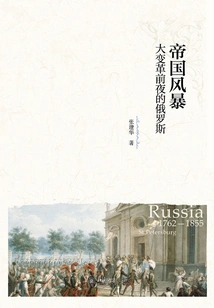
帝国风暴:大变革前夜的俄罗斯
Zhang Jianhua
The period from 1762 to 1855 was the period when the Russian Empire was at its most prosperous, and it was also the period when Russian thought and culture was most glorious. It was also a period when the advantages and legitimacy of the old system were exhausted, and it was also the eve of great changes in the nation, country, society, family and individuals. There are numerous works on this period in the academic, biographical and literary circles at home and abroad, but most of them are general history or general knowledge, and the research perspectives are relatively old-fashioned. This book adopts the latest theories in contemporary academic circles: Imperialism and Iconology, focusing on this historical turning point, the evolution of the Russian Empire's internal structure, the changes in the rulers' imperial governance concepts, the changes in imperial consciousness and imperial ideology, and the evolution of Russia's national image and national image, in order to answer the many urgent questions and destiny challenges faced by the Russian Empire and society on the eve of the great changes (before the serfdom reform in 1861 and the start of Russia's modernization process). This book uses a large number of newly published Russian documents, supplemented by English and other documents. The book has made major adjustments in its writing style. It attempts to use a fresh and smooth writing style, a writing style that narrates history rather than writing history, and an attitude that explores history rather than dramatizes history. It is hoped that more non-professional readers will like Russian history.
The period from 1762 to 1855 was the period when the Russian Empire was at its most prosperous, and it was also the period when Russian thought and culture was most glorious. It was also a period when the advantages and legitimacy of the old system were exhausted, and it was also the eve of great changes in the nation, country, society, family and individuals. There are numerous works on this period in the academic, biographical and literary circles at home and abroad, but most of them are general history or general knowledge, and the research perspectives are relatively old-fashioned. This book adopts the latest theories in contemporary academic circles: Imperialism and Iconology, focusing on this historical turning point, the evolution of the Russian Empire's internal structure, the changes in the rulers' imperial governance concepts, the changes in imperial consciousness and imperial ideology, and the evolution of Russia's national image and national image, in order to answer the many urgent questions and destiny challenges faced by the Russian Empire and society on the eve of the great changes (before the serfdom reform in 1861 and the start of Russia's modernization process). This book uses a large number of newly published Russian documents, supplemented by English and other documents. The book has made major adjustments in its writing style. It attempts to use a fresh and smooth writing style, a writing style that narrates history rather than writing history, and an attitude that explores history rather than dramatizes history. It is hoped that more non-professional readers will like Russian history.
信仰与生活:16世纪德国纽伦堡的改革
Zhou Shiting
Nuremberg was one of the largest cities in Germany in the 16th century and the seat of the Imperial Parliament. The city's religious reforms at that time attracted the attention of all classes in Germany. This reform provides a most salutary illustration of the interaction between forms of German social life and Lutheran Protestantism. This reform is actually a conversion of old and new systems. It distinguishes the medieval church, charity, monasticism and sacramental marriage, and transforms them into social relief, government management of religious affairs and secular marriage systems with modern characteristics. In this way, the Nuremberg Reforms highlighted the will of the citizen class and showed a picture of German social change driven by the people. The book displays various original materials, many of which have been translated into Chinese and analyzed for the first time, thus explaining how modern institutions and social life originated and spread throughout Germany. The author also breaks through the tradition of studying the religious reform from a macro perspective and only focuses on the analysis of one city, establishing a new model for future research on German religion and society.
Nuremberg was one of the largest cities in Germany in the 16th century and the seat of the Imperial Parliament. The city's religious reforms at that time attracted the attention of all classes in Germany. This reform provides a most salutary illustration of the interaction between forms of German social life and Lutheran Protestantism. This reform is actually a conversion of old and new systems. It distinguishes the medieval church, charity, monasticism and sacramental marriage, and transforms them into social relief, government management of religious affairs and secular marriage systems with modern characteristics. In this way, the Nuremberg Reforms highlighted the will of the citizen class and showed a picture of German social change driven by the people. The book displays various original materials, many of which have been translated into Chinese and analyzed for the first time, thus explaining how modern institutions and social life originated and spread throughout Germany. The author also breaks through the tradition of studying the religious reform from a macro perspective and only focuses on the analysis of one city, establishing a new model for future research on German religion and society.
北大德国研究(第七卷)
Huang Liaoyu
The issue of refugees and immigrants is an unavoidable topic in today's Germany and even the entire European Union. It not only affects Germany's political ecology, but also affects German social life and even the daily operations of the entire European Union. This book discusses immigration and immigration issues in Germany, including the first Chinese translation of relevant German literature and incisive discussions by Chinese and German scholars. It covers the cutting-edge views of well-known scholars from famous universities such as Peking University, University of International Business and Economics, University of Vienna, Humboldt University, and Freie Universität Berlin, such as professors Han Shuifa, Luo Xin, Lian Yuru, Heger, and Hille. In addition to providing an in-depth multi-angle analysis of the German immigration issue from the political and social, historical and philosophical perspectives, this book also observes and explores the new turn in German literature and culture on related issues.
The issue of refugees and immigrants is an unavoidable topic in today's Germany and even the entire European Union. It not only affects Germany's political ecology, but also affects German social life and even the daily operations of the entire European Union. This book discusses immigration and immigration issues in Germany, including the first Chinese translation of relevant German literature and incisive discussions by Chinese and German scholars. It covers the cutting-edge views of well-known scholars from famous universities such as Peking University, University of International Business and Economics, University of Vienna, Humboldt University, and Freie Universität Berlin, such as professors Han Shuifa, Luo Xin, Lian Yuru, Heger, and Hille. In addition to providing an in-depth multi-angle analysis of the German immigration issue from the political and social, historical and philosophical perspectives, this book also observes and explores the new turn in German literature and culture on related issues.
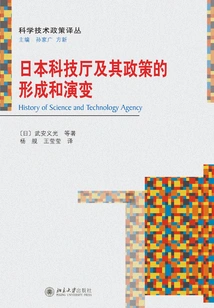
日本科技厅及其政策的形成和演变
(japan) Takesu Yoshimitsu And Others
This book takes the establishment and development of the Japan Science and Technology Agency as the main line to explore Japan's science and technology policy formulation at various stages from the 1940s to the early 21st century. This book is divided into two parts. The first part introduces the establishment of the Japan Science and Technology Agency and the formulation and promotion of Japan's major domestic science and technology policies. The second part introduces Japan's modern science and technology policies and the changes in the world's science and technology system. Specific content includes: the history of the policy development of the Japan Science and Technology Agency, the development process of the Science and Technology Agency, the birth of the "science and technology" policy, and the changes in the science and technology system in Japan and the world. Before the book was officially published, Mr. Yoshimitsu Takeyasu, Deputy Director of the Japan Science and Technology Agency, compiled the book "The Trajectory of the Establishment of the Science and Technology Agency" (hereinafter referred to as "The Trajectory") through detailed interviews with relevant personnel of the Agency. It was published in 1996 as the journal of the Watanabe Memorial Society for the Promotion of New Technologies in Japan. This book draws on and quotes the essence of the book "Trajectory" as the main content of the first chapter of the first part. It can be said that this book is one of the few rare books that comprehensively records the establishment of the Japan Science and Technology Agency and the development history of science and technology policy.
This book takes the establishment and development of the Japan Science and Technology Agency as the main line to explore Japan's science and technology policy formulation at various stages from the 1940s to the early 21st century. This book is divided into two parts. The first part introduces the establishment of the Japan Science and Technology Agency and the formulation and promotion of Japan's major domestic science and technology policies. The second part introduces Japan's modern science and technology policies and the changes in the world's science and technology system. Specific content includes: the history of the policy development of the Japan Science and Technology Agency, the development process of the Science and Technology Agency, the birth of the "science and technology" policy, and the changes in the science and technology system in Japan and the world. Before the book was officially published, Mr. Yoshimitsu Takeyasu, Deputy Director of the Japan Science and Technology Agency, compiled the book "The Trajectory of the Establishment of the Science and Technology Agency" (hereinafter referred to as "The Trajectory") through detailed interviews with relevant personnel of the Agency. It was published in 1996 as the journal of the Watanabe Memorial Society for the Promotion of New Technologies in Japan. This book draws on and quotes the essence of the book "Trajectory" as the main content of the first chapter of the first part. It can be said that this book is one of the few rare books that comprehensively records the establishment of the Japan Science and Technology Agency and the development history of science and technology policy.
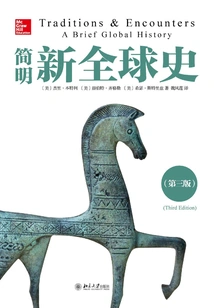
简明新全球史(第三版)
(u. S.) Jerry Bentley Herbert Ziegler Heather Streets
The new global historical perspective advocated by Professor Jerry Bentley first proposed the concept of "cross-cultural interaction", pointing out that different societies or cultures exist independently as a community; but at the same time, they also interact with each other, and "interaction" is the essence of civilizations. As a result, "New Global History" truly breaks through the Western-centrism trap and brings global history research into a new stage. "Concise New Global History" is a condensed version of the three-volume "New Global History". It uses the two themes of "tradition" and "communication" to construct a picture of the entire human history. It uses more concise language and a more compact chapter structure to vividly reproduce the cultural inheritance and interaction of various traditional societies in the history of human civilization.
The new global historical perspective advocated by Professor Jerry Bentley first proposed the concept of "cross-cultural interaction", pointing out that different societies or cultures exist independently as a community; but at the same time, they also interact with each other, and "interaction" is the essence of civilizations. As a result, "New Global History" truly breaks through the Western-centrism trap and brings global history research into a new stage. "Concise New Global History" is a condensed version of the three-volume "New Global History". It uses the two themes of "tradition" and "communication" to construct a picture of the entire human history. It uses more concise language and a more compact chapter structure to vividly reproduce the cultural inheritance and interaction of various traditional societies in the history of human civilization.
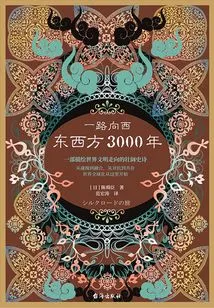
一路向西:东西方3000年
H
If you understand the history of the Western Regions, you will understand the thousands of years of civilizational excitement between the East and the West! Why did Emperor Wu of the Han Dynasty send Zhang Qian as envoy to the Western Regions instead of someone else? Why is Banchao so powerful in the border areas? Is the legendary Xiang Fei really a real person? What is the connection between Xuanzang and the Silk Road? This book gives a comprehensive and three-dimensional depiction of the past and present of the Western Regions from the aspects of political power competition, economic exchanges, and cultural customs collisions and integrations. With rich historical materials and easy-to-understand writing, it is a rare and excellent popular book for understanding the history of the Western Regions and world globalization.
If you understand the history of the Western Regions, you will understand the thousands of years of civilizational excitement between the East and the West! Why did Emperor Wu of the Han Dynasty send Zhang Qian as envoy to the Western Regions instead of someone else? Why is Banchao so powerful in the border areas? Is the legendary Xiang Fei really a real person? What is the connection between Xuanzang and the Silk Road? This book gives a comprehensive and three-dimensional depiction of the past and present of the Western Regions from the aspects of political power competition, economic exchanges, and cultural customs collisions and integrations. With rich historical materials and easy-to-understand writing, it is a rare and excellent popular book for understanding the history of the Western Regions and world globalization.
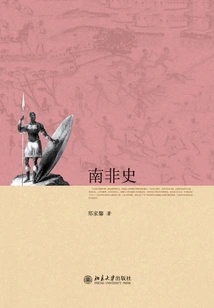
South African History
History南非史
Zheng Jiaxin
This book uses black Africans as the main narrative subject and examines the history of South Africa since the colonial era. The book takes the history of black people's anti-colonial and anti-invasion struggles as the main context, describing South Africa's social politics, economy, culture, customs and other aspects in various historical periods. At the same time, it places South African history in a global context and explores the causes and impacts of South Africa's historical process from a broader perspective. This book is written by Professor Zheng Jiaxin, deputy director of the African Studies Center of the Department of History, Peking University. Professor Zheng has been engaged in related research and teaching for more than 20 years, and this book is a summary of his academic achievements. With its informative, meticulous, rigorous and grand exposition system, it fills the gap in the study of South African history in domestic academic circles.
This book uses black Africans as the main narrative subject and examines the history of South Africa since the colonial era. The book takes the history of black people's anti-colonial and anti-invasion struggles as the main context, describing South Africa's social politics, economy, culture, customs and other aspects in various historical periods. At the same time, it places South African history in a global context and explores the causes and impacts of South Africa's historical process from a broader perspective. This book is written by Professor Zheng Jiaxin, deputy director of the African Studies Center of the Department of History, Peking University. Professor Zheng has been engaged in related research and teaching for more than 20 years, and this book is a summary of his academic achievements. With its informative, meticulous, rigorous and grand exposition system, it fills the gap in the study of South African history in domestic academic circles.
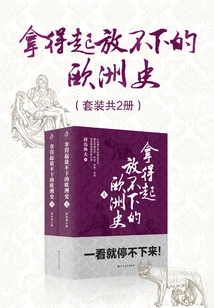
拿得起放不下的欧洲史(套装共2册)
Tang Dao Fisherman
The author tells the history of Europe from a traditional Chinese perspective, combined with his many years of experience in living in European countries. Using the method of geographical analysis, it integrates the economic, technological, military, ideological and other aspects of European countries. Break away from the Eurocentric theory of Western scholars and tell European history from the perspective of macro-world historical development. At the same time, it uses objective and cold words to unearth the real driving force of European development and the original historical appearance. "A History of Europe You Can't Put Down" consists of two volumes, including eight parts: Myths of the Wilderness, Bloodthirsty Crown, Barbarian Legends, Plate Collision, Dynasty Glory, Smaller Ambition, Ocean Dominance, and Romance of the Great Powers.
The author tells the history of Europe from a traditional Chinese perspective, combined with his many years of experience in living in European countries. Using the method of geographical analysis, it integrates the economic, technological, military, ideological and other aspects of European countries. Break away from the Eurocentric theory of Western scholars and tell European history from the perspective of macro-world historical development. At the same time, it uses objective and cold words to unearth the real driving force of European development and the original historical appearance. "A History of Europe You Can't Put Down" consists of two volumes, including eight parts: Myths of the Wilderness, Bloodthirsty Crown, Barbarian Legends, Plate Collision, Dynasty Glory, Smaller Ambition, Ocean Dominance, and Romance of the Great Powers.
二战史·揭露骗局(第二次世界大战史)
Editor-in-chief Li Biao
The contents of this book include the behind-the-scenes stories of the "Soviet-German Non-Aggression Pact", the signing of the "Peace" Treaty between the Soviet Union and Germany, Stalin's difficulties, how the "Munich Agreement" came out, Hitler's expansion ambitions, the manipulation of the Sudetenland riots, the "League of Nations Covenant" in vain, the signing of the humiliating treaty, who created the excuse to attack Poland, Heydrich himself, Himmler's battle plan, the hidden secrets of Poland's occupation, betrayal of Hitler, " How did the "Pearl Harbor Incident" happen, the Pearl Harbor tragedy, Yamamoto's surprise attack plan, top U. S. Officials underestimating the enemy, connivance by the allies, the Soviet Union's involvement in the matter, why Hitler spared the British and French forces, the "Führer" order to stop advancing, the reasons for the defeat of the British and French coalition forces, the secret of the escape of 400,000 troops, did Hitler build an atomic bomb, the "Führer" did not pay attention, scientists resisted the war, the destruction of the allies, Japan's plan was also in vain, etc.
The contents of this book include the behind-the-scenes stories of the "Soviet-German Non-Aggression Pact", the signing of the "Peace" Treaty between the Soviet Union and Germany, Stalin's difficulties, how the "Munich Agreement" came out, Hitler's expansion ambitions, the manipulation of the Sudetenland riots, the "League of Nations Covenant" in vain, the signing of the humiliating treaty, who created the excuse to attack Poland, Heydrich himself, Himmler's battle plan, the hidden secrets of Poland's occupation, betrayal of Hitler, " How did the "Pearl Harbor Incident" happen, the Pearl Harbor tragedy, Yamamoto's surprise attack plan, top U. S. Officials underestimating the enemy, connivance by the allies, the Soviet Union's involvement in the matter, why Hitler spared the British and French forces, the "Führer" order to stop advancing, the reasons for the defeat of the British and French coalition forces, the secret of the escape of 400,000 troops, did Hitler build an atomic bomb, the "Führer" did not pay attention, scientists resisted the war, the destruction of the allies, Japan's plan was also in vain, etc.
二战史·叱咤英豪(第二次世界大战史)
Editor-in-chief Li Biao
The content of this book includes the young naval officer, encountering German torpedoes, joining the Pacific Campaign, "Earl Mountbatten of Burma", the origin of the title "Barbarian Bull", the earliest "aircraft carrier" commander, attacking Japan to achieve military exploits, breaking the myth of Japanese invincibility, avenging Pearl Harbor, capturing Solomon, the victory of the Battle of Leyte Gulf, and the surrender of the USS Missouri. Ceremonies, millionaires among cadets, "bloody generals", achievements in World War II, standing out from many generals, commanding the Battle of Coral Island, the victory at Midway, the decisive battle on Guadalcanal, the fierce battle in "Living Hell", meeting MacArthur, entering Japan, returning triumphantly, constant setbacks, holding on to Imphal, assaulting Mintila, Spruance, etc.
The content of this book includes the young naval officer, encountering German torpedoes, joining the Pacific Campaign, "Earl Mountbatten of Burma", the origin of the title "Barbarian Bull", the earliest "aircraft carrier" commander, attacking Japan to achieve military exploits, breaking the myth of Japanese invincibility, avenging Pearl Harbor, capturing Solomon, the victory of the Battle of Leyte Gulf, and the surrender of the USS Missouri. Ceremonies, millionaires among cadets, "bloody generals", achievements in World War II, standing out from many generals, commanding the Battle of Coral Island, the victory at Midway, the decisive battle on Guadalcanal, the fierce battle in "Living Hell", meeting MacArthur, entering Japan, returning triumphantly, constant setbacks, holding on to Imphal, assaulting Mintila, Spruance, etc.
二战史·横扫欧非(第二次世界大战史)
Editor-in-chief Li Biao
The contents of this book include Germany and Italy sweeping across Western Europe, Germany's "yellow plan" to attack Western Europe, the German conquest of the Netherlands and Belgium, the German army's "Blitzkrieg" against France, Italy's participation in the war, the capture of Paris, the British resistance, Churchill's formation of the cabinet, the general mobilization of the British resistance, Germany's war against the United Kingdom, the British bombing of Germany, the fierce battle between the British and German navies in the Atlantic, the German and Italian invasion of Africa, the German and Italian The aggression and expansion in Africa, the aggression and expansion of Germany and Italy in the Balkans, the battle for the Mediterranean between Britain and Germany, Germany's invasion of the Soviet Union, the "Barbarossa" plan, Germany's blitzkrieg against the Soviet Union, the strategic defense of the Soviet army, several major battles between the Soviet Union and Germany, the Soviet army's winter general offensive, the sudden outbreak of war in the Pacific, Japan's sneak attack on Pearl Harbor, the Japanese army's attack on Southeast Asia, the alliance of the two major alliances in the world, etc.
The contents of this book include Germany and Italy sweeping across Western Europe, Germany's "yellow plan" to attack Western Europe, the German conquest of the Netherlands and Belgium, the German army's "Blitzkrieg" against France, Italy's participation in the war, the capture of Paris, the British resistance, Churchill's formation of the cabinet, the general mobilization of the British resistance, Germany's war against the United Kingdom, the British bombing of Germany, the fierce battle between the British and German navies in the Atlantic, the German and Italian invasion of Africa, the German and Italian The aggression and expansion in Africa, the aggression and expansion of Germany and Italy in the Balkans, the battle for the Mediterranean between Britain and Germany, Germany's invasion of the Soviet Union, the "Barbarossa" plan, Germany's blitzkrieg against the Soviet Union, the strategic defense of the Soviet army, several major battles between the Soviet Union and Germany, the Soviet army's winter general offensive, the sudden outbreak of war in the Pacific, Japan's sneak attack on Pearl Harbor, the Japanese army's attack on Southeast Asia, the alliance of the two major alliances in the world, etc.
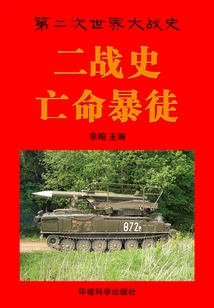
二战史·亡命暴徒(第二次世界大战史)
Editor-in-chief Li Biao
The content of this book includes Goering in World War I, promoting the Nazis to power, manipulating the Reichstag fire, from forming the Gestapo to solving the Jewish problem, being eclipsed in World War II, the demise of Nazi extremists, "Hitler Youth", implementing "wolf pack tactics", "devils" at sea, hunting "wolf packs", "blitz" Poland, air raids on Moscow, bombing North Africa, Mann Stein, joining the army as a young man, helping the tyrants to commit crimes, leading to failure, Guderian, the British assassin, winning the Iron Cross, invincible armor, Murenitz, the chief culprit of the invasion of China, escaping from the law, Nazi agitator, indispensable mouthpiece, Seishiro Sakagaki, the main culprit of the "9·18", Sugamo's torture, Yamashita Nobumi, the crimes of the masked general, prisoners becoming surrenders, etc.
The content of this book includes Goering in World War I, promoting the Nazis to power, manipulating the Reichstag fire, from forming the Gestapo to solving the Jewish problem, being eclipsed in World War II, the demise of Nazi extremists, "Hitler Youth", implementing "wolf pack tactics", "devils" at sea, hunting "wolf packs", "blitz" Poland, air raids on Moscow, bombing North Africa, Mann Stein, joining the army as a young man, helping the tyrants to commit crimes, leading to failure, Guderian, the British assassin, winning the Iron Cross, invincible armor, Murenitz, the chief culprit of the invasion of China, escaping from the law, Nazi agitator, indispensable mouthpiece, Seishiro Sakagaki, the main culprit of the "9·18", Sugamo's torture, Yamashita Nobumi, the crimes of the masked general, prisoners becoming surrenders, etc.
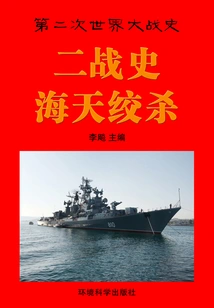
二战史·海天绞杀(第二次世界大战史)
Editor-in-chief Li Biao
The contents of this book include the Battle of Cape Matapan, setting sights on Cape Matapan, the German-Italian alliance, the deployment of British fleets, battles of wits at sea, the annihilation of Italian ships, the Battle of the Arctic Route, the opening of the Arctic Route, the fight for the Arctic Route, sniping the Arctic Route, the tragic fleet, the defense of the Arctic Route, Churchill's anger, the fate of "Scharnhorst", the end of the "Tirpitz", and the triumphant end of the Arctic Route. , The Malayan naval battle between Britain and Japan, the British "Z" fleet, which underestimated the enemy, fell into the trap, unexpectedly won a complete victory, and suffered heavy losses again, the United States and Japan, the great naval battle of Leyte Gulf, cleared the obstacles for the landing operation, and the initial battle on both sides of the Sibuyan Sea Fangjun suffered heavy losses, the three Japanese fleets were unable to rush into Leyte Gulf, the power of the Japanese "Kamikaze", the US military pursued the victory to seal the victory, the Battle of North Cape, the trial of the German new ship, the hunt for the "Sha" and "Gate" ships, etc.
The contents of this book include the Battle of Cape Matapan, setting sights on Cape Matapan, the German-Italian alliance, the deployment of British fleets, battles of wits at sea, the annihilation of Italian ships, the Battle of the Arctic Route, the opening of the Arctic Route, the fight for the Arctic Route, sniping the Arctic Route, the tragic fleet, the defense of the Arctic Route, Churchill's anger, the fate of "Scharnhorst", the end of the "Tirpitz", and the triumphant end of the Arctic Route. , The Malayan naval battle between Britain and Japan, the British "Z" fleet, which underestimated the enemy, fell into the trap, unexpectedly won a complete victory, and suffered heavy losses again, the United States and Japan, the great naval battle of Leyte Gulf, cleared the obstacles for the landing operation, and the initial battle on both sides of the Sibuyan Sea Fangjun suffered heavy losses, the three Japanese fleets were unable to rush into Leyte Gulf, the power of the Japanese "Kamikaze", the US military pursued the victory to seal the victory, the Battle of North Cape, the trial of the German new ship, the hunt for the "Sha" and "Gate" ships, etc.
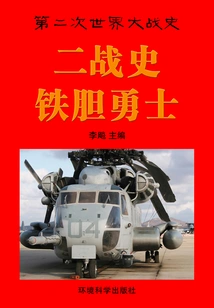
二战史·铁胆勇士(第二次世界大战史)
Editor-in-chief Li Biao
The contents of this book include joining the army in troubled times, being sent to China twice, fighting bravely for Stalingrad, the hard-won victory in the Battle of Kursk, attacking the final goal of the war - Berlin, being reprimanded for staying in Peiping, taking control of the army and achieving great achievements, fighting fiercely in the winter of 1939, fighting a tight siege, cleverly breaking out of the siege and spilling blood, He is a Red Army general who is brave and unyielding and takes the lead in fighting the enemy. He has excellent military quality. He leads a breakout and marries his country. He is Xia Boyang of China. "The Party is my mother". He designs to kill the enemy. Gao Jizhuang bloody breakout. "Comrade Ma Benzhai will not die."
The contents of this book include joining the army in troubled times, being sent to China twice, fighting bravely for Stalingrad, the hard-won victory in the Battle of Kursk, attacking the final goal of the war - Berlin, being reprimanded for staying in Peiping, taking control of the army and achieving great achievements, fighting fiercely in the winter of 1939, fighting a tight siege, cleverly breaking out of the siege and spilling blood, He is a Red Army general who is brave and unyielding and takes the lead in fighting the enemy. He has excellent military quality. He leads a breakout and marries his country. He is Xia Boyang of China. "The Party is my mother". He designs to kill the enemy. Gao Jizhuang bloody breakout. "Comrade Ma Benzhai will not die."
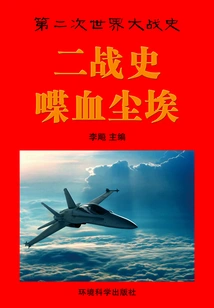
二战史·喋血尘埃(第二次世界大战史)
Editor-in-chief Li Biao
The contents of this book include the Battle of Pingxingguan, the correct foresight, the beautiful ambush, the failure of expectations, the Japanese army's carefully planned attack on Xuzhou, the initial results of innovative tactics, Zhang Zizhong abandoning his personal grudges to aid Linyi, Wang Mingzhang's sacrifice in Teng County, the Taierzhuang victory, ending in the flooding of the Yellow River, and defending the country. Shanghai, causing trouble, "January 28" Songhu War, "August 13" Songhu War, Tikhvin Defense Battle, defense, offense, Smolensk, Roslavli Battle, Smolensk Offensive Battle, Baltic Sea Battle, Baltic Coast Battle, Polotsk Battle, etc.
The contents of this book include the Battle of Pingxingguan, the correct foresight, the beautiful ambush, the failure of expectations, the Japanese army's carefully planned attack on Xuzhou, the initial results of innovative tactics, Zhang Zizhong abandoning his personal grudges to aid Linyi, Wang Mingzhang's sacrifice in Teng County, the Taierzhuang victory, ending in the flooding of the Yellow River, and defending the country. Shanghai, causing trouble, "January 28" Songhu War, "August 13" Songhu War, Tikhvin Defense Battle, defense, offense, Smolensk, Roslavli Battle, Smolensk Offensive Battle, Baltic Sea Battle, Baltic Coast Battle, Polotsk Battle, etc.
二战史·瓜分世界(第二次世界大战史)
Editor-in-chief Li Biao
The contents of this book include the end of the First World War, the signing of the Treaty of Versailles, the Paris conspiracy, the issue of German reparations, the new order in the Far East and the Pacific, the development of the international communist movement, the victory of the October Revolution, the revolutionary wave of the proletariat, the signing of the Non-War Pact, the economic crisis from 1929 to 1932, the rise of the Communist International, the rise of the national liberation movement, the "March 1st" movement in Korea, the "May 4th" movement in China, and the Indian People's Liberation Army. National liberation struggle, Turkish liberation struggle, Irish independence, Persian national movement, the rise of German and Italian fascism, Italian fascist movement, German Nazi movement, Japanese militarism movement, fascist movements in other countries, the situation of various countries in the world in the 1920s, the situation of China in the 1920s, the Soviet Union in the 1920s, the situation of the United Kingdom in the 1920s, the domestic and international relations of the United States in the 1920s, the situation of France in the 1920s, the rise of Japanese fascism, etc.
The contents of this book include the end of the First World War, the signing of the Treaty of Versailles, the Paris conspiracy, the issue of German reparations, the new order in the Far East and the Pacific, the development of the international communist movement, the victory of the October Revolution, the revolutionary wave of the proletariat, the signing of the Non-War Pact, the economic crisis from 1929 to 1932, the rise of the Communist International, the rise of the national liberation movement, the "March 1st" movement in Korea, the "May 4th" movement in China, and the Indian People's Liberation Army. National liberation struggle, Turkish liberation struggle, Irish independence, Persian national movement, the rise of German and Italian fascism, Italian fascist movement, German Nazi movement, Japanese militarism movement, fascist movements in other countries, the situation of various countries in the world in the 1920s, the situation of China in the 1920s, the Soviet Union in the 1920s, the situation of the United Kingdom in the 1920s, the domestic and international relations of the United States in the 1920s, the situation of France in the 1920s, the rise of Japanese fascism, etc.
Between the Wars: 1919-1939
History战争之间:1919—1939
(us) Philip Ziegler
From 1919 to 1939, during the "Twenty Years' Armistice", a declining Europe was heading for destruction; in other corners of the world, the changes and development of politics, military, culture, science, economy, and social movements were like countless tortuous tributaries, intersecting, converging, and separating, and finally merged into the same ocean. The historical fragments selected in this book include both the theme of "Hitler's rise to power" and "inconspicuous" material such as the "Chaco War". The former is already overly familiar, while the latter seems to be just another reprint of history that keeps repeating itself. The author positions this unpredictable era between change and eternity. Although it is shrouded in the shadow of the two wars, it is difficult to say that these days are peaceful and happy, but the lives of many ordinary people cannot be said to be unbearable. Regardless of personal feelings, the wheel of the times is still turning irreversibly forward. What happened from 1919 to 1939 shaped the current world. Understanding this period of history will help us gain a deeper understanding of the world's current problems and dilemmas. Although it is very difficult, the author is not satisfied with simply recounting historical events, but hopes to use elegant commentary to express his position, especially the issues that concern him most: the fall of Europe and the change of the world. This book also lists important works in related fields to provide convenience for readers who want to read further.
From 1919 to 1939, during the "Twenty Years' Armistice", a declining Europe was heading for destruction; in other corners of the world, the changes and development of politics, military, culture, science, economy, and social movements were like countless tortuous tributaries, intersecting, converging, and separating, and finally merged into the same ocean. The historical fragments selected in this book include both the theme of "Hitler's rise to power" and "inconspicuous" material such as the "Chaco War". The former is already overly familiar, while the latter seems to be just another reprint of history that keeps repeating itself. The author positions this unpredictable era between change and eternity. Although it is shrouded in the shadow of the two wars, it is difficult to say that these days are peaceful and happy, but the lives of many ordinary people cannot be said to be unbearable. Regardless of personal feelings, the wheel of the times is still turning irreversibly forward. What happened from 1919 to 1939 shaped the current world. Understanding this period of history will help us gain a deeper understanding of the world's current problems and dilemmas. Although it is very difficult, the author is not satisfied with simply recounting historical events, but hopes to use elegant commentary to express his position, especially the issues that concern him most: the fall of Europe and the change of the world. This book also lists important works in related fields to provide convenience for readers who want to read further.
帝国落日:见证德国军队的最后时刻
(germany) Albert Kesselring
The author of this book, "Eagle of the Empire" Albert Kesselring, was one of the 26 German marshals during World War II. He served in the German army for a long time and played an important role in the establishment and growth of the German Air Force. He participated in World War I and World War II, especially in Poland, the Soviet Union, North Africa and Italy in World War II. He planned, directed, and executed many major battles. In 1945, he surrendered to the Allies as the Commander-in-Chief of the German Army on the Western Front, witnessing the final outcome of Germany's military power. As a loser, based on his own personal experience, he expressed his unique insights into Germany's strategic and tactical gains and losses in World War II, which has certain military historical significance. The author has been in high-level positions in Germany for many years and has had close contact with many political figures and military leaders. He is familiar with most of the history-changing events in Germany's military and political life. His narrative can enhance readers' understanding of many historical moments and restore complex history more comprehensively and three-dimensionally from multiple angles. From his narrative, we can see clues to the rise and fall of the German army and the Nazi regime.
The author of this book, "Eagle of the Empire" Albert Kesselring, was one of the 26 German marshals during World War II. He served in the German army for a long time and played an important role in the establishment and growth of the German Air Force. He participated in World War I and World War II, especially in Poland, the Soviet Union, North Africa and Italy in World War II. He planned, directed, and executed many major battles. In 1945, he surrendered to the Allies as the Commander-in-Chief of the German Army on the Western Front, witnessing the final outcome of Germany's military power. As a loser, based on his own personal experience, he expressed his unique insights into Germany's strategic and tactical gains and losses in World War II, which has certain military historical significance. The author has been in high-level positions in Germany for many years and has had close contact with many political figures and military leaders. He is familiar with most of the history-changing events in Germany's military and political life. His narrative can enhance readers' understanding of many historical moments and restore complex history more comprehensively and three-dimensionally from multiple angles. From his narrative, we can see clues to the rise and fall of the German army and the Nazi regime.
Decline of the Middle Ages
History中世纪的衰落
(dutch) John Huizinga
This book is an imported public edition book. The author Huizinga (1872-1945) was a famous Dutch linguist and historian. "The Waning of the Middle Ages" (originally published by China Art Publishing House and translated as "The Waning of the Middle Ages") is Huizinga's representative work. Its influence is long-lasting and it is a classic work in the study of Western cultural history. This book studies the history of the fourteenth and fifteenth centuries, and the closing stage of medieval civilization. It is based on the above point of view that the author tries to truly understand the Van Eyck brothers and the era in which they lived, that is, he tries to understand it from its connection with the life of the time. And reality has proven that one thing that all forms of civilization of that era have in common is that they are all inextricably linked to the past. This connection goes even further than to the future they are gestating. Therefore, the brilliant achievements of that era should be regarded not only by artists, but also by theologians, poets, historians, kings and politicians, as the completion and end of the past, rather than as the prelude to a new culture.
This book is an imported public edition book. The author Huizinga (1872-1945) was a famous Dutch linguist and historian. "The Waning of the Middle Ages" (originally published by China Art Publishing House and translated as "The Waning of the Middle Ages") is Huizinga's representative work. Its influence is long-lasting and it is a classic work in the study of Western cultural history. This book studies the history of the fourteenth and fifteenth centuries, and the closing stage of medieval civilization. It is based on the above point of view that the author tries to truly understand the Van Eyck brothers and the era in which they lived, that is, he tries to understand it from its connection with the life of the time. And reality has proven that one thing that all forms of civilization of that era have in common is that they are all inextricably linked to the past. This connection goes even further than to the future they are gestating. Therefore, the brilliant achievements of that era should be regarded not only by artists, but also by theologians, poets, historians, kings and politicians, as the completion and end of the past, rather than as the prelude to a new culture.
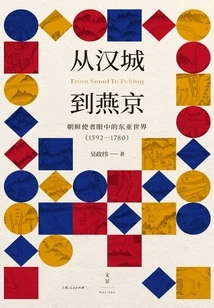
从汉城到燕京:朝鲜使者眼中的东亚世界(1592—1780)
Wu Zhengwei
In 1592, a war involving China, Japan and South Korea started on the Korean Peninsula! Toyotomi Hideyoshi sent troops to North Korea, and the King of North Korea fled overnight. The envoys rushed to China for help. Should the Ming Dynasty at that time save it or not? ! In East Asia in the 16th century, Korea, as a vassal of the Ming Dynasty, sent Chao Angels (later known as "Yan Xingxing") as envoys to China every year. This "Battle of Imjin" that shocked the world kicked off the book, bringing out the story of this rarely-known group of "North Korean envoys". From the Yuan Dynasty to the end of the Qing Dynasty, from Seoul to Yanjing, from admiration to contempt, countless Yan Dynasties traveled through the tribute roads, crossing mountains and deep rivers, delivering the latest intelligence and observations on China. China was indeed at the center of the Korean people's world view, but the fall of the Ming Dynasty to the Qing Dynasty was a very serious blow. They regarded themselves as "Little China", while chewing the sorrow of the Ming Dynasty's demise, they were thinking about where to go...
In 1592, a war involving China, Japan and South Korea started on the Korean Peninsula! Toyotomi Hideyoshi sent troops to North Korea, and the King of North Korea fled overnight. The envoys rushed to China for help. Should the Ming Dynasty at that time save it or not? ! In East Asia in the 16th century, Korea, as a vassal of the Ming Dynasty, sent Chao Angels (later known as "Yan Xingxing") as envoys to China every year. This "Battle of Imjin" that shocked the world kicked off the book, bringing out the story of this rarely-known group of "North Korean envoys". From the Yuan Dynasty to the end of the Qing Dynasty, from Seoul to Yanjing, from admiration to contempt, countless Yan Dynasties traveled through the tribute roads, crossing mountains and deep rivers, delivering the latest intelligence and observations on China. China was indeed at the center of the Korean people's world view, but the fall of the Ming Dynasty to the Qing Dynasty was a very serious blow. They regarded themselves as "Little China", while chewing the sorrow of the Ming Dynasty's demise, they were thinking about where to go...
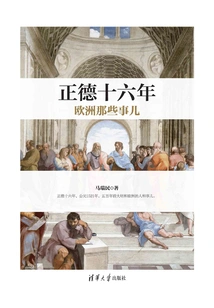
正德十六年欧洲那些事儿
Ma Ruimin
The content of this book is centered on the 16th year of Zhengde (1521) and extends forward and backward to the entire reign of the two emperors Zhengde and Jiajing. The entire period is about sixty years. Prior to this, the economic, cultural development, and comprehensive national strength of European countries were not as good as those of the Ming Empire, far worse. However, in just these sixty years, through the Great Navigation, the Renaissance and the Reformation, Europe was like equipped with three rocket thrusters, speeding up and surpassing the Ming Dynasty. Let us read about these people and things in Europe with ease and humor.
The content of this book is centered on the 16th year of Zhengde (1521) and extends forward and backward to the entire reign of the two emperors Zhengde and Jiajing. The entire period is about sixty years. Prior to this, the economic, cultural development, and comprehensive national strength of European countries were not as good as those of the Ming Empire, far worse. However, in just these sixty years, through the Great Navigation, the Renaissance and the Reformation, Europe was like equipped with three rocket thrusters, speeding up and surpassing the Ming Dynasty. Let us read about these people and things in Europe with ease and humor.
U
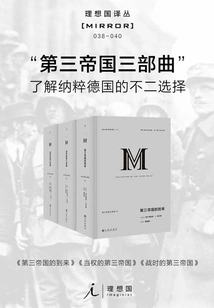
第三帝国三部曲(理想国译丛 038-040)
G
The Third Reich Trilogy (Utopia Translation Series 038-040) includes the prequel to Nazi Germany in "Utopia Translation Series 038 The Arrival of the Third Reich" and the history of the collapse of the Weimar Republic. Completely analyze the reasons for the rise of the Nazis and vividly restore the process of Hitler's seizure of power. "Utopia Translation Series 039 The Third Reich in Power" reproduces how the Nazi Party in peacetime used brutal and bloody dictatorial methods to cleanse, mobilize, and arm the German nation step by step, transforming Germany into a war machine with full sprint. "Utopia Translation Series 040 The Third Reich in Wartime" details the Nazis' military conquests and extreme genocide through a macroscopic description of the war and ordinary people's wartime experiences. Reproduce how Germany ignited the flames of war and completely changed the world situation and historical development in the 20th century.
The Third Reich Trilogy (Utopia Translation Series 038-040) includes the prequel to Nazi Germany in "Utopia Translation Series 038 The Arrival of the Third Reich" and the history of the collapse of the Weimar Republic. Completely analyze the reasons for the rise of the Nazis and vividly restore the process of Hitler's seizure of power. "Utopia Translation Series 039 The Third Reich in Power" reproduces how the Nazi Party in peacetime used brutal and bloody dictatorial methods to cleanse, mobilize, and arm the German nation step by step, transforming Germany into a war machine with full sprint. "Utopia Translation Series 040 The Third Reich in Wartime" details the Nazis' military conquests and extreme genocide through a macroscopic description of the war and ordinary people's wartime experiences. Reproduce how Germany ignited the flames of war and completely changed the world situation and historical development in the 20th century.
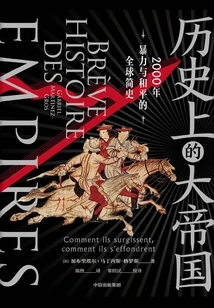
历史上的大帝国:2000年暴力与和平的全球简史
(france) Gabriel Martinez-gros
Countless huge ancient empires have been born in the history of the world. Some of them were short-lived, some fell apart, and some of the empires' spiritual legacies continue to this day. The age of the empire seems to be no different from the world we live in today. The empire's administrative and financial structures are all in place. It has successfully placed the old, weak, women and children under the protection of the empire, and used civilization and regulations to liberate the world from violence and barbarism. However, while the imperial society gave up its arms around peaceful development, it also suffered from financial burdens and internal and external intrusions from frontier barbarians until the empire's demise. How are empires born? Why did the empire collapse? This constitutes the main line of human civilization history for more than 2,000 years. Inspired by the medieval Islamic philosopher and historian Ibn Khaldun, the author explores the reasons for the rise and fall of empires around the theme of "violence and peace". In the early days of the empire, violence was relied upon to establish power; in the heyday of material civilization, peace was advocated and disarmament was advocated; until the end of the empire, rulers became arrogant and extravagant, causing power to change hands. In the eyes of Ibn Khaldun, the survival of the empire cannot last beyond three generations. Using Khaldun's wonderful discussion as a framework, the author extends this theory to cover the entire human history in the three continents of Asia, Africa, and Europe. He also raised questions about the modern world after the age of empires. After the Industrial Revolution, empires were gradually replaced by numerous nation-states. In a world where seemingly peaceful populations settled, will globalization, aging, and population migration constitute new factors of instability? Will world powers fall like great empires in history?
Countless huge ancient empires have been born in the history of the world. Some of them were short-lived, some fell apart, and some of the empires' spiritual legacies continue to this day. The age of the empire seems to be no different from the world we live in today. The empire's administrative and financial structures are all in place. It has successfully placed the old, weak, women and children under the protection of the empire, and used civilization and regulations to liberate the world from violence and barbarism. However, while the imperial society gave up its arms around peaceful development, it also suffered from financial burdens and internal and external intrusions from frontier barbarians until the empire's demise. How are empires born? Why did the empire collapse? This constitutes the main line of human civilization history for more than 2,000 years. Inspired by the medieval Islamic philosopher and historian Ibn Khaldun, the author explores the reasons for the rise and fall of empires around the theme of "violence and peace". In the early days of the empire, violence was relied upon to establish power; in the heyday of material civilization, peace was advocated and disarmament was advocated; until the end of the empire, rulers became arrogant and extravagant, causing power to change hands. In the eyes of Ibn Khaldun, the survival of the empire cannot last beyond three generations. Using Khaldun's wonderful discussion as a framework, the author extends this theory to cover the entire human history in the three continents of Asia, Africa, and Europe. He also raised questions about the modern world after the age of empires. After the Industrial Revolution, empires were gradually replaced by numerous nation-states. In a world where seemingly peaceful populations settled, will globalization, aging, and population migration constitute new factors of instability? Will world powers fall like great empires in history?
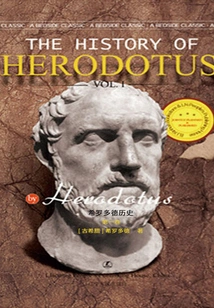
Herodotus' History Volume 1
History希罗多德历史·第一卷
N
Herodotus (approximately 484 BC - 425 BC) was the greatest historian and writer in ancient Greece. Chinese readers often compare him to Sima Qian (145 BC-90 BC), the author of the great historical work "Historical Records". Sima Qian's son inherited his father's legacy and served as the Taishi Ling. He traveled around various places to learn about customs and collect rumors. Herodotus also used vivid writing to record what he heard and saw during his long journeys in his life, as well as the history of Persia and other countries, and wrote a book that influenced later generations for more than two thousand years - "History of Herodotus". Cicero, the famous political orator in ancient Rome, called Herodotus the "father of history" (paterhistoriae). It can be said that it is not an exaggeration at all, just as Sima Qian can be regarded as the "father of Chinese history." The book "History of Herodotus" mainly records many historical stories Herodotus heard. Indeed, this is similar to Sima Qian. In fact, there are many stories in "Historical Records" that Sima Qian heard. But this does not prevent Sima Qian from becoming a great historical recorder. Precisely because of his records, even the stories heard from hearsay were completely recorded and passed down to this day more than two thousand years later in the form of books. Isn't this a miracle in itself? Assuming that without Sima Qian's records, many wonderful stories in Chinese history might have fallen into darkness and remained unknown. Herodotus recorded or dictated many battles, histories, and many interesting stories in his books. It is precisely because of Herodotus's records that later generations have a basis for studying the Peloponnesian War and have historical data for reference. Herodotus once said that the reason why he wanted to record these things and pass them on to future generations was "to preserve the achievements of mankind so that they would not be forgotten due to age, to prevent the admirable achievements of Greeks and foreigners from losing their luster, and especially to record the causes of their disputes." Of course, it is undeniable that many of the stories in his world-impacting book were imaginary, and many of them were seriously distorted. But after all, this is the earliest record of human history left to the world. If we don't read it, what can we read? In the same way, if we don't read Sima Qian's "Historical Records" to understand the history he knew, even if it was hearsay, who can we read? There is no room for choice. Therefore, we can only look at the people and events at that time from Herodotus's historical perspective, and we can only observe the first-hand historical information he provided us from Sima Qian's historical perspective. There is no other choice.
Herodotus (approximately 484 BC - 425 BC) was the greatest historian and writer in ancient Greece. Chinese readers often compare him to Sima Qian (145 BC-90 BC), the author of the great historical work "Historical Records". Sima Qian's son inherited his father's legacy and served as the Taishi Ling. He traveled around various places to learn about customs and collect rumors. Herodotus also used vivid writing to record what he heard and saw during his long journeys in his life, as well as the history of Persia and other countries, and wrote a book that influenced later generations for more than two thousand years - "History of Herodotus". Cicero, the famous political orator in ancient Rome, called Herodotus the "father of history" (paterhistoriae). It can be said that it is not an exaggeration at all, just as Sima Qian can be regarded as the "father of Chinese history." The book "History of Herodotus" mainly records many historical stories Herodotus heard. Indeed, this is similar to Sima Qian. In fact, there are many stories in "Historical Records" that Sima Qian heard. But this does not prevent Sima Qian from becoming a great historical recorder. Precisely because of his records, even the stories heard from hearsay were completely recorded and passed down to this day more than two thousand years later in the form of books. Isn't this a miracle in itself? Assuming that without Sima Qian's records, many wonderful stories in Chinese history might have fallen into darkness and remained unknown. Herodotus recorded or dictated many battles, histories, and many interesting stories in his books. It is precisely because of Herodotus's records that later generations have a basis for studying the Peloponnesian War and have historical data for reference. Herodotus once said that the reason why he wanted to record these things and pass them on to future generations was "to preserve the achievements of mankind so that they would not be forgotten due to age, to prevent the admirable achievements of Greeks and foreigners from losing their luster, and especially to record the causes of their disputes." Of course, it is undeniable that many of the stories in his world-impacting book were imaginary, and many of them were seriously distorted. But after all, this is the earliest record of human history left to the world. If we don't read it, what can we read? In the same way, if we don't read Sima Qian's "Historical Records" to understand the history he knew, even if it was hearsay, who can we read? There is no room for choice. Therefore, we can only look at the people and events at that time from Herodotus's historical perspective, and we can only observe the first-hand historical information he provided us from Sima Qian's historical perspective. There is no other choice.
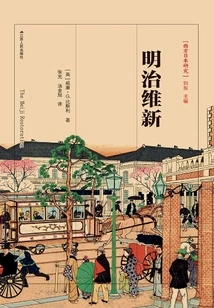
Meiji Restoration
History明治维新
(uk) William G. Beasley
The history of the Meiji Restoration touches on many themes of significance not only to Japan. It was partly Asia's response to Western expansion in the 19th century. Therefore, studying the Meiji Restoration touches on the nature of imperialism and nationalism and their relationship with the changes in the modern world. Beasley's "Meiji Restoration" is a historical work that combines history and theory. Its introduction discusses in a concise way the main doctrines as well as representative scholars and works on how to interpret and evaluate the nature, status and historical impact of the Meiji Restoration up to 1970.
The history of the Meiji Restoration touches on many themes of significance not only to Japan. It was partly Asia's response to Western expansion in the 19th century. Therefore, studying the Meiji Restoration touches on the nature of imperialism and nationalism and their relationship with the changes in the modern world. Beasley's "Meiji Restoration" is a historical work that combines history and theory. Its introduction discusses in a concise way the main doctrines as well as representative scholars and works on how to interpret and evaluate the nature, status and historical impact of the Meiji Restoration up to 1970.
日本外务省藏档(二)
Chen Haiyi Wan Qiuyang
The materials compiled in this collection of documents come from the archives of the Ministry of Foreign Affairs of Japan and the "Japanese Diplomatic Documents" stored in the Japan Asian Historical Information Center. The former is mainly the third volume and part of the fourth volume of the International League of Nations China Investigator Relations Document (International League of Nations China Investigator Relations), which records It contains the correspondence and correspondence between the Japanese Ministry of Foreign Affairs and various consulates abroad from April 20, 1932 to June 22, 1932; the latter compiled the "Opinion Letter of the Imperial Japanese Government on the Report of the League of Nations China Inquiry Commission" in the "Manchuria Incident Volume".
The materials compiled in this collection of documents come from the archives of the Ministry of Foreign Affairs of Japan and the "Japanese Diplomatic Documents" stored in the Japan Asian Historical Information Center. The former is mainly the third volume and part of the fourth volume of the International League of Nations China Investigator Relations Document (International League of Nations China Investigator Relations), which records It contains the correspondence and correspondence between the Japanese Ministry of Foreign Affairs and various consulates abroad from April 20, 1932 to June 22, 1932; the latter compiled the "Opinion Letter of the Imperial Japanese Government on the Report of the League of Nations China Inquiry Commission" in the "Manchuria Incident Volume".
古巴革命战争回忆录
J
The most authoritative version of Che Guevara's memories of the Cuban Revolutionary War, including 24 rare black-and-white photos published in China for the first time. With agile and sober writing, Che brings the thrilling and ups and downs of the guerrilla war career in the South American jungle to life: "We are the hope of the unliberated American continent - in 1956, we were not free or we would rather die!" "Memoirs of the Cuban Revolutionary War" is hailed as Che Guevara's best book. The original language is simple and straightforward, which is a typical Guevara narrative technique. The first part of the book describes many of the defining moments of Cuba's guerrilla struggle and the Cuban men and women who were at the forefront of this struggle, charging forward in the battle to conquer the future. Guevara described the battles he witnessed very carefully, often involving every detail from the beginning to the end of the battle. The second part of the book includes short commentaries on the war and descriptions of war episodes written by Guevara after 1963, as well as his in-depth analysis of the war. This version of "Memoirs of the Cuban Revolutionary War" includes the additions, deletions and revisions made by Che Guevara to the original version, and adds many precious historical photos. It is the most authoritative version so far and has very important historical value for us to understand the course of the Cuban Revolutionary War and Che Guevara himself.
The most authoritative version of Che Guevara's memories of the Cuban Revolutionary War, including 24 rare black-and-white photos published in China for the first time. With agile and sober writing, Che brings the thrilling and ups and downs of the guerrilla war career in the South American jungle to life: "We are the hope of the unliberated American continent - in 1956, we were not free or we would rather die!" "Memoirs of the Cuban Revolutionary War" is hailed as Che Guevara's best book. The original language is simple and straightforward, which is a typical Guevara narrative technique. The first part of the book describes many of the defining moments of Cuba's guerrilla struggle and the Cuban men and women who were at the forefront of this struggle, charging forward in the battle to conquer the future. Guevara described the battles he witnessed very carefully, often involving every detail from the beginning to the end of the battle. The second part of the book includes short commentaries on the war and descriptions of war episodes written by Guevara after 1963, as well as his in-depth analysis of the war. This version of "Memoirs of the Cuban Revolutionary War" includes the additions, deletions and revisions made by Che Guevara to the original version, and adds many precious historical photos. It is the most authoritative version so far and has very important historical value for us to understand the course of the Cuban Revolutionary War and Che Guevara himself.
日本外务省藏档(一)
Chen Haiyi Ma Haitian
The materials compiled in this collection of documents come from the archives of the Japanese Ministry of Foreign Affairs held by the Japan Asian Historical Information Center. They mainly include the first and second volumes of the League of Nations China Investigator Relations Document (International League China Investigator Relations), which record the correspondence between the Japanese Ministry of Foreign Affairs and various consulates abroad. The time period is from December 9, 1931 to April 19, 1932.
The materials compiled in this collection of documents come from the archives of the Japanese Ministry of Foreign Affairs held by the Japan Asian Historical Information Center. They mainly include the first and second volumes of the League of Nations China Investigator Relations Document (International League China Investigator Relations), which record the correspondence between the Japanese Ministry of Foreign Affairs and various consulates abroad. The time period is from December 9, 1931 to April 19, 1932.
启蒙运动的纲领:《百科全书》序言
(france) D'alembert
The Encyclopedia, born in France in the 18th century, is a monument to the Enlightenment and a milestone in the history of human spiritual development. It marks the advent of a new era. The enlightenment philosophers who wrote the "Encyclopedia" believed that human knowledge is an interconnected and influential whole, and the expansion and deepening of knowledge will bring about social progress. "Encyclopedia" is not only a comprehensive dictionary of philosophical thoughts and various theories, but also collects various scientific achievements, artistic works, craft products and production methods created in the process of human development, which is both theoretical and practical. The preface to the "Encyclopedia" written by d'Alembert at the request of Diderot reflects this ideological concept. It not only shows a picture of world knowledge, but also reflects an effort to redraw the human spiritual territory. In today's era of big data, this guideline of the Enlightenment\
The Encyclopedia, born in France in the 18th century, is a monument to the Enlightenment and a milestone in the history of human spiritual development. It marks the advent of a new era. The enlightenment philosophers who wrote the "Encyclopedia" believed that human knowledge is an interconnected and influential whole, and the expansion and deepening of knowledge will bring about social progress. "Encyclopedia" is not only a comprehensive dictionary of philosophical thoughts and various theories, but also collects various scientific achievements, artistic works, craft products and production methods created in the process of human development, which is both theoretical and practical. The preface to the "Encyclopedia" written by d'Alembert at the request of Diderot reflects this ideological concept. It not only shows a picture of world knowledge, but also reflects an effort to redraw the human spiritual territory. In today's era of big data, this guideline of the Enlightenment\
李德·哈特与历史之重
(us) John Mearsheimer
How is history written? How was it distorted? During World War II, the British government made serious mistakes due to Hart's influence. After the war, Hart used his alleged achievements to reverse the damage to his reputation. How did he do it? In this unflinching and fair-minded book, John Mearsheimer re-examines Liddell Hart's career and reveals the false picture Liddell Hart had about his role in the military policy debates of the 1930s. According to Liddell Hart's widely accepted account, his progressive ideas about armored warfare were rejected by the British Army and adopted instead by more farsighted German generals. He claimed that the Wehrmacht's application of his Blitzkrieg theory led to France's defeat in 1940, a disaster he had foreseen. In order to correct history, Mearsheimer completely destroyed Liddell Hart's "prophet myth" between the two wars. Mearsheimer found that, in fact, Liddell Hart "was simply wrong on some basic military issues in the 1930s" and that "his writings misled the British government into making serious mistakes." The widespread perception of Liddell Hart's misjudgment severely damaged his reputation during the war, and Mearsheimer also shows how Liddell Hart successfully repaired his own image. Although some of Liddell Hart's military theories remain relevant, Mearsheimer warned that they should be used with caution.
How is history written? How was it distorted? During World War II, the British government made serious mistakes due to Hart's influence. After the war, Hart used his alleged achievements to reverse the damage to his reputation. How did he do it? In this unflinching and fair-minded book, John Mearsheimer re-examines Liddell Hart's career and reveals the false picture Liddell Hart had about his role in the military policy debates of the 1930s. According to Liddell Hart's widely accepted account, his progressive ideas about armored warfare were rejected by the British Army and adopted instead by more farsighted German generals. He claimed that the Wehrmacht's application of his Blitzkrieg theory led to France's defeat in 1940, a disaster he had foreseen. In order to correct history, Mearsheimer completely destroyed Liddell Hart's "prophet myth" between the two wars. Mearsheimer found that, in fact, Liddell Hart "was simply wrong on some basic military issues in the 1930s" and that "his writings misled the British government into making serious mistakes." The widespread perception of Liddell Hart's misjudgment severely damaged his reputation during the war, and Mearsheimer also shows how Liddell Hart successfully repaired his own image. Although some of Liddell Hart's military theories remain relevant, Mearsheimer warned that they should be used with caution.
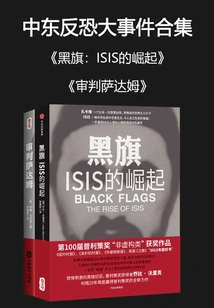
中东反恐大事件合集(共2册)
(u. S.) Joby Warwick John Nixon
Pulitzer Prize-winning works "Black Flag: The Rise of ISIS" and "The Trial of Saddam" "Midnight Hanging", the political balance in the Middle East was destroyed, and Saddam's prediction came true; the book "Black Flag: The Rise of ISIS" describes in depth how the founder of ISIS, Zarqawi, developed an organization that emerged from a black prison in Jordan into a Middle East ghost capable of controlling the psychological panic of 6 billion people around the world. "The Trial of Saddam" fully presents Saddam's "self-narration" of the major events that occurred during his 24 years in power. It provides an in-depth analysis of the profound impact of hegemonism on today's world, such as oil, sects, power, and the Islamic State. Why did the great powers choose the Middle East in their game? "A leaf can tell the autumn". The Iraq War changed the policy of the United States and even the entire Western world towards the Middle East and the Asia-Pacific region.
Pulitzer Prize-winning works "Black Flag: The Rise of ISIS" and "The Trial of Saddam" "Midnight Hanging", the political balance in the Middle East was destroyed, and Saddam's prediction came true; the book "Black Flag: The Rise of ISIS" describes in depth how the founder of ISIS, Zarqawi, developed an organization that emerged from a black prison in Jordan into a Middle East ghost capable of controlling the psychological panic of 6 billion people around the world. "The Trial of Saddam" fully presents Saddam's "self-narration" of the major events that occurred during his 24 years in power. It provides an in-depth analysis of the profound impact of hegemonism on today's world, such as oil, sects, power, and the Islamic State. Why did the great powers choose the Middle East in their game? "A leaf can tell the autumn". The Iraq War changed the policy of the United States and even the entire Western world towards the Middle East and the Asia-Pacific region.
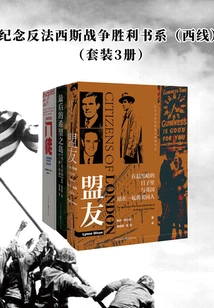
纪念反法西斯战争胜利书系(西线)
(u. S.) Lynne Olson Douglas Waller
Masters of "World War II" history writing reproduced the true face of the history of the European War; China and Britain struggled to survive the crisis, the United States and the Soviet Union were suddenly attacked, and the four countries joined forces to fight, kicking off the "World War II"; the elites of the Strategic Intelligence Service went deep behind enemy lines, made great military exploits, and made suggestions for the "Cold War", but all ended sadly.
Masters of "World War II" history writing reproduced the true face of the history of the European War; China and Britain struggled to survive the crisis, the United States and the Soviet Union were suddenly attacked, and the four countries joined forces to fight, kicking off the "World War II"; the elites of the Strategic Intelligence Service went deep behind enemy lines, made great military exploits, and made suggestions for the "Cold War", but all ended sadly.
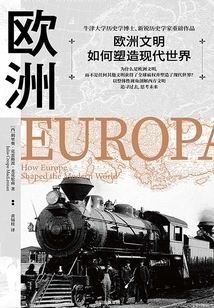
欧洲:欧洲文明如何塑造现代世界
(west)julio Crespo Mclennan
In the long history of mankind, which is as bright as stars, why is European civilization creating today's world? Starting from this question, we must first answer, what happened in Europe in the past, especially in recent centuries? What historical events that happened in the past can explain the current situation of human society today? Where do the basic elements of contemporary society come from? This book encyclopedically narrates the historical events of the past five centuries in Europe, from the Renaissance and the Age of Discovery to the establishment of colonial empires, from the industrial revolution to the social revolution, from the revival of ideas to economic development, from political changes to the establishment of global hegemony, detailing everything in detail. This is the valuable thing about this book. Based on the detailed history, the author very sharply points out the shortcomings of modern European civilization in the second half. Many clues of these shortcomings can be found in the glorious history of Europe in the past 500 years. Glory and decline, victory and tragedy have always been entangled and wrestling with each other in the centuries of rapid development of European civilization. In the past, world history gave opportunities to European sailors and emperors with curiosity and desire to conquer. Today, at the next juncture of history, will European civilization still be the pillar of future global development? I believe that after reading this book, we will have a clearer understanding of the role that European civilization plays in the process of human civilization, a clearer understanding of where modern society came from, and an answer to where human society is headed.
In the long history of mankind, which is as bright as stars, why is European civilization creating today's world? Starting from this question, we must first answer, what happened in Europe in the past, especially in recent centuries? What historical events that happened in the past can explain the current situation of human society today? Where do the basic elements of contemporary society come from? This book encyclopedically narrates the historical events of the past five centuries in Europe, from the Renaissance and the Age of Discovery to the establishment of colonial empires, from the industrial revolution to the social revolution, from the revival of ideas to economic development, from political changes to the establishment of global hegemony, detailing everything in detail. This is the valuable thing about this book. Based on the detailed history, the author very sharply points out the shortcomings of modern European civilization in the second half. Many clues of these shortcomings can be found in the glorious history of Europe in the past 500 years. Glory and decline, victory and tragedy have always been entangled and wrestling with each other in the centuries of rapid development of European civilization. In the past, world history gave opportunities to European sailors and emperors with curiosity and desire to conquer. Today, at the next juncture of history, will European civilization still be the pillar of future global development? I believe that after reading this book, we will have a clearer understanding of the role that European civilization plays in the process of human civilization, a clearer understanding of where modern society came from, and an answer to where human society is headed.
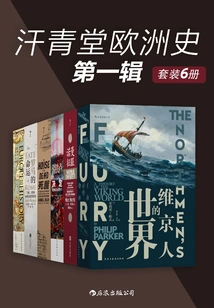
汗青堂欧洲史第一辑(套装共6册)
(uk) Philip Parker Mark Morris Tim Clayton Etc.
"The World of the Vikings" is a historical book for the general public, telling the story of the activities of the Vikings from the 8th to the 15th century. The author of this book sets his sights on all the places where the Vikings traveled. He comprehensively uses historical documents and archaeological records, and uses vivid language to tell the story of the Vikings' living conditions and the trajectory of historical evolution. He comprehensively displays every corner of the Vikings' world from the aspects of culture, economy, military, and political activities. "The Norman Conquest: The Battle of Hastings and the Rise of the Norman Dynasty in England" The Norman Conquest may be one of the most important military and cultural events in the history of England. Whether it was language, architecture, military or law, there were sweeping changes within England. Mark Morris tells readers in an extremely detailed way how England has integrated into European cultural traditions, and how this has affected the historical process of England. "Waterloo: The Four Days That Decided the Fate of Europe" On the occasion of the 200th anniversary of the Battle of Waterloo, Tim Clayton uses "hours" as a unit of measurement to meticulously re-evaluate the ancient legend of the Battle of Waterloo by extensively citing newly discovered historical materials and trying to reveal the true order of events in the entire battle. Prefaced in order to give a proper account of the controversies that plagued the Battle of Waterloo, it is also committed to elucidating the various points of view, painting a panoramic view of the Battle of Waterloo from the perspective of the French, Germans, Dutch and Belgians, as well as the British, thereby providing as fair an account as possible of the role played by the various armies in it. "The House of the Dead: The Siberian Exile System during the Tsarist Rule" Siberia was known as the "Great Prison without a Roof." From the early 19th century until the Russian Revolution, the tsarist regime exiled more than 1 million prisoners and their families to Siberia east of the Ural Mountains. Drawing on a wealth of previously unknown primary sources from European Russian and Siberian archives, this book tells the story of Tsarist Russia's struggle to govern its horrific penal colonies and Siberia's significant influence on political power in the modern world. The Fate of Rome: Climate, Disease, and the End of the Empire This book profoundly reflects the close relationship between human beings and the environment, and comprehensively describes how one of the greatest civilizations in history faced and endured the pressure of the environment, and ultimately collapsed. The example of the Roman Empire reminds us of the surprising ways in which climate change and bacterial evolution have shaped the world we inhabit. The author of "Europe and People Without History" selects 1400 AD as a historical reference point to explain in detail the appearance of Europe and the world outside Europe at that time. Then, starting from the Marxist concept of "mode of production", he proposes three modes of production: kinship, subsidiary tribute and capitalism. The division, merger, conflict and reorganization of modes of production are always the core of the book and run through the world. Combining rich historical materials, it conducts a profound analysis and demonstration of the colonial empire era before the emergence of the Industrial Revolution from the 15th to the second half of the 18th century, and the development of the global expansion and dominant relationships of the capitalist era since the Industrial Revolution in the second half of the 18th century to the present. It also narrates the different changes experienced by different groups of people in the world when encountering this series of great changes.
"The World of the Vikings" is a historical book for the general public, telling the story of the activities of the Vikings from the 8th to the 15th century. The author of this book sets his sights on all the places where the Vikings traveled. He comprehensively uses historical documents and archaeological records, and uses vivid language to tell the story of the Vikings' living conditions and the trajectory of historical evolution. He comprehensively displays every corner of the Vikings' world from the aspects of culture, economy, military, and political activities. "The Norman Conquest: The Battle of Hastings and the Rise of the Norman Dynasty in England" The Norman Conquest may be one of the most important military and cultural events in the history of England. Whether it was language, architecture, military or law, there were sweeping changes within England. Mark Morris tells readers in an extremely detailed way how England has integrated into European cultural traditions, and how this has affected the historical process of England. "Waterloo: The Four Days That Decided the Fate of Europe" On the occasion of the 200th anniversary of the Battle of Waterloo, Tim Clayton uses "hours" as a unit of measurement to meticulously re-evaluate the ancient legend of the Battle of Waterloo by extensively citing newly discovered historical materials and trying to reveal the true order of events in the entire battle. Prefaced in order to give a proper account of the controversies that plagued the Battle of Waterloo, it is also committed to elucidating the various points of view, painting a panoramic view of the Battle of Waterloo from the perspective of the French, Germans, Dutch and Belgians, as well as the British, thereby providing as fair an account as possible of the role played by the various armies in it. "The House of the Dead: The Siberian Exile System during the Tsarist Rule" Siberia was known as the "Great Prison without a Roof." From the early 19th century until the Russian Revolution, the tsarist regime exiled more than 1 million prisoners and their families to Siberia east of the Ural Mountains. Drawing on a wealth of previously unknown primary sources from European Russian and Siberian archives, this book tells the story of Tsarist Russia's struggle to govern its horrific penal colonies and Siberia's significant influence on political power in the modern world. The Fate of Rome: Climate, Disease, and the End of the Empire This book profoundly reflects the close relationship between human beings and the environment, and comprehensively describes how one of the greatest civilizations in history faced and endured the pressure of the environment, and ultimately collapsed. The example of the Roman Empire reminds us of the surprising ways in which climate change and bacterial evolution have shaped the world we inhabit. The author of "Europe and People Without History" selects 1400 AD as a historical reference point to explain in detail the appearance of Europe and the world outside Europe at that time. Then, starting from the Marxist concept of "mode of production", he proposes three modes of production: kinship, subsidiary tribute and capitalism. The division, merger, conflict and reorganization of modes of production are always the core of the book and run through the world. Combining rich historical materials, it conducts a profound analysis and demonstration of the colonial empire era before the emergence of the Industrial Revolution from the 15th to the second half of the 18th century, and the development of the global expansion and dominant relationships of the capitalist era since the Industrial Revolution in the second half of the 18th century to the present. It also narrates the different changes experienced by different groups of people in the world when encountering this series of great changes.
中外教育简史
Huang Siji Huang Baoquan Wang Li
This book is guided by Marx's dialectical materialism and historical materialism, with educational systems, educational ideas and educational activities as its main content. It is based on the teaching requirements and teaching arrangements of the course "A Brief History of Chinese and Foreign Education" for the teacher education major. It is organized by time and combined with total scores. The overall design is seventeen chapters: First Chapter 10 is a summary, introducing education in the early stages of human society; Chapters 2 to 9 are the history of Chinese education; Chapters 10 to 16 are the history of foreign education; Chapter 17 is the conclusion, which comprehensively examines the development history of Chinese and foreign education in a comparative manner, providing thoughts and reference for the reform and development of China's current education and teaching.
This book is guided by Marx's dialectical materialism and historical materialism, with educational systems, educational ideas and educational activities as its main content. It is based on the teaching requirements and teaching arrangements of the course "A Brief History of Chinese and Foreign Education" for the teacher education major. It is organized by time and combined with total scores. The overall design is seventeen chapters: First Chapter 10 is a summary, introducing education in the early stages of human society; Chapters 2 to 9 are the history of Chinese education; Chapters 10 to 16 are the history of foreign education; Chapter 17 is the conclusion, which comprehensively examines the development history of Chinese and foreign education in a comparative manner, providing thoughts and reference for the reform and development of China's current education and teaching.
世界上下五千年
Hong En
The world has a long history, which includes both prosperity and glory, as well as twists and turns and hardships. The accumulation of past history has created today's splendid modern civilization. By studying and understanding past history, we can experience the wisdom of survival.
The world has a long history, which includes both prosperity and glory, as well as twists and turns and hardships. The accumulation of past history has created today's splendid modern civilization. By studying and understanding past history, we can experience the wisdom of survival.
世界文明启示录
(germany) Ivar Risner
"Apocalypse of World Civilization" is a historical reading that integrates archaeology, history, and literary imagination. It perfectly combines historical materials and beautiful literature. The ancient city of Tyre, the Silk Road, linear script, Mycenaean civilization, Gandhara art, the Mayans, King Solomon, and the treasures of Oxus that shine in the sky of history... Are all the goals that the author is passionate about exploring. He corresponds legends and relics one by one, revealing the mysterious connections between major human civilizations. These achievements, arts and beliefs still need to be inherited and passed on by us. "Apocalypse of World Civilization" can be said to be both a historical reading full of literary color and a literary work rich in historical details. In the last paragraph of each chapter, the author will express his thoughts on history and civilization. This is the part of each article that is full of literary color and conveys the sense of historical desolation. The author writes every fragment of civilization and every relic with a writer's perspective, and the grandeur, desolation and vitality of history are vividly displayed on the page.
"Apocalypse of World Civilization" is a historical reading that integrates archaeology, history, and literary imagination. It perfectly combines historical materials and beautiful literature. The ancient city of Tyre, the Silk Road, linear script, Mycenaean civilization, Gandhara art, the Mayans, King Solomon, and the treasures of Oxus that shine in the sky of history... Are all the goals that the author is passionate about exploring. He corresponds legends and relics one by one, revealing the mysterious connections between major human civilizations. These achievements, arts and beliefs still need to be inherited and passed on by us. "Apocalypse of World Civilization" can be said to be both a historical reading full of literary color and a literary work rich in historical details. In the last paragraph of each chapter, the author will express his thoughts on history and civilization. This is the part of each article that is full of literary color and conveys the sense of historical desolation. The author writes every fragment of civilization and every relic with a writer's perspective, and the grandeur, desolation and vitality of history are vividly displayed on the page.
泰晤士:大河大城
G
Ackroyd traces the sacred picture of the Thames slowly before us, from her past, all creatures, her unique taste and charming colors, to her culture, laws, magic and myths passed down from generation to generation, to her literature, trade, climate, her suns and sunsets, ebb and flow, all of them are so charming. Ackroyd always surprises us. It tells a flowing urban history through a British mother river. The author's extensive knowledge, solid academic ability, and English gentleman-like writing style lead readers as if they are sailing on the Thames River and into the folds of British urban culture.
Ackroyd traces the sacred picture of the Thames slowly before us, from her past, all creatures, her unique taste and charming colors, to her culture, laws, magic and myths passed down from generation to generation, to her literature, trade, climate, her suns and sunsets, ebb and flow, all of them are so charming. Ackroyd always surprises us. It tells a flowing urban history through a British mother river. The author's extensive knowledge, solid academic ability, and English gentleman-like writing style lead readers as if they are sailing on the Thames River and into the folds of British urban culture.
江户时代(岩波日本史第六卷)
(japan) Fukaya Katsumi
This book is the sixth volume of "Iwanami's History of Japan". Placing Japanese history within the framework of world historical development, it records the history of Japan from the establishment of the shogunate by the Tokugawa family in the early 17th century until the Meiji Restoration, that is, the history of Japan in the Edo period. The greatest characteristics of this era are the continuity and stability of the system and the diversity and innovation of culture. The generals, daimyo, and retainers formed the basis of the shogunate's rule, realizing the transition from arbitrary rule to civil rule. In a stable social environment, life arts, painting, drama, and academic education have developed greatly. The language of this book is concise and popular, allowing ordinary readers to have a more comprehensive understanding of the Edo period.
This book is the sixth volume of "Iwanami's History of Japan". Placing Japanese history within the framework of world historical development, it records the history of Japan from the establishment of the shogunate by the Tokugawa family in the early 17th century until the Meiji Restoration, that is, the history of Japan in the Edo period. The greatest characteristics of this era are the continuity and stability of the system and the diversity and innovation of culture. The generals, daimyo, and retainers formed the basis of the shogunate's rule, realizing the transition from arbitrary rule to civil rule. In a stable social environment, life arts, painting, drama, and academic education have developed greatly. The language of this book is concise and popular, allowing ordinary readers to have a more comprehensive understanding of the Edo period.