Library
Browse and search books
2,982 novels found
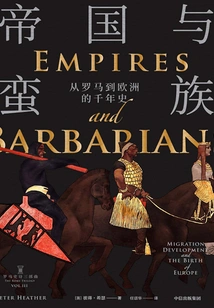
帝国与蛮族:从罗马到欧洲的千年史(罗马史诗三部曲)
(uk) Peter Heather
In Europe today, countries interact frequently, and their lifestyles are generally similar. People move around. Immigrants change the places they go, and they are also changed by their surroundings. This pattern was actually formed more than a thousand years ago. The origins of modern Europe can be traced back to a thousand-year transformation. With the rise and fall of empires, the Germanic-speaking Goths, Anglo-Saxons, and Franks, the nomadic Huns, Avars, and Magyars, the Vikings who came across the sea, and the Slavs who replaced the Germans to rule Central and Eastern Europe came and went across the land of Europe. These immigrants coveted the empire's wealth and were also afraid of the empire's violence. They followed the land route, sea route, and river network, either dragging their families with them to find a new home, or forming small teams to plunder, or trading slaves and furs for profit. From Rome to Europe, this is the story of immigrants who changed the world. A thousand years of migration ended the order dominated by the Roman Empire. The barbarians in the eyes of the Romans redrawn the human geography and political map of western Eurasia. In the struggle between the empire and the barbarians, the prototype of modern Europe gradually emerged.
In Europe today, countries interact frequently, and their lifestyles are generally similar. People move around. Immigrants change the places they go, and they are also changed by their surroundings. This pattern was actually formed more than a thousand years ago. The origins of modern Europe can be traced back to a thousand-year transformation. With the rise and fall of empires, the Germanic-speaking Goths, Anglo-Saxons, and Franks, the nomadic Huns, Avars, and Magyars, the Vikings who came across the sea, and the Slavs who replaced the Germans to rule Central and Eastern Europe came and went across the land of Europe. These immigrants coveted the empire's wealth and were also afraid of the empire's violence. They followed the land route, sea route, and river network, either dragging their families with them to find a new home, or forming small teams to plunder, or trading slaves and furs for profit. From Rome to Europe, this is the story of immigrants who changed the world. A thousand years of migration ended the order dominated by the Roman Empire. The barbarians in the eyes of the Romans redrawn the human geography and political map of western Eurasia. In the struggle between the empire and the barbarians, the prototype of modern Europe gradually emerged.
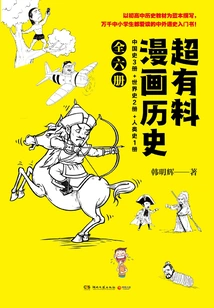
超有料漫画历史(全6册)
Han Minghui
This book is a set of comic history books, including 3 volumes of Chinese history, 2 volumes of world history, and 1 volume of human history. Through comics + illustrations, it reproduces the development process of Chinese and foreign history and the main thread of human evolution. The comics in the book are carefully drawn according to the storyline, and are accompanied by accurate, humorous and vivid illustrations and text, allowing readers to know and remember history in a relaxed and funny atmosphere. It can popularize historical knowledge for entry-level readers who are interested in learning history.
This book is a set of comic history books, including 3 volumes of Chinese history, 2 volumes of world history, and 1 volume of human history. Through comics + illustrations, it reproduces the development process of Chinese and foreign history and the main thread of human evolution. The comics in the book are carefully drawn according to the storyline, and are accompanied by accurate, humorous and vivid illustrations and text, allowing readers to know and remember history in a relaxed and funny atmosphere. It can popularize historical knowledge for entry-level readers who are interested in learning history.
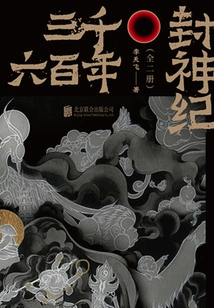
三千六百年封神纪(全二册)
Li Tianfei
What kind of novel is "The Romance of the Gods"? What factors are its huge imagination based on? King Zhou of Shang, King Wen of Zhou, Empress Nuwa, Jiang Ziya, Taishi Wen, Nezha, Yang Jian, Lei Zhenzi, Chi Jing, the Four Heavenly Kings, Immortal Puxian, Immortal Taiyi, Tu Xingsun... What are the origins of the historical figures and heroes of gods and demons that we are familiar with in the book? What is the subtle intersection between the actual Shang and Zhou history and the evolution history of Chinese mythical characters? The details of history are complex and interesting, and the nodes of mythology are rich and wonderful. Young writer and scholar Li Tianfei uses many records in the long history and interesting changes in Chinese culture as the basis for interpretation, and analyzes and tells this well-known Chinese classic god and demon novel from the perspective of yin and yang.
What kind of novel is "The Romance of the Gods"? What factors are its huge imagination based on? King Zhou of Shang, King Wen of Zhou, Empress Nuwa, Jiang Ziya, Taishi Wen, Nezha, Yang Jian, Lei Zhenzi, Chi Jing, the Four Heavenly Kings, Immortal Puxian, Immortal Taiyi, Tu Xingsun... What are the origins of the historical figures and heroes of gods and demons that we are familiar with in the book? What is the subtle intersection between the actual Shang and Zhou history and the evolution history of Chinese mythical characters? The details of history are complex and interesting, and the nodes of mythology are rich and wonderful. Young writer and scholar Li Tianfei uses many records in the long history and interesting changes in Chinese culture as the basis for interpretation, and analyzes and tells this well-known Chinese classic god and demon novel from the perspective of yin and yang.
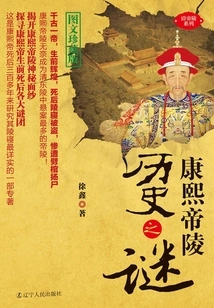
康熙帝陵历史之谜
Xu Xin
Emperor Kangxi was an influential generation of talented emperors in the Qing Dynasty. The reason why he became emperor at a young age was entirely due to the recommendation of his grandmother and the persuasion of foreigners. He built the mausoleum during his lifetime just to bury the queen who died early. The innovation in the mausoleum system and the reform of the funeral system set a good start for future generations. The strange death of Emperor Kangxi, the changes in the regulations of the mausoleum, the anecdotes about the deceased persons and the theft of the mausoleum, as well as the existence of the two concubine gardens of Emperor Kangxi, including the corpses of Emperor Kangxi and his queen, are still soaked in the smelly water underground. These are shocking and endless reveries both in the Qing Dynasty and now. Based on the official history and Qing palace archives, through field research and social investigation, combined with the latest research results of current history, the author uses popular and skillful writing to tell you the little-known secrets of Emperor Kangxi and his mausoleum.
Emperor Kangxi was an influential generation of talented emperors in the Qing Dynasty. The reason why he became emperor at a young age was entirely due to the recommendation of his grandmother and the persuasion of foreigners. He built the mausoleum during his lifetime just to bury the queen who died early. The innovation in the mausoleum system and the reform of the funeral system set a good start for future generations. The strange death of Emperor Kangxi, the changes in the regulations of the mausoleum, the anecdotes about the deceased persons and the theft of the mausoleum, as well as the existence of the two concubine gardens of Emperor Kangxi, including the corpses of Emperor Kangxi and his queen, are still soaked in the smelly water underground. These are shocking and endless reveries both in the Qing Dynasty and now. Based on the official history and Qing palace archives, through field research and social investigation, combined with the latest research results of current history, the author uses popular and skillful writing to tell you the little-known secrets of Emperor Kangxi and his mausoleum.
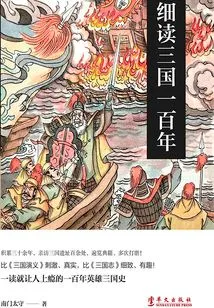
细读三国一百年
Nanmen Prefect
The Three Kingdoms in a narrow sense refers to the period when the three regimes of Wei, Shu, and Wu coexisted. The Three Kingdoms in a broad sense start from 184 AD and end in 280 AD, which is about 100 years. This is because many Three Kingdoms figures that people are usually familiar with, such as Cao Cao, Yuan Shao, Yuan Shu, Lu Bu, Gongsun Zan, Dong Zhuo, etc. Were active in the more than 30 years before the establishment of the Three Kingdoms regime. The "Three Kingdoms One Hundred Years" proposed in this manuscript refers to this period of the Three Kingdoms period. The book focuses on interpreting the key moments of the Three Kingdoms era and the historical truth behind many controversial events. It strives to present the hidden stories behind important historical figures and historical events based on historical materials, reshape the stereotyped and single impressions of these historical figures, and restore a comprehensive and true history to readers.
The Three Kingdoms in a narrow sense refers to the period when the three regimes of Wei, Shu, and Wu coexisted. The Three Kingdoms in a broad sense start from 184 AD and end in 280 AD, which is about 100 years. This is because many Three Kingdoms figures that people are usually familiar with, such as Cao Cao, Yuan Shao, Yuan Shu, Lu Bu, Gongsun Zan, Dong Zhuo, etc. Were active in the more than 30 years before the establishment of the Three Kingdoms regime. The "Three Kingdoms One Hundred Years" proposed in this manuscript refers to this period of the Three Kingdoms period. The book focuses on interpreting the key moments of the Three Kingdoms era and the historical truth behind many controversial events. It strives to present the hidden stories behind important historical figures and historical events based on historical materials, reshape the stereotyped and single impressions of these historical figures, and restore a comprehensive and true history to readers.
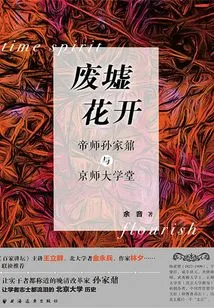
废墟花开:帝师孙家鼐与京师大学堂
Lingering Sound
The special era and tolerant character gave Sun Jianai the status of a "reformer" that is difficult for ordinary people to surpass. He is not only a great hero in founding and protecting the Capital University, but also the founder of modern Chinese national industry. This book takes Sun Jia Nai as the main line before and after the Reform Movement of 1898, when he overcame all kinds of resistance to establish the University of Beijing. Based on a large number of graphic historical materials and family information, it truly and vividly creates the image of Sun Jia Nai as a "reformer" and profoundly solves many mysteries in the history of the Reform Movement of 1898 and the history of Peking University.
The special era and tolerant character gave Sun Jianai the status of a "reformer" that is difficult for ordinary people to surpass. He is not only a great hero in founding and protecting the Capital University, but also the founder of modern Chinese national industry. This book takes Sun Jia Nai as the main line before and after the Reform Movement of 1898, when he overcame all kinds of resistance to establish the University of Beijing. Based on a large number of graphic historical materials and family information, it truly and vividly creates the image of Sun Jia Nai as a "reformer" and profoundly solves many mysteries in the history of the Reform Movement of 1898 and the history of Peking University.
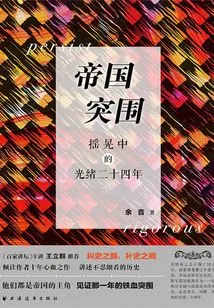
帝国突围:摇晃中的光绪二十四年
Lingering Sound
Based on a large number of carefully screened historical materials, this book returns to the historical scene to "solve the case" and gives an in-depth perspective on the Reform Movement of 1898. Are Kang Youwei and Liang Qichao the real leaders of the reform? Did the Reform Movement of 1898 fail or die prematurely? Why did the Capital University become the top priority of the reform? Imperial party = reformers, rear party = conservatives? ... The problem was fully demonstrated and new conclusions were drawn, which were approved by the academic community. The book has serious subject matter, rich content, detailed analysis, vivid discussion, unique viewpoints, and is suitable for both refined and popular tastes.
Based on a large number of carefully screened historical materials, this book returns to the historical scene to "solve the case" and gives an in-depth perspective on the Reform Movement of 1898. Are Kang Youwei and Liang Qichao the real leaders of the reform? Did the Reform Movement of 1898 fail or die prematurely? Why did the Capital University become the top priority of the reform? Imperial party = reformers, rear party = conservatives? ... The problem was fully demonstrated and new conclusions were drawn, which were approved by the academic community. The book has serious subject matter, rich content, detailed analysis, vivid discussion, unique viewpoints, and is suitable for both refined and popular tastes.
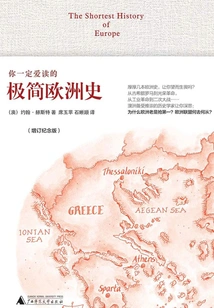
你一定爱读的极简欧洲史(增订纪念版)
(australia) John Hurst
This book is a history of Europe interpreted by the well-known Australian historian John Hurst for ordinary readers. It is completed in a very concise length, sorting out the various characteristics of European civilization that can change the world for readers. Since the publication of the simplified Chinese version, it has been widely praised by the media and welcomed by readers, and has sold hundreds of thousands of copies. This time it is a hardcover commemorative edition based on the latest edition (two chapters added in length).
This book is a history of Europe interpreted by the well-known Australian historian John Hurst for ordinary readers. It is completed in a very concise length, sorting out the various characteristics of European civilization that can change the world for readers. Since the publication of the simplified Chinese version, it has been widely praised by the media and welcomed by readers, and has sold hundreds of thousands of copies. This time it is a hardcover commemorative edition based on the latest edition (two chapters added in length).
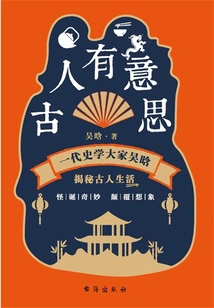
古人有意思
Wu Han
The crown is so heavy, is the emperor tired? How difficult was it for the ancients to read before the invention of paper and printing? What was the salary of officials in the Ming Dynasty? How luxurious was the life of ancient bureaucrats? What did the ancient people's ID cards look like? This book uses easy-to-understand language to comprehensively interpret the lives of the ancients, covering ancient etiquette, respect, officialdom, rules of war, and folk culture. You can easily understand the interesting lives of the ancients without having to read through thick and difficult official historical materials.
The crown is so heavy, is the emperor tired? How difficult was it for the ancients to read before the invention of paper and printing? What was the salary of officials in the Ming Dynasty? How luxurious was the life of ancient bureaucrats? What did the ancient people's ID cards look like? This book uses easy-to-understand language to comprehensively interpret the lives of the ancients, covering ancient etiquette, respect, officialdom, rules of war, and folk culture. You can easily understand the interesting lives of the ancients without having to read through thick and difficult official historical materials.
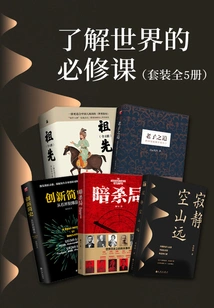
了解世界的必修课(套装全5册)
Qu Fei Mr. Baiyun An Senyao Et Al.
This set includes "Ancestors 4", "Assassination Bureau", "The Way of Laozi", "A Brief History of Innovation" and "Silent Empty Mountains Away".
This set includes "Ancestors 4", "Assassination Bureau", "The Way of Laozi", "A Brief History of Innovation" and "Silent Empty Mountains Away".
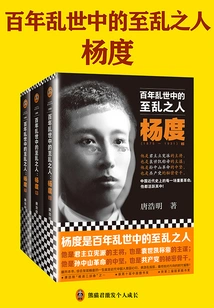
百年乱世中的至乱之人:杨度
Tang Haoming
He was active in every important revolution in China's modern history! He was the leader of the constitutional monarchists and the mastermind behind Yuan Shikai's proclaimed emperor; he was the backbone of Sun Yat-sen's revolution and the secret backbone of the Communist Party. Opening this book, you will find that Yang Du's life is the epitome of the modern era when Chinese people were eager to save the country, sought medical treatment in a hurry, and finally chose the right direction! The winning work of the National Book Award, China Book Award and other heavyweight awards! A blockbuster masterpiece by the famous historical novelist Tang Haoming! One of Tang Haoming's "Trilogy of Late Qing Dynasty".
He was active in every important revolution in China's modern history! He was the leader of the constitutional monarchists and the mastermind behind Yuan Shikai's proclaimed emperor; he was the backbone of Sun Yat-sen's revolution and the secret backbone of the Communist Party. Opening this book, you will find that Yang Du's life is the epitome of the modern era when Chinese people were eager to save the country, sought medical treatment in a hurry, and finally chose the right direction! The winning work of the National Book Award, China Book Award and other heavyweight awards! A blockbuster masterpiece by the famous historical novelist Tang Haoming! One of Tang Haoming's "Trilogy of Late Qing Dynasty".
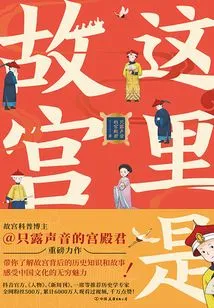
This is the Forbidden City
History这里是故宫
The Palace King Who Only Shows His Voice
The Palace Master, who only reveals his voice, can be called a walking "Forbidden City database". He tells the Forbidden City's architectural black technology, super mythical beasts, women in the palace, hidden corners in a particularly "down-to-earth" way... He quotes from many sources, with professional content and novel angles. He will help you understand the historical origins and stories behind the Forbidden City, and feel the infinite charm of Chinese culture. Share useful and unpopular knowledge about the Forbidden City: The "Treasure Palace" has been delayed by the harem gossip. If you look at the Forbidden City itself, its architecture, paintings, ornaments, history, and even every stone, you can see the profound Chinese culture. Revealing the two faces of the 600-year-old Forbidden City: In addition to its rich culture and history, the Forbidden City sometimes shows us its "naughtiness". Behind its grand structural layout, the humor hidden in the furnishings and architecture is equally hilarious. The Forbidden City is not only a royal palace, but also a place where we can experience the beauty of five thousand years of Chinese culture. When you walk into the Forbidden City, you will feel a kind of self-confidence. This self-confidence comes from the heart. It is a deep, long-lasting cultural self-confidence with a thought and soul. --The palace king who only reveals his voice
The Palace Master, who only reveals his voice, can be called a walking "Forbidden City database". He tells the Forbidden City's architectural black technology, super mythical beasts, women in the palace, hidden corners in a particularly "down-to-earth" way... He quotes from many sources, with professional content and novel angles. He will help you understand the historical origins and stories behind the Forbidden City, and feel the infinite charm of Chinese culture. Share useful and unpopular knowledge about the Forbidden City: The "Treasure Palace" has been delayed by the harem gossip. If you look at the Forbidden City itself, its architecture, paintings, ornaments, history, and even every stone, you can see the profound Chinese culture. Revealing the two faces of the 600-year-old Forbidden City: In addition to its rich culture and history, the Forbidden City sometimes shows us its "naughtiness". Behind its grand structural layout, the humor hidden in the furnishings and architecture is equally hilarious. The Forbidden City is not only a royal palace, but also a place where we can experience the beauty of five thousand years of Chinese culture. When you walk into the Forbidden City, you will feel a kind of self-confidence. This self-confidence comes from the heart. It is a deep, long-lasting cultural self-confidence with a thought and soul. --The palace king who only reveals his voice
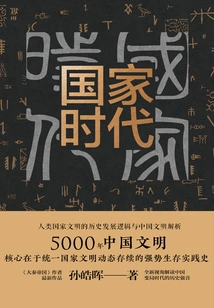
National Era
History国家时代
Sun Haohui
Analyze world civilization with the language genealogy of the Chinese people and see the historical development logic of human national civilization; present Chinese civilization from the perspective of world civilization, and discover China's long-lasting historical genes in comparison. "The Age of Nations" starts from the crisis anxiety about the moral foundation and value system of contemporary Chinese society, proposes to re-examine the entire human social civilization from the standpoint of historical practice, discovers the laws of the rise and fall of national civilizations around the world in historical practice, and reveals the historical experience and profound lessons of the rise and fall of great country civilizations. In the comparison of world civilization and Chinese civilization, we should break the thinking stereotypes brought to us by the Western civilization view, explore the true foundation for China's standing in the 6,000-year historical practice of human civilization, and discover those core values that are enough to constitute the spiritual life of our nation. From the perspective of historical practice and more than 6,000 years of historical practice, the country, as an "artificial platform" for social development, is the most important historical condition for the qualitative change, improvement and rapid development of human civilization. Therefore, taking the rise and fall of "nations" as the axis, "The Age of Nations" proposes five historical stages of the age of nations, covering the creation myth to contemporary society. While detailing the historical process of the rise and fall of the five historical periods, it attempts to answer the question of why the Chinese ethnic group has become the ethnic group with the most tenacious national civilization vitality in 6,000 years through the in-depth comparison of history and the horizontal comparison of different civilizations. What is the essence of political thought in Chinese civilization that must be fully understood by contemporary people and can provide reference for the world.
Analyze world civilization with the language genealogy of the Chinese people and see the historical development logic of human national civilization; present Chinese civilization from the perspective of world civilization, and discover China's long-lasting historical genes in comparison. "The Age of Nations" starts from the crisis anxiety about the moral foundation and value system of contemporary Chinese society, proposes to re-examine the entire human social civilization from the standpoint of historical practice, discovers the laws of the rise and fall of national civilizations around the world in historical practice, and reveals the historical experience and profound lessons of the rise and fall of great country civilizations. In the comparison of world civilization and Chinese civilization, we should break the thinking stereotypes brought to us by the Western civilization view, explore the true foundation for China's standing in the 6,000-year historical practice of human civilization, and discover those core values that are enough to constitute the spiritual life of our nation. From the perspective of historical practice and more than 6,000 years of historical practice, the country, as an "artificial platform" for social development, is the most important historical condition for the qualitative change, improvement and rapid development of human civilization. Therefore, taking the rise and fall of "nations" as the axis, "The Age of Nations" proposes five historical stages of the age of nations, covering the creation myth to contemporary society. While detailing the historical process of the rise and fall of the five historical periods, it attempts to answer the question of why the Chinese ethnic group has become the ethnic group with the most tenacious national civilization vitality in 6,000 years through the in-depth comparison of history and the horizontal comparison of different civilizations. What is the essence of political thought in Chinese civilization that must be fully understood by contemporary people and can provide reference for the world.
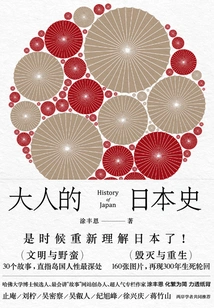
Japanese History for Adults
History大人的日本史
Tu Fengen
In textbooks, Japan is often simplified into two completely different images. One is a positive image of successfully promoting the Meiji Restoration and becoming a powerful nation; the other is a colonizer and invader, a negative representative of militarism. However, the complexity and contingency of history cannot be understood through this simple "dichotomy." "History of Japan for Adults" uses thirty keywords to reinterpret the process of "why Japan became Japan today" concisely, clearly and in a simple and easy-to-understand manner, and explores the true and diverse face of Japan. It not only provides historical reflection, but also serves as a reference for the future.
In textbooks, Japan is often simplified into two completely different images. One is a positive image of successfully promoting the Meiji Restoration and becoming a powerful nation; the other is a colonizer and invader, a negative representative of militarism. However, the complexity and contingency of history cannot be understood through this simple "dichotomy." "History of Japan for Adults" uses thirty keywords to reinterpret the process of "why Japan became Japan today" concisely, clearly and in a simple and easy-to-understand manner, and explores the true and diverse face of Japan. It not only provides historical reflection, but also serves as a reference for the future.
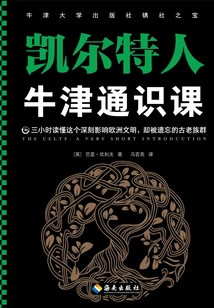
牛津通识课:凯尔特人
(uk) Barry Cunliffe
The Celts have profoundly influenced European civilization and nourished modern literature, movies, music, and even online games. Works such as "Harry Potter", "Lord of the Rings" and "World of Warcraft" are all based on Celtic culture. . The series of books published by Oxford University Press since 1995 can be called the treasure of the town. Global sales exceed 10 million copies! The source of IELTS and TOEFL real test questions, and professional introductory reading materials from many world-famous universities. It is a general reading written by world-renowned experts in various fields and translated by domestic professional scholars. It is both professional-level and easy-to-understand, with no reading difficulties. Open this book and spend three hours reading about this ancient ethnic group that has profoundly influenced European civilization but has been forgotten.
The Celts have profoundly influenced European civilization and nourished modern literature, movies, music, and even online games. Works such as "Harry Potter", "Lord of the Rings" and "World of Warcraft" are all based on Celtic culture. . The series of books published by Oxford University Press since 1995 can be called the treasure of the town. Global sales exceed 10 million copies! The source of IELTS and TOEFL real test questions, and professional introductory reading materials from many world-famous universities. It is a general reading written by world-renowned experts in various fields and translated by domestic professional scholars. It is both professional-level and easy-to-understand, with no reading difficulties. Open this book and spend three hours reading about this ancient ethnic group that has profoundly influenced European civilization but has been forgotten.
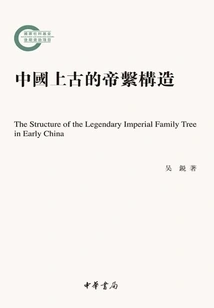
中国上古的帝系构造
Wu Rui
This book attempts to clarify how the imperial system of ancient China was constructed. The period discussed ranges from the legendary Xia Dynasty (1994 BC - 1523 BC) to the Three Kingdoms (220 - 280 BC), which lasted for 2275 years, and is mainly before the Han Dynasty, which is "ancient China". The imperial lineage studied in this book includes two types: one is the traditional imperial lineage, that is, the legendary lineage of ancient holy kings; the other is the royal lineage that actually established dynasties, such as Xia, Shang, Zhou, Qin, and Han. Ancient China was a period of formation from tribes to countries to unified empires. The imperial line is the most important clue to decipher ancient history, and the examination of the imperial line is the central task in reconstructing ancient Chinese history.
This book attempts to clarify how the imperial system of ancient China was constructed. The period discussed ranges from the legendary Xia Dynasty (1994 BC - 1523 BC) to the Three Kingdoms (220 - 280 BC), which lasted for 2275 years, and is mainly before the Han Dynasty, which is "ancient China". The imperial lineage studied in this book includes two types: one is the traditional imperial lineage, that is, the legendary lineage of ancient holy kings; the other is the royal lineage that actually established dynasties, such as Xia, Shang, Zhou, Qin, and Han. Ancient China was a period of formation from tribes to countries to unified empires. The imperial line is the most important clue to decipher ancient history, and the examination of the imperial line is the central task in reconstructing ancient Chinese history.
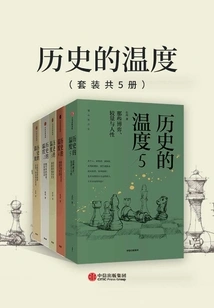
历史的温度1-5(套装共5册)
Zhang Wei
Xu Xiake, Magellan, Rong Hong, Zhang Boling, Liu Changchun, Mara, Chen Gongbo, Ito Hirobumi... Whether they are these people who have left their names in history books, or ordinary people who have not left their names, they all have their own beliefs and dreams. However, if you stretch the timeline long enough, most people's beliefs and dreams will be annihilated over time. Some of those who remain in the history books have endured hardships and persisted in their beliefs that eventually came true, while some people's so-called "faith" itself is a delusion. In the end, they will not only hit the wall, but will even be nailed to the pillar of shame of history. Looking through the long scrolls of history, looking back at each story, as well as the people and things in the story, you will find that the turning point in life is sometimes just a thought, no matter whether these "thoughts" are beliefs or delusions, literary thoughts or feelings. Behind every historical figure or event, there is a story that is not known to everyone. The purpose of this set of books is to tell you these stories. In Zhang Wei's razor-sharp description, history is reduced to flesh-and-blood people. Among them, there is blood, cruelty, truth, and of course, warmth. As spectators, we will find that history may never be far away.
Xu Xiake, Magellan, Rong Hong, Zhang Boling, Liu Changchun, Mara, Chen Gongbo, Ito Hirobumi... Whether they are these people who have left their names in history books, or ordinary people who have not left their names, they all have their own beliefs and dreams. However, if you stretch the timeline long enough, most people's beliefs and dreams will be annihilated over time. Some of those who remain in the history books have endured hardships and persisted in their beliefs that eventually came true, while some people's so-called "faith" itself is a delusion. In the end, they will not only hit the wall, but will even be nailed to the pillar of shame of history. Looking through the long scrolls of history, looking back at each story, as well as the people and things in the story, you will find that the turning point in life is sometimes just a thought, no matter whether these "thoughts" are beliefs or delusions, literary thoughts or feelings. Behind every historical figure or event, there is a story that is not known to everyone. The purpose of this set of books is to tell you these stories. In Zhang Wei's razor-sharp description, history is reduced to flesh-and-blood people. Among them, there is blood, cruelty, truth, and of course, warmth. As spectators, we will find that history may never be far away.
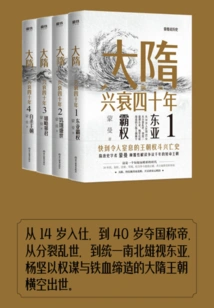
大隋兴衰四十年(全集)
Monman
In ancient Chinese history, there was a unified dynasty that was as short-lived as the Qin Dynasty - the Sui Dynasty, which died in less than forty years. Although short-lived, the Sui Dynasty also had the same extraordinary and legendary historical characteristics as the Qin Dynasty: unity, prosperity, civilization, and short-lived, tyrannical, and rebellion coexisted. This was a prosperous and civilized dynasty. Its warehouses were filled with food that could not be eaten for fifty or sixty years. Its emperor was hailed as the "Saint Khan" by the Turks. This was also a short-lived and violent dynasty. Its emperor built the Great Wall, built the Eastern Capital, opened canals, and traveled south of the Yangtze River. The country and the people had no peace. The name "Sui" is like a meteor, shining brightly and destroying instantly in Chinese history. What exactly did the two generations of father and son in the Sui Dynasty do? What was the reason for the rapid rise and fall of the Sui Dynasty?
In ancient Chinese history, there was a unified dynasty that was as short-lived as the Qin Dynasty - the Sui Dynasty, which died in less than forty years. Although short-lived, the Sui Dynasty also had the same extraordinary and legendary historical characteristics as the Qin Dynasty: unity, prosperity, civilization, and short-lived, tyrannical, and rebellion coexisted. This was a prosperous and civilized dynasty. Its warehouses were filled with food that could not be eaten for fifty or sixty years. Its emperor was hailed as the "Saint Khan" by the Turks. This was also a short-lived and violent dynasty. Its emperor built the Great Wall, built the Eastern Capital, opened canals, and traveled south of the Yangtze River. The country and the people had no peace. The name "Sui" is like a meteor, shining brightly and destroying instantly in Chinese history. What exactly did the two generations of father and son in the Sui Dynasty do? What was the reason for the rapid rise and fall of the Sui Dynasty?
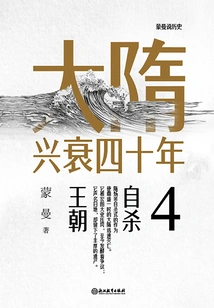
大隋兴衰四十年4:自杀王朝
Monman
Emperor Sui Yang's domineering and radical actions turned his great talent and strategy into cruelty and cruelty, and his great achievements turned into a nightmare on earth. The Sui Dynasty, which was at its peak and glorious, quickly turned around and fell into the abyss of history that would never be restored. The feat of personally conquering Goguryeo was only attempted once by those as powerful as Emperor Taizong of the Tang Dynasty, but Emperor Yang of the Sui Dynasty did it three times: the first attack on Goguryeo resulted in the loss of soldiers and generals, and public resentment boiled over; the second attack on Goguryeo, a fire broke out in the backyard, and the success failed; the third attack on Goguryeo was troubled internally and externally, and was surrounded by crises. Emperor Yang of the Sui Dynasty, who loved to travel around the world, also went to Jiangdu three times: the first two times were glorious, he earned enough face and put on a show. But when he went to Jiangdu three times, he was in a disgraceful state and was in a miserable state. Emperor Sui Yang, who was related to the "Three", was ultimately destroyed at the hands of three people named Li: Li Mi, a wanted criminal who once hid in Tibet, became the leader of the peasant uprising in the late Sui Dynasty; Li Yuan and Li Shimin, father and son, were close relatives of Emperor Sui Yang, but they were also the real end of the Sui Dynasty.
Emperor Sui Yang's domineering and radical actions turned his great talent and strategy into cruelty and cruelty, and his great achievements turned into a nightmare on earth. The Sui Dynasty, which was at its peak and glorious, quickly turned around and fell into the abyss of history that would never be restored. The feat of personally conquering Goguryeo was only attempted once by those as powerful as Emperor Taizong of the Tang Dynasty, but Emperor Yang of the Sui Dynasty did it three times: the first attack on Goguryeo resulted in the loss of soldiers and generals, and public resentment boiled over; the second attack on Goguryeo, a fire broke out in the backyard, and the success failed; the third attack on Goguryeo was troubled internally and externally, and was surrounded by crises. Emperor Yang of the Sui Dynasty, who loved to travel around the world, also went to Jiangdu three times: the first two times were glorious, he earned enough face and put on a show. But when he went to Jiangdu three times, he was in a disgraceful state and was in a miserable state. Emperor Sui Yang, who was related to the "Three", was ultimately destroyed at the hands of three people named Li: Li Mi, a wanted criminal who once hid in Tibet, became the leader of the peasant uprising in the late Sui Dynasty; Li Yuan and Li Shimin, father and son, were close relatives of Emperor Sui Yang, but they were also the real end of the Sui Dynasty.
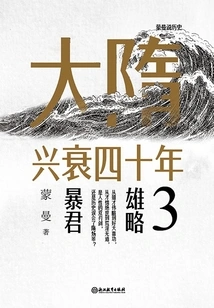
大隋兴衰四十年3:雄略暴君
Monman
Emperor Yang of Sui Dynasty, the "great tyrant" in the eyes of the world. However, who can deny his legend! The heroic spirit, the long-term achievements, coupled with a tragic ending, a less solemn posthumous title, such a huge tension, really makes everyone hate and fascinate. According to market legend, he killed his father and brother, was debauched, cruel and cruel. According to official historical records, he carried out large-scale construction projects and launched military campaigns, so he was very happy with his achievements. A posthumous title of "Yang" will forever nail him to the pillar of shame in history. However, you may not have seen it, but he has made great achievements: the Grand Canal connects the north and the south, benefiting generations; the city of Luoyang is powerful in the east, and its name has been passed down through the ages. You may not see it, but he is extremely talented: he has washed away the decadent poetic style since the Southern Dynasties and caught up with the majestic style of the Han and Wei dynasties. Although one good deed cannot cover up a hundred evils, one sin cannot negate a hundred merits. Was Emperor Sui Yang really worthless in history? How much of a devil and how much of a hero is he?
Emperor Yang of Sui Dynasty, the "great tyrant" in the eyes of the world. However, who can deny his legend! The heroic spirit, the long-term achievements, coupled with a tragic ending, a less solemn posthumous title, such a huge tension, really makes everyone hate and fascinate. According to market legend, he killed his father and brother, was debauched, cruel and cruel. According to official historical records, he carried out large-scale construction projects and launched military campaigns, so he was very happy with his achievements. A posthumous title of "Yang" will forever nail him to the pillar of shame in history. However, you may not have seen it, but he has made great achievements: the Grand Canal connects the north and the south, benefiting generations; the city of Luoyang is powerful in the east, and its name has been passed down through the ages. You may not see it, but he is extremely talented: he has washed away the decadent poetic style since the Southern Dynasties and caught up with the majestic style of the Han and Wei dynasties. Although one good deed cannot cover up a hundred evils, one sin cannot negate a hundred merits. Was Emperor Sui Yang really worthless in history? How much of a devil and how much of a hero is he?
大隋兴衰四十年1:东亚霸权
Monman
The Sui Dynasty was like a meteor, shining brightly and destroying in an instant in Chinese history. Despite this, it has extraordinary and legendary historical characteristics: unity, prosperity, civilization and short-lived, tyrannical and rebellious coexistence. Yang Jian, the founder of the Sui Dynasty, was born in a monastery and raised by nuns. He entered the official career at the age of only fourteen and quickly climbed to the core of power with special means. When he was less than forty years old, he once again used special means to seize the imperial power from the orphans and widows after the death of the emperor's son-in-law. Changing dynasties has long been commonplace in the Northern and Southern Dynasties. During the two hundred years, many emperors and generals hoped to end the troubled times, but they all failed. However, Yang Jian succeeded. In history, Emperor Wen of the Sui Dynasty was still a new emperor at the time, but he used force and strategy to split the Turkic Empire and replace it as the hegemon in East Asia. Later, the world once again saw his power as a hegemon, and the Sui Dynasty wiped out Nanchen and unified the world in just two months. In terms of hegemony, he deserves the title of "Eternal Emperor"!
The Sui Dynasty was like a meteor, shining brightly and destroying in an instant in Chinese history. Despite this, it has extraordinary and legendary historical characteristics: unity, prosperity, civilization and short-lived, tyrannical and rebellious coexistence. Yang Jian, the founder of the Sui Dynasty, was born in a monastery and raised by nuns. He entered the official career at the age of only fourteen and quickly climbed to the core of power with special means. When he was less than forty years old, he once again used special means to seize the imperial power from the orphans and widows after the death of the emperor's son-in-law. Changing dynasties has long been commonplace in the Northern and Southern Dynasties. During the two hundred years, many emperors and generals hoped to end the troubled times, but they all failed. However, Yang Jian succeeded. In history, Emperor Wen of the Sui Dynasty was still a new emperor at the time, but he used force and strategy to split the Turkic Empire and replace it as the hegemon in East Asia. Later, the world once again saw his power as a hegemon, and the Sui Dynasty wiped out Nanchen and unified the world in just two months. In terms of hegemony, he deserves the title of "Eternal Emperor"!
大隋兴衰四十年2:饥饿盛世
Monman
The person who was called the "Sage Khan" was not Emperor Taizong of the Tang Dynasty, but Emperor Wen of the Sui Dynasty. This alone is enough to give a glimpse of the prosperity of the Sui Dynasty during the founding years of the Sui Dynasty that was comparable to that of the Tang Dynasty. Emperor Wen of the Sui Dynasty wanted to establish an ideal government and become a wise king and saint who would shine through the ages, so he restrained himself, restored etiquette, and worked hard to govern, which created a bright side of him and the Sui Dynasty: stunning martial arts, radiant regulations, and Qian Yun's heroic spirit... But his demanding ideals and morals also laid a deep crisis for the prosperous age of the Sui Dynasty. : In order to ensure food reserves, he would rather flee famine with the people than open a warehouse for relief; he built the magnificent Daxing City, but the inner square was as strict as a chessboard; he criticized his son harshly, which ultimately led to a tragic tragedy for the family and even the country... His value orientation destined him to be unable to be a moral monarch, let alone a sentimental monarch. His way of ruling also plunged the entire Sui Dynasty into a puzzle of only magnanimity but no warmth.
The person who was called the "Sage Khan" was not Emperor Taizong of the Tang Dynasty, but Emperor Wen of the Sui Dynasty. This alone is enough to give a glimpse of the prosperity of the Sui Dynasty during the founding years of the Sui Dynasty that was comparable to that of the Tang Dynasty. Emperor Wen of the Sui Dynasty wanted to establish an ideal government and become a wise king and saint who would shine through the ages, so he restrained himself, restored etiquette, and worked hard to govern, which created a bright side of him and the Sui Dynasty: stunning martial arts, radiant regulations, and Qian Yun's heroic spirit... But his demanding ideals and morals also laid a deep crisis for the prosperous age of the Sui Dynasty. : In order to ensure food reserves, he would rather flee famine with the people than open a warehouse for relief; he built the magnificent Daxing City, but the inner square was as strict as a chessboard; he criticized his son harshly, which ultimately led to a tragic tragedy for the family and even the country... His value orientation destined him to be unable to be a moral monarch, let alone a sentimental monarch. His way of ruling also plunged the entire Sui Dynasty into a puzzle of only magnanimity but no warmth.
北京东城学校老照片:追寻中国教育历史印记
Compiled By Lu Tianlong
The book is mainly based on pictures, supplemented by text introduction. The content is initially divided into the Imperial College, the highest administrative institution and highest institution of education in ancient China, Shuntianfu School, the earliest preparatory school in China, the establishment and evolution of schools for the children of the Eight Banners in the Qing Dynasty, the establishment and evolution of modern missionary schools, Peking University, the first national comprehensive university in China, the rise of modern schools from the early 20th century to 1949, and the establishment of public schools from 1949 to 1966.
The book is mainly based on pictures, supplemented by text introduction. The content is initially divided into the Imperial College, the highest administrative institution and highest institution of education in ancient China, Shuntianfu School, the earliest preparatory school in China, the establishment and evolution of schools for the children of the Eight Banners in the Qing Dynasty, the establishment and evolution of modern missionary schools, Peking University, the first national comprehensive university in China, the rise of modern schools from the early 20th century to 1949, and the establishment of public schools from 1949 to 1966.
寻找中国之美:少年西安行
Fu Guoyong
"Searching for the Beauty of China: A Young Man's Journey to Xi'an" is a cultural journey in Xi'an, the ancient capital of the 11th dynasty. Mr. Fu Guoyong led the students to famous scenic spots with profound cultural heritage in Xi'an such as the Terracotta Warriors and Horses, Huaqing Pool, Big Wild Goose Pagoda, Shaanxi History Museum, Xingqing Palace Park, and the Ming City Wall to experience the beauty of history, culture and scenery on the spot. They also had conversations with historical figures such as Qin Shihuang, Li Bai, Du Fu, Du Mu, and Bai Juyi, sharing their little-known experiences and stories behind them, and telling historical and cultural knowledge that cannot be learned in textbooks. From the terracotta warriors and horses with thousands of faces to the Huaqing Pool with lingering regrets, from the ruins of Xingqing Palace echoing the sound of the prosperous Tang Dynasty to the Ming Dynasty city walls that have gone through the vicissitudes of time, Mr. Fu Guoyong and the children visited the ancient capital of Xi'an, looking for the culture and beauty scattered in the torrent of history.
"Searching for the Beauty of China: A Young Man's Journey to Xi'an" is a cultural journey in Xi'an, the ancient capital of the 11th dynasty. Mr. Fu Guoyong led the students to famous scenic spots with profound cultural heritage in Xi'an such as the Terracotta Warriors and Horses, Huaqing Pool, Big Wild Goose Pagoda, Shaanxi History Museum, Xingqing Palace Park, and the Ming City Wall to experience the beauty of history, culture and scenery on the spot. They also had conversations with historical figures such as Qin Shihuang, Li Bai, Du Fu, Du Mu, and Bai Juyi, sharing their little-known experiences and stories behind them, and telling historical and cultural knowledge that cannot be learned in textbooks. From the terracotta warriors and horses with thousands of faces to the Huaqing Pool with lingering regrets, from the ruins of Xingqing Palace echoing the sound of the prosperous Tang Dynasty to the Ming Dynasty city walls that have gone through the vicissitudes of time, Mr. Fu Guoyong and the children visited the ancient capital of Xi'an, looking for the culture and beauty scattered in the torrent of history.
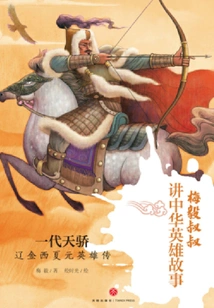
一代天骄:辽金西夏元英雄传
Mei Yi
"Uncle Mei Yi Tells Stories of Chinese Heroes" is a collection of Chinese hero stories specially created for children by Mei Yi, a famous writer who is an expert on "Chinese Hero History" and has devoted 20 years of experience. There are 10 volumes in total. The complete set of books carefully selects 104 heavyweight heroes who determine the direction of Chinese history. Using characters as beads and time as threads, they connect the five thousand years of history from the pre-Qin Dynasty to the Qing Dynasty, and outline a complete and clear outline of Chinese history for young readers. The author uses a rigorous and fair attitude towards history, a classic narrative literary style, a collection of real historical materials, classic poems, literary allusions, etc. To restore interesting historical scenes, create flesh-and-blood heroic examples, and read heroes from multiple angles. With hand-drawn illustrations that are close to the original colors of history, children can lay a historical foundation in reading, absorb wisdom in life, develop heroic character, and then cultivate a correct view of history and open up the pattern of life. Not only that, the book also has wonderful columns such as "Historical Little Theater", "Teacher Mei Tells You", "Mei Yi's Review of Heroes" and "History Little Classroom", which relate the anecdotes involved in the story, expand the explanation of idioms, poetry, geography, military, management and other knowledge to help children break through subject barriers in reading and improve their comprehensive literacy.
"Uncle Mei Yi Tells Stories of Chinese Heroes" is a collection of Chinese hero stories specially created for children by Mei Yi, a famous writer who is an expert on "Chinese Hero History" and has devoted 20 years of experience. There are 10 volumes in total. The complete set of books carefully selects 104 heavyweight heroes who determine the direction of Chinese history. Using characters as beads and time as threads, they connect the five thousand years of history from the pre-Qin Dynasty to the Qing Dynasty, and outline a complete and clear outline of Chinese history for young readers. The author uses a rigorous and fair attitude towards history, a classic narrative literary style, a collection of real historical materials, classic poems, literary allusions, etc. To restore interesting historical scenes, create flesh-and-blood heroic examples, and read heroes from multiple angles. With hand-drawn illustrations that are close to the original colors of history, children can lay a historical foundation in reading, absorb wisdom in life, develop heroic character, and then cultivate a correct view of history and open up the pattern of life. Not only that, the book also has wonderful columns such as "Historical Little Theater", "Teacher Mei Tells You", "Mei Yi's Review of Heroes" and "History Little Classroom", which relate the anecdotes involved in the story, expand the explanation of idioms, poetry, geography, military, management and other knowledge to help children break through subject barriers in reading and improve their comprehensive literacy.
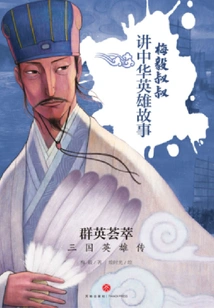
群英荟萃:三国英雄传
Mei Yi
"Uncle Mei Yi Tells Stories of Chinese Heroes" is a collection of Chinese hero stories specially created for children by Mei Yi, a famous writer who is an expert on "Chinese Hero History" and has devoted 20 years of experience. There are 10 volumes in total. The complete set of books carefully selects 104 heavyweight heroes who determine the direction of Chinese history. Using characters as beads and time as threads, they connect the five thousand years of history from the pre-Qin Dynasty to the Qing Dynasty, and outline a complete and clear outline of Chinese history for young readers. The author uses a rigorous and fair attitude towards history, a classic narrative literary style, a collection of real historical materials, classic poems, literary allusions, etc. To restore interesting historical scenes, create flesh-and-blood heroic examples, and read heroes from multiple angles. With hand-drawn illustrations that are close to the original colors of history, children can lay a historical foundation in reading, absorb wisdom in life, develop heroic character, and then cultivate a correct view of history and open up the pattern of life. Not only that, the book also has wonderful columns such as "Historical Little Theater", "Teacher Mei Tells You", "Mei Yi's Review of Heroes" and "History Little Classroom", which relate the anecdotes involved in the story, expand the explanation of idioms, poetry, geography, military, management and other knowledge to help children break through subject barriers in reading and improve their comprehensive literacy.
"Uncle Mei Yi Tells Stories of Chinese Heroes" is a collection of Chinese hero stories specially created for children by Mei Yi, a famous writer who is an expert on "Chinese Hero History" and has devoted 20 years of experience. There are 10 volumes in total. The complete set of books carefully selects 104 heavyweight heroes who determine the direction of Chinese history. Using characters as beads and time as threads, they connect the five thousand years of history from the pre-Qin Dynasty to the Qing Dynasty, and outline a complete and clear outline of Chinese history for young readers. The author uses a rigorous and fair attitude towards history, a classic narrative literary style, a collection of real historical materials, classic poems, literary allusions, etc. To restore interesting historical scenes, create flesh-and-blood heroic examples, and read heroes from multiple angles. With hand-drawn illustrations that are close to the original colors of history, children can lay a historical foundation in reading, absorb wisdom in life, develop heroic character, and then cultivate a correct view of history and open up the pattern of life. Not only that, the book also has wonderful columns such as "Historical Little Theater", "Teacher Mei Tells You", "Mei Yi's Review of Heroes" and "History Little Classroom", which relate the anecdotes involved in the story, expand the explanation of idioms, poetry, geography, military, management and other knowledge to help children break through subject barriers in reading and improve their comprehensive literacy.
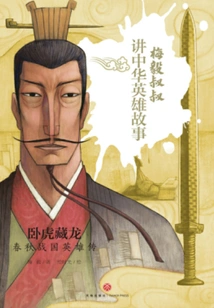
卧虎藏龙:春秋战国英雄传
Mei Yi
"Uncle Mei Yi Tells Stories of Chinese Heroes" is a collection of Chinese hero stories specially created for children by Mei Yi, a famous writer who is an expert on "Chinese Hero History" and has devoted 20 years of experience. There are 10 volumes in total. The complete set of books carefully selects 104 heavyweight heroes who determine the direction of Chinese history. Using characters as beads and time as threads, they connect the five thousand years of history from the pre-Qin Dynasty to the Qing Dynasty, and outline a complete and clear outline of Chinese history for young readers. The author uses a rigorous and fair attitude towards history, a classic narrative literary style, a collection of real historical materials, classic poems, literary allusions, etc. To restore interesting historical scenes, create flesh-and-blood heroic examples, and read heroes from multiple angles. With hand-drawn illustrations that are close to the original colors of history, children can lay a historical foundation in reading, absorb wisdom in life, develop heroic character, and then cultivate a correct view of history and open up the pattern of life. Not only that, the book also has wonderful columns such as "Historical Little Theater", "Teacher Mei Tells You", "Mei Yi's Review of Heroes" and "History Little Classroom", which relate the anecdotes involved in the story, expand the explanation of idioms, poetry, geography, military, management and other knowledge to help children break through subject barriers in reading and improve their comprehensive literacy.
"Uncle Mei Yi Tells Stories of Chinese Heroes" is a collection of Chinese hero stories specially created for children by Mei Yi, a famous writer who is an expert on "Chinese Hero History" and has devoted 20 years of experience. There are 10 volumes in total. The complete set of books carefully selects 104 heavyweight heroes who determine the direction of Chinese history. Using characters as beads and time as threads, they connect the five thousand years of history from the pre-Qin Dynasty to the Qing Dynasty, and outline a complete and clear outline of Chinese history for young readers. The author uses a rigorous and fair attitude towards history, a classic narrative literary style, a collection of real historical materials, classic poems, literary allusions, etc. To restore interesting historical scenes, create flesh-and-blood heroic examples, and read heroes from multiple angles. With hand-drawn illustrations that are close to the original colors of history, children can lay a historical foundation in reading, absorb wisdom in life, develop heroic character, and then cultivate a correct view of history and open up the pattern of life. Not only that, the book also has wonderful columns such as "Historical Little Theater", "Teacher Mei Tells You", "Mei Yi's Review of Heroes" and "History Little Classroom", which relate the anecdotes involved in the story, expand the explanation of idioms, poetry, geography, military, management and other knowledge to help children break through subject barriers in reading and improve their comprehensive literacy.
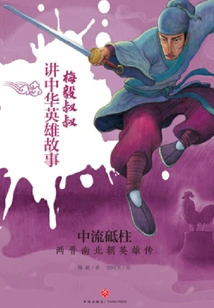
中流砥柱:两晋南北朝英雄传
Mei Yi
"Uncle Mei Yi Tells Stories of Chinese Heroes" is a collection of Chinese hero stories specially created for children by Mei Yi, a famous writer who is an expert on "Chinese Hero History" and has devoted 20 years of experience. There are 10 volumes in total. The complete set of books carefully selects 104 heavyweight heroes who determine the direction of Chinese history. Using characters as beads and time as threads, they connect the five thousand years of history from the pre-Qin Dynasty to the Qing Dynasty, and outline a complete and clear outline of Chinese history for young readers. The author uses a rigorous and fair attitude towards history, a classic narrative literary style, a collection of real historical materials, classic poems, literary allusions, etc. To restore interesting historical scenes, create flesh-and-blood heroic examples, and read heroes from multiple angles. With hand-drawn illustrations that are close to the original colors of history, children can lay a historical foundation in reading, absorb wisdom in life, develop heroic character, and then cultivate a correct view of history and open up the pattern of life. Not only that, the book also has wonderful columns such as "Historical Little Theater", "Teacher Mei Tells You", "Mei Yi's Review of Heroes" and "History Little Classroom", which relate the anecdotes involved in the story, expand the explanation of idioms, poetry, geography, military, management and other knowledge to help children break through subject barriers in reading and improve their comprehensive literacy.
"Uncle Mei Yi Tells Stories of Chinese Heroes" is a collection of Chinese hero stories specially created for children by Mei Yi, a famous writer who is an expert on "Chinese Hero History" and has devoted 20 years of experience. There are 10 volumes in total. The complete set of books carefully selects 104 heavyweight heroes who determine the direction of Chinese history. Using characters as beads and time as threads, they connect the five thousand years of history from the pre-Qin Dynasty to the Qing Dynasty, and outline a complete and clear outline of Chinese history for young readers. The author uses a rigorous and fair attitude towards history, a classic narrative literary style, a collection of real historical materials, classic poems, literary allusions, etc. To restore interesting historical scenes, create flesh-and-blood heroic examples, and read heroes from multiple angles. With hand-drawn illustrations that are close to the original colors of history, children can lay a historical foundation in reading, absorb wisdom in life, develop heroic character, and then cultivate a correct view of history and open up the pattern of life. Not only that, the book also has wonderful columns such as "Historical Little Theater", "Teacher Mei Tells You", "Mei Yi's Review of Heroes" and "History Little Classroom", which relate the anecdotes involved in the story, expand the explanation of idioms, poetry, geography, military, management and other knowledge to help children break through subject barriers in reading and improve their comprehensive literacy.
精忠报国:两宋英雄传
Mei Yi
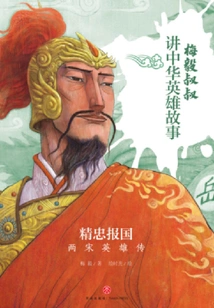
"Uncle Mei Yi Tells Stories of Chinese Heroes" is a collection of Chinese hero stories specially created for children by Mei Yi, a famous writer who is an expert on "Chinese Hero History" and has devoted 20 years of experience. There are 10 volumes in total. The complete set of books carefully selects 104 heavyweight heroes who determine the direction of Chinese history. Using characters as beads and time as threads, they connect the five thousand years of history from the pre-Qin Dynasty to the Qing Dynasty, and outline a complete and clear outline of Chinese history for young readers. The author uses a rigorous and fair attitude towards history, a classic narrative literary style, a collection of real historical materials, classic poems, literary allusions, etc. To restore interesting historical scenes, create flesh-and-blood heroic examples, and read heroes from multiple angles. With hand-drawn illustrations that are close to the original colors of history, children can lay a historical foundation in reading, absorb wisdom in life, develop heroic character, and then cultivate a correct view of history and open up the pattern of life. Not only that, the book also has wonderful columns such as "Historical Little Theater", "Teacher Mei Tells You", "Mei Yi's Review of Heroes" and "History Little Classroom", which relate the anecdotes involved in the story, expand the explanation of idioms, poetry, geography, military, management and other knowledge to help children break through subject barriers in reading and improve their comprehensive literacy.
"Uncle Mei Yi Tells Stories of Chinese Heroes" is a collection of Chinese hero stories specially created for children by Mei Yi, a famous writer who is an expert on "Chinese Hero History" and has devoted 20 years of experience. There are 10 volumes in total. The complete set of books carefully selects 104 heavyweight heroes who determine the direction of Chinese history. Using characters as beads and time as threads, they connect the five thousand years of history from the pre-Qin Dynasty to the Qing Dynasty, and outline a complete and clear outline of Chinese history for young readers. The author uses a rigorous and fair attitude towards history, a classic narrative literary style, a collection of real historical materials, classic poems, literary allusions, etc. To restore interesting historical scenes, create flesh-and-blood heroic examples, and read heroes from multiple angles. With hand-drawn illustrations that are close to the original colors of history, children can lay a historical foundation in reading, absorb wisdom in life, develop heroic character, and then cultivate a correct view of history and open up the pattern of life. Not only that, the book also has wonderful columns such as "Historical Little Theater", "Teacher Mei Tells You", "Mei Yi's Review of Heroes" and "History Little Classroom", which relate the anecdotes involved in the story, expand the explanation of idioms, poetry, geography, military, management and other knowledge to help children break through subject barriers in reading and improve their comprehensive literacy.
长风破浪:隋唐英雄传
Mei Yi
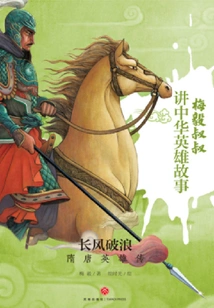
"Uncle Mei Yi Tells Stories of Chinese Heroes" is a collection of Chinese hero stories specially created for children by Mei Yi, a famous writer who is an expert on "Chinese Hero History" and has devoted 20 years of experience. There are 10 volumes in total. The complete set of books carefully selects 104 heavyweight heroes who determine the direction of Chinese history. Using characters as beads and time as threads, they connect the five thousand years of history from the pre-Qin Dynasty to the Qing Dynasty, and outline a complete and clear outline of Chinese history for young readers. The author uses a rigorous and fair attitude towards history, a classic narrative literary style, a collection of real historical materials, classic poems, literary allusions, etc. To restore interesting historical scenes, create flesh-and-blood heroic examples, and read heroes from multiple angles. With hand-drawn illustrations that are close to the original colors of history, children can lay a historical foundation in reading, absorb wisdom in life, develop heroic character, and then cultivate a correct view of history and open up the pattern of life. Not only that, the book also has wonderful columns such as "Historical Little Theater", "Teacher Mei Tells You", "Mei Yi's Review of Heroes" and "History Little Classroom", which relate the anecdotes involved in the story, expand the explanation of idioms, poetry, geography, military, management and other knowledge to help children break through subject barriers in reading and improve their comprehensive literacy.
"Uncle Mei Yi Tells Stories of Chinese Heroes" is a collection of Chinese hero stories specially created for children by Mei Yi, a famous writer who is an expert on "Chinese Hero History" and has devoted 20 years of experience. There are 10 volumes in total. The complete set of books carefully selects 104 heavyweight heroes who determine the direction of Chinese history. Using characters as beads and time as threads, they connect the five thousand years of history from the pre-Qin Dynasty to the Qing Dynasty, and outline a complete and clear outline of Chinese history for young readers. The author uses a rigorous and fair attitude towards history, a classic narrative literary style, a collection of real historical materials, classic poems, literary allusions, etc. To restore interesting historical scenes, create flesh-and-blood heroic examples, and read heroes from multiple angles. With hand-drawn illustrations that are close to the original colors of history, children can lay a historical foundation in reading, absorb wisdom in life, develop heroic character, and then cultivate a correct view of history and open up the pattern of life. Not only that, the book also has wonderful columns such as "Historical Little Theater", "Teacher Mei Tells You", "Mei Yi's Review of Heroes" and "History Little Classroom", which relate the anecdotes involved in the story, expand the explanation of idioms, poetry, geography, military, management and other knowledge to help children break through subject barriers in reading and improve their comprehensive literacy.
开疆拓土:秦汉英雄传
Mei Yi
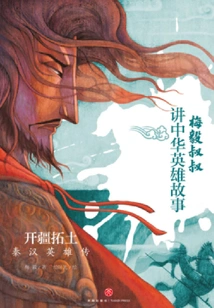
"Uncle Mei Yi Tells Stories of Chinese Heroes" is a collection of Chinese hero stories specially created for children by Mei Yi, a famous writer who is an expert on "Chinese Hero History" and has devoted 20 years of experience. There are 10 volumes in total. The complete set of books carefully selects 104 heavyweight heroes who determine the direction of Chinese history. Using characters as beads and time as threads, they connect the five thousand years of history from the pre-Qin Dynasty to the Qing Dynasty, and outline a complete and clear outline of Chinese history for young readers. The author uses a rigorous and fair attitude towards history, a classic narrative literary style, a collection of real historical materials, classic poems, literary allusions, etc. To restore interesting historical scenes, create flesh-and-blood heroic examples, and read heroes from multiple angles. With hand-drawn illustrations that are close to the original colors of history, children can lay a historical foundation in reading, absorb wisdom in life, develop heroic character, and then cultivate a correct view of history and open up the pattern of life. Not only that, the book also has wonderful columns such as "Historical Little Theater", "Teacher Mei Tells You", "Mei Yi's Review of Heroes" and "History Little Classroom", which relate the anecdotes involved in the story, expand the explanation of idioms, poetry, geography, military, management and other knowledge to help children break through subject barriers in reading and improve their comprehensive literacy.
"Uncle Mei Yi Tells Stories of Chinese Heroes" is a collection of Chinese hero stories specially created for children by Mei Yi, a famous writer who is an expert on "Chinese Hero History" and has devoted 20 years of experience. There are 10 volumes in total. The complete set of books carefully selects 104 heavyweight heroes who determine the direction of Chinese history. Using characters as beads and time as threads, they connect the five thousand years of history from the pre-Qin Dynasty to the Qing Dynasty, and outline a complete and clear outline of Chinese history for young readers. The author uses a rigorous and fair attitude towards history, a classic narrative literary style, a collection of real historical materials, classic poems, literary allusions, etc. To restore interesting historical scenes, create flesh-and-blood heroic examples, and read heroes from multiple angles. With hand-drawn illustrations that are close to the original colors of history, children can lay a historical foundation in reading, absorb wisdom in life, develop heroic character, and then cultivate a correct view of history and open up the pattern of life. Not only that, the book also has wonderful columns such as "Historical Little Theater", "Teacher Mei Tells You", "Mei Yi's Review of Heroes" and "History Little Classroom", which relate the anecdotes involved in the story, expand the explanation of idioms, poetry, geography, military, management and other knowledge to help children break through subject barriers in reading and improve their comprehensive literacy.
铮铮铁骨:明朝英雄传
Mei Yi
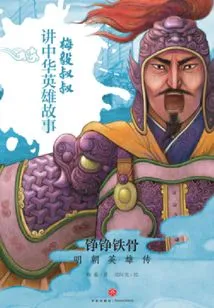
"Uncle Mei Yi Tells Stories of Chinese Heroes" is a collection of Chinese hero stories specially created for children by Mei Yi, a famous writer who is an expert on "Chinese Hero History" and has devoted 20 years of experience. There are 10 volumes in total. The complete set of books carefully selects 104 heavyweight heroes who determine the direction of Chinese history. Using characters as beads and time as threads, they connect the five thousand years of history from the pre-Qin Dynasty to the Qing Dynasty, and outline a complete and clear outline of Chinese history for young readers. The author uses a rigorous and fair attitude towards history, a classic narrative literary style, a collection of real historical materials, classic poems, literary allusions, etc. To restore interesting historical scenes, create flesh-and-blood heroic examples, and read heroes from multiple angles. With hand-drawn illustrations that are close to the original colors of history, children can lay a historical foundation in reading, absorb wisdom in life, develop heroic character, and then cultivate a correct view of history and open up the pattern of life. Not only that, the book also has wonderful columns such as "Historical Little Theater", "Teacher Mei Tells You", "Mei Yi's Review of Heroes" and "History Little Classroom", which relate the anecdotes involved in the story, expand the explanation of idioms, poetry, geography, military, management and other knowledge to help children break through subject barriers in reading and improve their comprehensive literacy.
"Uncle Mei Yi Tells Stories of Chinese Heroes" is a collection of Chinese hero stories specially created for children by Mei Yi, a famous writer who is an expert on "Chinese Hero History" and has devoted 20 years of experience. There are 10 volumes in total. The complete set of books carefully selects 104 heavyweight heroes who determine the direction of Chinese history. Using characters as beads and time as threads, they connect the five thousand years of history from the pre-Qin Dynasty to the Qing Dynasty, and outline a complete and clear outline of Chinese history for young readers. The author uses a rigorous and fair attitude towards history, a classic narrative literary style, a collection of real historical materials, classic poems, literary allusions, etc. To restore interesting historical scenes, create flesh-and-blood heroic examples, and read heroes from multiple angles. With hand-drawn illustrations that are close to the original colors of history, children can lay a historical foundation in reading, absorb wisdom in life, develop heroic character, and then cultivate a correct view of history and open up the pattern of life. Not only that, the book also has wonderful columns such as "Historical Little Theater", "Teacher Mei Tells You", "Mei Yi's Review of Heroes" and "History Little Classroom", which relate the anecdotes involved in the story, expand the explanation of idioms, poetry, geography, military, management and other knowledge to help children break through subject barriers in reading and improve their comprehensive literacy.
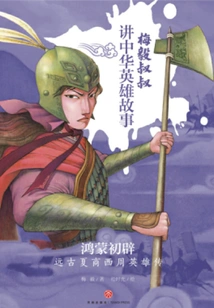
The First Creation of Hongmeng: Biography of Heroes of Ancient Xia, Shang and Western Zhou Dynasties
History鸿蒙初辟:远古夏商西周英雄传
Mei Yi
"Uncle Mei Yi Tells Stories of Chinese Heroes" is a collection of Chinese hero stories specially created for children by Mei Yi, a famous writer who is an expert on "Chinese Hero History" and has devoted 20 years of experience. There are 10 volumes in total. The complete set of books carefully selects 104 heavyweight heroes who determine the direction of Chinese history. Using characters as beads and time as threads, they connect the five thousand years of history from the pre-Qin Dynasty to the Qing Dynasty, and outline a complete and clear outline of Chinese history for young readers. The author uses a rigorous and fair attitude towards history, a classic narrative literary style, a collection of real historical materials, classic poems, literary allusions, etc. To restore interesting historical scenes, create flesh-and-blood heroic examples, and read heroes from multiple angles. With hand-drawn illustrations that are close to the original colors of history, children can lay a historical foundation in reading, absorb wisdom in life, develop heroic character, and then cultivate a correct view of history and open up the pattern of life. Not only that, the book also has wonderful columns such as "Historical Little Theater", "Teacher Mei Tells You", "Mei Yi's Review of Heroes" and "History Little Classroom", which relate the anecdotes involved in the story, expand the explanation of idioms, poetry, geography, military, management and other knowledge to help children break through subject barriers in reading and improve their comprehensive literacy.
"Uncle Mei Yi Tells Stories of Chinese Heroes" is a collection of Chinese hero stories specially created for children by Mei Yi, a famous writer who is an expert on "Chinese Hero History" and has devoted 20 years of experience. There are 10 volumes in total. The complete set of books carefully selects 104 heavyweight heroes who determine the direction of Chinese history. Using characters as beads and time as threads, they connect the five thousand years of history from the pre-Qin Dynasty to the Qing Dynasty, and outline a complete and clear outline of Chinese history for young readers. The author uses a rigorous and fair attitude towards history, a classic narrative literary style, a collection of real historical materials, classic poems, literary allusions, etc. To restore interesting historical scenes, create flesh-and-blood heroic examples, and read heroes from multiple angles. With hand-drawn illustrations that are close to the original colors of history, children can lay a historical foundation in reading, absorb wisdom in life, develop heroic character, and then cultivate a correct view of history and open up the pattern of life. Not only that, the book also has wonderful columns such as "Historical Little Theater", "Teacher Mei Tells You", "Mei Yi's Review of Heroes" and "History Little Classroom", which relate the anecdotes involved in the story, expand the explanation of idioms, poetry, geography, military, management and other knowledge to help children break through subject barriers in reading and improve their comprehensive literacy.
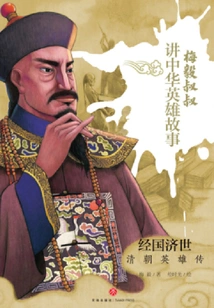
经国济世:清朝英雄传
Mei Yi
"Uncle Mei Yi Tells Stories of Chinese Heroes" is a collection of Chinese hero stories specially created for children by Mei Yi, a famous writer who is an expert on "Chinese Hero History" and has devoted 20 years of experience. There are 10 volumes in total. The complete set of books carefully selects 104 heavyweight heroes who determine the direction of Chinese history. Using characters as beads and time as threads, they connect the five thousand years of history from the pre-Qin Dynasty to the Qing Dynasty, and outline a complete and clear outline of Chinese history for young readers. The author uses a rigorous and fair attitude towards history, a classic narrative literary style, a collection of real historical materials, classic poems, literary allusions, etc. To restore interesting historical scenes, create flesh-and-blood heroic examples, and read heroes from multiple angles. With hand-drawn illustrations that are close to the original colors of history, children can lay a historical foundation in reading, absorb wisdom in life, develop heroic character, and then cultivate a correct view of history and open up the pattern of life. Not only that, the book also has wonderful columns such as "Historical Little Theater", "Teacher Mei Tells You", "Mei Yi's Review of Heroes" and "History Little Classroom", which relate the anecdotes involved in the story, expand the explanation of idioms, poetry, geography, military, management and other knowledge to help children break through subject barriers in reading and improve their comprehensive literacy.
"Uncle Mei Yi Tells Stories of Chinese Heroes" is a collection of Chinese hero stories specially created for children by Mei Yi, a famous writer who is an expert on "Chinese Hero History" and has devoted 20 years of experience. There are 10 volumes in total. The complete set of books carefully selects 104 heavyweight heroes who determine the direction of Chinese history. Using characters as beads and time as threads, they connect the five thousand years of history from the pre-Qin Dynasty to the Qing Dynasty, and outline a complete and clear outline of Chinese history for young readers. The author uses a rigorous and fair attitude towards history, a classic narrative literary style, a collection of real historical materials, classic poems, literary allusions, etc. To restore interesting historical scenes, create flesh-and-blood heroic examples, and read heroes from multiple angles. With hand-drawn illustrations that are close to the original colors of history, children can lay a historical foundation in reading, absorb wisdom in life, develop heroic character, and then cultivate a correct view of history and open up the pattern of life. Not only that, the book also has wonderful columns such as "Historical Little Theater", "Teacher Mei Tells You", "Mei Yi's Review of Heroes" and "History Little Classroom", which relate the anecdotes involved in the story, expand the explanation of idioms, poetry, geography, military, management and other knowledge to help children break through subject barriers in reading and improve their comprehensive literacy.
梅毅叔叔讲中华英雄故事(全10册)
Mei Yi
"Uncle Mei Yi Tells Stories of Chinese Heroes" is a collection of Chinese hero stories specially created for children by Mei Yi, a famous writer who is an expert on "Chinese Hero History" and has devoted 20 years of experience. There are 10 volumes in total. The complete set of books carefully selects 104 heavyweight heroes who determine the direction of Chinese history. Using characters as beads and time as threads, they connect the five thousand years of history from the pre-Qin Dynasty to the Qing Dynasty, and outline a complete and clear outline of Chinese history for young readers. The author uses a rigorous and fair attitude towards history, a classic narrative literary style, a collection of real historical materials, classic poems, literary allusions, etc. To restore interesting historical scenes, create flesh-and-blood heroic examples, and read heroes from multiple angles. With hand-drawn illustrations that are close to the original colors of history, children can lay a historical foundation in reading, absorb wisdom in life, develop heroic character, and then cultivate a correct view of history and open up the pattern of life. Not only that, the book also has wonderful columns such as "Historical Little Theater", "Teacher Mei Tells You", "Mei Yi's Review of Heroes" and "History Little Classroom", which relate the anecdotes involved in the story, expand the explanation of idioms, poetry, geography, military, management and other knowledge to help children break through subject barriers in reading and improve their comprehensive literacy.
"Uncle Mei Yi Tells Stories of Chinese Heroes" is a collection of Chinese hero stories specially created for children by Mei Yi, a famous writer who is an expert on "Chinese Hero History" and has devoted 20 years of experience. There are 10 volumes in total. The complete set of books carefully selects 104 heavyweight heroes who determine the direction of Chinese history. Using characters as beads and time as threads, they connect the five thousand years of history from the pre-Qin Dynasty to the Qing Dynasty, and outline a complete and clear outline of Chinese history for young readers. The author uses a rigorous and fair attitude towards history, a classic narrative literary style, a collection of real historical materials, classic poems, literary allusions, etc. To restore interesting historical scenes, create flesh-and-blood heroic examples, and read heroes from multiple angles. With hand-drawn illustrations that are close to the original colors of history, children can lay a historical foundation in reading, absorb wisdom in life, develop heroic character, and then cultivate a correct view of history and open up the pattern of life. Not only that, the book also has wonderful columns such as "Historical Little Theater", "Teacher Mei Tells You", "Mei Yi's Review of Heroes" and "History Little Classroom", which relate the anecdotes involved in the story, expand the explanation of idioms, poetry, geography, military, management and other knowledge to help children break through subject barriers in reading and improve their comprehensive literacy.
晚清三杰(下):定乾坤
Xu Zheshen
Internal strife broke out among the leadership of the Taiping Army, and their vitality was severely damaged. Zeng Guofan, Zuo Zongtang, Peng Yulin and others strategized and pursued the victory, and finally put down the peasant uprising that lasted for more than ten years and swept most of China. Next, he quelled the chaos in the northwest and purged the officials, which gave a shot in the arm to the declining Qing Dynasty. Xu Zheshen, the son of Hunan Army general Xu Chunrong. Xu Chunrong had many contacts with Zeng, Zuo and Peng Junjun, and had deep daily interactions with them. Xu Zheshen had a profound understanding of the three of them. Zeng Guofan's prudence and courage, Zuo Zongtang's arrogance and magnanimity, Peng Yulin's uprightness and sincerity, Xu Zheshen vividly described them with a brief history.
Internal strife broke out among the leadership of the Taiping Army, and their vitality was severely damaged. Zeng Guofan, Zuo Zongtang, Peng Yulin and others strategized and pursued the victory, and finally put down the peasant uprising that lasted for more than ten years and swept most of China. Next, he quelled the chaos in the northwest and purged the officials, which gave a shot in the arm to the declining Qing Dynasty. Xu Zheshen, the son of Hunan Army general Xu Chunrong. Xu Chunrong had many contacts with Zeng, Zuo and Peng Junjun, and had deep daily interactions with them. Xu Zheshen had a profound understanding of the three of them. Zeng Guofan's prudence and courage, Zuo Zongtang's arrogance and magnanimity, Peng Yulin's uprightness and sincerity, Xu Zheshen vividly described them with a brief history.
Naval Battle of the Century
History世纪海战
Wu Chunguang
"Century Naval Battles" provides detailed process descriptions and objective professional comments on several classic battles that took place at sea during World War II. It is highly readable and contains a large amount of information. The naval battles selected in "Century Naval War" are classics that have been interpreted countless times, but you can still get many different things from reading them.
"Century Naval Battles" provides detailed process descriptions and objective professional comments on several classic battles that took place at sea during World War II. It is highly readable and contains a large amount of information. The naval battles selected in "Century Naval War" are classics that have been interpreted countless times, but you can still get many different things from reading them.
中国抗日战争全景录·辽宁卷
Shenyang "september 18th" History Museum
This series of books panoramically reproduces the difficult history of the Chinese people's rise to resist the Japanese invaders. It not only contains grand descriptions of the general background, major events, and major scenes, but also has detailed records of major battles, key figures, and important processes. It strives to organically combine grand narratives with detailed presentation, and truly and completely demonstrate the organic unity of the overall situation and the local area.
This series of books panoramically reproduces the difficult history of the Chinese people's rise to resist the Japanese invaders. It not only contains grand descriptions of the general background, major events, and major scenes, but also has detailed records of major battles, key figures, and important processes. It strives to organically combine grand narratives with detailed presentation, and truly and completely demonstrate the organic unity of the overall situation and the local area.
道光帝陵历史之谜
Xu Xin
Emperor Daoguang reigned for 30 years, and his political achievements were mediocre, but he was "famous throughout the ages" for the construction of mausoleums. He spent fifteen years building his own mausoleum, two constructions and one demolition. It has a unique history. He remained an emperor for one generation, but repeatedly broke the precepts left by the previous emperor in the construction of the mausoleum. He was a pioneer who advocated frugality, but built a mausoleum that wasted money... These abnormal behaviors also exposed the ulterior motives of Emperor Daoguang... The enigmatic architectural sites and strange regulations left too many surprises and mysteries for future generations. "The Mystery of the History of Emperor Daoguang's Mausoleum" edited by Xu Xin is the first monograph to study the tomb of Emperor Daoguang more than 160 years after his death. Uncover the mystery of Daoguang's Mausoleum and interpret the true face of Emperor Daoguang. You will find that the Opium War was not the only thing when Emperor Daoguang was in power, but also...
Emperor Daoguang reigned for 30 years, and his political achievements were mediocre, but he was "famous throughout the ages" for the construction of mausoleums. He spent fifteen years building his own mausoleum, two constructions and one demolition. It has a unique history. He remained an emperor for one generation, but repeatedly broke the precepts left by the previous emperor in the construction of the mausoleum. He was a pioneer who advocated frugality, but built a mausoleum that wasted money... These abnormal behaviors also exposed the ulterior motives of Emperor Daoguang... The enigmatic architectural sites and strange regulations left too many surprises and mysteries for future generations. "The Mystery of the History of Emperor Daoguang's Mausoleum" edited by Xu Xin is the first monograph to study the tomb of Emperor Daoguang more than 160 years after his death. Uncover the mystery of Daoguang's Mausoleum and interpret the true face of Emperor Daoguang. You will find that the Opium War was not the only thing when Emperor Daoguang was in power, but also...
历史的温度5:那些博弈、较量与人性
Zhang Wei
The Cairo Conference, the Tehran Conference, the U. S.-Mexico War, the Oil War... Whether they are meetings in the history of World War II where all parties seemed to be united, or they were disputes on the surface, are there stories behind them that we don't know about? Deng Jiaxian, Tan Kah Kee, Oppenheimer... Those people who have never succumbed to the times and environment, do they also have their own uniqueness in this magnificent era? Looking through the long scroll of history and looking back at this individual and one incident, you will find that game and struggle can be regarded as an eternal theme, whether it is a game of interests or a struggle of human nature. On the negotiating table, it's a battle of chips; outside the negotiating table, it's likely to be the roar of artillery fire. There are competitions between countries, as well as games between people and between groups. Even if it comes down to a specific person, including you, me, and him, there is still a "war between heaven and man": with one's own selfish desires, one's own beliefs, and one's own ideals. In 2020, we once again clearly realized that on this planet, the so-called "competition" and "game" are not only between humans. And the more we are at this moment, I think the more we need to read some history.
The Cairo Conference, the Tehran Conference, the U. S.-Mexico War, the Oil War... Whether they are meetings in the history of World War II where all parties seemed to be united, or they were disputes on the surface, are there stories behind them that we don't know about? Deng Jiaxian, Tan Kah Kee, Oppenheimer... Those people who have never succumbed to the times and environment, do they also have their own uniqueness in this magnificent era? Looking through the long scroll of history and looking back at this individual and one incident, you will find that game and struggle can be regarded as an eternal theme, whether it is a game of interests or a struggle of human nature. On the negotiating table, it's a battle of chips; outside the negotiating table, it's likely to be the roar of artillery fire. There are competitions between countries, as well as games between people and between groups. Even if it comes down to a specific person, including you, me, and him, there is still a "war between heaven and man": with one's own selfish desires, one's own beliefs, and one's own ideals. In 2020, we once again clearly realized that on this planet, the so-called "competition" and "game" are not only between humans. And the more we are at this moment, I think the more we need to read some history.
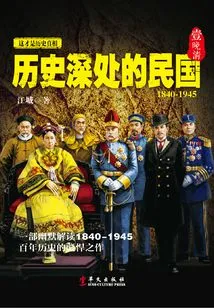
历史深处的民国1:晚清
Jiangcheng
This is a sturdy history book about the official history of the Republic of China for a hundred years. It is the first long historical masterpiece in Chinese history that comprehensively interprets the official history of the Republic of China. Based on careful study of the historical materials of the Republic of China, the author creates with a rigorous attitude of respecting historical facts. Taking the era and specific characters as the main lines, and writing in an easy-to-understand, humorous language style, the author completely tells the story of some unfamiliar things done by some familiar people in the century from 1840 to 1945...
This is a sturdy history book about the official history of the Republic of China for a hundred years. It is the first long historical masterpiece in Chinese history that comprehensively interprets the official history of the Republic of China. Based on careful study of the historical materials of the Republic of China, the author creates with a rigorous attitude of respecting historical facts. Taking the era and specific characters as the main lines, and writing in an easy-to-understand, humorous language style, the author completely tells the story of some unfamiliar things done by some familiar people in the century from 1840 to 1945...
历史深处的民国(全集)
Jiangcheng
This is a set of sturdy history books about a hundred years of official history from 1840 to 1945. It is a long historical masterpiece that comprehensively interprets the late Qing Dynasty, the Republic of China, and the Anti-Japanese War. There has never been a book about the Republic of China that can explain the history of the Republic of China as comprehensively, truly, thoroughly and interestingly as "The Republic of China in the Deep History". Based on careful study of the historical materials of the Republic of China, the author creates with a rigorous attitude of respecting historical facts. Taking the era and specific characters as the main lines, and writing in an easy-to-understand, humorous language style, he completely tells a new story about some unfamiliar things done by some familiar people in the century from 1840 to 1945...
This is a set of sturdy history books about a hundred years of official history from 1840 to 1945. It is a long historical masterpiece that comprehensively interprets the late Qing Dynasty, the Republic of China, and the Anti-Japanese War. There has never been a book about the Republic of China that can explain the history of the Republic of China as comprehensively, truly, thoroughly and interestingly as "The Republic of China in the Deep History". Based on careful study of the historical materials of the Republic of China, the author creates with a rigorous attitude of respecting historical facts. Taking the era and specific characters as the main lines, and writing in an easy-to-understand, humorous language style, he completely tells a new story about some unfamiliar things done by some familiar people in the century from 1840 to 1945...
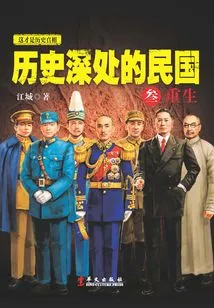
历史深处的民国3:重生
Jiangcheng
This is a set of sturdy history books about a hundred years of official history from 1840 to 1945. It is a long historical masterpiece that comprehensively interprets the late Qing Dynasty, the Republic of China, and the Anti-Japanese War. There has never been a book about the Republic of China that can explain the history of the Republic of China as comprehensively, truly, thoroughly and interestingly as "The Republic of China in the Deep History". Based on careful study of the historical materials of the Republic of China, the author creates with a rigorous attitude of respecting historical facts. Taking the era and specific characters as the main lines, and writing in an easy-to-understand, humorous language style, he completely tells a new story about some unfamiliar things done by some familiar people in the century from 1840 to 1945...
This is a set of sturdy history books about a hundred years of official history from 1840 to 1945. It is a long historical masterpiece that comprehensively interprets the late Qing Dynasty, the Republic of China, and the Anti-Japanese War. There has never been a book about the Republic of China that can explain the history of the Republic of China as comprehensively, truly, thoroughly and interestingly as "The Republic of China in the Deep History". Based on careful study of the historical materials of the Republic of China, the author creates with a rigorous attitude of respecting historical facts. Taking the era and specific characters as the main lines, and writing in an easy-to-understand, humorous language style, he completely tells a new story about some unfamiliar things done by some familiar people in the century from 1840 to 1945...
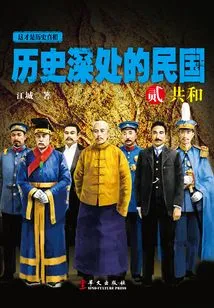
历史深处的民国2:共和
Jiangcheng
This is a set of sturdy history books about a hundred years of official history from 1840 to 1945. It is the first full-length historical work in Chinese history that comprehensively interprets the late Qing Dynasty, the Republic of China, and the Anti-Japanese War. Based on an intensive study of the historical materials of the Republic of China, the author creates with a rigorous attitude of respecting historical facts. Taking the era and specific characters as the main lines, and using an easy-to-understand, humorous language style, he completely tells the story of some things that some familiar people did in the century from 1840 to 1945 that we are not familiar with... The second "Republic" focuses on describing the period from 1911 to 1925.
This is a set of sturdy history books about a hundred years of official history from 1840 to 1945. It is the first full-length historical work in Chinese history that comprehensively interprets the late Qing Dynasty, the Republic of China, and the Anti-Japanese War. Based on an intensive study of the historical materials of the Republic of China, the author creates with a rigorous attitude of respecting historical facts. Taking the era and specific characters as the main lines, and using an easy-to-understand, humorous language style, he completely tells the story of some things that some familiar people did in the century from 1840 to 1945 that we are not familiar with... The second "Republic" focuses on describing the period from 1911 to 1925.
罗马统治时期埃及货币史
(dan) Eric Christiansen
Using evidence from a large hoard of Alexandrian coins, we explore the use of Egyptian currency from Augustus's conquest of Egypt in 30 BC to Diocletian's monetary reforms in 296 AD. This book explores the historical and economic background behind coins and explains the extensive monetized economy of Egypt during the Roman period, which is of great significance to economic and historical research.
Using evidence from a large hoard of Alexandrian coins, we explore the use of Egyptian currency from Augustus's conquest of Egypt in 30 BC to Diocletian's monetary reforms in 296 AD. This book explores the historical and economic background behind coins and explains the extensive monetized economy of Egypt during the Roman period, which is of great significance to economic and historical research.
蔡东藩中华史:明史
Cai Dongfan
When Mao Zedong came to Beijing from Yan'an, he ordered his subordinates to bring him a set of books, and this was it! It can be said that this set of books is Mao Zedong's introduction to Chinese history. With more than 2,000 years of history from the Qin Dynasty to the Republic of China, Cai Dongfan used official history as the classic and anecdotes as the weft, and used the language of "The Romance of the Three Kingdoms", which is not very profound in writing and not very vulgar in language, to write this most complete set of historical novels in China. From the creation of "Popular Romance of Qing History" in 1915 to the publication of "Popular Romance of Later Han Dynasty" in 1926, the entire set of "Popular Romance of Historical Dynasties" took ten years to complete. In addition to being very story-telling and interesting, this set of novels also attaches great importance to the authenticity of historical materials. Not only can it be used as a general leisure reading, but it can also be used as a reference book for history lovers.
When Mao Zedong came to Beijing from Yan'an, he ordered his subordinates to bring him a set of books, and this was it! It can be said that this set of books is Mao Zedong's introduction to Chinese history. With more than 2,000 years of history from the Qin Dynasty to the Republic of China, Cai Dongfan used official history as the classic and anecdotes as the weft, and used the language of "The Romance of the Three Kingdoms", which is not very profound in writing and not very vulgar in language, to write this most complete set of historical novels in China. From the creation of "Popular Romance of Qing History" in 1915 to the publication of "Popular Romance of Later Han Dynasty" in 1926, the entire set of "Popular Romance of Historical Dynasties" took ten years to complete. In addition to being very story-telling and interesting, this set of novels also attaches great importance to the authenticity of historical materials. Not only can it be used as a general leisure reading, but it can also be used as a reference book for history lovers.
蔡东藩中华史:五代史
Cai Dongfan
When Mao Zedong came to Beijing from Yan'an, he ordered his subordinates to bring him a set of books, and this was it! It can be said that this set of books is Mao Zedong's introduction to Chinese history. With more than 2,000 years of history from the Qin Dynasty to the Republic of China, Cai Dongfan used official history as the classic and anecdotes as the weft, and used the language of "The Romance of the Three Kingdoms", which is not very profound in writing and not very vulgar in language, to write this most complete set of historical novels in China. From the creation of "Popular Romance of Qing History" in 1915 to the publication of "Popular Romance of Later Han Dynasty" in 1926, the entire set of "Popular Romance of Historical Dynasties" took ten years to complete. In addition to being very story-telling and interesting, this set of novels also attaches great importance to the authenticity of historical materials. Not only can it be used as a general leisure reading, but it can also be used as a reference book for history lovers.
When Mao Zedong came to Beijing from Yan'an, he ordered his subordinates to bring him a set of books, and this was it! It can be said that this set of books is Mao Zedong's introduction to Chinese history. With more than 2,000 years of history from the Qin Dynasty to the Republic of China, Cai Dongfan used official history as the classic and anecdotes as the weft, and used the language of "The Romance of the Three Kingdoms", which is not very profound in writing and not very vulgar in language, to write this most complete set of historical novels in China. From the creation of "Popular Romance of Qing History" in 1915 to the publication of "Popular Romance of Later Han Dynasty" in 1926, the entire set of "Popular Romance of Historical Dynasties" took ten years to complete. In addition to being very story-telling and interesting, this set of novels also attaches great importance to the authenticity of historical materials. Not only can it be used as a general leisure reading, but it can also be used as a reference book for history lovers.
蔡东藩中华史:清史
Cai Dongfan
When Mao Zedong came to Beijing from Yan'an, he ordered his subordinates to bring him a set of books, and this was it! It can be said that this set of books is Mao Zedong's introduction to Chinese history. With more than 2,000 years of history from the Qin Dynasty to the Republic of China, Cai Dongfan used official history as the classic and anecdotes as the weft, and used the language of "The Romance of the Three Kingdoms", which is not very profound in writing and not very vulgar in language, to write this most complete set of historical novels in China. From the creation of "Popular Romance of Qing History" in 1915 to the publication of "Popular Romance of Later Han Dynasty" in 1926, the entire set of "Popular Romance of Historical Dynasties" took ten years to complete. In addition to being very story-telling and interesting, this set of novels also attaches great importance to the authenticity of historical materials. Not only can it be used as a general leisure reading, but it can also be used as a reference book for history lovers.
When Mao Zedong came to Beijing from Yan'an, he ordered his subordinates to bring him a set of books, and this was it! It can be said that this set of books is Mao Zedong's introduction to Chinese history. With more than 2,000 years of history from the Qin Dynasty to the Republic of China, Cai Dongfan used official history as the classic and anecdotes as the weft, and used the language of "The Romance of the Three Kingdoms", which is not very profound in writing and not very vulgar in language, to write this most complete set of historical novels in China. From the creation of "Popular Romance of Qing History" in 1915 to the publication of "Popular Romance of Later Han Dynasty" in 1926, the entire set of "Popular Romance of Historical Dynasties" took ten years to complete. In addition to being very story-telling and interesting, this set of novels also attaches great importance to the authenticity of historical materials. Not only can it be used as a general leisure reading, but it can also be used as a reference book for history lovers.
蔡东藩中华史:唐史
Cai Dongfan
When Mao Zedong came to Beijing from Yan'an, he ordered his subordinates to bring him a set of books, and this was it! It can be said that this set of books is Mao Zedong's introduction to Chinese history. With more than 2,000 years of history from the Qin Dynasty to the Republic of China, Cai Dongfan used official history as the classic and anecdotes as the weft, and used the language of "The Romance of the Three Kingdoms", which is not very profound in writing and not very vulgar in language, to write this most complete set of historical novels in China. From the creation of "Popular Romance of Qing History" in 1915 to the publication of "Popular Romance of Later Han Dynasty" in 1926, the entire set of "Popular Romance of Historical Dynasties" took ten years to complete. In addition to being very story-telling and interesting, this set of novels also attaches great importance to the authenticity of historical materials. Not only can it be used as a general leisure reading, but it can also be used as a reference book for history lovers.
When Mao Zedong came to Beijing from Yan'an, he ordered his subordinates to bring him a set of books, and this was it! It can be said that this set of books is Mao Zedong's introduction to Chinese history. With more than 2,000 years of history from the Qin Dynasty to the Republic of China, Cai Dongfan used official history as the classic and anecdotes as the weft, and used the language of "The Romance of the Three Kingdoms", which is not very profound in writing and not very vulgar in language, to write this most complete set of historical novels in China. From the creation of "Popular Romance of Qing History" in 1915 to the publication of "Popular Romance of Later Han Dynasty" in 1926, the entire set of "Popular Romance of Historical Dynasties" took ten years to complete. In addition to being very story-telling and interesting, this set of novels also attaches great importance to the authenticity of historical materials. Not only can it be used as a general leisure reading, but it can also be used as a reference book for history lovers.