Library
Browse and search books
1,338 novels found
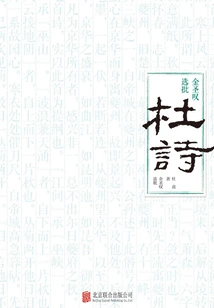
金圣叹选批杜诗
(qing Dynasty) Selections By Jin Shengtan
The characteristic of Jin Shengtan's anthology lies not only in selection but also in evaluation, paying more attention to comment and appreciation. Jin Shengtan pioneered the "seven-law decomposition method" of Tang poetry to comment on Tang poetry. He divided Tang poetry into "pre-interpretation" and "post-interpretation", and analyzed the ups and downs hidden behind the poems, "which may enable future generations to see not only the words of Tang poetry, but also the poetry of Tang poetry." Among the poets of the Tang Dynasty, Jin Shengtan had a special liking for Du Fu. How obsessed is Jin Shengtan with Du Shi? When he went to the houses of relatives and friends to eat and drink, he would always take one with him, and he would review it at any time while half drunk and half awake. He enjoyed being a roundworm in Du Fu's belly. Selecting and annotating Du Fu's poems was like being possessed by his soul, infusing his full talent and talent.
The characteristic of Jin Shengtan's anthology lies not only in selection but also in evaluation, paying more attention to comment and appreciation. Jin Shengtan pioneered the "seven-law decomposition method" of Tang poetry to comment on Tang poetry. He divided Tang poetry into "pre-interpretation" and "post-interpretation", and analyzed the ups and downs hidden behind the poems, "which may enable future generations to see not only the words of Tang poetry, but also the poetry of Tang poetry." Among the poets of the Tang Dynasty, Jin Shengtan had a special liking for Du Fu. How obsessed is Jin Shengtan with Du Shi? When he went to the houses of relatives and friends to eat and drink, he would always take one with him, and he would review it at any time while half drunk and half awake. He enjoyed being a roundworm in Du Fu's belly. Selecting and annotating Du Fu's poems was like being possessed by his soul, infusing his full talent and talent.
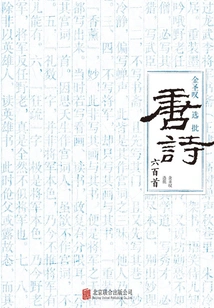
金圣叹选批唐诗六百首
L
The characteristic of Jin Shengtan's anthology lies not only in the selection, but also in the evaluation, paying more attention to comments and appreciation. Jin Shengtan selected nearly 600 seven-character verses from the early Tang Dynasty to the Five Dynasties for detailed commentary, focusing on trying to figure out the various layouts, inheritance, and transition patterns of the seven-character verses in the Tang Dynasty. He either made insights or borrowed topics, which is of great reference value for appreciating and studying Tang poetry. Jin Shengtan pioneered the "seven-law decomposition method" to comment on Tang poetry. He divided Tang poetry into "pre-interpretation" and "post-interpretation", and analyzed the ups and downs hidden behind the poems, "which may enable future generations to see not only the words of Tang poetry, but also the poetry of Tang poetry." "The Biography of Seven Hundred Famous People in the Qing Dynasty: The Biography of Jin Renrui" says of him: "His criticisms are as bright as fire and as pungent as those of an old official. His writings dance with his sentences, and those who see him sigh for a moment that he is the reincarnation of a spirit ghost."
The characteristic of Jin Shengtan's anthology lies not only in the selection, but also in the evaluation, paying more attention to comments and appreciation. Jin Shengtan selected nearly 600 seven-character verses from the early Tang Dynasty to the Five Dynasties for detailed commentary, focusing on trying to figure out the various layouts, inheritance, and transition patterns of the seven-character verses in the Tang Dynasty. He either made insights or borrowed topics, which is of great reference value for appreciating and studying Tang poetry. Jin Shengtan pioneered the "seven-law decomposition method" to comment on Tang poetry. He divided Tang poetry into "pre-interpretation" and "post-interpretation", and analyzed the ups and downs hidden behind the poems, "which may enable future generations to see not only the words of Tang poetry, but also the poetry of Tang poetry." "The Biography of Seven Hundred Famous People in the Qing Dynasty: The Biography of Jin Renrui" says of him: "His criticisms are as bright as fire and as pungent as those of an old official. His writings dance with his sentences, and those who see him sigh for a moment that he is the reincarnation of a spirit ghost."
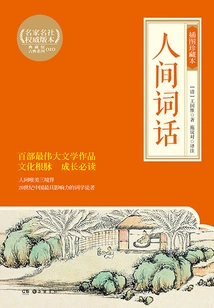
Human Words (illustrated Collection)
Literature人间词话(插图珍藏本)
Wang Guowei
"Renjian Cihua (Illustrated Collection)" is Wang Guowei's representative Cihua work. It centers on the theory of "realm" and advocates "no separation" to express true feelings. This poem incorporates Western aesthetic ideas and is quite original. It had a great response among the readers of the new and old generations at that time, and it has a milestone significance in the history of Chinese classical literature and aesthetics.
"Renjian Cihua (Illustrated Collection)" is Wang Guowei's representative Cihua work. It centers on the theory of "realm" and advocates "no separation" to express true feelings. This poem incorporates Western aesthetic ideas and is quite original. It had a great response among the readers of the new and old generations at that time, and it has a milestone significance in the history of Chinese classical literature and aesthetics.
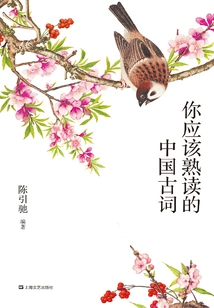
你应该熟读的中国古词
Compiled By Chen Yinchi
"Ancient Chinese Ci Poems You Should Familiarly Read" was compiled by Mr. Chen Yinchi, director of the Chinese Department of Fudan University. It identifies and selects a total of 250 ancient Ci poems suitable for teenagers to read, annotates and appreciates them. By reading these ancient poems, one can appreciate the tones, sentiments and sustenance of family and country of the predecessors, and also have a direct understanding of the circulation of ancient Chinese poetry. I hope this book can become a good platform for viewing voluminous classical poetry.
"Ancient Chinese Ci Poems You Should Familiarly Read" was compiled by Mr. Chen Yinchi, director of the Chinese Department of Fudan University. It identifies and selects a total of 250 ancient Ci poems suitable for teenagers to read, annotates and appreciates them. By reading these ancient poems, one can appreciate the tones, sentiments and sustenance of family and country of the predecessors, and also have a direct understanding of the circulation of ancient Chinese poetry. I hope this book can become a good platform for viewing voluminous classical poetry.
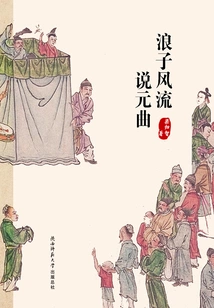
浪子风流说元曲
Liang Guizhi
Perhaps this is what we think of the Yuan Dynasty and the literati of the Yuan Dynasty - the rule was corrupt, injustices were everywhere, and uprisings continued; the imperial examinations were abolished, there was no hope of becoming an official, and ten Confucians and nine beggars were living on. In fact, the same was true for the Yuan Dynasty and the literati of the Yuan Dynasty - taxes were light and food and clothing were sufficient. Go into the stage and tile house, compose popular Yuan songs, make copper peas and crystal balls, and be capricious and romantic; return home to a bamboo-fenced hut, sweep snow and cook tea, and be a romantic master; form a poetry club, hold book meetings, eulogize the death of the Song Dynasty, criticize the Yuan Dynasty, wander around the lakes and seas, and swim freely with a fishing rod. The literati of the Yuan Dynasty shuttled between markets, rural areas, and officialdom; they were playing with culture, literature, and life. A prodigal, a hermit, and a fighter.
Perhaps this is what we think of the Yuan Dynasty and the literati of the Yuan Dynasty - the rule was corrupt, injustices were everywhere, and uprisings continued; the imperial examinations were abolished, there was no hope of becoming an official, and ten Confucians and nine beggars were living on. In fact, the same was true for the Yuan Dynasty and the literati of the Yuan Dynasty - taxes were light and food and clothing were sufficient. Go into the stage and tile house, compose popular Yuan songs, make copper peas and crystal balls, and be capricious and romantic; return home to a bamboo-fenced hut, sweep snow and cook tea, and be a romantic master; form a poetry club, hold book meetings, eulogize the death of the Song Dynasty, criticize the Yuan Dynasty, wander around the lakes and seas, and swim freely with a fishing rod. The literati of the Yuan Dynasty shuttled between markets, rural areas, and officialdom; they were playing with culture, literature, and life. A prodigal, a hermit, and a fighter.
步入诗词殿堂之门径:忆雪堂讲诗录
Xiong Dongyao
This book is a compilation of lecture materials, creative essays and appreciation articles of famous works by the famous contemporary poet Xiong Dongyao over the years. It expounds unique insights into poetry creation and appreciation from different angles and levels. The author talks about poetry as a master of poetry creation. In terms of combining theory and practice, he has reached a level that is difficult for ordinary people to reach. His poetry criticism is also sharp and unique, making him unique in the poetry world. Use the simplest method and the most popular language to teach you how to write poetry.
This book is a compilation of lecture materials, creative essays and appreciation articles of famous works by the famous contemporary poet Xiong Dongyao over the years. It expounds unique insights into poetry creation and appreciation from different angles and levels. The author talks about poetry as a master of poetry creation. In terms of combining theory and practice, he has reached a level that is difficult for ordinary people to reach. His poetry criticism is also sharp and unique, making him unique in the poetry world. Use the simplest method and the most popular language to teach you how to write poetry.
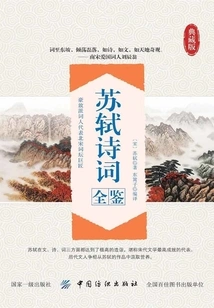
A Complete Collection of Su Shi's Poems
Literature苏轼诗词全鉴
Donglizi
Su Shi's influence on Chinese thought, literature, art, and culture was extremely profound. His free and unrestrained attitude towards life has become a life example admired by future generations of literati; his extraordinary literary insights and immortal artistic creations have provided inexhaustible spiritual treasures for future generations. The poems included in "Su Shi's Poems Complete Collection" are more representative of Dongpo's poetry style, and most of them are his masterpieces handed down from generation to generation. In terms of new poetry themes, there are social and political poems, landscape poems, philosophical poems, and lyrical poems about gifts and replies, etc. Let us use Su Shi's poetry as an entrance to explore and appreciate the inner world of a generation of literary masters across time and space.
Su Shi's influence on Chinese thought, literature, art, and culture was extremely profound. His free and unrestrained attitude towards life has become a life example admired by future generations of literati; his extraordinary literary insights and immortal artistic creations have provided inexhaustible spiritual treasures for future generations. The poems included in "Su Shi's Poems Complete Collection" are more representative of Dongpo's poetry style, and most of them are his masterpieces handed down from generation to generation. In terms of new poetry themes, there are social and political poems, landscape poems, philosophical poems, and lyrical poems about gifts and replies, etc. Let us use Su Shi's poetry as an entrance to explore and appreciate the inner world of a generation of literary masters across time and space.
唐诗宋词解:诗为心声,词乃情物
Li Jie
Take away the Tang poetry and Song lyrics, and a beautiful face of Chinese culture will be gone. Following "Wonderful Book! Book from Heaven!" "Holographic Image of History and Culture: On "Dream of Red Mansions"", another strange cognitive work to "clean up the smog" has been published. Overturning the millennium conclusion, there is a different way of opening Tang poetry and Song poetry, a strange book that cannot be pulled by the gravity of the earth, and reviving the humanistic spirit of the Chinese nation buried by history. Whether it is Wang Guowei, Chen Yinke, Hu Shizhi, Long Yusheng, Shi Zhecun, or Qian Zhongshu, they must be scrutinized strictly. Li Jie in "Interpretations of Tang Poems and Song Ci" is sharp and passionate. He thinks what ordinary people cannot think of and speaks what ordinary people dare not say. "Poetry is the voice of the heart" and "words are emotional objects" are Li Jie's aesthetic purposes. Personal experience and personal feelings are the origin of artistic conception and the foundation of aesthetics.
Take away the Tang poetry and Song lyrics, and a beautiful face of Chinese culture will be gone. Following "Wonderful Book! Book from Heaven!" "Holographic Image of History and Culture: On "Dream of Red Mansions"", another strange cognitive work to "clean up the smog" has been published. Overturning the millennium conclusion, there is a different way of opening Tang poetry and Song poetry, a strange book that cannot be pulled by the gravity of the earth, and reviving the humanistic spirit of the Chinese nation buried by history. Whether it is Wang Guowei, Chen Yinke, Hu Shizhi, Long Yusheng, Shi Zhecun, or Qian Zhongshu, they must be scrutinized strictly. Li Jie in "Interpretations of Tang Poems and Song Ci" is sharp and passionate. He thinks what ordinary people cannot think of and speaks what ordinary people dare not say. "Poetry is the voice of the heart" and "words are emotional objects" are Li Jie's aesthetic purposes. Personal experience and personal feelings are the origin of artistic conception and the foundation of aesthetics.
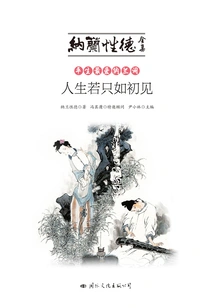
平生最爱纳兰词:人生若只如初见
Written By Nalan Xingde, Specially Invited Consultant By Feng Qiyong, And Edited By Yin Xiaolin
"The Complete Works of Nalan Xingde" is based on the "Tongzhitang Collection" of Nalan Xingde's essays published in the 30th year of Kangxi's reign, with additional supplements. This book "My Favorite Nalan Ci: If Life Is Just Like the First Meeting" contains Nalan Xingde's representative poems, and is carefully annotated by experts. The format is exquisite and is a masterpiece worthy of collection by Nalan fans.
"The Complete Works of Nalan Xingde" is based on the "Tongzhitang Collection" of Nalan Xingde's essays published in the 30th year of Kangxi's reign, with additional supplements. This book "My Favorite Nalan Ci: If Life Is Just Like the First Meeting" contains Nalan Xingde's representative poems, and is carefully annotated by experts. The format is exquisite and is a masterpiece worthy of collection by Nalan fans.
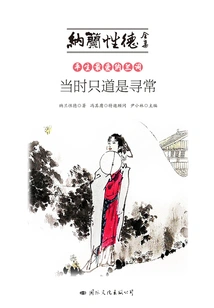
平生最爱纳兰词:当时只道是寻常
Written By Nalan Xingde, Specially Invited Consultant By Feng Qiyong, And Edited By Yin Xiaolin
"The Complete Works of Nalan Xingde" is based on the "Tongzhitang Collection" of Nalan Xingde's essays published in the 30th year of Kangxi's reign, with additional supplements. This book, "My Favorite Nalan Ci: At That Time, Only Dao Is Ordinary" contains Nalan Xingde's representative poems, and is carefully annotated by experts. The format is exquisite and is a masterpiece worthy of collection by Nalan fans.
"The Complete Works of Nalan Xingde" is based on the "Tongzhitang Collection" of Nalan Xingde's essays published in the 30th year of Kangxi's reign, with additional supplements. This book, "My Favorite Nalan Ci: At That Time, Only Dao Is Ordinary" contains Nalan Xingde's representative poems, and is carefully annotated by experts. The format is exquisite and is a masterpiece worthy of collection by Nalan fans.
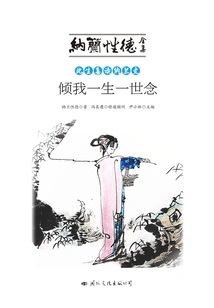
此生喜读纳兰文:倾我一生一世念
Written By Nalan Xingde, Specially Invited Consultant By Feng Qiyong, And Edited By Yin Xiaolin
"The Complete Works of Nalan Xingde" is based on the "Tongzhitang Collection" of Nalan Xingde's essays published in the 30th year of Kangxi's reign, with additional supplements. This book "Read Only Nalan's Texts in This Life: My Life-long Thoughts" contains Nalan Xingde's representative scripture interpretations, articles, prefaces, notes, letters, etc. It is carefully annotated by experts and has an exquisite format. It is a masterpiece worth collecting for Nalan fans.
"The Complete Works of Nalan Xingde" is based on the "Tongzhitang Collection" of Nalan Xingde's essays published in the 30th year of Kangxi's reign, with additional supplements. This book "Read Only Nalan's Texts in This Life: My Life-long Thoughts" contains Nalan Xingde's representative scripture interpretations, articles, prefaces, notes, letters, etc. It is carefully annotated by experts and has an exquisite format. It is a masterpiece worth collecting for Nalan fans.
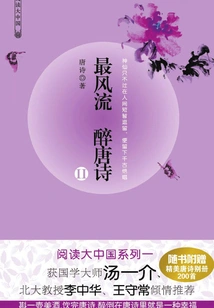
The Most Romantic Drunken Tang Poems 2
Literature最风流 醉唐诗2
Tang Poetry
The emotions written in Tang poems are the love between men and women; the love between friends; the love between family, country and the world; the feeling of understanding life and death; a pound of Tang poetry contains ninety-two feelings...
The emotions written in Tang poems are the love between men and women; the love between friends; the love between family, country and the world; the feeling of understanding life and death; a pound of Tang poetry contains ninety-two feelings...
The Most Beautiful Song Lyrics
Literature最美宋词
Su Ying
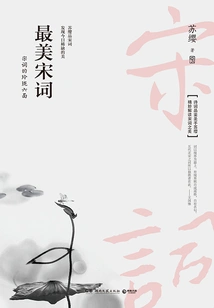
"Flying flowers are as light as dreams", the Song Dynasty poem comes to us across thousands of years, as if it is still stained with the fragrance of flowers. The poets of the Song Dynasty are as bright as stars. Su Ying selected and compared six representative poets from the perspective of beauty, including Qin Guan, Yan Shu, Yan Jidao, Su Shi, Ouyang Xiu, and Xin Qiji. He read their representative works and learned from the soil, origin, language, and sound of the words. It describes the exquisite six aspects of Song Ci from the perspectives of rhythm, realm, variation, etc., And explains the evolutionary history of the origin and development of Song Ci. It also integrates Chinese and Western poetic theories and combines the current aesthetic trends to create an unprecedented creation that takes readers into the aesthetic realm of Song Ci. The book slowly unfolds a volume called "Along the River During the Qingming Festival", which is a masterpiece in the world of Song poetry. We seem to see the downcast Liu Yong still sipping and singing, while the noble Prime Minister Yan Shu is still wandering along the fragrant path in the small garden; Su Shi drinks wine and asks the sky under the moonlight of the Mid-Autumn Festival;
"Flying flowers are as light as dreams", the Song Dynasty poem comes to us across thousands of years, as if it is still stained with the fragrance of flowers. The poets of the Song Dynasty are as bright as stars. Su Ying selected and compared six representative poets from the perspective of beauty, including Qin Guan, Yan Shu, Yan Jidao, Su Shi, Ouyang Xiu, and Xin Qiji. He read their representative works and learned from the soil, origin, language, and sound of the words. It describes the exquisite six aspects of Song Ci from the perspectives of rhythm, realm, variation, etc., And explains the evolutionary history of the origin and development of Song Ci. It also integrates Chinese and Western poetic theories and combines the current aesthetic trends to create an unprecedented creation that takes readers into the aesthetic realm of Song Ci. The book slowly unfolds a volume called "Along the River During the Qingming Festival", which is a masterpiece in the world of Song poetry. We seem to see the downcast Liu Yong still sipping and singing, while the noble Prime Minister Yan Shu is still wandering along the fragrant path in the small garden; Su Shi drinks wine and asks the sky under the moonlight of the Mid-Autumn Festival;
It's as If We Only Met Each Other in the Moonlight: the Beauty of Lovesickness in Ancient Poems
Literature相见若只当时月:古诗词中的相思之美
Xia Ruoyan
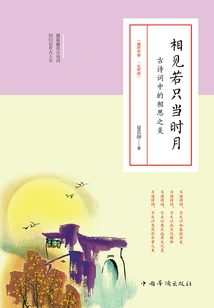
Revisit the most beautiful ancient poems and return to a free life. Poems are beautiful, and love is even more beautiful. This book interprets the lingering and pathos ancient love poems, taking you into the joys and sorrows of separation between talented men and beautiful women, and experiencing the poignant scenes of unparalleled love. A poem, a piece of love, a lifetime of memories; a poem, a piece of sorrow, a lifetime of taste. Whether it is acquaintance, mutual understanding, lovesickness, or the rise, fall, or dispersion of love, they all embody tenderness and all kinds of worldly feelings. This book selects the most representative ancient love poems in history, and will review with you the unforgettable lovesickness, waiting, and parting... Reminisce about those periods of love that were either joyful or bitter, and see how the author expressed his tenderness in his writing and transformed the ups and downs of love into the beauty of poetry.
Revisit the most beautiful ancient poems and return to a free life. Poems are beautiful, and love is even more beautiful. This book interprets the lingering and pathos ancient love poems, taking you into the joys and sorrows of separation between talented men and beautiful women, and experiencing the poignant scenes of unparalleled love. A poem, a piece of love, a lifetime of memories; a poem, a piece of sorrow, a lifetime of taste. Whether it is acquaintance, mutual understanding, lovesickness, or the rise, fall, or dispersion of love, they all embody tenderness and all kinds of worldly feelings. This book selects the most representative ancient love poems in history, and will review with you the unforgettable lovesickness, waiting, and parting... Reminisce about those periods of love that were either joyful or bitter, and see how the author expressed his tenderness in his writing and transformed the ups and downs of love into the beauty of poetry.
Flowers Bloom Only for Butterflies to Love Their Fragrance: the Meaning of Flowers in Ancient Poems
Literature花开只为蝶恋香:古诗词中的花间之意
Xia Ruoyan
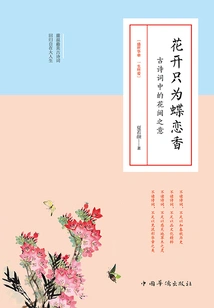
A poem, a piece of love, a lifetime of memories; a poem, a piece of sorrow, a lifetime of taste. Whether it is acquaintance, mutual understanding, lovesickness, or the rise, fall, or dispersion of love, they all embody tenderness and all kinds of worldly feelings. If you don't read poetry, it's not enough to know the history of the Spring and Autumn Period; if you don't read poetry, it's not enough to appreciate the essence of culture; if you don't read poetry, it's not enough to feel the spirit of the heaven and earth's vegetation; if you don't read poetry, it's not enough to see the beauty of the colorful chapters.
A poem, a piece of love, a lifetime of memories; a poem, a piece of sorrow, a lifetime of taste. Whether it is acquaintance, mutual understanding, lovesickness, or the rise, fall, or dispersion of love, they all embody tenderness and all kinds of worldly feelings. If you don't read poetry, it's not enough to know the history of the Spring and Autumn Period; if you don't read poetry, it's not enough to appreciate the essence of culture; if you don't read poetry, it's not enough to feel the spirit of the heaven and earth's vegetation; if you don't read poetry, it's not enough to see the beauty of the colorful chapters.
回首向来萧瑟处:古诗词中的旷达之味
Xia Ruoyan
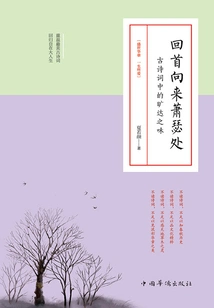
A poem, a piece of love, a lifetime of memories; a poem, a piece of sorrow, a lifetime of taste. Whether it is acquaintance, mutual understanding, lovesickness, or the rise, fall, or dispersion of love, they all embody tenderness and all kinds of worldly feelings. If you don't read poetry, it's not enough to know the history of the Spring and Autumn Period; if you don't read poetry, it's not enough to appreciate the essence of culture; if you don't read poetry, it's not enough to feel the spirit of the heaven and earth's vegetation; if you don't read poetry, it's not enough to see the beauty of the colorful chapters. ?
A poem, a piece of love, a lifetime of memories; a poem, a piece of sorrow, a lifetime of taste. Whether it is acquaintance, mutual understanding, lovesickness, or the rise, fall, or dispersion of love, they all embody tenderness and all kinds of worldly feelings. If you don't read poetry, it's not enough to know the history of the Spring and Autumn Period; if you don't read poetry, it's not enough to appreciate the essence of culture; if you don't read poetry, it's not enough to feel the spirit of the heaven and earth's vegetation; if you don't read poetry, it's not enough to see the beauty of the colorful chapters. ?
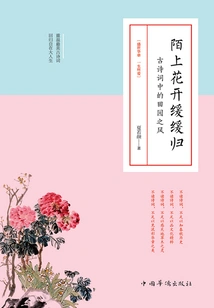
陌上花开缓缓归:古诗词中的田园之风
Xia Ruoyan
A poem, a piece of love, a lifetime of memories; a poem, a piece of sorrow, a lifetime of taste. Whether it is acquaintance, mutual understanding, lovesickness, or the rise, fall, or dispersion of love, they all embody tenderness and all kinds of worldly feelings. If you don't read poetry, it's not enough to know the history of the Spring and Autumn Period; if you don't read poetry, it's not enough to appreciate the essence of culture; if you don't read poetry, it's not enough to feel the spirit of the heaven and earth's vegetation; if you don't read poetry, it's not enough to see the beauty of the colorful chapters. ? This book uses time as a scroll and selects landscape and pastoral poems from past dynasties. Let's read the lakes and mountains and the indifferent elegance together with you, appreciate the love and meaning behind the scenery, wipe away the dust in your heart, capture a period of time, brew a cup of tea brewed with warmth, and quietly enjoy the beauty of life.
A poem, a piece of love, a lifetime of memories; a poem, a piece of sorrow, a lifetime of taste. Whether it is acquaintance, mutual understanding, lovesickness, or the rise, fall, or dispersion of love, they all embody tenderness and all kinds of worldly feelings. If you don't read poetry, it's not enough to know the history of the Spring and Autumn Period; if you don't read poetry, it's not enough to appreciate the essence of culture; if you don't read poetry, it's not enough to feel the spirit of the heaven and earth's vegetation; if you don't read poetry, it's not enough to see the beauty of the colorful chapters. ? This book uses time as a scroll and selects landscape and pastoral poems from past dynasties. Let's read the lakes and mountains and the indifferent elegance together with you, appreciate the love and meaning behind the scenery, wipe away the dust in your heart, capture a period of time, brew a cup of tea brewed with warmth, and quietly enjoy the beauty of life.
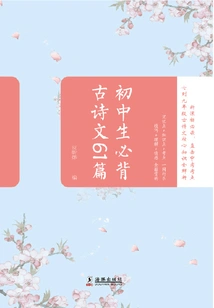
初中生必背古诗文61篇
Pi Xinye
Observe humanity and transform it into the world. There are a vast number of Chinese classical cultural classics, and the 61 recommended articles for junior middle school students to recite outstanding poems and essays selected in the "Compulsory Education Curriculum Standards" are the essence of them. This book provides an all-round and multi-perspective appreciation of these 61 ancient poems, with translations, test point summaries and confusion analysis. It aims to improve students' reading comprehension and aesthetic appreciation abilities, and provides planned analysis and guidance for the test points, so as to truly achieve the unity of humanism and instrumentality.
Observe humanity and transform it into the world. There are a vast number of Chinese classical cultural classics, and the 61 recommended articles for junior middle school students to recite outstanding poems and essays selected in the "Compulsory Education Curriculum Standards" are the essence of them. This book provides an all-round and multi-perspective appreciation of these 61 ancient poems, with translations, test point summaries and confusion analysis. It aims to improve students' reading comprehension and aesthetic appreciation abilities, and provides planned analysis and guidance for the test points, so as to truly achieve the unity of humanism and instrumentality.
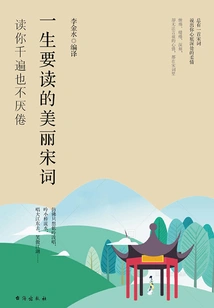
一生要读的美丽宋词
Compiled By Li Jinshui
Song lyrics describe eroticism but not frivolity, wealth but not vulgarity, such as flowing clouds and flowing water, old pines and soft willows, the wind accompanying the moon, the mood is leisurely and elegant, and the embrace is broad-minded, making people fascinated and infinitely addicted. This book "Beautiful Song Poems to Read in a Lifetime" is the essence of our work based on studying and drawing on the research results of sages and drawing on the strengths of others. In addition to the original words and appreciation, the compilation style of this book also includes the poet's business card, notes, illustrations and comments from later generations according to the content. "The poet's business card" serves as an introduction and strives to be concise; "Annotation" clears the meaning and strives to be accurate; "Appreciation" explains the meaning in a simple and easy-to-understand way, lively and vividly, which helps readers grasp the aesthetic connotation of the original narrative and cultivate their temperament; an appropriate amount of "illustrations" complement each other with visual images and context, triggering everyone's inspiration. In addition, we have also collected more classic comments from later generations to help readers broaden their horizons and inspire their thinking.
Song lyrics describe eroticism but not frivolity, wealth but not vulgarity, such as flowing clouds and flowing water, old pines and soft willows, the wind accompanying the moon, the mood is leisurely and elegant, and the embrace is broad-minded, making people fascinated and infinitely addicted. This book "Beautiful Song Poems to Read in a Lifetime" is the essence of our work based on studying and drawing on the research results of sages and drawing on the strengths of others. In addition to the original words and appreciation, the compilation style of this book also includes the poet's business card, notes, illustrations and comments from later generations according to the content. "The poet's business card" serves as an introduction and strives to be concise; "Annotation" clears the meaning and strives to be accurate; "Appreciation" explains the meaning in a simple and easy-to-understand way, lively and vividly, which helps readers grasp the aesthetic connotation of the original narrative and cultivate their temperament; an appropriate amount of "illustrations" complement each other with visual images and context, triggering everyone's inspiration. In addition, we have also collected more classic comments from later generations to help readers broaden their horizons and inspire their thinking.
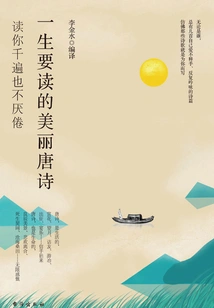
一生要读的美丽唐诗
Compiled By Li Jinshui
Tang poetry has had a profound influence on Chinese literature. Literati of all dynasties regarded Tang poetry as a model and regarded the Tang Dynasty as a model. Tang poetry, together with Song lyrics and Yuan music, is a miracle in the history of the development of Chinese poetry. It has a wide range of themes, a variety of styles, and an elegant style. During the selection process of this book, we referred to various anthologies of Tang poetry and extracted the essence of each, aiming to provide a popular reading book of Tang poetry for readers, thereby promoting national culture and improving national quality.
Tang poetry has had a profound influence on Chinese literature. Literati of all dynasties regarded Tang poetry as a model and regarded the Tang Dynasty as a model. Tang poetry, together with Song lyrics and Yuan music, is a miracle in the history of the development of Chinese poetry. It has a wide range of themes, a variety of styles, and an elegant style. During the selection process of this book, we referred to various anthologies of Tang poetry and extracted the essence of each, aiming to provide a popular reading book of Tang poetry for readers, thereby promoting national culture and improving national quality.
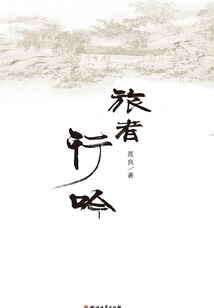
Traveler's Chant
Literature旅者行吟
Tatsura
The main content of "Traveler's Song" includes leaving home - transferring "Magnolia"; autumn harvest - transferring "Partridge Sky"; educated youth hut - transferring "Reminiscences of Old Friends in Peach Garden"; spring broadcasting - adjusting and sending "Businessman"; busy summer - transferring "Proud of the Fisherman"; battles - transferring "Huanxi Sand"; winter leisure - transferring "Moon on the West River", etc.
The main content of "Traveler's Song" includes leaving home - transferring "Magnolia"; autumn harvest - transferring "Partridge Sky"; educated youth hut - transferring "Reminiscences of Old Friends in Peach Garden"; spring broadcasting - adjusting and sending "Businessman"; busy summer - transferring "Proud of the Fisherman"; battles - transferring "Huanxi Sand"; winter leisure - transferring "Moon on the West River", etc.
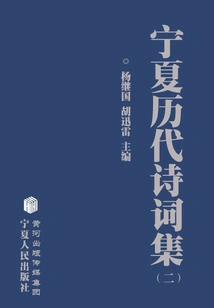
宁夏历代诗词集(二)
Yang Jiguo Editor-in-chief Hu Xunlei
This book is a book on local literature and art in Ningxia. It contains a collection of more than 1,500 poems from Ningxia dynasties from Xiantai to the end of the Qing Dynasty. Each poem has the source of the poem, a brief introduction of the author, and a relatively detailed analysis. The poems truly reflect the customs, customs, and natural scenery of Ningxia in history.
This book is a book on local literature and art in Ningxia. It contains a collection of more than 1,500 poems from Ningxia dynasties from Xiantai to the end of the Qing Dynasty. Each poem has the source of the poem, a brief introduction of the author, and a relatively detailed analysis. The poems truly reflect the customs, customs, and natural scenery of Ningxia in history.
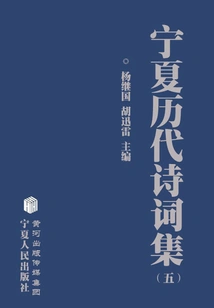
宁夏历代诗词集(五)
Yang Jiguo Editor-in-chief Hu Xunlei
This book records poems based on the place and collects poems about Ningxia from the pre-Qin Dynasty to the Qing Dynasty. It is a collection of local historical and cultural classics. 2. This book is roughly arranged in order of historical dynasties and the author's life time to show different historical styles. 3. Some poems in this book contain slanderous and untrue words about ethnic minorities. In order to facilitate reference and research, they are generally kept as they are. 4. Some words in this book are replaced with traditional Chinese characters or variant characters. 5. This book introduces the authors of the poems, and the same author is arranged in a concentrated manner. They have been introduced before and will not be repeated in the following. The content of the poems is detailed and annotated. The explanation of the poem's title is annotated in the "Explanation". The annotation strives to focus on absorbing the latest research results, and the complexity and simplicity are appropriate. 6. In this book, some rare words and polyphonic words are phonetic notated to facilitate reading. 7. This book adheres to the principle of "note when it is important to note", emphasizing documentary, information, academic and practicality.
This book records poems based on the place and collects poems about Ningxia from the pre-Qin Dynasty to the Qing Dynasty. It is a collection of local historical and cultural classics. 2. This book is roughly arranged in order of historical dynasties and the author's life time to show different historical styles. 3. Some poems in this book contain slanderous and untrue words about ethnic minorities. In order to facilitate reference and research, they are generally kept as they are. 4. Some words in this book are replaced with traditional Chinese characters or variant characters. 5. This book introduces the authors of the poems, and the same author is arranged in a concentrated manner. They have been introduced before and will not be repeated in the following. The content of the poems is detailed and annotated. The explanation of the poem's title is annotated in the "Explanation". The annotation strives to focus on absorbing the latest research results, and the complexity and simplicity are appropriate. 6. In this book, some rare words and polyphonic words are phonetic notated to facilitate reading. 7. This book adheres to the principle of "note when it is important to note", emphasizing documentary, information, academic and practicality.
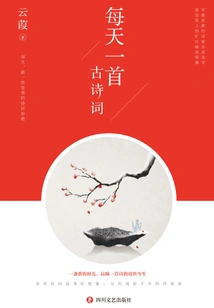
An Ancient Poem Every Day
Literature每天一首古诗词
Yunjia
Ancient poetry is a dazzling pearl in the history of Chinese literature. After thousands of years, it is still dazzling. "An Ancient Poetry Every Day" is based on the concept of simplicity and elegance. Among the vast and complex classical poems, it selects famous works, including the fantasy and magnificence of the Pre-Qin Dynasty, the elegance of the Han and Tang Dynasties, and the elegance and sentimentality of the Yasong Dynasty. It forms an ancient and beautiful picture full of vitality, taking readers to easily travel through the ages, feel the purest and most sincere classical feelings, and let the soul find a poetic dwelling place in the noisy and impetuous life.
Ancient poetry is a dazzling pearl in the history of Chinese literature. After thousands of years, it is still dazzling. "An Ancient Poetry Every Day" is based on the concept of simplicity and elegance. Among the vast and complex classical poems, it selects famous works, including the fantasy and magnificence of the Pre-Qin Dynasty, the elegance of the Han and Tang Dynasties, and the elegance and sentimentality of the Yasong Dynasty. It forms an ancient and beautiful picture full of vitality, taking readers to easily travel through the ages, feel the purest and most sincere classical feelings, and let the soul find a poetic dwelling place in the noisy and impetuous life.
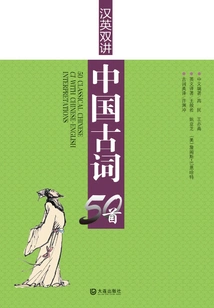
汉英双讲中国古词50首
Gao Min Wang Yigao
Chinese poetry developed into the Tang and Song Dynasties, and Ci became a new style of poetry. "Tang poetry and Song lyrics" have become two peaks in the history of Chinese poetry development. "50 Ancient Chinese Ci Poems" edited by Gao Min and Wang Yigao deliberately selects 50 poems from the Tang, Five Dynasties and Song Dynasties, and provides text annotation and appreciation of the lyrics one by one. The selection is appropriate and substantial, and the appreciation is comprehensive and detailed. The biggest highlight of this book is that while focusing on Song Ci, it is not limited to the category of Song Ci, but strives to cover the masterpieces of famous writers in the Tang and Five Dynasties, thus providing a clearer outline of the history of the occurrence and development of Ci. Professor Xu Yuanchong, a senior translator and scholar at Peking University, personally translated 50 ancient poems into English poems. The form is perfect and the connotation is rich, which is excellent.
Chinese poetry developed into the Tang and Song Dynasties, and Ci became a new style of poetry. "Tang poetry and Song lyrics" have become two peaks in the history of Chinese poetry development. "50 Ancient Chinese Ci Poems" edited by Gao Min and Wang Yigao deliberately selects 50 poems from the Tang, Five Dynasties and Song Dynasties, and provides text annotation and appreciation of the lyrics one by one. The selection is appropriate and substantial, and the appreciation is comprehensive and detailed. The biggest highlight of this book is that while focusing on Song Ci, it is not limited to the category of Song Ci, but strives to cover the masterpieces of famous writers in the Tang and Five Dynasties, thus providing a clearer outline of the history of the occurrence and development of Ci. Professor Xu Yuanchong, a senior translator and scholar at Peking University, personally translated 50 ancient poems into English poems. The form is perfect and the connotation is rich, which is excellent.
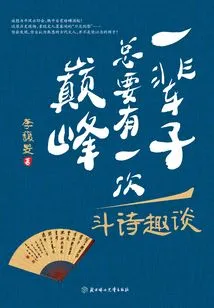
There Must Be a Peak in Your Life
Literature一辈子总要有一次巅峰
Li Fulin
This is a book that helps us understand the background of poetry from a new perspective, and captures and restores the mentality of the literati at that time who were "fighting for prose". Wang Bo shines in the Tengwang Pavilion, Li Bai and Cui Hao tear apart a pavilion, Su Shi competes for the Buddha's seal with passion... There is a history behind each poem. The author shows these "literary youths" of more than a thousand years ago in flesh and blood in front of us.
This is a book that helps us understand the background of poetry from a new perspective, and captures and restores the mentality of the literati at that time who were "fighting for prose". Wang Bo shines in the Tengwang Pavilion, Li Bai and Cui Hao tear apart a pavilion, Su Shi competes for the Buddha's seal with passion... There is a history behind each poem. The author shows these "literary youths" of more than a thousand years ago in flesh and blood in front of us.
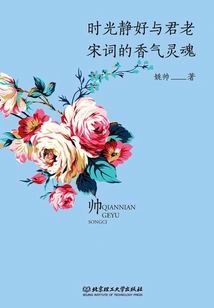
时光静好与君老:宋词的香气灵魂
Yao Shuai
This book is the Song Ci volume of the "Millennium Songs" series. Just like modern pop songs, each dynasty has its cultural products that best represent its humanistic spirit and charm. Song lyrics are the fragrance brewed by the literati of the Song Dynasty. This book chooses the perspective of love and combines the lyrics of literati from the Song Dynasty (with some works from the Southern Tang and Jin Dynasties) for personalized interpretation, allowing readers to read history through lyrics, read characters through history, and understand love and life through characters.
This book is the Song Ci volume of the "Millennium Songs" series. Just like modern pop songs, each dynasty has its cultural products that best represent its humanistic spirit and charm. Song lyrics are the fragrance brewed by the literati of the Song Dynasty. This book chooses the perspective of love and combines the lyrics of literati from the Song Dynasty (with some works from the Southern Tang and Jin Dynasties) for personalized interpretation, allowing readers to read history through lyrics, read characters through history, and understand love and life through characters.
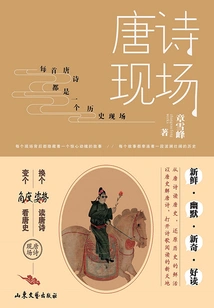
Tang Poetry Scene
Literature唐诗现场
Zhang Xuefeng
Poetry has always appeared as literary works. The theory of "history of poetry" originated from the Tang Dynasty. Chen Yinke, a master of the Republic of China, pioneered the historical research method of "mutual verification of poetry and history", using poetry to verify history and using history to interpret poetry. The information hidden in a poem of just a few words can often piece together a complete historical link and understand a key node or important aspect of history. "Tang Poetry Live" takes Tang poetry as the starting point and uses humorous essays to describe all aspects of the history and society of the Tang Dynasty. "Tang Poetry Live" adheres to the principle of "mutual proof of poetry and history", uses a relaxed and humorous style, and is based on solid historical materials to explore the history behind Tang poetry, hoping that readers will have a deeper understanding of poetry and at the same time be able to see details that have been ignored in previous historical works.
Poetry has always appeared as literary works. The theory of "history of poetry" originated from the Tang Dynasty. Chen Yinke, a master of the Republic of China, pioneered the historical research method of "mutual verification of poetry and history", using poetry to verify history and using history to interpret poetry. The information hidden in a poem of just a few words can often piece together a complete historical link and understand a key node or important aspect of history. "Tang Poetry Live" takes Tang poetry as the starting point and uses humorous essays to describe all aspects of the history and society of the Tang Dynasty. "Tang Poetry Live" adheres to the principle of "mutual proof of poetry and history", uses a relaxed and humorous style, and is based on solid historical materials to explore the history behind Tang poetry, hoping that readers will have a deeper understanding of poetry and at the same time be able to see details that have been ignored in previous historical works.
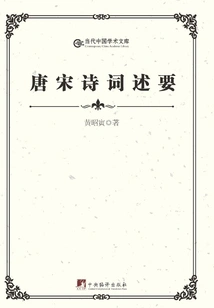
Summary of Tang and Song Poems
Literature唐宋诗词述要
Huang Zhaoyin
"A Summary of Poems of the Tang and Song Dynasties" refers to literary history works recognized by academic circles. Based on the author's many years of teaching and research experience, he has absorbed the current new ideas and achievements and integrated them into a comprehensive understanding to write this monograph. It combs the development of poetry in the Tang and Song Dynasties and analyzes the works of representative writers of different schools in different periods. It is suitable for teachers and students majoring in classical literature in colleges and universities to read. This manuscript is a monograph on the poetry of the Tang and Song Dynasties. The literature of the Tang and Song Dynasties is the "explicit knowledge" in the study of Chinese literature, and it can be said to be timeless. In the new era, the study of Tang and Song literature has shifted from the study of literature itself to multi-disciplinary interdisciplinary research, and many innovative results have been produced in multi-disciplinary interdisciplinary research, such as the study of Buddhism and literature, Taoism and Tang Dynasty literature, and so on. It is very urgent to make full use of these achievements to serve current science.
"A Summary of Poems of the Tang and Song Dynasties" refers to literary history works recognized by academic circles. Based on the author's many years of teaching and research experience, he has absorbed the current new ideas and achievements and integrated them into a comprehensive understanding to write this monograph. It combs the development of poetry in the Tang and Song Dynasties and analyzes the works of representative writers of different schools in different periods. It is suitable for teachers and students majoring in classical literature in colleges and universities to read. This manuscript is a monograph on the poetry of the Tang and Song Dynasties. The literature of the Tang and Song Dynasties is the "explicit knowledge" in the study of Chinese literature, and it can be said to be timeless. In the new era, the study of Tang and Song literature has shifted from the study of literature itself to multi-disciplinary interdisciplinary research, and many innovative results have been produced in multi-disciplinary interdisciplinary research, such as the study of Buddhism and literature, Taoism and Tang Dynasty literature, and so on. It is very urgent to make full use of these achievements to serve current science.
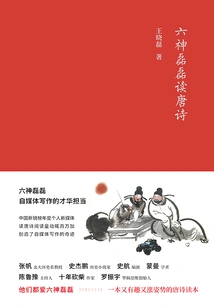
Six Gods Leilei Reads Tang Poetry
Literature六神磊磊读唐诗
Wang Xiaolei
The peak of self-media writing, the masterpiece of Liushen Leilei! An interesting and informative reading book of Tang poetry! It has attracted countless heroes to "break their backs": Luo Zhenyu, Lu Yu, Meng Man, Shi Hang, Zhang Fan, Shi Jiepeng, Ye Fu, Ten Years of Chopping... They all love the Six Gods Leile. The content of this book spans four hundred years of history from the end of the Northern and Southern Dynasties to the Tang Dynasty. It follows the trajectory of the Early Tang, the High Tang, the Middle Tang, and the Late Tang, but is not limited to this. He closely follows the history of the Tang Dynasty, adds rich details, and tells the poets as living people."",, The author creatively breaks the limitations of time and space, making the narrative full of fun. Coupled with the humorous "Six Gods", he narrates the ups and downs of the poems, the swords and swords, the love and hatred, and takes you through the wonderful poetry world of the Tang Dynasty. Let us relive the warmest and most elegant memories of Tang poetry while laughing.
The peak of self-media writing, the masterpiece of Liushen Leilei! An interesting and informative reading book of Tang poetry! It has attracted countless heroes to "break their backs": Luo Zhenyu, Lu Yu, Meng Man, Shi Hang, Zhang Fan, Shi Jiepeng, Ye Fu, Ten Years of Chopping... They all love the Six Gods Leile. The content of this book spans four hundred years of history from the end of the Northern and Southern Dynasties to the Tang Dynasty. It follows the trajectory of the Early Tang, the High Tang, the Middle Tang, and the Late Tang, but is not limited to this. He closely follows the history of the Tang Dynasty, adds rich details, and tells the poets as living people."",, The author creatively breaks the limitations of time and space, making the narrative full of fun. Coupled with the humorous "Six Gods", he narrates the ups and downs of the poems, the swords and swords, the love and hatred, and takes you through the wonderful poetry world of the Tang Dynasty. Let us relive the warmest and most elegant memories of Tang poetry while laughing.
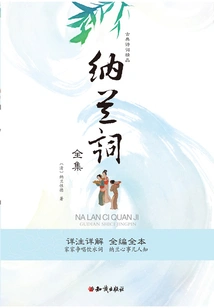
E
LiteratureE
H
This book collects all existing Nalan poems, a total of 348 poems, aiming to show the true appearance of a generation of poets as comprehensively as possible. The book carefully collects the original text, annotations, extended links and other columns, and records the comments on Nalan Ci by famous writers in the past. At the same time, this book also selects three documents in the appendix that are extremely related to Nalan Ci: Gu Zhenguan's "Preface to the Ci for Drinking Water", Wu Qi's "Preface to the Ci for Drinking Water", and Lu Chao's "Inscription to the First Collection of Jin Ci".
This book collects all existing Nalan poems, a total of 348 poems, aiming to show the true appearance of a generation of poets as comprehensively as possible. The book carefully collects the original text, annotations, extended links and other columns, and records the comments on Nalan Ci by famous writers in the past. At the same time, this book also selects three documents in the appendix that are extremely related to Nalan Ci: Gu Zhenguan's "Preface to the Ci for Drinking Water", Wu Qi's "Preface to the Ci for Drinking Water", and Lu Chao's "Inscription to the First Collection of Jin Ci".
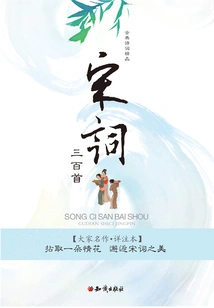
Three Hundred Song Poems
Literature宋词三百首
Anonymous
This book selects the works of 81 poets and sorts them in historical chronological order. The selected themes range from chanting objects and expressing ambitions, making achievements, tenderness in the boudoir, sorrow at parting, pastoral landscapes to folk customs. Among the selected works, special attention is paid to selecting outstanding famous works in the hope of arousing resonance among readers. In addition to the original work, the compilation style of this book also includes the author's introduction, annotations and extended links.
This book selects the works of 81 poets and sorts them in historical chronological order. The selected themes range from chanting objects and expressing ambitions, making achievements, tenderness in the boudoir, sorrow at parting, pastoral landscapes to folk customs. Among the selected works, special attention is paid to selecting outstanding famous works in the hope of arousing resonance among readers. In addition to the original work, the compilation style of this book also includes the author's introduction, annotations and extended links.
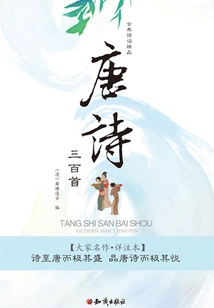
Three Hundred Tang Poems
Literature唐诗三百首
Hengtang Retirees
The poems selected in "Three Hundred Tang Poems" can be said to be suitable for both young and old, both refined and popular. The most notable feature is that it focuses on the representative works of key poets from the prosperous Tang Dynasty and the late Tang Dynasty. For example, a total of 39 poems by Du Fu are selected, as well as classic works by poets such as Li Bai, Wang Wei, Meng Haoran, Wei Yingwu, Du Mu, Li Shangyin, and Bai Juyi.
The poems selected in "Three Hundred Tang Poems" can be said to be suitable for both young and old, both refined and popular. The most notable feature is that it focuses on the representative works of key poets from the prosperous Tang Dynasty and the late Tang Dynasty. For example, a total of 39 poems by Du Fu are selected, as well as classic works by poets such as Li Bai, Wang Wei, Meng Haoran, Wei Yingwu, Du Mu, Li Shangyin, and Bai Juyi.
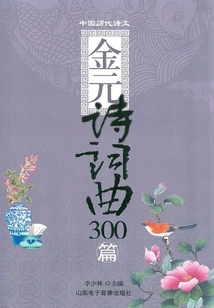
金元诗词曲300篇
Editor-in-chief Li Shaolin
This book not only collects nouns from famous Chinese poems, but also covers famous lines from famous Chinese poems and poems. It not only covers parallel prose essays from past dynasties, but also includes the Book of Songs, Chu Ci and Zen poems.
This book not only collects nouns from famous Chinese poems, but also covers famous lines from famous Chinese poems and poems. It not only covers parallel prose essays from past dynasties, but also includes the Book of Songs, Chu Ci and Zen poems.
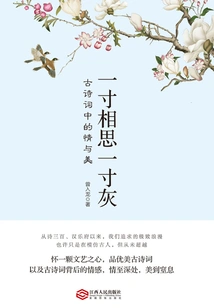
一寸相思一寸灰:古诗词中的情与美
Zeng Rulong
Reading poetry makes people beautiful. Poetry is the essence of five thousand years of Chinese culture. The emotional and artistic conception of poets in the past dynasties always attracts every reader with its unique charm. The author of this book has a literary heart and has carefully selected many beautiful and emotional poems since the Book of Songs. He reads them from a modern perspective, supplemented by beautiful words and delicate emotions, to communicate with the ancients and interpret them for today's people.
Reading poetry makes people beautiful. Poetry is the essence of five thousand years of Chinese culture. The emotional and artistic conception of poets in the past dynasties always attracts every reader with its unique charm. The author of this book has a literary heart and has carefully selected many beautiful and emotional poems since the Book of Songs. He reads them from a modern perspective, supplemented by beautiful words and delicate emotions, to communicate with the ancients and interpret them for today's people.
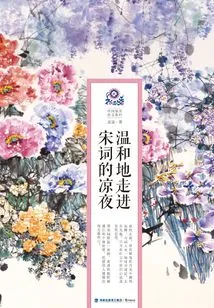
温和地走进宋词的凉夜
Xia Kun
The busy life may not have room for your usual messy but real thoughts; the running figures never stop to ask for your low eyebrows and nods, and even you yourself have forgotten the private field of emotion... The night is slightly cool; the heart is particularly chaotic. Thousands of years apart, the Song Dynasty and the present Dynasty had the same prosperity, but also the same loneliness and neglect. Or, the poet's whispers, the drifting and broken emotions between the words, are the chords that transcend the boundaries of time and can sing the inner monologue of you and me. The unspoken words, the unheard sounds, let the Song people's chanting and singing merge into a trickle, warming the souls that are cold due to fatigue and anxiety, and soothing the hearts that are lost due to the tiredness of human relationships.
The busy life may not have room for your usual messy but real thoughts; the running figures never stop to ask for your low eyebrows and nods, and even you yourself have forgotten the private field of emotion... The night is slightly cool; the heart is particularly chaotic. Thousands of years apart, the Song Dynasty and the present Dynasty had the same prosperity, but also the same loneliness and neglect. Or, the poet's whispers, the drifting and broken emotions between the words, are the chords that transcend the boundaries of time and can sing the inner monologue of you and me. The unspoken words, the unheard sounds, let the Song people's chanting and singing merge into a trickle, warming the souls that are cold due to fatigue and anxiety, and soothing the hearts that are lost due to the tiredness of human relationships.
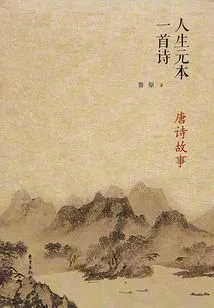
人生元本一首诗:唐诗故事
Lu Yuan
This manuscript narrates the stories of more than fifty poets from the early Tang Dynasty to the late Tang Dynasty. It uses poetry as an entry point. Through reading poetry, one can read people, and through reading people, one can read history. By reading poetry-reading people-reading history, people's aesthetic abilities, spiritual world, social experience, and cultural consciousness are expanded. There are comments in the narration of the book manuscript, and there are discussions in the comments. When interpreting poems and poets, they can be based on history, thereby expanding readers' understanding of poets and poems.
This manuscript narrates the stories of more than fifty poets from the early Tang Dynasty to the late Tang Dynasty. It uses poetry as an entry point. Through reading poetry, one can read people, and through reading people, one can read history. By reading poetry-reading people-reading history, people's aesthetic abilities, spiritual world, social experience, and cultural consciousness are expanded. There are comments in the narration of the book manuscript, and there are discussions in the comments. When interpreting poems and poets, they can be based on history, thereby expanding readers' understanding of poets and poems.
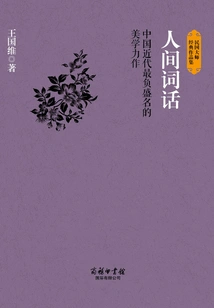
Human Words
Literature人间词话
Wang Guowei
"Human Words" is a literary criticism work written by Wang Guowei, a master of Chinese studies. After receiving the baptism of Western aesthetic thought, he commented on old Chinese literature with a new perspective, which was of groundbreaking significance at that time. Wang Guowei proposed the theory of "realm" in the book, which is the core of "Human Words" and guides other arguments. It is also the context of the whole book and communicates all the propositions.
"Human Words" is a literary criticism work written by Wang Guowei, a master of Chinese studies. After receiving the baptism of Western aesthetic thought, he commented on old Chinese literature with a new perspective, which was of groundbreaking significance at that time. Wang Guowei proposed the theory of "realm" in the book, which is the core of "Human Words" and guides other arguments. It is also the context of the whole book and communicates all the propositions.
Life is a Desolate Gesture
Literature人生是一个苍凉的手势
Gu Feixiong
This is a collection of Song poetry with beauty as the standard. The book contains Song poetry works that are more artistic and suitable for current readers, and are accompanied by annotations, allowing readers to save time on selection and directly read the beautiful and profound Song poetry works. Read the most beautiful Song poetry in China in one book.
This is a collection of Song poetry with beauty as the standard. The book contains Song poetry works that are more artistic and suitable for current readers, and are accompanied by annotations, allowing readers to save time on selection and directly read the beautiful and profound Song poetry works. Read the most beautiful Song poetry in China in one book.
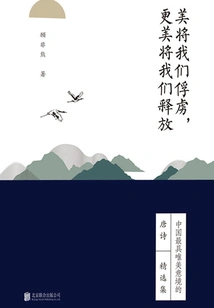
美将我们俘虏,更美将我们释放
Gu Feixiong
This is a collection of Tang poems based on beauty. The book contains Tang poems with more artistic conception and more suitable for current readers, and is accompanied by annotations, allowing readers to save time on selection and directly read beautiful and profound Tang poems. Read the most beautiful Tang poetry in China in one book.
This is a collection of Tang poems based on beauty. The book contains Tang poems with more artistic conception and more suitable for current readers, and is accompanied by annotations, allowing readers to save time on selection and directly read beautiful and profound Tang poems. Read the most beautiful Tang poetry in China in one book.
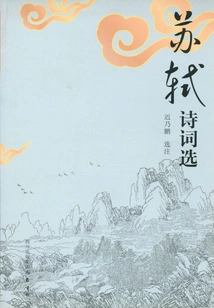
Selected Poems of Su Shi
Literature苏轼诗词选
Chi Naipeng
It carefully selects the best poems from Su Shi's more than 2,700 poems and more than 330 words, arranges them according to the time of creation, and adds detailed annotations. After reading Bi Si's poems, I can say that Su Shi's poems are the most enlightening. Su Shi was a literary master of the Northern Song Dynasty and made extraordinary achievements in many fields such as poetry and prose. Together with Huang Tingjian, his poetry is regarded as the representative of "Song Poetry"; his poetry took a different approach, establishing a new genre outside of the red and green paintings, and became a leader in innovation in the poetry world.
It carefully selects the best poems from Su Shi's more than 2,700 poems and more than 330 words, arranges them according to the time of creation, and adds detailed annotations. After reading Bi Si's poems, I can say that Su Shi's poems are the most enlightening. Su Shi was a literary master of the Northern Song Dynasty and made extraordinary achievements in many fields such as poetry and prose. Together with Huang Tingjian, his poetry is regarded as the representative of "Song Poetry"; his poetry took a different approach, establishing a new genre outside of the red and green paintings, and became a leader in innovation in the poetry world.
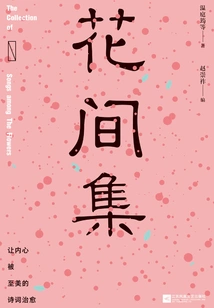
Huajianji
Literature花间集
(tang Dynasty) Wen Tingyun Is Waiting, Edited By Zhao Chongzuo
"Flower Room Collection" is the earliest existing poetry collection in my country. It contains 500 poems in total from 18 poets including Wen Tingyun, Wei Zhuang and Xue Zhaoyun in the late Tang Dynasty. The collected words include love affairs between men and women, historical events and monuments, scenery and people's feelings, old stories about frontier fortresses, landscapes, flowers and birds, etc. During the Five Dynasties period, the Central Plains was in chaos, with constant battles over rise and fall, and frequent dynasty changes. However, Western Shu and the Southern Tang Dynasty were isolated in a corner and could still be at peace. Therefore, "Hua Jian Ji" could still use rich, delicate, dense and vague words to write for travel, and also used the past to satirize the present in troubled times. This is how the "Huajian Ci School" with its fragrant style was formed. "Flower Room Collection" is located between the two literary peaks of Tang poetry and Song Ci, and has become a hub in the history of literary development. It is not only the transformation of the Han and Wei Dynasties, but also the development of the Tang poetry genre, and directly became the forerunner of Song Ci. Although later generations have commented on its gorgeous style, its value, role, contribution and status in literature and art cannot be ignored or denied.
"Flower Room Collection" is the earliest existing poetry collection in my country. It contains 500 poems in total from 18 poets including Wen Tingyun, Wei Zhuang and Xue Zhaoyun in the late Tang Dynasty. The collected words include love affairs between men and women, historical events and monuments, scenery and people's feelings, old stories about frontier fortresses, landscapes, flowers and birds, etc. During the Five Dynasties period, the Central Plains was in chaos, with constant battles over rise and fall, and frequent dynasty changes. However, Western Shu and the Southern Tang Dynasty were isolated in a corner and could still be at peace. Therefore, "Hua Jian Ji" could still use rich, delicate, dense and vague words to write for travel, and also used the past to satirize the present in troubled times. This is how the "Huajian Ci School" with its fragrant style was formed. "Flower Room Collection" is located between the two literary peaks of Tang poetry and Song Ci, and has become a hub in the history of literary development. It is not only the transformation of the Han and Wei Dynasties, but also the development of the Tang poetry genre, and directly became the forerunner of Song Ci. Although later generations have commented on its gorgeous style, its value, role, contribution and status in literature and art cannot be ignored or denied.
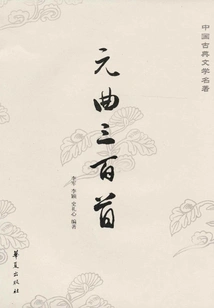
Three Hundred Yuan Songs
Literature元曲三百首
Li Jun Li Ying Shi Lixin
This book introduces the overall style of Yuan opera and makes a horizontal comparison with Tang poetry and Song lyrics, allowing readers to have an understanding of the diverse achievements of Chinese poetry and gain a comprehensive enjoyment of literary knowledge and emotional literacy. The book is rich in content. Each Yuan song is followed by annotations, language translations and appreciation.
This book introduces the overall style of Yuan opera and makes a horizontal comparison with Tang poetry and Song lyrics, allowing readers to have an understanding of the diverse achievements of Chinese poetry and gain a comprehensive enjoyment of literary knowledge and emotional literacy. The book is rich in content. Each Yuan song is followed by annotations, language translations and appreciation.
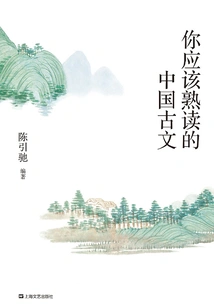
你应该熟读的中国古文
Chen Yinchi
This book is compiled by Mr. Chen Yinchi, director of the Chinese Department of Fudan University. It screens and selects a total of 90 articles with beautiful and touching words, annotates and appreciates them. It is a selection of ancient articles that is especially suitable for young people to read.
This book is compiled by Mr. Chen Yinchi, director of the Chinese Department of Fudan University. It screens and selects a total of 90 articles with beautiful and touching words, annotates and appreciates them. It is a selection of ancient articles that is especially suitable for young people to read.
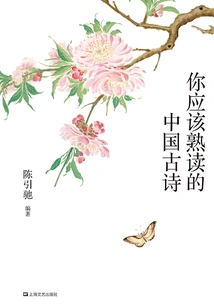
你应该熟读的中国古诗
Chen Yinchi
This book is compiled by Mr. Chen Yinchi, director of the Chinese Department of Fudan University. It screens and selects a total of 263 ancient poems with beautiful diction and touching people's hearts, and annotates and appreciates them. It is a selection of ancient poems that is especially suitable for young people to read.
This book is compiled by Mr. Chen Yinchi, director of the Chinese Department of Fudan University. It screens and selects a total of 263 ancient poems with beautiful diction and touching people's hearts, and annotates and appreciates them. It is a selection of ancient poems that is especially suitable for young people to read.
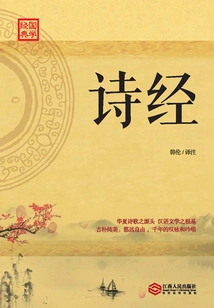
Book of Songs
Literature诗经
Translation And Annotation By Han Lun
The Book of Songs is the earliest collection of poetry in my country, collecting 305 poems from the early Western Zhou Dynasty to the middle of the Spring and Autumn Period over 500 years. In the pre-Qin Dynasty, it was called "Shi", or the whole number was called "Poetry Three Hundred" or "Three Hundred Chapters". It was revered as a Confucian classic during the Han Dynasty and was called the Book of Songs, which is still in use today. The Book of Songs marks the first peak of Chinese poetry creation. Confucius once summarized the purpose of the "Book of Songs" as "innocence" and taught his disciples to read the "Book of Songs", which was regarded as a classic by Confucianism and became one of the "Six Classics" and the "Five Classics". On the basis of inheriting the excellent results of previous studies on the Book of Songs, this book accurately interprets the theme and intention of each poem, and clearly annotates each chapter and sentence, so that readers can appreciate the simplicity and beauty of the Book of Songs and resonate with the emotions of the ancients.
The Book of Songs is the earliest collection of poetry in my country, collecting 305 poems from the early Western Zhou Dynasty to the middle of the Spring and Autumn Period over 500 years. In the pre-Qin Dynasty, it was called "Shi", or the whole number was called "Poetry Three Hundred" or "Three Hundred Chapters". It was revered as a Confucian classic during the Han Dynasty and was called the Book of Songs, which is still in use today. The Book of Songs marks the first peak of Chinese poetry creation. Confucius once summarized the purpose of the "Book of Songs" as "innocence" and taught his disciples to read the "Book of Songs", which was regarded as a classic by Confucianism and became one of the "Six Classics" and the "Five Classics". On the basis of inheriting the excellent results of previous studies on the Book of Songs, this book accurately interprets the theme and intention of each poem, and clearly annotates each chapter and sentence, so that readers can appreciate the simplicity and beauty of the Book of Songs and resonate with the emotions of the ancients.
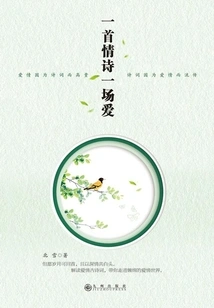
A Love Poem a Love
Literature一首情诗一场爱
J
This book is a collection of love poems written by many famous Chinese writers throughout the dynasties. It has a unique entry point and is divided into eight chapters: secret love, first love, passionate love, life and death love, long-distance love, extramarital love, bitter love, and lost love. It uses alternative text expressions and combines ancient and modern times. It is not limited to the literal understanding of classical love poems, nor is it a simple appreciation in the traditional sense, but a comprehensive explanation with a unique style and rich emotions. The highlight of this book is that it not only satisfies readers' knowledge needs for love poems themselves, but also satisfies readers' understanding of the historical stories and even unofficial anecdotes behind love poems. It combines modern love story analysis and understanding of love, which is informative, interesting, and popular. It is a book that goes into your soul, cleanses away your impetuousness, and makes you yearn for it like a river, and your meditation becomes like a dream.
This book is a collection of love poems written by many famous Chinese writers throughout the dynasties. It has a unique entry point and is divided into eight chapters: secret love, first love, passionate love, life and death love, long-distance love, extramarital love, bitter love, and lost love. It uses alternative text expressions and combines ancient and modern times. It is not limited to the literal understanding of classical love poems, nor is it a simple appreciation in the traditional sense, but a comprehensive explanation with a unique style and rich emotions. The highlight of this book is that it not only satisfies readers' knowledge needs for love poems themselves, but also satisfies readers' understanding of the historical stories and even unofficial anecdotes behind love poems. It combines modern love story analysis and understanding of love, which is informative, interesting, and popular. It is a book that goes into your soul, cleanses away your impetuousness, and makes you yearn for it like a river, and your meditation becomes like a dream.
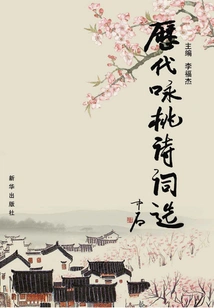
Selected Peach Poems from Past Dynasties
Literature历代咏桃诗词选
Li Fujie
Poems about peach by poets of all ages are one of the wonderful parts of ancient poetry. These artistically appealing peach poems have been recited by people from generation to generation, showing their enduring artistic vitality.
Poems about peach by poets of all ages are one of the wonderful parts of ancient poetry. These artistically appealing peach poems have been recited by people from generation to generation, showing their enduring artistic vitality.
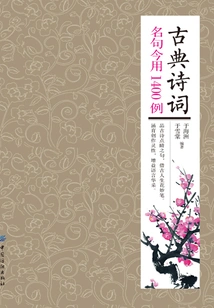
古典诗词名句今用1400例
Yu Haizhou Yu Xuetang
"1400 Examples of Modern Usage of Famous Phrases from Classical Poetry" is based on "famous verses". It selects a few hundred lines from classical poetry that are very wonderful and are most frequently used in later generations. It introduces the author and title of the poem, annotates and translates the original sentences into modern times, and attaches usage instructions and examples of modern usage. "Today's use" includes usage introduction and modern usage examples of poetry. "1,400 Examples of Famous Phrases from Classical Poetry in Today's Use" is suitable for reading and reference by lovers of classical poetry and literary and artistic creators, especially middle school Chinese teachers and students.
"1400 Examples of Modern Usage of Famous Phrases from Classical Poetry" is based on "famous verses". It selects a few hundred lines from classical poetry that are very wonderful and are most frequently used in later generations. It introduces the author and title of the poem, annotates and translates the original sentences into modern times, and attaches usage instructions and examples of modern usage. "Today's use" includes usage introduction and modern usage examples of poetry. "1,400 Examples of Famous Phrases from Classical Poetry in Today's Use" is suitable for reading and reference by lovers of classical poetry and literary and artistic creators, especially middle school Chinese teachers and students.