Library
Browse and search books
499,958 novels found
Call Me Rotten Leaves? It's Worth 500 Million
Short Fiction骂我烂树叶?它值五亿
Scholar
At the brand launch of my biological parents, I was humiliated by my fiancé and expelled by my family because of the "rotten leaf" spice left by my grandmother. When I was penniless, this abandoned thing unexpectedly attracted the world's top fragrance groups to grab it.
At the brand launch of my biological parents, I was humiliated by my fiancé and expelled by my family because of the "rotten leaf" spice left by my grandmother. When I was penniless, this abandoned thing unexpectedly attracted the world's top fragrance groups to grab it.

重回七零搞事业,不当怨种当团宠
Old Times
Han Qiyue, who has been a Piao for decades, returns to the era and restarts his life. At the beginning, he abuses the scumbag, fights the best, and uses the space to take over the scumbag's home. After smoothing his life, Han Qiyue began to think about whether to go to college? Or go to college? What? The person she accidentally saved turned out to be a university professor. She was the savior of a young and handsome university professor. She made a profit! Make money! Make money! Unexpectedly, the handsome professor said: There is no way to repay the kindness of saving a life...
Han Qiyue, who has been a Piao for decades, returns to the era and restarts his life. At the beginning, he abuses the scumbag, fights the best, and uses the space to take over the scumbag's home. After smoothing his life, Han Qiyue began to think about whether to go to college? Or go to college? What? The person she accidentally saved turned out to be a university professor. She was the savior of a young and handsome university professor. She made a profit! Make money! Make money! Unexpectedly, the handsome professor said: There is no way to repay the kindness of saving a life...
七零小神医,硬汉心尖宠
Soft Sweet Wild Mist
It was only after Su Yuhe died that she found out that the man she married had been hooking up with her so-called good sister! Being fooled around by the scumbag Bai Lian, all the hard work he put in over twenty years was a joke. Before the first seven days were over, the scumbag actually killed the child she gave birth to with her own life. Once reborn, Su Yuhe learned good medical skills. At the same time, he angrily beat up the scumbag and tore the white lotus with his hands. With his small hand, Jiang Lin, a tough guy with a reputation for evil, hugged her and called her his wife. Jiang Lin was tall and handsome. He took off his shirt and went to work in the field. His twitching muscles were like walking hormones. I don't know how many girls were embarrassed and ran away because they couldn't get married because of their bad qualities. Later, he married an educated youth from the city. Others envied him for his good fortune and secretly laughed at him because the educated youth would not stay with him for long. Until Jiang Lin's family became more and more prosperous, Su Yuhe was favored to the sky. One day: Su Yuhe was counting the money earned by the man in his hand: "I'm really going to be spoiled rotten." Jiang Lin hugged her to the bed: "It's better if you are spoiled rotten. You will be mine for the rest of your life."
It was only after Su Yuhe died that she found out that the man she married had been hooking up with her so-called good sister! Being fooled around by the scumbag Bai Lian, all the hard work he put in over twenty years was a joke. Before the first seven days were over, the scumbag actually killed the child she gave birth to with her own life. Once reborn, Su Yuhe learned good medical skills. At the same time, he angrily beat up the scumbag and tore the white lotus with his hands. With his small hand, Jiang Lin, a tough guy with a reputation for evil, hugged her and called her his wife. Jiang Lin was tall and handsome. He took off his shirt and went to work in the field. His twitching muscles were like walking hormones. I don't know how many girls were embarrassed and ran away because they couldn't get married because of their bad qualities. Later, he married an educated youth from the city. Others envied him for his good fortune and secretly laughed at him because the educated youth would not stay with him for long. Until Jiang Lin's family became more and more prosperous, Su Yuhe was favored to the sky. One day: Su Yuhe was counting the money earned by the man in his hand: "I'm really going to be spoiled rotten." Jiang Lin hugged her to the bed: "It's better if you are spoiled rotten. You will be mine for the rest of your life."

星际团宠,一睁眼成了濒危物种
Four Seasons Girl
Tang Xin'er took the system and traveled to an alien planet. The average person in this world was 2.8 Meters tall, and humans were just rare animals kept in zoos. Tang Xin'er hugged her little self tightly, desperate and helpless. However, the men who took her home doted on her and turned her into a princess one by one. The handsome angel with wings on his back feeds her with his own hands. The arrogant Mr. Vampire hugged her every day and never let go. The mermaid prince with a human body and a fish tail gave her the most beautiful pearl. The brave orc king let her sit on his noble back and run into the wind. Tang Xin'er was growing bigger day by day and decided to retire and retire, but a certain system kept reminding her that it was time to open her business. Later, global superstar Tang Xin'er had hundreds of millions of fans, and the like points he earned every day could overwhelm the system. She finally saved enough money to go home, but a certain man held her waist tightly and begged with red eyes: "Can you please stop walking?"
Tang Xin'er took the system and traveled to an alien planet. The average person in this world was 2.8 Meters tall, and humans were just rare animals kept in zoos. Tang Xin'er hugged her little self tightly, desperate and helpless. However, the men who took her home doted on her and turned her into a princess one by one. The handsome angel with wings on his back feeds her with his own hands. The arrogant Mr. Vampire hugged her every day and never let go. The mermaid prince with a human body and a fish tail gave her the most beautiful pearl. The brave orc king let her sit on his noble back and run into the wind. Tang Xin'er was growing bigger day by day and decided to retire and retire, but a certain system kept reminding her that it was time to open her business. Later, global superstar Tang Xin'er had hundreds of millions of fans, and the like points he earned every day could overwhelm the system. She finally saved enough money to go home, but a certain man held her waist tightly and begged with red eyes: "Can you please stop walking?"
Fengque Deep Chess
Short Fiction凤阙深弈
Cha Yue Meng Su
In the deep palace of Da Yao, there are strict etiquette and undercurrents. The Shen family was wronged, and the legitimate daughter Shen Qingyuan fell into the dust. She transformed from a humble palace maid into a female doctor, using the opportunity of diagnosing diseases to explore old family cases. Bei Lin and his princess Mu Yaohua entered the harem with the mission of their family and country, walking on thin ice; Su Lingyi, the shang palace, held the power in the palace and watched the affairs of the six palaces with cold eyes; the queen of the middle palace was born with the honor and disgrace of the family, struggling to support the monarch's heart and power. There are endless battles in the harem, undercurrents in the palace are turbulent, the former dynasty is trying to seize the rightful son, and old cases are nested layer by layer. Poisoning and frame-up, witchcraft and factional strife took place one after another. Several women in cages went from testing each other to walking hand in hand. In this red-walled palace, there has never been an eternal winner. There is only an involuntary fate, tossing and turning throughout life in the chess game.
In the deep palace of Da Yao, there are strict etiquette and undercurrents. The Shen family was wronged, and the legitimate daughter Shen Qingyuan fell into the dust. She transformed from a humble palace maid into a female doctor, using the opportunity of diagnosing diseases to explore old family cases. Bei Lin and his princess Mu Yaohua entered the harem with the mission of their family and country, walking on thin ice; Su Lingyi, the shang palace, held the power in the palace and watched the affairs of the six palaces with cold eyes; the queen of the middle palace was born with the honor and disgrace of the family, struggling to support the monarch's heart and power. There are endless battles in the harem, undercurrents in the palace are turbulent, the former dynasty is trying to seize the rightful son, and old cases are nested layer by layer. Poisoning and frame-up, witchcraft and factional strife took place one after another. Several women in cages went from testing each other to walking hand in hand. In this red-walled palace, there has never been an eternal winner. There is only an involuntary fate, tossing and turning throughout life in the chess game.
替身三年,我离职后薄总失控了
Jiang Yunsheng
[The sinister and paranoid boss locks his heart; he is addicted, she is the drug, and they save each other] [1v1 Double Cleansing] A bankrupt daughter becomes a canary in order to pay off her debts. When the three-year period is up, the woman who is somewhat similar to her returns to China. Only then did she realize that a substitute was a substitute after all, and the deal he had obtained through sex was just a temporary conspiracy on his part. Su Mian watched them whispering together, then turned around and left for a foreign country. Meeting at the top, she was accompanied by her old lover in front of her, countless suitors in the back, and surrounded by flowers. Among the petals in the sky, Su Mian was wearing a white gauze and walking toward another man. Bo Yanchen, whose eyes were red with jealousy, grabbed her waist forcefully. "You agreed to marry me, how dare you break your promise?" Su Mian raised her head arrogantly, with a smile on her red lips, "You broke your promise, what can you do to me!"
[The sinister and paranoid boss locks his heart; he is addicted, she is the drug, and they save each other] [1v1 Double Cleansing] A bankrupt daughter becomes a canary in order to pay off her debts. When the three-year period is up, the woman who is somewhat similar to her returns to China. Only then did she realize that a substitute was a substitute after all, and the deal he had obtained through sex was just a temporary conspiracy on his part. Su Mian watched them whispering together, then turned around and left for a foreign country. Meeting at the top, she was accompanied by her old lover in front of her, countless suitors in the back, and surrounded by flowers. Among the petals in the sky, Su Mian was wearing a white gauze and walking toward another man. Bo Yanchen, whose eyes were red with jealousy, grabbed her waist forcefully. "You agreed to marry me, how dare you break your promise?" Su Mian raised her head arrogantly, with a smile on her red lips, "You broke your promise, what can you do to me!"
Mountains and Rivers Have Bones
Realistic Fiction山河有骨
Cha Yue Meng Su
The war is burning all over China, and the water towns in the south of the Yangtze River are no longer peaceful as before. Rural school teacher Lin Wangshan, country doctor Su Qinghe, hunter Zhao Tieniu, and fallen soldier Chen Jingzhi were ordinary people in troubled times, but when the Japanese invaders crushed their homeland, they were forced to shoulder the burden of protecting their homeland. Some write letters and convey messages, wandering between light and darkness; some hold swords to defend the enemy and defend their hometown; some save others with benevolence and convey warmth in the hail of bullets. After eight years of war, the temples were far away and the people were brave. Countless ordinary people used their flesh and blood as their shields and their integrity as their souls to fight unyieldingly in desperate situations. Mountains and rivers are safe because all people have bones. This is the Chinese spirit that is engraved in the blood of China and will never be bent.
The war is burning all over China, and the water towns in the south of the Yangtze River are no longer peaceful as before. Rural school teacher Lin Wangshan, country doctor Su Qinghe, hunter Zhao Tieniu, and fallen soldier Chen Jingzhi were ordinary people in troubled times, but when the Japanese invaders crushed their homeland, they were forced to shoulder the burden of protecting their homeland. Some write letters and convey messages, wandering between light and darkness; some hold swords to defend the enemy and defend their hometown; some save others with benevolence and convey warmth in the hail of bullets. After eight years of war, the temples were far away and the people were brave. Countless ordinary people used their flesh and blood as their shields and their integrity as their souls to fight unyieldingly in desperate situations. Mountains and rivers are safe because all people have bones. This is the Chinese spirit that is engraved in the blood of China and will never be bent.
Martial Arts Leader: the Legend of the Detective
Short Fiction武林盟主之神探风云录
Third Young Master Ghost Face
Come to China Literature's website to read more of my works!
Come to China Literature's website to read more of my works!

Five Years Later, She Married into the Imperial Consortium in a High Profile with Her Treasure
Modern Romance五年后携宝高调嫁入帝国财团
Bei Xiaoyan
Two years after receiving the certificate, she chased and blocked the man. The man pushed her away angrily: Lin Qingyu, have you had enough? Lin Qingyu cried aggrievedly: I just want a child, what's wrong? I don't want to waste such excellent genes like yours. The man laughed mercilessly: I marry you, it's just a transaction, you need to figure out your position. Lin Qingyu held back her tears and laughed at herself sadly: I thought being your wife would be the rest of my life, but it turns out that it is just my job, so I will quit. After the divorce, she gave birth to three children alone, but one of them was stolen by a bad guy. Five years later, she returned magnificently and became a legend in the medical field. Thousands of people prayed for her to come and treat their illnesses. The man came to the door with red eyes: "Honey, are you free?" Lin Qingyu turned away the snatcher: "Reflect on yourself, what went wrong?" "I shouldn't have pushed you away back then, I should have pampered you, loved you, cherished you..." Lin Qingyu grabbed the man by the collar and pushed him to the corner: "Lu Heting, run away again and break the dog's legs." The man said with an affectionate look on his face: "I won't run away, I will only pamper you in this life."
Two years after receiving the certificate, she chased and blocked the man. The man pushed her away angrily: Lin Qingyu, have you had enough? Lin Qingyu cried aggrievedly: I just want a child, what's wrong? I don't want to waste such excellent genes like yours. The man laughed mercilessly: I marry you, it's just a transaction, you need to figure out your position. Lin Qingyu held back her tears and laughed at herself sadly: I thought being your wife would be the rest of my life, but it turns out that it is just my job, so I will quit. After the divorce, she gave birth to three children alone, but one of them was stolen by a bad guy. Five years later, she returned magnificently and became a legend in the medical field. Thousands of people prayed for her to come and treat their illnesses. The man came to the door with red eyes: "Honey, are you free?" Lin Qingyu turned away the snatcher: "Reflect on yourself, what went wrong?" "I shouldn't have pushed you away back then, I should have pampered you, loved you, cherished you..." Lin Qingyu grabbed the man by the collar and pushed him to the corner: "Lu Heting, run away again and break the dog's legs." The man said with an affectionate look on his face: "I won't run away, I will only pamper you in this life."
Asked About the Ming Dynasty
History问道大明
Ming Qiguang
In the twenty-sixth year of Jiajing, Ding Weike, an imperial examination gathered the talents of the Ming Dynasty for decades to come, Zhang Juzheng, Yang Jisheng, Li Chunfang... A modern doctorate in history died suddenly after writing a thesis on this subject. When he opened his eyes, he became a student about to take the exam. He knows the test questions, knows all the historical trends, knows who are the enemies and who are the friends, knows which road will lead to success and which road will lead to catastrophe. But history is quietly changing in places he doesn't know. Is there another one in this world... No one can be a bystander to history. Now that we are here, let's try the heroes of the world!
In the twenty-sixth year of Jiajing, Ding Weike, an imperial examination gathered the talents of the Ming Dynasty for decades to come, Zhang Juzheng, Yang Jisheng, Li Chunfang... A modern doctorate in history died suddenly after writing a thesis on this subject. When he opened his eyes, he became a student about to take the exam. He knows the test questions, knows all the historical trends, knows who are the enemies and who are the friends, knows which road will lead to success and which road will lead to catastrophe. But history is quietly changing in places he doesn't know. Is there another one in this world... No one can be a bystander to history. Now that we are here, let's try the heroes of the world!
快穿之黑化男主偏执又撩人
The Spring Breeze Is Not Far Away
[1V1 double cleansing + face slap + heroine dual business online] Pei Wanwan is a gold medal host in the fast-traveling world, killing demons and gods at her fingertips, until she is forced to travel to a new world, to become the dog-licking female partner of the big guys in each world, and the catalyst for the male and female protagonists. Pei Wanwan: What a licker, that's all my sponsor father! Licking one person is like licking a dog, but licking a group of people is like a wolf warrior! The ruthless boss, the blind prince, the disabled senior...: Pei Wanwan, you make me feel sick. Gradually, they discovered that the person who kept saying he loved them was really just saying "love" and disappeared after saying it. On the night she completed the task, she took the treasury and ran away, but the man cornered her and asked: Why are you running? Don't want legs anymore? Pei Wanwan raised her little face and hummed: Today you are ignoring me, but tomorrow I will lick someone else! The man carried the person into the room with red eyes, gritted his teeth and said: "How dare you!" This article is also known as "Licking Dog, Licking Everything to the End", "What Licking Dog, Please Call Me Wolf Warrior", "You're Just a Walking ATM Machine"
[1V1 double cleansing + face slap + heroine dual business online] Pei Wanwan is a gold medal host in the fast-traveling world, killing demons and gods at her fingertips, until she is forced to travel to a new world, to become the dog-licking female partner of the big guys in each world, and the catalyst for the male and female protagonists. Pei Wanwan: What a licker, that's all my sponsor father! Licking one person is like licking a dog, but licking a group of people is like a wolf warrior! The ruthless boss, the blind prince, the disabled senior...: Pei Wanwan, you make me feel sick. Gradually, they discovered that the person who kept saying he loved them was really just saying "love" and disappeared after saying it. On the night she completed the task, she took the treasury and ran away, but the man cornered her and asked: Why are you running? Don't want legs anymore? Pei Wanwan raised her little face and hummed: Today you are ignoring me, but tomorrow I will lick someone else! The man carried the person into the room with red eyes, gritted his teeth and said: "How dare you!" This article is also known as "Licking Dog, Licking Everything to the End", "What Licking Dog, Please Call Me Wolf Warrior", "You're Just a Walking ATM Machine"

重生七零:再嫁全村最硬退伍糙汉
Jiujiu Has A Surplus Of Food
[Era + Rebirth + Veteran Rough Man + Sweet Pet + 1v1 + he] In her previous life, Ruan Niannian had a weak character and relied on the people around her like a dodder flower. She lost her virginity after being bewitched by a poisonous best friend, and was tricked into making her husband lose all trust in her. She finally restored her image in her husband's mind, and the two On the verge of developing a beautiful relationship, she was once again tricked by her poisonous best friend and almost lost her virginity to a couple of losers. In order to keep her innocence, she jumped into the water and drowned. After death, her soul followed her husband and watched him avenge her. She watched her husband build a business empire step by step. Until the end of his life, there was no one else around him. On the day she was reborn and was plotted against, Ruan Niannian vowed to make those who plotted against her and framed her in her previous life suffer the consequences. As for her husband... She firmly believed that what she had seen with Pei Yuanzheng in her previous life was that women could live a wonderful life without relying on men! But Comrade Pei Yuanzheng, knowing that you have maintained a good figure all your life, can you stop showing off, even if you have a nosebleed...
[Era + Rebirth + Veteran Rough Man + Sweet Pet + 1v1 + he] In her previous life, Ruan Niannian had a weak character and relied on the people around her like a dodder flower. She lost her virginity after being bewitched by a poisonous best friend, and was tricked into making her husband lose all trust in her. She finally restored her image in her husband's mind, and the two On the verge of developing a beautiful relationship, she was once again tricked by her poisonous best friend and almost lost her virginity to a couple of losers. In order to keep her innocence, she jumped into the water and drowned. After death, her soul followed her husband and watched him avenge her. She watched her husband build a business empire step by step. Until the end of his life, there was no one else around him. On the day she was reborn and was plotted against, Ruan Niannian vowed to make those who plotted against her and framed her in her previous life suffer the consequences. As for her husband... She firmly believed that what she had seen with Pei Yuanzheng in her previous life was that women could live a wonderful life without relying on men! But Comrade Pei Yuanzheng, knowing that you have maintained a good figure all your life, can you stop showing off, even if you have a nosebleed...
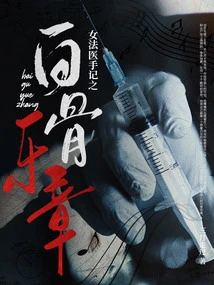
Notes of a Female Forensic Doctor: Bones Movement
Modern Romance女法医手记之白骨乐章
March Passed
Also known as "The Best Female Widow's Work", it is suspense + brain-burning + horror + comedy + group favorite, focusing on solving crimes, supplemented by emotions. Having seen too many corpses, I have become indifferent to life and death. Human beings can become demons with a single thought, and they can also become Buddhas in an instant. A hotbed of lies is a paradise where sin is rampant. The bizarre bones in a dilapidated old house, the human head delivered by courier, the mysterious ghosts on the walls... A series of strange and bizarre crime scenes, and each piece of hidden evil in people's hearts. Who is the murderer? The case of corpse dismemberment like a goddess scattering flowers, the curse of evil spirits hiding in the depths of darkness, a sad and beautiful abnormal sadomasochism... Is all this a coincidence or intentional? The devil's codes captured from the chaotic time and space, and the clues deciphered from the corpses, turned into beating notes, and I was like a bassist in white, playing a moving bone movement for the souls of the dead under the waving of a scalpel.
Also known as "The Best Female Widow's Work", it is suspense + brain-burning + horror + comedy + group favorite, focusing on solving crimes, supplemented by emotions. Having seen too many corpses, I have become indifferent to life and death. Human beings can become demons with a single thought, and they can also become Buddhas in an instant. A hotbed of lies is a paradise where sin is rampant. The bizarre bones in a dilapidated old house, the human head delivered by courier, the mysterious ghosts on the walls... A series of strange and bizarre crime scenes, and each piece of hidden evil in people's hearts. Who is the murderer? The case of corpse dismemberment like a goddess scattering flowers, the curse of evil spirits hiding in the depths of darkness, a sad and beautiful abnormal sadomasochism... Is all this a coincidence or intentional? The devil's codes captured from the chaotic time and space, and the clues deciphered from the corpses, turned into beating notes, and I was like a bassist in white, playing a moving bone movement for the souls of the dead under the waving of a scalpel.
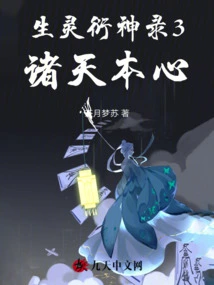
生灵衍神录3:诸天本心
Cha Yue Meng Su
The ancient gods have fallen, and Lingyan Continent is finally freed from its shackles. Lin Yan used his own way to destroy the thousand-year divine power and give all souls a free path. Everyone thinks that the troubled times have come to an end and the road is complete, but they don't know that the true chess game of destiny has just begun to unfold. All spirits return to the ruins and are unsealed, the road to heaven appears, and the planes of heaven slowly emerge. The old gods that were destroyed in the past were just pawns thrown down by the vast heaven. The Shigui Heavenly Dao that truly occupies the heavens controls the destiny of eternity, monopolizes the rules of all realms, uses gods as bait, and fate as a cage to harvest the soul charm of hundreds of millions of creatures, and controls the rise and fall of all planes. All living beings think they have escaped from the gods, but in fact they have never escaped from the prison of destiny. The cracks in the godhead are immortal, they are the traces of rebellion, and they are also the gaps in the heavens; the resonance of all spirits is endless, they are the original heart of the people, and they are also the sharp blades that attack the heavens. The alien power of gods is rampant, countless worlds have become puppet territories, and the established destiny crushes the freedom of all souls. The old enemy is not gone, the new sky is overtaking the world, and the torrent of fate is rolling in, trying to obliterate this only spiritual creature who has rebelled against the path. Lin Yan and Su Qinghe broke through the borders of the continent and crossed all the worlds. On the one hand, it is the eternal destiny of heaven, and on the other hand, it is the independent intention of thousands of living beings. If the law of heaven determines that all sentient beings are dumb dogs, then it will go against the heavens again; if the rules lock all beings as puppets, then it will recast the avenue of the heavens. This is the last battle-- Godless hegemony can be broken! A given destiny can be changed! All the spirits in the sky can develop their own way! The end is coming, my heart will defeat the sky, and all spirits will become gods! Final part
The ancient gods have fallen, and Lingyan Continent is finally freed from its shackles. Lin Yan used his own way to destroy the thousand-year divine power and give all souls a free path. Everyone thinks that the troubled times have come to an end and the road is complete, but they don't know that the true chess game of destiny has just begun to unfold. All spirits return to the ruins and are unsealed, the road to heaven appears, and the planes of heaven slowly emerge. The old gods that were destroyed in the past were just pawns thrown down by the vast heaven. The Shigui Heavenly Dao that truly occupies the heavens controls the destiny of eternity, monopolizes the rules of all realms, uses gods as bait, and fate as a cage to harvest the soul charm of hundreds of millions of creatures, and controls the rise and fall of all planes. All living beings think they have escaped from the gods, but in fact they have never escaped from the prison of destiny. The cracks in the godhead are immortal, they are the traces of rebellion, and they are also the gaps in the heavens; the resonance of all spirits is endless, they are the original heart of the people, and they are also the sharp blades that attack the heavens. The alien power of gods is rampant, countless worlds have become puppet territories, and the established destiny crushes the freedom of all souls. The old enemy is not gone, the new sky is overtaking the world, and the torrent of fate is rolling in, trying to obliterate this only spiritual creature who has rebelled against the path. Lin Yan and Su Qinghe broke through the borders of the continent and crossed all the worlds. On the one hand, it is the eternal destiny of heaven, and on the other hand, it is the independent intention of thousands of living beings. If the law of heaven determines that all sentient beings are dumb dogs, then it will go against the heavens again; if the rules lock all beings as puppets, then it will recast the avenue of the heavens. This is the last battle-- Godless hegemony can be broken! A given destiny can be changed! All the spirits in the sky can develop their own way! The end is coming, my heart will defeat the sky, and all spirits will become gods! Final part
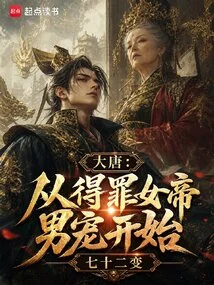
大唐:从得罪女帝男宠开始
. Seventy-two Changes
Good news: Time traveled. Bad news: time traveled to ancient times. Good news: all my relatives are emperors. Bad news: My grandmother was Wu Zetian, a famous ruthless man who would kill her own son without blinking an eye. Good news: I am the grandson of the first unified dynasty. Zhu Yunwen and Zhu Zhanji are both younger brothers to me. Bad news: My father is the famously cowardly emperor Li Xian. Even worse news: in a month, my sister, brother-in-law, I, and I will all be killed with a cane for gossiping about my grandmother's male favorite. My name is Li Chongrun, and Li Longji, Emperor Xuanzong of the Tang Dynasty, is my cousin. Now that I have traveled through time, the prosperous Kaiyuan era must appear in my hands, and the Tang Dynasty, where all nations come to dynasty, will truly become eternal in my hands. Of course, the first thing I need to consider now is how I can avoid being beaten to death by my grandmother in a month.
Good news: Time traveled. Bad news: time traveled to ancient times. Good news: all my relatives are emperors. Bad news: My grandmother was Wu Zetian, a famous ruthless man who would kill her own son without blinking an eye. Good news: I am the grandson of the first unified dynasty. Zhu Yunwen and Zhu Zhanji are both younger brothers to me. Bad news: My father is the famously cowardly emperor Li Xian. Even worse news: in a month, my sister, brother-in-law, I, and I will all be killed with a cane for gossiping about my grandmother's male favorite. My name is Li Chongrun, and Li Longji, Emperor Xuanzong of the Tang Dynasty, is my cousin. Now that I have traveled through time, the prosperous Kaiyuan era must appear in my hands, and the Tang Dynasty, where all nations come to dynasty, will truly become eternal in my hands. Of course, the first thing I need to consider now is how I can avoid being beaten to death by my grandmother in a month.
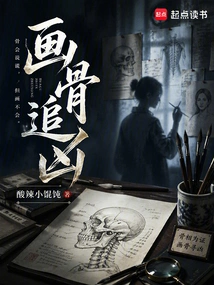
画骨追凶
Hot And Sour Wontons
Jiang Mochen, a food stall owner who cooks extremely unpalatable food, was hailed by the criminal police as a once-in-a-millennium portrait artist prodigy. Starting from a strange dismemberment case, with his keenness and intelligence, he became a highly sought-after criminal investigator from all over the world, and his reputation skyrocketed! But this genius's dream is to have all criminal police teams across the country eat wontons made by him? Jiang Mochen: "The case can be solved, I'll cover all your police team's late night snacks!" Suspect: "I'll take them all, don't give me any more wontons, please!" Detective Captain He Jun: "Our portrait artist is a decathlete and will not be loaned out!"
Jiang Mochen, a food stall owner who cooks extremely unpalatable food, was hailed by the criminal police as a once-in-a-millennium portrait artist prodigy. Starting from a strange dismemberment case, with his keenness and intelligence, he became a highly sought-after criminal investigator from all over the world, and his reputation skyrocketed! But this genius's dream is to have all criminal police teams across the country eat wontons made by him? Jiang Mochen: "The case can be solved, I'll cover all your police team's late night snacks!" Suspect: "I'll take them all, don't give me any more wontons, please!" Detective Captain He Jun: "Our portrait artist is a decathlete and will not be loaned out!"
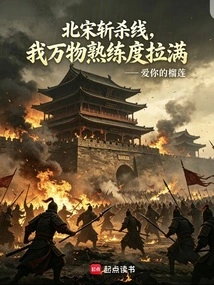
北宋斩杀线,我万物熟练度拉满
Love You Durian
At the end of the Northern Song Dynasty, the land was annexed, the annual coins were heavily levied, the Jin army pressed the territory, natural and man-made disasters occurred one after another, and the people were hanging on the line of execution. When Xu Qiu woke up, he became a scapegoat for the government to castrate and was put on death row. Tomorrow he would be beheaded. In desperate situations, unlock the proficiency system of all things. Everything can be leveled up: unlocking locks to the full level, punching and kicking to the full level, even being beaten a thousand times, obtaining the adamantium iron cloth, making you invulnerable. The government officials outside the gate are like wolves, the officials are promiscuous and extravagant, and there are all innocent souls in prison. Since the world is unkind, then use this full level of proficiency to smash this decadent dynasty!
At the end of the Northern Song Dynasty, the land was annexed, the annual coins were heavily levied, the Jin army pressed the territory, natural and man-made disasters occurred one after another, and the people were hanging on the line of execution. When Xu Qiu woke up, he became a scapegoat for the government to castrate and was put on death row. Tomorrow he would be beheaded. In desperate situations, unlock the proficiency system of all things. Everything can be leveled up: unlocking locks to the full level, punching and kicking to the full level, even being beaten a thousand times, obtaining the adamantium iron cloth, making you invulnerable. The government officials outside the gate are like wolves, the officials are promiscuous and extravagant, and there are all innocent souls in prison. Since the world is unkind, then use this full level of proficiency to smash this decadent dynasty!
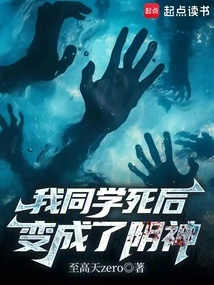
My Classmate Turned into a Ghost after His Death
Suspense and Supernatural我同学死后变成了阴神
Supreme Sky Zero
Ten years ago. The study tour bus loaded with 33 adult students rushed down the mountain road and all the teachers and students died on the spot. Only one student was kicked off the bus midway and luckily managed to save his life. For the past ten years, the police have been eager to know what happened on that bus. Unfortunately, the only survivor, Zhao Jin, suffered from severe PSTD and could never recall it. ... Ten years later. A group photo of 34 students from Shanghai No. 1 Middle School popped up on the computer screen that turned on automatically. At the door of the rental house, a blood-red invitation mysteriously appeared, marking a ten-year class reunion. In the chat group of Class 1, Grade 3, which had been silent for a long time, gray-white avatars lit up one by one. Someone said in the group: "Zhao Jin. Class reunion. "You are the only one missing from the class. "We'll wait for you."
Ten years ago. The study tour bus loaded with 33 adult students rushed down the mountain road and all the teachers and students died on the spot. Only one student was kicked off the bus midway and luckily managed to save his life. For the past ten years, the police have been eager to know what happened on that bus. Unfortunately, the only survivor, Zhao Jin, suffered from severe PSTD and could never recall it. ... Ten years later. A group photo of 34 students from Shanghai No. 1 Middle School popped up on the computer screen that turned on automatically. At the door of the rental house, a blood-red invitation mysteriously appeared, marking a ten-year class reunion. In the chat group of Class 1, Grade 3, which had been silent for a long time, gray-white avatars lit up one by one. Someone said in the group: "Zhao Jin. Class reunion. "You are the only one missing from the class. "We'll wait for you."
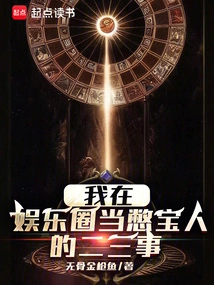
A Few Things I Learned About Being a Treasure Keeper in the Entertainment Industry
Suspense and Supernatural我在娱乐圈当憋宝人的二三事
Boneless Tuna
Hold a concert to attract luck and secretly change your opponent's fate. For filming, I invited wild gods to get on my body and practiced Nanyang evil skills just to extend my life... The above are all my personal experiences in that glamorous entertainment industry. My name is Luo Yuan, and I am the son of a treasure-holding man. \T When I was young, my wealth in this life was exchanged by my father for a "god". This destined me to live in poverty for the rest of my life. In order to regain my fortune, I accidentally entered this vanity fair that had nothing to do with me. However, what was waiting for me was one incredible event after another. One creepy evil weapon after another...
Hold a concert to attract luck and secretly change your opponent's fate. For filming, I invited wild gods to get on my body and practiced Nanyang evil skills just to extend my life... The above are all my personal experiences in that glamorous entertainment industry. My name is Luo Yuan, and I am the son of a treasure-holding man. \T When I was young, my wealth in this life was exchanged by my father for a "god". This destined me to live in poverty for the rest of my life. In order to regain my fortune, I accidentally entered this vanity fair that had nothing to do with me. However, what was waiting for me was one incredible event after another. One creepy evil weapon after another...
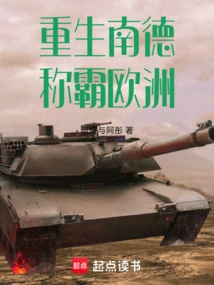
重生南德,称霸欧洲
Ah Jian And Atong
A modern history and military enthusiast, he accidentally traveled to the Holy Roman Empire in 1774 and became the 11-year-old Rudolf August von Wittelsbach, the legitimate second son of the Elector of the Palatinate, Karl Theodor. At this time, the Elector of the Palatinate was in deep financial crisis, territorial fragmentation, and military weakness. He had a weak voice in the Holy Roman Empire, was surrounded by feuding princes, and was surrounded by the French, Austrian, and Prussian powers outside. Historically, because Wittelsbach's youngest branch was extinct, his father was about to inherit the Bavarian Electorate. He was also targeted early by the Habsburg family of Austria, which plunged the Electorate of the Palatinate into more crises. The protagonist arrives with historical memories, determined to break the fate of becoming Napoleon's follower and Prussia's annexation in the future, gathering top European talents, using technology, military, finance, and industry as sharp blades to sweep across the European powers, end the division of Germany, and establish a powerful empire that dominates Europe from south to north.
A modern history and military enthusiast, he accidentally traveled to the Holy Roman Empire in 1774 and became the 11-year-old Rudolf August von Wittelsbach, the legitimate second son of the Elector of the Palatinate, Karl Theodor. At this time, the Elector of the Palatinate was in deep financial crisis, territorial fragmentation, and military weakness. He had a weak voice in the Holy Roman Empire, was surrounded by feuding princes, and was surrounded by the French, Austrian, and Prussian powers outside. Historically, because Wittelsbach's youngest branch was extinct, his father was about to inherit the Bavarian Electorate. He was also targeted early by the Habsburg family of Austria, which plunged the Electorate of the Palatinate into more crises. The protagonist arrives with historical memories, determined to break the fate of becoming Napoleon's follower and Prussia's annexation in the future, gathering top European talents, using technology, military, finance, and industry as sharp blades to sweep across the European powers, end the division of Germany, and establish a powerful empire that dominates Europe from south to north.
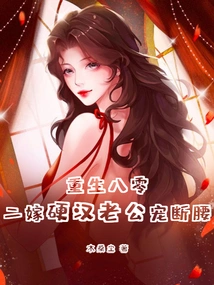
Reborn in 1980, Married to a Tough Guy Husband for the Second Time and Spoiled Her to Death
Modern Romance重生八零,二嫁硬汉老公宠断腰
Mu Sangchen
Xu Jinchu, who was single until her death, never imagined that she would be reborn as a young widow in the 1980s whose husband died on her wedding day. Before she knew it, she dragged her infamous reputation into a second marriage and became a military wife. There is no room for golden fingers, don't be afraid, let's rely on our strength; there are a lot of top-notch scumbags, just ignore them and be done with it; if you don't want to be a housewife, you have a way to start a career: the tough guy husband is too attractive, this is a bit too taxing, so run away with your belly in hand. In the 1980s, when opportunities were full of opportunities, Xu Jinchu, who had mastered the code of wealth, rolled up his sleeves and was about to make a big move, when his ex-husband who was already dead appeared out of nowhere. The tough-guy husband became anxious, held her in his arms, and coaxed her in a gentle voice: "Daughter-in-law, be careful not to induce fetal contractions."
Xu Jinchu, who was single until her death, never imagined that she would be reborn as a young widow in the 1980s whose husband died on her wedding day. Before she knew it, she dragged her infamous reputation into a second marriage and became a military wife. There is no room for golden fingers, don't be afraid, let's rely on our strength; there are a lot of top-notch scumbags, just ignore them and be done with it; if you don't want to be a housewife, you have a way to start a career: the tough guy husband is too attractive, this is a bit too taxing, so run away with your belly in hand. In the 1980s, when opportunities were full of opportunities, Xu Jinchu, who had mastered the code of wealth, rolled up his sleeves and was about to make a big move, when his ex-husband who was already dead appeared out of nowhere. The tough-guy husband became anxious, held her in his arms, and coaxed her in a gentle voice: "Daughter-in-law, be careful not to induce fetal contractions."
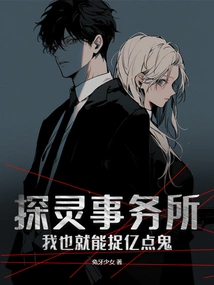
探灵事务所:我也就能捉亿点鬼!
Rabbit Tooth Girl
[A girl who can talk to the dead × a young detective who does not believe in ghosts and gods, suspense + detective work + supernatural + two-way running] Yu Feifan has a pair of eyes that can see the dead. She has learned spiritual arts from her grandmother since she was a child, and has taken it as her own duty to save the dead and kill evil spirits. The young and promising criminal police captain Jiang Shuo was once a staunch materialist and scorned the theory of ghosts and gods. But since meeting Yu Feifan, his worldview has been shattered and reshaped countless times. From doubt to trust, from confrontation to cooperation, from incompatibility to secret feelings, one by one the mysterious cases are peeled off, only to discover that the most terrifying thing is actually the human heart. And behind Yu Feifan's mysterious life experience, there seems to be a bigger conspiracy hidden... [Author's clearance: It is not a cool article, it is not scumbag, cruelty, bloody, and routine, and there are many secrets. I will check the relevant information before writing the criminal detective case part, but I cannot rule out that there will be bugs and it cannot withstand scrutiny]
[A girl who can talk to the dead × a young detective who does not believe in ghosts and gods, suspense + detective work + supernatural + two-way running] Yu Feifan has a pair of eyes that can see the dead. She has learned spiritual arts from her grandmother since she was a child, and has taken it as her own duty to save the dead and kill evil spirits. The young and promising criminal police captain Jiang Shuo was once a staunch materialist and scorned the theory of ghosts and gods. But since meeting Yu Feifan, his worldview has been shattered and reshaped countless times. From doubt to trust, from confrontation to cooperation, from incompatibility to secret feelings, one by one the mysterious cases are peeled off, only to discover that the most terrifying thing is actually the human heart. And behind Yu Feifan's mysterious life experience, there seems to be a bigger conspiracy hidden... [Author's clearance: It is not a cool article, it is not scumbag, cruelty, bloody, and routine, and there are many secrets. I will check the relevant information before writing the criminal detective case part, but I cannot rule out that there will be bugs and it cannot withstand scrutiny]
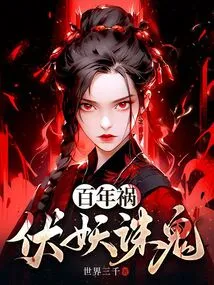
百年祸,伏妖诛鬼
Three Thousand Worlds
The seal that had been sealed for hundreds of years was broken, and the terrifying ghost returned. In the end, only two survivors survived in the huge village. Wu Da is one of them. Carrying everyone's hope and unwillingness, she resolutely embarked on the road of revenge. The massacre in Wujia Village, the dark well of the ancient house, the death crew, the ghost village, the portrait ghost, the big snake tower, Yin Yang Town... In the battles of life and death, she also found her own way. Take blood as a contract and walk with monsters and ghosts.
The seal that had been sealed for hundreds of years was broken, and the terrifying ghost returned. In the end, only two survivors survived in the huge village. Wu Da is one of them. Carrying everyone's hope and unwillingness, she resolutely embarked on the road of revenge. The massacre in Wujia Village, the dark well of the ancient house, the death crew, the ghost village, the portrait ghost, the big snake tower, Yin Yang Town... In the battles of life and death, she also found her own way. Take blood as a contract and walk with monsters and ghosts.

侯府宠妾灭妻?九千岁抄家求娶主母
Zhang Zhangmao
[Rebirth in a house fight + torturing a scumbag and getting slapped in the face + the male protagonist is a fake eunuch + chasing his wife to sweeten her favor] Everyone says that Jiang Suining married into the Pingyuan Marquis Mansion as a businesswoman and it was a high achievement. So she worked fearfully for the Hou Mansion all her life, spent all her wealth in order to keep the honor of the Han family, and worked hard to raise her children. Finally, she hoped that he would take the high school entrance examination and become famous, but she was terminally ill and no one cared about her. It wasn't until she died that she knew that the person she was raising so carefully was actually her husband's biological son born to someone else! Her mother-in-law and sister-in-law all know the inside story, and they spend her dowry money while watching her jokes! Her "inhumane" husband was full of disgust: You are of low status and you are not worthy of having an heir to the Marquis! The handsome and outstanding adopted son looked indifferent: I will only ask for a royal decree for my biological mother, so don't have wishful thinking. Bai Lian's hair in the outer room is full of pearls and dimples, and her smile is like a flower: sister, thank you for your hard work. In the next life, you will marry an ordinary family, so don't dream of climbing a high tree. *Once reborn, Jiang Suining decided that she couldn't bear it anymore. Do you think she only has money and smells like copper? Then she will use her money to create a bright future! Send the scumbag and the Hou family to hell! It's just... That powerful, moody and traitorous minister, Shang Du, the governor of Xuanyi Guard who everyone calls for beating, why do you always want to get together? "My lord, please respect yourself. I... I am Mrs. Hou!" "It doesn't matter, I won't be anymore soon."
[Rebirth in a house fight + torturing a scumbag and getting slapped in the face + the male protagonist is a fake eunuch + chasing his wife to sweeten her favor] Everyone says that Jiang Suining married into the Pingyuan Marquis Mansion as a businesswoman and it was a high achievement. So she worked fearfully for the Hou Mansion all her life, spent all her wealth in order to keep the honor of the Han family, and worked hard to raise her children. Finally, she hoped that he would take the high school entrance examination and become famous, but she was terminally ill and no one cared about her. It wasn't until she died that she knew that the person she was raising so carefully was actually her husband's biological son born to someone else! Her mother-in-law and sister-in-law all know the inside story, and they spend her dowry money while watching her jokes! Her "inhumane" husband was full of disgust: You are of low status and you are not worthy of having an heir to the Marquis! The handsome and outstanding adopted son looked indifferent: I will only ask for a royal decree for my biological mother, so don't have wishful thinking. Bai Lian's hair in the outer room is full of pearls and dimples, and her smile is like a flower: sister, thank you for your hard work. In the next life, you will marry an ordinary family, so don't dream of climbing a high tree. *Once reborn, Jiang Suining decided that she couldn't bear it anymore. Do you think she only has money and smells like copper? Then she will use her money to create a bright future! Send the scumbag and the Hou family to hell! It's just... That powerful, moody and traitorous minister, Shang Du, the governor of Xuanyi Guard who everyone calls for beating, why do you always want to get together? "My lord, please respect yourself. I... I am Mrs. Hou!" "It doesn't matter, I won't be anymore soon."
![[Full-time Master] Summer Deviation](https://bucket.daosearch.io/books/1657467434.jpg)
[Full-time Master] Summer Deviation
Light Novel[全职高手]夏日偏差
Juwu
Yang Xiyan's first impression of Zhang Xinjie was that he wore glasses, was polite and polite, spoke seriously and cautiously, and looked like a top student in the school who was far behind him. This image sticks in my mind. So much so that when Zhang Xinjie violated his "personality", he took the initiative to add rationality to him and forcibly retained the reliable filter.
Yang Xiyan's first impression of Zhang Xinjie was that he wore glasses, was polite and polite, spoke seriously and cautiously, and looked like a top student in the school who was far behind him. This image sticks in my mind. So much so that when Zhang Xinjie violated his "personality", he took the initiative to add rationality to him and forcibly retained the reliable filter.
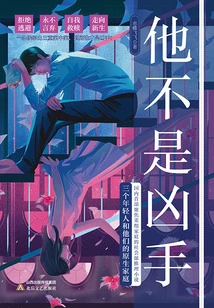
He is Not a Murderer
General Fiction他不是凶手
Liu Xiaofei
Zhao Yihang, Lin Zihao and Yang Xiaoqi have a very good relationship. On their desks at home, there is a photo of the three of them smiling in the same frame. They agreed to be admitted to the same university and continue their beautiful and innocent friendship. However, during the three years of high school, major changes occurred in the three families one after another. Different choices during graduation resulted in the three people having different destinies and taking different paths in life. The newly reorganized family also brought them different but equally bitter and unspeakable experiences. What is unexpected is that ten years later, a serial murder case involved three people one after another, and the case seemed to be closely related to the family changes of the three people ten years ago...
Zhao Yihang, Lin Zihao and Yang Xiaoqi have a very good relationship. On their desks at home, there is a photo of the three of them smiling in the same frame. They agreed to be admitted to the same university and continue their beautiful and innocent friendship. However, during the three years of high school, major changes occurred in the three families one after another. Different choices during graduation resulted in the three people having different destinies and taking different paths in life. The newly reorganized family also brought them different but equally bitter and unspeakable experiences. What is unexpected is that ten years later, a serial murder case involved three people one after another, and the case seemed to be closely related to the family changes of the three people ten years ago...
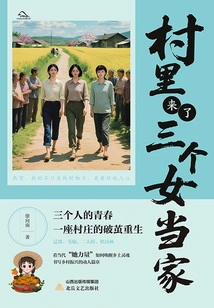
Three Female Heads Came to the Village
General Fiction村里来了三个女当家
Xu Xiangnan
Jiang Yuxin suddenly received a letter from her grandma, and the content in the letter made Jiang Yuxin very uneasy. She hurriedly resigned and hurried to her hometown, Beishangkan Village, to fulfill the agreement with her grandmother and to search for the traces left by her deceased father in the village. However, she unexpectedly got caught up in a battle for the old house. With the help of Tang Ruonan, the first secretary in the village born in the 1990s, Jiang Yuxin successfully solved the family crisis; at the same time, inspired by Tang Ruonan and because of her own obsession, Jiang Yuxin decided to stay in the village and opened a country B&B based on the old house with her best friend Lu Jia who came to visit her. However, the good times did not last long, and the villagers in the ancient villages were not interested in local tourism development and the revitalization of traditional crafts. At this time, the three female heads realized that in order to truly lead the villagers to get rich, they must first change their concepts. As a result, the three girls worked together to build roads, plant Cordyceps cordyceps, and encourage young talents who had left the village to return to the village to start businesses. Beishangkan Village gradually took on a new look. At this time, the problem appeared again. A local developer wants to intervene in the commercial development of the ancient village. On the one hand, it needs to demolish and build a lot, and on the other hand, it needs to protect the village's cultural resources such as old crafts, ancient buildings, and eating habits, and preserve the original color of the ancient village. Where will Beishangkan Village go? How should the three female heads lead the villagers to break out?
Jiang Yuxin suddenly received a letter from her grandma, and the content in the letter made Jiang Yuxin very uneasy. She hurriedly resigned and hurried to her hometown, Beishangkan Village, to fulfill the agreement with her grandmother and to search for the traces left by her deceased father in the village. However, she unexpectedly got caught up in a battle for the old house. With the help of Tang Ruonan, the first secretary in the village born in the 1990s, Jiang Yuxin successfully solved the family crisis; at the same time, inspired by Tang Ruonan and because of her own obsession, Jiang Yuxin decided to stay in the village and opened a country B&B based on the old house with her best friend Lu Jia who came to visit her. However, the good times did not last long, and the villagers in the ancient villages were not interested in local tourism development and the revitalization of traditional crafts. At this time, the three female heads realized that in order to truly lead the villagers to get rich, they must first change their concepts. As a result, the three girls worked together to build roads, plant Cordyceps cordyceps, and encourage young talents who had left the village to return to the village to start businesses. Beishangkan Village gradually took on a new look. At this time, the problem appeared again. A local developer wants to intervene in the commercial development of the ancient village. On the one hand, it needs to demolish and build a lot, and on the other hand, it needs to protect the village's cultural resources such as old crafts, ancient buildings, and eating habits, and preserve the original color of the ancient village. Where will Beishangkan Village go? How should the three female heads lead the villagers to break out?
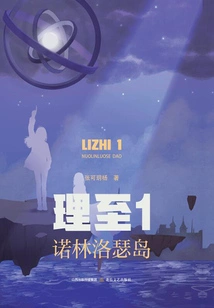
Reason 1: Nolinloser Island
General Fiction理至1:诺林洛瑟岛
Zhang Keyueyang
This book is a science fiction novel, telling the story of the "Z-A108" gas pollution formed by the combination of mechanical microorganisms sent by high-dimensional life and the nuclear pollution environment on the Muller Star. Four brave and intelligent teenagers from Muller piloted the "Norlin Loser" spacecraft to break out of the "glass barrier" and find a way to solve the crisis. After twists and turns, they found a way to crack it and successfully rescued Muller Star. The author of this book uses his extraordinary imagination to outline a unique space scene for readers, with rich details that make people feel as if they are actually there; the storyline is exquisitely designed to make people want to stop; the courage and wisdom shown by the protagonist in difficult situations provide contemporary teenagers with the courage to overcome challenges and have a positive motivating effect.
This book is a science fiction novel, telling the story of the "Z-A108" gas pollution formed by the combination of mechanical microorganisms sent by high-dimensional life and the nuclear pollution environment on the Muller Star. Four brave and intelligent teenagers from Muller piloted the "Norlin Loser" spacecraft to break out of the "glass barrier" and find a way to solve the crisis. After twists and turns, they found a way to crack it and successfully rescued Muller Star. The author of this book uses his extraordinary imagination to outline a unique space scene for readers, with rich details that make people feel as if they are actually there; the storyline is exquisitely designed to make people want to stop; the courage and wisdom shown by the protagonist in difficult situations provide contemporary teenagers with the courage to overcome challenges and have a positive motivating effect.
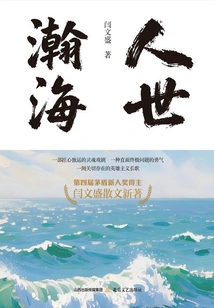
Vast Sea of human World
Literature人世瀚海
Yan Wensheng
"The Vast Sea of the World" is a new prose book published by writer Yan Wensheng. It is also the fourth work in his long-term "Book of Subjectivity" series. The book takes individual life experience as the main line and shuttles between memory, hometown and wandering. It not only contains delicate memories of the ice and snow of childhood, the life and death of relatives, but also covers the lonely gaze on life in a foreign land, and incorporates profound thoughts on literature, destiny and existence. The author uses poetic and restrained brushstrokes to outline a series of inner scenes of the ups and downs of the world, and to salvage the weight and temperature of life in the vast sea of time. It can be called an epic of life that "faces the pain of life and stares into the abyss of the soul." Yan Wensheng's writing is distinctively creative and spiritual. Starting from October 2012, he took the title "Book of Subjectivity" and lasted 13 years, creating a total of 1.5 Million words, forcibly opening up a path of "philosophical prose". His writing dives deeply into the ocean of life and thought, elevating prose from "writing about life" to "writing about existence", trying to create a new literary species and a way of viewing the world. This sustained and focused creative act is a feat in itself. "The Vast Sea of the World" combines the author's dual advantages of realistic reality and immersion in philosophical thinking. It not only seeks the roots of the body, but also creates an image for the soul. The book uses calm, pure language that can stand the test of time, presenting a picture of the soul about farewell and arrival, loss and reconstruction, and is dedicated to all lonely people walking in the world. Yan Wensheng and his "Subjective Books" series represent a prose writing path that focuses on spirituality, language quality and ideological content. With its broad, powerful and vast scale, this series has defined a rare and profound landscape for the spiritual map of our era, and also contributed a unique and far-reaching voice to the palace of Chinese prose.
"The Vast Sea of the World" is a new prose book published by writer Yan Wensheng. It is also the fourth work in his long-term "Book of Subjectivity" series. The book takes individual life experience as the main line and shuttles between memory, hometown and wandering. It not only contains delicate memories of the ice and snow of childhood, the life and death of relatives, but also covers the lonely gaze on life in a foreign land, and incorporates profound thoughts on literature, destiny and existence. The author uses poetic and restrained brushstrokes to outline a series of inner scenes of the ups and downs of the world, and to salvage the weight and temperature of life in the vast sea of time. It can be called an epic of life that "faces the pain of life and stares into the abyss of the soul." Yan Wensheng's writing is distinctively creative and spiritual. Starting from October 2012, he took the title "Book of Subjectivity" and lasted 13 years, creating a total of 1.5 Million words, forcibly opening up a path of "philosophical prose". His writing dives deeply into the ocean of life and thought, elevating prose from "writing about life" to "writing about existence", trying to create a new literary species and a way of viewing the world. This sustained and focused creative act is a feat in itself. "The Vast Sea of the World" combines the author's dual advantages of realistic reality and immersion in philosophical thinking. It not only seeks the roots of the body, but also creates an image for the soul. The book uses calm, pure language that can stand the test of time, presenting a picture of the soul about farewell and arrival, loss and reconstruction, and is dedicated to all lonely people walking in the world. Yan Wensheng and his "Subjective Books" series represent a prose writing path that focuses on spirituality, language quality and ideological content. With its broad, powerful and vast scale, this series has defined a rare and profound landscape for the spiritual map of our era, and also contributed a unique and far-reaching voice to the palace of Chinese prose.
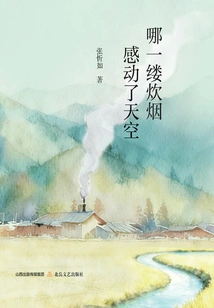
Which Wisp of Smoke Moved the Sky
Literature哪一缕炊烟感动了天空
Zhang Xinru
This collection of poems takes rich images as its soul, interrogating one's own heart in all phenomena of nature, and precipitating true feelings in the passage of time. The poems may be bold and broad-minded, or gentle and delicate, with classical taste and sincere feelings blended together. The words and sentences fully show the awe of the creatures of heaven and earth, and the enthusiasm for the years of home and country. When you read them, you can see your heart and your nature, and the aftertaste is long.
This collection of poems takes rich images as its soul, interrogating one's own heart in all phenomena of nature, and precipitating true feelings in the passage of time. The poems may be bold and broad-minded, or gentle and delicate, with classical taste and sincere feelings blended together. The words and sentences fully show the awe of the creatures of heaven and earth, and the enthusiasm for the years of home and country. When you read them, you can see your heart and your nature, and the aftertaste is long.
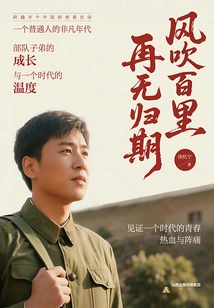
风吹百里,再无归期
Xu Hangning
This book takes Sun Ning's growth experience as the main line, with a long time span and a broad narrative space, unfolding a magnificent yet delicate historical picture for readers. In the story, Sun Ning's rich life experience is like a mirror, reflecting the changes of the times and the progress of society. The author uses a unique writing style to focus on the special campus of the military school, and carefully describes the youthful atmosphere and passionate feelings unique to that era. Sun Ning grew up in a military family and followed his fathers to the north and south. The clear mark of the times has already been engraved in his soul. As an adult, he became a medical worker, but encountered setbacks in the workplace and marital changes. At a critical turning point in his life, he resolutely gave up his stable job within the system, joined the private sector, and continued to shine with the glory of his life. While opening up a new path in life, he finally gained precious love.
This book takes Sun Ning's growth experience as the main line, with a long time span and a broad narrative space, unfolding a magnificent yet delicate historical picture for readers. In the story, Sun Ning's rich life experience is like a mirror, reflecting the changes of the times and the progress of society. The author uses a unique writing style to focus on the special campus of the military school, and carefully describes the youthful atmosphere and passionate feelings unique to that era. Sun Ning grew up in a military family and followed his fathers to the north and south. The clear mark of the times has already been engraved in his soul. As an adult, he became a medical worker, but encountered setbacks in the workplace and marital changes. At a critical turning point in his life, he resolutely gave up his stable job within the system, joined the private sector, and continued to shine with the glory of his life. While opening up a new path in life, he finally gained precious love.
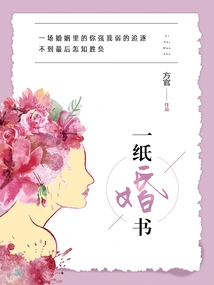
A Marriage Certificate
General Fiction一纸婚书
Official
[Reality + Marriage + Female Awakening] The despair and pain of a full-time housewife, a marriage certificate, trapped her for life. After marrying Mo Kairui, Li Xiaonan became a full-time housewife. Before that, she had done something wrong, so she had been feeling uneasy. But the marriage has been uneventful for more than 20 years, until her daughter was about to go abroad, and the lies she had been so painstakingly concealing were suddenly exposed to everyone. As a result, her husband began to treat her coldly, her parents-in-law also lost their good looks, and the marriage became in danger. What should she do?
[Reality + Marriage + Female Awakening] The despair and pain of a full-time housewife, a marriage certificate, trapped her for life. After marrying Mo Kairui, Li Xiaonan became a full-time housewife. Before that, she had done something wrong, so she had been feeling uneasy. But the marriage has been uneventful for more than 20 years, until her daughter was about to go abroad, and the lies she had been so painstakingly concealing were suddenly exposed to everyone. As a result, her husband began to treat her coldly, her parents-in-law also lost their good looks, and the marriage became in danger. What should she do?
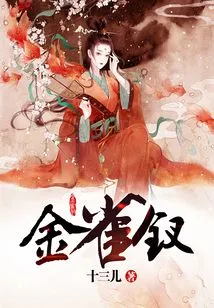
Jinquechai
Youth Fiction金雀钗
Thirteenth Son
[Emotional novels + ancient romances + palace fights and house fights + long-term love] The storm in the court, the secrets in the palace, a life and death game of survival in the cracks, in the hands of the little maid, can change the situation! The palace maid Rong Lan entered the palace at the age of thirteen and worked conscientiously for ten years. I thought that when I turned twenty-five, I would be able to leave the palace and get married, but I accidentally served the Queen Mother to death. From then on, there were many accidents along the way. The young master Feng Qiwu blindly fell in love with her, and Rong Lan quickly hugged her and made a secret love marriage with her for life. Unexpectedly, by some strange combination of circumstances, she was tricked into becoming the emperor's woman! The title of Fengqi Wuhuo Yama was not given in vain. Rong Lanchou worried about how to cuckold the emperor every day and never returned...
[Emotional novels + ancient romances + palace fights and house fights + long-term love] The storm in the court, the secrets in the palace, a life and death game of survival in the cracks, in the hands of the little maid, can change the situation! The palace maid Rong Lan entered the palace at the age of thirteen and worked conscientiously for ten years. I thought that when I turned twenty-five, I would be able to leave the palace and get married, but I accidentally served the Queen Mother to death. From then on, there were many accidents along the way. The young master Feng Qiwu blindly fell in love with her, and Rong Lan quickly hugged her and made a secret love marriage with her for life. Unexpectedly, by some strange combination of circumstances, she was tricked into becoming the emperor's woman! The title of Fengqi Wuhuo Yama was not given in vain. Rong Lanchou worried about how to cuckold the emperor every day and never returned...
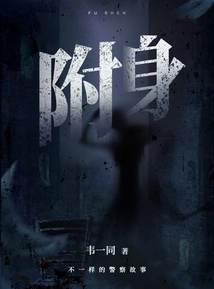
Possessed
General Fiction附身
Wei Yitong
After graduating from university, Xu Tiantong took the police recruitment examination and successfully passed the written examination and interview. However, he encountered the problem of insufficient height during the physical examination. When I went to the hospital for height-increasing surgery, I met an old man dressed in black in the toilet. With the help of the old man, Xu Tiantong successfully increased his height by three centimeters, but was forced to agree to a request of the old man... During the police training, the policewoman Wu Junxia who was training with him died, and the policewoman Zhang Yao became a suspect. Xu Tiantong received a message that said "Zhang Yao was wronged." Xu Tiantong was invited to meet at the lake, but was pushed into the lake and almost drowned. In a daze, he felt that he was being humped to the shore. Instructor Chen at the base said to him: "You have to be careful in the future and come to me if you encounter trouble." Xu Tiantong was involved in this case. After nearly half a year of investigation, Xu Tiantong finally figured out the whole story. He was helpless to find that there was no such thing as pie in the sky. From the very beginning when he met the mysterious old man, he fell into a huge trap.
After graduating from university, Xu Tiantong took the police recruitment examination and successfully passed the written examination and interview. However, he encountered the problem of insufficient height during the physical examination. When I went to the hospital for height-increasing surgery, I met an old man dressed in black in the toilet. With the help of the old man, Xu Tiantong successfully increased his height by three centimeters, but was forced to agree to a request of the old man... During the police training, the policewoman Wu Junxia who was training with him died, and the policewoman Zhang Yao became a suspect. Xu Tiantong received a message that said "Zhang Yao was wronged." Xu Tiantong was invited to meet at the lake, but was pushed into the lake and almost drowned. In a daze, he felt that he was being humped to the shore. Instructor Chen at the base said to him: "You have to be careful in the future and come to me if you encounter trouble." Xu Tiantong was involved in this case. After nearly half a year of investigation, Xu Tiantong finally figured out the whole story. He was helpless to find that there was no such thing as pie in the sky. From the very beginning when he met the mysterious old man, he fell into a huge trap.
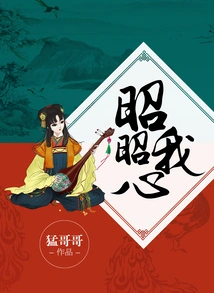
Show My Heart
Youth Fiction昭昭我心
Brother Meng
[Pretty and soft-spoken lady vs. Cold-faced and poisonous-tongued prince] [Old saying + substitute marriage + marriage first, love later + sweet favor + intrigue + secret love] Qin Zhaoyu, the second girl from the Qin Mansion, married into the Marquis of Jiling Mansion on her behalf. Her husband turned out to be her brother-in-law-to-be. Before getting married, her mother comforted her: "Li Jing is a good man and will treat you as well as your sister." But Zhaozhao has been with her sister since she was a child and witnessed the relationship between her eldest sister and her soon-to-be brother-in-law. She doesn't ask for affection, she only wants to treat each other as guests and live a stable life after proposing. The courtyard is deep, the back house is unbearable, the difficult mother-in-law, and the concubine with different thoughts give Zhaozhao a lot of headaches. But the biggest headache is that soon-to-be brother-in-law who is as serious as a husband. Oh no, now he is Zhao Zhao's husband, and he actually says he loves her? How dare he? ! Zhao Zhao was furious!
[Pretty and soft-spoken lady vs. Cold-faced and poisonous-tongued prince] [Old saying + substitute marriage + marriage first, love later + sweet favor + intrigue + secret love] Qin Zhaoyu, the second girl from the Qin Mansion, married into the Marquis of Jiling Mansion on her behalf. Her husband turned out to be her brother-in-law-to-be. Before getting married, her mother comforted her: "Li Jing is a good man and will treat you as well as your sister." But Zhaozhao has been with her sister since she was a child and witnessed the relationship between her eldest sister and her soon-to-be brother-in-law. She doesn't ask for affection, she only wants to treat each other as guests and live a stable life after proposing. The courtyard is deep, the back house is unbearable, the difficult mother-in-law, and the concubine with different thoughts give Zhaozhao a lot of headaches. But the biggest headache is that soon-to-be brother-in-law who is as serious as a husband. Oh no, now he is Zhao Zhao's husband, and he actually says he loves her? How dare he? ! Zhao Zhao was furious!
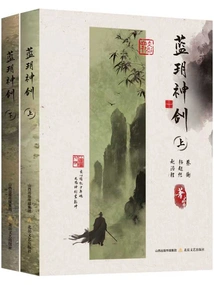
Lan Yue Divine Sword (2 Volumes in Total)
General Fiction蓝玥神剑(全2册)
Cai Heng Yang Chaoran Zhao Haocheng
"Blue Yue Divine Sword" tells the legendary story of an ordinary boy named Tianhong who accidentally obtained the ancient artifact Lan Yue Divine Sword and embarked on the path of justice. The story begins in the mysterious ancient castle mountain village. By chance, the young boy Tianhong obtained the legendary Lan Yue Divine Sword from the castle garden. This divine sword not only possesses powerful power, but also carries the mission of safeguarding justice in the world. Under the guidance of the fairy aunt Jinhui, Tianhong began to learn the swordsmanship of the divine sword, and gradually showed amazing talent and courage. In order to save the Weisheng Kingdom controlled by evil forces, Tianhong embarked on an adventure journey. He has experienced a series of thrilling experiences such as exploring the mountain castle, exploring the underwater kingdom, challenging the death hill, and rescuing the underground world. In these adventures, Tianhong met the loyal and cute little monkey, the beautiful and kind-hearted Ting Feier and other partners. They fought side by side to fight against the evil forces headed by the Wuwu Kingdom. With the continuous improvement of strength and accumulation of experience, Tianhong gradually grows into a true messenger of justice. Not only did he have to face the powerful magic of the Wuwu Kingdom's protector, God Witch Zu, but he also had to uncover the mysterious secret behind the Lan Yue Divine Sword. In the end, in a thrilling decisive battle, he completely defeated the evil forces and protected peace and justice in the world.
"Blue Yue Divine Sword" tells the legendary story of an ordinary boy named Tianhong who accidentally obtained the ancient artifact Lan Yue Divine Sword and embarked on the path of justice. The story begins in the mysterious ancient castle mountain village. By chance, the young boy Tianhong obtained the legendary Lan Yue Divine Sword from the castle garden. This divine sword not only possesses powerful power, but also carries the mission of safeguarding justice in the world. Under the guidance of the fairy aunt Jinhui, Tianhong began to learn the swordsmanship of the divine sword, and gradually showed amazing talent and courage. In order to save the Weisheng Kingdom controlled by evil forces, Tianhong embarked on an adventure journey. He has experienced a series of thrilling experiences such as exploring the mountain castle, exploring the underwater kingdom, challenging the death hill, and rescuing the underground world. In these adventures, Tianhong met the loyal and cute little monkey, the beautiful and kind-hearted Ting Feier and other partners. They fought side by side to fight against the evil forces headed by the Wuwu Kingdom. With the continuous improvement of strength and accumulation of experience, Tianhong gradually grows into a true messenger of justice. Not only did he have to face the powerful magic of the Wuwu Kingdom's protector, God Witch Zu, but he also had to uncover the mysterious secret behind the Lan Yue Divine Sword. In the end, in a thrilling decisive battle, he completely defeated the evil forces and protected peace and justice in the world.
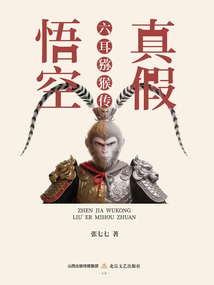
True and False Wukong: the Legend of the Six-eared Macaque
General Fiction真假悟空:六耳猕猴传
Zhang Qiqi
On the Lingshan Mountain, the showdown between the real and fake Monkey King has long been settled. However, a thousand years later, a shocking secret was revealed - the one who was discovered and beaten to death by Tathagata Buddha was actually the real Monkey King, the Monkey King! And it was this mysterious six-eared macaque that took his place in obtaining the scriptures and defeating the Buddha in a fight! The story begins with the memories of Erlang Shen Yang Jian, and gradually reveals the truth about the thrilling real and fake Monkey King incident that year. The six-eared macaque relied on its special ability of "being good at listening to sounds, able to detect reasoning, know the front and back, and everything is clear". Under the layout of Tathagata Buddha, the six-eared macaque took the place of Sun Wukong. However, the six-eared macaque who became the Victorious Buddha did not gain inner peace. He struggles with the confusion of identity and the blurring of the lines between good and evil. When a ray of Sun Wukong's soul gradually revived in the water purification bottle of Guanyin Bodhisattva, a showdown between gods and demons that spanned a thousand years was staged again. Through the story of the six-eared macaque, the novel explores profound philosophical propositions such as identity, destiny choice, and the boundaries between good and evil. In this mythical world full of lies and truth, everyone is looking for their own answers.
On the Lingshan Mountain, the showdown between the real and fake Monkey King has long been settled. However, a thousand years later, a shocking secret was revealed - the one who was discovered and beaten to death by Tathagata Buddha was actually the real Monkey King, the Monkey King! And it was this mysterious six-eared macaque that took his place in obtaining the scriptures and defeating the Buddha in a fight! The story begins with the memories of Erlang Shen Yang Jian, and gradually reveals the truth about the thrilling real and fake Monkey King incident that year. The six-eared macaque relied on its special ability of "being good at listening to sounds, able to detect reasoning, know the front and back, and everything is clear". Under the layout of Tathagata Buddha, the six-eared macaque took the place of Sun Wukong. However, the six-eared macaque who became the Victorious Buddha did not gain inner peace. He struggles with the confusion of identity and the blurring of the lines between good and evil. When a ray of Sun Wukong's soul gradually revived in the water purification bottle of Guanyin Bodhisattva, a showdown between gods and demons that spanned a thousand years was staged again. Through the story of the six-eared macaque, the novel explores profound philosophical propositions such as identity, destiny choice, and the boundaries between good and evil. In this mythical world full of lies and truth, everyone is looking for their own answers.
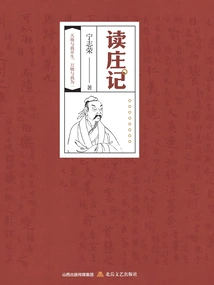
Reading Zhuangji
Literature读庄记
Ning Zhirong
"Reading Zhuangzi" is a long cultural prose that vividly records Zhuangzi's life and deeds and the era in which he lived. This book synthesizes the theories of Zhuangzi by many thinkers in history, conducts comparative studies, and puts forward unique insights. "Reading Zhuangzi" provides a detailed explanation of all the contents, main points, and famous sayings of the thirty-three chapters of "Zhuangzi". The manuscript expounds Zhuangzi's Taoist thoughts, describes Zhuangzi's carefree outlook on life, his political outlook on governing by doing nothing, his cosmological outlook on the unspoken beauty of heaven and earth, and discusses Zhuangzi's dialectical thoughts. It summarizes Zhuangzi's theory of loving nature and following the trend, as well as his feelings of romanticism and optimism. This book quotes classics, interprets them accurately, and integrates academic, literary and historical materials.
"Reading Zhuangzi" is a long cultural prose that vividly records Zhuangzi's life and deeds and the era in which he lived. This book synthesizes the theories of Zhuangzi by many thinkers in history, conducts comparative studies, and puts forward unique insights. "Reading Zhuangzi" provides a detailed explanation of all the contents, main points, and famous sayings of the thirty-three chapters of "Zhuangzi". The manuscript expounds Zhuangzi's Taoist thoughts, describes Zhuangzi's carefree outlook on life, his political outlook on governing by doing nothing, his cosmological outlook on the unspoken beauty of heaven and earth, and discusses Zhuangzi's dialectical thoughts. It summarizes Zhuangzi's theory of loving nature and following the trend, as well as his feelings of romanticism and optimism. This book quotes classics, interprets them accurately, and integrates academic, literary and historical materials.
Su Yu Chaoyan
Literature宿雨朝烟
Wu Kailing
"Suyu Morning Smoke" is the spiritual homeland built by Wu Kailing with words. It has selected 50 excellent prose works in recent years and divided them into five series: "A guest's love and a dream of a hometown far away" are the nostalgia and folk customs of the grass and trees in the Lixiahe Plain; "Microwaves are rippling in the lake in the heart" are life pauses in the tea and wine years. Enlightenment and philosophy of life; "The past is as misty as mist and far away" is the warm echo of childhood fun and family affection; "A period of time and a relationship" is the sincere connection between teachers and friends, and the deep love of comrades; "Lands and rivers are dependent on each other and the scenery is picturesque" is a long scroll of scenery where humanity and nature are intertwined wherever you go. The writing is simple and smart, and the emotions are sincere and profound. It has the vivid texture of regional culture and a universally resonant life perception. Opening this book is like encountering a reunion of years. In the artistic conception of Su Yu Chaoyan, one can understand the true appearance of hometown, youth and life.
"Suyu Morning Smoke" is the spiritual homeland built by Wu Kailing with words. It has selected 50 excellent prose works in recent years and divided them into five series: "A guest's love and a dream of a hometown far away" are the nostalgia and folk customs of the grass and trees in the Lixiahe Plain; "Microwaves are rippling in the lake in the heart" are life pauses in the tea and wine years. Enlightenment and philosophy of life; "The past is as misty as mist and far away" is the warm echo of childhood fun and family affection; "A period of time and a relationship" is the sincere connection between teachers and friends, and the deep love of comrades; "Lands and rivers are dependent on each other and the scenery is picturesque" is a long scroll of scenery where humanity and nature are intertwined wherever you go. The writing is simple and smart, and the emotions are sincere and profound. It has the vivid texture of regional culture and a universally resonant life perception. Opening this book is like encountering a reunion of years. In the artistic conception of Su Yu Chaoyan, one can understand the true appearance of hometown, youth and life.
Forever Lilac
General Fiction永远的紫丁香
Pang Shanqiang
In Congshi Village on the banks of the Sanggan River, a lilac that never fades is quietly blooming. This is a touching story about love and redemption, perseverance and hope. It spans thirty years and writes the glory of humanity on the land of the Loess Plateau. When young Ma Cuilian found the abandoned baby girl in the park, she had no idea how this little life would change her life. The pain of her first love thirty years ago has not yet healed, but fate once again pushes her to an emotional crossroads. Cao Jing, the adopted daughter who was regarded as a treasure by Ma Cuilian, grew up into a beautiful and graceful girl. When she met the handsome and kind-hearted Lu Jian, the seeds of love quietly sprouted in the hearts of the two young people. However, fate's tricks make their love path full of thorns - the mystery of Lu Jian's life experience, rural rumors, and family grievances are all testing the young couple's relationship. At the same time, Ma Cuilian's long-lost first love past was re-opened. The man He Hao who was unforgettable to her, the token of love buried under the lilac tree, and the memory that had been dusted by the years, all resurfaced today thirty years later.
In Congshi Village on the banks of the Sanggan River, a lilac that never fades is quietly blooming. This is a touching story about love and redemption, perseverance and hope. It spans thirty years and writes the glory of humanity on the land of the Loess Plateau. When young Ma Cuilian found the abandoned baby girl in the park, she had no idea how this little life would change her life. The pain of her first love thirty years ago has not yet healed, but fate once again pushes her to an emotional crossroads. Cao Jing, the adopted daughter who was regarded as a treasure by Ma Cuilian, grew up into a beautiful and graceful girl. When she met the handsome and kind-hearted Lu Jian, the seeds of love quietly sprouted in the hearts of the two young people. However, fate's tricks make their love path full of thorns - the mystery of Lu Jian's life experience, rural rumors, and family grievances are all testing the young couple's relationship. At the same time, Ma Cuilian's long-lost first love past was re-opened. The man He Hao who was unforgettable to her, the token of love buried under the lilac tree, and the memory that had been dusted by the years, all resurfaced today thirty years later.
Life is Interesting
Literature人生有味
Wu Ge
Discovering unexpected stories in ordinary life, with a unique perspective, is refreshing. The stories of these ordinary little people exude the smell of earth rooted in reality, the smell of fireworks of the warmth and coldness of human relationships, and the metallic smell of human confrontation. This collection of essays is a collection of the author's recent literary writings. Writing about hometown reflects the attachment and love for relatives in hometown, as well as the praise of family and love; casual reflections on life, seize the moment of life and express one's full emotions and insights. The author depicts a profound reflection on himself and the world from the aspects of hometown, life, literature, life, family, friendship, etc. Rich life experiences, delicate life perceptions, and deep hopes for the world of others make up this "kaleidoscope" work-it allows people to see the value of life, and also makes people understand the difficulty of life; it is both full of love for the world and internalized self-reflection. The manuscript has four parts as its core structure, focusing on the experiences and insights of ordinary life. The overall style is simple and sincere, full of life warmth, and has strong personal emotional expression. Based on his ordinary life, the author transformed his thoughts and insights into words and polished them into a film through countless leisure hours and persistence in going to bed late and getting up early. The content abandons the accumulation of gorgeous words and closely follows every detail of life, such as capturing the ups and downs, joys and sorrows of life. It conveys a positive attitude towards life and simple wisdom of life with a normal mentality, allowing readers to see a microcosm of their own lives in the text and create an emotional connection. The manuscript has strong readability and resonance.
Discovering unexpected stories in ordinary life, with a unique perspective, is refreshing. The stories of these ordinary little people exude the smell of earth rooted in reality, the smell of fireworks of the warmth and coldness of human relationships, and the metallic smell of human confrontation. This collection of essays is a collection of the author's recent literary writings. Writing about hometown reflects the attachment and love for relatives in hometown, as well as the praise of family and love; casual reflections on life, seize the moment of life and express one's full emotions and insights. The author depicts a profound reflection on himself and the world from the aspects of hometown, life, literature, life, family, friendship, etc. Rich life experiences, delicate life perceptions, and deep hopes for the world of others make up this "kaleidoscope" work-it allows people to see the value of life, and also makes people understand the difficulty of life; it is both full of love for the world and internalized self-reflection. The manuscript has four parts as its core structure, focusing on the experiences and insights of ordinary life. The overall style is simple and sincere, full of life warmth, and has strong personal emotional expression. Based on his ordinary life, the author transformed his thoughts and insights into words and polished them into a film through countless leisure hours and persistence in going to bed late and getting up early. The content abandons the accumulation of gorgeous words and closely follows every detail of life, such as capturing the ups and downs, joys and sorrows of life. It conveys a positive attitude towards life and simple wisdom of life with a normal mentality, allowing readers to see a microcosm of their own lives in the text and create an emotional connection. The manuscript has strong readability and resonance.
Washan
General Fiction娲山
Zhang Junmiao
"Washan" describes the gradual changes in the concepts of marriage, love and reproduction among five generations of women during the one hundred years of transition from a patriarchal society to an egalitarian society in the Taihang Mountains, as well as the female protagonists of each generation, under the historical background, showing the hidden spirit of Nuwa. The novel starts from the remote and wild Taihang Mountains, starting from the single social function of women "reproducing children", to the awakening of feminism, and then to the emergence of the DINK and Dingsi tribes. It involves weirdness, absurdity and bizarreness, as well as the warmth and warmth of the world, love and hatred. Features of the work: It shows the special regional environment, local folk customs, intangible cultural heritage and myths and legends of the South Taihang Mountains.
"Washan" describes the gradual changes in the concepts of marriage, love and reproduction among five generations of women during the one hundred years of transition from a patriarchal society to an egalitarian society in the Taihang Mountains, as well as the female protagonists of each generation, under the historical background, showing the hidden spirit of Nuwa. The novel starts from the remote and wild Taihang Mountains, starting from the single social function of women "reproducing children", to the awakening of feminism, and then to the emergence of the DINK and Dingsi tribes. It involves weirdness, absurdity and bizarreness, as well as the warmth and warmth of the world, love and hatred. Features of the work: It shows the special regional environment, local folk customs, intangible cultural heritage and myths and legends of the South Taihang Mountains.

Restart the Galaxy
Science Fiction重启银河
Donuts Are Not Bitter
The Weiyin Federation unifies the solar system and intends to control more distant deep space. The top mercenaries and killers gathered together to receive training at Lagrange Point, pilot majestic mechas, and perform missions on the dim surface of the planet. The magma is surging, and the alien species is roaring... Di Yan was ordered to carry out "clearance work" repeatedly, and soon he discovered that he was not the only one doing this. When people have their own secrets and are suspicious of each other, the deeper conspiracy of Starfleet Army quietly surfaces... As the starship suddenly hits the earth, the hidden history becomes clear again - it is the blood and tears of human beings in the past who killed each other. The Milky Way is above, and humanity remains forever. In the torrent of history built and reshaped by millions of civilizations, the people of Weiyin are unswervingly fighting for their own survival and glory. The horizon outside the black hole records the secret history, and the monsters on the alien planet peek into civilization. Hundreds of millions of years of ocean war came to an end, and the universe became riddled with holes. Our goal is: Restart the Galaxy.
The Weiyin Federation unifies the solar system and intends to control more distant deep space. The top mercenaries and killers gathered together to receive training at Lagrange Point, pilot majestic mechas, and perform missions on the dim surface of the planet. The magma is surging, and the alien species is roaring... Di Yan was ordered to carry out "clearance work" repeatedly, and soon he discovered that he was not the only one doing this. When people have their own secrets and are suspicious of each other, the deeper conspiracy of Starfleet Army quietly surfaces... As the starship suddenly hits the earth, the hidden history becomes clear again - it is the blood and tears of human beings in the past who killed each other. The Milky Way is above, and humanity remains forever. In the torrent of history built and reshaped by millions of civilizations, the people of Weiyin are unswervingly fighting for their own survival and glory. The horizon outside the black hole records the secret history, and the monsters on the alien planet peek into civilization. Hundreds of millions of years of ocean war came to an end, and the universe became riddled with holes. Our goal is: Restart the Galaxy.
Douluo: Legend of Panlong
Light Novel斗罗:盘龙传说
Mantra Of Light
The God Realm is high above the nine heavens, and treats all living things as stupid dogs. All living beings are like puppets on threads, and they are all chessboards for the gods to move their pieces on. Two countries and one palace have been at odds for thousands of years... The angels and gods died, the Pope was in trouble, and the Wuhun Palace encountered the greatest crisis. At this time, the Worship Palace gave birth to a new child, carrying the hope of the plane... Hou Yi's sun-shooting bow from another world, the dragon-coiling stick that has been passed down for thousands of years, the bright and holy seraphs, the destined emperor's auspicious beast... Coiling dragons and angels dance together, divine bows and arrows break through the sky, the glory of the eternal family blooms again, and a new legend will finally be sung!
The God Realm is high above the nine heavens, and treats all living things as stupid dogs. All living beings are like puppets on threads, and they are all chessboards for the gods to move their pieces on. Two countries and one palace have been at odds for thousands of years... The angels and gods died, the Pope was in trouble, and the Wuhun Palace encountered the greatest crisis. At this time, the Worship Palace gave birth to a new child, carrying the hope of the plane... Hou Yi's sun-shooting bow from another world, the dragon-coiling stick that has been passed down for thousands of years, the bright and holy seraphs, the destined emperor's auspicious beast... Coiling dragons and angels dance together, divine bows and arrows break through the sky, the glory of the eternal family blooms again, and a new legend will finally be sung!
His Canary is Delicate and Soft
Modern Romance他的金丝雀又娇又软
Ji Ci
[Paranoid\u002F Crematorium\u002F Sweet Abuse\u002F Rebirth\u002F Crazy Batch] With an intriguing smile on his lips, Qi Zhan stepped forward and forced her into a corner. Shen Shuli's face was pale and his red lips were trembling. The body shook like a sieve. The man loved her look so much that he raised his hand and touched her soft cheek. The warm touch made her eyes moist, and her feet began to feel weak. She couldn't run away this time, she couldn't run away at all... "My dear, I miss you." His voice made the woman fall back. This was the last cry of despair. The man reached up and grabbed her slender waist, pulling her back. The refreshing cologne scent on his body made her shiver. He was chasing this devil. "Let me go." She cried, and the pear blossoms fell into his broad arms, feeling helpless in the pain. "My dear, you can only stay by my side forever." "Be my dear forever and give me a child." "Okay?" Shen Shuli felt that the oxygen in his chest was getting less and less. In the end, his body felt as cold as falling into an ice cave. This was fate, even if he had to do it all over again. ..."I can still kill you if you live again." (The male protagonist is not reborn, but he knows about the female protagonist's rebirth, which will be explained later.)
[Paranoid\u002F Crematorium\u002F Sweet Abuse\u002F Rebirth\u002F Crazy Batch] With an intriguing smile on his lips, Qi Zhan stepped forward and forced her into a corner. Shen Shuli's face was pale and his red lips were trembling. The body shook like a sieve. The man loved her look so much that he raised his hand and touched her soft cheek. The warm touch made her eyes moist, and her feet began to feel weak. She couldn't run away this time, she couldn't run away at all... "My dear, I miss you." His voice made the woman fall back. This was the last cry of despair. The man reached up and grabbed her slender waist, pulling her back. The refreshing cologne scent on his body made her shiver. He was chasing this devil. "Let me go." She cried, and the pear blossoms fell into his broad arms, feeling helpless in the pain. "My dear, you can only stay by my side forever." "Be my dear forever and give me a child." "Okay?" Shen Shuli felt that the oxygen in his chest was getting less and less. In the end, his body felt as cold as falling into an ice cave. This was fate, even if he had to do it all over again. ..."I can still kill you if you live again." (The male protagonist is not reborn, but he knows about the female protagonist's rebirth, which will be explained later.)
Detective Luo Fei
Short Fiction神探洛飞
Third Young Master Ghost Face
Come to China Literature's website to read more of my works!
Come to China Literature's website to read more of my works!
Young Marshal, Miss Su Has Not Loved You for a Long Time
Modern Romance少帅,苏小姐不爱你很久了
Baiyucheng
From the moment he was sold into the theater troupe, Su Yao knew that he could not become a popular actor without support from others. So when Marshal Xiao Zong asked to be a substitute, she agreed without hesitation. It's just that people's hearts are not enough, and she didn't know when she felt true feelings. She desperately wanted to get rid of this identity. She worked hard to please Xiao Zong and his sister, and even cried and made trouble. But the final price was losing one of his legs. A lifelong dream ended. She also finally understood that a relationship that was unclean from the beginning would only become dirtier in the end. She was so dirty that everyone hated her and looked down upon her, even the children she raised looked down upon her. She was afraid and behaved. Just keep your tail between your legs and be a human being, and just wait until you save enough money to leave this wolf den. Unexpectedly, Xiao Zong was unwilling...
From the moment he was sold into the theater troupe, Su Yao knew that he could not become a popular actor without support from others. So when Marshal Xiao Zong asked to be a substitute, she agreed without hesitation. It's just that people's hearts are not enough, and she didn't know when she felt true feelings. She desperately wanted to get rid of this identity. She worked hard to please Xiao Zong and his sister, and even cried and made trouble. But the final price was losing one of his legs. A lifelong dream ended. She also finally understood that a relationship that was unclean from the beginning would only become dirtier in the end. She was so dirty that everyone hated her and looked down upon her, even the children she raised looked down upon her. She was afraid and behaved. Just keep your tail between your legs and be a human being, and just wait until you save enough money to leave this wolf den. Unexpectedly, Xiao Zong was unwilling...
Science Fiction World
Xuanhuan科学幻想世界
Jiuji Is Disabled
Luo Lun traveled through time, but got off to a miserable start. He had to sell his brains to make a living. --Earn money by solving 'math puzzles'. But after selling and selling, he sold himself into the Supreme Holy Academy, sold himself into the number one genius in human history, and sold himself into a unique science fiction cultivation path. Solve the calculus crisis, perfect the number field, unify electricity and magnetism, and propose the theory of relativity... With his absolute genius, he dominates everything in this universe where fantasy can be realized. Luo Lun: "What monsters and aliens, gods, and high-dimensional ghosts want to face me directly? Please solve the following mathematical problem first." --[Please prove: There are infinitely many pairs of prime numbers with an interval of 2.
Luo Lun traveled through time, but got off to a miserable start. He had to sell his brains to make a living. --Earn money by solving 'math puzzles'. But after selling and selling, he sold himself into the Supreme Holy Academy, sold himself into the number one genius in human history, and sold himself into a unique science fiction cultivation path. Solve the calculus crisis, perfect the number field, unify electricity and magnetism, and propose the theory of relativity... With his absolute genius, he dominates everything in this universe where fantasy can be realized. Luo Lun: "What monsters and aliens, gods, and high-dimensional ghosts want to face me directly? Please solve the following mathematical problem first." --[Please prove: There are infinitely many pairs of prime numbers with an interval of 2.

先生别虐了,太太要嫁你死对头了
Mu Jiuyi
In her previous life, she was hated by her adoptive father and taken advantage of by her adoptive mother! Her sister ruined her reputation, and her friends secretly stabbed her in the back! Even her husband, whom she had loved for ten years, used her as a pawn and poisoned her to marry a new man! After her rebirth, she vowed not to live an absurd life again and live only for herself! But her adoptive mother threatened her, her ex-husband blocked her, and her sister became addicted to acting. She couldn't bear it anymore, was she just trying to live a peaceful life? Then she would overturn the table and not even think about it! Just when she regained her strength, put on her armor and prepared to block people and kill people, and ghosts to block ghosts, her ex-husband, who had always been paranoid and ruthless and had his own way of doing things, suddenly humbled himself and begged for peace: "Baby, stay away from that green tea man, and take me with you. I have a sharp knife."
In her previous life, she was hated by her adoptive father and taken advantage of by her adoptive mother! Her sister ruined her reputation, and her friends secretly stabbed her in the back! Even her husband, whom she had loved for ten years, used her as a pawn and poisoned her to marry a new man! After her rebirth, she vowed not to live an absurd life again and live only for herself! But her adoptive mother threatened her, her ex-husband blocked her, and her sister became addicted to acting. She couldn't bear it anymore, was she just trying to live a peaceful life? Then she would overturn the table and not even think about it! Just when she regained her strength, put on her armor and prepared to block people and kill people, and ghosts to block ghosts, her ex-husband, who had always been paranoid and ruthless and had his own way of doing things, suddenly humbled himself and begged for peace: "Baby, stay away from that green tea man, and take me with you. I have a sharp knife."