Library
Browse and search books
1,338 novels found
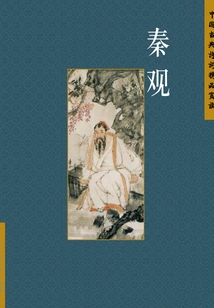
Qin Guan (chinese Version)
Literature秦观(中文版)
Shi Jiepeng
[Chinese Classical Poetry Appreciation Series]: This is a series of books designed to introduce influential poets and their representative works in Chinese literature. Each poet and lyricist has a separate volume. Each volume includes a biography of the poet and an appreciation of his works. The appreciation of each work is divided into three sections: title explanation, sentence explanation, and commentary: the title explanation explains the creative background, the sentence explanation uses modern Chinese to translate and appreciate the poems line by line, and the commentary comments on the characteristics of the work. It is convenient for readers to understand the ideological content, artistic characteristics and writing skills of poems. In order to vividly express the connotation of classical poetry, each work is accompanied by Chinese paintings created according to the artistic conception of the poetry, including many works by famous painters. The book series embodies the cultural value of ancient poetry masterpieces from multiple perspectives such as literature, art, history, etc., From which readers can obtain various cultural knowledge and artistic influence.
[Chinese Classical Poetry Appreciation Series]: This is a series of books designed to introduce influential poets and their representative works in Chinese literature. Each poet and lyricist has a separate volume. Each volume includes a biography of the poet and an appreciation of his works. The appreciation of each work is divided into three sections: title explanation, sentence explanation, and commentary: the title explanation explains the creative background, the sentence explanation uses modern Chinese to translate and appreciate the poems line by line, and the commentary comments on the characteristics of the work. It is convenient for readers to understand the ideological content, artistic characteristics and writing skills of poems. In order to vividly express the connotation of classical poetry, each work is accompanied by Chinese paintings created according to the artistic conception of the poetry, including many works by famous painters. The book series embodies the cultural value of ancient poetry masterpieces from multiple perspectives such as literature, art, history, etc., From which readers can obtain various cultural knowledge and artistic influence.
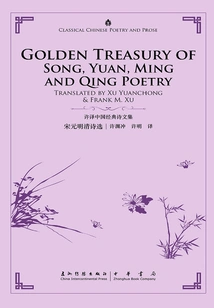
宋元明清诗选(中英对照)
Xu Yuanchong Xu Ming
Ancient Chinese classic poetry is a wonder of Chinese traditional culture. As early as more than two thousand years ago, Chinese poets wrote the beautiful "Book of Songs" and "Chu Ci"; later, they created more splendid Tang poetry and Song lyrics. Classic works such as "The Analects of Confucius" and "Laozi" are of extremely important significance in shaping and forming the cultural spirit of the Chinese nation. These works are not only a cultural link connecting the thoughts and emotions of all Chinese people, but also an important bridge for Chinese culture to the world.
Ancient Chinese classic poetry is a wonder of Chinese traditional culture. As early as more than two thousand years ago, Chinese poets wrote the beautiful "Book of Songs" and "Chu Ci"; later, they created more splendid Tang poetry and Song lyrics. Classic works such as "The Analects of Confucius" and "Laozi" are of extremely important significance in shaping and forming the cultural spirit of the Chinese nation. These works are not only a cultural link connecting the thoughts and emotions of all Chinese people, but also an important bridge for Chinese culture to the world.
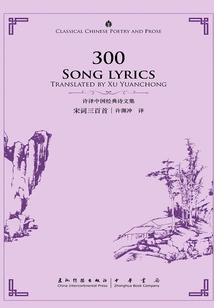
宋词三百首(中英对照)
Xu Yuanchong
Ancient Chinese classic poetry is a wonder of Chinese traditional culture. As early as more than two thousand years ago, Chinese poets wrote the beautiful "Book of Songs" and "Chu Ci"; later, they created more splendid Tang poetry and Song lyrics. Classic works such as "The Analects of Confucius" and "Laozi" are of extremely important significance in shaping and forming the cultural spirit of the Chinese nation. These works are not only a cultural link connecting the thoughts and emotions of all Chinese people, but also an important bridge for Chinese culture to the world.
Ancient Chinese classic poetry is a wonder of Chinese traditional culture. As early as more than two thousand years ago, Chinese poets wrote the beautiful "Book of Songs" and "Chu Ci"; later, they created more splendid Tang poetry and Song lyrics. Classic works such as "The Analects of Confucius" and "Laozi" are of extremely important significance in shaping and forming the cultural spirit of the Chinese nation. These works are not only a cultural link connecting the thoughts and emotions of all Chinese people, but also an important bridge for Chinese culture to the world.
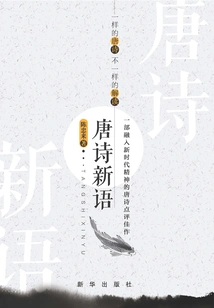
New Sayings of Tang Poetry
Literature唐诗新语
Chen Zhonglai
The author of this book, Chen Zhonglai, is a distinguished researcher at the Yuyao Donghai Urban Culture Research Institute and the honorary chairman of the Yuyao Writers Association. The main academic works include: "Exploring the Origin of Hemudu Culture" and "Hometown of the Sun God". This book selects nearly 600 poems by more than 100 poets of the Tang Dynasty for modern interpretation. Among them, 25 poets with more than 400 poems and 33 female poets with more than 40 poems are listed separately. With a unique perspective and accurate interpretation, reading this book can appreciate the breadth and depth of Tang poetry and improve one's own cultural accomplishment.
The author of this book, Chen Zhonglai, is a distinguished researcher at the Yuyao Donghai Urban Culture Research Institute and the honorary chairman of the Yuyao Writers Association. The main academic works include: "Exploring the Origin of Hemudu Culture" and "Hometown of the Sun God". This book selects nearly 600 poems by more than 100 poets of the Tang Dynasty for modern interpretation. Among them, 25 poets with more than 400 poems and 33 female poets with more than 40 poems are listed separately. With a unique perspective and accurate interpretation, reading this book can appreciate the breadth and depth of Tang poetry and improve one's own cultural accomplishment.
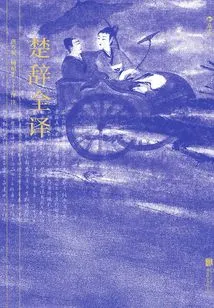
Complete Translation of Chu Ci
Literature楚辞全译
Huang Shouqi Mei Tongsheng
The Songs of Chu are the crystallization of Chu culture in the Spring and Autumn Period and the Warring States Period in my country. It is another collection of poems with far-reaching influence in ancient my country after the Book of Songs. The Songs of Chu are not only the ancestor of the Fu style literature of the Han Dynasty, but also dominated the literary and artistic trends of the Han Dynasty for more than 400 years, giving great influence to Chinese literature and art. The earliest annotated version of "Chu Ci" that we can see now is Wang Yi's "Chapter of Chu Ci". This book, "Complete Translation of Chu Ci", is based on "Chapter of Chu Ci" and annotates all his works. In addition, it also adds two famous poems by Jia Yi, "Ode to Song Bird" and "Ode to Diao Qu Yuan". For the sake of accuracy, the translation of this book mostly uses literal translation; the annotations are based on reasonable interpretations by ancient and modern scholars, and their words are well-founded.
The Songs of Chu are the crystallization of Chu culture in the Spring and Autumn Period and the Warring States Period in my country. It is another collection of poems with far-reaching influence in ancient my country after the Book of Songs. The Songs of Chu are not only the ancestor of the Fu style literature of the Han Dynasty, but also dominated the literary and artistic trends of the Han Dynasty for more than 400 years, giving great influence to Chinese literature and art. The earliest annotated version of "Chu Ci" that we can see now is Wang Yi's "Chapter of Chu Ci". This book, "Complete Translation of Chu Ci", is based on "Chapter of Chu Ci" and annotates all his works. In addition, it also adds two famous poems by Jia Yi, "Ode to Song Bird" and "Ode to Diao Qu Yuan". For the sake of accuracy, the translation of this book mostly uses literal translation; the annotations are based on reasonable interpretations by ancient and modern scholars, and their words are well-founded.
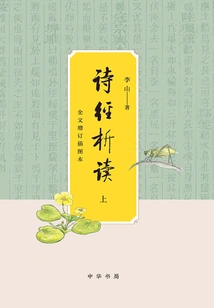
诗经析读(全文增订插图本·上)
Li Shan
This book fully refers to various documents from past dynasties and previous research results, and provides detailed annotations and explanations for each work in the Book of Songs. The characteristics of this book lie in correcting the theme, analyzing the era of creation, striving to restore the original culture of the era when the Book of Songs was born, and outlining the spiritual outlook of the ritual and music civilization of the Zhou Dynasty and the development of Chinese culture. There are also several pictures related to the poems, which are elegant and exquisite and worth viewing.
This book fully refers to various documents from past dynasties and previous research results, and provides detailed annotations and explanations for each work in the Book of Songs. The characteristics of this book lie in correcting the theme, analyzing the era of creation, striving to restore the original culture of the era when the Book of Songs was born, and outlining the spiritual outlook of the ritual and music civilization of the Zhou Dynasty and the development of Chinese culture. There are also several pictures related to the poems, which are elegant and exquisite and worth viewing.
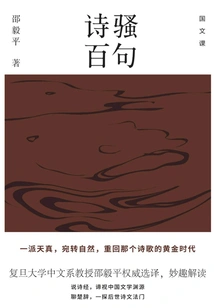
A Hundred Poems (chinese Language Class)
Literature诗骚百句(国文课)
Shao Yiping
It is innocent and natural, returning to the golden age of poetry. In "Hundred Poems", Professor Shao Yiping from the Chinese Department of Fudan University selected phrases from the "Book of Songs" and "Chu Ci" to talk about their literary status, aesthetic style and their influence on later generations.
It is innocent and natural, returning to the golden age of poetry. In "Hundred Poems", Professor Shao Yiping from the Chinese Department of Fudan University selected phrases from the "Book of Songs" and "Chu Ci" to talk about their literary status, aesthetic style and their influence on later generations.
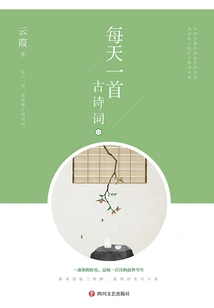
An Ancient Poem Every Day 2
Literature每天一首古诗词2
Yunjia
Four thousand years of Chinese history, three thousand years of classical literature, and Tang poetry and Song poetry are undoubtedly the two most dazzling pearls in the history of Chinese classical literature. This book adopts the concept of simplicity and elegance, and selects famous works from the Tang and Song Dynasties. You can have a panoramic view of the unrestrained and dignified Tang Dynasty and the elegance and elegance of the elegant Song Dynasty. Green-haired beauties, romantic poets, down-and-out emperors... These figures flowing on the paper form a beautiful picture full of vitality, taking readers to easily travel through the ages, feel the purest and most sincere classical feelings, and let the soul find a poetic dwelling place in the noisy and impetuous life.
Four thousand years of Chinese history, three thousand years of classical literature, and Tang poetry and Song poetry are undoubtedly the two most dazzling pearls in the history of Chinese classical literature. This book adopts the concept of simplicity and elegance, and selects famous works from the Tang and Song Dynasties. You can have a panoramic view of the unrestrained and dignified Tang Dynasty and the elegance and elegance of the elegant Song Dynasty. Green-haired beauties, romantic poets, down-and-out emperors... These figures flowing on the paper form a beautiful picture full of vitality, taking readers to easily travel through the ages, feel the purest and most sincere classical feelings, and let the soul find a poetic dwelling place in the noisy and impetuous life.
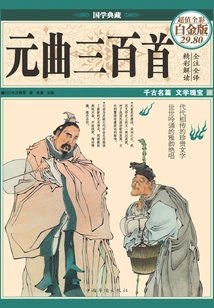
元曲三百首(彩图精装)
(yuan) Guan Hanqing Si Lu
This book collects the essence of Yuan opera in order of the time of the composer's activities. In addition to the original works of Yuan operas, the following related auxiliary columns are also set up: "Annotations", which explain difficult-to-understand words and sentences to eliminate reading obstacles and facilitate reading; "Translations" strive to be loyal to the original works, so that readers can directly understand the language style of the original songs; "Appreciation", on the principle of respecting the original text, analyze the themes and charm of the pieces, It makes people understand and feel happy; "Introduction to the Author" introduces the author's life and work style, and the important authors draw portraits according to modern people's speculations; "Metrometric Knowledge of Yuan Opera" introduces the format and rules of Yuan Opera in terms of number of words, ten days, antithesis, rhyme, etc.; "Appreciation Knowledge of Yuan Opera" introduces various styles, styles and writing techniques commonly used in Yuan Opera. At the same time, nearly 500 exquisite illustrations in the book that match the text restore the social life of the Yuan Dynasty, vividly and appropriately display the theme of the work and the thoughts and feelings of the people in the song. The perfect combination of pictures and text creates a colorful, three-dimensional, and highly artistic reading space, which can help readers gain more beautiful enjoyment and reading experience. The organic combination of scientific style, exquisite pictures, graceful text, rich content, and novel and open layout design leads readers across the distance of time and space, into the glorious palace of Yuan opera, and appreciates the artistic charm of the repertoire, thereby enlightening the mind, cultivating sentiment, and improving personal literary quality and life taste.
This book collects the essence of Yuan opera in order of the time of the composer's activities. In addition to the original works of Yuan operas, the following related auxiliary columns are also set up: "Annotations", which explain difficult-to-understand words and sentences to eliminate reading obstacles and facilitate reading; "Translations" strive to be loyal to the original works, so that readers can directly understand the language style of the original songs; "Appreciation", on the principle of respecting the original text, analyze the themes and charm of the pieces, It makes people understand and feel happy; "Introduction to the Author" introduces the author's life and work style, and the important authors draw portraits according to modern people's speculations; "Metrometric Knowledge of Yuan Opera" introduces the format and rules of Yuan Opera in terms of number of words, ten days, antithesis, rhyme, etc.; "Appreciation Knowledge of Yuan Opera" introduces various styles, styles and writing techniques commonly used in Yuan Opera. At the same time, nearly 500 exquisite illustrations in the book that match the text restore the social life of the Yuan Dynasty, vividly and appropriately display the theme of the work and the thoughts and feelings of the people in the song. The perfect combination of pictures and text creates a colorful, three-dimensional, and highly artistic reading space, which can help readers gain more beautiful enjoyment and reading experience. The organic combination of scientific style, exquisite pictures, graceful text, rich content, and novel and open layout design leads readers across the distance of time and space, into the glorious palace of Yuan opera, and appreciates the artistic charm of the repertoire, thereby enlightening the mind, cultivating sentiment, and improving personal literary quality and life taste.
杜甫诗(中华传统诗词经典)
Selected Notes On Zhang Zhonggang
Du Fu is known as the "Sage of Poetry" and enjoys a high status in the history of Chinese literature. Du Fu's collection of poems is a masterpiece of the previous generation. In terms of content, it is profound and profound, forming the history of poetry of a generation. In terms of art, it is melancholy and full of twists and turns, and is highly praised by later generations. The author of this book, Mr. Zhang Zhonggang, is currently the authority on Du Fu research. Based on the latest research results in academic circles, he selected one hundred representative works of Du's poems, arranged them in order of creation time, and added detailed annotations and reviews, which are very helpful for understanding Du's poems.
Du Fu is known as the "Sage of Poetry" and enjoys a high status in the history of Chinese literature. Du Fu's collection of poems is a masterpiece of the previous generation. In terms of content, it is profound and profound, forming the history of poetry of a generation. In terms of art, it is melancholy and full of twists and turns, and is highly praised by later generations. The author of this book, Mr. Zhang Zhonggang, is currently the authority on Du Fu research. Based on the latest research results in academic circles, he selected one hundred representative works of Du's poems, arranged them in order of creation time, and added detailed annotations and reviews, which are very helpful for understanding Du's poems.
柳永词(中华传统诗词经典)
Selected Notes By Xue Ruisheng
Liu Yong was a famous poet in the Northern Song Dynasty. Song poetry has Liu Yong, just as Tang poetry has Du Fu. His lyrics are widely circulated. "Anywhere where there is well water to drink, one can sing Liu's lyrics." Li Qingzhao had sharp criticisms of many poets in the Northern Song Dynasty, but he only affirmed Liu Yong. He believed that "in this dynasty, rituals, music, culture and martial arts were well prepared, and they were cultivated for more than a hundred years. Only then did Liu Tuntian Yong change the old voice and create a new voice. He published the "Collection of Music Chapters" and achieved great success." Claiming to be in the world." Mr. Xue Ruisheng, a famous scholar of Liu Yong, has studied Liu Yong Younian and has a lot of experience in the essence of Liu Yong's poems. This time, he has selected seventy of Liu Yong's familiar poems and made wonderful comments, taking into account various types of Liu Yong's poems. This is an ideal book for understanding and appreciating Liu Yong's life and poetry.
Liu Yong was a famous poet in the Northern Song Dynasty. Song poetry has Liu Yong, just as Tang poetry has Du Fu. His lyrics are widely circulated. "Anywhere where there is well water to drink, one can sing Liu's lyrics." Li Qingzhao had sharp criticisms of many poets in the Northern Song Dynasty, but he only affirmed Liu Yong. He believed that "in this dynasty, rituals, music, culture and martial arts were well prepared, and they were cultivated for more than a hundred years. Only then did Liu Tuntian Yong change the old voice and create a new voice. He published the "Collection of Music Chapters" and achieved great success." Claiming to be in the world." Mr. Xue Ruisheng, a famous scholar of Liu Yong, has studied Liu Yong Younian and has a lot of experience in the essence of Liu Yong's poems. This time, he has selected seventy of Liu Yong's familiar poems and made wonderful comments, taking into account various types of Liu Yong's poems. This is an ideal book for understanding and appreciating Liu Yong's life and poetry.
李清照诗词(中华传统诗词经典)
Commentary On Zhuge Yibing
Li Qingzhao is unique. She stands out from all other poets and is unique in her own right, no less than any male poet. When a large number of male poets express their feelings in a female voice, it always feels like they are falling behind. Li Qingzhao uses a woman who knows music and rhythm to truly show the female soul. Her poems are natural, smart and touching. This book collects 68 poems by Li Qingzhao that have been circulated in the world, supplemented by annotations and detailed and vivid analysis. After reading them, it can be said that this poem is a classic. In addition, what should not be missed is that there are two interpretation articles by famous writers in this book. The reading is cordial, clear and profound. After reading it, you will definitely have a clear understanding of Li Qingzhao and his words.
Li Qingzhao is unique. She stands out from all other poets and is unique in her own right, no less than any male poet. When a large number of male poets express their feelings in a female voice, it always feels like they are falling behind. Li Qingzhao uses a woman who knows music and rhythm to truly show the female soul. Her poems are natural, smart and touching. This book collects 68 poems by Li Qingzhao that have been circulated in the world, supplemented by annotations and detailed and vivid analysis. After reading them, it can be said that this poem is a classic. In addition, what should not be missed is that there are two interpretation articles by famous writers in this book. The reading is cordial, clear and profound. After reading it, you will definitely have a clear understanding of Li Qingzhao and his words.
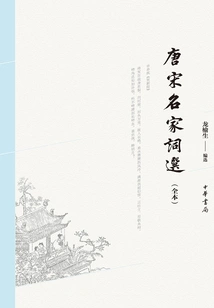
唐宋名家词选(全本)
Edited And Selected By Long Yusheng And Edited By Tian Songqing
This book contains 94 famous poets from the Tang and Song dynasties and 867 poems. Each book is accompanied by a brief biography of the author, and selected comments from past generations are included after the lyrics are written, which will help readers better understand the author's works. Each poem is marked with oblique rhyme positions and functions as a partial word score, making it easy to appreciate and learn. The first edition of this book came out in 1934, and paper was expensive in Luoyang at that time; in the 1955 revision, the proportion of works of the graceful school, which was traditionally regarded as "authentic", was weakened. For example, Wu Wenying's poems dropped sharply from the original maximum of 38 to 10, while the works of the bold school increased significantly. This is certainly related to the development of Long's Ci studies and the richer available data, but there are also non-academic factors, so some experts are dissatisfied with this book. The 1956 Shanghai Classical Literature Publishing House revised edition is used as the base, and the 1934 Kaiming Bookstore first edition is used as proofread, and the deleted 158 poems and prefaces are restored to form a "complete version" that comprehensively and truly reflects Long's intention in selecting poems and his views on poetry, and also shows his changes in his thoughts before and after. An index of chapter titles is added at the back of the book for the convenience of readers.
This book contains 94 famous poets from the Tang and Song dynasties and 867 poems. Each book is accompanied by a brief biography of the author, and selected comments from past generations are included after the lyrics are written, which will help readers better understand the author's works. Each poem is marked with oblique rhyme positions and functions as a partial word score, making it easy to appreciate and learn. The first edition of this book came out in 1934, and paper was expensive in Luoyang at that time; in the 1955 revision, the proportion of works of the graceful school, which was traditionally regarded as "authentic", was weakened. For example, Wu Wenying's poems dropped sharply from the original maximum of 38 to 10, while the works of the bold school increased significantly. This is certainly related to the development of Long's Ci studies and the richer available data, but there are also non-academic factors, so some experts are dissatisfied with this book. The 1956 Shanghai Classical Literature Publishing House revised edition is used as the base, and the 1934 Kaiming Bookstore first edition is used as proofread, and the deleted 158 poems and prefaces are restored to form a "complete version" that comprehensively and truly reflects Long's intention in selecting poems and his views on poetry, and also shows his changes in his thoughts before and after. An index of chapter titles is added at the back of the book for the convenience of readers.
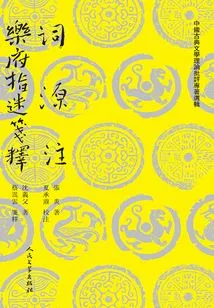
词源注 乐府指迷笺释
(southern Song Dynasty) Zhang Yan Shen Yifu
"Etymology", written by Zhang Yan. The study of Ci in the Song Dynasty was at its peak, with numerous authors, but there were not many books on Ci. Zhang Yan's "Etymology" has left a lot of inspiration to future generations in the study of the form of words. The book is divided into composition, syntax, literalness, emptiness, emptiness, interest, use of things, chanting things, sequence of verses, sentiments, poems, miscellaneous essays, etc. The highest standards for his arguments are "lofty meaning", "elegance" and "clearness". "Yuefu Zhimi" was written by Shen Yifu. Shen Yifu was a professional poet. He took Zhou Bangyan as his sect and held mostly Chinese theories. He advocated that lyrics should have harmonious sounds, elegant characters, hidden characters, and soft meanings.
"Etymology", written by Zhang Yan. The study of Ci in the Song Dynasty was at its peak, with numerous authors, but there were not many books on Ci. Zhang Yan's "Etymology" has left a lot of inspiration to future generations in the study of the form of words. The book is divided into composition, syntax, literalness, emptiness, emptiness, interest, use of things, chanting things, sequence of verses, sentiments, poems, miscellaneous essays, etc. The highest standards for his arguments are "lofty meaning", "elegance" and "clearness". "Yuefu Zhimi" was written by Shen Yifu. Shen Yifu was a professional poet. He took Zhou Bangyan as his sect and held mostly Chinese theories. He advocated that lyrics should have harmonious sounds, elegant characters, hidden characters, and soft meanings.
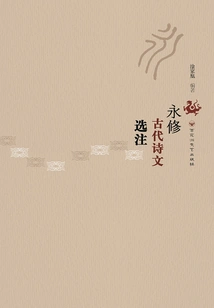
永修古代诗文选注
Ganjiahuang
This book contains more than 700 ancient poems, prose and couplets by Yongxiu, focusing on Aicheng poems, Wucheng poems, Zhelin poems and Yunjushan poems. It involves more than 200 authors, most of whom are masters of ancient Chinese poetry or ancient scholars.
This book contains more than 700 ancient poems, prose and couplets by Yongxiu, focusing on Aicheng poems, Wucheng poems, Zhelin poems and Yunjushan poems. It involves more than 200 authors, most of whom are masters of ancient Chinese poetry or ancient scholars.
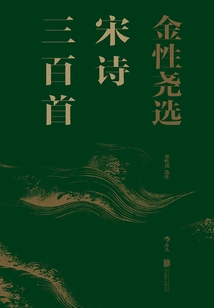
金性尧选宋诗三百首
Jin Xingyao
"Three Hundred Song Poems Selected by Jin Xingyao" is based on the selection and includes four parts: a preface, a selection, a biography of the author, and notes. Based on Mr. Jin Xingyao's understanding of the creative characteristics and status of the poets in the Song Dynasty, as well as his grasp of the development process of Song poetry, 327 poems were extracted from the vast sea of Song poetry. Emphasis is placed on Su Shi and Lu You, whose selections are at the top of the book, and serve as a fulcrum to form the basic pattern of the author team in the Northern and Southern Song Dynasties. This book is fair, well-explained, rigorous in research, distinctive in personality, and well-equipped with both theory and interest. Read and interpret familiar classics, and discover rare masterpieces that have been overlooked. The evaluation of poets and poems focuses on their "attitudes towards society and life", while also trying to reflect the Song people's "ability to drive words" and explore the inner meaning and artistic form of poetry. It is a humanistic reading book for appreciating the style and atmosphere of Song poetry and understanding the development context of Song poetry.
"Three Hundred Song Poems Selected by Jin Xingyao" is based on the selection and includes four parts: a preface, a selection, a biography of the author, and notes. Based on Mr. Jin Xingyao's understanding of the creative characteristics and status of the poets in the Song Dynasty, as well as his grasp of the development process of Song poetry, 327 poems were extracted from the vast sea of Song poetry. Emphasis is placed on Su Shi and Lu You, whose selections are at the top of the book, and serve as a fulcrum to form the basic pattern of the author team in the Northern and Southern Song Dynasties. This book is fair, well-explained, rigorous in research, distinctive in personality, and well-equipped with both theory and interest. Read and interpret familiar classics, and discover rare masterpieces that have been overlooked. The evaluation of poets and poems focuses on their "attitudes towards society and life", while also trying to reflect the Song people's "ability to drive words" and explore the inner meaning and artistic form of poetry. It is a humanistic reading book for appreciating the style and atmosphere of Song poetry and understanding the development context of Song poetry.
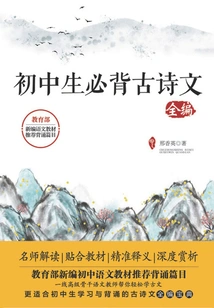
初中生必背古诗文全编
Xing Xiangying
The Ministry of Education has compiled a complete list of recommended memorization passages in the new Chinese language textbook for junior high schools, which directly addresses the difficult test points of ancient poems and essays in junior high schools. It is interpreted by famous teachers with 18 years of teaching experience and written by front-line senior backbone Chinese teachers. The content is in-depth and consistent with the teaching materials. The chapters cover the author's life and writing background, while using the original text translation method to help students learn and accurately explain the difficult points of the test. This book's interpretation of ancient poems is concise, popular, and easy to understand. It is a comprehensive collection of ancient poems that is more suitable for junior high school students to learn and recite.
The Ministry of Education has compiled a complete list of recommended memorization passages in the new Chinese language textbook for junior high schools, which directly addresses the difficult test points of ancient poems and essays in junior high schools. It is interpreted by famous teachers with 18 years of teaching experience and written by front-line senior backbone Chinese teachers. The content is in-depth and consistent with the teaching materials. The chapters cover the author's life and writing background, while using the original text translation method to help students learn and accurately explain the difficult points of the test. This book's interpretation of ancient poems is concise, popular, and easy to understand. It is a comprehensive collection of ancient poems that is more suitable for junior high school students to learn and recite.
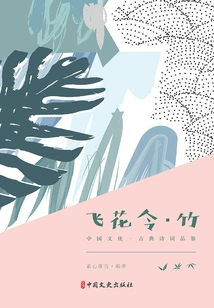
飞花令·竹(中国文化·古典诗词品鉴)
Compiled By Su Xin Luoxue
In accordance with the rules of the traditional Chinese poetry culture game "Feihua Ling", this book carefully selects 102 classic ancient poems containing the word "bamboo" by more than 70 poets. Each poem is followed by corresponding annotations, brief analysis, background and comments from famous experts, leading readers to embark on a beautiful and moving journey of poetry culture in the sea of books and ink. This book is reasonably organized, with pictures and texts. It is a popular cultural book that combines knowledge, aesthetics and culture.
In accordance with the rules of the traditional Chinese poetry culture game "Feihua Ling", this book carefully selects 102 classic ancient poems containing the word "bamboo" by more than 70 poets. Each poem is followed by corresponding annotations, brief analysis, background and comments from famous experts, leading readers to embark on a beautiful and moving journey of poetry culture in the sea of books and ink. This book is reasonably organized, with pictures and texts. It is a popular cultural book that combines knowledge, aesthetics and culture.
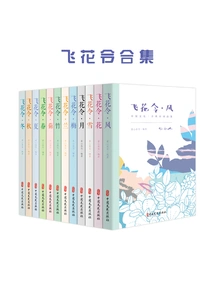
Fei Hua Ling Collection
Literature飞花令合集
Compiled By Su Xin Luoxue
"Feihua Ling·Wind" is one of the "Feihua Ling Series" carefully created by our company. It contains 100 classic poems containing the word "wind" from the Qin and Han Dynasties to the late Qing Dynasty. Each poem is equipped with annotations, brief analysis, background and comments from famous writers. From Liu Bang and Cao Cao to Li Bai and Wang Wei, from Wei Zhuang and Li Yu to Su Shi and Li Qingzhao, from Yu Qian and Tang Yin to Nalan Xingde and Qiu Jin... Nearly a hundred famous poets have presented us with a poetic space that is majestic, cold and lonely, high-spirited, or tranquil and comfortable through their fantastic imagination and wonderful pens. Wandering there is not only a wonderful enjoyment of literary aesthetics, but also a journey of exploration into the spiritual world of the ancients.
"Feihua Ling·Wind" is one of the "Feihua Ling Series" carefully created by our company. It contains 100 classic poems containing the word "wind" from the Qin and Han Dynasties to the late Qing Dynasty. Each poem is equipped with annotations, brief analysis, background and comments from famous writers. From Liu Bang and Cao Cao to Li Bai and Wang Wei, from Wei Zhuang and Li Yu to Su Shi and Li Qingzhao, from Yu Qian and Tang Yin to Nalan Xingde and Qiu Jin... Nearly a hundred famous poets have presented us with a poetic space that is majestic, cold and lonely, high-spirited, or tranquil and comfortable through their fantastic imagination and wonderful pens. Wandering there is not only a wonderful enjoyment of literary aesthetics, but also a journey of exploration into the spiritual world of the ancients.
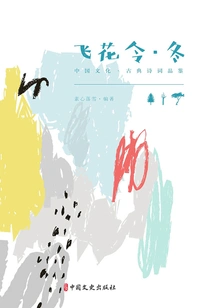
飞花令·冬(中国文化·古典诗词品鉴)
Compiled By Su Xin Luoxue
In accordance with the rules of the traditional Chinese poetry culture game "Feihua Ling", this book carefully selects 102 classic ancient poems containing the word "winter" from more than 70 poets. Each poem is followed by corresponding annotations, brief analysis, background and comments from famous experts, leading readers to embark on a beautiful and moving journey of poetry culture in the sea of books and ink. This book is reasonably organized, with pictures and texts. It is a popular cultural book that combines knowledge, aesthetics and culture.
In accordance with the rules of the traditional Chinese poetry culture game "Feihua Ling", this book carefully selects 102 classic ancient poems containing the word "winter" from more than 70 poets. Each poem is followed by corresponding annotations, brief analysis, background and comments from famous experts, leading readers to embark on a beautiful and moving journey of poetry culture in the sea of books and ink. This book is reasonably organized, with pictures and texts. It is a popular cultural book that combines knowledge, aesthetics and culture.
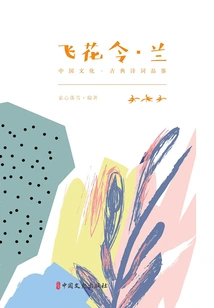
飞花令·兰(中国文化·古典诗词品鉴)
Compiled By Su Xin Luoxue
In accordance with the rules of the traditional Chinese poetry culture game "Feihua Ling", this book carefully selects 102 classic ancient poems containing the word "lan" written by more than 70 poets. Each poem is followed by corresponding annotations, brief analysis, background and comments by famous experts, leading readers to embark on a beautiful and moving journey of poetry culture in the sea of books and ink. This book is reasonably organized, with pictures and texts. It is a popular cultural book that combines knowledge, aesthetics and culture.
In accordance with the rules of the traditional Chinese poetry culture game "Feihua Ling", this book carefully selects 102 classic ancient poems containing the word "lan" written by more than 70 poets. Each poem is followed by corresponding annotations, brief analysis, background and comments by famous experts, leading readers to embark on a beautiful and moving journey of poetry culture in the sea of books and ink. This book is reasonably organized, with pictures and texts. It is a popular cultural book that combines knowledge, aesthetics and culture.
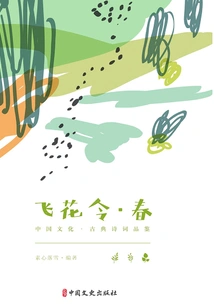
飞花令·春(中国文化·古典诗词品鉴)
Compiled By Su Xin Luoxue
In accordance with the rules of the traditional Chinese poetry culture game "Feihua Ling", this book carefully selects 102 classic ancient poems containing the word "spring" by more than 70 poets. Each poem is followed by corresponding annotations, brief analysis, background and comments by famous experts, leading readers to embark on a beautiful and moving journey of poetry culture in the sea of books and ink. This book is reasonably organized, with pictures and texts. It is a popular cultural book that combines knowledge, aesthetics and culture.
In accordance with the rules of the traditional Chinese poetry culture game "Feihua Ling", this book carefully selects 102 classic ancient poems containing the word "spring" by more than 70 poets. Each poem is followed by corresponding annotations, brief analysis, background and comments by famous experts, leading readers to embark on a beautiful and moving journey of poetry culture in the sea of books and ink. This book is reasonably organized, with pictures and texts. It is a popular cultural book that combines knowledge, aesthetics and culture.
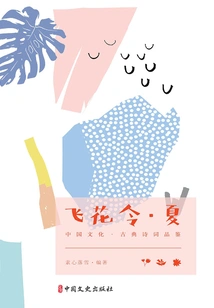
飞花令·夏(中国文化·古典诗词品鉴)
Compiled By Su Xin Luoxue
In accordance with the rules of the traditional Chinese poetry culture game "Feihua Ling", this book carefully selects 102 classic ancient poems containing the word "Xia" from more than 70 poets. Each poem is followed by corresponding annotations, brief analysis, background and comments from famous experts, leading readers to embark on a beautiful and moving journey of poetry culture among the sea of books and ink. This book is reasonably organized, with pictures and texts. It is a popular cultural book that combines knowledge, aesthetics and culture.
In accordance with the rules of the traditional Chinese poetry culture game "Feihua Ling", this book carefully selects 102 classic ancient poems containing the word "Xia" from more than 70 poets. Each poem is followed by corresponding annotations, brief analysis, background and comments from famous experts, leading readers to embark on a beautiful and moving journey of poetry culture among the sea of books and ink. This book is reasonably organized, with pictures and texts. It is a popular cultural book that combines knowledge, aesthetics and culture.
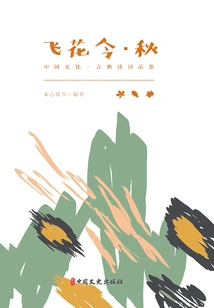
飞花令·秋(中国文化·古典诗词品鉴)
Compiled By Su Xin Luoxue
In accordance with the rules of the traditional Chinese poetry culture game "Feihua Ling", this book carefully selects 101 classic ancient poems containing the word "Autumn" by more than 70 poets. Each poem is followed by corresponding annotations, brief analysis, background and comments by famous experts, leading readers to embark on a beautiful and moving journey of poetry culture in the sea of books and ink. This book is reasonably organized, with pictures and texts. It is a popular cultural book that combines knowledge, aesthetics and culture.
In accordance with the rules of the traditional Chinese poetry culture game "Feihua Ling", this book carefully selects 101 classic ancient poems containing the word "Autumn" by more than 70 poets. Each poem is followed by corresponding annotations, brief analysis, background and comments by famous experts, leading readers to embark on a beautiful and moving journey of poetry culture in the sea of books and ink. This book is reasonably organized, with pictures and texts. It is a popular cultural book that combines knowledge, aesthetics and culture.
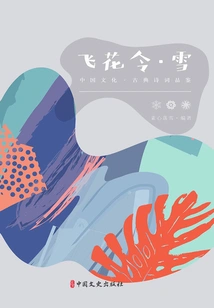
飞花令·雪(中国文化·古典诗词品鉴)
Compiled By Su Xin Luoxue
In accordance with the rules of the traditional Chinese poetry culture game "Feihua Ling", this book carefully selects 100 classic ancient poems containing the word "snow" by more than 70 poets. Each poem is followed by corresponding annotations, brief analysis, background and comments from famous experts, leading readers to embark on a beautiful and moving journey of poetry culture among the sea of books and ink. This book is reasonably organized, with pictures and texts. It is a popular cultural book that combines knowledge, aesthetics and culture.
In accordance with the rules of the traditional Chinese poetry culture game "Feihua Ling", this book carefully selects 100 classic ancient poems containing the word "snow" by more than 70 poets. Each poem is followed by corresponding annotations, brief analysis, background and comments from famous experts, leading readers to embark on a beautiful and moving journey of poetry culture among the sea of books and ink. This book is reasonably organized, with pictures and texts. It is a popular cultural book that combines knowledge, aesthetics and culture.
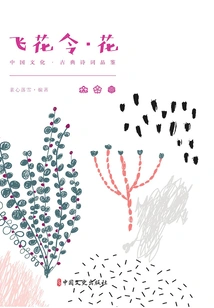
飞花令·花(中国文化·古典诗词品鉴)
Compiled By Su Xin Luoxue
In accordance with the rules of the traditional Chinese poetry culture game "Fei Hua Ling", this book carefully selects 104 classic ancient poems containing the word "flower" from more than 70 poets. Each poem is followed by corresponding notes, brief analysis, background and comments from famous experts, leading readers to embark on a beautiful and moving journey of poetry culture in the sea of books and ink. This book is reasonably organized, with pictures and texts. It is a popular cultural book that combines knowledge, aesthetics and culture.
In accordance with the rules of the traditional Chinese poetry culture game "Fei Hua Ling", this book carefully selects 104 classic ancient poems containing the word "flower" from more than 70 poets. Each poem is followed by corresponding notes, brief analysis, background and comments from famous experts, leading readers to embark on a beautiful and moving journey of poetry culture in the sea of books and ink. This book is reasonably organized, with pictures and texts. It is a popular cultural book that combines knowledge, aesthetics and culture.
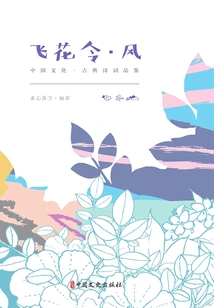
飞花令·风(中国文化·古典诗词品鉴)
Compiled By Su Xin Luoxue
In accordance with the rules of the traditional Chinese poetry culture game "Feihua Ling", this book carefully selects 103 classic ancient poems containing the word "wind" from more than 70 poets. Each poem is followed by corresponding annotations, brief analysis, background and comments from famous experts, leading readers to embark on a beautiful and moving journey of poetry culture among the sea of books and ink. This book is reasonably organized, with pictures and texts. It is a popular cultural book that combines knowledge, aesthetics and culture.
In accordance with the rules of the traditional Chinese poetry culture game "Feihua Ling", this book carefully selects 103 classic ancient poems containing the word "wind" from more than 70 poets. Each poem is followed by corresponding annotations, brief analysis, background and comments from famous experts, leading readers to embark on a beautiful and moving journey of poetry culture among the sea of books and ink. This book is reasonably organized, with pictures and texts. It is a popular cultural book that combines knowledge, aesthetics and culture.
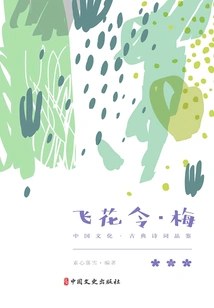
飞花令·梅(中国文化·古典诗词品鉴)
Compiled By Su Xin Luoxue
In accordance with the rules of the traditional Chinese poetry culture game "Fei Hua Ling", this book carefully selects 100 classic ancient poems containing the word "plum" by more than 70 poets. Each poem is followed by corresponding annotations, brief analysis, background and comments from famous experts, leading readers to embark on a beautiful and moving journey of poetry culture in the sea of books and ink. This book is reasonably organized, with pictures and texts. It is a popular cultural book that combines knowledge, aesthetics and culture.
In accordance with the rules of the traditional Chinese poetry culture game "Fei Hua Ling", this book carefully selects 100 classic ancient poems containing the word "plum" by more than 70 poets. Each poem is followed by corresponding annotations, brief analysis, background and comments from famous experts, leading readers to embark on a beautiful and moving journey of poetry culture in the sea of books and ink. This book is reasonably organized, with pictures and texts. It is a popular cultural book that combines knowledge, aesthetics and culture.
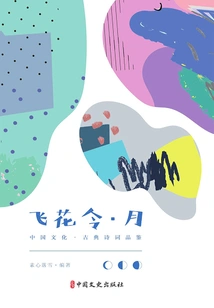
飞花令·月(中国文化·古典诗词品鉴)
Compiled By Su Xin Luoxue
In accordance with the rules of the traditional Chinese poetry culture game "Feihua Ling", this book carefully selects 100 classic ancient poems containing the word "moon" by more than 70 poets. Each poem is followed by corresponding annotations, brief analysis, background and comments from famous experts, leading readers to embark on a beautiful and moving journey of poetry culture among the sea of books and ink. This book is reasonably organized, with pictures and texts. It is a popular cultural book that combines knowledge, aesthetics and culture.
In accordance with the rules of the traditional Chinese poetry culture game "Feihua Ling", this book carefully selects 100 classic ancient poems containing the word "moon" by more than 70 poets. Each poem is followed by corresponding annotations, brief analysis, background and comments from famous experts, leading readers to embark on a beautiful and moving journey of poetry culture among the sea of books and ink. This book is reasonably organized, with pictures and texts. It is a popular cultural book that combines knowledge, aesthetics and culture.
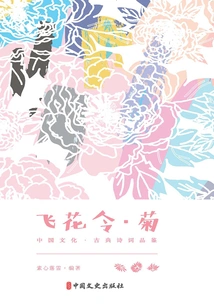
飞花令·菊(中国文化·古典诗词品鉴)
Compiled By Su Xin Luoxue
In accordance with the rules of the traditional Chinese poetry culture game "Feihua Ling", this book carefully selects 100 classic ancient poems containing the word "chrysanthemum" by more than 70 poets. Each poem is followed by corresponding annotations, brief analysis, background and comments from famous experts, leading readers to embark on a beautiful and moving journey of poetry culture in the sea of books and ink. This book is reasonably organized, with pictures and texts. It is a popular cultural book that combines knowledge, aesthetics and culture.
In accordance with the rules of the traditional Chinese poetry culture game "Feihua Ling", this book carefully selects 100 classic ancient poems containing the word "chrysanthemum" by more than 70 poets. Each poem is followed by corresponding annotations, brief analysis, background and comments from famous experts, leading readers to embark on a beautiful and moving journey of poetry culture in the sea of books and ink. This book is reasonably organized, with pictures and texts. It is a popular cultural book that combines knowledge, aesthetics and culture.
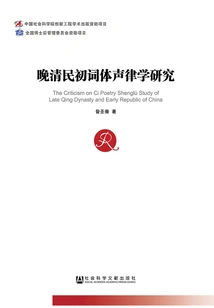
晚清民初词体声律学研究
Zan Shengqian
Rhythm of word style generally refers to the structural specifications and composition rules of word style, which is an organic combination of word music and rhythm and Chinese poetic rhythm. Phonology of word form was very popular in the world of poetry in the late Qing Dynasty. It was a highlight of the study of words at that time and achieved great success. This book attempts to construct a system of lexical phonology, analyzes the internal and external motivations and academic background for the prosperity of lexical phonology in the late Qing Dynasty and the early Republic of China, clarifies its development context, reviews and re-evaluates the important achievements of lexical phonological scholars such as Xie Yuanhuai, Peng Fenggao, Chen Rui, Xu Shaoqi, Shen Zengzhi, etc., Who have not been paid attention to by the academic circles for a long time. It strengthens the corresponding weak links in the current research on the history of ci and is highly innovative.
Rhythm of word style generally refers to the structural specifications and composition rules of word style, which is an organic combination of word music and rhythm and Chinese poetic rhythm. Phonology of word form was very popular in the world of poetry in the late Qing Dynasty. It was a highlight of the study of words at that time and achieved great success. This book attempts to construct a system of lexical phonology, analyzes the internal and external motivations and academic background for the prosperity of lexical phonology in the late Qing Dynasty and the early Republic of China, clarifies its development context, reviews and re-evaluates the important achievements of lexical phonological scholars such as Xie Yuanhuai, Peng Fenggao, Chen Rui, Xu Shaoqi, Shen Zengzhi, etc., Who have not been paid attention to by the academic circles for a long time. It strengthens the corresponding weak links in the current research on the history of ci and is highly innovative.
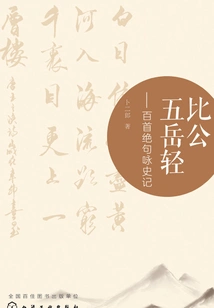
比公五岳轻:百首绝句咏史记
Bu Erlang
This book contains more than 150 original quatrains by the author, which are written in poetry to commemorate historical figures and events. They express in-depth thinking on history and reality from multiple perspectives, and strive to find a bridge of communication between Tai Shigong and people who like Chinese studies. It is especially suitable for people who love ancient poetry, especially those who are interested in historical records to read and appreciate.
This book contains more than 150 original quatrains by the author, which are written in poetry to commemorate historical figures and events. They express in-depth thinking on history and reality from multiple perspectives, and strive to find a bridge of communication between Tai Shigong and people who like Chinese studies. It is especially suitable for people who love ancient poetry, especially those who are interested in historical records to read and appreciate.
Research on Ouyang Xiu's Prose "wind God
Literature欧阳修散文“风神”研究
Zhuo Xihui
This book selects "Six One Wind God", which best represents the characteristics of Ouyang Xiu's prose, as the research object. It combs the conceptual definition and connotation of "Six One Wind God" in more detail, carefully examines the stylistic distribution and historical stages of "Six One Wind God", and deeply explores the "Six One Wind God". The emotional connotation and ideological connotation of "Six One Fengshen" are discussed in detail, and the expression techniques, structural art, language characteristics and aesthetic types of "Six One Fengshen" are discussed in detail. Finally, the reasons for the formation and value positioning of "Six One Fengshen" are commented and defined.
This book selects "Six One Wind God", which best represents the characteristics of Ouyang Xiu's prose, as the research object. It combs the conceptual definition and connotation of "Six One Wind God" in more detail, carefully examines the stylistic distribution and historical stages of "Six One Wind God", and deeply explores the "Six One Wind God". The emotional connotation and ideological connotation of "Six One Fengshen" are discussed in detail, and the expression techniques, structural art, language characteristics and aesthetic types of "Six One Fengshen" are discussed in detail. Finally, the reasons for the formation and value positioning of "Six One Fengshen" are commented and defined.
清初小说与士人文化心态
Yang Lin
The early Qing Dynasty in this book refers to the first year of Shunzhi (1644) to the 22nd year of Kangxi (1683). During this period, novel creation flourished and was unique. Nearly 200 novels were published, which is the total number of existing Ming Dynasty novels. The forms of novels were also diverse, with both vernacular and classical Chinese novels flourishing. This book summarizes the creative overview and cultural ecology of novels in the early Qing Dynasty, and takes the sentiment of the motherland in the creation of novels in the early Qing Dynasty as the starting point. Through case analysis of the representative novelists Ding Yaokang, Chen Chen, Li Yu, Yan Shui Sanren, as well as the representative novel genre novels about gifted scholars and beauties, and current affairs novels, it explores the creation of novels in the early Qing Dynasty and the mentality of scholars during the change of dynasties.
The early Qing Dynasty in this book refers to the first year of Shunzhi (1644) to the 22nd year of Kangxi (1683). During this period, novel creation flourished and was unique. Nearly 200 novels were published, which is the total number of existing Ming Dynasty novels. The forms of novels were also diverse, with both vernacular and classical Chinese novels flourishing. This book summarizes the creative overview and cultural ecology of novels in the early Qing Dynasty, and takes the sentiment of the motherland in the creation of novels in the early Qing Dynasty as the starting point. Through case analysis of the representative novelists Ding Yaokang, Chen Chen, Li Yu, Yan Shui Sanren, as well as the representative novel genre novels about gifted scholars and beauties, and current affairs novels, it explores the creation of novels in the early Qing Dynasty and the mentality of scholars during the change of dynasties.
纳兰词(全二册·全词笺注彩图版)
(qing Dynasty) Nalan Xingde (qing Dynasty) Illustrations By Shi Tao
This edition is based on "Tongzhitang Collection" and is comprehensively revised and revised with reference to 16 important printed editions such as Wang's edition and Yuyuan's edition. Contains 348 complete words. The full text is annotated with phonetic notes for smooth reading; the upper and lower sections are divided into paragraphs, situational sentence fragmentation, and the interior design is full of humanistic care; the creation time and background are briefly explained; important idiosyncrasies are retained and interpretations are provided from different perspectives. Shi Tao's high-definition collection, 10 authentic works of Nalan's calligraphy, and Nalan's appreciation and inscription of famous paintings.
This edition is based on "Tongzhitang Collection" and is comprehensively revised and revised with reference to 16 important printed editions such as Wang's edition and Yuyuan's edition. Contains 348 complete words. The full text is annotated with phonetic notes for smooth reading; the upper and lower sections are divided into paragraphs, situational sentence fragmentation, and the interior design is full of humanistic care; the creation time and background are briefly explained; important idiosyncrasies are retained and interpretations are provided from different perspectives. Shi Tao's high-definition collection, 10 authentic works of Nalan's calligraphy, and Nalan's appreciation and inscription of famous paintings.
The Legendary Life in Qingci
Literature清词中的传奇人生
Liuzhu
This book selects and analyzes the masterpieces of many poets from the Shunzhi period to the Daoguang period of the Qing Dynasty. Some chapters are written in the form of novels. Nalan Xingde who "does not shy away from the ice and snow for your love", Zhang Huiyan who "looks lonely outside the setting sun, and is filled with sorrow", Gong Zizhen who "flowers bloom at the same time as the spring twilight", Jiang Chunlin who "tears into the pipa" are the focus of this volume. The other authors also have great personalities and characteristics. Among them are Li E, a reclusive scholar who "is still lying in the deep valley", Zheng Banqiao, an alternative painter who "ruined all his articles and wiped out his reputation", Hong Liangji, an imperial editor who was outspoken and angered Long Yan, and Huang Jingren, a poor poet who died in his prime and was famous in the mountains. In addition, Lin Zexu and Deng Tingzhen, two powerful figures in the political arena of the late Qing Dynasty, also appear on the stage in this volume of essays, showing off their lyrical skills. What is particularly worth mentioning is that the essays in this volume outline the portraits of three female poets. They are He Shuangqing, a farmer's wife, Wu Zao, a businessman, and Gu Chun, a princess with a mysterious life experience from the Taiping Lake. Three talented women perform three plays. Although there is a huge gap in their status and circumstances, their elegant and noble thoughts and writing styles have an indistinguishable charm.
This book selects and analyzes the masterpieces of many poets from the Shunzhi period to the Daoguang period of the Qing Dynasty. Some chapters are written in the form of novels. Nalan Xingde who "does not shy away from the ice and snow for your love", Zhang Huiyan who "looks lonely outside the setting sun, and is filled with sorrow", Gong Zizhen who "flowers bloom at the same time as the spring twilight", Jiang Chunlin who "tears into the pipa" are the focus of this volume. The other authors also have great personalities and characteristics. Among them are Li E, a reclusive scholar who "is still lying in the deep valley", Zheng Banqiao, an alternative painter who "ruined all his articles and wiped out his reputation", Hong Liangji, an imperial editor who was outspoken and angered Long Yan, and Huang Jingren, a poor poet who died in his prime and was famous in the mountains. In addition, Lin Zexu and Deng Tingzhen, two powerful figures in the political arena of the late Qing Dynasty, also appear on the stage in this volume of essays, showing off their lyrical skills. What is particularly worth mentioning is that the essays in this volume outline the portraits of three female poets. They are He Shuangqing, a farmer's wife, Wu Zao, a businessman, and Gu Chun, a princess with a mysterious life experience from the Taiping Lake. Three talented women perform three plays. Although there is a huge gap in their status and circumstances, their elegant and noble thoughts and writing styles have an indistinguishable charm.
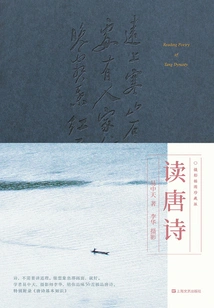
Read Tang Poetry
Literature读唐诗
Written By Yi Zhongtian Photographed By Li Hua
Poetry does not need to make sense. It's good if you can imagine that scene. Scholar Yi Zhongtian's latest masterpiece "Reading Tang Poems" in 2019 uses modern interpretation methods, a photographer's perspective, and Yi's rich-style writing to interpret the poetic and artistic meaning of 56 top Tang poems in his mind. The book is divided into five series: Spring Dawn, Autumn Thoughts, Mountain Dream, Jiangye, and Frontier Fortress. The Tang poems selected in each series become more and more emotional. Similarly, the emotions of the photography works accompanying the main text also fluctuate, from the delicate beauty of the south of the Yangtze River, the singing of orioles and the dancing of swallows, to the rich thoughts of autumn, to the vast desert and starlight beyond the Great Wall. At the back of the book, there is detailed basic knowledge of Tang poetry: verse style, meter, quatrains, rhymed verses, five-character, seven-character, flat and oblique, flat and straight, sticky pairs, rhyme, and antithesis, covering all the knowledge that beginners need. This collector's edition of photography illustrations talks about artistic conception, storytelling, and rhythm, and teaches you the basic techniques for appreciating tens of thousands of Tang poems. Yi Zhongtian's "Reading Tang Poems" is a shortcut for wandering in the splendid world of Tang poetry.
Poetry does not need to make sense. It's good if you can imagine that scene. Scholar Yi Zhongtian's latest masterpiece "Reading Tang Poems" in 2019 uses modern interpretation methods, a photographer's perspective, and Yi's rich-style writing to interpret the poetic and artistic meaning of 56 top Tang poems in his mind. The book is divided into five series: Spring Dawn, Autumn Thoughts, Mountain Dream, Jiangye, and Frontier Fortress. The Tang poems selected in each series become more and more emotional. Similarly, the emotions of the photography works accompanying the main text also fluctuate, from the delicate beauty of the south of the Yangtze River, the singing of orioles and the dancing of swallows, to the rich thoughts of autumn, to the vast desert and starlight beyond the Great Wall. At the back of the book, there is detailed basic knowledge of Tang poetry: verse style, meter, quatrains, rhymed verses, five-character, seven-character, flat and oblique, flat and straight, sticky pairs, rhyme, and antithesis, covering all the knowledge that beginners need. This collector's edition of photography illustrations talks about artistic conception, storytelling, and rhythm, and teaches you the basic techniques for appreciating tens of thousands of Tang poems. Yi Zhongtian's "Reading Tang Poems" is a shortcut for wandering in the splendid world of Tang poetry.
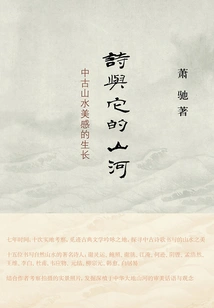
诗与它的山河:中古山水美感的生长(文史新论)
Xiao Chi
After the Jin and Song Dynasties, natural landscapes gradually became an independent theme and important element in Chinese poetry. Unlike early works such as The Book of Songs and Songs of Chu, where landscapes were only used as a means for poets to express their emotions, poets such as Xie Lingyun and Bao Zhao began to continue to describe landscapes positively. With the passage of time and the accumulation of culture, Chinese poets' aesthetic feelings and expressions of natural landscapes have continued to enrich, forming a gorgeous and colorful tree of aesthetic discourse on landscapes in Chinese classical literature. Many words and concepts about natural scenery first appeared in poetry, and later spread to painting, becoming a unique expression of Chinese classical culture.
After the Jin and Song Dynasties, natural landscapes gradually became an independent theme and important element in Chinese poetry. Unlike early works such as The Book of Songs and Songs of Chu, where landscapes were only used as a means for poets to express their emotions, poets such as Xie Lingyun and Bao Zhao began to continue to describe landscapes positively. With the passage of time and the accumulation of culture, Chinese poets' aesthetic feelings and expressions of natural landscapes have continued to enrich, forming a gorgeous and colorful tree of aesthetic discourse on landscapes in Chinese classical literature. Many words and concepts about natural scenery first appeared in poetry, and later spread to painting, becoming a unique expression of Chinese classical culture.
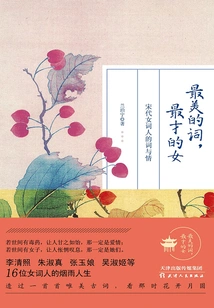
最美的词,最才的女:宋代女词人的词与情
Lamboning
With the theme of "Ci and Emotion", this book is divided into two volumes. It interprets the lyrics of 16 female poets of the Song Dynasty, including Li Qingzhao, Zhu Shuzhen, Zhang Yuniang, and Wu Shuji, and deeply explores their rich emotional world based on the background of the times and their personal lives. The first volume is titled "The spring sun in the sky, the sound of jade washing in the world", appreciating the works of the four major female poets of the Song Dynasty, headed by Li Qingzhao, and appreciating their joys and sorrows in the storms of history. The second volume is titled "The hairpin leaves behind old dreams, and the quiet words convey the three lives". It tells the legendary stories of such talented women as Mrs. Wei, Yang Meizi, Tang Wan, Yi Zongnu, Dai Fuxu's wife, etc., And feel the deep affection and heroism in the lyrics.
With the theme of "Ci and Emotion", this book is divided into two volumes. It interprets the lyrics of 16 female poets of the Song Dynasty, including Li Qingzhao, Zhu Shuzhen, Zhang Yuniang, and Wu Shuji, and deeply explores their rich emotional world based on the background of the times and their personal lives. The first volume is titled "The spring sun in the sky, the sound of jade washing in the world", appreciating the works of the four major female poets of the Song Dynasty, headed by Li Qingzhao, and appreciating their joys and sorrows in the storms of history. The second volume is titled "The hairpin leaves behind old dreams, and the quiet words convey the three lives". It tells the legendary stories of such talented women as Mrs. Wei, Yang Meizi, Tang Wan, Yi Zongnu, Dai Fuxu's wife, etc., And feel the deep affection and heroism in the lyrics.
Aesthetic Insights into the Literature of Contemporary Ethnic Groups with Small Populations
Literature当代人口较少民族文学的审美观照
Li Changzhong
"Literature of ethnic groups with a small population" is an important pole in my country's multi-ethnic literature, and it is also a very weak link in the current research on my country's multi-ethnic literature. This book provides a theoretical summary and practical summary of the many distinctive aesthetic phenomena and narrative experiences generated in the modern transformation process of contemporary ethnic literature with a small population, and conducts exploratory research on the aesthetic formation and related issues of contemporary literature from ethnic groups with a small population, in order to present some non-conventional characteristics of this type of literature and other literatures, and to enrich and improve contemporary Chinese multi-ethnic literature writing.
"Literature of ethnic groups with a small population" is an important pole in my country's multi-ethnic literature, and it is also a very weak link in the current research on my country's multi-ethnic literature. This book provides a theoretical summary and practical summary of the many distinctive aesthetic phenomena and narrative experiences generated in the modern transformation process of contemporary ethnic literature with a small population, and conducts exploratory research on the aesthetic formation and related issues of contemporary literature from ethnic groups with a small population, in order to present some non-conventional characteristics of this type of literature and other literatures, and to enrich and improve contemporary Chinese multi-ethnic literature writing.
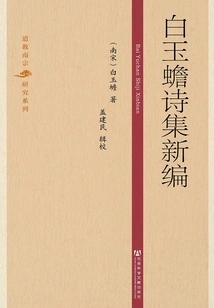
白玉蟾诗集新编(道教南宋研究系列)
(southern Song Dynasty) Written By Bai Yuchan And Edited By Gai Jianmin
Bai Yuchan is an outstanding Taoist thinker and poet in Chinese history. Most of his poems have been included in various editions of "The Complete Song Dynasty", "Sikuquanshu" and Tang and Song poetry collections. His diction is elegant, clear and ethereal. Many descendants have given high praise and called him an outstanding Taoist poet and Taoist writer in the Song Dynasty. He is an influential thinker in the history of Chinese thought. "Collection of Bai Yuchan's Poems" is a supporting project of Professor Gai Jianmin of Sichuan University's National Social Science Fund project "Bai Yuchan Taoist Jindan Sect's Southern Textual Research". It is a collection of the lost Bai Yuchan's poems that the author spent eight years in detail possessing historical materials such as classic documents and local chronicles, inscriptions, notebooks and novels. Using traditional bibliographic and textual research methods, he compiled and compiled a collection of lost Bai Yuchan's poems and lyrics through the mutual support of internal and external classics and local chronicles and archaeological documents in "Tao Zang".
Bai Yuchan is an outstanding Taoist thinker and poet in Chinese history. Most of his poems have been included in various editions of "The Complete Song Dynasty", "Sikuquanshu" and Tang and Song poetry collections. His diction is elegant, clear and ethereal. Many descendants have given high praise and called him an outstanding Taoist poet and Taoist writer in the Song Dynasty. He is an influential thinker in the history of Chinese thought. "Collection of Bai Yuchan's Poems" is a supporting project of Professor Gai Jianmin of Sichuan University's National Social Science Fund project "Bai Yuchan Taoist Jindan Sect's Southern Textual Research". It is a collection of the lost Bai Yuchan's poems that the author spent eight years in detail possessing historical materials such as classic documents and local chronicles, inscriptions, notebooks and novels. Using traditional bibliographic and textual research methods, he compiled and compiled a collection of lost Bai Yuchan's poems and lyrics through the mutual support of internal and external classics and local chronicles and archaeological documents in "Tao Zang".
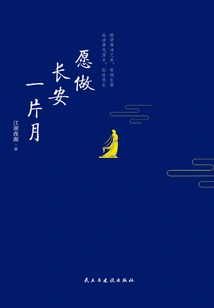
愿做长安一片月:全唐诗精读精析
Jianghu Yeyu
In China's thousands of years of splendid culture, Tang poetry is a dazzling pearl. It contains colorful beauty, which makes people sigh in admiration, and deeply feel the rhythm and poetry of the Chinese language that has traveled through thousands of years; it contains profound history, which makes people close their books and meditate after reading it, and carefully reflect on the alternative history and vicissitudes of life hidden in the poem. Tang poetry is a symbol of beauty; Tang poetry is also a carrier of history. Jianghu Yeyu, a poetry expert in CCTV's "Chinese Poetry Conference" and the overall winner of the third season of Hebei TV's "Chinese Poetry", will take us into the magnificent world of Tang poetry full of historical details, to appreciate the beauty of Tang poetry, and at the same time, understand the stories behind Tang poetry.
In China's thousands of years of splendid culture, Tang poetry is a dazzling pearl. It contains colorful beauty, which makes people sigh in admiration, and deeply feel the rhythm and poetry of the Chinese language that has traveled through thousands of years; it contains profound history, which makes people close their books and meditate after reading it, and carefully reflect on the alternative history and vicissitudes of life hidden in the poem. Tang poetry is a symbol of beauty; Tang poetry is also a carrier of history. Jianghu Yeyu, a poetry expert in CCTV's "Chinese Poetry Conference" and the overall winner of the third season of Hebei TV's "Chinese Poetry", will take us into the magnificent world of Tang poetry full of historical details, to appreciate the beauty of Tang poetry, and at the same time, understand the stories behind Tang poetry.
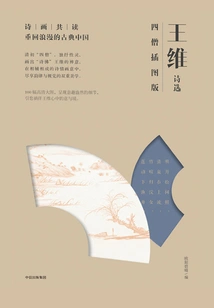
王维诗选:四僧插图版
Ouyang Biqing
The book "Selected Poems of Wang Wei" selects 100 of Wang Wei's beautiful and easy-to-understand poems, with phonetic notations and annotations for uncommon words. At the same time, 100 works of the four monks were specially selected and the highlights were used as illustrations. The poetic sentiment of "Poetic Buddha" combined with the pictorial meaning of "Four Monks" leads readers to wander into Wang Wei's inner thoughts and realms. Wang Wei, a famous poet in the prosperous Tang Dynasty, is known as the "Buddha of Poetry". Most of his poems are about landscapes and pastoral areas, and the poetic environment is simple and natural. He is a model of "painting in poetry and poetry in painting". The Four Monks, namely Shi Tao, Bada Shanren, Kun Can and Hong Ren, had a profound influence on the history of Chinese painting.
The book "Selected Poems of Wang Wei" selects 100 of Wang Wei's beautiful and easy-to-understand poems, with phonetic notations and annotations for uncommon words. At the same time, 100 works of the four monks were specially selected and the highlights were used as illustrations. The poetic sentiment of "Poetic Buddha" combined with the pictorial meaning of "Four Monks" leads readers to wander into Wang Wei's inner thoughts and realms. Wang Wei, a famous poet in the prosperous Tang Dynasty, is known as the "Buddha of Poetry". Most of his poems are about landscapes and pastoral areas, and the poetic environment is simple and natural. He is a model of "painting in poetry and poetry in painting". The Four Monks, namely Shi Tao, Bada Shanren, Kun Can and Hong Ren, had a profound influence on the history of Chinese painting.
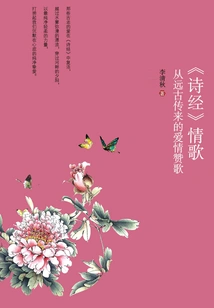
《诗经》情歌:从远古传来的爱情赞歌
Li Qingqiu
Who has ever remembered and pursued a graceful beauty, who has walked on the water, laughed, sang and cried, who has spoken love to the moon and longed to meet again... That is the call of love and all the romantic feelings from the "Book of Songs". They all gradually woke up in this blurry mist. Taking care of our romantic dreams. "\U003C The Book of Songs\u003E Love Songs (Hymns of Love from Ancient Times)\u002F Deep Love Poems Series" written by Li Qingqiu extracts the touching love stories in the "Book of Songs" from the long river of history. It pays more attention to the story behind a poem, restores the real historical details of the time, and helps readers find the truth, goodness and beauty of the lost traditional culture.
Who has ever remembered and pursued a graceful beauty, who has walked on the water, laughed, sang and cried, who has spoken love to the moon and longed to meet again... That is the call of love and all the romantic feelings from the "Book of Songs". They all gradually woke up in this blurry mist. Taking care of our romantic dreams. "\U003C The Book of Songs\u003E Love Songs (Hymns of Love from Ancient Times)\u002F Deep Love Poems Series" written by Li Qingqiu extracts the touching love stories in the "Book of Songs" from the long river of history. It pays more attention to the story behind a poem, restores the real historical details of the time, and helps readers find the truth, goodness and beauty of the lost traditional culture.
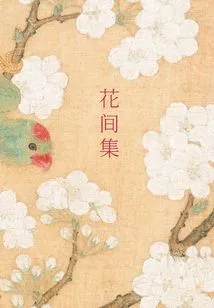
Huajianji
Literature花间集
Wen Tingyun Wei Zhuang
This edition is comprehensively revised and revised based on the Song Dynasty Chao edition and Ezhou edition with reference to Tang Xianzu's commentary edition and other important editions. Contains all 500 articles. Text part: full text annotation and phonetic notation for smooth reading. The upper and lower sections are divided into paragraphs, situational sentences are broken up, and the interior design is full of humanistic care. Illustration part: includes a total of 110 classic collections of flowers, birds, and ladies from 42 top painting artists from the late Tang Dynasty to modern times.
This edition is comprehensively revised and revised based on the Song Dynasty Chao edition and Ezhou edition with reference to Tang Xianzu's commentary edition and other important editions. Contains all 500 articles. Text part: full text annotation and phonetic notation for smooth reading. The upper and lower sections are divided into paragraphs, situational sentences are broken up, and the interior design is full of humanistic care. Illustration part: includes a total of 110 classic collections of flowers, birds, and ladies from 42 top painting artists from the late Tang Dynasty to modern times.
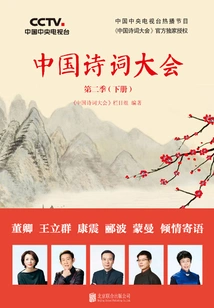
中国诗词大会·第二季(下册)
Edited By The Column Team Of "chinese Poetry Conference"
From the sixth to the tenth game of the competition 1. Officially authorized by the popular CCTV program "Chinese Poetry Conference"; 2. This book is organized and polished according to the text script of "Chinese Poetry Conference" (Season 2); 3. The strong ratings of the second season of "Chinese Poetry Conference"; 4 . The strong appeal of famous program hosts and cultural scholars such as Dong Qing, Wang Liqun, Kang Zhen, Meng Man, and Li Bo; 5. In line with the current "Chinese" textbooks commonly used in primary and secondary schools; 6. A popular reading that integrates knowledge, interest, competition, and elegance. 7. The book is in 4 full colors and is well produced.
From the sixth to the tenth game of the competition 1. Officially authorized by the popular CCTV program "Chinese Poetry Conference"; 2. This book is organized and polished according to the text script of "Chinese Poetry Conference" (Season 2); 3. The strong ratings of the second season of "Chinese Poetry Conference"; 4 . The strong appeal of famous program hosts and cultural scholars such as Dong Qing, Wang Liqun, Kang Zhen, Meng Man, and Li Bo; 5. In line with the current "Chinese" textbooks commonly used in primary and secondary schools; 6. A popular reading that integrates knowledge, interest, competition, and elegance. 7. The book is in 4 full colors and is well produced.
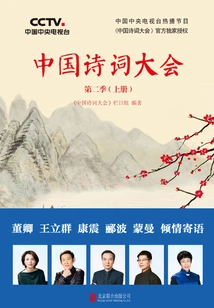
中国诗词大会·第二季(上册)
Edited By The Column Team Of "chinese Poetry Conference"
The competition from the first to the fifth game 1. Officially authorized by the popular CCTV program "Chinese Poetry Conference"; 2. This book is organized and polished according to the text script of "Chinese Poetry Conference" (Season 2); 3. The strong ratings of the second season of "Chinese Poetry Conference"; 4 . The strong appeal of famous program hosts and cultural scholars such as Dong Qing, Wang Liqun, Kang Zhen, Meng Man, and Li Bo; 5. In line with the current "Chinese" textbooks commonly used in primary and secondary schools; 6. A popular reading that integrates knowledge, interest, competition, and elegance. 7. The book is in 4 full colors and is well produced.
The competition from the first to the fifth game 1. Officially authorized by the popular CCTV program "Chinese Poetry Conference"; 2. This book is organized and polished according to the text script of "Chinese Poetry Conference" (Season 2); 3. The strong ratings of the second season of "Chinese Poetry Conference"; 4 . The strong appeal of famous program hosts and cultural scholars such as Dong Qing, Wang Liqun, Kang Zhen, Meng Man, and Li Bo; 5. In line with the current "Chinese" textbooks commonly used in primary and secondary schools; 6. A popular reading that integrates knowledge, interest, competition, and elegance. 7. The book is in 4 full colors and is well produced.
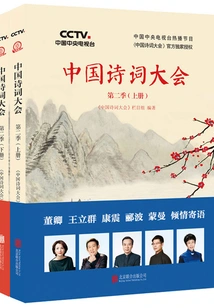
中国诗词大会·第二季(全集)
Edited By The Column Team Of "chinese Poetry Conference"
1. Officially authorized by CCTV's popular program "Chinese Poetry Conference"; 2. This book is compiled and polished according to the text script of "Chinese Poetry Conference" (Season 2); 3. The strong ratings of the second season of "Chinese Poetry Conference"; 4. Dong Qing, Wang The powerful appeal of famous program hosts and cultural scholars such as Liqun, Kang Zhen, Mengman, and Li Bo; 5. In line with the current "Chinese" textbooks commonly used in primary and secondary schools; 6. A popular reading that integrates knowledge, interest, competition, and elegance. 7. The book is in 4 full colors and is well produced.
1. Officially authorized by CCTV's popular program "Chinese Poetry Conference"; 2. This book is compiled and polished according to the text script of "Chinese Poetry Conference" (Season 2); 3. The strong ratings of the second season of "Chinese Poetry Conference"; 4. Dong Qing, Wang The powerful appeal of famous program hosts and cultural scholars such as Liqun, Kang Zhen, Mengman, and Li Bo; 5. In line with the current "Chinese" textbooks commonly used in primary and secondary schools; 6. A popular reading that integrates knowledge, interest, competition, and elegance. 7. The book is in 4 full colors and is well produced.
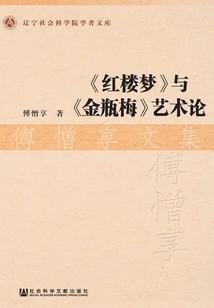
The Art Theory of "a Dream of Red Mansions" and "jin Ping Mei": Collected Works of Fu Shenxiang
Literature《红楼梦》与《金瓶梅》艺术论:傅憎享文集
Fu Shengxiang
This book is the main result of Mr. Fu Shengxiang's research on red and gold studies and has a certain status in the national red and gold studies. Most of the articles in the book have been published in core journals such as "Journal of Dream of Red Mansions". The author analyzes and demonstrates from the perspective of art and language, and conducts research on red and gold studies from the aspects of color, vividness, human heart, appearance, dynamics, props, exit, saving pen, suspense, humor, interesting pen, parody, metaphor, exaggeration, refining of words, refining of words, inheritance and innovation, and the authenticity of art. It is unique and innovative in the research of red and gold studies in my country.
This book is the main result of Mr. Fu Shengxiang's research on red and gold studies and has a certain status in the national red and gold studies. Most of the articles in the book have been published in core journals such as "Journal of Dream of Red Mansions". The author analyzes and demonstrates from the perspective of art and language, and conducts research on red and gold studies from the aspects of color, vividness, human heart, appearance, dynamics, props, exit, saving pen, suspense, humor, interesting pen, parody, metaphor, exaggeration, refining of words, refining of words, inheritance and innovation, and the authenticity of art. It is unique and innovative in the research of red and gold studies in my country.