Library
Browse and search books
653 novels found
A
LiteratureA
H
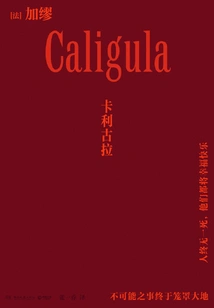
Nobel Prize winner Camus' masterpiece drama, "The Stranger" and "Happy Death" are newly translated by translator Zhang Yiqiao. After Caligula's lover died, he disappeared for three days. When he came back, his temperament changed drastically, and he suddenly claimed that he had discovered the truth, that is, "people are mortal, and they are not happy." Faced with this unchangeable fate, Caligula wanted to achieve the "impossible". He wanted to hold the moon in his hand, mix the sky into the sea, confuse beauty and ugliness, and make the suffering people laugh. He wants to give this century the gift of equality for all living beings. Until the impossible finally covers the earth, and in the end, no one dies and they will all be happy. In order to realize all this, a great trial begins. Caligula pushes the emperor's power to the limit, and everything in the world is waiting to be transformed...
Nobel Prize winner Camus' masterpiece drama, "The Stranger" and "Happy Death" are newly translated by translator Zhang Yiqiao. After Caligula's lover died, he disappeared for three days. When he came back, his temperament changed drastically, and he suddenly claimed that he had discovered the truth, that is, "people are mortal, and they are not happy." Faced with this unchangeable fate, Caligula wanted to achieve the "impossible". He wanted to hold the moon in his hand, mix the sky into the sea, confuse beauty and ugliness, and make the suffering people laugh. He wants to give this century the gift of equality for all living beings. Until the impossible finally covers the earth, and in the end, no one dies and they will all be happy. In order to realize all this, a great trial begins. Caligula pushes the emperor's power to the limit, and everything in the world is waiting to be transformed...
鲁迅小说的戏剧改编研究
Sun Shufang
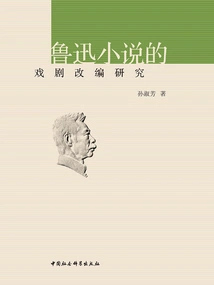
Based on the perspective of adaptation theory, this book conducts a comprehensive study on the phenomenon of dramatic adaptation of Lu Xun's novels after sorting out more than 90 years of drama adaptations of Lu Xun's novels, and constructs a "comprehensive" framework for a more systematic and in-depth study of the dramatic adaptation of Lu Xun's novels. Therefore, on the one hand, the aesthetic value of Lu Xun's novels adapted into dramas and their significance for the dissemination of classics are studied from an ontological perspective; on the other hand, the drama adaptations of Lu Xun's novels are compared with the original works, and the internal relationship between the two, the value of narratives in different art forms, and the gains and losses of adaptation are examined. Based on the above research, this book puts forward suggestions and thoughts on the dramatic adaptation of Lu Xun's novels, and then studies how adaptation can better spread and inherit literary classics, so that the classics have more eternal artistic vitality.
Based on the perspective of adaptation theory, this book conducts a comprehensive study on the phenomenon of dramatic adaptation of Lu Xun's novels after sorting out more than 90 years of drama adaptations of Lu Xun's novels, and constructs a "comprehensive" framework for a more systematic and in-depth study of the dramatic adaptation of Lu Xun's novels. Therefore, on the one hand, the aesthetic value of Lu Xun's novels adapted into dramas and their significance for the dissemination of classics are studied from an ontological perspective; on the other hand, the drama adaptations of Lu Xun's novels are compared with the original works, and the internal relationship between the two, the value of narratives in different art forms, and the gains and losses of adaptation are examined. Based on the above research, this book puts forward suggestions and thoughts on the dramatic adaptation of Lu Xun's novels, and then studies how adaptation can better spread and inherit literary classics, so that the classics have more eternal artistic vitality.
Research on Chinese Quology (Volume 5)
Literature中国曲学研究(第五辑)
Edited By The Editorial Board Of "research On Chinese Quology"
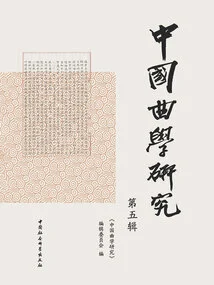
"Research on Chinese Quxue" is an academic journal co-organized by Hebei University and Northern Kunqu Opera Theater and hosted by the Chinese Quxue Research Center, a key research base for humanities and social sciences in universities in Hebei Province. It is edited by Professor Liu Chongde. Focus on publishing relevant papers on traditional songwriting research. The main columns include: research on lyrics and music, research on lyrics, research on folk operas and operas of the Song, Yuan, Ming and Qing dynasties, research on Kunqu opera, research on local operas, research on modern and contemporary composers, protection and research on intangible cultural heritage of operas, theories on famous music, interviews, etc. These research results play a positive role in promoting the discipline construction and creative methods of Chinese Quxue and making full use of the rich traditional cultural resources of Quxue.
"Research on Chinese Quxue" is an academic journal co-organized by Hebei University and Northern Kunqu Opera Theater and hosted by the Chinese Quxue Research Center, a key research base for humanities and social sciences in universities in Hebei Province. It is edited by Professor Liu Chongde. Focus on publishing relevant papers on traditional songwriting research. The main columns include: research on lyrics and music, research on lyrics, research on folk operas and operas of the Song, Yuan, Ming and Qing dynasties, research on Kunqu opera, research on local operas, research on modern and contemporary composers, protection and research on intangible cultural heritage of operas, theories on famous music, interviews, etc. These research results play a positive role in promoting the discipline construction and creative methods of Chinese Quxue and making full use of the rich traditional cultural resources of Quxue.
英国中世纪戏剧流变研究(5—15世纪)
Guo Xiaoxia
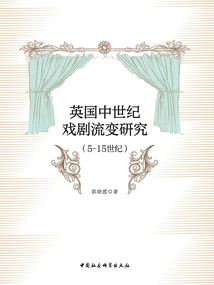
This book mainly studies the development and evolution process of British medieval drama. British medieval drama mainly had three development lines: the activities of professional actors for the purpose of making a living, the popular performances of the general public, and the dramatic church rituals. Church ritual dramas gradually developed into the three most popular drama types in the late Middle Ages: saint dramas, serial dramas, and moral dramas. At the end of the 15th century, religious dramas gradually declined and disappeared, interlude dramas gradually emerged, and British drama began to turn to Renaissance humanistic drama. This book combs out the development trajectory of British medieval drama, that is, the development process from early folk secular drama, church ritual drama, middle and late religious drama to episodic drama, and summarizes the basic rules of the development and evolution of British medieval drama, that is, whether the church and the official can educate the people to the maximum extent determine the survival and spread of drama.
This book mainly studies the development and evolution process of British medieval drama. British medieval drama mainly had three development lines: the activities of professional actors for the purpose of making a living, the popular performances of the general public, and the dramatic church rituals. Church ritual dramas gradually developed into the three most popular drama types in the late Middle Ages: saint dramas, serial dramas, and moral dramas. At the end of the 15th century, religious dramas gradually declined and disappeared, interlude dramas gradually emerged, and British drama began to turn to Renaissance humanistic drama. This book combs out the development trajectory of British medieval drama, that is, the development process from early folk secular drama, church ritual drama, middle and late religious drama to episodic drama, and summarizes the basic rules of the development and evolution of British medieval drama, that is, whether the church and the official can educate the people to the maximum extent determine the survival and spread of drama.
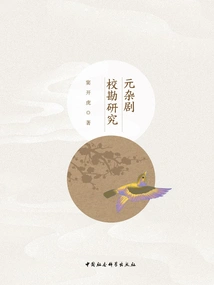
Compilation and Research on Yuan Zaju
Literature元杂剧校勘研究
Dou Kaihu
This book systematically sorts out the history of collation of Yuan dramas in the Yuan, Ming and Qing dynasties and modern times. It takes the collation results of the Ming, Qing and modern times as research cases, and conducts comparative research on those with rich results such as "The Romance of the West Chamber", "Thirty Kinds of Yuan Journal Zajus" and Guan Hanqing's Zajus. The whole book takes historical development as the basis and the results of the compilation of Yuan dramas as the latitude, comprehensively showing the overall style of the compilation of Yuan dramas.
This book systematically sorts out the history of collation of Yuan dramas in the Yuan, Ming and Qing dynasties and modern times. It takes the collation results of the Ming, Qing and modern times as research cases, and conducts comparative research on those with rich results such as "The Romance of the West Chamber", "Thirty Kinds of Yuan Journal Zajus" and Guan Hanqing's Zajus. The whole book takes historical development as the basis and the results of the compilation of Yuan dramas as the latitude, comprehensively showing the overall style of the compilation of Yuan dramas.
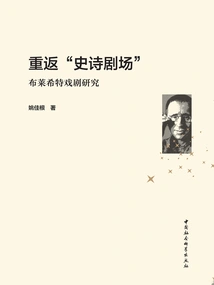
重返“史诗剧场”:布莱希特戏剧研究
Yao Jiagan
Regarding Brecht's pursuit of dramatic ideals, it is necessary to analyze the intrinsic goals of his theoretical propositions from his overall conception of the stage. Brecht's drama has a grander vision beyond art, that is, to participate in the practice of transforming social patterns. Therefore, he must reform the function of drama to adapt to this social task, and use "defamiliarization" as the aesthetic principle to experiment with various stage art methods to achieve the purpose of prompting the audience to think and guide them to act. Emphasizing returning to the epic theater itself is to extract an internal expression path of "social tasks-dramatic functions-artistic means" from the dramatist's artistic activities, thereby deepening the understanding of its dramatic characteristics.
Regarding Brecht's pursuit of dramatic ideals, it is necessary to analyze the intrinsic goals of his theoretical propositions from his overall conception of the stage. Brecht's drama has a grander vision beyond art, that is, to participate in the practice of transforming social patterns. Therefore, he must reform the function of drama to adapt to this social task, and use "defamiliarization" as the aesthetic principle to experiment with various stage art methods to achieve the purpose of prompting the audience to think and guide them to act. Emphasizing returning to the epic theater itself is to extract an internal expression path of "social tasks-dramatic functions-artistic means" from the dramatist's artistic activities, thereby deepening the understanding of its dramatic characteristics.
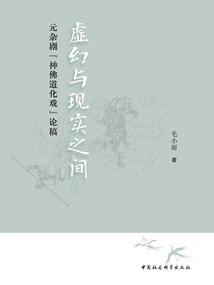
虚幻与现实之间:元杂剧“神佛道化戏”论稿
Mao Xiaoyu
Religious dramas in Yuan Zaju are an important part of Yuan Zaju. By combing through all the religious plays in Yuan Zaju, and through detailed examination and analysis, this book puts forward a new concept that is different from "fairy and Taoist dramas", that is, "divine, Buddhist and Taoist dramas". This book also discusses the mode of religious drama in Yuan Zaju, the organic combination of religion and drama, and the special dramatic phenomenon of "Eight Immortals Opera". At the same time, when the author studied the "Journey to the West" drama, he found that it is an important bridge between the original Journey to the West story and the novel "Journey to the West", because it is different from the novel "Journey to the West", and some of its characteristics can better prove the relationship between "Journey to the West" and the Indian epic "Ramayana" by previous scholars. Through the study of the religious dramas of Yuan Zaju, we can find that any literary works are not fictions, and religious dramas are also reflections of social reality. From them, we can see the harsh conditions of the world, the strife in officialdom, the plight of prostitutes, and the usury system, etc., Which gives us a deeper understanding of the society of the Yuan Dynasty. The "divine, Buddhist and Taoist drama" in the seemingly fantasy Yuan dramas is actually a vivid and concrete presentation of the social conditions of China at that time on the stage. In addition, this book also includes several papers written by the author on the study of Yuan dramas.
Religious dramas in Yuan Zaju are an important part of Yuan Zaju. By combing through all the religious plays in Yuan Zaju, and through detailed examination and analysis, this book puts forward a new concept that is different from "fairy and Taoist dramas", that is, "divine, Buddhist and Taoist dramas". This book also discusses the mode of religious drama in Yuan Zaju, the organic combination of religion and drama, and the special dramatic phenomenon of "Eight Immortals Opera". At the same time, when the author studied the "Journey to the West" drama, he found that it is an important bridge between the original Journey to the West story and the novel "Journey to the West", because it is different from the novel "Journey to the West", and some of its characteristics can better prove the relationship between "Journey to the West" and the Indian epic "Ramayana" by previous scholars. Through the study of the religious dramas of Yuan Zaju, we can find that any literary works are not fictions, and religious dramas are also reflections of social reality. From them, we can see the harsh conditions of the world, the strife in officialdom, the plight of prostitutes, and the usury system, etc., Which gives us a deeper understanding of the society of the Yuan Dynasty. The "divine, Buddhist and Taoist drama" in the seemingly fantasy Yuan dramas is actually a vivid and concrete presentation of the social conditions of China at that time on the stage. In addition, this book also includes several papers written by the author on the study of Yuan dramas.
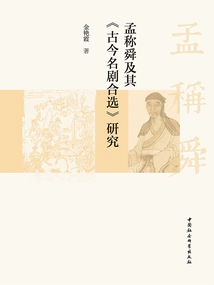
Research on Meng Chengshun and His "selected Collection of Ancient and Modern Famous Dramas
Literature孟称舜及其《古今名剧合选》研究
Jin Yanxia
"Collection of Ancient and Modern Famous Dramas" appeared under the background of the creative trend of retroism in the late Ming Dynasty. It is another version of the anthology of Zaju after "Zajus of Ancient Famous Masters", "Selected Zajus of Xijizi Yuanren", "Selected Ancient Zajus" and "Selected Yuan Operas". It integrates preface, selection and commentary, which not only embodies the editor Meng Chengshun's unique opera editing concept and opera theory view, but also has very precious documentary value, which is of great significance to the compilation and collation of Yuan and Ming Zaju versions. For the first time, this book studies "Collection of Ancient and Modern Famous Dramas" as a whole, and explains the composer Meng Chengshun's life, friendship, and creations through his life, friendship, and creation. Combined with the political and cultural background of the late Ming Dynasty, this book provides an in-depth and systematic analysis of "Collection of Famous Ancient and Modern Dramas". "The compilation motivation and selection criteria of ""; a detailed narration of the 56 selected plays; a classification study of the preserved comments of Meng Chengshun; and a comparative study with the Yuan and Ming Dynasty drama selections to highlight the unique value of "Selected Ancient and Modern Famous Dramas".
"Collection of Ancient and Modern Famous Dramas" appeared under the background of the creative trend of retroism in the late Ming Dynasty. It is another version of the anthology of Zaju after "Zajus of Ancient Famous Masters", "Selected Zajus of Xijizi Yuanren", "Selected Ancient Zajus" and "Selected Yuan Operas". It integrates preface, selection and commentary, which not only embodies the editor Meng Chengshun's unique opera editing concept and opera theory view, but also has very precious documentary value, which is of great significance to the compilation and collation of Yuan and Ming Zaju versions. For the first time, this book studies "Collection of Ancient and Modern Famous Dramas" as a whole, and explains the composer Meng Chengshun's life, friendship, and creations through his life, friendship, and creation. Combined with the political and cultural background of the late Ming Dynasty, this book provides an in-depth and systematic analysis of "Collection of Famous Ancient and Modern Dramas". "The compilation motivation and selection criteria of ""; a detailed narration of the 56 selected plays; a classification study of the preserved comments of Meng Chengshun; and a comparative study with the Yuan and Ming Dynasty drama selections to highlight the unique value of "Selected Ancient and Modern Famous Dramas".
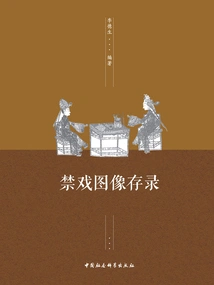
Recording of Banned Images
Literature禁戏图像存录
Compiled By Li Desheng
"Reading pictures is like reading history" is an important proposition in modern historical research. The author of this book has collected more than 2,000 frames of dramas, legends, some drama illustrations in operas, palace dramas, old drama photos, woodblock opera New Year pictures, cigarette pictures, and drama paintings on folk handicrafts published in the market since the Yuan Dynasty, and compiled them into one volume. From the perspective of visual images, the general appearance of the so-called "forbidden opera" in the prohibition and management of theater in the Qing Dynasty is described. At the same time, it also tried to explain that the reason why the official "banned opera" in the Qing Dynasty was "forbidden and difficult to stop" and "repeatedly banned again and again" just shows that this kind of folk drama has unique artistic charm and tenacious vitality.
"Reading pictures is like reading history" is an important proposition in modern historical research. The author of this book has collected more than 2,000 frames of dramas, legends, some drama illustrations in operas, palace dramas, old drama photos, woodblock opera New Year pictures, cigarette pictures, and drama paintings on folk handicrafts published in the market since the Yuan Dynasty, and compiled them into one volume. From the perspective of visual images, the general appearance of the so-called "forbidden opera" in the prohibition and management of theater in the Qing Dynasty is described. At the same time, it also tried to explain that the reason why the official "banned opera" in the Qing Dynasty was "forbidden and difficult to stop" and "repeatedly banned again and again" just shows that this kind of folk drama has unique artistic charm and tenacious vitality.
Palace of Eternal Life
Literature长生殿
Hong Sheng
"The Palace of Eternal Life" is a legendary drama written by Hong Sheng, a playwright in the early Qing Dynasty. It describes the love story between Emperor Ming of the Tang Dynasty and Concubine Yang Guifei, as well as the great disaster brought to the country by the emperor's fatuousness and political corruption during the Tianbao period of the Tang Dynasty. The first half describes the two people's oath of alliance in the Palace of Eternal Life, the An-Shi Rebellion, the Mawei Incident, and the death of Concubine Yang. The second half describes the story of Emperor Ming's longing for Concubine Yang, sending people to search for her soul, and the story of their reunion in the Moon Palace, embodying the ideal of beautiful love. "The Palace of Eternal Life" had a profound impact on the society of the early Qing Dynasty. As an emotional masterpiece, it closely interweaves history and emotion, successfully demonstrates the charm and depth of Kun Opera, and brings a historical world of sorrow and joy to the audience. "The Palace of Eternal Life" not only reveals the prosperity and decline of Tang Dynasty society, but also reflects the lessons of the demise of the Ming Dynasty, reflecting the critical attitude of society at that time towards the monarch's debauchery and harm to the country. At the same time, the portrayal of the characters in the play is also extremely successful. From the royal nobles to the loyal and patriotic people to the villains, they are all vividly portrayed, leaving a deep impression on the audience.
"The Palace of Eternal Life" is a legendary drama written by Hong Sheng, a playwright in the early Qing Dynasty. It describes the love story between Emperor Ming of the Tang Dynasty and Concubine Yang Guifei, as well as the great disaster brought to the country by the emperor's fatuousness and political corruption during the Tianbao period of the Tang Dynasty. The first half describes the two people's oath of alliance in the Palace of Eternal Life, the An-Shi Rebellion, the Mawei Incident, and the death of Concubine Yang. The second half describes the story of Emperor Ming's longing for Concubine Yang, sending people to search for her soul, and the story of their reunion in the Moon Palace, embodying the ideal of beautiful love. "The Palace of Eternal Life" had a profound impact on the society of the early Qing Dynasty. As an emotional masterpiece, it closely interweaves history and emotion, successfully demonstrates the charm and depth of Kun Opera, and brings a historical world of sorrow and joy to the audience. "The Palace of Eternal Life" not only reveals the prosperity and decline of Tang Dynasty society, but also reflects the lessons of the demise of the Ming Dynasty, reflecting the critical attitude of society at that time towards the monarch's debauchery and harm to the country. At the same time, the portrayal of the characters in the play is also extremely successful. From the royal nobles to the loyal and patriotic people to the villains, they are all vividly portrayed, leaving a deep impression on the audience.
Oresteia
Literature奥瑞斯提亚
(ancient Greece) Aeschylus
"The Oresteia" is the only complete ancient Greek triptych in existence. It consists of "Agamemnon", "The Libation Bearer" and "The Good Ones". It was first performed in 458 BC. "Agamemnon" tells the story of King Agamemnon of Argos who returned triumphantly after conquering Troy, but was murdered by his wife Clytemnestra; "The Libation Bearer" tells the story of Agamemnon's son Orestes returning to Argos to meet his sister Elek The story of Terra recognizing each other and finally killing her mother to avenge her father; "The Good One" tells the story of Orestes, who was pressed by the goddess of revenge for killing his biological mother, defended his actions in front of Athena and various judges, and was finally acquitted by Athena. The entire triptych is well connected and completed in one go.
"The Oresteia" is the only complete ancient Greek triptych in existence. It consists of "Agamemnon", "The Libation Bearer" and "The Good Ones". It was first performed in 458 BC. "Agamemnon" tells the story of King Agamemnon of Argos who returned triumphantly after conquering Troy, but was murdered by his wife Clytemnestra; "The Libation Bearer" tells the story of Agamemnon's son Orestes returning to Argos to meet his sister Elek The story of Terra recognizing each other and finally killing her mother to avenge her father; "The Good One" tells the story of Orestes, who was pressed by the goddess of revenge for killing his biological mother, defended his actions in front of Athena and various judges, and was finally acquitted by Athena. The entire triptych is well connected and completed in one go.
N
Force of Habit
Literature习惯的力量
H
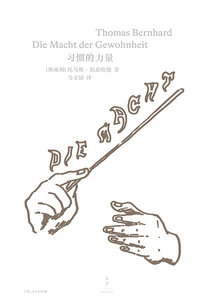
"The Force of Habit" premiered at the Salzburg Festival in 1974 and was Thomas Bernhard's first true comedy. Garibaldi, a circus owner, decides to practice the cello in order to overcome illness, aging, and the chaos of mediocrity. For years, when not touring the circus, Garibaldi tried to perfect the music by performing Schubert's Trout Quintet in its entirety with circus clowns, animal trainers, jugglers and his high-wire walking granddaughter. However, rehearsals often have to be interrupted for various reasons and become a complete disaster. Year after year of grotesque drills became a circus routine. We don't like this life, but it has to be lived; we all hate the Trout Quintet, but we have to play it.
"The Force of Habit" premiered at the Salzburg Festival in 1974 and was Thomas Bernhard's first true comedy. Garibaldi, a circus owner, decides to practice the cello in order to overcome illness, aging, and the chaos of mediocrity. For years, when not touring the circus, Garibaldi tried to perfect the music by performing Schubert's Trout Quintet in its entirety with circus clowns, animal trainers, jugglers and his high-wire walking granddaughter. However, rehearsals often have to be interrupted for various reasons and become a complete disaster. Year after year of grotesque drills became a circus routine. We don't like this life, but it has to be lived; we all hate the Trout Quintet, but we have to play it.
Heroes Square
Literature英雄广场
H
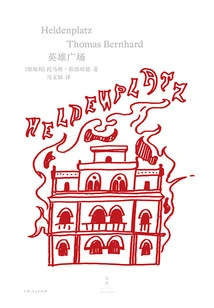
On November 4, 1988, "Heroes' Square" broke through numerous obstacles and premiered at the Burgtheater in Vienna, Austria. The performance was unprecedented and attracted the attention of Europe and even the world. This was the last play written by Thomas Bernhard. For ten or eleven years, the professor's wife always heard the shouts in Heroes' Square. No one could hear the shouts but she could hear them... She had heard the shouts of the people in Heroes' Square for several months. The shouts made her restless all day long. You know, on March 15, 1938, Hitler drove into Heroes' Square...
On November 4, 1988, "Heroes' Square" broke through numerous obstacles and premiered at the Burgtheater in Vienna, Austria. The performance was unprecedented and attracted the attention of Europe and even the world. This was the last play written by Thomas Bernhard. For ten or eleven years, the professor's wife always heard the shouts in Heroes' Square. No one could hear the shouts but she could hear them... She had heard the shouts of the people in Heroes' Square for several months. The shouts made her restless all day long. You know, on March 15, 1938, Hitler drove into Heroes' Square...
President
Literature总统
H
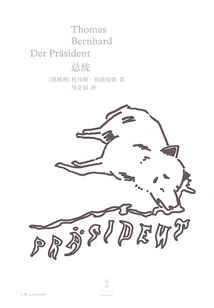
In May 1975, "The President" premiered at the Academy Theater in Vienna, Austria (the second stage of the Burgtheater). In an unnamed European country, the president and his wife are preparing to attend the funeral. Not long ago, an anarchist assassination attempt against the president failed. The president himself survived, but the president's close aide, the colonel, and the president's wife's pet dog unfortunately lost their lives. While the president and his wife were freshening up and changing their clothes, they recalled the thrilling assassination and described a life in high positions, with power and fear. No one understands that they don't understand that these people don't understand anything. They only have despicable ambition and hatred in their minds. What else can there be...
In May 1975, "The President" premiered at the Academy Theater in Vienna, Austria (the second stage of the Burgtheater). In an unnamed European country, the president and his wife are preparing to attend the funeral. Not long ago, an anarchist assassination attempt against the president failed. The president himself survived, but the president's close aide, the colonel, and the president's wife's pet dog unfortunately lost their lives. While the president and his wife were freshening up and changing their clothes, they recalled the thrilling assassination and described a life in high positions, with power and fear. No one understands that they don't understand that these people don't understand anything. They only have despicable ambition and hatred in their minds. What else can there be...
Bernhard's Satirical Drama Trilogy
Literature伯恩哈德讽刺戏剧三部曲
(austria) Thomas Bernhard
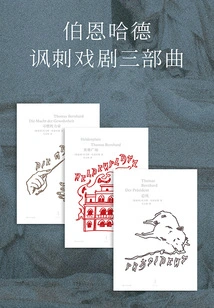
Paying attention to life and social reality in a critical way reveals absurdities and paradoxes that are different from Kafka's; using the ironclad spirit of intellectuals, he becomes the gadfly of society and the people. Classic plays by Thomas Bernhard, winner of the Lille Patzer Prize, the Austrian State Prize for Literature, the Büchner Prize, the Free Hanseatic City Bremen Prize, the Julius Camper Prize, the Anton Wildgans Prize, and the Franz Theodor Jockol Literary Prize. "The President": Bernhard's classic drama; a mockery of the madness of the world; behind the world is a solid and complex stage mechanism. "Heroesplatz": Bernhard's last play; a play that shocked the world and turned the whole of Austria into a stage. The Force of Habit: Bernhard's first comedy; Hannover Theater Prize, Best Play of the Year in Contemporary Theater; In a world without tolerance, every word is a mantra.
Paying attention to life and social reality in a critical way reveals absurdities and paradoxes that are different from Kafka's; using the ironclad spirit of intellectuals, he becomes the gadfly of society and the people. Classic plays by Thomas Bernhard, winner of the Lille Patzer Prize, the Austrian State Prize for Literature, the Büchner Prize, the Free Hanseatic City Bremen Prize, the Julius Camper Prize, the Anton Wildgans Prize, and the Franz Theodor Jockol Literary Prize. "The President": Bernhard's classic drama; a mockery of the madness of the world; behind the world is a solid and complex stage mechanism. "Heroesplatz": Bernhard's last play; a play that shocked the world and turned the whole of Austria into a stage. The Force of Habit: Bernhard's first comedy; Hannover Theater Prize, Best Play of the Year in Contemporary Theater; In a world without tolerance, every word is a mantra.
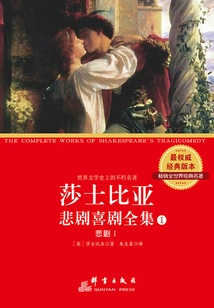
莎士比亚悲剧喜剧全集1:悲剧Ⅰ
H
This book is the first volume, and this set of books is divided into six volumes. The three volumes of tragedies and three volumes of comedies include 11 tragedies such as "Hamlet", "Othello", "King Lear" and "Macbeth" and 12 comedies such as "The Merchant of Venice", "A Midsummer Night's Dream", "As You Like It", "Twelfth Night" and "The Merry Wives of Windsor", all arranged in order of Shakespeare's writing time. This set of books is translated by Mr. Zhu Shenghao. It has been tested for a long time and is worth reading and collecting by readers!
This book is the first volume, and this set of books is divided into six volumes. The three volumes of tragedies and three volumes of comedies include 11 tragedies such as "Hamlet", "Othello", "King Lear" and "Macbeth" and 12 comedies such as "The Merchant of Venice", "A Midsummer Night's Dream", "As You Like It", "Twelfth Night" and "The Merry Wives of Windsor", all arranged in order of Shakespeare's writing time. This set of books is translated by Mr. Zhu Shenghao. It has been tested for a long time and is worth reading and collecting by readers!
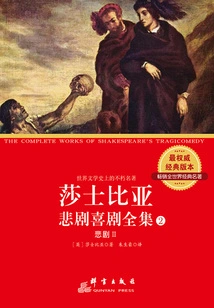
莎士比亚悲剧喜剧全集2:悲剧Ⅱ
H
This book is the second volume, and this set of books is divided into six volumes. The three volumes of tragedies and three volumes of comedies include 11 tragedies such as "Hamlet", "Othello", "King Lear" and "Macbeth" and 12 comedies such as "The Merchant of Venice", "A Midsummer Night's Dream", "As You Like It", "Twelfth Night" and "The Merry Wives of Windsor", all arranged in order of Shakespeare's writing time. This set of books is translated by Mr. Zhu Shenghao. It has been tested for a long time and is worth reading and collecting by readers!
This book is the second volume, and this set of books is divided into six volumes. The three volumes of tragedies and three volumes of comedies include 11 tragedies such as "Hamlet", "Othello", "King Lear" and "Macbeth" and 12 comedies such as "The Merchant of Venice", "A Midsummer Night's Dream", "As You Like It", "Twelfth Night" and "The Merry Wives of Windsor", all arranged in order of Shakespeare's writing time. This set of books is translated by Mr. Zhu Shenghao. It has been tested for a long time and is worth reading and collecting by readers!
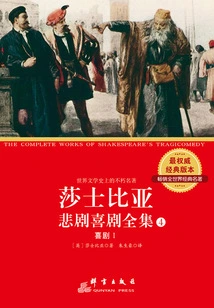
莎士比亚悲剧喜剧全集4:喜剧Ⅰ
H
This book is the fourth volume, and this set of books is divided into six volumes. The three volumes of tragedies and three volumes of comedies include 11 tragedies such as "Hamlet", "Othello", "King Lear" and "Macbeth" and 12 comedies such as "The Merchant of Venice", "A Midsummer Night's Dream", "As You Like It", "Twelfth Night" and "The Merry Wives of Windsor", all arranged in order of Shakespeare's writing time. This set of books is translated by Mr. Zhu Shenghao. It has been tested for a long time and is worth reading and collecting by readers!
This book is the fourth volume, and this set of books is divided into six volumes. The three volumes of tragedies and three volumes of comedies include 11 tragedies such as "Hamlet", "Othello", "King Lear" and "Macbeth" and 12 comedies such as "The Merchant of Venice", "A Midsummer Night's Dream", "As You Like It", "Twelfth Night" and "The Merry Wives of Windsor", all arranged in order of Shakespeare's writing time. This set of books is translated by Mr. Zhu Shenghao. It has been tested for a long time and is worth reading and collecting by readers!
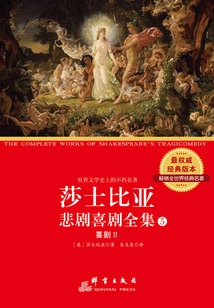
莎士比亚悲剧喜剧全集5:喜剧Ⅱ
H
This book is the fifth volume, and this set of books is divided into six volumes. The three volumes of tragedies and three volumes of comedies include 11 tragedies such as "Hamlet", "Othello", "King Lear" and "Macbeth" and 12 comedies such as "The Merchant of Venice", "A Midsummer Night's Dream", "As You Like It", "Twelfth Night" and "The Merry Wives of Windsor", all arranged in order of Shakespeare's writing time. This set of books is translated by Mr. Zhu Shenghao. It has been tested for a long time and is worth reading and collecting by readers!
This book is the fifth volume, and this set of books is divided into six volumes. The three volumes of tragedies and three volumes of comedies include 11 tragedies such as "Hamlet", "Othello", "King Lear" and "Macbeth" and 12 comedies such as "The Merchant of Venice", "A Midsummer Night's Dream", "As You Like It", "Twelfth Night" and "The Merry Wives of Windsor", all arranged in order of Shakespeare's writing time. This set of books is translated by Mr. Zhu Shenghao. It has been tested for a long time and is worth reading and collecting by readers!
莎士比亚悲剧喜剧全集6:喜剧Ⅲ
H
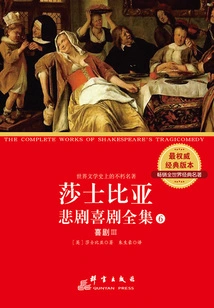
This book is the sixth volume, and this set of books is divided into six volumes. The three volumes of tragedies and three volumes of comedies include 11 tragedies such as "Hamlet", "Othello", "King Lear" and "Macbeth" and 12 comedies such as "The Merchant of Venice", "A Midsummer Night's Dream", "As You Like It", "Twelfth Night" and "The Merry Wives of Windsor", all arranged in order of Shakespeare's writing time. This set of books is translated by Mr. Zhu Shenghao. It has been tested for a long time and is worth reading and collecting by readers!
This book is the sixth volume, and this set of books is divided into six volumes. The three volumes of tragedies and three volumes of comedies include 11 tragedies such as "Hamlet", "Othello", "King Lear" and "Macbeth" and 12 comedies such as "The Merchant of Venice", "A Midsummer Night's Dream", "As You Like It", "Twelfth Night" and "The Merry Wives of Windsor", all arranged in order of Shakespeare's writing time. This set of books is translated by Mr. Zhu Shenghao. It has been tested for a long time and is worth reading and collecting by readers!
N
N
欧里庇得斯悲剧集7:请愿的妇女
(ancient Greece) Euripides
The Tragedies of Euripides (18 volumes in total), this series also includes "Euripides Tragedies 1: Alcestis", "Euripides Tragedies 10: Helen", "Euripides Tragedies 6: Hecuba", "Euripides Tragedies 4: The Children of Hercules", "Euripides Tragedies 13: Ion", etc.
The Tragedies of Euripides (18 volumes in total), this series also includes "Euripides Tragedies 1: Alcestis", "Euripides Tragedies 10: Helen", "Euripides Tragedies 6: Hecuba", "Euripides Tragedies 4: The Children of Hercules", "Euripides Tragedies 13: Ion", etc.
N
Tragedies of Euripides 13: Ion
Literature欧里庇得斯悲剧集13:伊翁
(ancient Greece) Euripides
The Tragedies of Euripides (18 volumes in total), this series also includes "Euripides Tragedies 1: Alcestis", "Euripides Tragedies 10: Helen", "Euripides Tragedies 6: Hecuba", "Euripides Tragedies 4: The Children of Hercules", "Euripides Tragedies 13: Ion", etc.
The Tragedies of Euripides (18 volumes in total), this series also includes "Euripides Tragedies 1: Alcestis", "Euripides Tragedies 10: Helen", "Euripides Tragedies 6: Hecuba", "Euripides Tragedies 4: The Children of Hercules", "Euripides Tragedies 13: Ion", etc.
N
N
N
Tragedies of Euripides 2: Medea
Literature欧里庇得斯悲剧集2:美狄亚
H
Euripides was an ancient Greek tragedian who had a great influence on the development of European drama in later generations. He brought the daily lives of ordinary people to the stage. His works presented distinct social issues, created some important images of ordinary people, and also showed profound psychological descriptions. He was an innovator in the development of ancient Greek tragedy. "Medea" is one of Euripides' most famous tragedies and one of the three major tragedies of ancient Greece. Medea was a princess of a barbaric country. She betrayed her country and killed her brother because she fell in love with Jason. At this time, Jason married another Corinthian princess and abandoned Medea. The Corinthian king even wanted to expel her from the country. Medea had no choice but to poison the princess as a gift, then reluctantly killed her and Jason's sons, and escaped in a dragon chariot to take revenge on Jason.
Euripides was an ancient Greek tragedian who had a great influence on the development of European drama in later generations. He brought the daily lives of ordinary people to the stage. His works presented distinct social issues, created some important images of ordinary people, and also showed profound psychological descriptions. He was an innovator in the development of ancient Greek tragedy. "Medea" is one of Euripides' most famous tragedies and one of the three major tragedies of ancient Greece. Medea was a princess of a barbaric country. She betrayed her country and killed her brother because she fell in love with Jason. At this time, Jason married another Corinthian princess and abandoned Medea. The Corinthian king even wanted to expel her from the country. Medea had no choice but to poison the princess as a gift, then reluctantly killed her and Jason's sons, and escaped in a dragon chariot to take revenge on Jason.
Tragedies of Euripides 1: Alcestis
Literature欧里庇得斯悲剧集1:阿尔刻提斯
(ancient Greece) Euripides
The Tragedies of Euripides (18 volumes in total), this series also includes "Euripides Tragedies 16: Iphigenia at Aulis", "Euripides Tragedies 12: The Mad Hercules", "Euripides Tragedies 18: The Round-Eyed Giant", "Euripides Tragedies 11: Orestes", "Euripides Tragedies 4: The Children of Hercules", etc.
The Tragedies of Euripides (18 volumes in total), this series also includes "Euripides Tragedies 16: Iphigenia at Aulis", "Euripides Tragedies 12: The Mad Hercules", "Euripides Tragedies 18: The Round-Eyed Giant", "Euripides Tragedies 11: Orestes", "Euripides Tragedies 4: The Children of Hercules", etc.
N
N
N
N
N
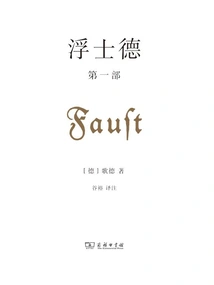
Faust (part 1)
Literature浮士德(第一部)
H
"Faust (Part 1)" has a total of 4612 lines of poetry and 60 lines of prose. The entire book was first published in 1808, and the writing process took nearly 40 years. The first part is mainly composed of two parts, one is the scholar's play, and the other is Gretchen's play. The scholar's play not only embodies the satire of scholars and academics, but also foreshadows the trends and problems of modern natural science. The Gretchen play staged Faust's emotional experience in the small world. Specifically, it was the "love tragedy" between Faust, an aristocratic young man, and the common girl Gretchen: Faust's temptation led the innocent girl Gretchen to commit a crime and suffer the disaster of "extermination." Annotations are added to the translation, mainly intellectual explanations, divided into marginal notes and footnotes; each scene is preceded by a brief "explanation", which is an explanation of the title, and a brief explanation of the written history, plot, poetry and drama form; "Brief Commentary" is dealt with when necessary, summarizing the issues involved and adding additional comments.
"Faust (Part 1)" has a total of 4612 lines of poetry and 60 lines of prose. The entire book was first published in 1808, and the writing process took nearly 40 years. The first part is mainly composed of two parts, one is the scholar's play, and the other is Gretchen's play. The scholar's play not only embodies the satire of scholars and academics, but also foreshadows the trends and problems of modern natural science. The Gretchen play staged Faust's emotional experience in the small world. Specifically, it was the "love tragedy" between Faust, an aristocratic young man, and the common girl Gretchen: Faust's temptation led the innocent girl Gretchen to commit a crime and suffer the disaster of "extermination." Annotations are added to the translation, mainly intellectual explanations, divided into marginal notes and footnotes; each scene is preceded by a brief "explanation", which is an explanation of the title, and a brief explanation of the written history, plot, poetry and drama form; "Brief Commentary" is dealt with when necessary, summarizing the issues involved and adding additional comments.
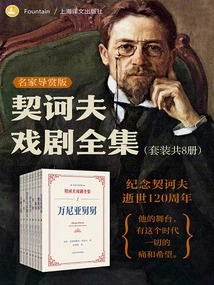
The Complete Works of Chekhov's Dramas: Famous Masters' Guided Edition (set of 8 Volumes in Total)
Literature契诃夫戏剧全集:名家导赏版(套装共8册)
O
In the West, Chekhov is often called the Shakespeare of the twentieth century. He changed the long-standing drama system and presented a simple and natural rhythm of life in "prose style", but also unearthed the deepest sadness, expectation and eternal longing in the seemingly trivial daily life. The year 2024 coincides with the 120th anniversary of Chekhov's death. This series is a master-guided collector's edition of "The Complete Works of Chekhov's Dramas", which fully includes Chekhov's dramatic works, including the multi-act plays "Uncle Vanya", "The Cherry Orchard" and "Three Sisters" "The Seagull", "Ivanov", "The Fatherless", "The Forest Monster" and the one-act drama "Swan Song", select classic translations by masters such as Li Jianwu, Jiao Juyin, Tong Daoming and others, and include audio interpretations of famous scenes from Chekhov's plays. At the same time, scholars spanning the fields of performing arts, literature, and translation are specially invited, including Dong Xiao, dean of the School of Literature at Nanjing University, Peng Tao, professor of the drama department of the Central Academy of Drama, Wu Xiaojun, professor of the Shanghai Theater Academy, Yang Shen, a scholar of neo-fantasy realism drama research and theater director, Zou Zhuofan, a teacher of the musical theater department of the Beijing Dance Academy, Wang Xiaoying, a well-known director, Xu Le, a researcher at the Chinese Academy of Social Sciences, etc., To interpret the work in depth and trace their encounter and fate with Chekhov's stage.
In the West, Chekhov is often called the Shakespeare of the twentieth century. He changed the long-standing drama system and presented a simple and natural rhythm of life in "prose style", but also unearthed the deepest sadness, expectation and eternal longing in the seemingly trivial daily life. The year 2024 coincides with the 120th anniversary of Chekhov's death. This series is a master-guided collector's edition of "The Complete Works of Chekhov's Dramas", which fully includes Chekhov's dramatic works, including the multi-act plays "Uncle Vanya", "The Cherry Orchard" and "Three Sisters" "The Seagull", "Ivanov", "The Fatherless", "The Forest Monster" and the one-act drama "Swan Song", select classic translations by masters such as Li Jianwu, Jiao Juyin, Tong Daoming and others, and include audio interpretations of famous scenes from Chekhov's plays. At the same time, scholars spanning the fields of performing arts, literature, and translation are specially invited, including Dong Xiao, dean of the School of Literature at Nanjing University, Peng Tao, professor of the drama department of the Central Academy of Drama, Wu Xiaojun, professor of the Shanghai Theater Academy, Yang Shen, a scholar of neo-fantasy realism drama research and theater director, Zou Zhuofan, a teacher of the musical theater department of the Beijing Dance Academy, Wang Xiaoying, a well-known director, Xu Le, a researcher at the Chinese Academy of Social Sciences, etc., To interpret the work in depth and trace their encounter and fate with Chekhov's stage.
Ivanov (complete Chekhov Plays 5)
Literature伊凡诺夫(契诃夫戏剧全集5)
H
"Ivanov" is Anton Chekhov's first dramatic masterpiece to win great fame. The story takes place in a rural village in Central Russia at the end of the 19th century. The protagonist Ivanov encounters bankruptcy. He is deeply in love with his wife Anna, and at the same time there is a young and lovely girl Sasha who also loves him deeply. He had money, land, income, and everything. However, he lost the goal and meaning of life, and finally chose to pass away. In this play, Chekhov created Ivanov, a typical character whose spiritual life is hesitant and depressed: "I can endure everything - pain, neurasthenia, bankruptcy, the death of my wife, premature aging, loneliness - but my contempt for myself makes me unbearable." This book is the fifth volume of the "Master Guide Edition" of "The Complete Works of Chekhov's Dramas", with audio interpretations of famous scenes from Chekhov's plays. I would like to commemorate the 120th anniversary of Chekhov's death - his stage contains all the pain and expectations of this era.
"Ivanov" is Anton Chekhov's first dramatic masterpiece to win great fame. The story takes place in a rural village in Central Russia at the end of the 19th century. The protagonist Ivanov encounters bankruptcy. He is deeply in love with his wife Anna, and at the same time there is a young and lovely girl Sasha who also loves him deeply. He had money, land, income, and everything. However, he lost the goal and meaning of life, and finally chose to pass away. In this play, Chekhov created Ivanov, a typical character whose spiritual life is hesitant and depressed: "I can endure everything - pain, neurasthenia, bankruptcy, the death of my wife, premature aging, loneliness - but my contempt for myself makes me unbearable." This book is the fifth volume of the "Master Guide Edition" of "The Complete Works of Chekhov's Dramas", with audio interpretations of famous scenes from Chekhov's plays. I would like to commemorate the 120th anniversary of Chekhov's death - his stage contains all the pain and expectations of this era.
林妖(契诃夫戏剧全集7)
(russian) Anton Pavlovich Chekhov
"The Woodland Monster" is a drama work by Anton Chekhov. It narrates a family story centered on a professor with a weird temper and selfishness. It successfully creates the image of "The Woodland Monster", a doctor with unique ideas but not understood by everyone. It is regarded as a "beautiful dramatic novella". The research community recognizes that "The Forest Monster" is the predecessor of "Uncle Vanya" and is an indispensable part of the complete presentation of Chekhov's drama creation. As Xu Le, the author of the introduction to this book and a researcher at the Chinese Academy of Social Sciences, said, "Chekhov never wrote a novel in his life, but he did use "The Forest Monster" as a starting point to create a novel-style drama that had never been seen on the stage before... The playwright tried his best to show people's inner, long-term, habitual depression and the hidden trend of the times in the details of daily conversations, eating and drinking, walking, reading newspapers, and playing cards, in silent pauses or meaningful overtones." This book is the seventh volume of the "Master Guide Edition" of "The Complete Works of Chekhov's Dramas", with audio interpretations of famous scenes from Chekhov's plays. I would like to commemorate the 120th anniversary of Chekhov's death - his stage contains all the pain and expectations of this era.
"The Woodland Monster" is a drama work by Anton Chekhov. It narrates a family story centered on a professor with a weird temper and selfishness. It successfully creates the image of "The Woodland Monster", a doctor with unique ideas but not understood by everyone. It is regarded as a "beautiful dramatic novella". The research community recognizes that "The Forest Monster" is the predecessor of "Uncle Vanya" and is an indispensable part of the complete presentation of Chekhov's drama creation. As Xu Le, the author of the introduction to this book and a researcher at the Chinese Academy of Social Sciences, said, "Chekhov never wrote a novel in his life, but he did use "The Forest Monster" as a starting point to create a novel-style drama that had never been seen on the stage before... The playwright tried his best to show people's inner, long-term, habitual depression and the hidden trend of the times in the details of daily conversations, eating and drinking, walking, reading newspapers, and playing cards, in silent pauses or meaningful overtones." This book is the seventh volume of the "Master Guide Edition" of "The Complete Works of Chekhov's Dramas", with audio interpretations of famous scenes from Chekhov's plays. I would like to commemorate the 120th anniversary of Chekhov's death - his stage contains all the pain and expectations of this era.
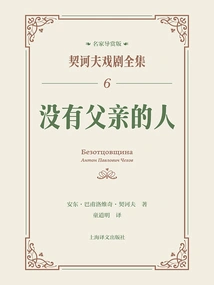
没有父亲的人(契诃夫戏剧全集6)
H
"The Man Without a Father", also known as "Platonov", is a work written by the great dramatist Anton Chekhov when he was studying at the age of 19. Although he was a little immature, he already showed his amazing creative talent. The translator, Mr. Tong Daoming, is a famous drama critic and an industry-recognized expert on Chekhov. The script describes the decline of provincial aristocratic estates and depicts the image of a group of intellectuals, represented by the protagonist Platonov, who have nothing to do and spend their days in melancholy. It is the precursor of a series of "superfluous people" characters at the end of the century created in Chekhov's later works. As the book's introduction author and well-known director Wang Xiaoying said, "Platonov's excellence and sensitivity make him like the nerve endings of the organic whole of human beings. He feels and bears the spiritual distress that belongs to us all before us and is stronger than us... Is Platonov noble or despicable? Tragic or tragic? Is it comic? Will it make people cry or laugh? Should we sympathize with him or despise him? ... The 19-year-old Chekhov leaves today's people at a loss, and the modernity of "The Man Without a Father" may lie in this. "This book is the sixth volume of the "Famous Guide Edition" of "The Complete Works of Chekhov's Plays", with audio interpretations of famous scenes from Chekhov's plays. I would like to commemorate the 120th anniversary of Chekhov's death - his stage contains all the pain and expectations of this era.
"The Man Without a Father", also known as "Platonov", is a work written by the great dramatist Anton Chekhov when he was studying at the age of 19. Although he was a little immature, he already showed his amazing creative talent. The translator, Mr. Tong Daoming, is a famous drama critic and an industry-recognized expert on Chekhov. The script describes the decline of provincial aristocratic estates and depicts the image of a group of intellectuals, represented by the protagonist Platonov, who have nothing to do and spend their days in melancholy. It is the precursor of a series of "superfluous people" characters at the end of the century created in Chekhov's later works. As the book's introduction author and well-known director Wang Xiaoying said, "Platonov's excellence and sensitivity make him like the nerve endings of the organic whole of human beings. He feels and bears the spiritual distress that belongs to us all before us and is stronger than us... Is Platonov noble or despicable? Tragic or tragic? Is it comic? Will it make people cry or laugh? Should we sympathize with him or despise him? ... The 19-year-old Chekhov leaves today's people at a loss, and the modernity of "The Man Without a Father" may lie in this. "This book is the sixth volume of the "Famous Guide Edition" of "The Complete Works of Chekhov's Plays", with audio interpretations of famous scenes from Chekhov's plays. I would like to commemorate the 120th anniversary of Chekhov's death - his stage contains all the pain and expectations of this era.
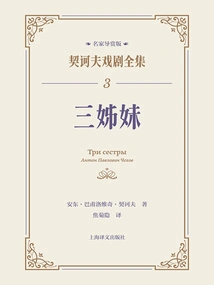
Three Sisters (complete Chekhov Plays 3)
Literature三姊妹(契诃夫戏剧全集3)
(russian) Anton Pavlovich Chekhov
"Three Sisters" is Chekhov's famous play that is constantly being rehearsed on stages around the world. In a family of Imperial Russian officers in a small provincial town in Russia, three sisters, Olga, Masha and Irina, lived with their brother. They were smart, beautiful, well-educated, and each of them had a dream in their hearts. For the three sisters, Moscow, where they lived when they were young, is their spiritual home, and they hope to return to Moscow. However, as time goes by, life changes quietly, and beautiful ideals and vulgar reality collide fiercely. They all feel the hardship and boredom of life to varying degrees. There is no way to go back to Moscow, and the longing for a spiritual home is still in the hearts of the three sisters... This book is the third volume of "The Complete Works of Chekhov's Dramas" "Famous Guide Edition", with audio interpretations of famous scenes from Chekhov's plays. I would like to commemorate the 120th anniversary of Chekhov's death - his stage contains all the pain and expectations of this era.
"Three Sisters" is Chekhov's famous play that is constantly being rehearsed on stages around the world. In a family of Imperial Russian officers in a small provincial town in Russia, three sisters, Olga, Masha and Irina, lived with their brother. They were smart, beautiful, well-educated, and each of them had a dream in their hearts. For the three sisters, Moscow, where they lived when they were young, is their spiritual home, and they hope to return to Moscow. However, as time goes by, life changes quietly, and beautiful ideals and vulgar reality collide fiercely. They all feel the hardship and boredom of life to varying degrees. There is no way to go back to Moscow, and the longing for a spiritual home is still in the hearts of the three sisters... This book is the third volume of "The Complete Works of Chekhov's Dramas" "Famous Guide Edition", with audio interpretations of famous scenes from Chekhov's plays. I would like to commemorate the 120th anniversary of Chekhov's death - his stage contains all the pain and expectations of this era.
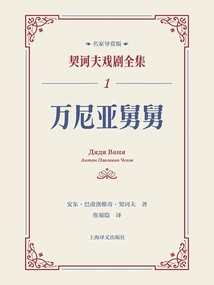
Uncle Vanya (complete Chekhov Plays 1)
Literature万尼亚舅舅(契诃夫戏剧全集1)
(russian) Anton Pavlovich Chekhov
"Uncle Vanya" is the most famous play by the great dramatist Anton Chekhov. Out of respect and admiration for her brother-in-law, Professor Serebryakov, Squire Vanya gave up her personal happiness and worked hard to run the estate with her niece Sonia, supporting the professor, who was regarded as a genius intellectual by their family, for twenty-five years. Due to the death of his sister, the professor retired and returned to the manor with his beautiful new wife Yelena. However, his eccentric living habits made life in the manor a mess. At the same time, the alluring Yelena attracted the attention of Vanya and the country doctor Astnov, which also saddened the professor's daughter Sonia, who had always been deeply in love with Astnov. Vanya eventually discovered that the brother-in-law he had always admired was just an extremely selfish and flashy mediocre person. Uncle Vanya, who fell into extreme disappointment, finally pulled out a pistol at his brother-in-law with great anger... This book is the first volume of the "Master Guide Edition" of "The Complete Works of Chekhov's Dramas", with audio interpretations of famous scenes from Chekhov's plays. I would like to commemorate the 120th anniversary of Chekhov's death - his stage contains all the pain and expectations of this era.
"Uncle Vanya" is the most famous play by the great dramatist Anton Chekhov. Out of respect and admiration for her brother-in-law, Professor Serebryakov, Squire Vanya gave up her personal happiness and worked hard to run the estate with her niece Sonia, supporting the professor, who was regarded as a genius intellectual by their family, for twenty-five years. Due to the death of his sister, the professor retired and returned to the manor with his beautiful new wife Yelena. However, his eccentric living habits made life in the manor a mess. At the same time, the alluring Yelena attracted the attention of Vanya and the country doctor Astnov, which also saddened the professor's daughter Sonia, who had always been deeply in love with Astnov. Vanya eventually discovered that the brother-in-law he had always admired was just an extremely selfish and flashy mediocre person. Uncle Vanya, who fell into extreme disappointment, finally pulled out a pistol at his brother-in-law with great anger... This book is the first volume of the "Master Guide Edition" of "The Complete Works of Chekhov's Dramas", with audio interpretations of famous scenes from Chekhov's plays. I would like to commemorate the 120th anniversary of Chekhov's death - his stage contains all the pain and expectations of this era.
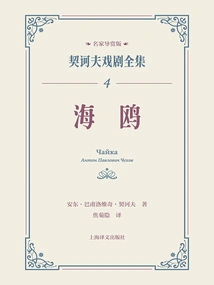
The Seagull (complete Chekhov Plays 4)
Literature海鸥(契诃夫戏剧全集4)
H
"The Seagull", which Chekhov himself called a comedy, tells the story of several misplaced loves in Russian manor life at the end of the 19th century, and the beauty that was destroyed as a result. As Chekhov's first four-act play, it has become a symbol of Chekhov's dramatic innovation and personal artistic maturity. Nina, a girl from a wealthy rural family, is innocent and simple. She longs for beautiful love and has great hopes for the future life. Trepolev hopes to become a writer, but also deeply loves Nina. Tripolev's father passed away, and his mother Irina took a writer named Trigorin back to the manor to recuperate. Nina was attracted by the famous Boris... This book is the fourth volume of the "Master Guide Edition" of "The Complete Works of Chekhov's Dramas", with audio interpretations of famous scenes from Chekhov's plays. I would like to commemorate the 120th anniversary of Chekhov's death - his stage contains all the pain and expectations of this era.
"The Seagull", which Chekhov himself called a comedy, tells the story of several misplaced loves in Russian manor life at the end of the 19th century, and the beauty that was destroyed as a result. As Chekhov's first four-act play, it has become a symbol of Chekhov's dramatic innovation and personal artistic maturity. Nina, a girl from a wealthy rural family, is innocent and simple. She longs for beautiful love and has great hopes for the future life. Trepolev hopes to become a writer, but also deeply loves Nina. Tripolev's father passed away, and his mother Irina took a writer named Trigorin back to the manor to recuperate. Nina was attracted by the famous Boris... This book is the fourth volume of the "Master Guide Edition" of "The Complete Works of Chekhov's Dramas", with audio interpretations of famous scenes from Chekhov's plays. I would like to commemorate the 120th anniversary of Chekhov's death - his stage contains all the pain and expectations of this era.
Swan Song (complete Chekhov Plays 8)
Literature天鹅之歌(契诃夫戏剧全集8)
(russian) Anton Pavlovich Chekhov
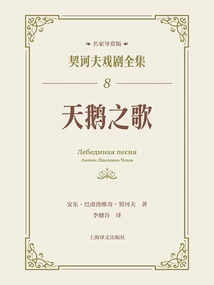
"Swan Song" is a one-act play by Anton Chekhov, which includes a total of nine one-act plays such as "On the Road", "On the Harm of Tobacco", "Swan Song" and "The Bear". They are all short and interesting. Some works have experimental colors, reflecting Chekhov's special style exploration in one-act plays. Among them, "Swan Song" is the most famous. The play depicts an old comedian who bids farewell to his glorious years. He performs a wonderful last performance with a prompter in an empty backstage, just like the swan's final song. As the introduction author of this book, Professor Peng Tao of the Central Academy of Drama, said, "In the inconspicuous 'small form' of the one-act play, Chekhov's profound gaze on life is integrated with humorous laughter, melancholy temperament and optimistic and open-minded spirit are accompanied, and the 'emotional undercurrent' is organically combined with the development of the plot... Chekhov's one-act play is a key to interpreting his multi-act plays." This book is the 8th volume of the "Master Guide Edition" of "The Complete Works of Chekhov's Dramas", with audio interpretations of famous scenes from Chekhov's plays. I would like to commemorate the 120th anniversary of Chekhov's death - his stage contains all the pain and expectations of this era.
"Swan Song" is a one-act play by Anton Chekhov, which includes a total of nine one-act plays such as "On the Road", "On the Harm of Tobacco", "Swan Song" and "The Bear". They are all short and interesting. Some works have experimental colors, reflecting Chekhov's special style exploration in one-act plays. Among them, "Swan Song" is the most famous. The play depicts an old comedian who bids farewell to his glorious years. He performs a wonderful last performance with a prompter in an empty backstage, just like the swan's final song. As the introduction author of this book, Professor Peng Tao of the Central Academy of Drama, said, "In the inconspicuous 'small form' of the one-act play, Chekhov's profound gaze on life is integrated with humorous laughter, melancholy temperament and optimistic and open-minded spirit are accompanied, and the 'emotional undercurrent' is organically combined with the development of the plot... Chekhov's one-act play is a key to interpreting his multi-act plays." This book is the 8th volume of the "Master Guide Edition" of "The Complete Works of Chekhov's Dramas", with audio interpretations of famous scenes from Chekhov's plays. I would like to commemorate the 120th anniversary of Chekhov's death - his stage contains all the pain and expectations of this era.
毛姆剧作全集(全四卷)
H
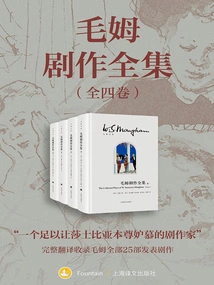
Maugham is well-known among Chinese readers for his novels such as "The Moon and Sixpence" that have long become cultural symbols. But in fact, in the first half of his life, long before Maugham became a novelist, he had achieved astonishing success in the theater world. During the heyday of his dramatic writing, London's major theaters once staged four of his plays simultaneously. Contemporaries once joked in cartoons that such an achievement would make Shakespeare jealous. Divided into four volumes, this complete collection includes complete translations of all 25 Maugham published plays, filling a gap in this field in the domestic publishing industry. His plays particularly embody his literary style that appeals to both refined and popular tastes, humor and wit, and are worthy of appreciation by all Maugham lovers.
Maugham is well-known among Chinese readers for his novels such as "The Moon and Sixpence" that have long become cultural symbols. But in fact, in the first half of his life, long before Maugham became a novelist, he had achieved astonishing success in the theater world. During the heyday of his dramatic writing, London's major theaters once staged four of his plays simultaneously. Contemporaries once joked in cartoons that such an achievement would make Shakespeare jealous. Divided into four volumes, this complete collection includes complete translations of all 25 Maugham published plays, filling a gap in this field in the domestic publishing industry. His plays particularly embody his literary style that appeals to both refined and popular tastes, humor and wit, and are worthy of appreciation by all Maugham lovers.
牛津版莎士比亚:威尼斯商人
H
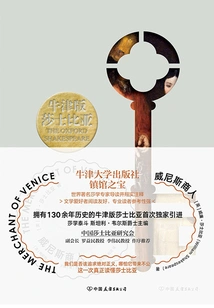
The righteous judgment caused by a pound of flesh and the moral dilemma of human law. In order to help his friend woo, Antonio borrows money from the Jew Shylock overdue, but the Jew insists on killing him by cutting off his flesh as agreed. The judge allowed him to cut off a pound of flesh as promised, but he could not shed a drop of blood, otherwise he would lose the money he borrowed, be sentenced to death, and have his property confiscated. Who can bear justice without mercy?
The righteous judgment caused by a pound of flesh and the moral dilemma of human law. In order to help his friend woo, Antonio borrows money from the Jew Shylock overdue, but the Jew insists on killing him by cutting off his flesh as agreed. The judge allowed him to cut off a pound of flesh as promised, but he could not shed a drop of blood, otherwise he would lose the money he borrowed, be sentenced to death, and have his property confiscated. Who can bear justice without mercy?
牛津版莎士比亚:仲夏夜之梦
H
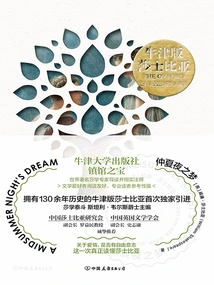
"A Midsummer Night's Dream" is one of Shakespeare's most popular works. This is a romantic comedy that depicts a series of stories centered on the wedding of the Grand Duke of Athens. The naughty elf Puck ordered the wrong love flower juice, triggering a love farce in which the fairy king and queen in the forest, four Athenian lovers and six amateur actors were involved. The lovers who were originally in love suddenly broke their vows and fell in love with someone else. The noble fairy queen actually fell in love with a mortal wearing a donkey head hood. Fortunately, in the end, the lovers finally got married. The introduction and annotations of this book are compiled by Professor Peter Holland, President of the International Shakespeare Society. It comprehensively interprets the dramatic connotation of the play from the perspectives of dream theory, female characters' resistance to patriarchal principles, etc., And deeply dissects this dream story suitable for all ages.
"A Midsummer Night's Dream" is one of Shakespeare's most popular works. This is a romantic comedy that depicts a series of stories centered on the wedding of the Grand Duke of Athens. The naughty elf Puck ordered the wrong love flower juice, triggering a love farce in which the fairy king and queen in the forest, four Athenian lovers and six amateur actors were involved. The lovers who were originally in love suddenly broke their vows and fell in love with someone else. The noble fairy queen actually fell in love with a mortal wearing a donkey head hood. Fortunately, in the end, the lovers finally got married. The introduction and annotations of this book are compiled by Professor Peter Holland, President of the International Shakespeare Society. It comprehensively interprets the dramatic connotation of the play from the perspectives of dream theory, female characters' resistance to patriarchal principles, etc., And deeply dissects this dream story suitable for all ages.
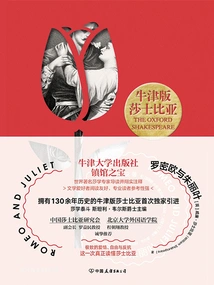
牛津版莎士比亚:罗密欧与朱丽叶
H
Montague's son Romeo and Capulet's daughter Juliet fell in love at first sight. They recognized each other in a novel and touching dialogue, discovered themselves, and developed a passionate love. However, they could not get married due to family feud. As a famous love tragedy in the history of literature, "Romeo and Juliet" shows the ultimate love and pain, explores the opposition between love and husband's power, individual and social structure, and demonstrates a strong humanistic color. Its passionate language and magnificent imagination deepen the aesthetic connotation, making the play still glow with enduring romantic vitality a hundred years later. The introduction and annotations of this book are compiled by Professor Jill Levenson, Honorary Vice President of the International Shakespeare Society. It analyzes this Shakespeare classic love tragedy from multiple perspectives such as the mythological origin of the story, the violence in patriarchal society, the use of word games and rhetorical techniques, and the history of script performance.
Montague's son Romeo and Capulet's daughter Juliet fell in love at first sight. They recognized each other in a novel and touching dialogue, discovered themselves, and developed a passionate love. However, they could not get married due to family feud. As a famous love tragedy in the history of literature, "Romeo and Juliet" shows the ultimate love and pain, explores the opposition between love and husband's power, individual and social structure, and demonstrates a strong humanistic color. Its passionate language and magnificent imagination deepen the aesthetic connotation, making the play still glow with enduring romantic vitality a hundred years later. The introduction and annotations of this book are compiled by Professor Jill Levenson, Honorary Vice President of the International Shakespeare Society. It analyzes this Shakespeare classic love tragedy from multiple perspectives such as the mythological origin of the story, the violence in patriarchal society, the use of word games and rhetorical techniques, and the history of script performance.