Library
Browse and search books
2,169 novels found
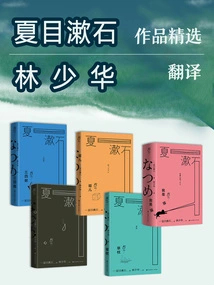
林译经典·夏目漱石作品集(全五册)
H
The immortal masterpiece of Natsume Soseki, the greatest "national writer" in modern Japanese literature; a classic that reveals the character and soul of Japanese people; translated with great love by the famous Japanese literary translator Lin Shaohua; ranked first among the ten most loved works by Japanese people.
The immortal masterpiece of Natsume Soseki, the greatest "national writer" in modern Japanese literature; a classic that reveals the character and soul of Japanese people; translated with great love by the famous Japanese literary translator Lin Shaohua; ranked first among the ten most loved works by Japanese people.
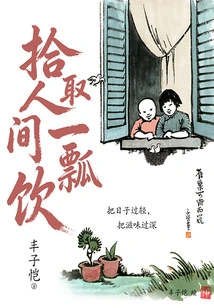
拾取人间一瓢饮
Feng Zikai
In Feng Zikai's writings, eating is not just about satisfying one's hunger, but also about facing time and meeting the world. A bowl of noodles, a pot of wine, a melon seed, and a pot of light tea are all written by him with warmth, the sound of wind, and the sweetness of time. The food is not luxurious, but the words are gentle; the taste is not strong, but the emotions are long-lasting. He wrote about life from the dining table, and saw the ups and downs of human relationships and the ups and downs of the world from between the chopsticks. Amidst the turmoil and rush, Feng Zikai always believed that if he could have a quiet meal, life had not failed him. What this ladle contains is not delicacies from mountains and seas, but the cherishment of life and consideration for the world.
In Feng Zikai's writings, eating is not just about satisfying one's hunger, but also about facing time and meeting the world. A bowl of noodles, a pot of wine, a melon seed, and a pot of light tea are all written by him with warmth, the sound of wind, and the sweetness of time. The food is not luxurious, but the words are gentle; the taste is not strong, but the emotions are long-lasting. He wrote about life from the dining table, and saw the ups and downs of human relationships and the ups and downs of the world from between the chopsticks. Amidst the turmoil and rush, Feng Zikai always believed that if he could have a quiet meal, life had not failed him. What this ladle contains is not delicacies from mountains and seas, but the cherishment of life and consideration for the world.
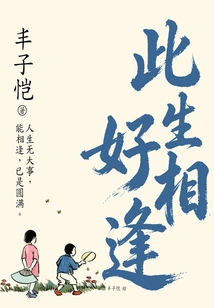
Good to Meet in This Life
Literature此生好相逢
Feng Zikai
"A Good Meeting in This Life" selects the most warm prose and poetic words from Feng Zikai's life, and uses his unique "human plain language" to write about the love between his children, the worldly scenery, daily joy and the taste of life. In turbulent times, he always looked at the world with compassion, wrote ordinary days into the warmest poems, and painted trivial lives into the softest paintings. What is truly worth cherishing is never the earth-shattering moments, but the casual tenderness and brightness in everyday life. Reading this book is a dialogue with Feng Zikai, and a reunion with my own heart - it turns out that the deepest emotions in life are often hidden in ordinary places.
"A Good Meeting in This Life" selects the most warm prose and poetic words from Feng Zikai's life, and uses his unique "human plain language" to write about the love between his children, the worldly scenery, daily joy and the taste of life. In turbulent times, he always looked at the world with compassion, wrote ordinary days into the warmest poems, and painted trivial lives into the softest paintings. What is truly worth cherishing is never the earth-shattering moments, but the casual tenderness and brightness in everyday life. Reading this book is a dialogue with Feng Zikai, and a reunion with my own heart - it turns out that the deepest emotions in life are often hidden in ordinary places.
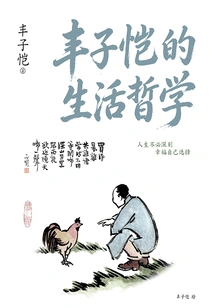
Feng Zikai's Philosophy of Life
Literature丰子恺的生活哲学
Feng Zikai
"Feng Zikai's Philosophy of Life" is a collection of essays that extract wisdom from daily life. Feng Zikai observes family, children, friends, art, time and life with a gentle and sober gaze, and outlines a way to settle his inner life between daily necessities and changes in world affairs. In his writing, philosophy is not an abstract concept, but how to deal with a child's cry, how to retain innocence in troubled times, and how to maintain compassion and humor in a troubled world. Whether he is talking about the joys and sorrows of life or artistic cultivation, Feng Zikai always insists on "putting people's hearts first" and uses the simplest language to express his deepest understanding.
"Feng Zikai's Philosophy of Life" is a collection of essays that extract wisdom from daily life. Feng Zikai observes family, children, friends, art, time and life with a gentle and sober gaze, and outlines a way to settle his inner life between daily necessities and changes in world affairs. In his writing, philosophy is not an abstract concept, but how to deal with a child's cry, how to retain innocence in troubled times, and how to maintain compassion and humor in a troubled world. Whether he is talking about the joys and sorrows of life or artistic cultivation, Feng Zikai always insists on "putting people's hearts first" and uses the simplest language to express his deepest understanding.
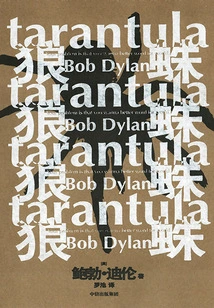
Tarantula
Literature狼蛛
(us)bob Dylan
Between 1965 and 1966, at the peak of his creative powers, Bob Dylan wrote a work that is difficult to define. The book has complex images, characters, dreamy and confusing style, and the ambiguous text forms a multi-faceted prism that reflects Dylan's rich inner world and keen artistic perception. This book indirectly retains many of the prototypes of Dylan's lyrics written in the 1960s. In addition to intuitively understanding Dylan's creative ideas, it can also provide a glimpse into his intellectual background and ideological outlook. In the 1960s, the American society, economy, culture, and ideology were intertwined and collided. Dylan used stream-of-consciousness techniques to separate, disrupt, and re-arrange the scene, weaving in many prototypes or variations of lyrics, and singing extraordinary and surreal songs with words. This is a very experimental text, and it is also the symphony and transformation of Rimbaud, Kerouac, and Ginsberg.
Between 1965 and 1966, at the peak of his creative powers, Bob Dylan wrote a work that is difficult to define. The book has complex images, characters, dreamy and confusing style, and the ambiguous text forms a multi-faceted prism that reflects Dylan's rich inner world and keen artistic perception. This book indirectly retains many of the prototypes of Dylan's lyrics written in the 1960s. In addition to intuitively understanding Dylan's creative ideas, it can also provide a glimpse into his intellectual background and ideological outlook. In the 1960s, the American society, economy, culture, and ideology were intertwined and collided. Dylan used stream-of-consciousness techniques to separate, disrupt, and re-arrange the scene, weaving in many prototypes or variations of lyrics, and singing extraordinary and surreal songs with words. This is a very experimental text, and it is also the symphony and transformation of Rimbaud, Kerouac, and Ginsberg.
Mao Dun's Prose
Literature茅盾散文
Mao Dun
"Mao Dun's Prose" is one of the series of "Prose Collection of Modern and Contemporary Chinese Famous Masters", compiled and selected by Zhong Guisong, an expert on Mao Dun. Mao Dun's prose has the same realism qualities as his novels. It is "a sketch of ordinary life" and a true text that reflects him and the era in which he lived. His prose has a distinct imprint of the times, either describing events and scenes, or expressing lyrical discussions. His words are casual and natural, truly showing Mao Dun's thoughts, interests, and life experiences, as well as the social status quo and life styles of the era that Mao Dun experienced. Reading his prose is like opening a scroll of the times, and is a rare treasure in modern Chinese prose.
"Mao Dun's Prose" is one of the series of "Prose Collection of Modern and Contemporary Chinese Famous Masters", compiled and selected by Zhong Guisong, an expert on Mao Dun. Mao Dun's prose has the same realism qualities as his novels. It is "a sketch of ordinary life" and a true text that reflects him and the era in which he lived. His prose has a distinct imprint of the times, either describing events and scenes, or expressing lyrical discussions. His words are casual and natural, truly showing Mao Dun's thoughts, interests, and life experiences, as well as the social status quo and life styles of the era that Mao Dun experienced. Reading his prose is like opening a scroll of the times, and is a rare treasure in modern Chinese prose.
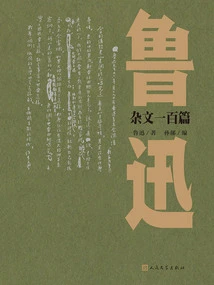
One Hundred Essays by Lu Xun
Literature鲁迅杂文一百篇
Written By Lu Xun And Edited By Sun Yu
Lu Xun has become a symbol of an era. In the process of transition from old to new, Lu Xun not only innovated the literary style of essays, but also used his own creation to participate in social changes and became a positive energy that promoted social evolution. Lu Xun's spirit thus became a new cultural force that can be inherited. This book is compiled and selected by teacher Sun Yu and contains a total of one hundred essays by Lu Xun.
Lu Xun has become a symbol of an era. In the process of transition from old to new, Lu Xun not only innovated the literary style of essays, but also used his own creation to participate in social changes and became a positive energy that promoted social evolution. Lu Xun's spirit thus became a new cultural force that can be inherited. This book is compiled and selected by teacher Sun Yu and contains a total of one hundred essays by Lu Xun.
雪国(外国文学名著丛书)
(japan) Kawabata Yasunari
"Snow Country" contains a total of seven works by the author: "The Dancing Girl of Izu", "Snow Country", "Waltz of Flowers", "Thousand-Feathered Crane", "Mountain Sound", "Sleeping Beauty" and "Ancient Capital". These seven works range from the author's early famous work "Dancing Girl of Izu" to "Snow Country", "Thousand-Feathered Crane" and "Mountain Sound" in his creative period, to the mature works "Sleeping Beauty" and "Ancient Capital" in his later years. From short stories to novellas to full-length works, it can be said that they contain the essence of Kawabata Yasunari's life creation in one book. This selection arrangement is the only one of its kind in the market. Among them, "Snow Country" is Kawabata Yasunari's masterpiece. The novel describes a Western dance researcher named Shimamura who went to a hot spring hotel in the snow country three times and developed a subtle emotional relationship with a local geisha named Komako and the girl Ye Zi. The story finally ended with Ye Zi's accidental death. In the novel, Kawabata Yasunari skillfully applied the expression technique of stream of consciousness to describe the character's psychology delicately. The whole work is full of aestheticism and deserves to be a masterpiece in the history of Japanese literature. The translator of this book, Mr. Chen Dewen, has made brand-new revisions to the translation, ensuring that the translation is accurate and novel, which is not available in other versions of the translation.
"Snow Country" contains a total of seven works by the author: "The Dancing Girl of Izu", "Snow Country", "Waltz of Flowers", "Thousand-Feathered Crane", "Mountain Sound", "Sleeping Beauty" and "Ancient Capital". These seven works range from the author's early famous work "Dancing Girl of Izu" to "Snow Country", "Thousand-Feathered Crane" and "Mountain Sound" in his creative period, to the mature works "Sleeping Beauty" and "Ancient Capital" in his later years. From short stories to novellas to full-length works, it can be said that they contain the essence of Kawabata Yasunari's life creation in one book. This selection arrangement is the only one of its kind in the market. Among them, "Snow Country" is Kawabata Yasunari's masterpiece. The novel describes a Western dance researcher named Shimamura who went to a hot spring hotel in the snow country three times and developed a subtle emotional relationship with a local geisha named Komako and the girl Ye Zi. The story finally ended with Ye Zi's accidental death. In the novel, Kawabata Yasunari skillfully applied the expression technique of stream of consciousness to describe the character's psychology delicately. The whole work is full of aestheticism and deserves to be a masterpiece in the history of Japanese literature. The translator of this book, Mr. Chen Dewen, has made brand-new revisions to the translation, ensuring that the translation is accurate and novel, which is not available in other versions of the translation.
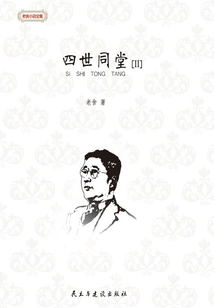
Four Generations under One Roof Ⅱ
Literature四世同堂Ⅱ
Lao She
Lao She (1899.2.3-1966.8.24), A modern Chinese literary giant, novelist and dramatist. His original name was Shu Qingchun, courtesy name Sheyu, Manchu, and a native of Beijing. He was born in a poor family and lost his father when he was young. He graduated from Beijing Normal School and served as the principal of a primary school and encouraged students in his early years. In 1924, he went to England to teach Chinese at the Oriental College of the University of London and began to write. He published novels "Lao Zhang's Philosophy", "Zhao Ziyue" and "Two Horses" in the "Novel Monthly", becoming one of the founders of modern novels in my country. After returning to China, he taught at Qilu University and Shandong University and engaged in writing at the same time. His representative works include the novels "Cat City", "Divorce", "Camel Xiangzi", the novellas "Crescent Moon" and "My Life", and the short stories "Micro God", "Soul-Breaking Gun", etc. After the outbreak of the Anti-Japanese War, he went to Wuhan and Chongqing to organize the All-China Association of Literary and Art Circles to Resist the Enemy, which dealt with the Prime Minister's meetings internally and represented the "Literary Association" externally. He wrote the novel "Four Generations Under One Roof" and improved modern folk arts. In 1946, he went to the United States to give lectures and returned to China four years later. He was mainly engaged in drama script creation. His representative works include "Longxugou" and "Teahouse". He was awarded the title of "People's Artist" and was known as a language master. He once served as Vice Chairman of the National Federation of Literary and Art Circles, Vice Chairman of the National Writers Association and Chairman of the Beijing Federation of Literary and Art Circles. After suffering severe persecution during the Cultural Revolution in 1966, he drowned himself in Taiping Lake. "The Complete Works of Lao She's Novels" contains Mr. Lao She's classic works, and this volume is the second volume of "Four Generations Under One Roof".
Lao She (1899.2.3-1966.8.24), A modern Chinese literary giant, novelist and dramatist. His original name was Shu Qingchun, courtesy name Sheyu, Manchu, and a native of Beijing. He was born in a poor family and lost his father when he was young. He graduated from Beijing Normal School and served as the principal of a primary school and encouraged students in his early years. In 1924, he went to England to teach Chinese at the Oriental College of the University of London and began to write. He published novels "Lao Zhang's Philosophy", "Zhao Ziyue" and "Two Horses" in the "Novel Monthly", becoming one of the founders of modern novels in my country. After returning to China, he taught at Qilu University and Shandong University and engaged in writing at the same time. His representative works include the novels "Cat City", "Divorce", "Camel Xiangzi", the novellas "Crescent Moon" and "My Life", and the short stories "Micro God", "Soul-Breaking Gun", etc. After the outbreak of the Anti-Japanese War, he went to Wuhan and Chongqing to organize the All-China Association of Literary and Art Circles to Resist the Enemy, which dealt with the Prime Minister's meetings internally and represented the "Literary Association" externally. He wrote the novel "Four Generations Under One Roof" and improved modern folk arts. In 1946, he went to the United States to give lectures and returned to China four years later. He was mainly engaged in drama script creation. His representative works include "Longxugou" and "Teahouse". He was awarded the title of "People's Artist" and was known as a language master. He once served as Vice Chairman of the National Federation of Literary and Art Circles, Vice Chairman of the National Writers Association and Chairman of the Beijing Federation of Literary and Art Circles. After suffering severe persecution during the Cultural Revolution in 1966, he drowned himself in Taiping Lake. "The Complete Works of Lao She's Novels" contains Mr. Lao She's classic works, and this volume is the second volume of "Four Generations Under One Roof".
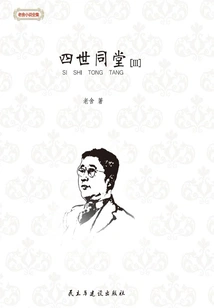
Four Generations under One Roof Iii
Literature四世同堂Ⅲ
Lao She
Lao She (1899.2.3-1966.8.24), A modern Chinese literary giant, novelist and dramatist. His original name was Shu Qingchun, courtesy name Sheyu, Manchu, and a native of Beijing. He was born in a poor family and lost his father when he was young. He graduated from Beijing Normal School and served as the principal of a primary school and encouraged students in his early years. In 1924, he went to England to teach Chinese at the Oriental College of the University of London and began to write. He published novels "Lao Zhang's Philosophy", "Zhao Ziyue" and "Two Horses" in the "Novel Monthly", becoming one of the founders of modern novels in my country. After returning to China, he taught at Qilu University and Shandong University and engaged in writing at the same time. His representative works include the novels "Cat City", "Divorce", "Camel Xiangzi", the novellas "Crescent Moon" and "My Life", and the short stories "Micro God", "Soul-Breaking Gun", etc. After the outbreak of the Anti-Japanese War, he went to Wuhan and Chongqing to organize the All-China Association of Literary and Art Circles to Resist the Enemy, which dealt with the Prime Minister's meetings internally and represented the "Literary Association" externally. He wrote the novel "Four Generations Under One Roof" and improved modern folk arts. In 1946, he went to the United States to give lectures and returned to China four years later. He was mainly engaged in drama script creation. His representative works include "Longxugou" and "Teahouse". He was awarded the title of "People's Artist" and was known as a language master. He once served as Vice Chairman of the National Federation of Literary and Art Circles, Vice Chairman of the National Writers Association and Chairman of the Beijing Federation of Literary and Art Circles. After suffering severe persecution during the Cultural Revolution in 1966, he drowned himself in Taiping Lake. "The Complete Works of Lao She's Novels" contains Mr. Lao She's classic works. This volume is the third volume of "Four Generations Under One Roof".
Lao She (1899.2.3-1966.8.24), A modern Chinese literary giant, novelist and dramatist. His original name was Shu Qingchun, courtesy name Sheyu, Manchu, and a native of Beijing. He was born in a poor family and lost his father when he was young. He graduated from Beijing Normal School and served as the principal of a primary school and encouraged students in his early years. In 1924, he went to England to teach Chinese at the Oriental College of the University of London and began to write. He published novels "Lao Zhang's Philosophy", "Zhao Ziyue" and "Two Horses" in the "Novel Monthly", becoming one of the founders of modern novels in my country. After returning to China, he taught at Qilu University and Shandong University and engaged in writing at the same time. His representative works include the novels "Cat City", "Divorce", "Camel Xiangzi", the novellas "Crescent Moon" and "My Life", and the short stories "Micro God", "Soul-Breaking Gun", etc. After the outbreak of the Anti-Japanese War, he went to Wuhan and Chongqing to organize the All-China Association of Literary and Art Circles to Resist the Enemy, which dealt with the Prime Minister's meetings internally and represented the "Literary Association" externally. He wrote the novel "Four Generations Under One Roof" and improved modern folk arts. In 1946, he went to the United States to give lectures and returned to China four years later. He was mainly engaged in drama script creation. His representative works include "Longxugou" and "Teahouse". He was awarded the title of "People's Artist" and was known as a language master. He once served as Vice Chairman of the National Federation of Literary and Art Circles, Vice Chairman of the National Writers Association and Chairman of the Beijing Federation of Literary and Art Circles. After suffering severe persecution during the Cultural Revolution in 1966, he drowned himself in Taiping Lake. "The Complete Works of Lao She's Novels" contains Mr. Lao She's classic works. This volume is the third volume of "Four Generations Under One Roof".
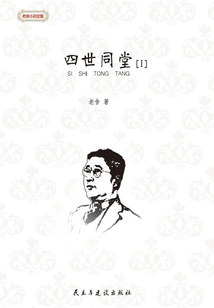
Four Generations Living under One Roofⅰ
Literature四世同堂Ⅰ
Lao She
Lao She (1899.2.3-1966.8.24), A modern Chinese literary giant, novelist and dramatist. His original name was Shu Qingchun, courtesy name Sheyu, Manchu, and a native of Beijing. He was born in a poor family and lost his father when he was young. He graduated from Beijing Normal School and served as the principal of a primary school and encouraged students in his early years. In 1924, he went to England to teach Chinese at the Oriental College of the University of London and began to write. He published novels "Lao Zhang's Philosophy", "Zhao Ziyue" and "Two Horses" in the "Novel Monthly", becoming one of the founders of modern novels in my country. After returning to China, he taught at Qilu University and Shandong University and engaged in writing at the same time. His representative works include the novels "Cat City", "Divorce", "Camel Xiangzi", the novellas "Crescent Moon" and "My Life", and the short stories "Micro God", "Soul-Breaking Gun", etc. After the outbreak of the Anti-Japanese War, he went to Wuhan and Chongqing to organize the All-China Association of Literary and Art Circles to Resist the Enemy, which dealt with the Prime Minister's meetings internally and represented the "Literary Association" externally. He wrote the novel "Four Generations Under One Roof" and improved modern folk arts. In 1946, he went to the United States to give lectures and returned to China four years later. He was mainly engaged in drama script creation. His representative works include "Longxugou" and "Teahouse". He was awarded the title of "People's Artist" and was known as a language master. He once served as Vice Chairman of the National Federation of Literary and Art Circles, Vice Chairman of the National Writers Association and Chairman of the Beijing Federation of Literary and Art Circles. After suffering severe persecution during the Cultural Revolution in 1966, he drowned himself in Taiping Lake. "The Complete Works of Lao She's Novels" contains Mr. Lao She's classic works. This volume is the first volume of "Four Generations Under One Roof".
Lao She (1899.2.3-1966.8.24), A modern Chinese literary giant, novelist and dramatist. His original name was Shu Qingchun, courtesy name Sheyu, Manchu, and a native of Beijing. He was born in a poor family and lost his father when he was young. He graduated from Beijing Normal School and served as the principal of a primary school and encouraged students in his early years. In 1924, he went to England to teach Chinese at the Oriental College of the University of London and began to write. He published novels "Lao Zhang's Philosophy", "Zhao Ziyue" and "Two Horses" in the "Novel Monthly", becoming one of the founders of modern novels in my country. After returning to China, he taught at Qilu University and Shandong University and engaged in writing at the same time. His representative works include the novels "Cat City", "Divorce", "Camel Xiangzi", the novellas "Crescent Moon" and "My Life", and the short stories "Micro God", "Soul-Breaking Gun", etc. After the outbreak of the Anti-Japanese War, he went to Wuhan and Chongqing to organize the All-China Association of Literary and Art Circles to Resist the Enemy, which dealt with the Prime Minister's meetings internally and represented the "Literary Association" externally. He wrote the novel "Four Generations Under One Roof" and improved modern folk arts. In 1946, he went to the United States to give lectures and returned to China four years later. He was mainly engaged in drama script creation. His representative works include "Longxugou" and "Teahouse". He was awarded the title of "People's Artist" and was known as a language master. He once served as Vice Chairman of the National Federation of Literary and Art Circles, Vice Chairman of the National Writers Association and Chairman of the Beijing Federation of Literary and Art Circles. After suffering severe persecution during the Cultural Revolution in 1966, he drowned himself in Taiping Lake. "The Complete Works of Lao She's Novels" contains Mr. Lao She's classic works. This volume is the first volume of "Four Generations Under One Roof".
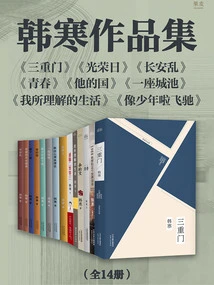
韩寒作品集(全14册)
Han Han
[A grand collection of Han Han's 14 works! From the million-selling "Triple Door" to the million-selling essay "Youth", let's see how the most outspoken young writer defines the youth and thinking of a generation with his sharp pen. As the most influential phenomenal writer and public intellectual in China's contemporary literary world, Han Han has sold more than 10 million copies of "Three Gates" since its debut in 2000. This set of books collects 14 of his masterpieces, fully presenting his literary landscape from a rebellious boy to a thinker. Overview of works: Novel: "Three Gates", "Flying Like a Boy", "A City", "Glory Day", "His Country", "Chang'an Chaos", "1988: I Want to Talk to the World" - examine the confusion of growth and the absurdity of reality with a cold gaze. Essays: "Manuscript 2003", "One Degree Below Zero", "Miscellaneous Articles", "Lovely Wild Beasts", "Youth", "Life as I Understand" - the sharpest presentation of Han Han's thoughts, lamenting the long-standing shortcomings of education and criticizing current social events. Autobiographical documentary: "Just Floating" - the first complete record of the racing life of China's only "double champion" of rally and track racing. Fourteen works, from the edge of fiction in novels to the frankness of essays and polemics, to the warmth of racing life, witness how a young man who "wanted to talk to the world" used words as a sword to carve a profound mark on this era.
[A grand collection of Han Han's 14 works! From the million-selling "Triple Door" to the million-selling essay "Youth", let's see how the most outspoken young writer defines the youth and thinking of a generation with his sharp pen. As the most influential phenomenal writer and public intellectual in China's contemporary literary world, Han Han has sold more than 10 million copies of "Three Gates" since its debut in 2000. This set of books collects 14 of his masterpieces, fully presenting his literary landscape from a rebellious boy to a thinker. Overview of works: Novel: "Three Gates", "Flying Like a Boy", "A City", "Glory Day", "His Country", "Chang'an Chaos", "1988: I Want to Talk to the World" - examine the confusion of growth and the absurdity of reality with a cold gaze. Essays: "Manuscript 2003", "One Degree Below Zero", "Miscellaneous Articles", "Lovely Wild Beasts", "Youth", "Life as I Understand" - the sharpest presentation of Han Han's thoughts, lamenting the long-standing shortcomings of education and criticizing current social events. Autobiographical documentary: "Just Floating" - the first complete record of the racing life of China's only "double champion" of rally and track racing. Fourteen works, from the edge of fiction in novels to the frankness of essays and polemics, to the warmth of racing life, witness how a young man who "wanted to talk to the world" used words as a sword to carve a profound mark on this era.
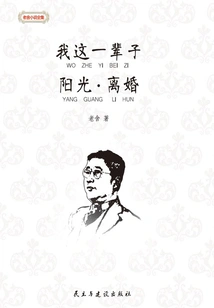
My Life·sunshine·divorce
Literature我这一辈子·阳光·离婚
Lao She
Lao She (1899.2.3-1966.8.24), A modern Chinese literary giant, novelist and dramatist. His original name was Shu Qingchun, courtesy name Sheyu, Manchu, and a native of Beijing. He was born in a poor family and lost his father when he was young. He graduated from Beijing Normal School and served as the principal of a primary school and encouraged students in his early years. In 1924, he went to England to teach Chinese at the Oriental College of the University of London and began to write. He published novels "Lao Zhang's Philosophy", "Zhao Ziyue" and "Two Horses" in the "Novel Monthly", becoming one of the founders of modern novels in my country. After returning to China, he taught at Qilu University and Shandong University and engaged in writing at the same time. His representative works include the novels "Cat City", "Divorce", "Camel Xiangzi", the novellas "Crescent Moon" and "My Life", and the short stories "Micro God", "Soul-Breaking Gun", etc. After the outbreak of the Anti-Japanese War, he went to Wuhan and Chongqing to organize the All-China Association of Literary and Art Circles to Resist the Enemy, which dealt with the Prime Minister's meetings internally and represented the "Literary Association" externally. He wrote the novel "Four Generations Under One Roof" and improved modern folk arts. In 1946, he went to the United States to give lectures and returned to China four years later. He was mainly engaged in drama script creation. His representative works include "Longxugou" and "Teahouse". He was awarded the title of "People's Artist" and was known as a language master. He once served as Vice Chairman of the National Federation of Literary and Art Circles, Vice Chairman of the National Writers Association and Chairman of the Beijing Federation of Literary and Art Circles. After suffering severe persecution during the Cultural Revolution in 1966, he drowned himself in Taiping Lake. "The Complete Works of Lao She's Novels" collects Mr. Lao She's classic works. This volume includes "My Life", "Sunshine" and "Divorce".
Lao She (1899.2.3-1966.8.24), A modern Chinese literary giant, novelist and dramatist. His original name was Shu Qingchun, courtesy name Sheyu, Manchu, and a native of Beijing. He was born in a poor family and lost his father when he was young. He graduated from Beijing Normal School and served as the principal of a primary school and encouraged students in his early years. In 1924, he went to England to teach Chinese at the Oriental College of the University of London and began to write. He published novels "Lao Zhang's Philosophy", "Zhao Ziyue" and "Two Horses" in the "Novel Monthly", becoming one of the founders of modern novels in my country. After returning to China, he taught at Qilu University and Shandong University and engaged in writing at the same time. His representative works include the novels "Cat City", "Divorce", "Camel Xiangzi", the novellas "Crescent Moon" and "My Life", and the short stories "Micro God", "Soul-Breaking Gun", etc. After the outbreak of the Anti-Japanese War, he went to Wuhan and Chongqing to organize the All-China Association of Literary and Art Circles to Resist the Enemy, which dealt with the Prime Minister's meetings internally and represented the "Literary Association" externally. He wrote the novel "Four Generations Under One Roof" and improved modern folk arts. In 1946, he went to the United States to give lectures and returned to China four years later. He was mainly engaged in drama script creation. His representative works include "Longxugou" and "Teahouse". He was awarded the title of "People's Artist" and was known as a language master. He once served as Vice Chairman of the National Federation of Literary and Art Circles, Vice Chairman of the National Writers Association and Chairman of the Beijing Federation of Literary and Art Circles. After suffering severe persecution during the Cultural Revolution in 1966, he drowned himself in Taiping Lake. "The Complete Works of Lao She's Novels" collects Mr. Lao She's classic works. This volume includes "My Life", "Sunshine" and "Divorce".
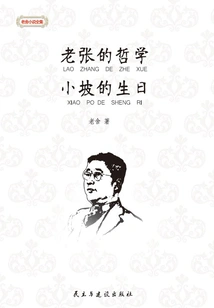
老张的哲学·小坡的生日
Lao She
Lao She (1899.2.3-1966.8.24), A modern Chinese literary giant, novelist and dramatist. His original name was Shu Qingchun, courtesy name Sheyu, Manchu, and a native of Beijing. He was born in a poor family and lost his father when he was young. He graduated from Beijing Normal School and served as the principal of a primary school and encouraged students in his early years. In 1924, he went to England to teach Chinese at the Oriental College of the University of London and began to write. He published novels "Lao Zhang's Philosophy", "Zhao Ziyue" and "Two Horses" in the "Novel Monthly", becoming one of the founders of modern novels in my country. After returning to China, he taught at Qilu University and Shandong University and engaged in writing at the same time. His representative works include the novels "Cat City", "Divorce", "Camel Xiangzi", the novellas "Crescent Moon" and "My Life", and the short stories "Micro God", "Soul-Breaking Gun", etc. After the outbreak of the Anti-Japanese War, he went to Wuhan and Chongqing to organize the All-China Association of Literary and Art Circles to Resist the Enemy, which dealt with the Prime Minister's meetings internally and represented the "Literary Association" externally. He wrote the novel "Four Generations Under One Roof" and improved modern folk arts. In 1946, he went to the United States to give lectures and returned to China four years later. He was mainly engaged in drama script creation. His representative works include "Longxugou" and "Teahouse". He was awarded the title of "People's Artist" and was known as a language master. He once served as Vice Chairman of the National Federation of Literary and Art Circles, Vice Chairman of the National Writers Association and Chairman of the Beijing Federation of Literary and Art Circles. After suffering severe persecution during the Cultural Revolution in 1966, he drowned himself in Taiping Lake. "The Complete Works of Lao She's Novels" collects Mr. Lao She's classic works. The content of this volume is "Lao Zhang's Philosophy" and "Xiao Po's Birthday".
Lao She (1899.2.3-1966.8.24), A modern Chinese literary giant, novelist and dramatist. His original name was Shu Qingchun, courtesy name Sheyu, Manchu, and a native of Beijing. He was born in a poor family and lost his father when he was young. He graduated from Beijing Normal School and served as the principal of a primary school and encouraged students in his early years. In 1924, he went to England to teach Chinese at the Oriental College of the University of London and began to write. He published novels "Lao Zhang's Philosophy", "Zhao Ziyue" and "Two Horses" in the "Novel Monthly", becoming one of the founders of modern novels in my country. After returning to China, he taught at Qilu University and Shandong University and engaged in writing at the same time. His representative works include the novels "Cat City", "Divorce", "Camel Xiangzi", the novellas "Crescent Moon" and "My Life", and the short stories "Micro God", "Soul-Breaking Gun", etc. After the outbreak of the Anti-Japanese War, he went to Wuhan and Chongqing to organize the All-China Association of Literary and Art Circles to Resist the Enemy, which dealt with the Prime Minister's meetings internally and represented the "Literary Association" externally. He wrote the novel "Four Generations Under One Roof" and improved modern folk arts. In 1946, he went to the United States to give lectures and returned to China four years later. He was mainly engaged in drama script creation. His representative works include "Longxugou" and "Teahouse". He was awarded the title of "People's Artist" and was known as a language master. He once served as Vice Chairman of the National Federation of Literary and Art Circles, Vice Chairman of the National Writers Association and Chairman of the Beijing Federation of Literary and Art Circles. After suffering severe persecution during the Cultural Revolution in 1966, he drowned himself in Taiping Lake. "The Complete Works of Lao She's Novels" collects Mr. Lao She's classic works. The content of this volume is "Lao Zhang's Philosophy" and "Xiao Po's Birthday".
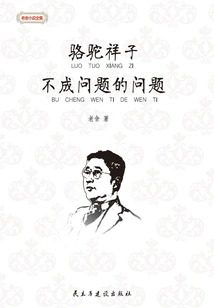
Luotuo Xiangzi·no Problem
Literature骆驼祥子·不成问题的问题
Lao She
Lao She (1899.2.3-1966.8.24), A modern Chinese literary giant, novelist and dramatist. His original name was Shu Qingchun, courtesy name Sheyu, Manchu, and a native of Beijing. He was born in a poor family and lost his father when he was young. He graduated from Beijing Normal School and served as the principal of a primary school and encouraged students in his early years. In 1924, he went to England to teach Chinese at the Oriental College of the University of London and began to write. He published novels "Lao Zhang's Philosophy", "Zhao Ziyue" and "Two Horses" in the "Novel Monthly", becoming one of the founders of modern novels in my country. After returning to China, he taught at Qilu University and Shandong University and engaged in writing at the same time. His representative works include the novels "Cat City", "Divorce", "Camel Xiangzi", the novellas "Crescent Moon" and "My Life", and the short stories "Micro God", "Soul-Breaking Gun", etc. After the outbreak of the Anti-Japanese War, he went to Wuhan and Chongqing to organize the All-China Association of Literary and Art Circles to Resist the Enemy, which dealt with the Prime Minister's meetings internally and represented the "Literary Association" externally. He wrote the novel "Four Generations Under One Roof" and improved modern folk arts. In 1946, he went to the United States to give lectures and returned to China four years later. He was mainly engaged in drama script creation. His representative works include "Longxugou" and "Teahouse". He was awarded the title of "People's Artist" and was known as a language master. He once served as Vice Chairman of the National Federation of Literary and Art Circles, Vice Chairman of the National Writers Association and Chairman of the Beijing Federation of Literary and Art Circles. After suffering severe persecution during the Cultural Revolution in 1966, he drowned himself in Taiping Lake. "The Complete Works of Lao She's Novels" collects Mr. Lao She's classic works. The content of this volume is "Camel Xiangzi" and "The Problem That Is Not a Problem".
Lao She (1899.2.3-1966.8.24), A modern Chinese literary giant, novelist and dramatist. His original name was Shu Qingchun, courtesy name Sheyu, Manchu, and a native of Beijing. He was born in a poor family and lost his father when he was young. He graduated from Beijing Normal School and served as the principal of a primary school and encouraged students in his early years. In 1924, he went to England to teach Chinese at the Oriental College of the University of London and began to write. He published novels "Lao Zhang's Philosophy", "Zhao Ziyue" and "Two Horses" in the "Novel Monthly", becoming one of the founders of modern novels in my country. After returning to China, he taught at Qilu University and Shandong University and engaged in writing at the same time. His representative works include the novels "Cat City", "Divorce", "Camel Xiangzi", the novellas "Crescent Moon" and "My Life", and the short stories "Micro God", "Soul-Breaking Gun", etc. After the outbreak of the Anti-Japanese War, he went to Wuhan and Chongqing to organize the All-China Association of Literary and Art Circles to Resist the Enemy, which dealt with the Prime Minister's meetings internally and represented the "Literary Association" externally. He wrote the novel "Four Generations Under One Roof" and improved modern folk arts. In 1946, he went to the United States to give lectures and returned to China four years later. He was mainly engaged in drama script creation. His representative works include "Longxugou" and "Teahouse". He was awarded the title of "People's Artist" and was known as a language master. He once served as Vice Chairman of the National Federation of Literary and Art Circles, Vice Chairman of the National Writers Association and Chairman of the Beijing Federation of Literary and Art Circles. After suffering severe persecution during the Cultural Revolution in 1966, he drowned himself in Taiping Lake. "The Complete Works of Lao She's Novels" collects Mr. Lao She's classic works. The content of this volume is "Camel Xiangzi" and "The Problem That Is Not a Problem".
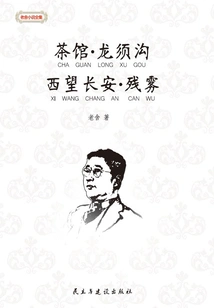
茶馆·龙须沟·西望长安·残雾
Lao She
Lao She (1899.2.3-1966.8.24), A modern Chinese literary giant, novelist and dramatist. His original name was Shu Qingchun, courtesy name Sheyu, Manchu, and a native of Beijing. He was born in a poor family and lost his father when he was young. He graduated from Beijing Normal School and served as the principal of a primary school and encouraged students in his early years. In 1924, he went to England to teach Chinese at the Oriental College of the University of London and began to write. He published novels "Lao Zhang's Philosophy", "Zhao Ziyue" and "Two Horses" in the "Novel Monthly", becoming one of the founders of modern novels in my country. After returning to China, he taught at Qilu University and Shandong University and engaged in writing at the same time. His representative works include the novels "Cat City", "Divorce", "Camel Xiangzi", the novellas "Crescent Moon" and "My Life", and the short stories "Micro God", "Soul-Breaking Gun", etc. After the outbreak of the Anti-Japanese War, he went to Wuhan and Chongqing to organize the All-China Association of Literary and Art Circles to Resist the Enemy, which dealt with the Prime Minister's meetings internally and represented the "Literary Association" externally. He wrote the novel "Four Generations Under One Roof" and improved modern folk arts. In 1946, he went to the United States to give lectures and returned to China four years later. He was mainly engaged in drama script creation. His representative works include "Longxugou" and "Teahouse". He was awarded the title of "People's Artist" and was known as a language master. He once served as Vice Chairman of the National Federation of Literary and Art Circles, Vice Chairman of the National Writers Association and Chairman of the Beijing Federation of Literary and Art Circles. After suffering severe persecution during the Cultural Revolution in 1966, he drowned himself in Taiping Lake. "The Complete Works of Lao She's Novels" collects Mr. Lao She's classic works. This volume includes the dramas "Teahouse", "Longxugou", "Looking West to Chang'an" and "Remnant Fog".
Lao She (1899.2.3-1966.8.24), A modern Chinese literary giant, novelist and dramatist. His original name was Shu Qingchun, courtesy name Sheyu, Manchu, and a native of Beijing. He was born in a poor family and lost his father when he was young. He graduated from Beijing Normal School and served as the principal of a primary school and encouraged students in his early years. In 1924, he went to England to teach Chinese at the Oriental College of the University of London and began to write. He published novels "Lao Zhang's Philosophy", "Zhao Ziyue" and "Two Horses" in the "Novel Monthly", becoming one of the founders of modern novels in my country. After returning to China, he taught at Qilu University and Shandong University and engaged in writing at the same time. His representative works include the novels "Cat City", "Divorce", "Camel Xiangzi", the novellas "Crescent Moon" and "My Life", and the short stories "Micro God", "Soul-Breaking Gun", etc. After the outbreak of the Anti-Japanese War, he went to Wuhan and Chongqing to organize the All-China Association of Literary and Art Circles to Resist the Enemy, which dealt with the Prime Minister's meetings internally and represented the "Literary Association" externally. He wrote the novel "Four Generations Under One Roof" and improved modern folk arts. In 1946, he went to the United States to give lectures and returned to China four years later. He was mainly engaged in drama script creation. His representative works include "Longxugou" and "Teahouse". He was awarded the title of "People's Artist" and was known as a language master. He once served as Vice Chairman of the National Federation of Literary and Art Circles, Vice Chairman of the National Writers Association and Chairman of the Beijing Federation of Literary and Art Circles. After suffering severe persecution during the Cultural Revolution in 1966, he drowned himself in Taiping Lake. "The Complete Works of Lao She's Novels" collects Mr. Lao She's classic works. This volume includes the dramas "Teahouse", "Longxugou", "Looking West to Chang'an" and "Remnant Fog".
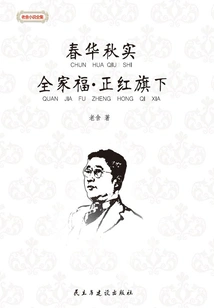
春华秋实·全家福·正红旗下
Lao She
Lao She (1899.2.3-1966.8.24), A modern Chinese literary giant, novelist and dramatist. His original name was Shu Qingchun, courtesy name Sheyu, Manchu, and a native of Beijing. He was born in a poor family and lost his father when he was young. He graduated from Beijing Normal School and served as the principal of a primary school and encouraged students in his early years. In 1924, he went to England to teach Chinese at the Oriental College of the University of London and began to write. He published novels "Lao Zhang's Philosophy", "Zhao Ziyue" and "Two Horses" in the "Novel Monthly", becoming one of the founders of modern novels in my country. After returning to China, he taught at Qilu University and Shandong University and engaged in writing at the same time. His representative works include the novels "Cat City", "Divorce", "Camel Xiangzi", the novellas "Crescent Moon" and "My Life", and the short stories "Micro God", "Soul-Breaking Gun", etc. After the outbreak of the Anti-Japanese War, he went to Wuhan and Chongqing to organize the All-China Association of Literary and Art Circles to Resist the Enemy, which dealt with the Prime Minister's meetings internally and represented the "Literary Association" externally. He wrote the novel "Four Generations Under One Roof" and improved modern folk arts. In 1946, he went to the United States to give lectures and returned to China four years later. He was mainly engaged in drama script creation. His representative works include "Longxugou" and "Teahouse". He was awarded the title of "People's Artist" and was known as a language master. He once served as Vice Chairman of the National Federation of Literary and Art Circles, Vice Chairman of the National Writers Association and Chairman of the Beijing Federation of Literary and Art Circles. After suffering severe persecution during the Cultural Revolution in 1966, he drowned himself in Taiping Lake. "The Complete Works of Lao She's Novels" collects Mr. Lao She's classic works. This volume includes "Spring and Autumn Facts", "Family Portrait" and "Under the Red Flag".
Lao She (1899.2.3-1966.8.24), A modern Chinese literary giant, novelist and dramatist. His original name was Shu Qingchun, courtesy name Sheyu, Manchu, and a native of Beijing. He was born in a poor family and lost his father when he was young. He graduated from Beijing Normal School and served as the principal of a primary school and encouraged students in his early years. In 1924, he went to England to teach Chinese at the Oriental College of the University of London and began to write. He published novels "Lao Zhang's Philosophy", "Zhao Ziyue" and "Two Horses" in the "Novel Monthly", becoming one of the founders of modern novels in my country. After returning to China, he taught at Qilu University and Shandong University and engaged in writing at the same time. His representative works include the novels "Cat City", "Divorce", "Camel Xiangzi", the novellas "Crescent Moon" and "My Life", and the short stories "Micro God", "Soul-Breaking Gun", etc. After the outbreak of the Anti-Japanese War, he went to Wuhan and Chongqing to organize the All-China Association of Literary and Art Circles to Resist the Enemy, which dealt with the Prime Minister's meetings internally and represented the "Literary Association" externally. He wrote the novel "Four Generations Under One Roof" and improved modern folk arts. In 1946, he went to the United States to give lectures and returned to China four years later. He was mainly engaged in drama script creation. His representative works include "Longxugou" and "Teahouse". He was awarded the title of "People's Artist" and was known as a language master. He once served as Vice Chairman of the National Federation of Literary and Art Circles, Vice Chairman of the National Writers Association and Chairman of the Beijing Federation of Literary and Art Circles. After suffering severe persecution during the Cultural Revolution in 1966, he drowned himself in Taiping Lake. "The Complete Works of Lao She's Novels" collects Mr. Lao She's classic works. This volume includes "Spring and Autumn Facts", "Family Portrait" and "Under the Red Flag".
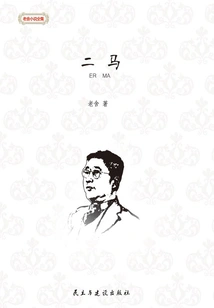
Two Horses
Literature二马
Lao She
Lao She (1899.2.3-1966.8.24), A modern Chinese literary giant, novelist and dramatist. His original name was Shu Qingchun, courtesy name Sheyu, Manchu, and a native of Beijing. He was born in a poor family and lost his father when he was young. He graduated from Beijing Normal School and served as the principal of a primary school and encouraged students in his early years. In 1924, he went to England to teach Chinese at the Oriental College of the University of London and began to write. He published novels "Lao Zhang's Philosophy", "Zhao Ziyue" and "Two Horses" in the "Novel Monthly", becoming one of the founders of modern novels in my country. After returning to China, he taught at Qilu University and Shandong University and engaged in writing at the same time. His representative works include the novels "Cat City", "Divorce", "Camel Xiangzi", the novellas "Crescent Moon" and "My Life", and the short stories "Micro God", "Soul-Breaking Gun", etc. After the outbreak of the Anti-Japanese War, he went to Wuhan and Chongqing to organize the All-China Association of Literary and Art Circles to Resist the Enemy, which dealt with the Prime Minister's meetings internally and represented the "Literary Association" externally. He wrote the novel "Four Generations Under One Roof" and improved modern folk arts. In 1946, he went to the United States to give lectures and returned to China four years later. He was mainly engaged in drama script creation. His representative works include "Longxugou" and "Teahouse". He was awarded the title of "People's Artist" and was known as a language master. He once served as Vice Chairman of the National Federation of Literary and Art Circles, Vice Chairman of the National Writers Association and Chairman of the Beijing Federation of Literary and Art Circles. After suffering severe persecution during the Cultural Revolution in 1966, he drowned himself in Taiping Lake. "The Complete Works of Lao She's Novels" collects Mr. Lao She's classic works. The content of this volume is "Two Horses".
Lao She (1899.2.3-1966.8.24), A modern Chinese literary giant, novelist and dramatist. His original name was Shu Qingchun, courtesy name Sheyu, Manchu, and a native of Beijing. He was born in a poor family and lost his father when he was young. He graduated from Beijing Normal School and served as the principal of a primary school and encouraged students in his early years. In 1924, he went to England to teach Chinese at the Oriental College of the University of London and began to write. He published novels "Lao Zhang's Philosophy", "Zhao Ziyue" and "Two Horses" in the "Novel Monthly", becoming one of the founders of modern novels in my country. After returning to China, he taught at Qilu University and Shandong University and engaged in writing at the same time. His representative works include the novels "Cat City", "Divorce", "Camel Xiangzi", the novellas "Crescent Moon" and "My Life", and the short stories "Micro God", "Soul-Breaking Gun", etc. After the outbreak of the Anti-Japanese War, he went to Wuhan and Chongqing to organize the All-China Association of Literary and Art Circles to Resist the Enemy, which dealt with the Prime Minister's meetings internally and represented the "Literary Association" externally. He wrote the novel "Four Generations Under One Roof" and improved modern folk arts. In 1946, he went to the United States to give lectures and returned to China four years later. He was mainly engaged in drama script creation. His representative works include "Longxugou" and "Teahouse". He was awarded the title of "People's Artist" and was known as a language master. He once served as Vice Chairman of the National Federation of Literary and Art Circles, Vice Chairman of the National Writers Association and Chairman of the Beijing Federation of Literary and Art Circles. After suffering severe persecution during the Cultural Revolution in 1966, he drowned himself in Taiping Lake. "The Complete Works of Lao She's Novels" collects Mr. Lao She's classic works. The content of this volume is "Two Horses".
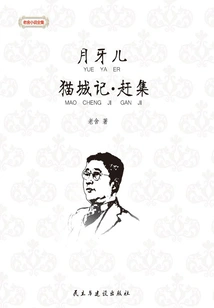
月牙儿·猫城记·赶集
Lao She
Lao She (1899.2.3-1966.8.24), A modern Chinese literary giant, novelist and dramatist. His original name was Shu Qingchun, courtesy name Sheyu, Manchu, and a native of Beijing. He was born in a poor family and lost his father when he was young. He graduated from Beijing Normal School and served as the principal of a primary school and encouraged students in his early years. In 1924, he went to England to teach Chinese at the Oriental College of the University of London and began to write. He published novels "Lao Zhang's Philosophy", "Zhao Ziyue" and "Two Horses" in the "Novel Monthly", becoming one of the founders of modern novels in my country. After returning to China, he taught at Qilu University and Shandong University and engaged in writing at the same time. His representative works include the novels "Cat City", "Divorce", "Camel Xiangzi", the novellas "Crescent Moon" and "My Life", and the short stories "Micro God", "Soul-Breaking Gun", etc. After the outbreak of the Anti-Japanese War, he went to Wuhan and Chongqing to organize the All-China Association of Literary and Art Circles to Resist the Enemy, which dealt with the Prime Minister's meetings internally and represented the "Literary Association" externally. He wrote the novel "Four Generations Under One Roof" and improved modern folk arts. In 1946, he went to the United States to give lectures and returned to China four years later. He was mainly engaged in drama script creation. His representative works include "Longxugou" and "Teahouse". He was awarded the title of "People's Artist" and was known as a language master. He once served as Vice Chairman of the National Federation of Literary and Art Circles, Vice Chairman of the National Writers Association and Chairman of the Beijing Federation of Literary and Art Circles. After suffering severe persecution during the Cultural Revolution in 1966, he drowned himself in Taiping Lake. "The Complete Works of Lao She's Novels" collects Mr. Lao She's classic works. This volume includes "Crescent Moon", "Cat City" and "Going to the Market".
Lao She (1899.2.3-1966.8.24), A modern Chinese literary giant, novelist and dramatist. His original name was Shu Qingchun, courtesy name Sheyu, Manchu, and a native of Beijing. He was born in a poor family and lost his father when he was young. He graduated from Beijing Normal School and served as the principal of a primary school and encouraged students in his early years. In 1924, he went to England to teach Chinese at the Oriental College of the University of London and began to write. He published novels "Lao Zhang's Philosophy", "Zhao Ziyue" and "Two Horses" in the "Novel Monthly", becoming one of the founders of modern novels in my country. After returning to China, he taught at Qilu University and Shandong University and engaged in writing at the same time. His representative works include the novels "Cat City", "Divorce", "Camel Xiangzi", the novellas "Crescent Moon" and "My Life", and the short stories "Micro God", "Soul-Breaking Gun", etc. After the outbreak of the Anti-Japanese War, he went to Wuhan and Chongqing to organize the All-China Association of Literary and Art Circles to Resist the Enemy, which dealt with the Prime Minister's meetings internally and represented the "Literary Association" externally. He wrote the novel "Four Generations Under One Roof" and improved modern folk arts. In 1946, he went to the United States to give lectures and returned to China four years later. He was mainly engaged in drama script creation. His representative works include "Longxugou" and "Teahouse". He was awarded the title of "People's Artist" and was known as a language master. He once served as Vice Chairman of the National Federation of Literary and Art Circles, Vice Chairman of the National Writers Association and Chairman of the Beijing Federation of Literary and Art Circles. After suffering severe persecution during the Cultural Revolution in 1966, he drowned himself in Taiping Lake. "The Complete Works of Lao She's Novels" collects Mr. Lao She's classic works. This volume includes "Crescent Moon", "Cat City" and "Going to the Market".
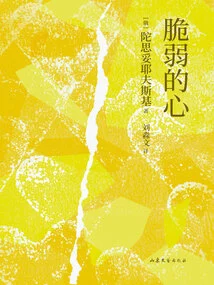
Fragile Heart
Literature脆弱的心
(russian) Dostoevsky
[Dostoevsky's soul-searching work. Cowards are afraid of happiness because they have a fragile heart. The protagonist of the novel, Vasya, always thinks that he is not worthy of happiness because of his low social status. When the girl he loved agreed to marry him, he couldn't bear the sudden joy, and he felt deeply unworthy of the respect of his boss because he failed to complete the work on time. In the torture of happiness and shame, he finally suffered a mental breakdown. Through the tragedy of Vasya's collapse due to poverty and marital anxiety, the novel reveals the oppression and destruction of the lower-class intellectuals by the tsarist Russian bureaucracy. With his superb psychological description, Dostoevsky delicately displays the protagonist's fragility, anxiety and fear of happiness, arousing strong emotional resonance and reflecting his profound insight into human fragility and moral dilemmas. Vasya's collapse is not only a manifestation of personal psychological imbalance, but also a silent complaint against the social system that distorts human nature. This work shows Dossett's early deep sympathy for the "insulted and harmed", and also laid the foundation for his later psychological masterpieces such as "Crime and Punishment".
[Dostoevsky's soul-searching work. Cowards are afraid of happiness because they have a fragile heart. The protagonist of the novel, Vasya, always thinks that he is not worthy of happiness because of his low social status. When the girl he loved agreed to marry him, he couldn't bear the sudden joy, and he felt deeply unworthy of the respect of his boss because he failed to complete the work on time. In the torture of happiness and shame, he finally suffered a mental breakdown. Through the tragedy of Vasya's collapse due to poverty and marital anxiety, the novel reveals the oppression and destruction of the lower-class intellectuals by the tsarist Russian bureaucracy. With his superb psychological description, Dostoevsky delicately displays the protagonist's fragility, anxiety and fear of happiness, arousing strong emotional resonance and reflecting his profound insight into human fragility and moral dilemmas. Vasya's collapse is not only a manifestation of personal psychological imbalance, but also a silent complaint against the social system that distorts human nature. This work shows Dossett's early deep sympathy for the "insulted and harmed", and also laid the foundation for his later psychological masterpieces such as "Crime and Punishment".
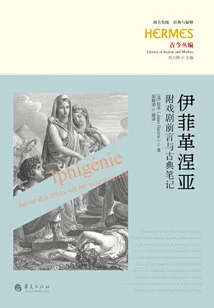
伊菲革涅亚:附戏剧前言与古典笔记
(french) Racine
"Iphigenia" is an important dramatic work by the French poet Racine in the seventeenth century. This work is based on Euripides' "Iphigenia at Aulis". Although the characters and plot have been changed, the spiritual temperament is still in line with the ancient Athenian theater - and the changes and inheritance are actually an undercurrent of the dispute between ancient and modern times under the King Louis XIV. This book also includes Racine's self-written preface to the play and his reading notes on studying ancient Greek classics. Racine claimed to "firmly respect and yearn for the ancient classics". The trinity of drama, preface and notes is not only a polemic against contemporary critics, but also a dialogue with ancient poets.
"Iphigenia" is an important dramatic work by the French poet Racine in the seventeenth century. This work is based on Euripides' "Iphigenia at Aulis". Although the characters and plot have been changed, the spiritual temperament is still in line with the ancient Athenian theater - and the changes and inheritance are actually an undercurrent of the dispute between ancient and modern times under the King Louis XIV. This book also includes Racine's self-written preface to the play and his reading notes on studying ancient Greek classics. Racine claimed to "firmly respect and yearn for the ancient classics". The trinity of drama, preface and notes is not only a polemic against contemporary critics, but also a dialogue with ancient poets.
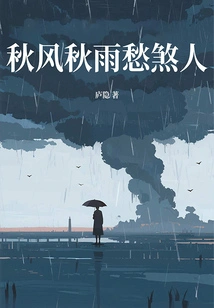
秋风秋雨愁煞人
Luyin
"The Autumn Wind and Autumn Rain Are Sorrowful" is a short story written by Lu Yin with the Revolution of 1911 as the background. It shows the fate of individuals in the tide of the times through a female perspective. "A Glimpse of Willow Island" reveals the shady story of Japan's prostitution industry in a cold and stern way. Under the surface of extravagance and extravagance, there is the mental decay of women who have been reduced to commodities. "Thoughts of Autumn in a Foreign Country" describes that in the fragrance of osmanthus in Inokashira Park, the wanderers feel sad when they see things, and the exotic autumn scenery triggers the thoughts of home and country. "Spring Light Outside the Window" is set in a prison-like missionary school. The girl glimpses the blooming Phalaenopsis from the cellar window, fighting the coldness of reality with her broken dreams. In the folds of turbulent times, the awakening and hesitation of modern women are everywhere. The sorrows of spring and the hatreds of autumn eventually become the fireflies that illuminate the dark corners of history.
"The Autumn Wind and Autumn Rain Are Sorrowful" is a short story written by Lu Yin with the Revolution of 1911 as the background. It shows the fate of individuals in the tide of the times through a female perspective. "A Glimpse of Willow Island" reveals the shady story of Japan's prostitution industry in a cold and stern way. Under the surface of extravagance and extravagance, there is the mental decay of women who have been reduced to commodities. "Thoughts of Autumn in a Foreign Country" describes that in the fragrance of osmanthus in Inokashira Park, the wanderers feel sad when they see things, and the exotic autumn scenery triggers the thoughts of home and country. "Spring Light Outside the Window" is set in a prison-like missionary school. The girl glimpses the blooming Phalaenopsis from the cellar window, fighting the coldness of reality with her broken dreams. In the folds of turbulent times, the awakening and hesitation of modern women are everywhere. The sorrows of spring and the hatreds of autumn eventually become the fireflies that illuminate the dark corners of history.
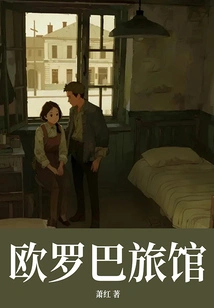
Hotel Europa
Literature欧罗巴旅馆
Xiao Hong
"Europa Hotel" uses its unique writing style to depict the bottom life of Harbin in Northeast China during the occupation period. What happened to the poor couple Xiao Hong and Xiao Jun in the hotel was sigh-inducing. From the initial pure fantasy, to being ruthlessly awakened by reality, in the hotel, with no money and no food to eat, he was sleeping on a straw mattress, and the long sword he carried was also taken away by the patrolman. "Pawn Shop" uses "my" experience of pawning clothes and buying food to show the dignity and self-comfort that I still maintain in the midst of hardship. "Snowy Day" depicts "my" desire for intimate relationships and confusion about the future amid hunger and loneliness. "Thirteen Days" writes that "I" fell ill and was sent to a friend's house to recuperate. The physical pain and mental alienation were intertwined, highlighting the sorrow of the poor and homeless. "Auction Furniture" and "Advertiser's Dream" record the author's difficulty in selling his only home and finding a job under the pressure of survival. "Thirteen Days" describes the depressed state of mind after falling ill. These chapters come together to form a picture of the people at the bottom struggling to survive in the cold secular world. They are full of Xiao Hong's unique pathos and poetry, and the lines are filled with profound insights and accusations of suffering.
"Europa Hotel" uses its unique writing style to depict the bottom life of Harbin in Northeast China during the occupation period. What happened to the poor couple Xiao Hong and Xiao Jun in the hotel was sigh-inducing. From the initial pure fantasy, to being ruthlessly awakened by reality, in the hotel, with no money and no food to eat, he was sleeping on a straw mattress, and the long sword he carried was also taken away by the patrolman. "Pawn Shop" uses "my" experience of pawning clothes and buying food to show the dignity and self-comfort that I still maintain in the midst of hardship. "Snowy Day" depicts "my" desire for intimate relationships and confusion about the future amid hunger and loneliness. "Thirteen Days" writes that "I" fell ill and was sent to a friend's house to recuperate. The physical pain and mental alienation were intertwined, highlighting the sorrow of the poor and homeless. "Auction Furniture" and "Advertiser's Dream" record the author's difficulty in selling his only home and finding a job under the pressure of survival. "Thirteen Days" describes the depressed state of mind after falling ill. These chapters come together to form a picture of the people at the bottom struggling to survive in the cold secular world. They are full of Xiao Hong's unique pathos and poetry, and the lines are filled with profound insights and accusations of suffering.
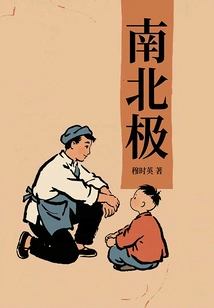
North and South Pole
Literature南北极
Mu Shiying
"North and South Pole" is an early work created by Mu Shiying. It was a work before he fully formed the "New Sensationism" style. It focuses on the survival plight and class conflicts of the bottom workers and has a distinct color of social criticism. The story revolves around a group of lower-class workers. In the novel, the resistance of the people at the bottom carries primitive, wild and rough strength, but often ends in failure. Class conflicts have become incompatible; individual anger, powerlessness, and even human nature are distorted and burst out. All these are vividly portrayed and have a strong sense of substitution.
"North and South Pole" is an early work created by Mu Shiying. It was a work before he fully formed the "New Sensationism" style. It focuses on the survival plight and class conflicts of the bottom workers and has a distinct color of social criticism. The story revolves around a group of lower-class workers. In the novel, the resistance of the people at the bottom carries primitive, wild and rough strength, but often ends in failure. Class conflicts have become incompatible; individual anger, powerlessness, and even human nature are distorted and burst out. All these are vividly portrayed and have a strong sense of substitution.
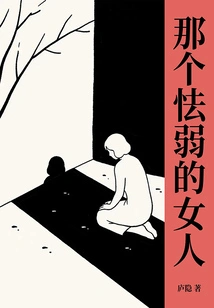
That Timid Woman
Literature那个怯弱的女人
Luyin
"I" and Jian, who are living in Japan, are looking forward to the arrival of new neighbors, Mr. And Mrs. Ke. Mr. Ke had a fierce appearance and soon became violent to his wife. After "I" and Jian intervened to stop her, they learned a lot about the whole story: Mrs. Ke had resisted an arranged marriage and went to Japan to study, but was deceived by Mr. Ke into a private life. She was abused by him immediately after the marriage, lost her first child, and could not escape the beatings even if she became pregnant again. "I" encouraged her to fight for her own happiness. Although she planned to join her relatives and friends in Kyoto, she compromised due to Mr. Ke's negotiation and the persuasion of others, and ultimately failed to leave. Mrs. Ke's timidity is not a simple character flaw, it is also the real dilemma of some women after the May Fourth Movement - even if they have a sense of independence, they are still difficult to break free from the remnants of feudalism, survival pressure and traditional concepts. Lu Yin uses this character to express his deep compassion for the fate of women. This book also includes two articles: "A Writer" and "Ode to Summer". All are masterpieces of Lu Yin.
"I" and Jian, who are living in Japan, are looking forward to the arrival of new neighbors, Mr. And Mrs. Ke. Mr. Ke had a fierce appearance and soon became violent to his wife. After "I" and Jian intervened to stop her, they learned a lot about the whole story: Mrs. Ke had resisted an arranged marriage and went to Japan to study, but was deceived by Mr. Ke into a private life. She was abused by him immediately after the marriage, lost her first child, and could not escape the beatings even if she became pregnant again. "I" encouraged her to fight for her own happiness. Although she planned to join her relatives and friends in Kyoto, she compromised due to Mr. Ke's negotiation and the persuasion of others, and ultimately failed to leave. Mrs. Ke's timidity is not a simple character flaw, it is also the real dilemma of some women after the May Fourth Movement - even if they have a sense of independence, they are still difficult to break free from the remnants of feudalism, survival pressure and traditional concepts. Lu Yin uses this character to express his deep compassion for the fate of women. This book also includes two articles: "A Writer" and "Ode to Summer". All are masterpieces of Lu Yin.
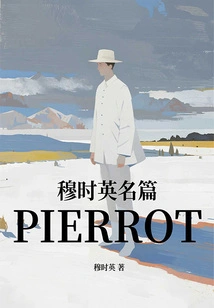
Mu Shiying's Famous Article: Pierrot
Literature穆时英名篇:PIERROT
Mu Shiying
"PIERROT" is a common clown in European dramas, especially in French pantomimes. The whitened cheeks, the loose white clothes, the expression that seems to be smiling but not smiling, and wanting to cry but not crying, are like the companions of the deprived people, the lonely fellow sufferers. Mu Shiying has written about "PIERROT" type characters in many works. Although such works have different styles and themes, people who have fallen off and have no "home" to return to, who fell off modern trains but failed to catch up, and who end up wandering around, can all be seen as the "fallen PIERROT" that Mu Shiying loved and wrote about repeatedly. By repeatedly writing and depicting travelers who have lost their homes and roots, the writer responds to the real life situations of modern people - all living people will eventually understand that the journey to escape from the world can never be completed, and chasing the passing modern years is only in vain. In the end, we can only paint the pale face of a clown, seeming to be happy but angry, looking at the other shore from a distance, and casting a gaze that says "there is neither sorrow nor joy". It is in this sense that "PIERROT" makes Mu Shiying one of the best modern writers in modern China.
"PIERROT" is a common clown in European dramas, especially in French pantomimes. The whitened cheeks, the loose white clothes, the expression that seems to be smiling but not smiling, and wanting to cry but not crying, are like the companions of the deprived people, the lonely fellow sufferers. Mu Shiying has written about "PIERROT" type characters in many works. Although such works have different styles and themes, people who have fallen off and have no "home" to return to, who fell off modern trains but failed to catch up, and who end up wandering around, can all be seen as the "fallen PIERROT" that Mu Shiying loved and wrote about repeatedly. By repeatedly writing and depicting travelers who have lost their homes and roots, the writer responds to the real life situations of modern people - all living people will eventually understand that the journey to escape from the world can never be completed, and chasing the passing modern years is only in vain. In the end, we can only paint the pale face of a clown, seeming to be happy but angry, looking at the other shore from a distance, and casting a gaze that says "there is neither sorrow nor joy". It is in this sense that "PIERROT" makes Mu Shiying one of the best modern writers in modern China.
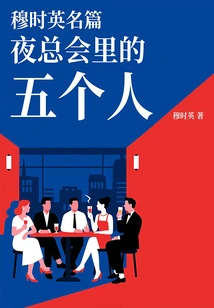
穆时英名篇:夜总会里的五个人
Mu Shiying
The novel "Five People in a Nightclub" was published in 1932 and tells the story of five urbanites who experienced great changes in their lives on the same day. The novel uses stream-of-consciousness techniques and film montage techniques to show the glitz and decadence of Shanghai in the 1930s, and profoundly reveals the confusion and despair of the characters at that time under the dual material and spiritual dilemmas. This work by Mu Shiying is known as one of the representative works of the "New Sensation School" in the history of modern Chinese literature, reflecting the spiritual crisis and human dilemma of that era.
The novel "Five People in a Nightclub" was published in 1932 and tells the story of five urbanites who experienced great changes in their lives on the same day. The novel uses stream-of-consciousness techniques and film montage techniques to show the glitz and decadence of Shanghai in the 1930s, and profoundly reveals the confusion and despair of the characters at that time under the dual material and spiritual dilemmas. This work by Mu Shiying is known as one of the representative works of the "New Sensation School" in the history of modern Chinese literature, reflecting the spiritual crisis and human dilemma of that era.
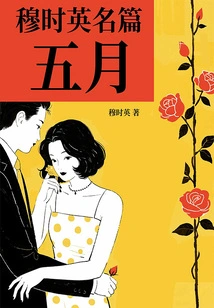
Mu Shiying's Famous Articles: May
Literature穆时英名篇:五月
Mu Shiying
Mu Shiying's "May" focuses on Cai Peipei, an 18-year-old mixed-race girl. She has longing for youth. In the romance of May, she has emotional entanglements with three single young men, Song Yiping, Jiang Jun, and Liu Cangbo. The three of them each had their own thoughts, and Peipei swayed in ignorance and temptation, but in the end their emotions failed. As the month of May passed, they were left with the melancholy of a girl's thoughts and the petty desolation of youth. "May" is not only an emotional sketch about youth, but also uses the flow of seasons as a metaphor to describe the rush of youth and the lightness of emotions in the urban context. In the aftertaste of the romantic atmosphere, readers can touch the individual's emptiness and emptiness under the torrent of the times. The emotional throbbing of a girl and the pursuit of youth trigger a profound inquiry into urban humanity and the essence of youth.
Mu Shiying's "May" focuses on Cai Peipei, an 18-year-old mixed-race girl. She has longing for youth. In the romance of May, she has emotional entanglements with three single young men, Song Yiping, Jiang Jun, and Liu Cangbo. The three of them each had their own thoughts, and Peipei swayed in ignorance and temptation, but in the end their emotions failed. As the month of May passed, they were left with the melancholy of a girl's thoughts and the petty desolation of youth. "May" is not only an emotional sketch about youth, but also uses the flow of seasons as a metaphor to describe the rush of youth and the lightness of emotions in the urban context. In the aftertaste of the romantic atmosphere, readers can touch the individual's emptiness and emptiness under the torrent of the times. The emotional throbbing of a girl and the pursuit of youth trigger a profound inquiry into urban humanity and the essence of youth.
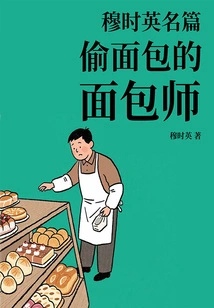
穆时英名篇:偷面包的面包师
Mu Shiying
"The Baker Who Stole Bread" tells the story of a baker who works in a bakery and tries to steal a cake from the store several times in order to celebrate the birthday of an old man and satisfy his family's wish to eat "pastry". He struggled internally and finally stole it, but unfortunately he was discovered by the supervisor and lost his job. The article describes the baker's family's helplessness towards the current difficult situation, their desire for a dazzling array of Western pastries, and the baker's complex psychology as a son, husband and father. "Night" uses a first-person perspective to describe the experience of a drifting sailor in Shanghai at night. "CRAVEN "A"" is also narrated in the first person, describing "I"'s romantic and dark encounters in the jazz dance hall. Through careful observation and psychological analysis of the heroine, the author shows women's multiple and complex personalities. It is considered to be one of the representative works of Mu Shiying's "New Sensation School" style.
"The Baker Who Stole Bread" tells the story of a baker who works in a bakery and tries to steal a cake from the store several times in order to celebrate the birthday of an old man and satisfy his family's wish to eat "pastry". He struggled internally and finally stole it, but unfortunately he was discovered by the supervisor and lost his job. The article describes the baker's family's helplessness towards the current difficult situation, their desire for a dazzling array of Western pastries, and the baker's complex psychology as a son, husband and father. "Night" uses a first-person perspective to describe the experience of a drifting sailor in Shanghai at night. "CRAVEN "A"" is also narrated in the first person, describing "I"'s romantic and dark encounters in the jazz dance hall. Through careful observation and psychological analysis of the heroine, the author shows women's multiple and complex personalities. It is considered to be one of the representative works of Mu Shiying's "New Sensation School" style.
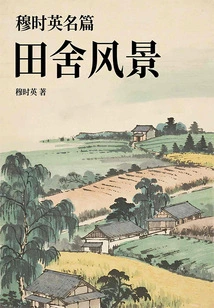
穆时英名篇:田舍风景
Mu Shiying
"Farm House Scenery" is a short article with a slightly leisurely farm atmosphere: the boat sails into the cross village full of camellias, and you can get a glimpse of the local customs and customs; Father Yun misses the rich days of the past and laments that now he lives in embarrassment eating sweet potatoes and farm produce. The young girl Xiao Ling is innocent and happy, but Yun Er is deeply confused. Because he realizes that farming cannot solve the problem of food and clothing, he thinks of going to Shanghai to make a living. While the villagers were playing and joking around, Mr. Ding was about to lead a security team to the countryside to collect rent and grab grain. When the news came, it was like a dark cloud. The novel combines the beauty of mountains and rivers with the difficulties of people's livelihood with delicate writing. It not only describes the quiet beauty and smoky atmosphere of the countryside, but also tells the struggle of the bottom farmers under the pressure of the times and the helplessness of the destiny of the countryside in a specific era.
"Farm House Scenery" is a short article with a slightly leisurely farm atmosphere: the boat sails into the cross village full of camellias, and you can get a glimpse of the local customs and customs; Father Yun misses the rich days of the past and laments that now he lives in embarrassment eating sweet potatoes and farm produce. The young girl Xiao Ling is innocent and happy, but Yun Er is deeply confused. Because he realizes that farming cannot solve the problem of food and clothing, he thinks of going to Shanghai to make a living. While the villagers were playing and joking around, Mr. Ding was about to lead a security team to the countryside to collect rent and grab grain. When the news came, it was like a dark cloud. The novel combines the beauty of mountains and rivers with the difficulties of people's livelihood with delicate writing. It not only describes the quiet beauty and smoky atmosphere of the countryside, but also tells the struggle of the bottom farmers under the pressure of the times and the helplessness of the destiny of the countryside in a specific era.
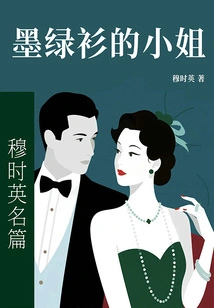
穆时英名篇:墨绿衫的小姐
Mu Shiying
"The Lady in the Dark Green Shirt" uses a modern stream-of-consciousness technique to describe an illusory and sensual love affair between "me" and a mysterious lady wearing a dark green shirt, which took place on a glitzy urban night full of jazz and prosperity. The story combines sounds, colors, and smells to materialize perceptual experiences, and explores the empty spiritual world and desire for romance among young people in modern cities. "The Red Huntress" tells the story of a young woman with rouge-colored roses on her temples who seeks excitement and self-exile in the feasting and feasting. "Smoke" has a similar core, using "smoke" as a metaphor to explore the anxiety and confusion of modern people.
"The Lady in the Dark Green Shirt" uses a modern stream-of-consciousness technique to describe an illusory and sensual love affair between "me" and a mysterious lady wearing a dark green shirt, which took place on a glitzy urban night full of jazz and prosperity. The story combines sounds, colors, and smells to materialize perceptual experiences, and explores the empty spiritual world and desire for romance among young people in modern cities. "The Red Huntress" tells the story of a young woman with rouge-colored roses on her temples who seeks excitement and self-exile in the feasting and feasting. "Smoke" has a similar core, using "smoke" as a metaphor to explore the anxiety and confusion of modern people.
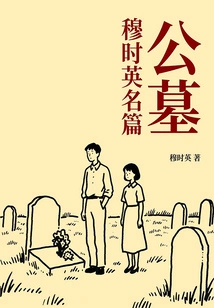
Mu Shiying's Famous Story: Cemetery
Literature穆时英名篇:公墓
Mu Shiying
This book contains three chapters: "Cemetery", "Hundred Days" and "Old House". Among them, "Cemetery" is the most famous and was once listed in the top 50 of the top 100 books of the century. The article writes that "I" go to the cemetery every day to accompany my deceased mother, and get to know Miss Ling, who also comes to sacrifice her mother. The two chat about my mother's past and walk in the countryside. "I" have secret feelings but am always timid and never express them. Ling suffered from lung disease and later died of illness. She was buried next to her mother's tomb. "I" received her belongings and went to the new tomb to pay homage. The novel depicts the regrets of youth's secret love with delicate brushstrokes. The emotions are sincere and moving, and it accurately captures the cowardice and loss in human nature. It is an excellent work that shows the weight of time and emotion. In "Hundred Days", Mrs. Lu raises money to build a dojo for her husband's 100-day celebration, but after all her savings are still not enough, she borrows money and is treated coldly. She thinks of her husband well, but her heart is filled with sadness and embarrassment. In "Old House", "I" receive a letter from my father and recall the joys of childhood in the old house. However, my family fell behind and moved away. When I revisit the old house, I find that things have changed. All three articles are about human despair.
This book contains three chapters: "Cemetery", "Hundred Days" and "Old House". Among them, "Cemetery" is the most famous and was once listed in the top 50 of the top 100 books of the century. The article writes that "I" go to the cemetery every day to accompany my deceased mother, and get to know Miss Ling, who also comes to sacrifice her mother. The two chat about my mother's past and walk in the countryside. "I" have secret feelings but am always timid and never express them. Ling suffered from lung disease and later died of illness. She was buried next to her mother's tomb. "I" received her belongings and went to the new tomb to pay homage. The novel depicts the regrets of youth's secret love with delicate brushstrokes. The emotions are sincere and moving, and it accurately captures the cowardice and loss in human nature. It is an excellent work that shows the weight of time and emotion. In "Hundred Days", Mrs. Lu raises money to build a dojo for her husband's 100-day celebration, but after all her savings are still not enough, she borrows money and is treated coldly. She thinks of her husband well, but her heart is filled with sadness and embarrassment. In "Old House", "I" receive a letter from my father and recall the joys of childhood in the old house. However, my family fell behind and moved away. When I revisit the old house, I find that things have changed. All three articles are about human despair.
Mu Shiying's Famous Story: Second Love
Literature穆时英名篇:第二恋
Mu Shiying
"Second Love" tells the story of the protagonist "I" returning to Hong Kong after seven years. The core of the novel lies in describing "loss" - lost youth, lost time and unrecoverable love. Seven years later, Zhang Shixuan returned to Hong Kong and found that the city was still blooming with flowers and the scenery was still the same as before. However, he is no longer the young man with orange cheeks and cheerful mood. What is gone is finally gone. Alienation and sentimentality, etherealness and familiar strangers, confusion and loneliness of emotion and identity permeate the lines of the novel.
"Second Love" tells the story of the protagonist "I" returning to Hong Kong after seven years. The core of the novel lies in describing "loss" - lost youth, lost time and unrecoverable love. Seven years later, Zhang Shixuan returned to Hong Kong and found that the city was still blooming with flowers and the scenery was still the same as before. However, he is no longer the young man with orange cheeks and cheerful mood. What is gone is finally gone. Alienation and sentimentality, etherealness and familiar strangers, confusion and loneliness of emotion and identity permeate the lines of the novel.
Mu Shiying's Famous Article: a Story from a Pile of Scraps in the Newsroom of the Local News Column
Literature穆时英名篇:本埠新闻栏编辑室里一札废稿上的故事
Mu Shiying
"The Story of a Fold of Wasted Manuscripts in the Newsroom of the Local News Column" unfolds from the unique perspective of a newspaper proofreader. He works in the editing room every night. His greatest pleasure is to look through the scraps in the wastebasket and get a glimpse of the joys and sorrows of ordinary people in Shanghai. He records these ordinary stories that do not qualify as "news" or "fiction." For example, the story of Lin Bamei is a record about a dancing girl that "I" discovered in a scrap manuscript. The article is written in a reporter's style, revealing a scandal that occurred in the "Palace Dance Hall". The other two stories, "Finger", reveal the tragic fate of lower-class workers. In "Street Scene", the author depicts the living beings of different classes in the bustling city, including the leisurely lives of nuns and wealthy men and women, as well as the bitterness of beggars, girls, coolies and other people struggling to survive. The contrast is sharp and full of sadness.
"The Story of a Fold of Wasted Manuscripts in the Newsroom of the Local News Column" unfolds from the unique perspective of a newspaper proofreader. He works in the editing room every night. His greatest pleasure is to look through the scraps in the wastebasket and get a glimpse of the joys and sorrows of ordinary people in Shanghai. He records these ordinary stories that do not qualify as "news" or "fiction." For example, the story of Lin Bamei is a record about a dancing girl that "I" discovered in a scrap manuscript. The article is written in a reporter's style, revealing a scandal that occurred in the "Palace Dance Hall". The other two stories, "Finger", reveal the tragic fate of lower-class workers. In "Street Scene", the author depicts the living beings of different classes in the bustling city, including the leisurely lives of nuns and wealthy men and women, as well as the bitterness of beggars, girls, coolies and other people struggling to survive. The contrast is sharp and full of sadness.
Lively and Luxurious
Literature纸醉金迷
Zhang Henshui
"Intoxication" is a novel written by Zhang Henshui. It is set in Chongqing on the eve of the victory of the Anti-Japanese War. It uses the marriage crisis of a young civil servant Wei Duanben and his wife Tian Peizhi as the main line. It depicts social chaos such as collusion between officials and businessmen, gold speculation, and the degradation of women, and reveals the reality of social moral decay and human alienation in the wartime rear areas. Zhang Henshui used a realistic approach to depict wartime beings, breaking through his romantic style. It is regarded as an important representative work of Zhang Henshui's literary creation transformation. Mao Dun once commented that he "uses popular writing methods to write about the troubled times".
"Intoxication" is a novel written by Zhang Henshui. It is set in Chongqing on the eve of the victory of the Anti-Japanese War. It uses the marriage crisis of a young civil servant Wei Duanben and his wife Tian Peizhi as the main line. It depicts social chaos such as collusion between officials and businessmen, gold speculation, and the degradation of women, and reveals the reality of social moral decay and human alienation in the wartime rear areas. Zhang Henshui used a realistic approach to depict wartime beings, breaking through his romantic style. It is regarded as an important representative work of Zhang Henshui's literary creation transformation. Mao Dun once commented that he "uses popular writing methods to write about the troubled times".
Miss Yunluo
Literature云萝姑娘
Luyin
"Yunluo Girl" and "Lishi's Diary" are two classic works by Lu Yin that profoundly reveal the spiritual plight of young people during the May Fourth Movement. "Yunluo Girl" depicts the tragic emotional tug-of-war between Yunluo and Ling Jun in a delicate way. "Lishi's Diary" opens the spiritual wounds of female awakenings in the form of letters and diaries. Lu Yin writes in a poetic style about the pain of awakening people - when individuals break away from the shackles of traditional ethics, they find it difficult to move forward in the mud of reality.
"Yunluo Girl" and "Lishi's Diary" are two classic works by Lu Yin that profoundly reveal the spiritual plight of young people during the May Fourth Movement. "Yunluo Girl" depicts the tragic emotional tug-of-war between Yunluo and Ling Jun in a delicate way. "Lishi's Diary" opens the spiritual wounds of female awakenings in the form of letters and diaries. Lu Yin writes in a poetic style about the pain of awakening people - when individuals break away from the shackles of traditional ethics, they find it difficult to move forward in the mud of reality.
Sakura Tree Head
Literature樱花树头
Luyin
"Sakura Tree Head" takes the emotional entanglement between a young man studying in Japan and a Japanese girl as the starting point, revealing the objectified living conditions of Japanese women after the Meiji Restoration. "Bathing" uses the sensory impact of exotic bathing scenes to compare the differences in body concepts between China and the West, and reflects on the distorted aesthetic alienation under the discipline of ethics; "The Martyr's Wife" uses the tragic life of Huanghuagang's widow as a mirror to interrogate the struggle of human nature under the shackles of "loyalty". The three works constitute a multi-prism of modern women's awakening: there is not only the loss of identity in a cross-cultural context, but also the torn confrontation between traditional ethics and modern consciousness.
"Sakura Tree Head" takes the emotional entanglement between a young man studying in Japan and a Japanese girl as the starting point, revealing the objectified living conditions of Japanese women after the Meiji Restoration. "Bathing" uses the sensory impact of exotic bathing scenes to compare the differences in body concepts between China and the West, and reflects on the distorted aesthetic alienation under the discipline of ethics; "The Martyr's Wife" uses the tragic life of Huanghuagang's widow as a mirror to interrogate the struggle of human nature under the shackles of "loyalty". The three works constitute a multi-prism of modern women's awakening: there is not only the loss of identity in a cross-cultural context, but also the torn confrontation between traditional ethics and modern consciousness.
人间失格(太宰治全集)
(japan) Osamu Dazai
Osamu Dazai's entire confession in the last 500 days of his life, including the goodbyes he never finished saying; an analysis of the nihility and despair of the post-war era, facing the abyss of human nature and the desire for survival; a book of the soul about degradation, struggle and redemption, seeing fragility, loneliness and the eternal longing for love and recognition. This book is a collection of works by the Japanese literary giant Dazai Osamu. It contains a total of 18 works. It is the last two years of Osamu Dazai's life that concentrated his brilliance. These include many representative works such as "The Unworthy of the World" and "Setting Sun", as well as the posthumous work "Goodbye". Together, these articles describe the decadent atmosphere of postwar Japanese society and the plight of individual spirits. Osamu Dazai used his trademark self-deprecating and desperate style to create a series of images of "marginal people" who were sunk in alcohol, drugs and emotions. They either struggle to survive in the decline of aristocratic families, or explore the meaning of existence in self-exile, or they wander painfully between family and morality. The lines are full of doubts about traditional morality, confusion about being a human being, and a deep desire for love and understanding. This collection of works is not only the core microcosm of Osamu Dazai's literary world, but also a mirror that reflects the loneliness and emptiness common to mankind. With its ultimate truth and beauty, it faces the complexity and fragility of life.
Osamu Dazai's entire confession in the last 500 days of his life, including the goodbyes he never finished saying; an analysis of the nihility and despair of the post-war era, facing the abyss of human nature and the desire for survival; a book of the soul about degradation, struggle and redemption, seeing fragility, loneliness and the eternal longing for love and recognition. This book is a collection of works by the Japanese literary giant Dazai Osamu. It contains a total of 18 works. It is the last two years of Osamu Dazai's life that concentrated his brilliance. These include many representative works such as "The Unworthy of the World" and "Setting Sun", as well as the posthumous work "Goodbye". Together, these articles describe the decadent atmosphere of postwar Japanese society and the plight of individual spirits. Osamu Dazai used his trademark self-deprecating and desperate style to create a series of images of "marginal people" who were sunk in alcohol, drugs and emotions. They either struggle to survive in the decline of aristocratic families, or explore the meaning of existence in self-exile, or they wander painfully between family and morality. The lines are full of doubts about traditional morality, confusion about being a human being, and a deep desire for love and understanding. This collection of works is not only the core microcosm of Osamu Dazai's literary world, but also a mirror that reflects the loneliness and emptiness common to mankind. With its ultimate truth and beauty, it faces the complexity and fragility of life.
You Can Loudly Cricket the Whole World
Literature你可以大声蛐蛐全世界
Liang Shiqiu
Only when you speak loudly can the world listen to you! People who are good at observing and deeply involved in life will always find that there are flaws in life everywhere, and they can't scream loudly at all times! Select 54 short essays to learn the "art of swearing" from Liang Shiqiu. He sees opportunities in ordinary situations and pokes fun at the world.
Only when you speak loudly can the world listen to you! People who are good at observing and deeply involved in life will always find that there are flaws in life everywhere, and they can't scream loudly at all times! Select 54 short essays to learn the "art of swearing" from Liang Shiqiu. He sees opportunities in ordinary situations and pokes fun at the world.
The World is Moving and I Am Sitting
Literature世界在走,我坐着
Yu Guangzhong
This book is a collection of essays that Mr. Yu Guangzhong personally reviewed before his death. It shows his undying passion for life and his unwavering nostalgia for his hometown. In mainland China, Yu Guangzhong is a well-known "nostalgic poet" and the literary seed of exile in a foreign land; in Taiwan, he is the leader of a generation of literati and "the master in the eyes of the masters." Yu Guangzhong writes poetry with his right hand and prose with his left hand. Prose is an extension of his poetry. In the love and beauty of prose, I hope readers can explore the second "writing space" in Yu Guangzhong, appreciate the ups and downs of wandering life, see the calmness and freedom of those with rich hearts that transcend time and space, and find the true meaning of life.
This book is a collection of essays that Mr. Yu Guangzhong personally reviewed before his death. It shows his undying passion for life and his unwavering nostalgia for his hometown. In mainland China, Yu Guangzhong is a well-known "nostalgic poet" and the literary seed of exile in a foreign land; in Taiwan, he is the leader of a generation of literati and "the master in the eyes of the masters." Yu Guangzhong writes poetry with his right hand and prose with his left hand. Prose is an extension of his poetry. In the love and beauty of prose, I hope readers can explore the second "writing space" in Yu Guangzhong, appreciate the ups and downs of wandering life, see the calmness and freedom of those with rich hearts that transcend time and space, and find the true meaning of life.
新知文库名家精选系列(第一辑)
Lin Yutang Ji Xianlin Feng Zikai Et Al.
[Literature, classic works, prose by famous writers] The Boji New Knowledge Library series collects the works of modern and contemporary famous masters and creates a reading book of beautiful essays by famous writers! The first set contains 5 volumes, namely "Moving Peiping", "Hometown Moonlight, Lovely World", "White Goose: All Things Are Lovely", "Morning Flowers Picked at Dusk" and "Back View".
[Literature, classic works, prose by famous writers] The Boji New Knowledge Library series collects the works of modern and contemporary famous masters and creates a reading book of beautiful essays by famous writers! The first set contains 5 volumes, namely "Moving Peiping", "Hometown Moonlight, Lovely World", "White Goose: All Things Are Lovely", "Morning Flowers Picked at Dusk" and "Back View".
Manli
Literature曼丽
Luyin
The novel "Manli" begins with a dialogue between "I" (Sister Sha) and my friend Tong Fen, which leads to the story of Manli. Manli is an innocent and enthusiastic patriotic girl who blindly joins a certain party in order to realize her ideal of "sacrifice everything for the justice of the country". However, after personally participating in revolutionary work, she witnessed the chaos, corruption and intrigue within the party. The disillusionment of her ideals caused her to suffer a mental breakdown and was admitted to the hospital. She confessed her failures and regrets in her diary. Through Manli's experience, the novel reveals the difficulties and disillusionment faced by passionate young people in the pursuit of their ideals under the social background of that time. The novel "The Landlord" depicts the experience of "I" (an urban intellectual) getting along with a simple and kind-hearted landlady and her family during summer vacation. By describing the landlord's diligence and contentment and the rural people who "only care about their conscience", it contrasts the hypocrisy and worldliness of the city. The story of the "Miss Cave" told by the landlady also satirizes the collapse of superstition and reflects the wavering of traditional concepts in the changing times. "To the Old Owner of the Plum Nest" is a letter written to "my" friend "the old owner of the Plum Nest". The letters express a cherished friendship and hope despite seeing the world's "big flaws." The three novels jointly explore the conflict between ideal and reality, the confusion of the spiritual world and the pursuit of pure beauty.
The novel "Manli" begins with a dialogue between "I" (Sister Sha) and my friend Tong Fen, which leads to the story of Manli. Manli is an innocent and enthusiastic patriotic girl who blindly joins a certain party in order to realize her ideal of "sacrifice everything for the justice of the country". However, after personally participating in revolutionary work, she witnessed the chaos, corruption and intrigue within the party. The disillusionment of her ideals caused her to suffer a mental breakdown and was admitted to the hospital. She confessed her failures and regrets in her diary. Through Manli's experience, the novel reveals the difficulties and disillusionment faced by passionate young people in the pursuit of their ideals under the social background of that time. The novel "The Landlord" depicts the experience of "I" (an urban intellectual) getting along with a simple and kind-hearted landlady and her family during summer vacation. By describing the landlord's diligence and contentment and the rural people who "only care about their conscience", it contrasts the hypocrisy and worldliness of the city. The story of the "Miss Cave" told by the landlady also satirizes the collapse of superstition and reflects the wavering of traditional concepts in the changing times. "To the Old Owner of the Plum Nest" is a letter written to "my" friend "the old owner of the Plum Nest". The letters express a cherished friendship and hope despite seeing the world's "big flaws." The three novels jointly explore the conflict between ideal and reality, the confusion of the spiritual world and the pursuit of pure beauty.
Can the Soul Be Sold?
Literature灵魂可以卖么
Luyin
"Can Your Soul Be Sold", from the perspective of a female worker named He Gu, reveals the oppression of workers' spirit and humanity by capitalist factories. The novel passes through He Gu's question - can the soul be sold? --Raising a profound social issue: Under material predicament, has individual spiritual and ideological freedom been alienated and commodified? Another included novel, "After Victory," explores the confusion and loss of highly educated intellectual women in marriage and family life. The novel uses Qiong Fang and Ping Zhi's daily life as clues, and through Qiong Fang's correspondence with her friends, it shows the huge gap between these women's ideals and reality. The novel profoundly reveals the difficulties faced by new women in the pursuit of personal happiness and self-worth realization in the Chinese social environment at that time.
"Can Your Soul Be Sold", from the perspective of a female worker named He Gu, reveals the oppression of workers' spirit and humanity by capitalist factories. The novel passes through He Gu's question - can the soul be sold? --Raising a profound social issue: Under material predicament, has individual spiritual and ideological freedom been alienated and commodified? Another included novel, "After Victory," explores the confusion and loss of highly educated intellectual women in marriage and family life. The novel uses Qiong Fang and Ping Zhi's daily life as clues, and through Qiong Fang's correspondence with her friends, it shows the huge gap between these women's ideals and reality. The novel profoundly reveals the difficulties faced by new women in the pursuit of personal happiness and self-worth realization in the Chinese social environment at that time.
Liang Shanbo and Zhu Yingtai
Literature梁山伯与祝英台
Zhang Henshui
Zhang Henshui's "Liang Shanbo and Zhu Yingtai" is set in the Eastern Jin Dynasty and is adapted from one of the four major folk love stories in ancient China. The novel tells the story of Zhu Yingtai, a beautiful and intelligent woman who disguised herself as a man to study. On the way, she met scholar Liang Shanbo. The two were classmates for three years and developed a deep friendship. Before Yingtai returned home, she hinted at her daughter's identity, but Shanbo failed to detect it in time. After his proposal was rejected, he became depressed and fell ill, and unfortunately passed away. When Yingtai was forced to get married, she passed by Shanbo's tomb and was distraught. The tomb opened and she jumped into it, and then the two of them turned into butterflies and danced. The work depicts the psychology of the characters with delicate brushstrokes, retaining the poignant core of the traditional story while giving it modern thinking, becoming an eternal ode to love and freedom.
Zhang Henshui's "Liang Shanbo and Zhu Yingtai" is set in the Eastern Jin Dynasty and is adapted from one of the four major folk love stories in ancient China. The novel tells the story of Zhu Yingtai, a beautiful and intelligent woman who disguised herself as a man to study. On the way, she met scholar Liang Shanbo. The two were classmates for three years and developed a deep friendship. Before Yingtai returned home, she hinted at her daughter's identity, but Shanbo failed to detect it in time. After his proposal was rejected, he became depressed and fell ill, and unfortunately passed away. When Yingtai was forced to get married, she passed by Shanbo's tomb and was distraught. The tomb opened and she jumped into it, and then the two of them turned into butterflies and danced. The work depicts the psychology of the characters with delicate brushstrokes, retaining the poignant core of the traditional story while giving it modern thinking, becoming an eternal ode to love and freedom.
梁启超政论精选
Liang Qichao
This book contains seven excellent political essays including Liang Qichao's "Introduction to China's Evolution in Fifty Years", "Theory of the Transitional Era", "Bitter Condemnation", and "The Proletariat and the Unemployed Class". It summarizes the difficult progress of the Chinese nation in terms of national expansion, abolition of imperial examinations, and ideological awakening. The author acknowledges the regression of concrete politics and emphasizes that the people have realized the fundamental consciousness of "national founding" and "democratic spirit." These wonderful articles are not only the crystallization of Liang Qichao's thoughts on seeking a prescription to save the country, but also a true portrayal of modern China's difficult search amidst drastic changes. It is like an eternal mirror, reflecting the great spirit of the people who have advanced from tradition to modernity. Liang's strong spiritual core, like a candle, constantly inspires each generation of Chinese people to continue to shoulder the historical responsibility of national rejuvenation.
This book contains seven excellent political essays including Liang Qichao's "Introduction to China's Evolution in Fifty Years", "Theory of the Transitional Era", "Bitter Condemnation", and "The Proletariat and the Unemployed Class". It summarizes the difficult progress of the Chinese nation in terms of national expansion, abolition of imperial examinations, and ideological awakening. The author acknowledges the regression of concrete politics and emphasizes that the people have realized the fundamental consciousness of "national founding" and "democratic spirit." These wonderful articles are not only the crystallization of Liang Qichao's thoughts on seeking a prescription to save the country, but also a true portrayal of modern China's difficult search amidst drastic changes. It is like an eternal mirror, reflecting the great spirit of the people who have advanced from tradition to modernity. Liang's strong spiritual core, like a candle, constantly inspires each generation of Chinese people to continue to shoulder the historical responsibility of national rejuvenation.
Selected Works of Liang Qichao
Literature梁启超文集精选
Liang Qichao
This book selects Liang Qichao's political commentaries, essays, biographies, and wonderful speeches and collects them into one volume. It collects excellent chapters such as "Introduction to China's Evolution in Fifty Years", "Theory of the Transitional Era", "How I Will Serve the Country in the Future", "The Ratio of Civilization and Heroes", "Autobiography at Thirty", and biographies of the Six Gentlemen of 1898. These wonderful words, like the beating pulse of the times, elaborate on the constitutional proposition of promoting civil rights and opening a parliament, and analyze the paths and methods of reform and innovation, with both historical depth and practical concern. The lines are filled with the feelings of family and country and the sharpness of thought of the "owner of the ice-drinking room", which is a vivid portrayal of the ideological trend of saving the country from the nation in modern times. These texts spanning a century provide a precious model for future generations to understand the awakening and pursuit of modern China. These words are so inspiring that they still have strong spiritual power even today.
This book selects Liang Qichao's political commentaries, essays, biographies, and wonderful speeches and collects them into one volume. It collects excellent chapters such as "Introduction to China's Evolution in Fifty Years", "Theory of the Transitional Era", "How I Will Serve the Country in the Future", "The Ratio of Civilization and Heroes", "Autobiography at Thirty", and biographies of the Six Gentlemen of 1898. These wonderful words, like the beating pulse of the times, elaborate on the constitutional proposition of promoting civil rights and opening a parliament, and analyze the paths and methods of reform and innovation, with both historical depth and practical concern. The lines are filled with the feelings of family and country and the sharpness of thought of the "owner of the ice-drinking room", which is a vivid portrayal of the ideological trend of saving the country from the nation in modern times. These texts spanning a century provide a precious model for future generations to understand the awakening and pursuit of modern China. These words are so inspiring that they still have strong spiritual power even today.
Idle Major
Literature空闲少佐
Mu Shiying
Mu Shiying's "The Idle Major" uses delicate psychological description and cross-cultural perspective to dissect moral dilemmas and reflect on the distortion and destruction of human nature by war and the instability of individual destiny - war is always cruel and brings only suffering. I hope that everything in the past can continue to alert the world and that tragedies will never happen again.
Mu Shiying's "The Idle Major" uses delicate psychological description and cross-cultural perspective to dissect moral dilemmas and reflect on the distortion and destruction of human nature by war and the instability of individual destiny - war is always cruel and brings only suffering. I hope that everything in the past can continue to alert the world and that tragedies will never happen again.
To an Old Friend in Yanbei
Literature寄燕北故人
Luyin
"To Old Friend in Yanbei" is an epistolary novel, which collects the author's letters to friends far away, and sincerely records her journey from pain and confusion to her gradual recovery. The writing is delicate and full of melancholy and sentimental tone, reflecting the author's deep thinking after experiencing a series of life changes such as the death of a loved one. This collection also includes several articles such as "The Glory of Life", "The Drunk Queen", and "Under the Leifeng Pagoda", which jointly and jointly depict how sorrow can become a kind of power. And how to find the meaning of life and the glory of life in the baptism of pain and sorrow.
"To Old Friend in Yanbei" is an epistolary novel, which collects the author's letters to friends far away, and sincerely records her journey from pain and confusion to her gradual recovery. The writing is delicate and full of melancholy and sentimental tone, reflecting the author's deep thinking after experiencing a series of life changes such as the death of a loved one. This collection also includes several articles such as "The Glory of Life", "The Drunk Queen", and "Under the Leifeng Pagoda", which jointly and jointly depict how sorrow can become a kind of power. And how to find the meaning of life and the glory of life in the baptism of pain and sorrow.
Remember the Deerland Couple
Literature记鹿地夫妇
Xiao Hong
"Remembering the Shikachi Couple" records the difficult experiences of a Japanese anti-war couple, Shikachi Wataru and Ikeda Sachiko, in Shanghai on the eve of the Anti-Japanese War. Facing the imminent outbreak of war, they, as Japanese, were in a very dangerous situation in China. The author's family knew them well and had close contact with them. In the process, they comforted and helped each other. The Shikachi duo often had to hide and move, and were even chased by the Japanese police. Despite their difficult circumstances, they still actively participated in anti-war propaganda and exposed the crimes of Japanese militarism by writing articles and diaries, showing their firm ideals and unyielding spirit. "The Thief, the Coachman and the Old Man" microscopically shows the bitterness and kindness of the people at the bottom through simple sketches of wooden poles used for burning fires; "The Tutor is a Robber" uses the horrific "black letter" incident to reflect the fragility of trust between people in a turbulent social environment; "The Theater Troupe" describes the author and his friends who repeatedly checked the manuscript due to fear of censorship while rehearsing a play, revealing the suppression of freedom of speech during the war and the extreme inner uneasiness of people at that time. Together, these stories form a true picture of the fate of individuals in troubled times, showing the struggle and fearlessness of ordinary people in the torrent of history.
"Remembering the Shikachi Couple" records the difficult experiences of a Japanese anti-war couple, Shikachi Wataru and Ikeda Sachiko, in Shanghai on the eve of the Anti-Japanese War. Facing the imminent outbreak of war, they, as Japanese, were in a very dangerous situation in China. The author's family knew them well and had close contact with them. In the process, they comforted and helped each other. The Shikachi duo often had to hide and move, and were even chased by the Japanese police. Despite their difficult circumstances, they still actively participated in anti-war propaganda and exposed the crimes of Japanese militarism by writing articles and diaries, showing their firm ideals and unyielding spirit. "The Thief, the Coachman and the Old Man" microscopically shows the bitterness and kindness of the people at the bottom through simple sketches of wooden poles used for burning fires; "The Tutor is a Robber" uses the horrific "black letter" incident to reflect the fragility of trust between people in a turbulent social environment; "The Theater Troupe" describes the author and his friends who repeatedly checked the manuscript due to fear of censorship while rehearsing a play, revealing the suppression of freedom of speech during the war and the extreme inner uneasiness of people at that time. Together, these stories form a true picture of the fate of individuals in troubled times, showing the struggle and fearlessness of ordinary people in the torrent of history.