Library
Browse and search books
2,982 novels found

World History Review Classic Library 100 Scientific Discoveries That Shocked the World (volume 2)
History世界历史回眸经典文库 震撼世界的100个科学发现(下册)
Godan Qianshu
Human history is like a gorgeous necklace, connected by countless events, large and small. Those glorious moments are the brilliant gems and pearls in the historical chain. They shine brightly and warn future generations.
Human history is like a gorgeous necklace, connected by countless events, large and small. Those glorious moments are the brilliant gems and pearls in the historical chain. They shine brightly and warn future generations.

World History Review Classic Library 100 Literary Works That Enlightened the World (volume 1)
History世界历史回眸经典文库 启迪世界的100部文学作品(上册)
Godan Qianshu
Human history is like a gorgeous necklace, connected by countless events, large and small. Those glorious moments are the brilliant gems and pearls in the historical chain. They shine brightly and warn future generations.
Human history is like a gorgeous necklace, connected by countless events, large and small. Those glorious moments are the brilliant gems and pearls in the historical chain. They shine brightly and warn future generations.

World History Review Classic Library 100 Scientific Discoveries That Shocked the World (volume 1)
History世界历史回眸经典文库 震撼世界的100个科学发现(上册)
Godan Qianshu
Human history is like a gorgeous necklace, connected by countless events, large and small. Those glorious moments are the brilliant gems and pearls in the historical chain. They shine brightly and warn future generations.
Human history is like a gorgeous necklace, connected by countless events, large and small. Those glorious moments are the brilliant gems and pearls in the historical chain. They shine brightly and warn future generations.
世界历史回眸经典文库 影响世界的100个演说(下册)
Godan Qianshu
Human history is like a gorgeous necklace, connected by countless events, large and small. Those glorious moments are the brilliant gems and pearls in the historical chain. They shine brightly and warn future generations.
Human history is like a gorgeous necklace, connected by countless events, large and small. Those glorious moments are the brilliant gems and pearls in the historical chain. They shine brightly and warn future generations.
世界历史回眸经典文库 改变世界的100个条约(下册)
Godan Qianshu
Human history is like a gorgeous necklace, connected by countless events, large and small. Those glorious moments are the brilliant gems and pearls in the historical chain. They shine brightly and warn future generations.
Human history is like a gorgeous necklace, connected by countless events, large and small. Those glorious moments are the brilliant gems and pearls in the historical chain. They shine brightly and warn future generations.
世界历史回眸经典文库 影响世界的100个演说(上册)
Godan Qianshu
Human history is like a gorgeous necklace, connected by countless events, large and small. Those glorious moments are the brilliant gems and pearls in the historical chain. They shine brightly and warn future generations.
Human history is like a gorgeous necklace, connected by countless events, large and small. Those glorious moments are the brilliant gems and pearls in the historical chain. They shine brightly and warn future generations.
中国历史百科:王朝世系(下册)
Li Cambridge Chief Editor Jie Baofeng
Chinese civilization is the sum of our nation's material and spiritual wealth, the crystallization of wisdom from generation to generation, the origin and refuge of our souls, and the origin of our inner life. It nourishes our souls, inspires our creativity, and nurtures the future of our nation. Inheriting Chinese civilization is continuing the soul of our nation. Today in the 21st century, the new generation of Chinese people need to draw nutrients from China's long historical civilization, improve their humanistic quality, and build cultural confidence.
Chinese civilization is the sum of our nation's material and spiritual wealth, the crystallization of wisdom from generation to generation, the origin and refuge of our souls, and the origin of our inner life. It nourishes our souls, inspires our creativity, and nurtures the future of our nation. Inheriting Chinese civilization is continuing the soul of our nation. Today in the 21st century, the new generation of Chinese people need to draw nutrients from China's long historical civilization, improve their humanistic quality, and build cultural confidence.
中国历史百科:状元全录(下册)
Li Cambridge Chief Editor Jie Baofeng
On the basis of absorbing the results of domestic historical research, "Chinese History Encyclopedia" integrates rich graphic and text materials accumulated from the long history of Chinese civilization to intuitively introduce the historical development process. With more than 2,000 precious pictures and more than 3 million words of text narrative, the book introduces the basic knowledge of Chinese history in many aspects, covering politics, military, economy, culture, diplomacy, science and technology, law, religion, art, folklore and other fields.
On the basis of absorbing the results of domestic historical research, "Chinese History Encyclopedia" integrates rich graphic and text materials accumulated from the long history of Chinese civilization to intuitively introduce the historical development process. With more than 2,000 precious pictures and more than 3 million words of text narrative, the book introduces the basic knowledge of Chinese history in many aspects, covering politics, military, economy, culture, diplomacy, science and technology, law, religion, art, folklore and other fields.
中国历史百科:文明历程(上册)
Li Cambridge Chief Editor Jie Baofeng
Chinese civilization is the sum of our nation's material and spiritual wealth, the crystallization of wisdom from generation to generation, the origin and refuge of our souls, and the origin of our inner life. It nourishes our souls, inspires our creativity, and nurtures the future of our nation. Inheriting Chinese civilization is continuing the soul of our nation. Today in the 21st century, the new generation of Chinese people need to draw nutrients from China's long historical civilization, improve their humanistic quality, and build cultural confidence.
Chinese civilization is the sum of our nation's material and spiritual wealth, the crystallization of wisdom from generation to generation, the origin and refuge of our souls, and the origin of our inner life. It nourishes our souls, inspires our creativity, and nurtures the future of our nation. Inheriting Chinese civilization is continuing the soul of our nation. Today in the 21st century, the new generation of Chinese people need to draw nutrients from China's long historical civilization, improve their humanistic quality, and build cultural confidence.
中国历史百科:逸趣名人(上册)
Li Cambridge Chief Editor Jie Baofeng
On the basis of absorbing the results of domestic historical research, "Chinese History Encyclopedia" integrates rich graphic and text materials accumulated from the long history of Chinese civilization to intuitively introduce the historical development process. With more than 2,000 precious pictures and more than 3 million words of text narrative, the book introduces the basic knowledge of Chinese history in many aspects, covering politics, military, economy, culture, diplomacy, science and technology, law, religion, art, folklore and other fields.
On the basis of absorbing the results of domestic historical research, "Chinese History Encyclopedia" integrates rich graphic and text materials accumulated from the long history of Chinese civilization to intuitively introduce the historical development process. With more than 2,000 precious pictures and more than 3 million words of text narrative, the book introduces the basic knowledge of Chinese history in many aspects, covering politics, military, economy, culture, diplomacy, science and technology, law, religion, art, folklore and other fields.
中国历史百科:疑案寻踪(下册)
Li Cambridge Chief Editor Jie Baofeng
On the basis of absorbing the results of domestic historical research, "Chinese History Encyclopedia" integrates rich graphic and text materials accumulated from the long history of Chinese civilization to intuitively introduce the historical development process. With more than 2,000 precious pictures and more than 3 million words of text narrative, the book introduces the basic knowledge of Chinese history in many aspects, covering politics, military, economy, culture, diplomacy, science and technology, law, religion, art, folklore and other fields.
On the basis of absorbing the results of domestic historical research, "Chinese History Encyclopedia" integrates rich graphic and text materials accumulated from the long history of Chinese civilization to intuitively introduce the historical development process. With more than 2,000 precious pictures and more than 3 million words of text narrative, the book introduces the basic knowledge of Chinese history in many aspects, covering politics, military, economy, culture, diplomacy, science and technology, law, religion, art, folklore and other fields.
中国历史百科:逸趣名人(下册)
Li Cambridge Chief Editor Jie Baofeng
On the basis of absorbing the results of domestic historical research, "Chinese History Encyclopedia" integrates rich graphic and text materials accumulated from the long history of Chinese civilization to intuitively introduce the historical development process. With more than 2,000 precious pictures and more than 3 million words of text narrative, the book introduces the basic knowledge of Chinese history in many aspects, covering politics, military, economy, culture, diplomacy, science and technology, law, religion, art, folklore and other fields.
On the basis of absorbing the results of domestic historical research, "Chinese History Encyclopedia" integrates rich graphic and text materials accumulated from the long history of Chinese civilization to intuitively introduce the historical development process. With more than 2,000 precious pictures and more than 3 million words of text narrative, the book introduces the basic knowledge of Chinese history in many aspects, covering politics, military, economy, culture, diplomacy, science and technology, law, religion, art, folklore and other fields.
中国历史百科:状元全录(上册)
Li Cambridge Chief Editor Jie Baofeng
On the basis of absorbing the results of domestic historical research, "Chinese History Encyclopedia" integrates rich graphic and text materials accumulated from the long history of Chinese civilization to intuitively introduce the historical development process. With more than 2,000 precious pictures and more than 3 million words of text narrative, the book introduces the basic knowledge of Chinese history in many aspects, covering politics, military, economy, culture, diplomacy, science and technology, law, religion, art, folklore and other fields.
On the basis of absorbing the results of domestic historical research, "Chinese History Encyclopedia" integrates rich graphic and text materials accumulated from the long history of Chinese civilization to intuitively introduce the historical development process. With more than 2,000 precious pictures and more than 3 million words of text narrative, the book introduces the basic knowledge of Chinese history in many aspects, covering politics, military, economy, culture, diplomacy, science and technology, law, religion, art, folklore and other fields.
中国历史百科:典籍源流(下册)
Li Cambridge Chief Editor Jie Baofeng
On the basis of absorbing the results of domestic historical research, "Chinese History Encyclopedia" integrates rich graphic and text materials accumulated from the long history of Chinese civilization to intuitively introduce the historical development process. With more than 2,000 precious pictures and more than 3 million words of text narrative, the book introduces the basic knowledge of Chinese history in many aspects, covering politics, military, economy, culture, diplomacy, science and technology, law, religion, art, folklore and other fields.
On the basis of absorbing the results of domestic historical research, "Chinese History Encyclopedia" integrates rich graphic and text materials accumulated from the long history of Chinese civilization to intuitively introduce the historical development process. With more than 2,000 precious pictures and more than 3 million words of text narrative, the book introduces the basic knowledge of Chinese history in many aspects, covering politics, military, economy, culture, diplomacy, science and technology, law, religion, art, folklore and other fields.
中国历史百科:典籍源流(上册)
Li Cambridge Chief Editor Jie Baofeng
On the basis of absorbing the results of domestic historical research, "Chinese History Encyclopedia" integrates rich graphic and text materials accumulated from the long history of Chinese civilization to intuitively introduce the historical development process. With more than 2,000 precious pictures and more than 3 million words of text narrative, the book introduces the basic knowledge of Chinese history in many aspects, covering politics, military, economy, culture, diplomacy, science and technology, law, religion, art, folklore and other fields.
On the basis of absorbing the results of domestic historical research, "Chinese History Encyclopedia" integrates rich graphic and text materials accumulated from the long history of Chinese civilization to intuitively introduce the historical development process. With more than 2,000 precious pictures and more than 3 million words of text narrative, the book introduces the basic knowledge of Chinese history in many aspects, covering politics, military, economy, culture, diplomacy, science and technology, law, religion, art, folklore and other fields.
中国历史百科:国门内外(上册)
Li Cambridge Chief Editor Jie Baofeng
On the basis of absorbing the results of domestic historical research, "Chinese History Encyclopedia" integrates rich graphic and text materials accumulated from the long history of Chinese civilization to intuitively introduce the historical development process. With more than 2,000 precious pictures and more than 3 million words of text narrative, the book introduces the basic knowledge of Chinese history in many aspects, covering politics, military, economy, culture, diplomacy, science and technology, law, religion, art, folklore and other fields.
On the basis of absorbing the results of domestic historical research, "Chinese History Encyclopedia" integrates rich graphic and text materials accumulated from the long history of Chinese civilization to intuitively introduce the historical development process. With more than 2,000 precious pictures and more than 3 million words of text narrative, the book introduces the basic knowledge of Chinese history in many aspects, covering politics, military, economy, culture, diplomacy, science and technology, law, religion, art, folklore and other fields.
三国不演义2
Wang Jueren
The Three Kingdoms era was a time of great changes and heroes emerged in large numbers. There are endless official historical records, unofficial legends, and romantic novels about this period. It is difficult to distinguish between right and wrong, and the true face of the Three Kingdoms has gradually been ignored by readers. This book is a new masterpiece by Wang Jueren, the author of "Three Hundred Years of the Rise and Fall of the Tang Dynasty" (formerly "The Bloody Tang Dynasty"). It strives to unravel the mystery behind historical events and restore the true history of the Three Kingdoms from the end of the Eastern Han Dynasty to the fall of the Wu Kingdom.
The Three Kingdoms era was a time of great changes and heroes emerged in large numbers. There are endless official historical records, unofficial legends, and romantic novels about this period. It is difficult to distinguish between right and wrong, and the true face of the Three Kingdoms has gradually been ignored by readers. This book is a new masterpiece by Wang Jueren, the author of "Three Hundred Years of the Rise and Fall of the Tang Dynasty" (formerly "The Bloody Tang Dynasty"). It strives to unravel the mystery behind historical events and restore the true history of the Three Kingdoms from the end of the Eastern Han Dynasty to the fall of the Wu Kingdom.
华杉讲透《资治通鉴》10
Huashan
"Zizhi Tongjian" is written from the Warring States Period to the Five Dynasties and Ten Kingdoms, vividly showing the living people and stories in the 1362-year history of 16 dynasties. It can be said to be the "big data" and "super case collection" of China's political and cultural heritage. The problems and confusions we encounter today, whether personal or national, have been encountered and dealt with by our historical predecessors, and they have learned lessons from them. The author of this book, Hua Shan, translated the entire "Zi Zhi Tong Jian" in "vernacular Chinese" and tried his best to retain the charm of the original text, making people pick it up like reading a novel and not be able to put it down. At the same time, this book combines the views of famous scholars from past dynasties and Hua Shan's own comments to thoroughly explain the wisdom in "Zi Zhi Tong Jian" that is truly useful to ordinary people in the 21st century - people can understand it after reading it once, and use it after reading it.
"Zizhi Tongjian" is written from the Warring States Period to the Five Dynasties and Ten Kingdoms, vividly showing the living people and stories in the 1362-year history of 16 dynasties. It can be said to be the "big data" and "super case collection" of China's political and cultural heritage. The problems and confusions we encounter today, whether personal or national, have been encountered and dealt with by our historical predecessors, and they have learned lessons from them. The author of this book, Hua Shan, translated the entire "Zi Zhi Tong Jian" in "vernacular Chinese" and tried his best to retain the charm of the original text, making people pick it up like reading a novel and not be able to put it down. At the same time, this book combines the views of famous scholars from past dynasties and Hua Shan's own comments to thoroughly explain the wisdom in "Zi Zhi Tong Jian" that is truly useful to ordinary people in the 21st century - people can understand it after reading it once, and use it after reading it.
中国历代谜案(下)
Compiled By Gu Shanyue
This book selects nearly twenty historical mysteries that have great influence in the history of our country. It analyzes and evaluates each mystery case based on various official and unofficial historical materials, archaeological evidence and previous inferences.
This book selects nearly twenty historical mysteries that have great influence in the history of our country. It analyzes and evaluates each mystery case based on various official and unofficial historical materials, archaeological evidence and previous inferences.
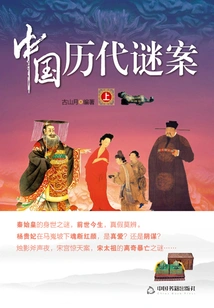
中国历代谜案(上)
Compiled By Gu Shanyue
This book selects nearly twenty historical mysteries that have great influence in the history of our country. It analyzes and evaluates each mystery case based on various official and unofficial historical materials, archaeological evidence and previous inferences.
This book selects nearly twenty historical mysteries that have great influence in the history of our country. It analyzes and evaluates each mystery case based on various official and unofficial historical materials, archaeological evidence and previous inferences.
Historical Mystery
History历史谜案
Du Daozheng Liao Gailong
This book explains the historical mysteries of the past dynasties, from which we can derive unknown dynasty stories that are rare in official history. Through these stories, we can help us deepen our understanding of the complexity and profundity of historical development, and thus improve our historical and cultural literacy.
This book explains the historical mysteries of the past dynasties, from which we can derive unknown dynasty stories that are rare in official history. Through these stories, we can help us deepen our understanding of the complexity and profundity of historical development, and thus improve our historical and cultural literacy.
Short History
History短史记
Chen Xubin Yang Jintao
The real history is often distorted through the interpretation of later novels, operas and other forms. Coupled with readers' understanding of traditional inherent thinking, they often have many prejudices or misunderstandings about history. For example: Did Marco Polo ever visit China? Are his travel notes a travel novel pieced together from fantasy? When Du Fu was alive, why did no one repost or appreciate his poems? Did the GDP of the Song Dynasty really account for 60%-80% of the world's? Is the author of "Journey to the West" Wu Chengen? The author of this book quotes classics, consults a large number of historical materials, and reveals the truth of history for everyone with the rigorous attitude of "doubting the present and examining the past, learning from the past and knowing the past", and using the method of historical textual research.
The real history is often distorted through the interpretation of later novels, operas and other forms. Coupled with readers' understanding of traditional inherent thinking, they often have many prejudices or misunderstandings about history. For example: Did Marco Polo ever visit China? Are his travel notes a travel novel pieced together from fantasy? When Du Fu was alive, why did no one repost or appreciate his poems? Did the GDP of the Song Dynasty really account for 60%-80% of the world's? Is the author of "Journey to the West" Wu Chengen? The author of this book quotes classics, consults a large number of historical materials, and reveals the truth of history for everyone with the rigorous attitude of "doubting the present and examining the past, learning from the past and knowing the past", and using the method of historical textual research.
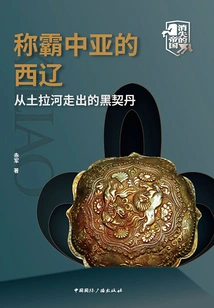
称霸中亚的西辽:从土拉河走出的黑契丹
Red Army
In 1125 AD, the Khitans, who had been terrorizing the Mongolian grasslands for more than two hundred years, suddenly disappeared from the land of China without a trace. In distant Central Asia, a "Ju'er Khan" known as the Khan of Khans was born. Who dares to be so arrogant? Yelu Dashi, with his outstanding talent, legendary experience, and amazing courage, created a shocking event in the post-Khitan era! He ignited the last hope of rejuvenation in the hearts of the Khitan survivors. Under the banner of Yelu Dashi, they traveled through thousands of miles of desert and Gobi to a distant and unfamiliar land. Where would their fate go? This book tells the century-old legend of the Western Liao Empire. This dynasty was established by the Khitan warriors who marched westward to Central Asia. It inherited the Uighurs, Gaochang, and Karakhans at the top, and the Mongol Empire at the bottom. Its control area was larger than that of the Jin Dynasty and the Southern Song Dynasty in the Central Plains, and its influence on the entire world was more profound.
In 1125 AD, the Khitans, who had been terrorizing the Mongolian grasslands for more than two hundred years, suddenly disappeared from the land of China without a trace. In distant Central Asia, a "Ju'er Khan" known as the Khan of Khans was born. Who dares to be so arrogant? Yelu Dashi, with his outstanding talent, legendary experience, and amazing courage, created a shocking event in the post-Khitan era! He ignited the last hope of rejuvenation in the hearts of the Khitan survivors. Under the banner of Yelu Dashi, they traveled through thousands of miles of desert and Gobi to a distant and unfamiliar land. Where would their fate go? This book tells the century-old legend of the Western Liao Empire. This dynasty was established by the Khitan warriors who marched westward to Central Asia. It inherited the Uighurs, Gaochang, and Karakhans at the top, and the Mongol Empire at the bottom. Its control area was larger than that of the Jin Dynasty and the Southern Song Dynasty in the Central Plains, and its influence on the entire world was more profound.
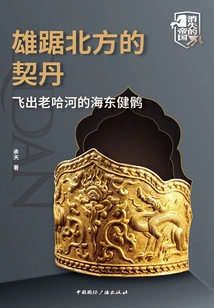
雄踞北方的契丹:飞出老哈河的海东健鹘
Chengtian
The Khitans are a unique nation in Chinese history. She has a beautiful legend of a green cow and a white horse, a huge empire that flourished for a time, a heroic feat of rejuvenation by marching westward into Central Asia, and a desolate and sad retreat. This book leads us to listen to the footsteps of our ancestors with the emotion of the deceased. Using the development of the empire established by the Khitan nation as a clue, this book interestingly introduces the characters and stories that left a mark on the history of Khitan. The intricate relationships between characters, events, and political power are clearly sorted out, allowing readers to explore the exciting and exciting scenes of the mysterious Khitan thousands of years ago in a relaxed, humorous, and cheerful atmosphere, and appreciate another style of Chinese history.
The Khitans are a unique nation in Chinese history. She has a beautiful legend of a green cow and a white horse, a huge empire that flourished for a time, a heroic feat of rejuvenation by marching westward into Central Asia, and a desolate and sad retreat. This book leads us to listen to the footsteps of our ancestors with the emotion of the deceased. Using the development of the empire established by the Khitan nation as a clue, this book interestingly introduces the characters and stories that left a mark on the history of Khitan. The intricate relationships between characters, events, and political power are clearly sorted out, allowing readers to explore the exciting and exciting scenes of the mysterious Khitan thousands of years ago in a relaxed, humorous, and cheerful atmosphere, and appreciate another style of Chinese history.
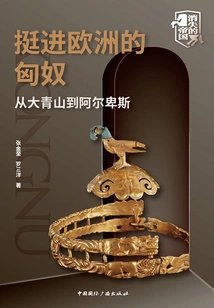
挺进欧洲的匈奴:从大青山到阿尔卑斯
Zhang Jinkui Luo Sanyang
This book tells the historical events from the emergence to the demise of the Xiongnu people, and comprehensively displays the Xiongnu Empire from the aspects of politics, economy, culture, military, diplomacy, etc., Which once entered the European continent and made Westerners fearful. From the Daqing Mountains to the Alps, from Moton to Attila, the emergence of the Huns was the first deep plowing of nomadic civilization into agricultural civilization. Carrying the Warring States, Qin and Han dynasties, and riding on the Xinmang and Western Jin dynasties, it swept up the smoke of the great migration of many ethnic groups in Europe. How did this once extremely prosperous dynasty, the Xiongnu, complete its glorious course and fall into the eternal historical sky like an extremely dazzling superstar...
This book tells the historical events from the emergence to the demise of the Xiongnu people, and comprehensively displays the Xiongnu Empire from the aspects of politics, economy, culture, military, diplomacy, etc., Which once entered the European continent and made Westerners fearful. From the Daqing Mountains to the Alps, from Moton to Attila, the emergence of the Huns was the first deep plowing of nomadic civilization into agricultural civilization. Carrying the Warring States, Qin and Han dynasties, and riding on the Xinmang and Western Jin dynasties, it swept up the smoke of the great migration of many ethnic groups in Europe. How did this once extremely prosperous dynasty, the Xiongnu, complete its glorious course and fall into the eternal historical sky like an extremely dazzling superstar...
皇权典制(中国历史百科)
Editor-in-chief Wen Ming Zhang Lin
China is a huge country with a splendid civilization history of five thousand years and full of vitality and vitality. The Chinese nation has long been standing in the east of the world, and has continued for hundreds of generations.
China is a huge country with a splendid civilization history of five thousand years and full of vitality and vitality. The Chinese nation has long been standing in the east of the world, and has continued for hundreds of generations.
赫赫天朝(中国历史百科)
Editor-in-chief Wen Ming Zhang Lin
China is a huge country with a splendid civilization history of five thousand years and full of vitality and vitality. The Chinese nation has long been standing in the east of the world, and has continued for hundreds of generations.
China is a huge country with a splendid civilization history of five thousand years and full of vitality and vitality. The Chinese nation has long been standing in the east of the world, and has continued for hundreds of generations.
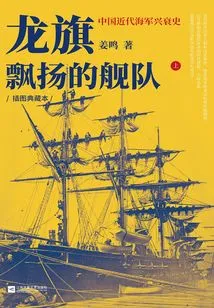
龙旗飘扬的舰队:中国近代海军兴衰史(上)(插图典藏本)
Jiang Ming
This book records and analyzes in detail the tortuous history of the creation, development and decline of China's modern navy in the fifty years of the late Qing Dynasty (1861-1911). It makes unique observations and analyzes on naval ship purchase, education, training, base construction, revenue and expenditure, naval strategy and other fields, and clearly demonstrates the close connection between the modern navy and the development of Chinese society. As a leading work in the study of my country's modern naval history, this book has both independent insights into major historical events and elucidation of little-known behind-the-scenes issues; it has a broad vision to oversee the overall situation and precise efforts to verify details; it has both a dynamic study of the development process of the modern navy and a static thematic analysis of issues such as ship performance; it is both a history of the development of the modern navy and a map of the political ecology of the late Qing Dynasty. In this updated edition, the author specially researched the Dragon Flag in the late Qing Dynasty and added the representative photos of the two dragon flags collected by the former residence of Li Hongzhang in Hefei and the British Maritime Museum, as well as precious old photos such as a group photo of officers and soldiers of the Beiyang Navy's "Jingyuan" ship. There are more than 400 illustrations in the book. In addition, the addition of the section "Recovering Dongsha and Patrolling Xisha" enriches the historical research on the Guangdong Navy and pays tribute to the ancestors who defended the country's rights and interests in the South China Sea and the military currently fighting on the front lines of the South China Sea.
This book records and analyzes in detail the tortuous history of the creation, development and decline of China's modern navy in the fifty years of the late Qing Dynasty (1861-1911). It makes unique observations and analyzes on naval ship purchase, education, training, base construction, revenue and expenditure, naval strategy and other fields, and clearly demonstrates the close connection between the modern navy and the development of Chinese society. As a leading work in the study of my country's modern naval history, this book has both independent insights into major historical events and elucidation of little-known behind-the-scenes issues; it has a broad vision to oversee the overall situation and precise efforts to verify details; it has both a dynamic study of the development process of the modern navy and a static thematic analysis of issues such as ship performance; it is both a history of the development of the modern navy and a map of the political ecology of the late Qing Dynasty. In this updated edition, the author specially researched the Dragon Flag in the late Qing Dynasty and added the representative photos of the two dragon flags collected by the former residence of Li Hongzhang in Hefei and the British Maritime Museum, as well as precious old photos such as a group photo of officers and soldiers of the Beiyang Navy's "Jingyuan" ship. There are more than 400 illustrations in the book. In addition, the addition of the section "Recovering Dongsha and Patrolling Xisha" enriches the historical research on the Guangdong Navy and pays tribute to the ancestors who defended the country's rights and interests in the South China Sea and the military currently fighting on the front lines of the South China Sea.
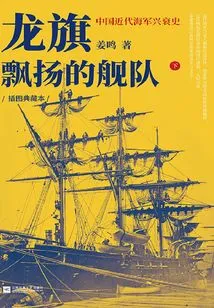
龙旗飘扬的舰队:中国近代海军兴衰史(下)(插图典藏本)
Jiang Ming
This book records and analyzes in detail the tortuous history of the creation, development and decline of China's modern navy in the fifty years of the late Qing Dynasty (1861-1911). It makes unique observations and analyzes on naval ship purchase, education, training, base construction, revenue and expenditure, naval strategy and other fields, and clearly demonstrates the close connection between the modern navy and the development of Chinese society. As a leading work in the study of my country's modern naval history, this book has both independent insights into major historical events and elucidation of little-known behind-the-scenes issues; it has a broad vision to oversee the overall situation and precise efforts to verify details; it has both a dynamic study of the development process of the modern navy and a static thematic analysis of issues such as ship performance; it is both a history of the development of the modern navy and a map of the political ecology of the late Qing Dynasty. In this updated edition, the author specially researched the Dragon Flag in the late Qing Dynasty and added the representative photos of the two dragon flags collected by the former residence of Li Hongzhang in Hefei and the British Maritime Museum, as well as precious old photos such as a group photo of officers and soldiers of the Beiyang Navy's "Jingyuan" ship. There are more than 400 illustrations in the book. In addition, the addition of the section "Recovering Dongsha and Patrolling Xisha" enriches the historical research on the Guangdong Navy and pays tribute to the ancestors who defended the country's rights and interests in the South China Sea and the military currently fighting on the front lines of the South China Sea.
This book records and analyzes in detail the tortuous history of the creation, development and decline of China's modern navy in the fifty years of the late Qing Dynasty (1861-1911). It makes unique observations and analyzes on naval ship purchase, education, training, base construction, revenue and expenditure, naval strategy and other fields, and clearly demonstrates the close connection between the modern navy and the development of Chinese society. As a leading work in the study of my country's modern naval history, this book has both independent insights into major historical events and elucidation of little-known behind-the-scenes issues; it has a broad vision to oversee the overall situation and precise efforts to verify details; it has both a dynamic study of the development process of the modern navy and a static thematic analysis of issues such as ship performance; it is both a history of the development of the modern navy and a map of the political ecology of the late Qing Dynasty. In this updated edition, the author specially researched the Dragon Flag in the late Qing Dynasty and added the representative photos of the two dragon flags collected by the former residence of Li Hongzhang in Hefei and the British Maritime Museum, as well as precious old photos such as a group photo of officers and soldiers of the Beiyang Navy's "Jingyuan" ship. There are more than 400 illustrations in the book. In addition, the addition of the section "Recovering Dongsha and Patrolling Xisha" enriches the historical research on the Guangdong Navy and pays tribute to the ancestors who defended the country's rights and interests in the South China Sea and the military currently fighting on the front lines of the South China Sea.
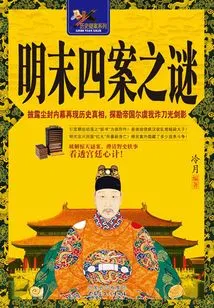
明末四案之谜
Compiled By Leng Yue
This book takes the key points of the four cases in the late Ming Dynasty regarding the establishment of the crown prince, the succession of imperial power, the struggle for the throne in the harem, and the struggles among various factions. It explains in detail the origin, origin, process and impact of the four cases, showing the various power struggles in the Wanli, Taichang, and Tianqi years of the Ming Dynasty, and using in-depth research to evaluate and analyze the truth of the mysterious cases.
This book takes the key points of the four cases in the late Ming Dynasty regarding the establishment of the crown prince, the succession of imperial power, the struggle for the throne in the harem, and the struggles among various factions. It explains in detail the origin, origin, process and impact of the four cases, showing the various power struggles in the Wanli, Taichang, and Tianqi years of the Ming Dynasty, and using in-depth research to evaluate and analyze the truth of the mysterious cases.
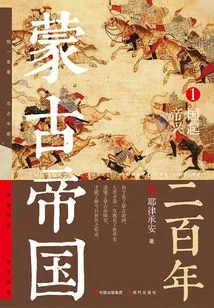
蒙古帝国二百年1:帝国兴起
Yelu Chengan
Panoramic interpretation of the two hundred years of magnificent history of the Mongol Empire, and decipher the secrets of the rise and fall of the most powerful empire in the medieval world. Genghis Khan and his descendants quickly launched foreign military conquests after unifying the Mongolian grasslands, from the Mongolian grasslands to the Central Plains and Han Dynasty, from Khwarezm to Oros, and from Asia to Europe. The Mongol Empire's cavalry is invincible, and neither the East nor the West can stop the expansion of the Mongol Empire. The Mongol Empire successively destroyed more than 40 countries, conquered more than 720 ethnic groups, and acquired a wider land than the Roman Empire's four hundred years of conquest. It established a super empire from Siberia to India, from Vietnam to Hungary, and from the Korean Peninsula to the Balkan Peninsula. The Mongol Empire broke the barriers between the old continents of Asia and Europe, redefined the world map, connected originally isolated civilizations, and established a new order for the arrival of a new era.
Panoramic interpretation of the two hundred years of magnificent history of the Mongol Empire, and decipher the secrets of the rise and fall of the most powerful empire in the medieval world. Genghis Khan and his descendants quickly launched foreign military conquests after unifying the Mongolian grasslands, from the Mongolian grasslands to the Central Plains and Han Dynasty, from Khwarezm to Oros, and from Asia to Europe. The Mongol Empire's cavalry is invincible, and neither the East nor the West can stop the expansion of the Mongol Empire. The Mongol Empire successively destroyed more than 40 countries, conquered more than 720 ethnic groups, and acquired a wider land than the Roman Empire's four hundred years of conquest. It established a super empire from Siberia to India, from Vietnam to Hungary, and from the Korean Peninsula to the Balkan Peninsula. The Mongol Empire broke the barriers between the old continents of Asia and Europe, redefined the world map, connected originally isolated civilizations, and established a new order for the arrival of a new era.
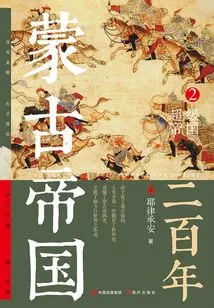
蒙古帝国二百年2:超级帝国
Yelu Chengan
Panoramic interpretation of the two hundred years of magnificent history of the Mongol Empire, and decipher the secrets of the rise and fall of the most powerful empire in the medieval world. Genghis Khan and his descendants quickly launched foreign military conquests after unifying the Mongolian grasslands, from the Mongolian grasslands to the Central Plains and Han Dynasty, from Khwarezm to Oros, and from Asia to Europe. The Mongol Empire's cavalry is invincible, and neither the East nor the West can stop the expansion of the Mongol Empire. The Mongol Empire successively destroyed more than 40 countries, conquered more than 720 ethnic groups, and acquired a wider land than the Roman Empire's four hundred years of conquest. It established a super empire from Siberia to India, from Vietnam to Hungary, and from the Korean Peninsula to the Balkan Peninsula. The Mongol Empire broke the barriers between the old continents of Asia and Europe, redefined the world map, connected originally isolated civilizations, and established a new order for the arrival of a new era.
Panoramic interpretation of the two hundred years of magnificent history of the Mongol Empire, and decipher the secrets of the rise and fall of the most powerful empire in the medieval world. Genghis Khan and his descendants quickly launched foreign military conquests after unifying the Mongolian grasslands, from the Mongolian grasslands to the Central Plains and Han Dynasty, from Khwarezm to Oros, and from Asia to Europe. The Mongol Empire's cavalry is invincible, and neither the East nor the West can stop the expansion of the Mongol Empire. The Mongol Empire successively destroyed more than 40 countries, conquered more than 720 ethnic groups, and acquired a wider land than the Roman Empire's four hundred years of conquest. It established a super empire from Siberia to India, from Vietnam to Hungary, and from the Korean Peninsula to the Balkan Peninsula. The Mongol Empire broke the barriers between the old continents of Asia and Europe, redefined the world map, connected originally isolated civilizations, and established a new order for the arrival of a new era.
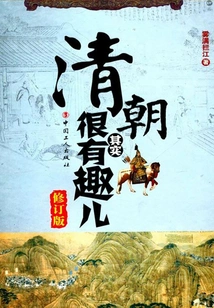
清朝其实很有趣儿(修订版)
Fog Blocks The River
The Qing Dynasty was a controversial dynasty. In the early stage of the Pass, the Han people resisted one after another during the Seven Days Massacre in Yangzhou and the Three Massacres in Jiading, and it took three dynasties to calm down; in the later stage, foreign enemies invaded and lost power and humiliated the country, bringing China into a dark period of humiliation for more than a century... The Qing Dynasty was another mysterious era. The Queen Mother's marriage, Shunzhi becoming a monk, Yongzheng's assassination, and Qianlong's life experience. These four major Qing palace mysteries have been suspenseful for hundreds of years and are still a hotly discussed topic... This book has been supplemented with articles about the Qing Dynasty from 2010 to 2017. The author restores a real Qing Dynasty based on historical data, using novel perspectives and humorous words.
The Qing Dynasty was a controversial dynasty. In the early stage of the Pass, the Han people resisted one after another during the Seven Days Massacre in Yangzhou and the Three Massacres in Jiading, and it took three dynasties to calm down; in the later stage, foreign enemies invaded and lost power and humiliated the country, bringing China into a dark period of humiliation for more than a century... The Qing Dynasty was another mysterious era. The Queen Mother's marriage, Shunzhi becoming a monk, Yongzheng's assassination, and Qianlong's life experience. These four major Qing palace mysteries have been suspenseful for hundreds of years and are still a hotly discussed topic... This book has been supplemented with articles about the Qing Dynasty from 2010 to 2017. The author restores a real Qing Dynasty based on historical data, using novel perspectives and humorous words.
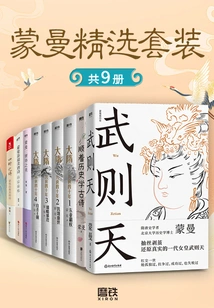
蒙曼精选套装(共9册)
Monman
This book includes Meng Man's "Wu Zetian", "Learning Ancient Poetry Along the History", "The Beauty of Meng Man's Tang Poems", "Meng Man's Most Beautiful Tang Poets Born of the Five Flavors", "Poems of the Four Seasons", and "The Rise and Fall of the Sui Dynasty in the Forty Years" (volumes 1-4).
This book includes Meng Man's "Wu Zetian", "Learning Ancient Poetry Along the History", "The Beauty of Meng Man's Tang Poems", "Meng Man's Most Beautiful Tang Poets Born of the Five Flavors", "Poems of the Four Seasons", and "The Rise and Fall of the Sui Dynasty in the Forty Years" (volumes 1-4).
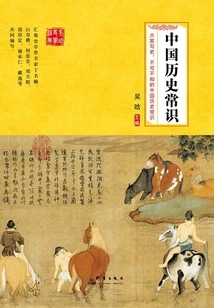
Chinese Historical Knowledge
History中国历史常识
Editor-in-chief Wu Han
The "Common Sense of Chinese History" written by Mr. Wu Han covers almost all important events, famous figures, laws and regulations, common sense of literature and history, cultural relics and artistic creations in Chinese history, from the Peking Man to the Northern Expedition. The content of this book is concise and easy to understand. It is a classic reading material for studying Chinese history and Chinese traditional culture.
The "Common Sense of Chinese History" written by Mr. Wu Han covers almost all important events, famous figures, laws and regulations, common sense of literature and history, cultural relics and artistic creations in Chinese history, from the Peking Man to the Northern Expedition. The content of this book is concise and easy to understand. It is a classic reading material for studying Chinese history and Chinese traditional culture.
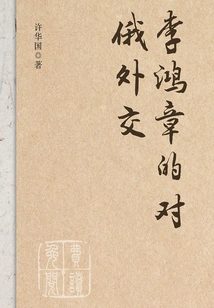
李鸿章的对俄外交
Xu Huaguo
Li Hongzhang was an important minister in the late Qing Dynasty and was favored by the Qing court throughout his life. In the first half of his life, he ran the army as a scholar, quelled the Taiping Army and the Niu and Hui rebellions, and continued to fight in Xinjiang. In the second half of his life, he served as the Xinjiang Minister Yi Zan, presiding over foreign policy for decades, and became a central figure in the diplomacy of the late Qing Dynasty. In his twilight years, he personally handled negotiations with Russia and was both the maker and executor of foreign policy. Every word and deed is not only related to the rise and fall of the country at that time, but also has a profound impact on future generations. Although the merits, demerits, and reputations of his life-long deeds have yet to be determined, the diplomatic activities he led and directly engaged in should receive special attention from future generations.
Li Hongzhang was an important minister in the late Qing Dynasty and was favored by the Qing court throughout his life. In the first half of his life, he ran the army as a scholar, quelled the Taiping Army and the Niu and Hui rebellions, and continued to fight in Xinjiang. In the second half of his life, he served as the Xinjiang Minister Yi Zan, presiding over foreign policy for decades, and became a central figure in the diplomacy of the late Qing Dynasty. In his twilight years, he personally handled negotiations with Russia and was both the maker and executor of foreign policy. Every word and deed is not only related to the rise and fall of the country at that time, but also has a profound impact on future generations. Although the merits, demerits, and reputations of his life-long deeds have yet to be determined, the diplomatic activities he led and directly engaged in should receive special attention from future generations.
U
Historyu
I
In the sixth year of Yongzheng's reign, Zeng Jing, a down-and-out scholar, was influenced by Lu Liuliang's "Hua-Yi Debate" theory and persuaded Yue Zhongqi, the governor of Sichuan and Shaanxi, to raise troops to rebel against the Qing Dynasty. The letter directly pointed out that the emperor was guilty of more than a dozen crimes including "stealing edicts and usurping the throne," "not respecting human ethics," "greedy for money and lust," and "loving murder and drunkenness." Yue Zhongqi was shocked and hurriedly arrested Zeng Jing. At the same time, he reported to the court to prove his innocence. After reading the materials, Emperor Yongzheng felt that everything was burning inside him, and he was inexplicably aggrieved. He asked himself that since he came to the throne, he has always been diligent and caring for the people, and he has also rectified the government and made the country prosperous. Who would have expected that some people would say that he is "unforgivable" and so on. In particular, "stealing edicts to usurp the throne" is actually a rumor among the people, and the so-called "Chinese orthodoxy" concept is entirely the opinion of corrupt Confucianists. The only way is to face the controversy head-on and refute it fundamentally! Therefore, he personally wrote an article to refute the other party's views one by one. When he got emotional, he even did not hesitate to expose the secret facts about the brothers' fight for the throne and tell all the family scandals! The result was that the "negative material" was publicly disseminated and turned into a joke for the ages. But as far as the content is concerned, Emperor Yongzheng's discussion of the Hua-Yi issue and the orthodox debate are indeed insightful and have alleviated ethnic conflicts to a certain extent.
In the sixth year of Yongzheng's reign, Zeng Jing, a down-and-out scholar, was influenced by Lu Liuliang's "Hua-Yi Debate" theory and persuaded Yue Zhongqi, the governor of Sichuan and Shaanxi, to raise troops to rebel against the Qing Dynasty. The letter directly pointed out that the emperor was guilty of more than a dozen crimes including "stealing edicts and usurping the throne," "not respecting human ethics," "greedy for money and lust," and "loving murder and drunkenness." Yue Zhongqi was shocked and hurriedly arrested Zeng Jing. At the same time, he reported to the court to prove his innocence. After reading the materials, Emperor Yongzheng felt that everything was burning inside him, and he was inexplicably aggrieved. He asked himself that since he came to the throne, he has always been diligent and caring for the people, and he has also rectified the government and made the country prosperous. Who would have expected that some people would say that he is "unforgivable" and so on. In particular, "stealing edicts to usurp the throne" is actually a rumor among the people, and the so-called "Chinese orthodoxy" concept is entirely the opinion of corrupt Confucianists. The only way is to face the controversy head-on and refute it fundamentally! Therefore, he personally wrote an article to refute the other party's views one by one. When he got emotional, he even did not hesitate to expose the secret facts about the brothers' fight for the throne and tell all the family scandals! The result was that the "negative material" was publicly disseminated and turned into a joke for the ages. But as far as the content is concerned, Emperor Yongzheng's discussion of the Hua-Yi issue and the orthodox debate are indeed insightful and have alleviated ethnic conflicts to a certain extent.
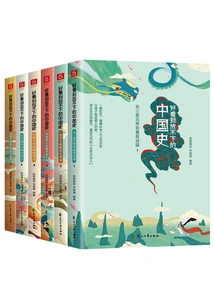
好看到放不下的中国史(全六册)
Pai Ma Lisa, Edited By Li Xiulian
This is a set of interesting and easy-to-read enlightenment books on national history. Reproduce the beginning and end of five thousand years of Chinese civilization, telling the fate of real and vivid characters and thrilling historical events. It gives young people a broad vision of time and space, protects their enthusiasm for truth and knowledge, and arouses their strong resonance with traditional culture. The selected content focuses on the perfect combination of knowledge and fun, so that children can fall in love with history unconsciously, while laying a lifelong foundation of literary and historical knowledge and improving their reading and writing skills. In the magnificent and colorful historical narration, let us encounter 5,000 years of splendid Chinese civilization, allowing young readers to see a wonderful and moving ancient China outside of textbooks.
This is a set of interesting and easy-to-read enlightenment books on national history. Reproduce the beginning and end of five thousand years of Chinese civilization, telling the fate of real and vivid characters and thrilling historical events. It gives young people a broad vision of time and space, protects their enthusiasm for truth and knowledge, and arouses their strong resonance with traditional culture. The selected content focuses on the perfect combination of knowledge and fun, so that children can fall in love with history unconsciously, while laying a lifelong foundation of literary and historical knowledge and improving their reading and writing skills. In the magnificent and colorful historical narration, let us encounter 5,000 years of splendid Chinese civilization, allowing young readers to see a wonderful and moving ancient China outside of textbooks.
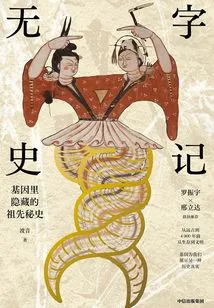
Wordless Historical Records
History无字史记
Boeing
Since ancient times, we Chinese have revered our ancestors, and united ethnic groups and protected culture through recognition and commemoration of our common ancestors. Who are our ancestors? Where do they come from? What happened to them? We want to know the answers to these questions. Since millions of years ago, groups of ancient humans have appeared on the land of China. Unfortunately, before the emergence of oracle bone inscriptions, the deeds of ancient ancestors could only be passed down orally through myths and legends, and it was difficult to tell whether they were authentic or not. Fortunately, modern technology compensates for our regrets to some extent. New technologies represented by molecular genetics can tell us what our ancestors looked like during the long years without written records, how they lived and migrated, what animals and plants accompanied them, and how they formed their own cultural identity. This is a secret history of our ancestors engraved on genes. By reading this wordless historical record, we will know our own genetic roots and cultural roots, and hear the thunder in the wordless place.
Since ancient times, we Chinese have revered our ancestors, and united ethnic groups and protected culture through recognition and commemoration of our common ancestors. Who are our ancestors? Where do they come from? What happened to them? We want to know the answers to these questions. Since millions of years ago, groups of ancient humans have appeared on the land of China. Unfortunately, before the emergence of oracle bone inscriptions, the deeds of ancient ancestors could only be passed down orally through myths and legends, and it was difficult to tell whether they were authentic or not. Fortunately, modern technology compensates for our regrets to some extent. New technologies represented by molecular genetics can tell us what our ancestors looked like during the long years without written records, how they lived and migrated, what animals and plants accompanied them, and how they formed their own cultural identity. This is a secret history of our ancestors engraved on genes. By reading this wordless historical record, we will know our own genetic roots and cultural roots, and hear the thunder in the wordless place.
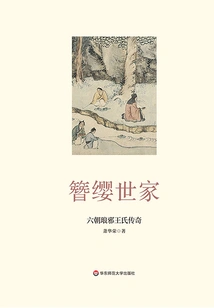
簪缨世家:六朝琅邪王氏传奇
Xiao Huarong
The Langya Wang family of the Six Dynasties lasted for more than ten generations and lasted for three hundred years. Compared with the Xie family, another prominent family in the Six Dynasties, the Wang family placed greater emphasis on power and fame, and the political power they gained made them a prominent family in China. The children of the Wang family have the spirit of "moving with the times", are good at enterprising and changing, and constantly adapt to the political situation. His family history is not only a history of power changes in the Jin and Southern Dynasties, but also a history of ideological changes. Generations of calligraphers of the Wang family, represented by the "Sage of Calligraphy" Wang Xizhi, mark another more eternal trend of the family.
The Langya Wang family of the Six Dynasties lasted for more than ten generations and lasted for three hundred years. Compared with the Xie family, another prominent family in the Six Dynasties, the Wang family placed greater emphasis on power and fame, and the political power they gained made them a prominent family in China. The children of the Wang family have the spirit of "moving with the times", are good at enterprising and changing, and constantly adapt to the political situation. His family history is not only a history of power changes in the Jin and Southern Dynasties, but also a history of ideological changes. Generations of calligraphers of the Wang family, represented by the "Sage of Calligraphy" Wang Xizhi, mark another more eternal trend of the family.
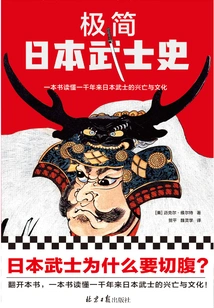
极简日本武士史
(us) Michael Wilt
With the popularity of various historical TV series, animations and games, samurai have become the most prominent representatives of Japanese culture. This book is a minimalist history of Japanese samurai, spanning 11 centuries, clarifying the entire process of Japanese samurai from their rise, glory to their demise. If seppuku is too painful, a colleague will help behead him. During the Edo period, seppuku was idealized as a portrayal of the masculinity of ancient samurai, and manuals were even written to further standardize the ritual. Samurai must not only learn martial arts, but also learn management, wear armor, ride horses on the battlefield, and kill enemies with swords. Samurai are believed to rely on their martial arts to advance in their careers. But in fact, samurai families also valued talents in governance. Imagawa Ryotoshi, a military general during the Kamakura Shogunate period, once wrote in a letter to his son: A true samurai must value education and learn how to manage the family and property. Open this book and learn about the rise, fall and culture of Japanese samurai for a thousand years in one book!
With the popularity of various historical TV series, animations and games, samurai have become the most prominent representatives of Japanese culture. This book is a minimalist history of Japanese samurai, spanning 11 centuries, clarifying the entire process of Japanese samurai from their rise, glory to their demise. If seppuku is too painful, a colleague will help behead him. During the Edo period, seppuku was idealized as a portrayal of the masculinity of ancient samurai, and manuals were even written to further standardize the ritual. Samurai must not only learn martial arts, but also learn management, wear armor, ride horses on the battlefield, and kill enemies with swords. Samurai are believed to rely on their martial arts to advance in their careers. But in fact, samurai families also valued talents in governance. Imagawa Ryotoshi, a military general during the Kamakura Shogunate period, once wrote in a letter to his son: A true samurai must value education and learn how to manage the family and property. Open this book and learn about the rise, fall and culture of Japanese samurai for a thousand years in one book!
王阳明的仕途“心经”
Tie Fanwan
The book is divided into seven parts. The main contents include: first entering the officialdom, why did you fall so hard, waking up from a nightmare, and realizing that being an official is harder than studying, returning to the world, moving forward step by step, breaking thieves in the mountains is easy, breaking thieves in the heart is difficult, capturing King Ning, and achieving great achievements in the study of mind, etc.
The book is divided into seven parts. The main contents include: first entering the officialdom, why did you fall so hard, waking up from a nightmare, and realizing that being an official is harder than studying, returning to the world, moving forward step by step, breaking thieves in the mountains is easy, breaking thieves in the heart is difficult, capturing King Ning, and achieving great achievements in the study of mind, etc.
越王勾践发迹史
Tie Fanwan
The book is divided into six parts. The main content includes: Gou Jian lost at the starting line during the "fighting for his father" era, experienced great joys and sorrows, ups and downs, Gou Jian's life parabola, from king to slave, Gou Jian's life trough, working hard to endure hardships, step by step on the road to revenge, etc.
The book is divided into six parts. The main content includes: Gou Jian lost at the starting line during the "fighting for his father" era, experienced great joys and sorrows, ups and downs, Gou Jian's life parabola, from king to slave, Gou Jian's life trough, working hard to endure hardships, step by step on the road to revenge, etc.
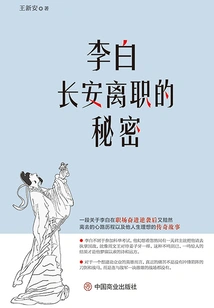
李白长安离职的秘密
Wang Xin'an
Li Bai was a leading figure in poetry in the Tang Dynasty. With the pursuit of his ultimate goal in life, he completed his uneven life and left many sighs and thoughts to future generations. This book describes the various ups and downs that Li Bai suffered in the pursuit of his personal ideals, analyzes the reasons for his sudden fall from the peak of his life even after he had initially realized his political ideals and ambitions, and interprets his mental journey in the workplace. It aims to further interpret the concept of "I am the company", that is, each of us is running a company named after ourselves, and each of us is the president of our own company. Thus, it reveals the secret of how each of us should follow the strategic height and requirements of corporate management, how to position ourselves, how to manage our own workplace and even our life well, and realize our dreams and values in life. This book is highly readable and is very suitable for people from all walks of life to read. The stories in it can inspire people in modern society to understand themselves and integrate with the environment.
Li Bai was a leading figure in poetry in the Tang Dynasty. With the pursuit of his ultimate goal in life, he completed his uneven life and left many sighs and thoughts to future generations. This book describes the various ups and downs that Li Bai suffered in the pursuit of his personal ideals, analyzes the reasons for his sudden fall from the peak of his life even after he had initially realized his political ideals and ambitions, and interprets his mental journey in the workplace. It aims to further interpret the concept of "I am the company", that is, each of us is running a company named after ourselves, and each of us is the president of our own company. Thus, it reveals the secret of how each of us should follow the strategic height and requirements of corporate management, how to position ourselves, how to manage our own workplace and even our life well, and realize our dreams and values in life. This book is highly readable and is very suitable for people from all walks of life to read. The stories in it can inspire people in modern society to understand themselves and integrate with the environment.
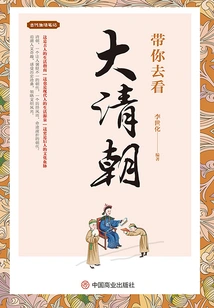
带你去看大清朝
Compiled By Li Shihua
The territory of the Qing Dynasty was much larger than ours today, but the division of administrative divisions was quite close to what it is now, which is why our travel difficulty will be much reduced. When the Qing emperor first unified the Central Plains, he divided the country into fifteen provinces, and the provinces were divided into roads, prefectures (prefectures), and counties. After Emperor Kangxi ascended the throne, the border areas were gradually pacified, and the rule of the interior gradually became stable. In order to better rule the country, Emperor Kangxi divided the original fifteen provinces into eighteen, and implemented a special administrative division in minority areas.
The territory of the Qing Dynasty was much larger than ours today, but the division of administrative divisions was quite close to what it is now, which is why our travel difficulty will be much reduced. When the Qing emperor first unified the Central Plains, he divided the country into fifteen provinces, and the provinces were divided into roads, prefectures (prefectures), and counties. After Emperor Kangxi ascended the throne, the border areas were gradually pacified, and the rule of the interior gradually became stable. In order to better rule the country, Emperor Kangxi divided the original fifteen provinces into eighteen, and implemented a special administrative division in minority areas.
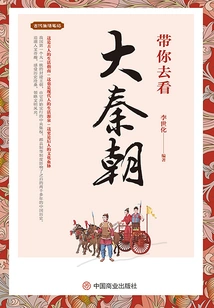
带你去看大秦朝
Compiled By Li Shihua
To understand the Qin Dynasty, the first thing you need to know is the administrative divisions of the Qin Dynasty. At the same time, you also need to understand the origin of the Qin Dynasty's national title and its foreign policies. Of course, when looking at the Qin Dynasty, one must understand the historical significance of the existence of this dynasty.
To understand the Qin Dynasty, the first thing you need to know is the administrative divisions of the Qin Dynasty. At the same time, you also need to understand the origin of the Qin Dynasty's national title and its foreign policies. Of course, when looking at the Qin Dynasty, one must understand the historical significance of the existence of this dynasty.
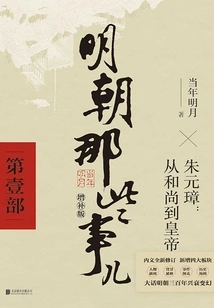
明朝那些事儿·第壹部(2021年 增补版)
The Bright Moon
Zhu Yuanzhang was born in the chaotic times of the late Yuan Dynasty, and his parents died of famine. He started from abject poverty, with no background, no backing, and no support. He went through untold hardships and escaped the pursuit of death countless times, and finally established the surname Zhu. From a ragged beggar begging on the street to the ruler of a huge empire. At the same time, there were countless powerful characters in Zhu Yuanzhang's era. Chen Youliang, Zhang Shicheng, and Wang Baobao were all outstanding figures of the generation. Zhu Yuanzhang used his astonishing military talent to defeat these enemies, almost with his bare hands, single-handedly established a huge empire with his own courage and determination, and used his infinite energy to design a set of institutional norms for the Ming Dynasty that was different from the past.
Zhu Yuanzhang was born in the chaotic times of the late Yuan Dynasty, and his parents died of famine. He started from abject poverty, with no background, no backing, and no support. He went through untold hardships and escaped the pursuit of death countless times, and finally established the surname Zhu. From a ragged beggar begging on the street to the ruler of a huge empire. At the same time, there were countless powerful characters in Zhu Yuanzhang's era. Chen Youliang, Zhang Shicheng, and Wang Baobao were all outstanding figures of the generation. Zhu Yuanzhang used his astonishing military talent to defeat these enemies, almost with his bare hands, single-handedly established a huge empire with his own courage and determination, and used his infinite energy to design a set of institutional norms for the Ming Dynasty that was different from the past.
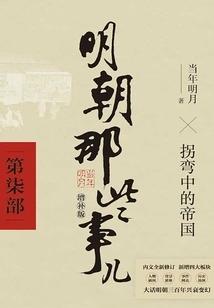
明朝那些事儿·第柒部(2021年 增补版)
The Bright Moon
This book is the seventh part of "Those Things in the Ming Dynasty". It mainly tells the history of the 27 years from the Sino-Japanese War in the Wanli Period to the accession of Ming Xizong to the throne. During the Wanli period, there were internal and external troubles, Japanese and Korean invasions from outside, and rebellions from all over the country. The melee between daimyo in Japan was coming to an end, but they had great ambitions for the Ming Dynasty. Toyotomi Hideyoshi, Tokugawa Ieyasu and others all coveted the Ming Dynasty. From negotiations to war, the Ming Dynasty, which had always underestimated Japan, was caught off guard. Many famous generals came forward from the war, and the war with Japan also ended the life of Toyotomi Hideyoshi. There was no peace in the court either. The emergence of Shen Shixing opened a new political period. Twenty years after Zhang Juzheng's death, Shen Shixing took charge of Wanli alone. The enemies in front of him included Ding Jilü, Li Zhi, Jiang Dongzhi, Yang Keli, etc. This was another bloody storm in the temple. But the turmoil during the Wanli period did not stop there. After that, there was the rebellion of the Donglin Party, the fight for concubines in the palace, the fight for the throne, and a eunuch named Wang An appeared on the historical stage of the Ming Dynasty.
This book is the seventh part of "Those Things in the Ming Dynasty". It mainly tells the history of the 27 years from the Sino-Japanese War in the Wanli Period to the accession of Ming Xizong to the throne. During the Wanli period, there were internal and external troubles, Japanese and Korean invasions from outside, and rebellions from all over the country. The melee between daimyo in Japan was coming to an end, but they had great ambitions for the Ming Dynasty. Toyotomi Hideyoshi, Tokugawa Ieyasu and others all coveted the Ming Dynasty. From negotiations to war, the Ming Dynasty, which had always underestimated Japan, was caught off guard. Many famous generals came forward from the war, and the war with Japan also ended the life of Toyotomi Hideyoshi. There was no peace in the court either. The emergence of Shen Shixing opened a new political period. Twenty years after Zhang Juzheng's death, Shen Shixing took charge of Wanli alone. The enemies in front of him included Ding Jilü, Li Zhi, Jiang Dongzhi, Yang Keli, etc. This was another bloody storm in the temple. But the turmoil during the Wanli period did not stop there. After that, there was the rebellion of the Donglin Party, the fight for concubines in the palace, the fight for the throne, and a eunuch named Wang An appeared on the historical stage of the Ming Dynasty.
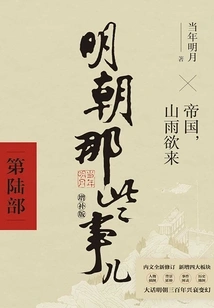
明朝那些事儿·第陆部(2021年 增补版)
The Bright Moon
This book is the sixth part of "Those Things in the Ming Dynasty". It mainly tells the history of the Sino-Japanese War in the past thirty years from the end of Jiajing to the Wanli period. Yan Song fell, and Xu Jie took over; Gao Gong stepped down, and Zhang Juzheng took over... The iron-clad cabinet, the flowing chief minister, and the conspiracy behind it, who is public and who is private? Jiajing died of illness and Longqing ascended the throne; Mu Zong withdrew and Shenzong came to power... In the hands of these three emperors, the Ming Empire, which lasted for more than 200 years, was prospering or deteriorating? How was the upright official Hai Rui made? Where did the Three Great Conquests of Wanli begin and how did they end? During the Wanli period, what was the result of resisting Japanese aggression and aiding Korea? Xu Jie, Yin Shidan, Li Chunfang, Gao Gong, Zhang Juzheng, Shen Shixing, Li Chengliang, Qi Jiguang, Wang Chonggu, Li Rusong, Wu Weizhong, etc. In the empire, a storm is about to come, and civil servants and military generals take turns going into battle, holding up the sky with one hand, trying to turn the tide before it falls. Change is the theme of the times.
This book is the sixth part of "Those Things in the Ming Dynasty". It mainly tells the history of the Sino-Japanese War in the past thirty years from the end of Jiajing to the Wanli period. Yan Song fell, and Xu Jie took over; Gao Gong stepped down, and Zhang Juzheng took over... The iron-clad cabinet, the flowing chief minister, and the conspiracy behind it, who is public and who is private? Jiajing died of illness and Longqing ascended the throne; Mu Zong withdrew and Shenzong came to power... In the hands of these three emperors, the Ming Empire, which lasted for more than 200 years, was prospering or deteriorating? How was the upright official Hai Rui made? Where did the Three Great Conquests of Wanli begin and how did they end? During the Wanli period, what was the result of resisting Japanese aggression and aiding Korea? Xu Jie, Yin Shidan, Li Chunfang, Gao Gong, Zhang Juzheng, Shen Shixing, Li Chengliang, Qi Jiguang, Wang Chonggu, Li Rusong, Wu Weizhong, etc. In the empire, a storm is about to come, and civil servants and military generals take turns going into battle, holding up the sky with one hand, trying to turn the tide before it falls. Change is the theme of the times.