Library
Browse and search books
3,417 novels found
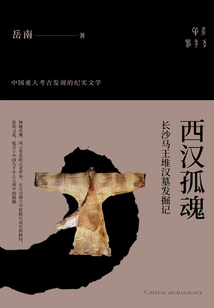
The Lonely Soul of the Western Han Dynasty: Excavations of the Mawangdui Han Tomb in Changsha
History西汉孤魂:长沙马王堆汉墓发掘记
Yuenan
In an excavated cave under Mawangdui, snake-like blue flames suddenly burst out, injuring the director of the hospital. The engineering unit was dispatched urgently to detect the bomb but failed. After the farce, the ancient tomb was accidentally discovered... This book tells the tortuous process of excavation of the Mawangdui Han Tomb in Changsha, Hunan in the 1970s, as well as a series of intricate historical events triggered by the political background at that time. The author uses documentary literature techniques to switch freely between the archaeological excavation process and related historical backgrounds, characters and events, showing readers a picture of the ever-changing history.
In an excavated cave under Mawangdui, snake-like blue flames suddenly burst out, injuring the director of the hospital. The engineering unit was dispatched urgently to detect the bomb but failed. After the farce, the ancient tomb was accidentally discovered... This book tells the tortuous process of excavation of the Mawangdui Han Tomb in Changsha, Hunan in the 1970s, as well as a series of intricate historical events triggered by the political background at that time. The author uses documentary literature techniques to switch freely between the archaeological excavation process and related historical backgrounds, characters and events, showing readers a picture of the ever-changing history.
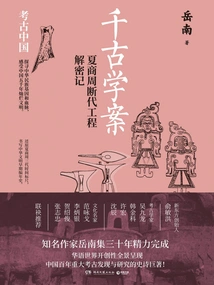
千古学案:夏商周断代工程解密记
Yuenan
Facing the splendid Chinese civilization and the eternal academic unsolved issues left by Sima Qian, what mentality and actions will our academic community face the legacy of history? After full deliberation from all walks of life, the world-famous Xia, Shang and Zhou dynasty project has begun. The "Xia, Shang and Zhou Chronology Project" is a key scientific and technological project of the National "Ninth Five-Year Plan" launched in 1996. The project gathered experts and scholars from multiple disciplines and research fields, established 9 subjects and 44 special topics, and conducted a comprehensive and brand-new study on the chronology of the Xia, Shang and Zhou dynasties. The published "Xia, Shang and Zhou Chronology" has pushed my country's historical chronology forward by more than 1,200 years. This book is a documentary literature work that describes this project in a panoramic manner.
Facing the splendid Chinese civilization and the eternal academic unsolved issues left by Sima Qian, what mentality and actions will our academic community face the legacy of history? After full deliberation from all walks of life, the world-famous Xia, Shang and Zhou dynasty project has begun. The "Xia, Shang and Zhou Chronology Project" is a key scientific and technological project of the National "Ninth Five-Year Plan" launched in 1996. The project gathered experts and scholars from multiple disciplines and research fields, established 9 subjects and 44 special topics, and conducted a comprehensive and brand-new study on the chronology of the Xia, Shang and Zhou dynasties. The published "Xia, Shang and Zhou Chronology" has pushed my country's historical chronology forward by more than 1,200 years. This book is a documentary literature work that describes this project in a panoramic manner.
中国风俗史(国学基本文库)
Zhang Liangcai
The author has long had the ambition to improve customs, and believes that in order to understand and improve the customs of the time, it is necessary to first describe the ancient customs. The book divides the history from before the Yellow Emperor to the Ming Dynasty into four eras: simplicity, complexity, exuberance, and transition from exuberance to simplicity. It hopes to summarize the ancient customs through analysis, "rectifying customs to rectify people's hearts, or to preserve the quintessence of the country." This book was first published in 1911. It was the first monograph on Chinese social history. It was a pioneering work and still has high academic value today.
The author has long had the ambition to improve customs, and believes that in order to understand and improve the customs of the time, it is necessary to first describe the ancient customs. The book divides the history from before the Yellow Emperor to the Ming Dynasty into four eras: simplicity, complexity, exuberance, and transition from exuberance to simplicity. It hopes to summarize the ancient customs through analysis, "rectifying customs to rectify people's hearts, or to preserve the quintessence of the country." This book was first published in 1911. It was the first monograph on Chinese social history. It was a pioneering work and still has high academic value today.
中国通史(第二册)
Dongfang Wenrui
This set of books is divided into four volumes, telling the historical development process of the Chinese nation in stages, and showing a historical picture of the descendants of the Yan and Huang Dynasties constantly striving for self-improvement from all angles.
This set of books is divided into four volumes, telling the historical development process of the Chinese nation in stages, and showing a historical picture of the descendants of the Yan and Huang Dynasties constantly striving for self-improvement from all angles.
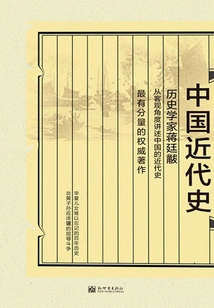
中国近代史(插图珍藏本)
Jiang Tingfu
The Chinese nation entered a special period in the 19th century. Before that, although the Chinese had long-standing relations with foreigners, those foreigners were all ethnic groups with lower cultures. Even if they took control of the Central Plains, they would only take advantage of the temporary civil strife among the Chinese to temporarily seize power. By the 19th century, the situation was completely different, because the British, American, and French countries that came to East Asia at this time were by no means comparable to the Huns, Xianbei, Mongols, Japanese pirates, and Qing people. It turns out that human development can be divided into two worlds, one is Asia in the East, and the other is Europe and America in the West. Although the two worlds had a relationship before the nineteenth century, that relationship was intermittent and dispensable. In the Eastern world, China is the leader and the big brother. We regard ourselves as the big brother, and other countries, including Japan, also recognize our superior status. By the 19th century, it was not our little brothers in the Eastern world who came to cause trouble for us, but the Western world that we had never met and whose cultures were fundamentally different.
The Chinese nation entered a special period in the 19th century. Before that, although the Chinese had long-standing relations with foreigners, those foreigners were all ethnic groups with lower cultures. Even if they took control of the Central Plains, they would only take advantage of the temporary civil strife among the Chinese to temporarily seize power. By the 19th century, the situation was completely different, because the British, American, and French countries that came to East Asia at this time were by no means comparable to the Huns, Xianbei, Mongols, Japanese pirates, and Qing people. It turns out that human development can be divided into two worlds, one is Asia in the East, and the other is Europe and America in the West. Although the two worlds had a relationship before the nineteenth century, that relationship was intermittent and dispensable. In the Eastern world, China is the leader and the big brother. We regard ourselves as the big brother, and other countries, including Japan, also recognize our superior status. By the 19th century, it was not our little brothers in the Eastern world who came to cause trouble for us, but the Western world that we had never met and whose cultures were fundamentally different.
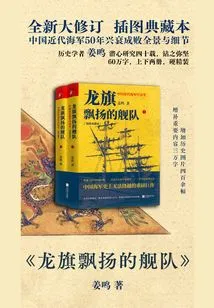
龙旗飘扬的舰队:中国近代海军兴衰史(插图典藏本)(全2册)
Jiang Ming
This book records and analyzes in detail the tortuous history of the creation, development and decline of China's modern navy in the fifty years of the late Qing Dynasty (1861-1911). It makes unique observations and analyzes on naval ship purchase, education, training, base construction, revenue and expenditure, naval strategy and other fields, and clearly demonstrates the close connection between the modern navy and the development of Chinese society. As a leading work in the study of my country's modern naval history, this book has both independent insights into major historical events and elucidation of little-known behind-the-scenes issues; it has a broad vision to oversee the overall situation and precise efforts to verify details; it has both a dynamic study of the development process of the modern navy and a static thematic analysis of issues such as ship performance; it is both a history of the development of the modern navy and a map of the political ecology of the late Qing Dynasty. This book based on history is not to be missed for the officers and soldiers of the three armed forces who are fighting on the front line of military modernization and for readers who are interested in naval history and modern history. In this updated edition, the author specially researched the Dragon Flag in the late Qing Dynasty and added the representative photos of the two dragon flags collected by the former residence of Li Hongzhang in Hefei and the British Maritime Museum, as well as precious old photos such as a group photo of officers and soldiers of the Beiyang Navy's "Jingyuan" ship. There are more than 400 illustrations in the book. In addition, the addition of the section "Recovering Dongsha and Patrolling Xisha" enriches the historical research on the Guangdong Navy and pays tribute to the ancestors who defended the country's rights and interests in the South China Sea and the military currently fighting on the front lines of the South China Sea.
This book records and analyzes in detail the tortuous history of the creation, development and decline of China's modern navy in the fifty years of the late Qing Dynasty (1861-1911). It makes unique observations and analyzes on naval ship purchase, education, training, base construction, revenue and expenditure, naval strategy and other fields, and clearly demonstrates the close connection between the modern navy and the development of Chinese society. As a leading work in the study of my country's modern naval history, this book has both independent insights into major historical events and elucidation of little-known behind-the-scenes issues; it has a broad vision to oversee the overall situation and precise efforts to verify details; it has both a dynamic study of the development process of the modern navy and a static thematic analysis of issues such as ship performance; it is both a history of the development of the modern navy and a map of the political ecology of the late Qing Dynasty. This book based on history is not to be missed for the officers and soldiers of the three armed forces who are fighting on the front line of military modernization and for readers who are interested in naval history and modern history. In this updated edition, the author specially researched the Dragon Flag in the late Qing Dynasty and added the representative photos of the two dragon flags collected by the former residence of Li Hongzhang in Hefei and the British Maritime Museum, as well as precious old photos such as a group photo of officers and soldiers of the Beiyang Navy's "Jingyuan" ship. There are more than 400 illustrations in the book. In addition, the addition of the section "Recovering Dongsha and Patrolling Xisha" enriches the historical research on the Guangdong Navy and pays tribute to the ancestors who defended the country's rights and interests in the South China Sea and the military currently fighting on the front lines of the South China Sea.
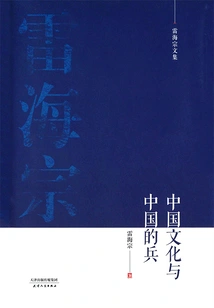
中国文化与中国的兵
Lei Haizong
This book is the representative and famous work of historian Hai Lei Zong. The whole book is divided into two parts: upper and lower. The first part is about the understanding and criticism of Chinese traditional culture. The theme of the second part is to explore China during the Anti-Japanese War and the founding of the nation. The author combines profound knowledge at home and abroad and unique views on history and culture to explore several major relationships between the central and local governments, civil servants and military attachés, the family system and national governance, the degradation of royal blood and the rise and fall of national power in ancient China. It is also very instructive and inspiring for us to study Chinese and foreign history today.
This book is the representative and famous work of historian Hai Lei Zong. The whole book is divided into two parts: upper and lower. The first part is about the understanding and criticism of Chinese traditional culture. The theme of the second part is to explore China during the Anti-Japanese War and the founding of the nation. The author combines profound knowledge at home and abroad and unique views on history and culture to explore several major relationships between the central and local governments, civil servants and military attachés, the family system and national governance, the degradation of royal blood and the rise and fall of national power in ancient China. It is also very instructive and inspiring for us to study Chinese and foreign history today.
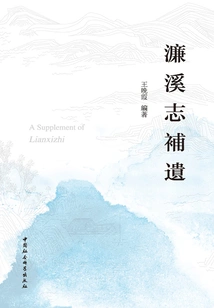
Supplement to Lian Xizhi
History濂溪志补遗
Compiled By Wang Wanxia
Historical materials about Zhou Dunyi have appeared intermittently since the Song Dynasty, with Lianxi Chronicles and Zhou Dunyi Collection as the main forms. There are about 60 kinds. These documents, based on Zhou Dunyi's own writings, also collect a large number of relevant historical materials about Zhou Dunyi, which are an important basis for in-depth research on Zhou Dunyi. But there are still a lot of documents that are missing from the ancient literature. This book is based on the collection of more than 100 kinds of local chronicles of provinces, cities and counties at all levels in Jiangxi, Hunan, Guangzhou, Jiangsu and Sichuan, personal collections from the Song to the Qing Dynasty, Taoist canon and other large series of books, and collects the historical materials of Zhou Dunyi scattered among them, and compiles them after textual research and collation. It is hoped that it can provide the necessary documents for Zhou Dunyi's research, and serve as a starting point to promote the study of Lianxi Studies and Neo-Confucianism of the Song and Ming Dynasties. The theme of this book is the poems, chants, praises and other related historical materials of Zhou Dunyi and his descendants, as well as his personal ideological writings.
Historical materials about Zhou Dunyi have appeared intermittently since the Song Dynasty, with Lianxi Chronicles and Zhou Dunyi Collection as the main forms. There are about 60 kinds. These documents, based on Zhou Dunyi's own writings, also collect a large number of relevant historical materials about Zhou Dunyi, which are an important basis for in-depth research on Zhou Dunyi. But there are still a lot of documents that are missing from the ancient literature. This book is based on the collection of more than 100 kinds of local chronicles of provinces, cities and counties at all levels in Jiangxi, Hunan, Guangzhou, Jiangsu and Sichuan, personal collections from the Song to the Qing Dynasty, Taoist canon and other large series of books, and collects the historical materials of Zhou Dunyi scattered among them, and compiles them after textual research and collation. It is hoped that it can provide the necessary documents for Zhou Dunyi's research, and serve as a starting point to promote the study of Lianxi Studies and Neo-Confucianism of the Song and Ming Dynasties. The theme of this book is the poems, chants, praises and other related historical materials of Zhou Dunyi and his descendants, as well as his personal ideological writings.
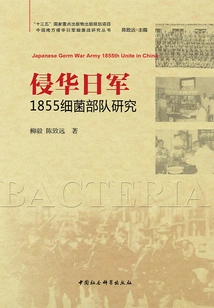
侵华日军1855细菌部队研究
Liu Yi Chen Zhiyuan
Using various historical materials from China, Japan, Russia, and the United States, it reveals the establishment of the Japanese "A" 1855 Bacteriological Force in Beijing, its headquarters structure, more than ten branches in Tianjin, Jinan, Shijiazhuang, Taiyuan, Zhengzhou and other places in North China, as well as various bacteriological warfare activities from 1938 to 1945; especially the criminal activities of releasing various bacteria in various anti-Japanese base areas in China. Value and Significance: (1) Expose the criminal history of the major bacteriological units of the Japanese invaders other than Unit 731, and comprehensively expose the crimes of the Japanese invaders committing bacteriological warfare in southern China and other areas of China. (2) Use rigorous scientific research results to expose Japanese militarism's crimes against humanity, lash out historical evil, and safeguard world peace.
Using various historical materials from China, Japan, Russia, and the United States, it reveals the establishment of the Japanese "A" 1855 Bacteriological Force in Beijing, its headquarters structure, more than ten branches in Tianjin, Jinan, Shijiazhuang, Taiyuan, Zhengzhou and other places in North China, as well as various bacteriological warfare activities from 1938 to 1945; especially the criminal activities of releasing various bacteria in various anti-Japanese base areas in China. Value and Significance: (1) Expose the criminal history of the major bacteriological units of the Japanese invaders other than Unit 731, and comprehensively expose the crimes of the Japanese invaders committing bacteriological warfare in southern China and other areas of China. (2) Use rigorous scientific research results to expose Japanese militarism's crimes against humanity, lash out historical evil, and safeguard world peace.
明清时期长江下游自然灾害与乡村社会研究
Zhuang Huafeng
This book uses multidisciplinary theories and methods, focusing on the interactive relationship between natural disasters and rural society in the lower reaches of the Yangtze River in the Ming and Qing Dynasties, to reveal the diffusion process, evolution rules and characteristics of disasters at all levels of rural society, the mechanisms, characteristics and effectiveness of government and private responses to disasters, as well as the interaction mechanism between disasters and rural society, as well as its breadth and depth. Through research, we strive to advance the study of disaster history in the lower reaches of the Yangtze River in a solid manner and make it a typical case for the study of the interaction between disasters and rural society. At the same time, in-depth study and correct understanding of the causes and characteristics of natural disasters in the Yangtze River Basin, especially in the middle and lower reaches of the Yangtze River, and exploring and grasping the laws and trends of disaster occurrence and development will have important demonstration value and reference significance for disaster prevention and relief in the lower reaches of the Yangtze River, the construction of new rural areas, and even the exploration of solutions to the "agriculture, rural areas and farmers" issues.
This book uses multidisciplinary theories and methods, focusing on the interactive relationship between natural disasters and rural society in the lower reaches of the Yangtze River in the Ming and Qing Dynasties, to reveal the diffusion process, evolution rules and characteristics of disasters at all levels of rural society, the mechanisms, characteristics and effectiveness of government and private responses to disasters, as well as the interaction mechanism between disasters and rural society, as well as its breadth and depth. Through research, we strive to advance the study of disaster history in the lower reaches of the Yangtze River in a solid manner and make it a typical case for the study of the interaction between disasters and rural society. At the same time, in-depth study and correct understanding of the causes and characteristics of natural disasters in the Yangtze River Basin, especially in the middle and lower reaches of the Yangtze River, and exploring and grasping the laws and trends of disaster occurrence and development will have important demonstration value and reference significance for disaster prevention and relief in the lower reaches of the Yangtze River, the construction of new rural areas, and even the exploration of solutions to the "agriculture, rural areas and farmers" issues.
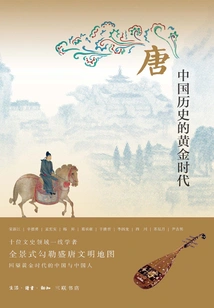
唐:中国历史的黄金时代
Rong Xinjiang Et Al.
Ten front-line scholars in the field of literature and history panoramically outline the map of the civilization of the prosperous Tang Dynasty, looking back at China and the Chinese people in the golden age. If there is a "golden age" in Chinese history, then perhaps it is the Tang Dynasty. Like Britain in the 19th century and the United States in the 20th century, it is outstanding in all aspects of politics, economy, society, culture, and diplomacy and has great radiating power. This book invites ten heavyweight experts and scholars to understand the Tang Empire from a global perspective and a civilizational perspective. Based on the results of archaeological discoveries and academic research in recent decades, this book gives a detailed and lively account of the political civilization, material life, and aesthetic trends of the Tang Dynasty. It also uses themes such as Buddhism, poetry, music, dance, calligraphy, and painting to three-dimensionally present the rich spiritual world of the Tang people and the great tradition that has lasted for thousands of years.
Ten front-line scholars in the field of literature and history panoramically outline the map of the civilization of the prosperous Tang Dynasty, looking back at China and the Chinese people in the golden age. If there is a "golden age" in Chinese history, then perhaps it is the Tang Dynasty. Like Britain in the 19th century and the United States in the 20th century, it is outstanding in all aspects of politics, economy, society, culture, and diplomacy and has great radiating power. This book invites ten heavyweight experts and scholars to understand the Tang Empire from a global perspective and a civilizational perspective. Based on the results of archaeological discoveries and academic research in recent decades, this book gives a detailed and lively account of the political civilization, material life, and aesthetic trends of the Tang Dynasty. It also uses themes such as Buddhism, poetry, music, dance, calligraphy, and painting to three-dimensionally present the rich spiritual world of the Tang people and the great tradition that has lasted for thousands of years.
Outline of Chinese History
History中国史纲
Zhang Yinlin
This book is a good work left behind by Zhang Yinlin in his short life, but it fully demonstrates the author's profound and keen insights, profound knowledge, and penetrating and wise thoughts. This book was written as a historical textbook at the time, so it is more lively in form, easy to read and understand, not boring at all, but at the same time rich in ideological connotation and theoretical depth. Moreover, the author is full of emotion and respect for the history of the Chinese nation, so there is nothing shallow, empty, or exaggerated in the book. Many of the views and thoughts in the book are still of great value and reference for today's people.
This book is a good work left behind by Zhang Yinlin in his short life, but it fully demonstrates the author's profound and keen insights, profound knowledge, and penetrating and wise thoughts. This book was written as a historical textbook at the time, so it is more lively in form, easy to read and understand, not boring at all, but at the same time rich in ideological connotation and theoretical depth. Moreover, the author is full of emotion and respect for the history of the Chinese nation, so there is nothing shallow, empty, or exaggerated in the book. Many of the views and thoughts in the book are still of great value and reference for today's people.
廿二史劄记
K
The historical reading notes of Zhao Yi, a litterateur and historian of the Qing Dynasty, were written in the 60th year of Qianlong's reign (1795). They are a work of textual research on the official histories of the past dynasties, such as "Historical Records", "Hanshu" and "History of the Ming Dynasty". It is as famous as Qian Daxin's "Twenty-Two Histories" and Wang Mingsheng's "Seventeen Histories". What he examined was actually the Twenty-Four Histories, but because the New and Old Tang Books and the New and Old Five Dynasties History were regarded as history books of the same era and were not separated, they were called the Twenty-Two Histories. The author intends to summarize the history of the group. For each historical book, he first describes the history of the work, comments on the pros and cons, and then raises a series of questions. Then he compares historical events with the original book, or quotes miscellaneous histories, elaborates and compares, and puts forward opinions and discussions. There are both comments on historiography and historical events, and there are many important insights that are still worthy of praise today.
The historical reading notes of Zhao Yi, a litterateur and historian of the Qing Dynasty, were written in the 60th year of Qianlong's reign (1795). They are a work of textual research on the official histories of the past dynasties, such as "Historical Records", "Hanshu" and "History of the Ming Dynasty". It is as famous as Qian Daxin's "Twenty-Two Histories" and Wang Mingsheng's "Seventeen Histories". What he examined was actually the Twenty-Four Histories, but because the New and Old Tang Books and the New and Old Five Dynasties History were regarded as history books of the same era and were not separated, they were called the Twenty-Two Histories. The author intends to summarize the history of the group. For each historical book, he first describes the history of the work, comments on the pros and cons, and then raises a series of questions. Then he compares historical events with the original book, or quotes miscellaneous histories, elaborates and compares, and puts forward opinions and discussions. There are both comments on historiography and historical events, and there are many important insights that are still worthy of praise today.
明朝烟火味儿
Xiao Sheng
"The Smell of Fireworks in the Ming Dynasty" takes the daily life of people in the Ming Dynasty as the starting point. It talks about the extremely trivial things in the lives of the people in the Ming Dynasty, from bathing and using the toilet to urban sanitation;
"The Smell of Fireworks in the Ming Dynasty" takes the daily life of people in the Ming Dynasty as the starting point. It talks about the extremely trivial things in the lives of the people in the Ming Dynasty, from bathing and using the toilet to urban sanitation;
History of Chinese Opera
History中国戏曲史
Wu Mei Wang Guowei
This book aims to give readers a clear and clear understanding of the origin and evolution of Chinese opera. It is divided into the first part "Introduction to Chinese Opera" and the second part "History of Song and Yuan Opera".
This book aims to give readers a clear and clear understanding of the origin and evolution of Chinese opera. It is divided into the first part "Introduction to Chinese Opera" and the second part "History of Song and Yuan Opera".
近代日本的中国留日学生政策史
Xu Zhimin
In modern times, the number of Chinese students studying in Japan was large, large-scale and far-reaching, and they had extremely close relations with China and Japan. Modern Japan's policy towards Chinese students studying in Japan, from its initial formation in the late Meiji period, to adjustments and improvements in the Taisho period, to the negotiations between China and Japan on the policy for students studying in Japan in the early Showa era, especially after Japan launched a war of aggression against China, it strengthened the investigation and monitoring of students studying in Japan, and nakedly brainwashed students studying in Japan under the puppet regime, all reflecting the strategies and purposes of its invasion and expansion policy. The original purpose of overseas education was to spread scientific and cultural knowledge and promote world peace and development, but it was mixed with too many political conspiracies and aggressive ambitions, and the results were counterproductive and counterproductive.
In modern times, the number of Chinese students studying in Japan was large, large-scale and far-reaching, and they had extremely close relations with China and Japan. Modern Japan's policy towards Chinese students studying in Japan, from its initial formation in the late Meiji period, to adjustments and improvements in the Taisho period, to the negotiations between China and Japan on the policy for students studying in Japan in the early Showa era, especially after Japan launched a war of aggression against China, it strengthened the investigation and monitoring of students studying in Japan, and nakedly brainwashed students studying in Japan under the puppet regime, all reflecting the strategies and purposes of its invasion and expansion policy. The original purpose of overseas education was to spread scientific and cultural knowledge and promote world peace and development, but it was mixed with too many political conspiracies and aggressive ambitions, and the results were counterproductive and counterproductive.
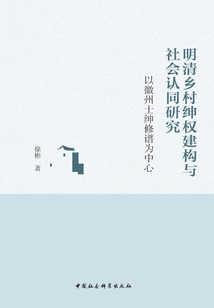
明清乡村绅权建构与社会认同研究:以徽州士绅修谱为中心
Xu Bin
This book is a general project of the National Social Science Fund "Research on the Construction of Rural Gentry Power and Social Identity in the Ming and Qing Dynasties - Focusing on the Genealogy Compilation of Huizhou Gentry" (Project No.: 11BZS035). The final result was awarded a good grade. This book is divided into three parts: upper, middle and lower, each with three chapters, for a total of nine chapters. The first part, "Basic Situation of Huizhou Genealogy and Genealogy Compilation by Gentlemen in the Ming and Qing Dynasties," mainly introduces the basic situation of Huizhou gentry and their genealogy compilation in the Ming and Qing Dynasties. The middle part is "The Huizhou gentry constructs social power through genealogy revision", which discusses the process of the gentry constructing social power through genealogy revision. The next part is "Social Identity Constructed Centered on Genealogy", which focuses on the social power constructed by the gentry through the act of revising genealogies, and how the series of behaviors of the gentry class are recognized in society during this process.
This book is a general project of the National Social Science Fund "Research on the Construction of Rural Gentry Power and Social Identity in the Ming and Qing Dynasties - Focusing on the Genealogy Compilation of Huizhou Gentry" (Project No.: 11BZS035). The final result was awarded a good grade. This book is divided into three parts: upper, middle and lower, each with three chapters, for a total of nine chapters. The first part, "Basic Situation of Huizhou Genealogy and Genealogy Compilation by Gentlemen in the Ming and Qing Dynasties," mainly introduces the basic situation of Huizhou gentry and their genealogy compilation in the Ming and Qing Dynasties. The middle part is "The Huizhou gentry constructs social power through genealogy revision", which discusses the process of the gentry constructing social power through genealogy revision. The next part is "Social Identity Constructed Centered on Genealogy", which focuses on the social power constructed by the gentry through the act of revising genealogies, and how the series of behaviors of the gentry class are recognized in society during this process.
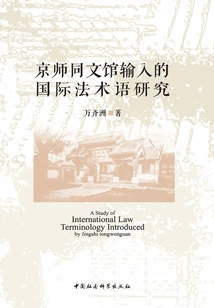
京师同文馆输入的国际法术语研究
Wan Qizhou
In response to the current situation, the Qing government, which was defeated in the two Opium Wars, established the Capital Tongwen Hall in the summer of 1862. The museum was originally a language school. After the American missionary Ding Yuliang became the chief instructor, it gradually became an important place for introducing Western legal culture, and the translation and introduction of international law works were particularly detailed. Faced with the technical terms of international law with sophisticated semantics, American missionaries such as Ding Weiliang, who did not study law, overcame many difficulties and translated and published the most cutting-edge international law works at the time, such as "The Law of All Nations". For example, "International Law", "Sovereignty", "Citizen", "Terrtory", "State", etc. Are translated as "public law", "sovereignty", "people", "jiang" and "state". Explore the Western meanings of these words and the classical meanings of the translated words in Chinese, clarify their spread, variation, and finalization process, and then elaborate on their impact on modern Chinese people's thoughts. This can provide a glimpse of the colorful ideological and cultural content of modern China, and also demonstrate the characteristics of Chinese culture and the differences between Chinese and Western cultures. As Chen Yinke said, "Any interpretation of a word is a cultural history."
In response to the current situation, the Qing government, which was defeated in the two Opium Wars, established the Capital Tongwen Hall in the summer of 1862. The museum was originally a language school. After the American missionary Ding Yuliang became the chief instructor, it gradually became an important place for introducing Western legal culture, and the translation and introduction of international law works were particularly detailed. Faced with the technical terms of international law with sophisticated semantics, American missionaries such as Ding Weiliang, who did not study law, overcame many difficulties and translated and published the most cutting-edge international law works at the time, such as "The Law of All Nations". For example, "International Law", "Sovereignty", "Citizen", "Terrtory", "State", etc. Are translated as "public law", "sovereignty", "people", "jiang" and "state". Explore the Western meanings of these words and the classical meanings of the translated words in Chinese, clarify their spread, variation, and finalization process, and then elaborate on their impact on modern Chinese people's thoughts. This can provide a glimpse of the colorful ideological and cultural content of modern China, and also demonstrate the characteristics of Chinese culture and the differences between Chinese and Western cultures. As Chen Yinke said, "Any interpretation of a word is a cultural history."
清末报刊视野下反洋教思想变迁研究
Duan Yinghui
From the perspective of modern newspapers and periodicals, and the advancement of historical processes, this book conducts an in-depth and comprehensive study of the ideological understanding behind the anti-foreign religion movement and the negotiation of teaching plans in the late Qing Dynasty, as well as its communication methods and effects. It strives to reveal the root causes of the anti-foreign religion movement from its upsurge to its gradual decline from the perspective of ideological history. The focus is on the transformation process of anti-religious thoughts from "emotional" to "rational" as shown in Chinese people's understanding of lesson plans and anti-religious attitudes. In the context of modernization, we explore the national psychology and goal demands contained in the rational turn to anti-religious ideas, in order to demonstrate the influence and role of the spread and leadership of elite ideas on civil society movements. This book combines history and communication studies, divides the staged changes in ideological changes into phases, unifies individual newspapers and newspaper groups, and focuses on the transformation of ideological cognition and communication methods. It systematically explores the changes in anti-religious ideas from the perspective of newspapers and periodicals and its significance to the modernization movement in the late Qing Dynasty.
From the perspective of modern newspapers and periodicals, and the advancement of historical processes, this book conducts an in-depth and comprehensive study of the ideological understanding behind the anti-foreign religion movement and the negotiation of teaching plans in the late Qing Dynasty, as well as its communication methods and effects. It strives to reveal the root causes of the anti-foreign religion movement from its upsurge to its gradual decline from the perspective of ideological history. The focus is on the transformation process of anti-religious thoughts from "emotional" to "rational" as shown in Chinese people's understanding of lesson plans and anti-religious attitudes. In the context of modernization, we explore the national psychology and goal demands contained in the rational turn to anti-religious ideas, in order to demonstrate the influence and role of the spread and leadership of elite ideas on civil society movements. This book combines history and communication studies, divides the staged changes in ideological changes into phases, unifies individual newspapers and newspaper groups, and focuses on the transformation of ideological cognition and communication methods. It systematically explores the changes in anti-religious ideas from the perspective of newspapers and periodicals and its significance to the modernization movement in the late Qing Dynasty.
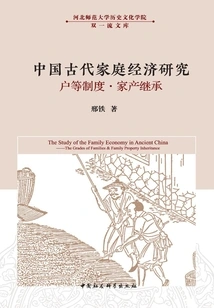
Research on Family Economy in Ancient China: Household Level System·family Property Inheritance
History中国古代家庭经济研究:户等制度·家产继承
Xing Tie
This book contains the author's two previous booklets - "History of the Household System" and "History of Family Property Inheritance", with only a few word corrections. When the author was a graduate student under Mr. Li Cuo from 1982 to 1985, he wrote his master's thesis on the rural five-class household system in the Song Dynasty. After graduation, he followed Mr. Li's instructions and extended it forward and backward to write "An Outline of the History of the Household Class System". "History of Family Property Inheritance" is a self-chosen topic that the author started working on in 1991. Mr. Li inscribed the title when it was published. These two booklets were included in the "Yunnan University Chinese Economic History Research Series" chaired by Mr. Li. They were published by Yunnan University Press in 2002 and 2000. This time they are collected and republished.
This book contains the author's two previous booklets - "History of the Household System" and "History of Family Property Inheritance", with only a few word corrections. When the author was a graduate student under Mr. Li Cuo from 1982 to 1985, he wrote his master's thesis on the rural five-class household system in the Song Dynasty. After graduation, he followed Mr. Li's instructions and extended it forward and backward to write "An Outline of the History of the Household Class System". "History of Family Property Inheritance" is a self-chosen topic that the author started working on in 1991. Mr. Li inscribed the title when it was published. These two booklets were included in the "Yunnan University Chinese Economic History Research Series" chaired by Mr. Li. They were published by Yunnan University Press in 2002 and 2000. This time they are collected and republished.
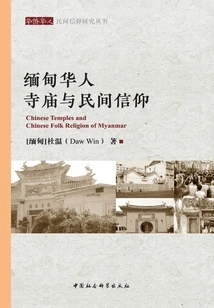
缅甸华人寺庙与民间信仰
(burma) Du Win
This book may be the first latest research result of a Burmese scholar on local Chinese temples and folk beliefs. The whole book is divided into three parts. The first part traces the history, channels, distribution of folk beliefs in China, as well as the types of gods and prayers enshrined. The author uses pictures to introduce the sights of Chinese temples in several major cities in Myanmar (such as Yangon, Mandalay, Myeik and other towns) (highlights include two temples that were nationalized in 1965: ① Mandalay Guanyin Ancient Temple, which is currently being restored by the Guangdong Company with the permission of the Ministry of Education of the Myanmar Government. ② The government returned the Blessing Palace in Banting Ou City, which worships the prince and god, and the Fujian ethnic group The temple has been rebuilt); the middle part is mainly about the social activities and functions of temples, and the impact of Chinese temples on Burmese society, especially the local Chinese society; the second part is mainly about the author's research results on Chinese folk beliefs in Myanmar in recent years (such as Quanzhou Majia and Yangon Daizhi are connected by the princely belief of "Xingfu Zunwang", and the descendants of the Wu family in Myanmar return to their ancestral home Majia Town).
This book may be the first latest research result of a Burmese scholar on local Chinese temples and folk beliefs. The whole book is divided into three parts. The first part traces the history, channels, distribution of folk beliefs in China, as well as the types of gods and prayers enshrined. The author uses pictures to introduce the sights of Chinese temples in several major cities in Myanmar (such as Yangon, Mandalay, Myeik and other towns) (highlights include two temples that were nationalized in 1965: ① Mandalay Guanyin Ancient Temple, which is currently being restored by the Guangdong Company with the permission of the Ministry of Education of the Myanmar Government. ② The government returned the Blessing Palace in Banting Ou City, which worships the prince and god, and the Fujian ethnic group The temple has been rebuilt); the middle part is mainly about the social activities and functions of temples, and the impact of Chinese temples on Burmese society, especially the local Chinese society; the second part is mainly about the author's research results on Chinese folk beliefs in Myanmar in recent years (such as Quanzhou Majia and Yangon Daizhi are connected by the princely belief of "Xingfu Zunwang", and the descendants of the Wu family in Myanmar return to their ancestral home Majia Town).
History of the Huns
History匈奴史稿
Chen Xujing
The recorded history of the Xiongnu spans about seven hundred years from the time of Touman in the third century BC to the death of Attila in the fifth century AD. During the era of Emperor Wu of the Han Dynasty, the Xiongnu suffered a severe blow from the Western Han Dynasty. In the middle of the first century BC, after Huhanxie Chanyu surrendered to the Han Dynasty, the Huns were divided into southern and northern tribes. The Southern Xiongnu moved to the frontier fortress and even into the fortress. During the Jin Dynasty and the Jin Dynasty, they were the first of the so-called "Five Huns" to disrupt China. However, in the first half of the fifth century, after the demise of the country established by Houwei Keguzang, Helianbobo and Juqumengxun, the Xiongnu dynasty in East Asia was no longer found in Chinese history books. Only descendants or tribes of the Xiongnu, such as Tuge or Jihu, were scattered in historical records until the Sui and Tang Dynasties. Western European scholars have written some papers and books on the history of the Xiongnu for more than two hundred years, and a few Japanese scholars have written for decades. Although they are familiar with European data, they have not made full use of China's rich historical data. The author tries his best to collect historical materials about the Xiongnu from my country and Europe and organize them, hoping to give a more complete picture of the history of the Xiongnu.
The recorded history of the Xiongnu spans about seven hundred years from the time of Touman in the third century BC to the death of Attila in the fifth century AD. During the era of Emperor Wu of the Han Dynasty, the Xiongnu suffered a severe blow from the Western Han Dynasty. In the middle of the first century BC, after Huhanxie Chanyu surrendered to the Han Dynasty, the Huns were divided into southern and northern tribes. The Southern Xiongnu moved to the frontier fortress and even into the fortress. During the Jin Dynasty and the Jin Dynasty, they were the first of the so-called "Five Huns" to disrupt China. However, in the first half of the fifth century, after the demise of the country established by Houwei Keguzang, Helianbobo and Juqumengxun, the Xiongnu dynasty in East Asia was no longer found in Chinese history books. Only descendants or tribes of the Xiongnu, such as Tuge or Jihu, were scattered in historical records until the Sui and Tang Dynasties. Western European scholars have written some papers and books on the history of the Xiongnu for more than two hundred years, and a few Japanese scholars have written for decades. Although they are familiar with European data, they have not made full use of China's rich historical data. The author tries his best to collect historical materials about the Xiongnu from my country and Europe and organize them, hoping to give a more complete picture of the history of the Xiongnu.
Xixia Calligraphy
History西夏书事
Wu Guangcheng
Imitating the style of Zhu Xi's "Tongjian Gangmu", it chronicles the rise and fall of the twenty-one rulers of the Western Xia Dynasty. From the rise of Dangxiang Qiang Tuoba Sigong in the first year of the Zhonghe Year of Emperor Xizong of the Tang Dynasty (881), to the fifth year of Shaoding (1232), the fifth year of Emperor Lizong of the Southern Song Dynasty, after the fall of Xixia, his late minister Wang Lizhi and some of his survivors entered the gold. The beginning and end of the founding of the country, the lineage of rule, government and state affairs, the peace and war diplomacy of the Song, Liao, Jin and Yuan Dynasties, as well as the geography, official positions, elections, rituals and music, military punishments, clothing, writing and other cultural relics systems are described one by one. Nearly a hundred kinds of documents are cited, including official history, actual records, "Tongjian", "Extended Tongjian Changbian", local chronicles, anthologies, biographical epitaphs, miscellaneous notes, official unofficial histories and other various materials. In particular, many records about the history of the late Xixia period are not found in other historical records, so they have always been valued by researchers.
Imitating the style of Zhu Xi's "Tongjian Gangmu", it chronicles the rise and fall of the twenty-one rulers of the Western Xia Dynasty. From the rise of Dangxiang Qiang Tuoba Sigong in the first year of the Zhonghe Year of Emperor Xizong of the Tang Dynasty (881), to the fifth year of Shaoding (1232), the fifth year of Emperor Lizong of the Southern Song Dynasty, after the fall of Xixia, his late minister Wang Lizhi and some of his survivors entered the gold. The beginning and end of the founding of the country, the lineage of rule, government and state affairs, the peace and war diplomacy of the Song, Liao, Jin and Yuan Dynasties, as well as the geography, official positions, elections, rituals and music, military punishments, clothing, writing and other cultural relics systems are described one by one. Nearly a hundred kinds of documents are cited, including official history, actual records, "Tongjian", "Extended Tongjian Changbian", local chronicles, anthologies, biographical epitaphs, miscellaneous notes, official unofficial histories and other various materials. In particular, many records about the history of the late Xixia period are not found in other historical records, so they have always been valued by researchers.
Sui Shu
History隋书
(tang Dynasty) Wei Zheng Et Al.
The earliest existing monographs on the history of the Sui Dynasty are written by Wei Zheng, Yan Shigu, Kong Yingda, Xu Jingzong, etc., All of whom are experts with expertise. It has preserved a large number of regulations and systems since the Southern and Northern Dynasties, which can be used for future generations to study the political, economic and cultural systems of the Sui Dynasty and previous dynasties, including etiquette, music, laws and calendars, astronomy, five elements, food and goods, criminal law, hundreds, officials, geography, classics and other ten records. It narrates the survival and decline of Chinese books and the evolution of scholarship over six hundred years from the Han Dynasty to the Sui Dynasty. It is the second summary of the history of ancient Chinese books and scholarship, and is also a major contribution to the history of Chinese academic culture. Another important contribution of "Sui Shu·Jing Ji Zhi" is that it laid the foundation for China's subsequent four-book classification, which was followed by later generations for more than a thousand years.
The earliest existing monographs on the history of the Sui Dynasty are written by Wei Zheng, Yan Shigu, Kong Yingda, Xu Jingzong, etc., All of whom are experts with expertise. It has preserved a large number of regulations and systems since the Southern and Northern Dynasties, which can be used for future generations to study the political, economic and cultural systems of the Sui Dynasty and previous dynasties, including etiquette, music, laws and calendars, astronomy, five elements, food and goods, criminal law, hundreds, officials, geography, classics and other ten records. It narrates the survival and decline of Chinese books and the evolution of scholarship over six hundred years from the Han Dynasty to the Sui Dynasty. It is the second summary of the history of ancient Chinese books and scholarship, and is also a major contribution to the history of Chinese academic culture. Another important contribution of "Sui Shu·Jing Ji Zhi" is that it laid the foundation for China's subsequent four-book classification, which was followed by later generations for more than a thousand years.
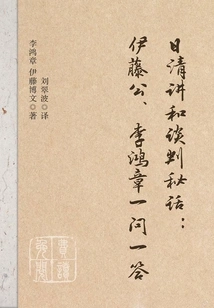
日清讲和谈判秘话:伊藤公、李鸿章一问一答
(qing) Li Hongzhang (japan) Ito Hirobumi
After the Sino-Japanese War, Li Hongzhang went to Japan to hold talks with Ito Hirobumi. The Japanese lion opened its mouth and demanded not only compensation, but also the cession of the Liaodong Peninsula and Taiwan Island. His demands are simply too much. In the first three rounds of negotiations, Ito Hirobumi tried his best to humiliate Li Hongzhang, while Li Hongzhang made concessions for fear that the peace talks would be blocked. While reporting to the court, he adopted delaying tactics. Unexpectedly, all the messages he sent to the Prime Minister's Yamen were deciphered by the Japanese, prompting the Japanese to take a tougher stance. The Qing court couldn't believe it and sent a telegram to Li Hongzhang to accept all Japan's demands and sign the Treaty of Shimonoseki in the sixth round of negotiations. This content is Li Hongzhang's notes during the first five rounds of negotiations.
After the Sino-Japanese War, Li Hongzhang went to Japan to hold talks with Ito Hirobumi. The Japanese lion opened its mouth and demanded not only compensation, but also the cession of the Liaodong Peninsula and Taiwan Island. His demands are simply too much. In the first three rounds of negotiations, Ito Hirobumi tried his best to humiliate Li Hongzhang, while Li Hongzhang made concessions for fear that the peace talks would be blocked. While reporting to the court, he adopted delaying tactics. Unexpectedly, all the messages he sent to the Prime Minister's Yamen were deciphered by the Japanese, prompting the Japanese to take a tougher stance. The Qing court couldn't believe it and sent a telegram to Li Hongzhang to accept all Japan's demands and sign the Treaty of Shimonoseki in the sixth round of negotiations. This content is Li Hongzhang's notes during the first five rounds of negotiations.
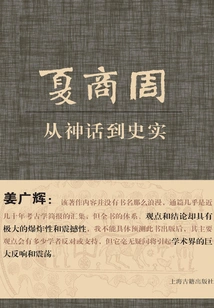
夏商周:从神话到史实
Guo Jingyun
This book uses different historical materials to observe the hidden and unprinted historical facts in the myths of Xia, Shang and Zhou from various angles. The author focuses on the history of China's Bronze Age, compares unearthed materials with handed down historical materials, and rethinks the process of early state formation. The first part, "The Origins of Multiple Civilizations and Centralization," explores the formation of China's centralized government based on archaeological facts, including the memory of China before the Yin and Shang Dynasties and the founding of the Yin and Shang Dynasties, and analyzes the attributes of the Yin and Shang royal families, as well as their lifestyles and beliefs; the middle part " Regime inherits the past and connects the future: The relationship between the royal family of Yin and Zhou Dynasty", which explores the relationship between the royal family of Shang and Zhou Dynasty and the historical stages of the two countries from archaeological and handed down documents; the second part "A Study of the Formation of Historical Concepts in Shang and Zhou Documents" focuses on the formation of ancient historical concepts.
This book uses different historical materials to observe the hidden and unprinted historical facts in the myths of Xia, Shang and Zhou from various angles. The author focuses on the history of China's Bronze Age, compares unearthed materials with handed down historical materials, and rethinks the process of early state formation. The first part, "The Origins of Multiple Civilizations and Centralization," explores the formation of China's centralized government based on archaeological facts, including the memory of China before the Yin and Shang Dynasties and the founding of the Yin and Shang Dynasties, and analyzes the attributes of the Yin and Shang royal families, as well as their lifestyles and beliefs; the middle part " Regime inherits the past and connects the future: The relationship between the royal family of Yin and Zhou Dynasty", which explores the relationship between the royal family of Shang and Zhou Dynasty and the historical stages of the two countries from archaeological and handed down documents; the second part "A Study of the Formation of Historical Concepts in Shang and Zhou Documents" focuses on the formation of ancient historical concepts.
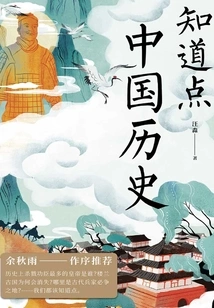
知道点中国历史
Wang Miao
Who is the emperor who killed the most heroes in history? What was the life of ancient ethnic minorities like? Why did the ancient Loulan Kingdom disappear? Where was the battleground for ancient military strategists? ...We should all know better.
Who is the emperor who killed the most heroes in history? What was the life of ancient ethnic minorities like? Why did the ancient Loulan Kingdom disappear? Where was the battleground for ancient military strategists? ...We should all know better.
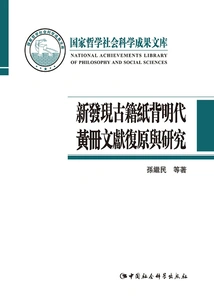
新发现古籍纸背明代黄册文献复原与研究
Sun Jimin Et Al.
"Restoration and Research of Newly Discovered Paper-Back Ming Dynasty Yellow Volume Documents of Ancient Books" is one of the research results of the National Social Science Fund's major project "Collation and Research of Ming Dynasty Ancient Books Collection of Ming Dynasty Official Documents on Paper Backs in the Shanghai Library". It mainly selected newly discovered Ming Dynasty yellow volume documents on paper backs of ancient official documents and ancient books as the research object, and carried out detailed and in-depth restoration and research work on them. The book has four chapters in total. The first chapter is a background discussion of the book; the second chapter is mainly about the detailed sorting and overview of the newly discovered ancient books with paper backs in the Ming Dynasty yellow volume; the third chapter is mainly about the restoration and research of the newly discovered ancient books with paper backs from the Hongwu Three Years Xiaohuang Volume; the fourth chapter is mainly about the restoration and research of the newly discovered ancient books with paper backs from the Ming Dynasty yellow volume collected in the Houhu Yellow Volume Collection. The greatest value of this book is that it publishes a large number of ancient Ming Dynasty Yellow Book documents on paperbacks that were previously unknown to the academic community, providing a batch of precious new information for studying the development and evolution of the Ming Dynasty Yellow Book and related issues.
"Restoration and Research of Newly Discovered Paper-Back Ming Dynasty Yellow Volume Documents of Ancient Books" is one of the research results of the National Social Science Fund's major project "Collation and Research of Ming Dynasty Ancient Books Collection of Ming Dynasty Official Documents on Paper Backs in the Shanghai Library". It mainly selected newly discovered Ming Dynasty yellow volume documents on paper backs of ancient official documents and ancient books as the research object, and carried out detailed and in-depth restoration and research work on them. The book has four chapters in total. The first chapter is a background discussion of the book; the second chapter is mainly about the detailed sorting and overview of the newly discovered ancient books with paper backs in the Ming Dynasty yellow volume; the third chapter is mainly about the restoration and research of the newly discovered ancient books with paper backs from the Hongwu Three Years Xiaohuang Volume; the fourth chapter is mainly about the restoration and research of the newly discovered ancient books with paper backs from the Ming Dynasty yellow volume collected in the Houhu Yellow Volume Collection. The greatest value of this book is that it publishes a large number of ancient Ming Dynasty Yellow Book documents on paperbacks that were previously unknown to the academic community, providing a batch of precious new information for studying the development and evolution of the Ming Dynasty Yellow Book and related issues.
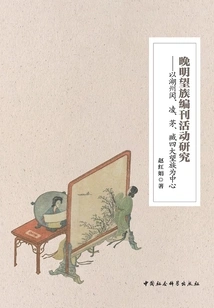
晚明望族编刊活动研究:以湖州闵、凌、茅、臧四大望族为中心
Zhao Hongjuan
This book mainly reveals the characteristics and significance of the compilation and dissemination of books by the prominent families in Jiangnan in the late Ming Dynasty through the investigation of the economic strength, imperial examination officials, cultural literacy, human resources, book collections and writings, publication, editorial characteristics, editor cases, famous selections and dissemination of the four prominent families in Huzhou in the late Ming Dynasty, such as the economic strength, imperial examination officials, cultural literacy, etc. The editorial activities of the four prominent families are a vivid microcosm of late Ming society, which can be used to observe the political, economic, and cultural conditions of late Ming society, as well as the ecology of scholars and their cultural creative energy. The books compiled and published by the four prominent families are not only large in number and preserved, but many of them have become classics, which are of great significance to the inheritance and popularization of Chinese culture. The editorial activities of the four prominent families particularly emphasized visual effects and had obvious commercial characteristics, reflecting the changing process from home engraving to workshop engraving. It is also meaningful for the study of regional culture, publishing culture, urban culture, commenting culture, imperial examination culture, aesthetics and consumer culture in the late Ming Dynasty.
This book mainly reveals the characteristics and significance of the compilation and dissemination of books by the prominent families in Jiangnan in the late Ming Dynasty through the investigation of the economic strength, imperial examination officials, cultural literacy, human resources, book collections and writings, publication, editorial characteristics, editor cases, famous selections and dissemination of the four prominent families in Huzhou in the late Ming Dynasty, such as the economic strength, imperial examination officials, cultural literacy, etc. The editorial activities of the four prominent families are a vivid microcosm of late Ming society, which can be used to observe the political, economic, and cultural conditions of late Ming society, as well as the ecology of scholars and their cultural creative energy. The books compiled and published by the four prominent families are not only large in number and preserved, but many of them have become classics, which are of great significance to the inheritance and popularization of Chinese culture. The editorial activities of the four prominent families particularly emphasized visual effects and had obvious commercial characteristics, reflecting the changing process from home engraving to workshop engraving. It is also meaningful for the study of regional culture, publishing culture, urban culture, commenting culture, imperial examination culture, aesthetics and consumer culture in the late Ming Dynasty.
中国古代怨恨观研究:以先秦两汉子书为探讨中心
Zhang Lei
Resentment is a depressed state of frustration after the subject is stimulated by an object. Resentment generated when the subject actively searches for stimulation is self-generated resentment, while resentment generated when the object actively exerts stimulation is other-generated resentment. The starting point of self-generated resentment is the subject's own desires, which mainly include dignity desire, value desire, emotional desire, and interest desire; the starting point of other-generated resentment is the harm caused by the object to the subject, which mainly includes dignity harm, value harm, emotional harm, and benefit harm. Ancient Chinese books, represented by the Book of Pre-Qin and Han Dynasties, have many discussions on the logic of resentment, conceptual basis, normative principles, ways of experiencing, elimination methods, control measures, adjustment strategies, guidance and treatment methods, forming the far-reaching "Ancient Chinese View of Resentment."
Resentment is a depressed state of frustration after the subject is stimulated by an object. Resentment generated when the subject actively searches for stimulation is self-generated resentment, while resentment generated when the object actively exerts stimulation is other-generated resentment. The starting point of self-generated resentment is the subject's own desires, which mainly include dignity desire, value desire, emotional desire, and interest desire; the starting point of other-generated resentment is the harm caused by the object to the subject, which mainly includes dignity harm, value harm, emotional harm, and benefit harm. Ancient Chinese books, represented by the Book of Pre-Qin and Han Dynasties, have many discussions on the logic of resentment, conceptual basis, normative principles, ways of experiencing, elimination methods, control measures, adjustment strategies, guidance and treatment methods, forming the far-reaching "Ancient Chinese View of Resentment."
改革开放与中国当代史
Zhu Jiamu
Zhu Jiamu, male, Han nationality, was born in Jiamusi City, Heilongjiang Province in June 1946. His native place is Nantong, Jiangsu Province. He started working in 1970 and joined the Communist Party of China in 1973. He graduated from the History Department of the Communist Party of China at Renmin University of China. He has a university degree and is a researcher. In August 1977, he served as secretary to President Hu Qiaomu of the Chinese Academy of Social Sciences. In August 1981, he was appointed as the secretary of Comrade Chen Yun (he has been the head of Chen Yun's office since February 1982). In July 1999, he served as deputy director of the Party History Research Office of the Central Committee of the Communist Party of China and president of the Party History Publishing House of the Communist Party of China. From December 2000 to present, he serves as a member of the Party Leadership Group and Vice President of the Chinese Academy of Social Sciences, and the former Secretary of the Party Leadership Group and Director of the Institute of Contemporary China. The manuscript is composed of articles and important speeches published by Comrade Zhu Jiamu in the public media in the past 20 years on many issues related to reform and opening up, as well as major issues such as contemporary Chinese politics and history. On the occasion of the 40th anniversary of my country's reform and opening up in recent years, the collection of this collection of papers has certain research significance for studying the history of the forty years of reform and opening up.
Zhu Jiamu, male, Han nationality, was born in Jiamusi City, Heilongjiang Province in June 1946. His native place is Nantong, Jiangsu Province. He started working in 1970 and joined the Communist Party of China in 1973. He graduated from the History Department of the Communist Party of China at Renmin University of China. He has a university degree and is a researcher. In August 1977, he served as secretary to President Hu Qiaomu of the Chinese Academy of Social Sciences. In August 1981, he was appointed as the secretary of Comrade Chen Yun (he has been the head of Chen Yun's office since February 1982). In July 1999, he served as deputy director of the Party History Research Office of the Central Committee of the Communist Party of China and president of the Party History Publishing House of the Communist Party of China. From December 2000 to present, he serves as a member of the Party Leadership Group and Vice President of the Chinese Academy of Social Sciences, and the former Secretary of the Party Leadership Group and Director of the Institute of Contemporary China. The manuscript is composed of articles and important speeches published by Comrade Zhu Jiamu in the public media in the past 20 years on many issues related to reform and opening up, as well as major issues such as contemporary Chinese politics and history. On the occasion of the 40th anniversary of my country's reform and opening up in recent years, the collection of this collection of papers has certain research significance for studying the history of the forty years of reform and opening up.
中国考古学·夏商卷
Compiled By The Institute Of Archeology, Chinese Academy Of Social Sciences
"Chinese Archeology (Xia and Shang Volume)" focuses on the excavation and research of the Yin Ruins since 1928, the discovery and research of Erligang Shang Culture and Zhengzhou Shang City, the discovery and research of Erlitou Site and the exploration of Xia Culture, the discovery and research of Yanshi Shang City, Anyang Huanbei Shang City and other city sites, important sites and tombs in the Shang Dynasty, and the discovery and research of surrounding archaeological culture during the Xia and Shang Dynasties. Based on the theory that "the initial construction of Yanshi Shang City was the boundary between the Xia and Shang dynasties", the book demonstrates the relationship between Xia and Shang cultures and the difficult definition of Xia and Shang cultures. It then traces the early Xia culture and pre-Xia culture before the Erlitou culture. It also discusses the relationship between Xia and Shang cultures and the cultures of surrounding areas and their historical significance. As a work that systematically discusses the archeology of the Xia and Shang Dynasties, "Chinese Archeology (Xia and Shang Volume)" elaborates on the tasks, characteristics and methods of Xia and Shang archaeological research, as well as related thoughts, and looks forward to the prospects for the development of Xia and Shang archaeology.
"Chinese Archeology (Xia and Shang Volume)" focuses on the excavation and research of the Yin Ruins since 1928, the discovery and research of Erligang Shang Culture and Zhengzhou Shang City, the discovery and research of Erlitou Site and the exploration of Xia Culture, the discovery and research of Yanshi Shang City, Anyang Huanbei Shang City and other city sites, important sites and tombs in the Shang Dynasty, and the discovery and research of surrounding archaeological culture during the Xia and Shang Dynasties. Based on the theory that "the initial construction of Yanshi Shang City was the boundary between the Xia and Shang dynasties", the book demonstrates the relationship between Xia and Shang cultures and the difficult definition of Xia and Shang cultures. It then traces the early Xia culture and pre-Xia culture before the Erlitou culture. It also discusses the relationship between Xia and Shang cultures and the cultures of surrounding areas and their historical significance. As a work that systematically discusses the archeology of the Xia and Shang Dynasties, "Chinese Archeology (Xia and Shang Volume)" elaborates on the tasks, characteristics and methods of Xia and Shang archaeological research, as well as related thoughts, and looks forward to the prospects for the development of Xia and Shang archaeology.
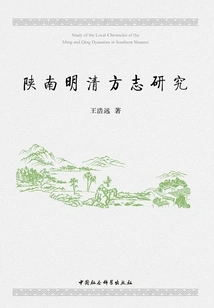
陕南明清方志研究
Wang Haoyuan
Southern Shaanxi is located in the southern part of Shaanxi Province and includes three prefecture-level cities today: Hanzhong, Ankang, and Shangluo. Shaanxi borders the Qinling Mountains to the north and the Bashan Mountains to the south. The Han River flows through it from west to east. The ancient Shu Road crosses the Chongshan Mountains from north to south. It has always been a battleground for military strategists. The independent geographical location has created a unique social culture. There are many local chronicles of Ming and Qing Dynasties in southern Shaanxi and rich materials, among which there are many rare and rare local chronicles. This book takes the local chronicles of Ming and Qing dynasties in southern Shaanxi as the research object. It examines the origin and organization of local chronicles, the structure of local chronicles, text content, the value of historical materials, edition collections and other aspects, highlighting the social function and practical significance of local chronicles documents in southern Shaanxi.
Southern Shaanxi is located in the southern part of Shaanxi Province and includes three prefecture-level cities today: Hanzhong, Ankang, and Shangluo. Shaanxi borders the Qinling Mountains to the north and the Bashan Mountains to the south. The Han River flows through it from west to east. The ancient Shu Road crosses the Chongshan Mountains from north to south. It has always been a battleground for military strategists. The independent geographical location has created a unique social culture. There are many local chronicles of Ming and Qing Dynasties in southern Shaanxi and rich materials, among which there are many rare and rare local chronicles. This book takes the local chronicles of Ming and Qing dynasties in southern Shaanxi as the research object. It examines the origin and organization of local chronicles, the structure of local chronicles, text content, the value of historical materials, edition collections and other aspects, highlighting the social function and practical significance of local chronicles documents in southern Shaanxi.
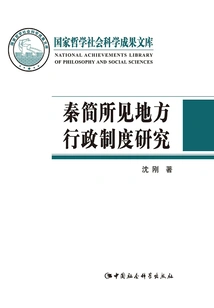
秦简所见地方行政制度研究
Shen Gang
This paper uses Qin bamboo slips as the main source of materials to explore the local administrative system of the Qin Dynasty, especially the administrative system at the county level. The discussion is carried out from three aspects. (1) Officials of county-level government. It mainly examines the levels of county-level officials, redundant officials, guards, and servants, as well as the selection of local officials. (2) Operation of local administrative system. This part of the content mainly discusses the roles played by central and local institutions at all levels in social management, information transmission channels, government affairs notification methods, and food reporting issues. (3) The specific application of Qin's local administrative system. In the Qin Dynasty, the state achieved the collection of social resources, including human resources and property, through the administrative system. This is mainly achieved through household registration, identity systems, local finance, statistics, and examination systems. At the same time, attention was also paid to issues such as market management and integration of folk customs. To a certain extent, this book restores the basic appearance of the local administrative system of the Qin Dynasty, shows the details of grassroots social governance in the early days of the ancient Chinese imperial system, and provides a new historical look at local administration when the feudal system was transformed into the county system.
This paper uses Qin bamboo slips as the main source of materials to explore the local administrative system of the Qin Dynasty, especially the administrative system at the county level. The discussion is carried out from three aspects. (1) Officials of county-level government. It mainly examines the levels of county-level officials, redundant officials, guards, and servants, as well as the selection of local officials. (2) Operation of local administrative system. This part of the content mainly discusses the roles played by central and local institutions at all levels in social management, information transmission channels, government affairs notification methods, and food reporting issues. (3) The specific application of Qin's local administrative system. In the Qin Dynasty, the state achieved the collection of social resources, including human resources and property, through the administrative system. This is mainly achieved through household registration, identity systems, local finance, statistics, and examination systems. At the same time, attention was also paid to issues such as market management and integration of folk customs. To a certain extent, this book restores the basic appearance of the local administrative system of the Qin Dynasty, shows the details of grassroots social governance in the early days of the ancient Chinese imperial system, and provides a new historical look at local administration when the feudal system was transformed into the county system.
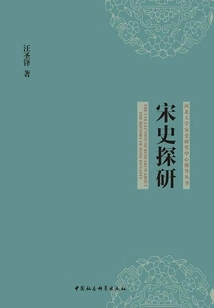
宋史探研
Wang Shengduo
This book is one of the "Hebei University Doctoral Research Series". It is a collection of the author's research papers on the Song Dynasty in the past ten years, covering major aspects such as economy, society, and people. Mainly include "Analysis of Monetary Land Rent in the Song Dynasty", "Research on Ye Shi's Management Thoughts", "Several Questions About the Paper Currency of the Song Dynasty", "Supplementary Discussion on Local Auditing in the Song Dynasty", "Is Wang Anshi an Economic Reformer", "Song Dynasty and Price Management", "Several Questions About Pavilion Households in the Song Dynasty", "Examination of Salt Administration in the Late Southern Song Dynasty", "Enlightenment of the Implementation of Zhu Xi's Shecang Law", "Difficult Financial Balance under the Unprecedented Expansion of State Machinery in the Song Dynasty" "Supplementary Commentary on Transshipment Envoys in the Song Dynasty", "Song Grain Academy Examination", "Several Issues on How to Suppress Official Corruption in the Song Dynasty", "An Examination of the Baozhou Clan in the Song Dynasty", "The Destruction of the Northern Song Dynasty and Eunuchs", "Research on Zhuanbancang in the Song Dynasty", "Analysis and Review of Li Zhidao's Deeds", "Research on Zhao Fan and Zhao Kui", "Re-Study on the Army of the Song Dynasty", "On Excessive Centralization of Power in the Early Northern Song Dynasty and Its Impact", "Research on the Use of Money in the Song Dynasty", "Research on Official Fire Accountability in the Song Dynasty", etc. It has certain reference value for promoting the study of Song history.
This book is one of the "Hebei University Doctoral Research Series". It is a collection of the author's research papers on the Song Dynasty in the past ten years, covering major aspects such as economy, society, and people. Mainly include "Analysis of Monetary Land Rent in the Song Dynasty", "Research on Ye Shi's Management Thoughts", "Several Questions About the Paper Currency of the Song Dynasty", "Supplementary Discussion on Local Auditing in the Song Dynasty", "Is Wang Anshi an Economic Reformer", "Song Dynasty and Price Management", "Several Questions About Pavilion Households in the Song Dynasty", "Examination of Salt Administration in the Late Southern Song Dynasty", "Enlightenment of the Implementation of Zhu Xi's Shecang Law", "Difficult Financial Balance under the Unprecedented Expansion of State Machinery in the Song Dynasty" "Supplementary Commentary on Transshipment Envoys in the Song Dynasty", "Song Grain Academy Examination", "Several Issues on How to Suppress Official Corruption in the Song Dynasty", "An Examination of the Baozhou Clan in the Song Dynasty", "The Destruction of the Northern Song Dynasty and Eunuchs", "Research on Zhuanbancang in the Song Dynasty", "Analysis and Review of Li Zhidao's Deeds", "Research on Zhao Fan and Zhao Kui", "Re-Study on the Army of the Song Dynasty", "On Excessive Centralization of Power in the Early Northern Song Dynasty and Its Impact", "Research on the Use of Money in the Song Dynasty", "Research on Official Fire Accountability in the Song Dynasty", etc. It has certain reference value for promoting the study of Song history.
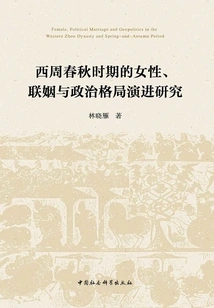
西周春秋时期的女性、联姻与政治格局演进研究
Lin Xiaoyan
This manuscript is a treatise that examines the political ecology, ethnic and cultural integration, geopolitics and regional integration issues in the Western Zhou and Spring and Autumn Periods from the perspective of women and marriage. The discussion of population, society, geopolitics, regional pattern, and regional economy in the Western Zhou and Spring and Autumn Periods from the perspective of women and marriage is the focus of this book. At the same time, this book also attempts to examine the evolution of early China's political system and state form from the perspective of women and marriage, and examines the evolution of China's political ecology, geopolitics and regional pattern during the Western Zhou and Spring and Autumn Periods. It expands the space and depth of research on women's history during the two-week period, and expands the scope and depth of research on the historical and human geography of the two-week period.
This manuscript is a treatise that examines the political ecology, ethnic and cultural integration, geopolitics and regional integration issues in the Western Zhou and Spring and Autumn Periods from the perspective of women and marriage. The discussion of population, society, geopolitics, regional pattern, and regional economy in the Western Zhou and Spring and Autumn Periods from the perspective of women and marriage is the focus of this book. At the same time, this book also attempts to examine the evolution of early China's political system and state form from the perspective of women and marriage, and examines the evolution of China's political ecology, geopolitics and regional pattern during the Western Zhou and Spring and Autumn Periods. It expands the space and depth of research on women's history during the two-week period, and expands the scope and depth of research on the historical and human geography of the two-week period.
Historical Records of the Communist Party of China in Chongqing·fengdu County Volume (1921-2006)
History中国共产党重庆历史大事记·丰都县卷(1921-2006)
Party History Research Office Of Fengdu County Committee Of The Communist Party Of China
This book mainly records political historical events, follows the principle of "highlighting the Party's decision-making, Party leadership, and Party activities" and focuses on recording the instructions of the CPC Central Committee and central leaders on Chongqing's work, the CPC Chongqing Municipal Committee and the main work departments' decisions, important work, and major events in history; it also pays special attention to reflecting the economic content; it also records historical events in culture, education, science and technology, military diplomacy, sports, health, natural disasters, environmental protection, etc.
This book mainly records political historical events, follows the principle of "highlighting the Party's decision-making, Party leadership, and Party activities" and focuses on recording the instructions of the CPC Central Committee and central leaders on Chongqing's work, the CPC Chongqing Municipal Committee and the main work departments' decisions, important work, and major events in history; it also pays special attention to reflecting the economic content; it also records historical events in culture, education, science and technology, military diplomacy, sports, health, natural disasters, environmental protection, etc.
中国共产党重庆历史大事记·南川区卷(1919—2014)
Chongqing Nanchuan District Party History And Local History Office
This book mainly records political historical events, follows the principle of "highlighting the Party's decision-making, Party leadership, and Party activities" and focuses on recording the instructions of the CPC Central Committee and central leaders on Chongqing's work, the CPC Chongqing Municipal Committee and the main work departments' decisions, important work, and major events in history; it also pays special attention to reflecting the economic content; it also records historical events in culture, education, science and technology, military diplomacy, sports, health, natural disasters, environmental protection, etc.
This book mainly records political historical events, follows the principle of "highlighting the Party's decision-making, Party leadership, and Party activities" and focuses on recording the instructions of the CPC Central Committee and central leaders on Chongqing's work, the CPC Chongqing Municipal Committee and the main work departments' decisions, important work, and major events in history; it also pays special attention to reflecting the economic content; it also records historical events in culture, education, science and technology, military diplomacy, sports, health, natural disasters, environmental protection, etc.
Historical Events of the Communist Party of China in Chongqing·wansheng District Volume (1948-2006)
History中国共产党重庆历史大事记·万盛区卷(1948-2006)
Party History Research Office Of The Wansheng Economic Development Zone Working Committee Of The Communist Party Of China
This book mainly records political historical events, follows the principle of "highlighting the Party's decision-making, Party leadership, and Party activities" and focuses on recording the instructions of the CPC Central Committee and central leaders on Chongqing's work, the CPC Chongqing Municipal Committee and the main work departments' decisions, important work, and major events in history; it also pays special attention to reflecting the economic content; it also records historical events in culture, education, science and technology, military diplomacy, sports, health, natural disasters, environmental protection, etc.
This book mainly records political historical events, follows the principle of "highlighting the Party's decision-making, Party leadership, and Party activities" and focuses on recording the instructions of the CPC Central Committee and central leaders on Chongqing's work, the CPC Chongqing Municipal Committee and the main work departments' decisions, important work, and major events in history; it also pays special attention to reflecting the economic content; it also records historical events in culture, education, science and technology, military diplomacy, sports, health, natural disasters, environmental protection, etc.
中国共产党重庆历史大事记·忠县卷(1919—2006)
Zhong County Party History And Local Chronicles Compilation Office
This book mainly records political historical events, follows the principle of "highlighting the Party's decision-making, Party leadership, and Party activities" and focuses on recording the instructions of the CPC Central Committee and central leaders on Chongqing's work, the CPC Chongqing Municipal Committee and the main work departments' decisions, important work, and major events in history; it also pays special attention to reflecting the economic content; it also records historical events in culture, education, science and technology, military diplomacy, sports, health, natural disasters, environmental protection, etc.
This book mainly records political historical events, follows the principle of "highlighting the Party's decision-making, Party leadership, and Party activities" and focuses on recording the instructions of the CPC Central Committee and central leaders on Chongqing's work, the CPC Chongqing Municipal Committee and the main work departments' decisions, important work, and major events in history; it also pays special attention to reflecting the economic content; it also records historical events in culture, education, science and technology, military diplomacy, sports, health, natural disasters, environmental protection, etc.
Historical Events of the Communist Party of China in Chongqing Banan District Volume (1919-2006)
History中国共产党重庆历史大事记·巴南区卷(1919-2006)
Party History Research Office Of Banan District Committee Of The Communist Party Of China
This book mainly records political historical events, follows the principle of "highlighting the Party's decision-making, Party leadership, and Party activities" and focuses on recording the instructions of the CPC Central Committee and central leaders on Chongqing's work, the CPC Chongqing Municipal Committee and the main work departments' decisions, important work, and major events in history; it also pays special attention to reflecting the economic content; it also records historical events in culture, education, science and technology, military diplomacy, sports, health, natural disasters, environmental protection, etc.
This book mainly records political historical events, follows the principle of "highlighting the Party's decision-making, Party leadership, and Party activities" and focuses on recording the instructions of the CPC Central Committee and central leaders on Chongqing's work, the CPC Chongqing Municipal Committee and the main work departments' decisions, important work, and major events in history; it also pays special attention to reflecting the economic content; it also records historical events in culture, education, science and technology, military diplomacy, sports, health, natural disasters, environmental protection, etc.
Historical Events of the Communist Party of China in Chongqing·shizhu County Volume (1923-2006)
History中国共产党重庆历史大事记·石柱县卷(1923-2006)
Party History Research Office Of Shizhu Tujia Autonomous County Committee Of The Communist Party Of China
This book mainly records political historical events, follows the principle of "highlighting the Party's decision-making, Party leadership, and Party activities" and focuses on recording the instructions of the CPC Central Committee and central leaders on Chongqing's work, the CPC Chongqing Municipal Committee and the main work departments' decisions, important work, and major events in history; it also pays special attention to reflecting the economic content; it also records historical events in culture, education, science and technology, military diplomacy, sports, health, natural disasters, environmental protection, etc.
This book mainly records political historical events, follows the principle of "highlighting the Party's decision-making, Party leadership, and Party activities" and focuses on recording the instructions of the CPC Central Committee and central leaders on Chongqing's work, the CPC Chongqing Municipal Committee and the main work departments' decisions, important work, and major events in history; it also pays special attention to reflecting the economic content; it also records historical events in culture, education, science and technology, military diplomacy, sports, health, natural disasters, environmental protection, etc.
Historical Events of the Communist Party of China in Chongqing·wulong District Volume (1919-2006)
History中国共产党重庆历史大事记·武隆区卷(1919-2006)
Party History Research Office Of Wulong District Committee Of The Communist Party Of China
This book mainly records political historical events, follows the principle of "highlighting the Party's decision-making, Party leadership, and Party activities" and focuses on recording the instructions of the CPC Central Committee and central leaders on Chongqing's work, the CPC Chongqing Municipal Committee and the main work departments' decisions, important work, and major events in history; it also pays special attention to reflecting the economic content; it also records historical events in culture, education, science and technology, military diplomacy, sports, health, natural disasters, environmental protection, etc.
This book mainly records political historical events, follows the principle of "highlighting the Party's decision-making, Party leadership, and Party activities" and focuses on recording the instructions of the CPC Central Committee and central leaders on Chongqing's work, the CPC Chongqing Municipal Committee and the main work departments' decisions, important work, and major events in history; it also pays special attention to reflecting the economic content; it also records historical events in culture, education, science and technology, military diplomacy, sports, health, natural disasters, environmental protection, etc.
Historical Events of the Communist Party of China in Chongqing·chengkou County Volume (1928-2006)
History中国共产党重庆历史大事记·城口县卷(1928—2006)
Chengkou County Archives Bureau
The manuscript records historical events from the establishment of the Chengkou Special Branch of the Communist Party of China, the first party organization in Chengkou County, Chongqing, to 2006. It mainly focuses on major political events, highlighting the party's decision-making, leadership, and party activities. It focuses on the implementation of the lines, principles, and policies of the central and municipal committees by the Chengkou County Committee of the Communist Party of China. It also records major economic, cultural, and social events in Chengkou County. This is a chronological reference book that comprehensively reflects the history of the Party in Chengkou County. It plays a very important role in historical research, political education and other aspects.
The manuscript records historical events from the establishment of the Chengkou Special Branch of the Communist Party of China, the first party organization in Chengkou County, Chongqing, to 2006. It mainly focuses on major political events, highlighting the party's decision-making, leadership, and party activities. It focuses on the implementation of the lines, principles, and policies of the central and municipal committees by the Chengkou County Committee of the Communist Party of China. It also records major economic, cultural, and social events in Chengkou County. This is a chronological reference book that comprehensively reflects the history of the Party in Chengkou County. It plays a very important role in historical research, political education and other aspects.
Historical Events of the Communist Party of China in Chongqing·hechuan District Volume (1919-2006)
History中国共产党重庆历史大事记·合川区卷(1919—2006)
Chongqing Hechuan District Party History And Local History Research Center
The compilation style of the manuscript is mainly chronological style, supplemented by chronicle style. For events with relatively complicated clues, chronicle style is used to record their causes, development and results. The recording period is from the May 4th Movement in 1919 to 2006, and is divided into three periods: the new democratic revolution period, the socialist revolution and construction period, and the reform and opening up and socialist modernization construction period. The recorded contents are mainly political historical events, but historical events in various other fields are also recorded. The period of the New Democratic Revolution mainly describes the establishment, organizational history, major events, and key figures of local party organizations; the period of socialist revolution and construction, the period of reform and opening up, and the period of socialist modernization construction focuses on the implementation of the lines, principles, and policies of the central and provincial committees, prefectural committees, and Chongqing Municipal Committee, major decisions, important work of local party organizations, and major events in history.
The compilation style of the manuscript is mainly chronological style, supplemented by chronicle style. For events with relatively complicated clues, chronicle style is used to record their causes, development and results. The recording period is from the May 4th Movement in 1919 to 2006, and is divided into three periods: the new democratic revolution period, the socialist revolution and construction period, and the reform and opening up and socialist modernization construction period. The recorded contents are mainly political historical events, but historical events in various other fields are also recorded. The period of the New Democratic Revolution mainly describes the establishment, organizational history, major events, and key figures of local party organizations; the period of socialist revolution and construction, the period of reform and opening up, and the period of socialist modernization construction focuses on the implementation of the lines, principles, and policies of the central and provincial committees, prefectural committees, and Chongqing Municipal Committee, major decisions, important work of local party organizations, and major events in history.
Historical Events of the Communist Party of China in Chongqing·jiulongpo District Volume (1919-2006)
History中国共产党重庆历史大事记·九龙坡区卷(1919—2006)
Party History Research Office Of Chongqing Jiulongpo District Committee
As a record of the development history of the Communist Party of China in Jiulongpo District, Chongqing, this book follows the principle of "highlighting the Party's decision-making, Party leadership, and Party sensation" and reflects the development and growth of local Party organizations, the revolutionary activities of progressive groups and individuals led by the Party, the implementation of the Party's principles and policies, and the important decisions, work, and activities of Party organizations at all levels as the main line. It scientifically, accurately, comprehensively and truly describes the major events in the process of the local party organizations in the original Jiulongpo area under the leadership of the Communist Party of China leading the people to carry out the new democratic revolution, socialist revolutionary construction and the great practice of reform and opening up. It has certain research value.
As a record of the development history of the Communist Party of China in Jiulongpo District, Chongqing, this book follows the principle of "highlighting the Party's decision-making, Party leadership, and Party sensation" and reflects the development and growth of local Party organizations, the revolutionary activities of progressive groups and individuals led by the Party, the implementation of the Party's principles and policies, and the important decisions, work, and activities of Party organizations at all levels as the main line. It scientifically, accurately, comprehensively and truly describes the major events in the process of the local party organizations in the original Jiulongpo area under the leadership of the Communist Party of China leading the people to carry out the new democratic revolution, socialist revolutionary construction and the great practice of reform and opening up. It has certain research value.
钱粮亏空:清朝盛世的隐忧
Liu Fengyun
Research on the Qing Dynasty's money and food deficit involves many issues such as the bureaucracy, its administration, and finance. This manuscript starts from the phenomenon, causes, compensation and other issues of money and food shortages, sorting out the various states of national finance in local existence from the middle of Kangxi to the Jiaqing Dynasty for more than 250 years. It is used to explore the national political system and the operation of power and financial resources in the political process, as well as the interest relationship between the state and bureaucrats, and bureaucratic groups. It also touches on issues such as human nature, character, and the reasonable legitimacy of institutional settings. The writing path of this book is basically in chronological order, divided into eight chapters to discuss the important issues and particularities of each dynasty in clearing up the money and food deficit.
Research on the Qing Dynasty's money and food deficit involves many issues such as the bureaucracy, its administration, and finance. This manuscript starts from the phenomenon, causes, compensation and other issues of money and food shortages, sorting out the various states of national finance in local existence from the middle of Kangxi to the Jiaqing Dynasty for more than 250 years. It is used to explore the national political system and the operation of power and financial resources in the political process, as well as the interest relationship between the state and bureaucrats, and bureaucratic groups. It also touches on issues such as human nature, character, and the reasonable legitimacy of institutional settings. The writing path of this book is basically in chronological order, divided into eight chapters to discuss the important issues and particularities of each dynasty in clearing up the money and food deficit.
凉山州非物质文化遗产名录丛书(第五辑)
Aniumuzhi Editor-in-chief Ma Yanchun
"Liangshan Prefecture Intangible Cultural Heritage List Series" (Volume 5) involves seven provincial-level representative lists of intangible cultural heritage including folk customs, traditional handicrafts, traditional dances, folk literature, and traditional music, including the matrilineal clan customs of the Lugu Lake Mosuo people, Tibetan calendar years, Yi ethnic group's pole wine brewing techniques, Lisu Garqesal dance, Zhige Along's "Leotei", and Yi ethnic elegy. For the first time, this book provides a comprehensive and detailed introduction to the formation and evolution, development context, basic content, manifestations, basic characteristics, value and function, survival status of representative inheritors, and dissemination and influence of various cultural heritages. It is supplemented by a large number of precious picture materials such as music scores and photos, which greatly enhances the informativeness, academic nature and readability of the book. It has certain publication value and academic value.
"Liangshan Prefecture Intangible Cultural Heritage List Series" (Volume 5) involves seven provincial-level representative lists of intangible cultural heritage including folk customs, traditional handicrafts, traditional dances, folk literature, and traditional music, including the matrilineal clan customs of the Lugu Lake Mosuo people, Tibetan calendar years, Yi ethnic group's pole wine brewing techniques, Lisu Garqesal dance, Zhige Along's "Leotei", and Yi ethnic elegy. For the first time, this book provides a comprehensive and detailed introduction to the formation and evolution, development context, basic content, manifestations, basic characteristics, value and function, survival status of representative inheritors, and dissemination and influence of various cultural heritages. It is supplemented by a large number of precious picture materials such as music scores and photos, which greatly enhances the informativeness, academic nature and readability of the book. It has certain publication value and academic value.
中国近代医学社会史九讲
Zhang Ling Si Lijing
Different from the common history of medical science that focuses on the history of the development of medical technology, this book tells the social history of medicine from the perspective of cultural anthropology. It is a historical reading that uses multidisciplinary research methods from the perspective of social history to understand social patterns and changes through the investigation of people's medical activities in modern Chinese history. This book focuses on nine aspects, including a sketch of the relationship between Chinese and Western medicine in modern China, changes in health administrative institutions in modern China, church medicine in modern China, the evolution of disease prevention and control in modern China, higher Western medicine education in modern China, Western medicine groups in modern China, public health and urban modernization in modern China, an overview of the doctor-patient relationship in modern China, and Chinese public health during the Anti-Japanese War. Based on the cutting-edge research results in the field of medical social history, the goal of this book is to deepen the research and teaching of modern Chinese history and the history of medical technology development through a relatively complete outline of the medical social history of modern China. The social history of modern Chinese medicine is an integral part of the complete modern history of China. "Nine Lectures on the Social History of Modern Chinese Medicine" adds dimension and depth to deepening the understanding and understanding of modern Chinese history, and is beneficial to readers' complete understanding of modern Chinese history. The book "Nine Lectures on the History of Modern Chinese Medicine", which is now applied for publication, is the research result of the History Project of the National Social Science Foundation (18BZS153).
Different from the common history of medical science that focuses on the history of the development of medical technology, this book tells the social history of medicine from the perspective of cultural anthropology. It is a historical reading that uses multidisciplinary research methods from the perspective of social history to understand social patterns and changes through the investigation of people's medical activities in modern Chinese history. This book focuses on nine aspects, including a sketch of the relationship between Chinese and Western medicine in modern China, changes in health administrative institutions in modern China, church medicine in modern China, the evolution of disease prevention and control in modern China, higher Western medicine education in modern China, Western medicine groups in modern China, public health and urban modernization in modern China, an overview of the doctor-patient relationship in modern China, and Chinese public health during the Anti-Japanese War. Based on the cutting-edge research results in the field of medical social history, the goal of this book is to deepen the research and teaching of modern Chinese history and the history of medical technology development through a relatively complete outline of the medical social history of modern China. The social history of modern Chinese medicine is an integral part of the complete modern history of China. "Nine Lectures on the Social History of Modern Chinese Medicine" adds dimension and depth to deepening the understanding and understanding of modern Chinese history, and is beneficial to readers' complete understanding of modern Chinese history. The book "Nine Lectures on the History of Modern Chinese Medicine", which is now applied for publication, is the research result of the History Project of the National Social Science Foundation (18BZS153).