Library
Browse and search books
2,273 novels found
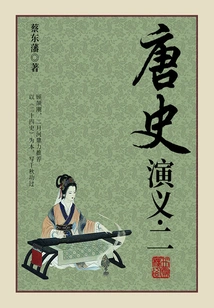
蔡东藩历史小说:唐史演义(2)
Cai Dongfan
This book is a must-read historical novel about the Tang Dynasty, telling the story of the rise and fall of the Tang Dynasty. The history begins from the Tang emperor Li Yuan who won the world in one fell swoop in the late Sui Dynasty to the usurpation of the Tang Dynasty by Zhu Quanzhong. The whole book reproduces the rise and fall of the Tang Empire, which once dominated the world, from its rise to strength to its final demise. For readers who like the history of the Tang Dynasty, this book is not to be missed. This book is the Tang Dynasty part of "Popular Romance of Chinese History". Careful selection of materials, focusing on the main sources and trusting history, and supplementing unofficial histories can help people gain an introduction to national history. The work narrates the 290-year history of the Tang Dynasty from prosperity to decline, and experienced historical facts such as the tragedy of women, castration, and feudal lordship. It has plain views, rich content, methodical exposition, elegant language, self-evaluation and self-annotation, and has both reason and interest. It is indeed a classic of popular history. In the selection and use of historical materials, Cai Dongfan mainly focused on "official history" and also collected anecdotes and anecdotes. He claimed that the historical romance he compiled "takes official history as the classic and strives for certainty; uses anecdotes as the latitude and does not make false accusations." He is extremely cautious in the use of historical materials such as anecdotes and anecdotes, and often requires "several rounds of textual research."
This book is a must-read historical novel about the Tang Dynasty, telling the story of the rise and fall of the Tang Dynasty. The history begins from the Tang emperor Li Yuan who won the world in one fell swoop in the late Sui Dynasty to the usurpation of the Tang Dynasty by Zhu Quanzhong. The whole book reproduces the rise and fall of the Tang Empire, which once dominated the world, from its rise to strength to its final demise. For readers who like the history of the Tang Dynasty, this book is not to be missed. This book is the Tang Dynasty part of "Popular Romance of Chinese History". Careful selection of materials, focusing on the main sources and trusting history, and supplementing unofficial histories can help people gain an introduction to national history. The work narrates the 290-year history of the Tang Dynasty from prosperity to decline, and experienced historical facts such as the tragedy of women, castration, and feudal lordship. It has plain views, rich content, methodical exposition, elegant language, self-evaluation and self-annotation, and has both reason and interest. It is indeed a classic of popular history. In the selection and use of historical materials, Cai Dongfan mainly focused on "official history" and also collected anecdotes and anecdotes. He claimed that the historical romance he compiled "takes official history as the classic and strives for certainty; uses anecdotes as the latitude and does not make false accusations." He is extremely cautious in the use of historical materials such as anecdotes and anecdotes, and often requires "several rounds of textual research."
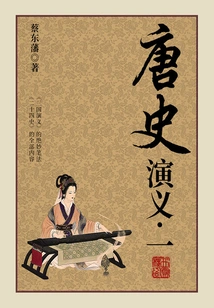
蔡东藩历史小说:唐史演义(1)
Cai Dongfan
This book is a must-read historical novel about the Tang Dynasty, telling the story of the rise and fall of the Tang Dynasty. The history begins from the Tang emperor Li Yuan who won the world in one fell swoop in the late Sui Dynasty to the usurpation of the Tang Dynasty by Zhu Quanzhong. The whole book reproduces the rise and fall of the Tang Empire, which once dominated the world, from its rise to strength to its final demise. For readers who like the history of the Tang Dynasty, this book is not to be missed. This book is the Tang Dynasty part of "Popular Romance of Chinese History". Careful selection of materials, focusing on the main sources and trusting history, and supplementing unofficial histories can help people gain an introduction to national history. The work narrates the 290-year history of the Tang Dynasty from prosperity to decline, and experienced historical facts such as the tragedy of women, castration, and feudal lordship. It has plain views, rich content, methodical exposition, elegant language, self-evaluation and self-annotation, and has both reason and interest. It is indeed a classic of popular history. In the selection and use of historical materials, Cai Dongfan mainly focused on "official history" and also collected anecdotes and anecdotes. He claimed that the historical romance he compiled "takes official history as the classic and strives for certainty; uses anecdotes as the latitude and does not make false accusations." He is extremely cautious in the use of historical materials such as anecdotes and anecdotes, and often requires "several rounds of textual research."
This book is a must-read historical novel about the Tang Dynasty, telling the story of the rise and fall of the Tang Dynasty. The history begins from the Tang emperor Li Yuan who won the world in one fell swoop in the late Sui Dynasty to the usurpation of the Tang Dynasty by Zhu Quanzhong. The whole book reproduces the rise and fall of the Tang Empire, which once dominated the world, from its rise to strength to its final demise. For readers who like the history of the Tang Dynasty, this book is not to be missed. This book is the Tang Dynasty part of "Popular Romance of Chinese History". Careful selection of materials, focusing on the main sources and trusting history, and supplementing unofficial histories can help people gain an introduction to national history. The work narrates the 290-year history of the Tang Dynasty from prosperity to decline, and experienced historical facts such as the tragedy of women, castration, and feudal lordship. It has plain views, rich content, methodical exposition, elegant language, self-evaluation and self-annotation, and has both reason and interest. It is indeed a classic of popular history. In the selection and use of historical materials, Cai Dongfan mainly focused on "official history" and also collected anecdotes and anecdotes. He claimed that the historical romance he compiled "takes official history as the classic and strives for certainty; uses anecdotes as the latitude and does not make false accusations." He is extremely cautious in the use of historical materials such as anecdotes and anecdotes, and often requires "several rounds of textual research."
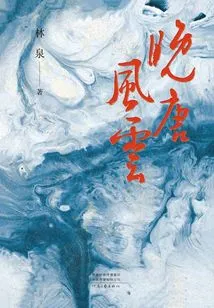
Late Tang Dynasty
General Fiction晚唐风云
Lin Quan
"The Storm of the Late Tang Dynasty" takes the feudal separatism and peasant uprisings as the historical background in the late Tang Dynasty. It depicts the social and historical landscape of great fission and turmoil in the late Tang Dynasty, as well as the individual fate of historical figures in the changing times. It also describes the major historical events and complex social conditions that occurred in the process from the decline of the Tang Dynasty, the struggle for power in the feudal towns to the collapse of the Tang Dynasty.
"The Storm of the Late Tang Dynasty" takes the feudal separatism and peasant uprisings as the historical background in the late Tang Dynasty. It depicts the social and historical landscape of great fission and turmoil in the late Tang Dynasty, as well as the individual fate of historical figures in the changing times. It also describes the major historical events and complex social conditions that occurred in the process from the decline of the Tang Dynasty, the struggle for power in the feudal towns to the collapse of the Tang Dynasty.
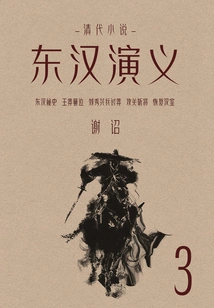
Qing Dynasty Novels: Romance of the Eastern Han Dynasty (3)
General Fiction清代小说:东汉演义(3)
J
"The Romance of the Eastern Han Dynasty" tells the story that after Wang Mang usurped the throne at the end of the Western Han Dynasty, the Han prince Liu Xiu led 36 Yuntai generals to attack Mang and restore the Han Dynasty. It focuses on the story of Guangwu Zhongxing, the traitorous ministers who assassinated Liu Xiu, and Emperor Guangwu's second restoration of the Han Dynasty. This book is written according to the structure of "Chronicles of the Complete Han Dynasty" and "Chronographies of the Founding of the Han Dynasty and Zhongxing Zhongxing", with certain supplements in the content.
"The Romance of the Eastern Han Dynasty" tells the story that after Wang Mang usurped the throne at the end of the Western Han Dynasty, the Han prince Liu Xiu led 36 Yuntai generals to attack Mang and restore the Han Dynasty. It focuses on the story of Guangwu Zhongxing, the traitorous ministers who assassinated Liu Xiu, and Emperor Guangwu's second restoration of the Han Dynasty. This book is written according to the structure of "Chronicles of the Complete Han Dynasty" and "Chronographies of the Founding of the Han Dynasty and Zhongxing Zhongxing", with certain supplements in the content.
Qing Dynasty Novels: Romance of the Eastern Han Dynasty (2)
General Fiction清代小说:东汉演义(2)
(qing Dynasty) Xie Zhao
"The Romance of the Eastern Han Dynasty" narrates the story of Wang Mang's birth, the Han prince Liu Xiu led 36 Yuntai generals to attack Wang Mang, and the replacement of the twelve emperors of the Eastern Han Dynasty. It focuses on the story of Guangwu Zhongxing, the traitorous ministers who assassinated Liu Xiu, and Emperor Guangwu's second restoration of the Han Dynasty. This book is written according to the structure of "Chronicles of the Complete Han Dynasty" and "Chronographies of the Founding of the Han Dynasty and Zhongxing Zhongxing", with certain supplements in the content.
"The Romance of the Eastern Han Dynasty" narrates the story of Wang Mang's birth, the Han prince Liu Xiu led 36 Yuntai generals to attack Wang Mang, and the replacement of the twelve emperors of the Eastern Han Dynasty. It focuses on the story of Guangwu Zhongxing, the traitorous ministers who assassinated Liu Xiu, and Emperor Guangwu's second restoration of the Han Dynasty. This book is written according to the structure of "Chronicles of the Complete Han Dynasty" and "Chronographies of the Founding of the Han Dynasty and Zhongxing Zhongxing", with certain supplements in the content.
Qing Dynasty Novels: Romance of the Eastern Han Dynasty (1)
General Fiction清代小说:东汉演义(1)
J
"The Romance of the Eastern Han Dynasty" tells the story of the Han prince Liu Xiu who led 36 Yuntai generals to attack Wang Mang after Wang Mang usurped the throne at the end of the Western Han Dynasty, and the replacement of the twelve emperors of the Eastern Han Dynasty. It focuses on the story of Guangwu Zhongxing, the traitorous ministers who assassinated Liu Xiu, and Emperor Guangwu's second restoration of the Han Dynasty. This book is written according to the structure of "Chronicles of the Complete Han Dynasty" and "Chronographies of the Founding of the Han Dynasty and Zhongxing Zhongxing", with certain supplements in the content.
"The Romance of the Eastern Han Dynasty" tells the story of the Han prince Liu Xiu who led 36 Yuntai generals to attack Wang Mang after Wang Mang usurped the throne at the end of the Western Han Dynasty, and the replacement of the twelve emperors of the Eastern Han Dynasty. It focuses on the story of Guangwu Zhongxing, the traitorous ministers who assassinated Liu Xiu, and Emperor Guangwu's second restoration of the Han Dynasty. This book is written according to the structure of "Chronicles of the Complete Han Dynasty" and "Chronographies of the Founding of the Han Dynasty and Zhongxing Zhongxing", with certain supplements in the content.
Qing Dynasty Novels: Romance of Northern History (2)
General Fiction清代小说:北史演义(2)
Du Gang
The author of "The Romance of Northern History" extensively adopts the techniques of describing wars in "Zuo Zhuan" and the "gray line" technique of "A Dream of Red Mansions". In shaping the characters, the author focuses on showing the unique personality of the main characters. "Fan Lu" says: "1. The important people in the book are all mentioned clearly with heavy strokes to attract readers' attention. 1. The brave generals Ruo'er Zhu Zhao, Gao Aocao, Peng Le, He Basheng, etc. In the narration are all invincible in the same direction, but their styles are different, which can be seen immediately after opening the book. 1. The concubines of the Gao family, Concubine Lou are written for their virtues, Tonghua is written with talent, and Empress Erzhu and Zheng E are painted with color, so it is not too detailed. They are all prepared and can be summarized to save time." It can be seen that even if the author describes the same type of characters, he will emphasize his uniqueness and make him different from others, forming thousands of people.
The author of "The Romance of Northern History" extensively adopts the techniques of describing wars in "Zuo Zhuan" and the "gray line" technique of "A Dream of Red Mansions". In shaping the characters, the author focuses on showing the unique personality of the main characters. "Fan Lu" says: "1. The important people in the book are all mentioned clearly with heavy strokes to attract readers' attention. 1. The brave generals Ruo'er Zhu Zhao, Gao Aocao, Peng Le, He Basheng, etc. In the narration are all invincible in the same direction, but their styles are different, which can be seen immediately after opening the book. 1. The concubines of the Gao family, Concubine Lou are written for their virtues, Tonghua is written with talent, and Empress Erzhu and Zheng E are painted with color, so it is not too detailed. They are all prepared and can be summarized to save time." It can be seen that even if the author describes the same type of characters, he will emphasize his uniqueness and make him different from others, forming thousands of people.
Qing Dynasty Novels: Romance of Northern History (3)
General Fiction清代小说:北史演义(3)
Du Gang
The novel "The Romance of Northern History" tells the story of Gao Zhao, who was in power during the reign of Emperor Xuanwu of the Northern Wei Dynasty, took charge of state affairs, and offered his daughter as a favor. The author extensively adopts the method of describing war in "Zuo Zhuan" and the "gray line" method of "Dream of Red Mansions". In shaping the characters, the author focuses on showing the unique personality of the main characters. "Fan Lu" says: "1. The important people in the book are all mentioned clearly with heavy strokes to attract readers' attention. 1. The brave generals Ruo'er Zhu Zhao, Gao Aocao, Peng Le, He Basheng, etc. In the narration are all invincible in the same direction, but their styles are different, which can be seen immediately after opening the book. 1. The concubines of the Gao family, Concubine Lou are written for their virtues, Tonghua is written with talent, and Empress Erzhu and Zheng E are painted with color, so it is not too detailed. They are all prepared and can be summarized to save time." It can be seen that even if the author describes the same type of characters, he will emphasize his uniqueness and make him different from others, forming thousands of people.
The novel "The Romance of Northern History" tells the story of Gao Zhao, who was in power during the reign of Emperor Xuanwu of the Northern Wei Dynasty, took charge of state affairs, and offered his daughter as a favor. The author extensively adopts the method of describing war in "Zuo Zhuan" and the "gray line" method of "Dream of Red Mansions". In shaping the characters, the author focuses on showing the unique personality of the main characters. "Fan Lu" says: "1. The important people in the book are all mentioned clearly with heavy strokes to attract readers' attention. 1. The brave generals Ruo'er Zhu Zhao, Gao Aocao, Peng Le, He Basheng, etc. In the narration are all invincible in the same direction, but their styles are different, which can be seen immediately after opening the book. 1. The concubines of the Gao family, Concubine Lou are written for their virtues, Tonghua is written with talent, and Empress Erzhu and Zheng E are painted with color, so it is not too detailed. They are all prepared and can be summarized to save time." It can be seen that even if the author describes the same type of characters, he will emphasize his uniqueness and make him different from others, forming thousands of people.
Qing Dynasty Novels: Romance of Northern History (1)
General Fiction清代小说:北史演义(1)
Du Gang
"The Romance of Northern History" describes the Southern and Northern Dynasties, a period in the history of our country when ethnic relations were the most complicated and wars were most intense. Although this period of history is not long, it includes the division and change of six regimes: Northern Wei, Eastern Wei, Western Wei, Northern Qi, Northern Zhou, and Sui. During this period, political and military events, personal experiences, etc. Changed frequently. However, the author takes the establishment of the Northern Qi Dynasty until its demise as the main line, and takes the birth of Gao Huan, the great ancestor of the Northern Qi Dynasty, as the entry point to sort out the complicated and difficult history of this relationship in an orderly and clear way.
"The Romance of Northern History" describes the Southern and Northern Dynasties, a period in the history of our country when ethnic relations were the most complicated and wars were most intense. Although this period of history is not long, it includes the division and change of six regimes: Northern Wei, Eastern Wei, Western Wei, Northern Qi, Northern Zhou, and Sui. During this period, political and military events, personal experiences, etc. Changed frequently. However, the author takes the establishment of the Northern Qi Dynasty until its demise as the main line, and takes the birth of Gao Huan, the great ancestor of the Northern Qi Dynasty, as the entry point to sort out the complicated and difficult history of this relationship in an orderly and clear way.
Cautionary Novels: Romance of the Seventy-two Dynasties (3)
General Fiction警世小说:七十二朝人物演义(3)
Anonymous
"The Romance of Characters in the Seventy-Two Dynasties" is also known as "The Romance of Characters in the Four Books of the Seventy-Two Dynasties", with a total of forty volumes. Historical romance novels are a relatively special collection of vernacular novels from the Ming Dynasty. Each volume of the novel contains one article, interpreting a story from ancient times. What is unique is that the characters and events written in these forty texts all originate from the "Four Books", and the titles of each volume are also taken from the original sentences in the "Four Books". Because the characters mentioned in the "Four Books" belong to the Spring and Autumn Dynasties, and "there were seventy-two kingdoms in the world at that time" (Volume 35), they are called "Characters of the Seventy-Two Dynasties". The author intends to exhort the world from both positive and negative aspects through the characters' conduct, so this book can be regarded as a better cautionary novel. There are two versions of this book, the Ming version and the Qing Dynasty Guangxu Dingxi Shanghai Shiwanjuanlou lithograph version. Each volume of the Ming edition has a general comment, a further comment and an eyebrow review, and there is a narrative by Taoist Lei at the front of the book. Li Zhuowu is the author of the "Secret Book of Mr. Li Zhuoxiang" and "Reviews and Portraits of Famous Masters" published by Guangxu and Dingxi in the Qing Dynasty.
"The Romance of Characters in the Seventy-Two Dynasties" is also known as "The Romance of Characters in the Four Books of the Seventy-Two Dynasties", with a total of forty volumes. Historical romance novels are a relatively special collection of vernacular novels from the Ming Dynasty. Each volume of the novel contains one article, interpreting a story from ancient times. What is unique is that the characters and events written in these forty texts all originate from the "Four Books", and the titles of each volume are also taken from the original sentences in the "Four Books". Because the characters mentioned in the "Four Books" belong to the Spring and Autumn Dynasties, and "there were seventy-two kingdoms in the world at that time" (Volume 35), they are called "Characters of the Seventy-Two Dynasties". The author intends to exhort the world from both positive and negative aspects through the characters' conduct, so this book can be regarded as a better cautionary novel. There are two versions of this book, the Ming version and the Qing Dynasty Guangxu Dingxi Shanghai Shiwanjuanlou lithograph version. Each volume of the Ming edition has a general comment, a further comment and an eyebrow review, and there is a narrative by Taoist Lei at the front of the book. Li Zhuowu is the author of the "Secret Book of Mr. Li Zhuoxiang" and "Reviews and Portraits of Famous Masters" published by Guangxu and Dingxi in the Qing Dynasty.
Cautionary Novels: Romance of the Seventy-two Dynasties (2)
General Fiction警世小说:七十二朝人物演义(2)
Anonymous
"The Romance of Characters in the Seventy-Two Dynasties" is also known as "The Romance of Characters in the Four Books of the Seventy-Two Dynasties", with a total of forty volumes. Historical romance novels are a relatively special collection of vernacular novels from the Ming Dynasty. This book was written in the late Ming Dynasty, and the author cannot be verified. Each volume of the novel contains one article, interpreting a story from ancient times. What is unique is that the characters and events written in these forty texts all originate from the "Four Books", and the titles of each volume are also taken from the original sentences in the "Four Books". Because the characters mentioned in the "Four Books" belong to the Spring and Autumn Dynasties, and "there were seventy-two kingdoms in the world at that time" (Volume 35), they are called "Characters of the Seventy-Two Dynasties". The author intends to exhort the world from both positive and negative aspects through the characters' conduct, so this book can be regarded as a better cautionary novel. There are two versions of this book, the Ming version and the Qing Dynasty Guangxu Dingxi Shanghai Shiwanjuanlou lithograph version. Each volume of the Ming edition has a general comment, a further comment and an eyebrow review, and there is a narrative by Taoist Lei at the front of the book. Li Zhuowu is the author of the "Secret Book of Mr. Li Zhuoxiang" and "Reviews and Portraits of Famous Masters" published by Guangxu and Dingxi in the Qing Dynasty.
"The Romance of Characters in the Seventy-Two Dynasties" is also known as "The Romance of Characters in the Four Books of the Seventy-Two Dynasties", with a total of forty volumes. Historical romance novels are a relatively special collection of vernacular novels from the Ming Dynasty. This book was written in the late Ming Dynasty, and the author cannot be verified. Each volume of the novel contains one article, interpreting a story from ancient times. What is unique is that the characters and events written in these forty texts all originate from the "Four Books", and the titles of each volume are also taken from the original sentences in the "Four Books". Because the characters mentioned in the "Four Books" belong to the Spring and Autumn Dynasties, and "there were seventy-two kingdoms in the world at that time" (Volume 35), they are called "Characters of the Seventy-Two Dynasties". The author intends to exhort the world from both positive and negative aspects through the characters' conduct, so this book can be regarded as a better cautionary novel. There are two versions of this book, the Ming version and the Qing Dynasty Guangxu Dingxi Shanghai Shiwanjuanlou lithograph version. Each volume of the Ming edition has a general comment, a further comment and an eyebrow review, and there is a narrative by Taoist Lei at the front of the book. Li Zhuowu is the author of the "Secret Book of Mr. Li Zhuoxiang" and "Reviews and Portraits of Famous Masters" published by Guangxu and Dingxi in the Qing Dynasty.
Cautionary Novels: Romance of the Seventy-two Dynasties (1)
General Fiction警世小说:七十二朝人物演义(1)
Anonymous
"The Romance of Characters in the Seventy-Two Dynasties" is also titled "The Romance of Characters in the Four Books of the Seventy-Two Dynasties", with a total of forty volumes. The "seventy-two dynasties" in the book are not seventy-two dynasties. Historical romance novels are a relatively special collection of vernacular novels from the Ming Dynasty. This book was written in the late Ming Dynasty, and the author cannot be verified. Each volume of the novel contains one article, interpreting a story from ancient times. What is unique is that the characters and events written in these forty texts all originate from the "Four Books", and the titles of each volume are also taken from the original sentences in the "Four Books". Because the characters mentioned in the "Four Books" belong to the Spring and Autumn Dynasties, and "there were seventy-two kingdoms in the world at that time" (Volume 35), they are called "Characters of the Seventy-Two Dynasties". The author intends to exhort the world from both positive and negative aspects through the characters' conduct, so this book can be regarded as a better cautionary novel. There are two versions of this book, the Ming version and the Qing Dynasty Guangxu Dingxi Shanghai Shiwanjuanlou lithograph version. Each volume of the Ming edition has a general comment, a further comment and an eyebrow review, and there is a narrative by Taoist Lei at the front of the book. Li Zhuowu is the author of the "Secret Book of Mr. Li Zhuoxiang" and "Reviews and Portraits of Famous Masters" published by Guangxu and Dingxi in the Qing Dynasty.
"The Romance of Characters in the Seventy-Two Dynasties" is also titled "The Romance of Characters in the Four Books of the Seventy-Two Dynasties", with a total of forty volumes. The "seventy-two dynasties" in the book are not seventy-two dynasties. Historical romance novels are a relatively special collection of vernacular novels from the Ming Dynasty. This book was written in the late Ming Dynasty, and the author cannot be verified. Each volume of the novel contains one article, interpreting a story from ancient times. What is unique is that the characters and events written in these forty texts all originate from the "Four Books", and the titles of each volume are also taken from the original sentences in the "Four Books". Because the characters mentioned in the "Four Books" belong to the Spring and Autumn Dynasties, and "there were seventy-two kingdoms in the world at that time" (Volume 35), they are called "Characters of the Seventy-Two Dynasties". The author intends to exhort the world from both positive and negative aspects through the characters' conduct, so this book can be regarded as a better cautionary novel. There are two versions of this book, the Ming version and the Qing Dynasty Guangxu Dingxi Shanghai Shiwanjuanlou lithograph version. Each volume of the Ming edition has a general comment, a further comment and an eyebrow review, and there is a narrative by Taoist Lei at the front of the book. Li Zhuowu is the author of the "Secret Book of Mr. Li Zhuoxiang" and "Reviews and Portraits of Famous Masters" published by Guangxu and Dingxi in the Qing Dynasty.
Ming Dynasty Novels: a Warning Yin-yang Dream (2)
General Fiction明代小说:警世阴阳梦(2)
L
"A Warning Yin-Yang Dream" is a Ming Dynasty novel with 10 volumes and 40 chapters. It was written by Guo Qing, a Taoist from Chang'an, who had a relationship with Wei Zhongxian in his early years. The novel tells the story of Wei Zhongxian, the eunuch in charge of etiquette during the reign of Emperor Xizong, who monopolized power and brought disaster to the country and the people, and suffered retribution after his death. Volumes 1-8 are Yang Meng, which tells the story of Wei Zhongxian who went to Beijing to serve as a slave, engaged in prostitution and gambling, and later suffered from ulcers and sores. Volumes 9 and 10 are a dark dream, which tells that Wei Zhongxian was killed after his death, and was punished by the King of Hell to be transformed into an ox body. After experiencing all his karma, he fell into hell forever. There are many cautionary sayings in the book: Those who are kind to me are good people, and those who are evil to me are evil people. --"A warning to the world about Yin and Yang dreams: Yang dreams one and two". You must let go when it's time to let go, and be merciful when you can. --"A Warning Yin-Yang Dream: Eight Yang Dreams". Mo Dao said that his hometown was a good place to be born, and he was deeply favored and became his home. --"A Warning Yin-Yang Dream: Yang Meng Yi". How dare you not bow your head after passing under his roof. --"A Warning Yin-Yang Dream: Yin-Yang Dream III". Children and grandchildren will have their own blessings. Don't be a horse or a cow for your children and grandchildren. --"A Warning Yin-Yang Dream: Yang Meng 25".
"A Warning Yin-Yang Dream" is a Ming Dynasty novel with 10 volumes and 40 chapters. It was written by Guo Qing, a Taoist from Chang'an, who had a relationship with Wei Zhongxian in his early years. The novel tells the story of Wei Zhongxian, the eunuch in charge of etiquette during the reign of Emperor Xizong, who monopolized power and brought disaster to the country and the people, and suffered retribution after his death. Volumes 1-8 are Yang Meng, which tells the story of Wei Zhongxian who went to Beijing to serve as a slave, engaged in prostitution and gambling, and later suffered from ulcers and sores. Volumes 9 and 10 are a dark dream, which tells that Wei Zhongxian was killed after his death, and was punished by the King of Hell to be transformed into an ox body. After experiencing all his karma, he fell into hell forever. There are many cautionary sayings in the book: Those who are kind to me are good people, and those who are evil to me are evil people. --"A warning to the world about Yin and Yang dreams: Yang dreams one and two". You must let go when it's time to let go, and be merciful when you can. --"A Warning Yin-Yang Dream: Eight Yang Dreams". Mo Dao said that his hometown was a good place to be born, and he was deeply favored and became his home. --"A Warning Yin-Yang Dream: Yang Meng Yi". How dare you not bow your head after passing under his roof. --"A Warning Yin-Yang Dream: Yin-Yang Dream III". Children and grandchildren will have their own blessings. Don't be a horse or a cow for your children and grandchildren. --"A Warning Yin-Yang Dream: Yang Meng 25".
Ming Dynasty Novels: a Warning Yin-yang Dream (1)
General Fiction明代小说:警世阴阳梦(1)
(ming Dynasty) Chang'an Taoist Guoqing
"A Warning Yin-Yang Dream" is a Ming Dynasty novel with 10 volumes and 40 chapters. It was written by Guo Qing, a Taoist from Chang'an, who had a relationship with Wei Zhongxian in his early years. The novel tells the story of Wei Zhongxian, the eunuch in charge of etiquette during the reign of Emperor Xizong, who monopolized power and brought disaster to the country and the people, and suffered retribution after his death. Volumes 1-8 are Yang Meng, which tells the story of Wei Zhongxian who went to Beijing to serve as a slave, engaged in prostitution and gambling, and later suffered from ulcers and sores. Volumes 9 and 10 are a dark dream, which tells that Wei Zhongxian was killed after his death, and was punished by the King of Hell to be transformed into an ox body. After experiencing all his karma, he fell into hell forever. There are many cautionary verses in the book: Mo Dao's hometown is a good place for life, and it is his home where he is deeply favored. --"A Warning Yin-Yang Dream: Yang Meng Yi". How dare you not bow your head after passing under his roof. --"A Warning Yin-Yang Dream: Yin-Yang Dream III". Children and grandchildren will have their own blessings. Don't be a horse or a cow for your children and grandchildren. --"A Warning Yin-Yang Dream: Yang Meng 25". Those who are good to me are good people, and those who are evil to me are evil people. --"A warning to the world about Yin and Yang dreams: Yang dreams one and two". You must let go when it's time to let go, and be merciful when you can. --"A Warning Yin-Yang Dream: Eight Yang Dreams".
"A Warning Yin-Yang Dream" is a Ming Dynasty novel with 10 volumes and 40 chapters. It was written by Guo Qing, a Taoist from Chang'an, who had a relationship with Wei Zhongxian in his early years. The novel tells the story of Wei Zhongxian, the eunuch in charge of etiquette during the reign of Emperor Xizong, who monopolized power and brought disaster to the country and the people, and suffered retribution after his death. Volumes 1-8 are Yang Meng, which tells the story of Wei Zhongxian who went to Beijing to serve as a slave, engaged in prostitution and gambling, and later suffered from ulcers and sores. Volumes 9 and 10 are a dark dream, which tells that Wei Zhongxian was killed after his death, and was punished by the King of Hell to be transformed into an ox body. After experiencing all his karma, he fell into hell forever. There are many cautionary verses in the book: Mo Dao's hometown is a good place for life, and it is his home where he is deeply favored. --"A Warning Yin-Yang Dream: Yang Meng Yi". How dare you not bow your head after passing under his roof. --"A Warning Yin-Yang Dream: Yin-Yang Dream III". Children and grandchildren will have their own blessings. Don't be a horse or a cow for your children and grandchildren. --"A Warning Yin-Yang Dream: Yang Meng 25". Those who are good to me are good people, and those who are evil to me are evil people. --"A warning to the world about Yin and Yang dreams: Yang dreams one and two". You must let go when it's time to let go, and be merciful when you can. --"A Warning Yin-Yang Dream: Eight Yang Dreams".
蔡东藩经典历史小说:民国演义(1)
Cai Dongfan
This book is a must-read historical novel of the Republic of China. The author is Cai Dongfan, a famous historian and novelist of the Republic of China. This book describes in relatively detail the beginning and end of major historical events such as the Revolution of 1911, Sun Yat-sen's resignation, Yuan Shikai's proclaimed emperor, Cai E's campaign against Yuan, Zhang Xun's restoration, the May Fourth Movement, Sun Yat-sen's reorganization of the Kuomintang, and other major historical events. This book is the Republic of China part of "Popular Romance of Chinese History". "Popular Romance of Chinese History" dates from the Qin and Han dynasties to the Republic of China. Two thousand years of Chinese history are vividly displayed in front of us. The book tells the history of the Republic of China in a detailed and easy-to-understand way, and has been widely praised by people since its publication. The work is based on historical facts and side by side with unofficial history. It is prudent in selecting materials, has plain viewpoints, is rich in content, has a methodical narrative, elegant language, self-evaluation and self-annotation, and has both reason and interest. It is regarded as a classic of popular history and is deeply favored by readers. In the selection and use of historical materials, Cai Dongfan mainly focused on "official history" and also collected anecdotes and anecdotes. He claimed that the historical romance he compiled "takes official history as the classic and strives for certainty; uses anecdotes as the latitude and does not make false accusations." He is extremely cautious in the use of historical materials such as anecdotes and anecdotes, and often requires "several rounds of textual research."
This book is a must-read historical novel of the Republic of China. The author is Cai Dongfan, a famous historian and novelist of the Republic of China. This book describes in relatively detail the beginning and end of major historical events such as the Revolution of 1911, Sun Yat-sen's resignation, Yuan Shikai's proclaimed emperor, Cai E's campaign against Yuan, Zhang Xun's restoration, the May Fourth Movement, Sun Yat-sen's reorganization of the Kuomintang, and other major historical events. This book is the Republic of China part of "Popular Romance of Chinese History". "Popular Romance of Chinese History" dates from the Qin and Han dynasties to the Republic of China. Two thousand years of Chinese history are vividly displayed in front of us. The book tells the history of the Republic of China in a detailed and easy-to-understand way, and has been widely praised by people since its publication. The work is based on historical facts and side by side with unofficial history. It is prudent in selecting materials, has plain viewpoints, is rich in content, has a methodical narrative, elegant language, self-evaluation and self-annotation, and has both reason and interest. It is regarded as a classic of popular history and is deeply favored by readers. In the selection and use of historical materials, Cai Dongfan mainly focused on "official history" and also collected anecdotes and anecdotes. He claimed that the historical romance he compiled "takes official history as the classic and strives for certainty; uses anecdotes as the latitude and does not make false accusations." He is extremely cautious in the use of historical materials such as anecdotes and anecdotes, and often requires "several rounds of textual research."
中国唐代传奇小说:龙城录
Liu Zongyuan
"Dragon City Records", also known as "Mr. Hedong's Dragon City Records", is a legendary novel from the Tang Dynasty in China. There are forty-three chapters in two volumes, describing anecdotes and absurd ghost stories about emperors, officials, literati, and people in the market during the Sui and Tang Dynasties. Some of the contents influenced the creation of later novels. The absurd legends recorded in the book were the preferences of the Tang people, while the Song people were relatively strict. The old title was written by Liu Zongyuan, but scholars have always had doubts about this. For example, the story about Zhao Shixiong staying in Luofu Mountain at night and meeting immortals under the plum blossom tree is short in length, able to win with artistic conception and interest, and the language is very mellow and clear. However, Mr. Liu's writing style is steep and profound, and his style is quite different. Mr. Liu used the ancient literary style to write legends with strict righteousness and no rhetoric. However, this is not the case in "Longcheng Lu": "Wei Zuo's prime minister was loyal and admonished. He served thousands of ministers and was a loyal minister of the country. One day when he retired from the court, Taizong laughed and said to his courtiers: This Yang-nosed Gong doesn't know what good things to leave behind, so he can move his feelings? The courtiers said: Wei Zheng is fond of vinegar and celery, and he happily praises it every time he eats it. , This is the true state of things. When I asked for food, I had three cups of vinegar and celery. I was very happy when I saw it, but the celery was gone before I finished eating. Taizong said with a smile: "You said there was nothing good, so I saw it."
"Dragon City Records", also known as "Mr. Hedong's Dragon City Records", is a legendary novel from the Tang Dynasty in China. There are forty-three chapters in two volumes, describing anecdotes and absurd ghost stories about emperors, officials, literati, and people in the market during the Sui and Tang Dynasties. Some of the contents influenced the creation of later novels. The absurd legends recorded in the book were the preferences of the Tang people, while the Song people were relatively strict. The old title was written by Liu Zongyuan, but scholars have always had doubts about this. For example, the story about Zhao Shixiong staying in Luofu Mountain at night and meeting immortals under the plum blossom tree is short in length, able to win with artistic conception and interest, and the language is very mellow and clear. However, Mr. Liu's writing style is steep and profound, and his style is quite different. Mr. Liu used the ancient literary style to write legends with strict righteousness and no rhetoric. However, this is not the case in "Longcheng Lu": "Wei Zuo's prime minister was loyal and admonished. He served thousands of ministers and was a loyal minister of the country. One day when he retired from the court, Taizong laughed and said to his courtiers: This Yang-nosed Gong doesn't know what good things to leave behind, so he can move his feelings? The courtiers said: Wei Zheng is fond of vinegar and celery, and he happily praises it every time he eats it. , This is the true state of things. When I asked for food, I had three cups of vinegar and celery. I was very happy when I saw it, but the celery was gone before I finished eating. Taizong said with a smile: "You said there was nothing good, so I saw it."
The Legend of Yue Fei (part 3 of "water Margin")
General Fiction岳飞传(《大水浒传》第三部)
The Owner Of Huanzhu
Historical fiction. In October 1956, it was published as a single volume by Hong Kong Wenzong Publishing House.
Historical fiction. In October 1956, it was published as a single volume by Hong Kong Wenzong Publishing House.
Song Dynasty (all 3 Volumes)
General Fiction大宋王朝(全3册)
Yan Tingrui
The author vividly reproduces the ups and downs of that period of history with elegant and refined words, and takes the reform as the main line, running through the laws and regulations, customs and sentiments, poems and songs, and military disputes of the Song Dynasty, and then reshapes the image of politicians and literati led by Wang Anshi. It is exciting to read and feels like being there.
The author vividly reproduces the ups and downs of that period of history with elegant and refined words, and takes the reform as the main line, running through the laws and regulations, customs and sentiments, poems and songs, and military disputes of the Song Dynasty, and then reshapes the image of politicians and literati led by Wang Anshi. It is exciting to read and feels like being there.
明史演义 (长篇历史小说经典书系)
Cai Dongfan
A popular history book with rich historical data, it is a masterpiece of romance that covers all aspects of China's history of more than 2,000 years. This book "The Romance of the Ming Dynasty" is one of the "Popular Romance of Chinese Dynasties" series, with a total of one hundred chapters. The novel written by the author in the form of a chapter novel is not like "The Romance of the Three Kingdoms", which created a series of literary works with artistic images, but a popular history book with solid historical strength. It is a new popular romance of the Chinese dynasties with advanced concepts and beautiful writing that can fully reflect the historical reality.
A popular history book with rich historical data, it is a masterpiece of romance that covers all aspects of China's history of more than 2,000 years. This book "The Romance of the Ming Dynasty" is one of the "Popular Romance of Chinese Dynasties" series, with a total of one hundred chapters. The novel written by the author in the form of a chapter novel is not like "The Romance of the Three Kingdoms", which created a series of literary works with artistic images, but a popular history book with solid historical strength. It is a new popular romance of the Chinese dynasties with advanced concepts and beautiful writing that can fully reflect the historical reality.
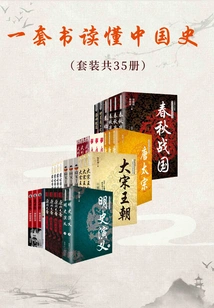
一套书读懂中国史(套装共35册)
Hu Xiaoming Hu Xiaohui Et Al.
A must-read classic that cannot be missed to understand Chinese history. It uses time as the meridian to connect the historical evolution process, feel the rise and fall of history, and uses characters as the latitude to reveal the mysteries of history and human nature. This set of books takes you through the evolution of history, starting from the pre-Qin Dynasty to the late Qing Dynasty and the early Republic of China. Through the rise and fall, inheritance and changes, you can find the origin of Chinese culture.
A must-read classic that cannot be missed to understand Chinese history. It uses time as the meridian to connect the historical evolution process, feel the rise and fall of history, and uses characters as the latitude to reveal the mysteries of history and human nature. This set of books takes you through the evolution of history, starting from the pre-Qin Dynasty to the late Qing Dynasty and the early Republic of China. Through the rise and fall, inheritance and changes, you can find the origin of Chinese culture.
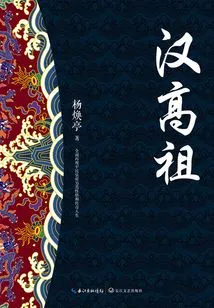
Emperor Gaozu of the Han Dynasty (complete Works)
General Fiction汉高祖(全集)
Yang Huanting
"Han Gaozu" is based on the peasant uprising in the late Qin Dynasty and the "Chu-Han Conflict" as the main line. It artistically reproduces Liu Bang, the founder of the Western Han Dynasty, his all-powerful situation, the ups and downs of political and military history and the rich emotional world; it panoramically shows the huge historical transformation of economy, politics, society and culture from the late Qin to the early Western Han Dynasty, from chaos to rule, from turmoil to social gatherings. The complex ecology moving towards stability and from economic collapse to economic recovery; multi-level and multi-perspective displays of the political wisdom, military strategy and governance skills of the Western Han Dynasty political group headed by Liu Bang; vividly depicting nearly a hundred artistic group portraits of Liu Bang, Xiang Yu, Xiao He, Cao Shen, Zhang Liang, Han Xin, Fan Zeng, Fan Kuai, Lu Pheasant, Yu Ji, etc. With different personalities. The work uses an epic structure to reflect almost all major events and folk customs from the peasant wars at the end of Qin Dynasty to the early Western Han Dynasty, and also gives it a personalized artistic aesthetic. It is a long-volume masterpiece on the historical themes of the Western Han Dynasty.
"Han Gaozu" is based on the peasant uprising in the late Qin Dynasty and the "Chu-Han Conflict" as the main line. It artistically reproduces Liu Bang, the founder of the Western Han Dynasty, his all-powerful situation, the ups and downs of political and military history and the rich emotional world; it panoramically shows the huge historical transformation of economy, politics, society and culture from the late Qin to the early Western Han Dynasty, from chaos to rule, from turmoil to social gatherings. The complex ecology moving towards stability and from economic collapse to economic recovery; multi-level and multi-perspective displays of the political wisdom, military strategy and governance skills of the Western Han Dynasty political group headed by Liu Bang; vividly depicting nearly a hundred artistic group portraits of Liu Bang, Xiang Yu, Xiao He, Cao Shen, Zhang Liang, Han Xin, Fan Zeng, Fan Kuai, Lu Pheasant, Yu Ji, etc. With different personalities. The work uses an epic structure to reflect almost all major events and folk customs from the peasant wars at the end of Qin Dynasty to the early Western Han Dynasty, and also gives it a personalized artistic aesthetic. It is a long-volume masterpiece on the historical themes of the Western Han Dynasty.
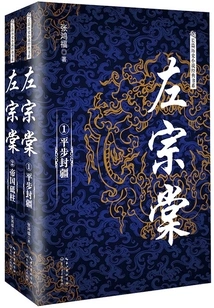
左宗棠(全集)(长篇历史小说经典书系)
Zhang Hongfu
This book is a full-length historical novel. Zuo Zongtang was an important minister of the late Qing Dynasty, a strategist, a politician, a famous general of the Hunan Army, and the leader of the Westernization Movement. He failed in many trials when he was young, so he turned his attention to farming, read many books, studied geography and military art, and later became a famous minister of the Qing Dynasty.
This book is a full-length historical novel. Zuo Zongtang was an important minister of the late Qing Dynasty, a strategist, a politician, a famous general of the Hunan Army, and the leader of the Westernization Movement. He failed in many trials when he was young, so he turned his attention to farming, read many books, studied geography and military art, and later became a famous minister of the Qing Dynasty.
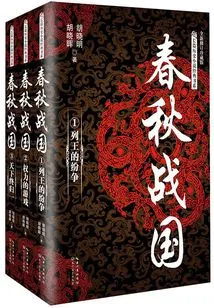
Spring and Autumn and Warring States (complete Works) (classic Book Series of Long Historical Novels)
General Fiction春秋战国(全集)(长篇历史小说经典书系)
Hu Xiaoming Hu Xiaohui
This is a book about war. The Qin State had one enemy against six, encroaching on the whales, showing the wise men's strategizing, the soldiers' iron horses and gold, and the monarch's anger like a tiger swallowing thousands of miles. This is a book about wisdom. During the Spring and Autumn Period and the Warring States Period, geniuses emerged, either as scholars or as strategists. They could either rejuvenate a country with one word, or subvert it with their sharp words, and they were incredibly sharp and dramatic.
This is a book about war. The Qin State had one enemy against six, encroaching on the whales, showing the wise men's strategizing, the soldiers' iron horses and gold, and the monarch's anger like a tiger swallowing thousands of miles. This is a book about wisdom. During the Spring and Autumn Period and the Warring States Period, geniuses emerged, either as scholars or as strategists. They could either rejuvenate a country with one word, or subvert it with their sharp words, and they were incredibly sharp and dramatic.
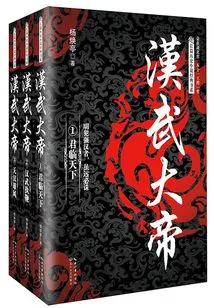
Emperor Wu of the Han Dynasty (complete Works) (classic Book Series of Long Historical Novels)
General Fiction汉武大帝(全集)(长篇历史小说经典书系)
Yang Huanting
"Emperor Wu of the Han Dynasty" begins with Liu Che's childhood. He succeeded to the throne through risks and took control of the power; he used virtuous reforms to respect the king and resist the barbarians; he fought against the Xiongnu and sent envoys to the Western Regions; he used witchcraft to cause chaos and revealed his sins to the people.
"Emperor Wu of the Han Dynasty" begins with Liu Che's childhood. He succeeded to the throne through risks and took control of the power; he used virtuous reforms to respect the king and resist the barbarians; he fought against the Xiongnu and sent envoys to the Western Regions; he used witchcraft to cause chaos and revealed his sins to the people.
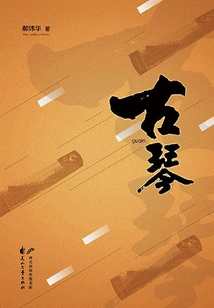
Guqin
General Fiction古琴
Hao Weihua
Lu Feiming was born into a guqin family and lived a peaceful life in a small building in Jimo County. He studied guqin diligently every day and determined to become a superb guqin performer. At this time, the Germans invaded Jimo and began to build a railway outside Jimo city. Lu Feiming went to take a peek at the construction site where the Germans were building a railway. He met Felix, a German who loved Chinese culture and guqin music, and gradually became a good friend. In order to resist the German occupation, the "Boxers" of Fangzi planned an assassination incident. After the assassination failed, Lu Feiming was implicated and imprisoned. Felix lost the trust of the German government because of his rescue of Lu Feiming, and was forced to return to the country to face trial. Before leaving, he was killed while going to a barber shop for a haircut. In order to find the murderer, German officials forced the county magistrate of Weixian County to adopt an implicated policy to kill the people in Fangzi. Their actions aroused strong resistance from the people of Fangzi. The angry fire burned the entire Fangzi City. In the vast night, Lu Feiming ran towards the unknown distance...
Lu Feiming was born into a guqin family and lived a peaceful life in a small building in Jimo County. He studied guqin diligently every day and determined to become a superb guqin performer. At this time, the Germans invaded Jimo and began to build a railway outside Jimo city. Lu Feiming went to take a peek at the construction site where the Germans were building a railway. He met Felix, a German who loved Chinese culture and guqin music, and gradually became a good friend. In order to resist the German occupation, the "Boxers" of Fangzi planned an assassination incident. After the assassination failed, Lu Feiming was implicated and imprisoned. Felix lost the trust of the German government because of his rescue of Lu Feiming, and was forced to return to the country to face trial. Before leaving, he was killed while going to a barber shop for a haircut. In order to find the murderer, German officials forced the county magistrate of Weixian County to adopt an implicated policy to kill the people in Fangzi. Their actions aroused strong resistance from the people of Fangzi. The angry fire burned the entire Fangzi City. In the vast night, Lu Feiming ran towards the unknown distance...
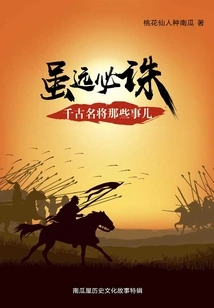
Even Though They Are Far Away, They Will Be Killed: Things About Famous Generals Throughout the Ages
General Fiction虽远必诛:千古名将那些事儿
Peach Blossom Fairy Pumpkin
In history, generals are like clouds, each showing his or her own style. In addition to their outstanding military exploits, some have left them with infamy, while others have amazed people throughout the ages. "Anyone who openly offends a strong man will be punished no matter how far away he is." For thousands of years, similar iron-blooded oaths and endless stories behind them have made the hearts of future generations of Chinese people boil with excitement and will be remembered forever.
In history, generals are like clouds, each showing his or her own style. In addition to their outstanding military exploits, some have left them with infamy, while others have amazed people throughout the ages. "Anyone who openly offends a strong man will be punished no matter how far away he is." For thousands of years, similar iron-blooded oaths and endless stories behind them have made the hearts of future generations of Chinese people boil with excitement and will be remembered forever.
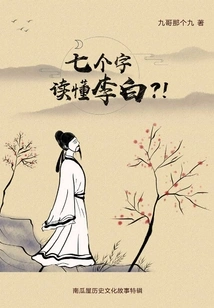
How to Read Li Bai in Seven Words? !
General Fiction七个字读懂李白?!
Brother Ninth, That Ninth Brother
Spiritually, Li Bai has become the eternal male god of cultural people at home and abroad, but physically, he stumbles and struggles in the world of mortals, as innocent as a fool... There are too many stories in his life, which can not only adjust our lives, but also "incite" us to enter the history that has already gone far, and breed a kind of "Chinese pride" in the blood, marrow and souls of each generation.
Spiritually, Li Bai has become the eternal male god of cultural people at home and abroad, but physically, he stumbles and struggles in the world of mortals, as innocent as a fool... There are too many stories in his life, which can not only adjust our lives, but also "incite" us to enter the history that has already gone far, and breed a kind of "Chinese pride" in the blood, marrow and souls of each generation.
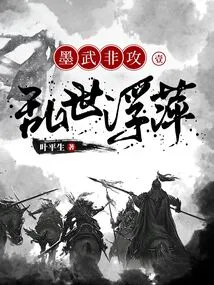
Mo Wu Fei Gong 1: Duckweed in Troubled Times
General Fiction墨武非攻1:乱世浮萍
Ye Pingsheng
Mo Zhai was determined to calm down the troubled times, so he joined Gongshu's sect and learned the art of mechanism. After Gongshumen was suppressed, Mo Zhai witnessed the suffering of the people while on the run, founded the Mohist school, improved the art of organization, and gradually developed the Mohist school. Gongshu Ban wanted to use mechanism skills to start a war, but was eventually defeated by Mo Zhai, and the former master and apprentice finally parted ways. The ultimate bet between Gongshuban and Guiguzi profoundly affected the direction of history.
Mo Zhai was determined to calm down the troubled times, so he joined Gongshu's sect and learned the art of mechanism. After Gongshumen was suppressed, Mo Zhai witnessed the suffering of the people while on the run, founded the Mohist school, improved the art of organization, and gradually developed the Mohist school. Gongshu Ban wanted to use mechanism skills to start a war, but was eventually defeated by Mo Zhai, and the former master and apprentice finally parted ways. The ultimate bet between Gongshuban and Guiguzi profoundly affected the direction of history.
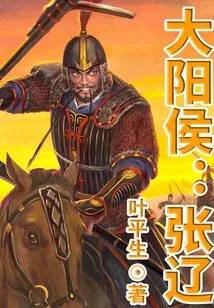
Marquis of Dayang: Zhang Liao
General Fiction大阳侯:张辽
Ye Pingsheng
At the end of the Eastern Han Dynasty, the Han Dynasty declined, and heroes from all over the land of Kyushu emerged. The flames of chaos pushed the unknown soldiers in the northern frontier to the battlefield where thousands of troops and horses were brutally fighting. His name was Zhang Liao, and he was known in later generations as the former general of Cao Wei's Five Greatest Generals. A lifetime of military service has made the timid young man who could only tremble under the iron hoof of Mobei grow into a dazzling star that the famous generals in the world dare not look directly at. He led the tiger and leopard cavalry at the foot of the White Wolf Mountain to kill Wuhuan Chan Yu Tadun, and led thousands of elite soldiers to defeat Hefei City. The 100,000-strong Soochow army followed Ding Yuan, Lu Bu, Cao Cao and other contemporary heroes, fought side by side with Guan Yu, Dian Wei, Xu Huang and other contemporary famous generals, and wrote an immortal legend belonging to a famous northern general in the fire of the Three Kingdoms.
At the end of the Eastern Han Dynasty, the Han Dynasty declined, and heroes from all over the land of Kyushu emerged. The flames of chaos pushed the unknown soldiers in the northern frontier to the battlefield where thousands of troops and horses were brutally fighting. His name was Zhang Liao, and he was known in later generations as the former general of Cao Wei's Five Greatest Generals. A lifetime of military service has made the timid young man who could only tremble under the iron hoof of Mobei grow into a dazzling star that the famous generals in the world dare not look directly at. He led the tiger and leopard cavalry at the foot of the White Wolf Mountain to kill Wuhuan Chan Yu Tadun, and led thousands of elite soldiers to defeat Hefei City. The 100,000-strong Soochow army followed Ding Yuan, Lu Bu, Cao Cao and other contemporary heroes, fought side by side with Guan Yu, Dian Wei, Xu Huang and other contemporary famous generals, and wrote an immortal legend belonging to a famous northern general in the fire of the Three Kingdoms.
Mo Wu Fei Gong 2: Confucianism, Taoism and Public Defeat
General Fiction墨武非攻2:儒道公输
Ye Pingsheng
After the assassination of San Huan failed, Mo Zhai and Gongshu Ban also embarked on completely different paths due to their differences in obsessions. The Mohist family chose to accept the invitation of Princess Yaoli and go to Teng State to rebuild the Mohist family with the support of the monarch; while Gongshuban went to the mysterious Yunmeng Mountain alone to ask for a meeting with Guiguzi, who had come and gone without a trace, in order to gain the power to avenge Sanhuan. Before the Mohist family could settle down, the iron hooves of Lu's large-scale southern invasion swarmed in, and a hundred thousand armored men came toward the capital of Teng State. The Mohist family had to fight in order to survive; on the other hand, the public loser class gradually understood the law of revenge in front of the gate of Guigu, and determined to rely on the power of the political strategist to summon the exiled public loser children. On two different battlefields, Gongshu and Mo, a pair of close allies who fought side by side in the past, are drifting apart amidst the unchangeable changes in world affairs...
After the assassination of San Huan failed, Mo Zhai and Gongshu Ban also embarked on completely different paths due to their differences in obsessions. The Mohist family chose to accept the invitation of Princess Yaoli and go to Teng State to rebuild the Mohist family with the support of the monarch; while Gongshuban went to the mysterious Yunmeng Mountain alone to ask for a meeting with Guiguzi, who had come and gone without a trace, in order to gain the power to avenge Sanhuan. Before the Mohist family could settle down, the iron hooves of Lu's large-scale southern invasion swarmed in, and a hundred thousand armored men came toward the capital of Teng State. The Mohist family had to fight in order to survive; on the other hand, the public loser class gradually understood the law of revenge in front of the gate of Guigu, and determined to rely on the power of the political strategist to summon the exiled public loser children. On two different battlefields, Gongshu and Mo, a pair of close allies who fought side by side in the past, are drifting apart amidst the unchangeable changes in world affairs...
The Vicissitudes of Empire: the Historical Truth Behind the Financial Crisis of the Late Qing Dynasty
General Fiction帝国沧桑:晚清金融风暴幕后的历史真相
Li Delin
This book tells that in 1872, the Qing Dynasty launched a magnificent reform and opening up. Empress Cixi, Li Hongzhang, Sheng Xuanhuai, Tang Tingshu, Ito Hirobumi, Hoover... All the influential figures appeared in costumes one by one, and together they sang the last elegy of the Aisin Gioro Dynasty. Behind this tragic elegy a hundred years ago, who was promoting the reform and opening up of the Qing Dynasty? Who is manipulating the immature Qing Dynasty stock market? On the turbulent road to the revival of the Qing Dynasty, who is directing the series of financial turmoil? This book recreates the capital market of the late Qing Dynasty from 1872 to 1911, like a mirror reflecting the past and present. Chinese bureaucrats and capitalists, joint-stock reform, insider trading, financial scams, lack of national integrity, etc., Have led us to find the growth genes of today's Chinese capital market. How does the invisible hand of financial capital work? After reading the whole book, you will find that the tuition fees and financial vicissitudes of the Qing Empire are lessons for today.
This book tells that in 1872, the Qing Dynasty launched a magnificent reform and opening up. Empress Cixi, Li Hongzhang, Sheng Xuanhuai, Tang Tingshu, Ito Hirobumi, Hoover... All the influential figures appeared in costumes one by one, and together they sang the last elegy of the Aisin Gioro Dynasty. Behind this tragic elegy a hundred years ago, who was promoting the reform and opening up of the Qing Dynasty? Who is manipulating the immature Qing Dynasty stock market? On the turbulent road to the revival of the Qing Dynasty, who is directing the series of financial turmoil? This book recreates the capital market of the late Qing Dynasty from 1872 to 1911, like a mirror reflecting the past and present. Chinese bureaucrats and capitalists, joint-stock reform, insider trading, financial scams, lack of national integrity, etc., Have led us to find the growth genes of today's Chinese capital market. How does the invisible hand of financial capital work? After reading the whole book, you will find that the tuition fees and financial vicissitudes of the Qing Empire are lessons for today.
Wang Mang: My Ideal World
General Fiction王莽:我理想中的天下
Linghu Horse
This book is based on real historical materials, with Wang Mang as the main narrative line. In the process of telling Wang Mang's rise from weakness to strength, establishing a new generation for the Han Dynasty, and finally his destruction, it traces the events of Yuan, Cheng, Ai, and Ping. Wang Mang established a new dynasty and carried out a series of reforms in politics, economy, culture and society. Many of his policies were very advanced. His land nationalization reform, currency reform, planned economy, etc. Are all very good concepts and are indeed beneficial to the vast number of poor people. If they succeed, they are likely to change the history of China. But these reforms failed. What did Wang Mang do wrong that caused the people to turn from their love for him to resentment? Not only did they want to attack him in groups, but they even wanted to eat his flesh after his death? What are the omissions in Wang Mang's seemingly beautiful reforms? What were the reasons for his failure?
This book is based on real historical materials, with Wang Mang as the main narrative line. In the process of telling Wang Mang's rise from weakness to strength, establishing a new generation for the Han Dynasty, and finally his destruction, it traces the events of Yuan, Cheng, Ai, and Ping. Wang Mang established a new dynasty and carried out a series of reforms in politics, economy, culture and society. Many of his policies were very advanced. His land nationalization reform, currency reform, planned economy, etc. Are all very good concepts and are indeed beneficial to the vast number of poor people. If they succeed, they are likely to change the history of China. But these reforms failed. What did Wang Mang do wrong that caused the people to turn from their love for him to resentment? Not only did they want to attack him in groups, but they even wanted to eat his flesh after his death? What are the omissions in Wang Mang's seemingly beautiful reforms? What were the reasons for his failure?
Guyan
General Fiction孤雁
Li Yi
The long historical novel "Lone Wild Goose" weaves a colorful picture with time as the warp and historical materials and legends as the weft. It carefully depicts the whole process of Peng Yulin, known as the "Three Heroes of the Qing Dynasty" together with Zeng Guofan and Zuo Zongtang. He was listed by later historians as the "Four Famous Ministers of the Zhongxing" in the late Qing Dynasty. He was the naval commander of the Hunan Army and the founder of China's modern navy. He went from an unknown poor scholar to the commander of the Yangtze River Navy. It fully demonstrated his ability to command both in civil and military affairs, as well as to be resourceful and heroic. At the same time, through the description of how he repeatedly resigned from office when he was famous for his military exploits, but stepped forward when the country was in hardship and his comrades were in danger, it reflects his chivalrous courage and love for his family and country, without being greedy for power, and having the courage to take on responsibilities. The story of Peng Yulin, who was upright and honest, not afraid of powerful people, and dared to punish corrupt bullies, is also vividly reflected in the book. His unforgettable love legend of "Knowing you are a plum blossom all your life" makes readers read "Lone Wild Goose" and easily feel the other side of a generation of Confucian generals who are unconventional, tender, sincere and sincere. When they close the book, they will inevitably feel full of respect.
The long historical novel "Lone Wild Goose" weaves a colorful picture with time as the warp and historical materials and legends as the weft. It carefully depicts the whole process of Peng Yulin, known as the "Three Heroes of the Qing Dynasty" together with Zeng Guofan and Zuo Zongtang. He was listed by later historians as the "Four Famous Ministers of the Zhongxing" in the late Qing Dynasty. He was the naval commander of the Hunan Army and the founder of China's modern navy. He went from an unknown poor scholar to the commander of the Yangtze River Navy. It fully demonstrated his ability to command both in civil and military affairs, as well as to be resourceful and heroic. At the same time, through the description of how he repeatedly resigned from office when he was famous for his military exploits, but stepped forward when the country was in hardship and his comrades were in danger, it reflects his chivalrous courage and love for his family and country, without being greedy for power, and having the courage to take on responsibilities. The story of Peng Yulin, who was upright and honest, not afraid of powerful people, and dared to punish corrupt bullies, is also vividly reflected in the book. His unforgettable love legend of "Knowing you are a plum blossom all your life" makes readers read "Lone Wild Goose" and easily feel the other side of a generation of Confucian generals who are unconventional, tender, sincere and sincere. When they close the book, they will inevitably feel full of respect.
Bannong Villa
General Fiction半农山庄
Zhang Weiwei
This book tells the life story of Sun Hechun, an enlightened businessman from southern Shandong during the Republic of China, in the form of a biography. The book follows the development of time and describes major events such as the anti-foreign religion struggle, Yizhou mining rights, door tickets, the Northern Expedition, the suppression of bandits in southern Shandong, armed uprisings, and the Japanese attack on Pier Town. It tells about Sun Hechun's good deeds such as rescuing foreigners, releasing grain in Sihong, and rescuing skinny monkeys; he mined coal mines to develop local business; he went to other places to learn technology in order to build an iron factory; when bandits harassed the dock town, he used tricks to drive away the bandits; in the Vulcan's food grab, he opened the door of the villa, making the Vulcan leave with emotion; in the fight against the Japanese army, Bannong Villa became a strong fortress...
This book tells the life story of Sun Hechun, an enlightened businessman from southern Shandong during the Republic of China, in the form of a biography. The book follows the development of time and describes major events such as the anti-foreign religion struggle, Yizhou mining rights, door tickets, the Northern Expedition, the suppression of bandits in southern Shandong, armed uprisings, and the Japanese attack on Pier Town. It tells about Sun Hechun's good deeds such as rescuing foreigners, releasing grain in Sihong, and rescuing skinny monkeys; he mined coal mines to develop local business; he went to other places to learn technology in order to build an iron factory; when bandits harassed the dock town, he used tricks to drive away the bandits; in the Vulcan's food grab, he opened the door of the villa, making the Vulcan leave with emotion; in the fight against the Japanese army, Bannong Villa became a strong fortress...
New Biography of Xi Shi
General Fiction西施新传
Yidie
She just wanted to be a beauty, but in the end she couldn't live without the reputation of being a disaster. Many men were conquered by her beauty, kindness, and wisdom, but they did not let go of their desire for power when winning the hearts of beauties. There are turbulent undercurrents between the two countries, and they are killing each other. The emotions between the hero and heroine are tangled and difficult to control. Xi Shi and Fan Li finally gave up their love and chose to save the country and the people. The story promotes the heroic feat of a patriotic woman who sacrifices herself to save the country, interprets the most tragic and poignant love story in the world, and at the same time consolidates the foundation of Wuyue culture. The twists and turns of the plot, the heart-wrenching feeling, and the mixture of joy and sorrow allow modern people to spread, interpret, and appreciate it.
She just wanted to be a beauty, but in the end she couldn't live without the reputation of being a disaster. Many men were conquered by her beauty, kindness, and wisdom, but they did not let go of their desire for power when winning the hearts of beauties. There are turbulent undercurrents between the two countries, and they are killing each other. The emotions between the hero and heroine are tangled and difficult to control. Xi Shi and Fan Li finally gave up their love and chose to save the country and the people. The story promotes the heroic feat of a patriotic woman who sacrifices herself to save the country, interprets the most tragic and poignant love story in the world, and at the same time consolidates the foundation of Wuyue culture. The twists and turns of the plot, the heart-wrenching feeling, and the mixture of joy and sorrow allow modern people to spread, interpret, and appreciate it.
The Cradle of Loyalty
General Fiction丹心摇篮
Zhuzheng Jiangnan
Destiny can escape winter, but how can memory forget the severe cold? The book consists of eight volumes, telling the story of the family's ups and downs during the revolutionary period, the new China period, and the reform and opening up period. Chikov, an old party member in his 80s, formed the Danxin Lecture Group to tell us that ancient story. The book also describes some of the achievements of the Danxin Mission.
Destiny can escape winter, but how can memory forget the severe cold? The book consists of eight volumes, telling the story of the family's ups and downs during the revolutionary period, the new China period, and the reform and opening up period. Chikov, an old party member in his 80s, formed the Danxin Lecture Group to tell us that ancient story. The book also describes some of the achievements of the Danxin Mission.
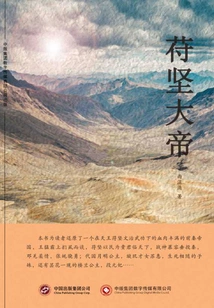
Emperor Fu Jian
General Fiction苻坚大帝
Rain Trickling
With a grand length of 380,000 words, this book restores to readers a flesh-and-blood pre-Qin empire under the civil and martial arts of the king Fu Jian. The novel respects history but does not make fun of it. Historical figures from the pre-Qin period appear on stage, Wang Mengba talks with his lice on the moon, Fu Jian regards the people as the most precious king and comes to the world, the war god Murong Chui surrenders to Qin, Deng Qiang is tender, Zhang Haoxiao is It is brave and injects bright and stunning elements, including Princess Yueming of Daiguo, Su Hui, a talented girl from Xuanji, Zishu who follows her in life and death, and the short-lived Princess Loulan, Concubine Duan Yuan, etc... Whether it is the political game between countries, or the overt and covert struggle of glory and wealth in the court, there are also characters' good and evil, love and hatred, which are vivid, exciting and fascinating. The sense of picture, lens, rhythm and melody are vivid before your eyes, with a degree of relaxation, peach blossoms flowing, and you can't stop. "Emperor Fu Jian", dreaming back to the former Qin Dynasty, presents you with a different historical picture!
With a grand length of 380,000 words, this book restores to readers a flesh-and-blood pre-Qin empire under the civil and martial arts of the king Fu Jian. The novel respects history but does not make fun of it. Historical figures from the pre-Qin period appear on stage, Wang Mengba talks with his lice on the moon, Fu Jian regards the people as the most precious king and comes to the world, the war god Murong Chui surrenders to Qin, Deng Qiang is tender, Zhang Haoxiao is It is brave and injects bright and stunning elements, including Princess Yueming of Daiguo, Su Hui, a talented girl from Xuanji, Zishu who follows her in life and death, and the short-lived Princess Loulan, Concubine Duan Yuan, etc... Whether it is the political game between countries, or the overt and covert struggle of glory and wealth in the court, there are also characters' good and evil, love and hatred, which are vivid, exciting and fascinating. The sense of picture, lens, rhythm and melody are vivid before your eyes, with a degree of relaxation, peach blossoms flowing, and you can't stop. "Emperor Fu Jian", dreaming back to the former Qin Dynasty, presents you with a different historical picture!
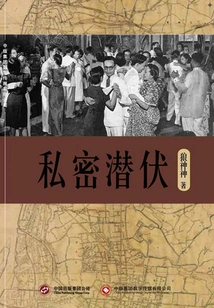
Privately Lurking
General Fiction私密潜伏
Wolf God
On the eve of liberation, Lin Zhonglun, a meritorious intelligence officer of our party who was lurking in the enemy, unexpectedly obtained the top-secret information "Dongan City Square Map" and handed it over to his assistants: young couple Feng Guansheng and Fang Xiulan; Fang Xiulan successfully broke through with the information; Dong'an was liberated, and Fang Xiulan lost her fertility due to injury. What awaits them? Can their firm belief in party loyalty sustain them?
On the eve of liberation, Lin Zhonglun, a meritorious intelligence officer of our party who was lurking in the enemy, unexpectedly obtained the top-secret information "Dongan City Square Map" and handed it over to his assistants: young couple Feng Guansheng and Fang Xiulan; Fang Xiulan successfully broke through with the information; Dong'an was liberated, and Fang Xiulan lost her fertility due to injury. What awaits them? Can their firm belief in party loyalty sustain them?
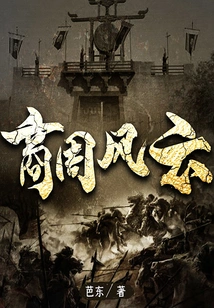
Shang and Zhou Dynasties
General Fiction商周风云
Patong
This book is based on historical materials such as "Historical Records" and "Bamboo Chronicles", with appropriate fictionalization and artistic processing, and tells the magnificent history of the late Shang Dynasty and early Zhou Dynasty. This book abandons the fantasy and fantasy myths of "The List of Gods", strives to be true, and restores historical stories from all aspects of sacrifice, war, and politics.
This book is based on historical materials such as "Historical Records" and "Bamboo Chronicles", with appropriate fictionalization and artistic processing, and tells the magnificent history of the late Shang Dynasty and early Zhou Dynasty. This book abandons the fantasy and fantasy myths of "The List of Gods", strives to be true, and restores historical stories from all aspects of sacrifice, war, and politics.
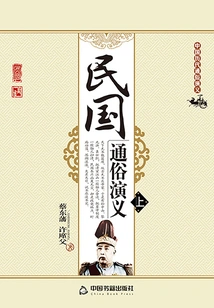
Popular Romance of the Republic of China (part 1)
General Fiction民国通俗演义(上)
Cai Dongfan Xu Genfu
From the Qin and Han Dynasties to the Republic of China, the book has more than a thousand chapters and more than 5 million words, covering nearly 2,200 years of history. It mainly focuses on historical history and side by side with unofficial history. It draws materials carefully, has plain views, rich content, well-narrated narratives, elegant language, self-evaluation and self-annotation, and has both reason and interest. It is regarded as a classic of popular history. It is one of the "Popular Romance of Chinese Dynasties". It is based on historical facts, appropriately draws on the writing methods of romance novels, and adds some plots and character descriptions. It has achieved the unity of ideological, intellectual and readability to a large extent, and has achieved extraordinary achievements in many aspects. "Popular Romance of the Republic of China" provides a panoramic outline and detailed description of the development and evolution of the national revolution, the overthrow of the monarchy and the establishment of a republic, the exploration and practice of the early democratic road, warlords' melee, and the Northern Expedition. The context is clear and vivid, and it has the dual charm of historical significance and literary artistry.
From the Qin and Han Dynasties to the Republic of China, the book has more than a thousand chapters and more than 5 million words, covering nearly 2,200 years of history. It mainly focuses on historical history and side by side with unofficial history. It draws materials carefully, has plain views, rich content, well-narrated narratives, elegant language, self-evaluation and self-annotation, and has both reason and interest. It is regarded as a classic of popular history. It is one of the "Popular Romance of Chinese Dynasties". It is based on historical facts, appropriately draws on the writing methods of romance novels, and adds some plots and character descriptions. It has achieved the unity of ideological, intellectual and readability to a large extent, and has achieved extraordinary achievements in many aspects. "Popular Romance of the Republic of China" provides a panoramic outline and detailed description of the development and evolution of the national revolution, the overthrow of the monarchy and the establishment of a republic, the exploration and practice of the early democratic road, warlords' melee, and the Northern Expedition. The context is clear and vivid, and it has the dual charm of historical significance and literary artistry.
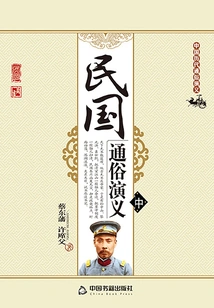
Popular Romance of the Republic of China (part 2)
General Fiction民国通俗演义(中)
Cai Dongfan Xu Genfu
From the Qin and Han Dynasties to the Republic of China, the book has more than a thousand chapters and more than 5 million words, covering nearly 2,200 years of history. It mainly focuses on historical history and side by side with unofficial history. It draws materials carefully, has plain views, rich content, well-narrated narratives, elegant language, self-evaluation and self-annotation, and has both reason and interest. It is regarded as a classic of popular history. It is one of the "Popular Romance of Chinese Dynasties". It is based on historical facts, appropriately draws on the writing methods of romance novels, and adds some plots and character descriptions. It has achieved the unity of ideological, intellectual and readability to a large extent, and has achieved extraordinary achievements in many aspects. "Popular Romance of the Republic of China" provides a panoramic outline and detailed description of the development and evolution of the national revolution, the overthrow of the monarchy and the establishment of a republic, the exploration and practice of the democratic road in the early Republic of China, the warlords' melee and the Northern Expedition. The context is clear and vivid, and it has the dual charm of historical significance and literary artistry.
From the Qin and Han Dynasties to the Republic of China, the book has more than a thousand chapters and more than 5 million words, covering nearly 2,200 years of history. It mainly focuses on historical history and side by side with unofficial history. It draws materials carefully, has plain views, rich content, well-narrated narratives, elegant language, self-evaluation and self-annotation, and has both reason and interest. It is regarded as a classic of popular history. It is one of the "Popular Romance of Chinese Dynasties". It is based on historical facts, appropriately draws on the writing methods of romance novels, and adds some plots and character descriptions. It has achieved the unity of ideological, intellectual and readability to a large extent, and has achieved extraordinary achievements in many aspects. "Popular Romance of the Republic of China" provides a panoramic outline and detailed description of the development and evolution of the national revolution, the overthrow of the monarchy and the establishment of a republic, the exploration and practice of the democratic road in the early Republic of China, the warlords' melee and the Northern Expedition. The context is clear and vivid, and it has the dual charm of historical significance and literary artistry.
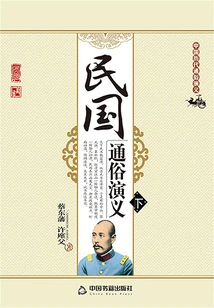
Popular Romance of the Republic of China (part 2)
General Fiction民国通俗演义(下)
Cai Dongfan Xu Genfu
From the Qin and Han Dynasties to the Republic of China, the book has more than a thousand chapters and more than 5 million words, covering nearly 2,200 years of history. It mainly focuses on historical history and side by side with unofficial history. It draws materials carefully, has plain views, rich content, well-narrated narratives, elegant language, self-evaluation and self-annotation, and has both reason and interest. It is regarded as a classic of popular history. It is one of the "Popular Romance of Chinese Dynasties". It is based on historical facts, appropriately draws on the writing methods of romance novels, and adds some plots and character descriptions. It has achieved the unity of ideological, intellectual and readability to a large extent, and has achieved extraordinary achievements in many aspects. "Popular Romance of the Republic of China" provides a panoramic outline and detailed description of the development and evolution of the national revolution, the overthrow of the monarchy and the establishment of a republic, the exploration and practice of the democratic road in the early Republic of China, the warlords' melee and the Northern Expedition. The context is clear and vivid, and it has the dual charm of historical significance and literary artistry.
From the Qin and Han Dynasties to the Republic of China, the book has more than a thousand chapters and more than 5 million words, covering nearly 2,200 years of history. It mainly focuses on historical history and side by side with unofficial history. It draws materials carefully, has plain views, rich content, well-narrated narratives, elegant language, self-evaluation and self-annotation, and has both reason and interest. It is regarded as a classic of popular history. It is one of the "Popular Romance of Chinese Dynasties". It is based on historical facts, appropriately draws on the writing methods of romance novels, and adds some plots and character descriptions. It has achieved the unity of ideological, intellectual and readability to a large extent, and has achieved extraordinary achievements in many aspects. "Popular Romance of the Republic of China" provides a panoramic outline and detailed description of the development and evolution of the national revolution, the overthrow of the monarchy and the establishment of a republic, the exploration and practice of the democratic road in the early Republic of China, the warlords' melee and the Northern Expedition. The context is clear and vivid, and it has the dual charm of historical significance and literary artistry.
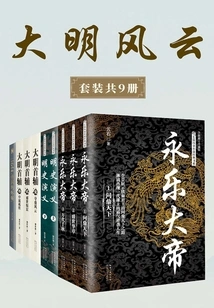
The Storm of the Ming Dynasty (set of 9 Volumes in Total)
General Fiction大明风云(套装共9册)
Yun Shi Cai Dongfan Fu Chuansong Nie Zuoping
"Yongle Emperor" (all three volumes) After Zhu Yuanzhang's death, the Yan Fan, who only had a corner of Peiping, was like a small boat in the sea, in danger of capsizing at any time. How to find a way out has become a problem that Zhu Di urgently needs to solve... "The Romance of the Ming Dynasty" (two volumes) covers the history of the Ming Dynasty from the founding of the country by Zhu Yuanzhang to the fall of the country by Chongzhen. Zhu Yuanzhang rose to the occasion, expelled Emperor Yuan and unified China within a few years. "The Chief Assistant of the Ming Dynasty" (three volumes in total) depicts the scenes of emperors and ministers such as Zhu Di, Zhu Gaochi, and Yang Pu working hard to achieve great governance; the story of Yang Pu, together with the cabinet ministers Yang Shiqi and Yang Rong, defending the country and rejuvenating the country; and the story of "Three Yangs" assisting the young emperor Zhu Qizhen in ascending the throne, and fighting a life-and-death struggle with the treacherous eunuch king. "1644: The Pain of the Empire" In 1644 AD, the land of China was devastated by war smoke... The author described to us the historical silhouette of a tragic era with a unique fresh and delicate but slightly heavy style.
"Yongle Emperor" (all three volumes) After Zhu Yuanzhang's death, the Yan Fan, who only had a corner of Peiping, was like a small boat in the sea, in danger of capsizing at any time. How to find a way out has become a problem that Zhu Di urgently needs to solve... "The Romance of the Ming Dynasty" (two volumes) covers the history of the Ming Dynasty from the founding of the country by Zhu Yuanzhang to the fall of the country by Chongzhen. Zhu Yuanzhang rose to the occasion, expelled Emperor Yuan and unified China within a few years. "The Chief Assistant of the Ming Dynasty" (three volumes in total) depicts the scenes of emperors and ministers such as Zhu Di, Zhu Gaochi, and Yang Pu working hard to achieve great governance; the story of Yang Pu, together with the cabinet ministers Yang Shiqi and Yang Rong, defending the country and rejuvenating the country; and the story of "Three Yangs" assisting the young emperor Zhu Qizhen in ascending the throne, and fighting a life-and-death struggle with the treacherous eunuch king. "1644: The Pain of the Empire" In 1644 AD, the land of China was devastated by war smoke... The author described to us the historical silhouette of a tragic era with a unique fresh and delicate but slightly heavy style.
Important Monuments (collected by Qiu Yu)
General Fiction重大碑书(秋雨合集)
Yu Qiuyu
This book is an inscription that the author was invited to write for various major cultural sites, and the calligraphy was also done by the author, so it is called an inscription. These include the "Stele of Emperor Yan", "The Stele of Famen Temple", "The Stele of Caishiji", "The Stele of Zhongshan", "The Stele of the Great Holy Pagoda", "The Stele of the Golden Bell Tower", etc. It has never happened before that so many top cultural sites have invited a cultural figure without official position to write inscriptions. The inscriptions written by the author look back at history with modern concepts and are written in a classical style that can be read smoothly by most contemporary travelers.
This book is an inscription that the author was invited to write for various major cultural sites, and the calligraphy was also done by the author, so it is called an inscription. These include the "Stele of Emperor Yan", "The Stele of Famen Temple", "The Stele of Caishiji", "The Stele of Zhongshan", "The Stele of the Great Holy Pagoda", "The Stele of the Golden Bell Tower", etc. It has never happened before that so many top cultural sites have invited a cultural figure without official position to write inscriptions. The inscriptions written by the author look back at history with modern concepts and are written in a classical style that can be read smoothly by most contemporary travelers.
Ming Dynasty Great Compassion Mantra
General Fiction明朝大悲咒
Xiong Zhaozheng
"Xiong Zhaozheng: The Great Compassion Mantra of the Ming Dynasty" is Mr. Xiong Zhaozheng's insights and notes on studying the history of the Ming Dynasty. It tells many stories of the Ming Dynasty in plain and easy-to-understand language, and depicts the emperors of the Ming Dynasty such as Zhu Yuanzhang and Zhu Di, the ministers of the Ming Dynasty such as Zhang Juzheng, and the scholars of the Ming Dynasty. For example, Wang Yangming, Fang Xiaoru, etc., As well as the great eunuchs Wei Zhongxian and Feng Bao of the Ming Dynasty, etc., Also narrate some important events in the history of the Ming Dynasty. The author has his own unique understanding and analysis of these historical events and historical figures, which is refreshing and beneficial to read.
"Xiong Zhaozheng: The Great Compassion Mantra of the Ming Dynasty" is Mr. Xiong Zhaozheng's insights and notes on studying the history of the Ming Dynasty. It tells many stories of the Ming Dynasty in plain and easy-to-understand language, and depicts the emperors of the Ming Dynasty such as Zhu Yuanzhang and Zhu Di, the ministers of the Ming Dynasty such as Zhang Juzheng, and the scholars of the Ming Dynasty. For example, Wang Yangming, Fang Xiaoru, etc., As well as the great eunuchs Wei Zhongxian and Feng Bao of the Ming Dynasty, etc., Also narrate some important events in the history of the Ming Dynasty. The author has his own unique understanding and analysis of these historical events and historical figures, which is refreshing and beneficial to read.
Defend Our Heroes
General Fiction捍卫我们的英雄
Chen Xianyi
The story tells the story of the beautiful and sadistic emotional entanglement between Princess Anqing of the Ming Dynasty and the famous generals Lan Yu, Ouyang Lun and Yan Qingcang. It is based on the tea and horse trade during the Ming Dynasty. Princess Anqing of the Ming Dynasty is the daughter of Zhu Yuanzhang and Queen Ma. She is naughty and stubbornly calls Lan Yu her brother. In his childhood, An Qing accidentally fell into the water and met Ouyang Lun. Lan Yu originally wanted to ask the emperor to marry An Qing to him after achieving military exploits, but An Qing fell in love with Ouyang Lun. Zhu Yuanzhang killed Lan Yu to destroy the nine tribes for the sake of the Ming Dynasty, and Ouyang Lun was sentenced to death by Zhu Yuanzhang for smuggling tea. Anqing was disheartened and finally became a monk. This book is a historical novel with certain market prospects.
The story tells the story of the beautiful and sadistic emotional entanglement between Princess Anqing of the Ming Dynasty and the famous generals Lan Yu, Ouyang Lun and Yan Qingcang. It is based on the tea and horse trade during the Ming Dynasty. Princess Anqing of the Ming Dynasty is the daughter of Zhu Yuanzhang and Queen Ma. She is naughty and stubbornly calls Lan Yu her brother. In his childhood, An Qing accidentally fell into the water and met Ouyang Lun. Lan Yu originally wanted to ask the emperor to marry An Qing to him after achieving military exploits, but An Qing fell in love with Ouyang Lun. Zhu Yuanzhang killed Lan Yu to destroy the nine tribes for the sake of the Ming Dynasty, and Ouyang Lun was sentenced to death by Zhu Yuanzhang for smuggling tea. Anqing was disheartened and finally became a monk. This book is a historical novel with certain market prospects.
Jiashen 300th Anniversary
General Fiction甲申三百年祭
Guo Moruo
This year is the Jiashen year of the lunar calendar. It has been another sixty years since Guo Moruo's "The Three Hundred Years of Jiashen" was serialized in Chongqing's "Xinhua Daily" on March 19, 1944. Guo Moruo, the editor of "Jiashen Three Hundred Years Sacrifice". Comrade Guo Moruo's "The Three Hundred Years of Jiashen" was written in 1944 to commemorate the 300th anniversary of the victory of the peasant uprising led by Li Zicheng in the late Ming Dynasty. This article was first published in Chongqing's "Xinhua Daily" and later printed in separate volumes in Yan'an and various liberated areas.
This year is the Jiashen year of the lunar calendar. It has been another sixty years since Guo Moruo's "The Three Hundred Years of Jiashen" was serialized in Chongqing's "Xinhua Daily" on March 19, 1944. Guo Moruo, the editor of "Jiashen Three Hundred Years Sacrifice". Comrade Guo Moruo's "The Three Hundred Years of Jiashen" was written in 1944 to commemorate the 300th anniversary of the victory of the peasant uprising led by Li Zicheng in the late Ming Dynasty. This article was first published in Chongqing's "Xinhua Daily" and later printed in separate volumes in Yan'an and various liberated areas.
红色的足迹:大鹏半岛革命历史回顾
Shenzhen Dapeng Party Working Committee Office Compiled By Zhong Huipo
Dapeng Peninsula is located at the eastern end of Shenzhen City and in the southeast of Guangdong. It is an important gateway for my country's South China coastal border defense and is also the base of the legendary revolutionary team of the Dongjiang Column led by the Communist Party of China. This land is also one of the excellent base areas in the Dongjiang Anti-Japanese Guerrilla Zone created by our party after thousands of struggles and hard work. This manuscript narrates the story of the Dongjiang Column's party organization in the Dapeng Peninsula area (including the entire Kwai Chung on the northern edge) and led the people in heroic struggles during the Anti-Japanese War and the Liberation War.
Dapeng Peninsula is located at the eastern end of Shenzhen City and in the southeast of Guangdong. It is an important gateway for my country's South China coastal border defense and is also the base of the legendary revolutionary team of the Dongjiang Column led by the Communist Party of China. This land is also one of the excellent base areas in the Dongjiang Anti-Japanese Guerrilla Zone created by our party after thousands of struggles and hard work. This manuscript narrates the story of the Dongjiang Column's party organization in the Dapeng Peninsula area (including the entire Kwai Chung on the northern edge) and led the people in heroic struggles during the Anti-Japanese War and the Liberation War.
Great Qin Tianhui
General Fiction大秦天回
Wang Jiang
This book is written during the Warring States Period. In order to expand its strength, the Qin State set its sights on the land of Bashu. Qin's strategy of using stone and cow dung gold allowed Shu to open the door on its own, and Shu took the opportunity to build the Golden Ox Road in order to send troops to destroy the feudal states. The protagonist of the novel, Gou Wu, was forcibly conscripted into the army. He risked his life to escape and traveled all the way south. In the troubled times, he finally climbed up the mountains and fell grass, robbed the rich and helped the poor, and became a hero who protected the people. When Qin went south along the Golden Bull Road to destroy Shu, Gou Wu led the rebel army to compete with the powerful Qin, defend Chengdu, and fight against the Qin army. Finally being outnumbered, the protector fled south. This story uses the excavation of the Golden Bull Road as the timeline and Gou Wu's life trajectory as the plot line. Taking Tianjun Mountain as the birthplace of the story, it depicts the vicissitudes of the ancient Shu Kingdom. Several clues are intertwined to express the customs and historical changes of that era. It also reflects the pain and helplessness of the people during the excavation of the Jinniu Road, as well as the perseverance of the Wuding spirit of the people in the ancient Shu period.
This book is written during the Warring States Period. In order to expand its strength, the Qin State set its sights on the land of Bashu. Qin's strategy of using stone and cow dung gold allowed Shu to open the door on its own, and Shu took the opportunity to build the Golden Ox Road in order to send troops to destroy the feudal states. The protagonist of the novel, Gou Wu, was forcibly conscripted into the army. He risked his life to escape and traveled all the way south. In the troubled times, he finally climbed up the mountains and fell grass, robbed the rich and helped the poor, and became a hero who protected the people. When Qin went south along the Golden Bull Road to destroy Shu, Gou Wu led the rebel army to compete with the powerful Qin, defend Chengdu, and fight against the Qin army. Finally being outnumbered, the protector fled south. This story uses the excavation of the Golden Bull Road as the timeline and Gou Wu's life trajectory as the plot line. Taking Tianjun Mountain as the birthplace of the story, it depicts the vicissitudes of the ancient Shu Kingdom. Several clues are intertwined to express the customs and historical changes of that era. It also reflects the pain and helplessness of the people during the excavation of the Jinniu Road, as well as the perseverance of the Wuding spirit of the people in the ancient Shu period.